
Creating a secure yard for your dog does not have to mean installing an expensive privacy fence or turning your outdoor space into something that feels cold and utilitarian. Some of the best cheap dog fence ideas combine simple materials, thoughtful planning, and a little DIY creativity to make an enclosure that feels like a natural part of the landscape.
The most important thing is to design around your particular dog. A relaxed small dog may be perfectly comfortable behind a modest mesh enclosure, while an athletic jumper, determined digger, or dog with a strong prey drive may need taller fencing, reinforced bottoms, and especially secure gates. No fence should automatically be considered escape-proof, so regular inspections and outdoor supervision still matter.
You are reading: 19 Cheap Dog Fence Ideas That Keep Your Yard Safe And Stylish
Before buying materials, measure only the area your dog actually needs. Enclosing a smaller section of the yard, incorporating an existing wall, or improving fencing you already own can dramatically reduce costs. Also check local fence regulations and property boundaries, and locate underground utilities before driving posts or digging holes.
With those basics covered, there are plenty of attractive ways to create a safe outdoor space without stretching your budget.
Cheap Dog Fence Ideas For Affordable And Beautiful Outdoor Spaces
Galvanized Welded Wire Fence With Simple Metal T-Posts
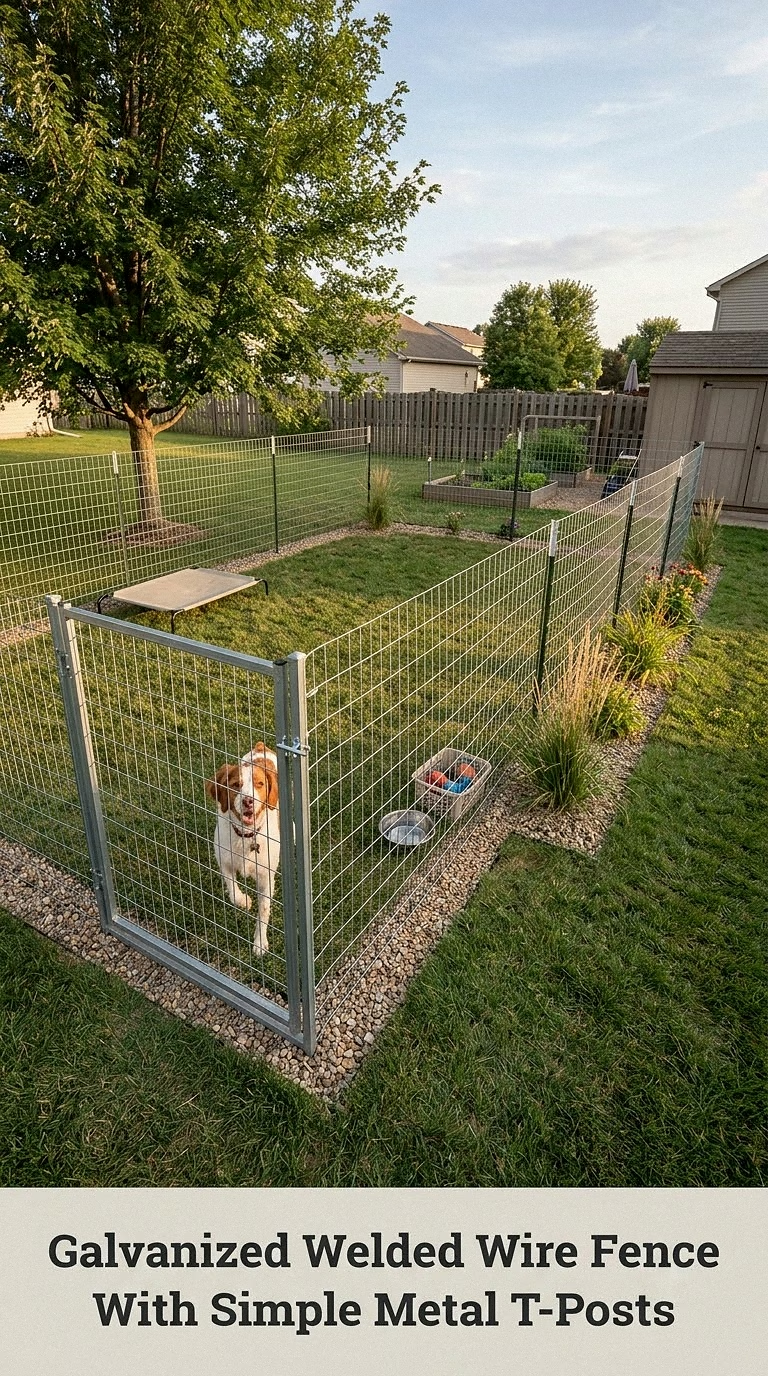
One of the most practical budget combinations is galvanized welded wire attached to metal T-posts. It has a clean, almost invisible appearance from a distance, allowing the lawn, trees, and landscaping to remain the visual focus.
This approach works especially well for larger yards because rolled wire can cover long distances without requiring continuous lumber rails. Keep the wire properly tensioned and secure it closely to each post so your dog cannot push beneath loose sections.
Choose the fence height and mesh opening according to your dog’s size and jumping ability. Small dogs require openings they cannot squeeze through, while athletic dogs may need a considerably taller barrier.
For a softer look, create a narrow mulch border along the fence and add dog-safe ornamental grasses or shrubs several feet inside it.
Black Welded Wire Fence With Warm Stained Wood Posts
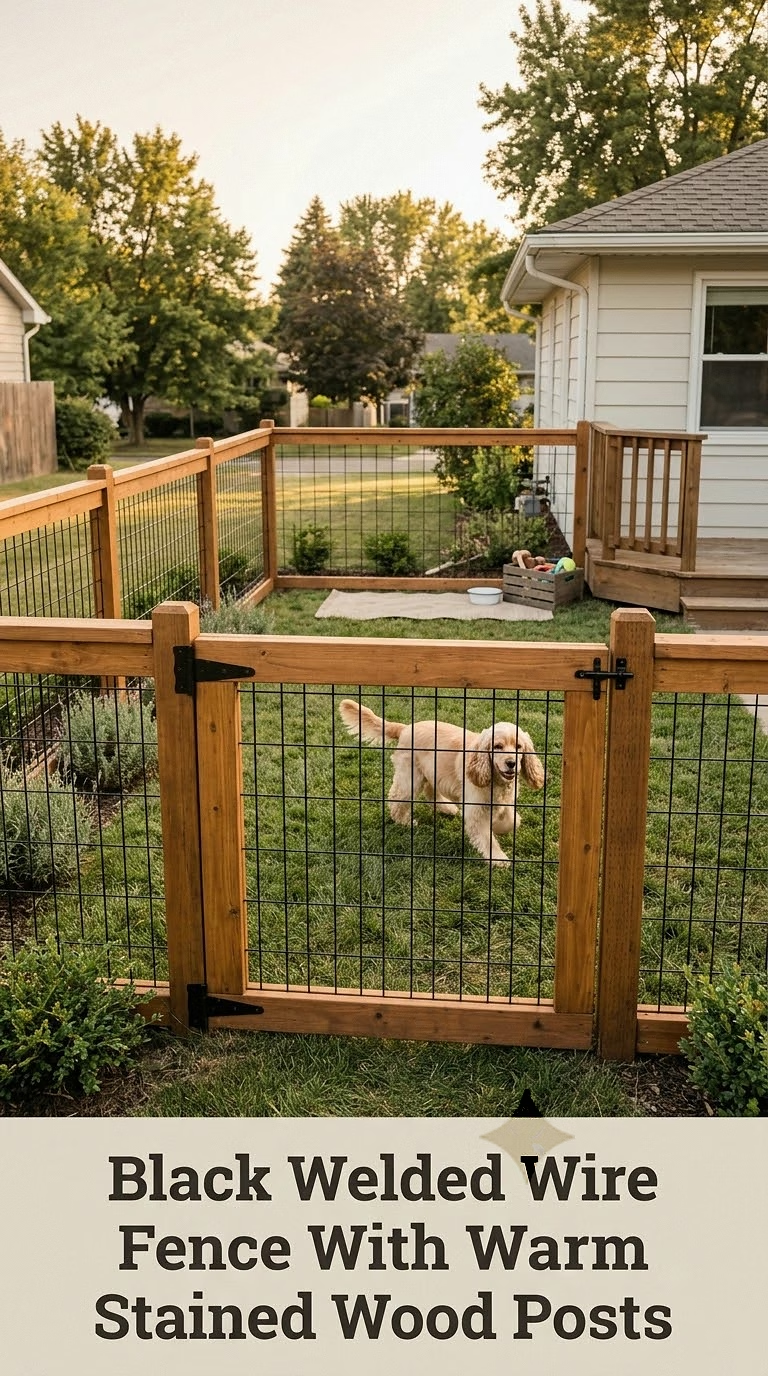
If standard farm-style wire feels too utilitarian, combine black vinyl-coated welded wire with inexpensive wooden posts.
The dark mesh visually disappears against greenery, while cedar-toned or medium-brown stained posts give the enclosure a surprisingly polished appearance. You get some of the warmth of a traditional wood fence without purchasing enough boards to create a solid wall.
Wooden corner posts can provide stability, with simpler posts used between them depending on the design and soil conditions.
Add a matching wooden gate frame to make the entire fence look intentional. A gravel or bark border underneath can reduce trimming around the wire and make maintenance easier.
This combination suits cottage gardens, modern backyards, woodland properties, and rustic homes equally well.
Rustic Split Rail Fence With Hidden Wire Mesh Infill
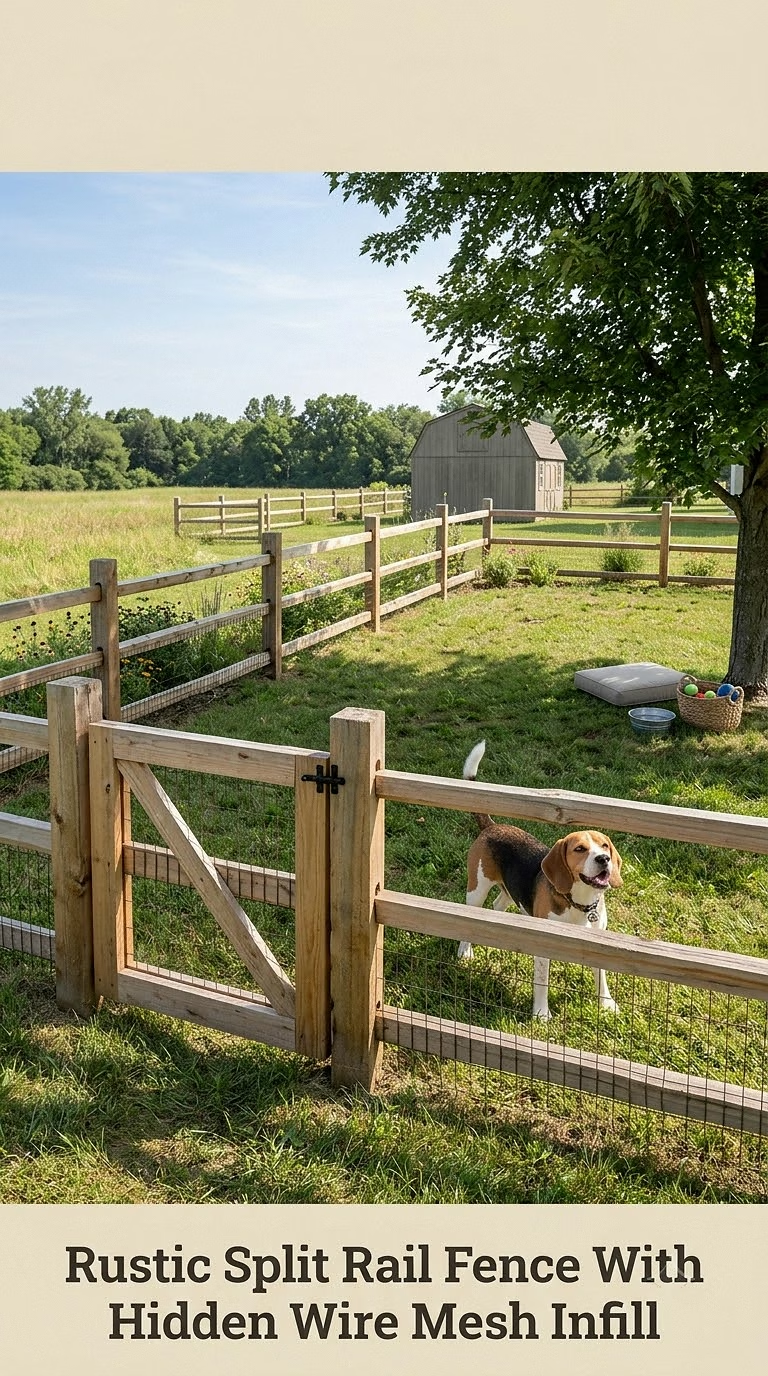
A traditional split rail fence looks charming but usually leaves openings large enough for dogs to walk directly through. Adding welded wire mesh behind the rails transforms it into a much more useful pet boundary.
Because the wooden rails remain the prominent visual feature, the mesh almost disappears when viewed from across the yard.
This can be particularly economical if you already have a decorative rail fence that only needs pet-proofing. Instead of replacing everything, securely fasten appropriately sized wire mesh along the interior.
A natural wood finish works beautifully with cottage gardens and country-style landscaping. Keep decorative planters, benches, stacked firewood, and other objects away from the inside edge if your dog is likely to use them as climbing platforms.
Reclaimed Pallet Privacy Fence With A Natural Wood Finish
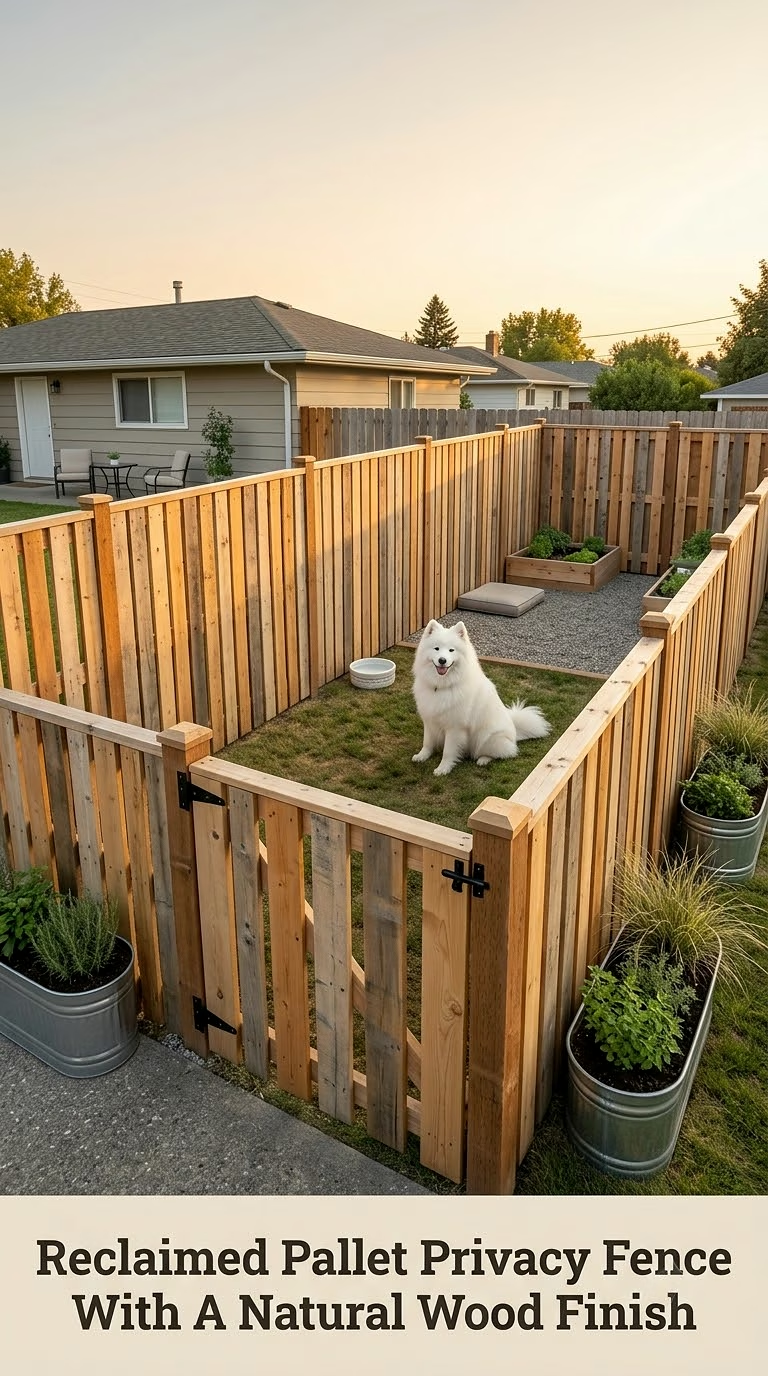
Reclaimed pallets can become an inexpensive privacy-style fence when safe wood is available locally. Positioned vertically between sturdy posts, the boards create a warm rustic backdrop while limiting distracting views beyond the yard.
The safest approach is to be selective rather than simply collecting any discarded pallet. Use clean, structurally sound material with known treatment history. Heat-treated lumber is preferable to questionable chemically treated, heavily stained, damaged, or contaminated wood. Remove protruding nails, sand rough areas, and replace broken boards.
Pallet openings may also need to be covered or reconstructed so paws and heads cannot become trapped.
Once prepared, the wood can be left natural, stained soft brown, or painted cream, charcoal, or muted sage for a more finished backyard look.
Budget Chain-Link Fence With Bamboo Privacy Screening
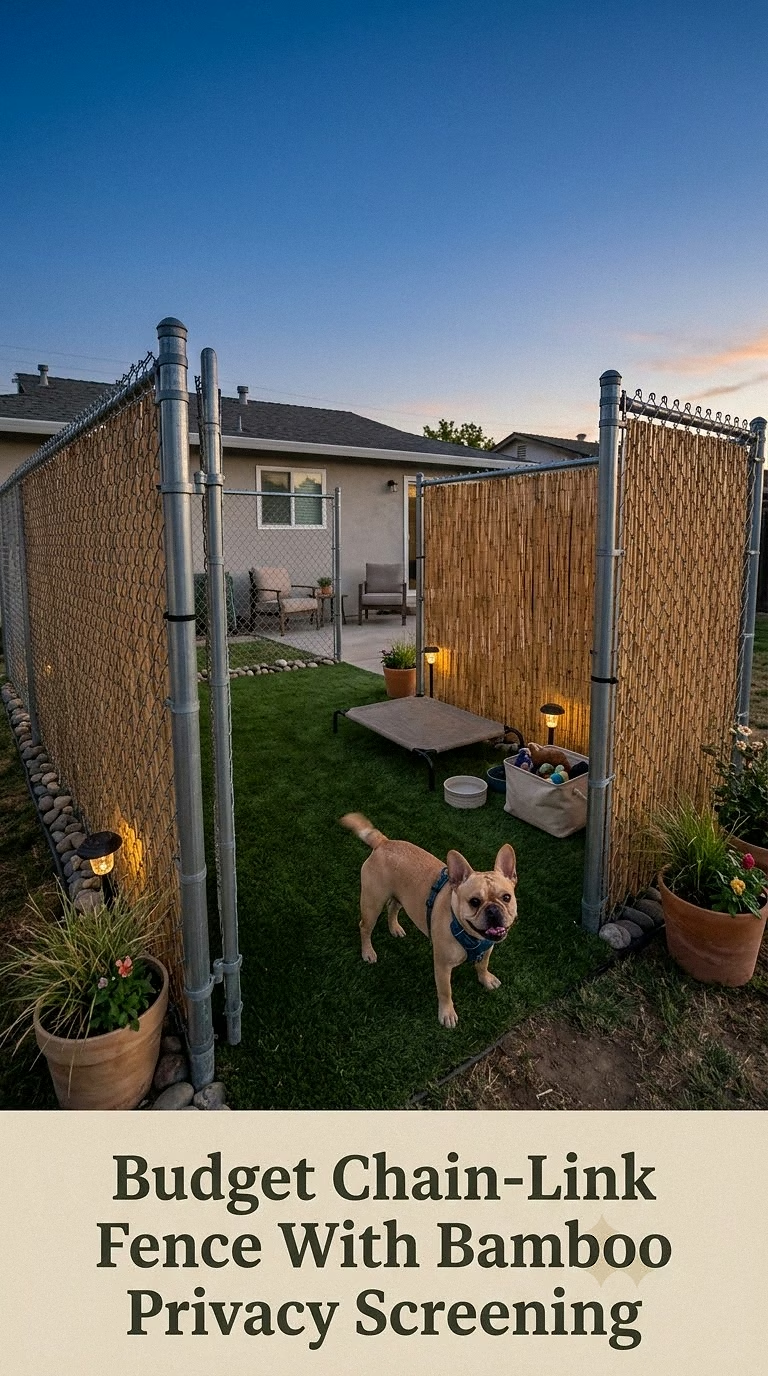
Chain-link remains one of the more economical conventional fencing options, especially for larger areas, and it requires relatively little maintenance. Its biggest aesthetic drawback is easy to solve.
Attach inexpensive bamboo or reed screening to the inside of an existing chain-link fence to create a warmer, more private atmosphere. The chain-link remains the structural containment system while the screening becomes the decorative layer.
This can also help dogs that constantly react to pedestrians, neighboring dogs, or street activity because it reduces some of their visual stimulation.
Secure screening frequently rather than attaching it only at the corners, particularly in windy locations. Inspect ties and natural screening as they weather.
Pair the fence with large terracotta pots and pet-safe greenery for a relaxed garden feel.
Framed Hog Wire Panels With Rustic Timber Borders
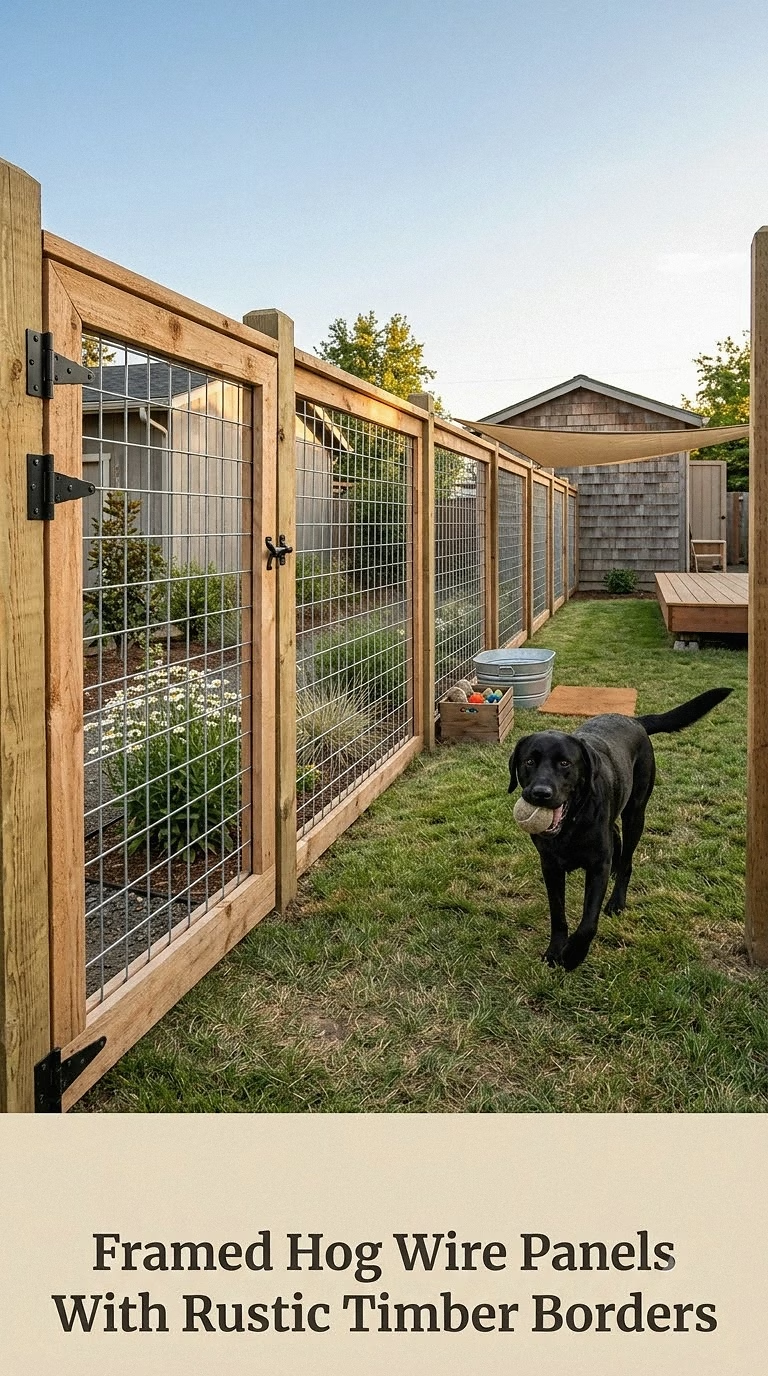
Rigid livestock-style wire panels can create a surprisingly sophisticated dog fence when framed between simple timber posts and rails.
The rectangular grid gives the yard an architectural look that suits modern farmhouse spaces particularly well. Compared with building an entire privacy fence from boards, most of the surface consists of wire, reducing the amount of lumber required.
A stained top rail makes inexpensive wire look much more finished while also covering potentially rough edges.
Panel opening size matters. Make sure your dog’s head, shoulders, and paws cannot pass through the grid. Smaller dogs may require finer welded wire attached along the lower portion.
Finish the base with mulch, gravel, or low dog-safe landscaping to visually integrate the fence into the yard.
Narrow Side Yard Dog Run Using The House As One Boundary
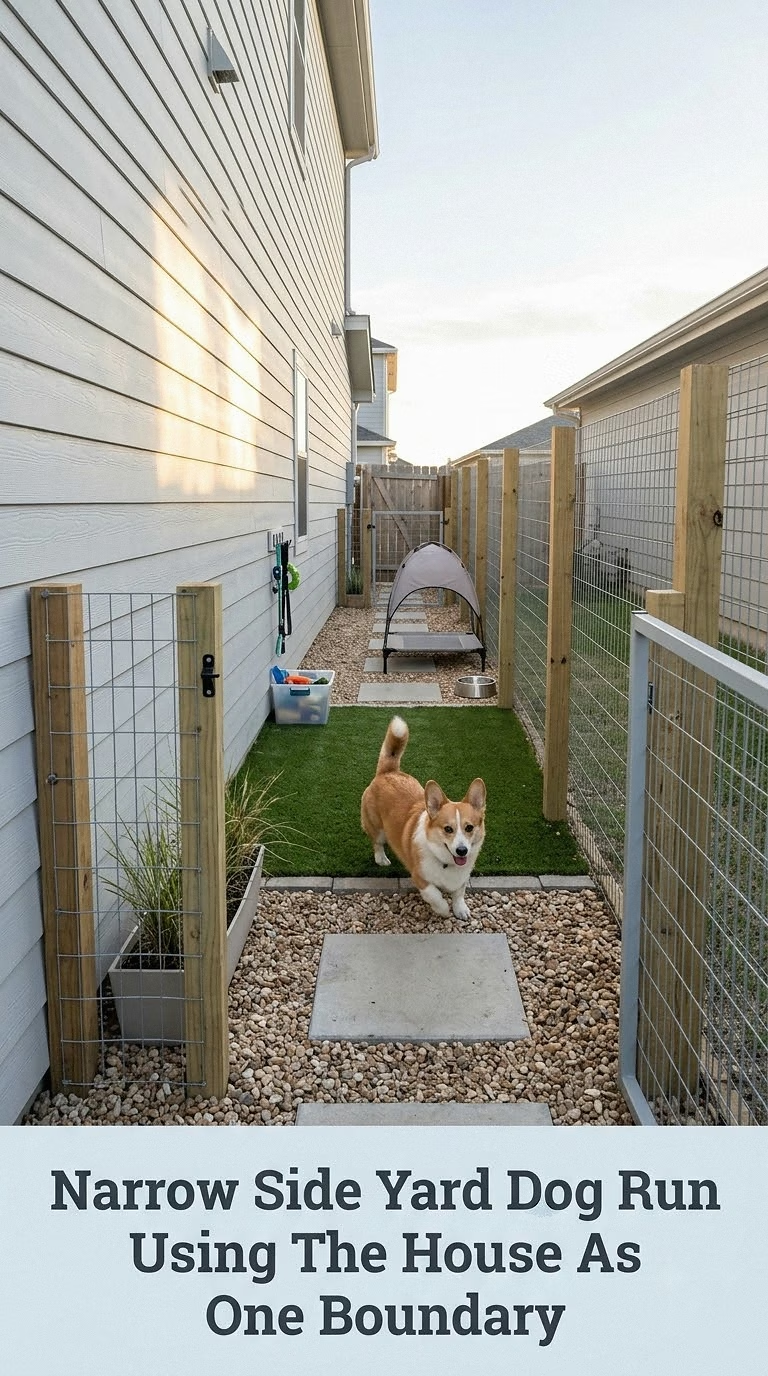
Instead of fencing your entire property, consider turning an unused side yard into a dedicated dog run.
The exterior wall of the house already forms one long boundary, meaning you may only need fencing along one side plus barriers and gates at the ends. That can significantly reduce the amount of material required.
Read more : 18 Dog Haircut Ideas For A Fresh And Beautiful Look
Use black welded wire, chain-link, or framed mesh depending on your preferred style. Add compacted gravel, appropriate pavers, or another paw-friendly, easy-to-clean surface where grass struggles to grow.
Include shade and access to fresh water during warm weather. Avoid placing the enclosure near outdoor equipment, hazardous chemicals, toxic plants, or items your dog could climb.
A narrow layout can feel polished with a simple pathway and a few raised planters kept safely out of reach.
Existing Hedge Reinforced With Discreet Green Wire Mesh
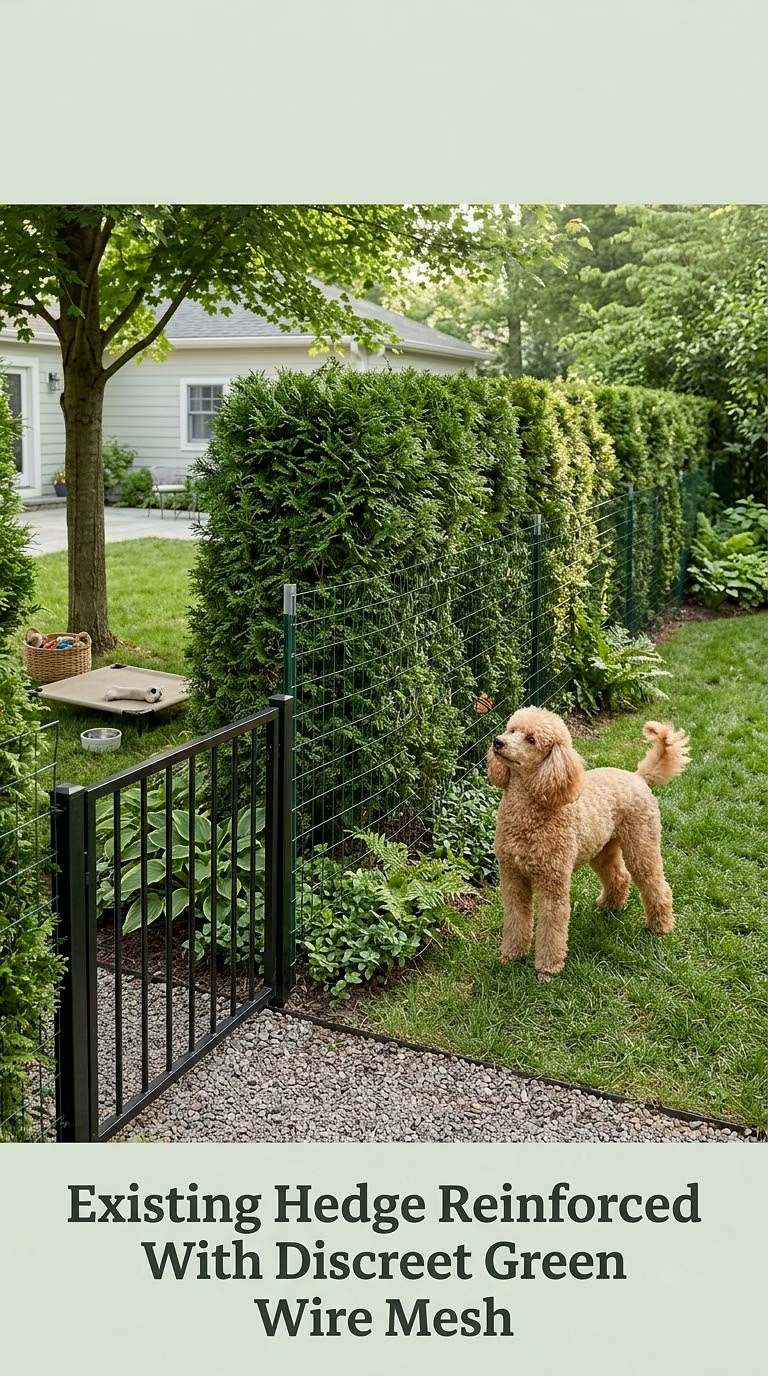
A mature hedge already provides greenery, privacy, and a strong visual boundary, but plants alone rarely make reliable dog containment.
Instead of installing an expensive solid fence in front of it, add sturdy green or black wire mesh along the hedge line. From most angles, the foliage disguises the wire while the actual fencing provides the physical barrier.
This works beautifully in established gardens where homeowners want to preserve a softer landscape.
Keep enough space between the dog and valuable or potentially toxic plants, and periodically inspect the fence as branches grow through it. Trim growth that pulls or bends the wire.
The result can look far more natural than an exposed fence while requiring relatively little additional decorative material.
Cottage Lattice Fence Backed With Secure Welded Wire
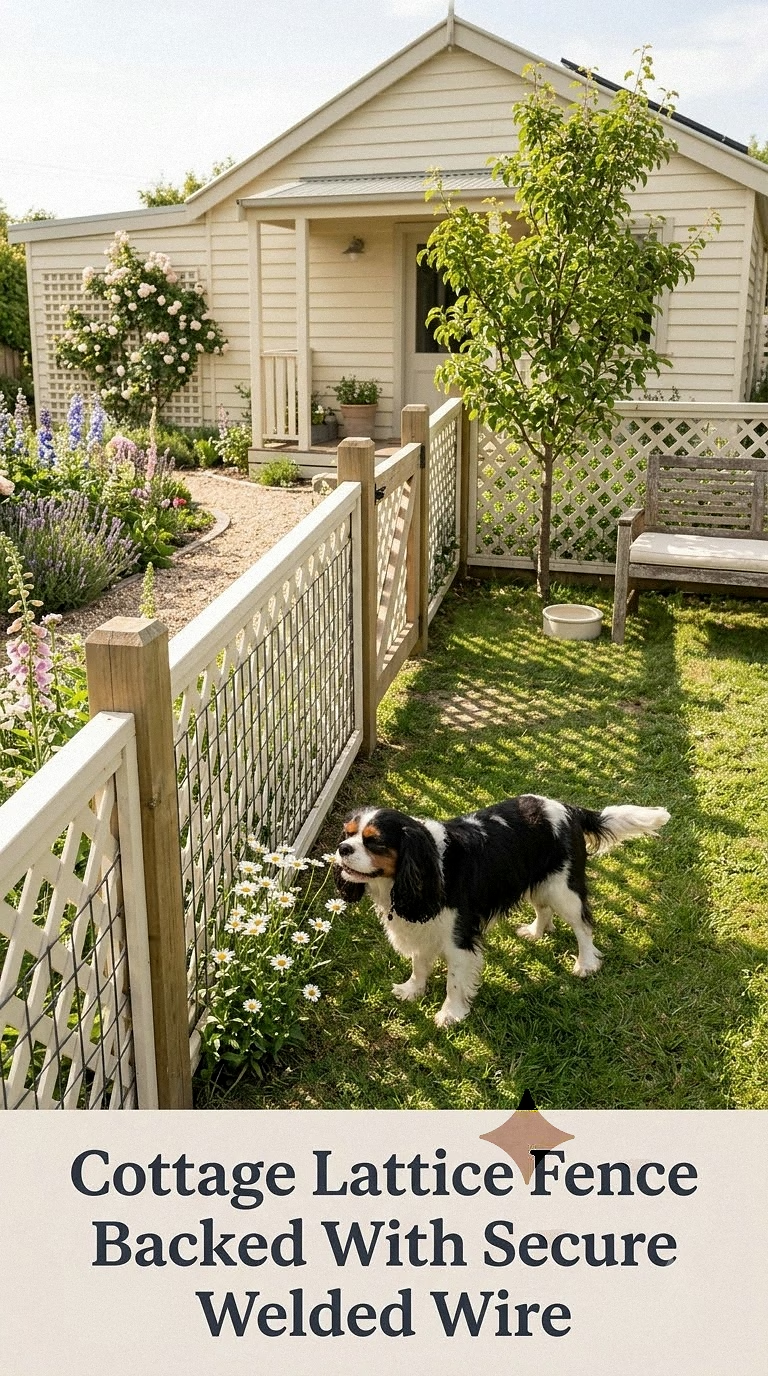
Inexpensive lattice panels are attractive but typically contain openings that are too large to function as dependable dog fencing on their own.
Back them with sturdy welded wire and they become a decorative facade for a more secure barrier.
Paint the lattice white for a cottage garden, charcoal for a contemporary patio, or muted sage for a softer outdoor palette. Because the structural mesh is positioned behind the lattice, the finished fence can appear much more expensive than the materials suggest.
Make sure paws cannot become trapped in decorative openings and avoid designs that create easy footholds for dogs that climb.
This concept is especially appealing around patios, compact yards, and small dog areas where every visible surface contributes to the overall appearance of the home.
Reclaimed Wood Picket Fence With Closely Spaced Boards
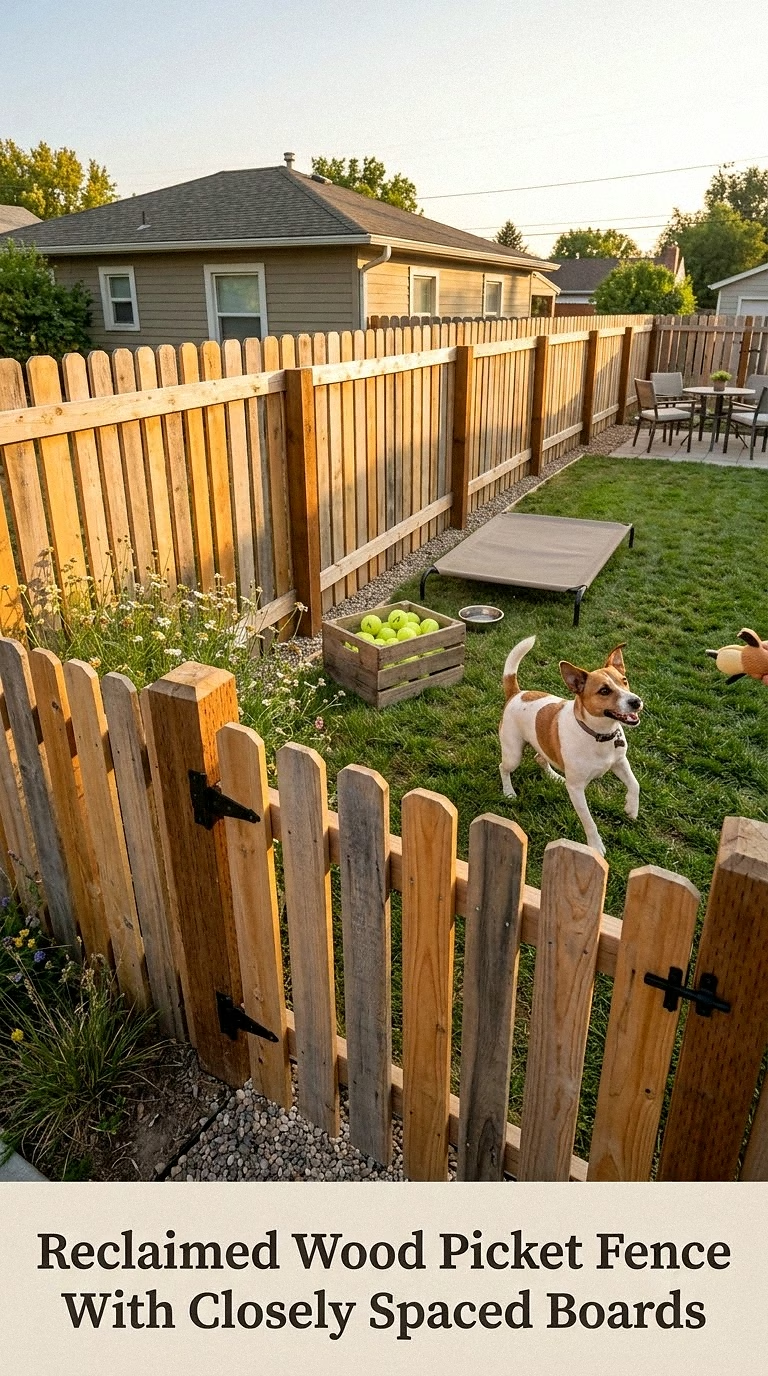
If you can source leftover fence boards or affordable reclaimed lumber, a simple picket fence can provide a charming alternative to wire.
Keep the design uncomplicated. Straight vertical boards with a level or gently shaped top require fewer complicated cuts than ornate pickets.
Spacing is the critical detail. Openings need to be narrow enough that your dog cannot squeeze its head or body through. Taller boards and minimal horizontal footholds may be necessary for athletic dogs.
Sand rough lumber carefully and remove exposed screws, nails, and splinters. Exterior-safe finishes can help slow weathering.
A warm white, natural wood, or dusty green finish gives this inexpensive DIY fence a cheerful cottage appearance that works particularly well around flower-filled backyards.
Portable Metal Exercise Pen With A Cozy Patio Setup
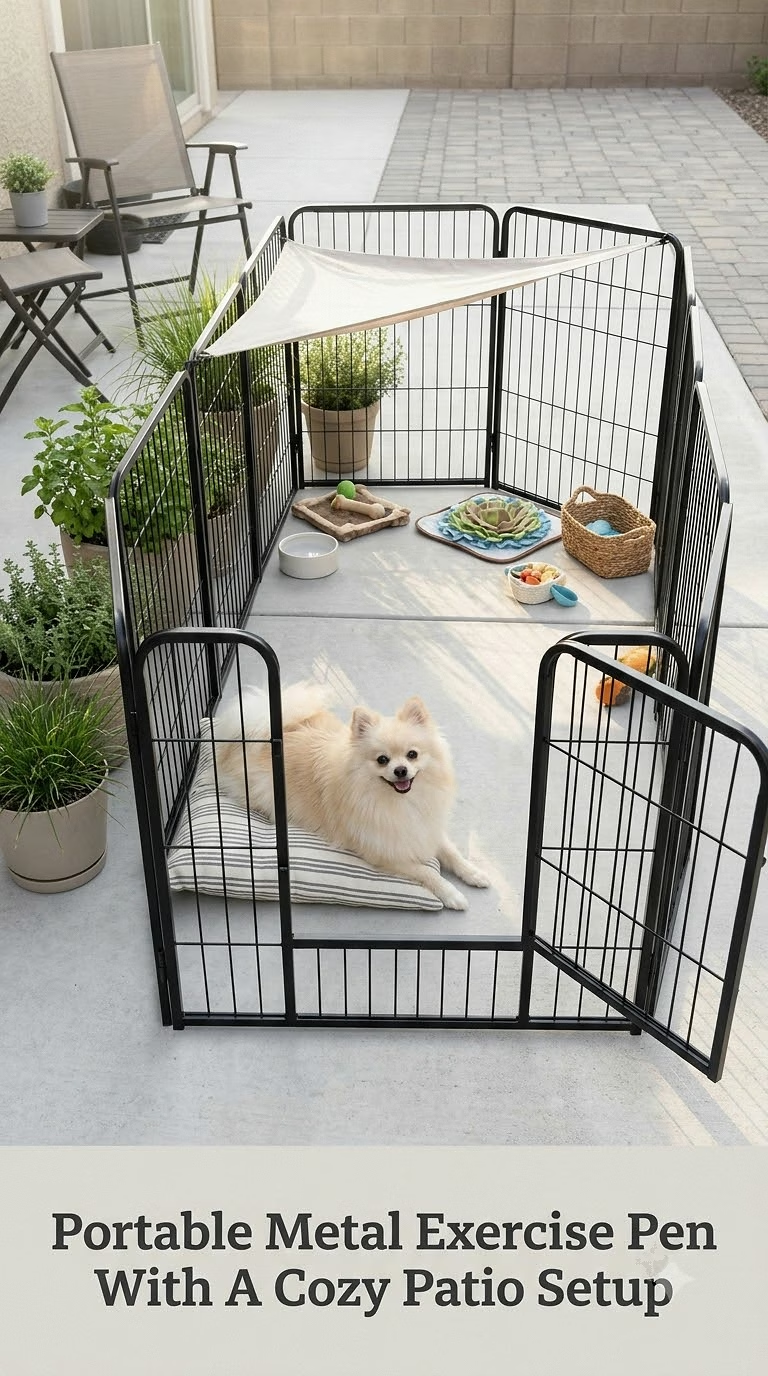
A permanent fence is not always necessary, especially for puppies, small dogs, rental homes, or occasional outdoor lounging.
Connecting multiple metal exercise-pen panels can create a flexible enclosed area that can be rearranged as needed. Position the pen on level ground and anchor it according to the manufacturer’s directions so your dog cannot push, lift, or tip the panels.
Create a comfortable setup with an outdoor mat, shade canopy positioned safely outside chewing range, water bowl, and washable dog bed.
This option is most appropriate for supervised use rather than leaving a determined dog outdoors unattended.
Because it requires no major construction, it is also helpful when you want to experiment with enclosure size and placement before committing to a permanent fence.
Green Garden Mesh Fence With Lightweight Step-In Posts
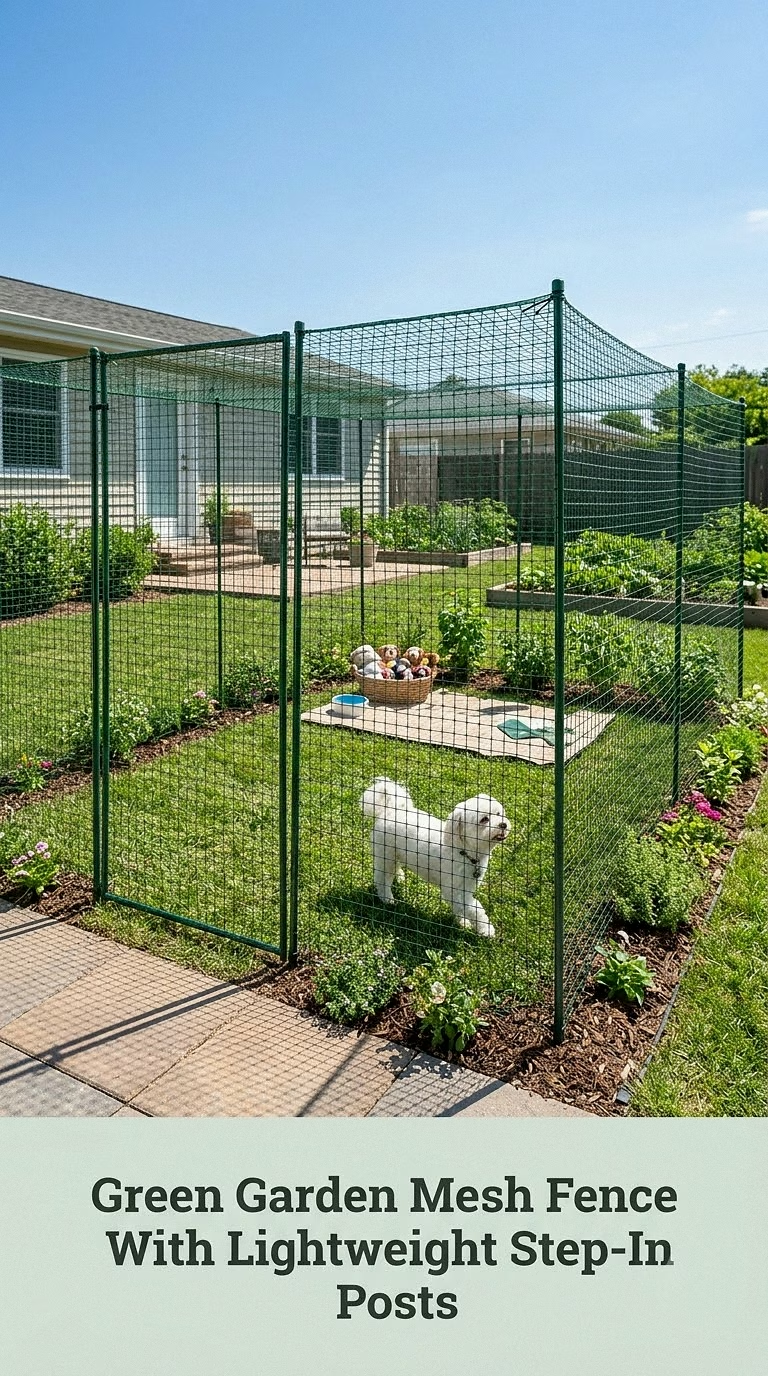
For calm dogs that need a temporary supervised boundary, garden mesh supported by step-in posts can be one of the simplest setups.
The dark green material blends naturally into grass and surrounding plants, making the enclosure visually unobtrusive. It works particularly well for temporary garden sections, vacation properties, or creating an additional buffer inside an already secure yard.
Lightweight mesh is not suitable for strong dogs that charge fencing, persistent chewers, climbers, or escape artists. Treat this concept as a gentle boundary rather than a heavy-duty containment system.
Keep the bottom tightly secured so curious noses cannot lift it.
When installed neatly with evenly spaced posts and a straight fence line, even inexpensive garden mesh can look tidy rather than temporary.
Simple Post And Rail Fence With Welded Wire Infill
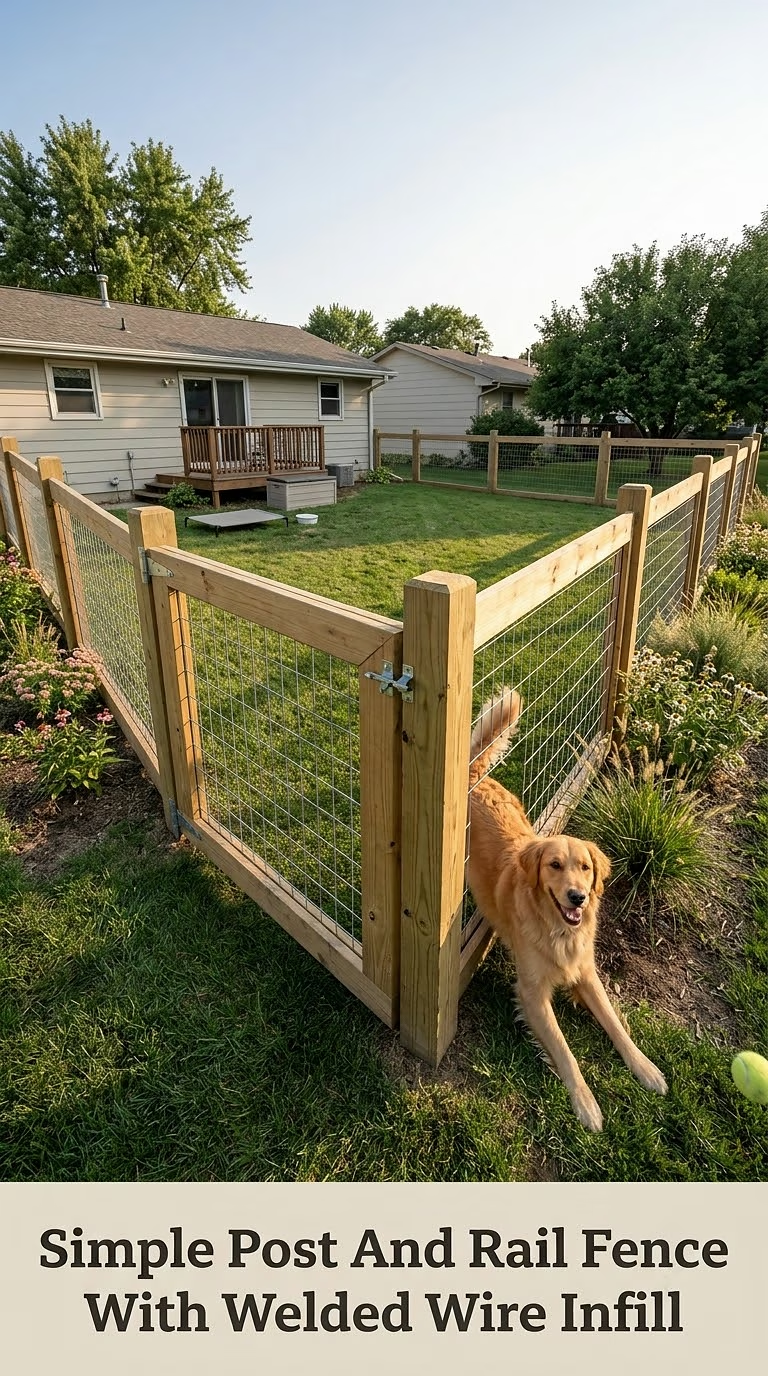
A few horizontal wood rails can completely transform the appearance of inexpensive wire fencing.
Set wooden posts at appropriate intervals, connect them with simple top and bottom rails, and attach welded wire securely on the dog side. The lumber creates attractive structure while the wire fills all of the large openings.
Using fewer boards than a full privacy fence helps control material costs while still producing a substantial-looking boundary.
This style works especially well around larger lawns where solid fencing could feel visually heavy.
For a cohesive look, stain all exposed wood the same warm tone and build the gate from matching rails. A diagonal gate brace helps prevent sagging as the wood ages and the gate sees repeated daily use.
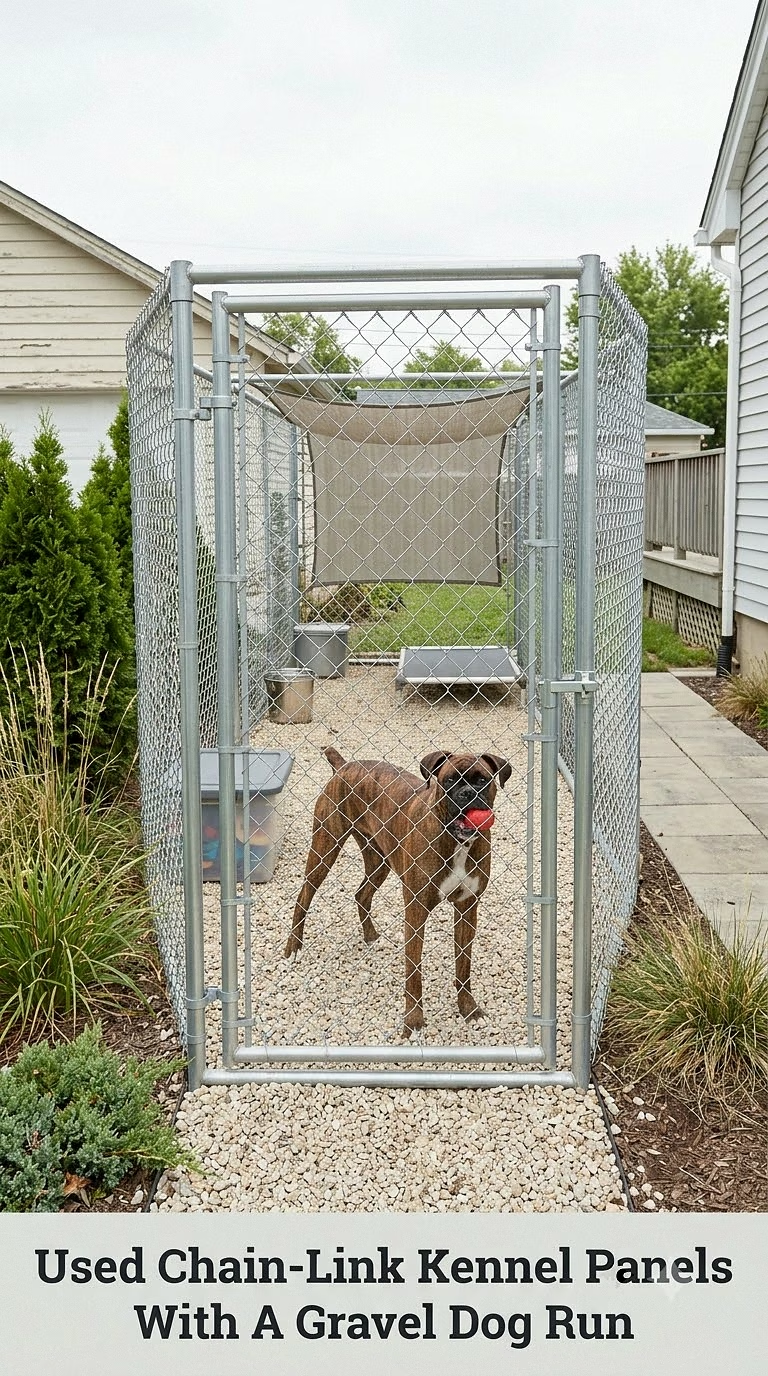
Used Chain-Link Kennel Panels With A Gravel Dog Run
Read more : 18 Dog Balcony Ideas That Make Small Outdoor Spaces Cozy And Safe
Secondhand modular kennel panels can be a smart option when you need a smaller secure outdoor area rather than fencing an entire property.
Look for straight frames, sound welds, intact mesh, and functioning hardware. Avoid badly rusted or damaged panels.
Arrange the panels in a simple rectangle beside a garage, shed, or other suitable location. Beneath the run, a well-designed gravel system can reduce mud and make cleanup easier, although the surface should be comfortable for your dog’s paws and appropriate for your climate.
Add shade without giving your dog anything that can serve as a climbing platform.
Matching planters outside the enclosure and a neat edging strip can make reused kennel panels feel like an intentional part of the landscape.
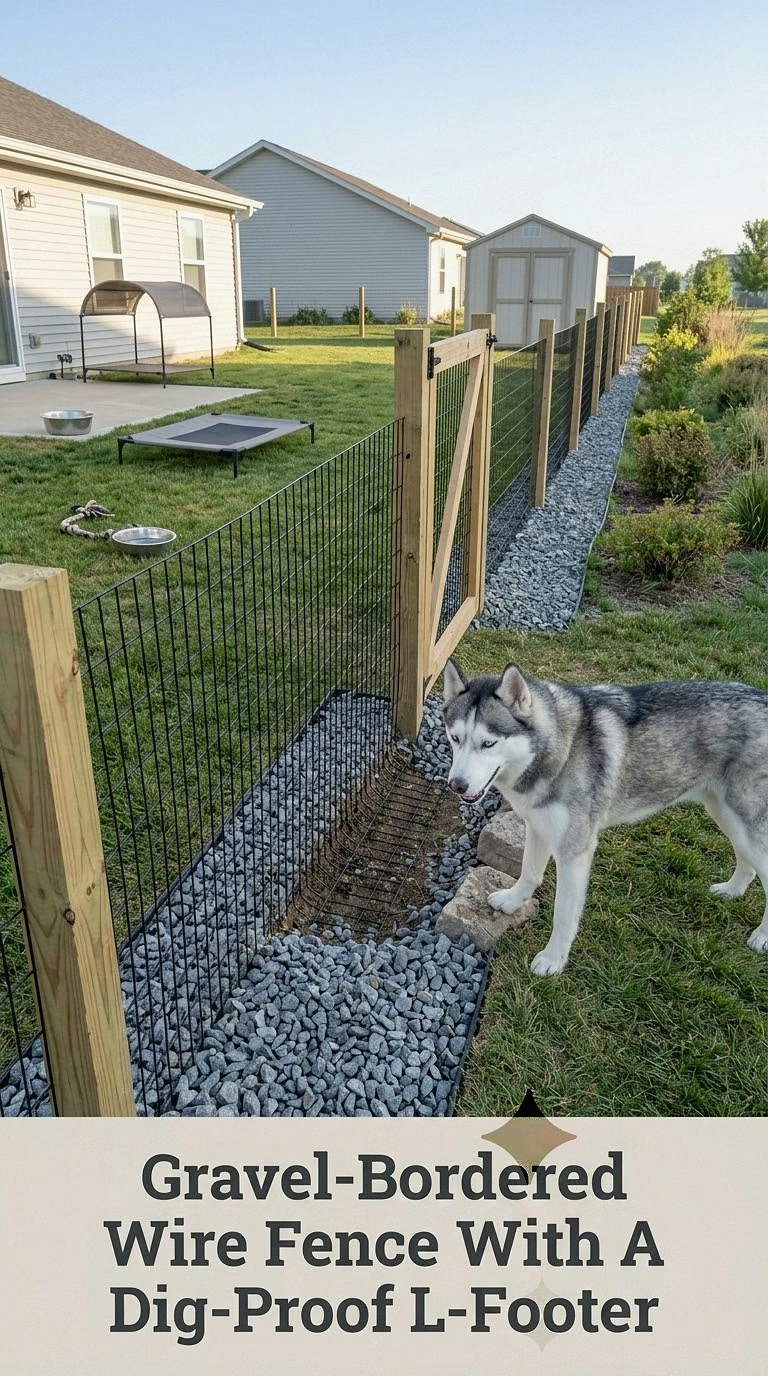
Sometimes the cheapest solution is not replacing a fence but modifying its weakest point.
For dogs that dig along the perimeter, securely attach suitable wire mesh to the bottom of the existing fence and extend it horizontally inward to create an L-shaped barrier. Depending on the installation, it can be buried or carefully covered with gravel, soil, mulch, or landscaping.
All cut wire edges should be folded, capped, buried, or otherwise positioned so paws cannot contact sharp points.
A narrow decorative gravel border can disguise the reinforcement beautifully while making the fence line easier to inspect.
Address the reason behind persistent digging as well. Exercise, enrichment, interaction, and a permitted digging area may reduce the motivation to search for another escape route.
Farmhouse Wire Fence With A Mulched Shrub Border
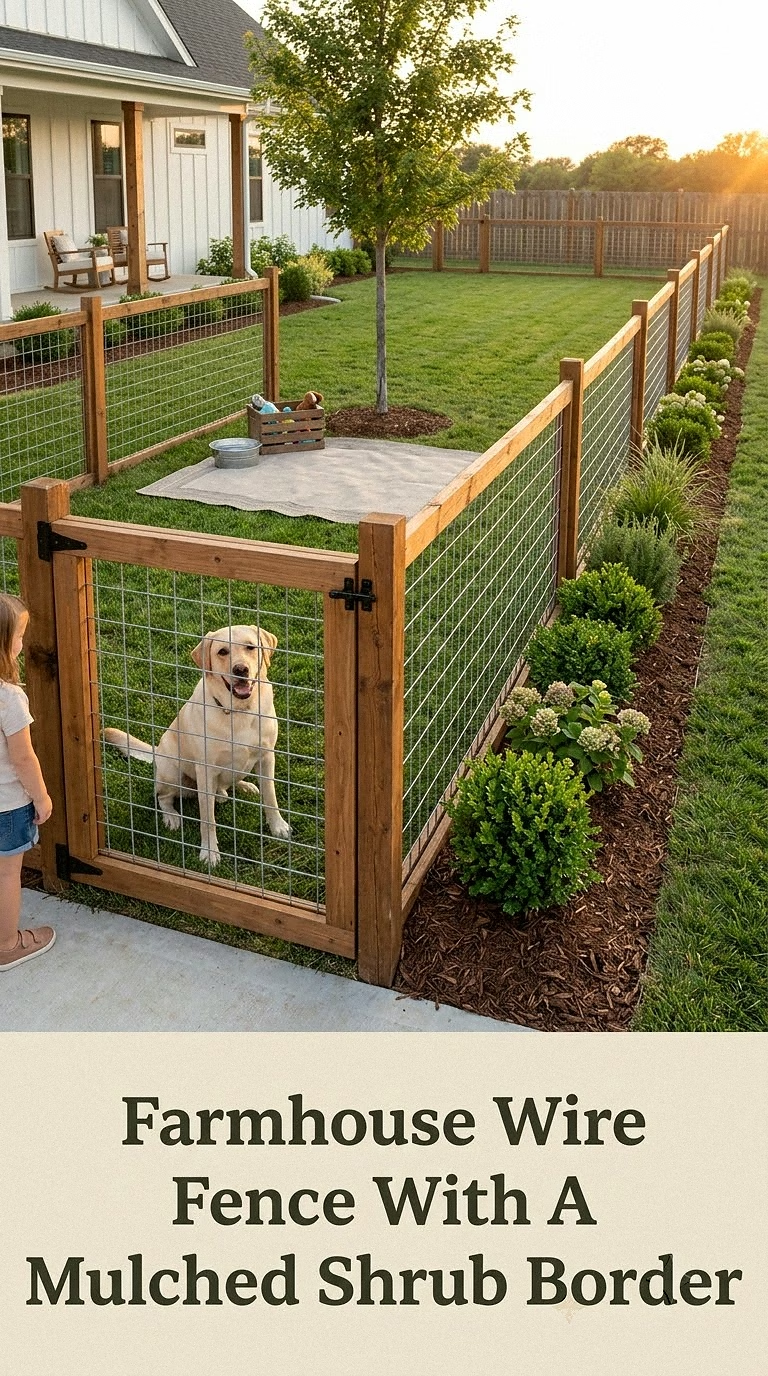
A plain wire fence can feel considerably more designed when landscaping becomes part of the project.
Install affordable welded wire between simple posts, then create a curved mulch bed several feet inside the perimeter. Add non-toxic shrubs, ornamental grasses, and sturdy planters that soften the straight fence line without giving your dog a convenient launching point for jumping.
Keeping plants slightly away from the fence also makes inspections easier.
Choose vegetation carefully because many common garden plants can be harmful to dogs if chewed or swallowed.
This strategy directs more of the budget toward landscaping elements you may already want rather than expensive decorative fencing materials. Over time, the planting visually softens the mesh while the wire continues doing the containment work.
DIY Wood Frame Gate With Welded Wire Center
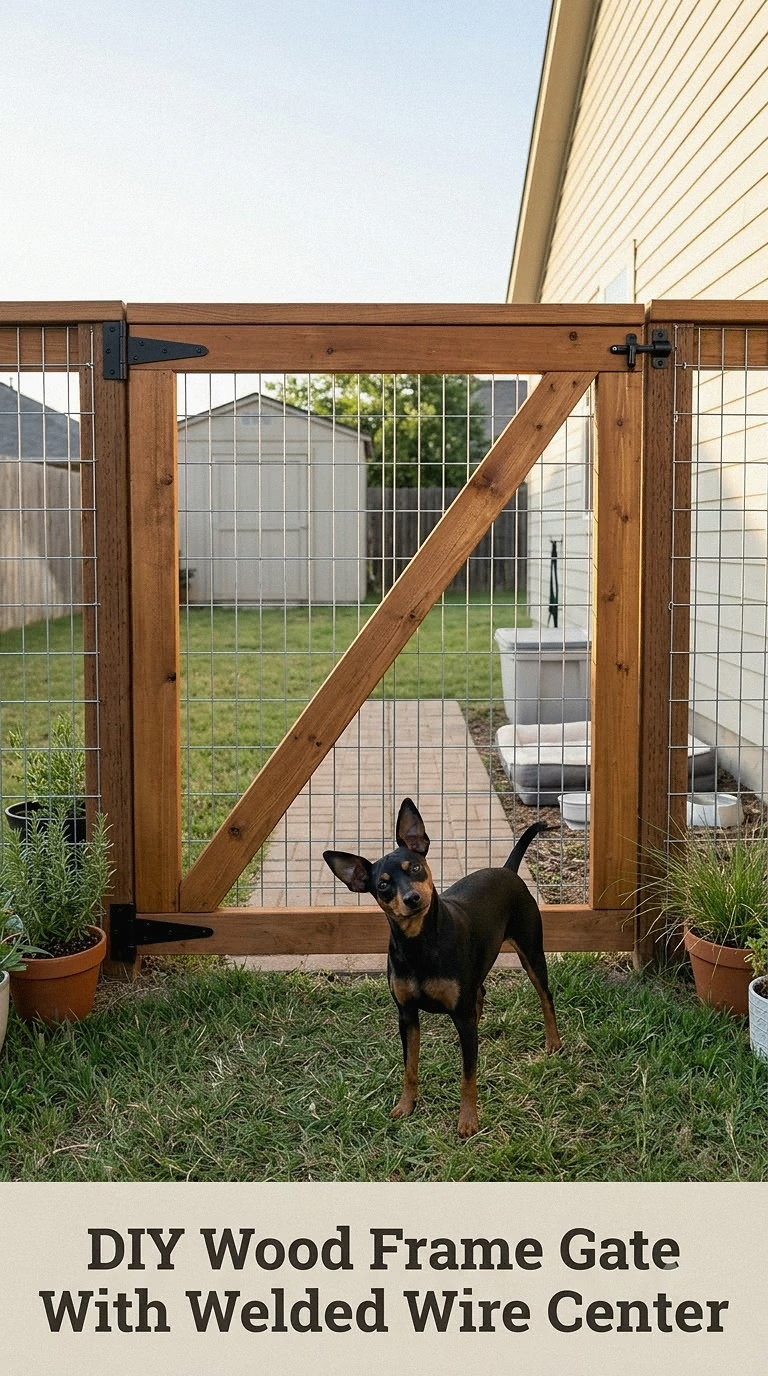
Gates are often where inexpensive dog fences fail. A beautiful enclosure means little if a loose latch or sagging gate creates an easy escape route.
Build a straightforward rectangular gate from exterior-grade lumber and fill the center with the same welded wire used throughout the fence. Adding a diagonal brace helps the frame stay square.
Choose hinges rated for the gate’s weight and use a secure latch that your dog cannot nose or paw open. For particularly enthusiastic door dashers, an additional interior hook, secondary gate, or small entry “airlock” can add protection.
The open-wire center keeps material use relatively low while making the gate visually match the rest of the enclosure.
Paint or stain the wooden frame for a polished finishing touch.
Existing Fence Makeover With Black Mesh And Privacy Fabric
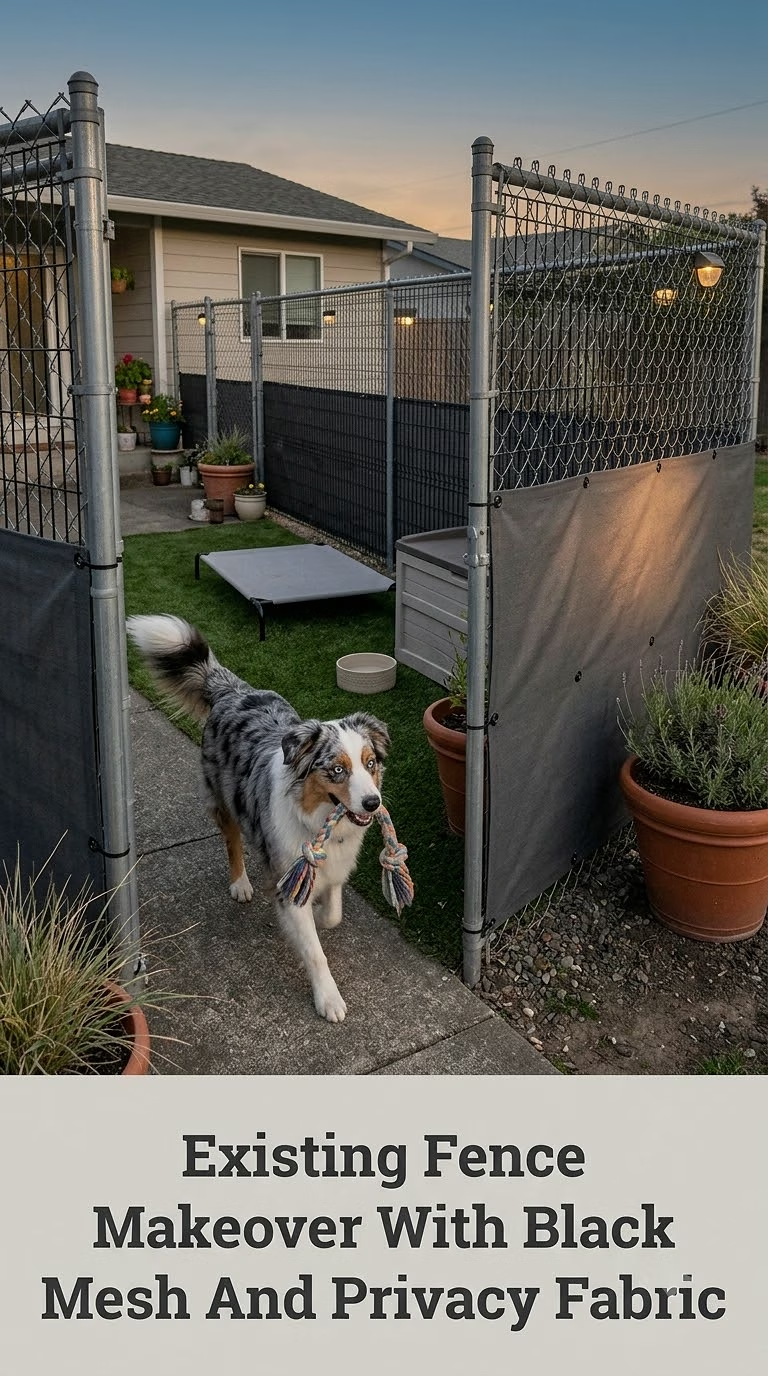
A damaged or unattractive fence does not always need to be completely demolished.
If the main posts and structural components remain sound, reinforce weak lower sections with appropriately sized welded wire or hardware cloth and add privacy fabric, screening, or inexpensive slats where visual coverage is desirable.
Black materials often recede into shadows and greenery better than bright galvanized metal, producing a cleaner contemporary appearance.
Walk the entire perimeter afterward looking for loose boards, gaps beneath the fence, exposed wire ends, unstable panels, and objects your dog could use to climb.
This approach concentrates spending on actual weaknesses rather than replacing hundreds of feet of usable fencing, making it one of the most practical cheap dog fence ideas for an established yard.
Compact Double-Gate Dog Entry With Simple Wire Panels
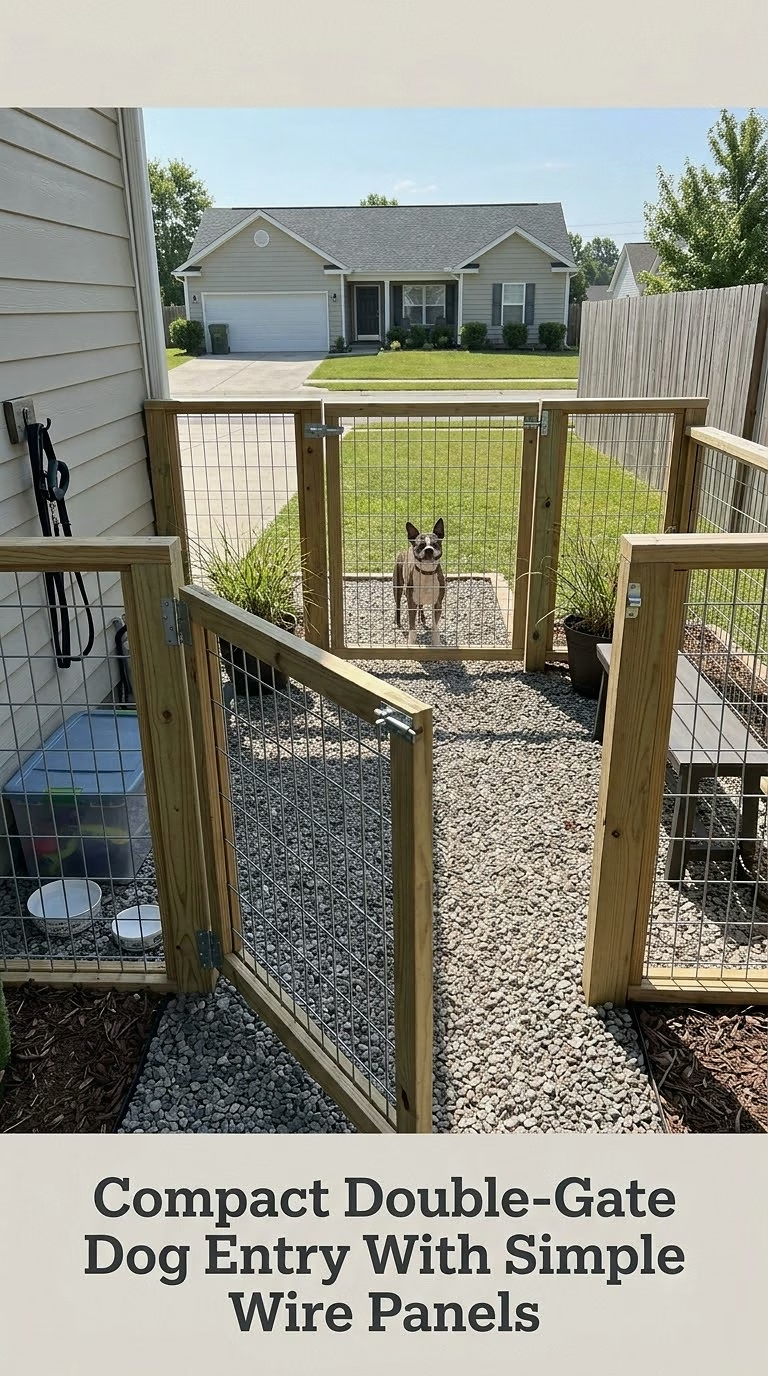
Dogs that rush through open gates can benefit from a small double-gate entry area.
Create a compact enclosure just inside the main gate using a few inexpensive wire panels. You enter through one gate, close it behind you, and then open the second. If your dog slips past you, there is still another closed barrier between them and the street.
It does not require a large footprint. Even a modest rectangular transition space can improve everyday management when appropriately sized and securely constructed.
Use matching black mesh and wooden posts to make it look like an intentional garden vestibule rather than an added safety feature.
Secure latches, stable posts, and unobstructed gate swings are more important here than elaborate decoration.
Creating The Right Cheap Dog Fence For Your Yard
The best cheap dog fence ideas are rarely about finding the absolute least expensive material. The real savings come from choosing a design that fits your dog’s behavior, using existing structures whenever possible, minimizing unnecessary fence length, and reinforcing the places where escapes are most likely to happen.
A simple welded-wire fence can feel beautiful beside thoughtful landscaping. Reclaimed wood can create cottage charm. An ordinary chain-link boundary can become much softer with screening and greenery. Even a narrow side yard can be transformed into a comfortable little outdoor retreat.
Whichever idea you choose, prioritize secure gates, appropriate fence height, safe opening sizes, smooth edges, strong attachment points, and protection against digging when necessary. Inspect the enclosure regularly as materials weather and your dog’s habits change.
With a little creativity, an affordable fence can give your dog more freedom while still creating an outdoor space that feels welcoming, attractive, and completely at home with the rest of your yard.
Source: https://petstutorial.com
Category: DOGS
