
A rainy afternoon, a busy workday, or simply too many hours spent indoors can leave even the sweetest dog searching for something interesting to do. Sometimes that means carrying toys from room to room. Other times it means investigating the laundry basket, rearranging sofa cushions, or deciding that a cardboard delivery box looks far more entertaining than anything in the toy basket.
Creating a few homemade activities can turn those restless moments into something much more positive. The best DIY dog boredom busters ideas do not have to be complicated or expensive. Many can be created with towels, cardboard boxes, muffin tins, fleece scraps, baskets, and other ordinary things already around your home.
You are reading: 19 DIY Dog Boredom Busters Ideas That Make Staying Home More Fun
The goal is variety. Sniffing, licking, searching, shredding, learning, digging, and gentle physical challenges give dogs different ways to use their natural instincts. You can also adjust each activity to your dog’s personality, size, confidence level, and favorite rewards.
Keep homemade activities supervised, especially when cardboard, fabric, paper, or small objects are involved. Start with easy challenges before making them harder, and use part of your dog’s normal food allowance whenever possible if several games involve treats.
DIY Dog Boredom Busters Ideas For A Happier And More Enriched Pup
Neutral Fleece Snuffle Mat With Hidden Kibble Pockets
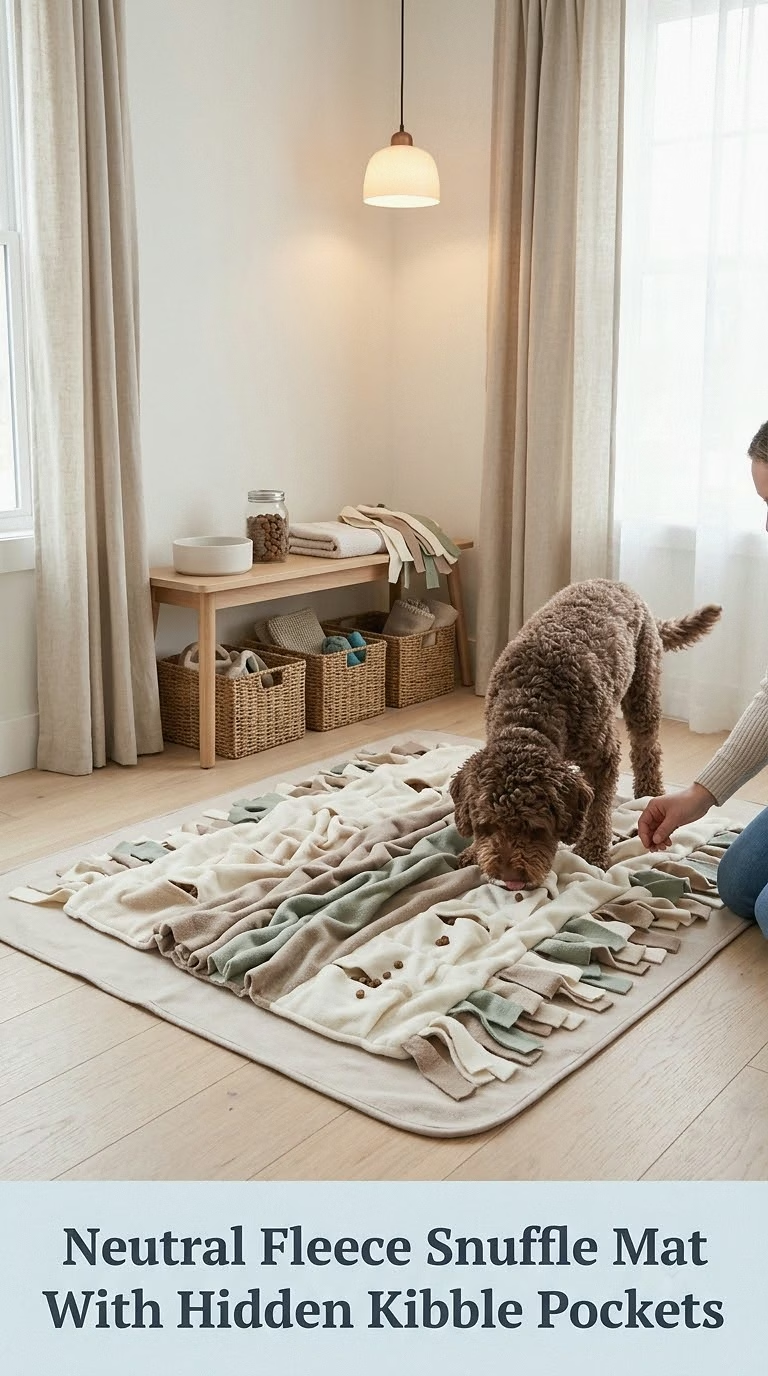
A homemade snuffle mat is one of the coziest ways to turn an ordinary meal into a slow treasure hunt. Use strips of washable fleece tied securely through a sturdy rubber sink mat or another pet-safe perforated base. Mixing cream, oatmeal, sage, and dusty blue fleece creates a soft neutral look that can stay beside a feeding station without making the room feel cluttered.
Sprinkle kibble between the fabric folds and let your dog search with their nose. Beginners should have food placed near the surface so success comes quickly. Once your dog understands the game, tuck pieces deeper into the fleece.
Choose fabric pieces large enough that your dog cannot easily swallow them and inspect the mat regularly for loose strips. Dogs that immediately try to tear and eat fabric may be better suited to another enrichment activity.
The mat can be shaken outside after meals and machine washed when necessary, making it especially practical for apartments and small homes.
Rustic Cardboard Treasure Box Filled With Crumpled Paper
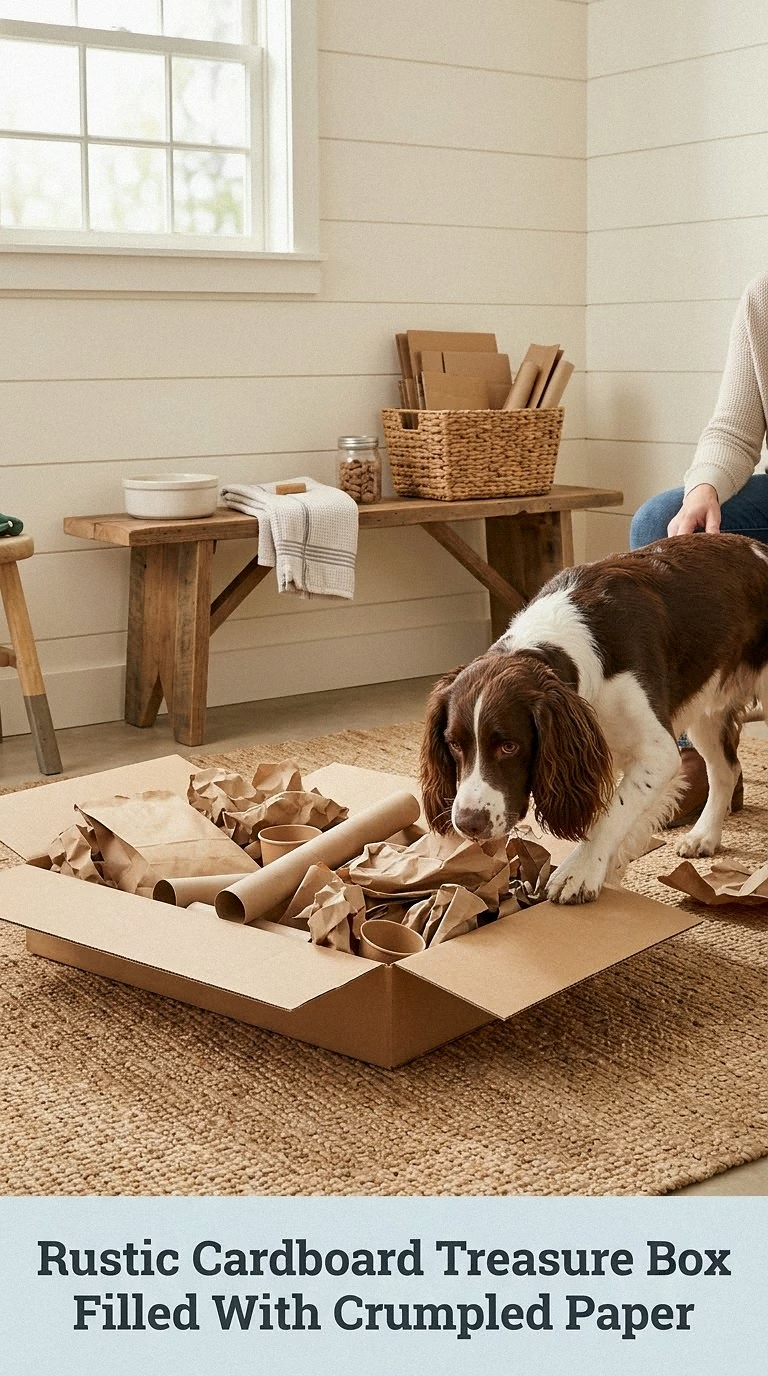
Save a clean delivery box and transform it into an inexpensive indoor treasure hunt. Fill it loosely with plain packing paper, smaller cardboard tubes, and a few favorite toys. Scatter several pieces of kibble throughout the layers so your dog has to sniff, push, rummage, and investigate.
For a warm farmhouse-inspired look, use a kraft cardboard box placed on a washable jute-style mat beside a woven toy basket. It feels much more intentional than simply handing your dog an old shipping carton.
Keep the first version shallow and easy. Confident dogs can later explore nested boxes or thicker layers of crumpled paper.
This activity is particularly satisfying for dogs that naturally enjoy shredding and searching. Stay nearby throughout the game, however. Remove soggy or torn pieces before they are swallowed, and skip this idea if your dog tends to consume cardboard instead of simply tearing it.
Cleanup is easy because almost everything can go directly into recycling afterward.
Classic Muffin Tin Puzzle With Colorful Tennis Balls
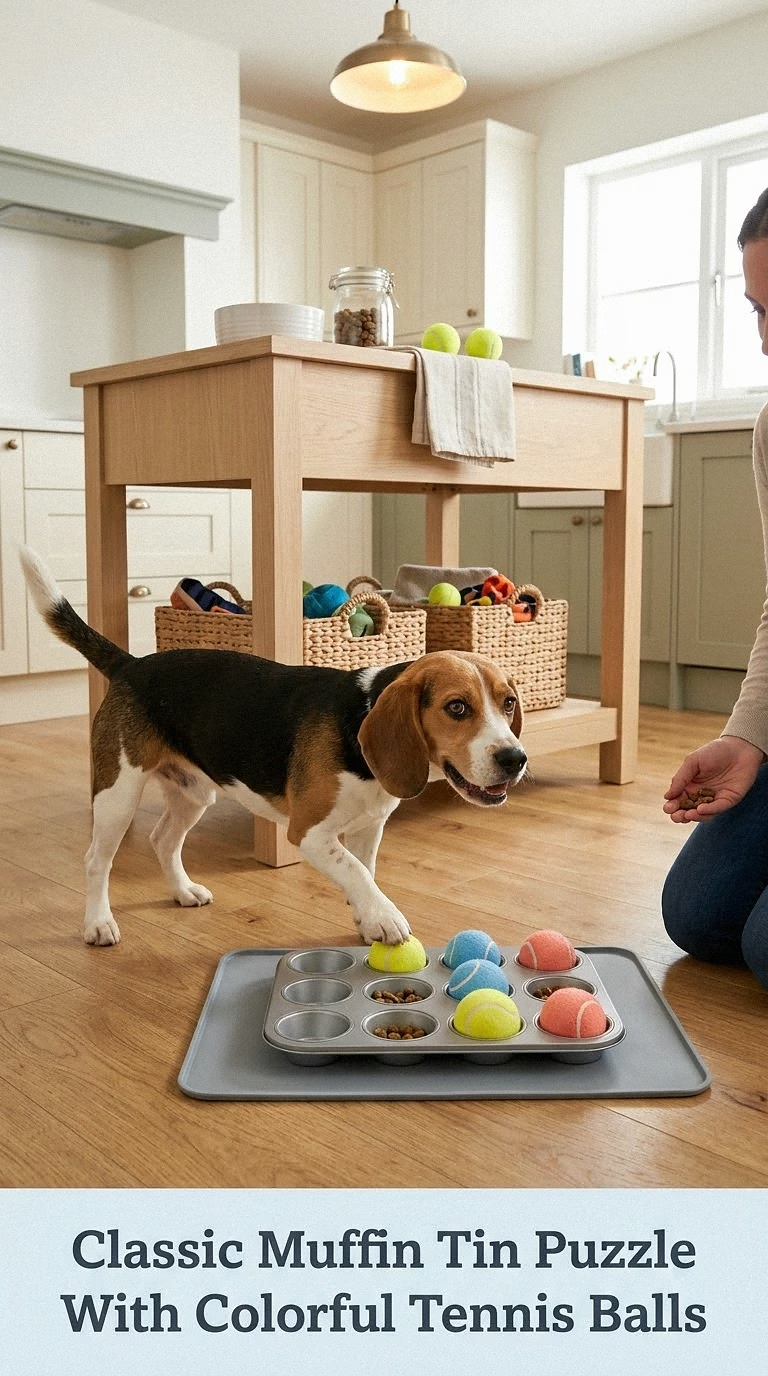
A muffin tin can become a charming little puzzle in less than a minute. Place a few pieces of kibble in several cups, then cover the openings with appropriately sized balls or sturdy dog toys.
Your pup must sniff out the food and figure out how to lift or nudge the covers away. A standard metal muffin tin paired with muted tennis balls looks surprisingly cute set against a washable kitchen mat.
Make the first session simple by leaving several compartments uncovered. Once your dog confidently understands the game, cover more cups or hide food under only selected balls.
Choose balls that are too large for your dog to swallow. Miniature balls may work for tiny dogs, while larger dogs need correspondingly larger toys.
Because the pieces roll around, this game works best on a rug or nonslip surface instead of a polished floor. It is an easy option when you need ten minutes of engaging indoor entertainment without building anything permanent.
Rolled Towel Kibble Puzzle On A Washable Feeding Mat
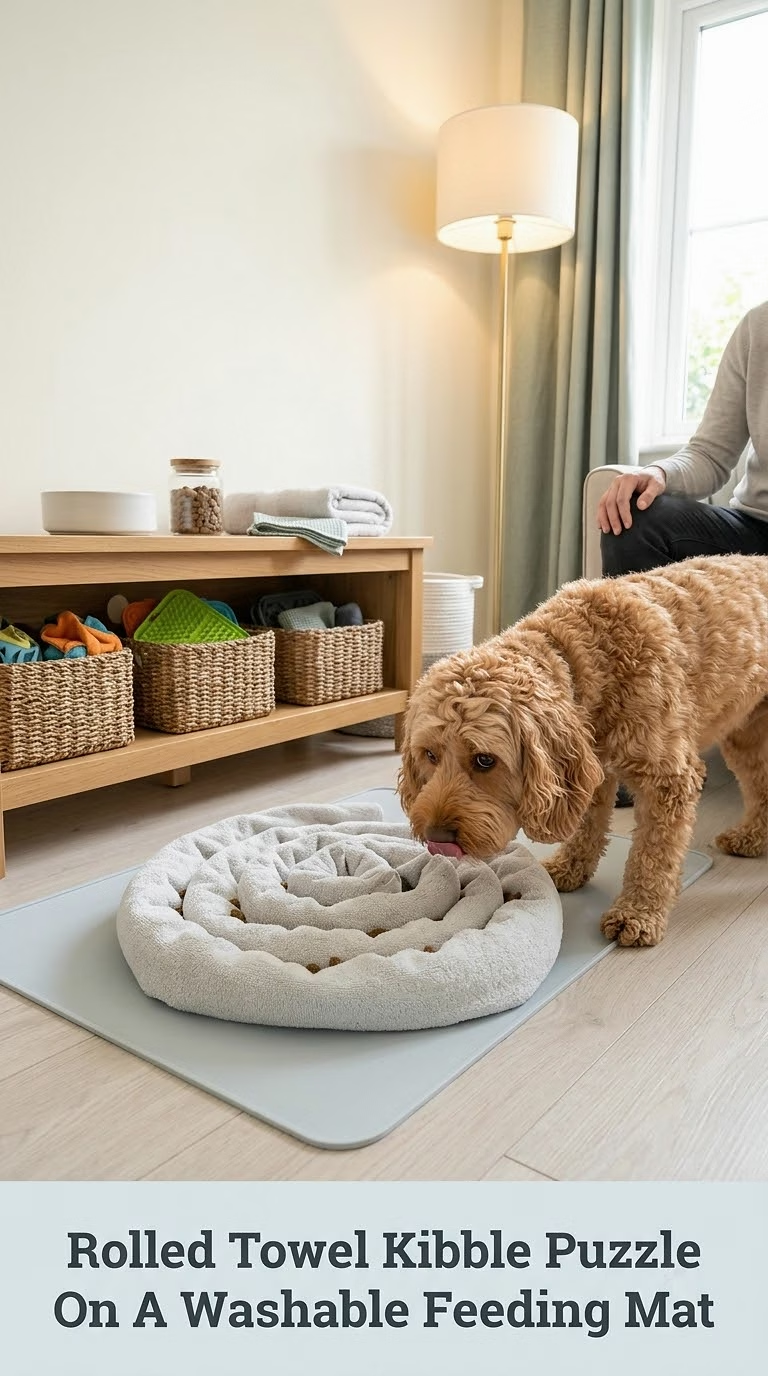
One of the simplest boredom busters requires nothing more than an old bath towel and part of your dog’s meal.
Lay the towel flat, sprinkle kibble across it, and loosely roll it into a long cylinder. Your dog must use their nose and paws to gradually unroll the fabric and uncover the food.
A soft striped or waffle-weave towel in beige, terracotta, or sage can make this everyday activity feel surprisingly stylish. Place it on a washable mat so it stays contained and does not slide around the floor.
For beginners, keep the roll loose. Experienced dogs can work through a tighter roll or a few gentle folds. Avoid complicated knots unless you know your dog can solve them without becoming frustrated or chewing through the fabric.
Supervise the activity and remove the towel once the food is gone. This idea is especially useful for renters because there is nothing to build, store, or attach to the home.
Frozen Lick Tray With Pumpkin And Yogurt Swirls
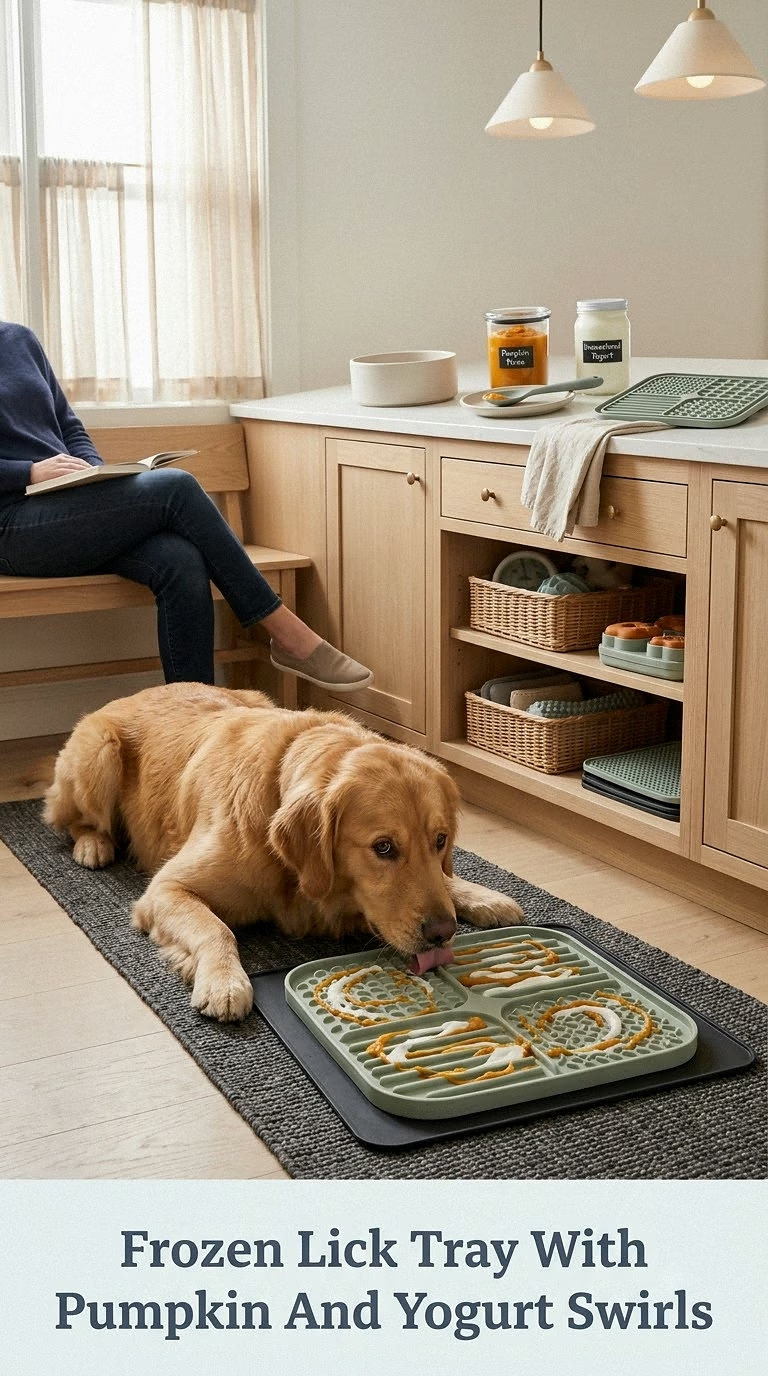
A freezer can turn a quick snack into a longer, calming enrichment activity. Spread thin layers of dog-safe ingredients across a silicone lick mat or shallow freezer-safe dish, creating pretty swirls and small sections rather than one thick mound.
Plain pumpkin, your dog’s usual wet food, plain unsweetened yogurt if tolerated, or xylitol-free peanut butter can all work in small amounts. You can even press a little kibble into the surface before freezing.
The finished tray can look almost like a tiny pet-friendly charcuterie board, especially when different textures are arranged in soft sections.
Keep portions sensible and account for the ingredients within your dog’s normal daily intake. Dogs with allergies, digestive sensitivities, weight concerns, or medical diets may need veterinarian-approved choices.
Freezing makes the activity last longer, but let extremely hard frozen mixtures soften slightly when appropriate. Wash the tray thoroughly after use so no food remains trapped around textured grooves.
Cozy Blanket Dig Box With Hidden Favorite Toys
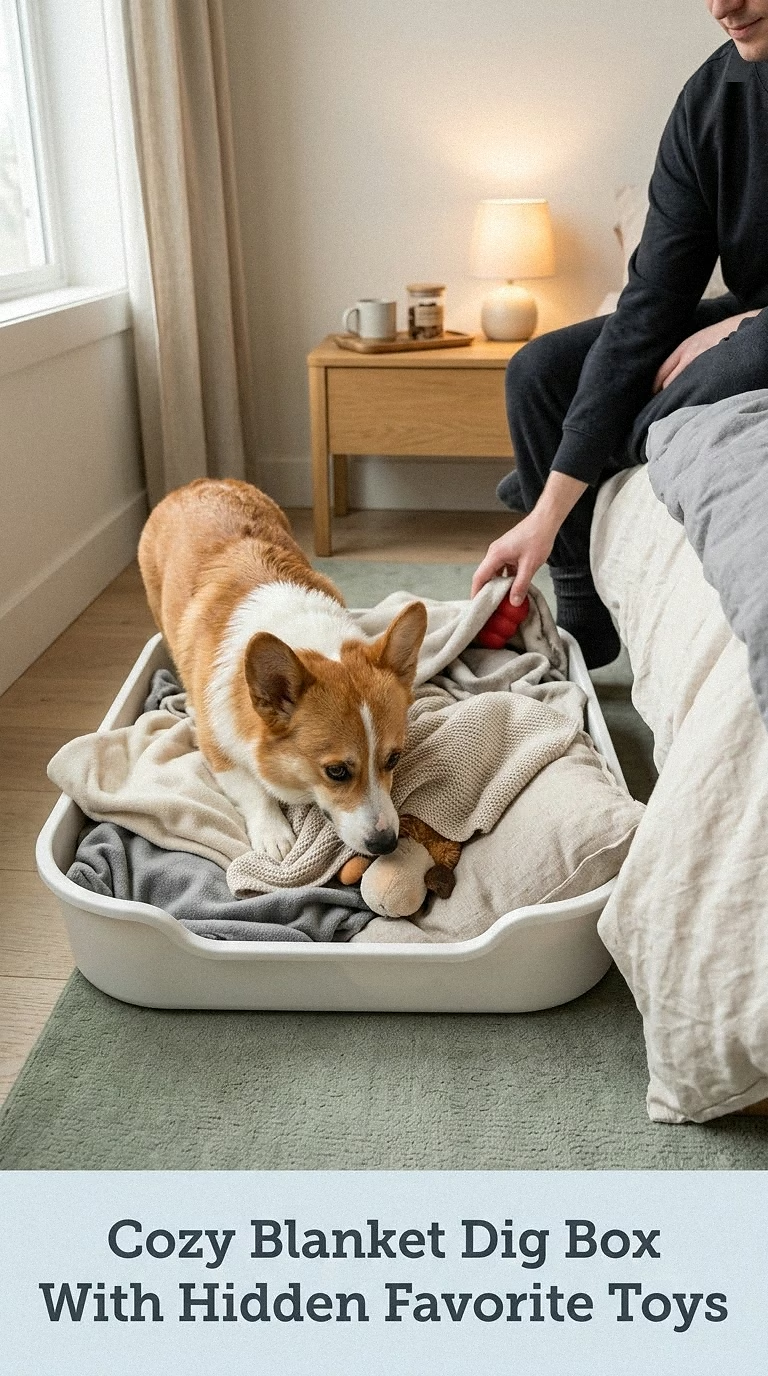
Dogs that love pawing at blankets may adore a simple indoor digging station. Place several old fleece blankets or towels inside a low-sided storage bin, laundry basket, or sturdy fabric play basket. Tuck toys between the folds and invite your dog to search.
The visual effect can be wonderfully cozy. Imagine an oatmeal-colored basket beside a dog bed, filled with soft cream and rust blankets, with just the corner of a favorite plush toy peeking through.
Start by hiding toys where they are easy to see. Gradually bury them deeper as your dog’s confidence grows. A few pieces of kibble can provide extra motivation, although the game does not have to involve food.
This setup gives enthusiastic diggers an appropriate place to use their paws without attacking bed linens or sofa cushions.
Avoid baskets with loose wicker that can splinter, and supervise dogs that like eating fabric. Wash the blankets regularly, especially if food is being hidden inside them.
Hallway Scent Trail With Tiny Treat Treasure Stations
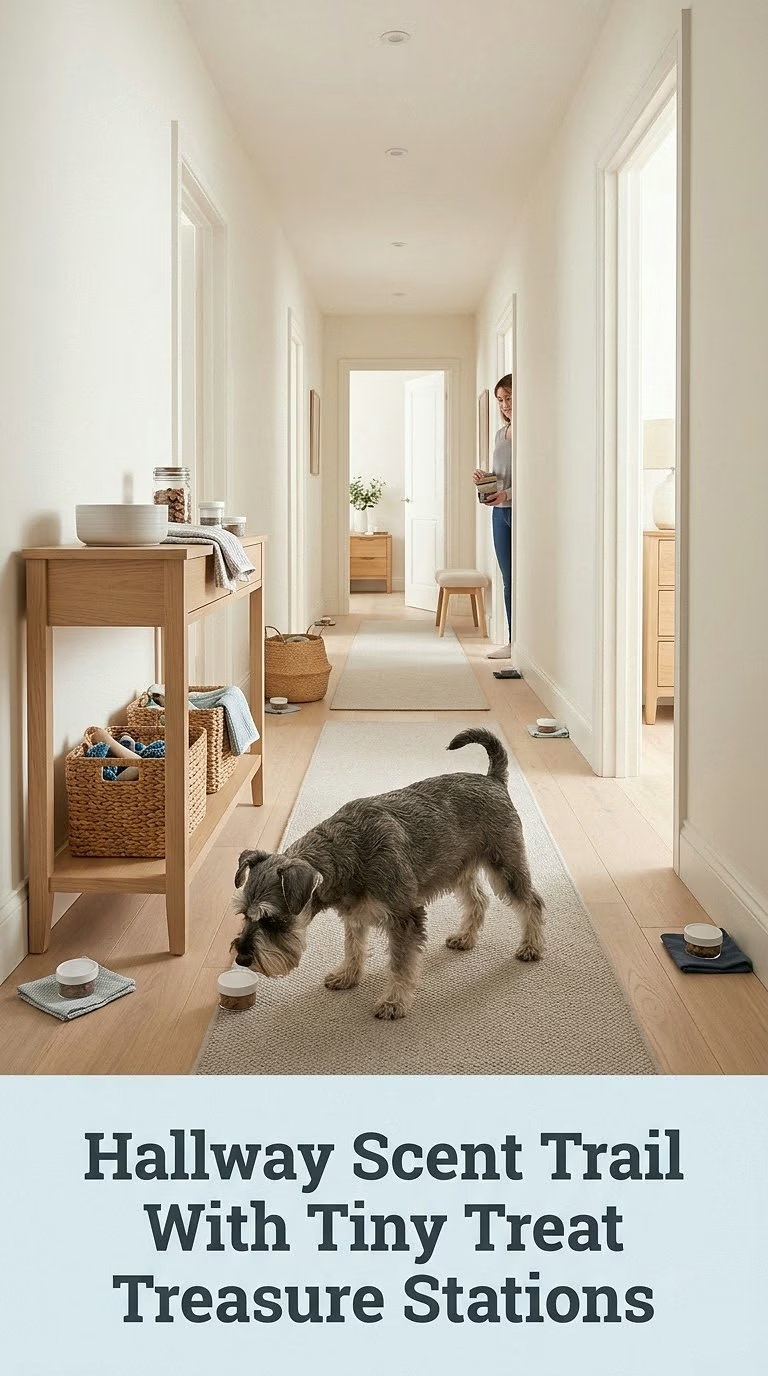
Turn an ordinary hallway into a miniature scent adventure.
While your dog waits in another room, place a few tiny food rewards along a simple trail. Hide them beside table legs, behind an open door, near a basket, or underneath an upside-down dog-safe cup that is easy to move.
Bring your dog in and encourage them to search rather than pointing out every location. Watching the nose begin to work is part of the fun.
This activity requires almost no equipment and can be changed every time, which makes it ideal for apartments. Keep the styling simple by using matching ceramic or lightweight plastic cups rather than scattering random containers everywhere.
Begin with visible rewards spaced close together. Later, make the trail longer or place treats just out of sight.
Read more : How Long Can A Dog Have Worms Before It Dies
Always keep food away from cleaning products, electrical cords, houseplants that may be unsafe, and inaccessible spaces where your dog could get stuck trying to reach a reward.
Braided Fleece Tug Toy In Soft Neutral Colors
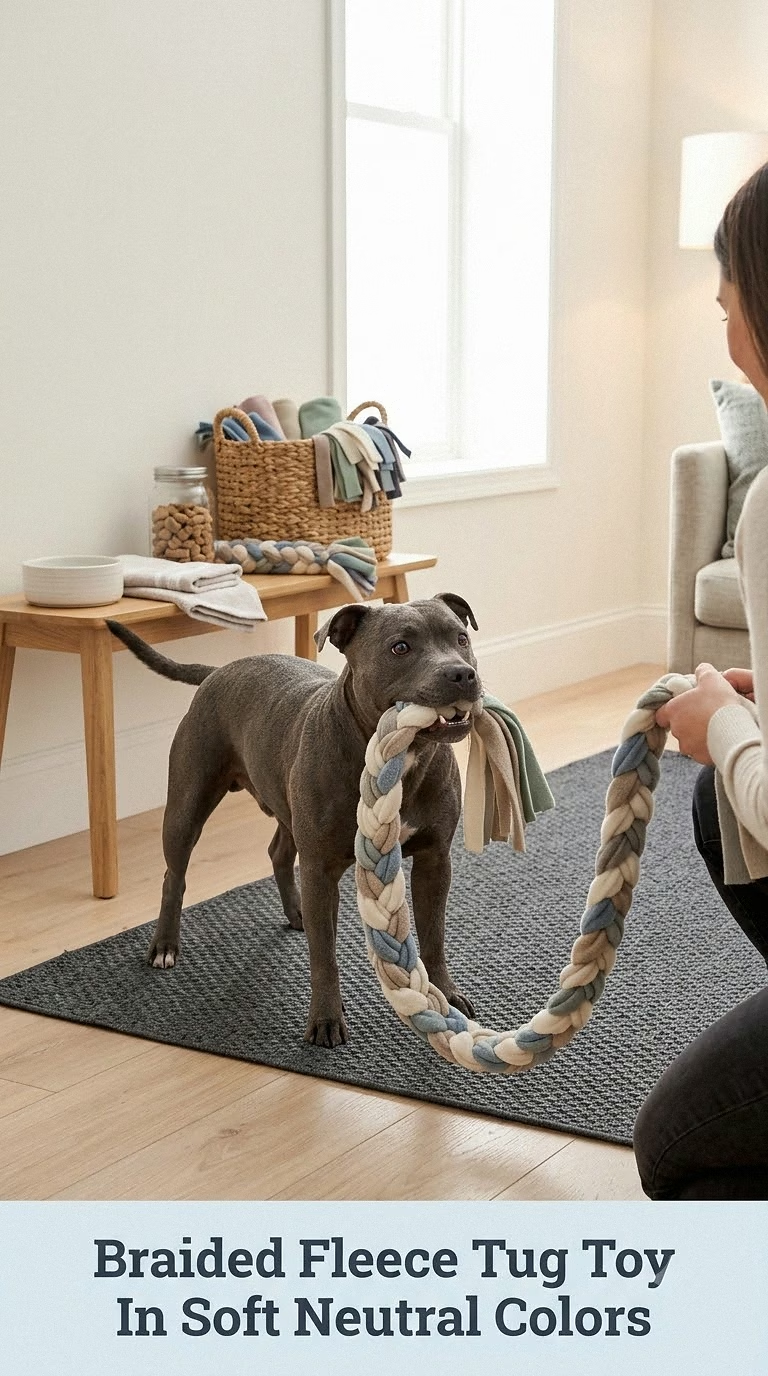
Old fleece can be repurposed into a soft homemade tug toy that looks much nicer than a pile of worn fabric.
Cut long, wide strips from clean fleece and braid them tightly into a thick rope, knotting both ends securely. Combining cream, dusty rose, forest green, or warm mustard creates a handcrafted toy attractive enough to leave in an open storage basket.
Use the toy for interactive tug rather than leaving it out for unsupervised chewing. This makes the boredom buster as much about connection as the toy itself. Short games can be mixed with cues such as “take it,” “drop,” or “wait” to add a little mental work.
Make the braid appropriately thick for your dog’s size and check it before every session. If strips start loosening or tearing, retire the toy.
Dogs that aggressively swallow cloth should use commercially designed alternatives instead. For suitable pups, though, this is an inexpensive project that transforms scrap material into a fun shared activity.
Cardboard Egg Carton Sniff-And-Flip Puzzle
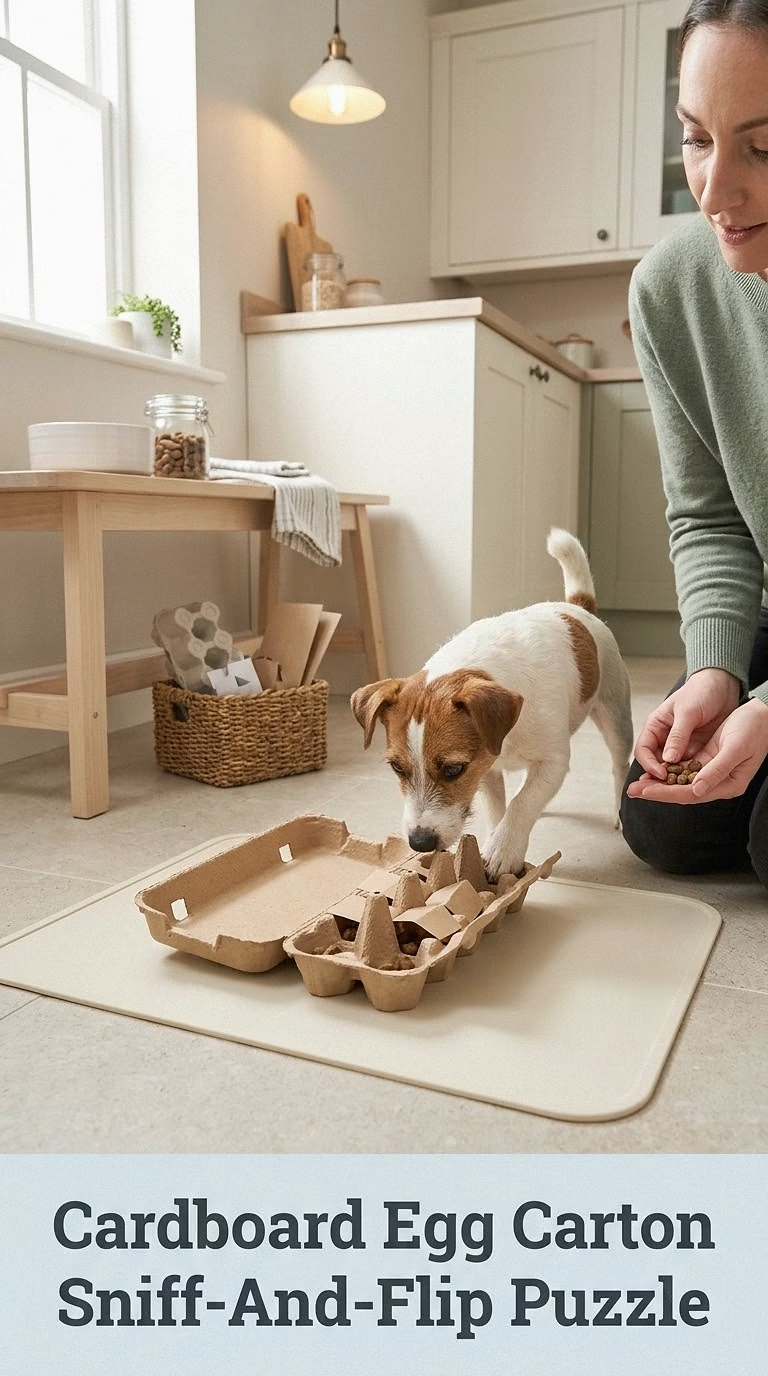
A clean cardboard egg carton can become a quick beginner puzzle for dogs that enjoy using their nose.
Drop pieces of kibble into several compartments and leave the lid open for the first session. Your dog can sniff and carefully investigate each pocket. Once that feels easy, lightly place dog-safe balls or oversized toys over selected compartments so the food must be uncovered.
Eventually, you can loosely close the carton for dogs that enjoy manipulating cardboard, provided you are closely supervising.
Set the puzzle on an easy-to-clean mat because eager pups may push it across the floor. The repeating carton shape also creates a surprisingly cute visual, especially with small colorful toys tucked into alternate sections.
Remove staples, labels, plastic windows, tape, and other packaging materials before use. If your dog begins eating the carton rather than interacting with it, calmly end the activity and offer a more durable enrichment option.
Indoor Chair Maze With A Soft Blanket Tunnel
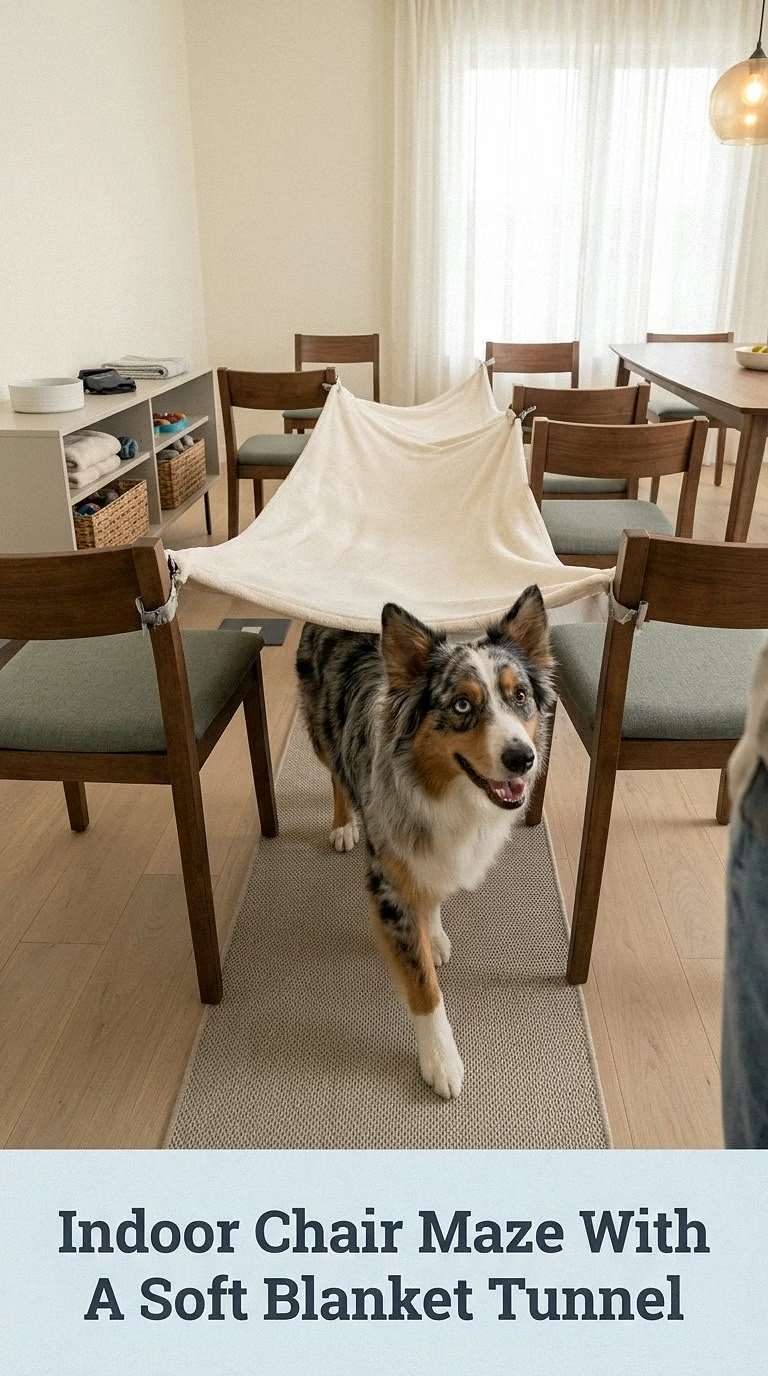
Rearranging a few dining chairs can create an entirely new adventure without buying agility equipment.
Position chairs several feet apart so your dog can weave between them. Drape a lightweight blanket across two chairs to create a short tunnel, leaving both ends completely open and easy to see.
Guide your dog through the course with treats, a toy, or cheerful encouragement. Never push or pull a nervous dog into the tunnel. Curious dogs can simply investigate it at their own pace.
Keep the setup low and stable. The goal is gentle exploration, not dramatic jumping over furniture. Hard floors should be covered with nonslip rugs, particularly for fast or enthusiastic dogs.
For a tidy look, choose one neutral blanket and keep the arrangement minimal. Once the session ends, everything returns to normal in minutes.
This is a great boredom buster when weather prevents a longer outdoor adventure but your dog still wants to move and think.
DIY Cardboard Maze With Hidden Snack Stations
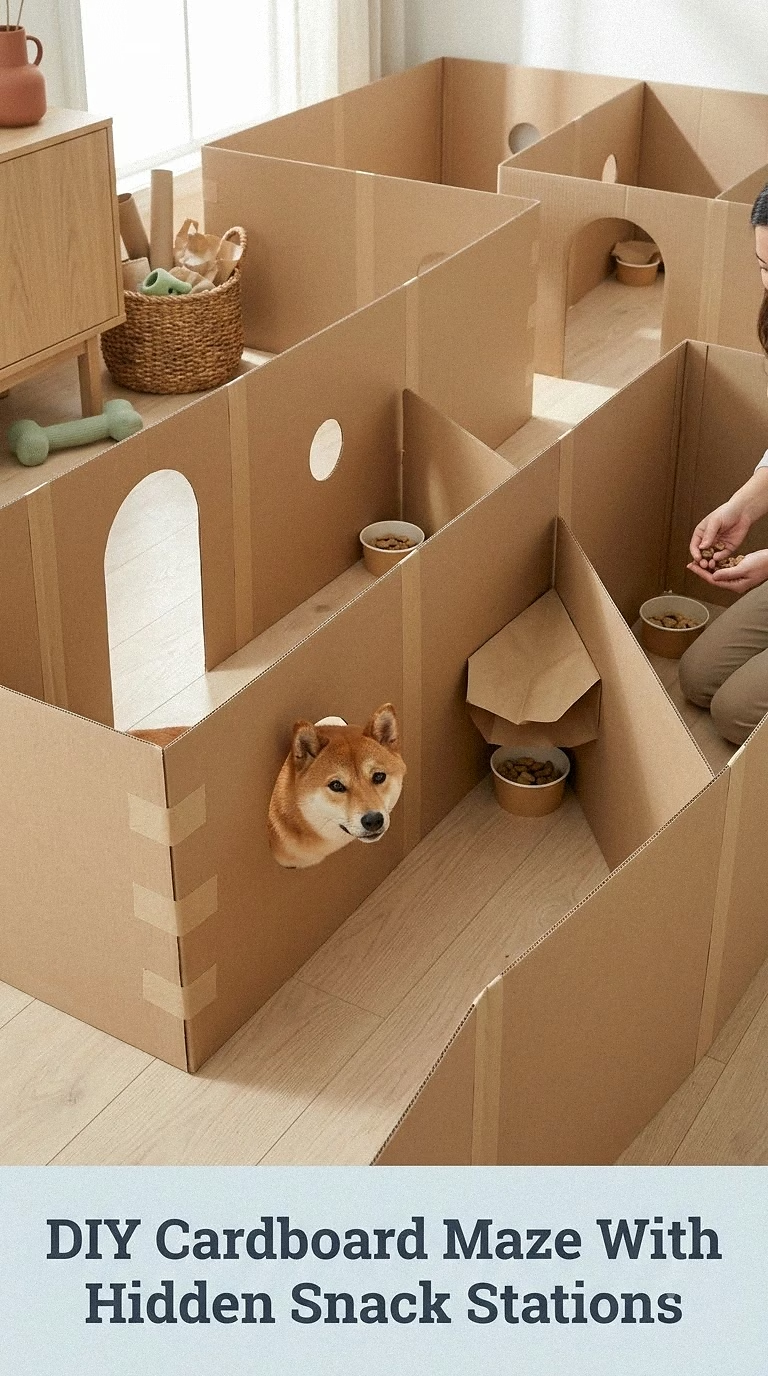
For dogs that enjoy exploring, connect several large cardboard boxes to form a low maze through the living room.
Remove the tops or cut generous doorways so your dog always has plenty of space and ventilation. Place a toy or a few pieces of kibble at different stations, encouraging your pup to walk through the maze and discover each surprise.
Keep the structure open and uncomplicated at first. A dog should never feel trapped inside.
This activity can become surprisingly photogenic when clean kraft boxes are arranged on a neutral rug with a few colorful toys visible through the openings. It also works well as a weekend project for families who receive frequent deliveries.
Smooth any rough edges and remove tape, staples, plastic, and labels. Large dogs need wider openings and sturdier boxes, while tiny dogs may enjoy smaller connected spaces.
Supervise throughout the activity and recycle the maze once it becomes crushed, wet, or heavily chewed.
Laundry Basket Ball Pit With Hidden Kibble
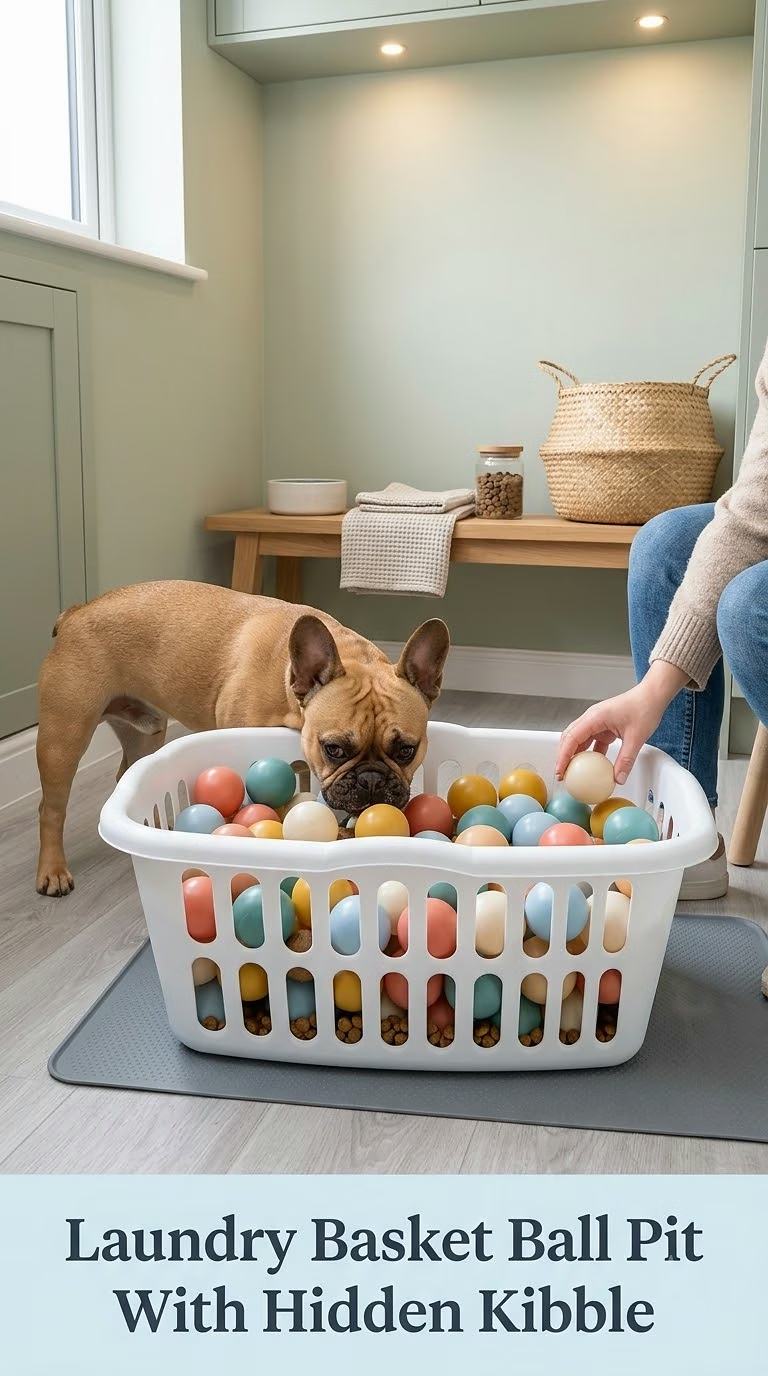
A shallow laundry basket or small pet-safe play pool can become a miniature ball pit filled with lightweight, appropriately sized balls.
Scatter a small portion of kibble among the balls and let your dog sniff and gently rummage for each piece. As the balls shift, the location of the food changes, keeping the activity interesting.
Start with only a thin layer so your dog can easily understand the game. Nervous dogs may need just three or four balls at first. Confident pups can gradually work up to a fuller basket.
Choose balls that cannot fit completely inside your dog’s mouth, particularly for larger breeds. Avoid damaged balls or thin plastic items that crack easily.
A white basket filled with soft pastel or neutral balls can also look much more home-friendly than brightly colored children’s toys.
When the game is finished, store everything together in the same basket, turning the boredom buster into its own neat storage system.
Garden Digging Box With Sand And Buried Toys
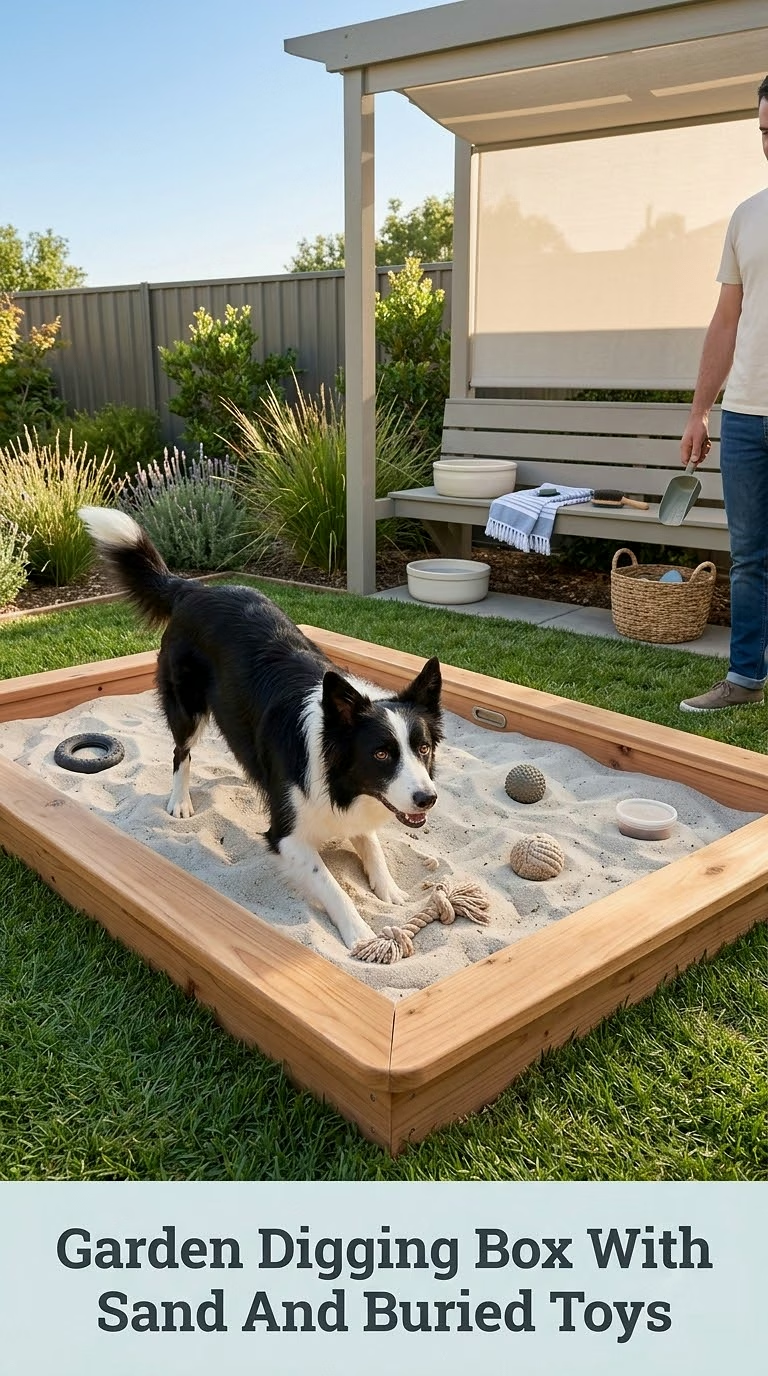
If your dog considers the flower beds their personal excavation site, give that instinct a more acceptable destination.
Create a dedicated digging box using a raised wooden garden frame, sturdy sandbox, or clearly defined patch of dog-safe soil. Bury favorite weather-resistant toys just beneath the surface and encourage your dog to discover them.
A cedar frame positioned beside a fence can blend beautifully into a landscaped backyard. Add a simple wooden sign or border plants placed safely out of reach for a polished look.
Begin with objects partially visible so your dog understands where digging is encouraged. Over time, bury them slightly deeper.
Check the area regularly for sharp debris, contaminated soil, standing water, animal waste, or anything else your dog should not investigate. Choose placement carefully if your yard receives intense sun.
This setup can save both your garden and your patience while giving enthusiastic diggers a satisfying outdoor job.
Paper Roll Treat Puzzle Basket For Rainy Afternoons
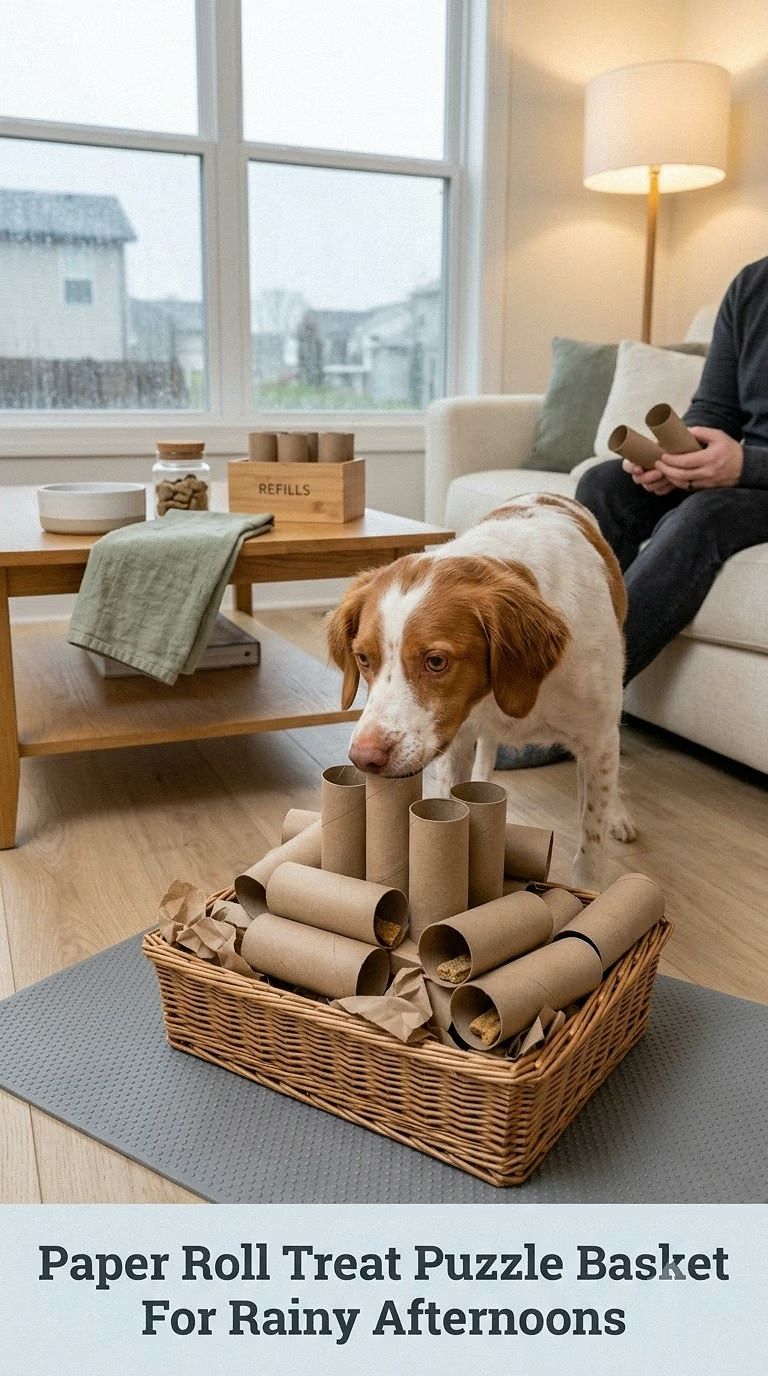
Save several plain cardboard paper rolls and place a little kibble inside each one. Fold the ends lightly or leave them open depending on your dog’s experience level.
Arrange the rolls inside a shallow wooden crate or sturdy basket so your dog must sniff through the collection to find the rewarding ones.
The finished setup has a charming homemade look and costs almost nothing. You can even hide empty rolls among filled ones once your dog becomes skilled at the game.
Read more : 17 Types Of Water Dogs
Avoid adhesives, fragrance, glitter, painted cardboard, or other decorative materials that could be unsafe when chewed. The beauty of this activity comes from its simplicity.
Supervision is essential because some dogs will happily eat the cardboard after finding the food. Remove torn pieces promptly and stop the game if your pup begins swallowing them.
For dogs that interact appropriately, it is an easy way to turn recycling into a mentally engaging rainy-day project.
Hidden Toy Search With A Styled Living Room Treasure Hunt
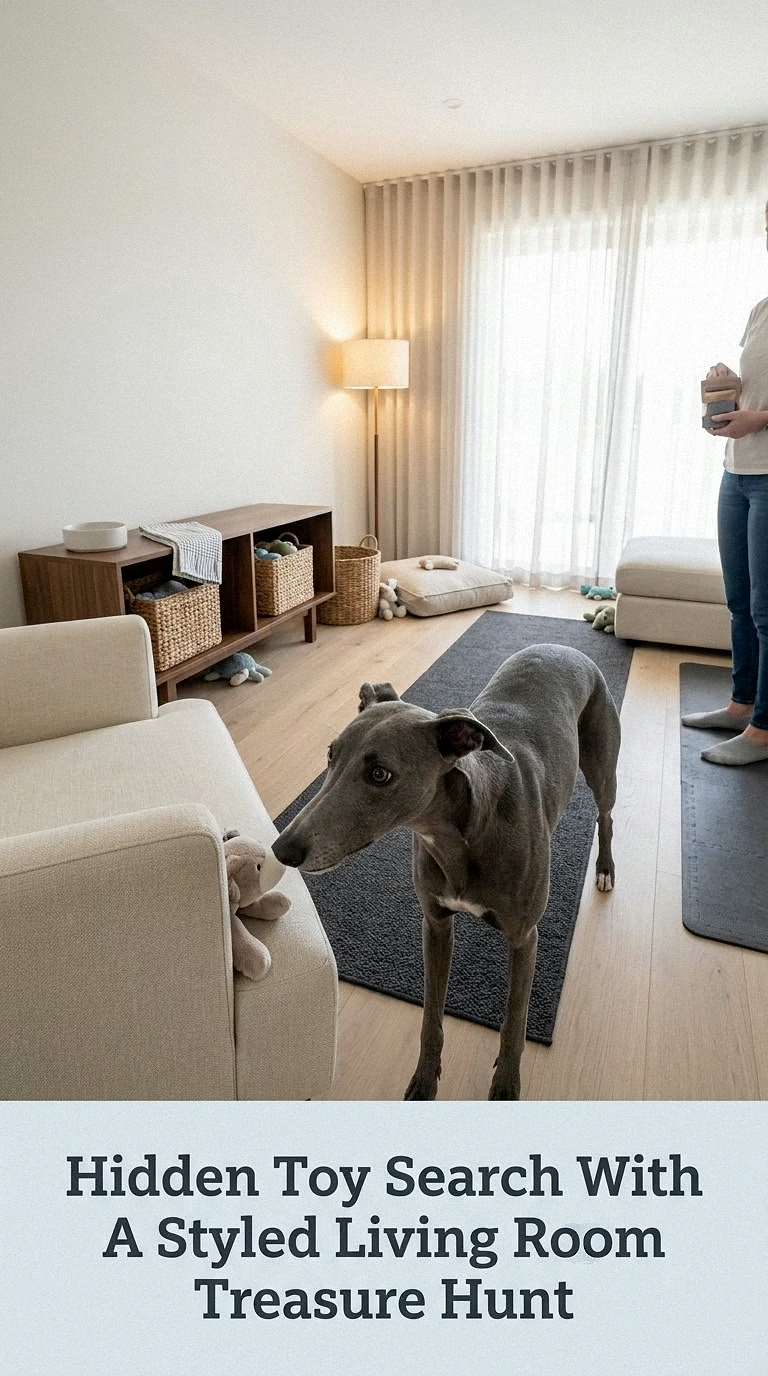
Not every boredom buster needs food. Dogs that adore a particular plush toy, ball, or squeaky object can learn to search for it around the house.
Begin by letting your dog watch as you place the toy partly behind a cushion or beside a basket. Use a cheerful search cue and celebrate when they find it.
As the game becomes familiar, hide the toy in more creative locations while your dog waits elsewhere. Think behind an armchair, near their bed, or beneath the edge of a lightweight blanket.
Keeping the search within one beautifully organized room makes the activity feel calm rather than chaotic. A woven toy basket can serve as the starting and finishing station.
Avoid shelves, unstable furniture, or tight spaces that might encourage climbing. The game should reward sniffing and thinking, not risky problem-solving.
It is especially useful for dogs that are less food motivated or for households trying to reduce the number of treats used during enrichment.
Living Room Obstacle Course With Cushions And Floor Markers
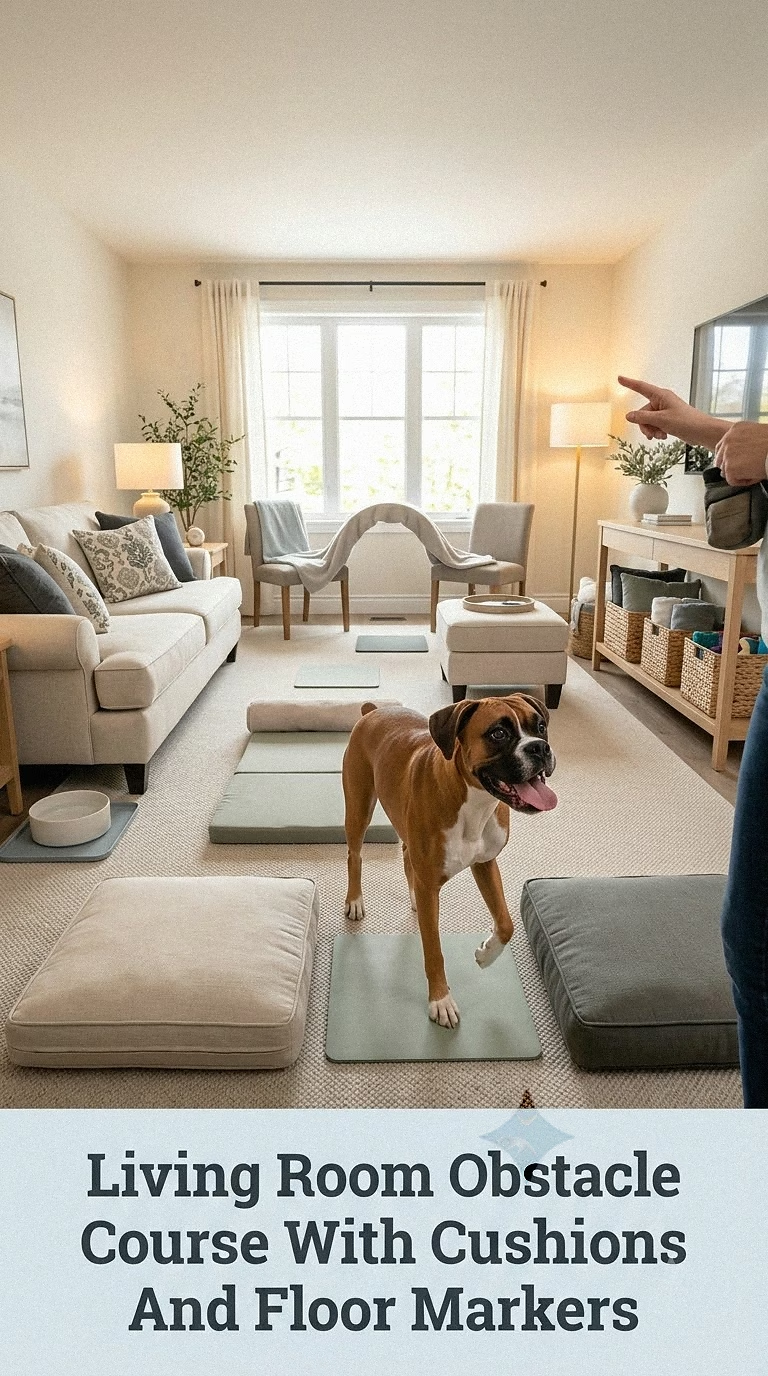
Create a gentle movement circuit using sofa cushions placed flat on the floor, nonslip mats, low cardboard markers, and a few chairs.
Your dog might walk around a cushion, weave between chairs, step onto a mat, pause for a cue, then follow you to another station. There is no need for high jumps or complicated agility equipment.
A coordinated palette of cream cushions, natural wood chairs, and washable floor mats can keep the temporary course looking surprisingly stylish.
Use rewards and encouragement to guide your dog rather than physically positioning them. Keep every challenge appropriate for your dog’s age, mobility, confidence, and health.
Senior dogs and puppies can enjoy extremely simple versions based on walking, sniffing, and following cues. Dogs with orthopedic or medical concerns should avoid movements that their veterinarian has not approved.
Change the sequence occasionally so the course remains interesting without becoming confusing.
DIY Toy Rotation Station With Woven Storage Baskets
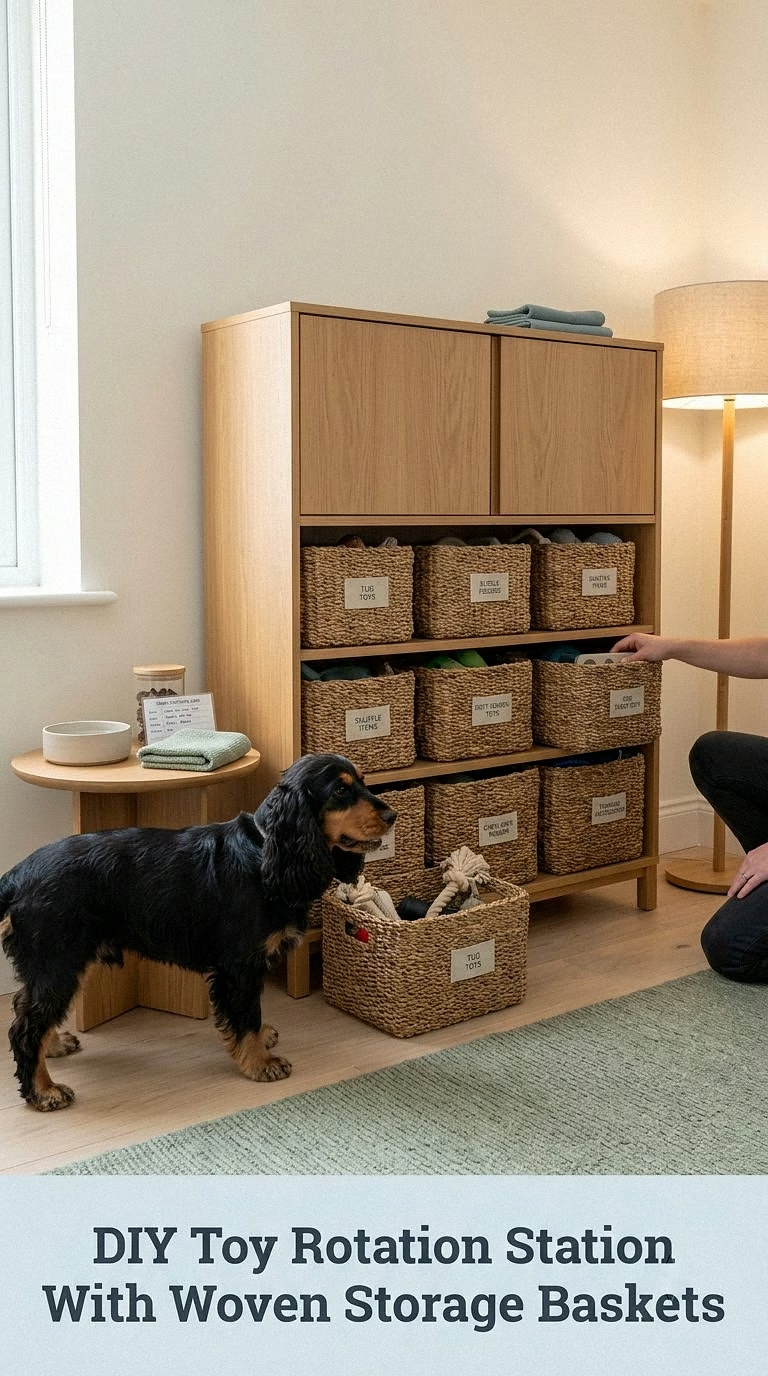
Sometimes the simplest boredom buster is making familiar toys feel interesting again.
Instead of leaving every toy on the floor all week, divide the collection between two or three baskets. Keep only a small selection available and store the rest out of sight. Every few days, swap the groups.
A row of woven baskets beneath a console table creates an attractive organization system while helping control living-room clutter. Labels such as “tug,” “puzzle,” and “soft toys” can make sorting easy.
You can turn rotation day into an activity of its own. Place several toys on the floor and invite your dog to choose one, or hide a returning favorite beneath a blanket for them to discover.
Inspect toys during every rotation and discard damaged pieces, loose stuffing, exposed squeakers, or frayed rope.
This approach costs nothing once you have a toy collection, works beautifully in small homes, and helps prevent the visual overwhelm of having every dog item out at once.
Mini Training Station With Treat Jar And Target Mat
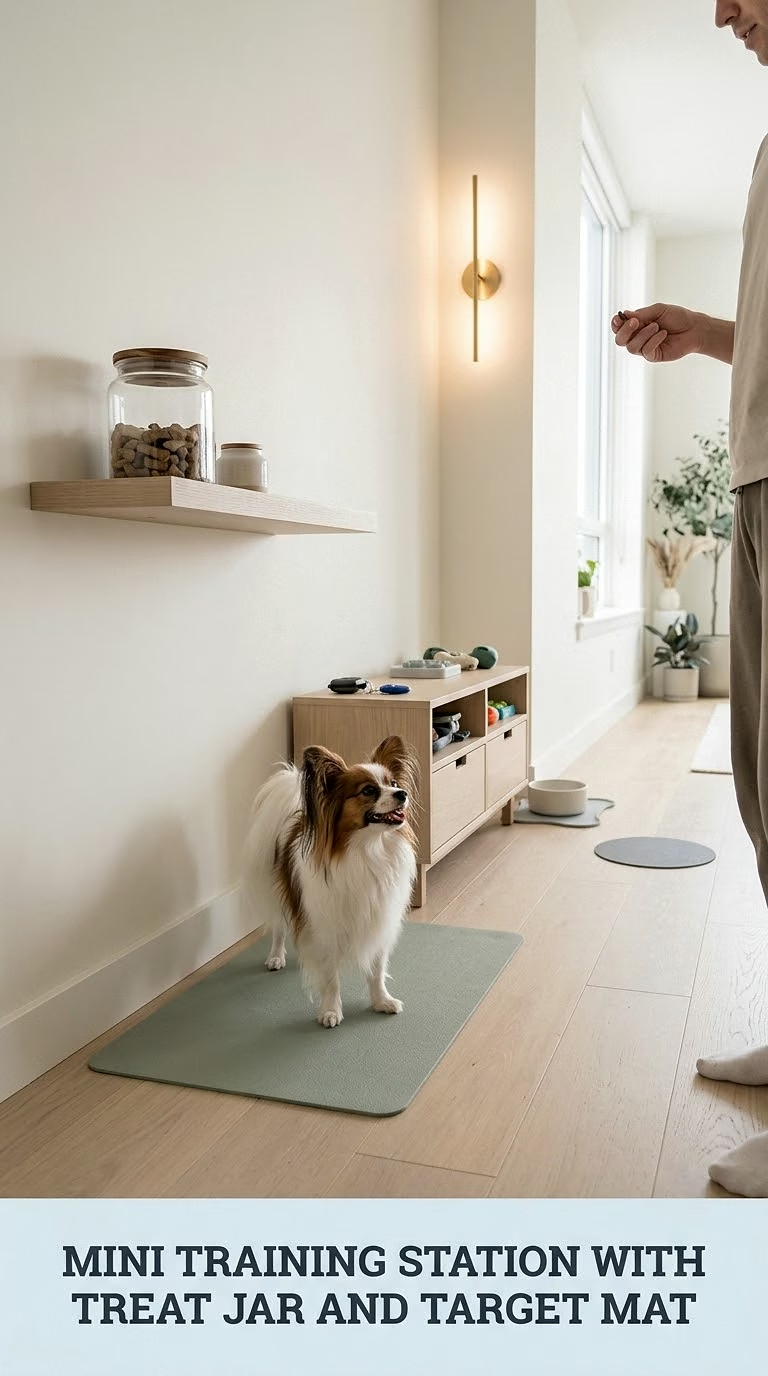
A few minutes of learning can be every bit as engaging as a homemade puzzle.
Create a small training station with a washable mat, a sealed treat jar, and perhaps one simple prop such as a lightweight box or target. Practice easy skills including touch, spin, paw, place, toy retrieval, or identifying a favorite object.
Keep sessions short and positive. Rather than drilling the same behavior repeatedly, finish while your dog is still eager to participate.
A rolled neutral mat and attractive lidded jar can live neatly inside a basket beside your dog’s supplies, making spontaneous sessions easier.
Use tiny pieces of food or part of the dog’s normal meal so rewards do not quietly become a large source of extra calories.
Training is particularly adaptable because you can choose activities suited to puppies, seniors, apartment dogs, energetic working breeds, or dogs temporarily restricted from strenuous exercise.
The real DIY element is creating the routine, not building elaborate equipment.
Backyard Scent Garden With Dog-Safe Herb Pots
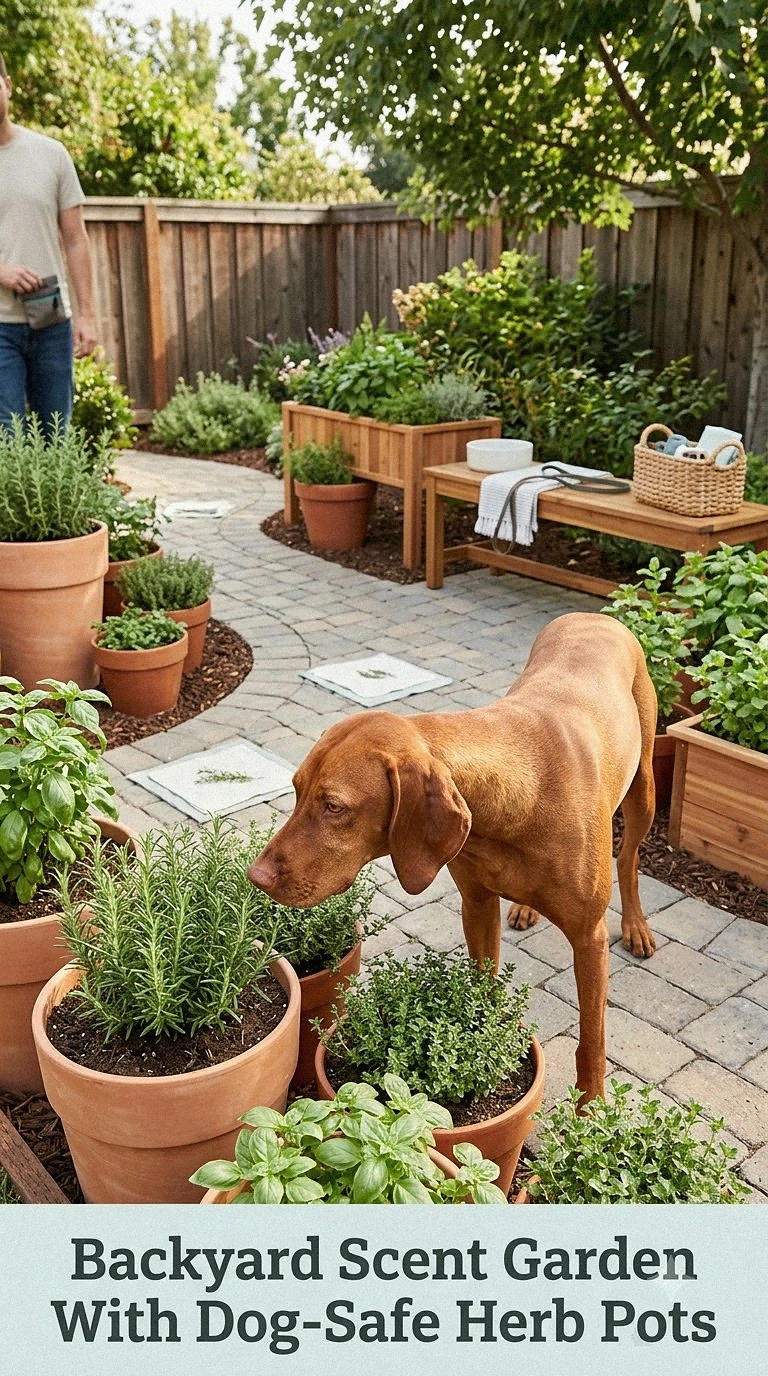
A small scent garden can turn an ordinary patio or backyard corner into a slow, sensory exploration zone.
Arrange sturdy pots containing dog-safe aromatic plants around a gravel, grass, or paved area. Leave plenty of walking space between them so your dog can investigate each scent without knocking containers over.
You can occasionally hide a toy or a few pieces of kibble near selected pots to create a gentle search game. The focus should remain on sniffing and exploring rather than eating the plants.
Choose every plant carefully because many common garden species are unsafe for pets. Position pots where your dog cannot dig them up or consume soil, fertilizer, mulch, or plant material.
Terracotta containers, wooden planters, and a simple outdoor mat can make this enrichment corner blend beautifully with the rest of the garden.
It is a lovely option for dogs that prefer calm sniffing activities over fast-paced games and gives the backyard a purpose beyond simply opening the door for bathroom breaks.
Creating Your Own Favorite DIY Dog Boredom Busters Ideas
The loveliest enrichment routine is rarely the most complicated one. It is the collection of little activities that genuinely suits your dog.
One pup may spend twenty happy minutes investigating a snuffle mat, while another would rather search the living room for a beloved toy. A determined digger may adore a backyard digging box, while a gentle senior might prefer a frozen lick tray and a few minutes of easy training.
Start with two or three DIY dog boredom busters ideas that match the supplies you already own and the behaviors your dog naturally enjoys. Keep the first attempts simple, supervise homemade activities carefully, and adjust the difficulty instead of assuming every puzzle has to be challenging.
Over time, you can build a small rotation of sniffing games, food puzzles, movement activities, training sessions, and cozy indoor projects. That variety can make ordinary days feel more interesting for your dog while giving you another sweet way to spend time together.
The best part is that enrichment does not require a perfect dog room or a cabinet full of expensive toys. Sometimes a towel, a cardboard box, a handful of kibble, and a little imagination are all it takes to make your dog’s afternoon considerably more exciting.
Source: https://petstutorial.com
Category: DOGS
