
Creating an obstacle course at home can turn an ordinary afternoon with your dog into something playful, enriching, and surprisingly rewarding. A few flowerpots, pool noodles, cardboard boxes, PVC pipes, or garden cones can become an exciting little adventure that encourages your dog to think, move, and pay attention to you.
The best DIY dog obstacle course ideas do not need to look like professional agility equipment. In fact, simple homemade setups are often easier for beginners because you can adjust every obstacle to your dog’s size, confidence, fitness level, and available space. A tiny patio can host a few stepping stations and weave cones, while a larger backyard can become a colorful mini agility course with tunnels, jumps, balance exercises, and winding pathways.
You are reading: 19 DIY Dog Obstacle Course Ideas For Fun Backyard Training
Safety matters more than speed. Keep obstacles low and stable, choose grass or another non-slip surface, and make sure anything your dog might jump over can fall away easily if bumped. Puppies should focus mostly on ground-level activities rather than repetitive jumping, while senior dogs and dogs with joint, heart, or mobility concerns may need gentler versions approved by a veterinarian.
Start slowly and keep early sessions short. Five to ten minutes can be plenty when your dog is learning something new. Use treats, favorite toys, praise, and plenty of breaks so the course feels like a game rather than a test.
Creative DIY Dog Obstacle Course Ideas To Try At Home
Colorful PVC Backyard Jump With Adjustable Bars
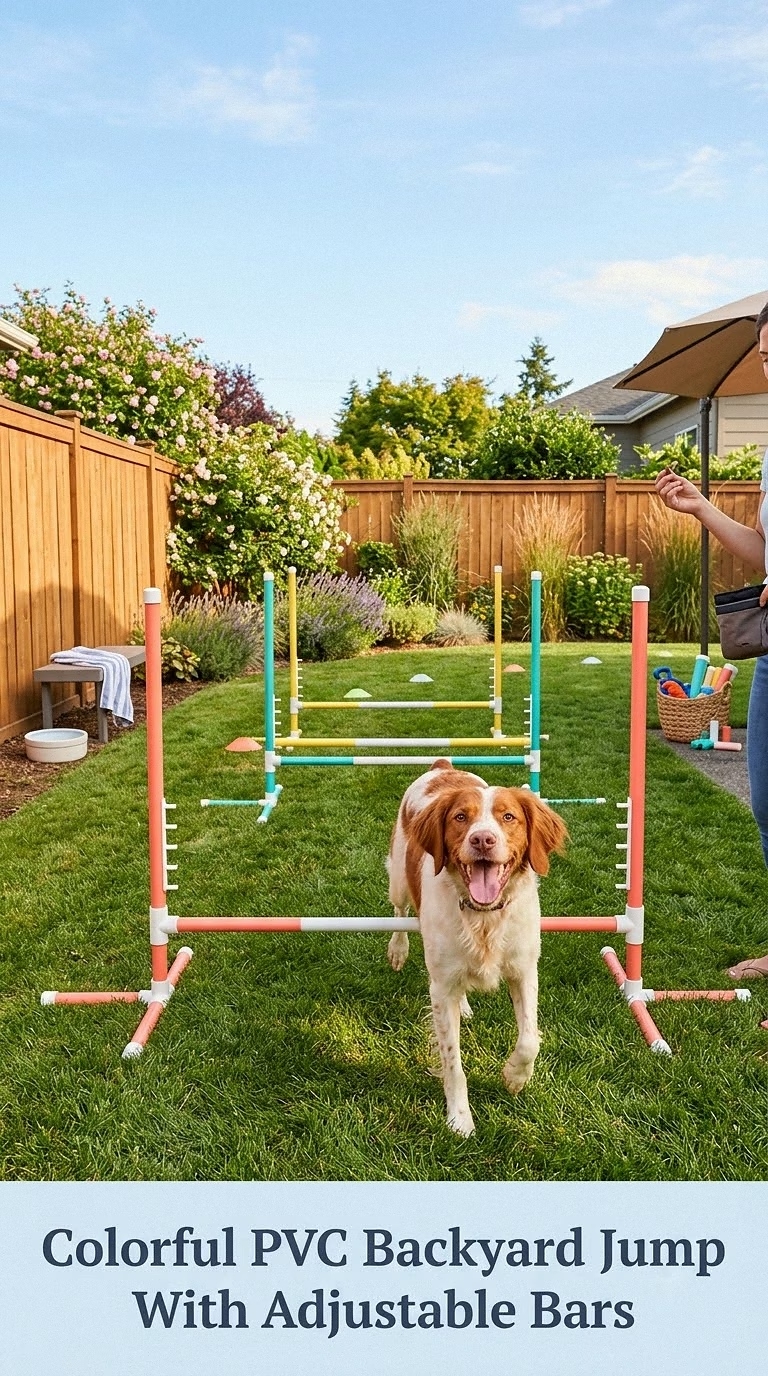
A simple PVC jump can instantly give your backyard the cheerful appearance of a miniature agility field. Create two lightweight side supports from PVC pipe and add a horizontal bar that rests loosely between them rather than being permanently attached.
Painting or wrapping sections in bright white, turquoise, coral, or yellow makes the obstacle easy to see while adding a playful decorative element to your yard.
The most important feature is the removable bar. If your dog clips it while passing over, it should drop freely instead of becoming something your dog could trip over.
Beginners can start with the bar lying directly on the ground. Once an adult, physically healthy dog understands the exercise, it can gradually be raised to an appropriate low height.
Place the jump on level grass and leave plenty of open space on both sides so your dog has comfortable approach and landing areas.
Soft Pool Noodle Jump Between Garden Planters
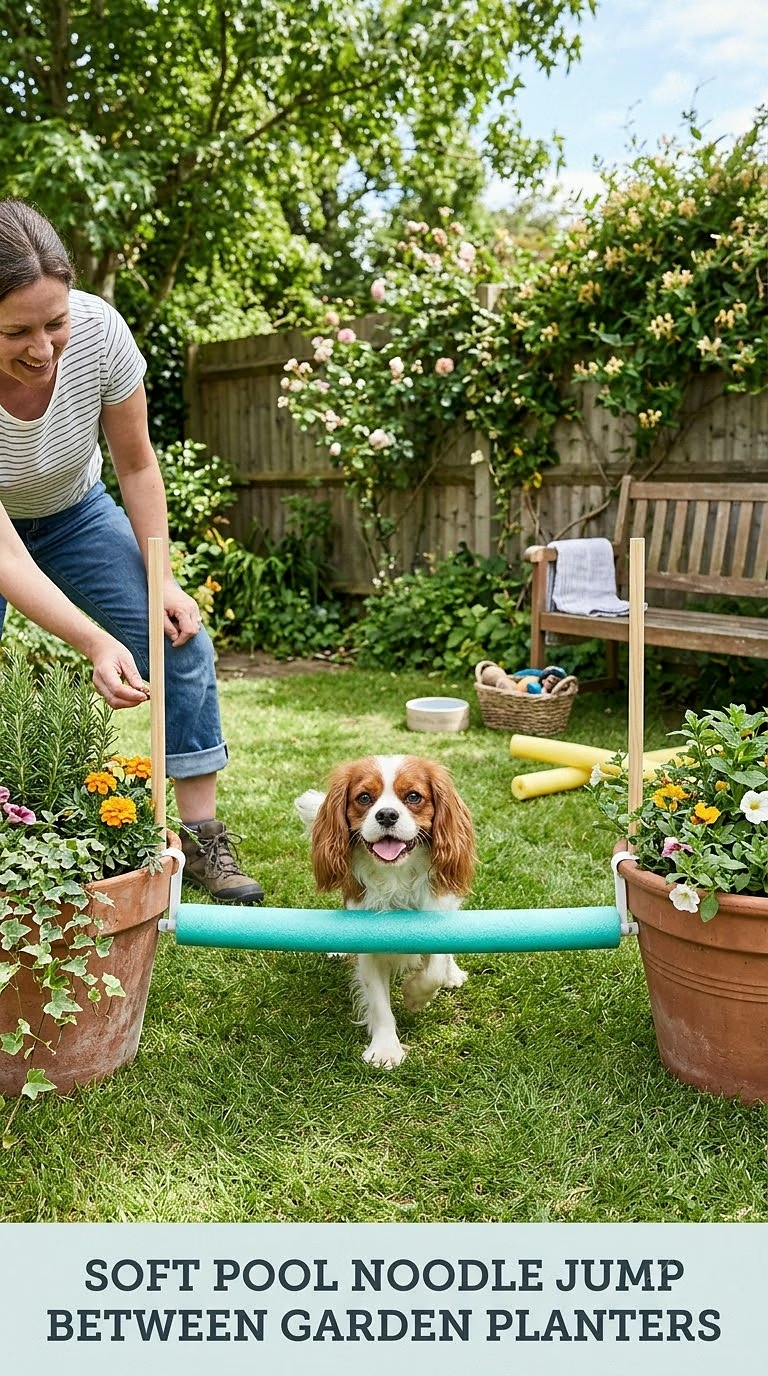
For one of the easiest budget-friendly obstacles, turn a lightweight pool noodle into a colorful low jump.
Place two sturdy garden planters several feet apart and loosely rest a pool noodle between them. You can also run a thin removable dowel through the noodle if you need additional structure, provided the entire bar can still fall away easily when touched.
Choose planters in warm terracotta, matte white, sage green, or charcoal depending on your outdoor style. Fill them with artificial greenery or dog-safe plants for a setup that blends naturally into a landscaped backyard.
Keep the noodle extremely low for beginners. Some dogs can simply step over it during their first sessions.
This obstacle is especially useful for teaching your dog to move confidently across objects without creating an intimidating challenge.
Cozy Blanket Tunnel Between Dining Chairs
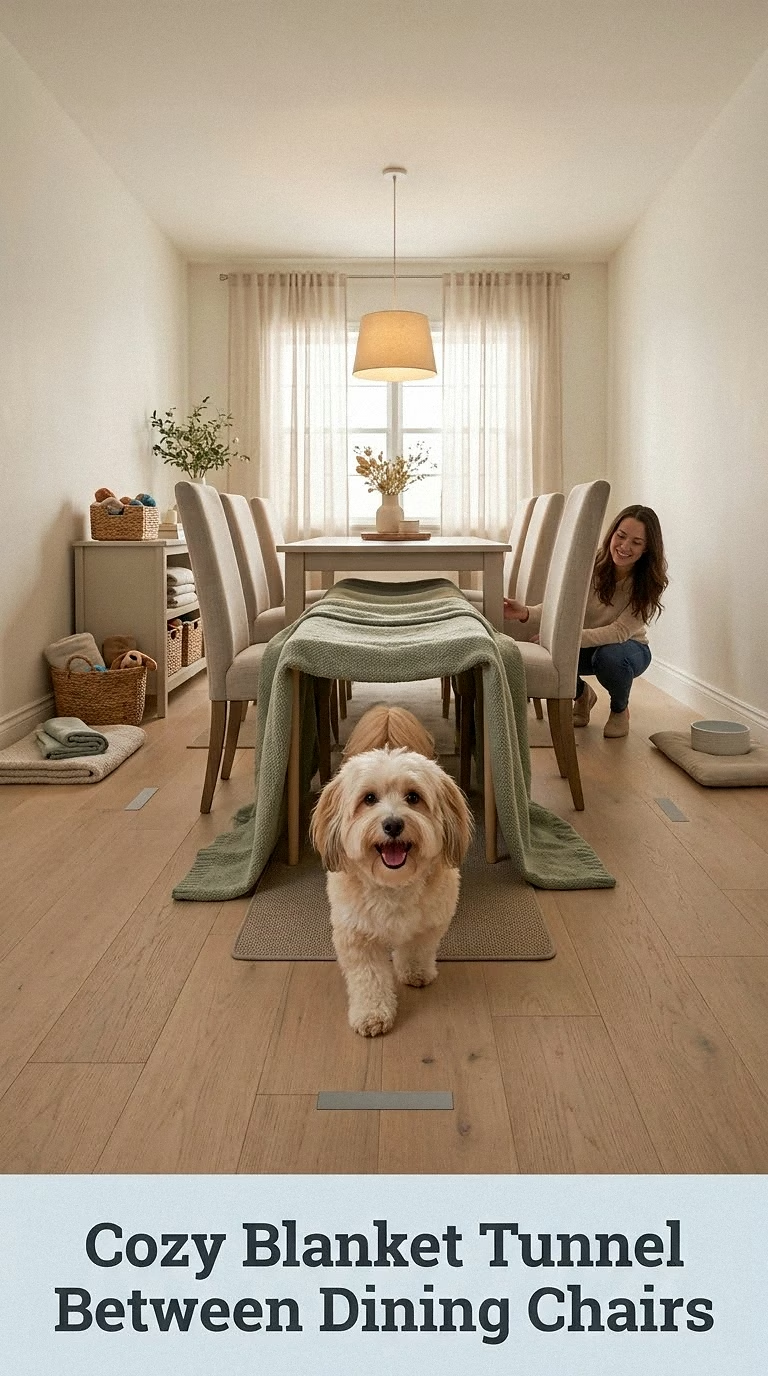
You do not need a professional fabric tunnel to introduce your dog to walking through covered spaces.
Arrange several sturdy chairs in two parallel rows and drape a lightweight blanket across the tops. Leave both ends completely open so your dog can clearly see the exit.
A neutral linen blanket, checked farmhouse throw, or colorful cotton sheet can make this obstacle look surprisingly charming indoors.
Start with a very short tunnel. Stand at the opposite opening and encourage your dog to walk through using a treat or favorite toy. Never pull, push, or trap your dog inside.
Once your dog confidently walks underneath, you can make the tunnel slightly longer.
Use carpet, rubber-backed runners, or interlocking foam flooring underneath so paws have plenty of traction.
Cardboard Box Adventure Tunnel With Cutout Windows
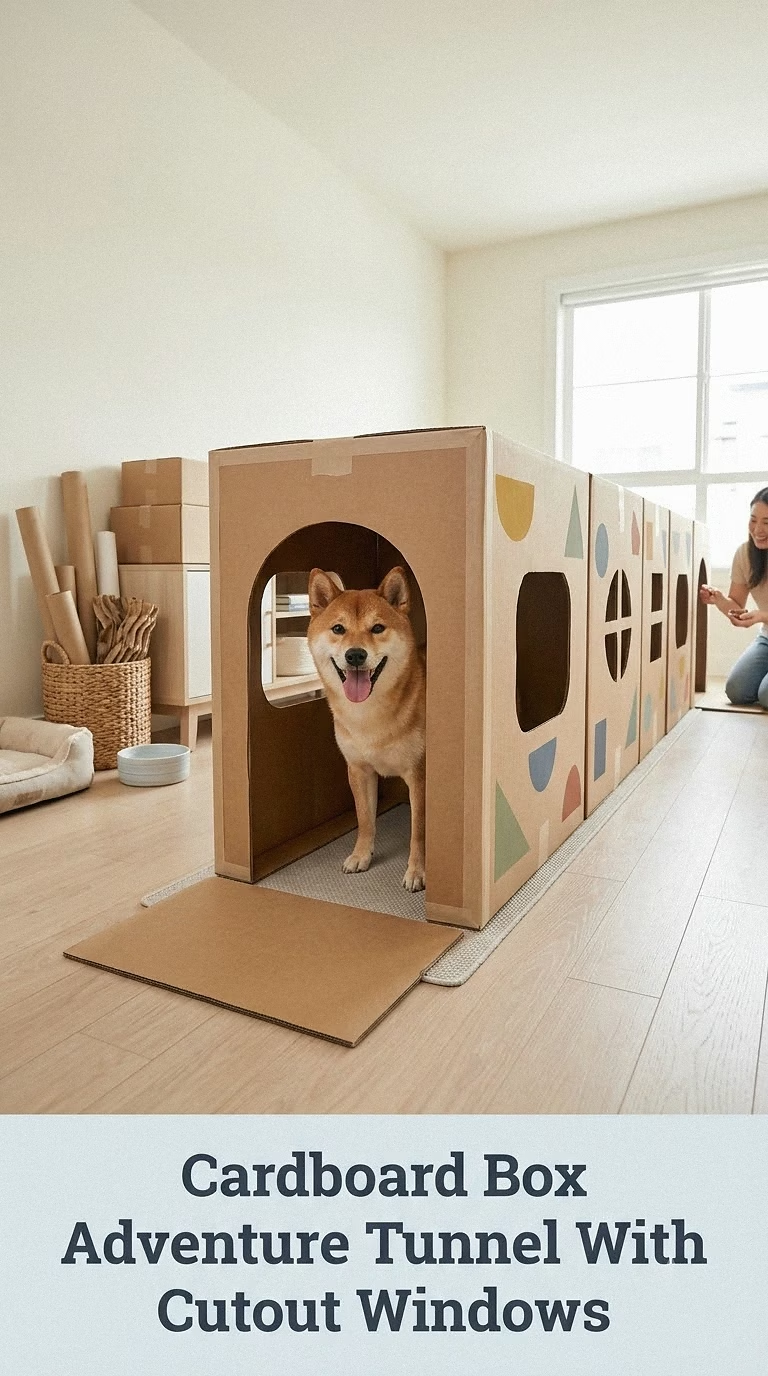
Large cardboard boxes can become an inexpensive tunnel that is easy to customize.
Remove the closed panels from both ends of several sturdy boxes and line them up to create a short passage. Add large decorative window openings along the sides so the interior stays bright and your dog does not feel enclosed.
For a polished look, cover the outside with kraft paper and decorate it with simple paw prints, stars, stripes, or your dog’s name using non-toxic craft materials.
Make sure there are no exposed staples, sharp edges, loose tape, or small decorative pieces that could be chewed or swallowed.
Because cardboard can collapse, this obstacle works best for calm introductory training rather than fast running.
It is also an excellent rainy-day project that can be folded away afterward.
Rainbow Pool Noodle Weave Pole Garden
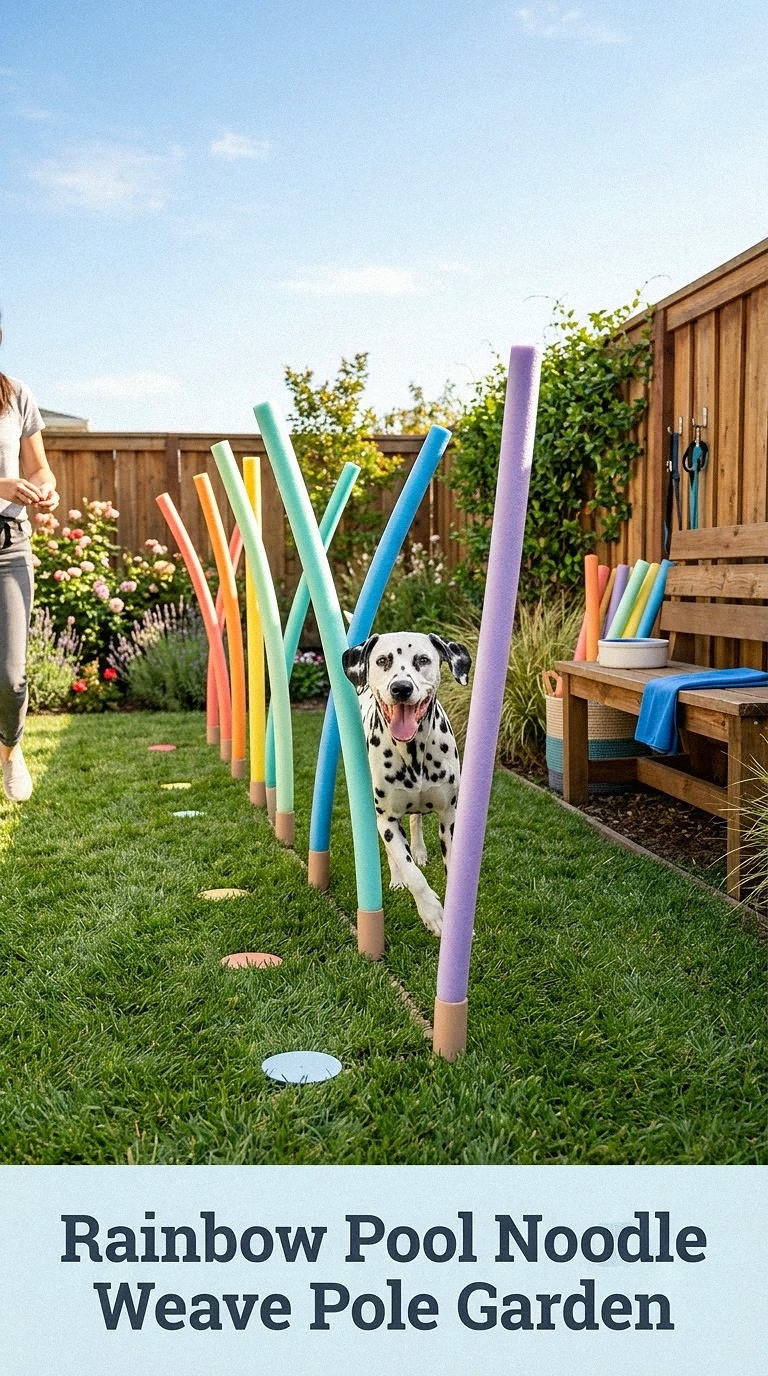
A row of colorful weave poles can add both movement and visual personality to a backyard course.
Use flexible garden stakes or other secure upright markers and slide brightly colored pool noodles over them for cushioning and visibility. Arrange the poles in a straight line with generous spacing while your dog is learning.
Rather than immediately expecting a tight competition-style weave, create a wide pathway and guide your dog gently from one side to the other.
Gradually narrow the pattern as your dog becomes comfortable.
Alternating coral, aqua, yellow, lavender, and mint noodles creates a cheerful rainbow look that photographs beautifully against green grass.
Check each pole before training to ensure it is secure, upright, and free from sharp exposed ends.
Minimalist White Cone Zigzag Course
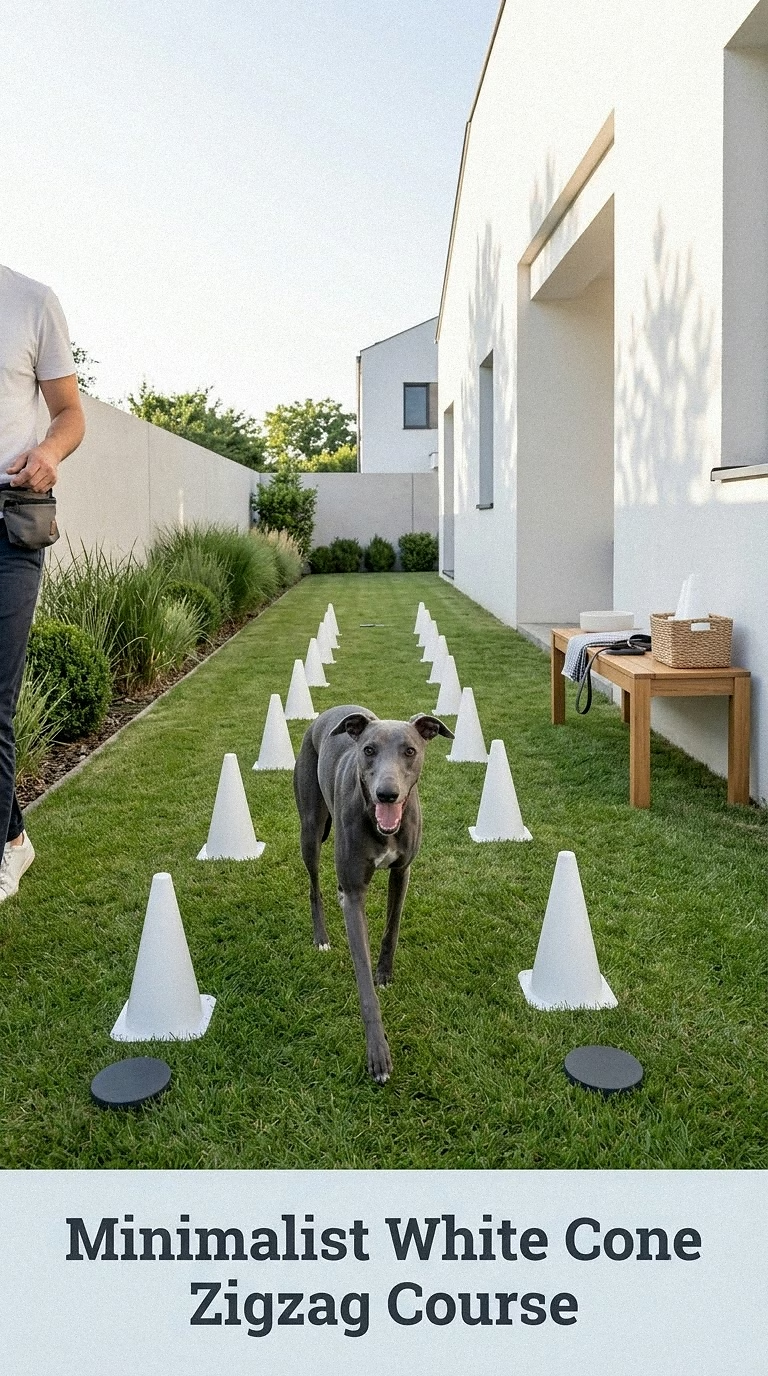
Sometimes the simplest course can be one of the most useful.
Place six to ten lightweight training cones in a wide zigzag pattern and guide your dog around each one. White or cream cones create a clean minimalist look, while brighter colors make the pathway easier for you to follow.
This activity requires no jumping, making it a useful option for dogs who are learning basic obstacle work or need lower-impact exercise.
Begin with plenty of space between the cones. As your dog’s confidence improves, experiment with wider curves, figure-eight patterns, and gentle changes of direction.
Treats can help guide the route initially, but eventually you can practice using your hand position and body movement.
The entire setup stacks neatly into a small corner when training is finished.
Rustic Wooden Pause Platform With Non-Slip Top
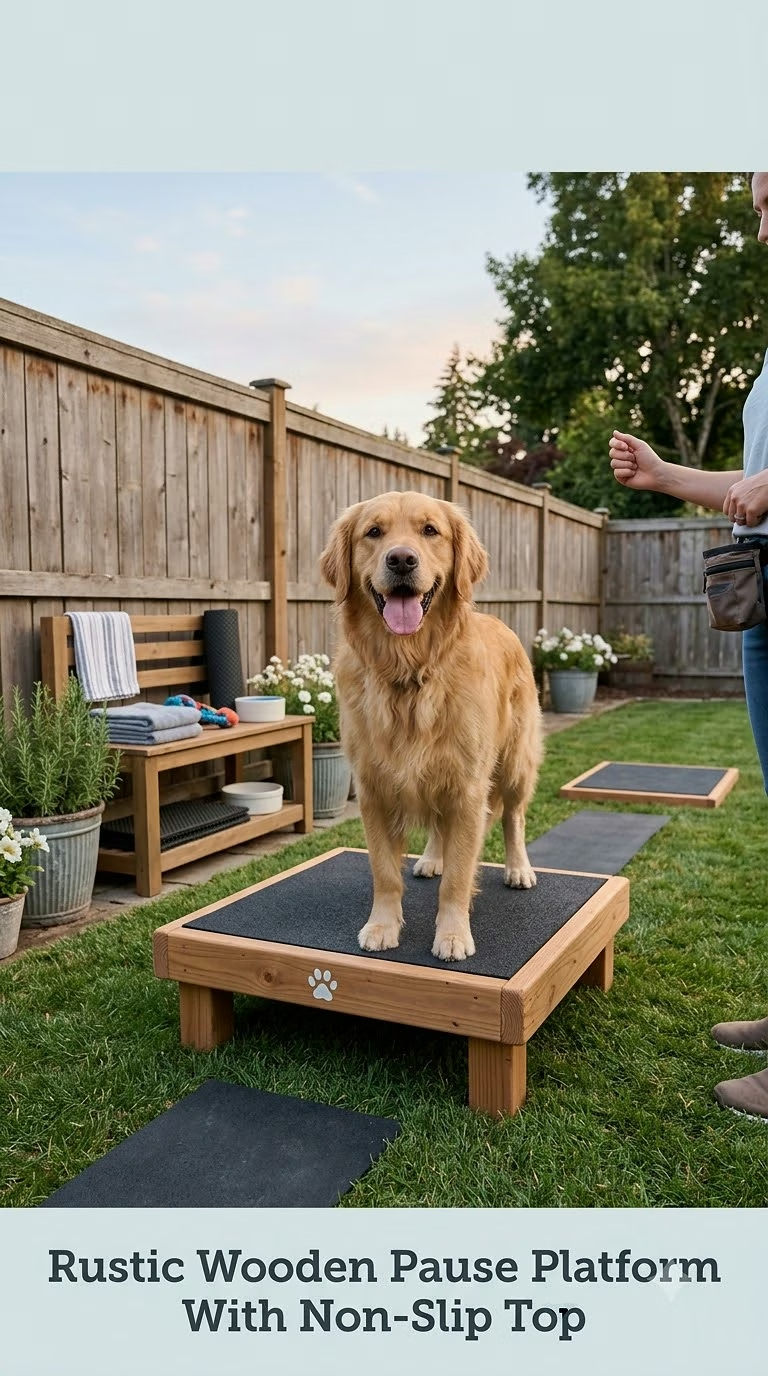
A pause platform introduces a completely different skill: slowing down.
Build a broad, low wooden platform only slightly above ground level. Sand every edge carefully and cover the top with outdoor carpet, rubber matting, or another secure non-slip material.
Read more : 19 Dog Door Ideas Sliding Glass Door Setups That Blend Style And Everyday Convenience
Natural wood paired with a black rubber top creates a rustic-modern look that fits beautifully into a landscaped backyard.
Encourage your dog to step onto the platform and calmly stand, sit, or lie down before continuing through the course.
The exercise helps break up faster obstacles while encouraging focus and body awareness.
Keep the platform broad enough for your dog to turn comfortably and low enough that stepping on and off requires minimal effort.
Cottage Garden Hoop Walk-Through
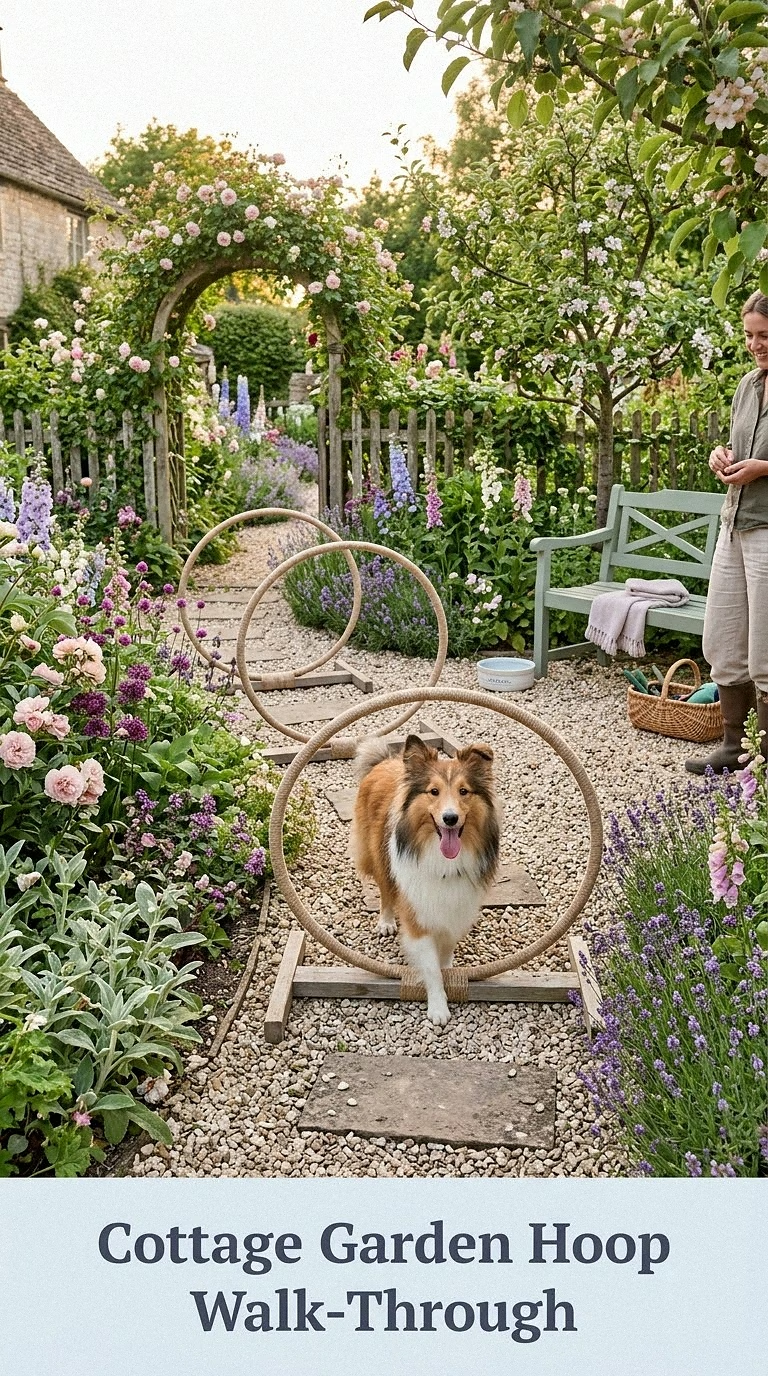
A lightweight hoop can become a charming cottage-inspired obstacle without requiring your dog to perform a high jump.
Secure a large hula hoop vertically between two weighted planters, keeping the bottom of the hoop at or very close to ground level.
Surround the base with attractive greenery while leaving the actual pathway completely clear.
Guide your dog through the center rather than encouraging dramatic jumping. For beginners, you can even hold the hoop loosely yourself while another person encourages the dog from the opposite side.
Once your dog understands the concept, place the hoop into its stable supports.
Choose a wide opening that comfortably accommodates your dog’s body. The finished design resembles a whimsical garden portal and works especially well in compact yards.
Low Cavaletti Path With Natural Wood Rails
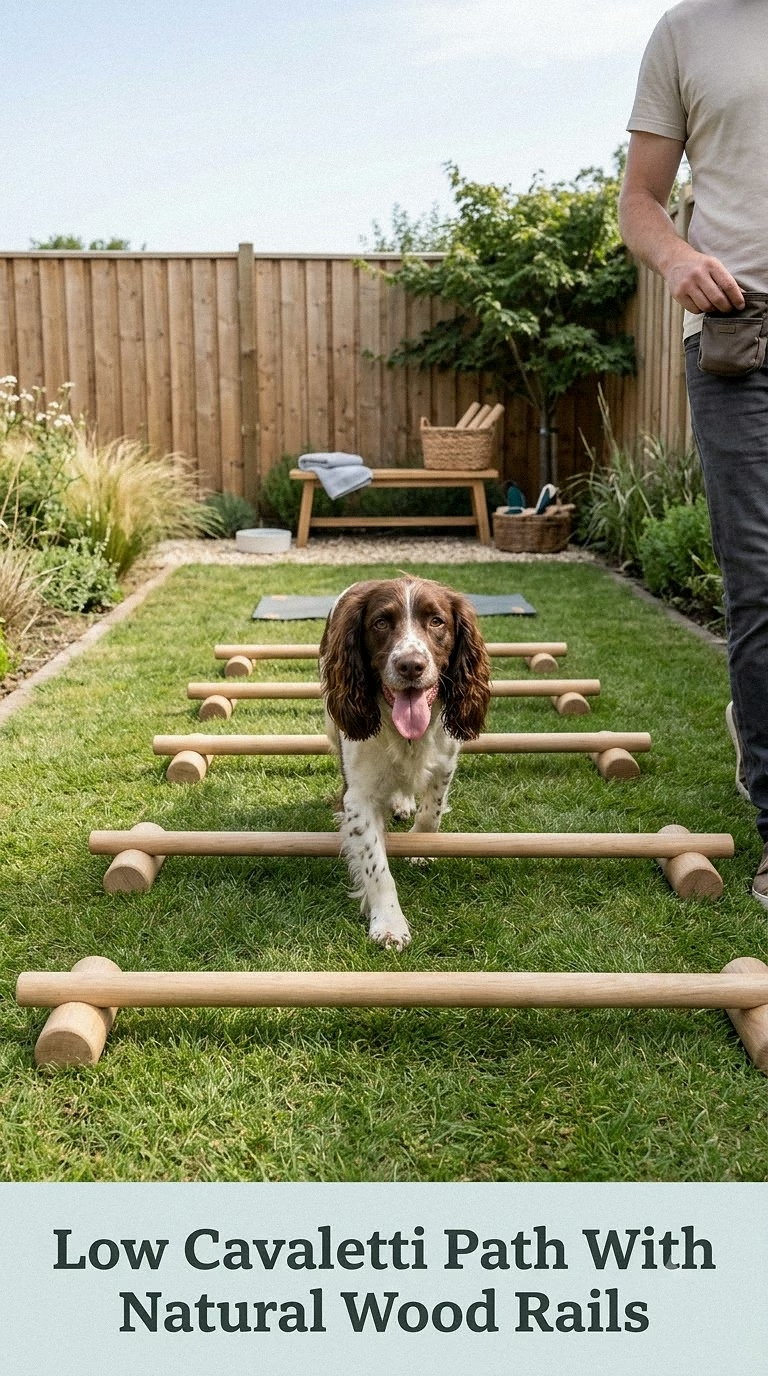
Cavaletti-style ground rails create a beautiful low-impact obstacle for carefully controlled movement.
Arrange several smooth lightweight poles across a straight pathway, keeping them very low or directly on the ground when your dog is new to the exercise.
You can use lightweight wooden dowels or PVC pipes resting loosely on short supports. Avoid heavy fixed rails that cannot move if accidentally struck.
Natural wood, cream supports, and neatly trimmed grass create a sophisticated equestrian-inspired look.
Walk slowly beside your dog while encouraging them to step carefully between and over the rails rather than racing.
The purpose is thoughtful foot placement, not maximum speed.
Adjust spacing to suit your dog’s natural stride and remove rails if the pattern seems awkward or frustrating.
Modern Stepping Stone Paw Path
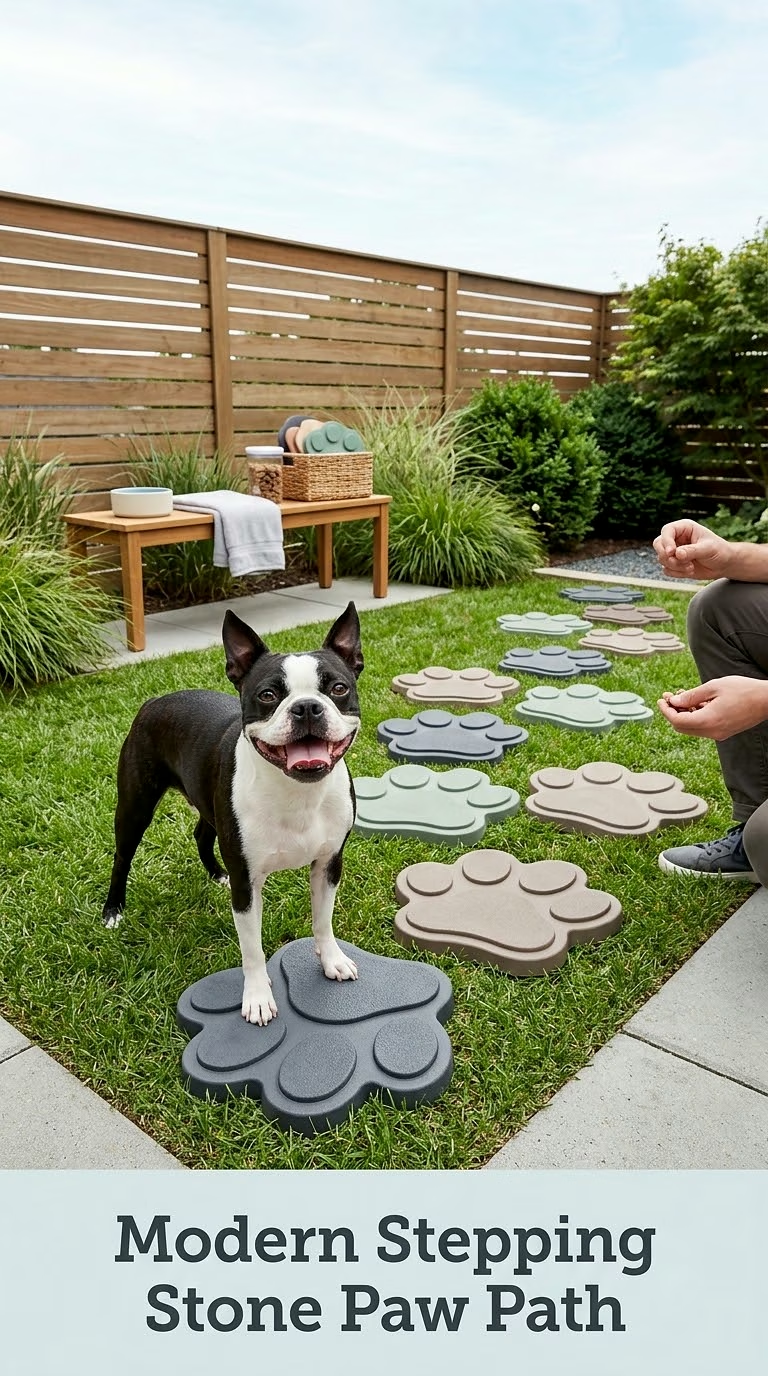
Create a stylish pathway using broad, low stepping surfaces arranged in a gentle curve.
Rubber-backed outdoor mats, stable low platforms, or large flat stepping pads work well. Alternate round and square shapes for additional visual interest.
A modern palette of beige, charcoal, terracotta, and muted sage can make the obstacle feel like part of your landscaping rather than temporary exercise equipment.
Encourage your dog to place their paws carefully on each station while moving slowly along the path.
Avoid narrow, unstable, slippery, or elevated stepping stones. Each surface should provide enough room for safe foot placement.
This obstacle works especially well between more energetic stations because it encourages your dog to reduce speed and concentrate.
Backyard Cone And Pole Maze With Winding Paths
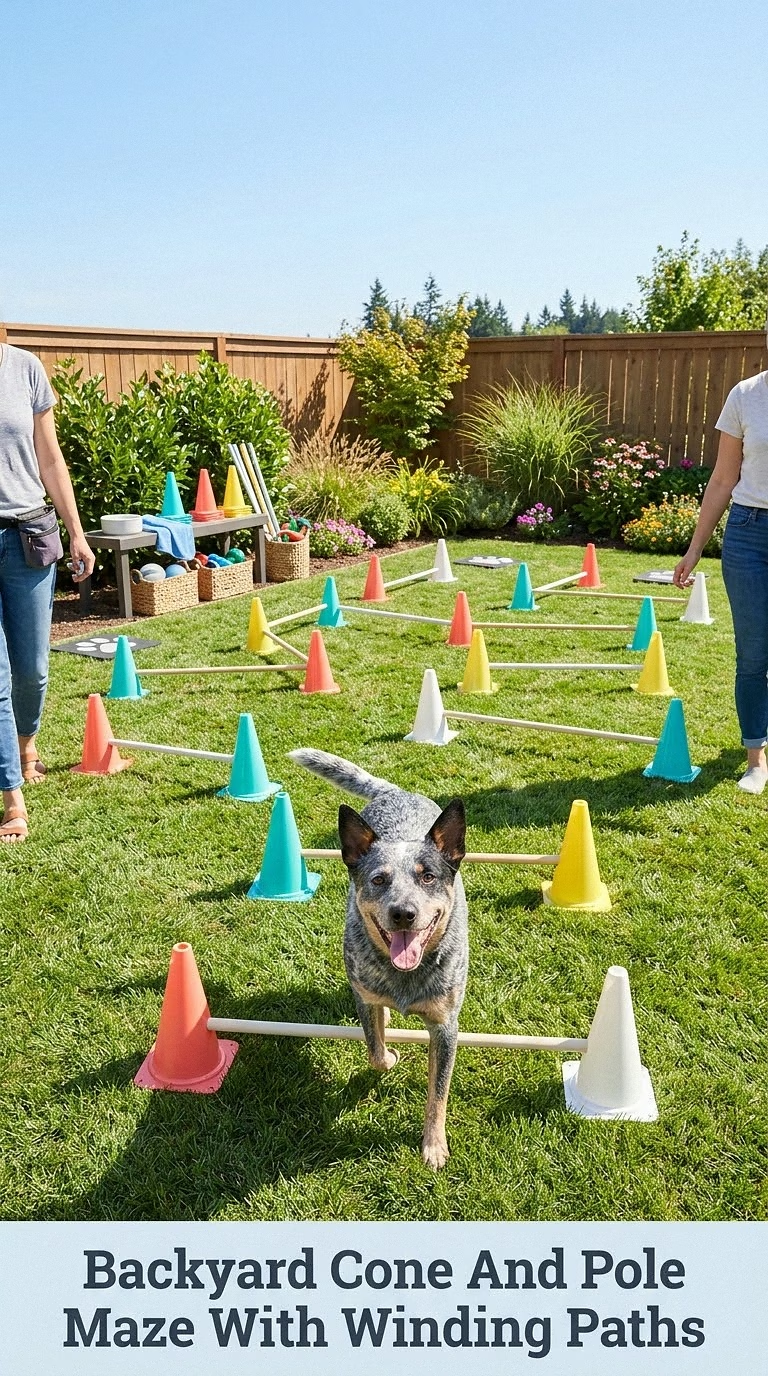
Instead of creating a straight agility course, build a small maze that encourages your dog to follow changing directions.
Use cones connected visually with lightweight poles, pool noodles, or garden markers to outline broad corridors through the grass.
Create gentle curves, U-turns, and looping pathways rather than tight corners.
For an attractive modern setup, pair matte black cones with pale wooden poles. A playful course could use multiple bright colors.
Walk through the maze together first and reward your dog for following you calmly.
Later, you can place treats at selected checkpoints or practice sending your dog around individual markers.
Keep pathways wide enough that your dog never needs to squeeze through confined spaces.
Farmhouse Hay Bale Slalom With Wide Spacing
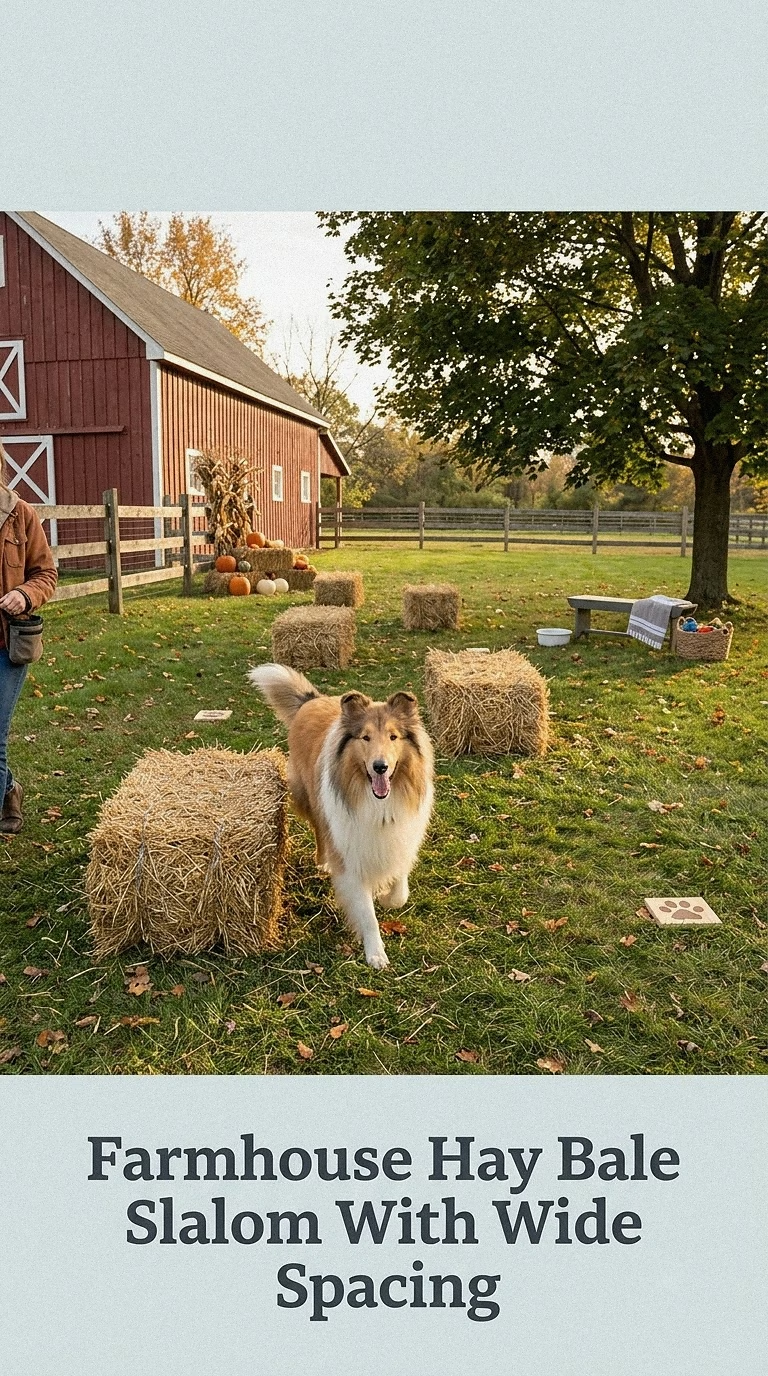
For a rustic country look, sturdy decorative straw or hay bales can become large visual markers for an outdoor slalom.
Arrange several bales in a broad staggered pattern and walk your dog around them in alternating directions. Because the markers are large, the path is easy to understand and creates a dramatically different visual experience from traditional weave poles.
Pair the course with wooden fencing, galvanized buckets, or simple farmhouse-style signage for an especially charming backyard scene.
Keep the bales on firm, dry ground and do not ask your dog to leap onto unstable stacks.
Also inspect the area for loose wire, sharp twine, irritating plant material, or anything your dog might attempt to eat.
Shaded Garden Arch Tunnel With Fabric Panels
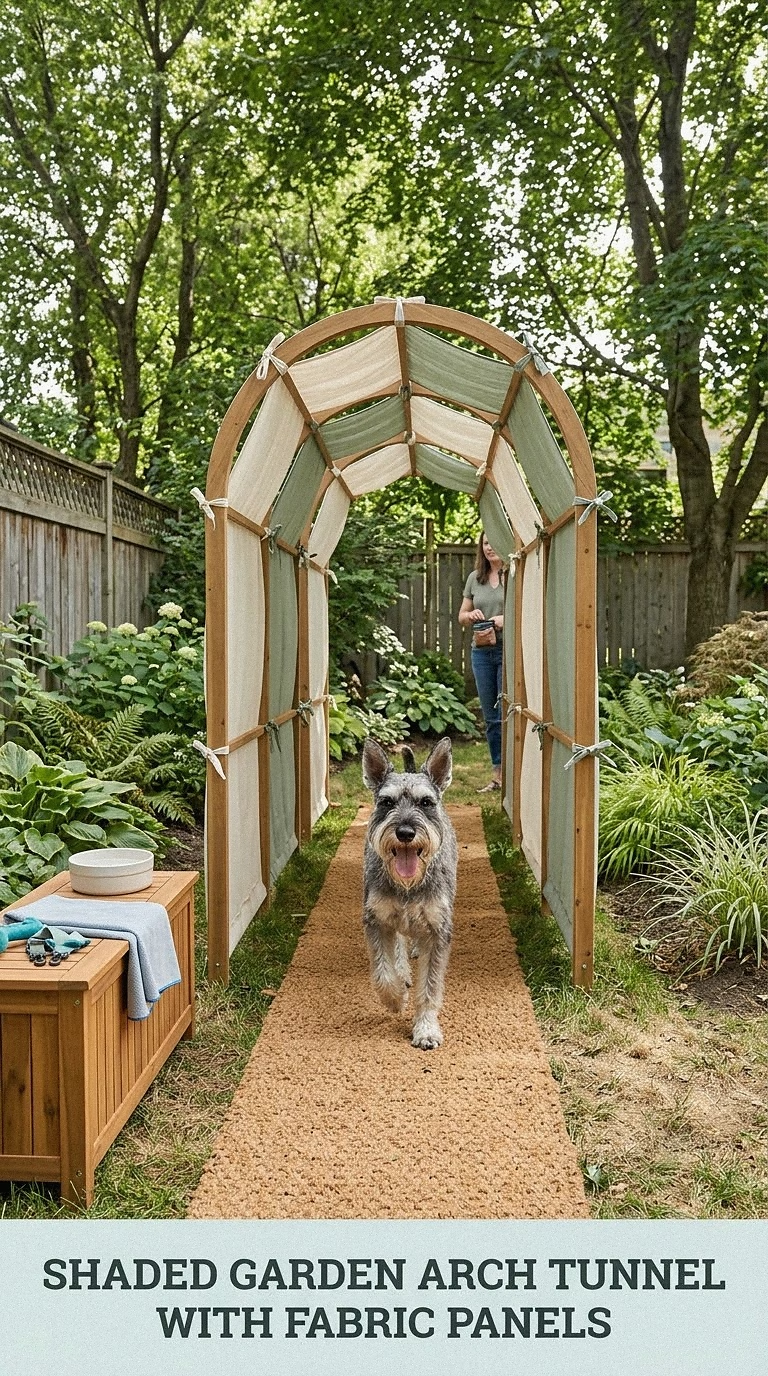
A garden arch can become the foundation for a beautiful semi-open tunnel.
Position two or three lightweight arches in a short row and drape breathable fabric loosely across the upper portion while keeping the sides partially open.
The result feels airy and inviting rather than dark and enclosed.
Soft cream fabric with greenery creates a romantic garden look, while striped outdoor fabric can make the obstacle more playful.
Secure everything carefully so fabric cannot fall onto your dog while they are moving through.
Read more : 7 Groups of Dogs
Begin with only one arch and reward your dog for walking underneath. Add additional sections after the first feels completely comfortable.
This is particularly attractive for yards where you want training equipment to blend with existing landscaping.
Indoor Cushion And Mat Texture Trail
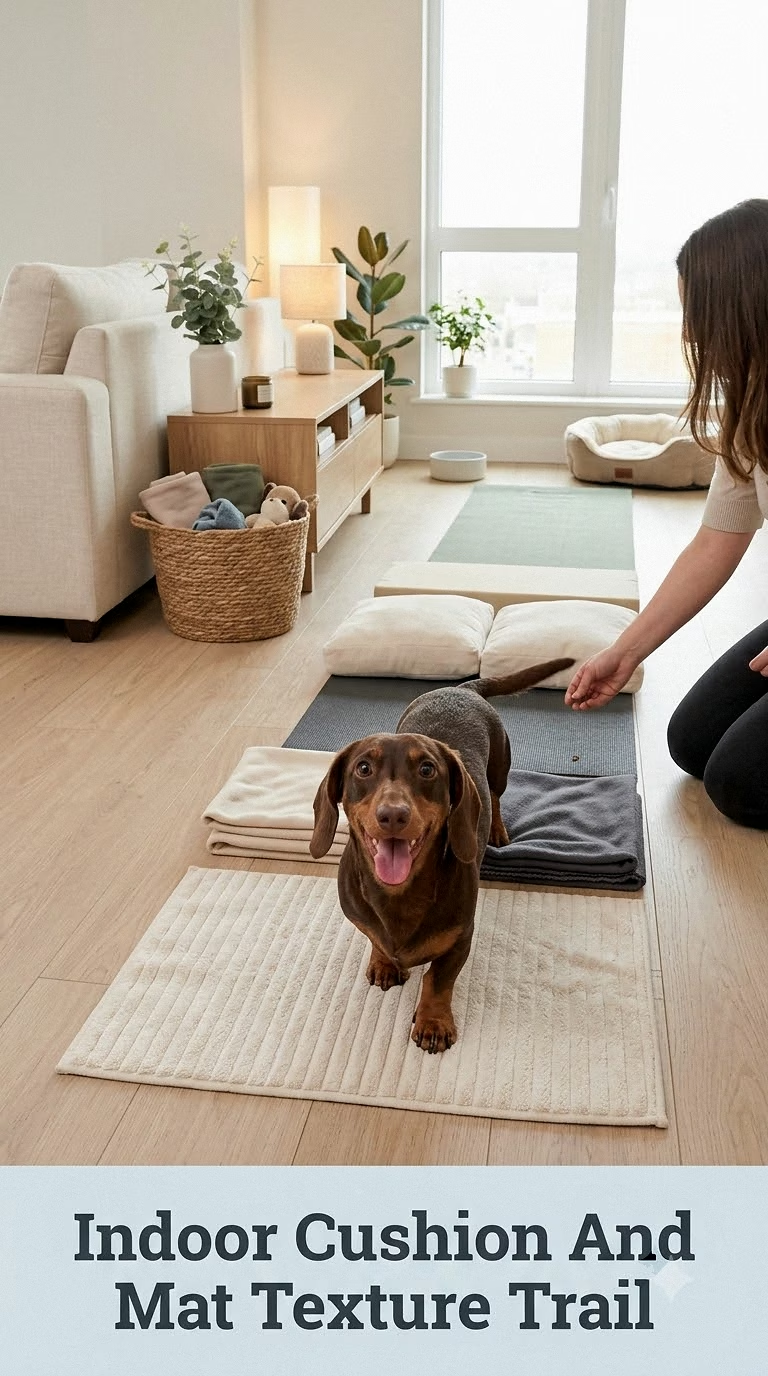
Obstacle courses do not always need to involve running or jumping.
Create an indoor sensory path with several safe surfaces placed side by side. Try a low-pile rug, yoga mat, folded towel, rubber-backed bath mat, and a firm flat cushion.
The goal is simply for your dog to walk calmly across different textures.
Choose coordinated neutrals such as cream, camel, soft gray, and muted green if you want the setup to complement your decor.
All materials should lie flat without slipping, bunching, or creating unstable footing.
Introduce each texture separately before connecting them into a complete trail.
This gentle course is especially practical for small apartments because everything can be folded and stored inside a basket after training.
Pool Noodle Crawl-Under Arch
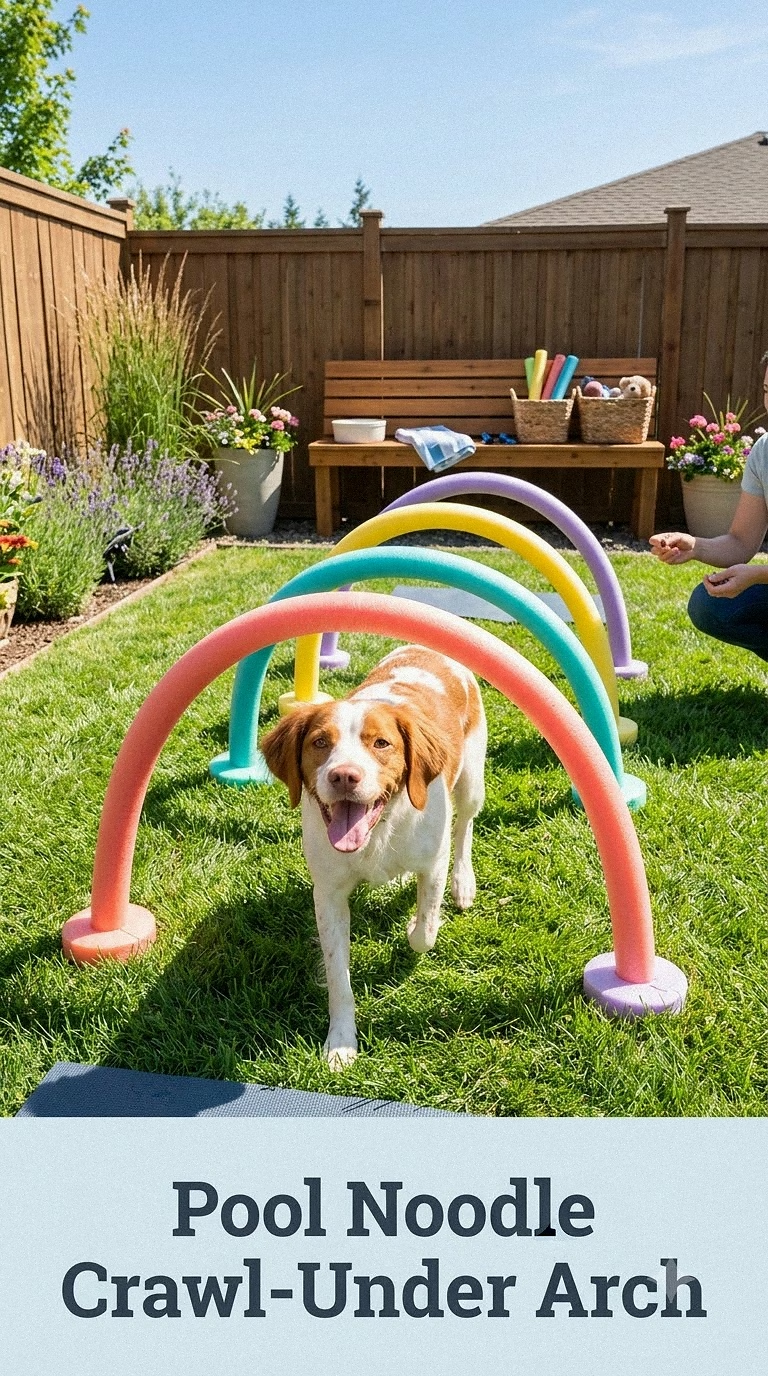
A low arch creates a fun challenge that encourages dogs to lower their bodies rather than jump upward.
Bend a flexible pool noodle into a broad arch and attach each end securely to stable weighted bases. Keep the center high enough that your dog can comfortably duck underneath without crouching excessively.
Guide your dog beneath it slowly using a treat.
Once they understand the game, you can create a sequence of two or three arches with plenty of space between them.
Choose matching noodles in dusty blue, sage, blush, or another coordinated palette for a polished backyard setup.
Never force your dog underneath an object if they appear worried. Raising the arch and rewarding even a single step beneath it can help build confidence gradually.
Low Balance Board With Gentle Movement
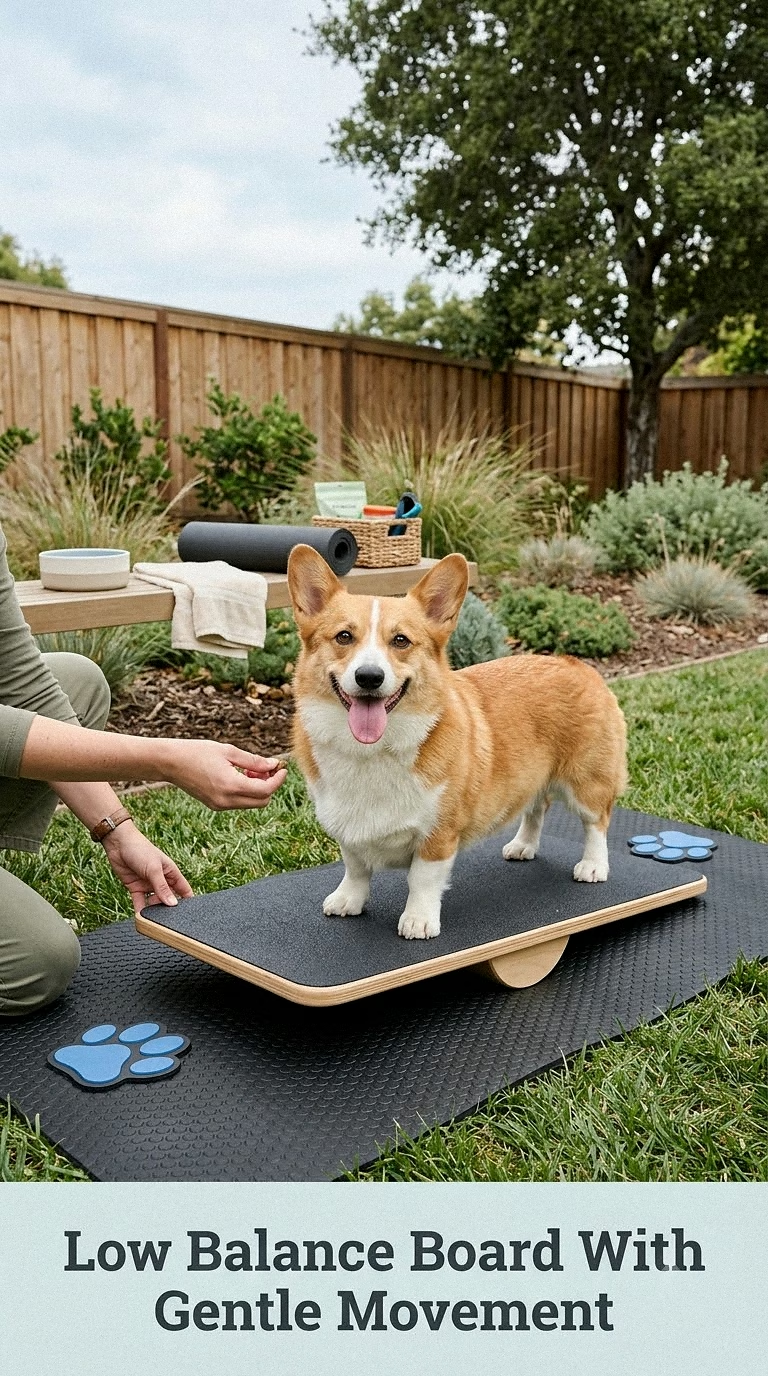
A beginner balance station adds an interesting confidence-building element without recreating a full agility seesaw.
Use a broad piece of strong plywood with rounded, carefully sanded edges and a secure non-slip surface. Place a very small stable support underneath so the board produces only gentle movement when your dog shifts their weight.
Introduce the board gradually. Reward your dog for approaching it, touching it with one paw, and eventually stepping onto it if they remain relaxed.
Keep the board close to the floor so there is minimal distance to step off.
A natural wood border with a black rubber surface gives the station a clean training-studio appearance.
If your dog seems frightened by movement beneath their feet, return to a completely stationary platform instead.
Small-Space Balcony Cone And Target Course
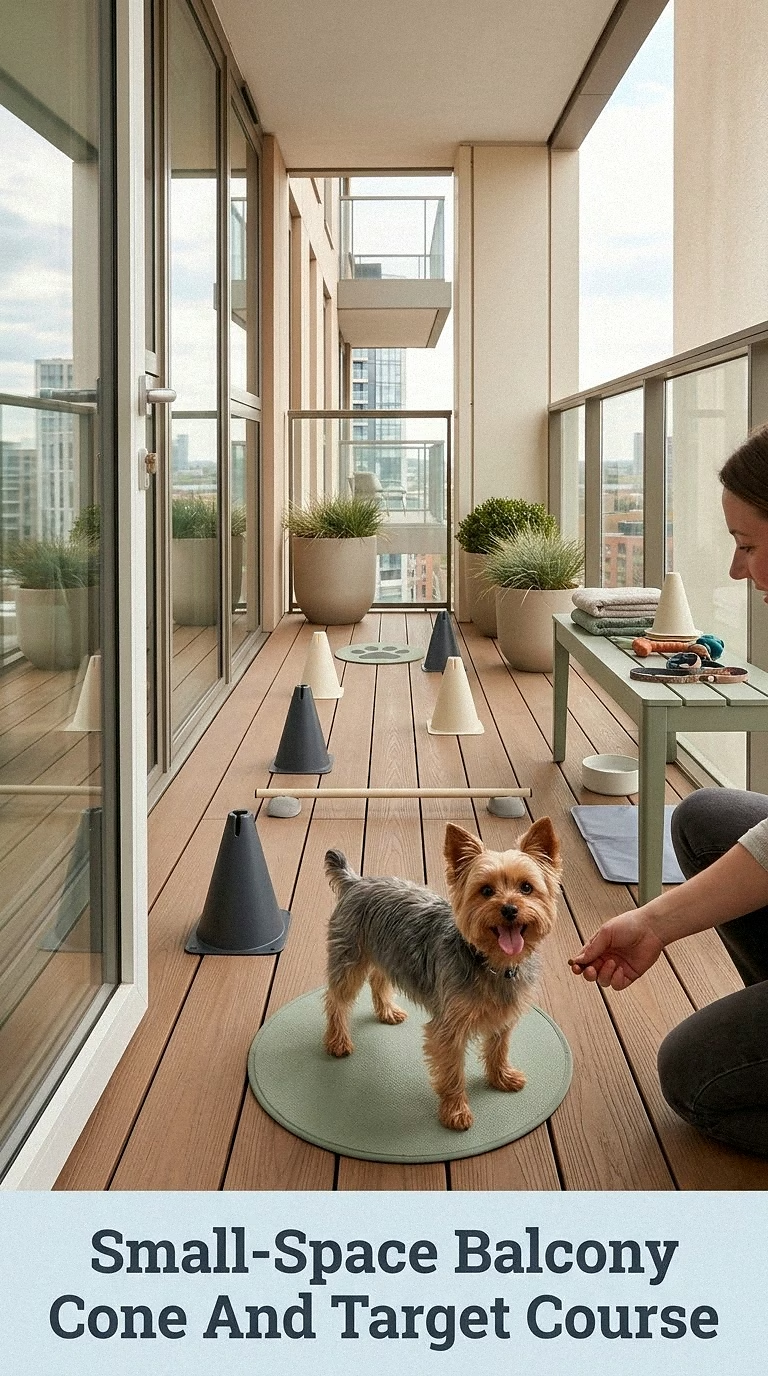
Even a compact patio or balcony can host a miniature obstacle course if you focus on controlled movement rather than running.
Use three small cones, two flat target mats, and one low ground pole. Arrange them into a simple sequence where your dog walks around a cone, steps onto a mat, crosses the pole, circles another cone, and finishes on the second target.
Choose attractive equipment that matches the space, such as terracotta cones, woven-look outdoor mats, and a pale wood-colored lightweight pole.
Keep the course comfortably away from railings, stairs, furniture edges, grills, and breakable objects.
Because the area is small, move slowly and prioritize cues and concentration instead of speed.
Colorful Backyard Obstacle Circuit With Mixed Stations
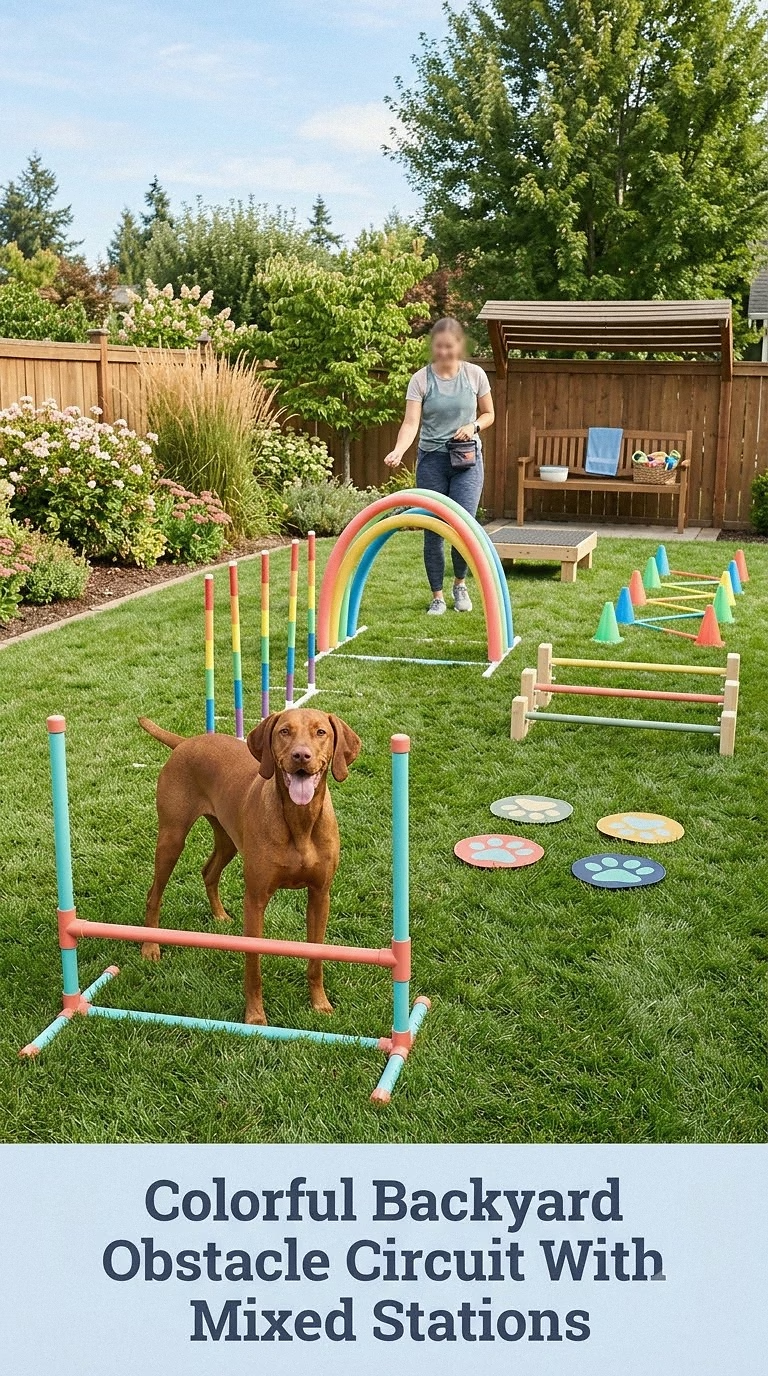
Once your dog understands several individual obstacles, combine a few favorites into one cheerful backyard circuit.
You might begin with three wide-spaced weave poles, continue through a short tunnel, cross a ground-level cavaletti rail, circle a cone, and finish on a pause platform.
Visually, choose two or three repeating colors so separate DIY pieces feel like one coordinated collection. Turquoise, yellow, and white create a bright sporty theme, while sage, cream, and natural wood produce a softer garden-inspired look.
Leave generous distances between stations so your dog has time to regain balance and understand your next cue.
A short course performed calmly is far more useful than packing too many obstacles into a crowded area.
Budget-Friendly Recycled Household Obstacle Course
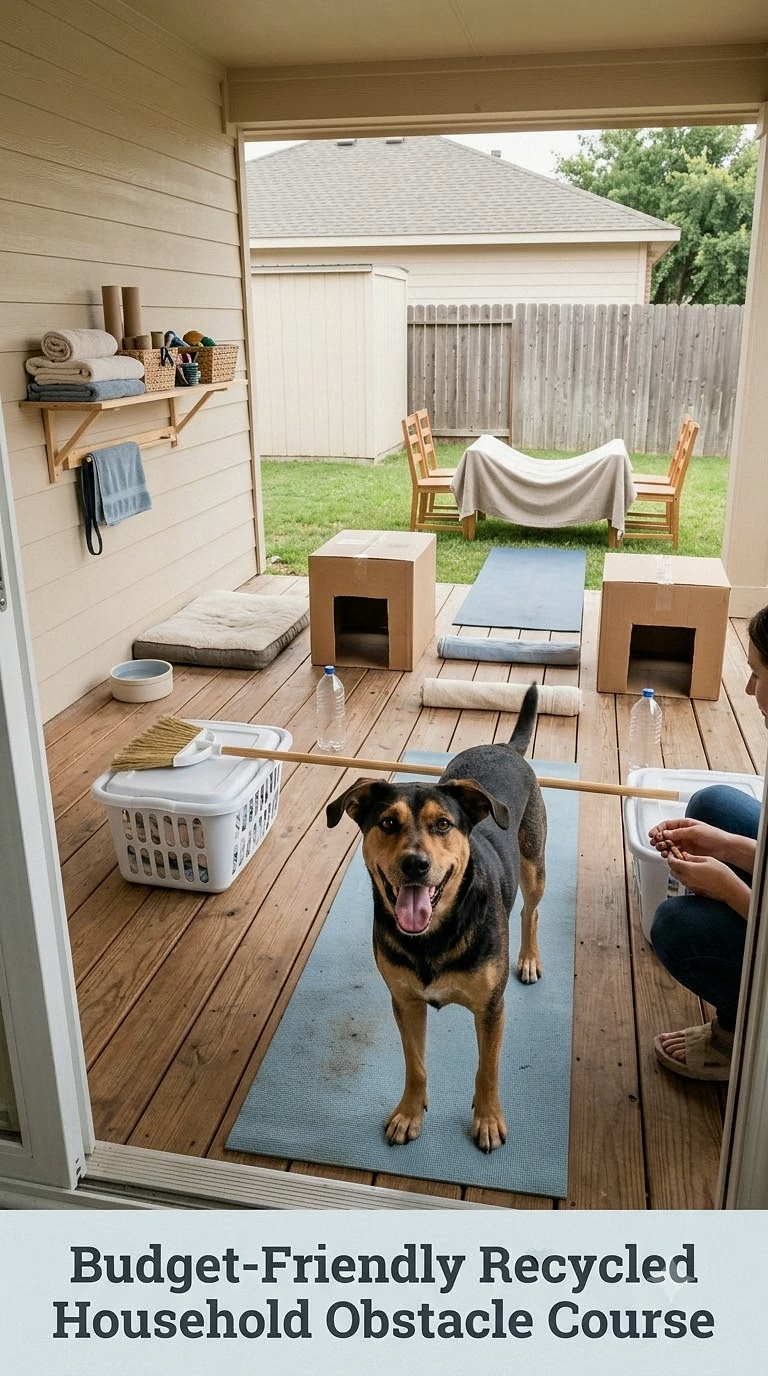
Before buying supplies, look around your home for safe items that can be temporarily repurposed.
Open cardboard boxes can become tunnels, plastic cups or lightweight containers can mark turns, rolled towels can become ground poles, and sturdy laundry baskets can serve as visual markers to circle.
Arrange these pieces on a carpeted floor or grassy yard to create a course that costs almost nothing.
Stick to activities where your dog walks around, between, through, or over very low objects. Avoid unstable furniture, glass, heavy objects, sharp containers, or anything that could trap a paw.
A coordinated collection of recycled cardboard wrapped in kraft paper can even look surprisingly stylish.
Because the components are temporary, you can redesign the route every week and keep the experience fresh without filling your home with permanent equipment.
Creating Your Perfect DIY Dog Obstacle Course
The most enjoyable DIY dog obstacle course ideas are rarely the biggest or most complicated. A simple tunnel, a few colorful cones, a ground-level pole, and a comfortable pause platform can provide plenty of variety while giving you and your dog something new to learn together.
Choose obstacles based on your dog’s age, physical condition, confidence, and personality rather than trying to build the most difficult course possible. Keep surfaces secure, inspect homemade equipment before every session, provide fresh water and rest breaks, and avoid strenuous training during hot weather.
Most importantly, allow your dog to set the pace. Some dogs will happily charge through a tunnel on their first attempt, while others may need several sessions before placing one paw onto a new surface. Both approaches are perfectly fine.
Start with one or two simple obstacles, celebrate the little victories, and gradually create a course that feels natural for your home and lifestyle. With a little creativity, everyday materials can become a colorful backyard playground where exercise, enrichment, training, and quality time all come together.
Source: https://petstutorial.com
Category: DOGS
