
When the weather is miserable, your schedule is packed, or your dog simply spends a lot of time at home, keeping those curious paws and busy noses entertained can feel like a challenge. Fortunately, enriching your dog’s day does not require a huge backyard, an expensive collection of toys, or hours of complicated training.
Some of the best dog enrichment ideas indoor spaces can accommodate are surprisingly simple. A rolled towel filled with kibble can become a scent puzzle. A cardboard box can transform into a miniature foraging garden. Even five minutes of searching for a favorite toy can turn an ordinary afternoon into an exciting little adventure.
You are reading: 19 Dog Enrichment Ideas Indoor For A Happier, Busier Pup
The goal of enrichment is not simply to tire your dog out. It gives them appropriate ways to sniff, forage, lick, chew, search, solve problems, play, learn, and relax. Rotating between different activities also helps keep familiar games interesting without constantly buying new supplies.
The ideas below include cozy feeding stations, affordable DIY projects, stylish storage solutions, small-space games, interactive activities, and quieter options for dogs who do not need intense physical exercise. Adapt each setup to your dog’s size, mobility, personality, and play style, and supervise homemade activities whenever loose materials or food are involved.
Creative Dog Enrichment Ideas Indoor Spaces Can Easily Handle
Soft Neutral Snuffle Mat Feeding Corner With Woven Storage Basket
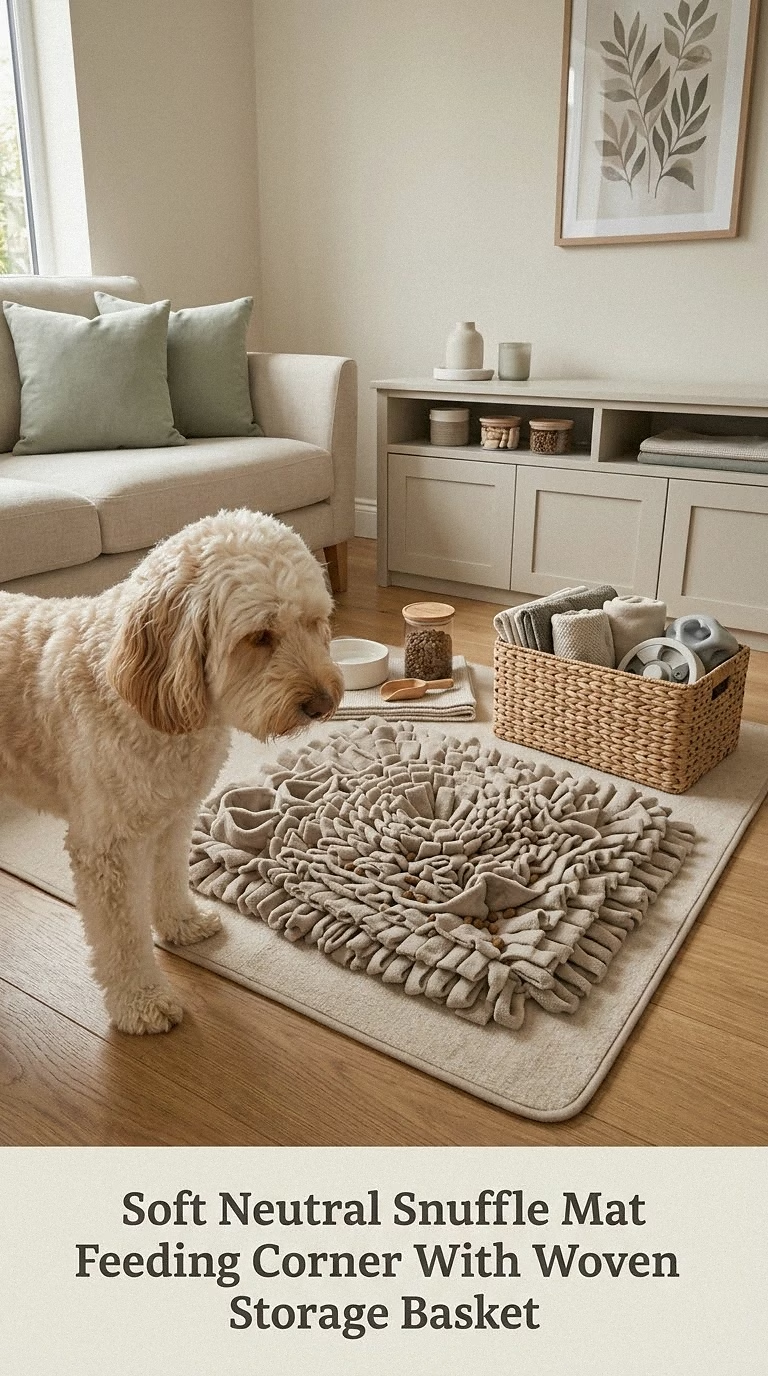
Create an attractive little foraging station by placing a snuffle mat beside a low woven basket filled with your dog’s everyday enrichment supplies. Choose muted oatmeal, sage, cream, or warm brown tones if you want the setup to blend naturally into a living room or kitchen.
Instead of serving every meal in a bowl, scatter part of your dog’s measured kibble between the fabric strips. Your dog has to sniff and search for individual pieces, turning a basic meal into a slow, thoughtful activity.
Start by leaving plenty of food near the surface so the game is easy. Once your dog understands how it works, tuck pieces deeper into the fabric.
Wash the mat regularly and allow it to dry completely before storing it. For dogs that tear or swallow fabric, use the mat only while you are actively supervising.
Muffin Tin Treasure Puzzle With Tennis Balls And Hidden Kibble
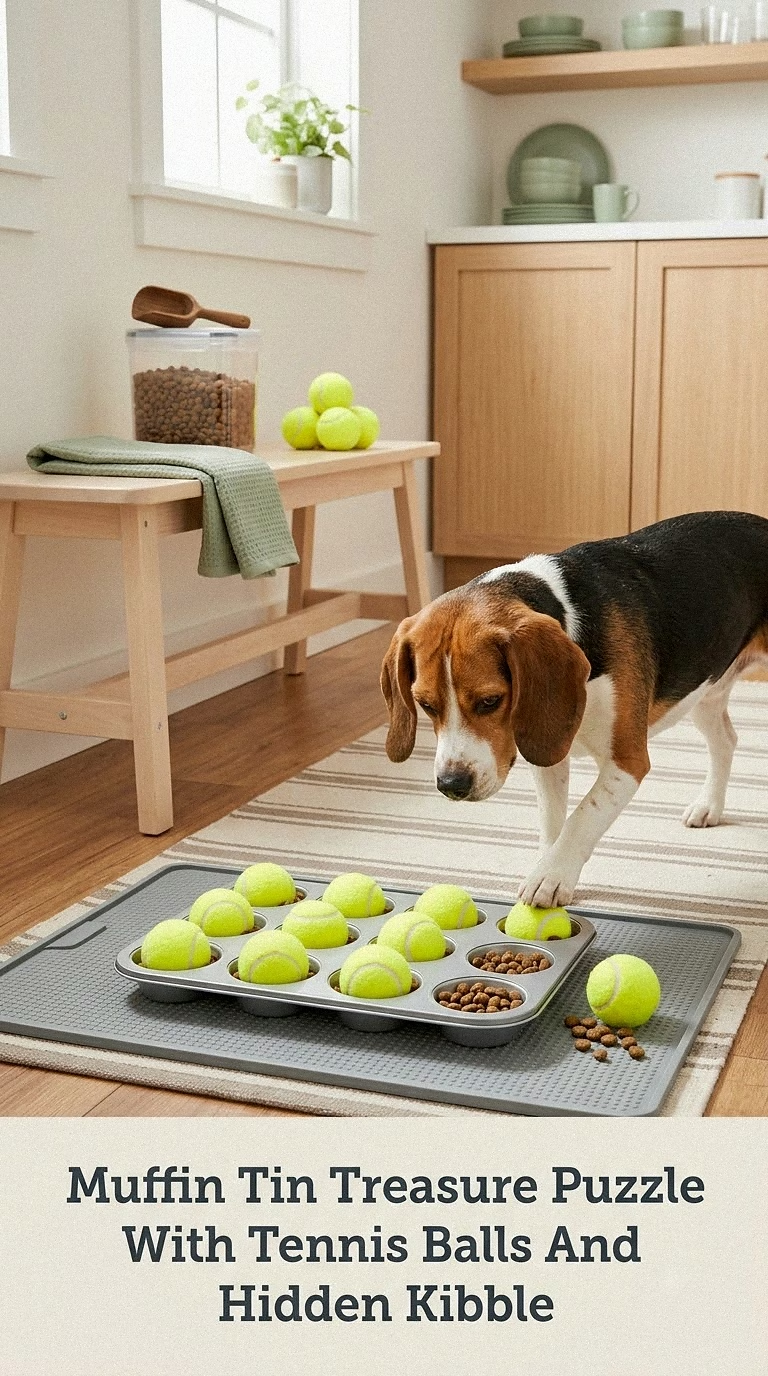
A muffin tin can become one of the easiest budget-friendly enrichment puzzles in your kitchen. Sprinkle a few pieces of kibble into several cups and cover the openings with appropriately sized balls or sturdy dog toys.
Your dog must sniff out the food and figure out how to move the obstacles before reaching the reward.
For beginners, leave several cups uncovered so the solution is obvious. Once your dog understands the concept, cover every cup while placing food beneath only a few of them. That small change transforms the activity into a scent-searching challenge.
Place the muffin tin on a non-slip rug to keep it from sliding across hard flooring.
Choose balls too large for your dog to swallow, and supervise the entire activity if your pup tends to destroy toys rather than gently move them.
Cardboard Box Foraging Garden Filled With Paper Rolls And Treats
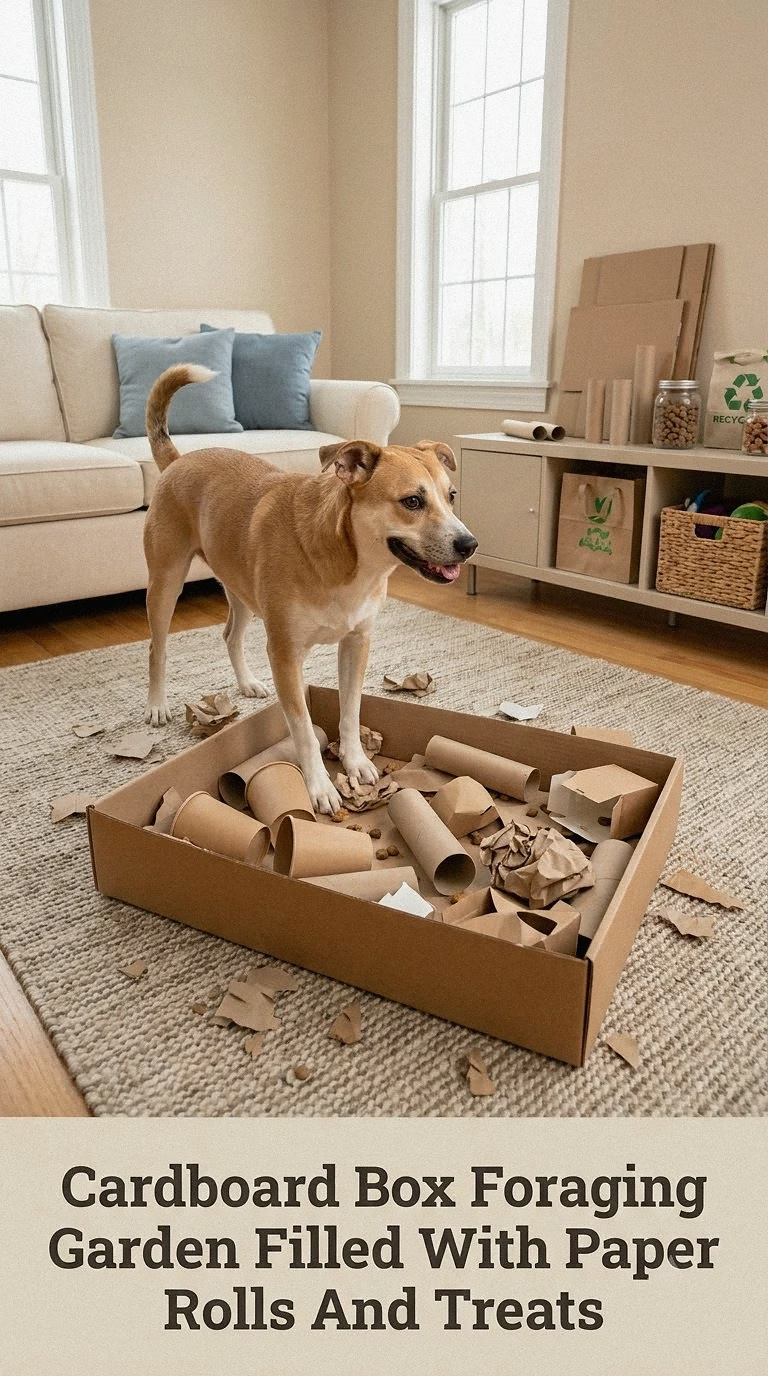
Turn an ordinary delivery box into a wonderfully messy little foraging garden.
Fill a shallow cardboard box with empty paper rolls, loosely crumpled packing paper, smaller open boxes, and a few favorite toys. Scatter part of your dog’s kibble throughout the layers and encourage them to explore.
This setup can be especially entertaining for dogs who naturally enjoy sniffing, digging, nudging, and shredding. It also costs almost nothing because most of the materials can come straight from your recycling pile.
For a prettier setup, place the activity on a washable neutral rug and keep unused cardboard pieces inside a labeled storage basket nearby.
Supervision is essential. Remove tape, staples, plastic labels, strings, and other packaging first, and stop the activity if your dog begins swallowing cardboard or paper instead of simply investigating or tearing it.
Rolled Towel Scent Puzzle On A Washable Kitchen Runner
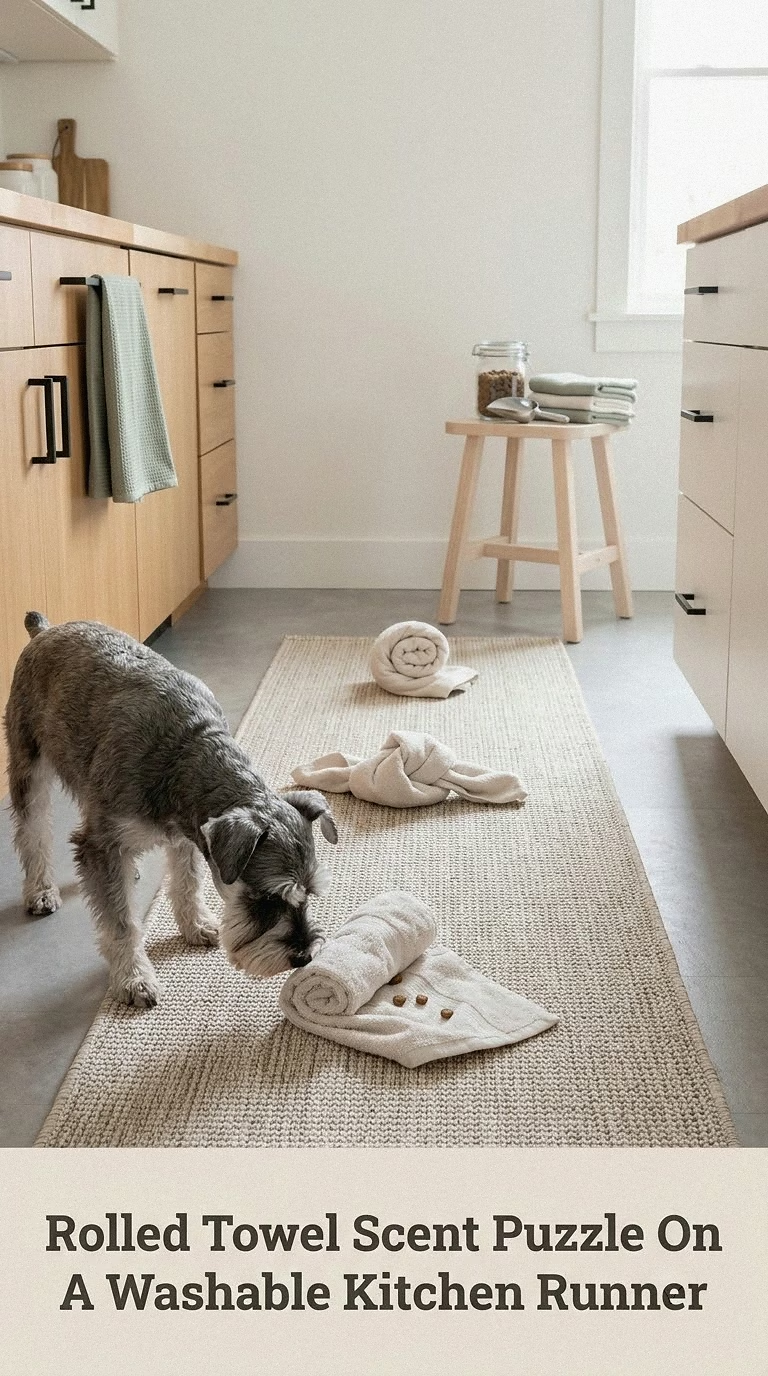
One bath towel can provide an easy enrichment activity with almost no preparation.
Lay the towel flat, sprinkle pieces of kibble across the surface, and loosely roll it from one end. Your dog then has to use their nose and paws to slowly unroll the towel and uncover the food.
Beginners should receive a very loose roll. More experienced dogs can try gentle folds, overlapping layers, or two towels placed together.
This idea works beautifully in small apartments because it needs very little floor space and can disappear into a cabinet when playtime ends.
Use an older towel that you do not mind getting slightly drooly, and place it on a washable runner for easier cleanup.
Dogs that aggressively chew or ingest fabric need closer supervision and may be better suited to a sturdy commercial food puzzle instead.
Frozen Lick Mat Station With Dog-Safe Soft Food
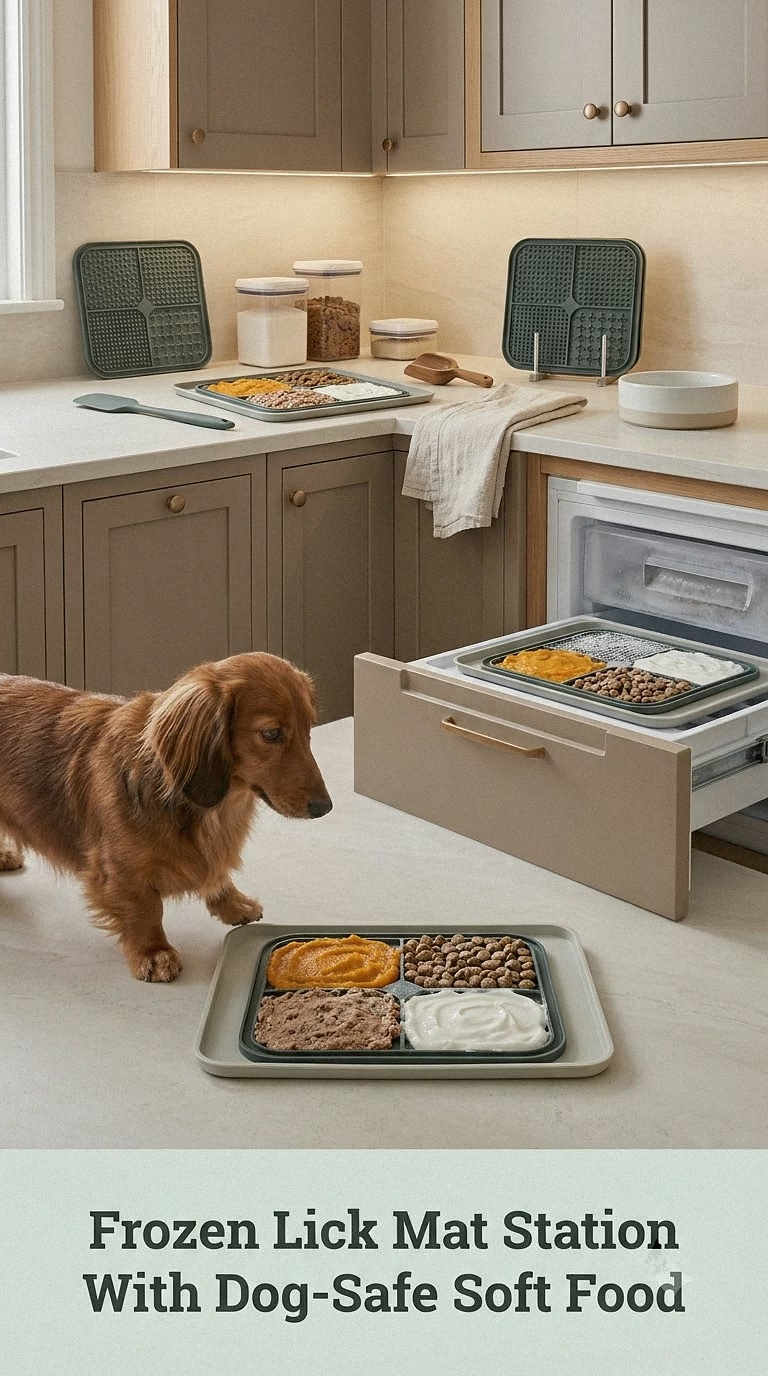
A lick mat can turn a quiet kitchen corner into a calming enrichment station.
Spread a thin layer of your dog’s regular wet food or another veterinarian-approved, dog-safe ingredient across the textured surface. Freezing the prepared mat can make the activity last longer.
You can keep the presentation simple and attractive by choosing a neutral silicone mat and placing it on an easy-to-clean tray. Preparing several mats in advance also makes busy mornings much easier.
Keep portions modest. Enrichment food still contributes to your dog’s daily calorie intake, so using part of their normal meal is often more practical than continually adding extra snacks.
Wash textured mats thoroughly after each session because food can hide inside tiny grooves.
If your dog tries to chew pieces from the mat rather than lick it, remove the mat and switch to something more durable.
Slow-Release Stuffed Toy Freezer Drawer For Busy Afternoons
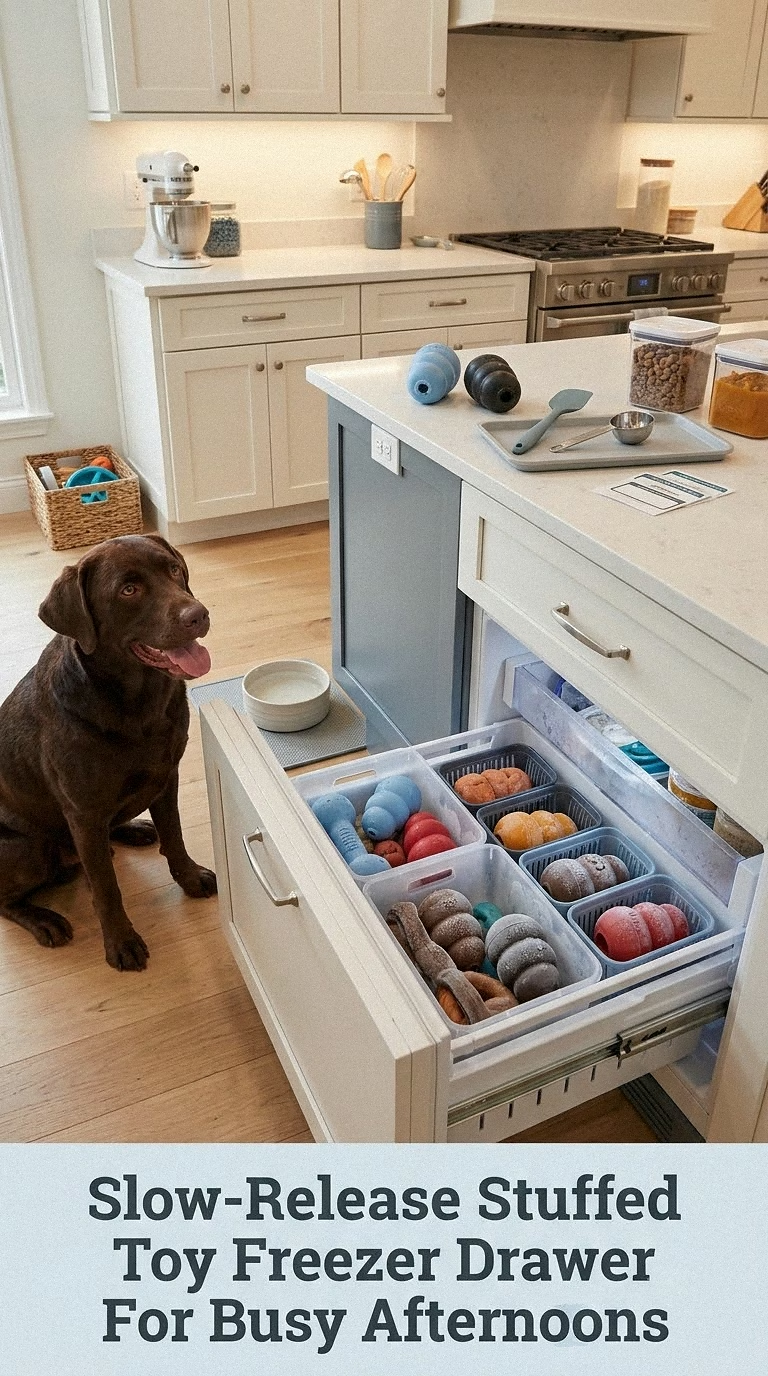
Dedicate a small freezer bin to ready-to-use food enrichment toys.
Fill durable hollow toys with measured portions of wet dog food, softened kibble, or another suitable filling, then freeze them individually. When you need to keep your dog occupied during a video call, household chore, or rainy afternoon, you already have an activity prepared.
Start with loosely packed food so your dog succeeds easily. As they become experienced, you can pack the toy a little more firmly or freeze it for longer.
Choose a toy appropriate for your dog’s size and chewing strength. Inspect it regularly for cracks or missing pieces.
This simple system is particularly useful because preparation happens all at once. A labeled freezer container containing several ready-made toys turns enrichment into part of your household routine rather than another job you must remember every day.
Cozy Living Room Scent Trail With Tiny Treat Stops
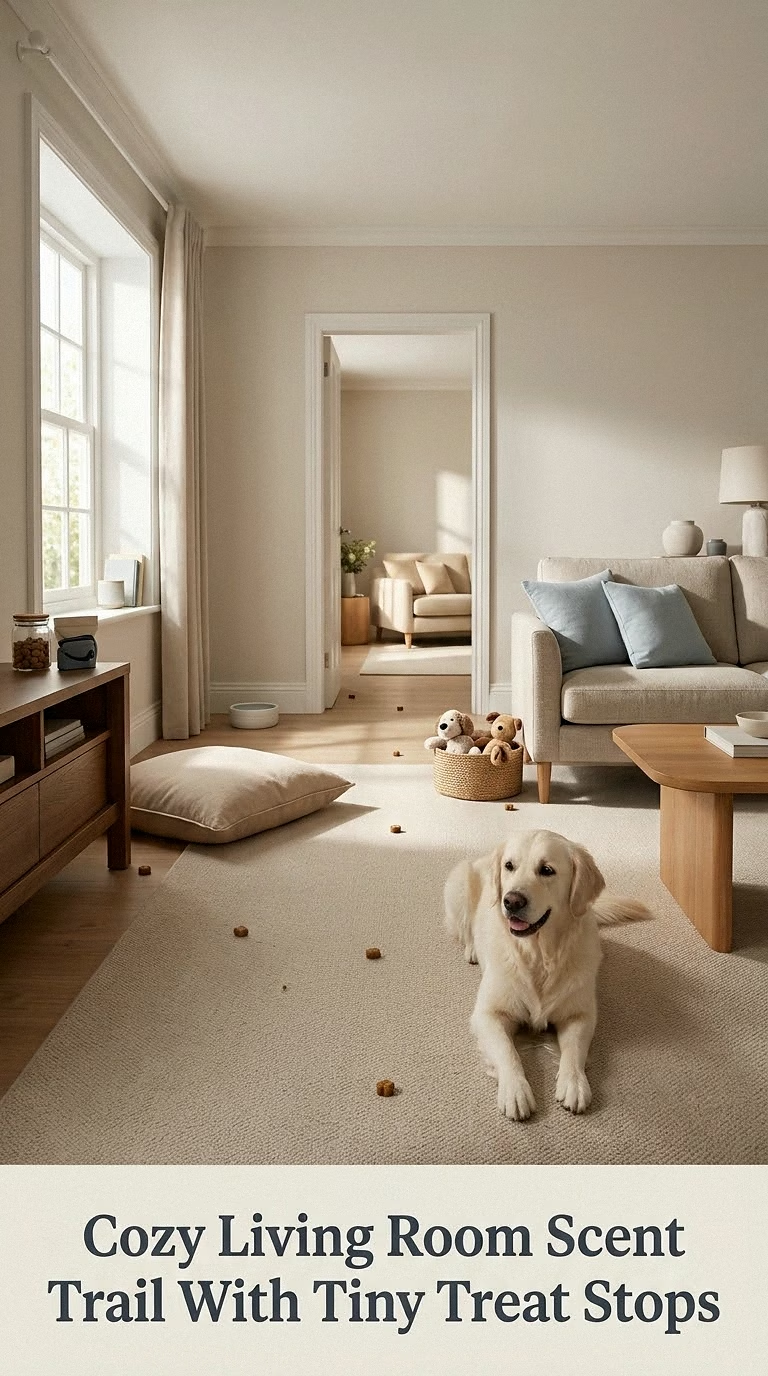
Transform your living room into a miniature scent adventure by creating a simple trail around furniture.
Begin with several pieces of kibble placed fairly close together. Guide the trail beside the sofa, around a coffee table, near a dog bed, and eventually toward a slightly larger reward or favorite toy.
As your dog becomes more confident, increase the distance between food pieces and make hiding places less obvious.
Avoid putting treats somewhere that encourages dangerous climbing, jumping onto unstable furniture, or squeezing behind heavy objects.
Read more : Why Does My Dog Not Chew His Food?
A scent trail is especially useful when you want an activity that feels engaging without requiring wild running around the house.
You can also use different rooms on different days. Changing the search area creates novelty even though the basic game stays the same.
Minimalist Cup Shuffle Game On A Non-Slip Feeding Mat
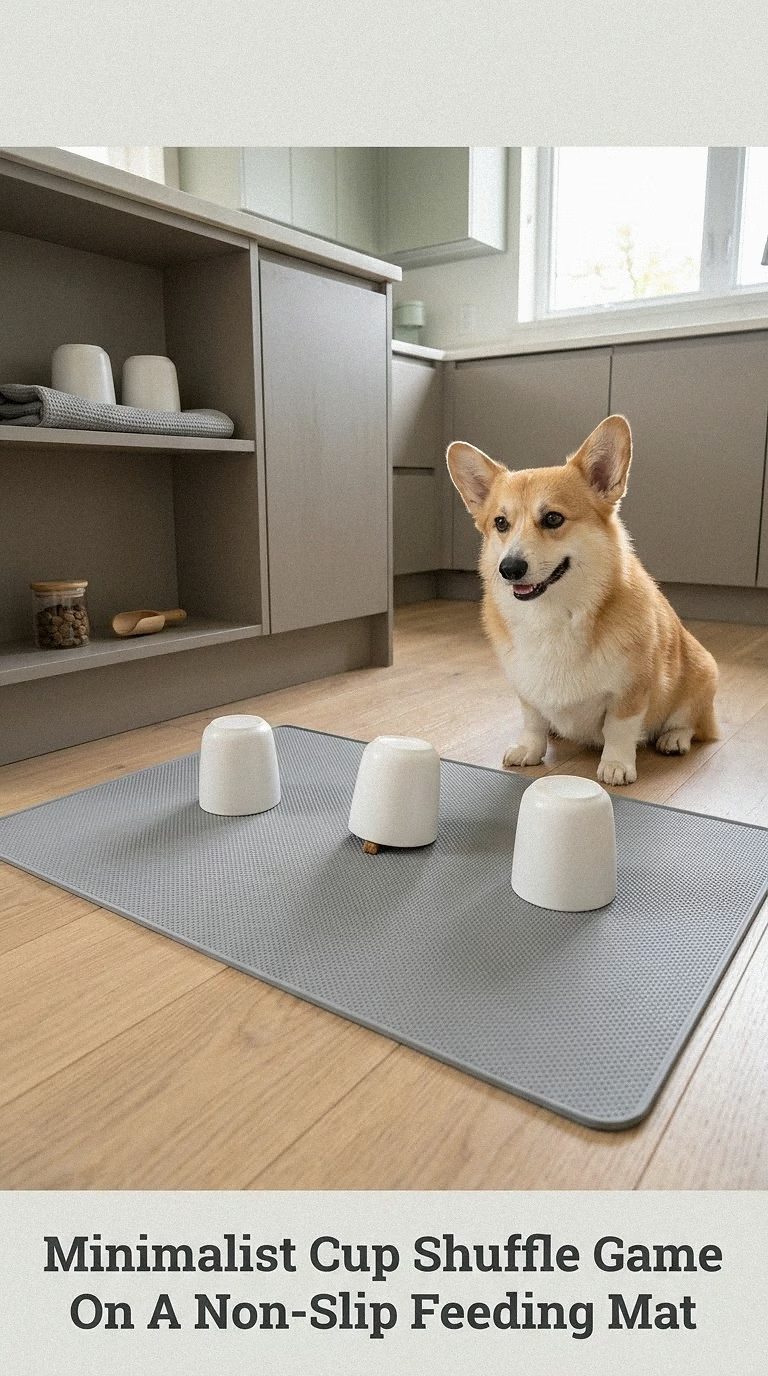
Arrange three lightweight, dog-safe cups upside down on a non-slip mat and hide a treat beneath one of them.
Let your dog watch at first. Encourage them to sniff, nose, or gently paw the cups until they discover the reward.
Once the basic game becomes easy, reposition the cups before allowing your dog to search. You do not need complicated magician-style movements. The goal is simply to encourage investigation and problem-solving.
Neutral silicone cups paired with a simple feeding mat can make this activity look tidy enough to leave near a kitchen feeding station.
Make sure the cups are large enough that your dog cannot swallow them and strong enough that they will not immediately crack into sharp pieces.
Keep sessions short. Ending while your dog is still interested usually makes the game more exciting the next time it appears.
Three-Box Treasure Hunt Across Separate Rooms
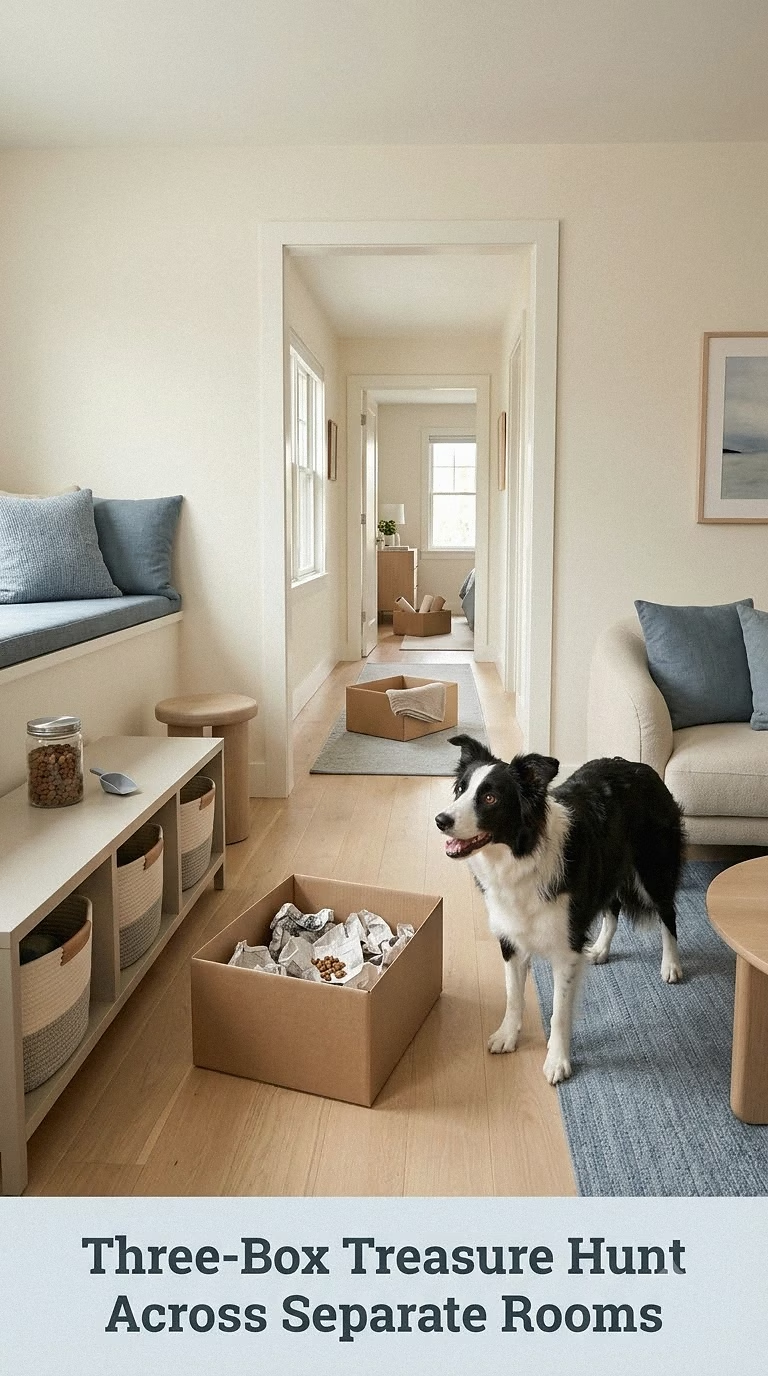
For dogs that already understand basic searching games, spread the challenge throughout your home.
Place three open cardboard boxes in different safe locations. Put a treat or favorite toy inside one box and encourage your dog to find it.
Initially, keep all three boxes in the same room. Later, place one in the bedroom, another in the hallway, and another in the living room.
Moving between spaces makes the activity more challenging without requiring specialized equipment.
Keep boxes away from stair edges, electrical cords, breakable decorations, and tight spaces where an excited dog could knock something over.
You can also vary the containers occasionally. A shallow basket or sturdy paper bag with handles removed can create a slightly different search experience while keeping the rules familiar.
Small-Space Hallway Obstacle Course With Cushions And Low Poles
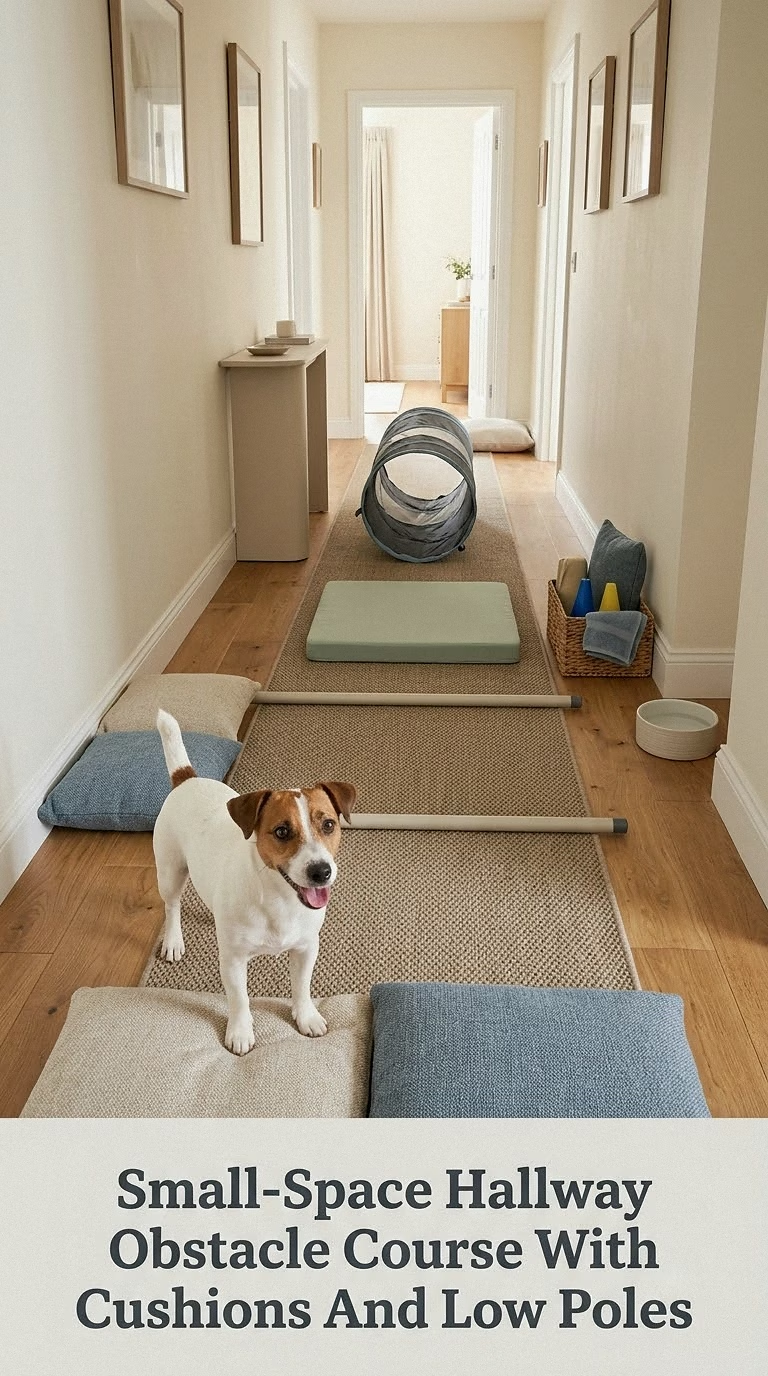
A quiet hallway can become a temporary indoor activity course using objects you already own.
Create a pathway around sturdy cushions, through an open-ended cardboard tunnel, or between small markers. You can also place a lightweight pole very low to the ground for an adult, physically capable dog to carefully step over.
The focus should be controlled movement rather than impressive jumps.
Guide your dog slowly with treats and introduce one obstacle at a time. Slippery flooring should be covered with runners or exercise mats to provide reliable traction.
Keep everything low, stable, and appropriate for your dog’s physical abilities. Puppies, seniors, dogs with orthopedic conditions, and dogs recovering from injury may need a much gentler setup approved by their veterinarian.
When finished, the entire course can be packed into a storage basket.
Cozy Trick-Training Corner With Treat Jar And Target Mat
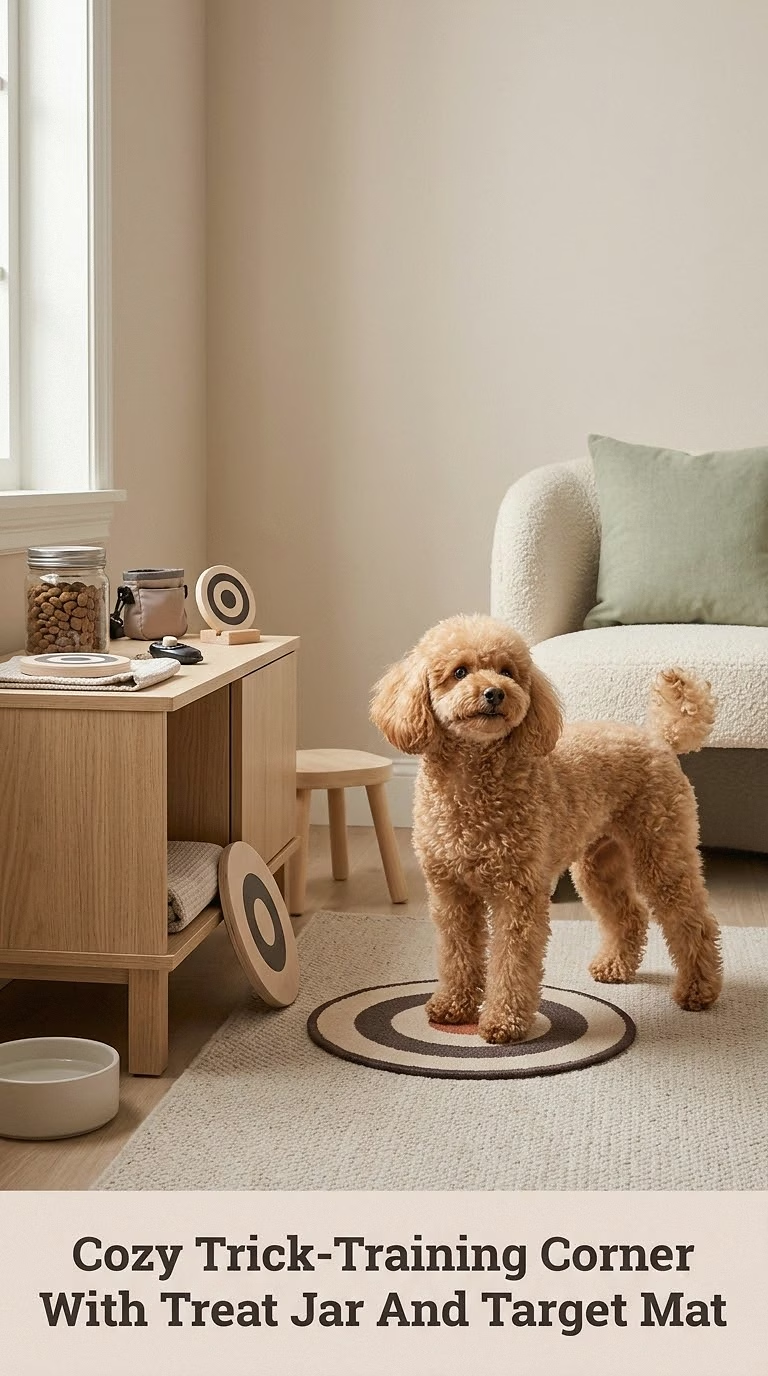
Training itself can be wonderful enrichment because your dog gets to think, communicate, and work with you.
Set up a small corner with a washable mat, treat pouch, clicker if you use one, and a sealed treat container. Keeping everything together makes spontaneous three-minute training sessions much easier.
Practice simple behaviors such as touching your hand with their nose, going to a mat, spinning slowly, placing paws on a target, retrieving a toy, or putting their chin in your palm.
Short sessions are often more enjoyable than one long lesson.
Keep the atmosphere positive and make tasks achievable. If your dog repeatedly walks away, becomes frustrated, or stops engaging, simplify the exercise.
A beautiful little training station can fit beside a bookcase or entryway console without making your home look like a permanent training facility.
Toy Naming And Sorting Station With A Low Woven Basket
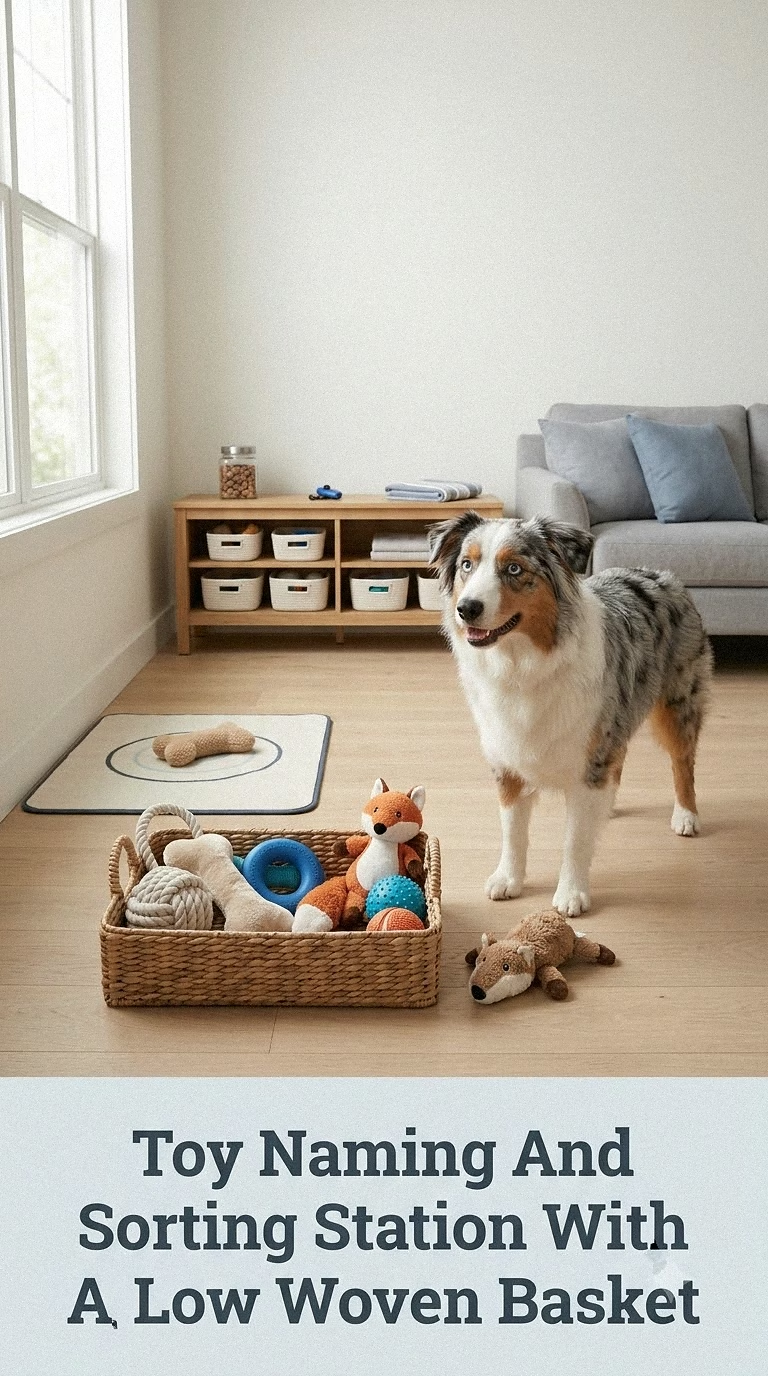
If your dog loves toys, turn the toy basket itself into an enrichment opportunity.
Begin by repeatedly using a simple name for one favorite object, such as “ball” or “bear.” Reward your dog for interacting with or retrieving the correct toy.
Once your dog begins understanding individual names, introduce a second object.
Eventually, you can add another skill by teaching your dog to drop toys into a low basket. What starts as a game can become an adorable little household job.
Keep the visual setup charming with a low woven or washable fabric basket that your dog can easily reach.
Avoid using complicated commands too quickly. The goal is not perfect performance. It is giving your dog an enjoyable problem to solve while strengthening communication between you.
Indoor Dig Box With Crumpled Paper And Hidden Toys
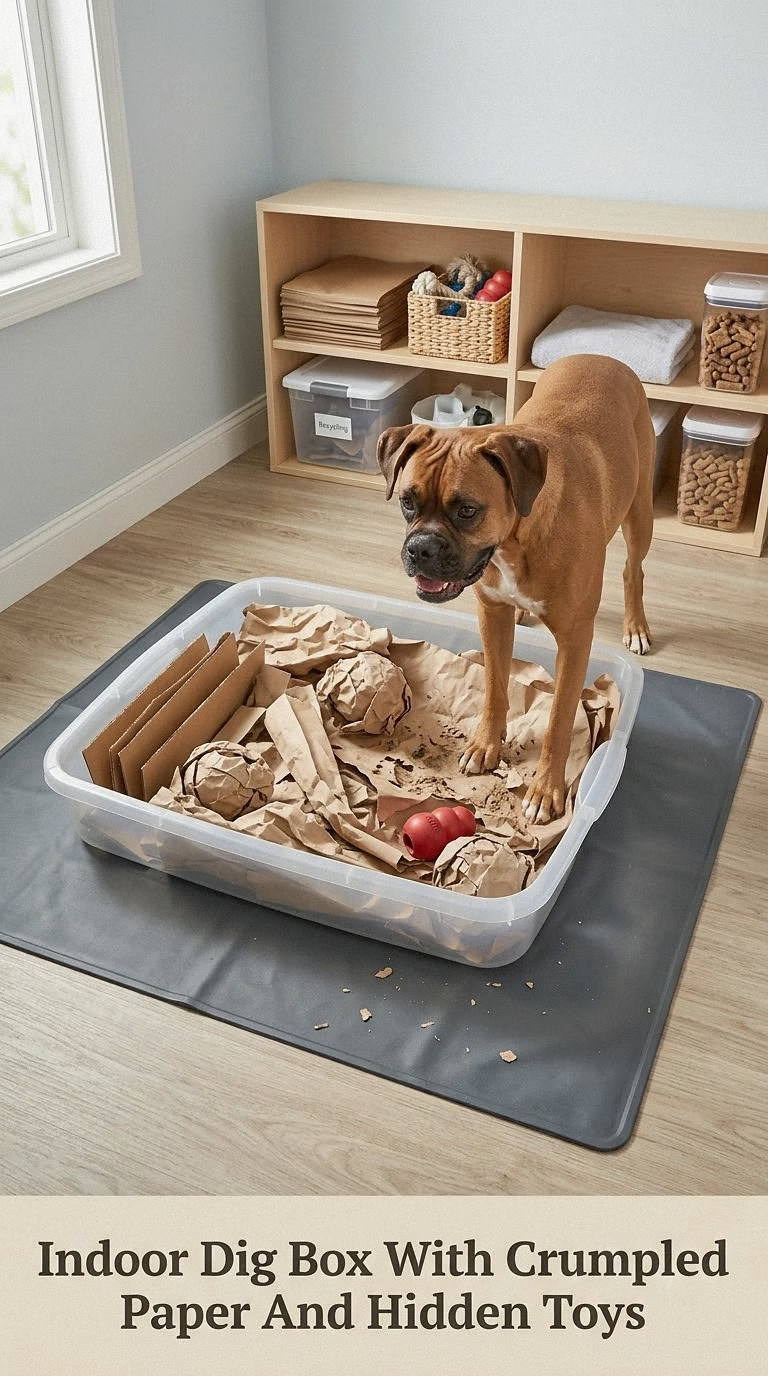
Dogs that adore digging outdoors may appreciate having an approved place to perform a similar behavior inside.
Use a wide, shallow storage box and loosely fill it with large pieces of crumpled packing paper, sturdy fabric strips, or another material that is safe for your particular dog’s play habits. Hide favorite toys or a small amount of kibble between the layers.
Place the box on a washable floor covering because enthusiastic dogs may scatter the contents everywhere.
This is intentionally a messy enrichment idea, but keeping everything contained in one designated box makes cleanup manageable.
Avoid tiny objects, foam pieces, plastic packaging, or anything your dog may swallow.
For dogs that eat paper or fabric, skip loose-fill dig boxes and choose a supervised digging activity using safer materials recommended for that individual dog.
Braided Fleece Tug Basket For Supervised Interactive Play
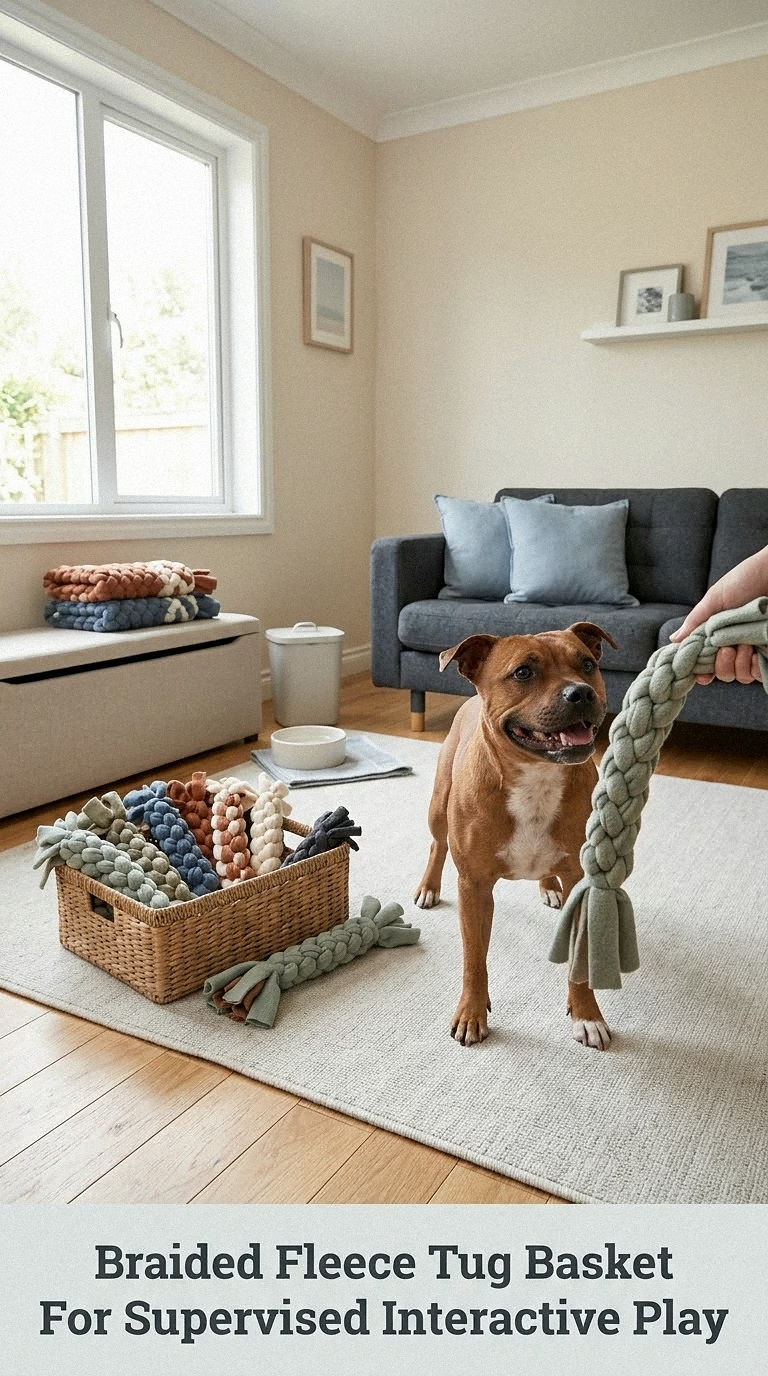
Create several soft tug toys from washable fleece and store them in a small basket near your dog’s play area.
Cut wide fleece strips, braid them tightly, and secure the ends with sturdy knots. Different lengths can provide variety while maintaining a coordinated look.
Read more : Why Does My Dog Burp In My Face?
Tug games offer something many independent food puzzles cannot: direct interaction with you.
Teach simple cues such as “take it” and “drop” so the game remains controlled. Let your dog pull horizontally instead of repeatedly jerking the toy upward.
Periodically inspect homemade tug toys and discard them when the fabric begins breaking apart.
Some dogs love tugging gently while others destroy fabric almost instantly, so DIY fleece toys are not appropriate for every pet.
For enthusiastic chewers, a durable purpose-made tug toy may be the safer investment.
Compact Flirt Pole Play Zone With Clear Floor Space
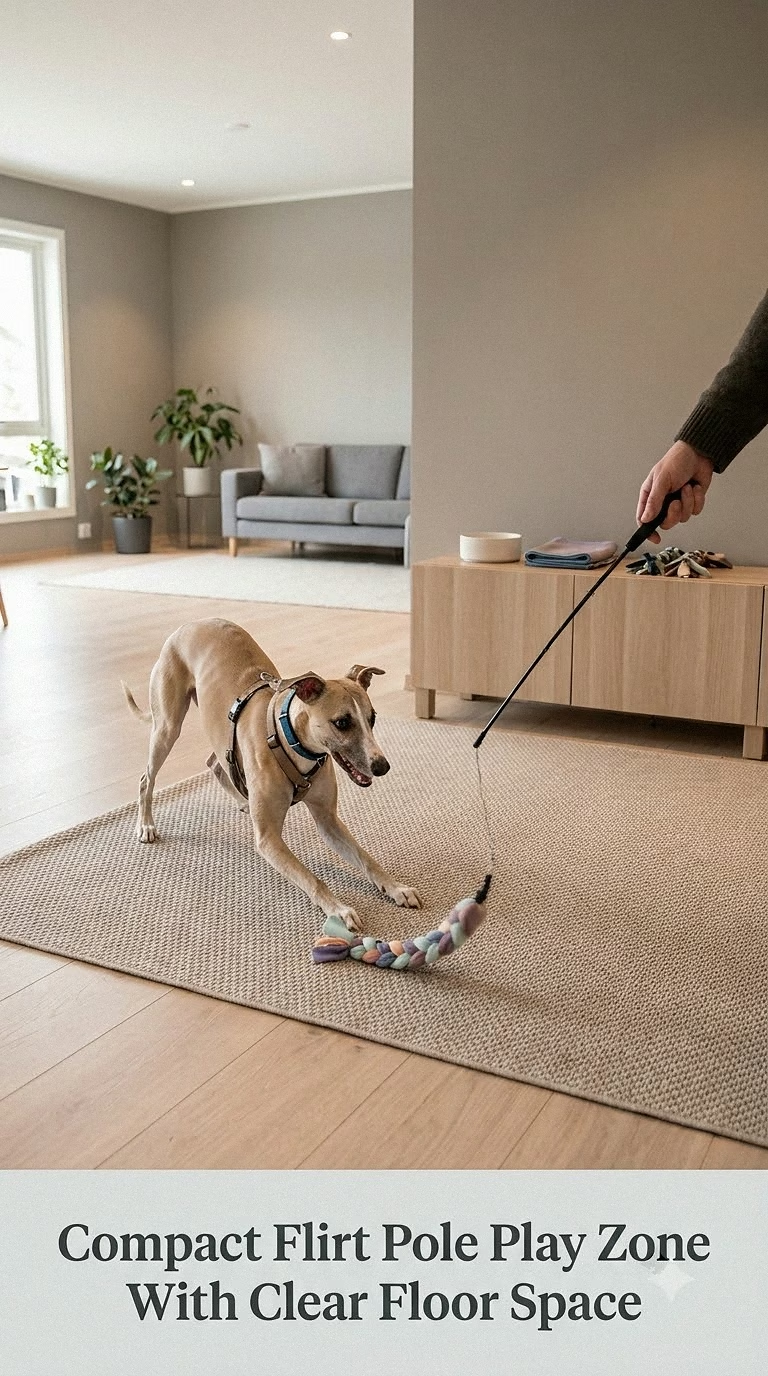
A flirt pole consists of a handle with a line and toy attached, allowing you to move the toy in ways that encourage controlled chasing.
It can provide interactive enrichment for energetic dogs without requiring you to sprint around the house.
Indoor flirt-pole play needs space and restraint, however. Clear breakable items away and use a room with good traction. Keep movements low and controlled instead of encouraging sharp turns, frantic jumping, or collisions with furniture.
Short sessions can be surprisingly engaging.
This activity may not suit puppies with developing joints, dogs with orthopedic problems, or dogs whose excitement becomes difficult to manage.
A compact basket can hold the flirt pole beside other interactive toys, creating an organized play station that disappears neatly when guests arrive.
Rainy-Day Hide-And-Seek Game Between Cozy Rooms
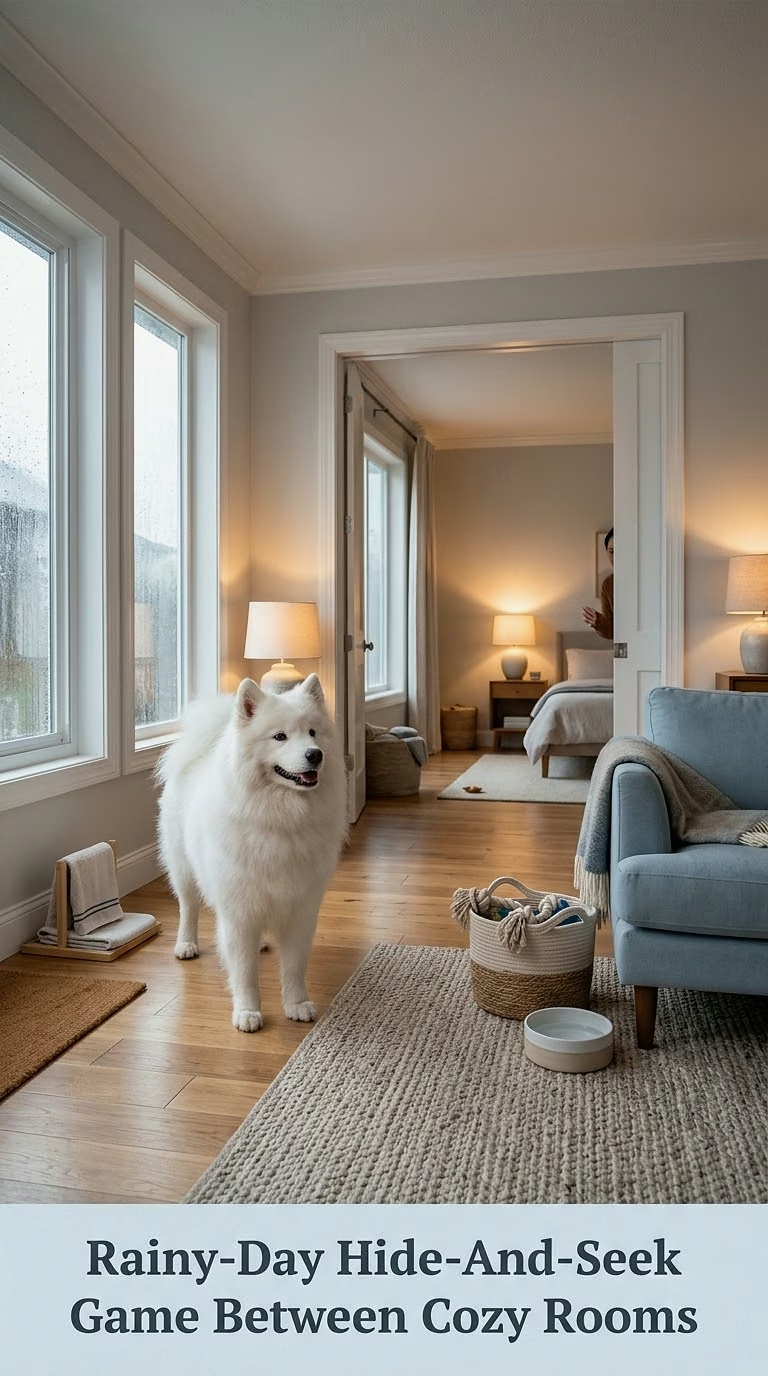
Human hide-and-seek combines movement, scenting, listening, and social interaction in one wonderfully simple game.
Ask your dog to stay with another family member, then hide somewhere easy such as behind an open doorway. Call your dog and celebrate when they find you.
Gradually choose more challenging hiding places as your dog understands the rules.
Apartments work perfectly because the game does not require much space. Bedrooms, hallways, home offices, and living rooms can all become part of the search area.
Never hide somewhere that encourages unsafe climbing or frantic behavior.
For dogs still learning “stay,” another person can gently hold the dog’s harness while you hide. Keep early searches very easy so your dog quickly learns that finding you is rewarding and fun.
Rolling Enrichment Cart With Puzzles, Toys And Training Supplies
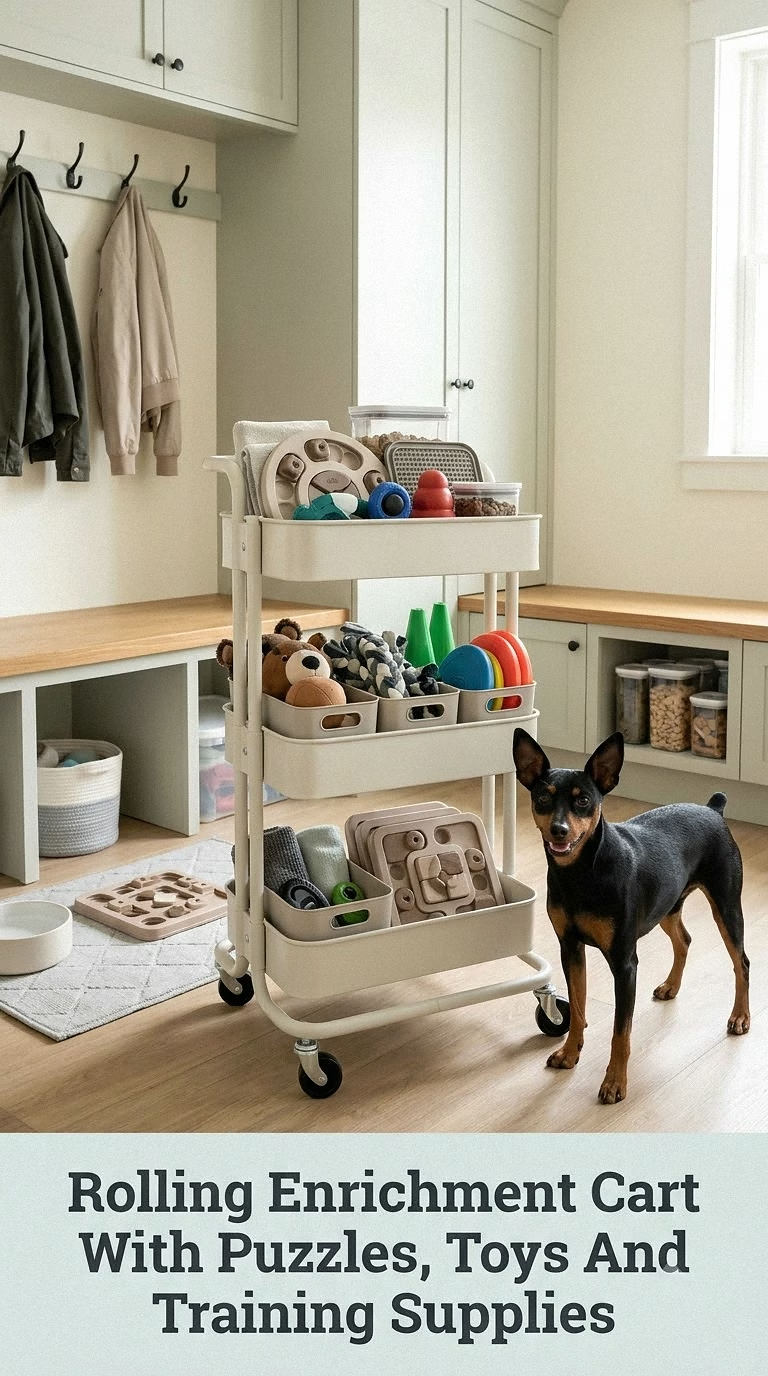
If puzzle pieces and dog toys seem to spread across every surface, make enrichment storage part of your decor.
A small rolling cart can hold snuffle mats, puzzle toys, washable tug toys, training treats, grooming tools, and food-stuffable toys. Use labeled containers or shallow baskets to keep everything organized.
The real benefit is rotation.
Instead of leaving every toy available all the time, keep some stored away and bring out different activities throughout the week. Familiar items can feel more interesting after they have disappeared for a while.
Store food securely where your dog cannot help themselves.
A cart is especially practical in apartments because it can move from a living room to a closet whenever you need extra space.
You can also keep a small cleaning cloth and toy brush on the bottom shelf so enrichment equipment gets washed regularly rather than forgotten.
Calm Settle Mat Nook With A Soft Blanket And Safe Chew
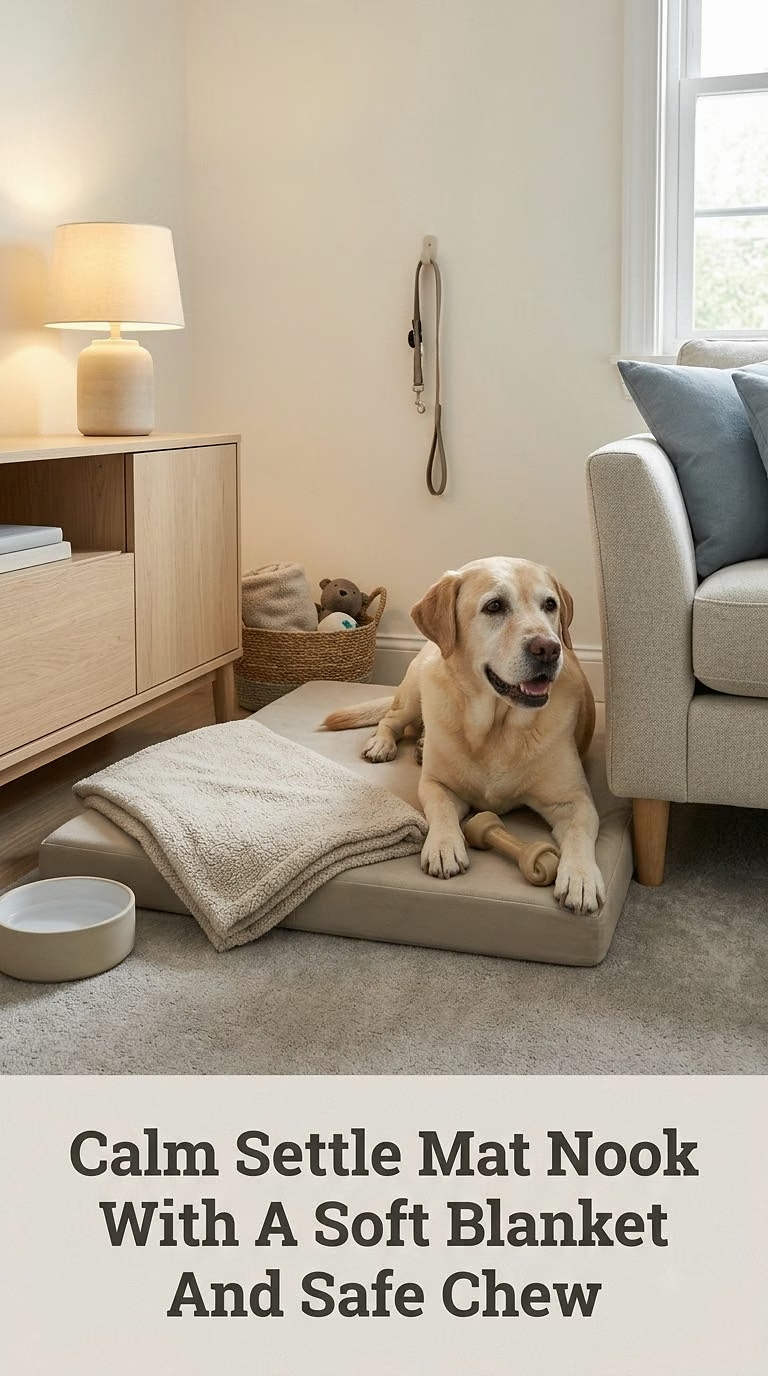
Not every form of enrichment needs to make your dog busier. Learning how to calmly relax can also be valuable.
Create a quiet nook using a comfortable washable mat or bed, a soft blanket, and enough space away from heavy household traffic. Pair the area with a suitable food-filled toy or veterinarian-approved chew when appropriate.
Reward your dog for voluntarily settling there, beginning with short periods while you remain nearby.
Over time, the mat can become a predictable place for relaxing while you work, cook, read, or watch television.
Keep the space visually peaceful with neutral fabrics and minimal clutter rather than piling it with stimulating toys.
In multi-dog homes, give each dog separate space when high-value food toys or chews are offered, particularly if either dog has shown guarding behavior.
Modern Rotating Puzzle Shelf With Easy, Medium And Challenging Games
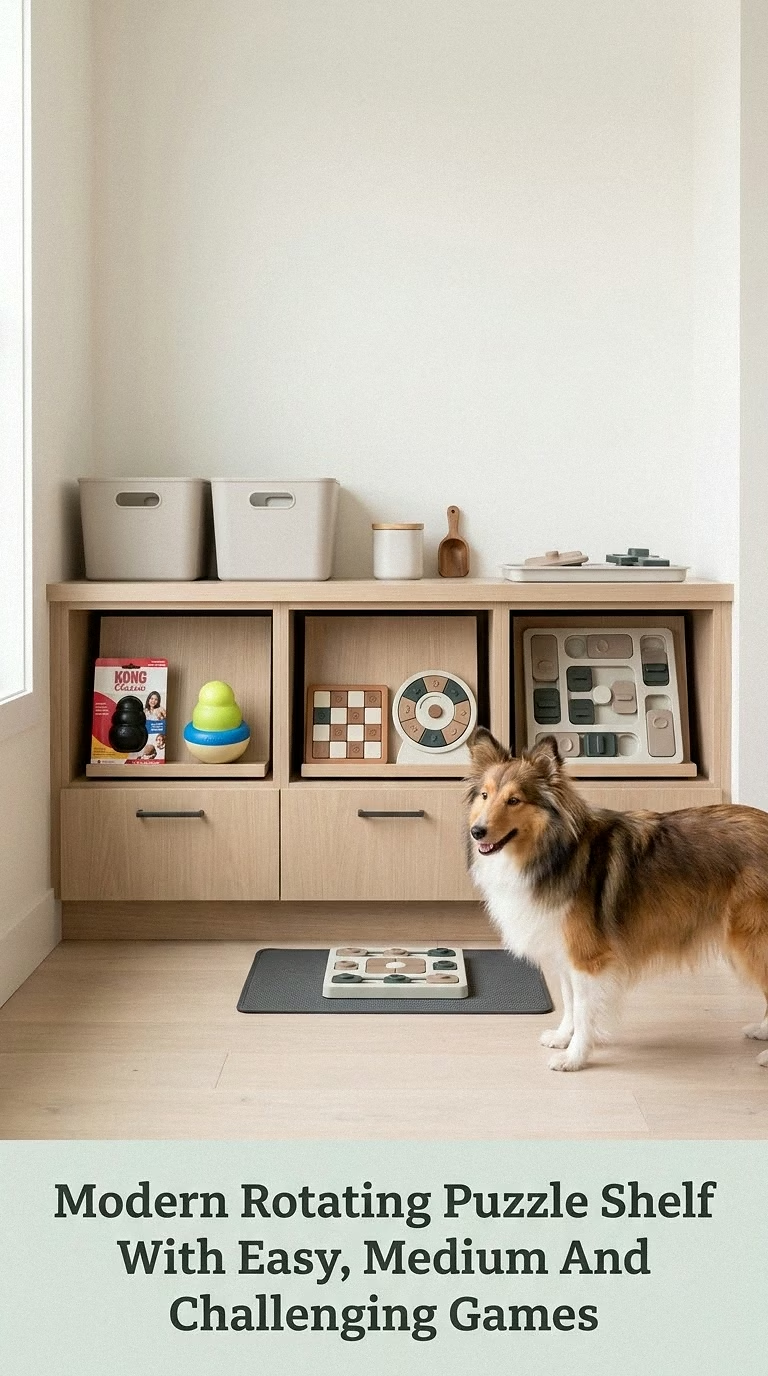
Create a dedicated enrichment shelf that grows with your dog’s problem-solving skills.
Use three attractive bins labeled or organized mentally as easy, medium, and challenging. Beginner activities might include an open snuffle mat or loosely stuffed toy. Intermediate options could require sliding, nudging, or uncovering food. More difficult puzzles may involve several actions before the reward appears.
The important part is progression, not making every game as difficult as possible.
If your dog repeatedly bites the puzzle, barks at it, walks away, or appears frustrated, make the task easier. Successful problem-solving should feel rewarding.
Choose washable, durable items sized appropriately for your dog and inspect them frequently for damage.
This shelf system also makes rotation effortless. Pull out one activity, put yesterday’s puzzle away, and your dog’s enrichment routine instantly feels more varied without filling the house with additional clutter.
Creating A Routine With Dog Enrichment Ideas Indoor Dogs Will Enjoy
The best dog enrichment ideas indoor homes can offer do not need to be elaborate. A cardboard box, folded towel, simple scent search, short training session, or thoughtfully prepared food toy can completely change an ordinary part of your dog’s day.
Rather than trying to provide constant entertainment, build a small collection of activities that satisfy different needs. One day might include a snuffle mat at breakfast and hide-and-seek in the evening. Another could feature a frozen food toy while you work followed by a few minutes of trick training.
Pay attention to what your individual dog actually enjoys. Some dogs live for scent searches, while others would happily play tug with you all afternoon. Seniors may prefer slower puzzles and gentle sniffing activities, while energetic adult dogs may appreciate interactive games and carefully designed obstacle courses.
Start simple, supervise unfamiliar activities, and increase difficulty gradually. With a little creativity and a few supplies you probably already have at home, even the smallest indoor space can become a place filled with exploration, problem-solving, play, comfort, and plenty of happy tail wags.
Source: https://petstutorial.com
Category: DOGS
