
A backyard can become one of your dog’s favorite places in the world. It is where they can stretch out in the sunshine, sniff every corner, chase a favorite ball, and quietly watch what is happening around the neighborhood. The right fence makes all of that freedom feel much more comfortable for you, too.
Choosing a dog fence is not only about closing off the property line. A thoughtfully designed fence can provide privacy, complement your landscaping, create beautiful outdoor rooms, and help prevent an adventurous pup from wandering somewhere they should not be.
You are reading: 19 Dog Fence Ideas Backyards Can Use for a Safer, More Beautiful Outdoor Space
The best choice depends on your dog as much as your home. A relaxed senior dog may be perfectly content behind a simple garden fence, while an athletic jumper, enthusiastic digger, or squirrel-obsessed youngster may need something much more substantial. Gate placement, fence height, gaps between panels, and the space underneath the fence all deserve attention.
Fortunately, practical does not have to mean unattractive. From warm cedar privacy walls to modern black fencing softened with ornamental grasses, these dog fence ideas backyards can use combine security with beautiful outdoor styling.
Beautiful And Practical Dog Fence Ideas Backyards Can Adapt
Warm Cedar Privacy Fence With Layered Greenery
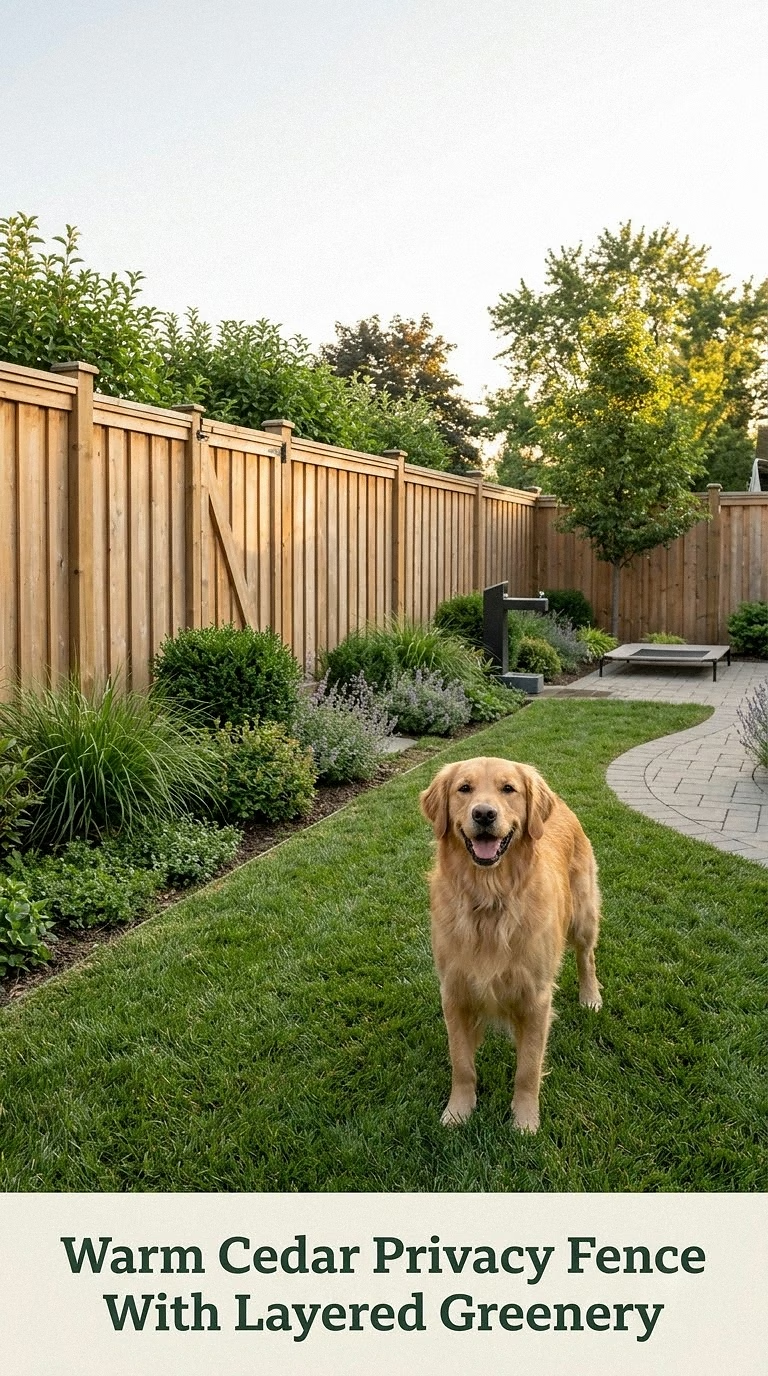
A cedar privacy fence is a lovely choice when you want the backyard to feel secluded, warm, and natural. Vertical cedar boards create a solid visual barrier while the golden brown wood tones pair beautifully with grass, stone patios, and leafy landscaping.
Solid fencing can be especially helpful for dogs that become overstimulated when they see pedestrians, neighboring pets, or wildlife outside the yard.
Instead of leaving the fence completely bare, create a planted border along the inside using dog-safe shrubs, ornamental grasses, and large planters. The greenery softens the tall wall and makes the yard feel more like a landscaped retreat.
Keep benches, storage boxes, and other climbable objects away from the fence if your dog likes to jump. Cedar also benefits from appropriate sealing or staining to help maintain its appearance outdoors.
The finished space feels cozy and private without looking overly enclosed.
Modern Black Metal Fence With Ornamental Grass Borders
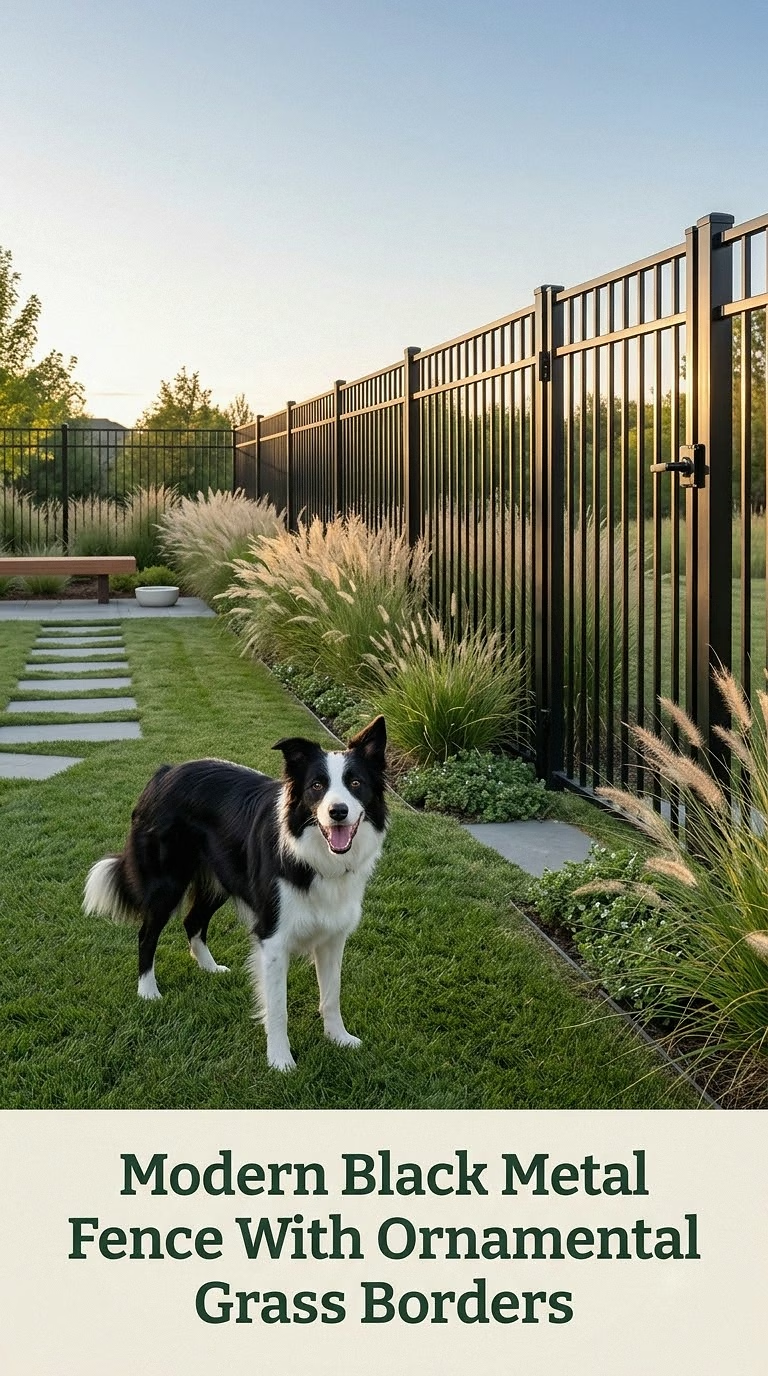
Black metal fencing creates an elegant, contemporary boundary while keeping the yard visually open.
Slim vertical bars look especially beautiful around modern homes with concrete patios, neutral outdoor furniture, and structured landscaping. Planting flowing ornamental grasses along the fence can soften the sharp architectural lines and make the backyard feel more relaxed.
This style works particularly well for dogs that do not become overly excited by things happening outside the yard.
Pay close attention to the spacing between bars. Small dogs and puppies may be able to squeeze through openings that appear surprisingly narrow.
Metal fencing is also useful when you have a beautiful view you do not want to hide. Instead of creating a solid wall around the property, the fence almost disappears into the landscape from a distance.
Add black gate hardware and matching outdoor lighting for a polished, coordinated finish.
Rustic Split Rail Fence With Discreet Wire Mesh
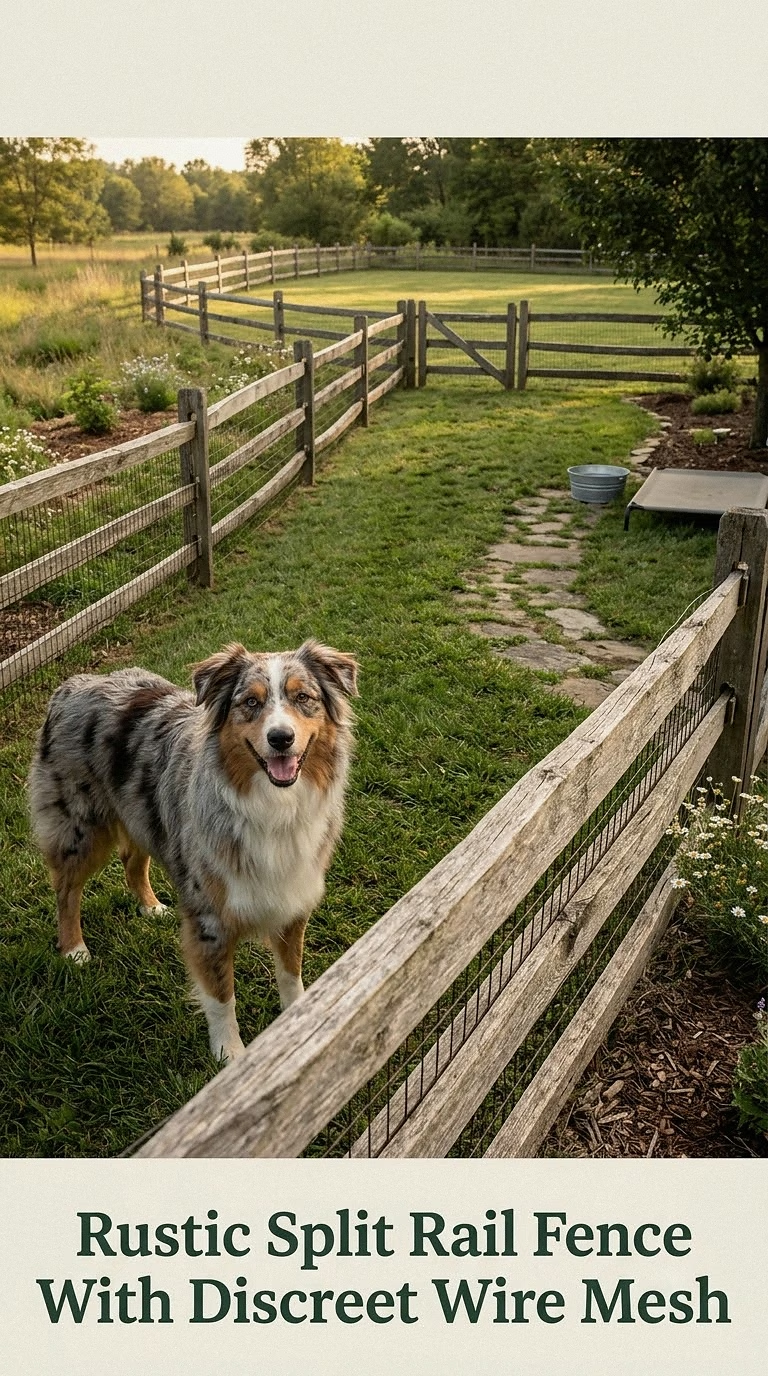
A traditional split rail fence brings instant farmhouse charm to a backyard, but the large spaces between the rails are not enough to contain most dogs.
The simple solution is attaching sturdy wire mesh along the inside of the fence.
When the mesh is carefully installed, it visually blends into the background while the beautiful wood rails remain the main feature. The combination provides the character of a country fence with much more practical pet containment.
This design looks especially attractive around larger yards with meadow-style landscaping, wildflowers, gravel paths, or mature trees.
Choose openings in the mesh that are appropriate for the size of your dog, and make sure the lower edge cannot easily be lifted or pushed outward.
Allow the wood to weather naturally for a silvery farmhouse look, or stain it a warm medium brown for a cleaner, more finished appearance.
White Vinyl Privacy Fence With Clean Garden Borders
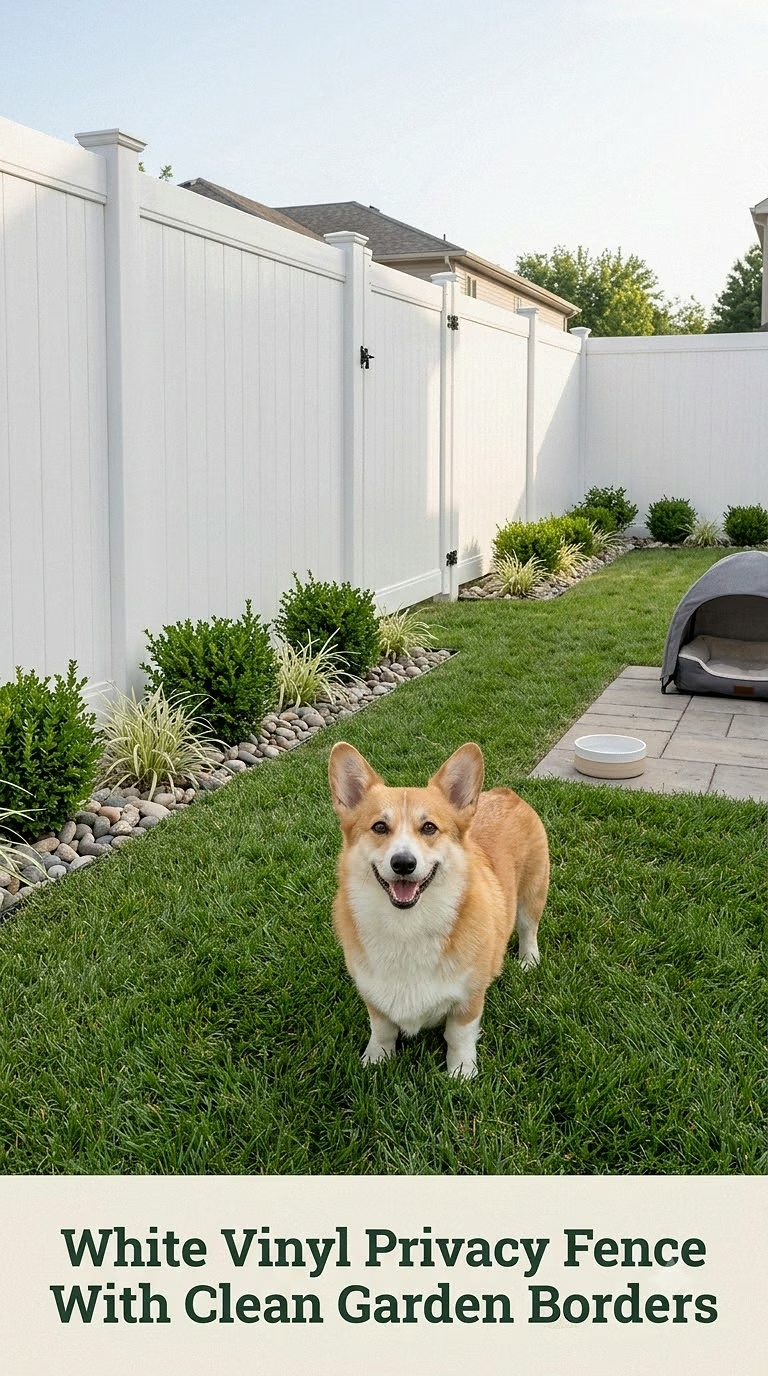
For a bright and tidy backyard, a white vinyl privacy fence creates a crisp backdrop that instantly makes landscaping stand out.
Pair it with trimmed lawn edges, pale gravel, simple planters, and soft green shrubs for a fresh suburban garden look.
Vinyl can be particularly appealing for busy households because it does not require the regular staining or painting associated with many wood fences. Dirt and muddy paw splashes can generally be cleaned from the surface much more easily than from unfinished timber.
Solid panels also remove many of the visual distractions that can cause dogs to patrol the property line.
Because an all-white fence can feel visually strong in a small yard, soften the lower portion with planting beds or raised planters.
A matching gate keeps everything cohesive. Choose secure hardware and periodically check that panels, hinges, and latches remain firmly attached.
Horizontal Wood Slat Fence With Modern Minimalist Styling
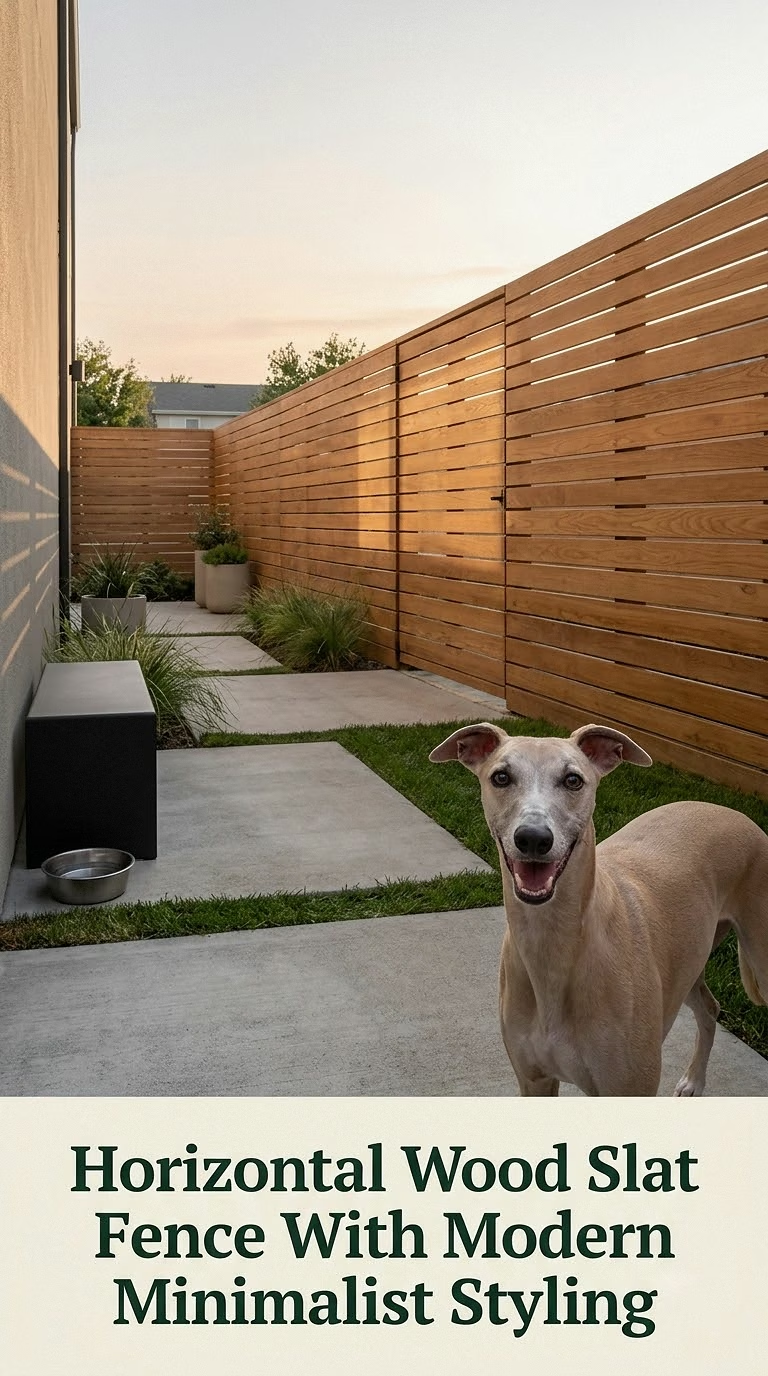
Horizontal wood fencing gives the classic wooden privacy fence a more contemporary personality.
Long cedar or treated-wood boards visually stretch across the backyard, making the space feel wider and more architectural. This design pairs beautifully with modern patios, rectangular planters, gravel paths, and simple outdoor furniture.
A solid or nearly solid version works well when privacy is important or your dog frequently reacts to movement outside the yard.
If you intentionally leave narrow gaps between boards, consider your dog’s size before finalizing the spacing. Curious noses and small paws can find surprisingly tiny openings.
A natural wood stain brings warmth to white, charcoal, or beige exterior walls. For something moodier, use a deep brown or near-black exterior finish.
Keep the inside face relatively smooth so energetic dogs do not have obvious horizontal footholds that could make climbing easier.
Budget-Friendly Chain Link Fence With Bamboo Privacy Screening
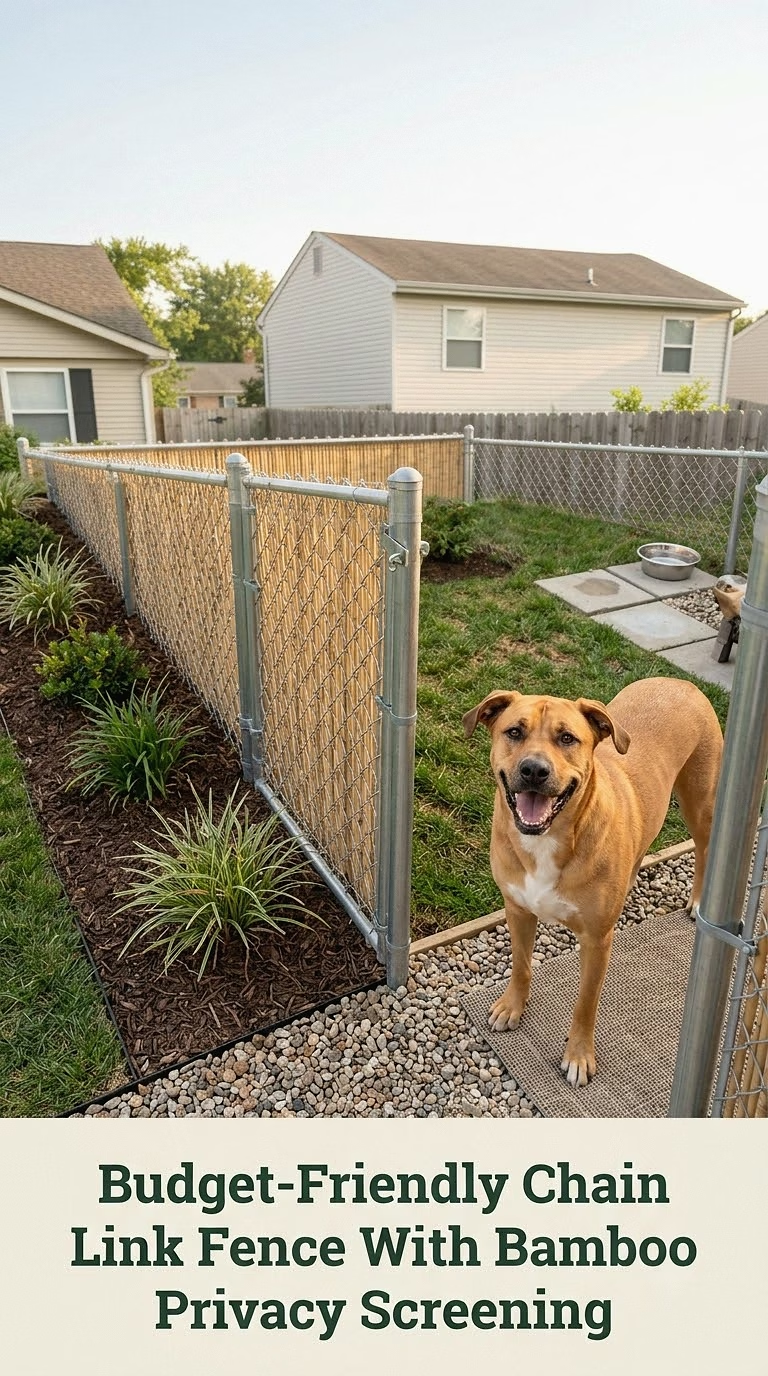
Chain link remains one of the most practical ways to fence a larger area without building an expensive solid wall.
If the industrial appearance does not match your garden style, add bamboo or reed screening to transform it.
The combination creates a warm, textured background that works beautifully with tropical plants, terracotta pots, and casual outdoor seating.
Privacy screening can also reduce visual stimulation for dogs that bark whenever people or pets pass nearby.
Make sure the screening is firmly attached so wind or curious paws cannot loosen it. Check the chain link regularly for damaged sections, lifted bottom edges, or sharp wire ends.
This approach is particularly useful when you already have a functional chain link fence and want an affordable cosmetic update rather than a full replacement.
Adding a few large planters along the base makes the upgrade feel intentional rather than temporary.
Natural Wood Fence With Dig-Proof Gravel Border
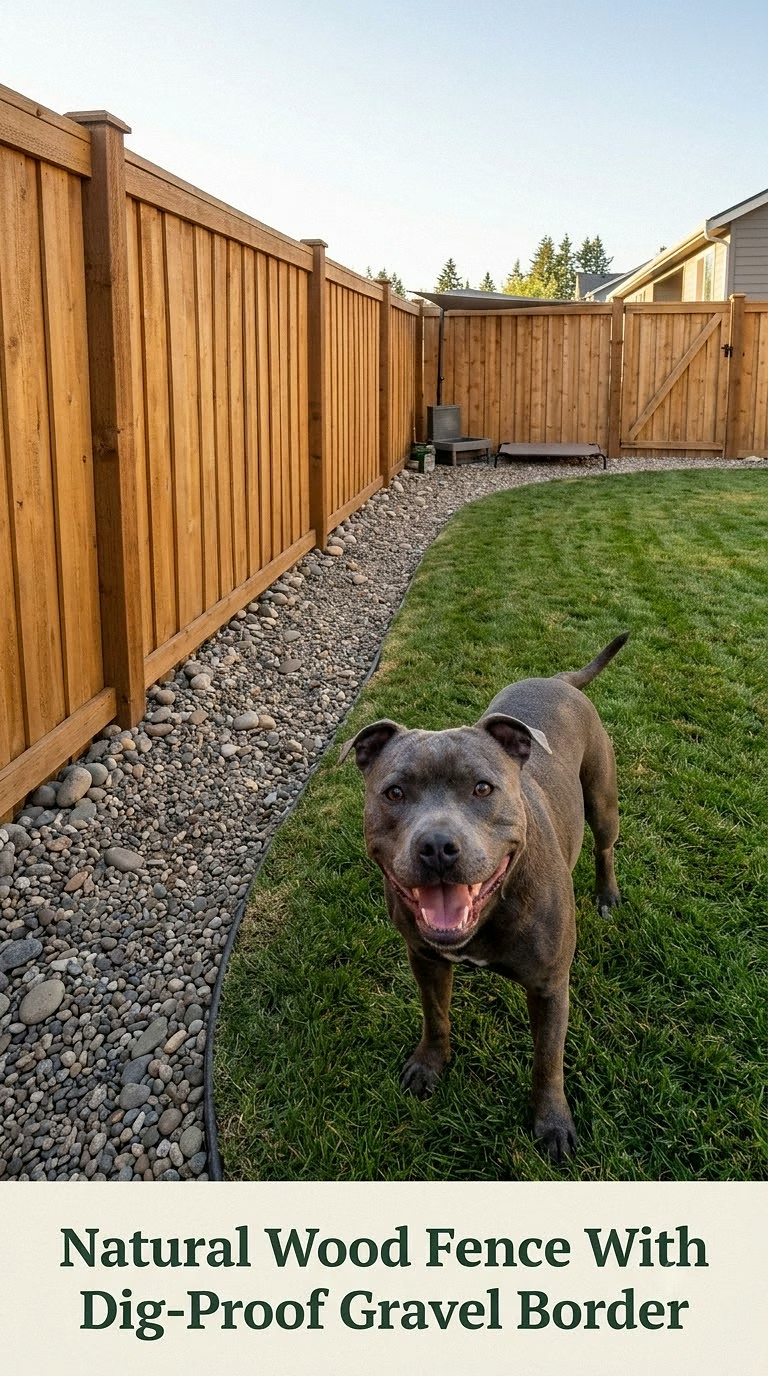
If your dog loves excavating along the property line, design the bottom of the fence as carefully as the top.
One visually attractive solution combines a solid wood fence with a generous gravel border along the inside perimeter.
Use large decorative gravel or smooth stones rather than tiny pieces that could easily scatter across the lawn. Beneath the decorative surface, appropriate buried reinforcement can provide additional protection for determined diggers.
The gravel strip also keeps grass and wet soil away from the bottom of wooden boards, creating a cleaner transition between the fence and lawn.
Add occasional dog-safe shrubs or large planting containers to break up the long border.
Read more : 19 Creative Dog Door Ideas For A Stylish, Pet-Friendly Home
This design feels particularly natural in rustic or contemporary backyards where gravel is already used around patios and pathways.
For persistent escape artists, speak with a fencing professional about deeper barriers or secure footings rather than relying on decorative gravel alone.
Cottage Garden Picket Fence With Secure Inner Mesh
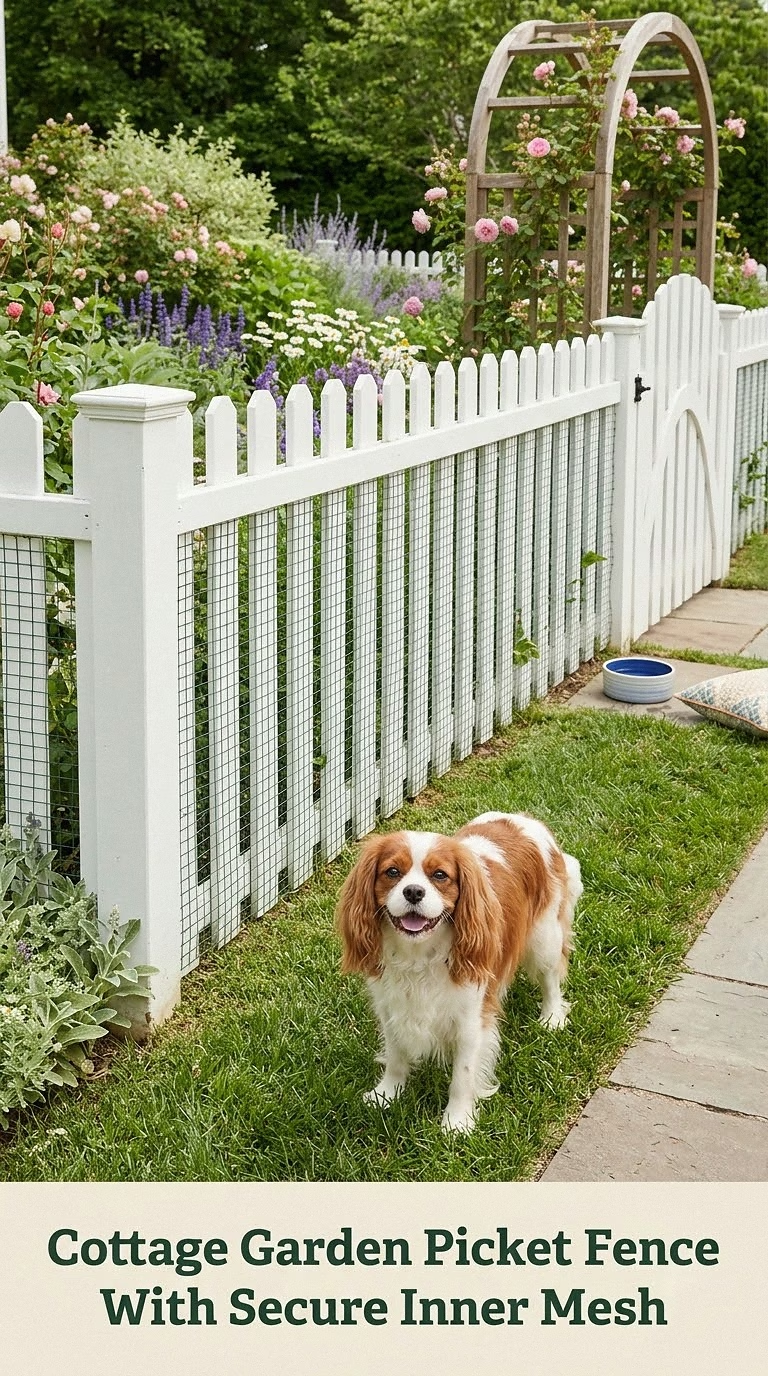
A charming picket fence can still work in a dog-friendly backyard when the design is adapted thoughtfully.
Painted white or soft sage pickets create a beautiful cottage look when surrounded by flowering borders, climbing greenery, and curved garden paths.
For small dogs, puppies, or fences with generous gaps, install discreet mesh on the inside face. From a distance, the reinforcement is barely noticeable, allowing the decorative pickets to remain the visual focus.
This style is best suited to dogs that are unlikely to jump over lower boundaries. More athletic dogs may require a taller version.
Choose rounded or simple picket tops rather than unnecessarily sharp decorative points.
You can complete the look with a matching arbor gate, but functionality should come first. Make sure the gate closes securely every time and that openings beneath it remain too small for an adventurous dog to squeeze through.
Charcoal Composite Fence With Sleek Low-Maintenance Landscaping
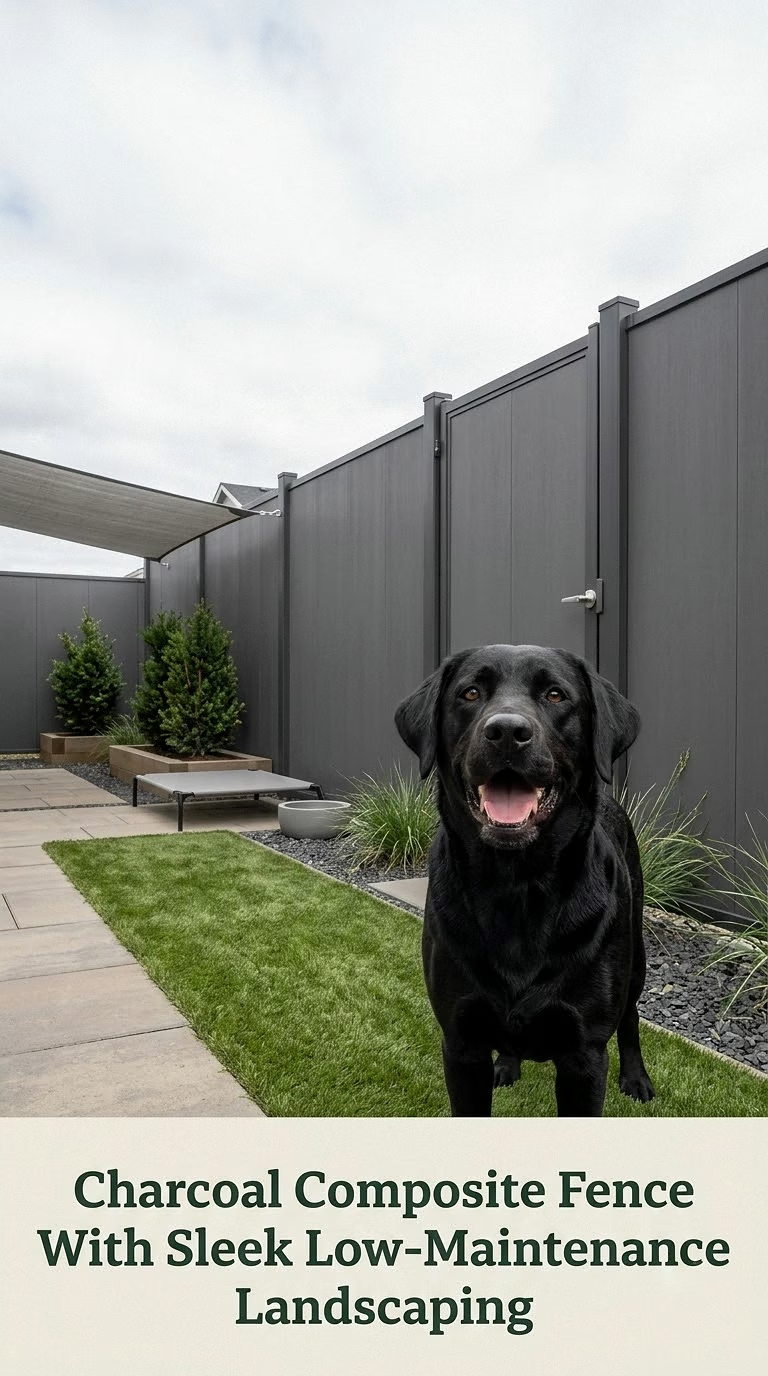
Dark composite fencing creates a sophisticated backdrop for contemporary dog-friendly yards.
Charcoal panels look especially striking beside pale stone patios, warm wood furniture, green lawn, and minimalist planting beds. Because composite materials are designed to offer a wood-like appearance with less routine finishing, this option can appeal to homeowners who want an elegant fence without committing to frequent staining.
Solid panels provide both privacy and a strong visual boundary.
The darker background also makes green plants stand out beautifully. Try repeating a simple selection of grasses, evergreen shrubs, and large planters rather than filling the border with too many different plants.
Keep the landscape around the fence easy to maintain so you can quickly inspect the perimeter.
Occasional checks remain important even with durable materials. Look for movement around posts, gate alignment, loose fasteners, or spaces developing underneath the fence.
Black Aluminum Fence With Raised Stone Garden Beds
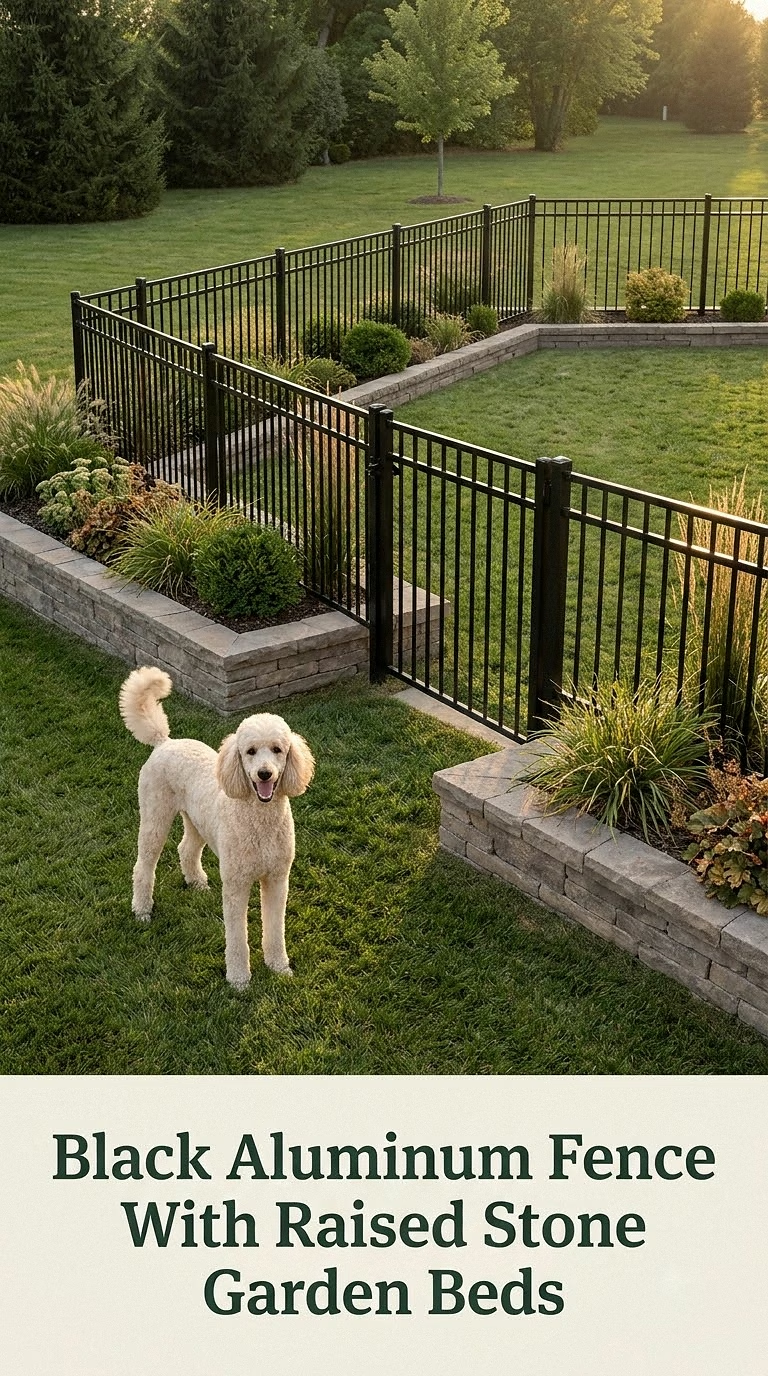
Combine black aluminum fencing with raised stone garden beds for a backyard that feels polished and deliberately landscaped.
The open fence keeps sightlines across the property while the stone beds create a substantial visual base.
Plant low, dog-safe greenery inside the beds so the landscaping adds softness without completely covering your ability to inspect the fence line.
This approach works beautifully beside patios, pools, or formal gardens where a solid wooden barrier might feel too heavy.
Consider your individual dog before choosing an open fence. Dogs that constantly chase movement on the other side may be happier with a more private design.
Spacing matters as well, particularly for small breeds.
The stone beds should sit far enough from the fence that they do not become convenient climbing platforms for athletic dogs. Leave enough space between the planting area and fence for cleaning, trimming, and regular maintenance checks.
Tall Board-On-Board Fence For Athletic Dogs
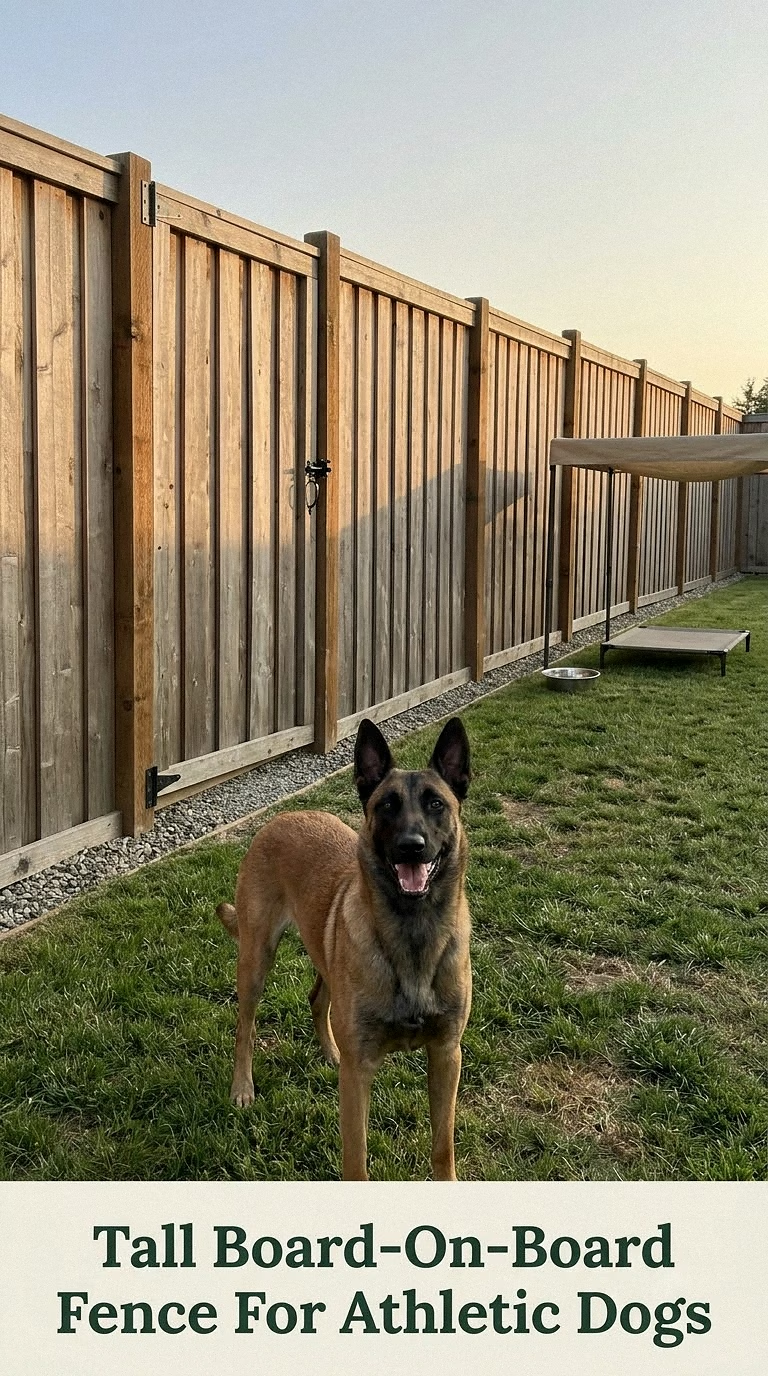
Large, athletic dogs can require a more substantial boundary than decorative garden fencing.
A tall board-on-board wood fence creates a sturdy, visually solid enclosure while still looking beautiful enough to become an architectural feature of the backyard.
Alternating or overlapping boards minimize sight gaps and create attractive shadow lines across the surface.
Stain the wood medium walnut for a warm traditional look or use a muted gray-brown finish for something more modern.
Because dogs differ dramatically in their jumping and climbing abilities, fence height should be chosen for the individual dog rather than simply copying a neighbor’s installation.
Also remove items such as benches, stacked firewood, planters, or storage boxes that could become makeshift steps near the fence.
A wide planting strip can soften the structure, but keep the vegetation controlled enough that you can easily inspect the bottom edge for digging or damage.
Double-Gate Dog Fence Entry With A Small Safety Zone
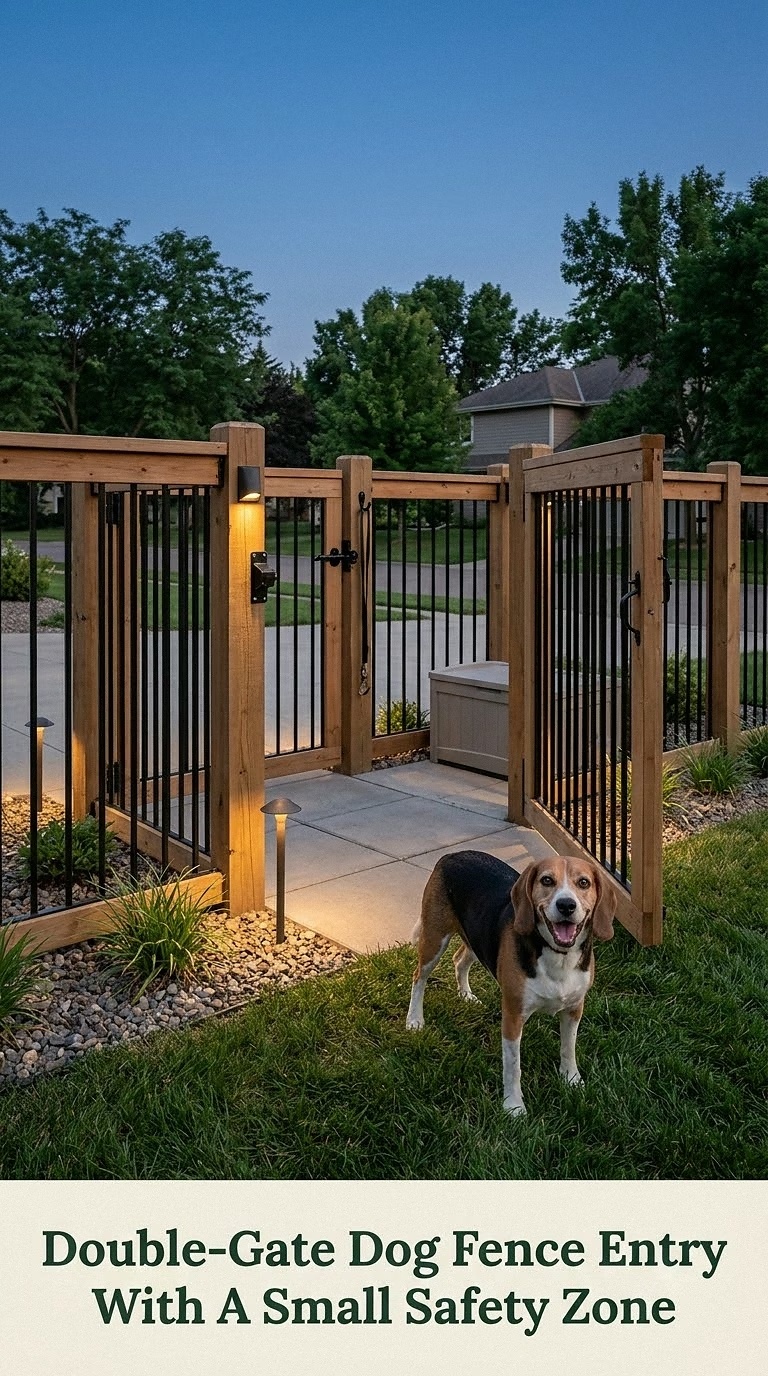
The gate is often the busiest part of a backyard fence, especially when children, visitors, gardeners, or delivery workers frequently move through the space.
A double-gate entrance creates a small enclosed transition area instead of opening directly from the street into the main yard.
Think of it as a tiny outdoor entryway.
Someone enters through the first gate, closes it, and then opens the second. This gives you an extra layer of protection for dogs that become excited whenever a gate moves.
The space can also look beautiful. Use matching wood panels, black hardware, gravel underfoot, and a small wall-mounted planter to make it feel like an intentional part of the landscape.
Choose reliable latches and keep the area free from stored tools or clutter.
For households with enthusiastic door dashers, this may be one of the most useful fence upgrades you can make.
Wood And Black Metal Combination Fence With Modern Contrast
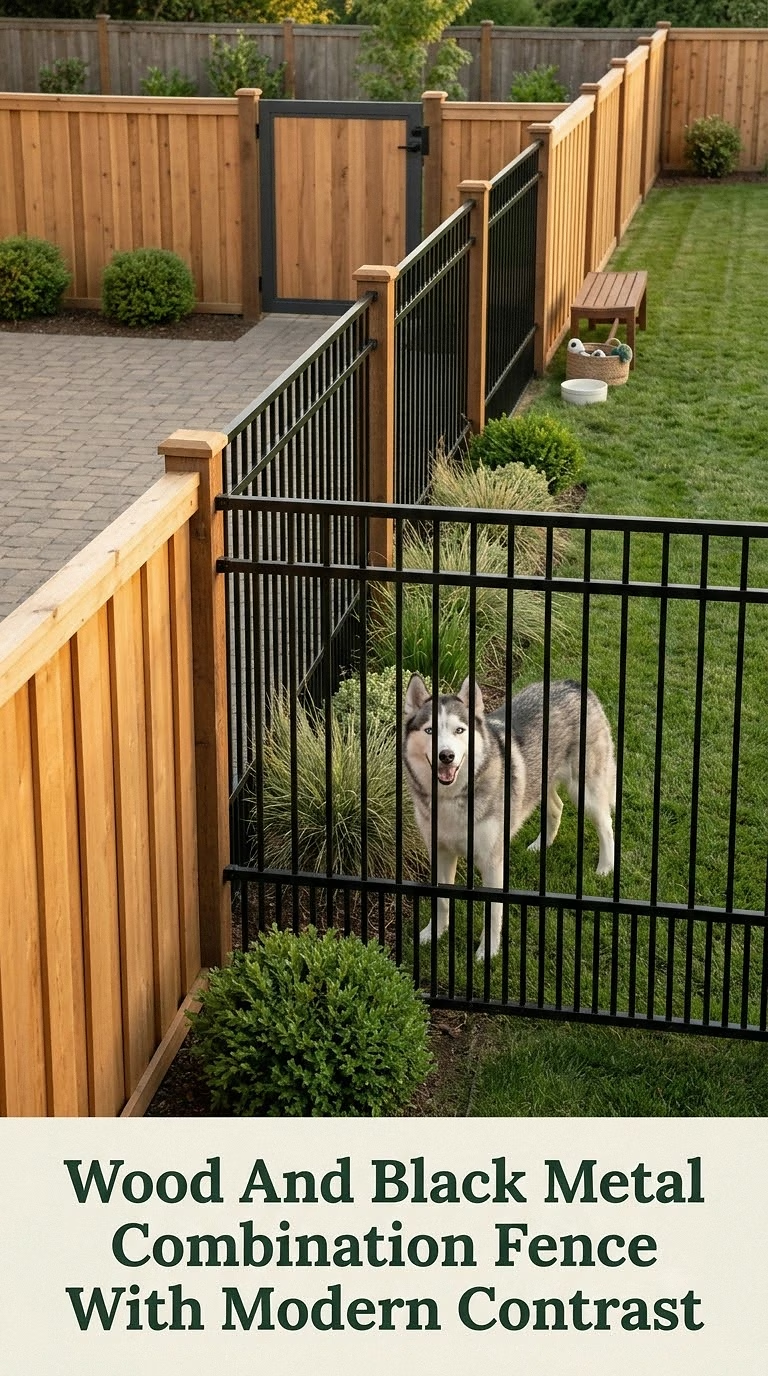
Combining materials can make a practical dog fence feel much more customized.
Try solid wood panels along areas where you want privacy and black vertical metal sections where you want to preserve garden views.
The contrast between warm timber and dark metal works especially well around contemporary, transitional, and modern farmhouse homes.
You might use the solid portion beside neighboring patios or busy sidewalks, then transition to open metal fencing near trees or scenic parts of the yard.
This approach also lets you respond to your dog’s behavior in different zones instead of using the same fence everywhere.
Make sure transitions between materials do not create unexpected gaps or weak points.
Repeating black hardware, planters, and outdoor light fixtures throughout the yard helps visually connect the two materials.
The result feels architectural, tailored, and much less utilitarian than a single-material perimeter.
Small Backyard Privacy Fence With Built-In Planter Boxes
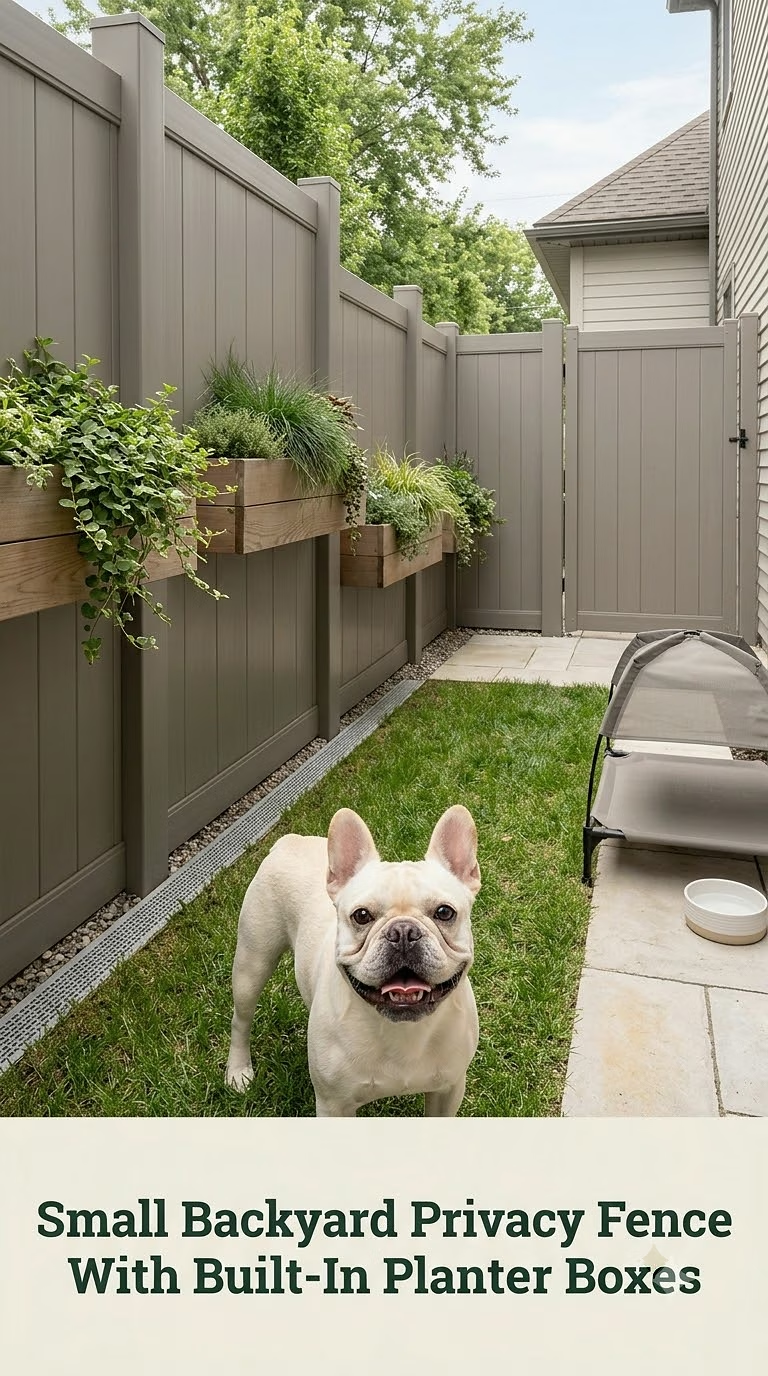
In compact yards, every feature needs to work harder.
A solid privacy fence with integrated planter boxes adds greenery without sacrificing valuable lawn or patio space.
Build narrow planters along selected sections rather than covering the entire fence. Fill them with dog-safe ornamental grasses, herbs, or compact shrubs for a soft green backdrop.
Read more : 10 Types Of Husky Dogs
Choose a light natural wood finish if you want the yard to feel airy, or a darker stain for a cozy courtyard atmosphere.
Keep planter placement low enough that taller dogs cannot use the structure as a step toward the top of the fence.
Good drainage is important too. Constant moisture sitting against wooden fencing can shorten its life, so planter boxes should be constructed and positioned appropriately.
This setup is ideal for townhouse yards, urban patios, and narrow side gardens where freestanding landscaping would take away too much usable space.
Farmhouse Wire Fence With Thick Timber Posts
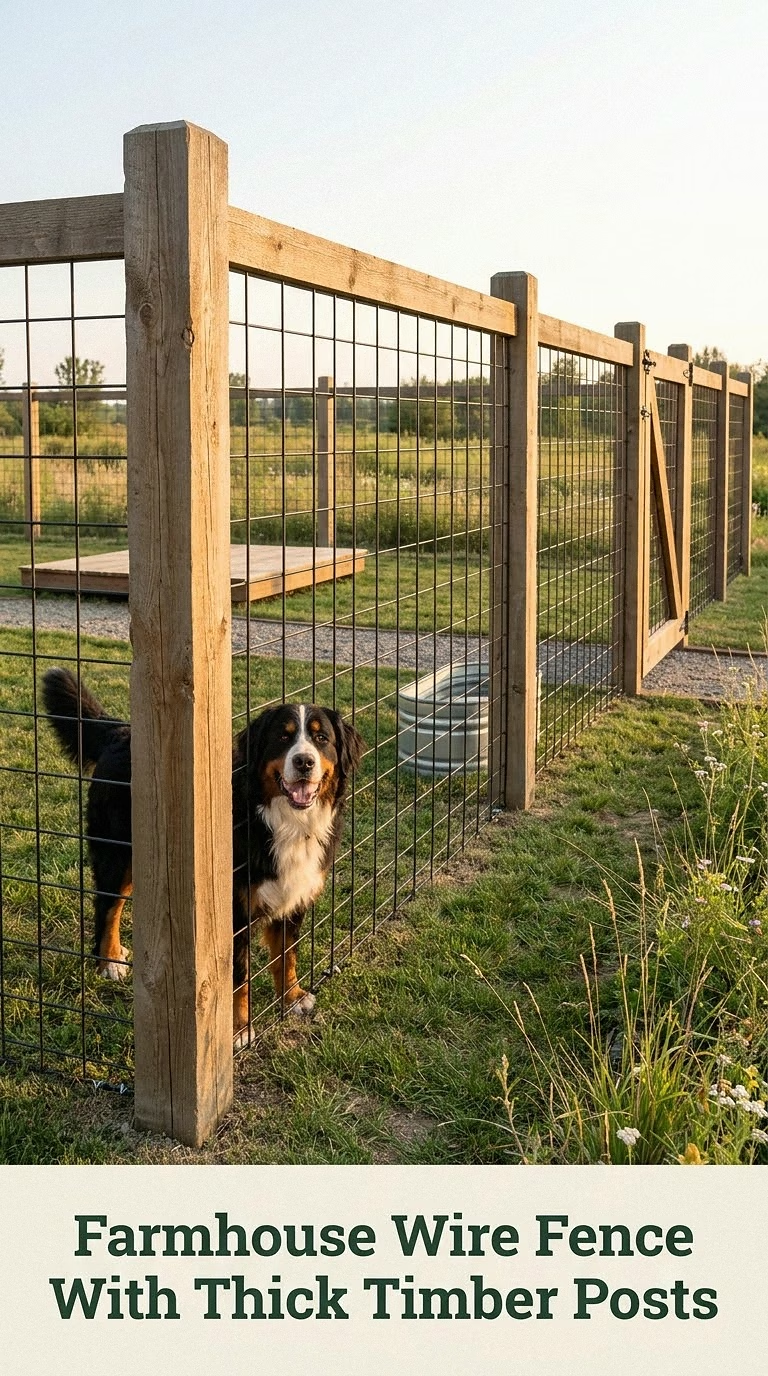
For larger properties, a wire fence supported by substantial timber posts can create a relaxed country look while maintaining open views.
Use dark welded wire or another suitable sturdy mesh rather than leaving wide farm-style openings that a dog could easily pass through.
Chunky wood corner posts add visual weight and make the simple wire structure feel more intentional.
This fence works beautifully with gravel drives, meadow planting, vegetable gardens, barns, and informal lawns.
Because the fence is visually open, it is best for dogs that remain relatively calm when they can see wildlife or activity beyond the property.
Keep vegetation trimmed along the base so you can spot damaged wire or potential digging areas.
For a finished appearance, add a wide timber-framed gate using the same materials.
The result is practical enough for a working yard but attractive enough for a cozy modern farmhouse landscape.
Decorative Concrete Wall With Warm Wood Accent Panels
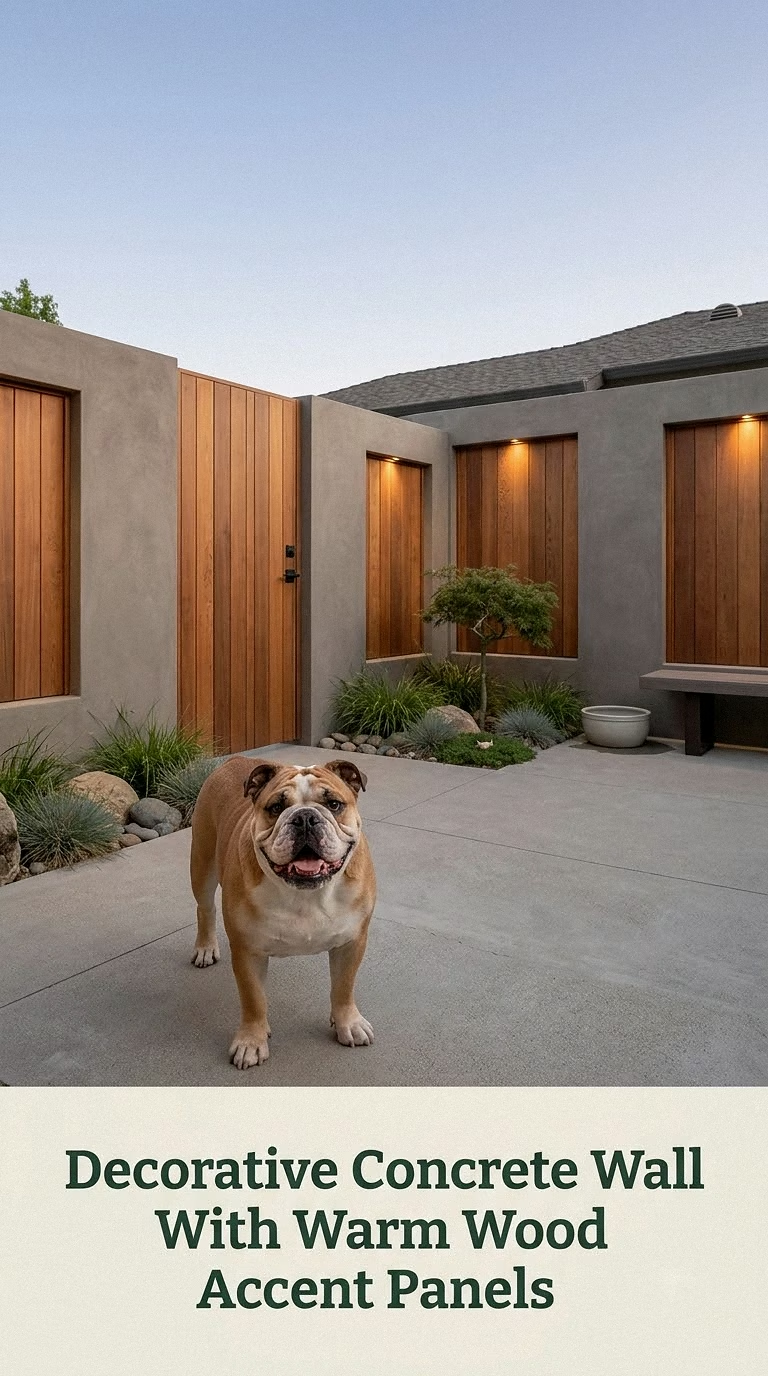
For a more luxurious backyard, combine a low or full-height concrete boundary with sections of warm wooden slats.
The concrete provides a strong, permanent-feeling base while wood prevents the yard from looking cold or overly industrial.
This combination works beautifully with contemporary architecture, outdoor kitchens, fire pits, and landscaped courtyards.
The solid lower section is particularly useful for dogs that repeatedly investigate or dig beneath traditional fencing.
Depending on the layout, taller wood panels can provide additional privacy above the masonry.
Choose warm cedar, teak-toned timber, or wood-look composite against soft gray or cream concrete.
Add simple uplighting and architectural greenery to turn the fence into an evening feature.
Because masonry installations can be expensive and may require professional foundations or permits, this is more of an investment option. It can, however, become a major part of the backyard’s overall design.
Existing Fence Makeover With A Dog-Safe Landscape Buffer
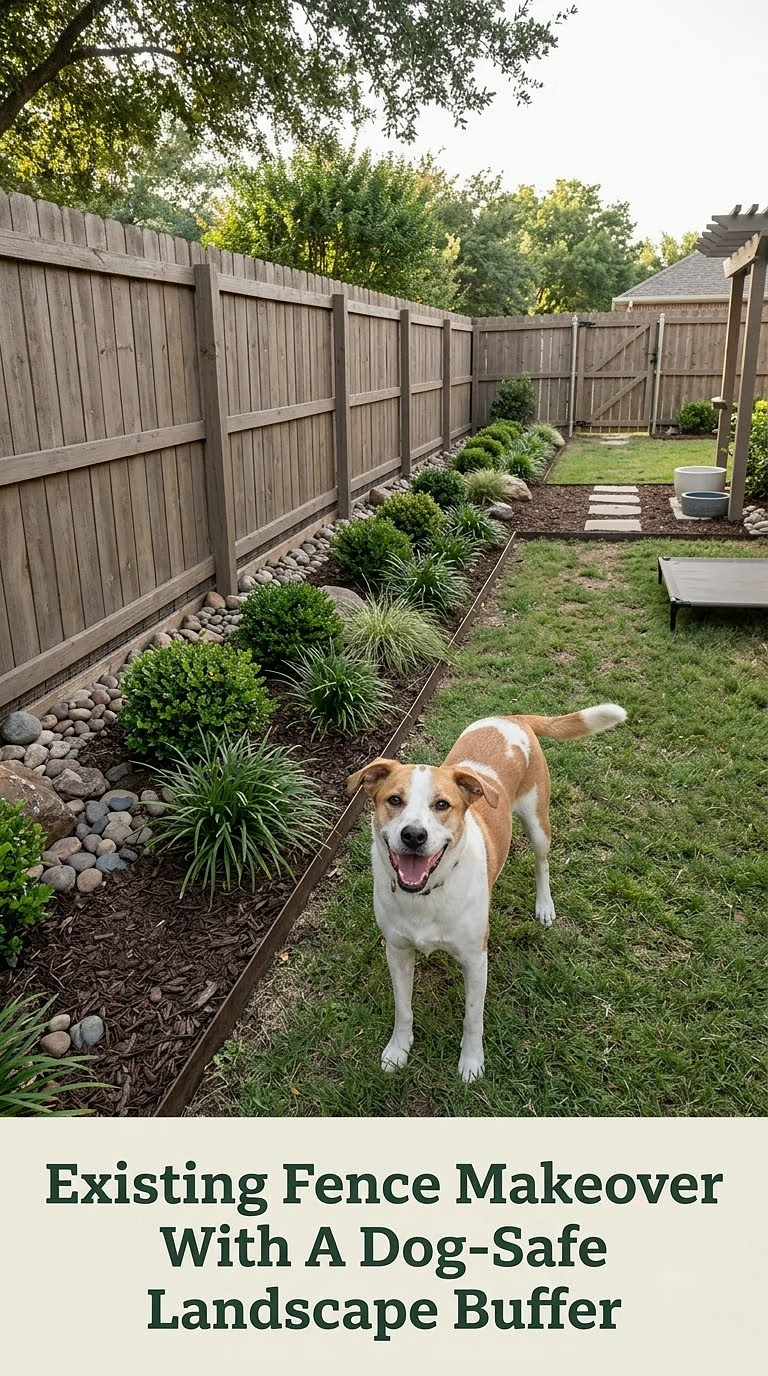
You do not necessarily need to replace an existing fence to dramatically improve how your backyard looks and functions.
Create a landscaped buffer several feet inside the fence using dog-safe shrubs, grasses, mulch, decorative stone, or raised edging.
This visually separates the dog’s main running area from the property boundary and can discourage constant fence-line pacing.
The added greenery also disguises older fencing and makes the entire backyard feel more established.
Avoid placing large rocks, raised beds, benches, or sturdy planters directly beside the fence if your dog might climb on them.
Before landscaping, repair loose boards, bent wire, damaged posts, and gaps beneath the existing structure.
Choose simple, resilient plants rather than delicate flowers that will struggle with enthusiastic dogs running nearby.
It is an affordable way to refresh a functional fence while creating a softer, more inviting backyard.
Narrow Side Yard Dog Fence With Matching Privacy Gate
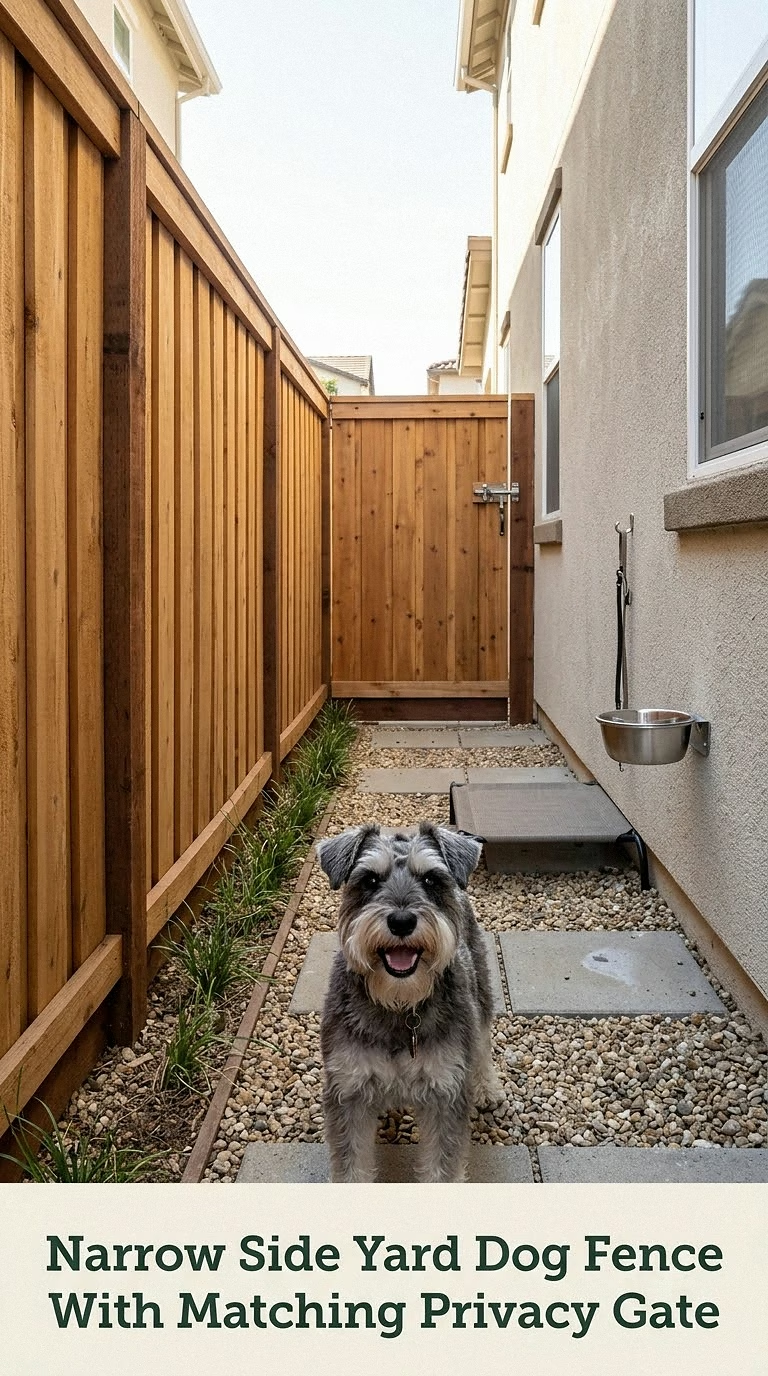
The side yard is often overlooked, yet it can be one of the easiest places for a dog to slip out when someone opens a gate.
Turn this narrow area into a secure, attractive transition space with a solid privacy gate that matches the main backyard fence.
Horizontal cedar boards, vertical slats, or painted timber can transform a purely functional passageway into a polished part of the home.
Use gravel, stepping stones, or durable pavers underfoot so muddy paws do not create a worn dirt trail.
Wall-mounted planters can add greenery without narrowing the walkway.
Choose gate hardware that is easy for adults to operate but difficult for an enthusiastic dog to manipulate. Check the clearance underneath carefully, especially if the ground slopes.
A small exterior light near the gate makes nighttime trips safer while also emphasizing the attractive woodwork.
Cozy Dog-Friendly Fence Corner With Shade And Lounge Space
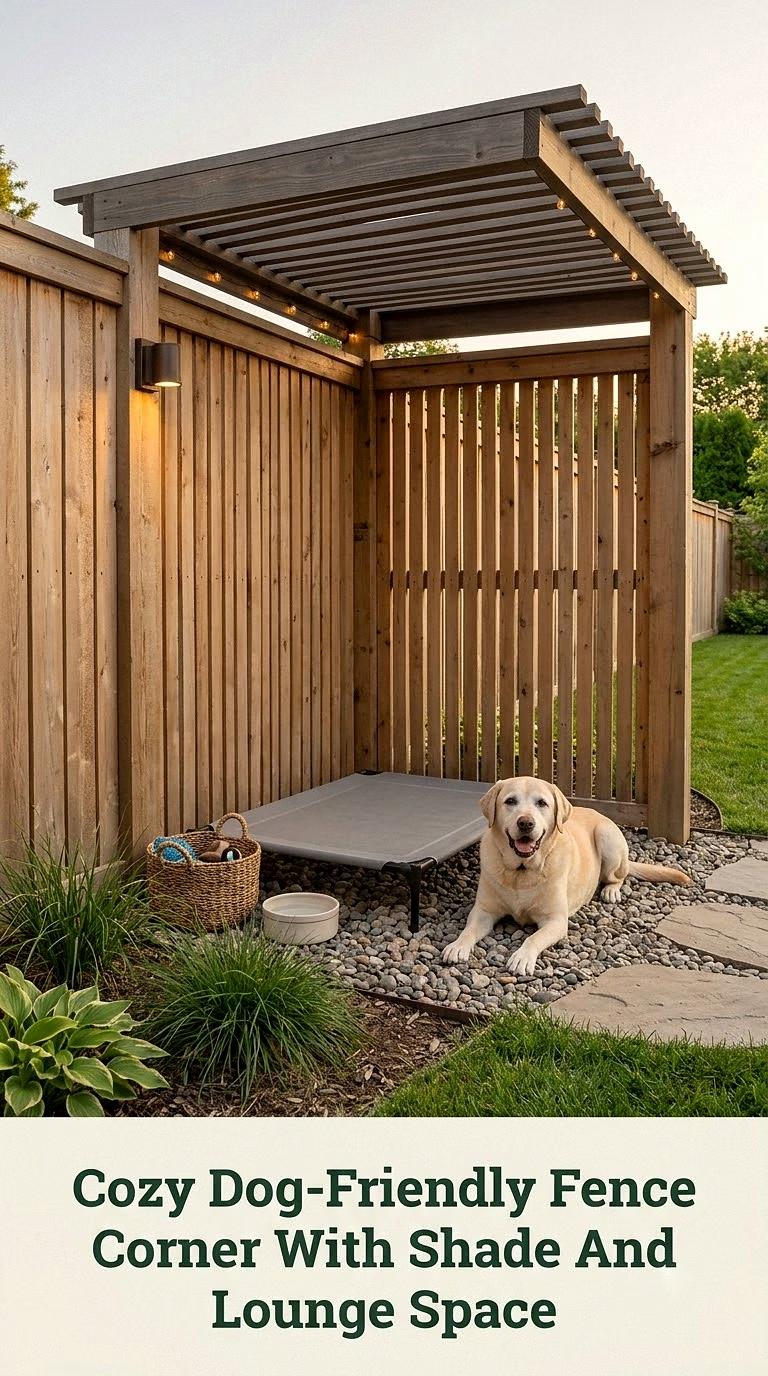
Instead of treating the fence purely as a boundary, use one protected corner to create a comfortable outdoor retreat for your dog.
A solid wood or composite privacy fence can form the backdrop for a shady lounging area with an outdoor dog bed, water station, and durable surface underfoot.
Add a small pergola, shade sail, or established tree canopy where appropriate to protect the area from intense sun.
Keep furniture simple and positioned away from the fence if your dog is capable of using objects to climb.
Neutral outdoor fabrics, woven storage baskets for toys, and large dog-safe plants can make the corner blend naturally with your patio decor.
The goal is to give your dog a pleasant reason to relax away from the perimeter rather than spending the entire afternoon patrolling the fence.
It creates a backyard that feels designed for both human and canine family members.
Choosing The Right Dog Fence Ideas Backyards Will Truly Benefit From
The most successful dog fence is one that fits your home and your dog at the same time. A beautiful open metal fence may be perfect for a calm dog that enjoys watching the neighborhood, while a busy, reactive dog may feel much more comfortable behind a solid privacy fence. Diggers, climbers, jumpers, and tiny escape artists each create different design challenges.
Start with safety and functionality, then build your style around those requirements. Think carefully about gate security, spaces beneath the fence, openings between panels, nearby climbing surfaces, weather resistance, cleaning, and the amount of maintenance you realistically want to handle. Local fencing requirements and property rules should also be checked before beginning a major installation.
From rustic timber and nearly invisible wire mesh to sophisticated composite panels and modern wood-and-metal combinations, there are plenty of ways to make pet containment feel like part of your landscape rather than an afterthought.
Choose the ideas that suit your space, adapt them to your dog’s habits, and you can create a backyard that looks beautiful while giving your four-legged companion a comfortable place to explore, play, and relax.
Source: https://petstutorial.com
Category: DOGS
