
A beautiful backyard feels even better when you know your dog can explore it safely. Whether your pup loves racing along the grass, stretching out in a sunny corner, sniffing every plant, or watching the neighborhood from a favorite spot, the right fence can transform an ordinary yard into a comfortable outdoor retreat.
The best dog fence ideas balance security with style. You do not have to surround your home with something that feels like a kennel. Warm cedar boards, sleek black metal, cottage-inspired pickets, modern composite panels, climbing greenery, decorative stone, and thoughtfully designed gates can all become part of a landscape that feels intentional and inviting.
You are reading: 19 Dog Fence Ideas For A Safe And Beautiful Backyard
Before choosing a design, think about your individual dog as much as your home. A small dog may need closely spaced panels and careful attention to gaps, while an athletic jumper may require a taller barrier. Dedicated diggers need extra protection along the ground, and dogs that become excited by pedestrians or neighboring animals may feel calmer behind a more private fence.
It is also worth remembering that no backyard boundary replaces supervision, exercise, enrichment, and time with you. A secure fence works best as one part of a comfortable outdoor environment your dog actually enjoys spending time in.
From affordable DIY solutions to polished architectural designs, these dog fence ideas offer plenty of inspiration for creating a yard that feels secure, attractive, and completely at home with the rest of your outdoor space.
Beautiful And Practical Dog Fence Ideas For Every Backyard
Modern Horizontal Cedar Dog Fence With Matte Black Posts
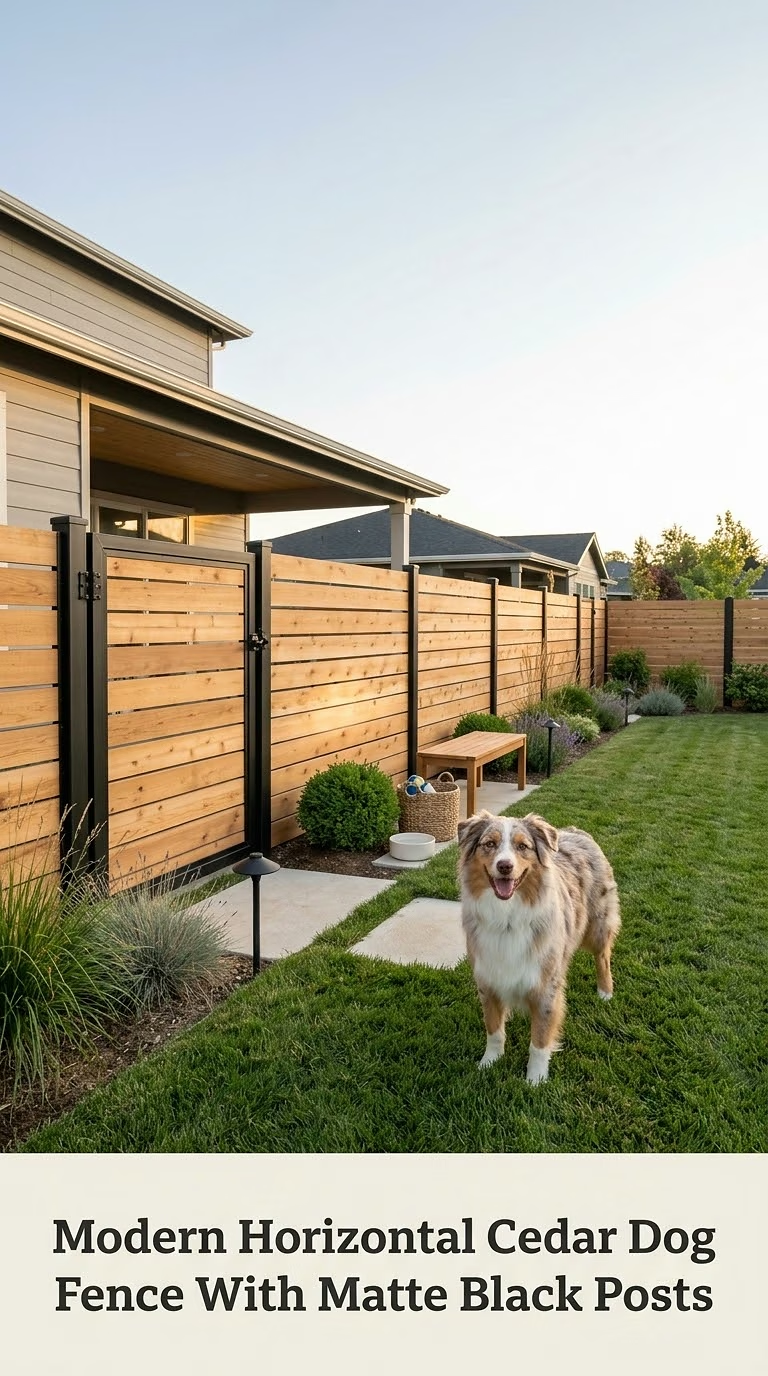
Horizontal cedar boards give a dog fence a clean, architectural appearance without making the backyard feel cold or overly structured. Pair warm natural cedar with slim matte black posts for a contemporary contrast that works beautifully beside modern homes, patios, and minimalist landscaping.
A solid-board configuration is especially useful for dogs that become overly interested in pedestrians, neighboring pets, or passing vehicles. Reducing those visual distractions can make the yard feel more peaceful while giving your family additional privacy.
Keep the bottom of the fence close to the finished ground level so smaller dogs cannot squeeze underneath. For dogs that dig, reinforce the perimeter beneath the surface rather than relying only on the boards.
Finish the space with ornamental grasses, pale gravel, and simple raised planters. Cedar can also be stained in warm honey, medium walnut, or deep brown tones to coordinate with a deck or outdoor furniture.
Crisp White Vinyl Privacy Fence With Soft Garden Borders
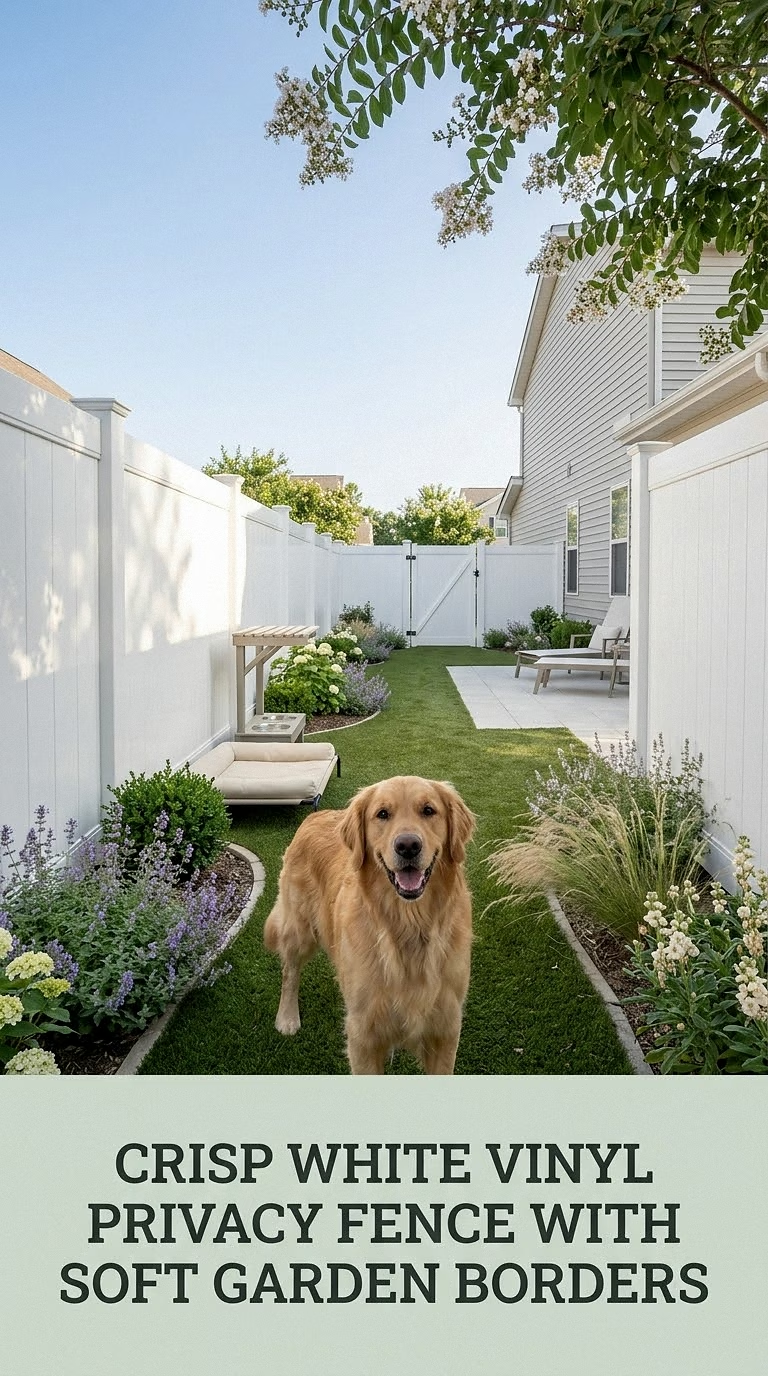
A white vinyl privacy fence creates a bright, polished backdrop that can make a small backyard feel tidy and cheerful. It pairs especially well with green lawns, hydrangeas, soft pink flowers, natural stone pathways, and light outdoor furniture.
Solid panels prevent curious dogs from poking their noses through openings and reduce distractions on the other side of the property. Vinyl is also appealing to homeowners who prefer a lower-maintenance surface that does not require routine staining or painting like traditional wood.
Keep landscaping a short distance away from the fence if your dog is an enthusiastic climber. Large planters, benches, storage boxes, or stacked materials positioned directly beside a fence can accidentally become launching platforms.
For a softer appearance, plant rounded shrubs along selected sections rather than covering the entire perimeter. The combination of crisp white fencing and layered greenery creates a charming garden atmosphere while keeping the enclosure practical.
Rustic Split-Rail Dog Fence With Black Welded Wire Infill
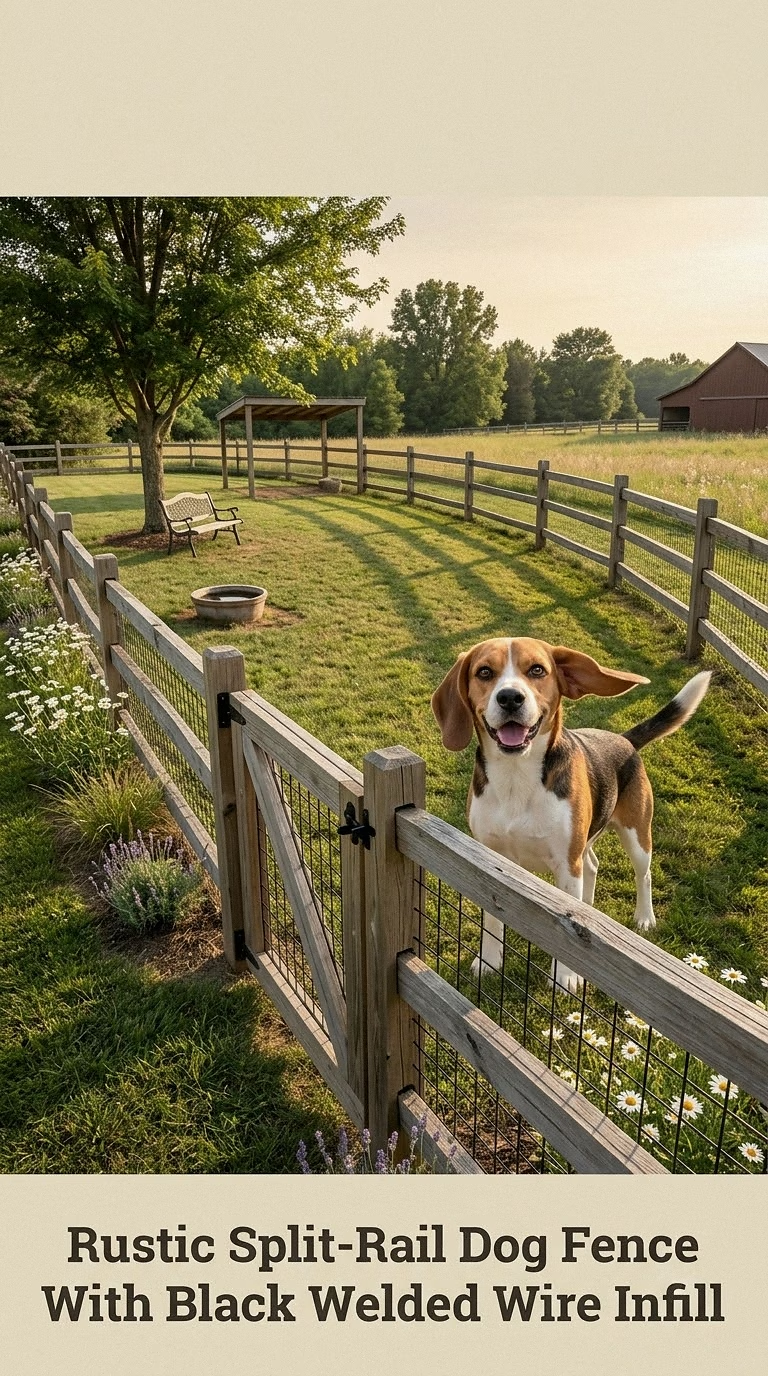
Split-rail fencing has relaxed country charm, but the open spaces between traditional rails are far too large to contain most dogs on their own. Adding discreet black welded wire to the inside transforms the look into a much more practical backyard barrier.
The dark wire visually recedes into the landscape, allowing weathered timber posts and rails to remain the main design feature. From a distance, the fence can still feel open and airy rather than solid.
This style works beautifully around larger properties, farmhouse gardens, wooded lots, and casual cottage landscapes. Let native grasses, lavender, coneflowers, or low shrubs soften the fence line.
Pay close attention to the mesh openings, particularly if you have a puppy or small breed. Secure the wire firmly to the wooden structure and regularly inspect the lower edge for loose sections.
It is an attractive compromise when you want countryside character without sacrificing a defined dog-safe boundary.
Sleek Black Metal Dog Fence With Narrow Vertical Pickets
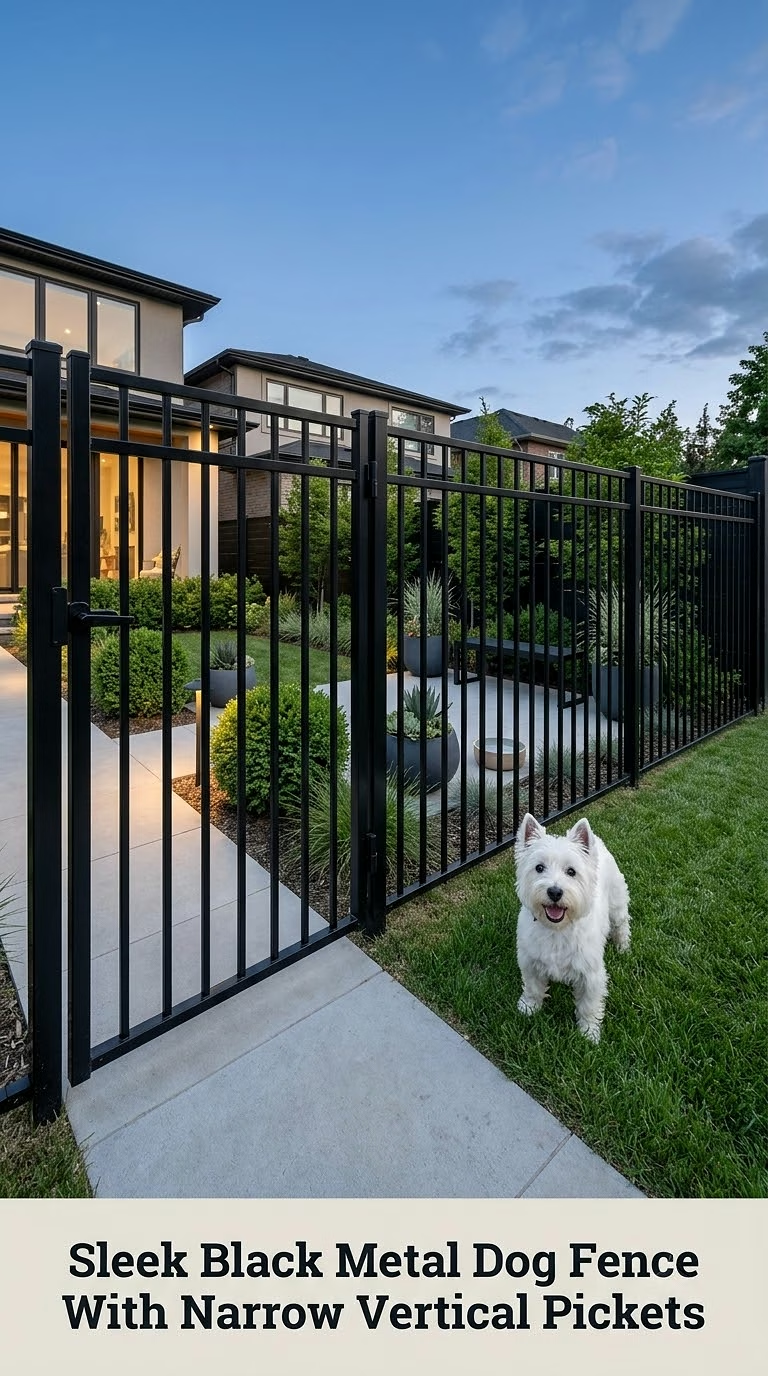
A black metal fence is ideal when you want security without blocking your favorite backyard views. Thin vertical pickets practically disappear against trees and landscaping, giving the property an elegant, upscale appearance.
This design works especially well around landscaped suburban yards, pools with separate compliant barriers, formal gardens, and contemporary homes where a heavy privacy fence might feel visually overwhelming.
Choose spacing based on the size of your dog. Openings need to be narrow enough that your pet cannot squeeze through or become caught between them. The bottom should also follow the grade closely, since even an attractive fence becomes ineffective when a slope creates a large opening beneath it.
Because dogs can see everything beyond the fence, this style may not be ideal for pets that constantly patrol, bark at passing dogs, or chase visual triggers.
Pair black fencing with clipped shrubs, stone edging, and soft ornamental grasses for a polished landscape.
Cottage White Picket Dog Fence With Hidden Mesh Backing
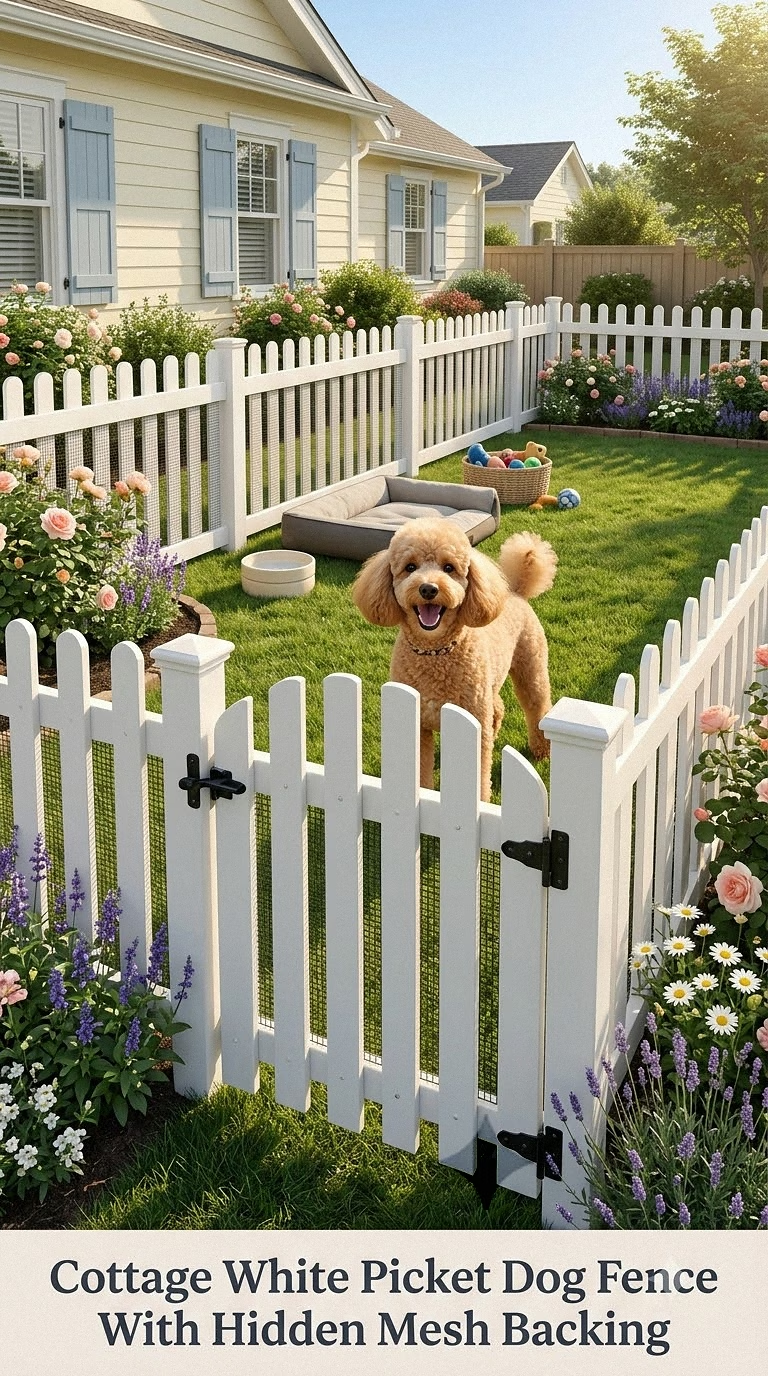
A classic white picket fence can still work in a dog-friendly yard when it is adapted thoughtfully. The easiest way to preserve the cottage look while closing potentially troublesome gaps is to install subtle mesh along the inside.
From the garden, you still see cheerful white pickets surrounded by roses, lavender, flowering shrubs, and a winding path. The mesh simply creates an extra layer of containment for puppies and smaller dogs.
Choose a mesh color that blends with the landscape rather than competing with the pickets. Secure it smoothly so there are no loose edges or sharp protrusions.
This idea is particularly charming around small front gardens or cozy cottage-style backyards where tall privacy panels would overpower the space.
Add a matching gate with secure hardware and consider a small enclosed vestibule inside the entrance if your dog tends to rush toward open gates. Functionally upgraded, a decorative picket fence can remain every bit as charming as the traditional version.
Farmhouse Wood-And-Wire Fence With Raised Planter Border
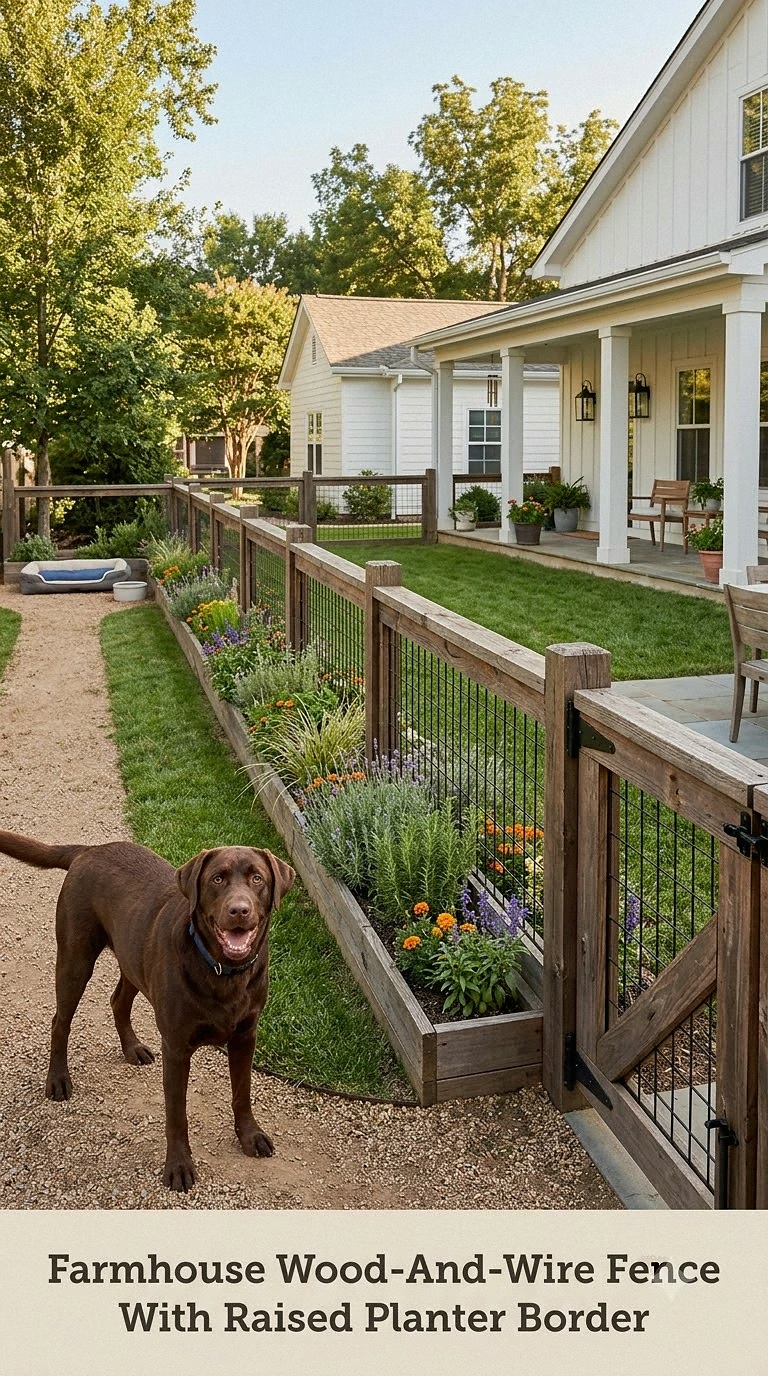
Combine chunky wood posts, dark wire panels, and raised planting beds for a fence that feels like part of the garden rather than something installed simply to contain a dog.
The wooden framework brings warmth, while wire keeps the view open. Along selected sections, build low raised beds filled with dog-safe herbs, grasses, or flowering plants. The result feels especially fitting beside farmhouse patios, vegetable gardens, and casual outdoor dining areas.
Make sure the planters do not provide an easy climbing platform for an athletic dog. They are best positioned where your dog cannot use them to reach the top of a low fence.
This design is easy to customize with stained lumber, black hardware, gravel paths, and galvanized planters. Budget-conscious DIYers can also build it gradually, completing one fence section at a time.
Keep soil and mulch from accumulating against vulnerable timber sections so moisture does not become an unnecessary maintenance problem.
Budget Chain-Link Dog Fence With Warm Bamboo Privacy Screening
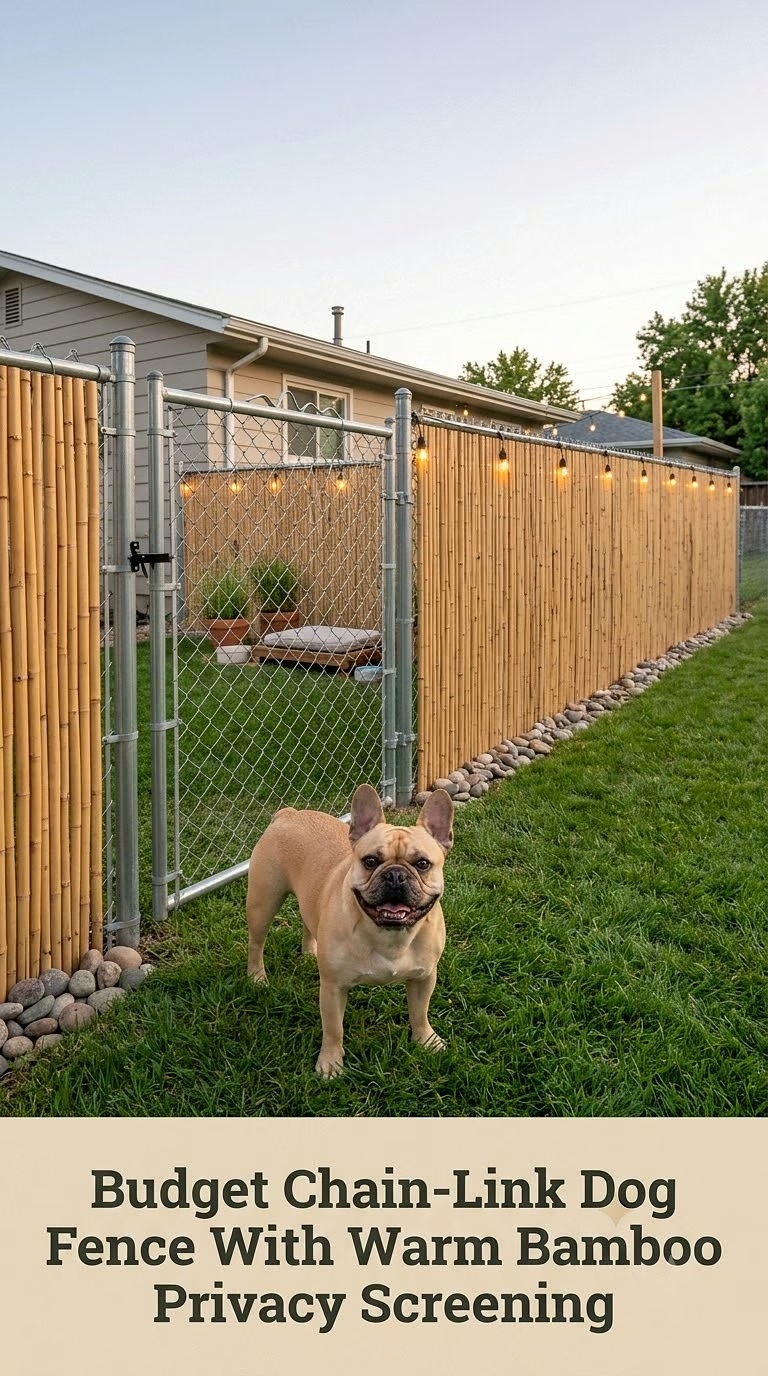
Chain-link fencing remains practical for enclosing larger areas, but its industrial appearance is not right for every backyard. Bamboo or reed screening can quickly soften it and add much-needed visual privacy.
Attach the screening securely along the inside or outside according to your setup, keeping fasteners neat and inaccessible to curious chewers. The natural tan color looks particularly pretty beside tropical foliage, terracotta pots, string lights, and casual wooden furniture.
Read more : 5 Best Types Of Alaskan Dog Breeds
Screening also reduces direct views through the fence, which may help create a calmer environment for dogs that become fixated on activity beyond the property.
Before decorating an existing chain-link fence, inspect it carefully. Repair sharp wire ends, damaged sections, loose connections, and gaps underneath first.
You can also landscape the perimeter with shrubs to create a more permanent green screen over time. It is an affordable way to turn a purely functional boundary into a warmer outdoor backdrop.
Black Chain-Link Dog Fence Framed By Evergreen Hedges
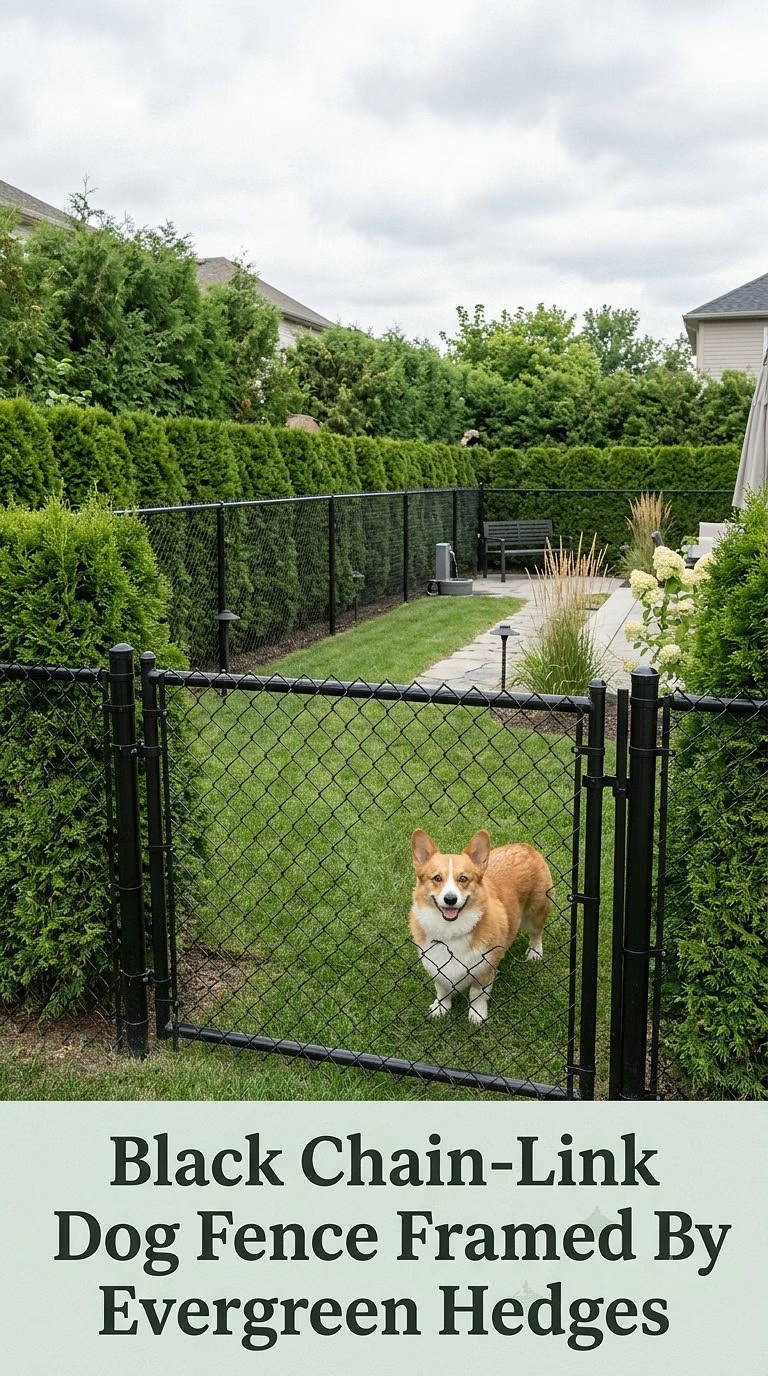
Instead of disguising chain-link with attached panels, let landscaping do the visual work. Black-coated chain-link paired with evergreen shrubs can create a surprisingly refined backyard boundary.
The dark finish blends into shadow and foliage more naturally than bright galvanized metal. Plant shrubs a comfortable distance from the fence so you can still inspect and maintain both the plants and the fencing.
This approach is especially useful for larger yards where installing solid wood or composite panels around the entire perimeter could become expensive.
Choose plant varieties appropriate for your climate and confirm that anything accessible to your dog is pet-safe. Avoid creating dense hidden corners that make it difficult to see what your dog is doing.
As the hedge fills out, the fence becomes less noticeable and the garden gains a lush green backdrop. Add a simple gravel mowing strip underneath to make trimming and fence-line maintenance easier.
Wood-Look Composite Dog Fence With Charcoal Framing
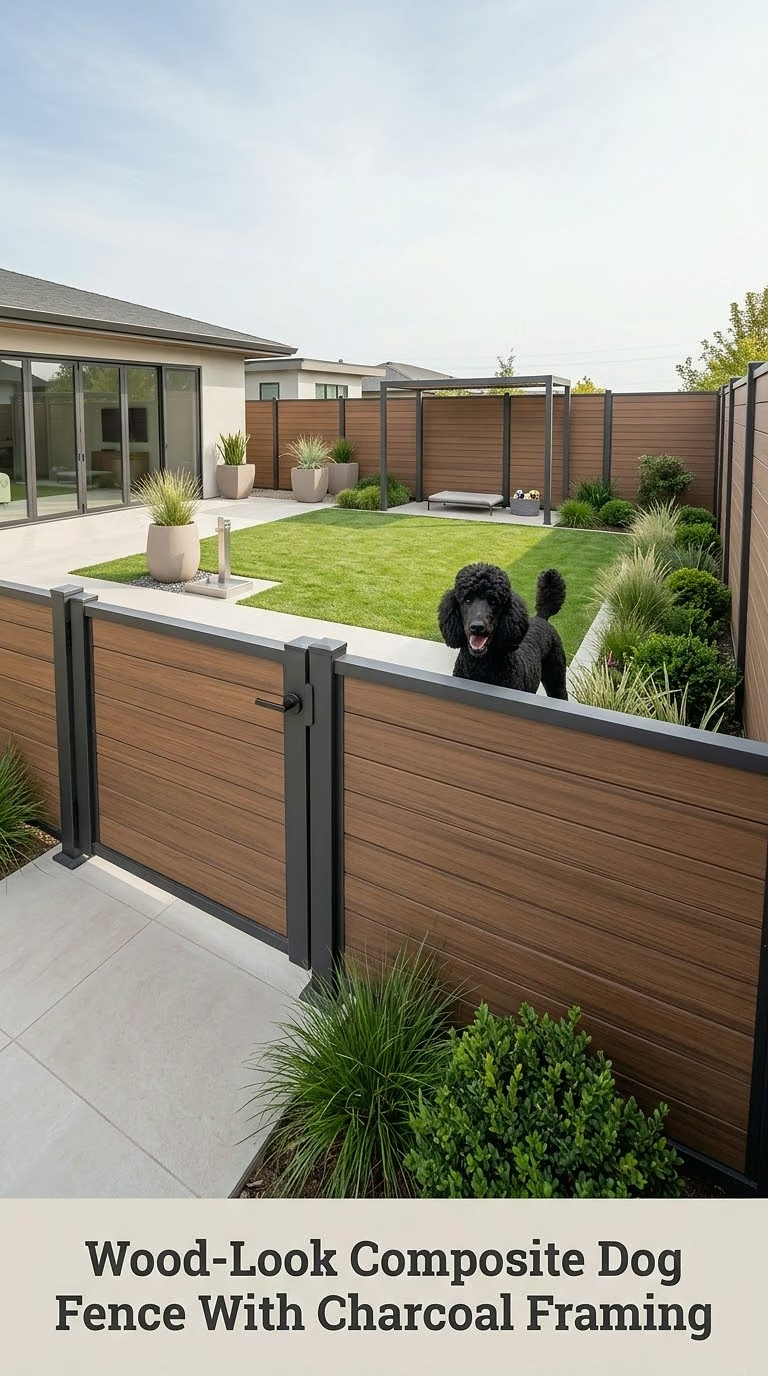
Composite fencing is a stylish option for homeowners who love the warmth of wood but want a more streamlined maintenance routine. Rich wood-look panels framed with charcoal or black posts create an especially sophisticated combination.
Use solid panels around areas where privacy matters most, such as patios, neighboring property lines, or spaces where outside movement excites your dog.
The consistent finish works beautifully with modern decking, concrete pavers, outdoor kitchens, and neutral furniture. Add large planters filled with grasses or compact evergreen shrubs to soften the architectural lines.
Because composite systems vary, select components intended for fencing rather than improvising with unrelated materials. Check how panels handle slopes and corners before planning the layout.
This style can cost more initially than a simple DIY wood fence, but its tidy appearance and reduced finishing requirements may appeal to anyone who would rather spend weekends enjoying the backyard than regularly repainting it.
Brick Base Dog Fence With Elegant Black Metal Panels
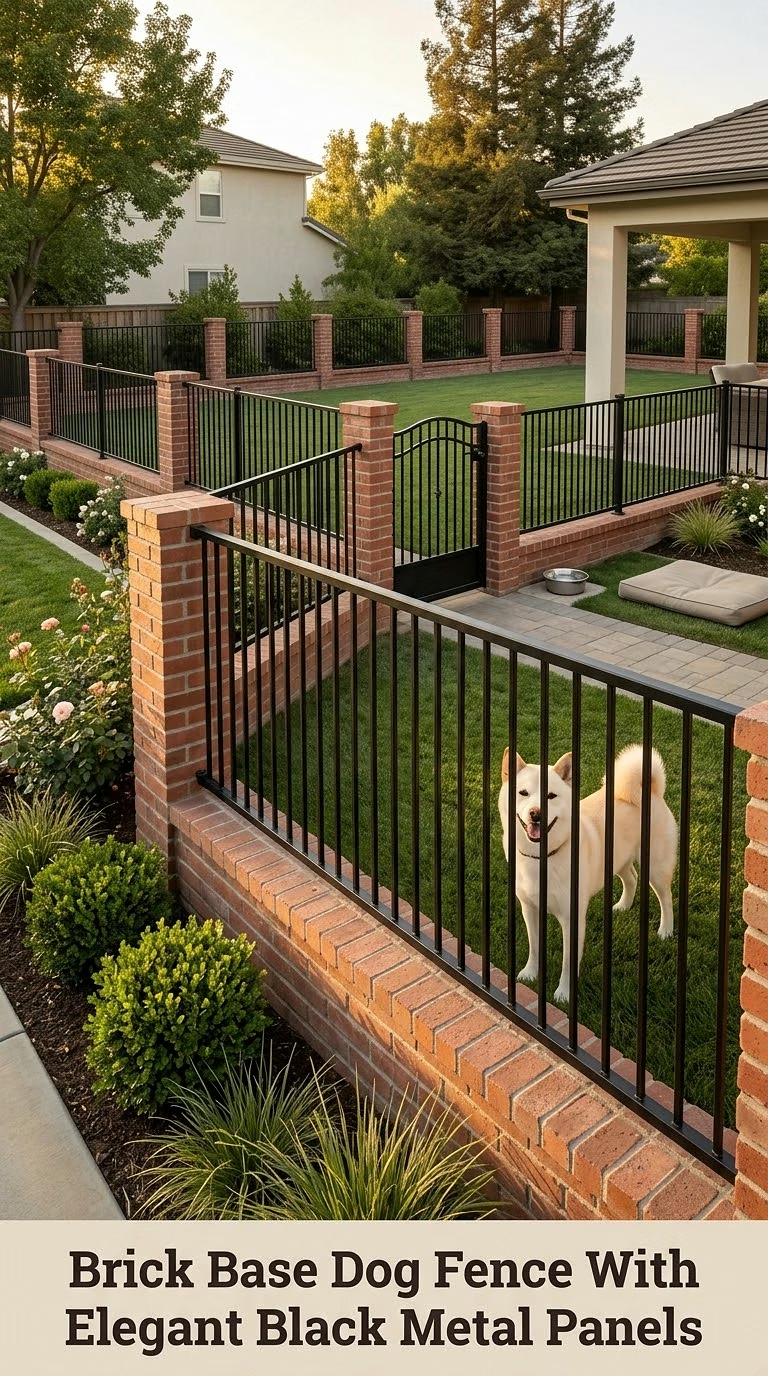
A low brick wall topped with black metal fencing creates an elegant boundary with practical advantages. The solid base closes the vulnerable area near ground level while the upper metal panels preserve light and garden views.
This combination looks particularly beautiful around traditional brick homes, English-inspired gardens, formal courtyards, and landscaped urban properties.
Choose brick that coordinates with the house rather than introducing an unrelated color. Soft red, weathered clay, cream, or charcoal masonry can completely change the personality of the design.
For smaller dogs, carefully evaluate spacing between the metal pickets. Larger, athletic dogs may need greater overall height than a decorative fence would normally provide.
Although this is usually more expensive than installing basic panels, it can become a permanent architectural feature rather than simply backyard infrastructure.
Finish the look with trimmed hedges, climbing roses positioned safely away from the dog, and a substantial matching gate.
Natural Stone And Warm Wood Slat Dog Fence
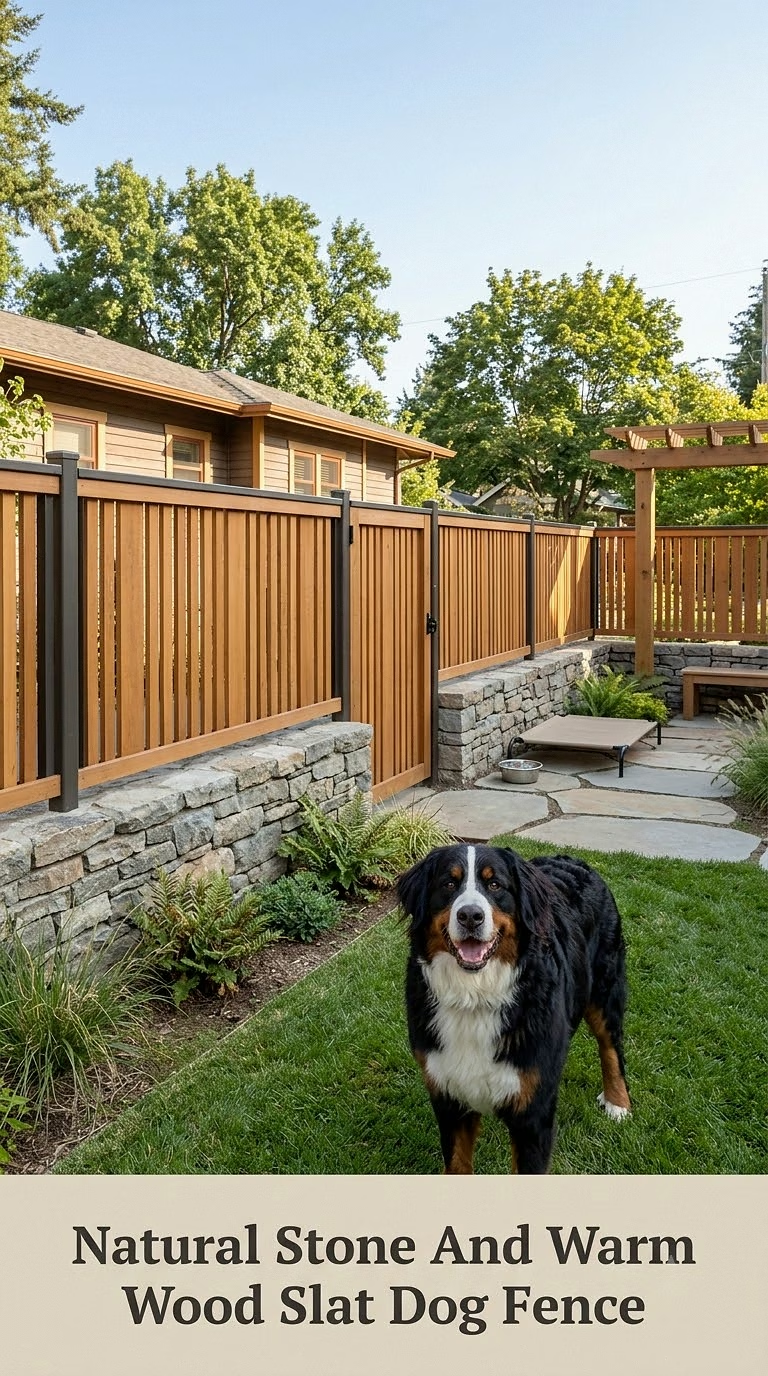
Mixing natural stone with wood gives a dog fence the cozy, established look of a professionally designed garden. Use stone pillars or low masonry sections between warm vertical or horizontal timber panels.
Because the materials have different textures, even a long fence line feels visually interesting rather than repetitive.
This style suits rustic-modern homes, mountain-inspired landscapes, woodland properties, and gardens with existing stone patios or retaining walls. Repeat the same stone elsewhere in the yard to make everything feel connected.
Solid wood sections offer privacy, while masonry at the base can strengthen vulnerable areas where determined dogs might otherwise investigate loose soil.
Professional help may be worthwhile for structural masonry and challenging grades, while decorative planting and staining can remain manageable DIY projects.
Soft pathway lighting, ornamental grasses, and gravel along the base complete the design beautifully without placing bulky furniture close enough to become a climbing aid.
Dig-Resistant Wood Dog Fence With Concealed Gravel Border
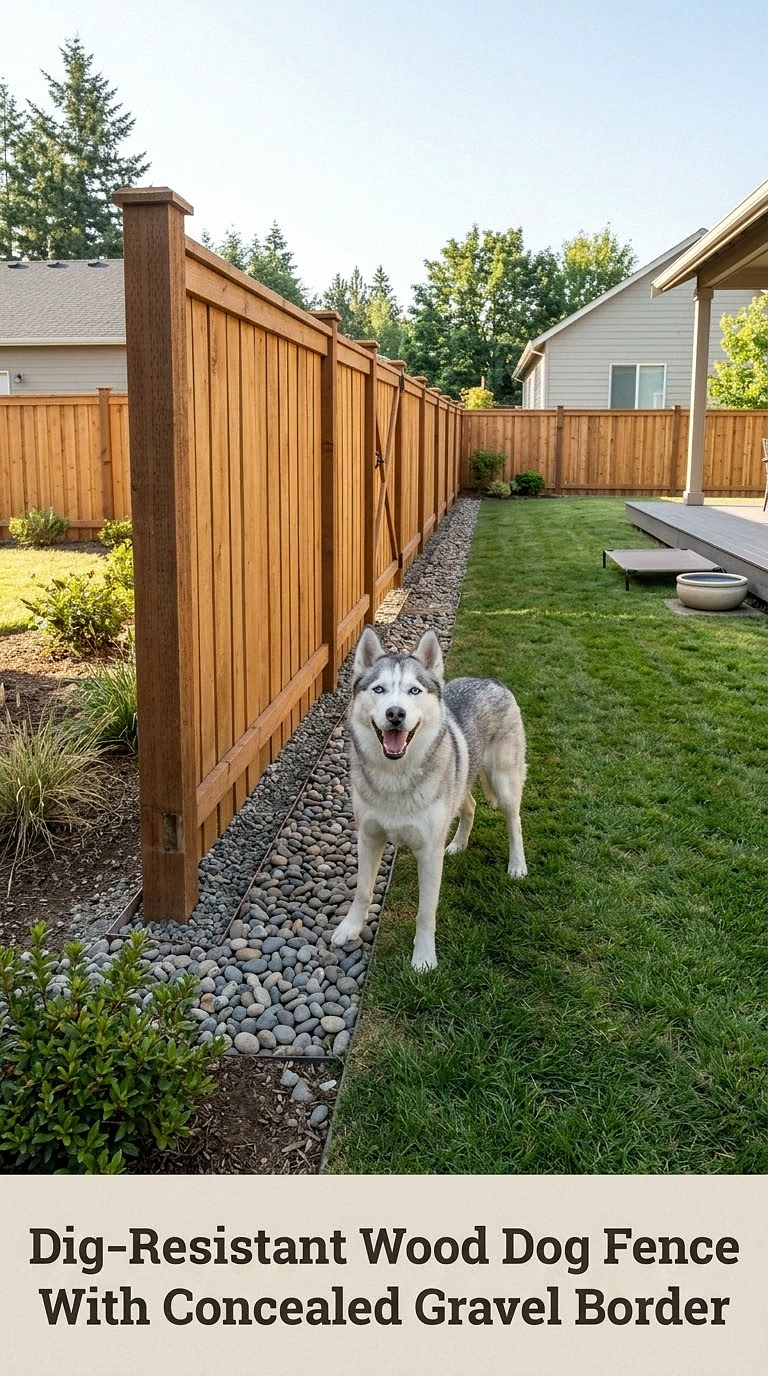
A beautiful fence will not help much if your dog immediately begins tunneling underneath it. For enthusiastic diggers, design the lower perimeter as carefully as the visible fence.
Start with a sturdy wood privacy fence and reinforce the ground-level boundary using an appropriate buried barrier or inward-facing footer. Cover visible reinforcement with a neat strip of smooth gravel or landscape stone to create an intentional finish.
The gravel border also separates grass from the fence, making trimming and visual inspections easier.
Choose rounded or comfortable materials rather than sharp stones where your dog regularly walks. Periodically check for fresh soil, depressions, loose fence sections, or places where erosion has created new openings.
For dogs that simply love digging rather than escaping, consider adding an approved digging area elsewhere in the yard. A sandbox-style zone can give that natural behavior somewhere more appropriate to happen.
Tall Privacy Dog Fence With Discreet Inward Top Extension
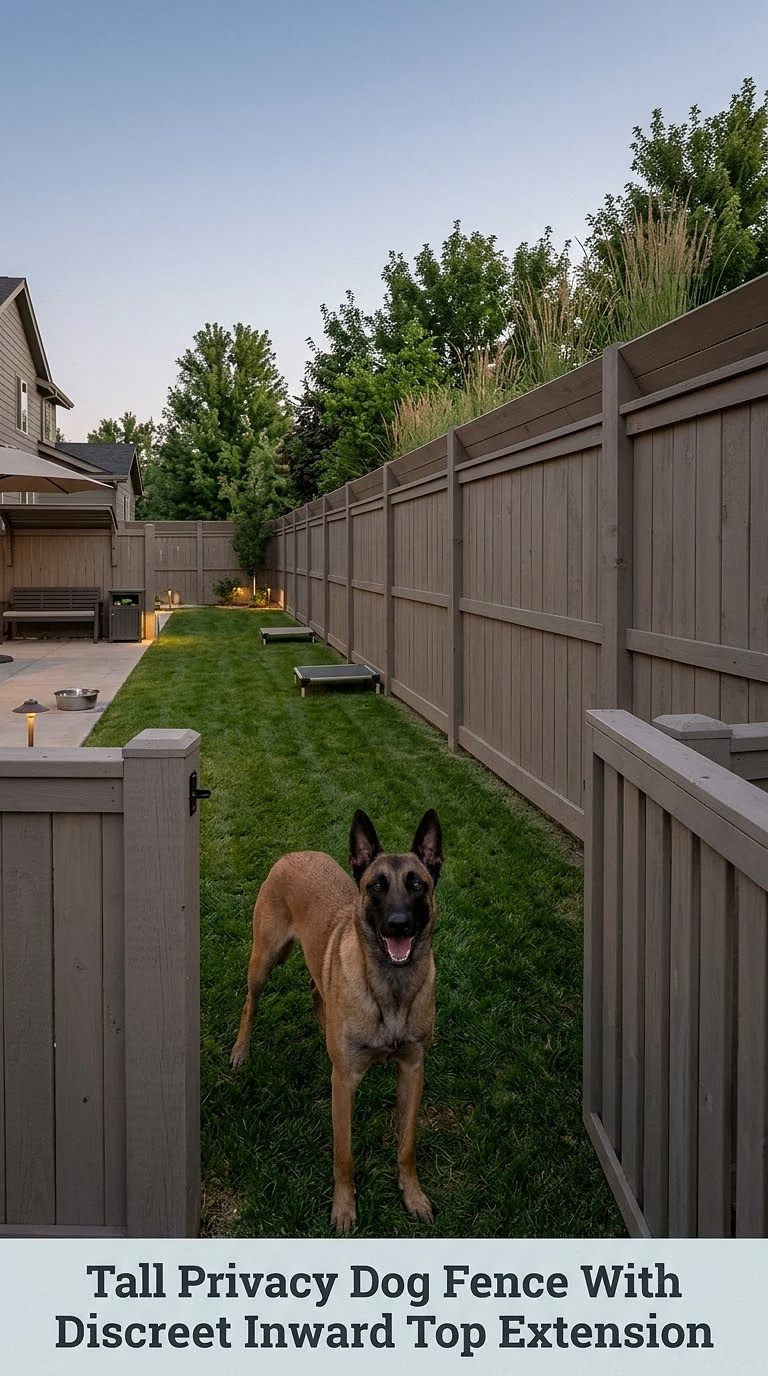
Some athletic dogs view an ordinary fence as a challenge. In these households, a taller privacy fence with an inward-facing extension can provide an additional barrier without turning the yard into something visually harsh.
Keep the main fence attractive with stained cedar, painted wood, or another solid material that coordinates with the house. The upper extension can be designed more discreetly using suitable mesh and framing positioned toward the yard.
Remove benches, storage sheds, stacked firewood, bins, or other objects that could help a dog gain height near the perimeter.
Before increasing fence height, check local property and neighborhood requirements. Structural stability becomes increasingly important as fence panels get taller and catch more wind.
Inside the yard, layered shrubs can soften the fence visually while leaving enough clearance for inspection. The finished design should feel like intentional landscaping, not an improvised escape barrier.
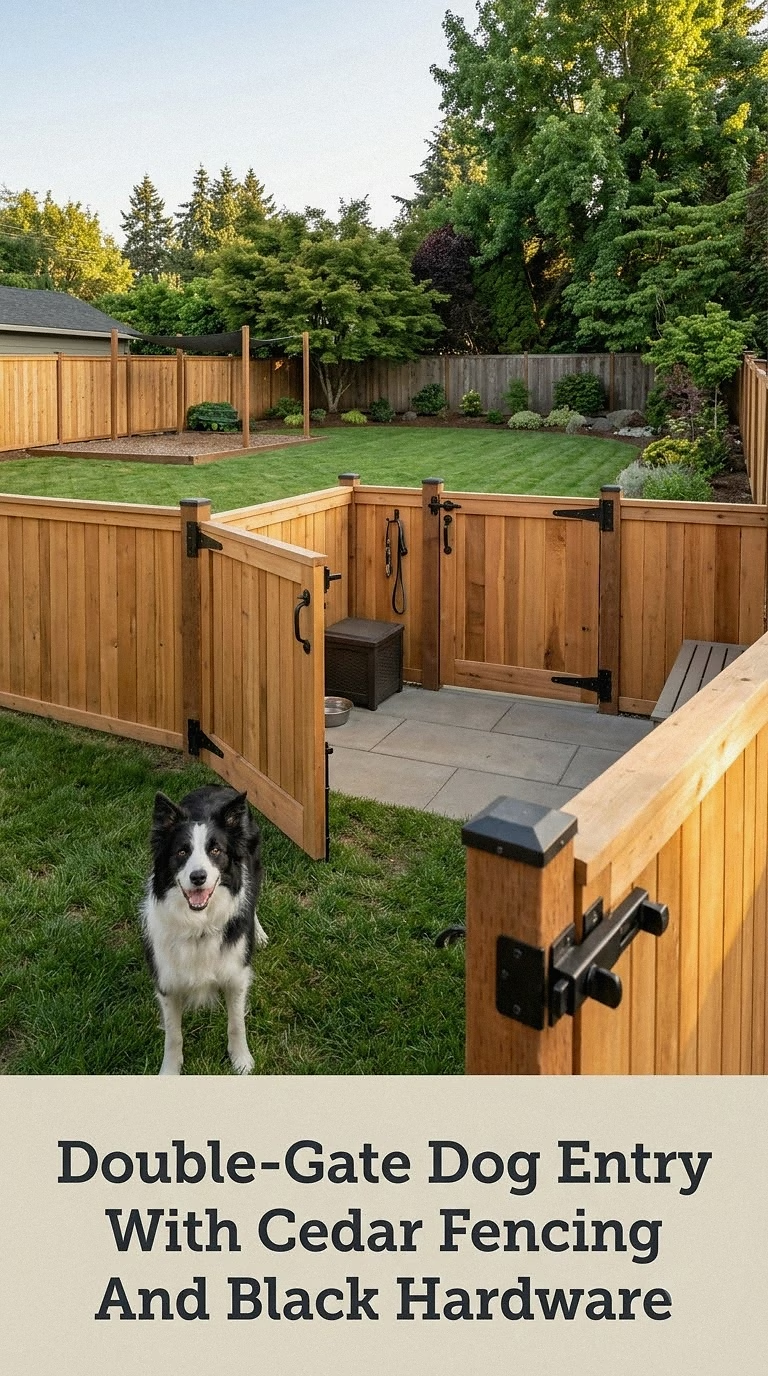
Double-Gate Dog Entry With Cedar Fencing And Black Hardware
Read more : Where Can I Take My Dog Swimming
The gate is often one of the busiest parts of a fenced yard, so giving it extra attention can make everyday life with an excitable dog much easier.
Create a small enclosed entry using two gates rather than opening directly from the secure yard to the driveway or street. One gate closes before the second is opened, forming a buffer area between your dog and the outside world.
Make the feature beautiful with cedar panels, black hinges, matching latches, and a simple pergola-style frame overhead. Gravel or pavers underneath keep the frequently used area clean during wet weather.
This layout is particularly helpful near side-yard entrances used by visitors, gardeners, delivery access, or family members carrying items in and out.
Use reliable hardware and position latches thoughtfully. Gates should close predictably and remain securely fastened rather than swinging open in wind or after hurried use.
Decorative Lattice-Top Privacy Fence With Solid Lower Panels
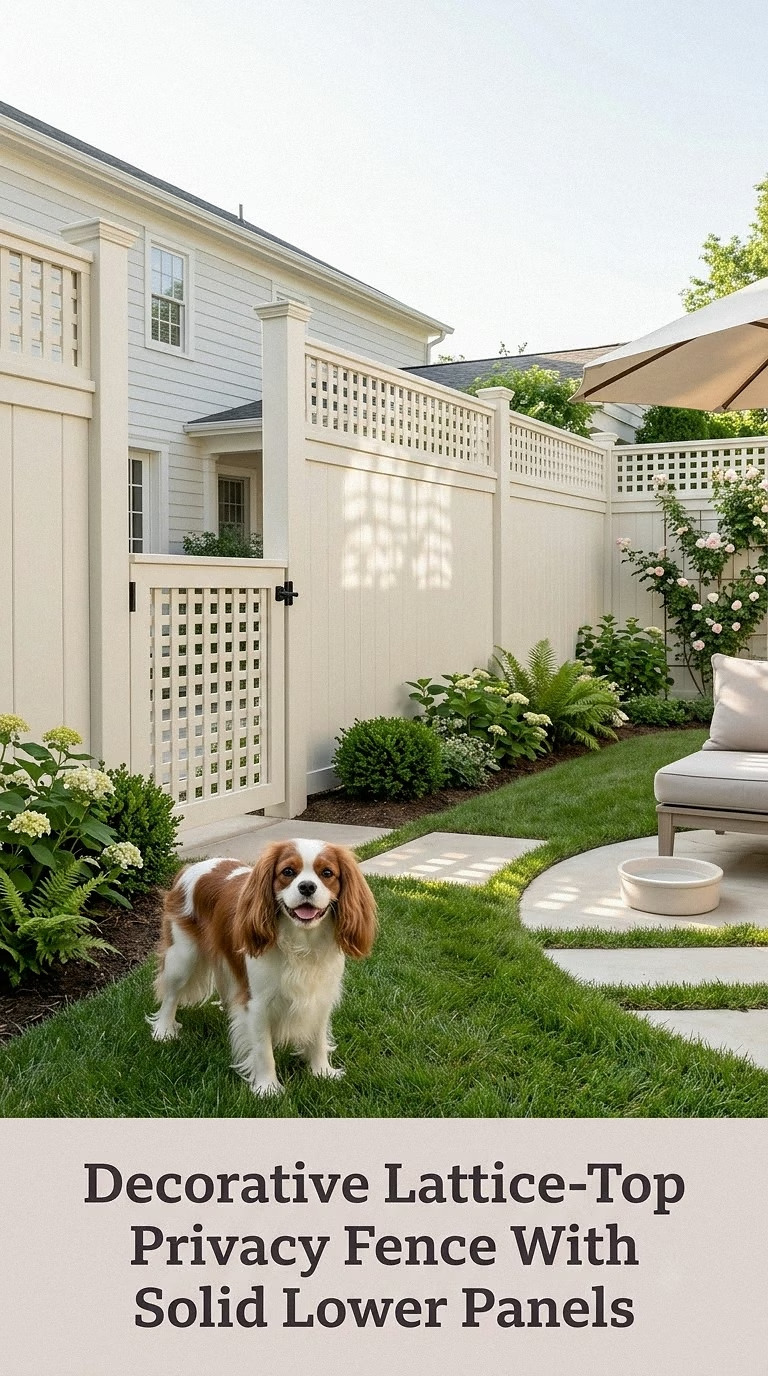
A solid privacy fence does not have to feel like one continuous blank wall. Adding decorative lattice along the upper portion introduces texture and light while keeping the lower section closed and dog-friendly.
Paint the entire fence soft white for cottage charm, stain it warm brown for a natural garden look, or choose a muted sage or charcoal finish for something more contemporary.
The solid lower panels are valuable for dogs that react to movement at eye level. Meanwhile, the decorative top makes the fence feel lighter from a human perspective.
Use lattice openings that do not create an obvious climbing opportunity for your particular dog, and keep nearby furniture or planters away from the boundary.
This design looks especially pretty behind flower borders, hydrangeas, climbing plants on separate supports, and outdoor seating areas. It gives you privacy without making a modest backyard feel completely enclosed.
Narrow Side-Yard Dog Run With Vertical Cedar Slat Fencing
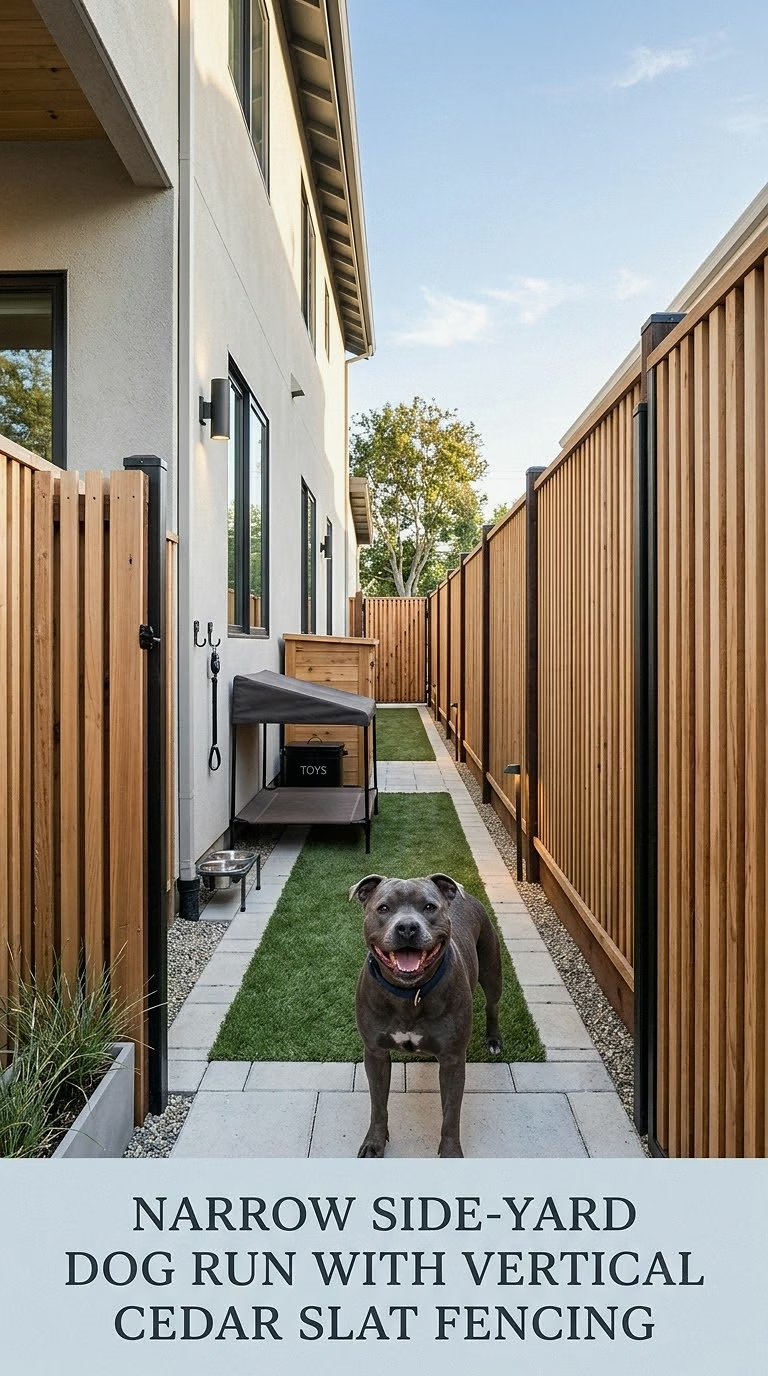
A forgotten side yard can become one of the most useful dog spaces on the property. Enclose the narrow area with tall vertical cedar slats and a secure gate to create a tidy dog run beside the house.
Use durable ground surfacing suited to your climate and dog, then include shade, fresh water during supervised use, and enough room for comfortable movement. A narrow planting strip or wall-mounted greenery can soften the space without sacrificing valuable floor area.
Vertical boards emphasize height and can make a skinny side yard feel more intentional. Black gate hardware and simple lighting create a polished finish.
This setup is particularly practical when you want to separate dog activity from entertaining areas, delicate gardens, or a larger lawn.
Avoid treating a small run as a place for prolonged isolation. Think of it instead as a convenient controlled outdoor zone for appropriate periods of play, sniffing, or bathroom breaks.
Freestanding No-Dig Dog Fence With Portable Black Panels
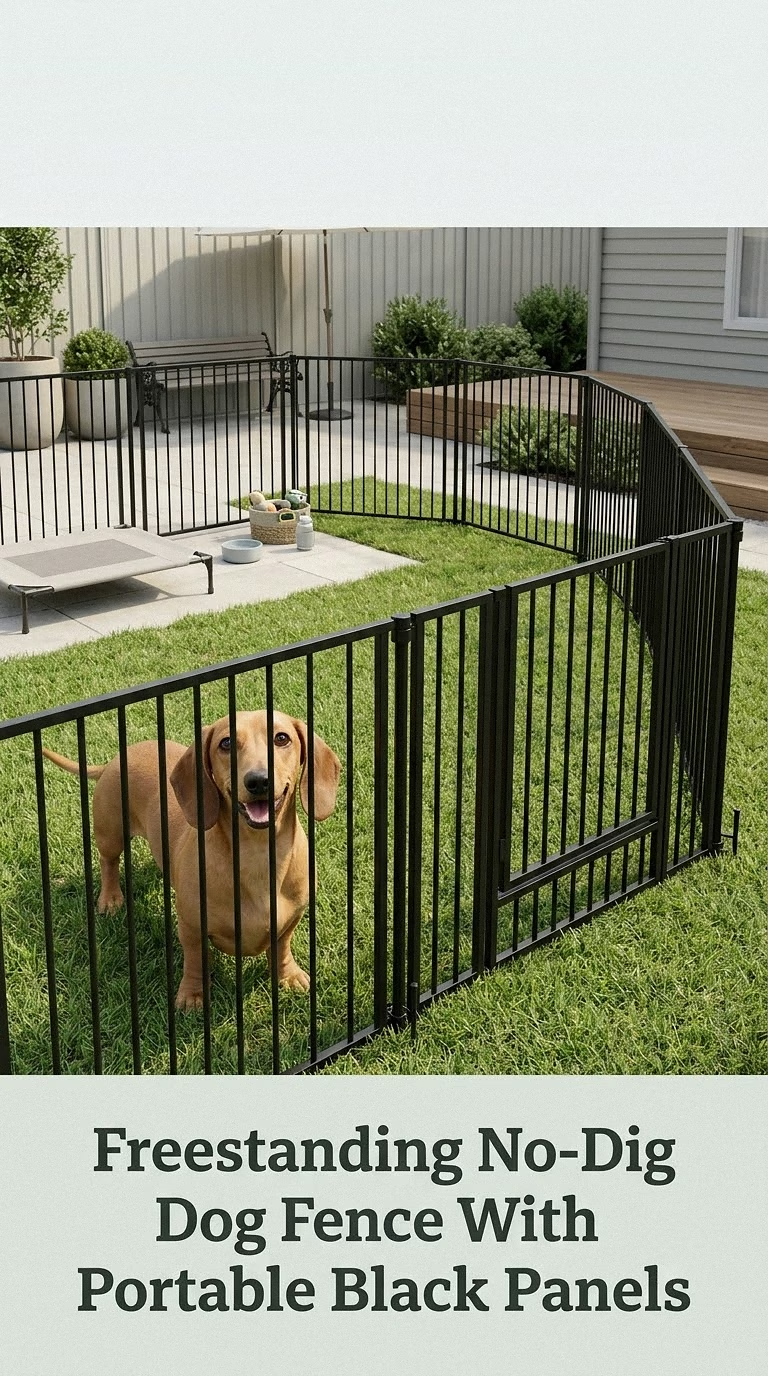
Renters and homeowners who do not want to install permanent fencing can create a smaller enclosed zone using freestanding or ground-anchored modular panels designed for outdoor containment.
Black metal panels tend to blend attractively with garden surroundings and feel less temporary than bright utility fencing. Arrange them beside a patio, around a patch of lawn, or as a defined puppy play area.
This option is most appropriate when the panel height, stability, openings, and anchoring suit your dog. Powerful jumpers, climbers, or determined escape artists may require a more substantial permanent solution.
Dress up the outside of the enclosure with lightweight planters, but avoid placing anything beside the interior that could be used as a step.
One advantage is flexibility. The shape can often be adjusted as landscaping changes, and the system may be removable when you move, making it especially appealing for smaller homes and rental properties.
Zoned Backyard Fence With Separate Dog Lawn And Garden Areas
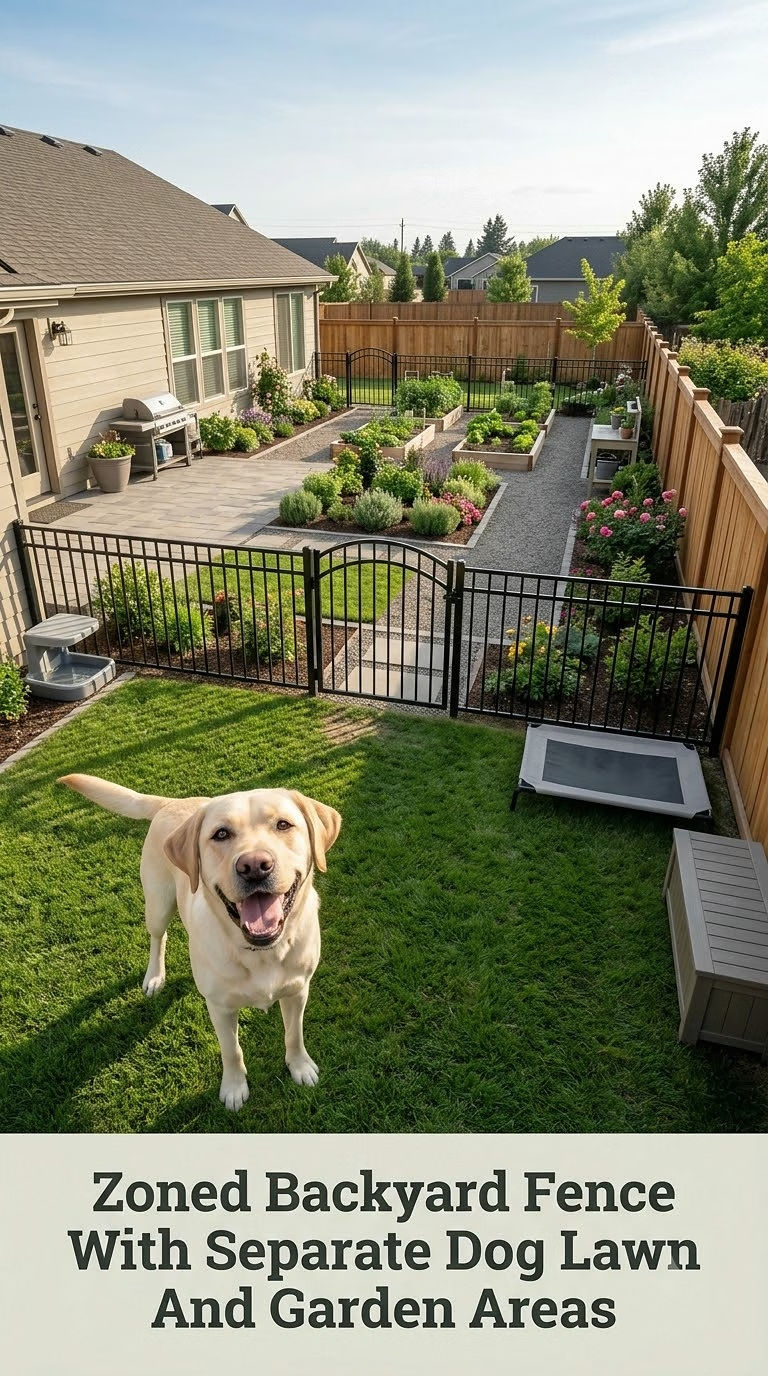
Instead of fencing only the outer property line, use attractive internal fencing to organize the yard into purposeful zones.
A low wood-and-wire divider can separate the main dog lawn from vegetable beds, delicate flowers, children’s play spaces, or an outdoor dining patio. This helps protect landscaping while still giving your dog a generous area for running and sniffing.
Repeat materials from the perimeter fence so the internal divider feels connected to the overall design. For example, pair cedar posts with black welded wire, or match a small white gate to existing trim on the house.
Create clear pathways between zones and position gates where daily traffic naturally occurs.
This approach works particularly well for avid gardeners. Instead of constantly trying to keep curious paws out of every flower bed, you can design one attractive dog-friendly section and style the remaining garden with fewer compromises.
Cozy Green Dog Fence With Climbing Plants And Layered Landscaping
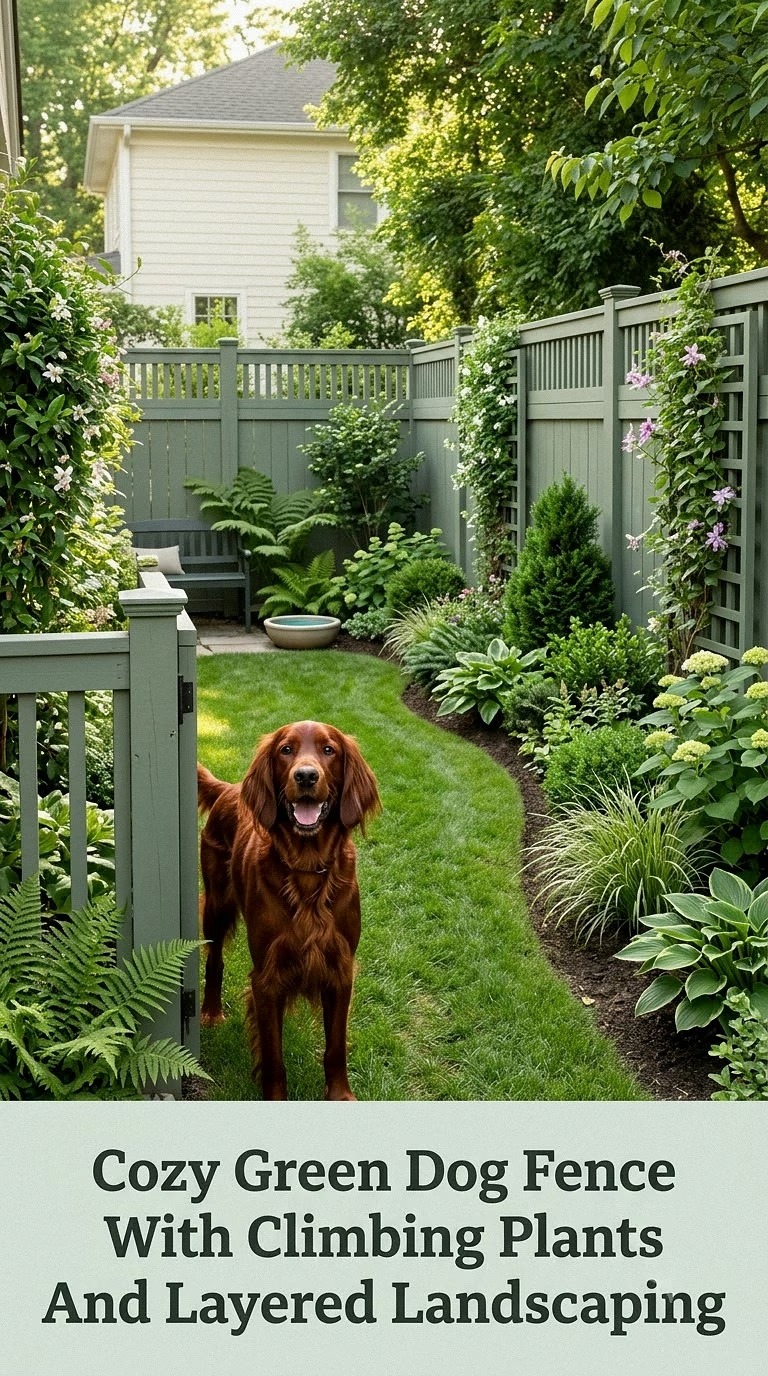
For a fence that feels almost absorbed into the garden, combine a secure structural barrier with carefully planned greenery.
Start with a dependable wood, metal, or wire fence appropriate for your dog. Then soften it using shrubs, ornamental grasses, and climbing plants trained on suitable supports. Over time, the boundary can become a lush living backdrop instead of the dominant feature in the yard.
Choose only plants that are appropriate for a pet-accessible landscape and consider your dog’s habits before placing anything within reach. Leave enough space to inspect the fence and prevent dense growth from hiding damage or escape attempts.
This look is especially beautiful in romantic cottage gardens and relaxed natural landscapes. Mix leaf shapes and heights rather than planting one flat row.
Add a shaded resting spot, comfortable lawn, and winding path nearby, and the entire perimeter begins to feel like a peaceful outdoor retreat rather than simply a containment system.
Choosing The Right Dog Fence Ideas For Your Home
The most successful dog fence ideas are the ones that work for both sides of the fence. Your dog gets a secure, comfortable place to explore, while you get an outdoor space that still reflects the style and atmosphere you love.
Start with your dog’s behavior. Think about whether your pup tends to dig, jump, climb, squeeze through openings, chase wildlife, or become overstimulated by activity beyond the yard. Those details should guide decisions about height, privacy, ground reinforcement, gate design, and spacing before appearance becomes the priority.
From there, you can make the fence beautiful. Warm cedar can create a cozy natural backdrop, black metal can almost disappear into landscaping, white pickets bring cottage charm, and composite or vinyl panels can create a clean contemporary finish with less ongoing upkeep.
You also do not need to redesign the entire yard at once. A new gate, mesh backing, landscaping, privacy screen, reinforced base, or dedicated side-yard run may be enough to improve an existing setup.
Choose the idea that fits your dog, your property, your budget, and the way you actually use your backyard. With a little thoughtful planning, a secure boundary can become one of the prettiest and most practical features in your outdoor space.
Source: https://petstutorial.com
Category: DOGS
