
A food bowl may be the quickest way to serve dinner, but it is far from the only way. For many dogs, searching, sniffing, licking, pawing, nudging, and problem-solving can turn an ordinary portion of food into one of the most enjoyable parts of the day. Food-based enrichment gives dogs an opportunity to use natural behaviors while adding variety to routines that can otherwise become predictable. Veterinary behavior and nutrition guidance commonly recommends appropriately designed food puzzles, foraging activities, and slow-feeding methods as useful forms of mental stimulation.
The nicest thing about food enrichment is that it does not have to involve expensive toys or complicated preparation. A soft snuffle mat beside the kitchen, a towel filled with kibble, a frozen food toy on a quiet afternoon, or a simple backyard treasure hunt can all make mealtime feel more interesting.
You are reading: 19 Dog Food Enrichment Ideas That Turn Mealtime Into A Happy Little Adventure
Whenever possible, use part of your dog’s normal daily food allowance instead of continually adding extra treats. Treats and extras are generally best kept to a relatively small part of the overall diet, and dogs with allergies, digestive problems, weight concerns, or prescription diets may need individualized veterinary guidance.
The following dog food enrichment ideas range from cozy indoor setups to easy DIY games, giving you plenty of options for different homes, budgets, personalities, and energy levels.
19 Dog Food Enrichment Ideas For More Engaging Mealtimes
Neutral Snuffle Mat Breakfast Station With Hidden Kibble
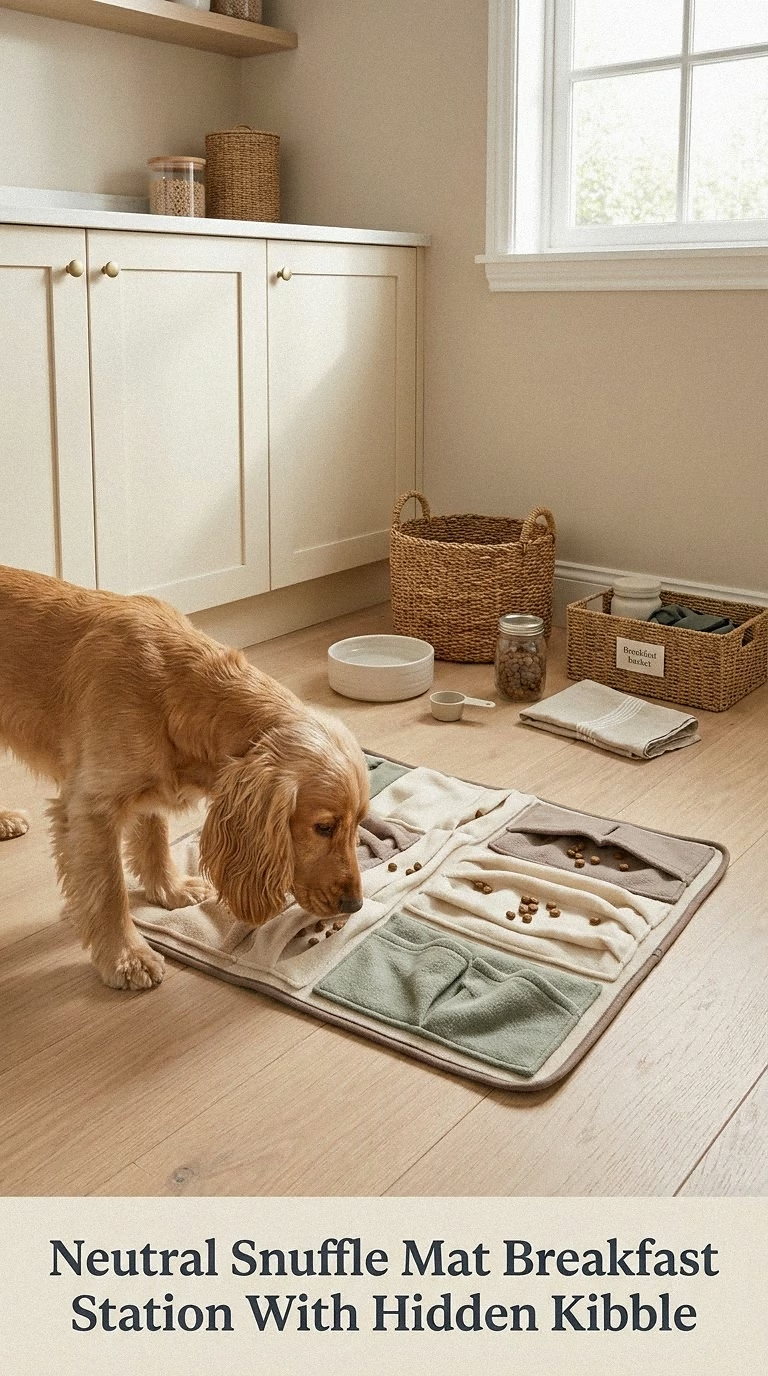
A soft snuffle mat is one of the easiest ways to transform dry kibble into a miniature scent-searching adventure. Choose a mat with plenty of fleece folds, pockets, and textured sections, then scatter part or all of your dog’s breakfast between the fabric strips.
A muted sage, oatmeal, cream, or dusty blue mat can also blend beautifully into a thoughtfully styled kitchen or mudroom instead of looking like another brightly colored pet toy.
Start by leaving some kibble fairly visible. Once your dog understands the game, tuck pieces deeper into the folds.
Snuffle mats are particularly convenient in apartments because dogs can forage without sending toys rolling across the entire room. Supervise dogs that like ripping or swallowing fabric, and shake out crumbs and wash the mat regularly. Sniffing and searching for food can provide useful mental engagement without requiring much space.
Frozen Silicone Lick Mat With Pumpkin And Wet Food Swirls
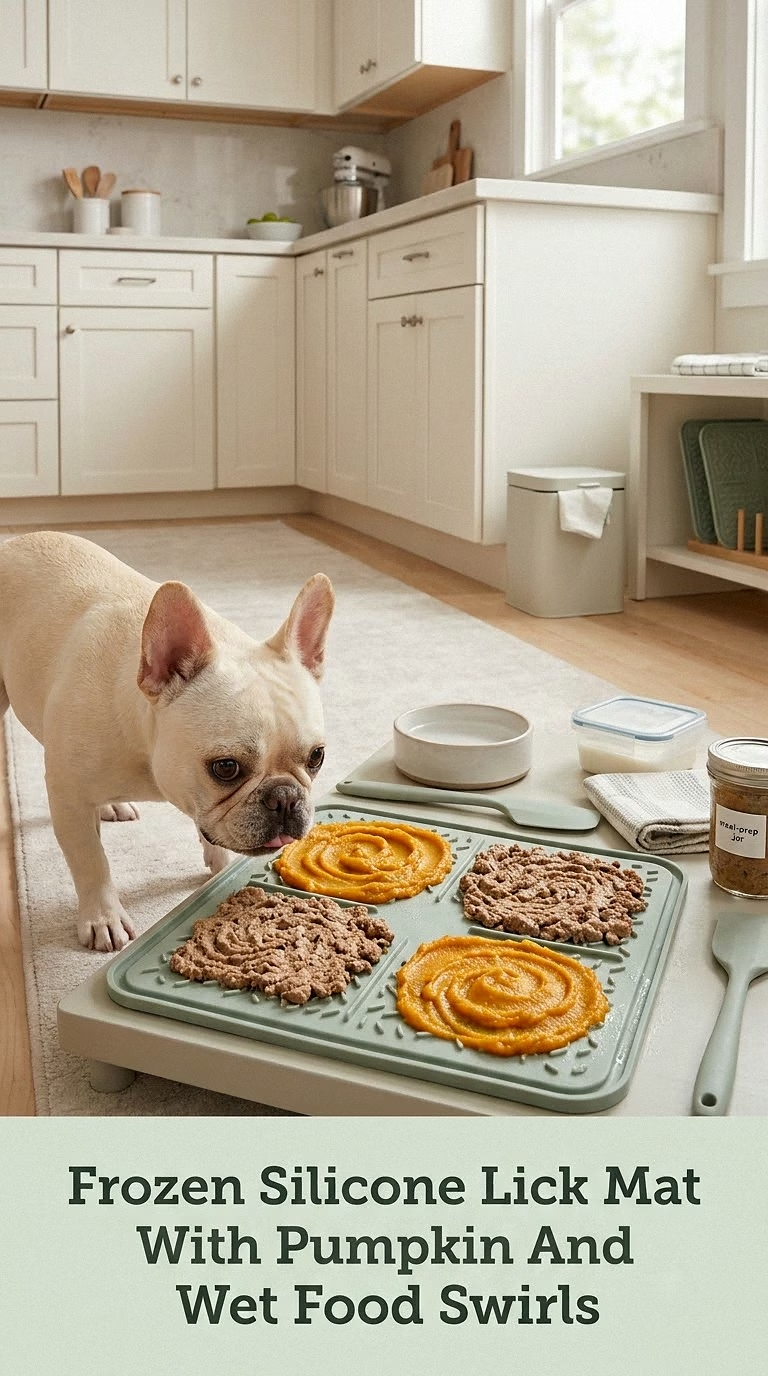
Turn an ordinary silicone lick mat into something that looks almost like a little canine tasting board.
Spread a thin layer of your dog’s usual wet food across different textured sections. If your dog tolerates them, you can add small amounts of plain pumpkin, mashed cooked sweet potato, or another veterinarian-approved ingredient. Swirl the colors rather than piling everything thickly in one place.
For longer-lasting enrichment, freeze the prepared mat before serving.
This setup works especially well when you want a quieter activity that stays in one location. Place the mat on a washable tray or floor mat to catch drips.
Keep portions sensible, especially with calorie-dense toppings. Avoid pumpkin pie filling or sweetened products, and introduce unfamiliar foods gradually rather than creating an elaborate mixture your dog has never eaten before.
Freezer-Ready Rubber Food Toy Filled With Layered Dinner
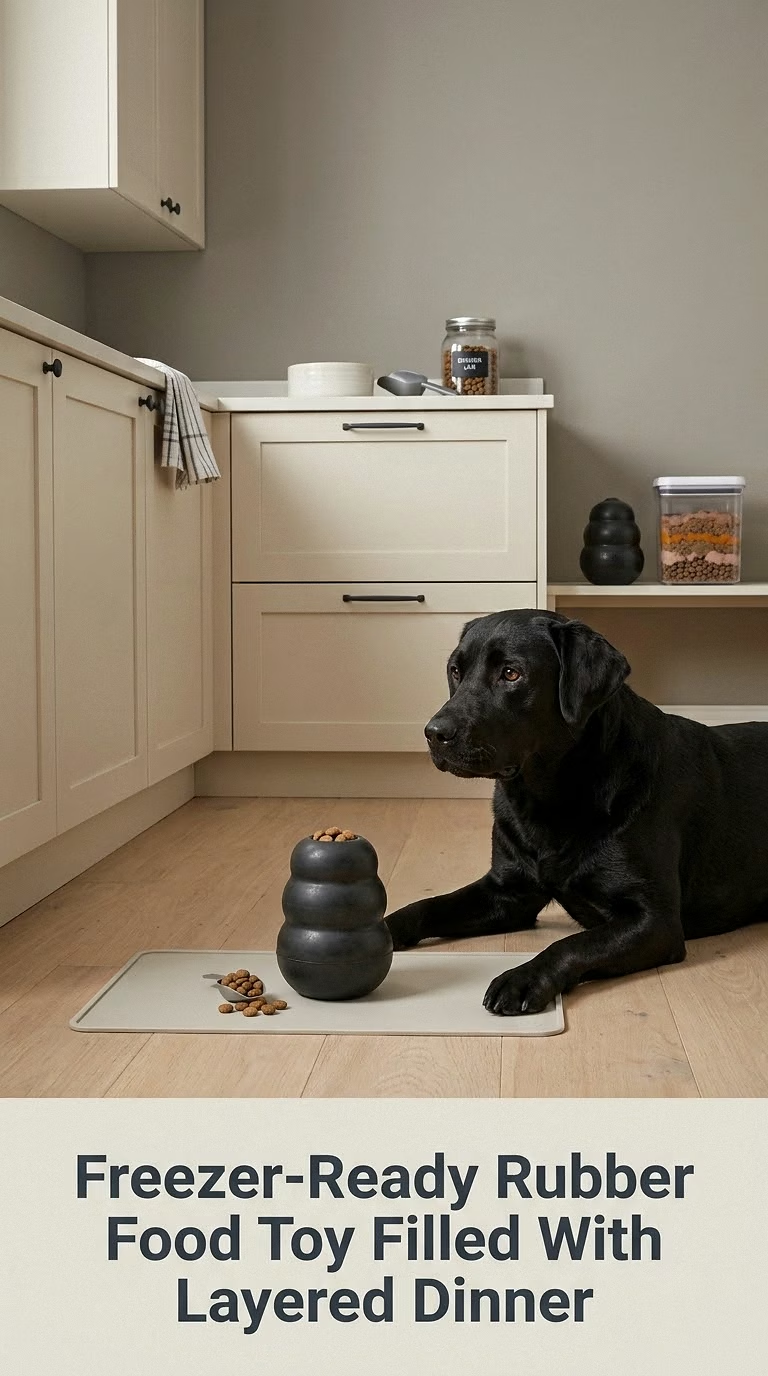
A sturdy rubber food-stuffing toy can turn dinner into a satisfying project rather than a thirty-second event.
For a simple layered version, place a few pieces of kibble at the bottom, add your dog’s regular canned food, then finish with another small layer of kibble. Refrigerate it for an easier challenge or freeze it when your dog has already learned how the toy works.
You can prepare several at once and keep them ready for busy days.
Choose a toy appropriate for your dog’s size and chewing strength. Beginners should receive loosely packed food that comes out relatively easily. Packing every cavity firmly and freezing it immediately can make the challenge frustrating for a dog who has never encountered the toy before.
Supervise new toys until you know how your dog interacts with them. Food toys should be large enough that they cannot be swallowed and durable enough for the dog’s chewing style.
Rolling Treat Dispenser In A Clear Kitchen Play Zone
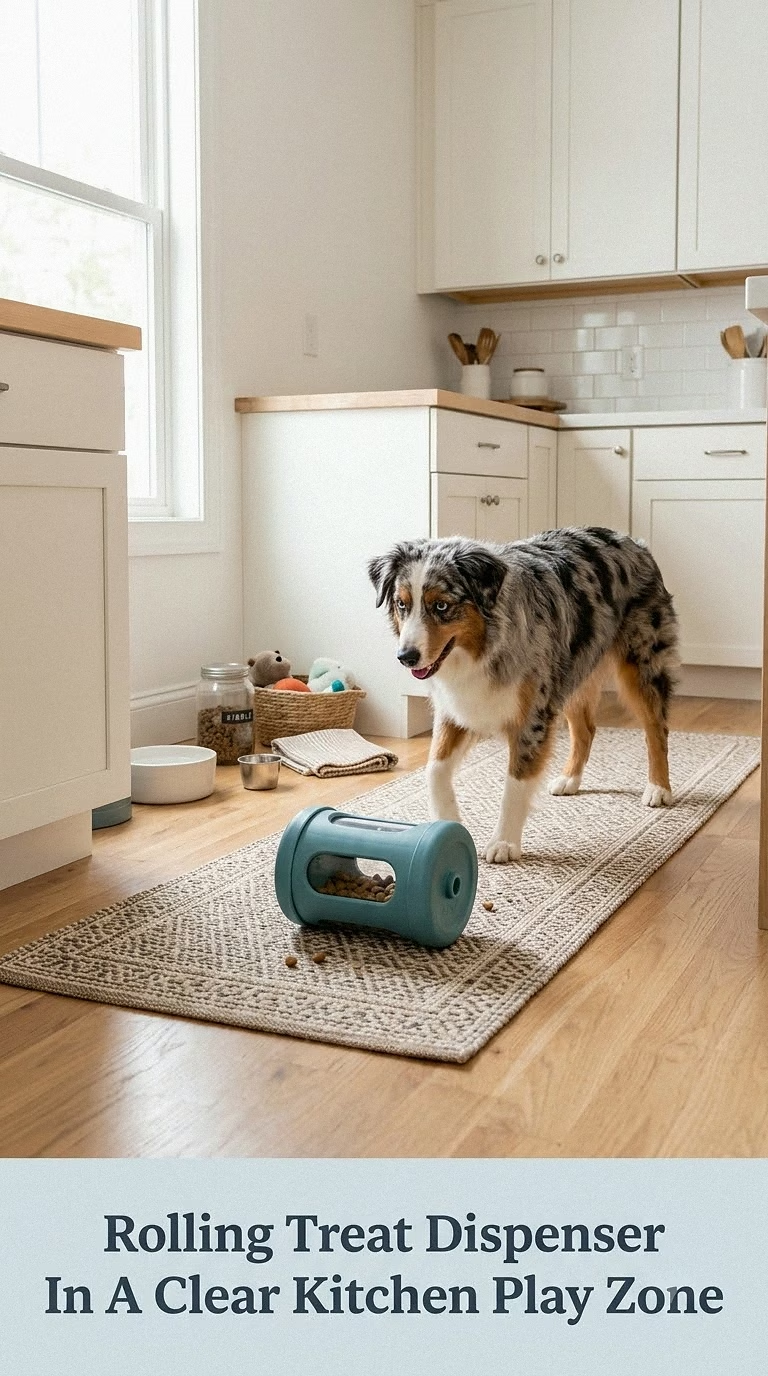
For dogs that love movement, replace the stationary bowl with a rolling food dispenser.
Fill a sturdy dispensing ball or wobbling feeder with measured kibble and let your dog push, chase, and nose it around to release individual pieces. The unpredictability makes every meal slightly different.
Create a designated play zone by clearing a section of the kitchen, hallway, or living room floor. A washable rug or closed-door room can prevent the toy from disappearing beneath furniture every thirty seconds.
Start with a dispenser that releases food generously. Once your dog confidently understands that moving the object produces dinner, you can use a more challenging setting.
This style of feeding works best on uncluttered surfaces where excited dogs will not crash into fragile decor, stairs, electrical cords, or water bowls.
Modern Sliding Puzzle Board With Hidden Food Compartments
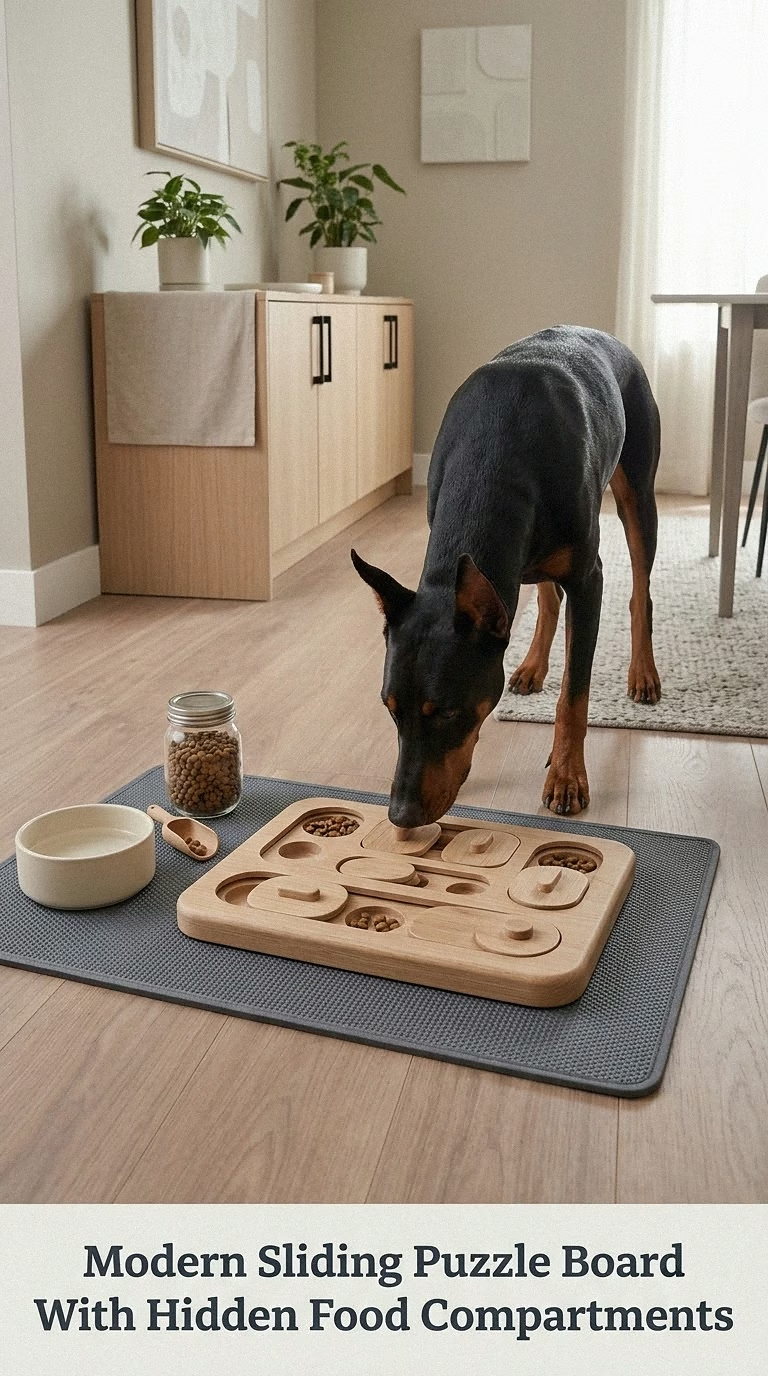
A flat food puzzle can make a surprisingly attractive addition to a modern pet corner.
Look for a washable puzzle with sliding panels, rotating pieces, or liftable compartments. Fill several sections with part of the dog’s normal meal and leave one or two compartments open during the first attempt so the solution feels achievable.
Dogs should look engaged, not increasingly frantic.
Once your dog learns the movement required, gradually make more sections difficult. Rotating between easy and moderately challenging puzzles can keep the activity interesting without turning every meal into an advanced examination.
Puzzle difficulty matters. Dogs benefit most when they can succeed with reasonable effort, and veterinary behavior guidance recommends beginning with easier activities before adding additional steps or manipulations.
Muffin Tin Food Puzzle With Colorful Tennis Balls
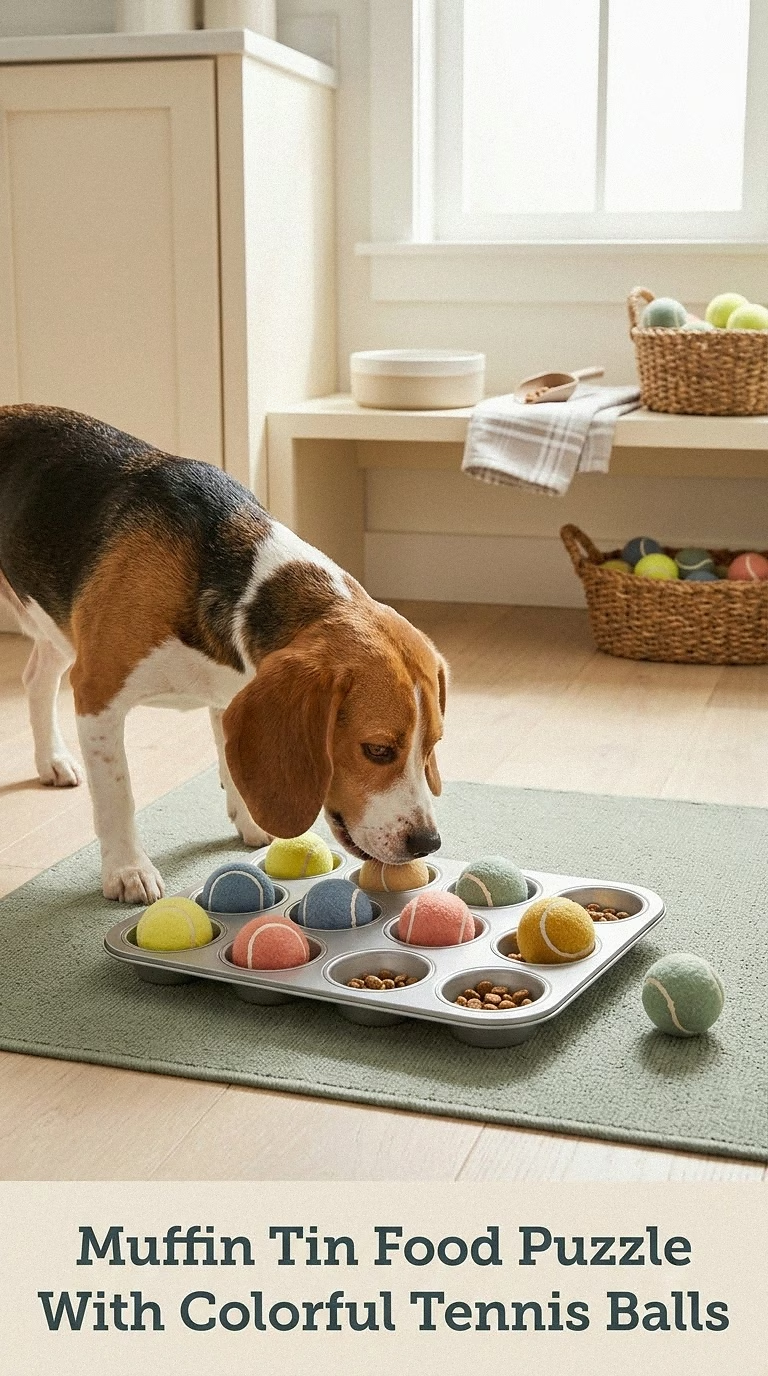
This inexpensive DIY setup is wonderfully simple and surprisingly cute.
Place small portions of kibble into the cups of a clean muffin tin, then cover several compartments with appropriately sized balls. Your dog has to investigate, lift, nudge, or remove each ball before reaching the food beneath.
For a polished look, use matching pet-safe balls in soft pastel colors and place the tray on a washable feeding mat.
During the first session, leave several compartments uncovered. You can demonstrate the idea by moving one ball slightly so your dog discovers the reward underneath.
Always supervise this activity. Balls should be large enough that your dog cannot swallow them, and enthusiastic chewers should not be allowed to destroy and ingest pieces. The muffin-tin concept is also recommended by veterinary enrichment resources as a simple homemade food puzzle.
Rolled Cotton Towel Foraging Game With Scattered Kibble
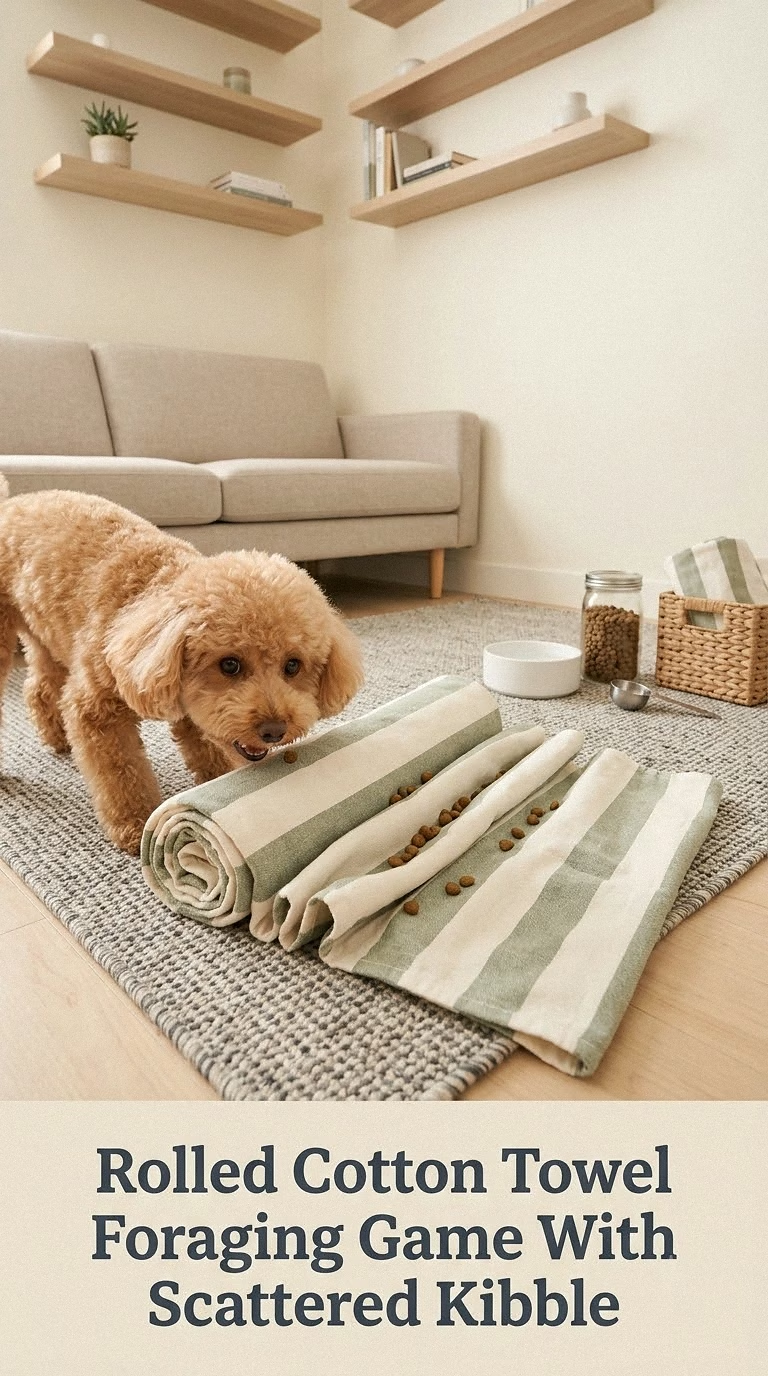
A clean bath towel can become an enrichment toy in less than a minute.
Lay the towel flat, scatter kibble across the surface, and loosely roll it from one end. Your dog must sniff, nose, and unroll the fabric to uncover dinner.
For beginners, keep the roll extremely loose. Experienced dogs can work through folded sections or slightly more complicated arrangements, provided the game remains enjoyable.
Choose an old but intact towel made from sturdy material without loose strings. Avoid using your favorite decorative linens, because digging and enthusiastic nose work can be messy.
Read more : 18 Dog Stimulation DIY Ideas To Keep Your Pup Happy And Busy
This activity requires supervision, particularly for dogs that like shredding textiles. If your dog stops searching for food and starts eating the towel, switch to a more durable enrichment method. Rolled-towel feeding is also described in veterinary enrichment guidance as a straightforward way to encourage foraging.
Rustic Cardboard Forage Box With Crumpled Packing Paper
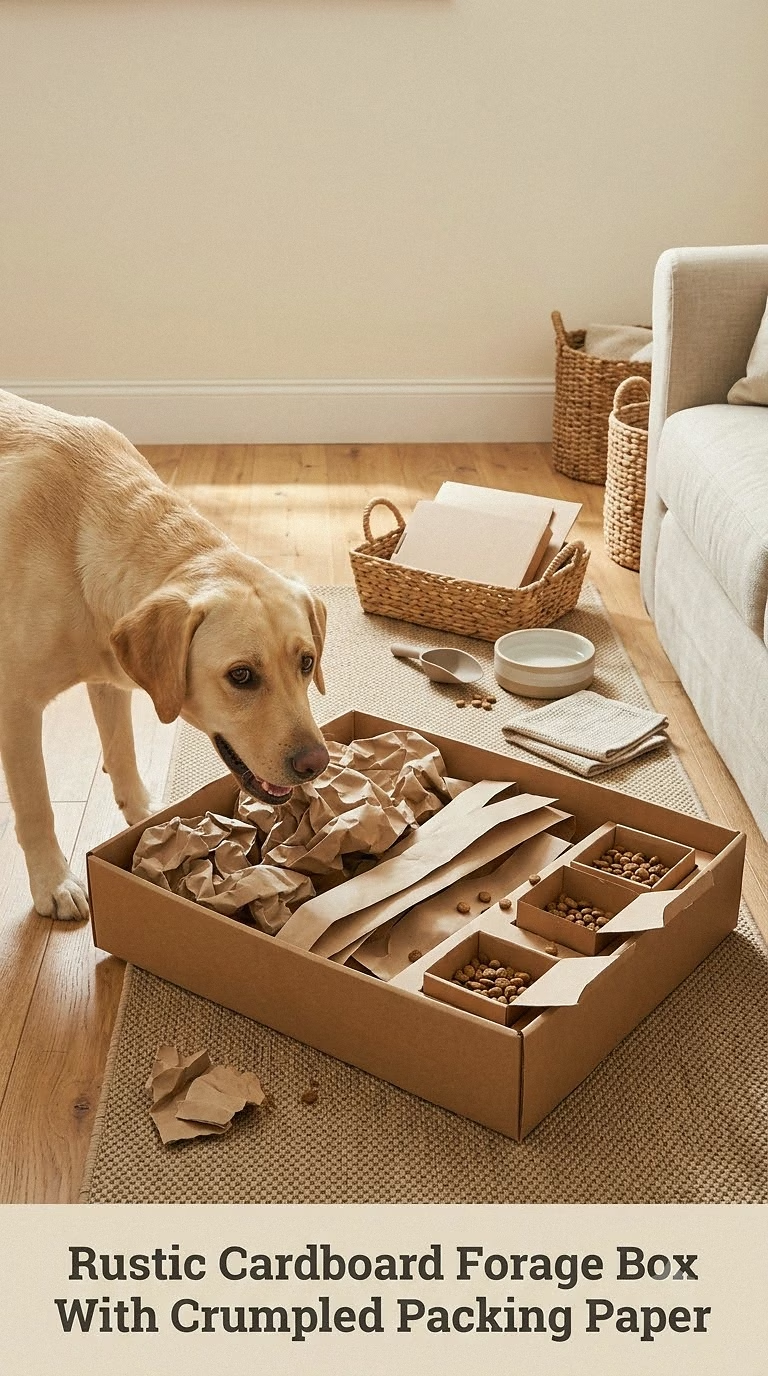
Save a clean shipping box and you already have the foundation for an inexpensive treasure hunt.
Fill a shallow cardboard box with loosely crumpled plain packing paper, then scatter measured pieces of kibble between the layers. Your dog can sniff, push, rummage, and investigate to uncover dinner.
It creates a wonderfully rustic enrichment setup that can be assembled and recycled afterward.
Keep the box shallow for hesitant dogs so food is easy to discover. Confident foragers can handle additional paper layers or smaller boxes nested inside a larger one.
Remove staples, plastic tape, shipping labels, string, and packing materials before using the box.
This game is best for dogs that investigate cardboard rather than consume it. Supervise the entire activity and remove shredded pieces if your dog begins swallowing them instead of simply moving them around.
Paper Cup Treasure Hunt Inside A Shallow Wooden Tray
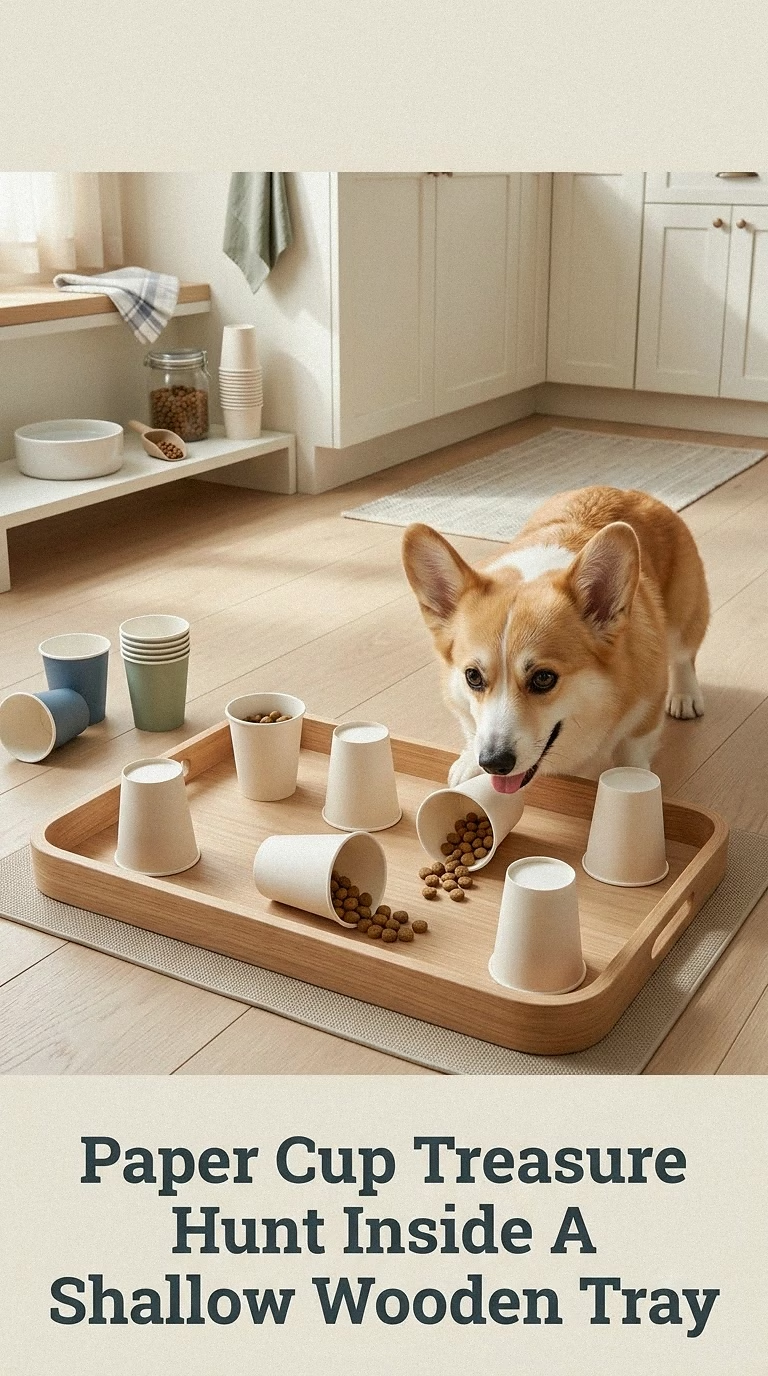
Arrange several plain paper cups upside down across a shallow tray, hiding a few pieces of kibble beneath selected cups.
Your dog must use their nose to identify which cups contain food and then push or tip them over.
The layout can look surprisingly stylish. A light wood tray with simple kraft paper cups creates a clean, neutral activity that fits easily into a Scandinavian or minimalist home.
Make the first round easy by leaving some cups tilted. Later, increase the number of empty cups so scent becomes more important than simply knocking everything over.
Avoid cups with plastic coatings or loose decorative pieces if your dog is likely to chew them. As with cardboard enrichment, this is a supervised search activity rather than a toy to leave unattended.
Once the game finishes, collect all materials before your dog decides that shredding the cups is the next challenge.
Backyard Grass Scatter Feeding With A Natural Foraging Trail
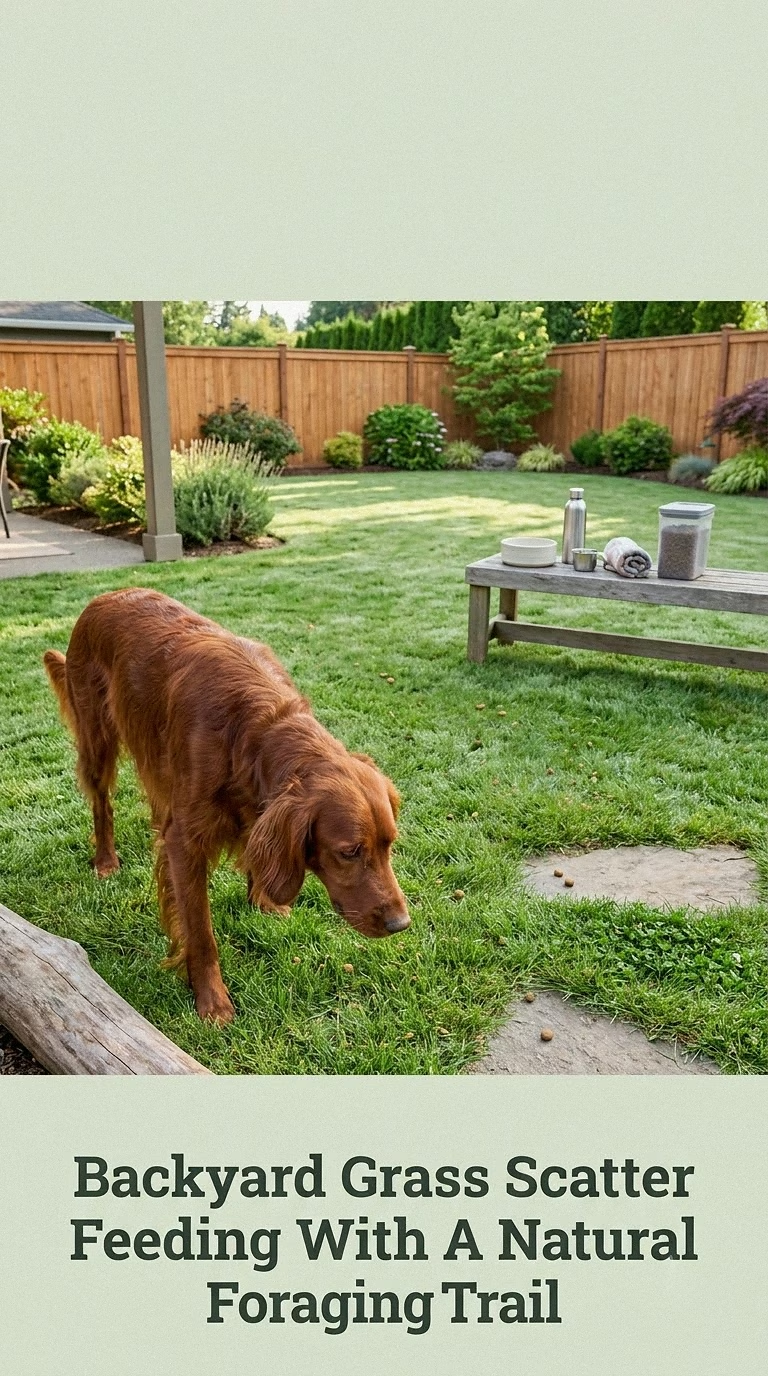
When the weather is pleasant, take dinner outdoors.
Instead of placing kibble into a bowl, scatter it across a small section of clean, dry grass and let your dog locate each piece with their nose.
Begin with a concentrated area where the food remains relatively visible. Once your dog understands the activity, spread pieces farther apart and create a longer foraging trail.
This idea requires virtually no equipment and can make an ordinary backyard feel completely new.
Choose an area free from pesticides, toxic plants, animal waste, sharp debris, mushrooms, and other hazards. Dry kibble works better than wet food for obvious cleaning reasons.
For homes without private lawns, a clean artificial-grass enrichment tray can provide a similar searching experience indoors or on a balcony without scattering food throughout the house.
Indoor Kibble Trail Through A Cozy Apartment
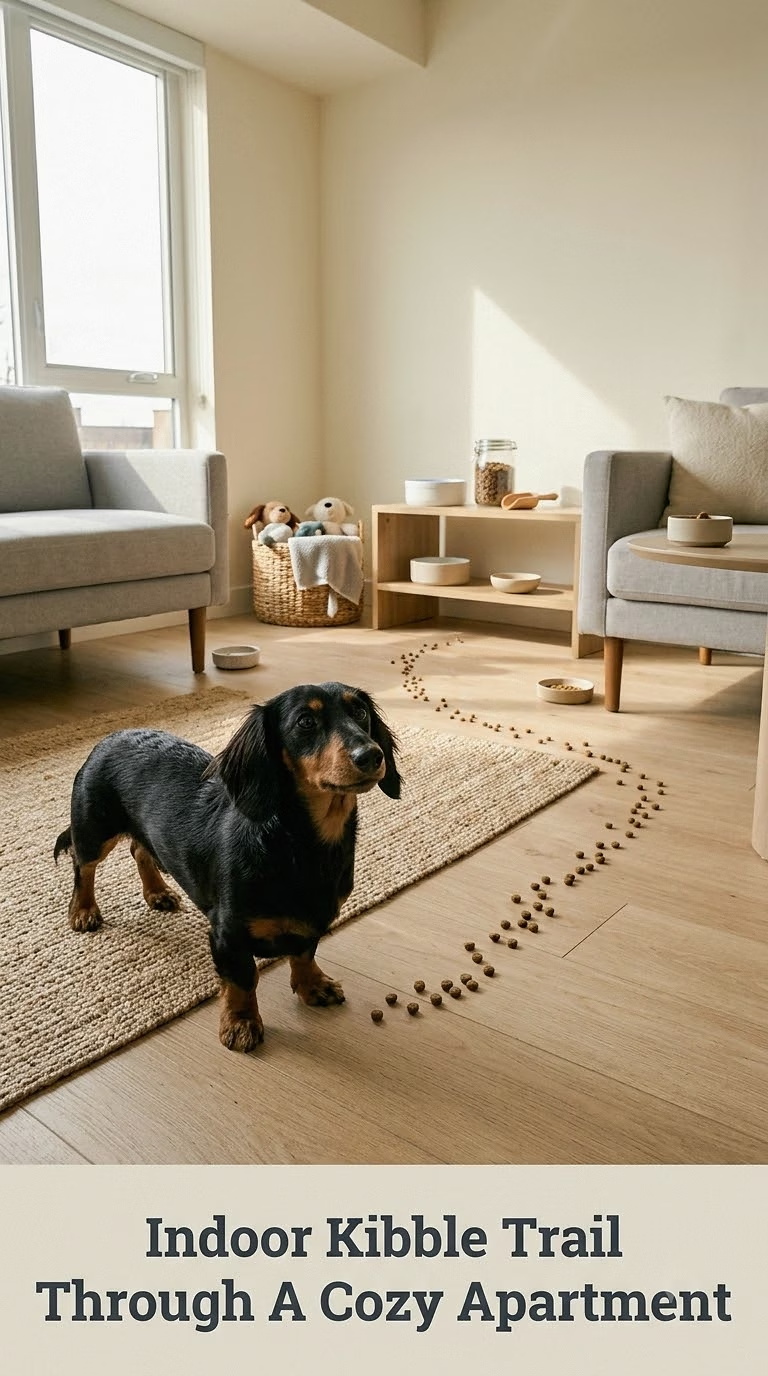
Small homes can still provide excellent enrichment.
Create a trail of individual kibble pieces leading from one room to another, placing tiny clusters beside safe furniture legs, near doorways, and around corners. Your dog follows the scent path until reaching the final portion of dinner.
Keep the first trail obvious. As your dog becomes more confident, increase the distance between pieces or hide food just slightly out of direct sight.
Avoid placing kibble beneath heavy furniture, near electrical cables, inside shoes, or anywhere you do not want your dog searching in the future.
This activity is especially useful when bad weather makes outdoor exploration less appealing. It also costs nothing beyond the food your dog was already going to eat.
Vacuum afterward so forgotten crumbs do not attract insects or encourage endless searching.
Hidden Scent Stations Around The Living Room
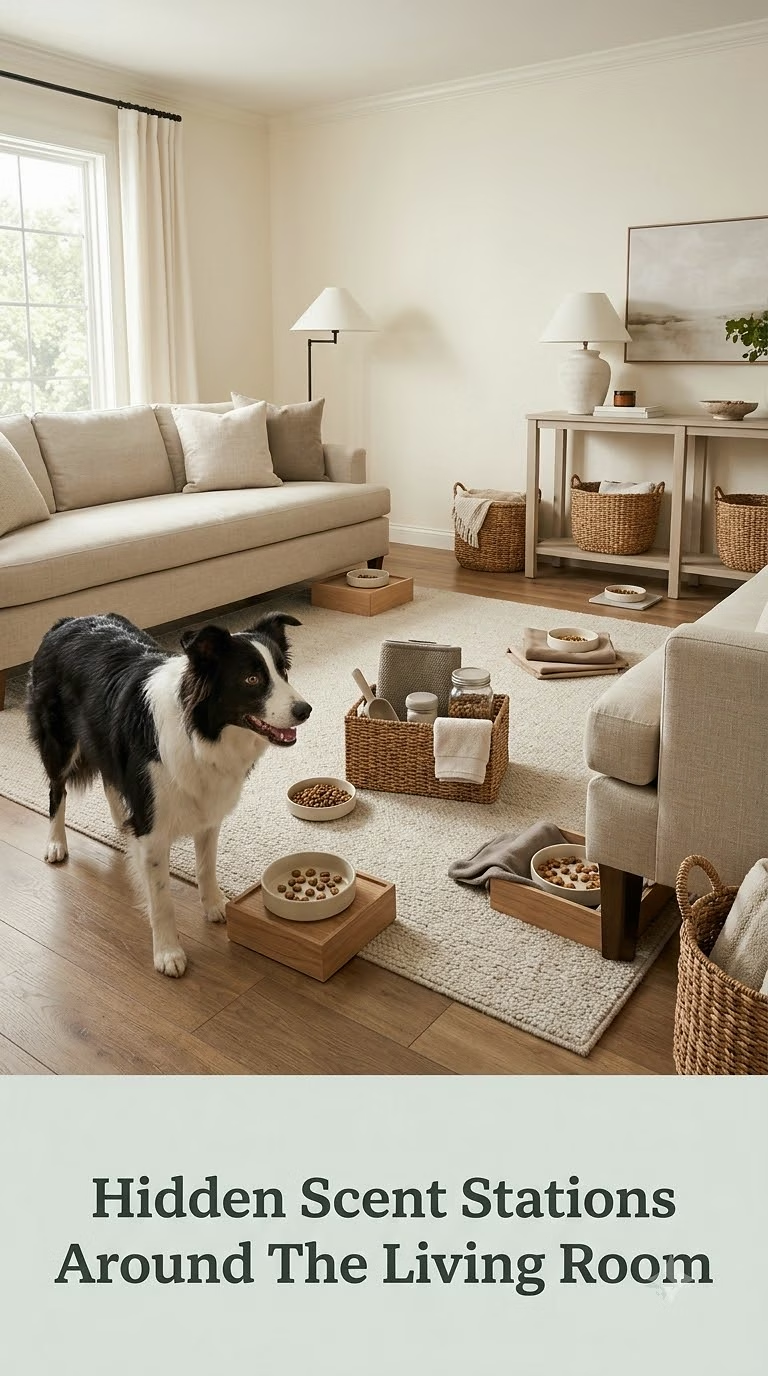
Instead of creating one continuous trail, make several tiny food stations around a dog-safe room.
Place a small portion behind a chair leg, beside a basket, underneath an overturned dog-safe container, or near an obvious landmark. Release your dog and encourage them to search.
At first, allow your dog to watch you place several piles. Later, hide them while your dog waits elsewhere.
This turns breakfast into a simple version of nose work while keeping the setup gentle enough for beginners.
Count or measure the portions beforehand so you know exactly how much food is hidden and how many stations your dog should find.
If you live with multiple dogs, conduct individual searches unless you already know they can safely forage together. Food-filled toys and search games can create conflict in dogs prone to guarding valuable resources.
Minimalist Slow Feeder Bowl In A Stylish Feeding Nook
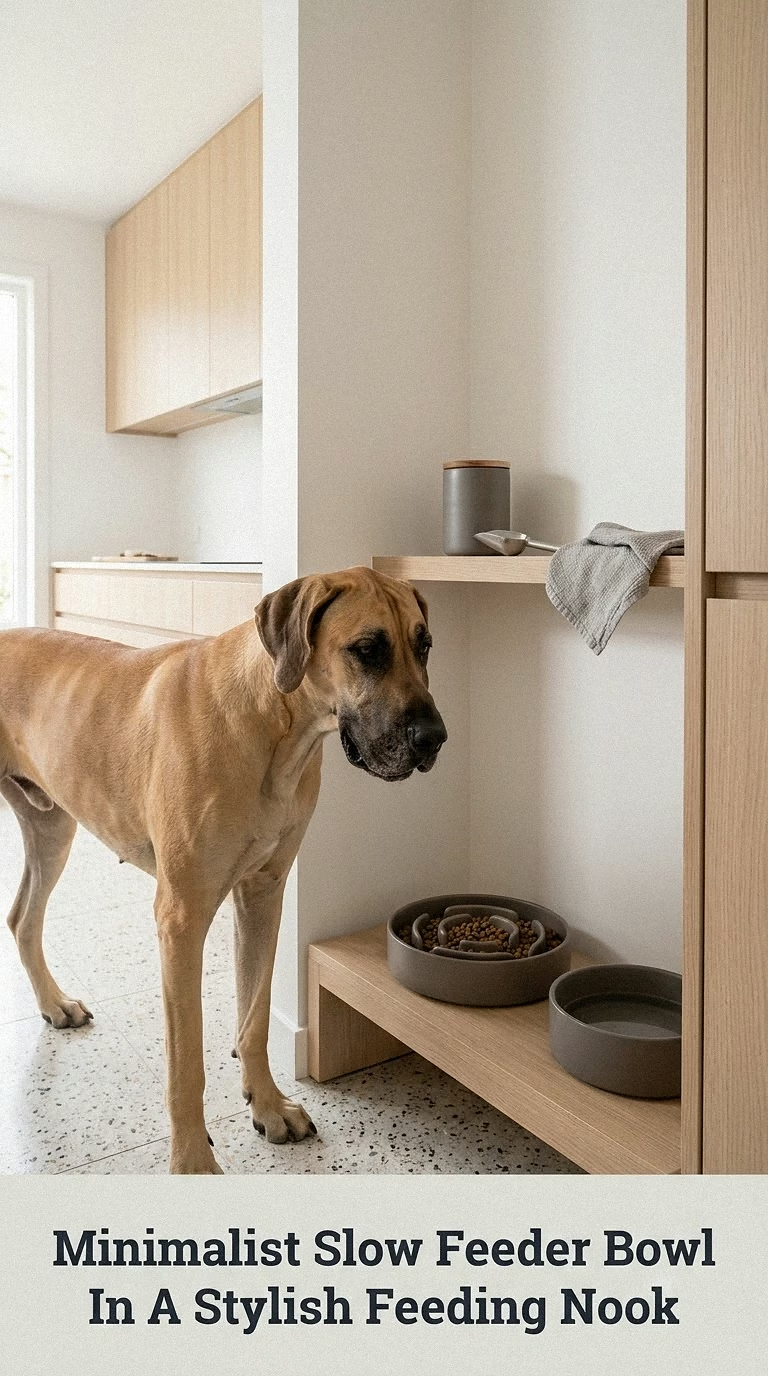
Food enrichment does not always need to involve complicated puzzles.
A well-designed slow-feeder bowl can make an excellent everyday option, particularly for dogs that tend to swallow meals rapidly. Raised channels divide the food into smaller areas so your dog has to work around the pattern rather than taking enormous mouthfuls.
Choose a bowl with a difficulty level appropriate for your dog’s muzzle shape and size. A very narrow maze may be frustrating for broad-faced dogs.
Place it in a simple feeding nook with a non-slip washable mat, water bowl, and discreet storage container for food.
Slow feeders can extend mealtime while giving dogs a modest problem-solving challenge. They should still be cleaned thoroughly after use, especially when filled with wet or fresh food.
Baking Sheet Kibble Mosaic For An Effortless Slow-Down Meal
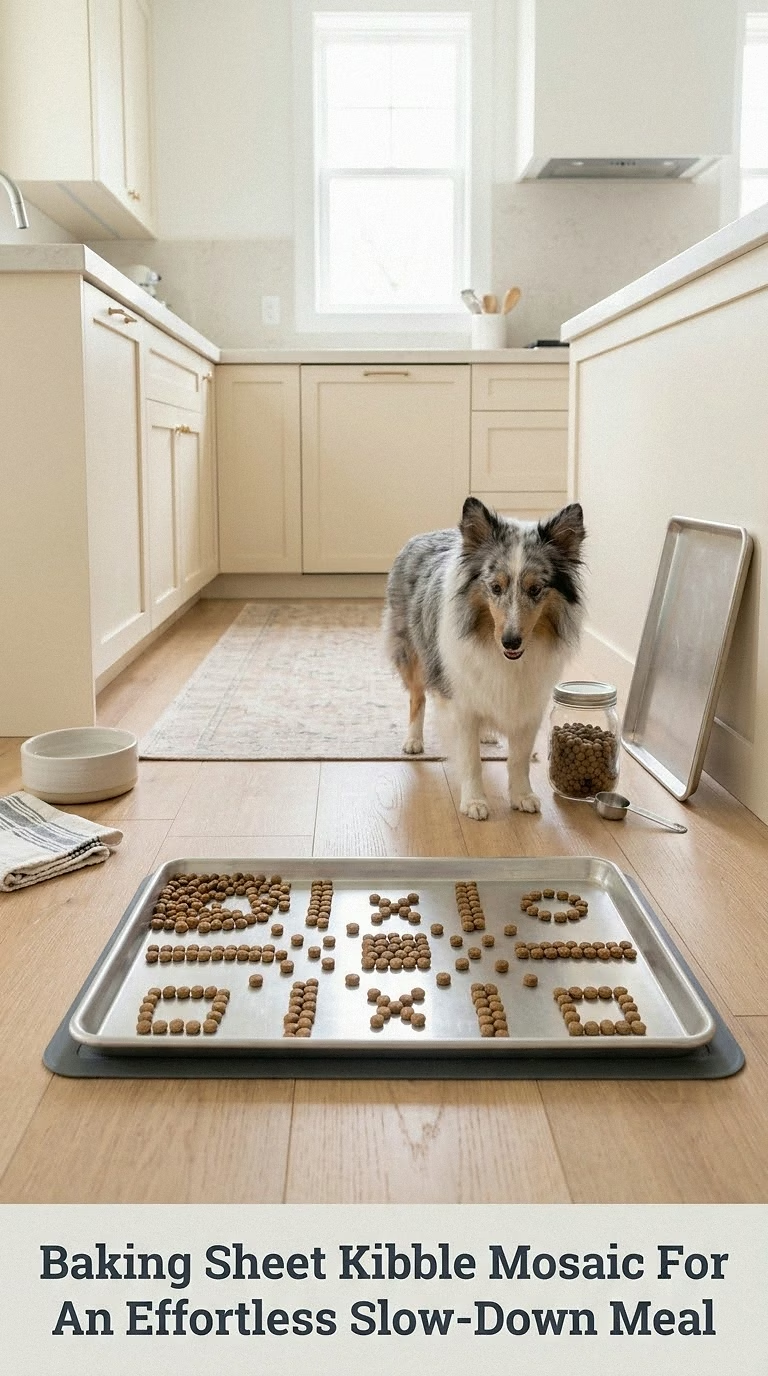
One of the simplest enrichment tricks requires nothing more than a clean baking sheet.
Spread kibble across the entire surface rather than piling it into a bowl. Your dog must pick up pieces individually instead of grabbing a large mouthful.
Read more : 18 Sublimation Dog Tag Ideas For Beautiful, Practical Pet Style
You can make the setup visually fun by arranging kibble into loose spirals or small clusters, although your dog will probably dismantle the design within seconds.
This is an excellent low-cost option for dogs that become frustrated by complicated puzzles but would still benefit from a slower meal.
Use a heavy, stable tray that will not slide or flip when nudged. Place it on a non-slip mat for additional stability.
Veterinary guidance includes flat trays and muffin tins among simple ways to spread food out and slow rapid eating without purchasing specialized equipment.
Frozen Flavor Cubes In A Silicone Enrichment Tray
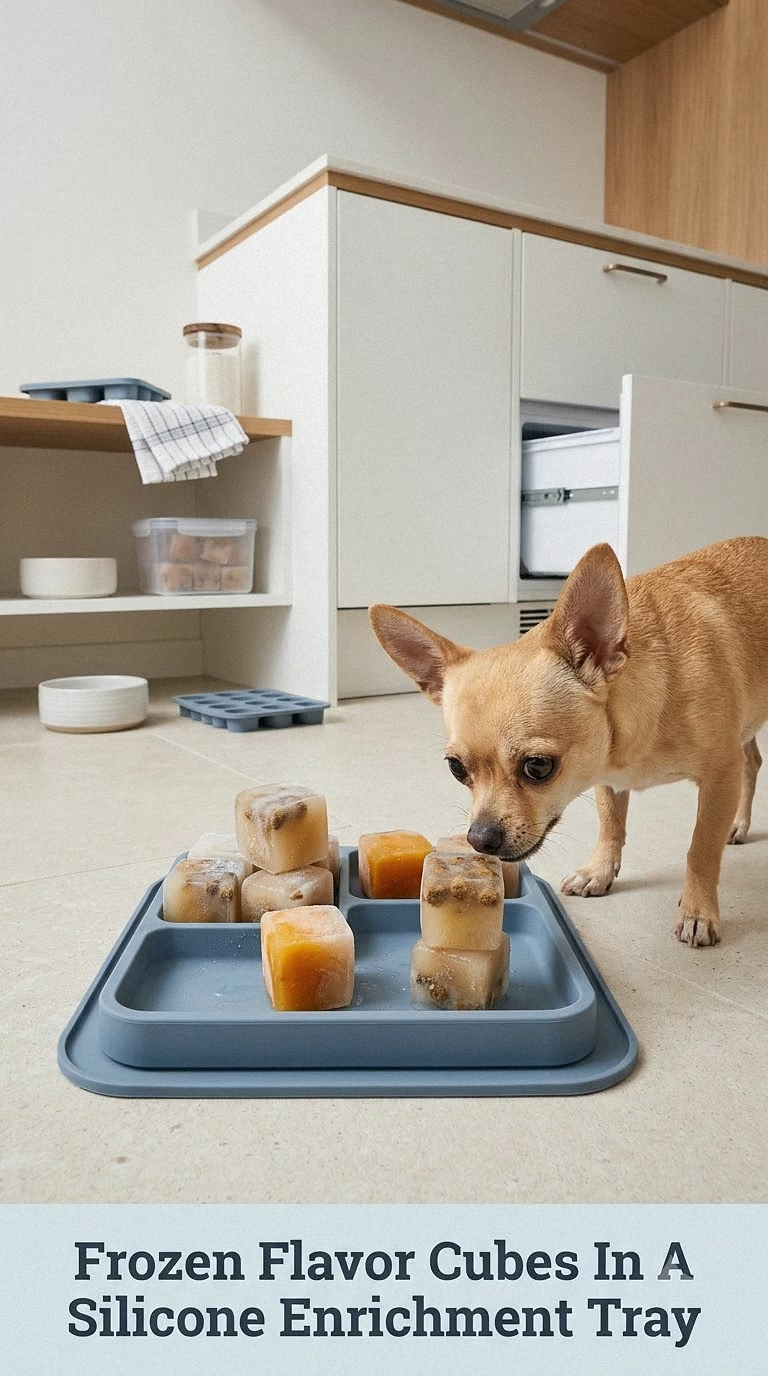
On warm days, small frozen food cubes can add texture and novelty to enrichment time.
Use a silicone mold to freeze a diluted mixture made from your dog’s usual wet food and water, or another veterinarian-approved liquid. A small amount of dog-safe broth may also work, but check labels carefully for excessive salt, onion, garlic, or other unsuitable ingredients.
Serve the cubes inside a bowl, lick mat, or sturdy enrichment toy rather than allowing them to slide underneath furniture.
Small portions are important because enrichment foods still contribute calories.
For dogs with sensitive teeth, puppies, seniors, or animals that aggressively crunch ice, softer chilled options may be a better choice.
Wash silicone molds thoroughly and keep pet-food molds separate from ones used for human cooking if that makes kitchen organization easier.
Dinner-Time Training Station With Measured Kibble Rewards
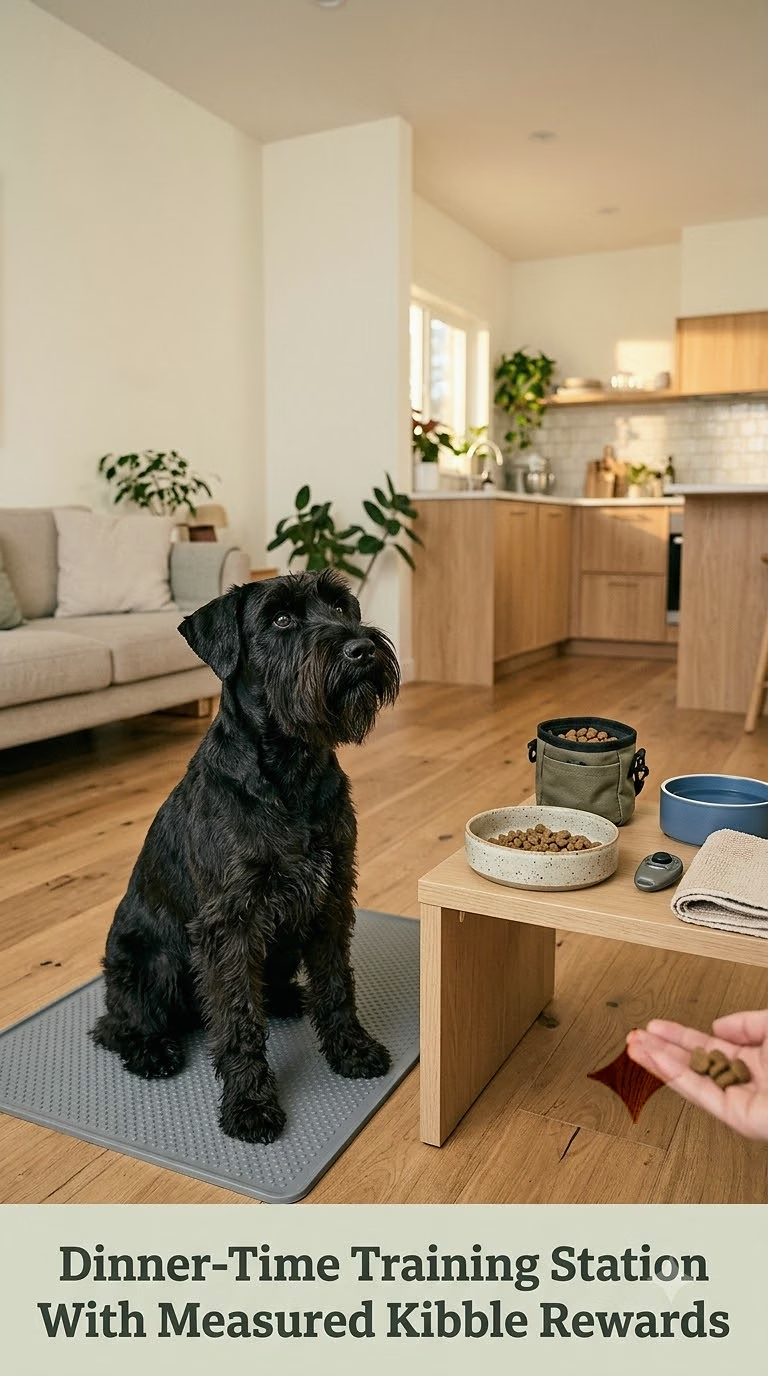
Sometimes the best enrichment toy is you.
Measure your dog’s dinner into a small bowl or treat pouch and use the kibble during a short positive-reinforcement training session. Practice familiar behaviors such as sit, touch, place, wait, or simple tricks, rewarding successful responses with pieces from the meal.
Keep the atmosphere light and playful rather than turning dinner into a lengthy obedience drill.
A small basket containing the treat pouch, clicker, target stick, and training mat can create an attractive little training station beside your dog’s regular feeding area.
Finish the remaining food in a bowl or puzzle if either of you begins losing concentration.
Using regular meal portions for training can provide enrichment and interaction without necessarily adding a large quantity of extra treats.
Rotating Enrichment Cart With Several Mealtime Puzzles
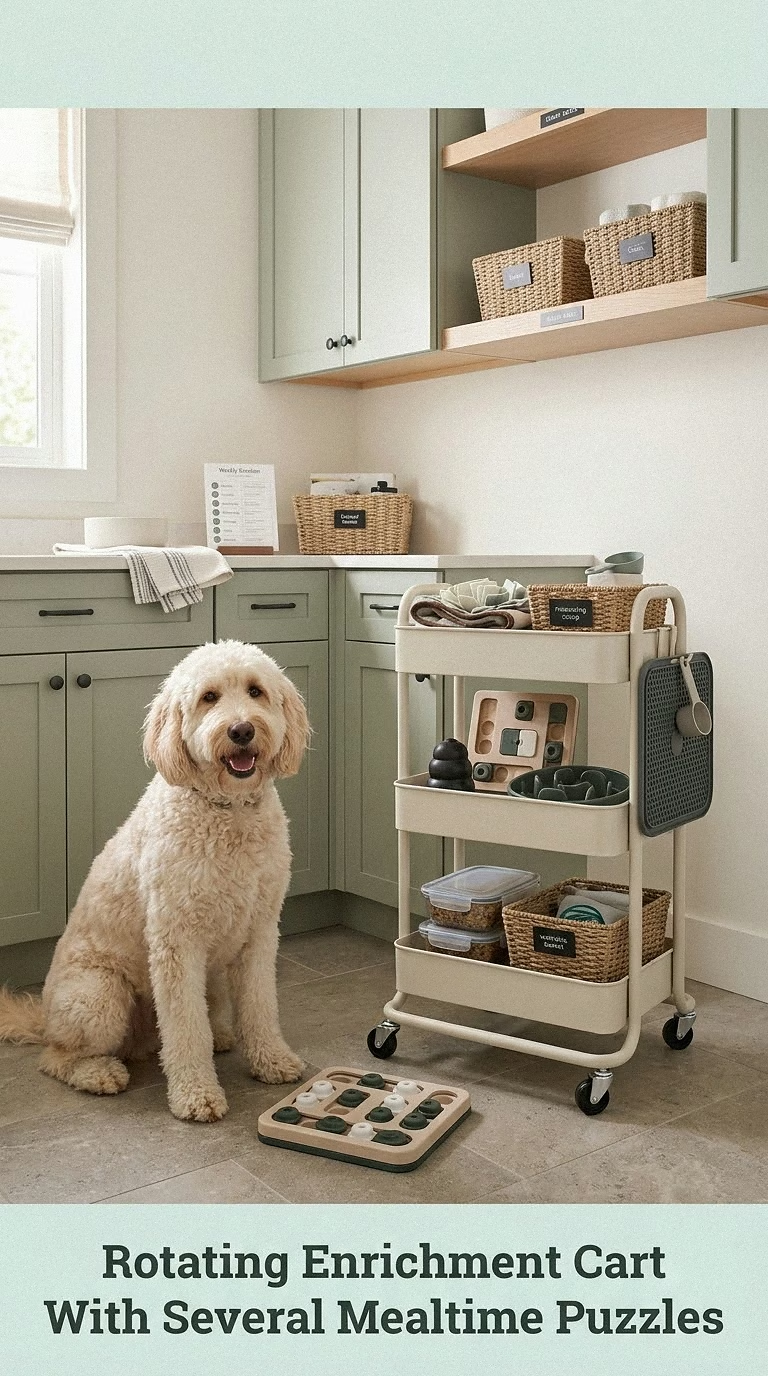
If your dog gets bored easily, create a small rotation rather than searching for a brand-new activity every week.
A compact rolling cart or lidded storage basket can hold a snuffle mat, lick mat, slow feeder, rubber food toy, rolling dispenser, and simple puzzle board.
Choose just one or two options each day.
Putting an enrichment toy away for several days can make it feel interesting again when it returns. Rotating toys is also commonly recommended as a way to maintain novelty.
Keep frequently used items on the top shelf and washable food toys together so cleaning becomes part of the routine.
This storage system works particularly well in small homes because enrichment equipment stays organized instead of spreading across counters and floors. Neutral baskets or matching containers can make the entire station feel intentional rather than cluttered.
Separate Matching Enrichment Stations For Multi-Dog Homes
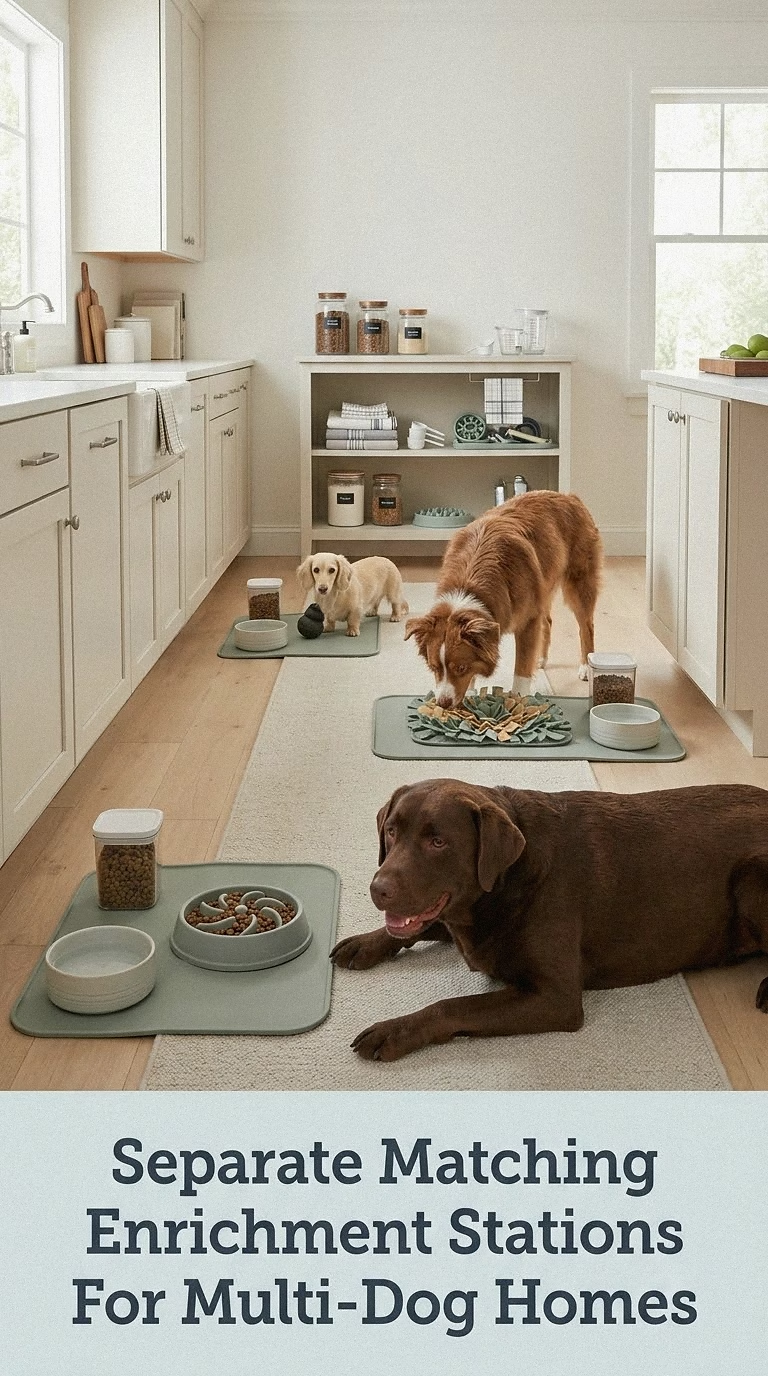
Two dogs sharing a home do not necessarily need to share one enrichment puzzle.
Create separate feeding stations with matching mats, appropriately sized toys, and enough physical distance that each dog can concentrate without worrying about another dog approaching their food.
Depending on the dogs, that may mean opposite sides of a room, separate exercise pens, baby gates, crates, or completely different rooms.
Color coding can make the setup both practical and attractive. One dog might have sage accessories while another uses muted blue, allowing you to quickly identify toys, bowls, and portion sizes.
This is especially important when high-value wet food or stuffed toys are involved. Even dogs that normally eat peacefully may value a novel food toy differently from an ordinary bowl.
Dogs showing resource guarding should receive a carefully managed setup and professional behavioral guidance when needed.
Senior-Friendly Low-Impact Snuffle Tray With Easy Food Pockets
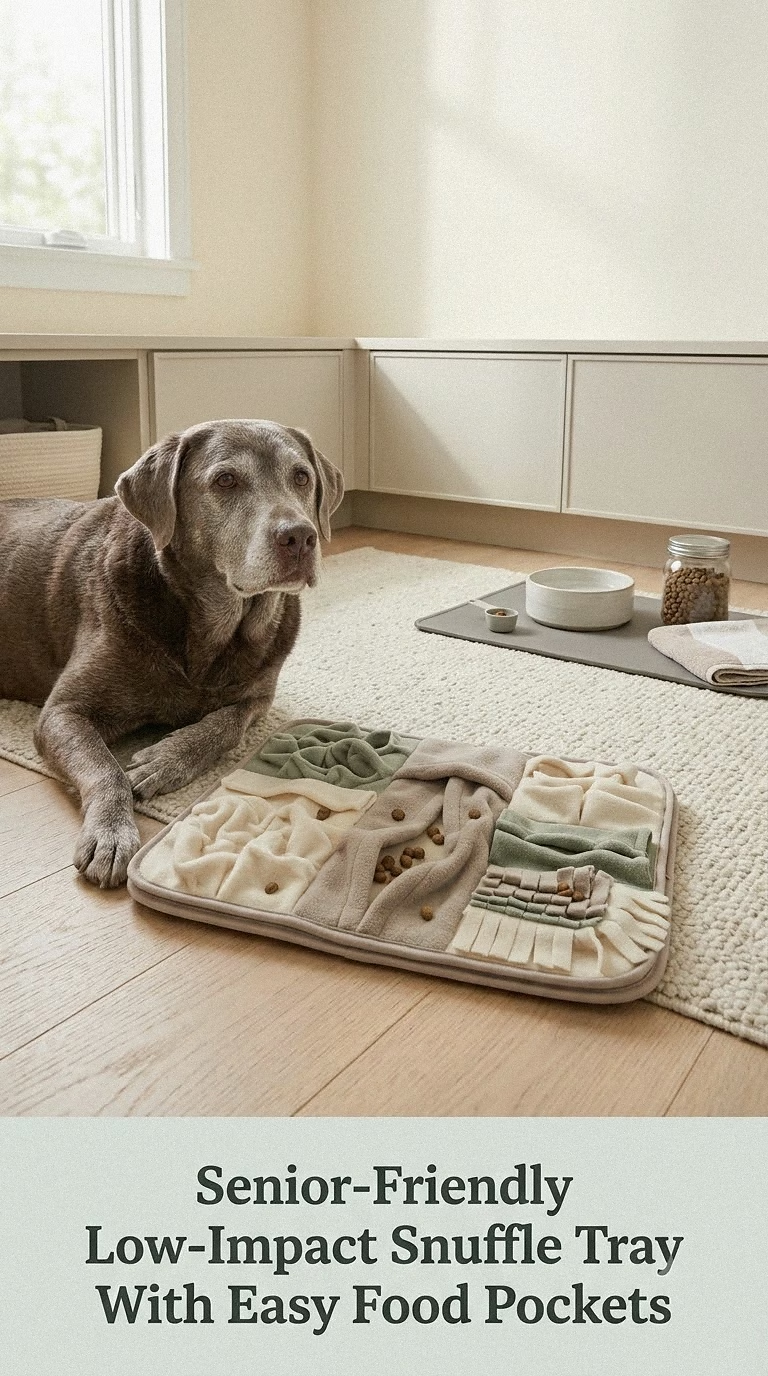
Older dogs can enjoy food enrichment too, but the activity may need to become gentler.
Create a low-profile foraging tray using a shallow snuffle mat or soft fabric pockets placed at comfortable floor level. Hide kibble close to the surface so your dog can find it without repeatedly bending, pawing aggressively, or chasing rolling toys.
Place the tray on a non-slip rug so it stays steady under older paws.
For dogs with reduced vision or hearing, scent-based food activities can provide an especially accessible way to explore their environment. Keep the difficulty predictable at first and avoid constantly moving the food station.
Senior dogs with dental problems, arthritis, cognitive changes, or medical diets may need additional adjustments recommended by their veterinarian.
The goal is not to make every puzzle difficult. Successful enrichment should leave your dog interested and satisfied rather than tired, uncomfortable, or frustrated.
Making Dog Food Enrichment Ideas Part Of Everyday Life
The best dog food enrichment ideas are rarely the most complicated ones. They are the activities your dog genuinely enjoys and that fit comfortably into your routine.
You might discover that your dog loves sniffing through a neutral fleece mat but has no patience for sliding puzzles. Another dog may happily spend twenty minutes working through a frozen food toy while ignoring a beautifully arranged forage box. Those preferences are part of what makes enrichment fun.
Start with easy challenges, supervise unfamiliar activities, and use your dog’s regular meal whenever possible so enrichment does not quietly become a stream of extra calories. Keep food-contact surfaces clean, choose appropriately sized toys, and check every ingredient before sharing human foods. Xylitol, chocolate, grapes and raisins, onions and related plants, and several other common foods can be dangerous for dogs. (ASPCA)
Most importantly, pay attention to your dog. A wagging tail, eager nose, relaxed body, and willingness to return to an activity will tell you far more than any trendy toy. With a little creativity, even an ordinary scoop of dinner can become a cozy ritual filled with sniffing, discovery, and one very happy dog.
Source: https://petstutorial.com
Category: DOGS
