
When every square foot matters, a bulky bag of dog food can feel surprisingly difficult to hide. It ends up leaning against a pantry wall, squeezed beside the refrigerator, or sitting in a corner where it becomes one more thing making a small kitchen feel crowded. The good news is that you do not need a large pantry or dedicated pet room to create a beautiful, organized feeding setup.
The best dog food storage ideas small spaces can use are often the ones that turn overlooked areas into hardworking storage. A narrow gap beside an appliance, the bottom of an entryway bench, a shallow cabinet, or even the space beneath a console table can become a convenient home for your dog’s everyday food.
You are reading: 18 Dog Food Storage Ideas Small Spaces Will Love
Good storage also needs to protect the food itself. Dry dog food should stay in a cool, dry location, ideally secured in its original bag inside a well-fitting container. If you prefer to transfer kibble into another container, choose one that is easy to wash and dry thoroughly, and keep the food’s label, lot information, and best-by date somewhere accessible.
With a little planning, practical storage does not have to look utilitarian. Soft sage cabinetry, warm oak finishes, woven baskets, slim rolling organizers, and clever built-ins can make your dog’s feeding essentials feel like an intentional part of your home.
Smart And Stylish Dog Food Storage Ideas Small Spaces Can Use
Slim White Rolling Pantry Between Refrigerator And Wall
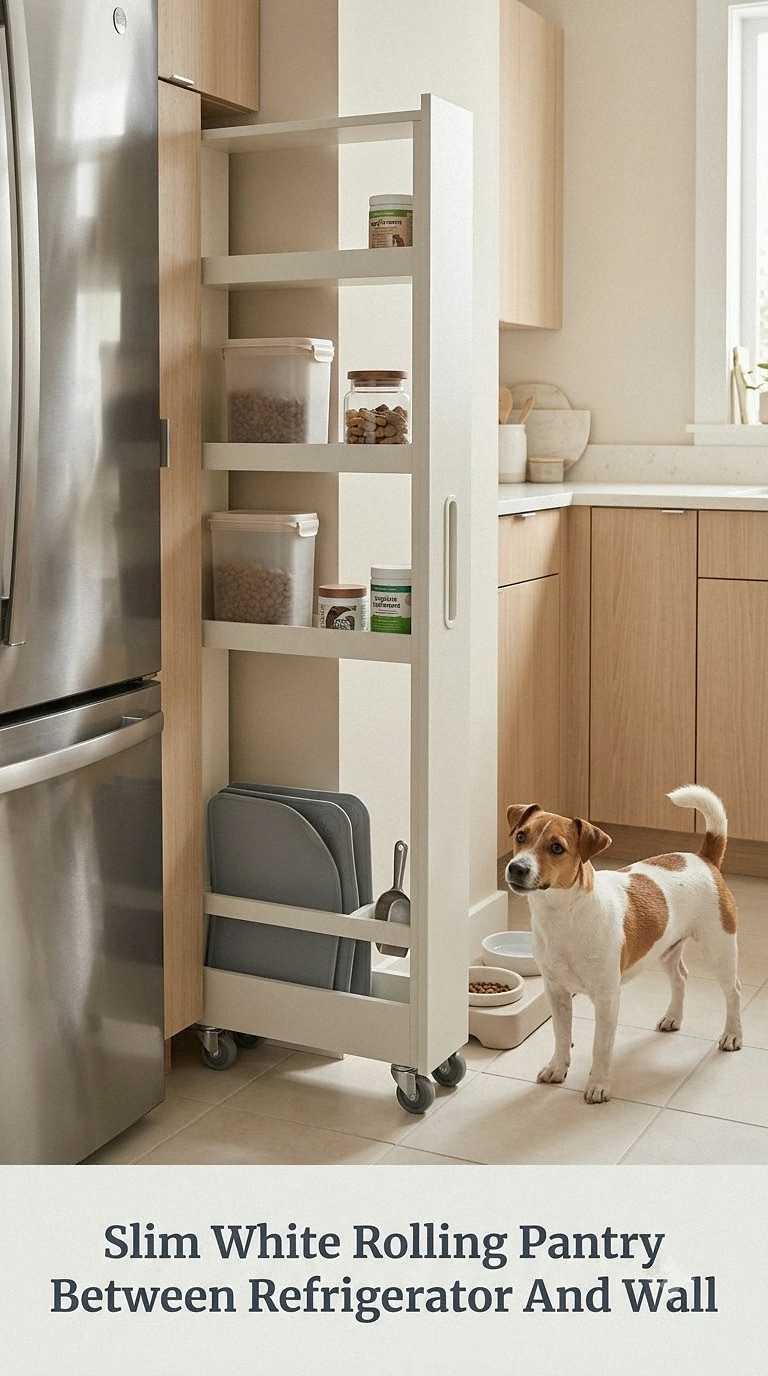
That awkward sliver of space beside the refrigerator can become one of the most useful storage spots in a tiny kitchen. A slim white rolling pantry creates a clean, almost built-in appearance while using an area that might otherwise remain empty.
Choose a cart deep enough for a narrow sealed dog food container, with smaller shelves above for treats, supplements, waste bags, and a dedicated measuring scoop. Straight-sided organizers usually make better use of narrow spaces than rounded baskets.
Keep heavier food near the bottom so the cart remains stable. If the area beside your refrigerator becomes noticeably warm, however, choose another location. Dog food is better stored somewhere cool and dry rather than beside a heat-producing appliance.
For a polished look, match the cart to your kitchen cabinets and add small matching storage boxes instead of filling every shelf with colorful packaging.
Warm Oak Pull-Out Cabinet With Hidden Kibble Bin
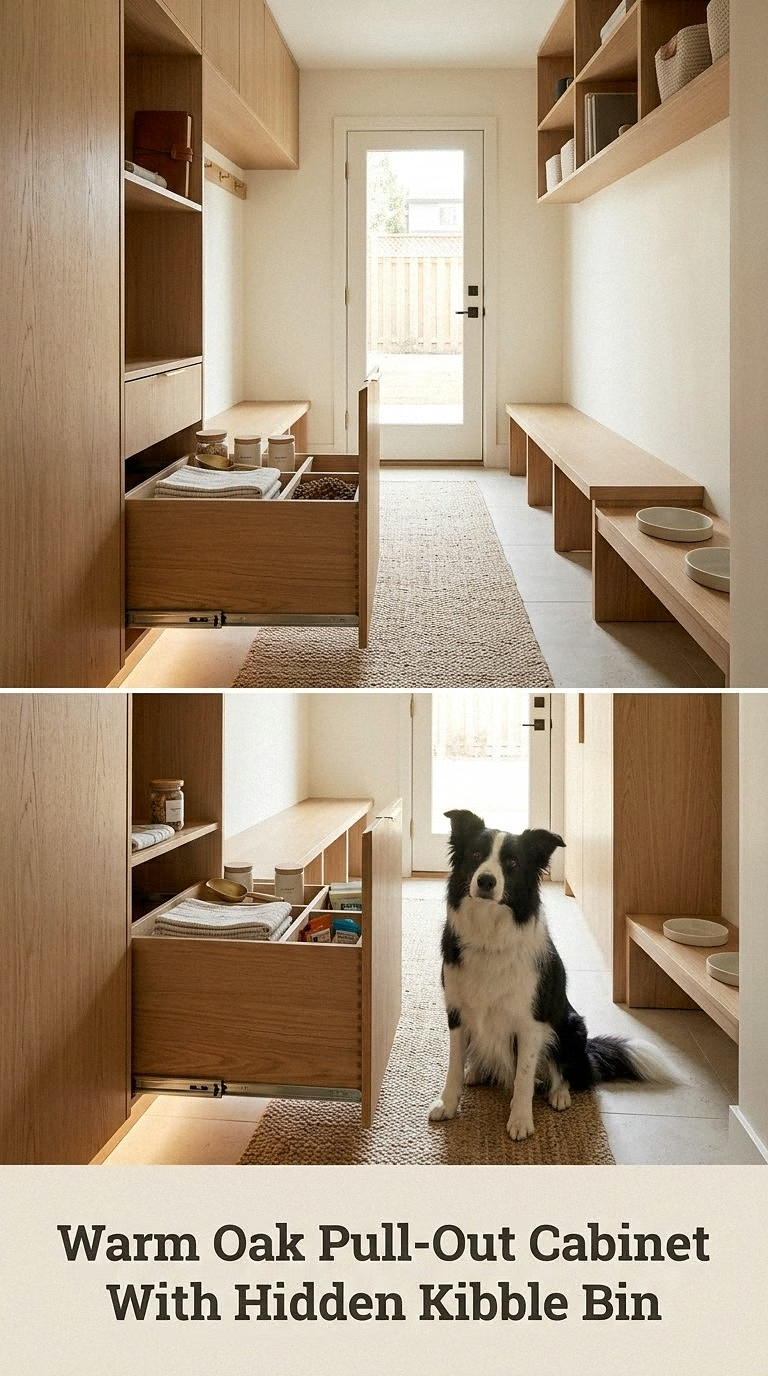
A narrow pull-out cabinet gives dog food a permanent home without sacrificing valuable floor space. Warm oak makes the setup feel especially inviting in kitchens with cream, white, taupe, or sage cabinetry.
The lower section can hold a tall airtight container with the original kibble bag tucked inside, while a shallow shelf above keeps treats and feeding accessories organized. Install a smooth pull-out mechanism so you can reach everything without kneeling and digging through a deep cupboard.
This works especially well at the end of a cabinet run where there is not enough width for a traditional cupboard.
Keep the interior simple rather than filling every inch. Leaving a little breathing room makes it easier to remove the container for cleaning and lets you check quickly for spilled food or crumbs.
Soft Sage Entryway Bench With Dog Food Drawer
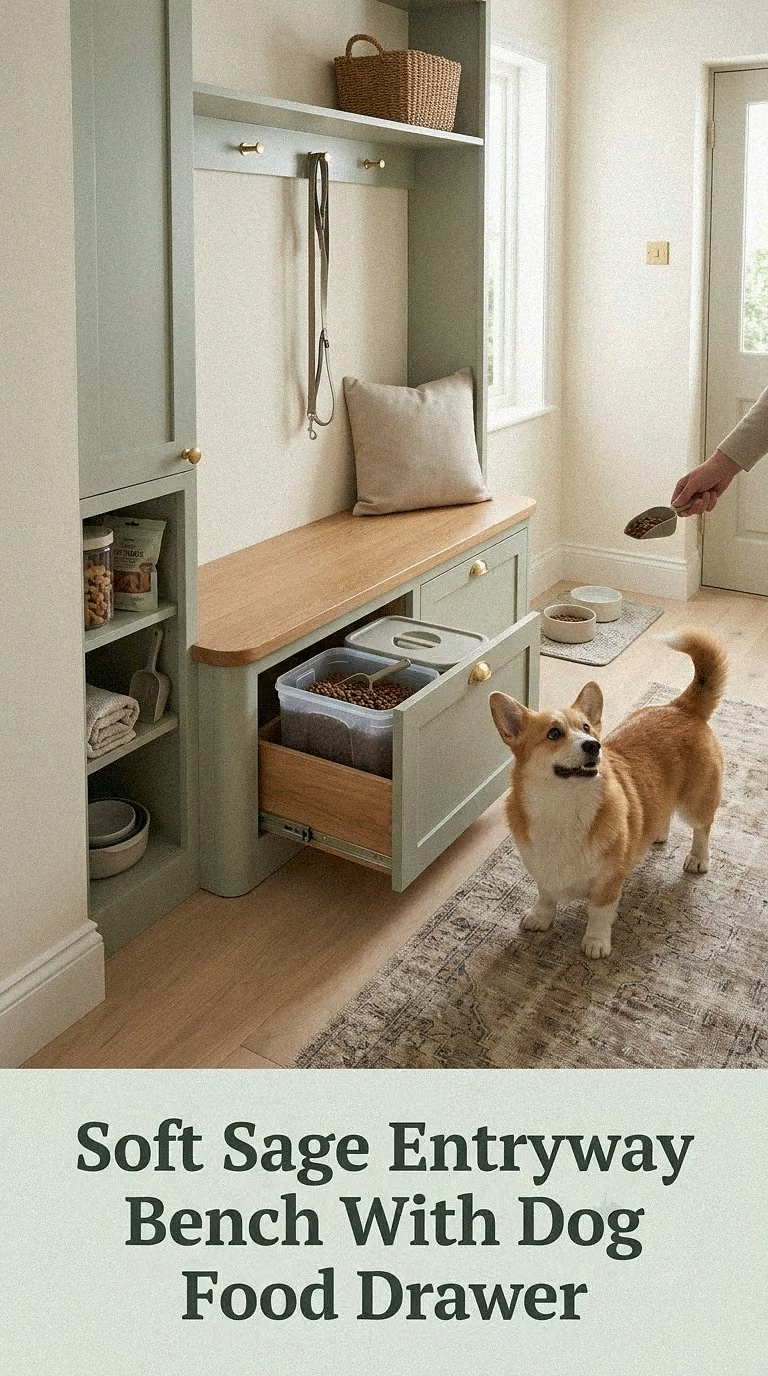
If your dog usually eats near the entryway or mudroom, combine seating and food storage in one compact piece of furniture.
A soft sage green bench with a deep lower drawer can hide an entire bag of kibble while providing a convenient spot for putting on shoes. Add a washable cushion in oatmeal or ivory for a cozy cottage-inspired look.
Inside the drawer, keep the food inside a secure container rather than allowing loose kibble to roll around. A separate divided tray can organize the scoop, collapsible travel bowl, leash accessories, and treats.
This arrangement is particularly useful in apartments without a pantry because the storage blends naturally with everyday furniture. Just make sure the drawer closes securely if your dog has learned how to open cabinets with a nose or paw.
Matte Black Airtight Bin Tucked Under A Console Table
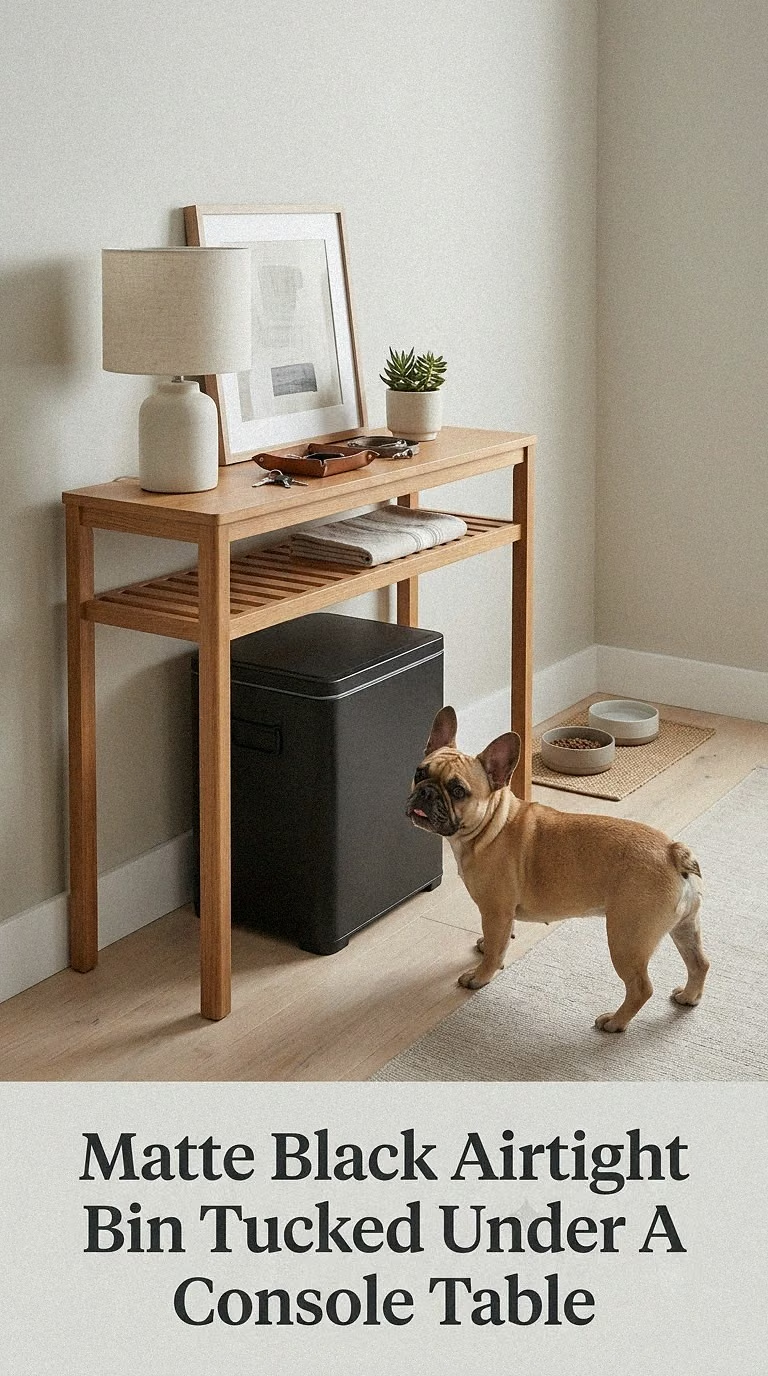
Sometimes the simplest solution is also the easiest to style. A matte black dog food container can fit neatly beneath a narrow console table without looking like an ordinary plastic storage tub.
Choose a rectangular design rather than a wide round bin so it sits closer to the wall. Above it, style the console with a ceramic catchall, small lamp, framed artwork, or a basket containing leashes and grooming supplies.
Black works beautifully in modern apartments, especially alongside light oak furniture, warm white walls, and neutral rugs.
If possible, place the original food bag directly inside the container. Fold or clip the bag closed after each feeding before replacing the lid. This gives you both the protection of the manufacturer’s packaging and an additional barrier against pets and household pests.
White Shaker Base Cabinet With Tilt-Out Food Compartment
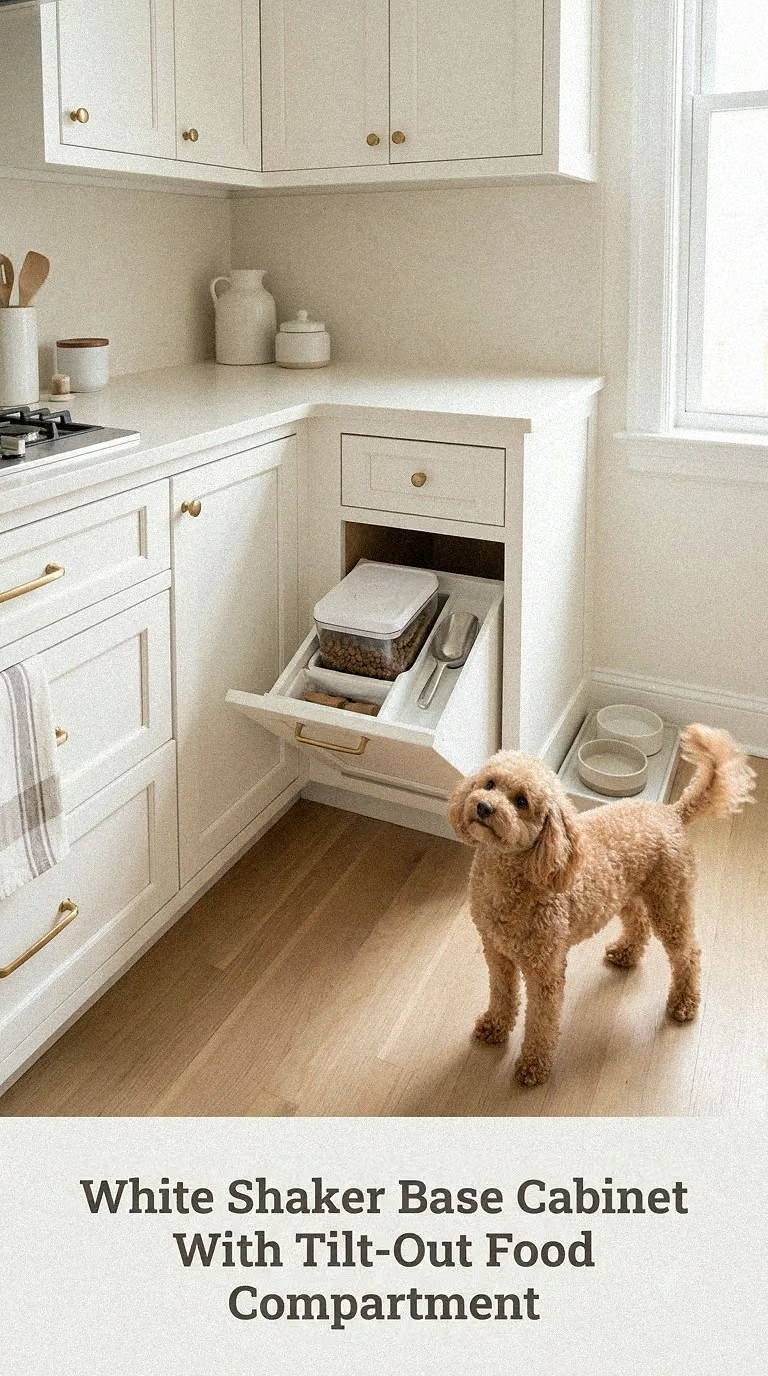
A tilt-out compartment can transform a small section of lower cabinetry into an incredibly convenient feeding station.
From the outside, it looks like a standard white Shaker cabinet. Pull the front forward and a removable dog food container tilts toward you, making daily scooping easy without leaving a large bin in the room.
The most practical versions use a removable inner container rather than pouring kibble directly into the wooden compartment. This makes cleaning much easier and prevents oils and crumbs from collecting on unfinished surfaces.
Add a small shelf above for a scoop and unopened treats. Soft-close hardware helps keep the unit feeling like part of the kitchen rather than a utility bin.
For renters, a freestanding tilt-out cabinet can provide a similar effect without altering existing cabinetry.
Narrow Vertical Pantry With Stackable Food And Treat Bins
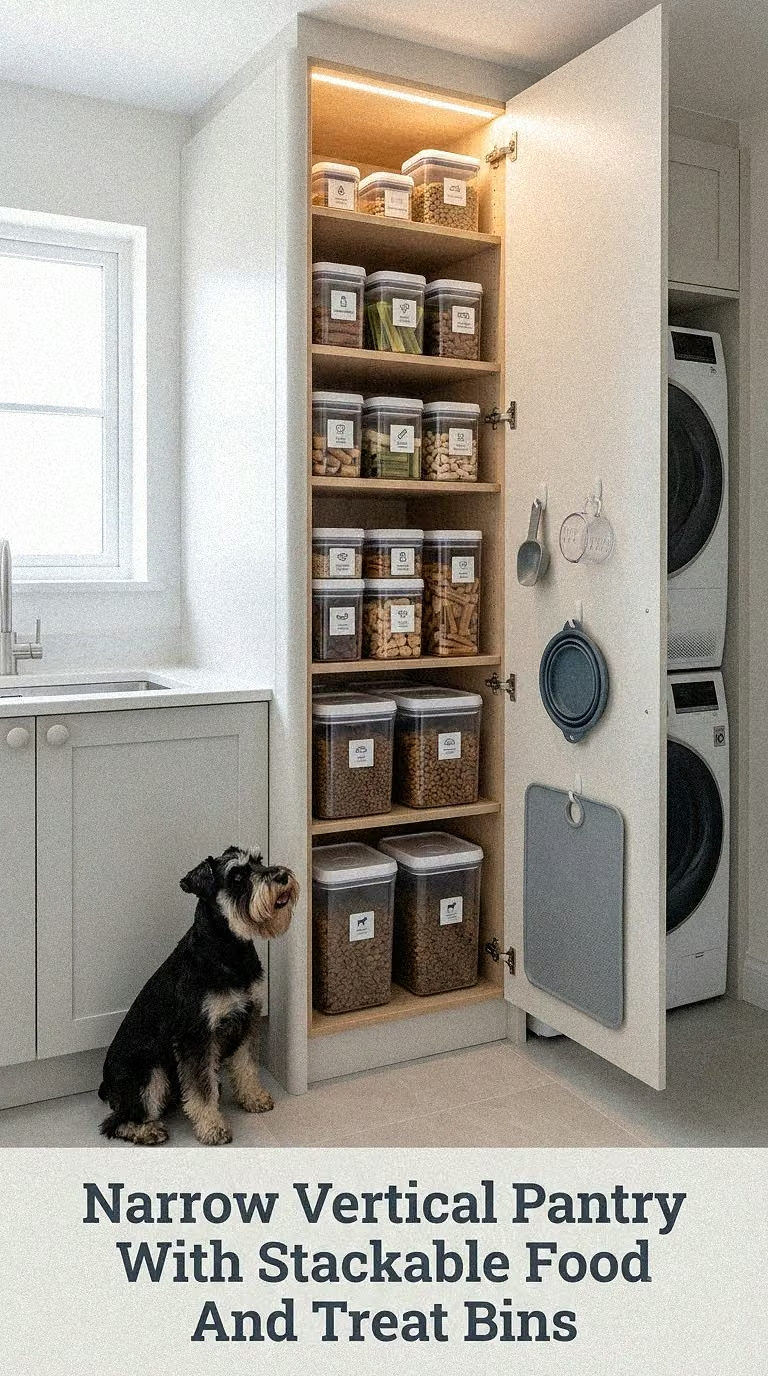
When floor space is limited, think upward.
A tall, shallow pantry can hold much more than its footprint suggests. Place the main dog food container on the bottom shelf, then use smaller stackable containers above for treats, dental chews, medications, grooming wipes, and walking supplies.
Choose containers with flat sides and similar proportions so the arrangement feels orderly rather than crowded. Clear bins are convenient, but opaque cream, smoke-gray, or warm white containers create a calmer visual appearance when the pantry is open.
Labeling helps distinguish treats from supplements without requiring elaborate organization.
Keep the most frequently used supplies around waist height, while backups can sit higher. Heavy food should remain lower so the cabinet stays balanced and easy to use.
Rustic Wooden Crate Station With Sealed Inner Container
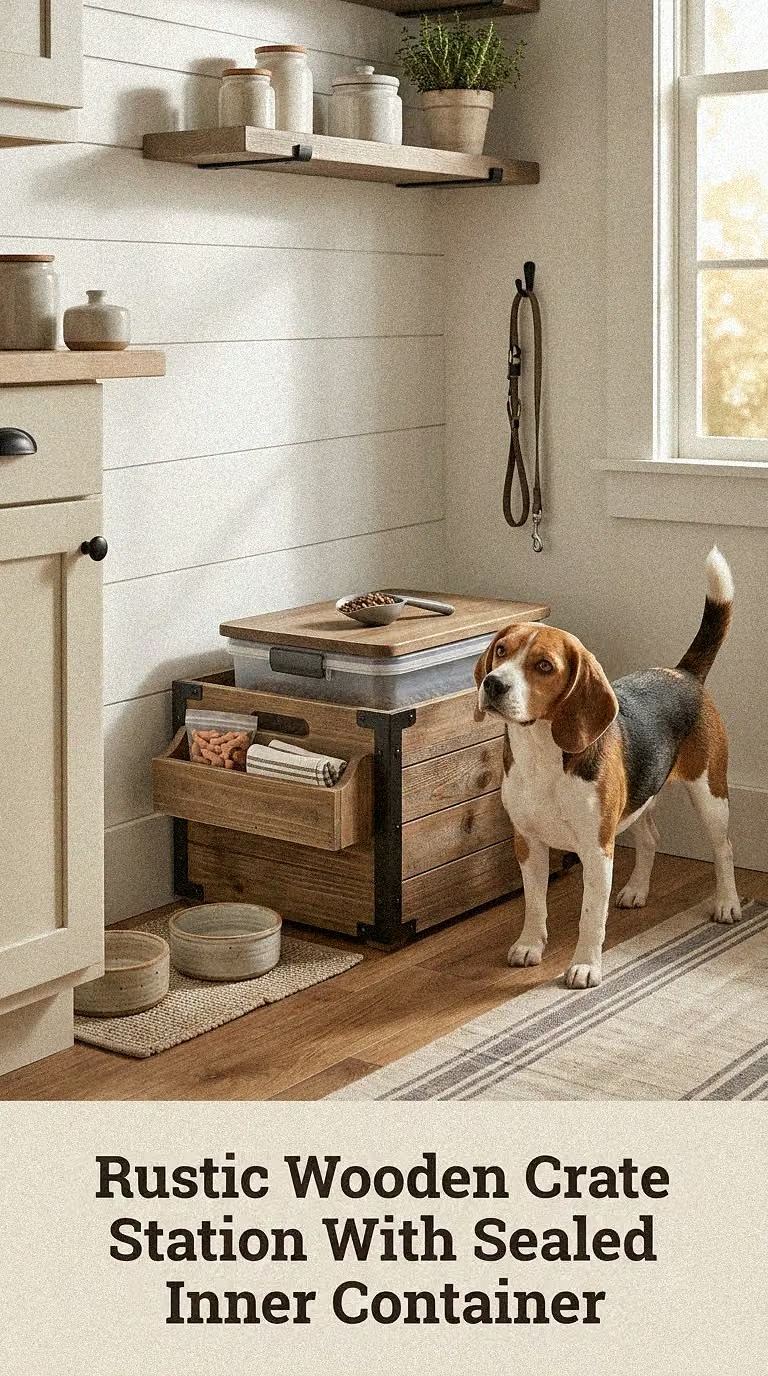
For farmhouse or cottage interiors, a wooden crate can disguise modern food storage while adding warmth and texture.
Read more : 7 Groups of Dogs
Use a sturdy crate large enough to surround a removable sealed container. Stain it in warm walnut, weathered oak, or soft honey brown, then add small furniture feet so it feels more intentional.
A hinged wooden top can create a convenient surface for a treat jar or decorative basket. If you build your own version, make sure the lid cannot fall unexpectedly while you are retrieving food.
The wooden crate should be decorative rather than the actual food container. Keeping kibble inside its protected bag and sealed inner bin makes the setup much easier to clean.
This idea works beautifully beside a farmhouse-style feeding mat or tucked underneath open shelving.
Minimalist Counter-Height Feeding Cabinet With Hidden Storage
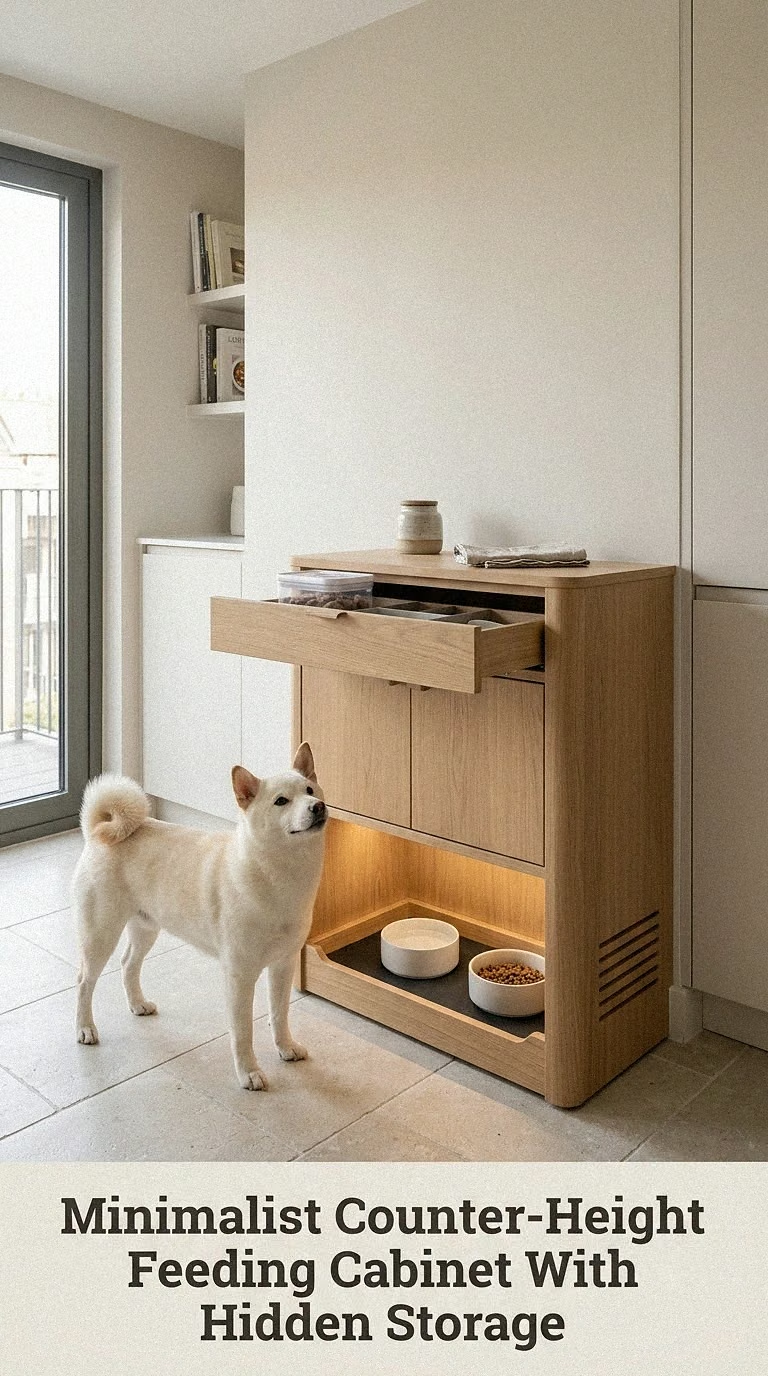
A slender counter-height cabinet can create an entire dog feeding station within a surprisingly small footprint.
Use the lower cabinet for food storage and the top for preparing meals. A shallow drawer directly under the surface can hold a dedicated scoop, while an open cubby near the bottom keeps bowls organized when they are not in use.
For a minimalist look, choose flat-front cabinetry in warm white or pale greige with discreet hardware. A light wood top adds just enough softness to prevent the station from feeling clinical.
Keep food concealed behind a solid door rather than displaying the bag openly.
Because this station combines preparation, storage, and feeding accessories vertically, it can eliminate several smaller containers scattered throughout the kitchen.
Under-Stair Dog Pantry With Warm Wood Shelving
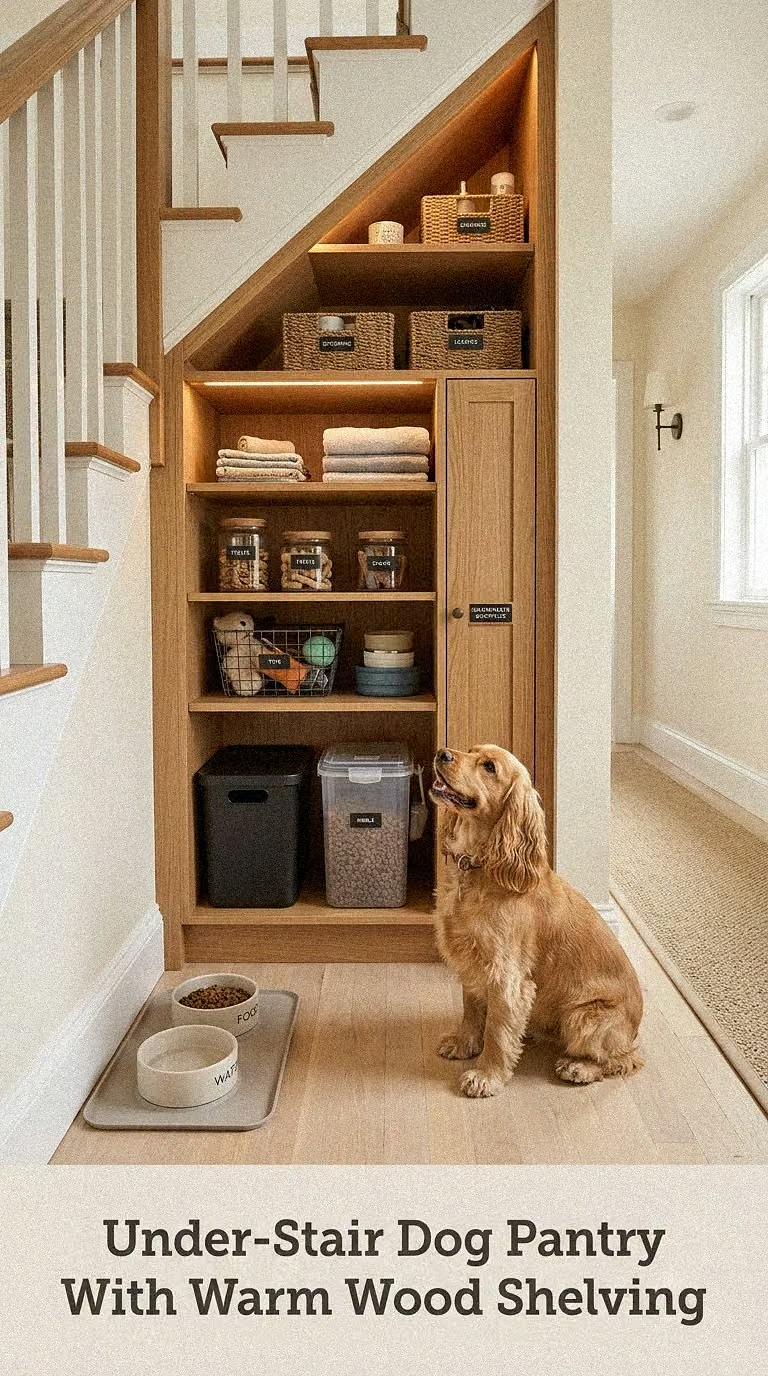
The awkward space beneath a staircase can become an unexpectedly charming miniature dog pantry.
Install shallow warm wood shelves for treats, grooming supplies, and walking essentials, then reserve the cooler lower area for a securely closed food container. Cabinet doors can hide everything when you want the room to look streamlined.
For an especially cozy design, combine creamy walls with oak shelves, woven baskets, and small black labels.
Avoid overfilling the nook. Dog food storage needs to remain easy to access so you can inspect the area and clean crumbs before they attract pests.
If your under-stair space is enclosed, check that it remains dry throughout the year. Areas affected by dampness or plumbing leaks are not suitable places to keep food.
Laundry Room Shelf Nook With Lidded Kibble Container
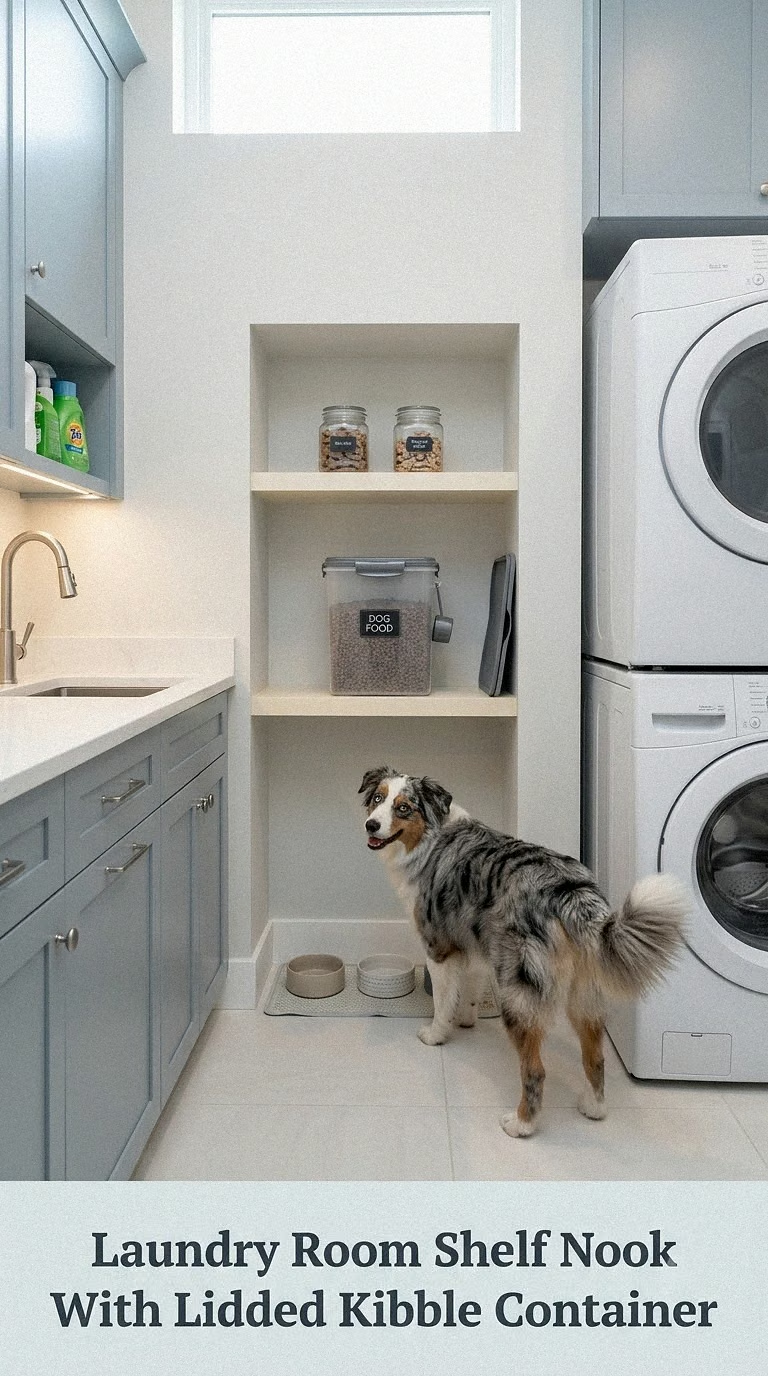
A compact laundry room can double as a pet supply station when the layout is carefully planned.
Place a rectangular food container on a sturdy lower shelf or inside a base cabinet, with treats and feeding accessories arranged above. Neutral containers in white, beige, or soft gray can make a busy utility space feel calmer.
Keep dog food separated from detergents, stain removers, bleach, and other household chemicals. Ideally, pet food should occupy its own enclosed cabinet or clearly separated section.
A removable tray under the food container makes stray crumbs easier to clean. You can also hang the dedicated food scoop on a small hook inside the cabinet door.
This setup works particularly well when your dog’s feeding area is already near the laundry room.
Narrow Freestanding Pantry With Cane-Front Doors
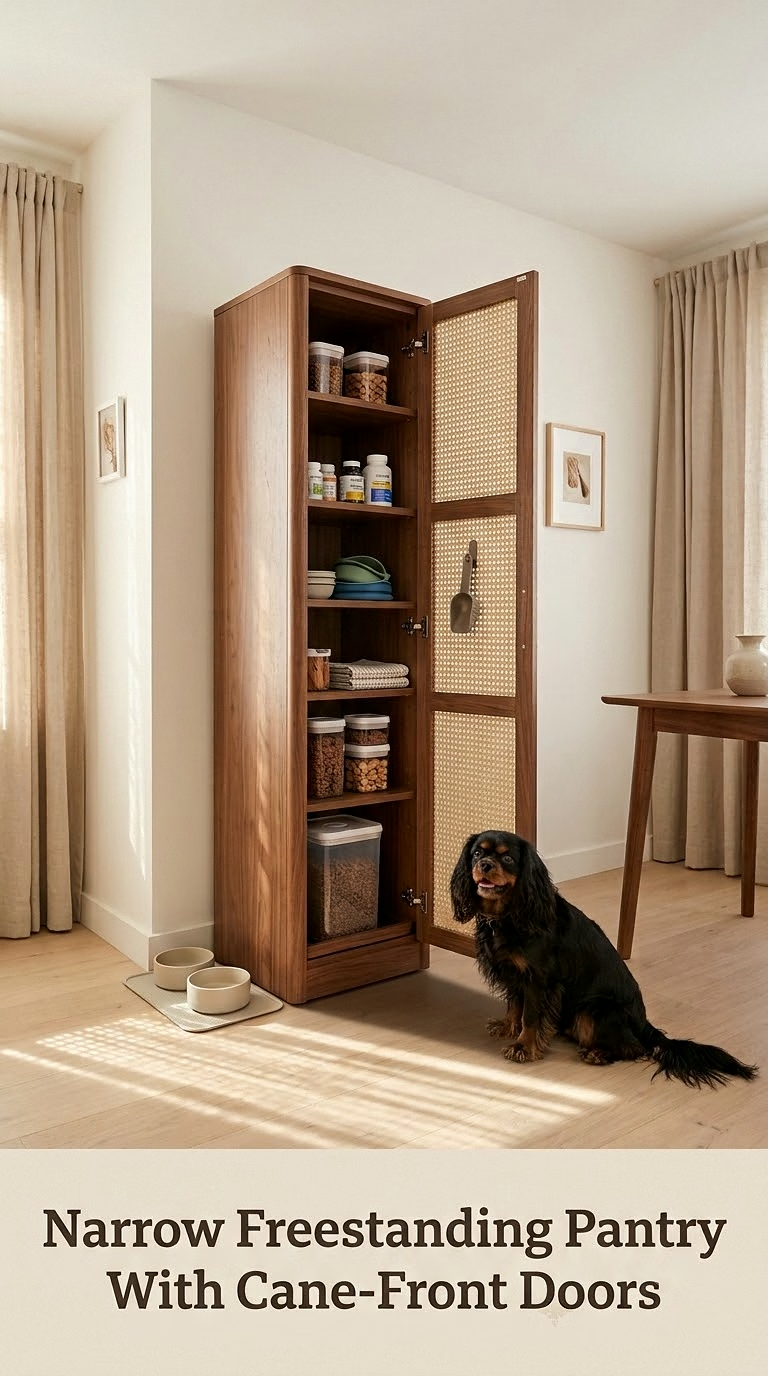
A narrow freestanding pantry is a stylish solution for apartments where built-in modifications are not possible.
Look for a tall cabinet with cane-front or fluted doors that feels more like furniture than utility storage. Inside, place dog food at the bottom and use adjustable shelves for treats, bowls, and other pet supplies.
Natural cane paired with light oak gives the cabinet a soft, airy appearance that works beautifully in neutral living spaces.
Choose a cabinet that can be properly anchored according to the manufacturer’s instructions, especially if it is tall and narrow. You do not want a curious dog pushing against unstable furniture while searching for treats.
When you move homes, the entire pet pantry can simply come with you.
Hidden Dog Food Drawer Beneath A Window Bench
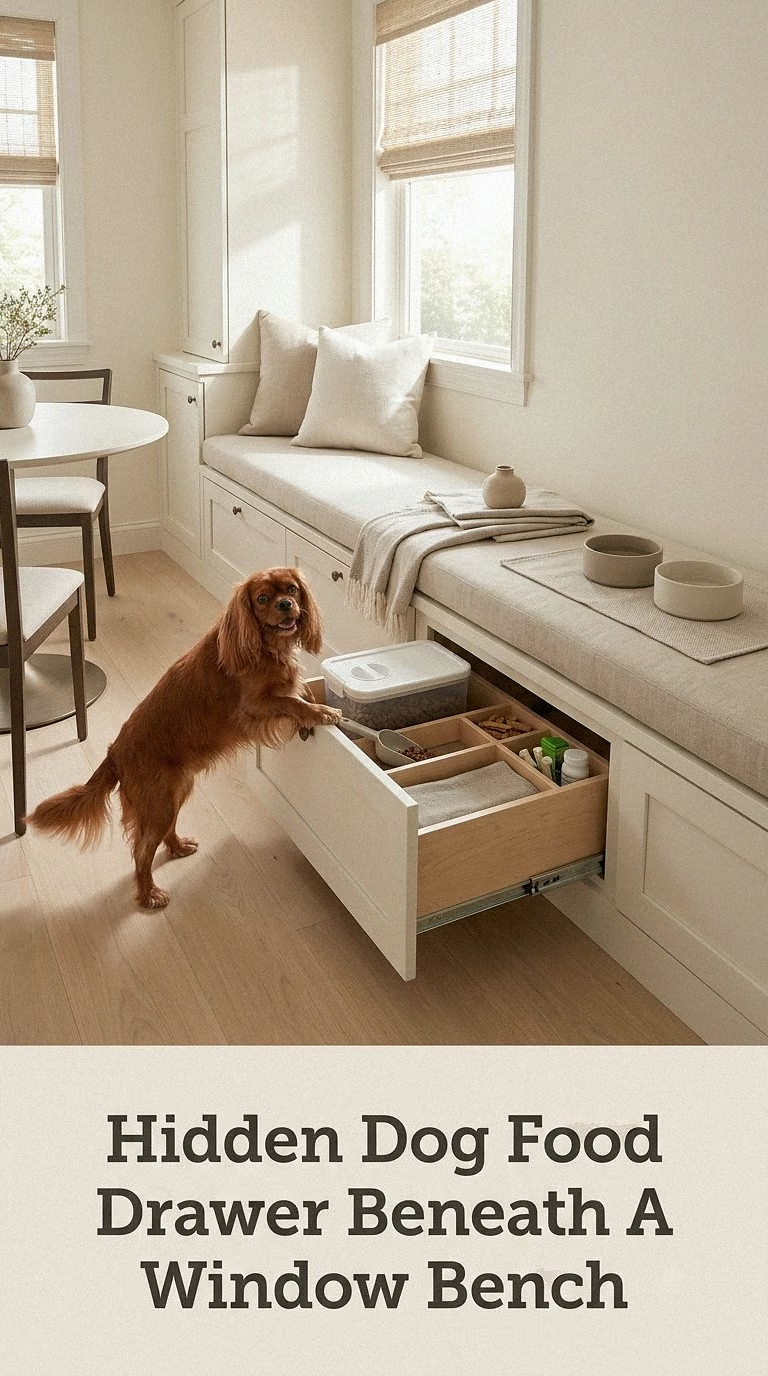
A window bench can do much more than provide a sunny place to sit.
Build or adapt a bench with deep drawers underneath, reserving one drawer specifically for dog food. Place the food inside a rectangular lidded container that can be removed for washing.
The remaining drawers can hold toys, blankets, leashes, or seasonal pet supplies, creating a compact dog organization zone without introducing another piece of furniture.
Style the bench with neutral cushions and washable covers in cream, muted green, dusty blue, or warm beige.
For convenience, position the dog food drawer closest to the feeding area. Heavy-duty drawer slides are worth considering because a full food container can be much heavier than ordinary linens or accessories.
White Wall-Mounted Cabinet Above A Compact Feeding Station
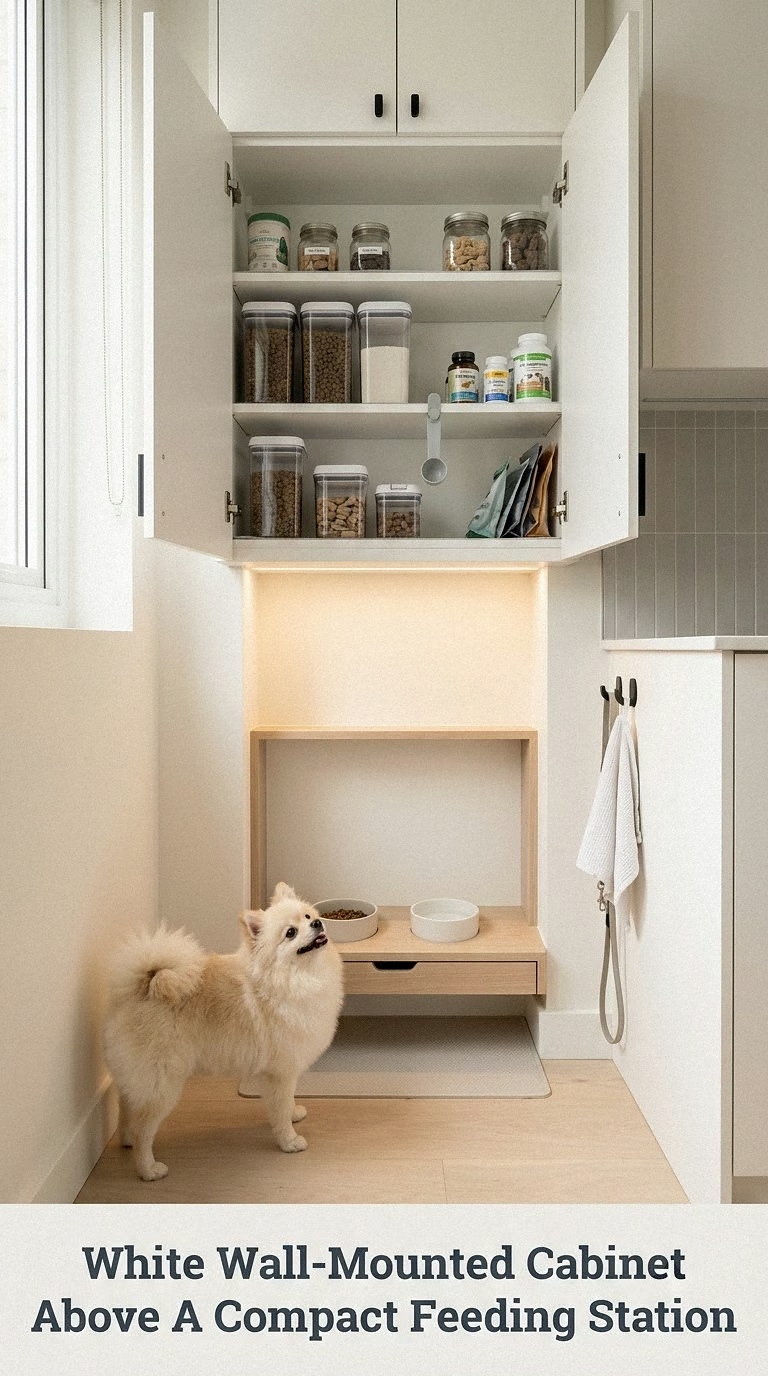
When there is almost no available floor space, use the wall.
A shallow wall-mounted cabinet can hold small bags of food, treats, supplements, and feeding accessories while leaving the floor completely open. Beneath it, create a compact feeding area with two bowls on a washable mat.
This arrangement is especially practical for small dogs whose food bags are manageable enough to lift safely.
Read more : Everything To Know About The 3 Types Of Ridgeback Dog Breeds
Choose a warm white cabinet that blends into the wall so the room feels visually larger. Simple oak knobs or a slim wooden shelf can add warmth.
Make sure the cabinet is securely attached to appropriate wall supports and that heavier supplies are stored safely. Frequently used food should be easy to reach without stretching or balancing on furniture.
Soft Beige Kitchen Island With A Slim Pet Storage End Cabinet
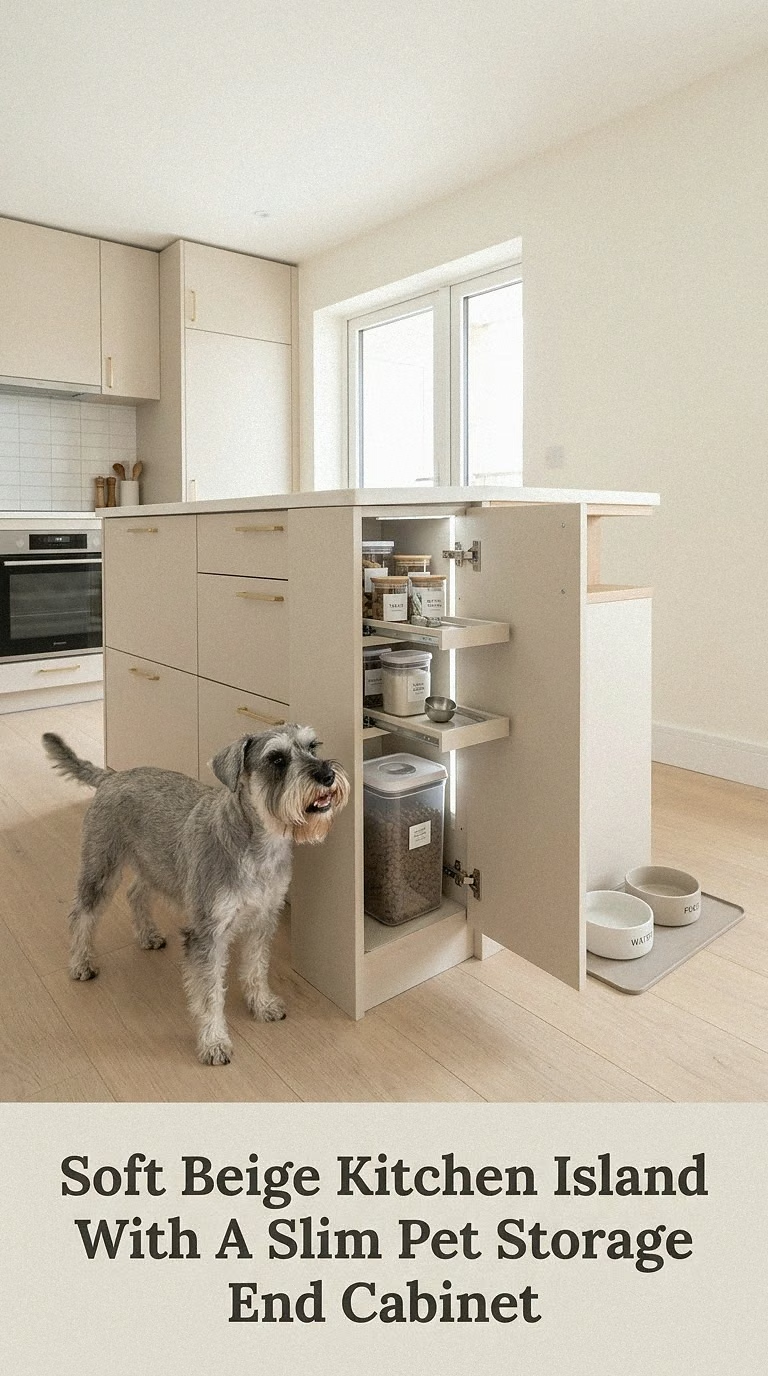
The end panel of a small kitchen island can provide surprisingly useful storage.
Instead of leaving it decorative, add a shallow cabinet sized for pet supplies. A tall rectangular food container can occupy the lower section while hooks or narrow shelves organize scoops and treat pouches.
Painting the island soft beige, mushroom, or warm taupe creates a polished look that feels softer than stark white.
This is particularly effective in open-plan apartments because the dog’s supplies disappear inside furniture that already serves another purpose.
Avoid positioning the food storage immediately beside an oven or another area exposed to substantial heat. Choose the coolest available end of the island and keep the cabinet dry and easy to clean.
Vintage Sideboard With A Hidden Modern Dog Food Bin
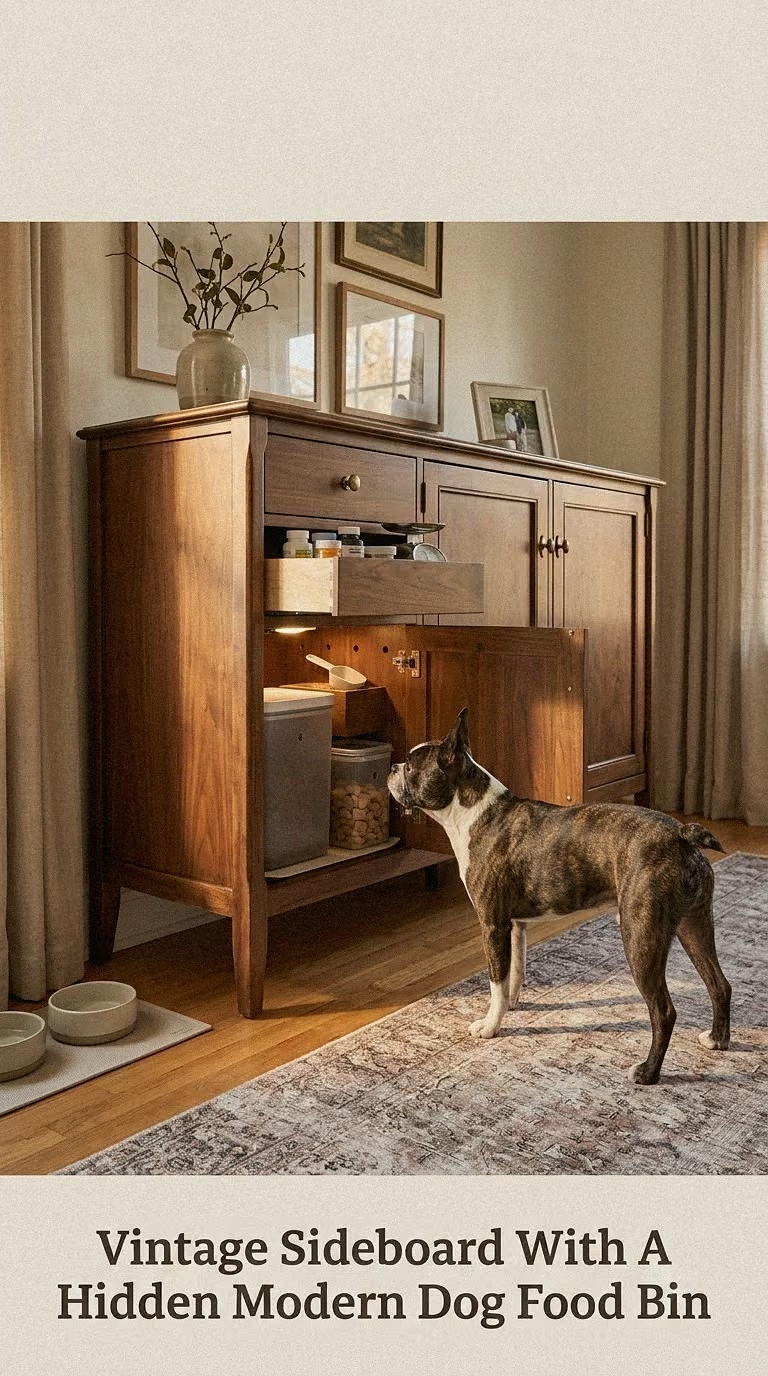
A beautiful piece of furniture can hide highly practical storage.
Turn the lower section of a vintage sideboard into a dog food cabinet by placing a modern sealed container behind one of the doors. The contrast lets you keep the warmth and personality of antique furniture while using a hygienic removable container inside.
A small ceramic jar on top can hold a day’s worth of treats, while baskets behind another door store towels and walking supplies.
Look for sideboards with deep lower cabinets rather than delicate drawers. Before using vintage furniture, clean the interior thoroughly and check for moisture, damaged finishes, or pest activity.
This idea is perfect for homes where the dining room or living area doubles as the dog’s feeding zone.
Compact Closet Dog Pantry With Door-Mounted Accessories
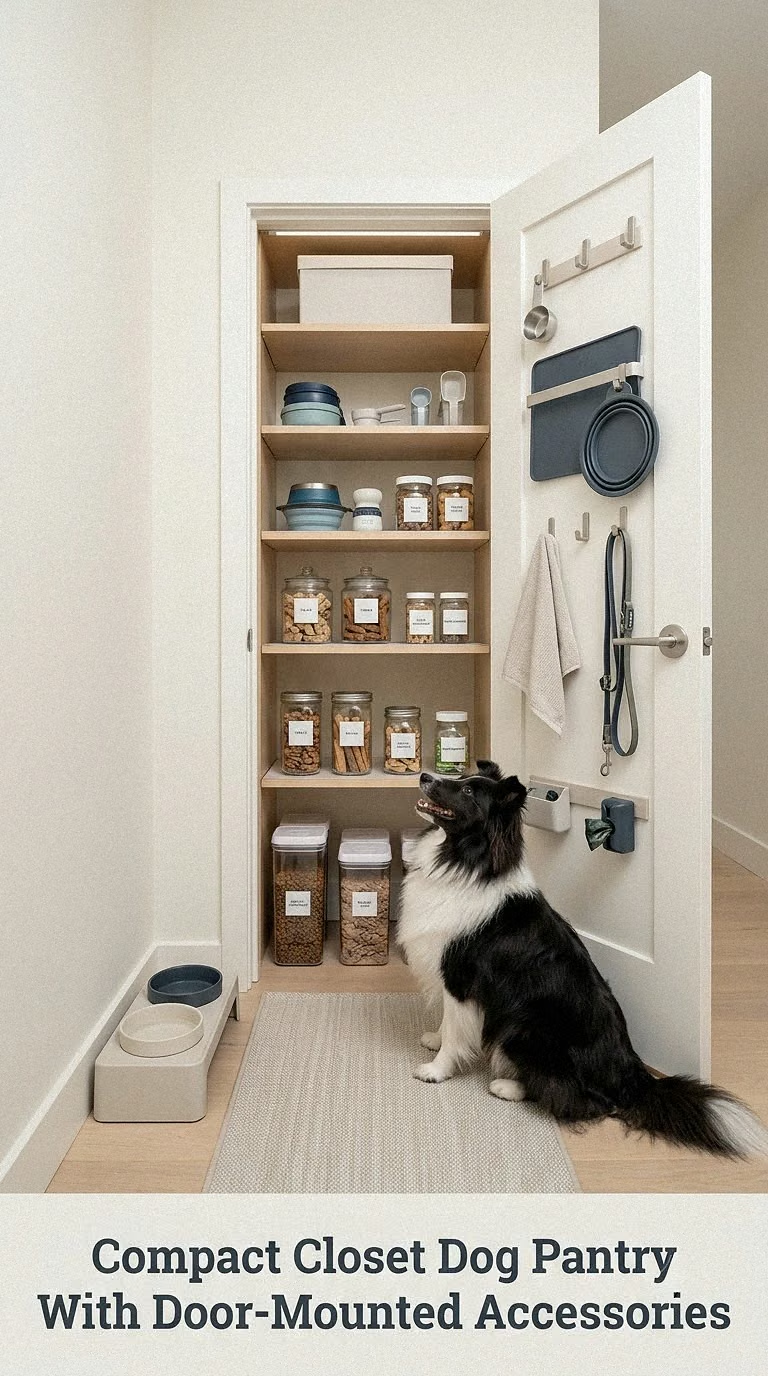
Even a small section of an existing utility or coat closet can become an organized dog pantry.
Keep the food container on the floor or lowest sturdy shelf, then use the inside of the door for lightweight accessories. A shallow hanging organizer can hold waste bags, grooming brushes, collapsible bowls, and sealed treat packets.
This vertical approach keeps dozens of little items from consuming valuable shelf space.
Use matching bins in cream, charcoal, or natural woven textures to make the closet feel calm when the door opens.
Avoid putting open treats into fabric pockets where crumbs can accumulate. Use sealed packets or small washable containers instead.
A closet also has one major advantage for food-motivated dogs: the entire supply can remain behind a securely closed door.
Minimalist Clear Kibble Container Inside A Deep Kitchen Drawer
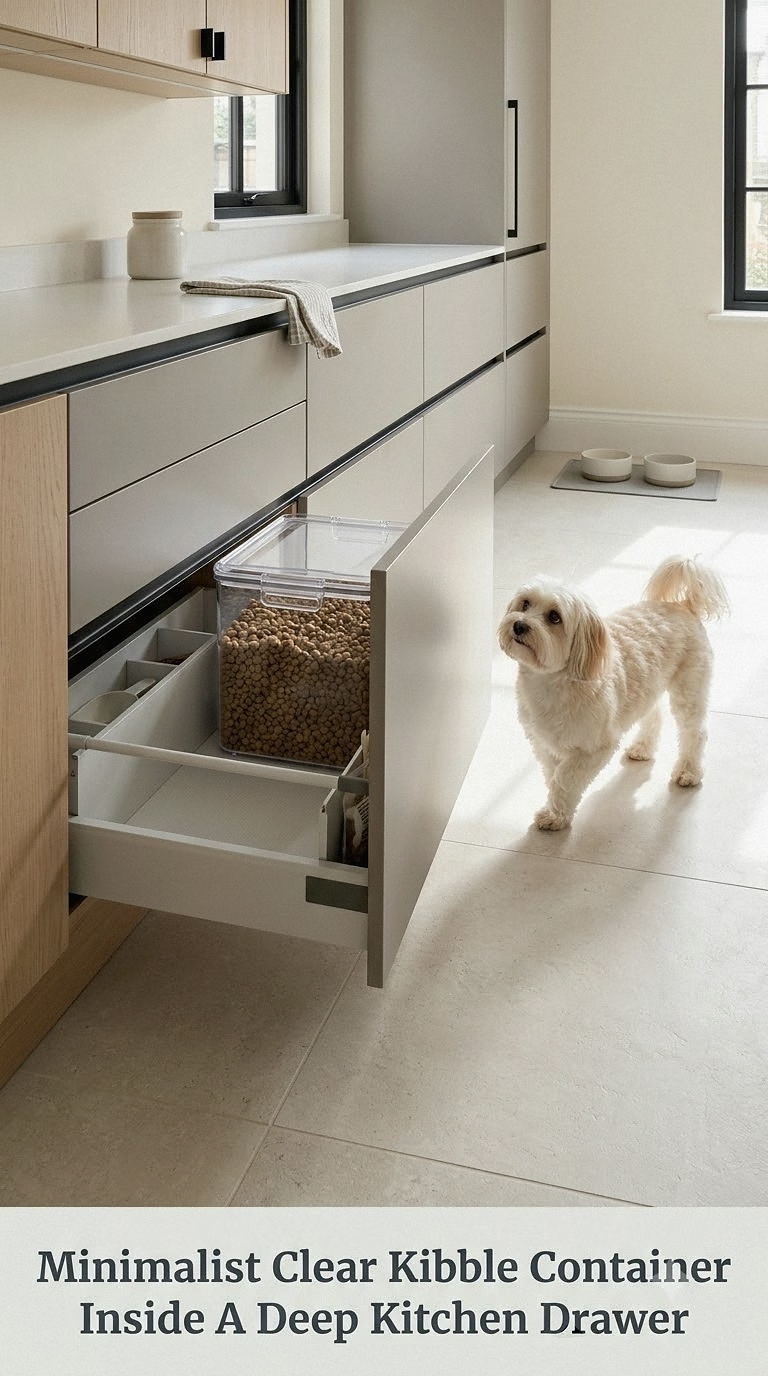
Deep kitchen drawers are often easier to access than low cupboards, making them a smart place for compact dog food storage.
Choose a rectangular container that fits comfortably inside the drawer with enough clearance for the lid. Keep the original food bag inside whenever the dimensions allow, or preserve all important package information if you transfer the kibble.
A small divider beside the container can hold the measuring scoop and unopened treat packets.
This setup looks wonderfully minimal because nothing is visible once the drawer closes. It also avoids taking up additional floor or counter space.
Check the drawer’s weight rating before filling a large container. Dog food can be surprisingly heavy, so strong hardware is essential for smooth, safe operation.
Small Mudroom Feeding Station With Built-In Bench Storage
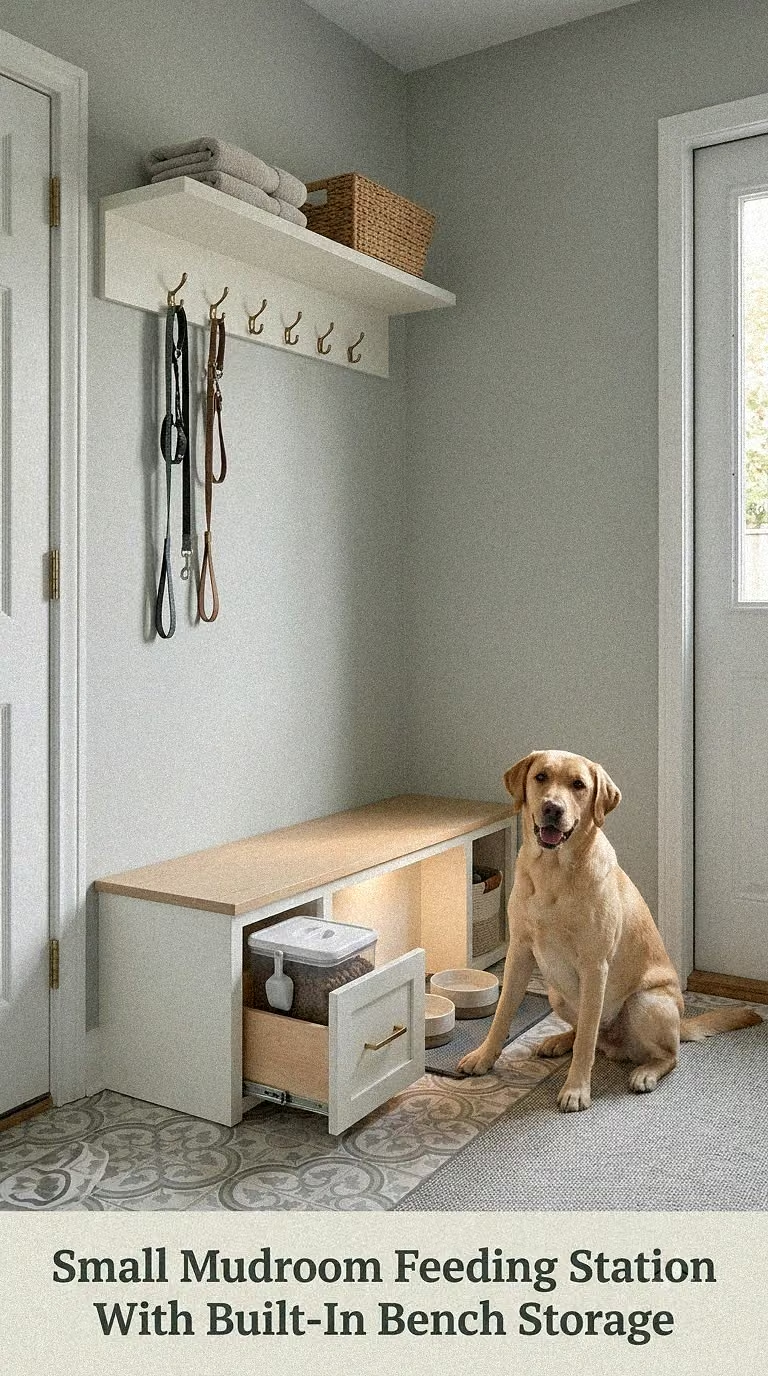
A tiny mudroom can become an all-in-one dog headquarters without feeling crowded.
Create a simple built-in bench with a hinged seat or deep drawer underneath. Store the dog’s food in a secure removable container below, then use wall hooks above for leashes, harnesses, and lightweight walking gear.
A washable runner, warm wood bench top, creamy cabinetry, and muted green accents create an inviting look while remaining practical for muddy paws.
Add a boot tray or washable mat near the bowls to simplify cleanup after meals and walks.
Because everything has a designated place, this setup can dramatically reduce the number of pet items drifting into the kitchen or entryway. It is a particularly useful solution for households that need one compact area to handle feeding, walking, and everyday pet organization.
Creating Beautiful Dog Food Storage Ideas Small Spaces Can Live With
Living in a small home does not mean settling for an oversized bag of kibble sitting permanently in the corner. In fact, limited space often encourages the most thoughtful solutions.
Look first at the areas your home already has but may not be using effectively: the narrow gap beside cabinetry, the space beneath a bench, the bottom of a closet, a deep drawer, an empty cabinet end, or a small stretch of vertical wall. Often, only a few inches are needed to create a dedicated food station.
Whichever design you choose, practicality should guide the details. Keep dry food cool and dry, protect it from curious pets and pests, clean reusable containers between refills, and preserve the original food information so it remains available when needed.
From soft sage benches and warm oak pull-outs to minimalist hidden drawers and charming vintage sideboards, dog food storage can become part of your home’s style instead of something you constantly try to hide. Choose the idea that fits naturally into your daily routine, adapt the colors and materials to your space, and create a little feeding station that feels organized, welcoming, and completely at home.
Source: https://petstutorial.com
Category: DOGS
