
Dog food has a funny way of taking over a home. One large kibble bag appears beside the pantry, treat packets collect on a shelf, measuring cups disappear into drawers, and suddenly your carefully styled kitchen has become an unofficial pet supply station.
The good news is that storing your dog’s food does not have to mean hiding an awkward bag wherever it happens to fit. With a little planning, you can create a storage setup that keeps feeding essentials organized while still feeling like a thoughtful part of your home.
You are reading: 18 Dog Food Storage Ideas For A Cleaner, Prettier Pet-Friendly Home
The best dog food storage ideas balance beauty with practicality. Food should stay protected from moisture, excessive heat, pests, and curious noses, while bowls, scoops, treats, and supplements remain easy to reach. Keeping dry food in its original bag inside a secure container is especially practical because you can preserve important product information while adding another layer of protection.
Whether you have a spacious mudroom, a tiny apartment kitchen, or one narrow pantry shelf to spare, there is a stylish solution that can work for you. From warm white cabinetry and rustic metal bins to hidden bench compartments and sleek modern feeding consoles, these ideas make everyday mealtimes feel much more organized.
Stylish And Practical Dog Food Storage Ideas For Every Home
Warm White Pantry Cabinet With Pull-Out Dog Food Bin
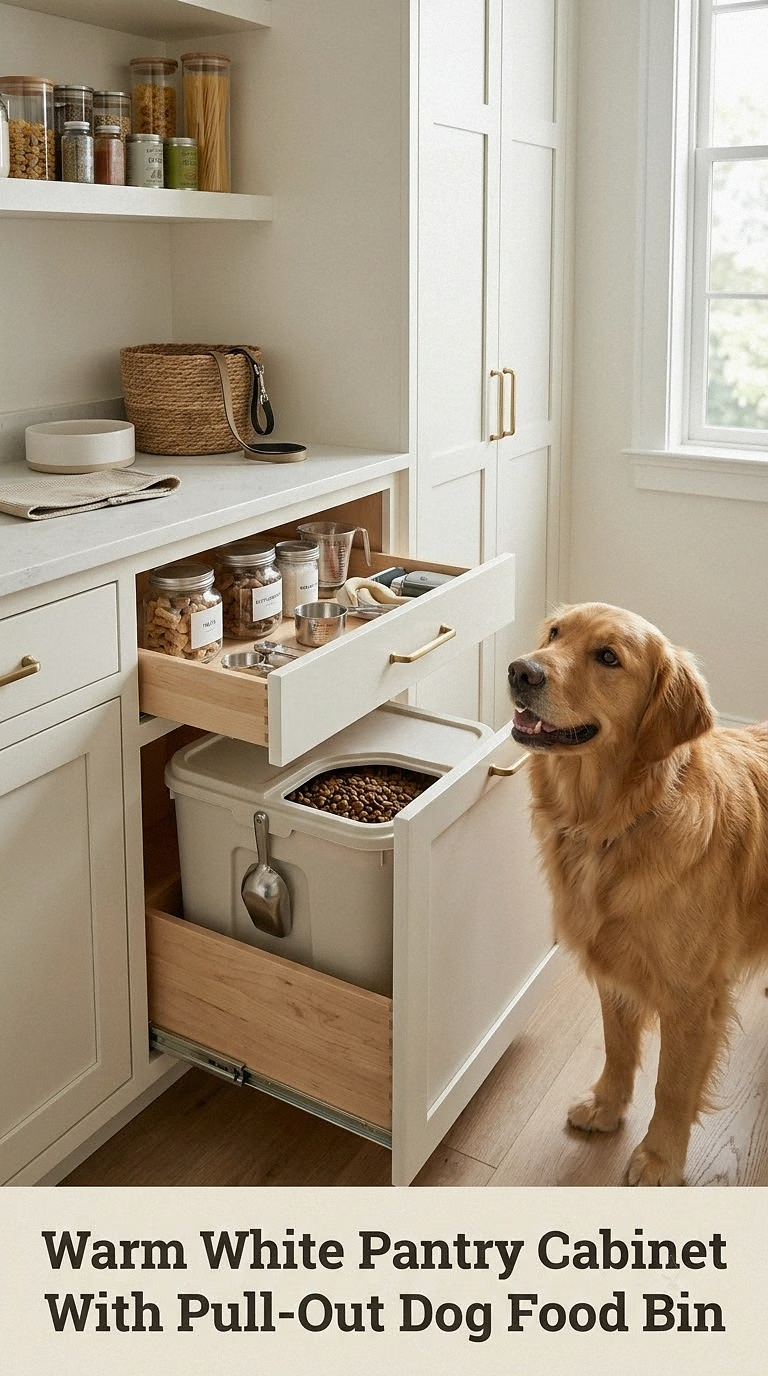
A warm white pantry cabinet can make dog food storage feel completely integrated into the kitchen instead of added as an afterthought. Dedicate one deep lower cabinet to a large pull-out bin that holds the original kibble bag upright.
Choose a bin with a secure lid and enough clearance that you can easily lift the bag in and out. A heavy-duty drawer slide makes the container much easier to access than reaching into the back of a deep cabinet.
Use the upper shelves for treats, supplements, waste bags, and a dedicated measuring scoop. Soft white cabinetry paired with brass or matte black hardware creates a polished look that works beautifully in both traditional and transitional kitchens.
Because everything disappears behind a cabinet door, this setup is particularly helpful if you prefer visually calm, uncluttered spaces.
Modern White Oak Feeding Station With Hidden Drawer Storage
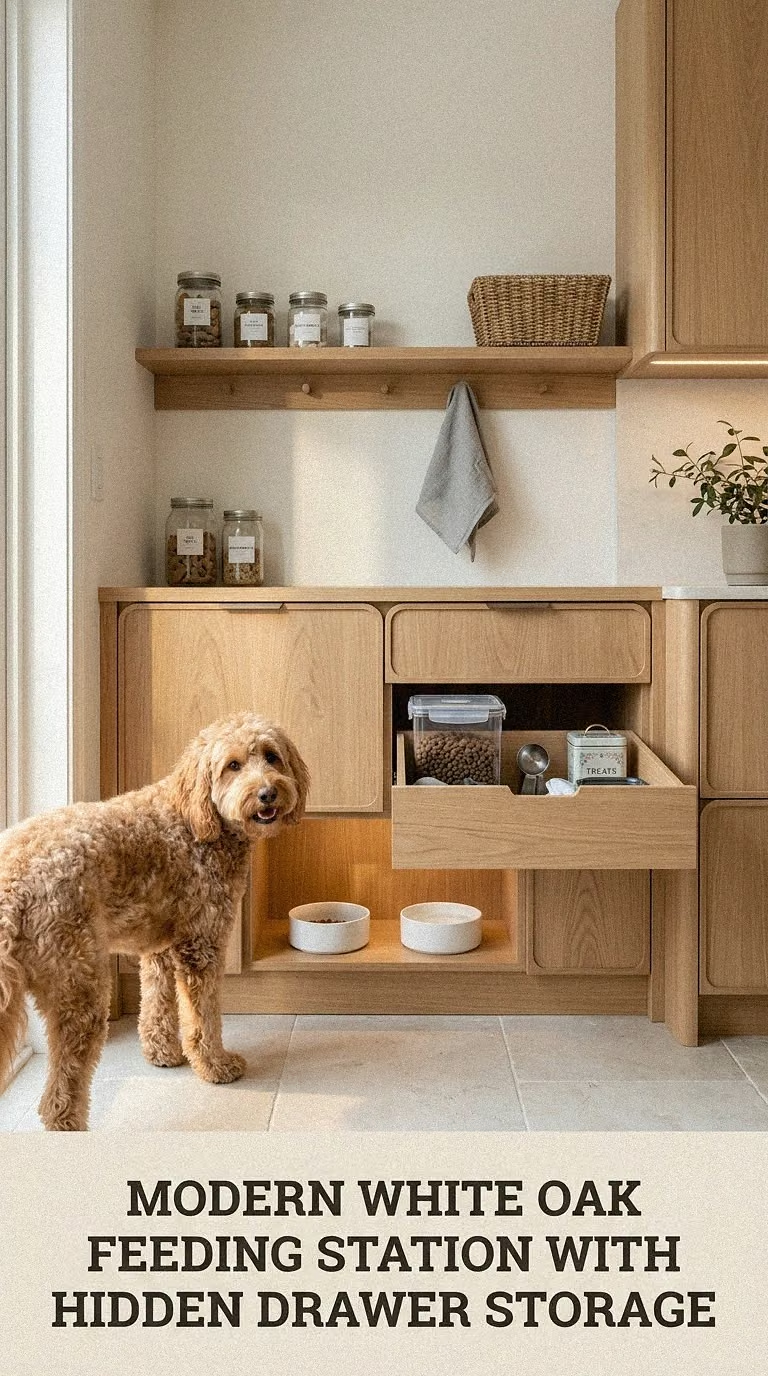
Turn your dog’s feeding area into a small piece of custom furniture with a white oak feeding station featuring deep drawers underneath.
Two fitted bowl openings can sit along the top while the lower portion provides storage for food, extra bowls, placemats, and feeding accessories. A deep bottom drawer can accommodate a sealed dog food container with the original bag placed inside.
White oak brings warmth without making the area feel rustic. Pair it with creamy walls, pale stone floors, and simple ceramic bowls for a soft modern look.
For easier cleaning, leave several inches of space around each bowl opening and choose a wipeable surface. You can also use a removable silicone feeding mat over the top if your dog tends to splash water during meals.
Soft Sage Green Mudroom Cabinet With Labeled Food Bins
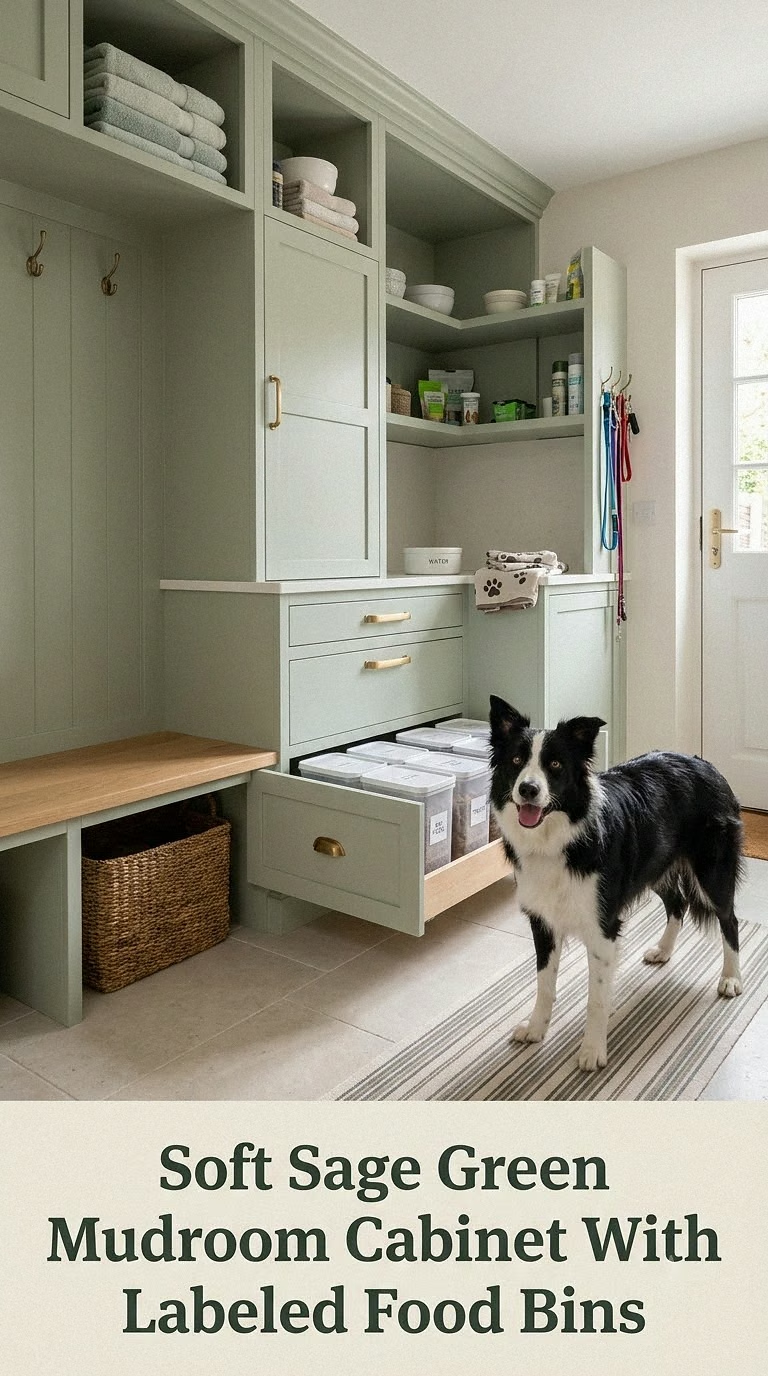
A mudroom is a natural place to create a complete dog care station, especially when your pet already enters the house through this area after walks.
Paint a lower cabinet soft sage green and add simple labeled sections for food, treats, grooming supplies, leashes, and towels. Inside the food cabinet, use a tightly closing container large enough to hold the kibble bag without emptying it.
The muted green looks especially beautiful with natural wood hooks, woven baskets, creamy walls, and black hardware. Add an easy-clean mat beneath the feeding bowls to protect the floor from crumbs and splashes.
Keeping food inside cabinetry also gives the space a much calmer appearance than having colorful commercial packaging visible throughout the room.
Rustic Galvanized Dog Food Bins On Open Wood Shelving
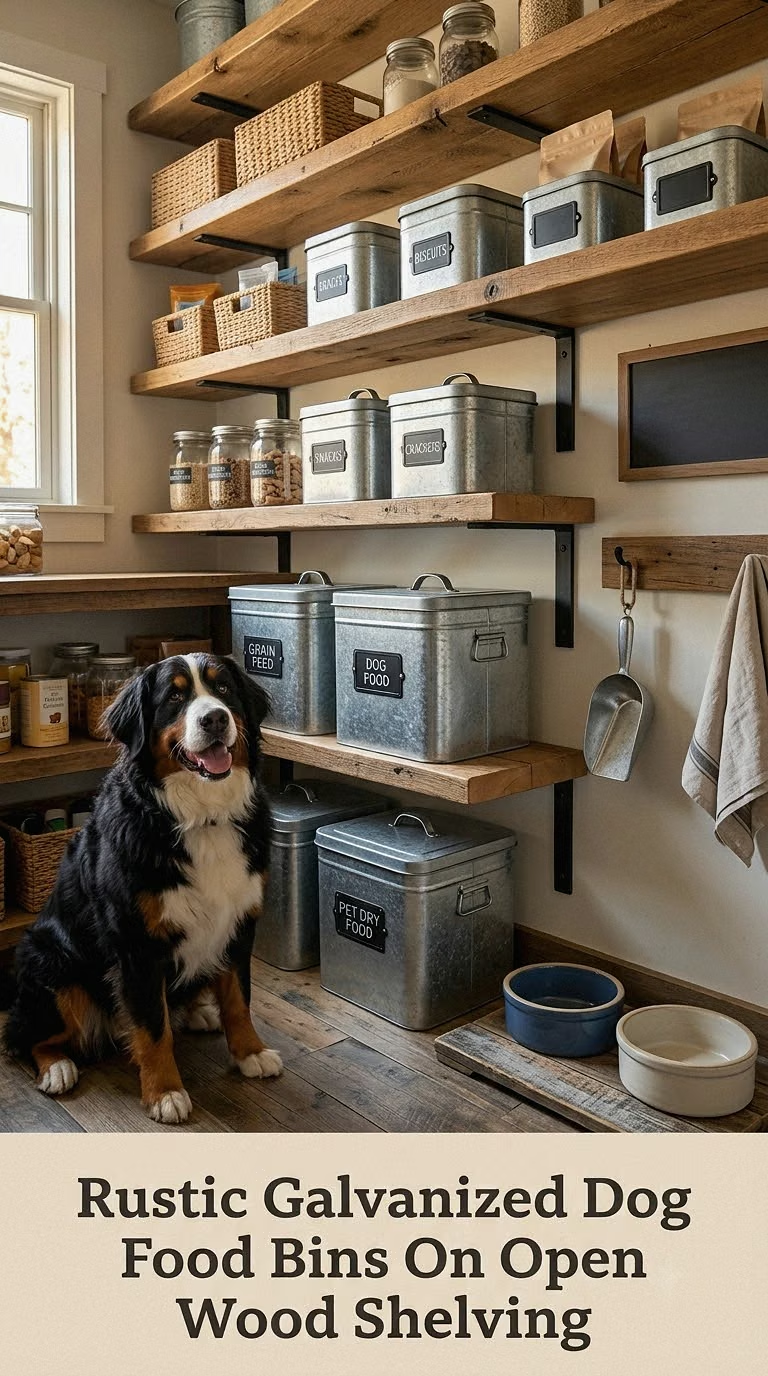
If you love farmhouse interiors, large galvanized metal bins can become part of the decor rather than something you need to hide.
Place one or two lidded metal containers beneath sturdy reclaimed wood shelves. Keep the original food bag inside each bin whenever possible, particularly if the container comfortably accommodates the package.
Above the bins, style the shelves with ceramic treat jars, folded dog towels, a small basket for toys, and perhaps a framed pet portrait. Stick to a limited palette of warm wood, creamy white, black, and galvanized metal so the arrangement feels intentional.
Choose bins with smooth interiors and snug lids rather than decorative containers that leave large gaps around the top.
Clear Airtight Containers Inside A Closed Pantry
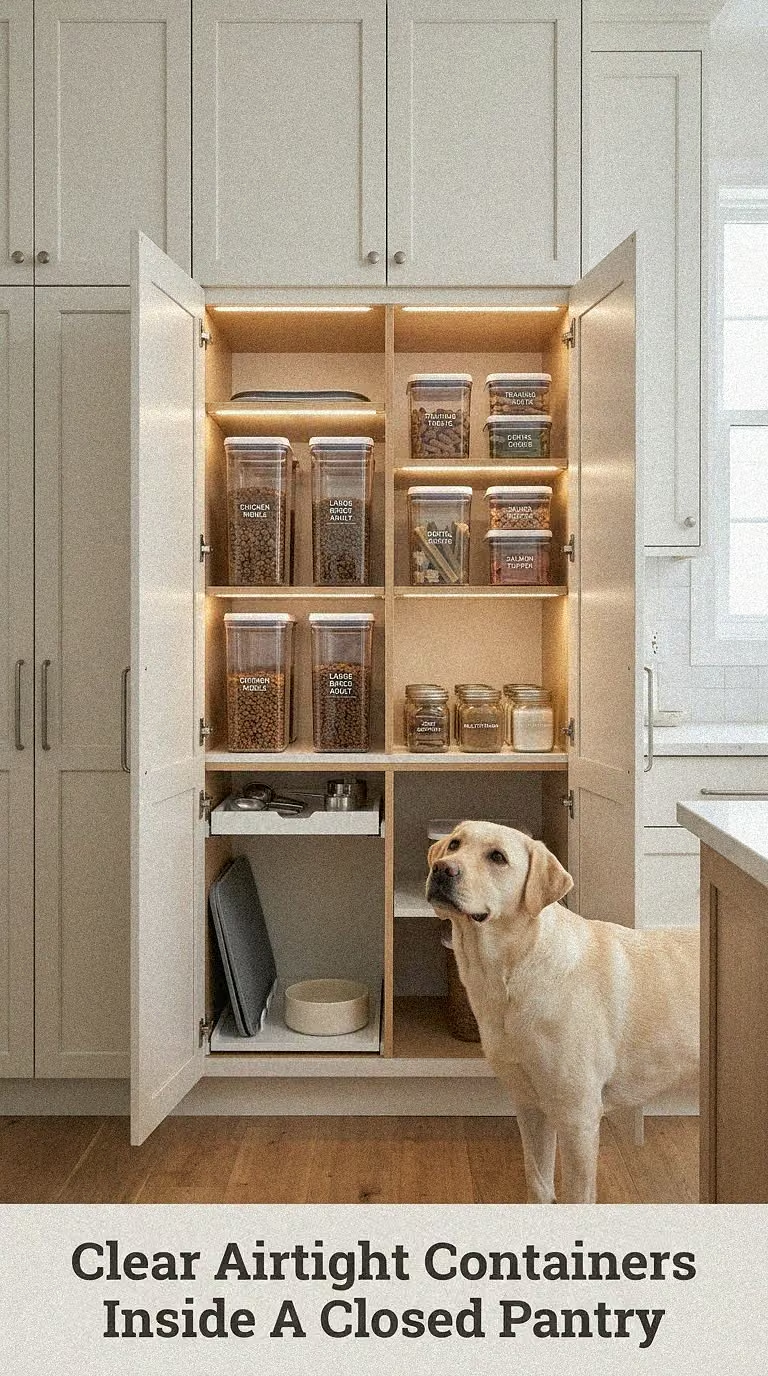
Clear containers make it easy to see when supplies are running low, but they look best when grouped neatly inside a pantry rather than scattered across the kitchen.
Use one large transparent container for dry food and smaller matching containers for sealed treats or feeding accessories. If the kibble bag fits inside the main container, leave the food in its packaging and simply place the entire bag inside.
Arrange the containers on a low shelf so heavy food does not need to be lifted overhead. Place lightweight supplies above them.
Because the containers are clear, keeping them behind a pantry door also limits prolonged exposure to bright light while maintaining that satisfying, organized appearance every time you open the cabinet.
Slim Rolling Dog Food Cart For Small Kitchens
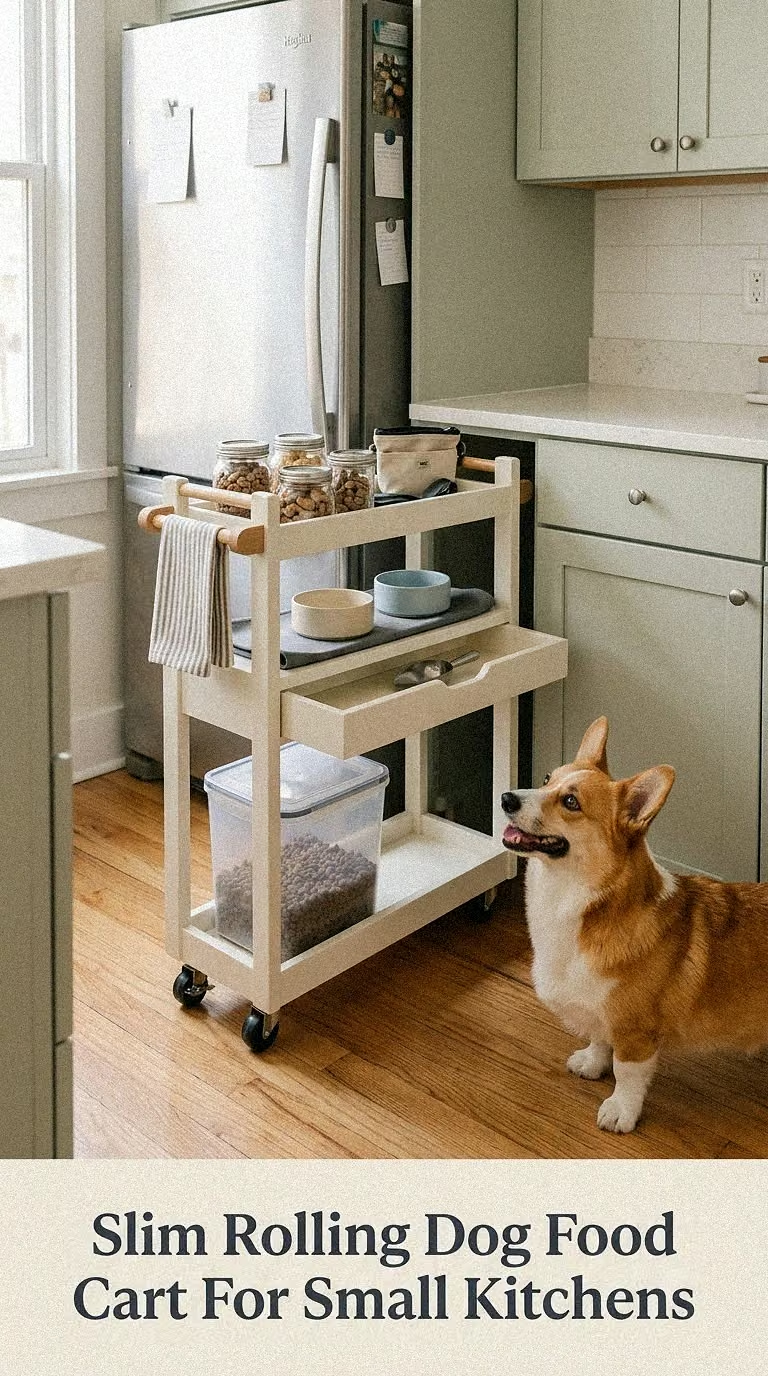
Small kitchens often lack a spare cabinet, which makes a narrow rolling cart surprisingly useful.
Choose a cart slim enough to slide beside the refrigerator, pantry cabinet, or kitchen island. The bottom shelf can hold a compact sealed food bin, while upper shelves organize canned food, treats, supplements, and feeding supplies.
Look for locking wheels so the cart stays securely in place when you scoop food. Baskets or raised edges are also helpful for preventing smaller items from falling off while the cart is moving.
For a cohesive look, match the cart to your kitchen finishes. White works well in bright cottage kitchens, while matte black suits modern spaces.
When feeding time is over, simply roll the entire station back into its narrow storage spot.
Cozy Under-Stair Pet Pantry With Built-In Shelving
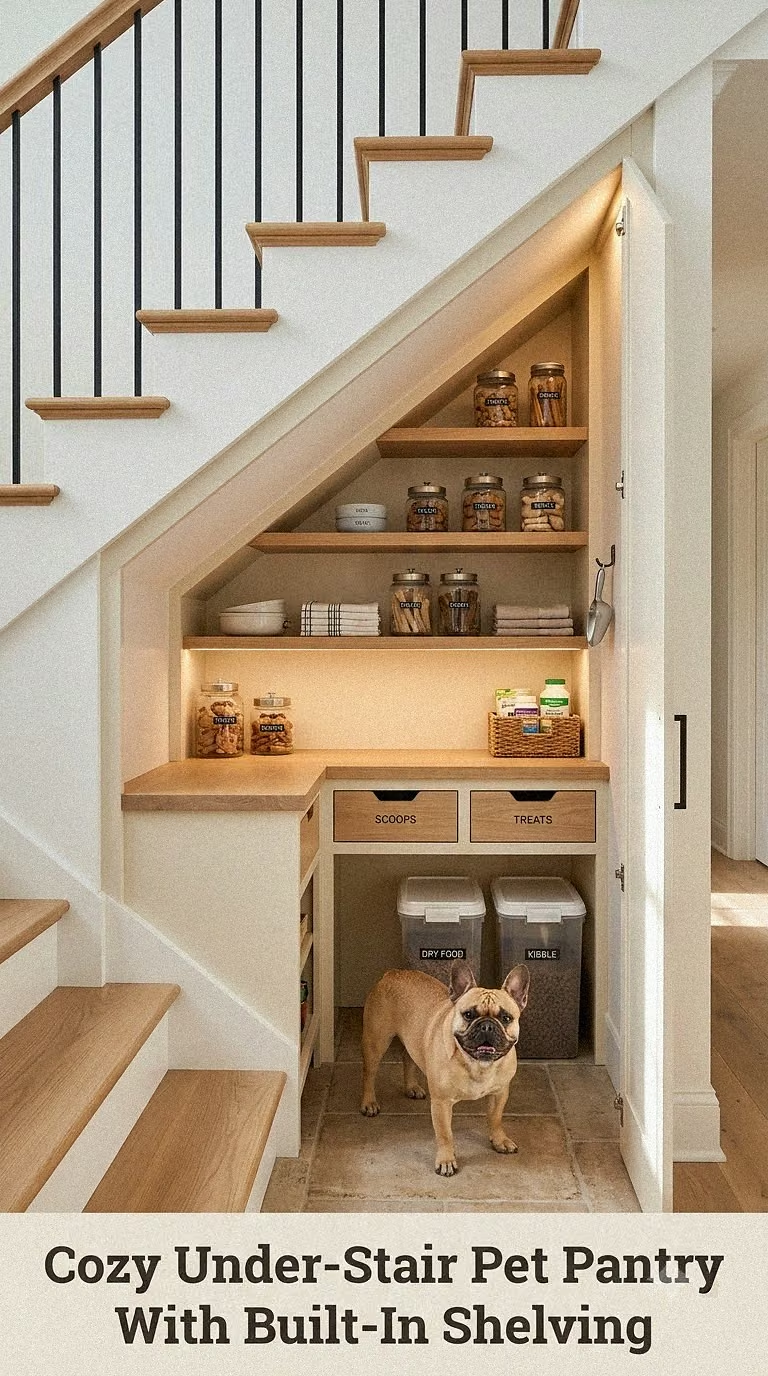
An unused section beneath a staircase can become a charming little pet pantry without requiring valuable kitchen storage.
Install shallow shelves for canned food, treats, supplements, and grooming supplies, then reserve the lowest section for the large kibble container. Closed cabinet doors can keep everything completely hidden when the area is not in use.
Read more : 19 Service Dog Vest Ideas That Blend Beauty, Comfort, And Everyday Function
Warm wood shelves paired with creamy walls and soft lighting make the little space feel intentionally designed. Add matching baskets for lightweight accessories and simple labels so everyone in the household knows where things belong.
Because some under-stair spaces can become warm or poorly ventilated, choose a location that remains dry and reasonably cool rather than automatically using every available cavity.
Laundry Room Dog Food Cabinet With Washable Tile Landing
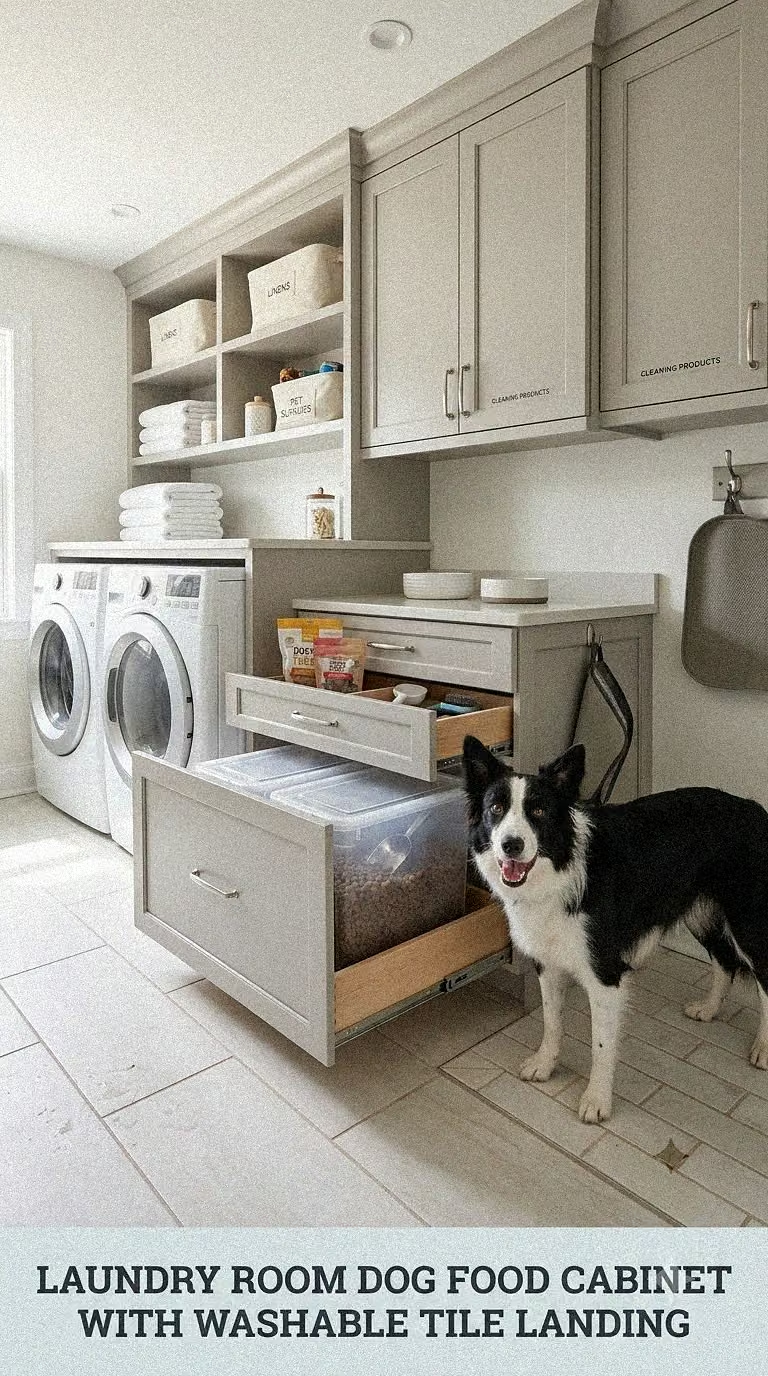
Laundry rooms are excellent multipurpose spaces for pet supplies when they remain climate controlled.
Create a lower dog food cabinet beside the washer or utility sink and add a washable tile landing for bowls. Porcelain or ceramic tile is particularly practical around messy drinkers because splashes can be wiped up quickly.
Keep detergents, bleach, and other household chemicals in a separate secure cabinet rather than alongside pet food.
For styling, combine warm gray cabinetry with white tile, natural wood shelves, and simple stainless-steel bowls. A shallow drawer directly above the food bin can hold the scoop, medications, and other small daily supplies.
The result is a feeding station that feels functional without sacrificing the clean look of the room.
Built-In Window Bench With Hidden Dog Food Storage
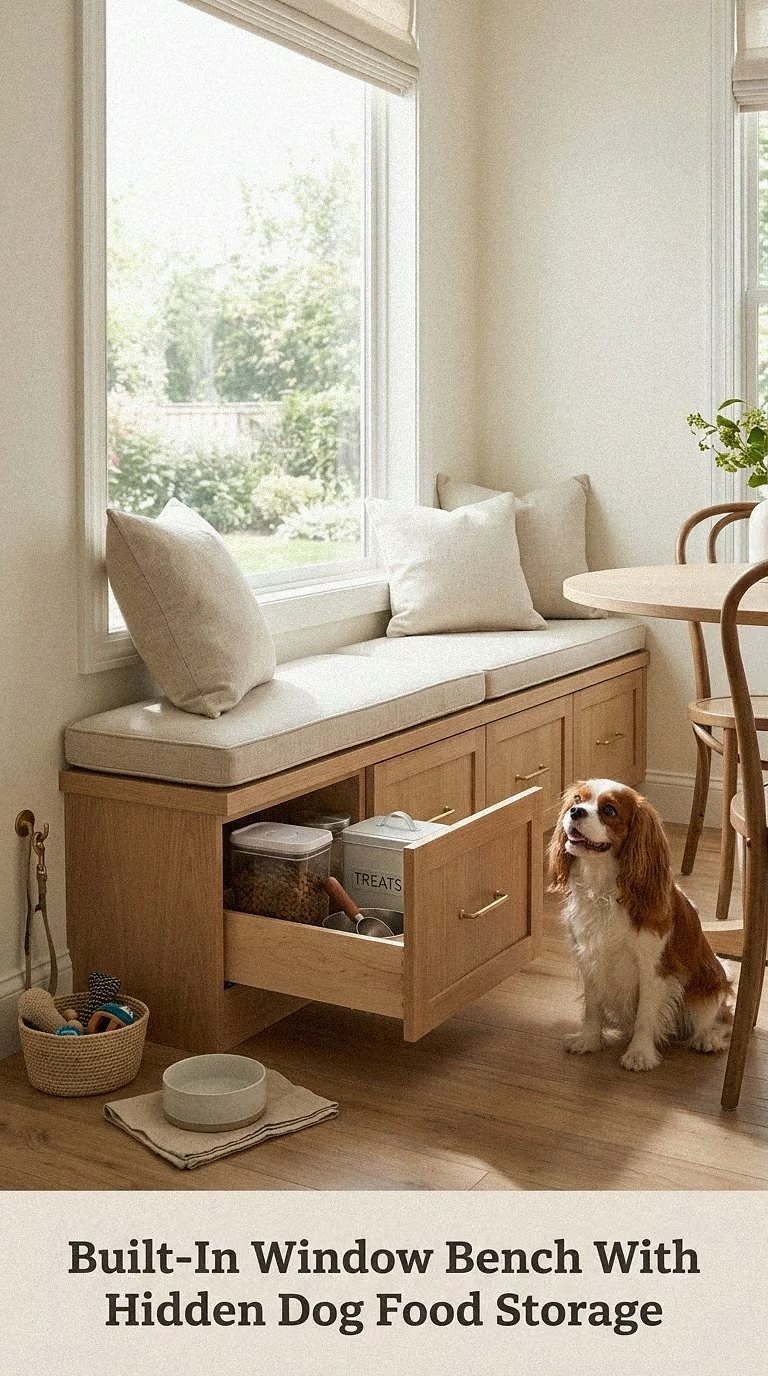
A window bench can do much more than provide a cozy place to sit.
Design one end with a lift-up lid or deep pull-out drawer sized specifically for your dog’s food container. The remaining compartments can hold toys, blankets, leashes, and seasonal pet supplies.
Add a washable neutral cushion on top so the bench functions as genuine seating rather than obvious pet storage. Warm beige upholstery, pale oak cabinetry, and textured throw pillows can make the entire piece feel like part of the room.
If you use a lift-up lid, include sturdy hinges or soft-close hardware so it cannot unexpectedly fall while you are retrieving food.
This solution works particularly well in breakfast nooks, mudrooms, and large entryways.
Minimalist Black Feeding Console With Concealed Food Compartment
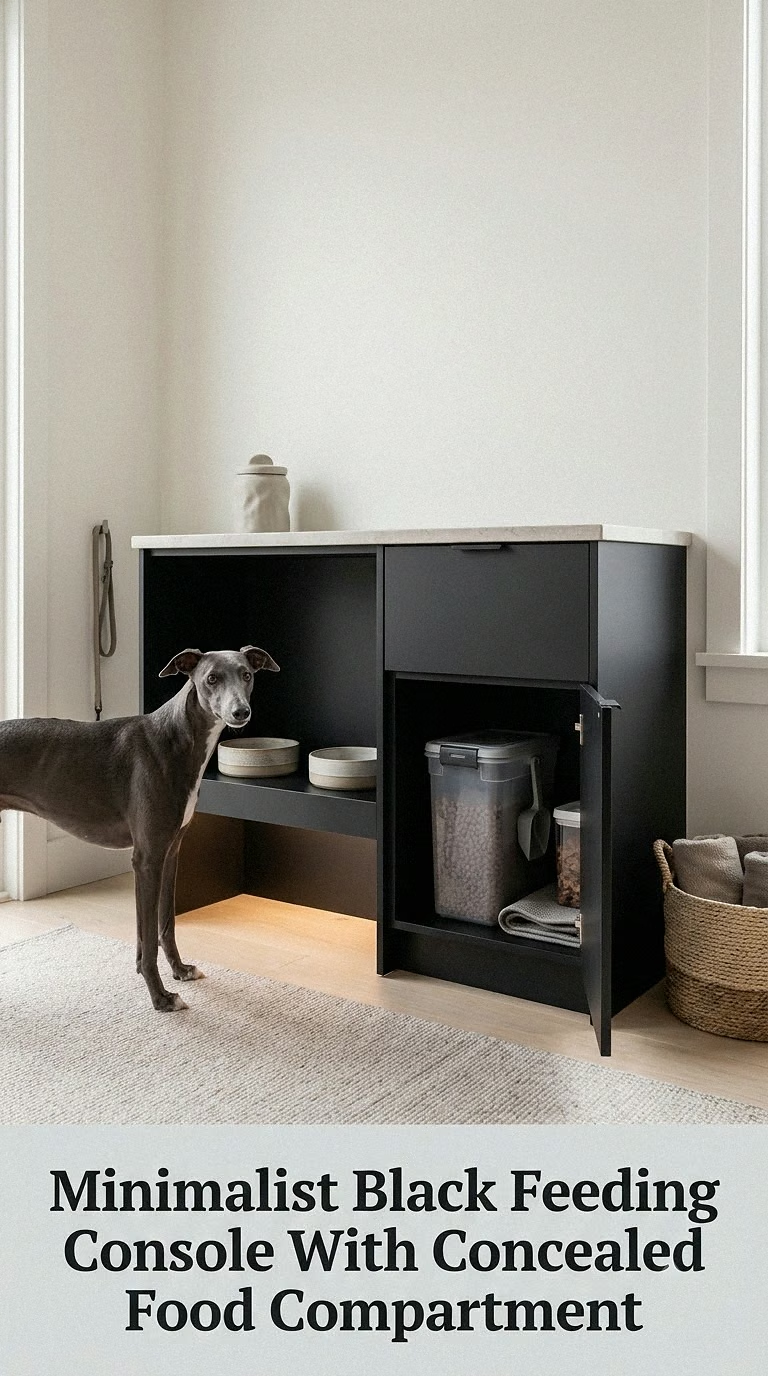
For a contemporary home, skip the traditional pet storage bin and create a streamlined feeding console instead.
Choose a low matte black cabinet with flat-front doors and enough interior space for a sealed food container. Position matching bowls beside or within the console and keep the surrounding area intentionally simple.
Black cabinetry looks striking against warm white walls, pale concrete floors, or natural oak accents. One small framed dog photograph or ceramic treat jar is enough decoration.
Inside, add a dedicated shelf for the scoop and everyday supplements so nothing needs to sit on the countertop.
The contrast between the sophisticated exterior and hardworking storage inside makes this an especially attractive option for open-plan homes where pet supplies are always visible.
Natural Woven Basket Cabinet With Hidden Kibble Container
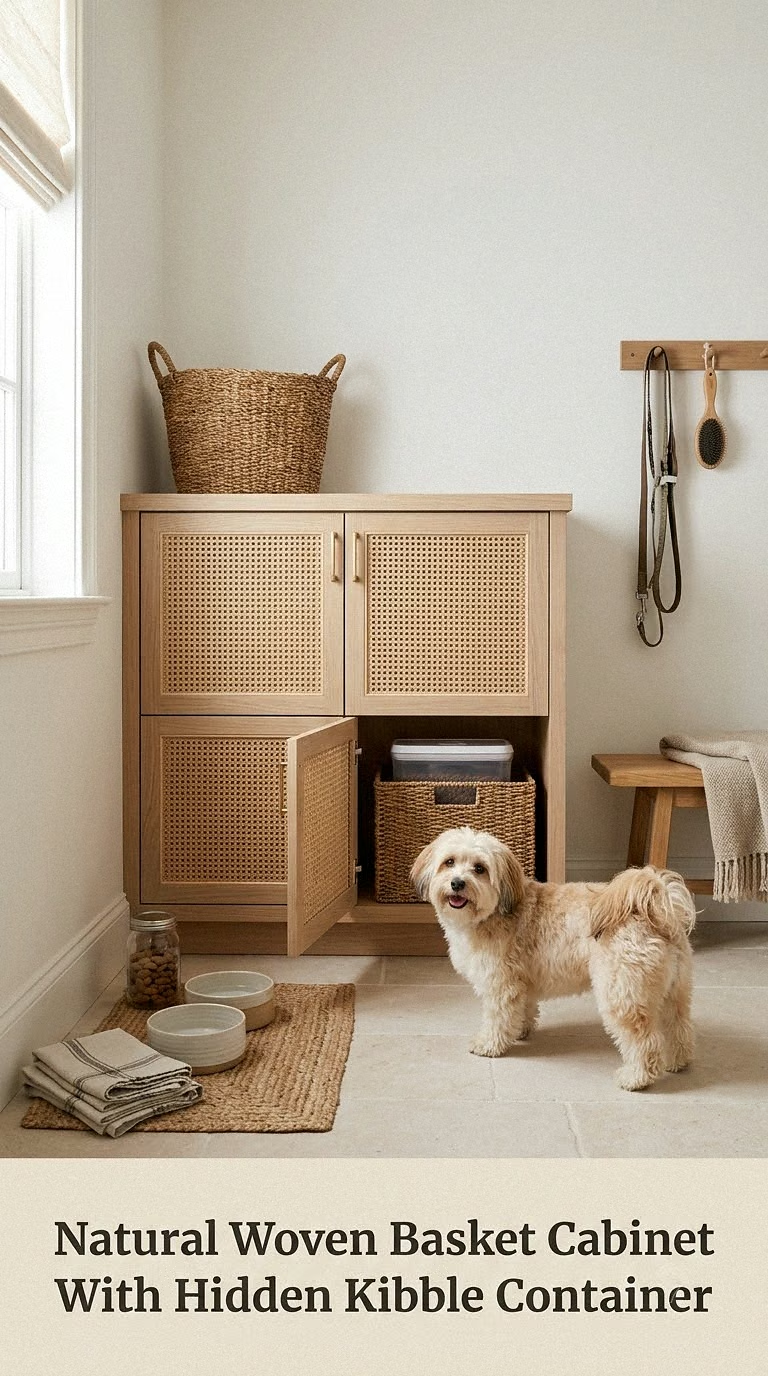
Woven baskets add warmth and texture to pet-friendly interiors, but they are better suited to concealing proper food containers than holding loose kibble themselves.
Use a cabinet or open shelving unit with a large woven basket at the bottom. Inside that basket, place a secure food bin containing the kibble bag.
Smaller coordinating baskets can organize treats, toys, grooming brushes, and spare collars. Pair the baskets with white cabinetry, light oak shelves, and soft neutral walls for an airy look.
This approach is ideal when you want pet storage to resemble ordinary home organization. Guests see an attractive basket arrangement while the practical containers remain hidden inside.
Choose baskets with handles if you expect to move them frequently during cleaning.
Stackable Multi-Dog Food Station With Separate Labeled Bins
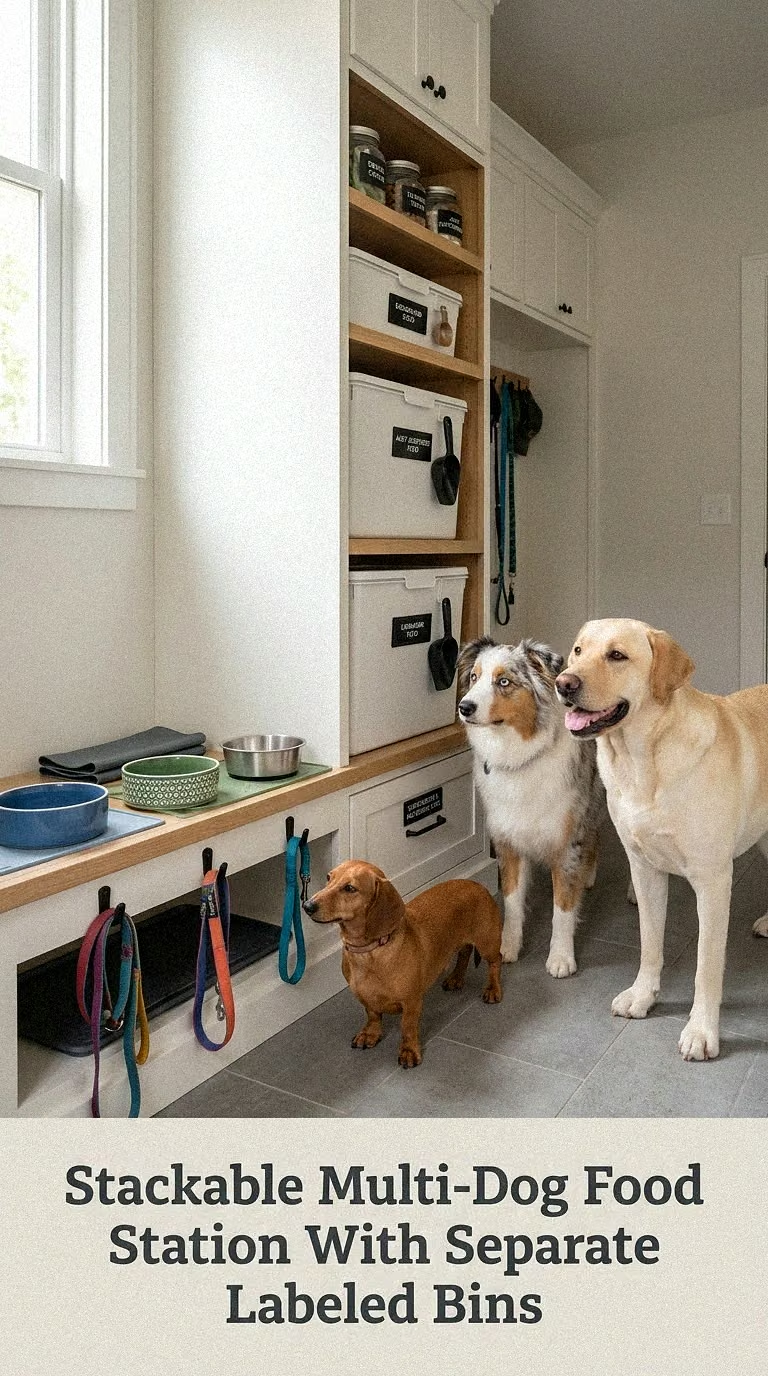
Homes with multiple dogs often need more organization, especially when each pet eats a different formula.
Create a vertical storage station with separate labeled containers or cabinet compartments for each dog. Use names instead of vague labels so there is no confusion during busy mornings.
A tall cabinet allows you to use vertical space rather than taking over an entire pantry. Keep heavier food bins near the bottom and treats or lightweight supplies above.
If food is transferred out of its original packaging, save the product name, lot information, and date somewhere accessible and thoroughly clean the container before refilling it.
A coordinated set of white, charcoal, or soft beige bins can make a multi-dog setup look surprisingly calm and sophisticated.
Vintage Locker-Style Pet Pantry With Mesh Cabinet Doors
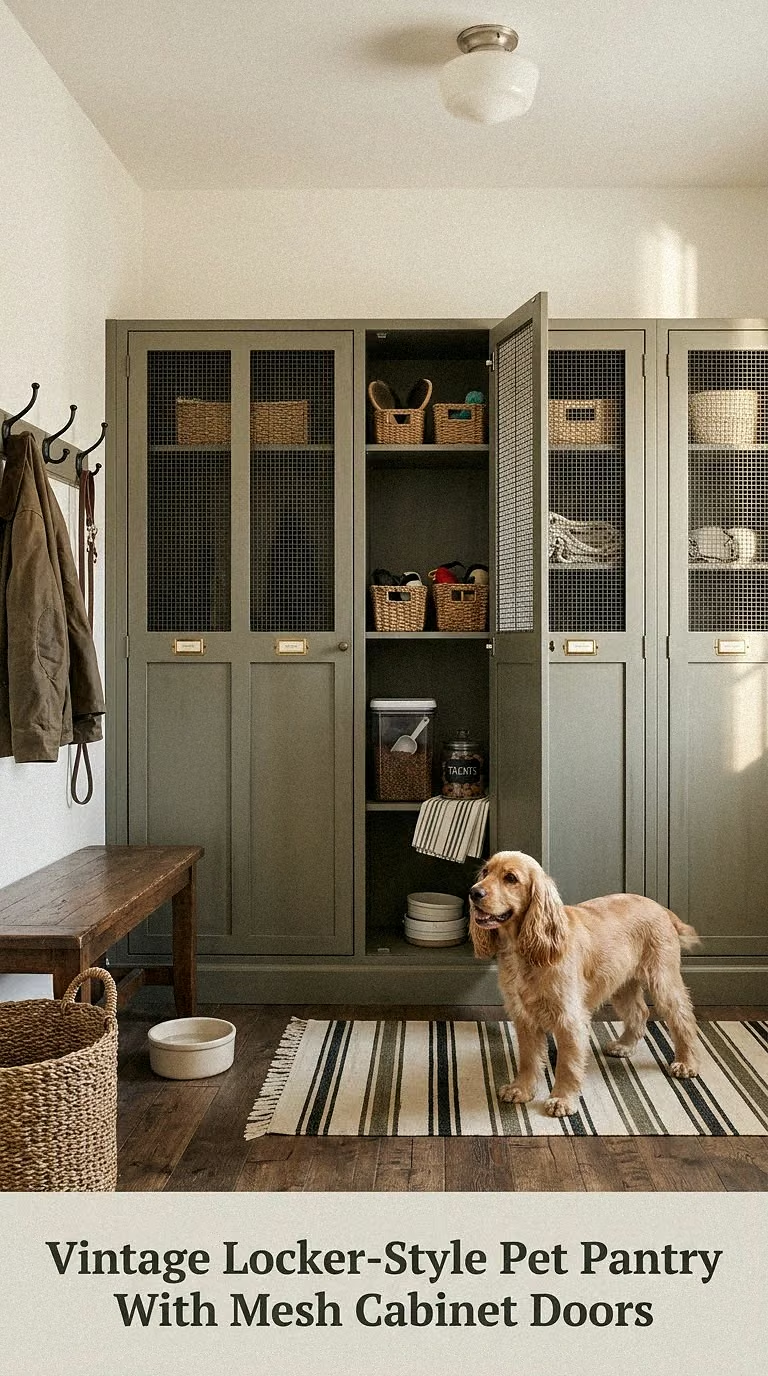
A vintage-inspired locker cabinet creates a distinctive storage feature that works beautifully in mudrooms and casual kitchens.
Choose a tall metal cabinet in muted olive, cream, charcoal, or dusty blue. Use the lower compartment for the main food bin and the upper shelves for treats, medication organizers, grooming supplies, and folded towels.
Mesh or perforated upper doors can add vintage character while solid lower doors hide bulky food containers.
You can even attach small nameplates to each compartment for a charming old-school look.
Read more : 19 Clay Dog Bowl Ideas For A Beautiful And Practical Feeding Space
Make sure the cabinet interior remains clean and dry, and avoid positioning it next to radiators, sunny windows, or other heat sources. The result feels more like thoughtfully chosen furniture than ordinary pet storage.
Compact Kitchen Island Drawer With Everyday Feeding Supplies
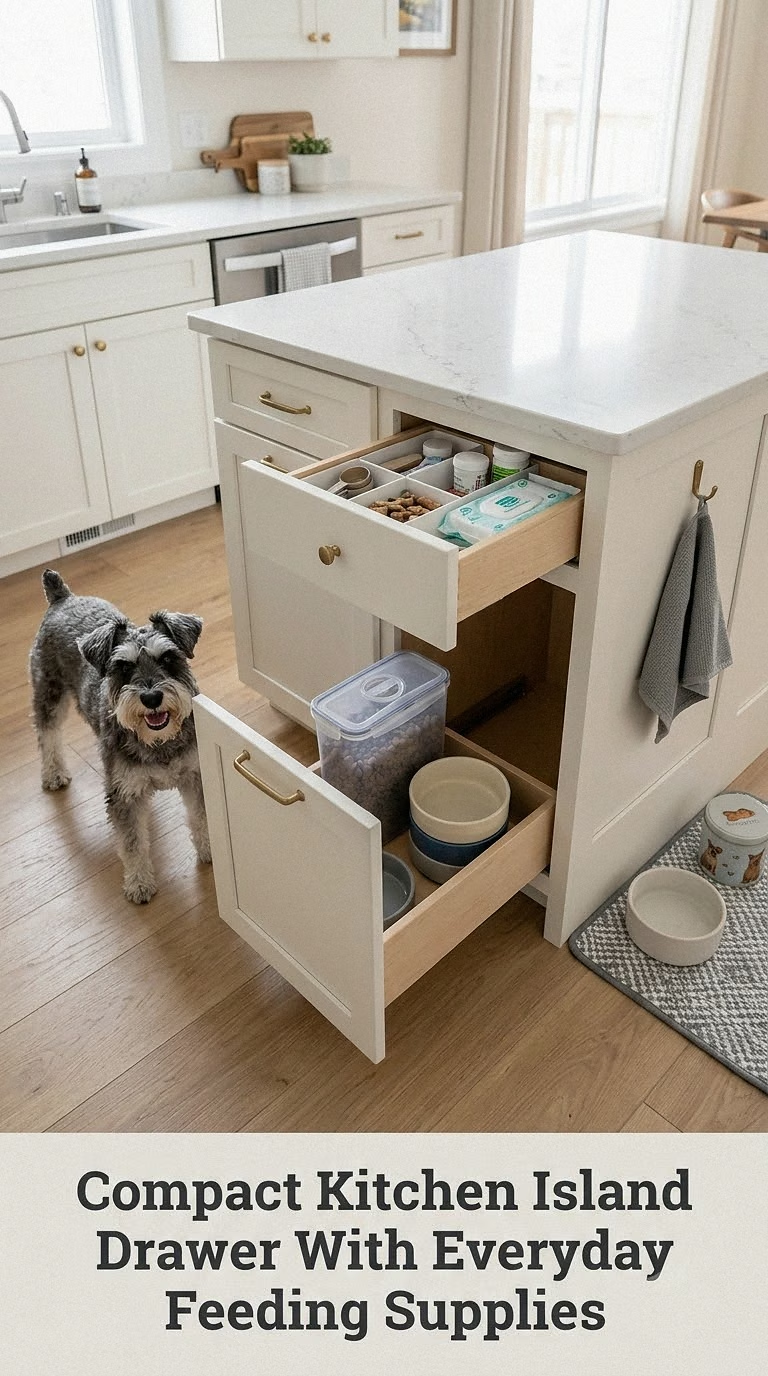
If your dog’s feeding station sits near the kitchen island, dedicate one drawer to the supplies used every day.
Store the measuring scoop, supplements, feeding mat, can covers, and unopened treat packets here while keeping the larger food supply in a nearby pantry container.
This arrangement reduces the number of times you need to dig through a large storage area. Everything required for breakfast and dinner stays within arm’s reach.
Use small washable drawer organizers to separate items instead of allowing packets and scoops to pile together.
A tiny handwritten label inside the drawer can also remind family members about portion measurements when several people share feeding responsibilities.
It is a simple idea, but it can make a busy kitchen feel considerably more organized.
Climate-Controlled Utility Closet With Floor-Level Food Storage
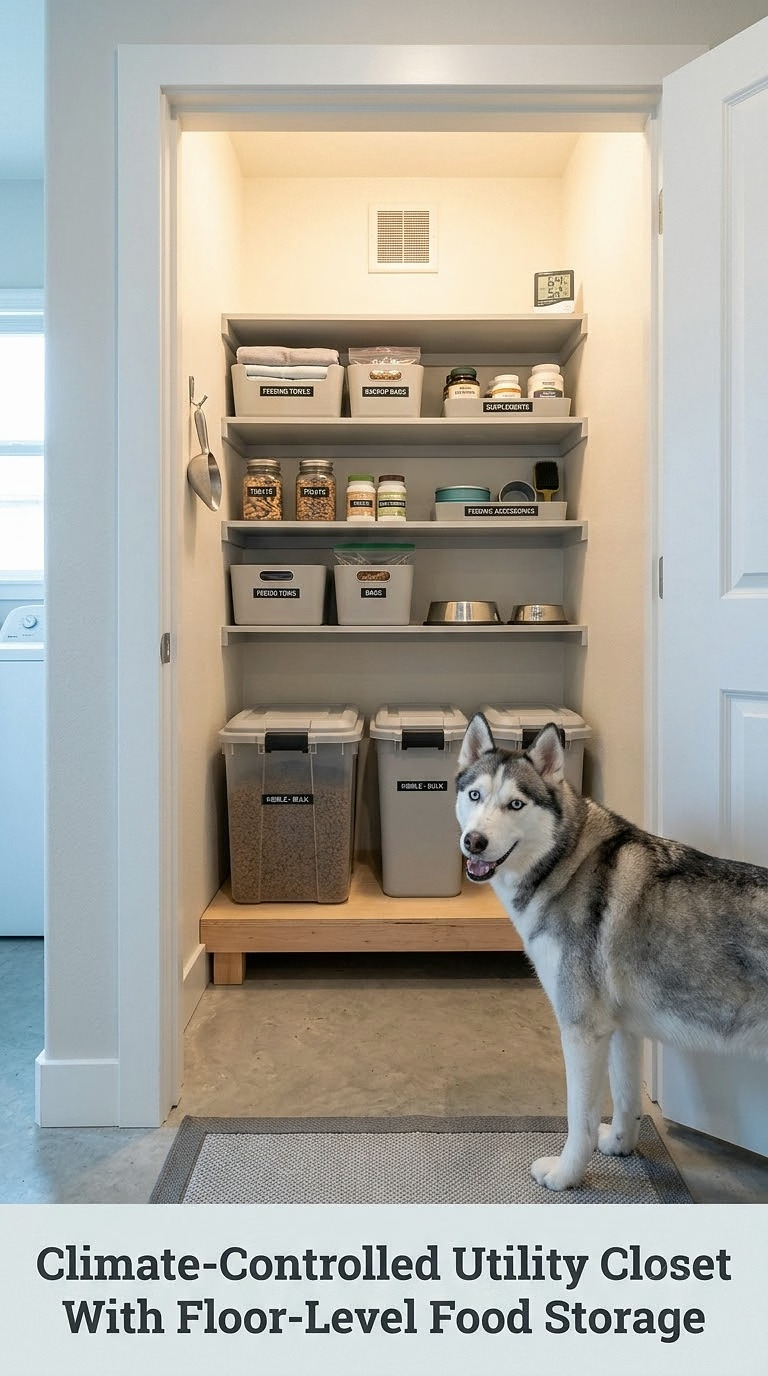
A small utility closet can become an efficient dog food pantry if it stays dry, clean, and protected from excessive heat.
Place the main food container on a low shelf or raised platform rather than somewhere that requires lifting a heavy bag above shoulder height. Use adjustable shelving above it for canned food, treats, travel bowls, and backup supplies.
Avoid storing pet food beside products that could spill or contaminate the area, particularly strong cleaners or chemicals.
Battery-powered motion lighting can make a dark closet much easier to use without requiring major electrical work.
For a finished look, paint the interior a soft neutral shade and use matching bins. Even a very practical storage area can feel pleasant when everything has a clearly designated place.
Dedicated Refrigerator Drawer For Fresh And Wet Dog Food
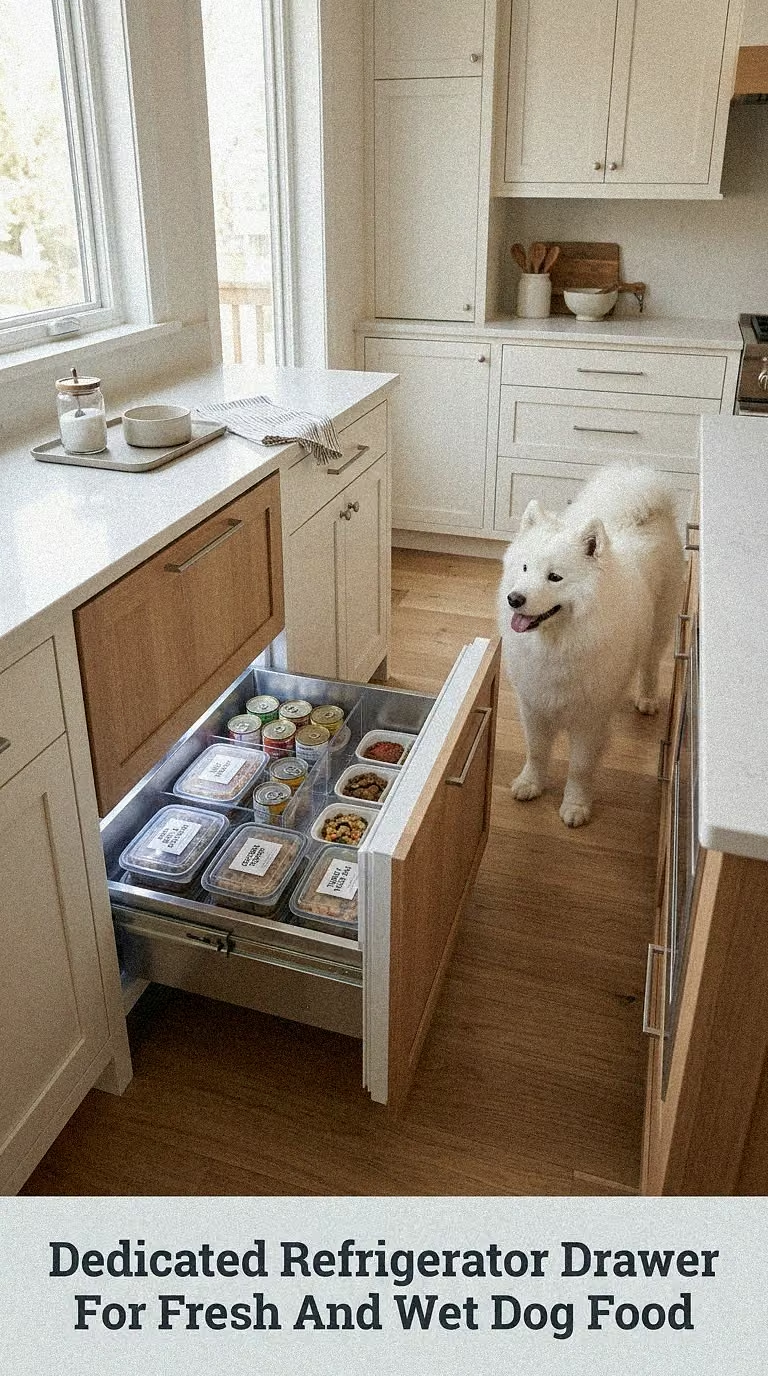
Dogs eating fresh, refrigerated, or wet foods need a different storage system from dogs eating only dry kibble.
Dedicate a refrigerator drawer or labeled container to pet food so opened packages do not become mixed randomly with household groceries.
Use covered containers for opened wet food and follow the storage instructions provided on the product packaging. Keep each container clearly labeled, especially if you prepare food for more than one pet.
A shallow refrigerator bin is also useful for organizing toppers, fresh treats, and other chilled feeding items.
Choose containers that are easy to remove and wash thoroughly. Keeping everything together makes it easier to see what needs to be used first and reduces the chance of forgotten leftovers disappearing into the back of the refrigerator.
Freestanding Farmhouse Feeding Hutch With Hidden Bulk Storage
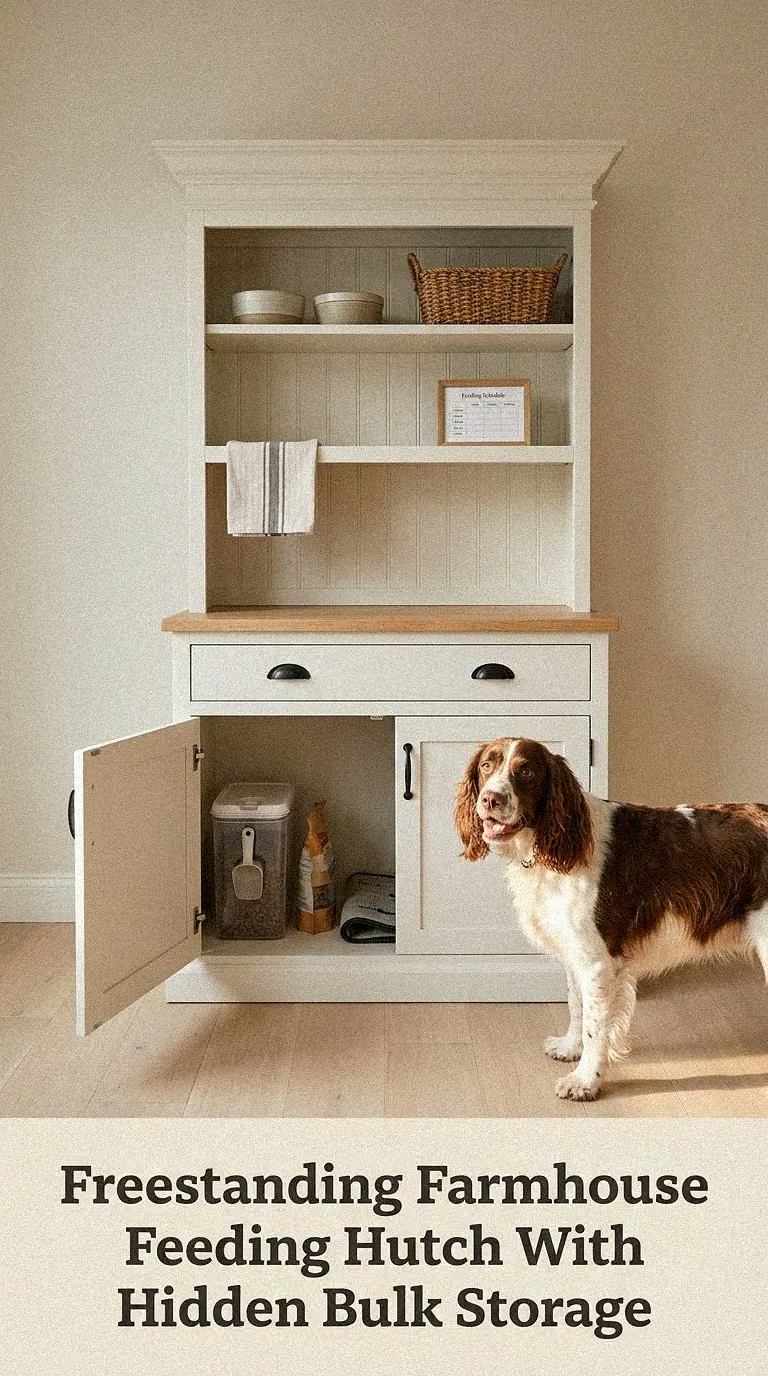
A small freestanding hutch can create an entire dog feeding zone without requiring built-in cabinetry.
Choose a piece with closed lower doors, an open middle counter, and shelves above. Store the large food container below, use the counter for preparing meals, and display attractive treat jars or framed photos on the upper shelves.
Soft cream paint paired with natural wood creates a cozy farmhouse appearance. Add black cup pulls, simple ceramic bowls, and a washable runner underneath for extra character.
Because the hutch is freestanding, renters can create a substantial pet station without modifying the kitchen.
Just make sure the unit is stable, particularly if your dog is large enough to nudge furniture while investigating the scent of dinner.
Budget-Friendly DIY Plywood Cabinet With Hidden Dog Food Bin
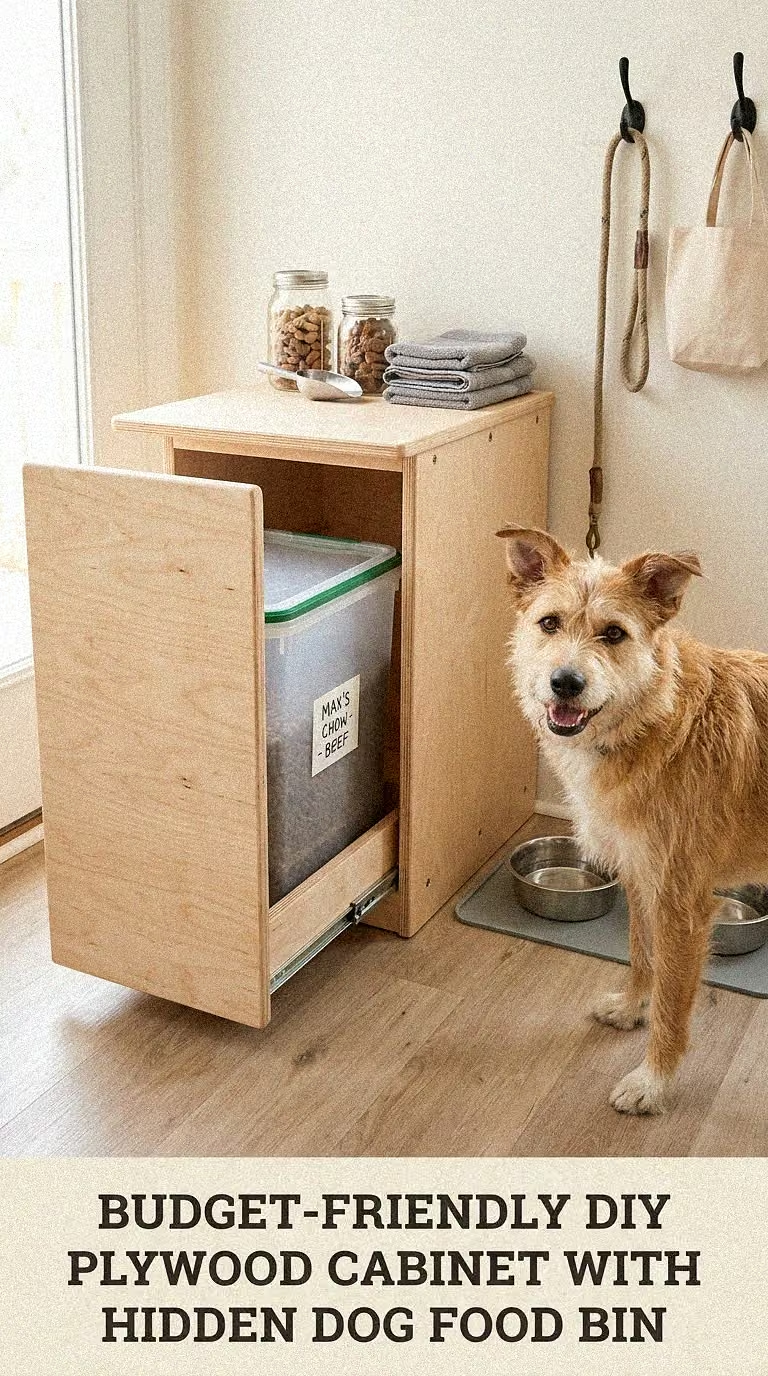
You do not need custom cabinetry to create attractive dog food storage.
A simple plywood box with a hinged top or front-opening door can conceal a standard sealed storage bin. Sand the wood smooth, add a clear protective finish or pet-friendly paint, and attach affordable handles for a finished appearance.
Build the cabinet slightly larger than the food container so you can remove the bin easily for cleaning. Small furniture feet can raise the unit from the floor and give it a more polished shape.
For a warm modern look, leave the plywood natural and pair it with black hardware. For a cottage feel, paint it cream, pale blue, or muted sage.
This project is especially useful when you have an awkward corner where store-bought furniture never seems to fit.
Creating Dog Food Storage That Works Beautifully For Your Home
The most successful dog food storage ideas are not simply the prettiest ones. They make your daily routine easier while keeping your dog’s food protected, organized, and easy to identify.
Start with the space you already have. A spare pantry cabinet may only need a pull-out bin, while an unused mudroom wall could become a full feeding station. In a smaller home, a rolling cart, hidden bench compartment, or compact utility closet may be all you need.
You can also mix ideas. Combine a large concealed kibble bin with a convenient feeding drawer, or pair a refrigerator organizer for wet food with a beautiful cabinet for dry supplies.
Choose materials and colors that already belong in your home, leave room for easy cleaning, and keep frequently used items within comfortable reach. With a thoughtful setup, even something as ordinary as storing dog food can become a tidy, attractive little part of life with your pet.
Source: https://petstutorial.com
Category: DOGS
