
A bored dog can turn an ordinary afternoon into a whirlwind of chewed cushions, restless pacing, and repeated requests for attention. Fortunately, keeping your pup mentally engaged does not mean filling your home with expensive interactive toys. Some of the most enjoyable enrichment activities can be created with things you already have tucked inside a kitchen drawer, linen closet, or recycling bin.
The best dog stimulation activities encourage natural behaviors such as sniffing, searching, licking, chewing, digging, exploring, and solving simple problems. They can make everyday routines feel more interesting while giving your dog a satisfying challenge that fits naturally into life at home.
You are reading: 18 Dog Stimulation DIY Ideas To Keep Your Pup Happy And Busy
These dog stimulation DIY ideas range from cozy indoor scent games to backyard digging stations, homemade feeding puzzles, and simple obstacle courses. Many can be adapted for apartments, small dogs, senior pets, energetic breeds, or pups that need quiet entertainment on rainy days.
Always match each activity to your dog’s size, personality, chewing habits, and physical abilities. Supervise homemade puzzles, avoid pieces small enough to swallow, and remove any cardboard, fabric, plastic, or other material if your dog begins tearing off and eating pieces. With a little creativity, enrichment time can become one of the happiest parts of your daily routine together.
Creative Dog Stimulation DIY Ideas For Everyday Enrichment
Neutral Fleece Snuffle Mat With Hidden Kibble Pockets
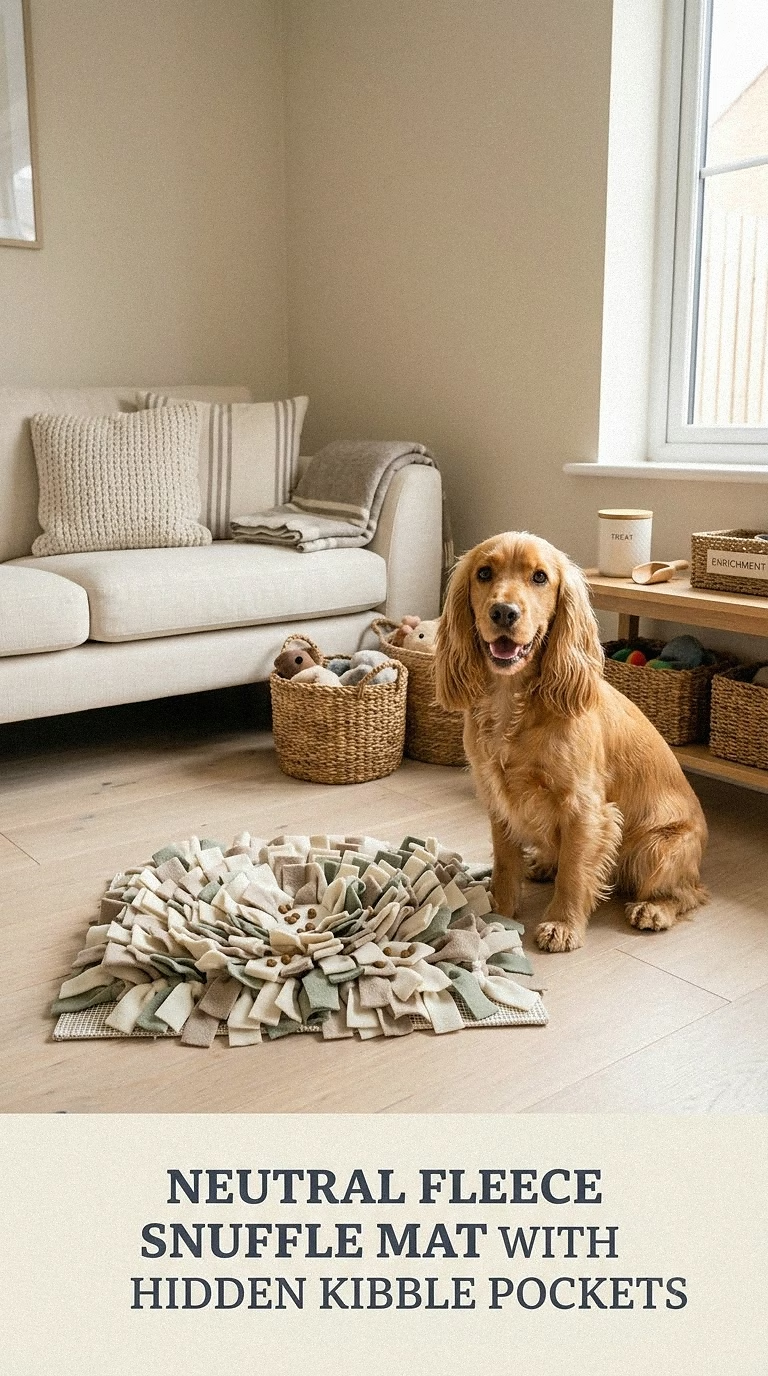
Turn mealtime into a gentle treasure hunt with a homemade fleece snuffle mat. Start with a sturdy rubber mat with openings and tie strips of soft fleece through the holes until the surface looks thick and fluffy. Neutral shades such as oatmeal, cream, sage, and warm gray can make the finished mat blend beautifully into a cozy living room or kitchen.
Scatter part of your dog’s regular kibble deep between the fleece strips and let their nose do the searching.
Beginners should have plenty of easy-to-find pieces near the surface. As your dog becomes more confident, tuck food deeper into the folds.
This is especially useful when you want quiet enrichment without requiring much floor space. Shake out crumbs after each session and wash the fleece regularly. If your dog prefers chewing fabric instead of searching through it, supervise closely and put the mat away as soon as the food is gone.
Rolled Towel Treat Puzzle For Small Apartments
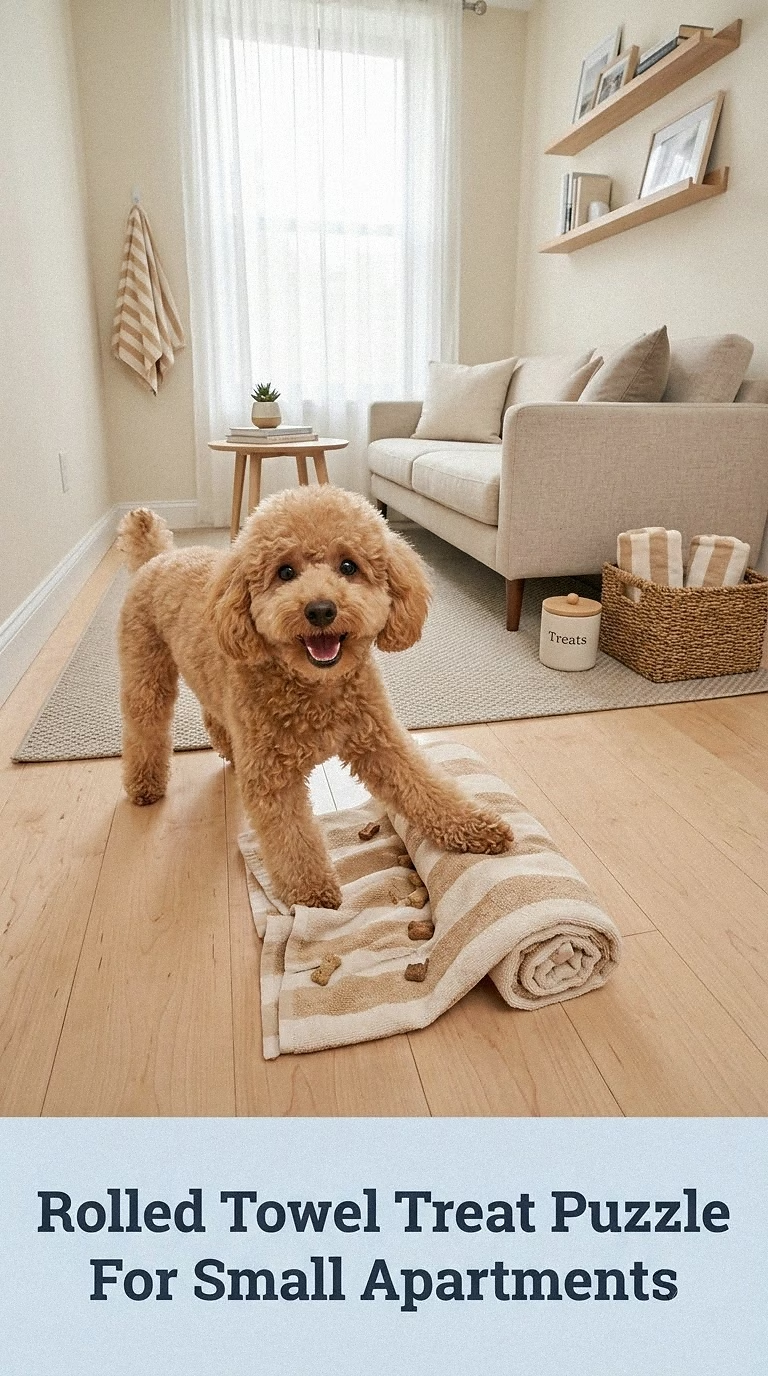
A simple bath towel can become an inexpensive enrichment puzzle in less than a minute.
Lay a clean towel flat, sprinkle a portion of kibble across it, and loosely roll it from one end. Your dog must sniff, nose, and gradually unroll the fabric to discover the food hidden inside.
For a beginner, keep the roll loose and allow a few treats to remain visible. Once your pup understands the game, make the roll slightly tighter or fold sections in different directions.
Choose a towel that is large enough to create an interesting challenge without becoming difficult to handle. A soft beige, terracotta, or sage towel also looks much nicer sitting beside a woven dog bed than brightly colored plastic puzzles.
This game works particularly well in apartments because it requires almost no storage. Keep the activity supervised, particularly with dogs that enjoy shredding or swallowing fabric.
Muffin Tin Treasure Hunt With Soft Toy Covers
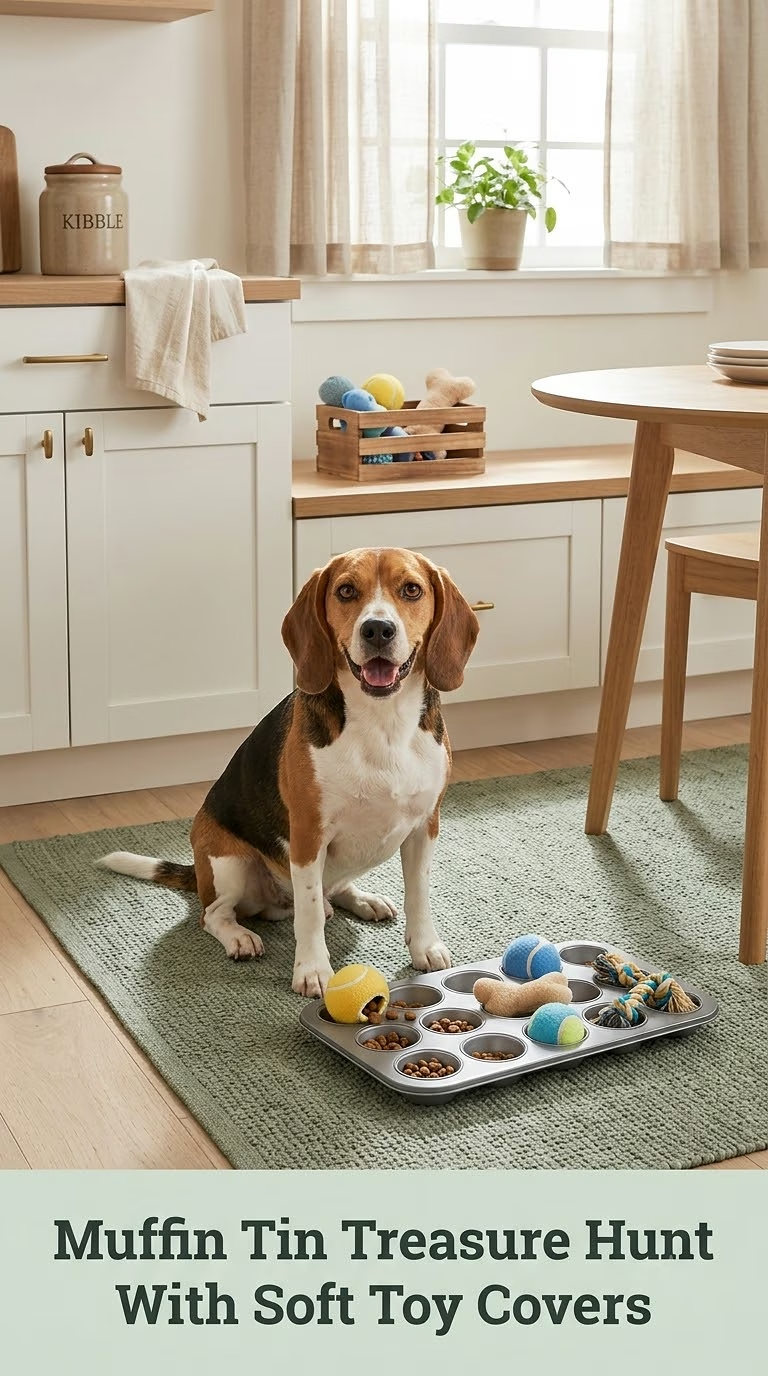
Give an unused muffin tin a completely new purpose by turning it into a compact scent puzzle.
Place several pieces of kibble or tiny treats inside different cups. Cover some compartments with appropriately sized dog-safe balls or sturdy toys, leaving one or two uncovered when introducing the game.
Your dog has to smell where the food is hidden and figure out how to move the covers with their nose or paws.
For a stylish version, use a clean metal muffin pan paired with neutral rubber balls in muted tones. Place the puzzle on a washable rug or kitchen mat so it does not slide across smooth flooring.
You can change the arrangement every time you play, which keeps the experience from becoming too predictable. Make sure every ball or covering object is large enough that your dog cannot accidentally swallow it, and supervise while the puzzle is in use.
Cardboard Box Foraging Garden With Crumpled Paper
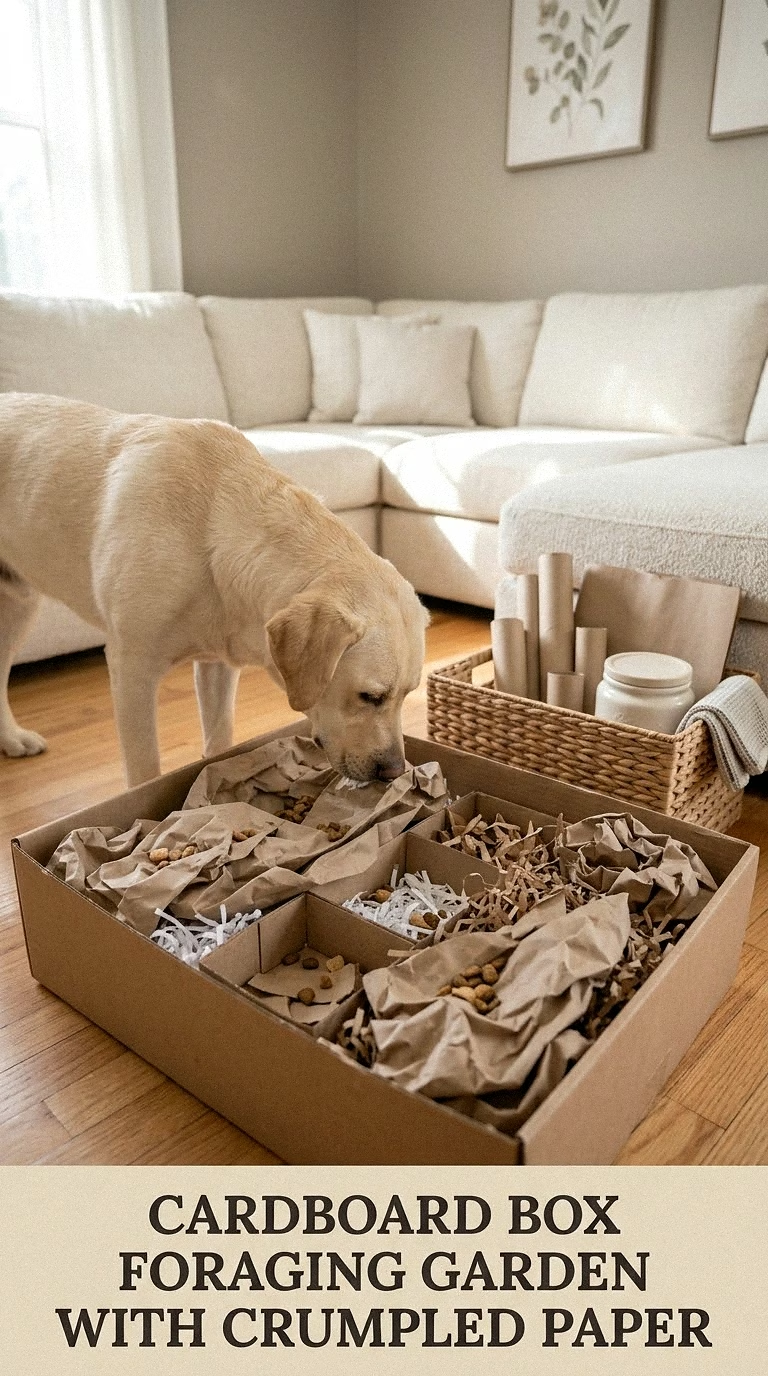
Before putting your latest delivery box into the recycling bin, transform it into a temporary indoor foraging garden.
Choose a shallow cardboard box and loosely fill it with large pieces of crumpled packing paper. Scatter kibble throughout the layers so your dog has to push, sniff, and investigate to find each hidden piece.
For extra variety, place a few smaller open boxes inside the larger one. This creates different levels and little pockets that make searching more interesting.
You can make the setup surprisingly attractive by using clean kraft cardboard and natural brown packing paper on a washable floor mat.
Start with food near the top so your dog quickly understands the goal. Later, hide rewards farther down.
This activity is best for dogs that search rather than eat their puzzle materials. Remove the box immediately if your dog begins swallowing cardboard or paper instead of looking for treats.
Recycled Paper Roll Treat Puzzle In A Woven Basket
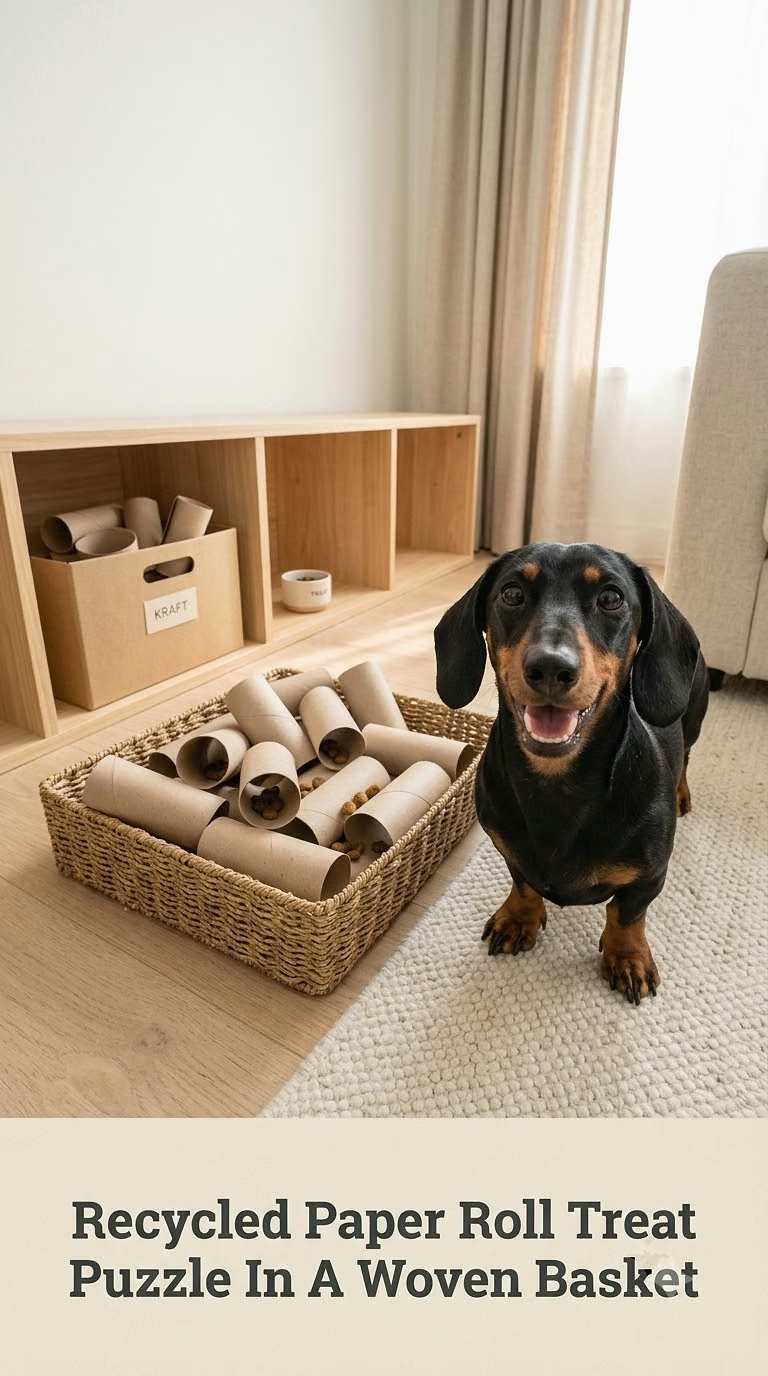
Save several clean cardboard paper rolls and turn them into an inexpensive nose-work challenge.
Stand the rolls vertically inside a low, sturdy basket or shallow box until they fit snugly together. Drop pieces of kibble into selected tubes rather than filling every opening. Your dog will need to investigate individual rolls to discover where the rewards are hiding.
A natural woven-look container filled with kraft-colored tubes can even resemble a small decorative enrichment station when prepared neatly.
For an easier version, leave treats near the top. For experienced puzzle solvers, place kibble deeper into the tubes so your dog has to work more carefully.
Keep the container steady to prevent it from tipping. Since cardboard can quickly become a chewing target, this puzzle should remain a supervised activity. Once the search is over, remove the entire setup rather than leaving it available as an everyday toy.
Frozen Lick Bowl With Pumpkin And Yogurt Swirls
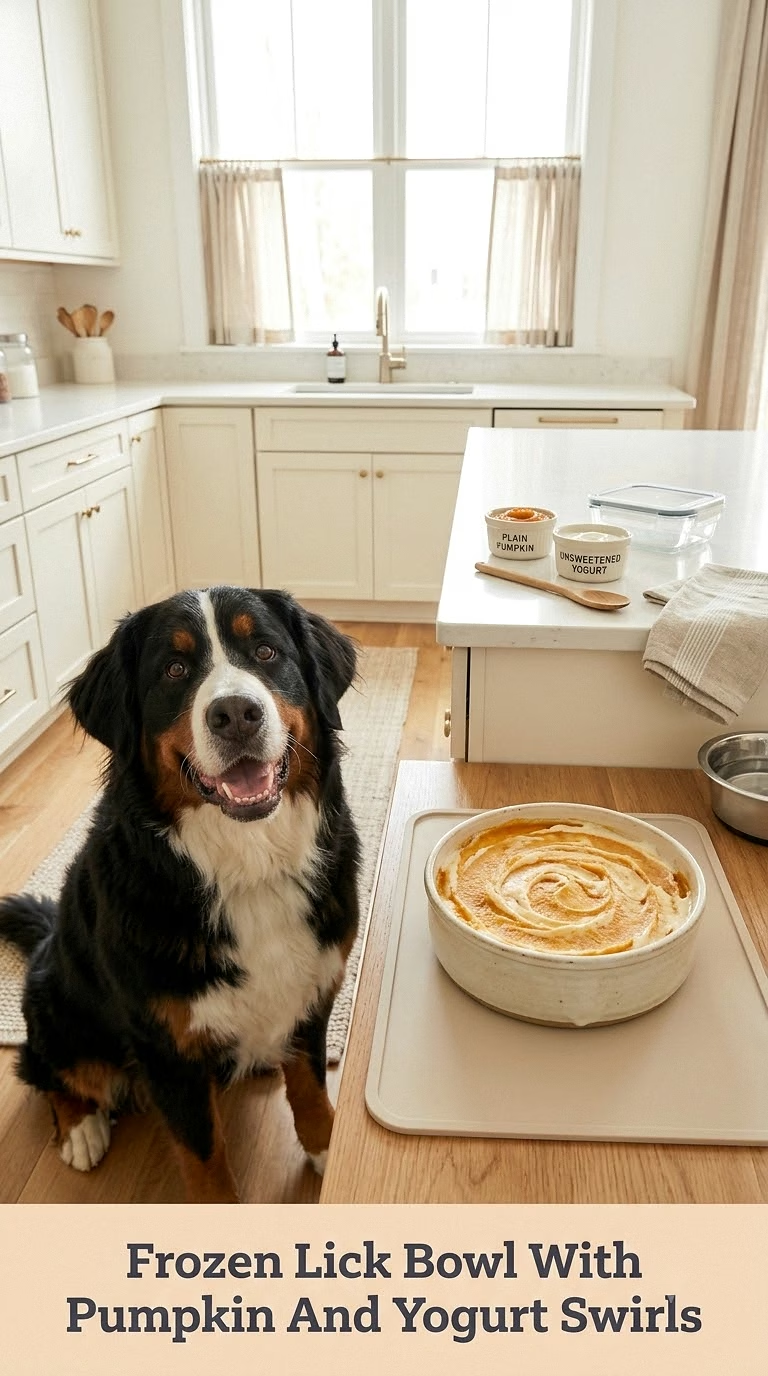
Create a soothing enrichment activity by preparing a freezer-safe dog bowl or licking surface with small portions of dog-appropriate ingredients.
A simple combination might include your dog’s normal wet food with a little plain pumpkin or another veterinarian-approved ingredient spread into thin swirls. Freeze the mixture until firm and offer it during a quiet part of the day.
The visual result can be surprisingly pretty, with soft orange and cream-colored patterns arranged like a little dessert bowl.
Keep portions modest, particularly if enrichment snacks are being offered in addition to normal meals. Using part of your dog’s regular food is an easy way to avoid turning enrichment time into constant extra calories.
Always check ingredient labels carefully. Human foods can contain ingredients that are unsafe for dogs, so simple recipes are usually best. Wash the bowl thoroughly when your dog finishes.
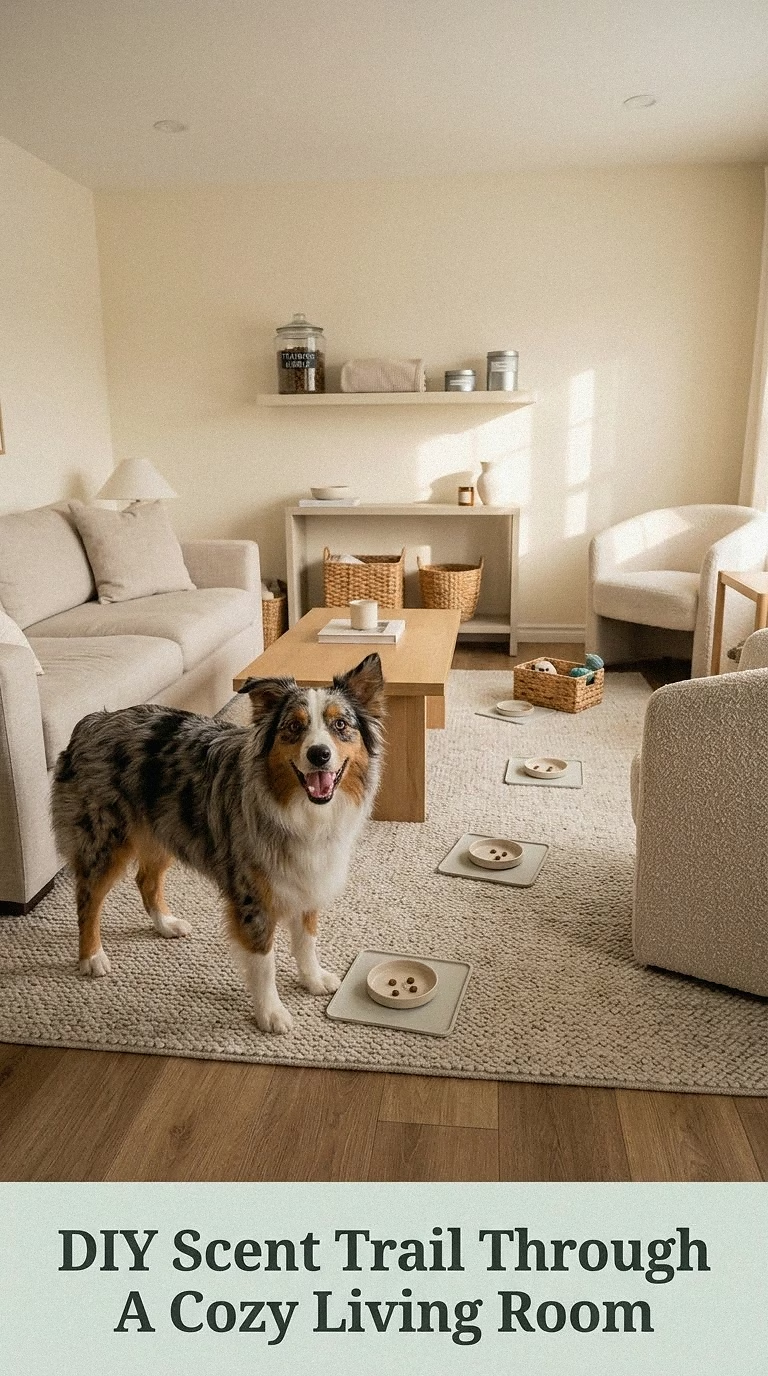
DIY Scent Trail Through A Cozy Living Room
Read more : 18 Dog Fathers Day Gift Ideas DIY Projects He Will Treasure
Not every enrichment activity needs a physical puzzle. Your entire living room can become a nose-work course.
Ask your dog to wait in another room while you hide tiny pieces of kibble in safe, accessible locations. Place rewards beside furniture legs, near a dog bed, behind an open basket, or along the edge of a rug.
Begin with a short trail where several pieces are easy to see. Gradually increase the distance between rewards as your dog learns to follow scent rather than relying on sight.
Keep hiding places at floor level and avoid putting food near cords, houseplants, unstable furniture, or anything your dog should not investigate.
This activity is ideal for minimalist homes because nothing needs to be permanently added to the room. Once the game is finished, your space looks exactly as it did before, while your dog has enjoyed a satisfying session of sniffing and searching.
Indoor Chair And Cushion Agility Course
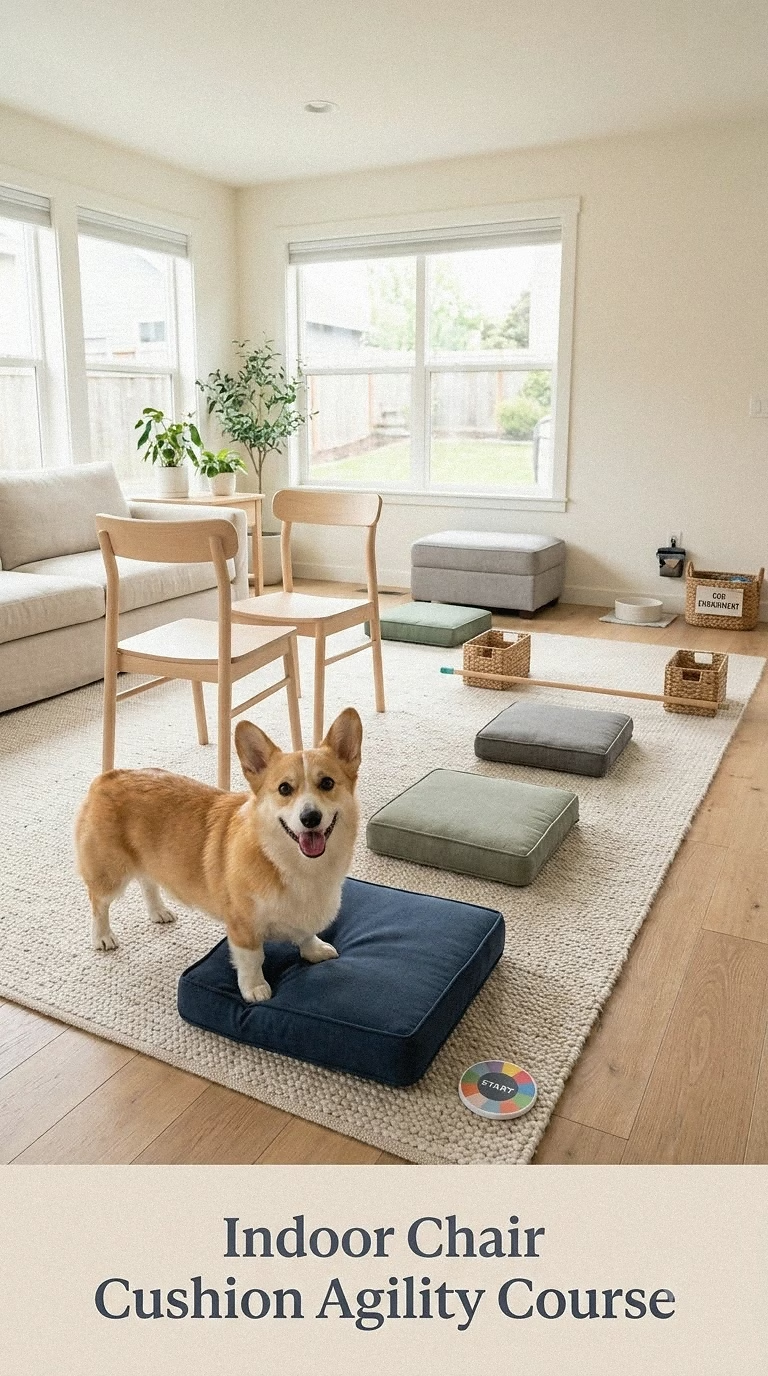
On rainy days, create a miniature adventure course with sturdy household furniture.
Arrange dining chairs to form weaving poles, place cushions several feet apart as stopping stations, and use a low obstacle that your dog can comfortably step over. Guide your pup through the route using treats, praise, or familiar cues.
The goal is controlled exploration rather than creating a difficult athletic challenge.
A living room with neutral cushions, warm wood chairs, and a woven rug can become an attractive temporary training zone without buying dedicated agility equipment.
Adapt every obstacle to your dog’s body. Puppies, seniors, short-legged breeds, and dogs with mobility concerns should stay with easy movements and flat surfaces rather than jumping.
Make sure chairs cannot tip and rugs cannot slide. When the session is finished, everything can return to its normal place, making this an excellent enrichment option for smaller homes.
Backyard Digging Box With Sand And Hidden Toys
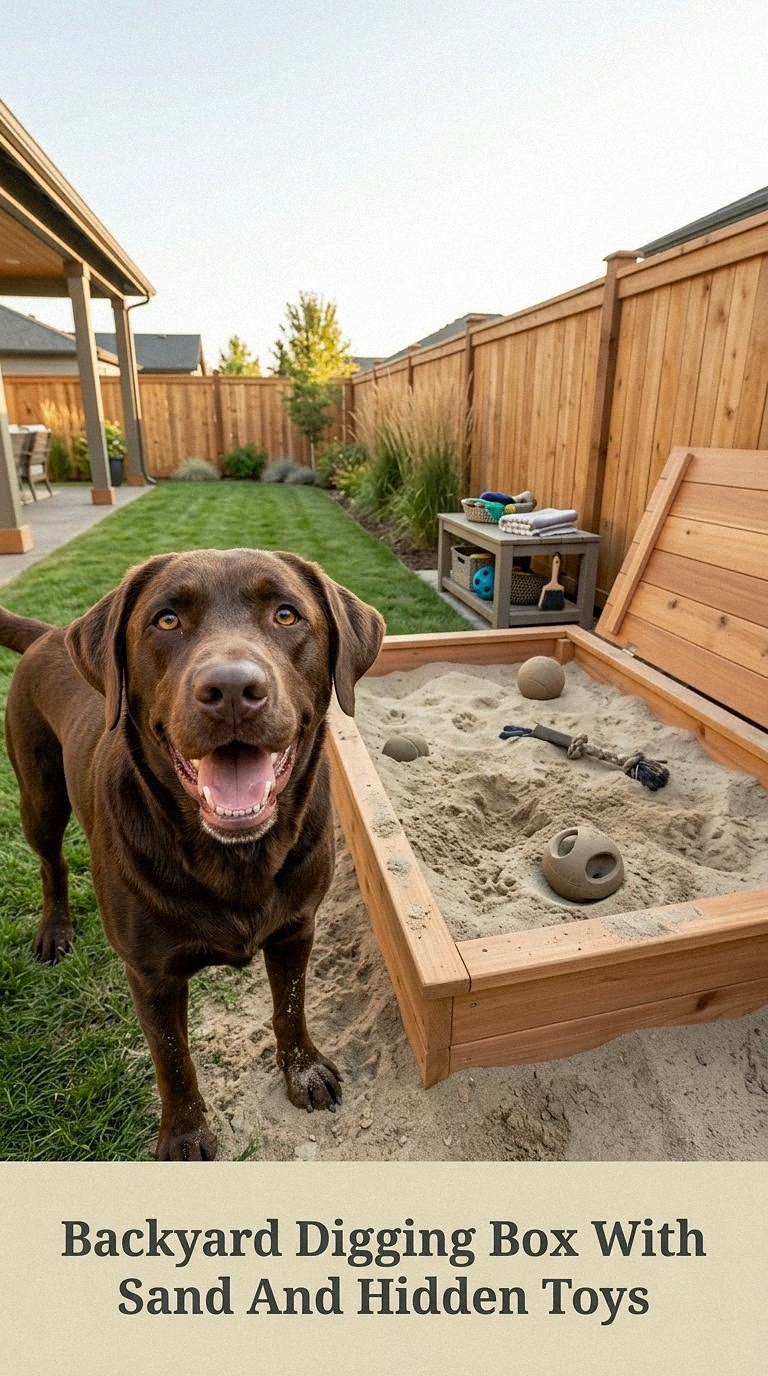
If your dog loves digging through garden beds, give that natural enthusiasm a more appropriate destination.
Create a designated digging box using a sturdy raised wooden frame or a child’s sandbox placed in a shaded section of the yard. Fill it with clean play sand or another dog-appropriate digging material.
Hide durable toys just beneath the surface and encourage your dog to uncover them. A few treats can help introduce the concept, although toys are useful for keeping the activity from becoming entirely food-based.
For a polished backyard look, build the frame from simple natural timber and position it beside dog-safe landscaping.
Keep the digging material clean and check regularly for debris, sharp objects, or contamination. When the box is not being used, a fitted cover can help protect it from weather and unwanted visitors.
Rustic Cardboard Egg Carton Treat Puzzle
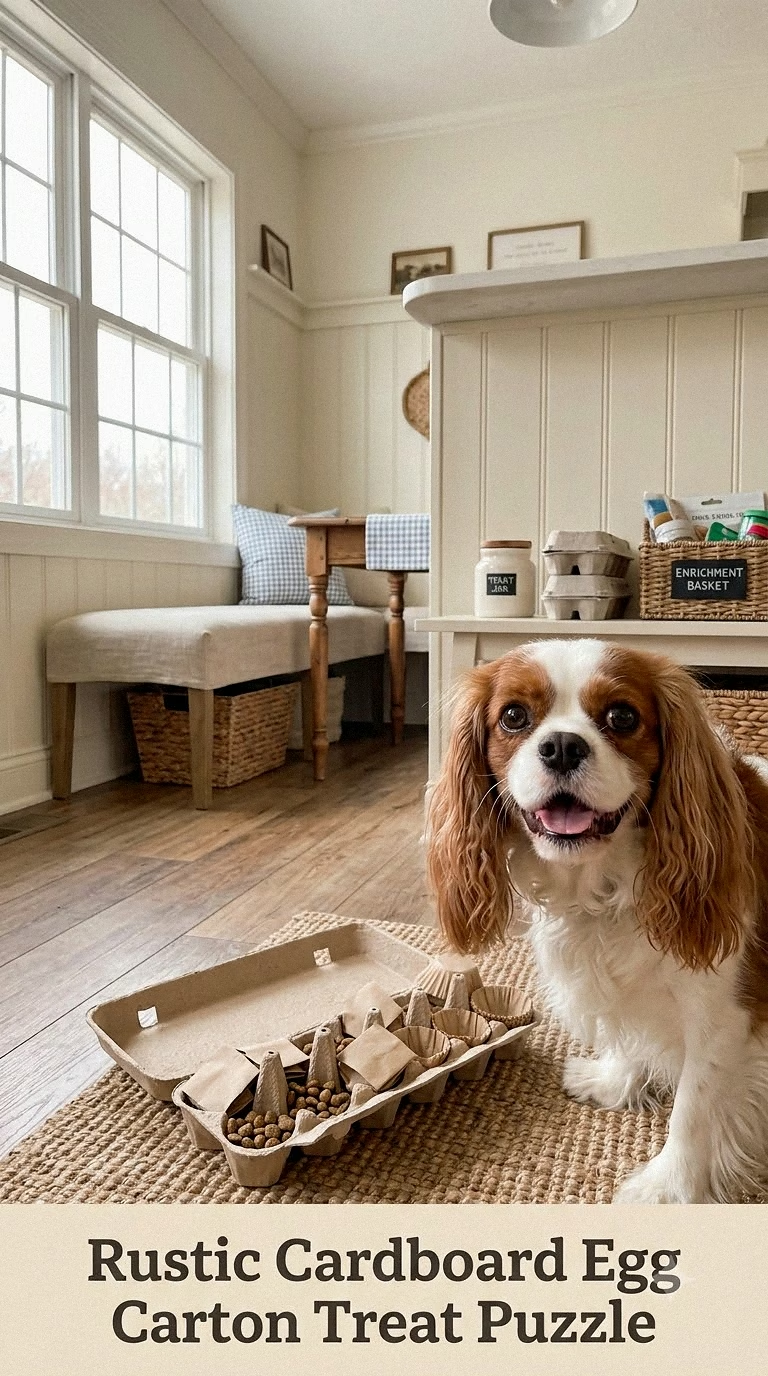
A clean cardboard egg carton can create a quick puzzle for a gentle dog that enjoys using its nose.
Place small amounts of kibble in several compartments and leave the lid open the first time. Once your dog understands the activity, loosely close the carton so they need to investigate how to reach the food.
The kraft cardboard gives this little DIY project a charming rustic appearance, especially when used on a wooden kitchen floor or natural fiber mat.
Do not tape, staple, or add decorative materials that could create unnecessary hazards.
This activity is designed as a short supervised challenge rather than a durable chew toy. Dogs that immediately destroy and consume cardboard need a sturdier alternative.
The biggest advantage is simplicity. There is almost nothing to store, and each clean carton can provide a fresh puzzle before eventually heading to the recycling bin.
Minimalist Cup Shuffle Game On A Kitchen Mat
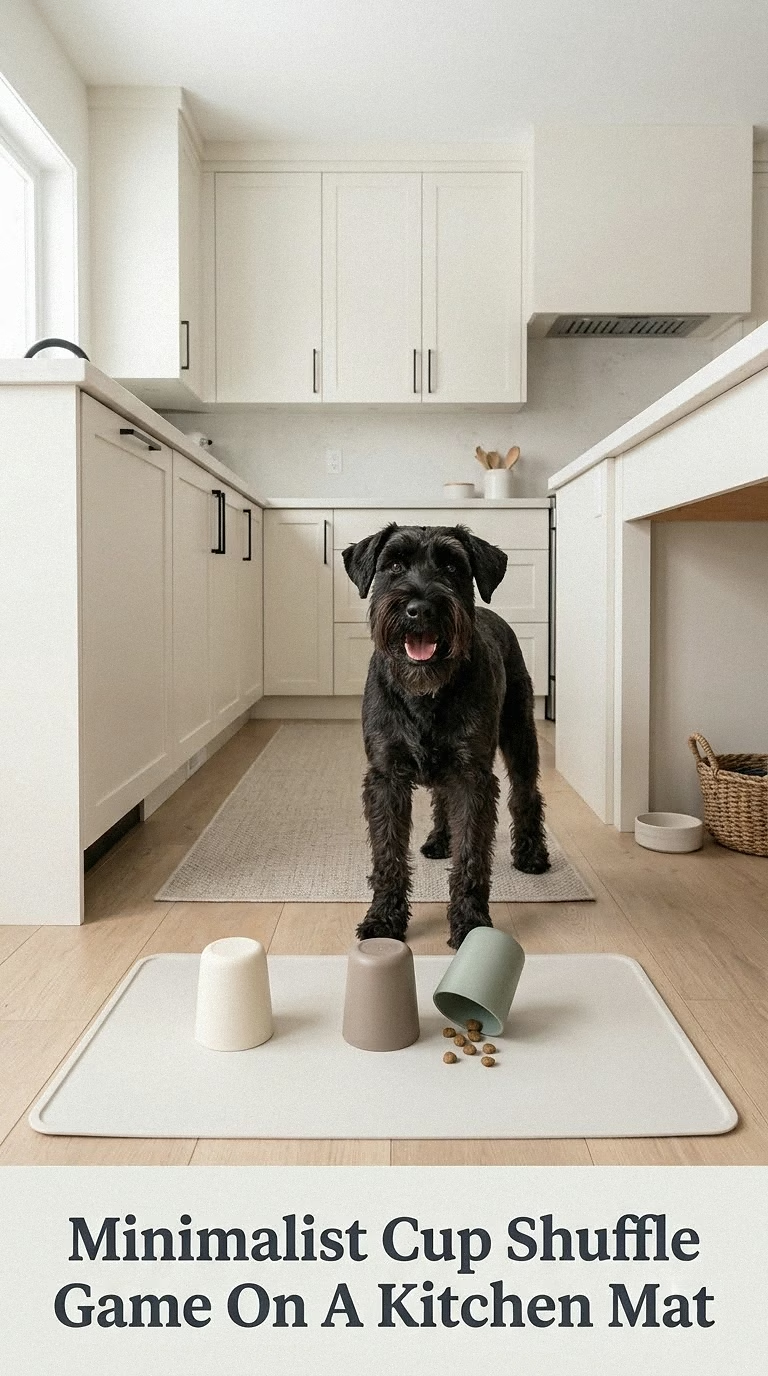
Create a simple problem-solving game using three sturdy cups and a few pieces of your dog’s food.
Let your dog watch as you place a treat underneath one cup. Move the cups gently, then encourage your pup to investigate and choose where the reward is hiding.
At first, barely move the cups so success comes quickly. Once your dog understands the game, make the shuffle slightly more challenging.
Use wide, stable cups that cannot become stuck over your dog’s muzzle. Avoid brittle disposable plastic that could crack if bitten.
A set of matching neutral-colored cups on a washable kitchen mat creates a surprisingly tidy-looking enrichment setup.
The game also gives you an opportunity to interact directly with your dog rather than simply handing over a toy. Keep sessions short and positive, stopping while your pup is still interested.
Cozy Blanket Search Nest With Hidden Favorite Toys
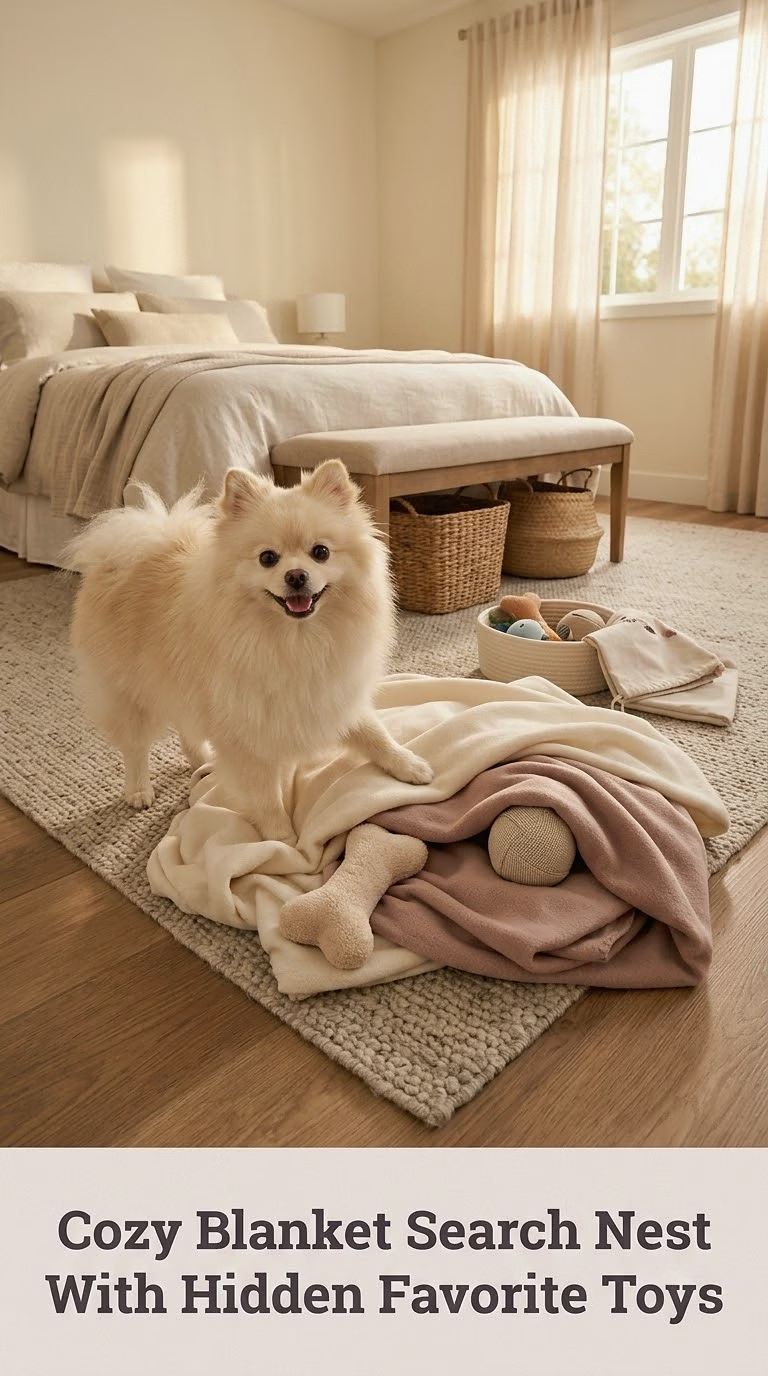
For dogs that are less food motivated, create an enrichment nest using familiar blankets and favorite toys.
Loosely layer two or three washable blankets inside a large dog bed or shallow open container. Tuck a durable toy between different folds and encourage your dog to search for it.
You can occasionally add a small food reward near the toy while teaching the game, then gradually rely more on the excitement of finding the object itself.
Use soft colors and fabrics that coordinate with your home, such as ivory fleece, muted plaid, or warm brown throws. The setup can feel like part of a cozy reading corner rather than a temporary training station.
Do not tightly wrap objects or create loops that could trap paws. Keep the folds loose enough for easy exploration and supervise dogs that like chewing blankets.
Farmhouse PVC Treat Roller With Adjustable Openings
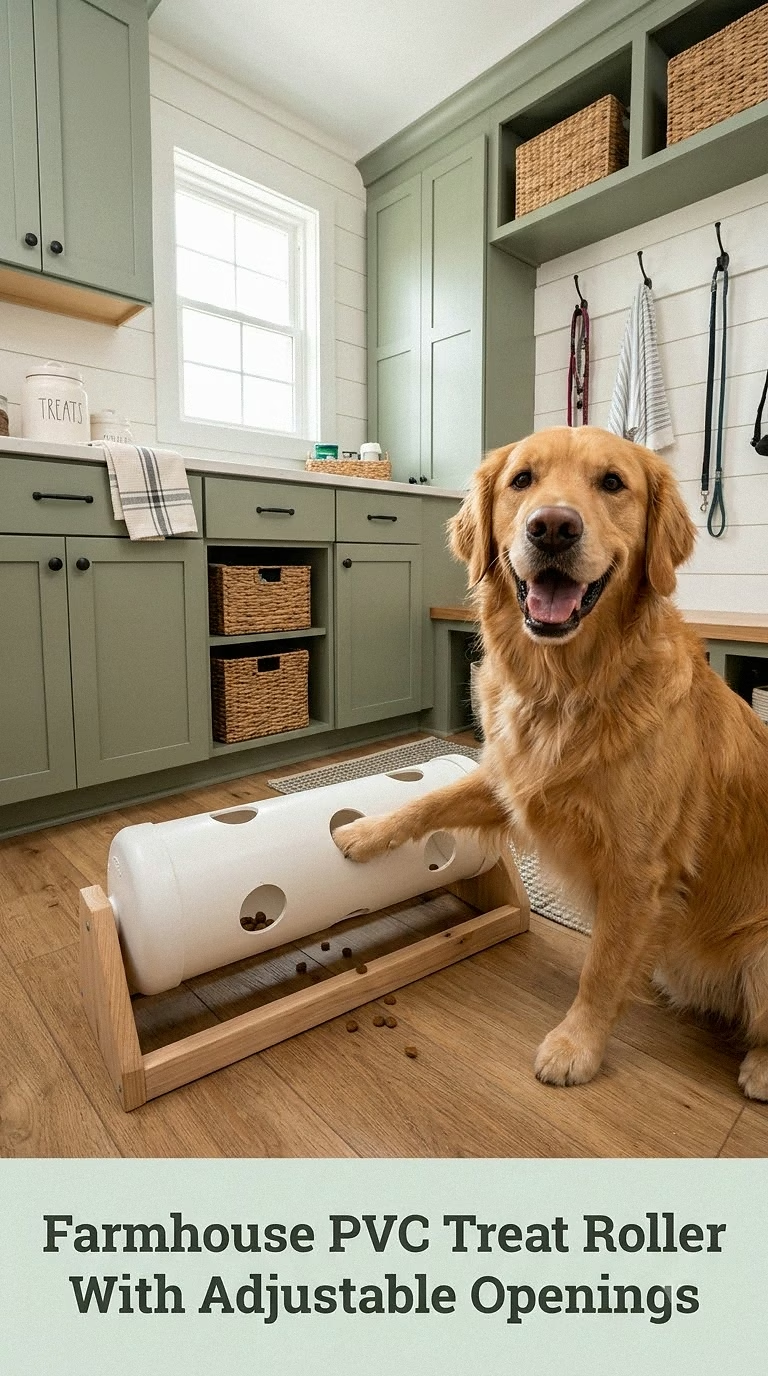
A homemade rolling feeder can provide a more active challenge for dogs that enjoy pushing objects around.
Using a suitable section of smooth, sturdy pipe with securely fitted ends, create appropriately sized openings through which pieces of kibble can fall as the cylinder rolls. Smooth every opening carefully so there are no sharp edges.
Read more : 18 Raw Dog Food Ideas For Beautiful And Practical Mealtimes
The finished puzzle can be rolled across a washable kitchen or utility-room floor while your dog nudges it with their nose and paws.
Difficulty depends largely on the number and size of openings. More generous holes create an easier puzzle, while fewer openings make food release less frequently.
DIY construction should only be attempted when you can create a genuinely smooth and secure finished object. If you are uncertain about the materials or construction, choose a purpose-made food toy instead.
Garden Herb Pot Scent Investigation Station
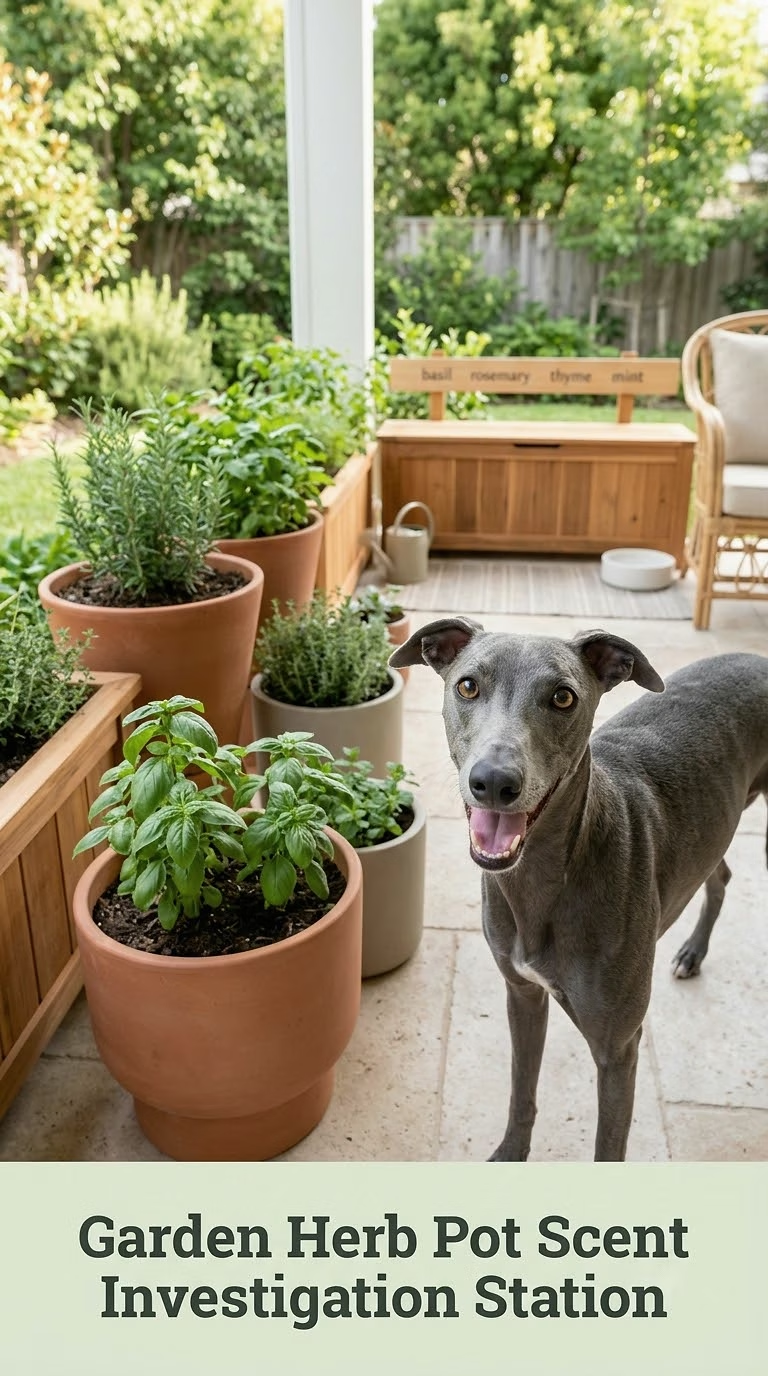
Give your dog something interesting to smell without always using food.
Arrange several dog-safe scented items in sturdy containers positioned along a quiet section of a patio or garden. The purpose is simply to encourage slow investigation and exploration rather than asking your dog to retrieve or eat anything.
You might rotate different safe natural scents so the station changes from week to week.
This setup can look beautiful when sturdy terracotta containers are arranged beside a wooden bench or garden path. Keep everything stable and completely out of chewing range if the contents are not intended for consumption.
Research any plant before placing it where pets can access it, because many common ornamental plants are not safe for dogs.
Allow your pup to move between scents voluntarily. Some dogs may investigate every container, while others prefer only one or two, and that choice is part of the enrichment.
DIY Treat Treasure Hunt With Woven Baskets
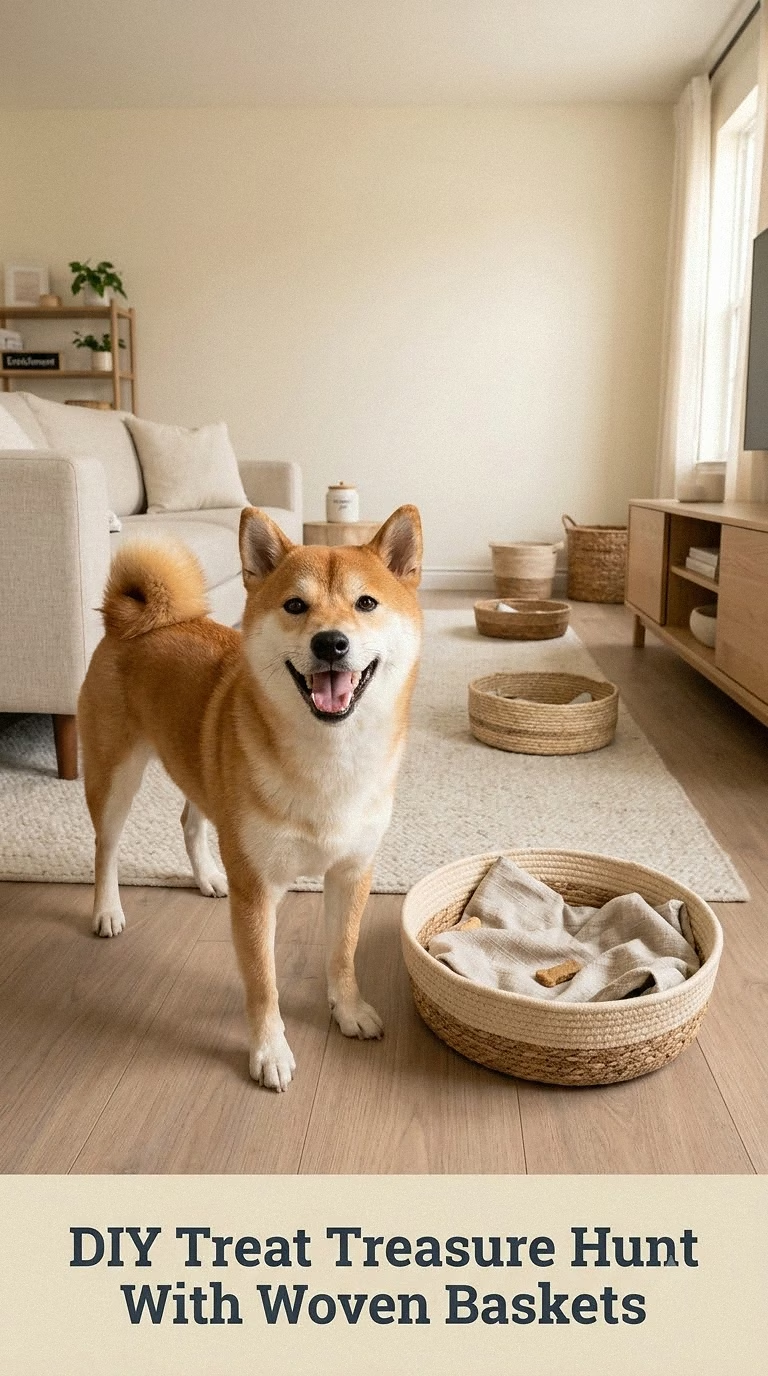
Create a charming indoor search game using a collection of open baskets placed around one room.
Put a dog-safe toy inside each basket and hide a small food reward in only a few of them. Your dog must visit each station and investigate which baskets contain something exciting.
Use broad, low baskets without loose decorative pieces or handles that could catch on a collar. Seagrass-style textures and warm neutral tones can complement a modern farmhouse or boho interior beautifully.
When first introducing the activity, keep all baskets visible and close together. Later, spread them around the room or partially hide them behind furniture.
If your dog starts chewing the baskets, replace them with sturdier containers. The idea is to encourage scent-based searching, not to create something they have to tear apart.
Small-Space Hallway Hide-And-Seek Course
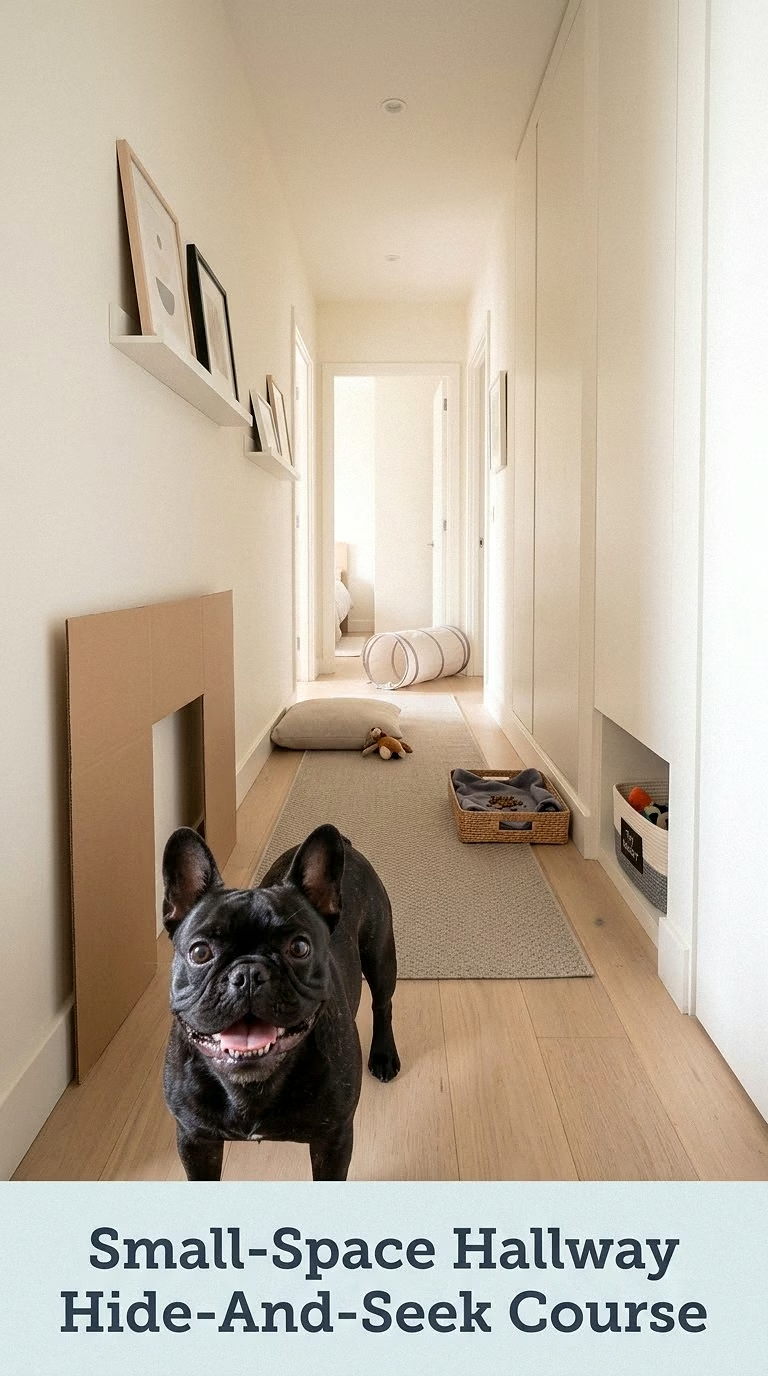
A narrow hallway can become an enrichment zone even when your apartment has very little spare floor space.
Place a few sturdy objects along the sides, such as an open box, low stool, dog bed, or stable container. Hide kibble or a favorite toy beside or underneath selected items, then encourage your pup to move slowly down the hallway and search.
Keep a clear walking route through the center so your dog never has to squeeze through tight gaps.
Changing the locations each time makes the same small area feel new. One day the reward might sit behind the dog bed, while the next session could involve searching beneath an upside-down sturdy container that is easy to move.
Avoid stairs, unstable stacks, slippery flooring, and anything that could fall. This is proof that meaningful enrichment does not require an entire dog room.
DIY Toy Rotation Shelf With Weekly Enrichment Baskets
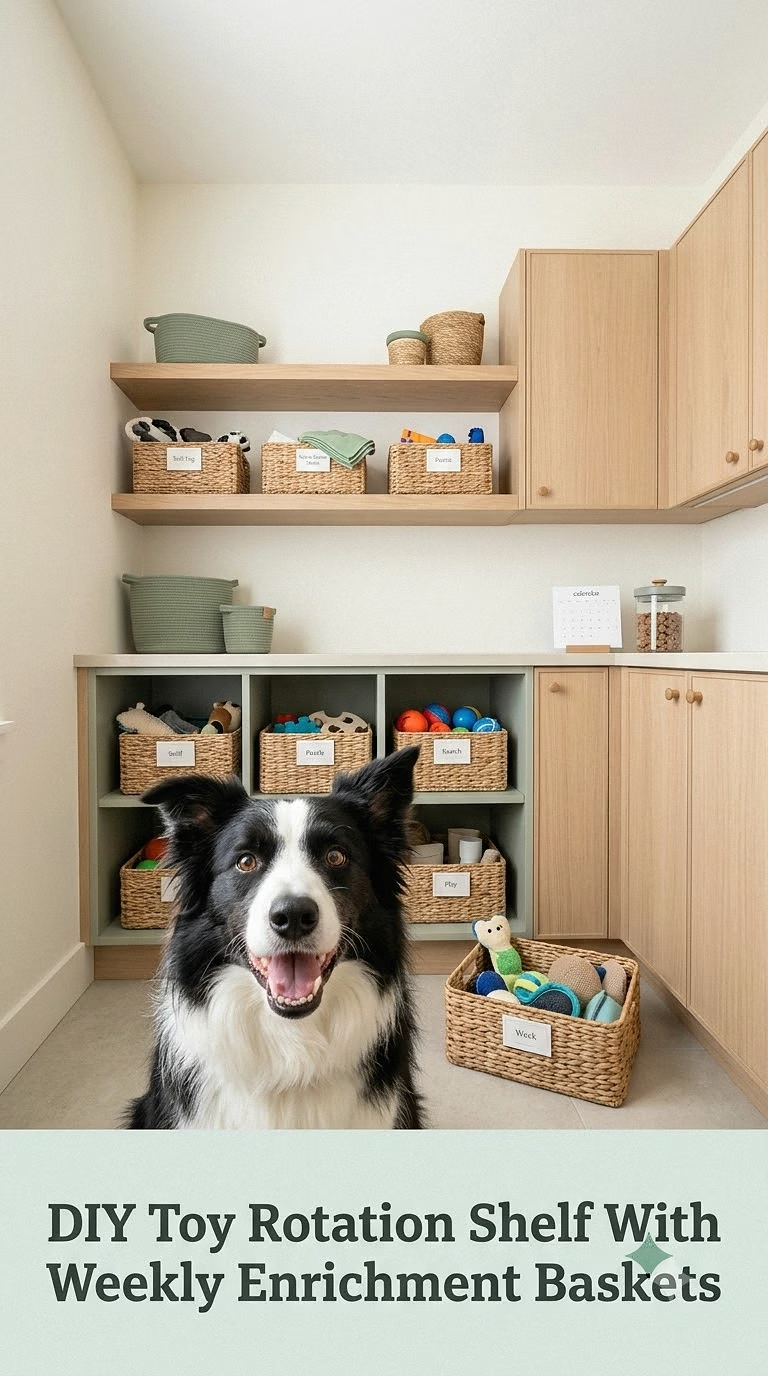
Sometimes stimulation comes from changing what is available rather than constantly buying something new.
Create a small storage shelf with several labeled baskets containing different types of dog activities. One might hold tug toys, another scent-game supplies, another feeding puzzles, and another durable fetch toys.
Keep only a small selection available at once, then rotate items periodically.
A white oak shelf with woven baskets can function as attractive home organization while also making enrichment easier to manage.
Inspect each toy before bringing it back into rotation and discard anything damaged enough to become unsafe. Clean washable items before returning them to storage.
This system is especially useful for busy households because you can assemble several easy activities in advance. Instead of searching the house for supplies every evening, simply choose a basket and create a few minutes of purposeful play.
Indoor Treasure Box With Layers Of Dog-Safe Challenges
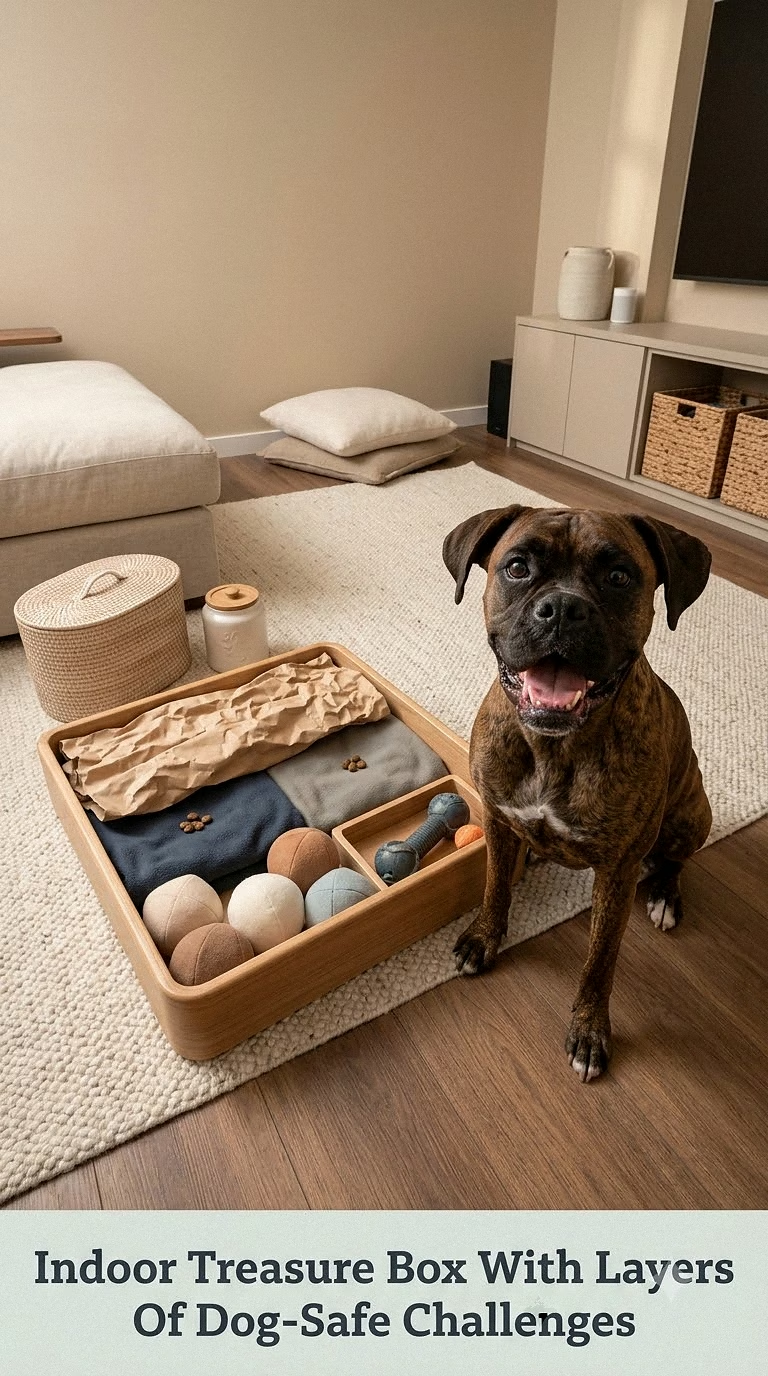
For a more elaborate enrichment session, combine several easy puzzles into one supervised treasure box.
Start with a large open container. Inside, place a rolled towel with kibble, a sturdy toy, an open cardboard box with a treat, and a few crumpled pieces of paper concealing additional food.
Rather than facing one puzzle, your dog encounters several textures and challenges during the same search.
Keep the arrangement loose and accessible so it feels exciting instead of frustrating. The goal is not to create the hardest possible puzzle.
You can customize the entire box to your dog’s preferences. A sniff-focused dog may enjoy more hidden food, while a toy-loving pup might prefer several favorite objects tucked between layers.
Always choose materials appropriate for your dog’s chewing habits and supervise the entire activity. Once your dog begins destroying or eating the container rather than searching, the session is finished.
Creating The Perfect Routine With Dog Stimulation DIY Ideas
The most useful dog stimulation DIY ideas are not necessarily the most complicated ones. A rolled towel, hidden toy, scent trail, cardboard box, or homemade snuffle mat can completely change the way your dog experiences an otherwise ordinary afternoon.
Try choosing activities according to your dog’s natural preferences. A dedicated sniffer may adore treasure hunts and foraging games, while a dog that loves movement might prefer an indoor obstacle course. A determined digger may be happiest with a backyard sand box, while a quieter pup might enjoy licking or gently searching through blankets.
You also do not need to offer every activity at once. Rotating a few favorites keeps your home organized and gives familiar games a fresh feeling when they return.
Most importantly, keep DIY enrichment safe, supervised, and enjoyable. Adapt every idea to your dog’s size, age, mobility, diet, and chewing style. With a little experimentation, these simple projects can create more interesting routines, encourage positive natural behaviors, and give you even more joyful ways to spend time together.
Source: https://petstutorial.com
Category: DOGS
