
A backyard can be so much more than a patch of grass when you share your home with a dog. With a little planning, even an ordinary outdoor space can become a playful retreat filled with places to sniff, climb, explore, splash, rest, and spend time with you. The best outdoor dog playground ideas are not necessarily elaborate or expensive. Often, the most successful spaces combine a few thoughtfully chosen activities with comfortable surfaces, shade, secure boundaries, and room for natural dog behaviors.
The goal is not to fill every corner with equipment. A beautiful dog-friendly yard usually feels balanced, with active zones beside quieter areas where your dog can cool down or simply watch the world. You might add a simple tunnel and weaving poles to a small lawn, turn a narrow side yard into an adventure trail, or create a full backyard play park with ramps, digging areas, water features, and landscaping.
You are reading: 19 Outdoor Dog Playground Ideas For A Fun, Stylish Backyard
Before adding obstacles, consider your dog’s age, size, confidence, mobility, and favorite ways to play. Keep beginner equipment low and stable, particularly for puppies, older dogs, or dogs that are new to agility-style activities. Vigorous jumping and climbing may not suit every dog, so a veterinarian can help if you are uncertain about an activity.
The surrounding yard matters too. Secure gates, reliable fencing, fresh drinking water, shade, non-slip surfaces, and supervision make playtime much safer. Check landscaping carefully for potentially toxic plants, fertilizers, pesticides, compost, and tempting materials such as cocoa mulch.
With those practical details covered, you can focus on the enjoyable part: designing a backyard that looks lovely while giving your dog new reasons to run outside.
Outdoor Dog Playground Ideas For Every Backyard Style
Natural Wood Agility Playground With Ramps And Weave Poles
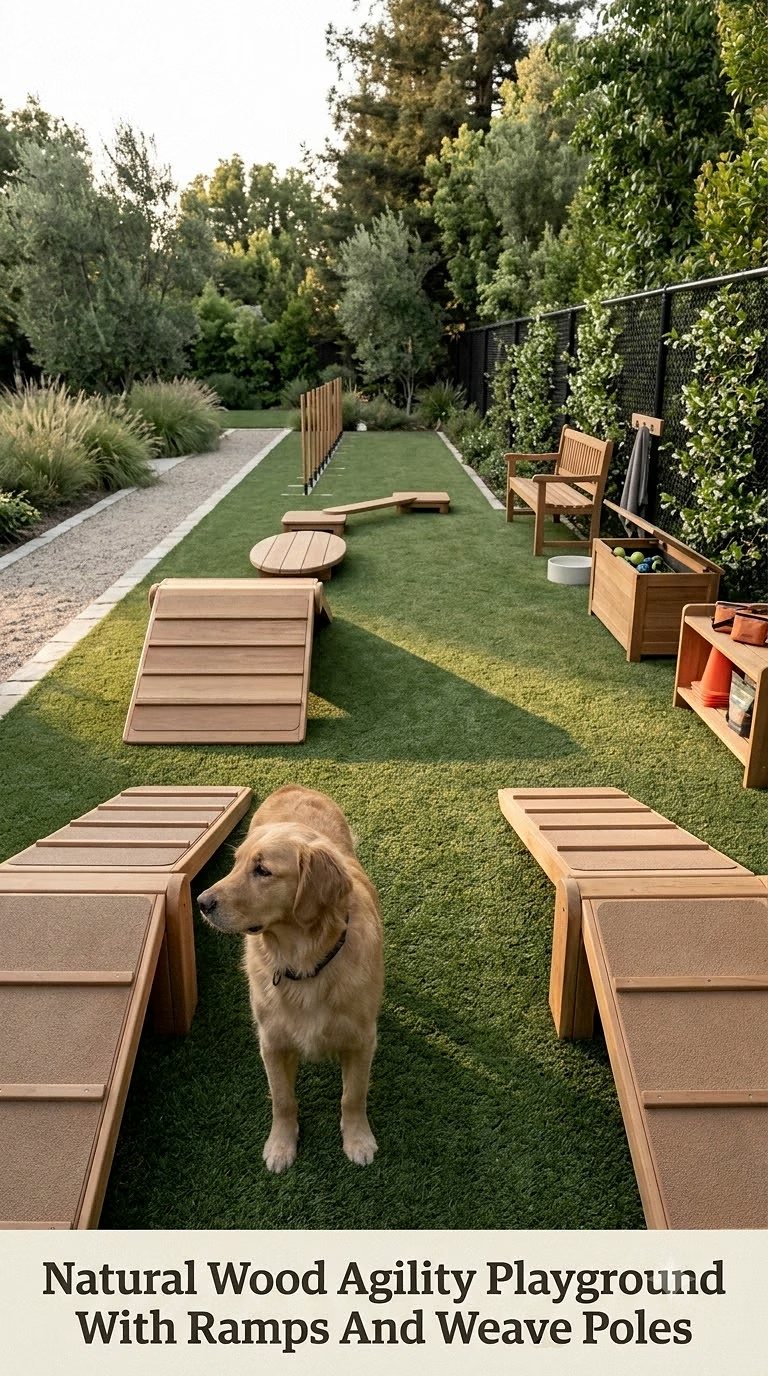
Create a backyard playground that blends beautifully into the landscape by building obstacles from warm-toned wood instead of brightly colored plastic. A low wooden ramp, short balance platform, and simple line of weave poles can create an attractive agility-inspired zone without making your yard look like a training facility.
Choose exterior-grade materials and sand every edge until it feels smooth. Walking surfaces should have enough texture for secure footing rather than a slick painted finish.
Keep ramps low while your dog learns and position equipment on level ground with space between each activity. Obstacles that can be rearranged are particularly useful because changing the layout provides a fresh challenge without requiring more equipment.
Finish the area with grass, dog-safe planting, and perhaps a simple wooden storage box for balls and toys. The overall result feels like a small landscaped adventure garden rather than a cluttered obstacle course.
Modern Artificial Turf Dog Park With A Curved Play Tunnel
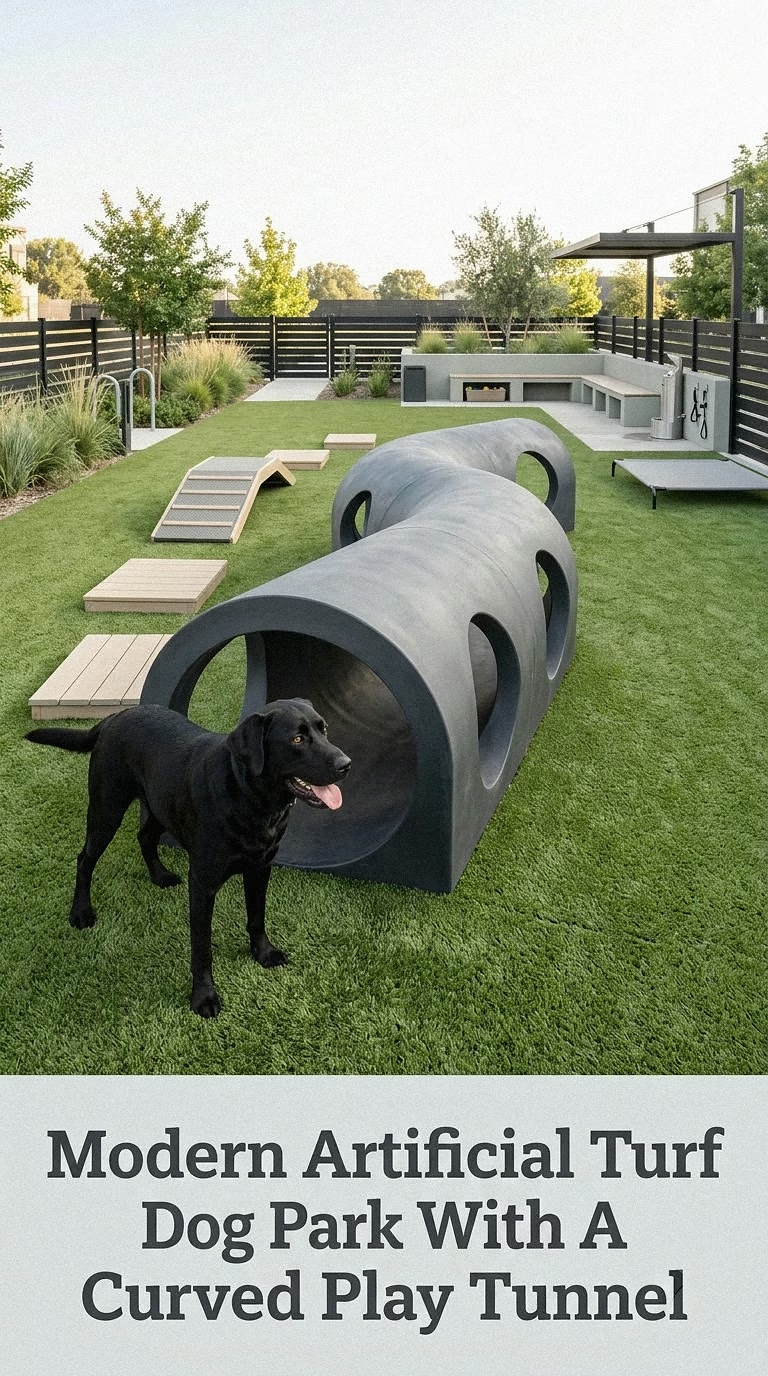
For a polished, low-mud playground, consider creating a dedicated play zone finished with pet-friendly artificial turf. The neat green surface works especially well beside contemporary patios, narrow side yards, and spaces where natural grass struggles with heavy paw traffic.
Make a curved agility tunnel the main feature, then add one or two portable obstacles such as poles or a low platform. Keeping the equipment minimal gives the area a clean, modern appearance.
Good installation is important. The base should drain properly so water and cleaning rinses do not collect underneath the turf. Regular removal of waste, rinsing, and appropriate cleaning will also help keep the area pleasant.
Add a water bowl station and shaded resting corner nearby. Pale timber borders, simple black fencing, and oversized planters can make this practical dog zone feel intentionally connected to the rest of your landscaping.
Rustic Farmhouse Dog Playground With Cedar Obstacles
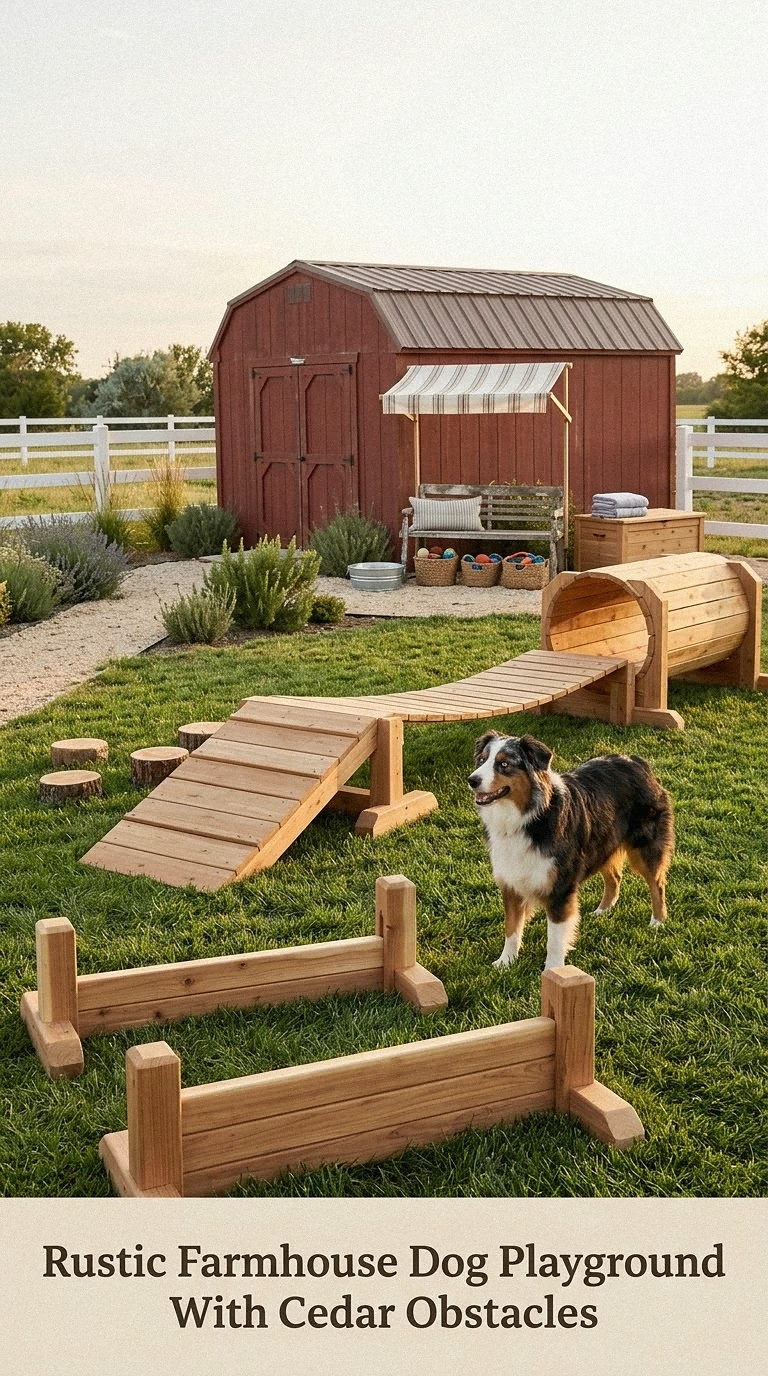
A farmhouse-inspired playground can turn functional dog equipment into charming backyard decor. Use cedar-toned wood for low ramps, platforms, and simple hurdles, then surround the play area with grass, gravel paths, and relaxed cottage-style landscaping.
A small wooden sign, galvanized water bucket placed safely out of chewing reach, and natural woven toy basket can reinforce the rustic look. Avoid overly distressed equipment where splintered surfaces or exposed hardware could catch a paw.
Instead of permanent high jumps, design removable bars that fall away easily if bumped. That allows you to adjust the challenge as needed.
This style is especially attractive beside sheds, vegetable gardens, or traditional wooden fencing. Just separate your dog’s play space from compost, garden chemicals, and plants that may be unsafe if chewed. The finished yard can feel warm and rural while remaining easy to supervise.
Small Side Yard Adventure Trail With Turf And Stepping Platforms
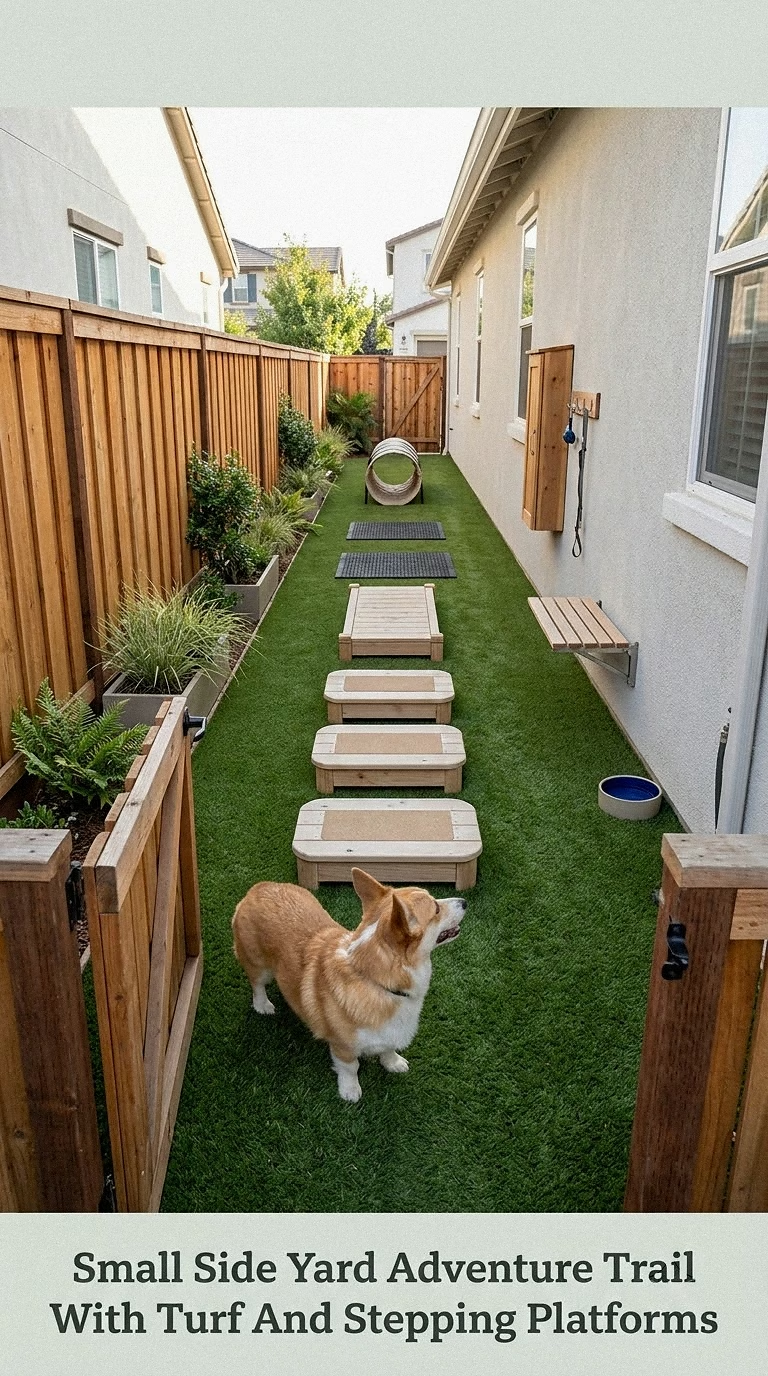
A narrow side yard can become one of the most interesting dog play areas on the property. Rather than trying to create a traditional open playground, design a linear adventure trail that encourages your dog to travel from one activity to another.
Start with an easy-clean surface such as turf or sturdy grass. Along one side, place low platforms, a short tunnel, textured stepping pads, and a few weaving posts. Leave enough clear width for your dog to move comfortably rather than squeezing obstacles together.
You can also place a raised resting deck at the far end so the journey leads to a destination.
Because side yards are often bordered by a house and fence, check ventilation and temperature carefully. Walls can trap heat during sunny weather. Include shade, fresh water, and an easy route back indoors.
This approach makes excellent use of space that might otherwise remain empty.
Colorful Backyard Agility Course With Tunnel And Low Jumps
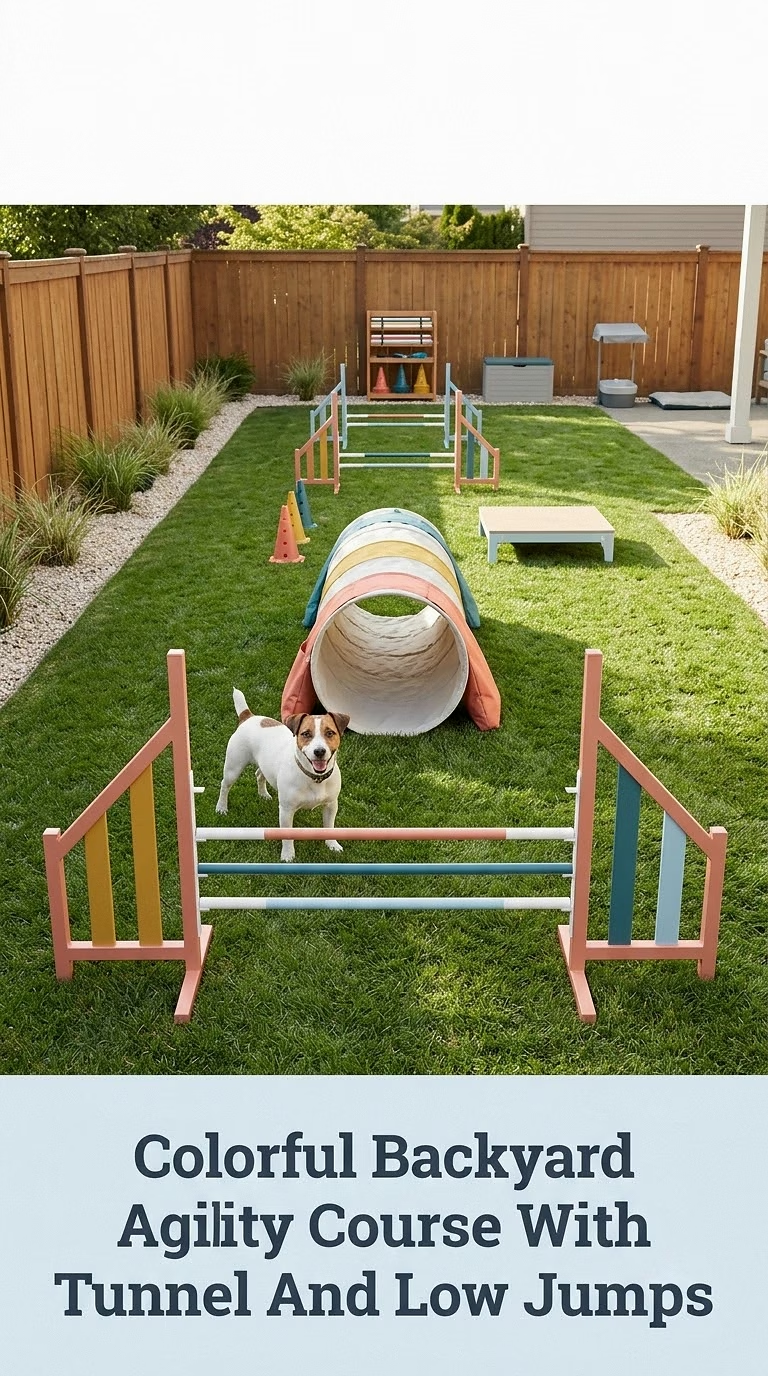
If you love cheerful outdoor spaces, turn basic agility equipment into a colorful focal point. Combine a fabric tunnel with lightweight weave poles and adjustable jumps in several coordinated colors.
Arrange everything across an open lawn so there is plenty of room between obstacles. Start with individual activities rather than immediately asking your dog to complete an entire course. Rewarding confident exploration can make the playground more enjoyable for dogs that are cautious around unfamiliar objects.
Low, lightweight jump bars are preferable to rigid homemade barriers because they should move or fall if accidentally struck. Keep jumps very low when introducing the game.
Portable equipment also makes mowing much easier. Store fabric tunnels and lightweight pieces in a dry shed or weatherproof container when they are not being used.
The result is energetic, playful, and particularly fun for families who enjoy training together outside.
Shaded Pergola Dog Playground With Cooling Rest Zone
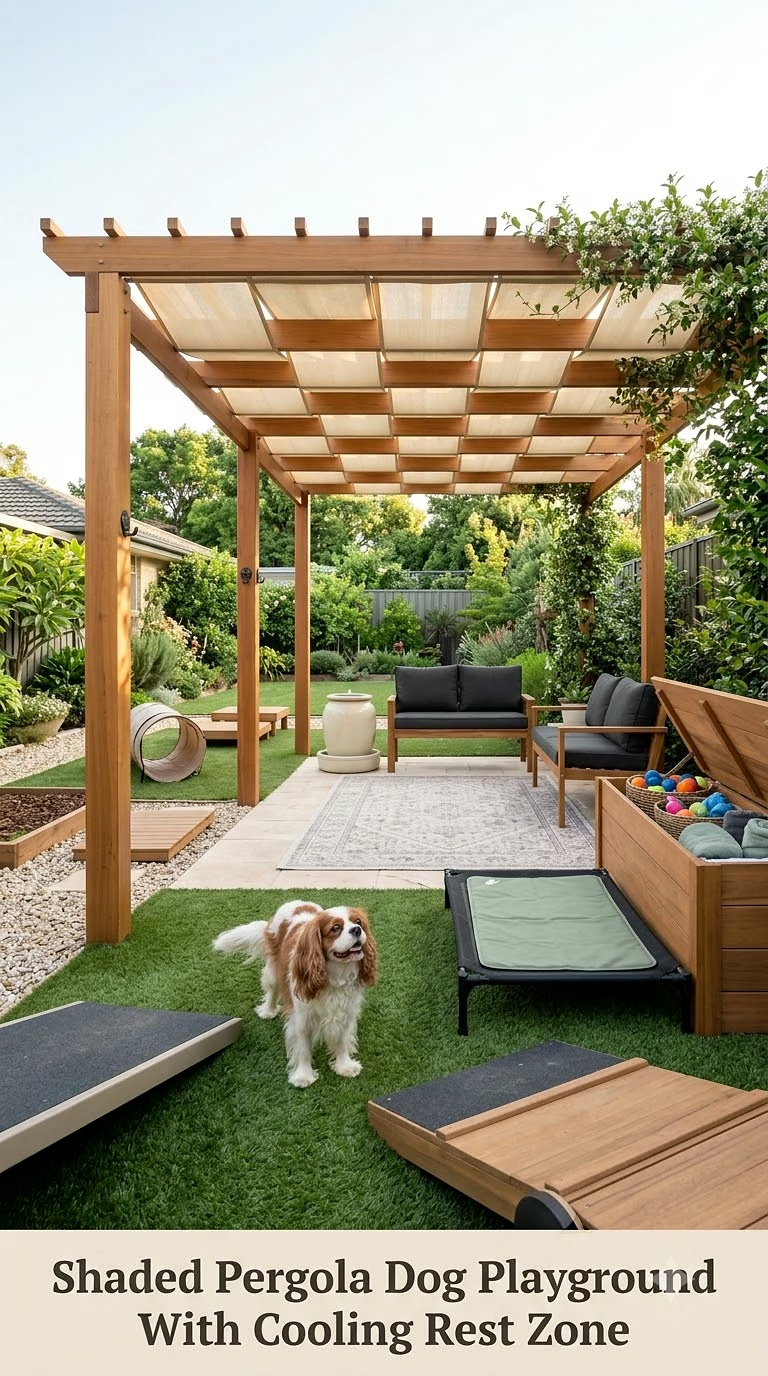
Not every playground feature needs to encourage running. A dedicated cooling area can make an outdoor setup far more comfortable, especially during warm weather.
Build a simple pergola or use an existing covered patio to create shade beside the main playground. Underneath, place an elevated outdoor dog bed, fresh drinking water, and a washable mat where your dog can relax between games.
Position active equipment nearby rather than directly beneath the shelter. This gives your dog a clear choice between playing and resting.
For a beautifully styled space, use light wood, neutral outdoor fabrics, and dog-safe container plants positioned where they will not be chewed. Hooks can hold leads, towels, and collapsible water bowls.
Shade and water are essential parts of warm-weather outdoor play. On particularly hot or humid days, reduce vigorous activity regardless of how inviting the playground looks.
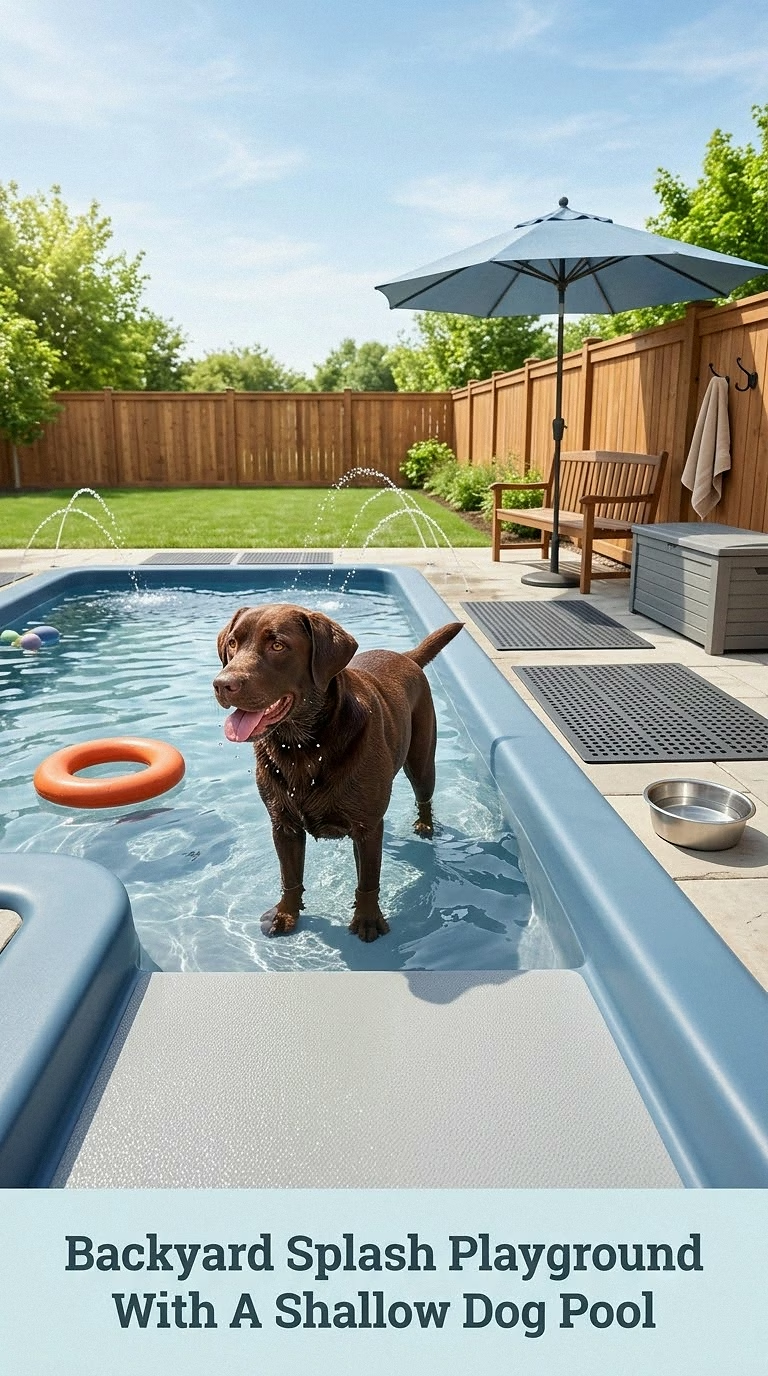
Backyard Splash Playground With A Shallow Dog Pool
Read more : 19 Cute Dog Bowl Ideas For A Beautiful And Practical Feeding Space
Water can turn a simple lawn into a summer playground for dogs that genuinely enjoy getting wet. Instead of installing a deep decorative pond, use a shallow dog pool or sturdy splash basin that is easy to empty and clean.
Place it on a stable, non-slip surface and leave plenty of open space around the edges. A nearby hose, outdoor towel hooks, and drainage-friendly paving make cleanup easier.
You can create a miniature water-play circuit by placing floating toys in the pool and setting a low tunnel or platform several feet away.
Supervision remains important around any water feature, even one that appears shallow. Never assume every dog naturally understands how to enter, exit, or swim comfortably.
Choose a pool with an obvious, easy exit and empty standing water when appropriate. Surrounded by lush greenery and a shaded lounging area, this can become one of the prettiest features in the yard.
DIY PVC Playground With Weave Poles And Adjustable Hurdles
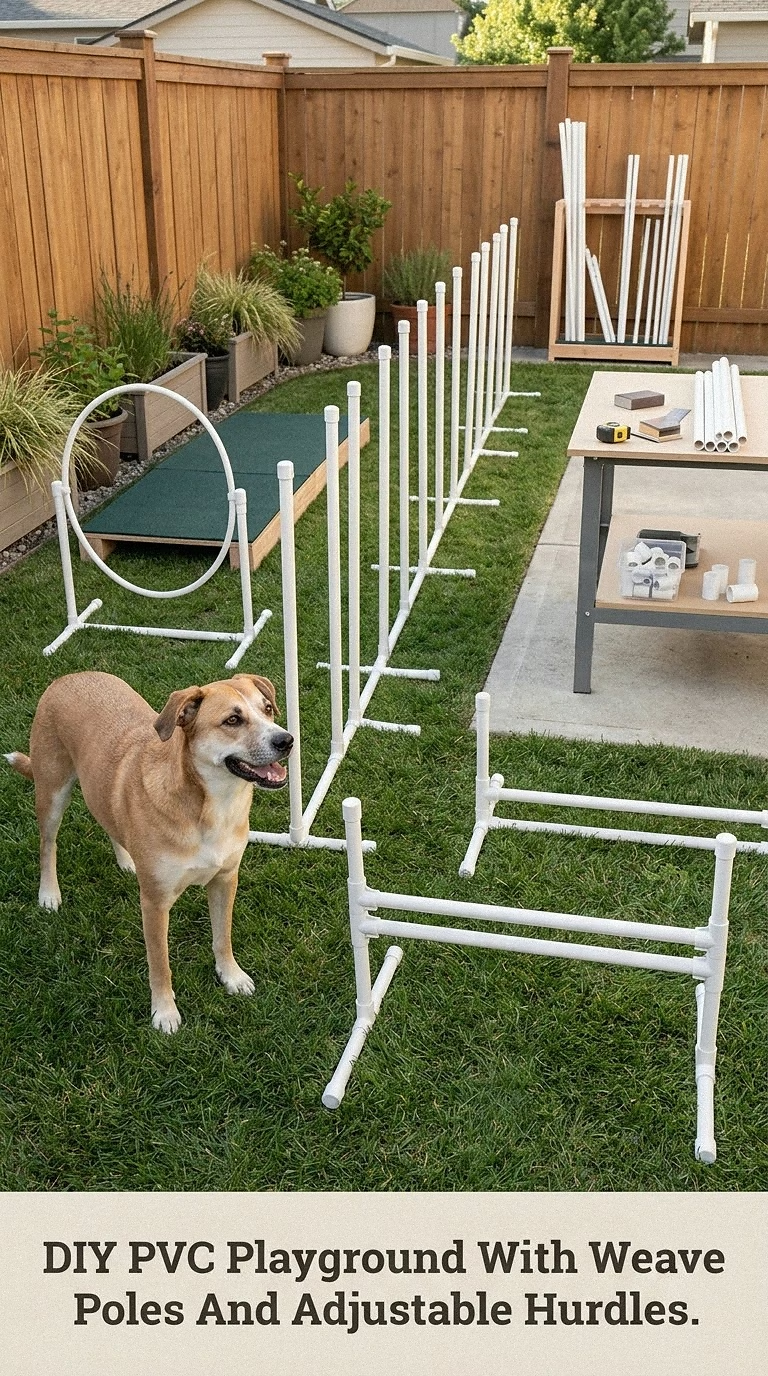
PVC pipe is useful for owners who want an affordable playground that can be changed frequently. Lightweight frames can form weave poles and low adjustable hurdles without requiring permanent construction.
Keep designs simple and stable, and make sure jump bars can dislodge rather than trapping your dog’s legs. Smooth connections and covered ends are important too.
One advantage of portable PVC equipment is flexibility. You can create a larger activity course on weekends, then break it down when you want the lawn clear.
Paint or decorate only with finishes appropriate for outdoor use and keep chewing dogs from gnawing on the pieces.
Pair white PVC with a manicured lawn for a sporty look, or choose muted removable coverings if you prefer a softer backyard palette. A weather-resistant storage rack against the fence keeps everything organized when the playground is packed away.
Woodland Sensory Garden With Dog-Safe Plants And Sniffing Paths
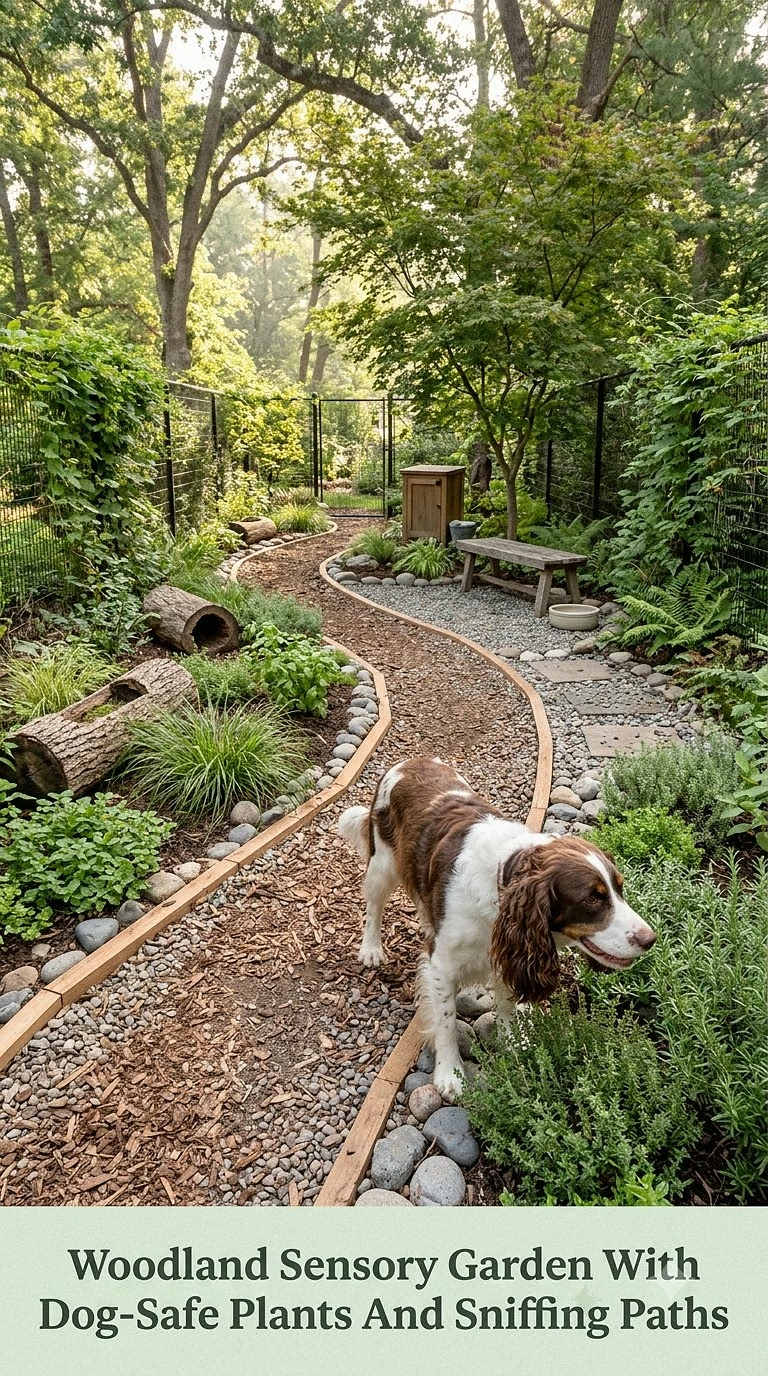
Some dogs would rather investigate scents than leap over obstacles. For them, a sensory garden can be a wonderfully enriching outdoor playground.
Create winding paths between areas of grass, soil, smooth paving, and carefully chosen dog-safe plants. Wider curves encourage wandering rather than racing. You can hide a few treats around appropriate areas for supervised scent games or place favorite toys at different points along the route.
Research every plant before putting it within reach. A plant being attractive or commonly used in landscaping does not automatically make it safe for dogs.
Keep fertilizers, pesticides, compost, and other garden products inaccessible as well. Cocoa-based mulch should not be used around dogs because ingestion can be dangerous.
A sensory garden can look sophisticated while giving your dog opportunities to sniff and explore at their own pace, making it especially appealing for quieter dogs.
Dedicated Digging Corner With Sand And Timber Borders
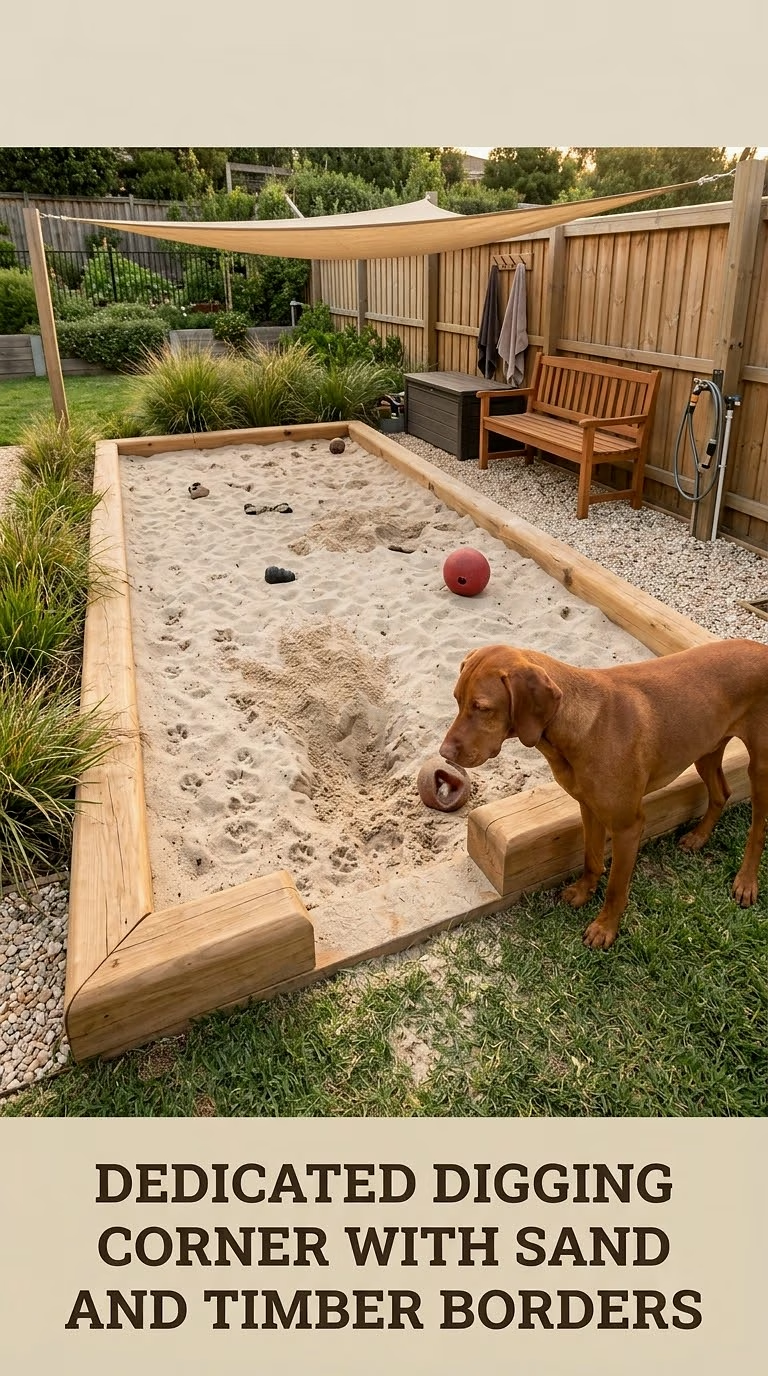
If your dog loves excavating your flower beds, providing an approved digging area may give that behavior a more appropriate outlet.
Frame a section of the yard with smooth timber and fill it with clean, dog-appropriate digging material. A simple sandbox-style design looks tidy and clearly separates the activity from surrounding landscaping.
Encourage interest by burying toys very shallowly at first so your dog quickly discovers something rewarding. Gradually make the search more challenging once they understand that this particular corner is for digging.
Position the pit where you can supervise it and provide partial shade so the material does not become excessively hot. Inspect it regularly for debris and waste.
For a stylish finish, add a small engraved sign, natural wood border, and adjacent storage bench. It is an inexpensive feature that can save the rest of the garden from enthusiastic paws.
Minimalist Balance Playground With Low Platforms And Stepping Pods
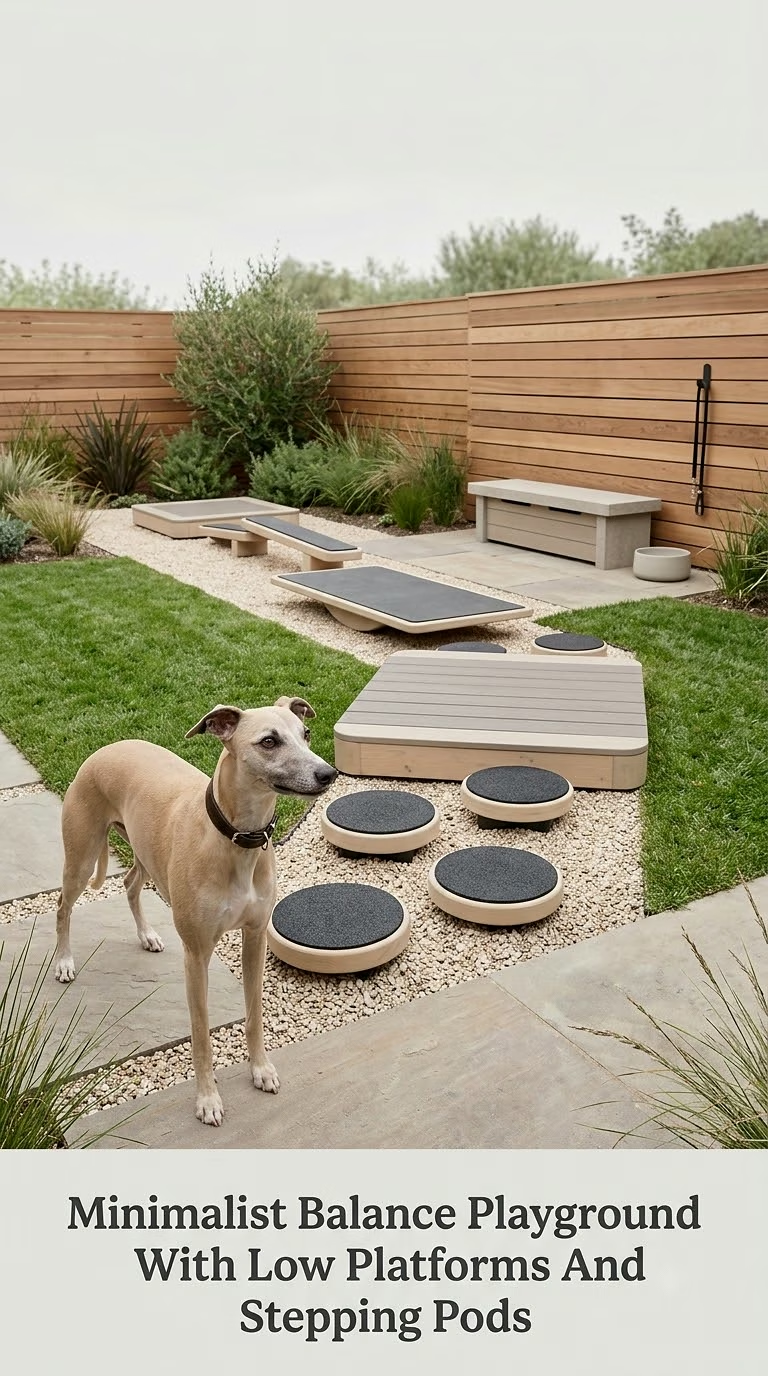
Dogs do not need towering structures to experience an interesting physical challenge. A collection of low platforms and sturdy stepping pods can encourage controlled movement, paw awareness, and confidence while creating a modern sculptural feature in your yard.
Arrange several broad platforms at slightly different heights with generous gaps around them. Start close to ground level rather than designing dramatic elevated obstacles.
Surfaces should be stable and provide reliable traction even after morning dew or light rain. Avoid narrow beams or slippery materials that encourage risky balancing.
Neutral shades such as soft gray, natural timber, black, and muted green help the playground complement minimalist landscaping.
This idea is also easy to scale. A tiny yard might contain three movable platforms, while a larger space could include a whole sequence. The emphasis is on thoughtful movement rather than speed, which can suit many dogs.
Covered Tunnel Garden With Curved Paths And Native Landscaping
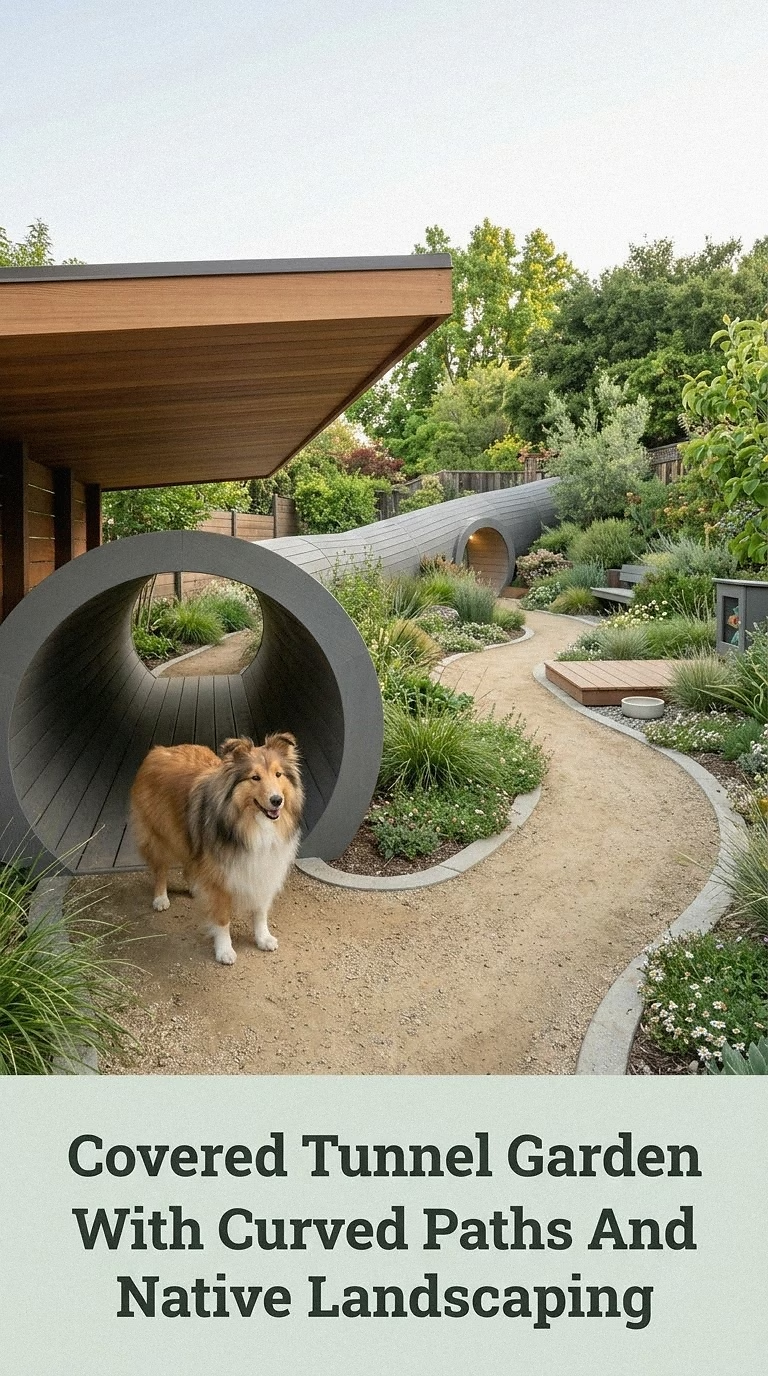
Turn a basic dog tunnel into part of the landscape by placing it along a gently curving garden route. Rather than setting equipment in the center of a lawn, tuck the tunnel beside grasses and shrubs while keeping enough clear space around its entrances.
A winding pathway creates a sense of discovery. Your dog can travel through the tunnel, follow the path, investigate a sniffing area, and eventually reach a shaded resting spot.
Choose plants confirmed as suitable around dogs and keep tempting leaves or berries away from animals that like to chew vegetation.
A tunnel should be stable, open at both ends, and introduced gradually. Never push a hesitant dog inside. Many dogs become comfortable when they can clearly see the exit and receive encouragement from the opposite end.
This landscaped version feels less like sports equipment and more like a secret garden designed for dogs.
Luxury Dog Park With Decking, Turf And Built-In Toy Storage
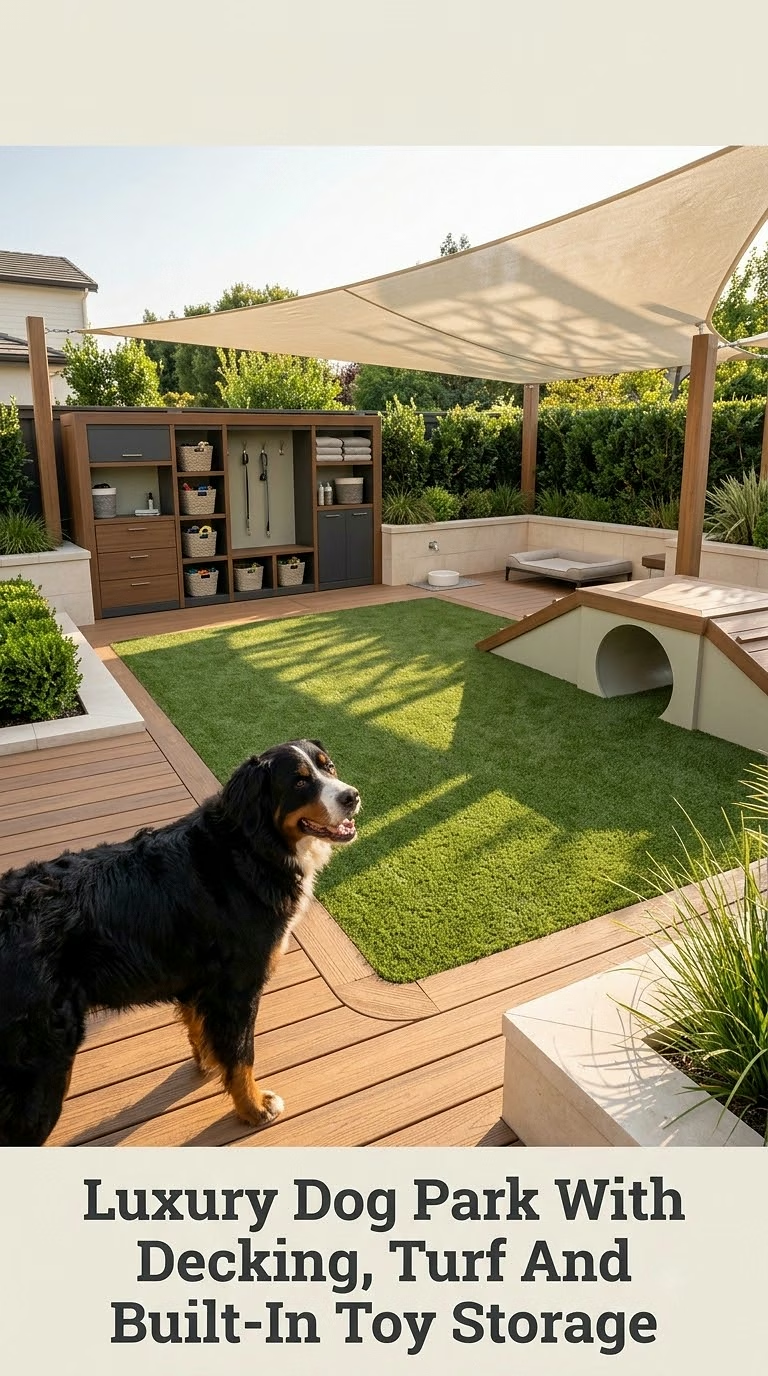
For a backyard that feels as polished as an outdoor living room, divide the dog playground into intentional zones.
Use a small timber or composite deck as the central platform, with a turf exercise area on one side and a shaded lounging station on the other. Built-in storage beneath a bench can hide balls, training cones, towels, and outdoor toys.
Read more : 18 Weiner Dog Baby Shower Ideas For A Paw-Fect Celebration
A low ramp leading onto the deck adds another activity without dominating the space. Choose slip-resistant materials and avoid surfaces that become dangerously hot in direct sunlight.
You can coordinate storage boxes and outdoor cushions with your patio furniture so the dog zone visually belongs to the home.
Luxury in this case is less about expensive equipment and more about thoughtful planning. Good drainage, convenient cleaning, organized storage, comfortable shade, and attractive materials can make daily dog care feel much easier.
Recycled Tire Playground With Ground-Level Obstacle Challenges
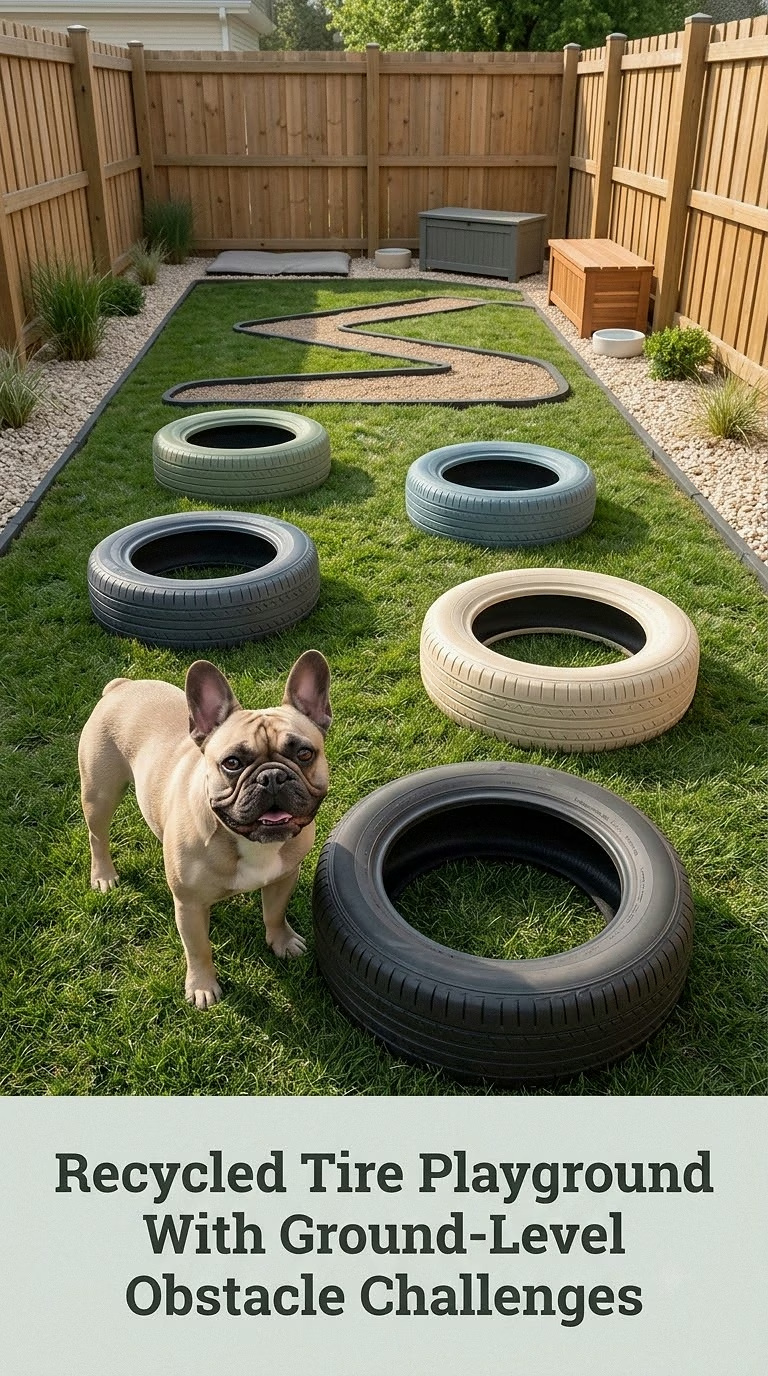
Old tires can inspire an interesting playground aesthetic, but they are best used conservatively and close to ground level rather than encouraging dogs to make risky leaps through elevated rings.
Place clean, intact tires flat on a stable surface to create stepping zones or arrange them as visual boundaries around a play route. Secure everything carefully so pieces cannot roll or tip.
For a softer recycled-material theme, combine the tires with sturdy wooden platforms and repurposed outdoor storage.
Inspect secondhand materials for exposed metal, deteriorated rubber, sharp edges, or chemical residues before allowing your dog near them. If you are uncertain about the condition of a recycled item, skip it.
Painted tires can look bright and playful, while natural black works well with modern landscaping. This is a budget-conscious idea, but safety should determine which materials actually make it into the finished playground.
Treibball Play Zone With Oversized Balls And A Simple Goal
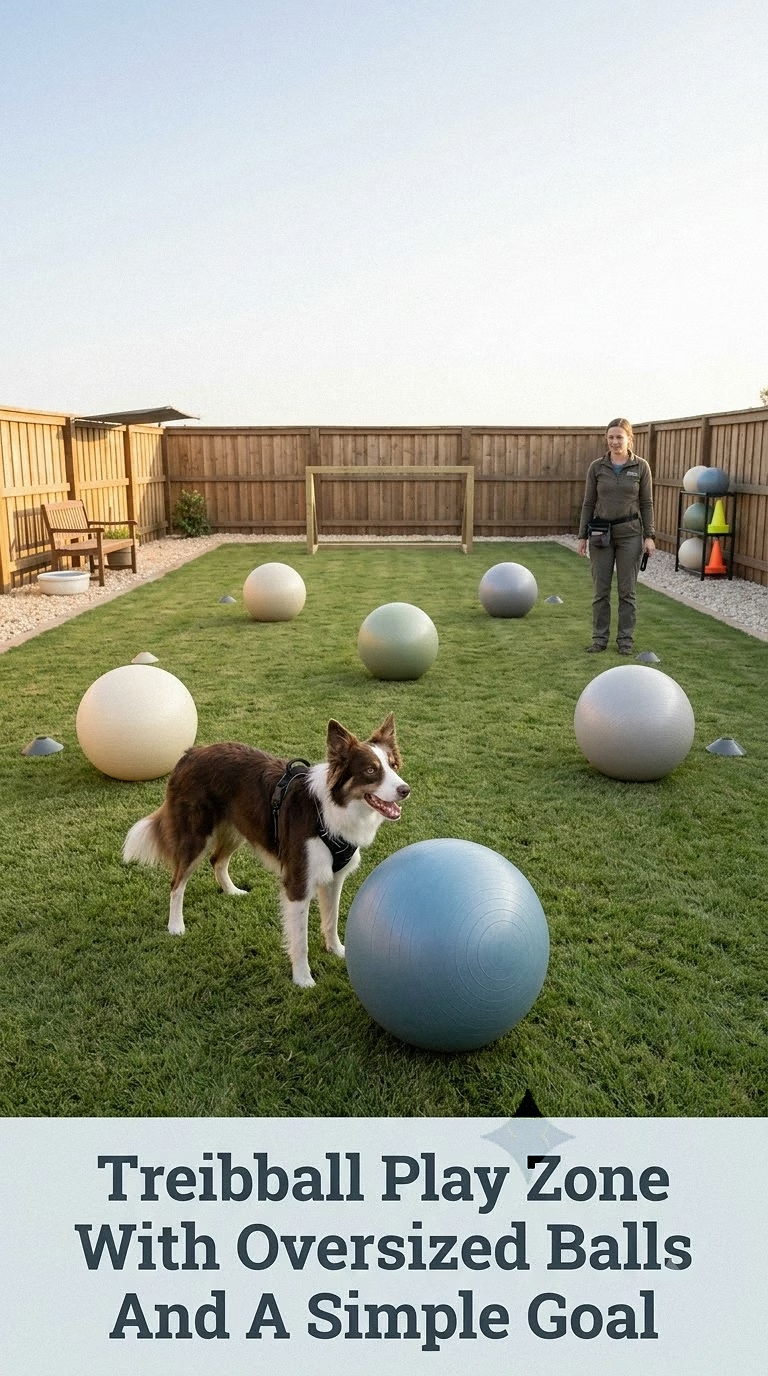
For dogs fascinated by pushing and chasing objects, create an open play zone inspired by treibball. The activity involves teaching a dog to move large balls toward a goal using controlled cues.
You can begin with one appropriately sized lightweight ball and a simple goal created from cones or stable uprights. Leave plenty of unobstructed space so the ball cannot send your dog crashing into furniture, garden beds, or fencing.
This setup is visually simple but highly interactive. Bright balls against an open green lawn make the space feel playful without requiring permanent structures.
Keep sessions positive and teach the game gradually rather than simply releasing your dog to chase an oversized ball uncontrollably.
When playtime is finished, store balls securely so wind does not send them across the yard and dogs prone to destructive chewing cannot damage or swallow pieces.
Dog Parkour Corner With Tree Stumps And Low Timber Platforms
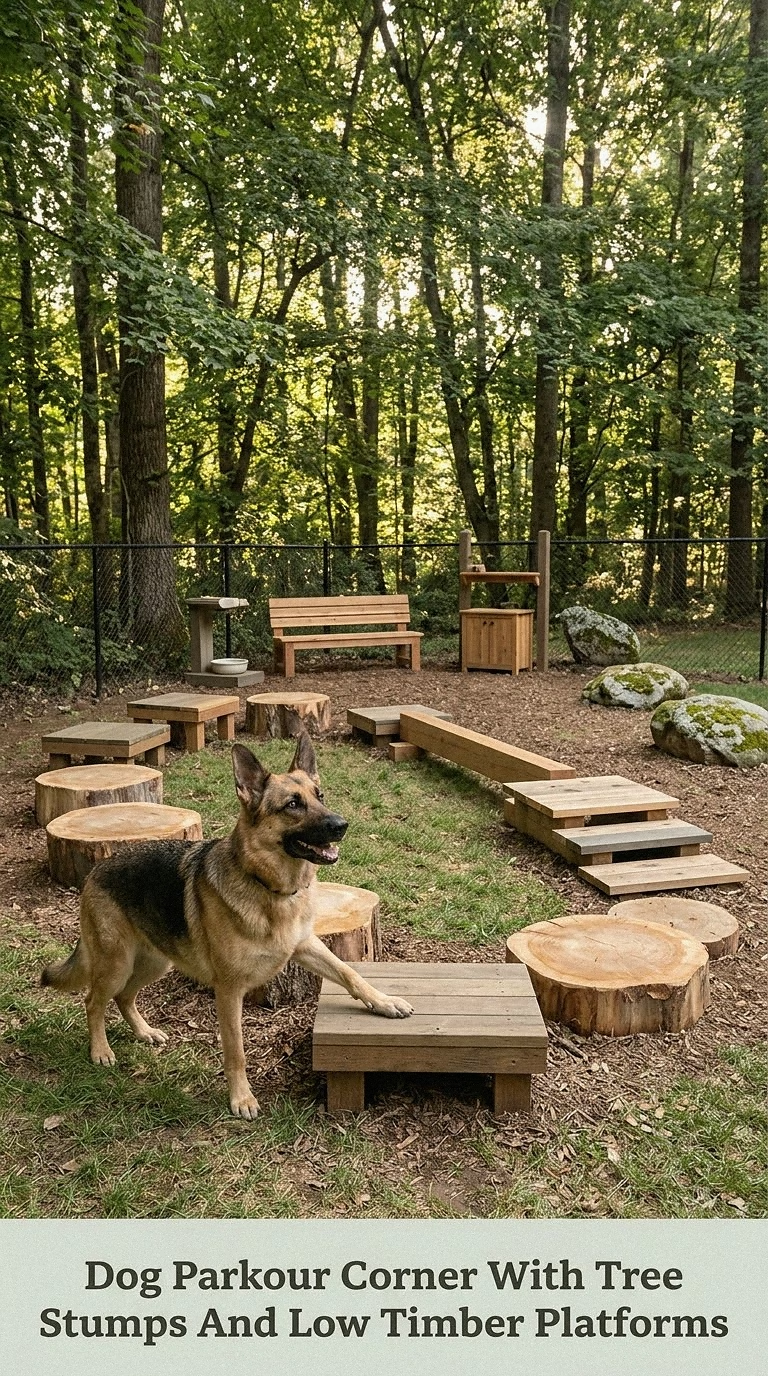
A nature-inspired parkour area can be created with broad tree-stump-style platforms, low timber blocks, and short raised surfaces placed around a grassy corner.
Rather than focusing on jumping, teach simple behaviors such as placing front paws on a platform, walking around an object, stepping onto a stable surface, or passing beneath a low arch.
All structures should be extremely stable and proportionate to your dog. Keep heights modest, particularly while learning. Sand natural timber thoroughly and remove anything cracked, rotten, or splintered.
The visual style works beautifully in wooded or rustic gardens because the equipment looks almost like part of the landscaping.
Add smooth pathways and leafy dog-safe planting around the perimeter. This type of playground can be changed frequently simply by rearranging a few objects, providing new puzzles without buying additional equipment.
Compact Patio Playground With Foldable Equipment And Storage Bench
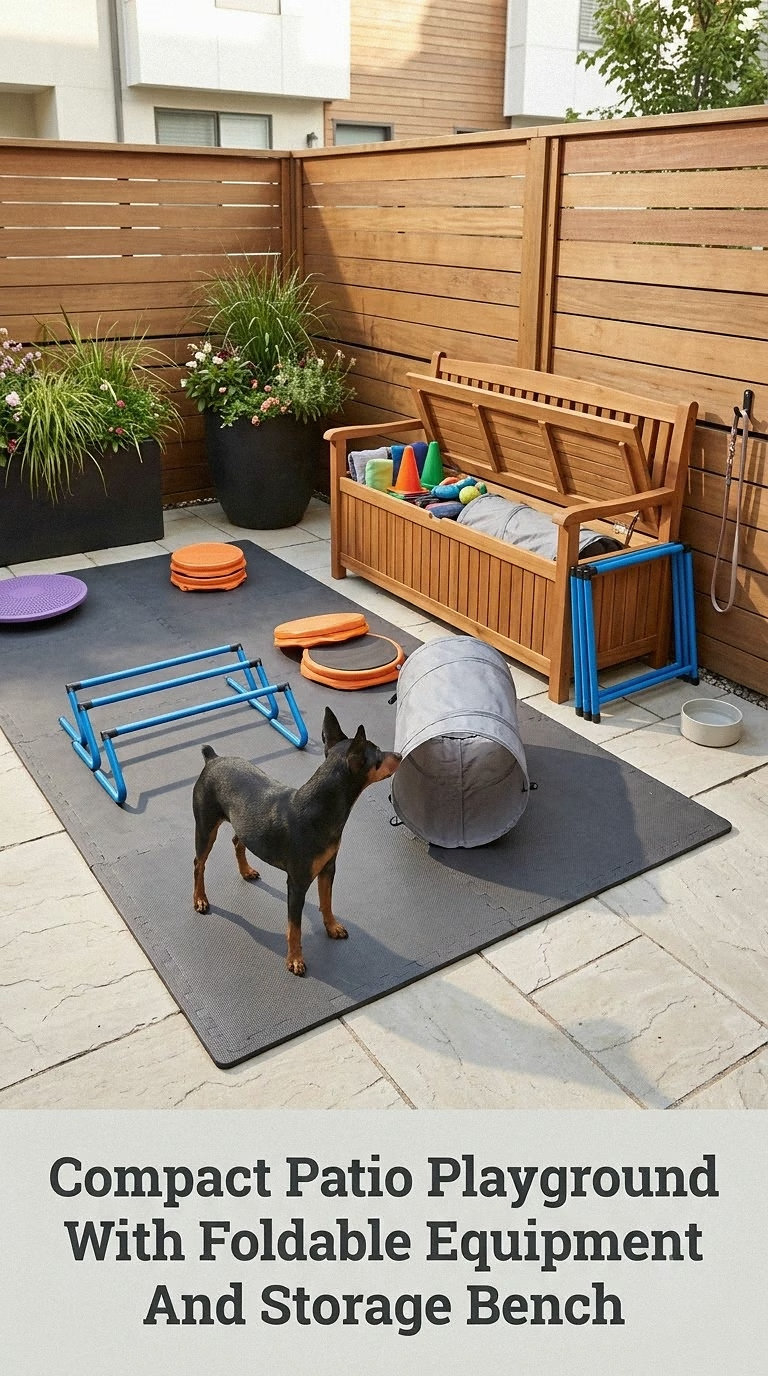
You do not need a sprawling lawn to build an outdoor play area. A fenced patio or tiny courtyard can support several enrichment activities when every piece serves more than one purpose.
Choose foldable equipment such as a short tunnel, collapsible cones, or lightweight target platforms that can disappear into a storage bench after playtime.
Keep the center of the patio open so your dog has room to turn and move. A washable outdoor mat can create a more comfortable training surface if the existing paving is slick, rough, or hot.
A bench with hidden storage doubles as seating for you while containing toys, leads, towels, and grooming supplies.
Add a large umbrella or shade sail and a water station to make the patio comfortable during suitable weather. Neutral textiles and coordinated containers prevent the compact setup from feeling crowded.
Multi-Zone Backyard Playground With Running, Sniffing And Rest Areas
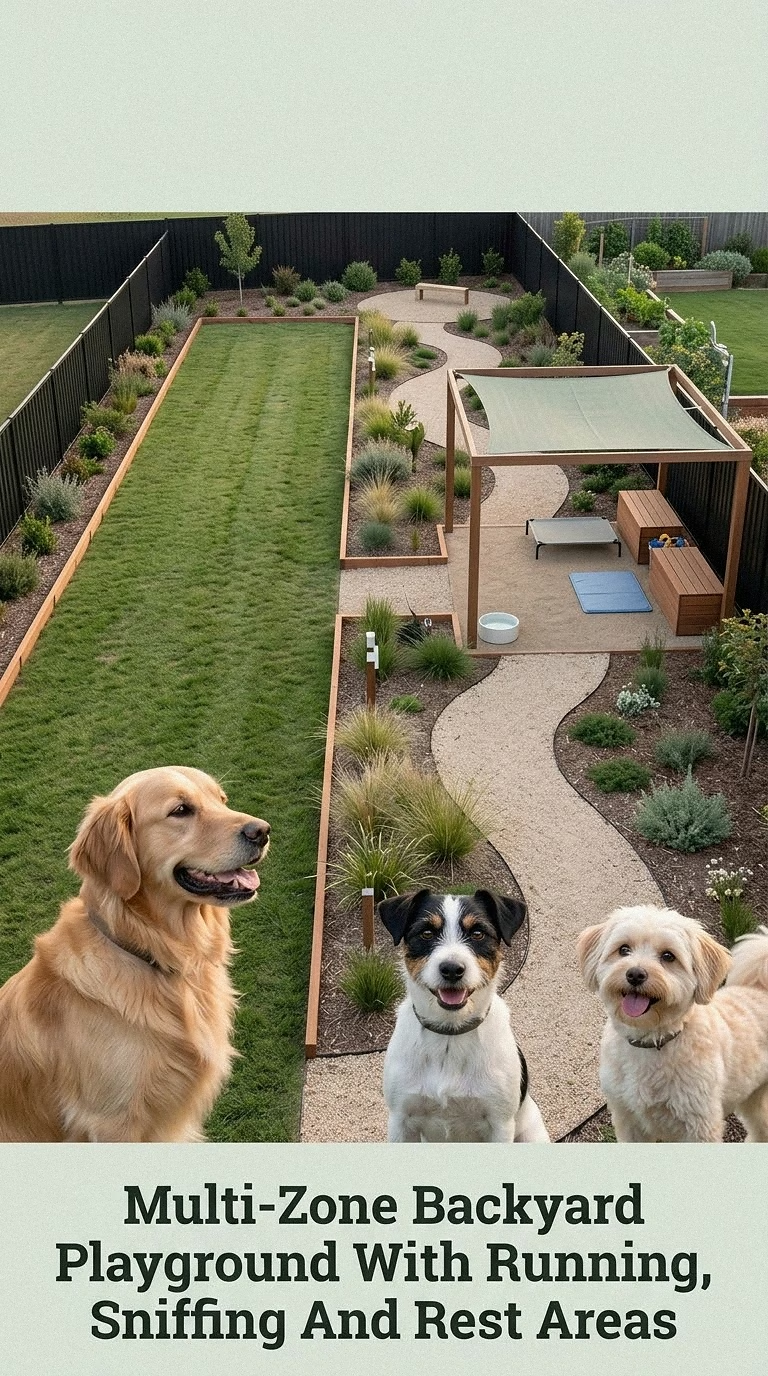
For a larger yard, the most versatile design is often a playground divided into several smaller experiences rather than one enormous agility course.
Create an open grassy area for fetch and running, a sensory corner with safe planting, a low obstacle section, and a sheltered relaxation zone. Connect everything with simple paths that naturally guide movement through the yard.
This layout accommodates different moods. Your dog might sprint after a toy one moment, investigate scents the next, then settle in the shade beside you.
Keep high-energy equipment away from gates, patios, pools, and other places where collisions could occur. Secure fencing and reliable gate latches should surround the entire play environment.
Rotating toys and occasionally rearranging portable obstacles can make the same yard feel new again without adding clutter.
The final space feels less like a collection of dog products and more like a thoughtfully landscaped private park.
Creating Outdoor Dog Playground Ideas Your Dog Will Love
The most appealing outdoor dog playground ideas combine fun with the everyday details that make a space genuinely comfortable to use. Your dog’s playground might be an elaborate landscaped backyard with several activity zones, but it could just as easily be a narrow side yard with a tunnel, a tiny patio with foldable equipment, or a simple patch of lawn containing a digging box and a few low platforms.
Start with the activities your dog already enjoys. A dog who loves sniffing may get far more pleasure from a sensory garden than an agility jump. A determined digger may adore a designated sand area, while a water-loving dog may head straight for a shallow splash pool. Designing around personality often creates a playground that gets used rather than one that merely looks impressive.
As you build, prioritize stable surfaces, secure fencing, shade, fresh water, good drainage, safe landscaping, and equipment appropriate for your dog’s physical abilities. Introduce unfamiliar obstacles gradually and allow your dog to decide how quickly to explore them.
You can always begin with one small feature and expand over time. A tunnel this season might become part of a winding adventure trail next year. The best backyard playground is ultimately one that fits naturally into your outdoor space while giving your dog more opportunities to move, investigate, play, relax, and enjoy being outside with you.
Source: https://petstutorial.com
Category: DOGS
