
A backyard can feel completely different when your dog has a secure place to wander, sniff, nap in the sunshine, and watch the world go by. The challenge is creating that boundary without spending a fortune or making your outdoor space look like a commercial kennel. That is exactly where reclaimed pallets can become surprisingly useful.
These DIY pallet fence ideas dog owners can adapt range from charming cottage-style boundaries to sturdy enclosed runs, compact side-yard solutions, and polished modern designs. Pallet wood naturally brings warmth and texture to a yard, and because individual boards can be removed, rearranged, painted, stained, or combined with mesh, there is plenty of room to personalize the finished fence.
You are reading: 19 DIY Pallet Fence Ideas Dog Owners Can Build for a Safer, Prettier Yard
Safety should always come before appearance. Choose pallets that are clean, dry, structurally sound, and free from questionable spills or odors. When markings are present, heat-treated pallets marked HT are generally preferable for reuse, while pallets marked MB should be avoided. Inspect every board for protruding nails, sharp edges, cracks, loose pieces, and splinters before allowing your dog near the finished project.
The fence itself should also match your dog rather than following a one-size-fits-all plan. A calm little companion may need a very different barrier from an athletic jumper, determined digger, powerful large breed, or tiny puppy that can squeeze through narrow openings. With that in mind, the following ideas offer plenty of ways to turn inexpensive reclaimed wood into a dog-friendly outdoor space that feels intentional and inviting.
Creative DIY Pallet Fence Ideas Dog Owners Can Adapt for Any Yard
Rustic Natural Pallet Fence With Warm Cedar-Stained Boards
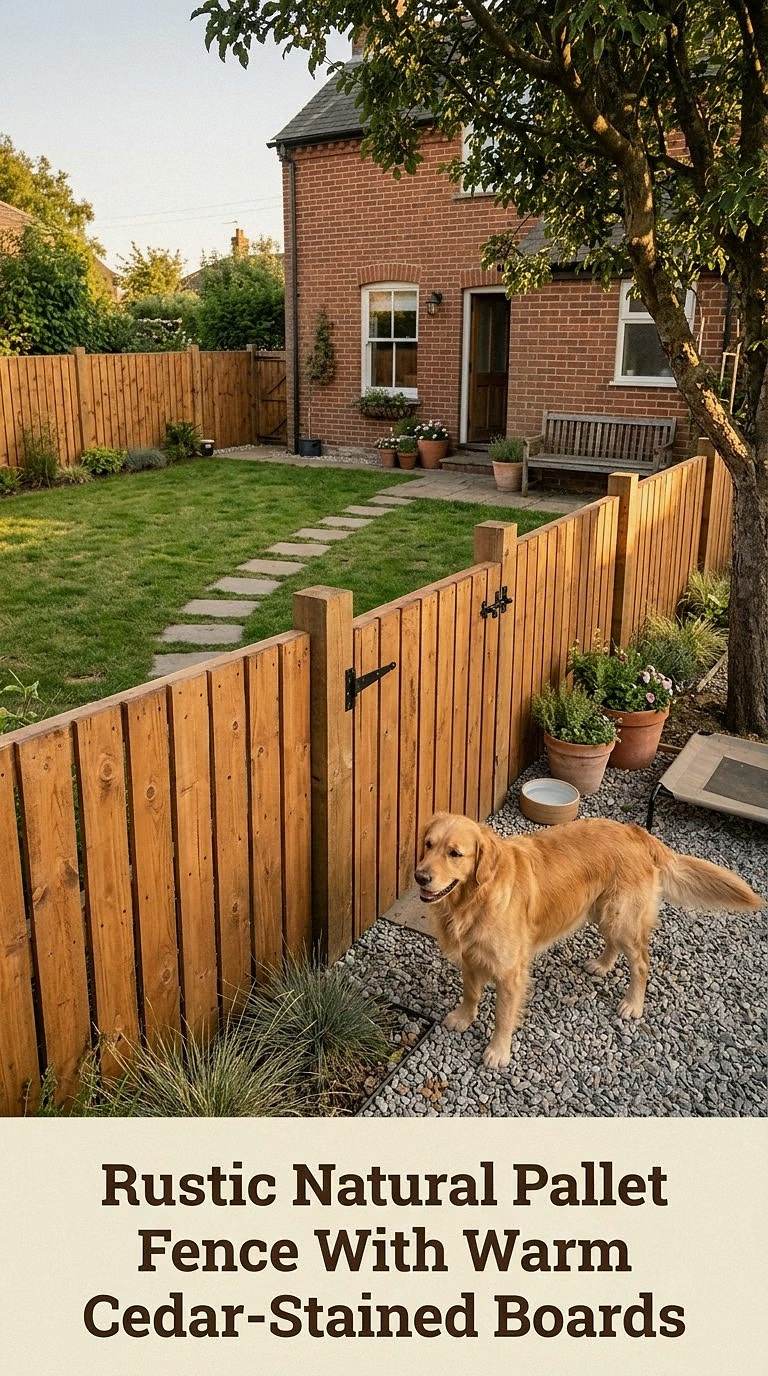
For a simple fence that feels cozy rather than overly constructed, keep the recognizable pallet-board texture and finish the wood in a warm cedar or honey-brown exterior stain. The slight variations in reclaimed wood create a relaxed rustic look that works beautifully with grass, gravel paths, raised garden beds, and cottage-style planting.
Instead of relying on freestanding pallets alone, attach the sections securely to properly installed fence posts. This creates a much more stable structure while allowing pallet boards to act as the decorative face.
Sand every dog-facing surface thoroughly and replace split boards rather than trying to save them. A narrow clearance between the bottom boards and damp soil can also help reduce moisture exposure. Finish the area with a simple wooden gate and black latch hardware for a polished farmhouse touch.
Whitewashed Cottage Pallet Fence With Flowering Border
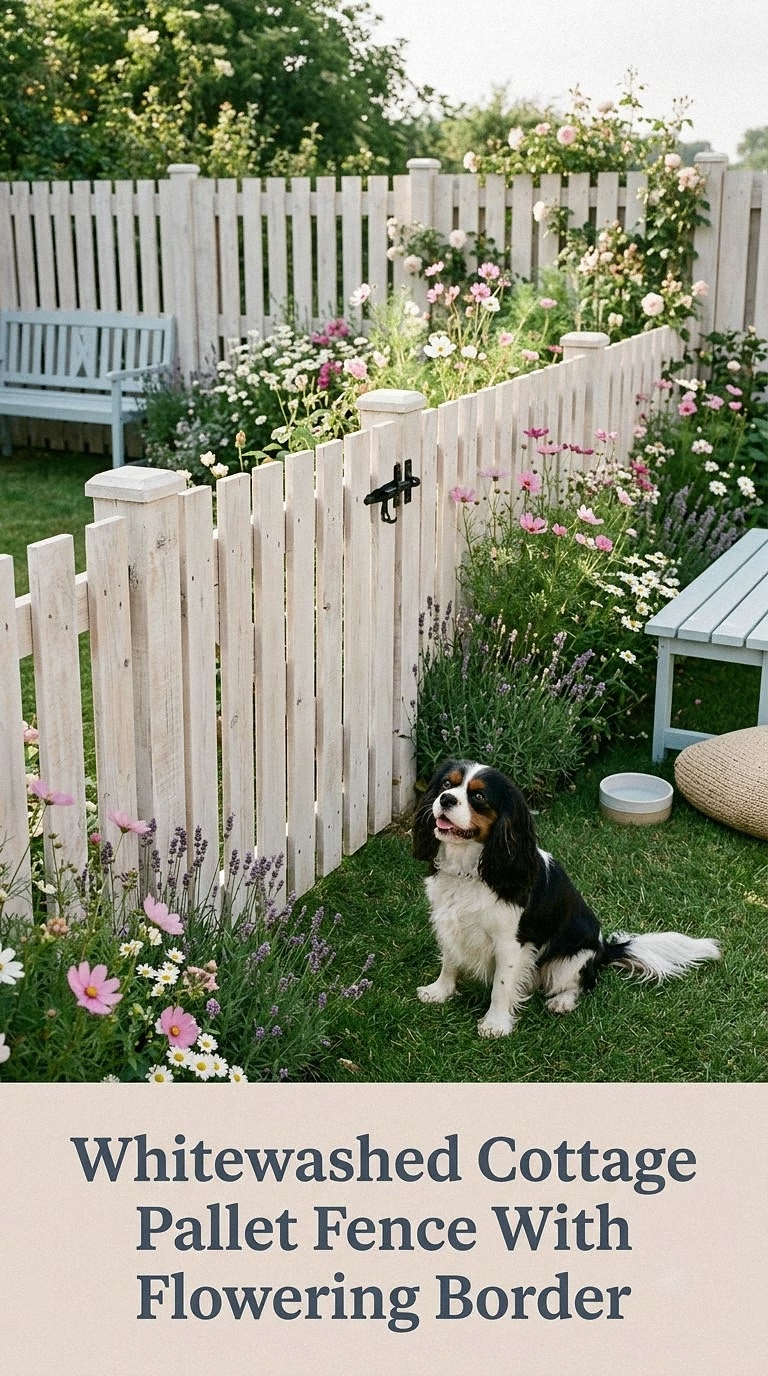
A whitewashed pallet fence can turn a basic dog enclosure into a charming garden feature. Rather than applying thick opaque paint that completely hides the reclaimed texture, use a soft exterior white or creamy wash that allows some wood grain to remain visible.
Pair the fence with dog-safe ornamental grasses, herbs, or flowering plants positioned on the outside of the enclosure so curious pets cannot trample them. Terracotta pots, pea gravel, and a small stepping-stone path can make the space feel like a tiny cottage courtyard.
For dogs tempted to push their noses between boards, reduce large openings with additional pallet slats or securely attached wire mesh on the inside. Keep rough wire edges completely covered so paws, collars, and fur cannot catch on them.
Modern Charcoal Pallet Fence With Horizontal Wood Slats
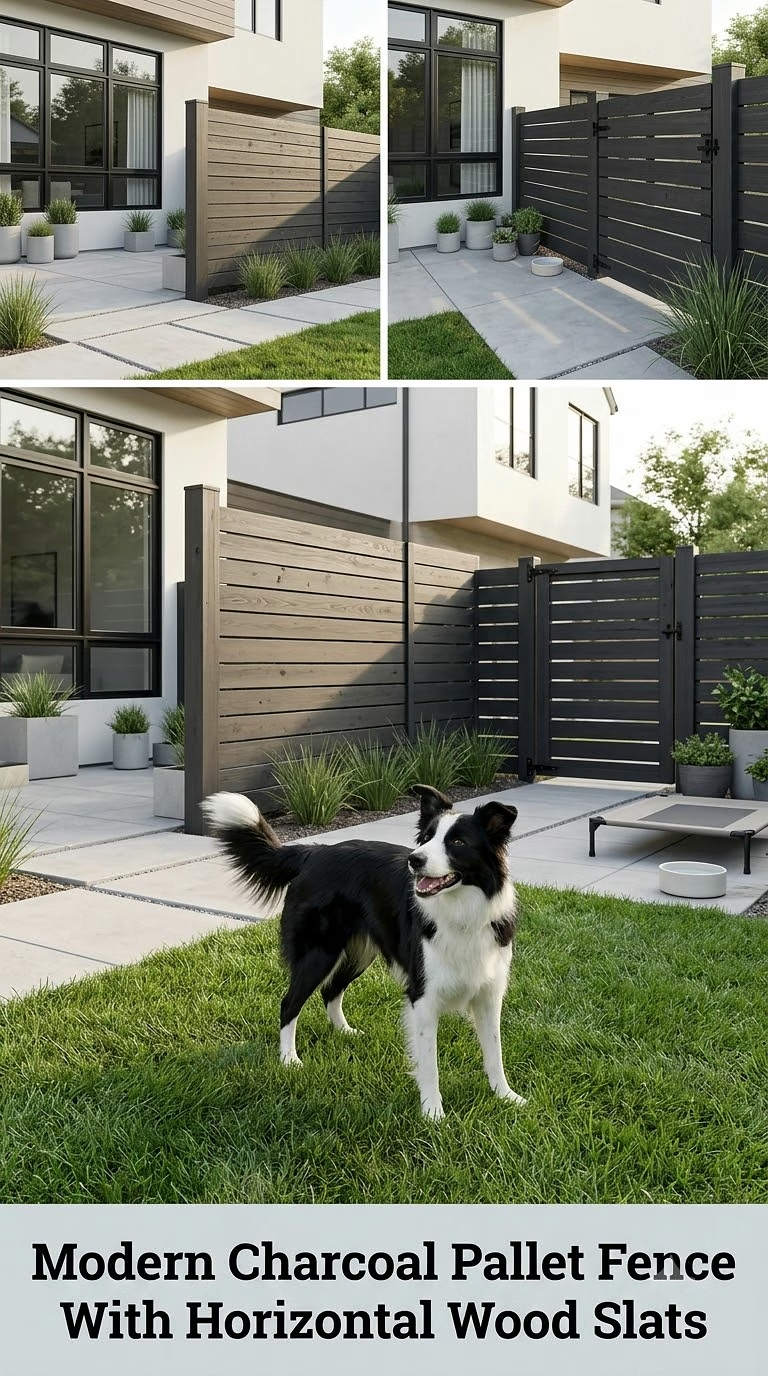
Pallet fencing does not have to look rustic. Dismantled pallet boards can be reorganized horizontally across sturdy posts to create a streamlined privacy fence with a surprisingly modern appearance.
Paint or stain the boards charcoal, soft black, or deep espresso and leave small, consistent gaps between the horizontal pieces. Against green lawn and pale concrete pavers, the dark finish creates an elegant contemporary contrast.
This style works especially well around patios where a traditional pallet shape may feel too casual. Use reclaimed wood mainly for the visible slats while relying on suitable structural lumber for posts and framing. Stainless or exterior-rated corrosion-resistant screws are a practical choice outdoors.
Add a matching horizontal gate with clean black hardware to complete the look.
Small Dog Pallet Fence With Closely Spaced Vertical Slats
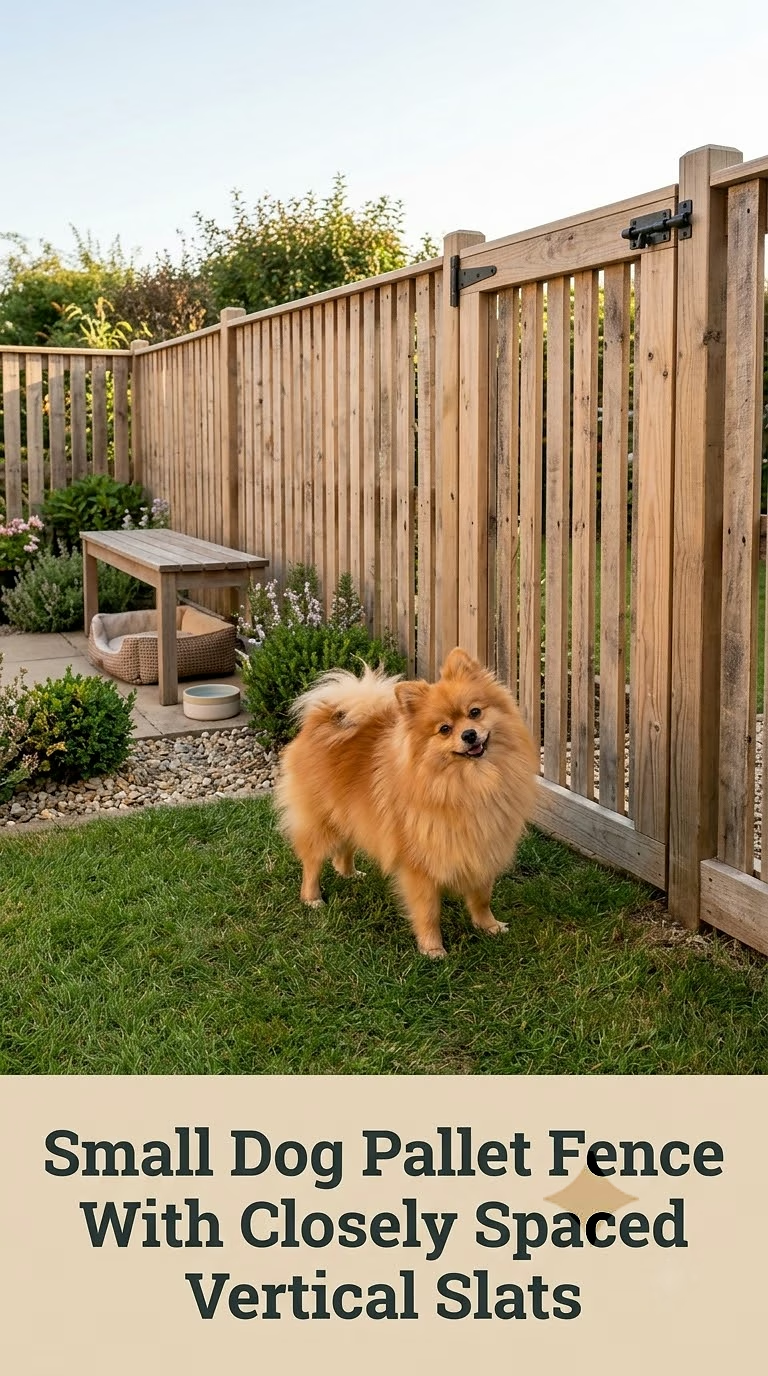
Tiny dogs introduce a different fencing challenge. Openings that seem harmless for a Labrador can be large enough for a Chihuahua, Yorkie, puppy, or other small companion to investigate.
For this design, dismantle pallets and reinstall the boards vertically with carefully controlled spacing. The result resembles a miniature wooden picket fence while still using inexpensive reclaimed material.
Keep the finished surface smooth and inspect the entire fence from your dog’s eye level. Look for openings around gates, posts, corners, and uneven ground that could become escape routes.
A pale natural stain, dusty sage finish, or soft cream paint can make the enclosure feel decorative rather than restrictive. Add a tiny gravel path and shaded bed nearby for a sweet small-dog garden retreat.
Tall Double-Layer Pallet Fence for Athletic Dogs
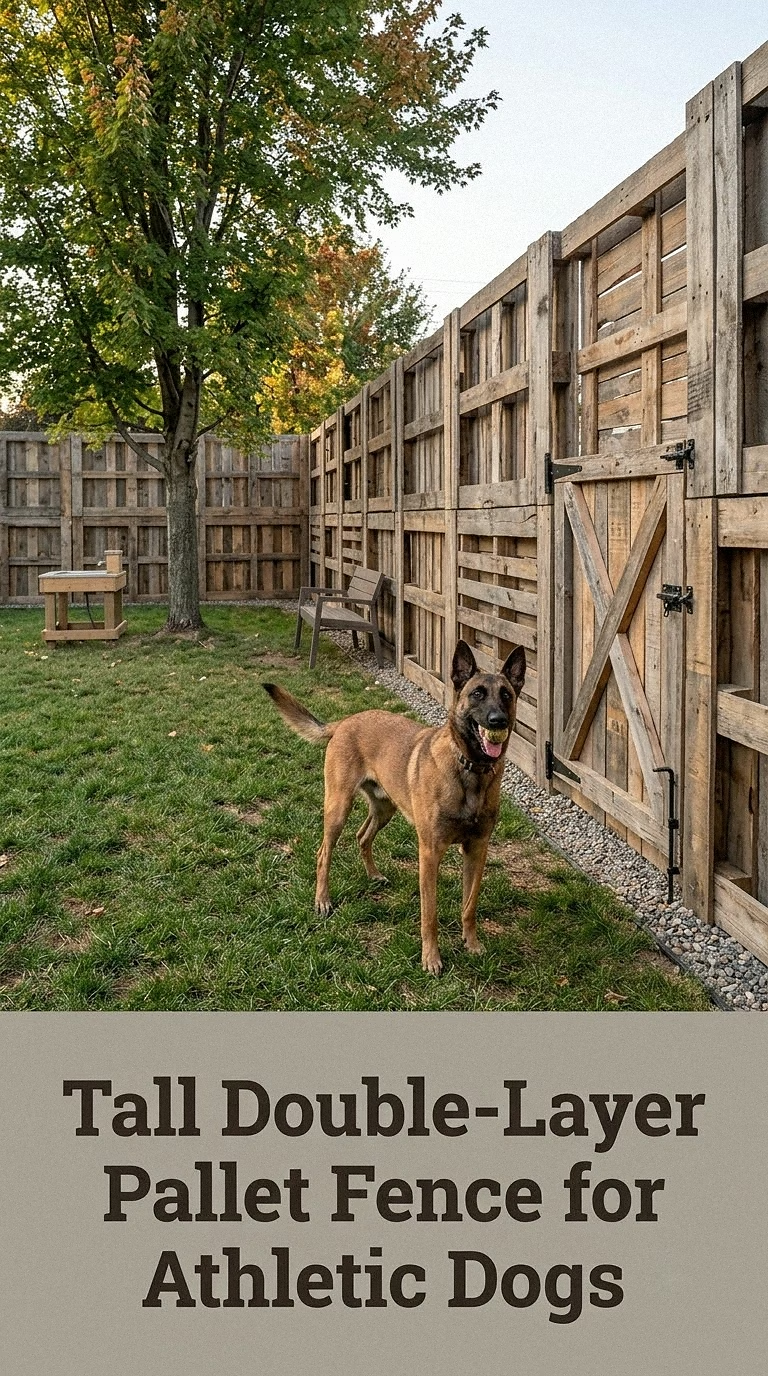
If your dog is an enthusiastic jumper, a single row of standard pallets may not provide enough height. A taller structure can be created by using a proper post-and-frame system and adding reclaimed pallet boards as the infill.
A double-height design looks particularly attractive when the lower portion uses tightly arranged vertical boards and the upper section uses lighter spaced slats. This breaks up the visual weight while providing additional height.
Avoid positioning benches, storage boxes, firewood stacks, planters, or other climbable objects beside the interior fence line. Clever dogs can turn nearby furniture into a launching platform.
Because tall fences catch more wind, secure construction matters enormously. The pallet material should function as cladding rather than being expected to support the whole fence by itself.
Dig-Proof Pallet Fence With Gravel and Buried Mesh Border
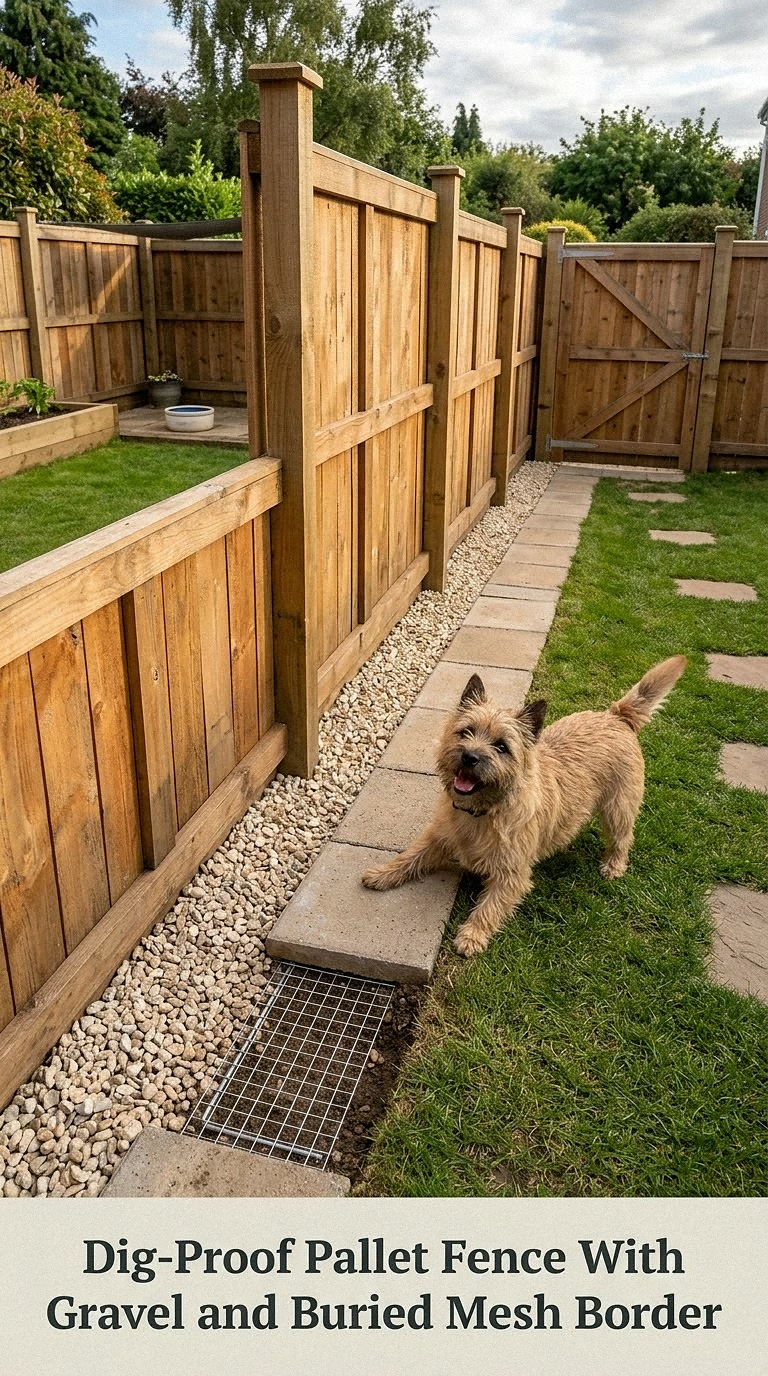
Some dogs are far more interested in going under a fence than over it. For determined diggers, combine the wooden pallet barrier with reinforcement along the ground.
One practical option is securely attaching sturdy wire mesh to the lower inside edge and extending the barrier into or across the ground according to the site and your dog’s digging habits. Large stones, concrete edging, or a gravel strip can further discourage digging directly beside the boards.
Visually, this does not need to look industrial. A neat band of pale gravel along a warm wood fence can actually create a beautifully finished garden edge.
Inspect the bottom regularly after heavy rain or energetic digging sessions. Loose soil, erosion, and newly created gaps can change a previously secure boundary surprisingly quickly.
Cozy Side-Yard Pallet Dog Run With Narrow Gravel Path
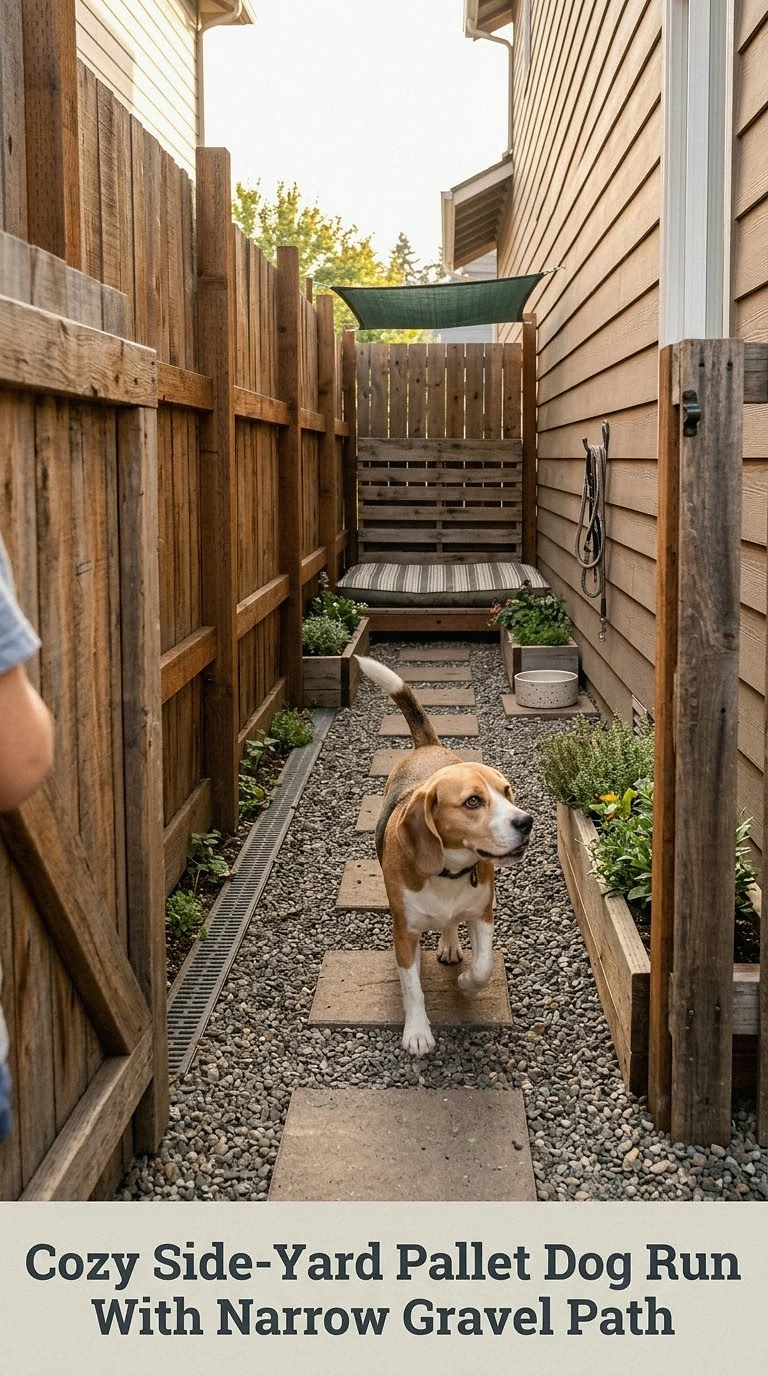
An unused side yard can become one of the most practical places for a dog run, especially when the main backyard is used for entertaining, gardening, or children’s activities.
Read more : 19 Dog Basket Ideas For Thoughtful, Tail-Wagging Gifts
Line the exposed boundary with a sturdy pallet-style fence and create a long gravel or compacted path through the center. The narrow shape naturally encourages dogs to walk, sniff, and explore from one end to the other.
Add shade at the warmest end of the run and place water somewhere that remains easy to clean and refill. Wall-mounted hooks outside the enclosure can hold leashes, towels, or cleanup tools without creating chewable clutter inside.
Choose pale timber or a light stain if the side yard already feels dark. It can make a tight passage appear brighter and more welcoming.
Farmhouse Pallet Fence With Black Wire Mesh Panels
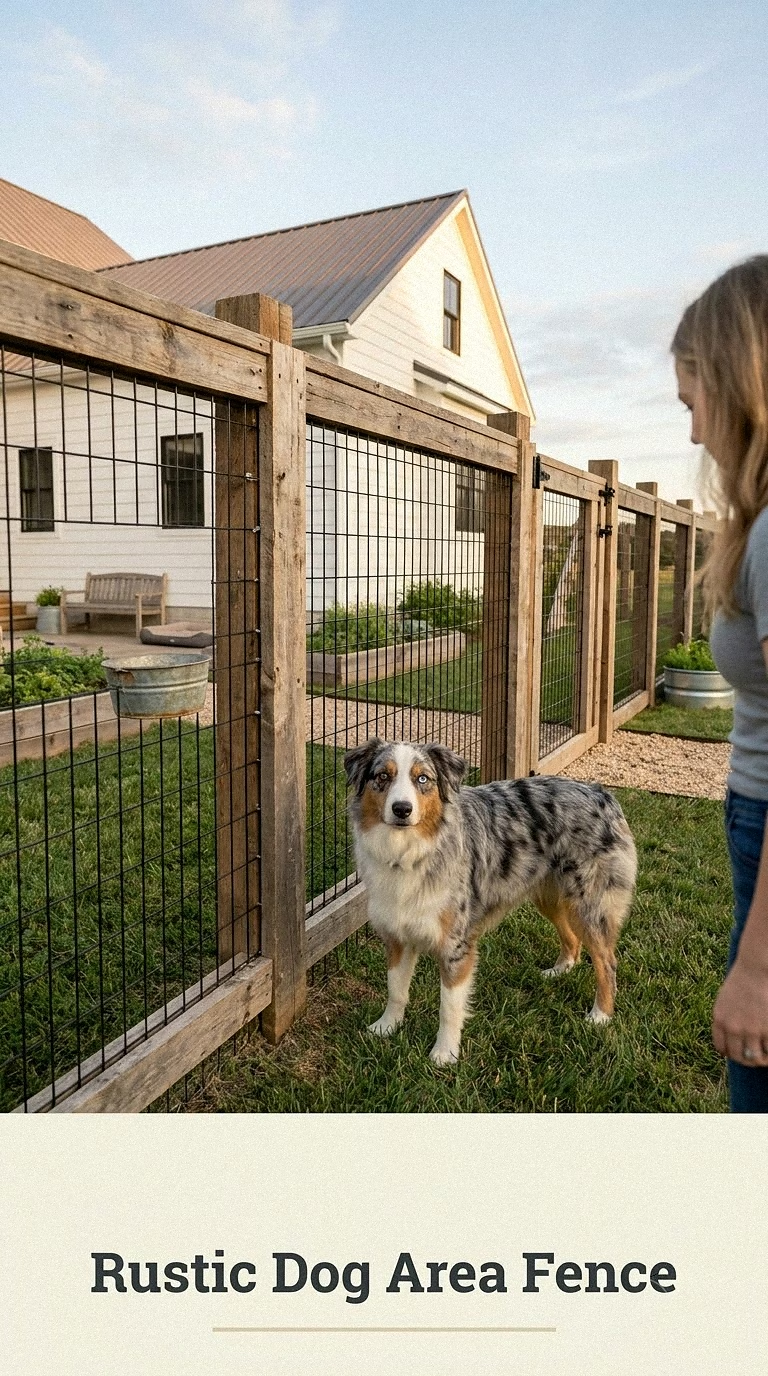
Combining wood and wire is one of the easiest ways to get the visual warmth of pallets without leaving oversized openings between boards.
Build simple rectangular wooden sections using reclaimed pallet boards around the edges, then install strong black mesh securely within each frame. From a distance, the dark wire visually recedes, allowing the timber to become the main feature.
This design works particularly well in farmhouse-style yards with vegetable gardens, gravel paths, galvanized planters, and simple wooden structures.
Make certain the mesh size is appropriate for your particular dog and that cut edges are folded, capped, or otherwise protected. Finish the fence with a solid pallet-board gate so the entrance becomes a decorative focal point.
Two-Tone Pallet Fence With Sage Green and Natural Wood
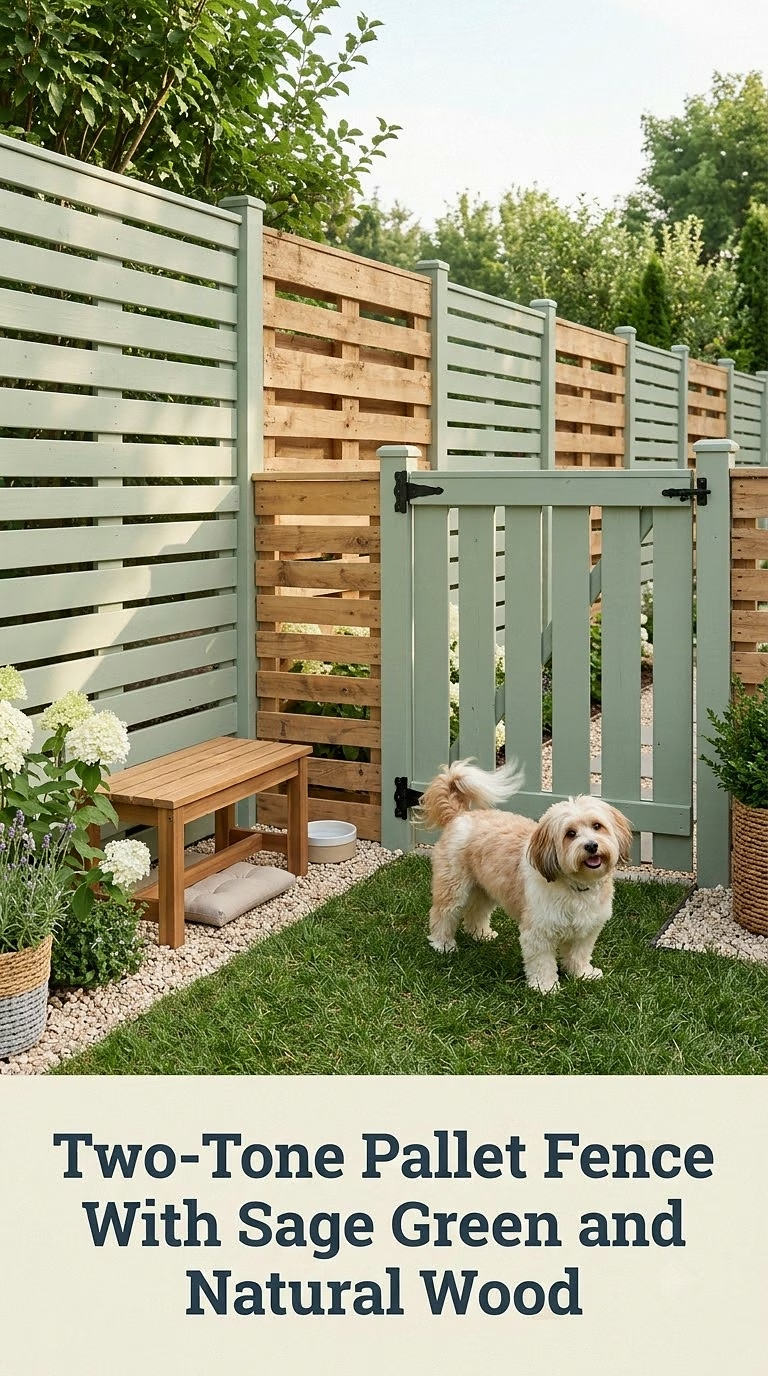
A little color can transform mismatched pallet boards into a cohesive garden feature. Try combining muted sage green with natural wood for a soft, relaxed palette that blends easily with outdoor greenery.
Paint alternating sections sage while leaving other boards in a warm natural stain. Another option is using natural timber for the fence and painting only the posts and gate.
This approach is especially helpful when reclaimed boards come from different sources and do not match perfectly. Instead of fighting the variation, the two-tone design makes the mixed materials feel intentional.
For easier maintenance, keep decorative planters on the outside of the dog area. This leaves the inside fence line clear for inspection and reduces the chance that an enthusiastic pet will knock pots over.
Privacy Pallet Fence With Offset Staggered Boards
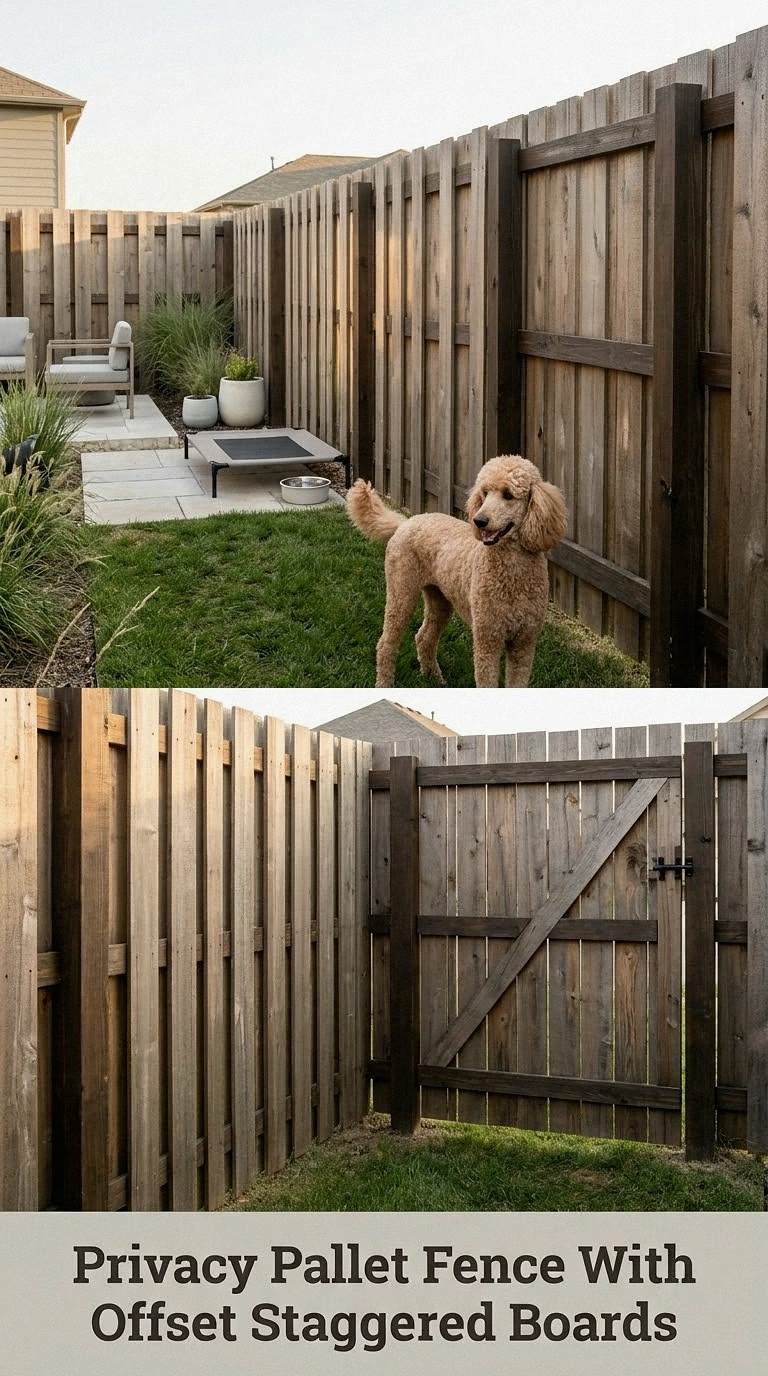
Dogs that bark at every pedestrian, bicycle, delivery driver, or neighboring pet may benefit from a boundary that reduces direct sightlines.
Create a privacy-focused design by overlapping or offsetting reclaimed boards so there are fewer clear gaps through the fence. Staggered widths add texture while avoiding the heavy appearance of one completely flat wooden wall.
A medium walnut or driftwood-toned finish works beautifully with this style. Allow subtle variation between individual boards to emphasize the handcrafted character.
Remember that privacy is only one part of managing fence-related excitement. Your dog still needs exercise, enrichment, supervision, and positive training. The fence simply helps create a calmer visual environment while making the yard feel more secluded.
Budget-Friendly Whole Pallet Fence With Reinforced Posts
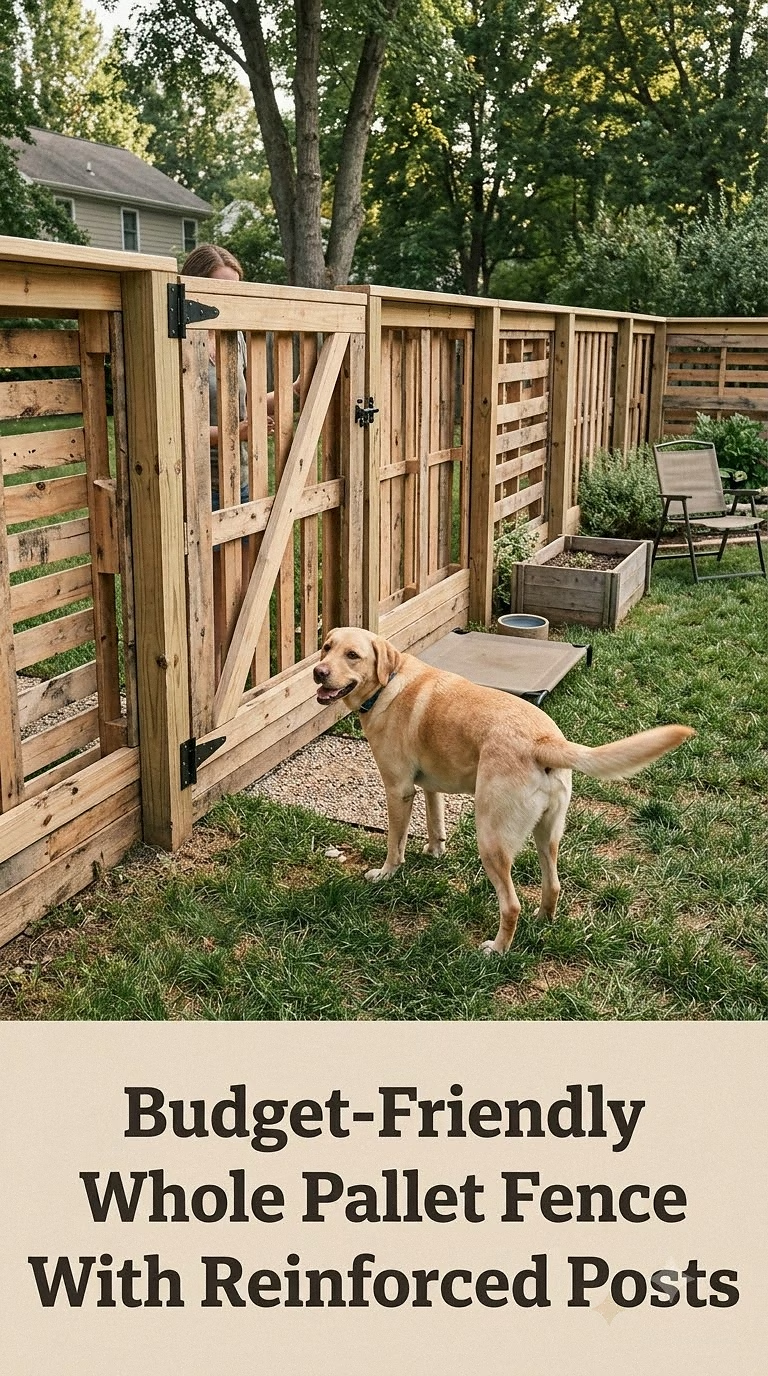
When keeping costs as low as possible is the priority, using intact pallets minimizes dismantling and reduces the amount of additional timber required.
Position pallets in a consistent orientation between secure posts and fasten each section firmly rather than simply leaning them together. Intact pallet structures can be heavy, so having another person assist with moving and positioning them is much safer than attempting the job alone.
Before installation, inspect every pallet carefully. Remove damaged pieces, hammer out or replace dangerous fasteners, sand rough surfaces, and avoid wood with unknown stains or strong chemical odors.
A single exterior stain can unify pallets that differ slightly in tone. Add a simple framed gate rather than trying to turn a loose pallet into an unsupported swinging panel.
Pallet Picket Fence With Rounded Cottage-Style Tops
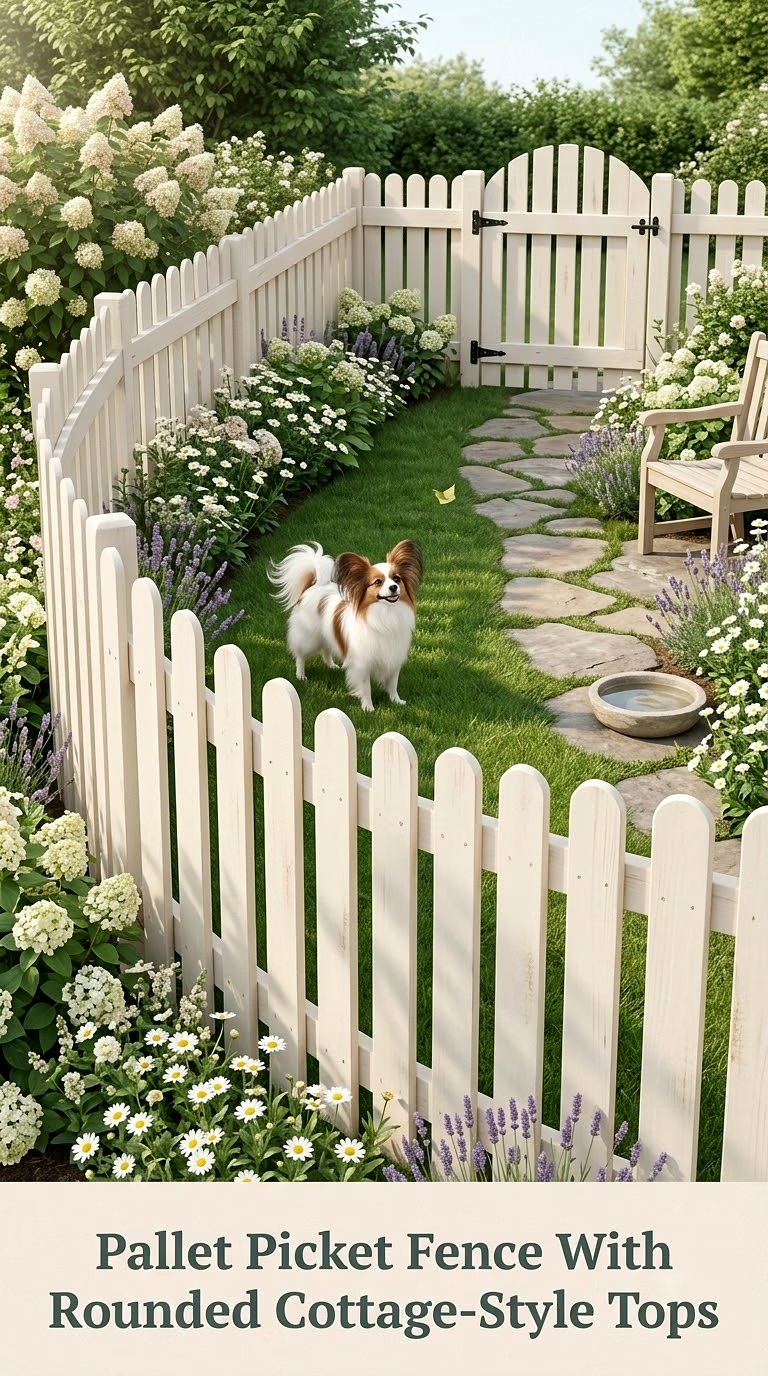
For something prettier and lighter than a solid privacy barrier, transform individual pallet boards into rustic pickets.
After dismantling and sanding the pallets, trim the tops into simple rounded or gently pointed shapes and attach them vertically to sturdy horizontal rails. Slight variations between boards give the fence handmade charm, while consistent height and spacing keep it looking intentional.
Soft white, pale gray, dusty blue, or natural timber all work beautifully for this cottage-inspired style. A matching arched gate can make the entrance especially photogenic.
This design is best suited to dogs whose size and behavior match the fence height and spacing. Small pets may require much tighter gaps, while athletic dogs may need a significantly taller boundary.
Pallet Fence With Built-In Exterior Storage Shelf
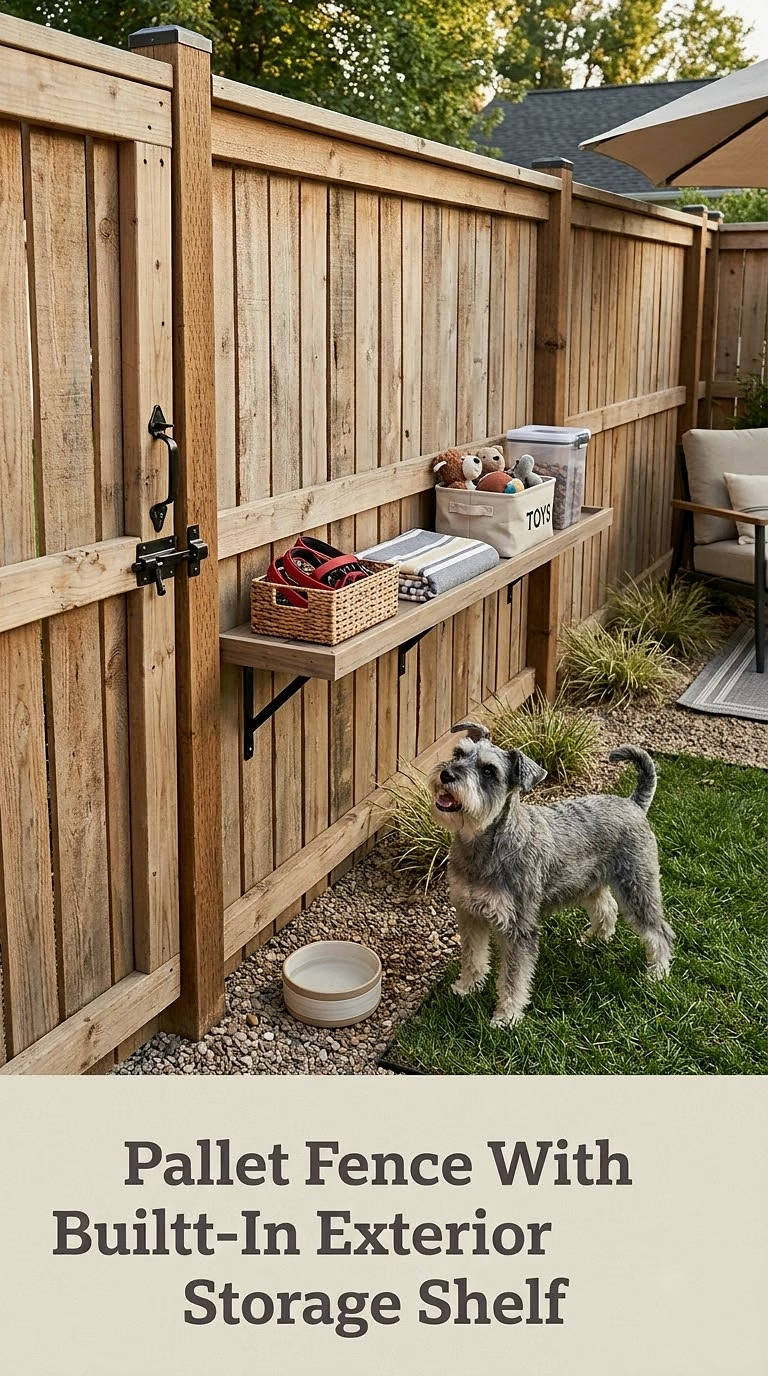
A hardworking dog area often needs a place for leashes, towels, toys, waste bags, grooming brushes, and garden supplies. Incorporating storage outside the fence keeps these everyday items organized without placing tempting objects inside your dog’s reach.
Add a narrow shelf or small enclosed cabinet to the exterior face of a reinforced pallet fence. Use the same reclaimed boards so the storage blends into the overall design.
A hinged lid can keep supplies protected from rain, while hooks underneath provide easy access to frequently used leashes.
Keep the structure shallow enough that it does not interfere with walkways. On the dog-facing side, maintain a smooth uninterrupted surface without projecting screws or hardware. The result feels more like custom backyard furniture than a simple budget fence.
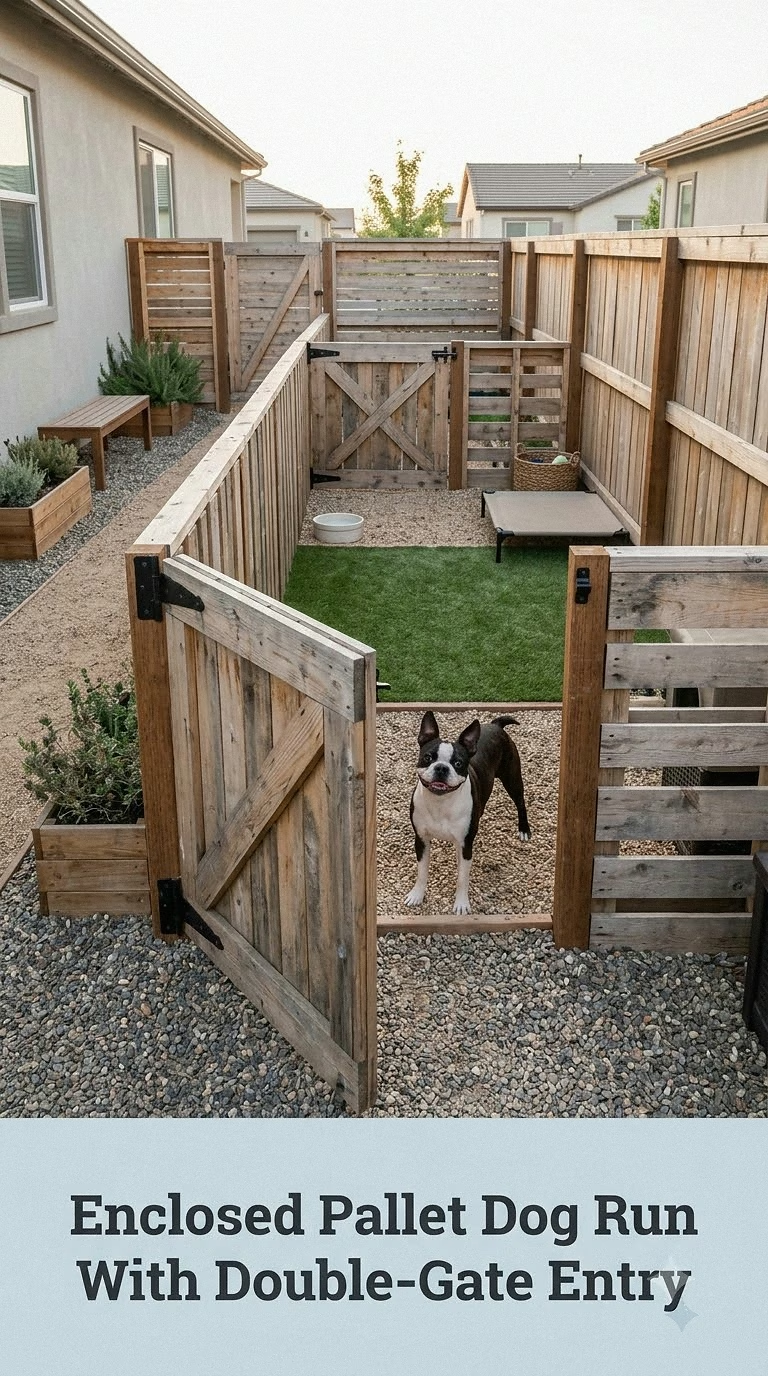
Enclosed Pallet Dog Run With Double-Gate Entry
Read more : How Many Quarts In A Pound Of Dog Food
Dogs that are experts at slipping through an open gate can benefit from an airlock-style entrance.
Create a small enclosed transition space with two separate gates. You enter through the first gate, close it behind you, and then open the second gate into the dog area. This gives you an extra layer of security when carrying groceries, welcoming visitors, or moving multiple dogs.
Pallet boards can visually tie both gates into the main enclosure, while heavy-duty hinges and secure pet-resistant latches handle the functional work.
Make the transition zone wide enough to move comfortably through it. A gravel or paver floor also helps prevent the high-traffic entrance from turning muddy during wet weather.
Rustic Pallet Fence With Corrugated Metal Accent Panels
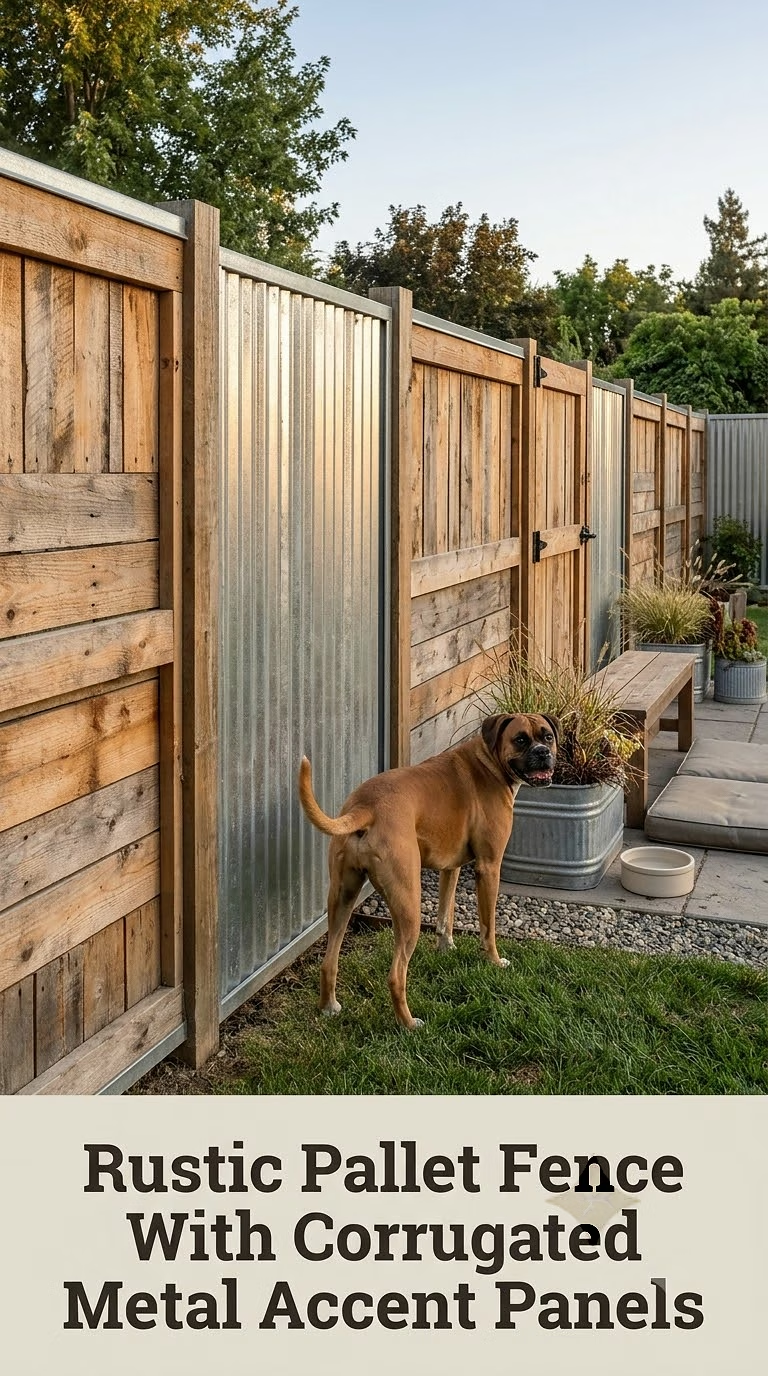
Wood and corrugated metal create an attractive rustic-industrial combination that can make reclaimed materials feel deliberately designed.
Use pallet boards for most fence sections, then introduce occasional corrugated metal panels between sturdy posts. The metal offers extra privacy while contrasting beautifully with weathered timber.
A warm brown stain paired with dark galvanized or matte black metal works well for farmhouse yards, workshops, and rural properties. You can repeat the metal on the gate for a more coordinated appearance.
Check all panel edges carefully and cover any sharp surfaces that could contact your dog. Metal exposed to intense sun can also become hot, so consider shade, orientation, and local climate when deciding where to place it.
Decorative Pallet Fence With Arched Garden Gate
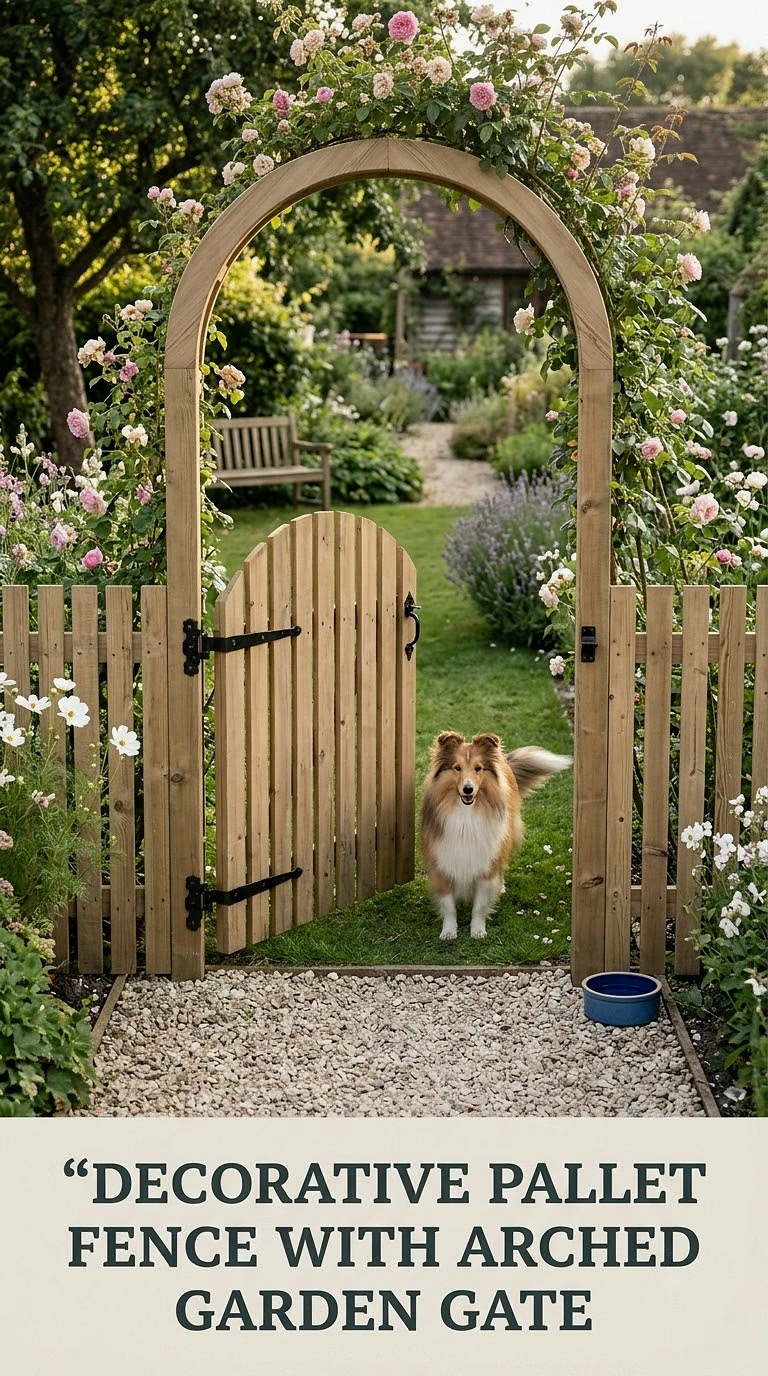
Sometimes the gate deserves to become the prettiest part of the entire enclosure.
Build a simple pallet-board fence and introduce a taller arched gate framed with clean timber. The curved shape softens the straight lines of reclaimed boards and instantly gives the entrance a cottage-garden feel.
Use black strap hinges, a secure latch, and a warm oak or chestnut stain. Outside the enclosure, frame the gate with climbing greenery or large planters positioned where the dog cannot chew potentially unsafe plants.
Keep the actual gate construction strong and square even when the upper profile is decorative. Gates experience repeated movement and are often the first part of a DIY fence to sag if the frame is not adequately reinforced.
Minimalist Natural Pallet Fence With Clean Vertical Boards
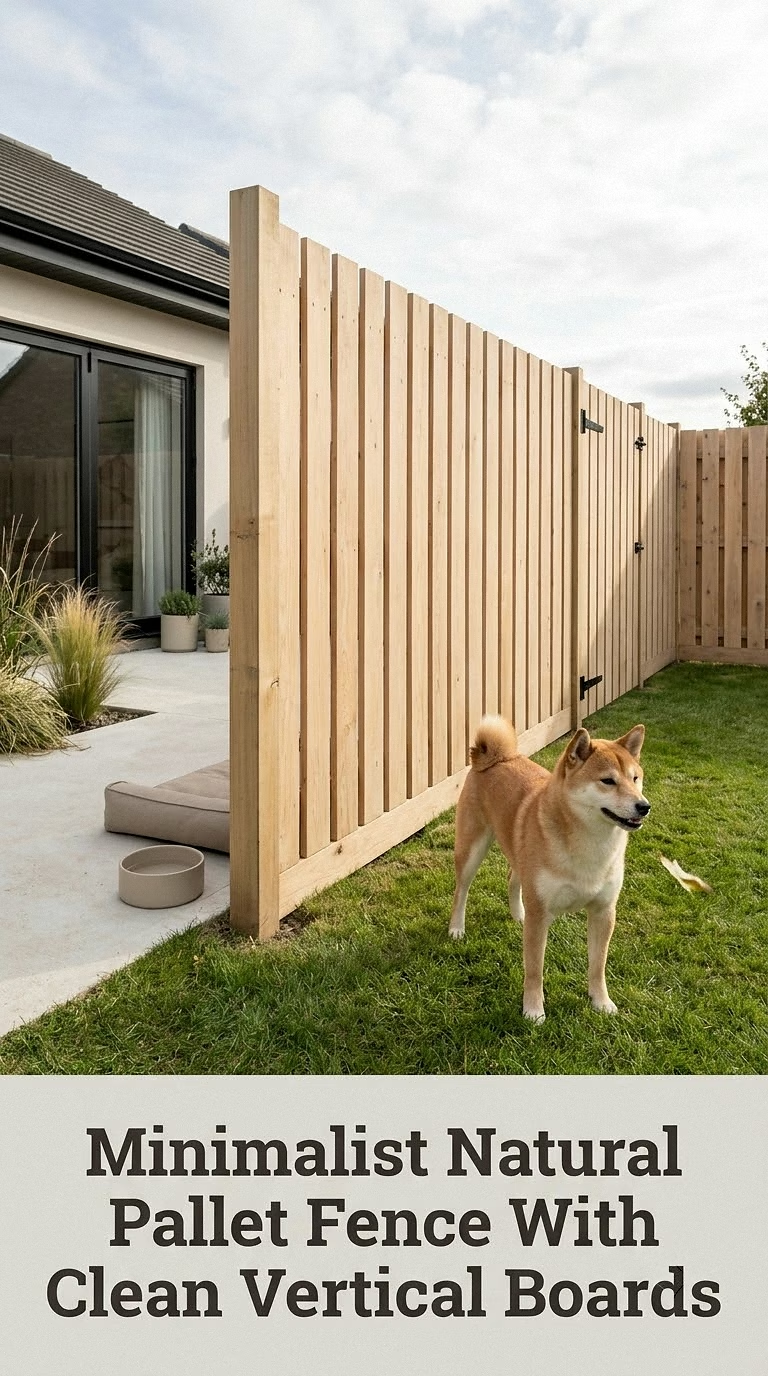
For a calmer, more refined aesthetic, dismantle the pallets completely and select the straightest boards for a clean vertical fence.
Trim boards to consistent lengths, sand them thoroughly, and leave narrow uniform gaps between each piece. Finish the wood with a subtle natural exterior treatment rather than dramatic color.
The simplicity makes this design ideal for modern patios, compact urban yards, and homes with neutral landscaping. Pale gravel, concrete stepping stones, a raised water bowl station, and a simple shade canopy can complete the minimalist dog zone.
Because there are fewer decorative distractions, craftsmanship becomes more noticeable. Spend extra time aligning boards, hiding rough cuts, keeping fasteners consistent, and creating an even top line.
Shaded Pallet Dog Yard With Pergola-Style Corner
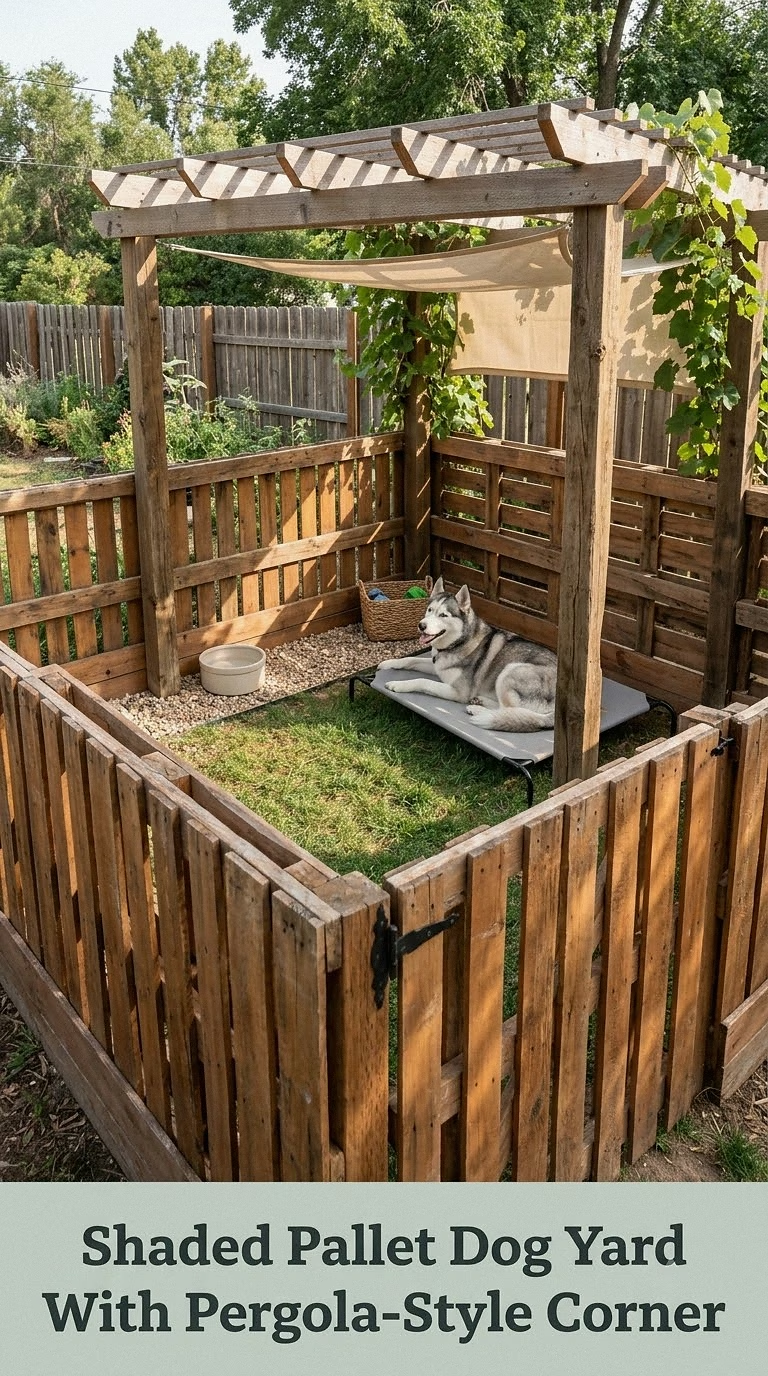
A dog-friendly enclosure should provide more than a boundary. Adding a shaded retreat turns it into somewhere your pet may actually enjoy spending time.
Use pallet fencing around the perimeter, then create a small pergola-style corner supported by appropriate structural posts and framing. A shade cloth or suitable outdoor roof material can provide relief from direct sun while maintaining airflow.
Place a washable outdoor bed, water station, and perhaps a raised platform under the shelter. Keep the resting area away from muddy drainage spots and choose materials that can be easily hosed or wiped clean.
Stain the fence and pergola in the same warm wood tone so the entire space looks like one thoughtfully designed backyard feature.
Reclaimed Pallet Fence With Stone Base and Garden Landscaping
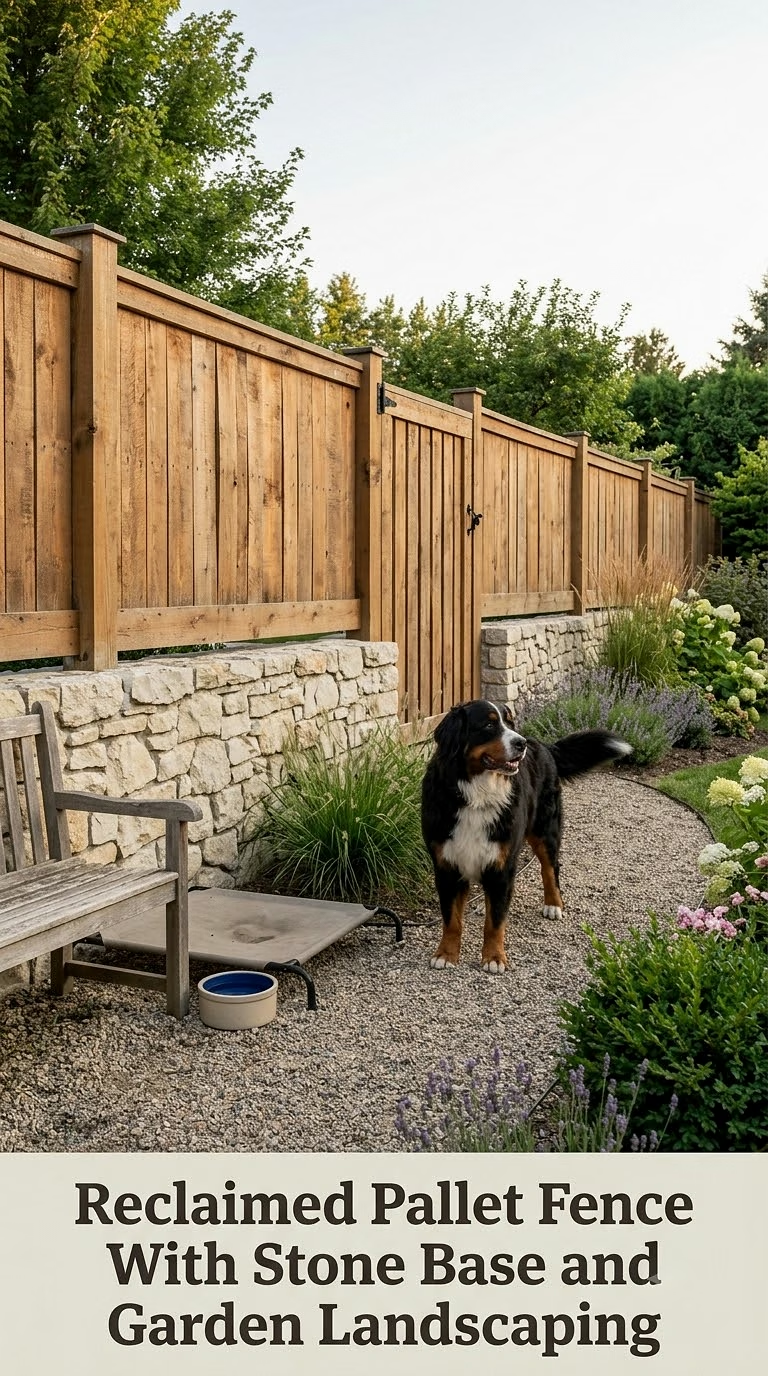
For a pallet fence that feels more permanent and integrated into the landscape, pair the wood with a neat stone border.
Set the structural fence correctly, then create a band of large landscaping stones or gravel along the base. Besides adding visual weight, the stone makes the lower fence line easier to inspect and may discourage some dogs from immediately digging beside the boards.
Use warm gray stones against honey-toned wood for a natural look, or pale gravel with dark-stained pallets for stronger contrast.
Plant ornamental greenery outside the enclosure to soften the fence without giving your dog objects to climb on. This combination works especially well when you want a DIY project to look less temporary and more like an established part of the garden.
Creating the Right DIY Pallet Fence Ideas Dog Owners Can Enjoy
The best pallet fence is not necessarily the fanciest one. It is the design that fits your particular dog, your yard, your budget, and the amount of maintenance you realistically want to handle.
Start with safe reclaimed wood and a genuinely sturdy structure. Smooth every surface your dog can touch, eliminate dangerous hardware, secure gates carefully, and pay special attention to the places where escape attempts are most likely to happen. Jumpers may require additional height, small dogs need carefully controlled gaps, and enthusiastic diggers may need reinforcement below the fence line.
Once those practical details are solved, the fun part begins. Warm natural stain can create a relaxed rustic retreat, sage paint can soften a small garden, black mesh can introduce farmhouse charm, and clean horizontal boards can make inexpensive pallet wood feel surprisingly contemporary.
Whether you build a tiny side-yard run or transform a larger backyard, these DIY pallet fence ideas dog owners can personalize prove that a secure pet space can still feel cozy, attractive, and connected to the rest of your home. Choose the idea that suits your dog best, adjust it to your space, and create an outdoor area where both of you can feel comfortable.
Source: https://petstutorial.com
Category: DOGS
