
A happy dog does not need an overflowing toy basket or an elaborate backyard playground to have an interesting day. Sometimes the most satisfying activities are surprisingly simple: sniffing out breakfast hidden in a blanket, figuring out which cup contains a treat, searching the living room for a favorite toy, or learning a new little trick beside you.
That is what makes dog enrichment ideas brain games so useful. They turn ordinary moments into opportunities for your dog to sniff, investigate, make choices, solve problems, and interact with you. Many can be created with things already sitting around the house, making enrichment easy to work into busy mornings, rainy afternoons, apartment living, or quiet evenings.
You are reading: 19 Dog Enrichment Ideas Brain Games For A Happier, More Curious Pup
The best brain games also grow with your dog. A beginner might need treats placed somewhere obvious, while an experienced puzzle solver may enjoy several layers of hiding places. Keeping the challenge achievable matters. If a game becomes too difficult, simplify it so your dog can succeed instead of becoming frustrated.
Food-based enrichment can often use part of your dog’s normal meal rather than continually adding extra treats. New puzzles and homemade activities should also be supervised, especially if your dog likes chewing or swallowing fabric, cardboard, paper, or toy pieces.
From cozy sniffing games to clever problem-solving challenges, the following ideas offer plenty of ways to make everyday life feel more interesting.
Dog Enrichment Ideas Brain Games For Fun And Meaningful Mental Stimulation
These dog enrichment ideas brain games range from nearly free DIY activities to reusable puzzle setups that can become part of your dog’s daily routine. Mix scent work, training, movement, and problem-solving instead of relying on the same puzzle every day. Rotating activities keeps things fresh while helping you discover whether your dog especially enjoys sniffing, manipulating objects, searching, learning words, or working closely with you.
Cozy Snuffle Mat Breakfast Hunt On A Washable Living Room Rug
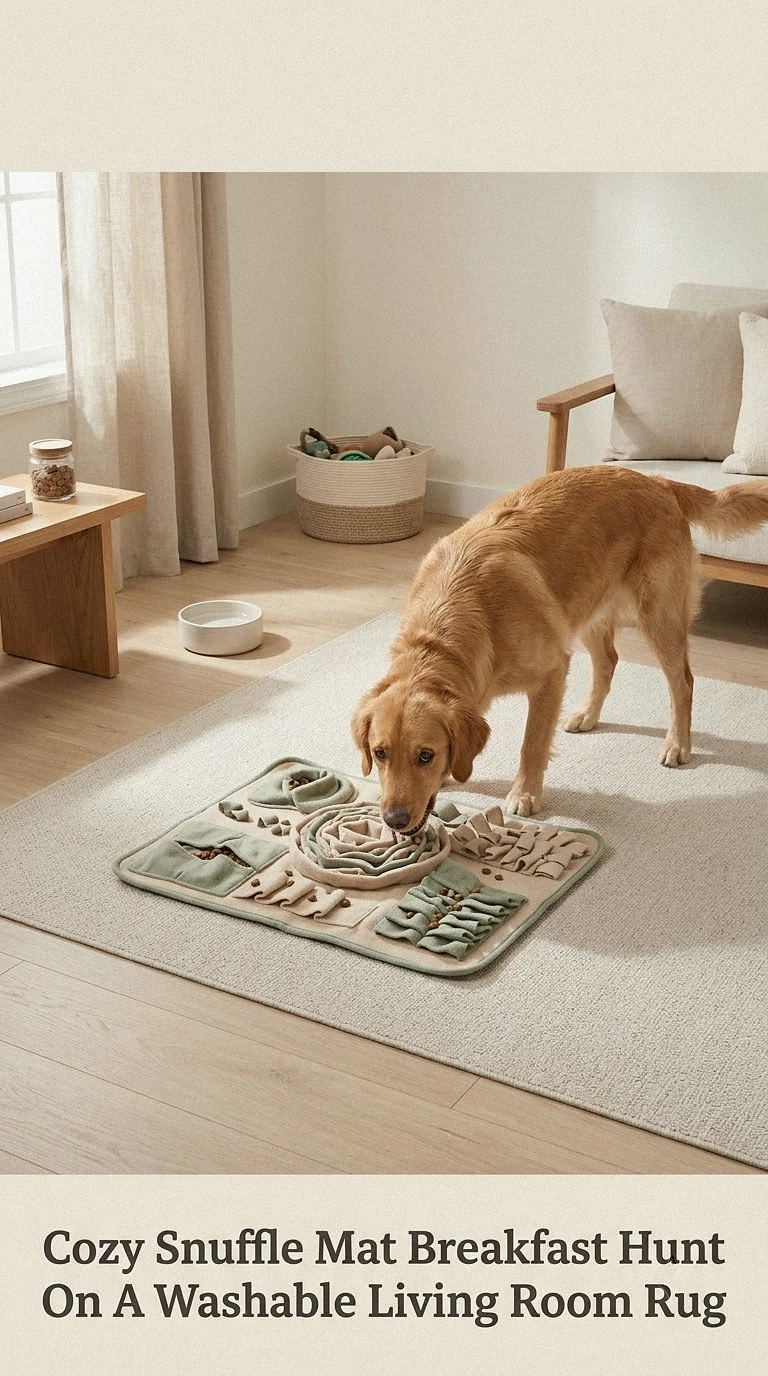
Turn breakfast into a miniature treasure hunt by scattering kibble throughout a soft snuffle mat. Place it on a washable rug or non-slip floor so your dog can comfortably explore every fold without sending the mat sliding across the room.
For a beginner, leave plenty of pieces near the surface where they are easy to smell and find. Once your dog understands the activity, tuck food deeper between the fabric strips.
A snuffle mat looks especially inviting in a cozy dog corner with a woven toy basket, neutral blanket, and water bowl nearby, yet it takes very little space. It can work beautifully for apartments and small homes.
Dry kibble is usually easiest because it creates less mess. Shake out crumbs after use and wash the mat regularly according to its care instructions.
Colorful Muffin Tin Treat Puzzle With Soft Toy Balls
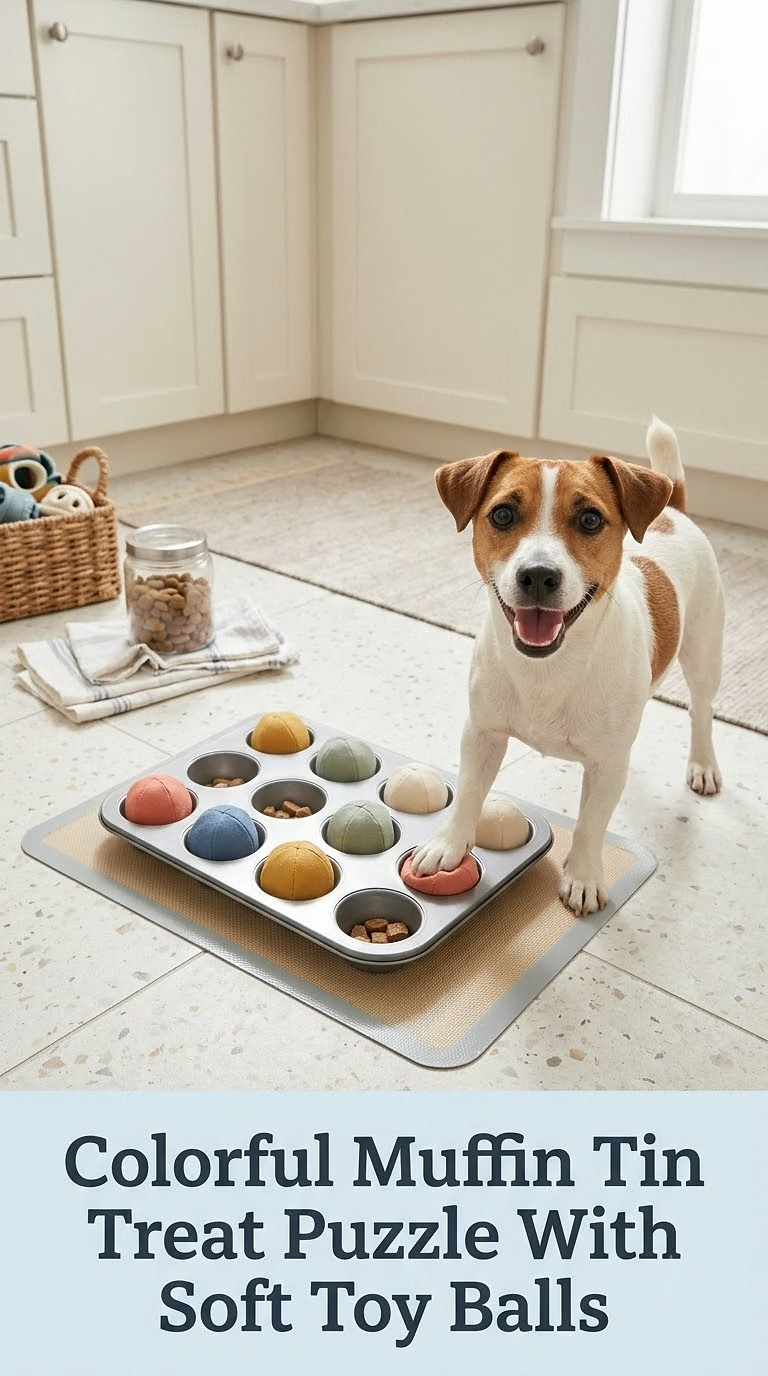
A basic muffin tin can become an adorable problem-solving game with almost no DIY work. Put a few pieces of kibble into the cups, then cover them with appropriately sized dog-safe balls or toys that your dog must move.
Introduce the game with some wells uncovered. After your dog realizes food appears inside the cups, gradually cover more of them.
For another challenge, put food underneath only selected balls. Your dog now has to use both nose and brain rather than automatically removing every cover.
This game creates a particularly cute setup when the tin is surrounded by colorful soft balls on a kitchen or playroom floor. Just choose covers large enough that your dog cannot accidentally swallow them.
Stay nearby during play, especially with dogs that would rather chew the balls than solve the puzzle.
Rustic Cardboard Treasure Box Filled With Crumpled Paper
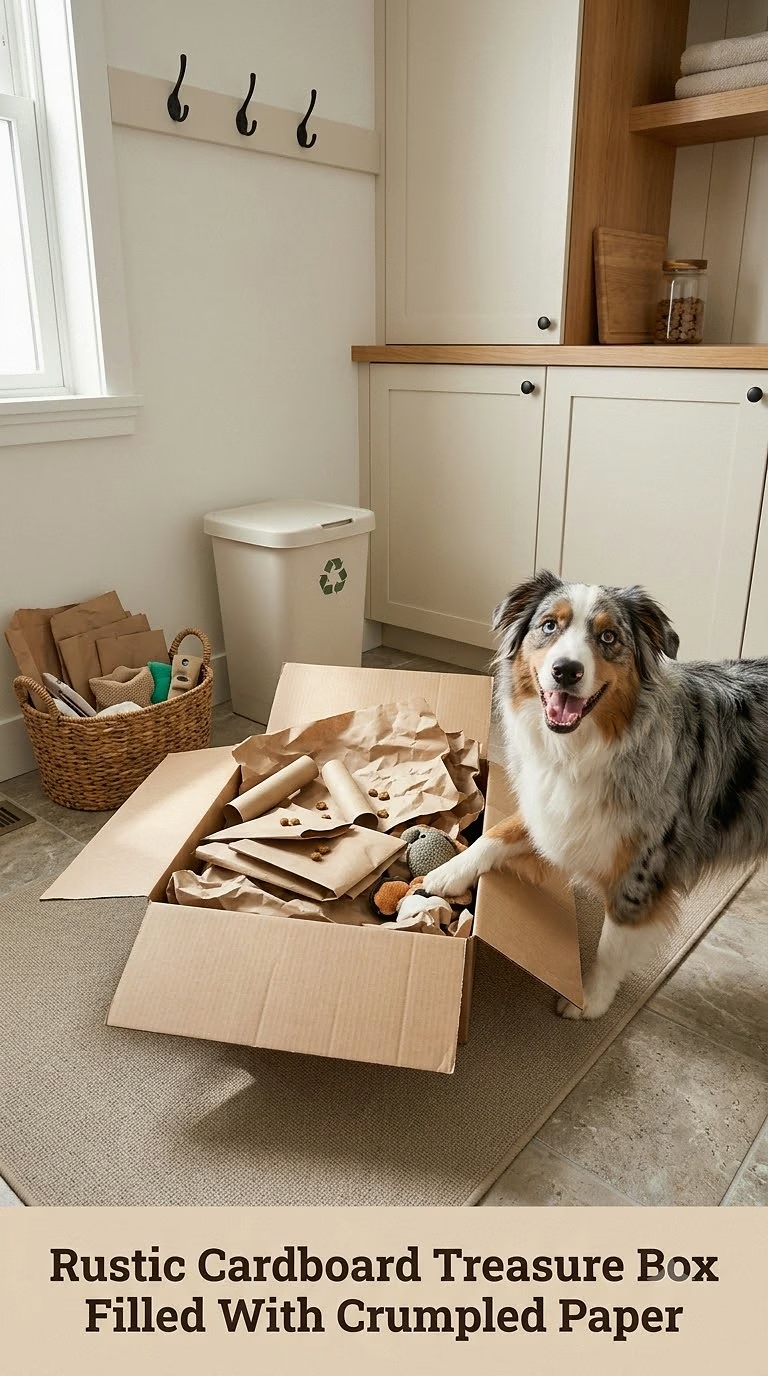
An ordinary delivery box can become one of the most exciting low-budget brain games in the house.
Fill a sturdy cardboard box with loosely crumpled plain paper and sprinkle kibble or treats throughout the layers. Your dog gets to sniff, rummage, push, and dig while searching for every hidden piece.
Start with food close to the top. As your dog becomes more confident, bury some pieces farther down or place a small cardboard container inside the larger box for an additional puzzle.
The result can look surprisingly charming in a rustic mudroom or casual dog area, especially with kraft paper and a simple storage basket nearby.
This activity requires supervision. Some dogs enjoy shredding cardboard without eating it, while others may swallow paper or pieces of the box. Remove the materials if chewing begins to replace searching.
Rolled Towel Kibble Puzzle On A Soft Neutral Floor Mat
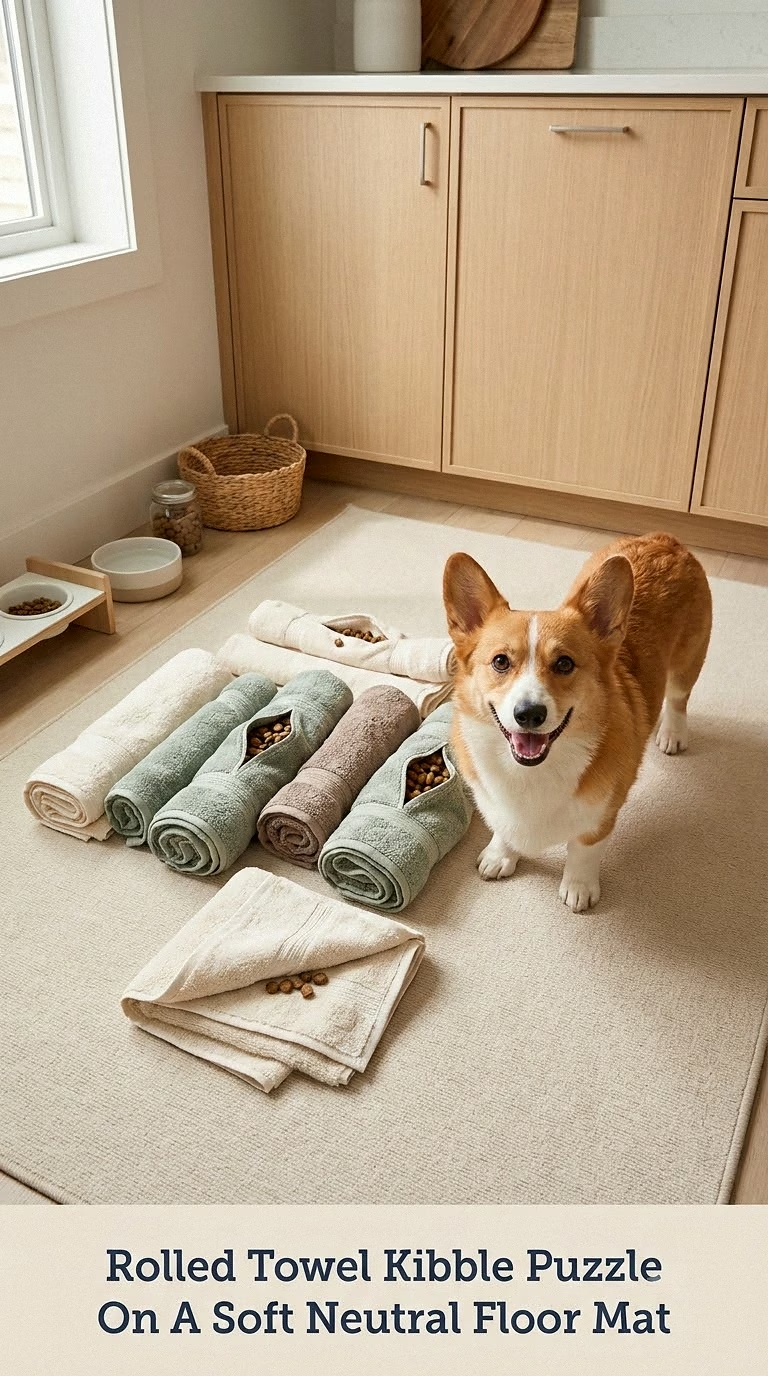
For an enrichment activity that takes less than a minute to prepare, spread an old clean towel flat and sprinkle kibble across it. Roll the towel loosely so your dog has to nudge, paw, sniff, and unroll it to uncover breakfast.
Make the first attempt very loose. Once your dog understands the puzzle, roll the towel more tightly or fold sections over one another.
A large cotton towel on a washable neutral mat creates a simple setup that works particularly well in kitchens, laundry rooms, and small apartments where bulky enrichment equipment would be inconvenient.
Use a towel you do not mind getting wrinkled or slobbery.
Supervision is important if your dog likes ripping or swallowing fabric. The goal is to manipulate the towel to find food, not chew pieces from it.
Minimalist Three-Cup Treat Guessing Game On The Kitchen Floor
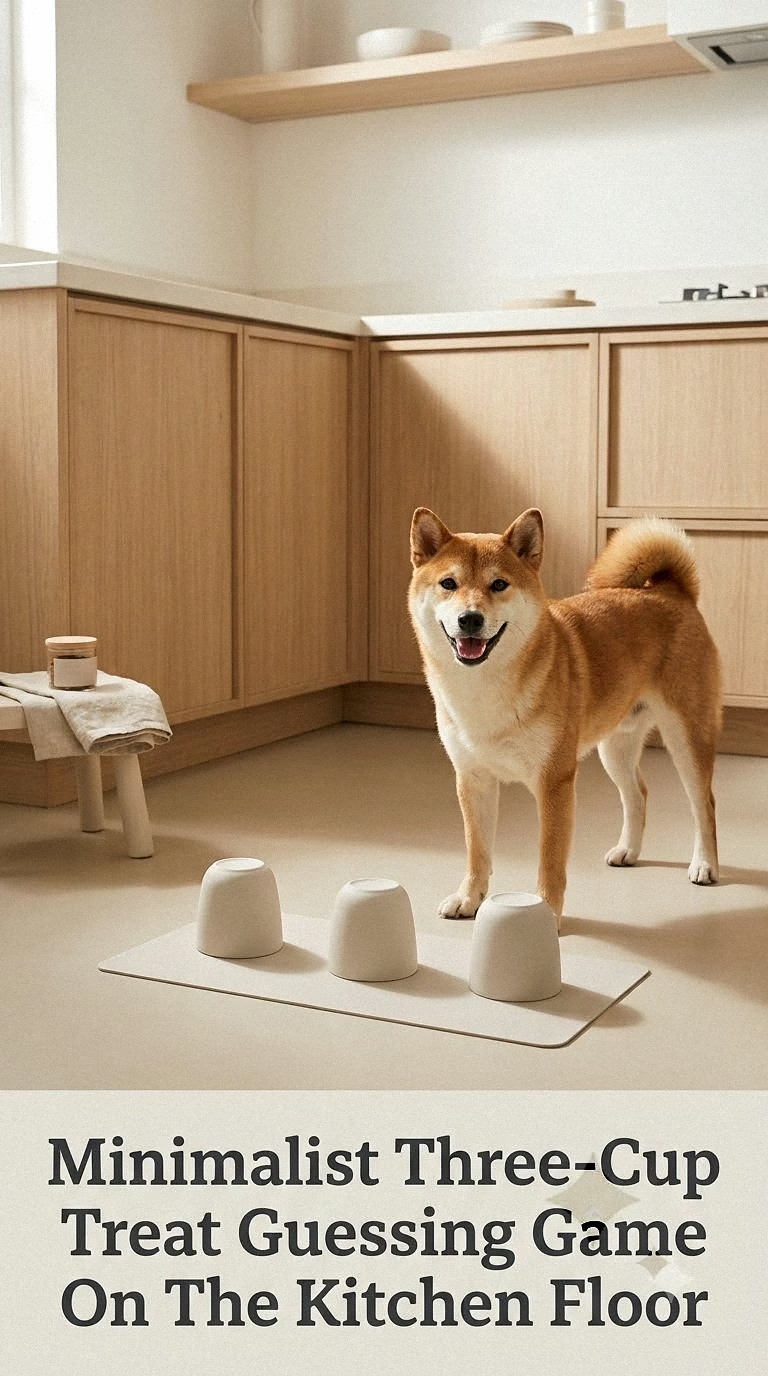
Place three sturdy, dog-safe cups upside down on the floor and hide a treat beneath one. Encourage your dog to investigate and indicate where the reward is hiding.
At first, allow your dog to watch you place the treat. This makes the connection between investigating the cup and discovering food much easier.
Later, hide the treat while your dog waits nearby or gently change the position of the cups before inviting them to search.
You do not need rapid shell-game movements. The enriching part is using scent and observation to investigate the choices.
Choose cups that cannot splinter and are large enough not to become choking hazards. A clean kitchen floor or low-pile rug gives your dog enough room to nose and paw the cups while keeping the game beautifully simple.
Soft Toy Hide-And-Seek Around A Cozy Living Room
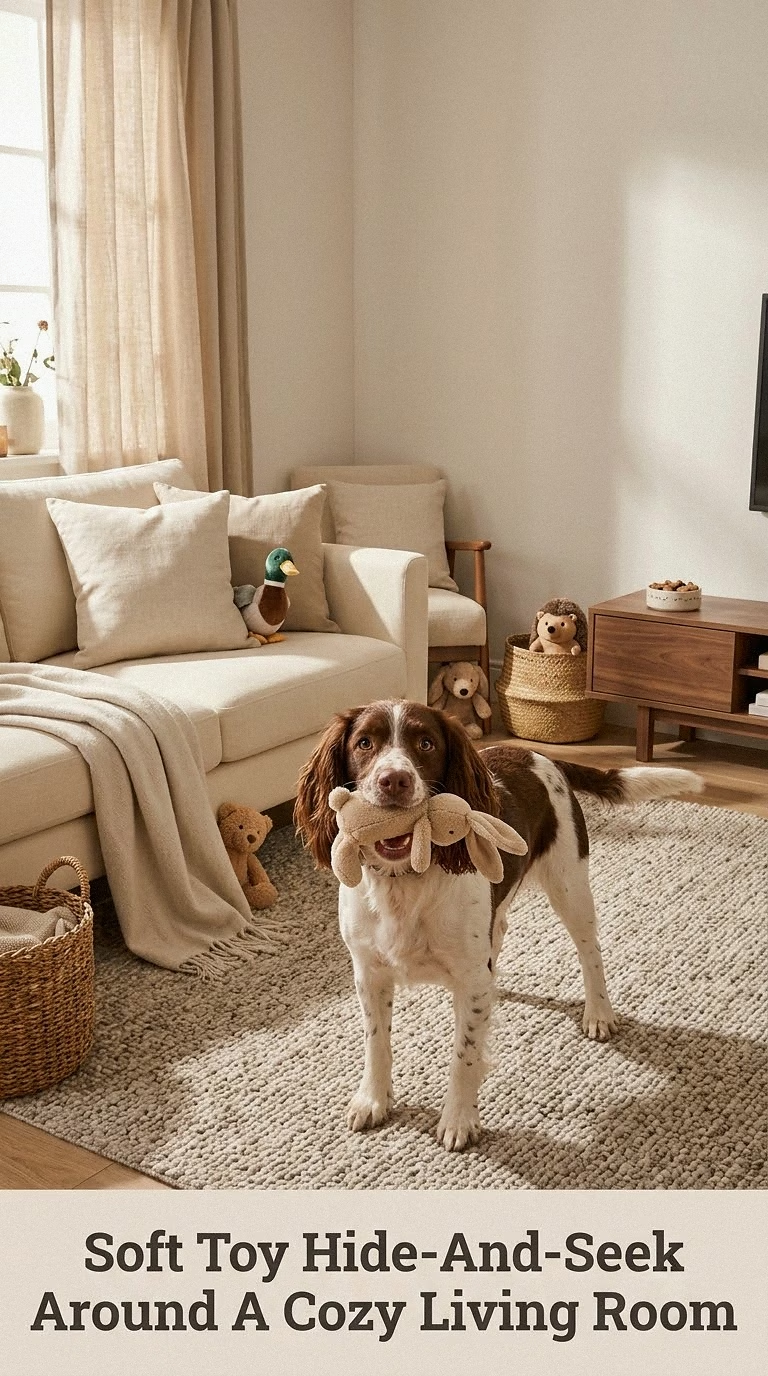
A favorite plush toy can become far more interesting when it occasionally disappears.
Begin by placing the toy somewhere obvious, perhaps beside an armchair or partly behind a cushion, then encourage your dog to find it. Celebrate when the toy is discovered with praise, a short game of tug, or another reward your dog loves.
As confidence builds, use increasingly creative hiding places around the room. Tuck the toy beside a basket, behind a curtain, or underneath the edge of a blanket while keeping it accessible.
This creates a visually playful living-room activity without bringing food into every enrichment session.
For dogs that love retrieving, you can add another step by asking them to bring the discovered toy back to you. It becomes a combination of scenting, searching, memory, and cooperative play.
Hallway Treat Trail With Tiny Hidden Scent Stations
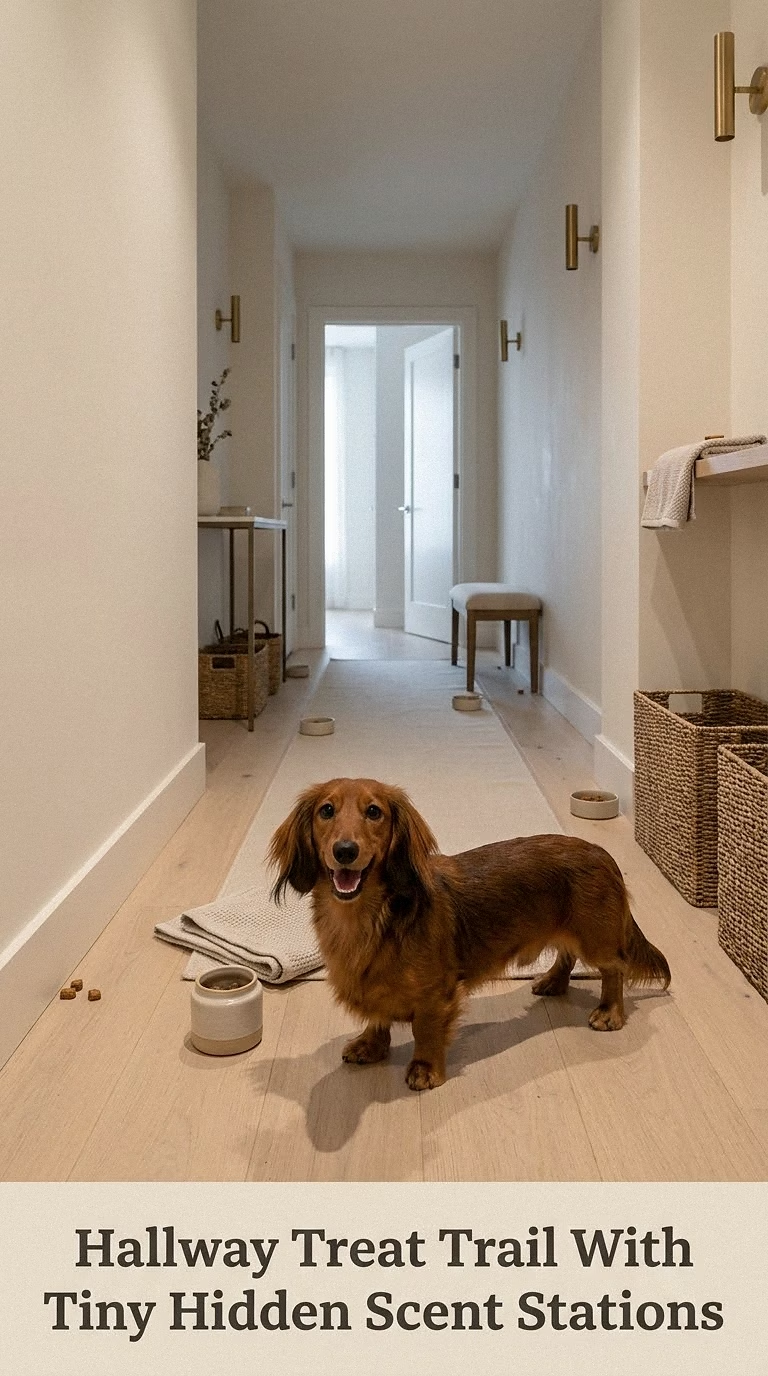
Transform a hallway into a simple nose-work course by creating a trail of tiny food rewards leading toward several hidden scent stations.
The first few treats can be fairly visible. Farther along, hide pieces near a chair leg, beside a closed door, underneath the edge of a washable mat, or inside an open cardboard container.
Read more : How Long After Neutering Dog Is Testosterone Gone
Instead of pointing out every reward, allow your dog enough time to investigate.
For a beautiful, uncluttered setup, keep the hallway mostly clear and use only a handful of intentional hiding places. This works wonderfully when outdoor play is limited because you can create an interesting search without needing much floor space.
Avoid hiding food somewhere your dog must climb dangerously, scratch furniture, or access household chemicals. Keep the challenge at nose level and within safe reach.
Shoebox Scent Search Station With A Row Of Hidden Rewards
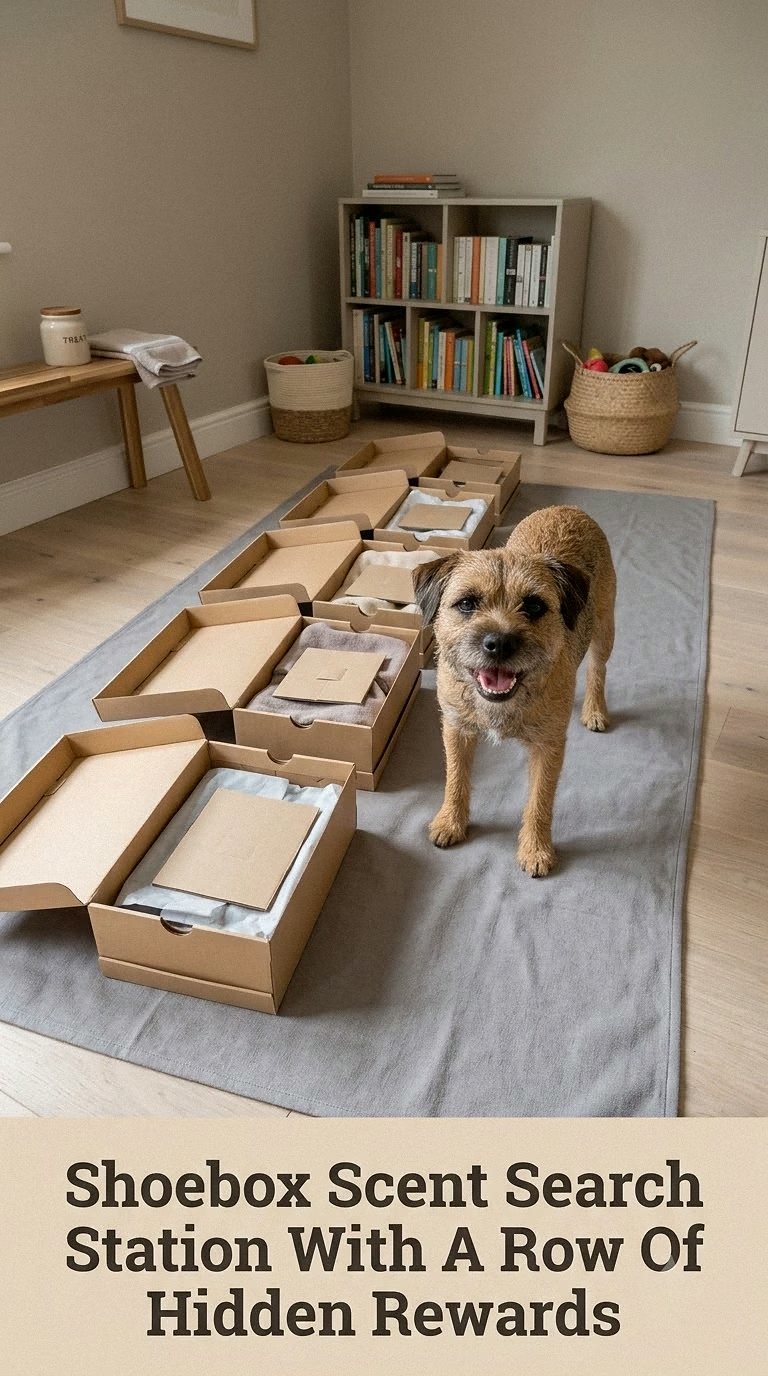
Collect several clean shoeboxes or similarly sized cardboard containers and arrange them across the floor. Put food inside one box and encourage your dog to investigate until the correct container is discovered.
Beginners can start with only two open boxes. Gradually increase the number as the game becomes familiar.
Later, change the arrangement or loosely close some boxes so the scent is less obvious. You can also spread the containers around the room rather than keeping them neatly together.
The row of simple kraft-colored boxes makes this activity visually distinct while costing almost nothing.
Watch carefully if your dog loves eating cardboard. The containers are simply scent holders, not chew toys. Also avoid boxes that previously contained anything unsafe, strongly perfumed, or chemically treated.
Frozen Stuffed Rubber Toy Challenge For A Calm Afternoon
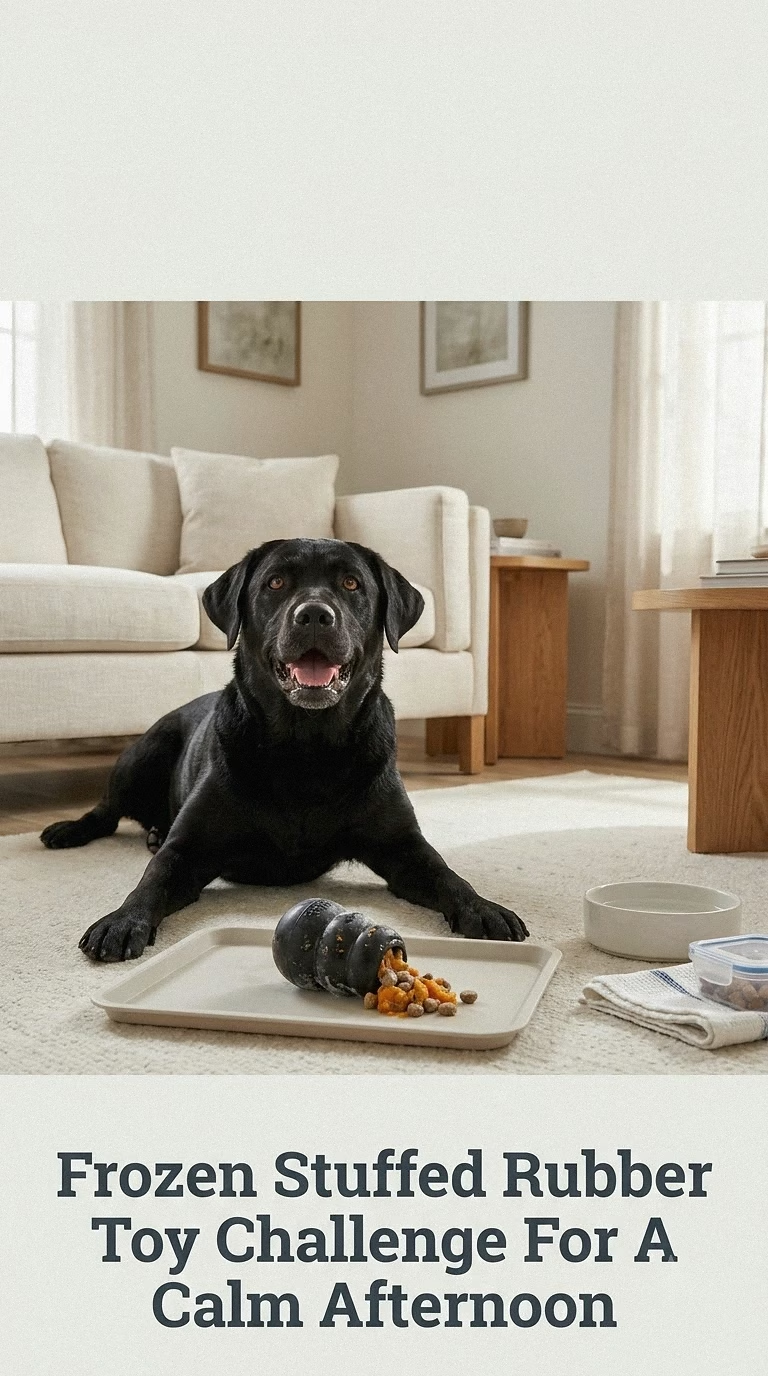
A durable food-stuffable rubber toy creates a slower brain game that feels especially useful during quiet parts of the day.
Fill an appropriately sized toy with part of your dog’s regular food or another dog-appropriate filling, then refrigerate or freeze it if the toy and ingredients are suitable for freezing. A softer filling is easier for beginners, while a firmer frozen version provides a longer challenge.
Serve it on an easy-clean mat in a peaceful dog corner with a bed nearby. The setup feels cozy rather than chaotic and requires very little floor space.
Select a toy that matches your dog’s size and chewing strength, inspect it for damage regularly, and introduce it under supervision.
If you use peanut butter, make certain the product does not contain xylitol, which is unsafe for dogs.
Wooden Sliding Puzzle Feeder On A Non-Slip Feeding Mat
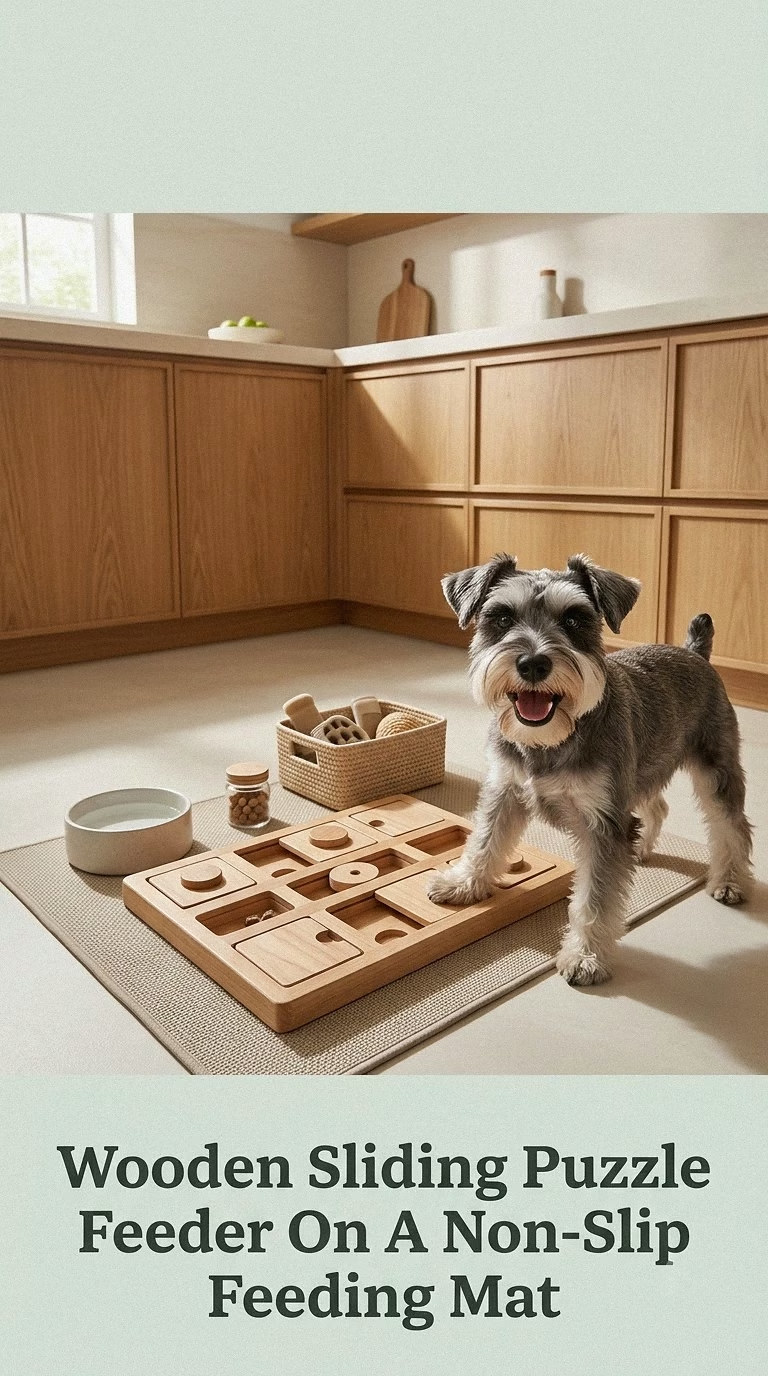
For dogs ready to graduate from simple sniffing games, try a commercial puzzle feeder that includes sliding compartments, rotating pieces, or removable covers.
Start with an easier configuration so your dog learns that manipulating the puzzle causes something rewarding to happen. If every compartment is locked behind a difficult sequence on the first attempt, the experience may become frustrating.
Set the puzzle on a non-slip mat so your dog can focus on solving it rather than chasing it around the room.
A wooden-look puzzle beside a modern feeding station can also blend surprisingly well into a stylish home.
Choose equipment appropriate for your dog’s size and play style. Puzzle pieces should not be treated as chew toys, so supervise the activity and put the feeder away once the food has been found.
Living Room Chair Maze With Cushions And Gentle Direction Changes
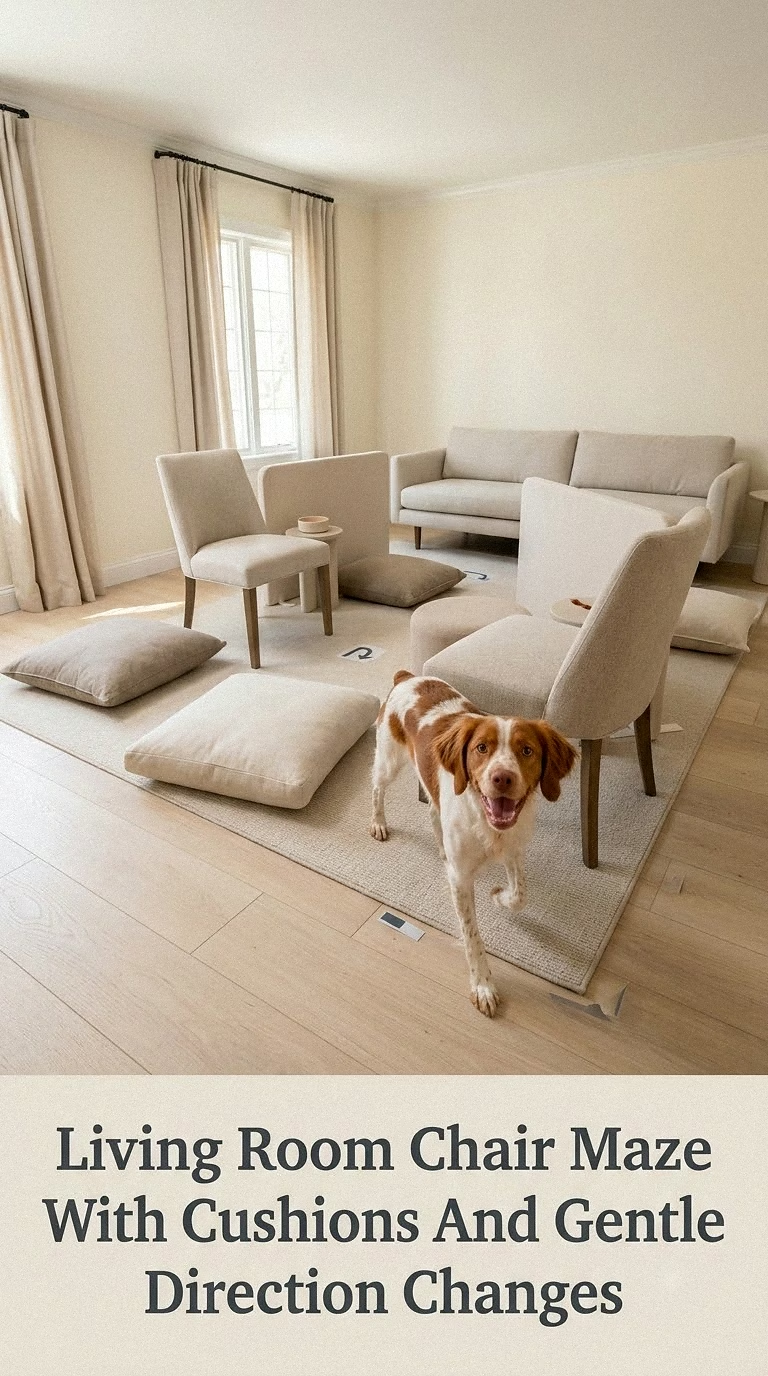
Create a miniature navigation challenge using dining chairs, ottomans, cushions, and other stable household items.
Rather than encouraging high jumps, arrange a low-impact pathway that asks your dog to walk around a chair, pass between two objects, step onto a stable mat, and follow you through a gentle turn.
Use treats or a favorite toy to guide your dog during the first attempts.
The mental challenge comes from paying attention to your cues and working out the route, so the course does not have to be physically demanding.
Make sure every object is stable and the floor offers good traction. Puppies, seniors, and dogs with mobility concerns should have especially simple layouts without jumping.
Once your dog knows the course, rearrange it to create a completely new puzzle.
Hide-And-Seek With Your Dog Through Different Rooms
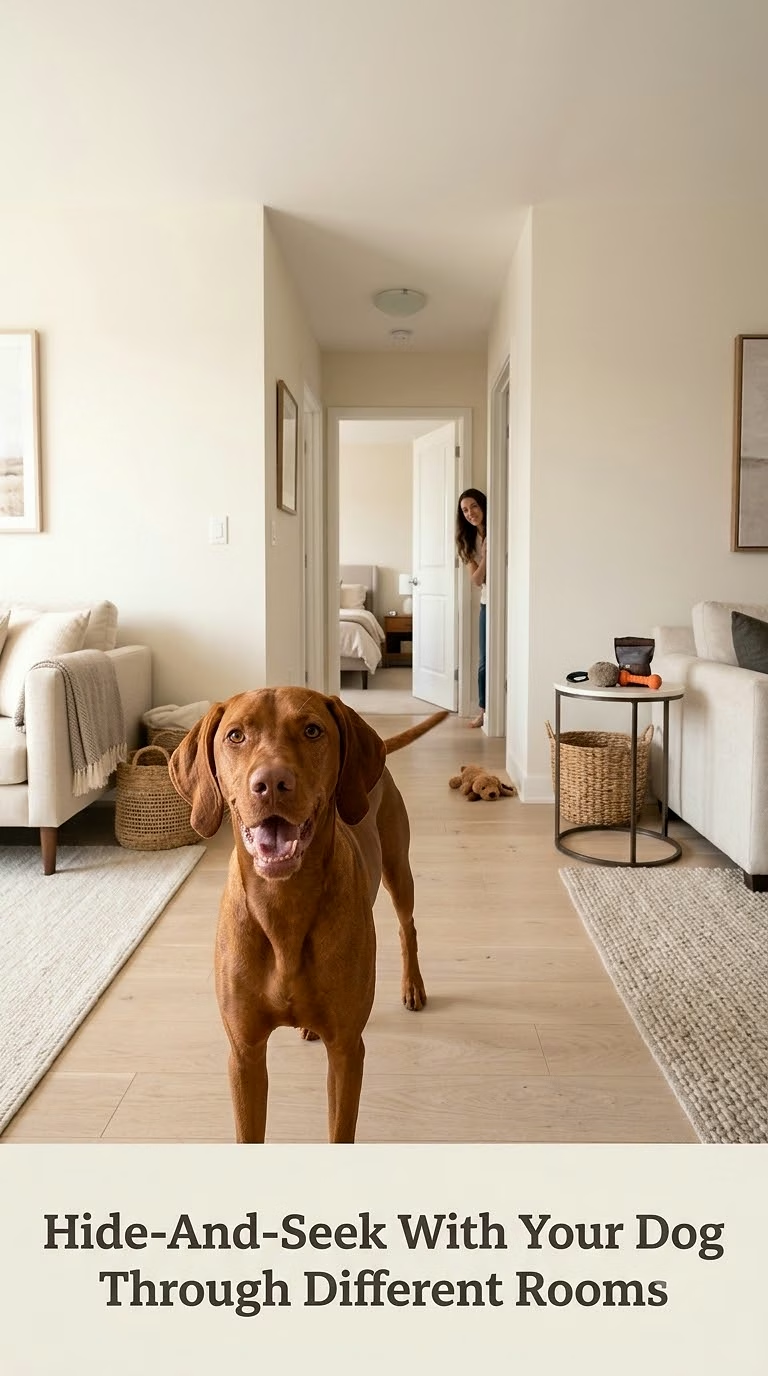
Sometimes the most exciting treasure your dog can find is you.
Ask your dog to wait with another family member or use a familiar stay cue, then hide somewhere easy, such as around the corner of a nearby room. Call your dog and enthusiastically reward the successful search.
Gradually choose more interesting hiding spots behind doors, beside furniture, or in another room.
Your dog’s ears, nose, memory, and problem-solving skills all become part of the search.
This game requires absolutely no equipment and is especially lovely for strengthening interactive play. It also works in apartments because you can keep the search calm rather than encouraging running.
Avoid hiding somewhere that encourages unsafe climbing or frantic behavior. If your dog becomes confused, make a small sound or call again so the game remains enjoyable.
Warm-And-Cold Treasure Hunt With A Favorite Plush Toy
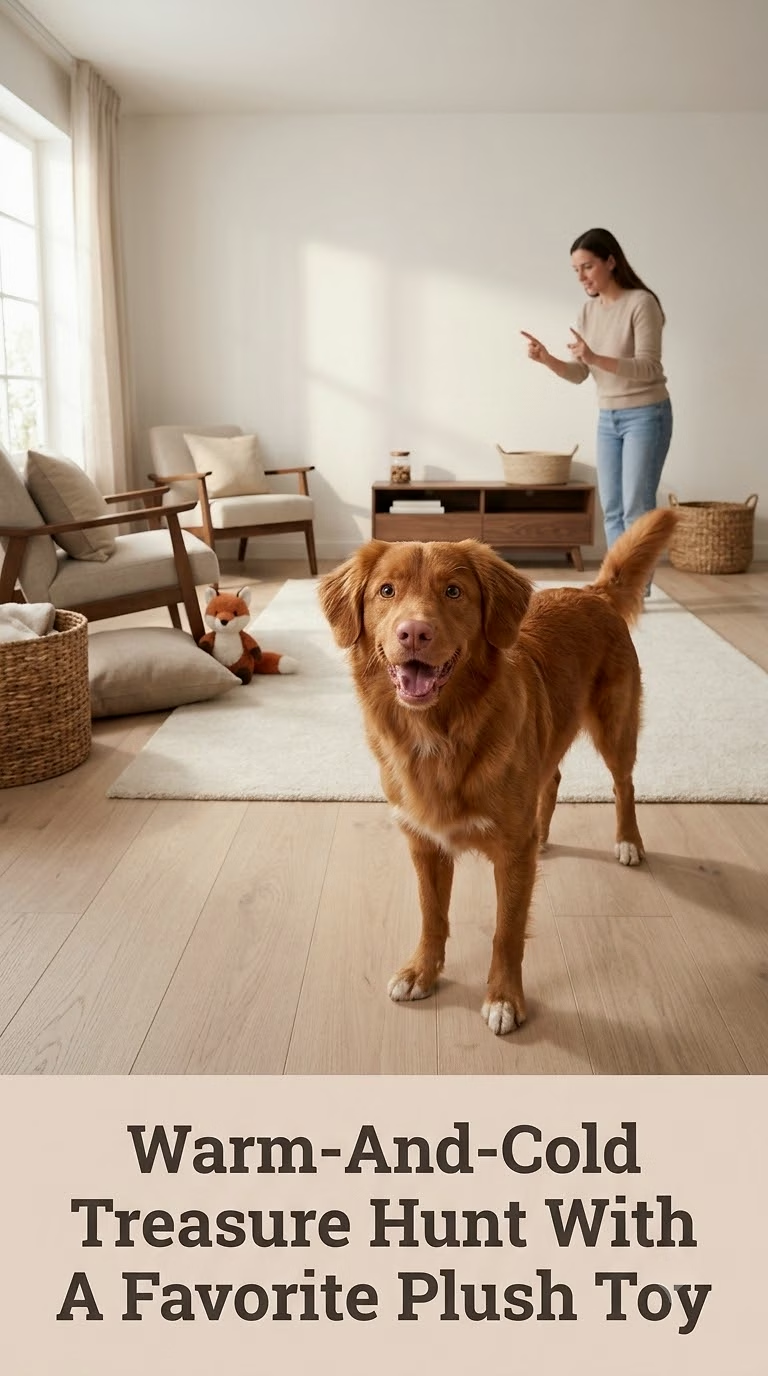
Hide a favorite toy somewhere in the room and use your voice to help your dog work toward the solution.
When your dog moves closer to the hidden object, become more enthusiastic. When they move away, make your voice calmer. With repetition, your dog can begin using your changing tone as information.
Begin with an easy hiding place where part of the toy remains visible. Later, place it behind a cushion or inside an open toy basket.
This is an engaging option for dogs that are more motivated by play than food.
The game also feels wonderfully interactive because you are actively communicating throughout the search rather than simply placing a puzzle on the floor.
End with an enjoyable reward such as fetch, tug, praise, or a cuddle if your dog enjoys physical affection.
Toy Basket Name Game With Two Favorite Plush Animals
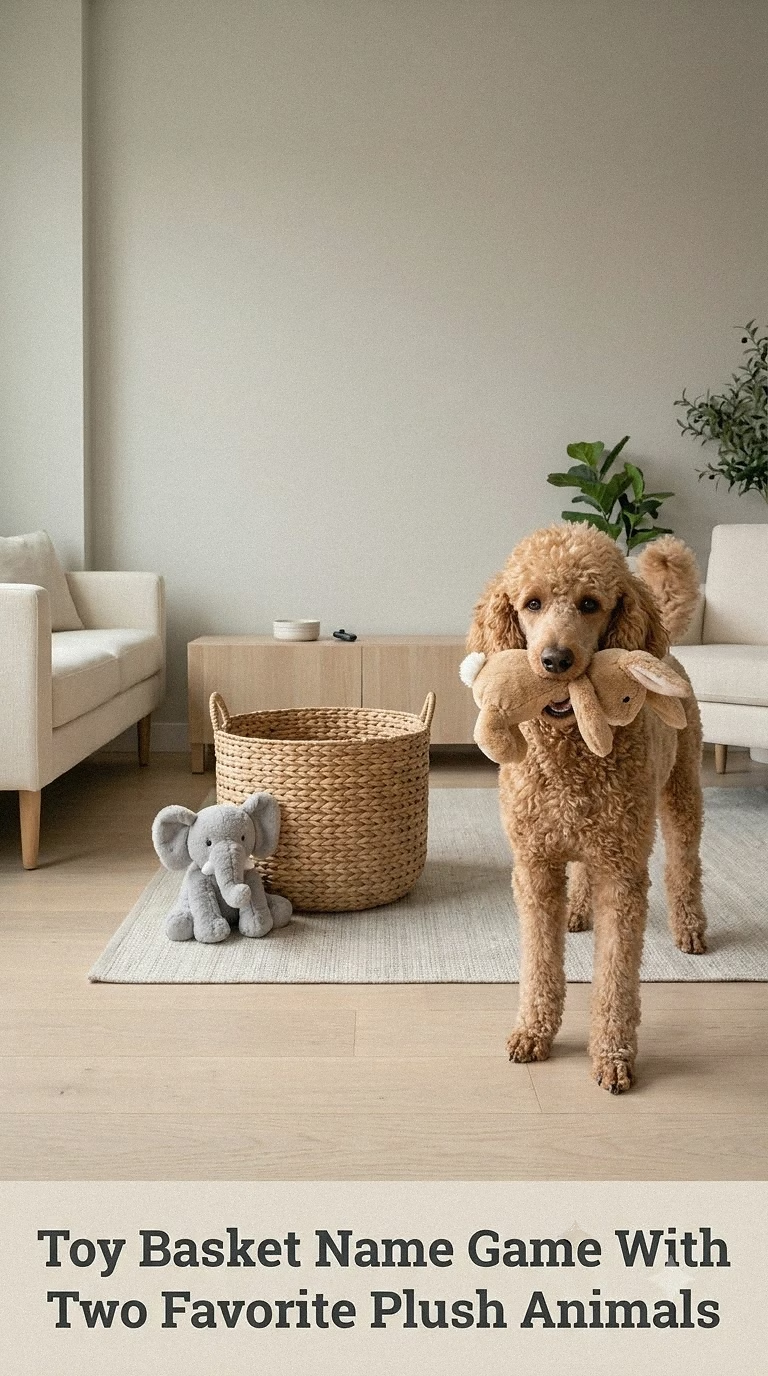
Teaching individual toy names turns an ordinary basket into an evolving vocabulary game.
Start with one distinctive toy. Say its name consistently before offering it, playing with it, or asking your dog to retrieve it. Once your dog appears comfortable identifying that object, introduce a second toy with a noticeably different shape.
Read more : How Long After Applying K9 Advantix Can I Touch My Dog?
Eventually, place both on the floor and ask for one by name.
Dogs learn at different speeds, so there is no need to rush. A few successful repetitions can be more enjoyable than a long session filled with mistakes.
Visually, this game works beautifully with a low woven toy basket containing recognizable objects such as a plush duck, rope ball, and soft bear.
As your dog improves, add new named objects gradually rather than presenting an overwhelming pile all at once.
Farmhouse Egg Carton Treat Puzzle With Folded Paper Covers
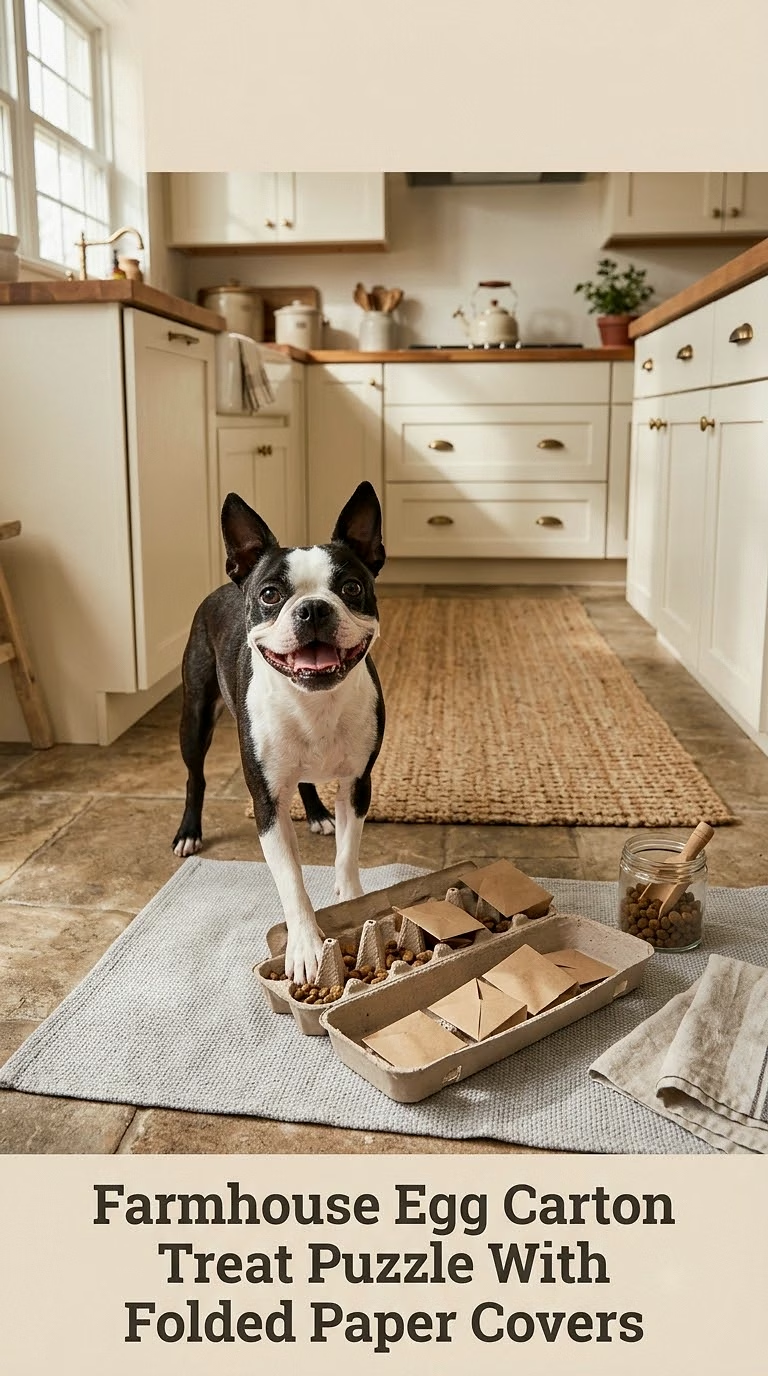
An empty cardboard egg carton can become a small scent puzzle for dogs that interact gently with homemade enrichment.
Place a few pieces of kibble into selected wells, then loosely cover them with crumpled paper. Leave some compartments empty so your dog has to sniff rather than assume every space contains a reward.
At first, keep the lid completely open. Experienced dogs may enjoy investigating a loosely closed carton while you supervise.
The natural cardboard texture gives this setup a rustic farmhouse look, especially on a washable mat beside a wooden storage basket.
Because egg cartons are easy to tear, this game is best for dogs that search rather than immediately swallow cardboard. Remove the carton when the food is gone.
Never use containers contaminated with raw egg residue, chemicals, staples, tape, or other unsafe materials.
Indoor Kibble Scatter Search Across A Clean Area Rug
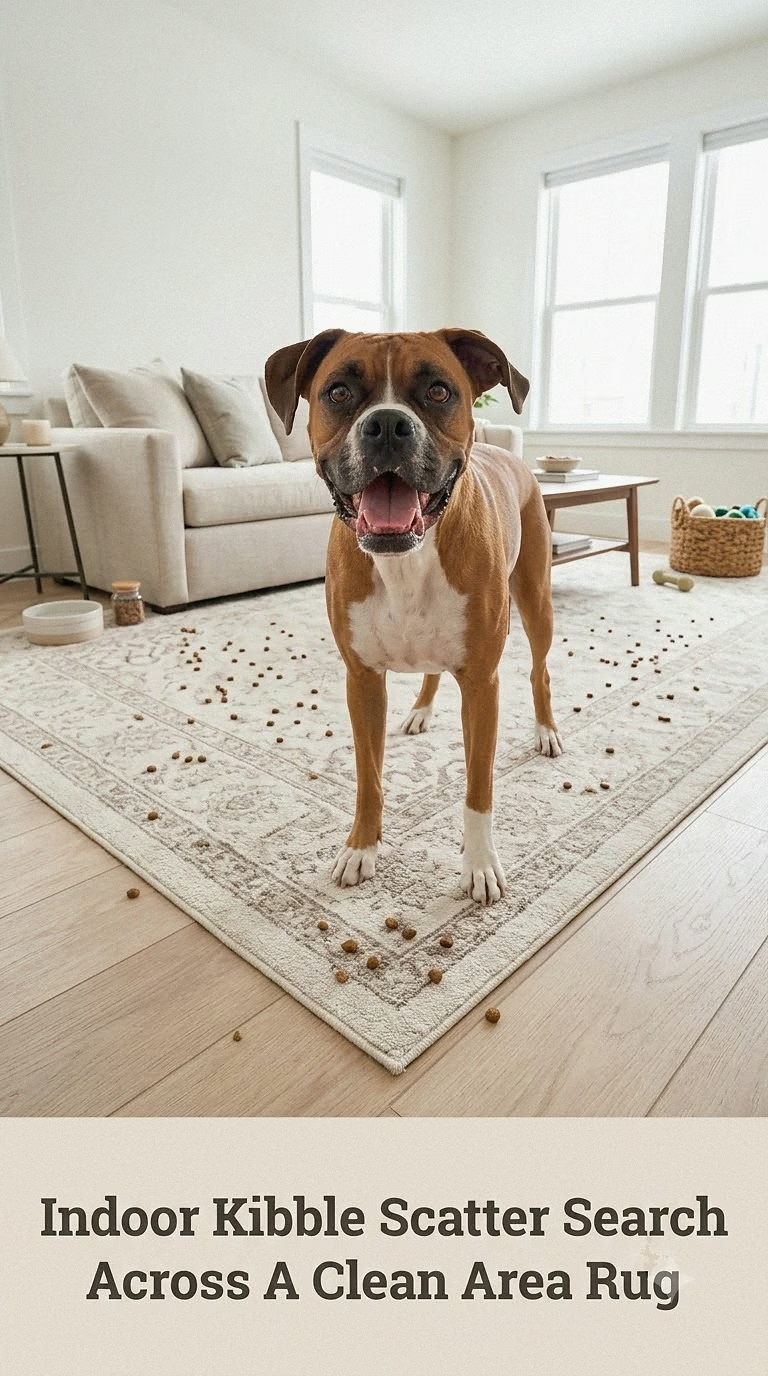
One of the easiest enrichment ideas requires nothing more complicated than part of your dog’s meal.
Instead of pouring kibble into a bowl, scatter pieces widely across a clean rug or another safe indoor search area. Your dog must slow down, sniff carefully, and locate individual pieces.
Beginners can search a small area with visible food. For experienced dogs, increase the search zone or place pieces around safe furniture edges and other accessible spots.
The activity works particularly well when you want low-cost enrichment without adding another toy to your home.
Choose a surface where every piece can be found and avoid thick rugs if food becomes impossible to retrieve from the fibers.
If you have multiple dogs, separate them during food searches if there is any possibility of competition or resource guarding.
DIY Treat Burrito With A Folded Fleece Blanket
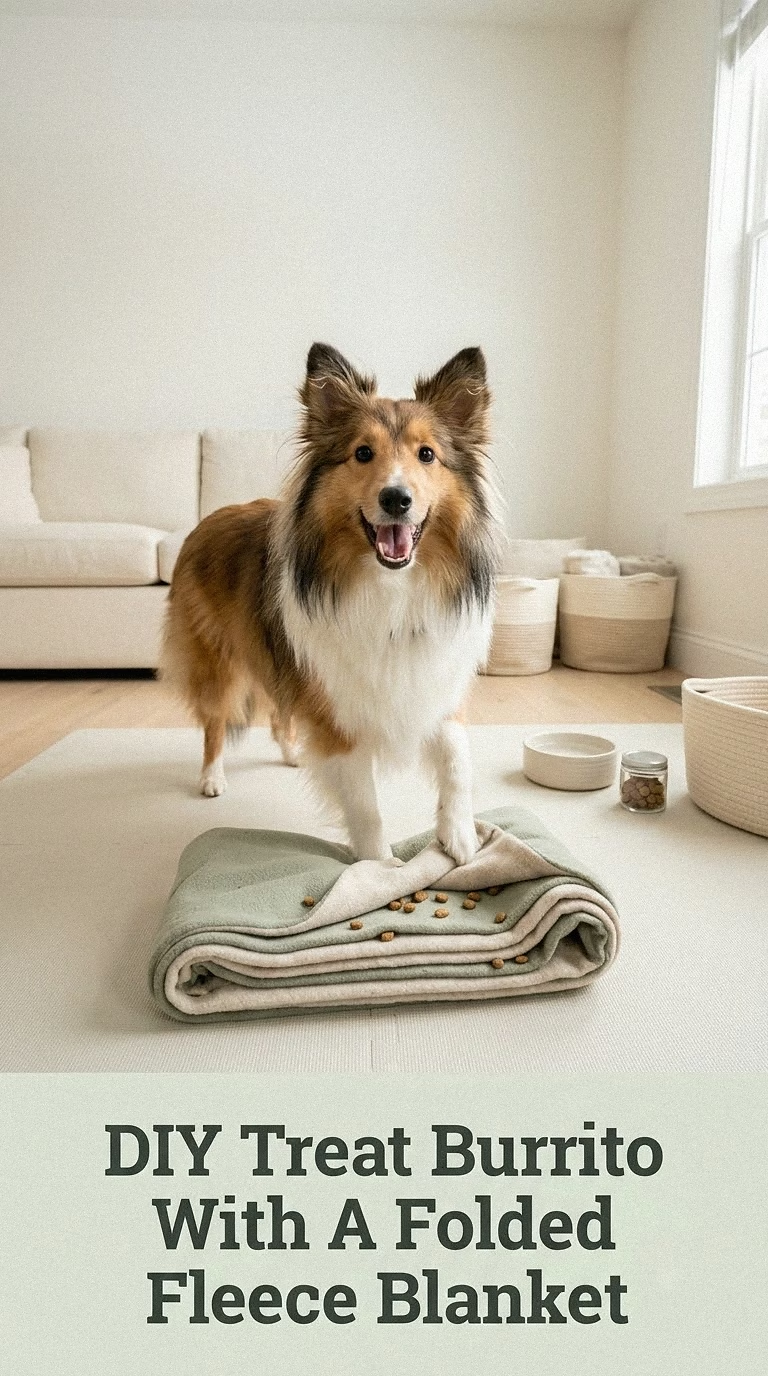
Lay a small fleece blanket flat, scatter several pieces of kibble across it, and gently fold or roll the fabric into a soft “burrito.”
Your dog must use their nose and paws to unfold the layers and reveal the hidden food.
Start with a loose roll so success comes quickly. Later, add gentle folds or alternate directions, always making sure the puzzle can still be opened without frantic pulling.
A muted fleece blanket in sage, cream, terracotta, or dusty blue makes the activity look especially cozy in a bedroom or living-room dog nook.
Choose washable fabric without loose threads, buttons, or decorations.
Like the towel puzzle, this should be supervised when used with dogs that chew fabric. Put the blanket away once the game is finished so its purpose stays clear and special.
Quiet Cardboard Tube Search Board With Hidden Kibble Pockets
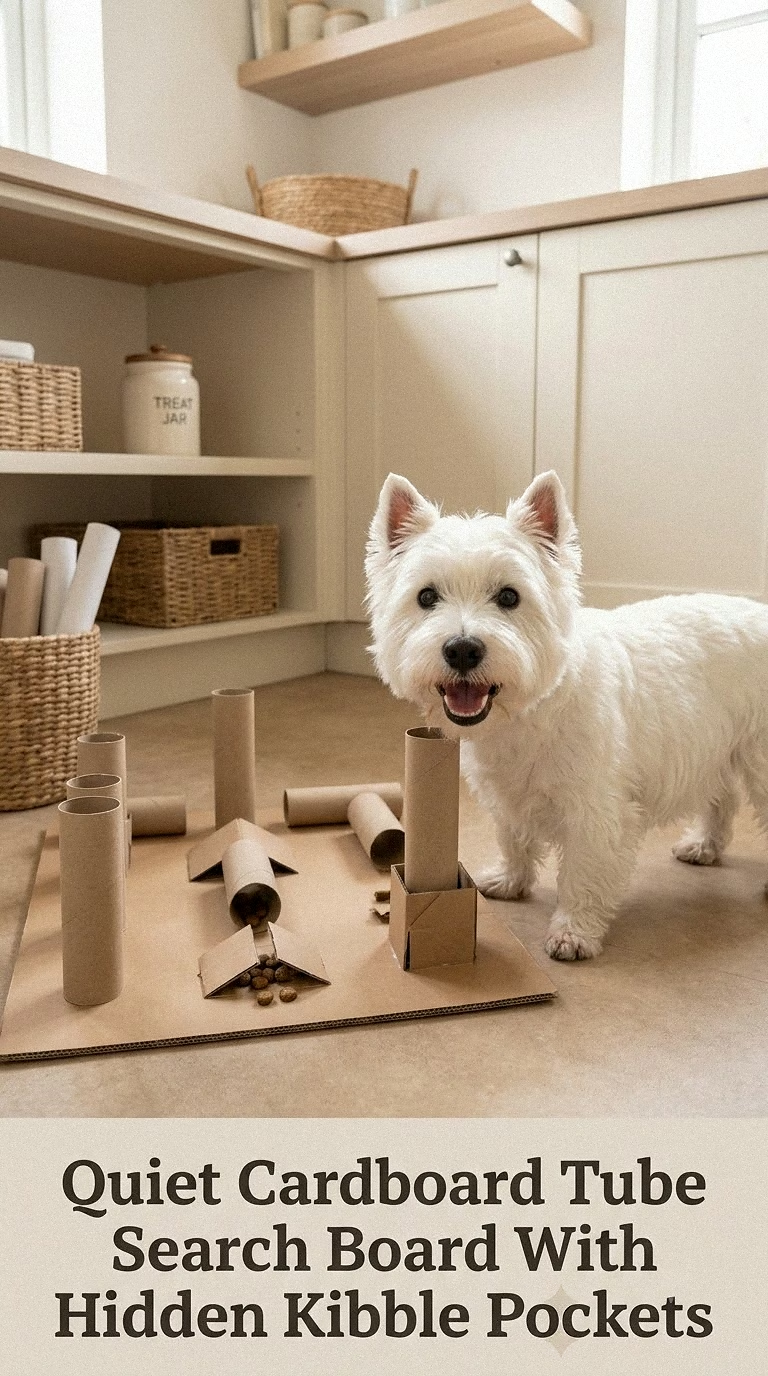
Save several clean cardboard tubes and stand them upright inside a shallow, sturdy box so they form a honeycomb-like search board.
Drop kibble into selected tubes while leaving others empty. Your dog must sniff across the grid and work out where the food is hiding.
For an easier version, leave rewards near the top. For a more experienced puzzle solver, place them deeper inside tubes that can still be safely accessed.
The repeating cardboard pattern makes this one of the most visually interesting DIY brain games and can be assembled using almost entirely recycled materials.
Avoid glue, staples, tape, and small decorative pieces. Supervise throughout the activity and remove damaged cardboard before it can be swallowed.
This is a search puzzle, so enthusiastic cardboard shredders may be better suited to a sturdier commercial alternative.
Calm Trick-Training Corner With A Mat And Treat Jar
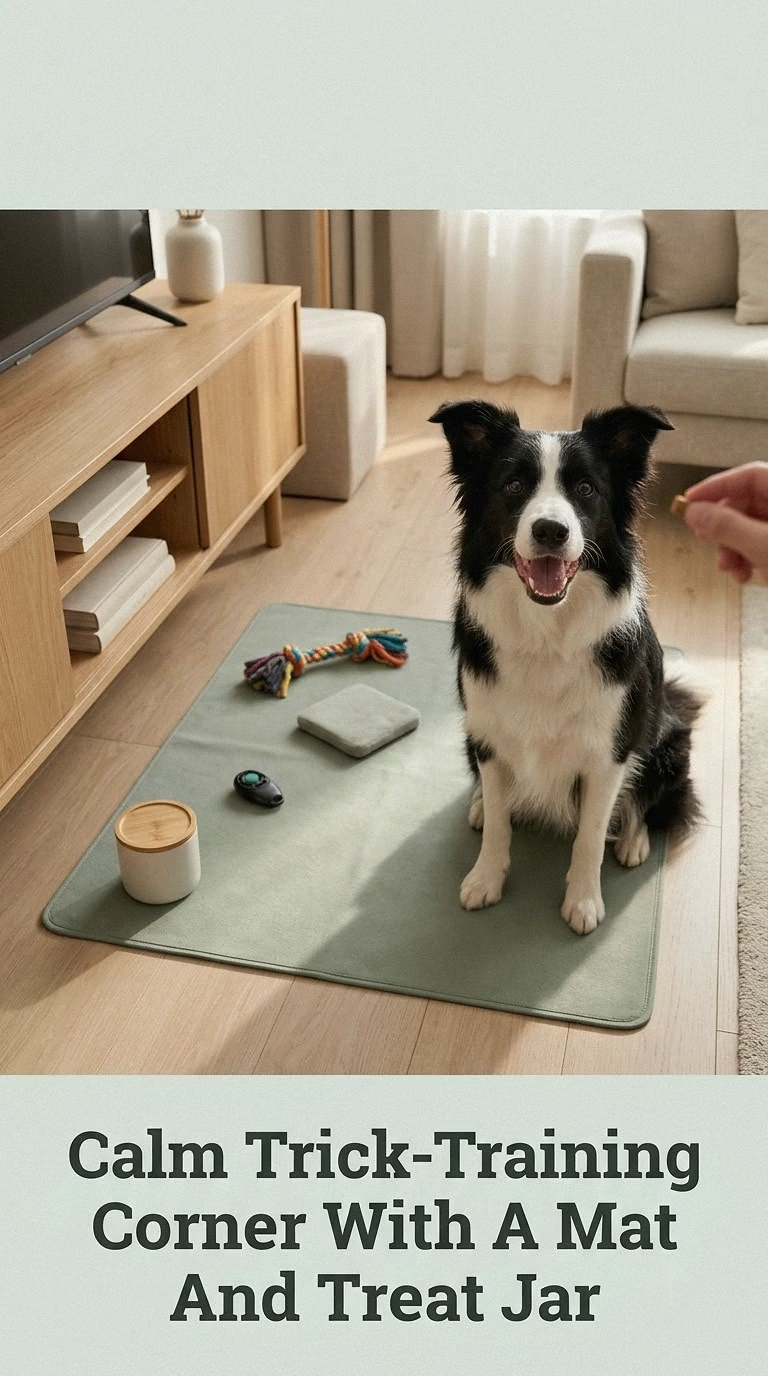
Not every brain game needs a puzzle. A five-minute trick-training session can provide an engaging mental challenge while giving you meaningful one-on-one time together.
Create a simple training corner with a non-slip mat, a small container of rewards, and enough room for your dog to move comfortably.
Practice familiar behaviors first, then introduce something new such as touching your palm with their nose, spinning, placing paws on a low target, retrieving an object, or going to a mat.
Break each skill into small steps and reward progress rather than expecting the finished trick immediately.
Short sessions usually keep the atmosphere light and successful.
Changing the trick every few days gives you an almost endless supply of enrichment without buying more equipment, while familiar tricks can be revisited whenever your dog needs an easy confidence-building activity.
Making Dog Enrichment Ideas Brain Games Part Of Everyday Life
The most effective dog enrichment ideas brain games are not necessarily the fanciest ones. A rolled towel, a row of shoeboxes, a favorite stuffed animal, or a handful of kibble hidden around the living room can create an entirely new experience when your dog gets to sniff, investigate, choose, and solve.
Try keeping several activities in rotation instead of using everything every day. One morning might begin with a snuffle mat, while another includes a hallway scent search. A rainy afternoon could become a toy-name session, and a quiet evening might be perfect for a frozen food toy or a few minutes of trick training.
Pay attention to what your dog genuinely enjoys. Some pups adore complicated puzzles, while others light up during scent games or interactive searches with their favorite person. Adjust the difficulty, materials, and pace to your dog’s size, age, confidence, chewing habits, and abilities.
With a little creativity, even an ordinary corner of your home can become a place for discovery, connection, and wonderfully satisfying play.
Source: https://petstutorial.com
Category: DOGS
