
Creating a secure outdoor space for your dog does not have to mean installing an expensive commercial kennel or turning your backyard into something that feels cold and utilitarian. With thoughtful materials, a little DIY creativity, and a layout suited to your dog’s habits, an outdoor pen can become a surprisingly attractive part of the landscape.
The best dog pens outside DIY fence ideas balance three things: security, comfort, and a design that feels intentional beside your home. A simple combination of timber posts and welded wire can look beautifully rustic, while black metal panels, gravel, pavers, and clean wood trim can create something distinctly modern. Even an awkward side yard can become a useful little dog run.
You are reading: 19 Dog Pens Outside DIY Fence Ideas For A Safer, Prettier Backyard
Before choosing a design, think about how your dog behaves outdoors. A relaxed small dog may need a very different fence from an athletic dog that jumps, climbs, pushes against gates, or digs along boundaries. Physical fencing should be matched to the dog’s size and escape habits, while outdoor areas should provide clean drinking water, shade, weather protection, adequate room to move, and regular interaction rather than functioning as permanent isolation spaces.
Dog Pens Outside DIY Fence Ideas For Beautiful And Secure Outdoor Spaces
Warm Cedar Frame Dog Pen With Black Welded Wire Panels
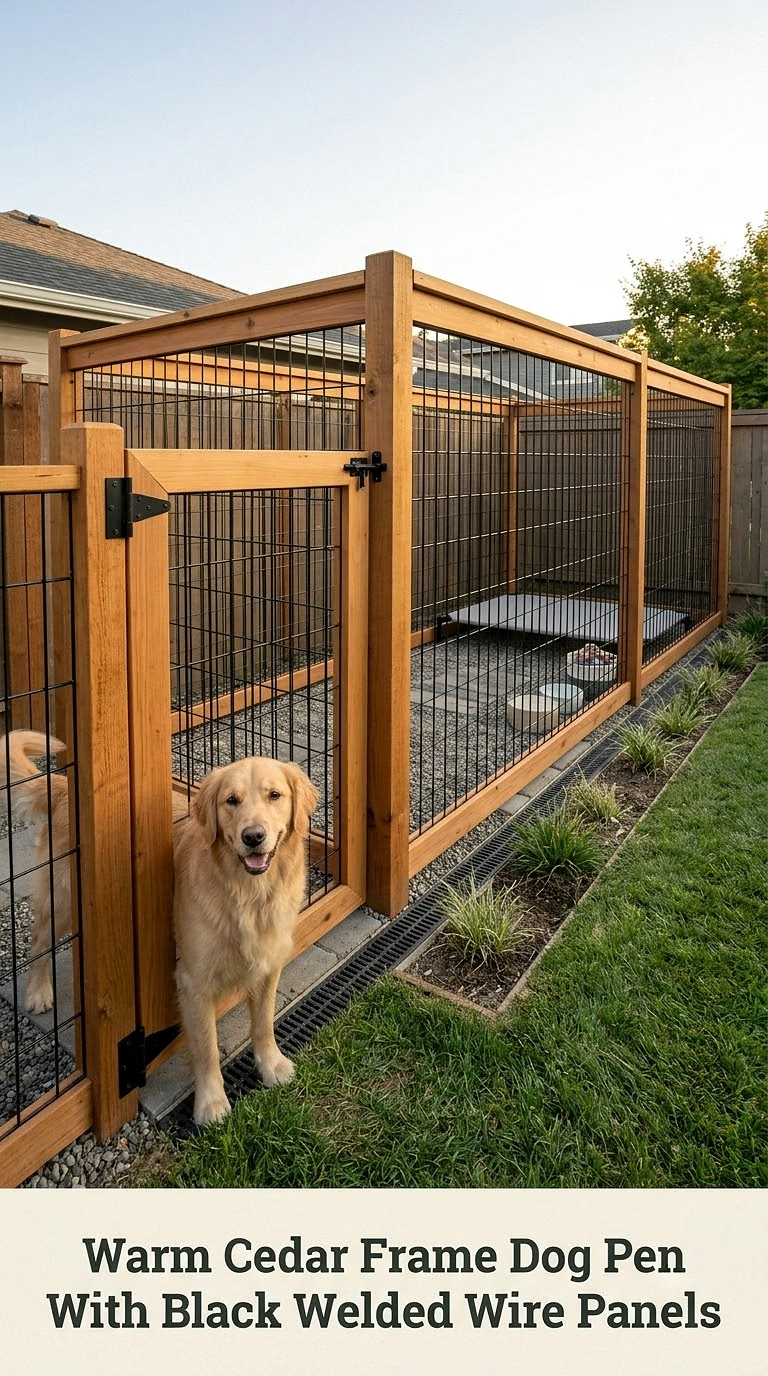
A cedar or warm-toned timber frame paired with black welded wire creates one of the prettiest combinations for a backyard dog pen. The natural wood makes the structure feel more like part of the garden, while dark wire visually disappears from a distance.
Build rectangular panels between sturdy posts rather than attaching loose mesh without framing. This produces cleaner lines and helps prevent sagging. Smooth all timber edges and position cut wire ends where paws and noses cannot reach them.
A gravel strip around the perimeter can keep grass from growing directly against the fence and makes trimming easier. Inside, combine a durable surface with a shaded resting corner, raised water bowl, and washable outdoor bed.
For a polished finish, stain the wood in warm cedar, honey oak, or medium walnut tones. Black hinges and a matching latch complete the coordinated look.
Narrow Side Yard Dog Run With Wood Posts And Wire Mesh
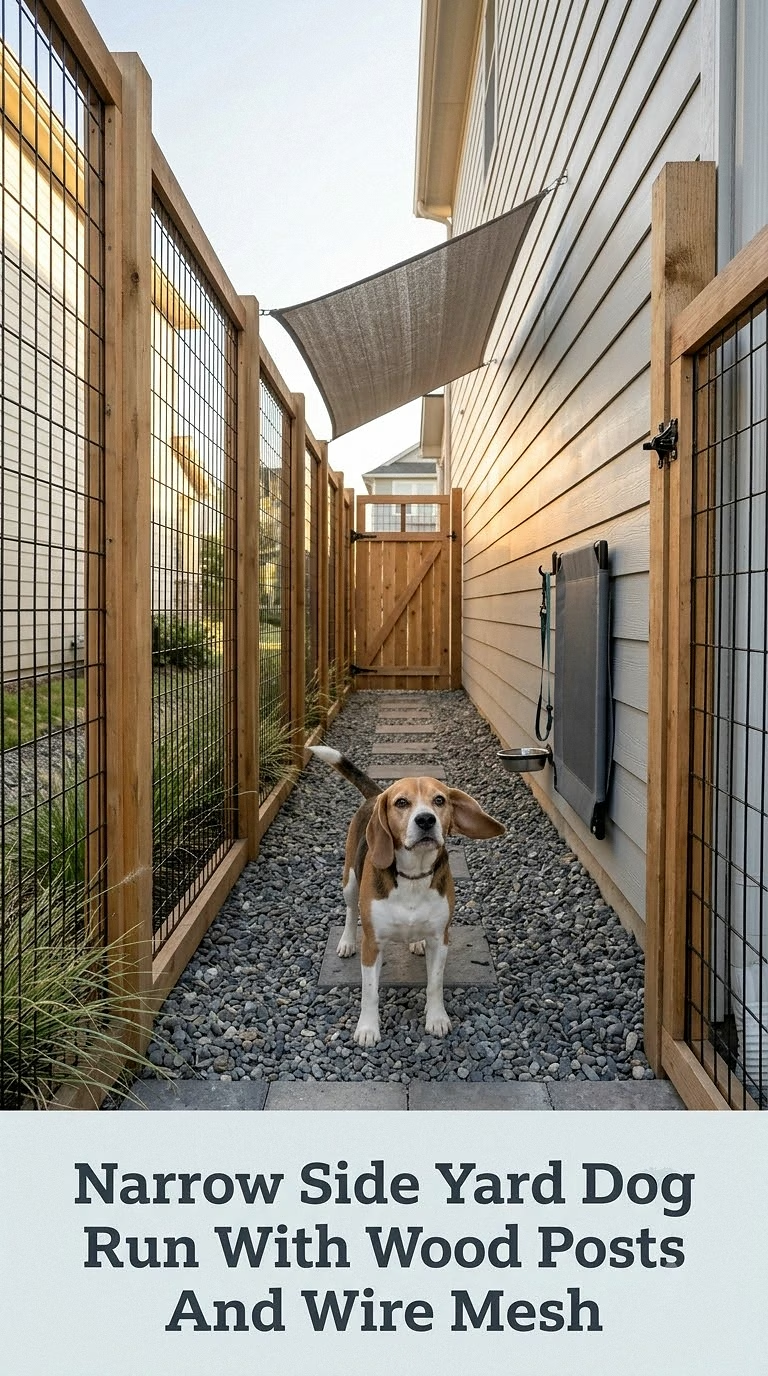
That long strip between the house and property fence is often overlooked, yet it can be ideal for a dog run.
Use the existing shape to create a narrow rectangular enclosure with wood posts and rigid wire panels. A gate near the patio gives easy access while another closed end keeps the dog away from utilities, air-conditioning units, or storage.
Because side yards sometimes receive limited sunlight and airflow, keep the enclosure visually open rather than using solid fencing on every side. A partial shade panel overhead can provide protection without covering the entire run.
Add a washable pathway of pavers or smooth gravel down the middle. A small raised platform at one end gives your dog somewhere dry to lounge after rain.
This design is particularly useful when you want to preserve the main lawn for entertaining, gardening, or children.
Modern Black Grid Dog Pen With Large Concrete Pavers
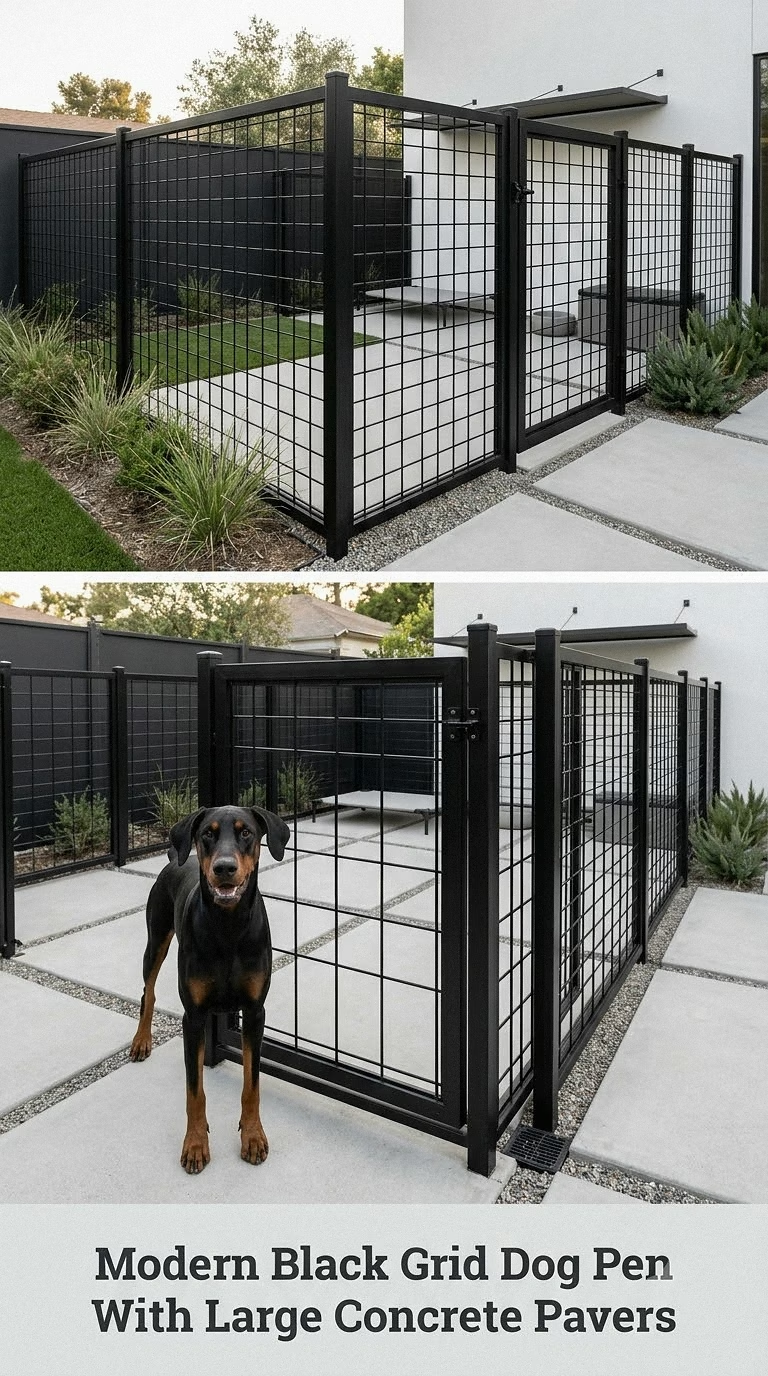
For a contemporary home, skip rustic fencing and build a crisp enclosure using black grid panels and oversized concrete pavers.
Set dark metal or painted timber posts at regular intervals, then install rigid rectangular mesh between them. Keeping every panel the same width creates a sophisticated architectural rhythm.
Underfoot, alternate large concrete pavers with narrow strips of gravel rather than covering the entire space in hardscape. The result feels more like a modern courtyard than a traditional kennel.
A charcoal water station, neutral outdoor mat, and simple wooden resting bench maintain the minimalist palette.
Pay close attention to surfaces that receive strong afternoon sun. Concrete and other hard materials can become uncomfortable in hot weather, so include dependable shade and check surfaces before your dog walks or rests on them.
Budget T-Post Dog Pen With Framed Welded Wire Fencing
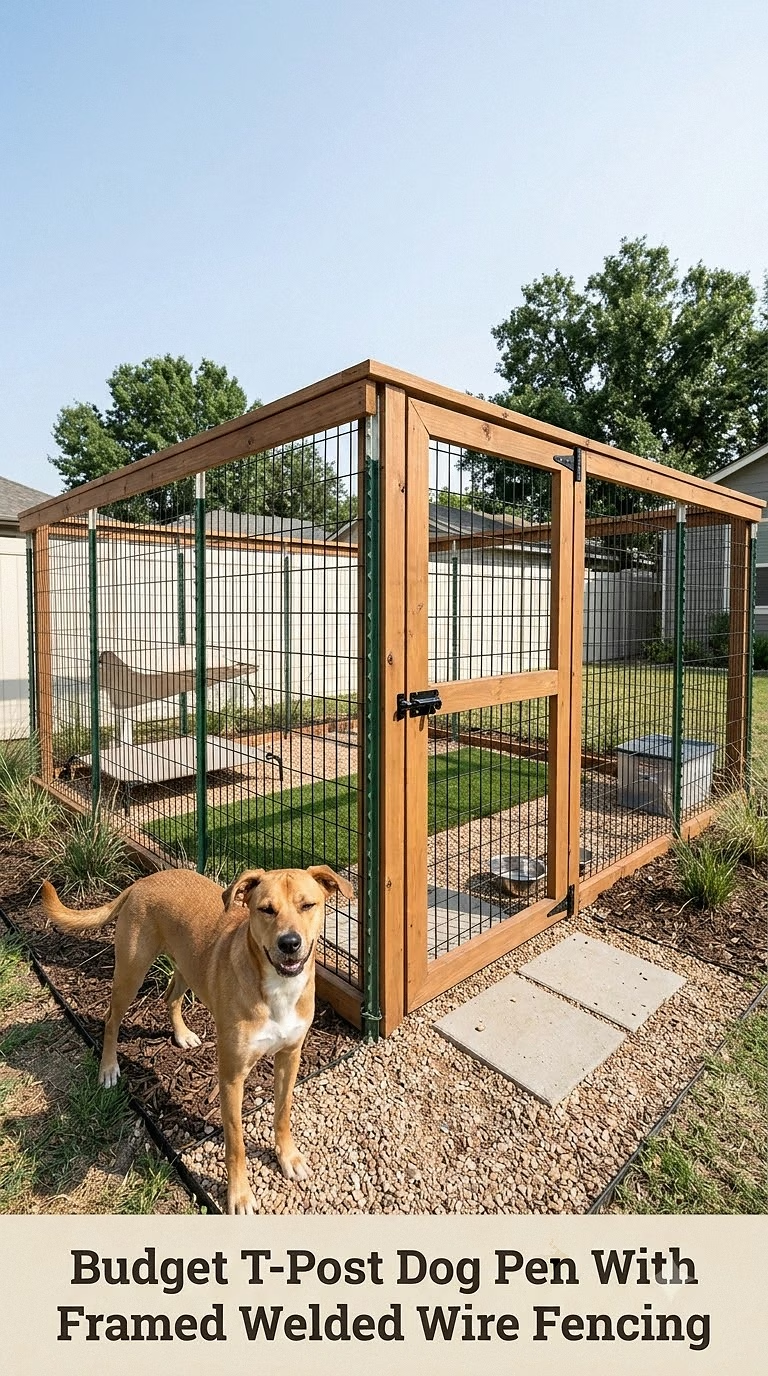
A practical dog pen does not necessarily require heavy timber construction around every panel.
For a more affordable DIY approach, sturdy metal T-posts can support welded wire around a simple rectangular or square run. Use proper fencing clips and keep the material firmly tensioned so the enclosure does not become loose or bowed.
The basic structure is inexpensive-looking only if you leave it unfinished. Add a neat timber gate, level the fence line carefully, and edge the bottom with gravel or simple landscape blocks. These small details give the project a much more intentional appearance.
Choose mesh openings appropriate for your dog’s size so heads, paws, and collars cannot become trapped.
This style works particularly well for larger yards where building an elaborate wooden structure across a long perimeter would consume far more material.
Farmhouse Dog Pen With Timber Rails And Hidden Wire Mesh
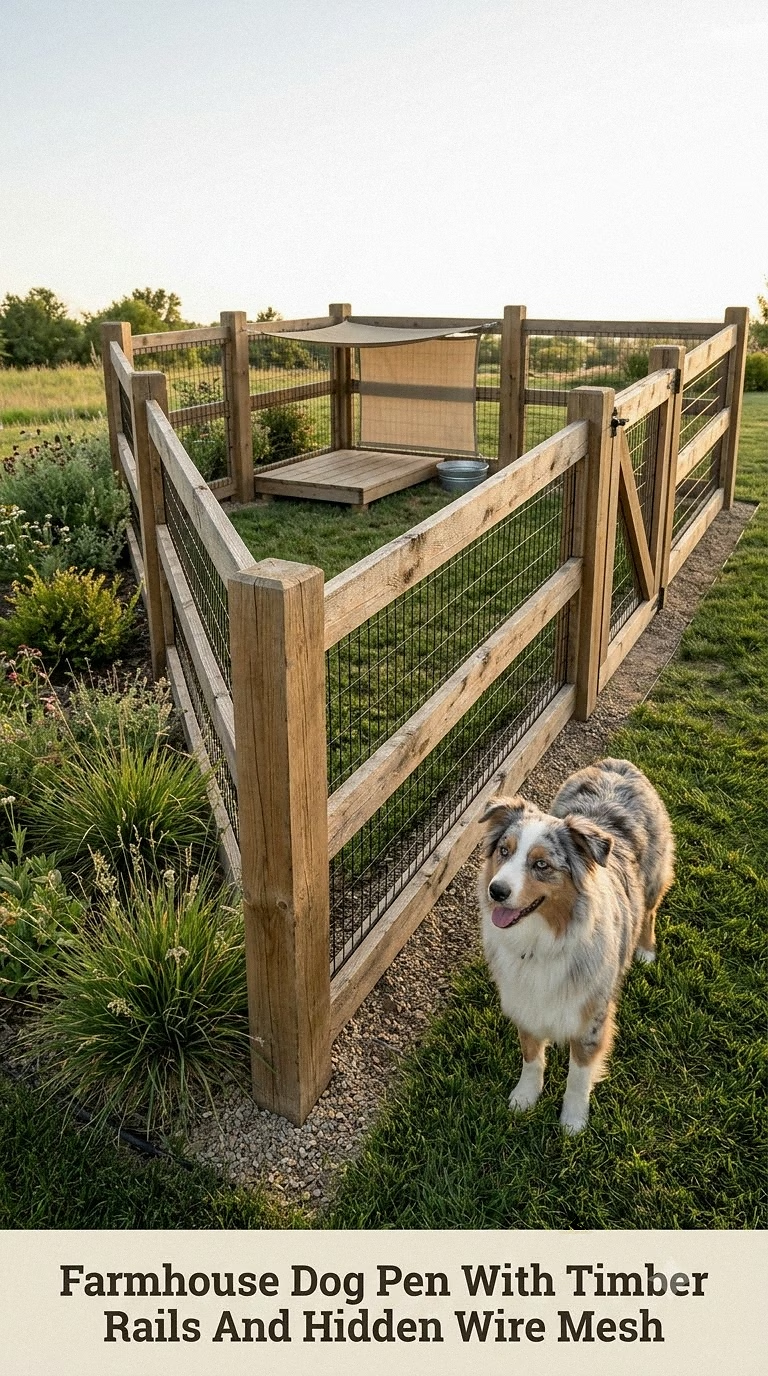
A classic post-and-rail fence looks wonderful around country, cottage, and farmhouse-style homes, but the wide spaces between rails are rarely enough to contain a dog.
The solution is to attach sturdy wire mesh to the inside of the rails. From the garden, the beautiful timber structure remains dominant while the mesh creates the actual containment barrier.
Finish the posts in natural wood stain or soft weathered brown. A cross-braced wooden gate adds another attractive farmhouse detail.
Outside the pen, plant ornamental grasses, lavender-like landscaping, or other dog-safe plants to soften the perimeter. Keep plantings far enough away that they do not become climbing aids for an athletic dog.
This approach works especially well when you want your pet enclosure to blend into a larger landscaped property rather than looking like a separate kennel.
Pergola-Covered Dog Pen With Timber Posts And Shade Roof
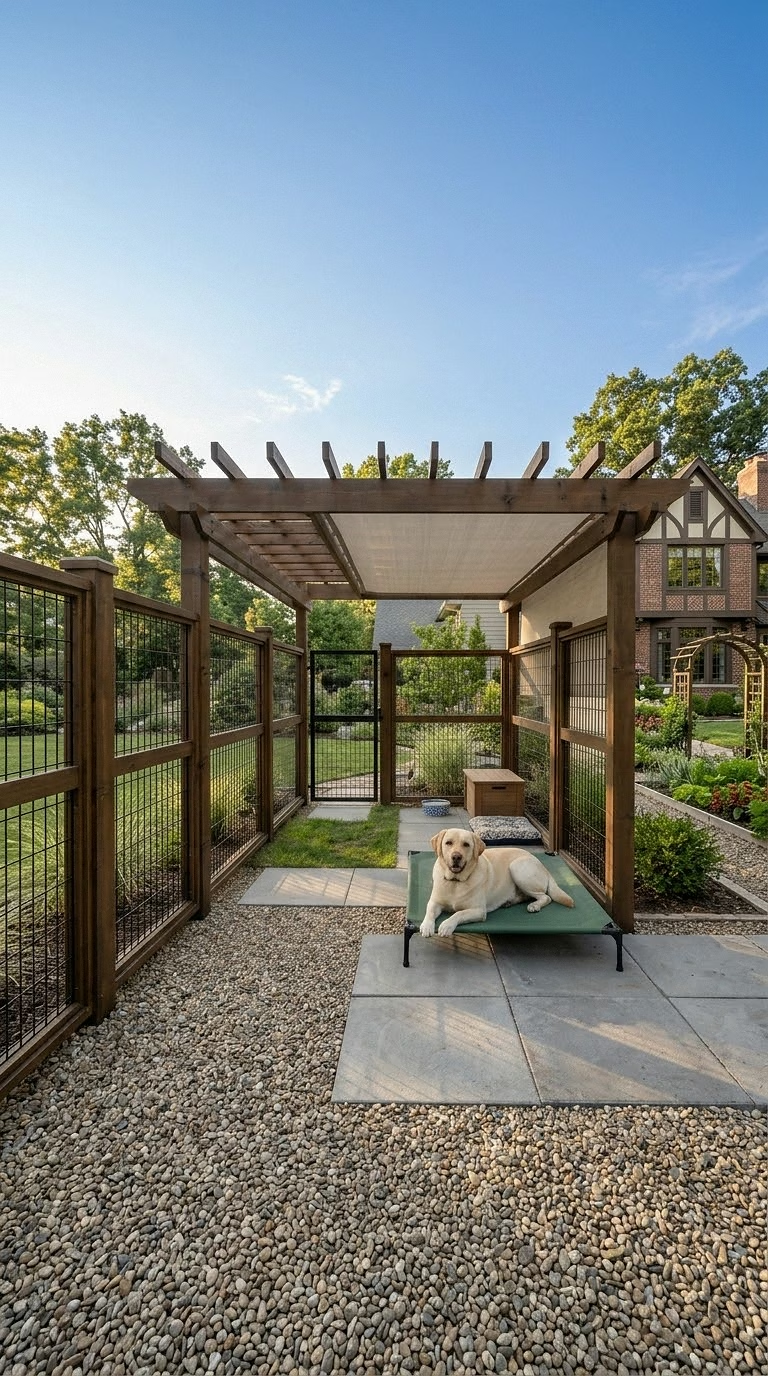
A small pergola can turn an ordinary dog pen into a beautiful backyard feature.
Start with a sturdy rectangular timber frame and wire-panel sides. Extend several posts upward to support a simple slatted pergola or properly secured weather-resistant roof.
Instead of enclosing the whole run in deep shade, create a combination of protected and open areas so your dog can move between them according to the weather.
Beneath the covered section, place a raised cot or washable bed and water station. The uncovered side can remain available for sniffing, playing, and sunshine.
Climbing plants may look romantic around a pergola, but choose only pet-safe varieties and keep vines outside the actual fencing so they cannot damage panels or become chewable material.
The finished structure feels closer to a tiny garden pavilion than a basic exercise pen.
Privacy Slat Dog Pen With Open Mesh Upper Panels
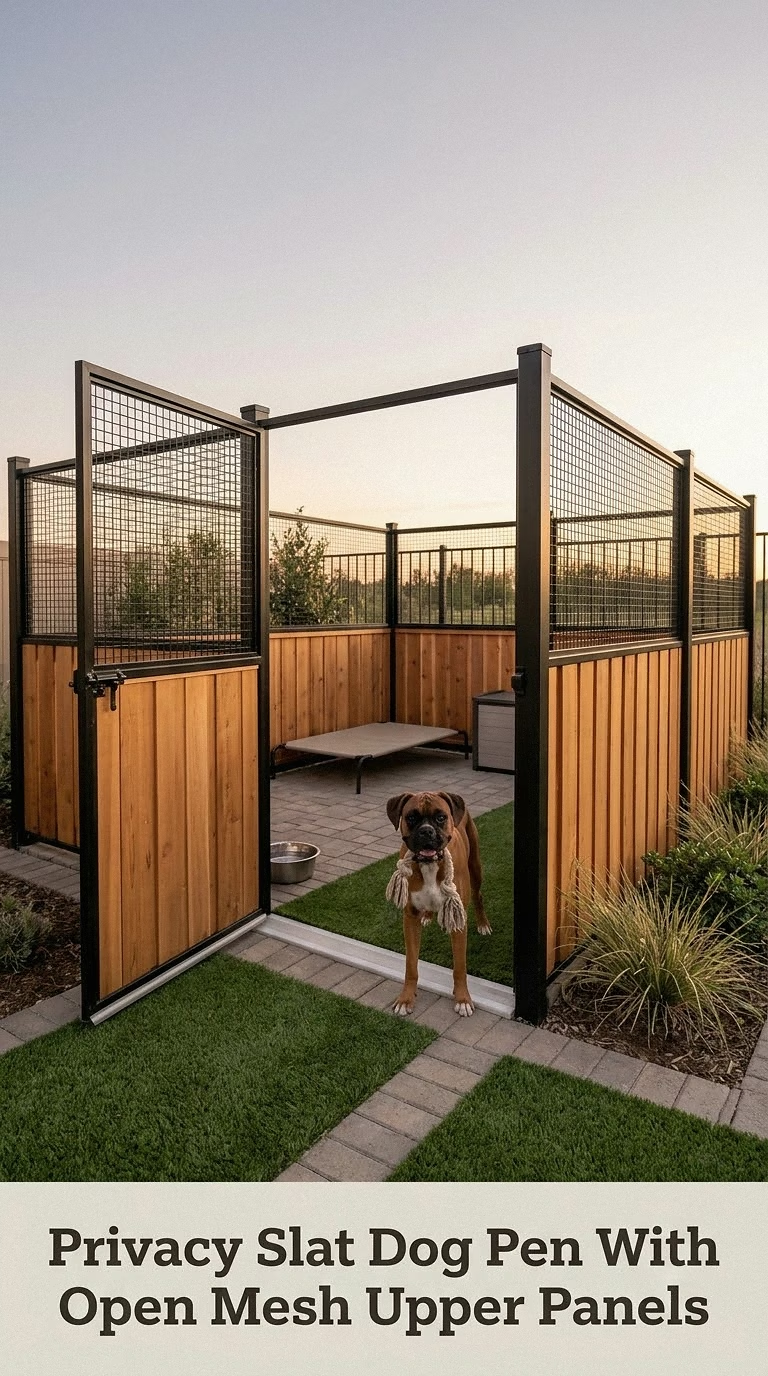
If your dog becomes overly interested in pedestrians, neighboring dogs, or activity beyond the yard, partial visual screening can create a calmer-looking enclosure.
Build the lower portion of selected walls with horizontal timber slats, then use open wire panels above them. The combination provides some privacy without completely blocking airflow or natural light.
Read more : 19 Dog Birthday Party Ideas for a Cute, Memorable Celebration Your Pup Will Love
You do not necessarily need privacy panels around all four sides. Position them only toward the busiest neighboring area while leaving the garden-facing walls open.
A warm oak or cedar stain paired with black wire creates a stylish modern look. For coastal homes, pale wood with white posts can feel lighter.
Make sure the solid sections do not create convenient ledges that your dog can use to climb. Hardware, fasteners, and timber edges should also remain smooth and inaccessible.
Compact Cottage-Style Small Dog Pen With Picket Fence And Mesh Lining
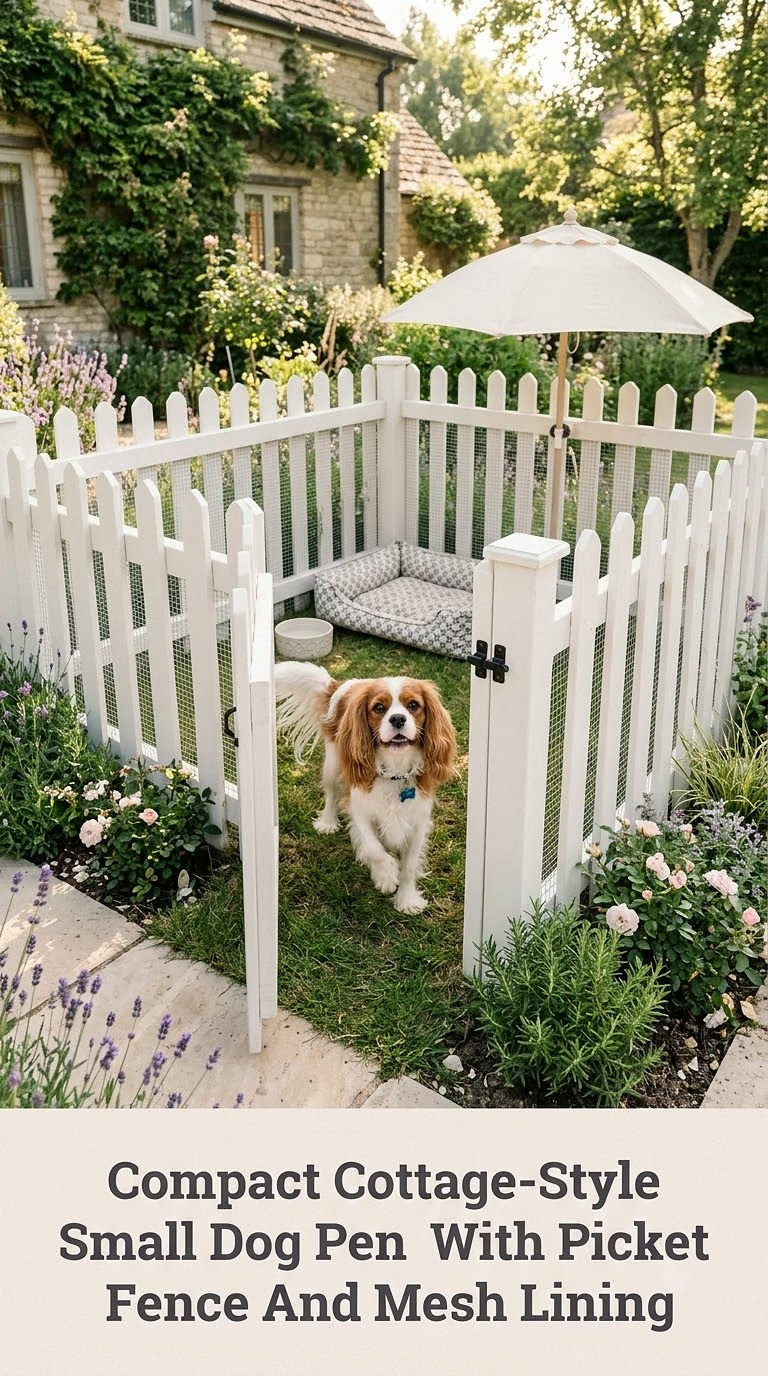
Small dogs can have an outdoor pen that feels charming rather than industrial.
Create a cottage-inspired boundary with closely spaced wooden pickets, then add discreet mesh wherever the picket spacing would otherwise allow a small dog to squeeze through.
Paint the fence warm white, soft cream, muted sage, or another gentle exterior color. A tiny matching gate makes the whole enclosure feel like a miniature garden.
Inside, leave enough open floor area for movement instead of filling the pen with decorative objects. A little covered resting platform and water bowl may be all that is needed.
Small dogs can be surprisingly good at slipping through gaps, so inspect corners, spaces underneath gates, and transitions between different fence sections carefully.
The decorative style is sweet, but containment still needs to be the first priority.
Garden-Integrated Dog Pen With Raised Planters Along The Outside Fence
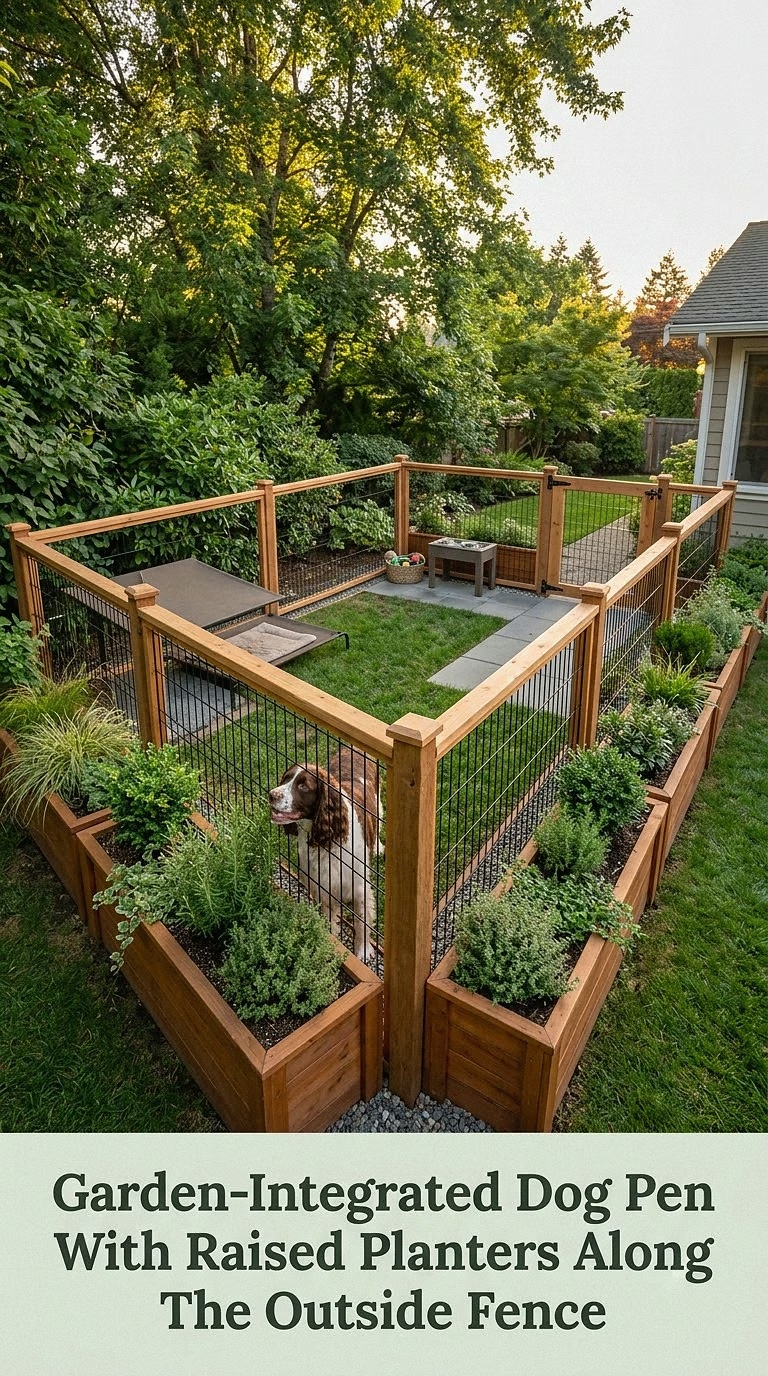
One reason outdoor dog pens sometimes look awkward is that they sit in the middle of landscaping with nothing connecting them visually to the garden.
Raised planters can solve that problem beautifully.
Build a simple wood-and-wire enclosure, then position narrow planter boxes along selected sections of the exterior. Match their wood finish to the dog pen for a built-in appearance.
Fill them with pet-safe shrubs or seasonal foliage that complements the rest of your garden. Keeping the planters outside the enclosure prevents curious dogs from digging directly in the soil.
Avoid placing tall boxes beside fences if they could provide a step for a climbing dog.
A gravel path running between the garden and gate can tie everything together while creating a clean route for daily feeding, cleaning, and play sessions.
Double-Gate Dog Pen Entrance With A Small Safety Vestibule
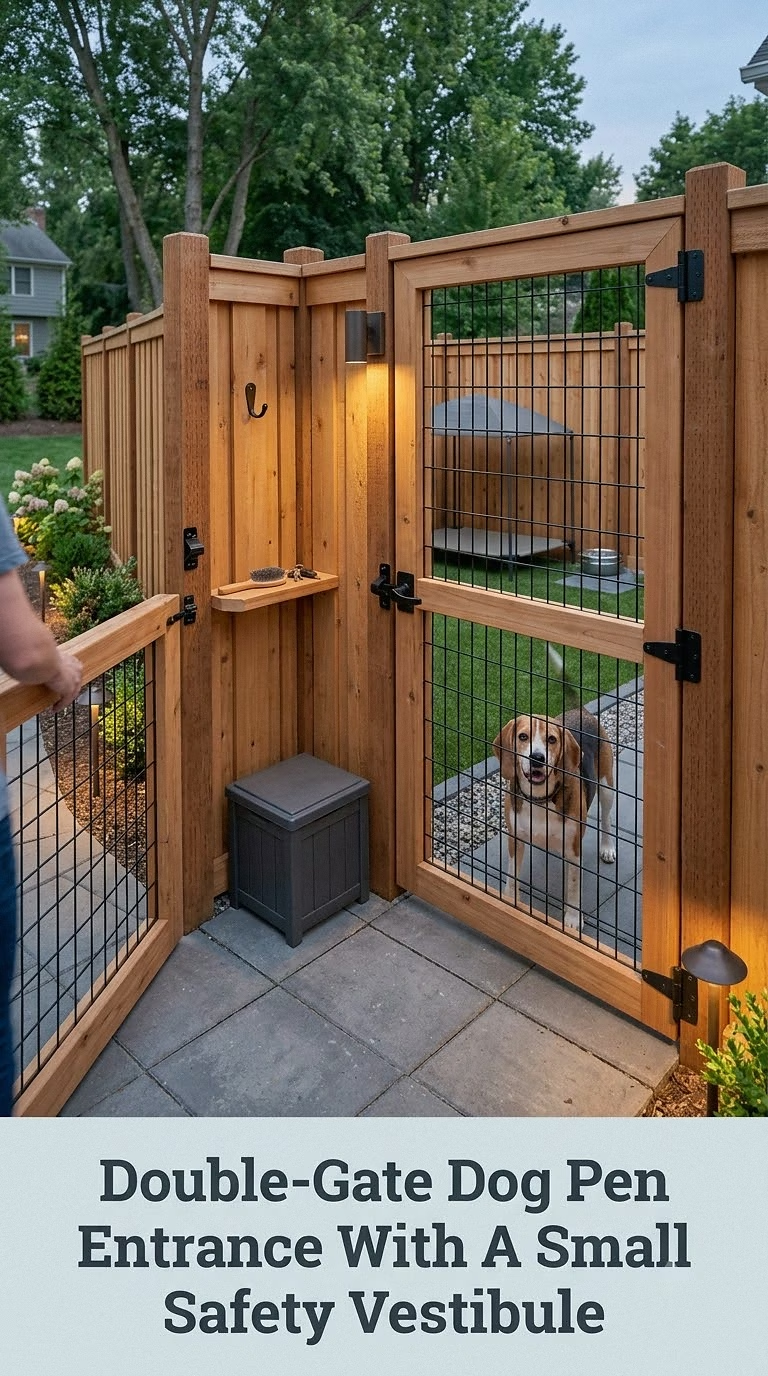
A beautifully designed gate is useful, but for dogs that dash through openings, two gates can be even better.
Create a small entry vestibule at one corner of the enclosure. You enter through the first gate, close it behind you, then open the second gate leading into the pen.
This arrangement can be especially useful when carrying food, cleaning equipment, toys, or other items that make it difficult to manage an excited dog at the gate.
The little vestibule does not need to be large. Matching timber posts, black mesh, and identical hardware will make it feel like a deliberate architectural feature.
Choose reliable latches that your particular dog cannot manipulate and inspect them regularly for loosening.
For exceptionally enthusiastic door dashers, management and training should still accompany the physical barrier rather than relying entirely on a gate.
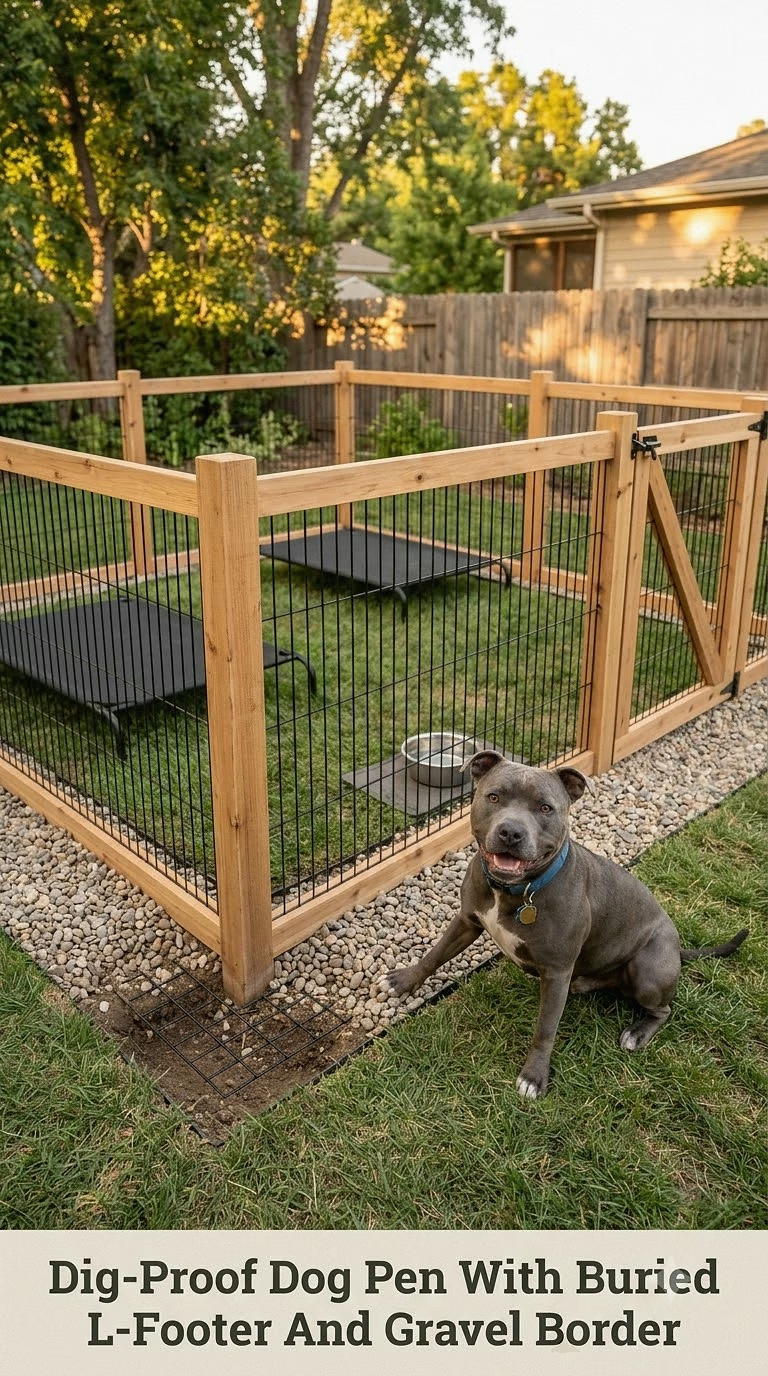
For a dedicated digger, the prettiest fence in the world will not help if there is a soft escape route underneath it.
An L-footer creates an additional barrier along the bottom of a fence. Mesh extends downward and then outward underground, making the digging route significantly more difficult. Another approach is extending appropriate barrier material vertically below the fence line.
Once installed, cover the area with soil, turf, pavers, or a tidy gravel border so the reinforcement disappears visually.
AKC guidance specifically recommends strengthening fencing below ground for dogs that repeatedly dig along boundaries, and an L-footer is one method used for escape prevention.
Combine the underground protection with enrichment and supervision too. Dogs may dig because of prey interest, boredom, cooling behavior, or simple enjoyment, so addressing the reason is just as useful as strengthening the fence.
Multi-Zone Dog Pen With Turf, Pavers And A Raised Resting Deck
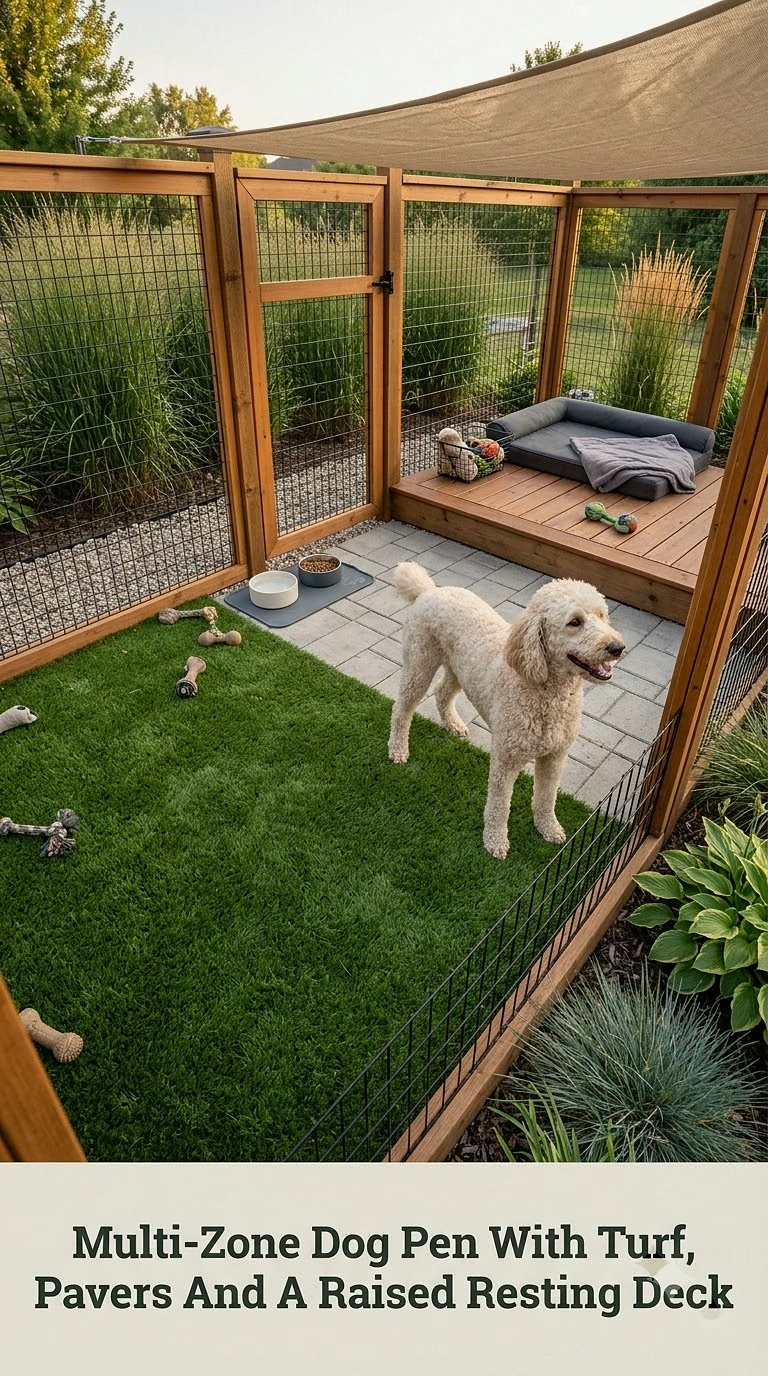
Instead of giving the entire pen one surface, divide it into several small functional zones.
A soft turf section can provide space for play, pavers can create an easy-to-clean path around the gate and water area, and a low raised deck can become a dry lounging spot.
This creates much more visual interest than a rectangle of bare soil. It also lets you choose materials according to how each part of the enclosure will be used.
Drainage deserves attention before installing decorative flooring. Outdoor dog areas work best when water can move away rather than pooling beneath mats, turf, or hard surfaces. Dog-friendly landscaping guidance also emphasizes choosing walking surfaces that are durable and comfortable.
Keep transitions level so paws do not encounter abrupt edges or tripping points.
Portable Modular Dog Pen With Removable Fence Panels
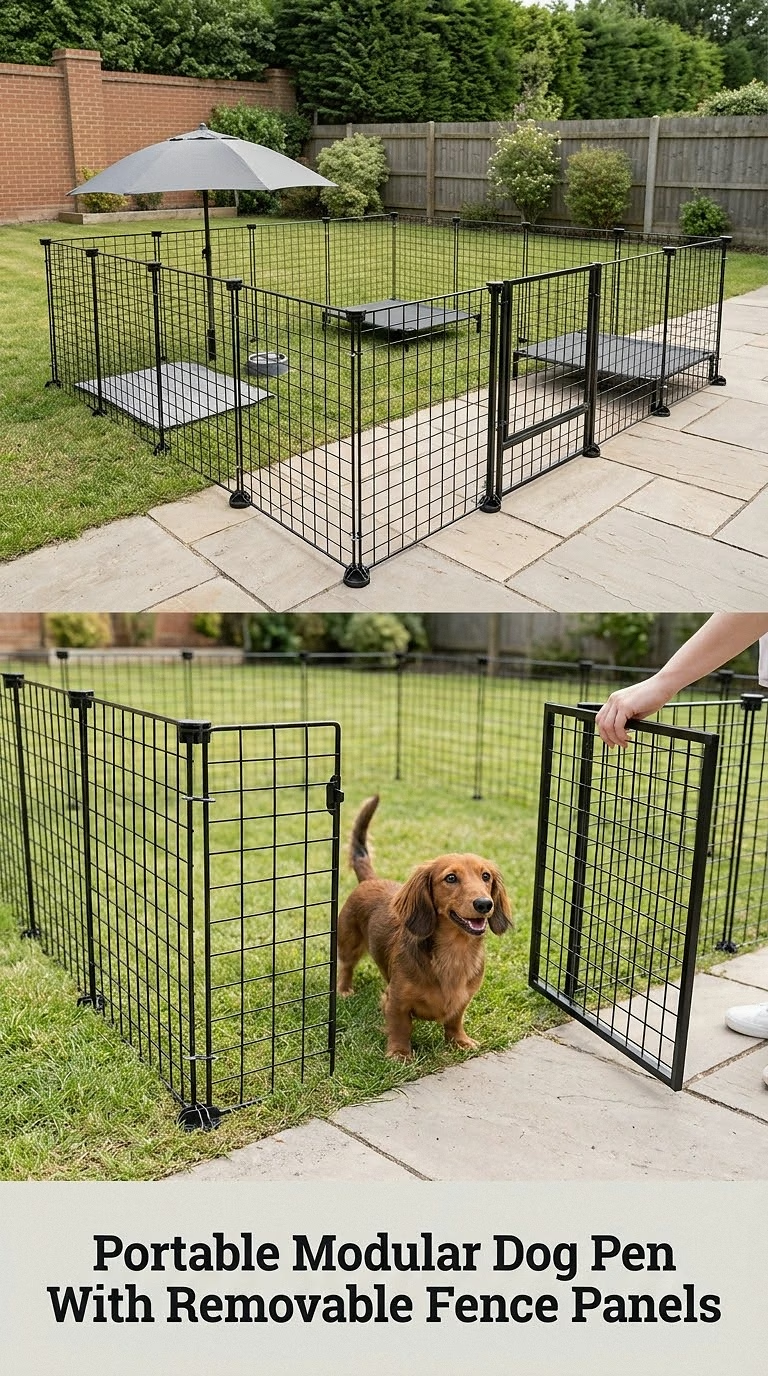
Renters and homeowners who regularly redesign their yards may prefer a pen that is not permanently set into concrete.
Build or purchase sturdy modular panels that connect securely at the corners. Arrange them as a square enclosure on ordinary days, then extend the layout when more yard space becomes available.
Dark powder-coated metal panels are especially unobtrusive, while wood-framed wire panels provide a softer DIY appearance.
Place the enclosure on stable, reasonably level ground and anchor it appropriately so pushing, wind, or an energetic dog cannot shift the structure.
Portable does not have to mean flimsy. The panels, height, connections, gate, and anchoring still need to suit the size and behavior of the individual dog.
Read more : Why Does My Dog Choke After Drinking Water?
This idea is also convenient for occasional backyard renovations because the pen can be moved away from work areas.
Side-Of-Shed Dog Pen With A Built-In Covered Retreat
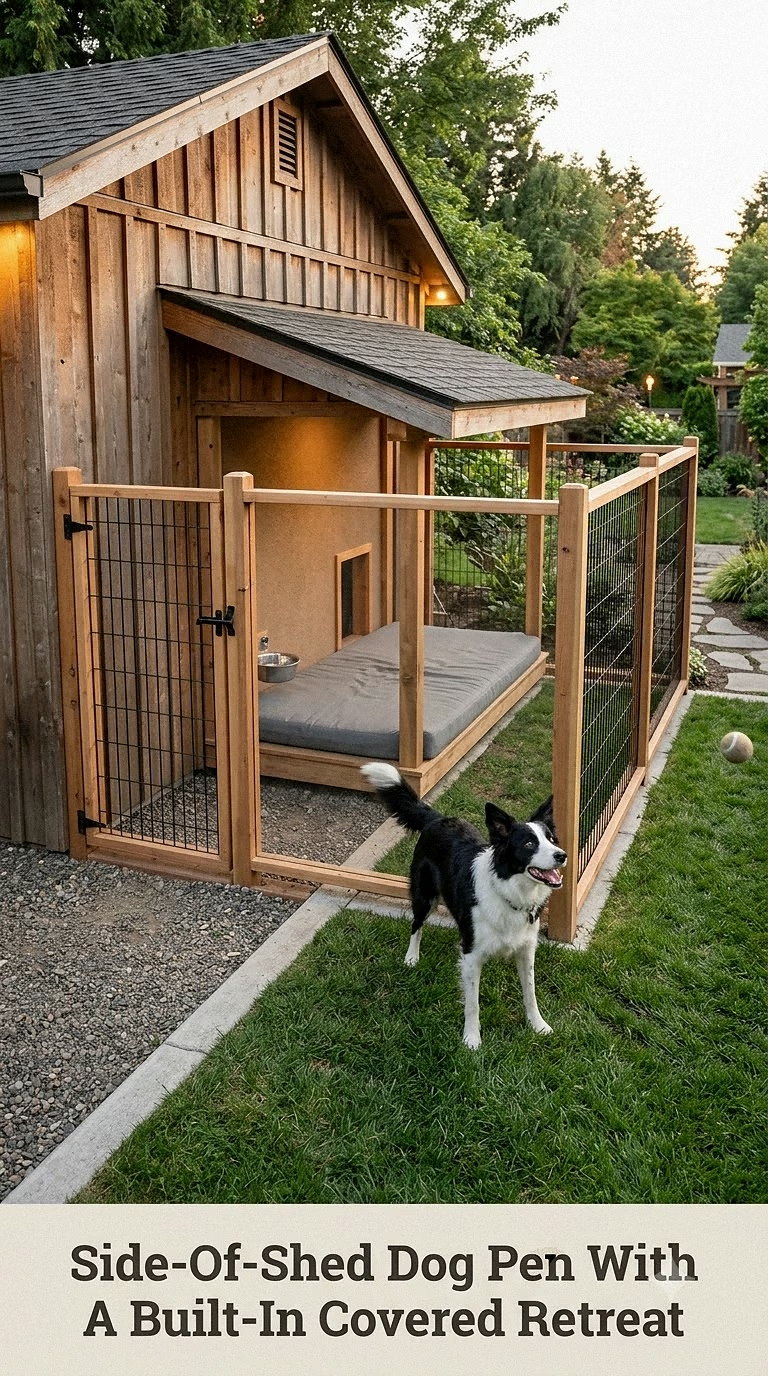
A garden shed can provide the visual anchor for a surprisingly polished dog enclosure.
Attach the pen beside the shed rather than placing another freestanding structure in the yard. Timber-framed mesh panels can extend outward to form the run, while a roof projection creates a protected section near the building.
Use the same siding color, stain, or trim details as the shed so both structures feel intentionally connected.
Keep chemicals, fertilizers, sharp tools, electrical equipment, and garden machinery completely inaccessible from the dog’s side.
Add a raised resting platform beneath the covered portion and keep the remaining floor open for movement.
If you are modifying an existing shed, make sure drainage from its roof is directed away from the dog run rather than dumping rainwater into the enclosure.
Chain-Link Dog Pen With Cedar Trim And A Neutral Shade Sail
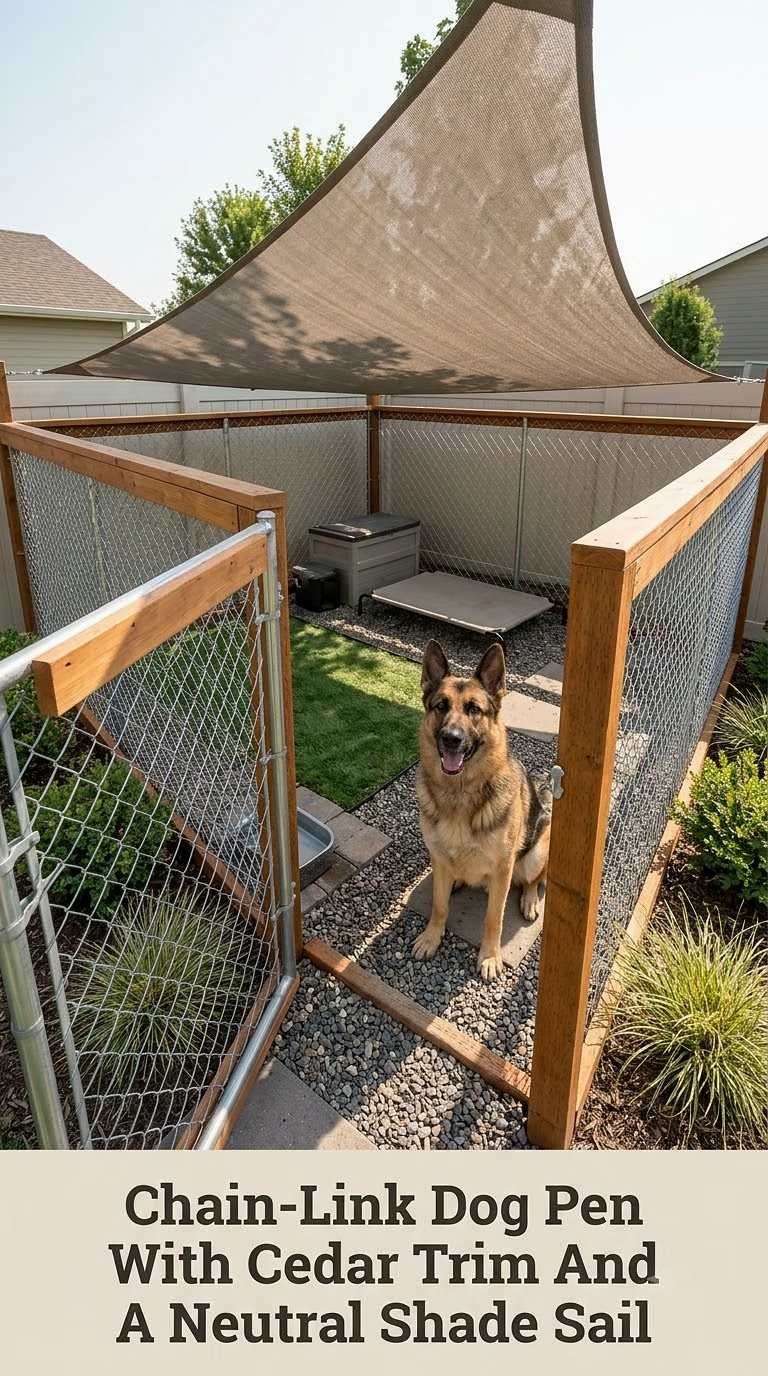
Chain link is practical and widely available, but it can look more utilitarian than many homeowners want.
Soften it by incorporating natural cedar posts or a timber gate frame, then stretch a simple neutral shade sail over part of the enclosure. Beige, warm gray, sand, or muted olive works beautifully with both greenery and wood.
Keep the shade sail high enough that the dog cannot reach it and install it according to its structural requirements so wind loads are properly managed.
Add gravel edging outside the fence and a few large planters beyond your dog’s reach.
Chain-link containment should be selected based on the individual dog. Climbers may treat certain fence patterns as footholds, which can make another panel style or a secure top more appropriate for determined escape artists.
White Vinyl And Black Mesh Dog Pen With Clean Coastal Styling
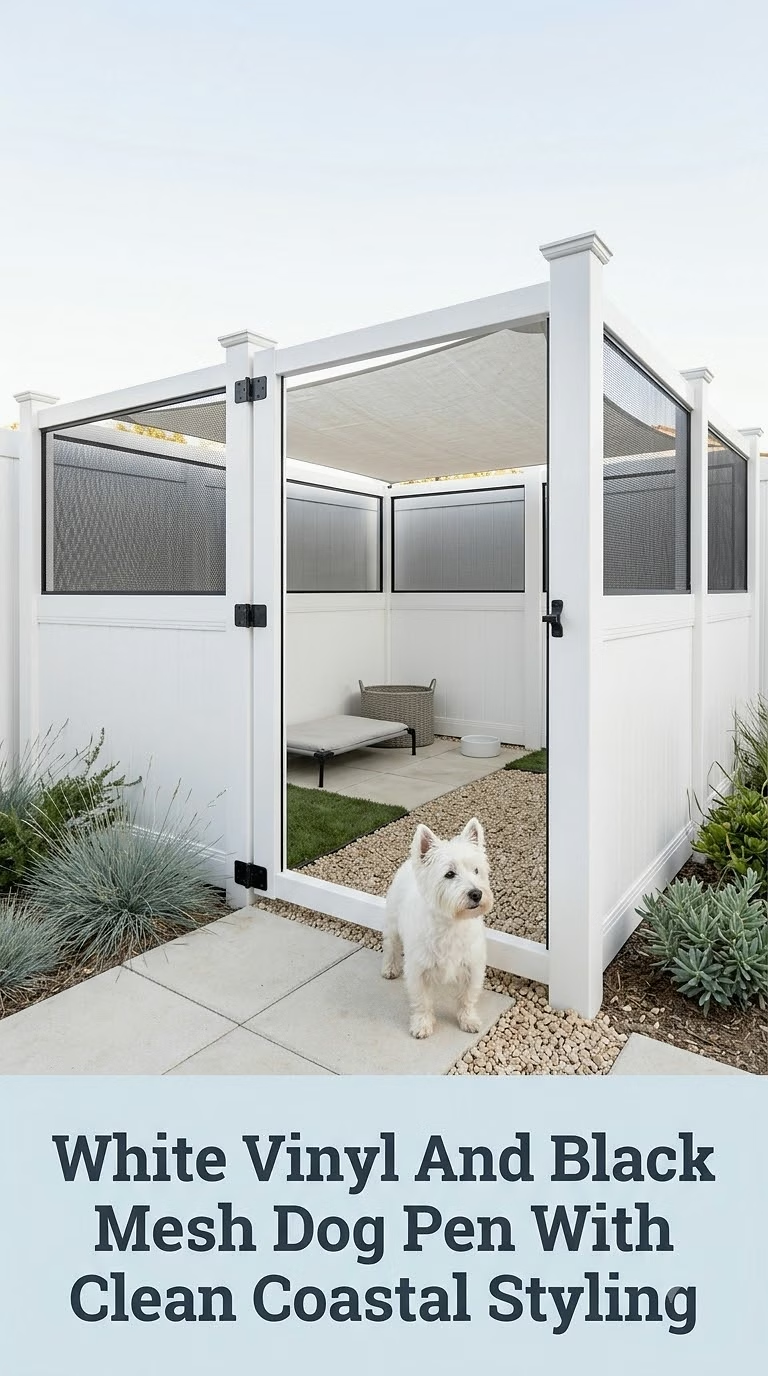
For a bright, manicured backyard, combine white structural elements with black mesh rather than building an all-wood enclosure.
White vinyl or exterior-rated white posts provide a crisp frame, while black mesh keeps sight lines relatively open. The contrasting palette looks especially attractive beside pale patios, hydrangea-style landscaping, and coastal-inspired homes.
Use a simple rectangular footprint with symmetrical panels and minimal ornamentation. Add light gray pavers at the entrance and a washable outdoor mat under the covered resting area.
Vinyl can reduce the staining and refinishing associated with timber, although all components still need periodic checks for cracking, loosened hardware, or gaps.
Keep the color palette simple so bowls, toys, and practical equipment do not make the space feel visually cluttered.
Wood-Framed Livestock Panel Dog Run With Rustic Country Character
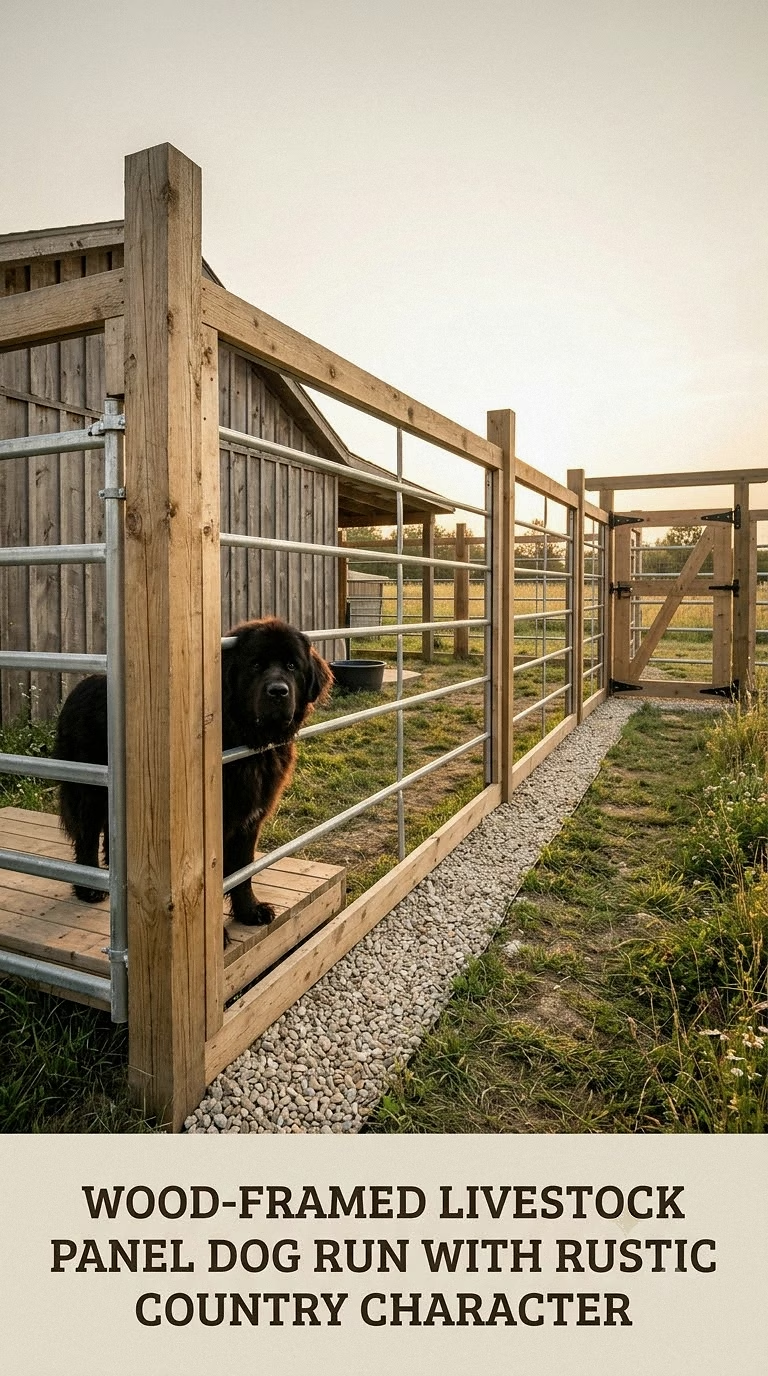
Rigid livestock-style panels can become attractive fencing when installed inside substantial wooden frames.
The combination creates a rustic ranch look while remaining visually lighter than solid timber fencing. Use thick posts at the corners, horizontal timber rails, and carefully cut panels secured without sharp exposed ends.
A wide cross-braced gate makes wheelbarrow or cleaning access easier and reinforces the country aesthetic.
This style works particularly well in larger yards where a tiny decorative pen would feel out of scale. Continue the same timber details in nearby garden beds, sheds, or fencing to visually connect the structures.
Panel openings vary widely, so never select material based on appearance alone. Check that the spacing is appropriate for your dog’s head, paws, and body size before installing it.
Corner Dog Pen With Two Existing Fences And Two DIY Panel Walls
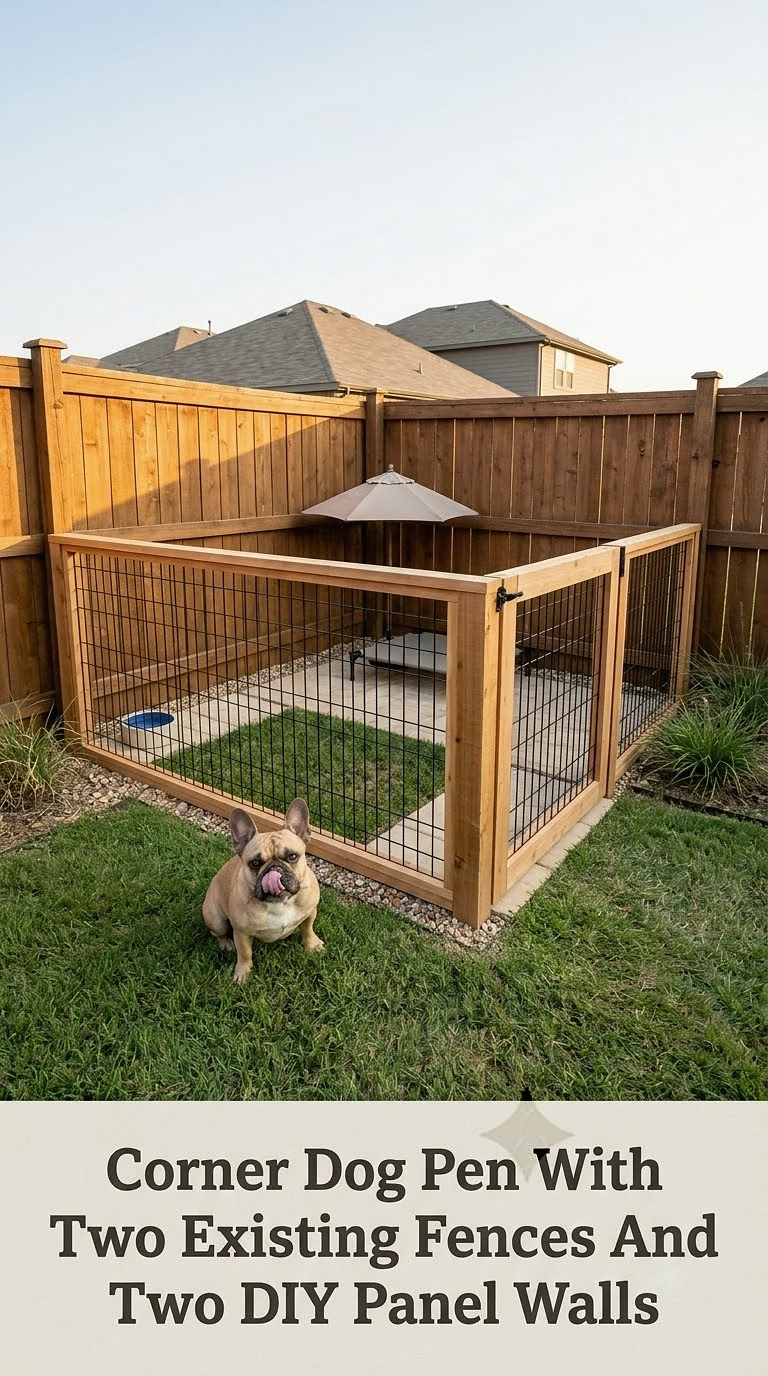
You may not need to build four new walls.
If two secure backyard fences already meet at a corner, use them as part of the enclosure and build only the remaining sides. This can reduce both material use and visual clutter.
Create the new walls from matching wood-and-wire panels, then install the gate on the side most convenient to your patio or back door.
Before relying on existing fencing, inspect every board, joint, bottom gap, and adjoining gate. A boundary that works for the general yard may still contain weak points when used as part of a dedicated dog pen.
Add a gravel or paver perimeter inside the corner to simplify maintenance and discourage repeated wear along the fence line.
A triangular or rectangular layout can both work, depending on available space.
Backyard Dog Pen With Covered Lounge, Toy Storage And Wash Station
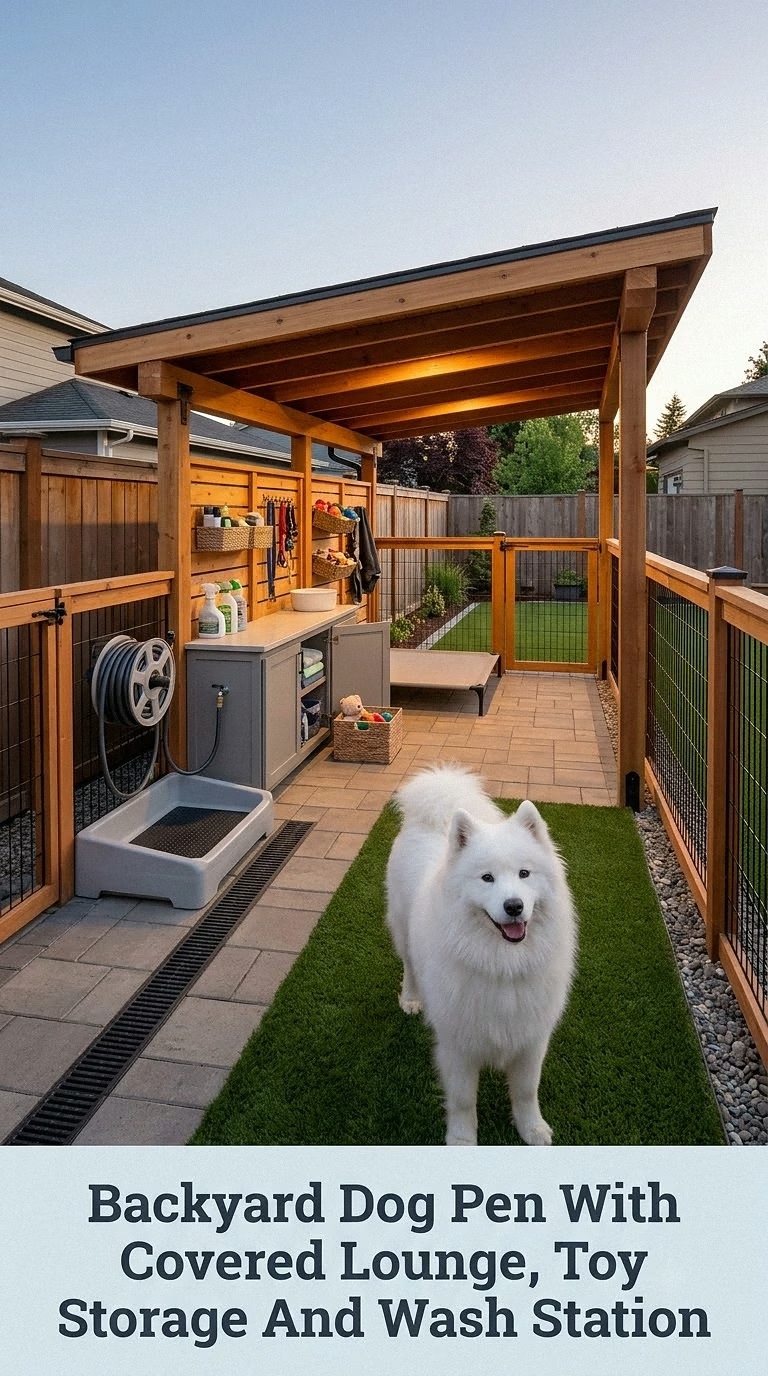
For the most polished setup, treat the dog pen like a tiny outdoor room.
Create a generous fenced exercise area, then devote one end to a covered lounge with a raised cot. Nearby, add a weather-resistant storage box for outdoor toys, brushes, towels, and waste bags.
Just outside the gate, a simple hose hook, drainage-friendly paver area, and towel basket can become a convenient paw-cleaning station. Keeping the wash zone outside the pen prevents hoses and supplies from becoming chew toys.
Choose matching finishes throughout, such as cedar wood, black wire, natural gravel, and matte metal hardware.
The goal is not to fill your dog’s enclosure with decorations. Keep the interior open and functional, then concentrate attractive storage and styling around the edges where they will not interfere with running, resting, or supervision.
Creating Dog Pens Outside DIY Fence Ideas That Work For Your Home
The most successful dog pens outside DIY fence ideas are not necessarily the biggest or most expensive ones. A thoughtfully designed side-yard run can be every bit as appealing as an elaborate covered kennel when the fencing suits the dog, the layout is easy to maintain, and the materials complement the surrounding home.
Start with security and comfort, then layer in the beautiful details. Choose a fence strong and tall enough for your individual dog, protect vulnerable digging areas when necessary, provide dependable shade and fresh water, and make sure the ground stays reasonably dry and comfortable. From there, wood stains, black wire, garden borders, pavers, attractive gates, and covered lounging areas can turn a practical enclosure into a backyard feature you genuinely enjoy looking at.
Whether you choose a simple budget wire pen, a narrow side-yard run, a cottage-inspired enclosure, or a pergola-covered retreat, adapting the idea to your space and your dog’s personality will always create the most useful result.
Source: https://petstutorial.com
Category: DOGS
