
Keeping your dog active does not have to mean repeating the same neighborhood walk every morning and evening. With a little creativity, exercise can become one of the most enjoyable parts of your day together, whether you have an energetic young dog who seems ready for another adventure before breakfast or a gentle senior who prefers exploring at a slower pace.
The best dog exercise ideas combine movement with experiences your dog naturally enjoys. Sniffing, searching, climbing, chasing, tugging, exploring, swimming, and learning new movements can all make an ordinary exercise session feel much more interesting. Changing the environment matters too. A shady trail, grassy backyard, quiet living room, sandy beach, or cozy indoor obstacle course can each offer a completely different experience.
You are reading: 19 Dog Exercise Ideas For A Happier, Healthier, More Active Pup
There is no single exercise routine that works for every dog. Age, breed, body condition, health, personality, weather, and previous fitness all matter. Puppies and adolescent dogs are still developing, while seniors and dogs with joint conditions may need gentler, lower-impact activities. Dogs that have been inactive should also build fitness gradually rather than suddenly attempting long runs or strenuous adventures.
Use these ideas as inspiration rather than a strict checklist. Choose activities that suit your dog’s body and personality, keep sessions enjoyable, provide plenty of fresh water and rest, and ask your veterinarian for guidance before beginning a demanding new fitness routine.
Fun And Practical Dog Exercise Ideas For Every Kind Of Day
Shady Sunrise Sniff Walk Through A Leafy Neighborhood
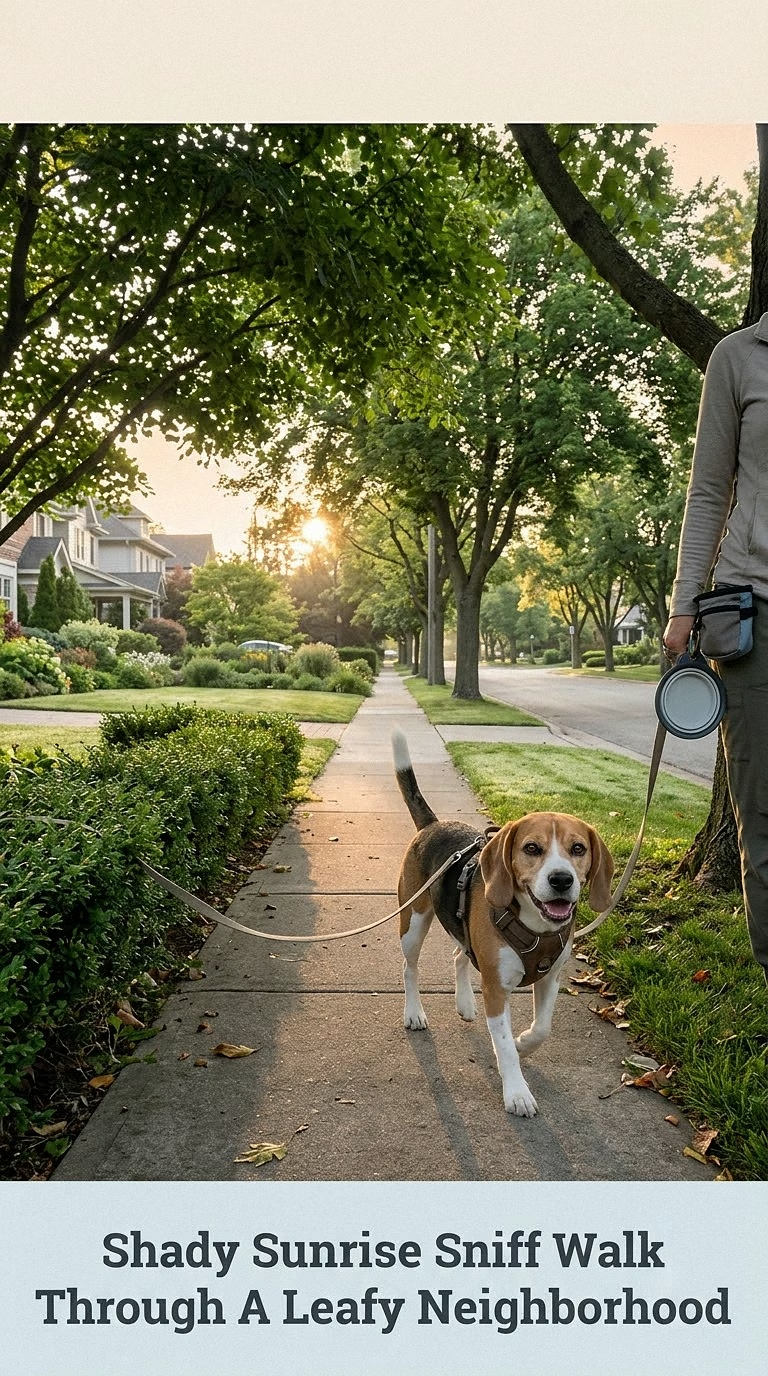
Turn an ordinary walk into a relaxed sensory adventure by choosing a quiet, leafy route and allowing your dog generous time to sniff. Instead of focusing entirely on distance or speed, occasionally stop near trees, grassy borders, safe garden edges, and other interesting scent areas.
A longer leash used safely in an appropriate location can provide a little more freedom to investigate while still keeping your dog under control. Comfortable walking shoes, a lightweight treat pouch, collapsible water bowl, and well-fitted harness create a simple setup that feels organized and easy to repeat.
Sniff walks are especially helpful on days when vigorous exercise is not appropriate. Older dogs may enjoy a shorter route filled with interesting smells, while energetic dogs can combine sniffing portions with periods of brisk walking.
For warm weather, schedule walks during cooler parts of the day and favor shaded routes rather than hot pavement and exposed sidewalks.
Rustic Backyard Agility Course With Wooden Poles And Tunnels
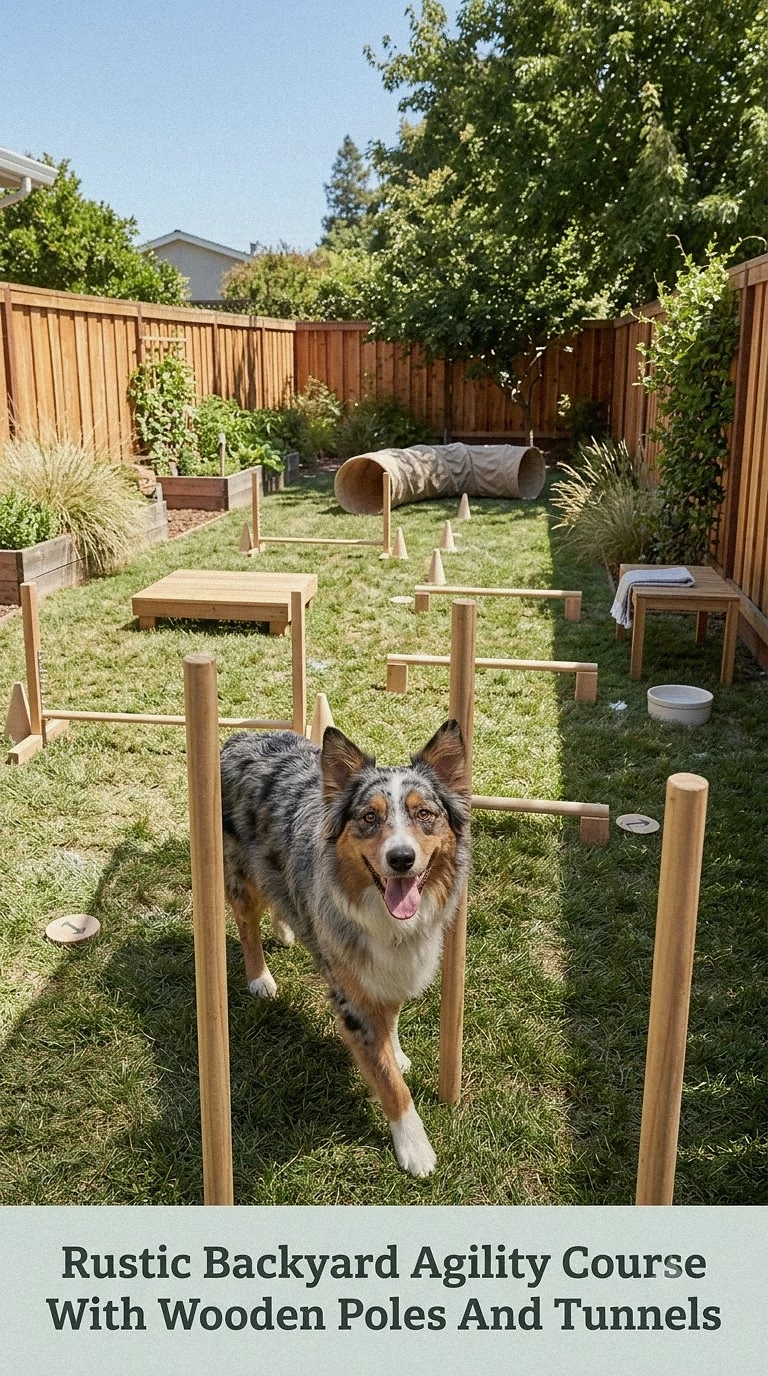
A backyard can become a charming miniature activity course using a few carefully chosen obstacles. Arrange low poles, weave markers, a sturdy tunnel, and wide pathways across a flat grassy space.
You do not need professional equipment to make the setup attractive. Soft-colored cones, lightweight PVC poles, and a collapsible fabric tunnel can create a cheerful course that stores easily in a garage or shed.
Guide your dog through slowly at first with treats and praise. Focus on following cues, walking around cones, moving through tunnels, and stepping over very low obstacles rather than encouraging dramatic jumps.
Keep every piece stable and free of sharp edges. Growing puppies and dogs with orthopedic problems should avoid strenuous jumping unless a veterinarian or qualified professional says it is appropriate.
Change the arrangement occasionally so the backyard feels like a new puzzle instead of the same repetitive course.
Cozy Living Room Fitness Circuit With Non-Slip Mats
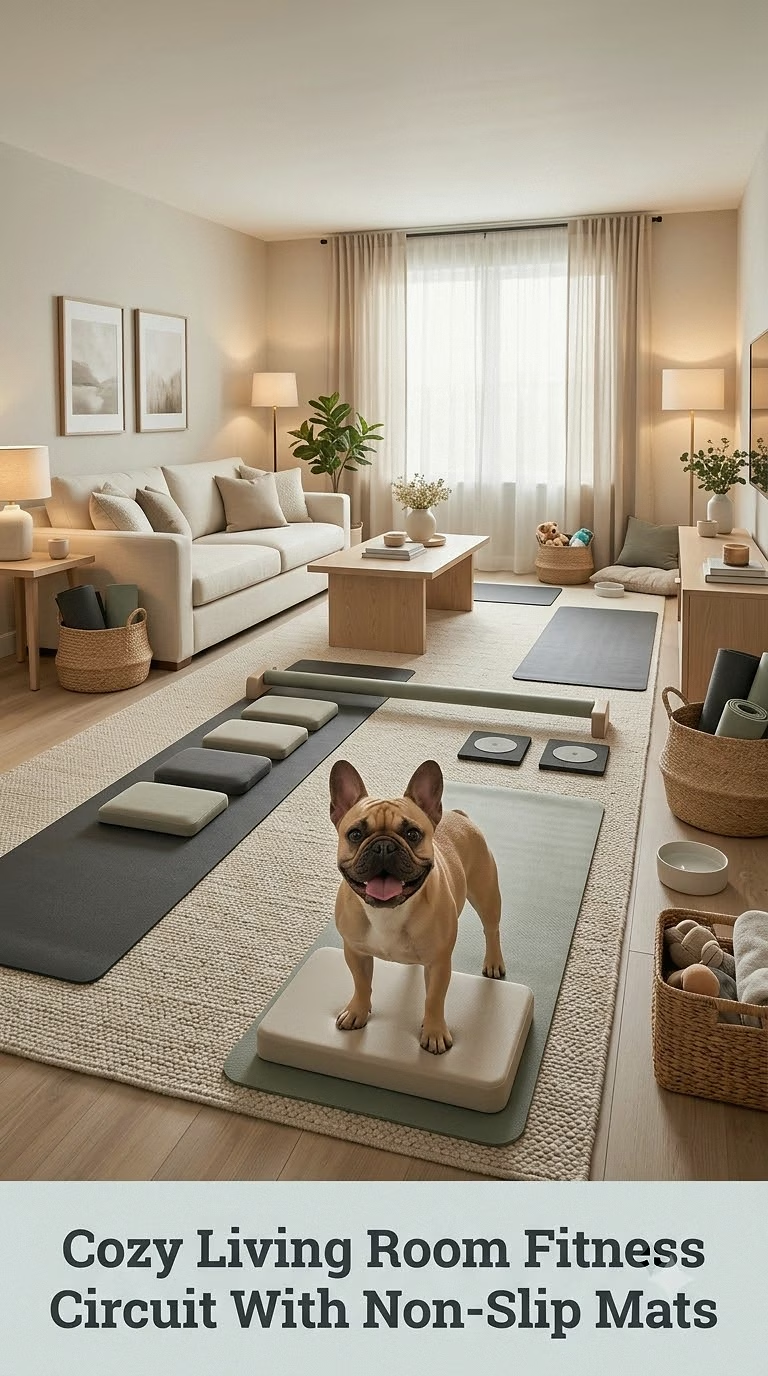
Rainy weather does not have to mean a completely inactive day. Create an indoor movement circuit using non-slip rugs or yoga mats arranged across the living room.
Your dog can move between simple stations such as sit-to-stand transitions, walking around a chair, stepping onto a low stable platform, touching your hand with their nose, and following you through gentle figure-eight patterns.
A neutral rug, wooden platform, woven treat basket, and a few attractive storage bins can make the setup blend beautifully into your home rather than looking like temporary clutter.
Keep movements slow and controlled, especially on hard floors. Avoid encouraging dogs to race around slippery tile, laminate, or polished wood.
Five or ten minutes of focused movement can be surprisingly engaging when combined with training. It is also easy to divide the circuit into several short sessions throughout the day.
Open Meadow Long-Line Exploration With Natural Scent Trails
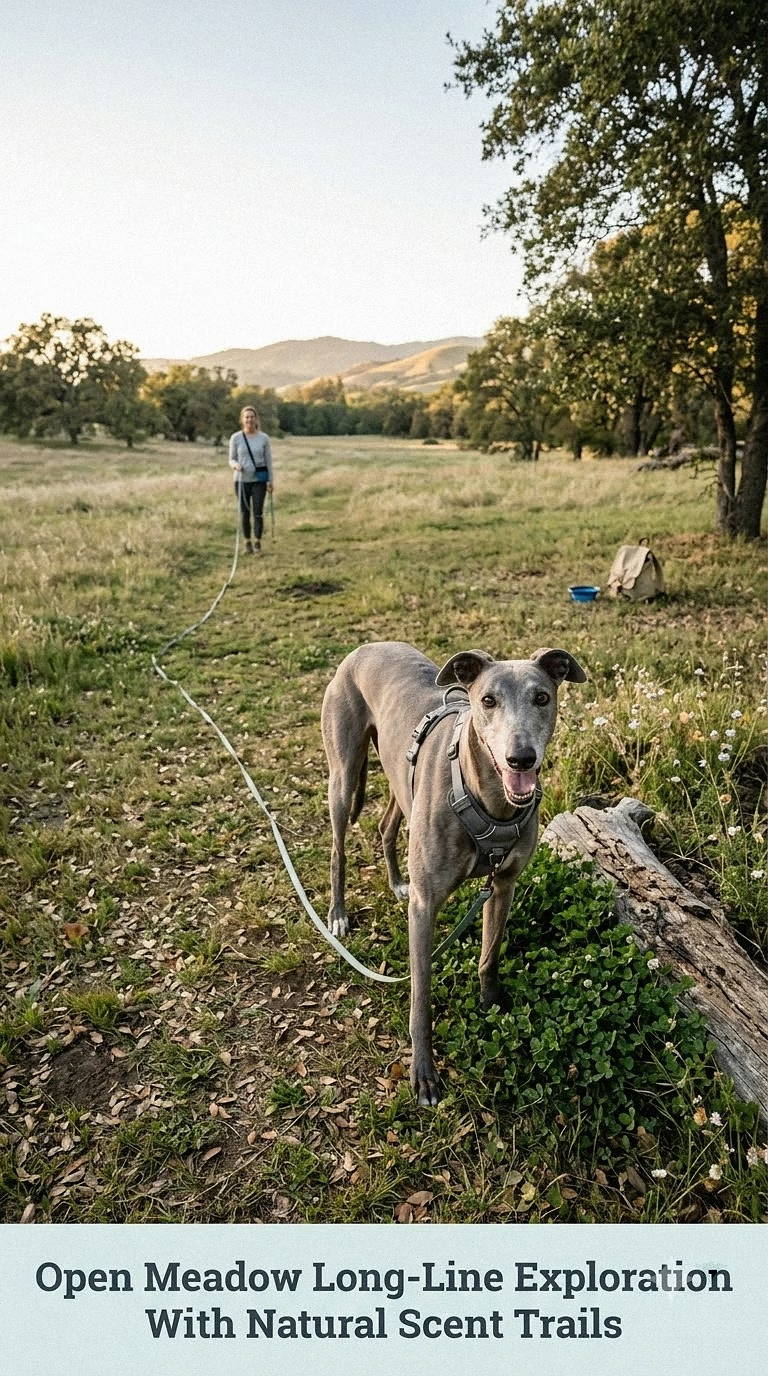
For dogs that love freedom but cannot safely exercise off leash, a long line can transform a quiet open space into an exciting exploration session.
Choose a spacious area where long lines are permitted and where you have plenty of visibility. Attach the line to a suitable harness and allow your dog to investigate grass, leaves, shrubs, and interesting scent trails at a comfortable pace.
Rather than constantly directing the walk, let your dog make some choices about where to explore. You can occasionally scatter a few pieces of their regular food through safe grass and encourage them to search.
Keep the line organized so it does not wrap around people, dogs, trees, or obstacles. Gloves can make handling a long line more comfortable.
This activity gives curious dogs room to move without requiring nonstop running, making it a lovely combination of physical activity and sensory enrichment.
Colorful Backyard Flirt Pole Play On Soft Grass
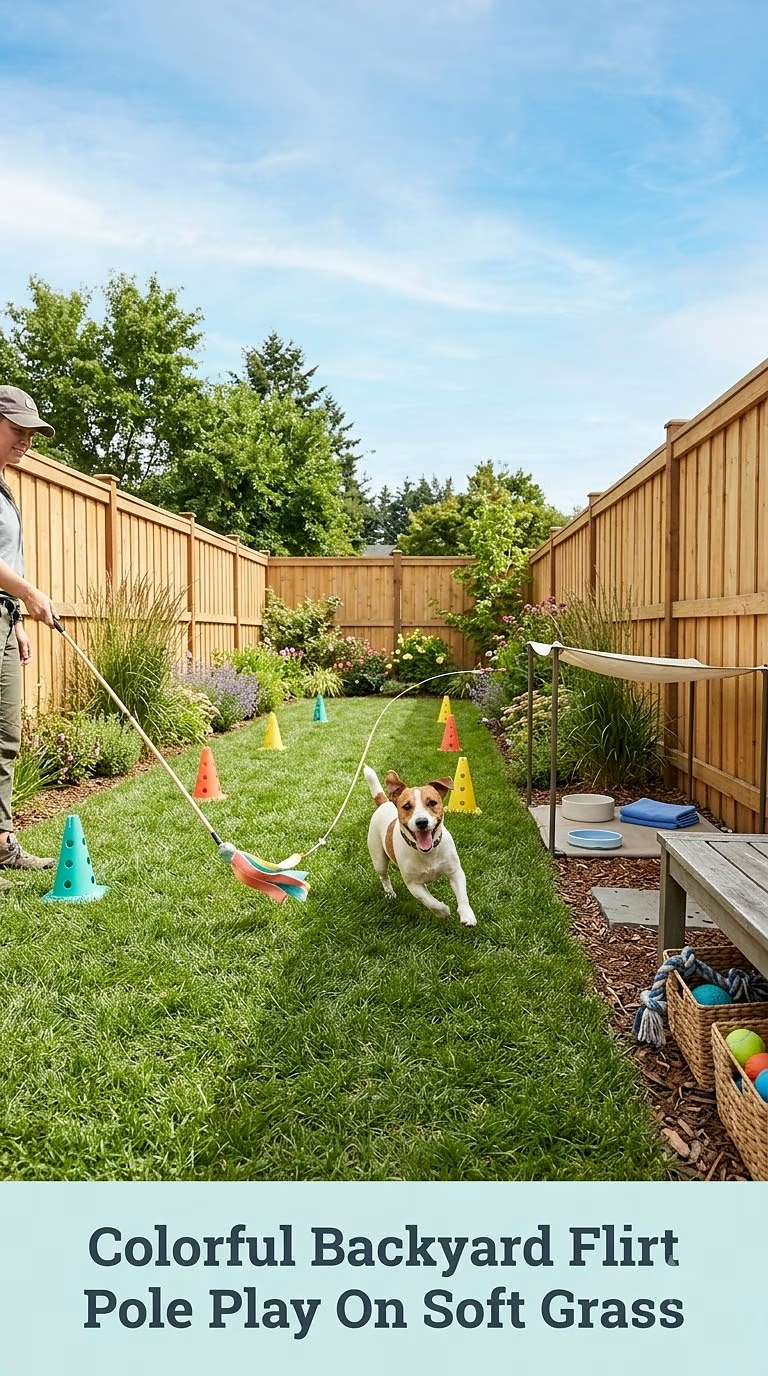
A flirt pole can turn a small patch of lawn into an energetic play space. The toy consists of a long handle with a line and toy attached, allowing you to move the toy across the ground while your dog chases it.
For the prettiest setup, imagine soft green grass, a simple wooden fence, and one brightly colored toy that is easy for your dog to see.
The key is controlled play rather than constant frantic spinning. Move the toy in broad paths and allow your dog opportunities to catch it. Add brief pauses for simple cues before beginning another round.
Sessions should be short because chasing can become physically demanding quickly. Avoid sharp turns, repeated jumping, or extremely fast movements, particularly for growing dogs or dogs with joint concerns.
When used thoughtfully, a flirt pole can provide vigorous exercise without requiring a huge backyard.
Soft-Grass Fetch Session With Controlled Short Throws
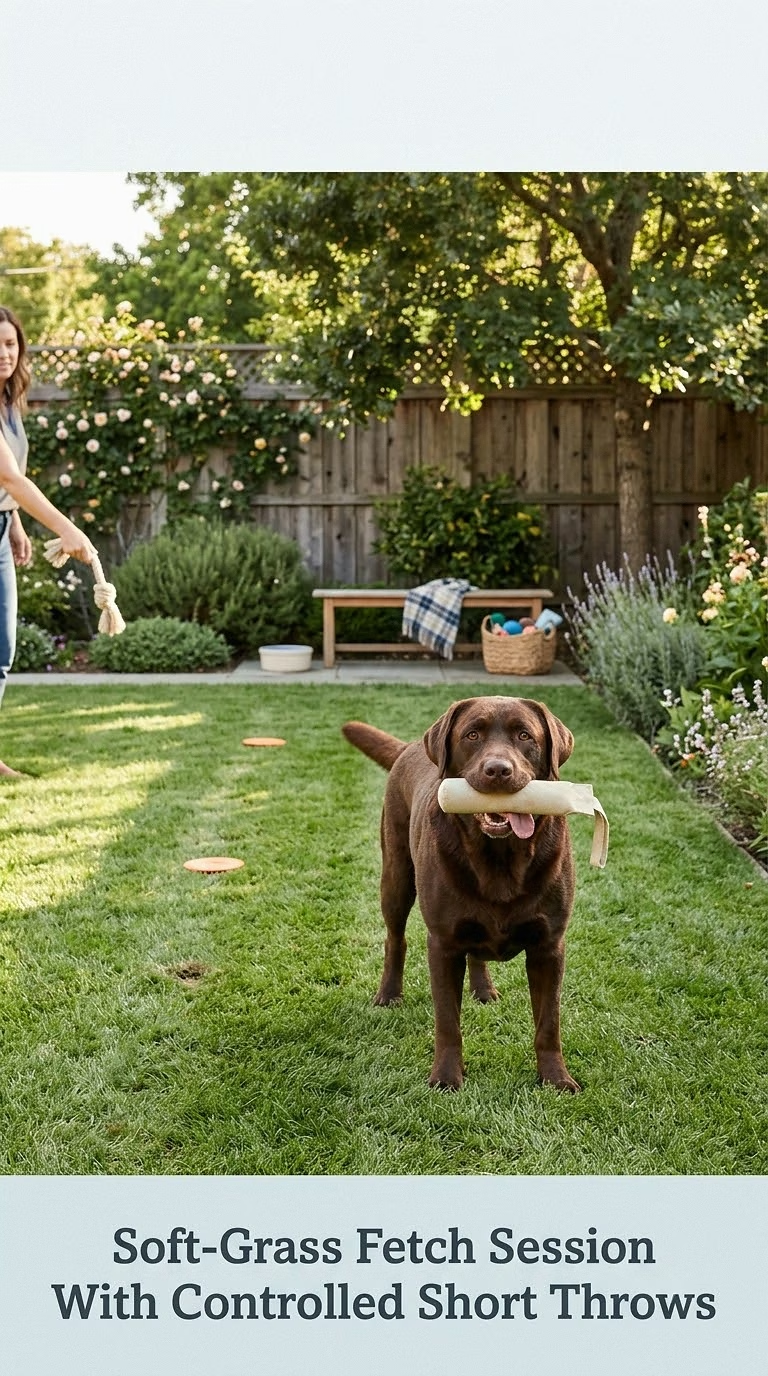
Fetch is a classic for a reason. Many dogs love the excitement of running after a favorite toy and returning for another round.
Choose a flat grassy area rather than slippery flooring or uneven ground. A soft rubber ball or dog-safe retrieving toy is generally a better choice than sticks, which can splinter or cause serious injuries.
Instead of throwing as far as possible every time, use moderate distances and give your dog breaks. Continuous sprinting, sudden braking, and twisting can be demanding on joints, especially for puppies, seniors, overweight dogs, or dogs with orthopedic problems.
You can also turn fetch into a calmer training game. Ask for a wait before releasing your dog, alternate short retrieves with walking, and occasionally hide the toy nearby instead of throwing it.
The result is a more varied activity that exercises both enthusiasm and self-control.
Minimalist Tug-And-Release Station With Durable Rope Toys
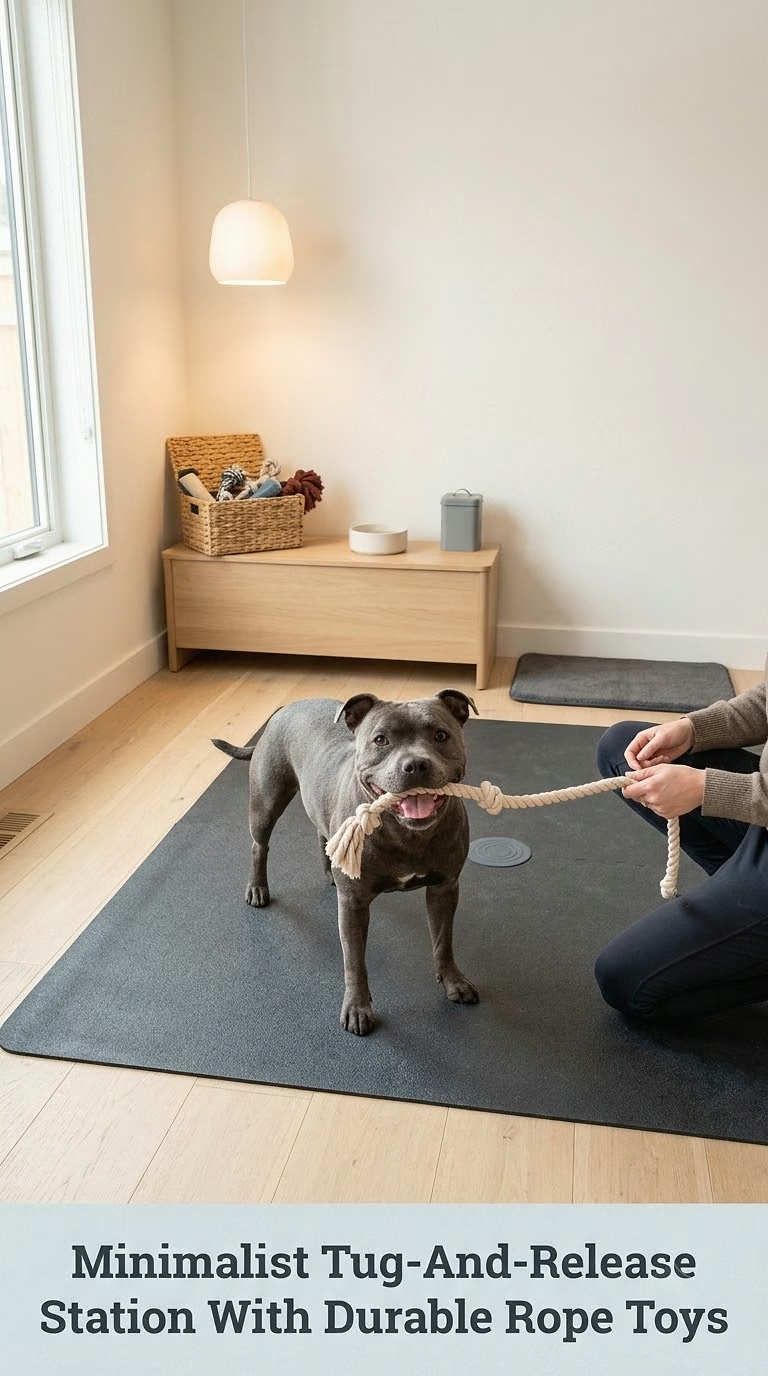
Tug can provide a surprisingly active workout without needing much space. Create a small play station with a washable rug and one or two appropriately sized dog tug toys stored in a simple woven basket.
Encourage your dog to tug while keeping the toy at a comfortable height instead of pulling sharply upward. Build in pauses by teaching cues such as “take it” and “drop.”
Read more : 19 Dog Water Bowl Ideas for Sloppy Drinkers That Keep Floors Beautiful
Those breaks help transform tugging from chaotic excitement into an interactive game requiring both movement and concentration.
Let your dog pull naturally without jerking their neck from side to side. If your dog has dental, neck, back, or joint concerns, ask your veterinarian whether vigorous tug is appropriate.
A short tug session works beautifully between walks, particularly for dogs that enjoy interactive play more than retrieving. When the game is finished, put the toy away so the activity remains special and exciting.
Woodland Hiking Adventure With Harness And Trail Essentials
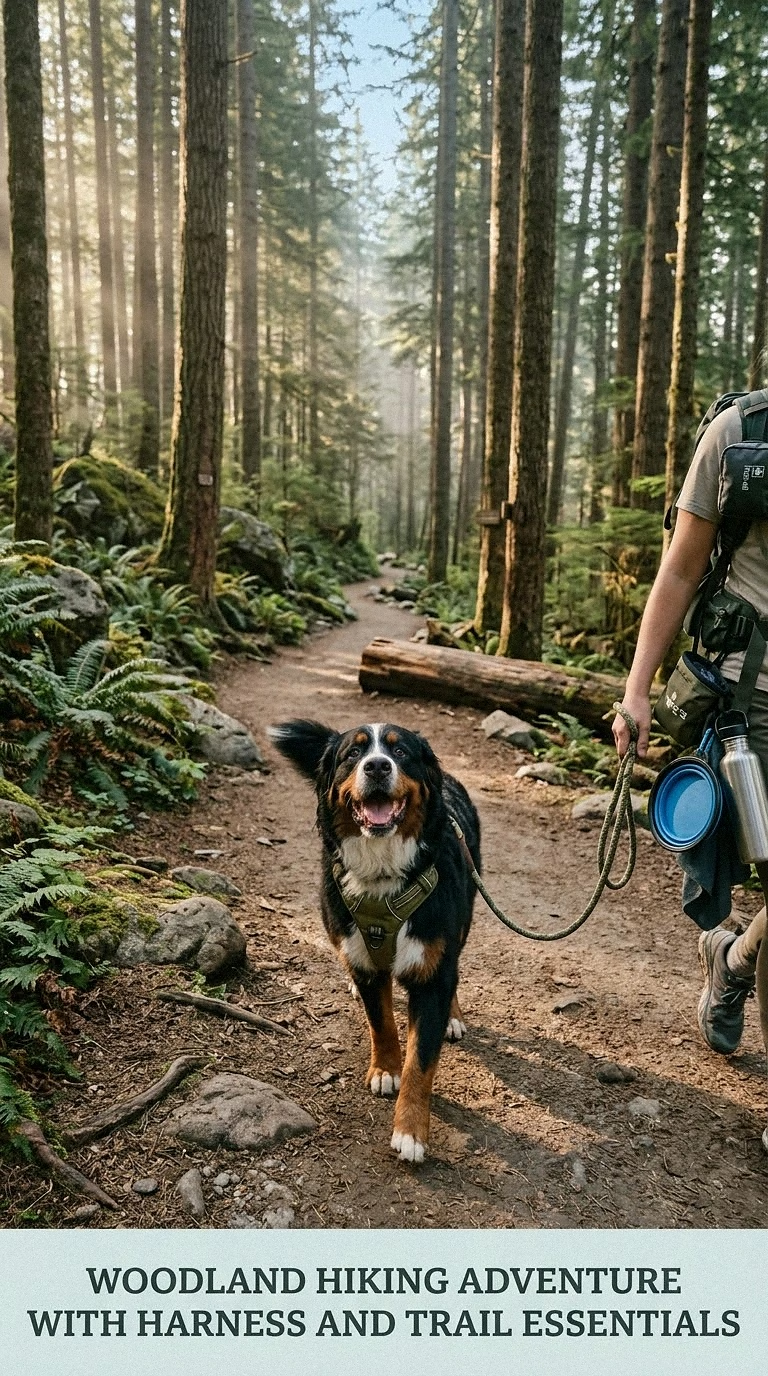
For active dogs that already have a solid fitness base, hiking can turn exercise into an entire morning of exploration.
Choose a dog-friendly trail suited to your dog’s ability. Start with easier, shorter paths before gradually attempting longer or hillier routes.
Pack water for both of you, a collapsible bowl, waste bags, treats, identification, a basic pet first-aid kit, and any weather protection your dog genuinely needs. A properly fitted harness can be especially convenient on uneven terrain.
Give your dog time to sniff along the way instead of treating the hike purely as a distance challenge.
Check paws during longer outings for irritation, cuts, burrs, or other debris. Research local hazards before visiting unfamiliar trails, including wildlife, poisonous plants, ticks, water conditions, and seasonal restrictions.
A peaceful forest path can provide movement, mental stimulation, and wonderful bonding time in one beautiful activity.
Backyard Soccer Game With A Large Dog-Safe Ball
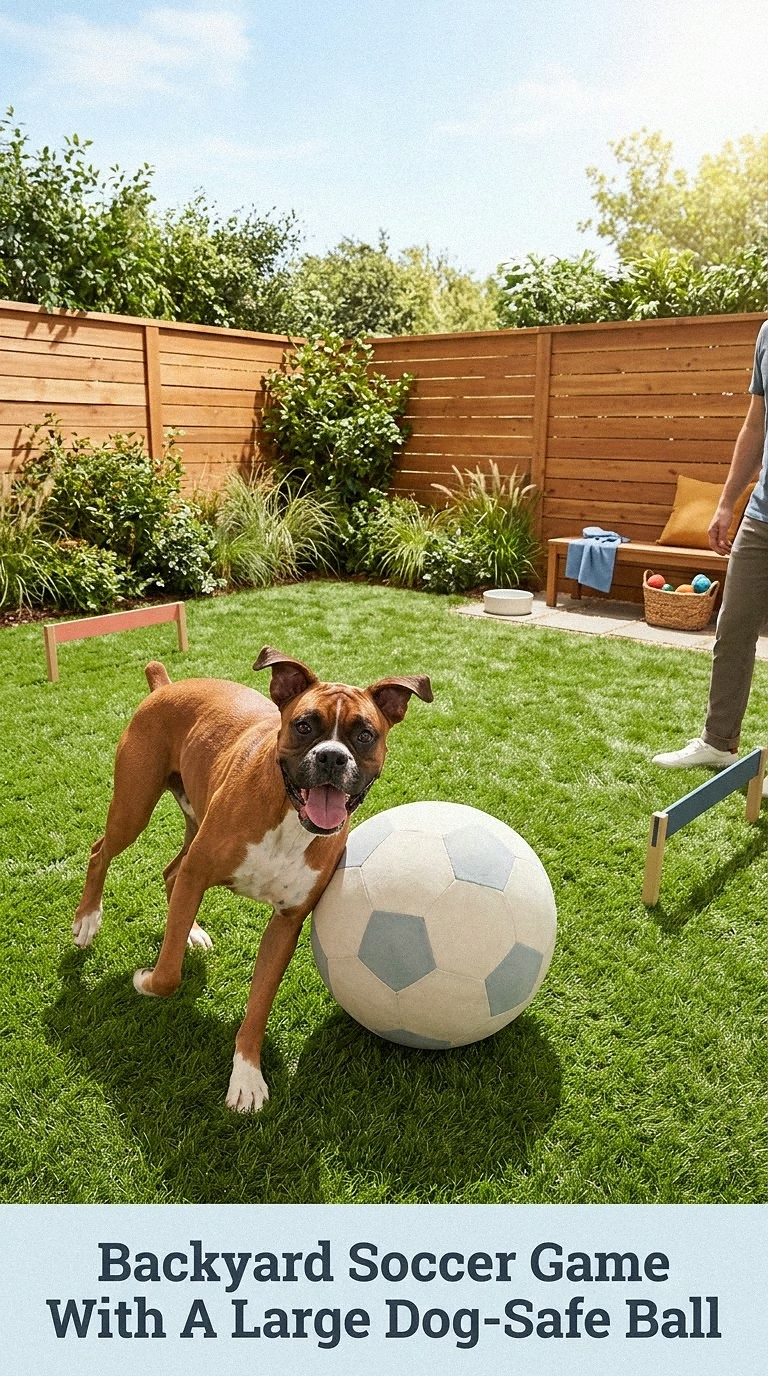
Some playful dogs quickly become fascinated by a large ball rolling across the lawn. A simple backyard soccer session can offer chasing, turning, problem-solving, and interaction with you.
Use a ball that is suitable for your dog’s size and sturdy enough for canine play. It should not be small enough to swallow or become lodged in the mouth.
Instead of kicking the ball forcefully toward your dog, roll or gently move it around the grass and encourage your dog to push, chase, or redirect it.
Set up two small cones as playful “goals” if you want the backyard to resemble a miniature soccer field. A neatly trimmed lawn, wooden fencing, and bright ball create a particularly fun visual setup.
Keep sessions brief and avoid the activity if your dog struggles with rapid direction changes or becomes overly frantic around moving balls.
Garden Hide-And-Seek Game With Treat-Filled Scent Stations
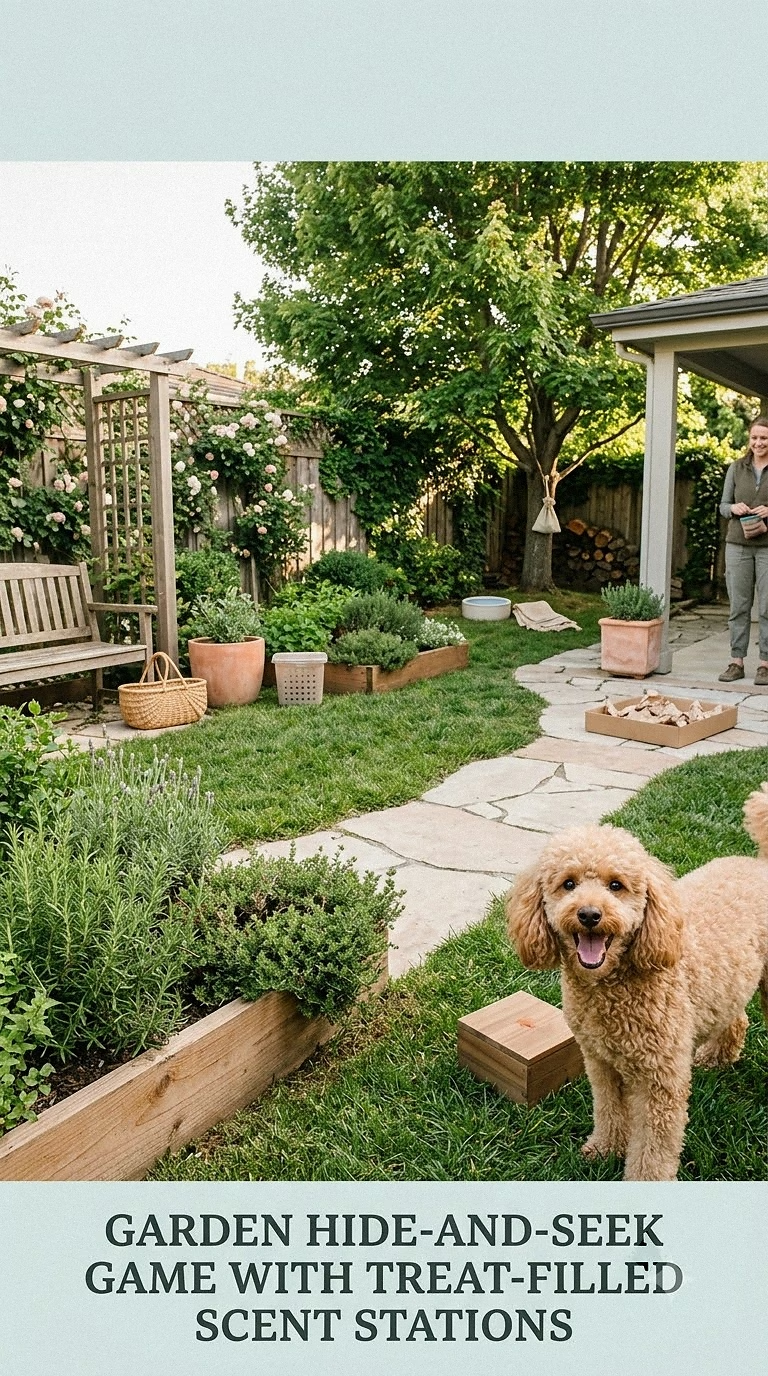
Combine physical movement with nose work by creating several hidden scent stations around a secure garden.
Place tiny portions of your dog’s regular food or favorite treats in safe locations such as behind a planter, beside a garden bench, beneath an overturned dog-safe container, or along the edge of a grassy path.
Begin with easy hiding places where your dog can watch you place the reward. Once they understand the game, increase the challenge.
You can also hide a favorite toy and encourage your dog to search for it.
Choose sturdy containers without sharp edges, remove gardening chemicals from the area, and make sure your dog cannot access toxic plants, mulch, fertilizers, or small objects.
This is an affordable exercise idea because you need almost no special equipment. The garden itself becomes the activity space.
Peaceful Lake Swimming Session With A Canine Life Jacket
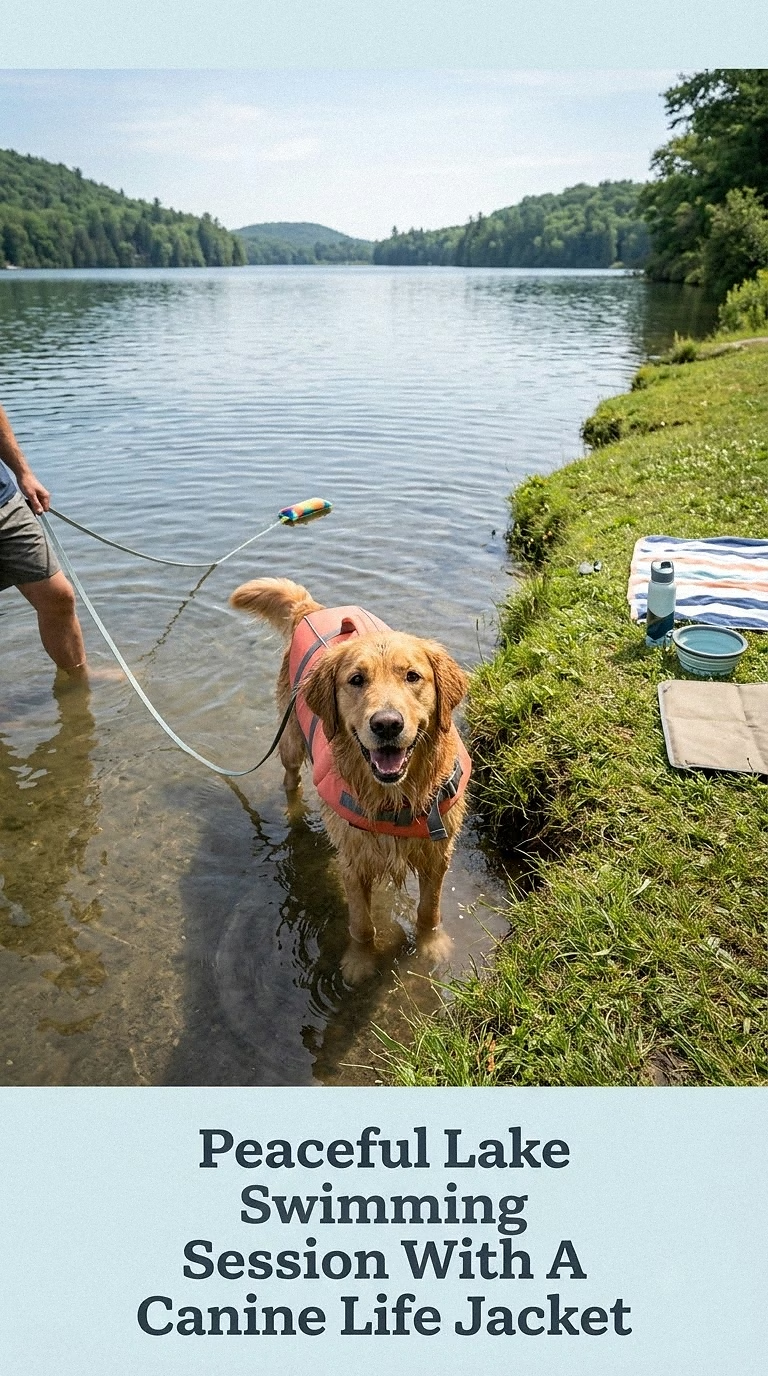
For dogs that genuinely enjoy water, swimming can provide a different type of full-body movement while reducing the repetitive impact associated with running on hard surfaces.
Choose a safe, dog-friendly swimming location with easy entry and exit. Calm water is much easier for beginners than strong currents or rough waves.
A properly fitted canine life jacket with a sturdy handle adds extra security, particularly for inexperienced swimmers. Bring fresh drinking water so your dog is not tempted to consume large amounts of lake or pool water.
Never force a nervous dog into the water. Some dogs simply do not enjoy swimming, and that preference should be respected.
Keep the first sessions short, supervise constantly, and dry your dog afterward, paying attention to ears, paws, and coat. Senior dogs may also enjoy gentle swimming if their veterinarian considers it suitable.
Indoor Hallway Treasure Hunt With Cardboard Search Boxes
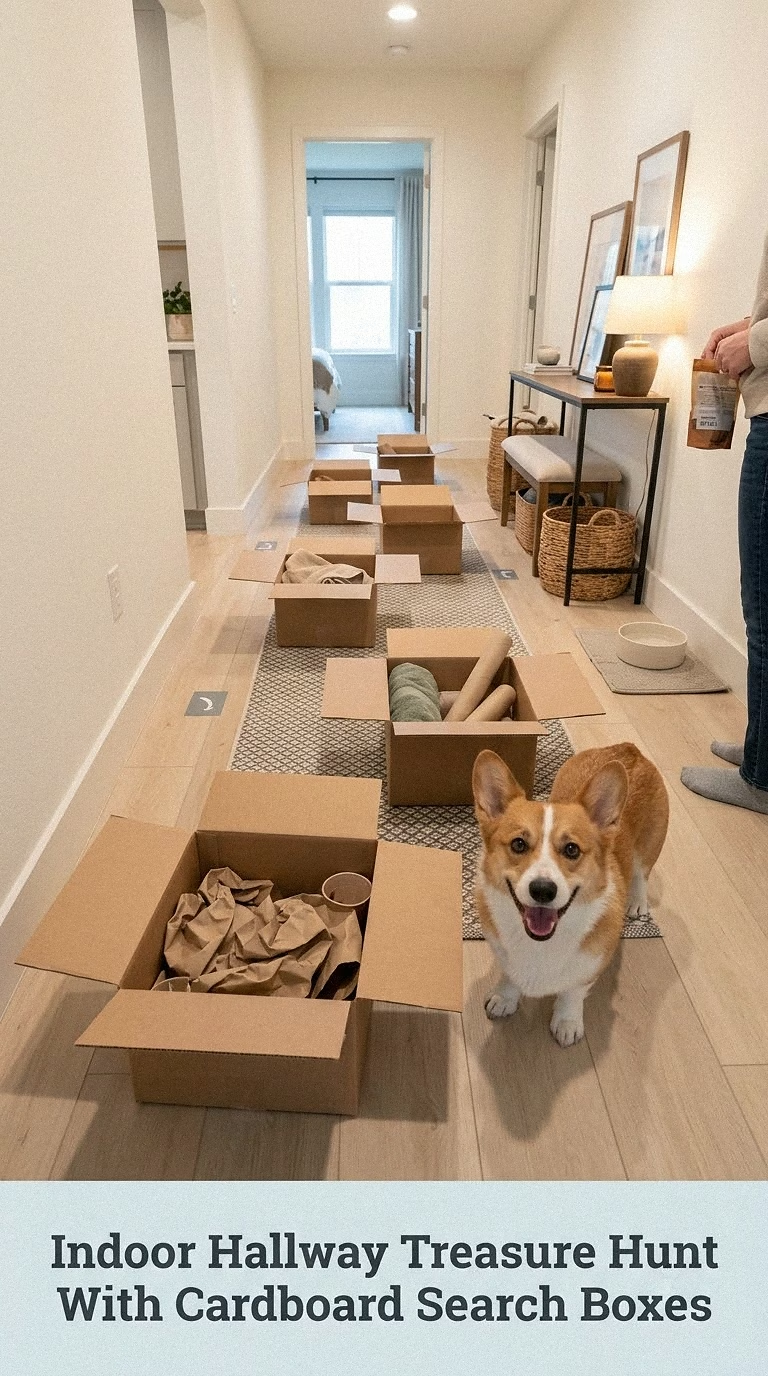
A hallway or open living area can become a miniature scent-search course using ordinary cardboard boxes.
Arrange several clean boxes with plenty of room between them. Place a few pieces of kibble inside selected boxes and allow your dog to walk between them searching for rewards.
Start with open boxes so the game is easy. Later, loosely fold some flaps or hide rewards under safe lightweight objects.
Avoid staples, tape, plastic packaging, or anything your dog might swallow. Dogs that enthusiastically shred cardboard should be closely supervised throughout the game.
This setup is particularly useful during heavy rain, extreme heat, or days when outdoor exercise needs to be limited.
Although it may look simple, your dog still moves around the room, investigates different stations, and works mentally to locate each reward. Afterward, everything can be recycled or stacked away.
Gentle Senior Dog Stroll Through A Quiet Park
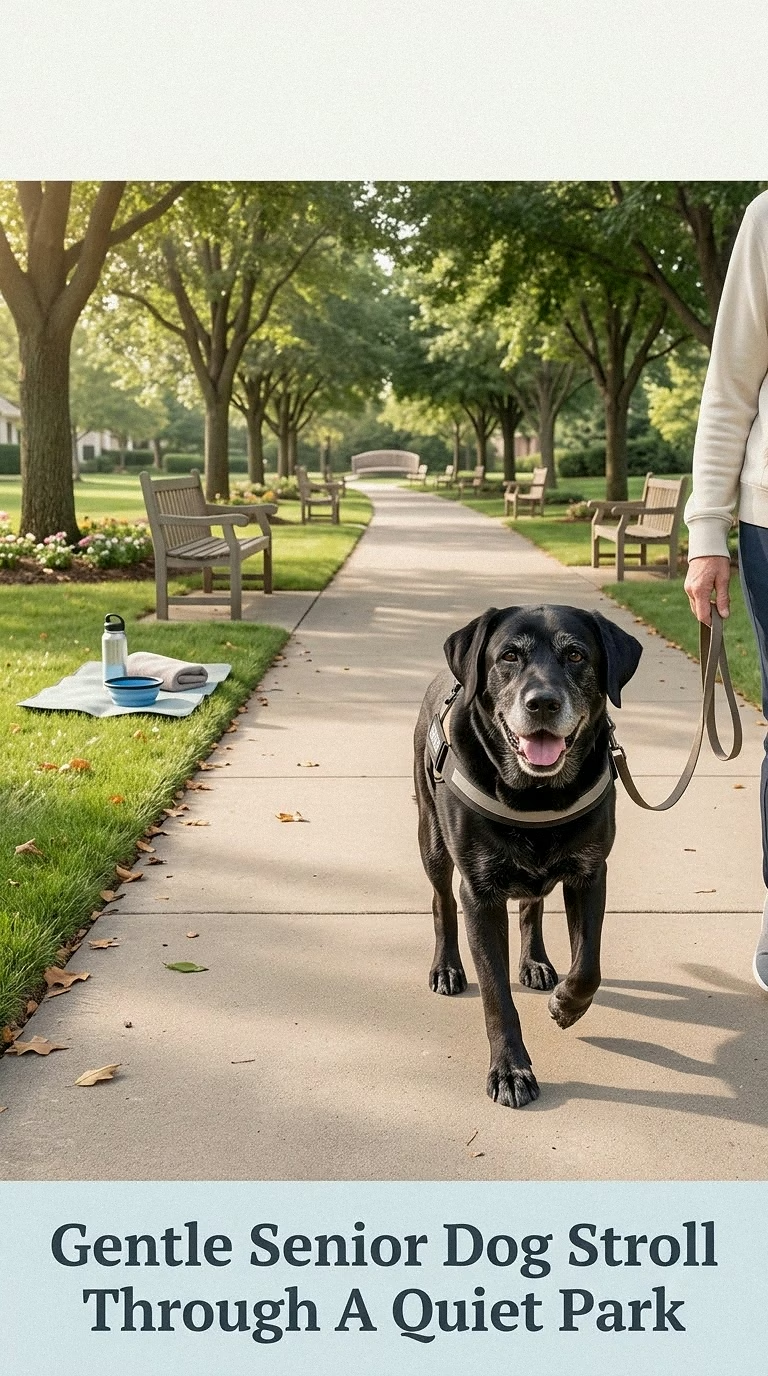
Exercise remains valuable as dogs grow older, but the style often needs to change.
Instead of one demanding outing, a senior dog may appreciate several shorter walks with opportunities to rest and sniff. Choose a peaceful park with level pathways, shade, benches, and soft grassy areas.
Allow your dog to set a comfortable pace rather than encouraging them to keep up with younger dogs. A supportive harness may also be useful for dogs with mobility limitations when recommended by a veterinarian.
Watch for changes in gait, reluctance to continue, excessive panting, stiffness, or unusual fatigue. Older dogs may have good days and slower days, so flexibility is important.
A gentle park stroll can still feel like a rich adventure when there are birds to watch, interesting smells to investigate, and plenty of time beside their favorite person.
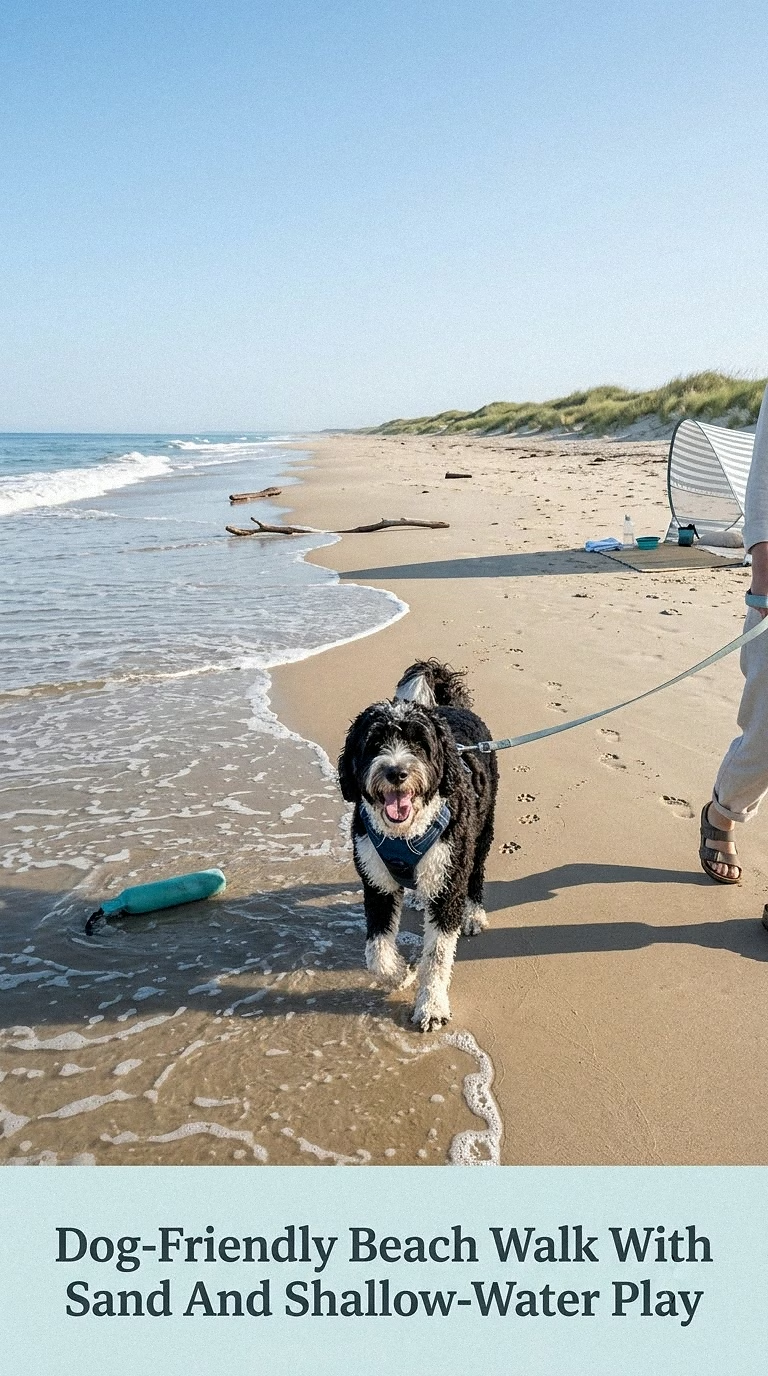
Dog-Friendly Beach Walk With Sand And Shallow-Water Play
Read more : What Is the Average Life Expectancy of a Diabetic Dog
A dog-friendly beach offers several exercise experiences in one beautiful setting. Your dog can walk along firm damp sand, investigate driftwood and ocean scents, and, if conditions are safe, splash through shallow water.
Walking through deep loose sand can be surprisingly strenuous, so do not assume a beach outing is automatically easy. Start with shorter sessions, especially if your dog is not accustomed to the surface.
Bring shade, fresh drinking water, a bowl, towels, and waste bags. Check local rules concerning leashes and permitted dog areas before visiting.
Avoid dangerously hot sand, rough surf, strong currents, sharp shells, fishing equipment, or anything washed ashore that could cause injury.
A sunrise or early morning visit can be especially peaceful and may help avoid the strongest heat during warmer months.
Backyard Balance And Conditioning Area With Low Platforms
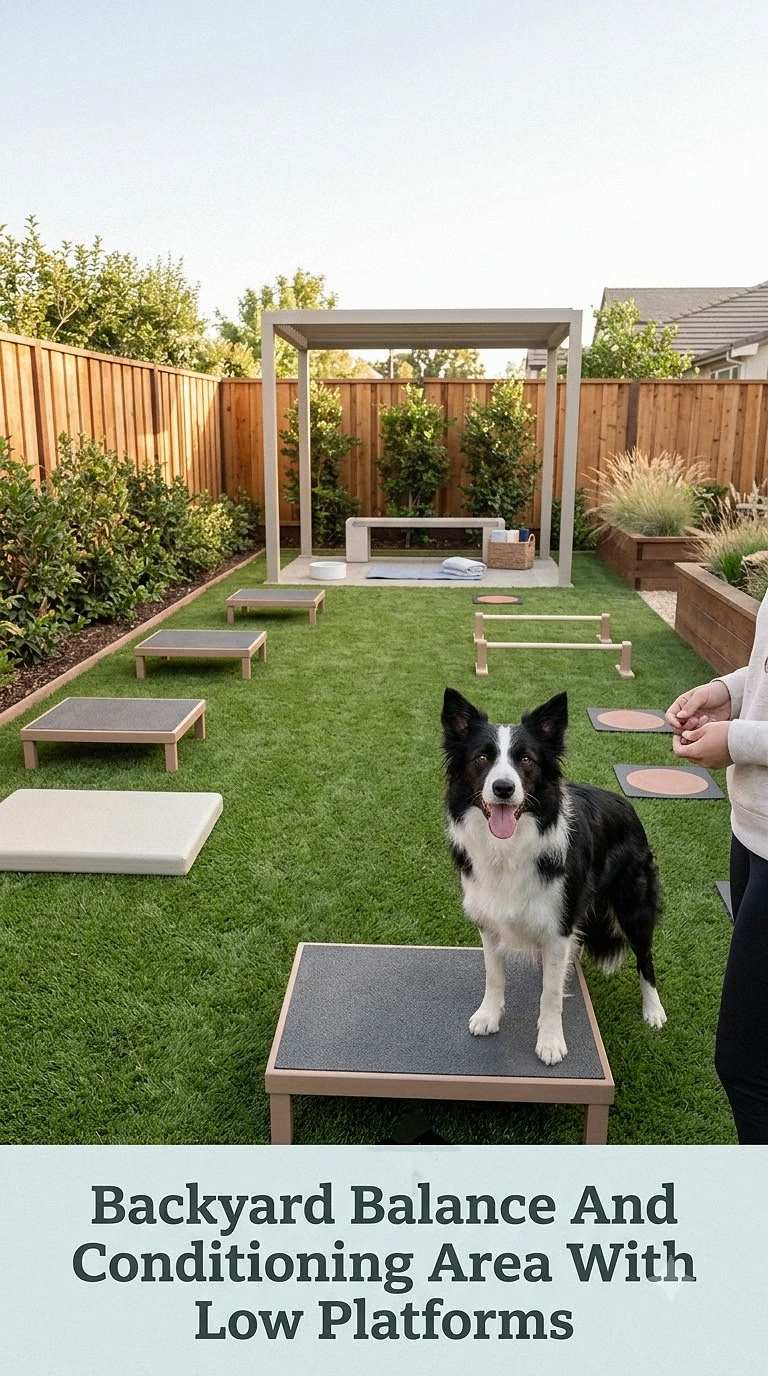
A few stable pieces of equipment can turn a quiet corner of the backyard into a canine conditioning area.
Use low, nonslip platforms and encourage simple controlled movements such as stepping onto a platform, stepping off, walking slowly over ground-level poles, or transitioning between standing, sitting, and lying down.
The goal is not to create circus-style tricks. Slow, thoughtful movement is more useful than dramatic height.
Choose equipment wide enough for your dog’s body and make sure nothing can wobble, collapse, or slide. Outdoor rubber mats can improve grip on suitable surfaces.
Conditioning exercises should match your dog’s age and physical health. Growing puppies should not perform advanced balancing or jumping exercises, and dogs recovering from injury need a veterinarian or rehabilitation professional to guide their program.
For suitable dogs, these small exercises can add interesting variety to an everyday routine.
Backyard Dance And Trick Routine On A Soft Outdoor Rug
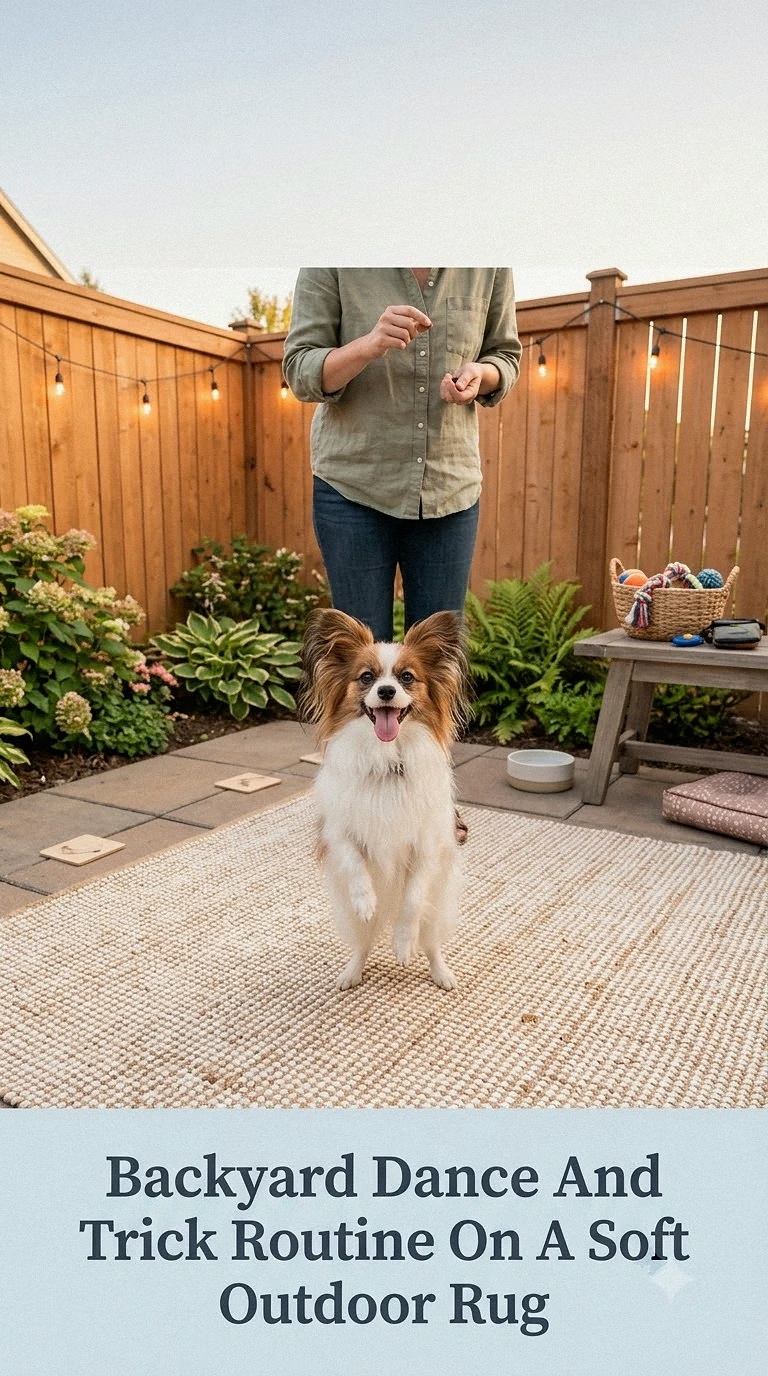
If your dog loves training, turn a collection of simple tricks into a cheerful movement routine.
Place a nonslip outdoor rug on a covered patio or flat lawn and practice easy behaviors such as walking beside you, circling a cone, touching your hand, backing up a few steps, weaving gently between widely spaced markers, or moving between sit and stand.
Play your favorite music if it makes the session more enjoyable for you, although your dog will probably be much more interested in the treats.
Keep movements suited to your dog’s body. Repetitive spinning, standing on hind legs, or jumping may not be appropriate for every dog.
The beauty of this exercise is that it requires very little space. A small patio decorated with potted plants, a neutral mat, and a basket of toys can become an adorable training corner.
Rainy-Day Indoor Movement Trail Through Multiple Rooms
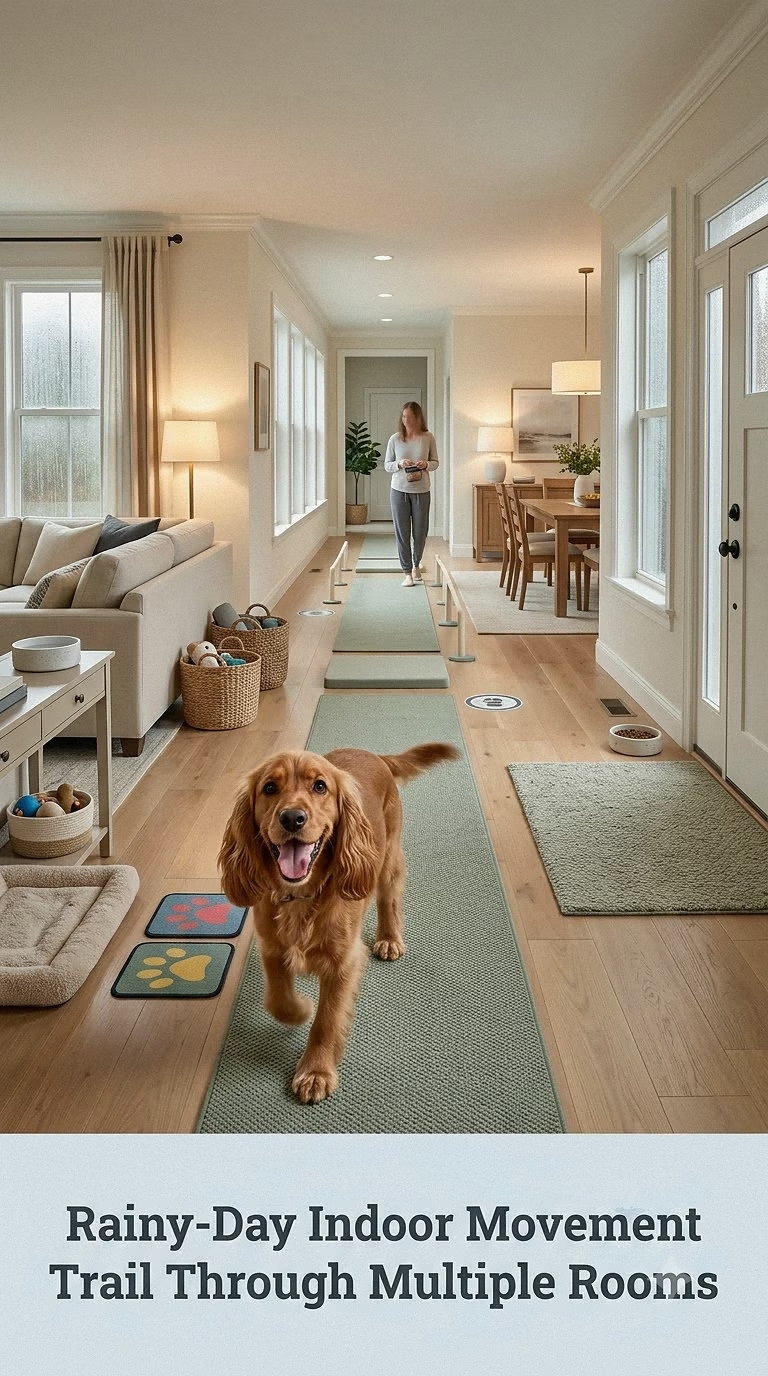
Instead of keeping indoor exercise in one spot, create a gentle movement trail throughout your home.
Your dog might begin by following you around the dining table, continue down a carpeted hallway, stop for a few sit-to-stand repetitions in the living room, search for a toy near the bedroom, and finish with a short tug game.
Use baby gates to close unsafe areas and place nonslip runners over slippery sections. Keep pathways free from electrical cords, breakable décor, unstable furniture, and small objects.
For apartment living, choose quiet activities that do not involve heavy jumping or repeated running that could disturb neighbors.
This idea is especially useful when outdoor conditions are unpleasant because the changing rooms provide novelty. Even a modest home can feel like a new activity course when familiar spaces are used differently.
Scenic Weekend Adventure Walk With Rotating Routes
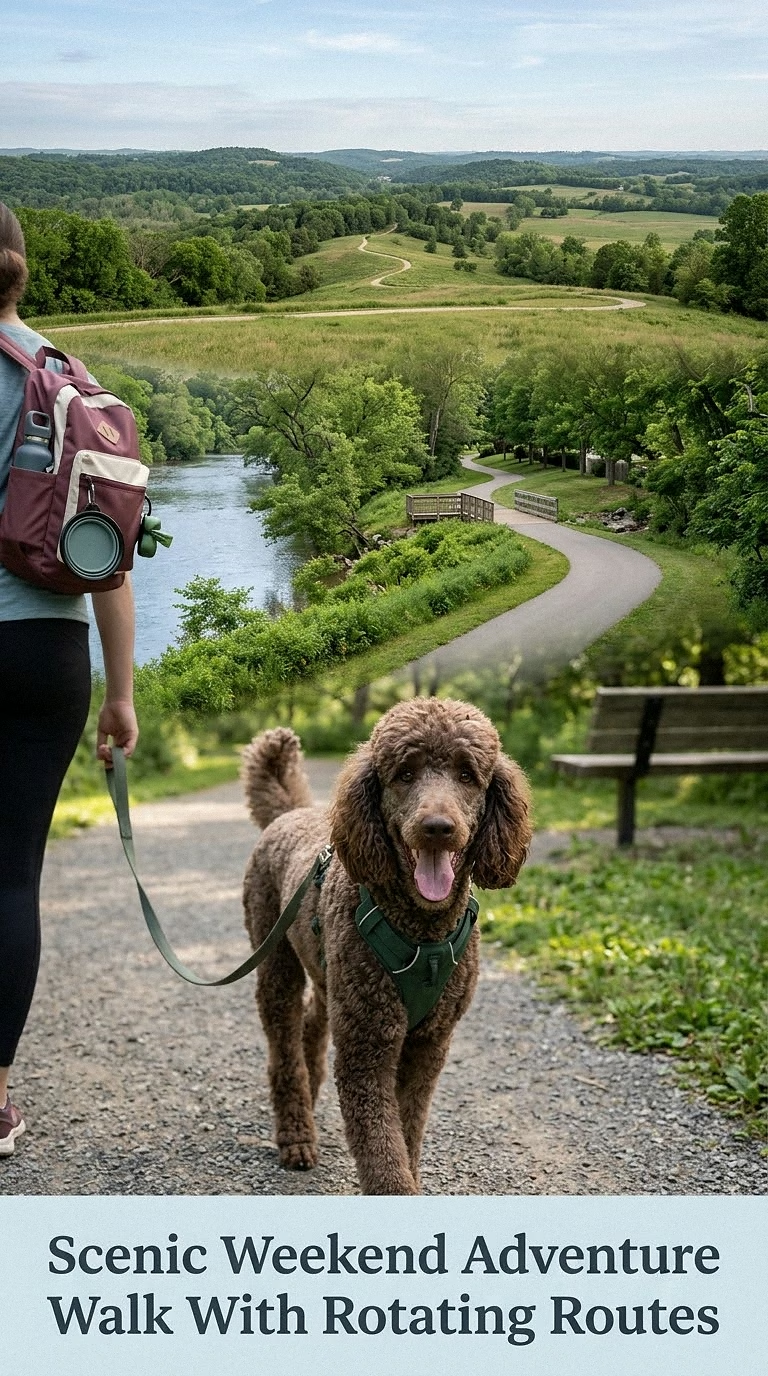
Sometimes the simplest way to make exercise exciting is to go somewhere different.
Create a small collection of dog-friendly walking routes and rotate between them. One weekend might feature a botanical-style park with broad paths, another a woodland trail, another a quiet riverside route, and another a charming residential neighborhood with tree-lined sidewalks.
Different environments provide new textures, slopes, sounds, and smells without requiring complicated equipment.
Pack a small dog-walking kit so spontaneous outings are easy. Keep a leash or long line, water bottle, collapsible bowl, waste bags, treats, towel, and spare identification supplies together in a washable tote near the door.
New environments can be overwhelming for some dogs, so choose quieter destinations if your dog is nervous or reactive.
The goal is not to visit the most exciting location possible. It is to find places where your dog can explore comfortably and safely.
Small-Space Apartment Exercise Corner With Modular Equipment
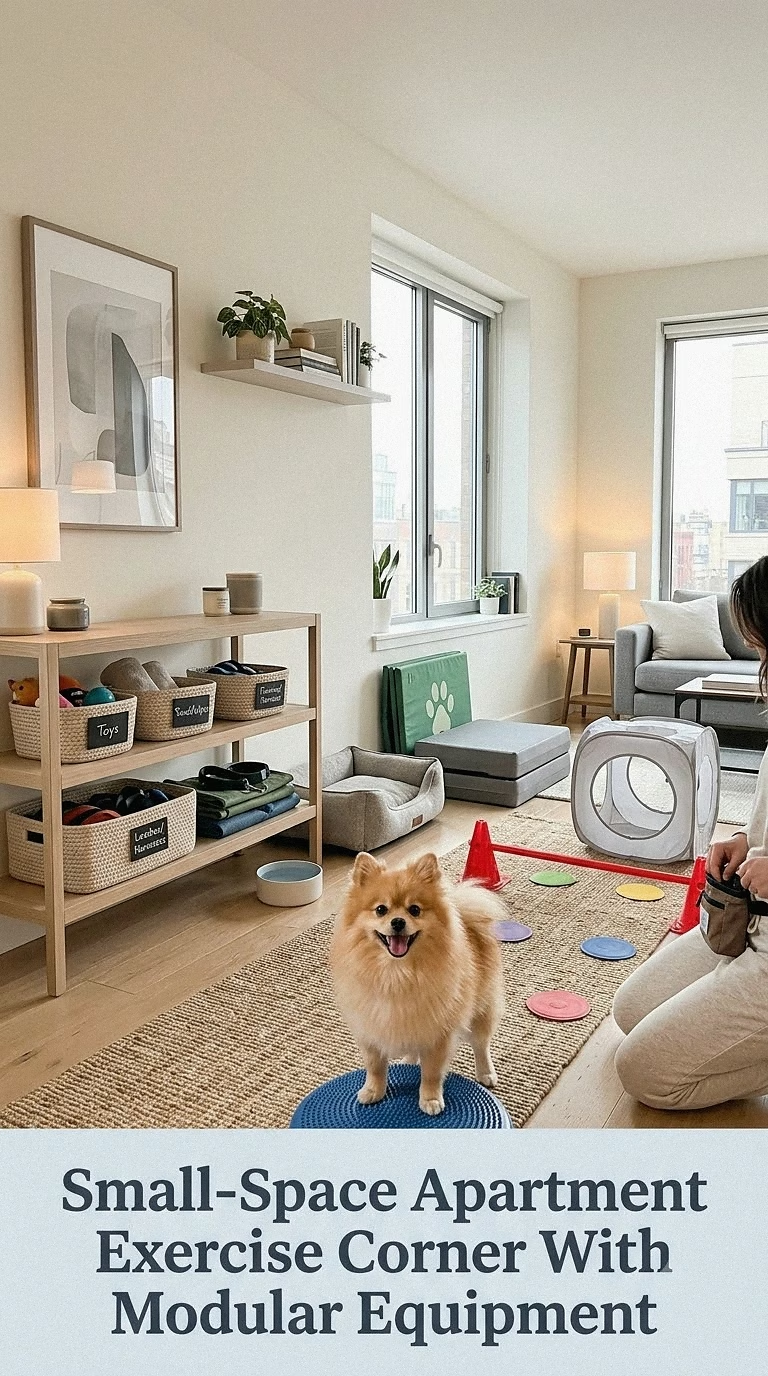
Living in an apartment does not mean your dog cannot enjoy varied activities at home.
Dedicate one tidy corner to a few modular exercise supplies such as a nonslip mat, low platform, cones, tug toy, puzzle feeder, and small storage basket. Choose neutral or coordinated colors so everything blends with your décor.
Use the space for short training circuits throughout the day. Practice walking around cones, stepping onto the platform, changing positions, following hand targets, finding hidden treats, or playing controlled tug.
Because the equipment is compact, everything can fit inside a cabinet or woven basket when guests arrive.
Apartment exercise works best as a supplement to appropriate outdoor activity rather than a complete replacement for walks whenever your dog can safely enjoy them.
For small homes, several focused five-minute sessions can also feel much easier to maintain than trying to schedule one elaborate indoor workout.
Making Dog Exercise Ideas Work For Your Routine
The most effective dog exercise ideas are usually the ones you and your dog genuinely enjoy enough to repeat. You do not need a huge backyard, expensive equipment, or hours of free time to create a more active routine. A leafy sniff walk, ten-minute indoor circuit, garden treasure hunt, gentle swim, or weekend trail adventure can all bring something valuable to your dog’s week.
Try mixing energetic activities with slower exploration and mental challenges instead of assuming every exercise session needs to involve nonstop running. Pay attention to your dog’s body language and energy, increase new activities gradually, and adjust the difficulty as your dog grows, ages, or experiences changes in health.
Most importantly, make movement feel like enjoyable time together rather than another household chore. Whether your dog loves racing across a grassy field or slowly investigating every tree in the park, the best routine is one that keeps them comfortable, engaged, and excited to share the next adventure with you.
Source: https://petstutorial.com
Category: DOGS
