
Creating a dedicated exercise space for your dog can turn an ordinary corner of your home into one of their favorite places to spend time. Whether you have an energetic young dog who seems ready for another adventure before breakfast, a sporting breed that thrives on structured activity, or an older companion who benefits from gentle movement, a thoughtfully designed dog gym can make everyday exercise easier to fit into your routine.
The best dog gyms do not need to look like miniature commercial training facilities. They can be warm, beautiful spaces filled with natural wood, washable rugs, neatly stored equipment, and colors that complement the rest of your home. A few low platforms, poles, textured surfaces, and interactive stations can provide plenty of variety without overwhelming the room.
You are reading: 19 Dog Gym Ideas For A Stylish And Practical Home Fitness Space
Safety matters just as much as style. Good traction should come first, especially when dogs are turning, stepping over obstacles, or practicing balance work. Equipment should be stable, appropriately sized, and introduced gradually. Dogs with injuries, mobility concerns, health conditions, or significant age-related limitations may need a veterinarian or qualified rehabilitation professional to help determine which exercises are suitable.
From compact apartment setups to polished home fitness rooms, these dog gym ideas offer inspiration for creating a space that feels practical, inviting, and genuinely enjoyable for both you and your pet.
Stylish And Functional Dog Gym Ideas For Every Home
Modern White Oak Dog Gym With Black Rubber Flooring
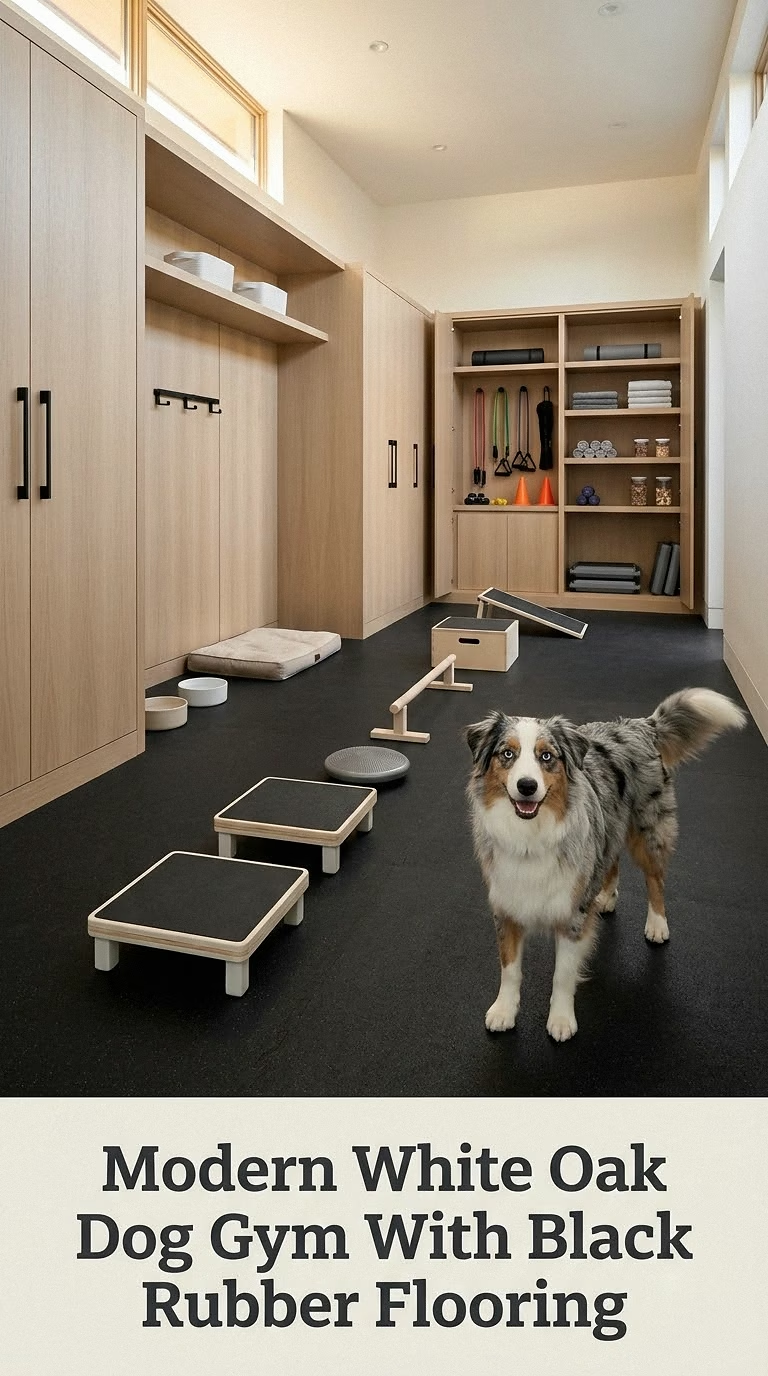
Turn a spare room into a polished canine fitness studio using pale white oak cabinetry, matte black accents, and comfortable rubber flooring. The contrast creates a modern look while keeping the room functional enough for daily exercise.
Install shallow cabinets along one wall for leashes, cones, treats, balance equipment, and cleaning supplies. Open oak shelving can hold attractive woven baskets so frequently used gear stays accessible without creating visual clutter.
Leave the center of the room open for movement rather than filling every corner with equipment. A few low platforms, ground poles, and a balance station can create several possible workouts in the same footprint.
The floor deserves special attention. Smooth tile and polished wood may look beautiful, but they can become slippery during exercise. Use secure rubber flooring, interlocking gym tiles, or well-anchored non-slip mats instead.
Finish the room with soft lighting, a water station, and simple framed dog artwork for a home gym that feels sophisticated rather than overly utilitarian.
Small Laundry Room Dog Gym With Fold-Away Equipment
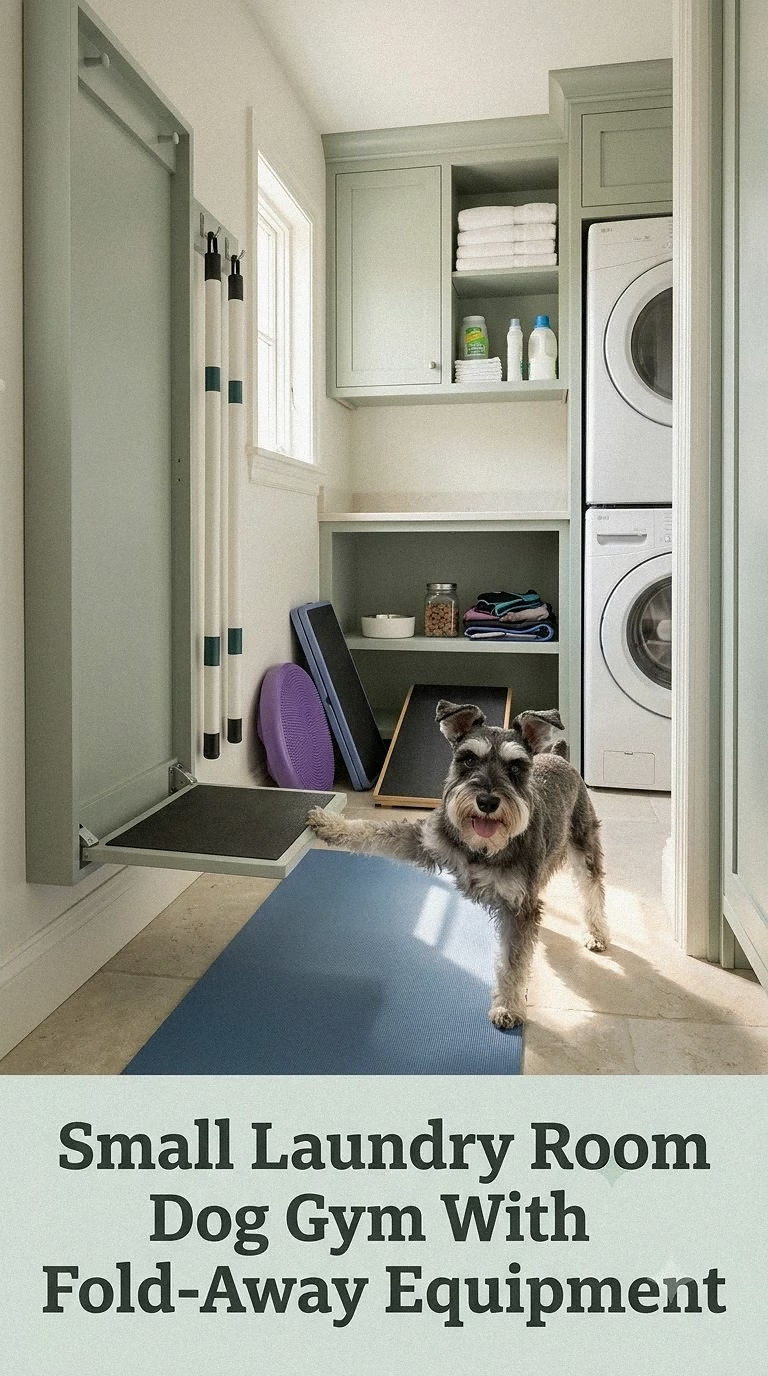
A laundry room can become a surprisingly useful dog exercise area when floor space is limited. The trick is choosing equipment that disappears when you are finished using it.
Keep several lightweight poles, cones, and a folding platform on wall-mounted hooks. A slim rolling cart can store treats, toys, towels, and grooming supplies while fitting neatly beside a washer or cabinet.
During workout time, clear the center floor and arrange a simple stepping course. Low poles can encourage careful foot placement, while a stable platform creates a spot for controlled stand, sit, and position exercises.
Choose washable flooring or add a large non-slip mat that can be rolled away afterward. Because laundry rooms often contain detergents and cleaning products, keep all chemicals inside secure cabinets that your dog cannot access.
Soft sage cabinetry, natural wood hooks, and labeled baskets can make this multifunctional space feel intentional rather than crowded.
Budget DIY Cavaletti Lane With PVC Poles And Cones
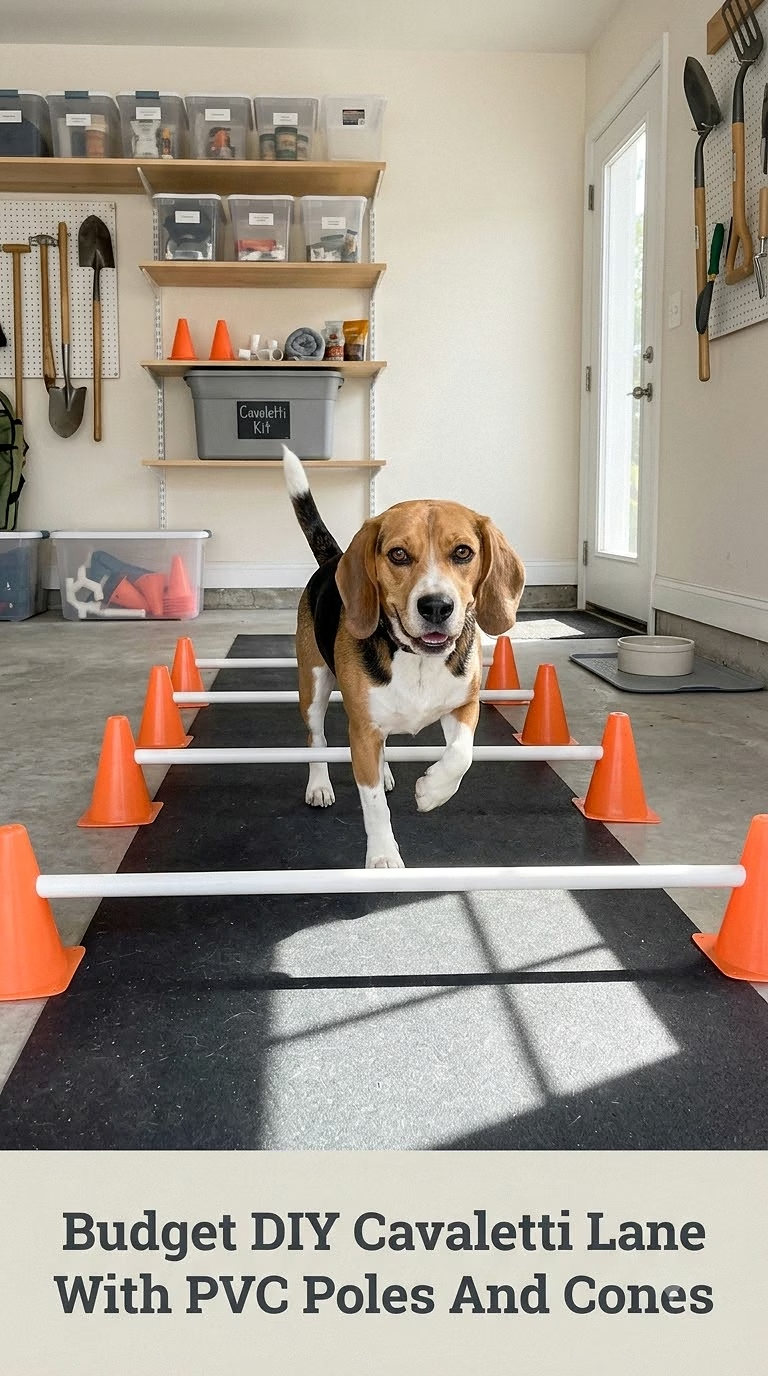
A cavaletti-inspired setup is one of the easiest dog gym ideas to recreate without purchasing expensive equipment.
Create a straight exercise lane using lightweight poles positioned close to the floor. Purpose-made dog fitness equipment works beautifully, but simple materials such as smooth PVC or lightweight training poles can also create a budget-friendly version when safely assembled.
Place the course over a grippy mat instead of a slick floor. Keep everything low and stable, especially when your dog is learning. Equipment should not have sharp edges, splinters, exposed screws, or unstable supports.
From a design perspective, matching poles and cones can make even a homemade setup feel polished. Try muted terracotta, cream, forest green, or dusty blue rather than a collection of mismatched colors.
Store the pieces vertically in a tall basket or wall rack when they are not being used. You will have a practical exercise lane that takes only minutes to set up.
Neutral Dog Treadmill Corner With Organized Wall Storage
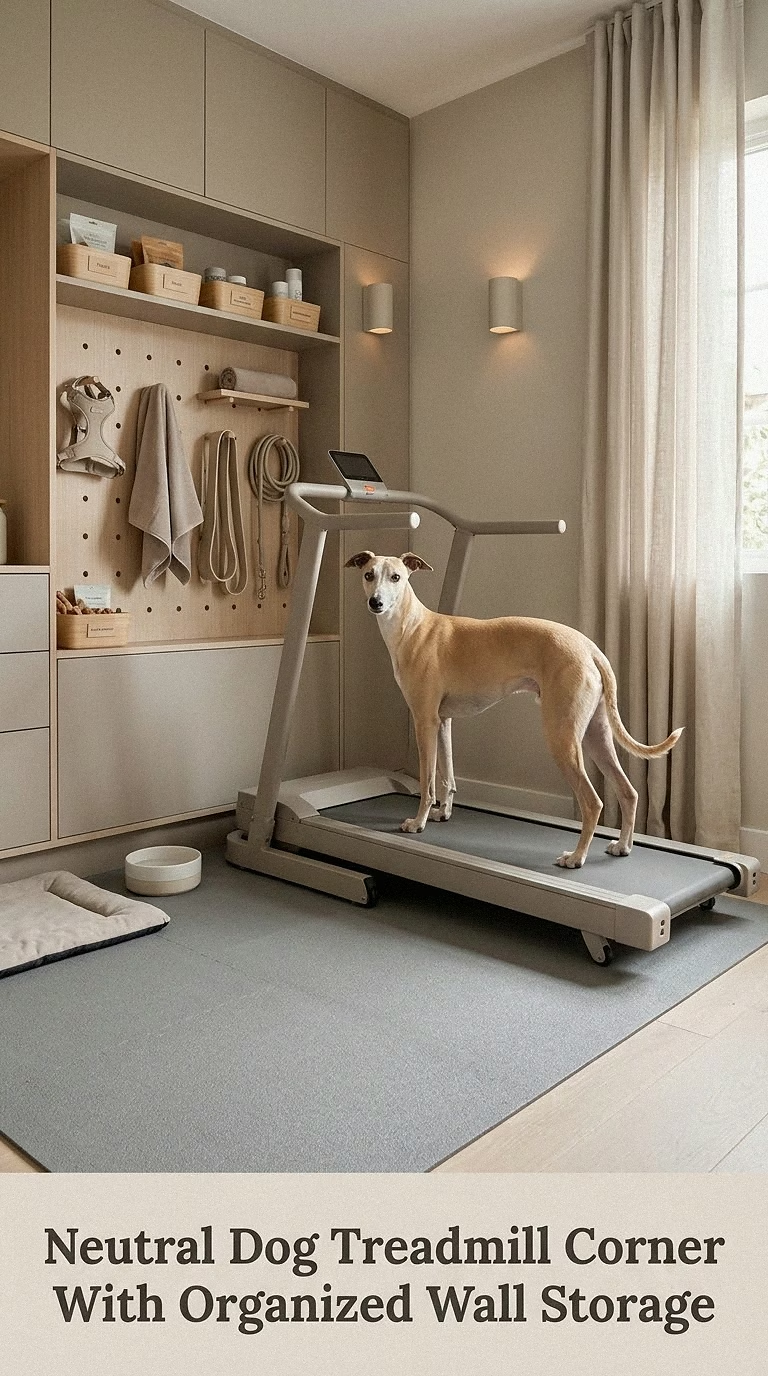
A dog treadmill can anchor a dedicated cardio corner for households that regularly deal with extreme heat, heavy rain, snow, or other conditions that make outdoor exercise difficult.
Keep the surrounding design calm and uncluttered. Position the treadmill on stable, non-slip flooring with plenty of open space around it. A nearby wall rail can hold a harness, leash, towel, and reward pouch.
Dogs should be introduced to treadmill work gradually rather than simply being placed onto a moving belt. Start with comfort around the equipment and progress at your dog’s pace. Workouts should always be supervised.
A treadmill is also best viewed as one part of a varied exercise routine rather than a replacement for outdoor walks. Exploring smells, surfaces, environments, and social experiences outdoors offers enrichment that indoor equipment cannot fully duplicate.
Warm beige walls, light wood shelves, and discreet equipment storage can help a large treadmill blend more naturally into the home.
Bright Balance Station With Paw Platforms And Fitness Discs
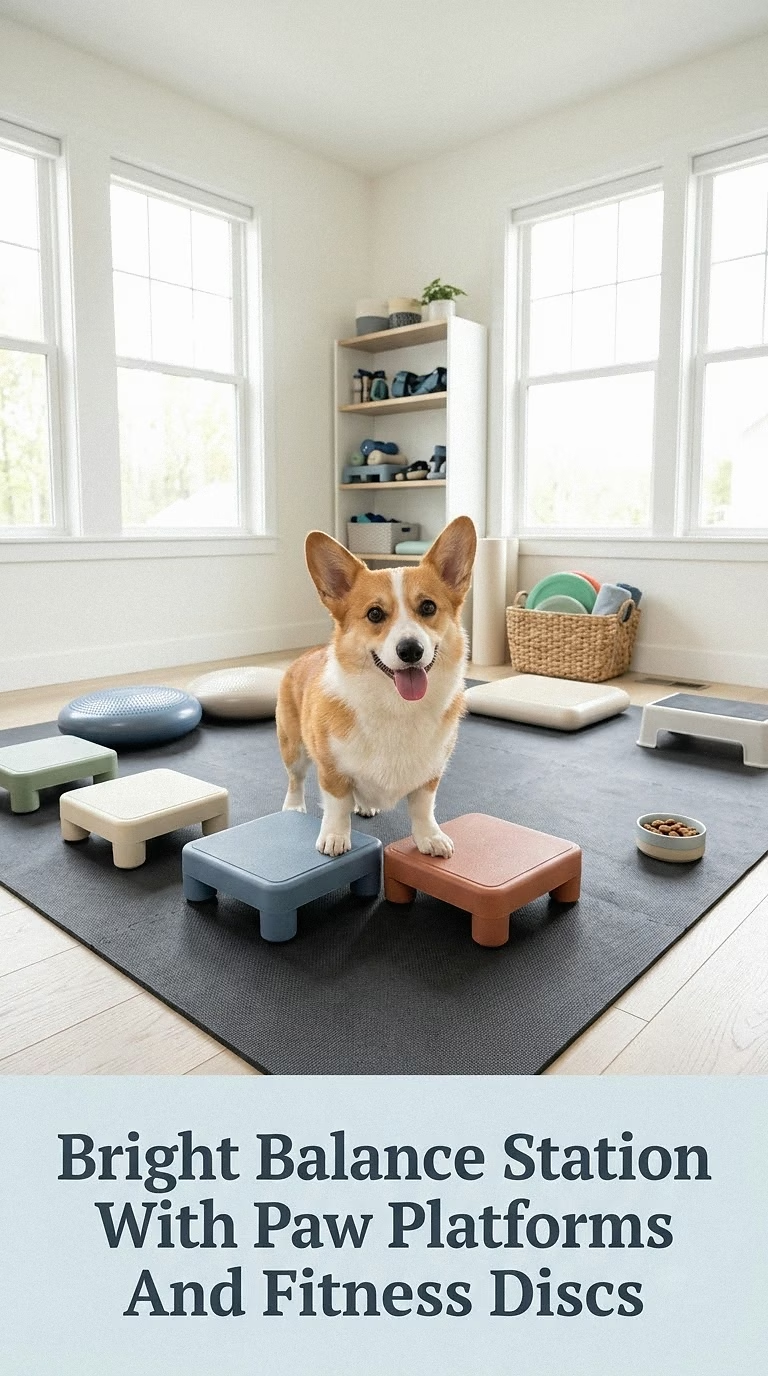
Create a colorful balance zone using stable paw platforms, appropriately sized fitness discs, and low step-up surfaces.
Instead of scattering equipment throughout the room, arrange everything on one large non-slip exercise mat. This visually defines the workout zone while giving your dog more secure footing.
Use wall-mounted shelves or cubbies to display smaller pieces between sessions. Coordinating two or three colors, such as teal, mustard, and cream, keeps the setup playful without becoming chaotic.
Balance exercises should begin with simple, stable surfaces. More challenging or unstable equipment is not automatically better, especially for beginners. Your dog should look comfortable and controlled rather than scrambling to maintain their position.
This type of station works especially well in a spare bedroom or home office because most pieces can be moved easily. Once the workout ends, stack the platforms and return the room to its everyday purpose.
Soft Senior Dog Gym With Yoga Mats And Low Platforms
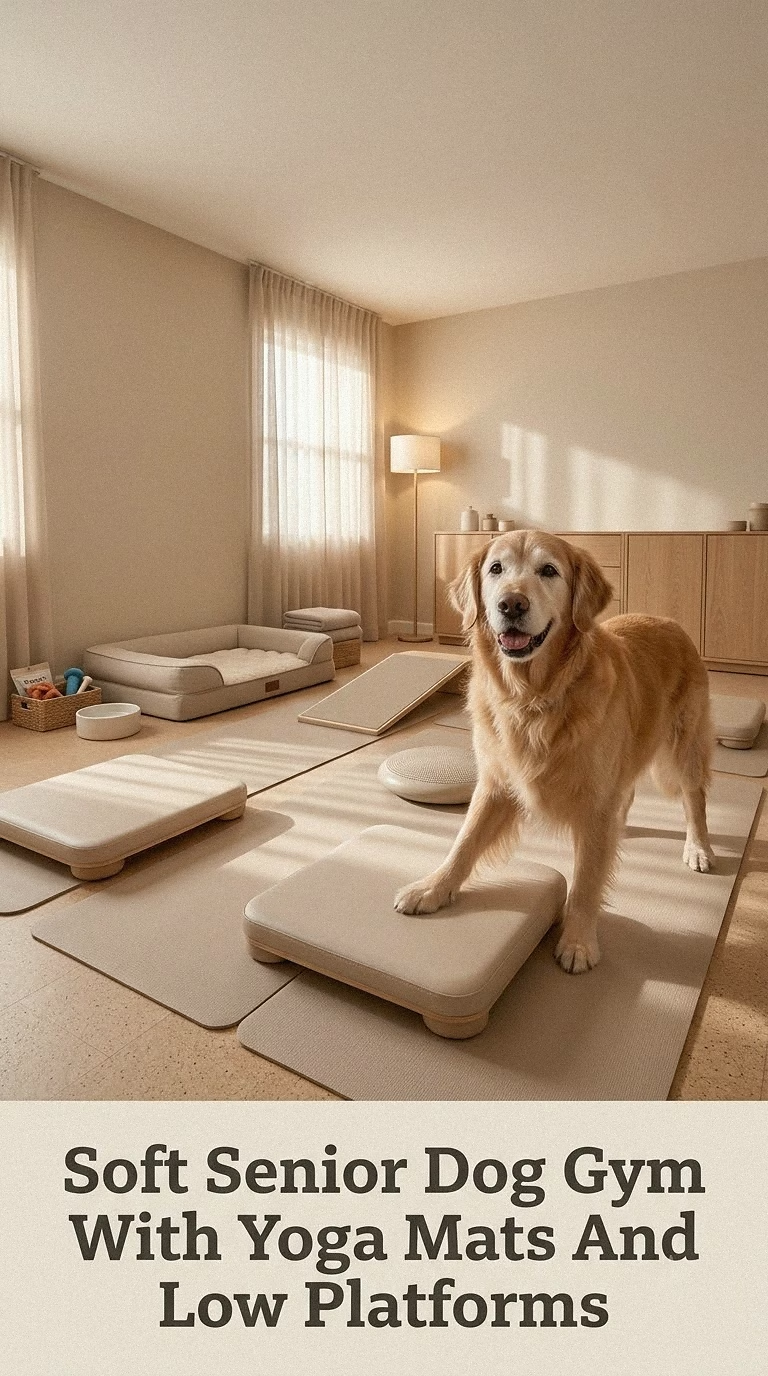
A senior-friendly gym should prioritize secure footing, comfortable movement, and easy access rather than impressive-looking obstacles.
Cover the exercise area with non-slip mats and choose broad, low platforms that do not require dramatic jumping. Keep pathways wide and remove clutter that could cause your dog to trip or make awkward turns.
A padded resting bed can sit nearby so your dog has somewhere comfortable to relax between activities. Add a water bowl and keep the room at a pleasant temperature.
Visually, soft colors suit this gentle setup beautifully. Think oatmeal, warm gray, muted green, and natural wood rather than bright commercial-gym colors.
Older dogs vary enormously in mobility, so exercises should be adapted to the individual dog. If your pet has arthritis, weakness, pain, previous injuries, or significant mobility changes, ask your veterinarian what type and amount of exercise is appropriate before creating a new routine.
Playful Puppy Confidence Gym With Low Adventure Stations
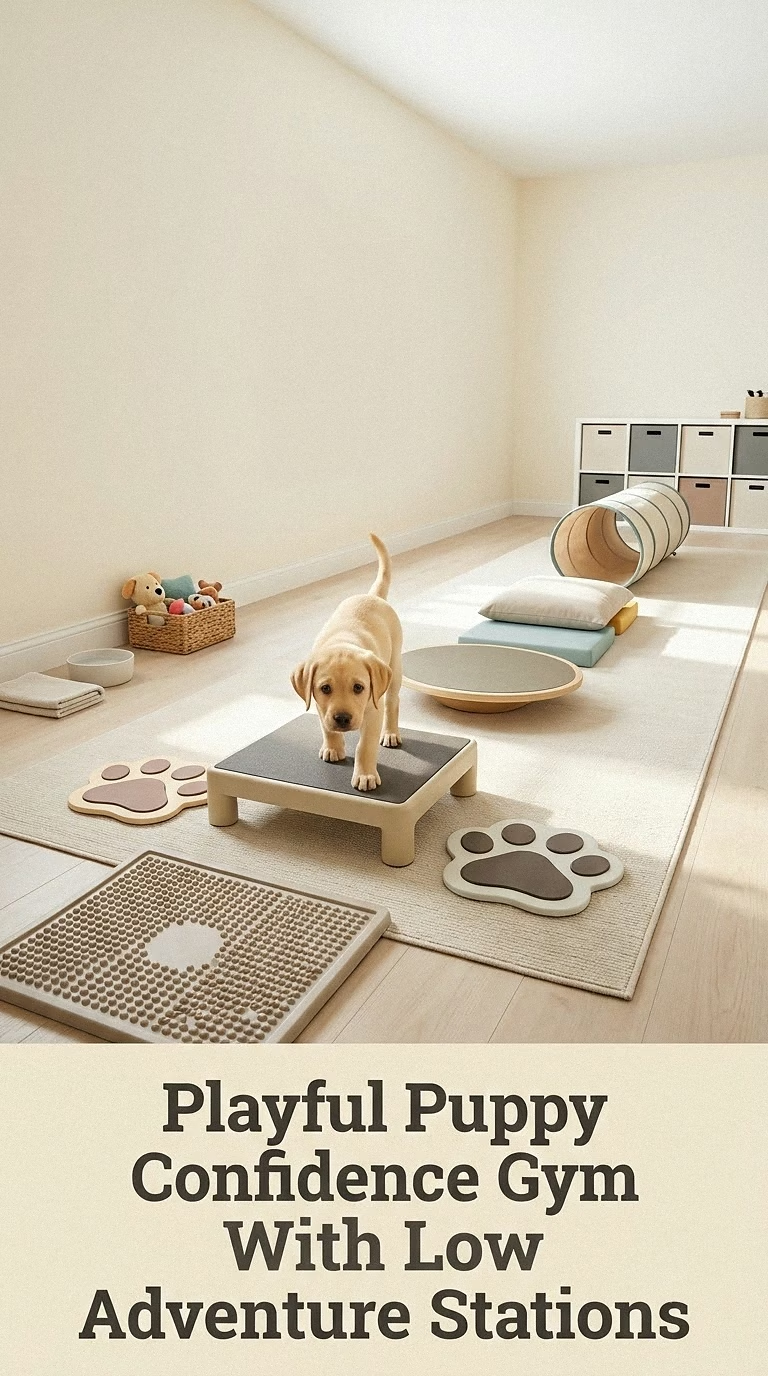
For puppies, a home gym can focus less on strenuous exercise and more on carefully exploring different objects, positions, textures, and simple movement challenges.
Create a cheerful circuit with a low stable platform, a short tunnel, ground-level poles, and a few safe walking surfaces. Keep every obstacle easy enough that your puppy can investigate without needing to leap or make difficult movements.
Avoid turning the setup into an endurance course. Puppies are still developing physically, and demanding repetitive jumping is unnecessary.
Instead, make the area feel like a tiny adventure room. Use treats, toys, and praise to reward calm exploration. Allow your puppy to move at their own pace rather than physically placing them onto unfamiliar equipment.
Read more : How Tight Should A Dog Collar Be?
Pastel blue, peach, cream, and light wood create an adorable look, while washable mats make inevitable puppy messes much easier to manage.
Minimalist Hallway Dog Fitness Lane With Hidden Storage
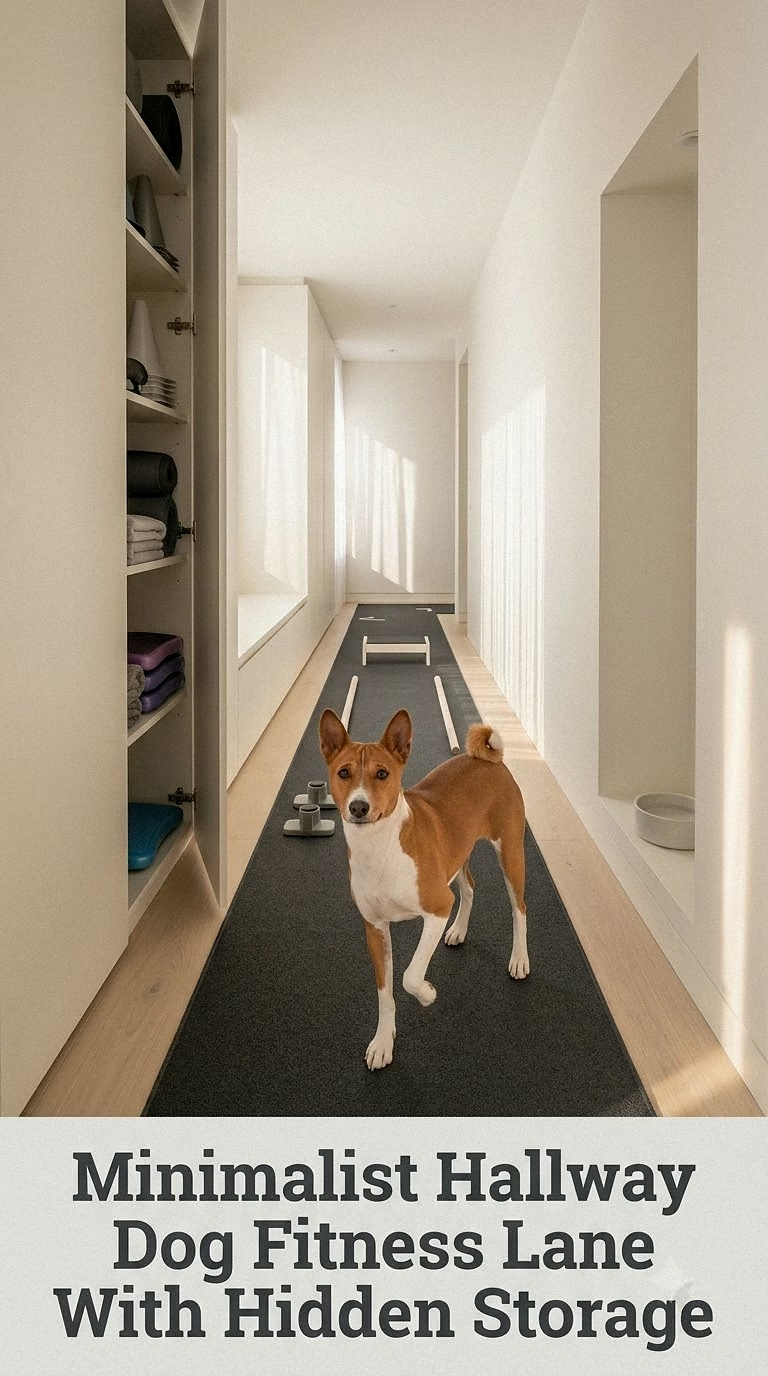
A wide hallway can double as a surprisingly efficient exercise lane without requiring a dedicated room.
Start with a long non-slip runner anchored securely so it cannot bunch or slide. Add removable ground poles for controlled stepping exercises and place a stable platform at one end for simple position work.
Use narrow wall cabinets to keep equipment completely hidden once the session ends. A small basket near the door can hold treats and a towel.
The biggest advantage of this idea is simplicity. Instead of creating a complicated obstacle course, the straight layout encourages controlled movement with minimal setup.
Keep decorative furniture out of the exercise path and protect sharp corners if your dog will be turning nearby.
A warm runner, off-white walls, slim oak cabinetry, and black hooks can make the hallway feel like a normal part of the home while quietly functioning as a miniature dog gym.
Rustic Garage Dog Gym With Sealed Floors And Wood Storage
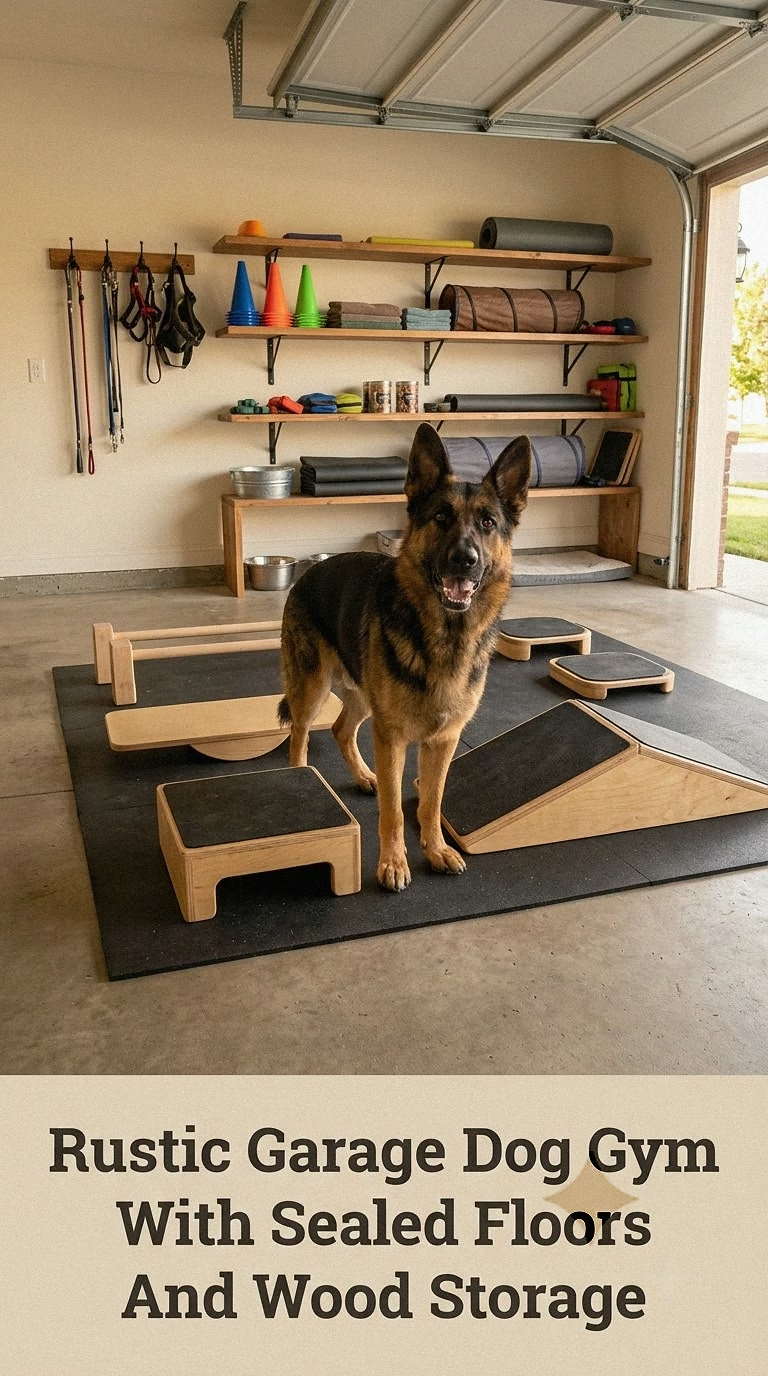
A garage offers enough room for a more generous dog fitness setup, especially for medium and large breeds.
Define one portion of the garage as the dog zone rather than trying to convert the entire space. Start with secure rubber matting over the workout area and install sturdy shelving for equipment.
Wooden storage crates, pegboard, galvanized baskets, and black hardware create a warm rustic aesthetic. Keep tools, automotive chemicals, fertilizers, and other hazardous materials completely separated and securely stored.
With additional space, you can rotate several activities rather than leaving everything out permanently. One day might feature poles and platforms, while another uses a tunnel and basic obstacle course.
Garages can become extremely hot or cold, so temperature and ventilation need to be considered before using one as an exercise room.
Add a washable bed in a quiet corner and the space can become a comfortable post-workout hangout too.
Luxury Built-In Dog Wellness Room With Custom Cabinetry
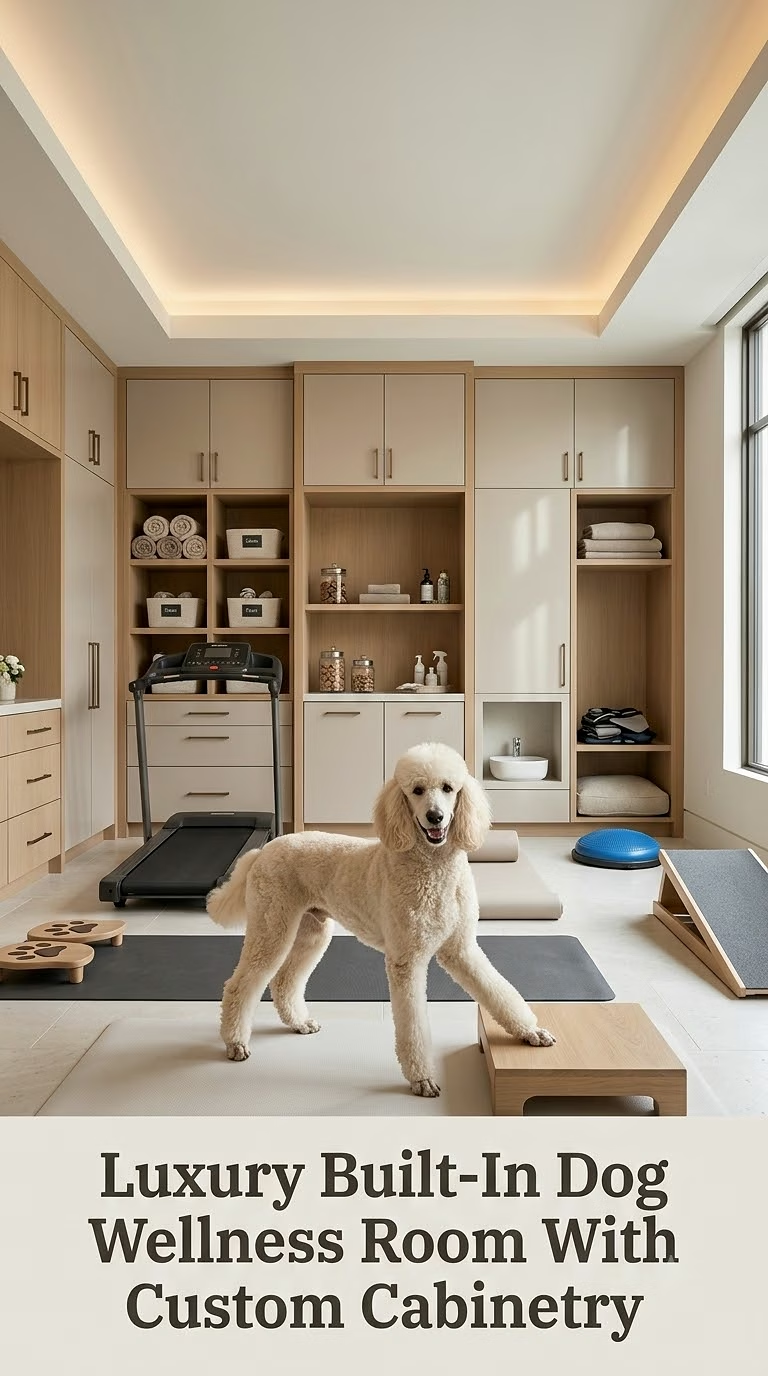
For a high-end version of a home dog gym, take inspiration from boutique fitness studios and luxury mudrooms.
Install floor-to-ceiling cabinetry with designated spaces for fitness equipment, towels, walking gear, grooming tools, and toys. A built-in bench can provide human seating while concealing additional storage underneath.
Keep the active floor mostly open. High-quality rubber flooring in a subtle neutral tone can look far more residential than brightly colored gym tiles.
A large mirror can make a small room feel brighter, although it should be securely installed where enthusiastic movement cannot knock it loose. Add soft wall lighting, framed portraits, and matching containers for an elevated finish.
A built-in water station with an easy-to-clean splash area adds practicality.
The luxury comes from organization and durable materials rather than filling the room with expensive equipment. Even a sophisticated gym should still give your dog plenty of uncluttered space to move comfortably.
Apartment Dog Gym Cart With Stackable Fitness Gear
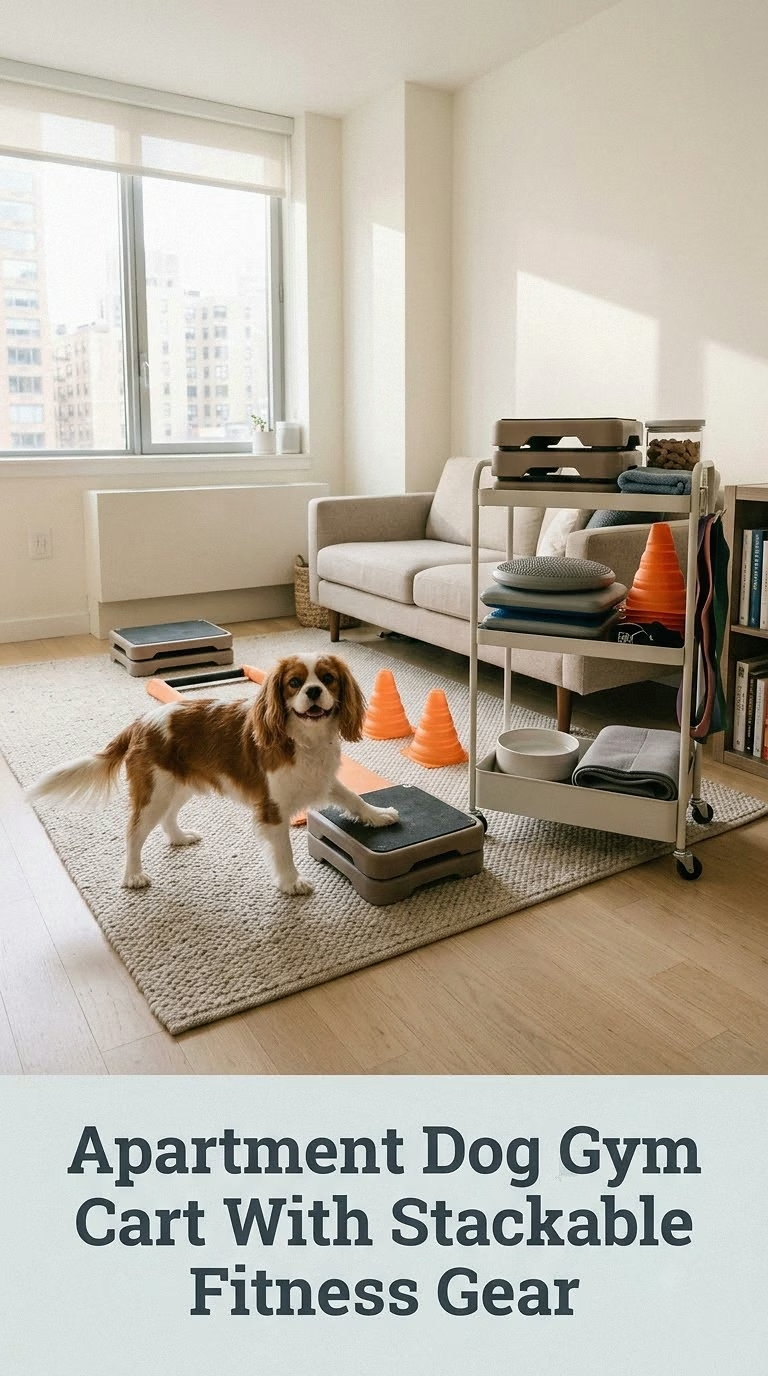
You do not need a spare bedroom to build an effective dog fitness setup. For apartment living, put the entire gym on wheels.
Choose a narrow utility cart that can hold cones, collapsible poles, small platforms, toys, towels, and a reward pouch. Keep a rolled exercise mat beside it.
When it is time to exercise, move your coffee table aside, roll out the mat, and select only the equipment needed for that session. Ten minutes later, everything can disappear again.
Stackable equipment is especially useful. Look for nesting platforms, collapsible cones, and poles that break down into shorter sections.
Choose quiet activities if neighbors live below you. Controlled stepping, position changes, scent games, and gentle balance work are often easier on apartment floors than repeated jumping.
A cream cart with coordinated fabric bins can even blend into living-room decor when it is not being used.
Indoor Agility Room With Tunnel And Weave Pole Zone
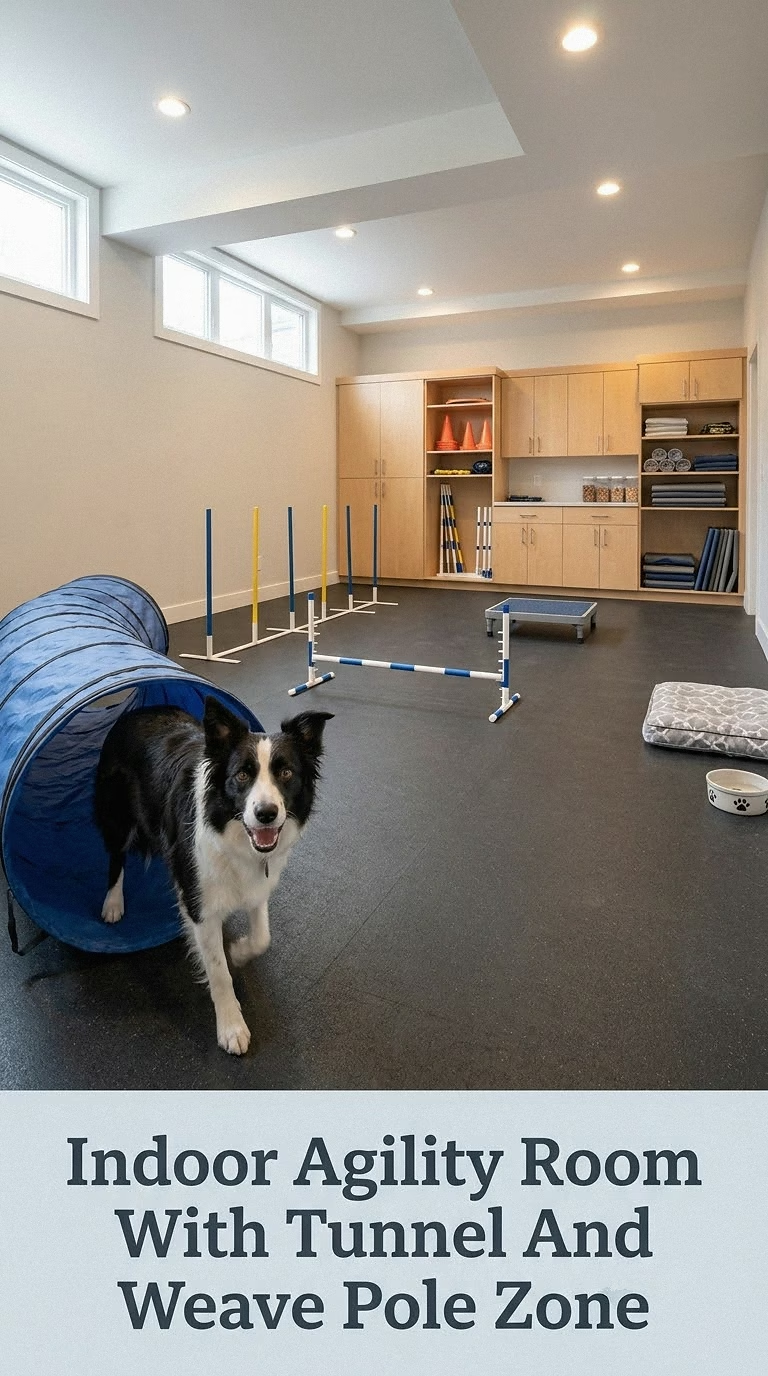
If your dog loves energetic games and has suitable fitness for them, dedicate a larger room to an indoor agility-inspired course.
Use a flexible tunnel, widely spaced weave poles, cones, and low obstacles that can be rearranged frequently. Instead of permanently fixing the layout, keep equipment modular so you can create new patterns.
The floor should provide reliable traction from one end of the course to the other. Avoid asking a dog to sprint from a rubber mat onto slick hardwood halfway through the route.
Leave generous turning space around obstacles and keep furniture out of the running line.
For a cheerful design, try turquoise, coral, and warm white accents against neutral walls. Store the tunnel collapsed in a large basket and mount poles vertically when finished.
Keep high-impact jumping appropriate to your dog’s age, physical condition, and experience rather than making height the main challenge.
Covered Backyard Dog Fitness Pavilion With Artificial Turf
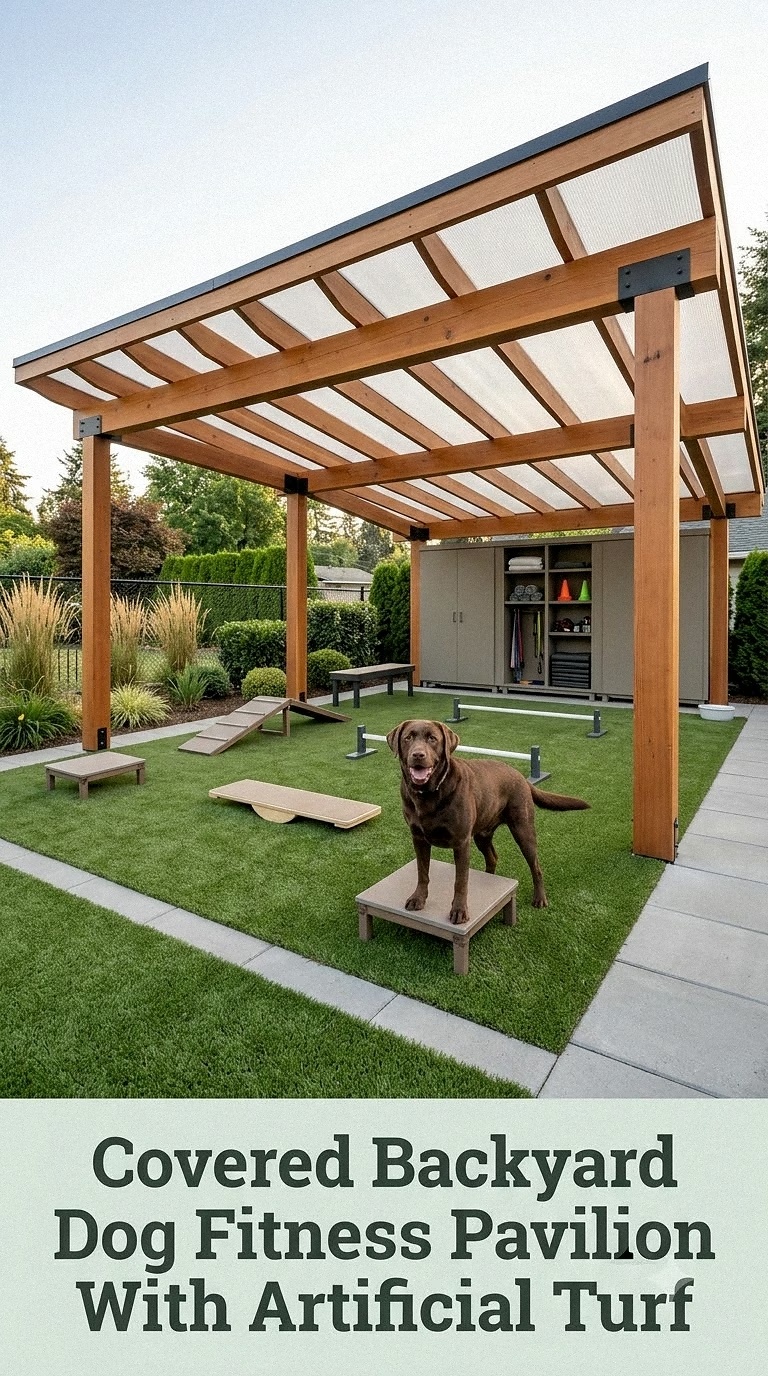
A covered outdoor exercise area combines the freshness of the backyard with some protection from unpredictable weather.
Build the gym beneath a pergola, roof extension, or shaded pavilion. Use an appropriate outdoor surface with good grip and drainage. Artificial turf can create a polished look when properly installed and maintained, while other pet-friendly outdoor flooring options may work better for some climates.
Arrange several movable stations around the perimeter and keep the middle open for movement. Add poles, platforms, cones, and a tunnel that can be stored in a weather-resistant cabinet.
Include shade and readily available drinking water. Avoid workouts when temperatures or surface conditions are unsafe.
Wood beams, black hardware, green turf, and large planters create a stylish backyard retreat that feels much more attractive than a typical equipment-filled exercise pen.
String lights can make the pavilion equally charming as an evening relaxation area after the workout is finished.
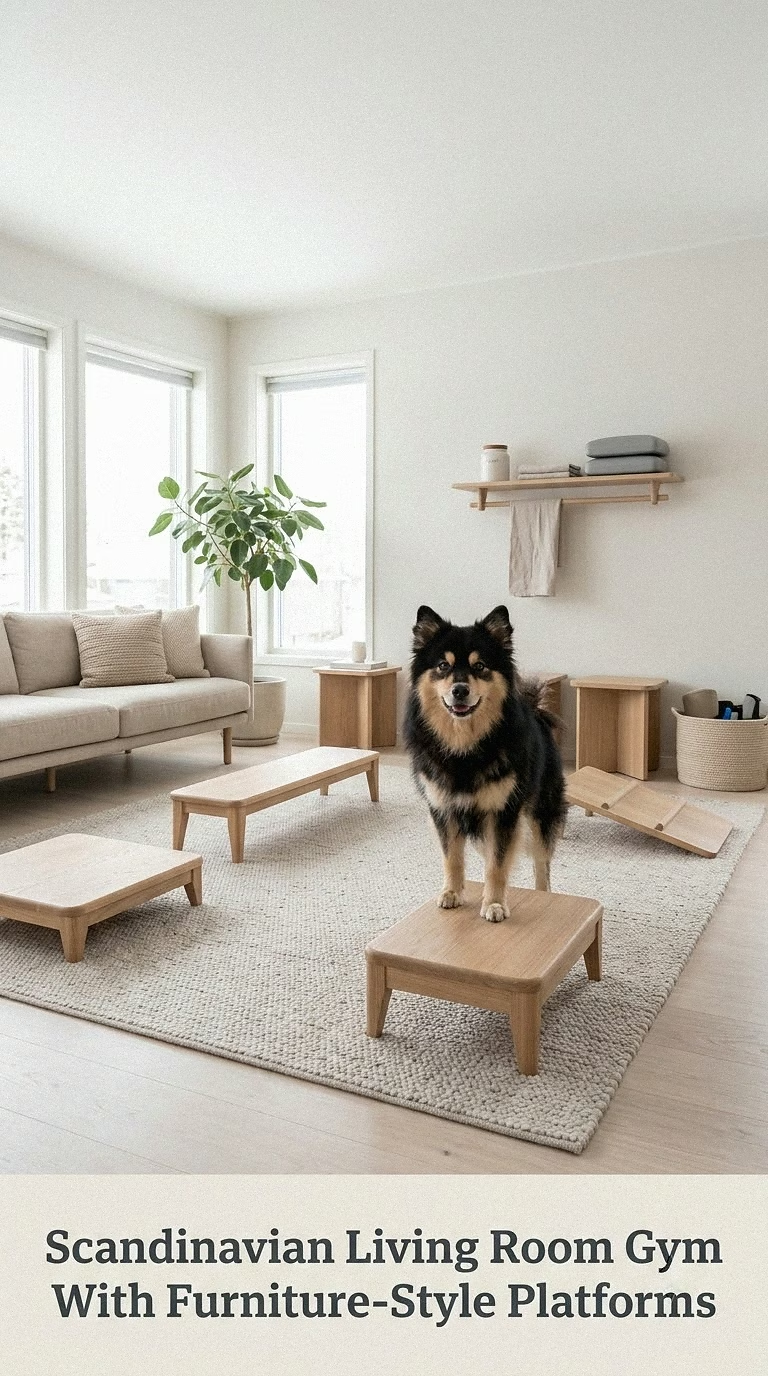
Dog fitness equipment does not necessarily have to look like dog fitness equipment.
Read more : 19 Backyard Dog Pool Ideas For A Fun And Stylish Outdoor Retreat
For a Scandinavian-inspired setup, choose low rectangular platforms finished in pale wood tones with secure, grippy tops. When arranged beside a neutral sofa, they can resemble modern home accessories rather than brightly colored training gear.
Keep smaller equipment inside woven baskets and use a large washable area rug or exercise mat to create traction during sessions.
A wooden bench can double as hidden equipment storage, while simple wall hooks hold a leash and treat pouch.
The palette works best with creamy white, warm beige, soft gray, and light oak. Add one or two leafy plants well outside the exercise path for a fresh look.
The goal is a room that transitions effortlessly between human living space and canine exercise zone, making this one of the easiest dog gym ideas for design-conscious homes.
Multi-Dog Fitness Room With Separate Training Zones
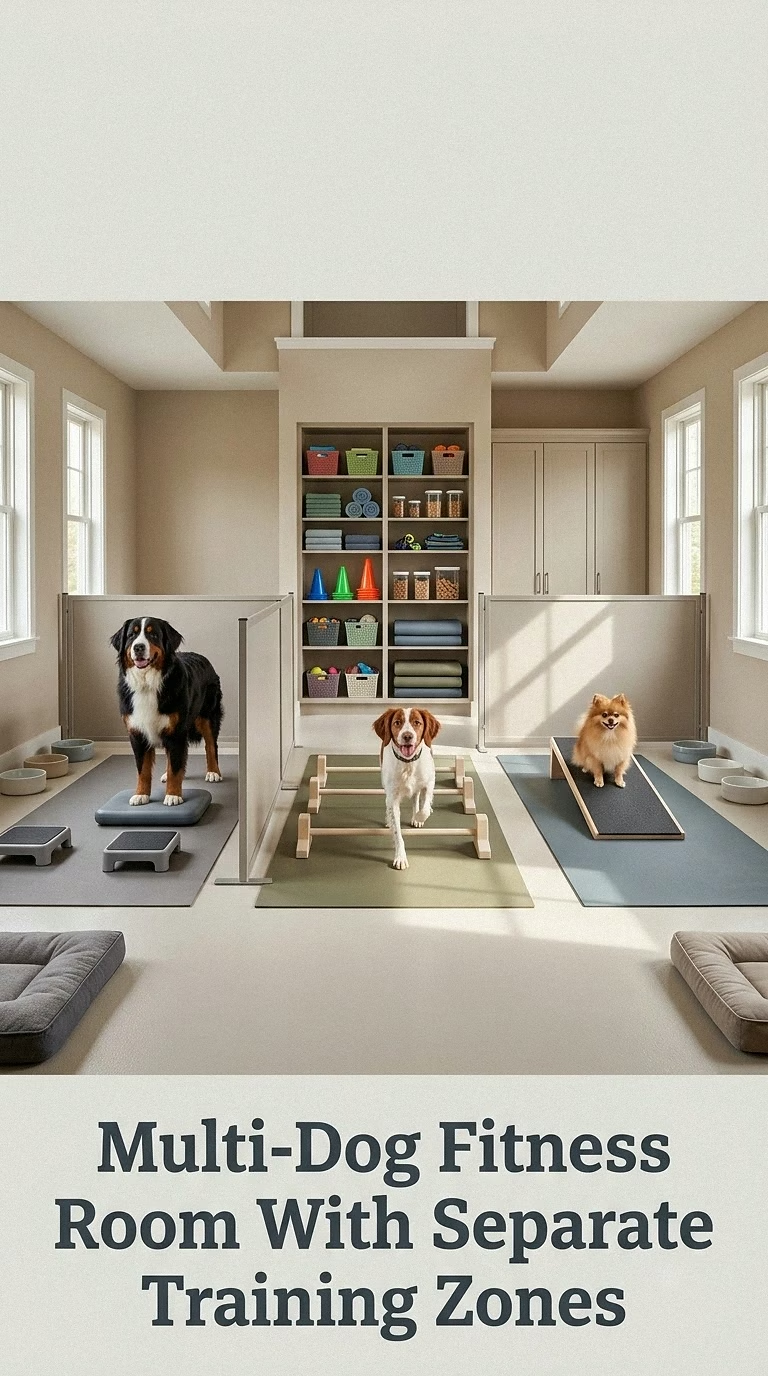
Homes with several dogs often work better with defined exercise stations rather than one crowded obstacle course.
Create an active training zone in the center and comfortable waiting areas along the side. Each dog can have an individual mat or bed where they relax while another dog works.
Use closed cabinets for treats and high-value toys so dogs are not competing around visible resources. Color-coded baskets can make it easy to keep individual harnesses, toys, and equipment organized.
A room divider or secure gate can provide additional management when needed.
Keep workouts short enough that waiting dogs remain comfortable, and avoid exercises that trigger frantic competition.
For the design, use a neutral base with a different accent color for each dog’s storage cubby. The result feels playful while serving a practical organizational purpose for busy multi-dog households.
Scent And Fitness Circuit With Hidden Treat Stations
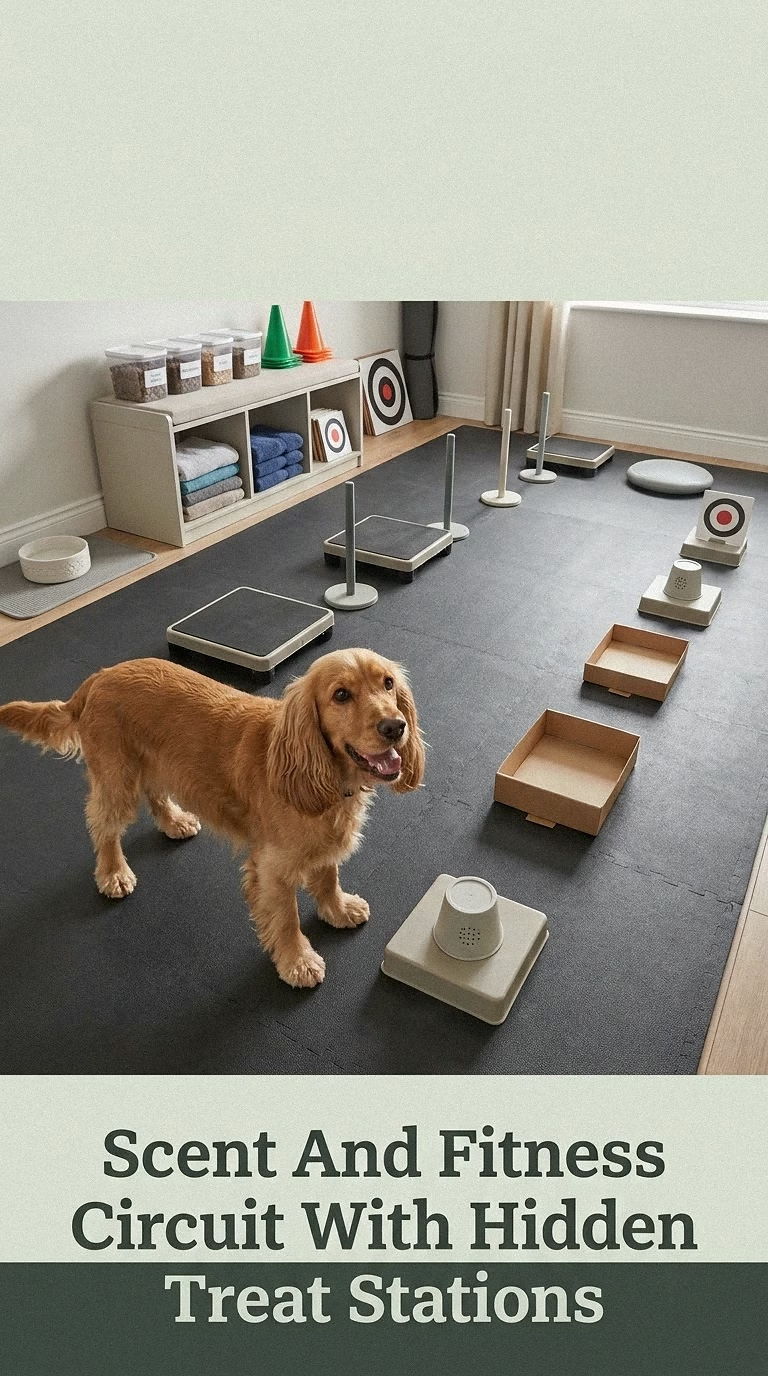
Combine physical movement with nose work by creating a course that encourages your dog to move between simple exercise stations and scent-search areas.
Place low platforms, ground poles, boxes, and safe search containers around a non-slip room. Your dog might walk calmly over a few poles before searching several boxes for a hidden food reward.
This can make a home gym feel more interesting than repeating the same physical movement over and over.
Keep food portions small and consider using part of your dog’s normal meal during training so dozens of rewards do not unintentionally become a large snack.
Choose attractive wooden boxes, neutral cones, and matching storage containers for a more polished appearance.
Because the layout can change constantly, the same small room can provide many different combinations without requiring more equipment.
Convertible Home Office Dog Gym With Wall-Mounted Gear
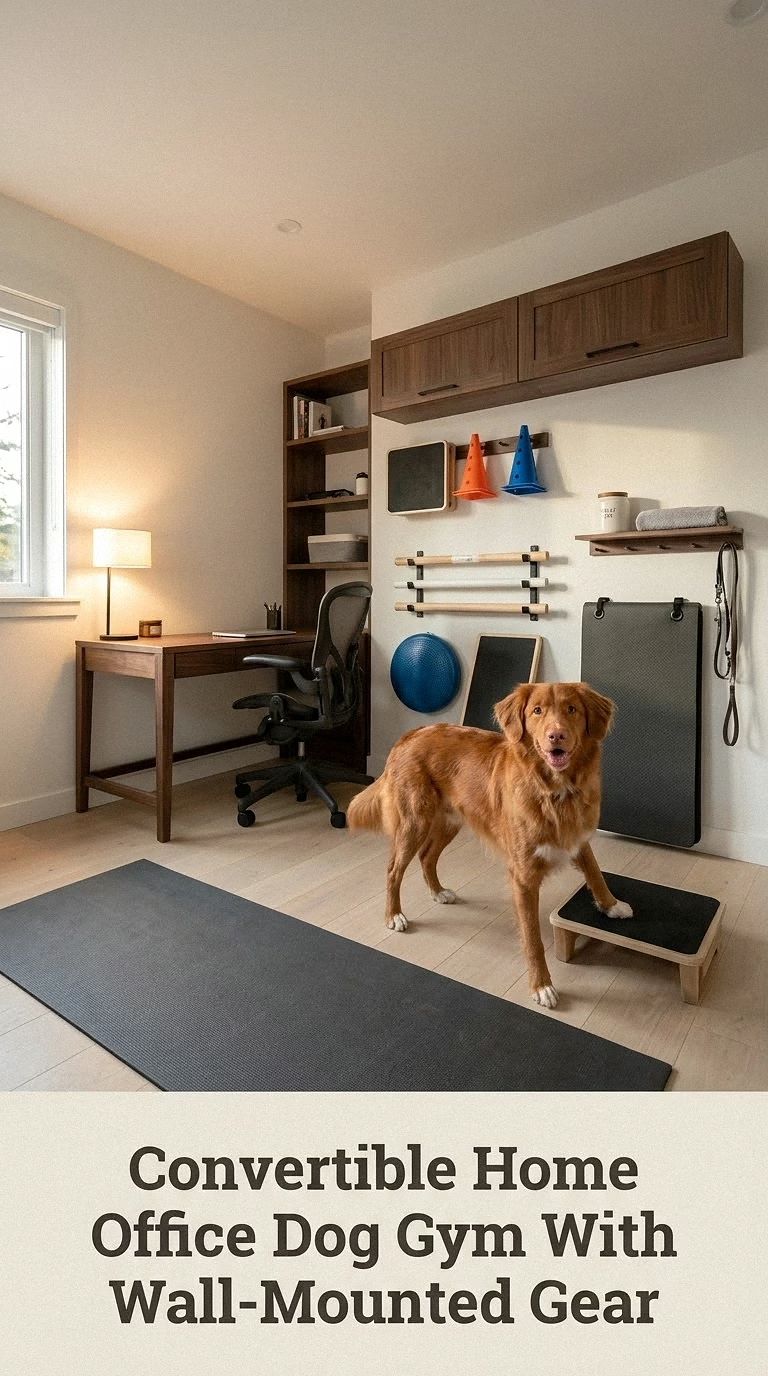
A home office can become a dog gym after work without looking like one during video calls.
Dedicate one blank wall to shallow closed cabinets and discreet hooks. Store collapsible poles, cones, a rolled mat, and lightweight platforms vertically wherever possible.
Choose a desk with enough clearance underneath to keep the workout zone open rather than adding several freestanding storage pieces.
At exercise time, roll your desk chair away, lay down the non-slip mat, and create a compact circuit through the center of the room. When finished, the entire setup can be packed away in minutes.
This layout works particularly well for owners who already spend much of the day near their dogs. Short training sessions can fit naturally between work periods.
Warm walnut, cream walls, and charcoal accessories keep the room professional while still feeling cozy enough for your pet.
Cozy Recovery Corner With Padded Mats And Gentle Movement Space
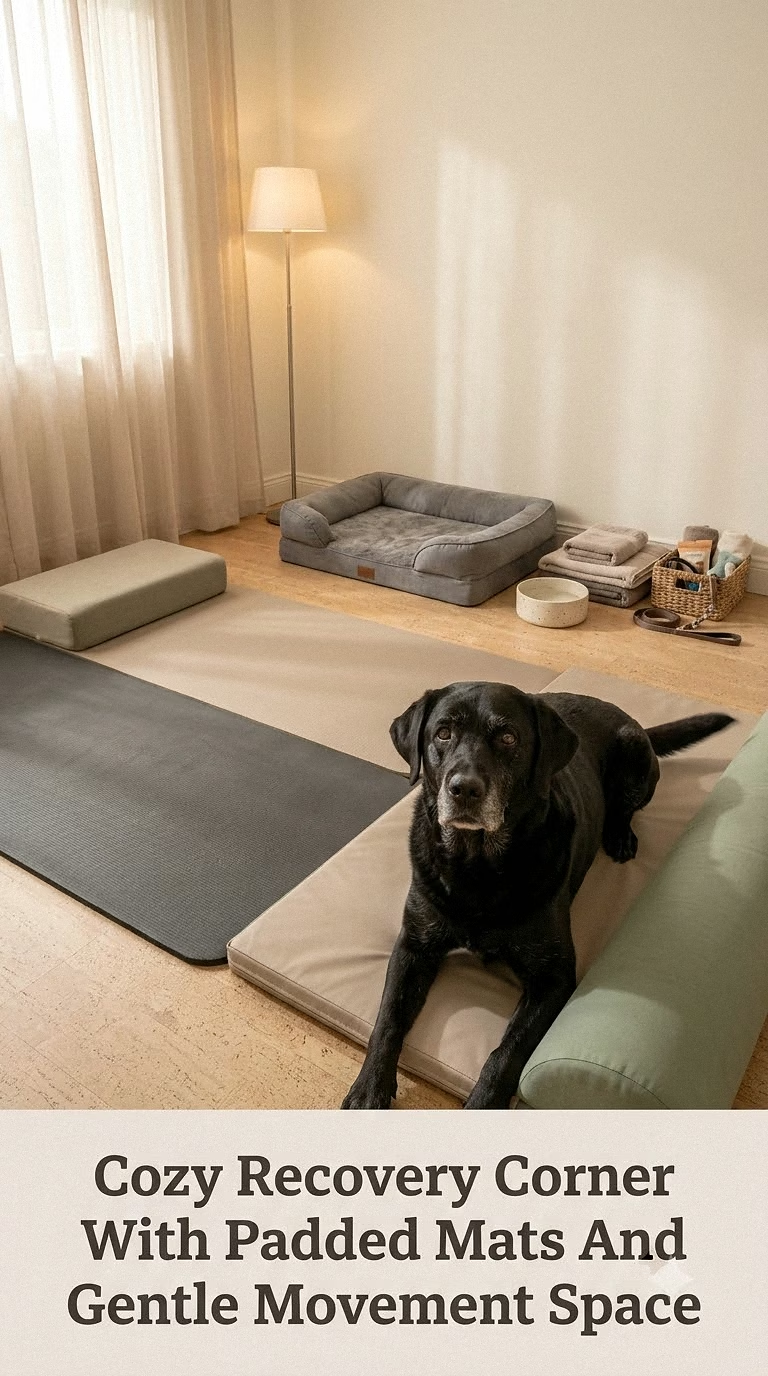
Every dog gym benefits from a calm zone where the energy level comes down.
Create a recovery corner with a supportive bed, padded non-slip mat, water bowl, towel basket, and enough open space for relaxed standing or gentle owner-guided activities that have been approved for your dog.
Keep this area separate from tunnels, moving equipment, or exciting toys. The goal is to create a visual signal that the active portion of the session has finished.
Soft taupe, dusty blue, and natural wood work beautifully for the quieter atmosphere. Warm lighting can make the space feel especially inviting in the evening.
Avoid manually forcing your dog’s limbs into stretches unless a qualified veterinary professional has specifically shown you what to do. Natural, comfortable movement is a safer choice for ordinary home fitness routines.
This peaceful corner also gives your dog a lovely everyday resting place.
Rainy-Day Living Room Dog Gym With A Modular Obstacle Circuit
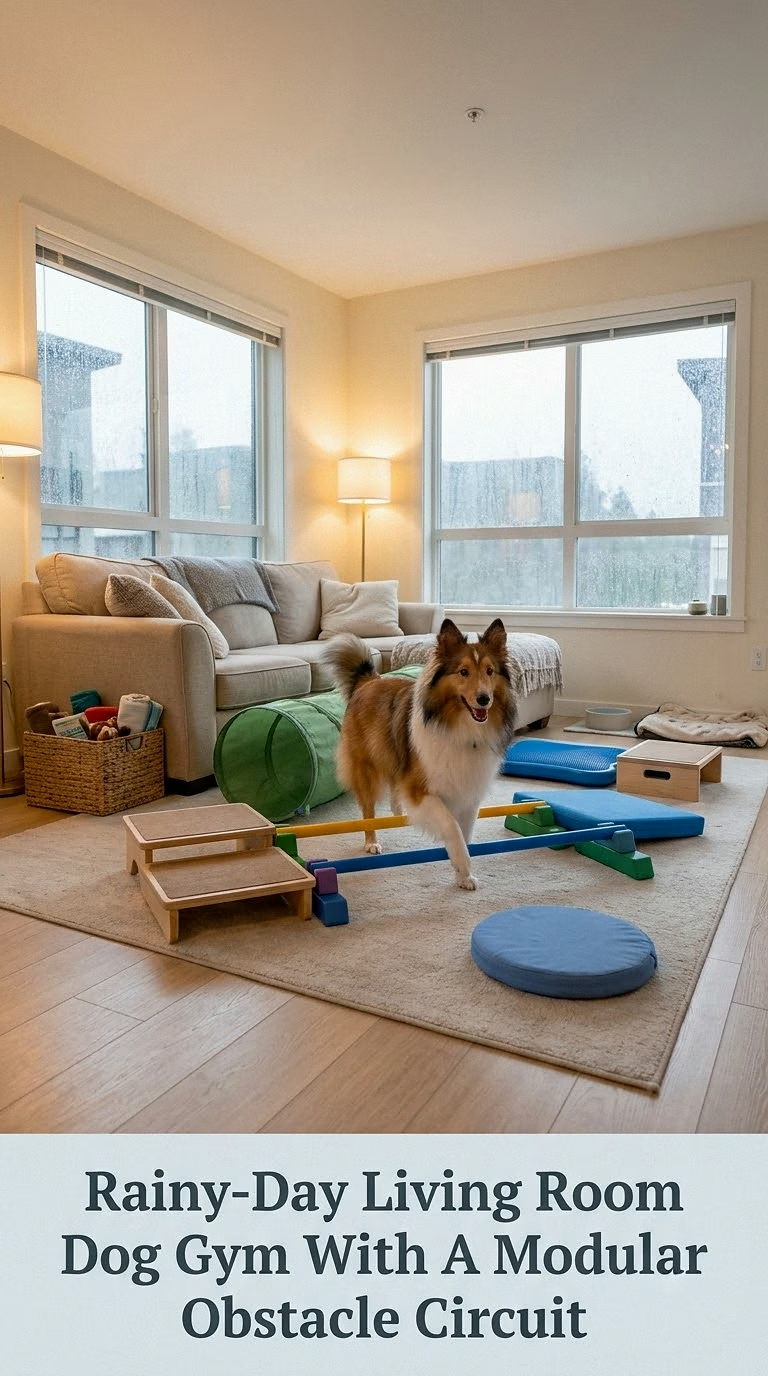
For the most flexible option of all, create a temporary dog gym using furniture-friendly equipment that can transform your living room whenever bad weather arrives.
Start with a large non-slip mat. Add a tunnel, several cones, low poles, and one or two stable platforms. Arrange them in a flowing circuit with plenty of room between stations.
One session might focus on slow stepping and controlled positions. Another can incorporate simple directional cues, scent searches, and movement around cones.
Avoid making every workout faster or harder. Controlled movement can be just as valuable for creating an engaging indoor activity.
Keep everything in a storage ottoman, console cabinet, or oversized woven basket when not in use.
Because no permanent renovation is required, this idea works especially well for renters. It also lets you experiment with different types of equipment before committing to a larger dedicated dog gym.
Creating Dog Gym Ideas That Work For Your Pet And Home
The most successful dog gym is not necessarily the biggest, most expensive, or most equipment-filled one. It is the space you can comfortably use again and again.
For some homes, that might mean an entire room with rubber flooring, built-in storage, a treadmill, and interchangeable fitness stations. For others, it may simply be a beautiful exercise mat, several low poles, and a basket of equipment that comes out on rainy afternoons.
Start with good traction, plenty of clear movement space, and a few versatile pieces. Introduce new activities gradually and watch how your dog responds. Their age, size, confidence, fitness level, and health should shape the gym much more than any decorating trend.
Most importantly, make the experience enjoyable. Pair movement with encouragement, rewards, breaks, and time together. With thoughtful planning, these dog gym ideas can become more than practical exercise spaces. They can create a cozy little ritual that keeps you and your dog engaged, active, and connected at home.
Source: https://petstutorial.com
Category: DOGS
