
A dog door can make everyday life so much easier, but that does not mean it has to become the first thing you notice when you walk into a room. With a little planning, pet access can feel like an intentional part of your home’s architecture rather than an obvious plastic flap interrupting an otherwise beautiful wall or door.
The best hidden dog door ideas combine three things: a discreet appearance, comfortable access for your dog, and practical features that make the opening easy to live with. A pet door might disappear into painted wall paneling, tuck beneath a mudroom bench, blend into cabinetry, or sit inside an elegant wood accent wall. Some designs can even include electronic locking, storage, ramps, or weather-resistant tunnels.
You are reading: 19 Hidden Dog Door Ideas That Blend Beautifully Into Your Home
Before choosing a location, think about your dog’s full adult size, mobility, confidence, and the area on the other side. Your dog should be able to pass through without squeezing, crouching excessively, or stepping over an uncomfortable threshold. For exterior doors, good sealing and a secure outdoor area are just as important as appearance.
Whether you love warm farmhouse interiors, quiet minimalism, modern cabinetry, or cozy cottage details, these ideas prove that pet-friendly design can look polished and beautifully integrated.
Beautiful Hidden Dog Door Ideas For A Seamless Home
Flush White Wall Panel Dog Door With Invisible Trim
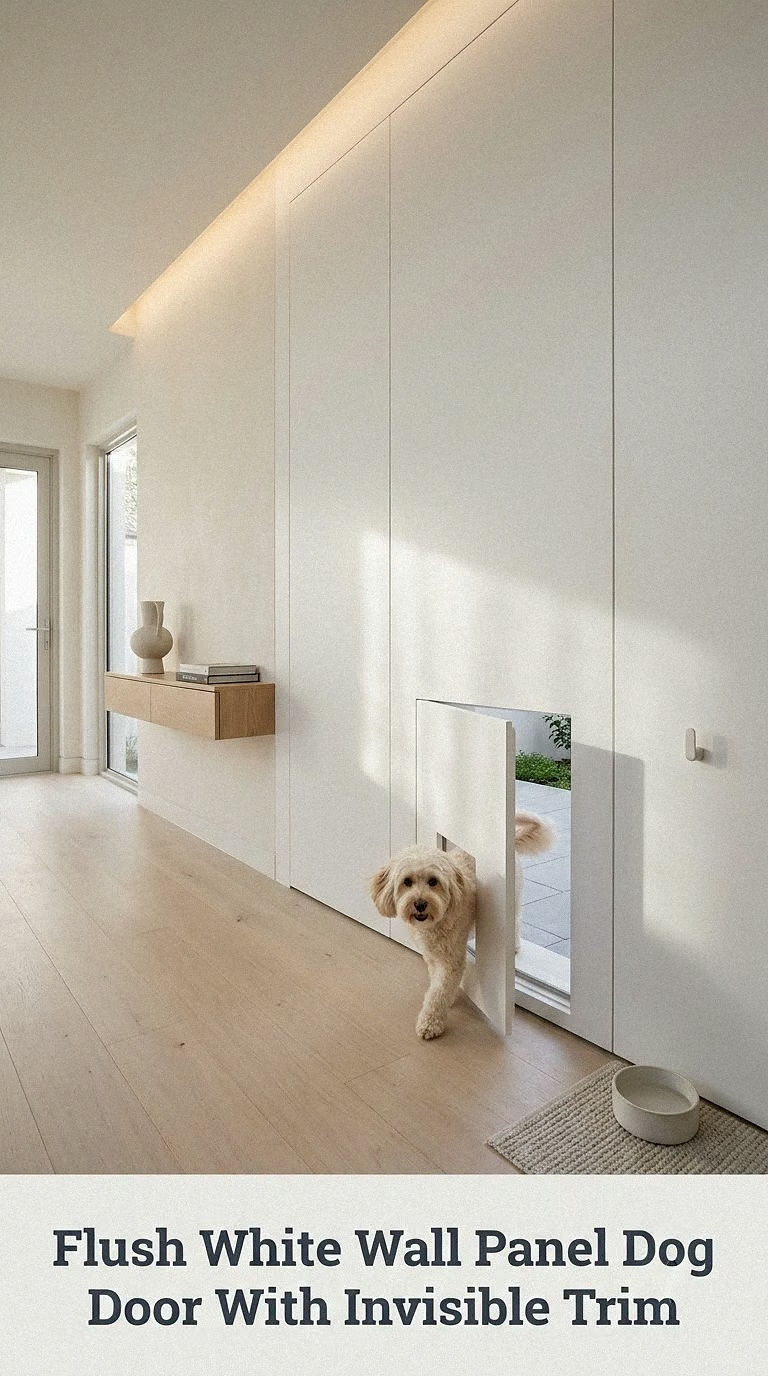
One of the cleanest ways to disguise a dog door is to incorporate it directly into decorative wall paneling. Paint the pet door frame, flap surround, and wall molding the exact same soft white or warm ivory so everything visually blends together.
This works especially well in hallways, mudrooms, dining areas, and rooms with picture-frame molding. Align the edges of the pet door with existing panel lines whenever possible. Instead of appearing like an object attached to the wall, the opening becomes another architectural detail.
For an even quieter look, choose a slim frame without contrasting hardware. Keep nearby styling simple with a woven basket, neutral runner, or small bench rather than drawing attention directly toward the opening.
If the wall leads outdoors, use a properly constructed wall-entry pet door with a finished tunnel rather than simply cutting an exposed opening through the wall.
Warm White Oak Mudroom Cabinet With Hidden Dog Passage
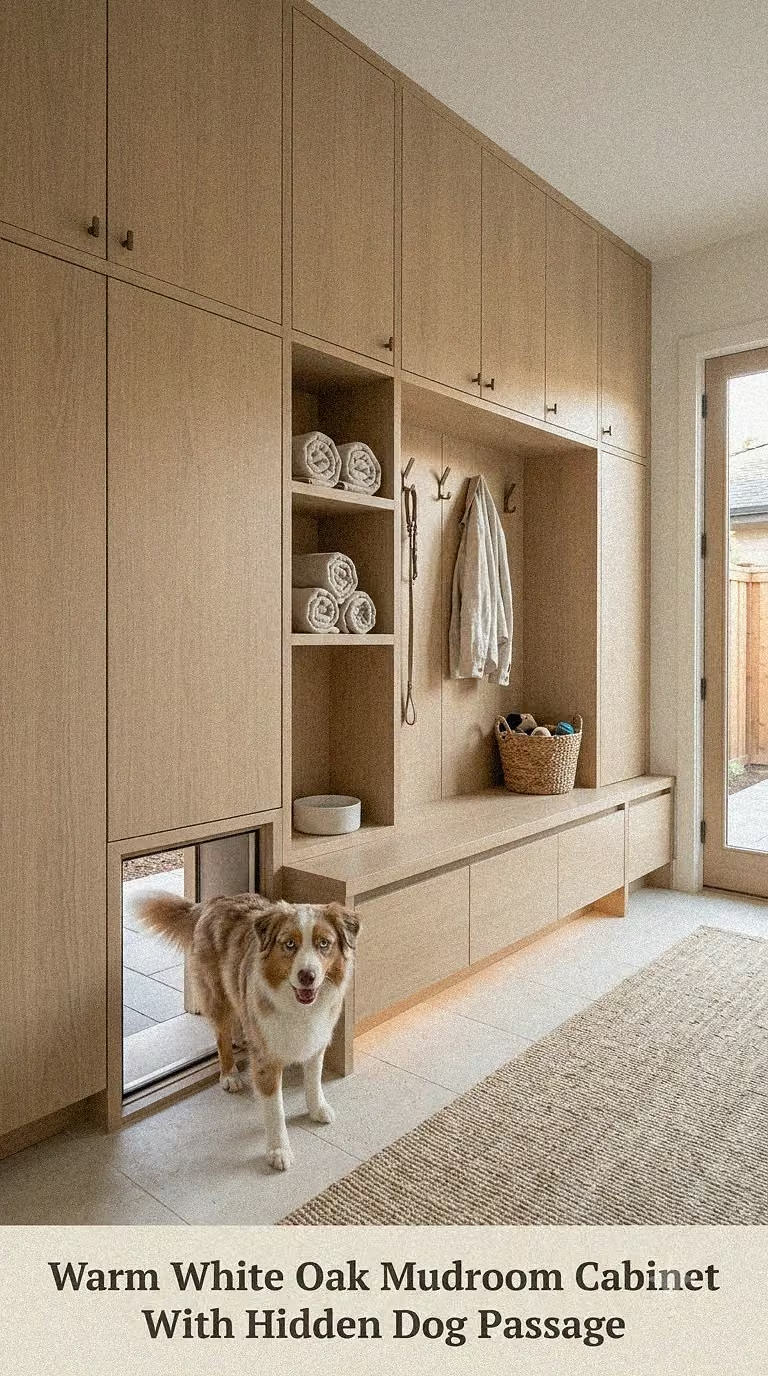
A mudroom is one of the most practical locations for a concealed pet entrance because it already handles shoes, leashes, muddy paws, and outdoor gear.
Build the dog passage into the lower section of a white oak cabinet or locker system. From across the room, it can look like another shadow line within the cabinetry. Above it, add drawers for waste bags, grooming brushes, towels, and treats.
Warm oak looks especially beautiful beside creamy walls, black hooks, stone-look flooring, and woven baskets. A washable runner positioned between the pet entrance and the rest of the house can catch dirt before it travels farther indoors.
For a custom renovation, the cabinet can also conceal part of a wall-mounted dog-door tunnel. Just make sure the route remains wide, smooth, and completely unobstructed inside.
Sage Green Shaker Cabinet Dog Door With Brass Details
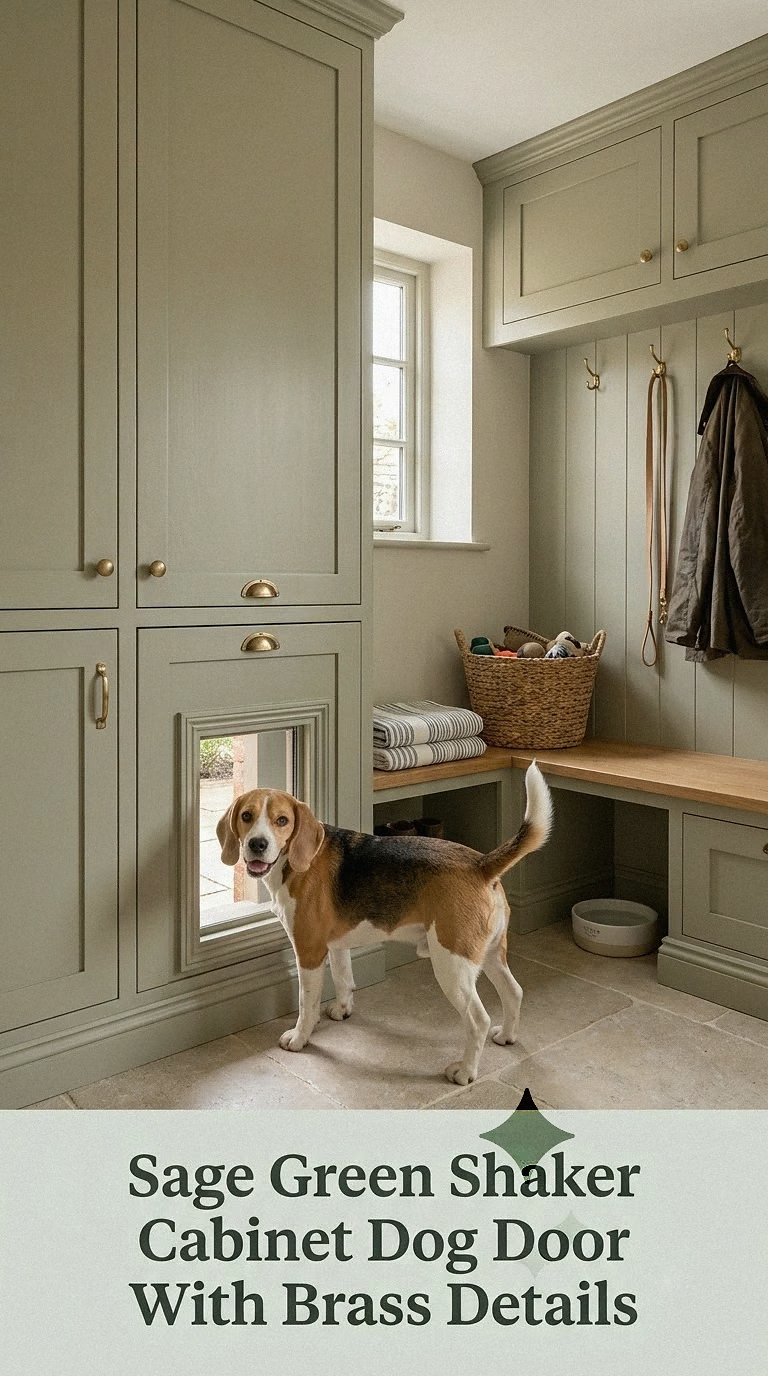
For a softer cottage-inspired look, disguise a small dog entrance within a bank of sage green Shaker cabinetry.
Position the opening inside a lower cabinet panel and paint the surrounding trim exactly the same muted green. Small brass knobs, warm wood countertops, and natural baskets can make the entire area feel like charming custom furniture rather than a dedicated pet station.
This style works beautifully in mudrooms, utility rooms, kitchens, or covered entry spaces.
Keep decorative details around the dog opening restrained. A complicated molding profile may create corners that collect fur and dirt, so smooth painted surfaces around the actual passage are easier to wipe clean.
If your dog frequently returns with wet paws, consider durable tile or waterproof flooring immediately around the entrance instead of delicate hardwood.
Under-Stair Dog Retreat With A Concealed Wall Door
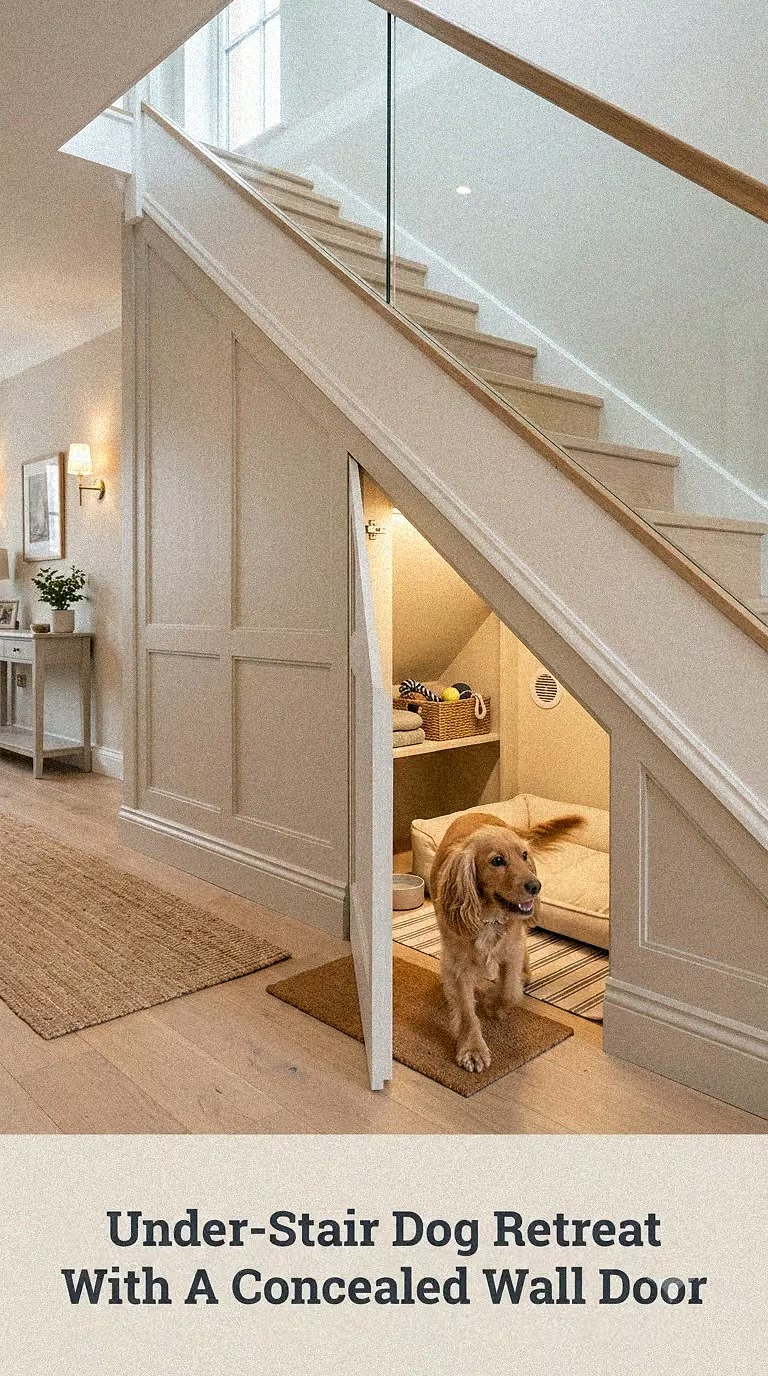
The unused area beneath a staircase can become a cozy dog retreat with its own nearly invisible entrance.
Create the opening within the same drywall or painted paneling used across the staircase wall. Inside, turn the under-stair space into a peaceful nook with a washable bed, soft lighting, toy basket, and ventilation.
This design is especially useful when you want an interior dog door rather than outdoor access. It can give your pet a quiet retreat while keeping the entrance much more polished than an open crate sitting in the living room.
Choose a generous opening that allows your dog to enter without ducking awkwardly. Larger breeds may need a taller portion of the under-stair space, while a small dog can comfortably use the lowest section.
A removable interior panel also makes cleaning the hidden nook much easier.
Vertical Wood Slat Wall With A Dark Hidden Dog Door
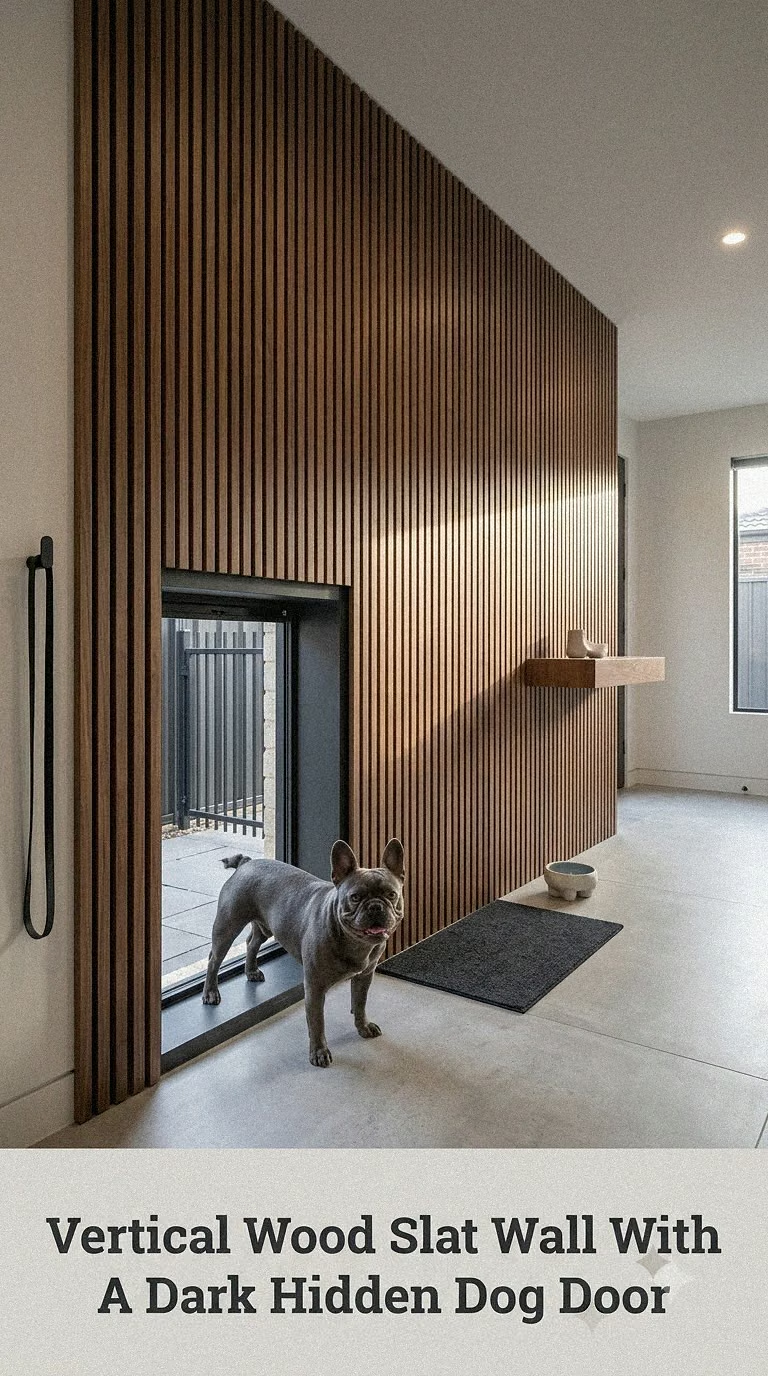
Vertical wood slat walls already contain repeating lines and shadows, making them excellent camouflage for a discreet dog opening.
Install a dark-framed pet door between warm walnut or oak slats so the frame visually disappears into the natural gaps. The combination feels contemporary and architectural, especially in modern living rooms, hallways, and home offices.
For maximum impact, continue the slatted treatment across the entire feature wall rather than framing only the dog door.
A matte black or deep brown flap works particularly well because darker components resemble the shadowed spaces between the wood strips.
Keep the lowest slats sealed or finished with an easy-clean coating since that area will receive the most nose marks, fur, and occasional splashes from wet paws.
Classic Wainscoting Dog Door With Color-Matched Molding
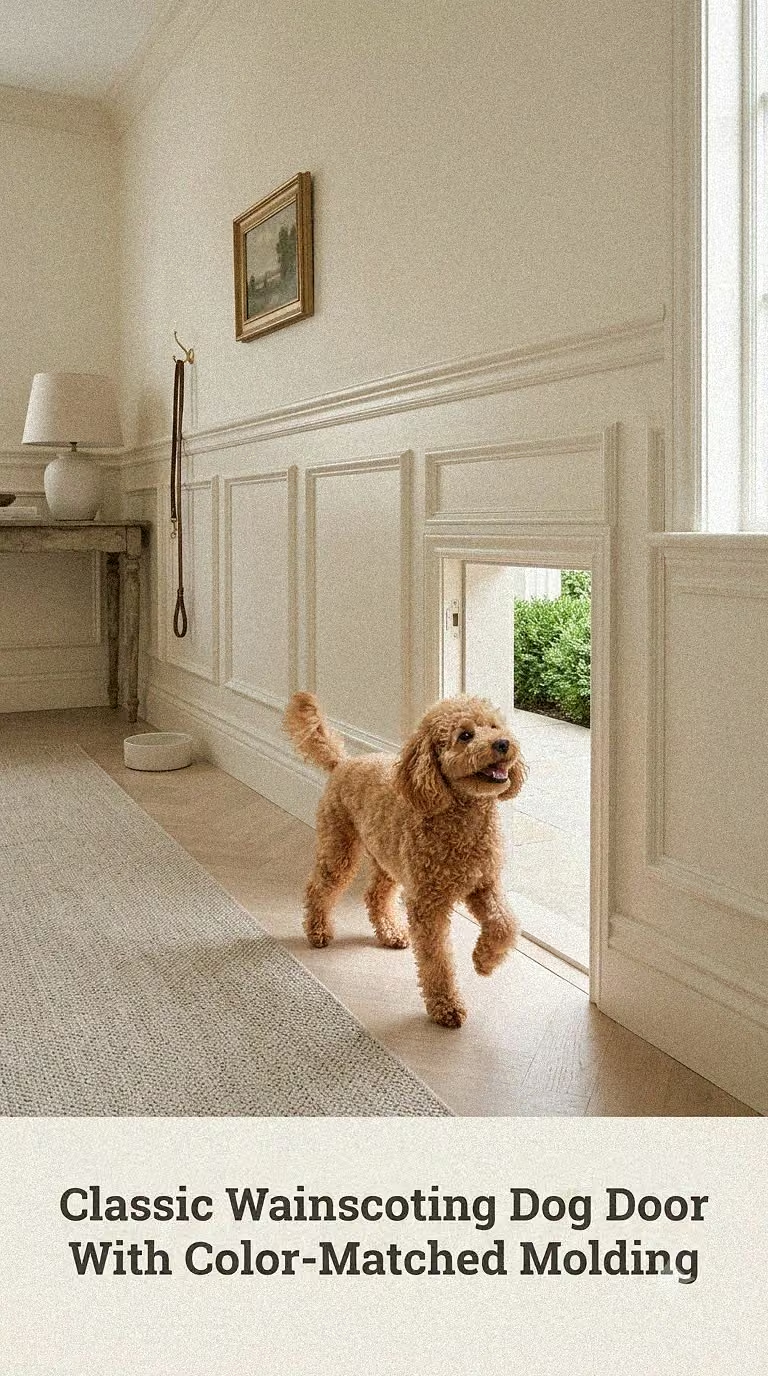
Traditional wainscoting provides another natural way to hide a dog door without making the room feel overtly pet-focused.
Plan the opening so its outer edges align with the rectangular molding pattern. Paint the frame, flap surround, baseboard, and paneling one continuous color, such as dusty blue, warm taupe, soft cream, or muted greige.
The result can be especially elegant in a dining room, hallway, or traditional entry.
This idea works best when the pet door dimensions are considered before installing the decorative molding. That allows the carpenter to create balanced panels around the opening instead of cutting through an existing design afterward.
For a budget-friendly version, lightweight applied molding can create the same paneled effect on standard drywall.
Built-In Bookshelf With A Secret Dog Door At The Base
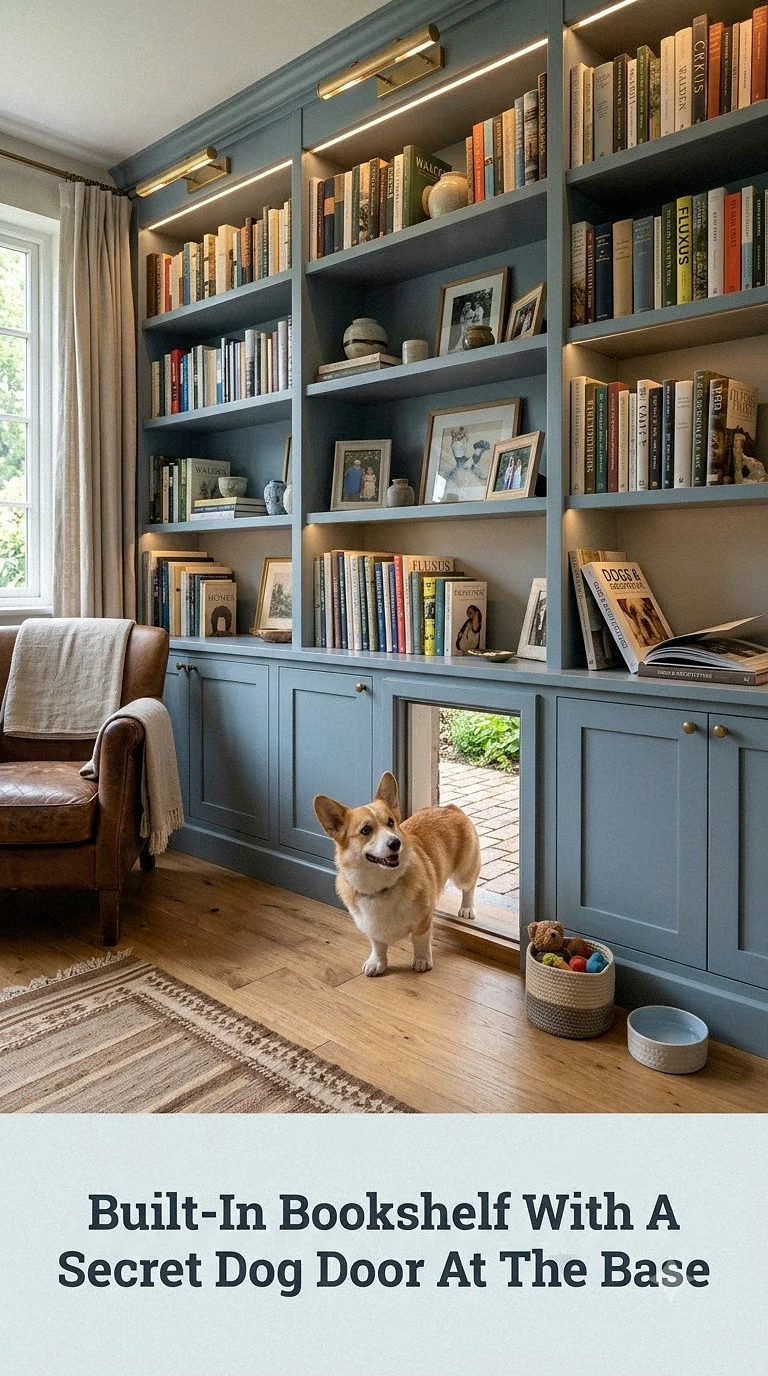
Turn the lowest section of a built-in bookshelf into a hidden passage between two interior spaces.
Read more : 18 DIY Dog Muzzle Ideas For Safer, More Comfortable Pet Care
The upper shelves can display books, pottery, framed photographs, and decorative objects while the pet entrance disappears beneath the cabinetry. Painting everything one color creates an especially seamless look.
This arrangement can work between a living room and hallway, home office and den, or bedroom and adjacent pet area.
If your dog enjoys following family members from room to room, an interior passage can provide freedom without requiring every human-size door to remain open.
Make sure nothing stored on the lowest shelves can fall into the pathway. The tunnel should remain smooth and free of sharp fasteners, exposed edges, loose wires, or decorative pieces that could be knocked over.
Window Bench With A Hidden Dog Door Beneath The Seat
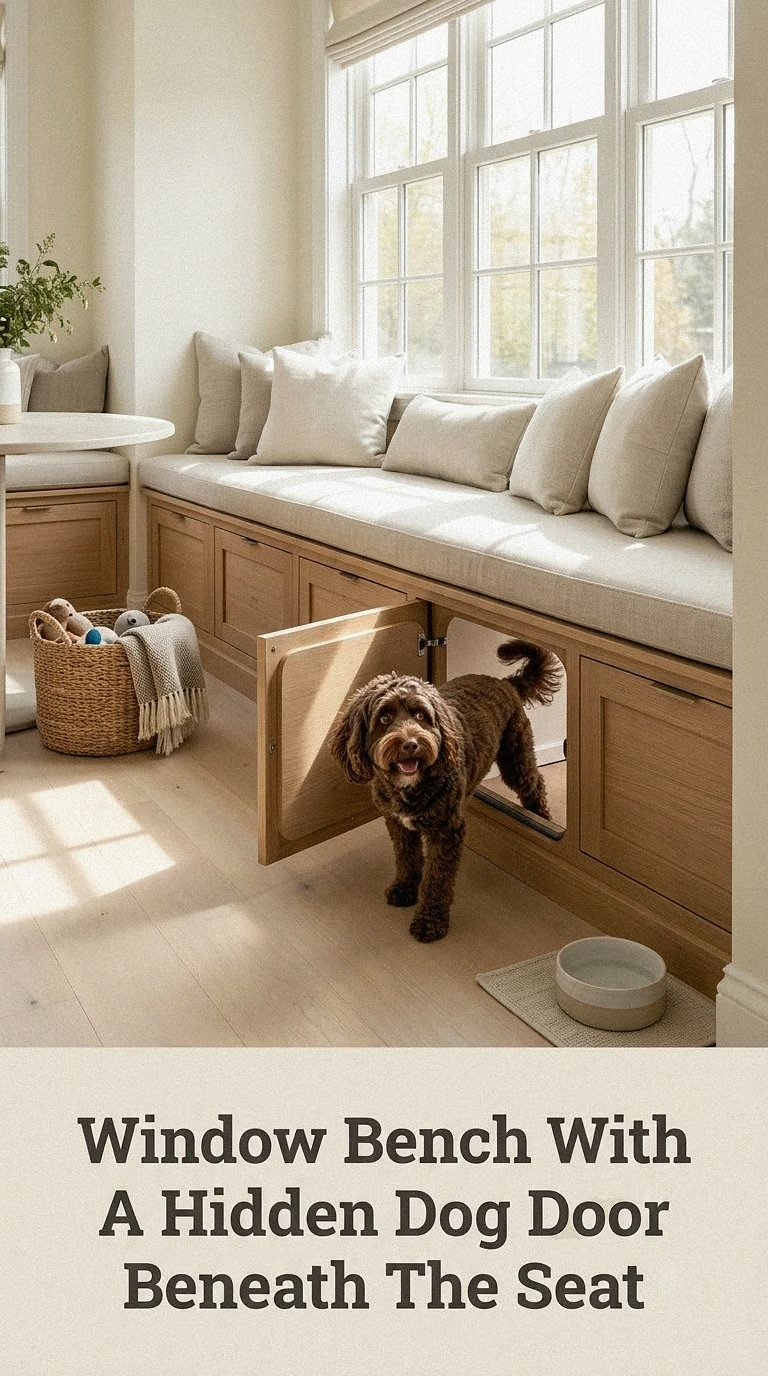
A cozy window bench can do much more than provide a sunny reading spot. Its lower cabinetry can conceal a dog passage almost completely.
Use flat-front drawers or cabinet panels across the base, then integrate the pet opening into one end. Painting all the millwork the same color helps the opening visually recede.
Top the bench with a comfortable cushion, neutral pillows, and perhaps a basket for blankets. The finished feature looks like classic built-in furniture.
This arrangement can be especially practical beside a secure backyard or enclosed patio when the bench sits against an exterior wall.
Avoid filling the area directly around the entrance with decorative baskets or shoes. Your dog should have a clear approach from both directions, particularly if several pets may use the door at once.
Minimalist Kitchen Island Dog Passage With White Oak Panels
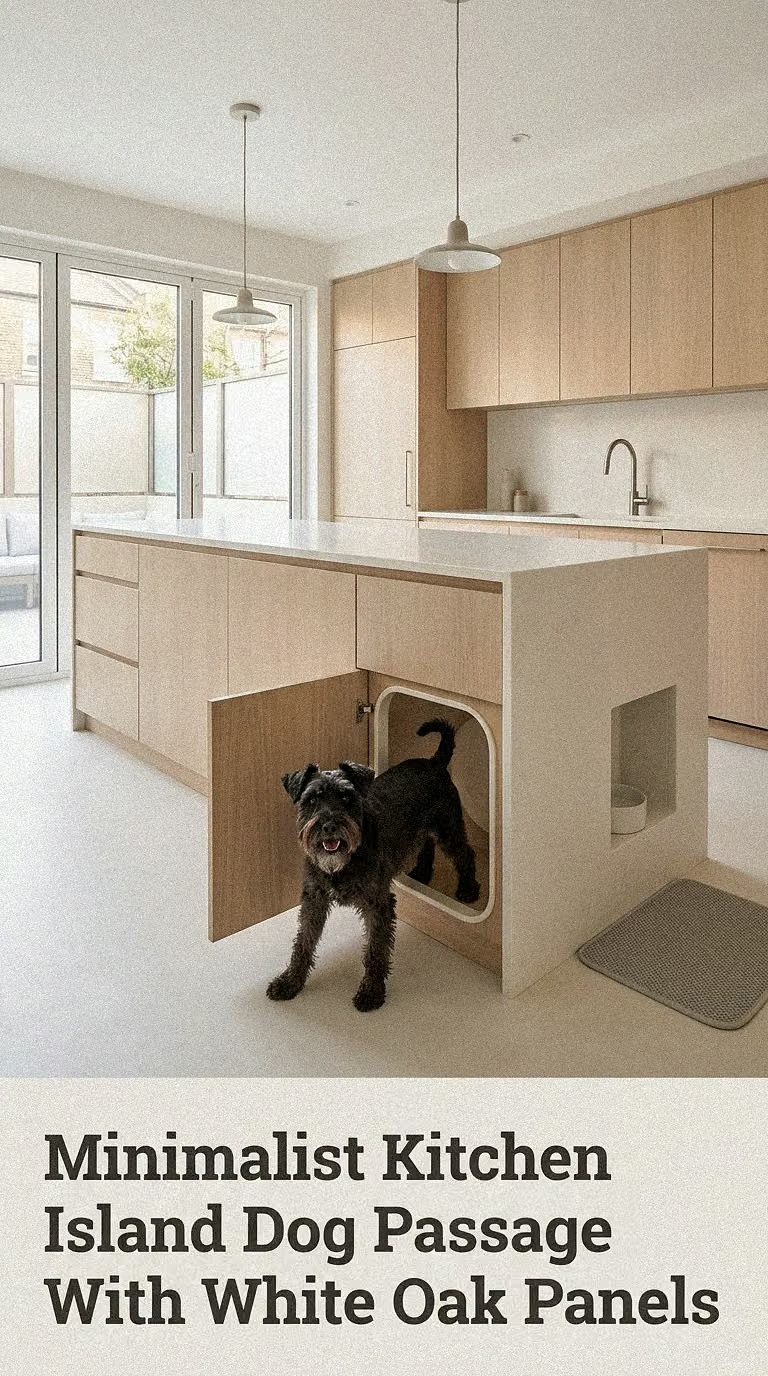
An interior pet passage can be incorporated into the end of a kitchen island when the layout allows dogs to move between adjacent areas without entering a restricted part of the kitchen.
Cover the island in smooth white oak or flat painted panels and integrate a simple rectangular opening into the lower portion. Without bulky contrasting trim, it can appear almost like an intentional furniture detail.
This idea is particularly attractive in minimalist kitchens where pet bowls, toys, and accessories are already stored inside nearby cabinetry.
However, the location needs thoughtful planning. Keep the opening away from ovens, hot cooking areas, food preparation zones, and tight walkways where people and dogs could collide.
A washable mat nearby can define the pet route while protecting the floor from scratches and water.
Laundry Room Cabinet Tunnel With Concealed Outdoor Access
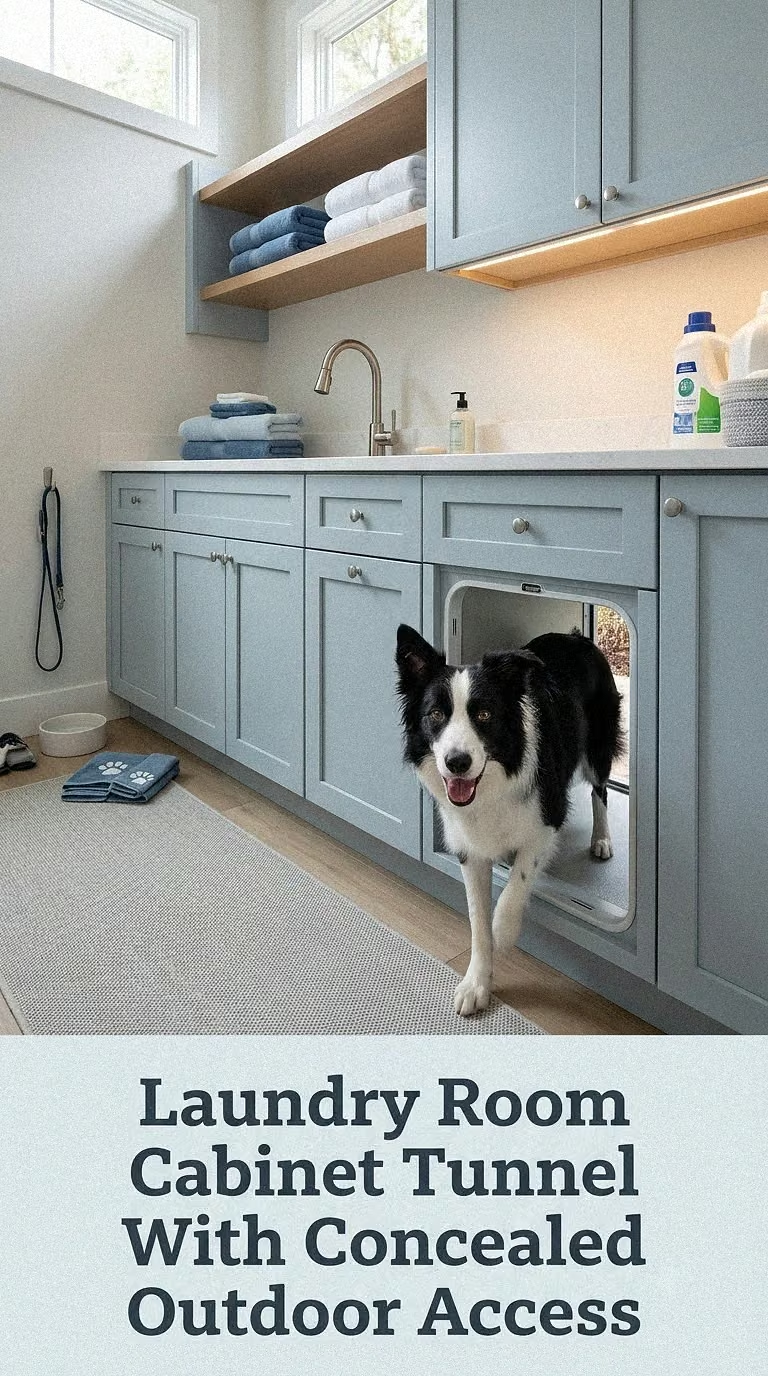
A laundry or utility room can become an ideal transition zone between the house and backyard.
Position an exterior wall-mounted dog door behind custom lower cabinetry, creating a short finished tunnel through the cabinet base. From inside the room, the entrance can look like a small opening incorporated into the furniture rather than a traditional pet flap mounted prominently on the wall.
Use moisture-resistant materials inside the passage and keep the tunnel smooth enough to wipe clean.
Nearby cabinets can hold old towels, paw wipes, leashes, and grooming products, making cleanup convenient after rainy walks or backyard adventures.
Because this arrangement involves both cabinetry and an exterior wall, precise measurements matter. Plumbing, electrical wiring, structural framing, insulation, and exterior weatherproofing should all be considered before cutting the wall.
Black Board And Batten Wall With Matching Pet Door
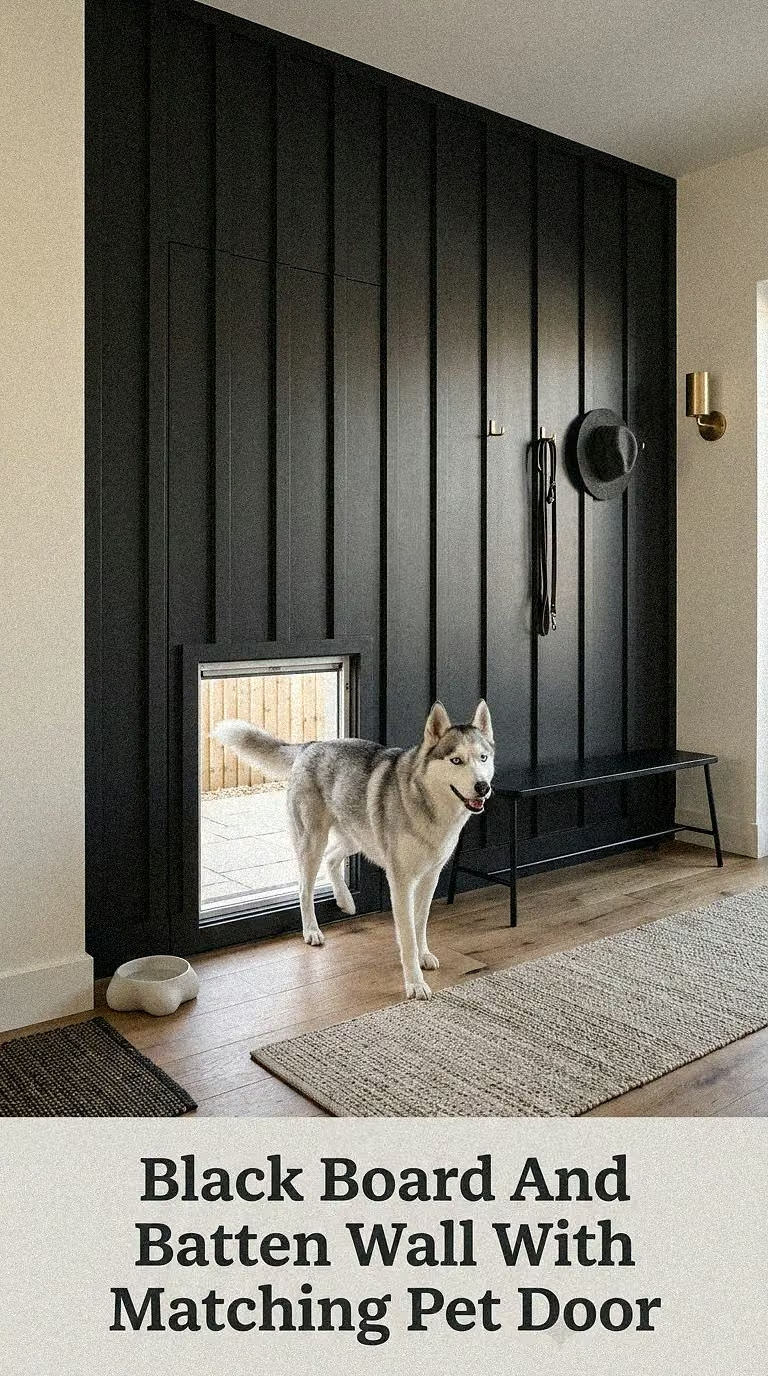
Dark wall colors are surprisingly effective at visually hiding functional elements.
Create a dramatic charcoal, black, or deep olive board-and-batten wall and select a pet door with a coordinating dark frame. When the trim lines align with the battens, the opening becomes much less noticeable.
Pair the wall with a natural wood bench, cream upholstery, vintage-style hooks, and a textured runner for a sophisticated modern farmhouse look.
This idea works particularly well in mudrooms because darker finishes can also make everyday paw marks less visually distracting between cleanings.
Use a durable washable wall finish around the lower panels. Even the most careful dog eventually brushes against the wall after coming inside, so practicality matters just as much as the dramatic color palette.
Rustic Farmhouse Bench With A Dog Door Hidden In The Base
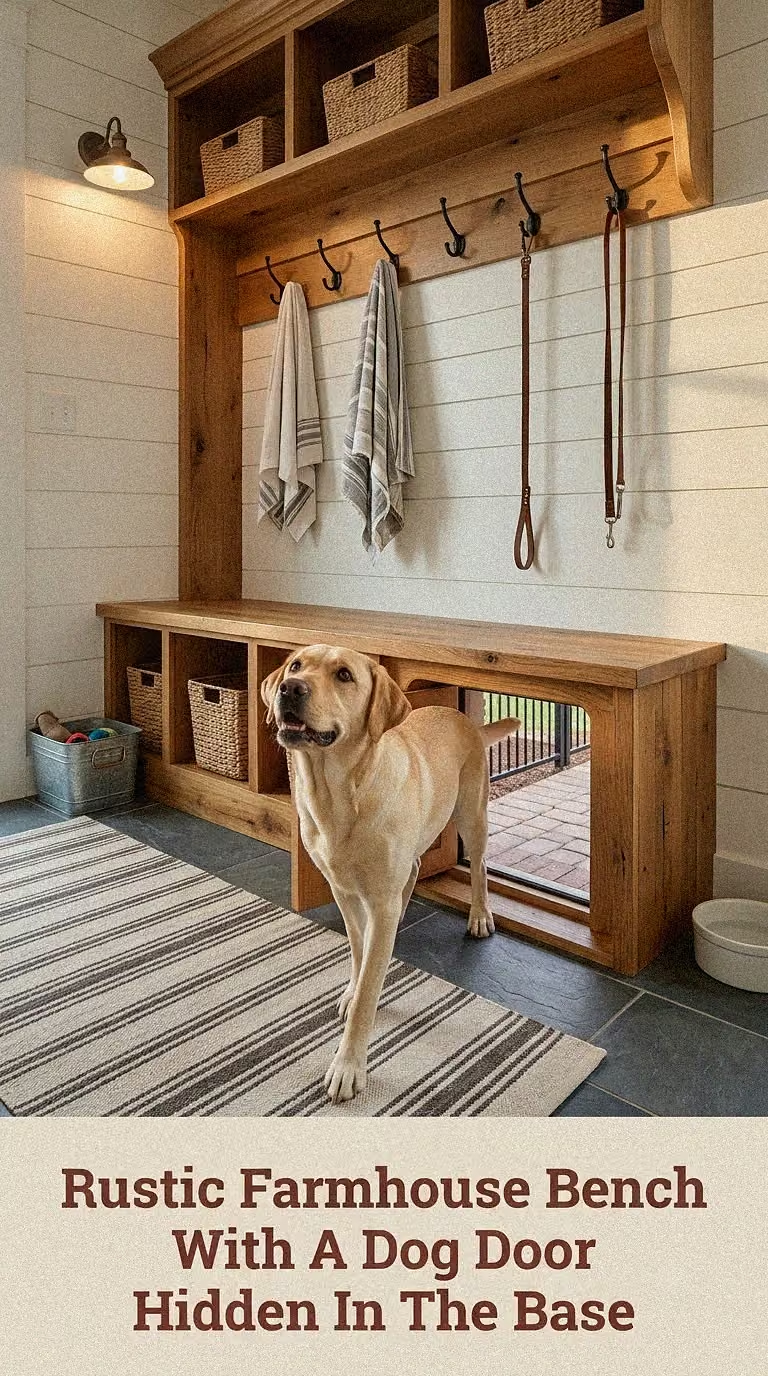
For a warm farmhouse interior, incorporate a dog opening beneath a chunky built-in bench.
Use painted beadboard, warm oak, or distressed wood across the front and position the entrance at one end. Add baskets beneath the remaining section for shoes, dog toys, and outdoor accessories.
A striped cushion, plaid pillow, antique-style hooks, and a simple jute-look runner can complete the cozy aesthetic.
The dog door itself should remain relatively simple. Too much rustic trim around the opening can create hard-to-clean crevices, so let the surrounding furniture provide the decorative character.
This concept works especially well near a back entrance because the bench gives people somewhere to sit while removing muddy shoes and provides a convenient landing zone for dog-walking essentials.
Wallpapered Hallway With A Pattern-Blended Dog Door
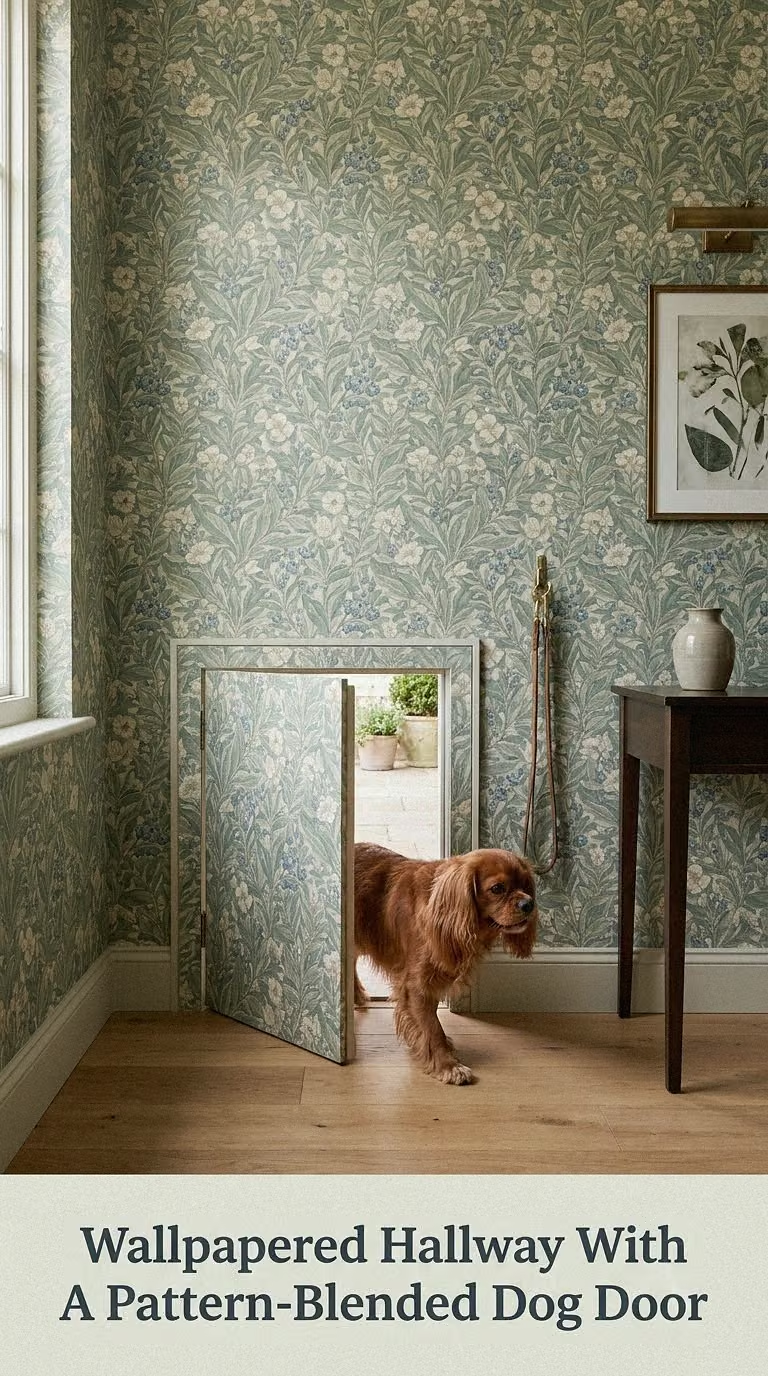
Wallpaper can provide surprisingly effective visual camouflage for an interior dog door.
Choose a botanical, block-print, geometric, or small-scale floral pattern and continue it across a lightweight door panel or surrounding trim. When the pattern lines up carefully, the opening becomes far less obvious from across the room.
This is a lovely option for cottage, traditional, and eclectic interiors where a plain plastic pet flap would feel out of place.
Use a durable washable wallpaper in areas exposed to paws and noses. For the part that actually moves, confirm that the added finish will not interfere with the pet door mechanism.
A darker patterned wallpaper can be especially forgiving in busy hallways where pets frequently pass between rooms.
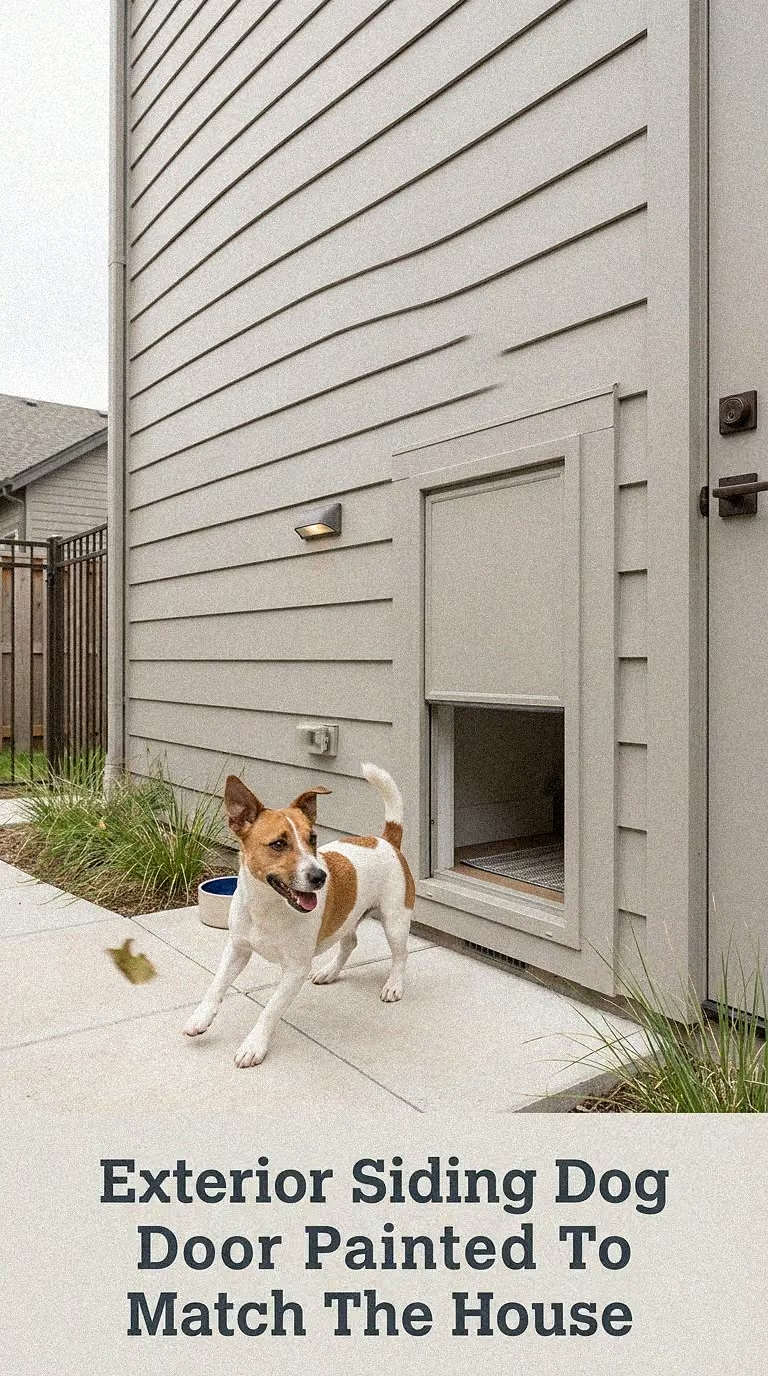
Exterior Siding Dog Door Painted To Match The House
Read more : How to Soften Dog Eye Boogers
A hidden dog door can look just as considered from the backyard as it does inside the house.
Choose a wall-mounted pet door with a paintable or low-profile exterior frame, then coordinate it with the home’s siding or trim color. On a white cottage, use white framing. On a charcoal modern home, choose a dark surround. For warm beige siding, select a similarly quiet neutral.
The goal is not necessarily to make the opening impossible to see, but to prevent it from looking like an afterthought.
Keep the ground outside level and easy for your dog to navigate. Gravel, mud, or a sudden drop immediately beyond the opening can make a beautifully installed pet door unpleasant to use.
A small paved landing or washable outdoor mat can create a cleaner transition.
Brick Wall Dog Door With A Warm Wood Interior Surround
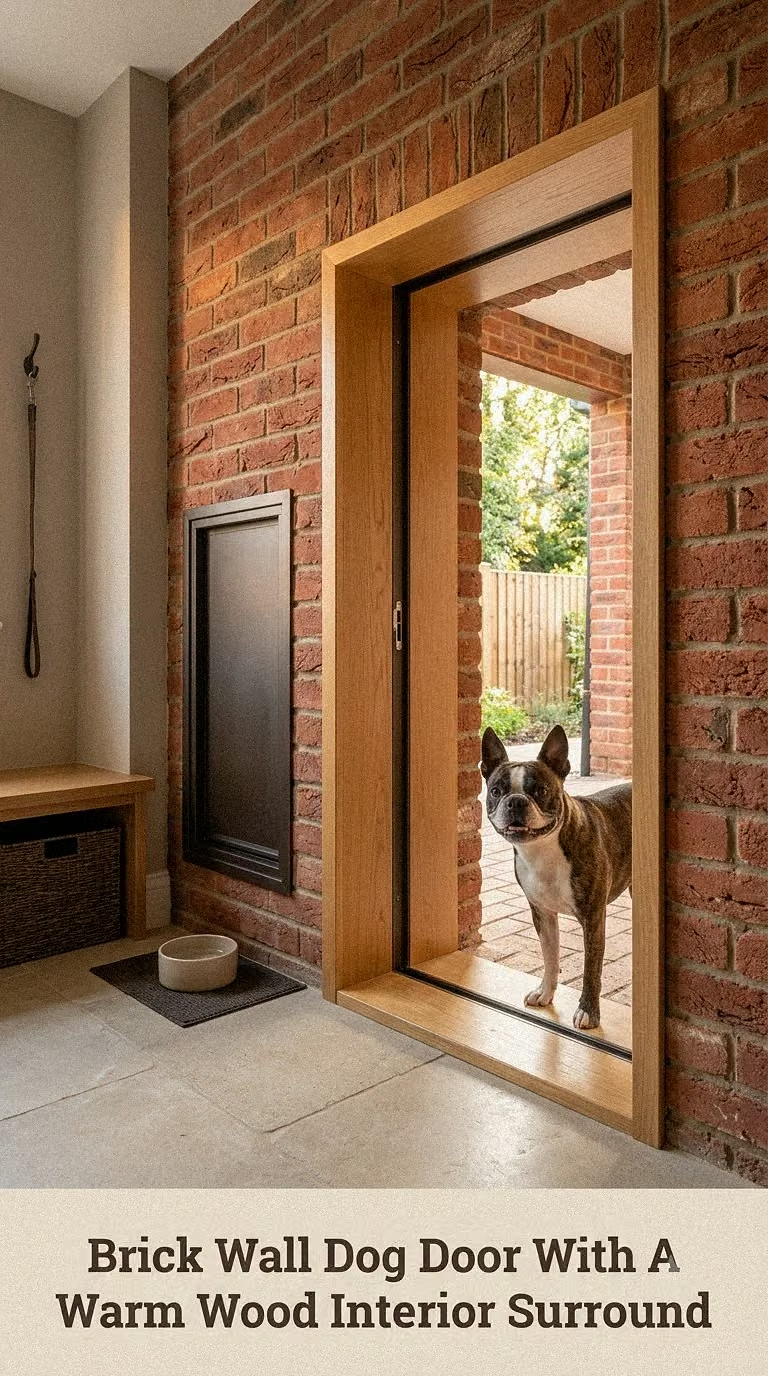
Brick homes present a bigger installation challenge, but the finished result can look beautifully permanent when carefully planned.
On the exterior, allow the pet-door frame to sit neatly within the masonry rather than attempting to disguise it with elaborate decoration. Inside, soften the appearance with a warm oak, walnut, or painted wood surround that coordinates with nearby cabinetry.
This contrast creates a polished transition between a rugged exterior material and a comfortable interior.
Cutting through brick, block, or other masonry is more involved than modifying a lightweight interior partition, so this is one design where professional installation may be especially worthwhile.
The completed tunnel should be fully finished, weather-resistant, and free of rough masonry edges where a dog’s coat or paws could catch.
Smart RFID Dog Door Hidden Inside Modern Cabinetry
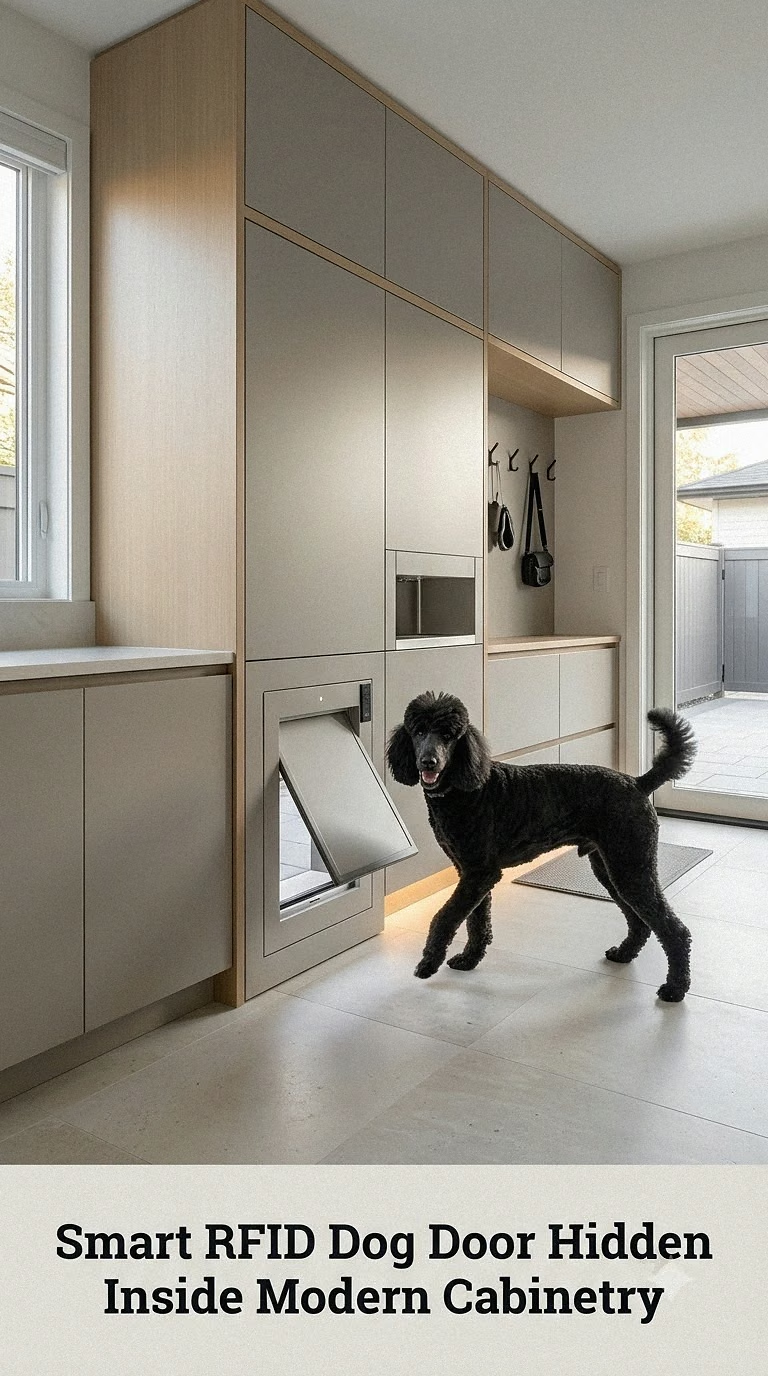
Technology can help a concealed dog door feel more controlled as well as more attractive.
Electronic pet doors can use a compatible microchip or collar tag to control access, while some designs include scheduled locking or selective entry features. Integrate the unit into simple cabinetry or a quiet wall treatment so the technology does not dominate the room visually.
This approach works especially well in modern homes with flat-front cabinets, concealed handles, and minimal decoration.
Before building custom cabinetry around an electronic unit, leave enough access for batteries, controls, servicing, or future replacement.
Electronic access can be useful when unwanted animals are a concern, but it should complement rather than replace good outdoor safety. Your dog’s exterior destination should still be securely enclosed and appropriate for unsupervised access.
Low Hidden Dog Door With A Gentle Senior-Friendly Ramp
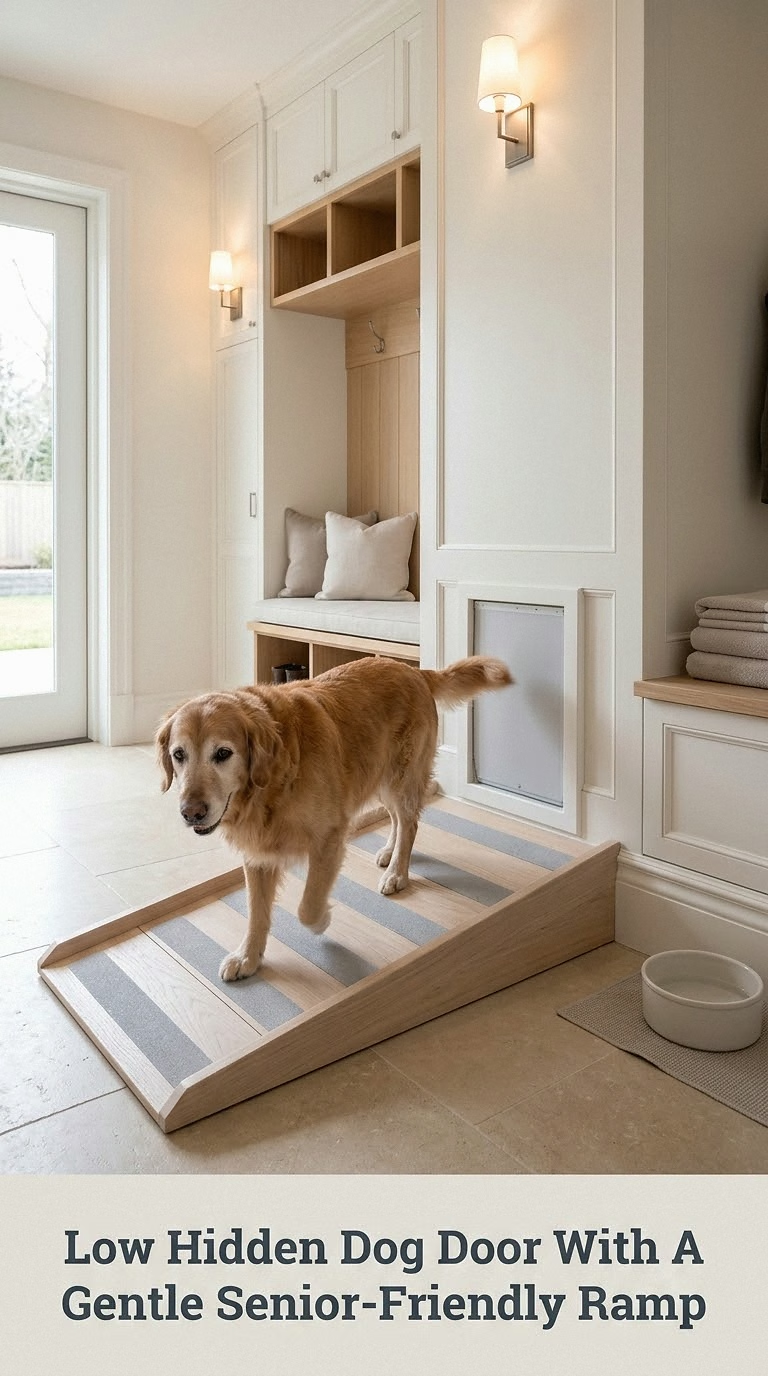
A concealed dog entrance should be easy to use throughout your pet’s life, not merely attractive today.
For an older dog or a pet with limited mobility, combine a low-threshold wall door with a short, gently inclined ramp. Build the ramp from the same wood as nearby cabinetry or flooring so the entire arrangement looks intentional.
Add a grippy washable surface rather than leaving slick polished wood exposed. Subtle side edges can help guide the dog without making the ramp look bulky.
This design can also benefit small dogs that would otherwise need to jump down from an elevated exterior wall opening.
Keep the approach straight whenever possible. Complicated turns immediately before a flap may be difficult for dogs that are hesitant, visually impaired, or less flexible than they once were.
Hidden Dog Door Inside A Cozy Built-In Pet Station
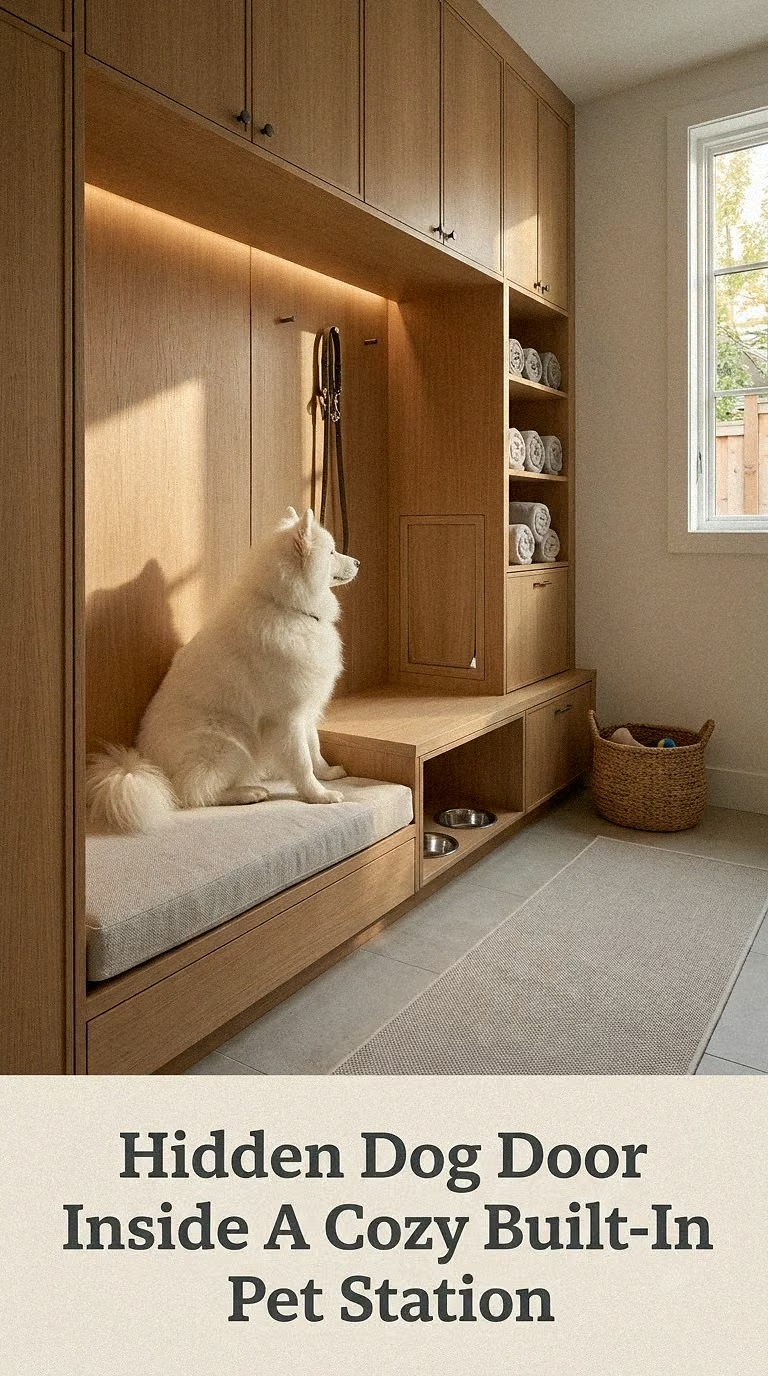
Instead of trying to make the pet door disappear completely, hide it inside a larger feature that feels intentionally designed for your dog.
Create a built-in station with warm wood paneling, a washable cushion, hooks for leashes, drawers for supplies, and a discreet door positioned at the back or side of the nook.
The entrance becomes visually absorbed by the overall composition rather than standing alone on an empty wall.
Soft beige, warm oak, muted sage, and creamy white can create a calm, inviting palette. Add only a few decorative touches so the station remains easy to clean.
This concept works especially well in mudrooms and utility spaces where pet supplies would otherwise accumulate in baskets throughout the house.
Modern Arched Dog Passage With Seamless Painted Trim
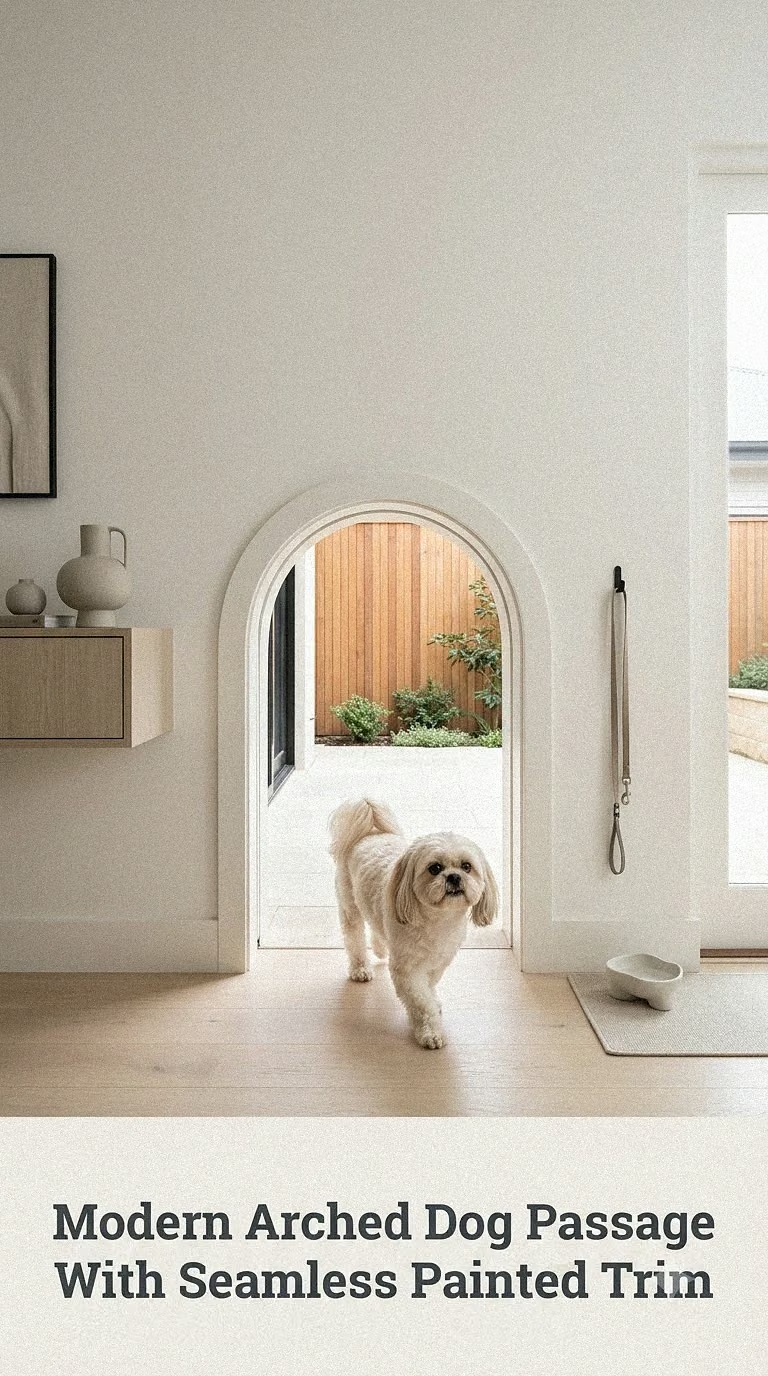
An arched pet opening adds personality while still feeling architectural and refined.
Instead of using a visible rectangular opening for an interior passage, create a small rounded arch in a partition wall or built-in cabinet. Finish the edges smoothly and paint everything one continuous shade such as warm white, clay, greige, or soft olive.
The shape can echo arched doorways elsewhere in the home, making the dog passage feel like a miniature version of the surrounding architecture.
This idea is best suited to interior room-to-room access unless a purpose-built exterior pet door is incorporated behind the decorative opening.
Keep the actual passage generous enough for your dog’s shoulders and back. The decorative arch should never narrow an otherwise comfortably sized pet doorway simply for appearance.
Creating Hidden Dog Door Ideas That Work Beautifully In Real Life
The most successful hidden dog door ideas are not simply clever ways to disguise a flap. They combine beautiful design with a route your dog can use comfortably and confidently every day.
A color-matched wall door may be perfect for a minimalist home, while a hidden passage beneath a mudroom bench can make sense for a busy family dealing with muddy paws. Built-in cabinetry offers storage as well as camouflage, while smart access systems can suit homeowners who want more control over when a pet door can be used. Older and smaller dogs may benefit most from a low opening paired with a comfortable ramp.
Whichever look you choose, begin with your dog’s needs and then design the room around them. Pay attention to opening size, footing, outdoor security, weather sealing, cleaning access, and the path on both sides of the door.
With thoughtful planning, even a highly practical pet entrance can become a quiet, polished part of your home, giving your dog more freedom while preserving the warm, stylish space you love.
Source: https://petstutorial.com
Category: DOGS
