
Living with a big dog often means living with a big personality, big paws, and an equally big need for things to do. A quick walk around the block may be part of the daily routine, but many large dogs also thrive when they have regular opportunities to sniff, search, chew, solve problems, explore, train, and simply use their brains.
- What Breed Of Dog Does The U.S. Secret Service Exclusively Use?
- 17 Beautiful Dog Bowl Memorial Ideas To Honor Your Best Friend With Love And Style
- 18 Dog Litter Box Ideas Indoor for Clean, Cozy, and Stylish Homes
- 19 Dog Bed Ideas for Bedroom That Look Beautiful and Feel Extra Cozy
- 18 Dog Partition Ideas for Beautiful, Organized, and Pet-Friendly Homes
The good news is that enrichment does not have to mean filling your house with expensive dog toys. Some of the best large dog enrichment ideas can be created with ordinary household items, a portion of your dog’s normal meal, a few sturdy toys, or a thoughtfully designed corner of your home or backyard.
You are reading: 19 Large Dog Enrichment Ideas To Keep Big Dogs Happy, Busy, And Mentally Stimulated
For larger breeds, scale matters. Tiny puzzles can become frustrating or unsafe, lightweight toys may disappear under a sofa in seconds, and delicate DIY projects can quickly become confetti. Choosing oversized, sturdy materials and supervising new activities makes enrichment much more enjoyable.
You can also tailor each idea to your dog’s personality. A scent-loving Labrador may adore treasure hunts, while a shepherd might light up during training games. A senior Great Dane may prefer slow sniffing and licking activities over jumping and running.
Below are practical, visually appealing ideas you can rotate throughout the week so enrichment stays fresh without becoming complicated.
Large Dog Enrichment Ideas For Fun, Exercise, And Mental Stimulation
Oversized Snuffle Mat Breakfast Station With Woven Storage Baskets
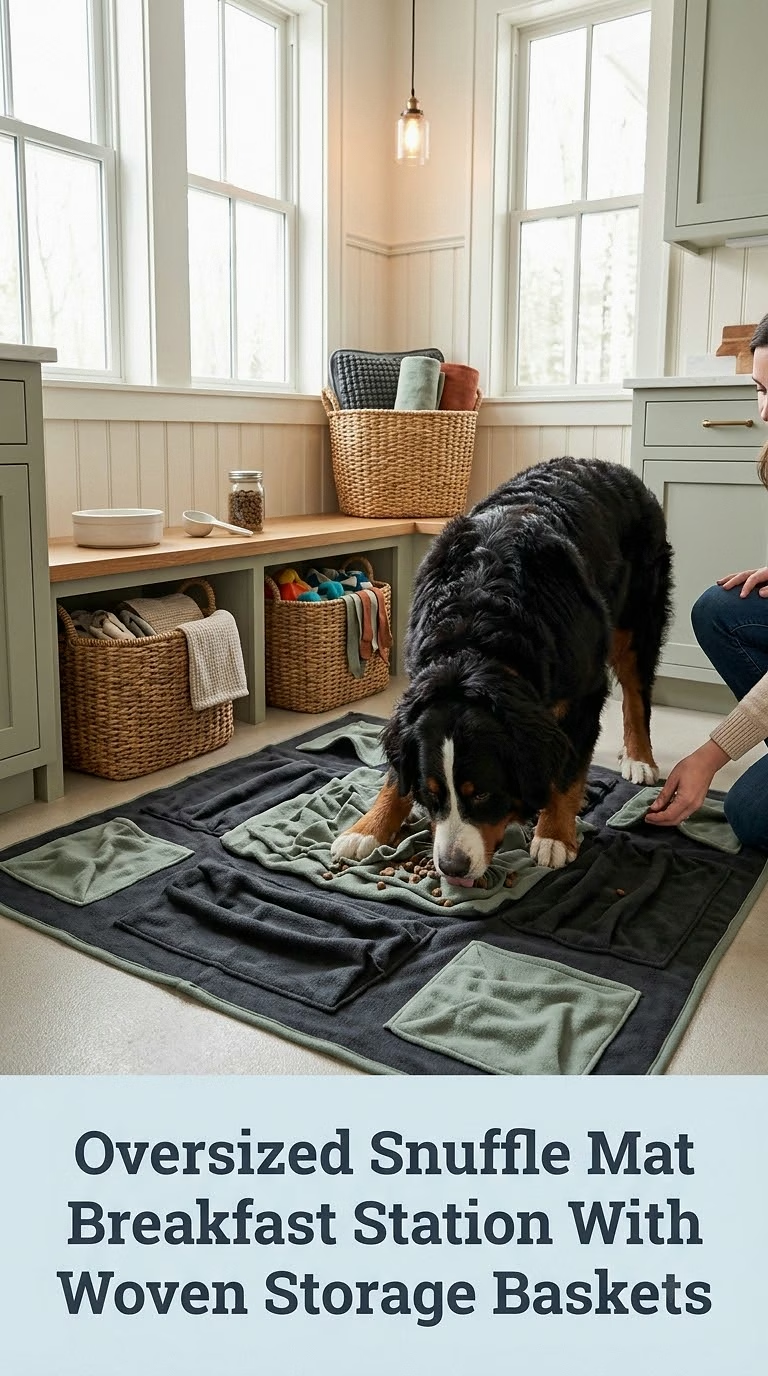
Turn an ordinary breakfast into a slow scent-searching activity with an extra-large snuffle mat. Choose one wide enough that your dog can comfortably move around it without constantly pushing it across the floor.
Scatter part or all of your dog’s dry meal between the fabric folds and allow them to sniff out each piece. Starting with loosely scattered kibble makes the game easy. As your dog understands the idea, tuck pieces deeper into different sections.
Create a permanent enrichment station by placing the mat beside a washable rug and a large woven basket containing approved toys. Neutral beige, sage, or warm gray accessories can help the setup blend beautifully into a living room or mudroom.
Wash the mat regularly and inspect it for loose fabric. If your dog likes tearing textiles rather than simply sniffing through them, supervise closely and store the mat immediately after each session.
Backyard Sniff Safari Trail With Hidden Treat Stations
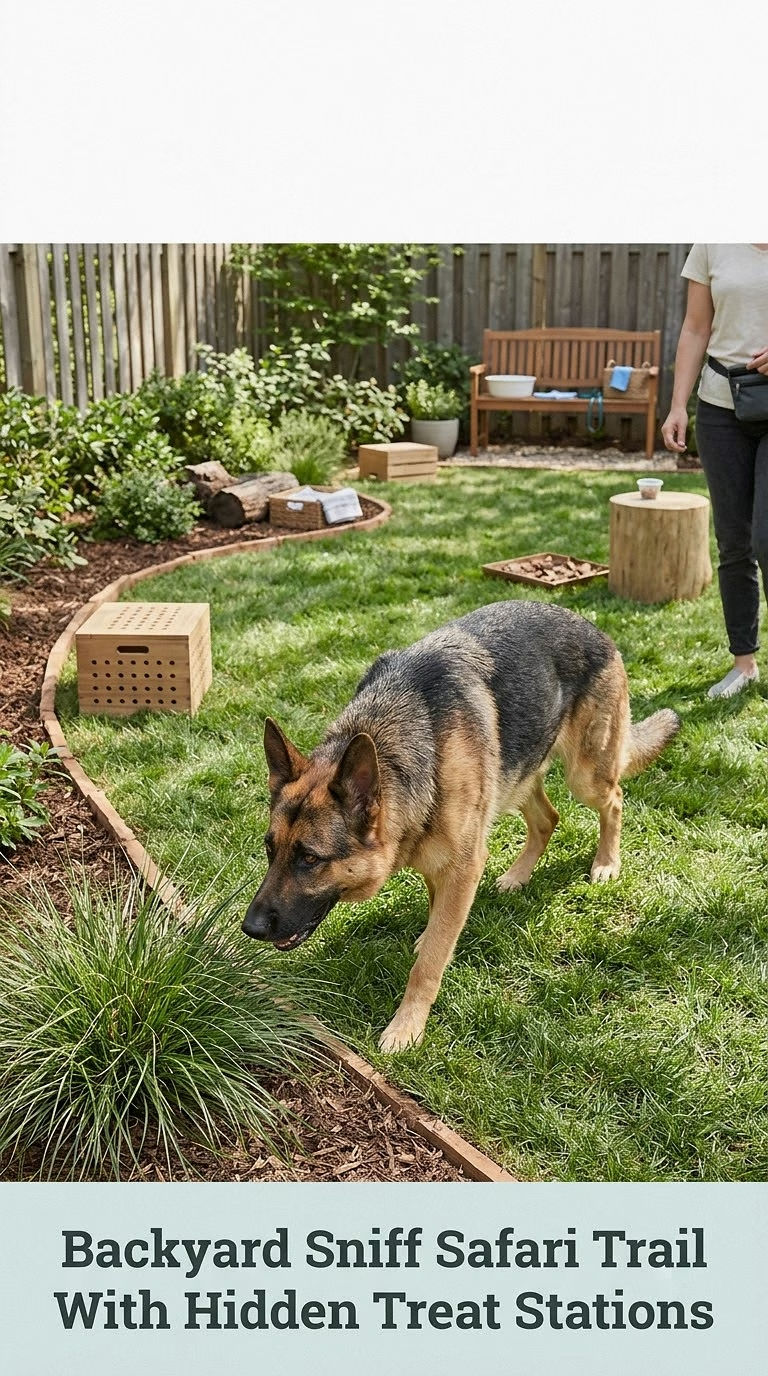
A spacious backyard can become far more interesting when it turns into a scent trail rather than simply an open lawn.
Before letting your dog outside, hide small pieces of their normal food in several safe locations. Place a few near tree trunks, under overturned dog-safe containers, beside garden borders, or around outdoor furniture.
Initially, make the trail obvious so your dog learns the game. Later, spread the scent stations farther apart and use more challenging locations.
You can make the area visually attractive with stepping stones, raised planters, wood-chip paths, and a dedicated grassy searching zone. Avoid hiding food near pesticides, toxic plants, sharp landscaping materials, or anything your dog should not investigate.
This is particularly useful for dogs that love wandering around with their noses glued to the ground.
Heavy-Duty Frozen Food Toy Rotation In A Modern Dog Corner
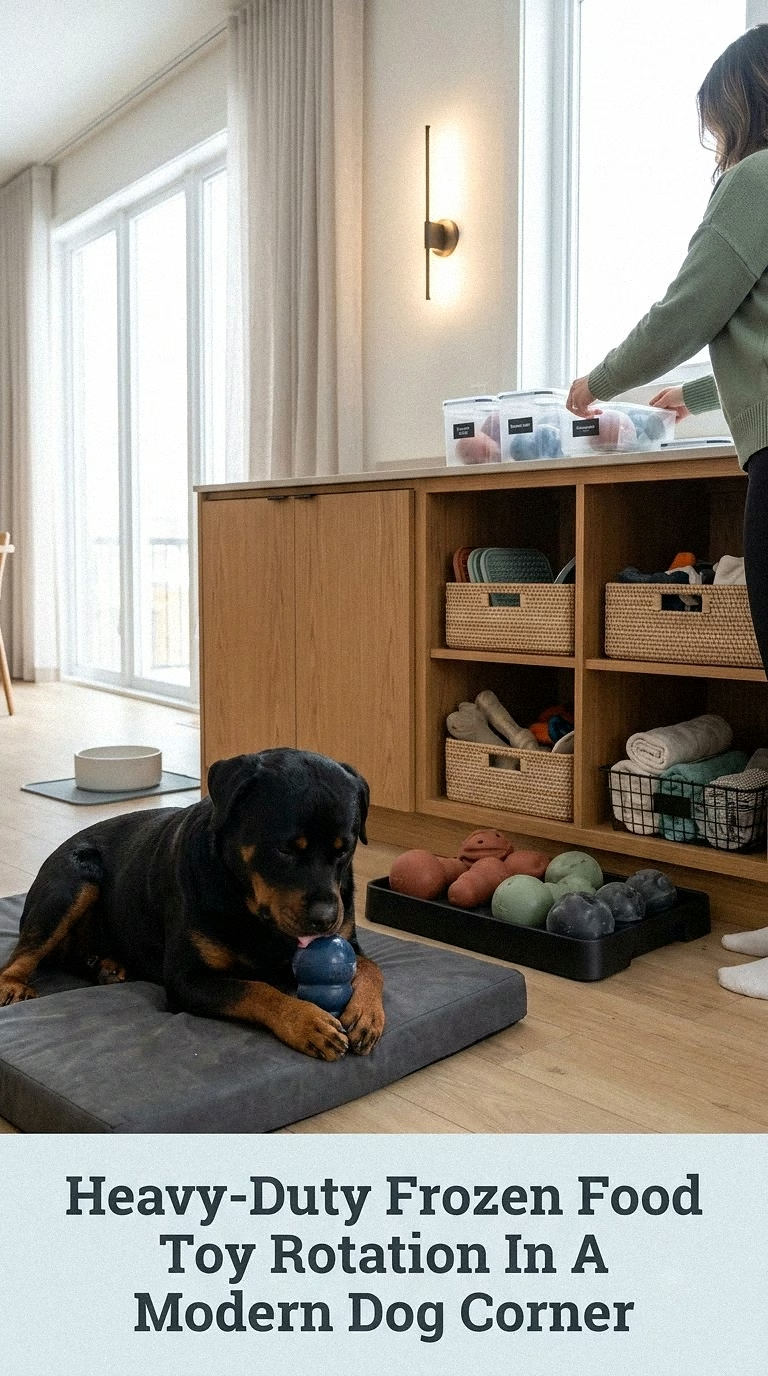
Stuffable rubber toys can provide a satisfying combination of licking, chewing, and problem-solving, especially when the contents are chilled or frozen.
Use toys specifically sized for large dogs and powerful chewers. Fill them with part of your dog’s normal meal or another dog-safe filling appropriate for their diet.
Instead of relying on one toy every day, keep several different shapes in rotation. One might be easy to empty while another requires more manipulation.
Create a simple dog corner with a washable mat, sealed food container, hooks for leashes, and a small freezer bin reserved for prepared enrichment toys.
Check rubber toys frequently for cracks or missing pieces. A toy should be large enough that your dog cannot comfortably fit the entire object inside their mouth.
Rustic Cardboard Treasure Box Shredding Station
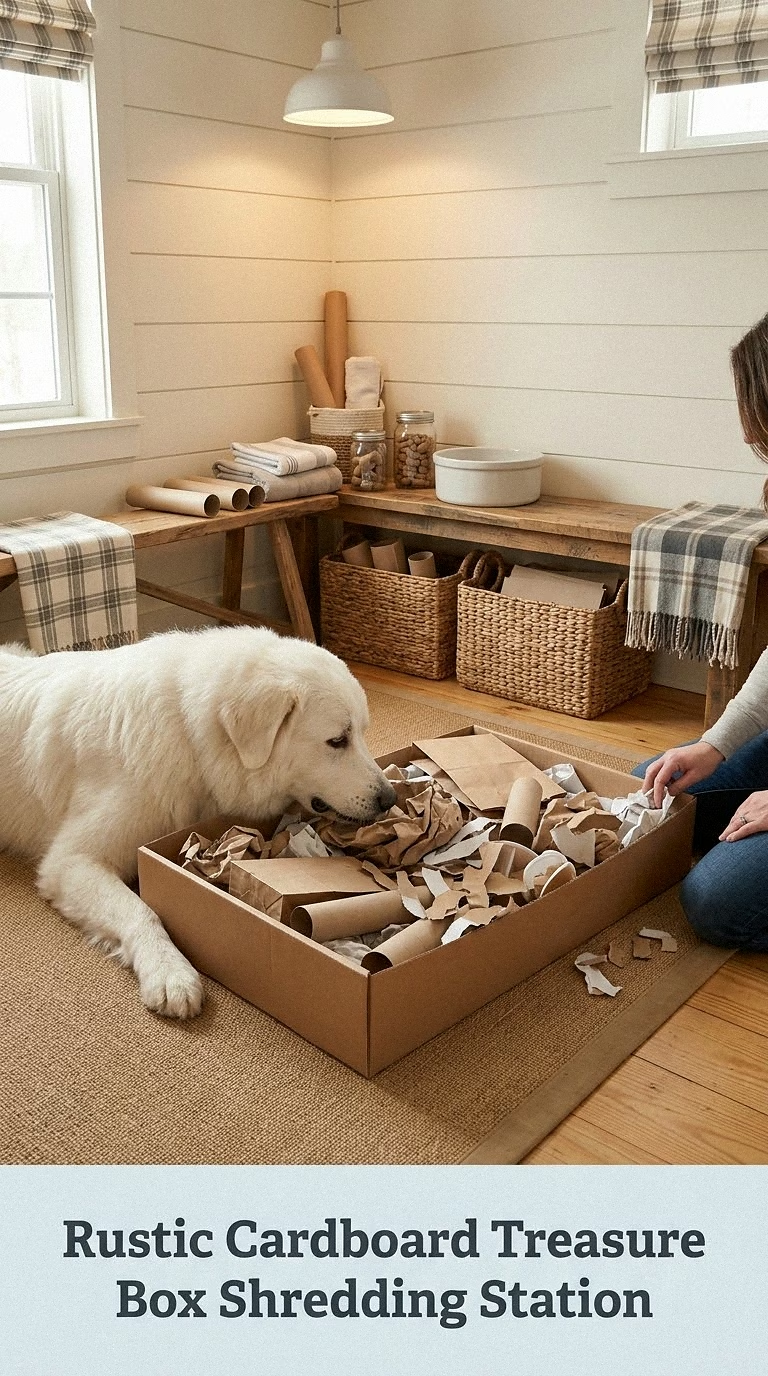
For dogs that naturally love ripping cardboard, controlled shredding can be much more satisfying than constantly telling them not to destroy delivery boxes.
Place several empty cardboard boxes inside one larger box. Add crumpled plain paper and hide a few pieces of kibble between the layers.
Set the activity on a washable floor or outdoor patio because the final result will probably look delightfully chaotic.
A rustic wooden storage crate nearby can hold clean cardboard waiting for future games, making the setup look intentional rather than messy.
Supervision is essential. Some dogs happily tear cardboard and spit it out, while others attempt to swallow everything they destroy. Skip this activity if your dog regularly eats paper or cardboard.
Remove tape, labels, staples, plastic packaging, and other potentially hazardous materials before starting.
Indoor Hallway Scent Hunt With Hidden Treat Containers
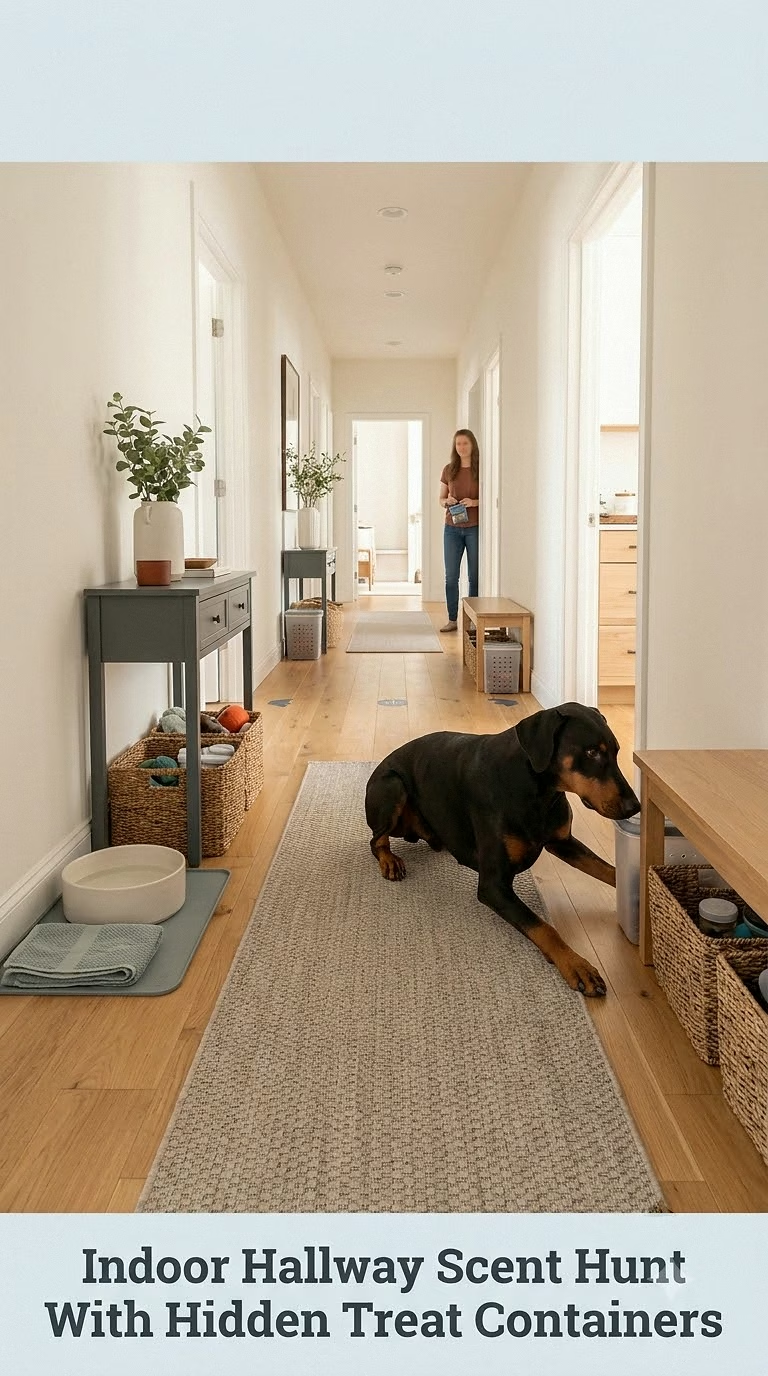
A hallway can become an enrichment zone even when you live in a smaller home.
Place several sturdy containers or boxes along the floor and hide food inside only a few of them. Encourage your dog to investigate each container and discover which ones contain the reward.
Large dogs may do better with sturdy plastic cups, flowerpots, or substantial boxes rather than lightweight paper cups that collapse under one enthusiastic paw.
Once your dog understands the game, spread containers into multiple rooms or hide them behind furniture where they remain safely accessible.
This activity is ideal for rainy days because it provides mental engagement without requiring a large indoor play space.
Keep breakable decor and slippery rugs away from the search area so excited investigating does not turn into accidental redecorating.
Cedar-Framed Backyard Digging Pit With Buried Toy Treasures
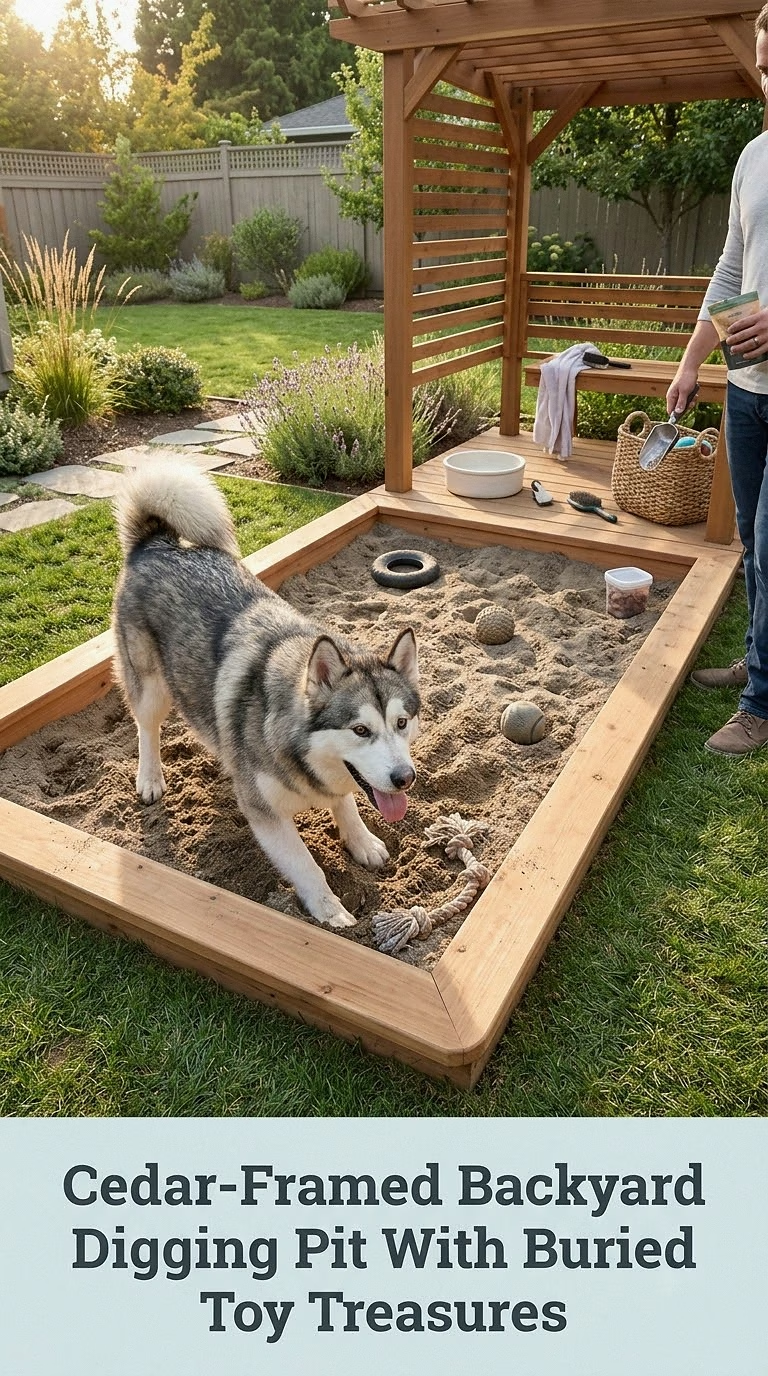
If your dog considers flowerbeds an invitation to excavate, giving them an approved digging area can redirect that instinct into something more manageable.
Create a generous digging pit using a shallow cedar frame or another smooth, weather-resistant border. Fill it with clean dog-appropriate sand or loose soil and bury toys near the surface.
Start by letting part of the toy remain visible. After your dog understands that treasures appear inside the pit, hide them more deeply.
Position the digging area away from delicate landscaping and add an outdoor toy basket or simple sign to make the space feel like part of the yard design.
Check the pit periodically for sharp objects, waste, standing water, or anything that should not be there.
For dogs that love digging, this may become one of the most eagerly anticipated backyard activities.
Low-Impact Cavaletti Lane With Adjustable Ground Poles
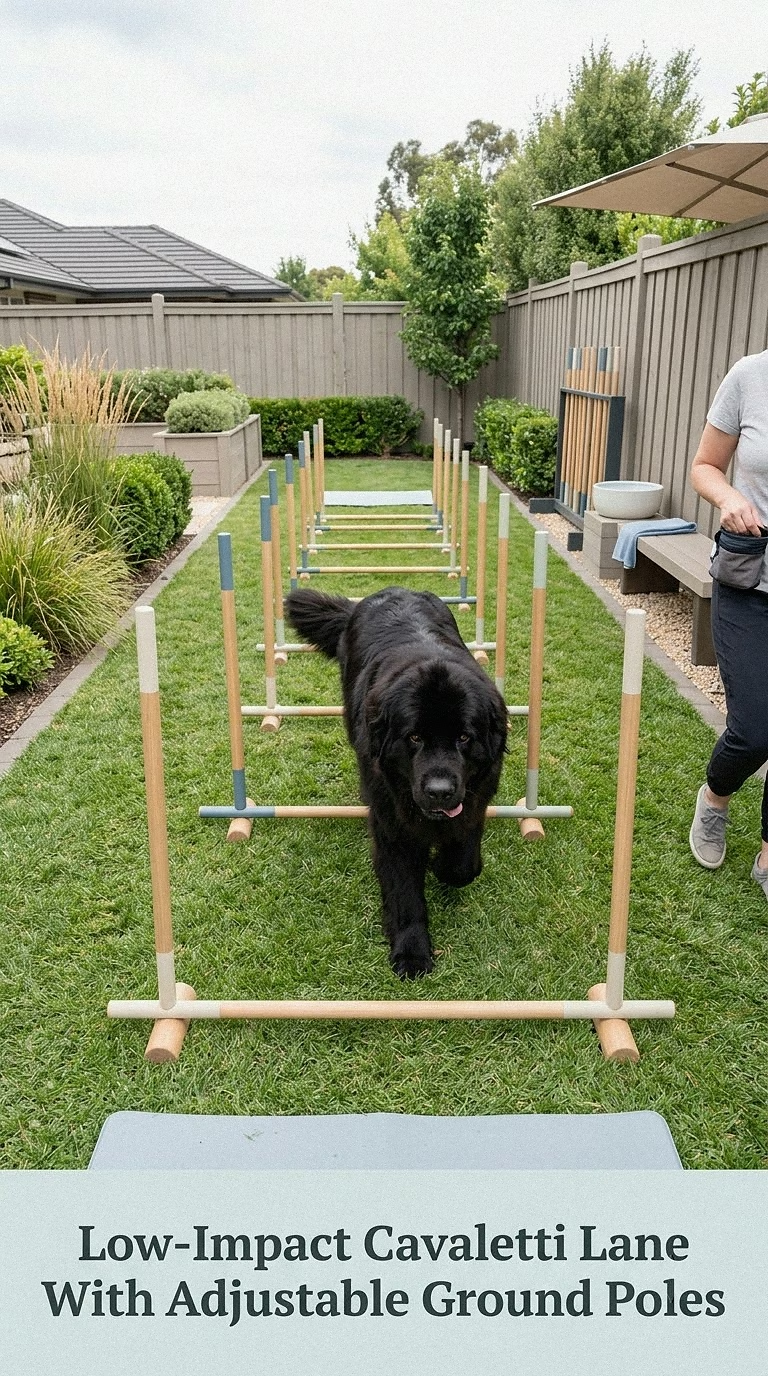
Not every form of physical enrichment needs to involve racing or high jumps.
A simple cavaletti lane encourages controlled movement and concentration. Arrange lightweight poles horizontally at low heights so your dog carefully steps over them rather than leaping.
Start with poles resting directly on the ground. Gradually adjust spacing based on your dog’s size and comfortable stride.
For an attractive backyard setup, use matching cones, natural wood poles, and a flat grassy surface. Indoors, foam poles or other safe lightweight materials can work in a spacious room.
Read more : Can Dogs Eat Sunflower Seeds?
Keep the exercise slow and controlled. Puppies, seniors, giant breeds, and dogs with orthopedic concerns may need modified activities, so choose movements appropriate for your dog’s age and physical condition.
The goal is thoughtful movement, not creating the tallest possible obstacle course.
Extra-Large Lick Mat Calm Corner With Washable Flooring
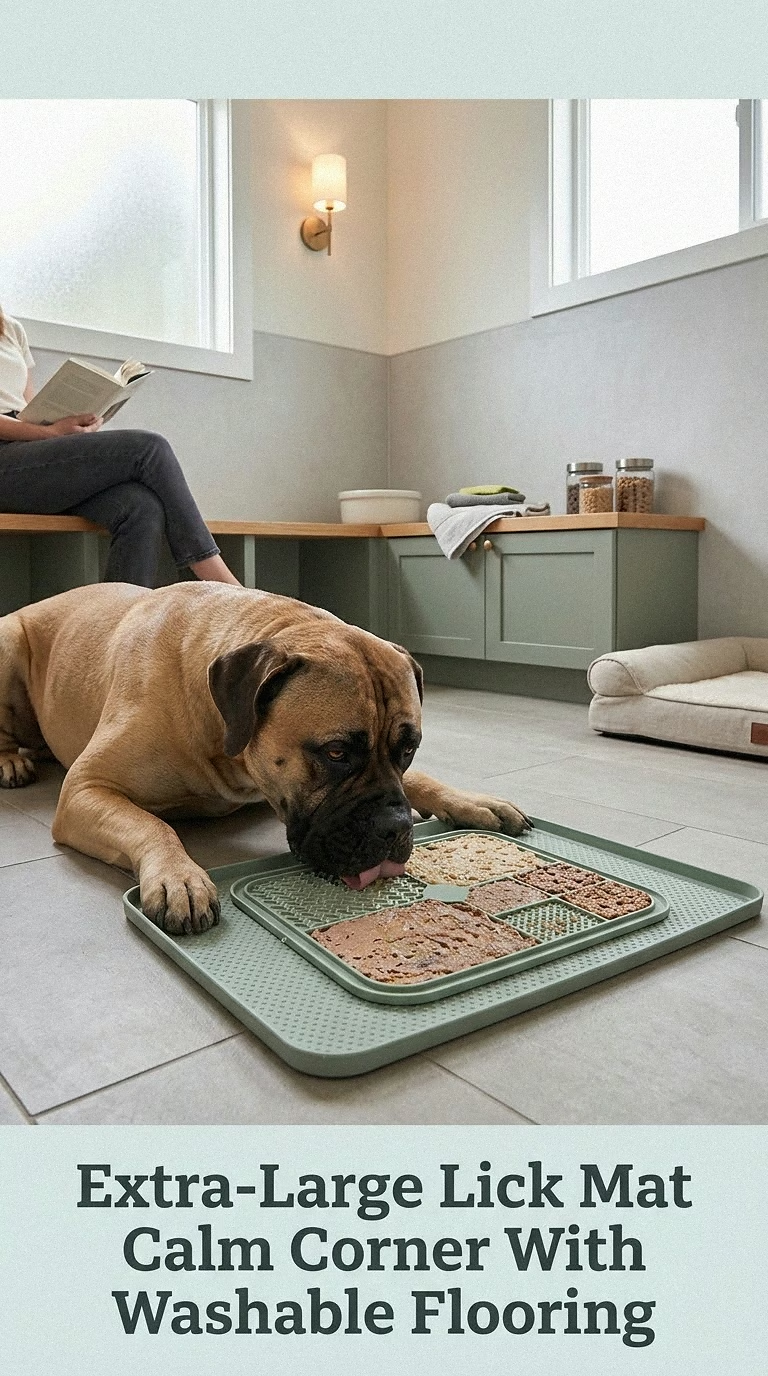
Enrichment can encourage relaxation as well as activity.
An oversized lick mat placed in a quiet corner can give your dog something soothing and focused to do while you prepare dinner, answer emails, or settle down for the evening.
Spread a thin layer of a dog-safe food your pet already tolerates across the textured surface. Using part of their regular meal can prevent enrichment from quietly turning into a large source of extra calories.
For a polished setup, place the mat beside a large floor cushion or dog bed with warm neutral colors and washable covers.
Non-slip flooring helps keep the mat from traveling across the room behind a determined large dog.
Remove the mat once your dog finishes if they tend to chew silicone or rubber products rather than simply lick them.
Large Laundry Basket Foraging Puzzle With Rolled Towels
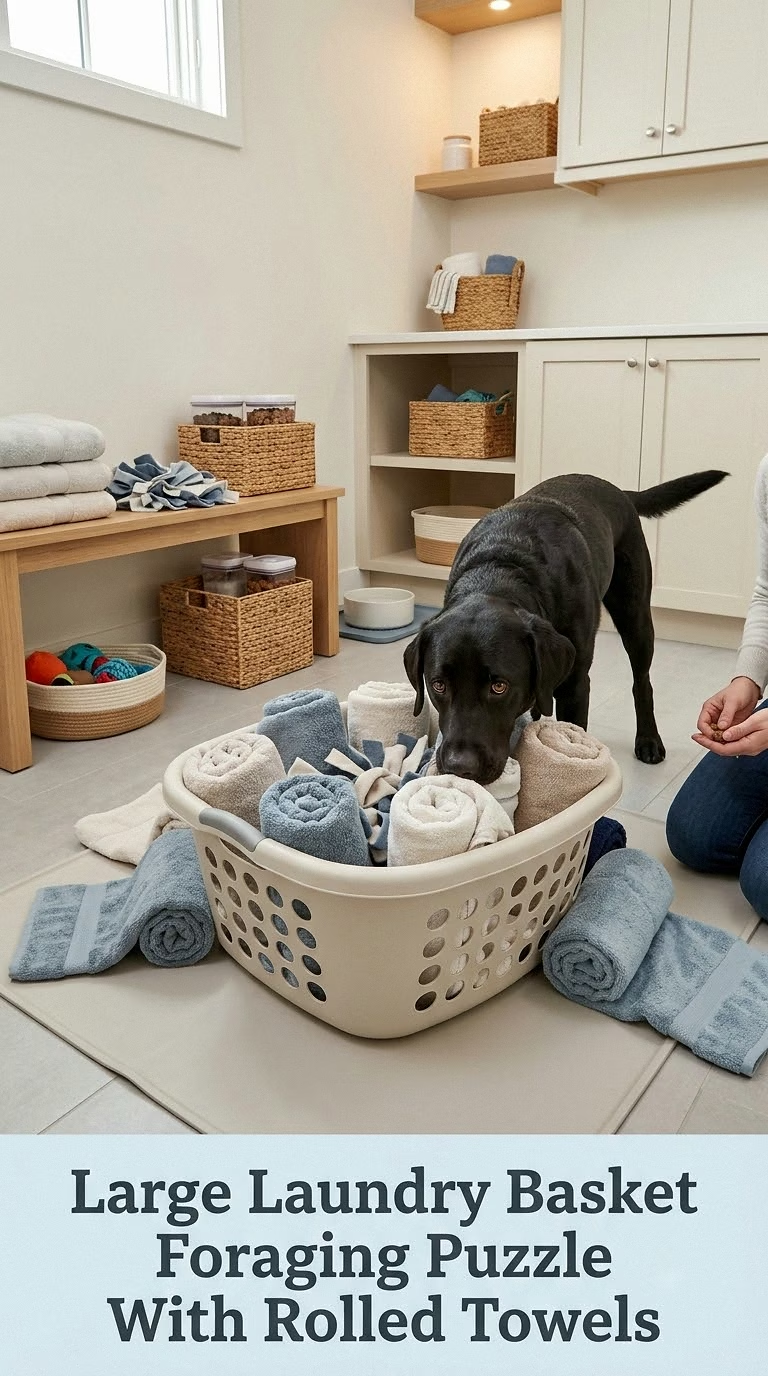
A sturdy laundry basket can become a simple homemade puzzle in minutes.
Place several rolled towels loosely inside and sprinkle kibble between the folds. Allow your dog to use their nose and paws to investigate.
Begin with food sitting near the surface. Later, hide it farther between the towels so your dog has to work a little harder.
Choose an oversized basket with smooth edges that will not easily tip onto your dog. A low, wide basket usually works better for big breeds than something tall and narrow.
This puzzle looks especially tidy when created with matching neutral towels and a simple woven or plastic basket.
Always supervise textile games. Dogs that chew or swallow fabric should use sturdier food puzzles instead.
Durable Rolling Treat Dispenser On A Non-Slip Play Rug
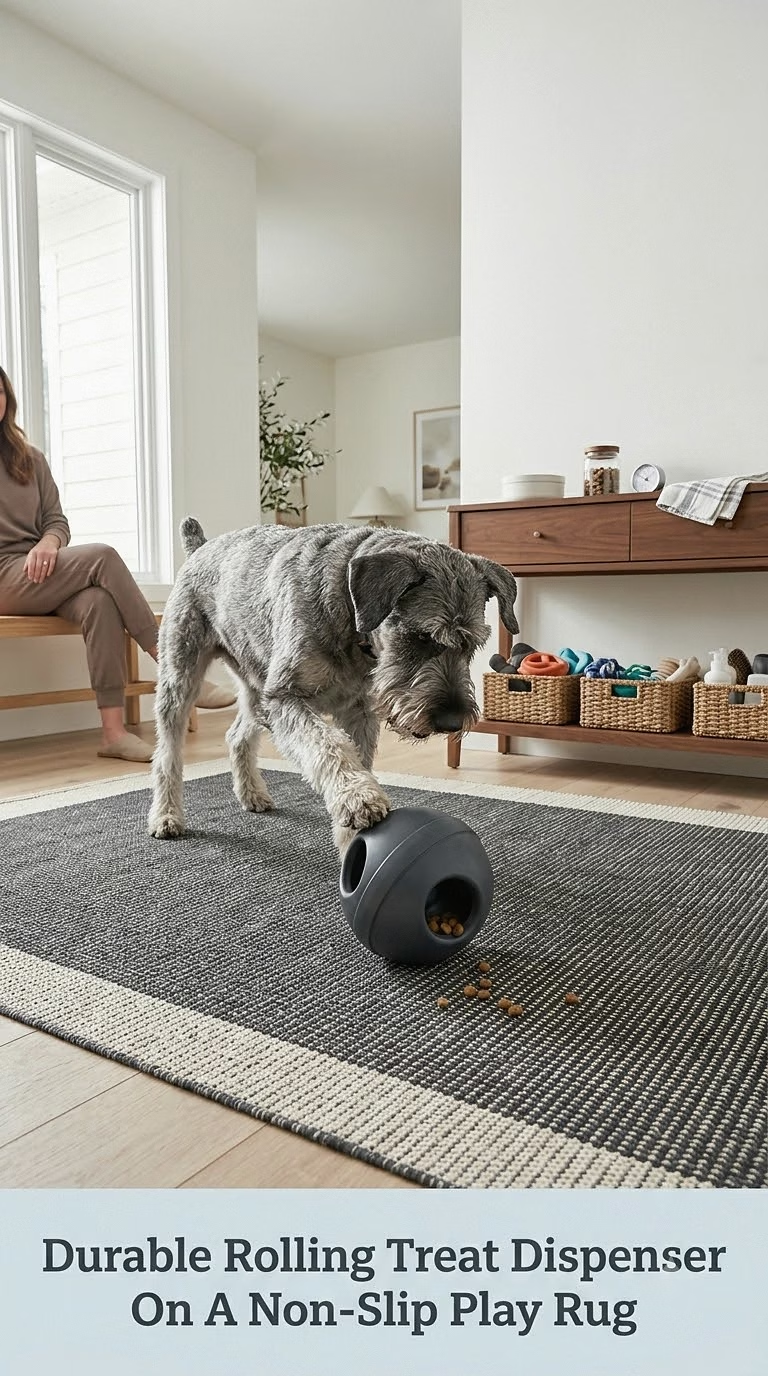
Food-dispensing balls and wobbling toys turn movement into problem-solving.
Choose a large, durable dispenser and place part of your dog’s kibble inside. As your dog pushes, noses, or rolls the toy around, individual pieces fall out.
An oversized washable rug creates a defined play zone and prevents the dispenser from loudly ricocheting around hard floors.
Choose the difficulty carefully. Enrichment should challenge your dog without making food nearly impossible to access. Start with a generous dispensing opening and increase difficulty once your dog becomes skilled.
This activity is particularly useful for dogs that enjoy active puzzles more than stationary ones.
Put fragile furniture and decorative objects out of the play path before releasing an enthusiastic ninety-pound problem solver.
Cozy Living Room Toy Library With Rotating Enrichment Baskets
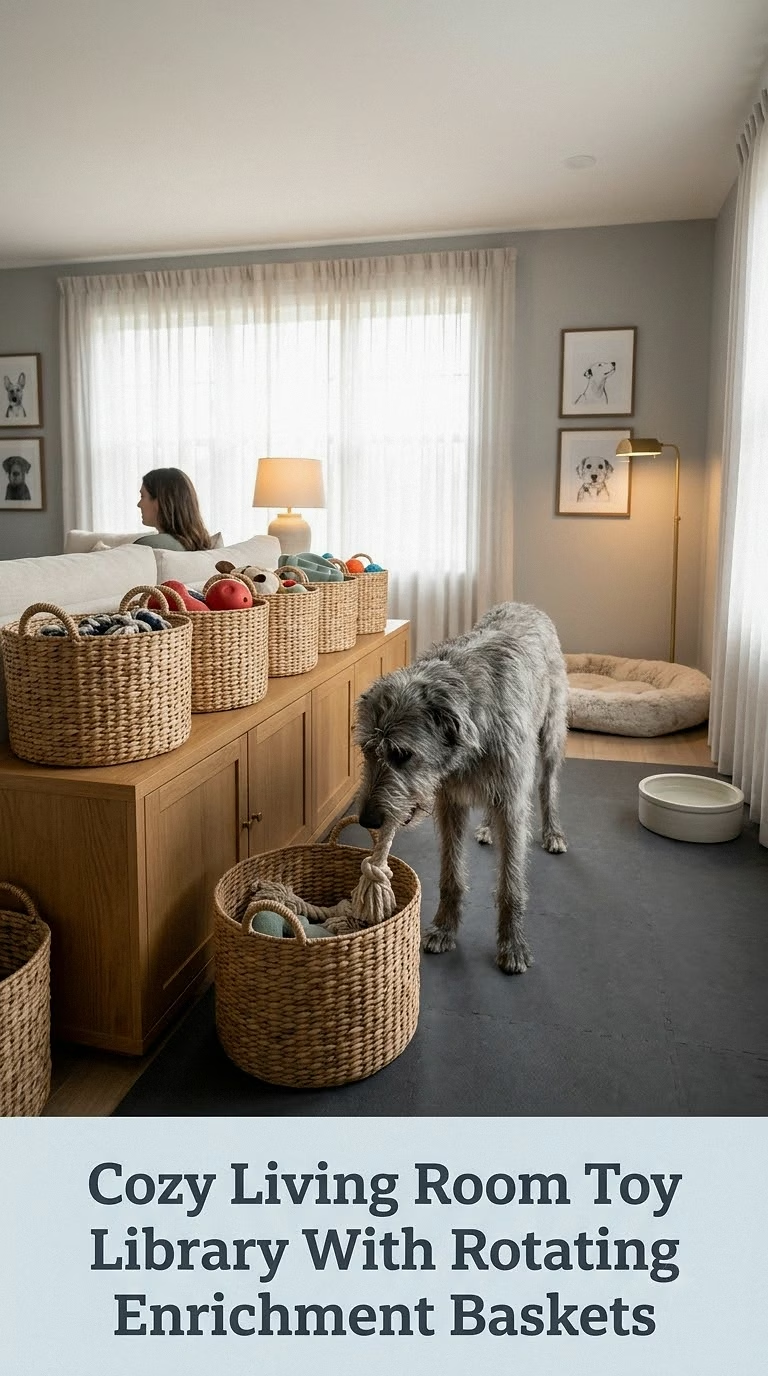
Sometimes the easiest way to make toys exciting again is simply to stop leaving every toy available all the time.
Create two or three attractive baskets and divide your dog’s toys between them. Keep one collection accessible and store the others away.
Every few days, swap the baskets.
Include different categories such as tug toys, chew toys, food puzzles, balls, and soft toys when appropriate for your dog’s play style.
Large floor baskets made from washable fabric or sturdy woven materials can fit beautifully beside a console table or dog bed while hiding bulky toys.
Rotation also gives you an opportunity to inspect everything regularly. Throw away damaged rubber, frayed rope, exposed stuffing, loose squeakers, or other pieces that could be swallowed.
Backyard Scatter-Feeding Meadow With Natural Landscaping
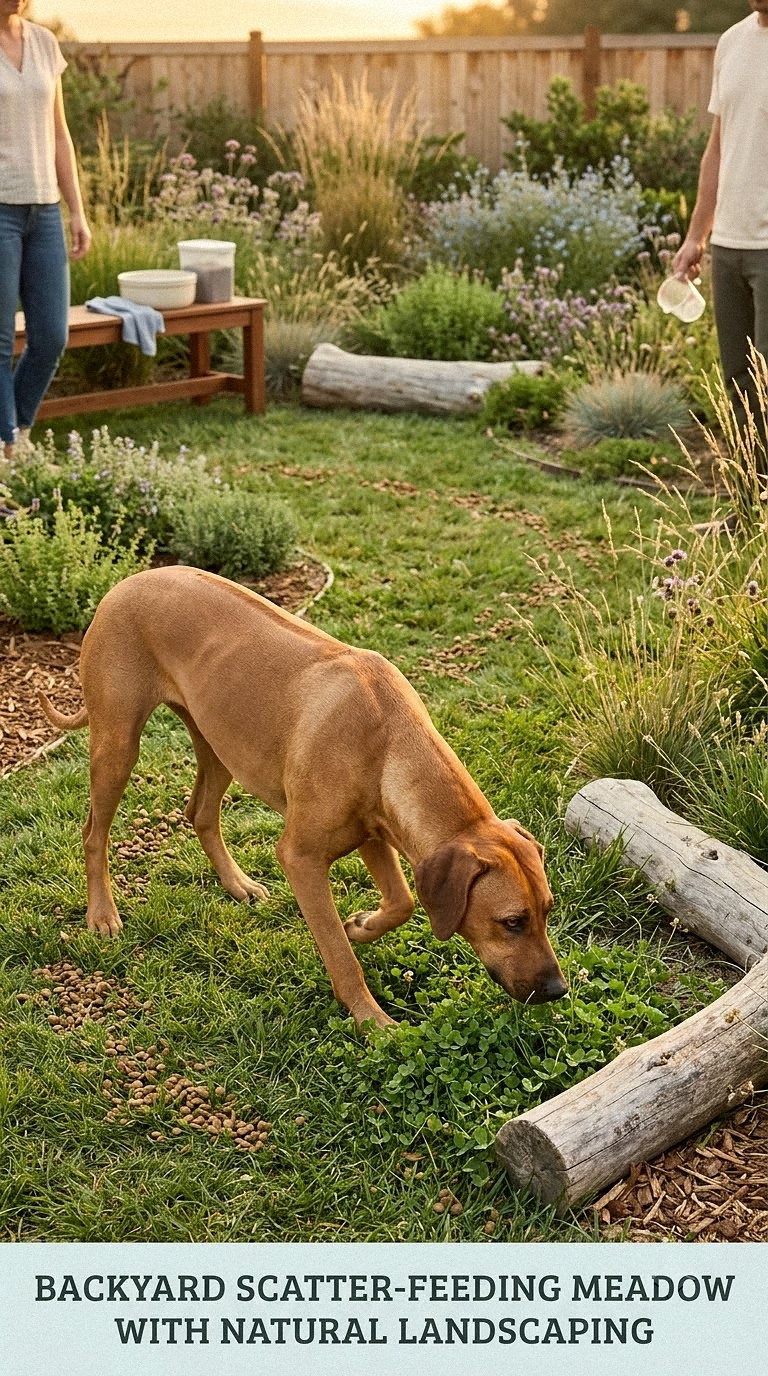
Instead of pouring dinner into a bowl, occasionally let your dog’s nose do the work.
Scatter part of a dry meal across a clean grassy area and encourage your dog to search slowly for individual pieces.
A backyard corner can be turned into a beautiful enrichment meadow with durable grass, stepping stones, ornamental fencing, and a nearby water station.
Start in a small area so your dog quickly understands that food is available. Gradually expand the searching zone.
Only use spaces that you know are free from lawn chemicals, sharp debris, toxic plants, or contamination.
For dogs that inhale meals quickly, searching for food can transform dinner into a much longer and more engaging experience without requiring another gadget.
Hide-And-Seek Adventure Through Multiple Rooms
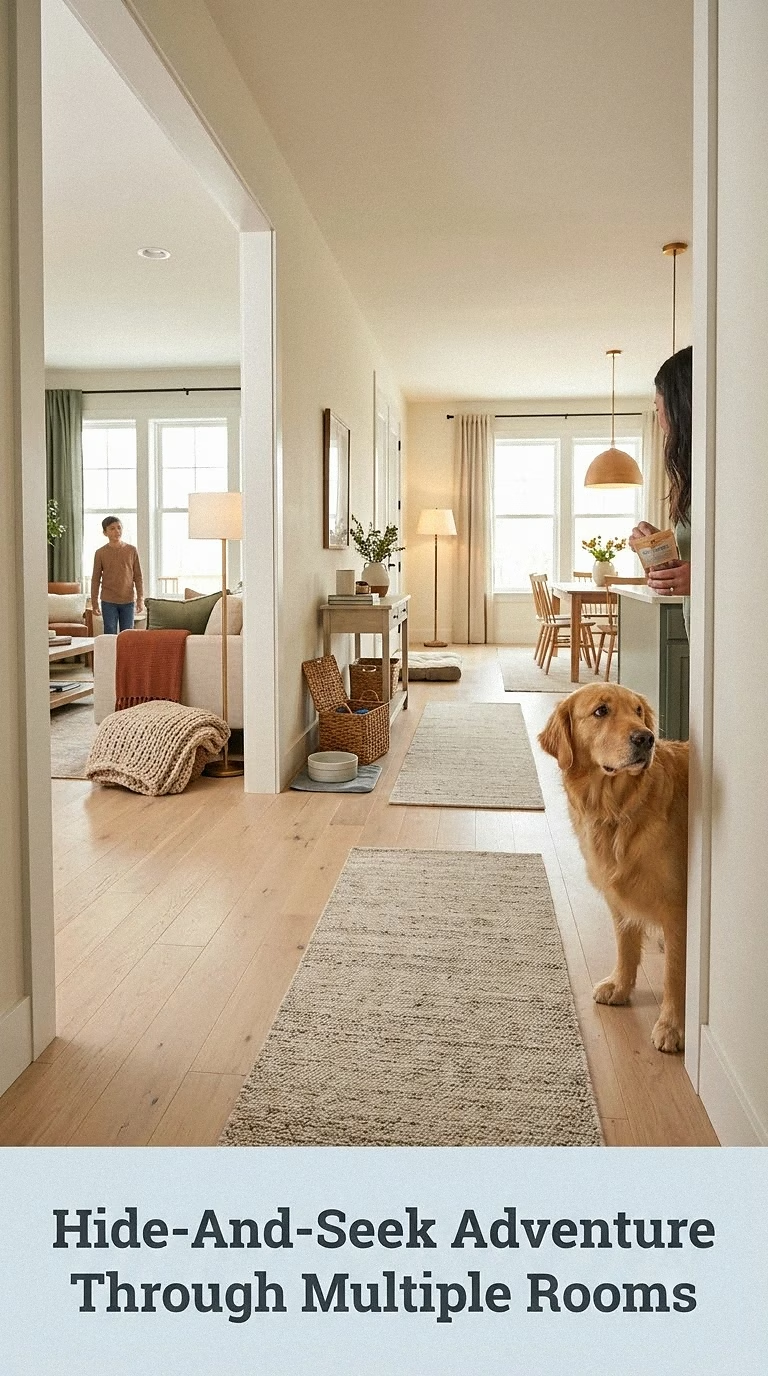
One of the most enjoyable enrichment games requires almost no equipment.
Ask your dog to wait with another family member while you hide somewhere in the house. Call them and let the search begin.
Start with obvious hiding places such as behind a doorway. Once your dog understands the game, move into closets, bathrooms, or other safe spaces.
Reward successful searches with praise, play, or a small food reward.
Large dogs make this game especially entertaining because subtlety is not always their strongest skill when racing through the house looking for their favorite person.
Clear narrow pathways of fragile objects and avoid slippery floors if your dog becomes overly excited.
Besides mental stimulation, hide-and-seek creates an interactive activity where enrichment comes from engaging with you rather than simply receiving another toy.
Backyard Splash Zone With Floating Retrieval Toys
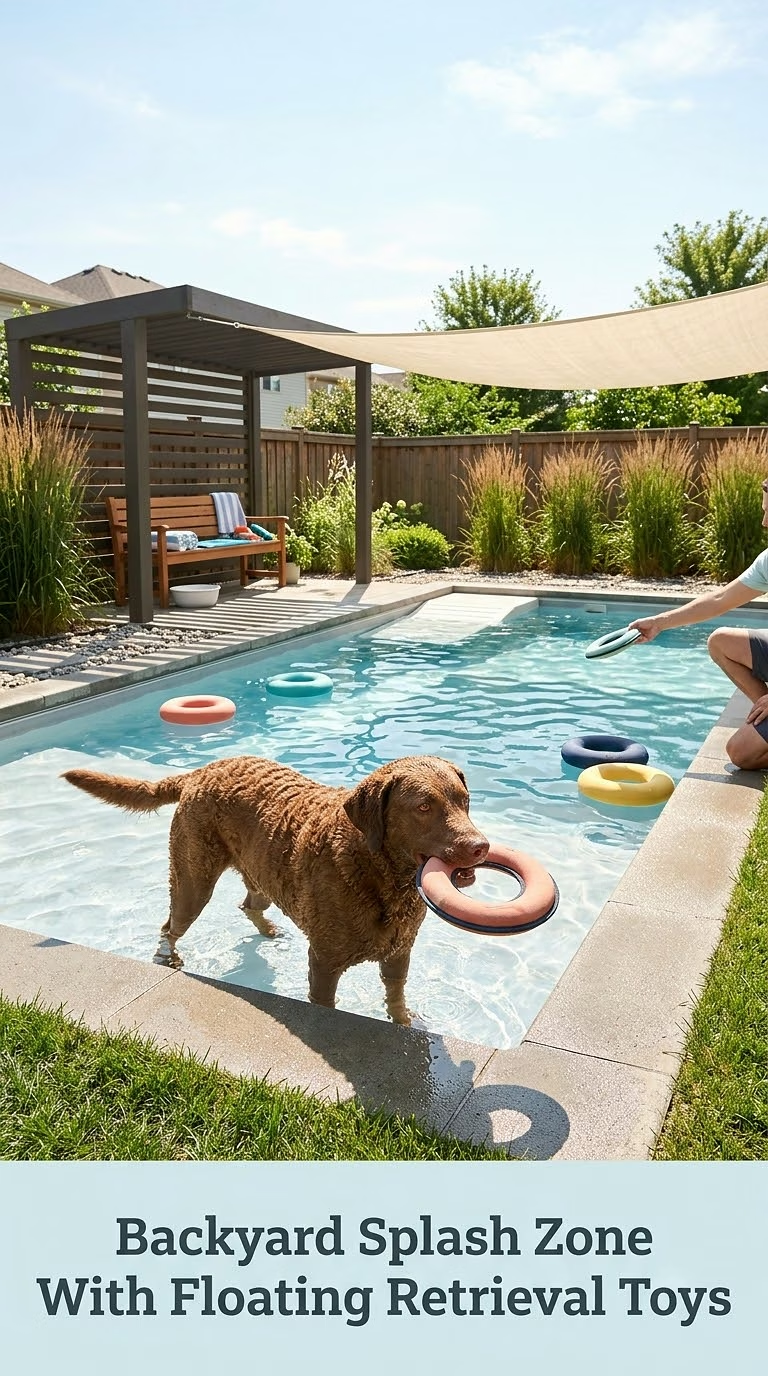
For dogs that enjoy water, a dedicated splash area can become an exciting warm-weather enrichment feature.
Use a sturdy shallow dog pool large enough for your pet to turn comfortably. Add oversized floating toys and encourage gentle retrieval.
Read more : 19 Hidden Dog Door Ideas That Blend Beautifully Into Your Home
You can occasionally toss waterproof toys into different parts of the pool so your dog has to investigate and choose which one to retrieve.
Style the surrounding area with outdoor decking tiles, a waterproof toy basket, fresh towels, and a shaded resting spot for a polished backyard setup.
Never assume every dog is naturally comfortable in water. Keep the experience voluntary, supervise closely, provide easy entry and exit, and avoid forcing hesitant dogs into the pool.
Empty and clean standing water frequently to keep the area fresh.
Minimalist Training Station With Raised Platform And Treat Jar
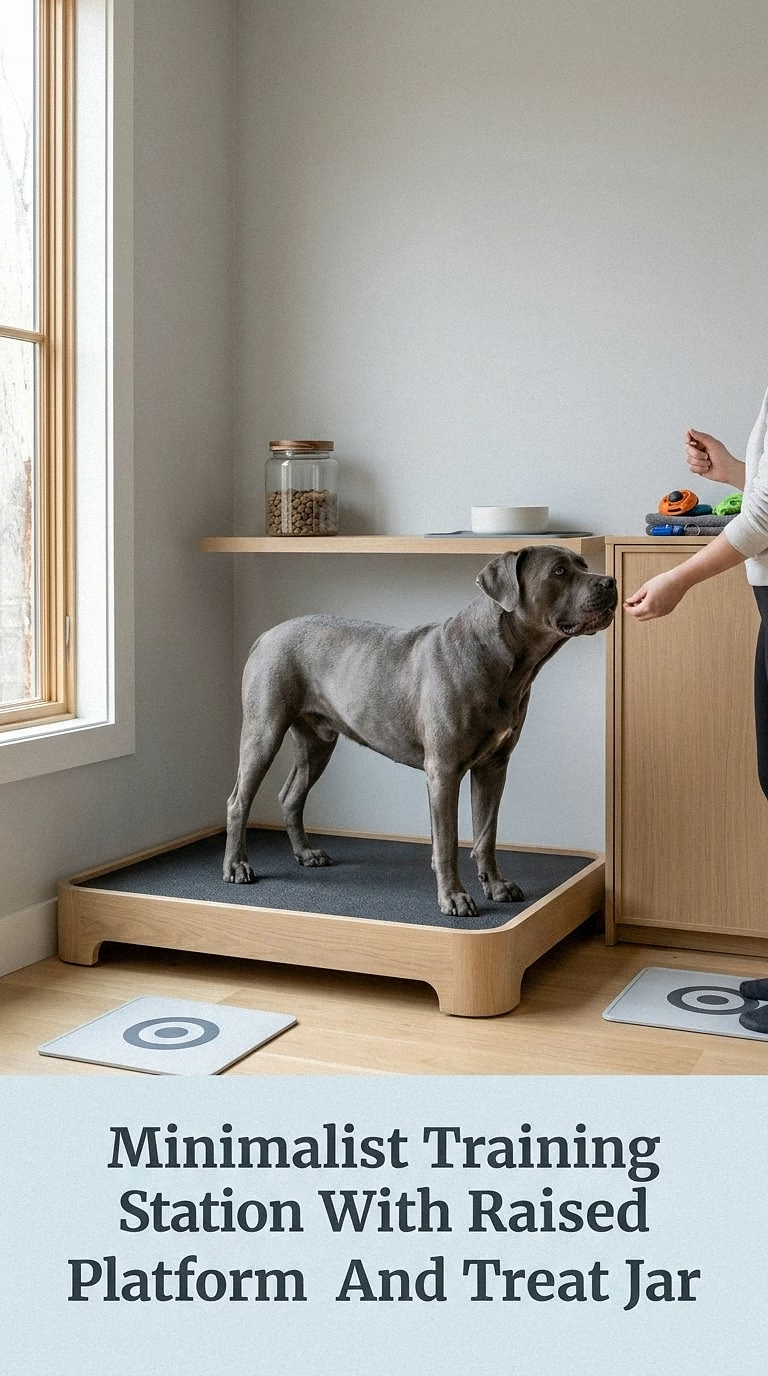
Short training sessions are one of the easiest enrichment activities to fit into everyday life.
Create a dedicated station using a stable low platform, non-slip mat, and small container for training rewards.
Practice simple behaviors such as touching your hand with the nose, going to a mat, placing front paws on a platform, retrieving a toy, or responding to familiar cues.
Keep sessions upbeat and short rather than drilling the same behavior until your dog loses interest.
A minimalist station in black, natural wood, and cream can sit neatly in a mudroom, garage, or spacious living area.
Training provides something many intelligent large dogs appreciate: a clear problem to solve and a way to interact directly with their person.
Use reward-based methods and adapt physical tasks to your dog’s comfort and mobility.
Supervised Towel Roll Treasure Puzzle For Rainy Days
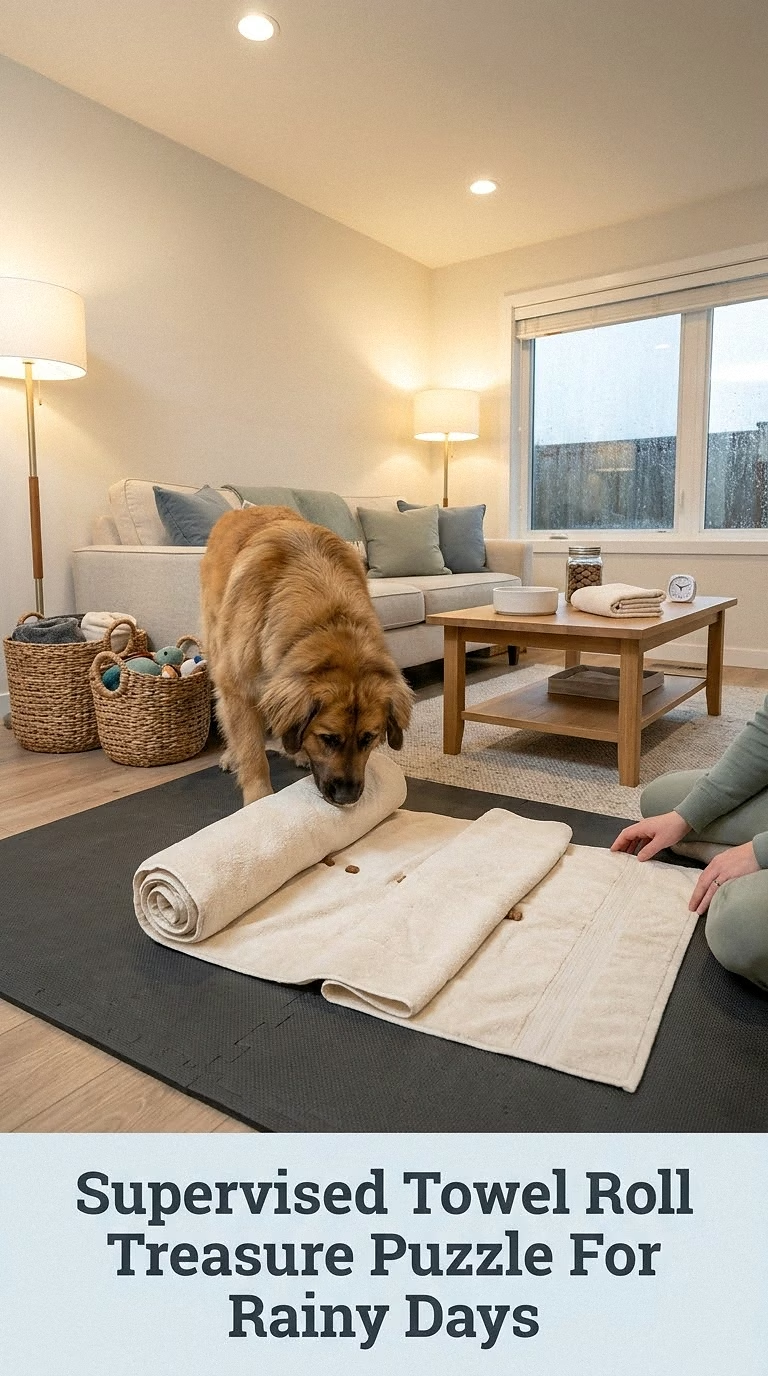
A bath towel and a handful of kibble can create an inexpensive rainy-day activity.
Lay a large towel flat, scatter food across it, and loosely roll the towel into a long tube. Let your dog figure out how to unroll it using their nose and paws.
For beginners, keep the roll very loose. Experienced dogs can work with gentle folds or twists that require a little more investigation.
Use an older washable towel and place it on non-slip flooring.
This activity is best for dogs that focus on finding the food rather than destroying the towel. If your dog immediately starts tearing or swallowing fabric, switch to a durable commercial puzzle.
Simple games like this are useful because you can create them spontaneously without purchasing specialized equipment.
Natural Texture Exploration Path With Grass, Mats, And Safe Surfaces
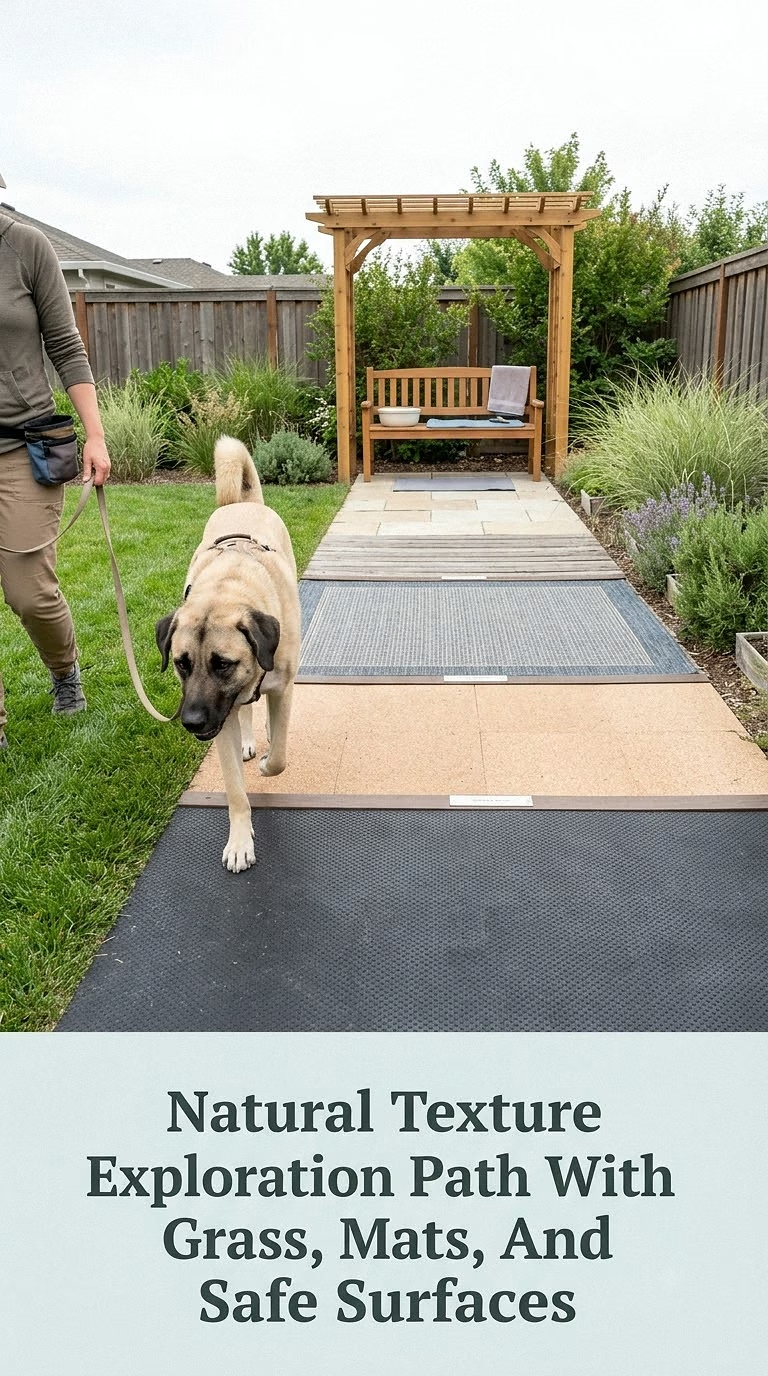
Enrichment can involve paws as well as noses.
Create a short sensory path using several stable surfaces your dog can calmly walk across. You might combine grass, a rubber mat, a low-pile rug, smooth outdoor decking, and a section of clean artificial turf.
Arrange the materials as a neat pathway through a covered patio, backyard corner, or large indoor room.
Encourage your dog to explore at their own pace and reward curiosity. Never drag or force them onto unfamiliar surfaces.
Keep everything flat, secure, and slip-resistant. Avoid sharp gravel, unstable objects, extreme temperatures, and materials that could injure paws.
This gentle activity can be especially interesting for dogs that enjoy exploring new environments but do not need intense exercise.
Organized Nose-Work Wall With Oversized Search Boxes
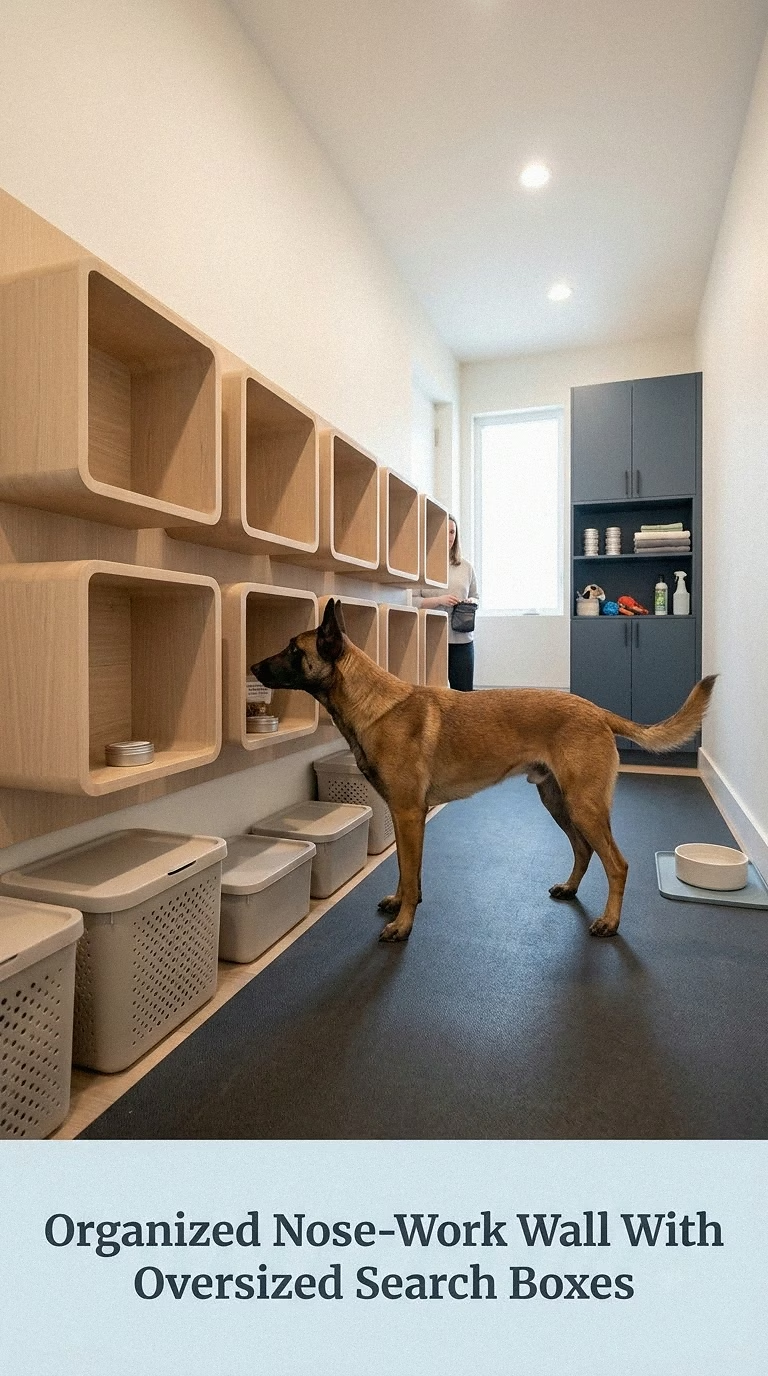
Turn an unused garage or mudroom wall into a stylish storage area for scent games.
Stack several large lightweight boxes or sturdy containers on shelving when they are not being used. During playtime, spread them across the floor and place food in only one or two.
Let your dog search each box until the hidden reward is located.
Change the arrangement regularly. Put boxes in rows one day and scatter them throughout the room the next so your dog cannot simply memorize a location.
Large dogs benefit from containers substantial enough to investigate without immediately crushing them.
Keep the search space uncluttered and remove anything sharp, breakable, or unsafe.
The entire setup can be created inexpensively using clean reused boxes, making it an easy enrichment project with almost no decorating budget.
Relaxing Sniff Walk Kit With Long Leash And Portable Water Station
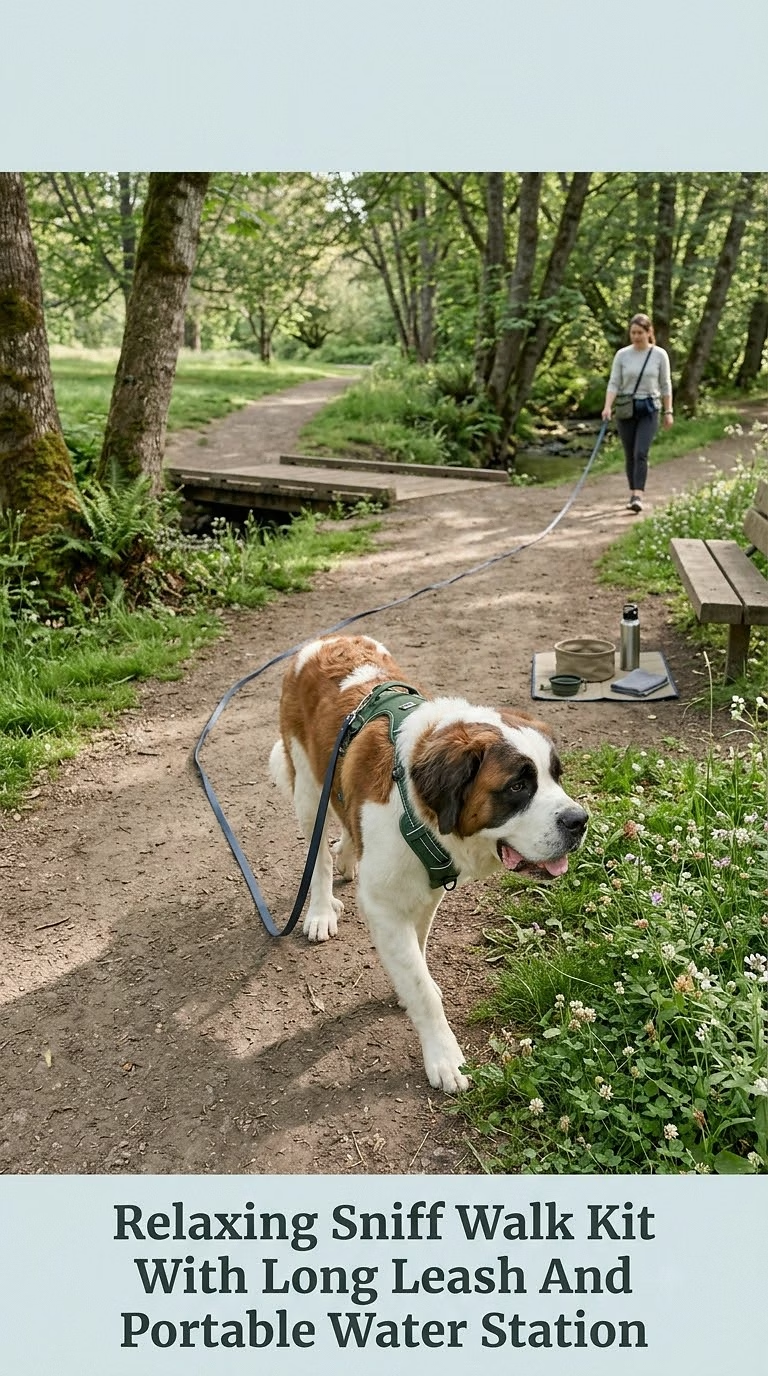
Some of the best enrichment happens outside the home.
Instead of treating every walk as a mission to cover maximum distance, occasionally plan a slower outing where your dog has plenty of time to investigate interesting smells.
Pack a simple walk kit near the front door with a suitable leash, waste bags, treats, collapsible water bowl, and towel for muddy paws.
Choose quieter routes where your large dog can explore comfortably without constantly navigating crowds.
Allow extra sniffing time where it is safe and permitted rather than hurrying past every interesting tree or patch of grass.
For older dogs or dogs that cannot handle demanding exercise, a slower exploratory walk can still provide plenty of environmental variety.
The destination does not have to be impressive. Sometimes a different neighborhood path is enough to make an ordinary afternoon feel completely new.
Creating The Best Large Dog Enrichment Routine
The best large dog enrichment ideas are not necessarily the most complicated or expensive. What matters is giving your dog safe opportunities to use natural behaviors, experience variety, and solve manageable little problems throughout the week.
Try combining active days with calmer activities. A backyard scent search might be followed the next day by a frozen food toy, short training session, or relaxed sniff walk. Rotating activities helps familiar games feel interesting again without requiring an endless collection of supplies.
Most importantly, pay attention to the dog in front of you. A powerful chewer needs different materials than a gentle senior, and a young energetic dog may enjoy challenges that would overwhelm a puppy or dog with mobility limitations.
Start with a few ideas that suit your home and your dog’s personality, then adjust them as you discover what makes those big paws start dancing with excitement. A little creativity can turn breakfast, a hallway, a backyard corner, or an ordinary daily walk into something your dog genuinely looks forward to.
Source: https://petstutorial.com
Category: DOGS
