
A secure backyard can completely change everyday life with a big dog. Instead of watching every outdoor moment with nervous eyes, you can give your pup a comfortable place to sniff around, stretch those long legs, lounge in the sunshine, and enjoy a little freedom while staying safely contained.
The challenge is finding a fence that is strong enough for a large dog without making your yard feel like a kennel. Large breeds can be powerful, athletic, curious, and surprisingly creative when something interesting appears on the other side. Some jump, some dig, some lean against panels, and others simply discover that one slightly loose gate is all they need.
You are reading: 19 Large Dog Fence Ideas For A Safe, Beautiful Backyard
Fortunately, security and style can work beautifully together. Warm cedar, sleek black metal, modern horizontal boards, rustic wire panels, privacy landscaping, and cleverly designed gates can all become part of an attractive outdoor space. The best large dog fence ideas combine dependable construction with a design that complements your home and garden.
Large Dog Fence Ideas For Secure And Stylish Outdoor Spaces
Warm Cedar Privacy Fence With Black Gate Hardware
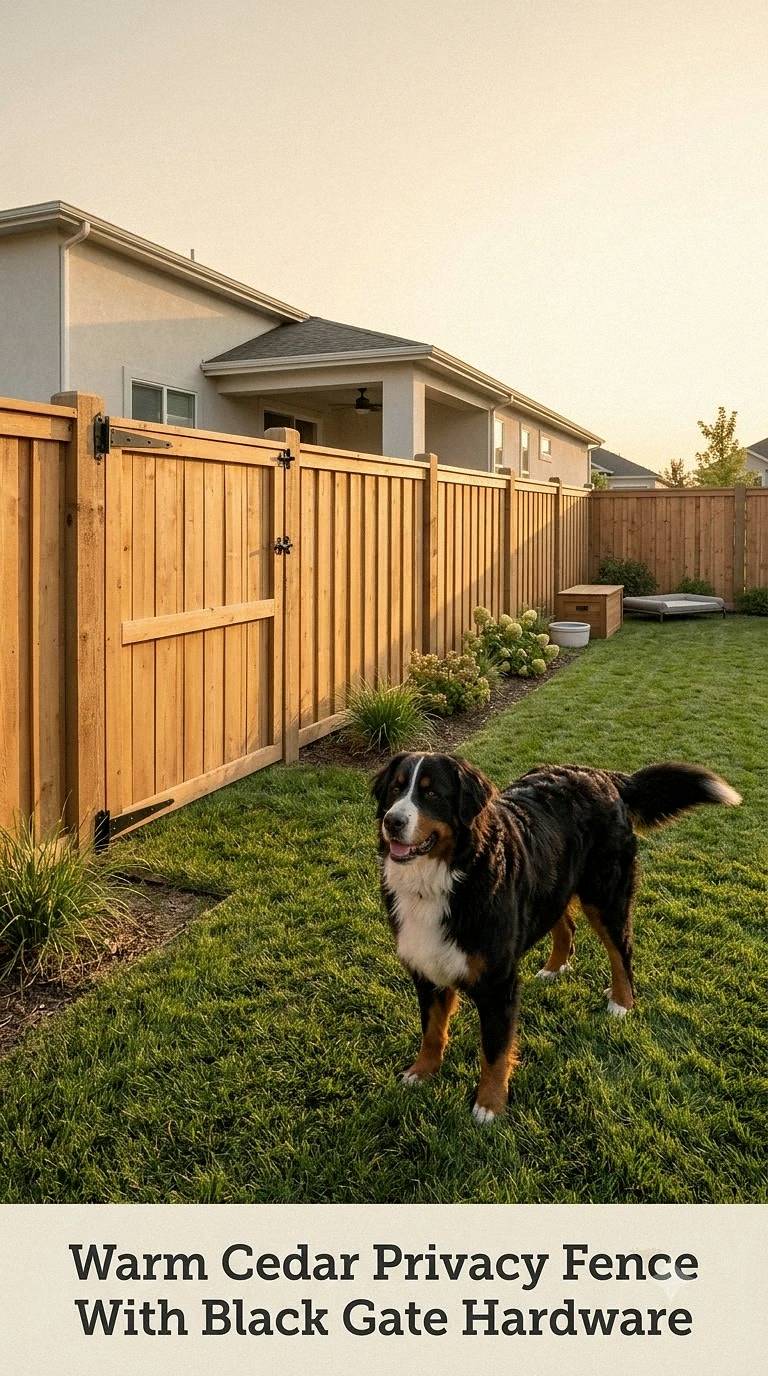
A tall cedar privacy fence is a beautiful choice when you want your backyard to feel warm, private, and comfortably enclosed. Natural cedar tones pair especially well with green lawns, raised garden beds, ornamental grasses, and cozy outdoor furniture.
Closely spaced vertical boards remove tempting gaps and create a strong visual barrier. This can be particularly useful for dogs that become overly excited when they see pedestrians, wildlife, or neighboring pets.
Use sturdy posts, strong rails, heavy-duty hinges, and a secure latch rather than focusing only on the appearance of the boards. Large dogs can put significant pressure on gates when excited.
For a polished finish, add matte black hardware, simple post caps, and a natural stain that highlights the wood grain. Keep benches, planters, firewood stacks, and other potential climbing aids away from the fence line if your dog likes to jump.
Modern Horizontal Wood Fence With Narrow Board Spacing
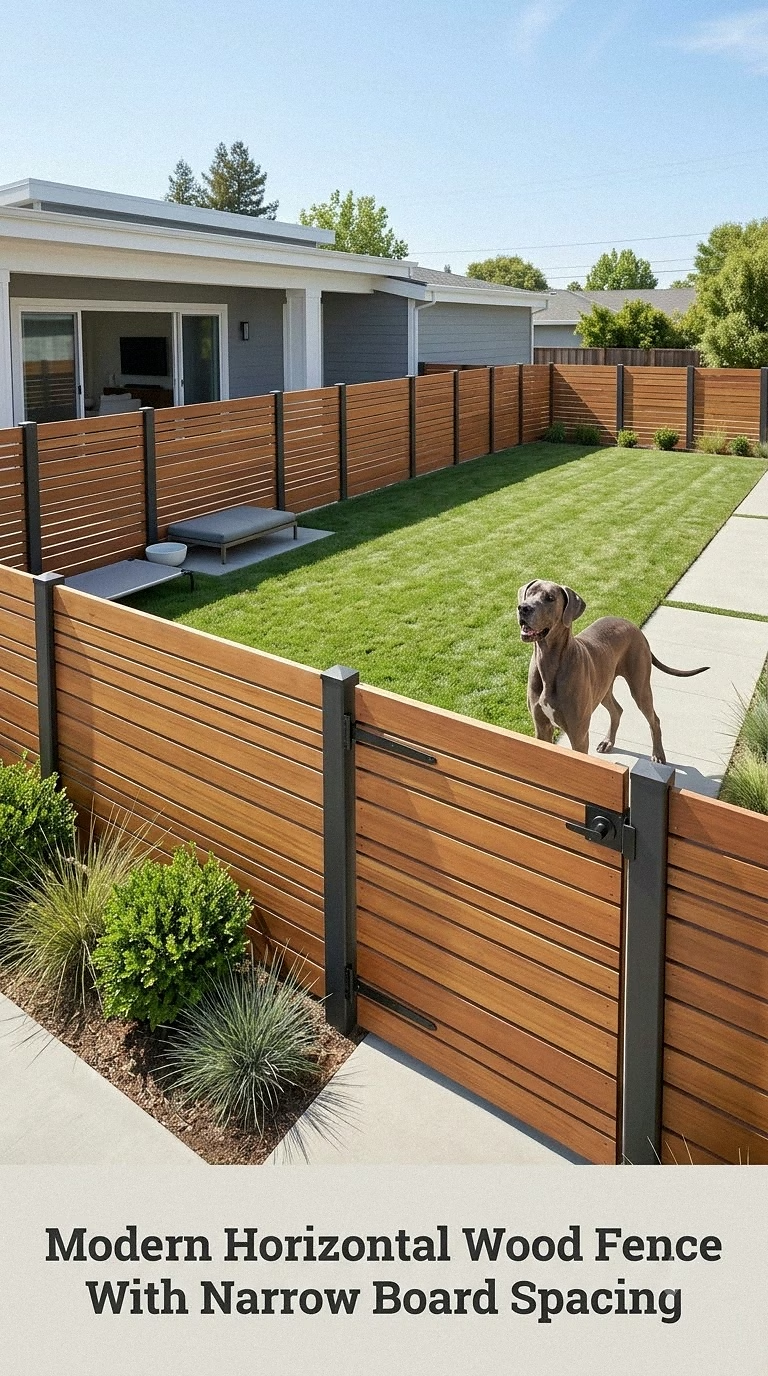
Horizontal fencing brings a contemporary architectural look to an ordinary backyard. Long cedar or pressure-treated boards can visually widen a compact space while creating a stylish backdrop for patios and landscaping.
Choose narrow gaps or a completely closed arrangement for a large dog. Wide decorative spacing might look airy, but it can encourage dogs to investigate movement outside the yard or push their noses and paws through openings.
Dark brown, charcoal, natural oak, and warm honey finishes all suit this design beautifully. Pair the fence with simple concrete pavers, black planters, or low ornamental grasses for an especially modern appearance.
Horizontal boards should be installed carefully because they can sometimes create convenient climbing points for determined dogs. If your dog climbs, place the smoothest side toward the yard and consider a design with minimal projections or an additional protective top treatment.
Natural Wood Frame Fence With Black Welded Wire Panels
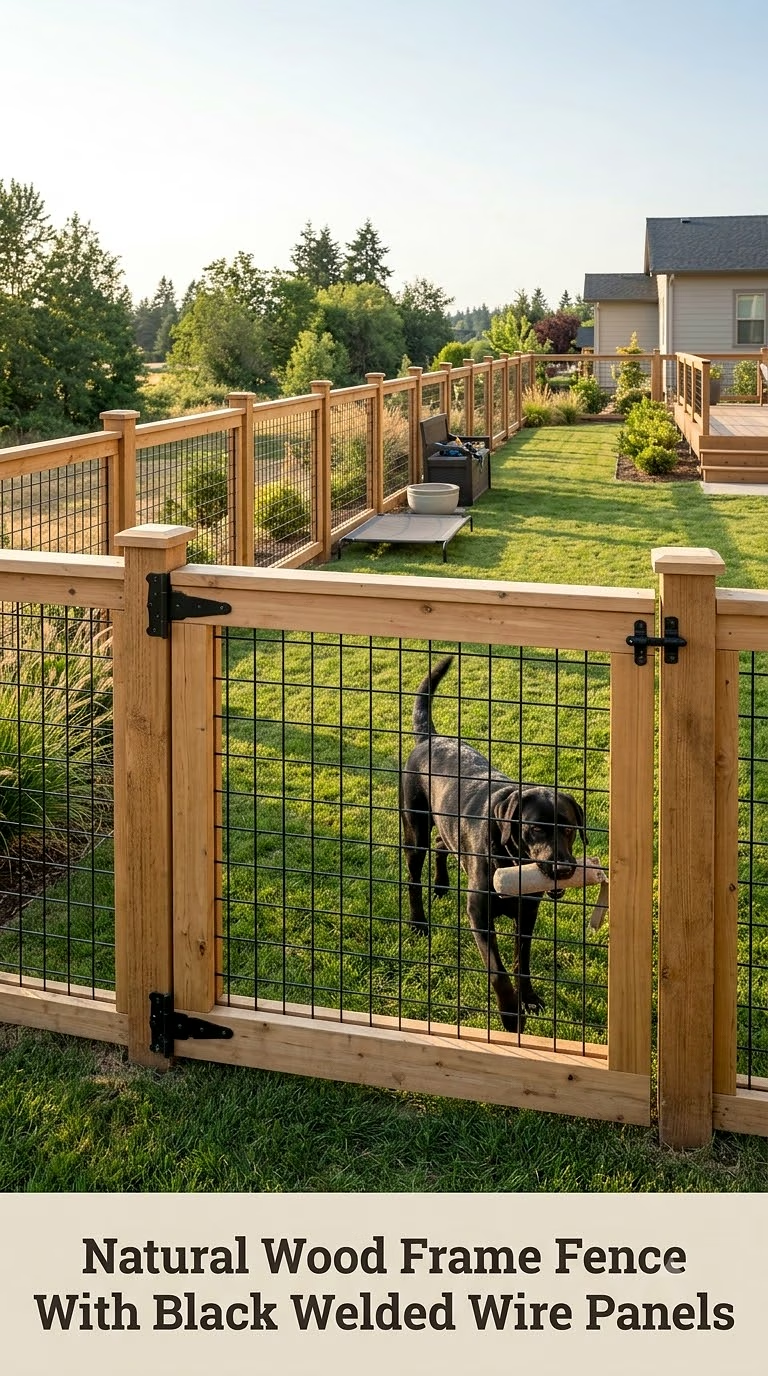
For homeowners who love an open garden view, a sturdy wood frame filled with black welded wire creates an attractive balance between rustic warmth and modern simplicity.
Chunky wooden posts and rails give the fence visual structure, while dark mesh almost disappears against greenery from a distance. The result feels much lighter than a full privacy fence.
This design works particularly well around larger country yards, wooded properties, vegetable gardens, or farmhouse-style homes. Choose sufficiently strong mesh rather than lightweight decorative garden wire, and make sure every cut edge and attachment point is safely finished.
Keep the mesh tight against the frame so an enthusiastic dog cannot push underneath or create loose sections. Adding a substantial timber board along the bottom creates a clean finished edge and provides another layer of protection for dogs that like investigating the base of fences.
Rustic Split Rail Fence With Secure Wire Mesh Backing
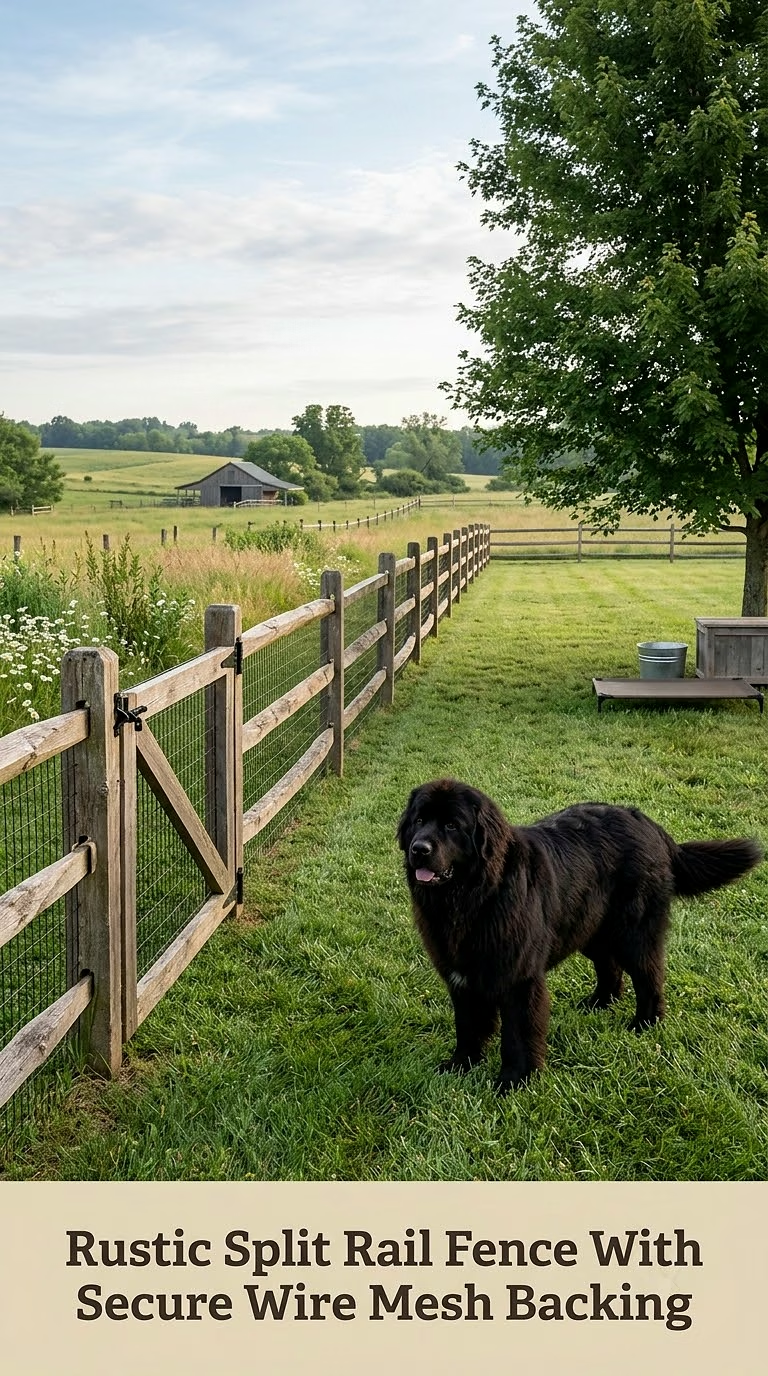
A split rail fence brings classic country charm to a large property, but the rails alone are not suitable for containing most dogs. Adding strong wire mesh to the inside transforms the decorative structure into a much more practical enclosure.
Natural timber looks especially lovely beside meadows, mature trees, gravel paths, and informal cottage gardens. Dark-coated mesh provides a more subtle appearance, while galvanized wire creates a traditional farm-inspired look.
Install the mesh closely against the rails and continue it all the way toward ground level. Regularly inspect the bottom for erosion or spaces created by digging.
Because traditional split rail fences can be relatively low, this arrangement is best for large dogs that are not skilled jumpers unless you build a taller customized version. Matching wooden gates and dark hardware can help the entire perimeter feel intentional rather than improvised.
Crisp White Vinyl Privacy Fence With Clean Modern Lines
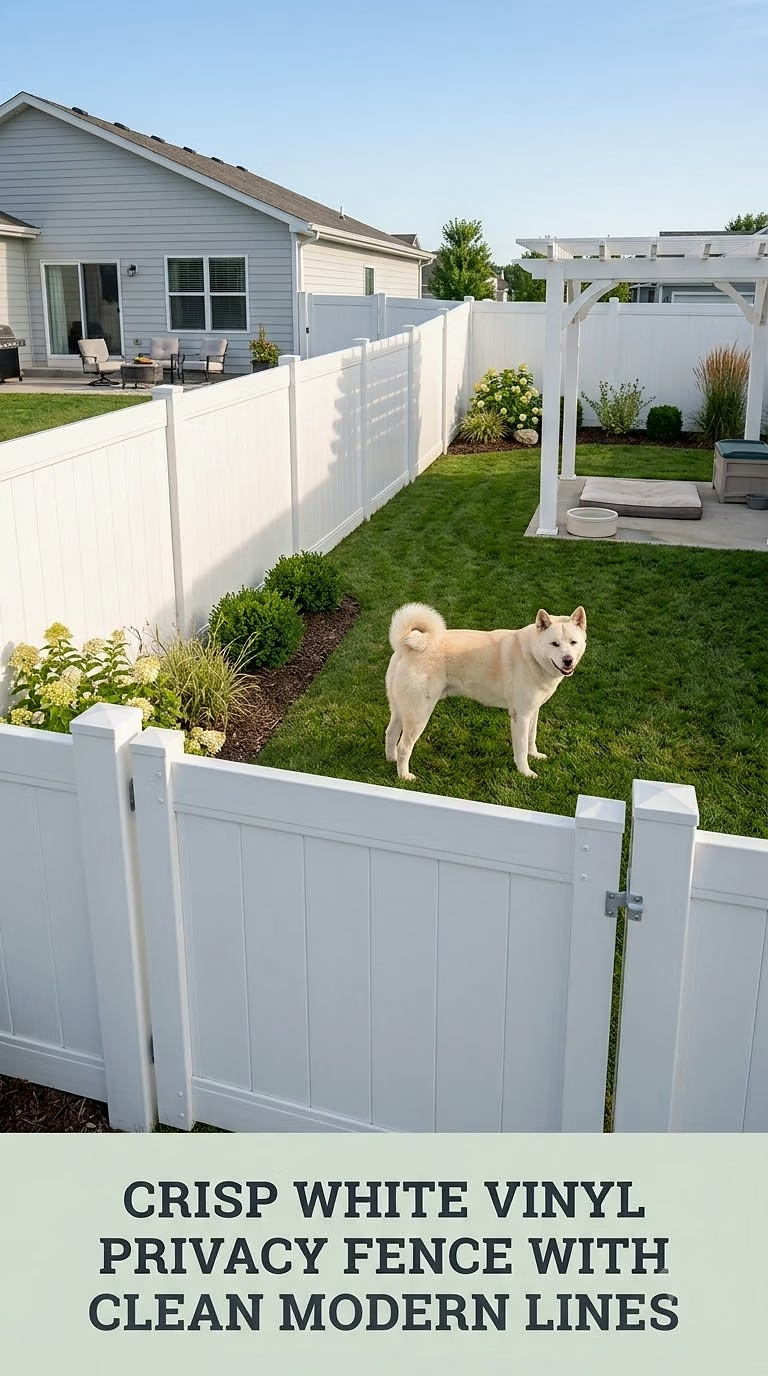
A white vinyl privacy fence creates a bright, tidy backdrop for both traditional and modern homes. It can be especially appealing if you prefer a low-maintenance aesthetic without regularly staining or painting wooden boards.
Solid panels block outside distractions and help create a calmer backyard atmosphere for dogs that spend too much time watching neighboring animals or people passing nearby.
Keep the design simple with straight panels, substantial posts, and a matching solid gate. White fencing pairs beautifully with green landscaping, hydrangea-style plantings, pale gravel, and warm wood patio furniture.
The critical factor for a large dog is structural strength. Posts, rails, panels, hinges, and gate hardware should all be chosen for durability rather than appearance alone. Inspect connections periodically, particularly after storms or extreme weather, and repair loose sections before your dog discovers them.
Black Chain Link Fence With Privacy Slats And Green Landscaping
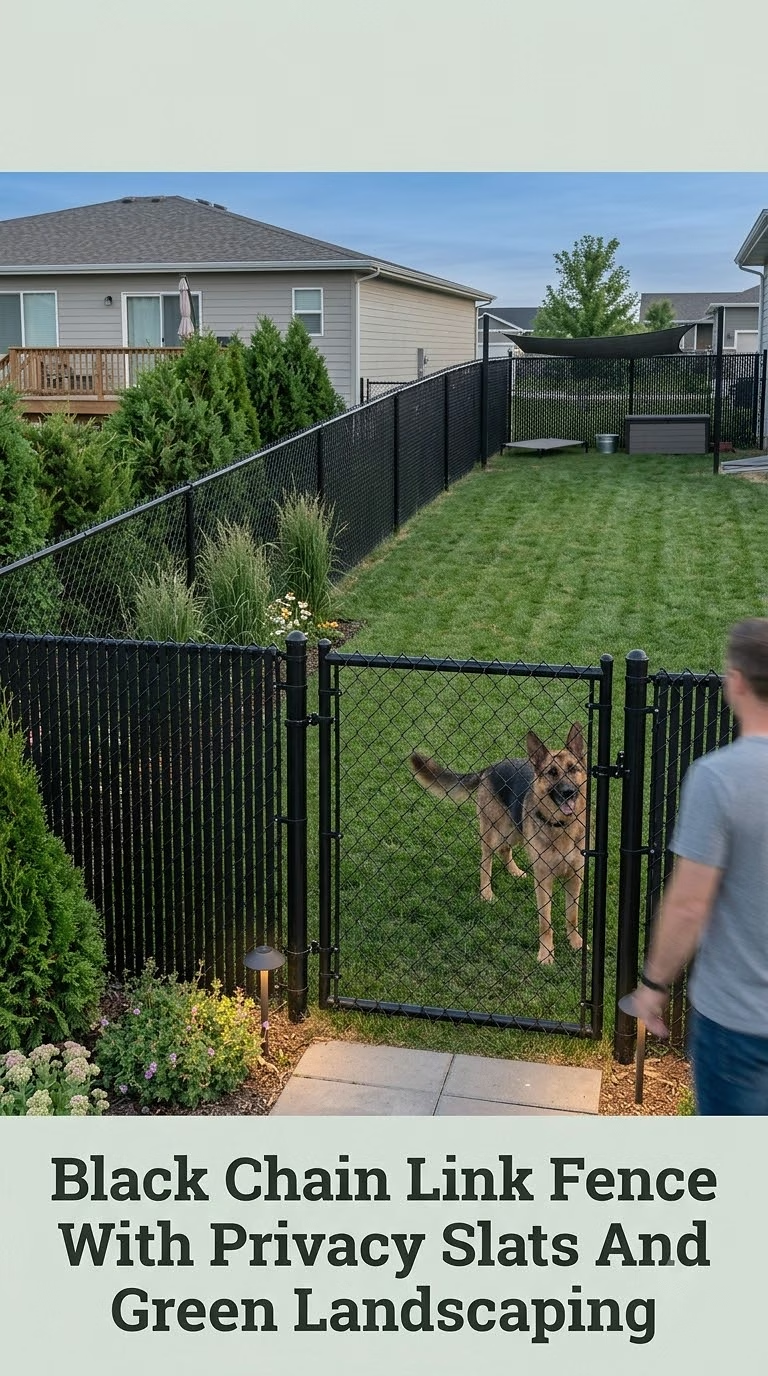
Chain link remains one of the most practical options for enclosing a substantial yard, particularly when budget and durability matter. Choosing a black-coated finish can make the fence look noticeably more polished than traditional silver chain link.
For additional privacy, weave matching dark slats through sections facing streets, sidewalks, or neighboring dogs. You do not necessarily need to screen the entire perimeter. Strategic screening can preserve open views toward attractive parts of the landscape while reducing distracting views elsewhere.
Soften the industrial appearance with shrubs, ornamental grasses, mulched planting beds, and climbing greenery placed safely beyond your dog’s reach.
Check the bottom frequently because flexible fencing can develop gaps where soil has washed away. A secure bottom rail, buried protection, or hard landscaping along the perimeter can make the enclosure more reliable for strong dogs that enjoy digging or pushing against barriers.
Elegant Black Metal Fence With A Low Masonry Base
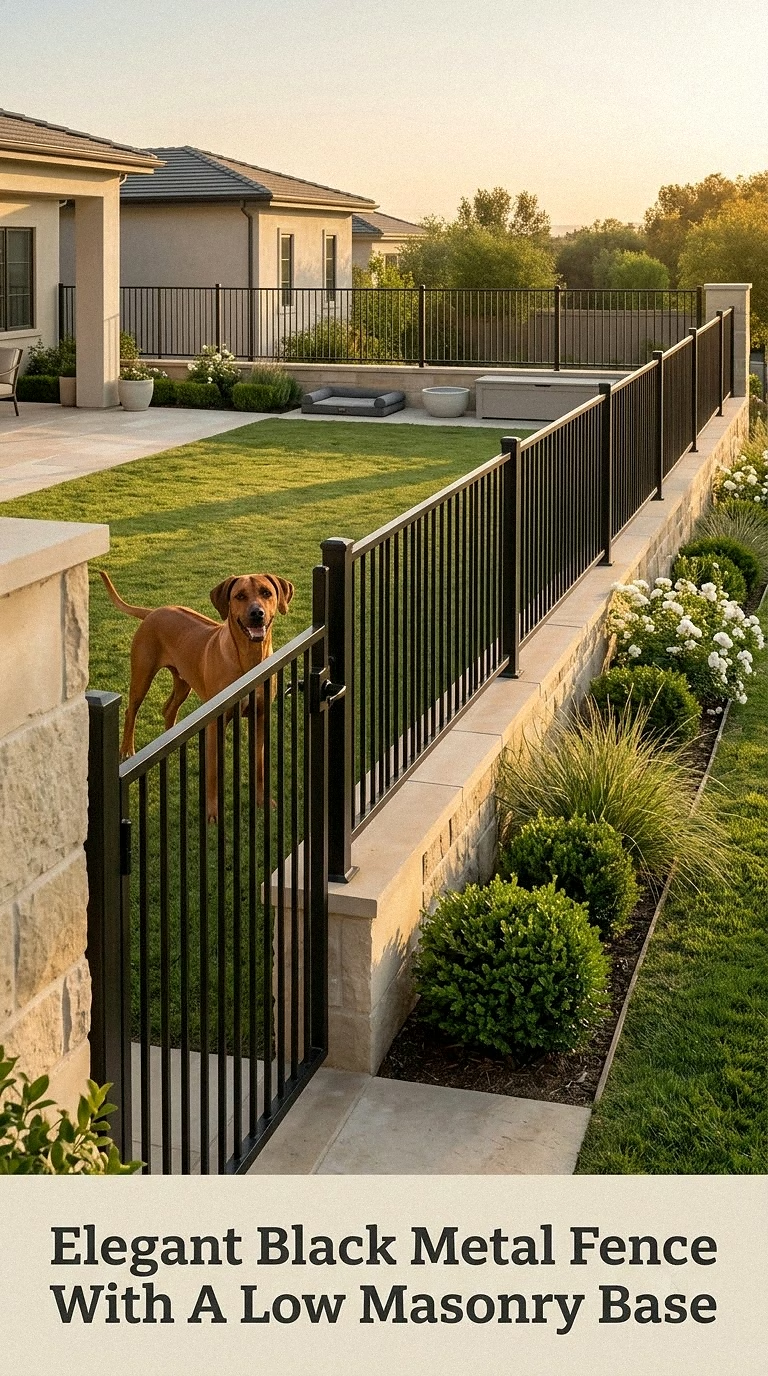
Black metal fencing combined with a low brick or stone base can give a backyard the polished feel of a landscaped estate while still creating a strong physical boundary.
The masonry base helps close the vulnerable space at ground level, while vertical metal pickets maintain open views across the neighborhood or surrounding garden. It is an especially attractive solution around formal patios, front-facing yards, and homes with traditional architecture.
Read more : 18 Beautiful Dog Bathtub Ideas For A Cleaner Home And Happier Pup
Choose spacing that cannot trap your dog’s head or allow smaller household pets to slip through. Vertical designs are generally preferable to decorative horizontal elements that could become climbing footholds.
If wildlife, passing dogs, or pedestrians make your dog highly reactive, reserve open fencing for quieter areas and use solid screening elsewhere. Attractive fencing still needs to suit the individual dog’s behavior to work successfully.
Stone Garden Wall With Tall Decorative Metal Fencing
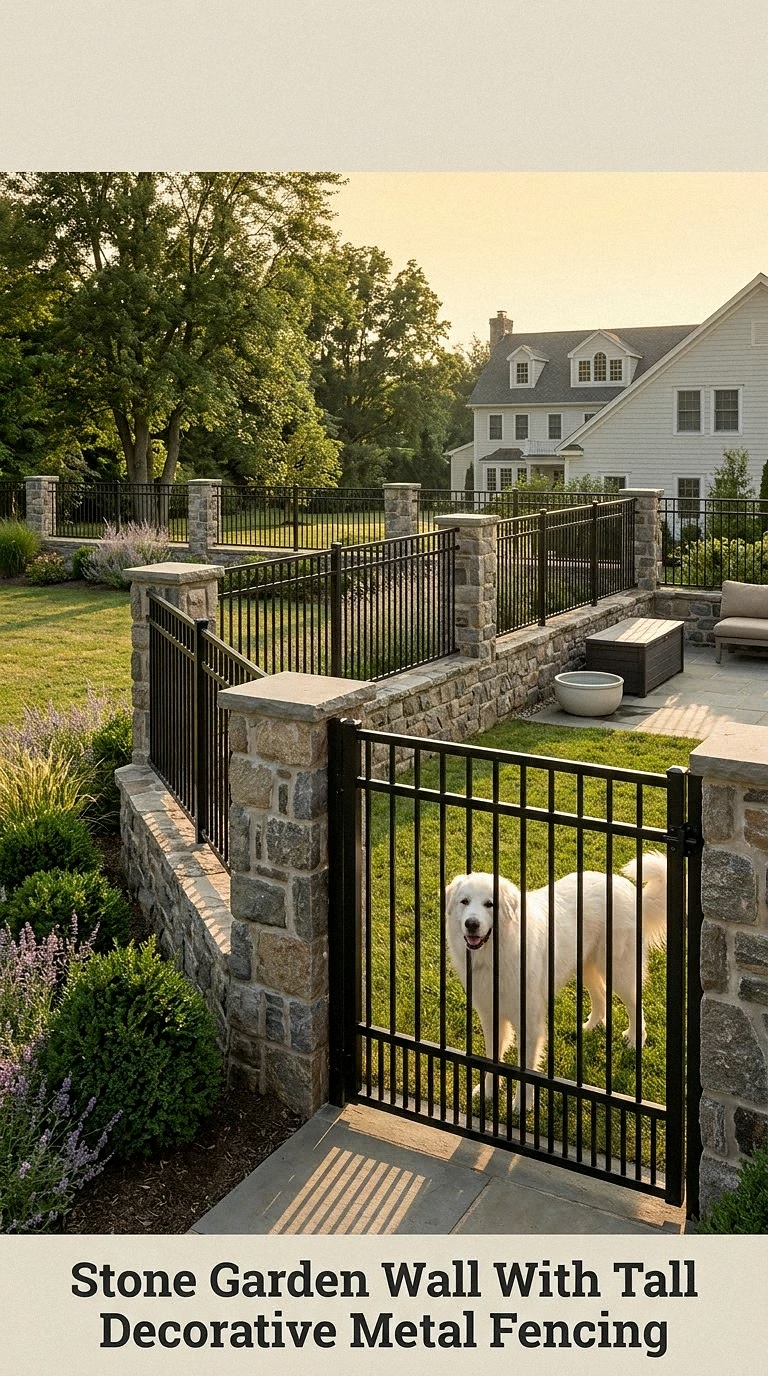
A stone wall topped with tall decorative metal fencing creates one of the most luxurious large dog fence ideas. The solid lower portion gives the yard visual weight while the upper metal section prevents the structure from feeling too heavy.
Natural fieldstone works beautifully with cottage and woodland gardens, while smooth limestone or pale masonry suits contemporary landscapes. Repeat the stone around planters, retaining walls, or outdoor seating for a cohesive look.
The solid lower barrier can also make digging along the immediate fence line more difficult when it is constructed with an appropriate foundation.
Because masonry installation can be expensive, this design works particularly well as an accent around visible sections of the property rather than necessarily surrounding a very large acreage. A matching metal gate with substantial hinges and a secure latch completes the sophisticated appearance.
Charcoal Corrugated Metal Fence With Warm Timber Posts
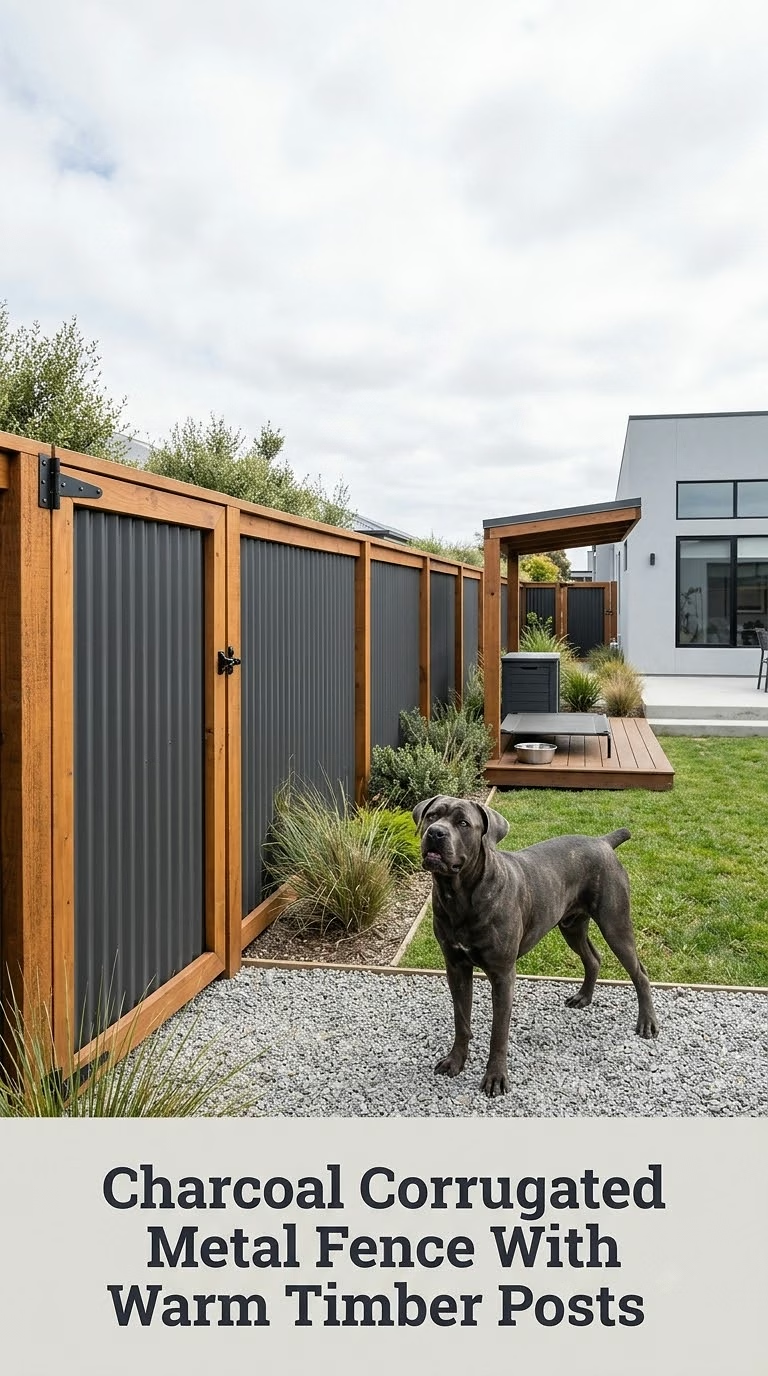
Corrugated metal fencing offers privacy, durability, and a distinctive modern-rustic appearance. Pair charcoal or weathered gray panels with warm timber posts to soften the metal and make the enclosure feel connected to the landscape.
This style creates an excellent visual barrier for dogs that become overstimulated by activity beyond the property. It also works beautifully beside contemporary cabins, farmhouse homes, gravel courtyards, and drought-tolerant gardens.
Make sure all metal edges are safely enclosed within framing or trim so your dog cannot contact sharp unfinished sections. Use substantial posts because large solid panels experience wind loads differently from open mesh fencing.
A timber-framed gate can repeat the same metal panels for a seamless appearance. Add simple path lighting, large planters, or a narrow landscaping strip inside the fence to make the boundary feel like an intentional garden feature.
Double-Gate Entry Zone With Matching Wood Panels
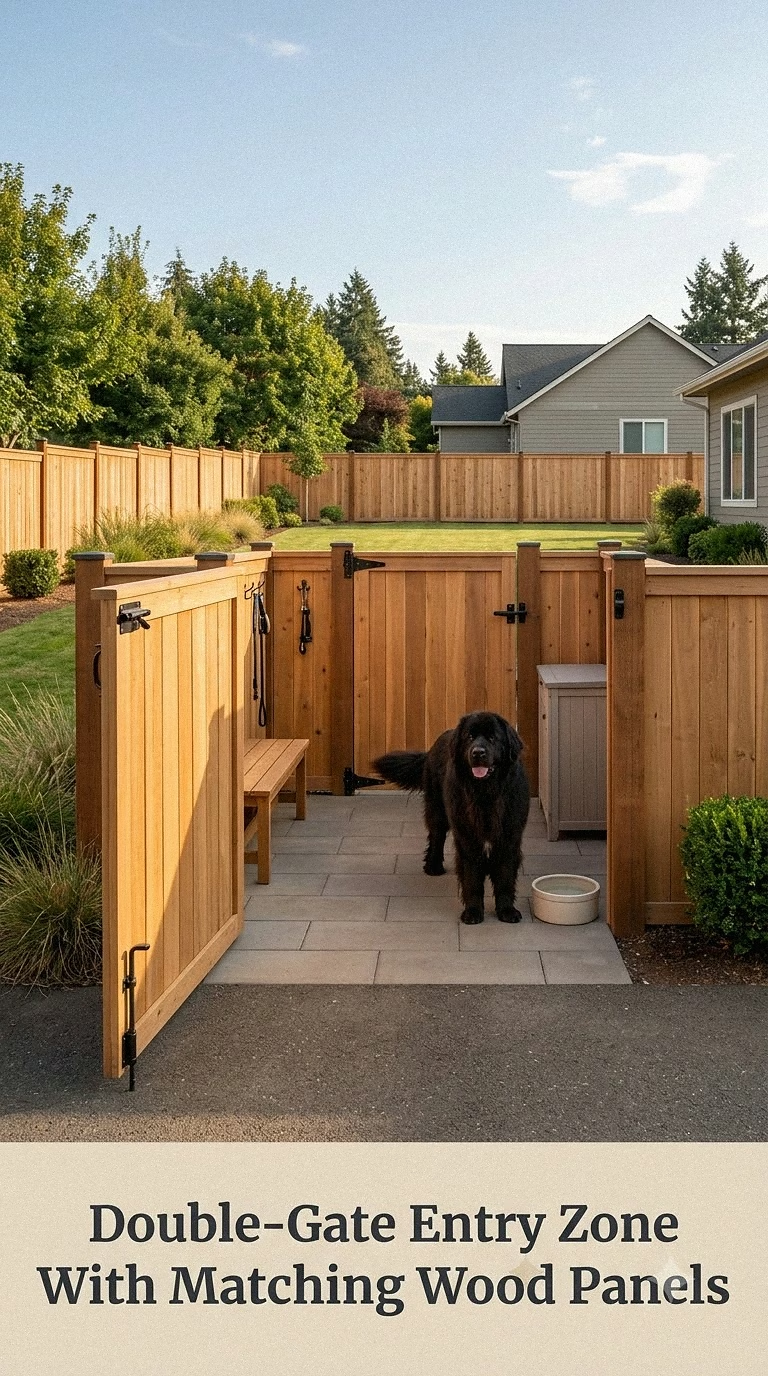
One of the smartest upgrades for a household with an enthusiastic large dog is a small double-gate entry area. Instead of opening one gate directly from the yard to the driveway or street, create a compact enclosed transition space between two gates.
You enter the first gate, close it securely, and only then open the second. This arrangement provides an extra layer of protection for dogs that rush entrances when visitors arrive, deliveries are made, or family members carry things through the yard.
The entry does not have to look institutional. Build it from the same cedar, horizontal slats, black wire, or vinyl used for the main fence.
Add a paved floor, a small wall hook for a leash, and attractive outdoor lighting. Self-closing hardware and secure latches can make the space even more convenient for everyday use.
Tall Privacy Fence With An Inward-Leaning Top Extension
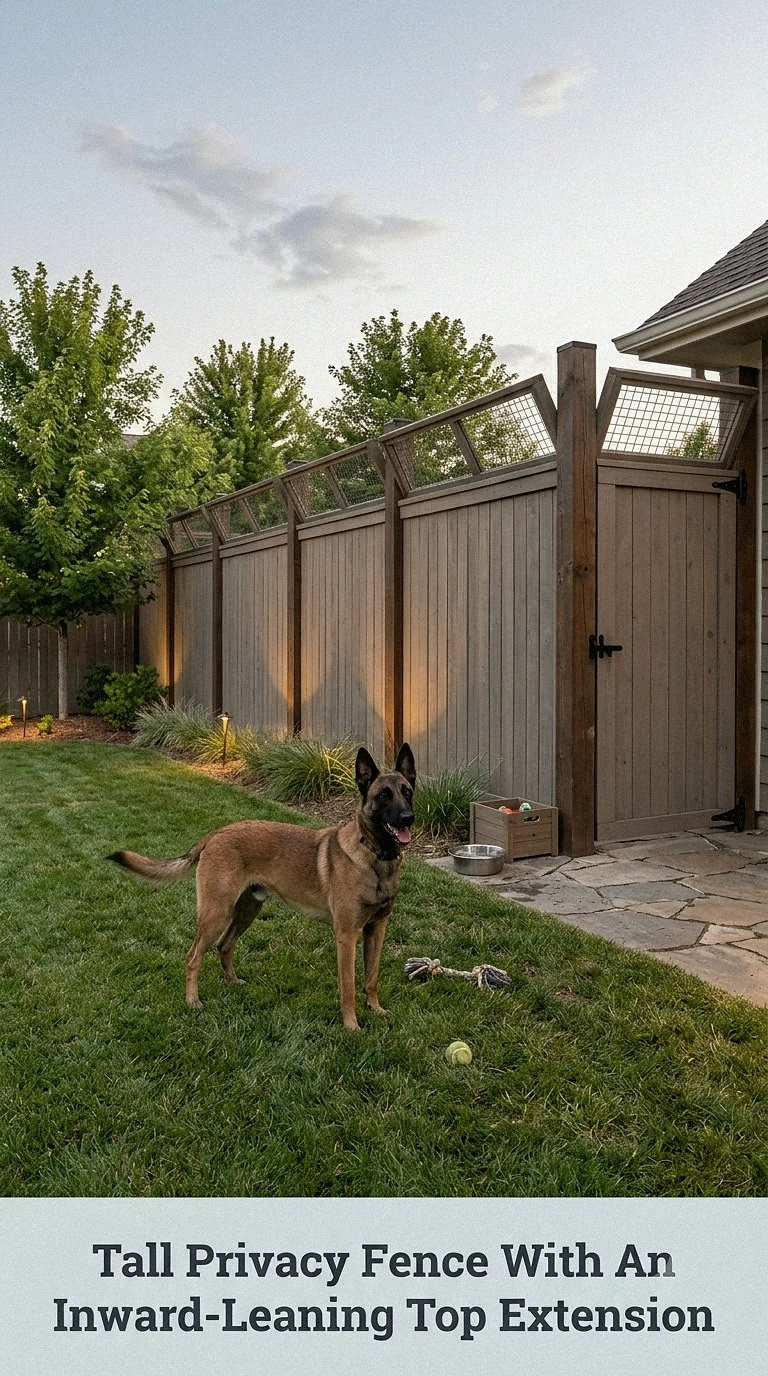
Some powerful dogs can clear barriers that would easily contain another dog of exactly the same size. For athletic jumpers and climbers, modifying the upper portion of a sturdy fence may be more effective than simply replacing the entire perimeter.
An inward-leaning extension creates a visual and physical interruption above the dog when they approach the boundary. It can be integrated into wood fencing, wire fencing, or dedicated dog enclosures.
Keep the addition neat by matching posts and finishes to your existing fence. Black mesh extensions tend to visually disappear, while timber framing can create a more architectural appearance.
Before making major height changes, check neighborhood rules and local fencing requirements. Also remove benches, bins, stacked wood, raised planters, and other objects near the boundary that could unintentionally provide a launching point.
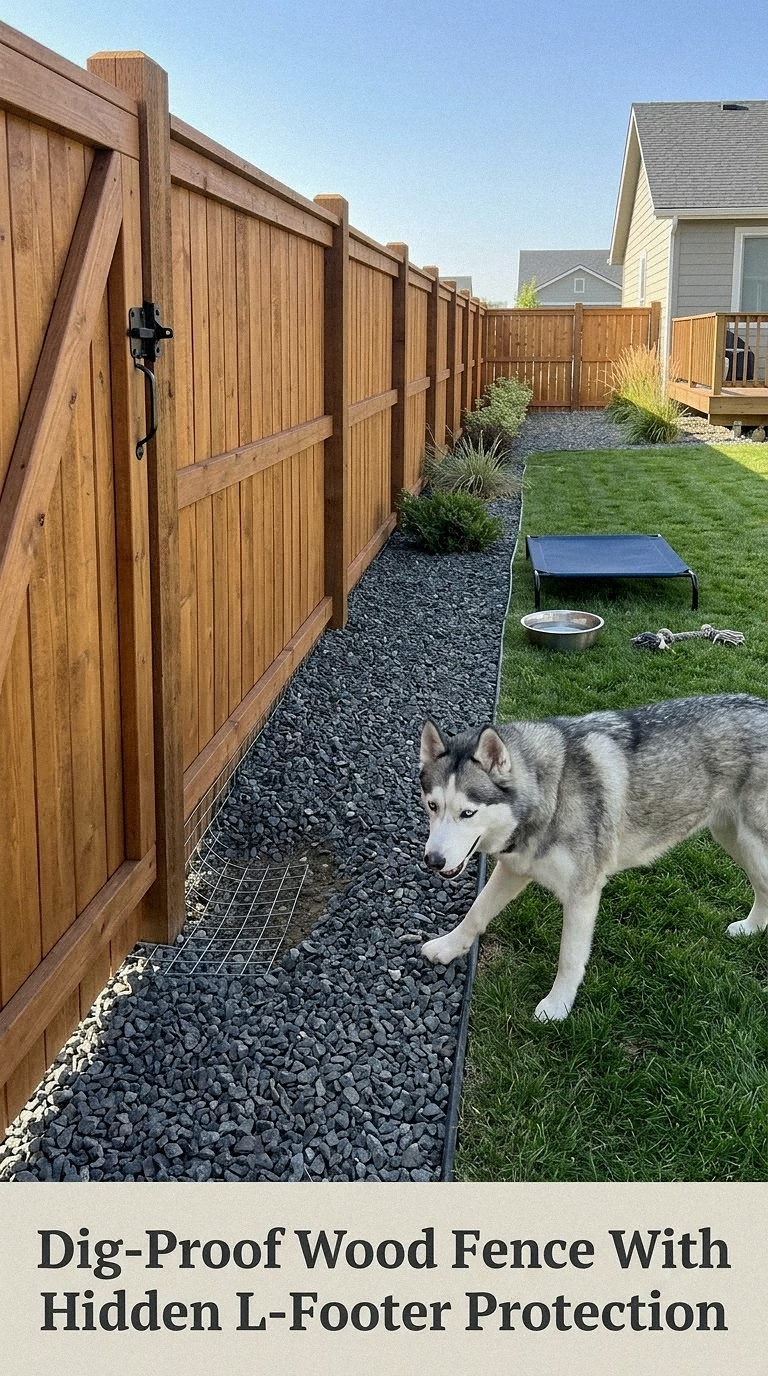
A beautiful fence does little good if a determined dog simply excavates a tunnel underneath it. For enthusiastic diggers, reinforce the base before spending money on decorative upgrades.
One practical approach is an L-shaped buried barrier extending inward beneath the soil. Wire mesh designed for outdoor use can be securely attached near the fence base and covered with soil, gravel, or landscaping so it remains almost invisible.
Large stones or a narrow paved strip can add another attractive layer of protection. Instead of exposed wire surrounding an otherwise pretty garden, you see a clean border of gravel, stone, or groundcover.
Always finish wire edges carefully and keep sharp surfaces inaccessible. Continue providing acceptable digging and enrichment opportunities elsewhere in the yard, particularly if digging is something your dog naturally enjoys.
Modern Side Yard Dog Run With Cedar And Black Mesh
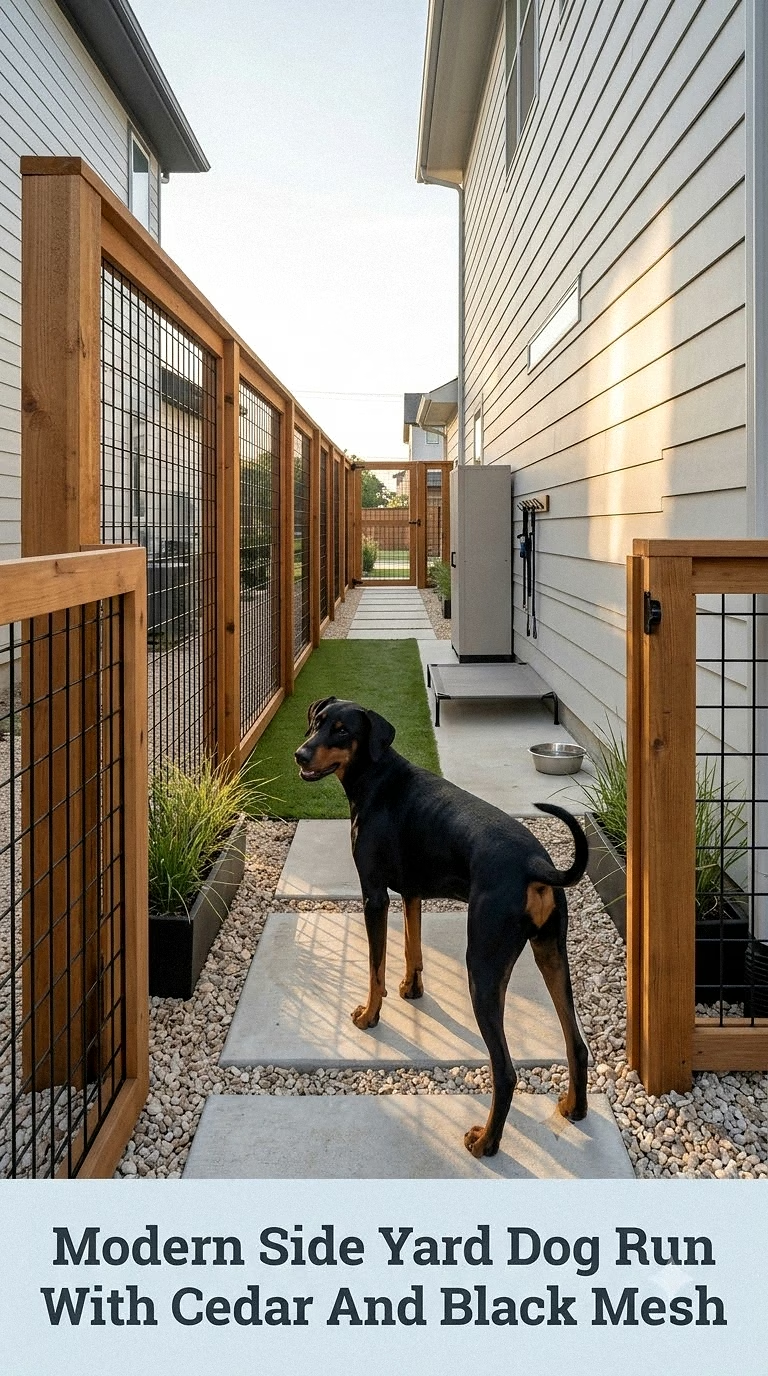
A narrow side yard can become an incredibly useful dedicated outdoor zone for a large dog. Rather than leaving the awkward space unused, frame it with cedar posts and black welded mesh panels.
Run the enclosure between the house and backyard, leaving enough width for your dog to comfortably turn, walk, sniff, and rest. Use a washable ground surface such as appropriately selected gravel, pavers, or another dog-friendly outdoor material rather than allowing a narrow strip of grass to become muddy.
Add a shaded resting spot, secure water station, and perhaps a weather-resistant storage box for toys and cleaning supplies.
This setup is particularly useful when you want dogs outdoors during gardening, entertaining, or maintenance work without giving them access to the entire property. It should complement regular exercise rather than replace it.
Landscaped Privacy Fence With A Wide Shrub Buffer
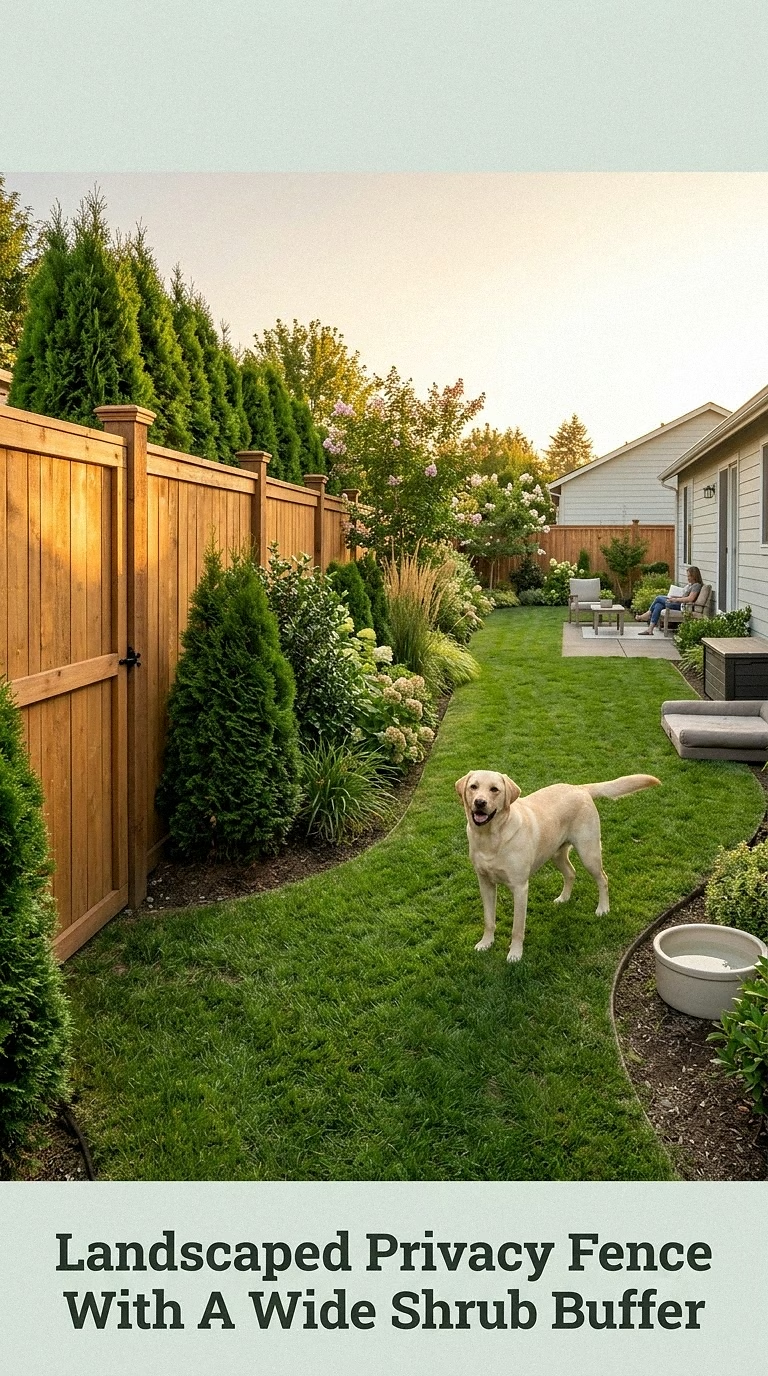
Instead of placing the lawn directly against the fence, create a generous landscaped buffer between your dog’s running space and the property boundary.
A solid wood fence can form the secure outer perimeter while a wide interior planting bed filled with dog-safe shrubs, ornamental grasses, and sturdy greenery creates a softer visual boundary.
The extra distance can discourage repeated fence running and makes it harder for dogs to launch directly at the barrier. Dense landscaping can also reduce visual stimulation from neighboring properties.
Read more : 18 Private Dog Park Ideas For A Beautiful And Pet-Friendly Backyard
Choose plants carefully because some popular landscape species can be harmful if chewed or swallowed. Leave enough room behind shrubs to inspect and maintain the actual fence.
Curved planting beds look particularly beautiful in larger yards and can make a tall privacy fence feel less imposing while creating a peaceful garden atmosphere.
Large Backyard Fence With A Gravel Perimeter Patrol Path
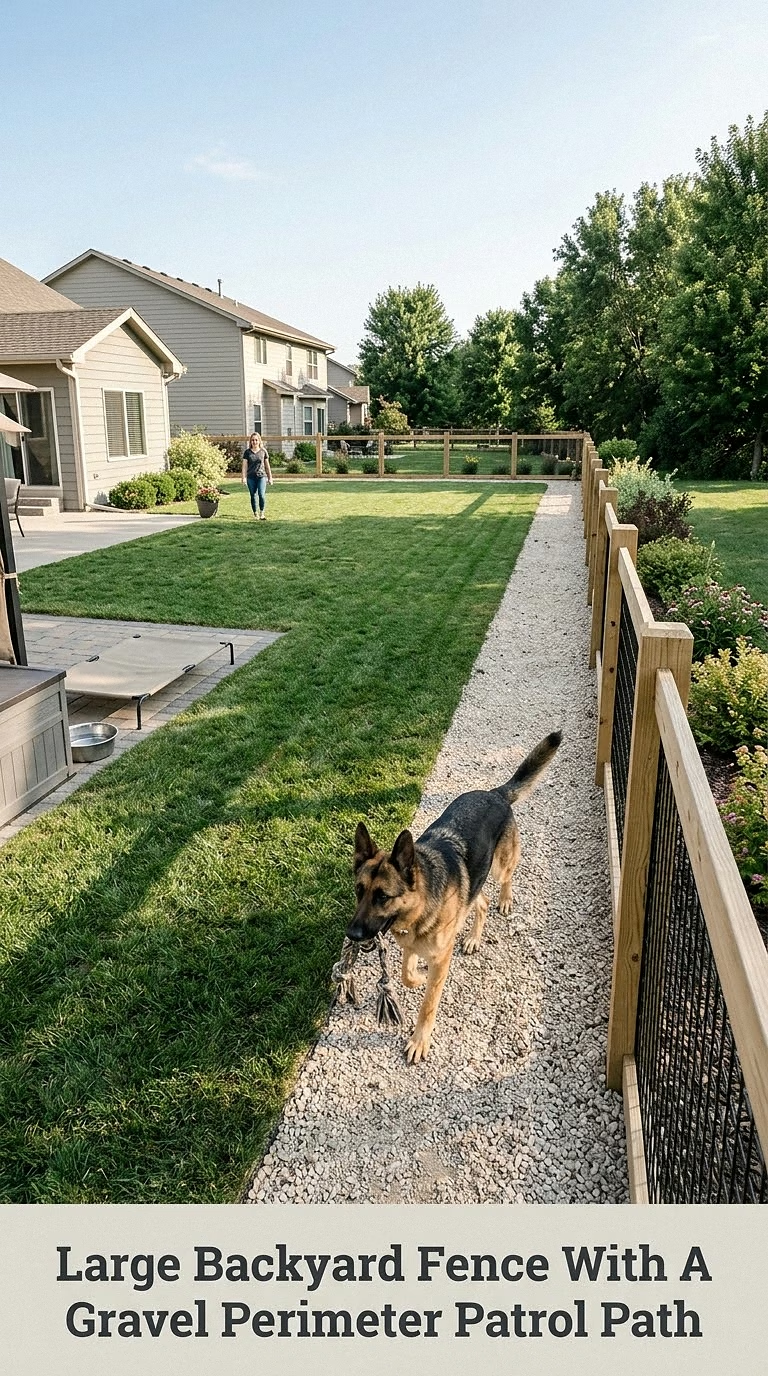
Many dogs naturally enjoy walking the same route around their yard. Instead of fighting this habit and watching grass disappear along the fence line, design a deliberate pathway for it.
Create a broad gravel, compacted stone, or suitable paved path around part of the perimeter. The path gives your dog a predictable place to patrol while keeping muddy paws under better control during wet weather.
Frame the route with a sturdy wood, metal, or mesh fence on one side and simple landscaping on the other. Rounded corners make the path feel more natural and encourage comfortable movement.
A perimeter path also makes routine fence inspections easier because you can quickly notice loose boards, developing gaps, digging, or damaged hardware.
Add a shaded resting spot along the route so your dog has somewhere comfortable to pause between backyard adventures.
Black Steel Fence With A Reinforced Concrete Mow Strip
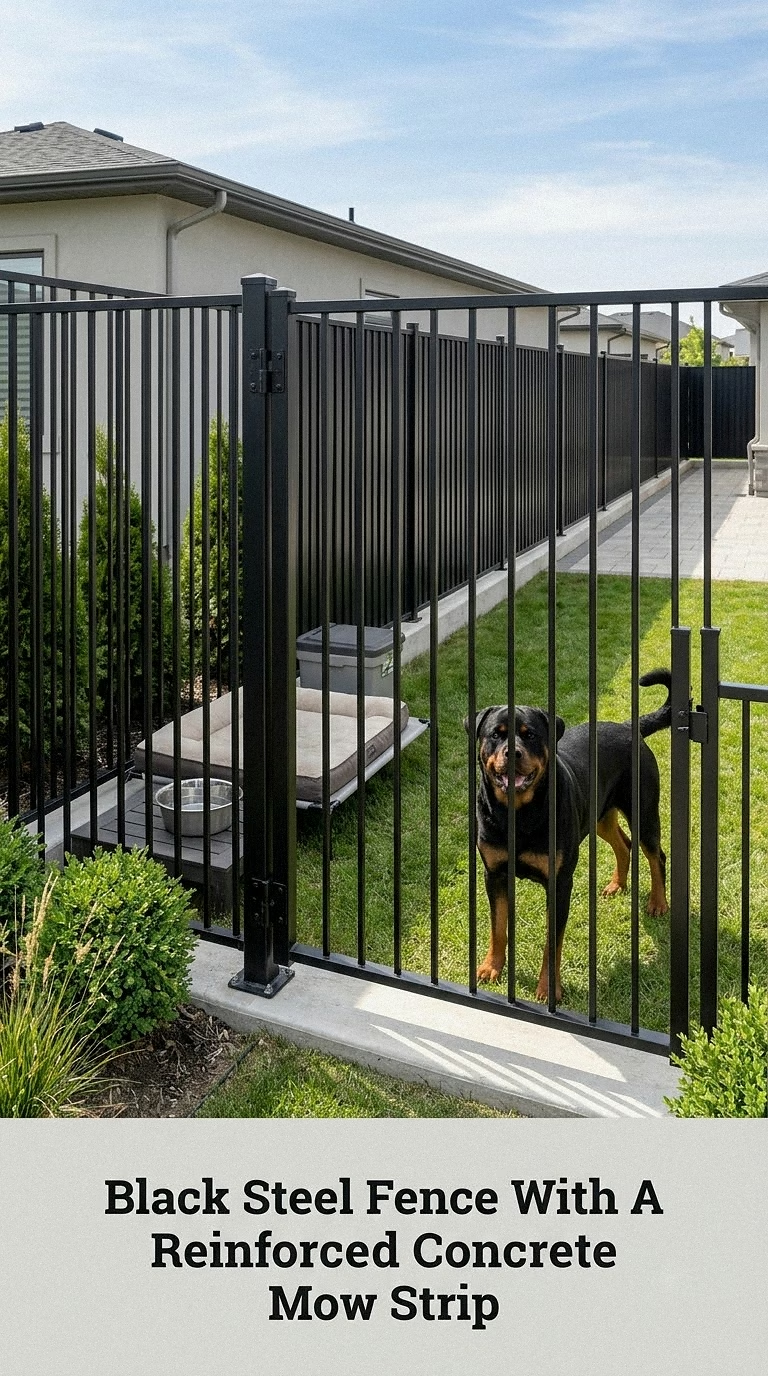
For a clean contemporary landscape, combine tall black steel fencing with a continuous concrete strip at the base.
The narrow strip creates a beautifully crisp transition between fence and lawn while eliminating the soft soil directly beneath the barrier. That makes routine trimming easier and creates an additional obstacle for dogs interested in digging at the perimeter.
Pair the dark fence with modern rectangular planters, pale stone pavers, and simple ornamental grasses. The contrast between black metal, green lawn, and light concrete gives the yard a sophisticated architectural look.
Open metal fencing is most suitable for dogs that remain calm when they can see outside activity. If your dog repeatedly barks or lunges toward passing animals, combine this style with strategic privacy panels or plant screening where stimulation is greatest.
Wood Privacy Fence With A Built-In Shaded Dog Corner
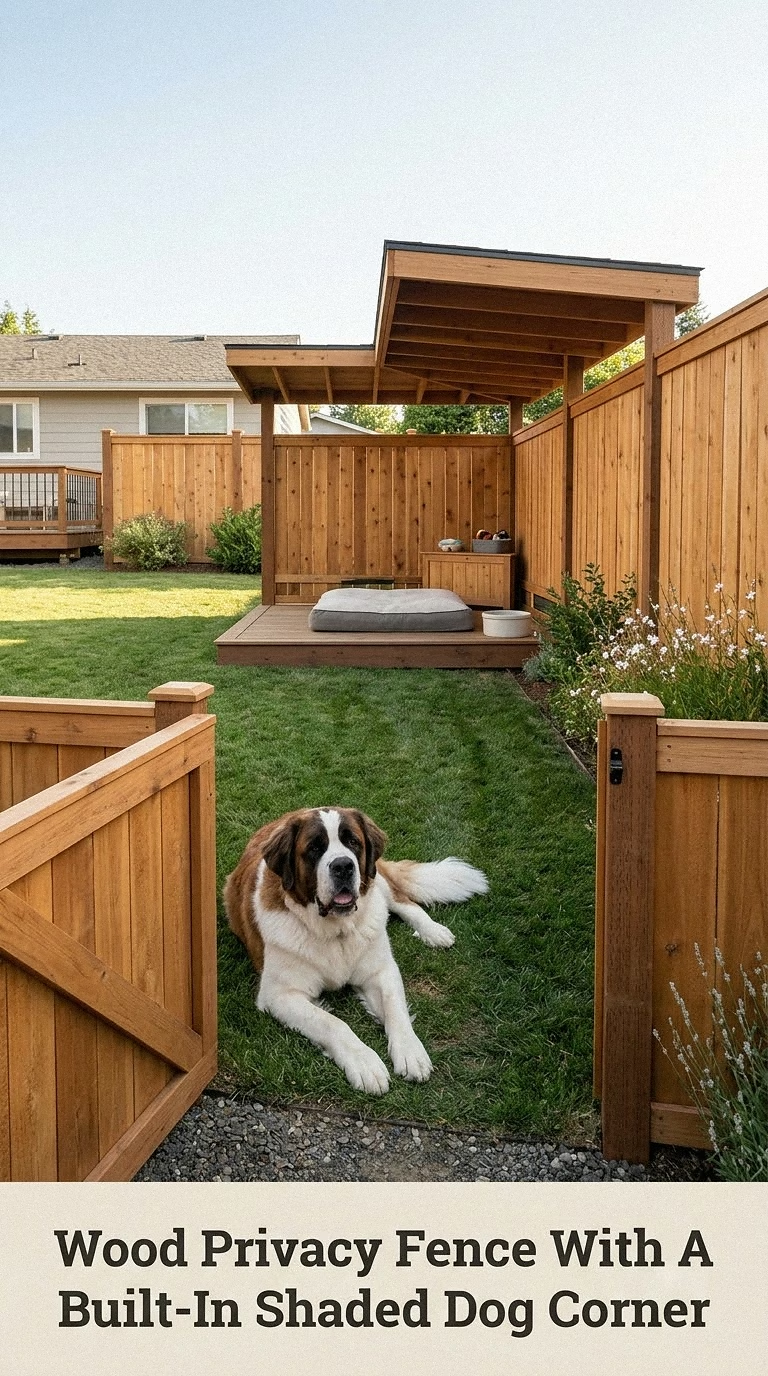
Turn an ordinary fence into part of a complete dog-friendly backyard by incorporating a sheltered resting area beside it.
A tall cedar privacy fence can form the backdrop for a simple pergola-style canopy, raised outdoor bed, water station, and toy storage bench. Choose warm timber, washable outdoor fabrics, and neutral accessories so the corner blends naturally with your patio furniture.
Position the resting zone away from the sections of fence where your dog becomes excited by neighboring activity. It should feel like a comfortable destination rather than a lookout tower.
Shade is particularly important during warm weather, and clean drinking water should always be easily accessible when your dog spends time outside.
This idea works especially well for older large dogs that still enjoy being outdoors but appreciate a comfortable place to rest between short bursts of activity.
Mixed Privacy And Open-View Fence For A Zoned Backyard
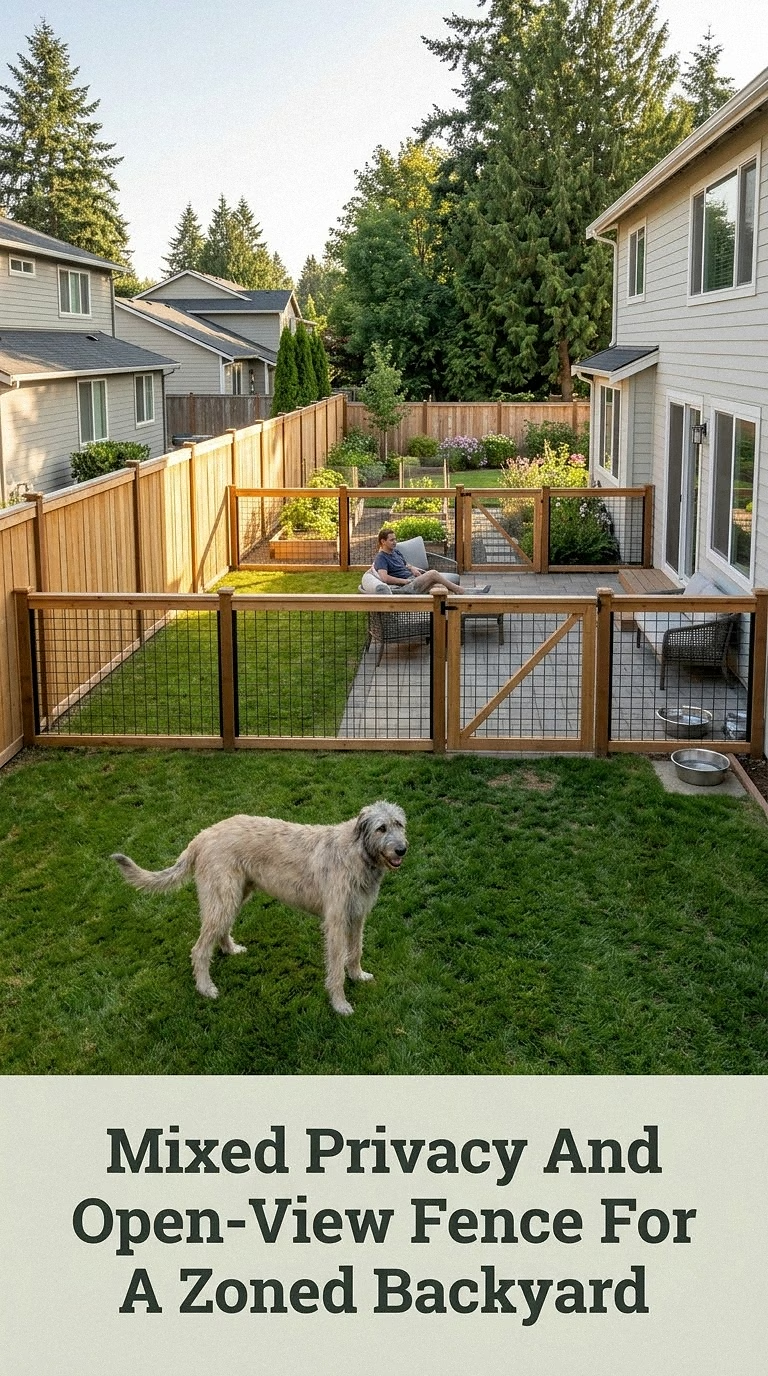
You do not have to use the same fence style around every side of your property. A thoughtful mixed design can solve several problems while producing a more interesting landscape.
Install solid cedar or vinyl fencing along busy streets and boundaries shared with neighboring dogs. These sections reduce visual distractions and provide privacy.
On the quieter garden side, use black metal or wood-framed wire panels to preserve views toward trees, open land, or attractive landscaping. Repeat the same post color, hardware, or timber accents throughout both materials so the perimeter still feels cohesive.
This approach is particularly effective in large yards where complete privacy fencing would feel heavy or expensive.
Most importantly, every section should provide comparable containment strength. A dog will naturally investigate whichever portion of the boundary is easiest to climb, push through, jump, or dig beneath.
Natural Woodland Fence With Dark Mesh And Timber Posts
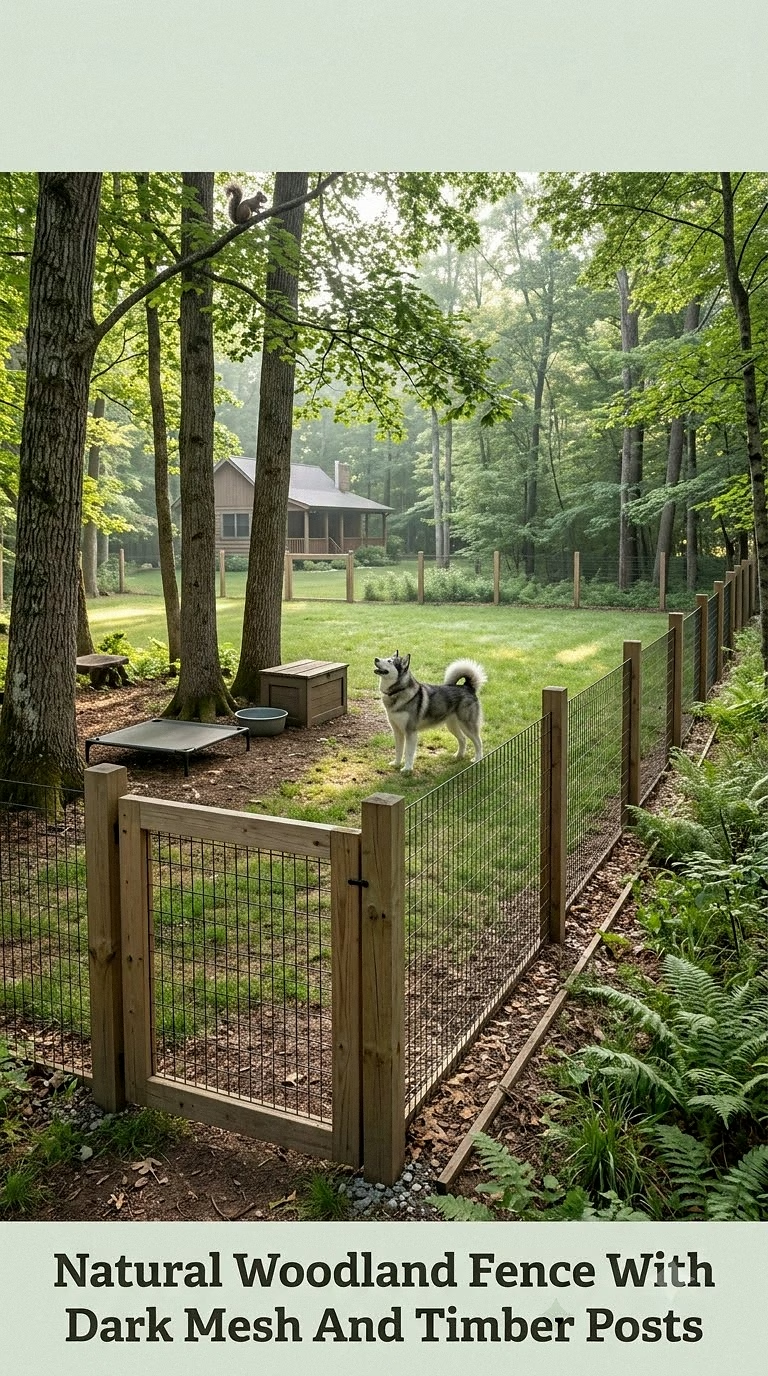
For wooded or rural properties, a dark mesh fence supported by natural timber posts can almost disappear into the landscape.
Position the fence along the woodland edge rather than immediately beside the lawn when the property layout allows. From the house, greenery becomes the dominant view while the actual containment boundary remains visually subtle.
Use substantial corner posts, properly tensioned fencing, and a secure gate designed for frequent use. Uneven terrain requires extra attention because dips beneath the mesh can create unexpected escape points.
Preserve mature shade trees where practical and create simple mulch or gravel paths through the enclosed area. The result can feel less like a conventional fenced backyard and more like a private woodland adventure space.
Regularly inspect areas where branches, falling debris, erosion, or wildlife might damage the boundary.
Choosing Large Dog Fence Ideas That Work For Your Home
The most successful large dog fence is rarely the one that simply looks the tallest or strongest. It is the design that fits your particular dog, property, budget, and everyday routine.
Think carefully about what your dog actually does outside. A calm Great Dane may need different containment details from an athletic shepherd that climbs, a retriever that digs, or a dog that becomes excited whenever another animal passes the house. Height, gate security, ground-level protection, visibility, and overall strength should all reflect those individual habits.
After the practical details are handled, have fun with the design. Warm cedar can create a cozy garden atmosphere, black mesh can preserve beautiful views, white vinyl can brighten a traditional yard, and stone or steel can bring a polished architectural feel.
With thoughtful planning, your fence can become much more than a boundary. It can help create a beautiful outdoor space where your dog can explore, relax, play, and simply enjoy being part of home.
Source: https://petstutorial.com
Category: DOGS
