
A small dog may not need acres of space to feel happy outdoors, but the space they do have should feel secure, comfortable, and inviting. The right fence can transform a patio, side yard, garden corner, or compact backyard into a little outdoor world where your dog can sniff, play, stretch out in the sun, and enjoy fresh air while you relax nearby.
Designing for a small dog comes with its own challenges. A fence that looks perfectly secure for a larger breed may have gaps a tiny dog can squeeze through. Low openings, loose boards, digging spots, lightweight gates, and decorative pickets can all become potential escape routes. Fence choice should therefore reflect your individual dog’s size, jumping ability, digging habits, temperament, and interest in whatever is happening beyond the yard. Secure gates and regular inspections matter just as much as the fence material itself.
You are reading: 19 Small Dog Fence Ideas For A Safe, Stylish, And Beautiful Yard
Fortunately, practical does not have to mean unattractive. Today’s small dog fence ideas range from charming cottage pickets and warm cedar-and-wire combinations to sleek black steel, compact dog runs, privacy fences, and removable solutions for renters. You can even turn the fence into part of the landscaping with flowers, shrubs, gravel borders, or coordinated gates.
Small Dog Fence Ideas For Creating A Secure And Beautiful Outdoor Space
Warm Cedar Fence With Fine Black Wire Mesh
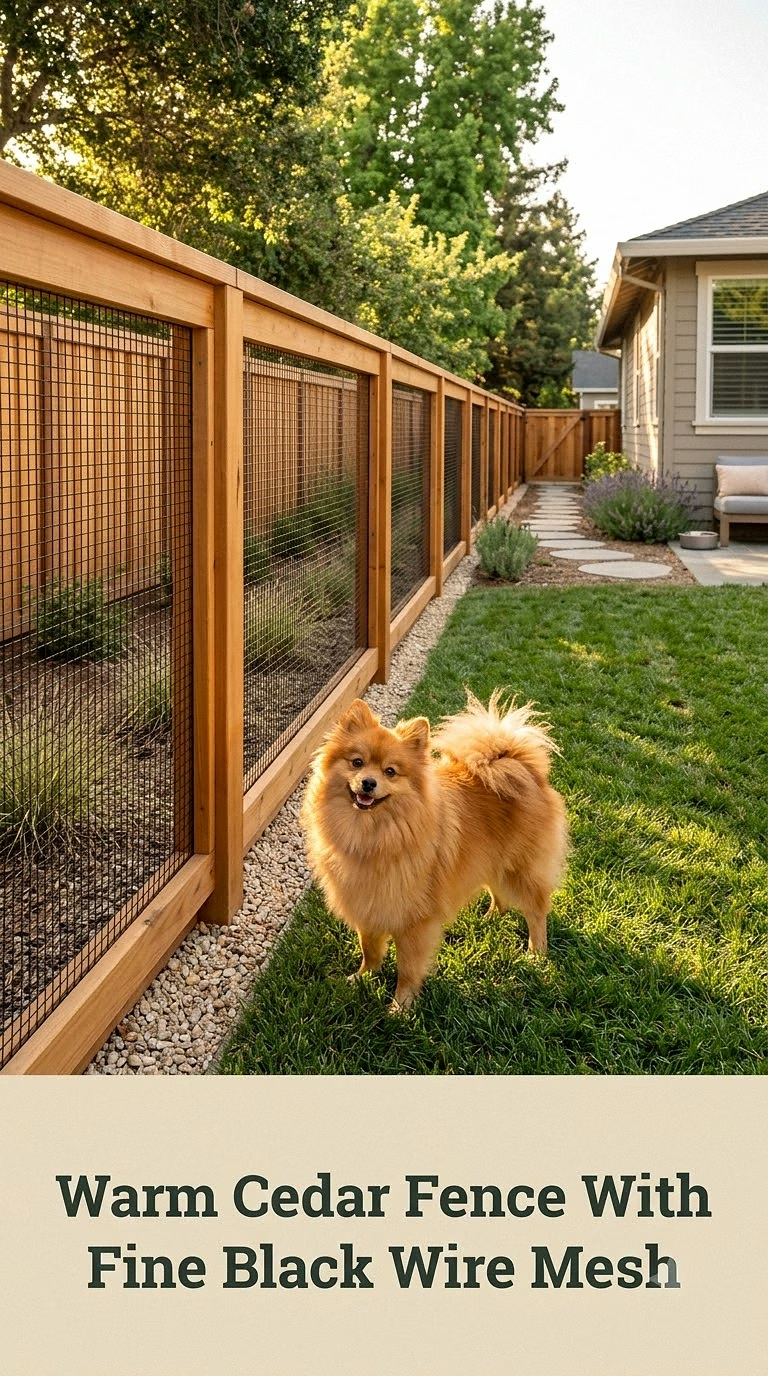
A cedar-and-wire fence is one of the easiest ways to make pet containment feel intentionally designed rather than purely functional. Build simple rectangular frames from warm cedar or another exterior-grade wood, then install black welded wire mesh inside each section.
The combination works especially well around cottage gardens, modern farmhouses, and naturally landscaped yards. Black mesh visually recedes from a distance, allowing flowers and greenery to remain the focus.
For a small dog, pay close attention to mesh openings rather than choosing fencing solely by height. Openings should be small enough that your dog cannot squeeze its body through or get its head or paws trapped.
Finish the wood with an exterior-safe stain or sealer, and periodically inspect the mesh edges, fasteners, and bottom rail for damage.
Matte Black No-Dig Fence With Narrow Pickets
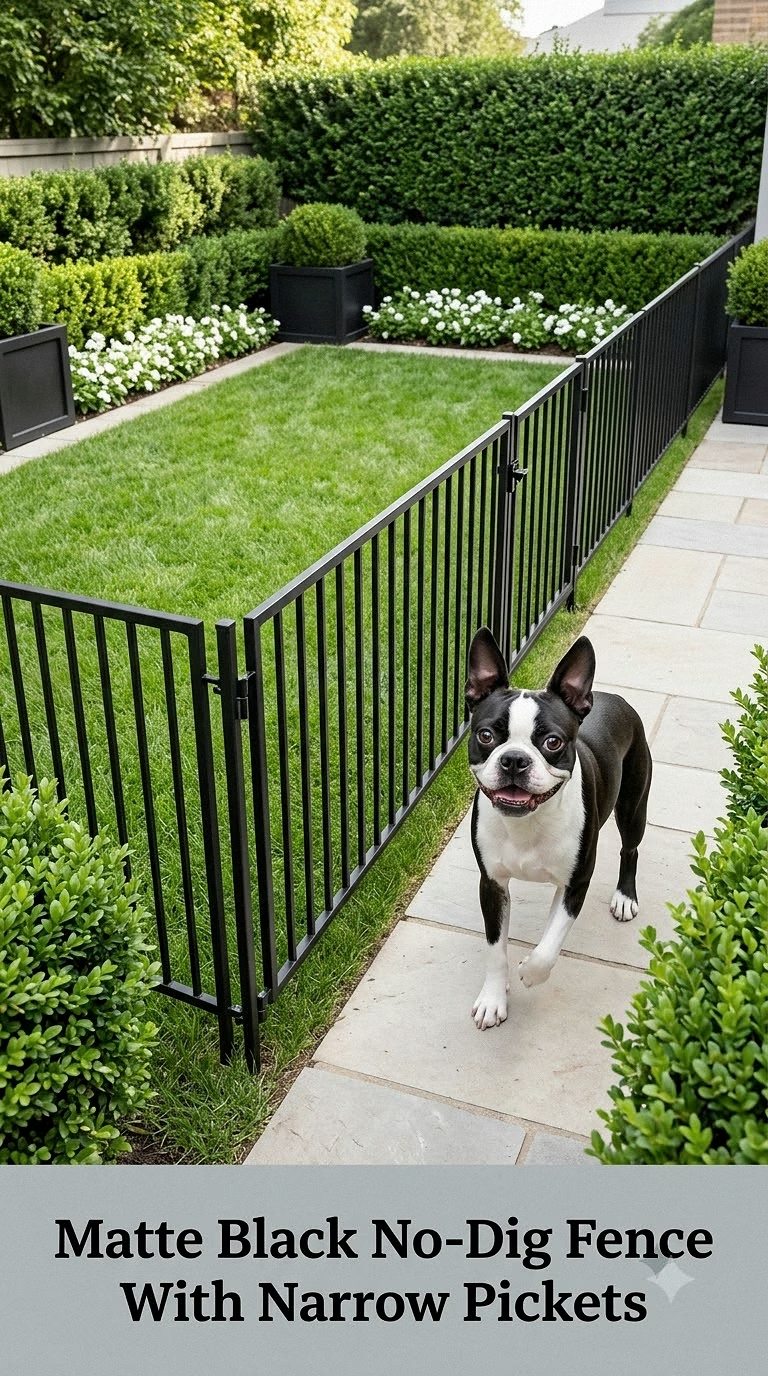
For an affordable weekend upgrade, consider modular black metal fencing that installs with stakes instead of traditional concrete-set posts. The slim silhouette looks especially pretty around patios, townhouse yards, and landscaped garden spaces.
Choose a version with closely spaced vertical bars or small mesh openings near the bottom. Some decorative no-dig fences widen near the top, so examine the entire panel carefully rather than assuming every opening is small-dog friendly. Even commercially sold pet barriers can vary considerably in spacing and strength.
Pair matte black panels with pale gravel, lavender, ornamental grasses, or clipped boxwood for an elegant contrast.
Because lightweight modular fencing is not designed for every escape artist, it works best for relatively calm small dogs and should be installed firmly according to the manufacturer’s directions.
Cottage White Picket Fence With Extra-Narrow Spacing
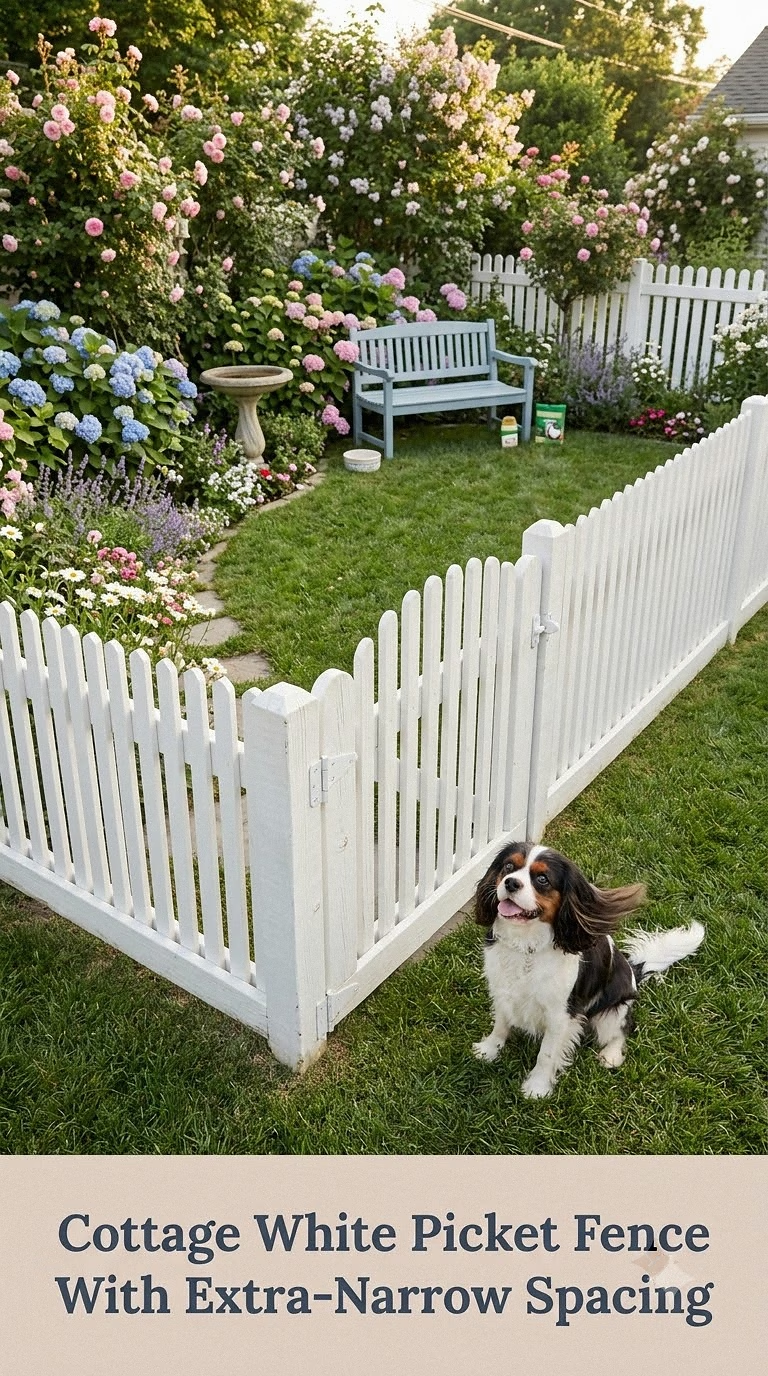
Few designs feel sweeter than a small white picket fence surrounding a tiny green lawn. It brings instant cottage charm while keeping the yard visually open instead of enclosing it behind tall privacy panels.
The traditional design needs one important adjustment for small dogs: narrow the spacing between the pickets. Standard decorative spacing may be wide enough for a petite puppy or narrow-bodied breed to slip through.
You can build the fence from painted wood, composite pickets, or low-maintenance vinyl. Add a matching arched gate and border the outside with hydrangeas, roses, catmint, or another dog-safe landscaping choice suitable for your climate.
Avoid sharp decorative points at dog level, and inspect wooden pickets for loose nails, splinters, rot, and widening gaps as the material ages.
Modern Solid Wood Fence With A Closed Lower Section
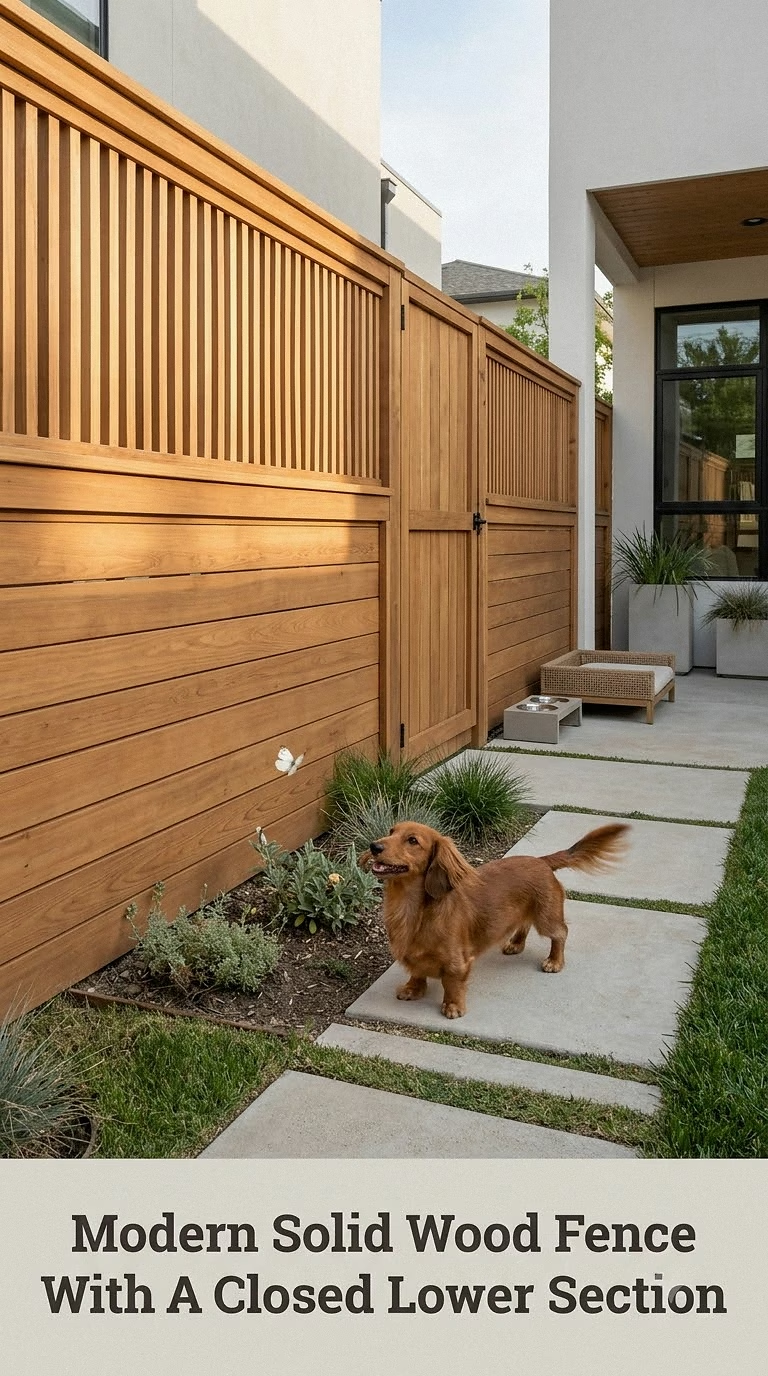
If your little dog becomes highly excited whenever neighbors, pedestrians, or other pets pass by, a more private fence can create a calmer-looking outdoor retreat.
Use closely fitted vertical cedar boards or smooth horizontal planks with almost no openings through the lower portion. A darker stain creates a contemporary look, while natural honey-toned wood feels warmer and more organic.
Solid fencing also eliminates many of the squeeze-through opportunities found in open picket designs. AKC guidance notes that reducing visual access through fencing can also help manage repeated fence-line reactions in some dogs, although landscaping and training may still be needed.
Add raised planters or soft greenery along the house side, leaving enough clear space that benches, planters, wood piles, or furniture cannot become convenient climbing platforms.
Slim Side Yard Dog Run With Black Mesh Panels
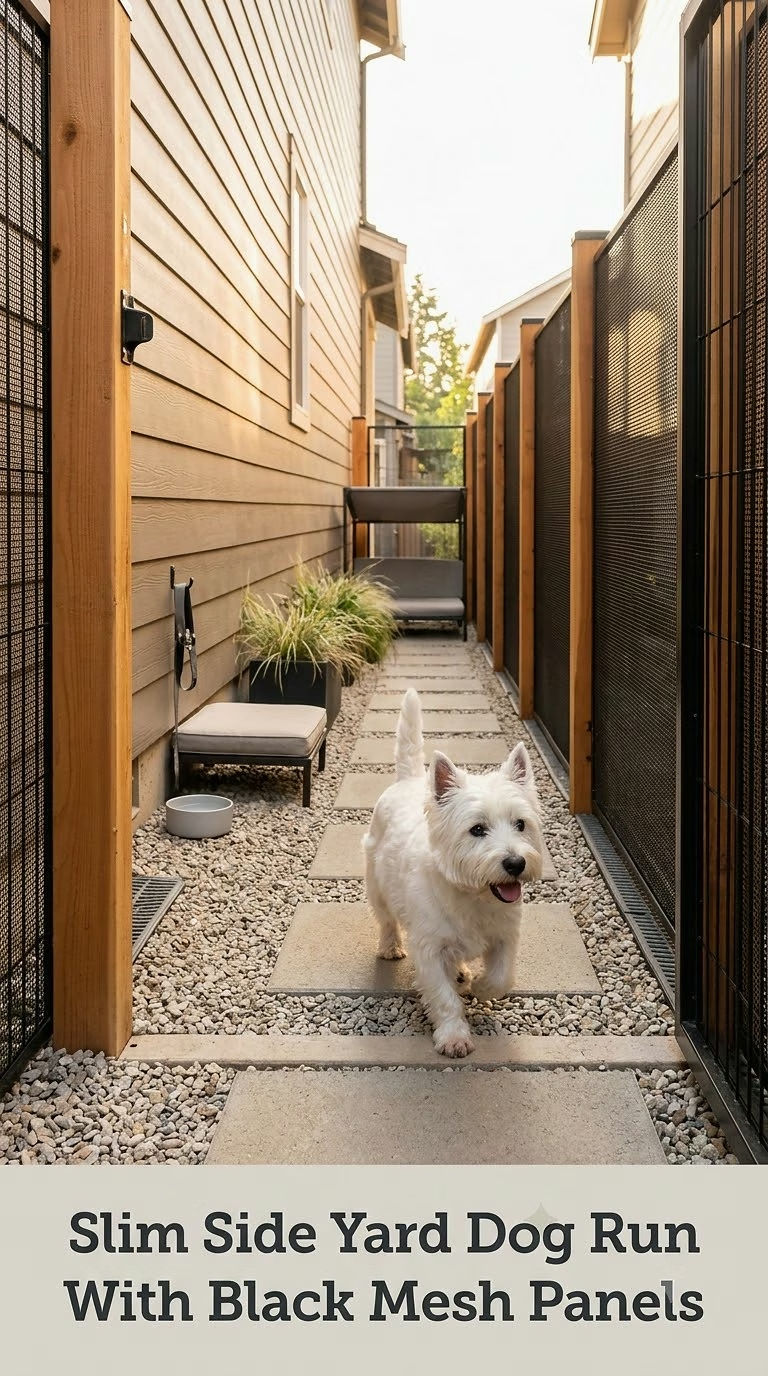
An unused side yard can become one of the most practical small dog spaces on the property. Instead of fencing the entire backyard, enclose the narrow strip between the house and boundary fence.
Use black welded-wire panels framed with wood or steel, then create a long pathway of artificial turf, grass, smooth pavers, or a combination of surfaces. Add a small shaded resting area at one end and a secure gate near the house.
This layout is especially useful when you want to keep the main garden available for entertaining, children’s play equipment, or delicate landscaping.
Keep air-conditioning equipment, utility meters, toxic garden products, sharp tools, and exposed cables outside the enclosure whenever possible.
A narrow run still needs enough room for your dog to turn comfortably, explore, sniff, and move naturally rather than simply functioning as a passageway.
Removable Patio Fence With Freestanding Exercise Panels
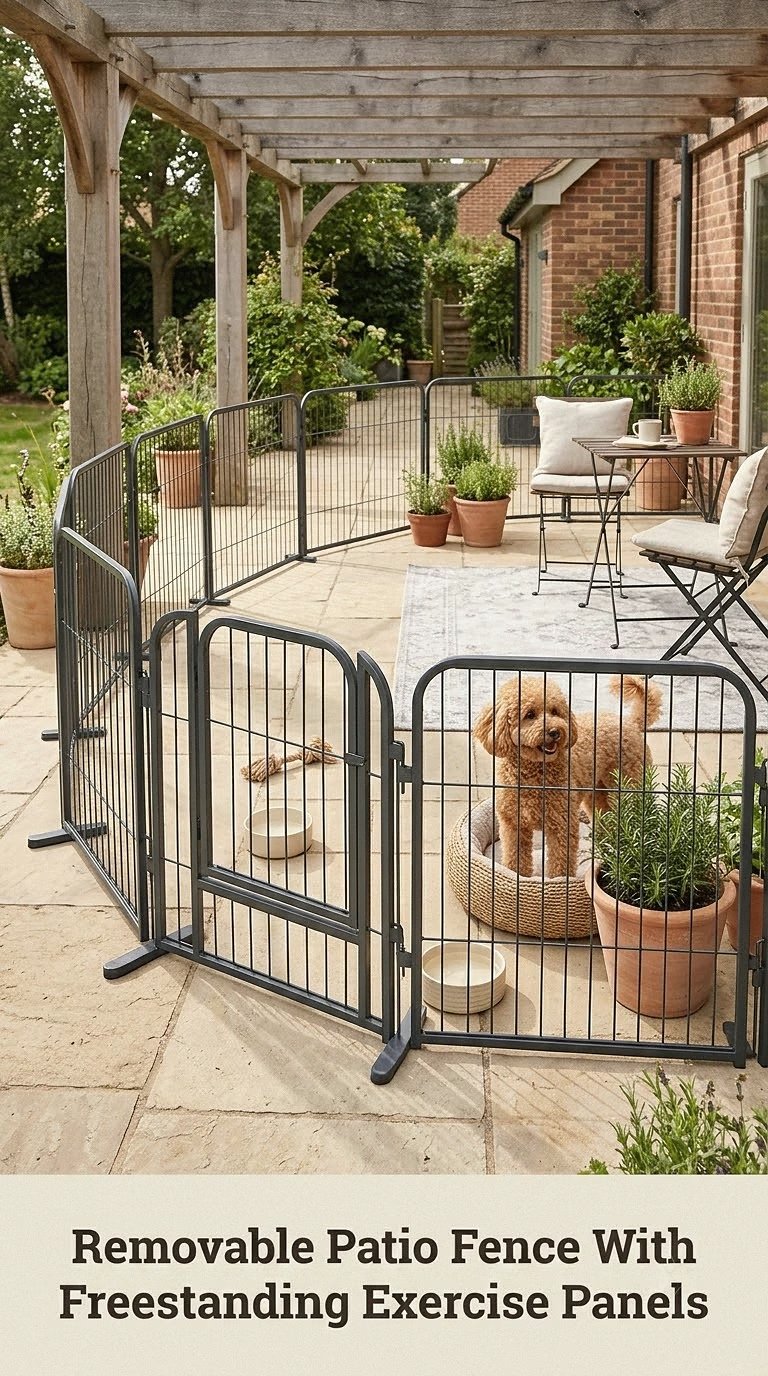
Renters and homeowners who do not want permanent construction can create an attractive temporary enclosure using freestanding metal exercise panels.
Arrange the panels around a portion of a patio or small patch of lawn to make a flexible outdoor lounge. Black panels look clean against concrete or pale stone, while wood-look modular barriers can soften a traditional patio.
Place a washable outdoor dog bed, water bowl, shade canopy, and a few toys inside so the area feels purposeful rather than empty.
The important consideration is stability. A lightweight pen that moves when leaned against is not appropriate for a determined dog. Choose equipment suited to your dog’s size and behavior, connect every section securely, and avoid relying on decorative garden edging as genuine containment.
The setup can then be folded away whenever you need the full patio.
Rustic Split-Rail Fence With Hidden Small-Mesh Backing
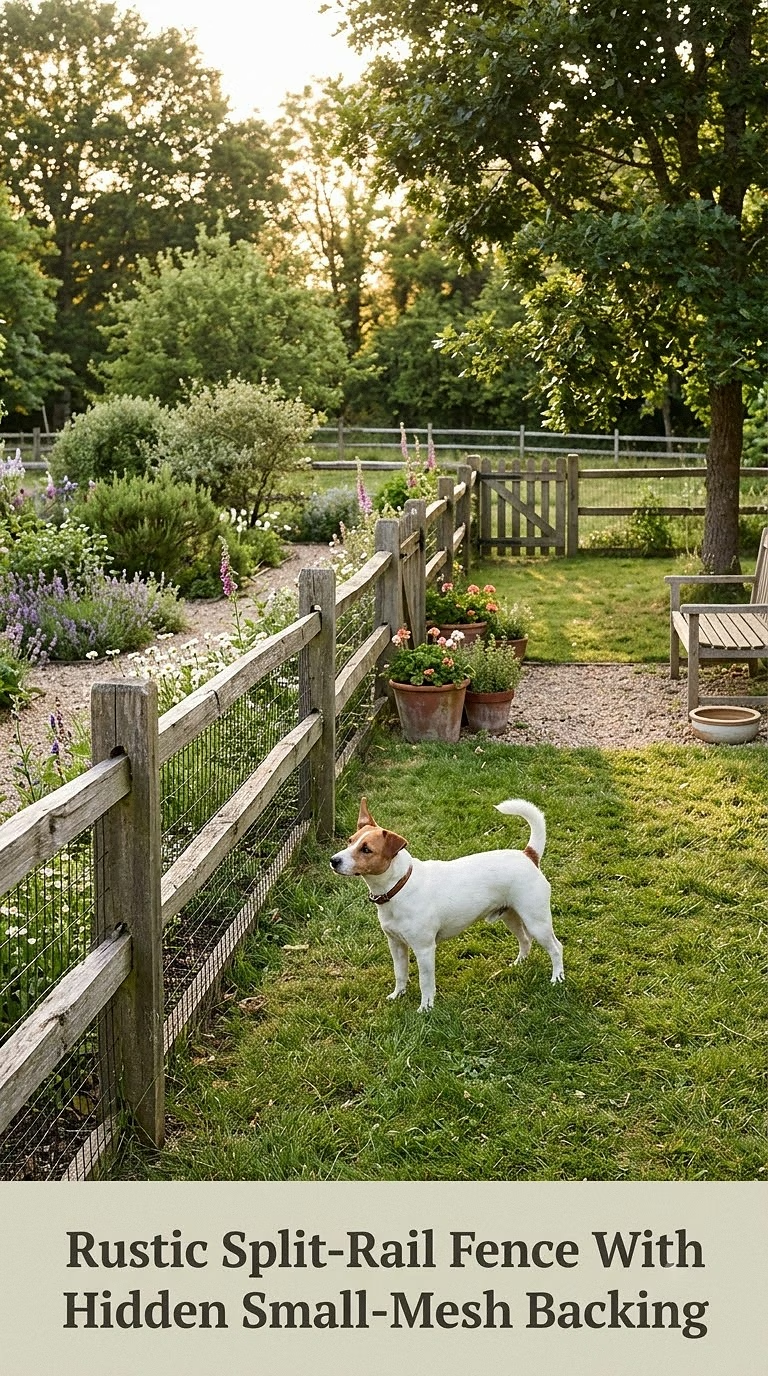
A classic split-rail fence looks gorgeous around a country garden, but the enormous spaces between rails clearly will not contain a small dog on their own.
The solution is to attach discreet black or dark-coated wire mesh along the inside. From across the yard, your eye notices the chunky timber rails while the mesh almost disappears into the landscaping.
Use sturdy exterior fasteners and keep the mesh smooth and properly tensioned so there are no loose corners or protruding wire ends.
Read more : 19 Cute Dog Bed Ideas That Make Your Pet’s Corner Look Adorable
This treatment works beautifully alongside wildflower beds, gravel pathways, vegetable gardens, and rustic sheds. Weathered wood can create a wonderfully relaxed look, but structural weakness is different from attractive weathering.
Check posts, rails, mesh, fasteners, and the ground line periodically, particularly following storms or seasonal soil movement.
Soft Sage Green Fence With Decorative Lattice And Mesh Backing
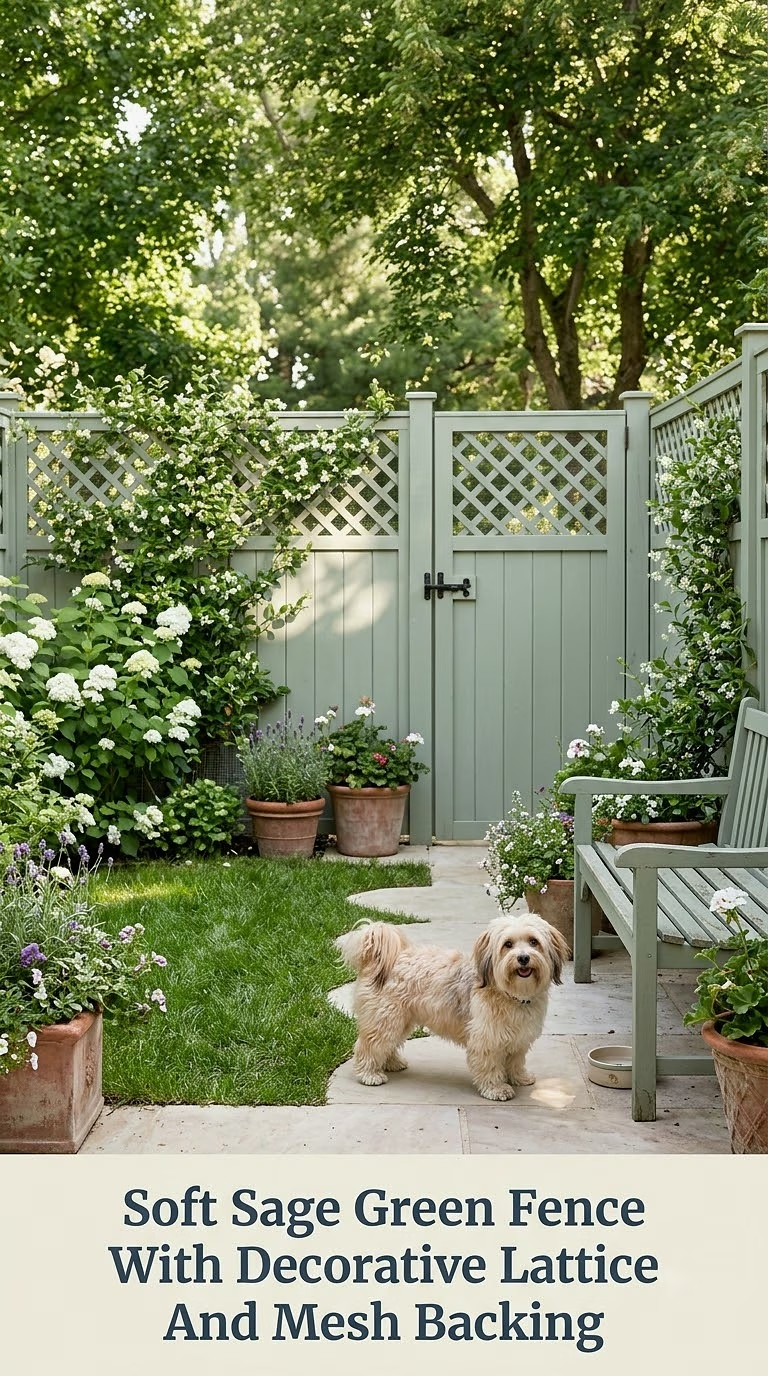
Turn an ordinary pet boundary into a garden feature by painting wooden fence panels a soft sage green. The shade blends beautifully with foliage while still bringing personality to a small yard.
Use solid or closely spaced boards across the lower section and decorative lattice along the upper portion. If the lattice openings are accessible to your dog, back them with fine dark mesh so the decorative pattern cannot become an escape route.
Cream planters, terracotta pots, white flowers, and natural timber furniture complete the cozy garden look.
This design is particularly lovely beside a cottage, bungalow, or covered patio where a tall plain fence might feel visually heavy.
Choose an exterior finish appropriate for the material and periodically check painted surfaces for peeling, moisture damage, loose lattice pieces, and exposed hardware.
Minimalist White Vinyl Privacy Fence With A Secure Bottom Edge
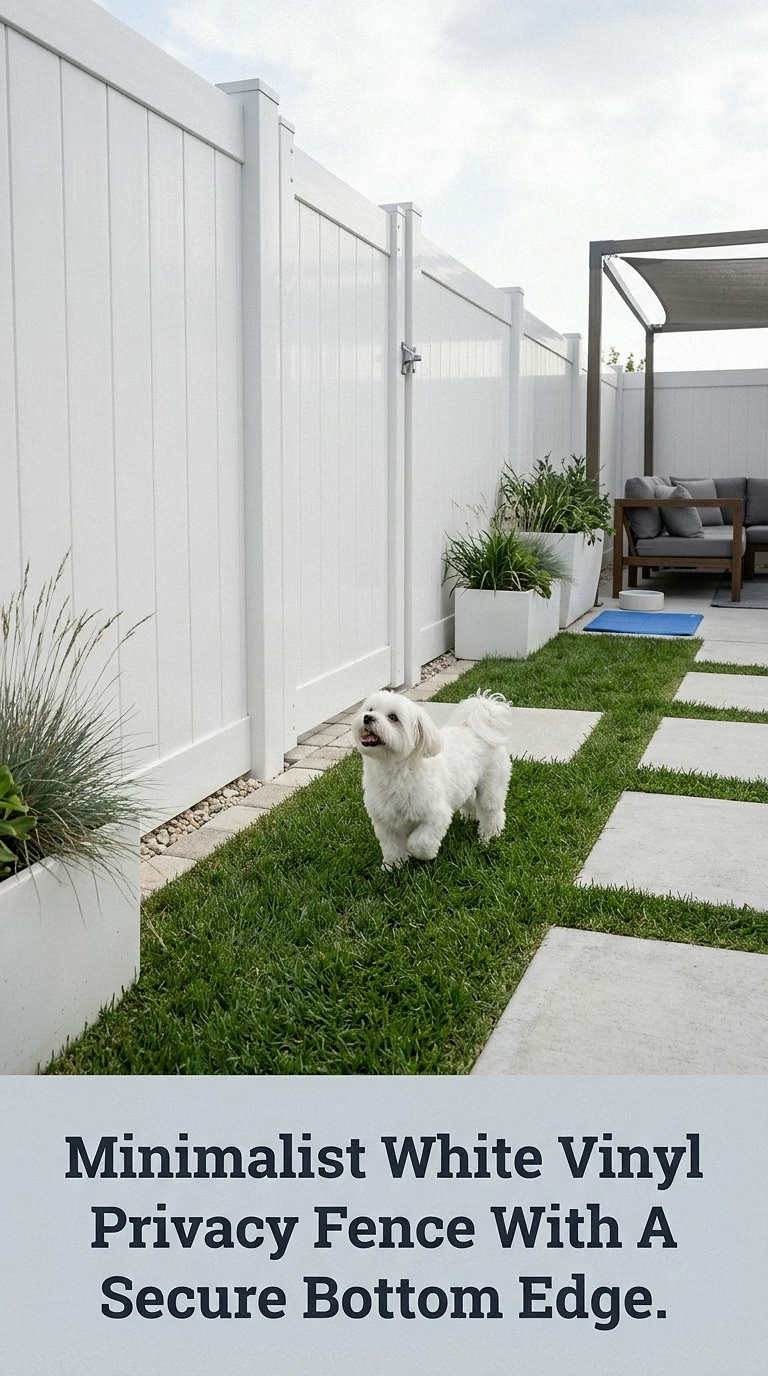
For homeowners who prefer a bright, tidy backdrop, solid vinyl fencing creates a crisp architectural boundary without the gaps commonly found in traditional wooden pickets.
It pairs beautifully with modern patios, green lawns, pale pavers, and simple raised beds. Because the surface is smooth, it also provides fewer obvious footholds than fencing with strong horizontal rails.
Pay close attention to the bottom rather than focusing only on the panels. A petite dog may investigate any depression created by erosion, landscaping work, or uneven terrain.
Create a neat finished edge using appropriately installed edging, pavers, stone, or another secure barrier where needed.
Vinyl generally requires less repainting than wood, but gates, hinges, latches, posts, and panel connections still need routine inspection. No fence should be treated as completely maintenance-free.
Compact Artificial Turf Dog Yard With Modular Steel Fencing
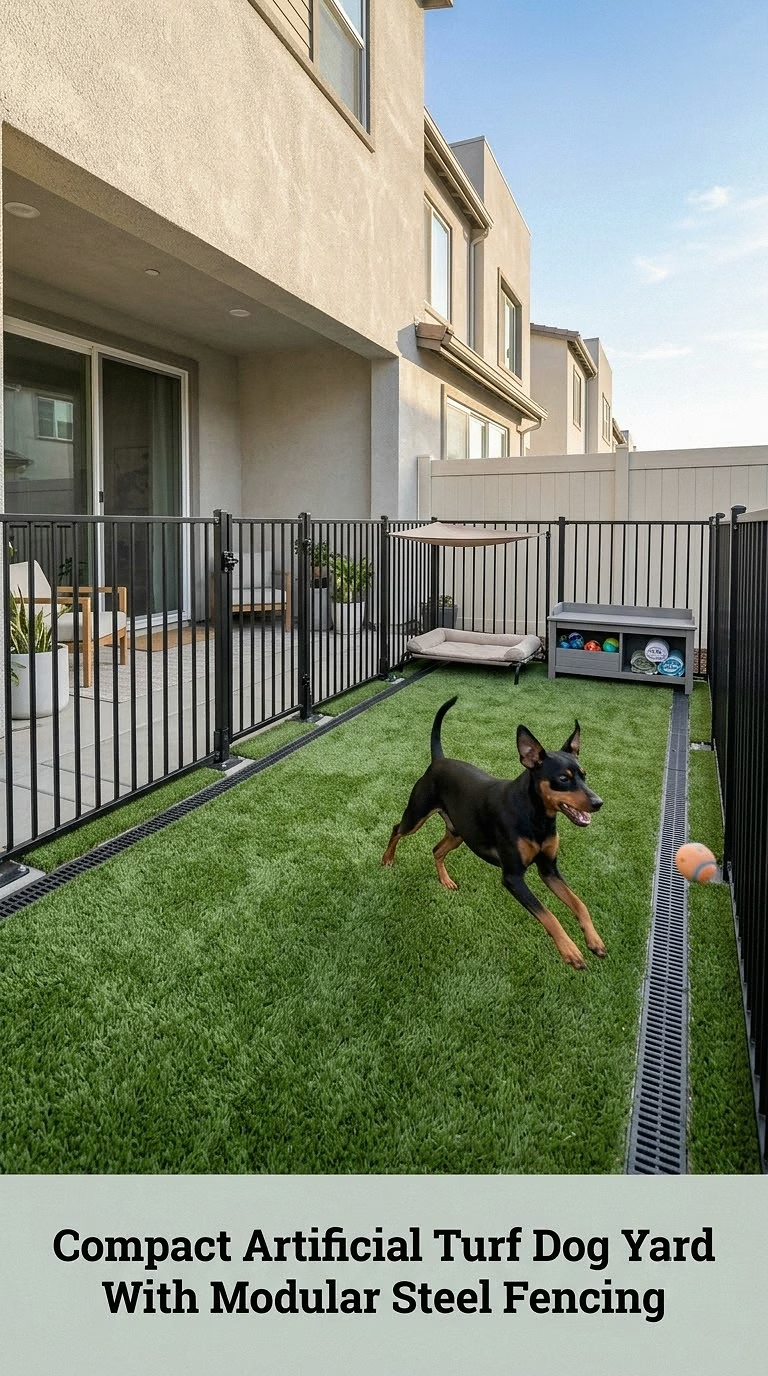
A tiny paved courtyard can become a surprisingly cheerful dog area with a rectangular patch of artificial turf surrounded by simple powder-coated fencing.
The green surface instantly softens concrete-heavy spaces and photographs beautifully beside black metal panels, pale walls, and natural wood accessories.
Create a small lounging corner with shade and a raised outdoor bed, while leaving the middle relatively open for movement and play. Consider drainage carefully before installing artificial turf because urine, cleaning water, and rain all need somewhere to go.
Choose panels with openings that safely suit your dog’s body size, and secure the gate with a reliable latch rather than a simple hook that could be knocked loose.
Regular rinsing and cleaning will also help keep a compact high-use dog area pleasant.
Farmhouse Wood Fence With Black Welded-Wire Infill
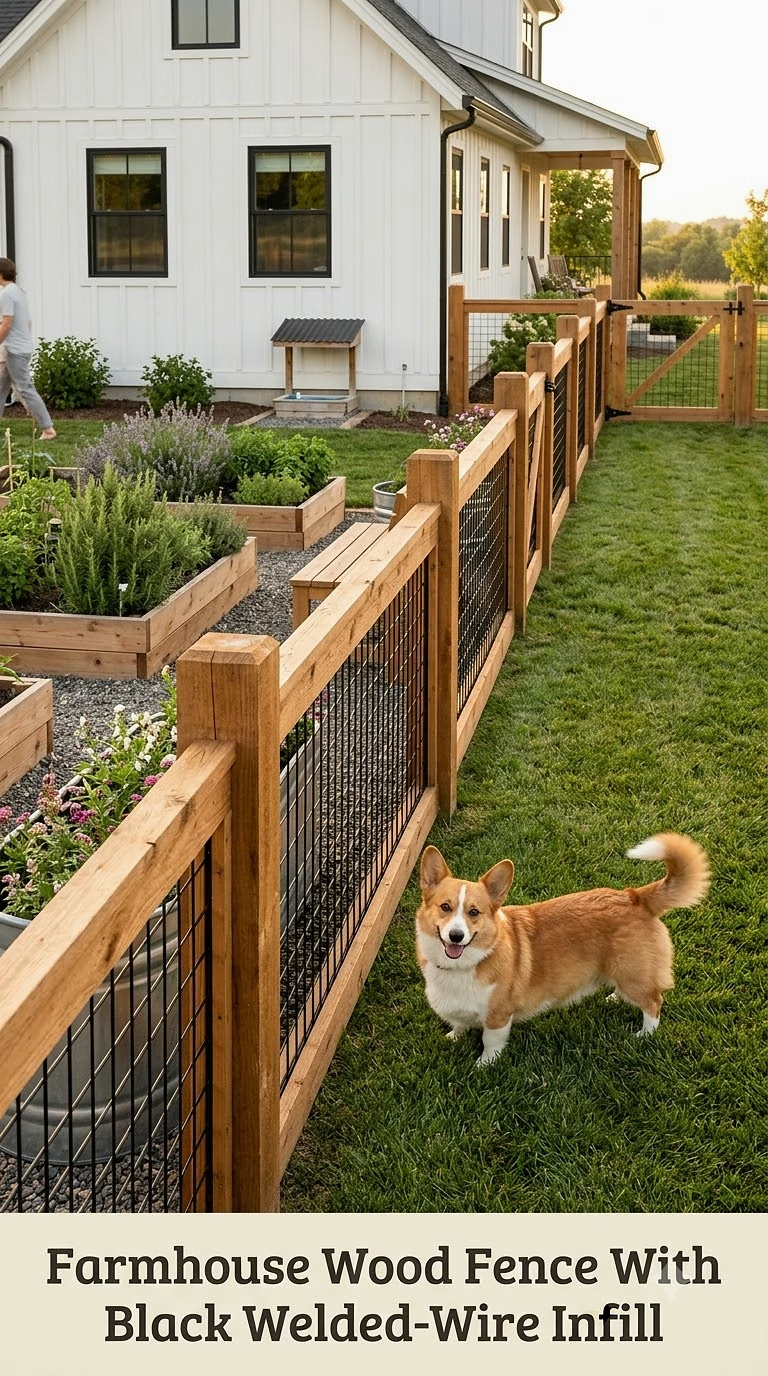
For a polished farmhouse look, frame large rectangular mesh panels between substantial timber posts and horizontal wood rails.
Unlike traditional livestock fencing, this version can be scaled specifically for small dogs by choosing tighter welded-wire openings. A stained wood top rail adds warmth and makes the fence look more like landscaping architecture than animal containment.
Plant rosemary, ornamental grasses, flowering perennials, or clipped shrubs outside the boundary to soften the structure without creating a dense hiding place where damage becomes difficult to inspect.
This design is ideal when you want visibility across the property. You can watch your dog while still seeing the lawn and garden beyond.
Make sure cut wire ends are fully enclosed by the wooden framing so noses, paws, and coats cannot brush against sharp edges.
Curved Garden Fence Around A Small Lawn
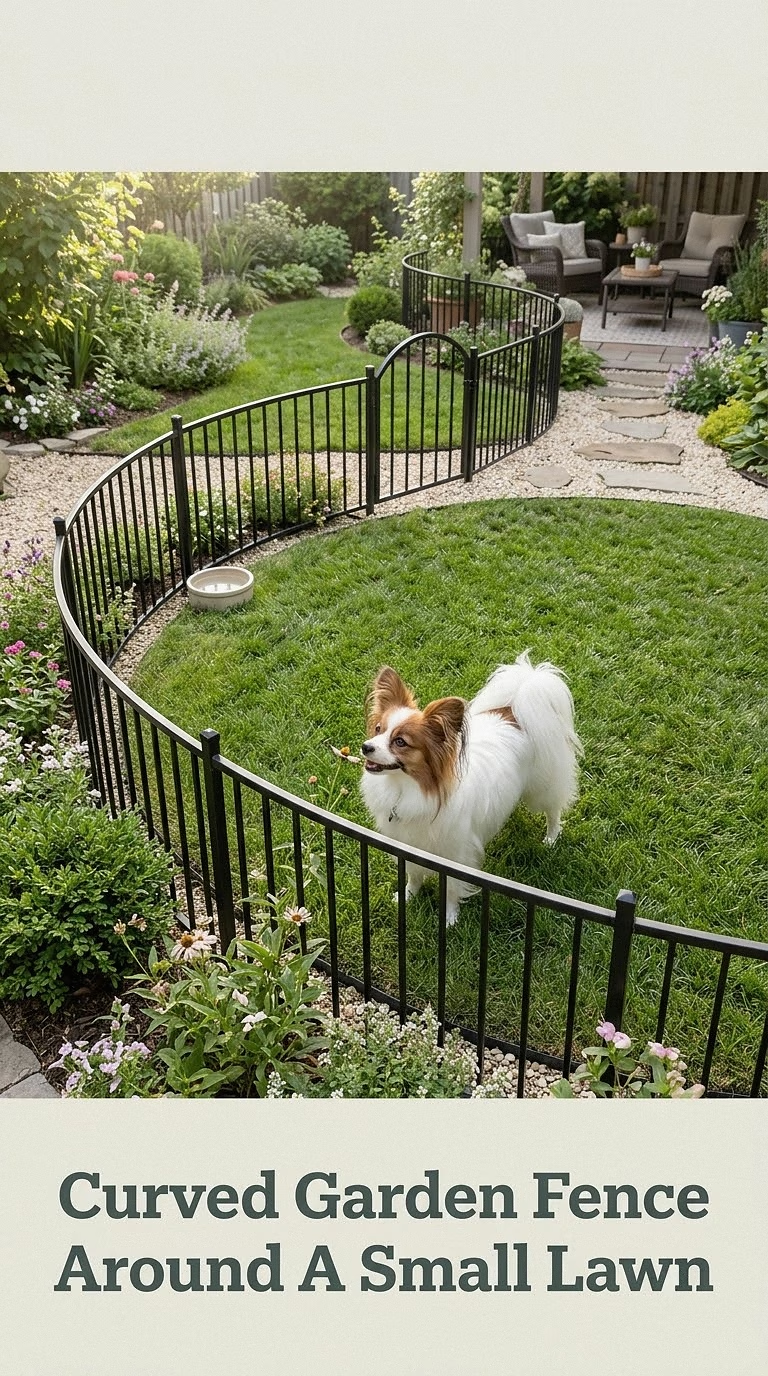
Straight lines are not your only option. A gently curved fence can turn an awkward corner of the garden into an intentional little dog lawn.
Flexible welded-wire fencing or short modular metal panels work particularly well for this layout. Follow the edge of a planting bed, patio, or curved path and leave an open grassy center for lounging and play.
The rounded boundary feels softer than a rectangular kennel and can integrate naturally into an established landscape.
Add flowering borders outside the fence, but research individual plants before giving your dog access to them. Gardens can contain plants, fertilizers, pesticides, compost, and other materials that should be kept away from pets.
A simple curved gate positioned near the house keeps everyday access convenient.
Low Brick Wall With Slim Black Metal Fencing Above
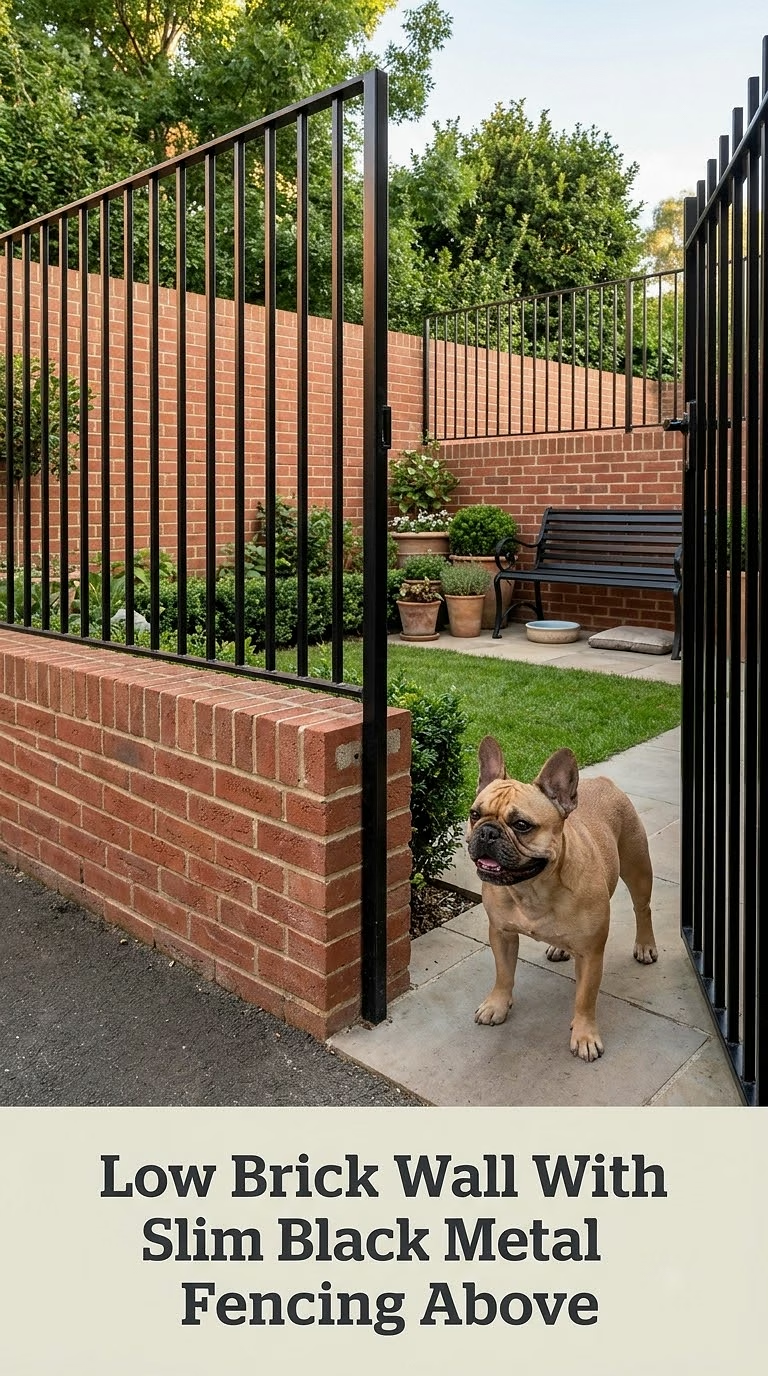
A brick or masonry base paired with slender metal fencing gives a small dog yard a more permanent, architectural appearance.
The solid lower wall helps eliminate ground-level openings while the upper metal section keeps the space feeling open and airy. It looks especially elegant around traditional brick homes, Mediterranean courtyards, and renovated townhouses.
Choose vertical rails with spacing appropriate for your dog’s size, and avoid ornamental openings large enough for a head or body to enter.
This option costs more than most DIY solutions, but it can become part of the overall landscape rather than looking like an added pet enclosure.
Match the brick to your home’s existing masonry, then echo the black metal in outdoor lanterns, furniture, or planters for a cohesive finish.
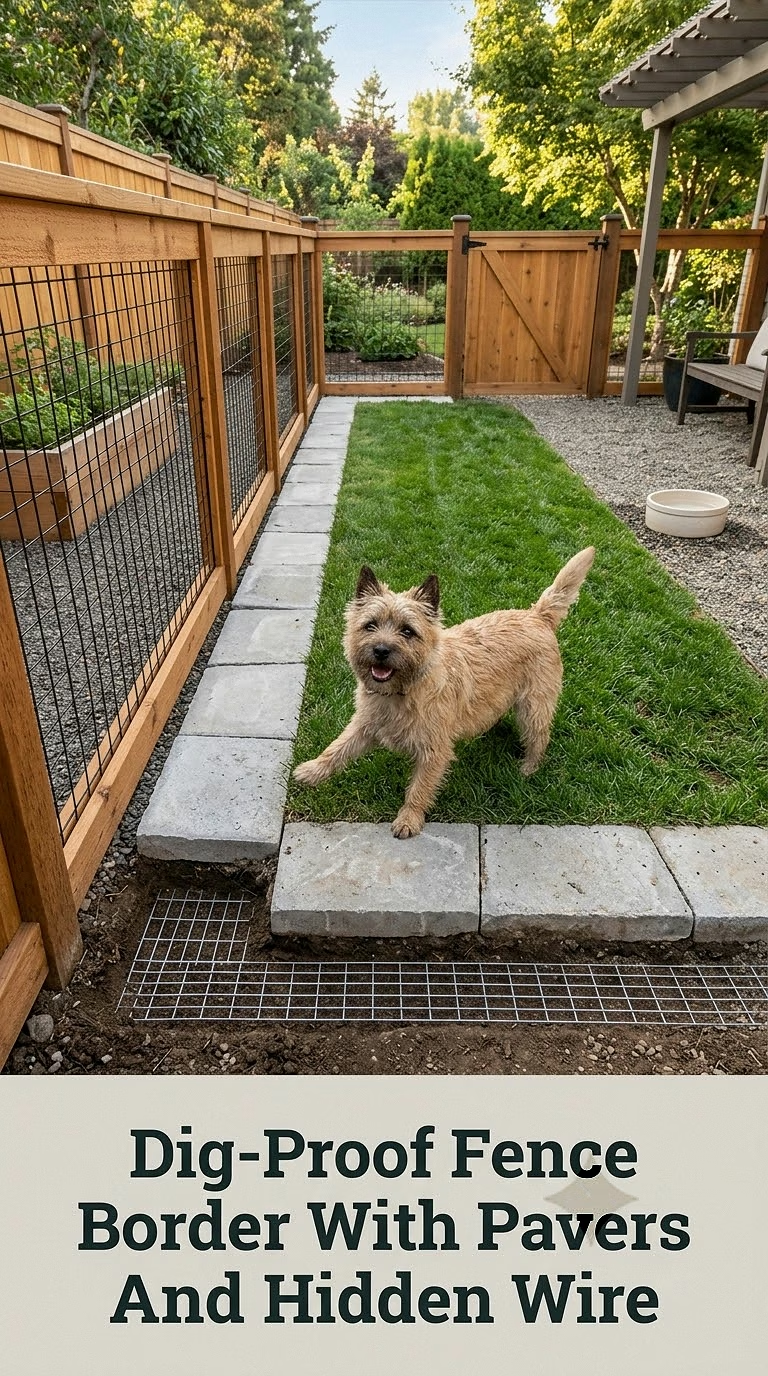
Dig-Proof Fence Border With Pavers And Hidden Wire
Read more : 19 Backyard Dog Pool Ideas For A Fun And Stylish Outdoor Retreat
Some little dogs have surprisingly impressive excavation skills. If digging happens repeatedly along the boundary, improving the bottom of an existing fence can be more useful than replacing the entire structure.
One attractive solution is a row of large pavers or stones running immediately inside the fence. Another is a properly installed underground barrier or L-shaped wire footer that prevents an easy tunnel from forming beneath the boundary. Veterinary and canine guidance recommends reinforcing fence lines when persistent digging creates an escape risk.
Finish the area with decorative gravel or low planting outside the secure edge so it looks like deliberate landscaping.
At the same time, consider why the digging occurs. Heat, boredom, prey scents, and attempts to escape can require different solutions beyond fencing alone.
Double-Gate Entry With A Charming Mini Safety Vestibule
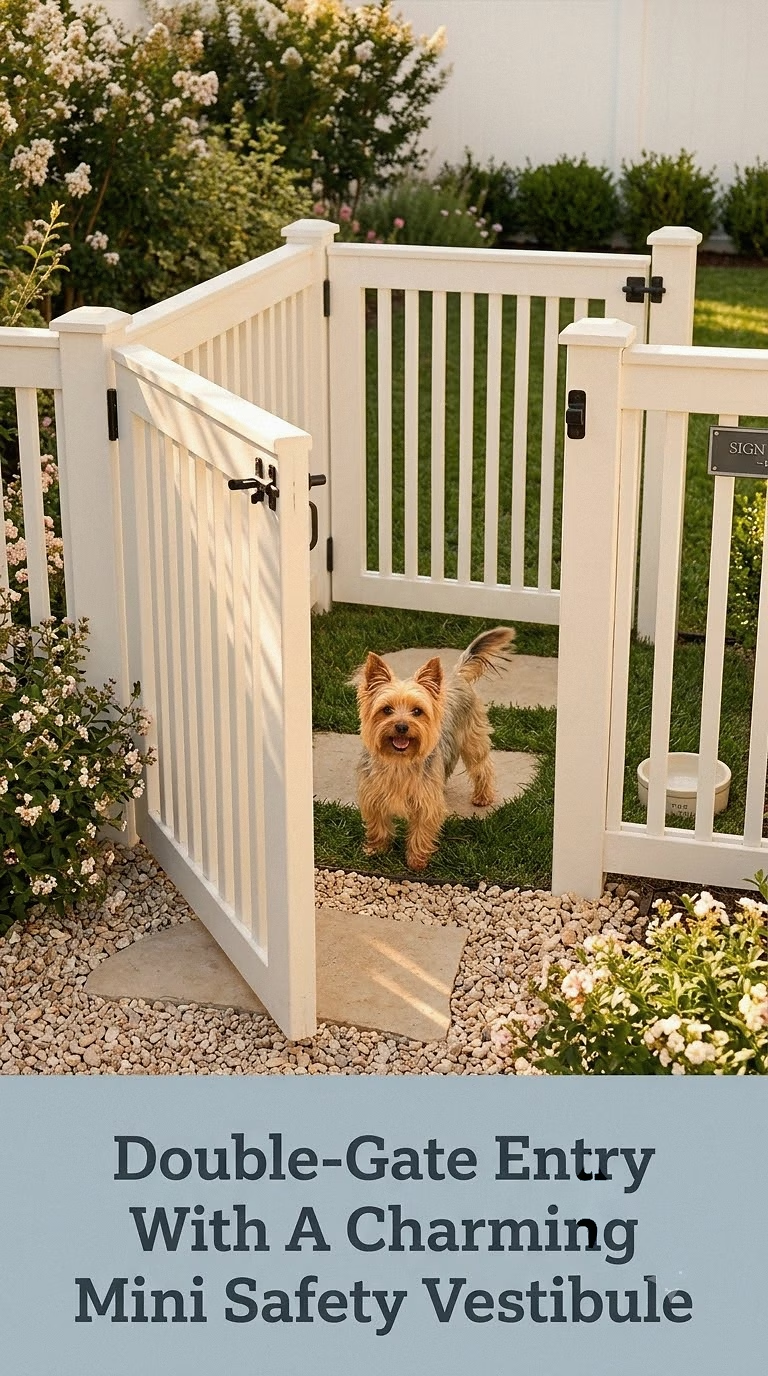
A beautiful fence can still fail when somebody accidentally leaves the gate open. For households with frequent visitors, deliveries, gardeners, or children moving through the yard, a double-gate entry adds an extra layer of security.
Create a tiny enclosed vestibule using two coordinating gates separated by a few feet. Enter through the first gate, close it completely, then open the second.
Double-gate systems are commonly recommended for dog areas because they create a buffer during entry and exit.
Make the little zone visually charming with matching black hardware, a stone path, wall-mounted planter, and neatly trimmed greenery outside the dog’s reach.
Use dependable latches on both gates, and check that neither gate develops a widening gap underneath as soil or paving shifts.
Natural Wood Privacy Screen With A Small Dog Run Behind It
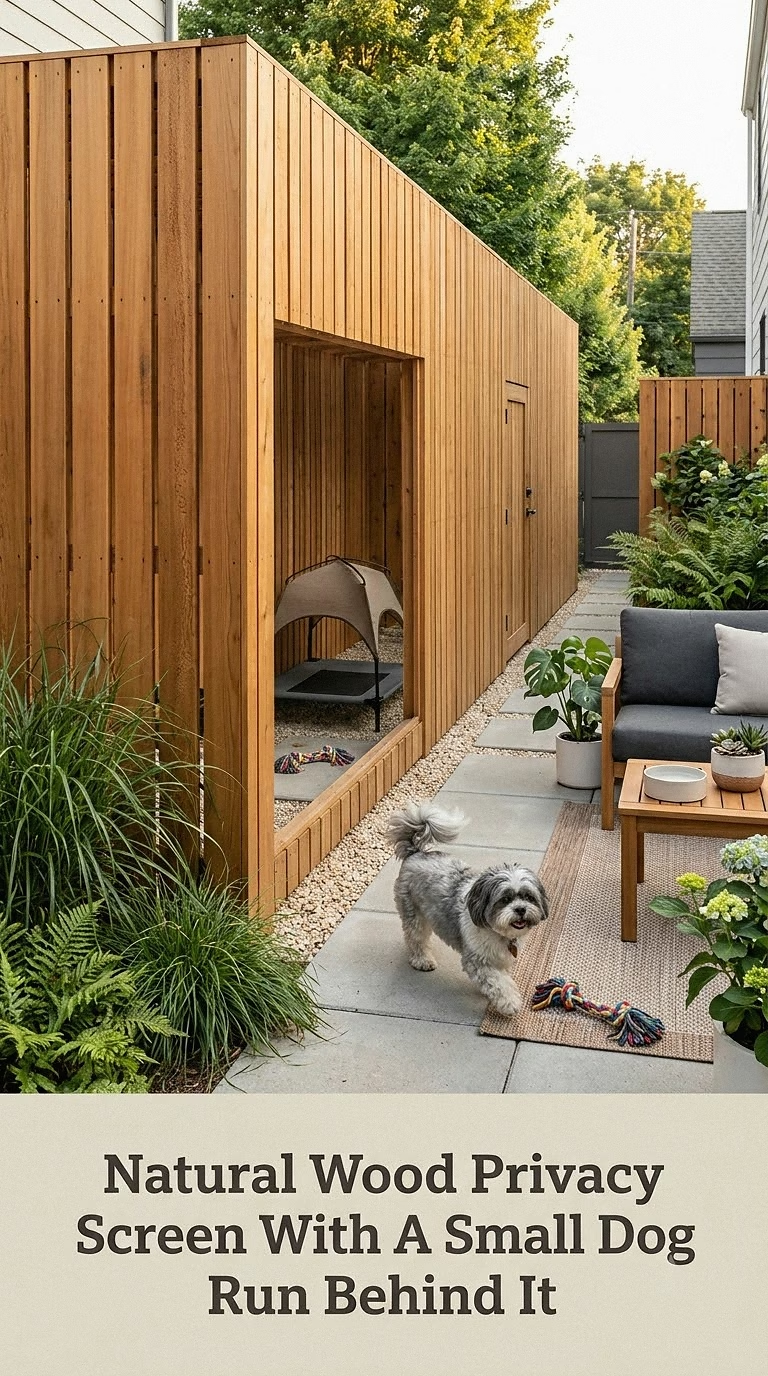
If you want a dog run without making it the visual centerpiece of your backyard, hide part of the enclosure behind a beautiful wooden privacy screen.
Use vertical cedar battens or closely spaced slats facing the main entertaining area, then install secure small-opening mesh along the less visible sides. The result feels like a modern garden room.
Inside, include washable flooring, shade, water, and an elevated resting platform. A wall-mounted storage box outside the enclosure can hold leads, waste bags, towels, and outdoor toys.
This setup works particularly well beside patios because the privacy wall visually separates pet functions from dining or lounging zones.
Leave enough airflow through or above the screen, especially in hot climates, and never treat shade structures as a substitute for monitoring comfortable outdoor temperatures.
Clear Lower Railing Panels For A Small Deck Dog Zone
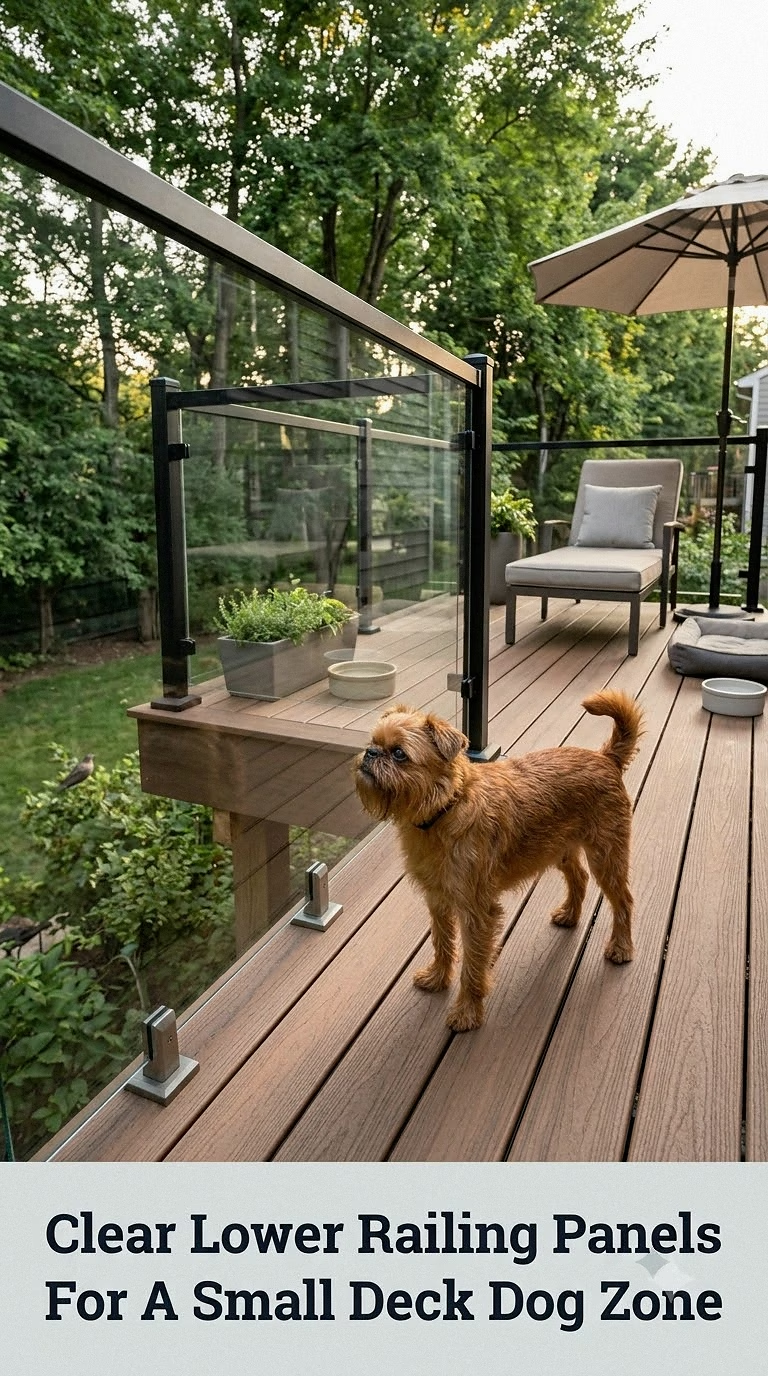
Deck railings that comfortably contain adults can have surprisingly large openings for tiny dogs. Clear outdoor-rated panels installed across the lower railing can create a cleaner solution than wrapping the entire deck in visible mesh.
Transparent panels preserve the view and work beautifully with modern timber decking, black railings, neutral furniture, and minimalist planters.
Have the material properly sized and securely attached so there are no sharp corners, loose edges, or spaces around the sides. The goal is to eliminate openings without creating new trapping hazards.
Keep chairs, storage benches, and planters away from the railing if your dog could use them as climbing platforms.
This idea is particularly useful for supervised deck lounging, though elevated spaces still require attentive management and a secure gate at stairs or access points.
DIY PVC Frame Fence With Fine Outdoor Mesh
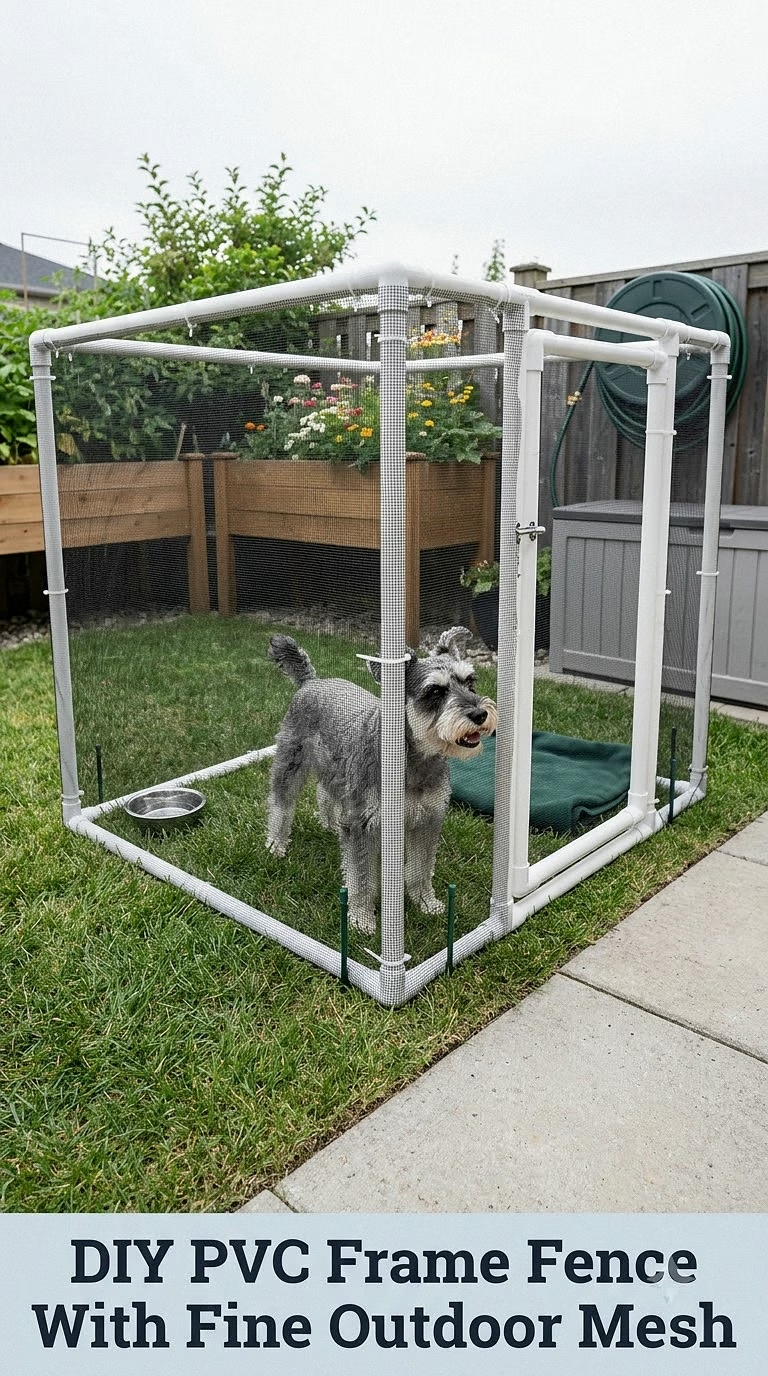
For a lightweight project that can be moved or customized, create rectangular panels from sturdy PVC pipe and fill them with durable outdoor mesh intended for fencing applications.
Painted dark brown or black, the frames can look surprisingly neat around a small patio or temporary lawn area. Build several matching panels and connect them securely so the layout can be adjusted as needed.
This approach is attractive for renters because it avoids extensive permanent construction, although local lease rules should still be checked.
DIY fencing should never prioritize appearance over strength. Test the completed structure against pushing, inspect every connector, trim or cap exposed components, and confirm that the mesh cannot tear or stretch enough to form an opening.
For enthusiastic jumpers, climbers, or dogs determined to escape, a professionally installed permanent barrier may be more appropriate.
Flower-Lined Black Mesh Fence With A Hidden Garden Look
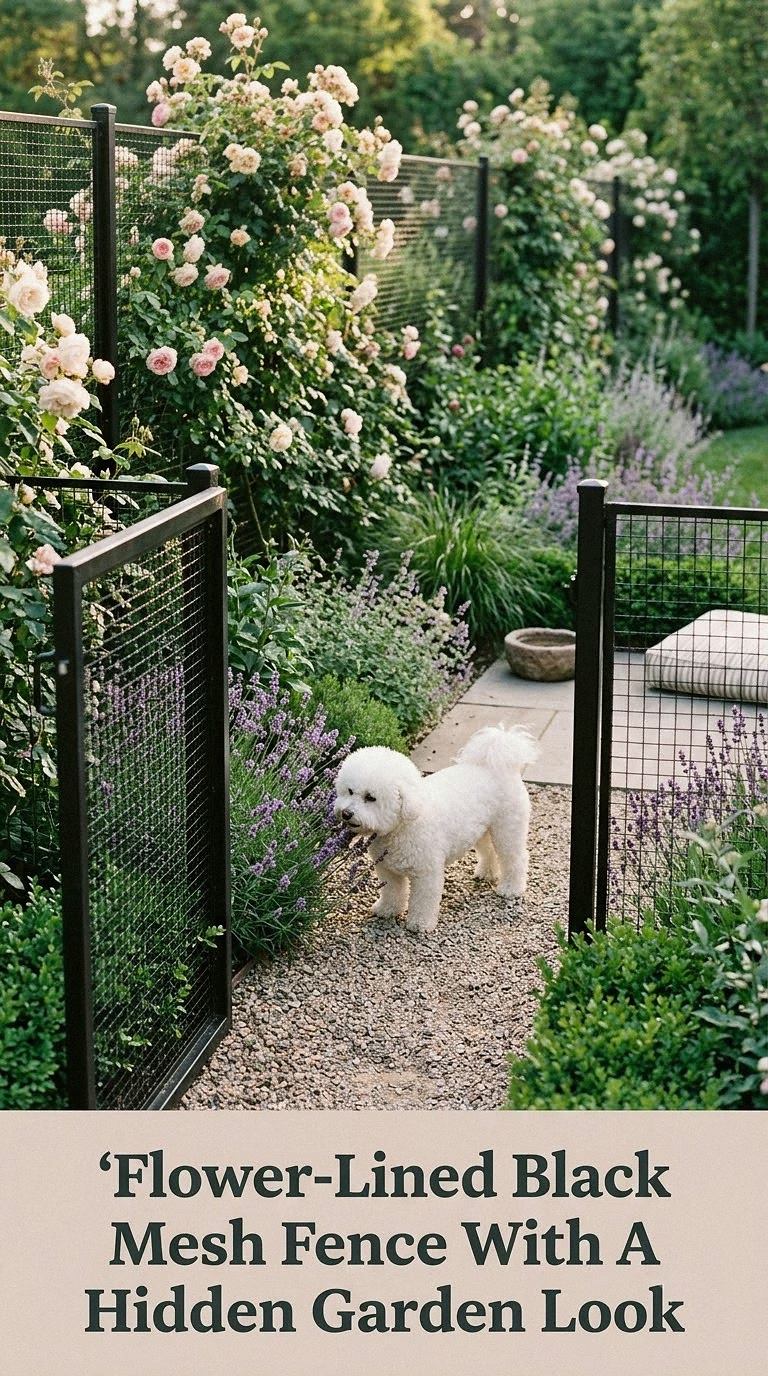
Sometimes the prettiest fence is the one you barely notice. Install simple black mesh panels on dark posts, then create a layered planting border immediately outside them.
Use low groundcover in front, medium-height flowers through the middle, and a few airy ornamental grasses or shrubs toward the back. The dark fencing visually disappears behind foliage, leaving the garden as the dominant feature.
Keep vegetation trimmed enough that you can inspect the full boundary for damaged mesh, gaps, digging, or loose fasteners. Dense shrubs should not conceal problems for months at a time.
The design works wonderfully in small yards because it provides containment without visually slicing the landscape into heavy sections.
Choose plants that are appropriate for pets and your local growing conditions, and keep mulch, fertilizer, chemicals, and gardening tools safely managed.
Choosing The Best Small Dog Fence Ideas For Your Home
The most successful small dog fence is one that feels like a natural extension of your home while also matching the dog who will actually use it. A relaxed little companion may thrive behind a charming picket or modular garden fence, while an energetic jumper, determined digger, or curious escape artist may need a taller, stronger, and more carefully reinforced setup.
Start by looking at your space from your dog’s perspective. Check every opening, gate edge, uneven patch of soil, loose board, mesh connection, and potential climbing object. Openings should be small enough that your particular dog cannot squeeze through or become trapped, and gates should close securely every time.
Then have fun with the design. Warm cedar and black mesh can feel modern and inviting, white pickets create cottage sweetness, solid privacy panels can make a peaceful retreat, and beautifully planted metal fencing can almost disappear into the garden.
Whether you are transforming an entire backyard or simply claiming one little corner beside the patio, these small dog fence ideas can help you create an outdoor space that feels safer for your pet and more beautiful for everyone who shares the home.
Source: https://petstutorial.com
Category: DOGS
