
Life in an animal shelter can feel very different from life in a home. New smells, unfamiliar voices, barking neighbors, cleaning routines and changing schedules can make even a confident dog feel unsettled. Thoughtful enrichment adds little moments of choice, curiosity, comfort and fun to that environment, helping each dog enjoy more than simply food, water and a place to sleep.
The best shelter dog enrichment ideas do not have to be expensive or complicated. A handful of kibble hidden in a washable snuffle mat, a slow sniffing walk, a quiet reading session or a cardboard box filled with paper can transform an ordinary part of the day into something worth investigating.
You are reading: 19 Shelter Dog Enrichment Ideas For Happier, Calmer Kennel Days
Variety matters, too. Some dogs love energetic games, while others would rather sniff quietly, chew on a food toy or relax near a familiar volunteer. Enrichment should always be matched to the individual dog’s health, behavior, confidence and play style rather than treated as a one-size-fits-all schedule.
The following ideas combine practical shelter routines with inviting, visually engaging setups that can work in large facilities, small rescues and foster-based organizations. Many can be created with inexpensive supplies, donated materials and a little creativity.
Creative Shelter Dog Enrichment Ideas For Everyday Care
Washable Snuffle Mat Station With Hidden Kibble Pockets
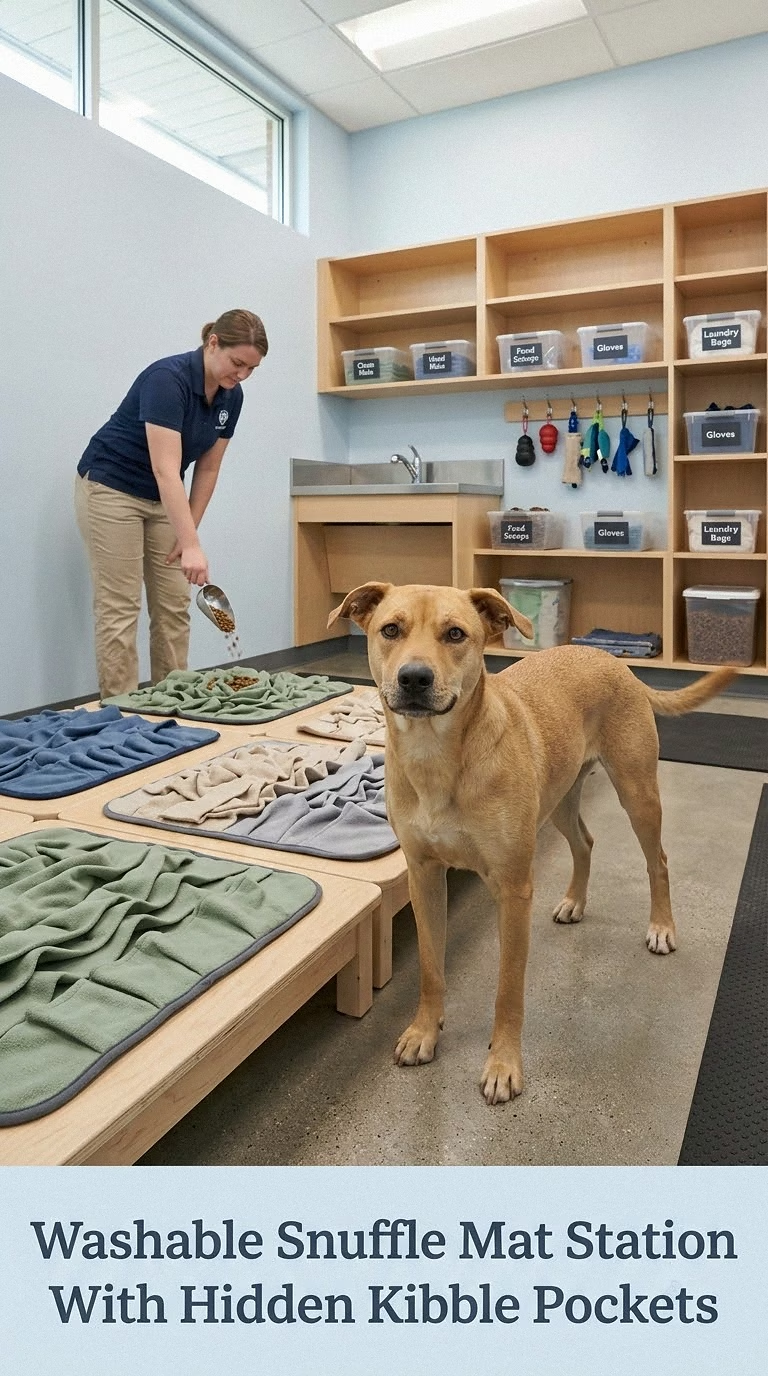
A colorful snuffle mat can turn an ordinary meal into a gentle searching activity. Instead of placing the entire ration in a bowl, tuck approved kibble between fleece strips and allow the dog to sniff out each piece at a comfortable pace.
For shelter use, choose mats that can be thoroughly washed and dried between dogs. Neutral gray, sage, cream or muted blue fleece can create a tidy, calming appearance while still being practical enough for everyday use.
Snuffle mats are especially useful when outdoor exercise time is limited, although every dog should be observed to make sure the mat is being sniffed rather than shredded or swallowed. For dogs that become frustrated easily, begin with food placed near the surface before gradually hiding pieces more deeply.
A simple rolling cart filled with clean mats can make this enrichment easy for volunteers to distribute during breakfast or afternoon quiet time.
Frozen Stuffed Toy Cart With Color-Coded Meal Portions
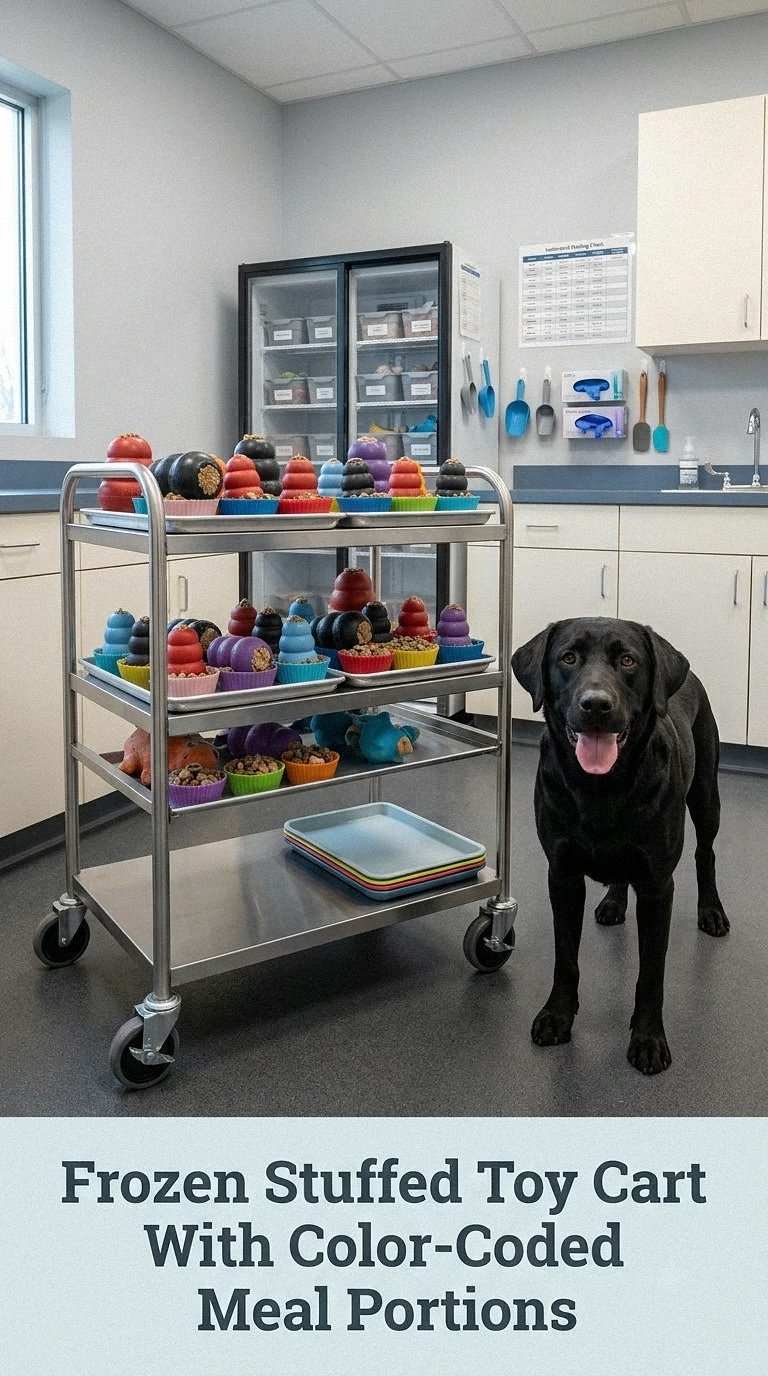
A freezer stocked with prepared food toys can make daily enrichment much easier for a busy shelter team. Durable rubber toys can be filled with part of a dog’s regular meal and suitable soft foods, then frozen to create a longer-lasting challenge.
Organize them in labeled containers or color-coded trays so dogs with dietary restrictions, allergies or special feeding plans never receive the wrong ingredients. A simple white utility cart beside the preparation area can hold clean toys, measuring cups and labels.
Frozen toys are particularly useful during quieter kennel periods because licking, chewing and working for food provide an activity that does not require a large exercise space.
Toy size and durability should always match the dog. Heavy chewers may require especially sturdy options, while dogs that try to swallow pieces should only use enrichment items under appropriate supervision.
Muffin Tin Foraging Puzzle With Tennis Ball Covers
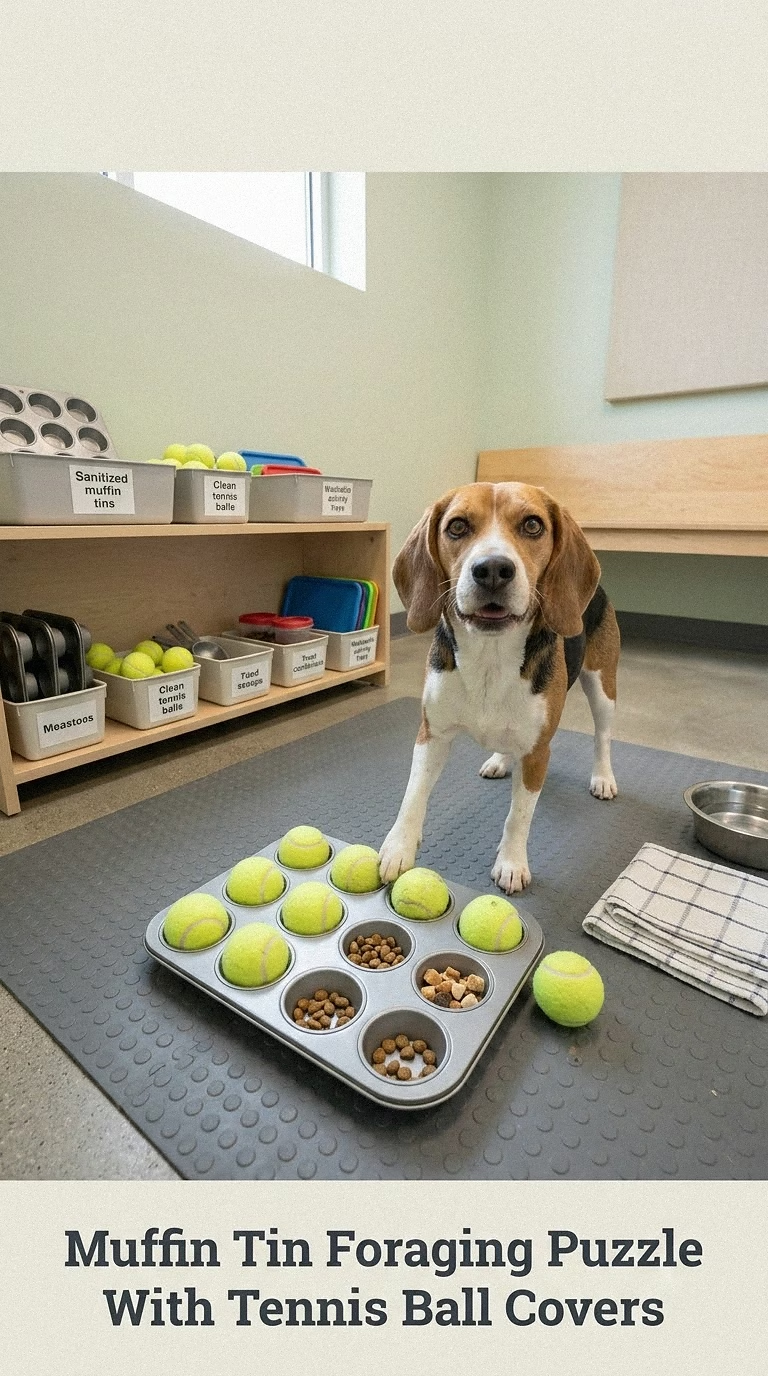
A basic metal muffin tin can become an inexpensive puzzle feeder in minutes. Sprinkle kibble or approved treats into several cups, then cover some openings with appropriately sized balls or durable toys.
The dog must sniff, investigate and move the covers to uncover the food beneath. Beginners can start with only a few covered cups, while experienced puzzle solvers can have nearly every compartment hidden.
This setup is wonderfully practical for shelters because muffin tins are inexpensive, stack neatly and are easy to wash. Stainless steel versions are especially useful when durability and sanitation are priorities.
Avoid using damaged balls or objects small enough to be swallowed. Dogs that immediately chew the puzzle components should receive a different form of enrichment rather than being encouraged to continue.
Cardboard Treasure Box Filled With Crumpled Paper And Treats
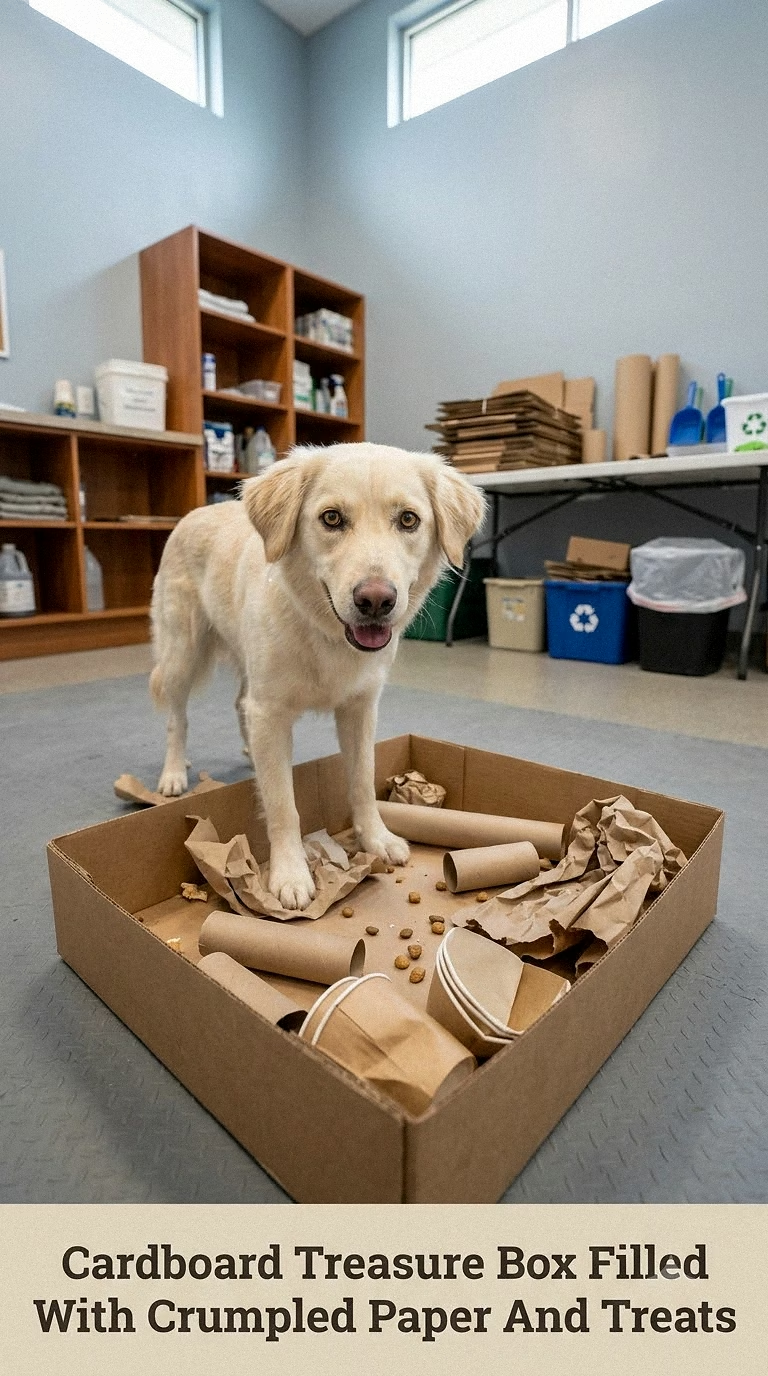
For a dog who enjoys tearing and exploring, an ordinary cardboard shipping box can become a miniature treasure hunt. Fill it loosely with plain crumpled paper, smaller cardboard tubes and a scattering of kibble so the dog can sniff, paw and investigate.
This is one of the easiest shelter dog enrichment ideas for facilities working with limited budgets because clean cardboard is often readily available through donations and deliveries.
Create several difficulty levels. A cautious dog may enjoy an open box with visible treats, while a confident explorer can search through layers of loosely packed paper.
Because some dogs eat cardboard, paper or other nonfood objects, this activity should be supervised and removed when the session ends. Avoid boxes contaminated with food residue, chemicals, staples, tape or loose plastic.
Quiet Scent Garden With Dog-Safe Herbs And Sniffing Stations
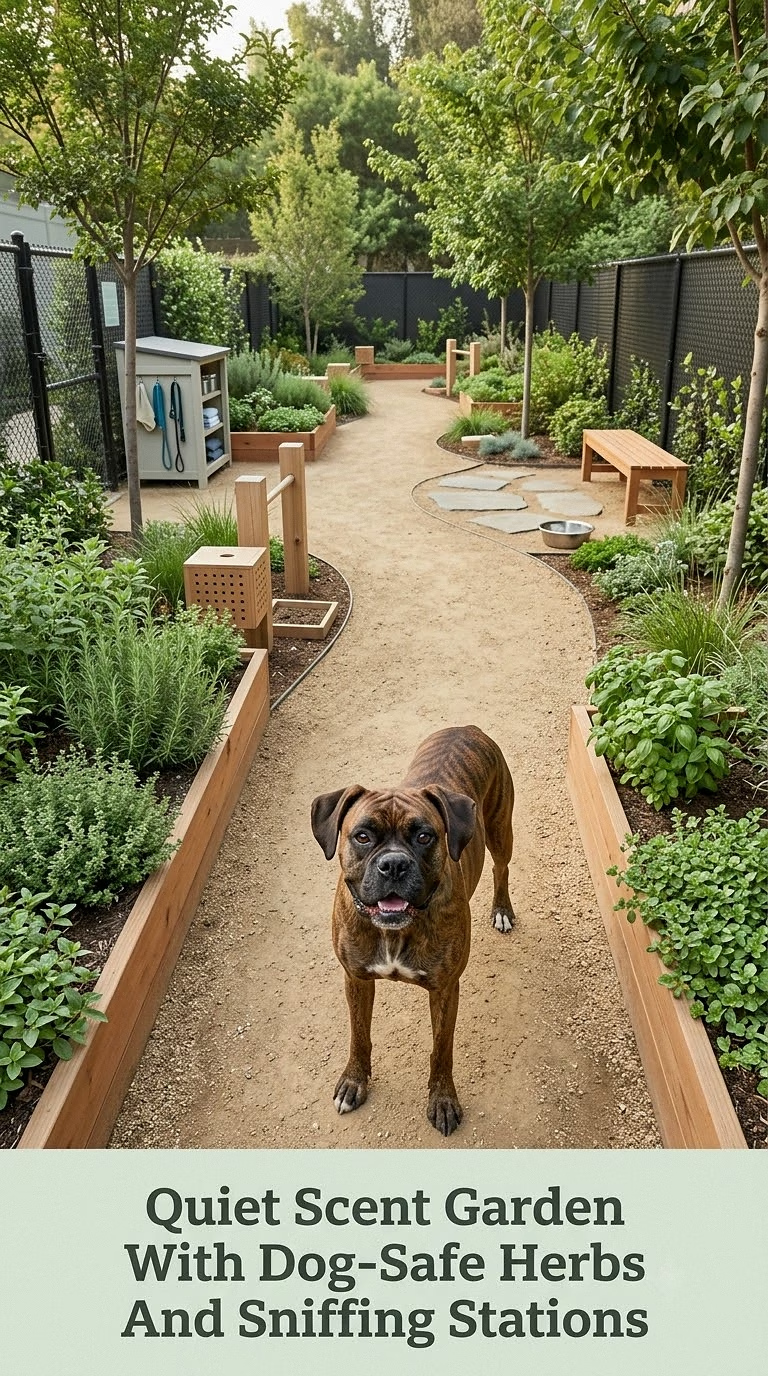
A small outdoor corner can become a peaceful sensory garden without requiring an elaborate landscape renovation. Use sturdy raised planters containing dog-appropriate plants and surround them with gravel paths, grass patches, logs or other natural textures.
Rather than rushing through the area, allow dogs to wander slowly and investigate at their own pace. The experience is less about physical exercise and more about giving the nose something interesting to explore.
A charming shelter scent garden might combine weathered cedar planters, smooth river stones, ornamental grasses and shaded seating for volunteers.
Choose plants carefully and confirm they are appropriate around dogs. Avoid chemical treatments and do not rely on concentrated essential oils for scent enrichment. The simplest natural outdoor smells are often plenty interesting on their own.
Cozy Real-Life Room With Washable Rugs And Soft Blue Accents
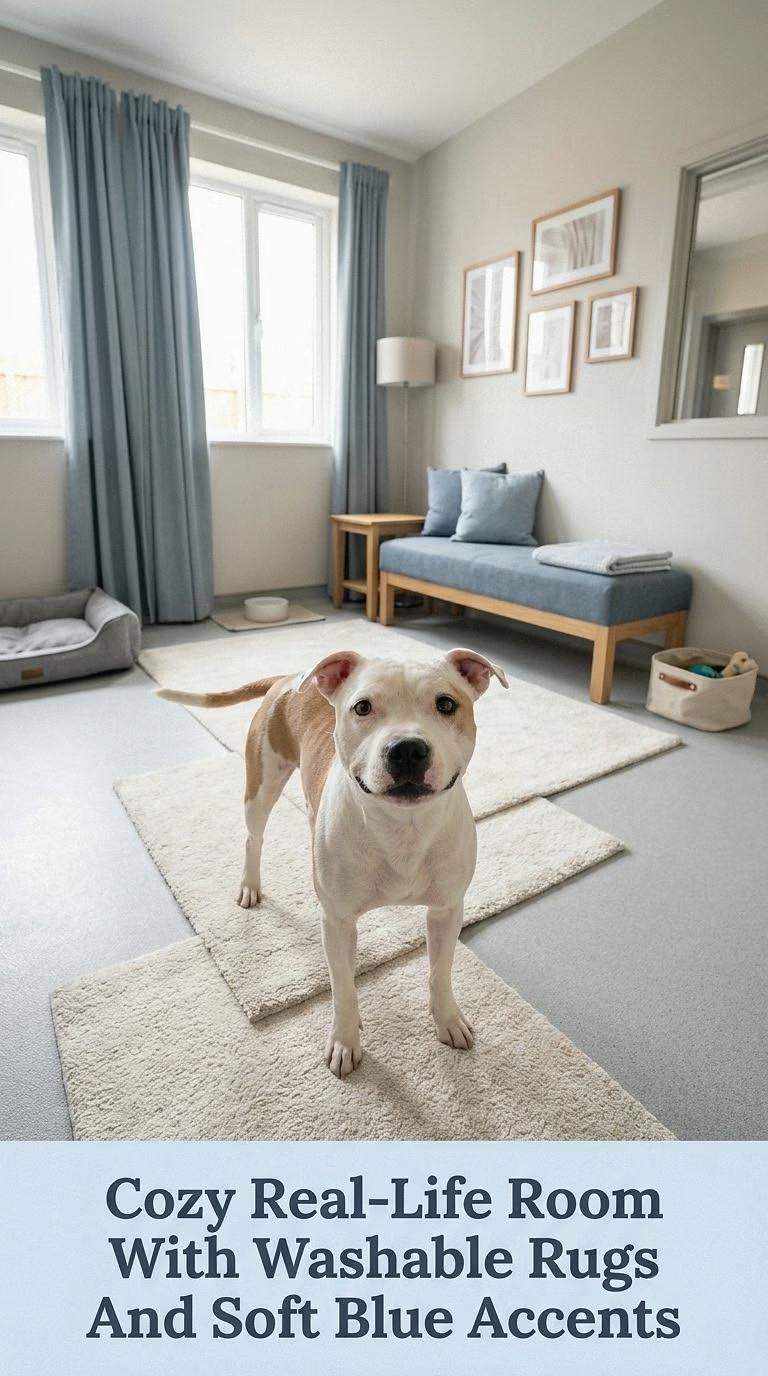
A home-style enrichment room can give shelter dogs a welcome break from traditional kennel surroundings. Furnish the room with a washable rug, sturdy chair, pet bed, simple side table and a few easy-to-clean household objects.
Soft blue, cream and natural wood tones create a relaxed residential look without making the room difficult to maintain. Closed cabinets can hide treats, leashes and training supplies while keeping the space uncluttered.
Dogs can spend supervised time here relaxing, practicing house manners or simply experiencing the rhythm of a quieter room. It may also reveal preferences that are harder to observe inside a busy kennel.
Read more : Why Does My Dog Choke After Drinking Water?
Everything should be selected with cleaning and safety in mind. Avoid fragile decor, dangling cords, toxic plants and objects that could be easily swallowed.
Low-Stimulation Reading Corner With Raised Cot And Fleece Blanket
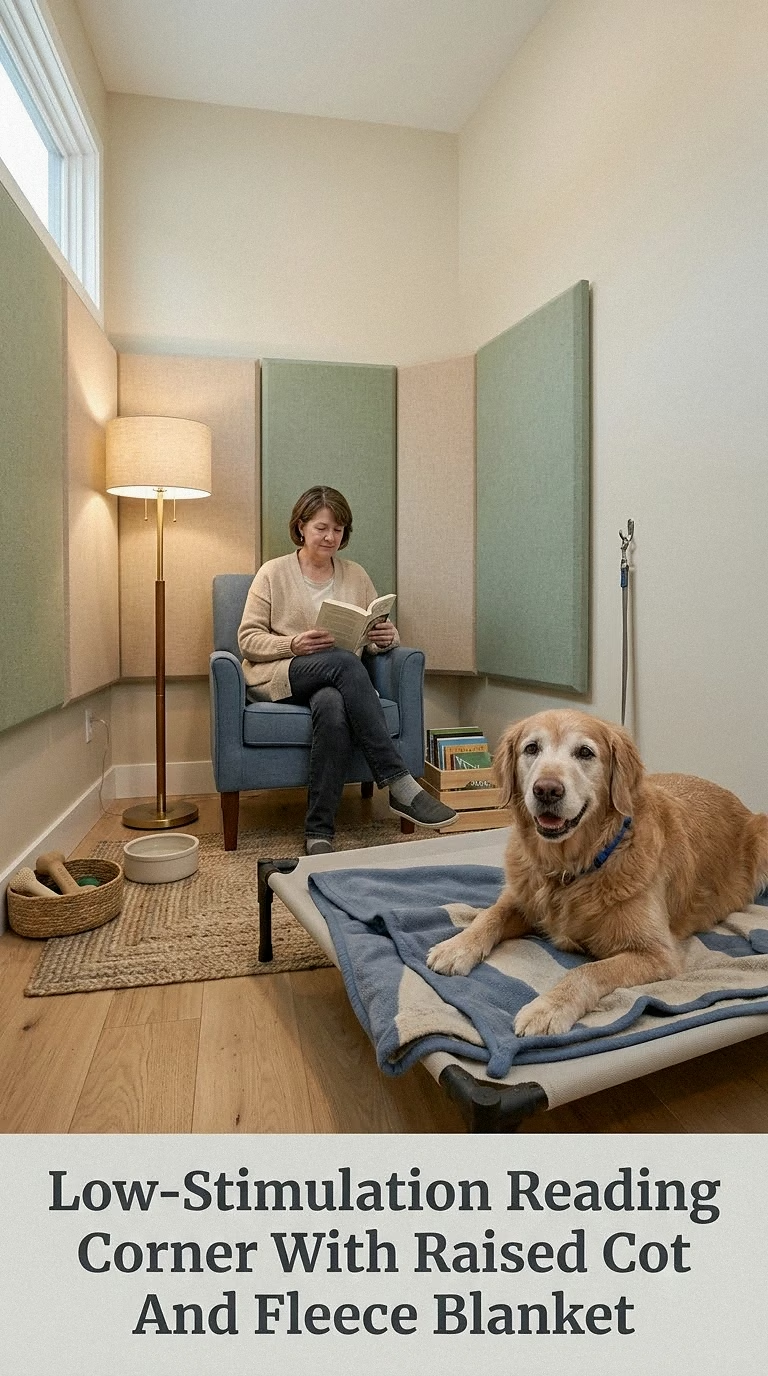
Not every enrichment activity needs to make a dog more active. Some dogs benefit from simply spending quiet time near a calm person.
Create a peaceful reading corner with a washable raised cot, soft fleece blanket and chair positioned a comfortable distance away. A volunteer can sit nearby and read aloud softly without constantly calling the dog’s name or expecting interaction.
This setup can be especially appealing for dogs who need time to observe people before approaching. The goal is not to force affection but to create a predictable, low-pressure experience.
Use blankets that can be laundered easily and remove fabric from dogs that shred or ingest bedding. A simple privacy panel beside the cot can make the corner feel even more sheltered from visual activity.
Treat-Toss Training Lane Along The Kennel Front
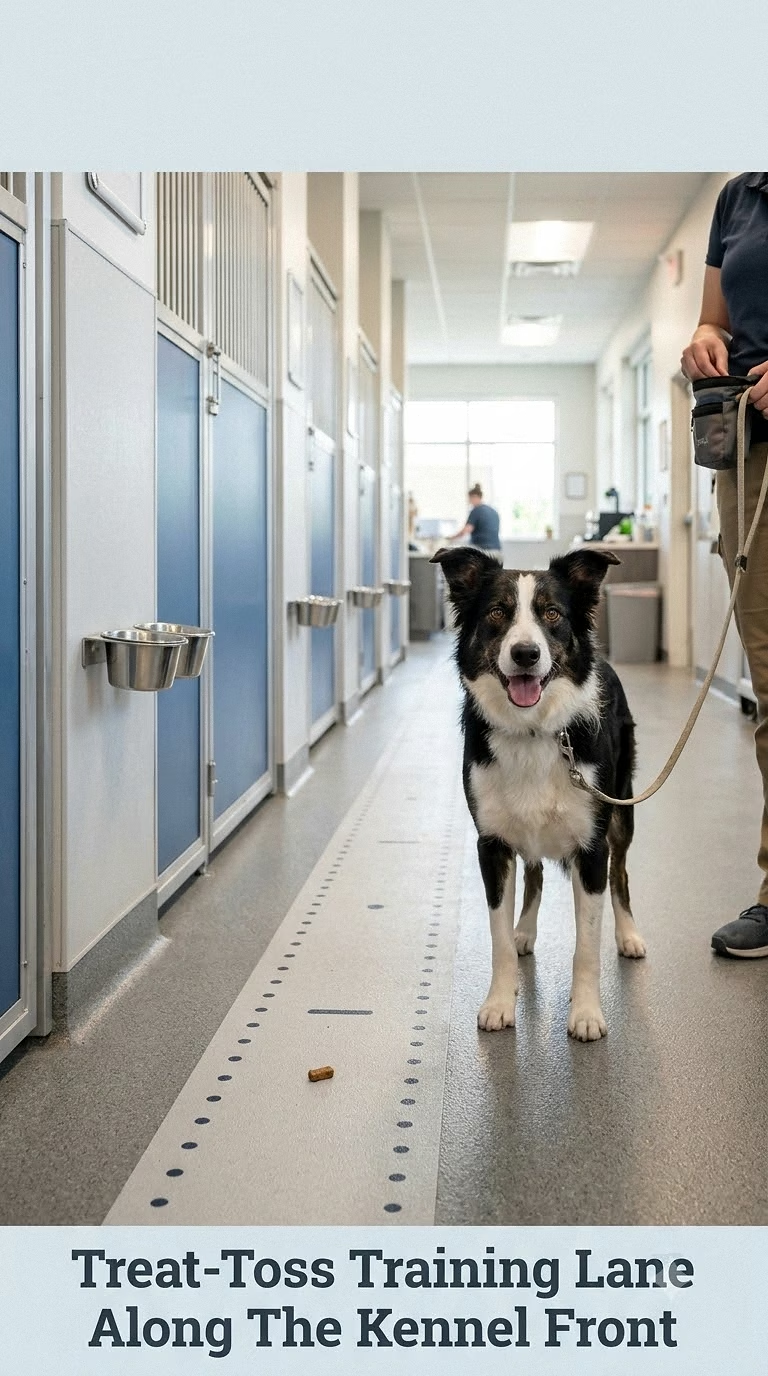
A narrow shelter aisle can become a miniature positive-training zone with almost no special equipment. Volunteers can calmly approach the kennel, toss an approved treat inside and continue walking rather than stopping to excite every dog.
Individual sessions can expand into simple behaviors such as making eye contact, touching a target or standing calmly away from the gate before receiving reinforcement.
Store measured treats in small labeled containers so extra enrichment does not accidentally add excessive food to the dog’s daily intake.
The visual setup can be simple and organized: matching treat jars, laminated instruction cards and small hooks for training pouches. Consistency is more useful than elaborate decoration, particularly when many staff members and volunteers interact with the same dogs.
Shaded Sniff Walk Route With Grass And Decompression Stops
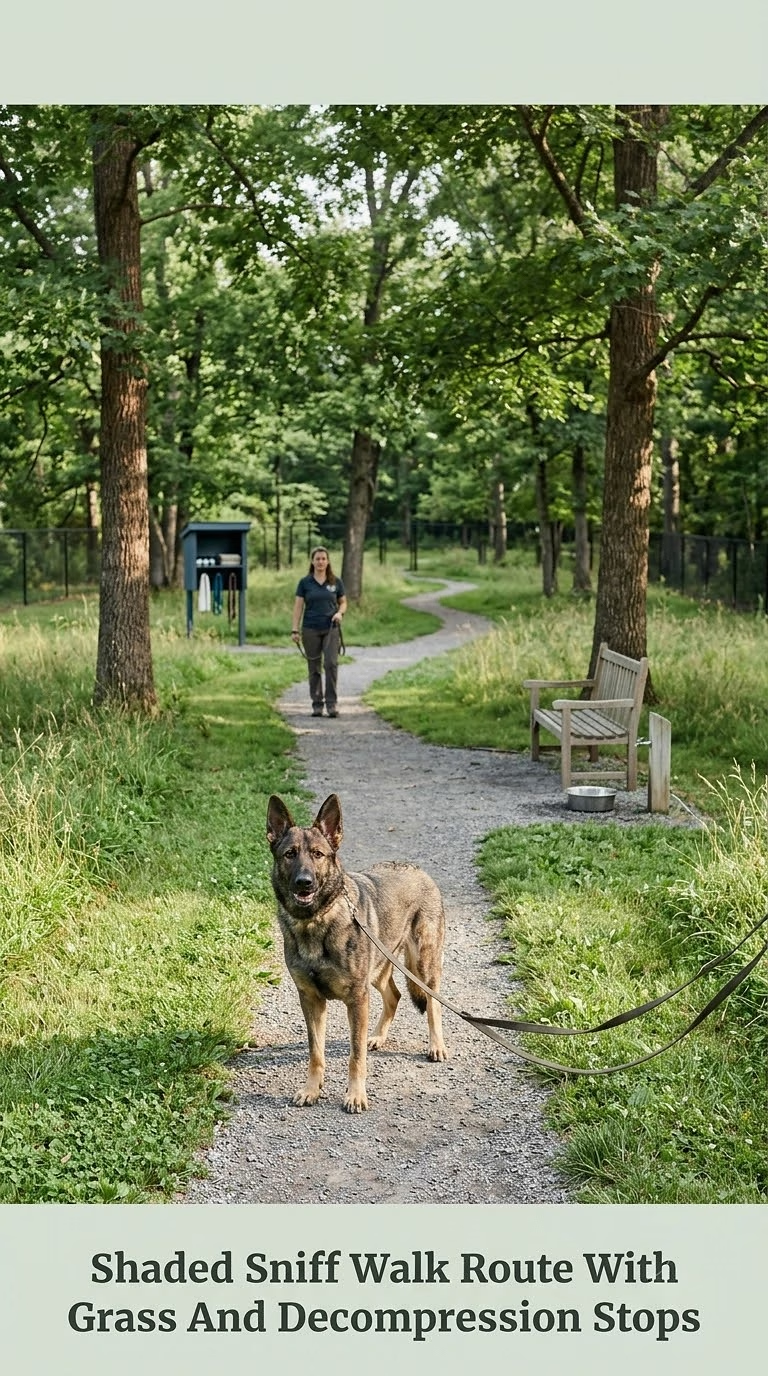
A shelter walk does not always need to cover as much distance as possible. A slower route designed around sniffing can be just as meaningful.
Map out a quiet path with several interesting stopping points such as a grassy patch, tree trunk, garden edge or natural ground surface. Allow the dog time to investigate rather than continuously asking for heel position or forward movement.
Choose routes away from heavy traffic whenever possible and provide shaded sections during warm weather. A small bench can create a peaceful pause where the dog and handler simply spend a few minutes outdoors.
Use secure equipment appropriate for each dog and follow shelter handling protocols carefully. Nervous dogs may need a much quieter location than confident dogs who enjoy exploring.
Secure Digging Box With Soft Sand And Hidden Toys
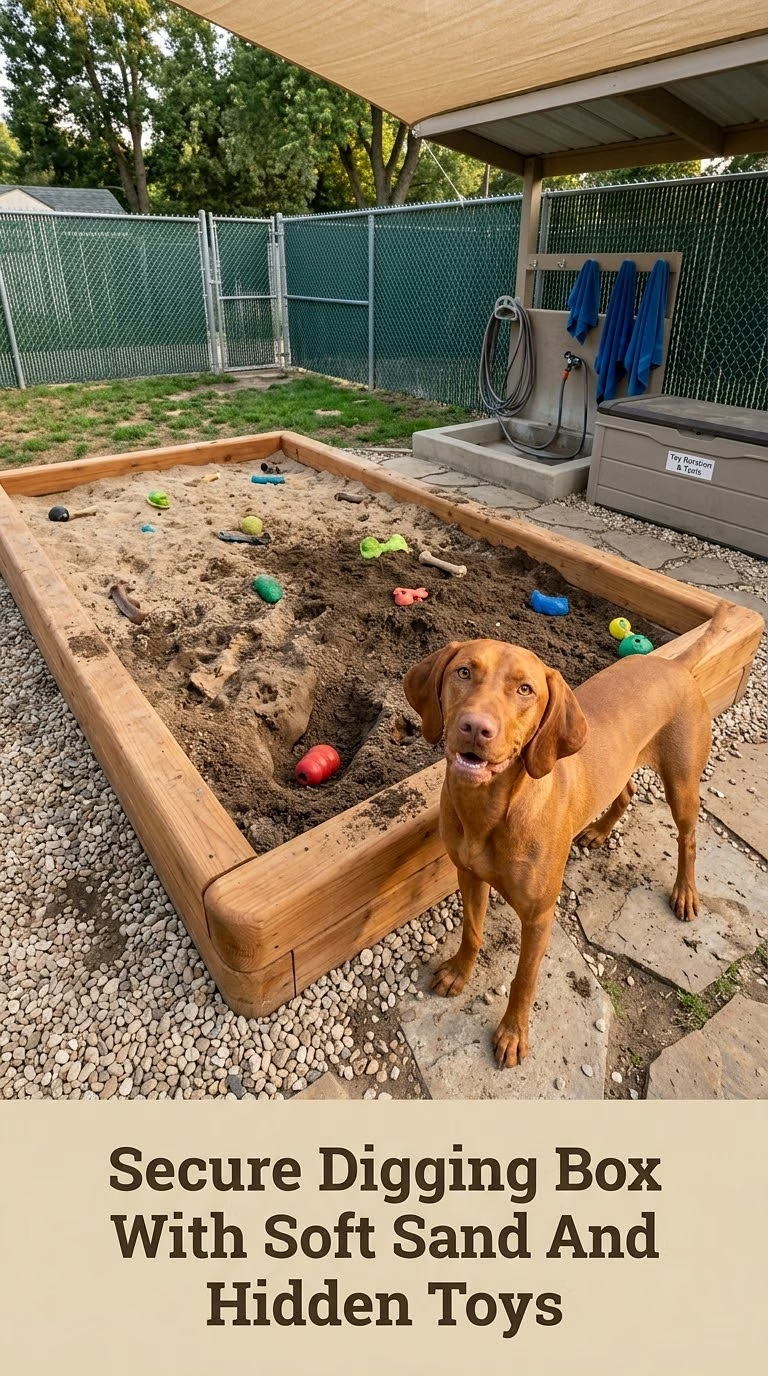
For dogs who naturally love to dig, giving the behavior an approved outlet can be far more satisfying than repeatedly interrupting it.
Build a shallow wooden or molded-plastic digging box inside a secure exercise yard and fill it with clean sand or suitable loose substrate. Hide durable toys or a few treats just beneath the surface to encourage exploration.
Cedar-colored edging, smooth corners and surrounding artificial turf or gravel can make the station look neat while keeping maintenance manageable.
The box should be large enough for comfortable movement without becoming difficult to clean. Check it regularly for waste, damaged toys and foreign objects. Dogs who eat sand or other substrate will need a different activity.
Splash Pool Play Zone With Floating Toys And Non-Slip Flooring
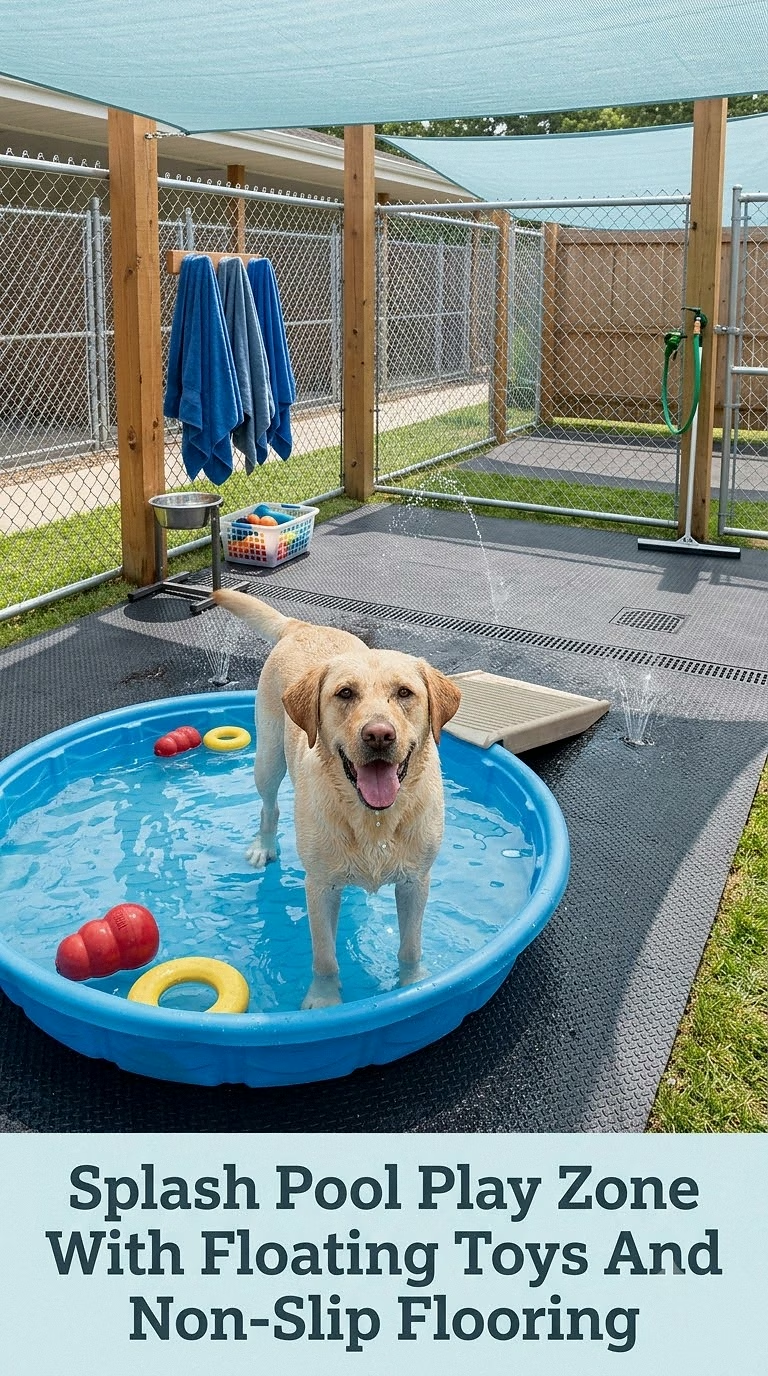
Warm days can become much more entertaining for water-loving shelter dogs with a simple splash area. Use a shallow, sturdy dog pool on a non-slip surface and add several floating toys.
Some dogs may immediately step into the water, while others prefer investigating from the edge. Participation should always be optional.
Create an inviting setup with shade cloth, drainage nearby and hooks for drying towels. Empty and sanitize pools according to shelter hygiene procedures rather than allowing shared water to sit between sessions.
Water depth should remain shallow, and dogs should be supervised throughout play. This enrichment works best for dogs already comfortable around water rather than as a way to pressure fearful dogs into trying something new.
Low-Impact Agility Course With Cones And Ground Poles
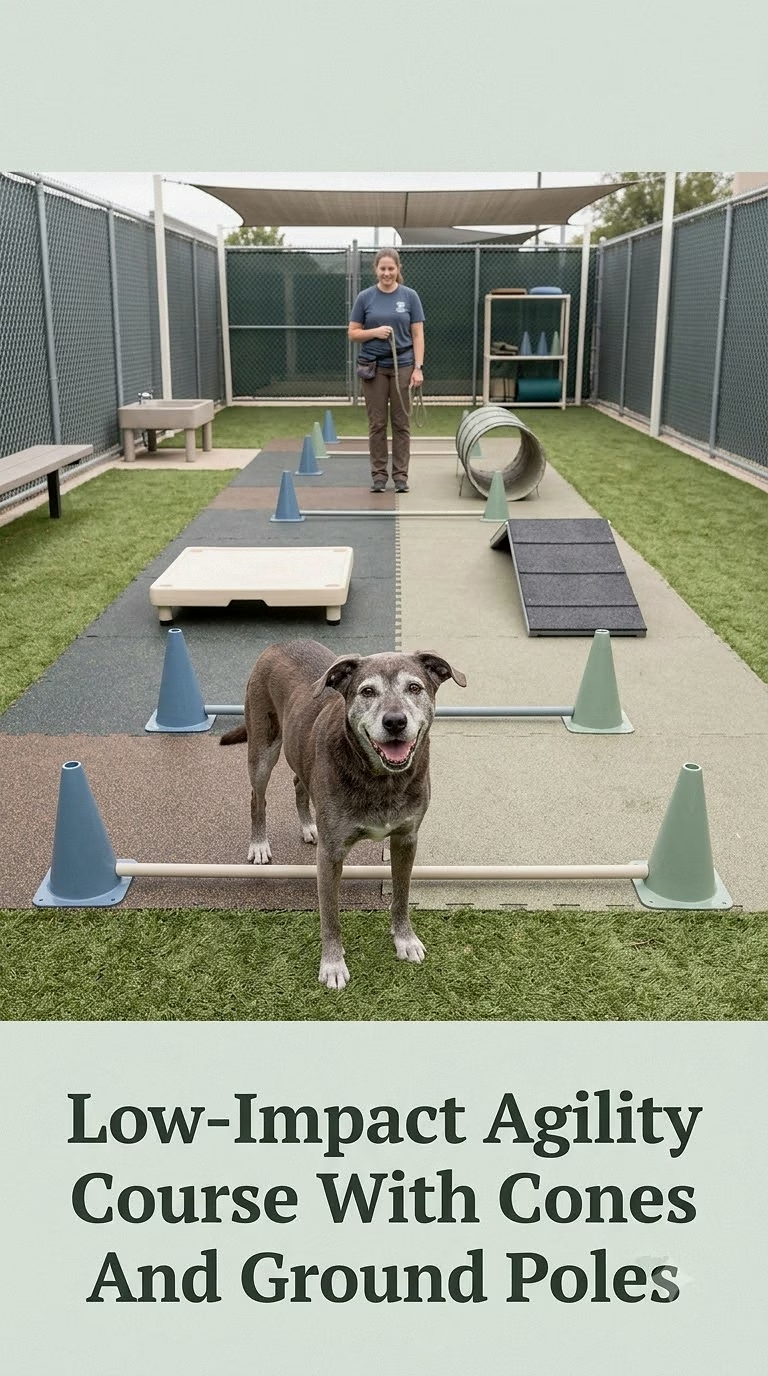
An agility-inspired course can add movement and problem-solving without requiring professional competition equipment.
Arrange lightweight cones, ground-level poles and wide pathways in a secure exercise space. Dogs can weave gently around markers, walk over low poles or follow handlers through simple patterns using treats and encouragement.
Keep obstacles low and stable. Shelter enrichment is about enjoyable movement, not testing athletic ability. Puppies, senior dogs and dogs with medical limitations may need modified activities or may be better suited to another form of enrichment entirely.
Portable equipment is useful because the layout can change regularly. Bright cones against green turf create an energetic visual setup while still being inexpensive and easy to store.
Structured Playgroup Yard With Shade And Double-Gate Entry
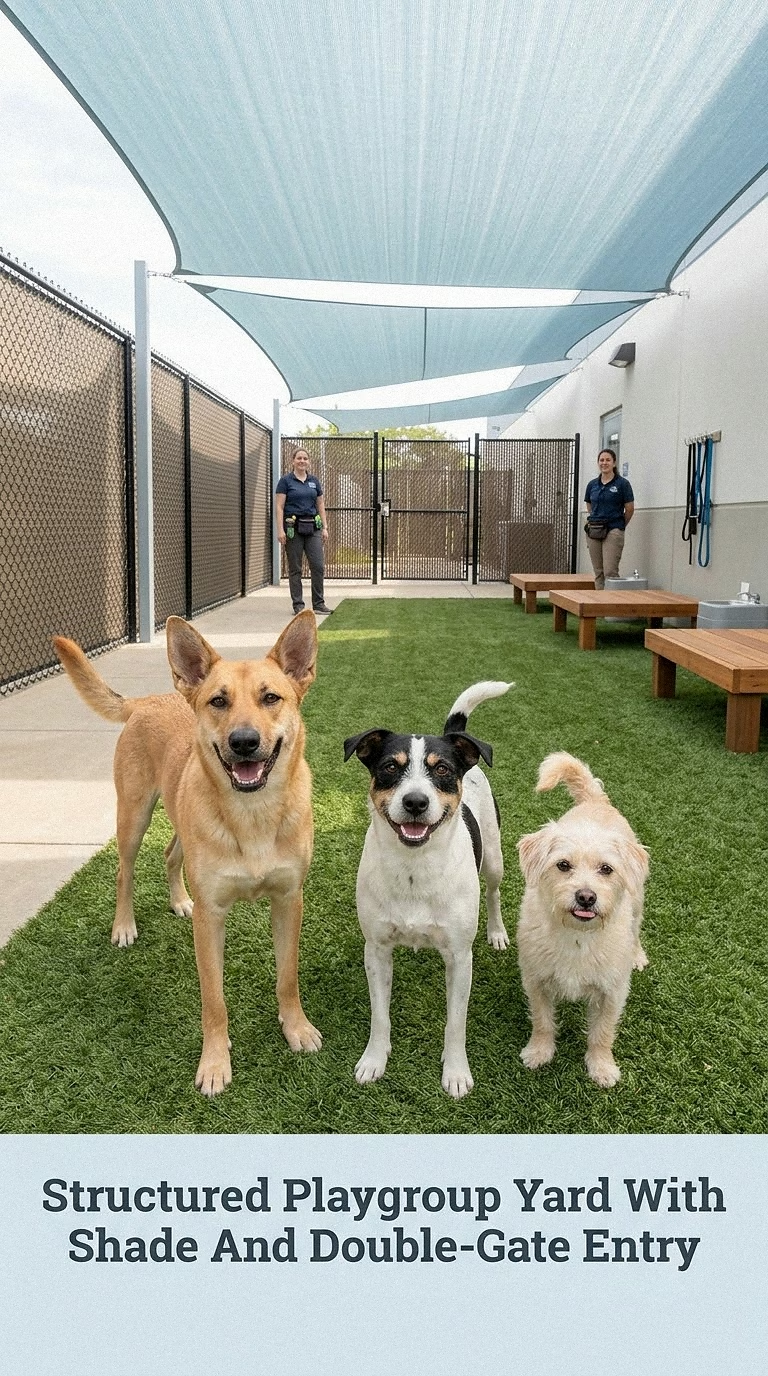
For suitable dogs, social play can provide an experience that individual kennel toys cannot replicate.
A well-designed playgroup yard should prioritize management before aesthetics. Secure fencing, a double-gate entry, shade, water access and enough open space for dogs to move away from each other are much more important than decorative features.
Trained staff should select compatible participants, supervise interactions and watch body language throughout the session. Not every dog enjoys group play, and that is perfectly acceptable. Individual enrichment can be just as valuable for dogs who prefer people, toys or solitary exploration.
Read more : 18 Dog Pampering Ideas For A Happier, Cozier Pup
Visually, a clean grass or turf yard with simple benches, secure gates and a few movable play features creates a functional space that still feels welcoming.
DIY Fleece Tug Station With Organized Toy Rotation Bins
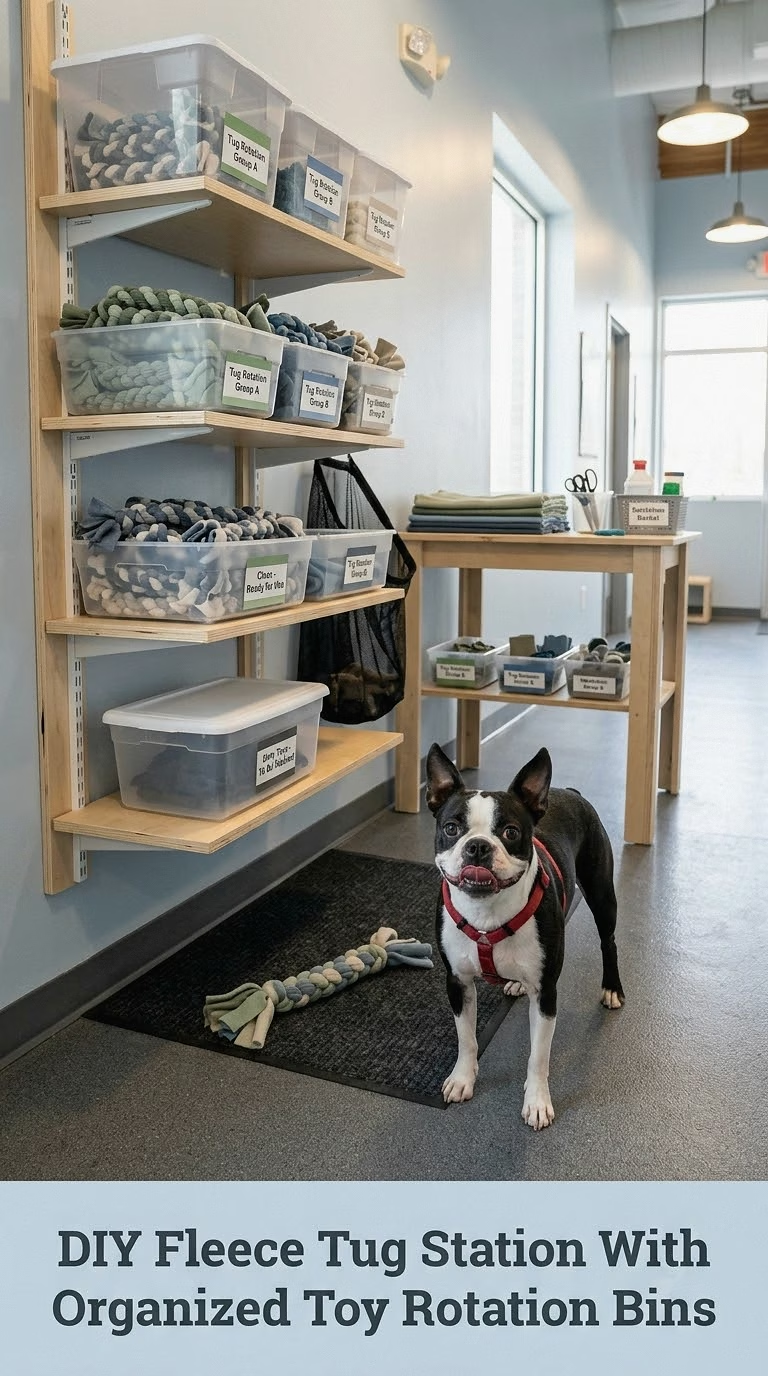
A rotating toy collection keeps enrichment from becoming completely predictable while helping shelters avoid filling kennels with too many objects at once.
Set up labeled bins for tug toys, rubber toys, balls and washable interactive items. Simple fleece tugs can sometimes be created from clean donated fabric when shelter policies allow DIY toys.
Rotate selections based on the dog’s interests rather than following the same pattern for every kennel. One dog may carry a soft toy everywhere, while another only becomes excited about tug games with a person.
Inspect toys frequently for frayed fabric, loose pieces or damage. DIY items should only be used when their construction is appropriate for the individual dog, and destructive chewers may need more durable alternatives.
Silicone Lick Mat Relaxation Setup With Easy-Clean Trays
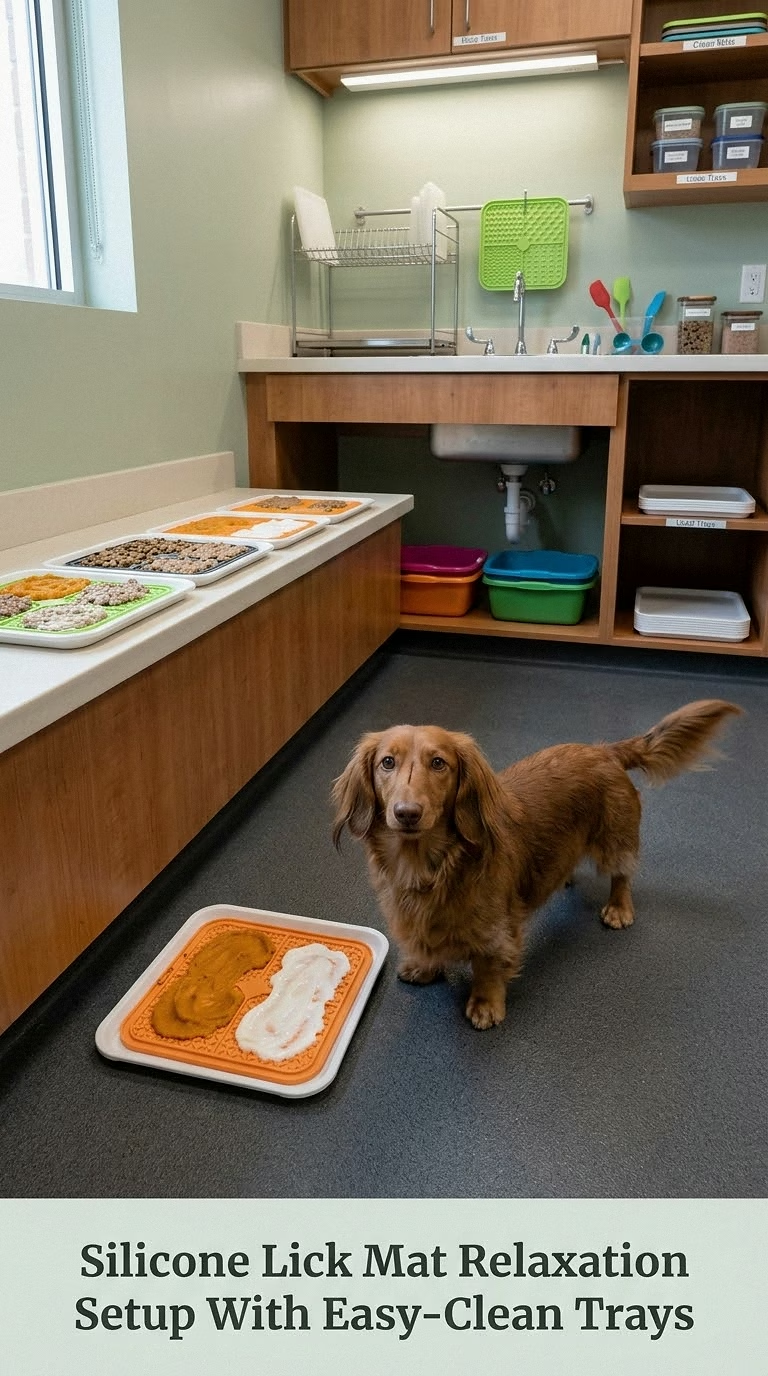
A lick mat can turn a small serving of approved soft food into a slower activity while fitting comfortably inside a kennel.
Choose commercial silicone mats designed for pets and spread a thin layer of an appropriate food across the textured surface. Using a washable tray underneath can simplify cleanup and prevent food from spreading across the kennel floor.
Prepare several mats at once and refrigerate or freeze them when appropriate. Label everything clearly if different dogs have different diets.
Because chewing styles vary, monitor dogs until staff know how each individual interacts with the mat. A dog who tries to tear off and swallow silicone pieces should be switched to a sturdier food enrichment option.
Gentle Bubble Chase Session In A Quiet Exercise Yard
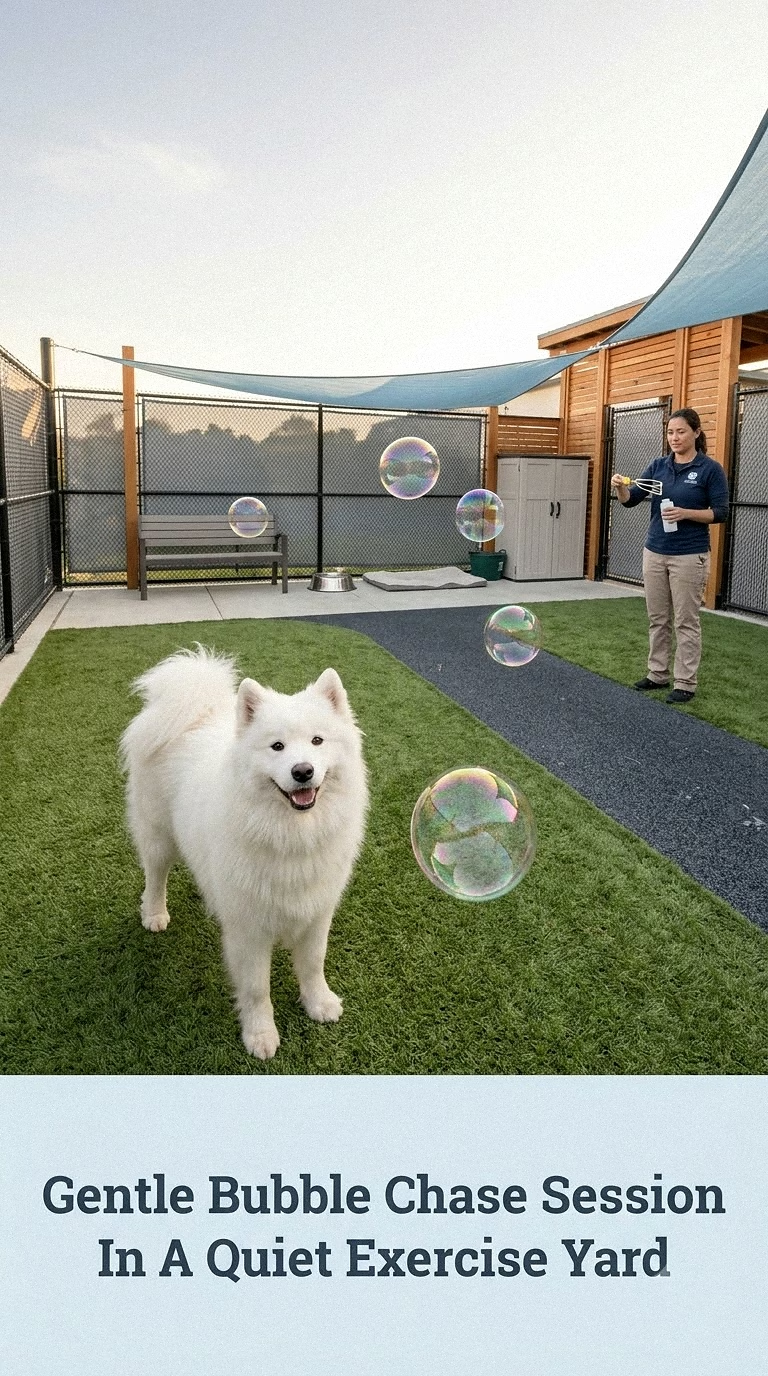
Bubbles can create a surprisingly playful short activity for curious dogs. In a secure yard, blow a few dog-appropriate bubbles and watch whether the dog chooses to follow, sniff or pop them.
Keep the first session brief. Some dogs will find moving bubbles fascinating, while others may be indifferent or uncertain. Enrichment works best when the dog’s response determines whether the activity continues.
A simple grassy yard with a volunteer seated quietly at one side creates plenty of space for movement without overwhelming the dog.
Only use products suitable around pets and prevent dogs from consuming large quantities of bubble solution. As with every unusual sensory activity, stop if the dog shows avoidance or stress.
Raised Cot Retreat With Privacy Panels And Neutral Bedding
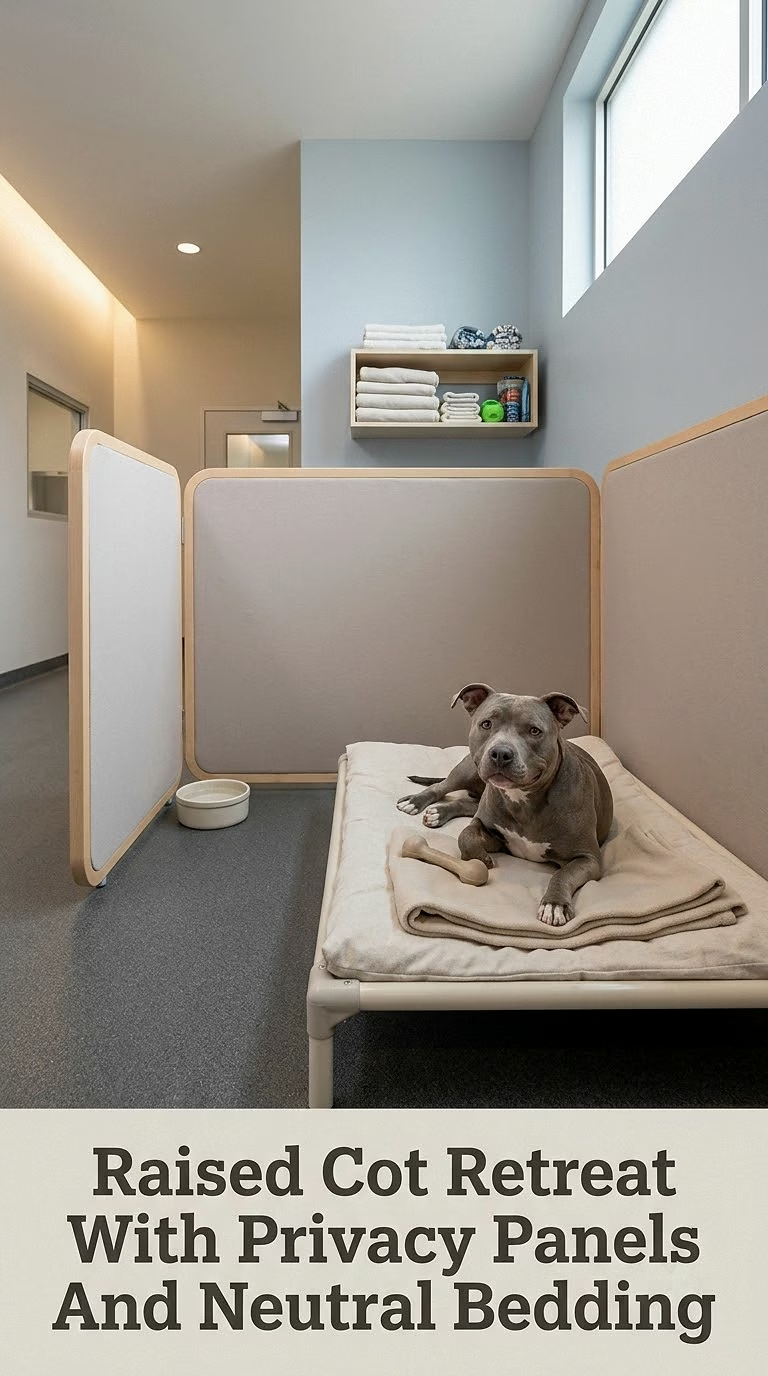
Kennels can be visually busy spaces, especially when dogs face one another across an aisle. Creating a small retreat inside the enclosure can give a dog more control over when to watch that activity.
Place a durable raised cot toward the quieter end of the kennel and add a securely positioned visual barrier where facility design allows. Neutral washable bedding in oatmeal, gray or muted green can make the area feel softer without creating complicated cleaning routines.
The retreat should never obstruct ventilation, staff visibility or safe access to the dog. Bedding choices also need to match chewing habits.
This idea is particularly attractive because it focuses on enrichment through environmental choice. The dog can rest privately, step forward to observe or move between areas whenever desired.
Home-Style Meet-And-Greet Room With Sofa, Rug And Toy Basket
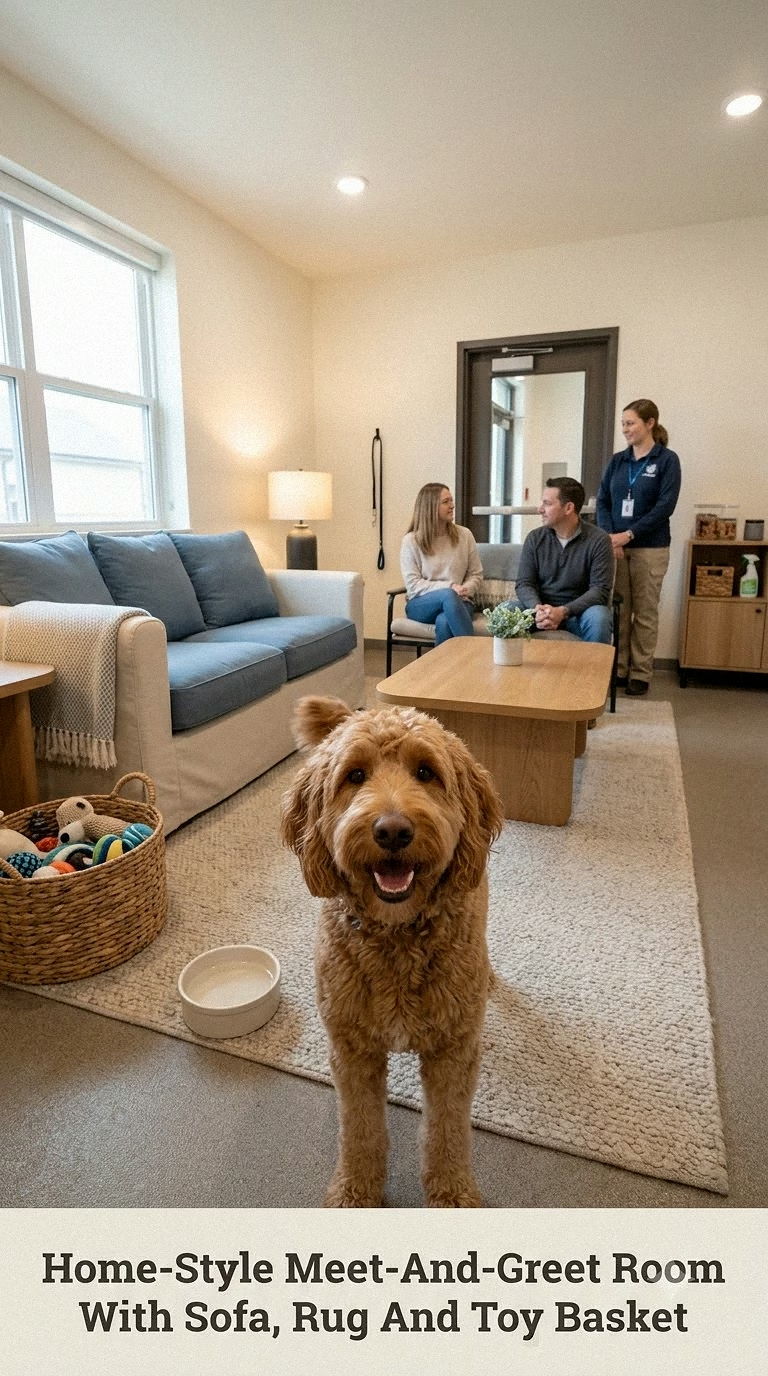
A thoughtfully arranged meet-and-greet room can serve both enrichment and adoption purposes. Instead of an empty clinical space, create a simplified living-room setting where dogs can interact with visitors around familiar household objects.
Use a wipeable sofa or bench, washable rug, sturdy side table and small basket containing a few approved toys. Warm wood tones, soft cream fabrics and muted blue or sage accents can make the room welcoming without sacrificing practicality.
Dogs may practice settling near people, exploring toys or simply relaxing while potential adopters talk with shelter staff.
Keep decorative objects minimal and durable. The room should still be easy to disinfect between animals, with supplies stored behind closed doors and no fragile accessories within reach.
Calm Evening Enrichment Cart With Chews, Puzzles And Comfort Items
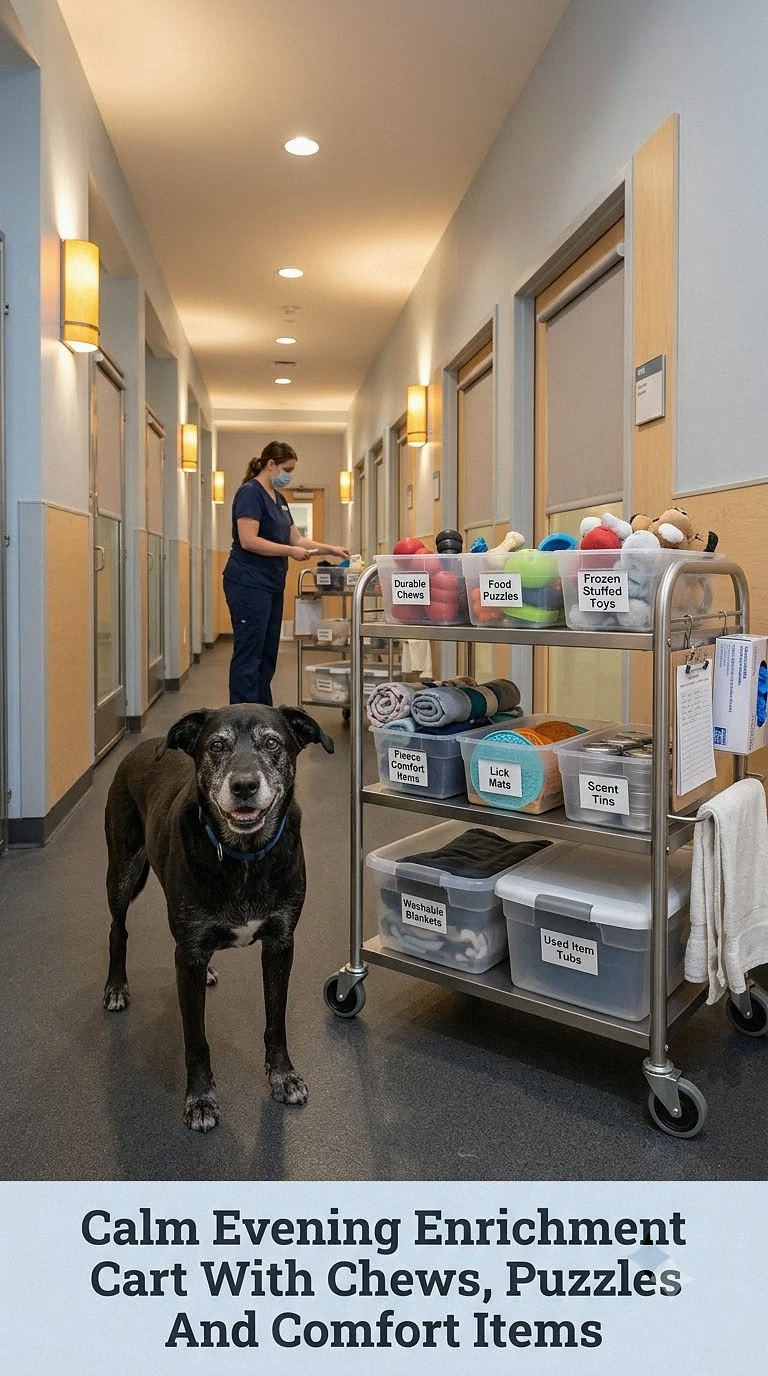
Create a dedicated cart for the final enrichment round of the day so evening care feels intentional rather than rushed. Stock it with preapproved food puzzles, durable chews, clean blankets and other items matched to individual dogs.
A simple checklist attached to each kennel can help staff vary activities and record what the dog actually enjoyed. One dog may settle beautifully with a frozen food toy, while another may prefer a comfortable bed and minimal stimulation.
Keep the cart organized with washable bins and clear labels for clean, used and food-related items.
This system is especially helpful because enrichment becomes part of the shelter routine rather than an occasional extra. Predictable quiet-time activities can also help distinguish active daytime periods from the calmer rhythm of the evening.
Creating Better Days With Shelter Dog Enrichment Ideas
The most meaningful shelter dog enrichment ideas are not necessarily the biggest, newest or most expensive. What matters is creating safe opportunities for dogs to sniff, investigate, chew, play, move, learn, relax and spend positive time with people in ways that suit their individual personalities.
A shelter might begin with something as simple as rotating snuffle mats and food toys, adding slow sniff walks or creating one peaceful reading corner. Over time, those small changes can grow into a varied enrichment program with sensory gardens, play yards, home-style rooms and individualized activity plans.
Most importantly, watch the dog in front of you. A playful young dog and a frightened senior may need completely different experiences. When enrichment offers choice instead of pressure, even a simple cardboard box, quiet blanket or handful of hidden kibble can make an ordinary shelter day feel a little more interesting, comfortable and hopeful.
Source: https://petstutorial.com
Category: DOGS
