
A beautiful backyard becomes even more enjoyable when your dog can wander, sniff, lounge in the sunshine, and watch the world go by without you constantly worrying about an escape. That is exactly why wood-and-wire fencing has become such an appealing choice for pet-friendly outdoor spaces. It combines the warmth and charm of natural wood with the visibility and practical strength of wire, creating a boundary that can feel far lighter and prettier than a completely solid privacy fence.
The best wood and wire fence ideas dog owners can use are not just attractive, though. They should also reflect how your dog actually behaves. A relaxed small dog may need a very different setup from an athletic jumper, determined digger, or curious pup that squeezes through every opening it can find.
You are reading: 19 Wood And Wire Fence Ideas Dog Owners Will Love For A Stylish, Secure Yard
Fortunately, this style of fencing is wonderfully flexible. You can make it rustic with rough cedar posts, polished with black mesh and crisp square frames, cottage-inspired with garden beds, or simple enough for an affordable weekend project.
Before building, examine the entire perimeter from your dog’s perspective. Look for gaps beneath the fence, openings in the mesh, loose wire edges, objects that could become climbing platforms, and gate hardware that could accidentally be pushed open. Then choose a design that complements both your landscape and your dog’s needs.
Wood And Wire Fence Ideas Dog Owners Can Adapt To Every Yard
Warm Cedar Fence With Black Welded Wire Panels
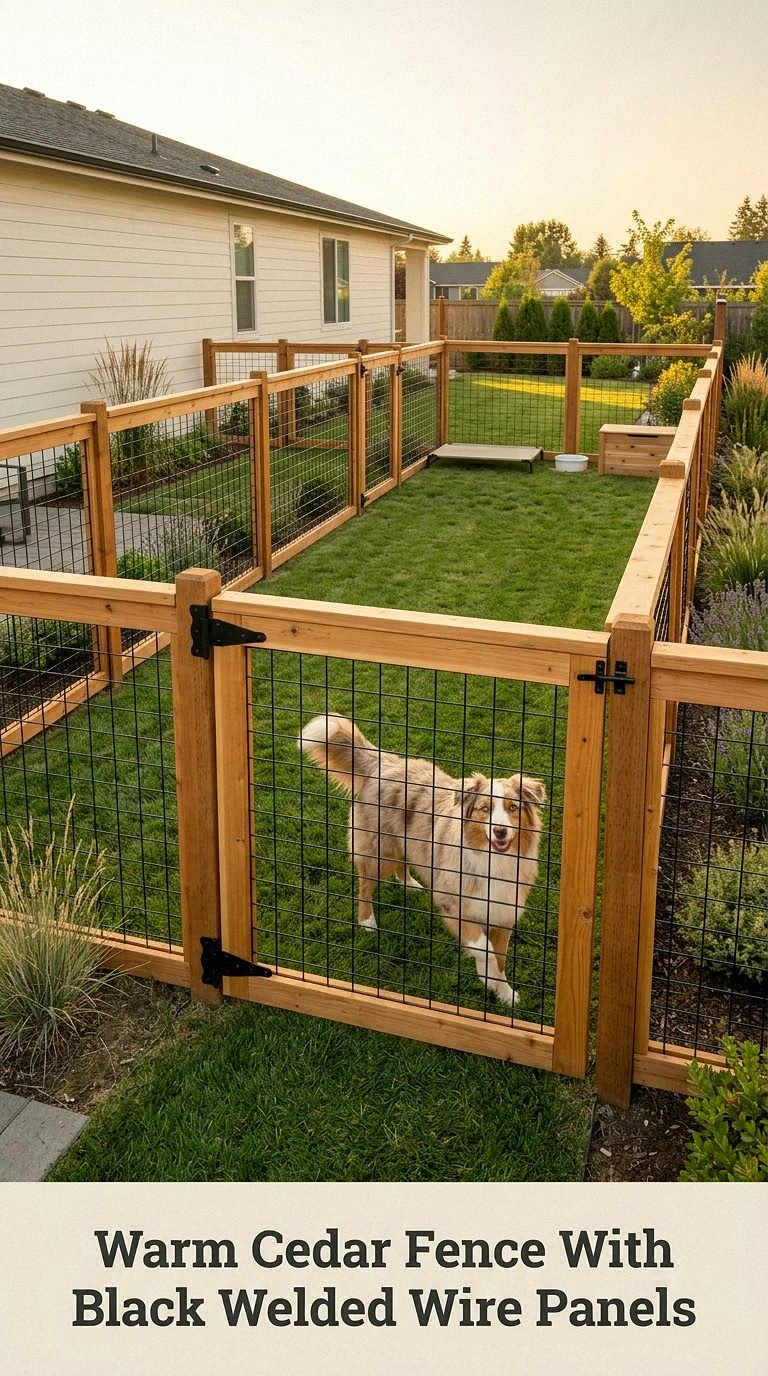
Natural cedar paired with black welded wire creates one of the most polished versions of a classic dog fence. The warm honey and reddish tones of the wood soften the industrial look of wire, while the dark mesh visually disappears when viewed from several feet away.
Create rectangular framed panels between substantial posts, keeping the wire neatly tensioned inside each wooden frame. Black hardware, hinges, and post caps make the whole structure feel intentional rather than purely functional.
This design works especially well around landscaped suburban yards because flowers and greenery remain visible through the fencing. Cedar also suits cottage, modern farmhouse, and contemporary homes.
For a dog-safe finish, inspect every cut wire edge and fastening point. Mesh openings should be appropriately sized for your dog’s head and body, particularly if you have a puppy or very small breed.
White Farmhouse Rail Fence With Galvanized Wire Infill
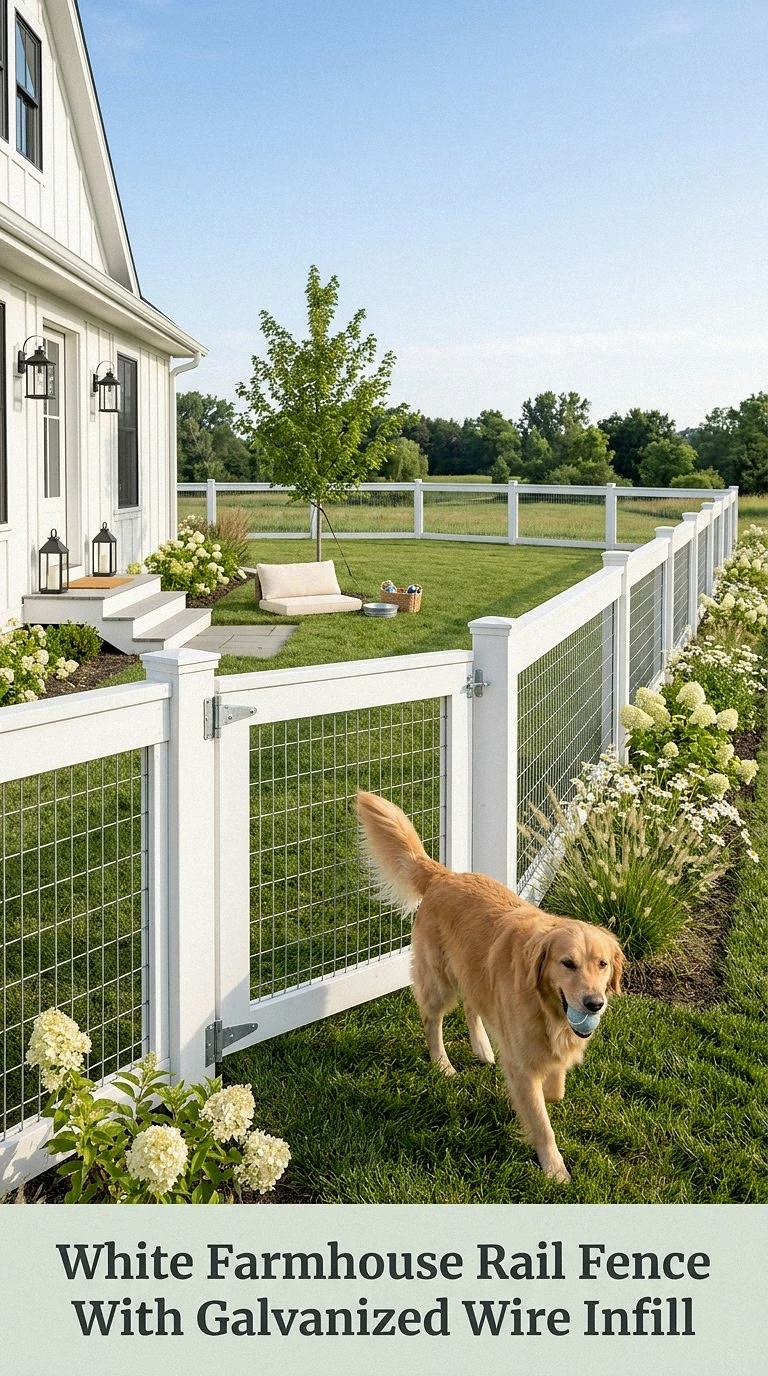
A white wood fence can give your backyard a bright, cheerful farmhouse look without sacrificing practical containment. Instead of relying on widely spaced rails alone, attach galvanized welded wire behind the wooden framework.
The wire keeps dogs from slipping between rails while allowing the classic fence silhouette to remain visible. It is especially pretty beside hydrangeas, ornamental grasses, lavender-style borders, or a simple green lawn.
For a softer design, use three horizontal rails with square posts and clean post caps. Painting or staining the wood white provides a crisp finish, while silver wire keeps the design light and airy.
Pay special attention to the space beneath the lowest rail. A decorative fence may look enclosed to you but still offer enough room for a determined dog to crawl or dig underneath.
Modern Black-Stained Wood Fence With Matching Dark Mesh
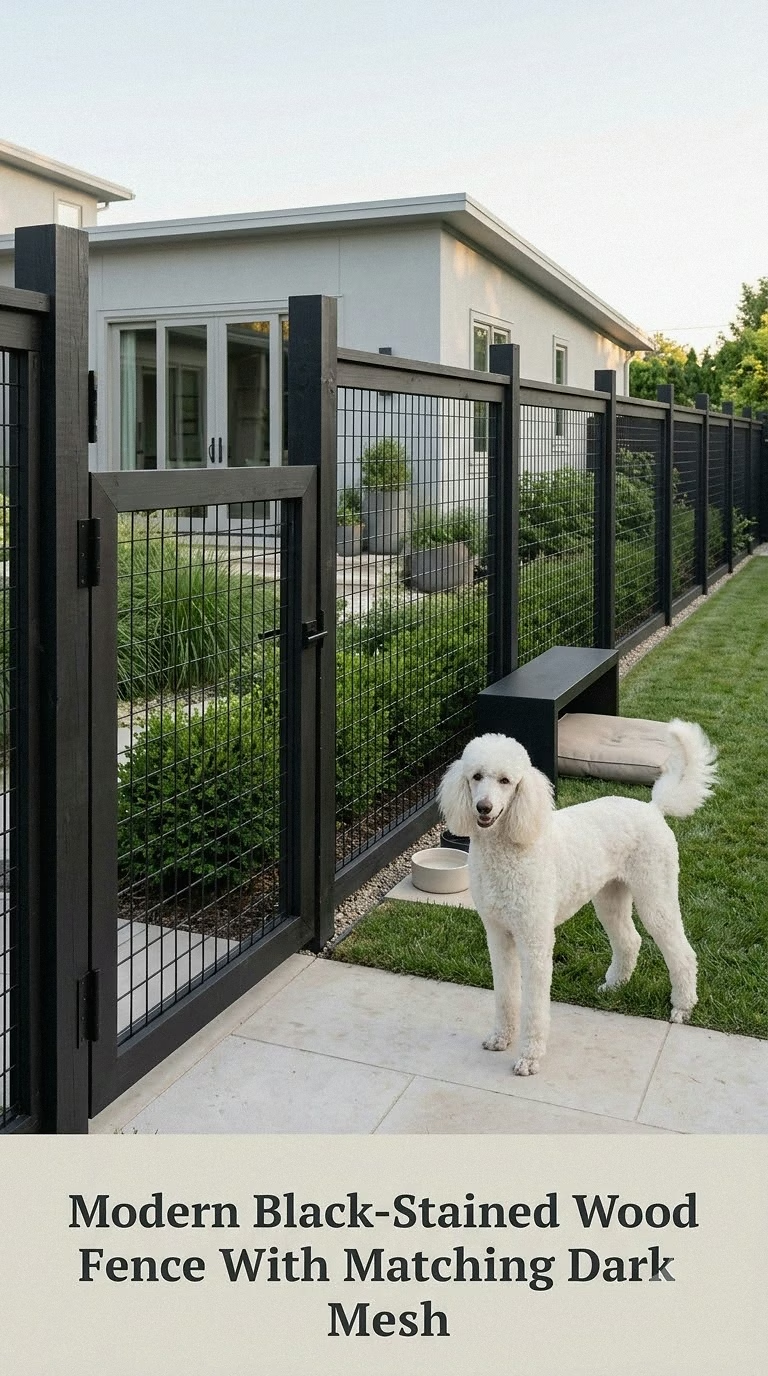
For contemporary homes, try staining the entire wooden framework charcoal, espresso, or nearly black and pairing it with dark welded wire. The monochromatic palette turns an ordinary utility fence into a sleek architectural feature.
Use straight posts, wide rectangular panels, and minimal decorative details. Keeping all hinges, latches, screws, and mesh in similar dark finishes creates a particularly refined appearance.
This design looks beautiful with pale gravel, concrete pavers, sculptural shrubs, and modern outdoor furniture. Because the wire remains transparent, even a modest backyard can still feel spacious.
Dark finishes can become warm in strong sunlight, so consider your climate and whether your dog frequently presses against or lies beside the fence. Regularly inspect the finish for weathering and touch up exposed wood when necessary.
Rustic Split-Rail Fence With Nearly Invisible Wire Backing
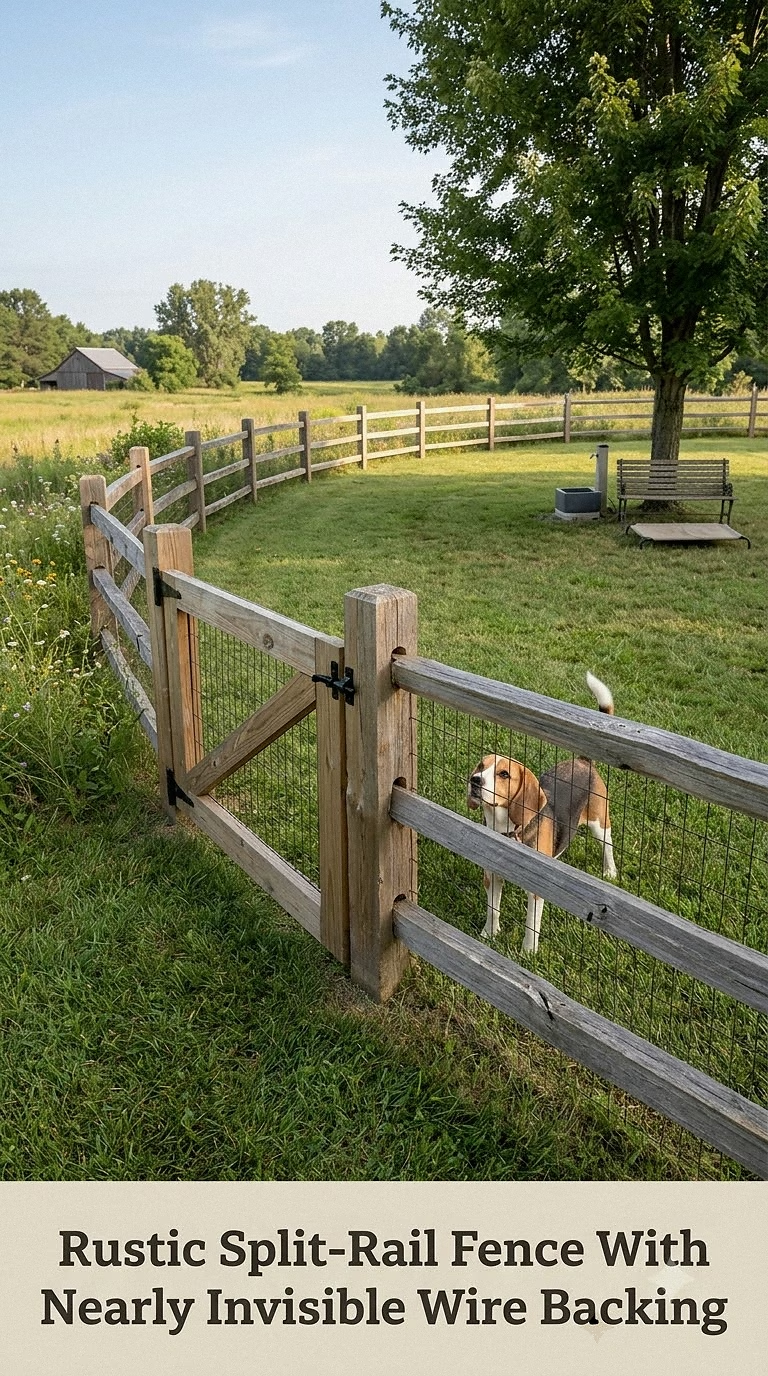
If you love a relaxed country look, a traditional split-rail fence backed with wire provides charm without leaving large openings between the rails.
Leave the wood natural for a weathered appearance or use a transparent outdoor finish that lets knots and grain remain visible. Attach the mesh neatly to the inside of the fence so the rustic wooden rails remain the dominant feature from the garden side.
This style works beautifully on larger properties where a solid fence might feel too heavy. It also blends naturally with meadow-style planting, gravel paths, mature trees, and cottage gardens.
Because split rails can create tempting footholds for climbing dogs, evaluate your dog’s behavior carefully. For an athletic climber, a more vertically framed design may be a safer choice.
Budget-Friendly Pressure-Treated Wood And Galvanized Wire Fence
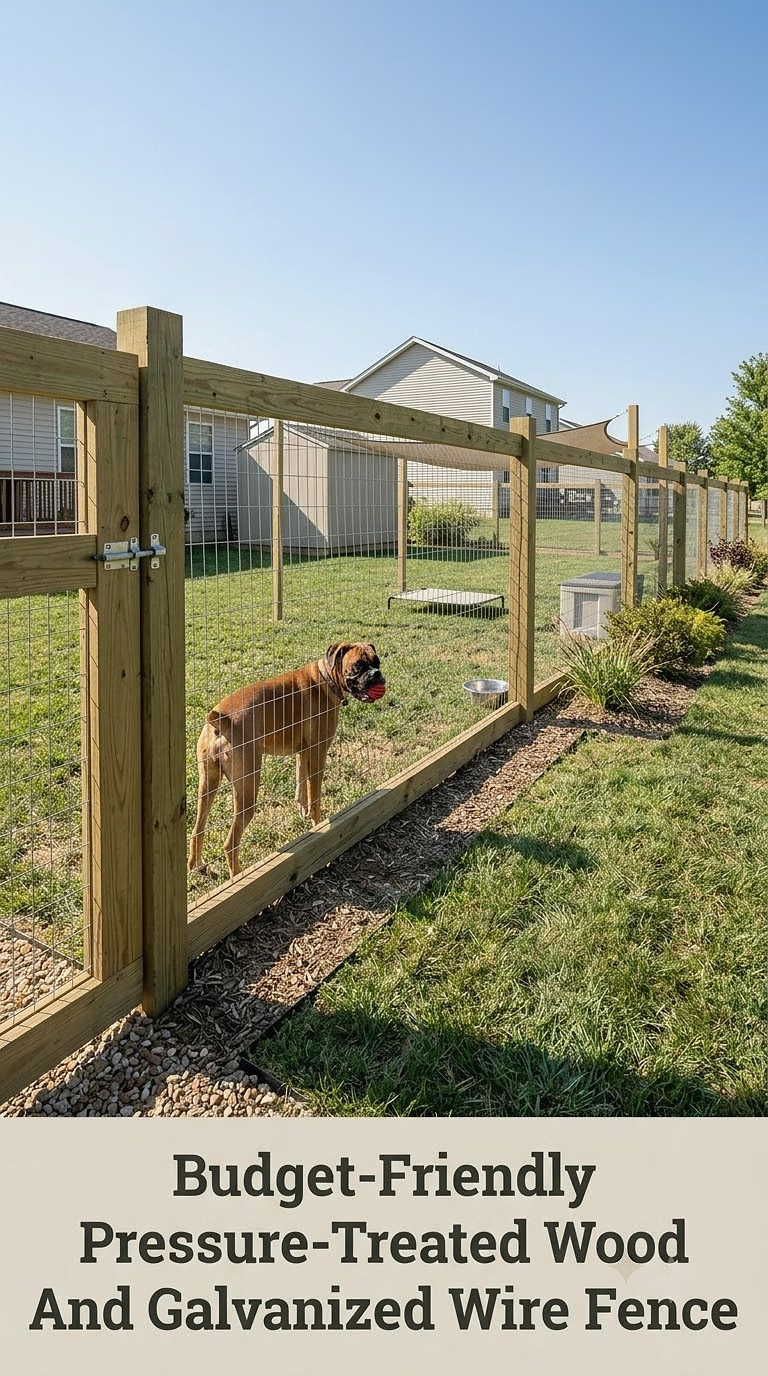
A stylish dog fence does not need expensive specialty materials. A straightforward frame made with outdoor-rated pressure-treated lumber and galvanized welded wire can create a practical enclosure at a much friendlier cost.
Keep the structure simple with sturdy posts, horizontal top and bottom rails, and large rectangular sections of wire. Rather than spending heavily on decorative details, focus the budget on sound posts, secure gate hardware, reliable fasteners, and good-quality mesh.
You can leave the lumber natural initially and add a compatible exterior stain once the wood is ready for finishing.
Where wood touches or enters the soil, choose lumber intended for the appropriate outdoor or ground-contact application. This practical design is particularly useful for large yards where fencing hundreds of feet can make elaborate panel systems expensive.
Narrow Cedar Side-Yard Dog Run With Black Wire
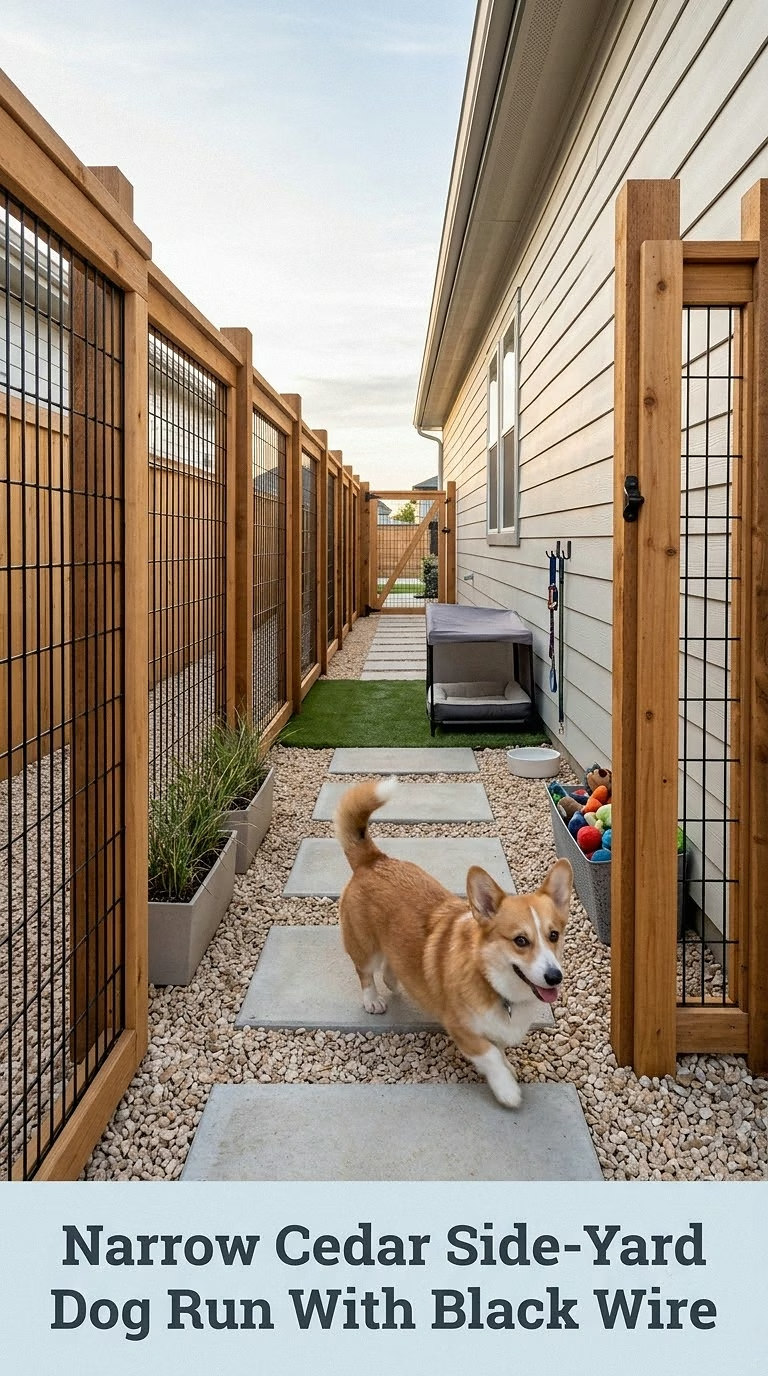
An unused strip beside the house can become a charming outdoor dog run with only a relatively small amount of fencing.
Frame the area using slim cedar posts and black wire panels, then add a matching gate near the entrance. Inside, create a comfortable path using dog-friendly paving, gravel selected with paw comfort in mind, or another suitable easy-clean surface.
A narrow run can be especially useful when you want your main backyard reserved for entertaining, gardening, or children while still giving your dog convenient outdoor access.
Include shade and fresh water when the area is used for more than short bathroom breaks. Also check how sunlight moves through the side yard because spaces between buildings can become unexpectedly hot during certain parts of the day.
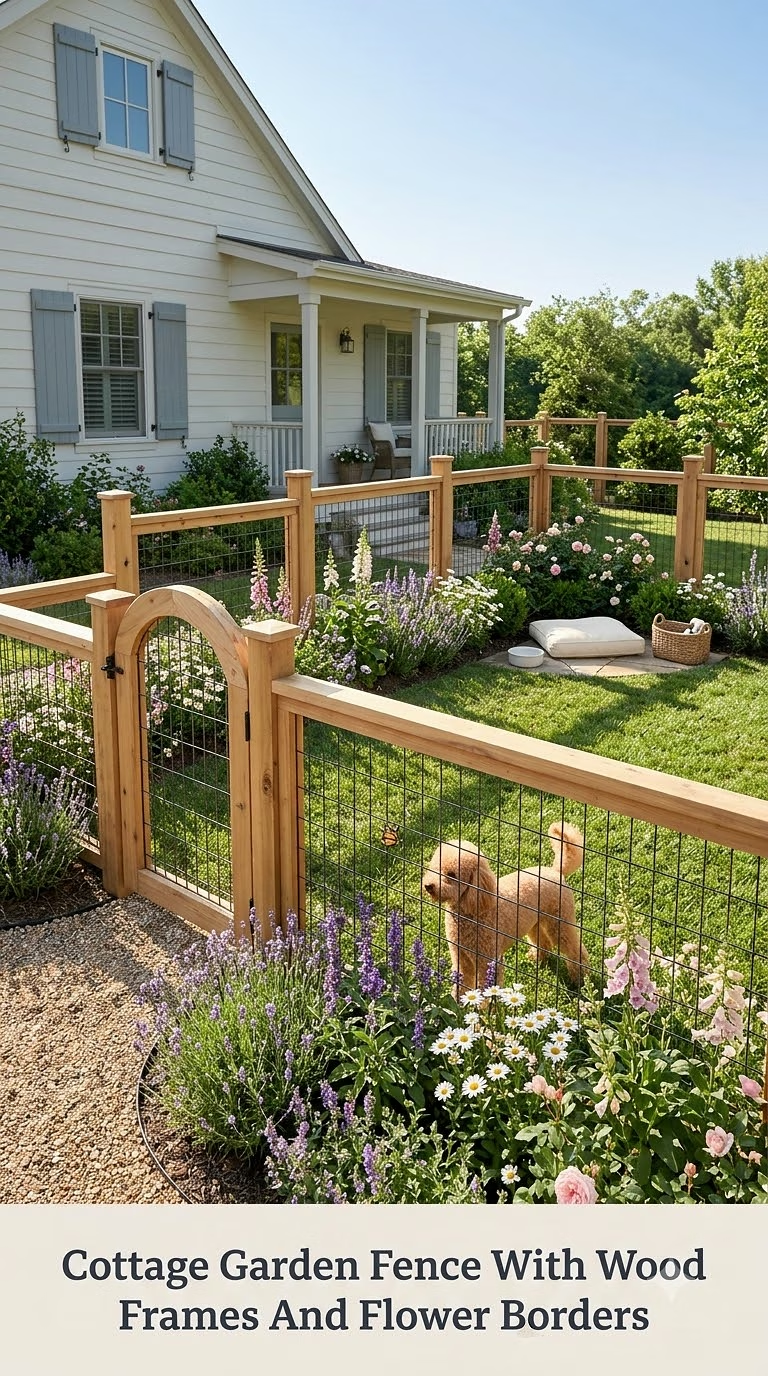
Cottage Garden Fence With Wood Frames And Flower Borders
Read more : 19 Dog Birthday Party Ideas for a Cute, Memorable Celebration Your Pup Will Love
Wood-and-wire fencing can almost disappear into a romantic garden when flower beds are planted along the perimeter.
Choose natural or softly stained wood and simple rectangular wire panels. On the garden side, create layered beds using dog-safe plants, low shrubs, ornamental grasses, and seasonal flowers.
The transparent wire allows the planting to remain the visual star while the wooden frames add enough structure to keep everything looking tidy. A small wooden gate with black hinges can become a beautiful focal point along a stone path.
Leave enough space between dense vegetation and the fence for inspections and maintenance. You should still be able to notice damaged mesh, loose fasteners, emerging digging spots, or fallen branches before they become escape opportunities.
Small-Dog Fence With Fine Lower Mesh And Open Upper Panels
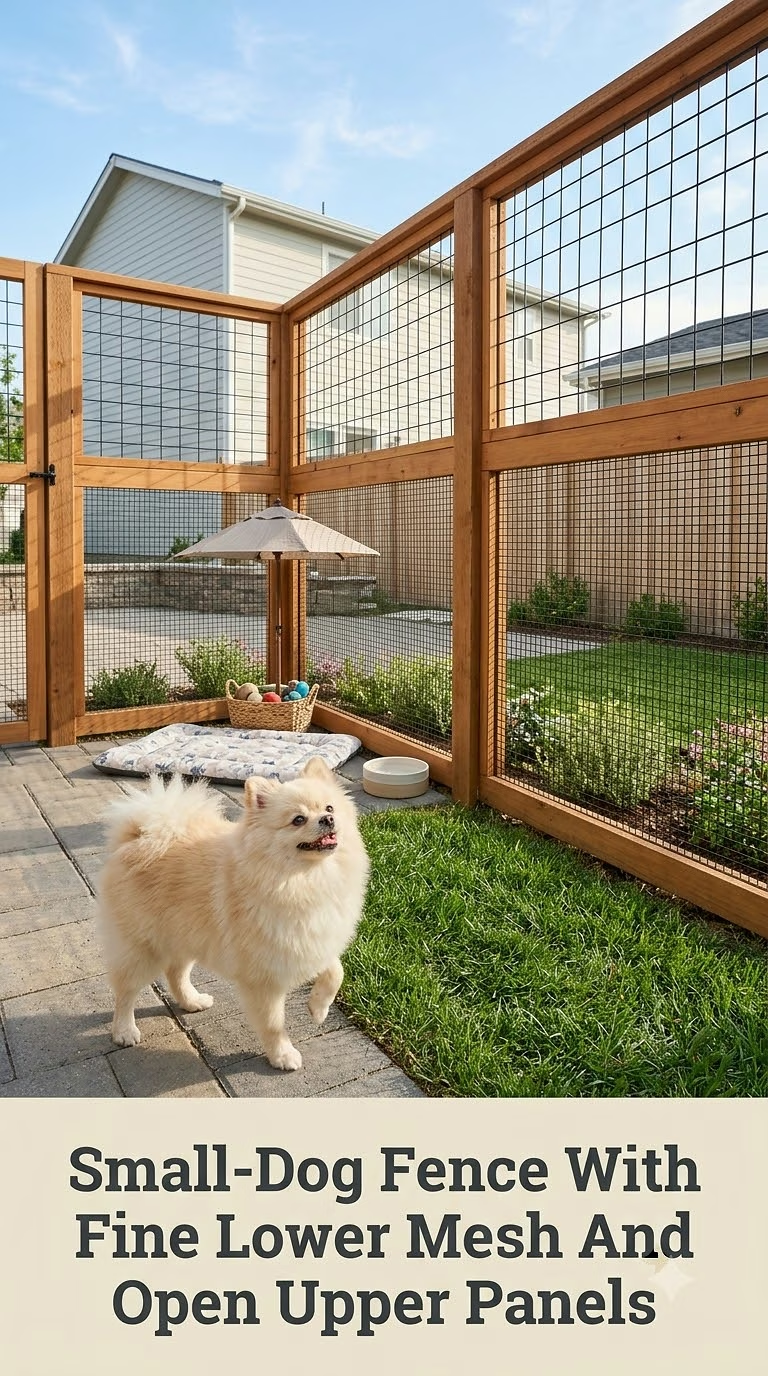
Tiny dogs often require more attention to mesh size than larger breeds. One attractive solution is to use finer openings along the lower portion of the fence and a more open grid higher up.
Frame both sections in wood so the transition looks deliberate. The lower area can extend far enough upward to prevent a small dog from squeezing through, while the larger upper grid preserves an open view across the yard.
Using black mesh throughout keeps the two different wire patterns visually cohesive.
This is also useful for puppies, although their containment needs may change as they grow. Inspect the fence regularly because a gap that once seemed impossible to fit through can become surprisingly tempting to a curious young dog.
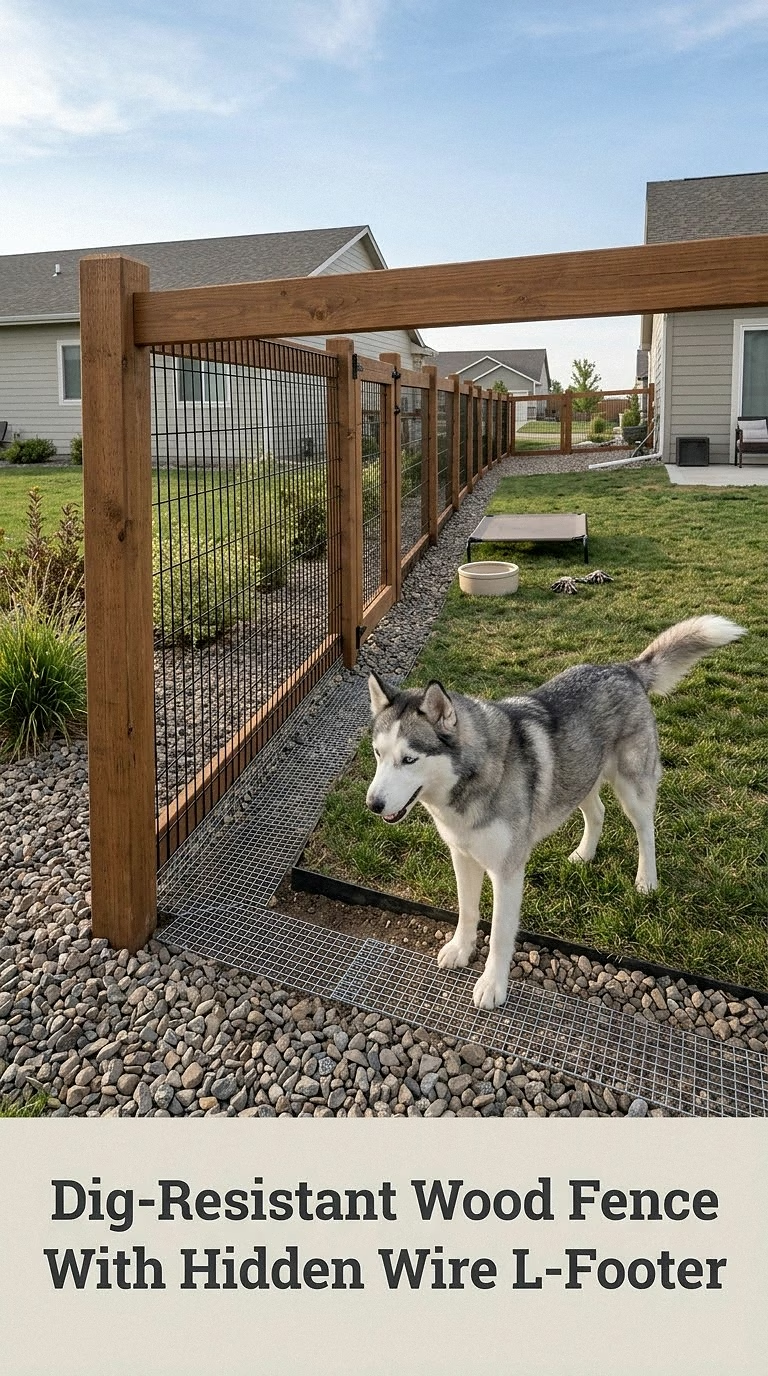
A lovely fence above ground will not help much if your dog views the bottom edge as the beginning of an excavation project.
For persistent diggers, incorporate a wire barrier at the base. One approach is an L-shaped mesh footer that connects securely to the fence and extends inward beneath or across the soil surface before being covered appropriately.
From above, the finished fence can still look like an elegant cedar-and-black-wire design. The anti-dig reinforcement remains largely hidden.
Finish exposed cut edges carefully and secure the material so nothing sharp can catch paws. You can also create a tidy border of stone or suitable hardscape along the fence line, which gives the yard a polished appearance while making fresh digging activity easier to notice.
Tall Wood And Wire Fence For Athletic Jumpers
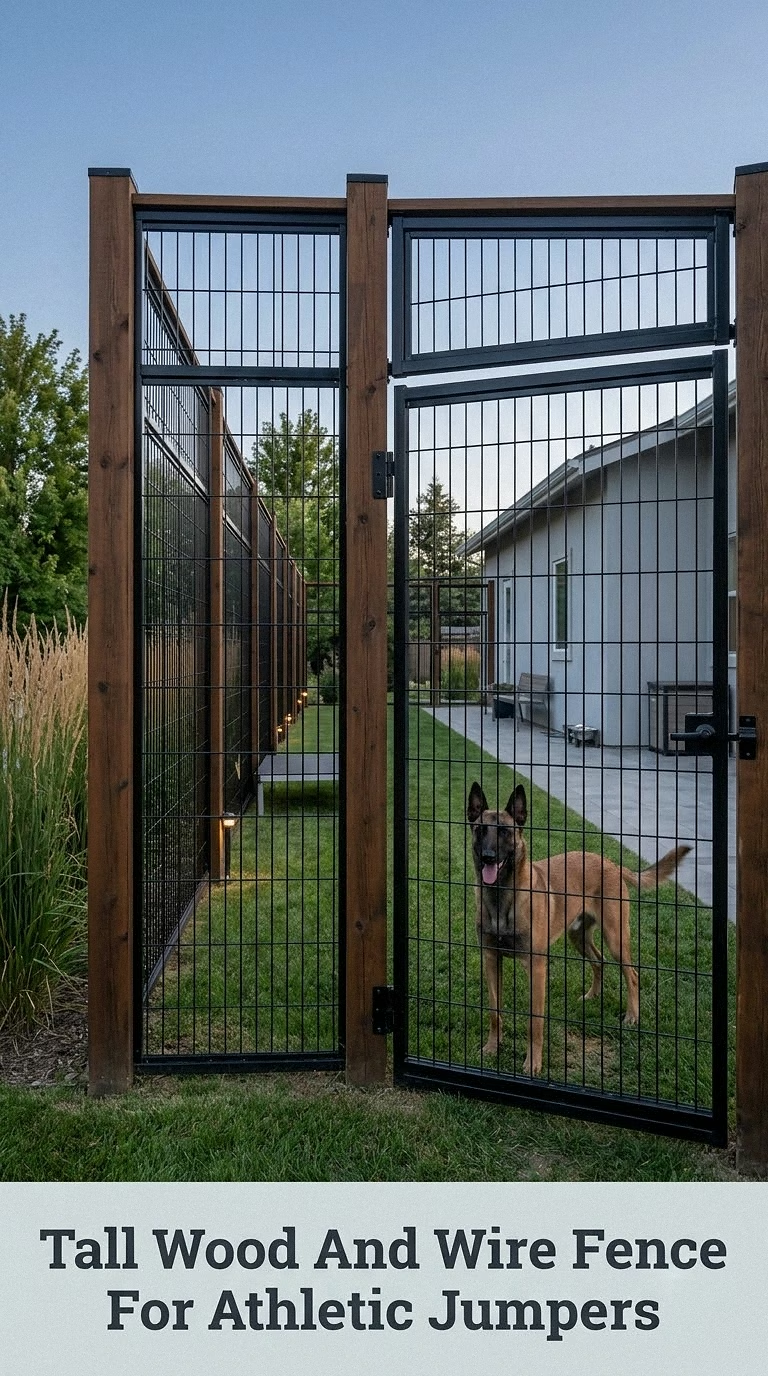
Some dogs require more vertical security than a decorative waist-high boundary can provide.
A taller wood-and-wire fence can still feel surprisingly open when much of its surface is transparent mesh. Use strong vertical posts with framed wire sections extending to the height appropriate for your individual dog.
Keeping the panels narrow can make a tall structure look more architectural. A substantial wooden top rail adds visual definition and creates a finished appearance.
Remove benches, stacked firewood, planters, storage boxes, or other objects positioned close enough to become launching points. For dogs known to climb or jump, containment should be designed around their demonstrated abilities rather than appearance alone.
Privacy-And-Wire Hybrid Fence With Solid Wood Lower Panels
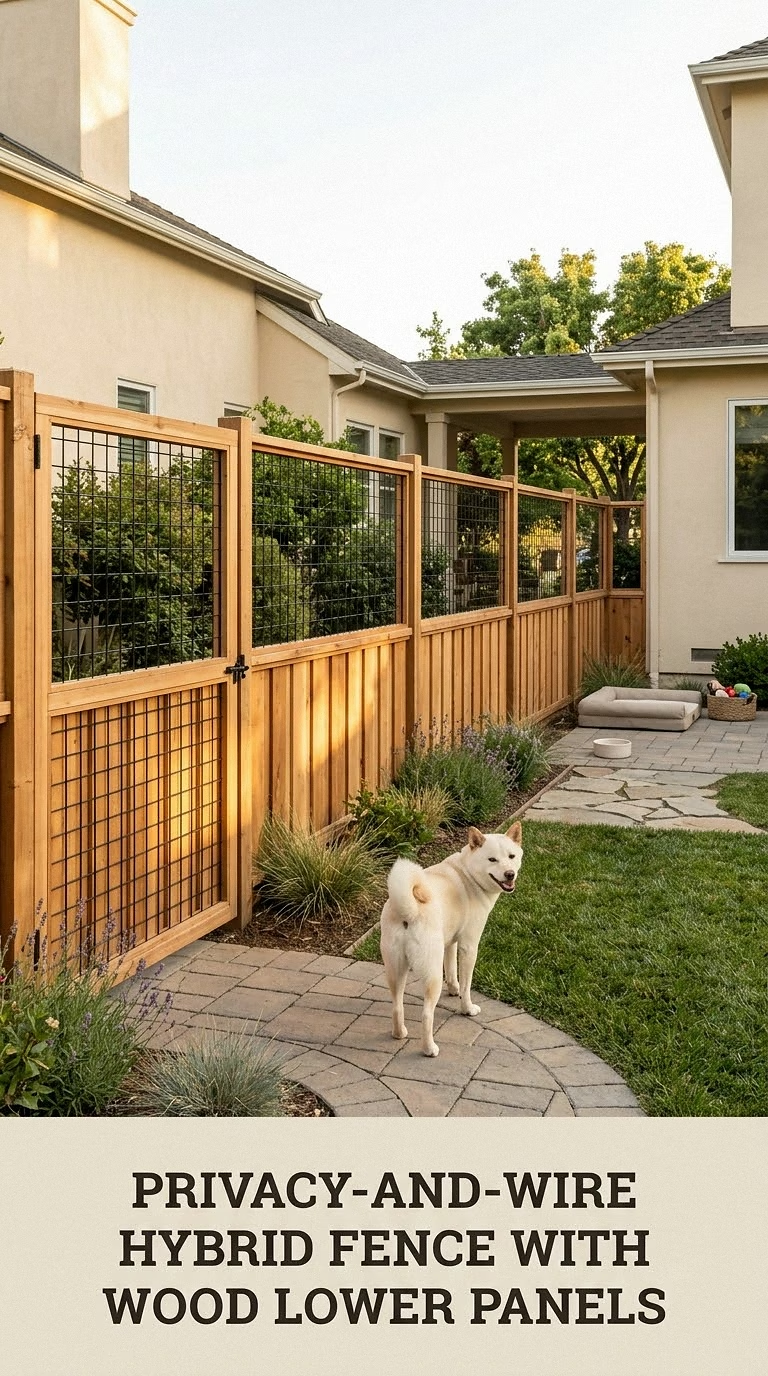
Sometimes you want visibility without feeling completely exposed to neighbors or passing pedestrians. A hybrid design offers the best of both worlds.
Build the lower section with horizontal or vertical wood boards, then transition to framed wire panels above. The solid base creates privacy at dog height while the open top keeps sunlight and airflow moving through the yard.
This setup may also reduce some visual stimulation for dogs that react strongly when they see activity outside the property.
Choose warm cedar for a natural look or paint the lower boards soft sage, creamy white, charcoal, or muted taupe. Repeat the same wood around the upper wire panels so the entire structure reads as one cohesive design rather than two unrelated fence styles.
Stepped Wood And Wire Fence For A Sloped Backyard
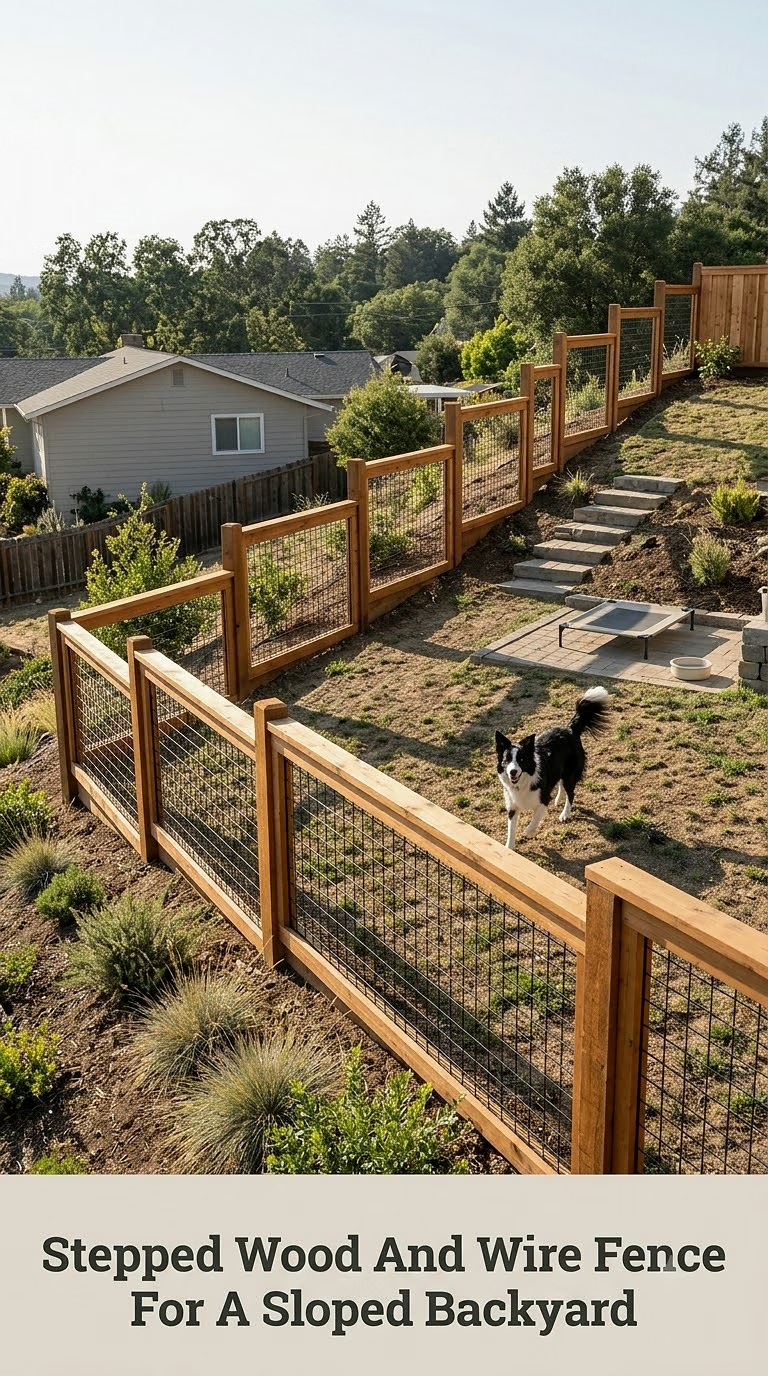
A sloping yard does not mean your dog fence has to look awkward.
Instead of forcing every rail to follow the ground at an angle, create a series of level rectangular panels that step gradually downhill. The repeated geometric shapes produce a crisp, intentional appearance and work particularly well with black welded wire.
Carefully handle the changing gap beneath each panel. On uneven terrain, this lower edge is often where surprisingly large openings develop.
Custom-fitting the bottom rails or adjusting panel dimensions may take more work, but the finished fence will look far more professional. Gravel borders or low landscaping can visually soften the stepped foundation while still leaving enough access for routine inspections.
Double-Gate Wood And Wire Entry With A Safety Buffer
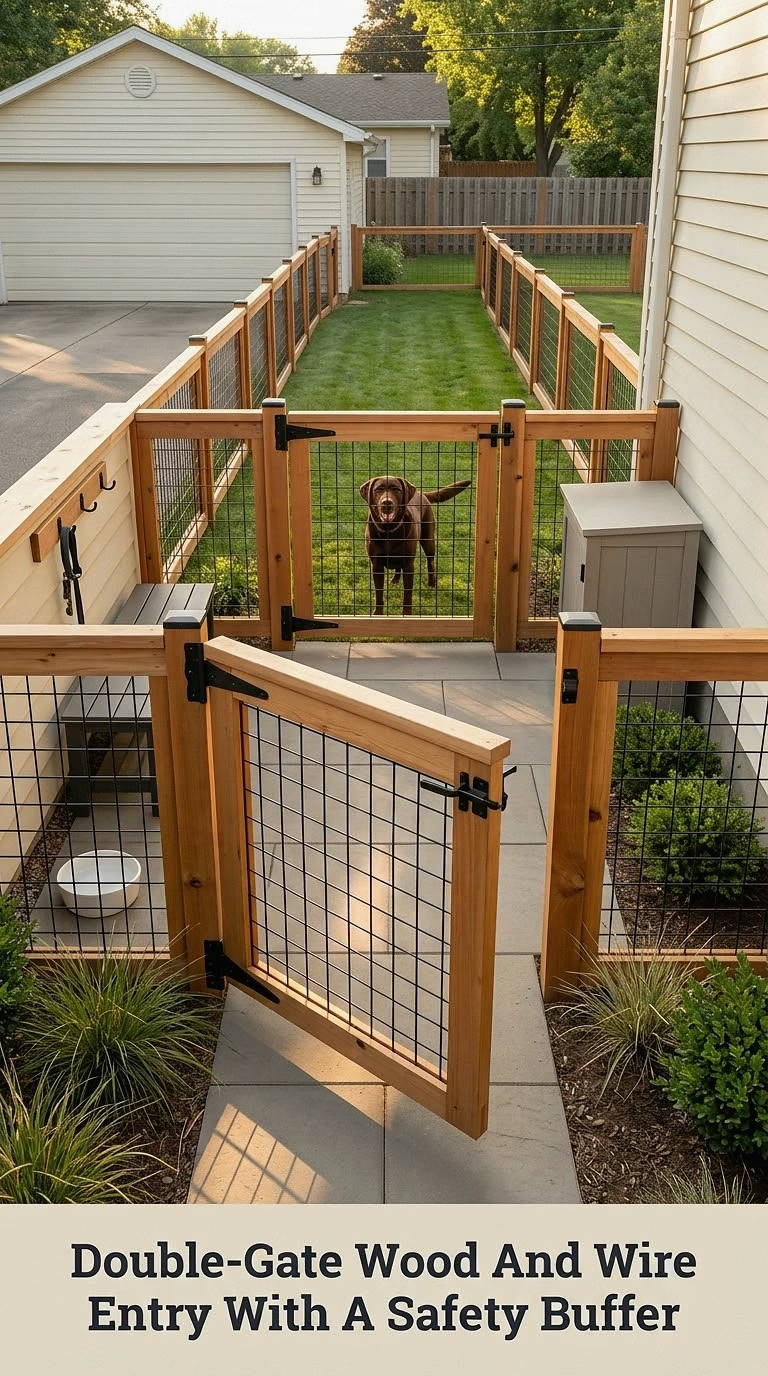
The gate is often one of the busiest and most vulnerable parts of a dog enclosure. If your dog loves rushing toward an opening, consider building a small double-gate entrance.
Create two matching wood-and-wire gates with a short enclosed space between them. You enter the first gate, close it, and then open the second. This creates a useful buffer between your dog and the street, driveway, or front garden.
Match both gates to the main fence using the same stain, wire, and hardware for an attractive custom appearance.
Self-closing or reliably secured hardware can add another useful layer of management. Check gate alignment regularly because wood can move with weather changes, potentially affecting how smoothly a latch engages.
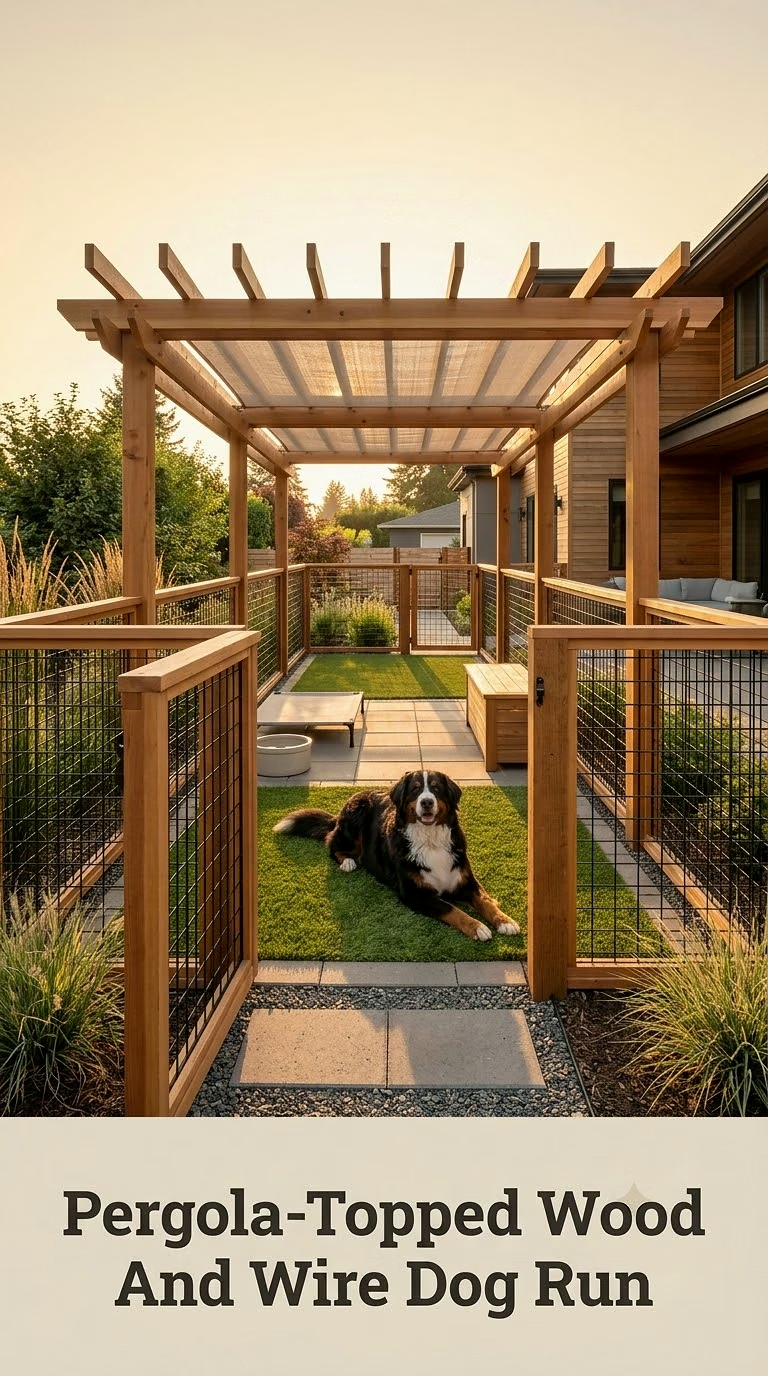
Pergola-Topped Wood And Wire Dog Run
Read more : How Do I Know if My Chihuahua is Pregnant
Turn an ordinary enclosure into a backyard feature by incorporating a simple pergola-style structure above part of the run.
Use substantial wooden posts for the fence and extend selected posts upward to support open overhead beams. Beneath the structure, add a shaded dog bed, water station, and comfortable outdoor flooring.
Black mesh panels keep the run secure without visually competing with the timber architecture. Climbing plants can be tempting aesthetically, but choose only dog-safe species and avoid allowing vegetation to compromise the fencing.
This setup feels especially inviting beside a patio or garden shed. Rather than looking like a separate kennel, the run becomes an intentional part of the overall landscaping.
Minimalist Horizontal Wood Frame With Flush Wire Panels
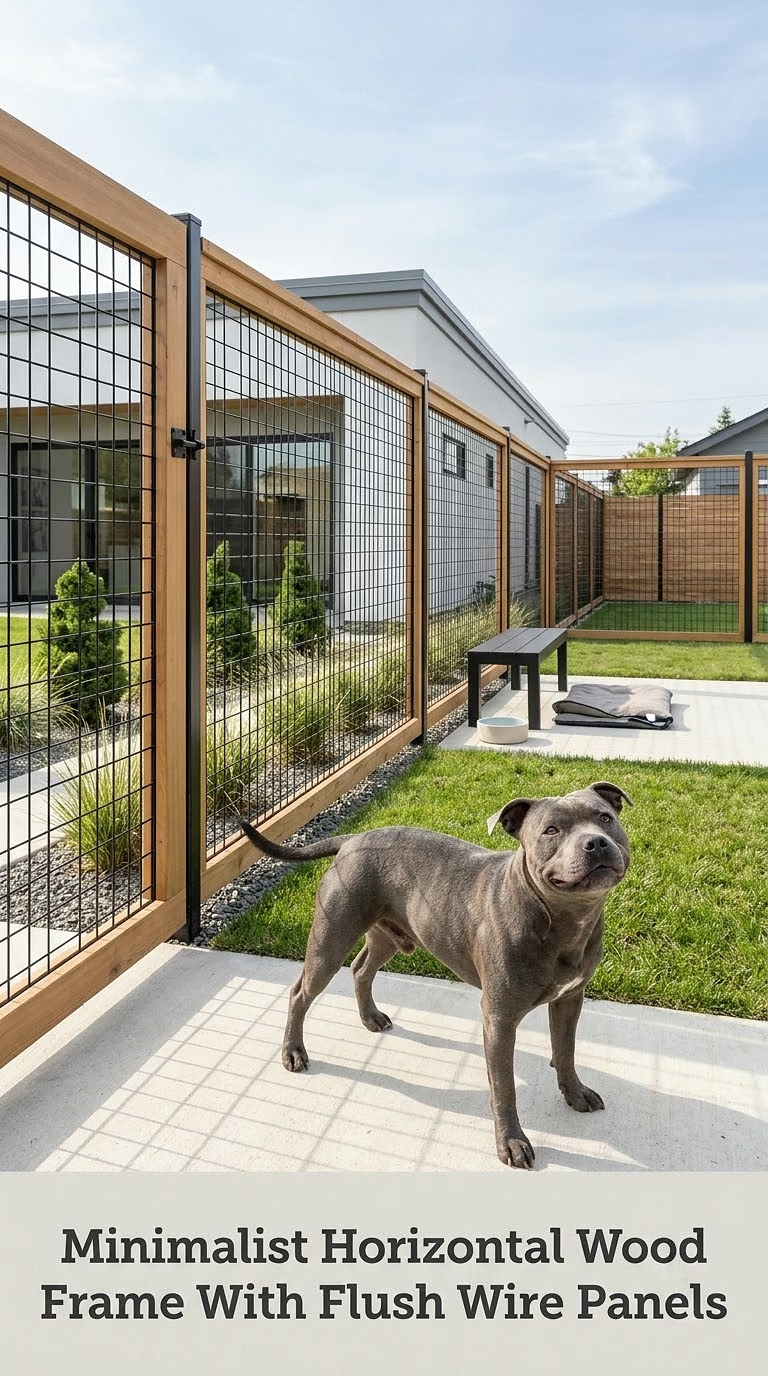
For a cleaner look, mount wire inside streamlined wooden frames so the mesh appears almost flush with the surrounding timber.
Use narrow horizontal rails, evenly spaced posts, and consistent panel dimensions. Natural pale wood with black wire creates a Scandinavian-inspired appearance, while medium brown stain produces a warmer contemporary style.
Avoid unnecessary decorative caps or ornate hardware. A simple square gate using identical proportions keeps everything visually calm.
This design is excellent for small yards because the fence does not create a solid visual wall. You can see greenery beyond the boundary, making the space feel larger while still establishing a clear physical enclosure for your dog.
Modular Wood And Wire Panels For A Flexible Dog Area
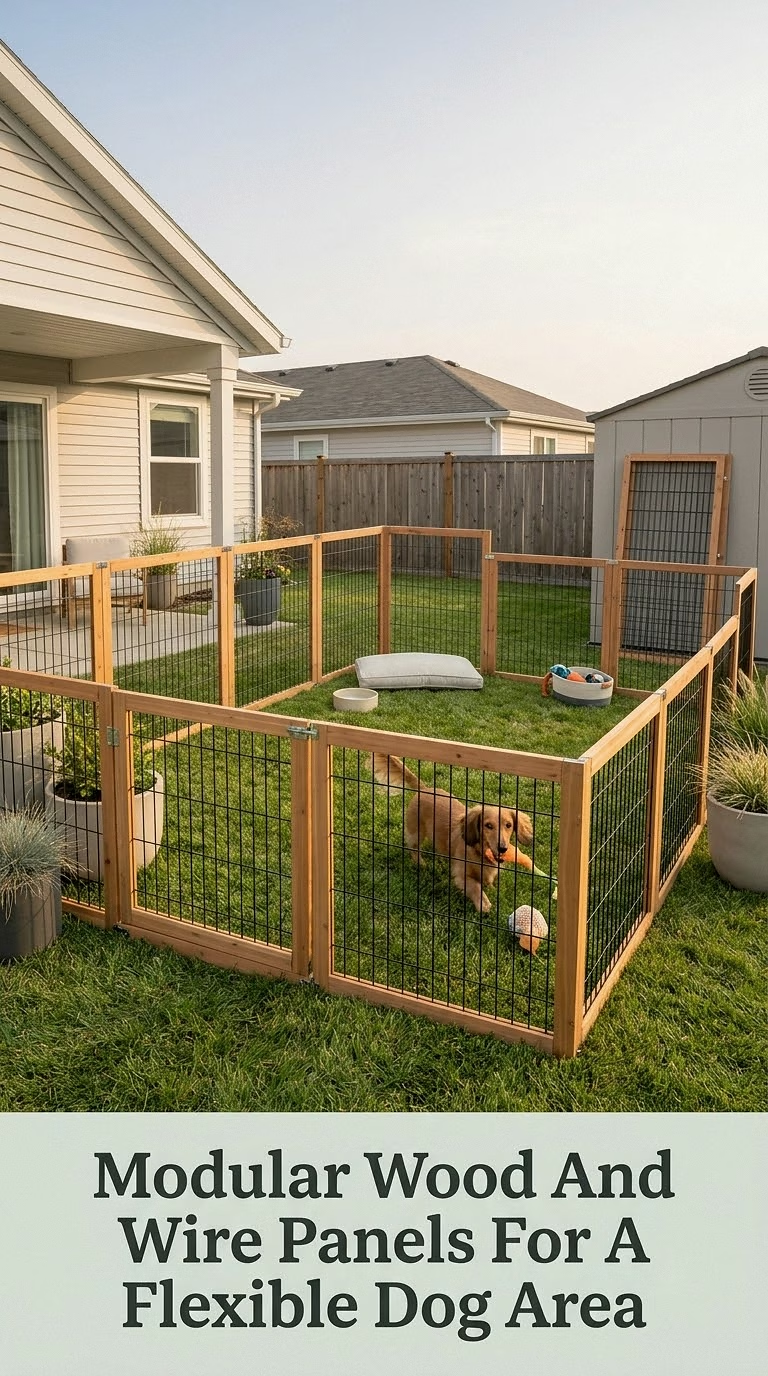
If your outdoor layout may change, consider constructing separate framed panels rather than one visually continuous fence.
Each panel can consist of a sturdy wooden rectangle filled with securely attached welded wire. The sections are then joined to form the enclosure according to a planned anchoring system appropriate for the site.
This approach can work around patios, garden edges, rental-friendly landscapes where permitted, or yards undergoing gradual renovation. Matching panels also make future expansion easier because new sections can follow the same dimensions.
Do not confuse modular with lightweight or unstable. A dog containment fence still needs to resist pushing, leaning, jumping, weather, and accidental impacts. Secure installation matters just as much as the appearance of each panel.
Wood And Wire Fence With A Gravel Maintenance Border
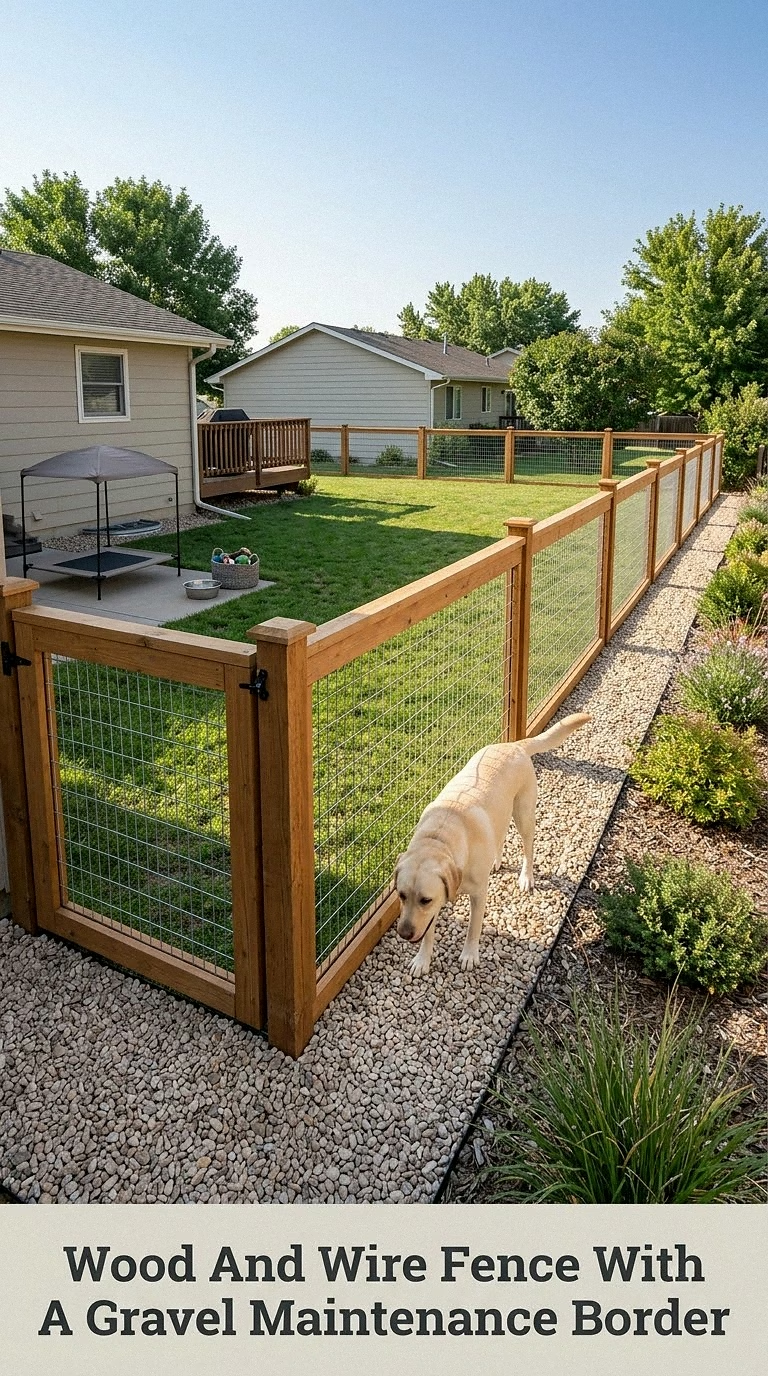
One small landscaping detail can make your entire fence look more finished while simplifying maintenance.
Create a narrow gravel strip directly beneath and alongside your wood-and-wire fence rather than allowing lawn to grow all the way to the mesh. Edge the strip cleanly with landscape borders or stone.
The contrast between warm timber, dark mesh, pale gravel, and green lawn can look particularly beautiful in a modern backyard. It also makes vegetation easier to control and gives you a clear view of the bottom fence line.
Choose materials comfortable and appropriate for your dog, and do not assume gravel alone will stop a dedicated digger. Dogs with established escape-digging habits may still require structural reinforcement underneath the fence.
Rustic Timber Fence With Framed Wire Garden Gates
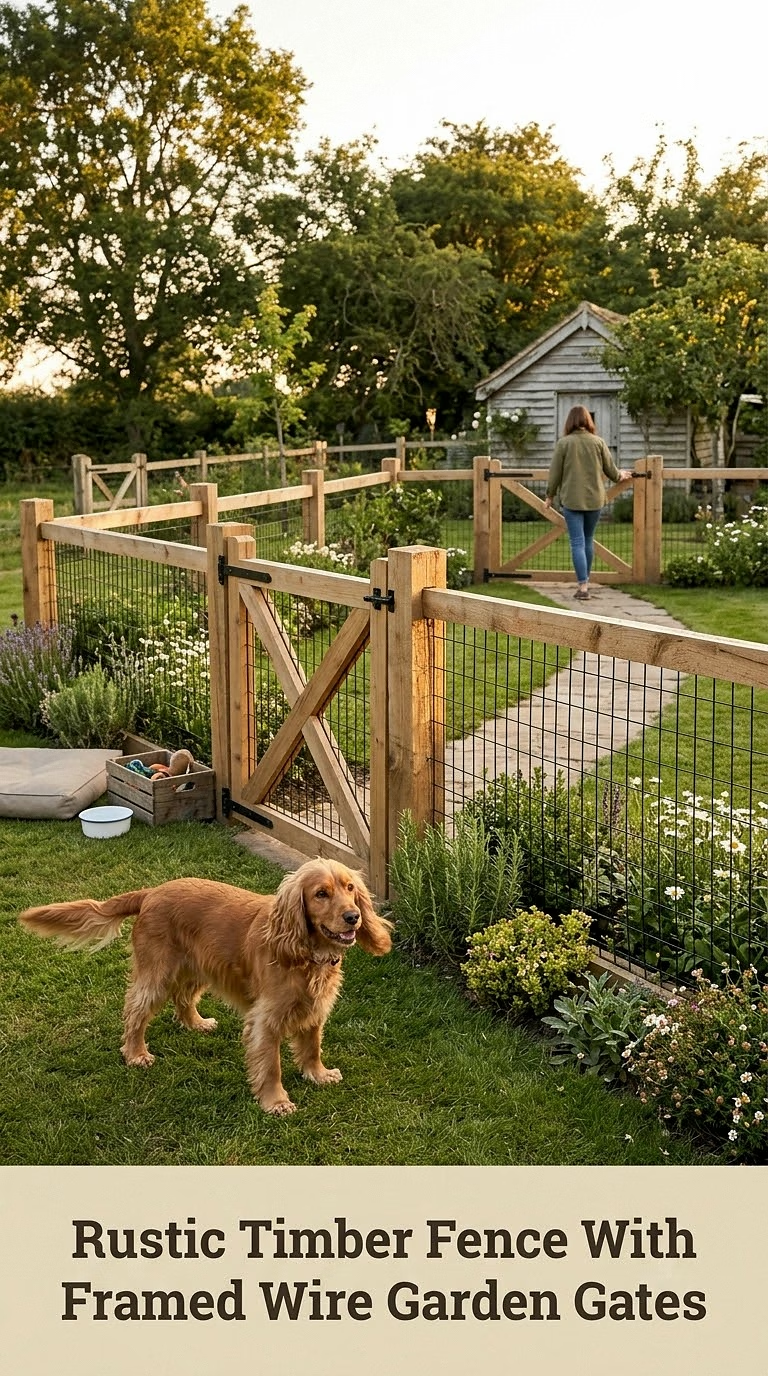
If you want something that feels handcrafted rather than perfectly polished, use chunky timber posts and simple wood-framed wire gates.
Allow knots, grain variations, and subtle color changes in the timber to remain visible. Pair the rustic wood with galvanized wire for a classic farm-inspired look, or black mesh for a slightly more updated finish.
Add diagonal wood bracing across the gate for both visual character and structural support. Traditional black strap hinges complete the look beautifully.
Keep decorative charm secondary to pet safety. Check that diagonal braces, horizontal rails, or nearby landscape features do not accidentally create climbing opportunities for your particular dog, and keep gate latches dependable and easy for humans to operate.
Luxury Cedar And Black Wire Fence With Stone Accents
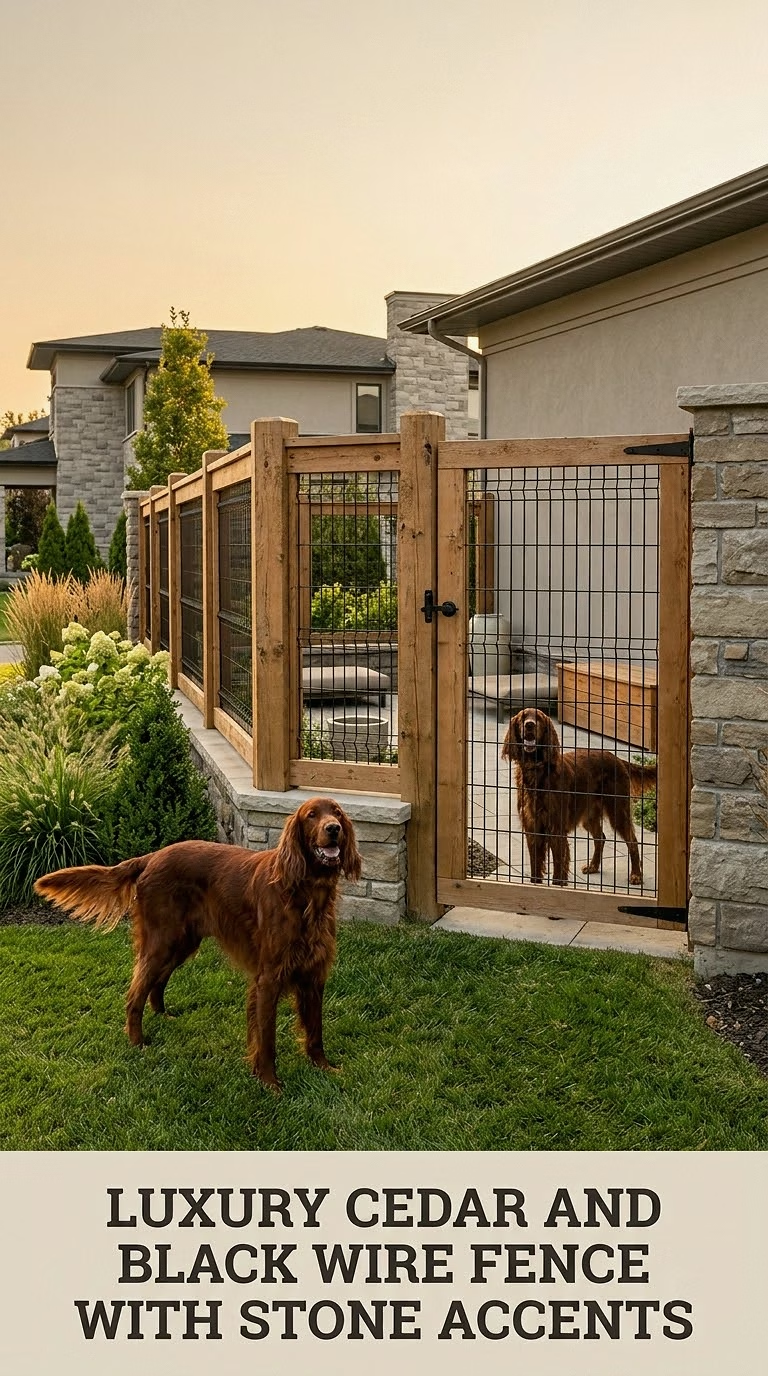
For a more elevated backyard, combine cedar-framed wire fencing with occasional stone or masonry accents.
Stone pillars can mark major corners or the main gate while cedar panels continue between them. Matte black welded wire provides a sophisticated contrast and keeps garden views open.
Repeat the materials elsewhere in the landscape with stone paths, cedar planters, black outdoor lighting, or a matching pergola. The result can feel less like a pet enclosure and more like a thoughtfully designed outdoor room.
Spend the budget where it improves both longevity and everyday use, particularly strong posts, quality gates, corrosion-resistant hardware, properly secured mesh, and professional installation when the terrain or fence height makes DIY construction difficult.
Choosing The Best Wood And Wire Fence Ideas Dog Owners Can Enjoy Long Term
The most beautiful dog fence is one that lets you relax when your pet steps outside. Wood and wire provide an unusually versatile combination because you can create everything from an affordable country-style boundary to a sleek architectural enclosure without completely closing your backyard off from the surrounding landscape.
Start with your dog rather than the design trend. Consider whether your pet digs, jumps, climbs, squeezes through openings, reacts to people beyond the fence, or rushes through gates. Once those practical needs are addressed, you can have fun choosing cedar or painted timber, black or galvanized mesh, cottage flowers, gravel borders, modern lines, farmhouse rails, or luxurious stone accents.
You also do not need to copy one idea exactly. A narrow side-yard run might borrow the black wire from a modern design, the anti-dig base from another, and the double-gate entrance from a third. Combining the elements that suit your home and your dog is often what creates the most successful result.
With thoughtful materials, secure construction, routine inspections, and a style that feels at home in your landscape, a wood-and-wire fence can become much more than a boundary. It can help turn the yard into a comfortable, attractive outdoor space that both you and your dog genuinely enjoy.
Source: https://petstutorial.com
Category: DOGS
