
Giving your dog the freedom to move between the house and yard can make everyday life noticeably easier. Instead of constantly opening the back door for potty breaks, sunbathing sessions, or a quick sniff around the garden, a thoughtfully placed wall entry creates a dedicated route designed just for your pet.
- 19 Dog Birthday Party Ideas DIY: Adorable Ways to Celebrate Your Pup
- 18 Beautiful Dog Grooming Table Ideas For A Calm And Stylish At-Home Salon
- How Long After Applying K9 Advantix Can I Touch My Dog?
- 18 Dog Wash Station Ideas For A Beautiful And Practical Pet-Friendly Home
- Why Does My Dog Groan All The Time?
The best dog door ideas in wall designs can also look surprisingly polished. A pet door does not have to feel like an awkward plastic flap cut into an otherwise beautiful room. With coordinated trim, built-in cabinetry, attractive wall finishes, protected outdoor landings, and even hidden passages, it can become an intentional part of your home’s design.
You are reading: 19 Dog Door Ideas In Wall For A Stylish And Pet-Friendly Home
Wall installations are especially useful when the nearest exterior door is inconvenient or when you want your dog to exit directly into a fenced side yard, covered patio, or designated potty area. Because cutting through a wall involves insulation, framing, exterior cladding, and potentially electrical or plumbing lines, careful planning matters just as much as appearance.
From cozy farmhouse mudrooms to sleek electronic entrances and clever cabinet tunnels, these ideas offer inspiration for homes of many styles, budgets, and sizes.
Beautiful And Practical Dog Door Ideas In Wall Designs
Modern White Wall Dog Door With Slim Oak Trim
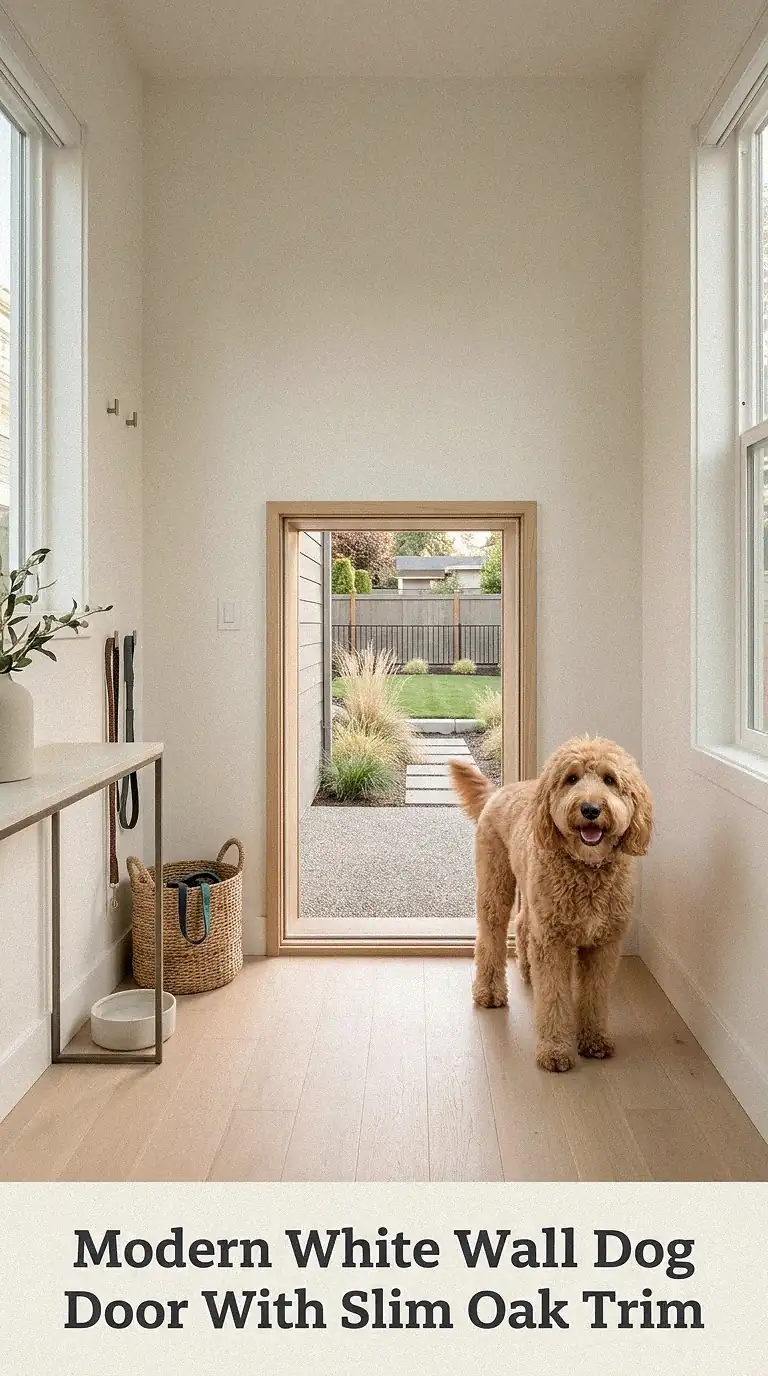
A simple white wall paired with a warm oak frame creates one of the easiest ways to make a dog door feel intentional rather than purely functional. Choose a clean rectangular wall-entry model and surround the interior opening with narrow natural wood trim.
This combination works beautifully in Scandinavian, Japandi, modern farmhouse, and minimalist homes. The warm wood softens the appearance of the plastic or metal flap while connecting the pet entrance to nearby flooring, shelving, or furniture.
Keep the surrounding wall uncluttered so the little doorway looks like a deliberate architectural feature. A washable runner placed underneath can catch wet paws without distracting from the design.
For exterior walls, choose a properly lined wall-entry tunnel rather than leaving exposed wall cavities inside the opening. Weather-resistant seals around the exterior frame are also important for keeping rain and drafts from sneaking inside.
Built-In Mudroom Dog Door With Bench Storage
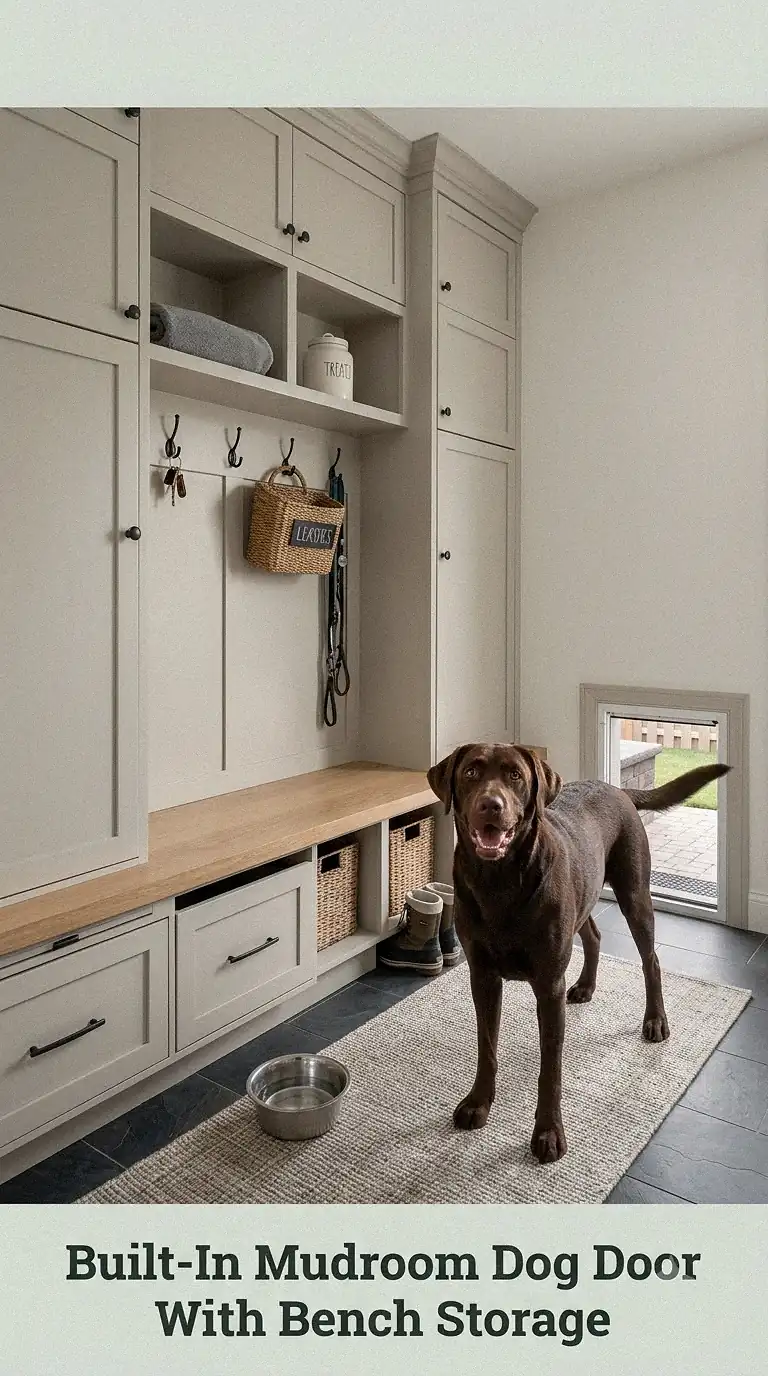
A mudroom is one of the most practical places for a wall-mounted dog door because muddy paws can be contained before your dog reaches the rest of the house.
Create a built-in bench with drawers or cubbies above and place the dog door beside it. Add hooks for leashes, collars, raincoats, and walking bags so everything your dog needs stays in one organized zone.
Warm white cabinetry, oak bench tops, woven baskets, and muted sage or dusty blue walls can make the area feel cozy rather than utilitarian.
Use durable flooring around the entrance, such as tile or another easy-clean surface. A washable mat directly inside the flap gives your dog somewhere to step while helping collect moisture.
If you have multiple dogs, make sure the opening is sized for the largest pet that will use it while still remaining comfortably accessible to smaller dogs.
Farmhouse Shiplap Wall Dog Door With Black Hardware
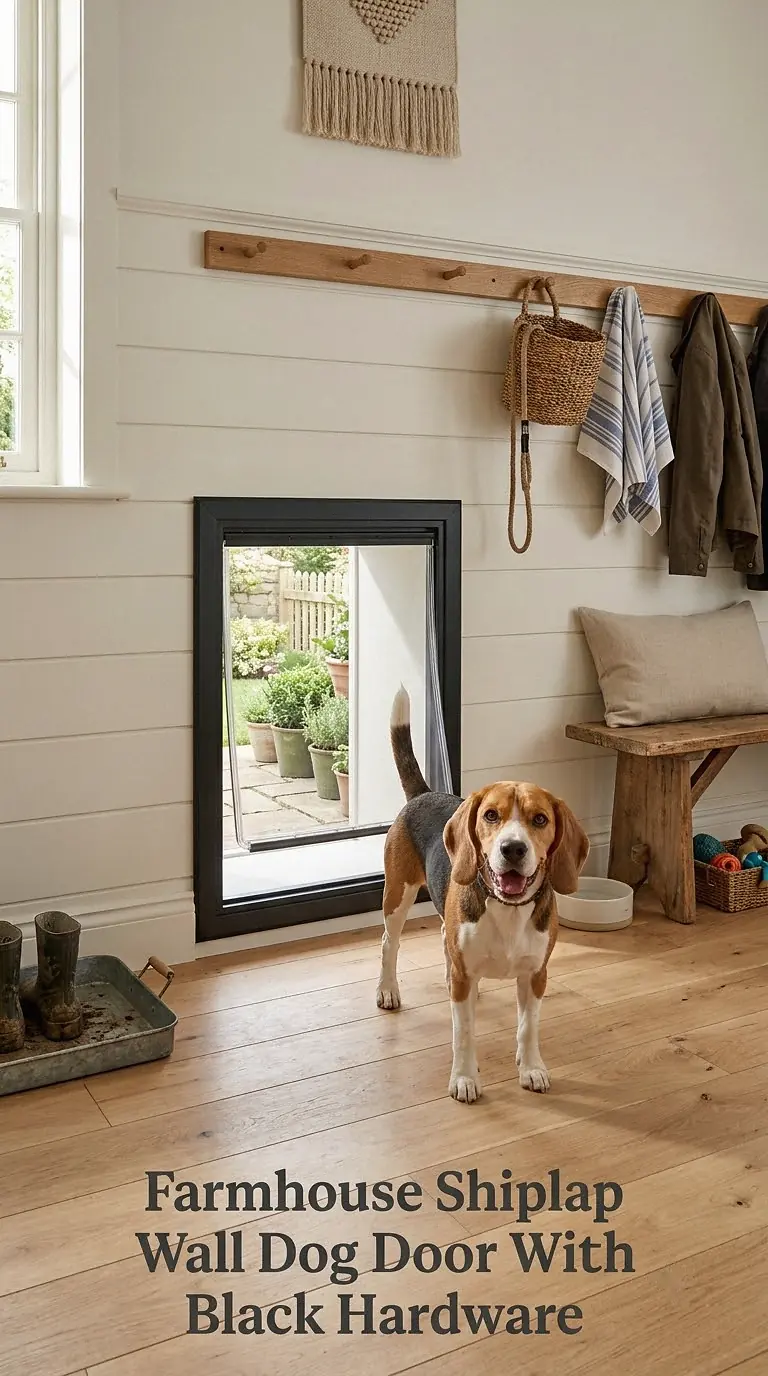
Turn an ordinary dog entrance into a farmhouse feature by placing it within a white or cream shiplap wall and framing the opening with simple wood trim.
A black-framed pet door creates attractive contrast against pale paneling, especially when the room already includes black hooks, cabinet pulls, pendant lights, or window frames.
Add a rustic woven runner, wooden storage bench, and baskets filled with dog towels or outdoor toys to complete the look.
The shiplap itself should remain decorative rather than serving as the structural tunnel through the wall. Use a wall-entry kit designed for the full depth of the wall and finish the surrounding paneling neatly around its interior frame.
Because dirt collects quickly around pet entrances, washable or wipeable paint is a practical choice for the lower section of the wall.
Hidden Kitchen Cabinet Dog Door Tunnel
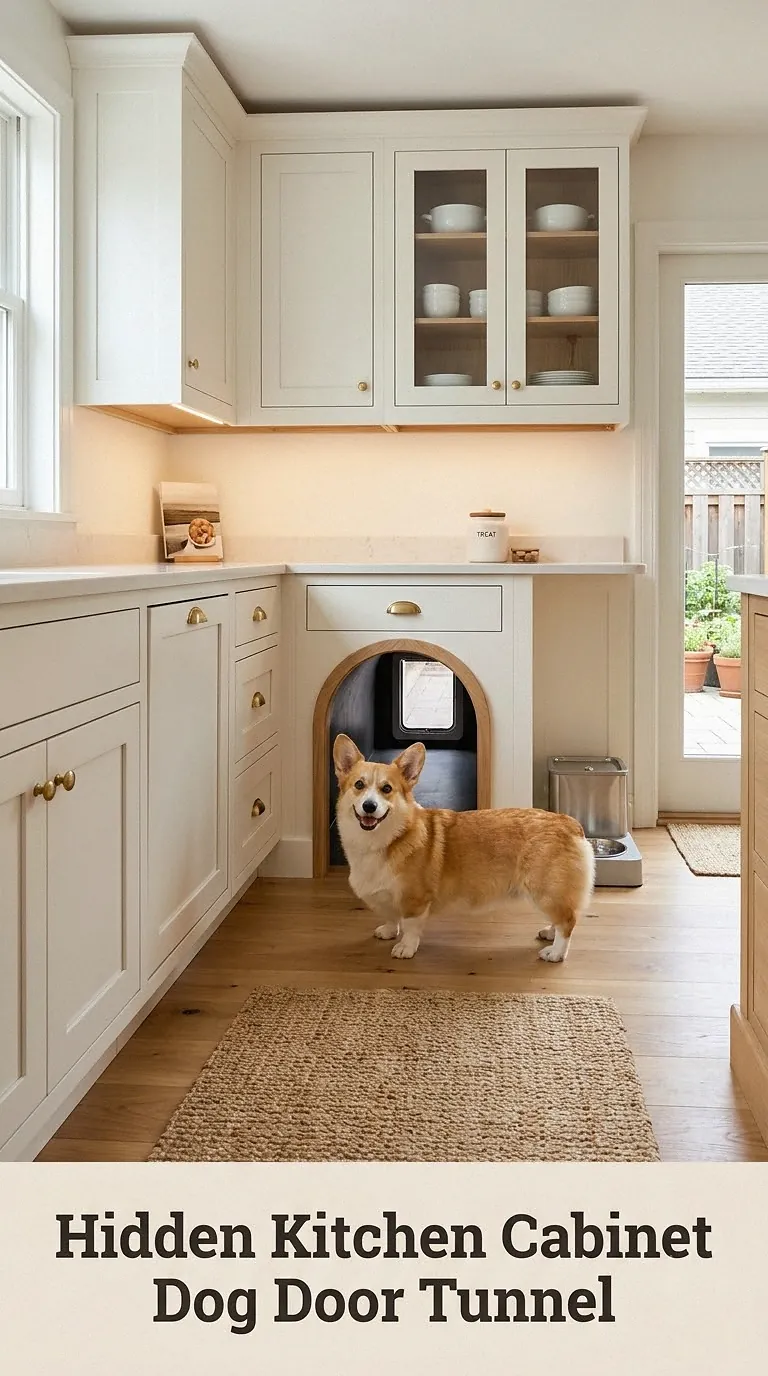
If your kitchen faces a fenced backyard, a dog door can be cleverly concealed within a run of lower cabinetry.
The interior entrance appears beneath the countertop, almost like a small open cabinet, while a lined tunnel continues through the exterior wall behind it. Matching cabinet panels around the opening help disguise the actual pet door.
This approach works especially well in kitchens where homeowners prefer not to see a plastic flap directly on a prominent wall.
Keep the passage completely clear of stored products, cleaning supplies, electrical cords, or sharp cabinet hardware. The tunnel should also be wide enough that your dog can move through comfortably without brushing tightly against its sides.
For additional convenience, install a removable washable mat inside the cabinet opening so paw prints can be cleaned quickly.
Insulated Double-Flap Dog Door In A Neutral Exterior Wall
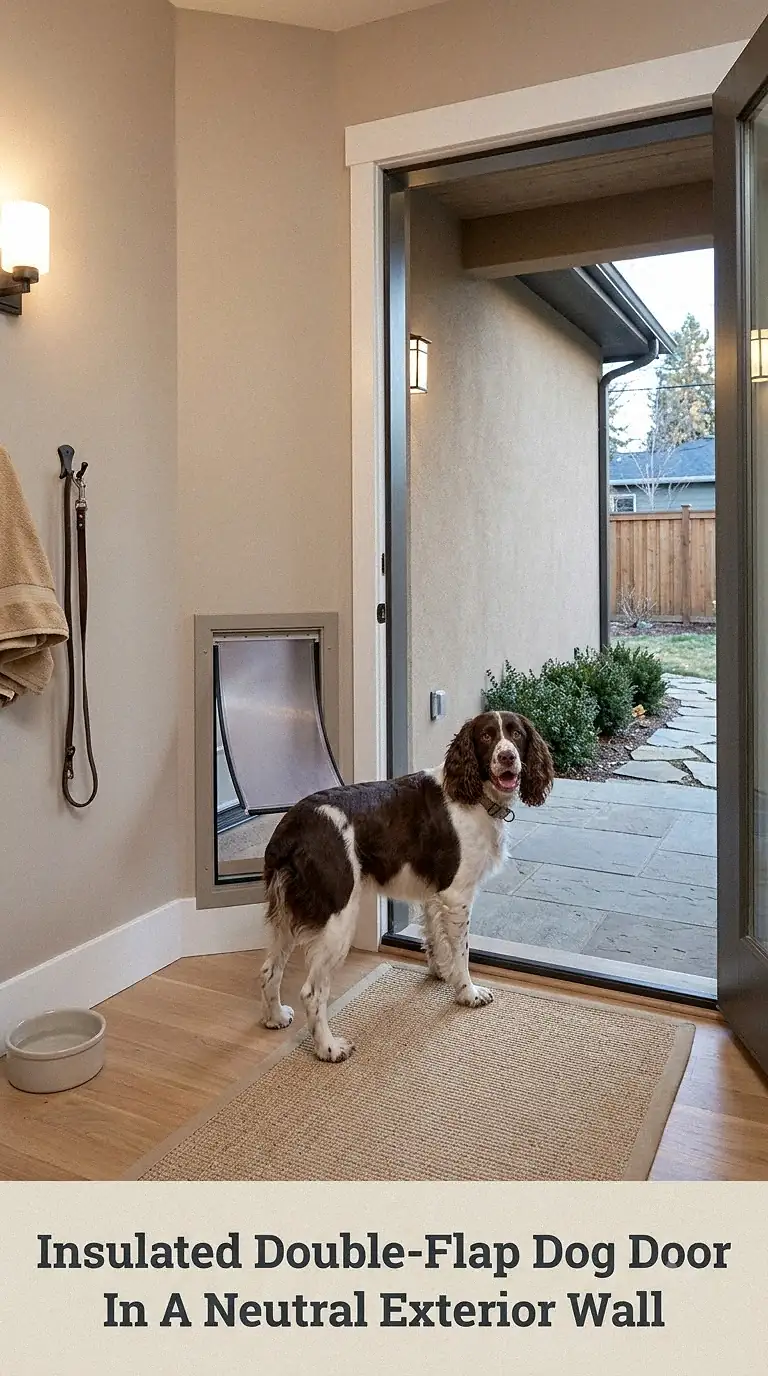
Homes in particularly hot, cold, or windy climates benefit from giving energy efficiency more attention.
A double-flap wall door creates an additional air space between the indoor and outdoor openings. Pair it with a properly fitted wall tunnel, weatherstripping, and careful exterior sealing to reduce drafts compared with a loose single flap.
Visually, keep the installation understated. A beige, cream, greige, or warm white wall paired with a coordinating frame allows the pet entrance to disappear quietly into the room.
A removable closing panel is useful when the door will not be used for long periods or during severe weather.
Before buying a model, check its supported wall-thickness range. Exterior walls vary considerably, and some installations require tunnel extensions rather than the components included with the standard door.
Smart Electronic Dog Door With Minimalist Wall Frame
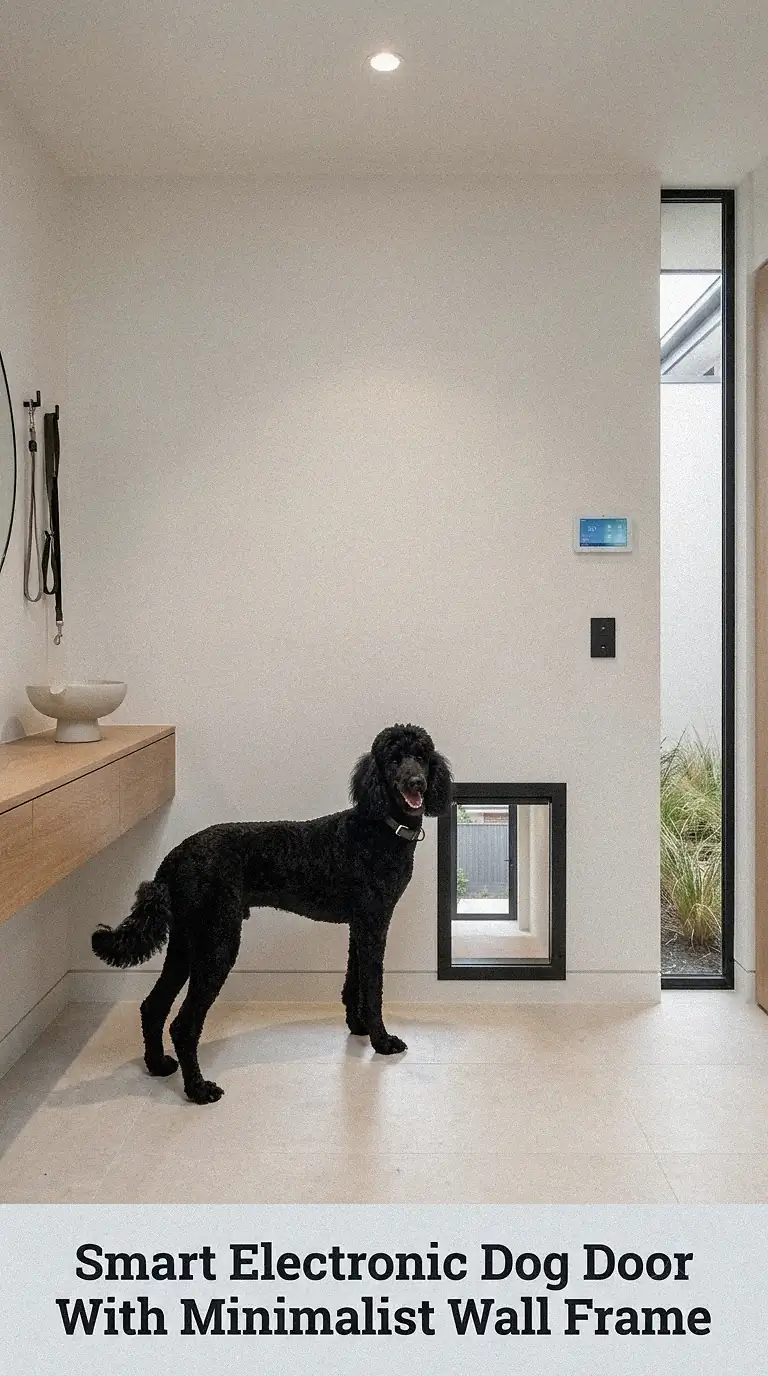
An electronic pet door can be an attractive option when you want more control over which animals can enter your home.
Depending on the system, access may be triggered by a compatible collar key, sensor, or other identification method. Some models also offer scheduled access or configurable locking modes.
For a contemporary look, place the electronic door in a smooth white, gray, or taupe wall with minimal trim. Keep nearby cords and equipment hidden so the installation maintains its streamlined appearance.
This setup can be particularly useful for households where an ordinary flap might allow neighborhood animals or wildlife to wander inside.
Always check whether the electronic model is specifically approved for wall installation. Some products require a separate wall adapter or extension tunnel when installed through thicker construction.
Brick Wall Dog Door With A Deep Finished Tunnel
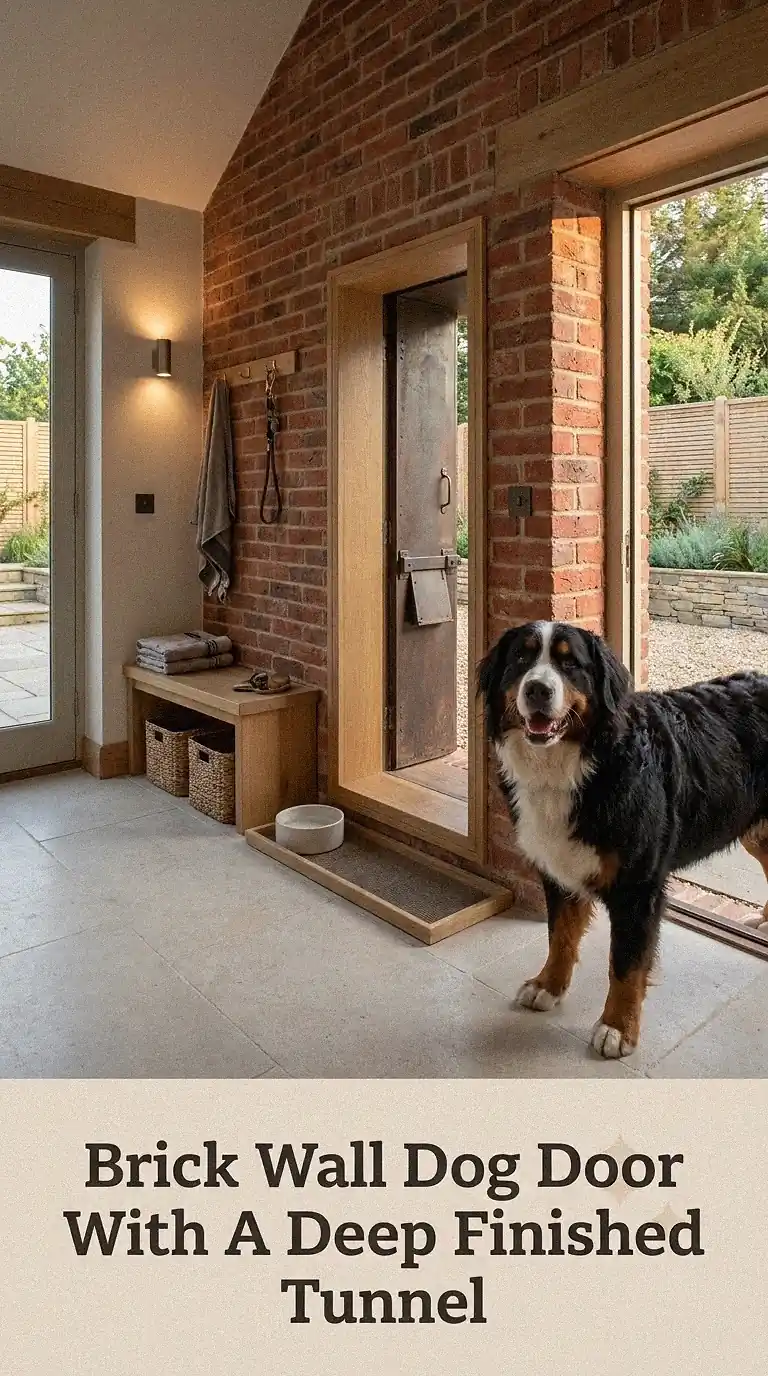
A dog door through brick can create a beautiful permanent entrance, particularly in traditional homes with exposed masonry.
Because masonry walls are often considerably deeper and more difficult to modify than drywall-and-frame construction, the finished tunnel becomes an important part of the design.
Read more : Can Dog Eat Guava?
Line the interior passage with a smooth, moisture-resistant surface that can be wiped clean. A black, bronze, or dark brown frame pairs naturally with red or weathered brick, while lighter stonework often looks attractive with cream or gray trim.
Avoid leaving rough masonry edges where fur, paws, or collars could catch.
Cutting through brick requires considerably more planning than cutting standard interior finishes, so professional installation can be worthwhile, especially when structural details are uncertain.
Stucco Wall Dog Door With Weatherproof Exterior Trim
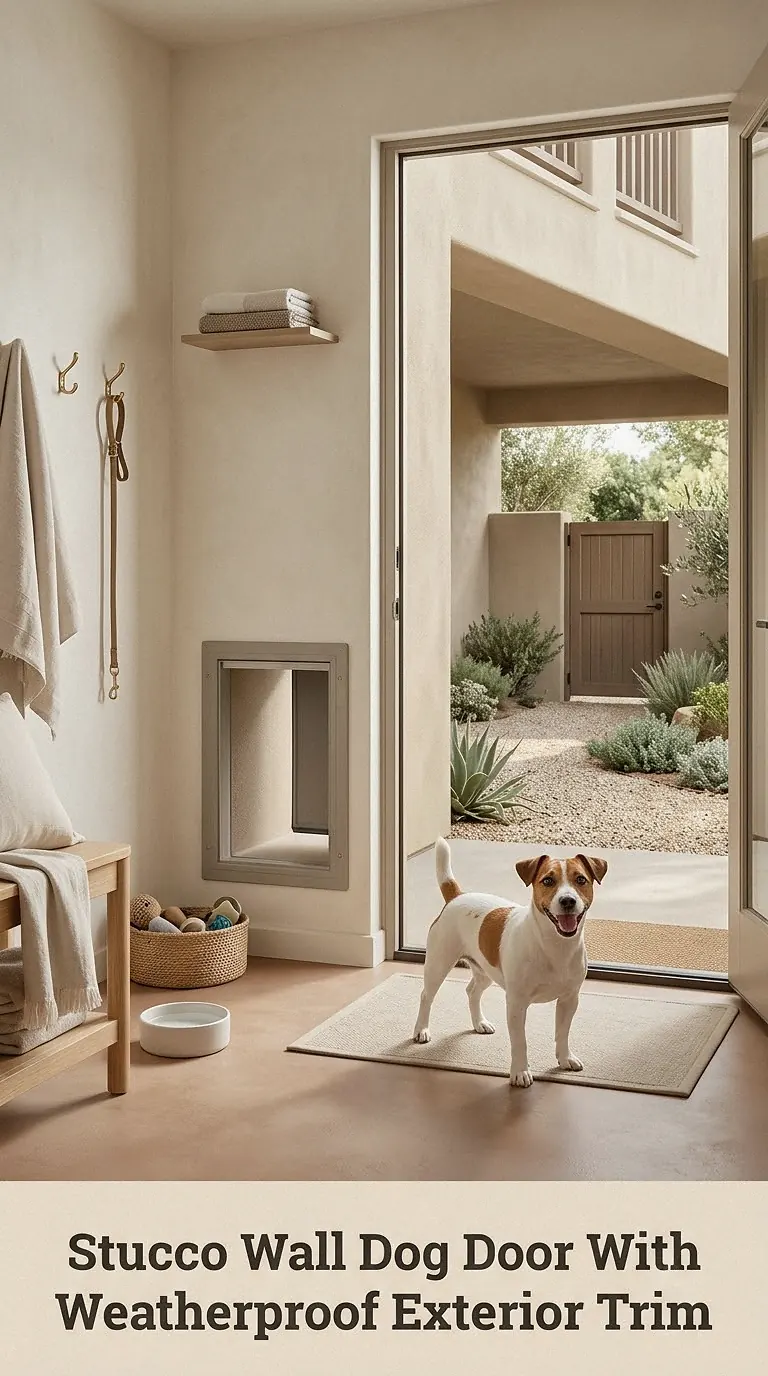
Stucco homes can accommodate a wall-mounted dog door while maintaining their clean exterior appearance.
Choose a pet door with a simple exterior frame and coordinate its color with surrounding trim, shutters, or doors. A white frame virtually disappears against light stucco, while charcoal or bronze can create intentional contrast.
Outside, consider adding a small paved landing so your dog is not stepping directly into mud after rain.
Weatherproofing deserves particular attention because the new wall opening creates another place where moisture could potentially enter. The exterior perimeter should be properly sealed using materials suitable for the wall construction.
Inside the home, continue the polished look with understated trim and an easy-clean mat positioned beneath the flap.
Small Dog Wall Door With Gentle Ramp And Landing
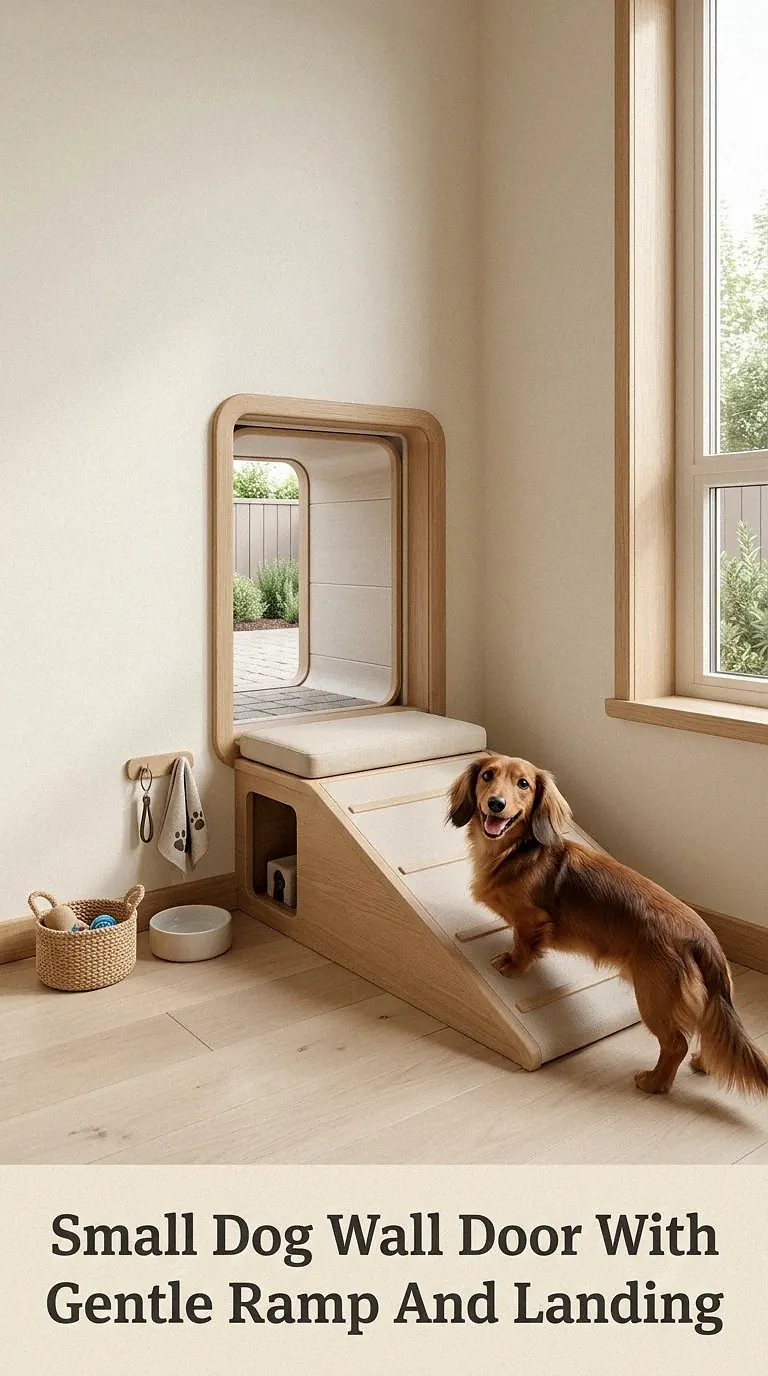
Tiny dogs sometimes struggle with pet doors installed at heights designed for larger breeds. Instead of asking your small companion to jump through the opening, create a miniature ramp leading gently toward the entrance.
A short wooden ramp with a textured, non-slip surface can become an adorable architectural feature. Paint it the same shade as the baseboards for a seamless appearance or use natural wood for a warmer look.
Outside, provide another stable landing or shallow ramp rather than creating a sudden drop from the wall.
Keep the route wide enough that your dog can confidently approach the flap without feeling squeezed.
This design is particularly charming beside a small dog nook, feeding station, or built-in bed where the entire lower portion of the room has been thoughtfully designed around your pet.
Senior-Friendly Low Wall Dog Door With Non-Slip Threshold
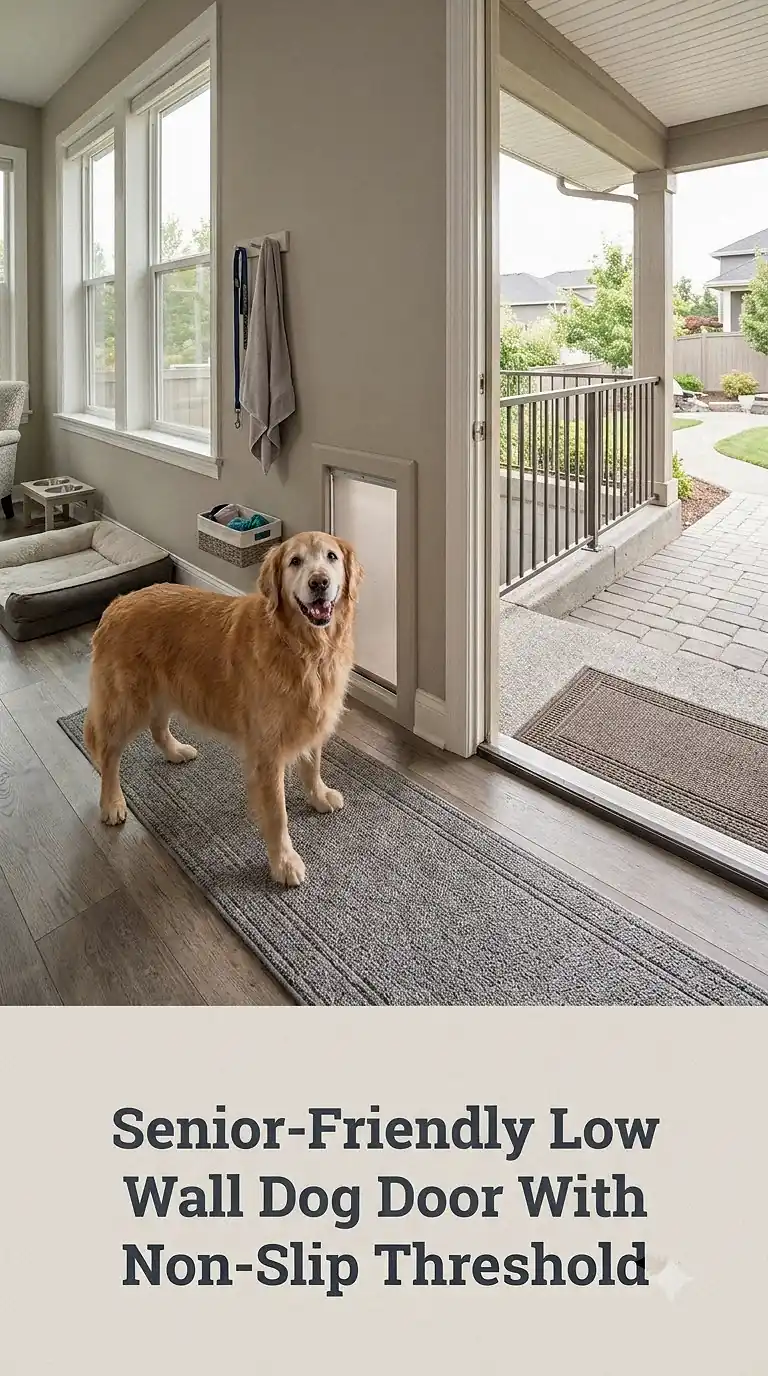
Older dogs can benefit enormously from independent outdoor access, but the entrance should be designed around their changing mobility.
Position the wall door so your dog can step through without climbing unnecessarily high. The exact placement should be based on your dog’s body measurements rather than a generic height.
Add non-slip flooring on both sides and avoid creating a tall threshold. If the exterior ground sits noticeably below the indoor floor, install a broad ramp with good traction rather than steep steps.
A covered outdoor landing can provide additional protection from rain and slippery surfaces.
The goal is a calm, comfortable route that requires as little jumping, crouching, and balancing as possible. Reevaluate the setup occasionally as your dog’s mobility changes.
Side-Yard Dog Door With A Fenced Potty Run
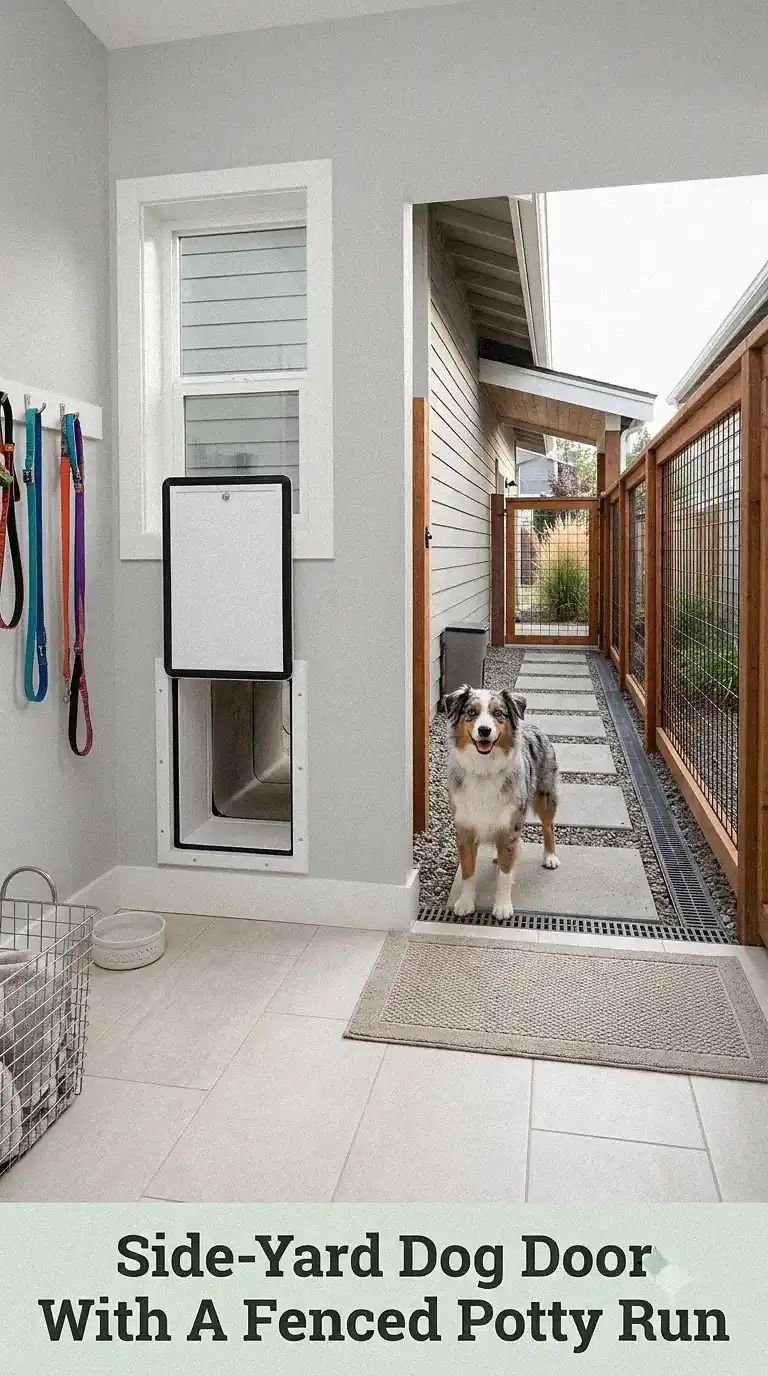
One of the smartest ways to use a wall dog door is to connect it directly to a narrow fenced side yard.
Instead of giving your dog access to the entire backyard, the wall entrance can open into a dedicated potty run with secure fencing, durable ground cover, and a simple gate for cleaning.
Inside, place the dog door in a laundry room, utility room, mudroom, or quiet hallway. Outside, add gravel, artificial turf designed for pets, pavers, or another surface appropriate for your climate and cleaning routine.
A covered section near the entrance provides shade and rain protection.
This layout can be particularly useful for busy households because it creates a predictable pet zone while leaving the main garden available for entertaining, planting, or children’s play areas.
Laundry Room Dog Door With Washable Tile Surround
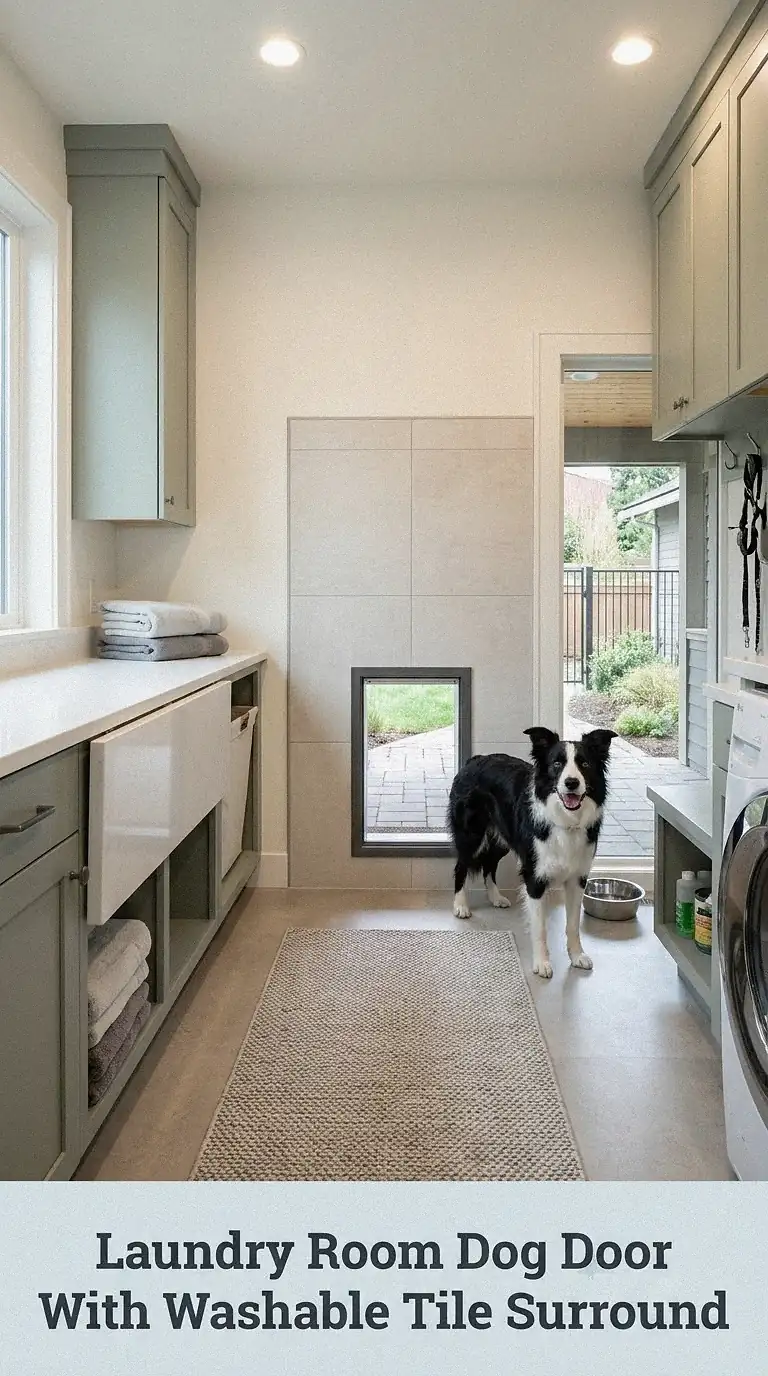
Laundry rooms naturally handle water, dirt, towels, and cleaning supplies, making them excellent locations for pet entrances.
Install the wall dog door near the floor and surround the lower section of the wall with attractive tile. White subway tile gives the room a classic look, while sage, soft blue, terrazzo-style, or warm beige tile can make it feel more decorative.
The tile acts as an easy-clean splash zone when a wet dog comes racing indoors.
Add a washable runner, wall hooks for leashes, and baskets for towels. Closed cabinets can hold grooming supplies safely out of reach.
Before cutting the wall, however, remember that laundry rooms frequently contain plumbing, electrical connections, and appliance vents. Confirm what is inside the wall before choosing the final opening location.
Dog Wash Station Wall Door Combo
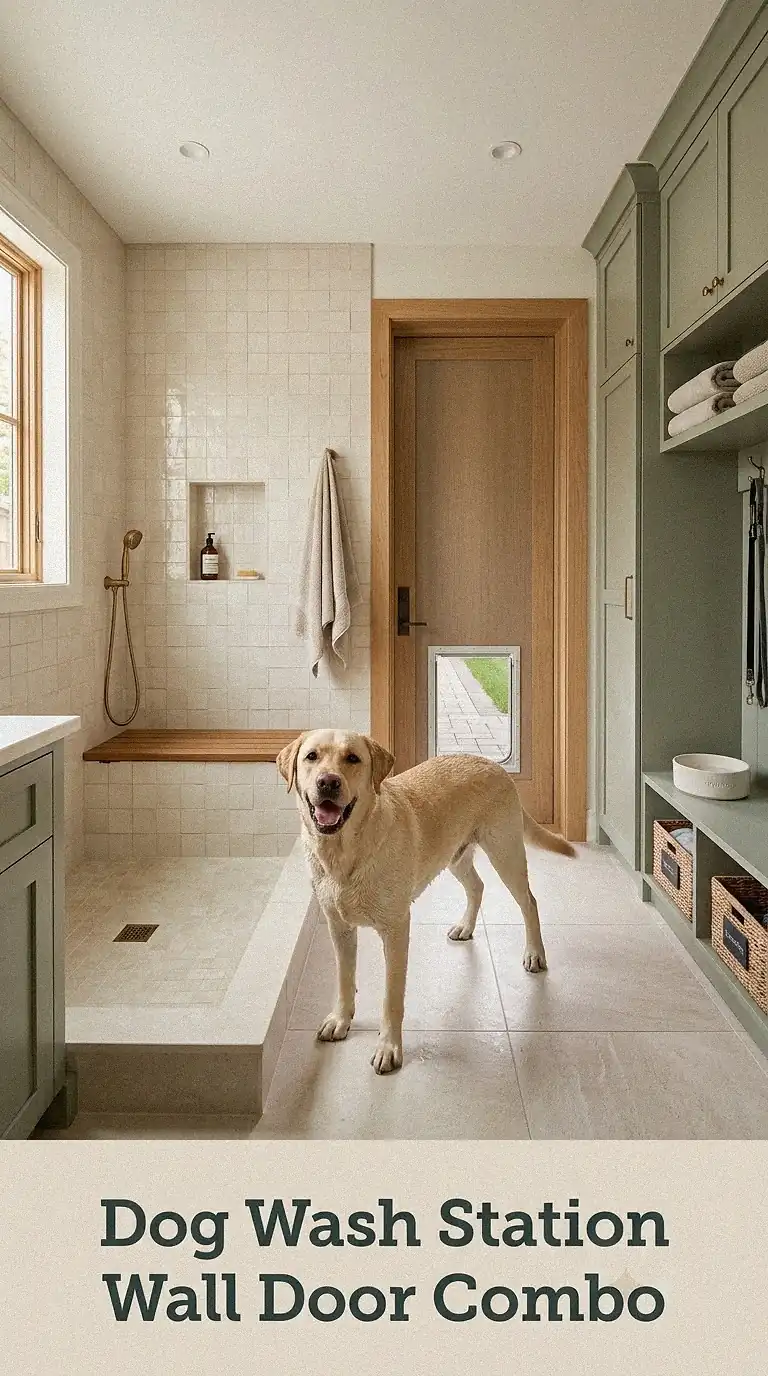
For an especially practical pet-focused utility space, position a wall-entry dog door close to a built-in dog washing station.
Your dog can return from the yard directly into an area where muddy paws can be rinsed before traveling through the house.
Create the wash station with durable tile, a handheld sprayer, accessible towel storage, and a non-slip floor. Place the pet entrance nearby rather than directly inside the wet shower area so the flap and wall tunnel remain easier to maintain.
Soft green tile, warm white cabinetry, brass-tone fixtures, and natural wood accents can transform the setup into a surprisingly beautiful room.
A small basket of clean towels and a designated drying mat complete the space while keeping everyday pet care organized.
Cozy Built-In Bench With Concealed Dog Door
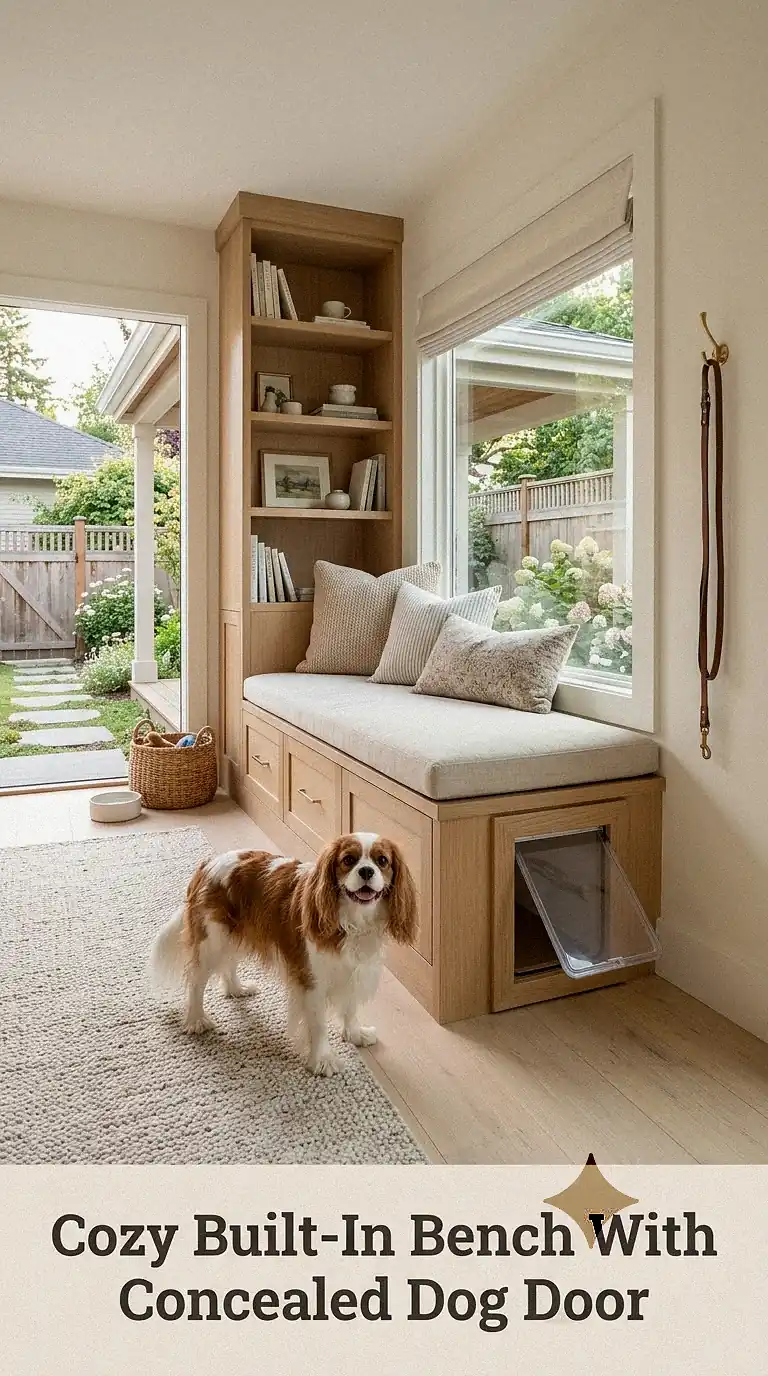
Built-in furniture provides another opportunity to disguise a wall-mounted dog door.
Create a window bench or low storage unit along an exterior wall and integrate the pet passage beneath one side. From across the room, the opening can resemble a small cubby rather than an obvious exterior flap.
Read more : 19 Dog Kennel Enrichment Ideas To Create A Happier, Calmer Space
Use cabinet fronts that coordinate with the rest of the room and add cushions above to create a comfortable reading or lounging spot.
Keep the pet tunnel completely separate from drawers and storage compartments so nothing can fall into your dog’s path.
A small light-colored interior lining can prevent the passage from feeling excessively dark.
This solution works especially well in breakfast rooms, sunrooms, mudrooms, and casual family spaces where built-in seating already feels natural.
Black-Framed Dog Door In A Modern Charcoal Wall
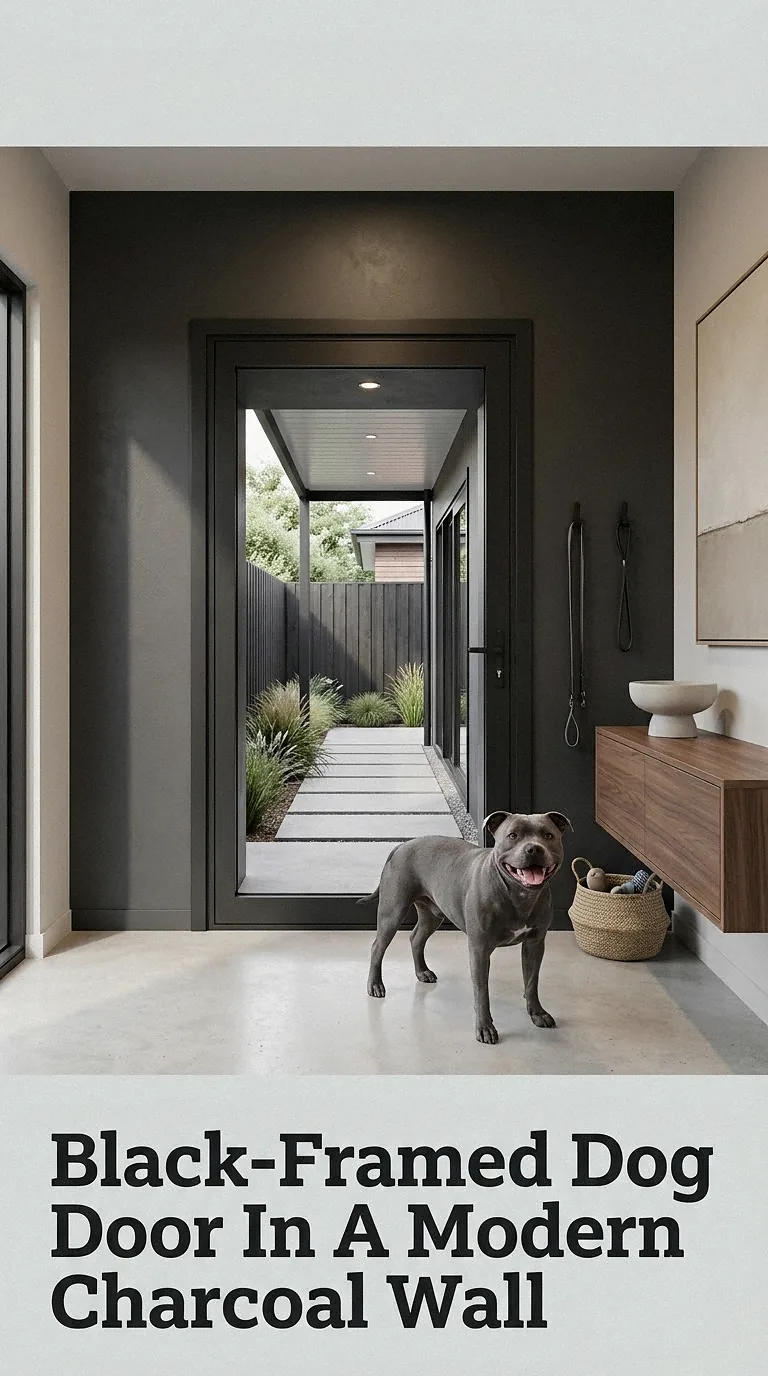
Instead of hiding a pet entrance, make it part of a bold modern design.
A matte black dog door placed within a charcoal, deep olive, or moody navy wall can look surprisingly sophisticated. Pair it with black-framed windows, minimalist cabinetry, and pale oak flooring for contrast.
Keep the wall around the door free from excessive decoration. The clean geometric opening becomes the visual feature.
A slim washable mat in a similar dark neutral helps conceal everyday paw marks while maintaining the monochromatic palette.
If the room connects directly to an outdoor patio, continue the modern aesthetic with large concrete pavers or simple decking.
The result feels architectural and deliberate, proving that practical pet features do not always need to be disguised.
Cottage Arch Dog Door With Decorative Interior Trim
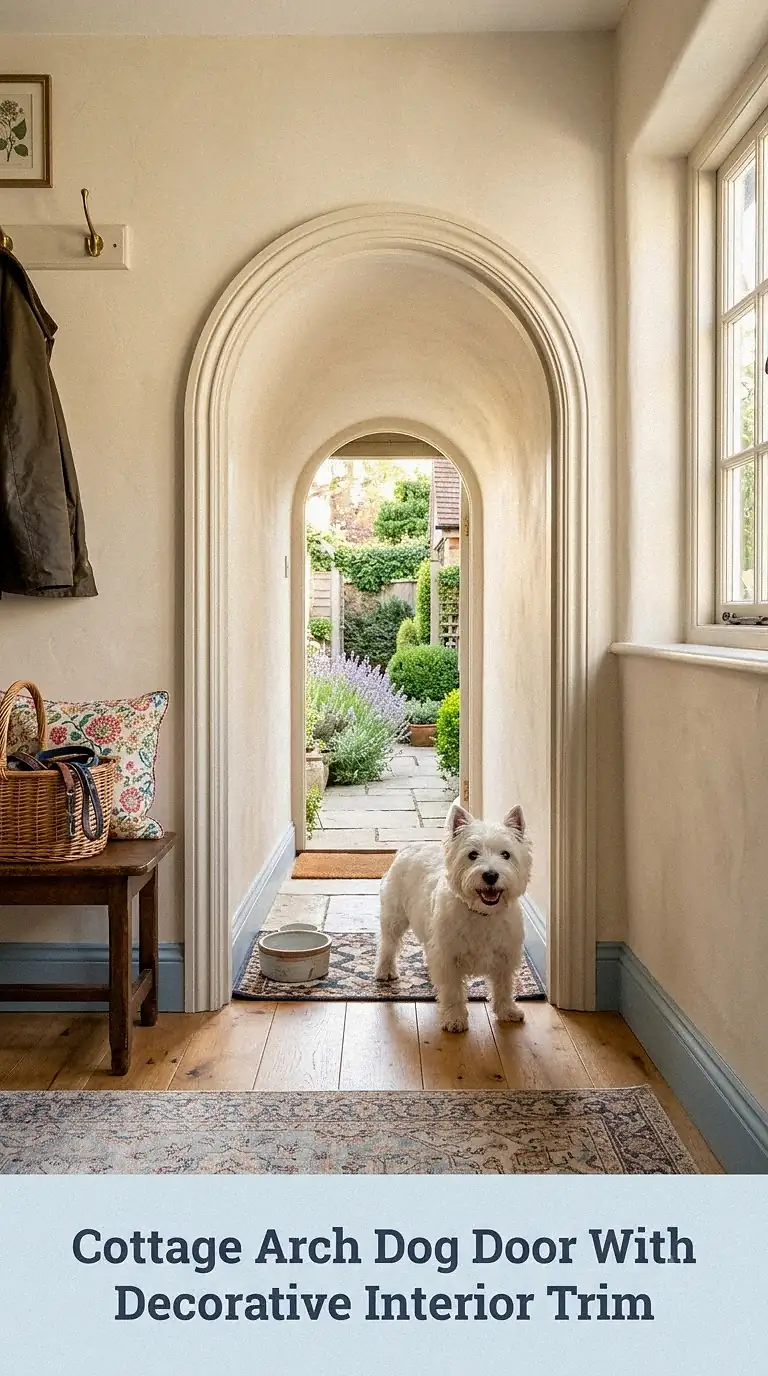
Give an ordinary rectangular pet door a whimsical cottage feel by creating decorative arch-shaped trim around the interior opening.
The functional dog door itself can remain rectangular while the surrounding millwork forms the visual arch. Paint the trim cream, dusty blue, soft sage, or another gentle cottage-inspired shade.
Add small wall hooks, a woven dog basket, or floral-patterned accessories nearby to reinforce the cozy aesthetic.
Avoid adding bulky decorative pieces inside the actual passage. Your dog’s route should remain smooth, spacious, and free of anything that could catch a collar or scrape their sides.
This charming treatment works especially well in cottage kitchens, mudrooms, and entry spaces where playful architectural details already feel at home.
Covered Porch Dog Door With Protected Entry Zone
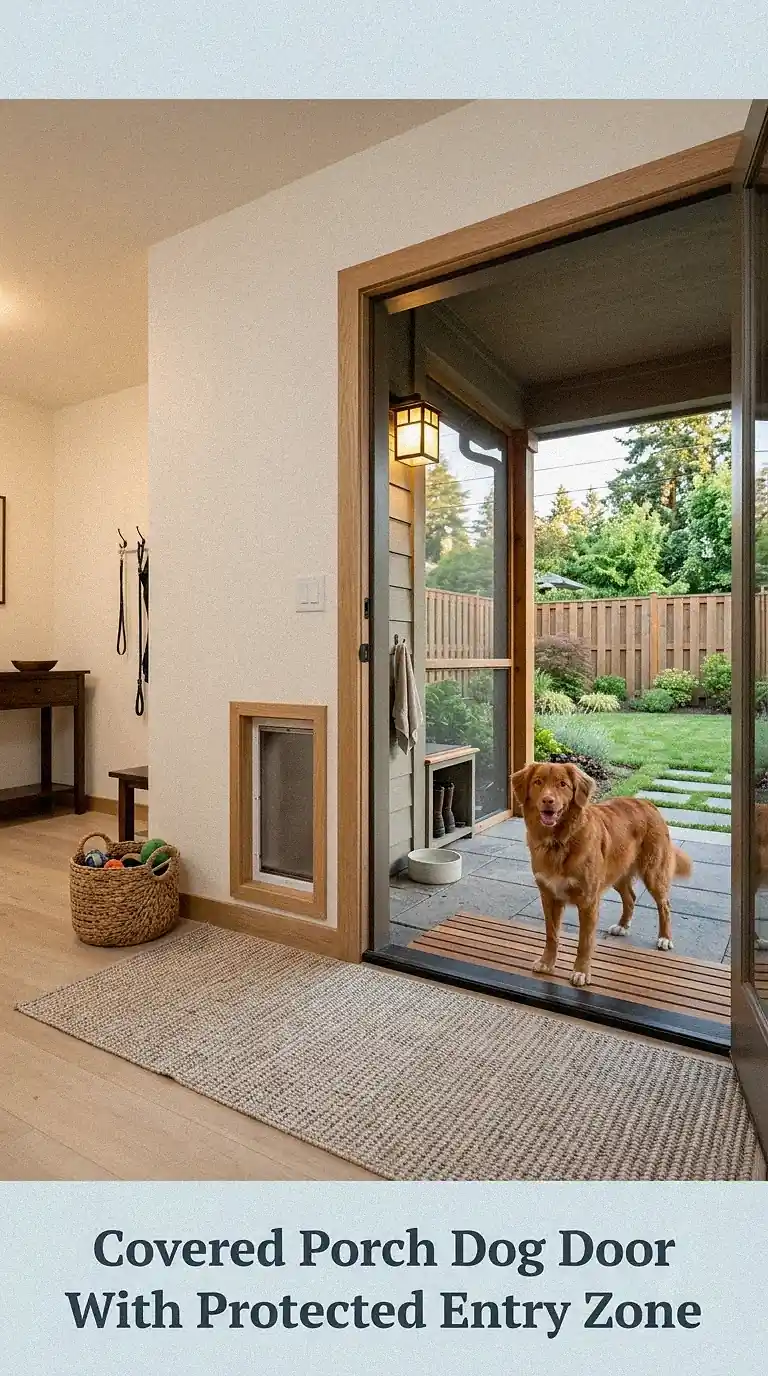
If your exterior wall opens onto a porch, veranda, or covered patio, take advantage of the protected location.
A roof overhead reduces direct exposure to rain and gives your dog a sheltered place to pause before entering the house.
Place a durable outdoor mat immediately outside the flap and another washable runner inside. This two-stage setup can dramatically reduce the amount of dirt carried farther into the home.
A small storage bench nearby can hold outdoor toys, waste bags, and towels. Coordinating the pet-door trim with porch columns, exterior siding, or window frames helps it blend into the architecture.
Even beneath a roof, exterior sealing remains important because wind-driven moisture can still reach the wall.
Doghouse Vestibule Wall Door With Double-Flap Buffer
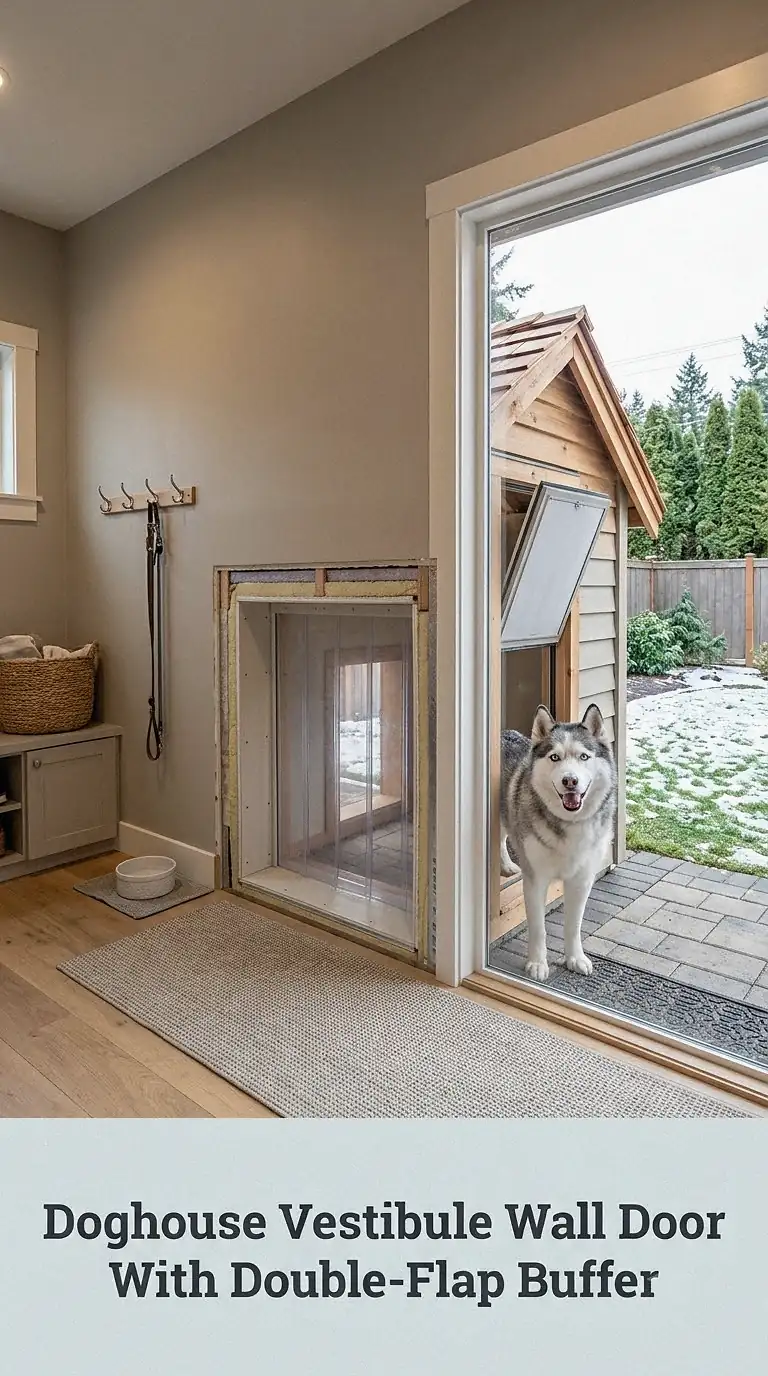
For a truly creative solution, create a small exterior doghouse-style vestibule attached to the wall around the pet entrance.
Your dog passes through the home’s wall door into a protected mini structure before reaching the yard. A second flap at the exterior end creates a buffer between indoor air and outdoor weather.
Finish the little structure with siding, shingles, or trim that matches the house so it looks like a miniature architectural extension rather than an afterthought.
The interior should provide enough room for your dog to move through comfortably without tight turns or sharp edges.
This type of project requires more construction than a standard pet door, but it can create a charming focal point while offering extra shelter from wind, rain, and temperature changes.
Minimalist Hallway Dog Door With Flush Painted Trim
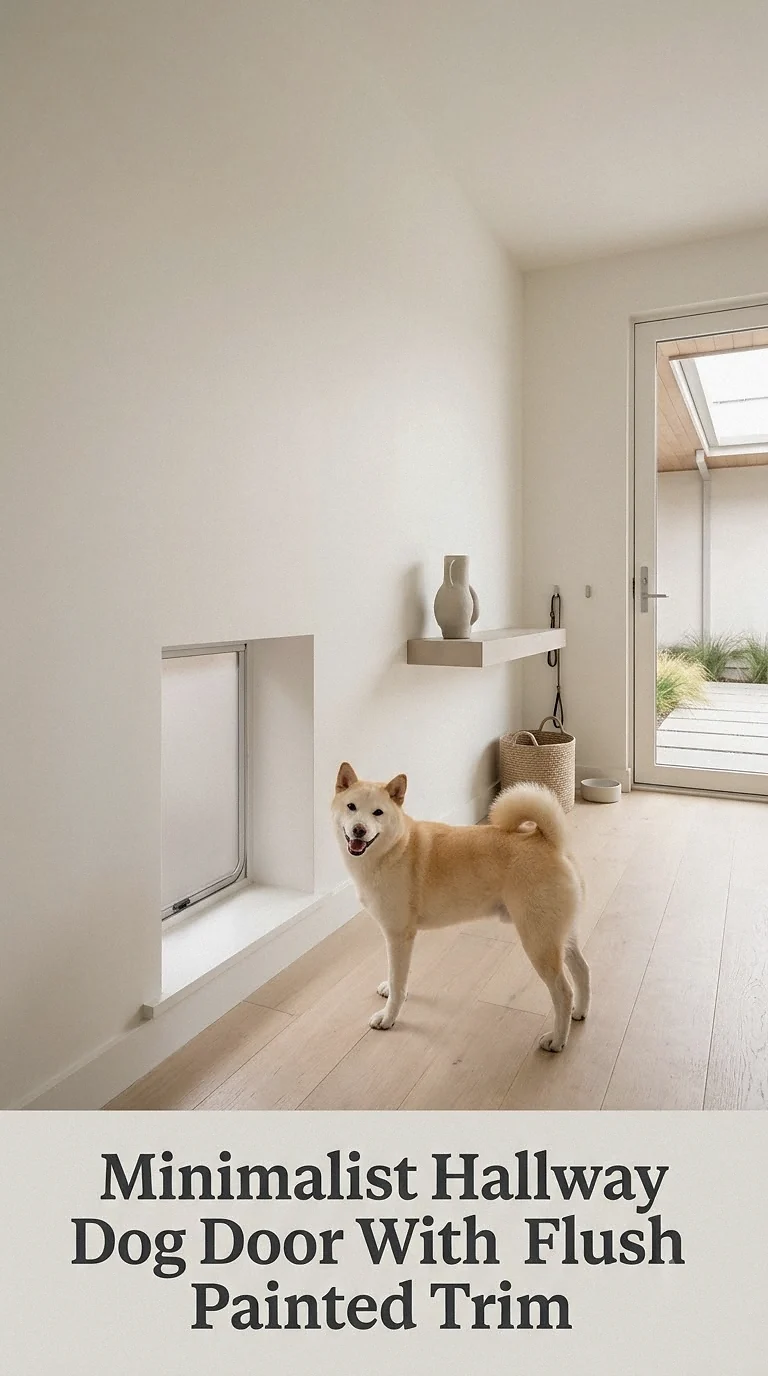
A narrow hallway leading toward the backyard can become a surprisingly elegant place for a discreet pet entrance.
Choose a paintable wall-entry frame or add simple trim painted exactly the same color as the surrounding wall. Warm white, pale greige, muted mushroom, or soft beige keeps the space calm and cohesive.
Without contrasting trim, the dog door visually recedes into the architecture instead of becoming the first thing visitors notice.
Add a slim runner that can be machine washed and a small wall-mounted leash hook nearby without overcrowding the hallway.
Because narrow spaces offer fewer alternative locations, check carefully for studs, wiring, pipes, vents, and other hidden building components before cutting. A beautifully minimal result still depends on choosing a structurally appropriate location.
Choosing The Right Dog Door Ideas In Wall For Your Home
A wall-mounted dog door can be much more than a convenient flap leading outside. Thoughtful placement can turn it into part of a mudroom organization system, a hidden kitchen passage, a stylish architectural feature, or a direct connection to a secure outdoor dog run.
Start with your dog’s needs before choosing the aesthetic details. Measure your pet carefully, consider how easily they can step through the opening, and think about whether ramps, lower thresholds, or non-slip surfaces would make the route more comfortable. Then consider your home itself, including wall thickness, framing, insulation, exterior materials, weather exposure, and possible electrical or plumbing lines.
For exterior installations, a purpose-built wall tunnel, good weather sealing, and an appropriately insulated flap can make the finished project much more comfortable. A locking panel or controlled-access design also gives you the option to close the entrance whenever independent outdoor access is not appropriate.
Finally, have fun making the entrance feel like part of your home. Whether you love warm oak and creamy neutrals, cottage-style arches, dramatic charcoal walls, or organized farmhouse mudrooms, there is no reason your dog’s doorway cannot be both practical and beautiful.
The best design is ultimately the one that fits naturally into your space while giving your dog a safe, comfortable, and wonderfully convenient little doorway of their own.
Source: https://petstutorial.com
Category: DOGS
