
A happy dog needs more than a comfy bed, a bowl of food, and a daily walk. Dogs are curious creatures who naturally want to sniff, search, chew, explore, solve problems, play, and interact with the world around them. Bringing a little more variety into those everyday experiences can make home life much more interesting for your pup.
The best dog enrichment ideas do not have to involve expensive toys or elaborate equipment. Some of the most engaging activities can be created with things you already have at home, such as towels, cardboard boxes, kibble, blankets, or an empty muffin tin. Others can become beautiful permanent features of your home, from a neatly organized puzzle-toy station to a cozy window nook.
You are reading: 19 Dog Enrichment Ideas To Make Every Day More Fun And Fulfilling
The key is choosing activities that match your dog’s personality. A scent-loving hound may happily investigate hidden treats for ages, while a retriever might prefer carrying toys from one room to another. A terrier may be thrilled by an approved digging area, while an older dog may appreciate slower puzzle games that provide mental stimulation without demanding strenuous exercise.
Start with easy challenges and watch how your dog responds. Enrichment should feel rewarding rather than frustrating. Supervise new activities, choose appropriately sized toys, account for treats as part of your dog’s normal food intake, and modify physical activities for puppies, seniors, or dogs with health or mobility concerns.
With a little creativity, enrichment can become one of the sweetest parts of your everyday routine together.
Creative Dog Enrichment Ideas For A Happier Daily Routine
Soft Neutral Snuffle Mat Breakfast Station
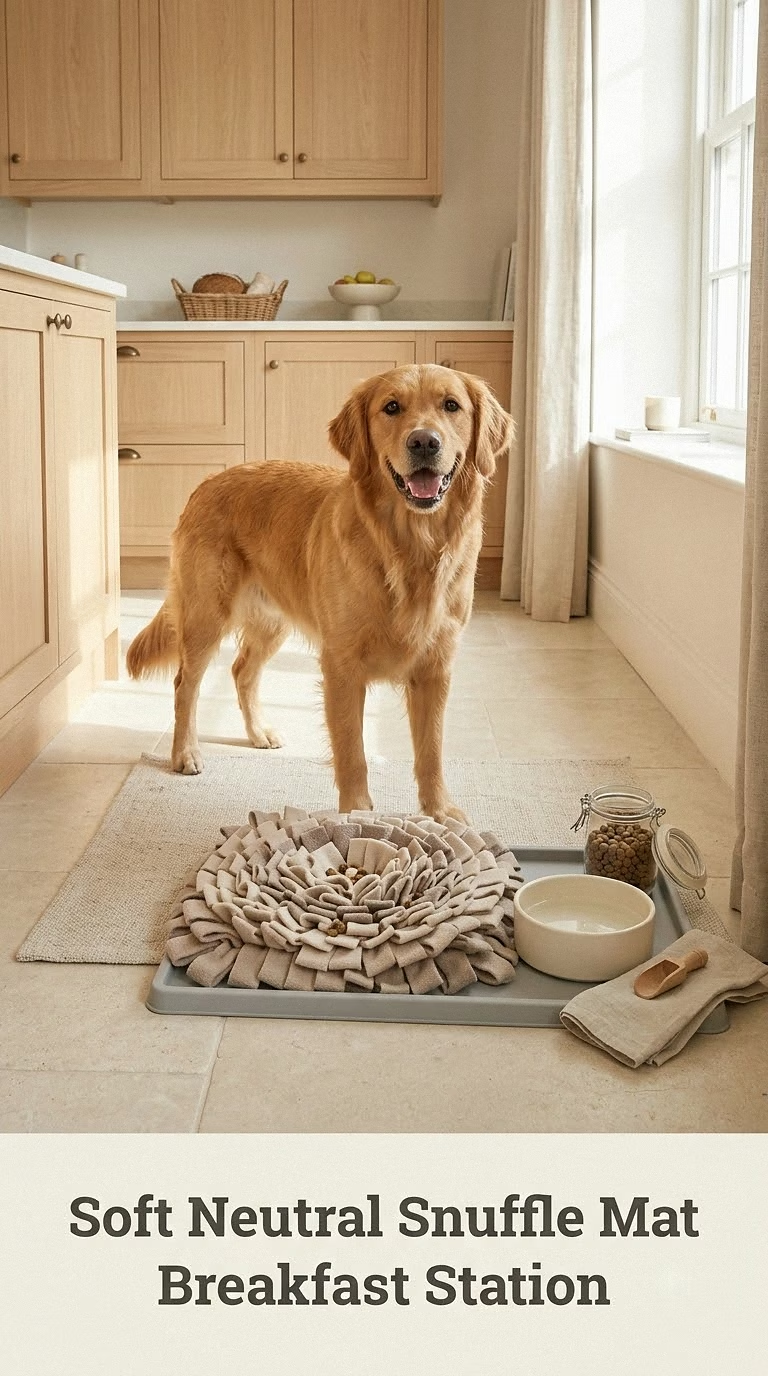
Turn an ordinary breakfast into a gentle treasure hunt by serving part of your dog’s meal in a large snuffle mat. The strips and folds of fabric encourage your pup to search with their nose rather than simply finishing a bowl of food in seconds.
For a pretty setup, choose a washable mat in oatmeal, sage, dusty blue, or another color that blends naturally with your kitchen or living room. Place it on an easy-clean floor or a small waterproof mat to catch crumbs.
Begin by scattering kibble loosely over the top so your dog quickly understands the game. As they become more confident, tuck pieces deeper into the fabric.
This is particularly convenient on rainy mornings when a long outdoor adventure is not practical. Once breakfast is finished, shake out the mat and wash it regularly according to the manufacturer’s instructions.
Frozen Lick Mat Corner With A Washable Feeding Tray
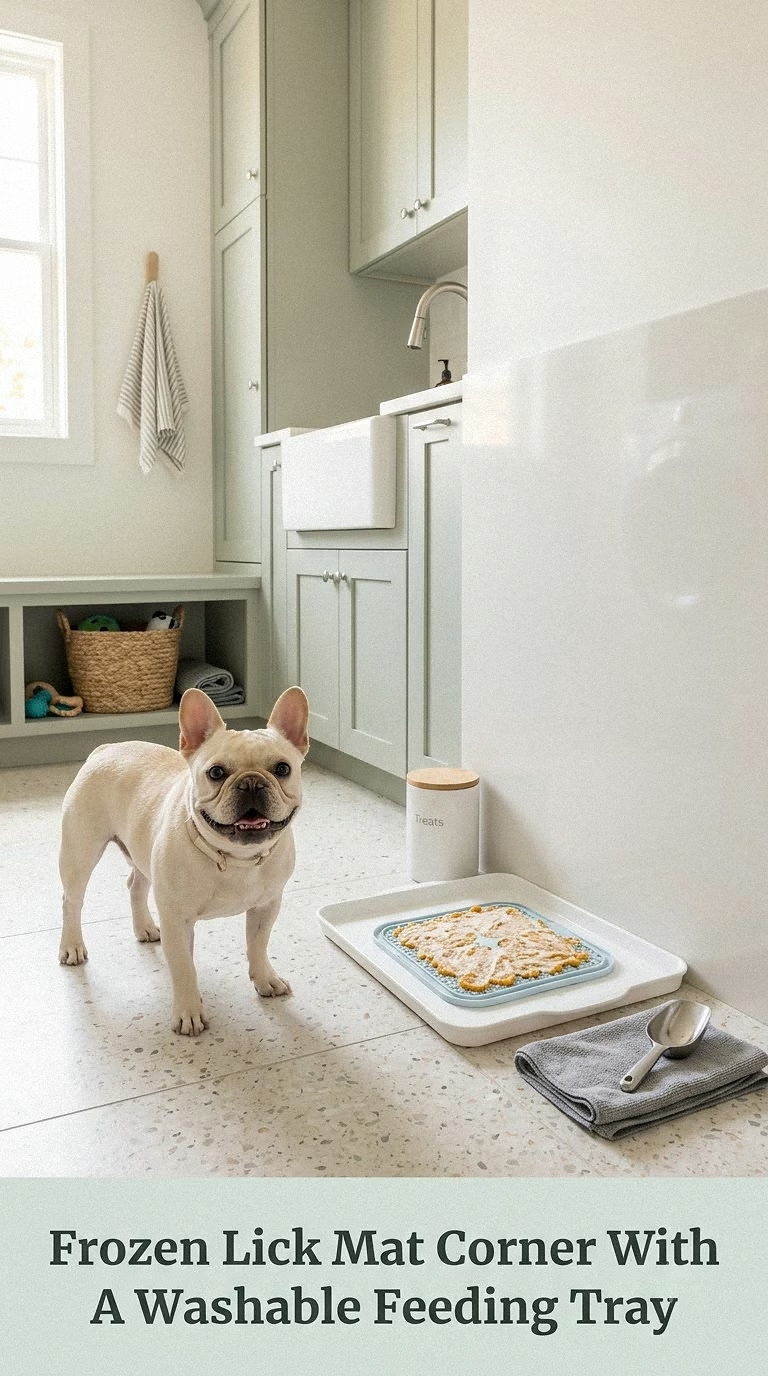
A lick mat can create a calm little enrichment station without taking up much room. Spread a thin layer of your dog’s usual wet food or another veterinarian-approved dog-safe ingredient across the textured surface, then refrigerate or freeze it for a longer-lasting activity.
Place the mat inside a washable tray to keep floors and rugs clean. A simple silicone mat paired with a ceramic water bowl can make the area look intentional rather than cluttered.
Always check ingredients carefully when using human foods. For example, some nut butters contain xylitol, also called birch sugar or wood sugar, which is dangerous for dogs.
Introduce frozen food gradually if your dog is unfamiliar with it. The goal is relaxed licking and exploration, not creating a challenge so difficult that your pup becomes frustrated.
Modern Puzzle Feeder Rotation Shelf With Woven Storage Baskets
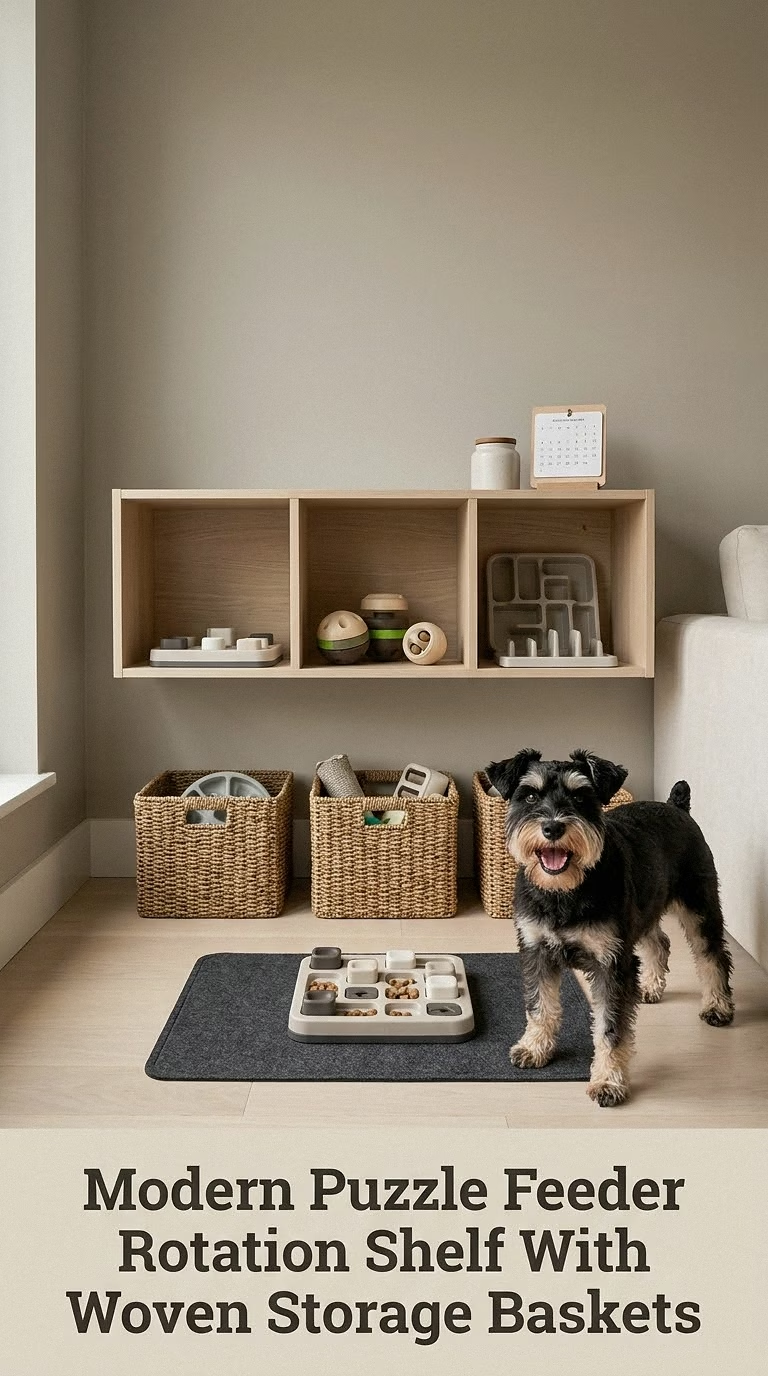
Instead of leaving every enrichment toy on the floor at once, create a small rotation system. Keep several food puzzles, rolling treat toys, and interactive feeders in attractive labeled baskets on a low shelving unit.
Offer only one or two puzzles at a time and rotate them every few days. An older toy often feels interesting again after it has been stored away for a while.
Choose puzzles with different actions. One might require sliding panels, another may involve lifting covers, while another releases kibble when rolled.
Start at an easy difficulty level and allow your dog to learn how each puzzle works before making it harder. Make sure every toy is appropriately sized and sturdy enough for your dog’s chewing style. New puzzles are best introduced while you are nearby so you can see how your dog interacts with them.
Rustic Cardboard Shredding Box Filled With Paper And Hidden Treats
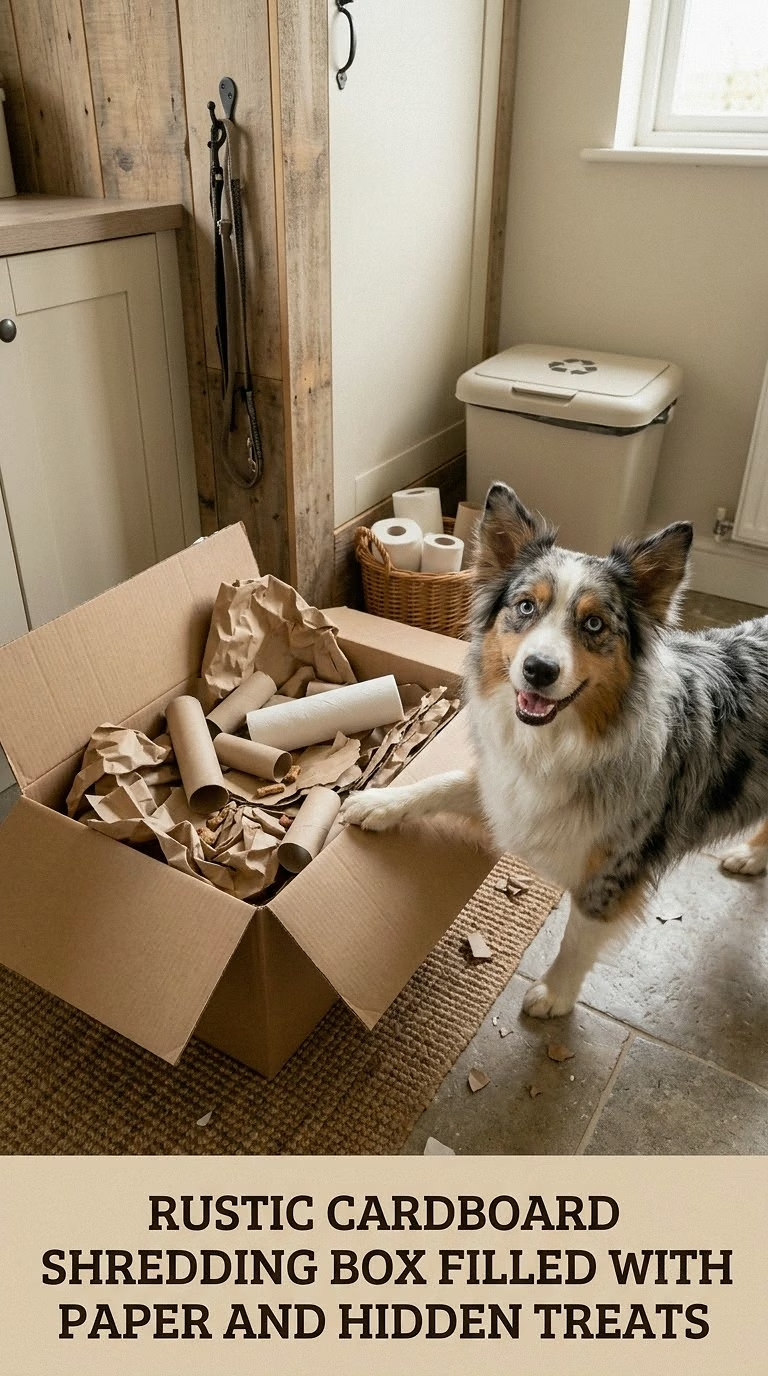
For dogs that adore ripping paper, an approved shredding box can provide an outlet while saving your deliveries and magazines from unwanted attention.
Use a clean cardboard box with tape, staples, labels, and plastic packaging removed. Add loosely crumpled plain paper, a few smaller cardboard tubes, and pieces of kibble or favorite toys hidden throughout.
Place everything on a washable rug or hard floor because this activity is delightfully messy. A shallow wooden tray underneath can contain some of the debris while creating a charming rustic setup.
Supervision matters here. Some dogs enthusiastically spit out every piece of cardboard, while others attempt to eat it. If your dog swallows paper, cardboard, or toy pieces, choose a different activity.
Cleanup can become part of the ritual once the treasure hunt is finished.
Colorful Muffin Tin Scent Puzzle With Tennis Balls
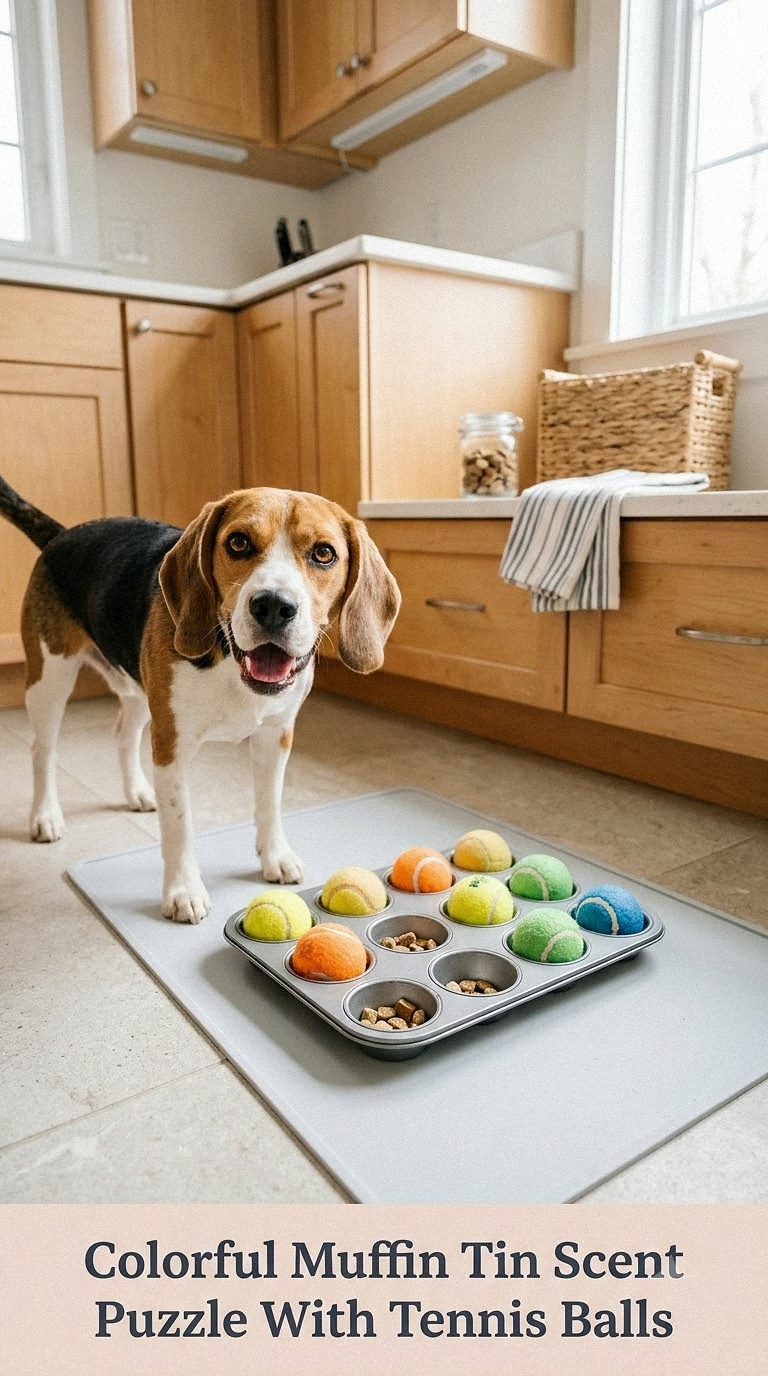
An empty muffin tin can become a surprisingly engaging beginner scent puzzle.
Place pieces of your dog’s regular food in several cups, then loosely cover the compartments with appropriately sized balls. Your dog must investigate the tray, identify where the food is hidden, and move the balls aside.
Make the setup visually playful by choosing a sturdy muffin tin and a coordinated collection of washable balls. Place the puzzle on a nonslip mat so enthusiastic noses do not send the tray sliding across the kitchen.
Keep the first session easy by leaving a few treats uncovered. Once your dog understands the idea, cover more compartments.
Avoid balls small enough to be swallowed, and do not leave the setup unattended with a dog who destroys or eats balls. Simple household puzzles work best when tailored to your individual dog’s habits.
Cozy Hallway Hide-And-Seek Scent Trail
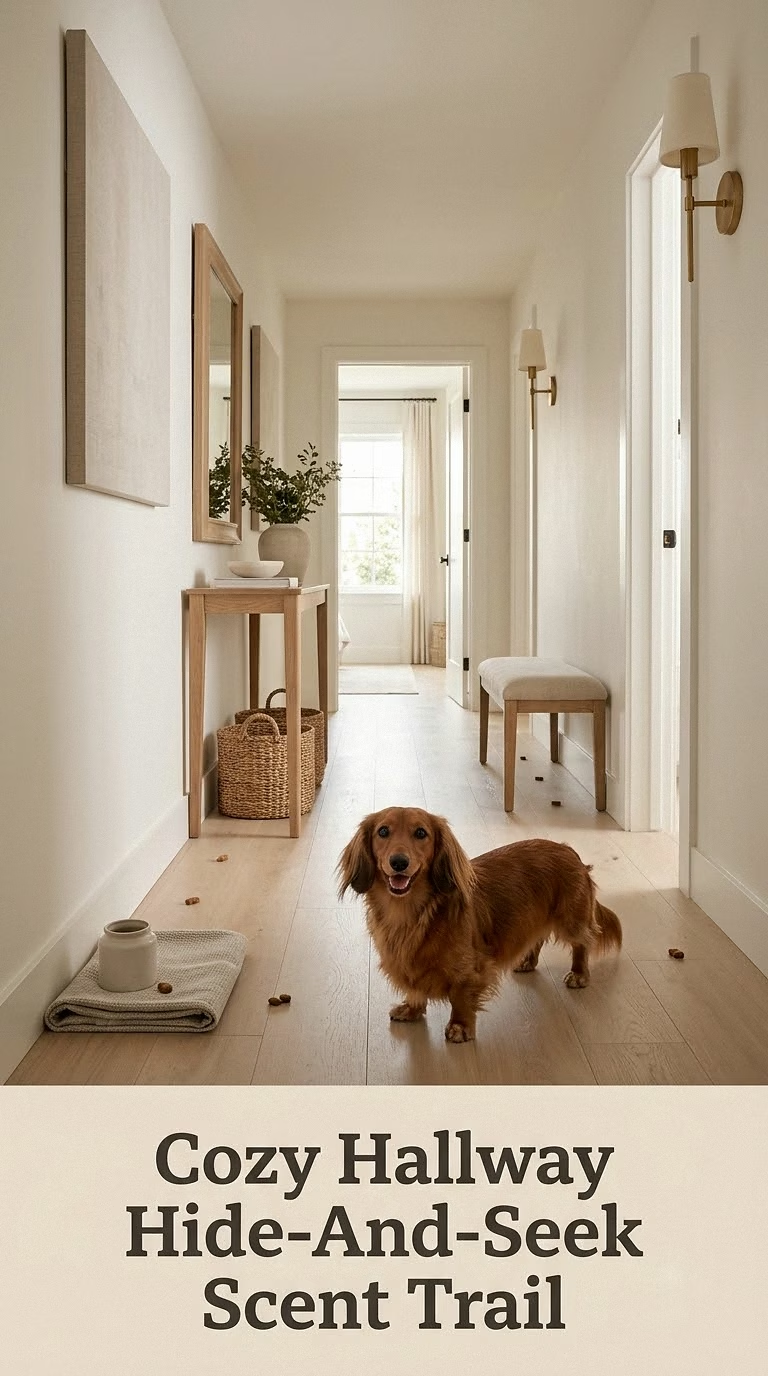
Transform an ordinary hallway into an indoor scent adventure by creating a trail of tiny food rewards leading toward a larger hidden prize.
Start in an open area where your dog can easily see the first few pieces. Gradually place treats around corners, beside furniture legs, behind an open doorway, or underneath lightweight objects your dog can safely investigate.
As their skills improve, use fewer visible clues and allow their nose to guide the search.
You can create a lovely evening ritual by dimming harsh overhead lights and keeping the route calm and uncluttered. The game works especially well in apartments because it requires very little space.
Keep food away from electrical cords, unstable furniture, houseplants, cleaners, and anywhere you would not normally allow your dog to investigate.
Oversized Indoor Dig Box Filled With Soft Fabric Balls
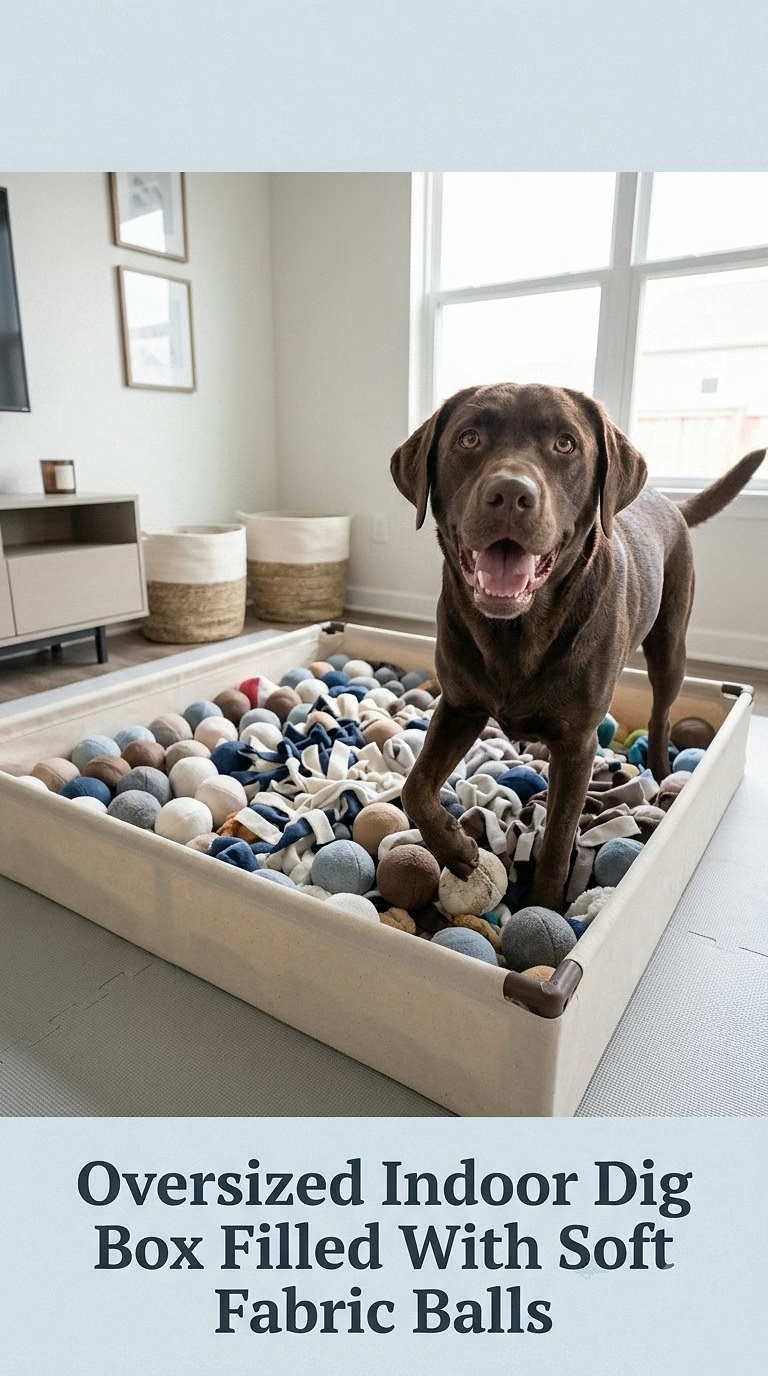
Dogs with a passion for digging do not necessarily need access to the flower beds. A designated indoor dig box gives them a place where digging is actually encouraged.
Use a sturdy shallow container or children’s ball pit and fill it with large dog-safe balls, folded fleece strips, or other lightweight materials your dog will not swallow. Bury several toys or pieces of food within the layers.
Choose a washable container in a neutral shade if you want it to blend with a mudroom, utility room, or dedicated dog room.
Read more : Why Did The Dog Scream
Teach your pup that digging is welcome inside this particular area while remaining off-limits elsewhere.
Closely supervise the first sessions. Dogs that puncture, chew, or ingest the filler materials will need a different type of enrichment. The container should also be stable enough that it cannot easily flip over.
Layered Towel Foraging Game On A Kitchen Floor
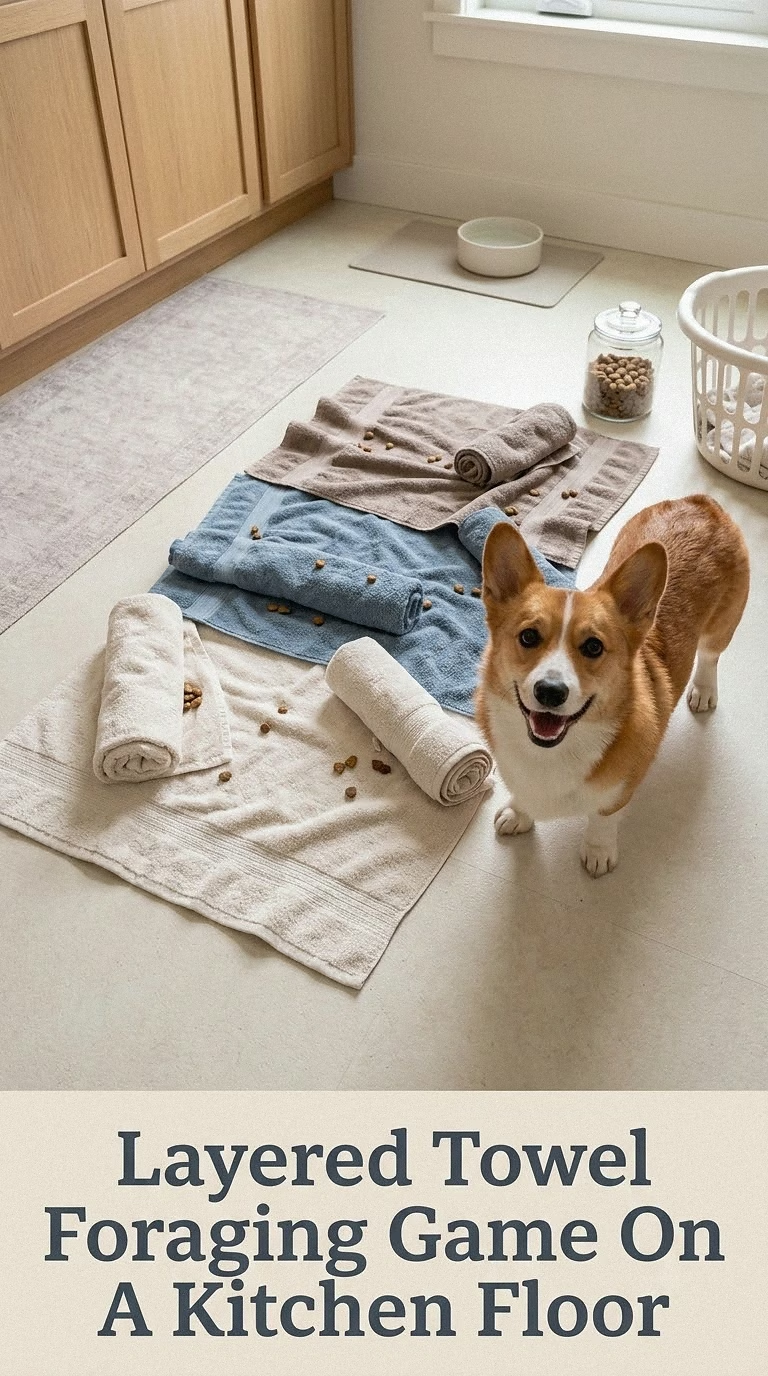
One of the easiest affordable enrichment activities begins with an old bath towel.
Lay the towel flat, scatter some kibble across it, then loosely fold or roll sections so food disappears between the layers. Your dog must sniff, nose, and gently unfold the towel to find dinner.
Begin with only a few folds. Once your dog becomes experienced, experiment with several loosely stacked towels or a lightly rolled towel.
For a more polished setup, keep two or three designated dog towels in complementary colors inside a nearby basket.
Never tie the fabric tightly around food, and supervise dogs that enjoy tearing or swallowing cloth. This activity is meant to encourage searching and problem-solving rather than fabric destruction.
When you finish, simply shake out the towel and put it in the wash.
Backyard Treasure Hunt With Natural Grass And Hidden Toys
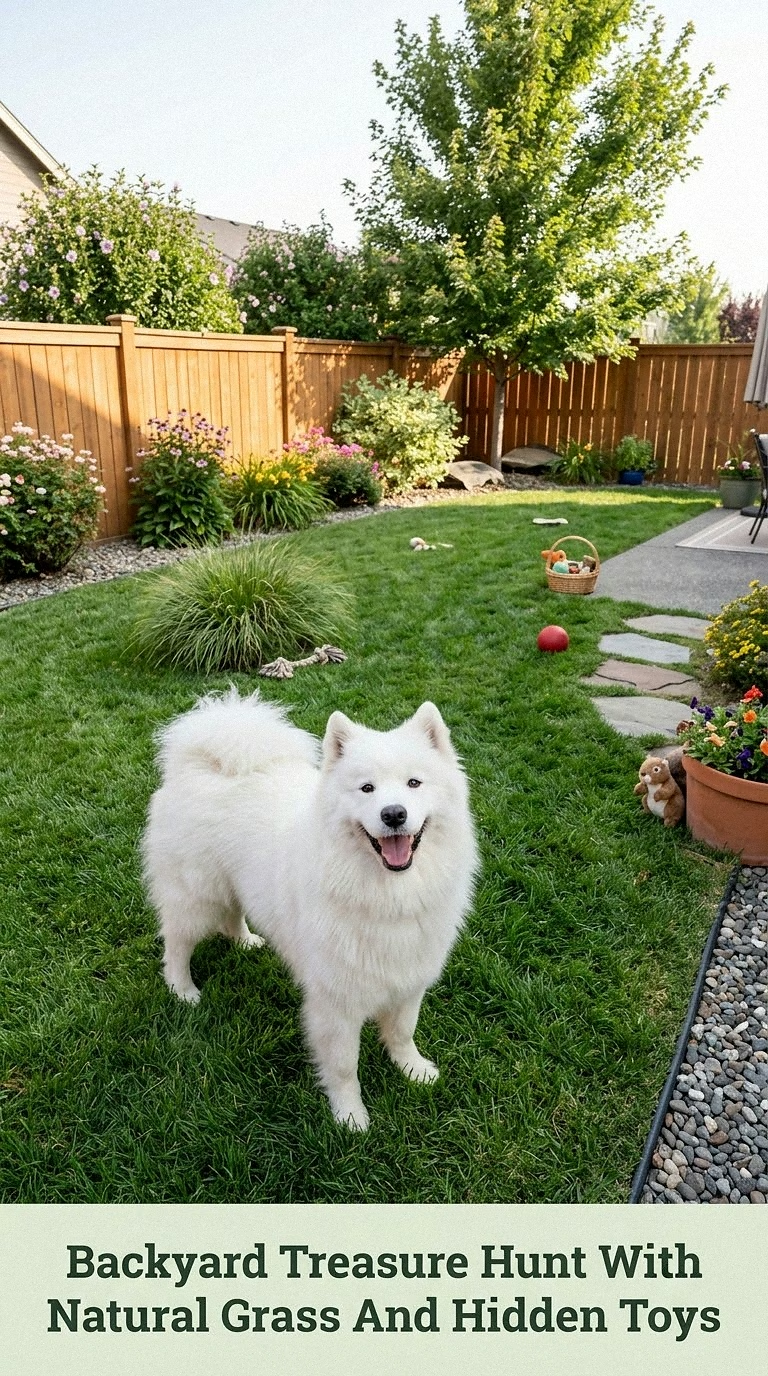
A fenced backyard can become far more interesting when your dog has something to discover.
Hide favorite toys or small portions of food around safe areas of the lawn. Place easy finds near a pathway or patio first, then gradually use locations beside planters, behind outdoor furniture, or among patches of longer grass.
Avoid hiding anything near toxic plants, sharp landscaping materials, pesticides, fertilizers, standing water, or areas your dog should not enter.
You can also create several permanent search zones using large planters, smooth stepping stones, and dog-safe landscaping. This gives the yard a designed appearance while providing fresh places for supervised exploration.
Change the hiding spots frequently. The novelty of searching is part of what makes the activity engaging.
Slow Sniff Walk Through A Quiet Leafy Neighborhood
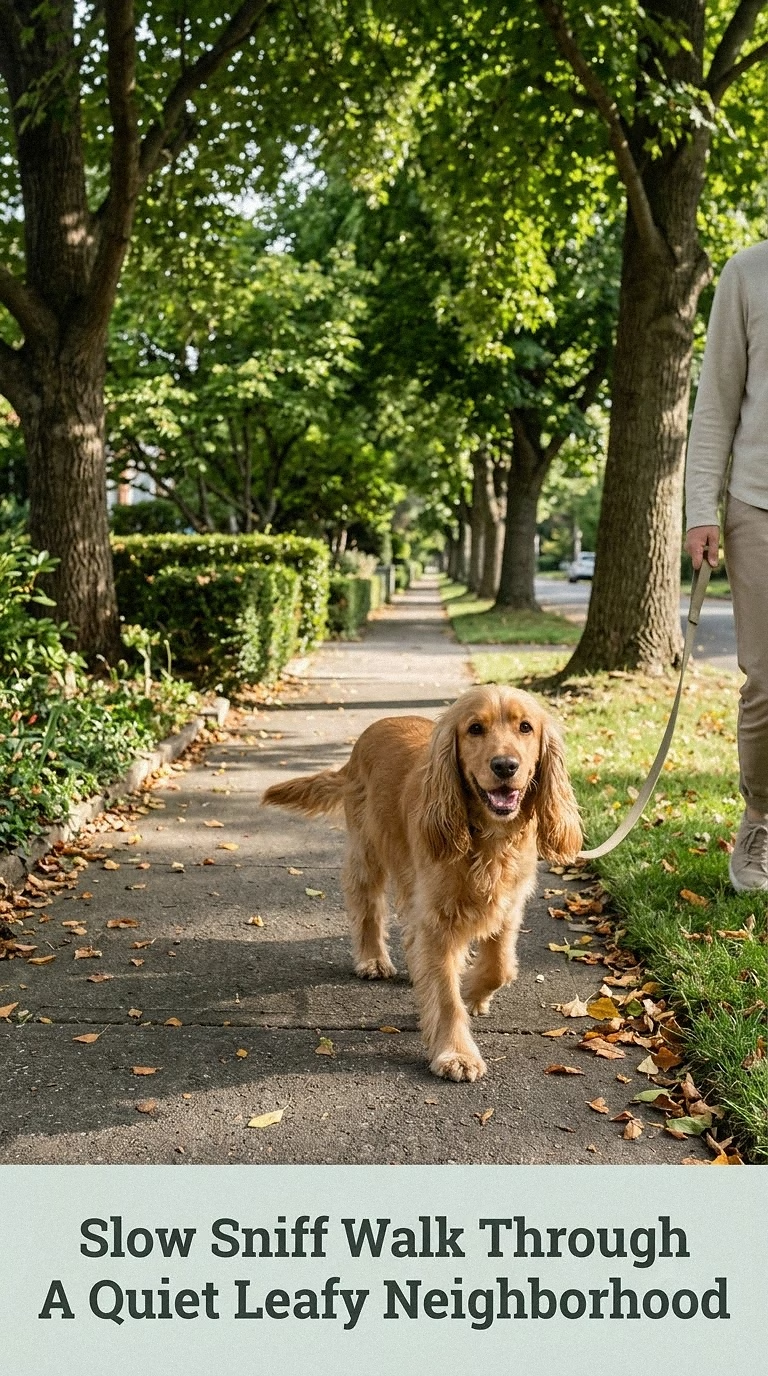
Not every walk needs to be about distance or speed. Occasionally replace the power walk with a slow exploration walk where your dog has more opportunity to sniff.
Choose a quiet street, park path, or grassy neighborhood and allow plenty of time to investigate safe scents. Rather than continually encouraging your dog forward, stop when appropriate and let them explore.
A comfortable harness and standard leash or suitable longer line can make the experience feel more relaxed while maintaining control.
You can also occasionally allow your dog to choose between two safe directions. That small bit of choice adds another layer of interest to the outing.
Keep local leash laws and surroundings in mind, and avoid allowing your dog to approach unknown animals, discarded food, or potentially hazardous objects while exploring.
Backyard Mini Agility Circuit With Low Obstacles And Tunnels
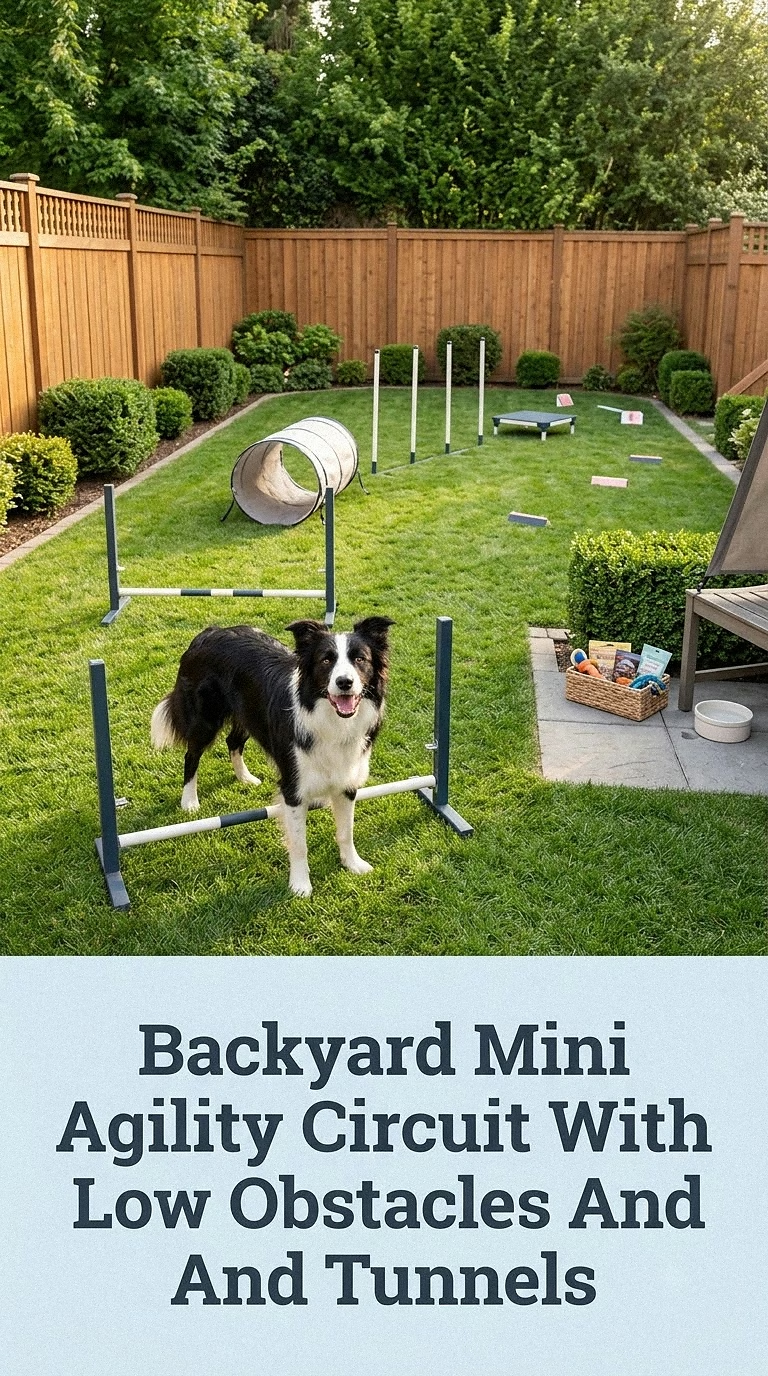
Create a playful obstacle course using a few simple pieces rather than building a professional agility setup.
A collapsible tunnel, low ground poles, wide platforms, and cones can turn a plain backyard into an interactive play zone. Arrange everything with generous spacing so your dog has room to move comfortably.
Guide your pup through each obstacle individually using rewards and encouragement. Once they understand the pieces, connect two or three activities into a miniature course.
The setup can look surprisingly attractive when equipment is stored neatly in a weather-resistant deck box between sessions.
Keep jumps extremely low or skip them entirely for puppies, seniors, long-backed breeds, or dogs with orthopedic concerns. Slippery surfaces should also be avoided. When in doubt about appropriate physical activity, ask your veterinarian what suits your dog’s age and body.
Minimalist Toy-Naming And Cleanup Station
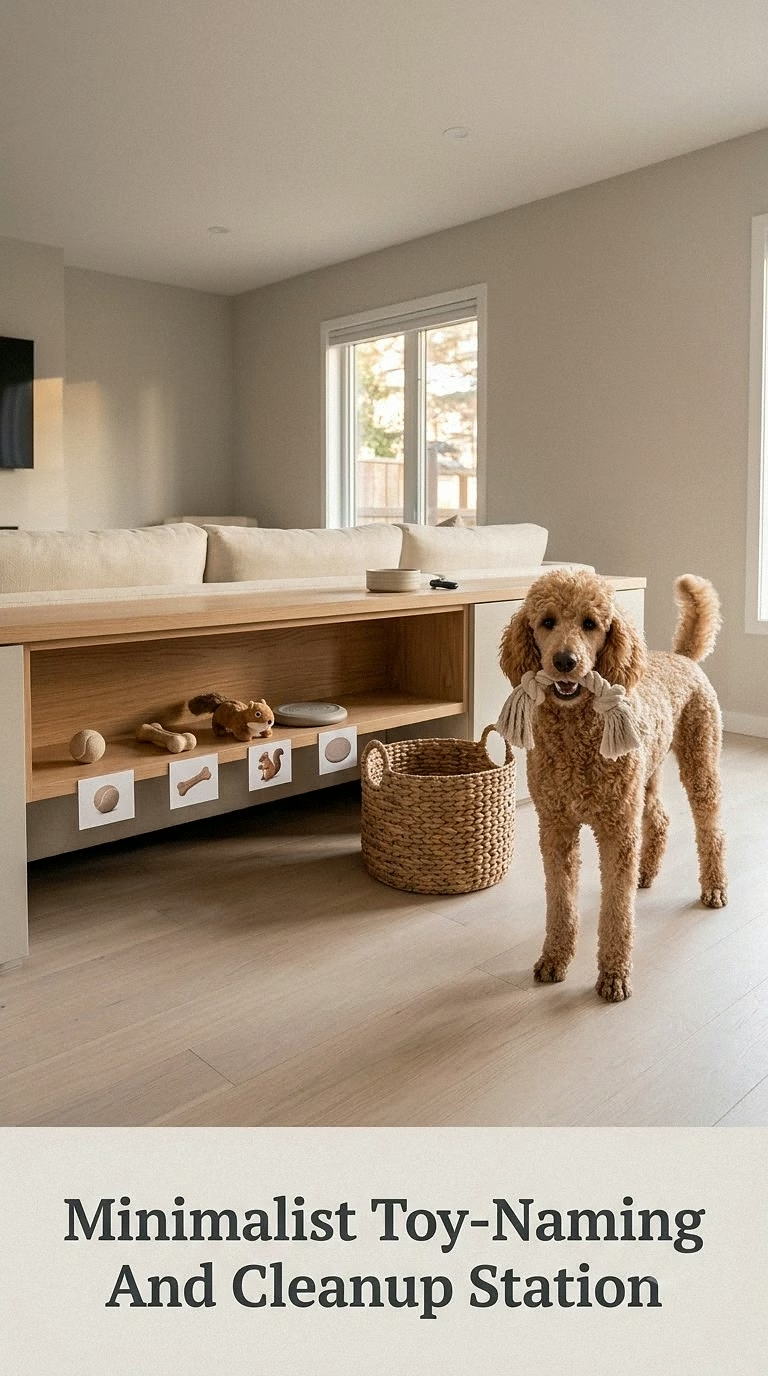
A beautiful basket of toys can double as a brain-training game.
Begin by teaching your dog the names of one or two favorite toys. Place one item nearby, say its name consistently, and reward your dog for interacting with or retrieving it. Over time, introduce a second object and practice choosing between them.
Once retrieving becomes reliable, add a large open basket and teach your dog to drop toys inside.
Visually, this creates one of the tidiest enrichment setups in the home. Choose a soft-sided basket large enough for your dog’s head to enter comfortably and position it beside a console, bench, or dog bed.
Training sessions do not need to be long. A few cheerful minutes can provide plenty of mental work, especially when your pup is learning a completely new concept.
Cozy Tug-And-Release Play Corner With A Soft Washable Rug
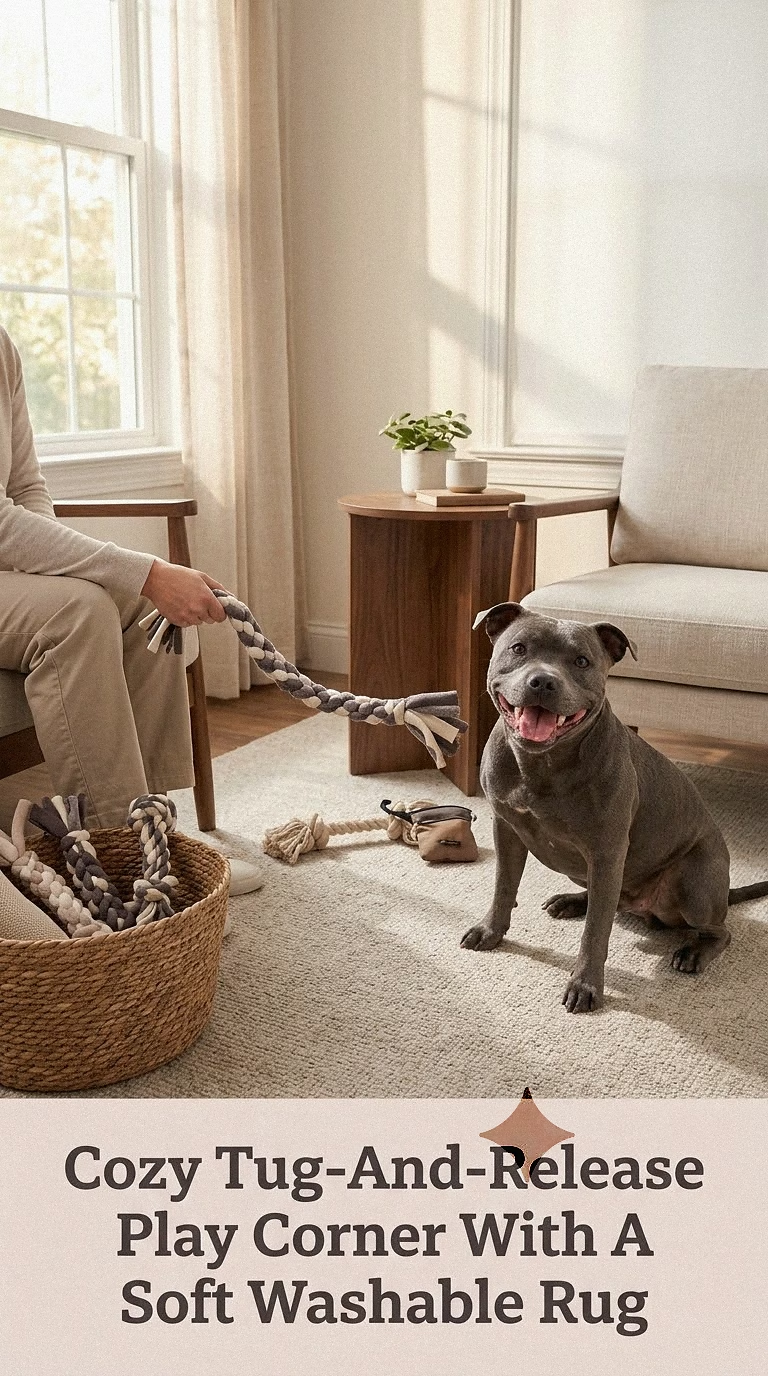
Interactive enrichment can be as simple as a good game of tug.
Set up a comfortable play area using a washable rug and a basket containing several sturdy tug toys with different textures. Choose toys long enough to leave comfortable space between your dog’s mouth and your hands.
Rather than letting every session become wild, mix energetic play with simple cues such as taking the toy, releasing it, waiting briefly, and beginning again.
This creates an enjoyable combination of movement, communication, and self-control practice.
Let your dog’s enthusiasm determine the intensity. Avoid jerking the toy sharply upward or forcing the head and neck into awkward positions. Dogs with dental, spinal, or orthopedic issues may need a gentler alternative.
When the game finishes, return the special tug toys to their basket so they stay exciting.
Sunny Window Watching Nook With A Cushioned Bench
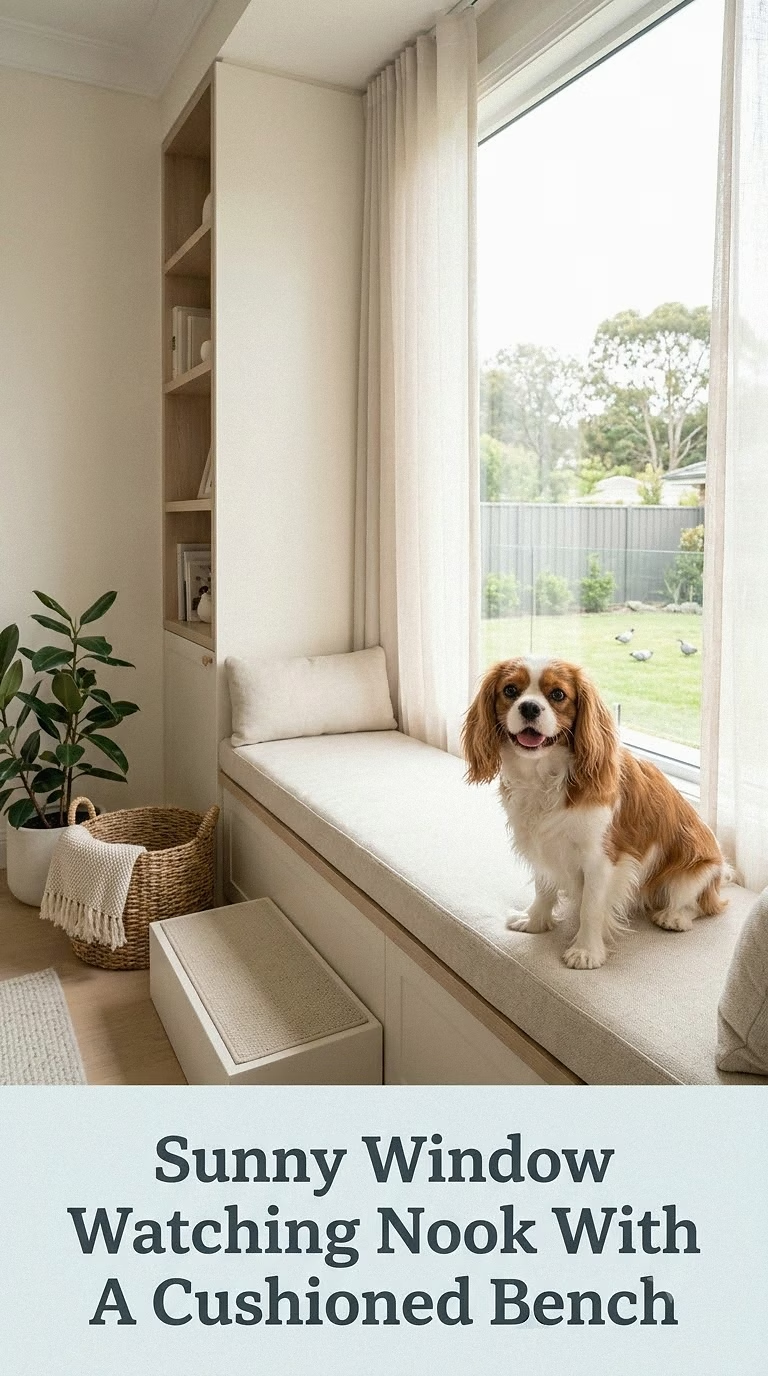
Some enrichment involves observing rather than actively solving a puzzle.
Read more : Why Does My Dog Lick His Penis?
If your dog enjoys quietly watching the world, create a comfortable viewing nook beside a secure window. A low upholstered bench, washable cushion, and nearby toy basket can transform an unused corner into a peaceful observation spot.
Choose a setup your dog can access safely without difficult jumping. Seniors may appreciate a low bed or ramp instead of a tall seat.
The location works best for dogs who can calmly observe birds, neighbors, or passing activity. If looking outside triggers persistent barking, lunging, or distress, window watching is probably not relaxing enrichment for that particular dog.
Sheer curtains or removable window film can help limit stimulating views while still allowing soft daylight into the room.
Freezer-Ready Stuffed Toy Station For Busy Afternoons
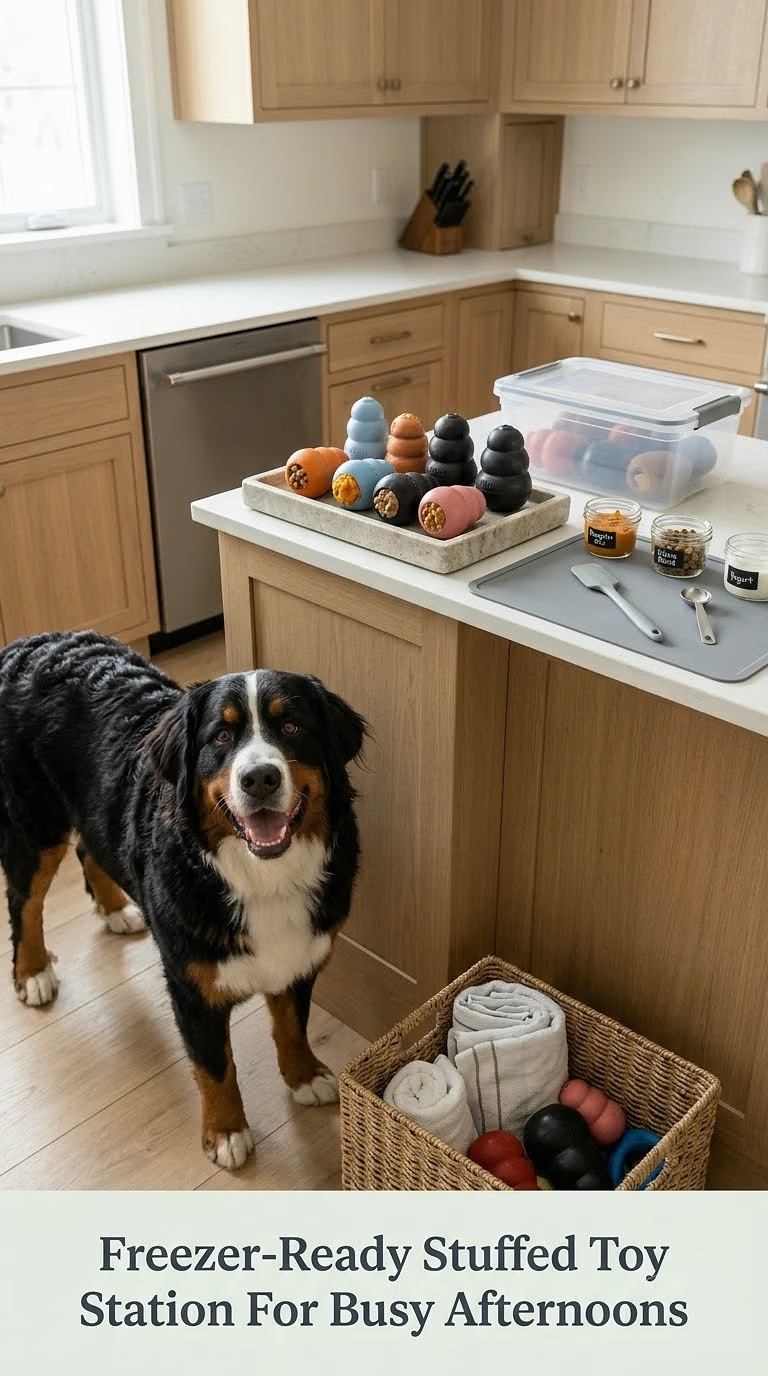
Prepare several stuffable rubber toys at once so enrichment is always ready when you need it.
Use part of your dog’s normal meal, suitable wet food, soaked kibble, or another dog-safe filling recommended for your pet. Fill the toys and freeze them in a dedicated washable container.
A small labeled freezer bin keeps everything organized and prevents dog food from getting mixed among family meals.
Freezing can make the activity last longer, but beginners may prefer a loosely filled unfrozen toy first. Gradually increase the challenge as your dog learns how to extract the food.
Select a size and material that can withstand your dog’s chewing style, inspect the toy regularly for damage, and supervise whenever appropriate. Remember that enrichment food still contributes calories, so using part of a regular meal can help prevent accidental overfeeding.
Farmhouse-Style Approved Digging Corner In The Yard
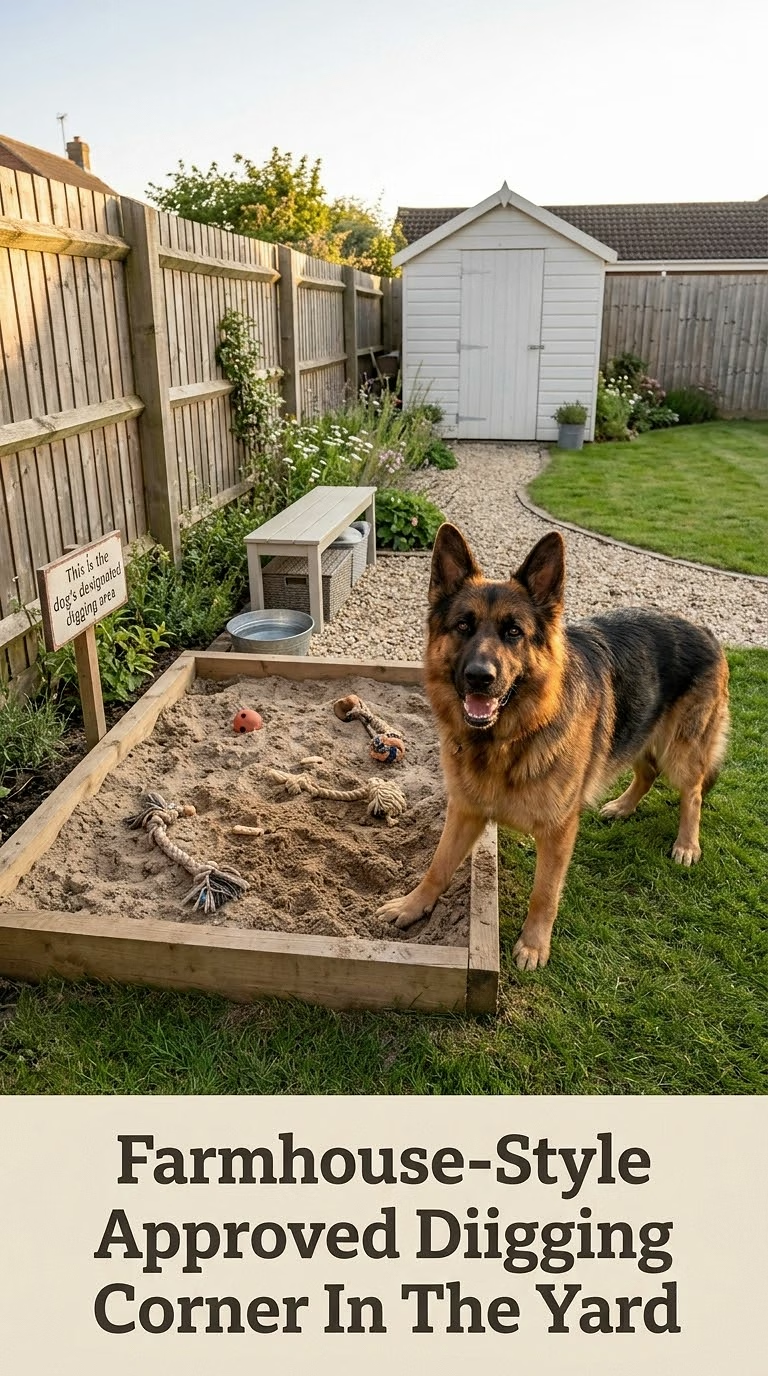
For a dog that considers landscaping a personal hobby, create one beautiful place where digging is allowed.
Build a simple raised sandbox or defined soil bed framed with untreated dog-appropriate timber. Position it in a shady area where you can supervise comfortably.
Hide durable toys just beneath the surface at first so your dog quickly discovers why this particular spot is exciting. Gradually bury them a little deeper.
A small weatherproof sign, gravel path, and nearby storage box for outdoor toys can make the digging station feel like an intentional garden feature instead of a random patch of dirt.
Keep the material clean and free from sharp debris. Cover the box when it is not being used if neighborhood animals could enter it, and discourage your dog from eating sand or soil.
Indoor Carry-And-Deliver Job With A Woven Toy Basket
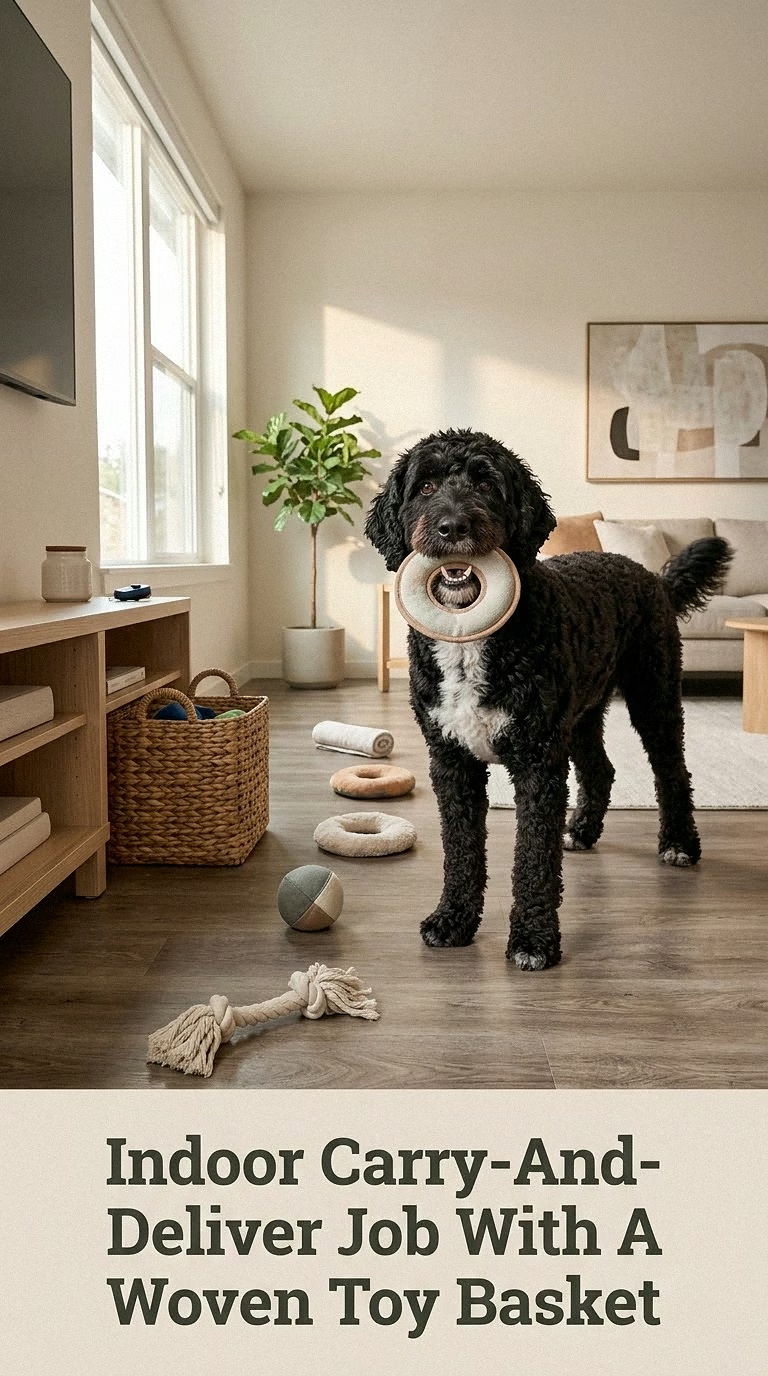
Some dogs are happiest when they feel as though they have a job.
If your pup naturally enjoys carrying objects, teach them to transport a soft toy from one area of the house to another. Start with a familiar object and practice simple retrieve and release cues.
Eventually, create tiny household missions. Your dog might carry a toy from the bedroom to a basket in the living room or retrieve a designated item when asked.
Use soft, lightweight objects without dangerous attachments, and keep the activity completely optional and playful.
A woven basket at each end of the route creates a stylish visual setup while clearly defining the task. This idea can be especially enjoyable for retrievers and other dogs that naturally enjoy carrying things, but personality matters more than breed. If your dog is uninterested, simply try another form of enrichment.
Calm One-On-One Playdate In A Secure Garden
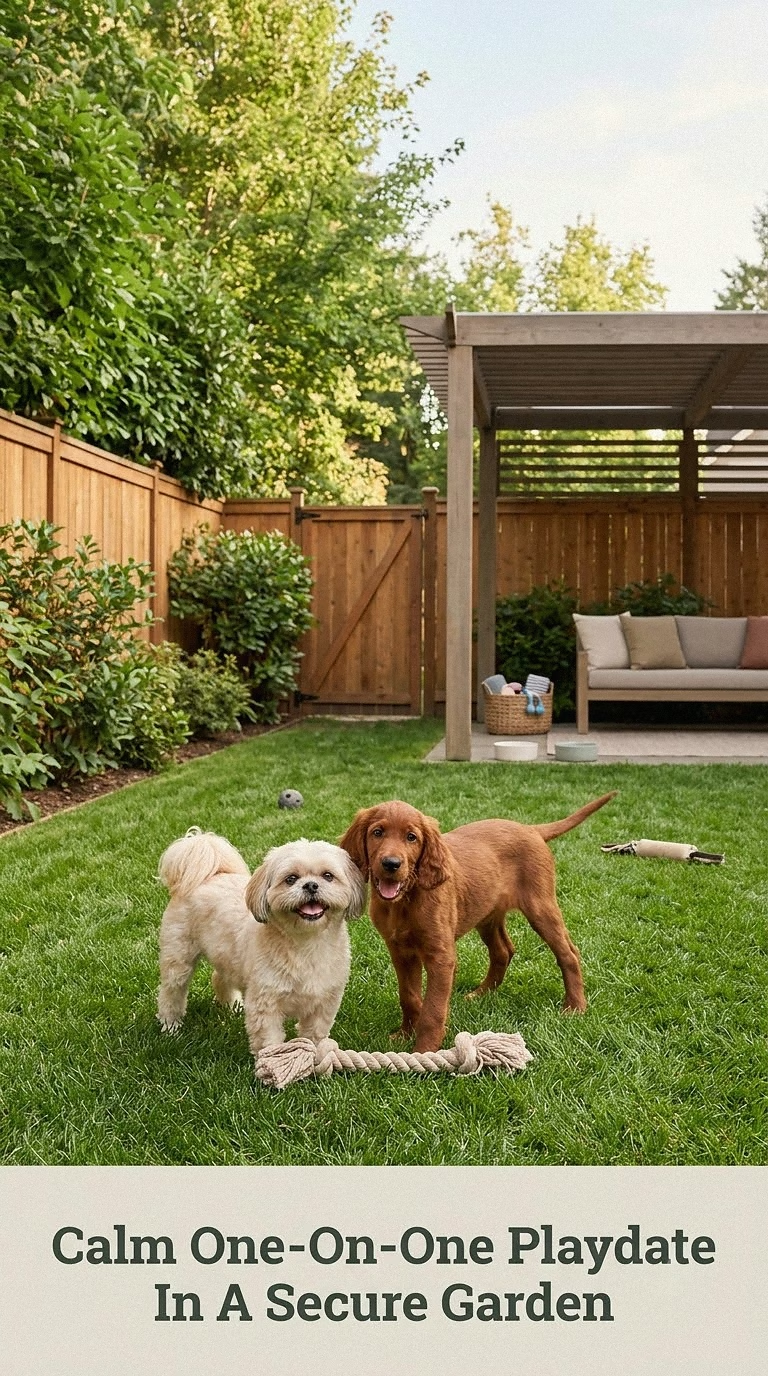
Social enrichment does not have to mean taking your dog into a crowded dog park.
For a social dog with an established canine friend, a carefully supervised one-on-one playdate can provide companionship, movement, exploration, and plenty of interesting scents.
A securely fenced garden with open space works beautifully. Provide several water bowls and remove high-value food, chews, or toys if either dog tends to guard resources.
Choose playmates with compatible temperaments, activity levels, and communication styles. Watch both dogs throughout the interaction and include pauses if excitement begins to climb.
Most importantly, remember that not every dog enjoys canine company. For shy, selective, elderly, or dog-reactive pets, meaningful social enrichment might instead come from gentle games, training, cuddling, or exploring with trusted humans.
The activity should always match the dog rather than forcing the dog to match the activity.
Shallow Summer Splash Station With Floating Dog Toys
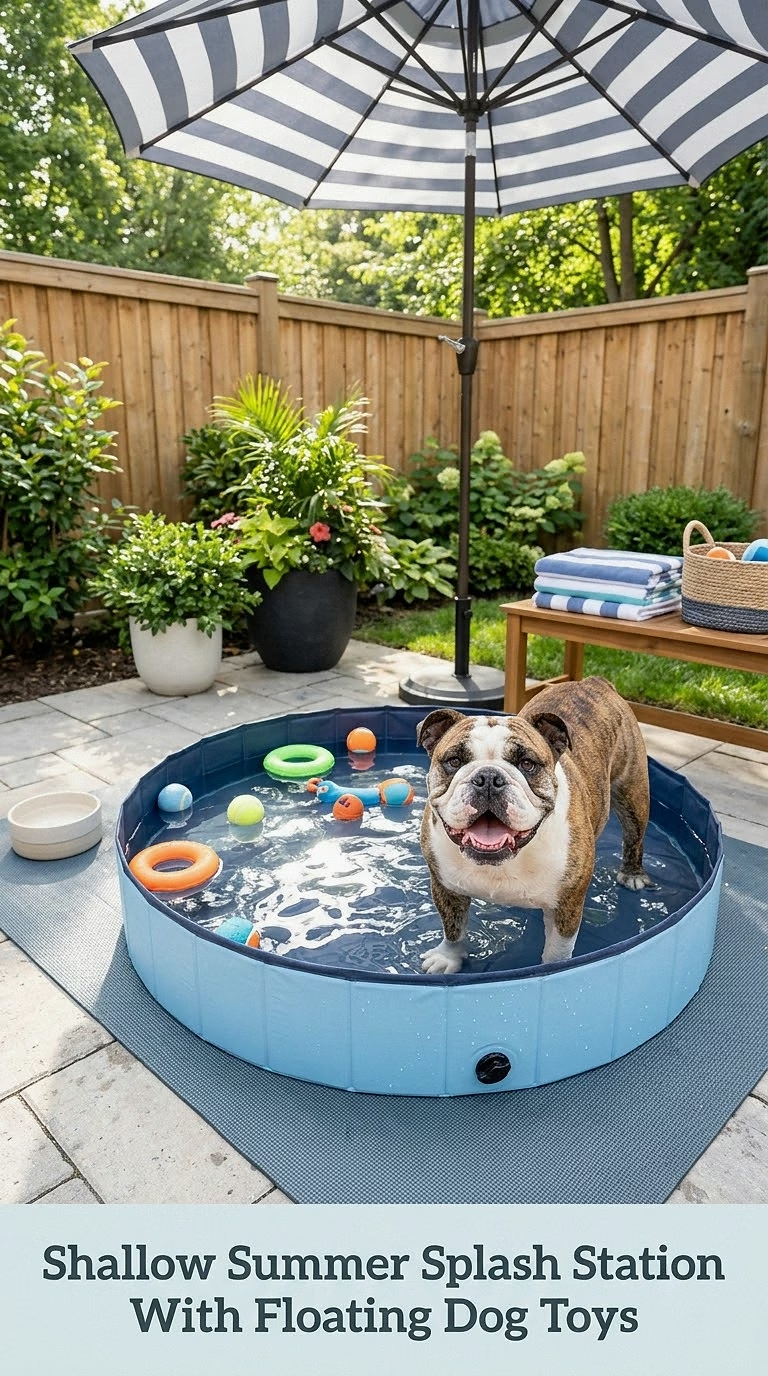
Warm days create an opportunity for a completely different sensory experience.
Place a shallow dog-safe splash pool on a level, nonslip surface in a securely enclosed outdoor area. Add only enough clean water for your dog to move comfortably, then float several waterproof toys or toss in a favorite ball.
Some dogs may happily step straight in, while others prefer investigating from the edge. Never force a hesitant dog into water.
Add an outdoor mat nearby where your pup can rest in the shade afterward. Neutral towels stored in a waterproof basket can keep the station looking tidy and make drying off easier.
Supervise the activity continuously, refresh dirty water, and empty the pool after use. Avoid very hot surfaces and provide plenty of shade and drinking water.
For water-loving dogs, this simple setup can turn an ordinary summer afternoon into an exciting new experience.
Choosing The Best Dog Enrichment Ideas For Your Pup
There is no single perfect enrichment routine because dogs have wonderfully different personalities. One pup may spend twenty happy minutes searching through a snuffle mat, while another would abandon it immediately for a game of tug. Some dogs crave movement and outdoor exploration, while others seem happiest solving a quiet food puzzle beside their person.
Start with two or three dog enrichment ideas that match behaviors your pet already enjoys. If your dog constantly sniffs outside, try scent trails and treasure hunts. If digging is irresistible, offer a designated digging area. If carrying toys is their favorite pastime, turn retrieving into a simple household job.
You also do not need to provide constant entertainment. Rotate activities, keep sessions enjoyable, and build enrichment naturally into meals, walks, training, and playtime.
Most importantly, pay attention to your dog’s response. Choose safe materials, supervise unfamiliar activities, keep food portions reasonable, and adjust challenges for your pet’s age, size, health, and abilities.
The goal is not to create the most elaborate setup. It is to give your dog more chances to sniff, investigate, think, play, choose, and enjoy being a dog. Even a few thoughtful changes can make an ordinary day together feel much richer.
Source: https://petstutorial.com
Category: DOGS
