
Dog toys have a funny way of taking over a home. One squeaky duck ends up under the coffee table, a tennis ball rolls into the hallway, and suddenly there is a collection of ropes, plush animals, puzzle toys, and chews scattered across every room. The good news is that organizing them does not mean turning your living space into something that looks like a pet supply store.
The best dog toy storage ideas can actually become part of your decor. Think soft woven baskets beside a cream sofa, warm oak drawers built into a mudroom bench, or pretty sage green bins tucked neatly into open shelving. With the right setup, your dog’s favorite things can stay close at hand without making your home feel cluttered.
You are reading: 18 Dog Toy Storage Ideas To Keep Your Home Stylish And Organized
A thoughtful storage system also makes everyday life easier. You can quickly see which toys need washing, rotate toys so old favorites feel exciting again, and notice when something has become damaged enough to discard. If your dog enjoys choosing their own toys, a low open basket can even turn cleanup and playtime into part of their daily routine.
Whether you live in a small apartment, cozy cottage, busy family home, or beautifully designed modern space, these ideas offer practical ways to organize the toy pile while keeping your rooms warm, stylish, and comfortable.
Beautiful And Practical Dog Toy Storage Ideas For Every Home
Soft Cream Cotton Rope Basket Beside A Neutral Sofa
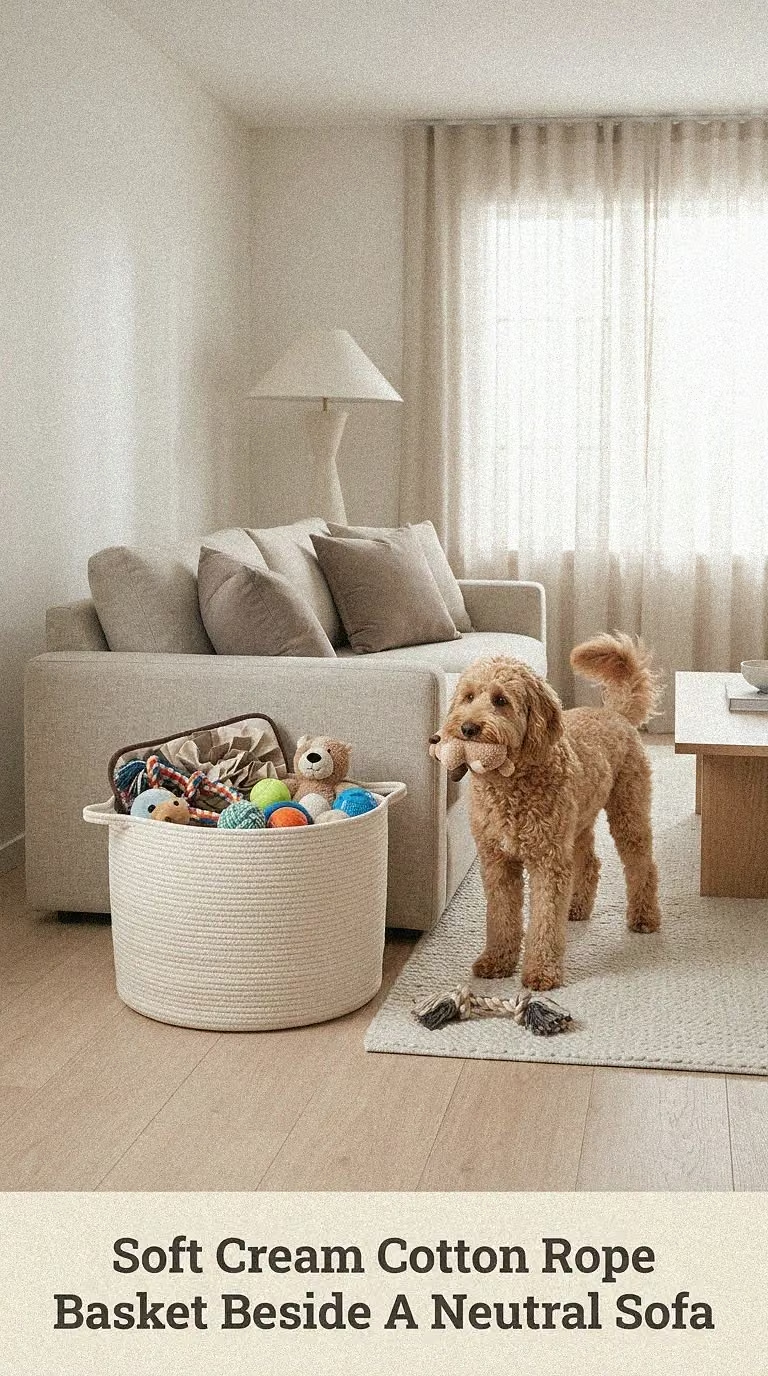
A large cotton rope basket is one of the easiest dog toy storage ideas to blend into a living room without making the space feel overly pet-focused. Choose a soft cream, oatmeal, beige, or light gray basket and place it beside the sofa, fireplace, or media console.
The flexible sides are especially convenient for lightweight plush toys, ropes, balls, and squeaky favorites. A wide, low opening also makes it easier for many dogs to reach inside and choose a toy themselves.
For a polished look, coordinate the basket with your throw pillows, area rug, or curtains. Avoid filling it to the top. Leaving some breathing room makes the collection look intentional rather than overflowing.
Cotton rope can also be gentler on floors than rigid containers. Just keep an eye on dogs that enjoy chewing baskets as enthusiastically as they chew their toys.
Rustic Whitewashed Wooden Crate With Bone-Shaped Cutout
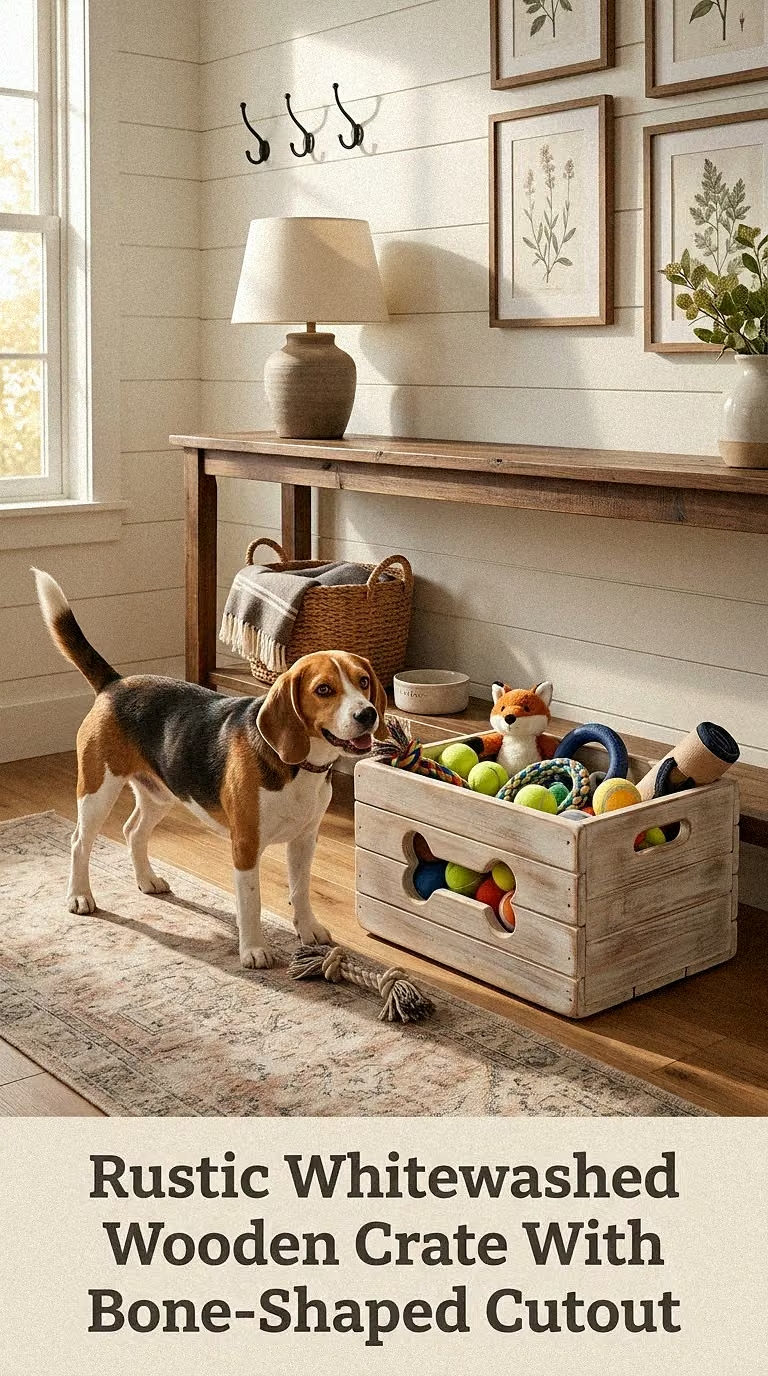
For a farmhouse-inspired room, transform a simple wooden crate into charming dog toy storage. A whitewashed or lightly distressed finish pairs beautifully with warm wood floors, linen furniture, vintage signs, and neutral country decor.
Adding a small bone-shaped cutout or painted paw detail gives the crate personality without making it look too childish. Sand every edge carefully so the surface feels smooth, particularly around the opening.
A removable fabric liner can make cleaning easier and prevent smaller toys from slipping through gaps between wooden slats.
This is also an affordable DIY project. An unfinished craft-store crate can be painted in warm white, sage, charcoal, muted blue, or another shade already used in your home.
Position the crate against a wall rather than in the middle of a walkway so enthusiastic toy searches do not send it sliding across the floor.
Modern White Oak Toy Chest With Low Front Opening
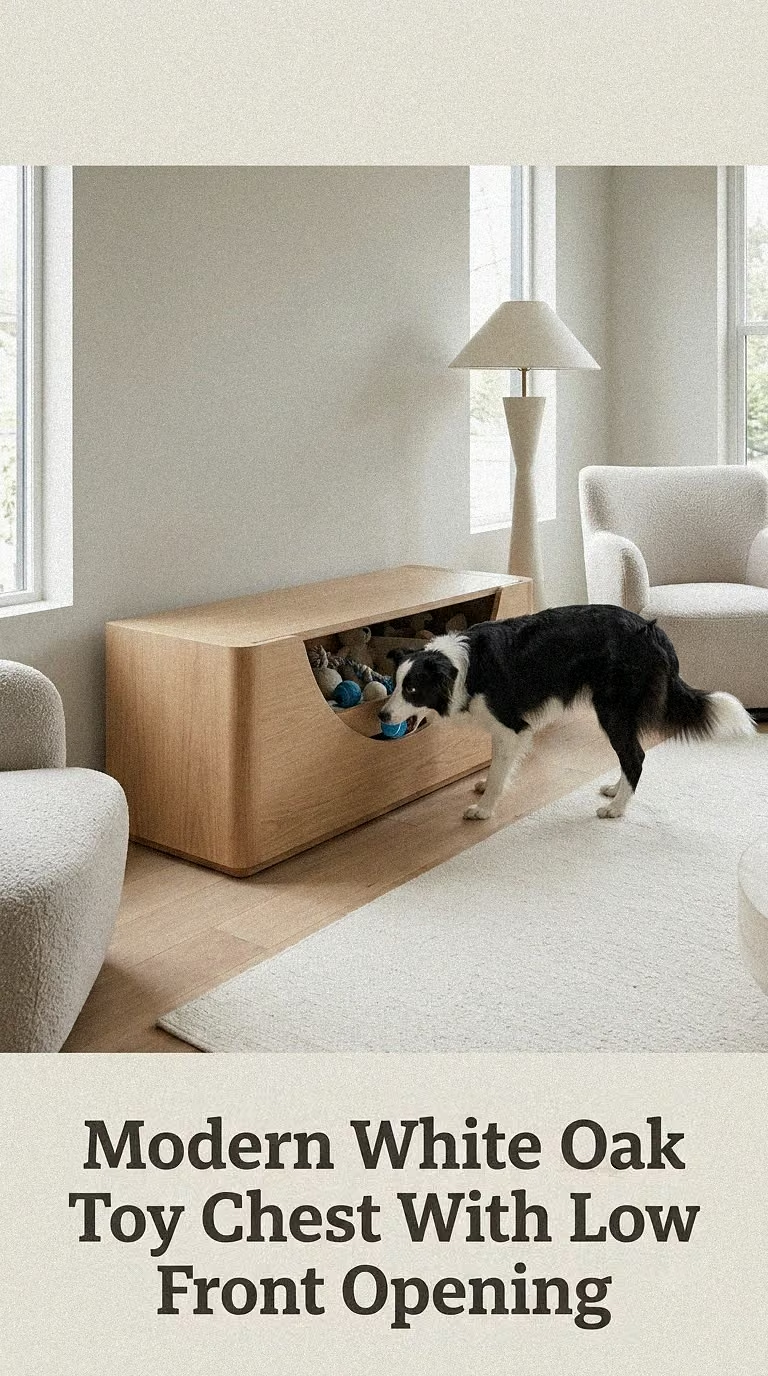
A streamlined white oak toy chest can make dog storage feel like custom furniture. Instead of a traditional box with a heavy lid, choose a design with a low curved opening across the front.
The opening gives your dog access to everyday toys while allowing the higher sides to hide much of the visual clutter. White oak, natural maple, or pale ash works especially well in Scandinavian, Japandi, and modern neutral interiors.
Keep frequently used balls and plush toys in the front while placing bulkier puzzle toys toward the back.
If you build the chest yourself, smooth and round the corners and avoid exposed screws or sharp hardware. A clear protective finish can make occasional wiping easier while preserving the natural wood grain.
Placed below artwork or beside a low console, this style looks more like attractive furniture than pet storage.
Built-In Mudroom Bench With Pull-Out Dog Toy Drawers
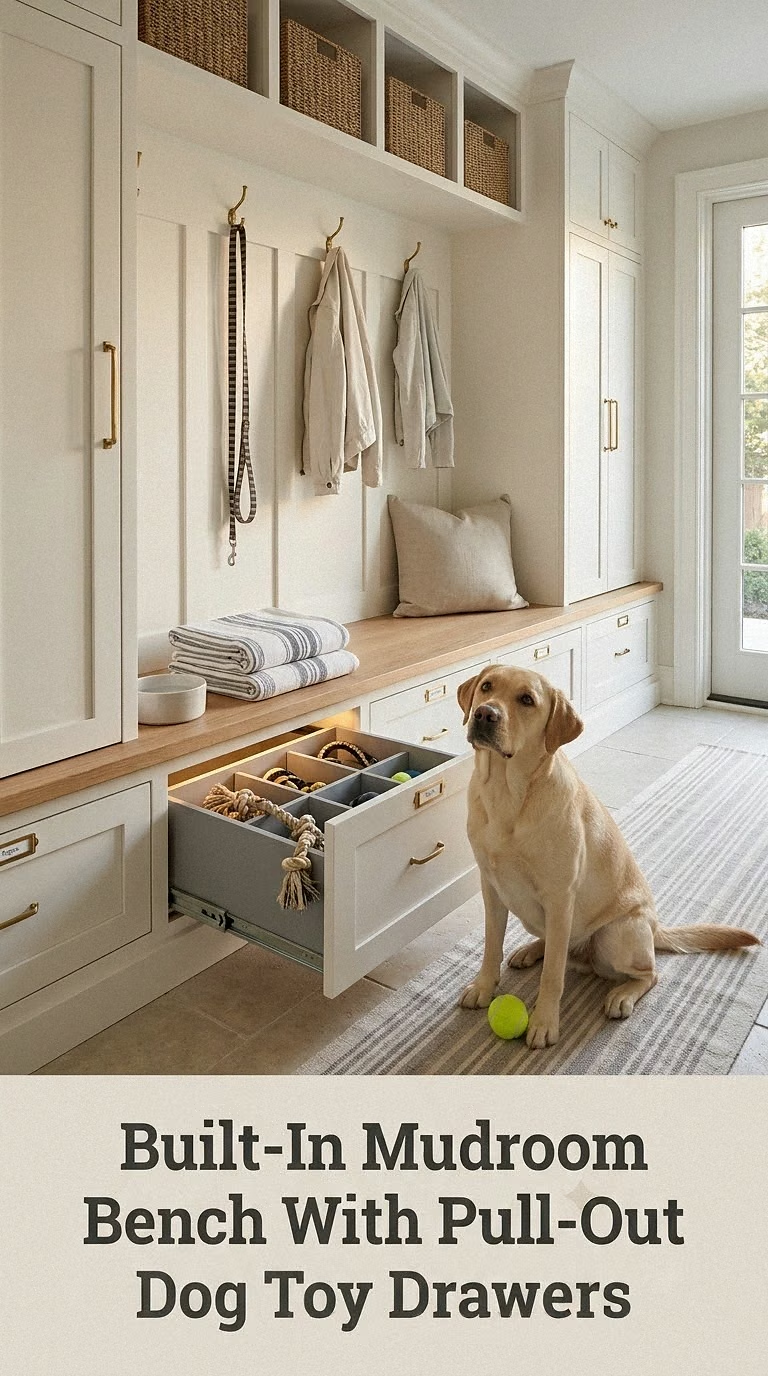
A mudroom is one of the most practical places to create a complete dog organization station. Build storage drawers beneath a bench so toys disappear neatly when playtime is finished.
Warm oak cabinetry paired with creamy white walls creates a cozy look, while charcoal hardware can add a more contemporary finish. Use one deep drawer for toys and neighboring drawers for walking accessories, towels, or grooming supplies.
Inside the toy drawer, smaller washable baskets can separate balls, tug toys, plush toys, and enrichment items.
The bench above provides a convenient place to sit while attaching a leash or wiping muddy paws. Add hooks overhead for harnesses and walking bags to turn the entire wall into a functional pet zone.
Because everything has a dedicated place, this design is particularly useful for households with a growing collection of dog supplies.
Soft Sage Green Cube Organizer With Woven Toy Bins
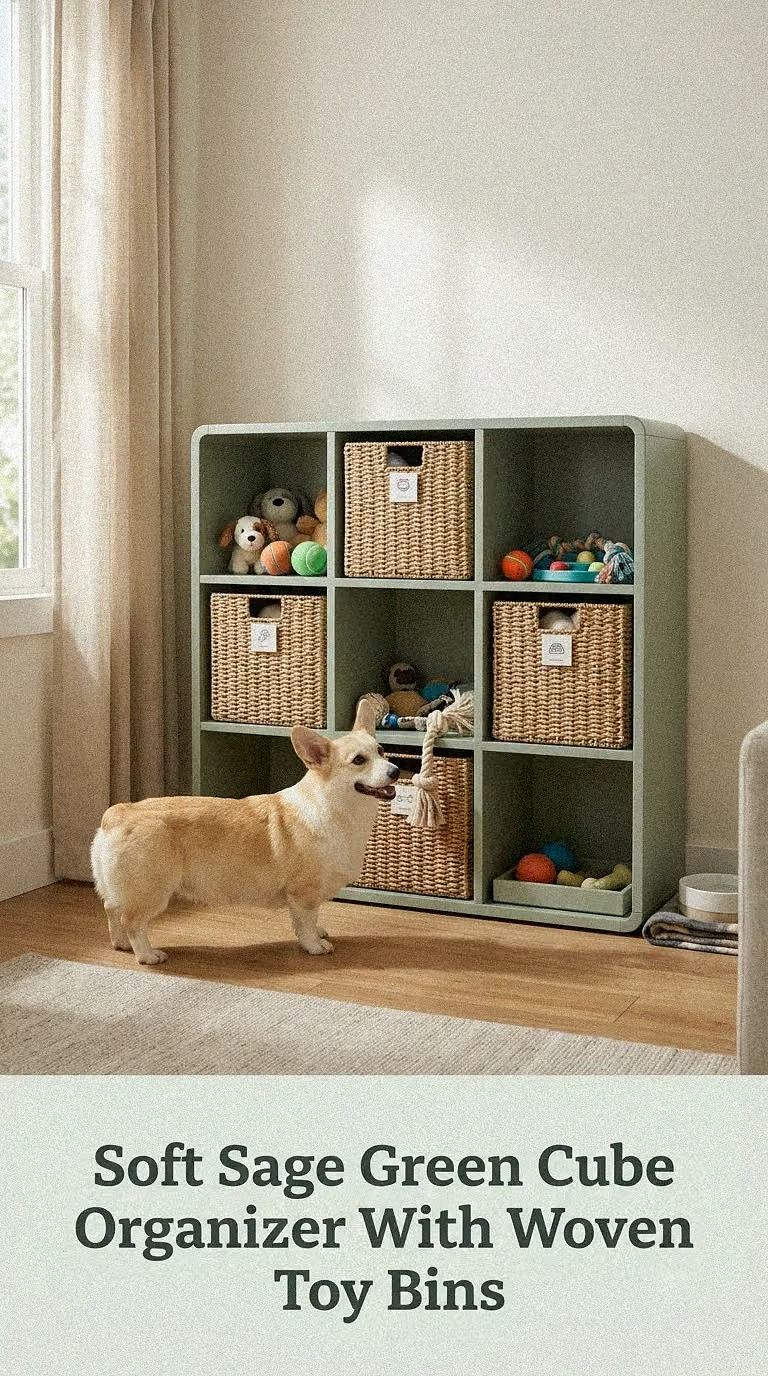
Cube shelving can create a surprisingly elegant dog storage station when the colors and materials are carefully coordinated.
Paint or choose the shelving in soft sage green, warm white, or muted greige. Fill the lower cubes with natural woven baskets for dog toys while using the upper sections for decorative objects, framed photographs, or attractive storage boxes.
Assigning different bins to different toy categories makes larger collections easier to manage. Plush toys might fill one basket, balls another, and interactive toys a third.
If your dog is allowed to choose their own toys, leave one or two lower baskets open and accessible. Store items that require supervision higher up or inside closed cubes.
This arrangement works beautifully in living rooms, home offices, mudrooms, or dedicated dog rooms because the pet storage becomes part of a larger decorative display.
Slim Rolling Toy Cart Tucked Beside A Cabinet
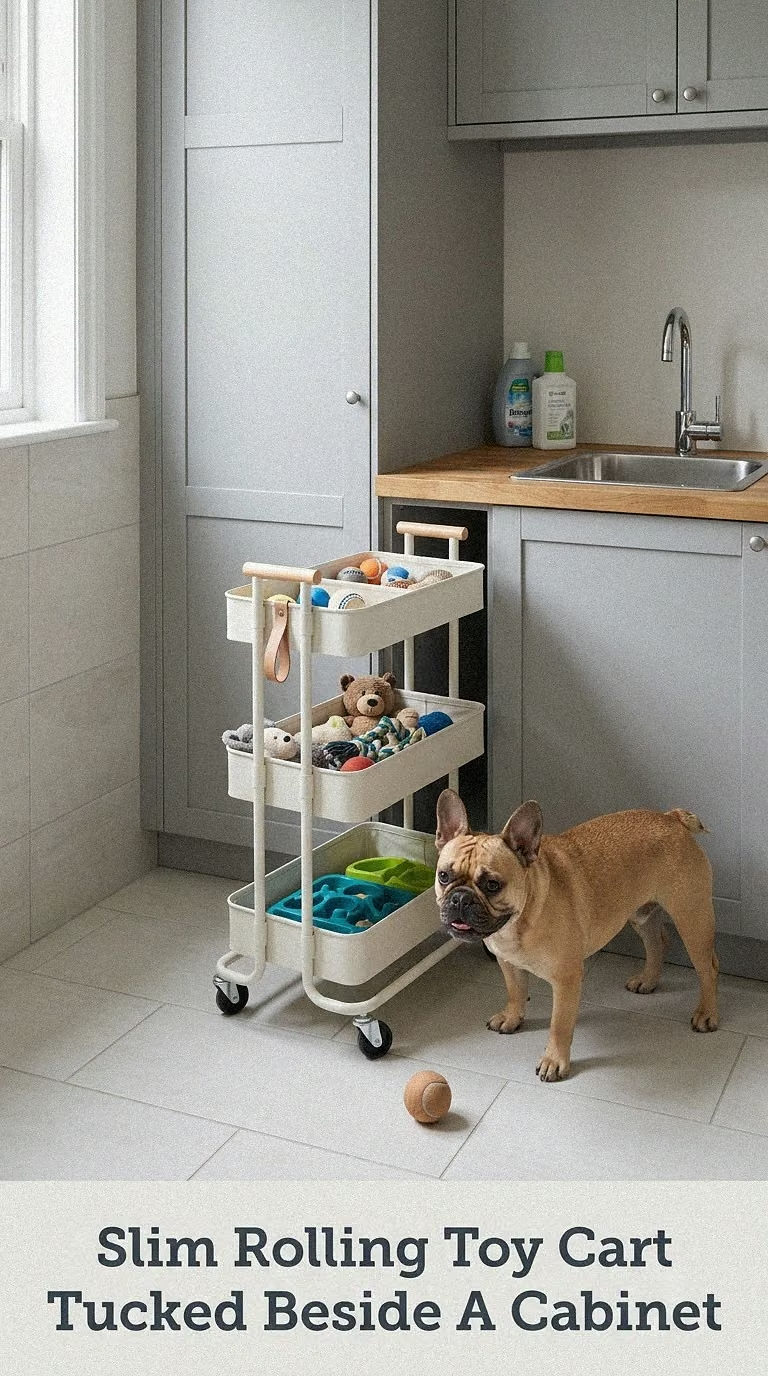
A narrow rolling cart offers a clever solution when floor space is limited. Look for a slim three-tier cart that can tuck beside a kitchen cabinet, laundry unit, bookcase, or mudroom console.
Use the lowest basket for everyday toys your dog can access. Keep less frequently used toys or cleaning supplies on the upper levels.
For a softer look, choose matte cream or muted sage rather than bright industrial colors. Small woven or washable fabric inserts can conceal clutter while maintaining the cart’s mobility.
The biggest advantage is flexibility. You can roll the entire collection into the living room during playtime, move it near the patio for an afternoon outside, and return it to its storage spot later.
Locking wheels are useful if your dog tends to push containers around while enthusiastically searching for a favorite ball.
Wall-Mounted Black Wire Baskets In A Small Dog Corner
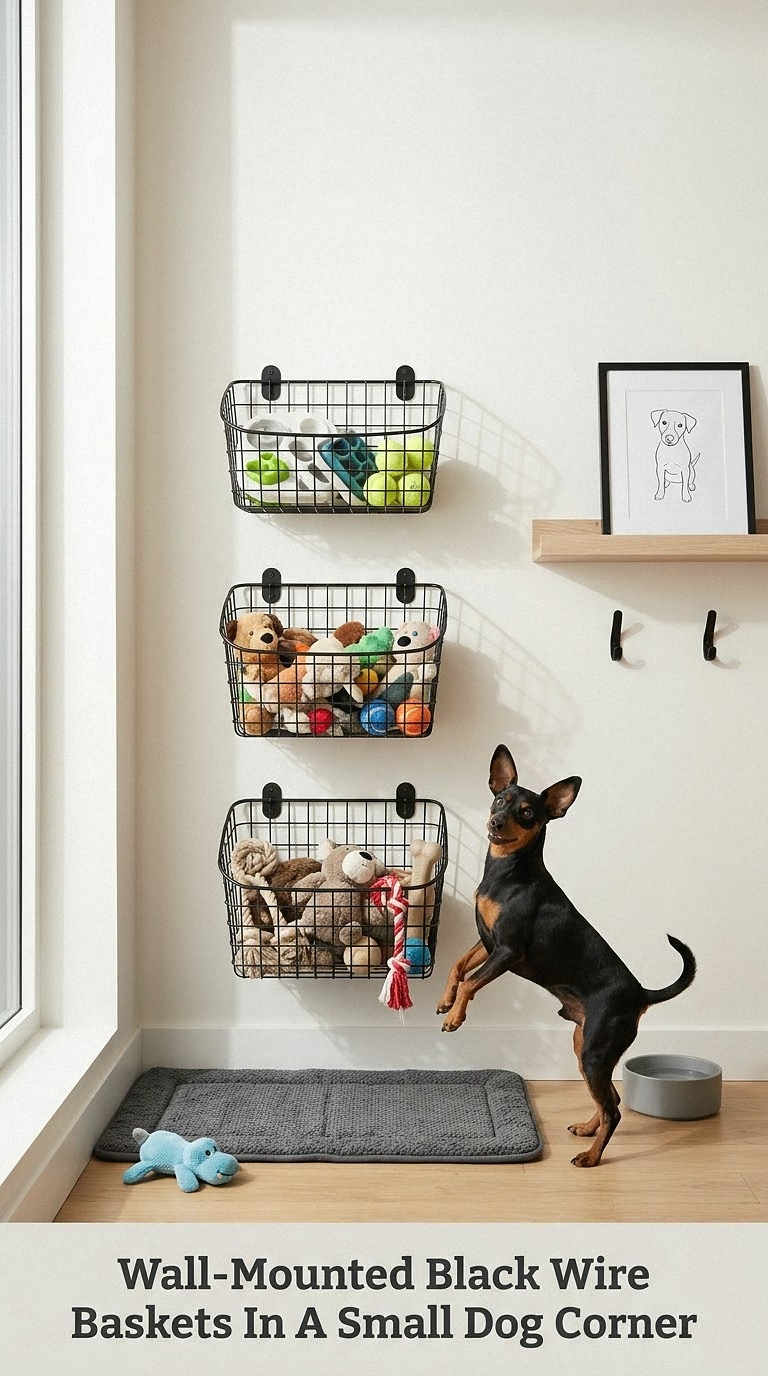
When you cannot spare much floor space, use the wall instead.
Read more : Why Does My Dog Lick My Belly Button?
A group of matte black wire baskets mounted above a small dog bed creates a compact storage zone with a slightly industrial, modern farmhouse feel. Pair them with warm wood paneling, soft white walls, or muted green paint to keep the overall design welcoming.
Store lightweight toys inside the lower baskets and reserve higher baskets for extra supplies. Decorative wooden labels can identify categories such as balls, plush toys, and outdoor toys.
Wall storage is particularly useful in narrow hallways, laundry rooms, or small apartments where large baskets can become obstacles.
Make sure every basket is firmly mounted and that dogs cannot pull a heavy container off the wall. Frequently used toys can also be transferred into one low floor basket whenever you want your dog to have free access.
Under-Stair Dog Nook With Custom Storage Drawers
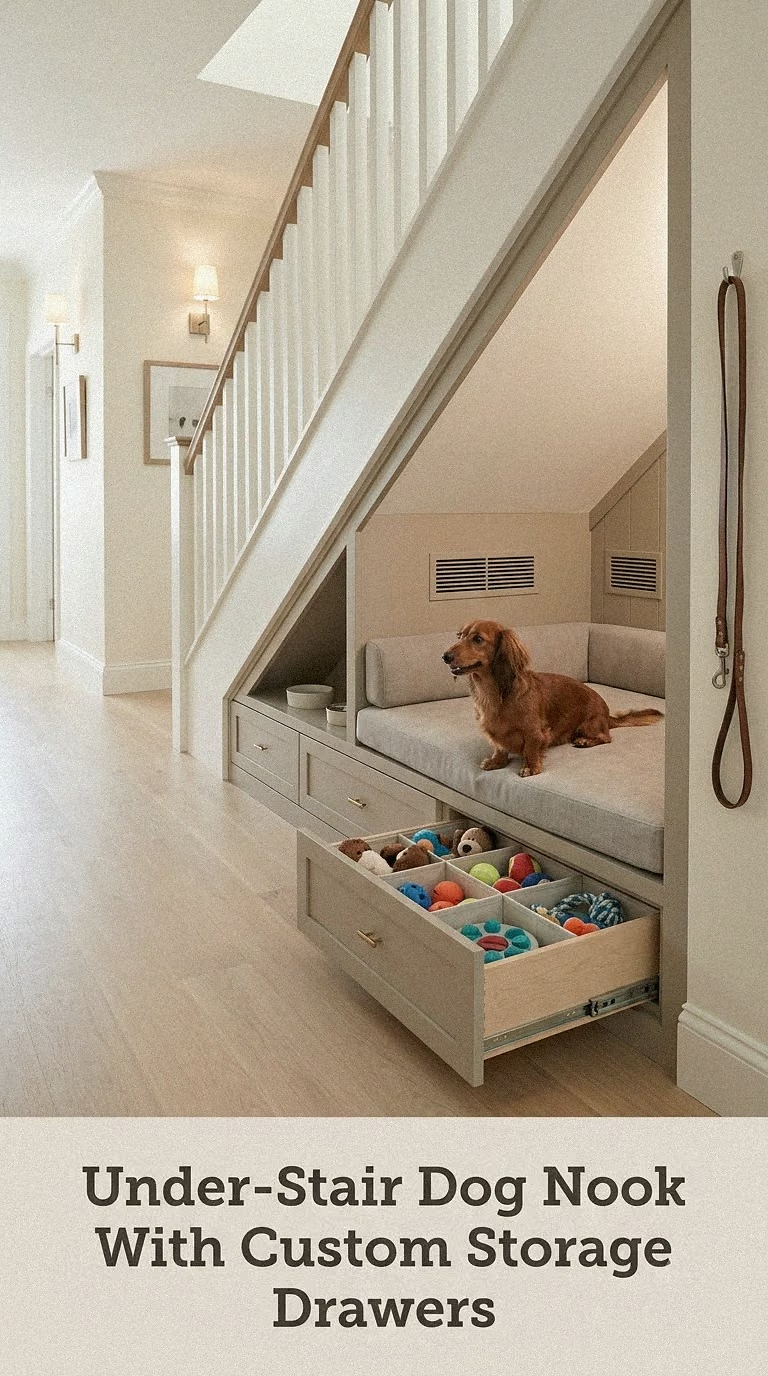
An unused area beneath the stairs can become one of the most charming pet zones in the house.
Create a cozy sleeping nook in the larger portion of the space and install shallow toy drawers alongside or underneath it. Warm wood paneling, creamy walls, a washable neutral cushion, and soft lighting can make the area feel like a tiny custom room.
Choose drawers with recessed pulls so there are no protruding handles close to your dog’s sleeping or walking area.
One drawer can hold everyday toys while another stores seasonal toys, extra blankets, or enrichment supplies.
Because the entire setup uses space that might otherwise remain empty, it is an excellent solution for smaller homes.
Keep the sleeping portion uncluttered and well ventilated. The result should feel like a comfortable retreat rather than a storage cupboard filled around your dog.
Cozy Window Bench With Hidden Lift-Up Toy Storage
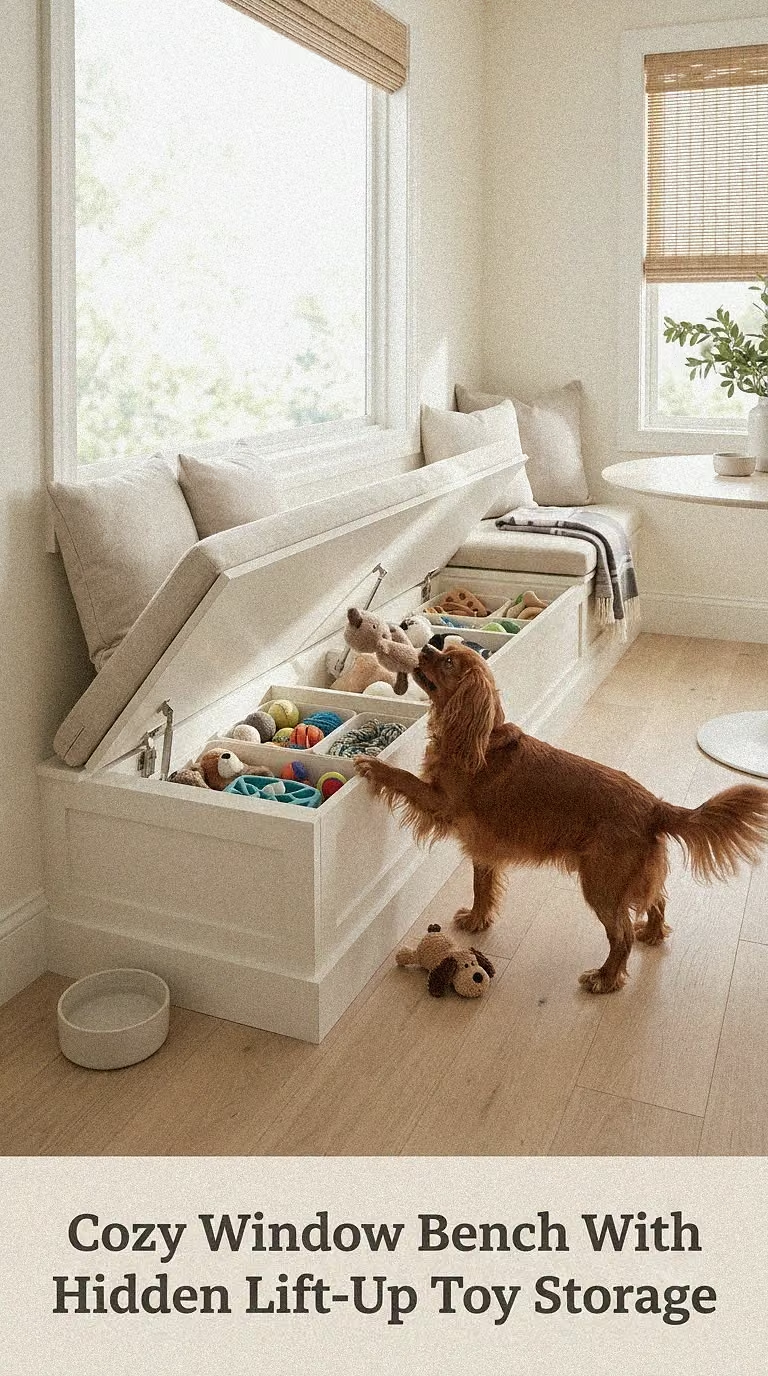
A window bench can serve three purposes at once: seating for you, a sunny lounging spot for your dog, and concealed storage for the toy collection.
Build a deep compartment beneath the seat and divide it into smaller sections with removable baskets. A warm white bench topped with a washable oatmeal cushion looks beautiful in bedrooms, living rooms, or breakfast nooks.
If you use a lift-up seat, choose appropriate lid-support or soft-close hardware so the top cannot unexpectedly fall while you are reaching inside.
For easier everyday access, another option is to use pull-out drawers beneath the cushion instead.
Store your dog’s most frequently used toys near the front and reserve the deeper portion for backup toys.
Add a folded pet blanket at one end of the seat and the storage area becomes a cozy shared corner rather than simply another cabinet.
Washable Canvas Toy Hamper With Leather Handles
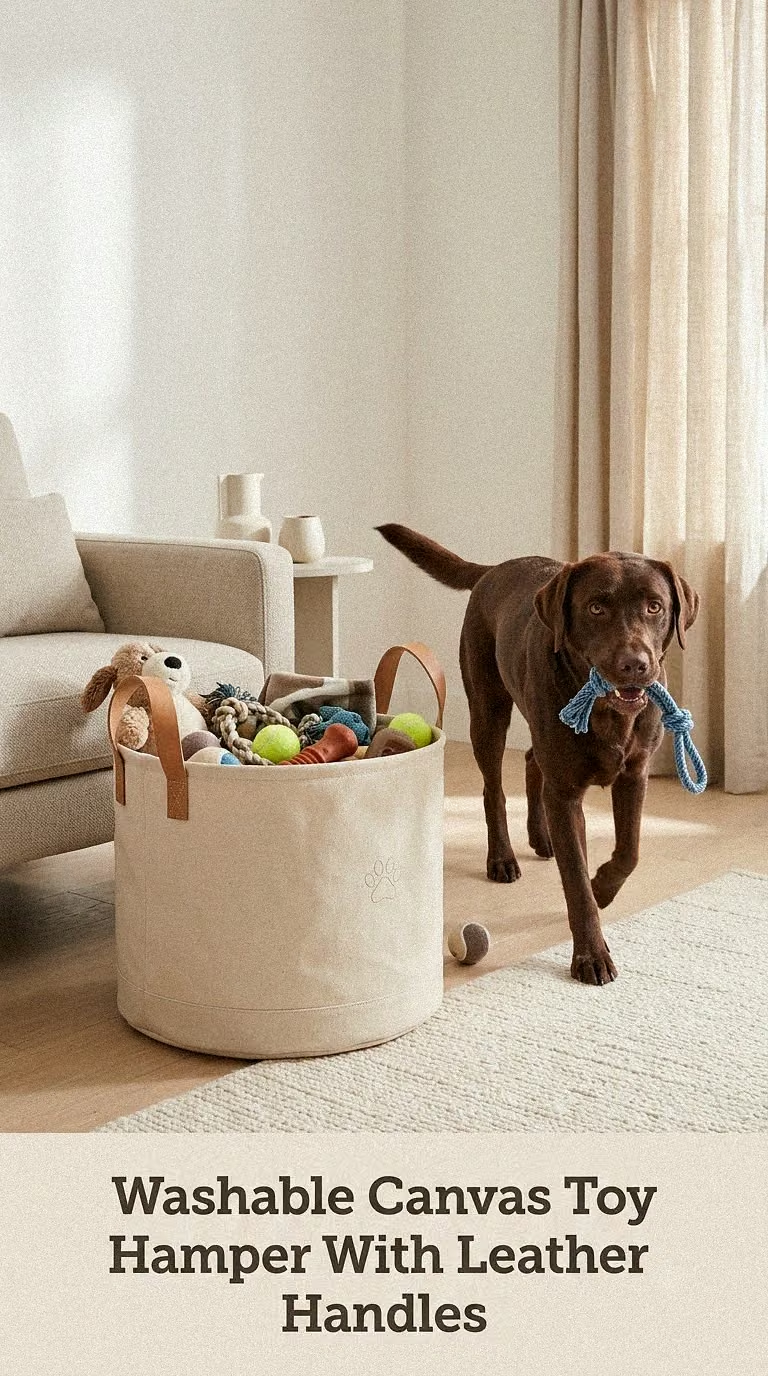
For relaxed interiors, an oversized canvas hamper offers an effortless combination of softness and practicality.
Choose heavyweight cotton canvas in ivory, taupe, olive, charcoal, or striped neutral fabric. Leather-look or sturdy fabric handles add a polished finishing detail and make the hamper easy to carry from room to room.
Canvas storage works especially well for large collections of lightweight plush toys. It can also collapse when empty, which is useful if your dog’s toy collection changes throughout the year.
Look for a removable or washable liner whenever possible. Dog toys inevitably collect fur, dirt, crumbs, and outdoor debris, so storage that can be refreshed easily is worth prioritizing.
Place the hamper near a dog bed or beside a console table and fold the top edge down slightly to create a lower opening for easier access.
Clear Stackable Toy Bins Inside A Closed Utility Cabinet
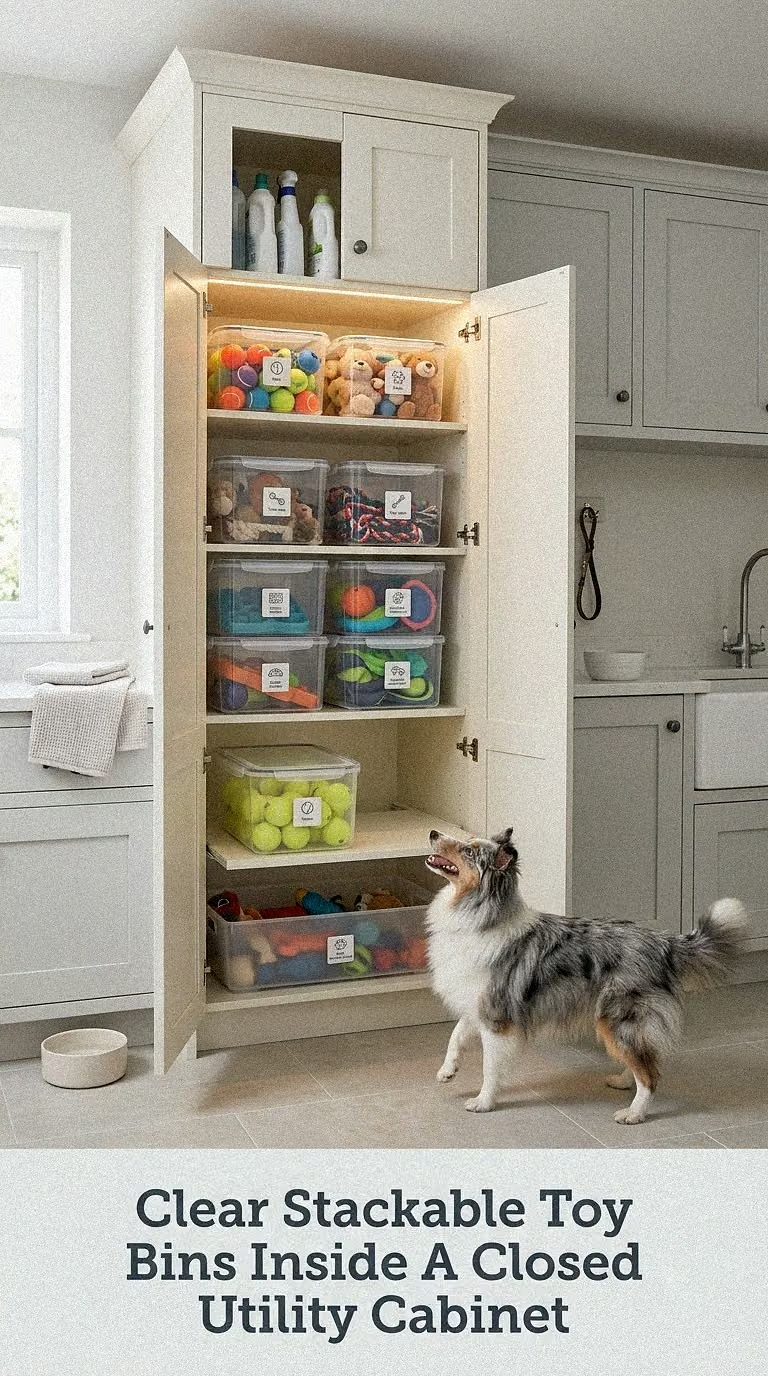
Not every toy needs to stay on display. Clear stackable bins inside a laundry room or utility cabinet can create an organized toy library hidden behind closed doors.
Use separate containers for plush toys, balls, puzzle toys, outdoor toys, and seasonal items. Transparent sides make it easy to identify what is inside without opening every box.
This system is particularly useful if you rotate toys instead of keeping the entire collection available at once. Leave a smaller everyday basket in the living area and periodically swap its contents with toys stored in the cabinet.
Choose bins that are easy to wipe clean and avoid packing away toys while they are damp. Clean and fully dry washable toys before returning them to enclosed storage.
Small labels can make the system even easier to maintain while preserving the tidy, uniform appearance.
Vintage Farmhouse Trunk With Removable Interior Toy Baskets
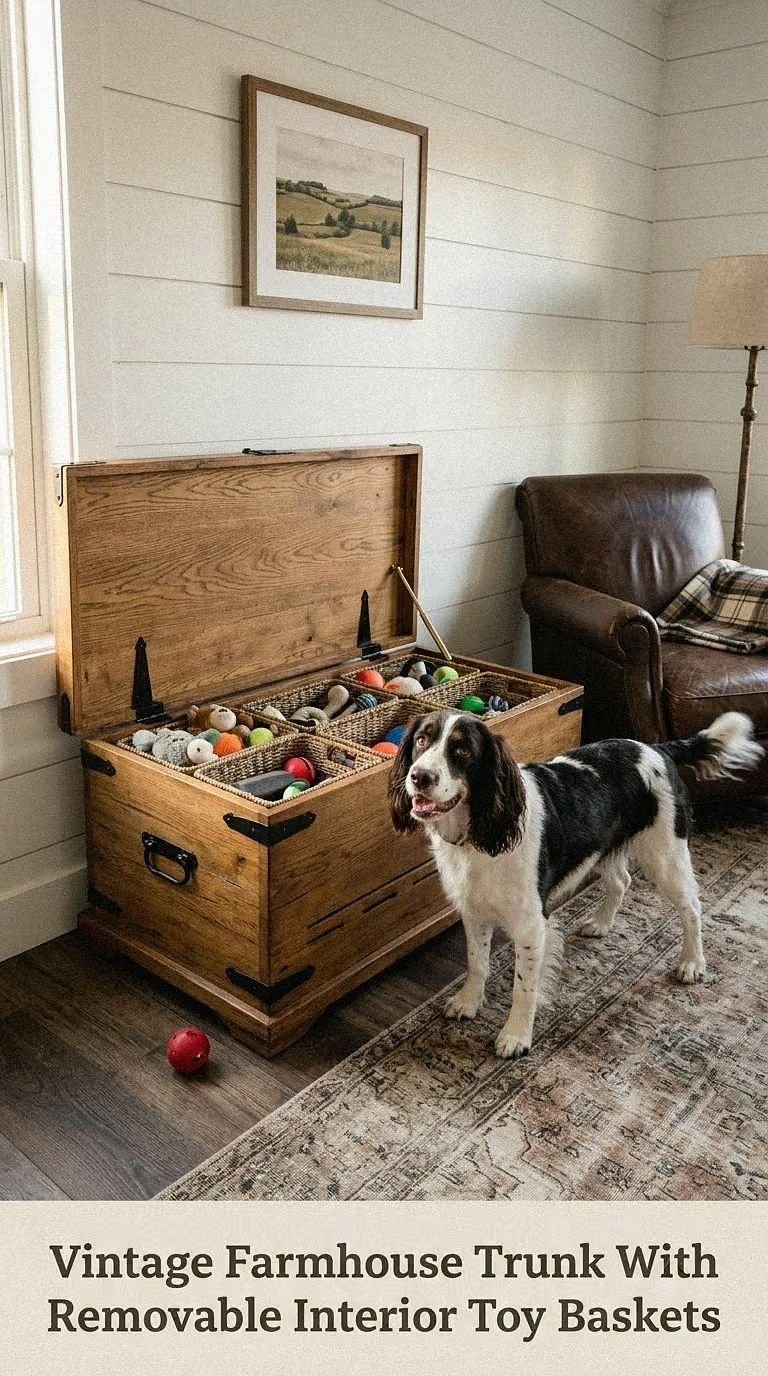
An old-style wooden trunk can become beautiful concealed storage in a rustic living room, especially when paired with linen upholstery, vintage rugs, and warm natural textures.
Instead of tossing everything directly into the trunk, add two or three removable interior baskets. This lets you pull out one category of toys without digging through the entire collection.
A weathered natural wood finish creates a cozy farmhouse look, while matte charcoal or muted green can give the piece a more contemporary personality.
Safety matters with this design. A heavy free-falling lid is not ideal around curious pets, so use suitable lid-support hardware or keep the trunk in an adult-access storage area rather than allowing your dog to climb inside.
Small ventilation openings can also help keep the interior from feeling stuffy, especially when storing fabric toys.
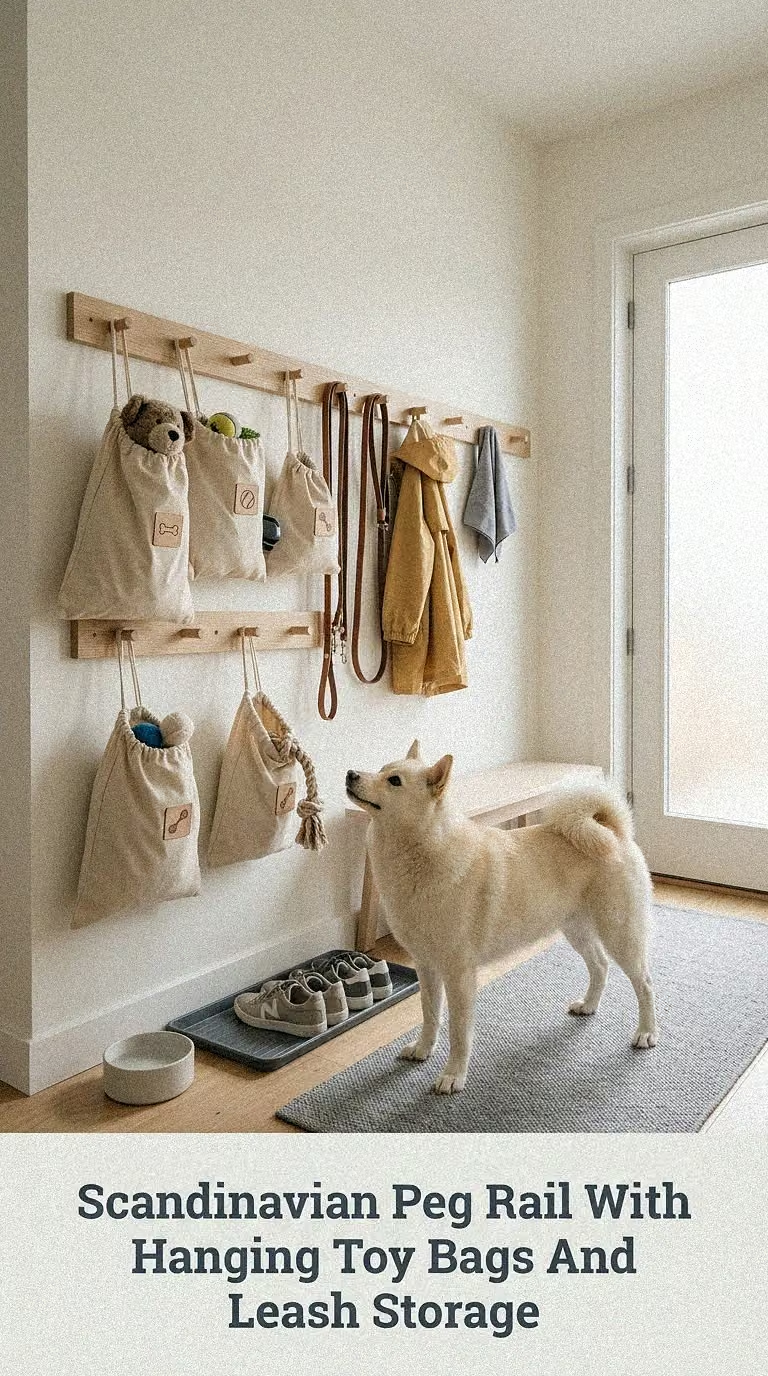
A simple wooden peg rail can transform an unused wall into a beautiful vertical pet station.
Install a pale oak or natural beech rail above a low dog bed or feeding area. Hang washable canvas toy bags from several pegs and reserve others for leashes, harnesses, towels, or lightweight walking accessories.
Choose coordinating bags in cream, oatmeal, pale gray, or muted sage to maintain the calm Scandinavian look. Small stitched labels can identify different toy categories without adding visual clutter.
Keep heavier supplies off the hooks and make sure anything hanging within your dog’s reach cannot become tangled around them.
Read more : 18 Dog Food Storage Ideas For A Cleaner, Prettier Pet-Friendly Home
This idea works particularly well in apartments because the storage has almost no footprint.
For everyday play, keep one small open basket on the floor while using the hanging bags for toy rotation and backup supplies.
Low Montessori-Style Open Shelves With Rotating Toy Baskets
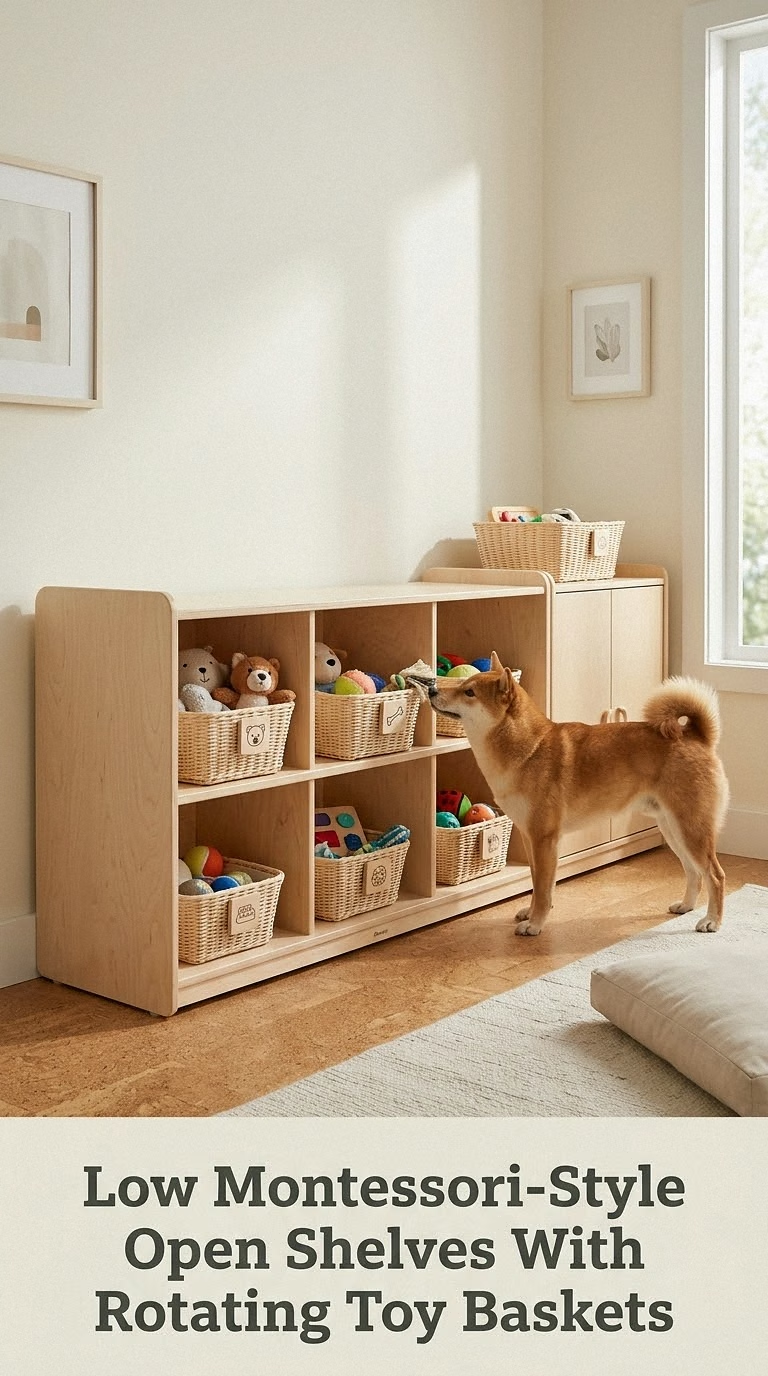
A low open shelf creates an inviting setup for dogs that enjoy selecting their own toys.
Use a simple two-level wooden shelving unit with shallow baskets spaced across the bottom. Instead of displaying every toy your dog owns, place a small selection in each basket and keep the remainder elsewhere for rotation.
Natural wood combined with cream cotton baskets creates a calm, minimalist look that fits easily into a living room or dedicated pet corner.
Leaving some empty space around each basket makes the setup appear organized and can make individual toys easier to spot.
Inspect the available toys regularly before placing them back on the shelf. Loose stuffing, damaged squeakers, frayed ropes, or broken pieces are good reasons to retire a toy rather than return it to storage.
This approach turns organization into part of your dog’s everyday environment.
Modern Entryway Console With Cane-Front Dog Toy Cabinets
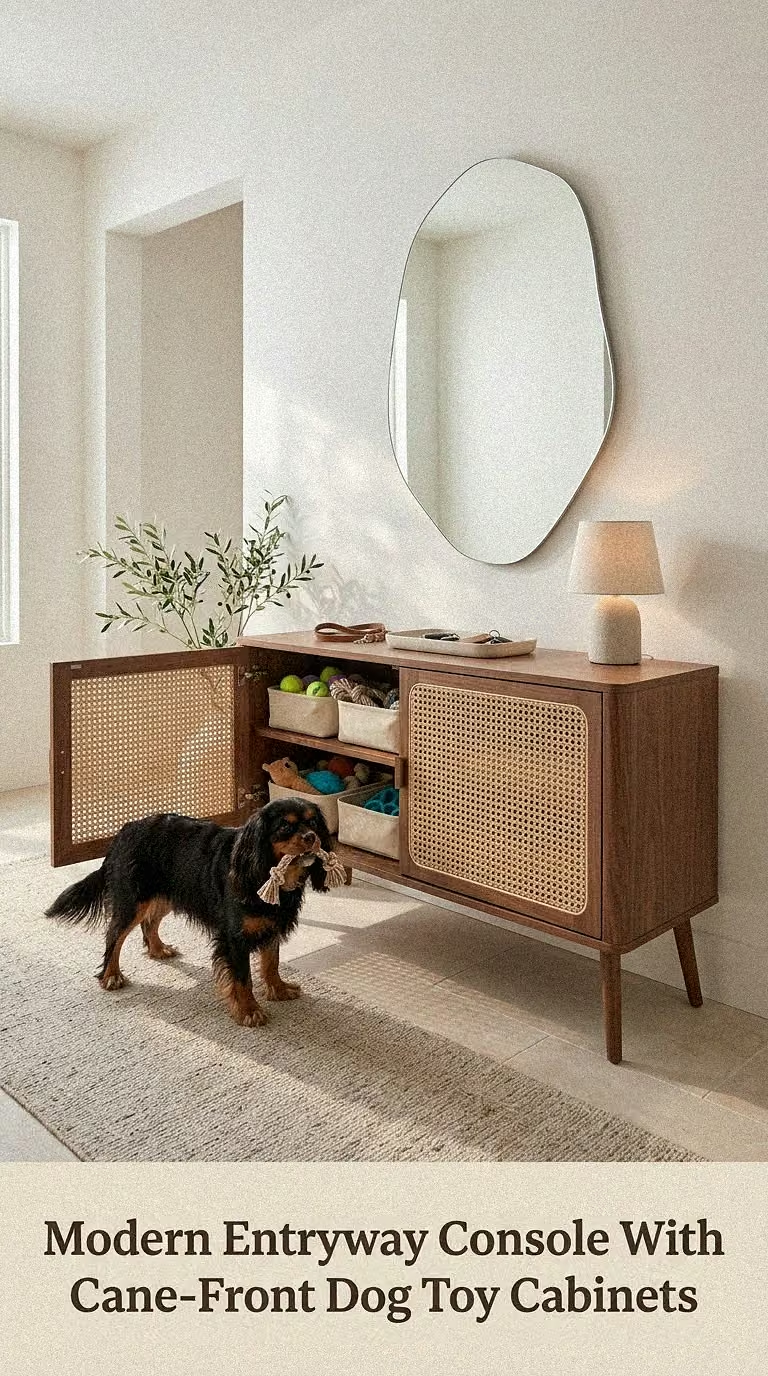
For a more sophisticated approach, incorporate dog storage into a piece of furniture that does not immediately look pet-related.
A white oak or walnut entryway console with cane-front cabinet doors offers warmth, texture, and plenty of hidden space. Inside, add washable bins that can be pulled out whenever your dog wants to play.
The woven cane fronts provide a lighter visual effect than solid doors, making larger cabinetry feel less bulky in compact rooms.
Style the top with a lamp, ceramic bowl, framed art, or vase so the console feels like a natural part of your decor. One cabinet can hold toys while another keeps towels and walking accessories organized.
If your dog chews furniture, position accessible toys in a separate low basket and reserve the console for items you prefer to control.
Color-Coded Multi-Dog Storage Station With Separate Baskets
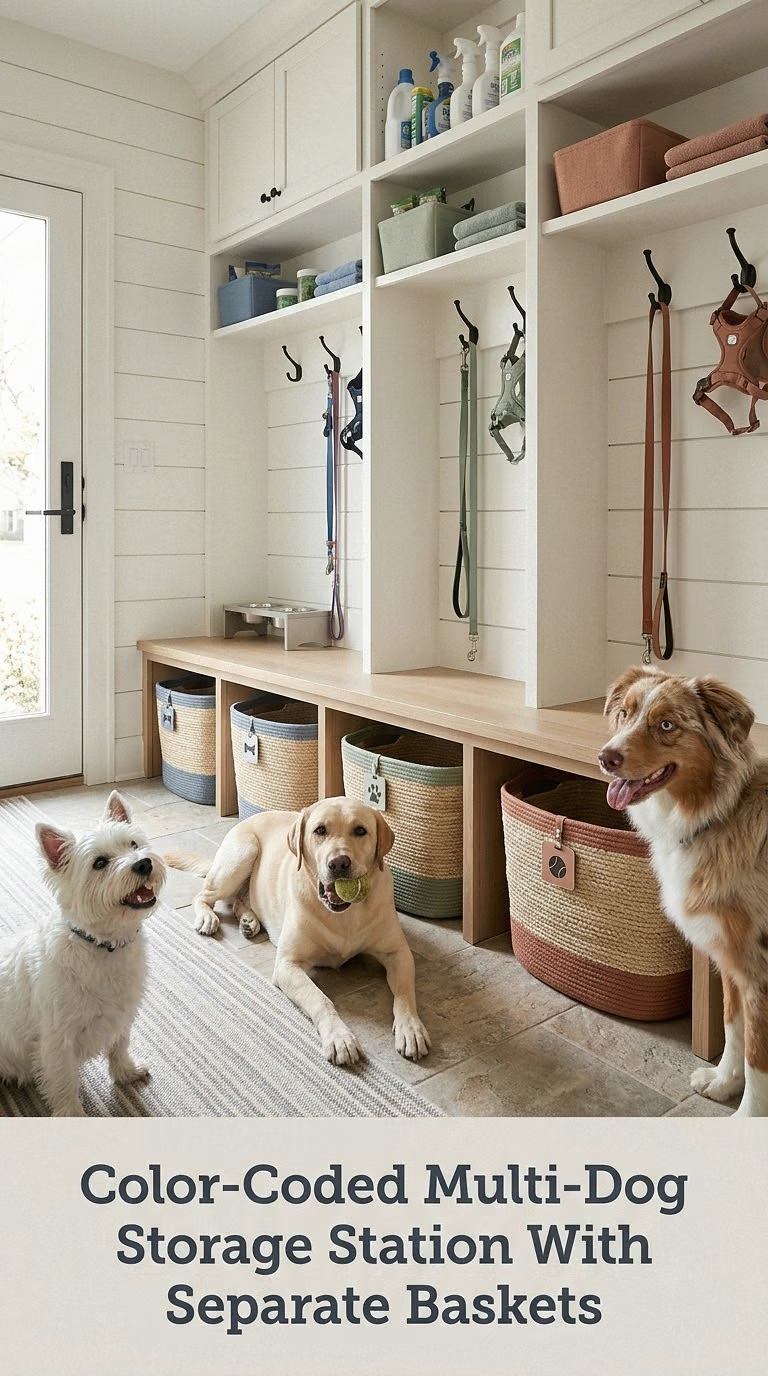
Homes with two or more dogs often accumulate toys surprisingly quickly. A coordinated multi-basket station can make the collection much easier to manage.
Start with matching baskets in different muted colors such as sage, sand, terracotta, and charcoal. Assign one basket to each dog or organize them by toy type depending on how your household plays.
Place the baskets beneath a long bench or inside open cubbies so they look like part of one intentional storage system.
Simple name tags can add a sweet personalized detail, especially in a dedicated dog room or mudroom.
Shared toys can have their own central basket, while specialty toys or appropriately sized chews remain separated when necessary.
This setup can also make cleaning days simpler because you can empty, inspect, and refresh one basket at a time instead of tackling one enormous mixed pile.
DIY Painted Plywood Toy Box With Rounded Dog-Friendly Edges
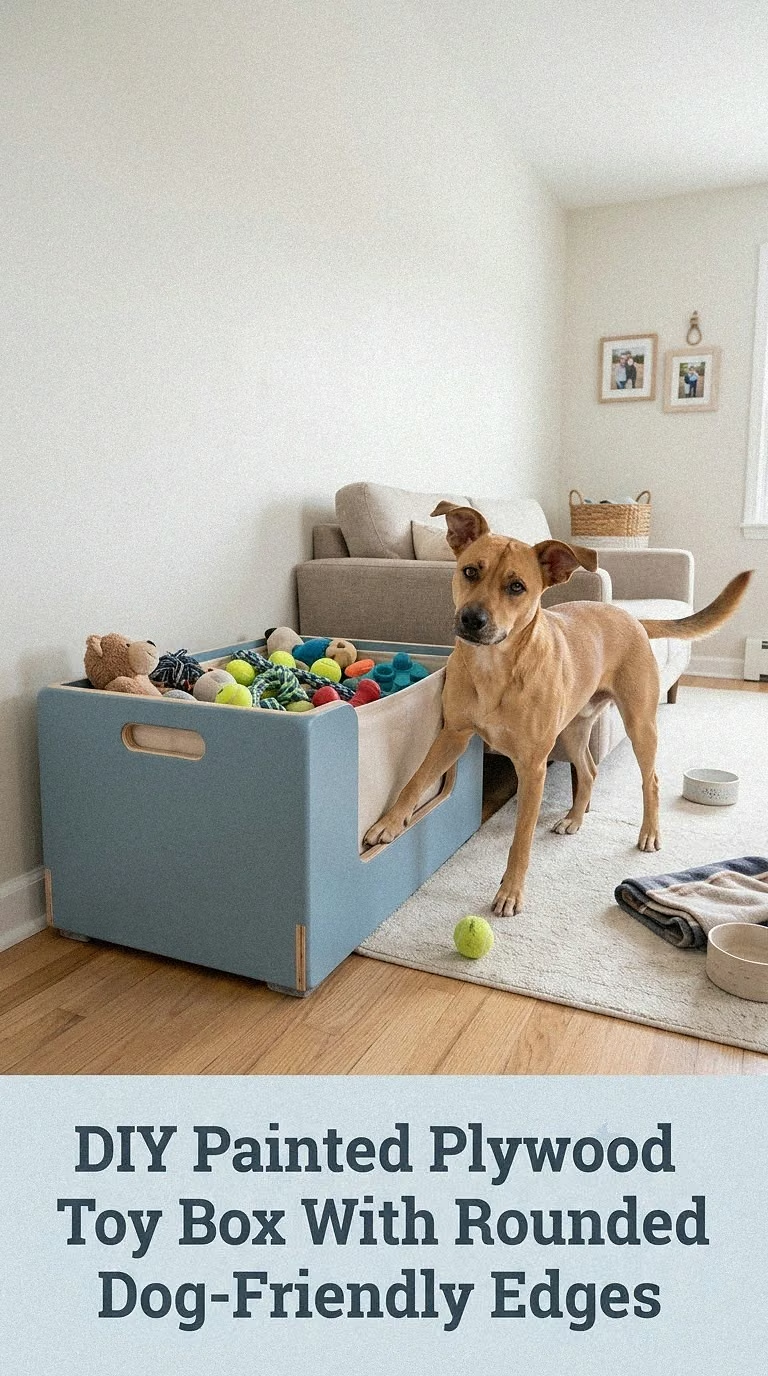
A handmade plywood box is an affordable way to create storage sized perfectly for your space.
Use smooth plywood and build a simple rectangular container with a lowered front opening. Round the corners carefully, sand every surface, and choose a finish appropriate for the material and intended household use.
Warm white is timeless, while dusty blue, soft sage, muted blush, or charcoal can turn the box into a subtle decorative accent.
For a playful detail, add your dog’s name in small wooden letters or paint a minimalist paw print near one corner.
A removable washable liner will keep toys from rubbing directly against the wood and make routine cleaning easier.
Skip complicated hinged lids if your goal is independent dog access. An open design is simpler, visually inviting, and makes it easy to notice when the collection needs tidying.
Luxury Built-In Pet Wall With Display Shelves And Concealed Toy Drawers
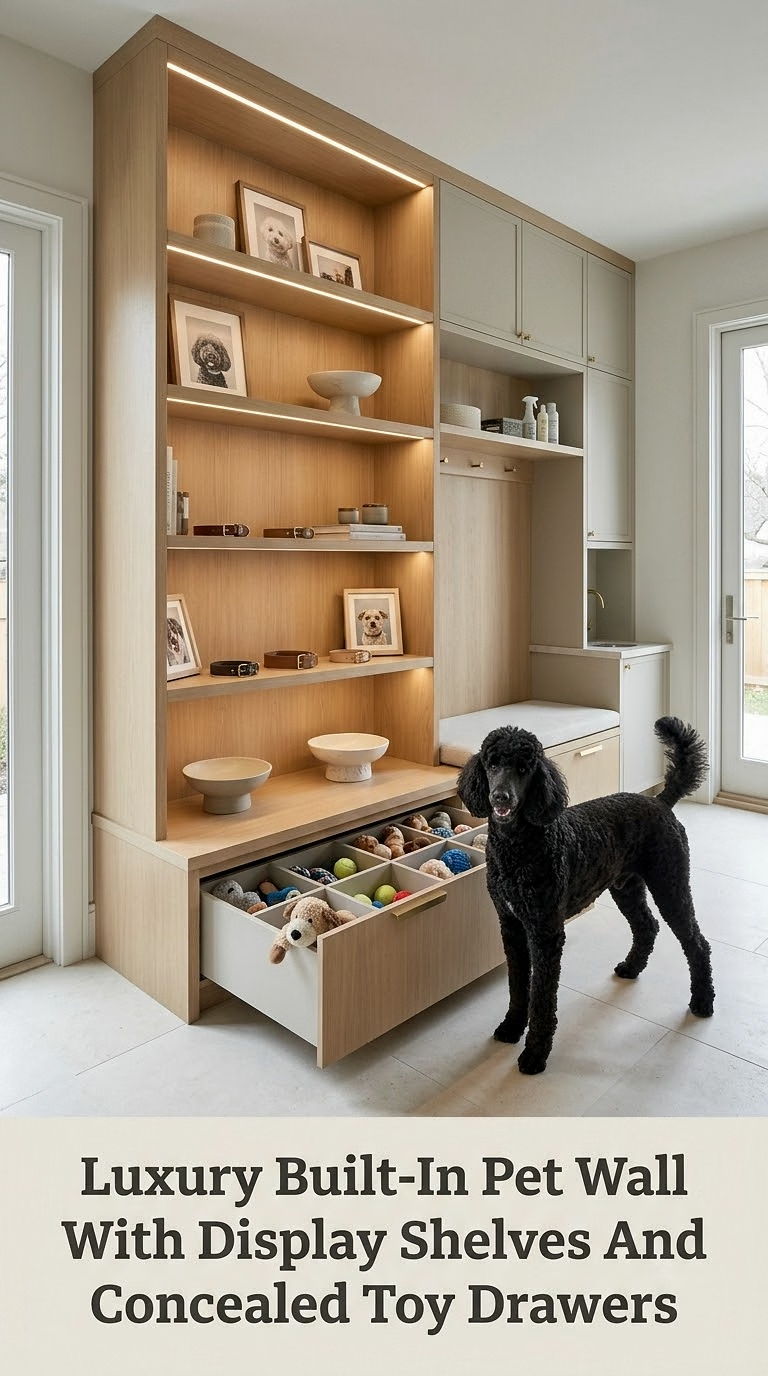
For a high-end renovation, dedicate an entire section of cabinetry to your dog’s daily routine.
Picture floor-to-ceiling warm white or pale oak cabinetry with open display niches above, deep concealed toy drawers below, and a comfortable dog bed integrated into the center.
Soft under-shelf lighting can add warmth while brass or matte black hardware ties the pet station into surrounding kitchen, mudroom, or living-room cabinetry.
Use deep drawers for toys and smaller internal organizers for balls, enrichment accessories, grooming tools, and walking supplies. Keeping categories separated prevents the biggest drawer from becoming another chaotic toy pile.
A built-in design is especially useful when you want pet essentials conveniently located but prefer a calm, uncluttered interior.
The result can feel less like conventional dog storage and more like a beautifully designed piece of your home created specifically around life with your pet.
Creating Dog Toy Storage Ideas That Work For Your Home
The best dog toy storage ideas are not necessarily the biggest or most expensive. They are the ones that fit naturally into the way you and your dog actually live.
If your dog loves choosing toys throughout the day, a soft floor basket, low open shelf, or front-opening wooden box may be perfect. If visual clutter bothers you, drawers, cabinets, window benches, and console furniture provide plenty of hidden storage. Small homes can take advantage of walls, rolling carts, vertical shelving, and underused spaces beneath stairs or furniture.
Whichever solution you choose, make it easy to maintain. Wash storage containers when needed, allow cleaned toys to dry before putting them away, and regularly inspect the collection so damaged toys do not disappear unnoticed at the bottom of a basket.
Most importantly, your dog’s storage area can still feel like part of the home you love. A few thoughtful materials, coordinated colors, and clever furniture choices can turn a scattered pile of toys into a cozy, organized corner that feels beautiful for you and ready for playtime whenever your dog decides it is time.
Source: https://petstutorial.com
Category: DOGS
