
A dog gate may start as a practical solution, but it does not have to look like temporary equipment dropped into the middle of a beautifully decorated home. With the right design, a gate can blend into your hallway, complement your kitchen cabinets, echo your staircase railings, or even become a charming architectural detail of its own.
The best dog gate ideas balance three things: your dog’s safety, your home’s layout, and the way you actually live day to day. A tiny puppy may need narrow openings and a low threshold, while an athletic dog might require a much taller, sturdier barrier. Renters may prefer pressure-mounted or freestanding options, while homeowners can explore custom built-in designs that feel almost like permanent millwork.
You are reading: 19 Dog Gate Ideas That Blend Safety With Beautiful Home Style
Where you place the gate matters just as much as how it looks. Hardware-mounted gates are generally the better choice at the top of stairs, where a loose barrier could create a serious fall risk. In ordinary hallways and room openings, pressure-mounted, retractable, or freestanding designs can offer more flexibility. Whatever style you choose, make sure your dog cannot jump over it, squeeze through openings, climb the bars, or push the gate out of position.
From soft farmhouse wood to sleek black metal and clever small-space solutions, these dog gate ideas show how functional pet boundaries can still feel thoughtful, cozy, and completely at home in your space.
Beautiful And Practical Dog Gate Ideas For Every Home
Warm White Oak Slatted Dog Gate For A Modern Kitchen
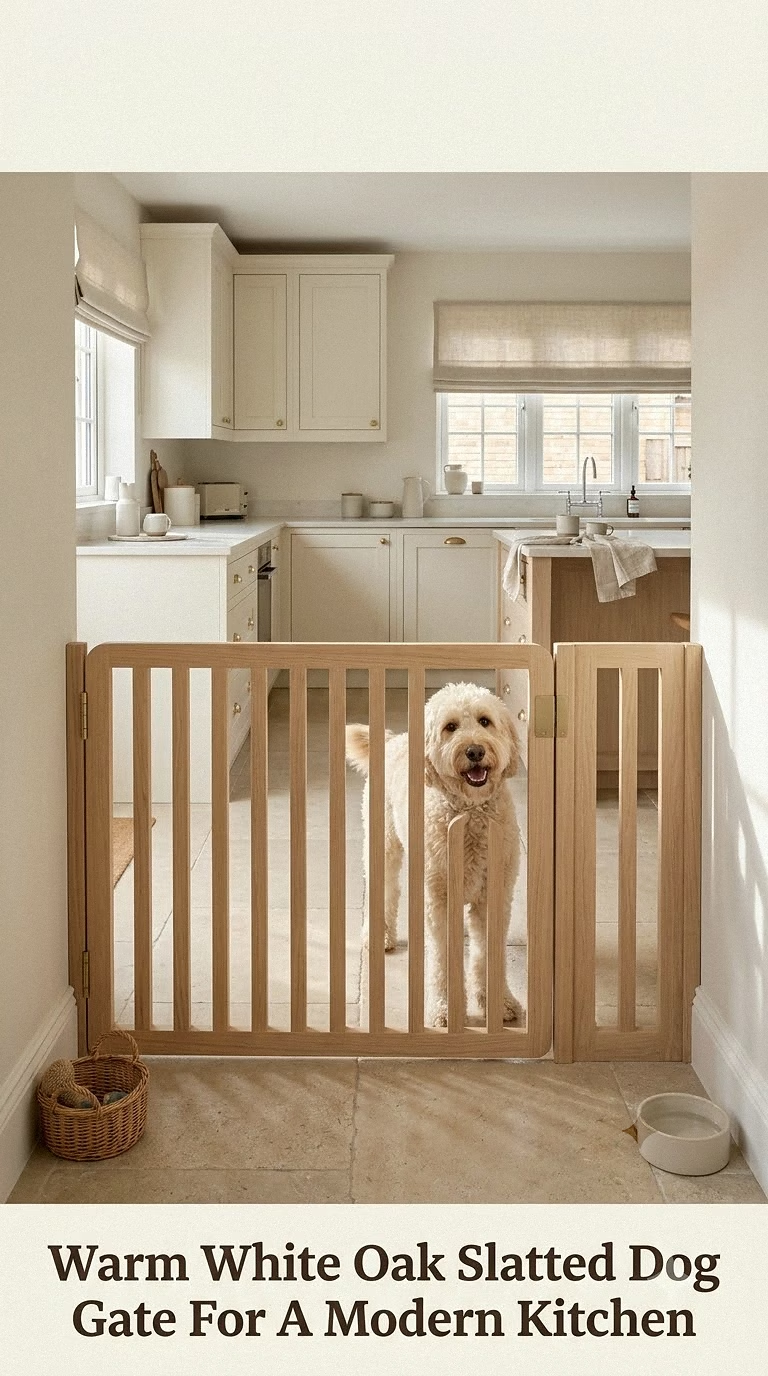
A white oak slatted gate is one of the easiest ways to make a pet barrier look like part of a modern interior rather than an afterthought. Use slim vertical slats inside a solid wood frame, then match the stain to nearby flooring, open shelving, or kitchen cabinetry.
Vertical slats are especially appealing because they create an airy look while avoiding the ladder-like effect of multiple horizontal rails. Keep the gaps narrow enough that your dog cannot push a head, paw, or shoulder through them.
For a custom version, add concealed hinges and a simple magnetic or mechanical latch on the human side. A gate that swings fully against the wall when open keeps busy kitchen walkways clear.
Pair natural oak with warm white walls, brushed brass hardware, woven baskets, and neutral runners for a soft contemporary finish.
Matte Black Extra-Tall Metal Gate For Large Dogs
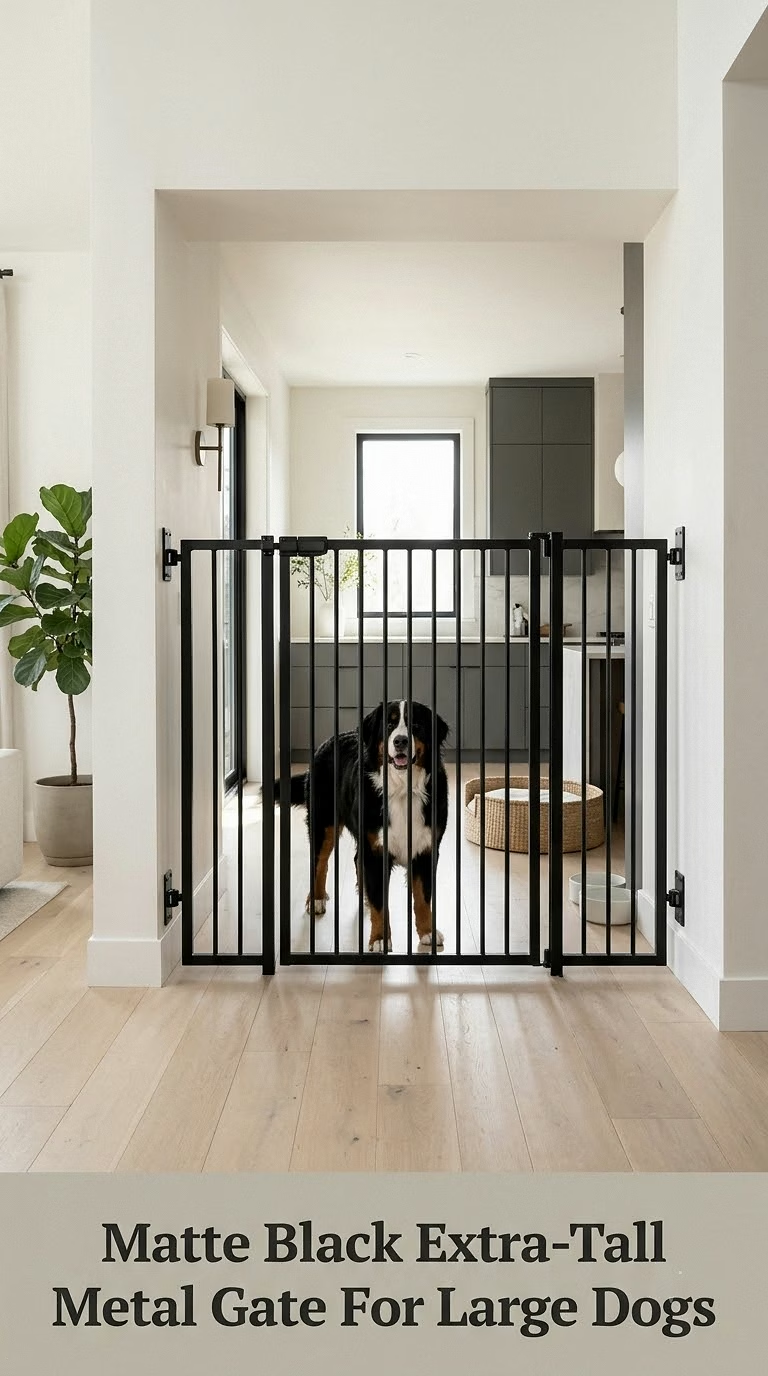
A tall matte black gate can look surprisingly sophisticated, especially in homes with black window frames, iron stair rails, or modern lighting fixtures.
This style works particularly well for large dogs, strong dogs, and enthusiastic jumpers because metal offers more resistance to chewing and rough treatment than lightweight wood or plastic. Look for a height appropriate to your individual dog rather than relying solely on breed size. Athletic medium-sized dogs can sometimes clear barriers that much larger, calmer dogs would never attempt.
Choose a design dominated by vertical bars instead of horizontal crosspieces that could provide climbing footholds.
To soften the industrial appearance, surround the gate with warm wood flooring, cream walls, indoor plants, or a natural fiber runner. The contrast between black metal and softer furnishings gives the setup a polished designer feel.
Slim White Pressure-Mounted Gate For A Rental Hallway
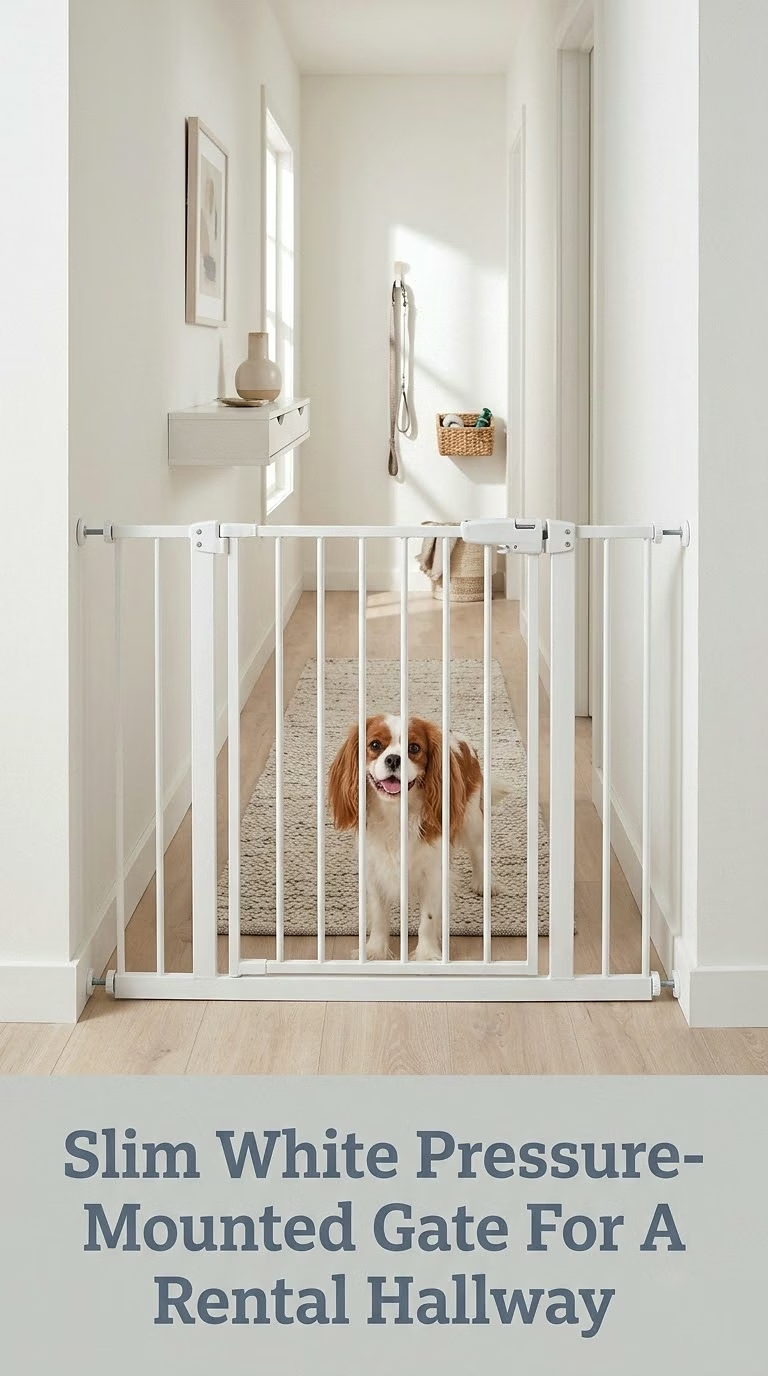
Renting does not mean you have to live with a bulky or unattractive pet barrier. A simple white pressure-mounted gate can almost disappear against white trim and pale walls.
This approach is best for ordinary room transitions where falling is not a hazard. It can work beautifully between a hallway and living area, across a laundry room entrance, or between the kitchen and dining room.
Measure the opening at several heights before buying, especially when thick baseboards make the lower part of the doorway narrower than the upper section. Choose an adjustable model that fits the actual dimensions rather than forcing a gate into position.
Because pressure-mounted gates depend on tension, check them regularly and retighten them when necessary. Add a washable neutral runner nearby and keep the surrounding area uncluttered for a calm, intentional appearance.
Built-In Shaker Style Dog Gate With Matching Wall Trim
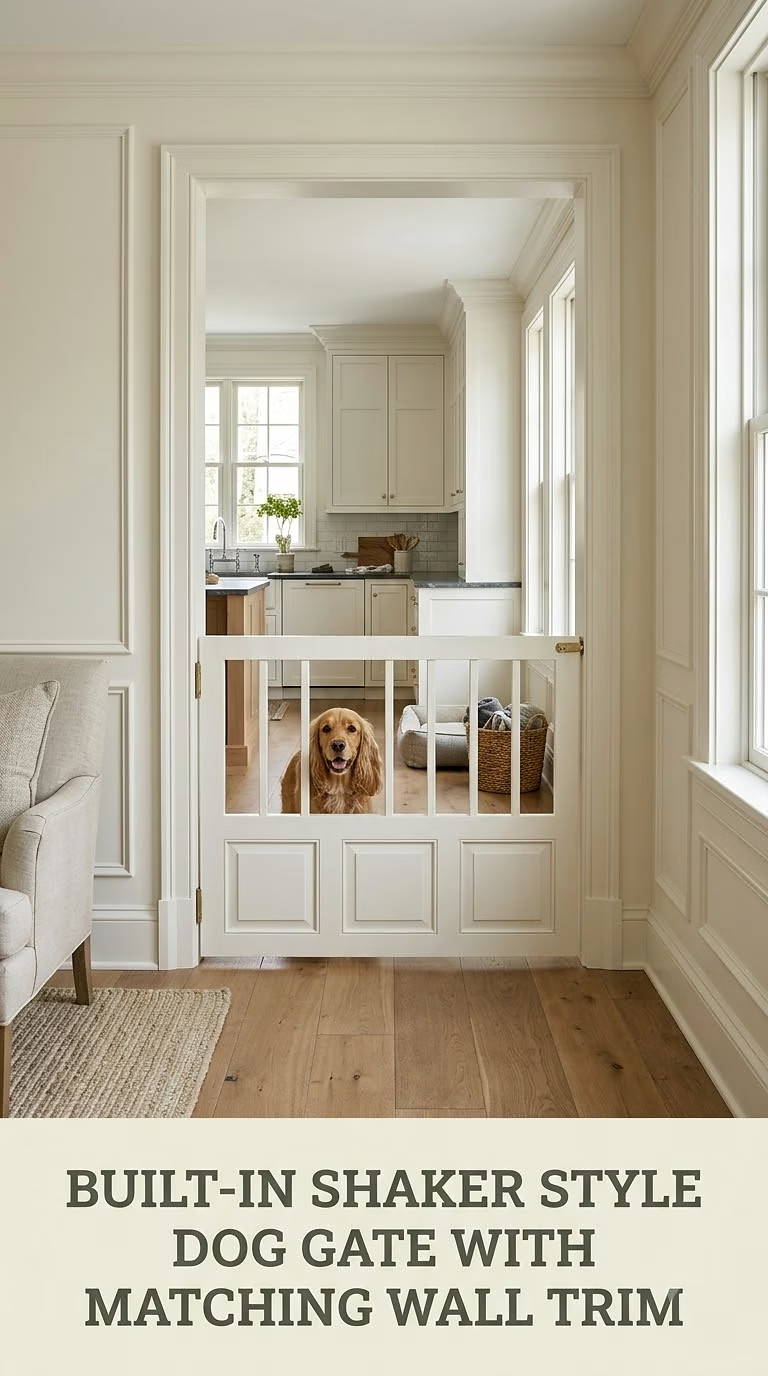
For a traditional or transitional home, a custom Shaker-style gate can look almost like a miniature interior door.
Build the frame using the same proportions as nearby cabinet doors or wall paneling, then paint everything in one coordinated shade. Soft white feels timeless, while muted sage, warm greige, or dusty blue can turn the gate into a charming design feature.
This solution works especially well between a mudroom and kitchen or at the entrance to a dedicated dog area. A solid lower portion can provide a little visual privacy, while vertical upper rails maintain airflow and visibility.
Use sturdy hardware and a latch positioned where your dog cannot easily manipulate it. If you are tackling the project yourself, carefully sand every edge and select durable, pet-appropriate finishes.
The result feels architectural rather than temporary.
Arched Farmhouse Wood And Wire Dog Gate
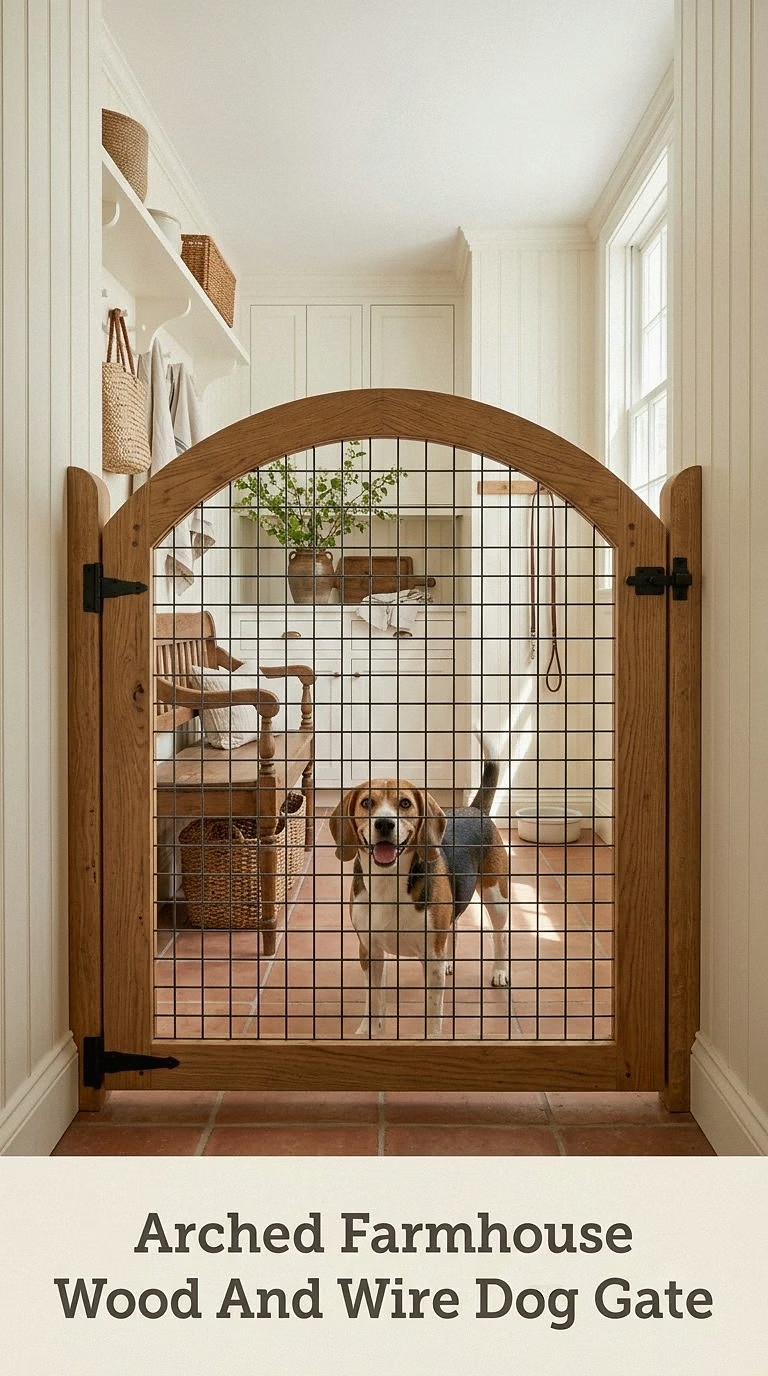
An arched wooden gate brings cottage character to a doorway while wire mesh keeps the structure visually light.
Start with a warm stained wood frame and create a gentle curve along the top. Inside the frame, use strong coated wire or closely spaced metal mesh instead of decorative openings large enough for a dog to investigate with its head or paws.
Black hinges and a simple latch give the gate a farmhouse finish without making it overly rustic. It would look particularly lovely beside shiplap, vintage hooks, terracotta flooring, woven baskets, or an old wooden bench.
This style is ideal for calmer dogs that are not determined wood chewers. If your dog tends to gnaw on furniture or barriers, a predominantly metal alternative will usually be easier to maintain.
For extra charm, coordinate the wood stain with nearby furniture.
Minimal Retractable Mesh Gate For A Narrow Passage
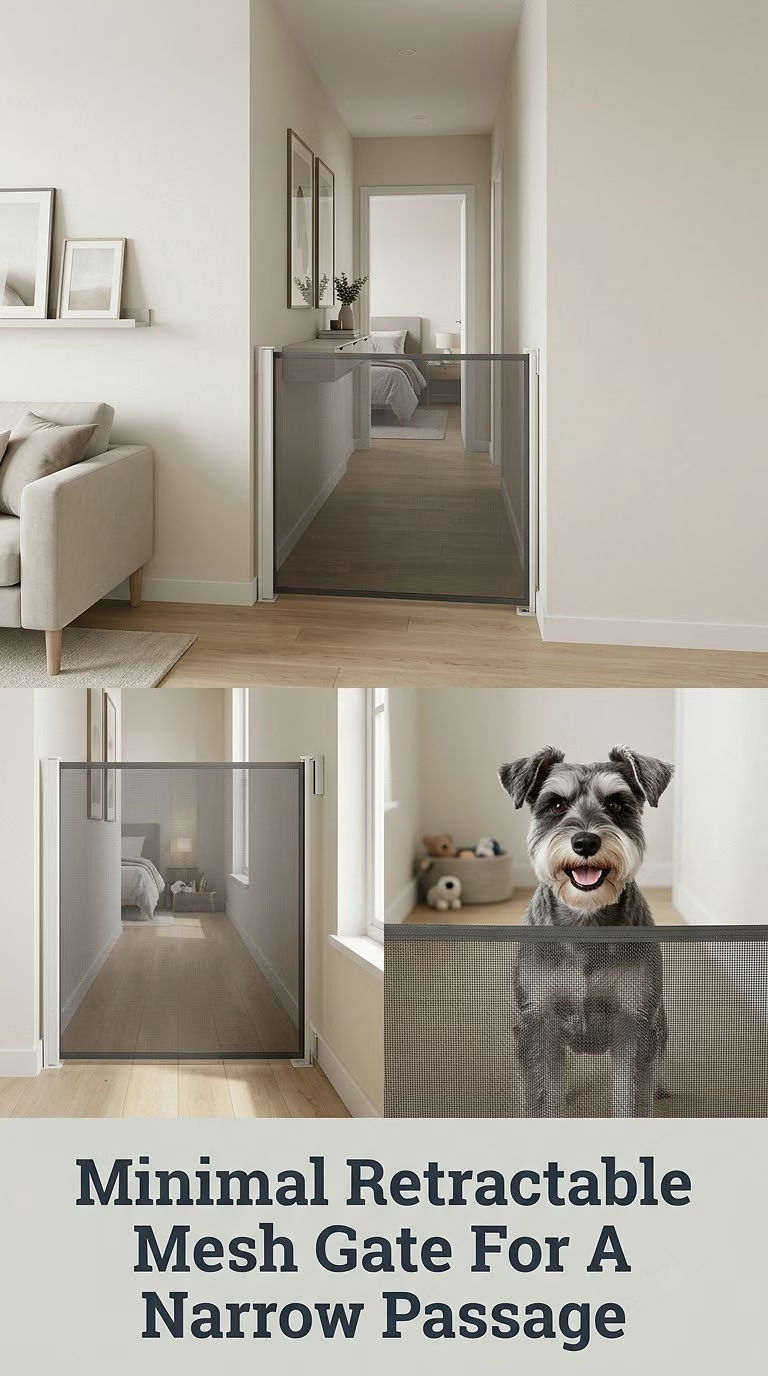
Sometimes the best-looking dog gate is the one you barely notice when it is not being used.
A retractable mesh barrier can roll neatly into a slim housing attached to the side of a doorway, making it useful for tight hallways, compact apartments, kitchens, and other areas where a swinging gate would constantly be in the way.
Choose a taut, durable mesh and make sure the installation surface can properly support the mounting hardware. Retractable designs vary considerably in strength and intended placement, so follow the manufacturer’s location and mounting instructions closely.
This type of gate is particularly attractive in minimalist homes because it adds very little visual weight. Select a housing color similar to the wall or trim for an almost seamless look.
It can also be convenient when you alternate frequently between an open floor plan and temporary dog-free zones.
Freestanding Folding Wood Gate For An Open-Plan Living Room
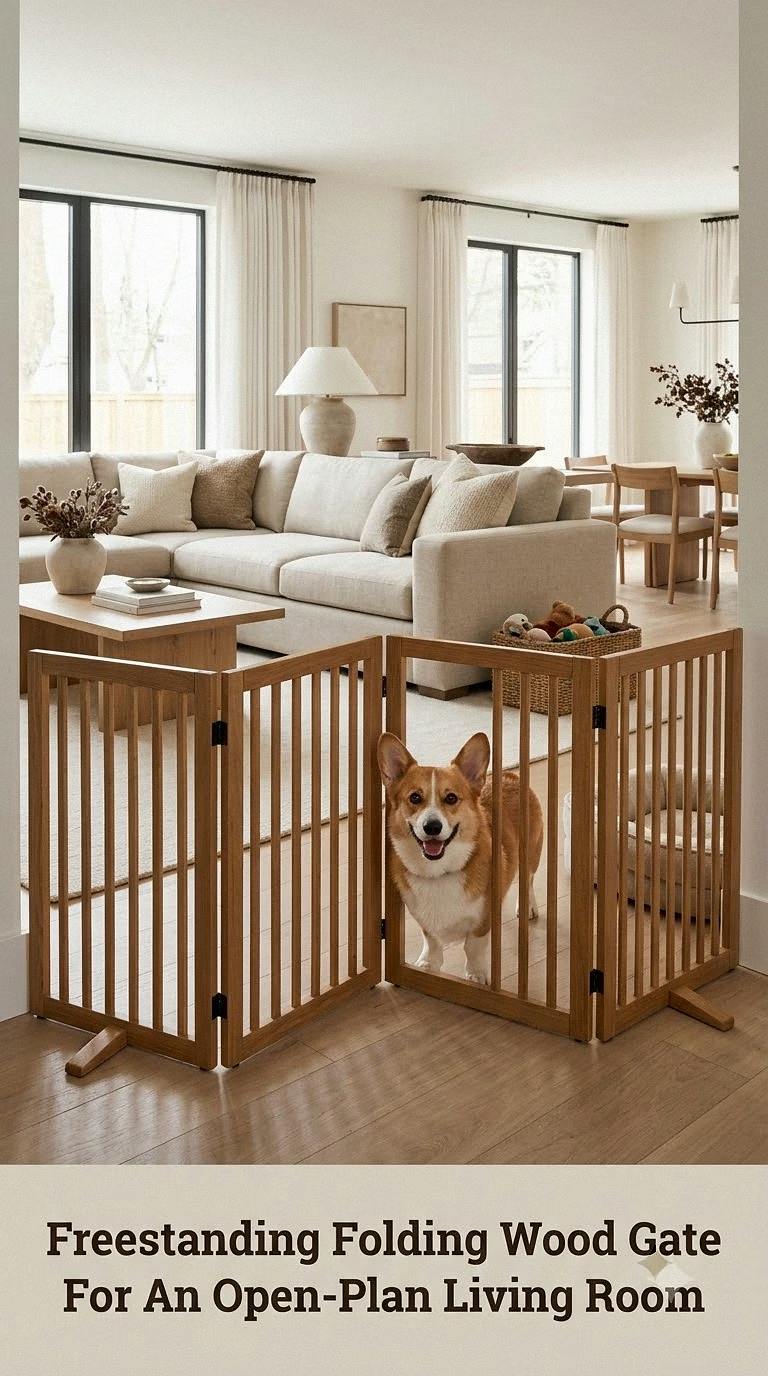
Open-concept rooms can be difficult to divide because there may be no convenient doorway for a traditional gate.
A wide freestanding folding gate solves the problem with several hinged panels that can curve around furniture, span an irregular opening, or create a temporary boundary near a sofa or dining area.
Read more : Why Does My Dog Eat Mulch?
Choose a warm wood tone that coordinates with existing furniture so the barrier resembles a decorative folding screen. Wider support feet and rubberized contact points can help improve stability and protect flooring.
Because freestanding gates are easier to move than permanently mounted designs, they suit calm small or medium dogs better than dogs that push aggressively against barriers.
One of the biggest advantages is flexibility. Fold the gate away when guests arrive, reposition it around a holiday display, or use it to temporarily protect a freshly cleaned floor.
Soft Sage Green Dog Gate For A Cozy Mudroom
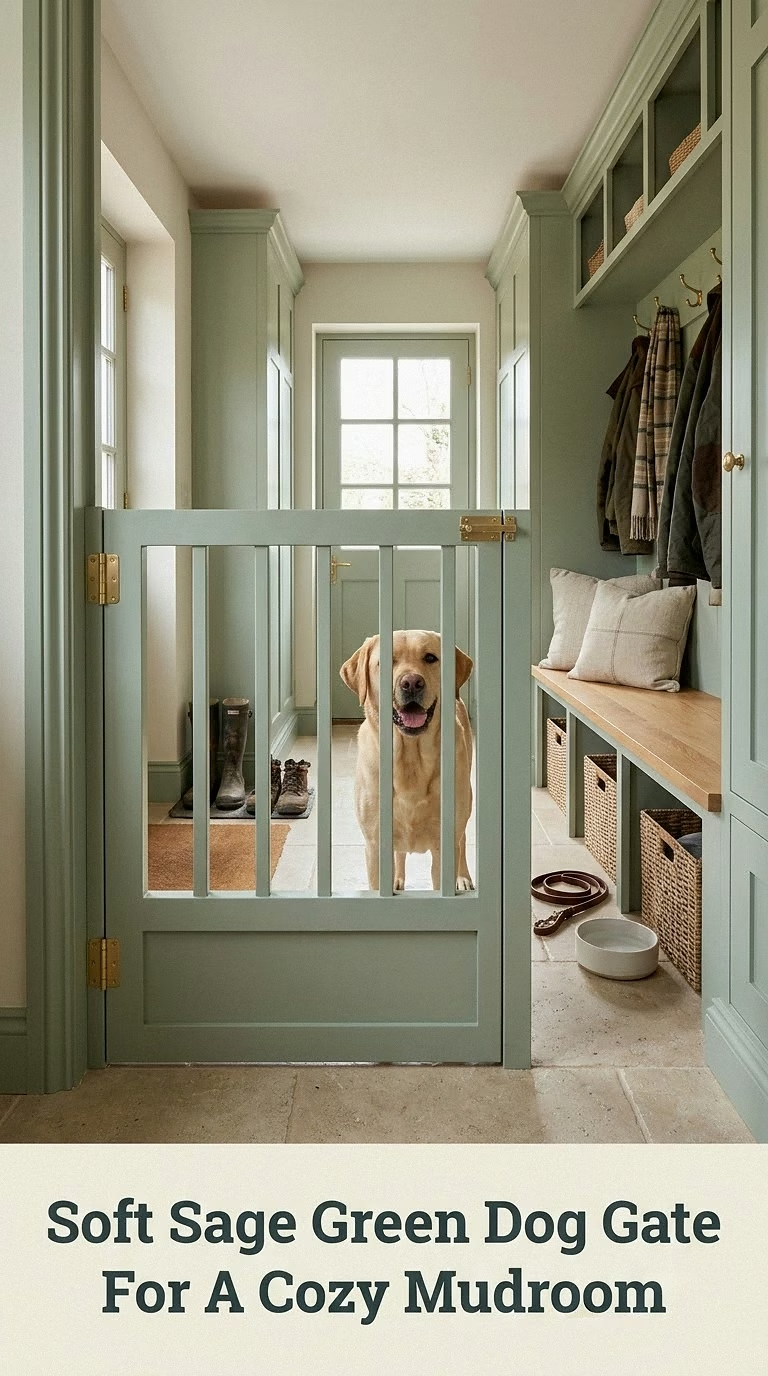
A mudroom is already one of the most practical places to create a dog-friendly zone, and a painted gate can make it feel especially welcoming.
Try a simple vertical-slat gate in muted sage green, paired with cream walls, natural oak hooks, woven storage baskets, and a washable runner. Paint nearby cabinetry or bench drawers in the same shade for a cohesive built-in effect.
The gate can keep muddy paws contained while coats dry, floors are cleaned, or groceries come through the door. Add easy-clean flooring and a basket stocked with towels, leashes, and grooming supplies nearby.
For households with energetic dogs, use substantial hinges and a dependable latch rather than relying on decorative hardware.
The muted color keeps the space feeling relaxed and homey while turning a practical barrier into part of the room’s overall design.
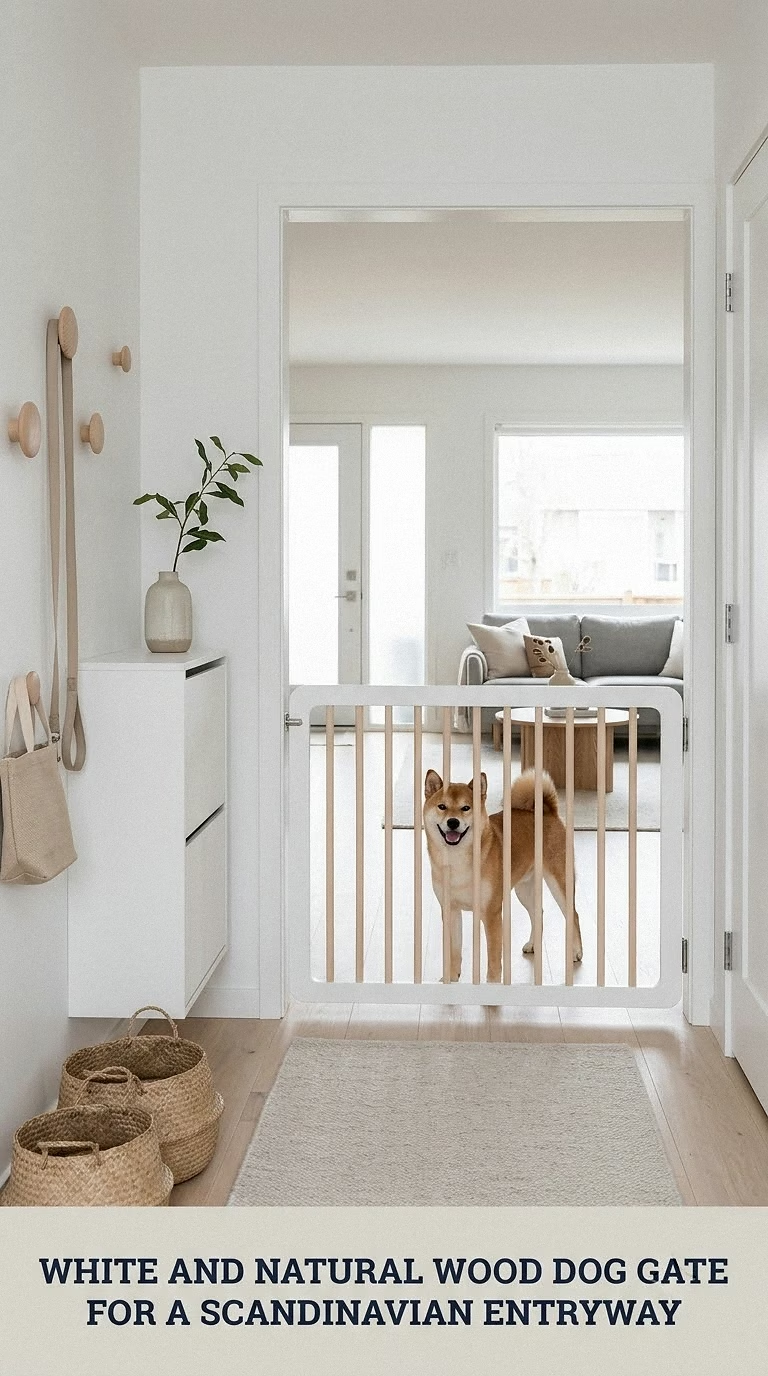
Scandinavian-inspired interiors are ideal for dog gates because simple shapes and natural materials can make functional pieces feel intentional.
Create a pale timber gate with narrow vertical rails, or combine a natural wood top rail with a matte white frame. Keep the design uncomplicated and skip ornate hardware.
Surround it with light wood flooring, warm white walls, a slim bench, linen cushions, and a few understated hooks. A washable beige runner can define the dog-friendly entry zone without overwhelming the space.
For front-door areas, the gate can provide an extra layer of management for dogs that become excited by deliveries or visitors. It should complement, not replace, training your dog to wait calmly at exterior doors.
This understated setup is especially useful in smaller homes where every visible object contributes to the overall look of the room.
Black Metal And Walnut Gate For An Industrial Loft
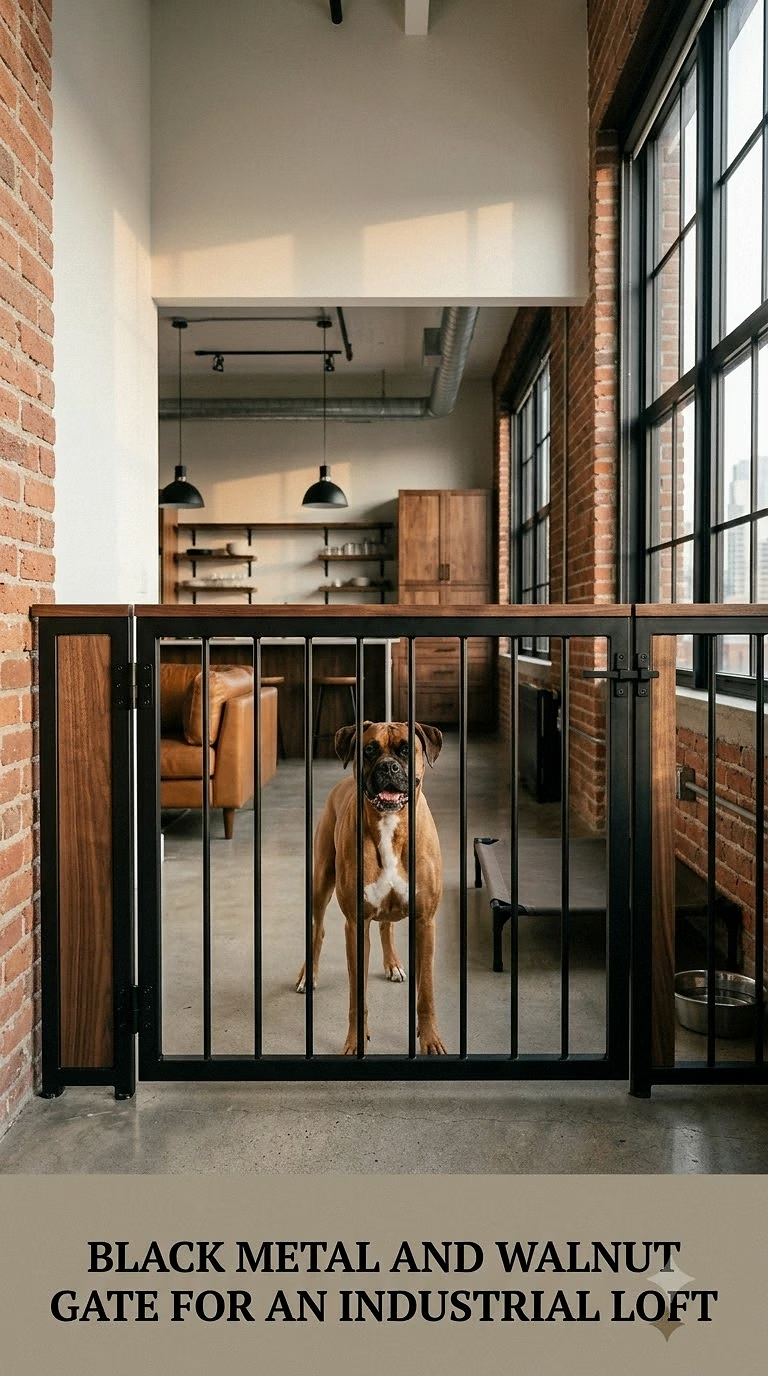
For lofts and modern apartments, combine dark metal with rich walnut for a dog gate that feels almost like custom furniture.
Use a slim black steel frame with vertical bars and add a smooth walnut top rail. The wood introduces warmth while the darker frame ties naturally into exposed hardware, black light fixtures, concrete surfaces, or steel-framed doors.
A walk-through opening is worth including if the gate sits somewhere you pass repeatedly throughout the day. Choose a latch that is convenient for people but difficult for a curious dog to operate.
Because metal is durable and resistant to chewing, this concept works well for stronger dogs when appropriately mounted and sized.
Keep styling around the gate restrained. A leather bench, charcoal runner, and one large plant are often enough to complete the industrial look without making the entrance feel crowded.
Low Step-Over Gate For A Calm Small Dog
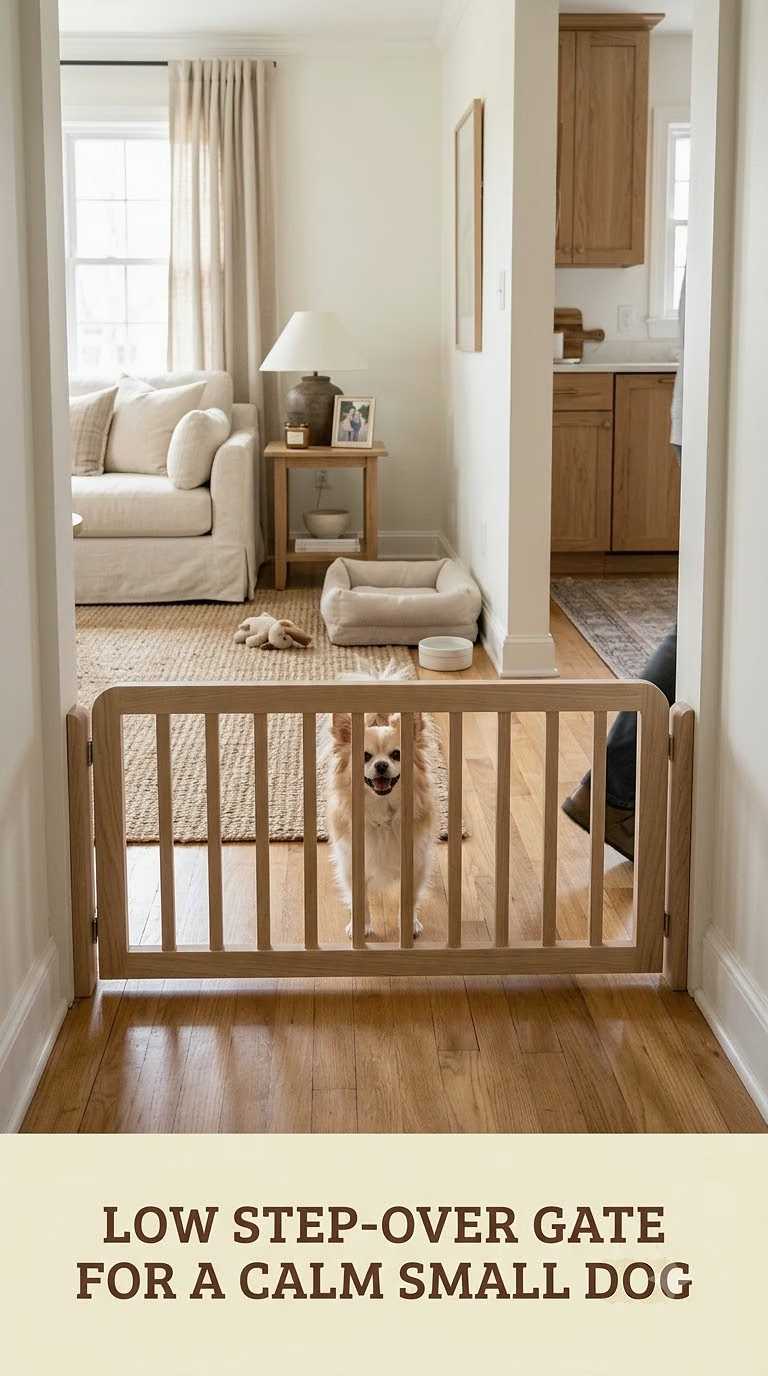
Not every household needs a towering barrier. For a calm toy or small breed that respects boundaries, a low decorative gate can be an elegant and convenient option.
A short wooden frame with narrow vertical slats can separate a home office, bedroom, or dressing room while allowing adults to step over rather than open a latch every time.
This design is particularly attractive when painted to match the surrounding trim. Warm ivory, mushroom beige, or natural maple keeps the barrier subtle.
A low gate is only appropriate when your dog cannot jump or climb over it, so observe actual behavior rather than choosing based solely on body size. Puppies can also become much more adventurous as they grow.
Keep the top edge smooth and the openings appropriately sized. When carefully matched to the right dog, this can be one of the least intrusive solutions in the home.
Extra-Wide Configurable Gate Around A Fireplace Or Fragile Display
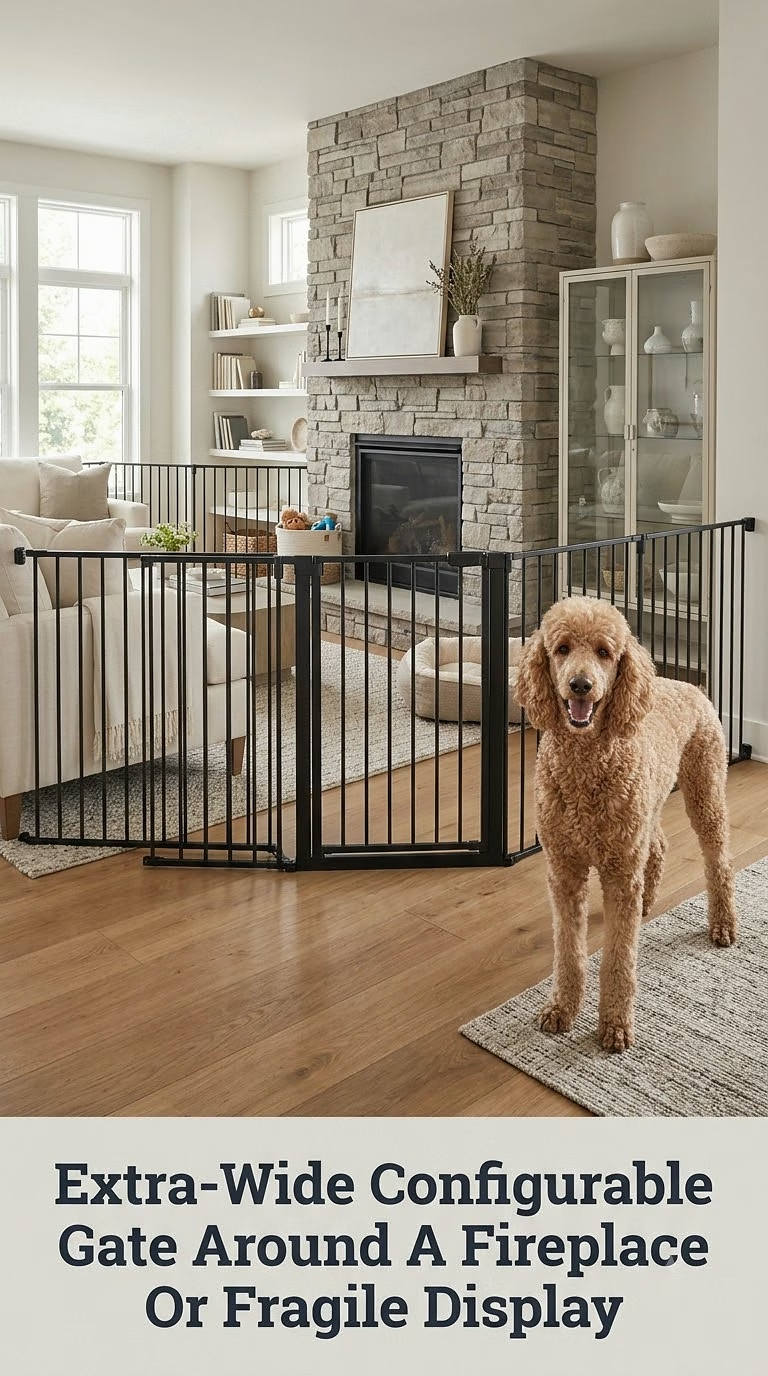
Some areas need more than a straight barrier across a doorway.
A configurable multi-panel gate can wrap around a fireplace, holiday tree, media cabinet, plant collection, or other feature you want your dog to admire from a safer distance.
Black metal panels work especially well because they visually disappear against darker fireplaces and provide a clean contrast around pale stone surrounds. For softer interiors, white metal can feel lighter.
Arrange the panels in a shallow U-shape or gentle curve rather than stretching them awkwardly across the room. Follow the gate’s mounting requirements, particularly when a dog is large enough to lean or push against the structure.
This approach is also useful for temporary situations. You can change the layout when decorating for holidays, hosting visitors, or introducing a curious puppy to new parts of the house.
Dog Gate With A Small Pet Door For A Cat-Friendly Laundry Room
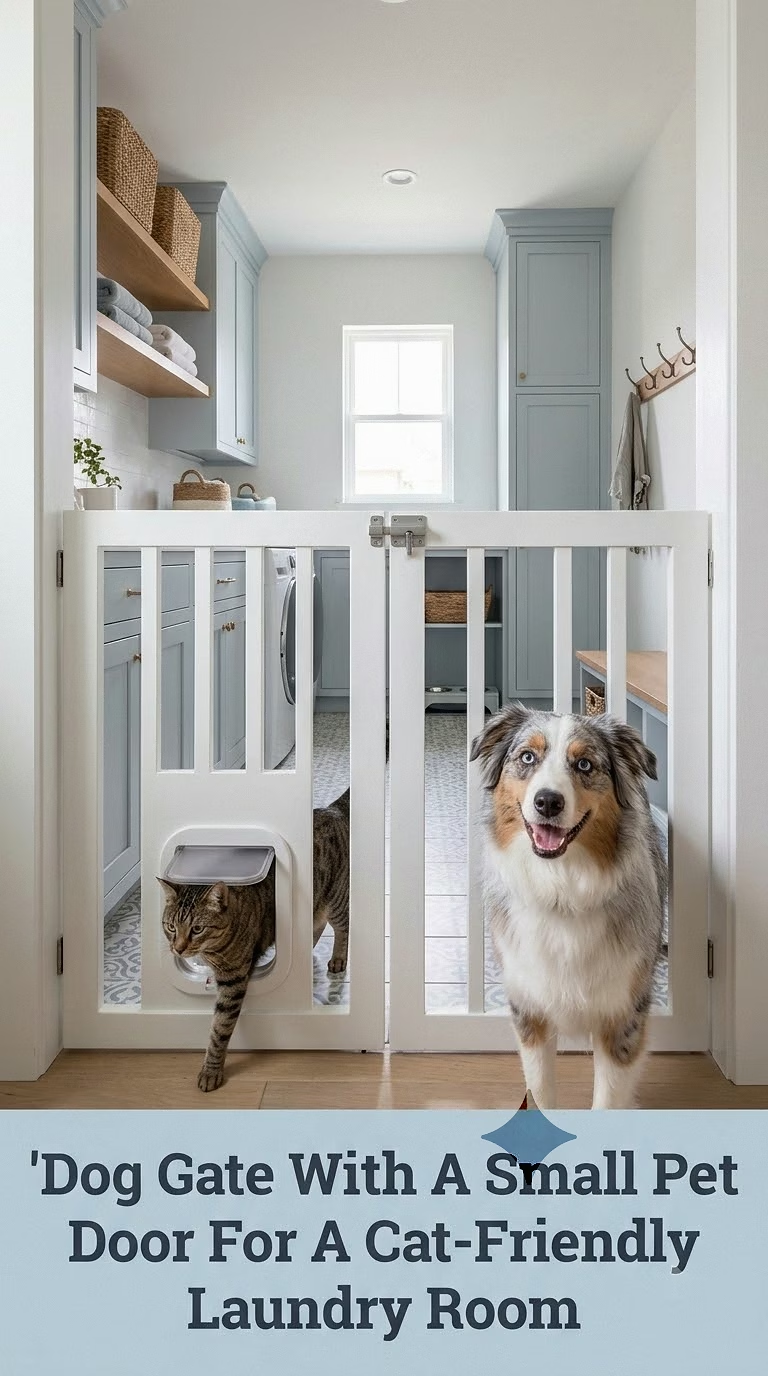
In a multi-pet home, sometimes the goal is not to block every animal.
A tall gate with a smaller lockable pet opening can let a cat enter a laundry room, feeding station, or litter area while keeping a larger dog outside. Visually, a simple white or black metal design tends to blend easily with utility spaces.
Measure the smaller opening carefully. It should comfortably suit the pet you want to pass through without being large enough for the dog you are trying to exclude.
Make sure doors and openings operate smoothly and cannot trap tails or paws. If the small opening is not needed at certain times, choose a design that can be securely closed.
Pair the gate with closed cabinets, labeled storage baskets, and washable flooring to create an organized multi-pet station that feels tidy rather than improvised.
Natural Bamboo Dog Gate For A Warm Boho Interior
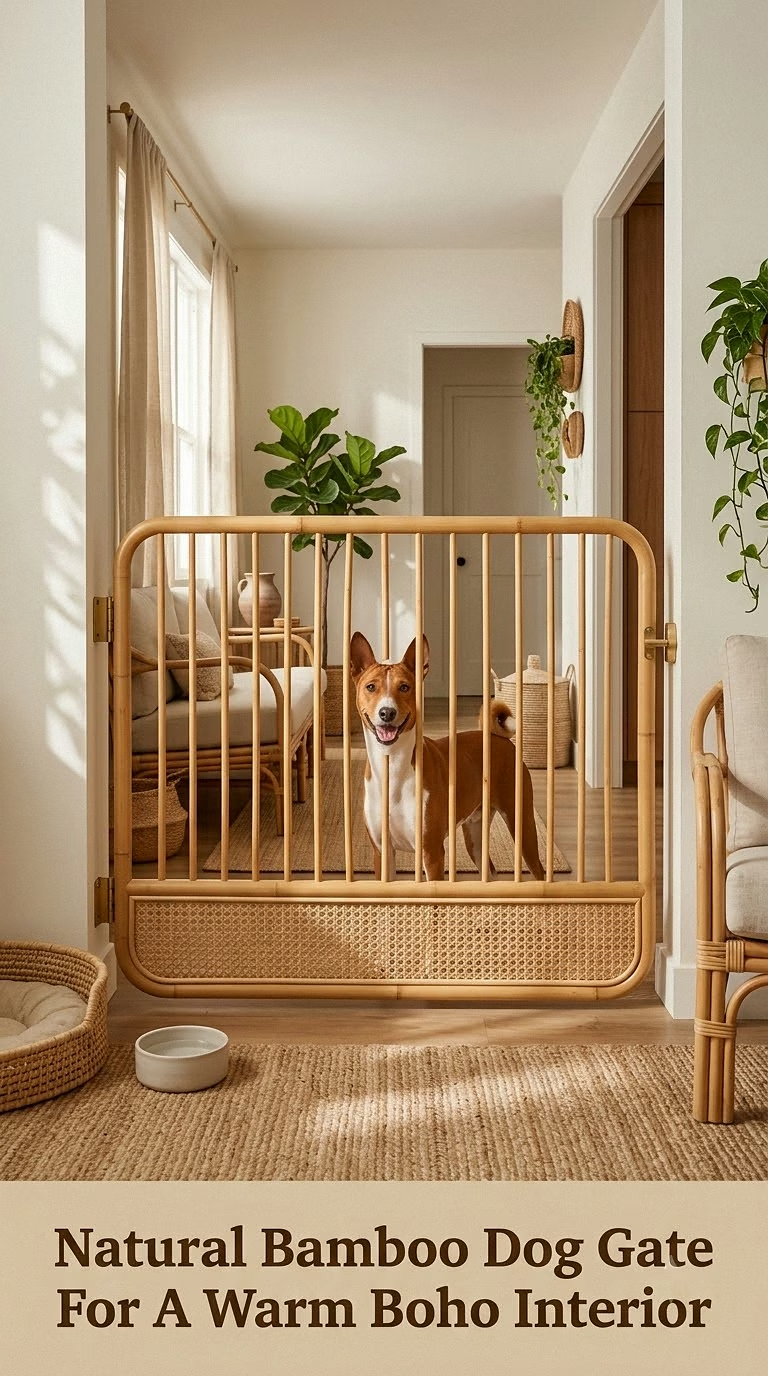
Bamboo brings a lighter, more relaxed appearance than heavy dark wood and pairs beautifully with boho-inspired interiors.
Read more : Discover The Types Of Akita Dogs
Choose a gate with clean vertical pieces and a simple natural finish, then surround it with rattan baskets, creamy textiles, warm terracotta accents, and plenty of greenery. The result can feel more like a decorative room divider than a traditional pet barrier.
Bamboo or lightweight wooden gates are best reserved for dogs that do not chew aggressively or repeatedly throw their weight against barriers.
A pressure-mounted version may suit a bedroom or hallway where permanent installation is undesirable, while a freestanding style can work across wider openings.
Keep the styling practical by avoiding trailing plants, baskets, or lightweight decor directly beside the gate if your dog might use them as climbing aids or pull them through the openings.
Custom Pocket-Style Sliding Dog Gate Hidden Beside Cabinetry
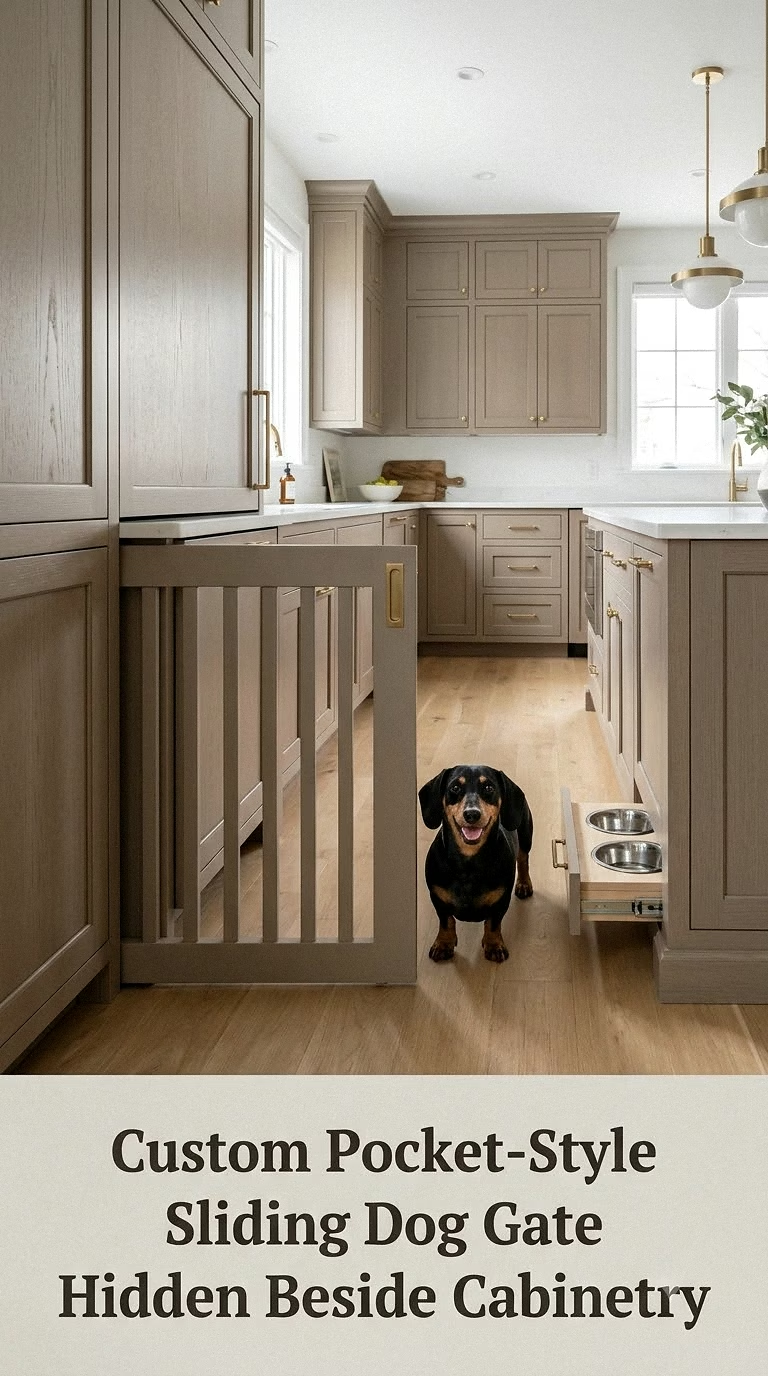
For a high-end renovation, consider a sliding dog gate that disappears beside or inside built-in cabinetry when it is open.
A narrow slatted panel can slide from behind a kitchen cabinet, mudroom unit, or wall section and lock securely across the opening when needed. Match the wood species and finish to surrounding cabinetry so the gate becomes almost invisible.
This design eliminates the floor space required by a swinging gate, making it especially appealing in compact kitchens and busy circulation areas.
Because this is typically a custom carpentry project, plan the hardware and locking mechanism early rather than adding them after the cabinetry is finished. Make sure the panel cannot be easily pulled from its track by a determined dog.
It is one of the most seamless ways to incorporate pet management into an intentionally designed home.
Painted Barn-Style Dog Gate With Rustic Black Hardware
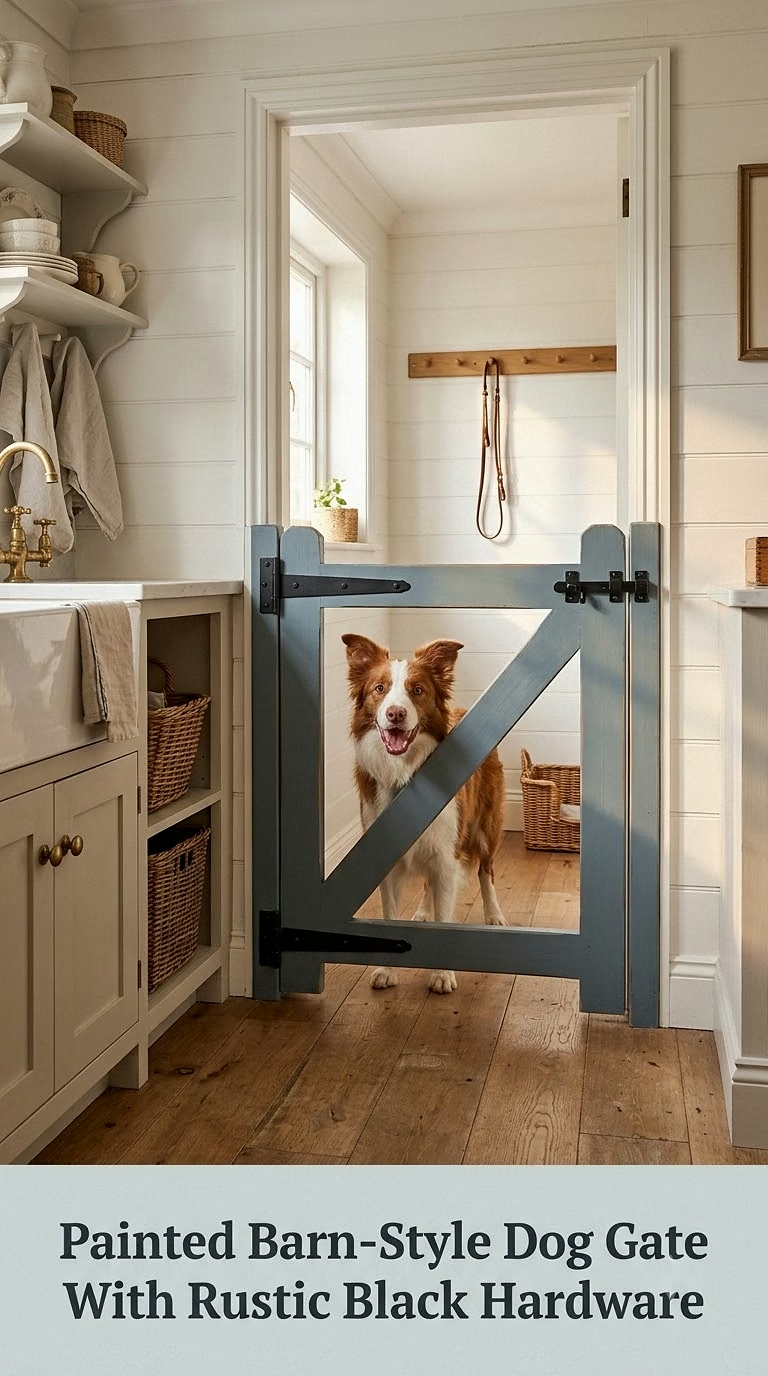
A miniature barn-inspired gate can bring warmth to a farmhouse kitchen, mudroom, or country-style hallway.
Use tongue-and-groove boards or smooth vertical planks inside a sturdy frame, then add a subtle diagonal brace for character. Soft cream, faded blue, muted olive, or natural oak all work beautifully with matte black hinges.
For visibility and airflow, you can create a solid lower half and an open vertical-rail upper section rather than making the entire gate opaque.
This type of gate is particularly appealing as a DIY project because standard lumber can create a custom-looking result without complicated joinery.
Sand corners carefully, avoid protruding hardware, and use a secure latch. If your dog is a persistent chewer, protect exposed wood or choose a different material, since attractive carpentry quickly loses its charm when covered in bite marks.
Hardware-Mounted Stair Gate With Matching Vertical Balusters
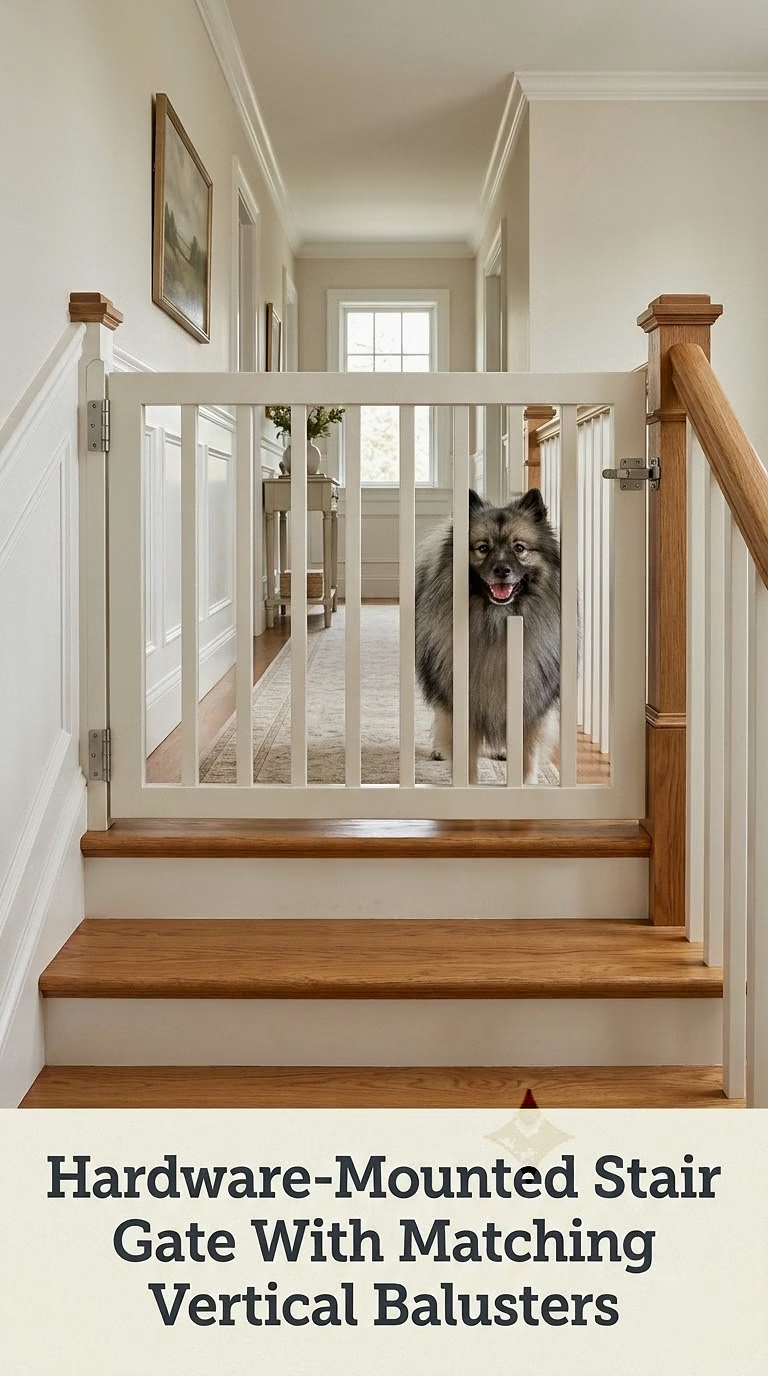
A stair gate can look far more cohesive when its design echoes the staircase itself.
If you have black iron balusters, choose a slim black vertical gate. With a traditional painted staircase, a white wood or metal gate can blend into the surrounding trim. Natural oak staircases pair beautifully with a custom timber frame.
At the top of stairs, security matters more than decorative convenience. Use a properly installed hardware-mounted gate designed for the location rather than relying on a simple pressure-mounted barrier. Banister mounting kits can also help when you want to avoid drilling directly into certain stair posts.
Avoid a large bottom threshold that creates a tripping hazard in a place where footing is already important.
Matching the gate to the staircase turns necessary safety equipment into something that feels like a continuation of the home’s architecture.
Weather-Resistant Dog Gate For A Covered Porch Or Deck
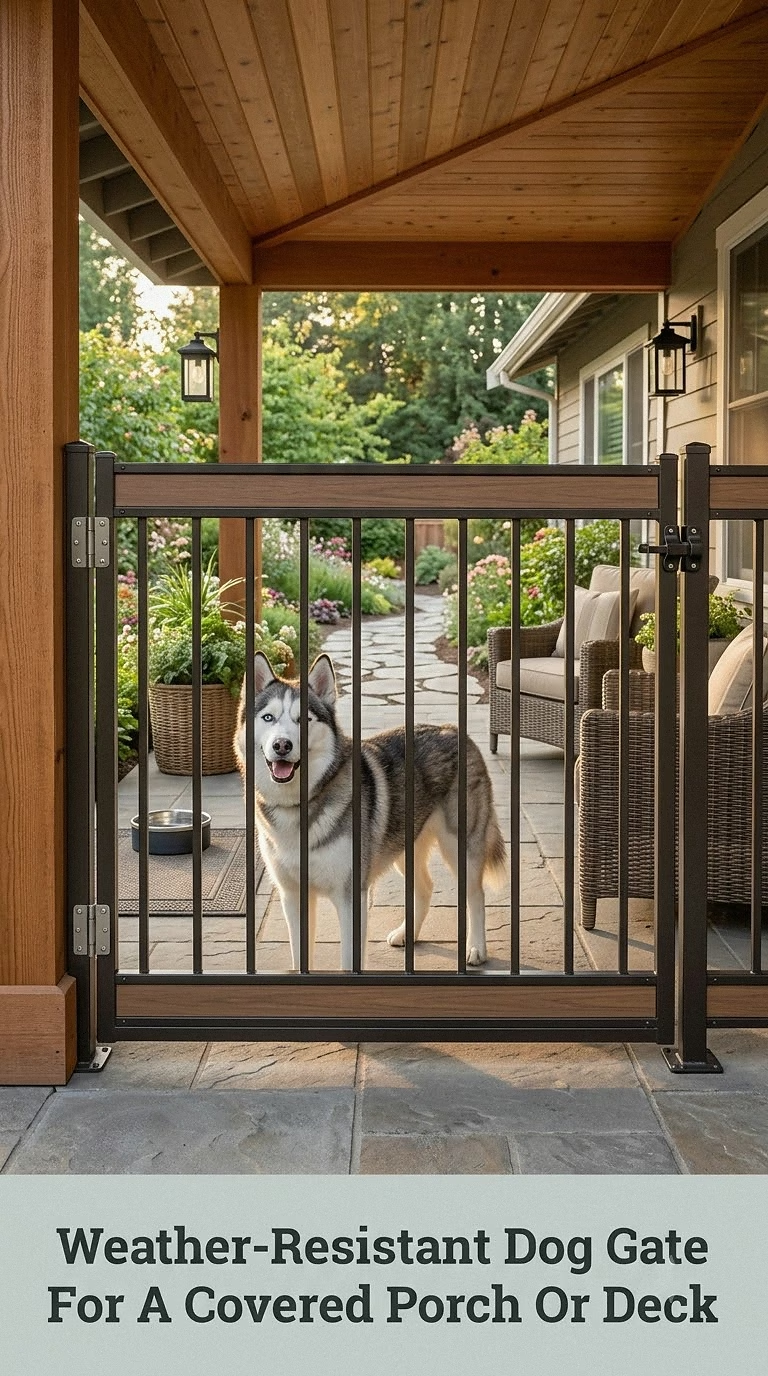
Outdoor living areas sometimes need boundaries too, especially when a porch or deck connects directly to steps, a driveway, or an unfenced section of the property.
Choose a gate specifically designed to tolerate outdoor conditions rather than moving an indoor gate outside and hoping it survives the weather. Powder-coated metal, suitable exterior finishes, and corrosion-resistant hardware are practical choices.
A matte black gate works beautifully against cedar decking, while soft white suits coastal-style porches. For a warmer appearance, look for weather-resistant wood-tone materials that complement railings.
Secure installation matters because wind, rain, temperature changes, and regular use can gradually loosen hardware. Inspect the gate periodically and keep the latch clean.
Add a washable outdoor rug, sturdy water bowl, and shaded dog bed nearby to turn the enclosed area into a comfortable little outdoor retreat.
Furniture-Integrated Dog Gate Beside A Built-In Storage Bench
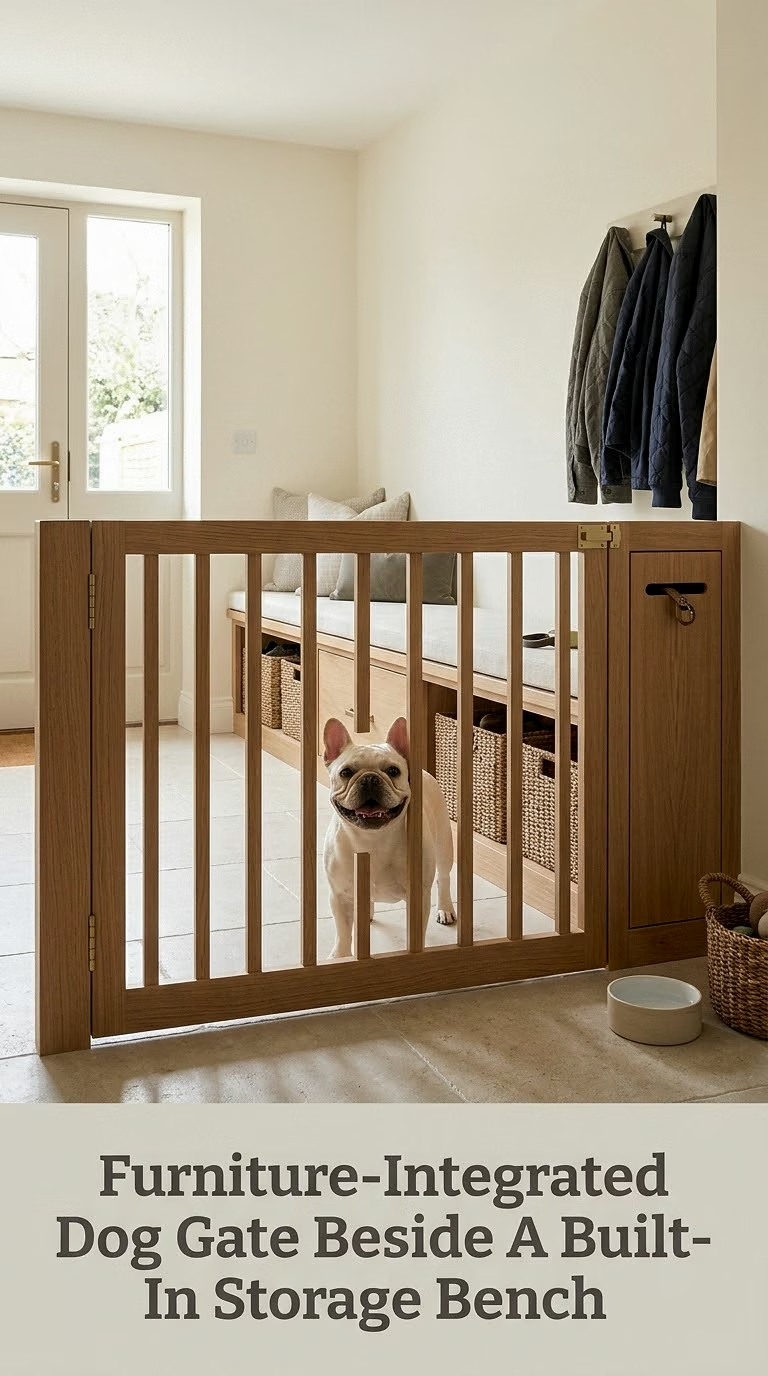
A dog gate becomes much less noticeable when it is visually connected to another useful feature.
Consider integrating one into the end of a mudroom bench, hallway storage unit, or custom cabinet. The gate can hinge directly from a substantial side panel and match the cabinetry in color, trim, and hardware.
Imagine a warm oak bench with shoe drawers below, hooks above, and a coordinating vertical-slat gate closing off the adjacent utility room. Everything feels like one intentional piece of millwork.
This arrangement also gives you convenient storage for leashes, waste bags, towels, brushes, and walking accessories right beside the dog zone.
Make sure the furniture supporting the gate is structurally secure rather than simply decorative. A dog pushing against the gate should not be capable of tipping or shifting the cabinet.
It is an especially elegant solution for busy family entryways.
Choosing Dog Gate Ideas That Work Beautifully In Real Life
The most successful dog gate ideas are not necessarily the fanciest ones. They are the designs that suit both your home and the dog who actually lives there.
Start with behavior and safety. Think about whether your dog jumps, chews, climbs, pushes, or tries to squeeze through small spaces. Measure the opening carefully, choose a suitable height, and check that gaps cannot trap a head or paw. Use secure hardware where falling could be dangerous, particularly around stairs, and periodically inspect any gate that relies on tension or movable fittings.
Once those practical decisions are made, you can have much more fun with the design. Match oak to your cabinetry, repeat black metal from your staircase, paint a farmhouse gate sage green, or hide a sliding barrier within custom millwork.
A thoughtfully chosen gate can create calmer routines, protect parts of your home, and give your dog clear, comfortable boundaries without sacrificing the warm and welcoming style you love.
Source: https://petstutorial.com
Category: DOGS
