
A kennel may be a relatively small space, but that does not mean it has to feel boring or emotionally empty for a dog. With a few thoughtful additions, even a basic kennel can become a more interesting place to sniff, lick, chew, investigate, relax, and interact with the people around it.
The best dog kennel enrichment ideas are not necessarily the most expensive ones. Simple changes such as rotating toys, serving meals through puzzles, adding a comfortable resting area, introducing new scents, or creating a little more privacy can make everyday kennel time much more engaging.
You are reading: 19 Dog Kennel Enrichment Ideas To Create A Happier, Calmer Space
The key is variety. One dog may happily spend half an hour working on a stuffed rubber toy, while another would rather sniff through a forage box or curl up behind a privacy panel. Paying attention to those individual preferences helps you create enrichment that the dog actually enjoys instead of filling the kennel with things simply because they look entertaining.
Whether you are setting up a home kennel, rescue space, boarding kennel, foster area, or shelter run, these ideas combine mental stimulation with practical details such as easy cleaning, organized storage, durability, and comfort.
Creative Dog Kennel Enrichment Ideas For Comfortable And Engaging Spaces
Frozen Stuffed Rubber Toy Station With Color-Coded Storage Bins
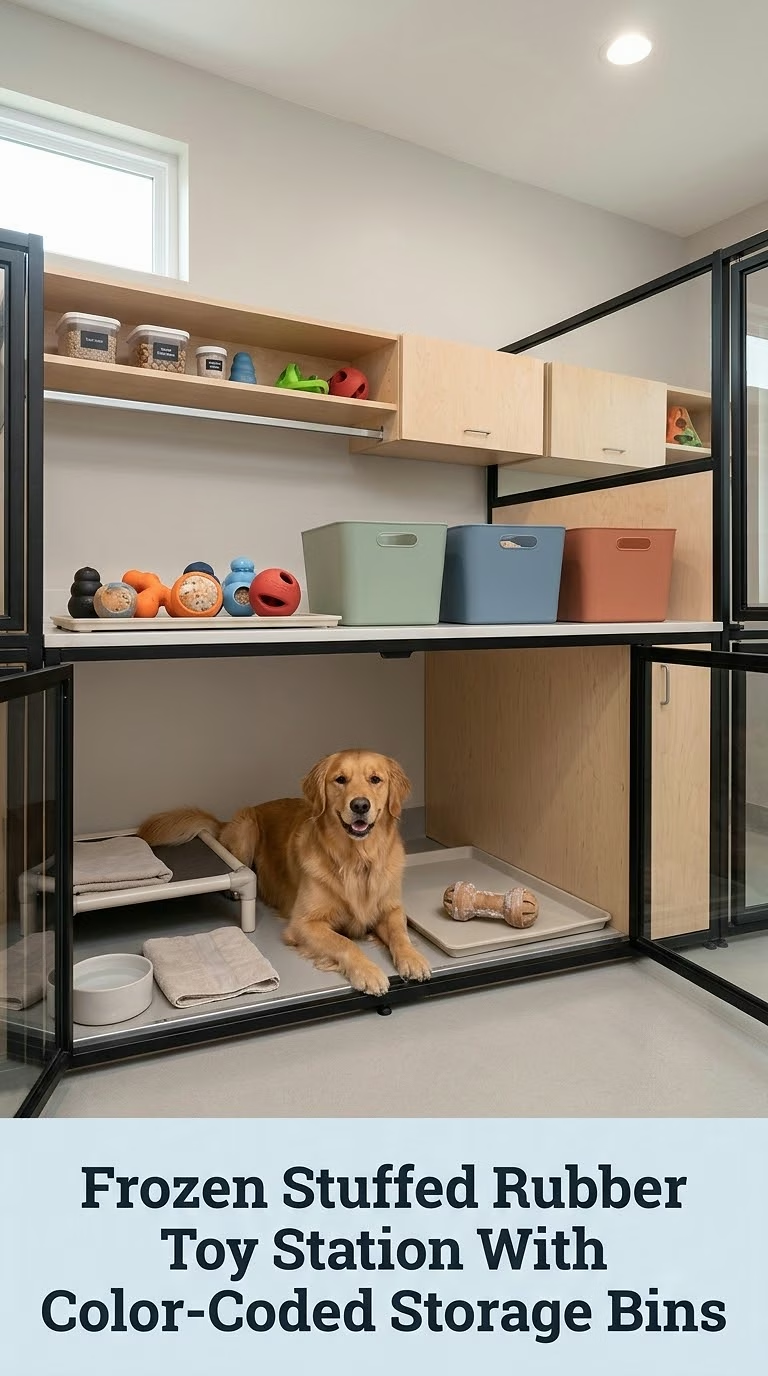
A durable food-stuffable rubber toy is one of the easiest ways to turn ordinary mealtime into an activity. Instead of serving the entire meal in a bowl, place part of the dog’s regular food inside the toy so the dog has to lick, nudge, and manipulate it.
Freezing the filled toy can make the activity last longer, particularly for dogs who finish regular meals within seconds. Softer foods can be layered with kibble to create different textures, as long as every ingredient is suitable for the individual dog.
For an organized kennel setup, keep several washable toys in labeled storage bins. Color coding by kennel, dog, or size makes a busy enrichment station feel neat and intentional.
Start with loosely packed food for dogs who are new to puzzles. Once they understand the game, gradually make the filling more challenging.
Wall-Mounted Lick Mat With An Easy-Clean Kennel Backdrop
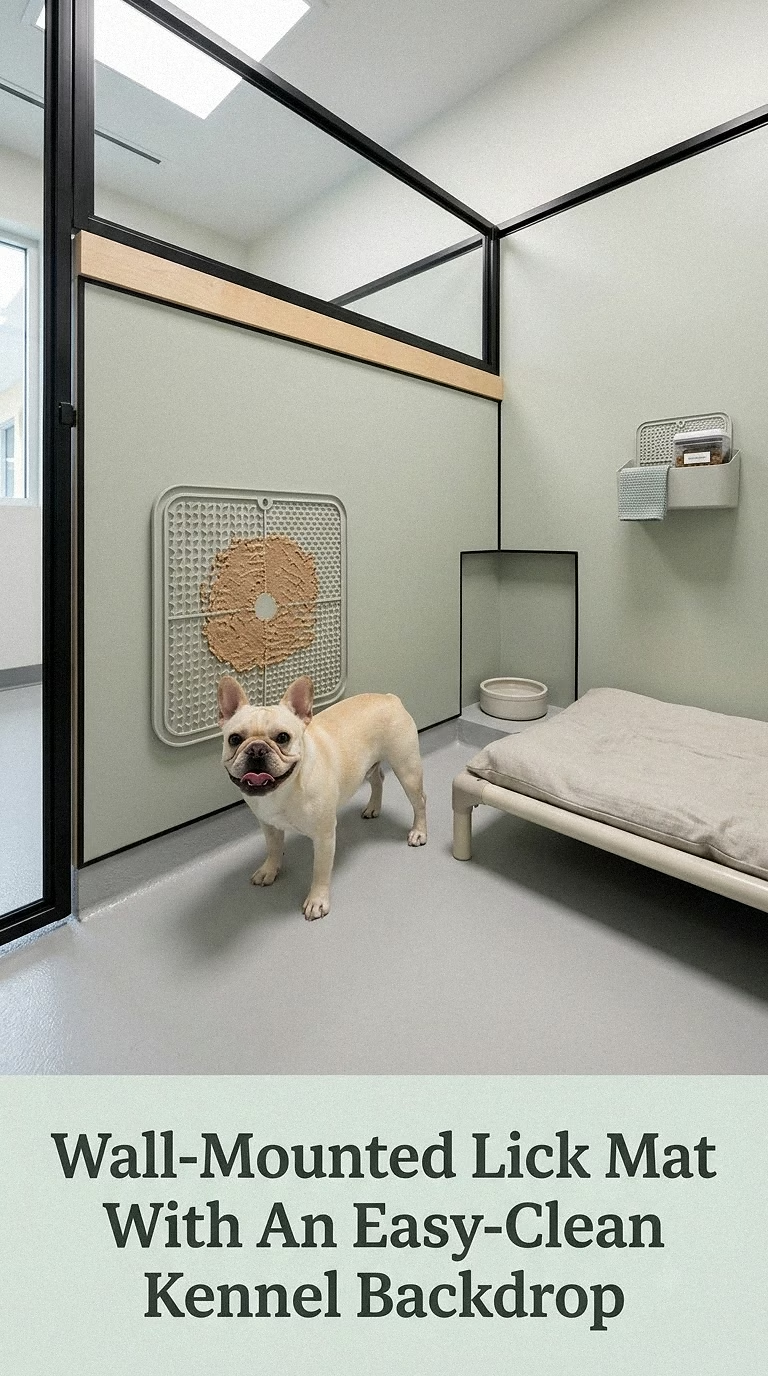
A lick mat can transform an unused kennel wall into a compact enrichment station without taking up valuable floor space. Choose a design that attaches securely to a smooth surface so the dog can comfortably lick without chasing the mat around the kennel.
Spread a thin layer of an appropriate soft food over the textured surface. You can also freeze the prepared mat before offering it for a longer activity.
This setup looks especially clean against white tile, pale gray kennel panels, or washable wall cladding. A small basket outside the kennel can hold clean mats and preparation tools.
Always match the mat to the dog’s chewing habits. Dogs who are likely to tear or swallow flexible material should use this type of enrichment only with supervision.
Cozy Raised Cot Corner With Washable Neutral Bedding
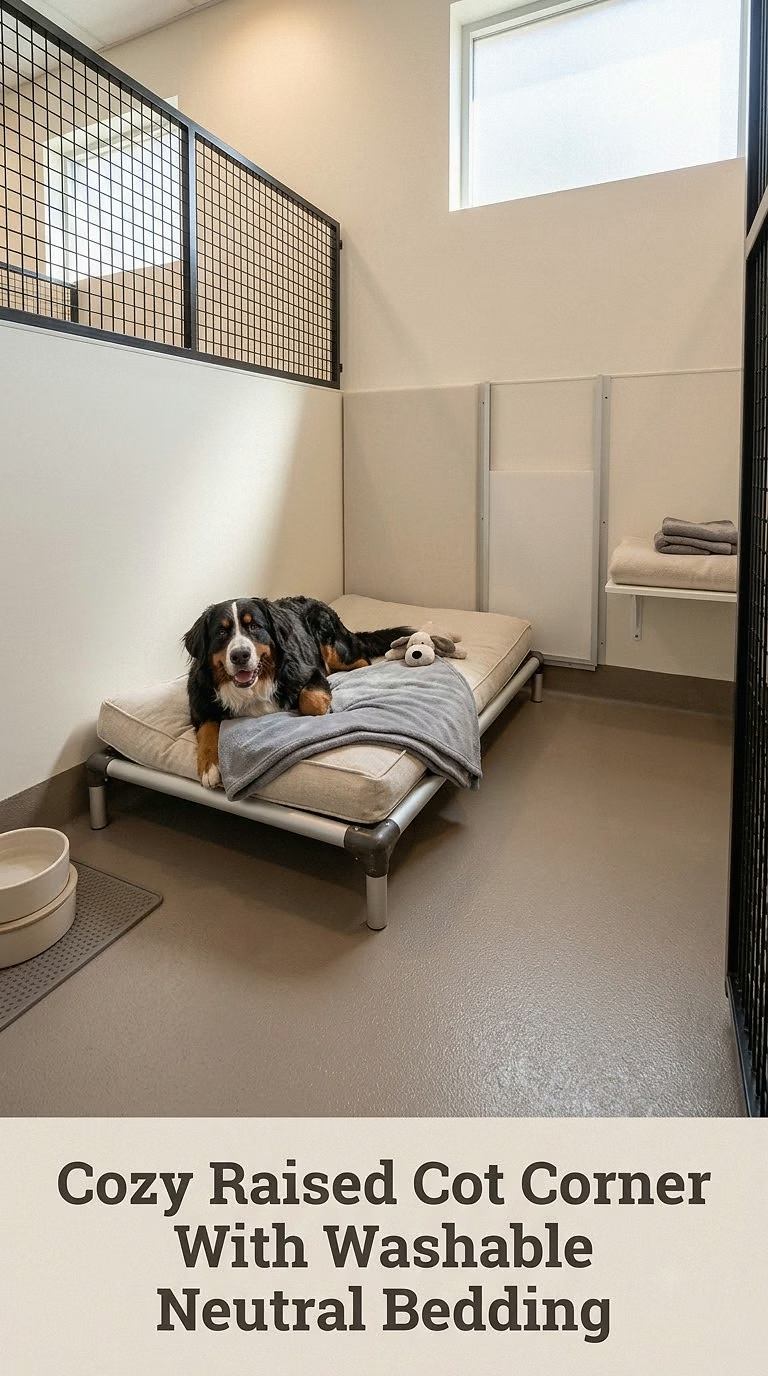
Mental stimulation is important, but enrichment also means giving a dog opportunities to rest comfortably.
Create a peaceful sleeping corner with a durable raised cot or kennel-safe bed topped with washable bedding when appropriate for the individual dog. Soft oatmeal, warm beige, muted sage, and dusty blue can make the kennel look much calmer than a collection of mismatched blankets.
A raised bed also helps visually separate sleeping space from food, water, and activity areas in larger kennel runs.
Keep the styling simple. One comfortable surface is more useful than several decorative items that become difficult to sanitize.
For dogs who shred bedding, use a safer, more durable resting surface until you know what materials they can have without supervision.
Supervised Snuffle Blanket With Hidden Kibble Pockets
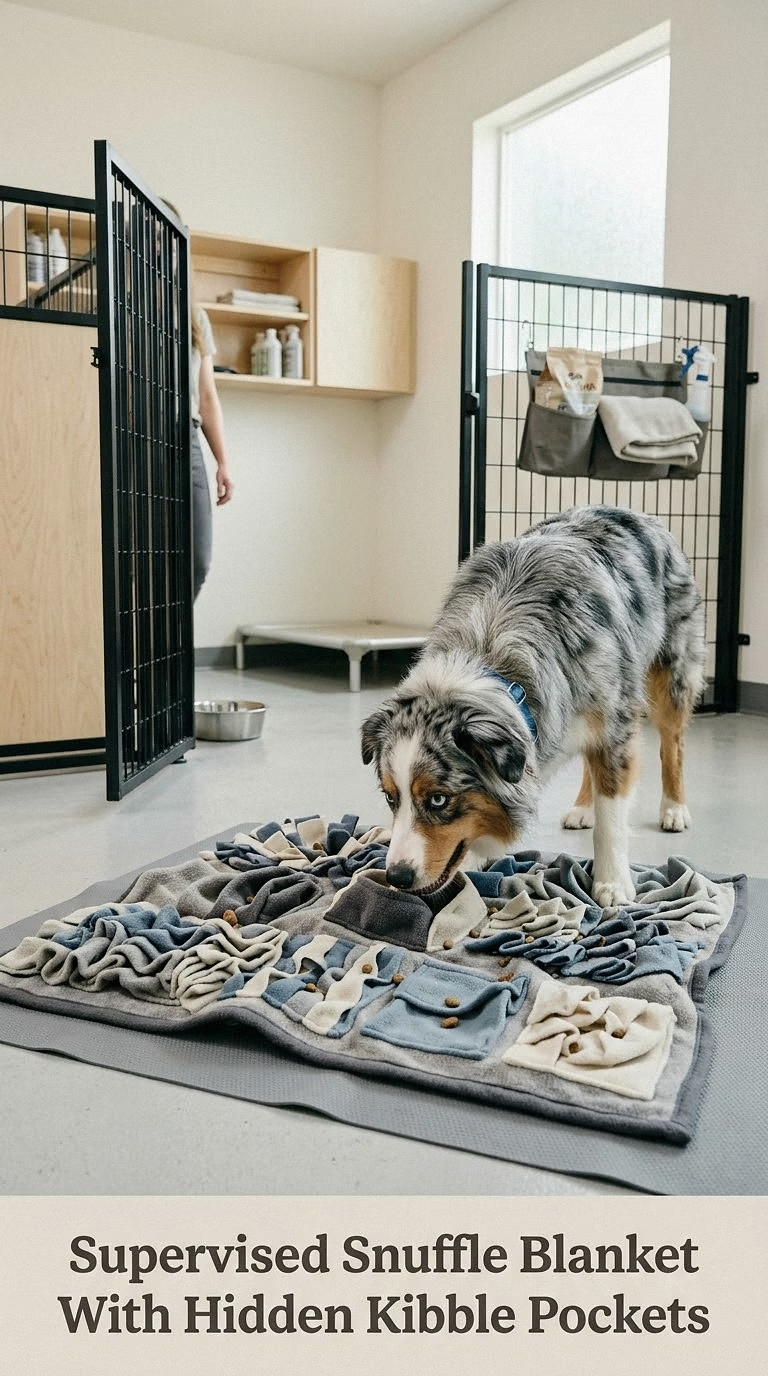
Turn mealtime into a nose-led treasure hunt by hiding pieces of kibble throughout a snuffle blanket or fabric foraging mat.
Instead of receiving food instantly, the dog gets to sniff, search, and investigate different folds. This is particularly useful for creating an activity in a relatively small kennel footprint.
Choose washable materials and keep the color palette simple if you want a more polished kennel area. Olive green fleece, cream fabric strips, or muted terracotta can create a cozy look without sacrificing practicality.
Fabric enrichment should be supervised for dogs who chew or swallow cloth. Once the food has been found, remove the mat and wash it as needed rather than leaving it in the kennel indefinitely.
Rustic Cardboard Foraging Box Filled With Paper And Treats
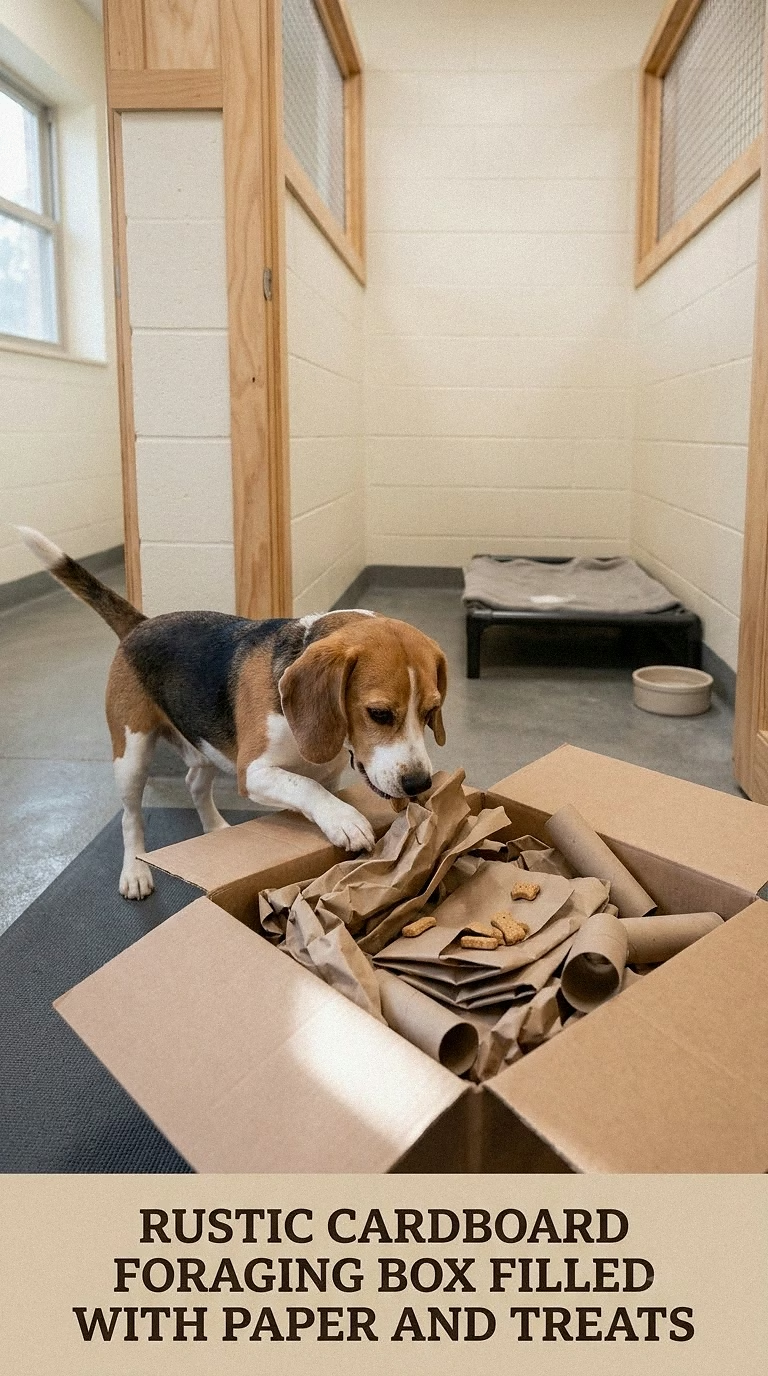
One of the most affordable dog kennel enrichment ideas can start with a simple cardboard box.
Place crumpled plain paper, smaller cardboard tubes, or loosely folded packing paper inside a shallow box and scatter part of the dog’s meal among the layers. The dog then has to sniff and investigate to locate the hidden pieces.
It is wonderfully easy to change the experience by using different box shapes or arranging the contents differently.
This activity works best as supervised enrichment. Some dogs happily search through cardboard and leave it behind, while others immediately begin swallowing pieces. Remove the materials if the dog starts consuming them.
For shelters and rescues, clean donated cardboard can make this an especially budget-friendly option.
Minimalist Stainless Steel Frozen Meal Bowl
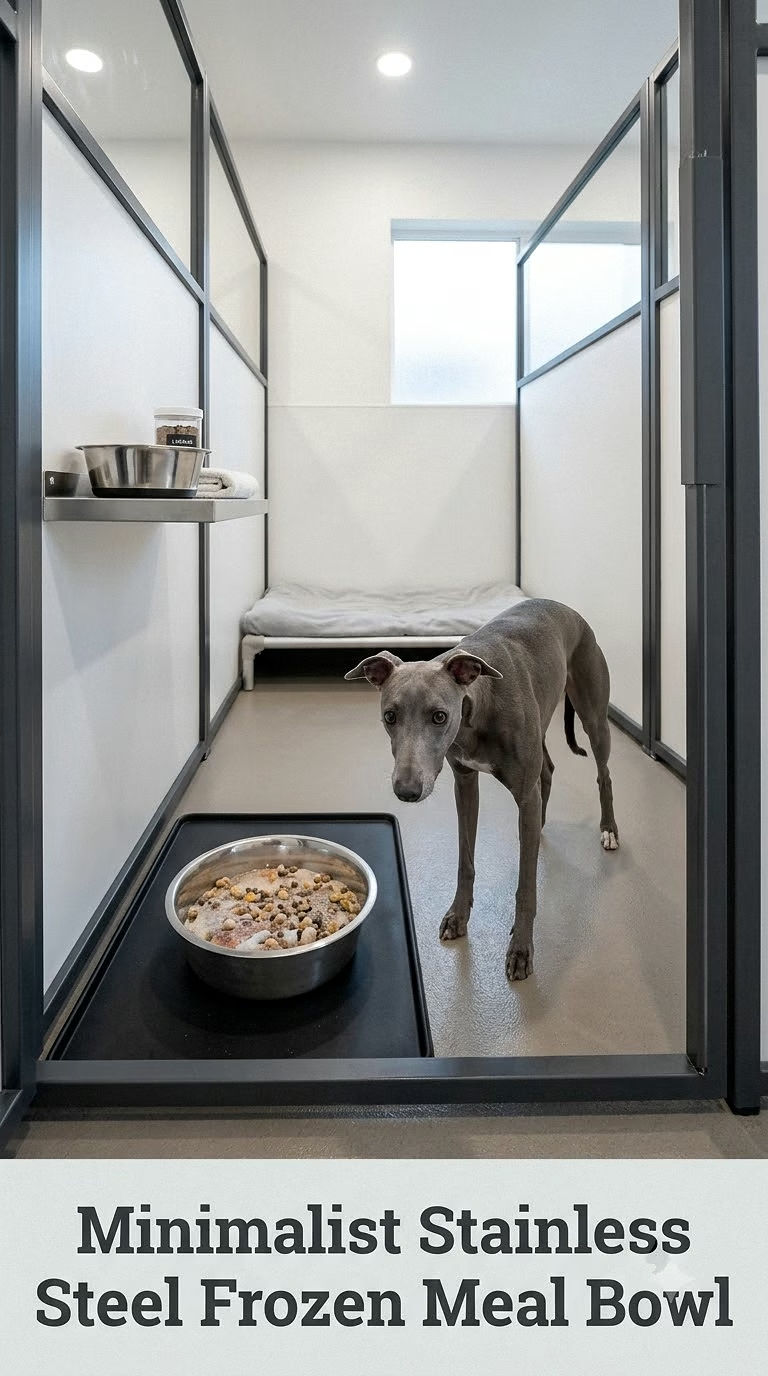
You do not need a complicated puzzle toy to make dinner more interesting.
A basic stainless steel bowl can become enrichment when a suitable meal mixture is frozen inside it. The dog has to lick and work gradually through the food rather than gulping everything immediately.
This idea is especially attractive for kennel spaces where hygiene and efficient cleaning matter. Stainless steel is simple, durable, and visually uncluttered.
Prepare several bowls ahead of time and keep them organized in freezer-safe trays labeled for each dog.
The food should still fit the dog’s normal nutritional plan. Enrichment does not have to mean adding large quantities of extra treats. Often, the regular meal can do double duty as both nutrition and entertainment.
Soft Sage Privacy Panel With A Small Observation Opening
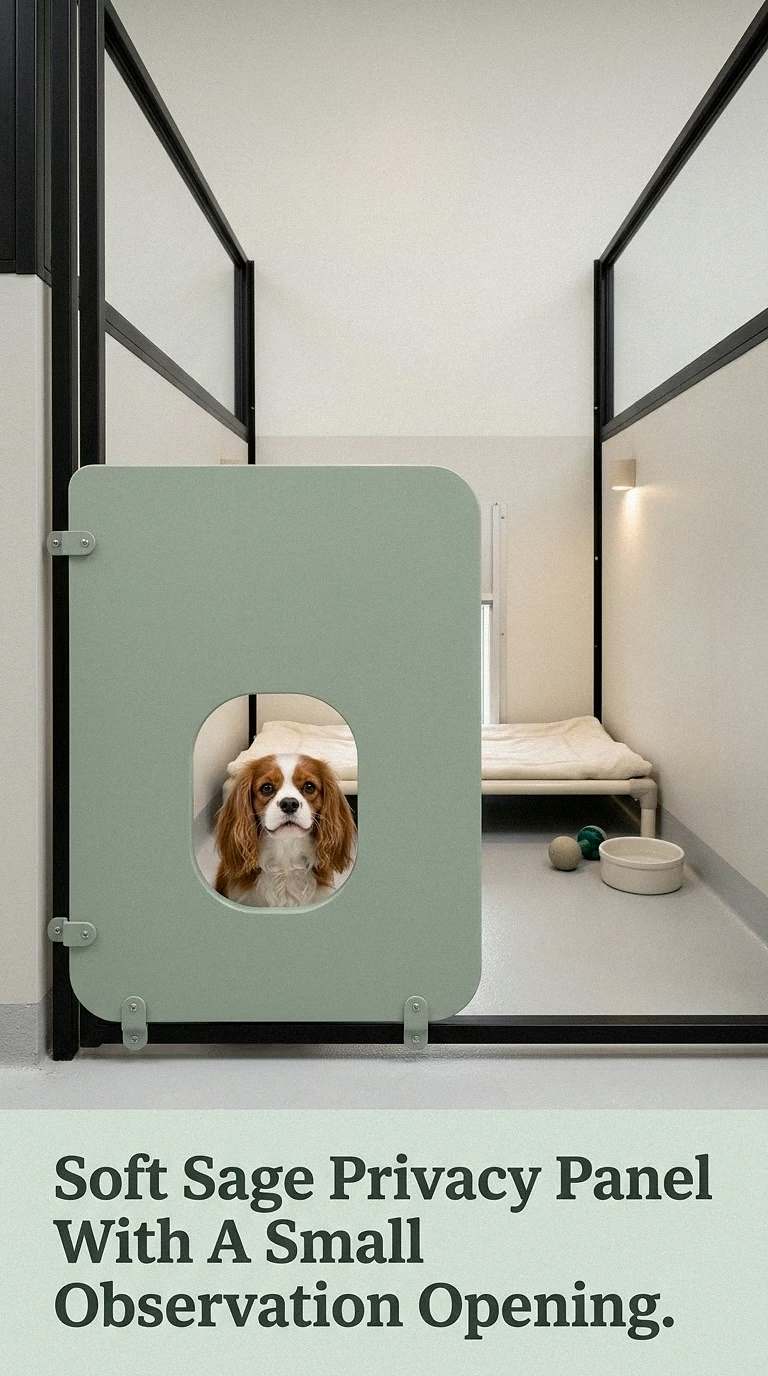
Some dogs become more excited when they can constantly see people and animals moving past the front of their kennel.
A partial visual barrier can create a quieter retreat. Choose an easy-clean panel, kennel cover, or securely attached screen in a soft neutral color such as sage green, warm gray, or cream.
Rather than blocking the entire environment permanently, the setup can include a controlled viewing area so the dog still has opportunities to observe when comfortable.
Read more : Why Does My Dog Act Like A Cat?
Watch the dog’s behavior closely. Some dogs relax when visual stimulation is reduced, while others prefer being able to see what is happening around them.
The goal is not decoration. It is creating the amount of environmental stimulation that helps that particular dog settle.
Treat-Dispensing Wobble Toy On A Non-Slip Kennel Mat
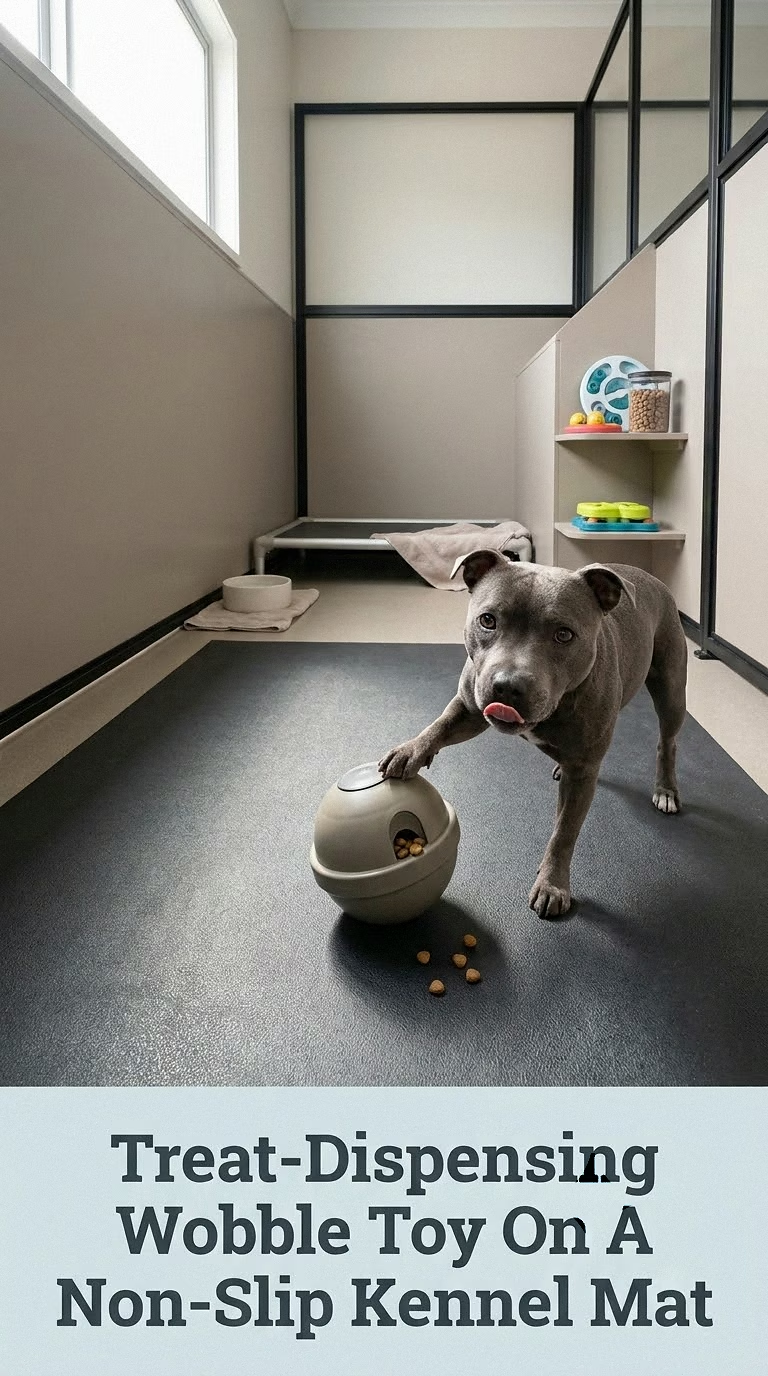
For dogs who enjoy movement and problem-solving, place a sturdy treat-dispensing wobble toy on a washable non-slip mat.
As the dog nudges the toy with a nose or paw, pieces of kibble gradually fall out. It adds movement to mealtime while encouraging the dog to experiment with cause and effect.
A small rubber mat underneath prevents the toy from constantly crashing against kennel walls and can make the activity quieter.
Choose a puzzle large enough that it cannot become a swallowing hazard and durable enough for the dog’s play style.
Make the first few sessions easy. A puzzle that occasionally delivers food keeps the dog interested. One that feels impossible may simply create frustration.
Natural Scent Discovery Cups With Removable Kennel Holders
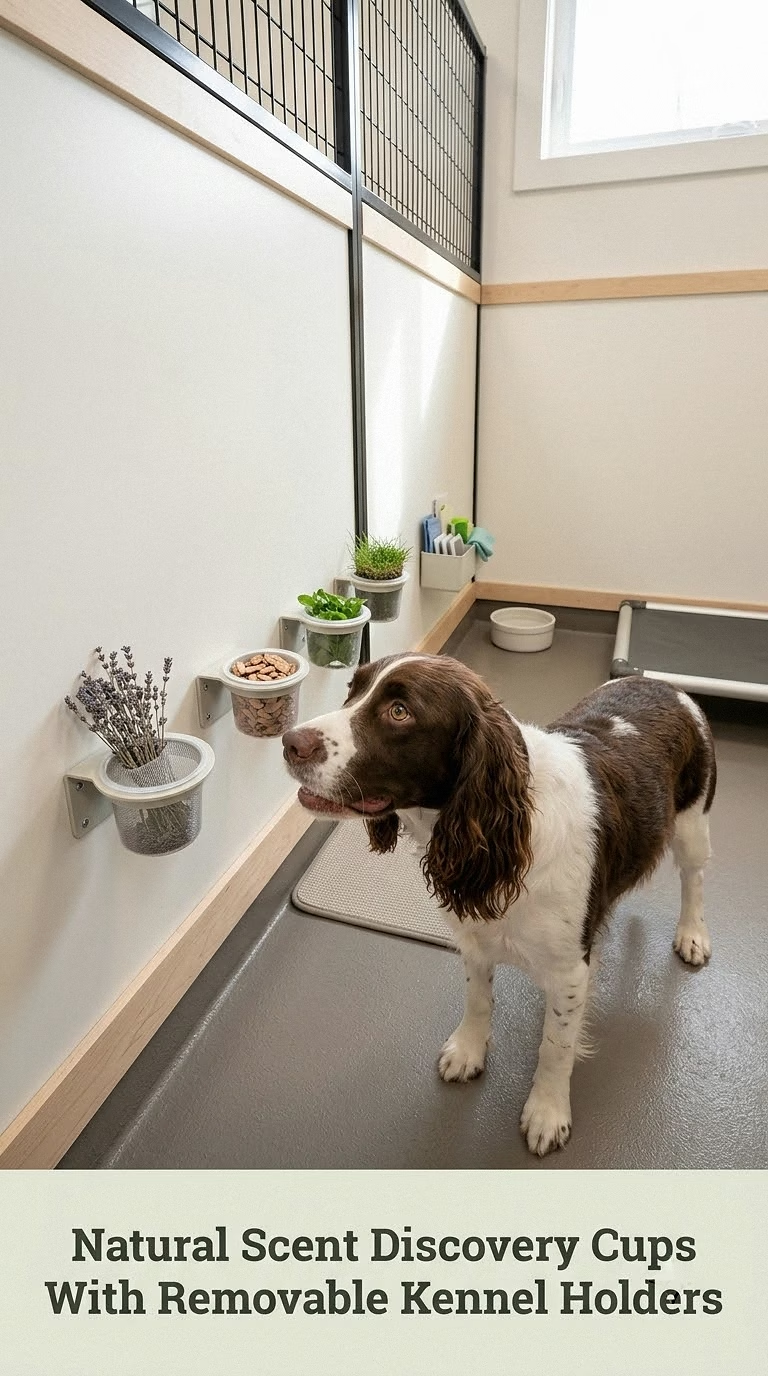
A dog’s nose offers an entirely different enrichment opportunity from toys and food.
Create a simple scent station using secure containers that allow aromas to escape without giving the dog access to the contents. Introduce one mild, dog-safe scent at a time and let the dog choose whether to investigate.
You might use familiar natural materials or food-associated scents rather than applying concentrated fragrances directly to kennel surfaces.
Mount or place the containers where they cannot be chewed apart.
Change the scent periodically rather than filling the kennel with multiple strong smells. The idea is to provide something new to investigate, not overwhelm one of the dog’s most sensitive senses.
Washable Towel Treasure Roll With Hidden Meal Pieces
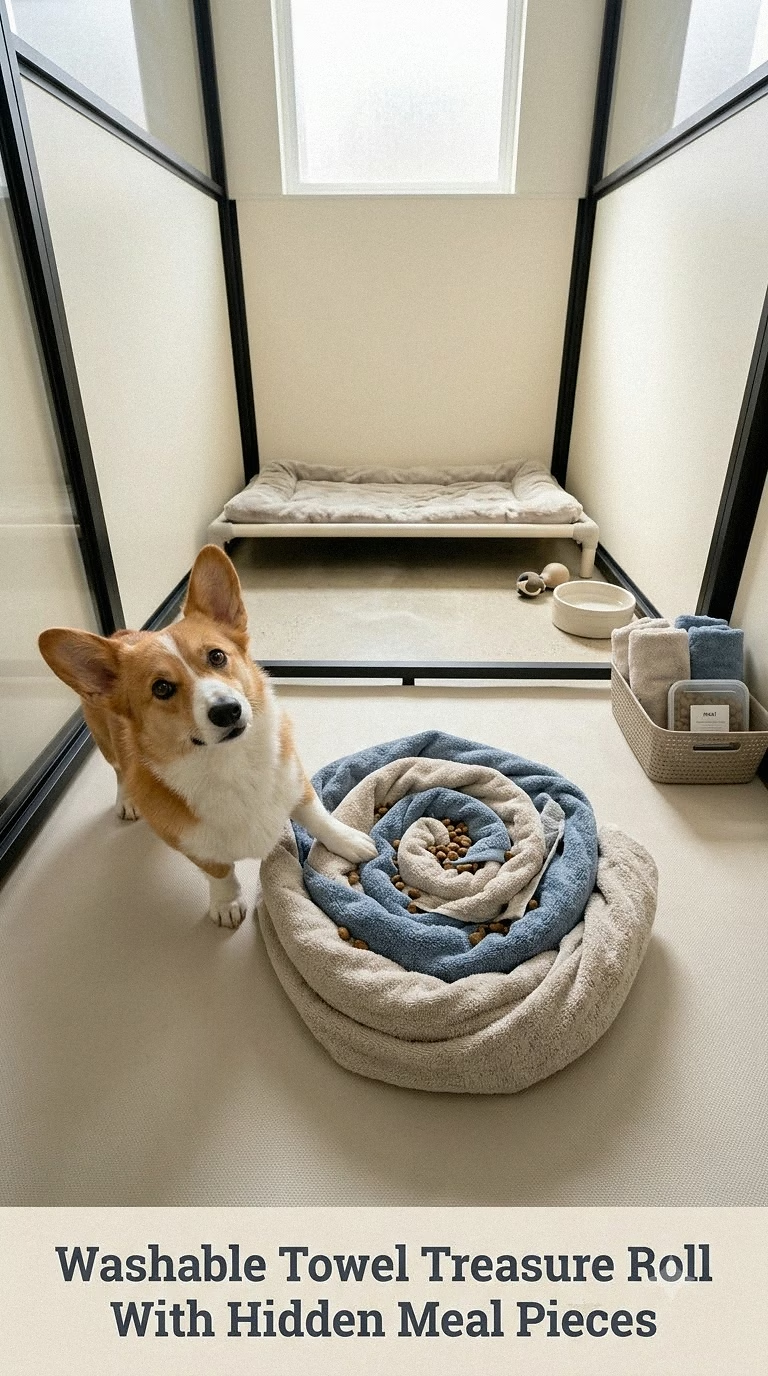
For a quick DIY activity, sprinkle kibble over a clean towel and loosely roll or fold it so food becomes hidden between the layers.
The dog has to use its nose and paws to uncover the meal. You can begin with a very loose roll and make the folds slightly more complicated once the dog understands the game.
Neutral cotton towels stacked in a wicker-look plastic basket can even make an enrichment preparation area feel surprisingly stylish.
Because towels can be shredded, this activity is best offered while someone is nearby.
It is an excellent example of how enrichment does not need to involve buying another product. Sometimes an ordinary washable household item creates a perfectly engaging activity.
Modern Kennel-Side Training Station With A Treat Caddy
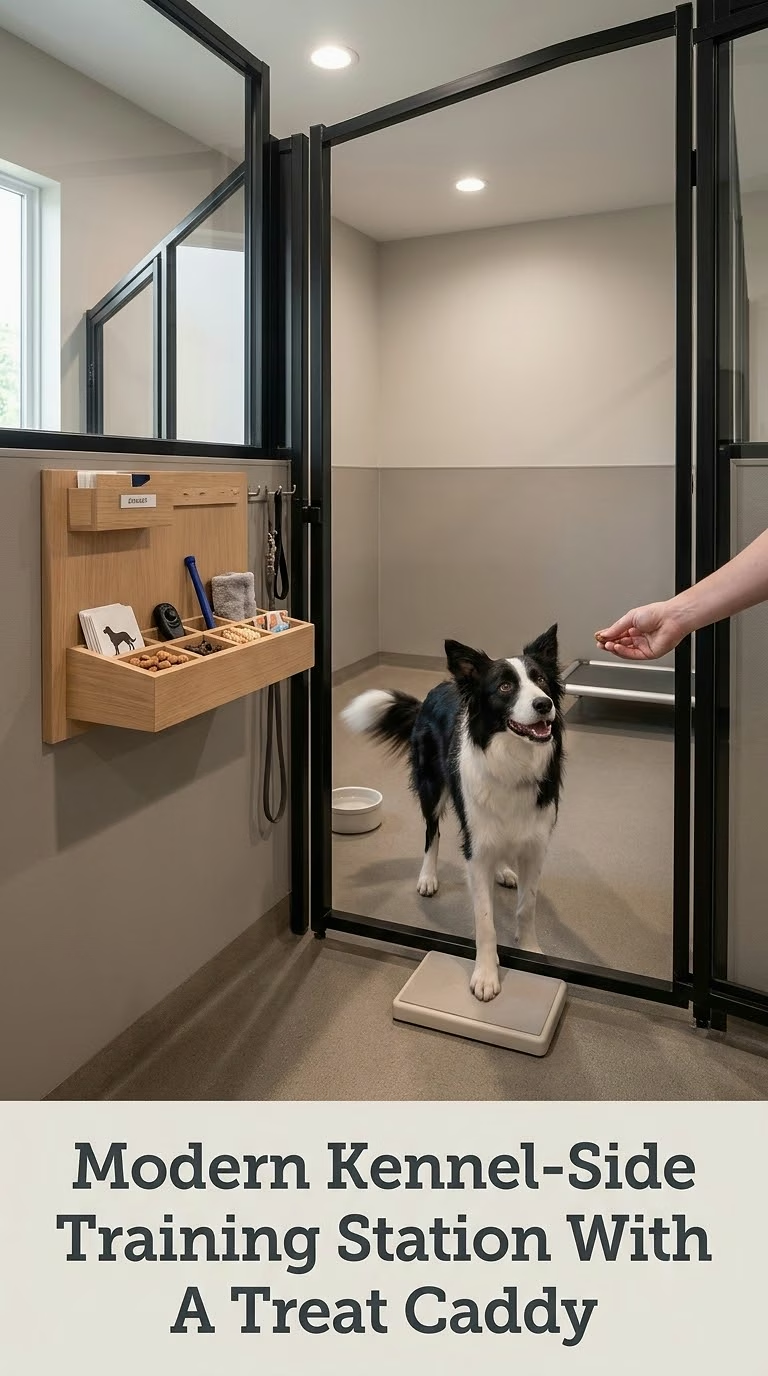
Short positive training sessions can bring valuable mental activity directly to the kennel.
Attach a sealed treat container outside the kennel and use tiny rewards to practice simple behaviors such as calmly approaching the front, making eye contact, touching a target, or settling on a bed.
Keep sessions short and relaxed. A few successful repetitions can be more enjoyable than one long lesson.
For a polished setup, use matching labeled containers mounted on a slim shelf outside each kennel. It keeps supplies accessible without adding clutter inside the dog’s space.
Training also adds something toys cannot provide: predictable interaction with a person. For many dogs, that social connection can be one of the most valuable parts of the day.
Rotating Chew Library With Labeled Wooden-Style Baskets
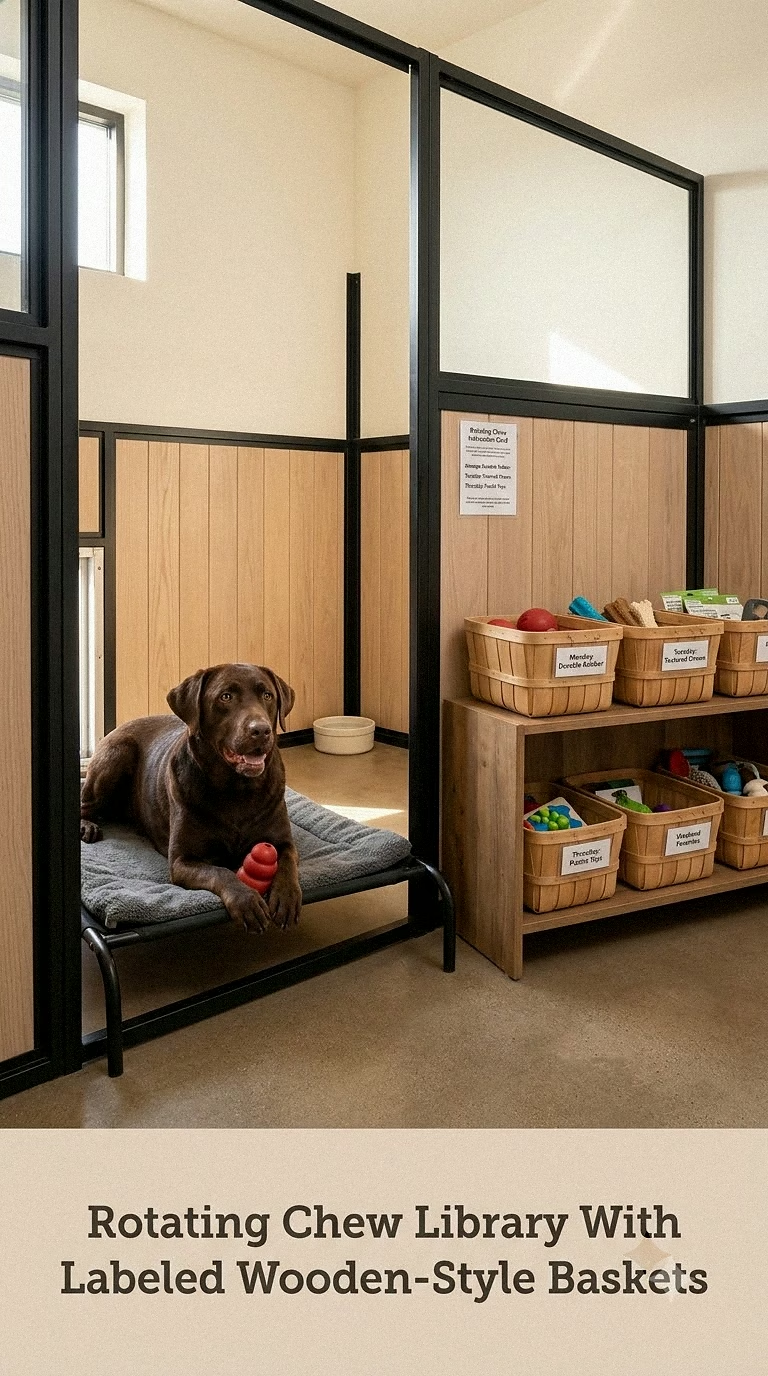
Instead of leaving the same toy in a kennel every day, create a rotation system.
Store suitable chew toys in clearly labeled baskets and offer different textures or shapes on different days. Even a small collection can feel more interesting when items disappear for a while and later return.
A warm wood-look shelving unit outside the kennels can keep everything beautifully organized, while washable plastic bins inside make sanitation easier.
The important part is matching each item to the dog. Strong chewers may need extremely durable toys, while gentler dogs may enjoy softer options when supervised.
Inspect toys frequently and remove anything damaged enough to create loose pieces or swallowing hazards.
Quiet Reading Corner Beside A Cozy Kennel Bed
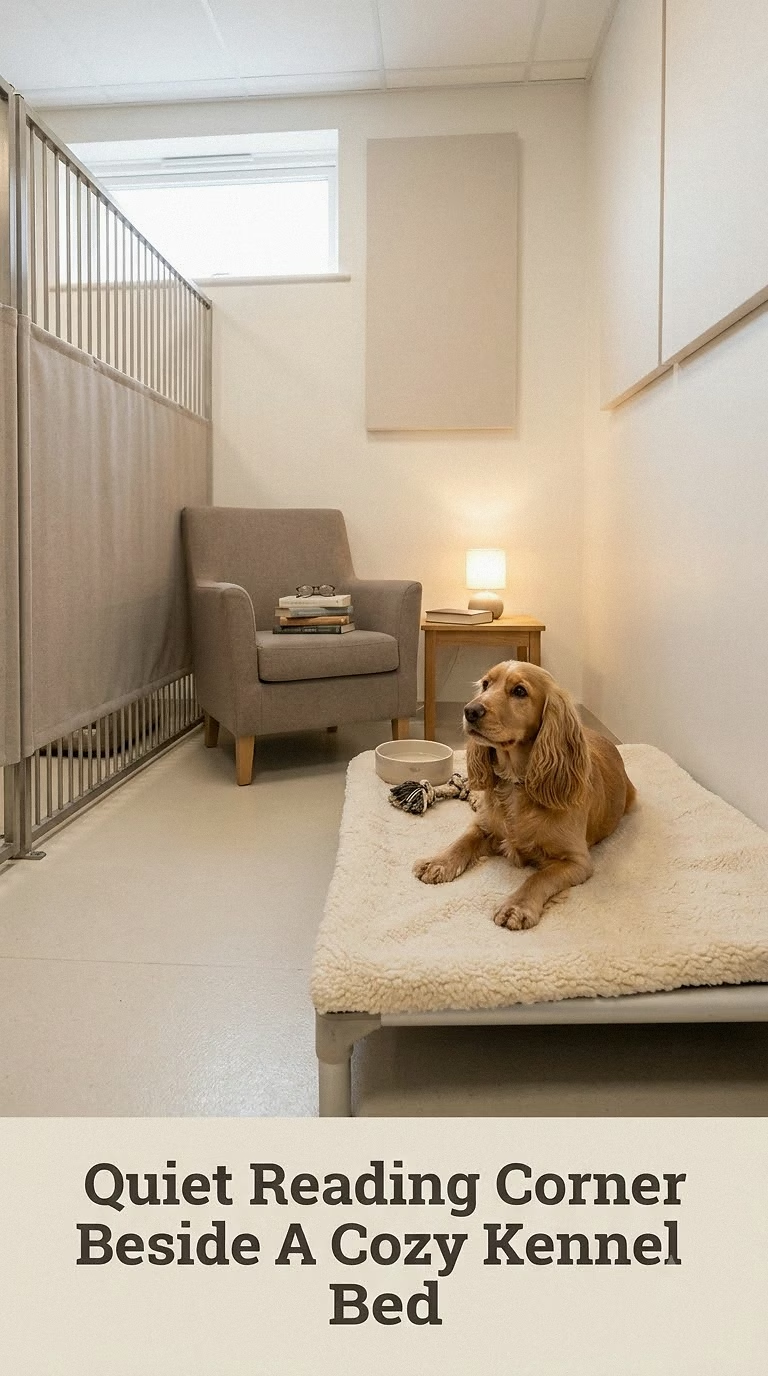
Not every enrichment activity has to involve food or vigorous play.
For dogs who enjoy gentle human company, simply sitting beside or safely inside the kennel and reading quietly can create a peaceful social experience.
Pair this with a comfortable bed, soft lighting where possible, and an uncluttered environment. The overall effect can feel more like a calm little reading nook than a busy kennel.
Avoid forcing interaction. Sit quietly and allow the dog to decide whether to approach, lie nearby, or remain at a comfortable distance.
This approach can be particularly lovely for dogs who find energetic handling overwhelming but are beginning to enjoy human presence.
Sometimes companionship itself is the enrichment.
Low-Volume Calm Audio Setup With A Dedicated Quiet Zone
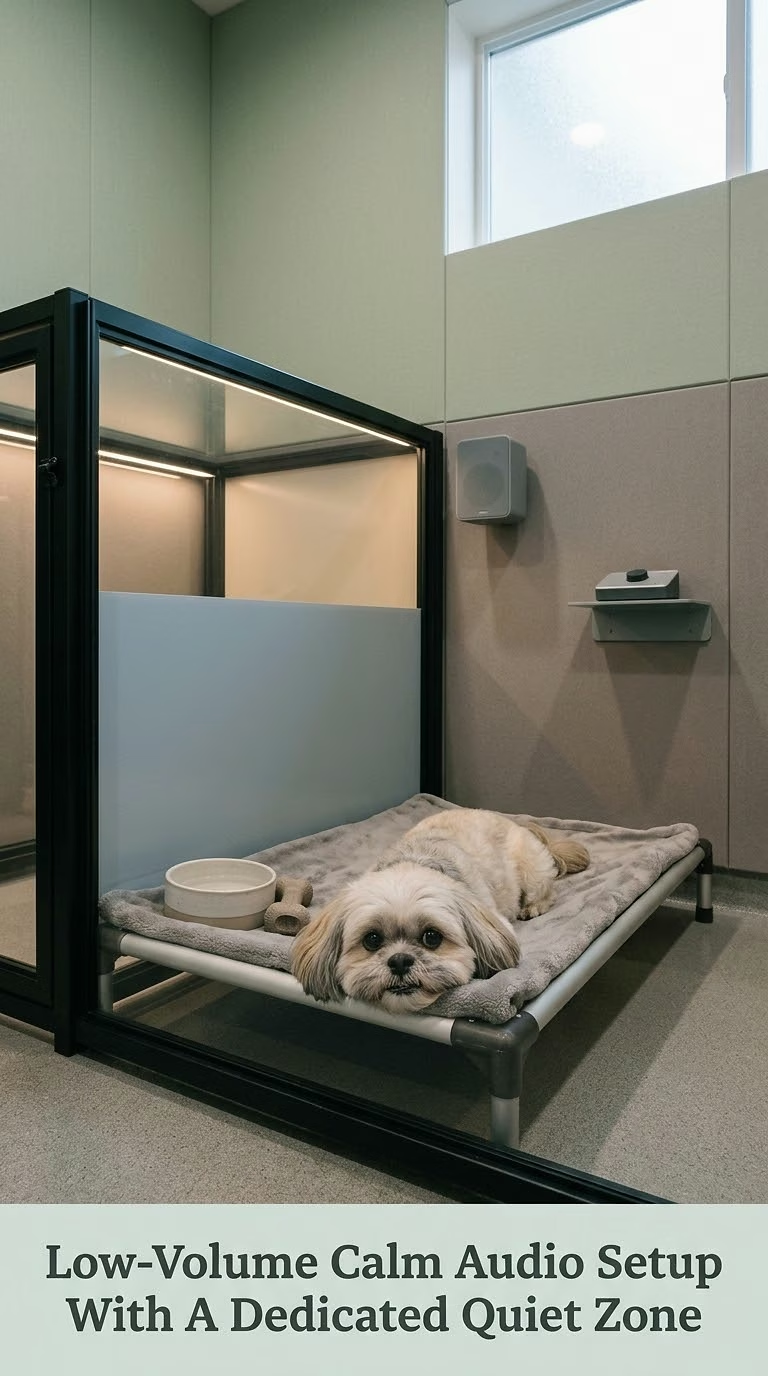
Kennel areas can become noisy quickly, especially when barking echoes off hard surfaces.
A carefully managed quiet zone with low-volume instrumental audio or another gentle soundscape can help create a softer environment for dogs who respond positively to it.
Read more : Why Is My Dog Making A Honking Sound?
Keep speakers outside chewing range and use moderate volume. More sound is not necessarily better.
Combine the audio with comfortable bedding and reduced foot traffic to create a recognizable rest period during the day.
Observe individual responses. If a dog becomes alert, agitated, or unable to settle, try a quieter environment instead.
Building predictable periods of activity and rest prevents enrichment from turning into constant stimulation.
DIY Muffin Tin Puzzle With Removable Ball Covers
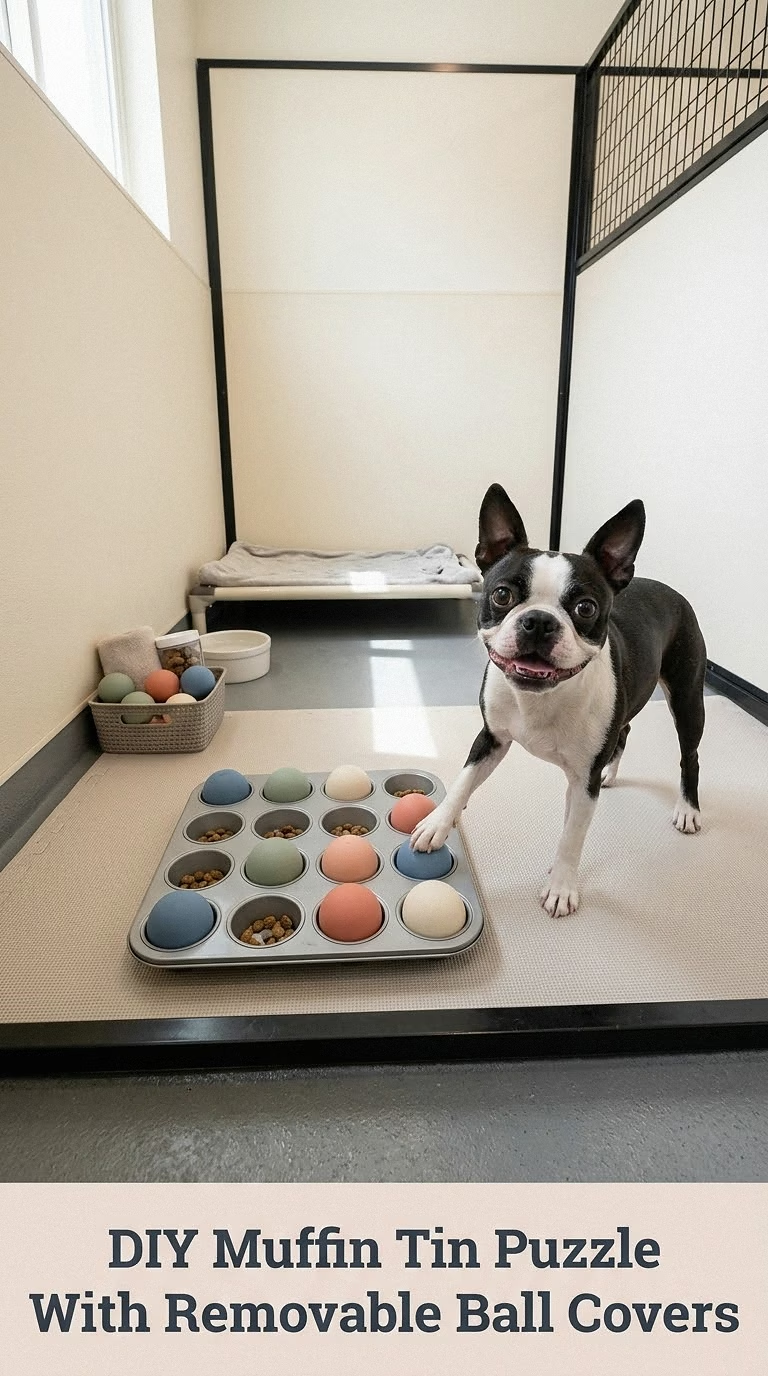
A muffin tin can become a surprisingly entertaining supervised food puzzle.
Place a few pieces of kibble in the wells, then cover selected openings with appropriately sized sturdy balls or other safe removable objects. The dog has to move each cover to reach the food underneath.
Begin with several wells uncovered so the solution is obvious.
This is a useful low-cost activity for dogs who are ready to move beyond simple treat scattering but do not need an advanced commercial puzzle.
Because the loose components can create chewing or swallowing risks for some dogs, stay nearby throughout the activity and remove everything once the food is gone.
Kennel Door Scent Trail Leading To A Hidden Food Reward
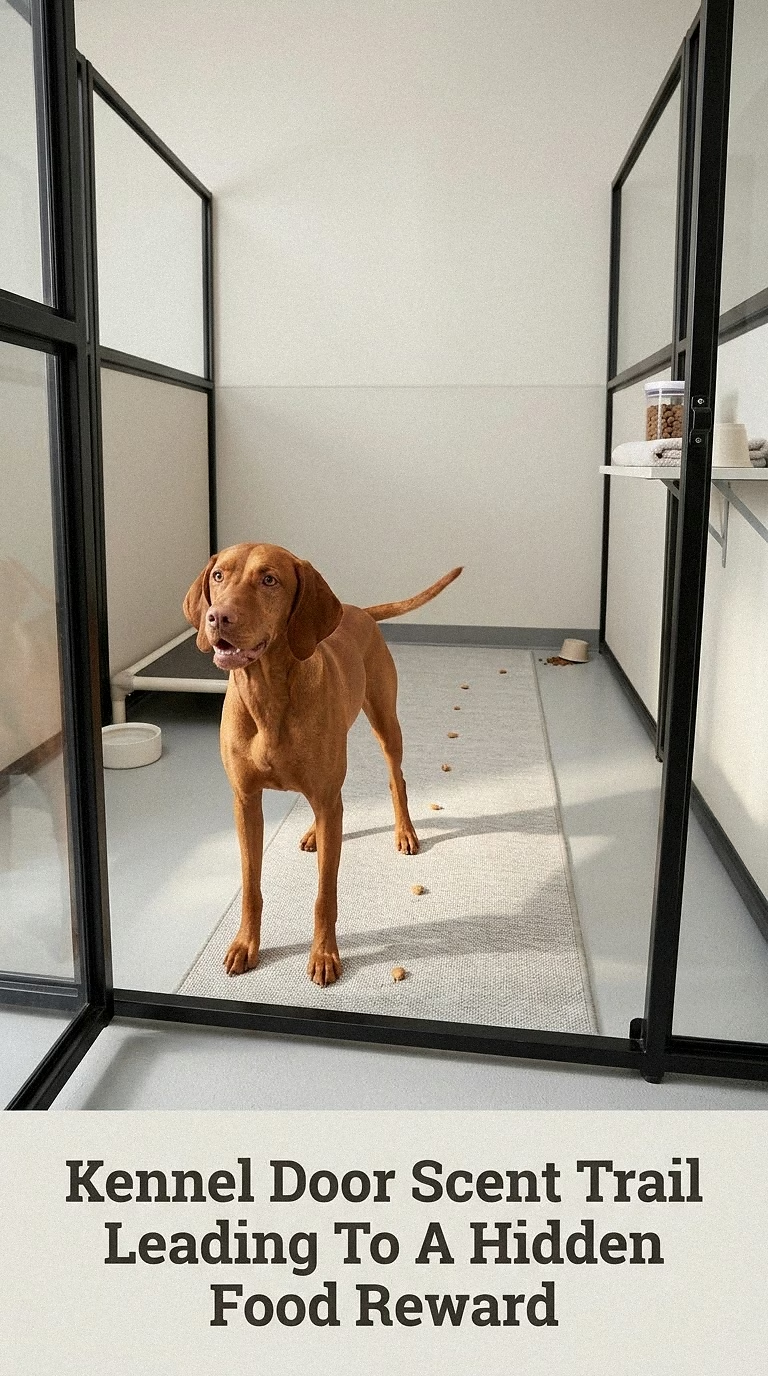
Create anticipation before the dog even reaches the final enrichment item by turning the kennel itself into a miniature nose-work challenge.
Place a few tiny food rewards in safe, easy-to-reach locations leading toward a final stuffed toy or food puzzle.
For larger kennel runs, the trail might travel from the entrance toward the bed, around a secure fixture, and finish near the back of the space.
Keep the first trail simple. Once the dog understands the activity, you can vary the route.
This creates novelty without requiring additional furniture or storage, making it particularly useful in small kennels where floor space is limited.
Luxury Kennel Retreat With Divided Rest And Activity Zones
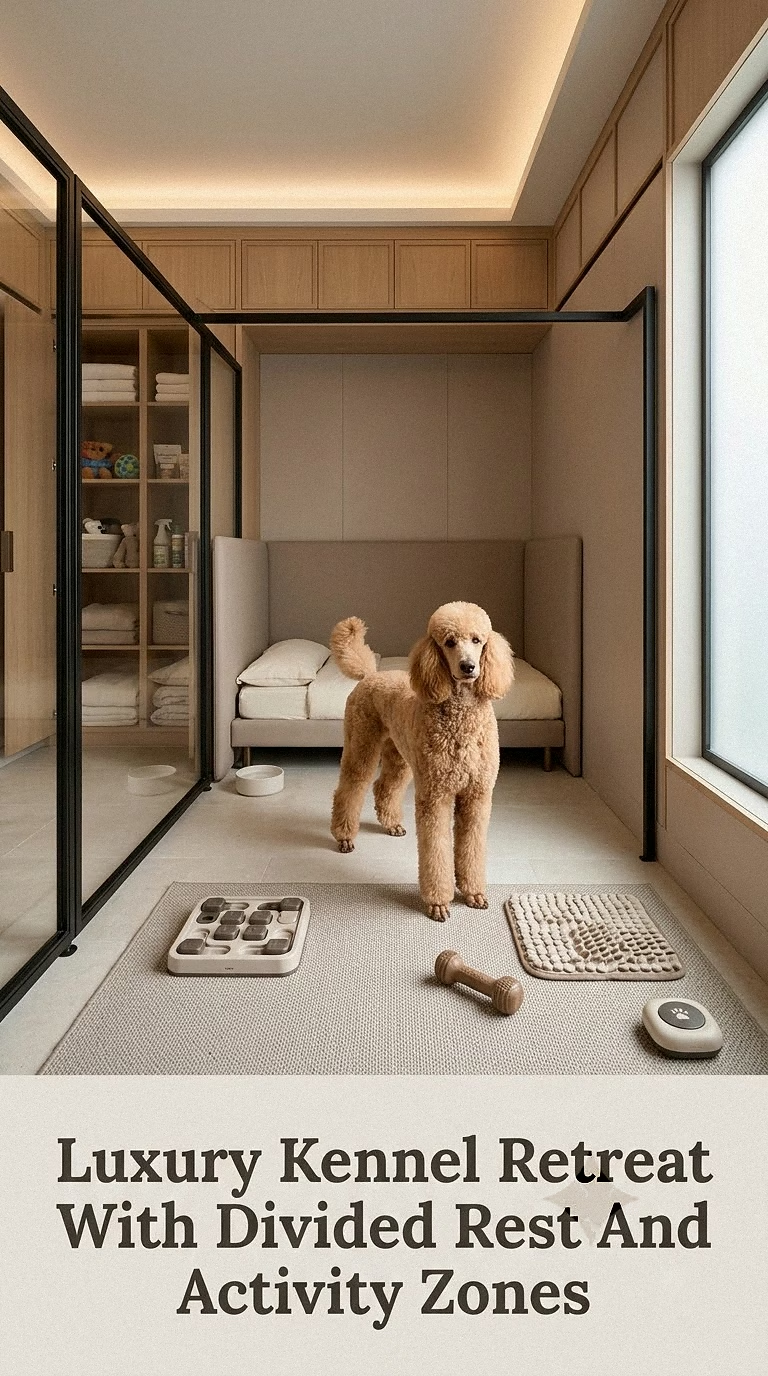
If you have a larger run, give the kennel the feel of a tiny studio by creating clearly defined zones.
Place a comfortable bed or raised cot in the quietest section, keep water in another easily cleaned area, and designate a third spot for food puzzles and supervised enrichment.
A coordinated palette of warm white, pale oak, charcoal, and soft green can make the whole space feel intentional rather than institutional.
Function should always determine the layout. Keep walkways open, avoid decorative objects within chewing reach, and choose surfaces that can be disinfected easily.
This approach works particularly well for thoughtfully designed boarding kennels, foster rooms, or long-term home kennel areas.
Compact Enrichment Cart With Daily Rotation Baskets
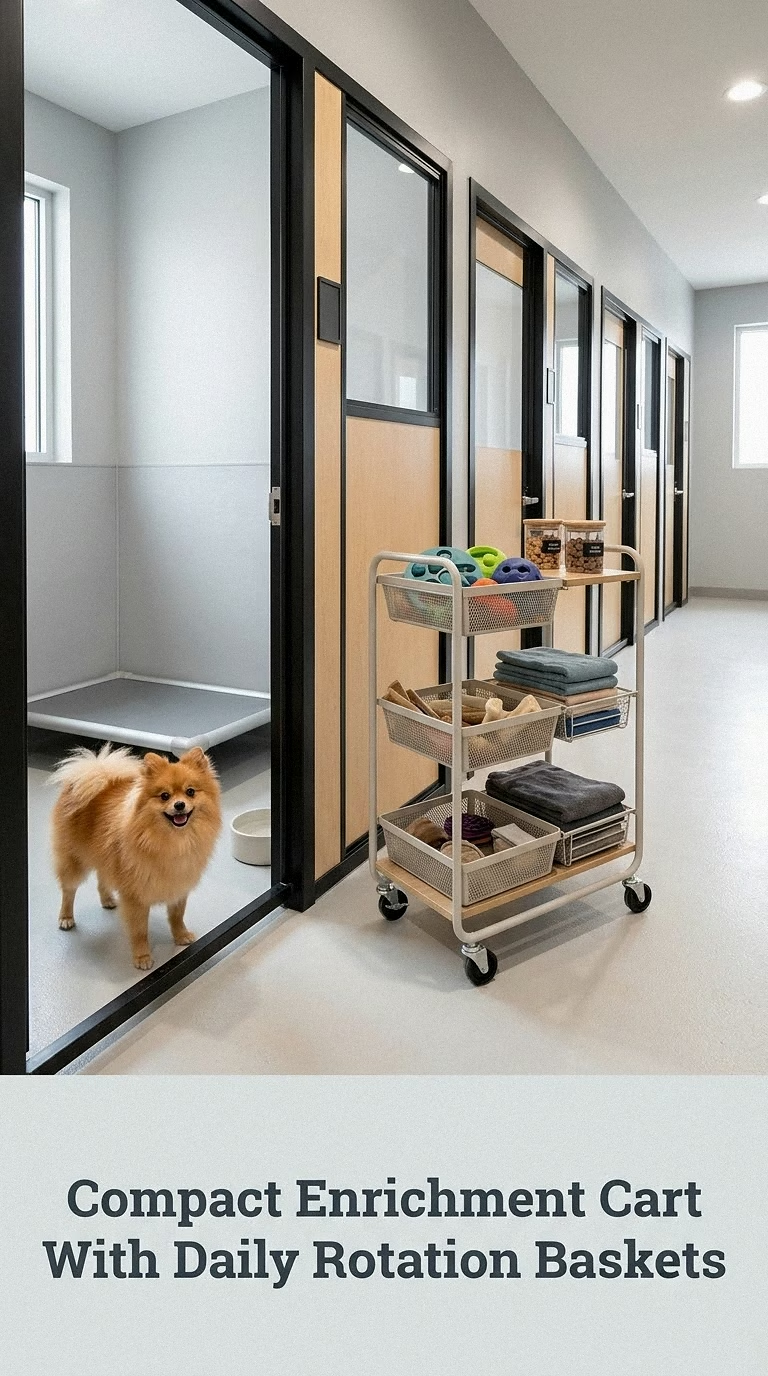
When caring for several dogs, organization can determine whether enrichment actually happens consistently.
Create a slim rolling cart with separate baskets for food puzzles, clean toys, scent activities, towels, training supplies, and items waiting to be washed.
Choose washable containers and simple labels so anyone caring for the dogs can immediately understand the system.
You can also prepare a small daily basket for each kennel. Monday might include a stuffed rubber toy, Tuesday a scent activity, Wednesday a supervised forage box, and Thursday a training game.
Rotation keeps the environment interesting without requiring every enrichment item to remain available at once.
It also makes an enrichment routine feel manageable rather than like another complicated chore.
Indoor Kennel Sensory Tray With Safe Textures And Sniffing Elements
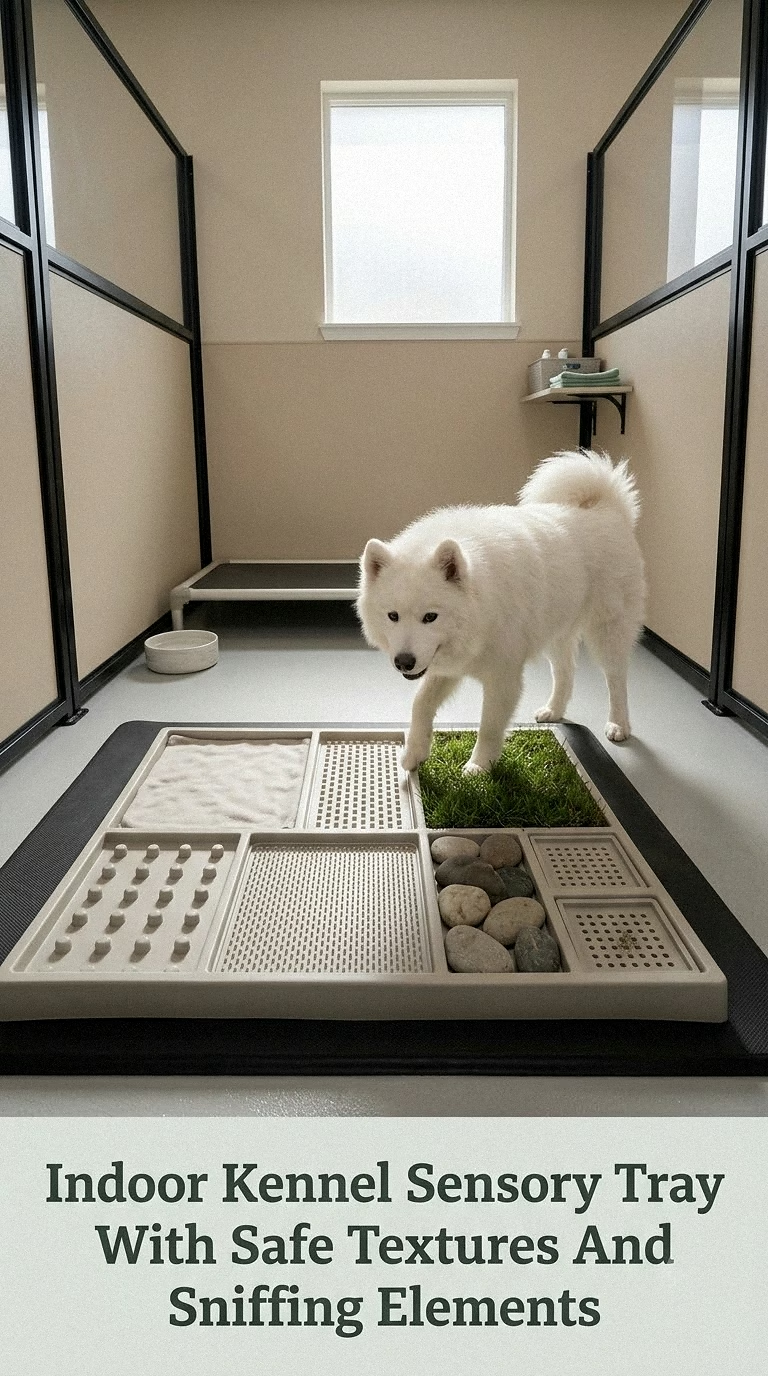
For supervised sessions, create a removable sensory tray that introduces several interesting textures and smells within a compact footprint.
A shallow sturdy tray might include sections of clean artificial turf, a textured rubber surface, crumpled paper containing hidden kibble, or other dog-appropriate materials.
Let the dog investigate at its own pace instead of directing it toward every section.
The entire tray should be easy to remove and sanitize once the session ends.
This is particularly useful for dogs spending significant time indoors because it brings a small amount of environmental variety directly to the kennel.
Change one or two elements between sessions to keep the experience fresh without making it overwhelming.
Creating Better Days With Dog Kennel Enrichment Ideas
The most effective dog kennel enrichment ideas are often simple ones used thoughtfully and consistently. A frozen meal, a comfortable bed, an interesting scent, a five-minute training session, or a quiet visit from a familiar person can completely change the character of time spent inside a kennel.
You also do not need to introduce every idea at once. Start with two or three activities that suit your dog’s personality, chewing habits, food preferences, physical abilities, and comfort level. Observe which activities encourage relaxed curiosity and which ones simply create frustration or overexcitement.
From cozy privacy panels and organized toy rotations to affordable cardboard searches and beautifully designed feeding stations, there are countless ways to make kennel time richer without sacrificing cleanliness or practicality.
The goal is not to create the most elaborate kennel. It is to create a space where a dog has safe opportunities to explore, solve problems, interact, rest, and make choices throughout the day. Even small improvements can turn an ordinary enclosure into a much more thoughtful and engaging place to spend time.
Source: https://petstutorial.com
Category: DOGS
