
A backyard can be so much more than a patch of grass when you share your home with a playful dog. With a little planning, it can become a place where your pup runs, sniffs, climbs, splashes, digs, learns new skills, and eventually curls up in the shade after a happy afternoon outside.
The best dog playground ideas are not necessarily the biggest or most expensive. A thoughtfully designed corner with a tunnel, a digging spot, and a shady resting place can be just as exciting as an elaborate agility course. The key is choosing activities that match your dog’s size, age, confidence, energy level, and natural interests.
You are reading: 19 Dog Playground Ideas For A Fun And Beautiful Backyard
It also helps to think about the playground as part of your landscaping rather than something temporarily dropped into the yard. Warm cedar, soft neutral colors, tidy gravel borders, attractive planters, and simple storage can make the space feel polished while still being practical for muddy paws and enthusiastic zoomies.
Whether you have a sprawling lawn, a narrow side yard, or a compact patio, these dog playground ideas offer plenty of ways to create a beautiful outdoor space that both you and your dog can enjoy.
Creative Dog Playground Ideas For Every Backyard
Modern Cedar Agility Playground With White PVC Obstacles
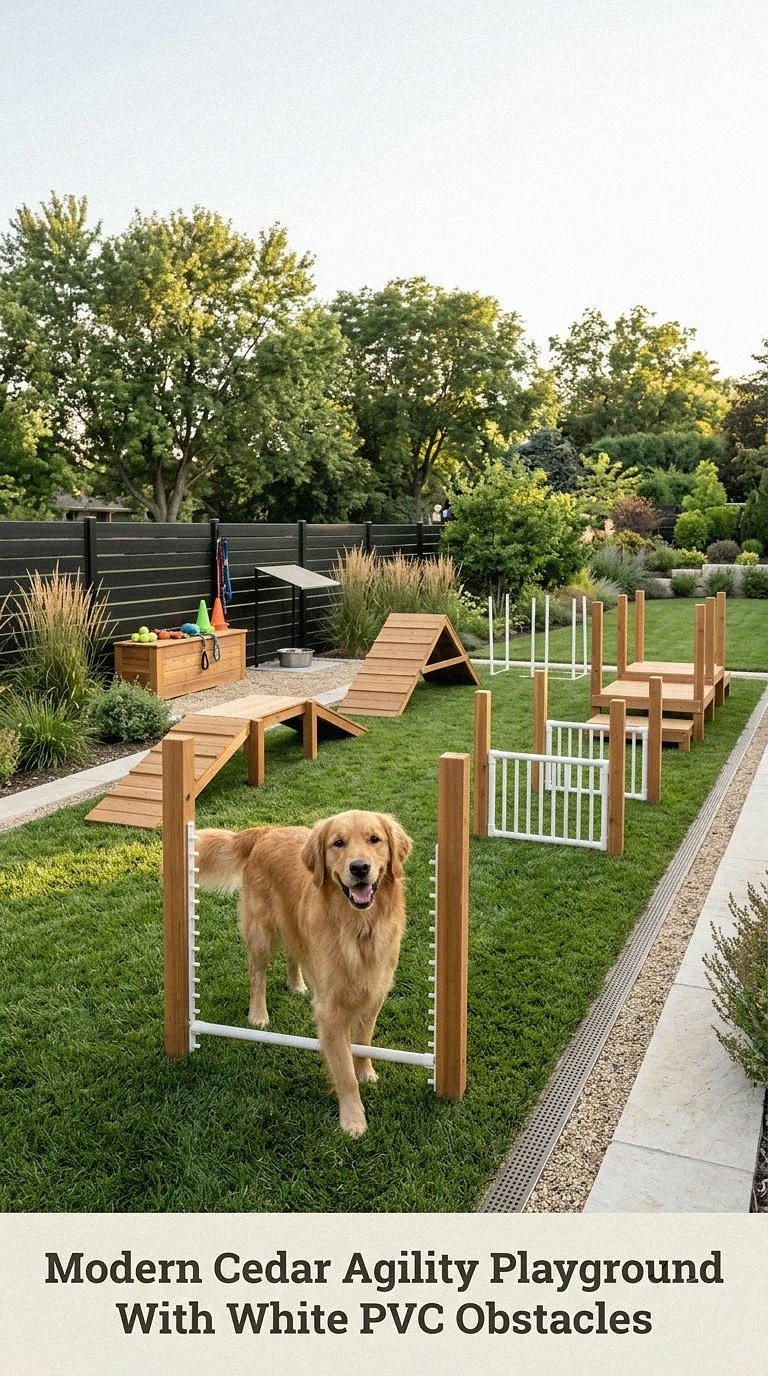
Create a clean, contemporary playground by combining warm cedar fencing with simple white PVC agility equipment. A few low jumps, weave poles, and an open tunnel are enough to give an energetic dog a surprisingly varied workout.
Arrange the obstacles with generous space between them instead of trying to squeeze everything into one tight course. This gives your dog room to slow down, turn comfortably, and approach each activity with confidence.
PVC works especially well for a home setup because lightweight pieces can be rearranged whenever you want a different layout. Keep jump bars low and designed to fall away easily if bumped.
Finish the playground with a storage bench or small weatherproof box for toys and training treats. The combination of natural wood and crisp white equipment keeps the area feeling intentional rather than cluttered.
Narrow Side Yard Dog Playground With A Linear Obstacle Course
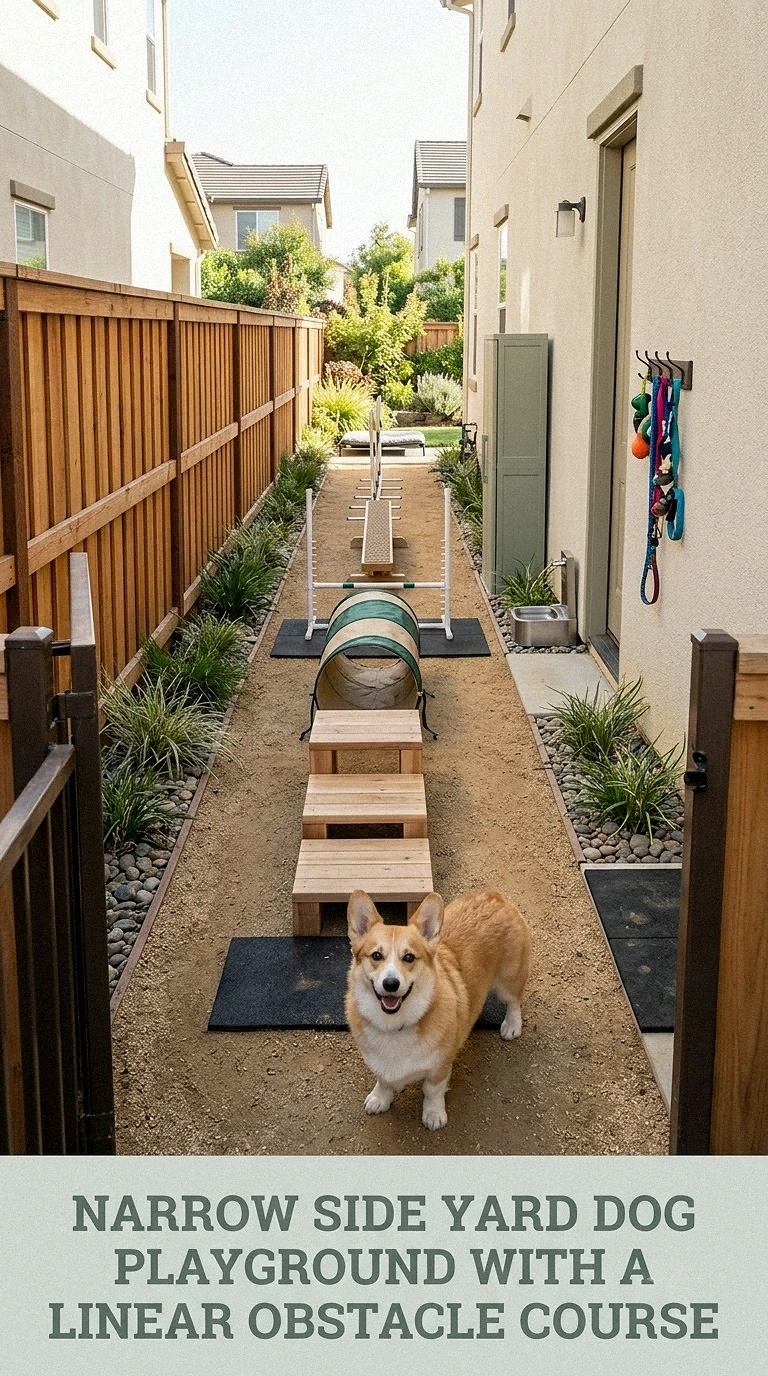
A long side yard can become one of the most useful dog play areas on the property.
Instead of filling the narrow space with random toys, create a simple pathway with activities arranged in sequence. Start with weave poles, add a short tunnel in the middle, and finish with a low platform or treat-search station.
Use one side of the corridor for the course while keeping the opposite edge relatively open so your dog can walk back without navigating every obstacle again.
Vertical storage is particularly useful here. Hooks attached to a fence or shed wall can hold collapsible tunnels, leashes, flirt poles, and lightweight training equipment when playtime is over.
A tidy strip of ornamental planting outside the play zone can soften the look while preserving as much running room as possible.
Rustic Farmhouse Dog Playground With Timber Balance Beams
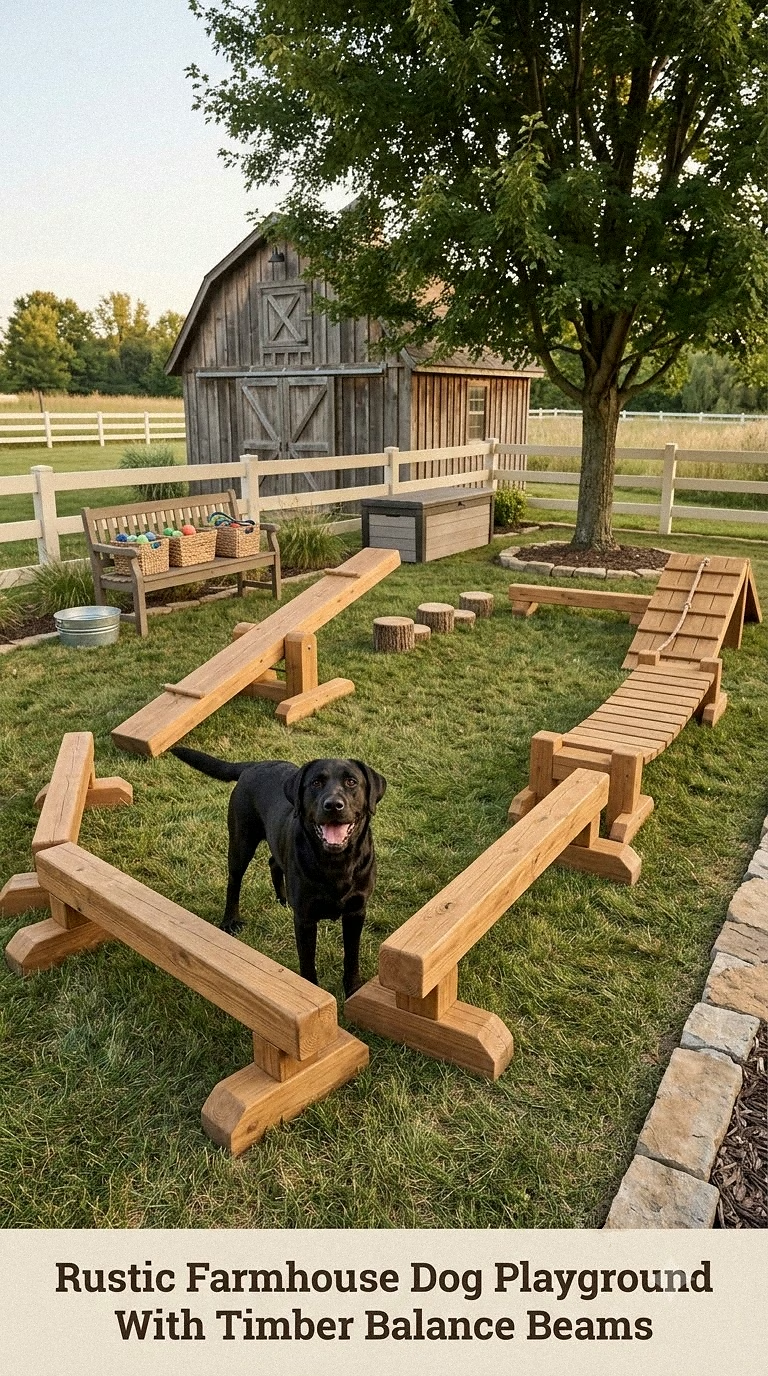
For a backyard with farmhouse character, build the playground around natural wood textures.
Low timber balance beams, wide stepping platforms, and chunky wooden borders can create an obstacle area that blends beautifully with rustic landscaping. Choose smooth, properly finished materials and inspect them regularly for splinters, loose hardware, or rough edges.
Keep balancing structures close to ground level. The goal is controlled movement and confidence, not height.
Surround the playground with simple details such as galvanized toy buckets, neutral outdoor cushions, and a weathered-looking storage bench. The finished area can feel like a miniature country adventure course while still fitting naturally beside a farmhouse garden or patio.
Shaded Pergola Dog Playground With A Cozy Rest Station
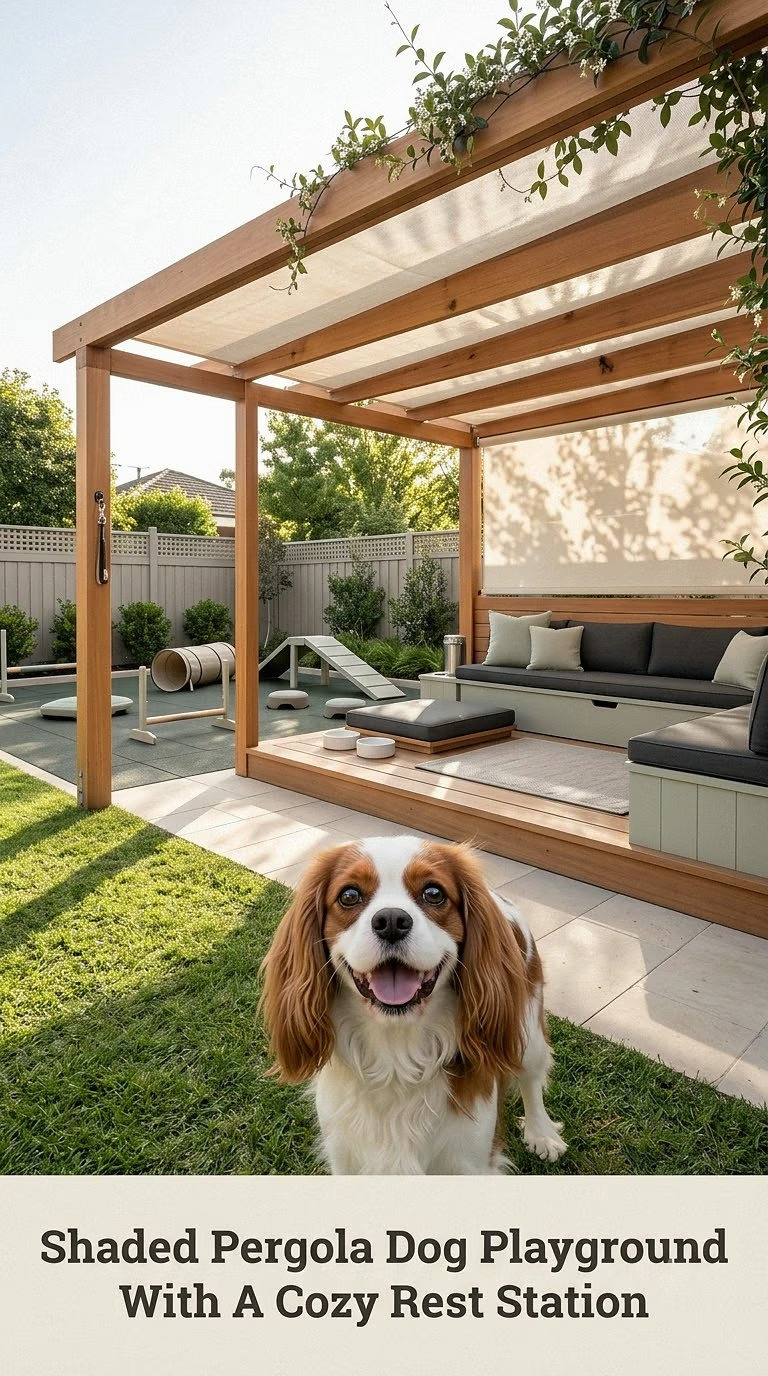
Every exciting playground benefits from somewhere quiet to recover.
A small pergola can become the visual centerpiece of the space while creating dependable shade over a water station and resting area. Place a washable outdoor dog bed or elevated cot beneath it, along with a sturdy bowl of fresh drinking water.
Surround the pergola with the more active parts of the playground so your dog can move naturally between exercise and rest.
For a softer look, add outdoor curtains secured safely out of chewing reach, simple hanging decor, or dog-safe container plants positioned beyond the main running path.
Shade is especially important in warm climates, and its position changes throughout the day, so observe the area before deciding exactly where to build your shelter.
Dog Sensory Garden With Grasses, Herbs, And Sniffing Paths
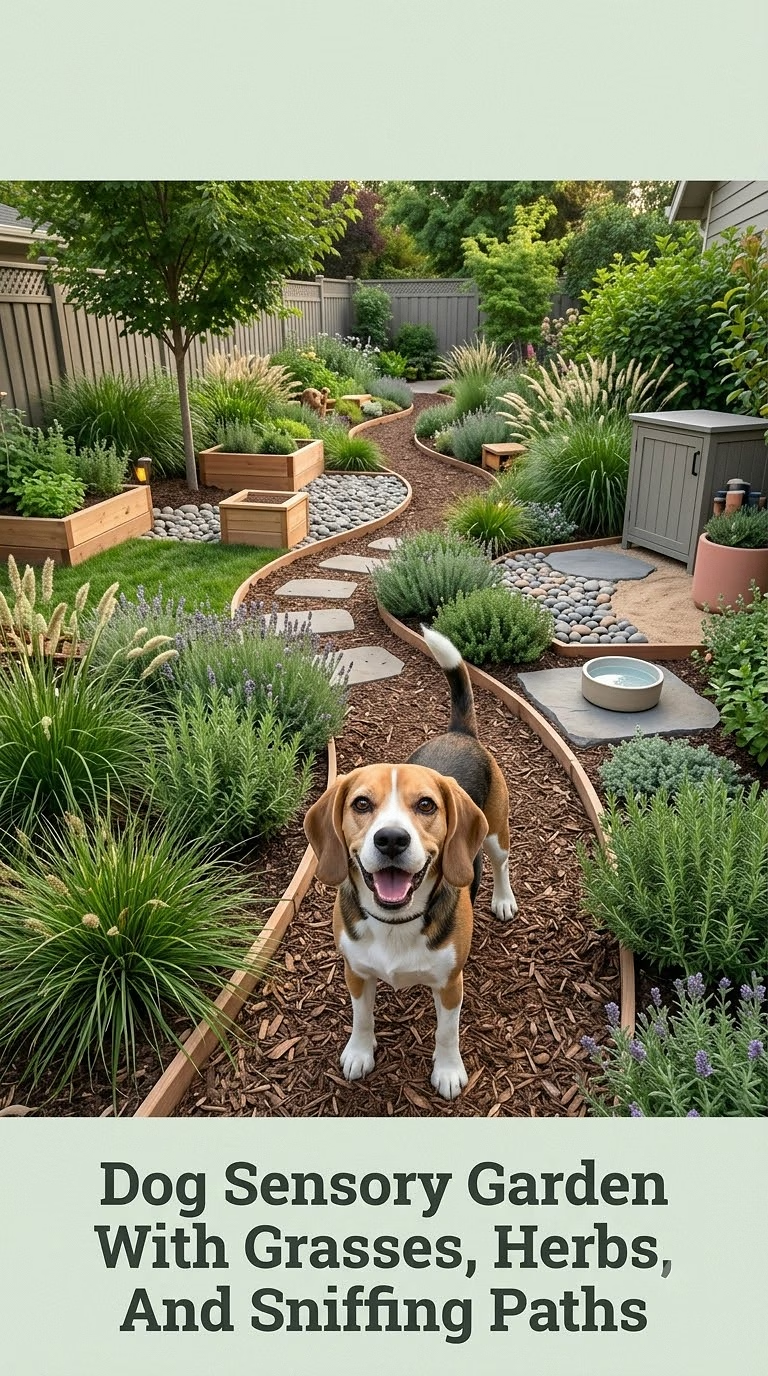
Not every playground needs to focus on running.
A sensory garden gives dogs opportunities to investigate scents, textures, and pathways at a slower pace. Create a winding trail between raised beds or containers filled only with plants that you have confirmed are safe for dogs.
Different ground textures can add interest too. Small sections of lawn, smooth paving, sturdy outdoor mats, and other secure surfaces give curious dogs new sensations under their paws.
Leave little stopping areas along the path where your dog can sniff rather than rushing through the garden.
Because plant safety varies widely, check each specific plant before adding it. Keep fertilizers, pesticides, compost, potentially toxic mulches, and garden chemicals completely inaccessible to pets.
Dedicated Dog Digging Pit With A Natural Wood Border
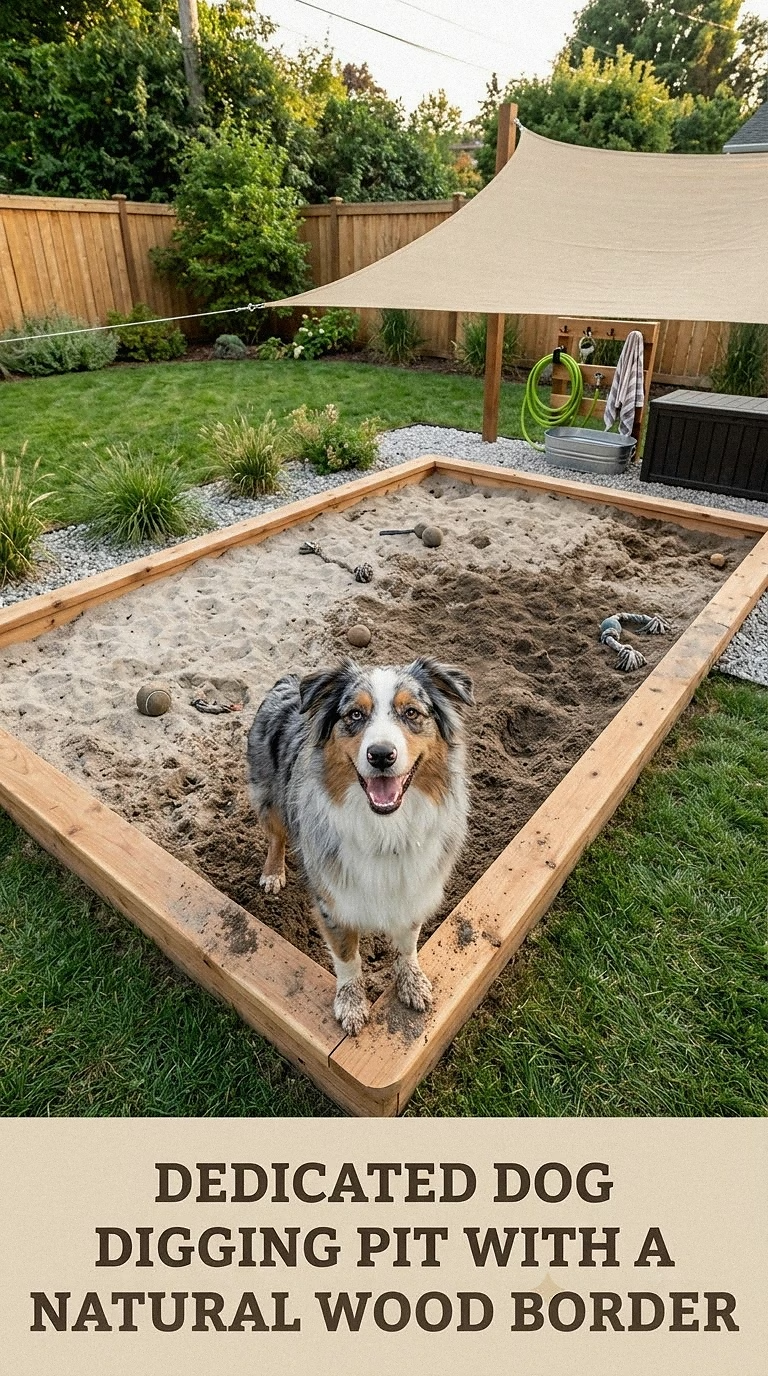
For dogs that believe every flower bed deserves excavation, give digging its own designated destination.
Build a shallow sandbox using smooth wooden boards or another sturdy border, then fill it with clean play sand. Make the area large enough for your dog to turn around and dig comfortably.
Introduce the pit by hiding favorite toys just beneath the surface. Once your dog understands the game, you can occasionally bury treats in appropriate containers or hide durable toys at different depths.
Placing the digging pit beside a hedge, fence, or small shade sail can make it feel like a cozy playground corner.
This idea is particularly useful because it works with a dog’s natural behavior instead of expecting digging to disappear completely.
Shallow Splash Playground With A Blue Dog Pool And Sprinklers
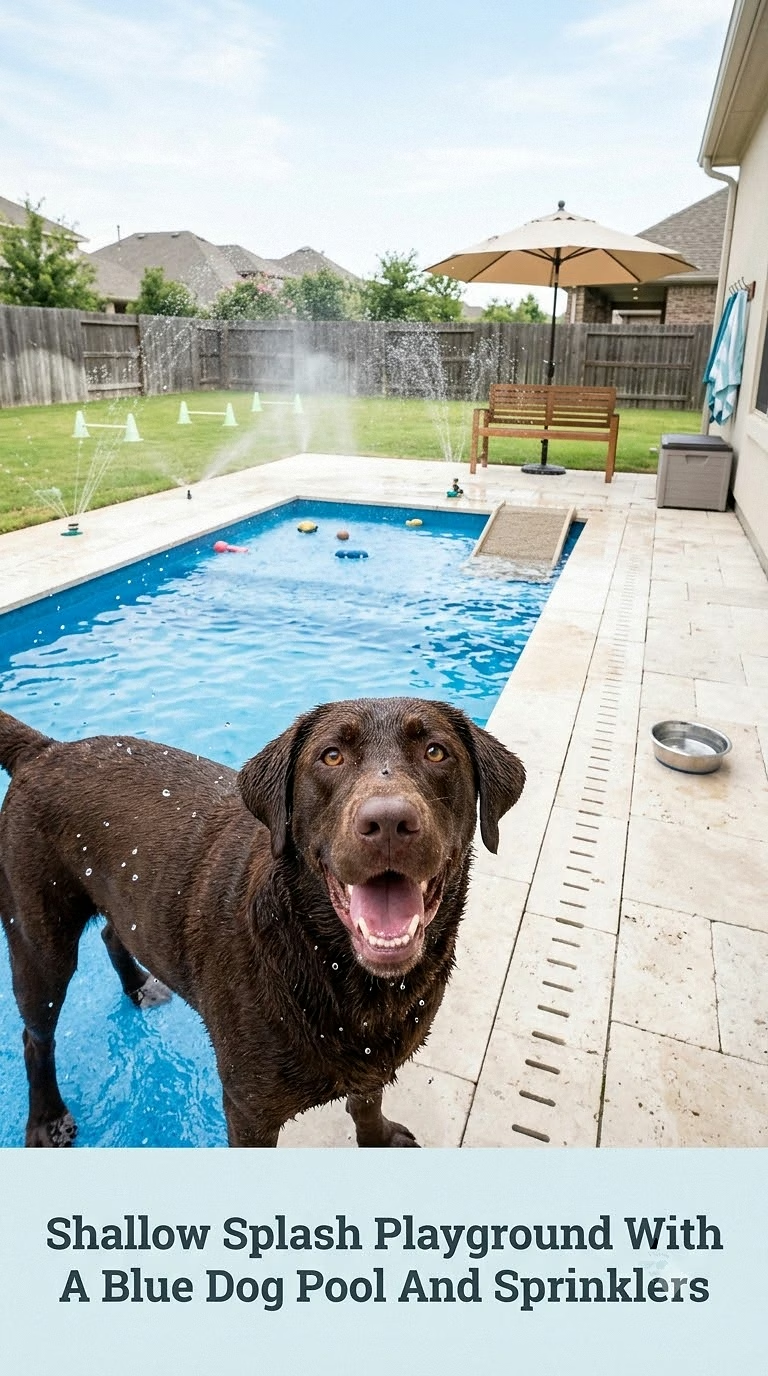
Transform a sunny corner into a cheerful summer splash zone with a shallow dog pool, sprinkler, and a few floating toys.
Choose a pool with an easy entrance and a stable base. If the bottom feels slippery, adding appropriate non-slip drainage matting can help some dogs feel more secure.
Read more : 19 Dog Gym Ideas For A Stylish And Practical Home Fitness Space
Keep fresh drinking water beside the splash area so the pool does not become your dog’s water bowl.
A nearby deck box can hold towels, floating toys, and outdoor grooming supplies, while a large umbrella or shade sail gives your dog somewhere cool to rest between games.
Water activities should always be supervised. Not every dog is naturally comfortable in water, so allow hesitant dogs to explore gradually instead of placing them into the pool.
Grass-Covered Play Mound With A Wide Adventure Tunnel
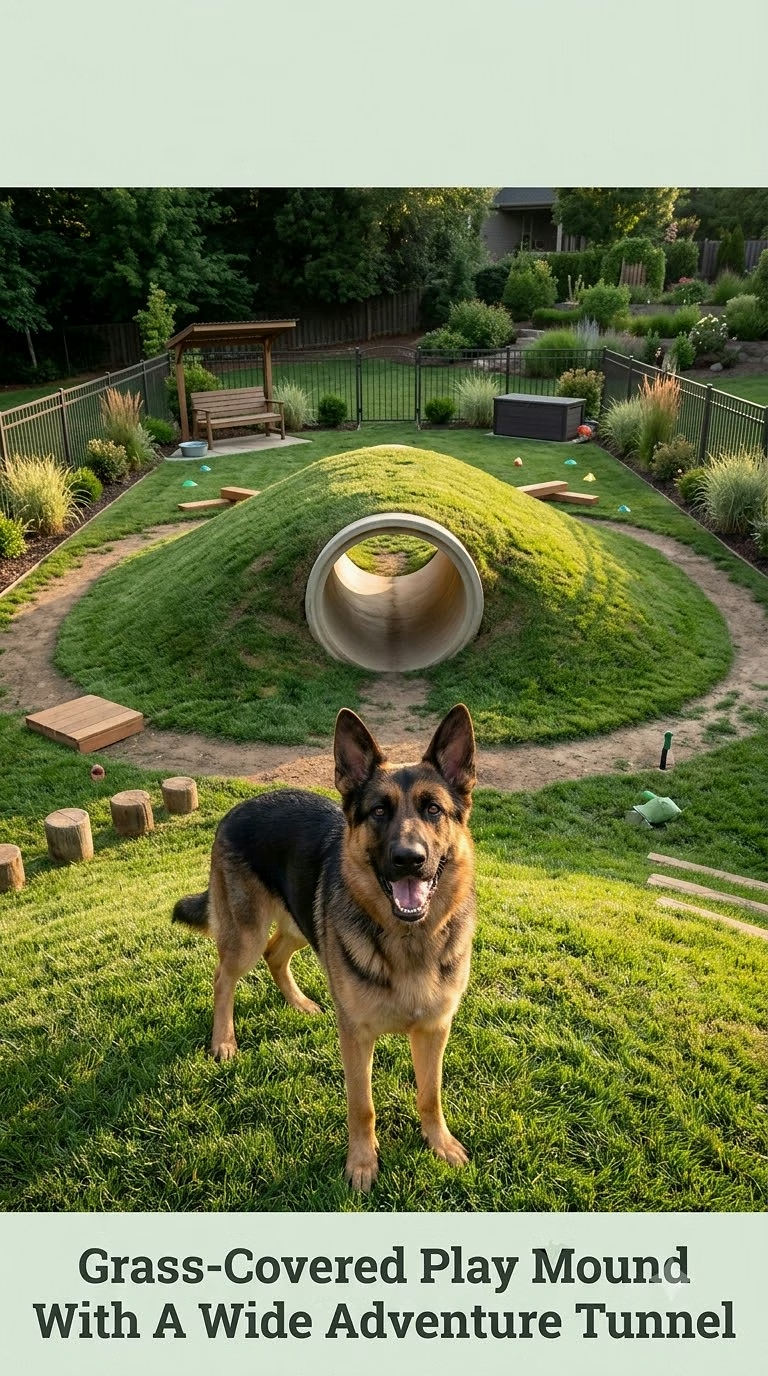
A landscaped play mound can turn ordinary backyard terrain into something much more interesting.
Create a gentle grassy hill and incorporate a wide, secure tunnel through the lower section. Dogs can race over the top, investigate around the sides, or explore the tunnel itself.
Keep slopes gentle enough to provide traction and avoid creating steep drop-offs.
The mound can be bordered with smooth stones or timber edging positioned away from fast running lines. Planting low, dog-safe greenery nearby helps the structure look like part of the landscape rather than a piece of playground equipment.
This design is especially charming in naturalistic yards where brightly colored agility equipment might feel visually out of place.
Colorful Low-Hurdle Playground With Adjustable Jump Bars
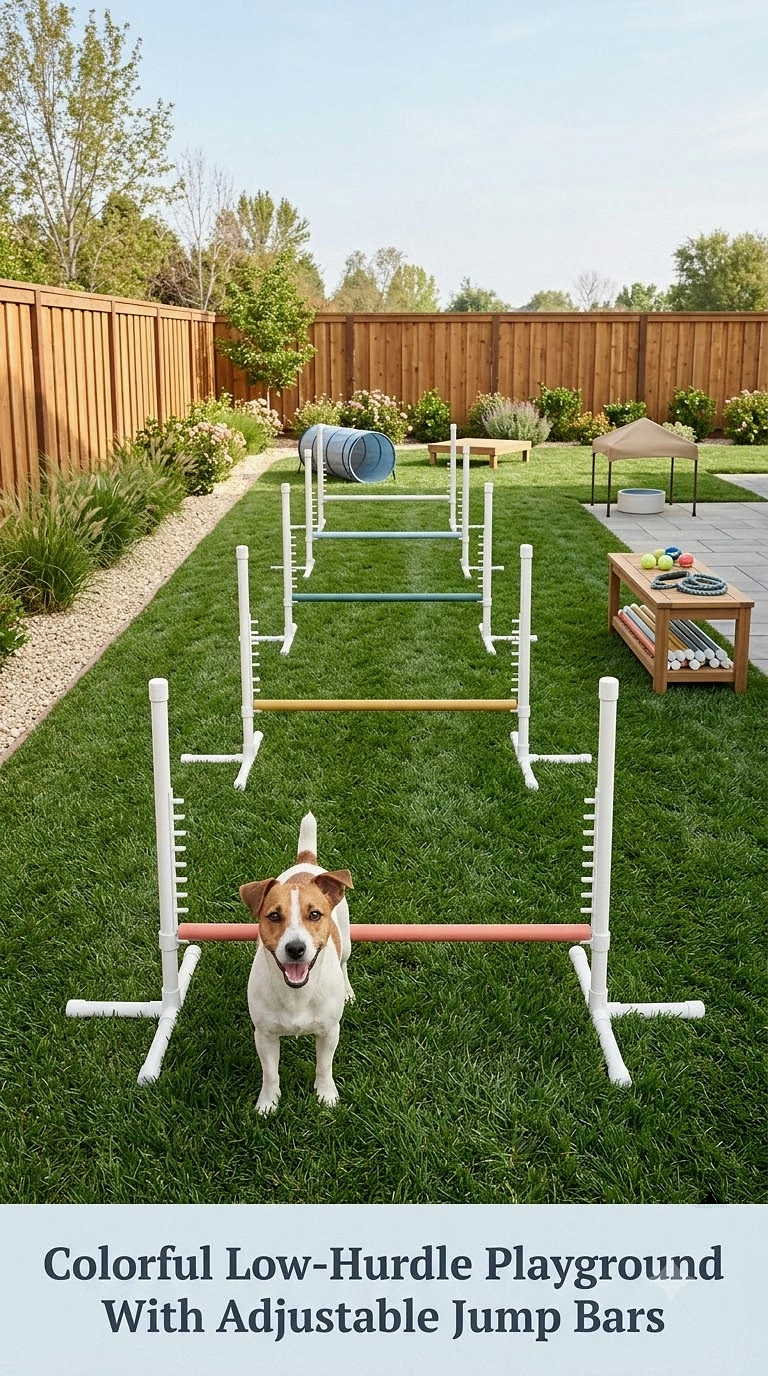
If you love a playful look, create a cheerful jumping area using lightweight adjustable hurdles in coordinated colors.
Soft blue, sage green, terracotta, or muted yellow can make the equipment feel more stylish than traditional primary-colored agility gear.
Space the jumps generously and keep bars appropriate for your dog’s age, fitness, and experience. Puppies and dogs with mobility concerns should focus on low-impact activities rather than repeated jumping.
The bars should release easily if struck instead of trapping the dog’s legs.
Because the equipment is lightweight, you can change the arrangement regularly. One week might be a straight course, while the next uses gentle curves mixed with weave poles and tunnels.
Minimalist Dog Balance Garden With Low Stepping Platforms
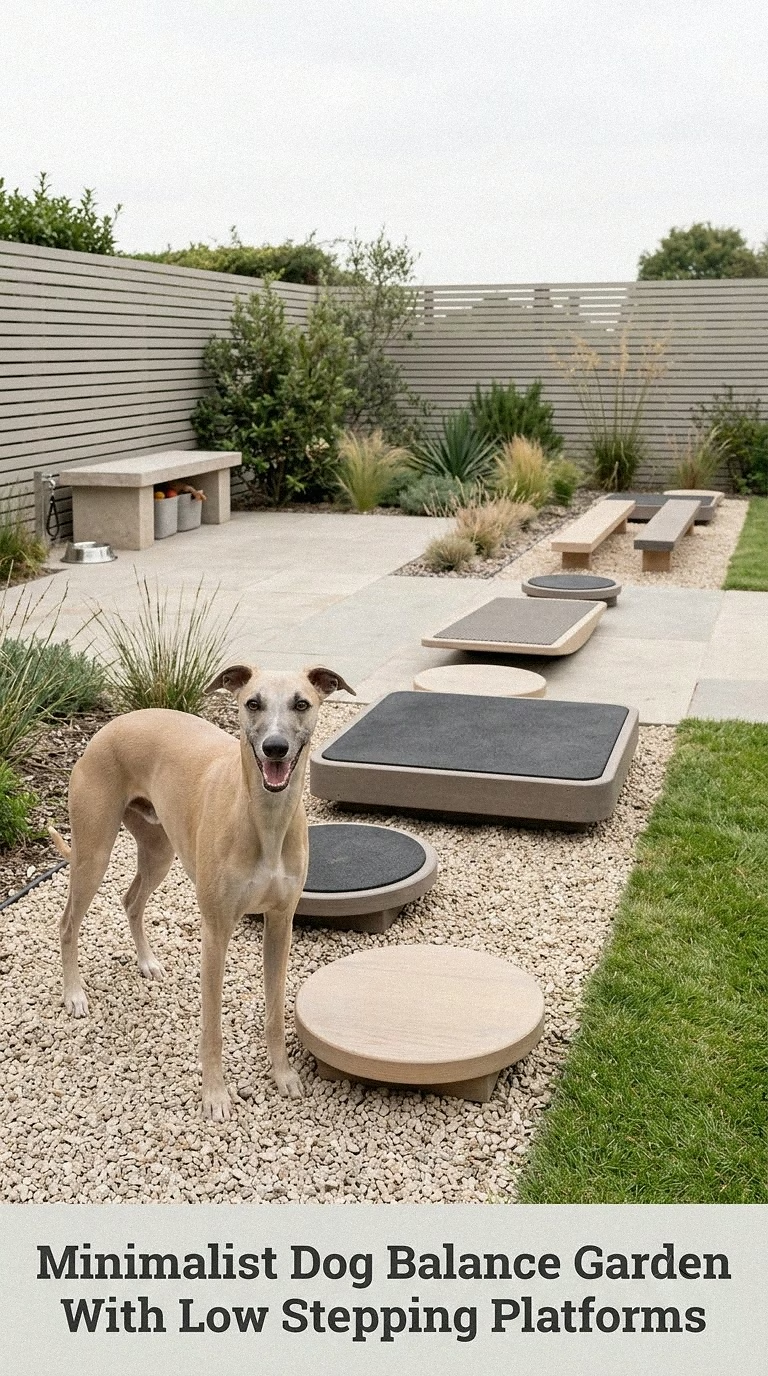
A compact balance garden can provide mental and physical challenges without taking over the entire yard.
Use several low, broad platforms at slightly different heights and arrange them like oversized stepping stones. A dog can practice placing front paws on one platform, stepping between surfaces, or slowly moving across the sequence.
Keep everything stable and low enough that a misstep is unlikely to result in a significant fall.
For a minimalist look, use platforms in natural wood tones or muted neutrals surrounded by a simple lawn or gravel border.
This playground works particularly well for owners who prefer subtle landscaping and want dog equipment that does not visually dominate the garden.
Curved Weave Pole Garden Path With Decorative Landscaping
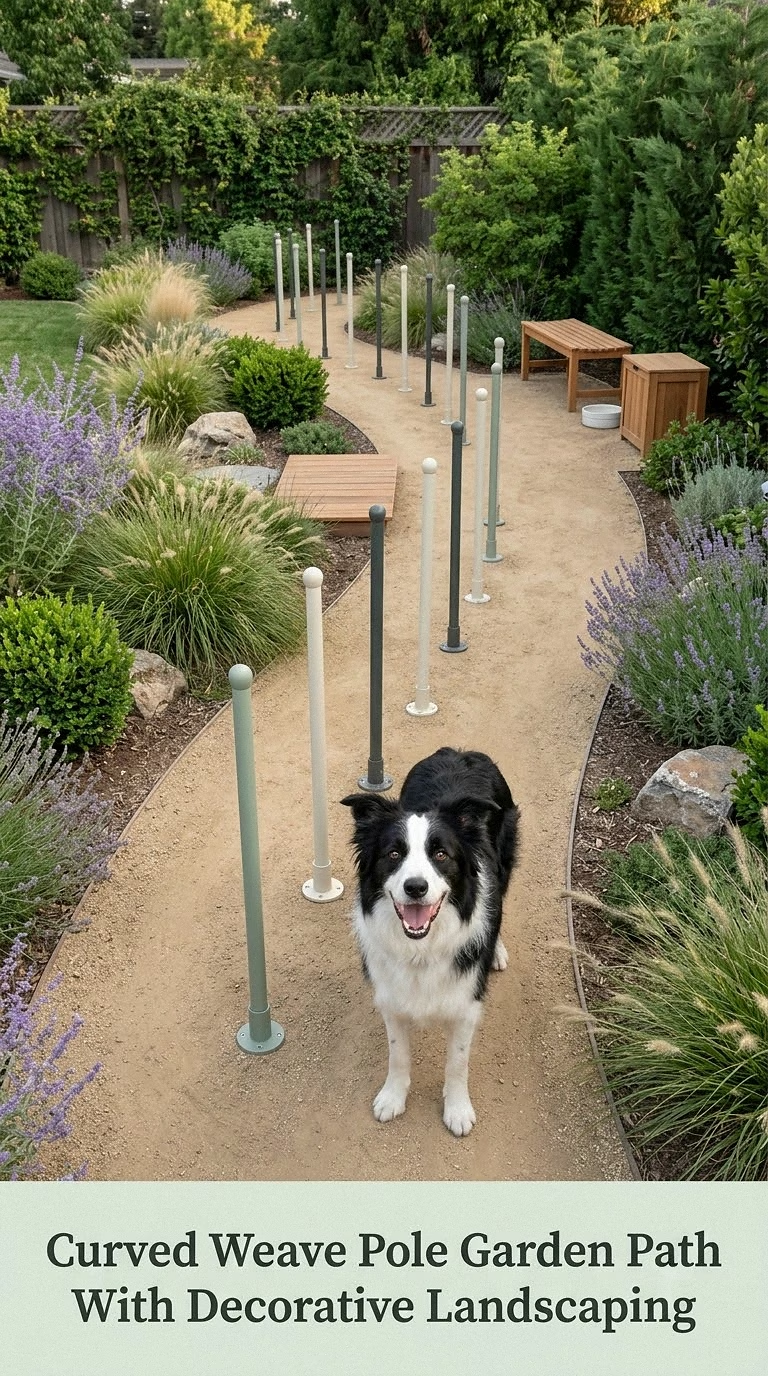
Turn traditional weave poles into a beautiful landscaped feature by placing them along a dedicated training lane.
Keep the actual poles arranged appropriately for the activity, then soften the surrounding space with curved edging, ornamental grasses, or decorative gravel outside the dog’s movement zone.
Choose slim poles in colors that complement your exterior palette instead of creating a visually busy rainbow.
The surrounding landscaping can disguise the training area when it is not being used while still leaving plenty of open space around each pole.
Beginners should learn weaving gradually rather than being pushed through a complicated sequence immediately. Short, positive sessions usually make the playground feel like a game instead of work.
Woodland Sniffing Trail With Hidden Treat Stations
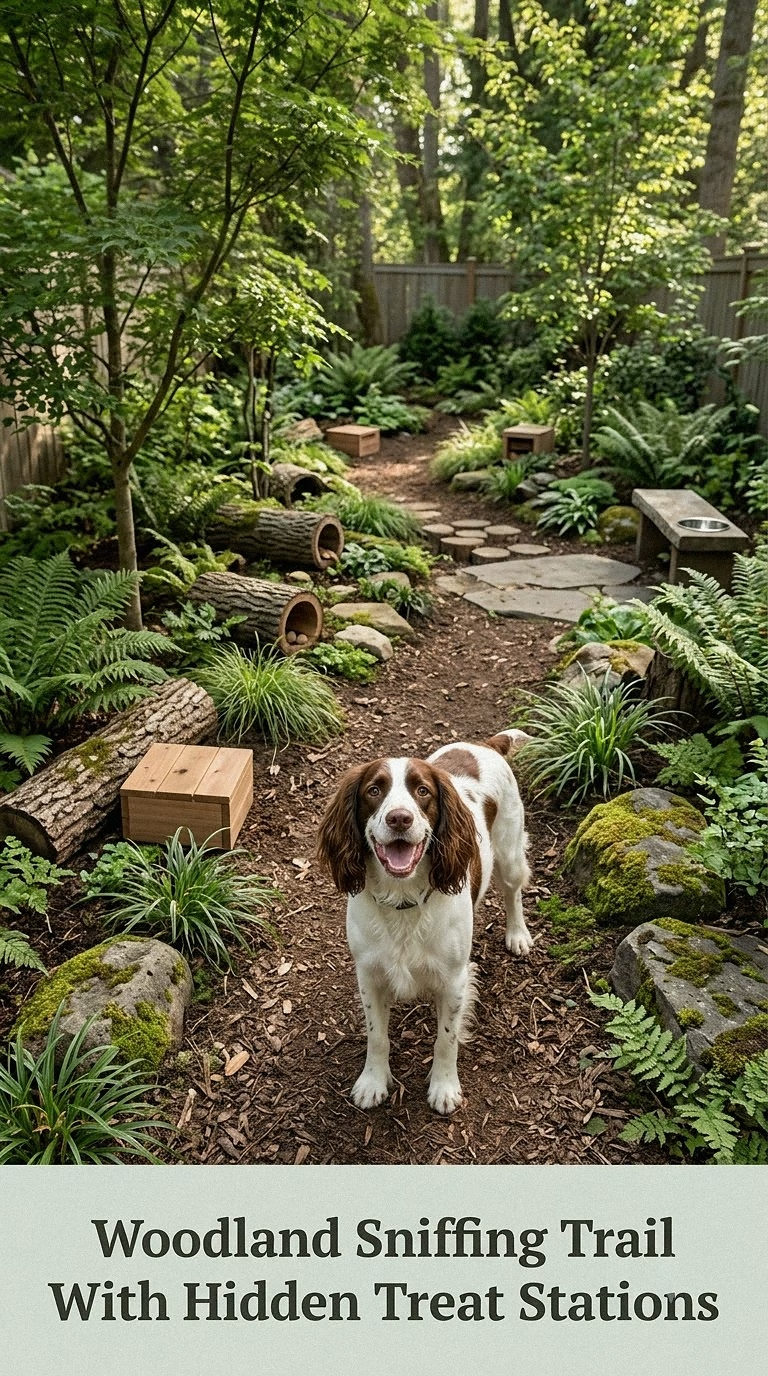
A shaded backyard can become a miniature woodland adventure.
Create a looping trail around existing trees or along the edge of the yard, then add designated sniffing stations using sturdy planters, log-style features, or puzzle areas.
Hide pieces of your dog’s normal food or suitable treats around safe sections of the trail and let your dog search at a comfortable pace.
This type of playground can be especially useful for dogs that enjoy using their noses more than racing through obstacles.
Keep the route clear of sharp branches, mushrooms, thorny plants, chemicals, and anything your dog might swallow. The final look can feel beautifully natural with wood borders, leafy textures, and a quiet resting spot at the end of the path.
Open Lawn Fetch Runway With Built-In Toy Storage
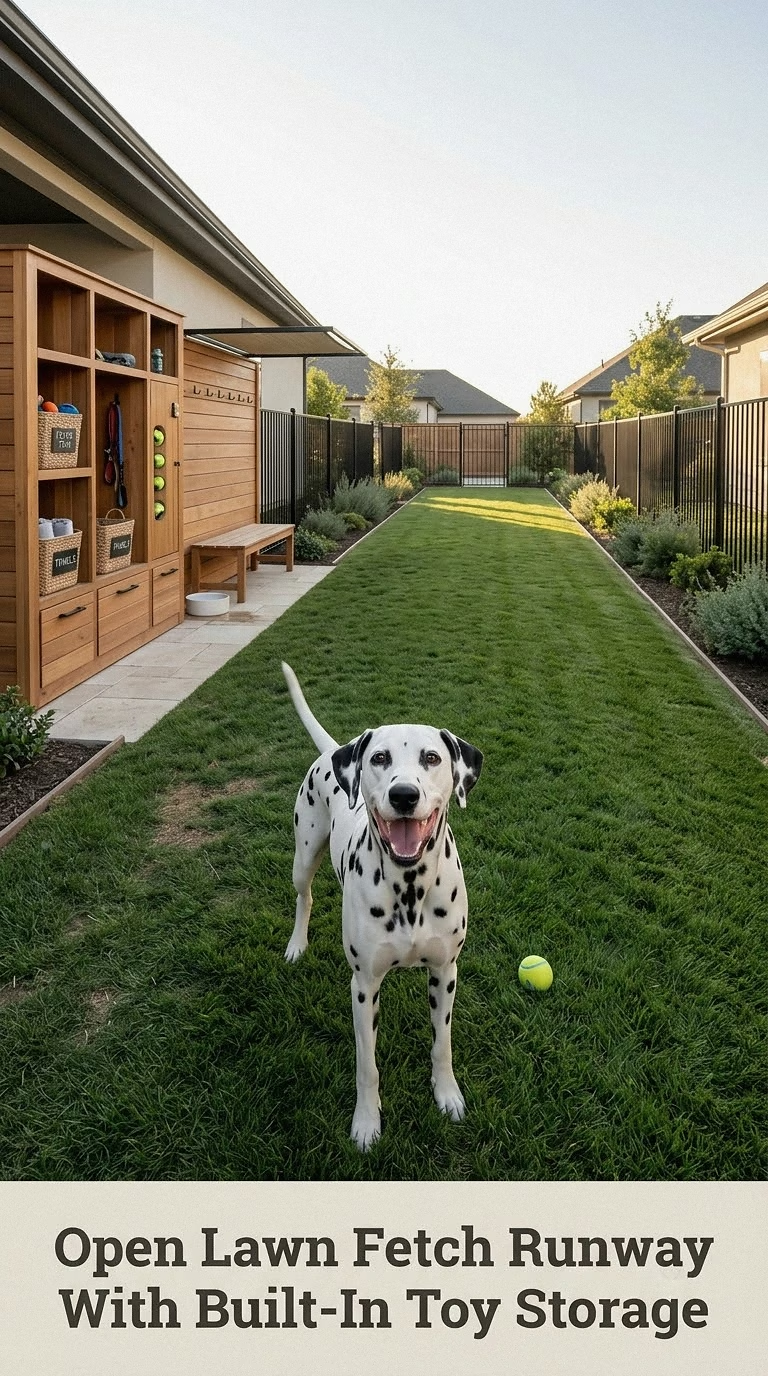
Sometimes the most useful playground feature is simply enough room to run.
Reserve a clear stretch of lawn as a fetch runway rather than filling every corner with equipment. Place obstacles along the edges so the center remains open for chasing balls, retrieving toys, or practicing recall.
At one end, install a weather-resistant storage bench with baskets or compartments for balls, frisbees, tug toys, and training supplies.
This arrangement keeps the backyard tidy and makes spontaneous play easier because everything is already nearby.
Check the running lane regularly for holes, loose stones, sticks, garden tools, or other objects that could cause injuries when your dog is moving quickly.
Small Patio Dog Playground With Modular Rubber Mats
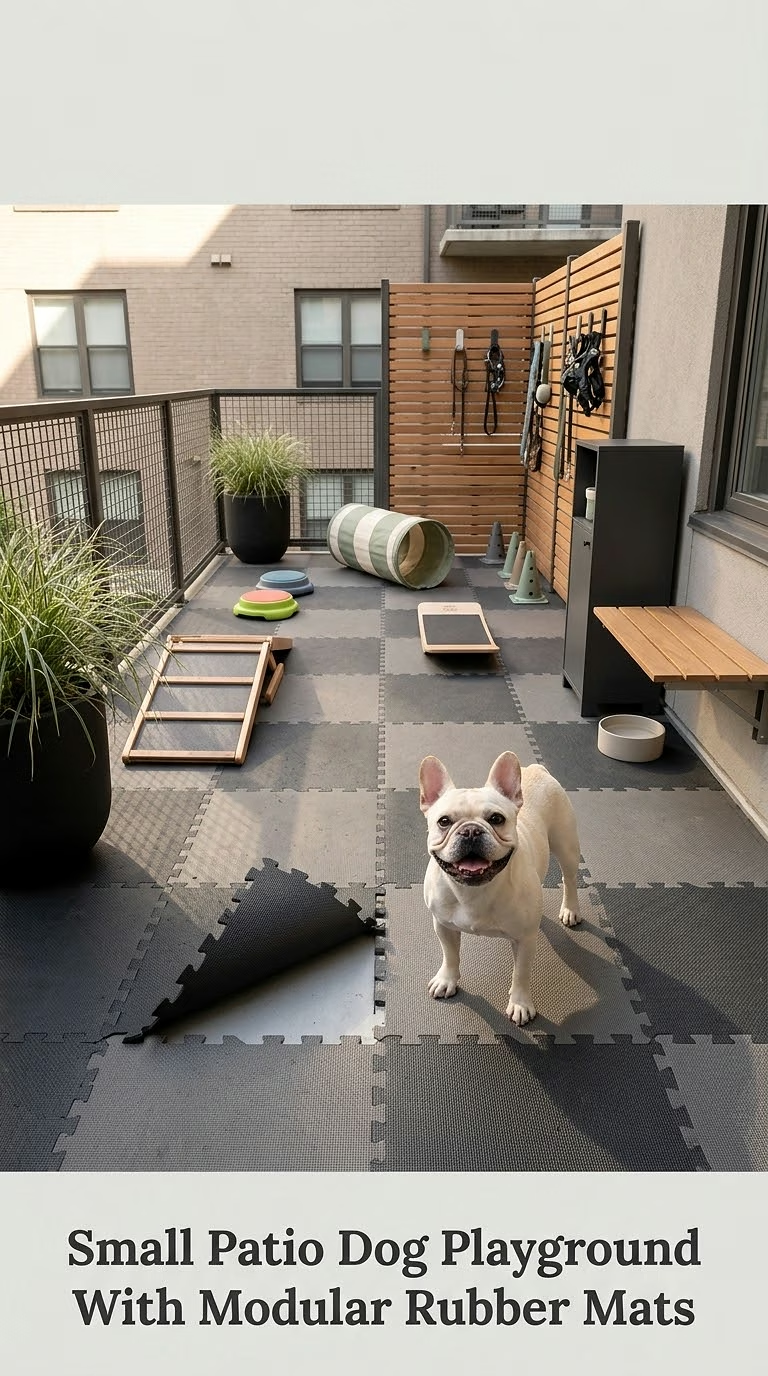
Even a paved courtyard can offer meaningful play opportunities.
Start with removable, outdoor-rated non-slip mats to create a more comfortable activity surface. Then add a collapsible tunnel, a low training platform, treat puzzles, and a compact water station.
Read more : 18 Cute Dog Tag Ideas
Choose equipment that folds or stacks so the patio can return to a normal entertaining space when playtime ends.
A slim outdoor cabinet can keep dog gear organized without sacrificing valuable floor space.
Pay close attention to surface temperature during warm weather. Concrete, paving, and some synthetic surfaces can become extremely hot in direct sunlight, making shade and careful temperature checks essential.
Multi-Dog Backyard Playground With Separate Activity Zones
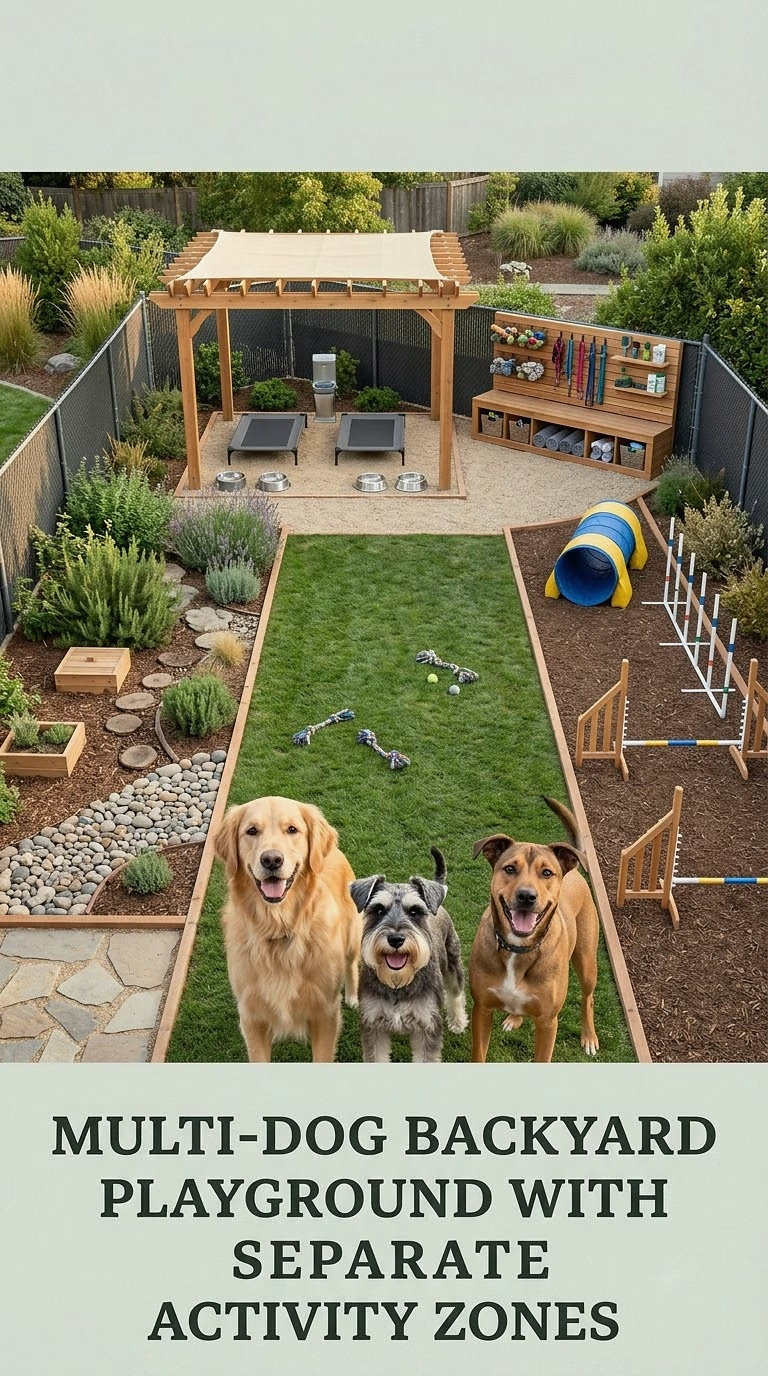
Homes with several dogs often work better with zones rather than one crowded obstacle course.
Create a running area, a sniffing or puzzle corner, a shaded rest station, and a quieter training zone. This makes it easier to choose activities according to each dog’s personality.
One energetic dog might enjoy the tunnel while another prefers searching for treats in the sensory garden.
Use wide pathways between zones and avoid placing highly valued toys or food in areas where competition could become stressful.
When necessary, gates or portable exercise panels can temporarily divide spaces so dogs can enjoy activities individually.
The result feels more like a thoughtfully planned miniature dog park than a pile of toys scattered across the lawn.
Portable Pop-Up Dog Playground For Renters And Small Yards
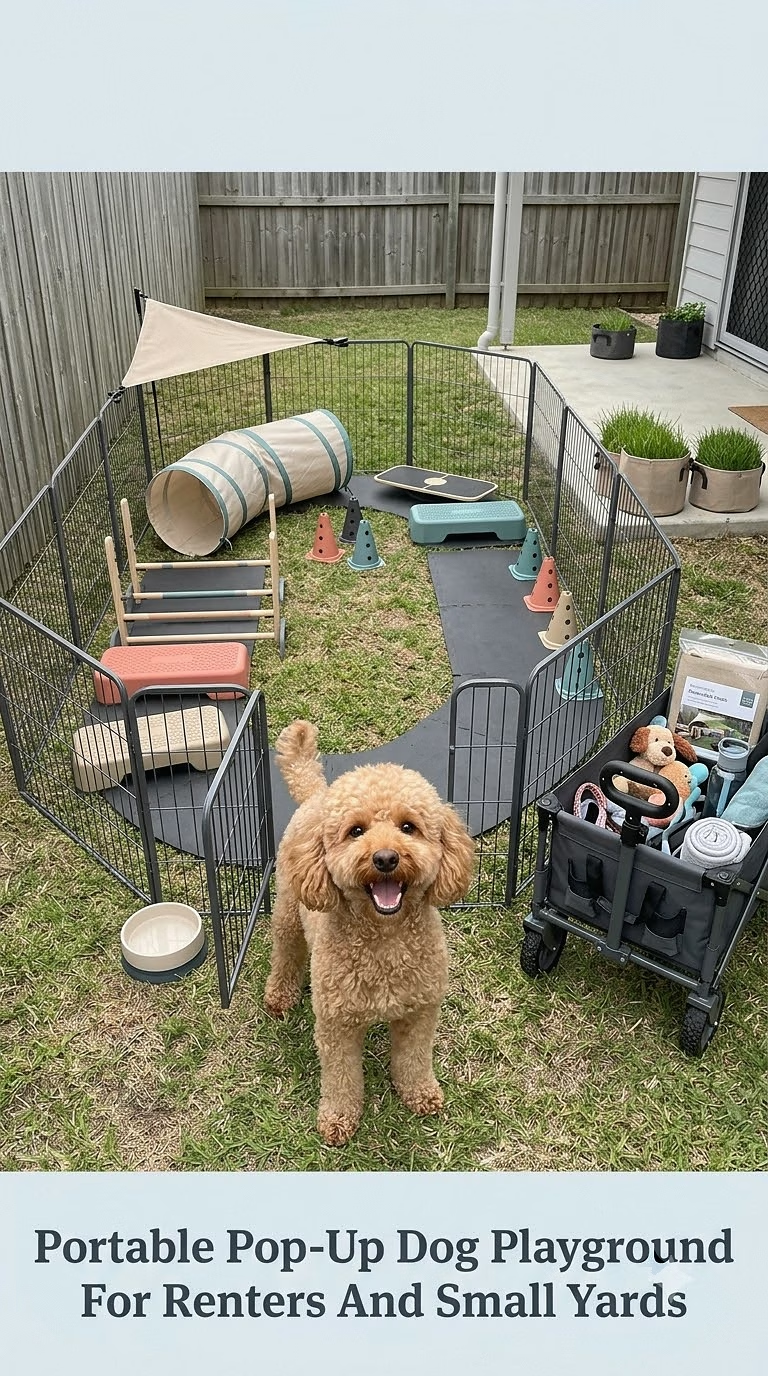
A permanent installation is not necessary to create an exciting playground.
Use lightweight weave poles, collapsible tunnels, cones, low removable jumps, and portable shade to create a course that can be set up whenever you want it.
Store everything in a weatherproof bin or garden cabinet between sessions.
This flexible approach is ideal for renters, small lawns, or anyone who needs the backyard to serve several purposes.
Because the equipment moves easily, you can create a new arrangement each week. Changing the sequence helps keep familiar objects interesting without constantly buying additional toys.
Luxury Resort-Style Dog Playground With Decking And Shade Sails
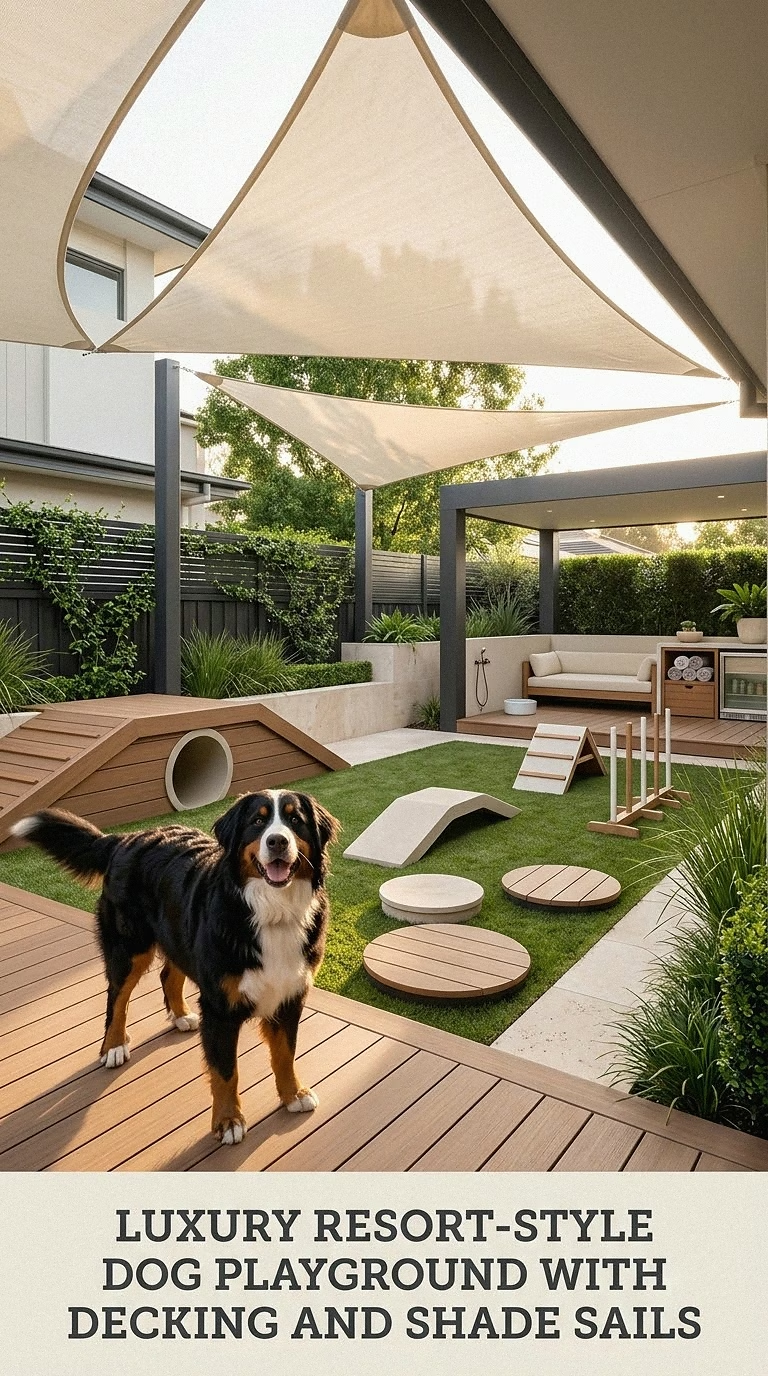
For a more polished backyard, take inspiration from boutique resorts.
Combine a generous lawn with a dedicated play deck, modern shade sails, an attractive drinking station, low agility equipment, and built-in storage.
A restrained palette of warm wood, cream, charcoal, and soft greenery creates a sophisticated look without losing the playful function of the space.
Add a washable outdoor bed beneath the shade structure so your dog has a comfortable place to relax while the family uses the patio.
Keep pathways wide and uncluttered, and choose surfaces for traction and comfort rather than appearance alone. Beautiful playground design should still work for wet paws, enthusiastic running, and regular cleaning.
DIY Backyard Playground With Simple PVC And Plywood Equipment
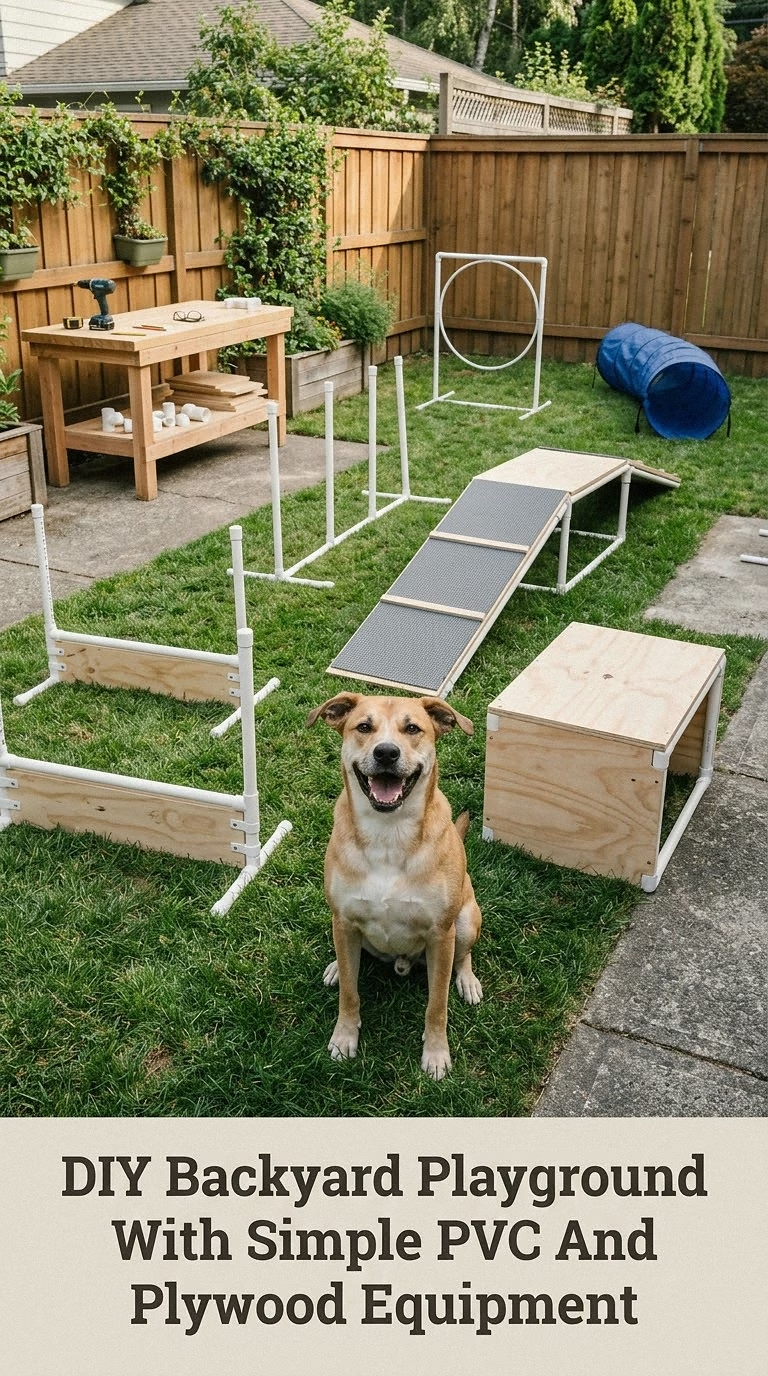
A fun playground does not require a large budget.
PVC pipe can be used for lightweight weave poles and low training obstacles, while smooth exterior-grade plywood can become a broad, low platform when constructed securely.
Sand rough edges carefully and avoid exposed screws, sharp corners, unstable pieces, or equipment that could collapse during use.
Rather than building complicated elevated agility obstacles without experience, focus on simple ground-level activities that can be safely modified or moved.
Paint pieces in two or three coordinating outdoor colors to make the DIY equipment look like a deliberate collection instead of leftover materials.
This is also an easy way to expand the playground gradually instead of paying for everything at once.
Four-Season Dog Playground With Covered Play And Wash Station
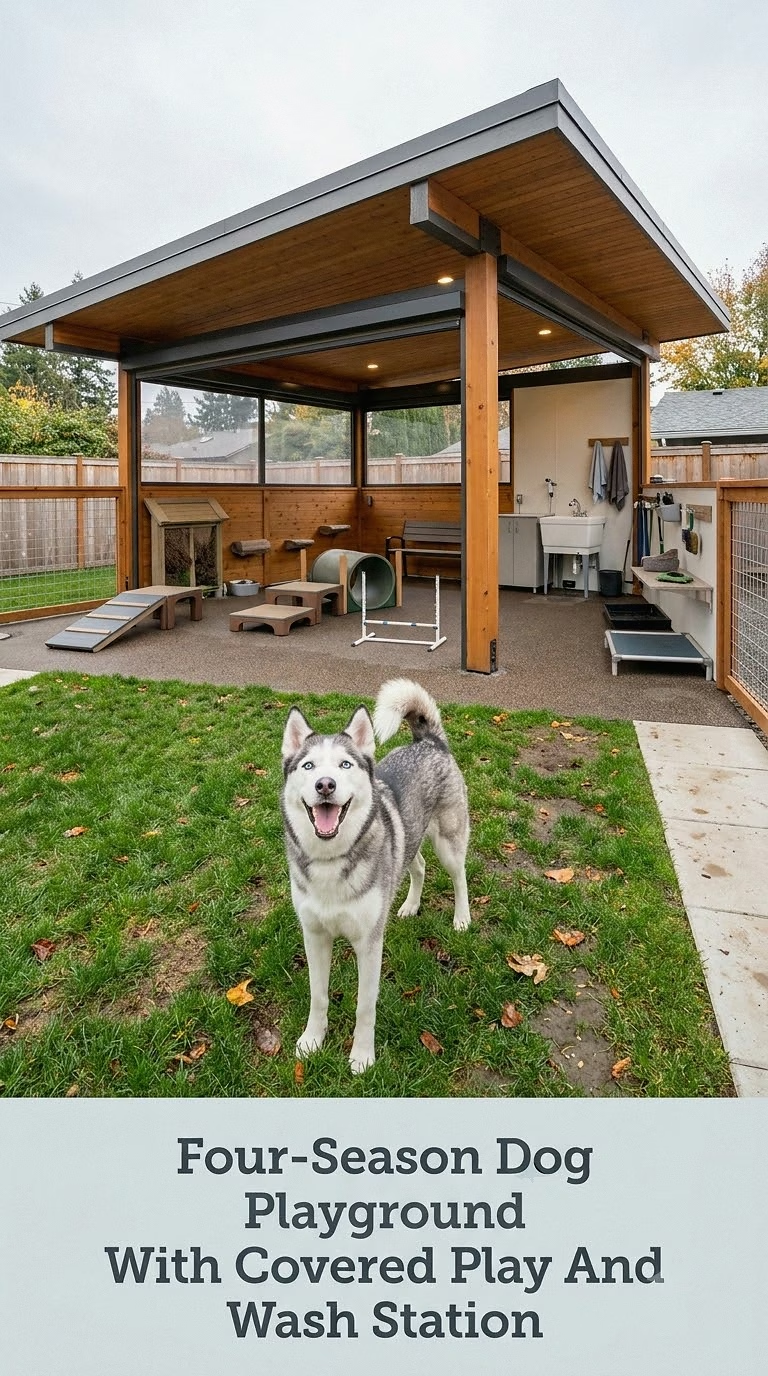
For a playground that gets used throughout much of the year, combine outdoor activities with a covered transition area.
A roofed section beside the house or garage can hold a resting mat, toy storage, towels, water, and a small paw-cleaning station. Outside the covered area, keep the main running and obstacle spaces open.
In rainy seasons, the shelter gives you somewhere to wipe paws before heading inside. During warmer weather, it provides another shaded retreat.
Use washable surfaces around the cleaning station and install hooks or baskets for leads, towels, brushes, and muddy toys.
The design feels especially practical near a mudroom or back entrance, turning the dog playground into an organized extension of the home rather than an isolated patch of yard.
Creating Dog Playground Ideas That Fit Your Home And Pet
The most successful dog playground is not the one with the most equipment. It is the one your dog genuinely enjoys using.
A dog that loves sniffing may be happier with a sensory trail and hidden treat stations than a complicated agility course. A natural digger might spend hours happily exploring a sandbox, while a water-loving dog could consider a shallow splash zone the best backyard upgrade imaginable.
Start with one or two features that match your dog’s personality, then watch how the space is actually used. You can always add tunnels, platforms, landscaping, shade, storage, or new activity zones later.
Most importantly, keep comfort and safety at the center of the design. Secure the yard, provide shade and fresh drinking water, choose stable non-slip equipment, check outdoor surfaces during hot weather, supervise water activities, and make sure landscaping materials are appropriate around pets.
With those basics in place, even a modest backyard can become a beautiful little world of adventure where your dog gets to play, explore, learn, and spend more happy time by your side.
Source: https://petstutorial.com
Category: DOGS
