
A front yard can be so much more than the patch of grass between your house and the street. With the right fence, it can become a charming little outdoor space where your dog can sniff the morning air, lounge beside the flower beds, or watch the neighborhood while staying safely contained.
- 18 Fluffy Dog Haircut Ideas For An Adorably Polished Look
- 18 RV Dog Bowl Ideas For A Stylish, Spill-Smart Pet Station
- 18 Dog Park Ideas For A Beautiful, Safe, And Playful Outdoor Space
- 18 Resin Dog Tag Ideas For Charming, Colorful And Personalized Pet Style
- 19 Dog 3rd Birthday Party Ideas For An Unforgettable Celebration
The challenge is finding a fence that works for both your dog and your home. You want something secure enough for a curious pup, but a tall, heavy privacy wall is not always the most attractive choice for a front yard. Curb appeal matters here, and the best designs often balance openness, landscaping, architectural style, and practical pet safety.
You are reading: 19 Front Yard Dog Fence Ideas That Keep Your Pup Safe And Your Home Beautiful
Your dog’s personality should guide the design too. A relaxed small dog may be perfectly comfortable behind a classic picket fence, while a powerful jumper, determined digger, or dog that becomes excited by people walking past may need a taller, more enclosed solution. Gate security, gaps between pickets, ground clearance, and climbable surfaces deserve just as much attention as the color and style.
Before installing permanent fencing, also check your local property-line, fence-height, utility, and homeowners association requirements. Front-yard rules can be different from backyard rules.
Whether your dream yard feels cottage-inspired, modern, rustic, minimalist, or beautifully landscaped, these front yard dog fence ideas offer practical ways to create a space that feels welcoming for you and secure for your four-legged family member.
Beautiful Front Yard Dog Fence Ideas For A Safe And Stylish Home
Classic White Picket Dog Fence With Puppy-Safe Spacing
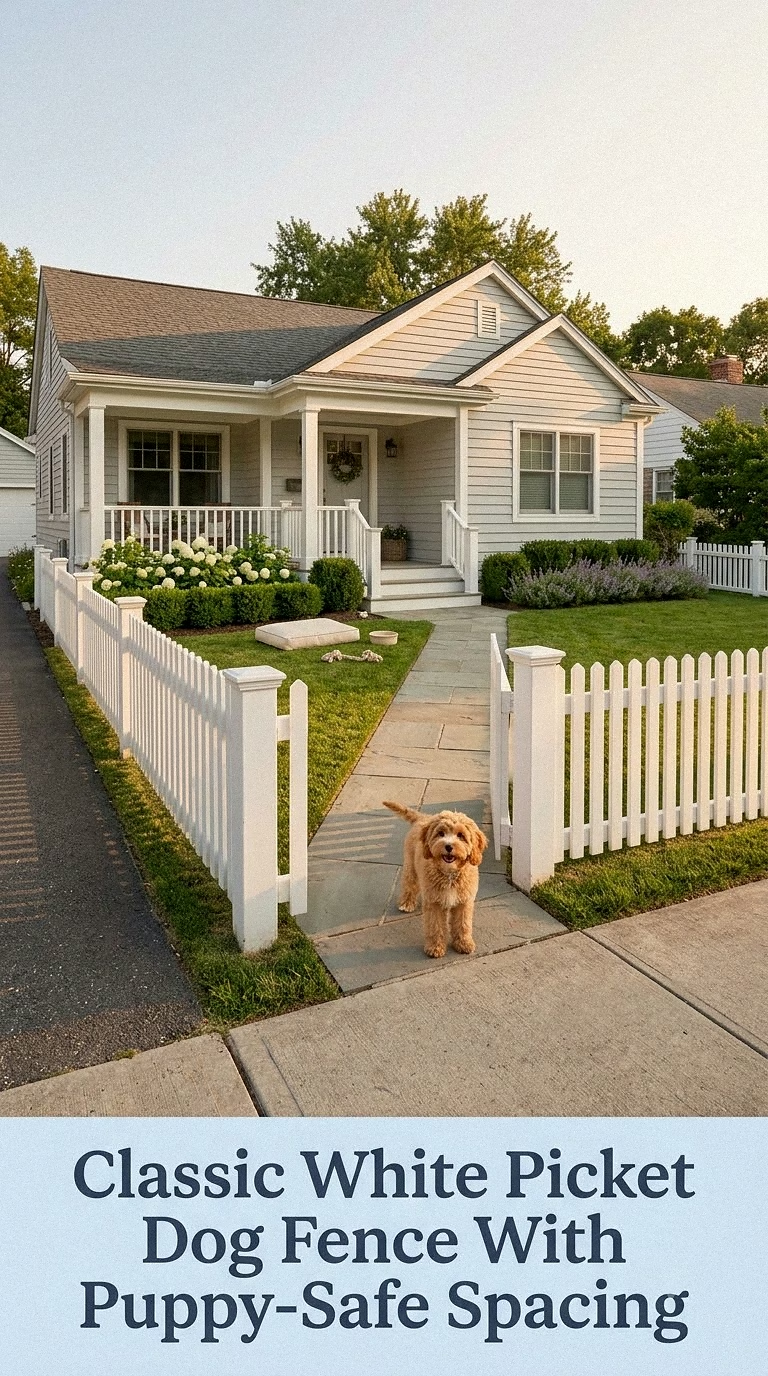
Few fence styles make a front yard feel sweeter than a crisp white picket fence surrounding a green lawn and colorful garden beds. It works especially well with cottages, Cape Cod homes, traditional houses, and small suburban yards.
For dogs, however, the spacing deserves careful attention. Decorative pickets can have openings large enough for tiny dogs or puppies to squeeze through, so choose closely spaced panels or add a discreet puppy guard along the lower portion.
A smooth vinyl version is particularly practical if you love the traditional look but would rather avoid frequent painting. White vinyl can usually be cleaned with simple washing and does not have the splintering concerns associated with aging wood.
Finish the entrance with a matching walk-through gate, sturdy latch, and perhaps a small arbor overhead. Hydrangeas, lavender-colored flowers, or soft ornamental grasses planted just outside the dog-accessible area create a romantic finished look without cluttering your pup’s running space.
Matte Black Aluminum Fence With A Low Puppy Guard
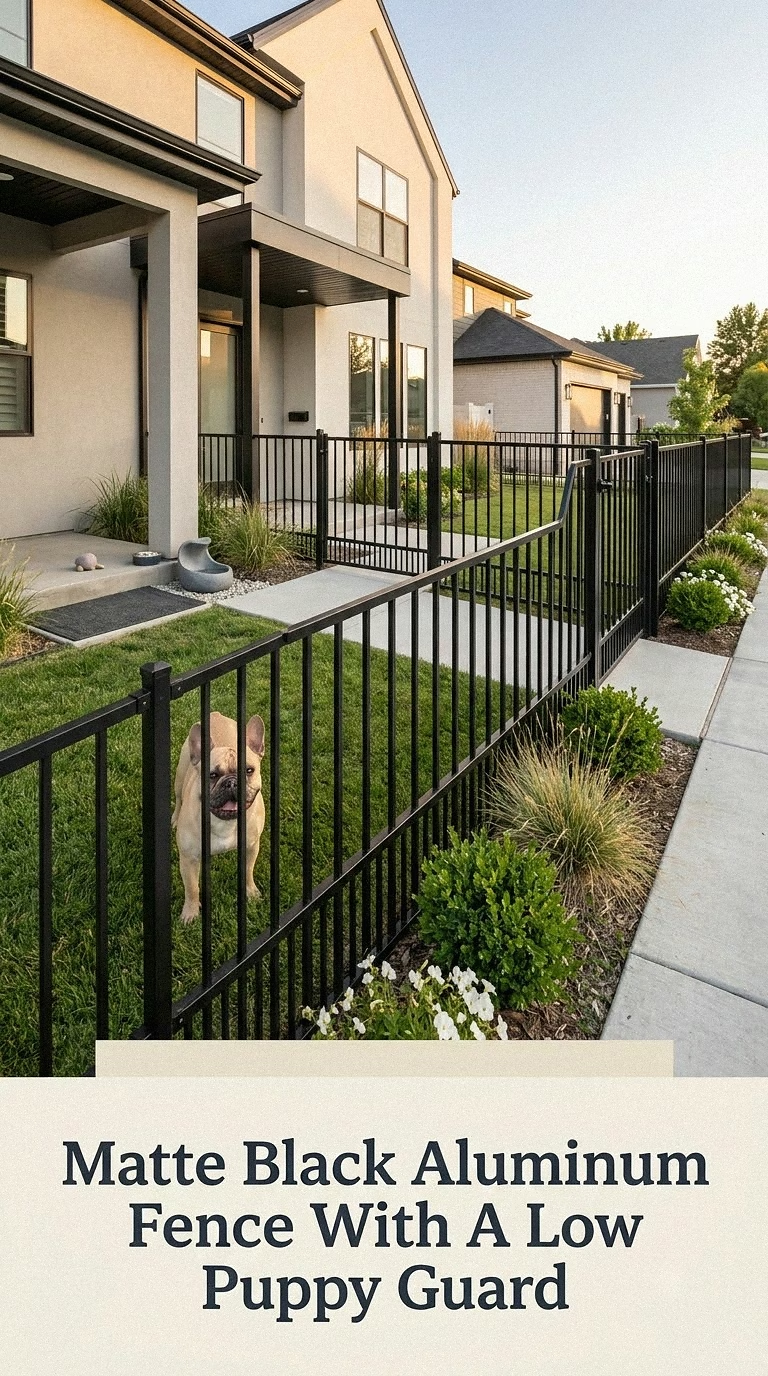
A slim black aluminum fence is one of the easiest ways to make a front yard feel polished without visually closing it off. The narrow vertical pickets allow the lawn, house, and landscaping to remain visible, making this style especially appealing for smaller properties.
For little dogs, standard metal picket spacing may still be too generous. Look for pet-friendly panels with closely spaced lower pickets or install a matching puppy guard across the bottom portion.
Black metal looks beautiful against pale stone, white siding, red brick, or modern gray exteriors. Pair it with boxwood, clipped shrubs, and a simple stepping-stone path for a refined appearance.
Because open metal fencing does little to block street views, this design works best for dogs that remain relatively calm when pedestrians, delivery drivers, bicycles, and other dogs pass the house. For a reactive dog, consider combining it with strategic landscaping that creates visual breaks.
Warm Cedar Fence With Narrow Vertical Slats
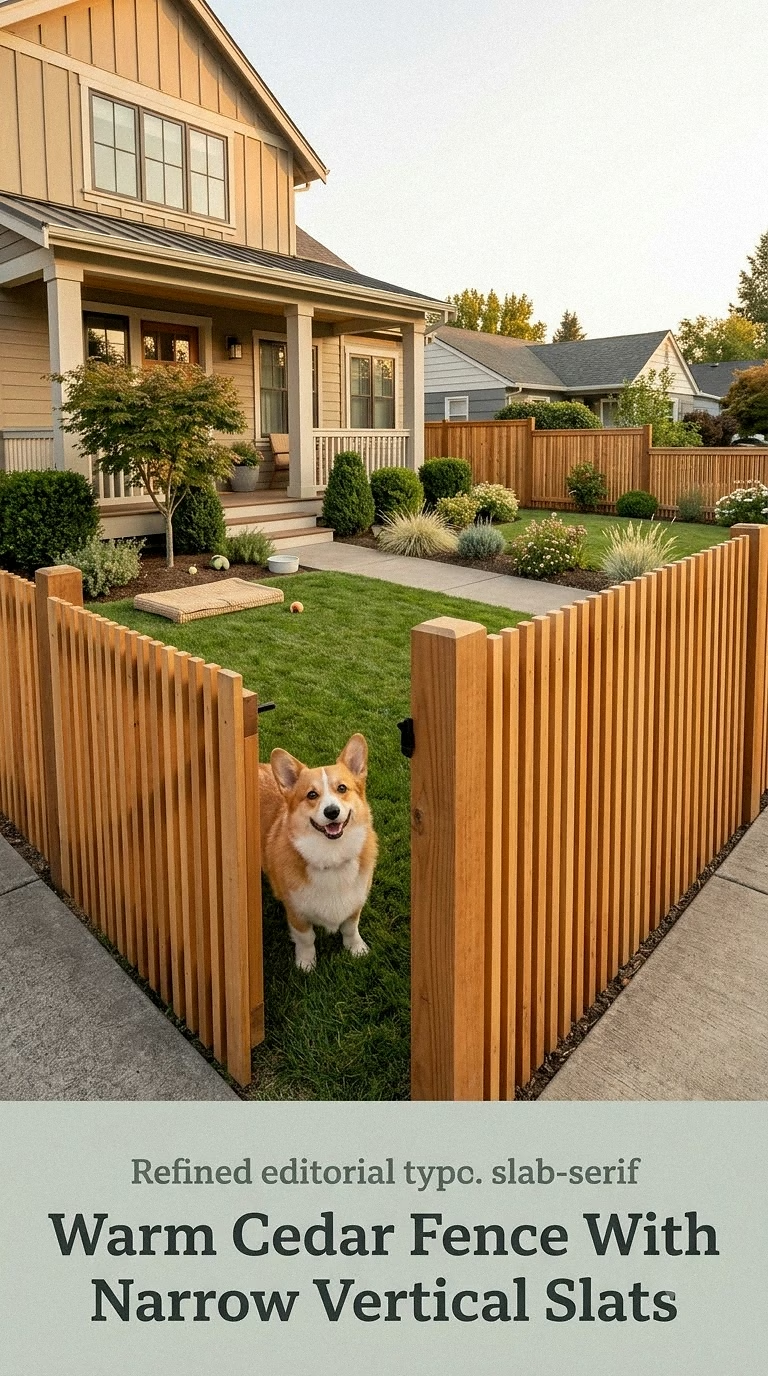
Natural cedar can make pet containment feel like an intentional landscape feature rather than a purely functional barrier. Narrow vertical boards give the fence a clean silhouette while warm honey and amber wood tones soften the front of the home.
A semi-private design can be particularly attractive. Leave only small, carefully measured spaces between boards so light and air pass through while reducing your dog’s direct view of sidewalk activity.
Vertical boards are also preferable to widely spaced horizontal rails for many athletic dogs because there are fewer obvious footholds for climbing.
Use a penetrating exterior finish suited to your climate and inspect wooden fencing regularly for loose boards, protruding fasteners, splinters, or deterioration.
A cedar gate with matte black hardware creates a gorgeous focal point. Add pale gravel, structured grasses, and simple evergreen planting around the fence line for a relaxed modern-organic front yard.
Modern Horizontal Wood Fence With A Solid Dog-Safe Base
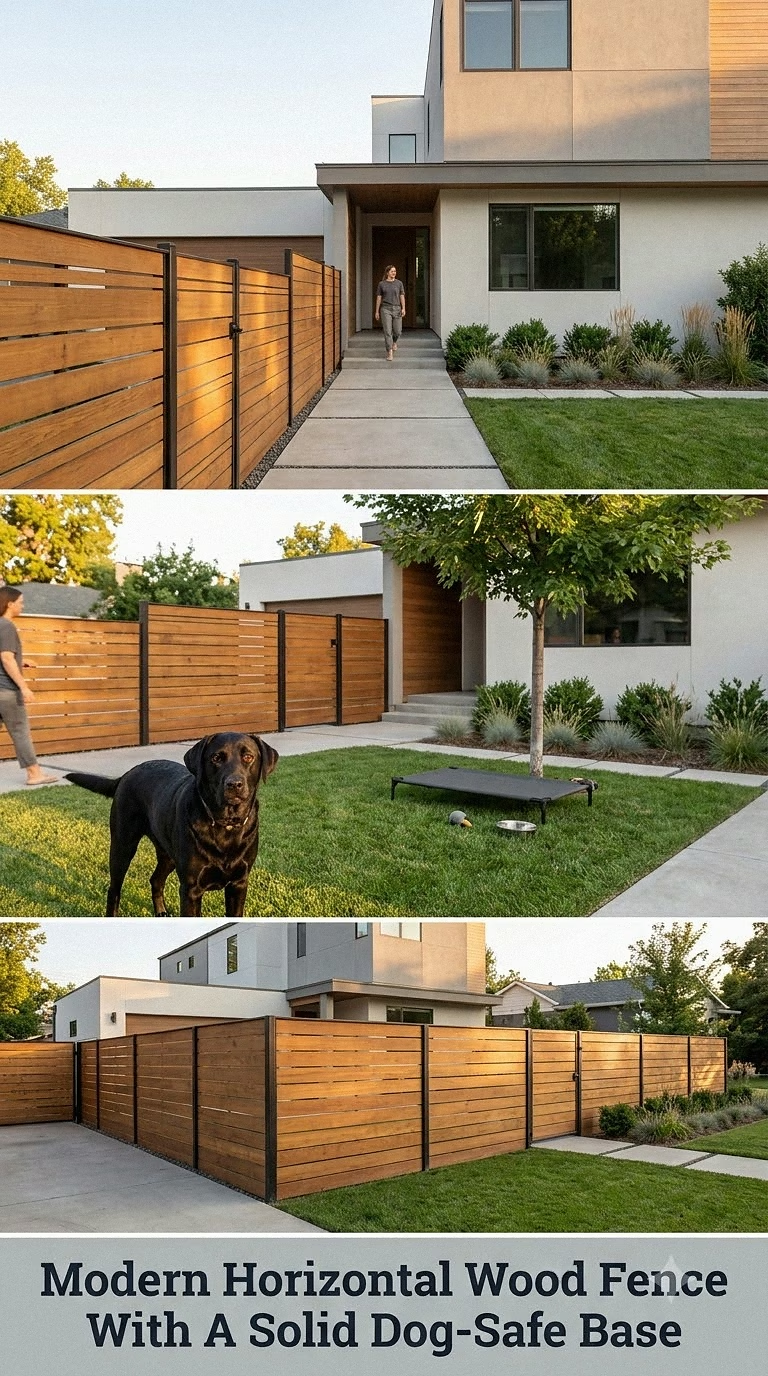
Horizontal fencing instantly gives a front yard a contemporary appearance, particularly when paired with modern architecture, concrete walkways, and minimalist landscaping.
The important detail for dog owners is how the boards are constructed. Large gaps and projecting horizontal rails can provide climbing opportunities for agile dogs. A safer version uses closely fitted boards with a smooth interior face and no accessible ladder-like framework.
Consider making the lower portion nearly solid while allowing slightly more openness toward the top. This reduces visual stimulation at your dog’s eye level without turning the entire yard into an enclosed box.
Warm cedar, deep walnut stains, or soft weathered brown shades work beautifully with black steel posts.
If your dog likes patrolling the perimeter, create a planting strip between the lawn and fence. Dense ornamental grasses or shrubs can form a soft buffer that discourages constant fence-line running while making the contemporary structure feel greener.
Soft White Vinyl Semi-Privacy Fence With Vertical Detailing
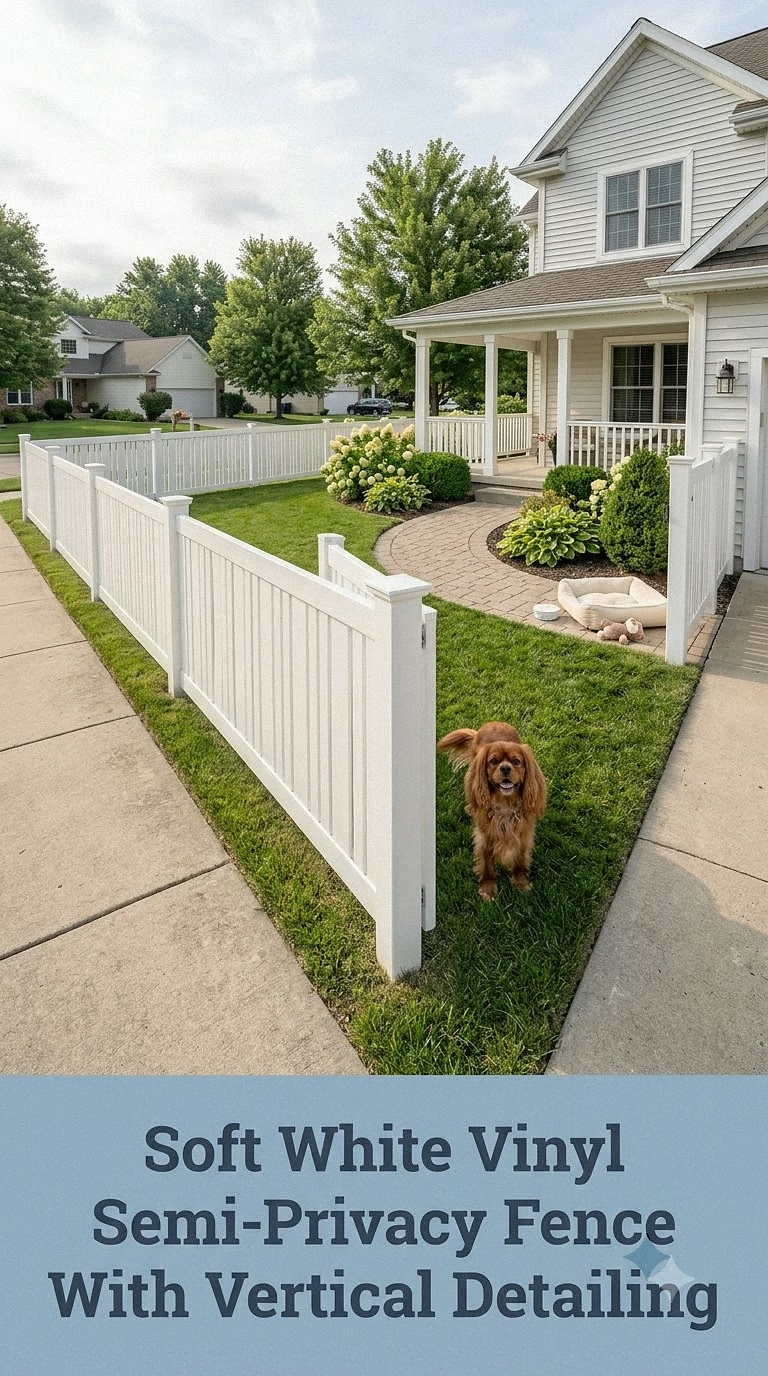
A semi-private vinyl fence is a lovely compromise when you want more enclosure than metal fencing but do not want your front yard completely hidden.
Choose a design with a solid lower section and vertical detailing above. The lower portion can reduce your dog’s view of passing pets and pedestrians, while the decorative upper section keeps the fence visually lighter.
Soft white and warm ivory finishes work beautifully with coastal homes, traditional siding, pale brick, and landscaped cottage yards. Gray or muted taupe vinyl can create a more contemporary effect.
Vinyl is particularly appealing for busy households because it does not require regular staining and is generally simple to wash when muddy paws or rain splash the lower panels.
Pay special attention to gate construction. A beautifully finished fence will not provide reliable containment if the gate can drift open, so use sturdy hardware and consider a self-closing configuration where appropriate.
Cottage Garden Dog Fence With An Arched Entry Gate
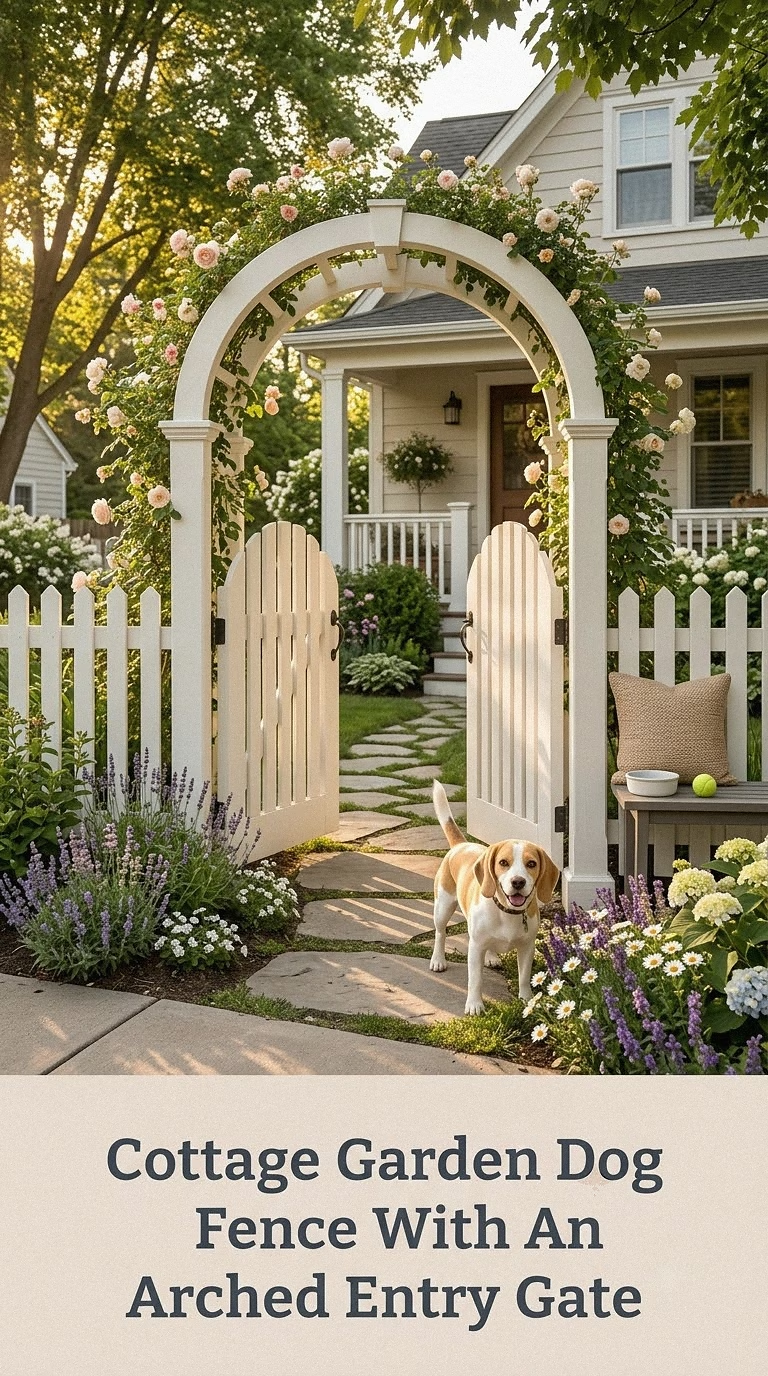
Turn the front fence into part of the garden by creating a cottage-style enclosure with a graceful arched gate, painted wood or vinyl pickets, and layered flowering borders.
Soft cream, sage, dusty blue, or traditional white can give the structure a storybook feel. Position plants primarily along the exterior of the fence or behind a small protective border so enthusiastic dogs are less likely to trample them.
The gate can become the centerpiece. An understated arbor above it adds height without requiring the entire fence to be tall.
For pet safety, keep decorative openings small enough that your dog cannot push their head or body through. Avoid sharp ornamental points at a height your dog could contact while jumping.
This idea is particularly charming for calm small and medium dogs. If your dog is a jumper, increase the practical fence height while preserving the cottage aesthetic through narrow vertical boards and decorative post caps.
Rustic Wood Fence With Discreet Black Wire Infill
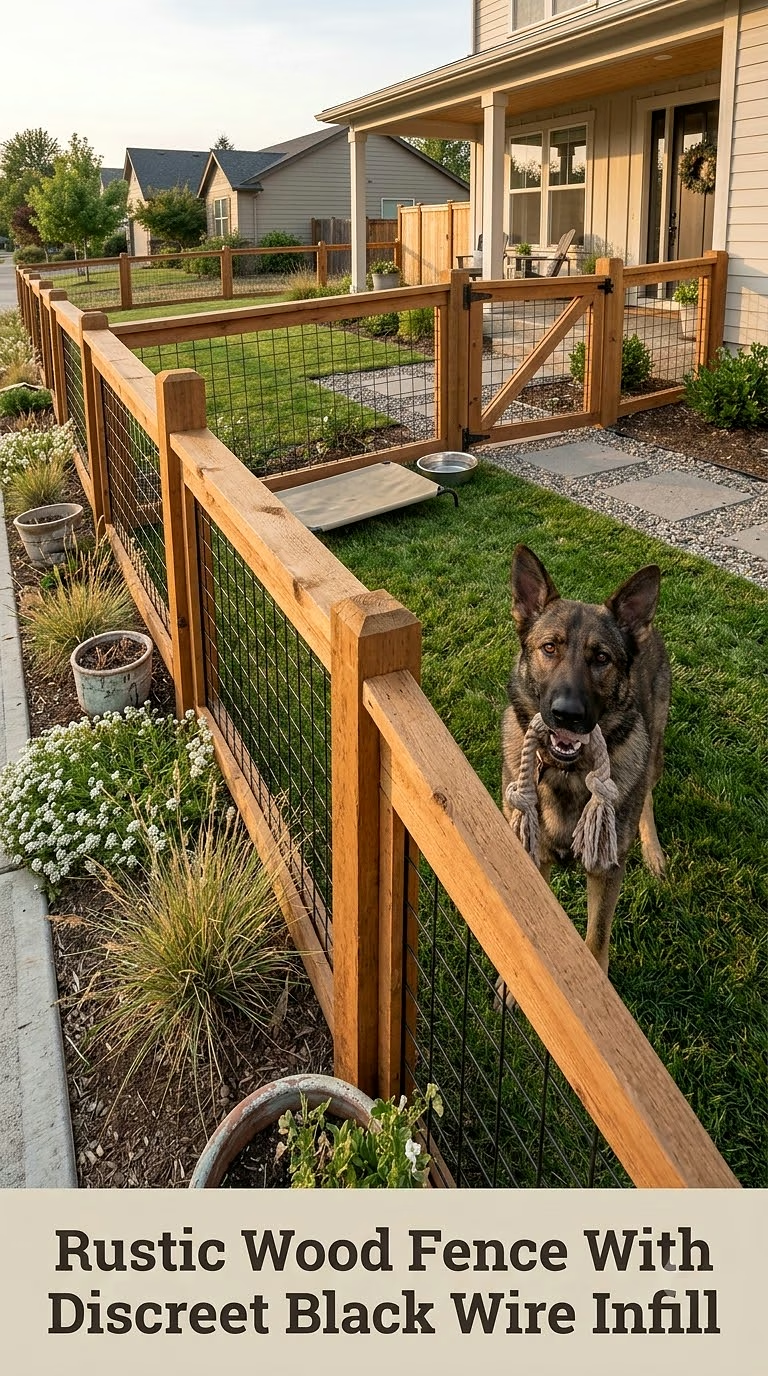
If you love relaxed farmhouse landscaping, a rustic wood framework backed with black welded wire can provide the perfect blend of character and practicality.
From a distance, dark wire visually disappears against landscaping, allowing chunky timber posts and natural wood rails to remain the dominant design feature. The mesh fills the large openings that would otherwise make a traditional farm-style fence useless for containing most dogs.
Read more : 18 RV Dog Bowl Ideas For A Stylish, Spill-Smart Pet Station
This approach can also be relatively DIY-friendly. Pressure-treated lumber or naturally weather-resistant wood can form the posts and rails, while properly secured exterior wire creates the containment layer.
Inspect the mesh carefully after installation. Cut wire ends should never remain exposed where a dog can brush against them.
Surround the outside with native grasses, flowering perennials, or a simple gravel border. The result feels casual and countryside-inspired while remaining far more functional for dogs than an open split-rail fence.
Low Masonry Wall With Elegant Black Metal Infill
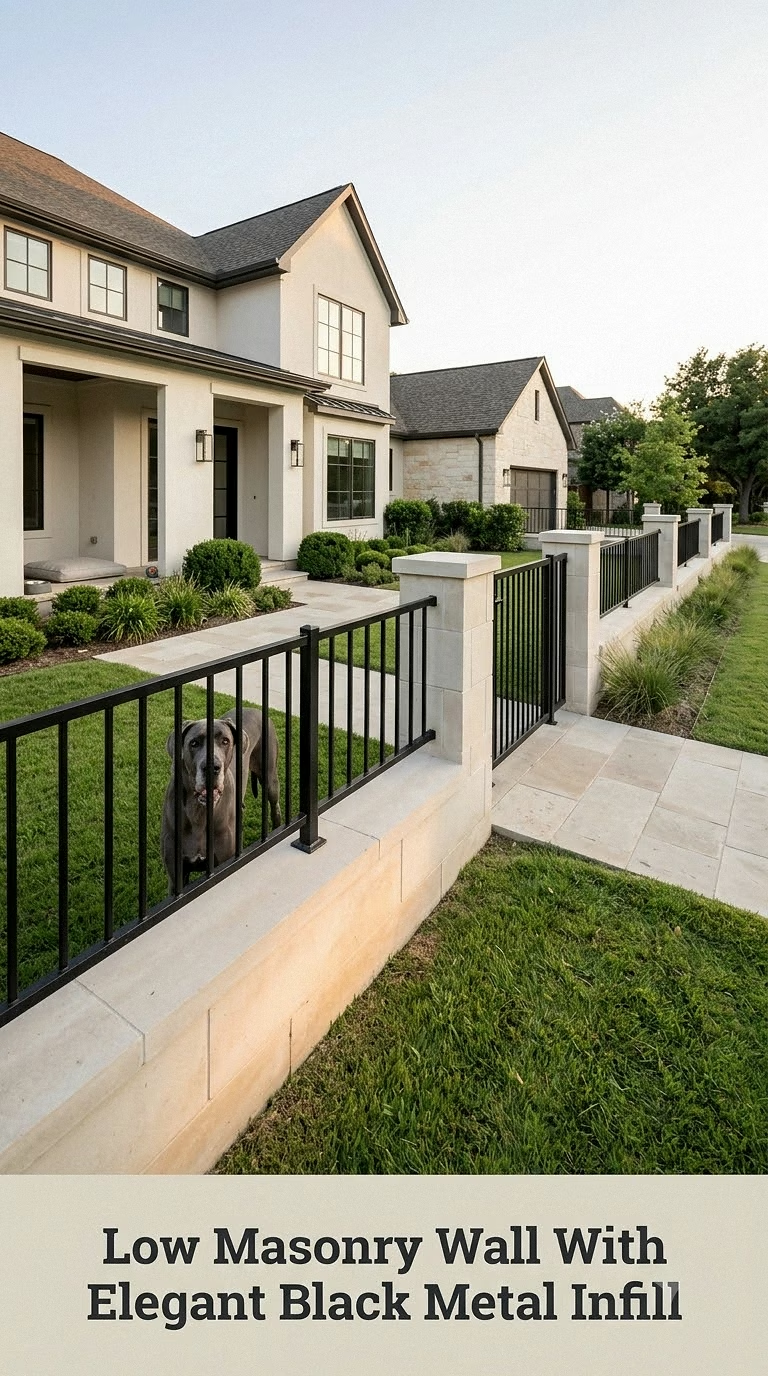
Combining masonry with metal gives a front yard a substantial, custom-built appearance without creating a completely solid barrier.
Start with a low brick, stone, or stucco base and install narrow vertical metal fencing above it. The masonry creates a solid lower boundary that can discourage digging and prevents tiny dogs from slipping beneath the fence.
Match the base material to something already used on the house. Red brick can connect the fence to a traditional facade, while pale limestone or smooth stucco feels appropriate around Mediterranean and contemporary homes.
This combination also handles landscaping beautifully. Plant low shrubs outside the wall and keep the interior relatively open for easy cleaning and dog supervision.
Make sure the total fence height suits your individual dog rather than relying on the masonry base alone. A low decorative wall may be enough for a quiet toy breed but not for an athletic dog capable of jumping.
Craftsman Wood Posts With Slim Black Metal Panels
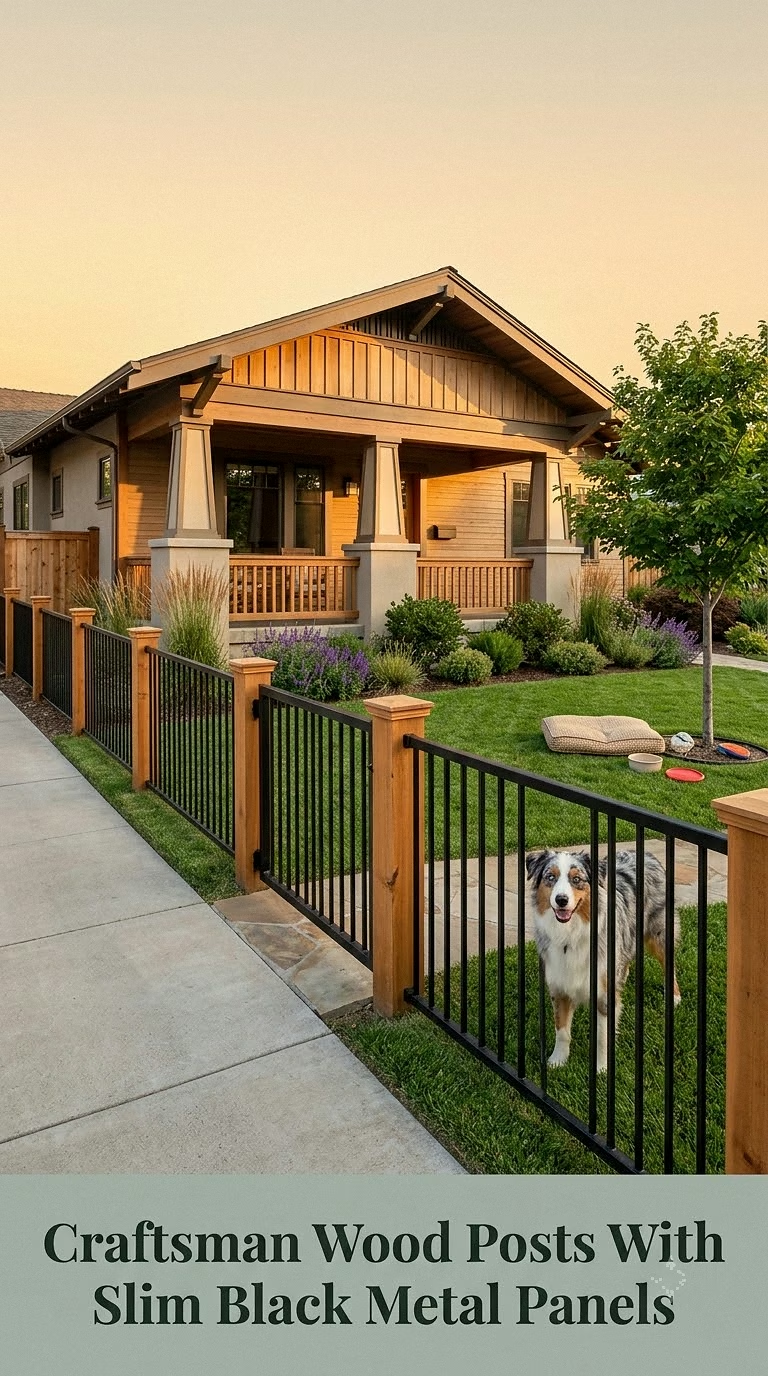
For a fence that feels architectural without looking formal, combine substantial stained wood posts with simple black vertical metal panels.
The contrast between warm wood and dark metal is particularly attractive around Craftsman, transitional, and contemporary homes. It also gives you the open feeling of metal fencing while introducing enough natural material to keep the yard inviting.
Repeat the wood tone from your porch columns, front door, or garage door so the fence feels connected to the house.
For small dogs, specify narrow picket spacing or pet-friendly lower panels. Keep the bottom gap close enough to the finished ground that a determined pup cannot wriggle underneath.
You can soften the structure with low evergreen planting at the corners rather than filling the entire fence line. That leaves clear sightlines from the house so you can easily see what your dog is doing outside.
Farmhouse Wood Fence With Hidden Pet Mesh
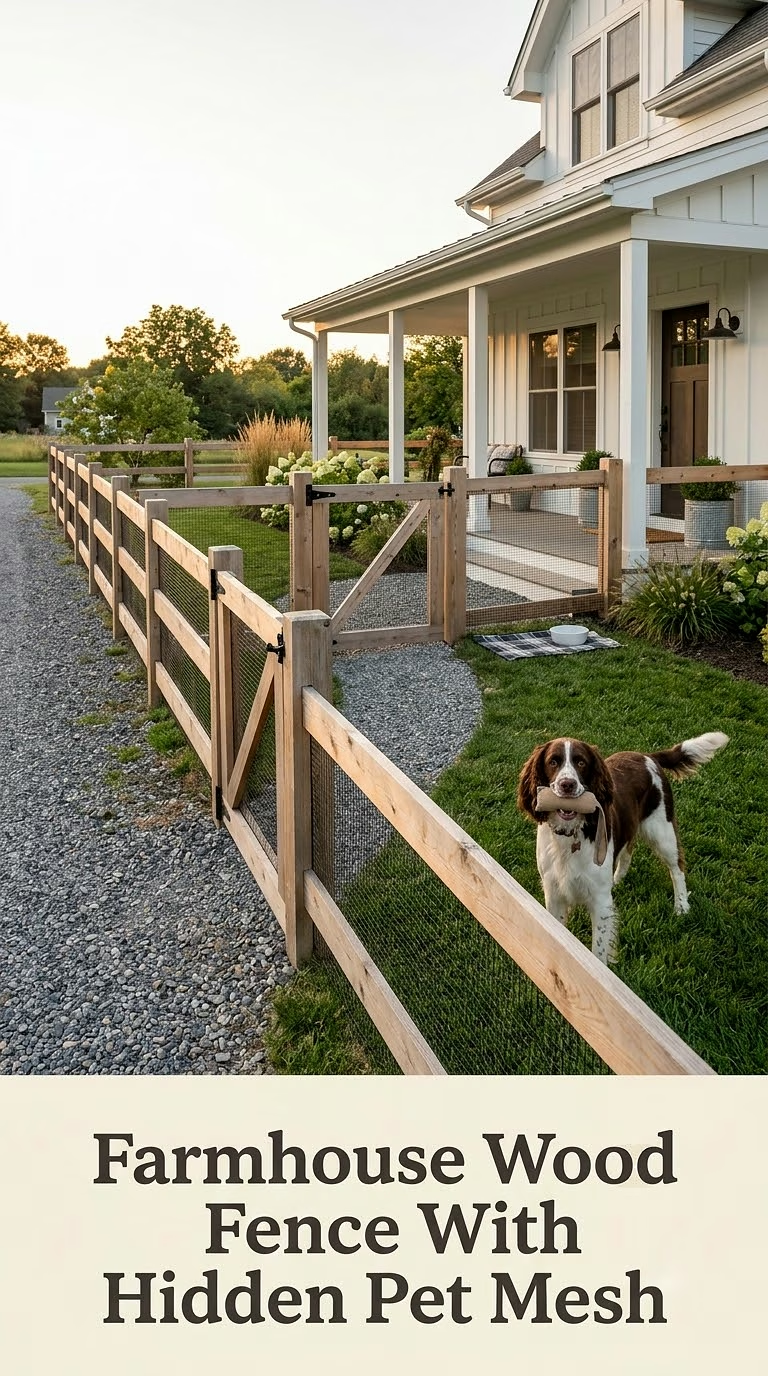
A decorative farmhouse fence does not have to sacrifice pet security. Wide wood boards and chunky posts can provide the visual style while nearly invisible black mesh closes the openings.
Paint the wooden portion warm white for a classic farmhouse look, stain it natural brown for a rustic property, or use charcoal for something more modern.
Attach the mesh neatly to the dog-facing side so there are no gaps around posts or gates. Dark coated mesh generally blends into shadows better than bright galvanized wire, keeping the fence visually uncluttered.
This design is especially useful when you want the yard to feel open from the street. Flowers and grasses remain visible, while your dog gets a clearly defined boundary.
Because decorative rails may still provide climbing opportunities, consider your dog’s behavior carefully. For an enthusiastic climber, a vertical-board design with fewer footholds will generally be a better choice.
Minimalist Taupe Composite Fence With Vertical Battens
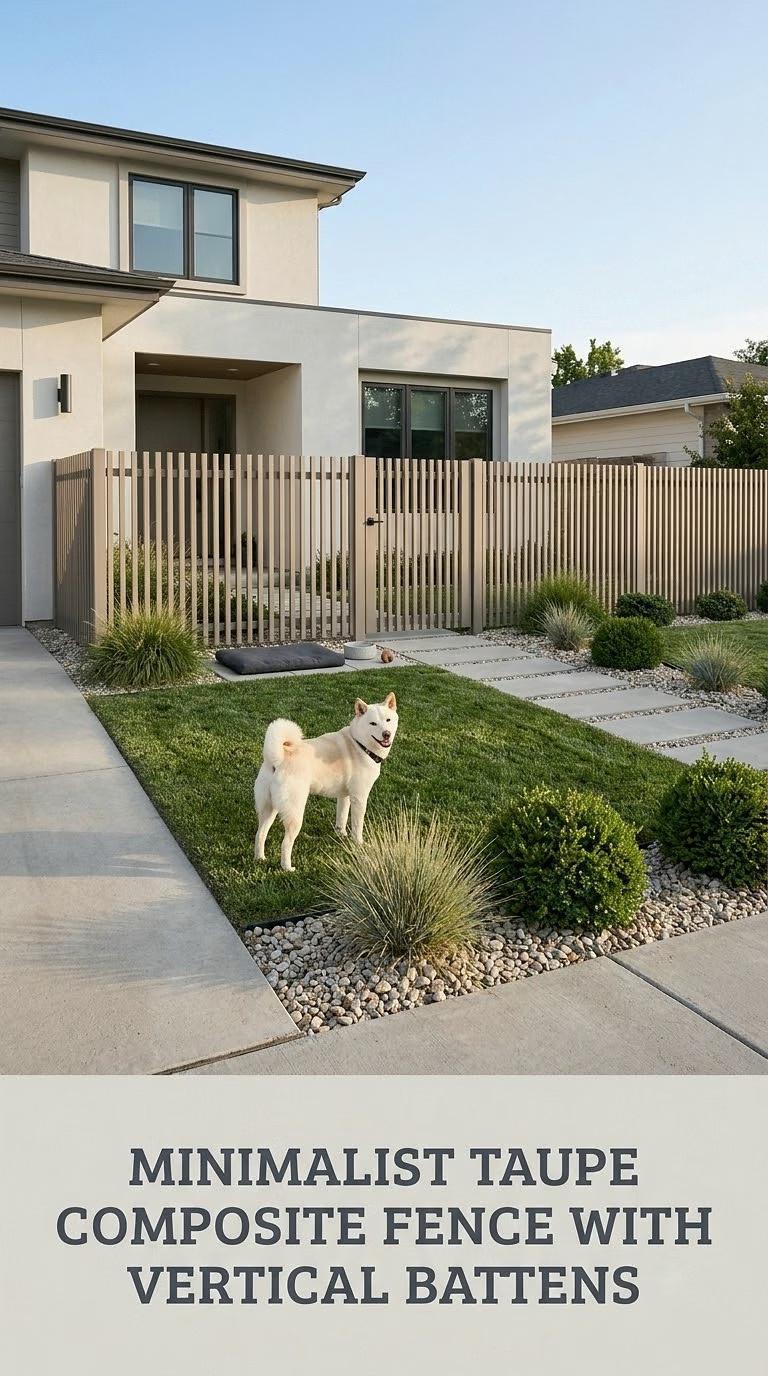
Composite fencing can create a sophisticated front boundary with warm color and very little visual fuss. A muted taupe, greige, or weathered wood tone pairs beautifully with contemporary homes and neutral landscaping.
Choose narrow vertical battens rather than large horizontal openings. Closely spaced boards provide partial privacy while creating elegant shadow lines throughout the day.
Composite materials can be appealing when you want the appearance of wood without building your maintenance routine around frequent refinishing. Check the manufacturer’s installation requirements carefully, particularly for posts, expansion spacing, and gates.
For a polished front-yard palette, combine the fence with concrete pavers, black planters, sculptural grasses, and one or two small ornamental trees.
A partially screened fence is also useful for dogs that become overstimulated by constant sidewalk movement. You can preserve some airflow and light while reducing the number of passing distractions at eye level.
Racked Black Aluminum Fence For A Sloped Front Yard
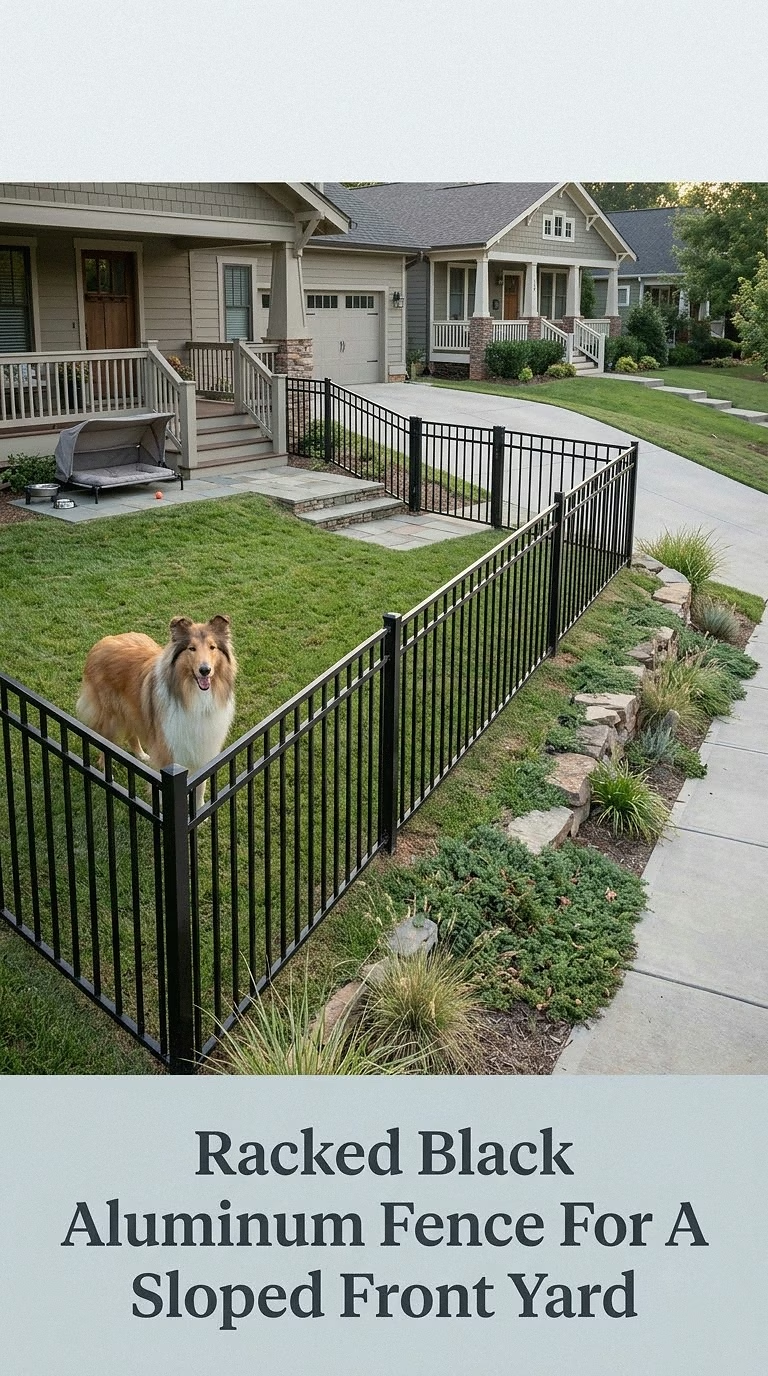
A sloping front lawn can make ordinary fence panels look awkward, leaving triangular spaces near the ground that a small dog may discover almost immediately.
Racked aluminum fencing is designed to follow changes in grade more naturally, allowing the pickets to remain vertical while the rails angle with the slope.
The result looks much more intentional than dramatically stepping every panel down the hill. Black aluminum is especially attractive because it tends to disappear visually against plants and shadows.
Carefully inspect the entire bottom line after installation. Uneven ground can create unexpected escape gaps even when the fence itself is correctly assembled.
Use low landscaping along the slope to soften the transition between fence and lawn. Creeping groundcovers, compact shrubs, and ornamental grasses can make the installation feel integrated without placing large rocks, benches, or other potential climbing aids directly beside the fence.
Small Front Yard Fence With A Double-Gate Safety Entry
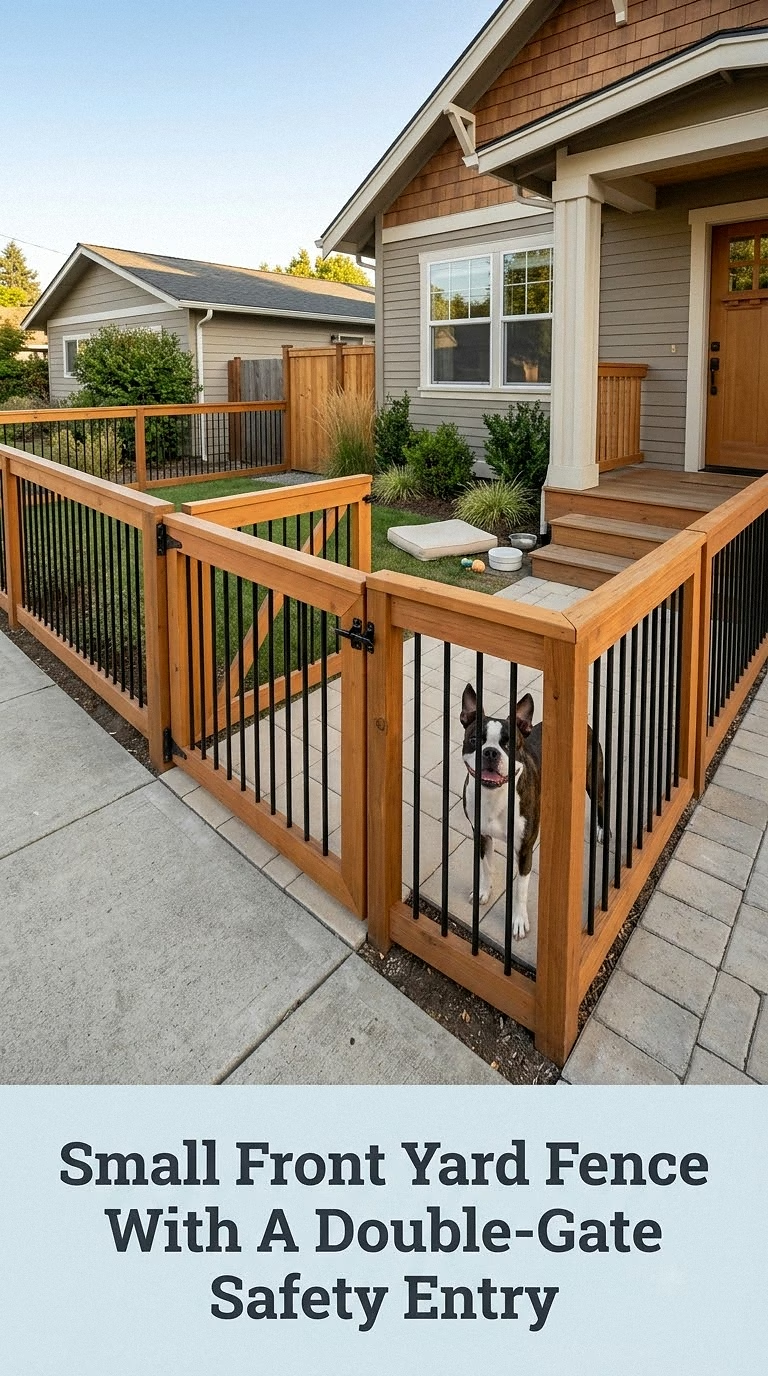
If your front door opens close to a busy sidewalk or street, a miniature double-gate entry can add an extra layer of security.
The concept works like a small vestibule. Guests enter the first gate, close it behind them, and then continue through the second boundary. If your dog slips through one opening, another closed gate remains between them and the street.
This can be especially helpful in households with enthusiastic greeters or dogs that rush toward an opening whenever someone arrives.
The safety zone does not need to be large. In a small front yard, it might simply surround the walkway near the porch.
Match both gates to the main fence so the design feels deliberate rather than institutional. Black metal gates with stone pavers feel elegant, while painted pickets and an arbor create a softer cottage interpretation.
Reliable latches are essential, and gates should move freely without dragging against the ground.
Privacy Dog Fence With A Soft Evergreen Hedge Buffer
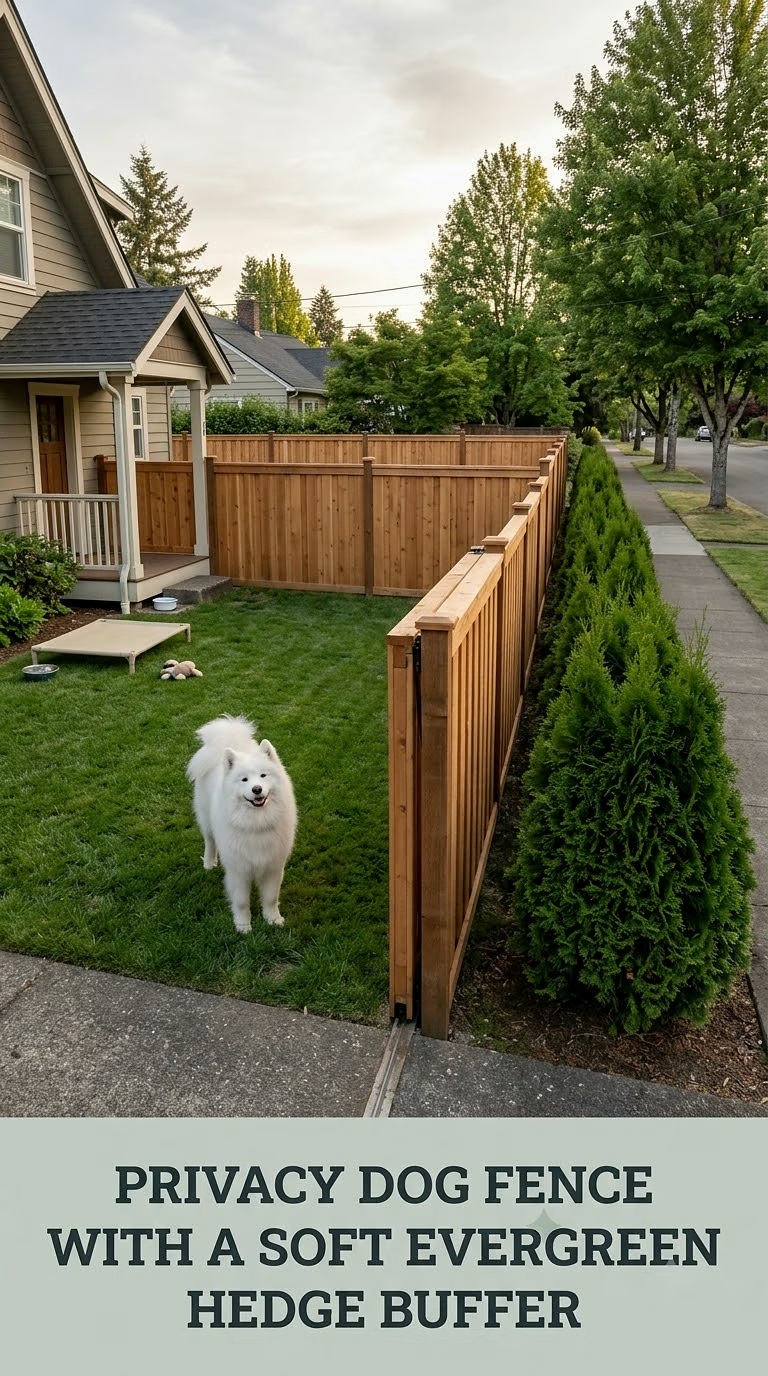
Some dogs find a busy front street endlessly exciting. Every jogger, dog walker, bicycle, delivery van, and squirrel becomes something to investigate.
For these dogs, visual privacy can be just as valuable as physical containment.
Read more : 18 Dog Patio Ideas Apartment Dwellers Will Love For A Cozy Pet-Friendly Outdoor Space
Use a solid or semi-solid fence and create a landscaped buffer along the street-facing side. Evergreen shrubs soften the structure throughout the year while flowers or ornamental grasses add seasonal color.
Inside the yard, keep enough open space between landscaping and the fence that your dog cannot use planters, raised beds, or decorative objects as climbing platforms.
A warm wood fence behind layered greenery feels much gentler than a bare privacy wall. Charcoal fencing can create an equally attractive background, making green leaves and pale flowers stand out dramatically.
Pair environmental management with training and supervision if your dog tends to bark or charge toward the boundary.
Budget-Friendly Chain-Link Fence With Dark Privacy Slats
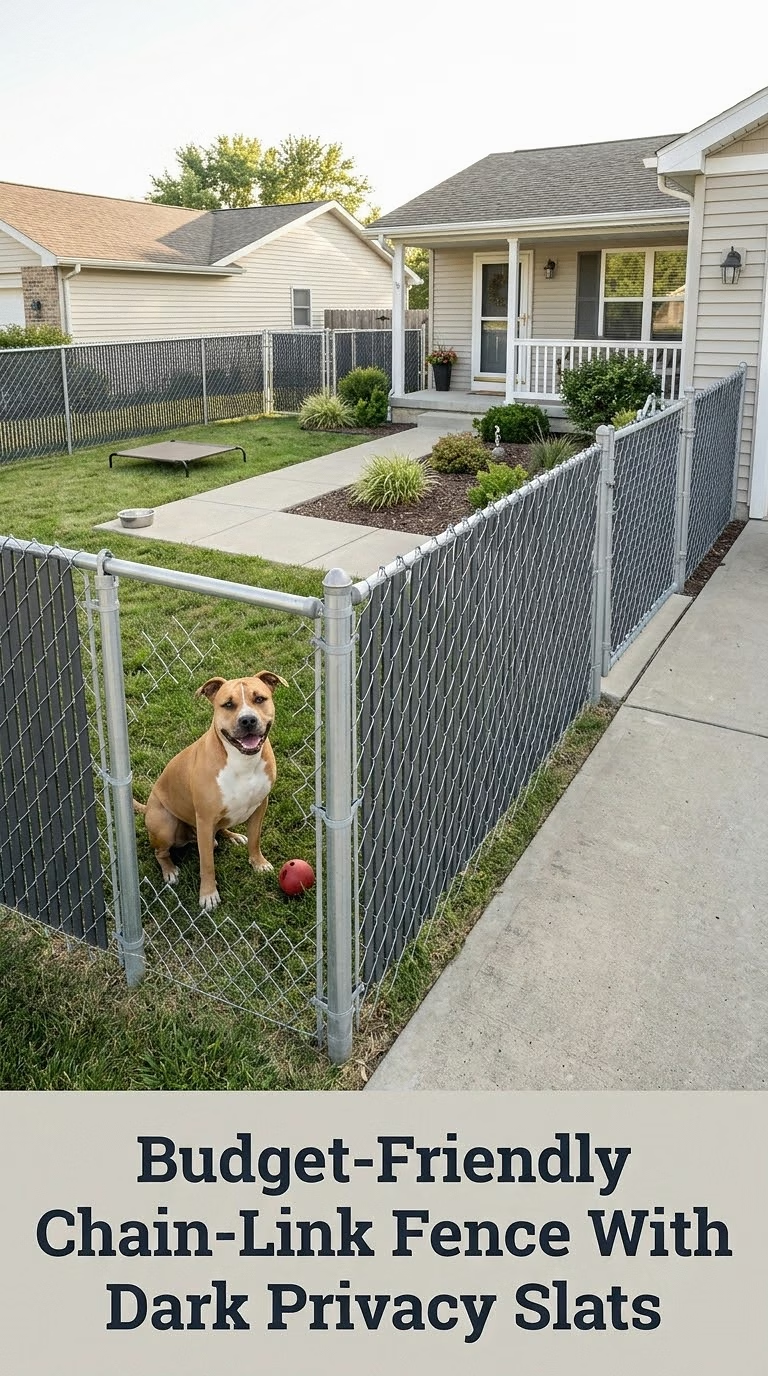
Chain link remains a practical option when enclosing a larger front yard without spending heavily on premium decorative panels.
The challenge is making it feel intentional.
A dark-coated chain-link fence already looks softer than bright unfinished metal. Adding privacy slats to selected sections can further improve the appearance while reducing your dog’s view of high-traffic areas.
You do not necessarily need to screen every panel. Cover the fence beside a sidewalk, neighboring dog, or busy driveway while leaving calmer sections open.
Landscaping can transform the finished look. Add a narrow mulch bed with tough shrubs along the exterior and install a clean gate with upgraded hardware at the main path.
Check the fence line routinely for damaged wire, openings, loose connections, or gaps beneath the bottom edge. A budget fence is only economical if it continues to contain your dog reliably.
DIY Wood And Wire Fence With A Gravel Dig-Guard Border
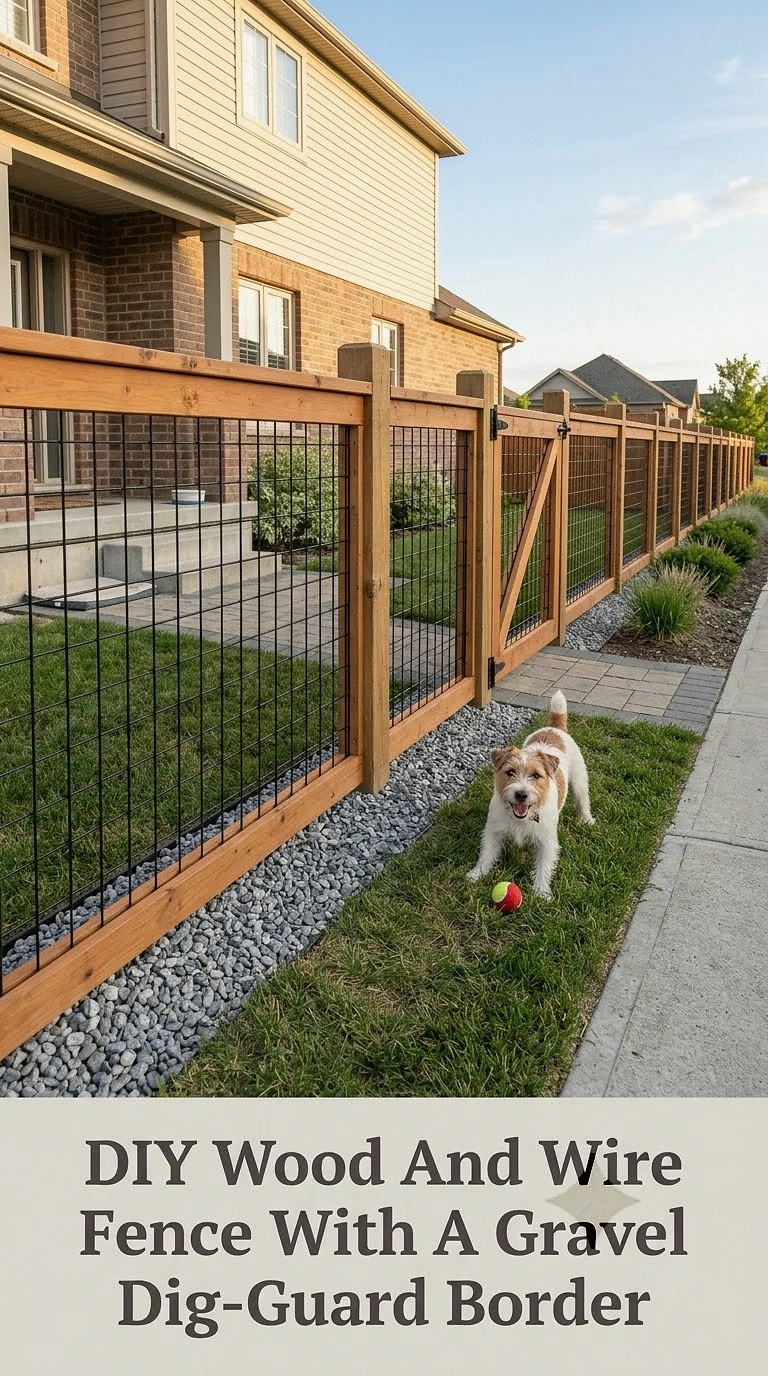
For a practical weekend-project look, combine simple wooden posts and rails with strong pet-appropriate wire mesh and a tidy gravel strip along the base.
The gravel does more than create a finished edge. It makes the fence line easier to inspect and can be incorporated with an underground or inward-facing barrier when you have a dog that likes to dig.
A black or dark mesh keeps the visual focus on the wood. Natural cedar tones feel rustic and warm, while black-painted posts produce a cleaner modern farmhouse appearance.
Keep every connection smooth and secure. Staples, screws, wire edges, and joining points should not protrude into the dog’s space.
This fence pairs beautifully with raised flower beds positioned outside the enclosure. Inside, preserve an unobstructed grassy or groundcover area where your dog has room to move instead of turning the entire perimeter into decorative landscaping.
Mediterranean Stucco Pillars With Wrought-Iron Style Panels
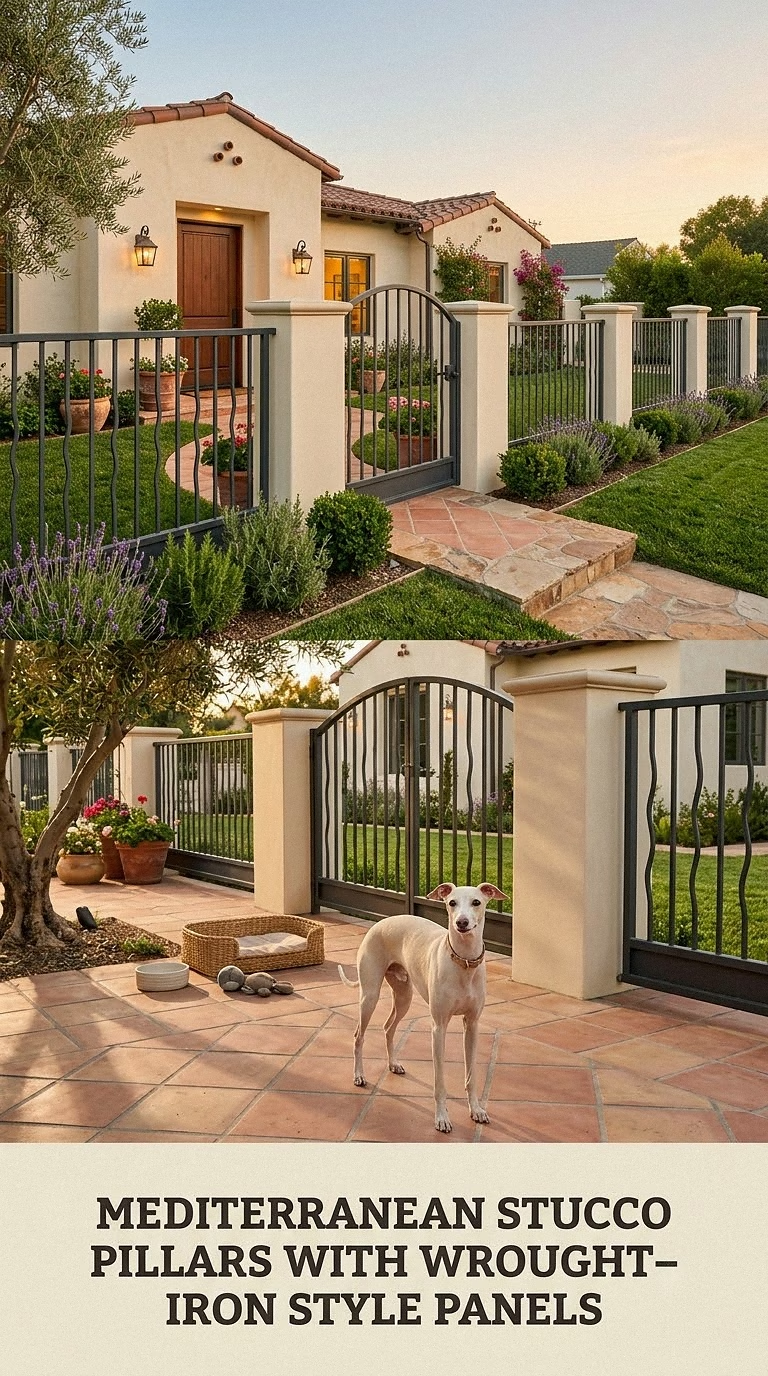
A front yard with stucco walls, terracotta roofing, warm stone, or Mediterranean landscaping deserves a fence that feels equally architectural.
Create substantial pale stucco pillars at intervals and connect them with black wrought-iron-style panels. A matching arched gate can turn the entrance into a beautiful focal point.
Vertical metal elements keep the design elegant while avoiding obvious horizontal footholds. If you have a small dog, choose narrow spacing or incorporate a discreet lower pet panel.
Terracotta pots, olive-toned foliage, rosemary-like shrubs, and warm gravel can complete the Mediterranean atmosphere, but keep large containers away from the interior fence line if your dog could climb onto them.
Decorative metalwork should remain smooth and dog-friendly. Avoid sharp finials or elaborate projections in areas where an excited dog could jump against the fence.
Modern Front Courtyard Fence With A Masonry Base And Wood Gate
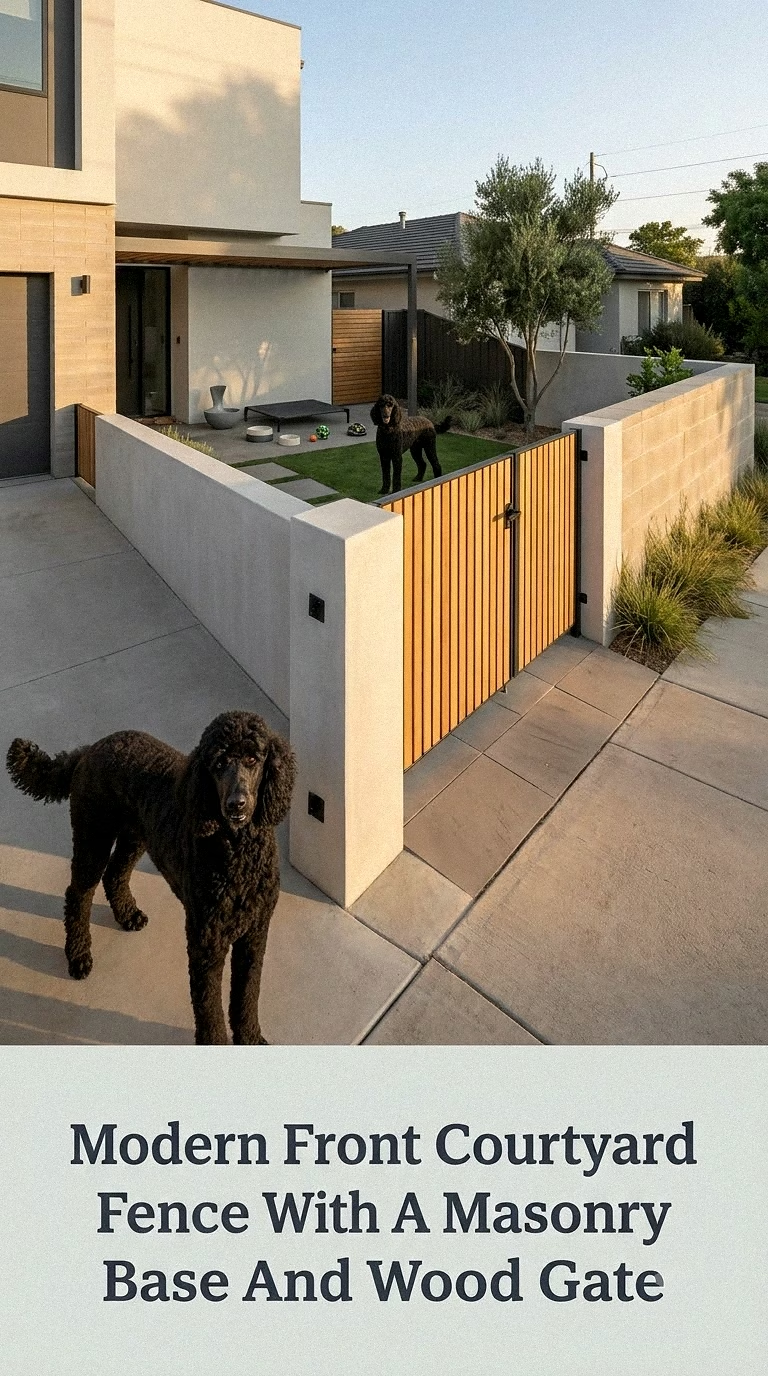
For a more luxurious interpretation of dog-friendly front-yard fencing, transform part of the property into a defined front courtyard.
A low masonry base provides weight and permanence, while vertical wood or metal panels above create the level of privacy your dog needs. Add an oversized wood pedestrian gate near the front path for a dramatic architectural moment.
This design works especially well when the front yard is already used as an outdoor living area. A bench, shaded porch, water bowl station, and carefully selected landscaping can turn the enclosure into a comfortable space for both people and pets.
Keep furniture away from the fence if it could help your dog climb.
Use the same stone, stucco, brick, or wood colors found on the home so the courtyard appears original to the architecture. The goal is a secure dog space that looks like a beautiful extension of the house rather than an added containment system.
Landscaped Front Fence With A Calm Dog Buffer Zone
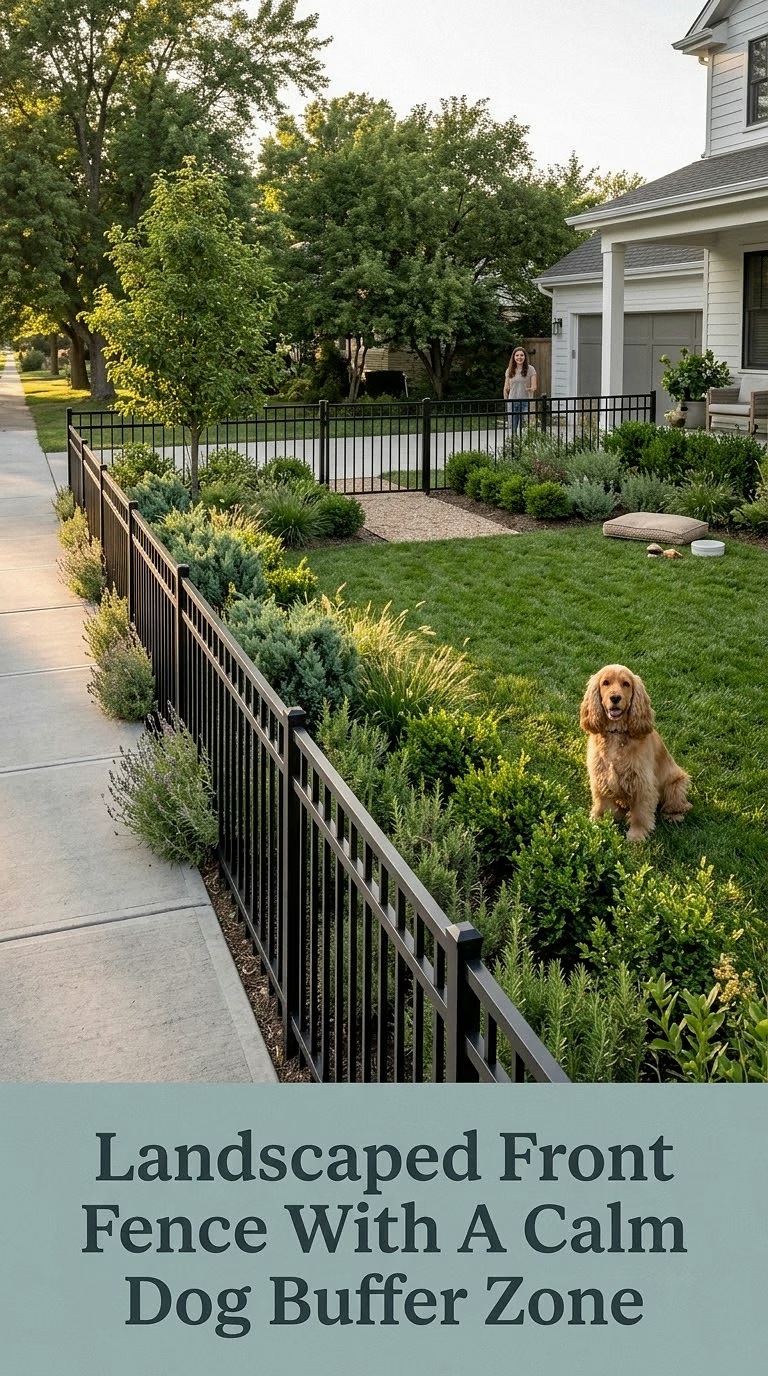
Sometimes the smartest dog fence idea is not a different material but a better layout.
Instead of allowing the lawn to extend directly to the fence, create a shallow landscape strip inside the boundary. Low shrubs, sturdy ornamental grasses, or a simple mulched bed establish physical distance between your dog’s main play area and sidewalk activity.
This can be particularly useful for dogs that repeatedly sprint along a fence line whenever someone passes.
Choose plants that are appropriate for a pet-accessible environment and arrange them so you can still inspect the bottom of the fence. Avoid delicate planting that will be frustrating to maintain around an energetic dog.
Combine the buffer with vertical wood, metal, vinyl, or composite fencing depending on your home’s style.
The result can feel surprisingly sophisticated because the fence becomes part of a layered landscape rather than a hard line running around the lawn.
Creating The Right Front Yard Dog Fence For Your Home
The best front yard dog fence ideas bring together two priorities that do not have to compete: keeping your dog secure and making the entrance to your home feel beautiful.
Start with your dog rather than the fence catalog. Think about whether your pup jumps, climbs, digs, squeezes through openings, rushes gates, or becomes overstimulated by activity beyond the property. Those behaviors will help determine the height, visibility, spacing, bottom protection, and gate system you actually need.
Then bring in the design details you love. A white picket fence can make a cottage feel irresistibly charming, slim black aluminum can sharpen a modern landscape, cedar can add natural warmth, and masonry combined with wood or metal can create an elegant courtyard effect.
Even affordable fencing can feel thoughtfully designed when you coordinate it with your home’s exterior, repeat materials already used around the property, and soften the boundary with simple landscaping.
Most importantly, remember that a fence is only one part of a happy outdoor space. Secure gates, routine inspections, comfortable shade, fresh water, training, enrichment, and time spent together all help create a front yard where your dog can safely enjoy being part of the world outside your front door.
Source: https://petstutorial.com
Category: DOGS
