
Sharing your home with more than one dog usually means doubling—or tripling—the beds, leashes, bowls, toys, and, of course, crates. The practical side can get messy surprisingly fast. A row of bulky wire kennels may work perfectly for the dogs, yet still make a beautifully decorated room feel unfinished.
- 19 Cozy puppy set up ideas dog crates for a Beautiful, Practical Home
- 19 Dog Crate Under Bed Ideas for a Cozy, Space-Saving Bedroom
- 19 Beautiful dog crate apartment ideas for Small, Stylish Spaces
- 18 Beautiful Dog Crate Ideas for a Cozy, Stylish, and Practical Home
- 19 Cozy Dog Crate Ideas That Make Your Pet’s Space Feel Like Home
That is where thoughtful multiple dog crate ideas indoor setups can make such a difference. Instead of trying to hide every crate, you can make them part of the room. Built-in cabinetry, warm wood surrounds, storage benches, washable textiles, and carefully planned dog stations can create individual resting spaces while still looking intentional.
You are reading: 18 Multiple Dog Crate Ideas Indoor Homes Can Use for a Stylish Multi-Dog Setup
The most important thing is to design around the dogs first. Each dog should have a crate large enough to stand, turn, stretch, and lie comfortably. Airflow should remain open, decorations need to stay safely out of chewing range, and crates should not sit in hot direct sunlight or uncomfortable drafts. In multi-dog homes, separate spaces can also make meals, treats, training sessions, and quiet time much easier to manage.
Whether you have two tiny companions or a whole crew of larger dogs, these ideas offer plenty of inspiration for creating an indoor setup that feels organized, cozy, and genuinely part of your home.
Beautiful Multiple Dog Crate Ideas Indoor Homes Can Actually Live With
Warm White Oak Built-In Triple Crate Wall With Overhead Cabinets
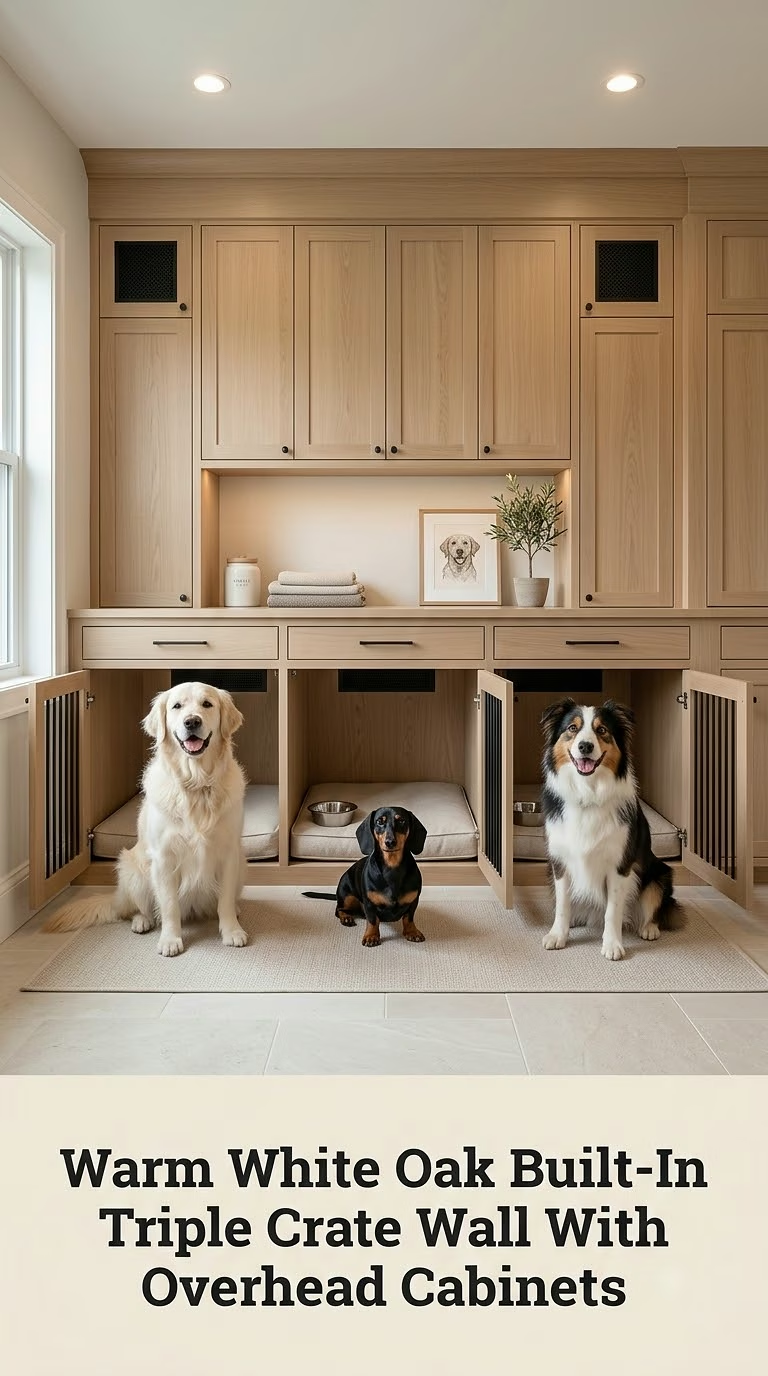
For a polished custom look, create a long bank of three individual crates beneath warm white oak cabinetry. The repeated openings make the entire wall feel symmetrical, while the natural wood keeps a practical dog area from looking cold or industrial.
Use metal crate doors or sturdy ventilated panels within the cabinetry rather than enclosing the dogs behind solid cabinet doors. Above them, add deep cupboards for food containers, grooming products, towels, medications, and less attractive pet supplies.
Inside each crate, choose coordinating washable mats in cream, oatmeal, or warm gray. You can personalize each space subtly with a small nameplate above the opening rather than hanging decorations where curious dogs can reach them.
This setup works especially well along a mudroom, hallway, or oversized laundry-room wall.
Soft Sage Green Mudroom With Side-by-Side Crates and Woven Storage
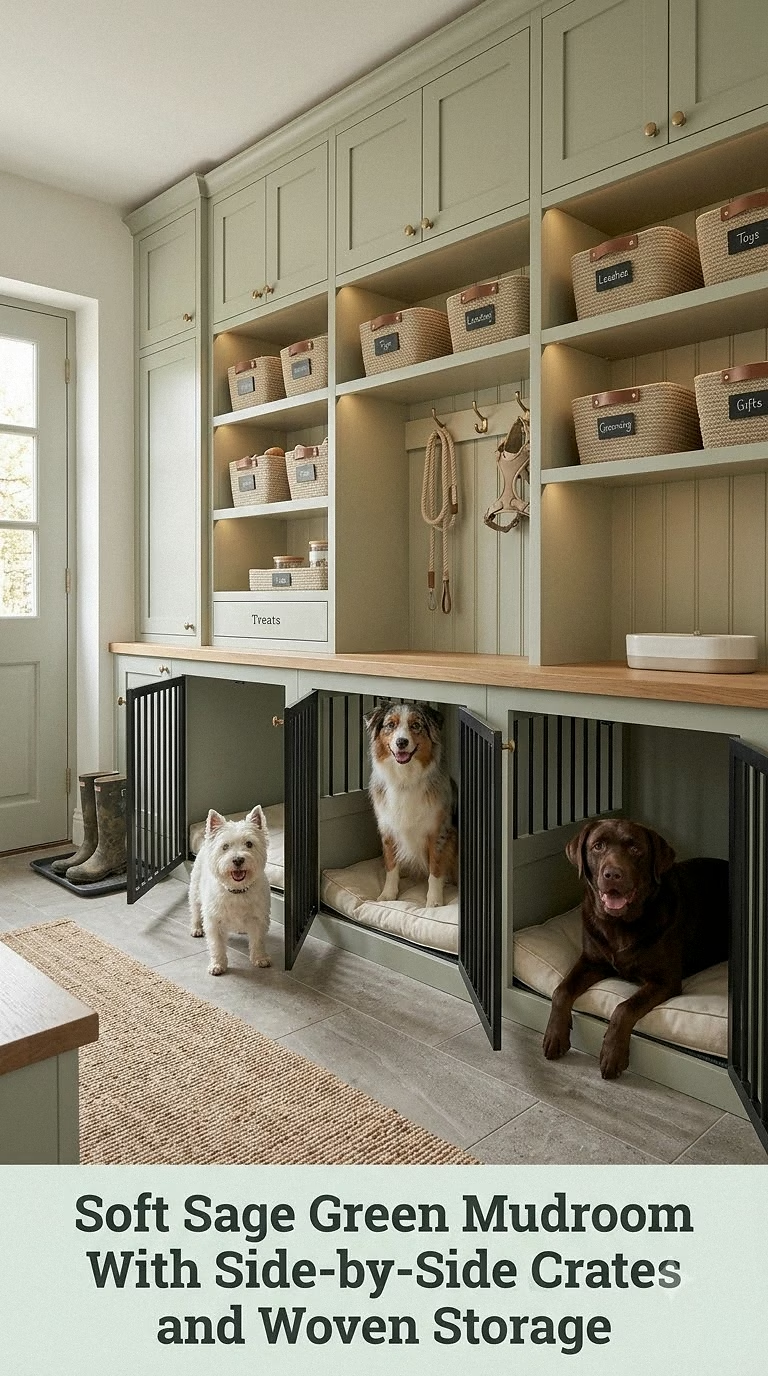
A sage green mudroom feels calm, welcoming, and wonderfully suited to a dog-friendly home. Build two or three crate spaces beneath painted Shaker-style cabinetry, then add woven baskets to the upper shelves for harnesses, towels, toys, and walking accessories.
Pair the green with warm oak hooks, antique brass hardware, and a cream or beige tile floor for a cozy cottage feel. If your dogs return from walks with muddy feet, large-format porcelain tile is especially practical because there are fewer grout lines to scrub.
Keep the inside of each crate simple and breathable. A removable flat mat is often easier to clean than layers of decorative pillows.
The result feels more like a thoughtfully designed entryway than a kennel area while still giving every dog a clearly defined place to settle.
Modern Living Room Console With Two Furniture-Style Dog Crates
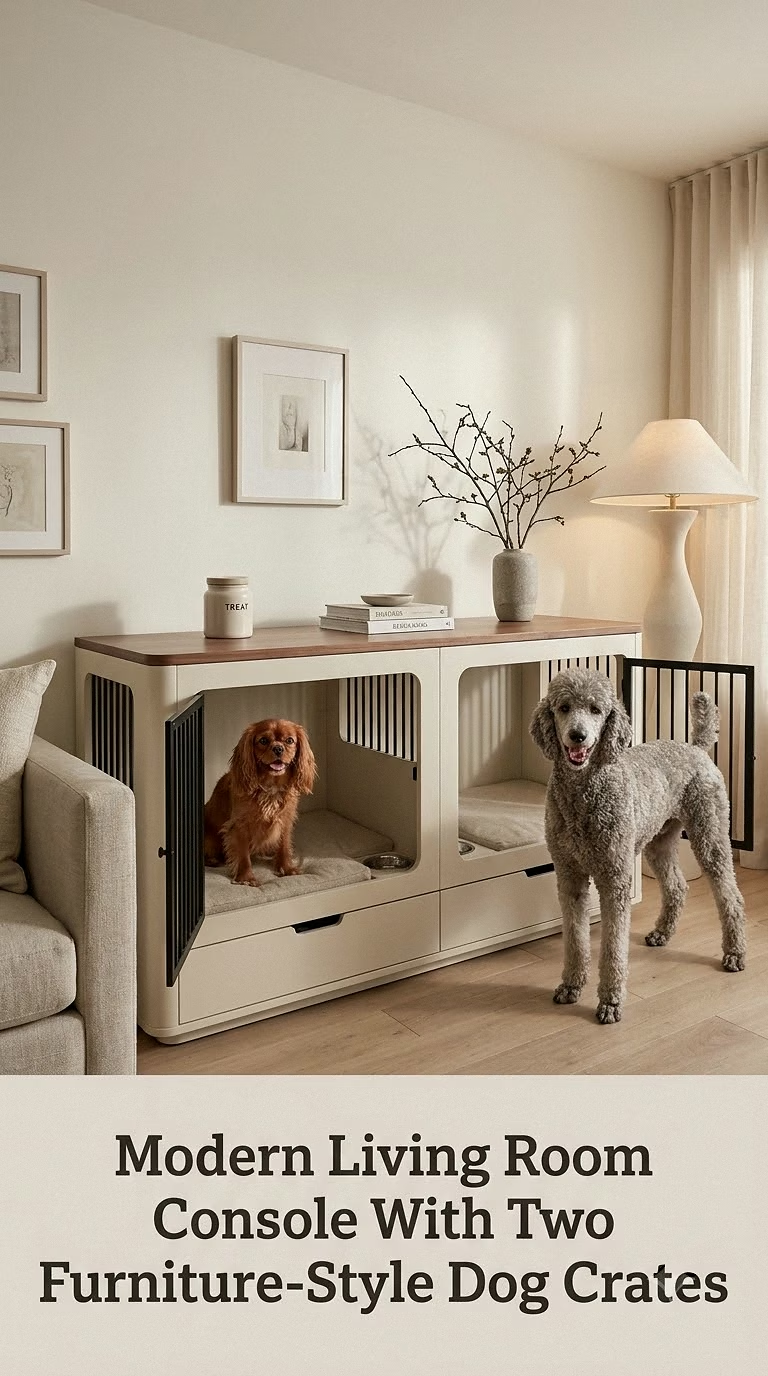
If the crates need to stay in your main living area, let them do double duty as furniture. Two side-by-side crate compartments beneath one long console can replace the random row of wire kennels that often ends up beside the sofa.
Choose a wood tone that already appears in the room, whether that is pale oak, walnut, or painted off-white. A sturdy top can hold lamps, framed photos, books, and a few decorative objects, provided nothing can fall through or be pulled into the crates.
For a clean contemporary look, use simple vertical metal bars and flat-front cabinetry at either end for dog supplies.
Measure your dogs before designing the furniture. The finished compartments still need enough interior height and depth for comfortable movement, so aesthetics should never determine the crate dimensions.
Rustic Farmhouse Crates Beneath a Thick Butcher-Block Counter
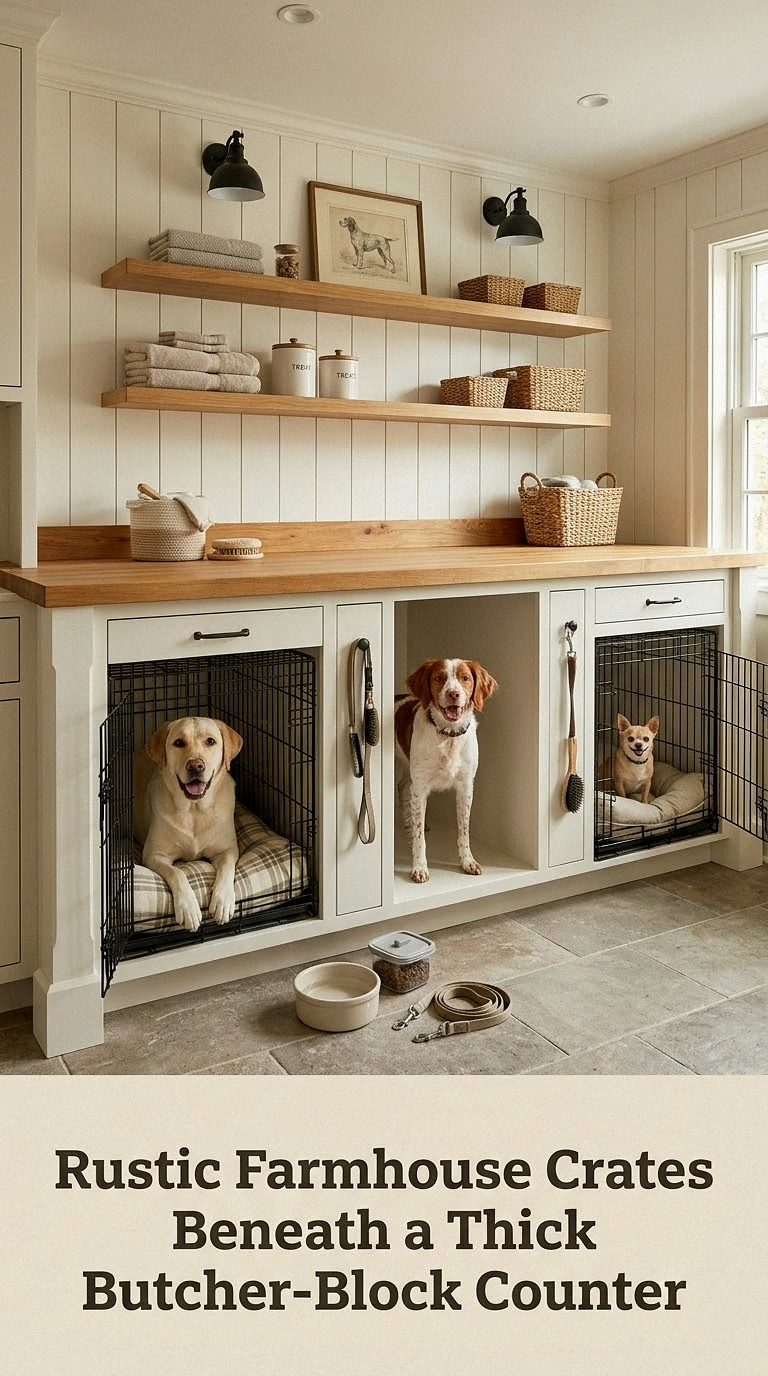
A pair or trio of black wire crates looks instantly more intentional when tucked beneath one substantial butcher-block countertop.
This is one of the easier approaches for renters or homeowners who do not want permanent built-ins. Instead of altering the crates themselves, build a strong freestanding frame around them. The crates can slide out individually for deep cleaning or replacement.
Style the surrounding space with creamy walls, black hooks, simple wood shelves, and vintage-inspired baskets. Keep dried flowers, cords, and fabric decorations far enough away that a dog cannot pull them through the wire.
Because the crates remain removable, this setup is also flexible. If your dogs eventually stop using crates regularly, the wooden structure can potentially become a utility table, workbench, or storage console.
Small Apartment L-Shaped Crate Corner With Floating Shelves
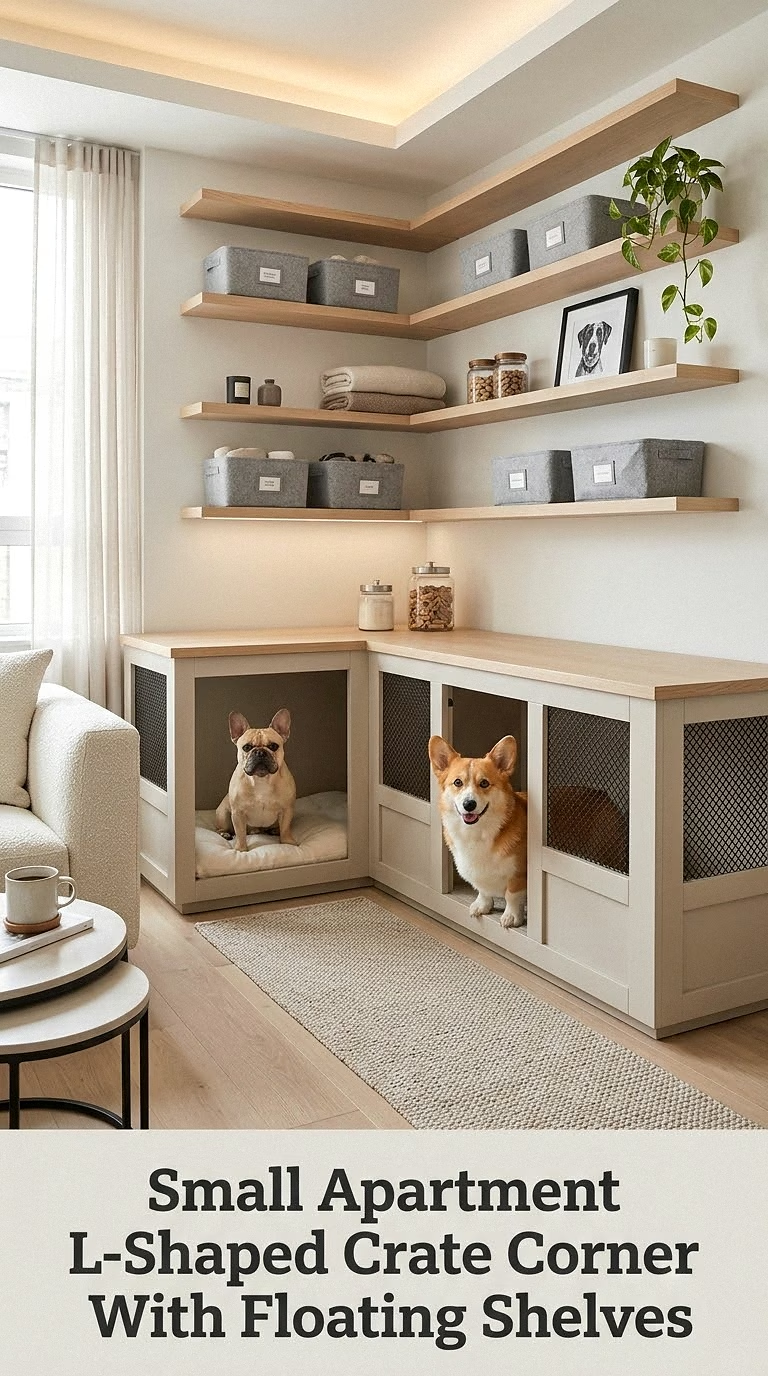
Multiple crates do not necessarily need a full room. In a small apartment, two crates placed in an L-shaped arrangement can make better use of a forgotten corner than lining them up across an entire wall.
Use matching crate styles to keep the visual appearance consistent. A washable floor mat beneath both crates helps define the dog zone while catching hair and dirt.
Above the crates, install shallow floating shelves for sealed treats, folded leashes, small baskets, and decorative pieces. Make sure nothing dangling from the shelves can fall into or be grabbed through the crate bars.
Choose pale wood, white, or soft greige finishes if you want the arrangement to feel less visually heavy.
For two dogs that become excited when resting close together, leaving a little space between crates or adding a safe visual divider can create a calmer setup.
Under-Stair Multi-Dog Retreat With Warm Wood Paneling
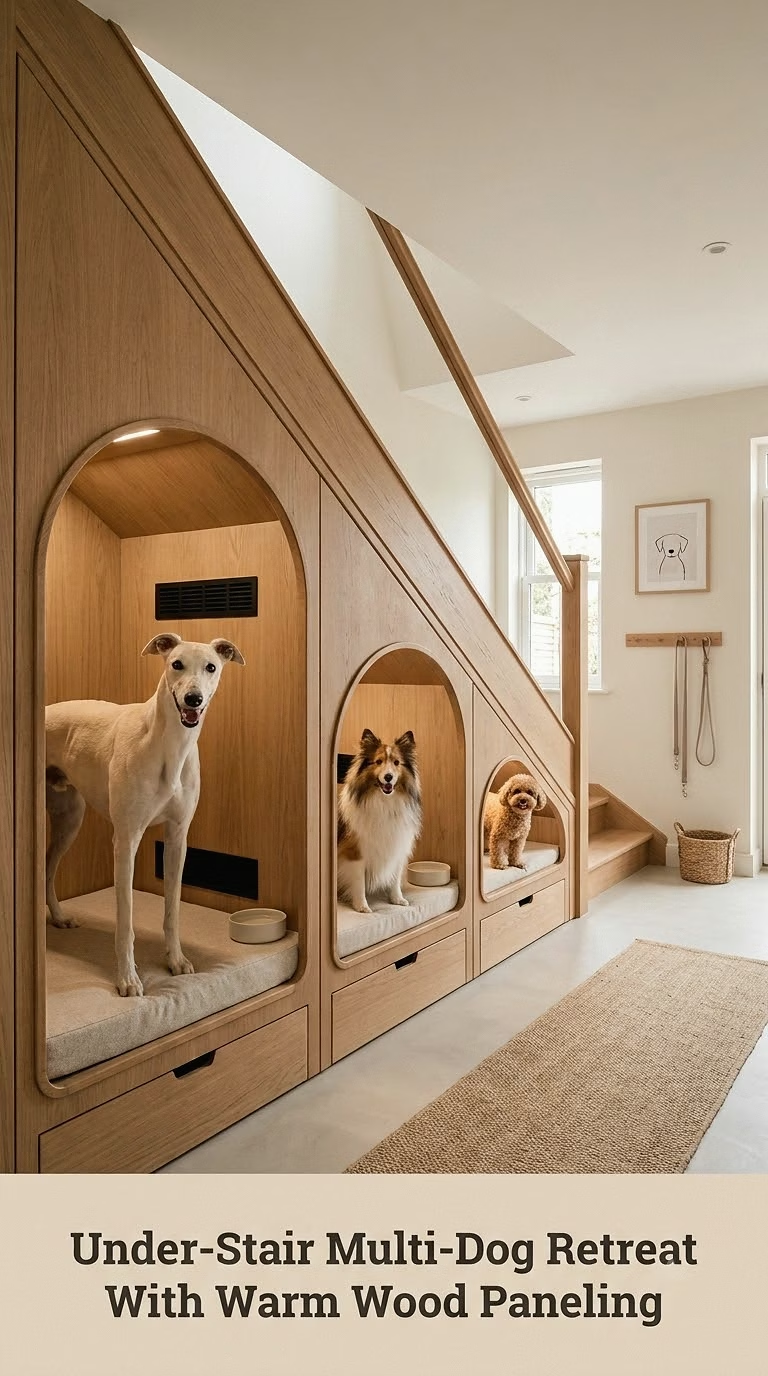
The awkward space beneath a staircase can become a beautiful little dog retreat instead of wasted square footage.
Create separate crate-sized openings that follow the slope of the stairs, with the largest compartment positioned beneath the tallest section. This is particularly helpful in a household with dogs of different sizes because every space can be customized.
Warm wood paneling and simple black metal doors create a cozy architectural look. A nearby cabinet can hold leads, grooming supplies, and spare bedding.
Proper ventilation is essential in an enclosed under-stair conversion, so avoid turning the compartments into sealed boxes. You also need easy access for cleaning every interior surface.
When planned well, an under-stair dog nook can look as though it was always part of the house.
Cozy Window Bench With Three Individual Crate Bays
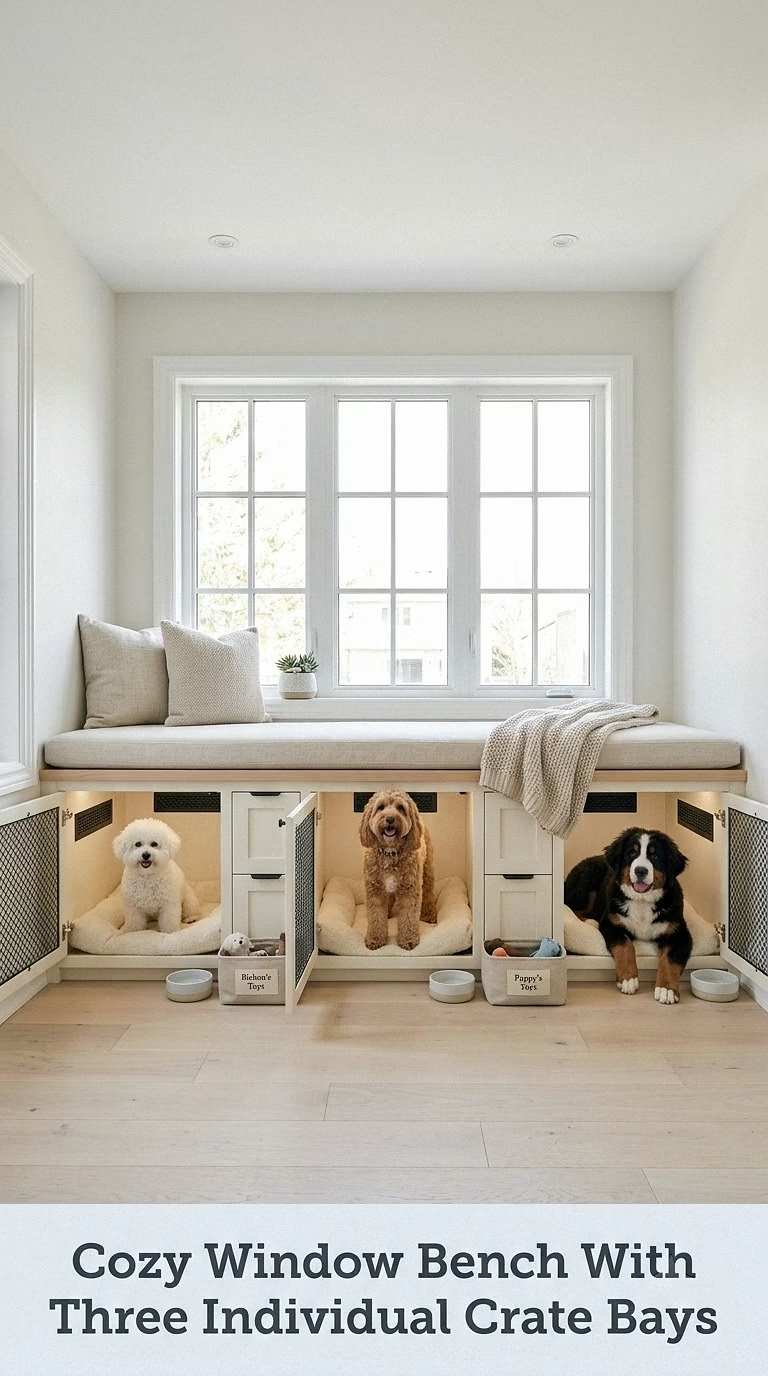
A long bench above several crate compartments is a clever way to combine dog space with human seating.
Read more : 20 Cute Dog Crate Ideas for a Cozy, Stylish, Pinterest-Worthy Home
Place three individually sized crates beneath a substantial bench top, then style the seating area with a fitted cushion and a few washable throw pillows. Deep drawers or cabinets beside the crates can hide everyday dog supplies.
This concept looks lovely in a wide hallway, breakfast room, or mudroom with abundant natural light. Just be thoughtful about the exact position. A sunny window can become surprisingly hot, so the crate interiors should not receive prolonged direct sun.
Choose performance fabric for the bench cushion and wipeable paint for surrounding woodwork. Hair, muddy paws, and occasional drool are much less stressful when the materials were selected with real dogs in mind.
Easy-Clean Laundry Room Crate Station With Large-Format Tile
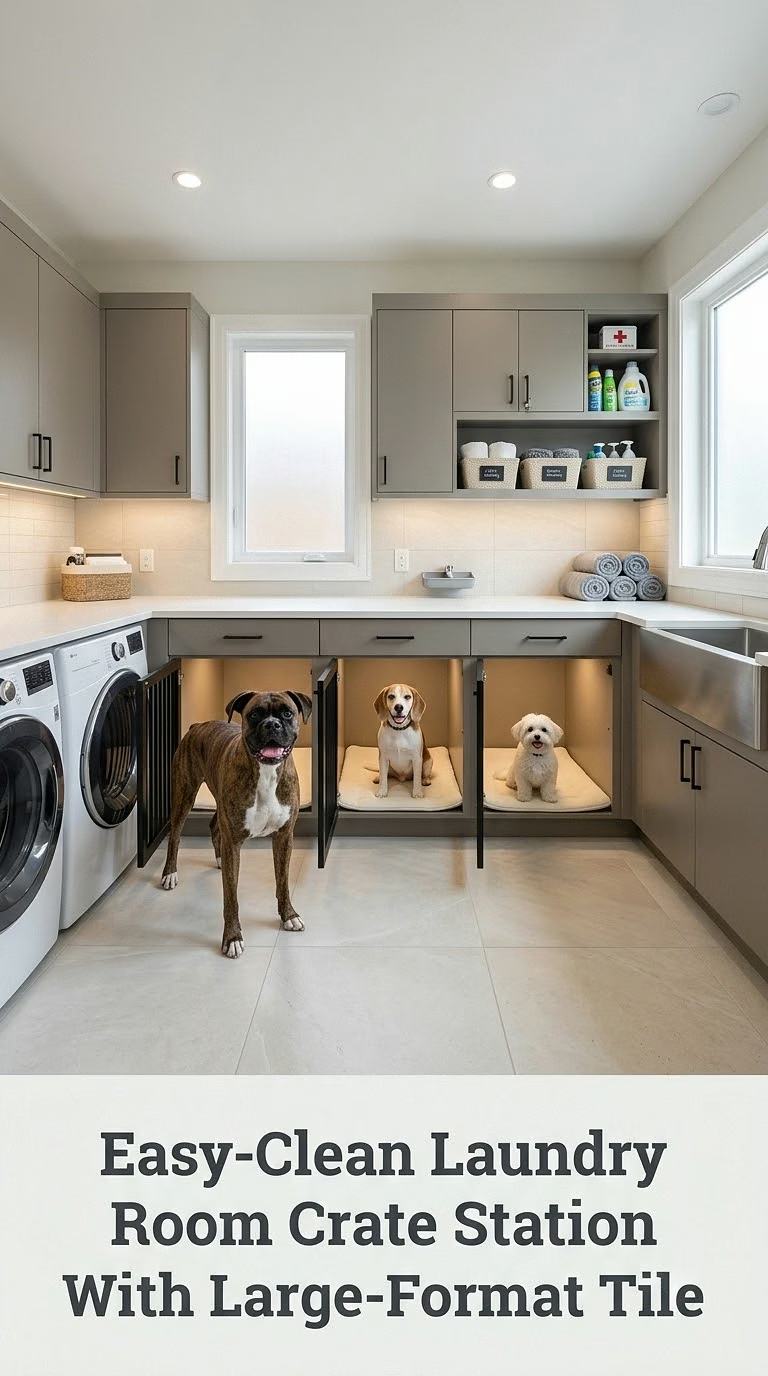
A laundry room is naturally suited to a practical multi-dog setup because washable surfaces and cleaning supplies are already close at hand.
Place individual crates beneath a countertop along one wall, then surround the area with moisture-resistant cabinetry and easy-clean tile. Large-format porcelain flooring, for example, creates a polished look while minimizing grout.
Use upper cabinets for bulky food bags, cleaning products, flea and tick supplies, and backup bedding. Any household chemicals should remain securely stored away from pets.
A nearby laundry sink is useful for rinsing bowls, washing toys, or dealing with muddy accessories before they enter the rest of the house.
Keep the styling restrained with white cabinetry, warm wood accents, and charcoal or taupe flooring. The whole room will feel practical without becoming visually clinical.
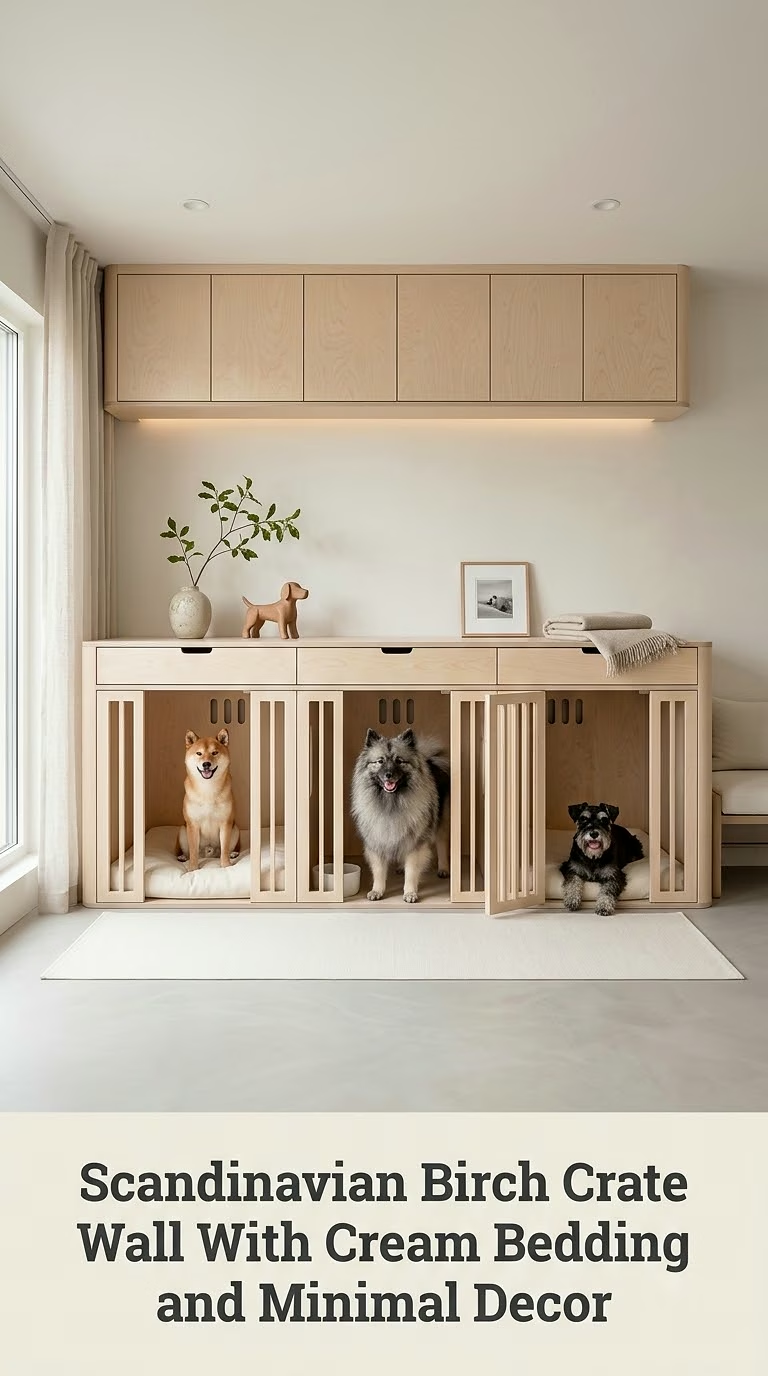
For homes filled with pale woods and soft neutrals, a Scandinavian-inspired crate station blends in beautifully.
Build a clean birch or light-oak surround around two or three individual crates. Skip elaborate trim and use simple lines, lightly textured cream walls, and matte black or brushed-metal doors.
Choose low-profile washable bedding in similar neutral tones, perhaps cream for one dog, soft taupe for another, and muted gray for the third. Small variations help identify each spot without making the arrangement feel busy.
Storage can be equally minimal. Add closed cabinets above the crates and one narrow open shelf for a few carefully chosen objects.
Because visual simplicity is the main feature, prioritize concealed storage rather than displaying every leash, toy, and bag of treats.
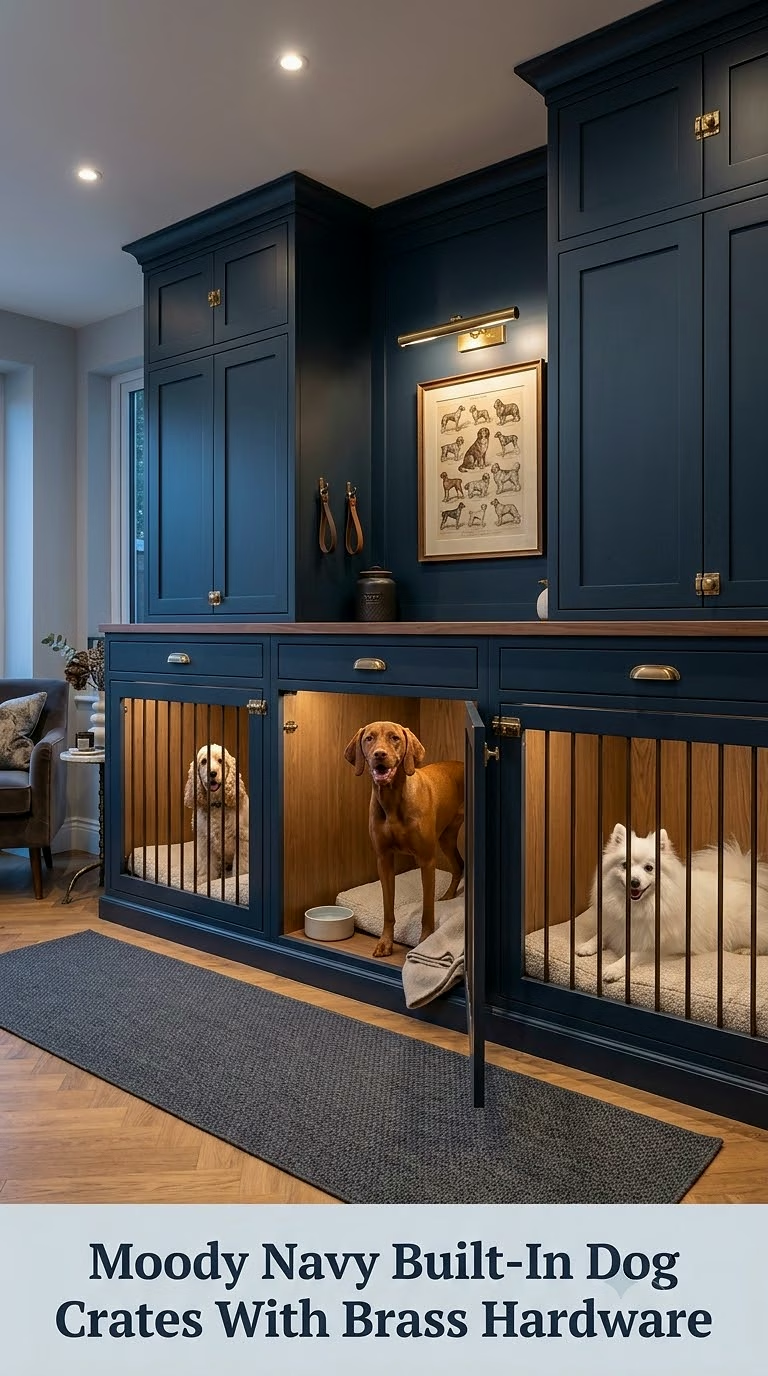
Dog spaces do not have to be pale and farmhouse-inspired. Deep navy cabinetry can turn a row of indoor crates into a dramatic design feature.
Use dark blue Shaker cabinets around individual metal-front crate openings, then introduce warm brass handles and a pale quartz or wood countertop. The contrast looks sophisticated enough for a formal mudroom or high-end utility space.
Warm-toned washable bedding prevents the interiors from feeling too dark. Camel, oatmeal, and muted plaid all work nicely with navy.
If the crates themselves receive limited natural light, avoid covering additional ventilation simply for appearance. Good airflow and visibility matter much more than achieving a completely enclosed furniture look.
A dark painted finish is also forgiving in busy dog households because everyday marks are often less noticeable than on bright white cabinetry.
Budget-Friendly DIY Plywood Surround for Matching Wire Crates
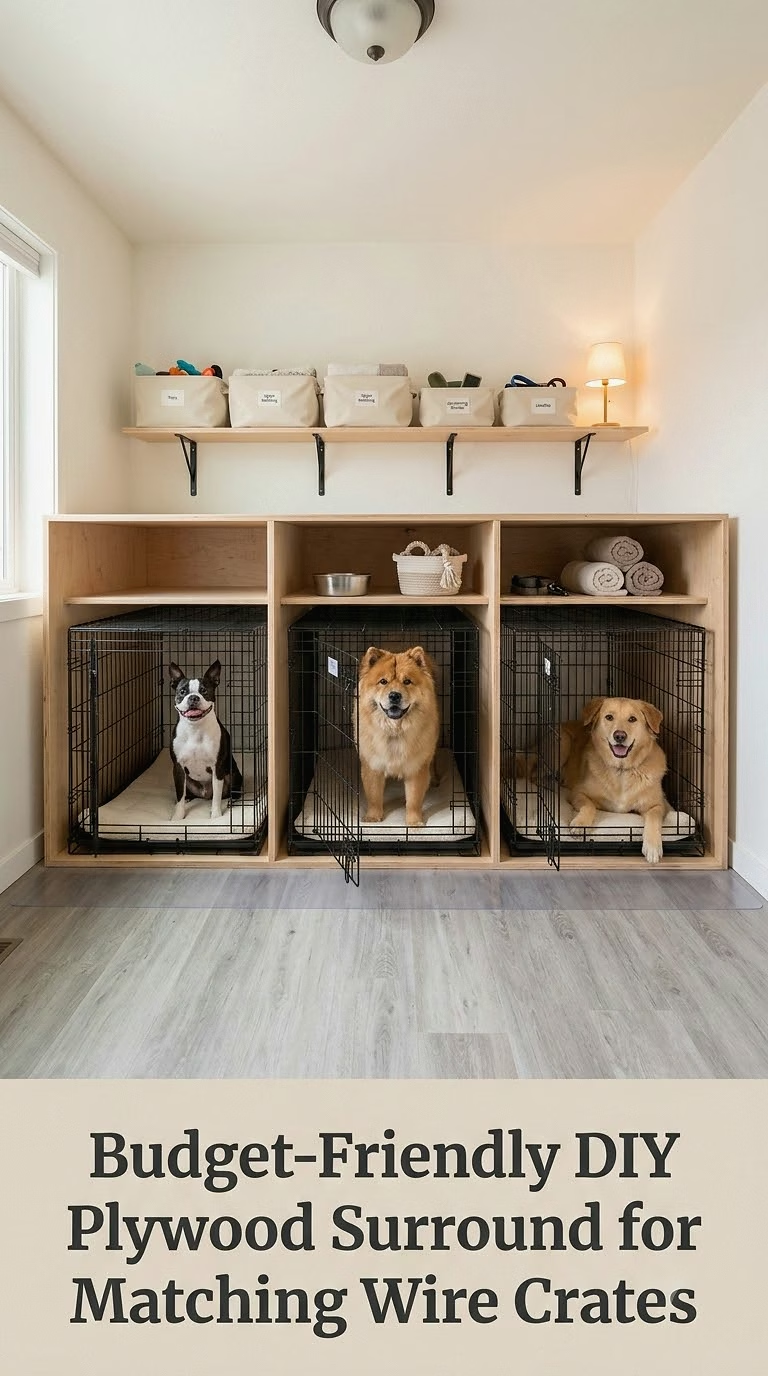
You do not need custom millwork to make multiple wire crates look coordinated.
A simple DIY surround made from smooth plywood can visually connect two or three existing crates. Build a freestanding top and side panels that sit around—not dangerously on—the crates, leaving plenty of ventilation around each one.
Sand all edges carefully and choose a pet-safe finish suitable for household furniture. You can stain the plywood for a modern natural look or paint it to match existing walls.
One of the biggest advantages is removability. The wire crates can slide out whenever you need to hose down trays, clean underneath, or rearrange the room.
Add inexpensive labeled baskets above the setup for leads, toys, and grooming tools, and you have an organized station without the cost of custom cabinetry.
Freestanding Room Divider With Back-to-Back Dog Crate Spaces
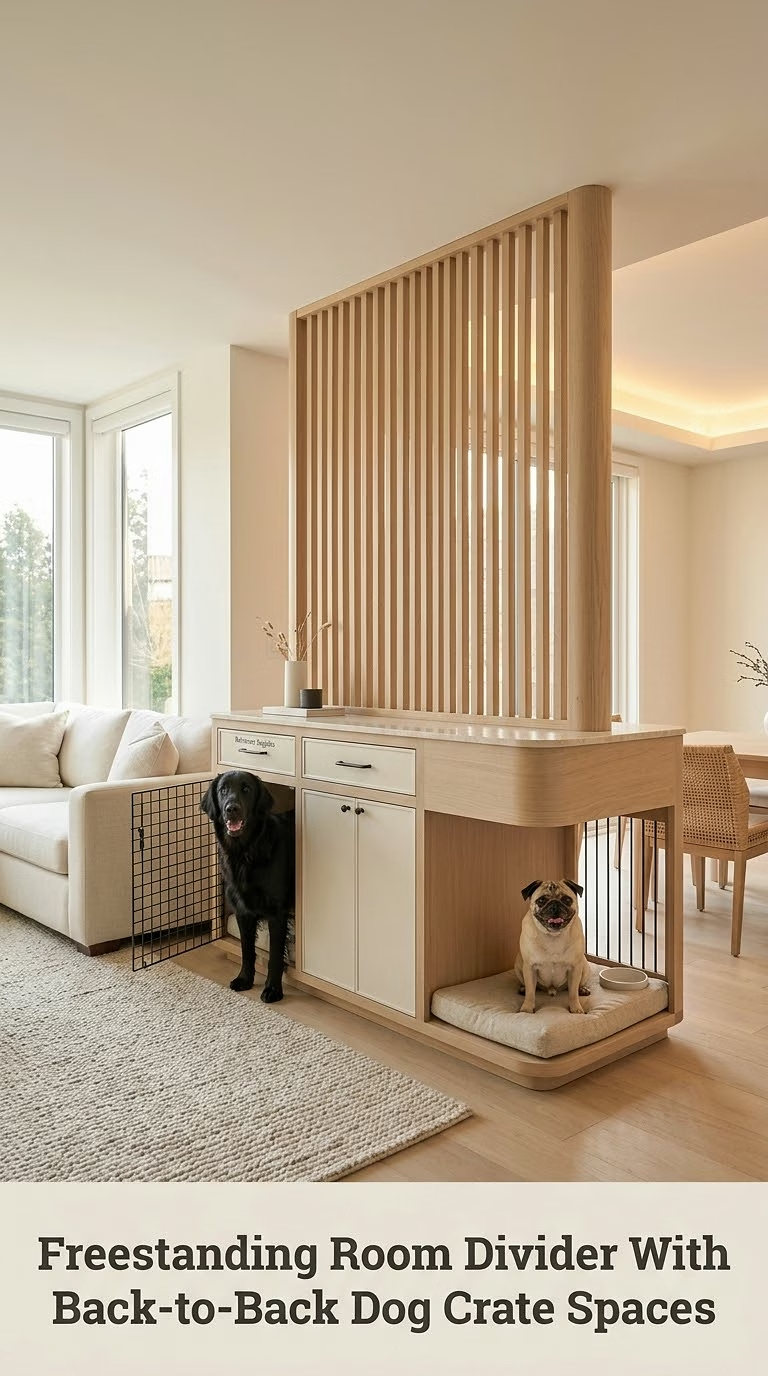
In an open-plan room, a thoughtfully constructed dog station can help divide the space rather than simply sitting against a wall.
Imagine a substantial freestanding unit with one or two crate openings facing each side. From the living area, it could resemble a low wood console. From the opposite side, perhaps a home office or dining space, additional storage keeps the back equally attractive.
This idea works particularly well when dogs appreciate a little more separation from one another.
The unit must be extremely stable, with safe ventilation around every crate and enough open space for comfortable entry and exit. Avoid creating narrow paths where dogs have to squeeze past each other.
Keep the top relatively uncluttered so the divider maintains the clean architectural appearance that makes this concept so striking.
Matching Linen-Look Crate Covers in a Soft Neutral Palette
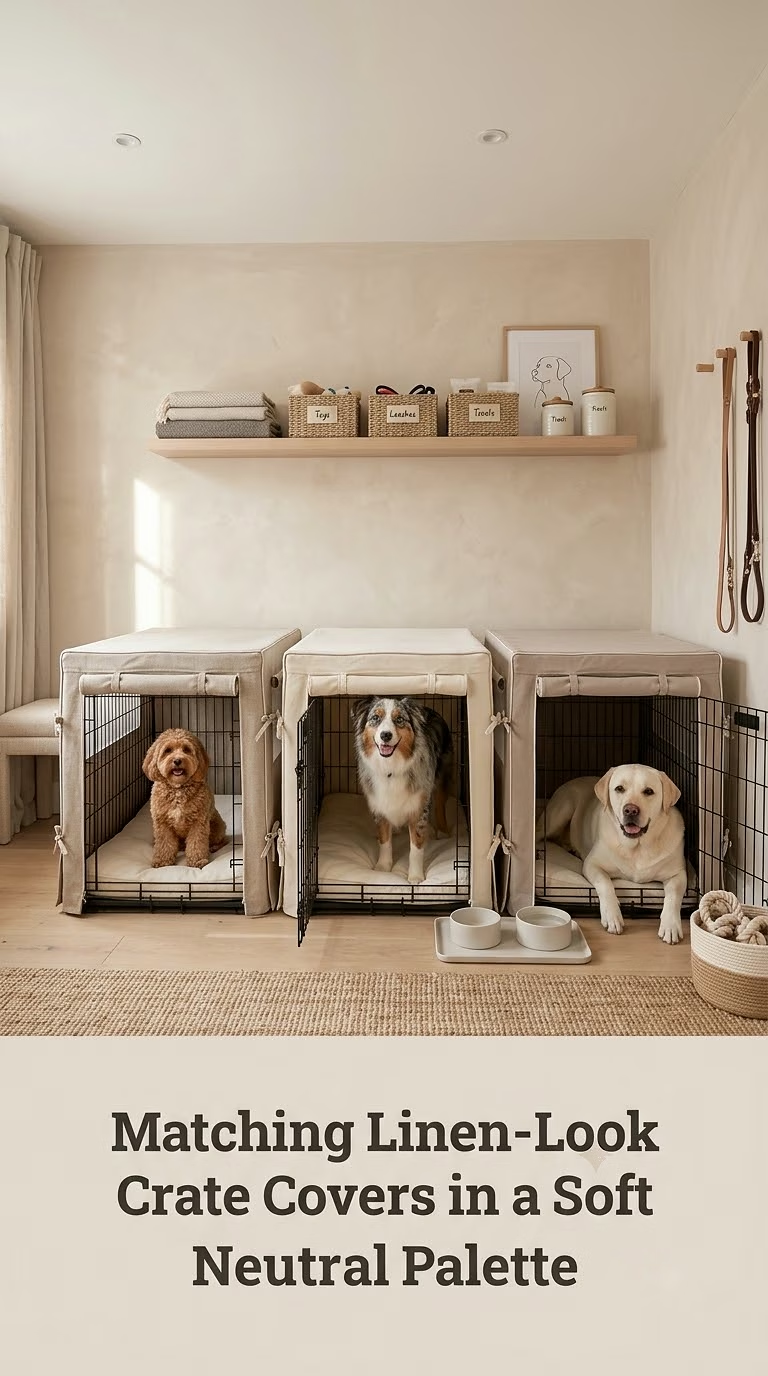
Sometimes the easiest transformation requires no carpentry at all.
Place matching wire crates side by side and use fitted, breathable crate covers in soft beige, taupe, muted olive, or warm gray. Leaving appropriate ventilation open can create a calmer visual appearance while hiding some of the metal structure.
Coordinate the covers with washable crate mats for a cohesive look. If one dog prefers more visibility than another, you can adjust how much of each crate is covered rather than forcing every setup to be identical.
Read more : 19 Garage Dog Crate Ideas for a Cozy, Stylish, and Practical Pet Space
Choose materials made for regular washing. Decorative fringe, loose ties, tassels, and dangling fabric may look cute in photographs but can become tempting chewing targets.
This is an especially useful option for renters because the entire station can move with you without leaving behind permanent cabinetry.
Multi-Dog Alcove With Separate Crates and an Open Play Zone
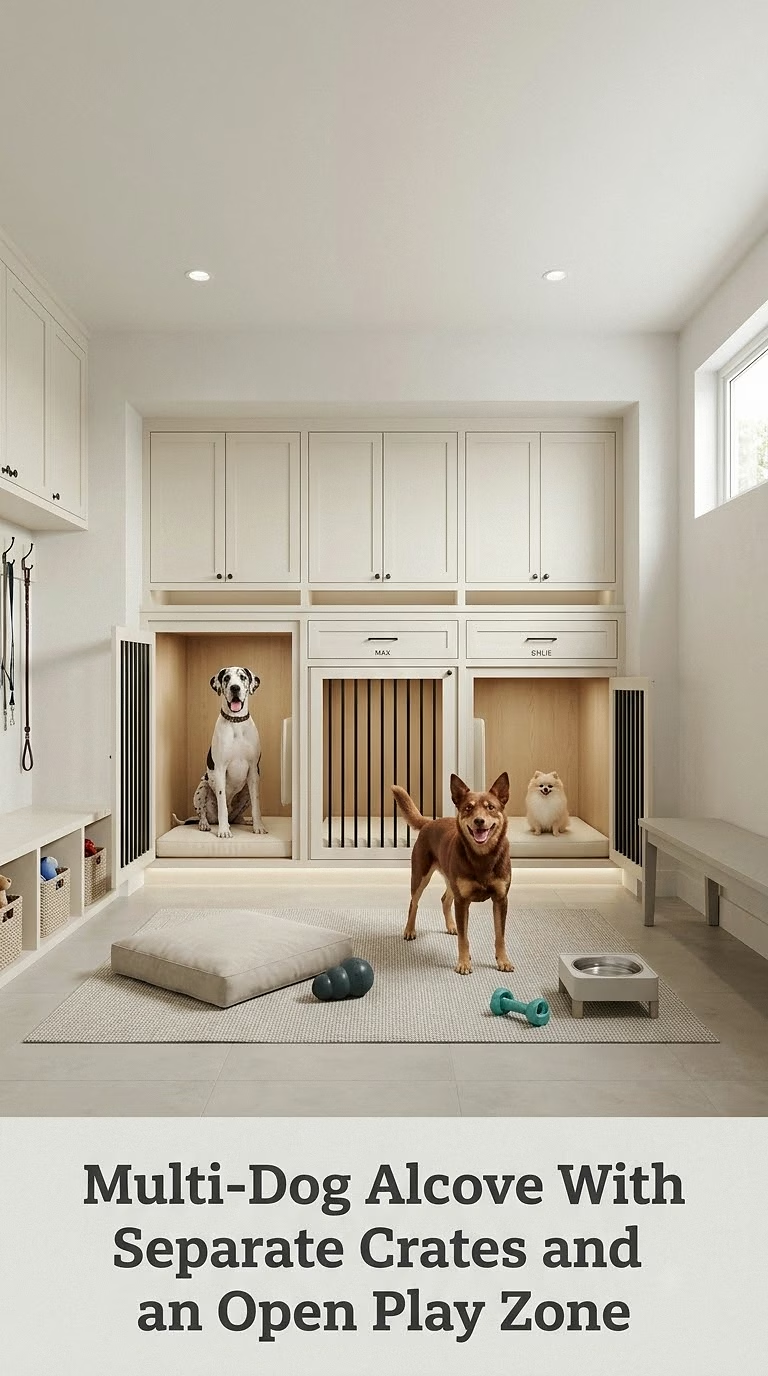
If you have a spare alcove or portion of a family room, turn the entire section into a dedicated dog zone.
Line one wall with individual crates and leave the center open for supervised play, training, or relaxing together. A large washable rug can soften the space while defining it visually from the rest of the room.
Closed storage above the crates keeps supplies organized, while a low toy cabinet near the open area makes everyday enrichment easy to reach.
Separate crate spaces are especially useful in households where dogs are fed individually or need quiet time away from their housemates.
Keep high-value chews and food activities managed according to each dog’s behavior rather than assuming every dog will happily share. A beautiful shared dog area works best when every pet still has a private retreat within it.
Entryway Bench With Crates Below and Leash Drawers Above
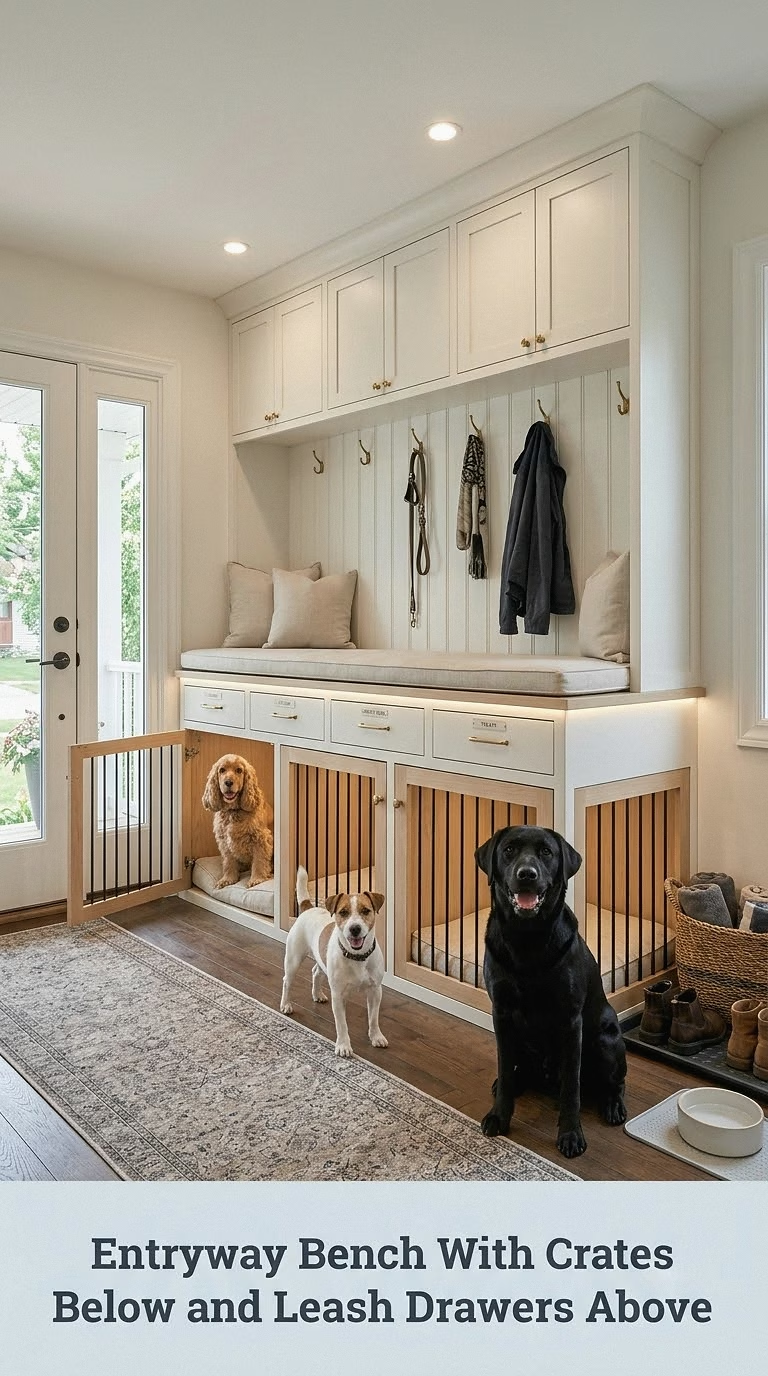
For a household that seems to accumulate endless walking gear, combine the crates with your entryway organization.
Create two crate openings beneath a built-in bench, then place shallow drawers directly above for collars used outside the crate, harnesses, waste bags, wipes, and spare leads. Tall cabinets at either end can hold jackets, towels, and outdoor dog gear.
Board-and-batten paneling or tongue-and-groove walls create a charming cottage appearance, while a durable wood or stone-look bench top keeps the area practical.
When dogs are resting inside their crates, remove collars or hanging tags that could become caught on crate components.
Keeping each dog’s walking accessories in a dedicated drawer also makes busy mornings much easier when several excited dogs are waiting by the door.
Minimalist White Metal Crates on a Continuous Washable Floor Mat
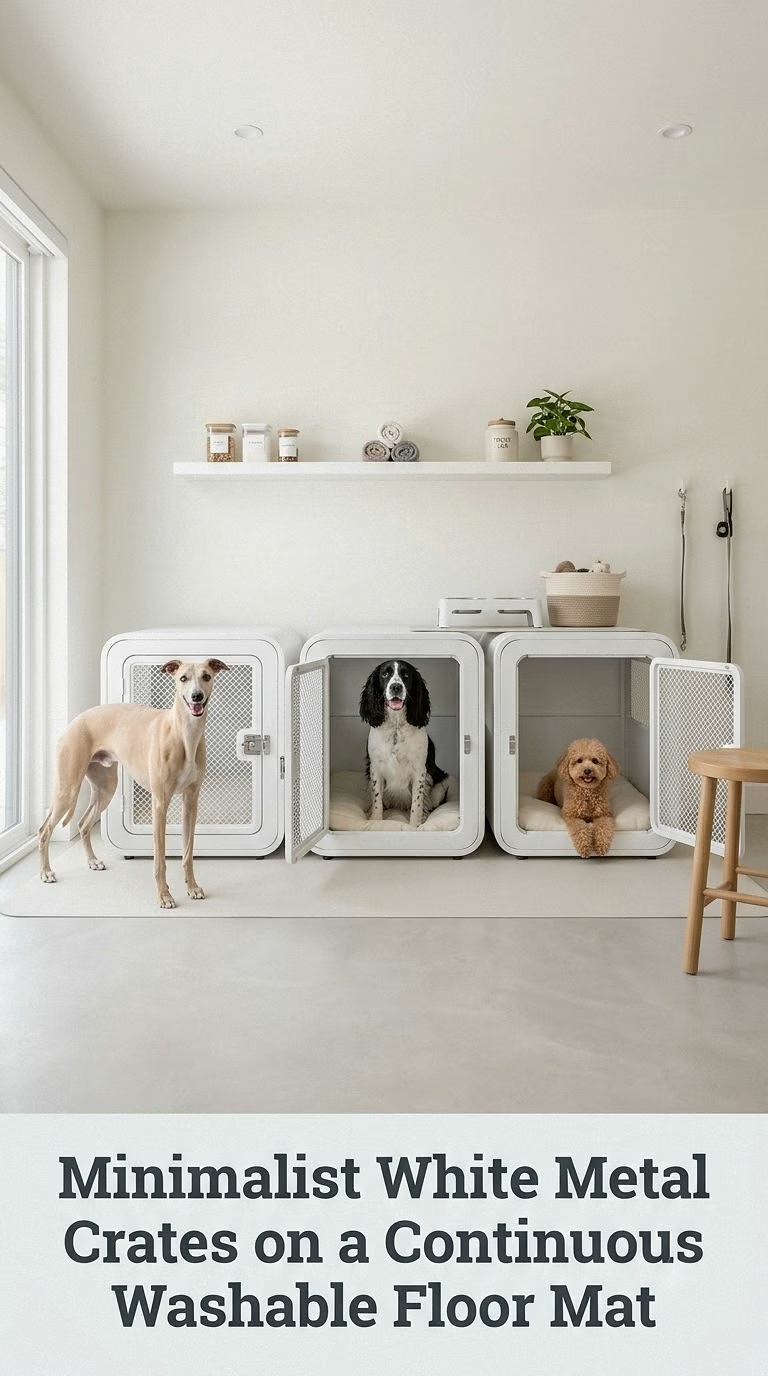
Not every successful dog setup has to disguise the crates.
For a fresh minimalist look, embrace simple matching crates and make repetition part of the design. Arrange two or three white or light-toned metal crates in a neat row over one long washable floor mat.
Add identical neutral crate pads and keep nearby accessories contained inside closed storage. A single oversized framed print or simple shelf above the group can visually anchor the arrangement.
The key is consistency. Matching crates, equal spacing, coordinated bedding, and controlled clutter make even affordable kennels feel deliberate.
This approach is also one of the easiest to maintain. Nothing is permanently built around the crates, so every piece can be moved for vacuuming, washing, or changing the layout as your dogs’ needs evolve.
Boho Woven-Look Crate Furniture With Warm Terracotta Accents
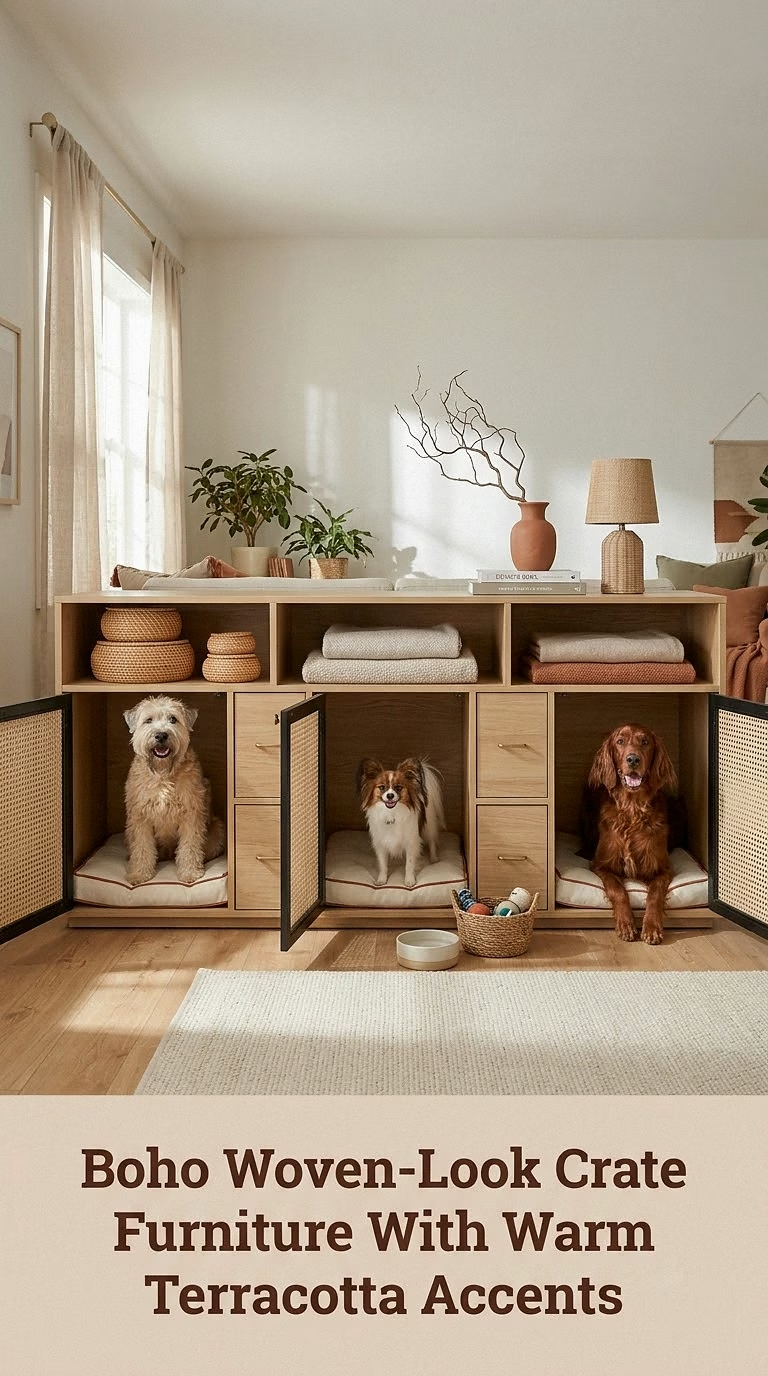
For a softer bohemian room, look for furniture-style crates that combine sturdy metal interiors with warm wood and woven-look exterior detailing.
Pair them with terracotta, dusty rose, cream, and muted olive accessories. A vintage-style washable rug underneath can visually connect several crates without making them feel like one giant piece of furniture.
The important distinction is where the decorative material sits. Natural rattan and loose woven fibers may not be appropriate where a determined chewer can reach them. Choose durable construction and keep decorative baskets or woven panels outside the dog’s chewing zone.
Finish the look with simple pottery, framed artwork, and a leafy plant positioned safely beyond reach.
It gives the dog corner plenty of Pinterest personality without sacrificing the practical purpose of each individual crate.
Luxury Dog Room With Quartz Counters and Custom Built-In Crates
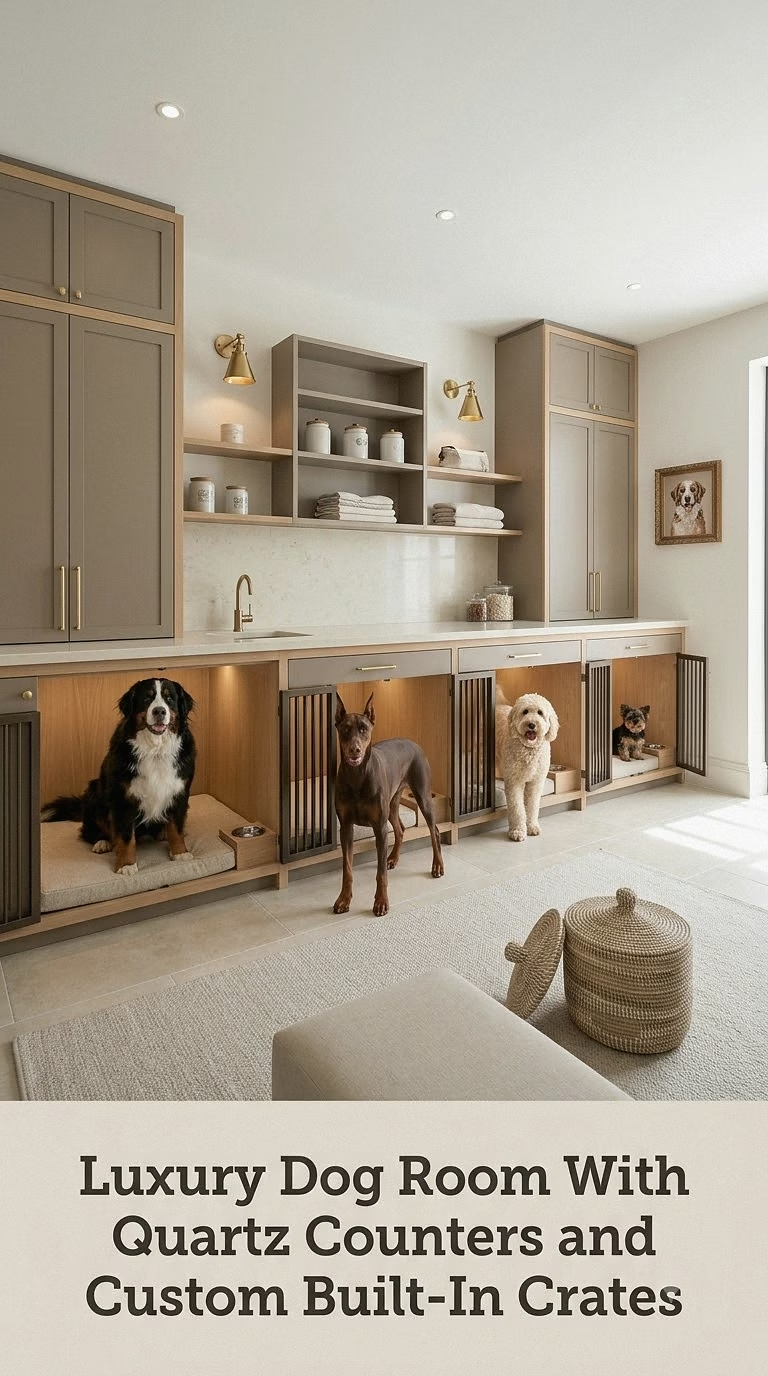
For the ultimate dedicated space, create a full dog room with custom cabinetry, multiple built-in crates, generous storage, and a durable countertop.
Painted cabinetry in soft greige, mushroom, sage, or charcoal can surround the crate openings while quartz counters provide an easy-clean surface for organizing supplies. Add drawers for brushes and leashes, deep cabinets for food containers, and open cubbies for neatly folded towels.
If space and plumbing allow, a dog-washing station can make muddy-day cleanup much easier.
Despite the luxurious finish, the dogs’ comfort should remain the priority. Crate interiors need proper dimensions, airflow, comfortable bedding, and straightforward access for cleaning.
The most successful high-end dog room is not simply beautiful. It makes feeding, walking, grooming, resting, and caring for several dogs noticeably easier every single day.
Creating Multiple Dog Crate Ideas Indoor Spaces That Feel Like Home
The best multiple dog crate ideas indoor homes use are rarely about hiding every sign that dogs live there. They are about finding a comfortable balance between a beautiful room and the practical reality of sharing your life with several pets.
Your ideal solution might be an elaborate wall of custom oak cabinetry, a farmhouse-style counter built over existing wire crates, or simply two matching crates styled neatly in an apartment corner. What matters most is that every dog has enough space, good airflow, comfortable surroundings, and a retreat that feels genuinely their own.
Start with the crates your dogs actually need, then design outward. Choose washable finishes, build in useful storage wherever possible, and borrow colors and materials from the rest of your home. Even a simple setup can feel beautifully intentional when the proportions, materials, and organization work together.
Most importantly, create a space that works for your everyday routine—not just for a photograph. When the dog area is easy to clean, comfortable to use, and pleasant to look at, living with multiple dogs can feel a whole lot more organized and just as wonderfully cozy.
Source: https://petstutorial.com
Category: Dog Crates
