
A dog crate can be one of the most useful things in your home, but that doesn’t mean it has to look like a bulky metal box squeezed awkwardly beside the sofa. With a little creativity, even a basic crate can become a beautiful part of your décor while still giving your pup a comfortable place to rest, nap, and retreat from a busy household.
- 19 Dog Crate in Closet Ideas: Cozy and Stylish Ways to Create a Hidden Dog Retreat
- 19 Dog Crate Ideas Small Space Living: Stylish Ways to Save Room
- 18 Cozy Dog Crate in Bedroom Ideas That Look Beautiful and Feel Peaceful
- 19 Small Dog Crate Ideas for a Cozy, Stylish, Space-Saving Home
- 18 RV Dog Crate Ideas for a Cozy, Stylish, Pet-Friendly Camper
That is what makes dog crate ideas DIY projects so appealing. You can work with the crate you already own, build a simple furniture surround, turn an unused corner into a custom dog nook, or create something entirely from scratch. Better yet, many of these projects can add useful storage or tabletop space instead of simply taking up floor area.
You are reading: 18 Stylish Dog Crate Ideas DIY Lovers Can Build for a Cozy, Beautiful Home
Before focusing on aesthetics, always design around your dog. The crate should give your pup enough room to stand comfortably, turn around, stretch out, and settle naturally. Airflow should remain generous, doors and latches should operate without obstruction, and anything placed inside should suit your dog’s chewing habits. Once those practical details are handled, you can have plenty of fun with wood tones, paint colors, textiles, cabinetry, and decorative finishes.
Whether your style leans farmhouse, Scandinavian, modern, cottage-inspired, or wonderfully cozy, these DIY ideas can help you create a crate setup that feels intentional rather than something you want to hide.
Beautiful Dog Crate Ideas DIY Projects for Every Home Style
Warm Oak Dog Crate End Table With Open Slatted Sides
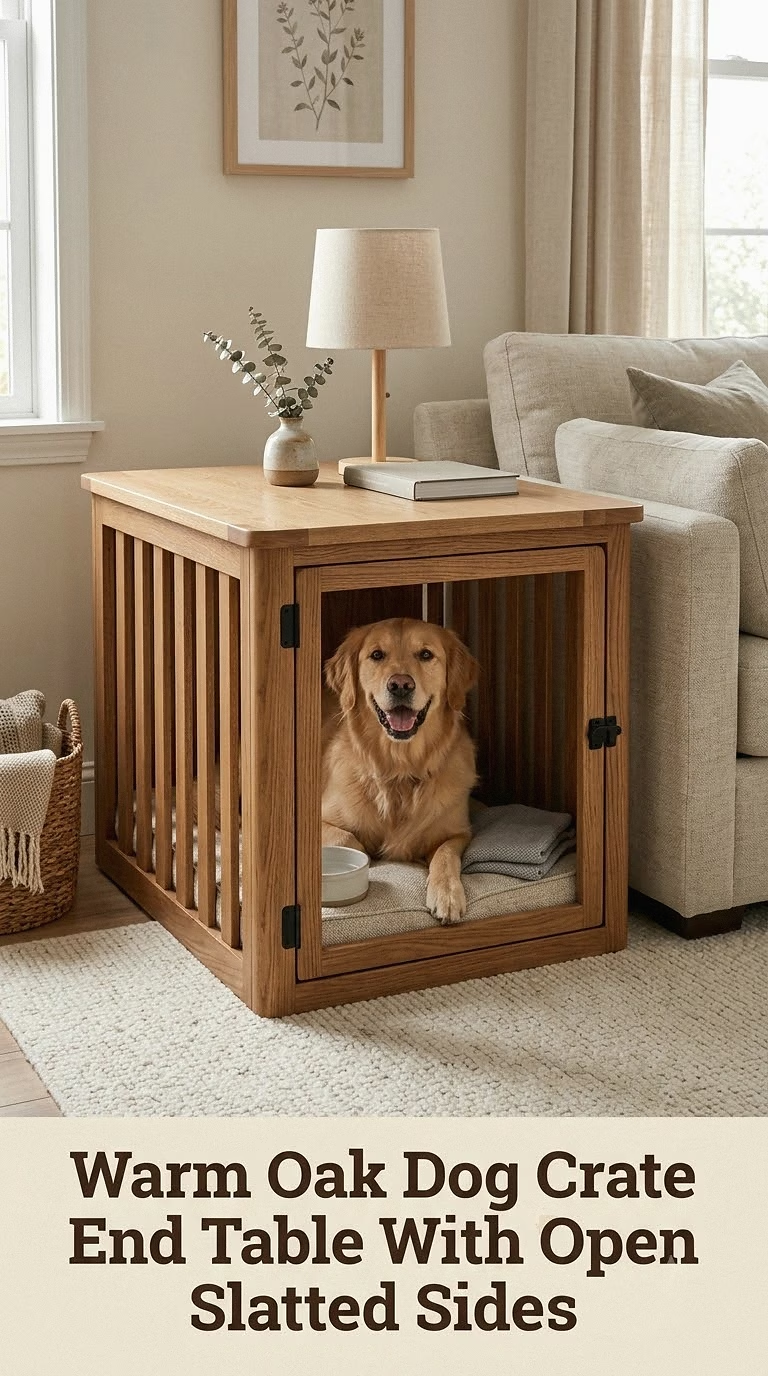
Turn a standard dog crate into an attractive side table by building a simple warm-oak frame around it. This works especially well beside a sofa, reading chair, or bedroom armchair where a crate already occupies valuable floor space.
Create a sturdy wooden top slightly larger than the crate and support it with four legs or a surrounding frame. Leave the sides mostly open or use widely spaced vertical slats so air can continue circulating freely. Instead of permanently attaching everything to the crate, consider building the wooden structure as a removable sleeve. You can then pull the wire crate out whenever it needs deep cleaning.
Style the tabletop with a small lamp, books, or one lightweight decorative object rather than cluttering it. Inside, a washable cream or oatmeal-colored mat creates a soft contrast against the natural wood.
The finished piece looks less like pet equipment and more like thoughtfully chosen furniture while keeping the original crate functional.
White Farmhouse Dog Crate Console With X-Brace Panels
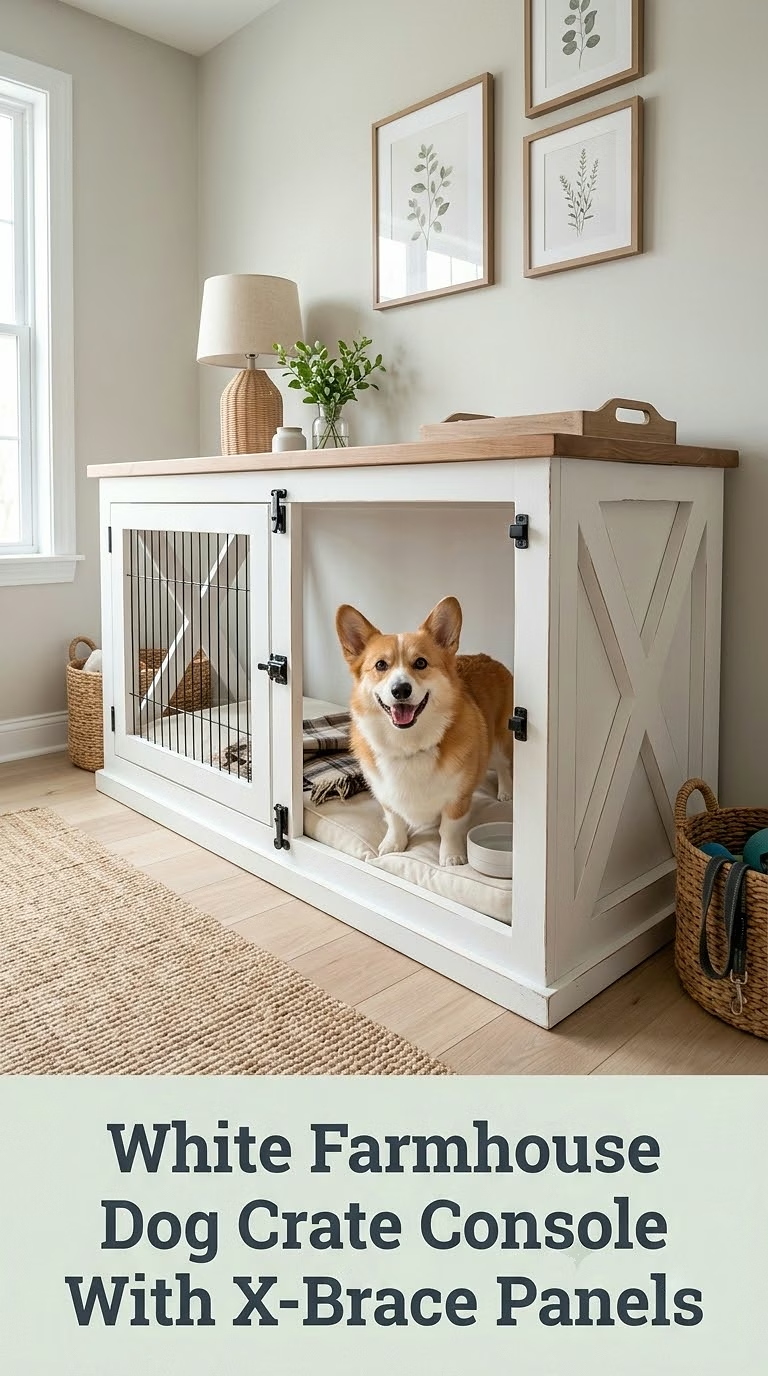
For a cozy farmhouse look, surround a wire crate with a painted wooden console featuring decorative X-brace details on the ends.
Use white, soft ivory, or warm greige paint for the base and pair it with a stained pine or oak top. The combination instantly creates that familiar farmhouse furniture look without requiring complicated woodworking. Keep the decorative side panels open enough that they never block the wire crate’s ventilation.
This style looks especially charming against a living room wall beneath framed dog portraits, family photos, or simple botanical artwork. A woven basket beside the crate can hold toys or folded blankets.
If your dog tends to splash water or track mud inside, make the crate itself removable rather than integrating the tray permanently into the furniture. You will appreciate being able to slide everything out and wipe the surrounding floor.
Choose washable bedding in ticking stripes, subtle checks, or neutral linen-look fabric to complete the relaxed farmhouse aesthetic.
Black Wire Dog Crate With a Removable Natural Wood Top
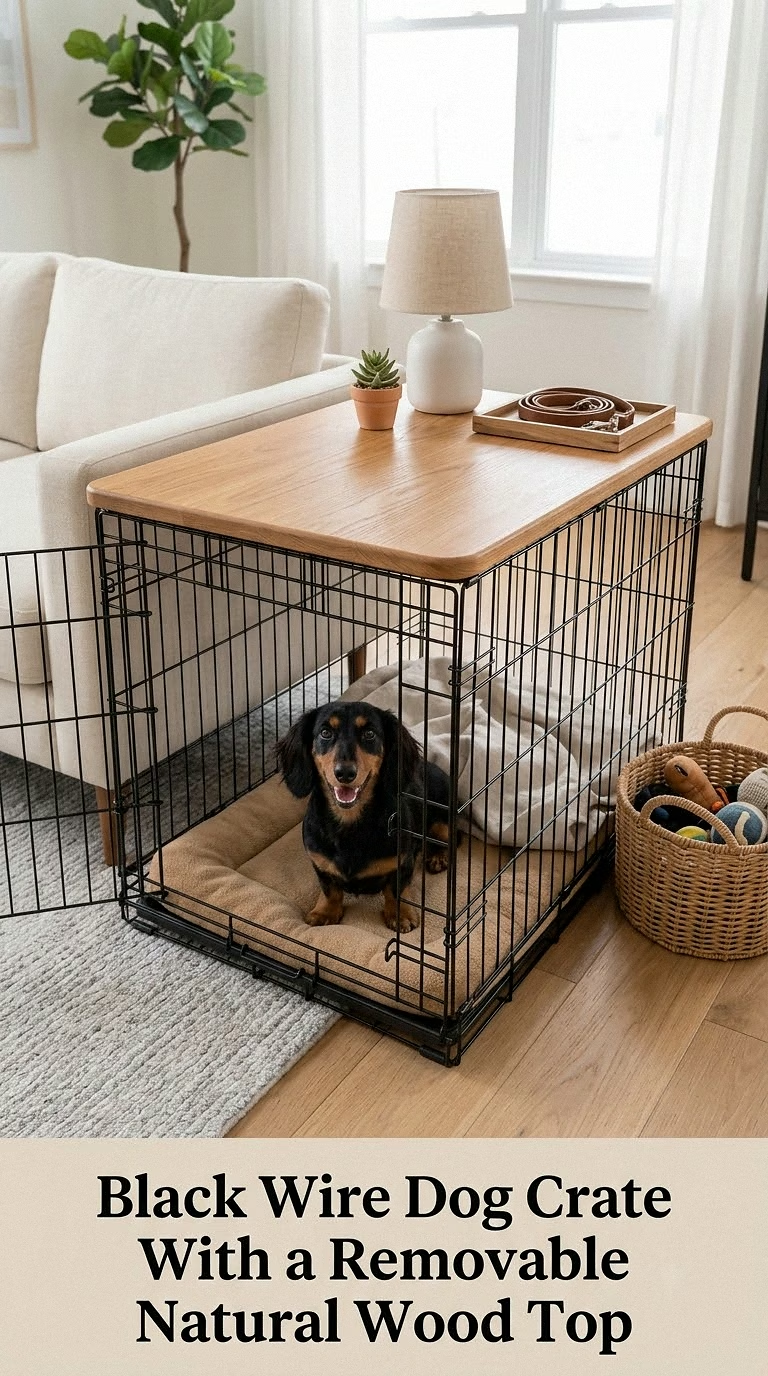
One of the easiest dog crate ideas DIY beginners can try requires almost no modification to the actual crate.
Start with a simple black wire crate and make a custom wooden tabletop that rests securely above it without interfering with the doors. A single stained board can completely change the appearance of a crate, particularly when the wood tone coordinates with nearby shelving or furniture.
For a more finished result, join several narrow boards together, sand the edges smooth, and seal the surface with an appropriate fully cured finish. Small wooden cleats beneath the tabletop can help prevent it from sliding sideways.
Keep the remaining sides open instead of wrapping the entire crate in solid panels. The black metal begins to look intentional when paired with warm timber rather than something that needs disguising.
This project is ideal for renters because nothing permanent needs to be attached to the wall or crate. When you move, simply lift off the tabletop and fold the crate as usual.
Under-Stair Dog Crate Nook With Shaker-Style Cabinetry
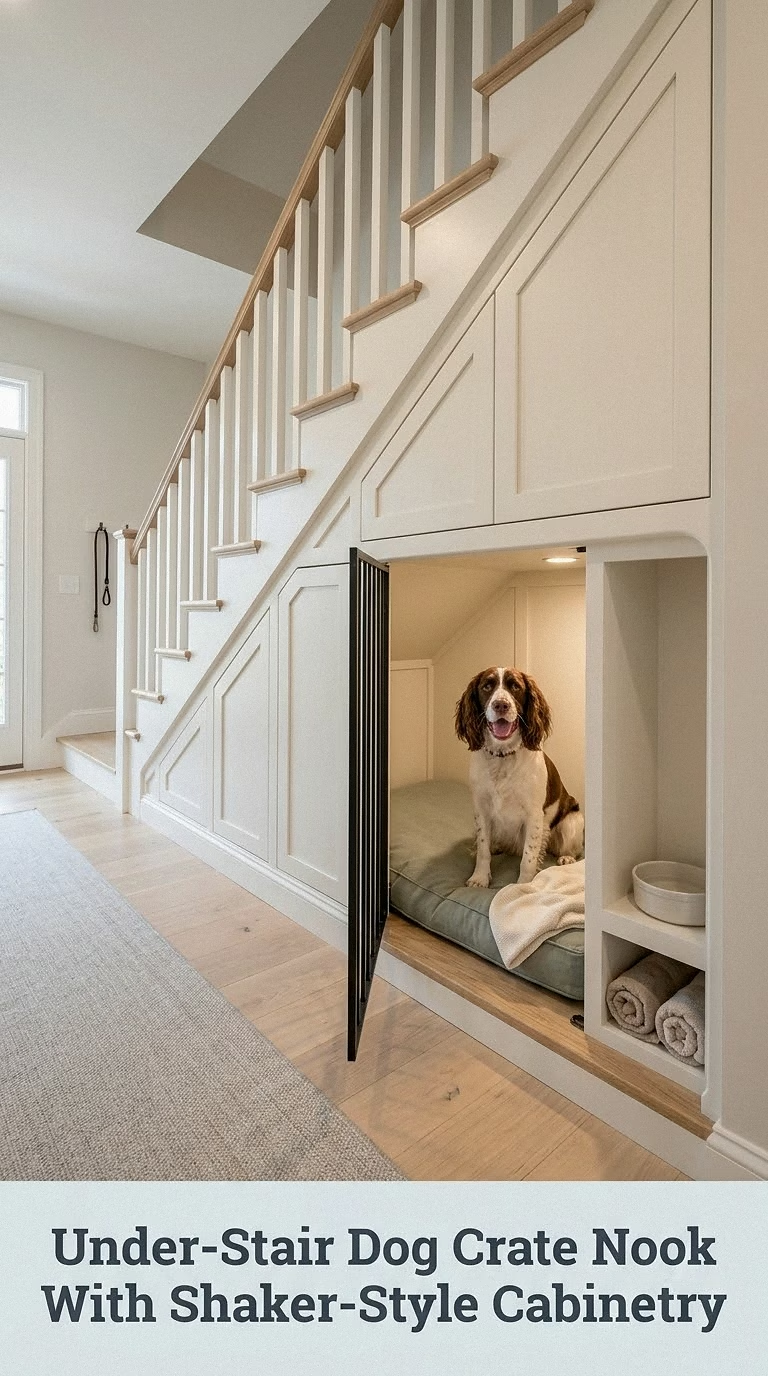
That awkward triangular space beneath a staircase can become one of the cutest dog zones in the house.
Create a fitted opening large enough to accommodate your dog’s crate, then surround it with simple Shaker-style panels painted to match the existing trim or cabinetry. Instead of making the enclosure itself the crate, placing a properly sized removable crate inside often makes future cleaning and replacement much easier.
Use the taller portion of the under-stair space for drawers, shelves, or closed cabinets containing leashes, grooming supplies, waste bags, and spare bedding. The dog area can remain visually simple with a soft cushion and subtle interior color.
Avoid turning the nook into a sealed cupboard. Generous ventilation and an unobstructed entrance are much more important than achieving a perfectly hidden appearance.
A small framed name sign or removable wall decal above the opening adds personality without overwhelming the space. The result feels like a tiny built-in bedroom created especially for your pup.
Cozy Window Bench With Two Dog Crates and Washable Seat Cushions
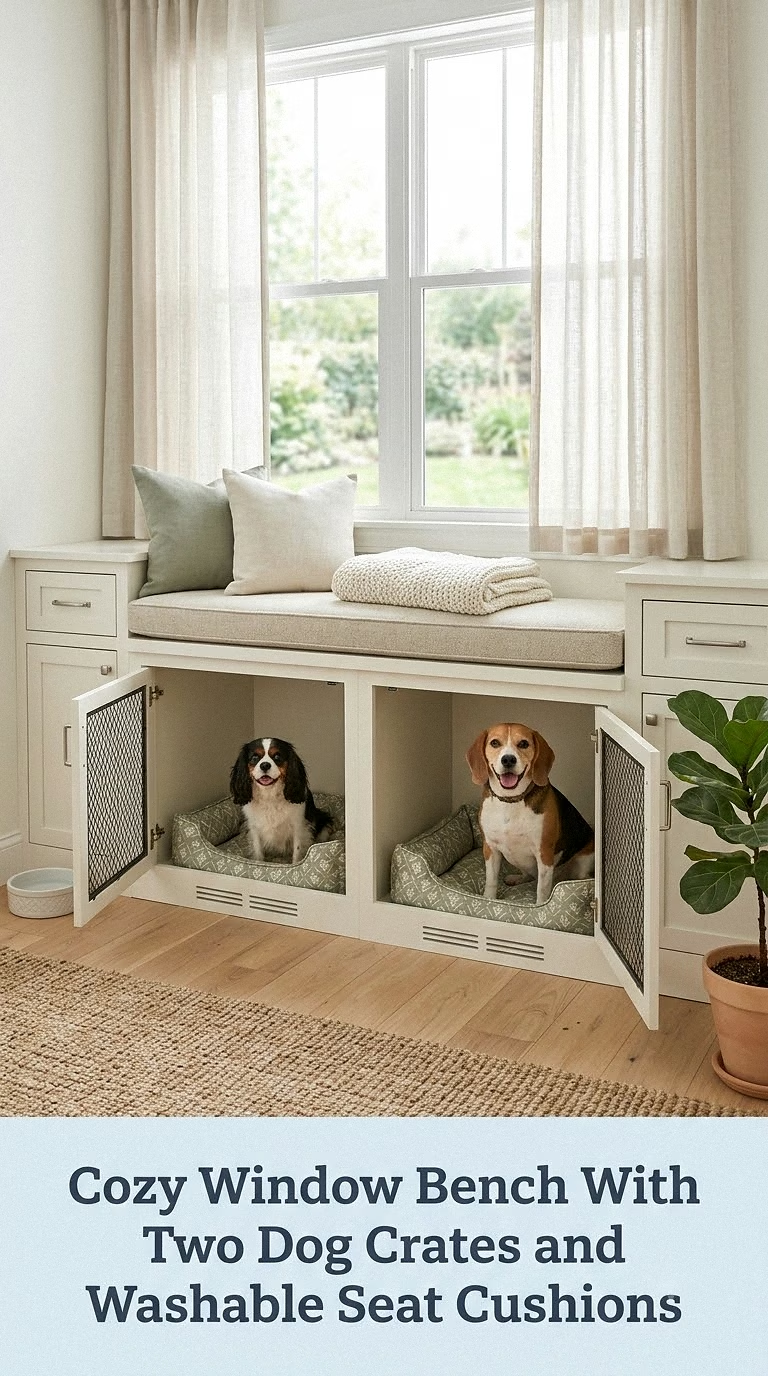
Families with two crate-trained dogs can turn a long wall into a multifunctional window bench instead of finding separate locations for two bulky crates.
Position two suitable crates side by side and build a furniture-style surround that visually connects them. Add a strong continuous top above the crates and finish it with removable seat cushions so the structure doubles as a bench.
Each dog should still have an appropriately sized individual space rather than being expected to share one crate. Separate doors also make daily routines considerably easier.
For a bright Pinterest-friendly look, try white cabinetry, a pale oak bench top, sage or dusty-blue cushions, and matching washable crate mats underneath. Storage drawers can be incorporated between or beside the crates if space allows.
Because pet areas collect hair quickly, choose cushion covers with zippers and fabrics that can be washed regularly. Avoid filling the bench with excessive loose pillows that tumble down and cover ventilation openings.
This setup can look especially beautiful beneath a sunny window in a mudroom or family room.
Compact Apartment Dog Crate Side Table With Cane-Look Panels
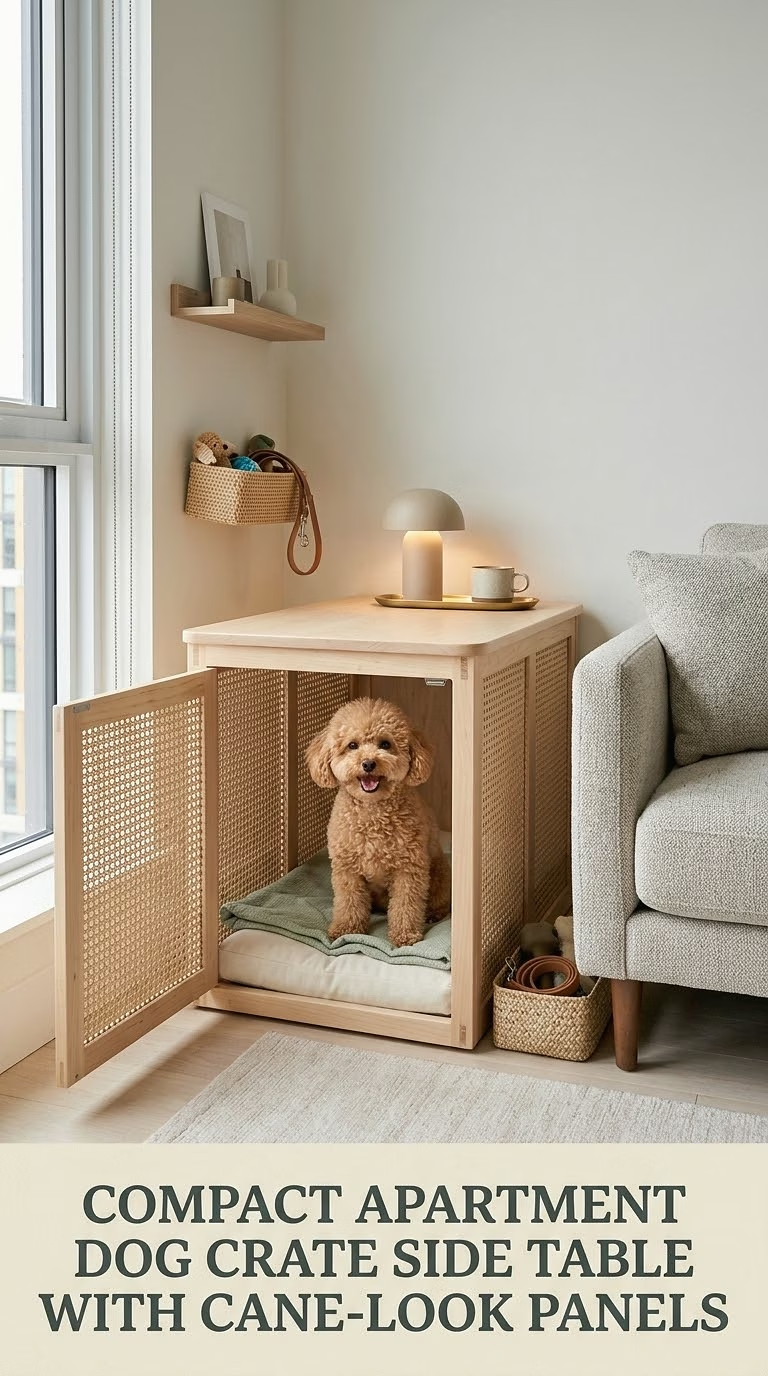
Small apartments demand furniture that works harder, making a compact crate side table especially useful.
Build a slim wooden surround that follows the crate’s footprint closely and finish portions of the exterior with decorative cane-look panels. Natural cane adds warmth and texture while fitting beautifully with modern neutral interiors.
However, decorative woven material should function as an exterior design element rather than replacing secure crate walls, particularly if your dog likes chewing or scratching. Keeping the original sturdy crate inside provides the practical containment while the furniture shell supplies the style.
A pale oak frame paired with cream walls, linen curtains, and a small washable dog mat creates a light Scandinavian-boho feel that prevents a compact room from feeling crowded.
The top can serve as a nightstand or sofa table, eliminating the need for another piece of furniture. Keep styling minimal—a lamp and one small tray are plenty.
For cleaning, design the front or top section so the crate can slide completely out.
Sage Green Mudroom Crate Cabinet With Leash Hooks and Storage Drawers
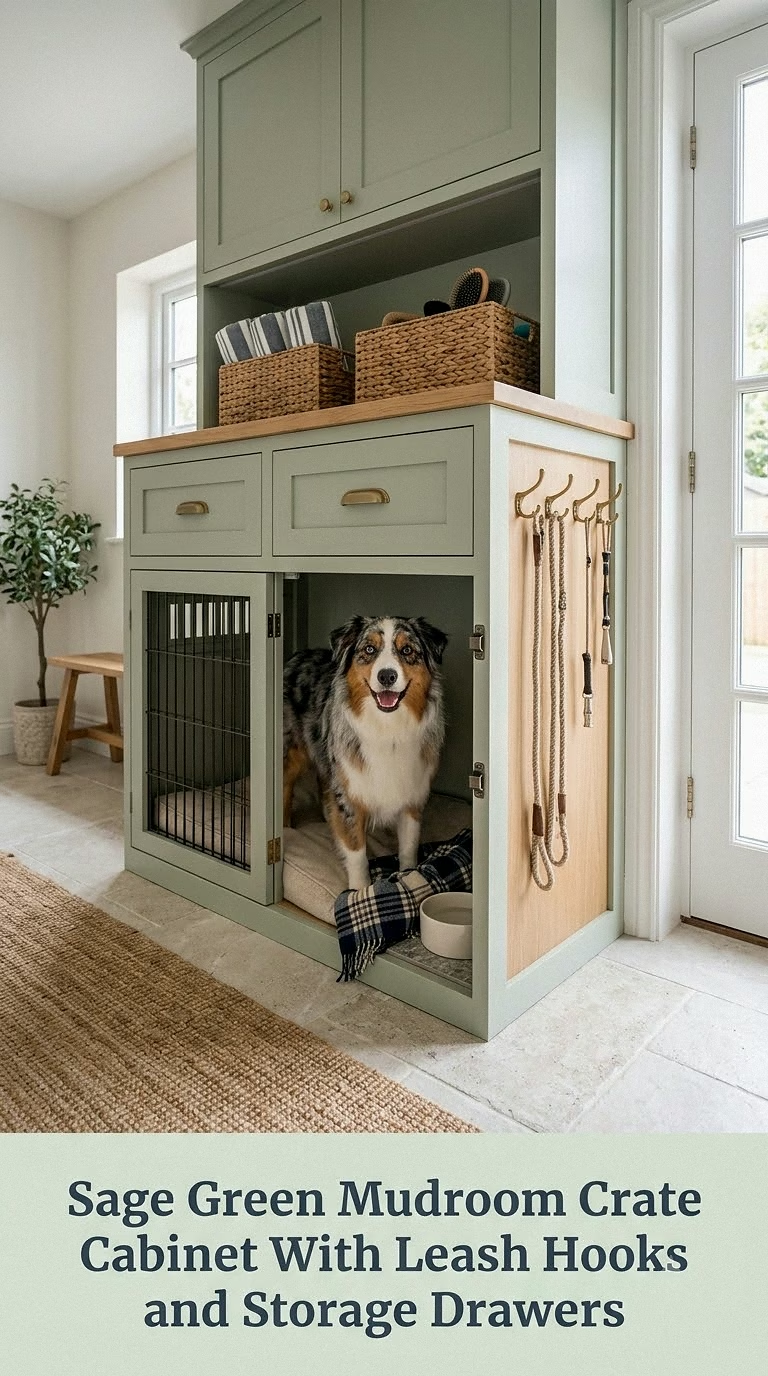
A mudroom is naturally suited to pet storage, so why not turn the dog crate into part of the organization system?
Read more : 19 Beautiful dog crate apartment ideas for Small, Stylish Spaces
Build cabinetry around the crate and paint it soft sage green for a fresh cottage-inspired appearance. Place closed drawers above or beside the crate for treats, brushes, towels, paw wipes, and spare accessories. Hooks farther along the wall can hold leashes and walking bags.
Keep anything your dog could pull through the crate walls well outside paw and chewing range. Storage should make the area safer and tidier rather than placing tempting objects directly against the enclosure.
Use durable flooring beneath the entire station, with enough exposed space to make sweeping and wiping easy. A removable crate tray and machine-washable mat will simplify muddy-day cleanup considerably.
Finish the look with brass-tone hardware, warm wood accents, and a woven basket for clean towels. This is a particularly practical project for homes where the dog frequently enters through a side or back door after walks.
Rustic Reclaimed-Wood Crate Facade With a Sliding Barn-Style Door
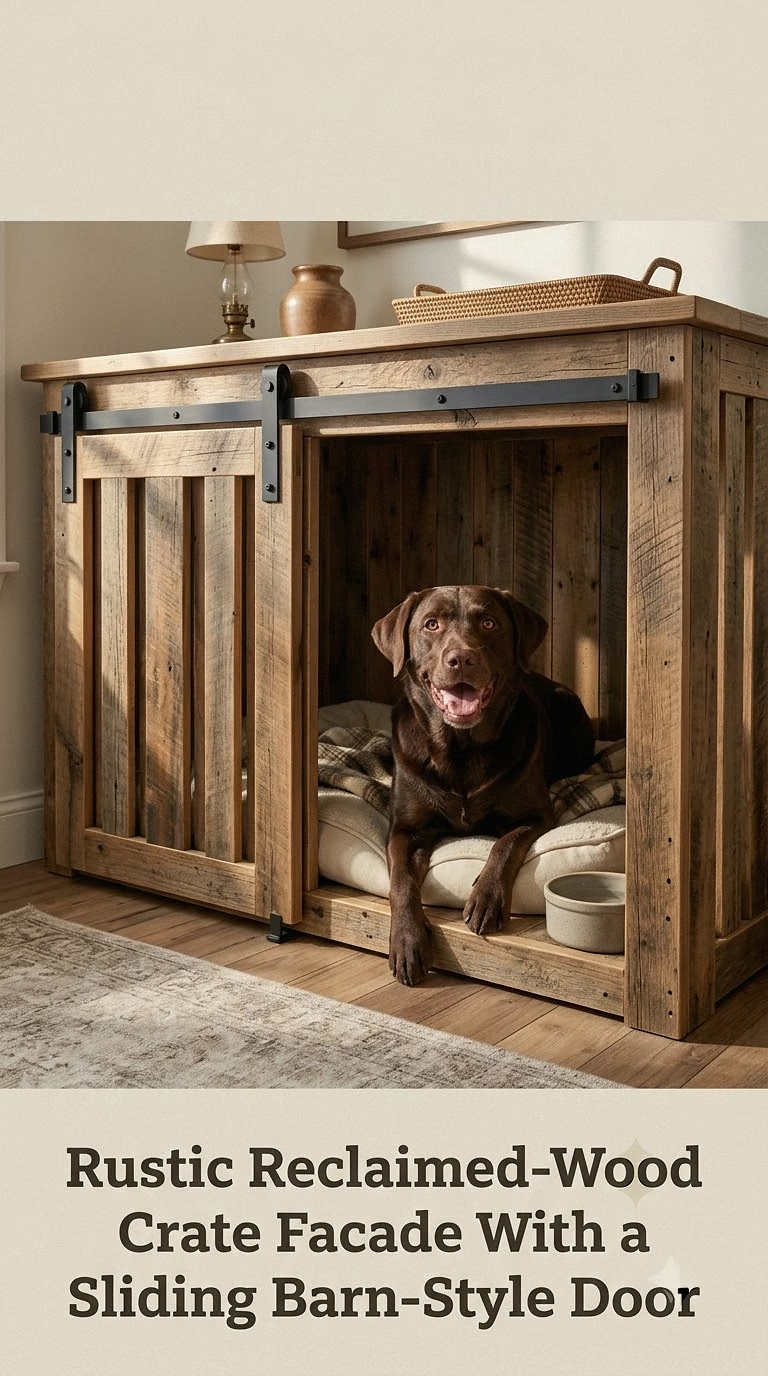
If you love rustic interiors, weathered timber can make a dog crate feel like a miniature piece of farmhouse architecture.
Build an exterior frame using reclaimed-looking boards or new lumber intentionally finished in warm, varied wood tones. Decorative barn-style details on the front create plenty of character, especially when paired with black hardware.
The actual crate door should remain secure and easy to operate. A decorative sliding panel can conceal the front when the crate is empty, but it should never block airflow or trap your dog inside without proper ventilation.
Because genuinely reclaimed materials can contain splinters, old nails, unknown coatings, or rough surfaces, inspect and prepare them carefully before using them around pets. Smooth edges are especially important anywhere a nose, paw, or tail may touch.
Inside, keep the styling simple with an easy-to-clean plaid or oatmeal-colored mat rather than filling the space with rustic decorations.
The contrast between rugged wood and cozy bedding gives this idea the charming cabin aesthetic that photographs beautifully for Pinterest.
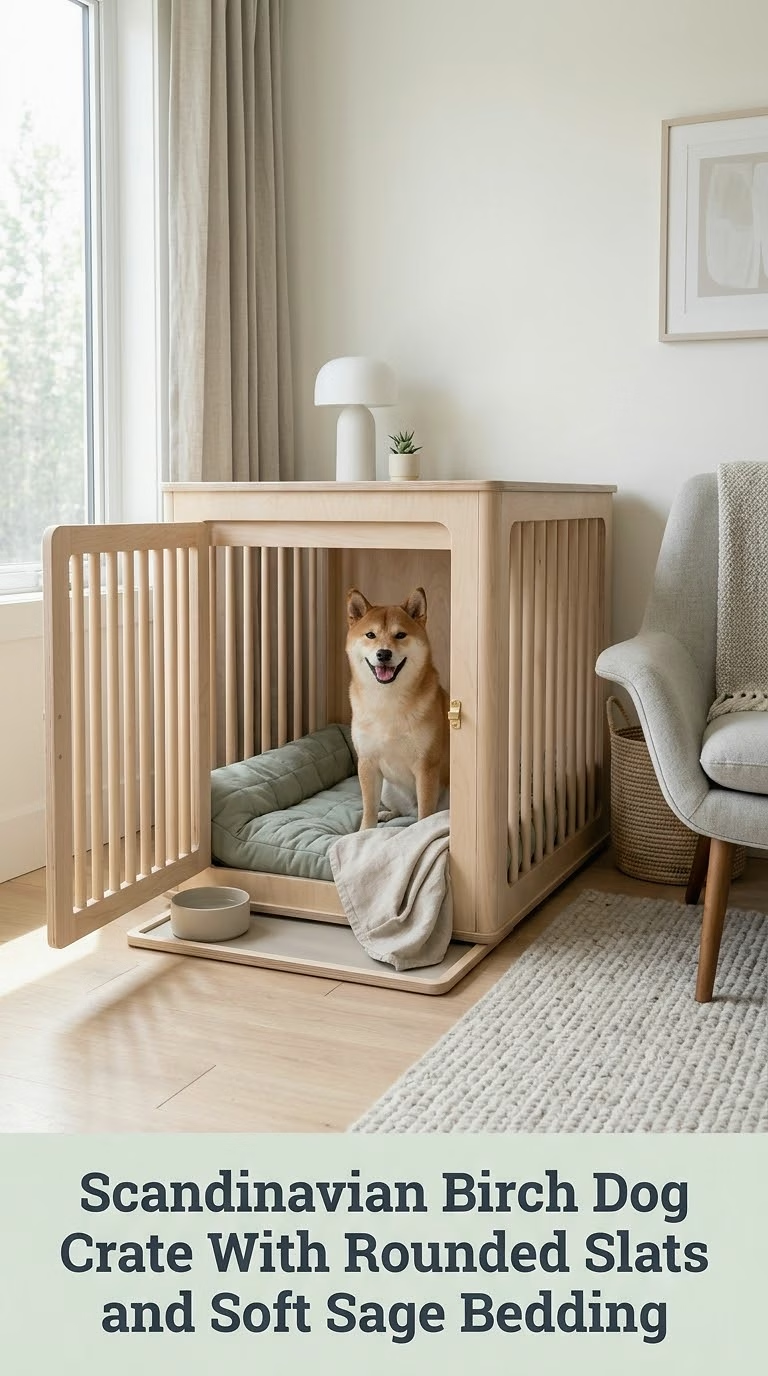
For something quieter and more modern, create a pale birch furniture surround with clean vertical lines.
Instead of heavy decorative panels, use simple wooden slats around portions of the crate while maintaining generous open space. Sand every exposed edge until smooth and consider slightly rounded corners for a softer furniture-like appearance.
Scandinavian styling works best with restraint. Pair pale timber with white walls, a cream washable mat, one sage green cushion, and perhaps a nearby woven basket for toys. Avoid filling the crate itself with decorative accessories your dog does not need.
The design can function as a sideboard or low console depending on the size of the crate. If the top becomes a household surface, make sure the supporting furniture frame—not the crate roof—is carrying the load.
This concept is particularly attractive for modern apartments because the light materials keep a large dog crate from appearing visually heavy.
It proves that dog furniture can feel calm, architectural, and beautifully integrated without becoming overly elaborate.
Boho Dog Crate Cover With Woven Baskets and Natural Textures
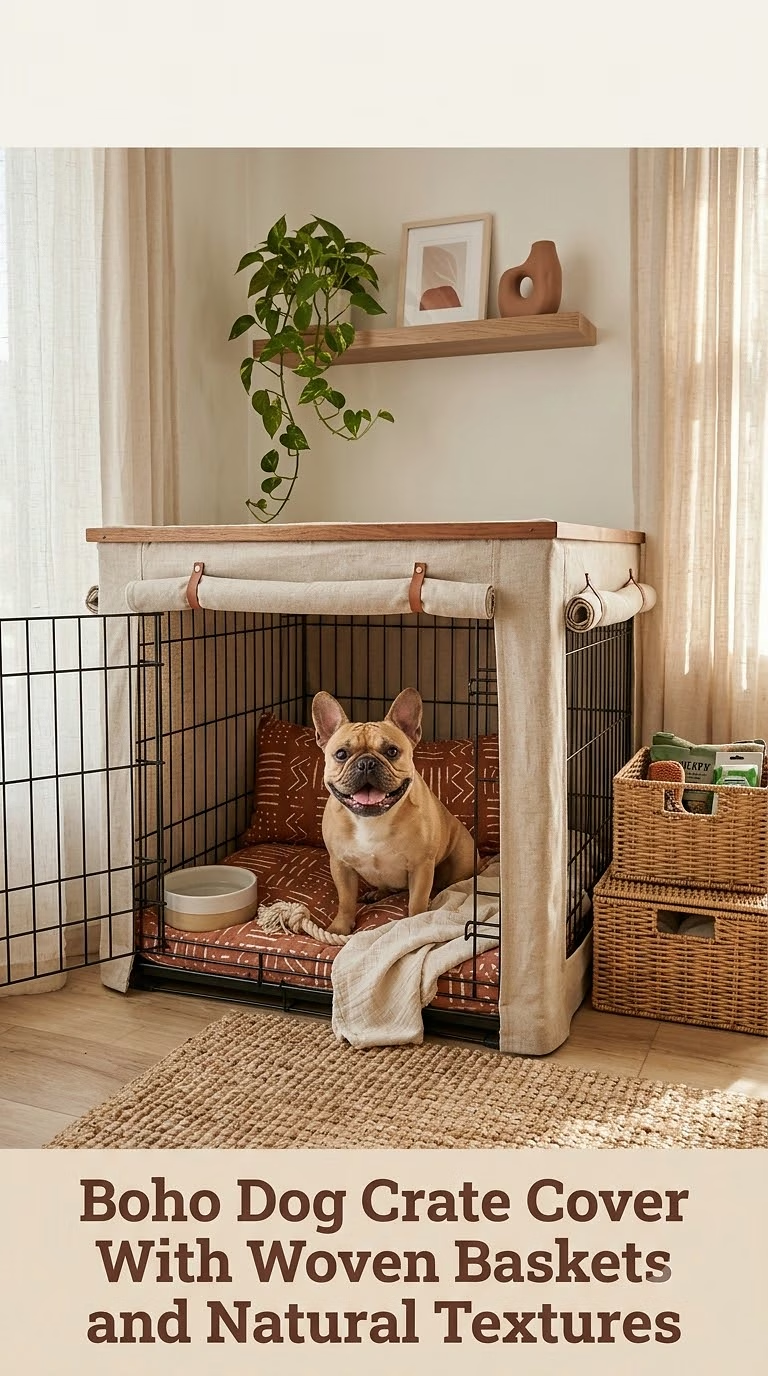
You do not need woodworking skills to soften the appearance of a wire crate.
Create a removable fitted fabric cover using neutral cotton or linen-look material, leaving selected sides open or incorporating roll-up panels so airflow can be adjusted easily. The cover should never create a hot, stuffy enclosure.
Place the crate beside natural textures such as seagrass baskets, a washable flat-weave rug, and warm wooden furniture. Instead of storing baskets directly on top where they could add unnecessary weight, place them on a nearby shelf or floor area.
Terracotta, cream, muted rust, and sandy beige work beautifully for a Pinterest-friendly boho palette. Inside, choose one comfortable washable mat rather than layering tassels, fringe, or loose decorative textiles that an enthusiastic chewer may pull apart.
The advantage of a fabric-based makeover is flexibility. Covers can be removed for washing, switched seasonally, or replaced inexpensively whenever you redecorate.
It is an easy transformation for anyone who wants a softer room without building permanent crate furniture.
Minimalist Black-and-Oak Dog Crate Credenza With Hidden Storage
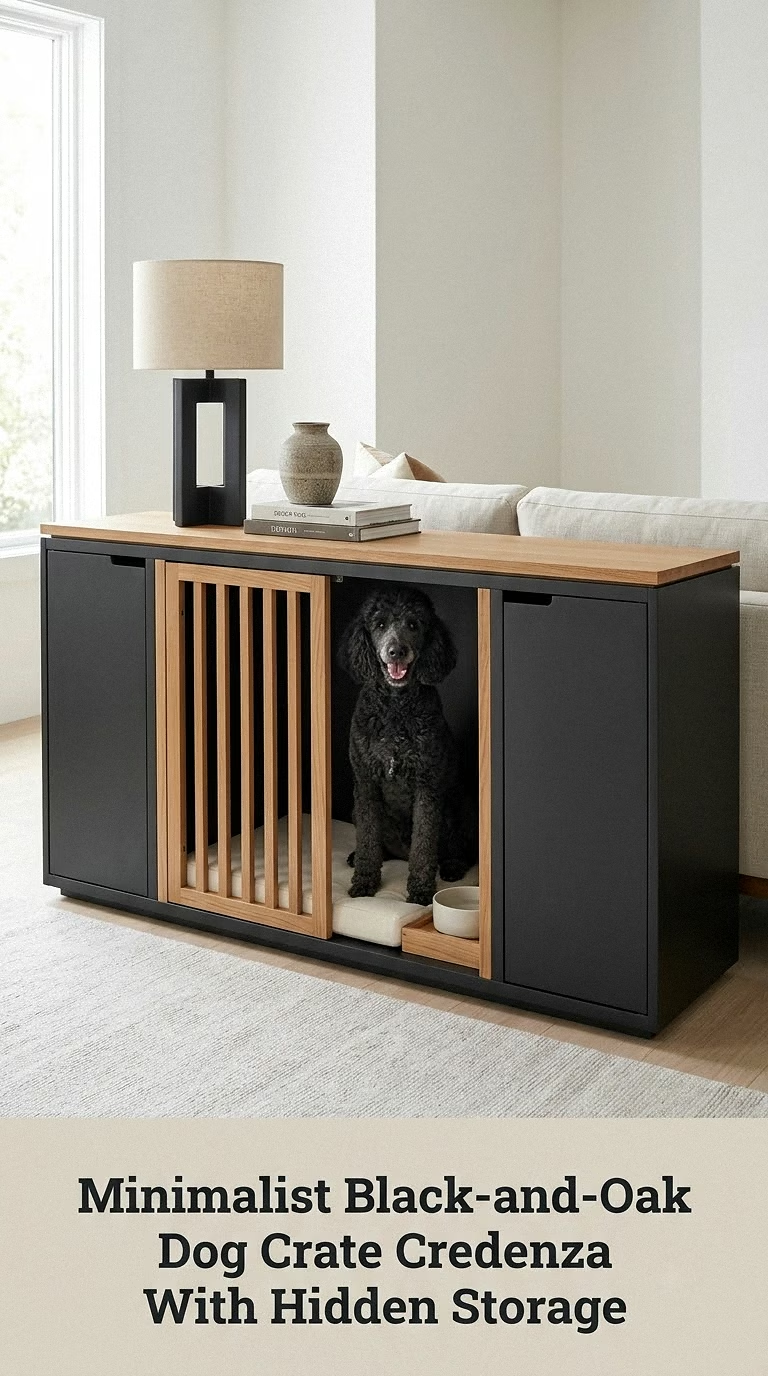
For contemporary interiors, treat the crate as part of a sleek low credenza rather than attempting to disguise it with traditional detailing.
Use a matte black frame combined with a warm oak top and flat-front storage cabinets positioned beside the crate. The contrast feels sophisticated while allowing the black bars of a standard metal crate to visually blend into the furniture.
A long credenza arrangement works particularly well behind a sofa or against a dining-room wall. Closed cabinets can store pet supplies without creating visible clutter, while the dog retains a comfortable resting zone near family activity.
Measure carefully before building. The furniture surround should provide extra clearance around the crate rather than squeezing it tightly into a decorative shell.
Keep cords from lamps, chargers, and electronics routed well away from the crate. If you use the surface for décor, avoid fragile objects that could fall if the furniture is bumped.
Pair the finished station with charcoal, camel, cream, and warm wood tones for an elegant modern look.
Cottage-Style Dog Crate Nook With Floral Wallpaper and Cream Trim
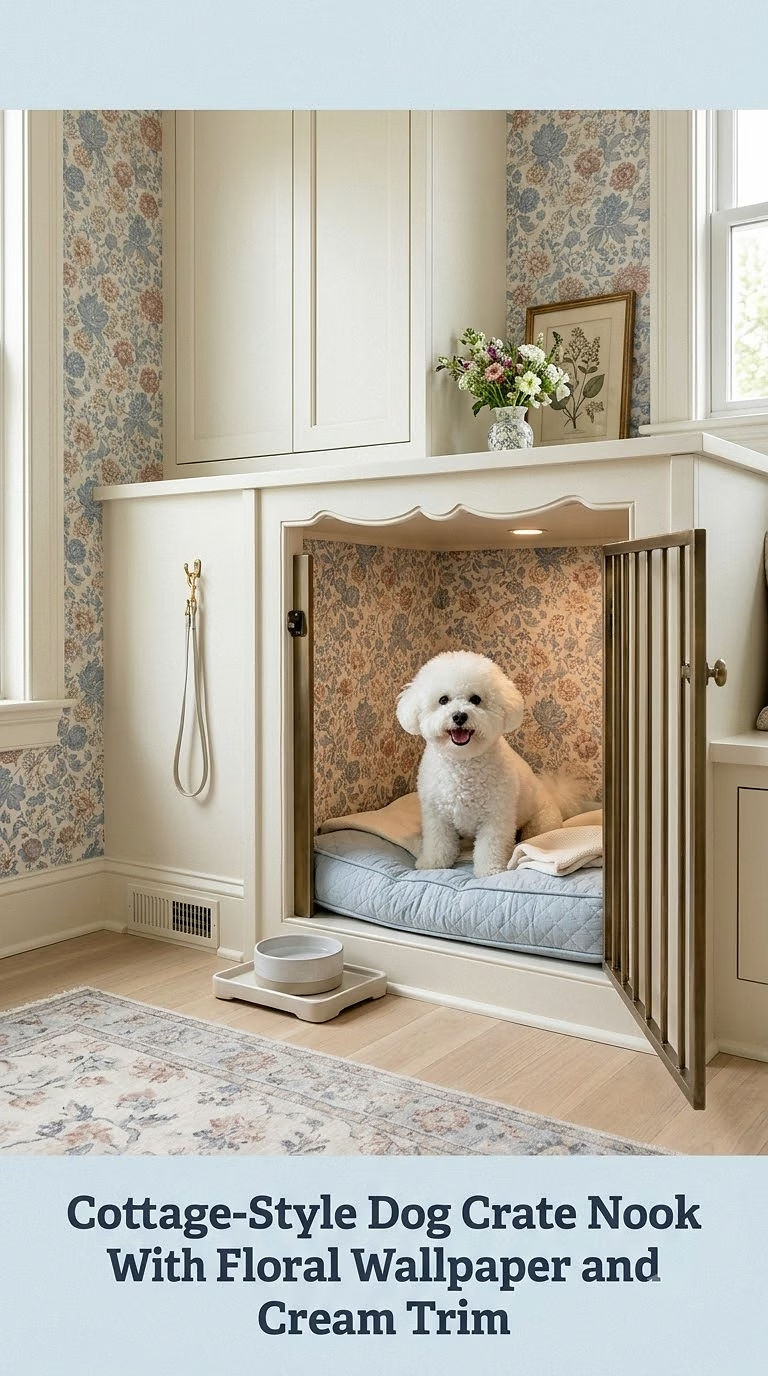
Turn a plain wall recess into a cheerful cottage-inspired dog nook using wallpaper, painted trim, and simple cabinetry.
A small floral print in dusty rose, sage, soft blue, or muted yellow can create a charming backdrop behind the crate. Frame the area with cream-painted molding so the nook looks intentional rather than temporary.
Keep wallpaper and decorative trim outside the crate itself, especially if your dog is inclined to chew surfaces through the bars. The interior should remain practical with washable bedding and plenty of room to move comfortably.
Add one narrow shelf above the area for framed artwork or closed storage, leaving enough distance that nothing can fall directly onto the crate. A small drawer beside it can hold everyday pet supplies.
The beauty of this idea is that most of the transformation happens around your existing crate. There is no complicated kennel construction required.
For a sweeter finish, coordinate the dog bed with one subtle color from the wallpaper instead of matching every element exactly.
Rolling Dog Crate Station With Locking Casters and Toy Storage
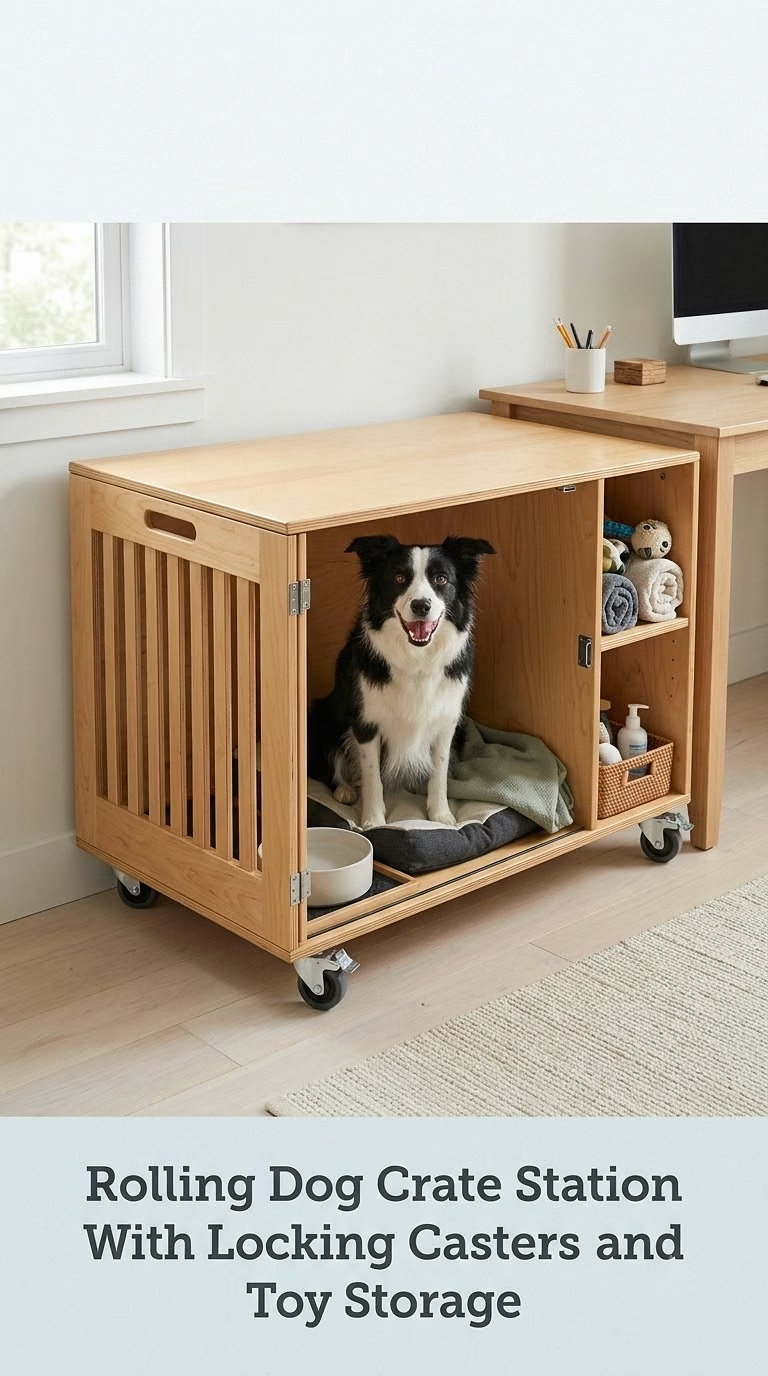
Sometimes the best DIY dog crate is one you can move.
Build a sturdy furniture platform large enough to hold the crate and incorporate storage at one end for toys or folded blankets. Add appropriately rated locking casters beneath the furniture base so the entire station can be repositioned when cleaning or entertaining.
This is especially useful in multifunctional rooms where the ideal crate location changes throughout the day. Once positioned, all casters should lock securely so the structure cannot roll when the dog enters or exits.
Read more : 19 Dog Crate Topper Ideas That Make a Crate Look Like Beautiful Furniture
Consider a simple white base with a natural timber top for a clean transitional style. Black wheels and hardware can give the project a slightly more industrial look.
Avoid making the storage section too complicated. One deep drawer or closed cabinet is easier to maintain than several tiny cubbies that collect fur.
Make sure the crate remains completely level and stable. Mobility should benefit you without making the dog’s resting area feel unstable or unpredictable.
Bedroom Dog Crate Nightstand With Warm Wood and a Soft Fabric Panel
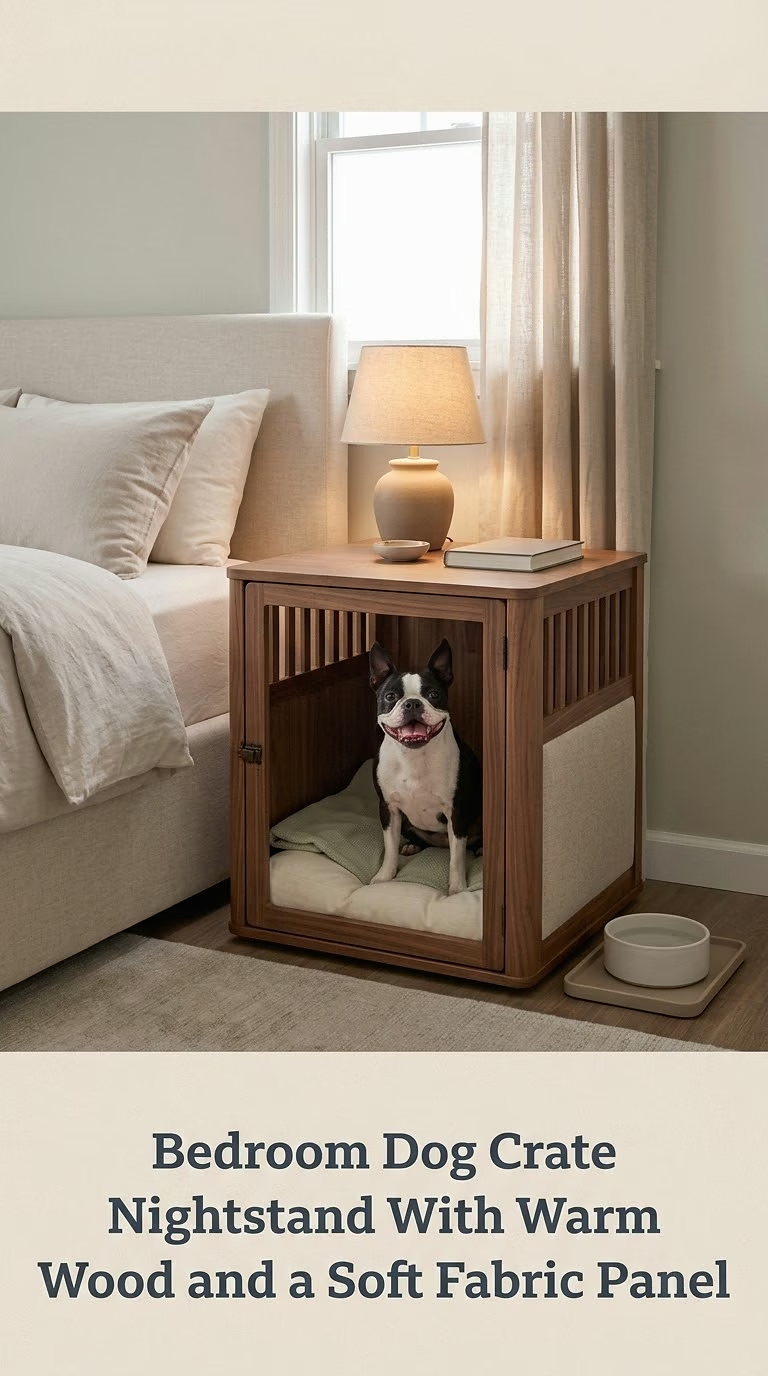
If your dog sleeps near you, replacing a conventional bedside table with crate furniture can save a surprising amount of space.
Build a wood frame around the crate with a tabletop positioned at approximately mattress height. One side can include a decorative fabric panel or wooden slats, while the crate entrance remains fully accessible.
Choose warm walnut, oak, or medium-toned pine to create a cozy nighttime atmosphere. Inside, a simple washable bed in cream or taupe keeps the look calm.
Keep bedside essentials organized carefully. Charging cables, medication, cosmetics, glasses, and anything small enough to fall should stay securely out of your dog’s reach rather than dangling beside crate openings.
A wall-mounted reading light is particularly useful because it frees the crate tabletop from cords and bulky lamps.
This arrangement works wonderfully in smaller bedrooms where every piece of furniture needs a clear purpose. Your dog remains nearby at night while the room looks more polished and intentionally designed.
Small Entryway Dog Crate Bench With Shoe Storage on One Side
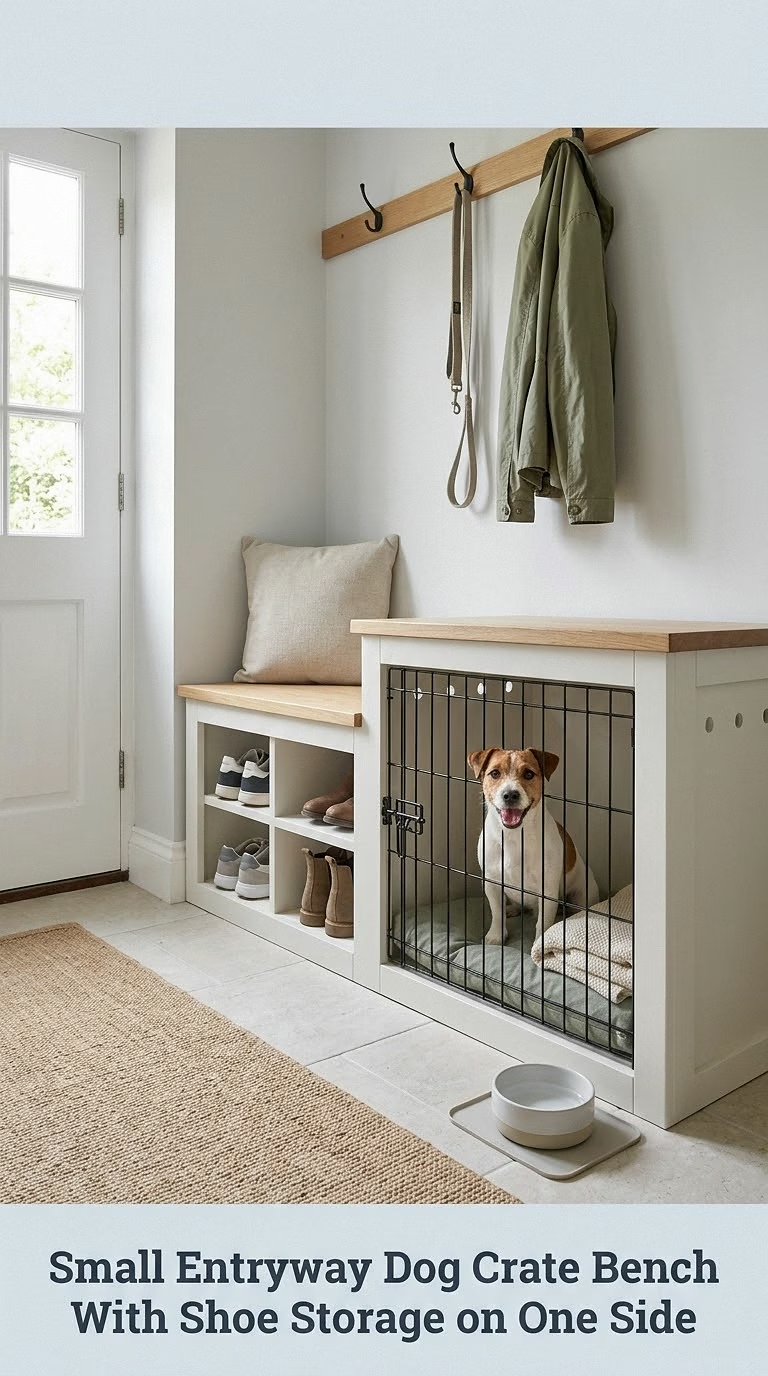
A narrow entryway crate can become part of a practical landing zone instead of occupying space without contributing anything else.
Create a bench-height surround with the crate on one side and enclosed shoe storage on the other. A durable wooden or painted top visually connects both sections.
For a cheerful modern-cottage look, combine soft gray or mushroom beige cabinetry with a natural wood bench surface and matte black hooks on the wall above the storage section. Keep hooks and hanging bags away from the actual crate so straps cannot be pulled through the bars.
Choose an easy-clean mat inside because entryways naturally collect more dirt than living rooms. Leaving a little extra floor space in front of the crate also makes it easier for your dog to enter and exit without navigating piles of shoes.
This project is particularly useful in smaller homes because it combines seating, pet space, and storage within one footprint.
Add a removable bench cushion only above the closed storage section if you want an extra layer of comfort and style.
Two-Dog Crate Console With Individual Doors and Matching Bedding
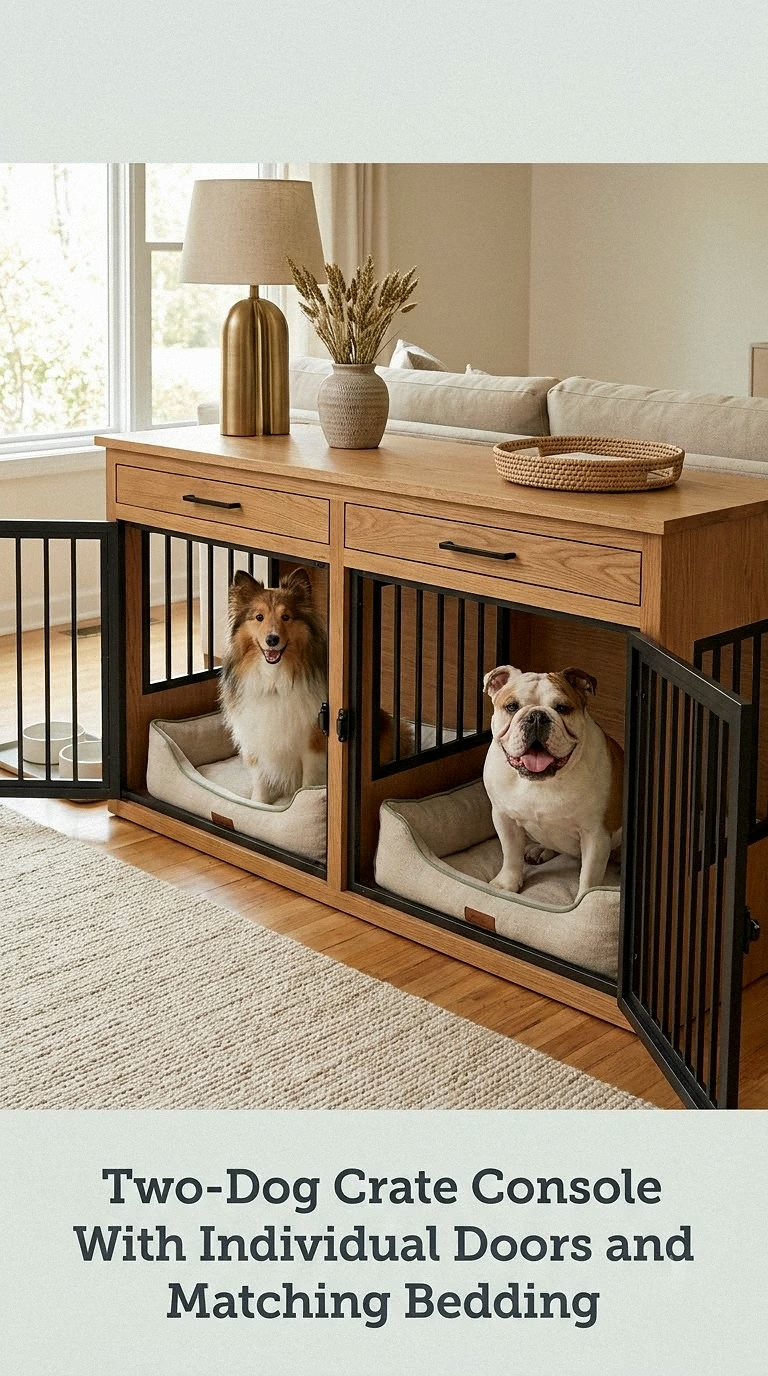
Two crates can look surprisingly elegant when they are intentionally designed as one symmetrical furniture piece.
Place appropriately sized crates beside each other and construct a long wooden surround that visually unifies them. Each dog should maintain a separate door and individual resting space so you can manage them independently.
A warm white frame with an oak top creates a timeless appearance, while matching beds in slightly different colors can help distinguish each dog’s area. For example, use muted sage for one crate and dusty blue for the other.
A narrow cabinet between the crates can provide useful storage while also creating visual separation. Keep food, chews, and high-value items securely stored so the setup does not encourage competition between neighboring dogs.
Because this piece can become quite wide, measure your room carefully before building. Leave enough surrounding space for both doors to open comfortably.
Finished with coordinated artwork above, the station can become a beautiful focal point rather than two crates you are constantly trying to hide.
Budget Plywood Dog Crate Cover With a Painted Arch Detail
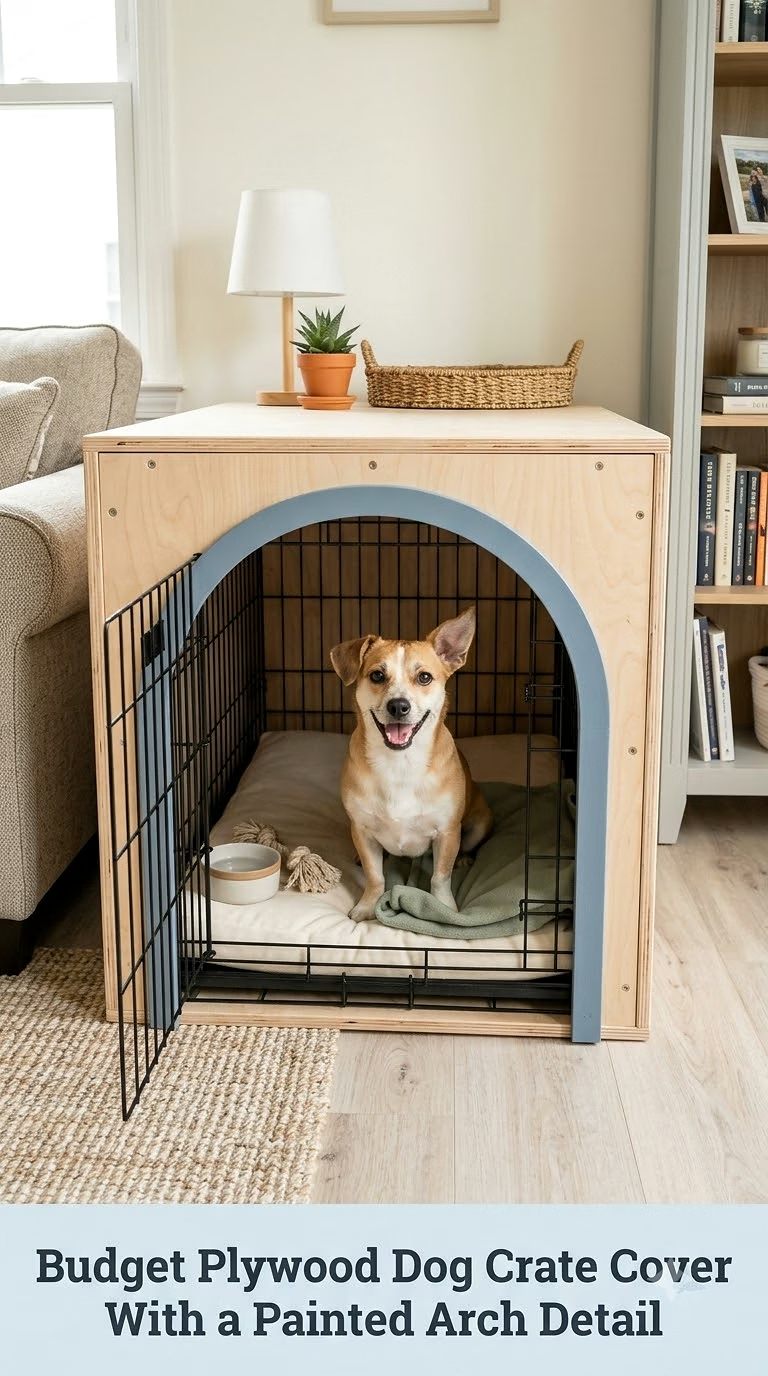
For an inexpensive weekend project, plywood can transform a basic wire crate without requiring expensive furniture-grade lumber.
Build a simple three-sided cover and tabletop around the exterior, keeping large ventilation openings in the design. Instead of intricate joinery, use straightforward rectangular panels and create visual interest with a painted arch motif on the front.
Soft beige plywood paired with a terracotta, sage, or dusty pink painted arch gives the project a trendy handmade look. You can also paint the entire exterior one color and leave the top natural.
Sand exposed edges carefully and use suitable hardware so the structure remains solid and smooth. Let any chosen finishes dry and cure completely before allowing your dog to use the area.
The removable-cover approach also makes mistakes less intimidating. If you decide to repaint or redesign the furniture later, you have not altered the original crate.
Pair it with a simple neutral mat and one nearby toy basket for an affordable setup that looks far more intentional than its budget suggests.
Luxury Built-In Dog Crate Wall With Drawers and Display Shelves
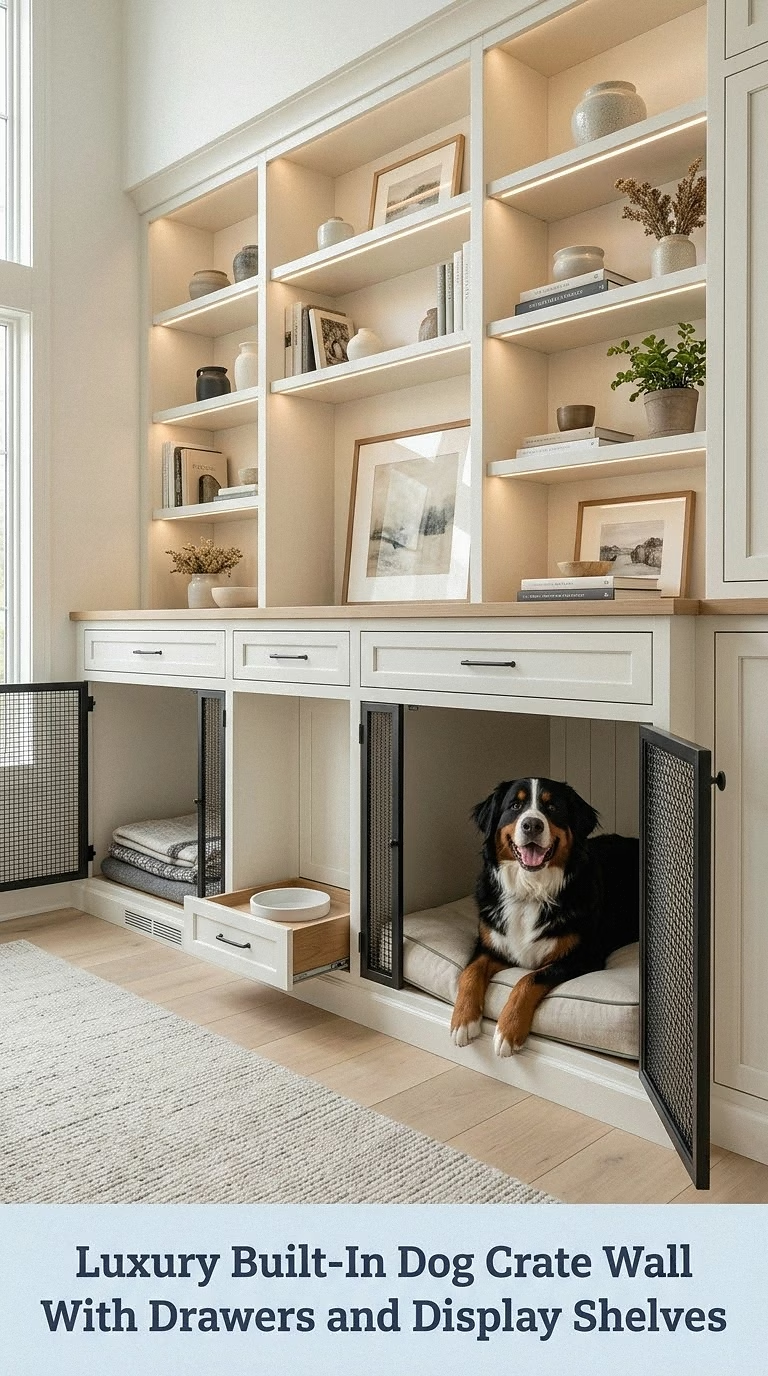
If you are renovating or enjoy ambitious woodworking projects, an entire wall can be designed around your dog’s crate.
Create lower cabinetry containing one or two ventilated crate spaces, then continue upward with drawers, closed cupboards, and open display shelving. Matching the cabinetry to your kitchen, mudroom, or family-room millwork makes the dog zone feel like part of the architecture.
A combination such as warm white cabinetry, oak shelves, and brushed brass-tone hardware creates an elevated but approachable look. Open shelves can display books and tasteful décor, while practical pet supplies remain hidden behind doors.
The most important part is resisting the temptation to make the crate section too enclosed. Provide generous ventilation and ensure your dog can comfortably stand, turn around, stretch, and rest.
Design the crate floor or tray so it can be removed without dismantling the surrounding cabinetry. This small planning decision makes long-term cleaning dramatically easier.
It is certainly the most ambitious option, but the finished space can be both luxurious and genuinely practical.
Create Dog Crate Ideas DIY Projects That Work for You and Your Pup
The best dog crate ideas DIY projects are not simply about hiding a wire crate. They are about finding a thoughtful way to give your dog a comfortable resting space while making your home work better for both of you.
For one household, that might mean adding a simple wooden top to an existing crate. For another, it could mean transforming an awkward under-stair corner, building a farmhouse end table, or designing an entire wall of custom cabinetry. You do not need the biggest budget or advanced woodworking skills to create something beautiful.
Start with your dog’s size, habits, comfort, and safety, then choose a project that realistically fits your space and DIY experience. Favor ventilation, washable materials, accessible cleaning, secure construction, and uncluttered interiors before adding decorative details.
Once those essentials are covered, have fun making the space yours. A beautiful wood tone, soft sage paint, cottage-inspired wallpaper, coordinated bedding, or clever storage can turn everyday pet equipment into a feature you are genuinely happy to see in your home—and a cozy little retreat your dog can enjoy for years.
Source: https://petstutorial.com
Category: Dog Crates
