
A dog crate can be one of the most practical things in your home, but that does not mean it has to look like a temporary wire box dropped into the middle of your carefully decorated room. With a little thought, an indoor crate can become a cozy retreat for your dog and a surprisingly attractive part of your interior.
- 18 Comfy Dog Crate Ideas for a Cozy, Stylish Home
- 19 DIY Dog Toy Box Ideas Wood Crates for a Beautifully Organized Pet-Friendly Home
- 19 Dog Crate Under Bed Ideas for a Cozy, Space-Saving Bedroom
- 19 Dog Crate Ideas Small Space Living: Stylish Ways to Save Room
- 20 Cute Dog Crate Ideas for a Cozy, Stylish, Pinterest-Worthy Home
The best indoor dog crate ideas balance three things: your dog’s comfort, everyday convenience, and a style that works naturally with the rest of your home. That might mean disguising a crate as a beautiful console table, building one into unused space beneath the stairs, or simply softening a basic wire crate with a fitted cover and thoughtfully chosen bedding.
You are reading: 19 Indoor Dog Crate Ideas for a Cozy, Stylish, Pet-Friendly Home
Placement matters just as much as appearance. Your dog should have enough room to stand, turn around, lie naturally, and stretch comfortably. Good airflow is essential, and crates are generally best kept away from direct sunlight, heating vents, cold drafts, and overly isolated corners. Many dogs enjoy being close enough to see family activity while still having a peaceful place where they can rest.
Whether your home is tiny, modern, farmhouse-inspired, boho, or beautifully traditional, these ideas can help you create a crate setup that feels intentional rather than intrusive.
Stylish and Practical Indoor Dog Crate Ideas
Warm White Oak Dog Crate Console for a Neutral Living Room
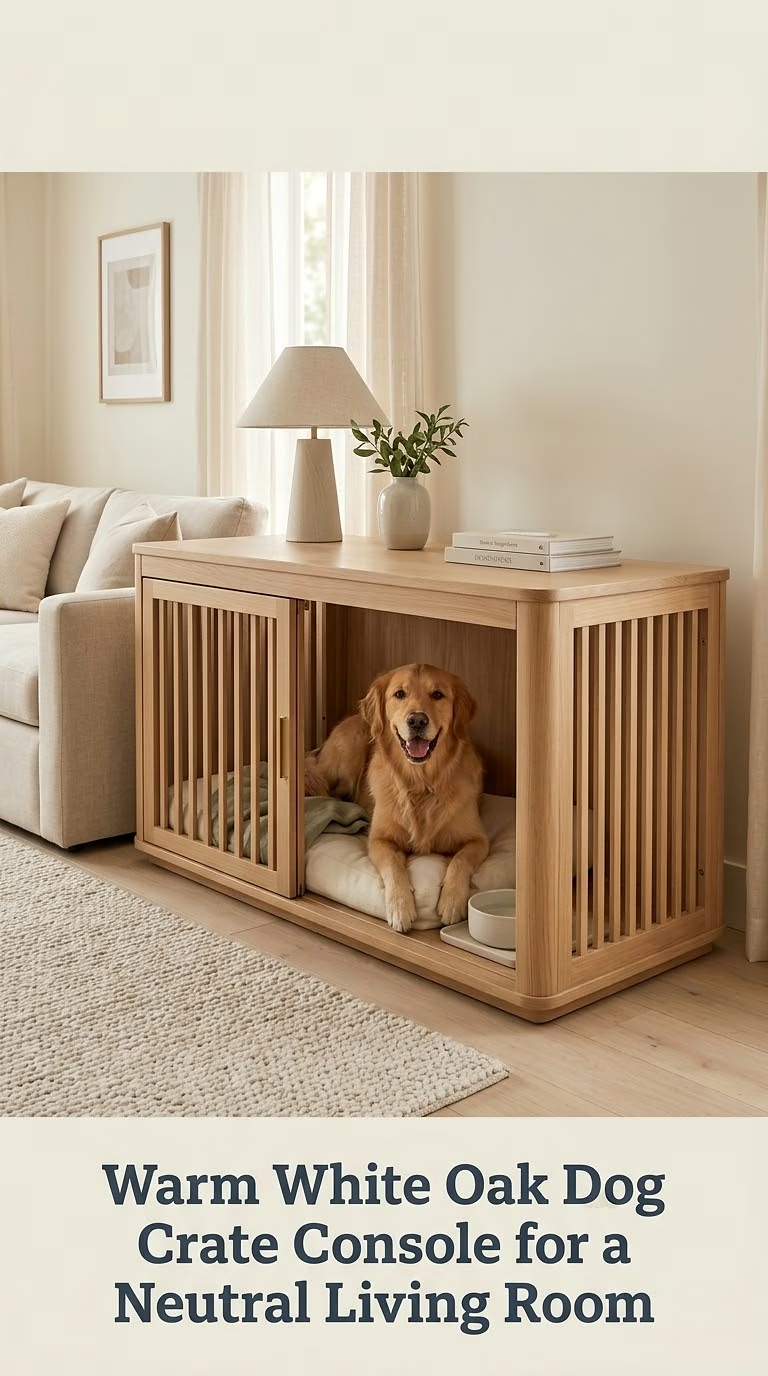
Turn your dog’s crate into part of the furniture by surrounding it with a simple white oak console-style frame. This look works especially well in neutral living rooms filled with cream upholstery, warm beige rugs, and natural textures.
A sturdy wooden top gives you usable decorating space above the crate without placing decorative objects directly on a wire structure. Style it with a ceramic lamp, a small stack of books, or a simple vase to make the entire arrangement feel like a deliberate furniture piece.
Keep the sides sufficiently open for airflow rather than enclosing the crate completely. A fitted washable mat inside creates a cleaner, more finished appearance than several loose blankets.
For an affordable version, build a basic three-sided surround from furniture-grade plywood and add edge banding or slim timber trim. You can stain it a pale oak shade or use a soft neutral paint that blends into your room.
The result feels polished without hiding the fact that the space belongs to your dog.
Soft Sage Green Built-In Dog Nook With Shaker Storage Cabinets
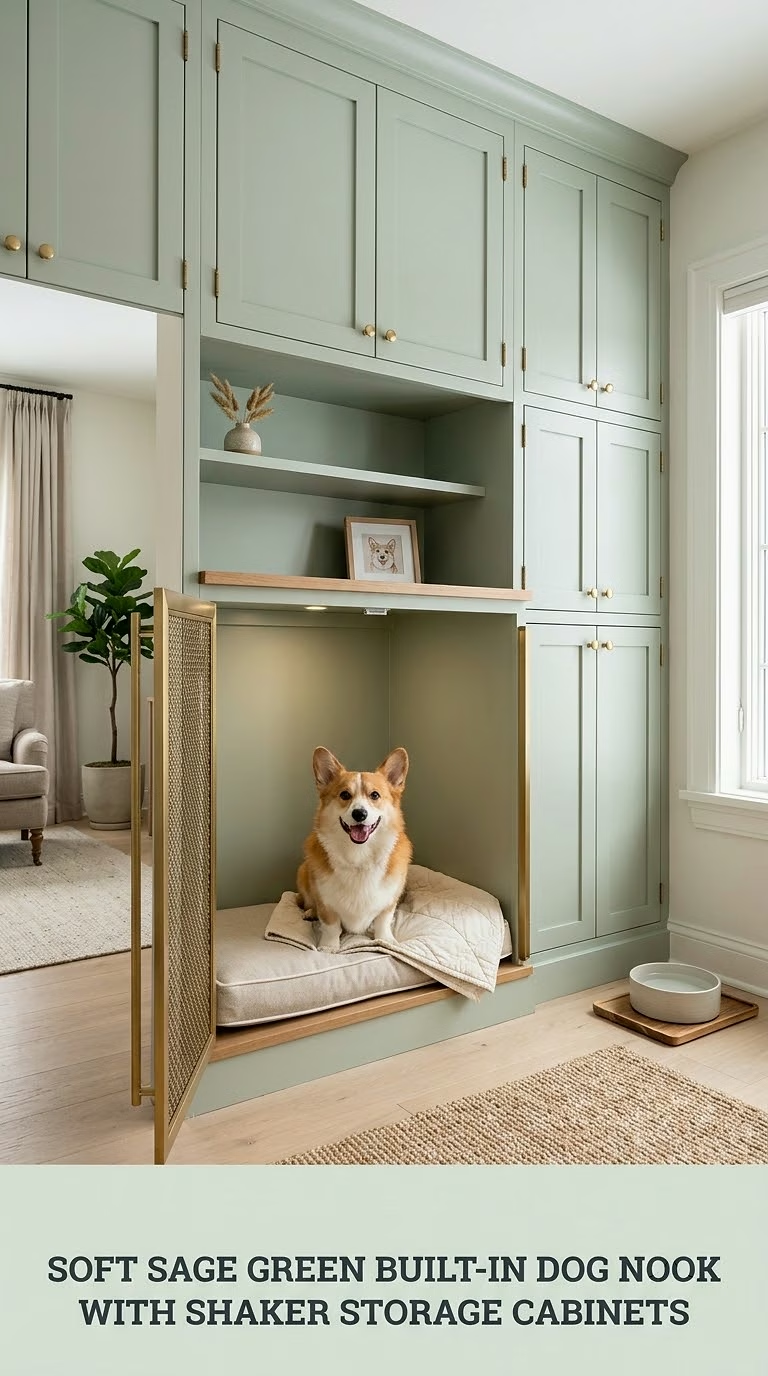
A recessed dog nook surrounded by cabinetry can turn an awkward wall into one of the prettiest pet-friendly features in the house.
Soft sage green is particularly beautiful because it adds color without becoming overwhelming. Pair the cabinetry with warm brass handles, light wood flooring, and a neutral washable dog bed for a cozy cottage-inspired finish.
Install closed cabinets or drawers above and beside the crate area for storing leashes, grooming supplies, spare blankets, toys, and other everyday pet essentials. Keeping these items nearby prevents them from spreading across countertops and entry tables.
The sleeping area itself should remain properly ventilated. Slatted doors, open fronts, or purpose-designed crate panels are far better than turning the nook into a tightly enclosed cabinet.
If you are planning custom cabinetry, measure your dog’s full comfortable crate requirements before designing the surrounding structure. Leaving extra clearance also makes removing the crate or cleaning around it much easier.
Cozy Under-Stair Dog Retreat With Warm Wood Paneling
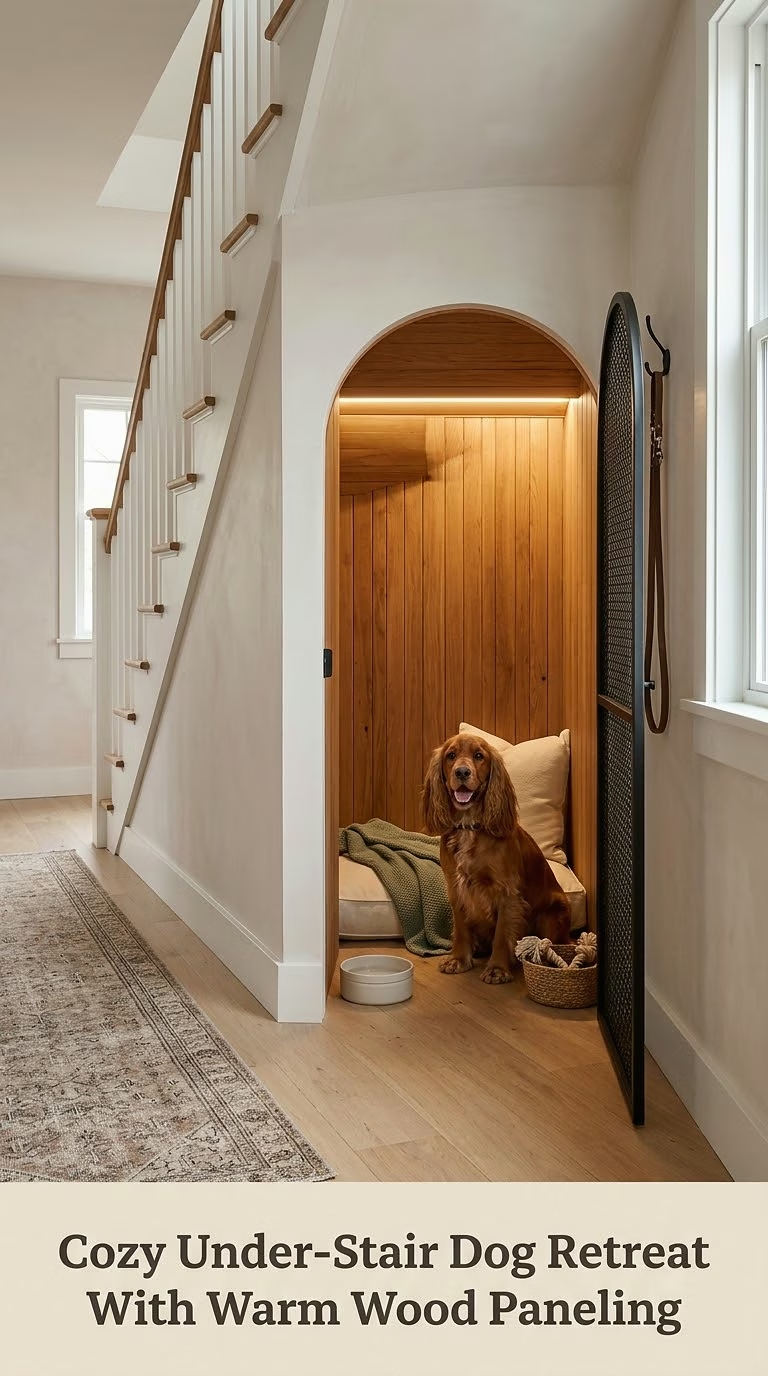
That awkward triangular space underneath a staircase can become an adorable indoor dog retreat, especially in homes where every square foot needs to work harder.
Instead of squeezing a crate somewhere else in the room, create a dedicated nook beneath the stairs using warm wood paneling, a simple crate, and soft neutral bedding.
The surrounding wall can be painted to match the hallway so the opening feels integrated into the architecture. For a more elevated appearance, frame the entrance with natural oak trim and add a small piece of dog-themed artwork nearby.
Storage drawers can be built into the taller portion of the staircase for toys and walking accessories.
Before committing to this location, make sure it is comfortable for your particular dog. Some staircases experience constant foot traffic and vibration, which may bother dogs who prefer quieter spaces.
If your dog enjoys the location, however, an under-stair setup can transform wasted space into a wonderfully snug retreat while keeping bulky pet furniture out of the main living area.
Modern Black Dog Crate With a Slim Walnut Furniture Top
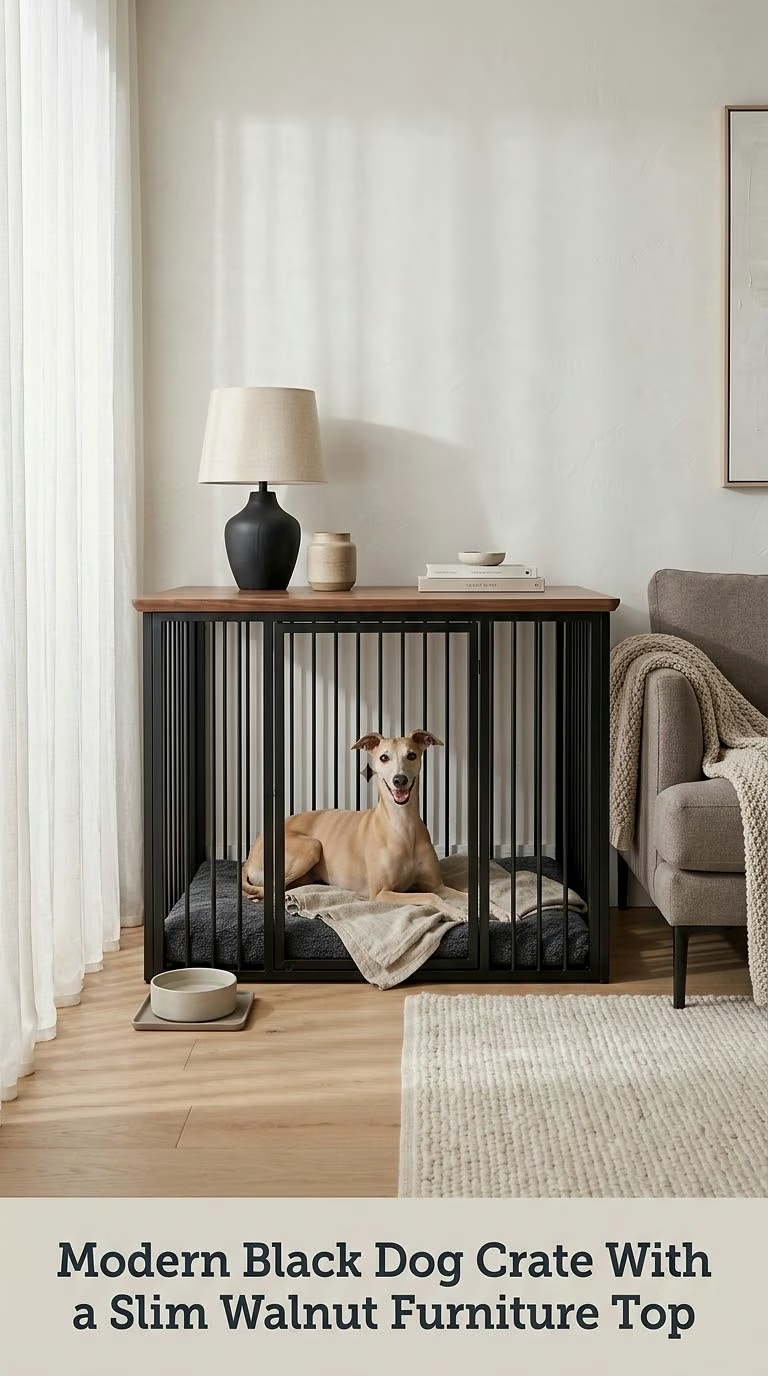
Sometimes the easiest approach is not to hide a metal crate at all. Instead, choose one that matches the room.
A black wire crate can look surprisingly sophisticated when paired with walnut furniture, matte black lighting, charcoal accessories, and clean modern lines.
Add a properly fitted furniture-style tabletop above the crate to create the appearance of a low console. A removable top is particularly practical because you can lift it away whenever the crate needs deep cleaning or repositioning.
Keep styling simple. One sculptural lamp, a framed print, and a ceramic bowl may be enough. Too many objects can make the setup look cluttered and make routine cleaning unnecessarily complicated.
Inside, use a low-profile bed in oatmeal, taupe, gray, or another quiet neutral tone.
This setup is ideal for renters because it creates a built-in appearance without modifying walls or cabinetry. When you move, the entire arrangement can come with you.
Small Apartment Dog Crate Side Table Beside the Sofa
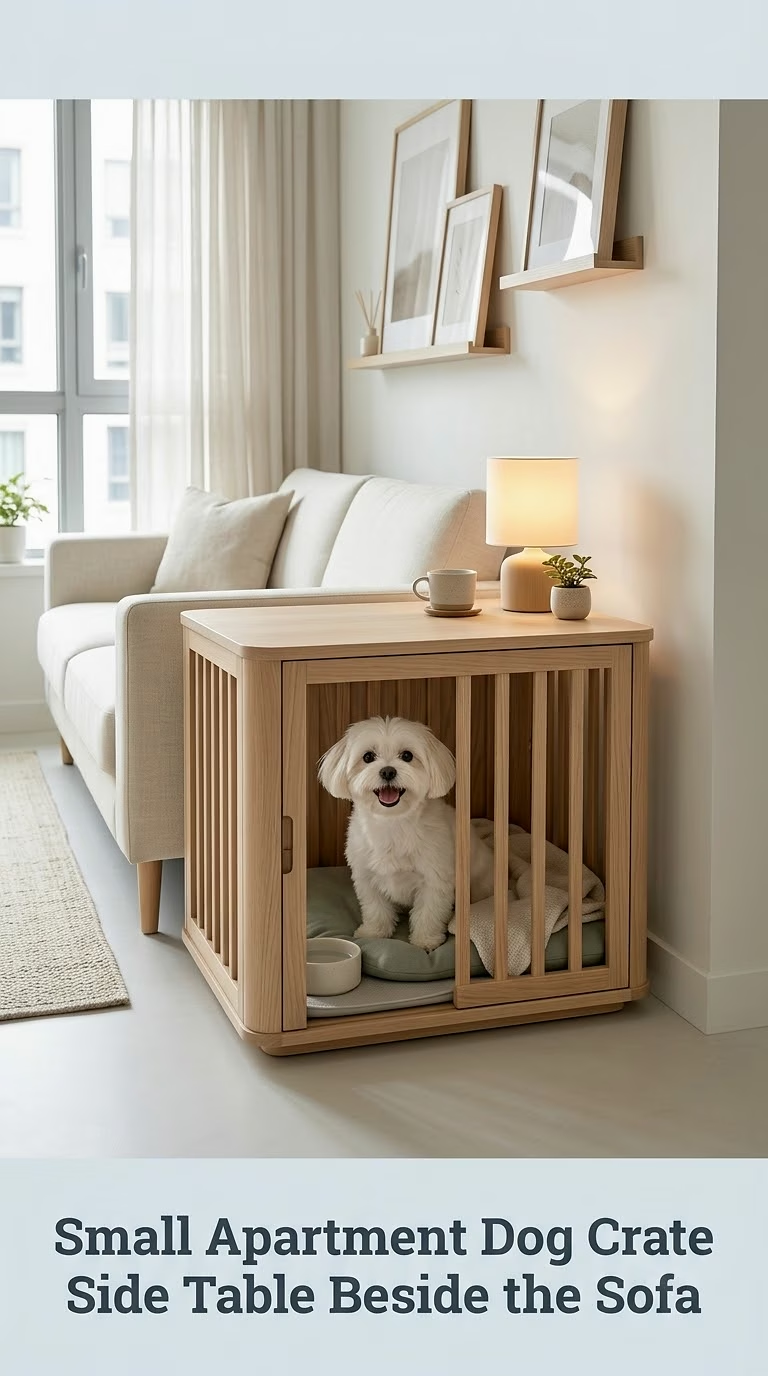
In a small apartment, furniture that performs only one job can feel like a luxury. Turning a compact dog crate into a functional side table gives you back valuable floor space.
Place the crate beside the end of your sofa and add a sturdy, appropriately supported tabletop above it. The finished height can work beautifully for a reading lamp, coaster, book, or small plant placed safely out of your dog’s reach.
Choose finishes that already appear elsewhere in the room. Light oak works beautifully in Scandinavian interiors, while darker walnut feels warmer and slightly more traditional.
A tailored crate cover can soften the sides if your dog enjoys a more sheltered environment, but leave plenty of open ventilation and avoid heavy fabric that traps heat.
For dogs who prefer seeing everything happening around them, skip the cover entirely and use coordinated bedding instead.
This compact setup is one of the most useful indoor dog crate ideas for studios and one-bedroom apartments because it eliminates the feeling that the crate is consuming an entire furniture zone.
White Farmhouse Dog Crate Sideboard With a Butcher-Block Top
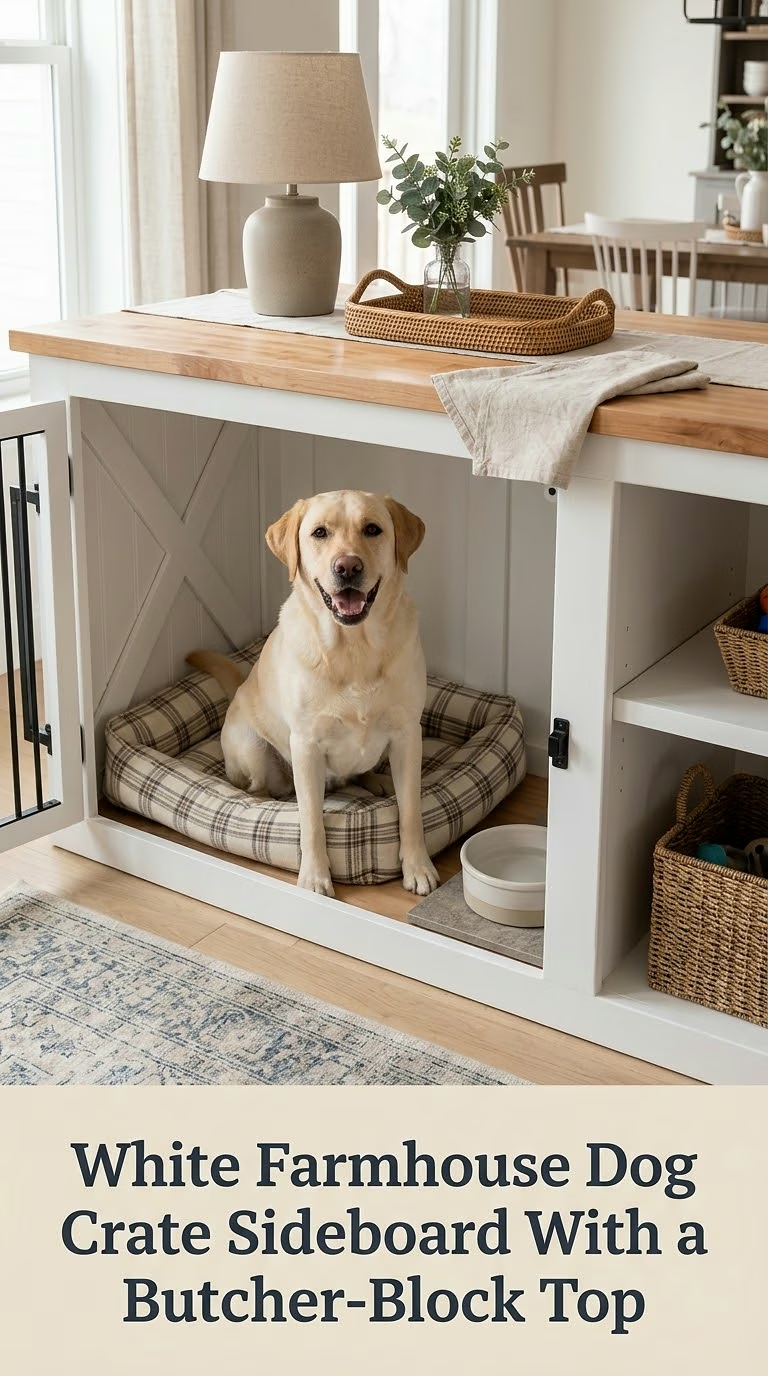
For a cozy farmhouse kitchen or family room, disguise the crate as a charming sideboard using white-painted framing and a warm butcher-block-style top.
Shaker-inspired details, black hardware, and natural wood create that familiar farmhouse combination without requiring elaborate carpentry.
You can position narrow storage compartments beside the crate for food containers, folded towels, or walking supplies. Matching woven baskets placed on open shelves add another layer of texture.
Choose surfaces that are easy to wipe clean. Crate areas naturally collect fur, crumbs, and dust, so highly distressed finishes with deep grooves may require more maintenance than smooth painted wood.
Inside the crate, a buffalo-check bed may look cute in photographs, but a simple washable neutral cushion usually offers more styling flexibility.
The beauty of this setup is how naturally it can blend into a kitchen, breakfast room, or open-plan living area. Guests may initially assume it is ordinary furniture until they notice the happy pup resting underneath.
Bright Home Office Dog Crate Corner With Floating Shelves
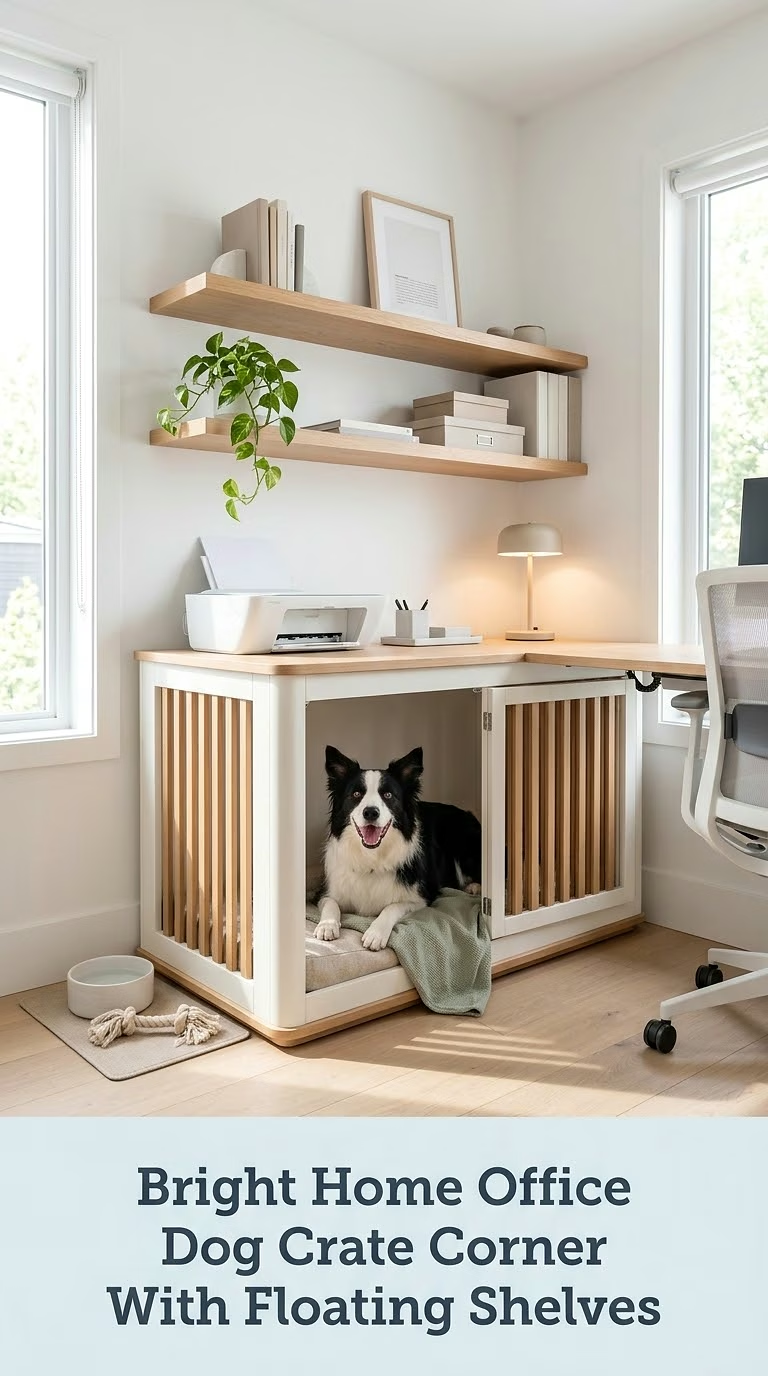
If your dog likes staying close while you work, create a dedicated crate corner in your home office instead of letting pet supplies gradually take over the room.
Place the crate against a quiet wall where your dog can see you without sitting directly in a busy walkway. Add floating shelves above the area for attractive storage boxes, framed photographs, and a few decorative pieces.
Choose a color palette that coordinates with your desk and office furniture. Warm white walls, light oak shelves, black metal accents, and a oatmeal-colored crate mat create an easy contemporary look.
A small washable rug beneath the crate can visually define your dog’s zone while protecting flooring from scratches.
Read more : 18 Cozy Dog Crate in Bedroom Ideas That Look Beautiful and Feel Peaceful
Avoid positioning the crate directly beside a radiator, sunny window, or equipment that produces significant heat.
The finished corner gives your dog a peaceful place to nap during meetings or long work sessions while helping your office remain organized and intentionally styled.
Cream Bedroom Dog Crate Nightstand With Soft Linen Styling
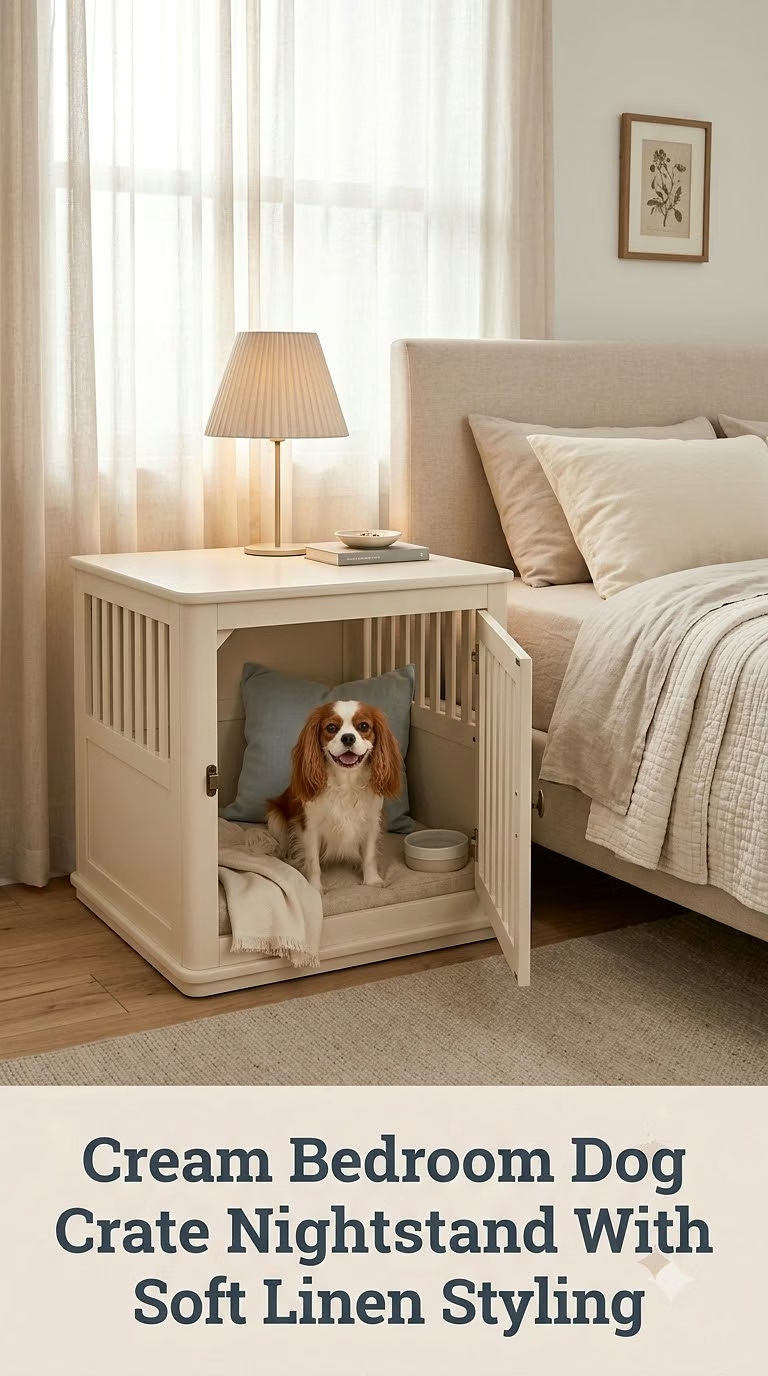
A crate in the bedroom can be particularly convenient for puppies, newly adopted dogs, or pets who simply sleep more comfortably near their people.
Instead of placing a basic crate awkwardly beside the bed, turn it into a low nightstand-style feature.
Use a furniture surround painted warm white, cream, or greige, then add a smooth wooden top large enough for a bedside lamp and a few essentials. Soft linen bedding, oatmeal curtains, and warm ambient lighting make the crate feel naturally connected to the room.
Keep the top uncluttered so nothing can easily fall through or become accessible to your dog.
If you use a crate cover, choose one that can be partially opened rather than sealing the structure on every side. This lets you adjust privacy and airflow according to your dog’s preferences.
The effect is calm and surprisingly elegant, particularly in cozy neutral bedrooms where bulky black furniture would otherwise feel visually heavy.
Laundry Room Dog Crate Station With Washable Storage
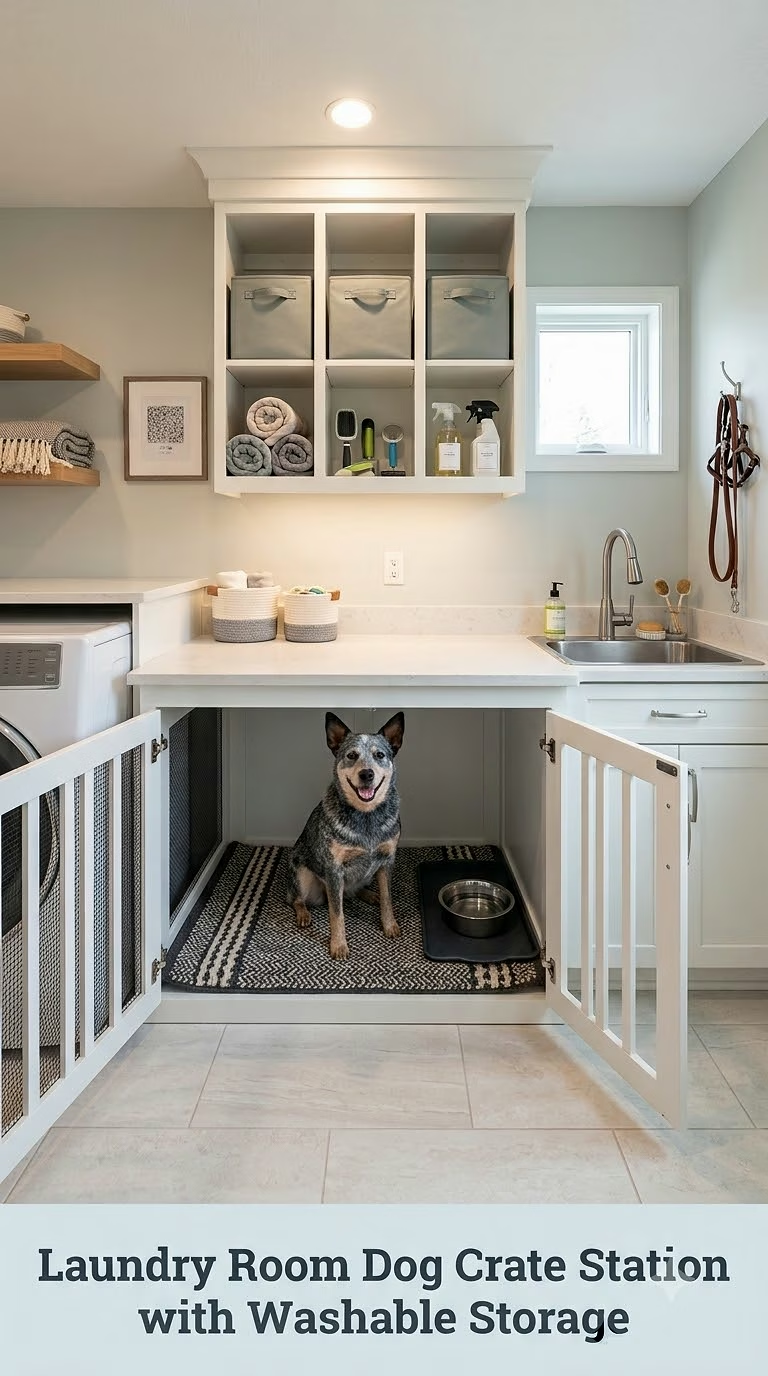
A laundry or utility room can make a wonderfully practical dog zone when it is comfortable, temperature-controlled, and not isolated from family life.
Place the crate beneath a sturdy counter or beside lower cabinetry, then dedicate nearby drawers or baskets to dog towels, washable bedding, grooming brushes, cleaning supplies, and spare leads.
Choose moisture-resistant surfaces and washable finishes whenever possible. Luxury vinyl, tile, or sealed flooring around the crate makes muddy paw cleanup much easier than thick carpeting.
A simple wall hook rail can hold harnesses and walking gear, while labeled baskets help prevent tiny accessories from disappearing.
Keep detergents, cleaning chemicals, dryer sheets, and other household products securely stored where pets cannot reach them.
Visually, try soft blue-gray cabinets, warm wood countertops, and simple striped textiles for a fresh but homey appearance.
This concept is less about hiding the crate and more about creating a wonderfully organized pet-care station around it.
Natural Rattan-Look Dog Crate With Boho Textures
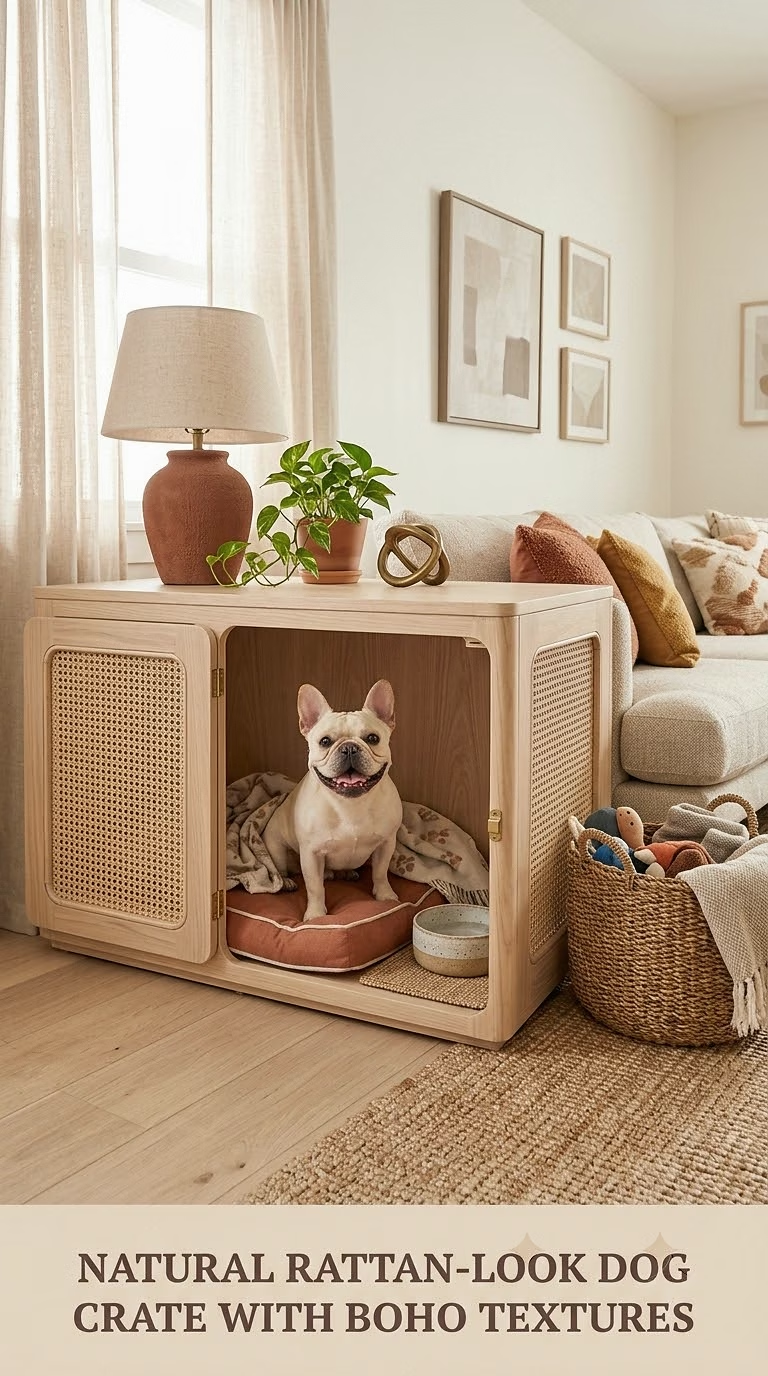
For a relaxed bohemian home, replace the industrial appearance of exposed wire with warm woven textures.
A furniture-style crate featuring cane-inspired or rattan-look panels can pair beautifully with jute rugs, cream cushions, terracotta accents, and light wood furniture.
Because some dogs chew aggressively, decorative woven materials should always remain safely separated from any dog likely to gnaw them. A practical alternative is building a decorative outer frame around a durable inner crate.
Add a washable sand-colored mat inside and perhaps a lightweight partial cover if your dog prefers greater privacy.
Nearby styling might include a floor basket for toys, a simple ceramic water bowl, and one leafy plant positioned well outside chewing range.
Avoid filling the space with tassels, dangling cords, or loose decorative fabric your dog can pull through the crate.
Done thoughtfully, this setup delivers all the warmth of Pinterest-worthy boho decor without sacrificing practicality.
Minimalist Japandi Dog Crate With Light Wood Slatted Panels
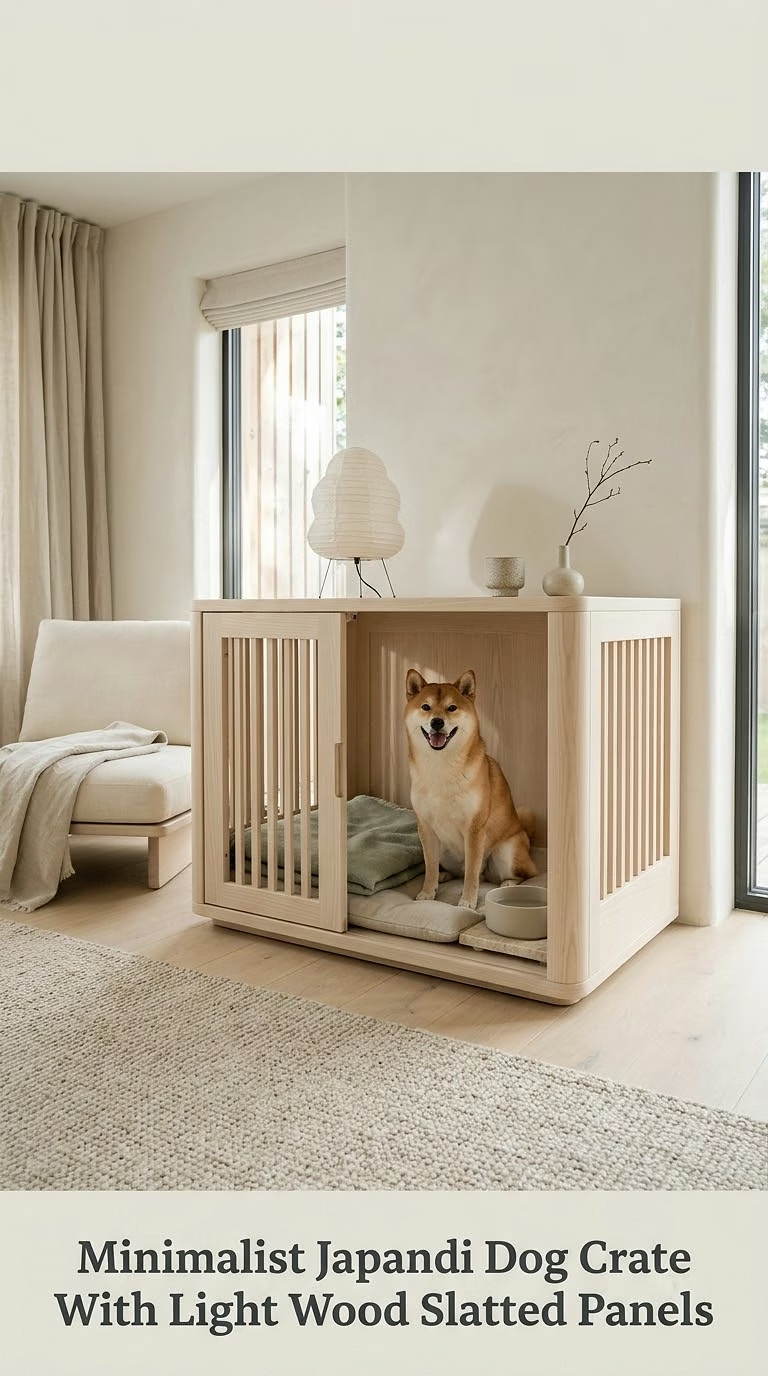
Japandi interiors are ideal inspiration for people who want their dog’s belongings to feel calm rather than visually busy.
Start with a simple crate enclosed by widely spaced light-wood slats. The vertical lines add architectural detail while preserving airflow and keeping the overall structure visually light.
Choose pale oak, ash, or birch tones paired with warm white walls and a charcoal or oatmeal-colored cushion.
The top can function as a minimalist console, but resist the temptation to fill it with decor. A single ceramic vessel or small lamp suits this style better than a crowded display.
Look for concealed storage nearby rather than open baskets filled with brightly colored pet toys. A drawer beneath or cabinet beside the crate keeps everything accessible without disrupting the serene aesthetic.
This is an especially attractive option for modern living rooms where traditional bulky dog furniture might feel out of place.
DIY Plywood Dog Crate Surround With Rounded Corners
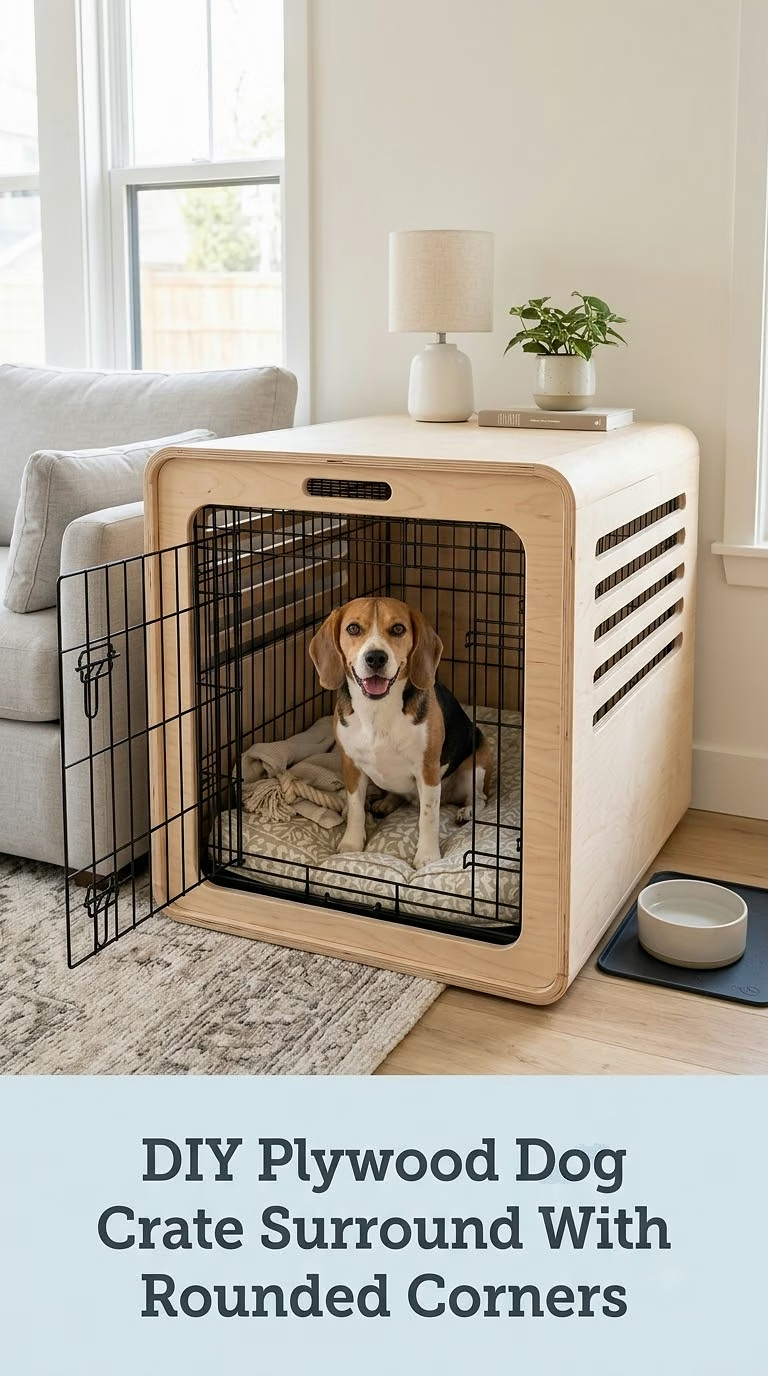
You do not need expensive custom furniture to make a standard crate feel intentional.
A simple DIY surround made from plywood can completely change its appearance. Build a box-like structure around the top and sides while leaving the front and appropriate ventilation areas open.
Rounded outer corners give the finished piece a softer, more contemporary look and can make it appear considerably more expensive than basic square construction.
Finish the plywood with clear matte sealant for a natural look or paint it in a muted shade such as clay, sage, cream, or dusty blue.
Add felt pads underneath to protect hard flooring and make small adjustments easier.
One major advantage of building around an existing crate is flexibility. The secure metal crate remains intact while the decorative shell can be removed whenever you need to clean, relocate, or replace it.
It is an achievable weekend project that can create a genuinely custom result on a modest budget.
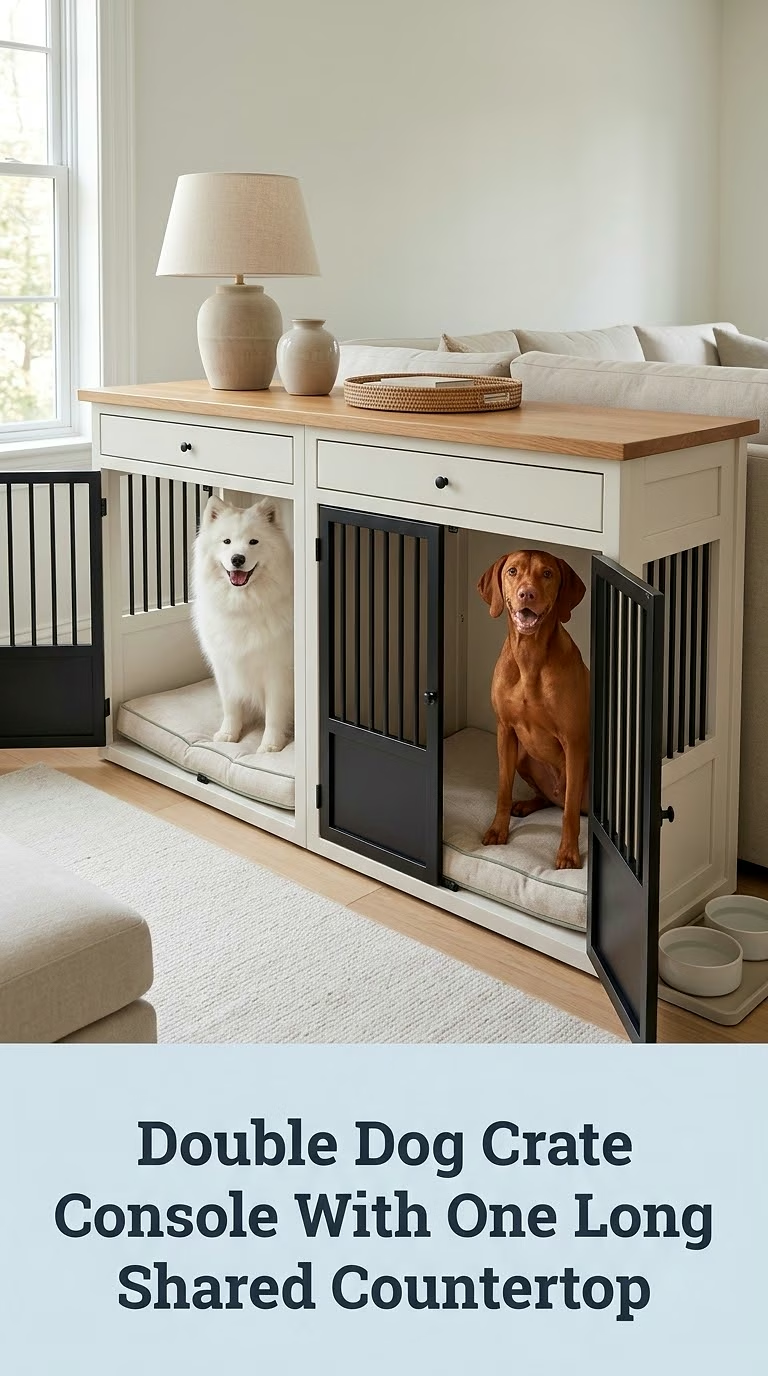
Homes with two dogs often end up with two large crates competing for space. Instead of treating them as separate objects, combine them into one coordinated furniture feature.
Place two appropriately sized crates side by side beneath a long countertop. Matching outer panels or framing will visually connect them and make the entire arrangement look like a single console or built-in cabinet.
Each dog should still have its own comfortable space rather than being expected to share one crate.
Use individual washable beds suited to each dog’s preferences, while keeping the exterior design consistent.
The long countertop creates valuable storage and display space. Depending on the room, it might hold baskets, lamps, books, or everyday household items.
For a particularly polished appearance, add drawers above or cabinets at either end for leads, toys, and grooming supplies.
This arrangement works beautifully along a large living-room wall, in a mudroom, or beneath an oversized window where direct sun is not a problem.
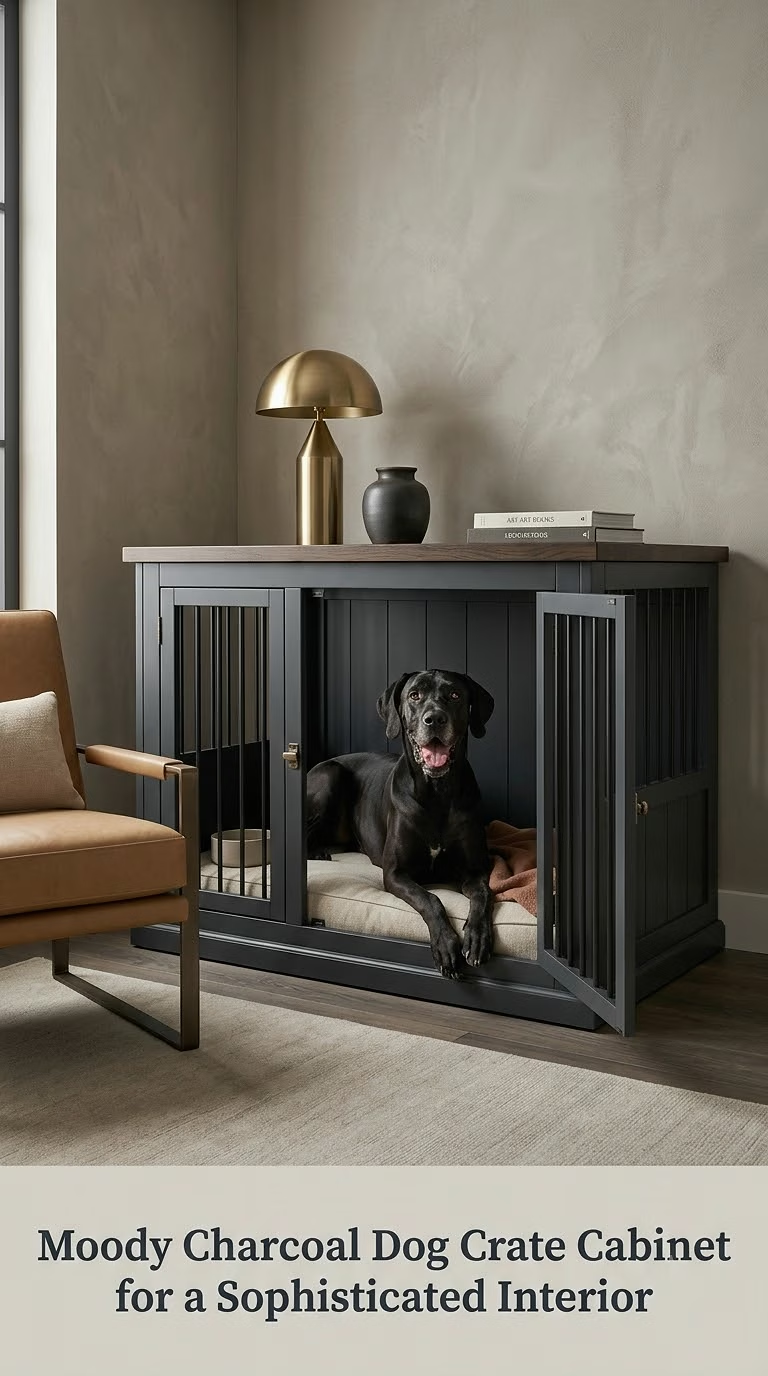
Moody Charcoal Dog Crate Cabinet for a Sophisticated Interior
Read more : 19 Dog Crate Ideas Small Space Living: Stylish Ways to Save Room
Not every pet-friendly space has to be pale, bright, and farmhouse-inspired. A deep charcoal crate cabinet can look incredibly elegant in a moody modern home.
Pair charcoal-painted framing with black metal crate panels, aged brass hardware, and a warm walnut top. Inside, choose camel, taupe, or warm gray bedding to soften the darker palette.
Position the crate against a wall with complementary artwork or use it as part of a larger built-in storage arrangement.
Dark finishes have one practical advantage: they can visually minimize the lines of a black metal crate, making the structure feel much less noticeable.
However, darker enclosed furniture can also make it harder to judge airflow and temperature visually, so prioritize an open, well-ventilated design rather than creating a sealed cabinet.
The finished look feels closer to sophisticated living-room furniture than traditional pet equipment and works beautifully with modern, industrial, or transitional interiors.
Arched Built-In Dog Nook With Soft Lighting and Hidden Storage
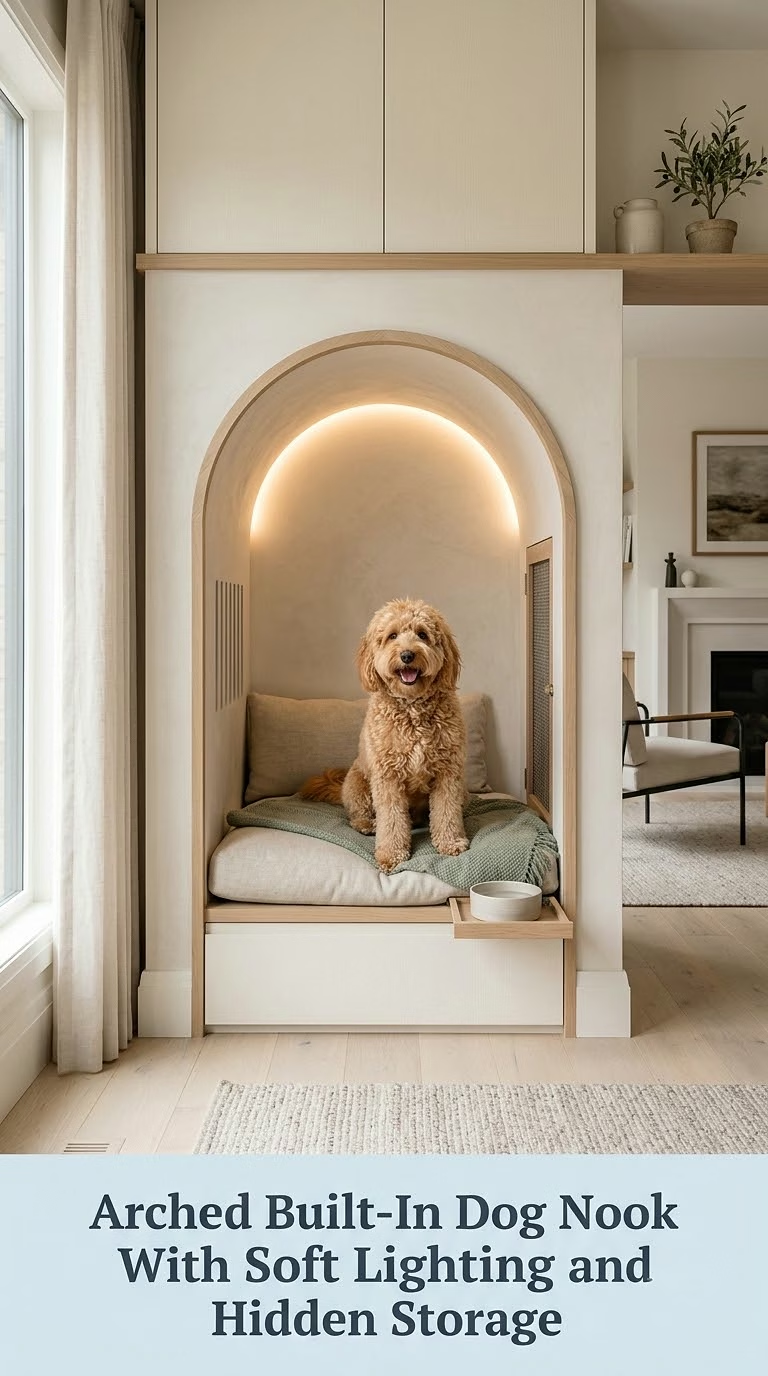
For a truly Pinterest-worthy upgrade, create an architectural dog nook with a gently arched opening.
The curved entrance instantly gives the space a custom appearance, especially when surrounded by built-in cabinetry painted warm white, muted taupe, or soft sage.
Place your dog’s crate or secure sleeping setup inside the opening while maintaining generous airflow around it. Drawers beneath or cabinets above can hide everything from treats to grooming tools.
Subtle lighting near the exterior of the nook can add a warm evening glow, but electrical cords, fixtures, and bulbs should remain completely inaccessible to your dog.
A small name plaque or framed portrait nearby adds personality without cluttering the sleeping area itself.
This is one of the more expensive indoor dog crate ideas, but it can make sense during a renovation when cabinetry or built-ins are already being installed.
The result feels less like pet equipment and more like a charming architectural feature created especially for your dog.
Entryway Dog Crate Bench With Leash and Shoe Storage
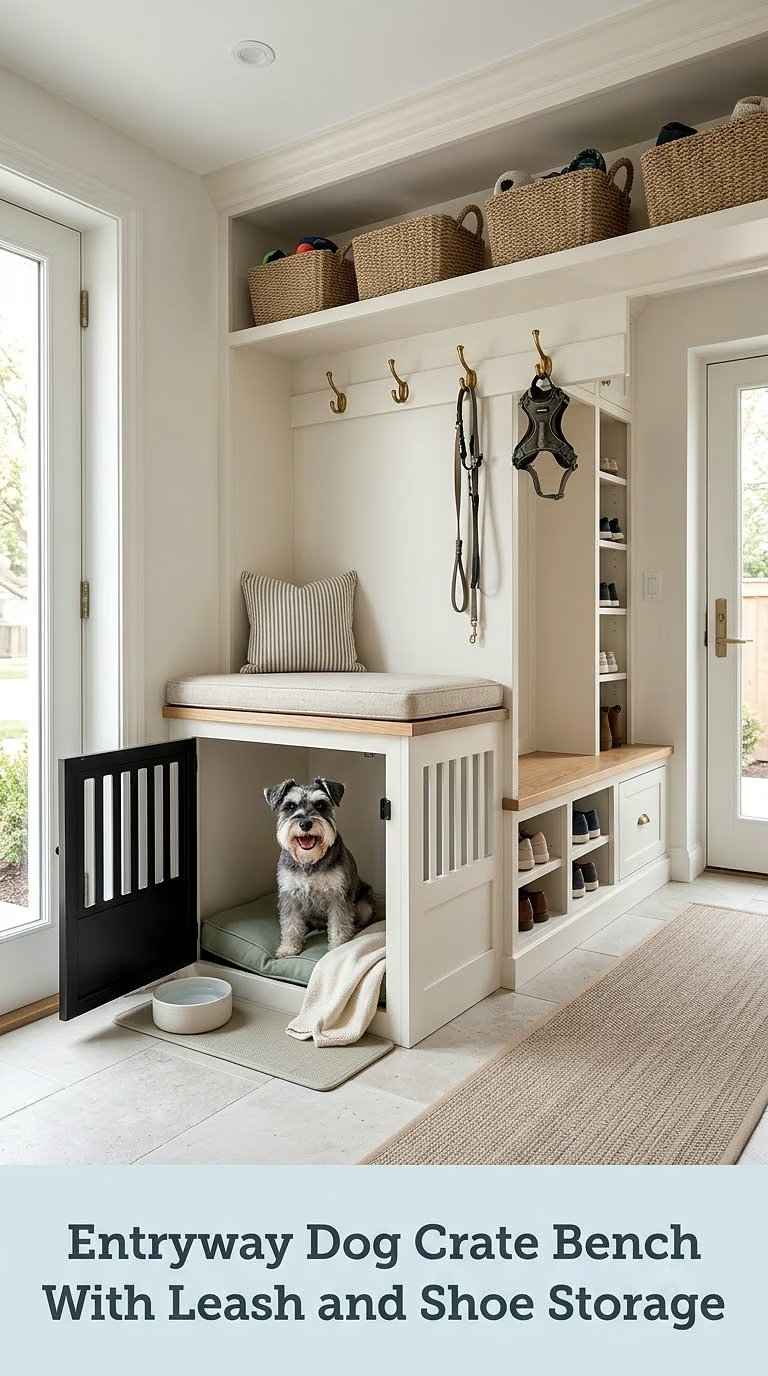
If your dog enjoys staying near the household action, an entryway crate station can keep walking gear wonderfully organized.
Build a bench-style structure above or beside the crate, then add hooks for leashes, harnesses, and lightweight walking accessories. Closed drawers can hold waste bags, brushes, paw wipes, and seasonal gear.
A wipeable cushion on the human seating portion turns the setup into a practical place for putting on shoes before walks.
Choose durable materials because entryways tend to collect mud, moisture, and outdoor debris. Painted wood, sealed timber, washable runners, and easy-clean flooring are ideal.
This location is best for dogs who remain relaxed around people entering and leaving the house. A nervous or easily excitable dog may be much happier with a crate positioned farther from the front door.
For the right dog, though, combining crate, bench, and walking station creates an exceptionally efficient solution for a busy household.
Hidden Dining Room Dog Crate Buffet With Matching Cabinet Doors
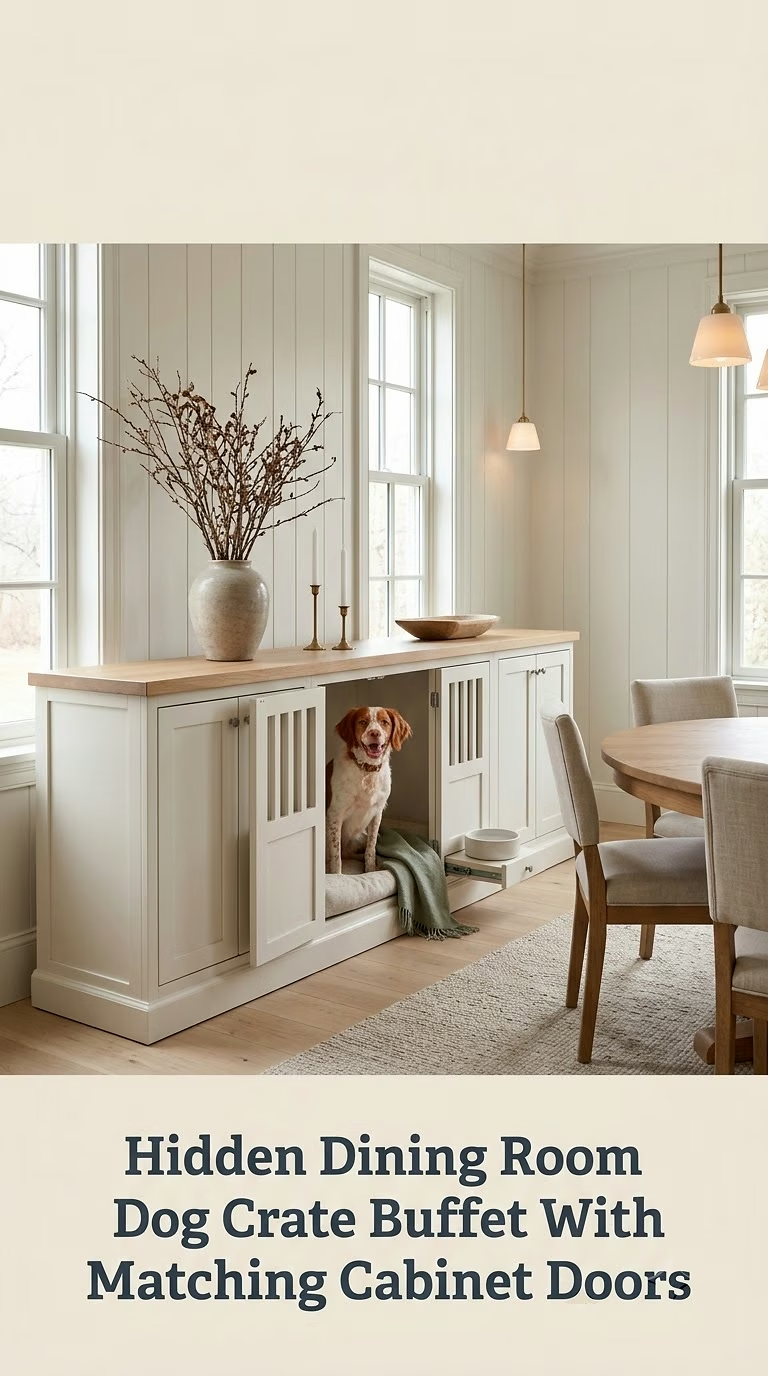
A dining room offers enough space for a larger furniture-style crate without making the room feel crowded.
Design the setup to resemble a buffet or sideboard, using the same paint color, wood tone, or cabinet style already found in the dining area.
Instead of solid cabinet doors across the dog compartment, use attractive metal grilles or properly spaced slatted panels that preserve airflow. The top can hold serving pieces, lamps, or seasonal decor just like a traditional buffet.
Nearby cupboards are perfect for storing less attractive pet supplies behind closed doors.
This is particularly useful in open-plan homes where the dining room connects directly with the living room and family activities. Your dog can remain nearby without having their crate placed in the center of the seating arrangement.
Keeping the exterior simple and symmetrical helps the entire unit read as furniture first, while still giving your dog a comfortable private retreat.
Rustic Reclaimed-Wood Dog Crate With Woven Storage Baskets
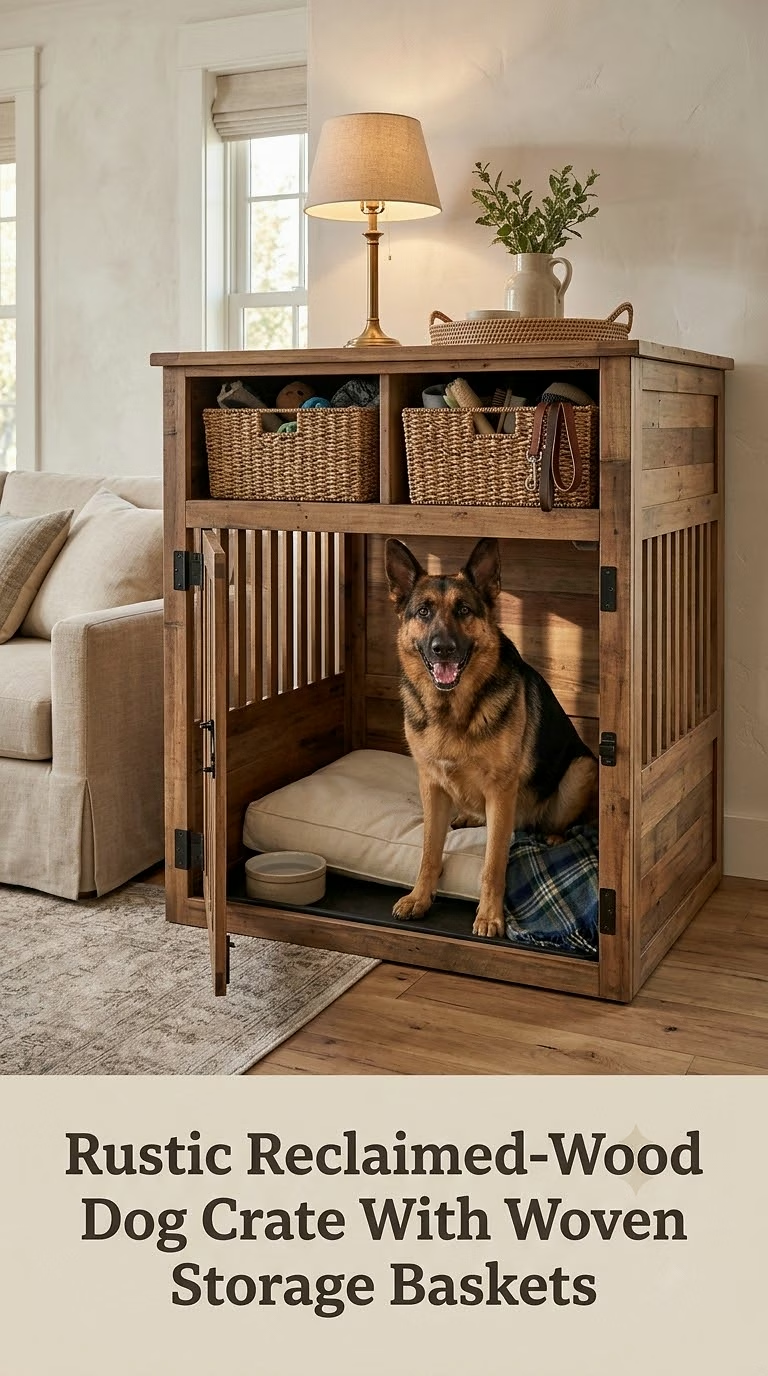
If your home leans rustic, a crate surround made from reclaimed-look timber can feel much more natural than polished modern furniture.
Use weathered wood tones, matte black metal, and woven baskets to create a warm cabin or modern farmhouse atmosphere.
A wide wooden top gives you a practical surface, while cubbies alongside the crate can hold matching baskets for toys, towels, and walking supplies.
If you use genuinely reclaimed materials, inspect and prepare them carefully. Old boards may contain splinters, protruding fasteners, rough edges, or finishes you would not want near a chewing dog. New lumber treated to look aged can provide a similar aesthetic with fewer unknowns.
Choose bedding in cream, olive, brown, or muted plaid to reinforce the cozy rustic palette.
This design looks especially appealing near a stone fireplace wall, timber console, or farmhouse-style family room, provided the crate remains safely away from direct heat.
Flexible Crate and Playpen Corner for Puppies and Small Dogs
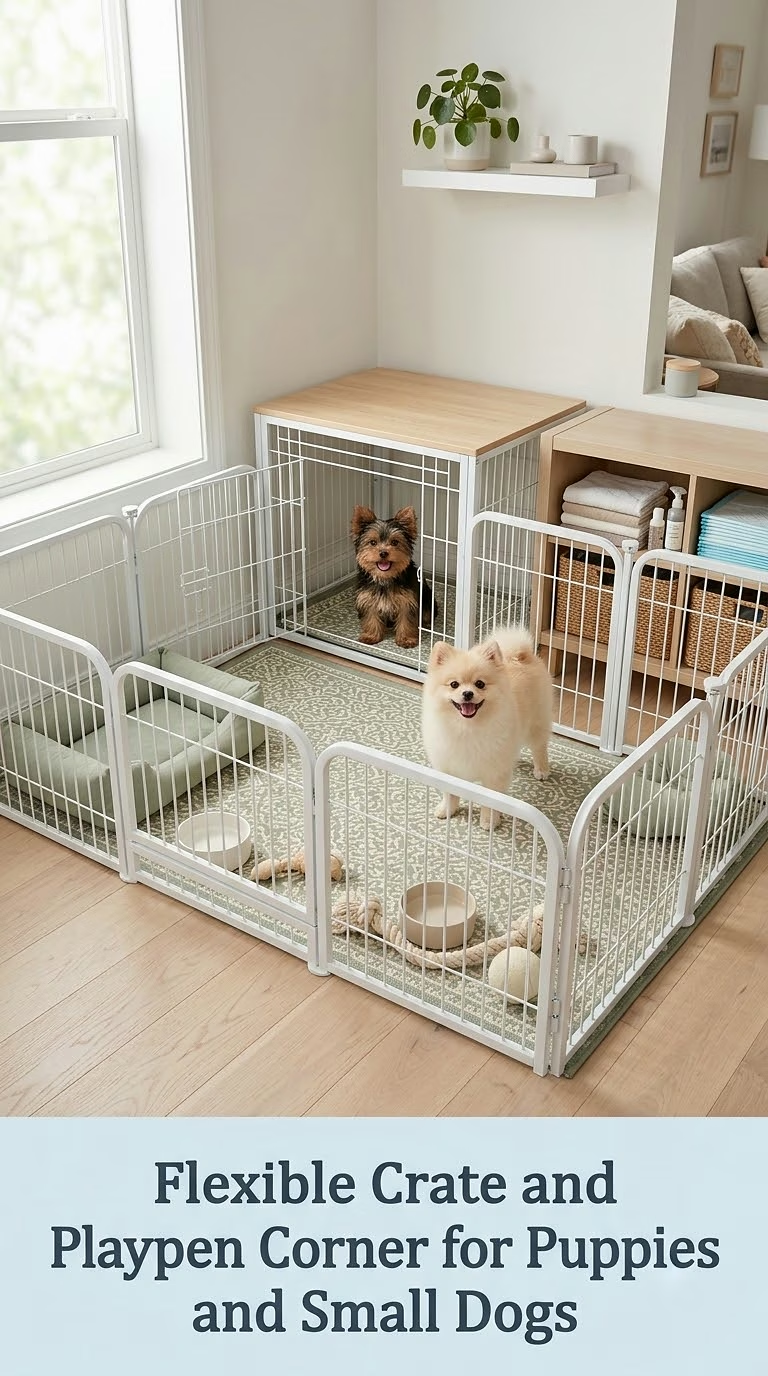
For puppies and dogs who need more room than a crate provides during longer supervised periods, combine a cozy crate with an attached indoor playpen.
Place the open crate against one side of the pen so your dog can voluntarily move between a sleeping area and a larger activity zone.
Use a washable mat beneath the entire setup to protect flooring and simplify cleanup. Neutral-colored pens and matching storage baskets can help the arrangement blend into the room instead of looking temporary.
Inside the larger area, keep only appropriate items such as safe toys, water, and bedding suited to your dog’s stage and chewing habits.
This configuration can be particularly useful during puppyhood because it creates clear zones without giving a young dog unrestricted access to the entire home.
As training progresses, the pen can eventually be folded away while the crate remains as a familiar resting place.
It is practical, flexible, and much easier to adapt than permanent cabinetry.
Creating Indoor Dog Crate Ideas That Work for Your Home
The prettiest dog crate setup is ultimately the one that works for both you and your dog. A beautiful built-in may be perfect for one home, while a simple wire crate with a washable cushion and thoughtfully designed wooden surround may make far more sense somewhere else.
Start with your dog’s needs first. Choose enough space for comfortable natural movement, maintain good ventilation, and select a location where your dog can relax without feeling completely separated from family life. Then bring in the colors, materials, storage, and decorative details that make the crate feel connected to the rest of your home.
You also do not have to transform everything at once. A new mat, coordinated cover, tidy storage basket, or simple DIY tabletop can make an ordinary crate feel considerably more intentional.
Use these indoor dog crate ideas as inspiration rather than strict rules. Borrow the oak finish from one, the storage solution from another, and the cozy bedding palette from your favorite design. With a few thoughtful choices, your dog’s comfortable little retreat can become a part of your home that you are genuinely happy to see every day.
Source: https://petstutorial.com
Category: Dog Crates
