
A dog crate can be one of the most useful things in your home, but visually, it is not always the easiest piece to decorate around. A large black wire crate sitting beside a carefully styled sofa can instantly draw the eye, especially in a small living room, bedroom, or apartment where every piece of furniture matters.
- 18 Beautiful Dog Crate Ideas for a Cozy, Stylish, and Practical Home
- 19 Cozy puppy set up ideas dog crates for a Beautiful, Practical Home
- 18 Large Dog Crate Ideas DIY Lovers Can Build for a Stylish, Cozy Home
- 18 Dog Crate Decorating Ideas for a Cozy, Stylish Pet-Friendly Home
- 19 Beautiful dog crate apartment ideas for Small, Stylish Spaces
Fortunately, hiding a crate does not have to mean pushing it into an awkward corner or sacrificing your dog’s comfort. Some of the loveliest hiding dog crate ideas turn the crate into part of the room itself. Think soft linen covers that resemble skirted tables, custom cabinetry with airy slatted doors, cozy under-stair retreats, and clever furniture arrangements that make a basic kennel nearly disappear.
You are reading: 18 Hiding Dog Crate Ideas That Blend Beautifully Into Your Home
The key is finding the right balance between beauty and practicality. Your dog should still have plenty of ventilation, comfortable bedding, easy access, and enough room to stand, turn around, and stretch out. At the same time, you can coordinate the crate with your home’s colors, materials, storage needs, and decorating style.
Whether your space is modern, farmhouse-inspired, cozy and neutral, or wonderfully eclectic, these ideas offer plenty of inspiration for making your dog’s crate feel intentional rather than intrusive.
Beautiful Hiding Dog Crate Ideas for Stylish and Practical Homes
Built-In White Oak Credenza With a Hidden Dog Crate Compartment
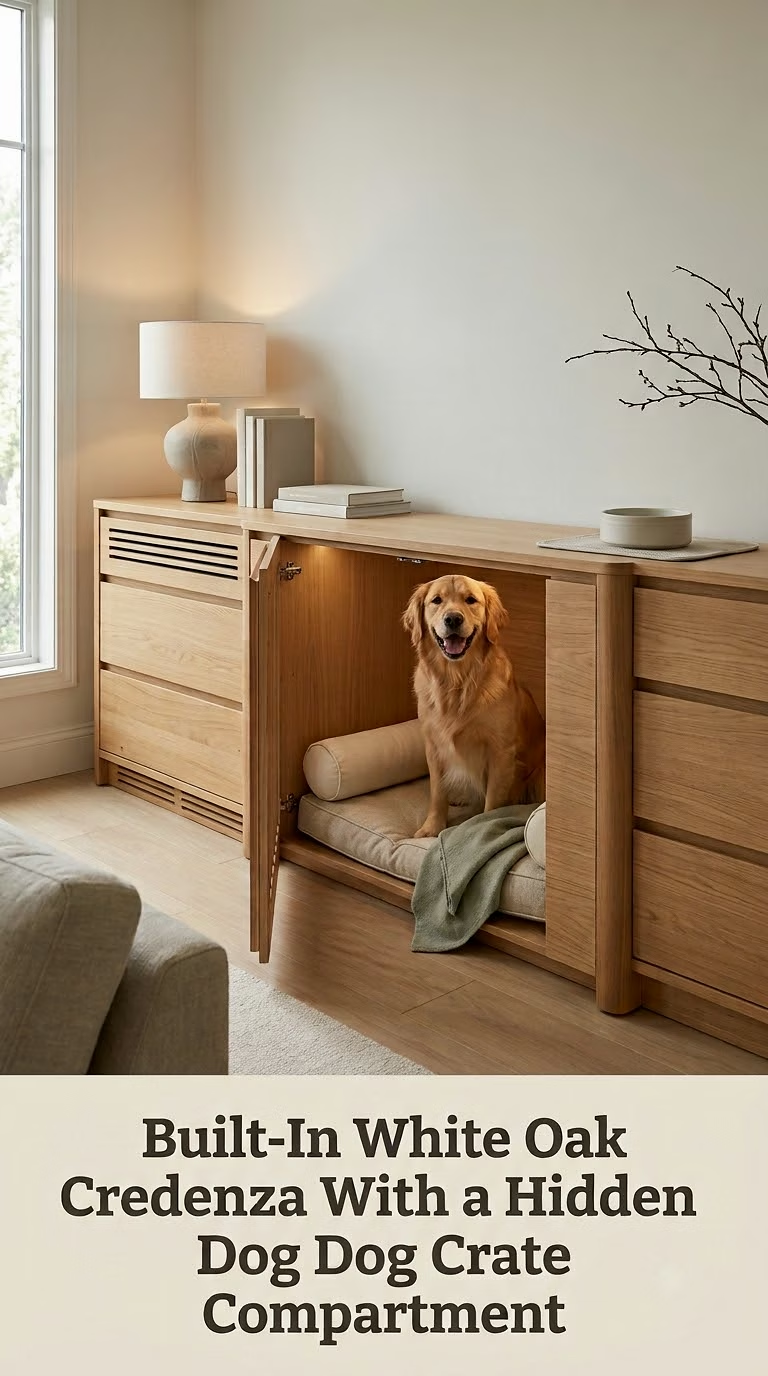
For a polished living room, consider incorporating the crate into a long white oak credenza. Instead of seeing a freestanding metal kennel, guests see a beautiful piece of custom furniture with warm wood grain, clean lines, and decorative objects displayed above.
Create one generously sized compartment with ventilated slatted or mesh-front doors while reserving neighboring sections for drawers and cabinets. Those extra spaces are perfect for leashes, grooming supplies, toys, blankets, and waste-bag rolls.
A washable neutral crate mat keeps the interior looking tidy without competing with the wood finish.
This concept works especially well underneath a wall-mounted television or along an otherwise empty living room wall. If building from scratch, design the compartment around the correctly sized crate rather than trying to squeeze your dog into whatever opening happens to fit.
Leave plenty of airflow around the sides and back, and choose finishes that can be wiped clean easily.
Soft Linen Crate Cover Styled as an Elegant Living Room Side Table
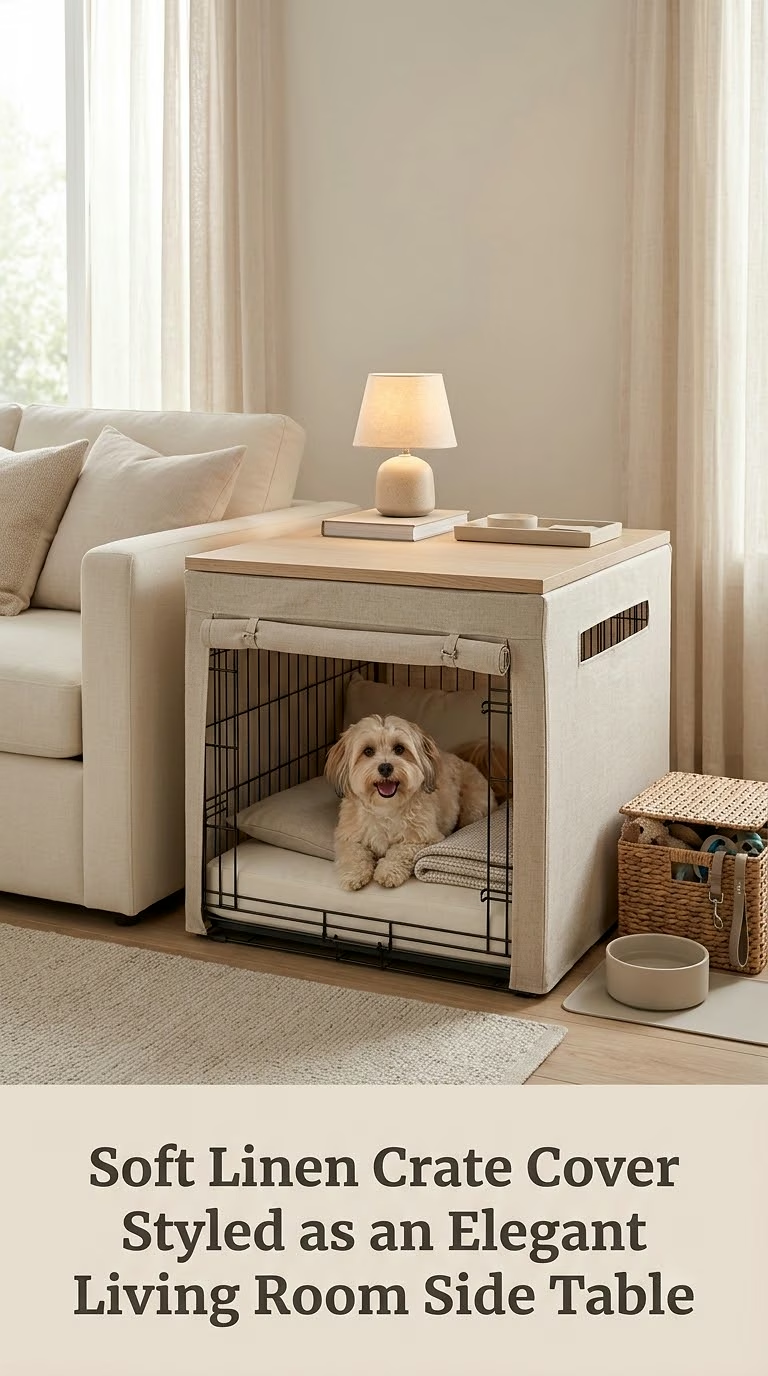
One of the easiest ways to soften the appearance of a wire crate is with a fitted fabric cover in linen, canvas, or another durable upholstery-weight material.
A warm ivory, oatmeal, greige, or soft flax cover instantly reduces the industrial appearance of black wire. Choose a tailored design with roll-up front and side panels so you can adjust privacy and airflow throughout the day.
For the appearance of a side table, place the crate underneath an independently supported tabletop or furniture frame rather than relying on the wire crate to carry heavy decorative objects.
Style the top simply with a lamp, small tray, books, or a lightweight vase. Coordinating the cover with nearby curtains and upholstery makes the crate feel especially intentional.
For households with shedding dogs, removable washable fabric is ideal. Skip loose fringe, dangling ties, or embellishments that curious dogs could pull through the crate.
Modern Console Table Frame Built Around a Black Wire Crate
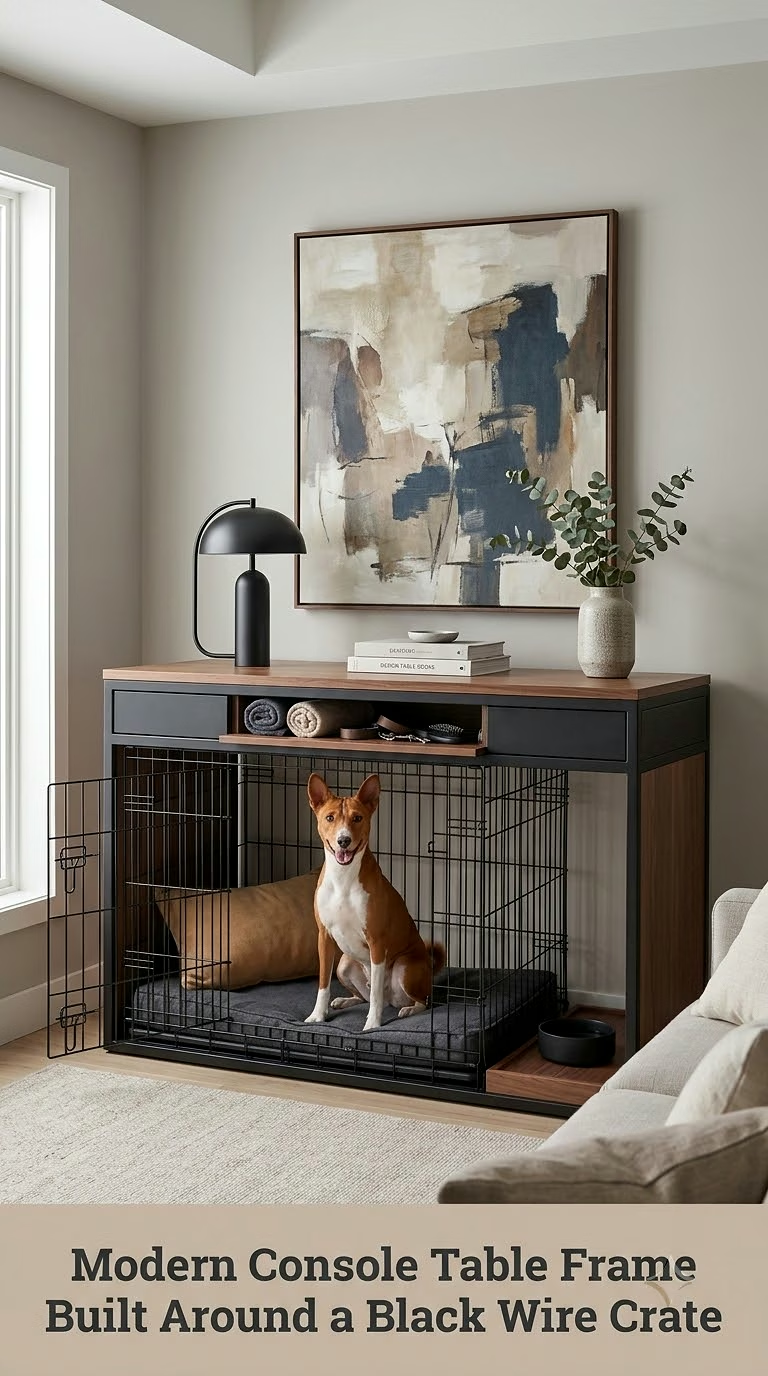
If you already own a perfectly functional wire crate, you may not need to replace it at all. Instead, build a freestanding console-style frame that slips neatly around it.
Use natural oak for a Scandinavian look, walnut for something sophisticated, or painted wood for a cleaner contemporary finish. A solid tabletop creates useful display space while simple legs visually frame the crate.
The important detail is leaving the sides open enough to maintain excellent ventilation. You can add decorative vertical slats to disguise portions of the wire while still allowing your dog to see the room.
Place baskets beside the crate rather than directly against ventilation areas. A woven basket for toys, a ceramic container for treats, and one framed photo above the console can turn an ordinary dog corner into a styled vignette.
This is also a very approachable DIY project because the existing crate continues handling the actual containment.
Cozy Window Seat With a Dog Crate Hidden Beneath the Bench
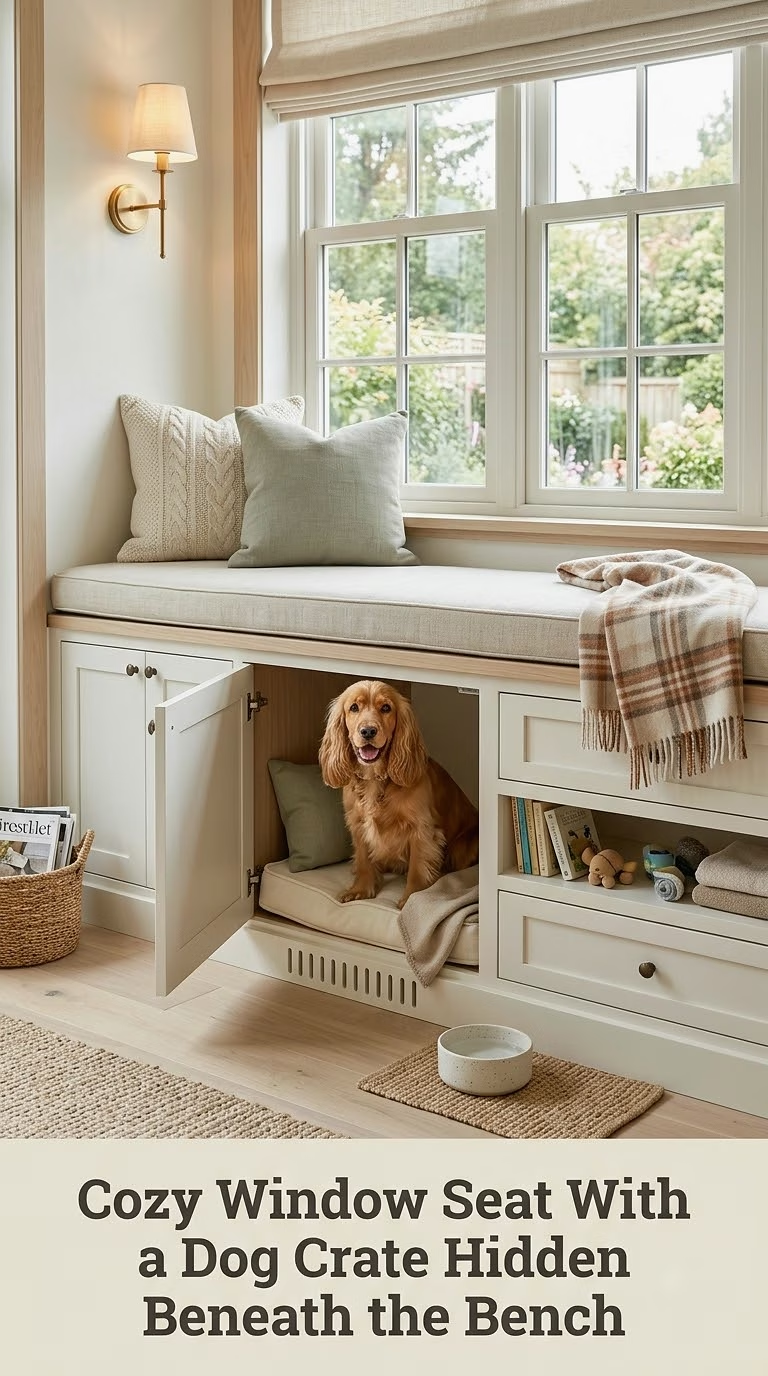
A window seat can hide an impressive amount of functional space underneath it, including a dog crate.
Picture a long built-in bench beneath a sunny window with thick cream cushions, patterned pillows, and a discreet crate opening below. The result feels more like architectural millwork than pet furniture.
For a medium or large dog, dedicate most of the lower section to the crate rather than breaking it into several cramped compartments. Ventilated grille, mesh, or widely spaced slatted doors can help the front coordinate with surrounding cabinetry.
Storage drawers can be added at the opposite end for toys and walking supplies.
Be thoughtful about temperature when using a window location. Strong direct sunlight can make enclosed spaces uncomfortable, so use curtains, blinds, or a better-positioned bench if the area becomes hot.
Choose removable cushion covers above and a washable dog mat below to simplify cleaning.
Under-Stair Dog Retreat With Warm Wood Paneling and Hidden Storage
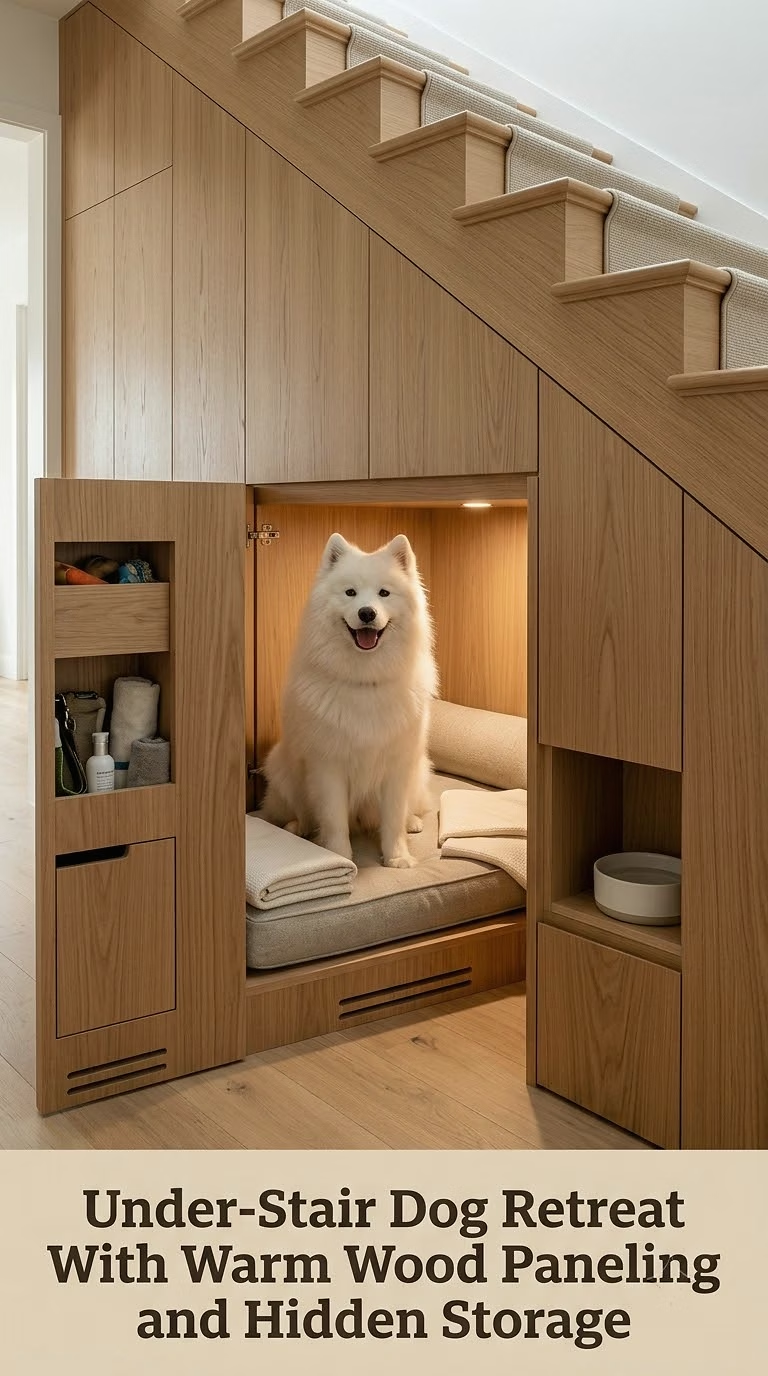
The empty area underneath a staircase is practically made for a cozy dog nook.
Instead of filling the entire triangular space with storage, create a properly sized crate area at the tallest end and use the remaining sections for drawers or cupboards. Warm oak paneling paired with cream walls creates an inviting, built-in appearance.
An arched opening can make the space look particularly charming, while a secure ventilated gate can be added when actual crate containment is required.
Small wall shelves outside the crate can hold a framed dog portrait or decorative accessories, and nearby drawers can organize leashes, coats, and towels.
Make sure the nook can be reached easily for cleaning. Avoid creating inaccessible corners where hair and dirt accumulate.
For dogs that enjoy quieter spaces, an under-stair location can feel wonderfully tucked away while still allowing them to remain near normal household activity.
Sage Green Mudroom Cabinetry With an Integrated Dog Crate
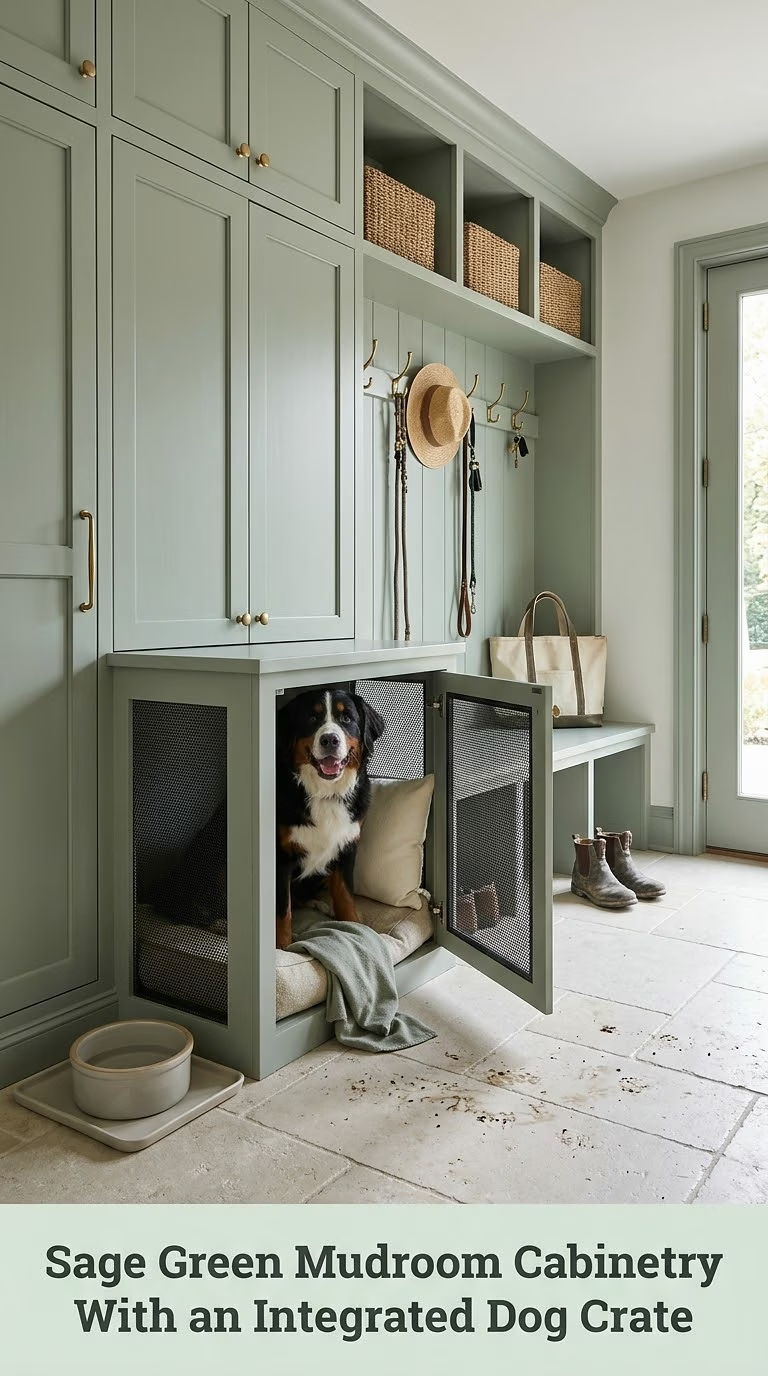
Mudrooms are naturally hardworking spaces, which makes them excellent locations for hidden dog crates.
Imagine floor-to-ceiling sage green cabinetry with shaker doors, brass hooks, a bench for putting on shoes, and a discreet dog crate integrated into the lower cabinets.
Use open metal mesh or decorative slatted panels on the crate doors rather than solid cabinet fronts. This keeps the overall look cohesive while maintaining airflow and visibility.
Nearby drawers can contain leads, treats, grooming brushes, paw wipes, and outdoor gear. Add hooks above for harnesses and towels so everything needed for walks has one dedicated home.
Read more : 19 Cozy puppy set up ideas dog crates for a Beautiful, Practical Home
Durable tile or waterproof flooring around the crate makes muddy-paw cleanup much easier.
Because mudrooms can experience large temperature changes, make sure the chosen location stays comfortable throughout the year and is not positioned beside heating equipment, exterior drafts, or excessive afternoon sun.
Kitchen Island End Cabinet With a Discreet Ventilated Dog Nook
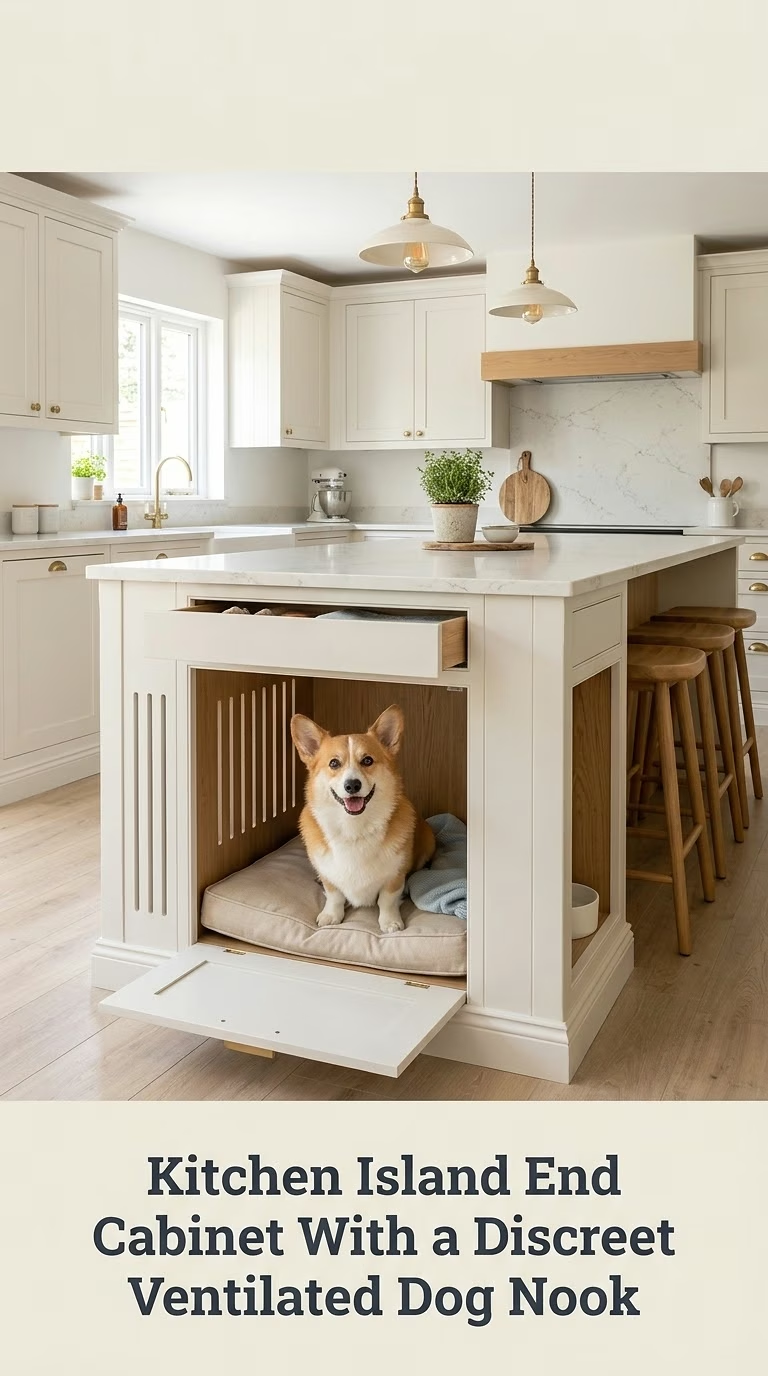
If your dog loves being close while you cook, the unused end of a large kitchen island can become an elegant crate location.
A custom enclosure finished in the same cabinetry color as the island almost disappears into the kitchen. Deep navy, warm white, muted olive, and natural oak all work beautifully.
Rather than installing a solid cabinet door, use narrow vertical slats or a decorative metal grille that complements your hardware. Inside, keep the design simple with a supportive washable mat and enough open space for your dog to move comfortably.
The crate should sit away from the oven, cooktop, and other sources of heat. It is also worth considering traffic flow before choosing this setup, especially if children frequently run around the island.
Done thoughtfully, the result feels like an intentional part of the cabinetry rather than an afterthought squeezed into the kitchen.
Bedroom Nightstand Surround With a Hidden Small-Dog Crate
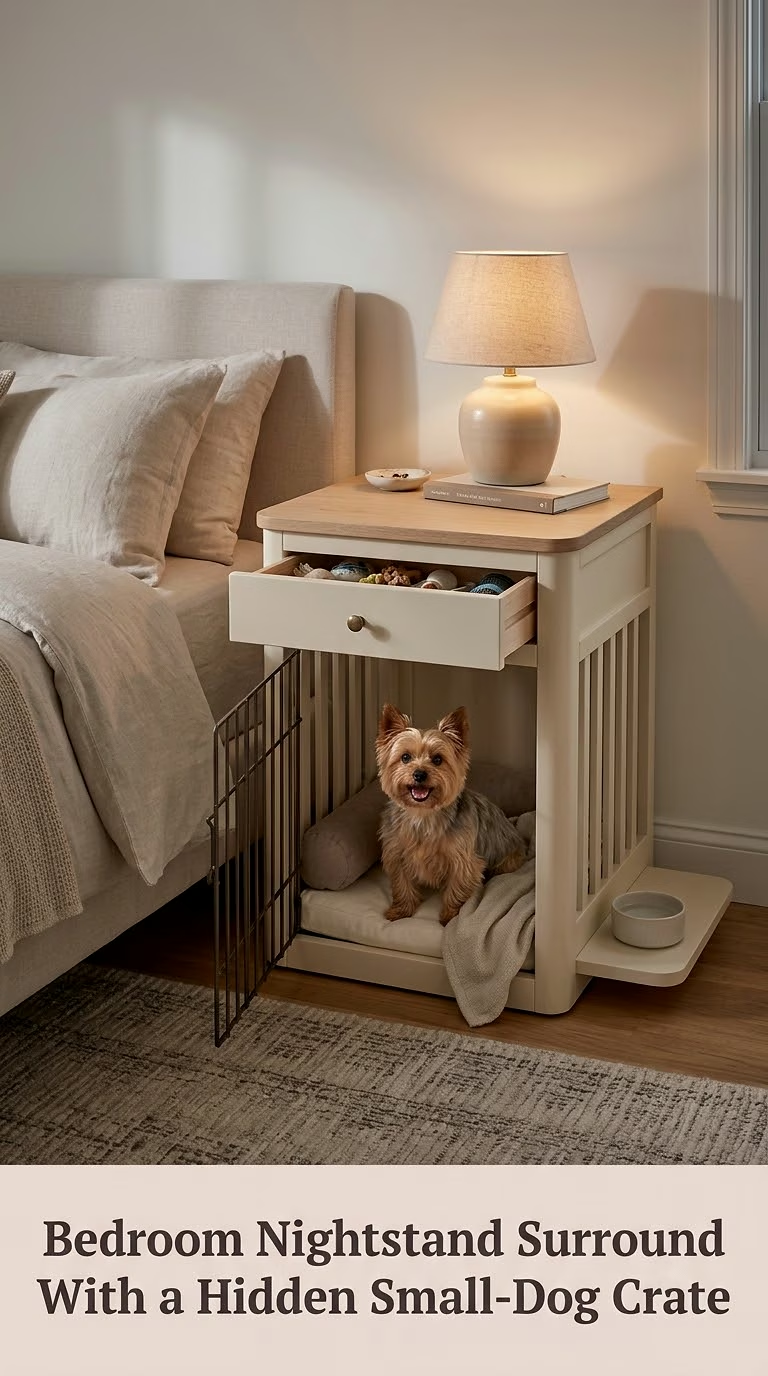
Small dogs often need surprisingly little floor space, making a bedside crate one of the easiest designs to disguise.
Create a freestanding nightstand frame large enough to slide around the crate, then coordinate it with your bedroom furniture. Warm walnut with cream bedding feels sophisticated, while painted white wood creates a softer cottage look.
Instead of enclosing every side, keep at least one side substantially open or use generous slatting to preserve airflow.
A lightweight lamp, a book, and a small tray can style the tabletop without making the area feel cluttered.
This setup can also be practical for dogs that settle better when sleeping near their owners. Use a quiet, washable mat and keep dangling charging cables, curtain cords, and other tempting objects safely out of reach.
For renters, a freestanding surround gives the built-in appearance without altering walls or cabinetry.
Minimalist Home Office Desk With a Crate Tucked Beneath One Side
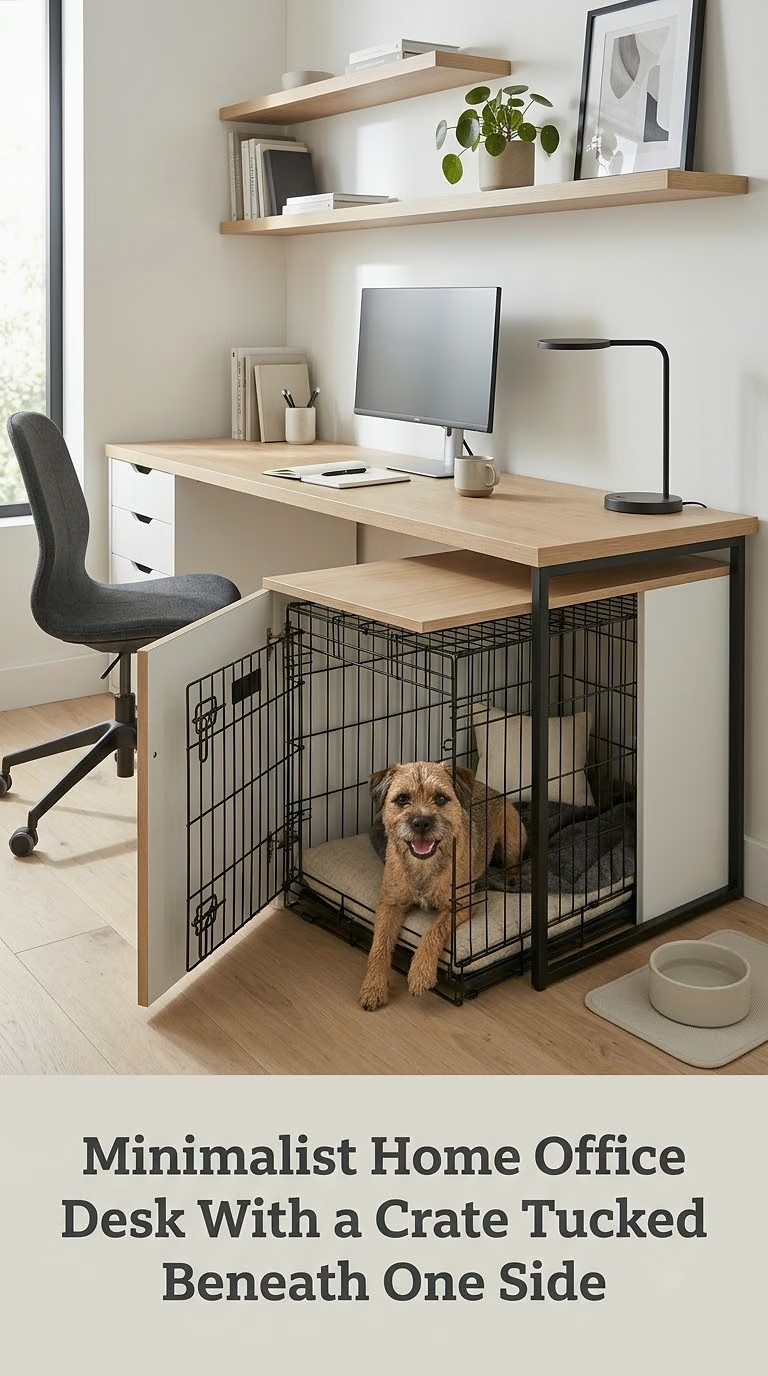
If your dog spends the workday beside you, integrate the crate into your home office instead of letting it occupy a separate corner.
A wide desk can be designed with drawers on one side and a crate-sized opening on the other. Light oak paired with white walls creates an airy Scandinavian feel, while black metal and walnut suit a more modern office.
The crate can slide underneath the desk or sit inside a freestanding furniture surround. Keep the area around the crate free from computer cables, power strips, chargers, and paper that could be pulled through the bars.
Add a washable bed in a color that echoes your office rug or desk chair.
The biggest advantage is companionship. Your dog has a designated place to settle while you work, while the crate itself becomes part of a useful piece of furniture rather than taking up additional floor space.
Entryway Storage Bench With a Crate Hidden Behind Cane-Style Panels
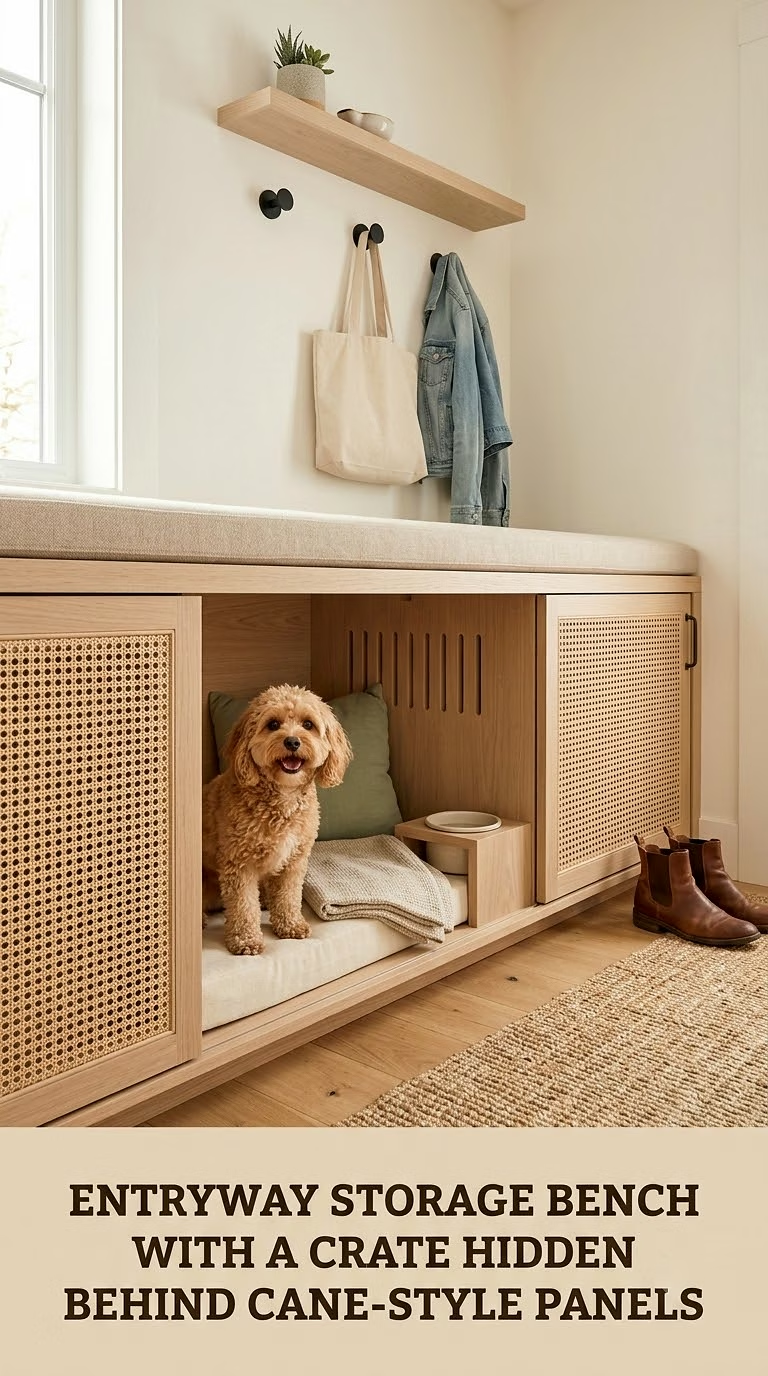
An entryway bench offers another smart opportunity for multifunctional design.
Picture a natural wood bench with a thick neutral cushion on top, closed shoe drawers at one end, and a hidden dog crate compartment at the other. Cane-inspired panels or pet-safe woven-look grilles soften the enclosure while helping air move through it.
Above the bench, add simple hooks for coats and dog leads, plus a small shelf for baskets. The entire arrangement can become a beautiful landing zone for both human and pet essentials.
Choose sturdy, moisture-resistant materials because entryways tend to collect wet shoes, muddy paws, and outdoor debris.
If your dog gets excited whenever someone enters the house, consider whether a quieter nearby location might be more relaxing. Otherwise, this design is especially practical for calm dogs that enjoy staying close to the household’s comings and goings.
Rustic Farmhouse Console With a Crate Behind X-Pattern Doors
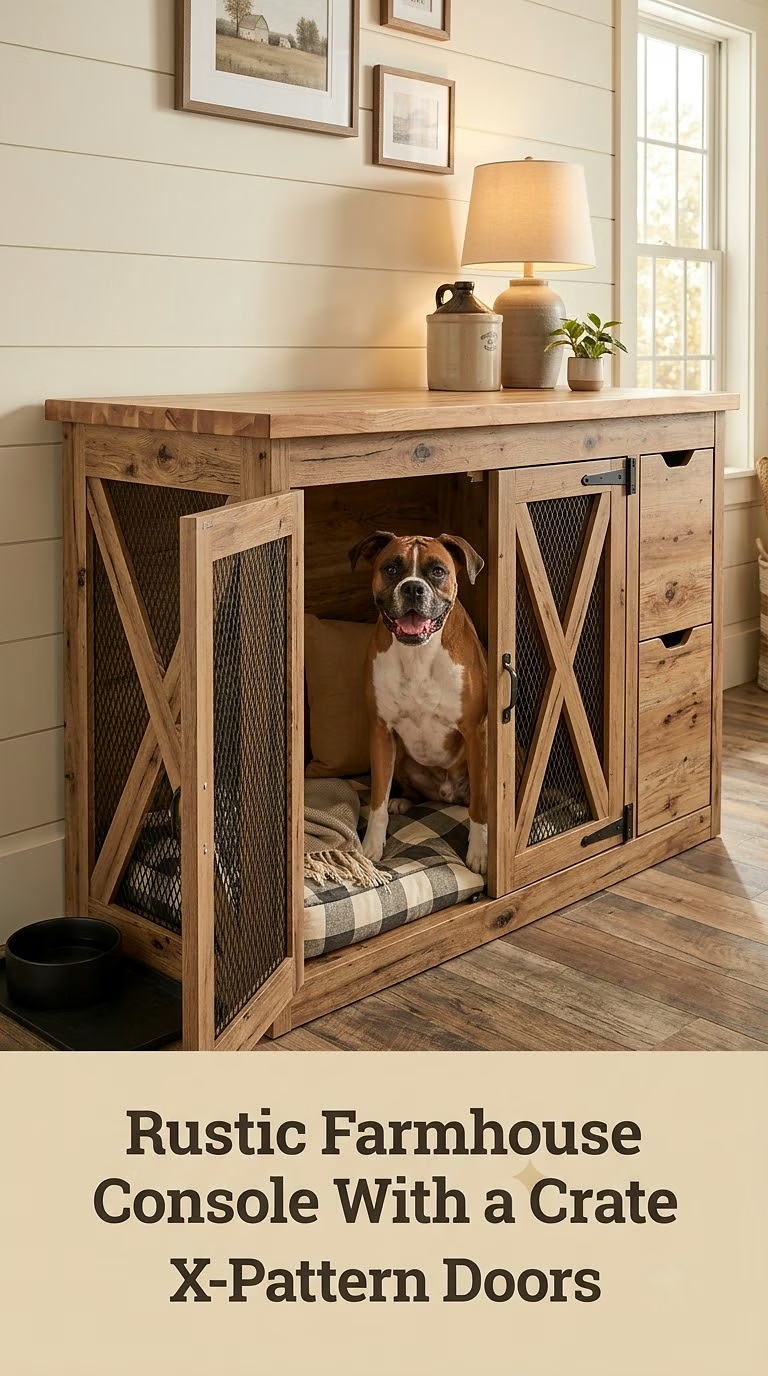
For farmhouse interiors, a dog crate can blend beautifully into a rustic console inspired by barn doors and vintage cabinetry.
Use warm stained wood or a soft weathered finish, then add X-pattern doors with metal mesh behind them. Matte black hardware gives the piece just enough contrast without making it feel overly themed.
A thick wooden top can hold pottery, baskets, framed photos, or seasonal decor. Inside, choose a cream, beige, or plaid washable crate pad to continue the cozy farmhouse palette.
The enclosure should be generously ventilated, so treat the decorative woodwork as a frame rather than covering the entire crate with solid panels.
This design works particularly well along a dining room or family room wall, where the furniture can fill an otherwise unused stretch of space while giving your dog a comfortable retreat nearby.
Vertical Wood-Slat Room Divider That Screens a Large Dog Crate
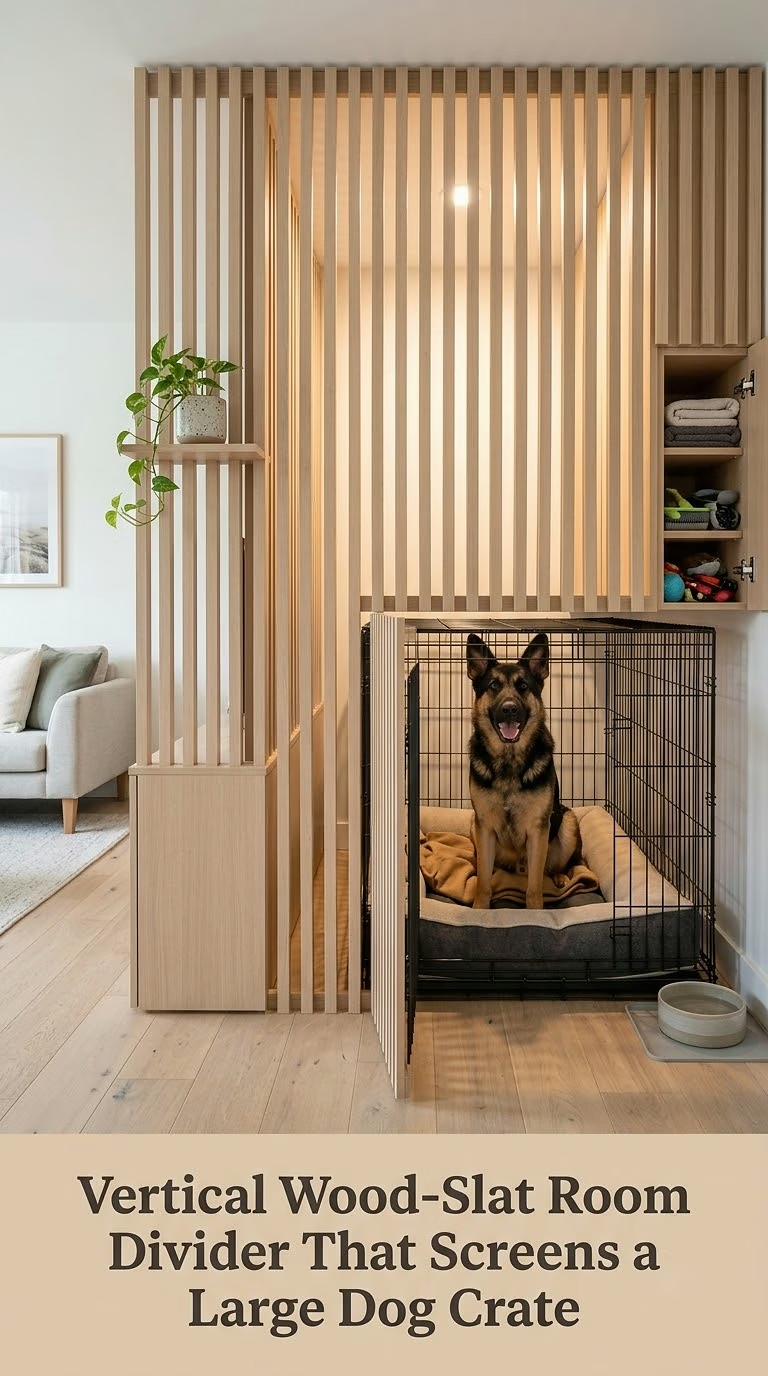
Sometimes the simplest solution is not disguising the crate itself but gently blocking it from the main sightline.
A freestanding vertical wood-slat screen can create a stylish visual barrier between a large crate and the rest of the room. Pale oak slats give the divider a warm modern look without making the space feel closed off.
Position the screen several inches away from the crate rather than pressing it directly against the bars. The gap maintains airflow and prevents an energetic dog from grabbing the screen.
This idea is especially useful in open-plan homes where a crate needs to remain in the living area but does not need to be the first thing seen from the sofa or entryway.
Add a tall plant outside the divider if the location allows, but keep leaves and pots safely beyond the dog’s reach.
Upholstered Folding Screen for a Renter-Friendly Crate Hideaway
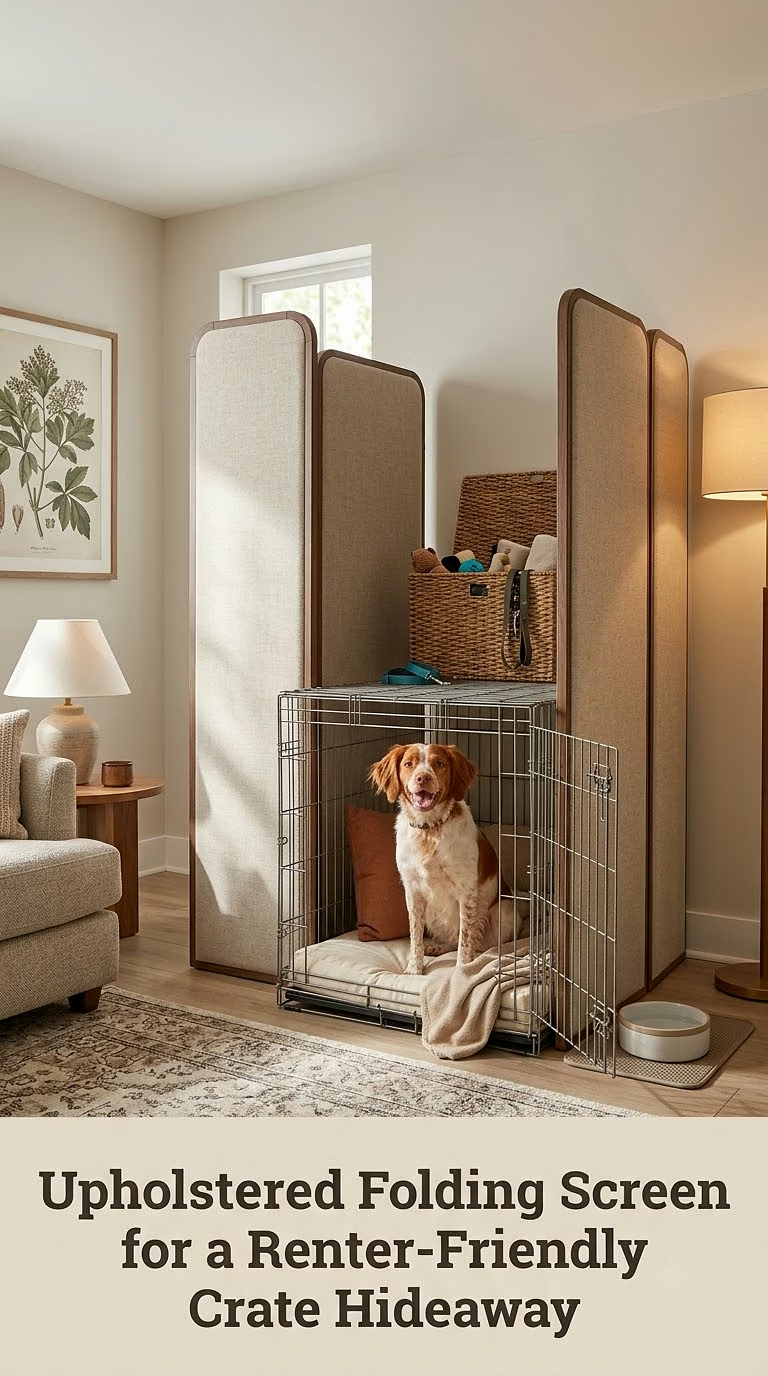
Renters can conceal a dog crate without drilling, building, or replacing furniture by using a decorative folding screen.
Choose one covered in soft neutral fabric, woven panels, botanical prints, or light wood to complement the room. Place it strategically so it blocks the crate from your main viewing angle while leaving the front and other ventilation areas comfortably open.
Read more : 19 Cozy Dog Crate Ideas That Make Your Pet’s Space Feel Like Home
A screen is particularly useful when guests visit because it can be repositioned in seconds. When you move homes, it simply folds flat and travels with you.
Avoid unstable screens that could easily fall if bumped. A sturdy model with a wide footprint is safer, especially around energetic dogs.
Instead of surrounding the entire crate, think of the screen as visual camouflage. You want the crate to feel less prominent without turning your dog’s resting space into a closed box.
Converted Closet Alcove With a Bright and Airy Dog Crate Station
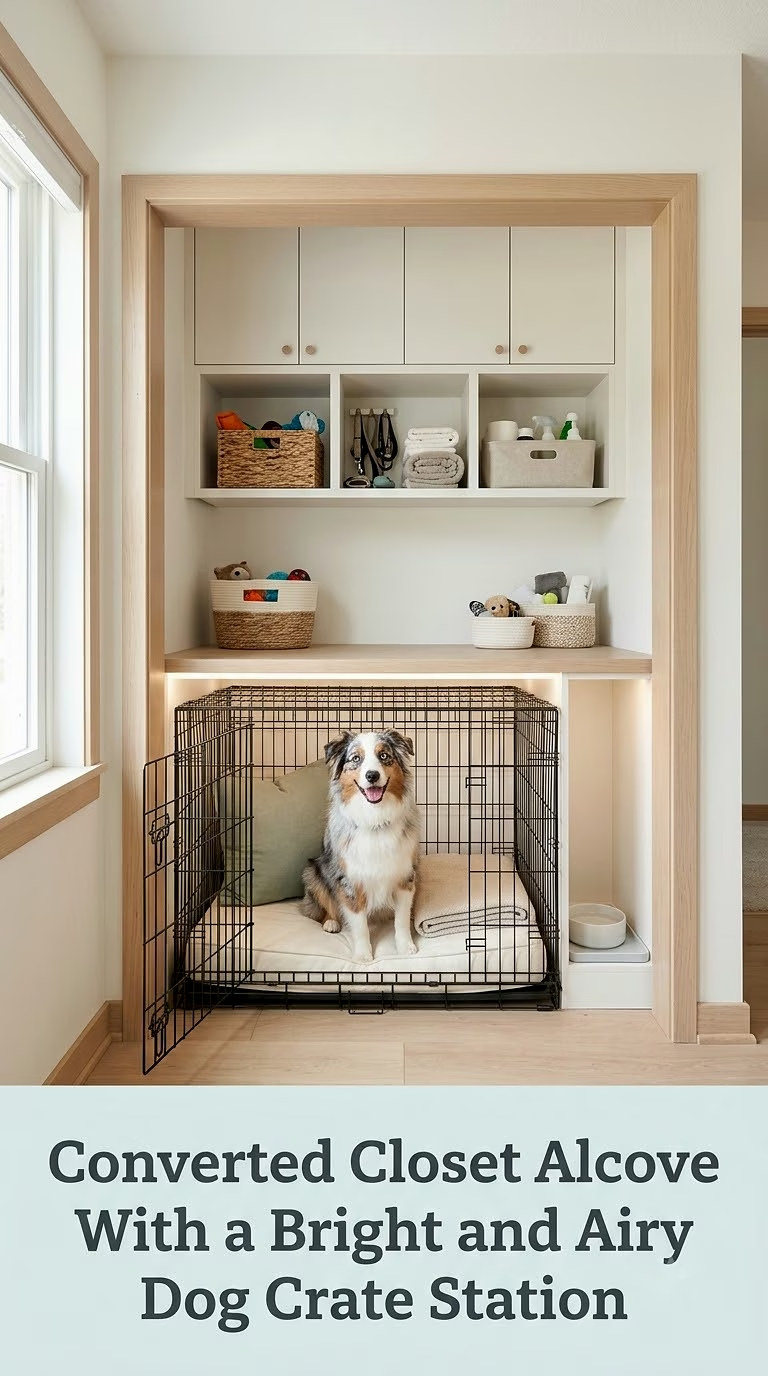
An underused coat closet can become an attractive dog station, particularly if the doors are removed and the space remains open to the room.
Paint the interior a warm neutral, pale blue, or muted sage, then position the correctly sized crate inside. Add a washable mat underneath and install shelves above for lightweight pet supplies.
Woven baskets can hold toys and towels, while hooks outside the dog’s reach organize leads and harnesses.
The goal is to create an open alcove, not seal the dog inside a traditional closed closet. Maintain plenty of ventilation and never use a space that becomes excessively warm or stuffy.
A small battery-operated light outside the crate can brighten a dark alcove, while pretty wallpaper on the upper wall provides a playful Pinterest-worthy detail.
The finished design can look like custom architecture even when it began as basic builder storage.
Slim Sofa-Back Console That Visually Conceals a Dog Crate
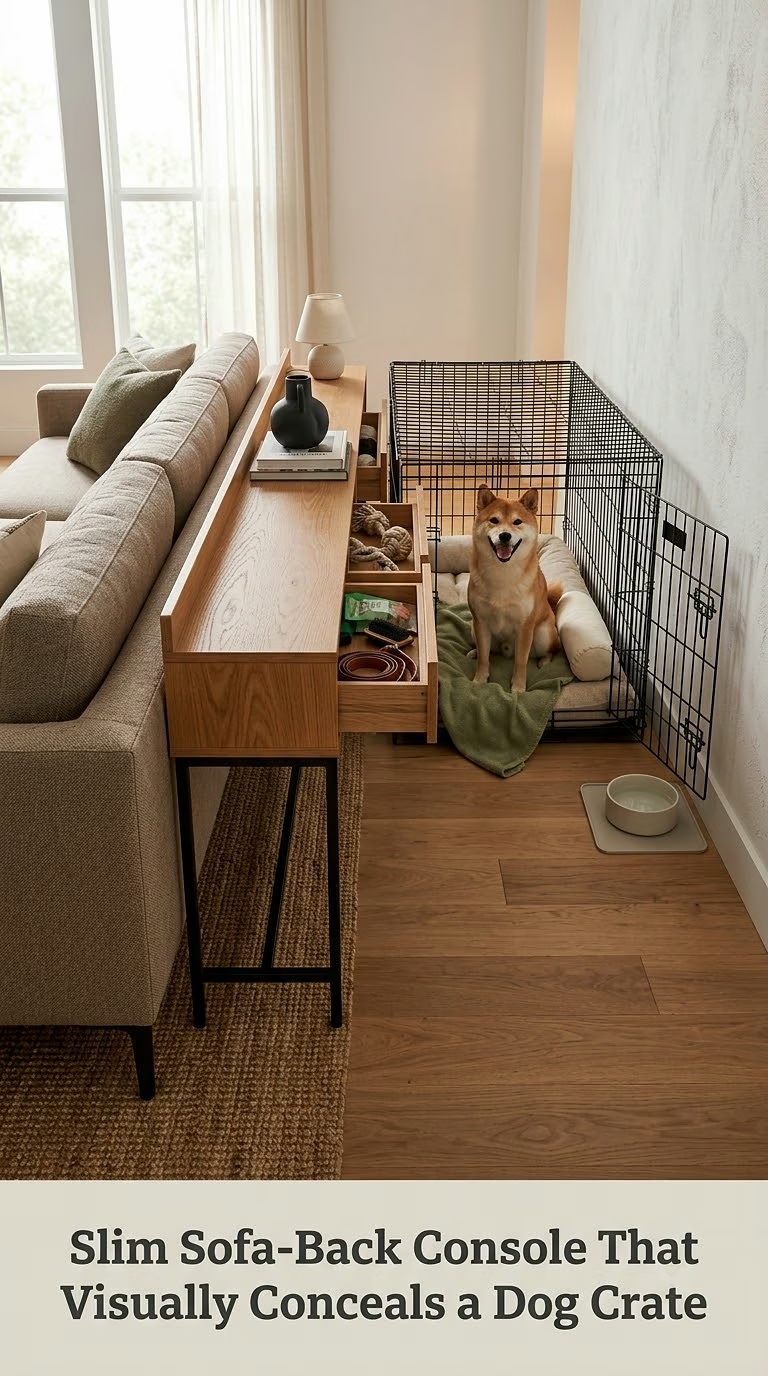
The space behind a floating sofa often goes unused. A long console table placed there can provide a surprisingly effective way to hide a crate from the rest of the room.
Choose a table slightly wider and taller than the crate so the kennel visually disappears underneath when viewed from the dining or entry area.
For an elevated look, use a warm wood console with simple legs and style the top with a narrow lamp, ceramic bowl, books, or decorative tray.
Avoid hanging fabrics that your dog can reach through the crate. The console itself should also remain structurally independent rather than resting directly on the kennel.
This arrangement is ideal for open-plan living rooms because the dog can remain close to family activity while the crate stays tucked into a visually quieter zone.
Wallpapered DIY Crate Surround for a Colorful Budget Makeover
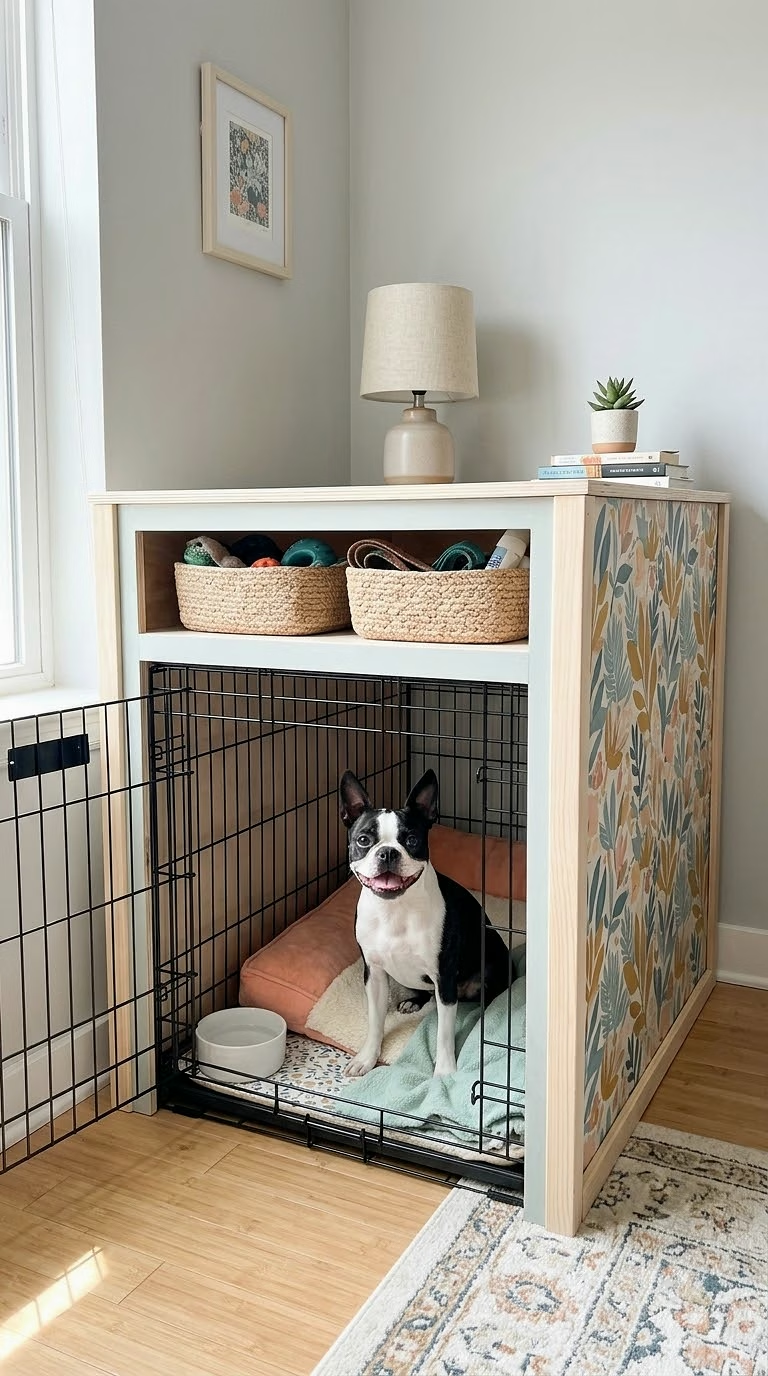
A basic crate can receive a dramatic cosmetic makeover without expensive custom furniture.
Build a lightweight freestanding surround using pet-safe, appropriately sturdy panels attached to a simple frame, then finish the exterior with removable wallpaper. Botanical prints, tiny florals, subtle gingham, grasscloth-look patterns, or soft geometric designs can transform an ordinary kennel corner.
Keep substantial ventilation openings on multiple sides and avoid placing loose paper where your dog can chew or pull it through the crate.
For a particularly charming look, coordinate the wallpaper with artwork, cushions, or curtains elsewhere in the room.
Because the surround can be constructed separately from the kennel, it is easy to remove when cleaning or rearranging furniture.
This is a fun choice for renters, crafty homeowners, or anyone who wants a high-impact Pinterest look without commissioning custom cabinetry.
Vintage Hutch-Style Dog Crate With Warm Wood and Mesh Doors
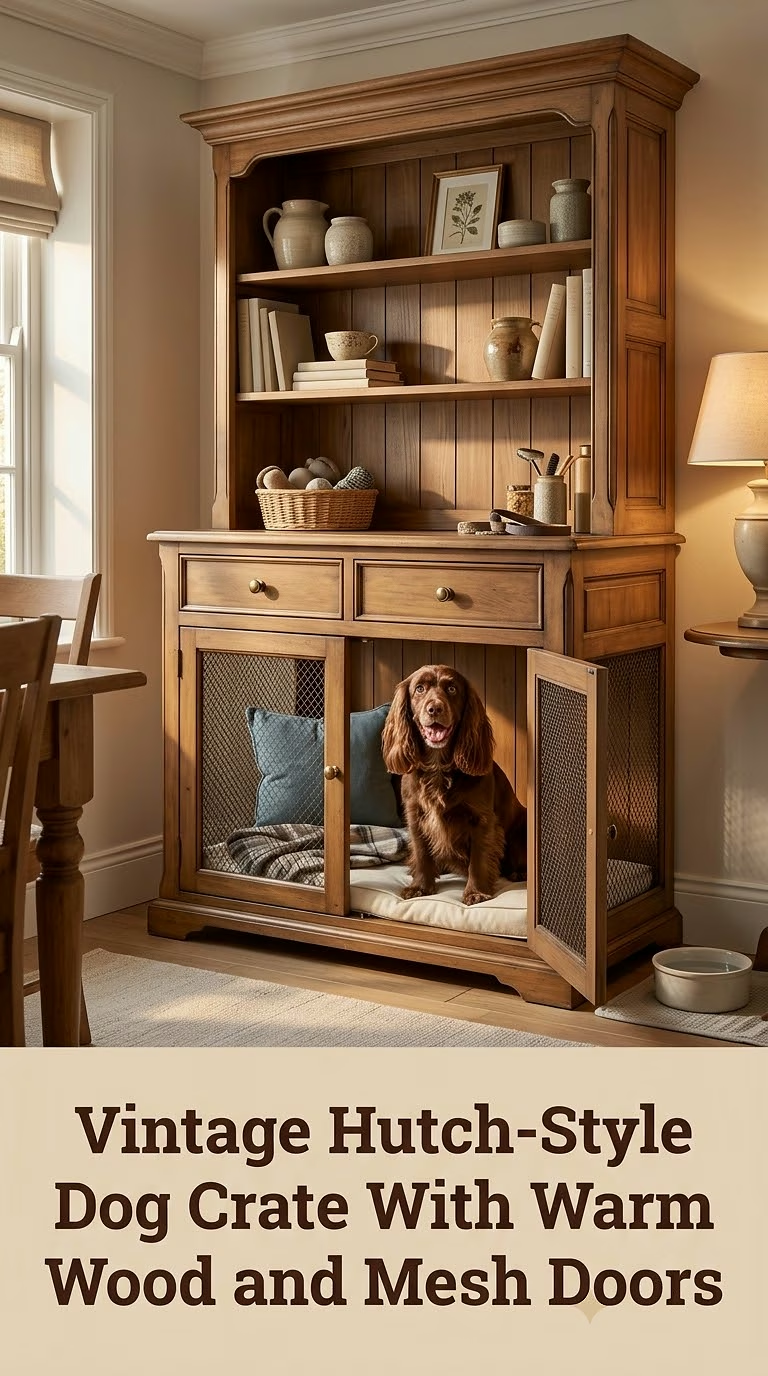
A dog crate disguised as a vintage hutch can give a cottage, traditional, or collected interior plenty of character.
Instead of making the enclosure look like conventional pet furniture, design it to resemble an antique cabinet with warm stained wood, small brass knobs, and decorative trim. Replace solid lower doors with framed metal mesh so the dog receives plenty of airflow.
The upper portion can include shallow shelves for baskets, books, or pretty storage boxes, creating useful vertical storage without making the footprint larger.
For easy maintenance, use a removable tray or washable mat inside and seal wooden surfaces with an appropriate durable finish.
This concept is particularly attractive in dining rooms and kitchens where a freestanding cabinet already feels natural. It is also a wonderful way to make a large crate look like a treasured furniture piece rather than something you are trying desperately to conceal.
Luxury Floor-to-Ceiling Millwork With a Seamlessly Integrated Dog Suite
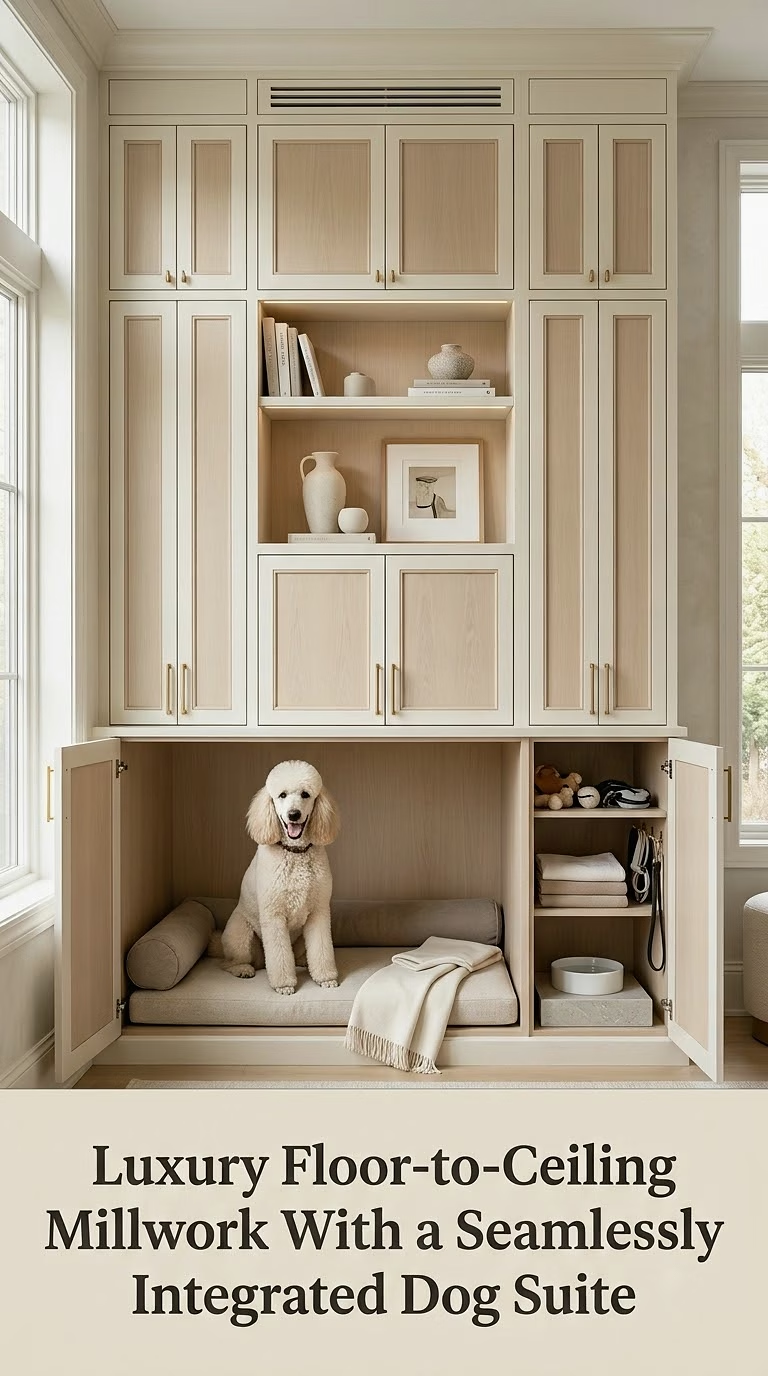
For a high-end renovation, take the hidden-crate concept all the way into custom architectural millwork.
Imagine floor-to-ceiling cabinetry in creamy white or natural oak, with drawers, display shelves, and beautifully proportioned doors. At floor level, one generously sized section becomes the dog’s private suite.
Decorative metal grille doors can coordinate with cabinet hardware while creating abundant ventilation. Inside, install an easily removable washable bed and smooth surfaces that can be wiped clean.
Storage above can hold everything from grooming supplies to spare blankets, allowing the entire pet setup to disappear into one beautifully organized wall.
This is an especially elegant solution for large dogs, whose crates are often difficult to conceal with ordinary furniture.
A professional-quality result should feel spacious rather than squeezed in. Design the millwork around your dog’s comfort requirements first, then let the surrounding cabinetry create the seamless visual effect.
Creating Hiding Dog Crate Ideas That Feel Beautiful and Comfortable
The best hiding dog crate ideas are not really about pretending you do not have a dog. They are about allowing pet essentials to become a thoughtful part of the home you already love.
A simple linen cover may be all a small apartment needs, while a large family home might have room for an under-stair retreat, mudroom cabinet, or beautifully integrated living room credenza. Even an inexpensive wire crate can look much more intentional when surrounded by the right furniture, colors, textiles, and storage.
Whichever idea inspires you, start with your dog’s needs. Preserve generous ventilation, choose the correct crate size, use washable comfortable materials, keep unsafe objects out of reach, and make sure the space remains easy to access and clean.
Then have fun with the decorating side. Match the wood tone to your furniture, repeat a favorite paint color, add pretty baskets, or choose a fabric that connects the crate to the rest of the room.
With a little creativity, your dog’s cozy retreat can become one of those clever details that makes your home feel both beautifully styled and genuinely lived in.
Source: https://petstutorial.com
Category: Dog Crates
