
Dog toys have a funny way of taking over a home. One minute there are two plush toys beside the sofa, and the next there are tennis balls under the coffee table, tug ropes in the hallway, and a squeaky duck somehow sitting in the middle of the kitchen. A thoughtfully designed toy box can make all that playful clutter much easier to manage without making your living space feel like a pet supply aisle.
- 18 Large Dog Crate Ideas DIY Lovers Can Build for a Stylish, Cozy Home
- 19 Garage Dog Crate Ideas for a Cozy, Stylish, and Practical Pet Space
- 18 Hiding Dog Crate Ideas That Blend Beautifully Into Your Home
- 18 Stylish Dog Crate Ideas DIY Lovers Can Build for a Cozy, Beautiful Home
- 20 Stylish Large Dog Crate Ideas for a Cozy, Beautiful Home
That is exactly why diy dog toy box ideas wood crates are so appealing. Wooden crates already have the relaxed, decorative character that works beautifully in farmhouse, cottage, coastal, rustic, modern, and even minimalist homes. With a little sanding, paint, stain, trim, or creative styling, an inexpensive crate can become a genuinely attractive piece of pet furniture.
You are reading: 19 DIY Dog Toy Box Ideas Wood Crates for a Beautifully Organized Pet-Friendly Home
The best designs are also practical for your dog. A low opening lets your pup choose a favorite toy independently, while sturdy construction and smooth edges make everyday use easier. You can even create separate compartments for plush toys, balls, ropes, grooming supplies, or less frequently used accessories.
Whether you are decorating a tiny apartment or creating an entire dog corner, the ideas below offer plenty of achievable inspiration for turning simple wooden crates into storage you will actually enjoy seeing every day.
Beautiful DIY Dog Toy Box Ideas Using Wood Crates
Natural Pine Wood Crate With a Low Paw-Shaped Opening
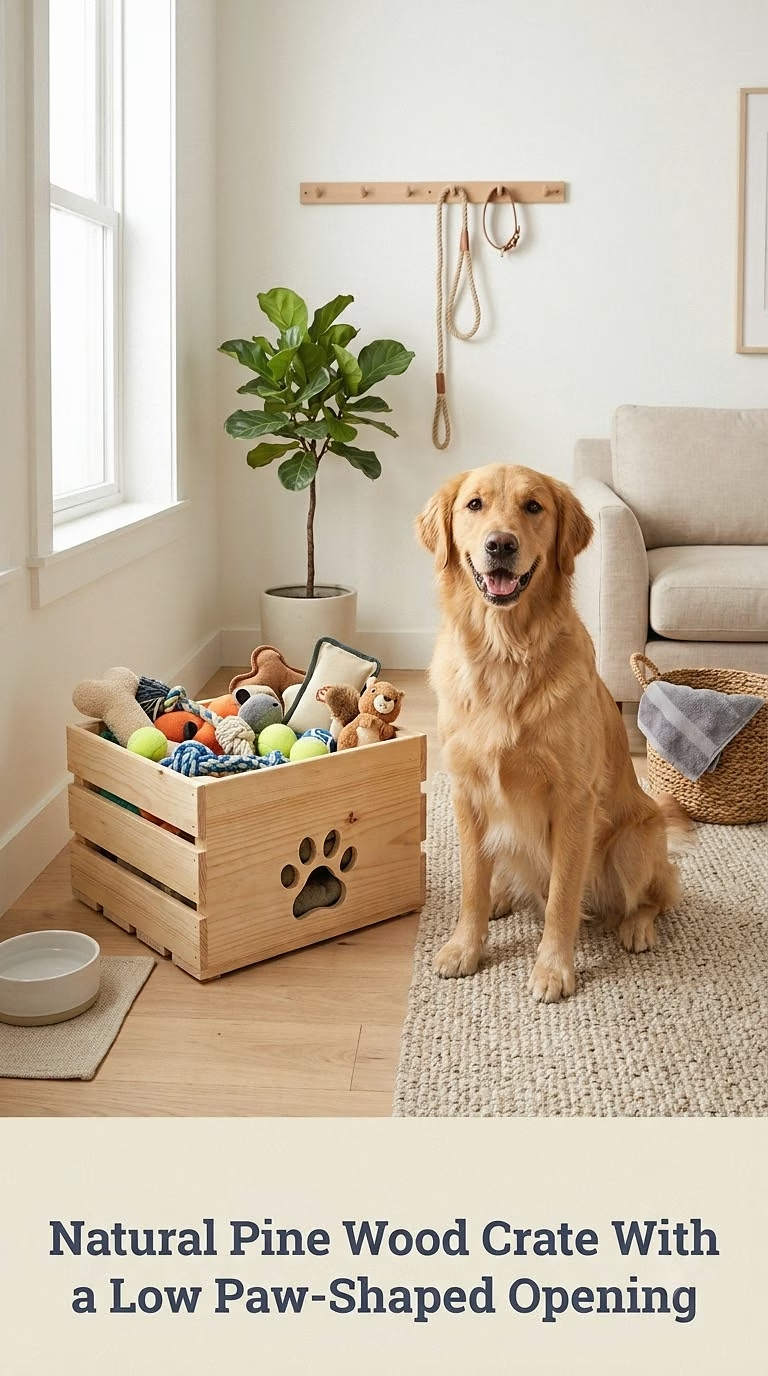
Keep things simple with an unfinished pine crate transformed into a low-access dog toy bin. Cutting a shallow curved opening into the front gives your dog an easier way to reach toys without having to lean over a tall wooden edge.
Leave the pine natural for a warm Scandinavian look, or apply a subtle finish that complements your floors and furniture. Carefully sand every cut edge, corner, and slat until the surface feels completely smooth.
A small wooden paw print attached to the front adds personality without making the design overly themed. Fill the box with neutral rope toys, soft plush animals, and rubber enrichment toys for a beautifully styled yet functional display.
This design is especially attractive beside a sofa, console table, or dog bed because its light wood tone blends naturally with calm, neutral interiors.
White Farmhouse Dog Toy Crate With Black Lettering
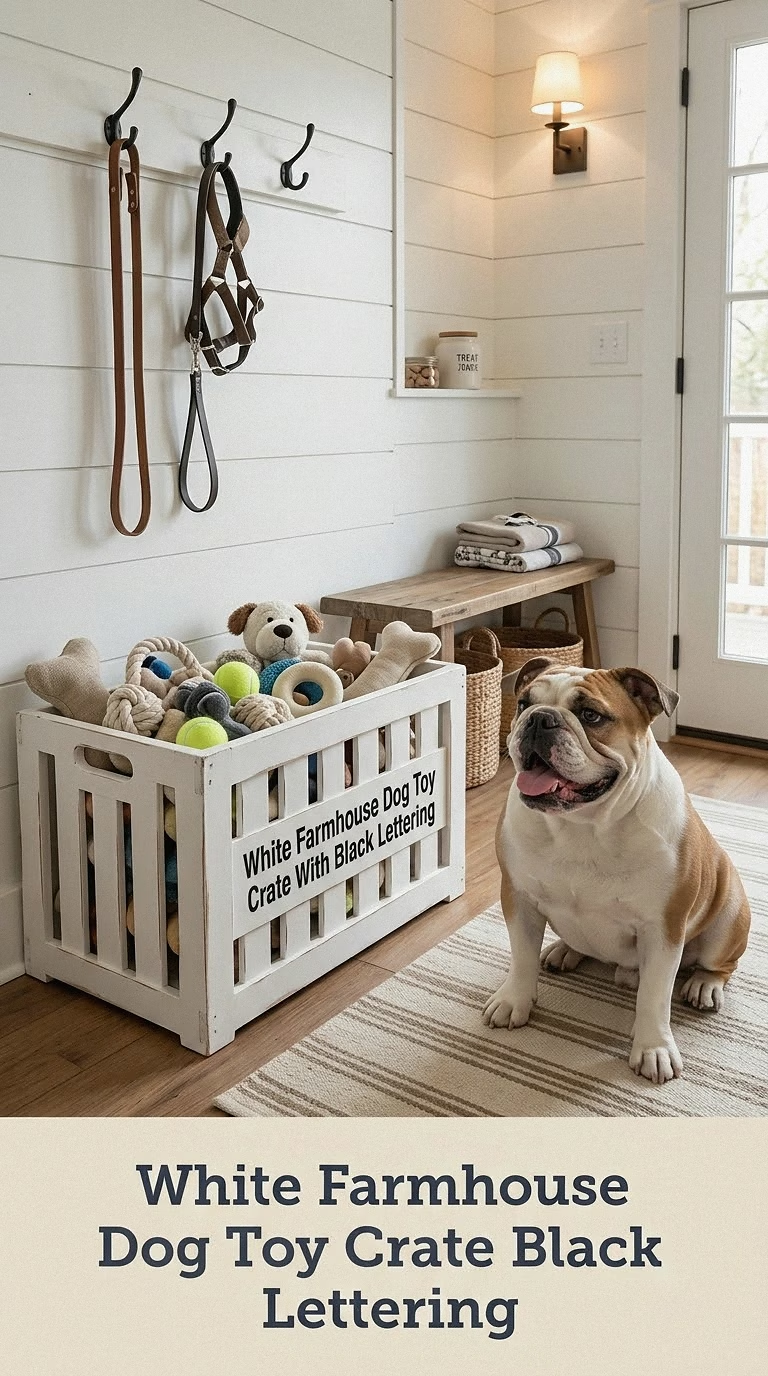
For a bright farmhouse-style living room, transform a basic wooden crate with warm white paint and simple black lettering.
Words such as “TOYS,” “PLAY,” or your dog’s name can be painted or stenciled across the front. Slightly distressed edges can create a relaxed vintage appearance, while a cleaner solid-white finish feels more modern.
Choose a crate wide enough for toys to remain visible instead of becoming buried in one deep pile. The open slatted sides also make the box feel visually lighter than a solid storage chest.
Pair the white crate with woven baskets, linen dog bedding, black metal accents, and natural wood furniture for an easy Pinterest-worthy dog corner.
Avoid leaving rough distressed areas where your dog frequently reaches into the container. Decorative aging should still feel smooth when you run your hand across it.
Sage Green Wood Crate Toy Box With Brass Name Plate
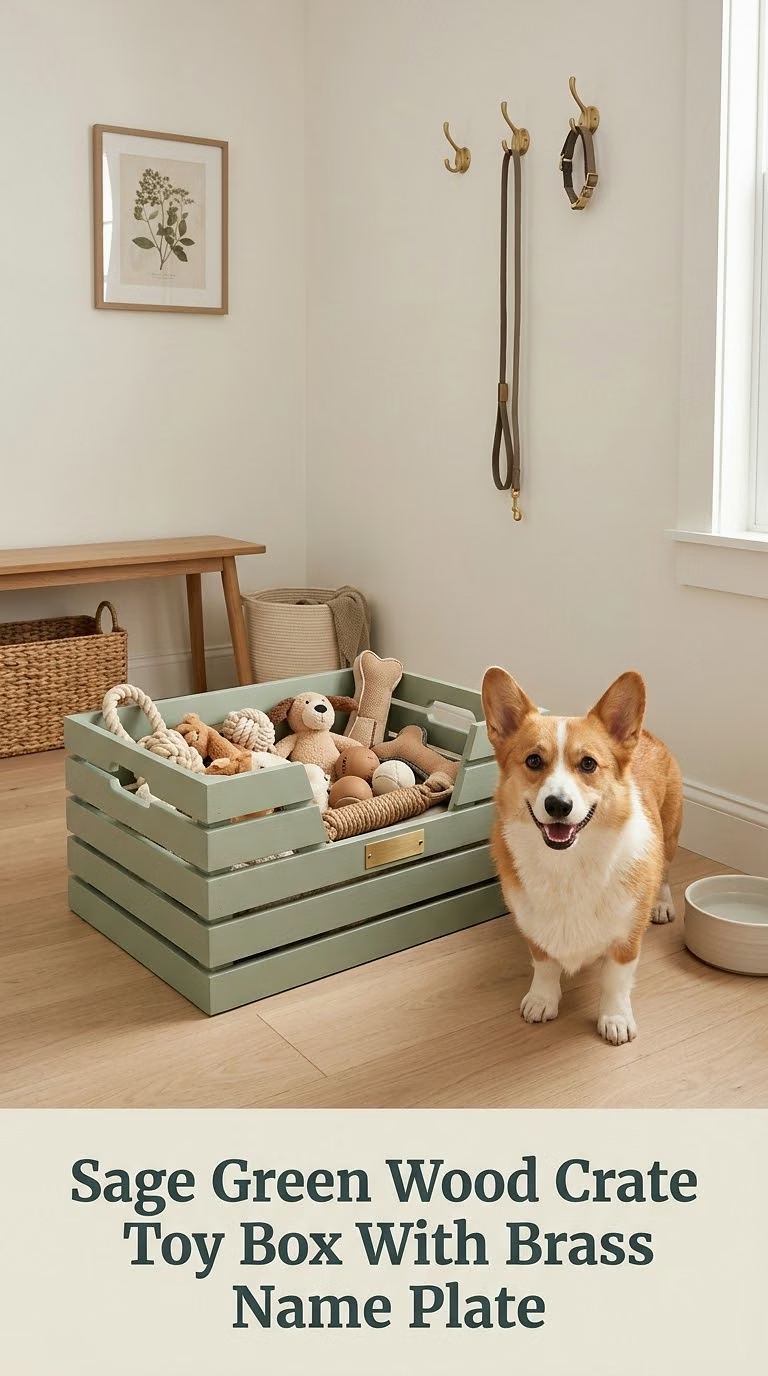
Soft sage green brings a gentle, polished feel to ordinary pet storage and works beautifully with cream, beige, oak, and warm white interiors.
Paint a wooden crate in a muted sage shade, then attach a simple brass-tone name plate to the center. The finished piece can look surprisingly similar to decorative storage purchased from a boutique home store.
This design works particularly well in bedrooms, mudrooms, or cozy living rooms where you want pet accessories to feel connected to the overall color palette.
Choose washable toys in cream, rust, mustard, or muted green to make the contents look intentional rather than chaotic.
Keep decorative hardware securely attached and positioned where your dog cannot easily mouth or pull at it. A beautifully styled toy box should still be designed around everyday pet use.
Rustic Stained Crate With Vintage Rope Handles
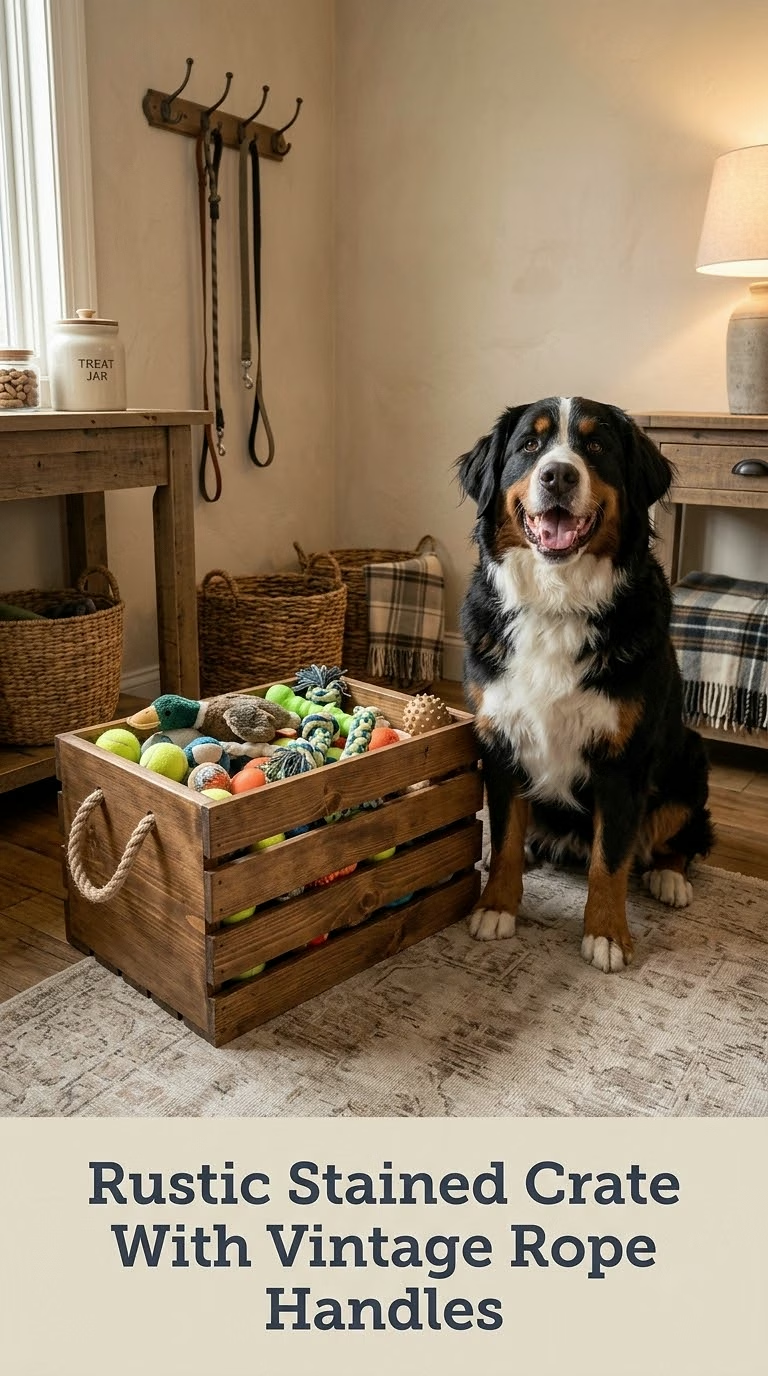
A dark or medium wood stain can give a basic pine crate the warmth of vintage farmhouse furniture.
Add chunky rope handles on each end for a relaxed rustic detail, especially if the box will occasionally be moved between rooms. Make sure every handle is securely fixed and keep loose rope ends inaccessible if your dog is tempted to chew fibers.
Inside, use the crate for larger plush toys, tug toys, and balls rather than small objects that can fall through widely spaced slats.
This style looks especially charming beside a leather sofa, reclaimed wood console, jute rug, or plaid dog bed.
For an extra handmade touch, add your dog’s name with a small stencil rather than large decorative graphics. The combination of warm timber, simple lettering, and natural texture creates a cozy piece that feels at home in a relaxed country interior.
Modern Black Wood Crate With Minimal White Typography
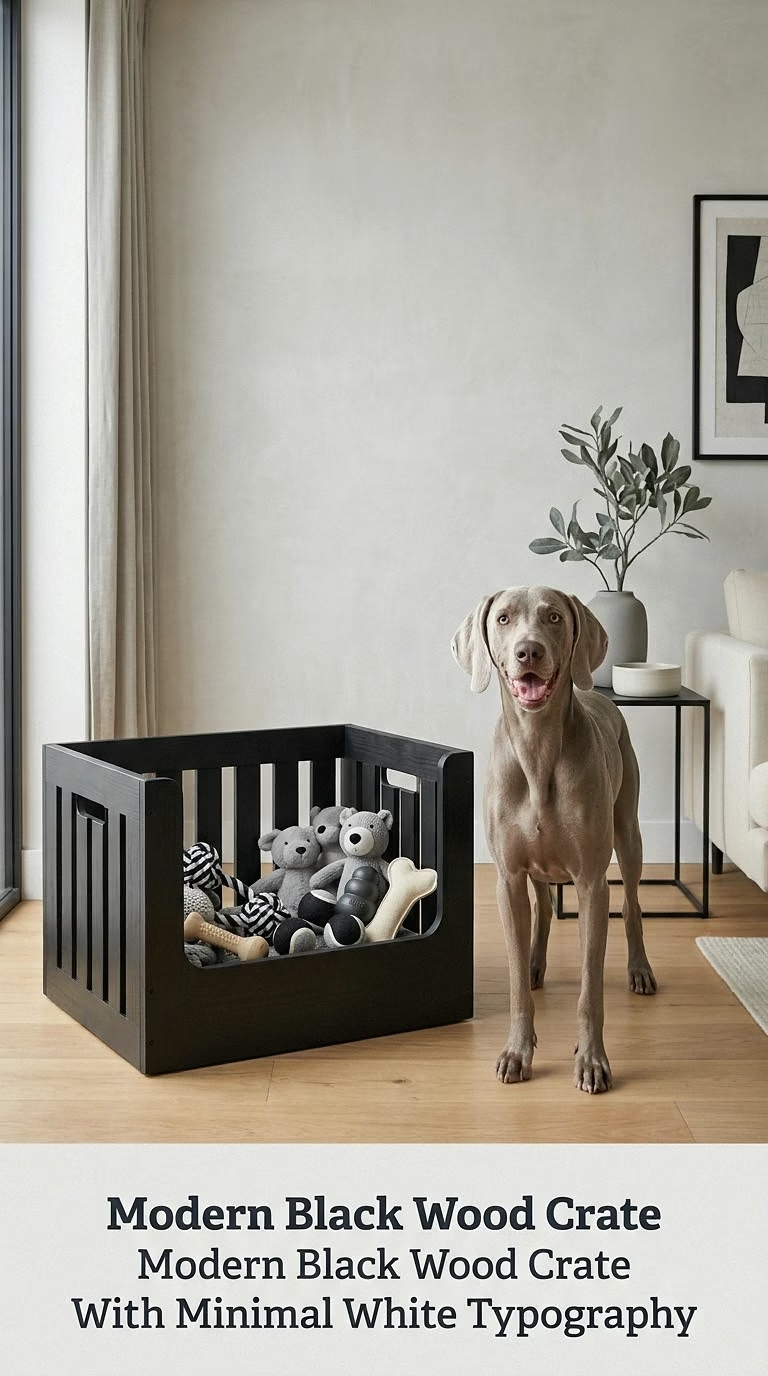
Wood crates do not have to look rustic. A smooth matte-black finish can turn one into sleek pet storage suitable for a modern living room.
Choose a rectangular crate with clean proportions and relatively narrow slat spacing. Paint the exterior black and add small white typography across the front for a graphic, understated appearance.
Instead of filling it completely, keep a curated rotation of your dog’s most-used toys inside. This keeps the design tidy while making individual toys easier to find.
Place the crate against a white wall or beside pale oak furniture to create contrast. A black-and-white dog bed nearby can visually connect the storage box with the rest of the pet area.
Because dark finishes make imperfections less visible, inspect the wood carefully during construction and sand rough areas before and after painting.
Rolling Wood Crate Dog Toy Box With Hidden Casters
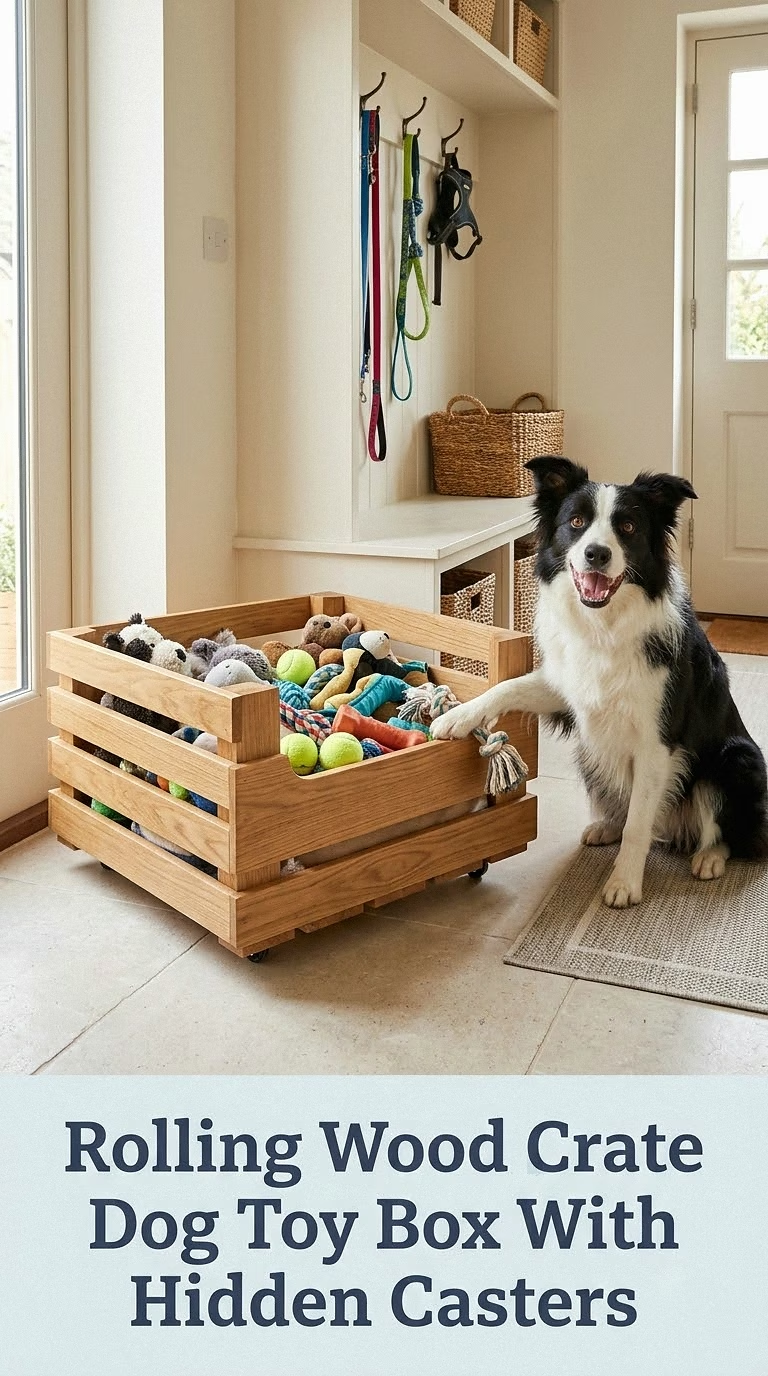
If your dog’s toys frequently move from the living room to the bedroom or patio door, adding wheels can make storage much more convenient.
Mount small furniture casters beneath a sturdy wooden crate so they remain mostly hidden from view. This creates a toy box that appears to float slightly above the floor while remaining easy to reposition during cleaning.
Use locking casters where practical so the box does not roll away when an enthusiastic dog pushes against it while searching for a favorite ball.
A warm oak stain makes this design feel furniture-like, while painted white or charcoal works beautifully in contemporary spaces.
Keep the overall height low enough for comfortable access. This mobile design is particularly helpful when you like to vacuum or mop frequently because the entire toy collection can be moved in seconds.
Double Wood Crate Toy Organizer With Separate Compartments
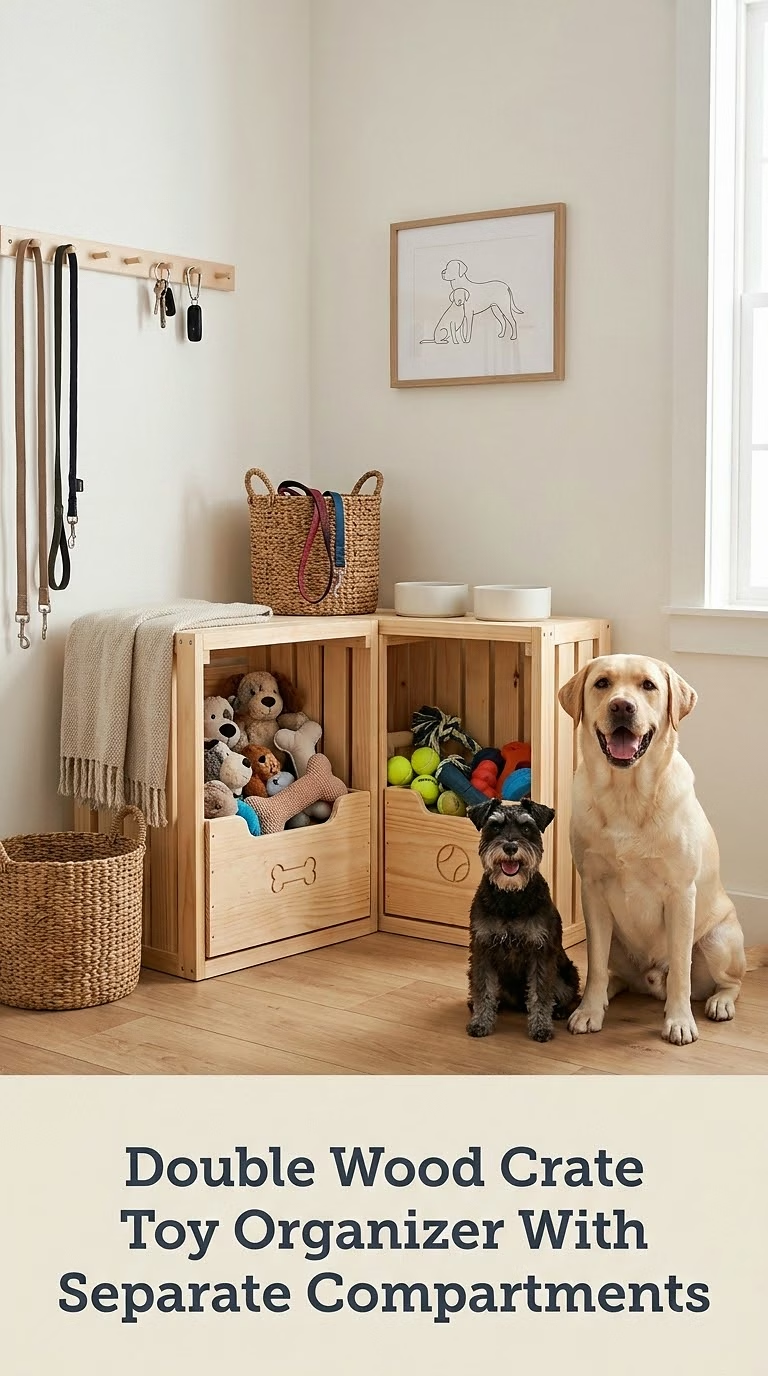
Dogs with impressive toy collections can benefit from two matching crates arranged side by side.
Read more : 19 Garage Dog Crate Ideas for a Cozy, Stylish, and Practical Pet Space
Use one for plush toys and another for balls, ropes, and durable play toys. Small labels on the front make the system easy for humans to maintain while giving the whole setup an intentionally organized appearance.
For a built-in look, connect the crates to a shared wooden base or surround them with simple trim. Painting both crates the same color helps the design read as one piece of furniture rather than two miscellaneous boxes.
This setup works beautifully beneath a hallway console or along an empty living room wall.
Separating toys also makes regular sorting easier. When you organize the crates, check for torn fabric, loose components, or heavily damaged toys before returning everything to storage.
Low Whitewashed Crate for a Coastal Dog Corner
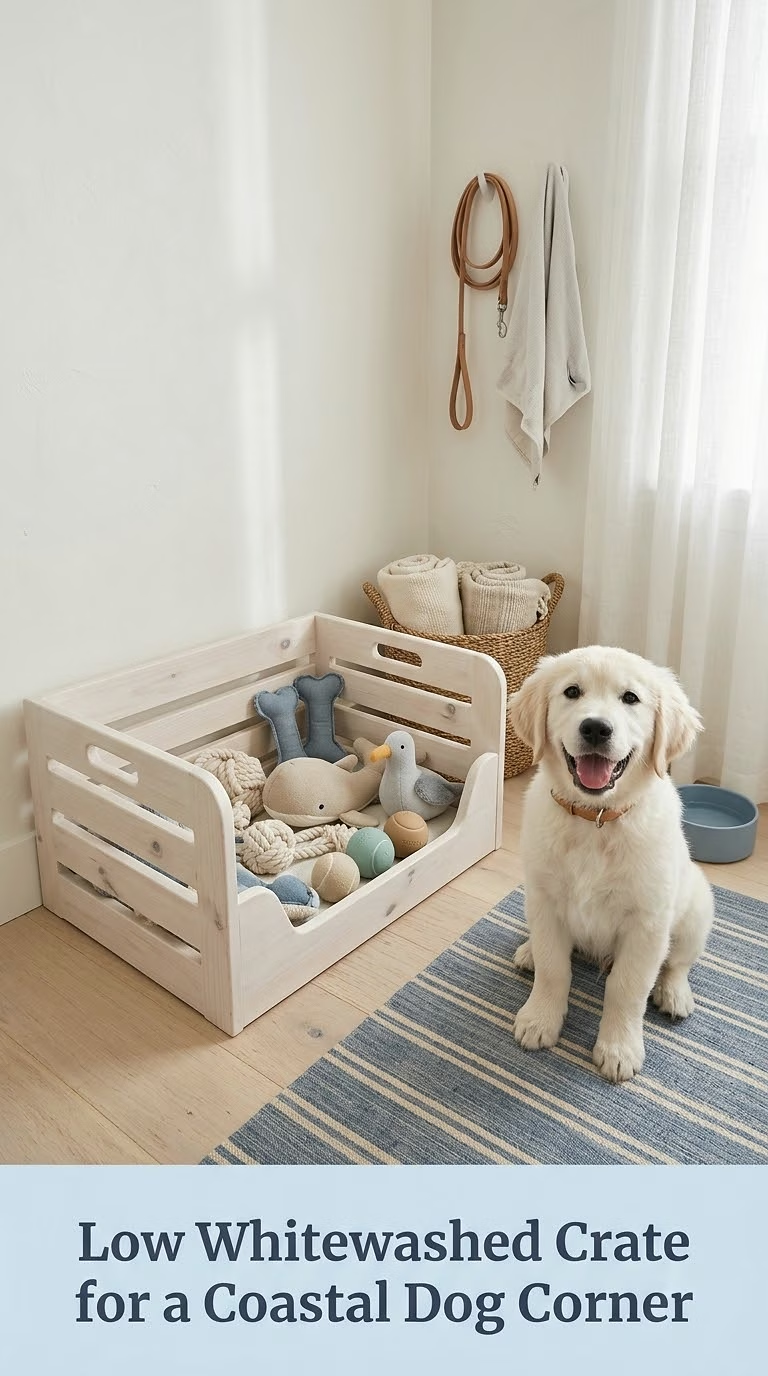
Create an airy beach-house-inspired dog area with a softly whitewashed wooden crate.
Rather than completely covering the natural grain, apply a light finish that allows some wood texture to remain visible. Pair it with sandy beige bedding, woven textures, soft blue accents, and natural cotton rope toys.
A low rectangular crate works better than a tall square version because your dog can see the available toys without digging deeply through the container.
For a subtle coastal detail, add a small wooden bone or simple name plaque rather than obvious nautical decorations.
This look is perfect for homes where you want dog storage to disappear naturally into relaxed decor. It also works beautifully near a window, sunroom, or light-filled living space where pale finishes help maintain an open, breezy atmosphere.
Warm Walnut Crate Toy Box Beneath a Console Table
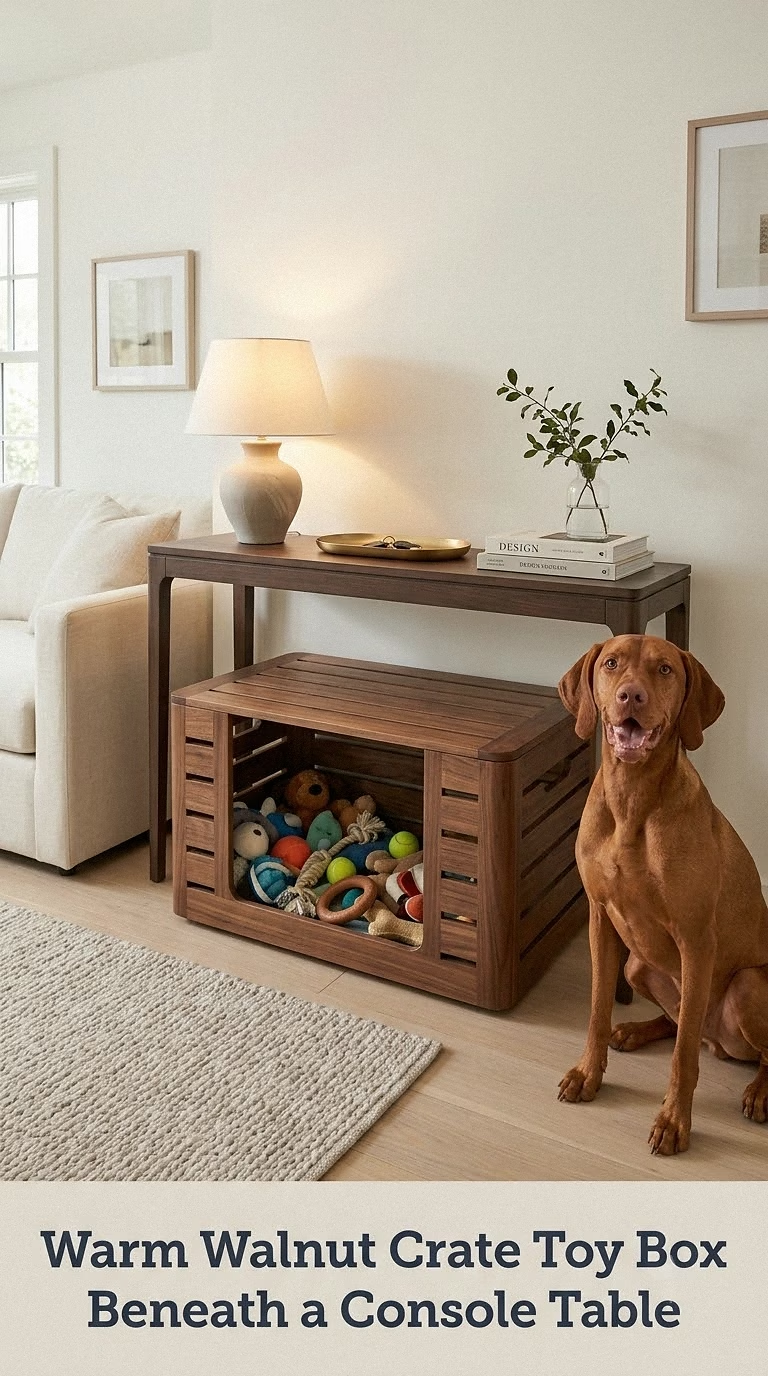
One of the easiest ways to hide pet storage in plain sight is to slide a beautifully finished crate beneath an existing console table.
Choose a crate slightly narrower than the opening and finish it in a rich walnut tone that coordinates with the furniture above. The result feels more like an intentional storage drawer than a dog toy bin sitting randomly on the floor.
Leave enough open space above the crate for your dog to reach inside comfortably without needing to pull the entire container forward.
Style the console with a lamp, framed artwork, ceramics, or a small plant placed safely out of your dog’s reach. Below, the toy crate keeps everyday playthings contained.
This solution is especially useful in smaller homes because it turns otherwise unused furniture space into practical pet storage without adding another freestanding piece.
Personalized Wood Crate With Your Dog’s Name in Raised Letters
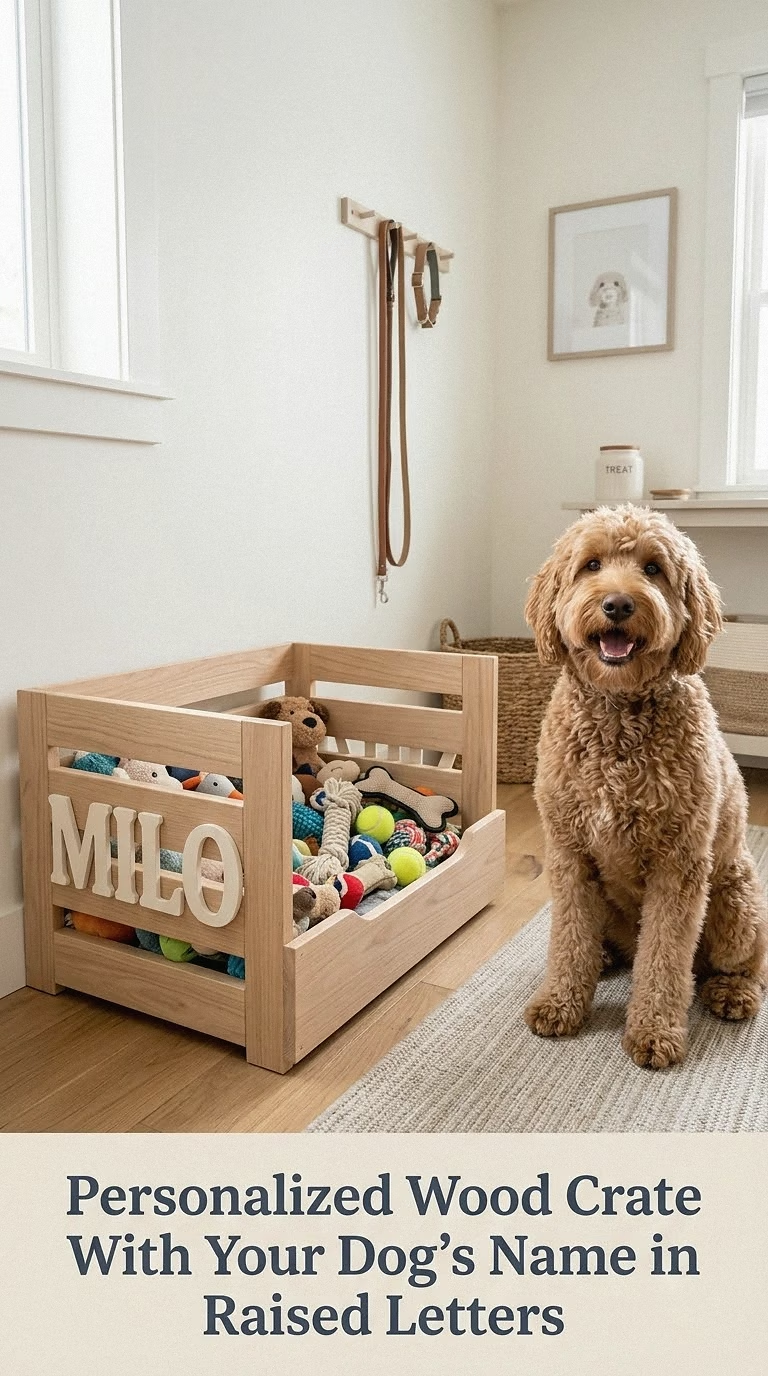
Give a simple toy box a custom feel by adding your dog’s name across the front.
Paint the crate in a neutral tone such as cream, dusty blue, charcoal, or pale taupe, then attach smooth wooden letters in a coordinating finish. Keeping the lettering tonal rather than brightly colored creates a more sophisticated look.
For homes with multiple dogs, give each pet a matching crate with their own name. Place them together beneath a shelf or along a mudroom wall for an adorable personalized storage station.
Be sure decorative letters are firmly attached and not positioned where a curious chewer can easily pull them loose.
The concept is simple, inexpensive, and highly customizable, making it an ideal weekend DIY project. It also photographs beautifully, especially when paired with coordinated dog beds and neatly arranged toys.
Small Apartment Crate Toy Box That Doubles as a Side Table
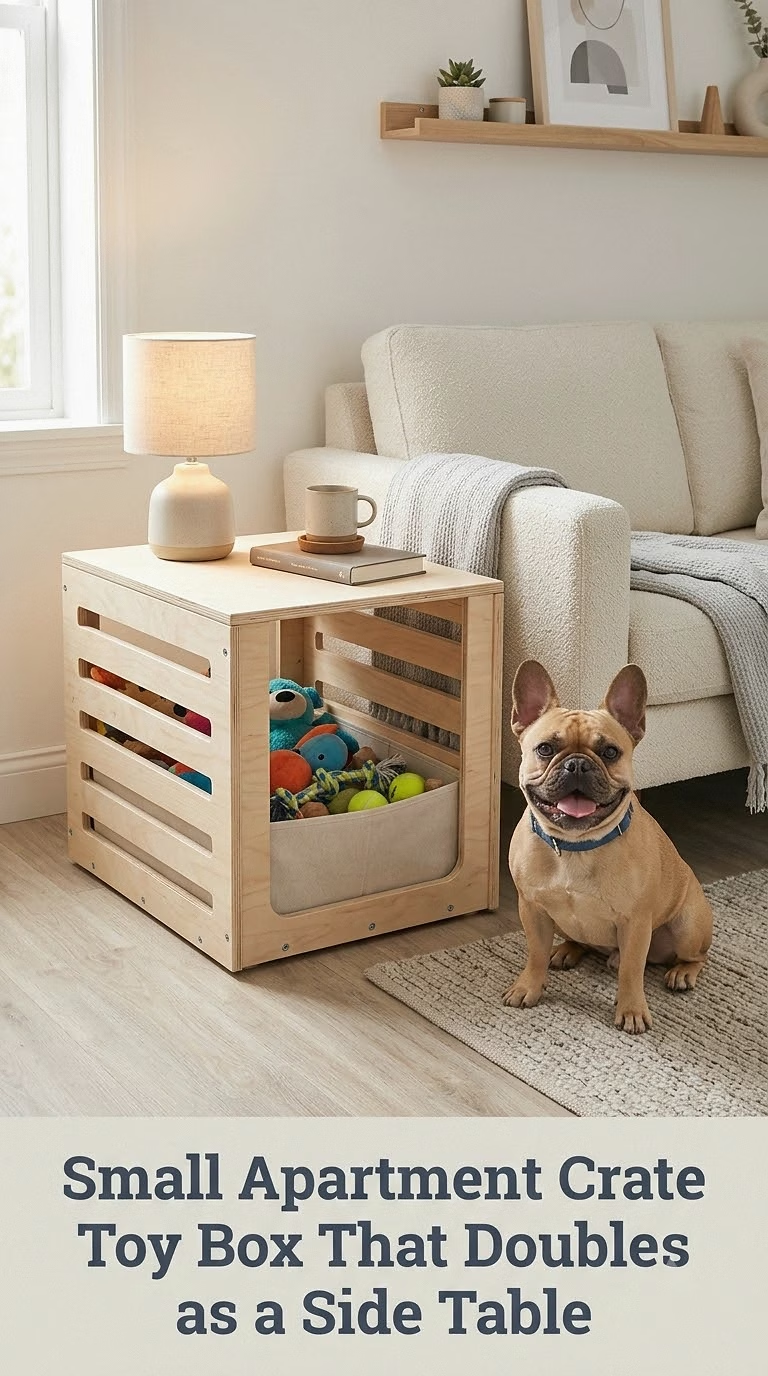
When floor space is limited, make your dog toy storage perform more than one job.
Start with a sturdy wooden crate and add a smooth wooden top that creates a small side-table surface while leaving a front opening for toy access. The finished piece can sit beside a sofa or reading chair rather than occupying a separate pet corner.
Keep the structure stable and avoid creating a heavy lid your dog could accidentally dislodge. A fixed tabletop with open-front access is often simpler for everyday use.
Finish the wood to coordinate with your existing furniture, then style the top with only a few secure decorative pieces.
Inside, store your dog’s current toy rotation rather than every toy you own. Less clutter makes the small storage area much easier to use while preserving precious apartment floor space.
Cottage-Style Cream Crate With Scalloped Front Trim
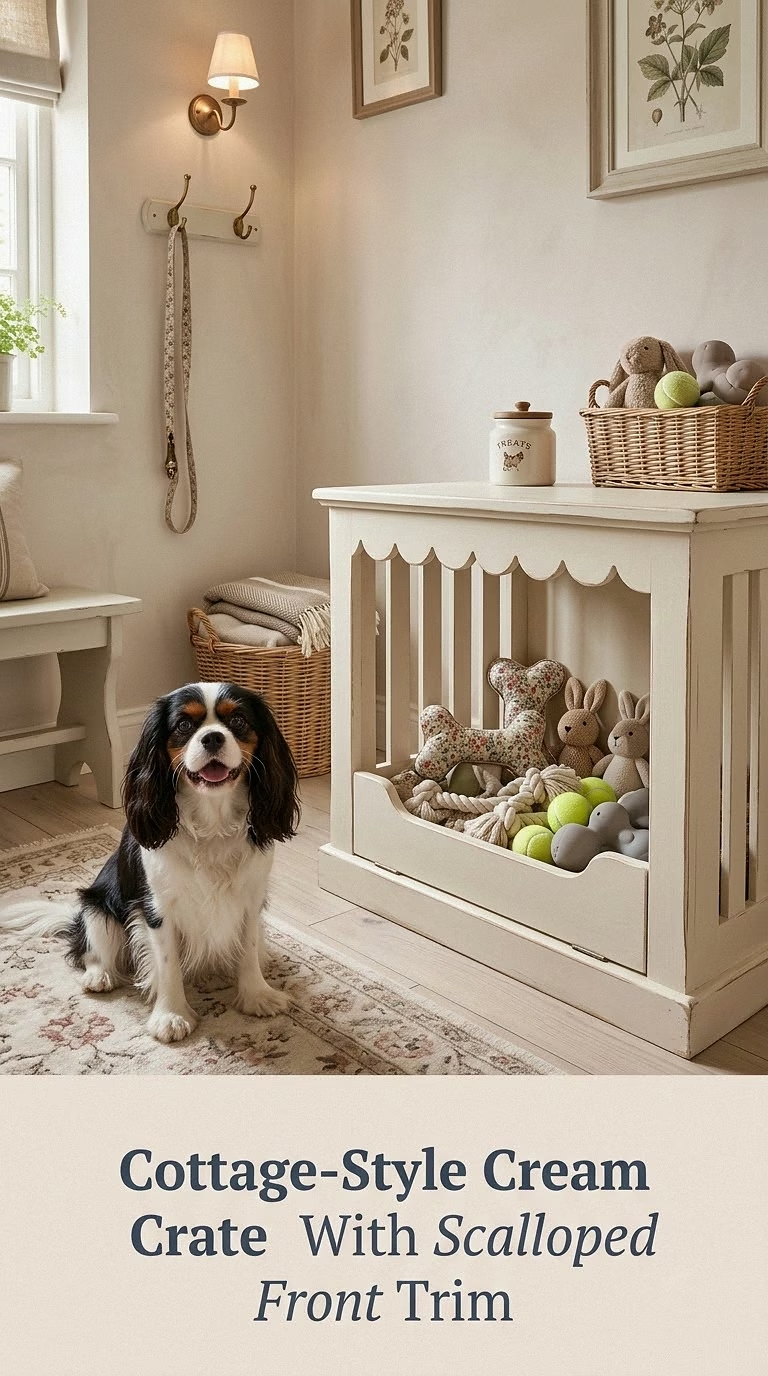
For a softer, more decorative look, give a wooden crate a cottage-inspired makeover with cream paint and gently scalloped trim.
Attach the decorative trim along the upper front edge while maintaining a generous opening below for easy toy access. Rounded shapes soften the utilitarian appearance of the crate and pair beautifully with floral fabrics, gingham dog bedding, and light wood furniture.
A dusty rose or pale blue name detail can add another subtle layer of color without making the design overly sweet.
This toy box works particularly well in bedrooms or feminine cottage-style living spaces where ordinary industrial storage would feel out of place.
As with any decorative woodworking project used around pets, smooth every curve carefully and avoid sharp corners, protruding fasteners, or small embellishments that could become tempting chew targets.
Wooden Toy Crate With Removable Washable Fabric Liner
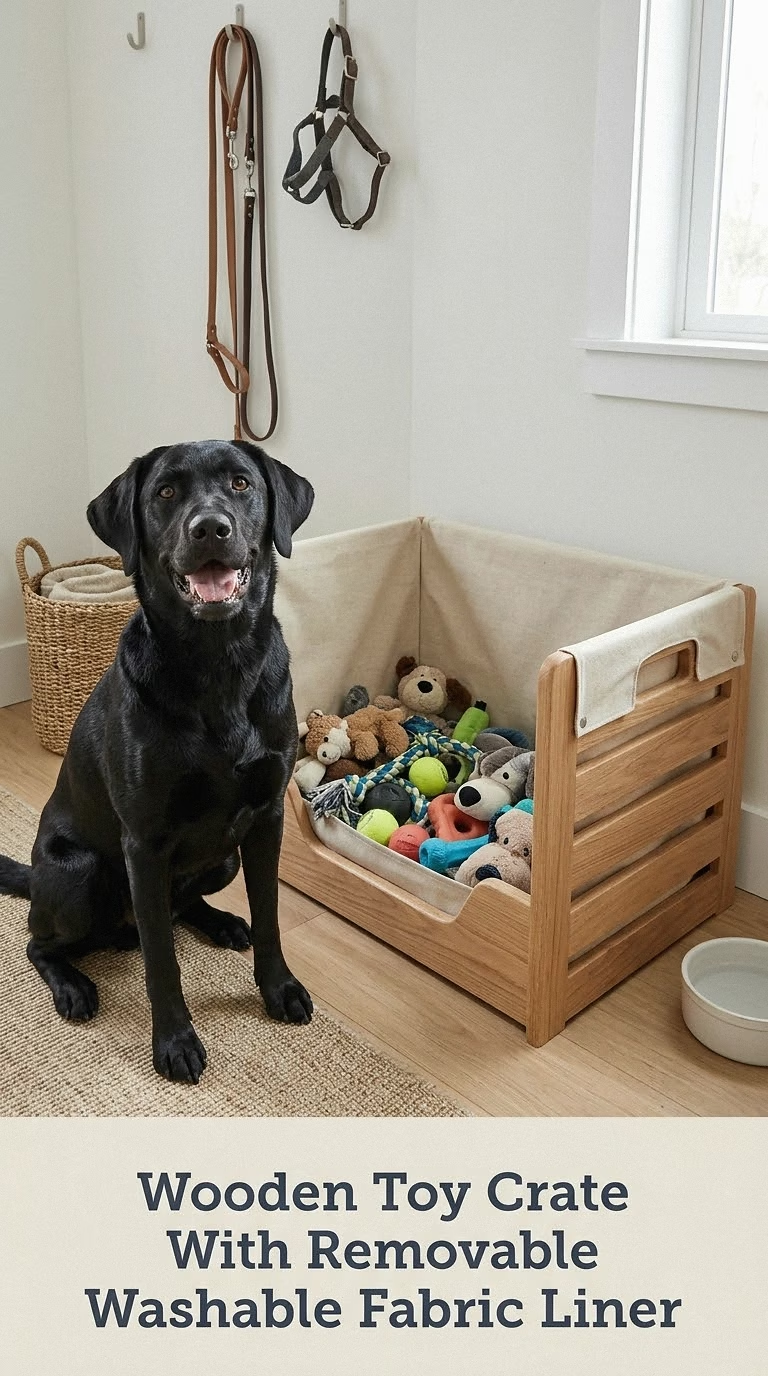
A fabric liner gives a wooden crate an extra layer of softness while helping contain fur and dirt.
Sew a simple removable liner from sturdy washable cotton or canvas, folding the upper edge neatly over the sides of the crate. Neutral stripes, tiny checks, or solid linen-look fabric can turn an inexpensive box into something that feels beautifully finished.
Choose a liner that fits securely rather than leaving long loose ties hanging where a dog might chew them.
When toys become dusty or muddy, remove the liner and wash it while wiping down the wooden crate separately.
This design is particularly useful for plush-heavy toy collections because the fabric prevents smaller items from slipping through crate slats. A natural pine box with a beige striped liner creates an especially charming modern farmhouse combination.
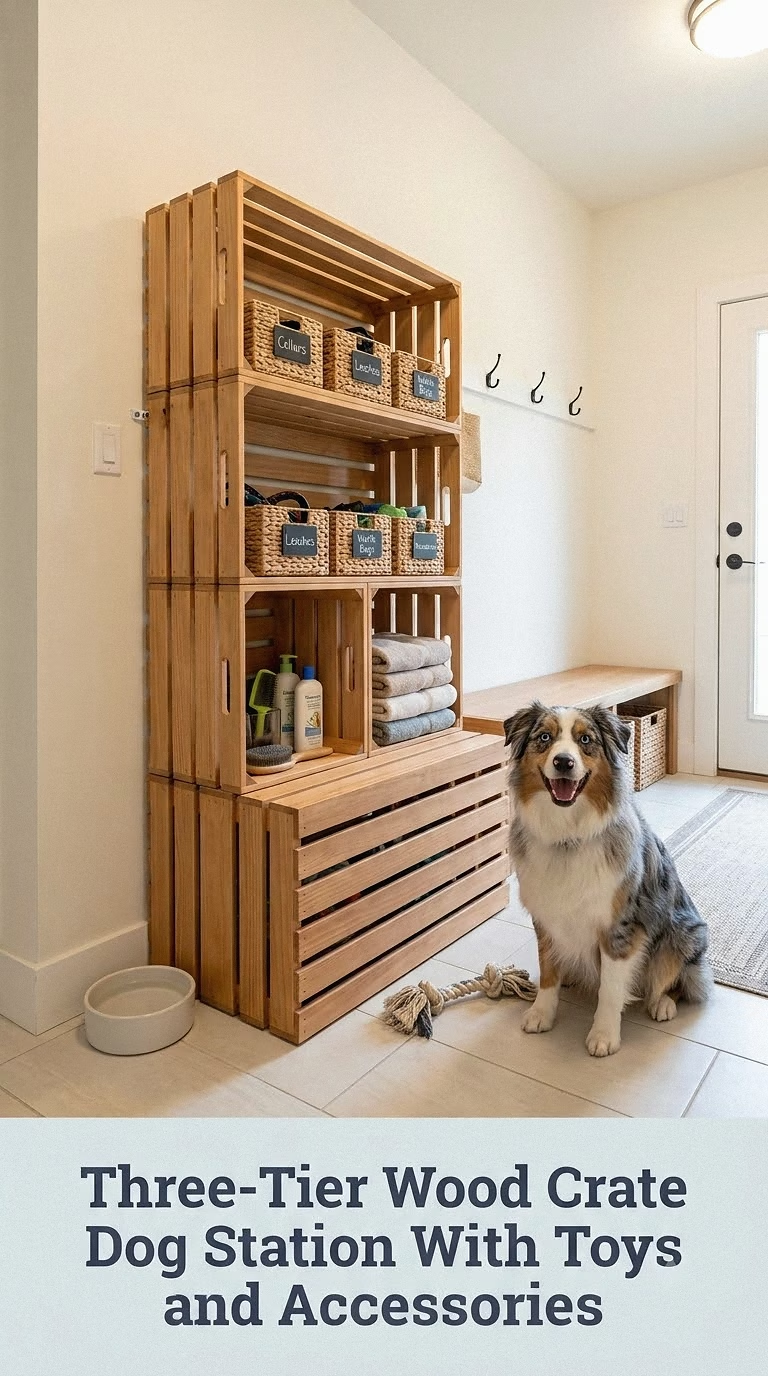
Three-Tier Wood Crate Dog Station With Toys and Accessories
Read more : 18 Large Dog Crate Ideas DIY Lovers Can Build for a Stylish, Cozy Home
If you have an unused vertical section of wall, stack secured wooden crates into a compact pet organization station.
Keep the lowest crate open for toys your dog can safely access. Higher compartments can hold folded blankets, leashes, grooming supplies, waste-bag refills, and other human-managed pet accessories.
Paint every crate in the same tone for a built-in appearance, or combine natural wood with white framing for a modern farmhouse look.
The important detail is stability. Crates should be properly secured to one another and anchored appropriately so your dog cannot tip the structure while pulling out a toy.
This arrangement creates considerable storage without taking up much floor space. It is especially practical in a mudroom, laundry room, or entryway where dog gear tends to accumulate alongside everyday household essentials.
Boho Natural Wood Crate With Cane Webbing Panels
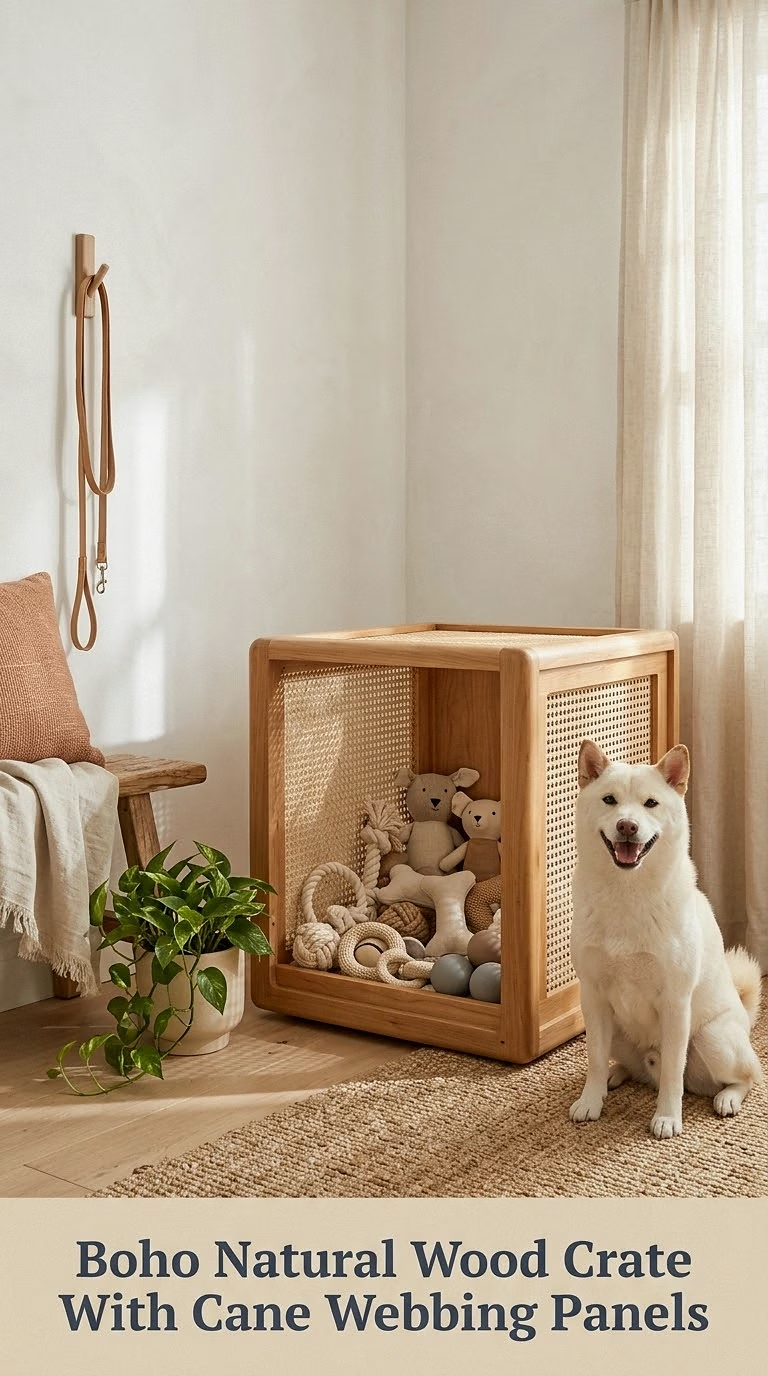
Give a basic crate a stylish bohemian update by combining warm wood with cane-inspired texture.
Use a solid wooden frame and add securely fitted cane webbing to decorative side or front sections while preserving a wide opening where your dog retrieves toys. The combination looks beautiful beside boucle furniture, neutral textiles, woven rugs, and warm terracotta accents.
Keep the cane primarily decorative if your dog is a determined chewer, since accessible woven material may be too tempting for some pets.
A simple cream label or small wooden name tag is all this design needs. Avoid crowding it with additional ornament.
The finished box can look sophisticated enough to sit prominently in the living room, making it a great option for anyone who wants pet storage to complement current natural-material decorating trends.
Industrial Wood Crate With Matte Black Metal Frame
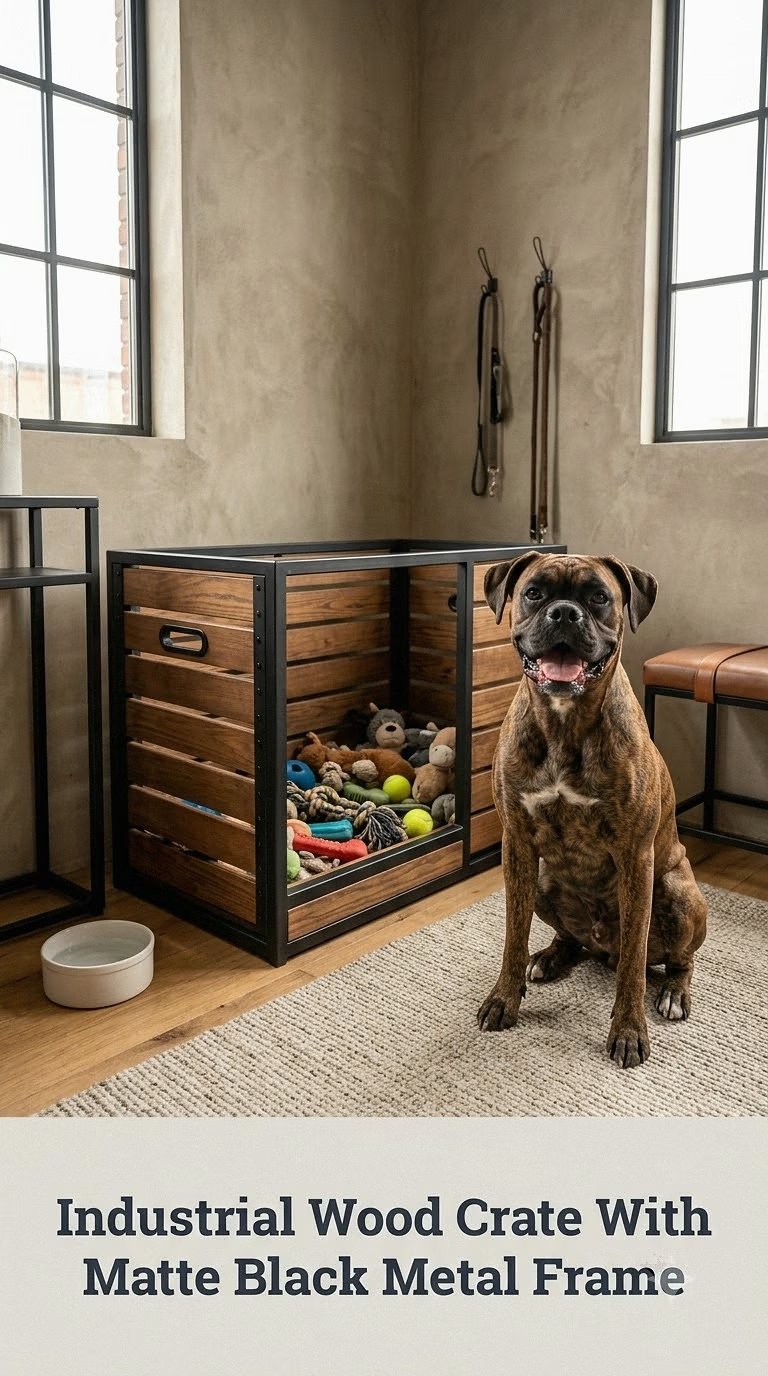
For loft-style or modern rustic interiors, combine a warm wooden crate with a simple black metal support frame.
The timber brings warmth while the dark frame gives the box a more structured furniture-like appearance. Keep the crate low to the ground so toys remain easy to reach, and choose a frame with stable feet and smooth construction.
Pair the organizer with black-framed artwork, leather furniture, concrete-look surfaces, or dark metal lighting for a cohesive industrial aesthetic.
Rather than using distressed graphics, add a tiny black name plate or leave the wood completely unmarked.
This is also a good design for large toy collections because a reinforced structure can accommodate a wider crate. Just remember that storage capacity should never come at the expense of comfortable access or a stable, tip-resistant setup.
Under-Bench Wood Crate Toy Drawers for a Mudroom
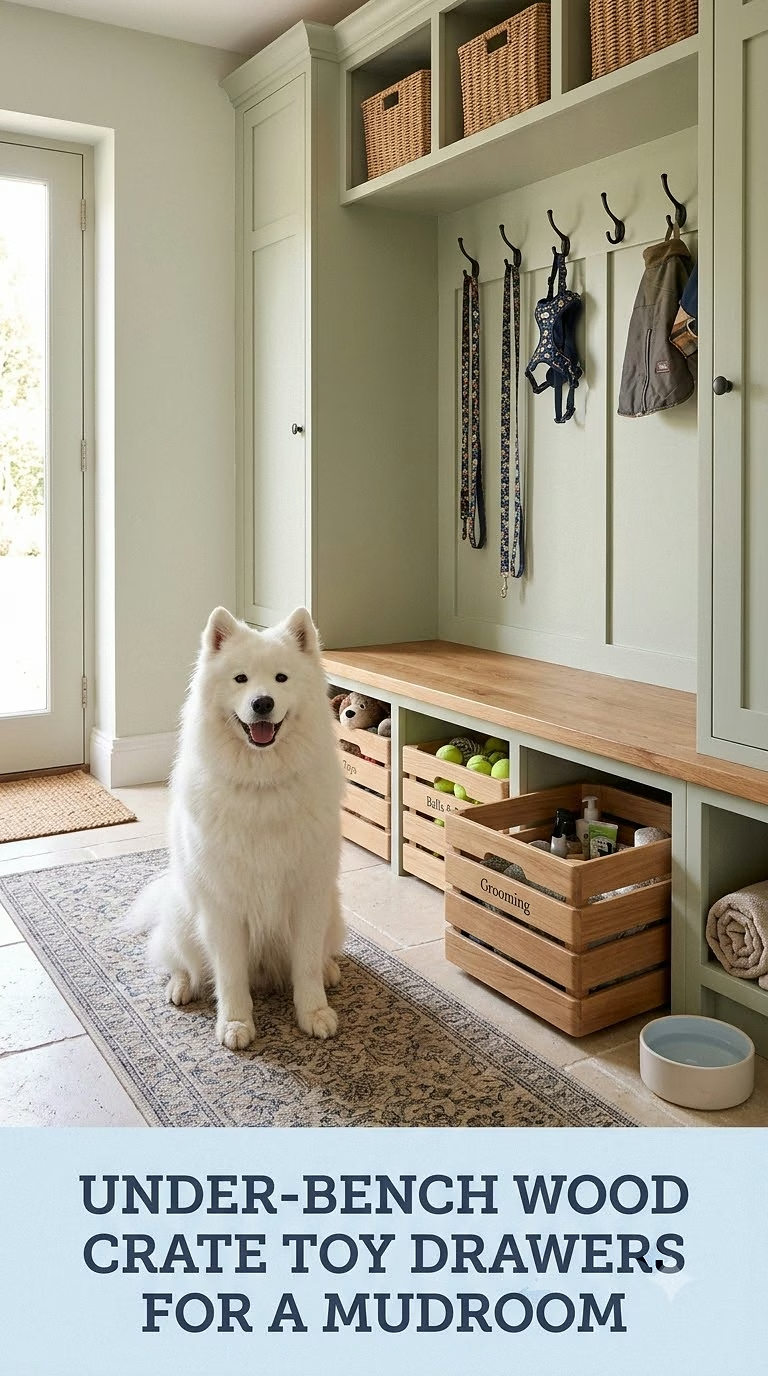
Turn the empty area underneath a mudroom bench into an organized home for dog toys.
Build or repurpose several matching low wooden crates that slide beneath the bench like drawers. One can hold everyday toys, another outdoor balls and fetch gear, and a third washable dog towels or walking accessories.
Add recessed hand openings rather than protruding handles for a cleaner appearance and fewer tempting objects near your dog’s mouth.
Painting the crates the same color as the bench creates a subtle built-in effect, while natural wood crates beneath a painted bench add warmth and contrast.
This arrangement is perfect for active dogs because everything needed for walks and playtime stays close to the door. It also keeps muddy outdoor toys separate from the plush toys used around the living room.
Color-Blocked Wood Crate Toy Box in Soft Neutral Tones
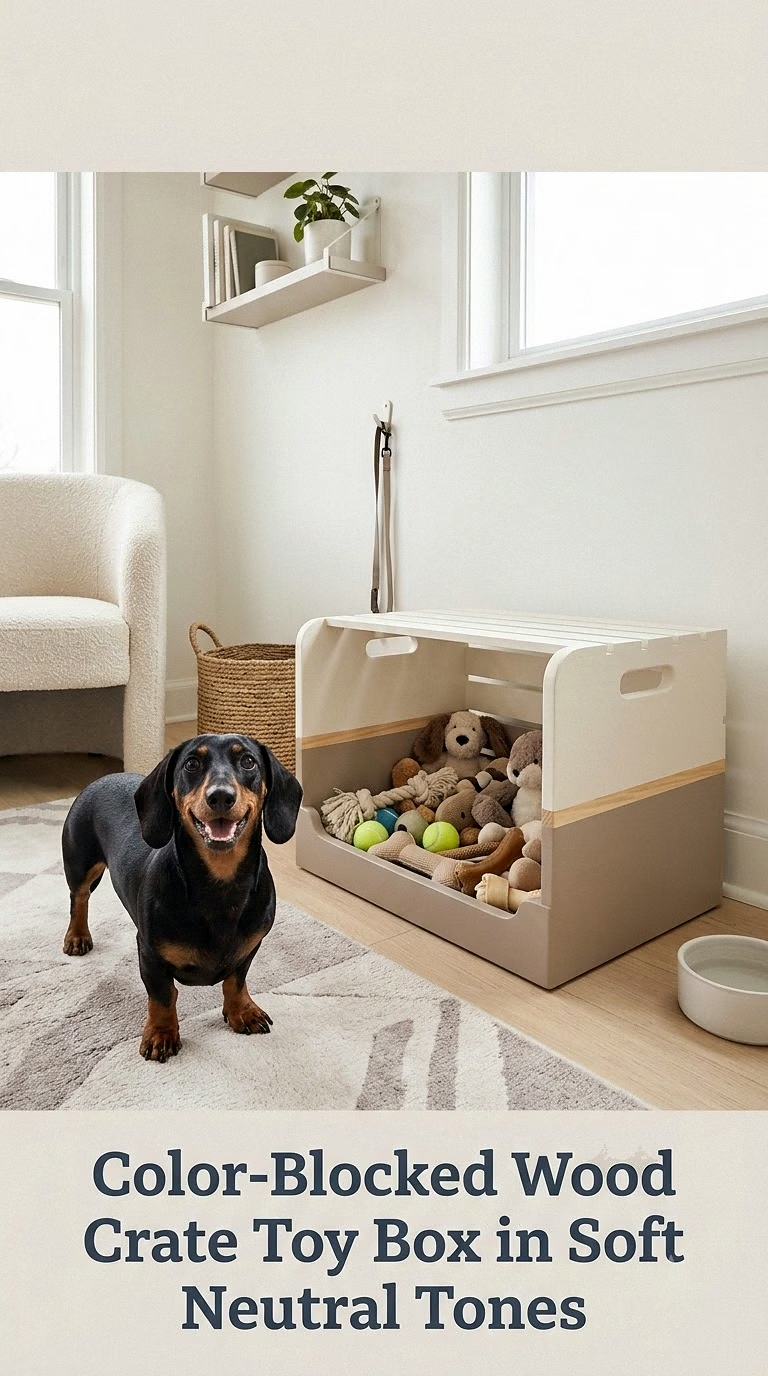
Turn a plain crate into a cheerful statement piece using two or three softly contrasting paint colors.
Try warm white with beige, sage with cream, or dusty blue with natural wood. Paint the lower half of the crate one shade and the upper portion another for a clean color-block effect.
This approach gives you plenty of personality without relying on attached decorations that may not be suitable around curious dogs.
Coordinate the colors with your dog’s bed, wall art, or nearby cushions so the toy box feels connected to the room rather than added as an afterthought.
The idea works especially well in modern family rooms and colorful apartments. Because the design itself provides visual interest, simple construction is enough. Smooth edges, sturdy joints, and an accessible height remain the most important practical details.
Built-In Wall Nook With Matching Wooden Toy Crates
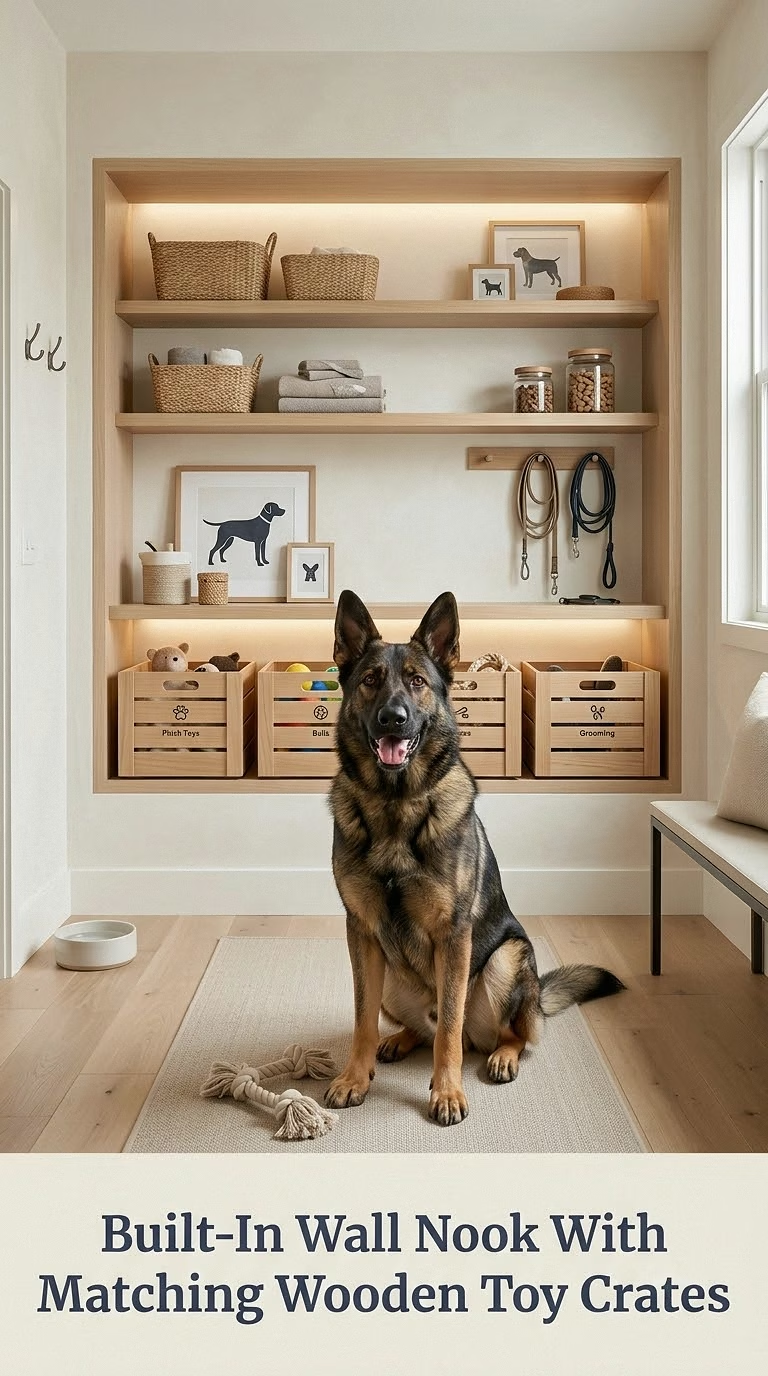
For a truly polished dog corner, incorporate several wooden toy crates into a small built-in wall nook.
Place a cozy dog bed in the center and use low matching crates along one side for toys. Shelving above can hold framed pet photos, extra blankets, and decorative storage containers reserved for items your dog should not access independently.
Choose white oak, pale pine, or warm walnut depending on your interior style. Keeping the materials consistent makes even inexpensive wooden crates look like part of a custom installation.
This idea works especially well in unused alcoves, wide hallways, laundry rooms, or spaces beneath open shelving.
The finished nook gives your dog a clear place for rest and play while containing pet belongings within one attractive zone—a lovely solution for anyone who wants organization without sacrificing a beautifully styled home.
Create a Dog Toy Box That Fits Your Home and Your Pup
The best diy dog toy box ideas wood crates prove that pet storage can be practical without feeling boring. A simple pine crate can become anything from a rustic farmhouse toy bin to a sleek modern organizer, a personalized dog station, or even multifunctional furniture for a small apartment.
Start with the space you already have and think about how your dog actually plays. Dogs that enjoy choosing their own toys may appreciate a low open box, while larger collections may be easier to manage with divided crates or a simple toy rotation. Homes with limited floor space can take advantage of areas beneath benches, consoles, or shelving.
Whichever design you choose, prioritize sturdy construction, smoothly sanded wood, secure hardware, and easy cleaning. Regularly sort through the contents as well, removing damaged toys before they return to the box.
Most importantly, have fun making the project your own. Choose colors and finishes that belong in your home, add a little personality, and create a cheerful storage spot where your dog’s favorite treasures finally have a place of their own.
Source: https://petstutorial.com
Category: Dog Crates
