
Living in a small home with a dog often means every corner has to work a little harder. A crate can feel especially challenging because it needs to be roomy enough for your pup while still fitting comfortably into a bedroom, studio apartment, narrow living room, or compact entryway. The good news is that a dog crate does not have to look like a bulky object you are constantly trying to hide.
- 19 Dog Crate in Closet Ideas: Cozy and Stylish Ways to Create a Hidden Dog Retreat
- 19 Cozy puppy set up ideas dog crates for a Beautiful, Practical Home
- 19 Dog Crate Topper Ideas That Make a Crate Look Like Beautiful Furniture
- 18 Cozy Dog Crate in Bedroom Ideas That Look Beautiful and Feel Peaceful
- 18 Beautiful Dog Crate Ideas for a Cozy, Stylish, and Practical Home
With a thoughtful layout, the crate can become part of the room itself. It might double as an end table, tuck neatly beneath a desk, blend into built-in cabinetry, or become a cozy little nook styled with soft textiles and warm wood. Small-space decorating is really about making one area perform more than one job, and dog-friendly design is no different.
You are reading: 19 Dog Crate Ideas Small Space Living: Stylish Ways to Save Room
The most important rule is to never downsize your dog’s crate simply to save floor space. Your dog should still be able to stand comfortably, turn around, lie naturally, and stretch out. Good ventilation, easy access, washable materials, and a calm location away from direct sunlight or strong heat also matter. Once those basics are covered, you can get creative.
Stylish Dog Crate Ideas Small Space Homes Can Use Beautifully
Slim Console Table Dog Crate Along a Living Room Wall
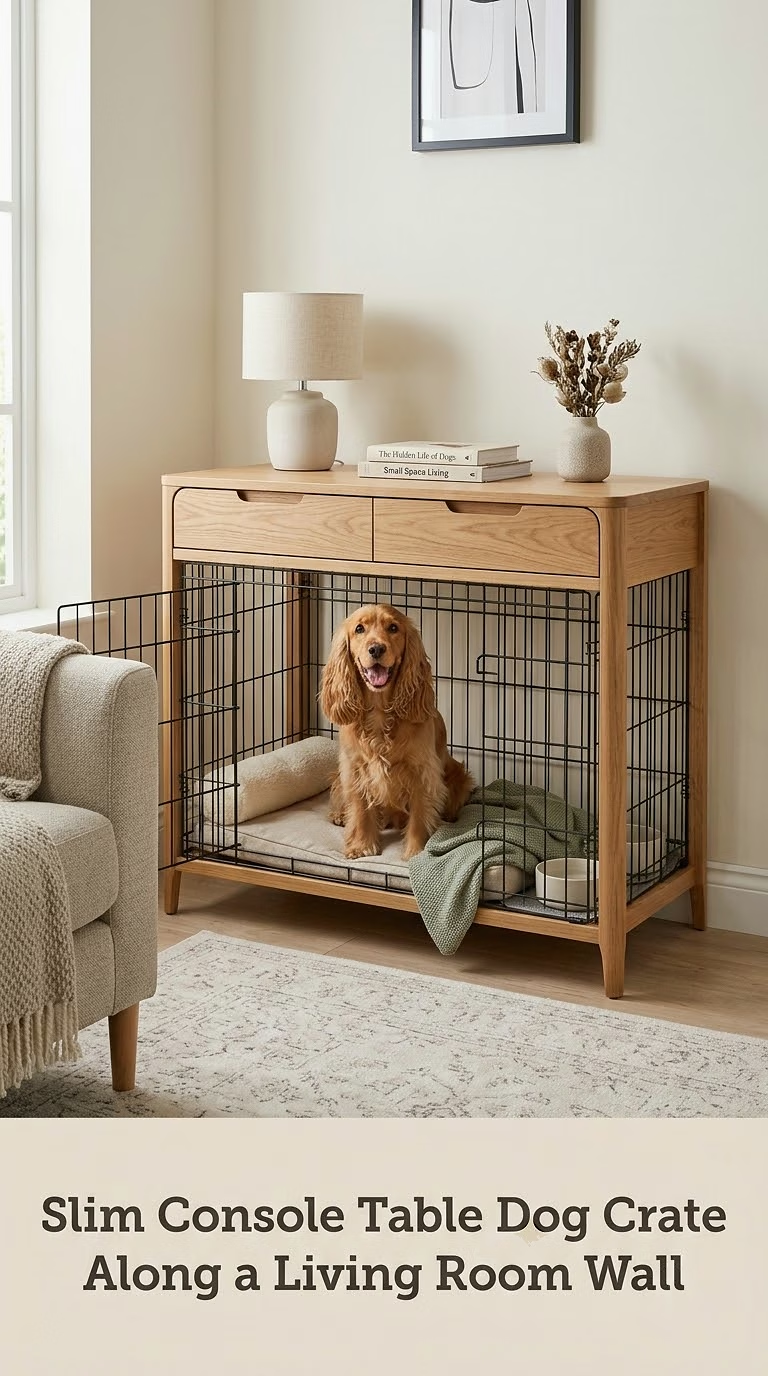
A long, narrow wall is often underused in a small living room, making it a smart place for a crate that doubles as a console table. Choose a furniture-style crate with a sturdy flat top, or build a properly ventilated surround around an existing wire crate.
Style the surface with a small lamp, framed print, shallow tray, and one decorative object rather than crowding it with accessories. Keeping the styling simple helps the entire arrangement feel lighter.
Warm oak, walnut, or soft white finishes work especially well because they resemble ordinary furniture. Leave plenty of airflow around the crate and make sure decorative items cannot fall through openings. This idea works beautifully behind a sofa, beside a media cabinet, or along a wall where a separate console would otherwise take up more room.
Cozy Crate End Table Beside a Small Sofa
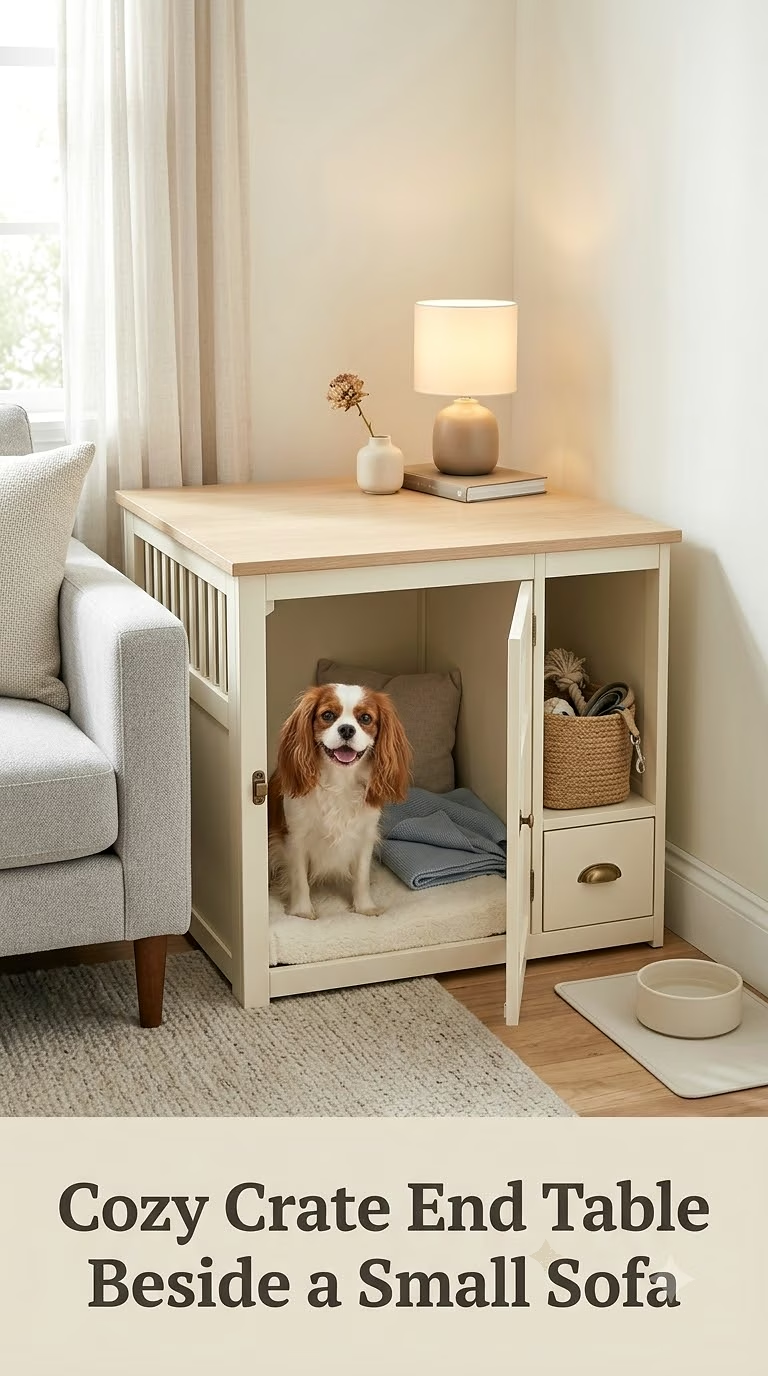
When floor space is precious, replacing a traditional side table with a crate-table combination is one of the easiest ways to gain function without adding another piece of furniture.
A compact furniture crate beside the sofa can hold a reading lamp, coaster, or book while giving your dog a comfortable retreat close to the family. This location can be particularly appealing for social dogs that settle more easily when they can see their people.
For a Pinterest-ready look, pair pale wood with a cream sofa, textured rug, and muted sage or dusty blue accents. Choose a surface designed to safely support the items you place on top. Keep electrical cords completely outside paw and chewing reach, and avoid covering ventilation openings with blankets or decor.
Minimalist White Crate Tucked Beneath a Floating Desk
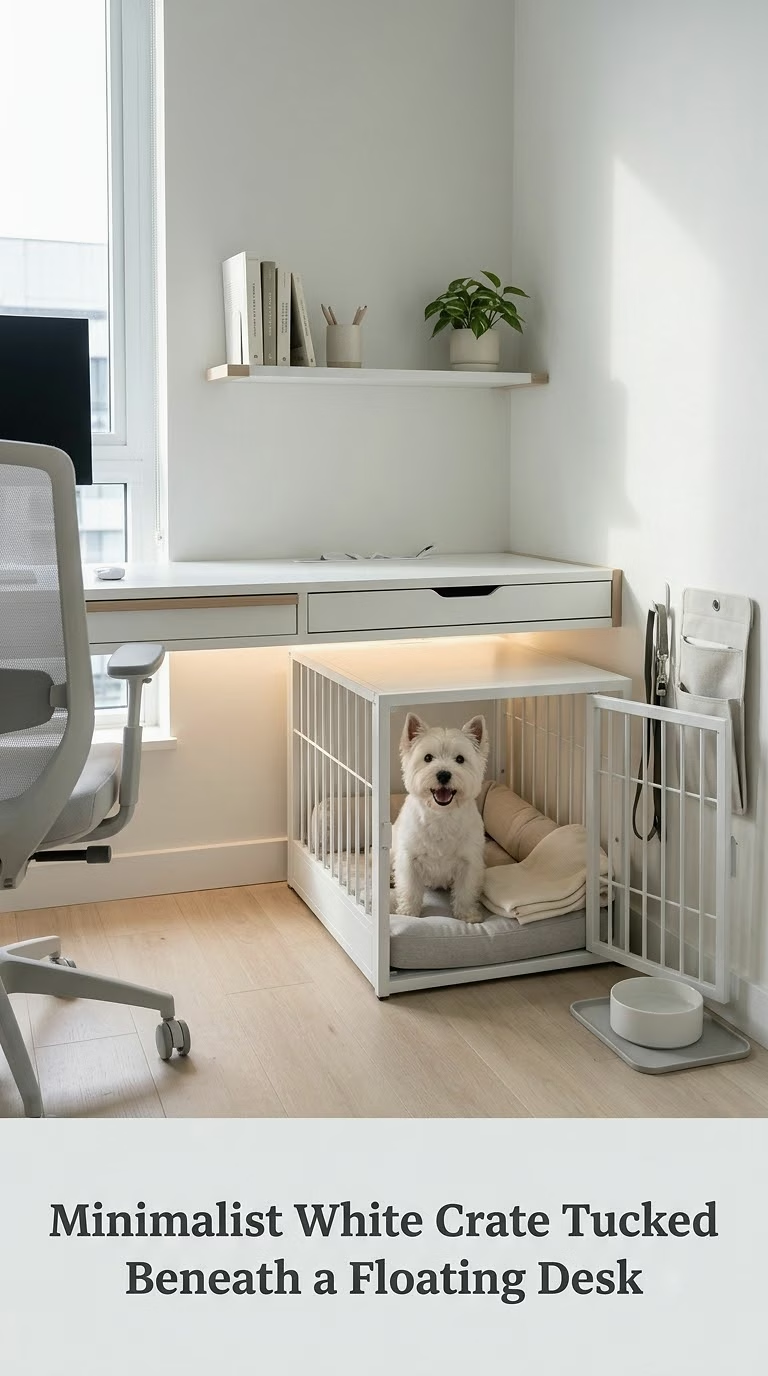
A floating wall desk creates valuable open space underneath, and that area may be perfect for a dog crate if the dimensions comfortably suit your pet.
Instead of treating the crate as an afterthought, design the workstation around it. A white or light wood crate visually disappears beneath a pale desktop, while a slim drawer unit on the opposite side balances the arrangement. A wall-mounted task light eliminates the need for another piece of furniture.
This setup is especially convenient for people who work from home because your dog can rest nearby without a separate pet zone taking over the room. Measure the desk clearance carefully before committing. The desktop should not restrict airflow, while chargers, cables, power strips, and dangling cords should remain well away from the crate.
Warm Wood Built-In Dog Nook Under a Window Seat
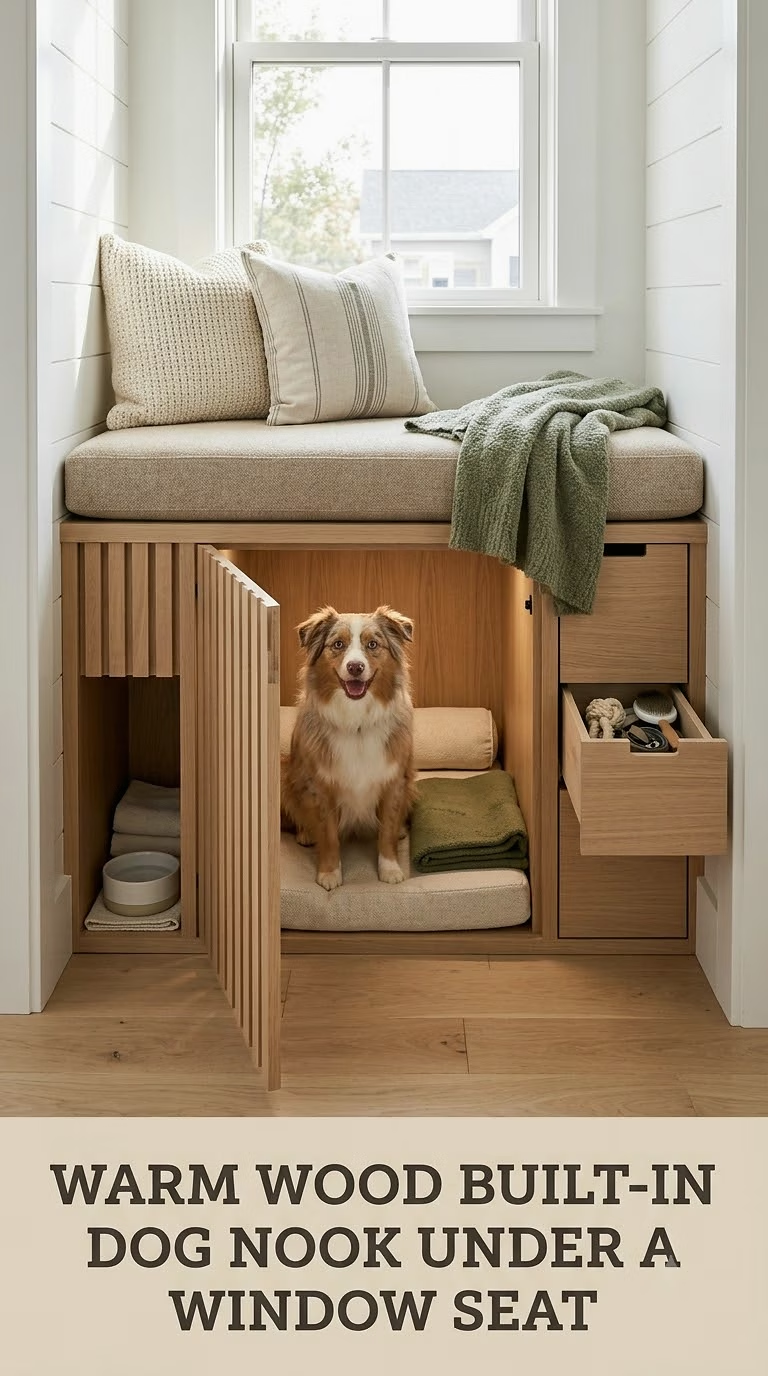
A custom window seat can hide an impressive amount of function in a tiny room. Instead of filling the entire base with drawers, dedicate part of it to a ventilated dog nook.
Use warm oak or painted cabinetry around the crate area, then continue the same material across storage drawers beside it. Above, add a comfortable seat cushion and a few washable pillows. The result looks like intentional millwork rather than pet equipment.
This concept works beautifully in bedrooms, breakfast areas, and compact living rooms. Pay attention to sunlight, though. A sunny window can make the space below uncomfortably warm, so use effective shades or select another location if the nook heats up. Removable interior panels and a washable crate tray also make everyday cleaning much easier.
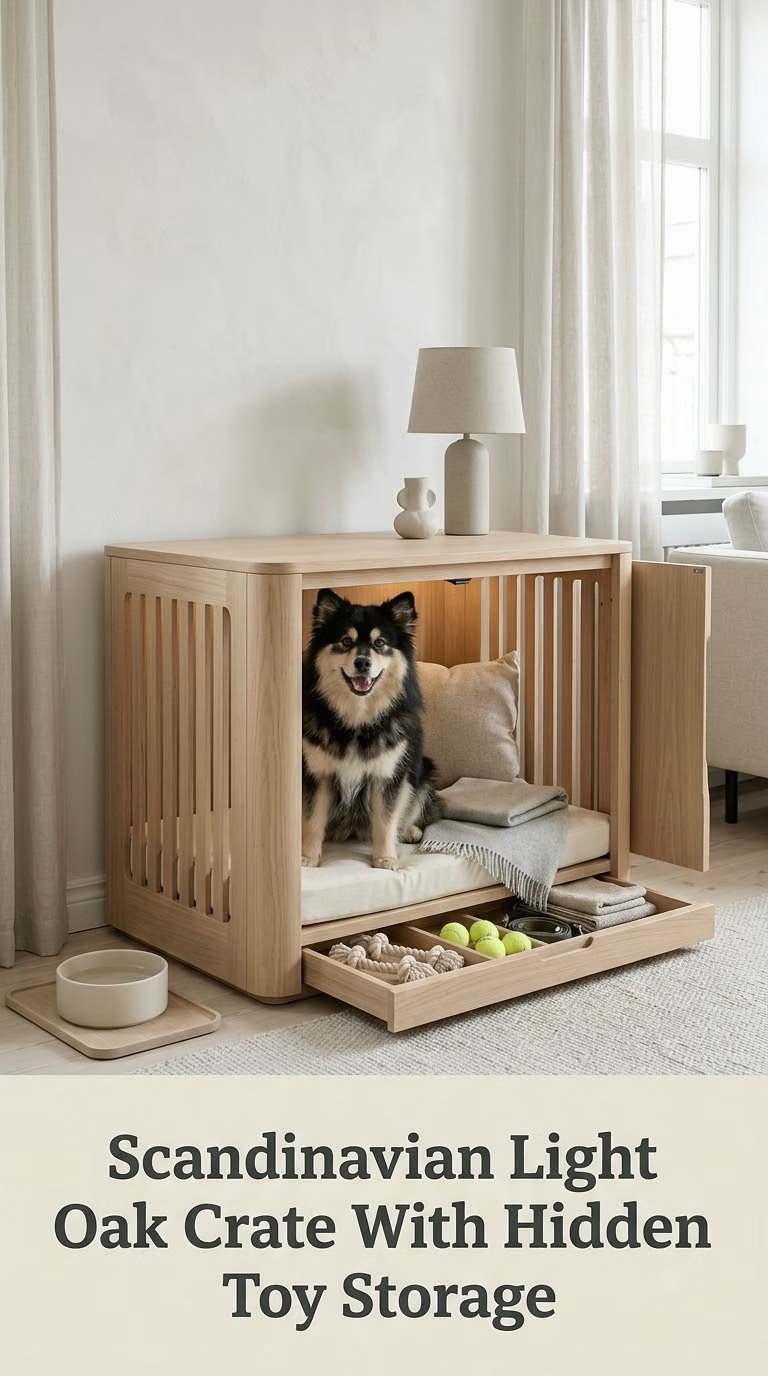
Scandinavian-inspired rooms are ideal for small spaces because pale woods, simple shapes, and restrained styling help a room feel airy. A light oak crate paired with concealed storage captures that same relaxed mood.
Look for a furniture crate with a drawer above it, or add a nearby lidded cabinet in a similar finish for leashes, toys, grooming supplies, and waste bags. Keeping pet gear contained prevents visual clutter from spreading throughout a small apartment.
Inside, use a fitted washable mat in oatmeal, gray, or soft beige. A single woven basket can hold favorite toys during the day. Avoid filling the crate top and surrounding area with too many objects. Warm timber, neutral fabric, and clean lines create a peaceful dog corner that feels coordinated without looking overly designed.
Farmhouse Dog Crate Bench With Storage Baskets
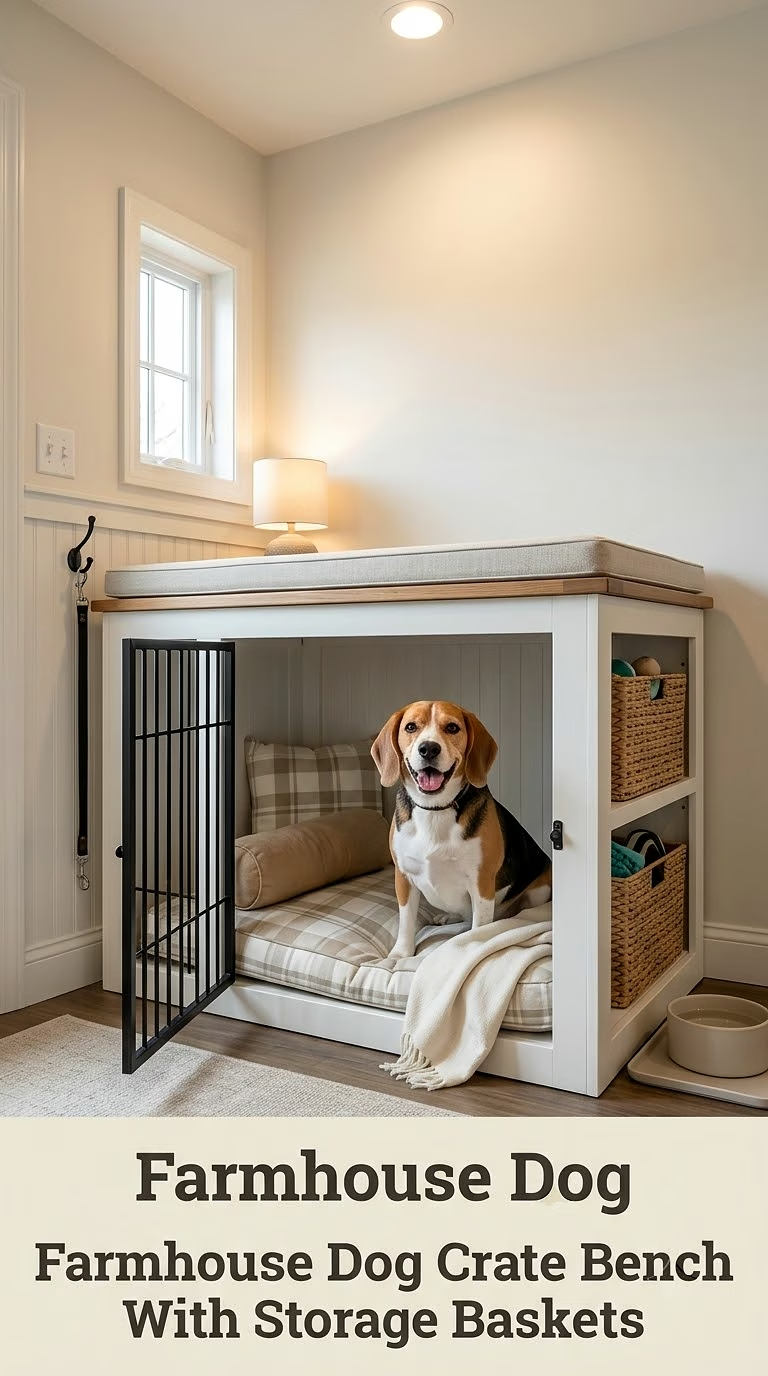
For a cozy farmhouse look, turn a sturdy furniture-style crate into part of a small entry bench arrangement. Whitewashed wood, natural timber, black metal details, and woven baskets create a charming combination without requiring a full mudroom.
Position the crate at one end of the bench zone and use wall hooks over the neighboring section for leashes, walking bags, and lightweight accessories. Baskets can hold towels, toys, and cleaning supplies.
Because entrances can become busy, make sure the crate door opens fully without blocking the main path through the home. Keep wet umbrellas, shoes, and heavy bags away from ventilation openings. A washable flat-weave runner is a practical addition for muddy paws and brings in the layered texture that makes farmhouse spaces feel especially inviting.
Soft Neutral Bedroom Crate Styled as a Nightstand
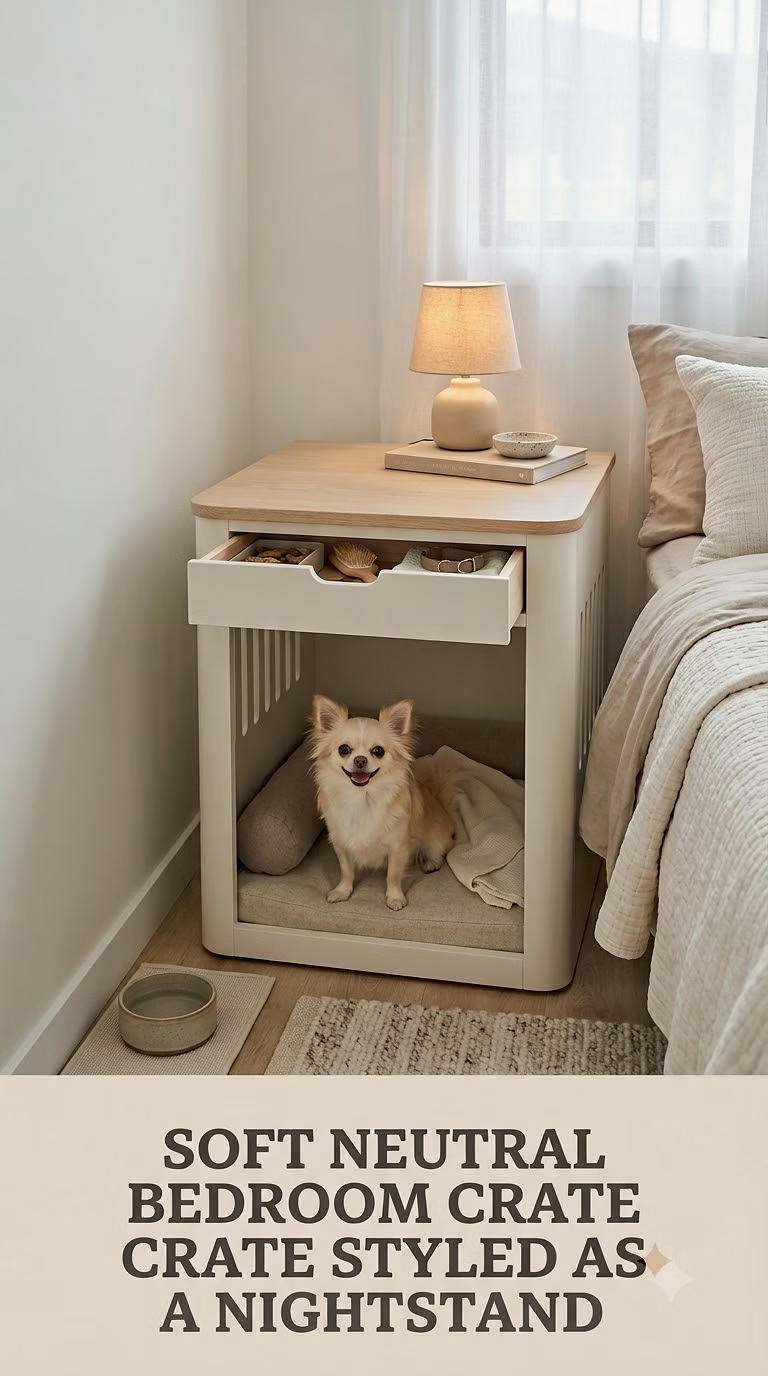
A crate beside the bed can replace a bulky nightstand, which is especially helpful in a bedroom where every inch of walking space matters.
Choose a furniture-style crate with a top at a comfortable bedside height. Keep the surface minimal with a small dish and perhaps one book. A wall-mounted sconce is an excellent alternative to a table lamp because it frees up the surface and reduces loose cords around your dog.
Soft beige, ivory, mushroom, and pale wood tones create a calm palette. Inside, choose a fitted washable mat that complements your bedding without adding unnecessary loose fabric. Many dogs enjoy sleeping close to their people, making this one of the most practical dog crate ideas for a compact bedroom.
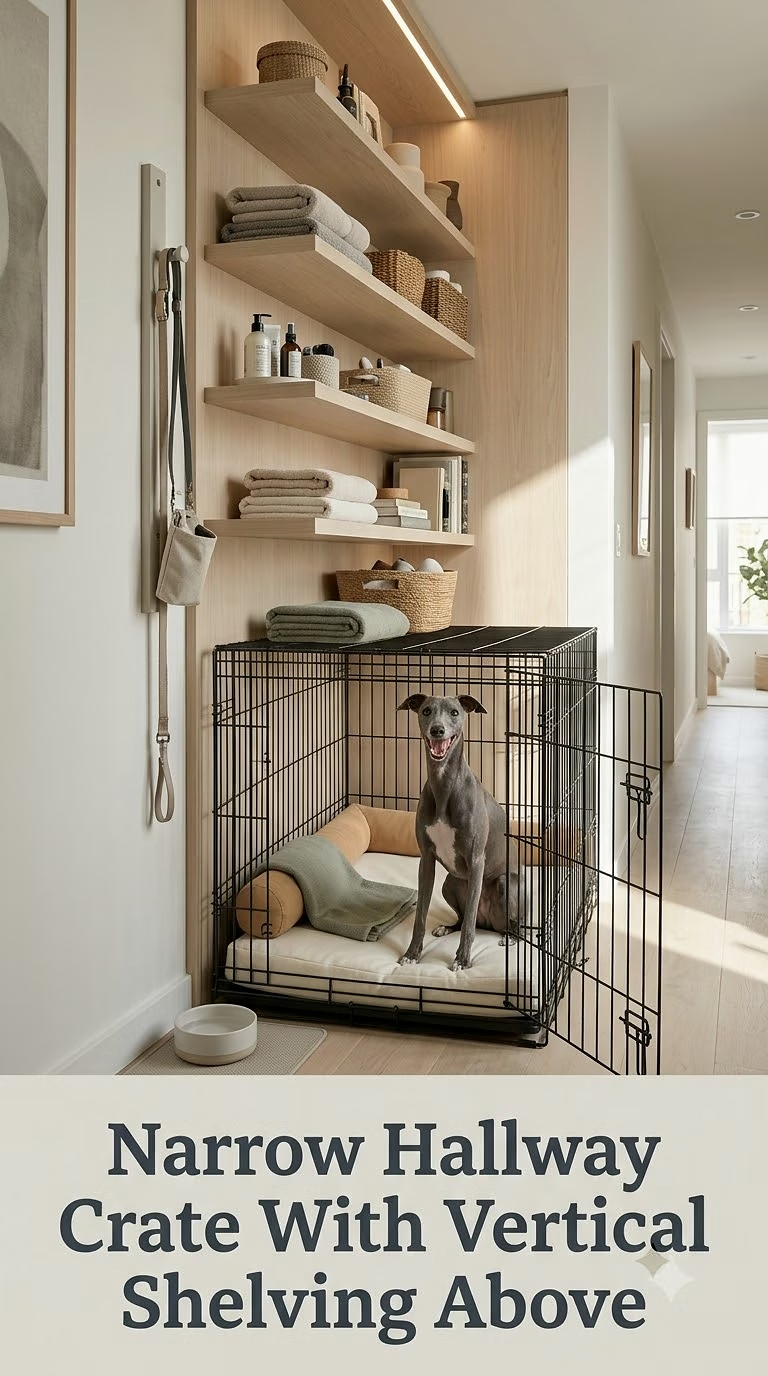
Narrow Hallway Crate With Vertical Shelving Above
Read more : 19 Cozy Dog Crate Ideas That Make Your Pet’s Space Feel Like Home
Small homes often have more vertical space available than floor space. If a hallway is wide enough to remain comfortable and safe, a crate can sit against one wall with shallow shelving installed above it.
Use the shelves for labeled baskets, folded dog towels, spare walking gear, or attractive storage boxes. Keeping the storage shallow prevents the area from feeling heavy and reduces the chance of objects falling near the crate.
Painting the shelving and surrounding wall in the same warm white, greige, or muted green creates a subtle built-in effect. Make sure the setup does not narrow an important exit or create a tripping hazard. Leave generous clearance above the crate and keep anything your dog might pull through the bars well out of reach.
Small Apartment Crate Hidden Inside Custom Cabinetry
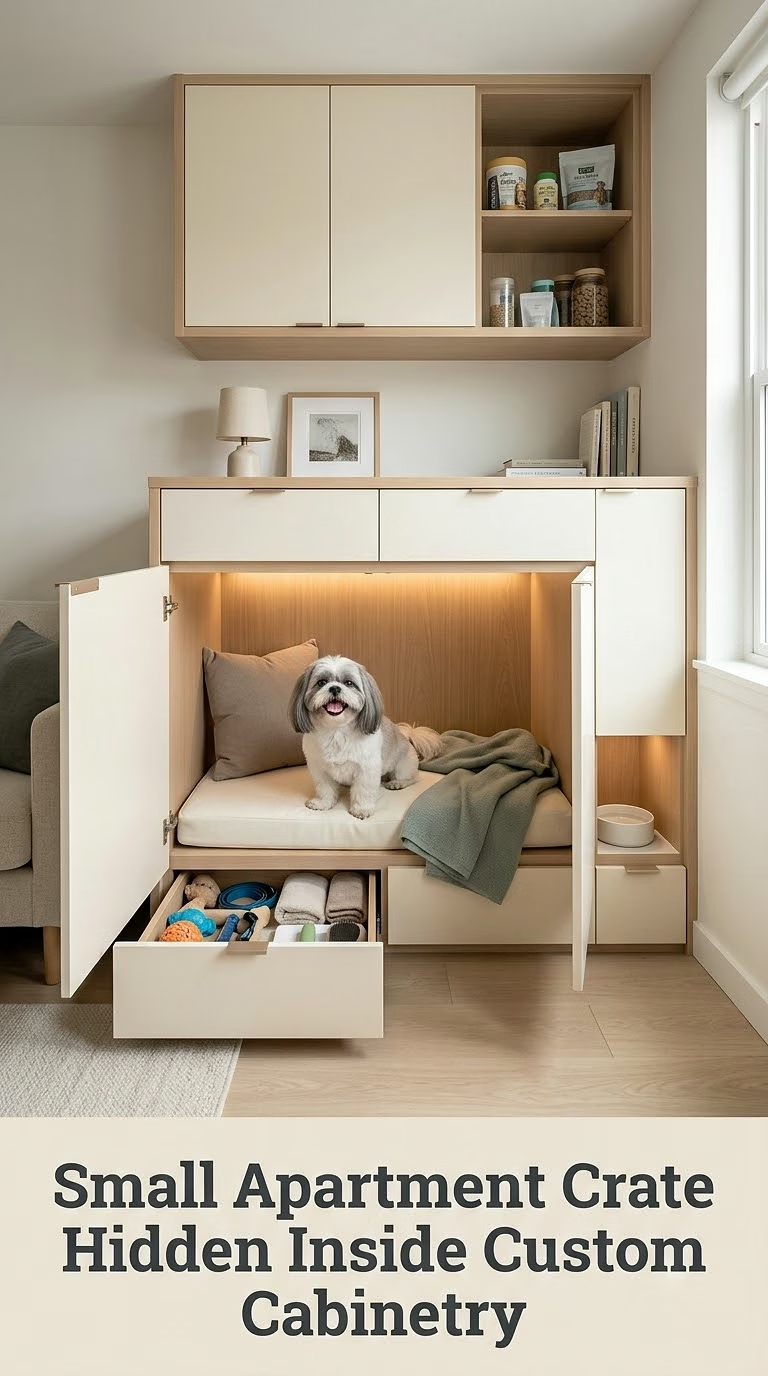
Custom cabinetry can make a crate almost disappear, particularly in an open-plan apartment where the kitchen, living area, and dining space are visible at once.
Integrate the crate into the lower portion of a media unit, bookcase, or storage wall while preserving enough interior space for your dog. Open slats, metal sections, or other ventilated details can help it visually match the cabinetry without creating a closed box.
Use surrounding cupboards for household items or pet supplies, but keep heat-producing electronics away from the crate compartment. Removable interior surfaces are worth including because they simplify cleaning considerably.
This idea costs more than a basic wire crate, but for homeowners planning permanent storage, combining cabinetry and pet space can make a compact room far more efficient.
Budget Wire Crate With a Tailored Linen Cover
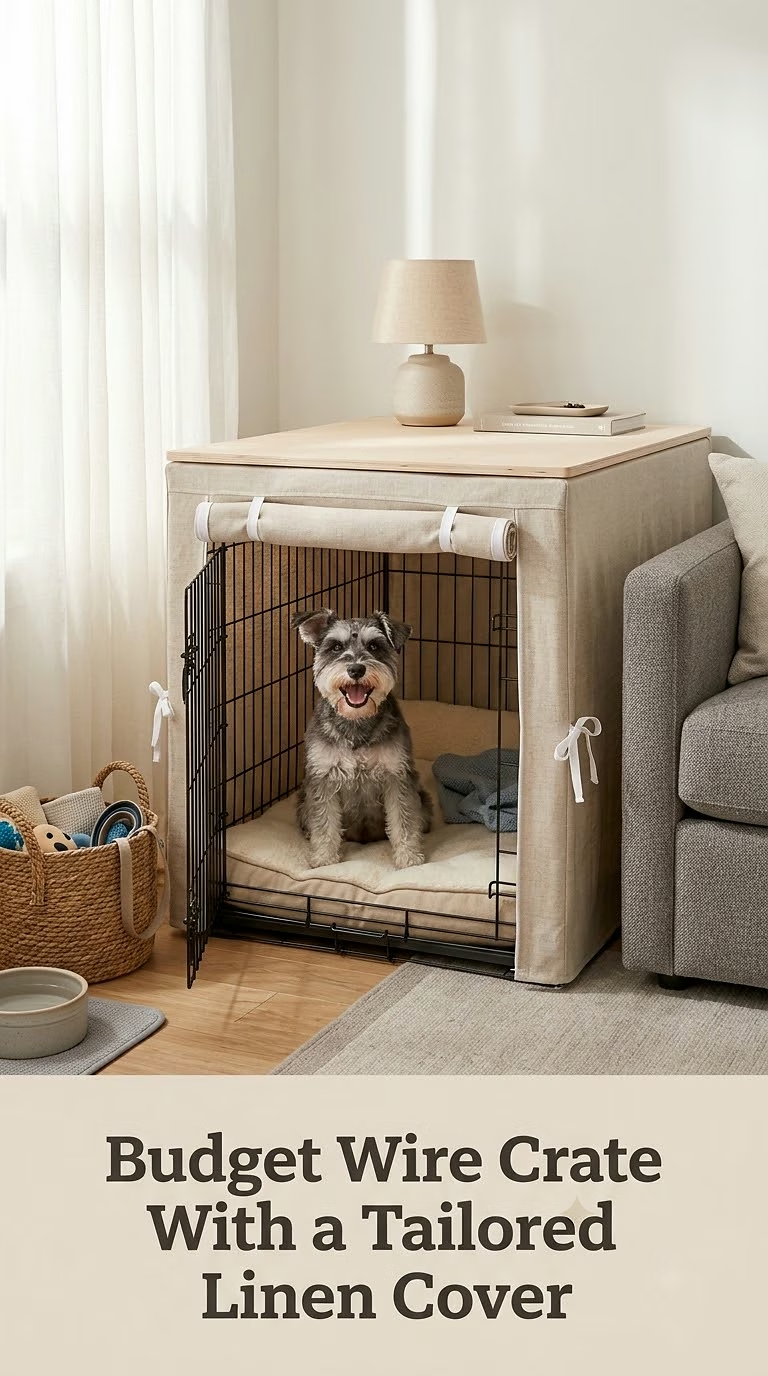
A basic wire crate remains one of the most useful options for small homes because it is ventilated, relatively affordable, and often folds down when not needed. A tailored cover can instantly make it feel more polished.
Choose a washable linen-look or cotton cover in cream, taupe, muted green, or another shade already used in your room. A fitted style generally looks neater than throwing a large blanket over the top.
Keep enough of the crate uncovered for proper airflow and pay attention to temperature, particularly during warm weather. Some dogs enjoy a little extra visual privacy while others prefer watching the room.
Add a simple fitted mat and position the crate beside furniture of a similar height. With only a few inexpensive changes, an ordinary wire crate can feel like an intentional part of the decor.
DIY Plywood Crate Surround With Rounded Modern Edges
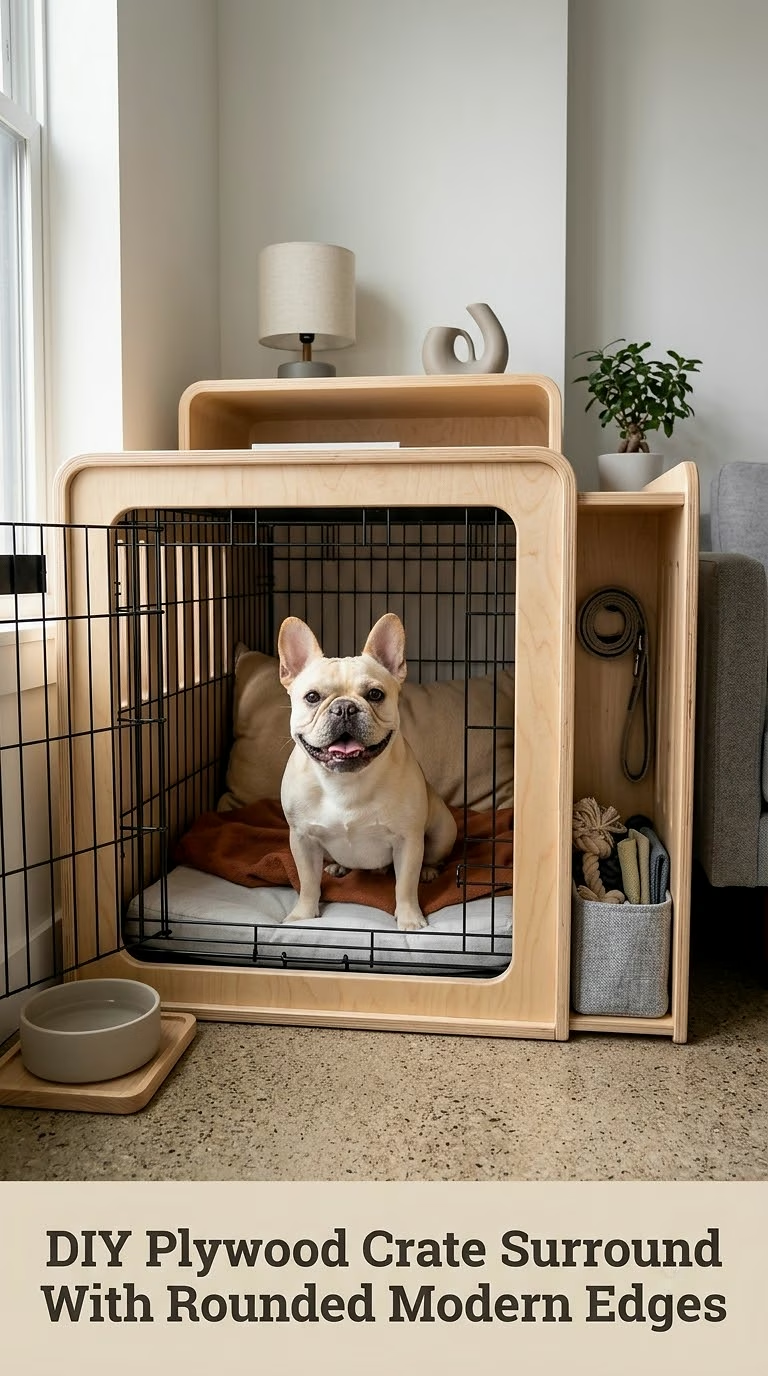
If you enjoy approachable weekend projects, a plywood surround can give an ordinary crate a clean custom appearance without the cost of professional built-ins.
A practical approach is to construct the decorative furniture around a secure existing crate. Cut generous side openings, preserve full access to the door, and sand every exposed edge until smooth.
Birch plywood looks beautiful with a simple clear finish, while painted plywood can coordinate with nearly any room. Rounded front edges add a softer contemporary feel, and felt pads underneath can protect rental flooring.
Measure carefully before cutting so the surround does not press tightly against the crate or restrict ventilation. If your dog is a persistent chewer, consider whether exposed wood is appropriate before investing time in the project.
Floating Shelf Crate Station With Wall-Mounted Accessories
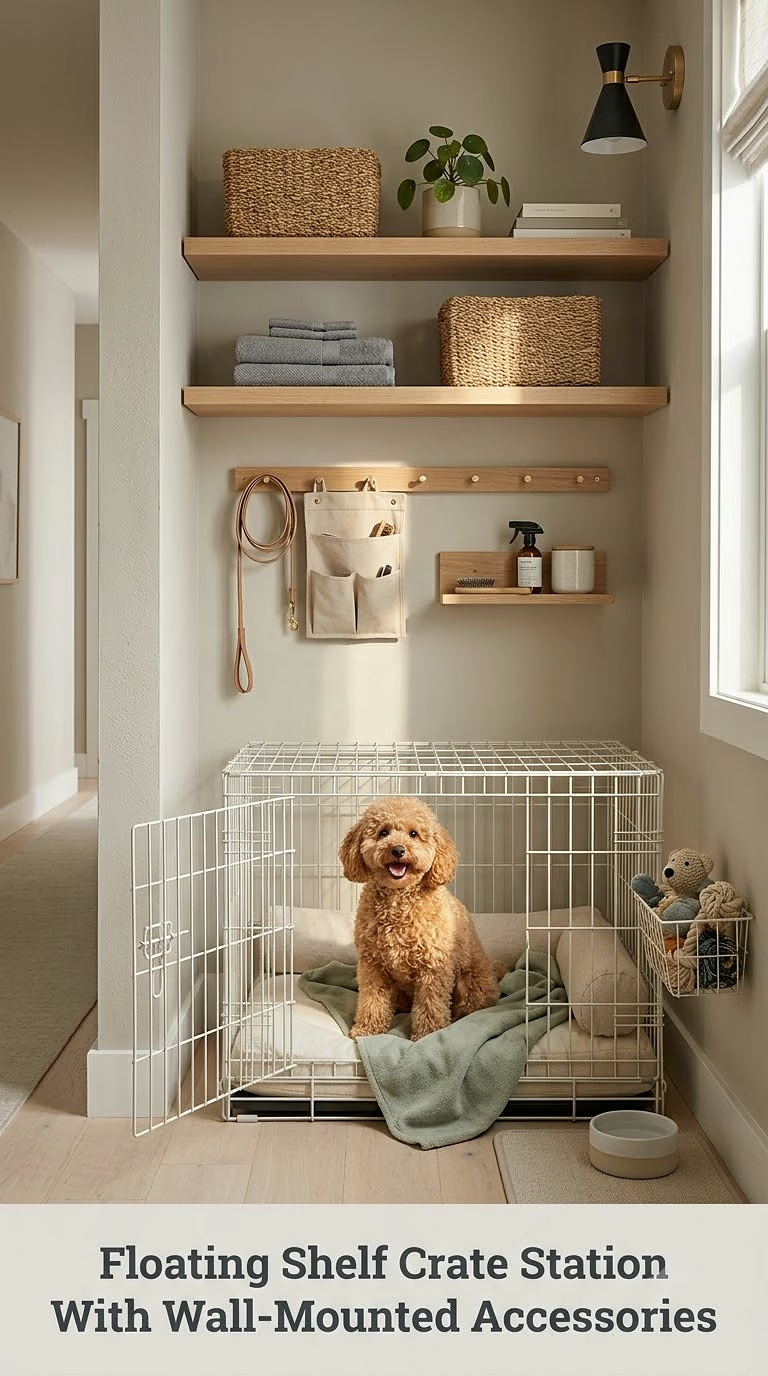
Sometimes the best solution is not hiding the crate at all. Organizing everything around it can make even a simple wire crate look clean and purposeful.
Place the crate against the wall and install one or two floating shelves above it with plenty of vertical clearance. Use matching containers for treats, spare toys, and grooming supplies. Wall hooks beside the crate can hold walking equipment so nothing ends up piled on top.
Choose accessories in a coordinated palette such as natural wood, matte black, and warm white. The visual consistency makes the area feel calmer in a compact room.
Keep food, medicine, breakable items, and anything your dog could reach safely stored. This setup is particularly renter-friendly because it provides useful organization without requiring custom furniture.
Boho Rattan-Inspired Dog Nook With Earthy Textures
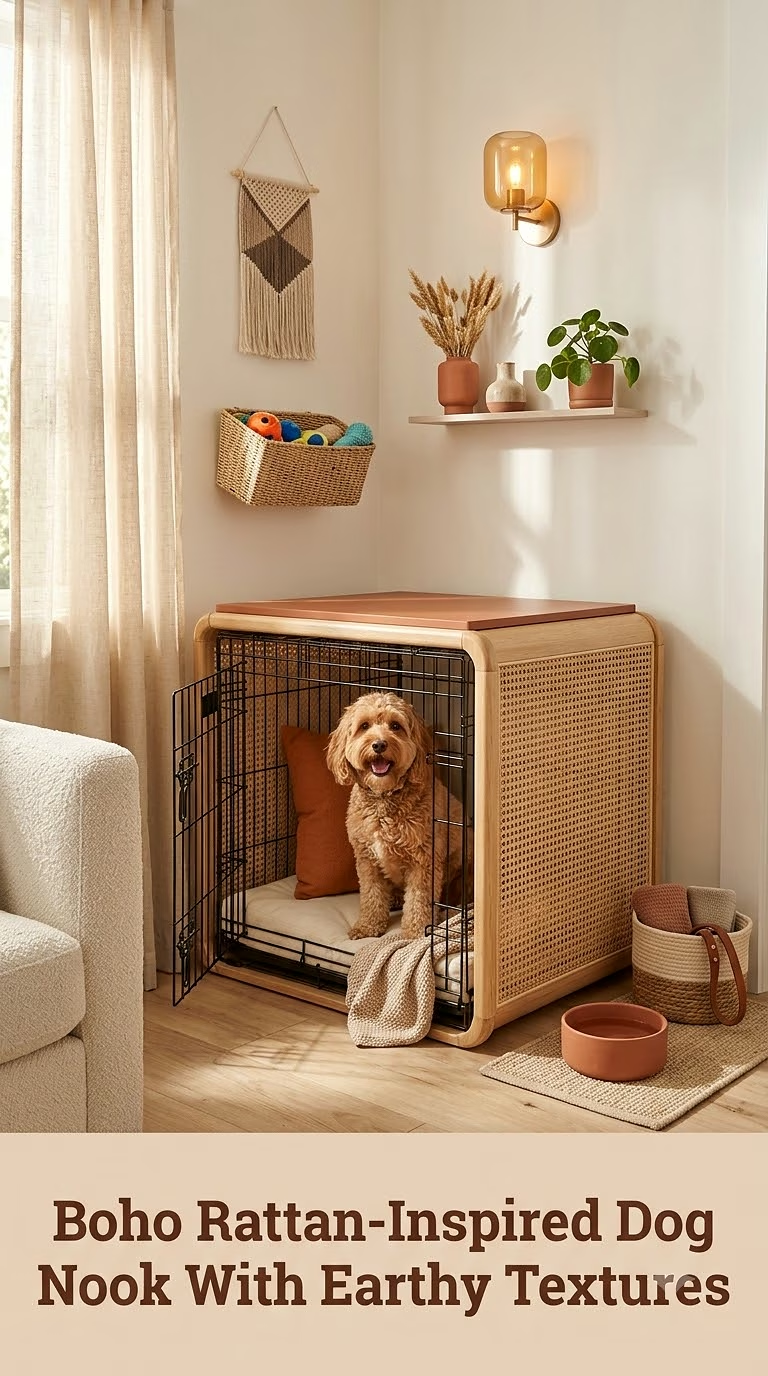
A boho apartment gives you plenty of opportunities to make practical pet gear feel warm and personal. Start with a crate in a medium wood tone or one featuring rattan-inspired detailing, then surround it with earthy textures.
Terracotta accents, a washable patterned rug, woven storage, cream fabrics, and simple wall art create a cozy Pinterest-friendly look. The trick is to suggest softness without piling fabric around the crate and restricting airflow.
Real cane and rattan may not be suitable for dogs that enjoy chewing furniture, so durable rattan-look materials can be a smarter choice. Position baskets beside the area rather than directly against ventilation openings.
This style works particularly well in an unused living-room corner where natural textures can visually connect the dog area with the rest of the space.
Japandi Dog Crate Corner With Pale Wood and Soft Beige
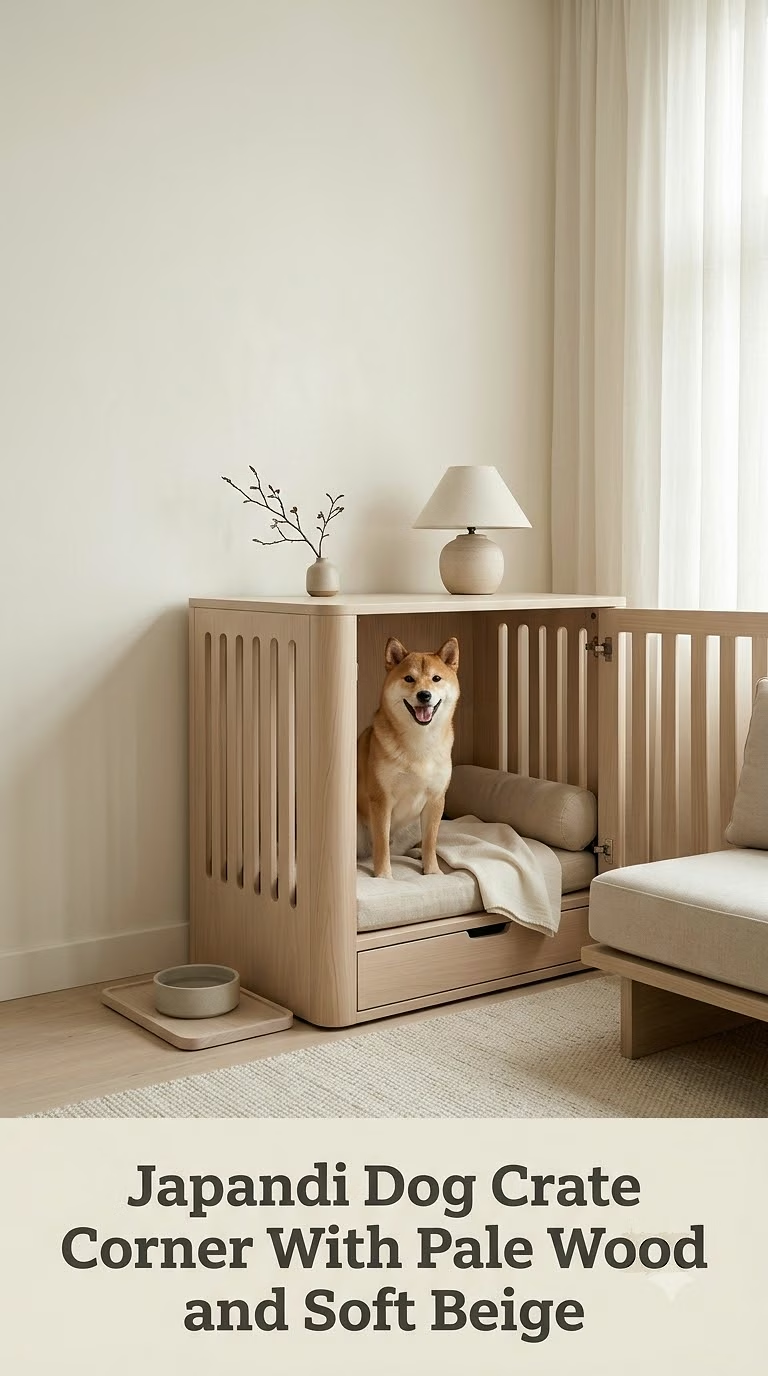
Japandi style combines Scandinavian simplicity with Japanese-inspired warmth, making it a natural match for small homes. The look depends on useful furniture, restrained decoration, natural-looking materials, and plenty of breathing room.
Read more : 20 Stylish Large Dog Crate Ideas for a Cozy, Beautiful Home
Choose a streamlined pale wood crate and position it against an uncluttered wall. Add one small closed cabinet for supplies and perhaps a low washable rug nearby. Warm beige, stone, soft brown, and off-white create a peaceful palette.
Rather than covering the surface with decorative pieces, leave part of it intentionally empty. That negative space is what makes the arrangement feel elegant.
If your dog enjoys extra privacy, a partial lightweight cover can add coziness, but airflow must remain unobstructed and loose fabric should stay out of reach if your dog tends to pull or chew it.
Under-Stair Dog Crate Retreat With Built-In Drawers
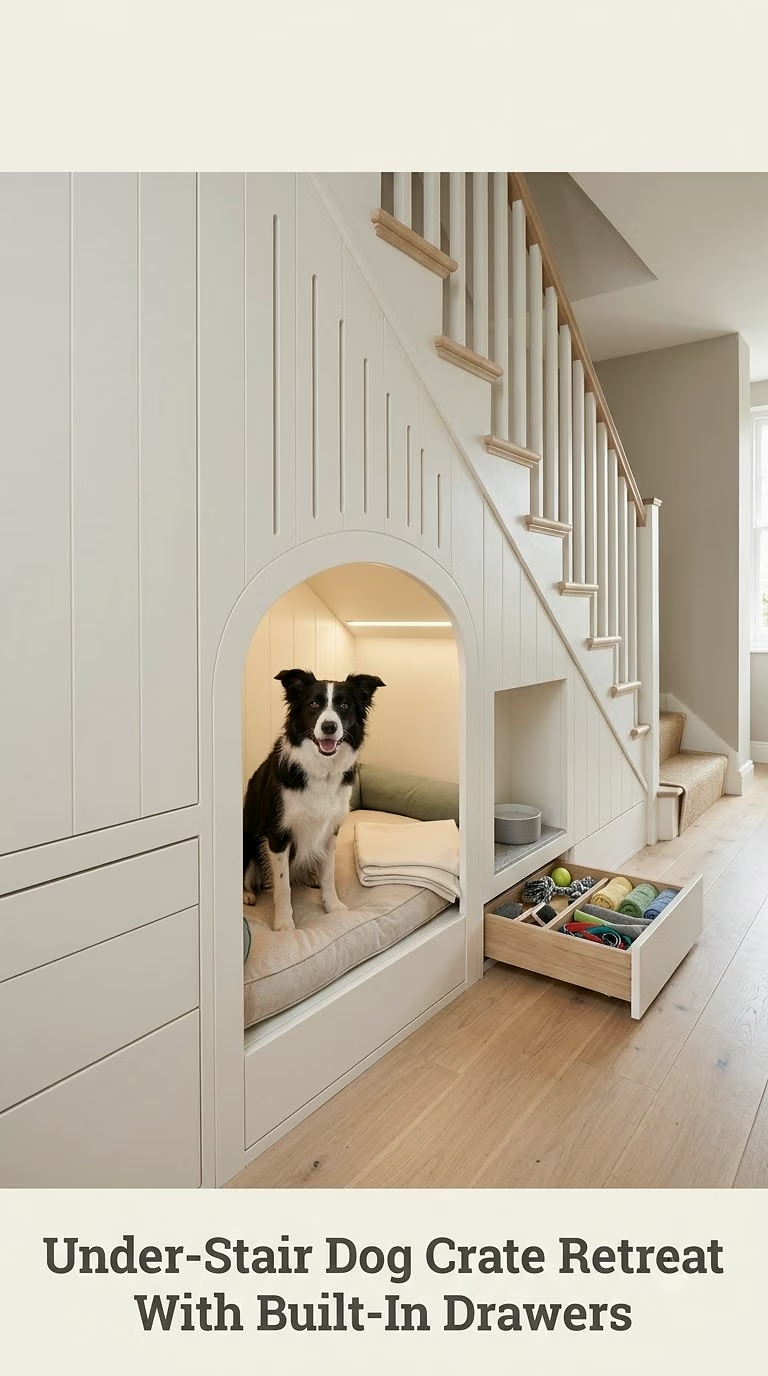
The awkward area beneath a staircase can become valuable pet space when planned thoughtfully. A crate can occupy the taller section of the recess while the remaining space becomes drawers or closed cupboards.
Painting the entire built-in one color makes the feature look architectural. Warm white creates a cottage-inspired feel, deep green brings character, and natural oak feels contemporary and timeless.
Dark under-stair areas may benefit from gentle nearby lighting, but electrical cables and fixtures need to remain safely beyond chewing reach.
Before committing to this location, check the temperature and airflow because enclosed cavities can become stuffy. The crate should also remain easy to access and remove for cleaning. Done properly, an awkward corner becomes a charming retreat while providing valuable extra storage.
Closet-Adjacent Dog Crate Nook With Sliding Door Storage
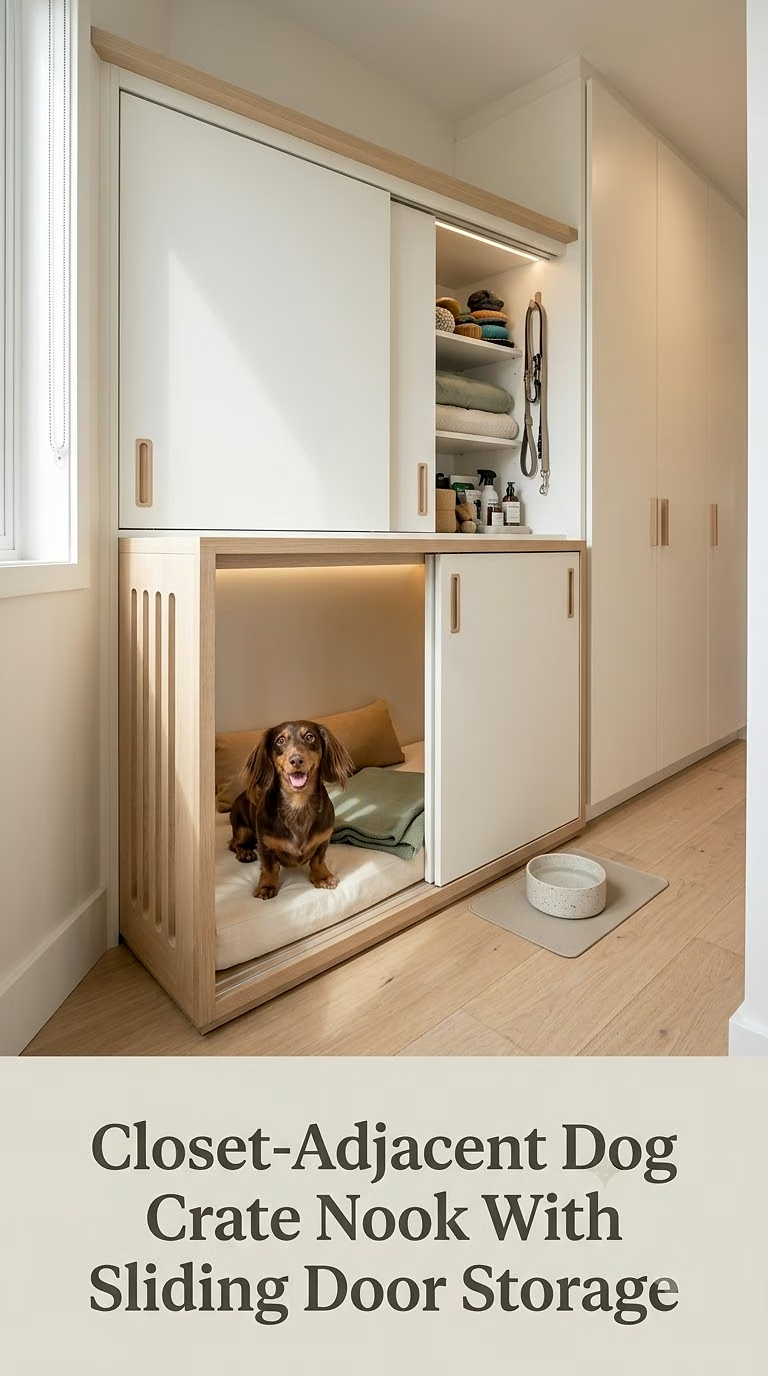
A shallow recess beside a closet can become a tidy pet station when paired with sliding-door storage. Sliding doors are particularly helpful in small rooms because they do not require the clearance of standard cabinet doors.
Keep the crate in the open portion of the nook and use the closed side for food containers, towels, spare bedding, and walking gear. Matching cabinet fronts make the whole wall appear much less cluttered.
In a bedroom, soft neutral cabinetry creates a calming finish. For an entryway, darker painted wood can help disguise everyday marks.
The crate itself should remain openly ventilated whenever your dog is inside. Do not place your pet inside a sealed cabinet simply to hide the crate. The aim is to conceal storage and visually integrate the pet area, not close it off.
Compact Crate and Playpen Corner for a Growing Puppy
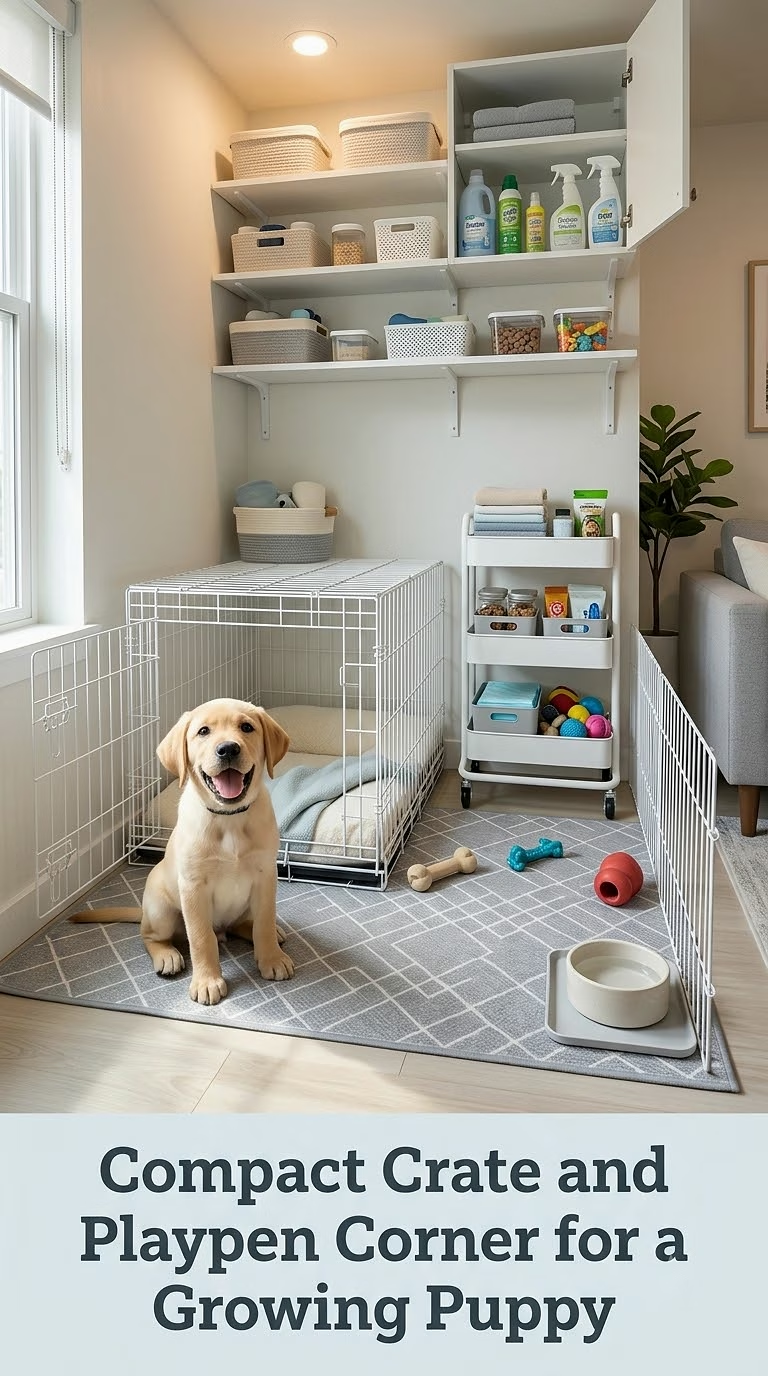
A puppy often needs more than a sleeping space. In a small apartment, connecting a crate to a compact exercise pen can create a flexible puppy zone without giving your new dog access to the entire home.
Place the crate against a wall so it forms one edge of the setup instead of sitting in the center. Use easy-clean flooring underneath, such as a washable or waterproof mat extending slightly beyond the pen. A neutral pen, simple bedding, and one small toy basket keep everything visually coordinated.
For a growing puppy, a crate with an adjustable divider can be especially useful because the sleeping area can be adapted as your dog gets bigger. Later, once the puppy earns more freedom around the home, the playpen can fold away and the crate can remain as the familiar resting space.
Rolling Dog Crate Console for Flexible Studio Living
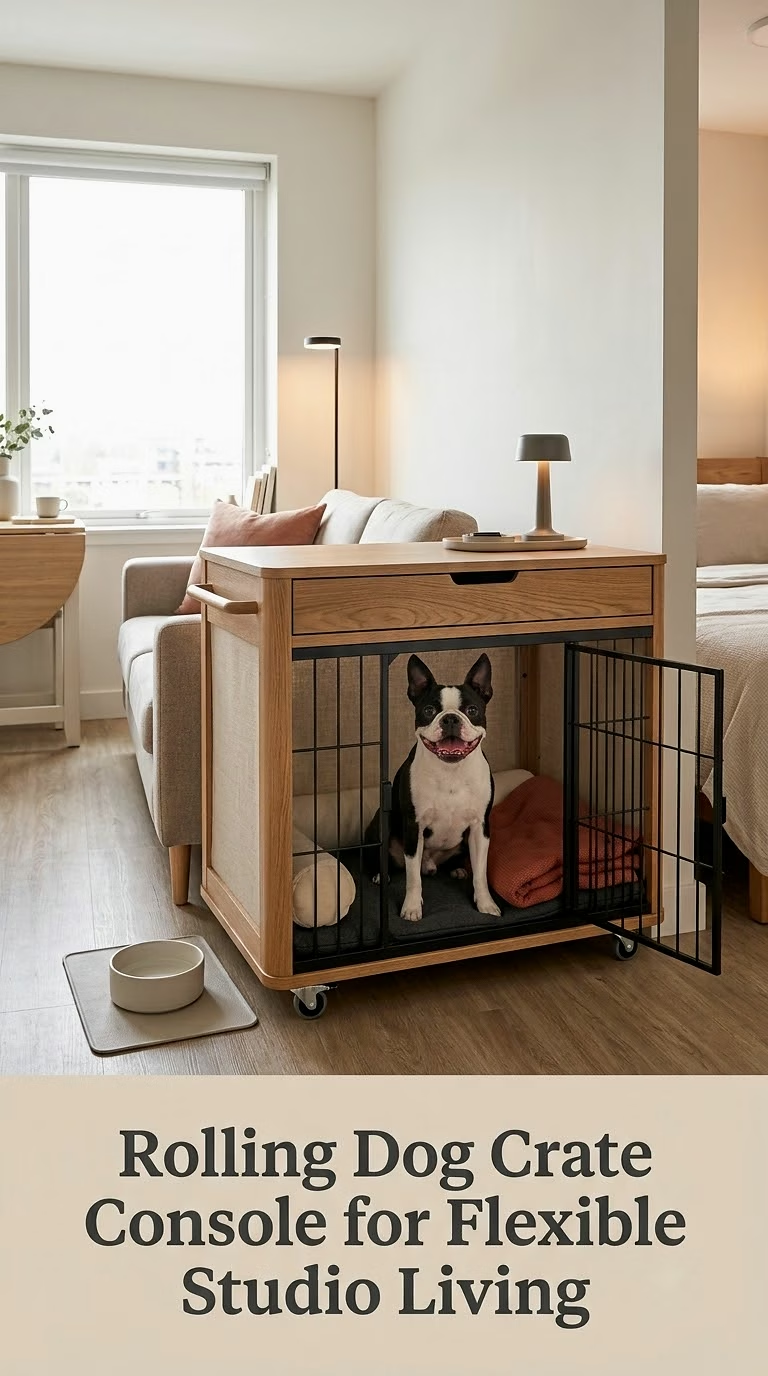
Studio apartments often change function throughout the day, so movable furniture can be incredibly useful. A thoughtfully designed rolling crate console gives you a little more flexibility while keeping the dog’s resting zone integrated into the room.
Use a stable furniture surround fitted with high-quality locking casters that can safely support the entire unit. Once the crate is positioned, the wheels should remain securely locked.
A pale wood and white combination keeps a studio feeling bright, while walnut gives the setup a richer look. Keep the silhouette low and uncluttered so it does not visually divide the room.
Never move the console while your dog is inside. Even in a flexible studio, keeping the crate in a generally predictable location can help maintain the sense that it is a familiar resting place.
Luxury Marble-Look Crate Console With Brass Accents
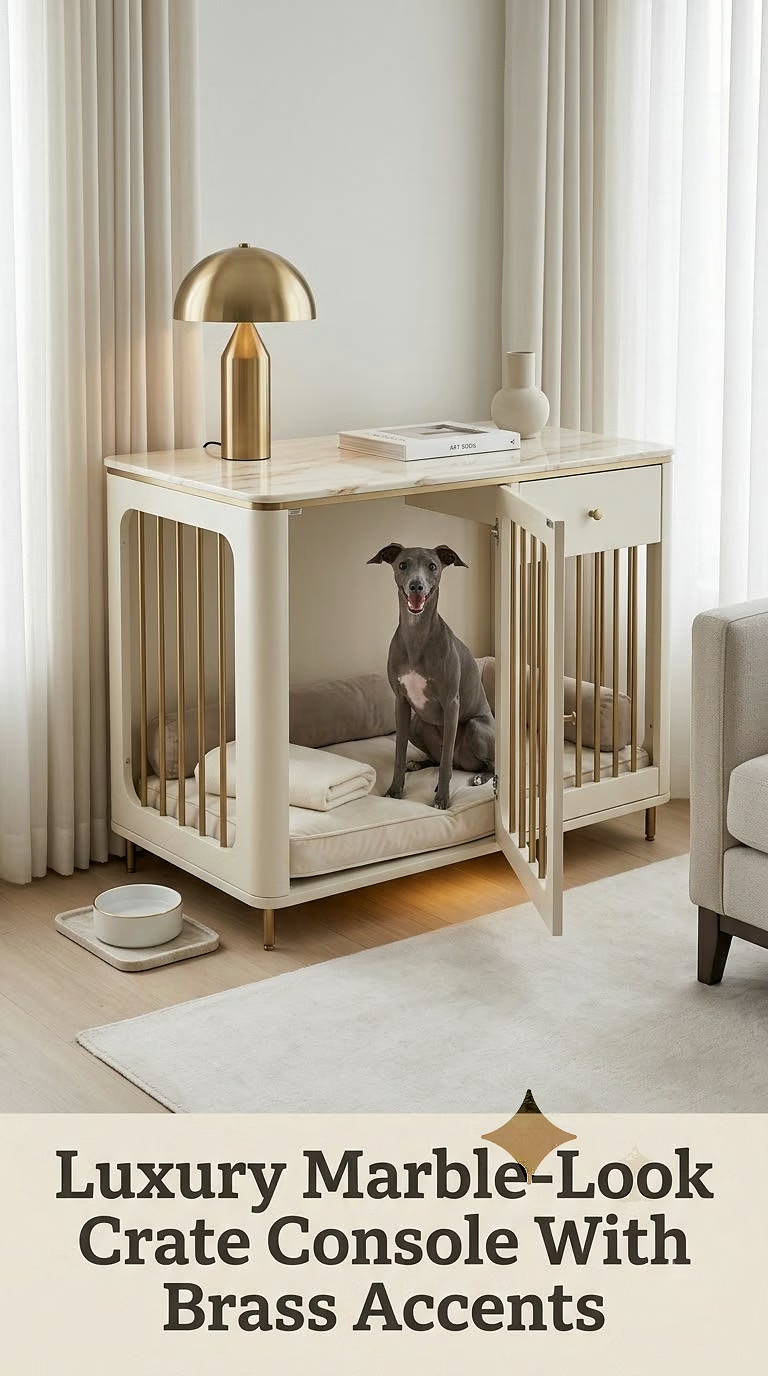
Small-space living does not have to mean purely budget decorating. If you love polished interiors, a crate console can borrow the look of high-end furniture with a marble-look top, subtle fluted detailing, and understated brass-toned accents.
A durable faux-stone surface may be more practical than real marble because it can be lighter and easier to maintain. Add a fitted washable bed inside, then style the surrounding room with cream walls, a sculptural lamp, and one elegant framed print.
Decorative panels should still provide generous ventilation, and any metal detailing needs smooth edges that your dog cannot catch a paw or collar on.
Furniture crates vary significantly in strength, so consider your dog’s size, behavior, and chewing habits before choosing one based purely on appearance.
Choosing the Best Dog Crate Ideas Small Space Living Can Support
A small home does not mean your dog’s crate has to feel squeezed in, unattractive, or constantly in the way. The most successful setups make the crate part of the room’s function, whether it replaces a side table, slips beneath a desk, anchors a storage wall, or becomes a cozy built-in nook.
Start with your dog’s comfort and safety, then design outward from there. Keep the crate appropriately sized, well ventilated, easy to clean, and away from excessive heat or strong direct sunlight. When your dog is crated without close supervision, removing collars and harnesses can also help reduce the risk of them becoming snagged. Most importantly, let the crate remain a comfortable, positive resting place rather than using it as punishment.
From inexpensive linen-covered wire crates to custom oak cabinetry, there is an option for almost every decorating style and budget. Choose the idea that fits the way you actually live, borrow colors or storage details from another, and make the finished space your own. When every inch has a purpose, even a tiny apartment can include a dog retreat that feels comfortable, beautiful, and completely at home.
Source: https://petstutorial.com
Category: Dog Crates
