
Bringing home a puppy is one of those wonderfully exciting moments that can also make your house feel completely different overnight. Suddenly there are tiny paws exploring every corner, toys scattered under the coffee table, leashes hanging from doorknobs, and a sleepy little pup who needs a safe place to unwind after all that excitement.
- 19 Small Dog Crate Ideas for a Cozy, Stylish, Space-Saving Home
- 19 Two Dog Crate Ideas for a Cozy, Stylish, and Organized Home
- 20 Cute Dog Crate Ideas for a Cozy, Stylish, Pinterest-Worthy Home
- 18 Hiding Dog Crate Ideas That Blend Beautifully Into Your Home
- 18 RV Dog Crate Ideas for a Cozy, Stylish, Pet-Friendly Camper
A thoughtfully designed crate setup can make those first weeks feel much calmer. Instead of treating the crate like something that needs to be hidden away, you can turn it into a cozy part of your home—one that supports naps, nighttime routines, puppy training, organization, and everyday life.
You are reading: 19 Cozy puppy set up ideas dog crates for a Beautiful, Practical Home
The best puppy crate spaces balance appearance with practicality. Your puppy needs enough room to stand comfortably, turn around, stretch out, and rest, while growing puppies may benefit from an adjustable divider rather than an oversized sleeping area from the beginning. Placement matters too. A crate in a comfortable household area can help your puppy feel included while still giving them a quiet retreat.
Whether your decorating style leans soft and neutral, modern, farmhouse, minimalist, or cozy cottage, these puppy set up ideas dog crates can help you create a space that feels beautiful for you and comforting for your newest family member.
Cozy and Practical Puppy Set Up Ideas Dog Crates for Every Home Style
Soft Neutral Bedroom Crate With Cream Bedding and Linen Cover
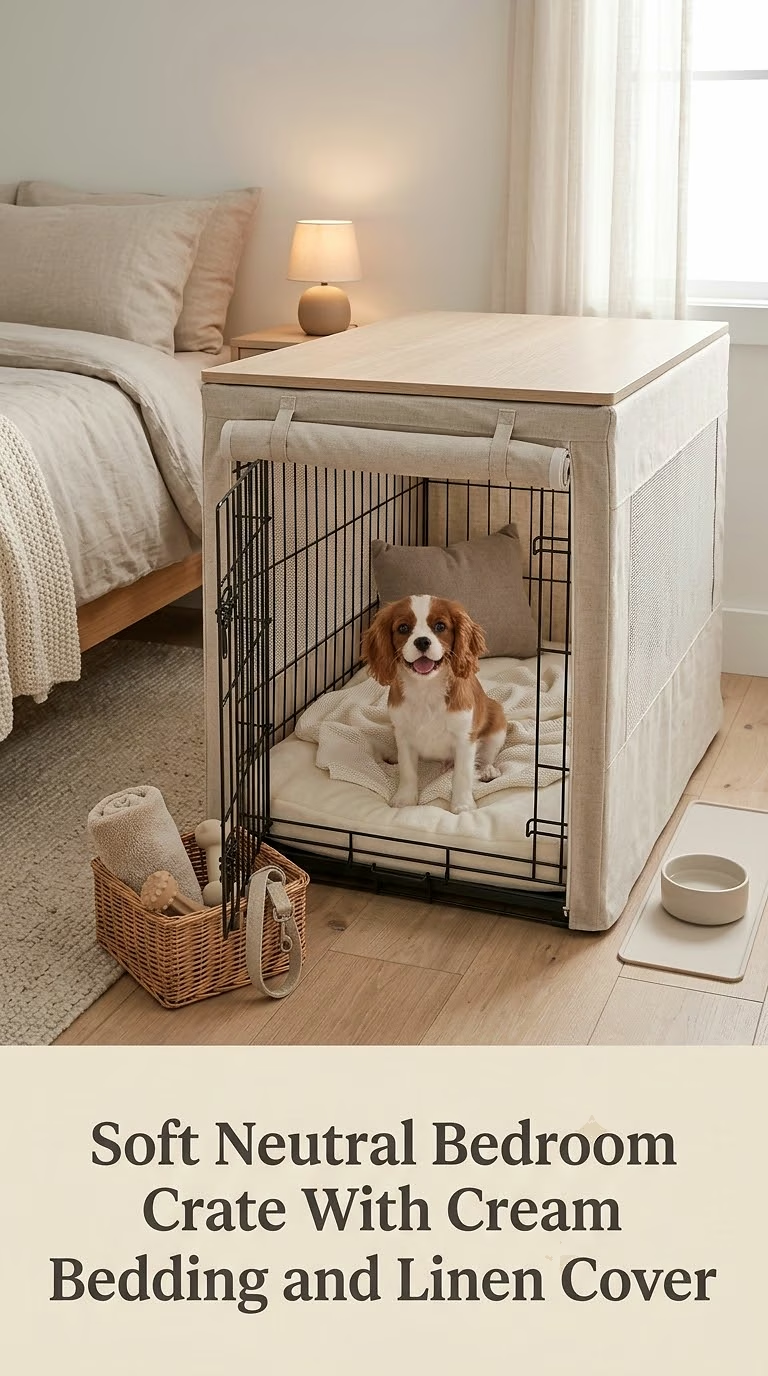
A bedroom crate can be especially useful during the first stage of bringing a puppy home because it keeps their sleeping space close to you without putting the puppy directly in your bed.
Start with a simple wire or plastic crate beside a dresser or nightstand. Add a thin, washable cream or oatmeal-colored crate mat and partially drape the crate with a breathable linen-look cover for a softer appearance. Keep enough uncovered space for generous airflow.
A small basket nearby can hold waste bags, a leash, cleaning cloths, and a few training treats so nighttime potty trips require very little searching.
For puppies that chew fabric, keep the interior simpler and avoid decorative pillows, tassels, loose blankets, or anything that can easily be shredded.
Light Oak Living Room Crate Console With Hidden Storage Baskets
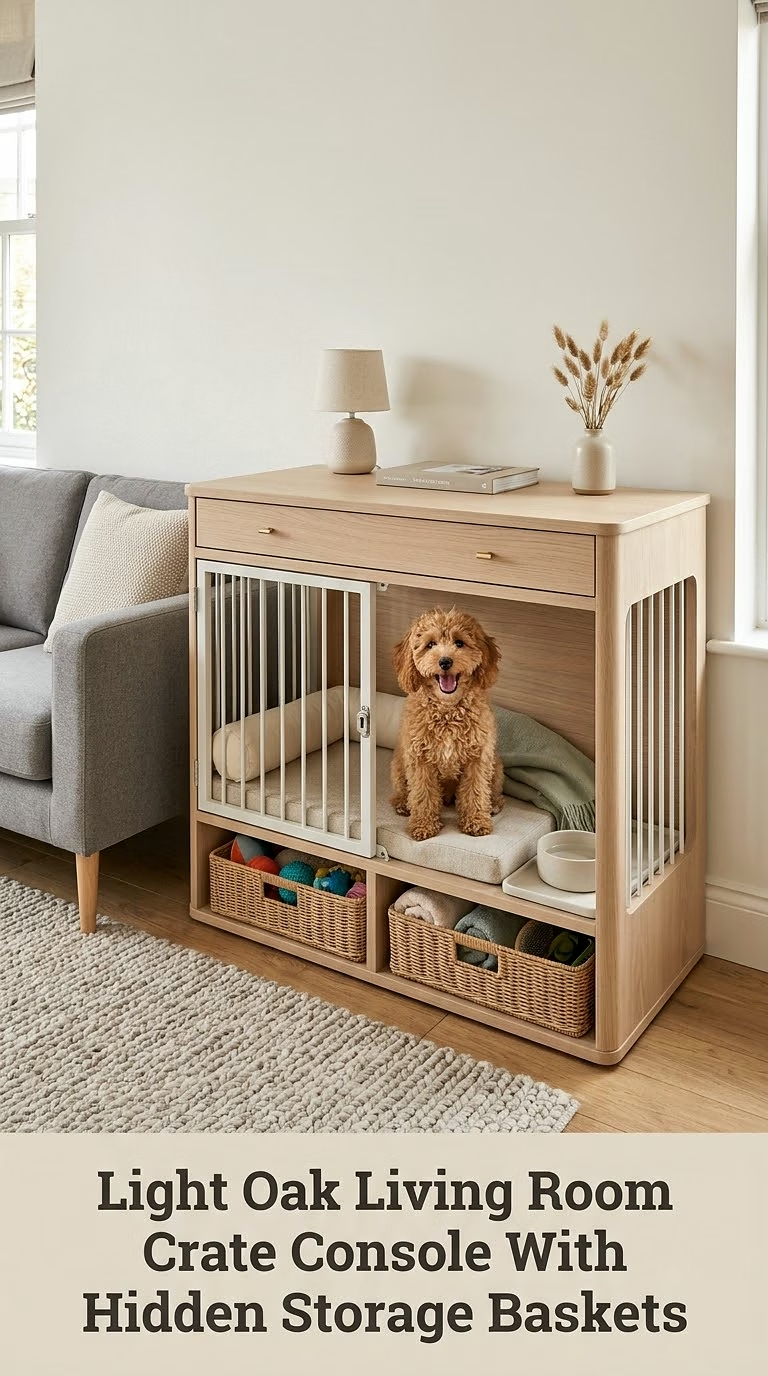
Instead of letting a wire crate look like an afterthought in your living room, visually connect it to the surrounding furniture.
A sturdy wooden topper placed safely above the crate can create the appearance of a slim console table. Light oak works beautifully with cream sofas, neutral rugs, and warm modern interiors. Style the surface with a lamp, framed print, or simple ceramic vase while leaving ventilation areas open.
Under or beside the setup, use matching baskets for puppy toys, grooming supplies, spare washable bedding, and cleaning essentials.
Avoid placing heavy objects where they could fall onto the crate, and make sure any topper does not interfere with doors or airflow.
The finished space feels intentional rather than temporary while keeping your puppy close to everyday family activity.
Puppy Crate and Playpen Combo With Separate Sleep and Activity Zones
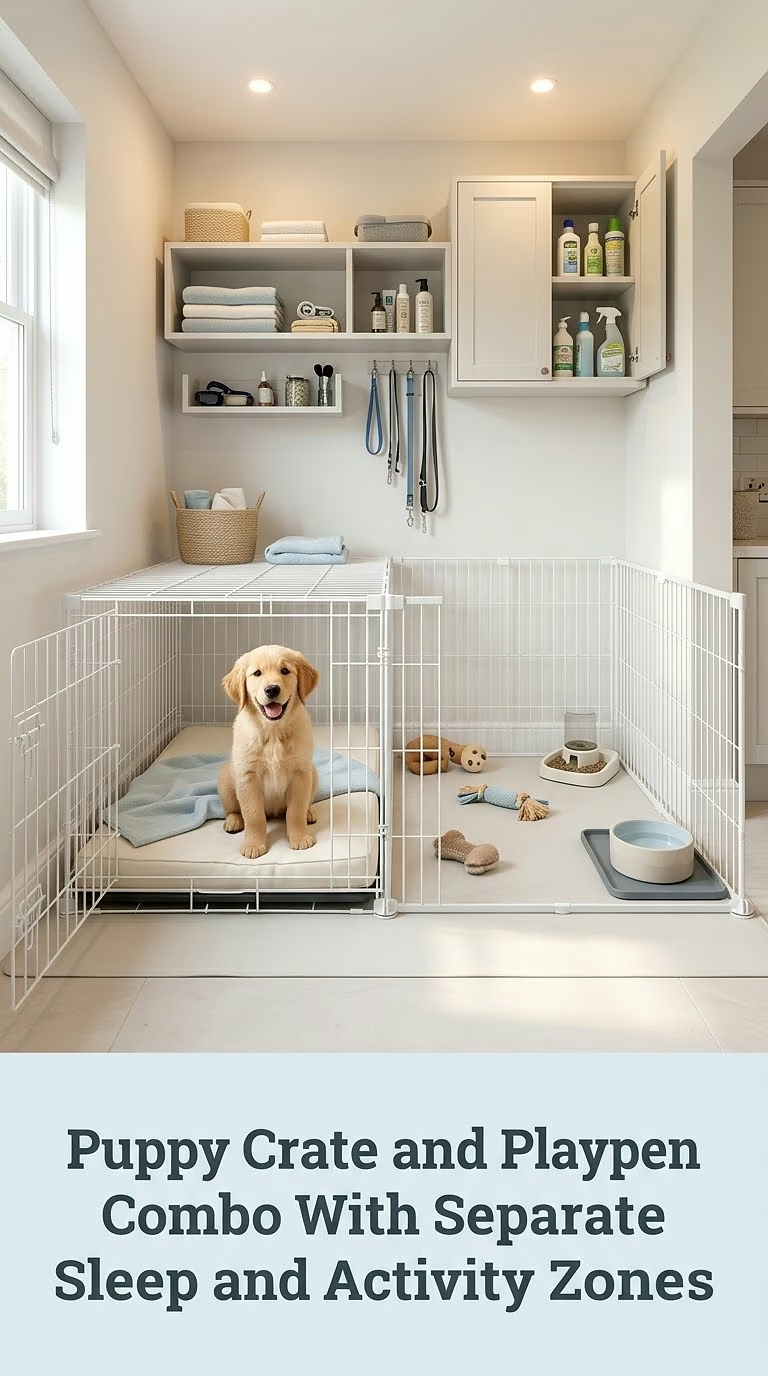
A crate connected to a secure puppy pen creates one of the most practical setups for young puppies.
Place the crate at one end as the designated sleeping area, then use the surrounding pen as a controlled space for supervised play, enrichment, and movement. Visually separating these areas helps keep the layout organized rather than filling the entire pen with random puppy supplies.
Choose an easy-clean floor protector underneath the whole setup and keep bedding concentrated inside the crate. Toys can stay in a small basket or designated play corner.
This arrangement works particularly well when you need a puppy-safe zone larger than the crate itself. It also gives you flexibility as your puppy learns household routines.
Check the pen regularly for gaps, loose connections, or openings where a curious puppy could become caught.
Small Apartment Crate Corner With Vertical Wall Storage
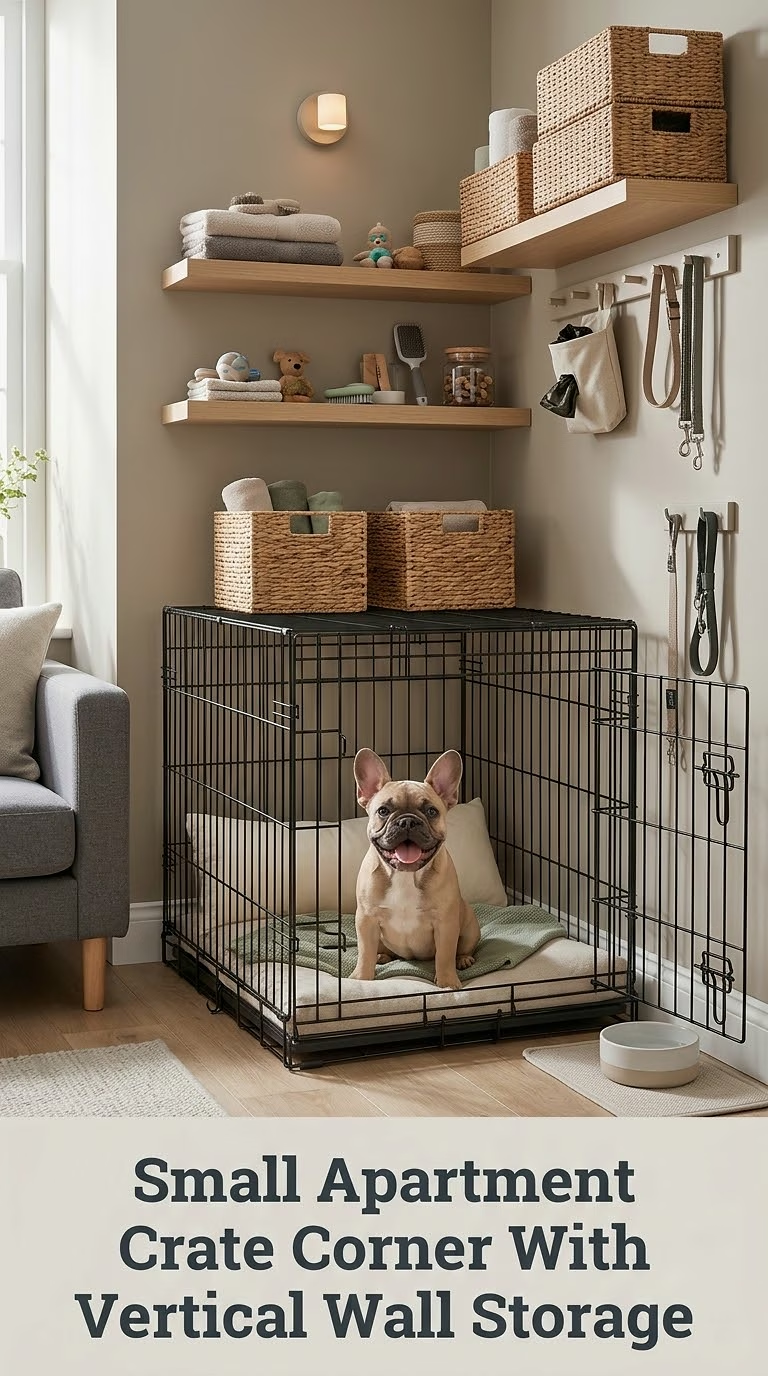
When floor space is precious, build upward instead of outward.
Place a compact puppy crate against an unused wall or beside a piece of existing furniture, then install a narrow shelf or wall organizer above and beside it. Store lightweight supplies such as folded towels, grooming brushes, waste-bag refills, and spare toys in labeled baskets.
Keep heavier objects away from overhead shelving directly above the puppy.
A palette of warm white, pale wood, and soft beige makes the setup visually quieter in a small apartment. Matching storage containers also reduce the cluttered look that can happen when brightly colored pet supplies accumulate.
A washable runner beneath the crate protects flooring and helps visually define the puppy station without taking up additional usable space.
Sage Green Puppy Station With Woven Baskets and Organized Essentials
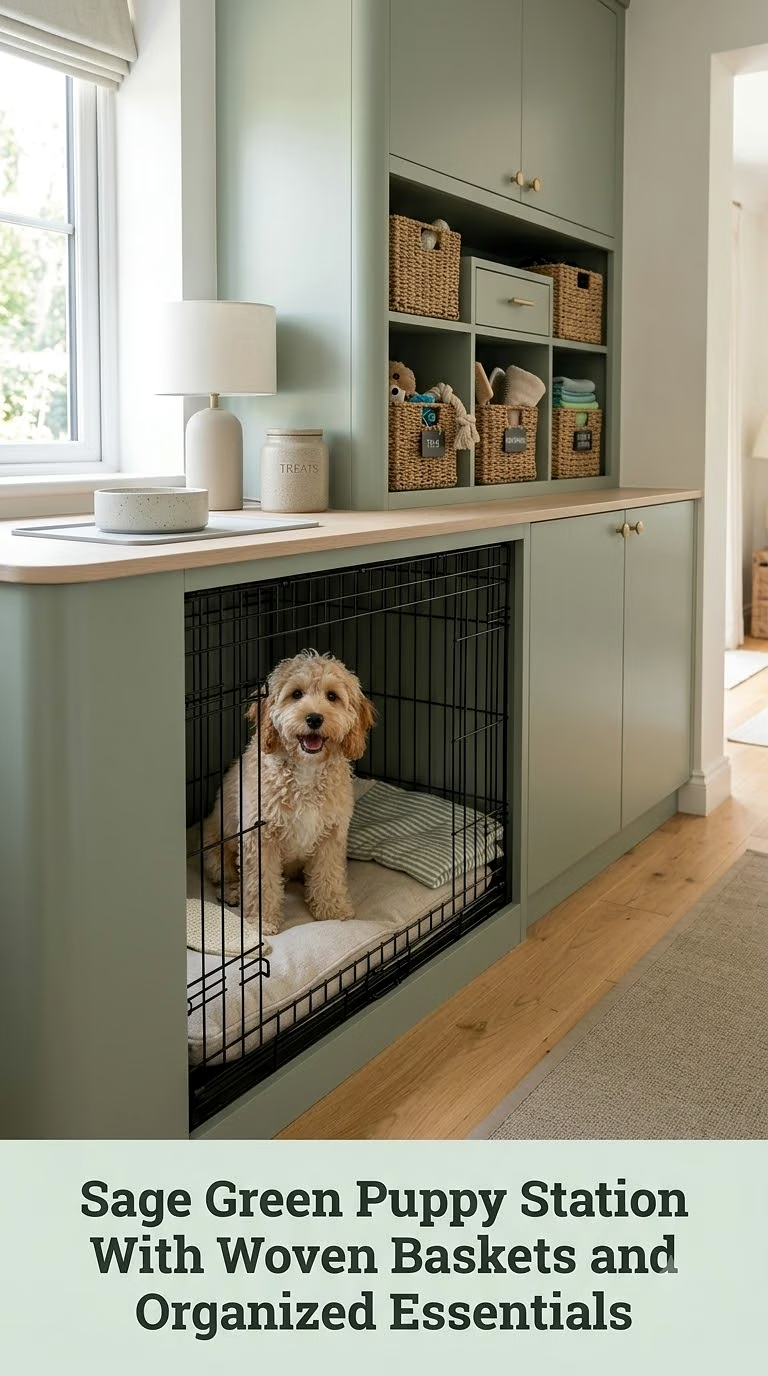
Sage green is perfect for creating a calm puppy corner that still feels decorative enough for a Pinterest-inspired home.
Pair a black or cream crate with a muted sage wall, removable wallpaper panel, or nearby cabinet. Use natural woven baskets outside the crate for toys and grooming supplies, then repeat warm beige and ivory through a washable crate mat and surrounding accessories.
One basket can become your everyday training basket with treats, a leash, poop bags, and a towel ready to grab.
Keep decorative woven items outside paw and chewing range, particularly during teething.
The soft green-and-natural-fiber combination works beautifully in cottage, modern farmhouse, Scandinavian, and contemporary spaces, making the puppy area feel like part of the room rather than a collection of pet equipment.
Warm Farmhouse Crate Corner With Wood Shelf and Plaid Accents
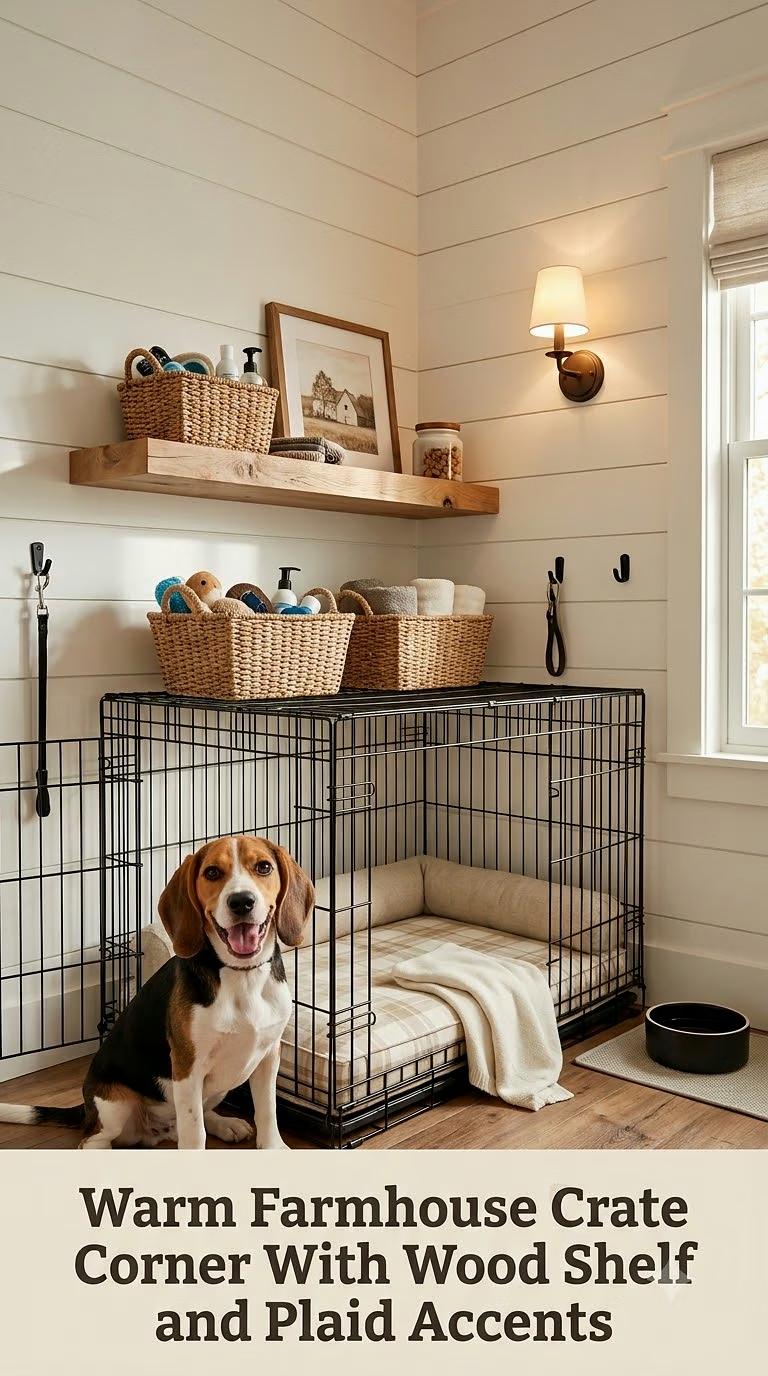
For a cozy farmhouse look, combine a simple wire crate with warm wood, black metal accents, and subtle plaid.
Position the crate beneath a sturdy shelf or alongside a small wooden storage unit. Choose a washable tan, cream, or muted plaid crate mat rather than filling the interior with excessive decorative bedding.
A wooden sign, vintage-inspired hook rail, and canvas storage basket nearby can complete the farmhouse style. Hooks are especially useful for organizing leashes and lightweight walking accessories.
Keep dangling straps and cords well away from the crate itself.
This setup works especially well in a family room, kitchen corner, or mudroom where rustic materials already appear throughout the space. The goal is comfortable and practical rather than overly decorated, since puppies have a remarkable talent for discovering anything chewable.
Modern Black Wire Crate With Minimalist Beige Accessories
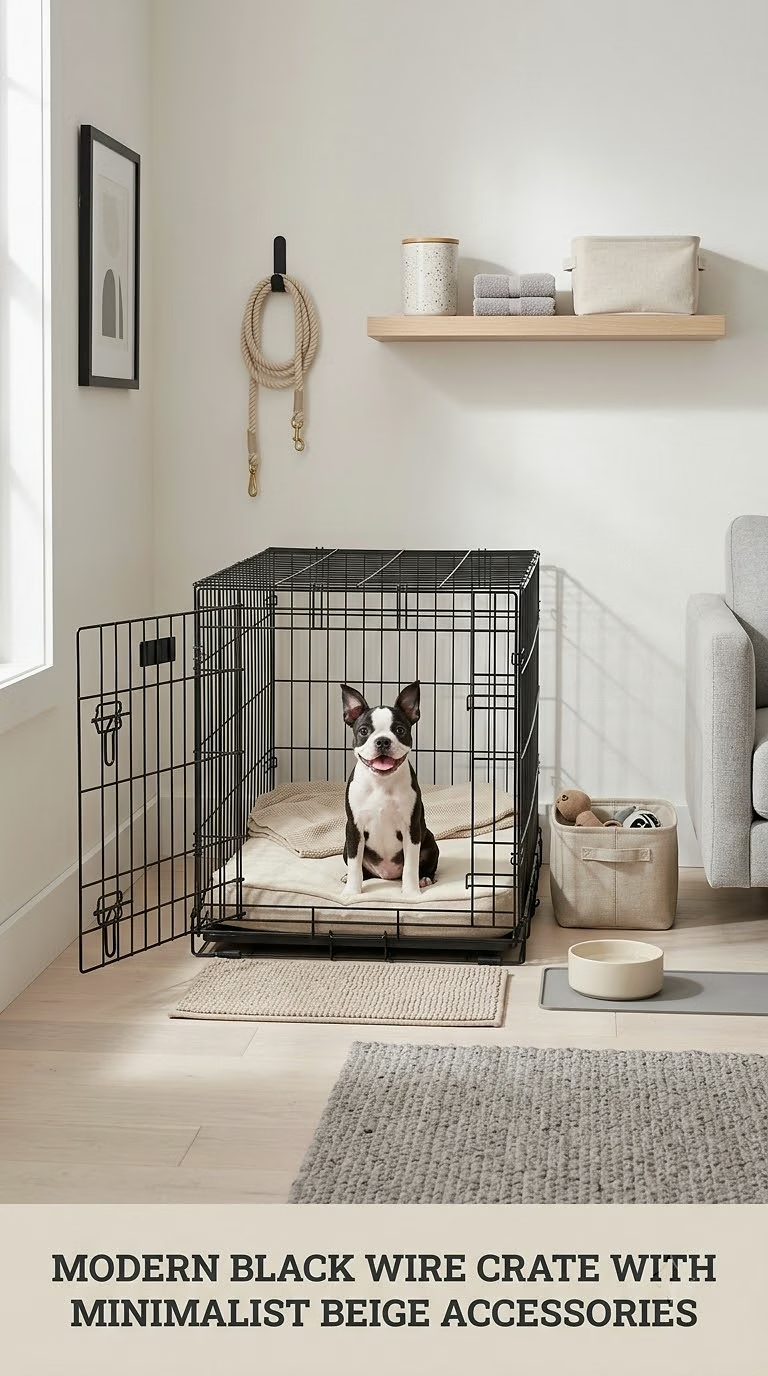
A basic black wire crate can look surprisingly polished when everything around it is intentionally simple.
Place it against a warm white wall and use a fitted beige or taupe mat inside. Add one streamlined storage basket nearby for toys instead of spreading supplies around the room.
Above the crate, a single minimalist print or narrow floating shelf can provide visual balance without making the corner feel busy.
Read more : 18 Beautiful Dog Crate Ideas for a Cozy, Stylish, and Practical Home
Black, beige, warm white, and natural wood create a sophisticated palette that works beautifully in modern apartments and contemporary homes.
This design is also easy to maintain. Fewer decorative objects mean fewer surfaces collecting puppy hair and fewer tempting things within chewing range. When accidents happen, washable textiles and accessible flooring make cleanup much easier than an elaborate upholstered setup.
Growing Puppy Crate With Adjustable Divider and Simple Washable Bedding
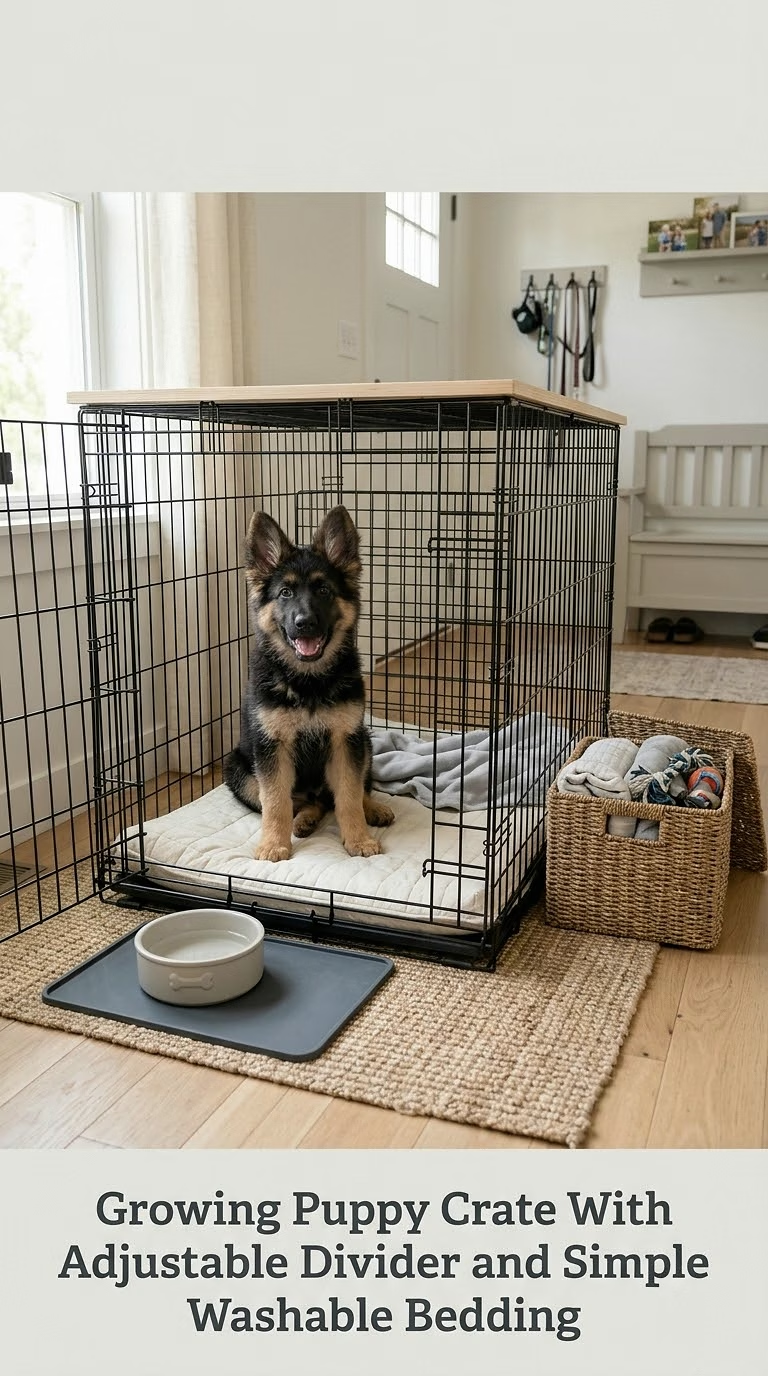
Buying a crate for your puppy’s expected adult size can be practical, especially when the crate includes an adjustable divider.
Set the divider so your puppy currently has comfortable space to stand, turn around, lie down, and stretch. As your puppy grows, gradually reposition it to provide additional room.
Keep the early setup intentionally simple. A washable crate mat or flat piece of suitable bedding is much easier to manage than an elaborate pile of blankets, especially during house-training.
Choose neutral bedding and add visual personality outside the crate instead, perhaps through a small rug, basket, or wall print.
This is one of the most budget-conscious puppy setups because the same crate can potentially transition through several growth stages without repeatedly replacing the entire sleeping space.
Bedside Nighttime Crate With Soft Lighting and Potty-Ready Basket
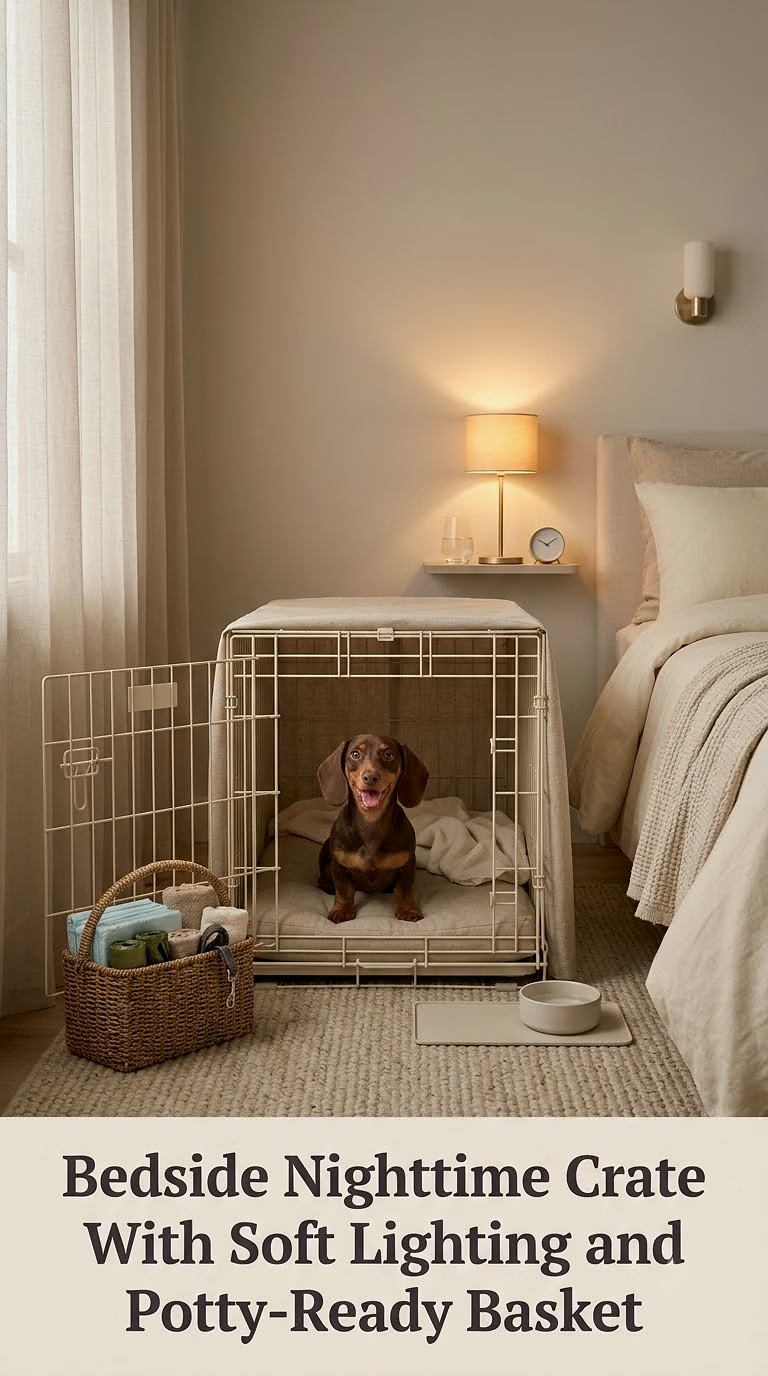
Make nighttime puppy care easier by preparing everything before you go to bed.
Place the crate near your bed in a comfortable location away from direct heating vents, drafts, and intense sunlight. A dim bedside lamp creates a softer environment for late-night potty outings without brightly lighting the whole room.
Beside the crate, keep a small basket containing a leash, waste bags, slippers, and a clean towel. When your puppy wakes and needs to go outside, you can respond quickly without searching around the house.
Keep the actual crate calm and uncluttered. A fitted washable mat and one appropriate puppy-safe item may be all that is necessary.
This setup prioritizes routine over decoration while still looking cozy enough to blend naturally into a peaceful bedroom.
Easy-Clean Puppy Crate Station With Waterproof Floor Protection
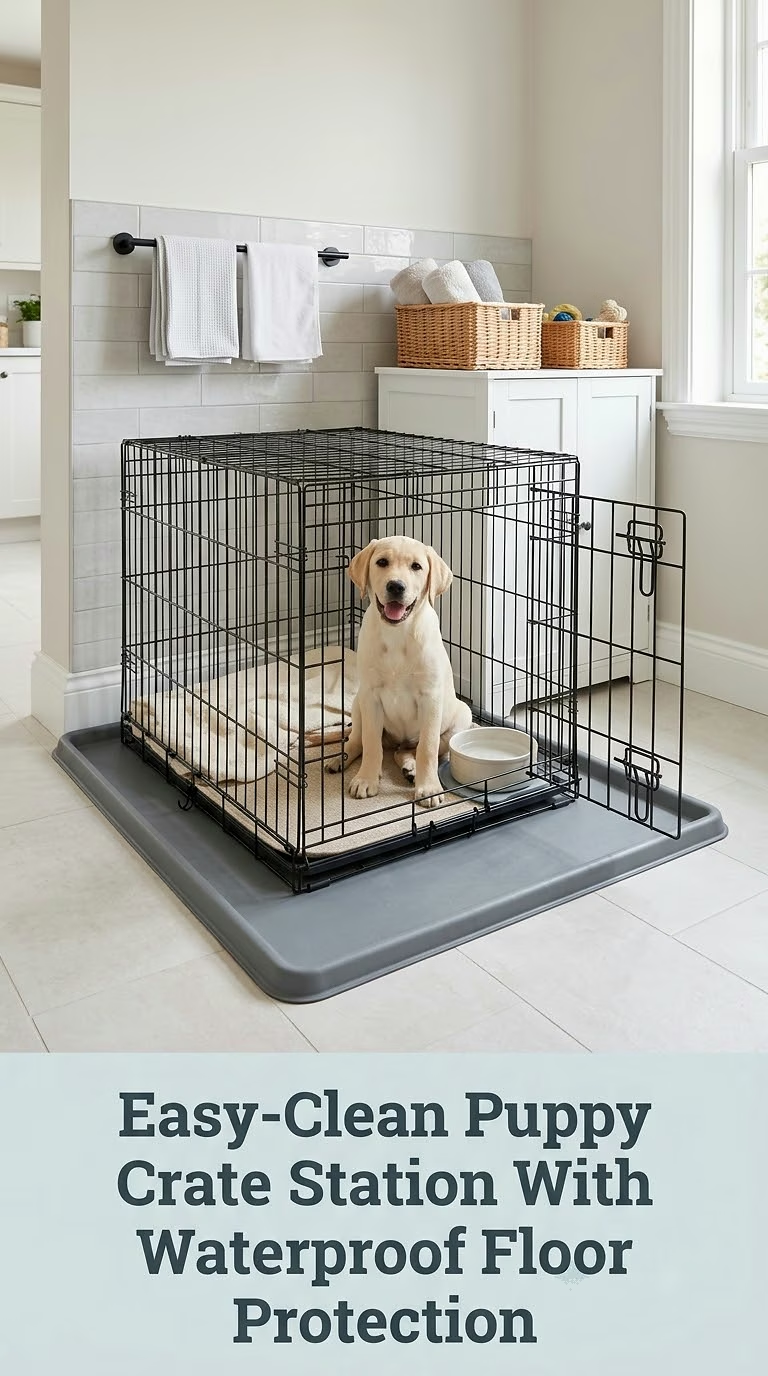
Puppies are adorable, but puppyhood is rarely spotless.
An easy-clean crate station can save considerable frustration during house-training. Place a waterproof or washable floor protector beneath the crate, extending slightly beyond the edges so minor spills are easier to manage.
Choose machine-washable bedding and keep a second clean set nearby for quick changes. A lidded container outside the crate can hold cleaning cloths, puppy-safe cleaning supplies, and waste bags.
Avoid carpeting immediately beneath the crate when possible, especially during the earliest training period.
Visually, this setup can still be attractive. Clear floor protectors disappear into the room, while neutral washable mats and matching storage containers create a tidy appearance.
Practical design becomes especially beautiful when you realize how much easier it makes everyday puppy life.
Ventilated Built-In Cabinet Crate Nook With Warm Wood Details
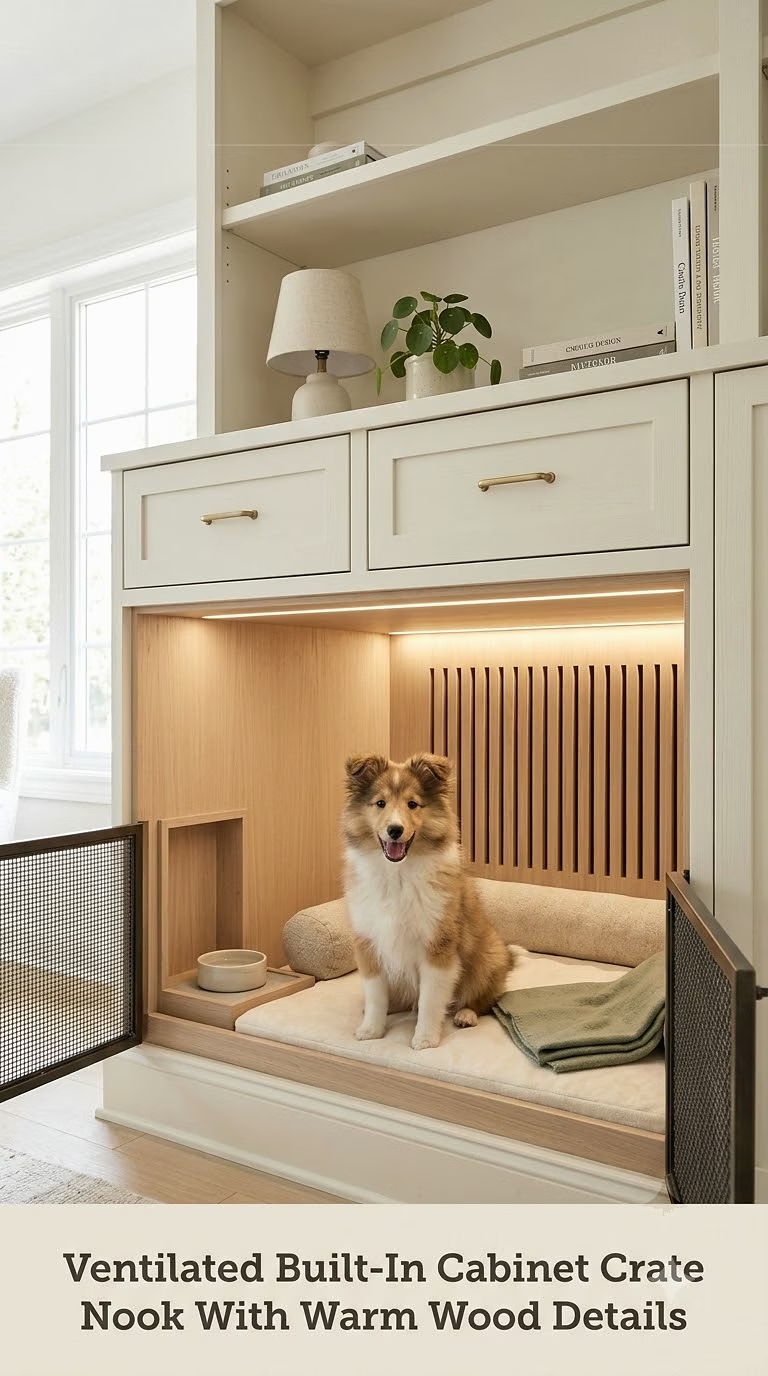
For homeowners planning a more permanent dog space, a custom built-in crate nook can look incredibly polished.
A cabinet-style structure can be integrated into a hallway, living room, kitchen, or mudroom while maintaining generous ventilation and unobstructed access. Warm oak framing paired with slatted or open metal sections creates a furniture-like appearance without turning the enclosure into a sealed box.
Include drawers or cupboards beside the crate rather than directly reducing the puppy’s usable interior space.
Storage can hold food accessories, toys, grooming supplies, and spare bedding.
Because puppies chew and grow quickly, surfaces inside the crate area should be durable and easy to clean. Avoid exposed hardware, sharp edges, peeling finishes, or decorative trim your puppy could reach and gnaw.
Budget DIY Plywood Crate Topper With Fabric Storage Bins
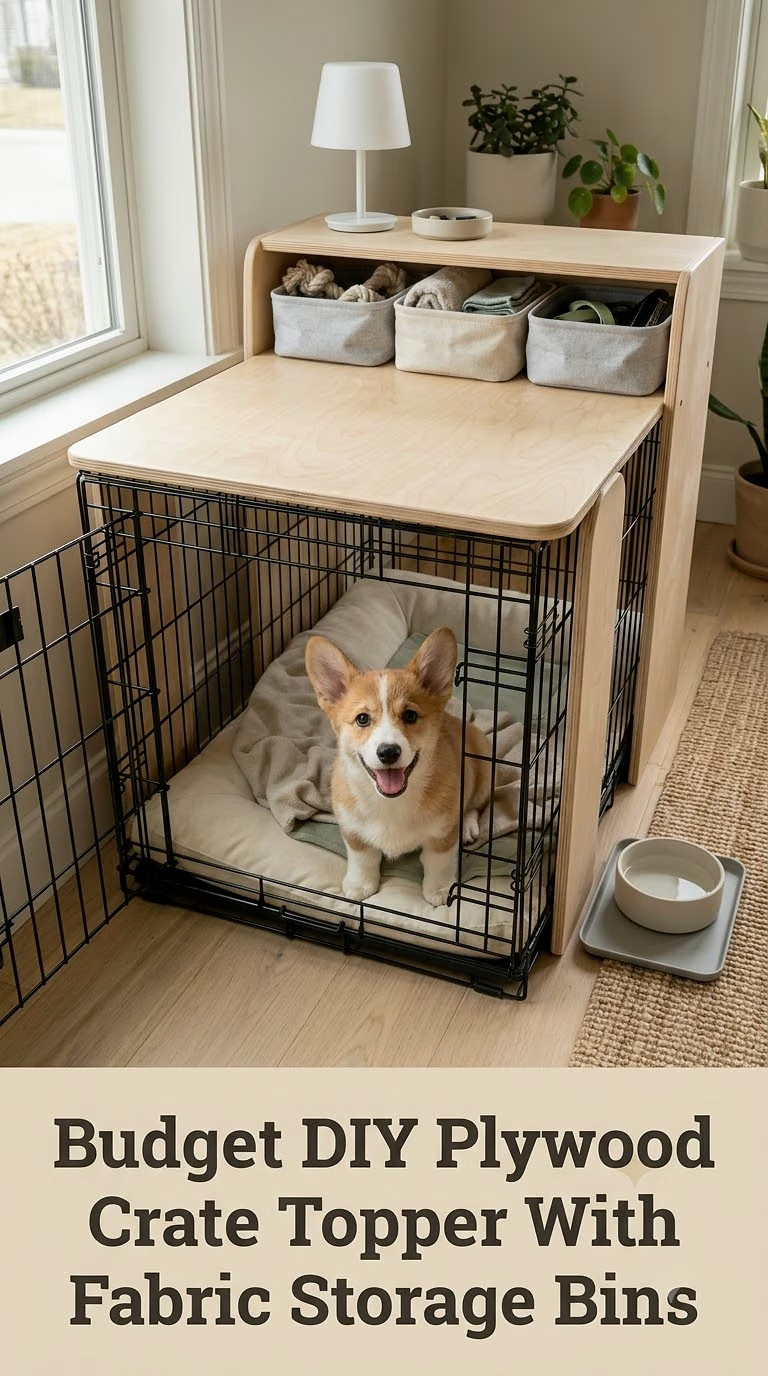
You do not need custom cabinetry to make a puppy crate look coordinated with your home.
A simple DIY topper made from properly finished plywood can visually transform an ordinary wire crate into a more intentional piece of furniture. The topper should rest securely without blocking ventilation or interfering with the crate door.
Pair it with inexpensive fabric bins placed beside the crate for toys, towels, and puppy supplies.
If you enjoy DIY projects, stain the wood to match your coffee table, flooring, or shelving. A natural matte finish gives the setup a modern, handmade feel.
Keep fabric skirts and loose coverings out of reach if your puppy likes pulling material through crate bars. The safest DIY improvements usually happen around the crate rather than introducing decorative objects inside it.
Organized Mudroom Puppy Crate With Leash Hooks and Towel Storage
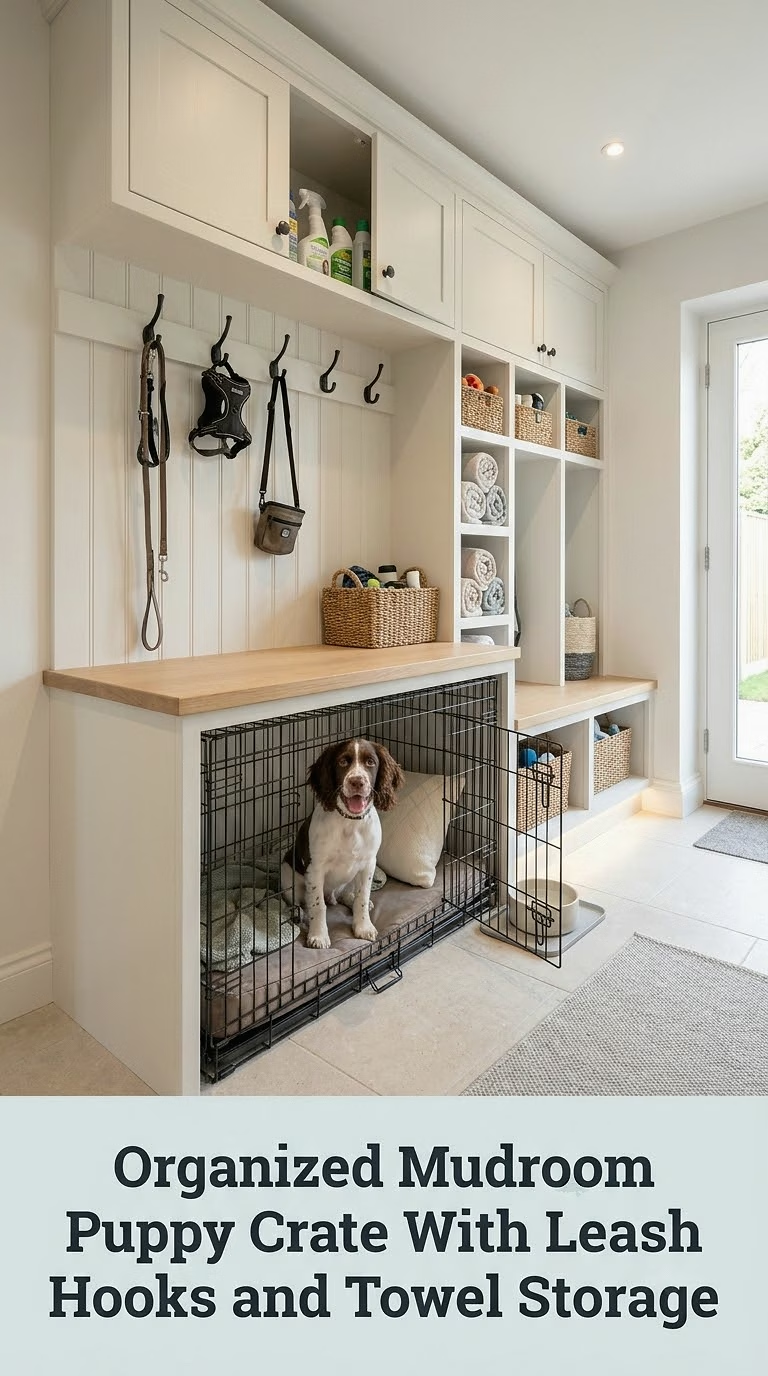
A mudroom can become a hardworking puppy command center when outdoor mess is part of everyday life.
Position the crate away from exterior drafts and busy door swings, then install wall hooks nearby for leashes, harnesses, and walking bags. Add a basket of towels for wet paws and a washable rug that can handle muddy puppy traffic.
A narrow cabinet can store grooming supplies, spare waste bags, and other frequently used essentials.
Use matching labels or baskets to keep the area visually cohesive.
Because mudrooms can experience temperature fluctuations, choose the location carefully rather than automatically placing the crate directly beside an exterior door.
The biggest advantage is convenience: walks, cleanup supplies, and puppy equipment stay together instead of migrating into every room of the house.
Cozy Covered Crate Retreat With a Breathable Partial Canopy
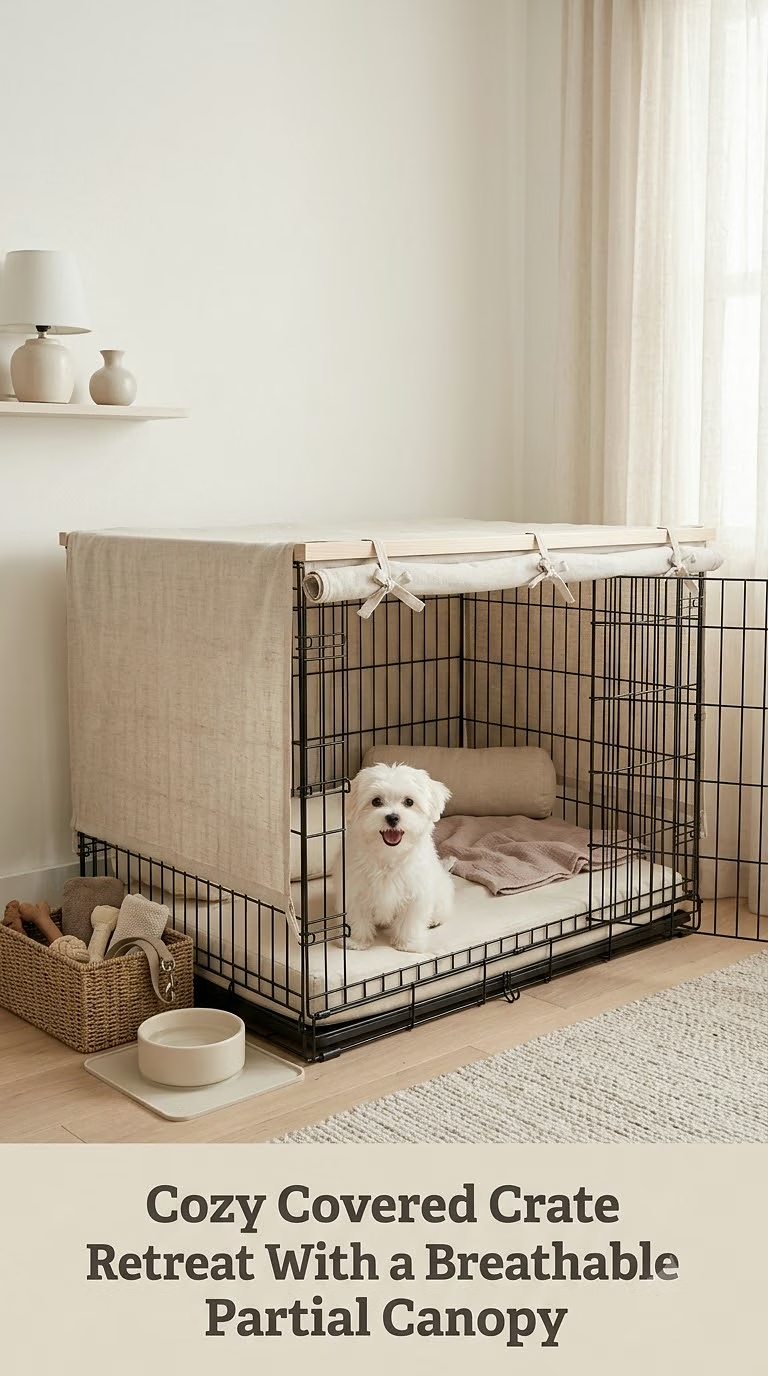
Some puppies enjoy a slightly more sheltered resting environment, and a partial crate cover can create that cozy feeling without completely enclosing the space.
Choose a lightweight, breathable cover designed for crates or neatly drape suitable fabric over part of the top and sides while leaving plenty of ventilation. Soft beige, dusty blue, sage, or warm gray can coordinate beautifully with your room.
Read more : 18 Stylish Dog Crate Ideas DIY Lovers Can Build for a Cozy, Beautiful Home
Keep fabric positioned so your puppy cannot easily pull large sections through the bars and chew them.
Inside, use uncomplicated washable bedding rather than adding decorative cushions.
Place the covered crate in a calm part of a room where your puppy can still hear and see normal household life.
The finished effect resembles a tiny private bedroom—cozy enough for naps but still connected to the family.
Elegant Bouclé and Oak Puppy Corner With Chew-Safe Styling
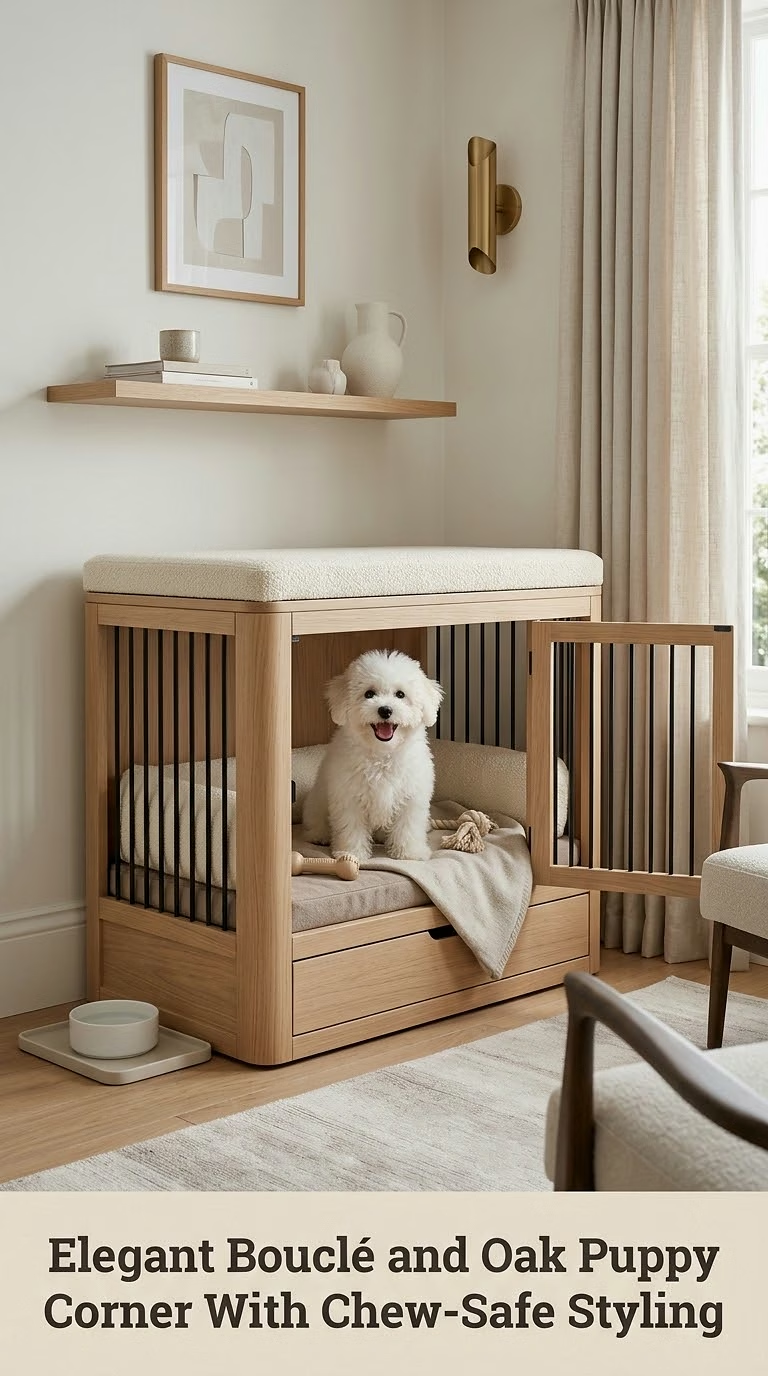
You can create a luxurious-looking puppy area without filling the crate itself with delicate materials.
Use smooth oak furniture, a warm cream wall, and bouclé textures on human furniture or decorative elements positioned safely outside the puppy’s reach. Inside the crate, choose a durable washable mat in a coordinating ivory or taupe shade.
A sleek storage cabinet beside the crate can hide brightly colored toys and puppy supplies when they are not being used.
This approach creates a sophisticated Pinterest aesthetic while recognizing an important reality: young puppies chew.
Instead of putting expensive cushions, fringed blankets, or textured décor inside the crate, create the visual luxury around it. Your puppy gets a comfortable, functional sleeping space while you still get the beautiful designer-inspired corner you imagined.
Kitchen Puppy Nook With Feeding Storage and Easy-Clean Surfaces
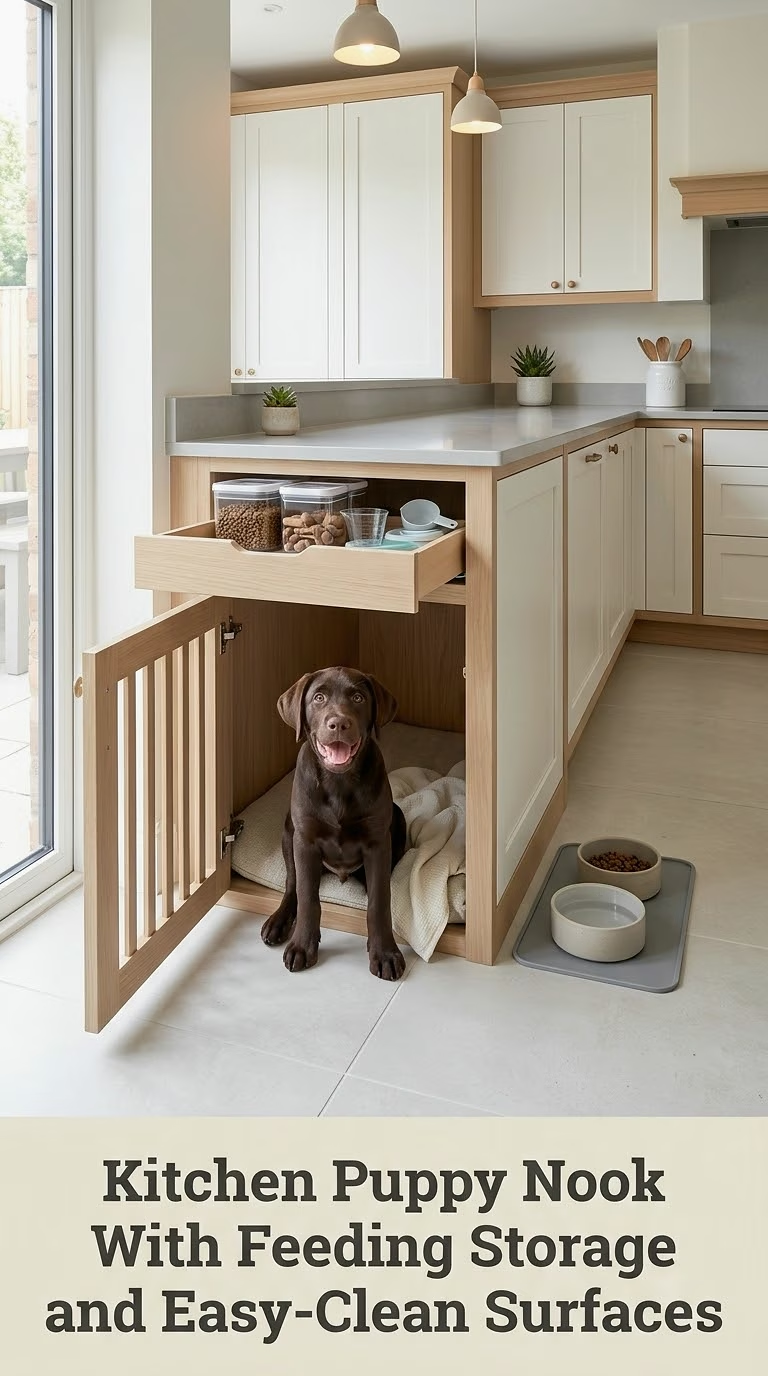
The kitchen or an adjacent breakfast area can work well for a daytime crate because puppies can remain near normal household activity.
Place the crate where it will not interfere with cooking paths, hot appliances, cabinet doors, or food preparation. Nearby drawers or containers can organize measured puppy food, training treats, bowls, and feeding accessories.
Choose hard flooring or place an easy-clean mat underneath the setup.
A light wood crate topper, white cabinetry, and neutral bedding allow the puppy area to blend into the kitchen rather than visually competing with it.
Keep human food, cleaning products, electrical cords, and trash safely inaccessible.
For families who naturally spend much of the day in the kitchen, this arrangement creates a practical resting place where the puppy can settle while still feeling included in everyday life.
Two-Crate Home Setup With Living Room Day Space and Bedroom Night Space
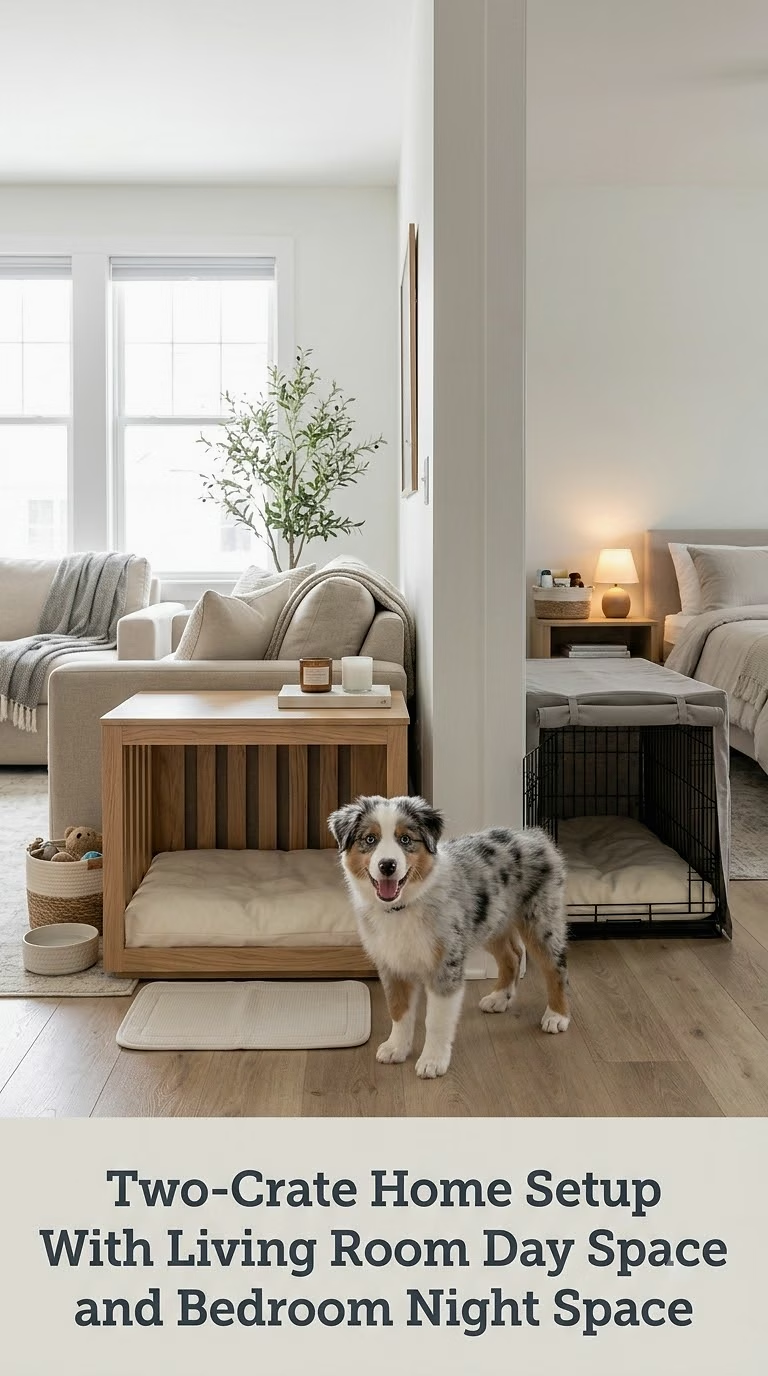
Moving one bulky crate around the house every morning and evening can quickly become frustrating.
If space and budget allow, consider creating two simple crate stations: one in a household area for daytime naps and another near the bedroom for nighttime sleep.
Keeping the setup consistent can help both spaces feel familiar. Use similar washable mats and the same general crate cue or routine rather than dramatically changing the environment.
The daytime crate can sit near family activity while the nighttime version provides a quieter sleeping location.
This layout is especially practical in multistory homes where carrying a large crate up and down stairs is inconvenient.
You do not need to decorate both elaborately. Matching baskets, neutral bedding, and coordinated crate covers are enough to make the two stations feel intentionally connected.
Calm Puppy Crate Corner With Enrichment and Training Reward Station
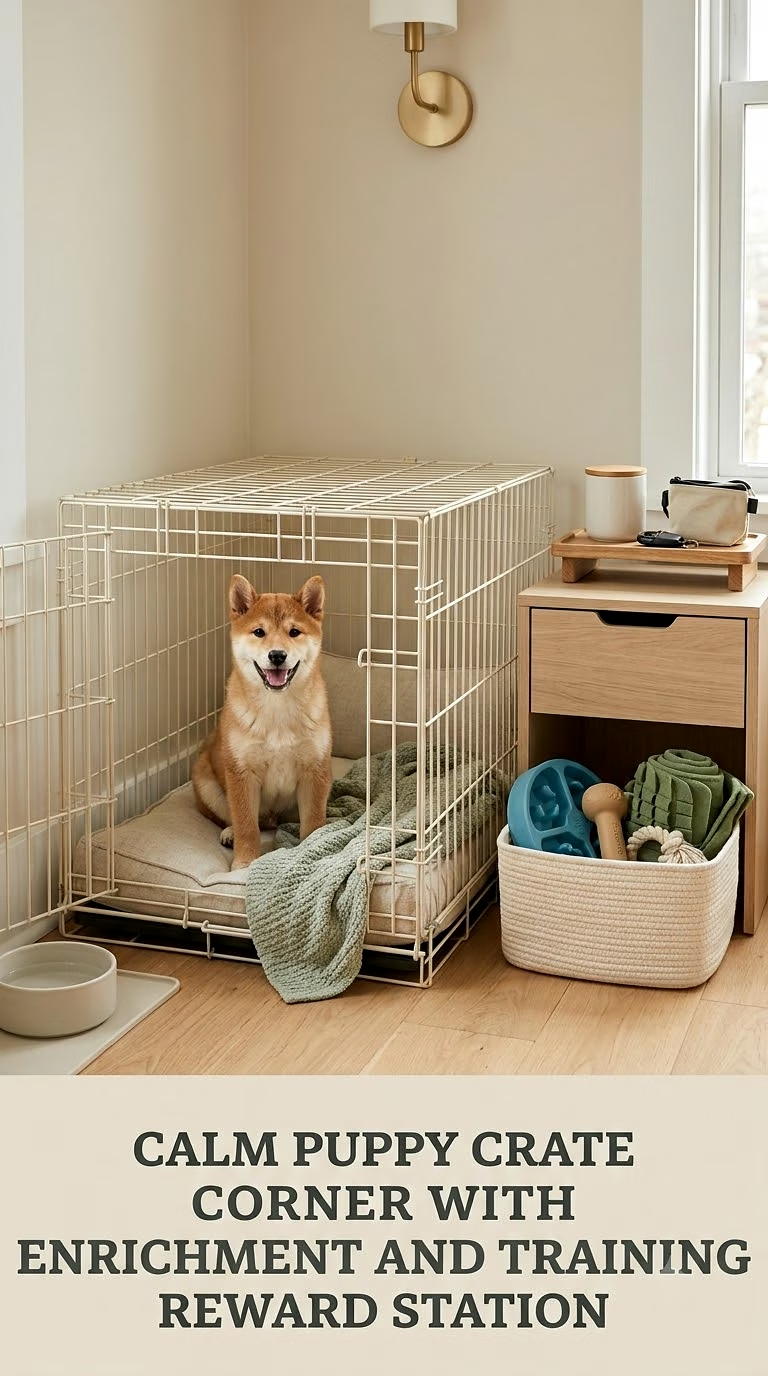
Turn the space beside your puppy’s crate into a miniature training station.
Place a sealed treat container, appropriate enrichment toys, and everyday training supplies in a small cabinet or basket outside the crate. This makes it easy to reward your puppy for voluntarily entering, settling quietly, or participating in short positive crate sessions.
Keep only suitable items inside while your puppy is confined, particularly when you cannot supervise directly. Puppies differ dramatically in how they chew and destroy toys, so choose items based on your individual dog rather than appearance alone.
A neutral basket, wooden treat jar, and simple wall hook can make the training station attractive enough for a living room.
Functionally, everything you need is within reach, making consistent positive crate routines easier to maintain.
Travel-Ready Folding Crate Station With Grab-and-Go Puppy Organizer
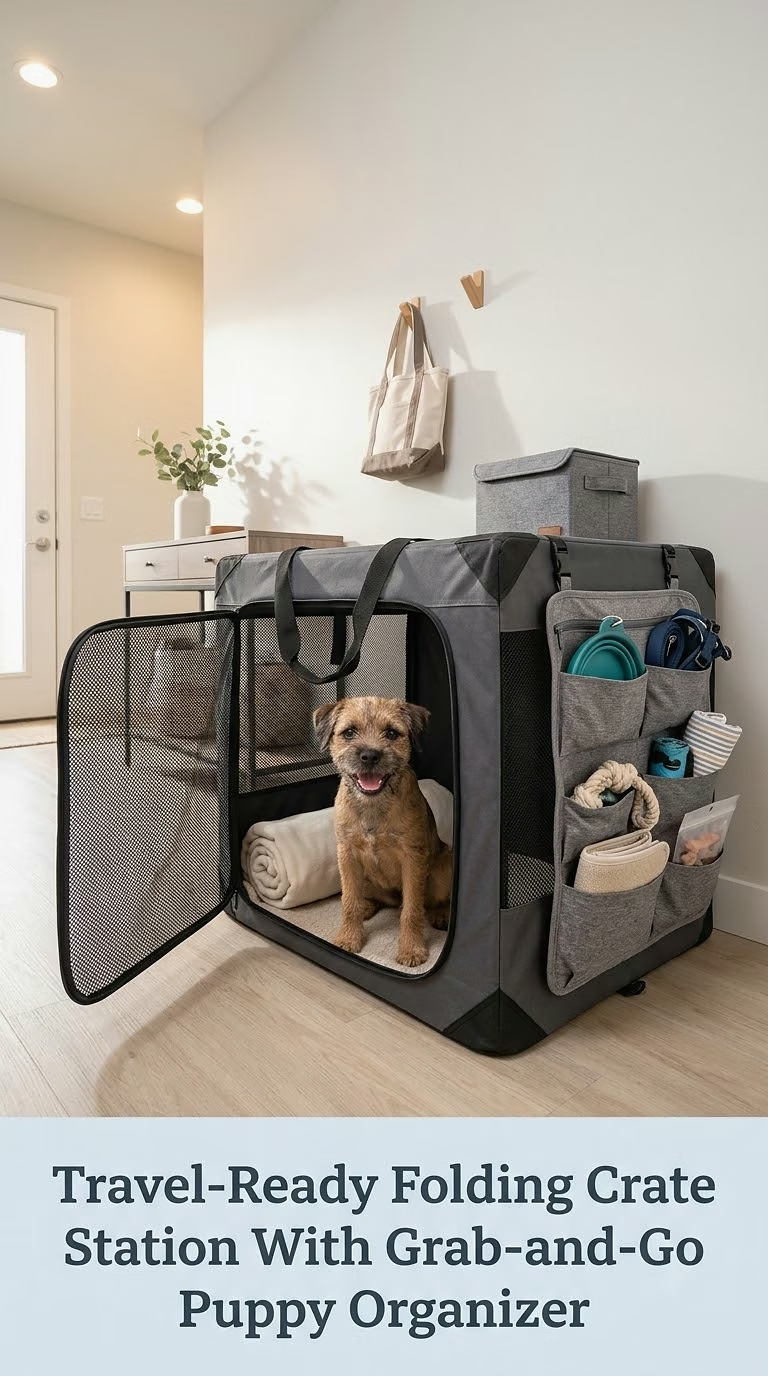
For families who regularly visit relatives, stay in vacation rentals, or travel with their dog, create a puppy setup that can transition easily between home and trips.
A folding crate can have a permanent storage spot beside a compact travel organizer containing a spare leash, collapsible bowl, familiar mat, waste bags, towels, and puppy essentials.
At home, keep the crate styled simply with a washable neutral mat so the same familiar sleeping surface can potentially travel with your puppy.
Avoid packing the crate so tightly with decorative accessories that recreating the setup elsewhere becomes complicated.
The goal is familiarity and convenience.
A coordinated canvas tote or zippered organizer makes the whole station surprisingly Pinterest-worthy while ensuring that important puppy supplies are already grouped together whenever it is time to leave.
Creating a Puppy Crate Setup That Feels Like Home
The prettiest puppy crate setup is not necessarily the one with the most accessories. Often, it is the space that quietly combines comfort, safety, easy cleaning, thoughtful organization, and a style that already belongs in your home.
Start with your puppy’s needs first. Choose an appropriately sized, well-ventilated crate, create positive experiences around it, provide regular opportunities for play and potty breaks, and adjust the setup as your puppy grows. Crates should feel like comfortable resting spaces rather than punishment or a substitute for interaction and exercise.
Then add the design details you love. Maybe that means pale oak and woven baskets, a soft sage-green corner, a streamlined apartment setup, or a practical mudroom station covered in washable materials.
You do not have to recreate any idea perfectly. Borrow the colors from one, the storage solution from another, and the layout from a third. With a few thoughtful choices, your puppy’s crate can become a cozy little home within your home—and a space both you and your pup are happy to live with.
Source: https://petstutorial.com
Category: Dog Crates
