
Creating a backyard where your dog can sniff, stretch, play, and relax without you constantly worrying about an escape can completely change how your outdoor space feels. The right fence gives your pup a defined place to enjoy fresh air while also making your yard feel more private, polished, and intentional.
The best outdoor dog fence ideas do much more than simply close off a property line. A thoughtfully planned fence can complement your landscaping, reduce visual distractions, discourage digging or climbing, and make everyday trips into the yard easier for both you and your dog.
You are reading: 18 Outdoor Dog Fence Ideas For A Safe, Stylish, And Dog-Friendly Yard
Before choosing a design, think about your dog’s individual habits. A calm small dog may need something very different from an athletic jumper, persistent digger, curious puppy, or dog who becomes excited whenever another animal passes the yard. Fence height, opening size, gate security, ground clearance, and climbable surfaces should all be considered alongside appearance.
Local fence regulations, HOA requirements, drainage, weather, and property boundaries can also influence your final design. With those practical details in mind, these ideas offer plenty of inspiration for creating an outdoor space that feels safe, beautiful, and genuinely enjoyable.
Outdoor Dog Fence Ideas To Create A Beautiful And Secure Backyard
Warm Cedar Privacy Fence With Matte Black Gate
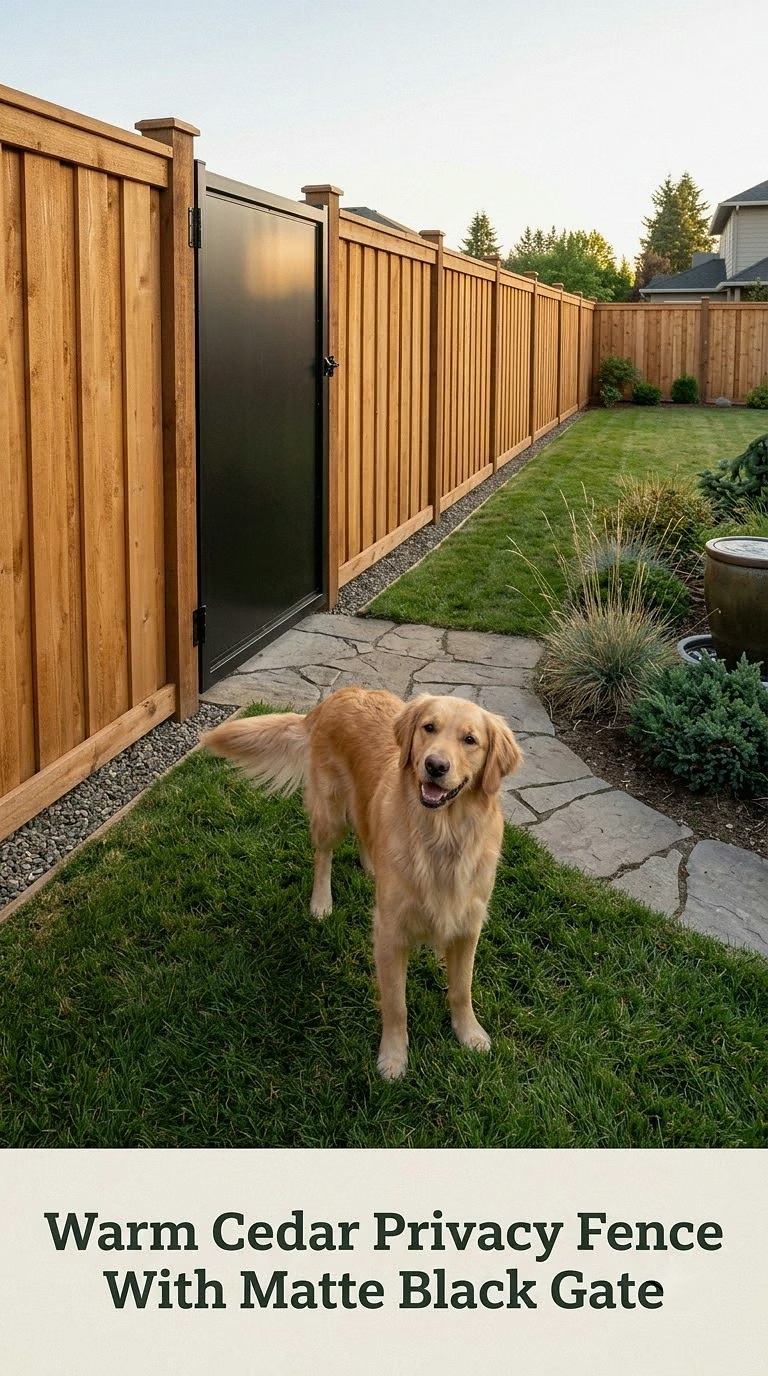
A tall cedar privacy fence is a lovely choice when you want the dog area to feel more like a cozy outdoor room than a traditional enclosure. Warm wood tones blend naturally with grass, garden beds, stone patios, and neutral outdoor furniture, while a matte black gate adds a crisp modern contrast.
Solid boards are especially useful for dogs who become overstimulated by pedestrians, bicycles, wildlife, or neighboring pets. Reducing the view beyond the property can make the backyard feel calmer, although fencing should always be combined with appropriate training and supervision.
Keep boards close enough together that curious noses, paws, and heads cannot become trapped in gaps. Exterior-rated hardware, a secure gate latch, and smooth finished surfaces make the design more practical.
For extra charm, add solar sconces, large terracotta pots, or a narrow planting bed along the inside of the fence. The finished space can feel almost like a private garden retreat.
White Vinyl Fence With Soft Garden Border
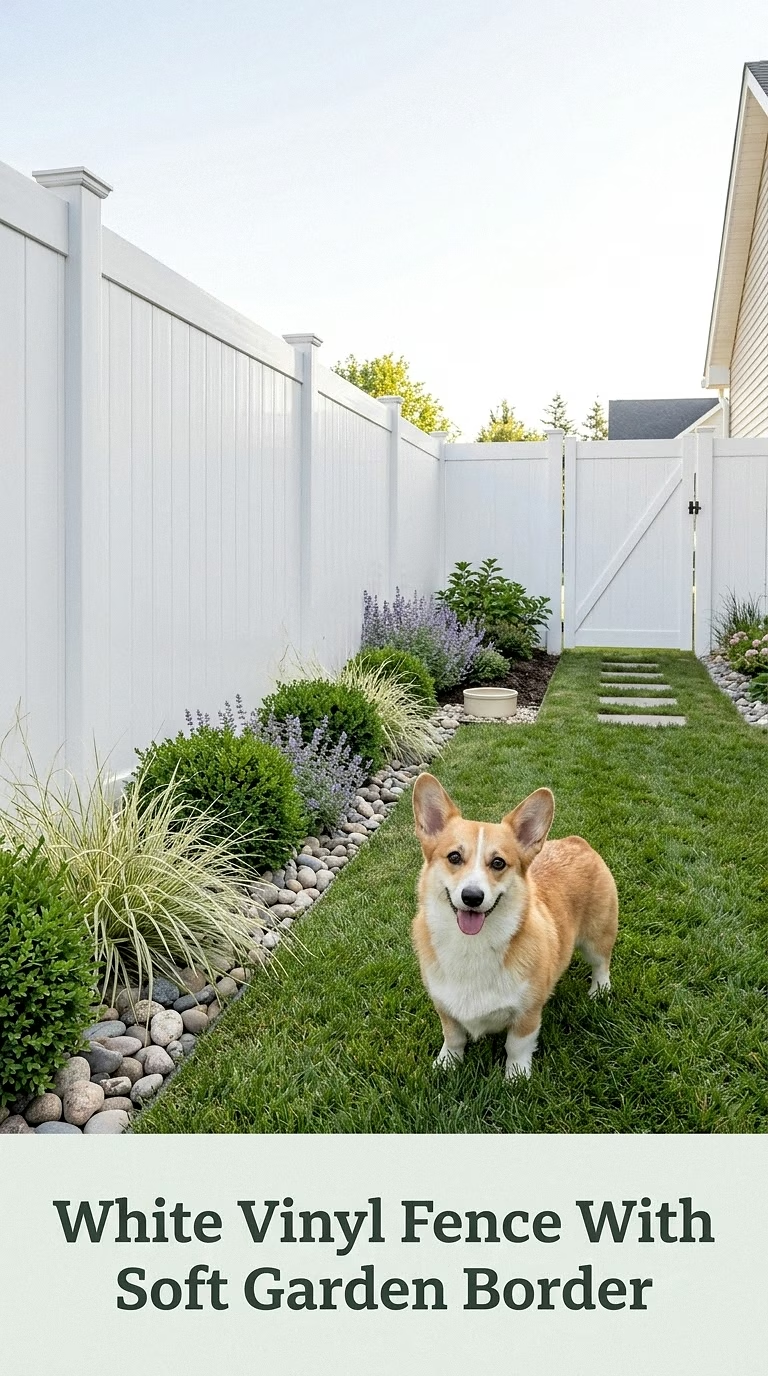
For a bright, tidy backyard, a white vinyl privacy fence creates a clean background that looks beautiful with green lawns, flowering shrubs, and colorful perennial beds.
Vinyl is particularly appealing for homeowners who prefer a relatively simple maintenance routine. Unlike painted wood, it does not need regular repainting, although occasional washing may be necessary to remove mud, algae, paw marks, and garden debris.
Choose a solid or nearly solid design if your dog reacts strongly to activity outside the yard. The smooth surface also offers fewer obvious footholds than fencing made with horizontal rails.
Soften the crisp white structure with a curved garden bed filled with dog-appropriate plants, ornamental grasses, or low shrubs. Leave enough space between landscaping and the fence that plants do not become convenient stepping points for a determined jumper.
A matching white gate with reliable hardware completes the polished look and creates an especially pretty fence for cottage, coastal, and traditional homes.
Black Welded Wire Fence With Natural Cedar Posts
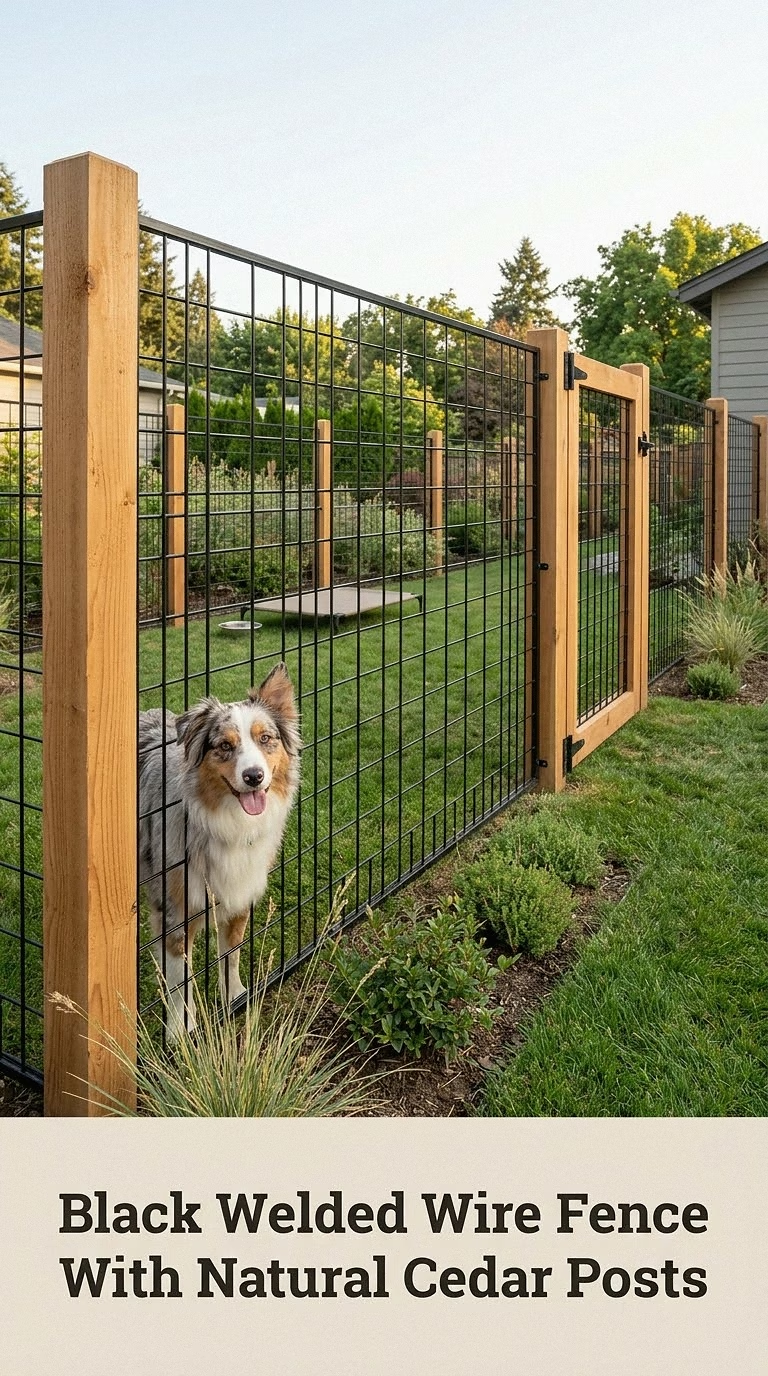
If you love an open view, combine black welded wire fencing with chunky cedar posts. The dark wire visually recedes into the landscape, while the timber posts give the structure enough warmth to keep it from feeling industrial.
This design works beautifully around larger yards where completely blocking the scenery would make the property feel smaller. It can also be more visually subtle than a solid privacy fence.
Opening size matters greatly when dogs are involved. Select mesh appropriate for the size of your dog so a head, shoulder, or paw cannot slip through. The wire should be securely fastened with no exposed sharp ends.
A gravel strip beneath the fence keeps the base looking neat and can simplify trimming. If your dog digs, however, an attractive surface border alone is not enough. Consider extending suitable fencing material below or inward along the ground.
Pair the fence with a cedar-framed gate for a coordinated, modern-rustic finish.
Rustic Split Rail Fence Lined With Discreet Black Mesh
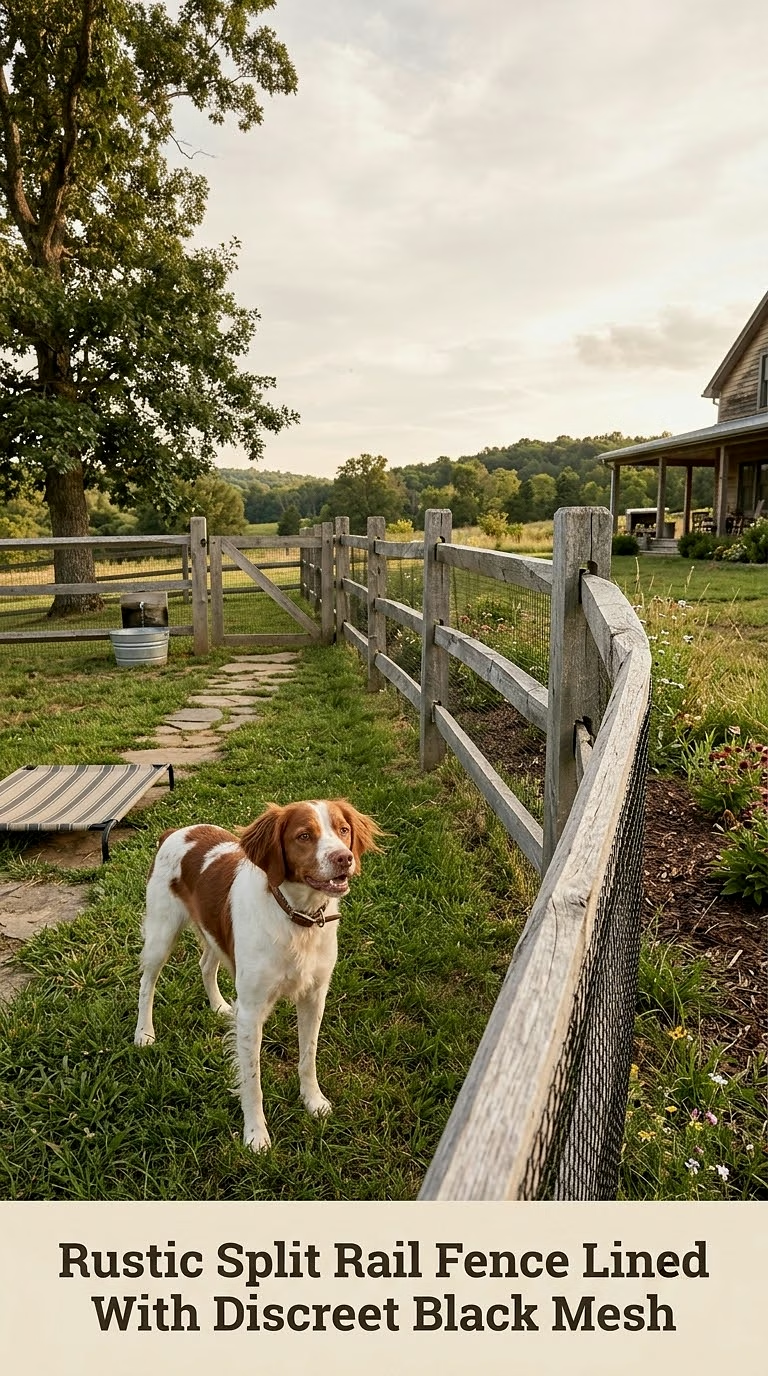
A traditional split rail fence looks charming around farmhouse, cottage, woodland, and country-inspired properties, but the large spaces between rails obviously will not contain most dogs on their own.
The practical solution is attaching sturdy black mesh to the inside. From a distance, the dark mesh nearly disappears, allowing the warm wooden rails to remain the visual focus.
This approach works particularly well when you want the property to retain an open rural character instead of surrounding it with a tall wall. Choose mesh openings appropriate for your dog’s size, attach the material firmly, and inspect connection points regularly.
The base deserves special attention because uneven country yards often create small gaps under fencing. Fill low spots properly rather than assuming your dog will ignore them.
For styling, allow meadow-like grasses and flowering plants to grow nearby while keeping the immediate fence line accessible enough for inspections and repairs.
Farmhouse Timber Frame Fence With Heavy Welded Wire Panels
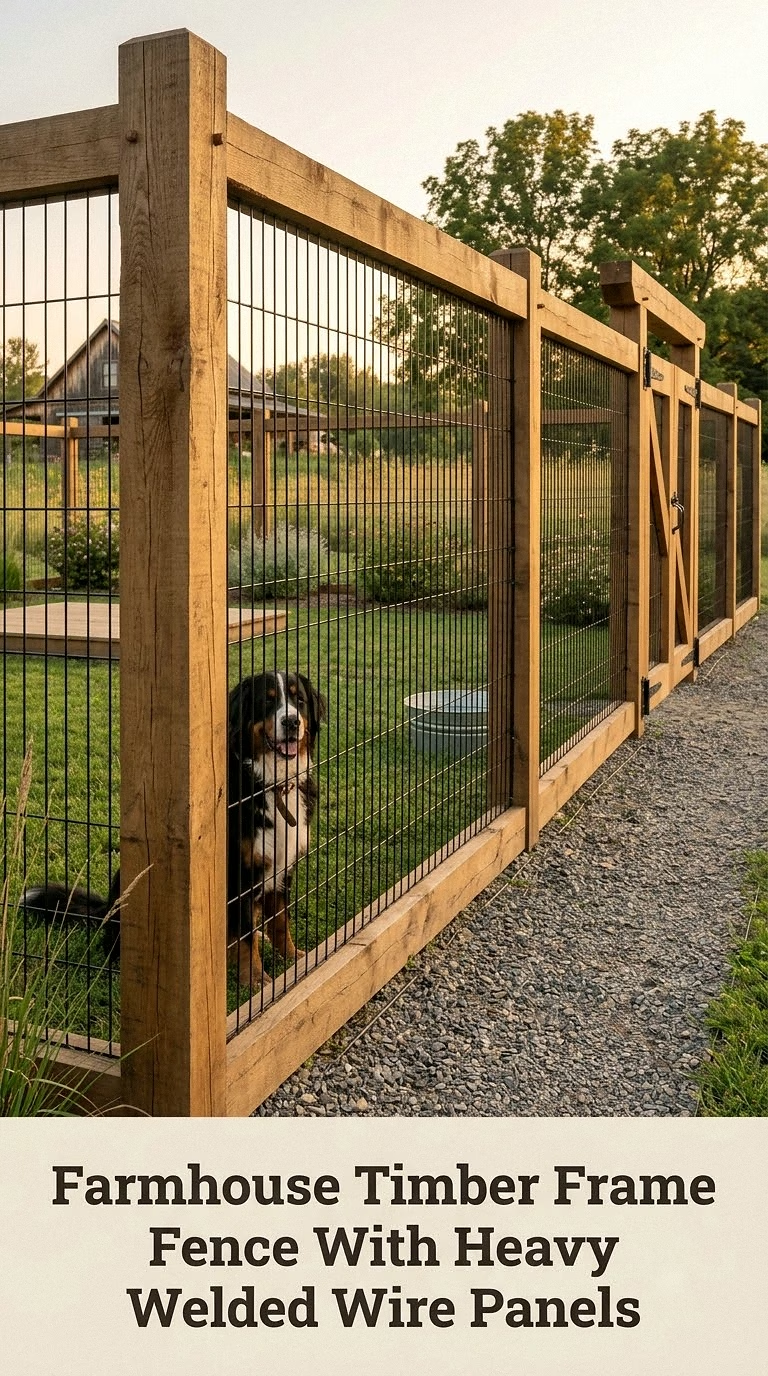
For something sturdier and more architectural than simple post-and-wire fencing, build rectangular timber frames and fill each section with welded wire panels.
The repetition of substantial wood frames creates a beautiful farmhouse look, almost like a series of oversized garden windows. Black wire provides contrast while maintaining views through the yard.
This style is particularly attractive beside vegetable gardens, gravel paths, sheds, and raised beds. Depending on your skill level, it can also become a satisfying DIY project, although posts and gates need solid installation because those areas experience the greatest movement and stress.
Make sure the panel openings cannot trap your dog’s head or allow a small dog through. Trim or cap wire edges carefully rather than leaving sharp pieces exposed.
Consider staining the timber a medium honey brown or weathered oak tone. A matching framed gate with black hardware makes the entire enclosure look deliberately designed rather than purely functional.
Modern Horizontal Slat Fence With Charcoal Accents
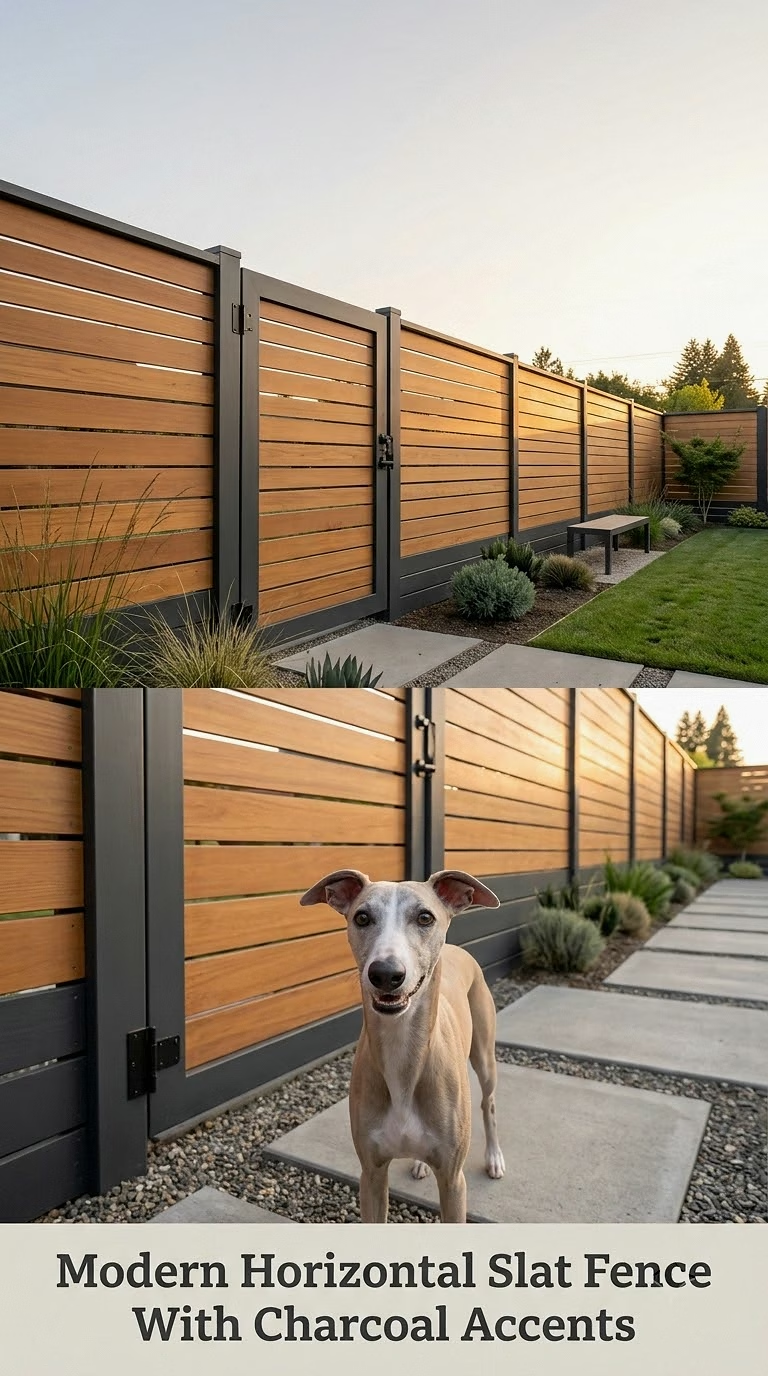
Horizontal wood fencing gives an ordinary backyard an immediate contemporary update. Long cedar or composite boards create beautiful clean lines, especially when paired with charcoal posts, dark planters, concrete pavers, and simple landscaping.
For dogs, however, horizontal elements deserve thoughtful planning because some determined climbers may treat them like a ladder. A nearly solid slatted design with narrow gaps offers a more practical approach than widely spaced rails.
This is an excellent option for urban yards where privacy is valuable. The solid appearance can help screen nearby sidewalks, neighboring properties, or busy streets that might otherwise keep a reactive dog constantly watching the boundary.
Add a coordinating gate that sits flush with the fence for a seamless appearance. Keep benches, storage boxes, firewood, and other climbable objects away from the inside perimeter.
Read more : 18 Private Dog Park Ideas For A Beautiful And Pet-Friendly Backyard
With warm wood against dark metal details, the finished yard feels sophisticated without losing the relaxed atmosphere a dog-friendly outdoor space should have.
Slim Black Metal Picket Fence With Narrow Dog-Safe Spacing
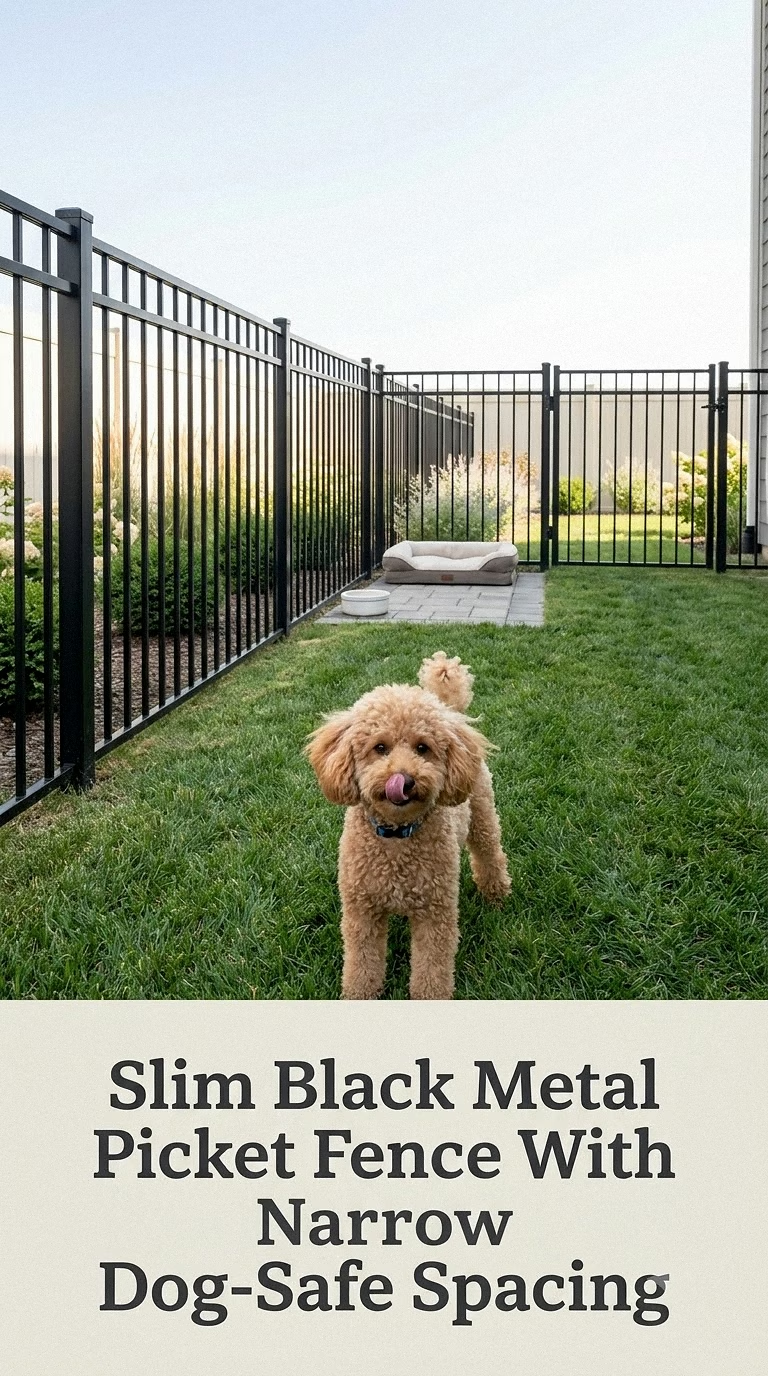
A black metal fence is ideal when you want a refined enclosure without sacrificing an attractive garden view. Slim vertical pickets work beautifully around traditional homes, manicured lawns, and landscaped patios.
Vertical construction also provides fewer climbing opportunities than fencing covered in horizontal rails. The important consideration is spacing. Gaps must be narrow enough for your particular dog’s body and head, especially if you have a puppy or small breed.
Check the bottom clearance too. A fence that appears perfectly secure at eye level may have enough space beneath it for an adventurous little dog.
Choose a design without hazardous decorative points at a height your dog could contact. A simple flat-top profile often creates a cleaner, safer aesthetic.
Surround the fence with boxwood-style shrubs, lavender-colored planting combinations, or clipped greenery for an elegant garden effect while keeping vegetation positioned so it does not create a launch point.
Stone Base Fence With Black Metal Upper Panels
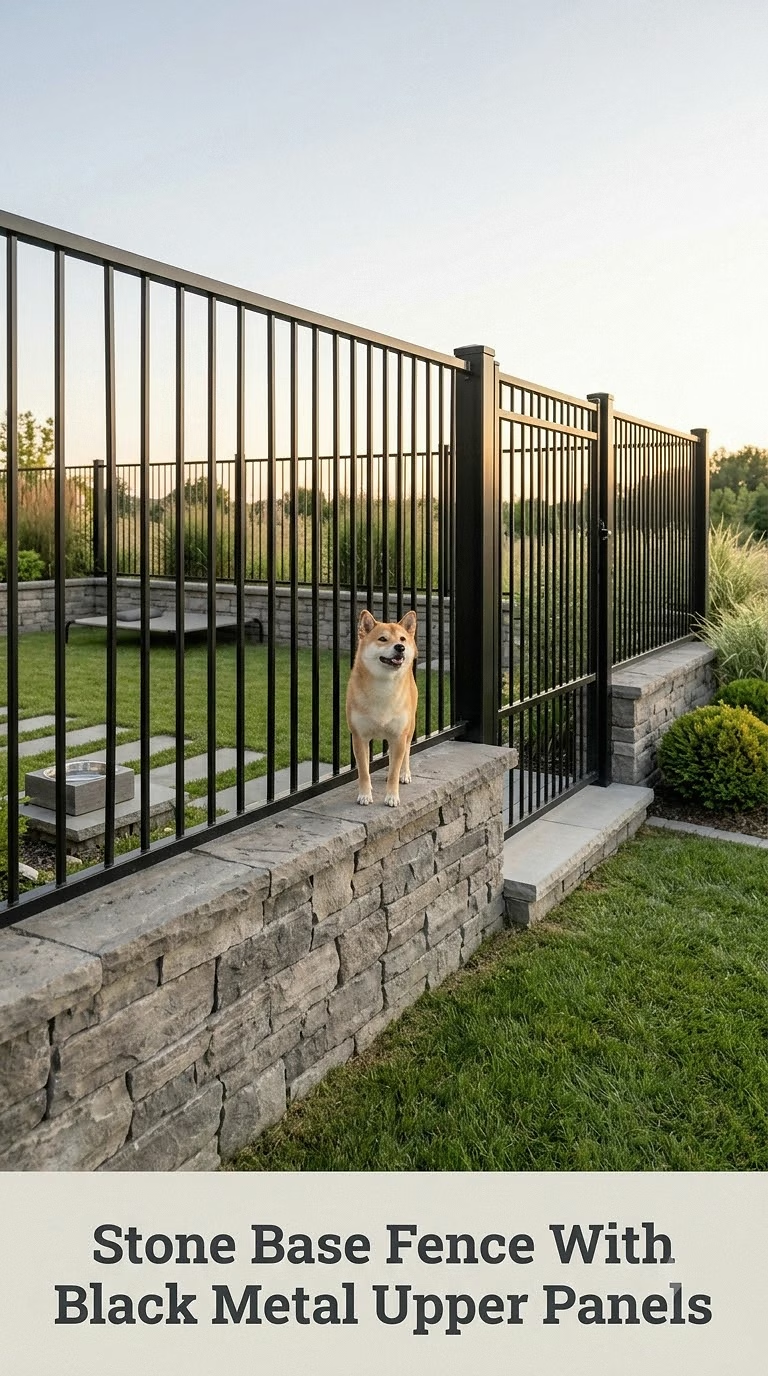
Combining a substantial stone base with black metal fencing creates one of the most luxurious outdoor dog fence ideas. The lower wall brings weight, texture, and permanence, while open metal panels above prevent the yard from feeling completely closed in.
A solid base can be particularly useful along sections where digging is a recurring problem. It also creates separation between dogs and activity immediately outside the property.
Choose stone that relates to your home’s exterior, such as pale limestone for a light Mediterranean look, gray stacked stone for modern landscaping, or warm fieldstone for a rustic property.
Because this is usually a more involved and expensive installation, careful planning is worthwhile. Gate openings, drainage, finished height, property boundaries, and local construction requirements should be determined before building.
Repeat the stone on nearby planters or patio edges to make the fence feel integrated into the entire landscape.
Solid Lower Fence With Open Upper Panels
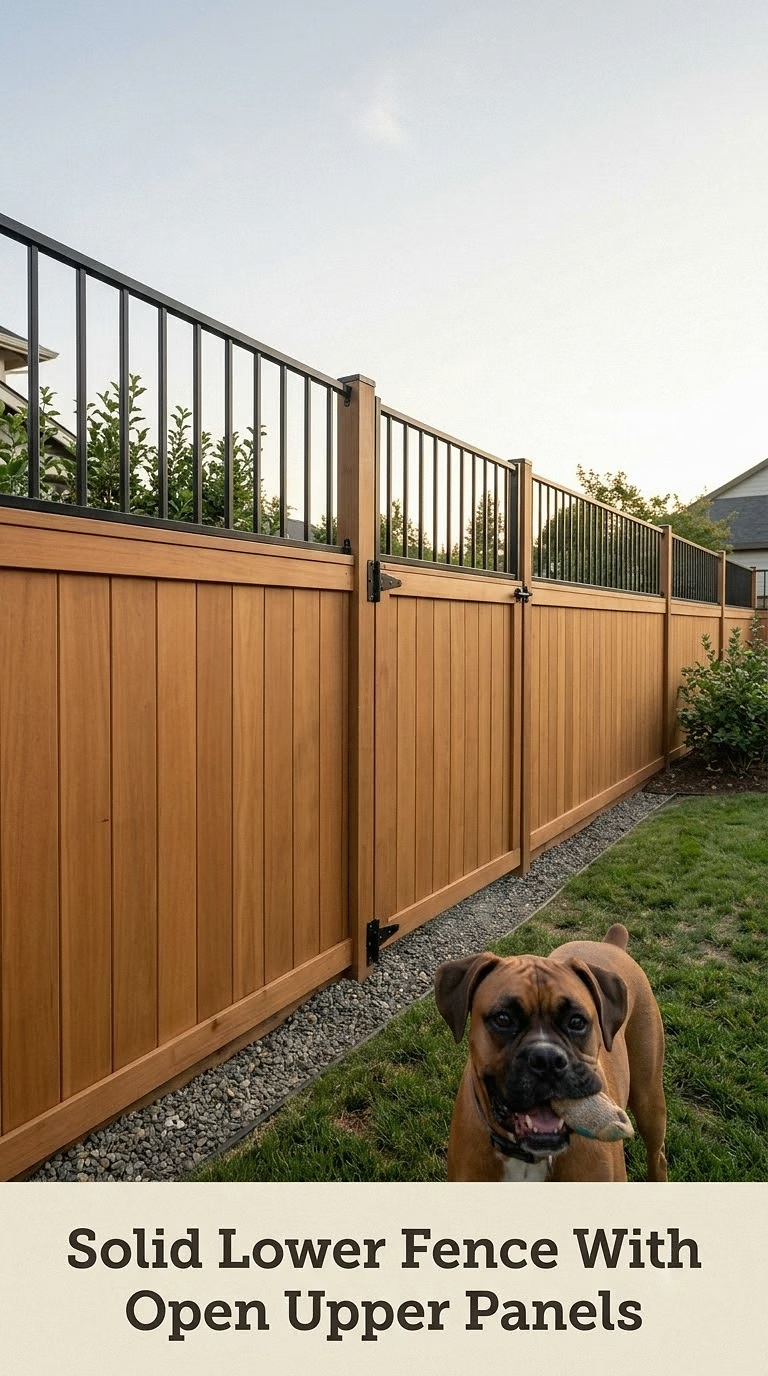
Sometimes you want privacy at dog level without completely sacrificing sunlight and openness. A hybrid fence with a solid lower section and an airy upper section provides an attractive compromise.
The lower portion can be made from closely fitted wood, composite boards, masonry, or another opaque material. Above it, use appropriately spaced vertical metal bars or secure decorative screening.
This layout can reduce direct sightlines for a dog who spends too much time staring through the fence while keeping the upper portion visually lighter than a full privacy wall.
Paint the lower section soft charcoal, muted sage, creamy white, or natural cedar depending on your garden style. Black upper panels work with almost any palette.
Avoid upper designs that create easy footholds if your dog is a climber. The transition between materials should also be smooth and secure, with no gaps that could catch paws.
Chain Link Fence With Privacy Slats And Climbing Greenery
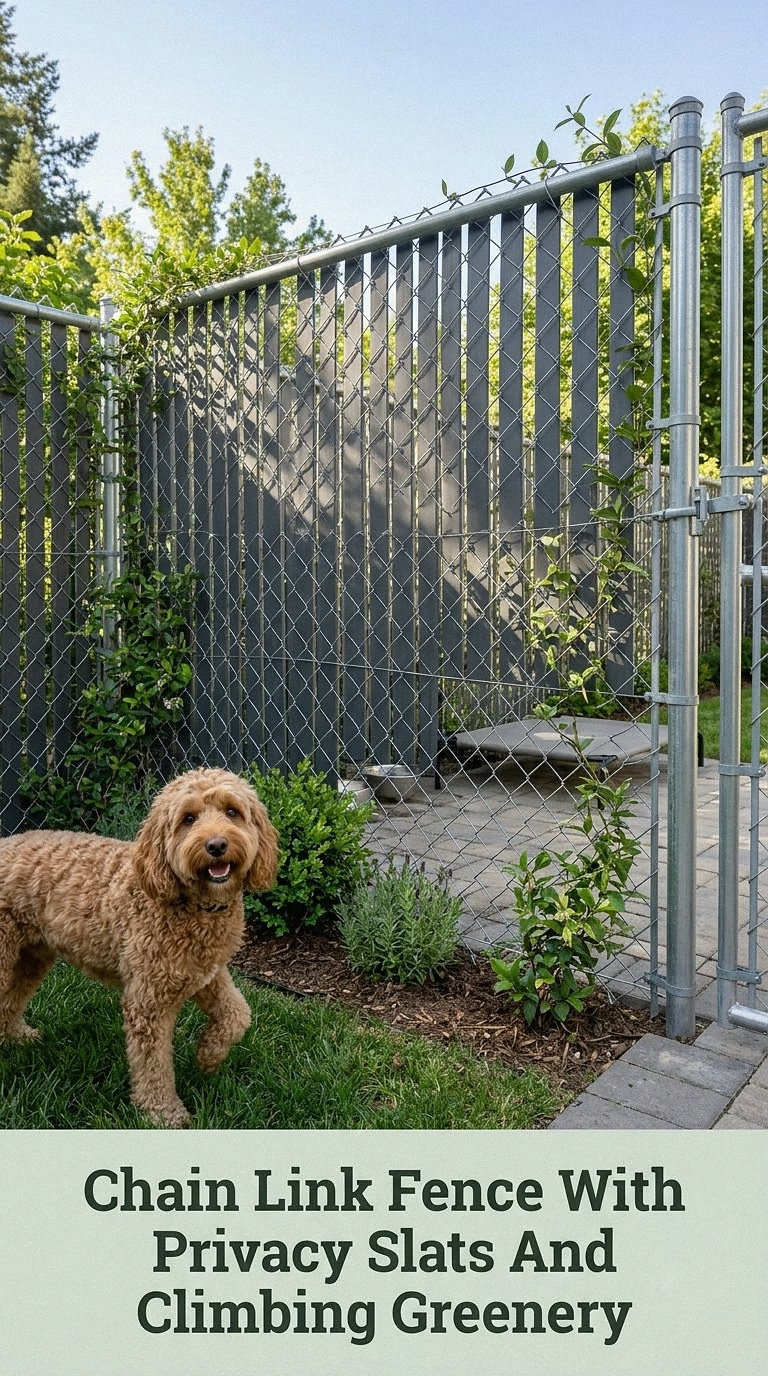
An existing chain link fence does not have to remain a plain silver backdrop. Privacy slats can transform it quickly while reducing some of the visual stimulation coming from neighboring yards or sidewalks.
Choose dark green, black, charcoal, or warm neutral slats for a more sophisticated appearance. Black is especially effective because it tends to blend into shadows and landscaping.
For additional softness, grow suitable vines on a separate trellis or plant shrubs along the fence line. Protect young landscaping until established because enthusiastic dogs may dig around roots or repeatedly run through new planting areas.
Inspect chain link frequently for bent sections, loose ties, damaged gates, or spaces beneath the bottom edge. Persistent dogs can exploit surprisingly small weak points.
This idea is particularly practical when replacing an entire existing fence would exceed the budget. A few visual upgrades can make the enclosure feel significantly more intentional while preserving a durable underlying structure.
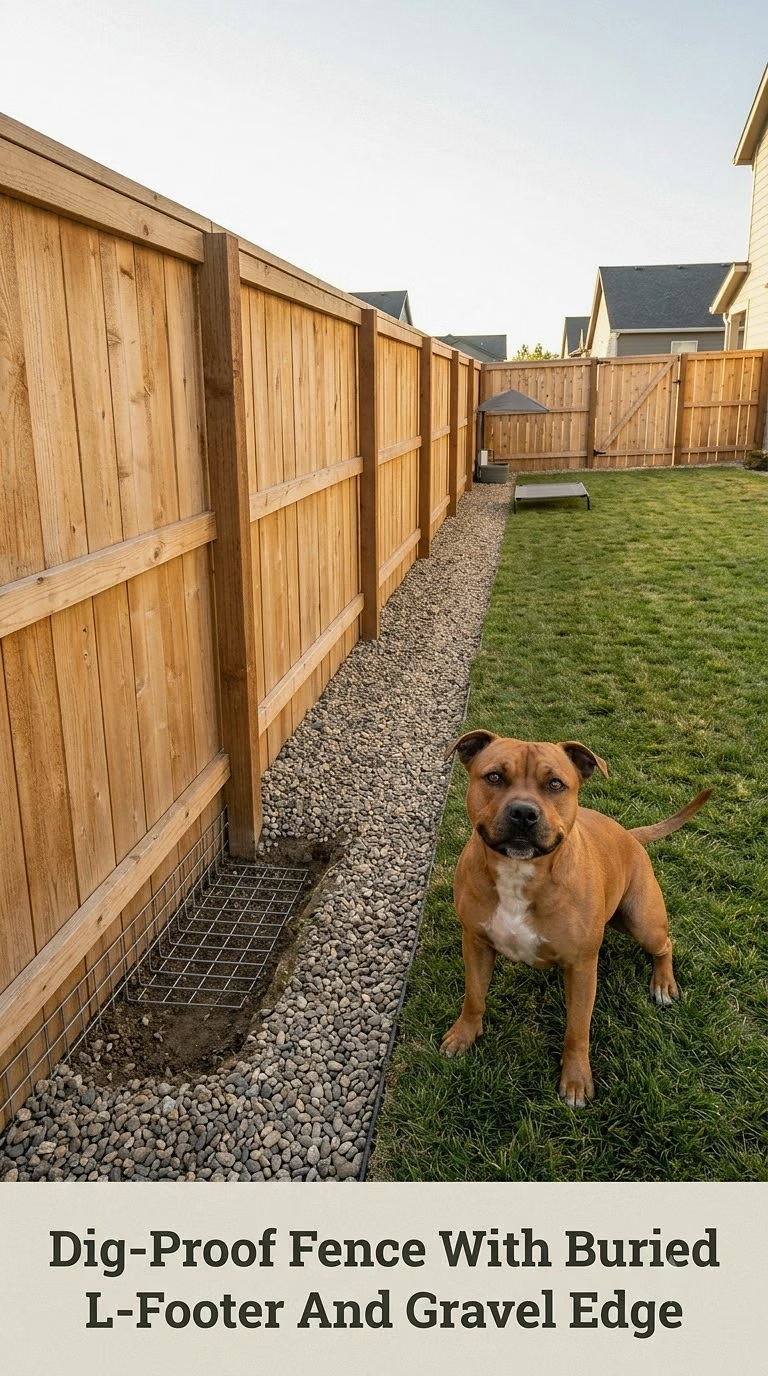
For a committed digger, the prettiest fence in the world is only useful if the bottom is secure. A discreet L-shaped barrier can help discourage dogs from tunneling beneath the fence line.
Suitable wire mesh or fencing material is attached securely at the base and extends inward horizontally before being buried or covered according to the installation method. In other situations, a deeper physical footer may be appropriate.
Once the functional layer is installed, create an attractive surface treatment using smooth gravel, larger stones, mulch, or a narrow landscape border. This hides much of the anti-dig system while giving the perimeter a finished appearance.
Avoid loose materials your dog is likely to eat, and monitor any dog who persistently chews or swallows stones, mulch, or other landscaping.
A dig-resistant fence works best when paired with exercise, enrichment, and an appropriate legal digging spot for dogs who simply love using their paws.
Tall Fence With Inward-Angled Topper For Athletic Dogs
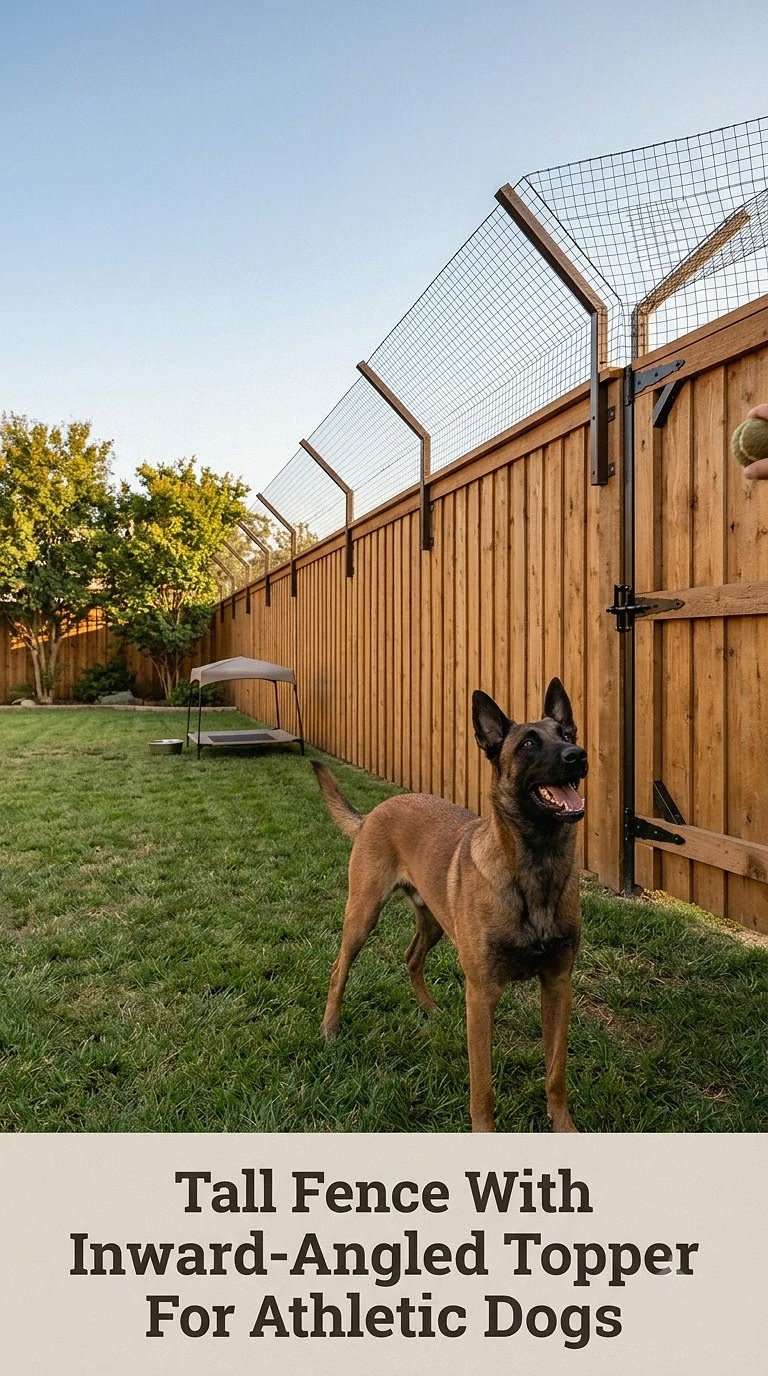
Dogs who can climb or clear conventional fencing often need a design focused specifically on the top of the enclosure.
A tall solid fence combined with a professionally secured inward-angled extension can make the boundary more difficult to scale. Another option for certain fence types is a rolling top system that prevents an animal from gaining stable footing.
Keep anything that could provide extra height away from the perimeter. Patio chairs, storage boxes, stacked firewood, large rocks, and play equipment can unintentionally become launching platforms.
Instead of making the security features visually harsh, coordinate them with the existing fence color. A black upper extension can visually blend with shadows and landscaping, while dense planting placed safely farther inside the yard can soften the overall structure.
Remember that extreme escape behavior can have behavioral causes too. Containment improvements should accompany appropriate exercise, enrichment, supervision, and professional behavioral guidance when needed.
Double-Gate Airlock Entry With Matching Fence Panels
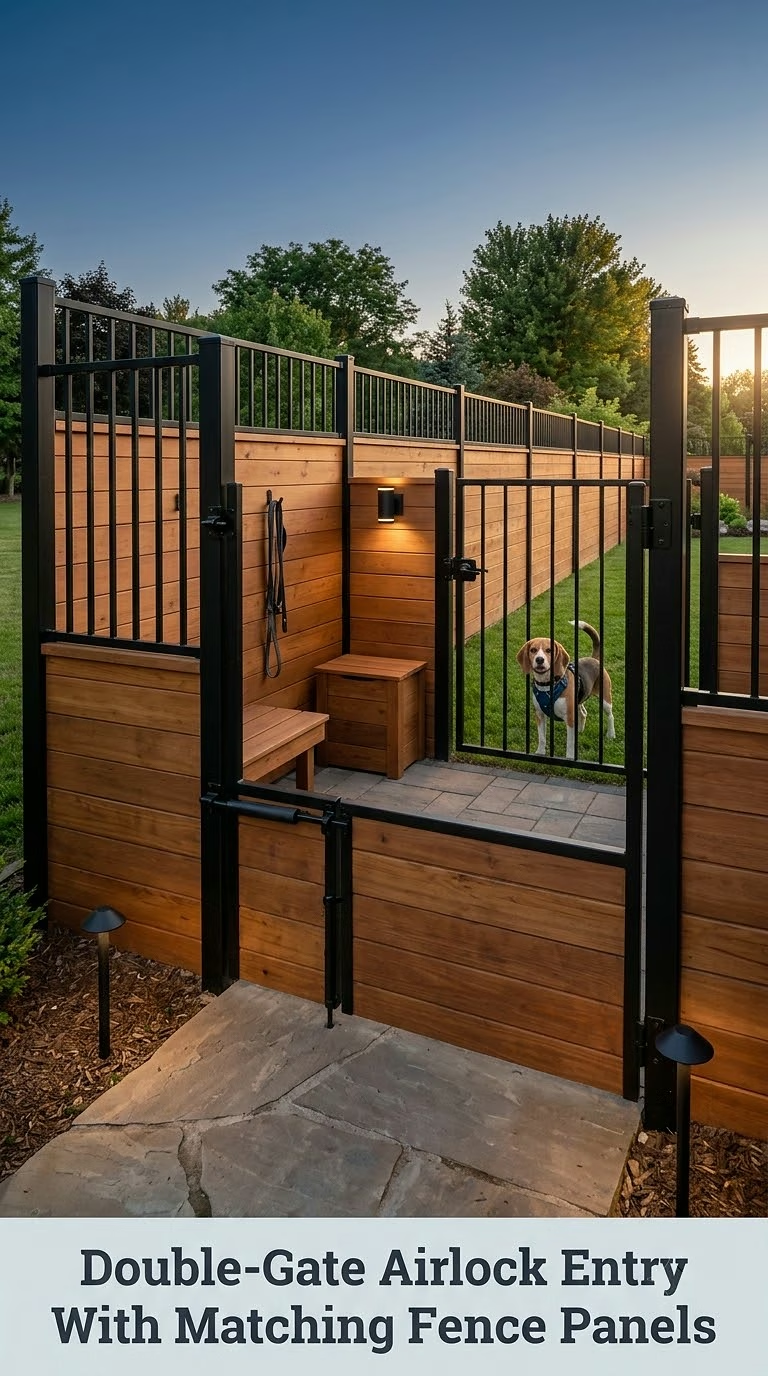
The gate is often the busiest and most vulnerable point of a fenced yard. A double-gate entry creates a small enclosed transition zone so one gate can be closed before the second one opens.
Read more : Why Does My Dog Lick His Penis?
This arrangement is especially helpful in households with dogs who become excited when guests arrive or try to dash through openings.
Make the small enclosure part of the landscape rather than treating it as an afterthought. Use matching cedar panels, black metal fencing, or whichever material appears elsewhere around the yard. A stone or gravel path between the gates keeps muddy paws under control.
Both gates should have dependable latches, and self-closing hardware can provide another useful layer of protection where appropriate.
Add a simple wall light, house-number plaque, or planter outside the entry to create a welcoming garden-gate appearance. The result can be both practical and surprisingly beautiful.
Side-Yard Dog Run With Slim Fence And Shade Canopy
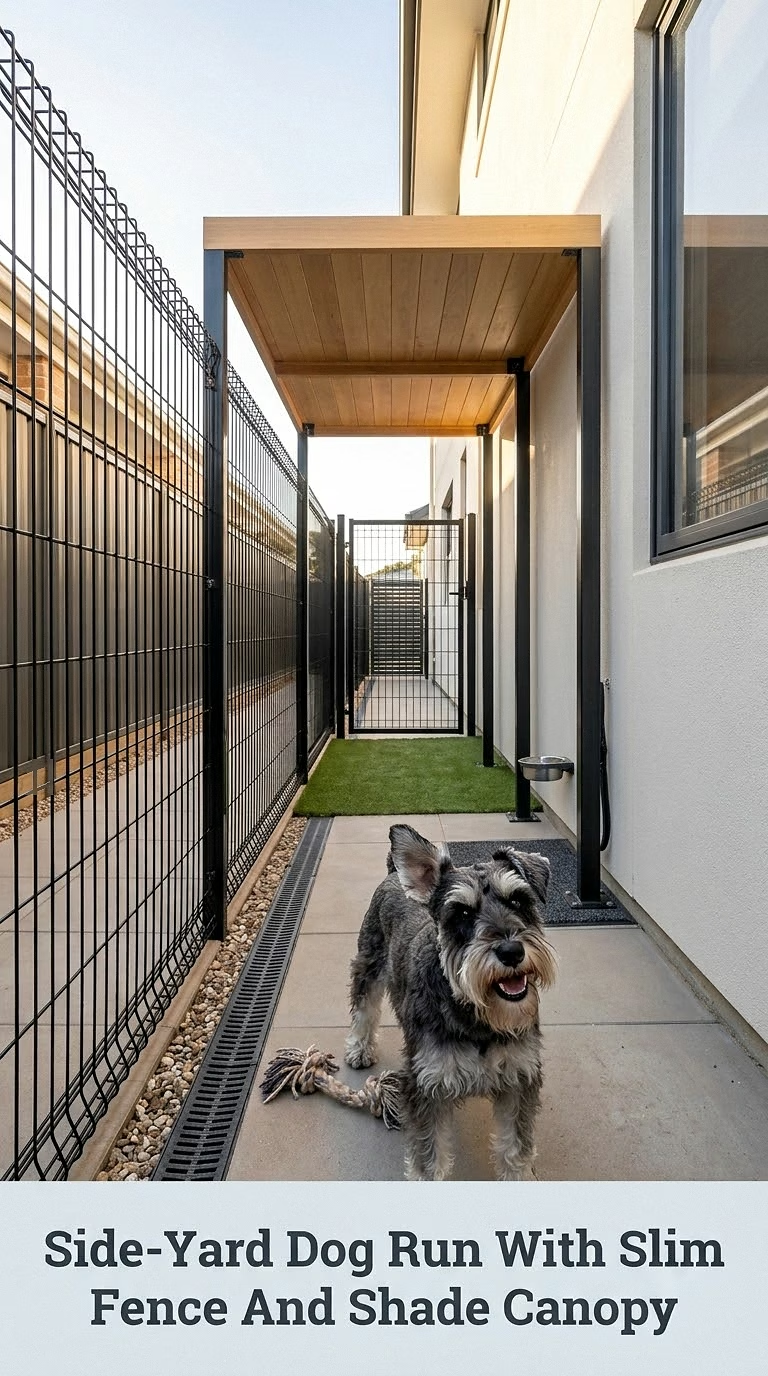
A narrow side yard that rarely gets used can become an efficient fenced dog run, leaving the main lawn available for entertaining, gardening, or children’s play.
Use a slim black metal or welded wire fence to define the space without visually overwhelming the narrow layout. If more privacy is needed, use solid panels along the property boundary and a lighter fence facing the backyard.
Include enough room for your dog to move comfortably, turn around, explore, and rest. A washable ground surface, access to fresh water, and dependable shade make the area far more pleasant during warm weather.
A simple overhead shade sail or covered section can create a comfortable resting zone, but outdoor access should still be managed according to temperature and weather conditions.
Finish the run with a secure gate, storage hook for a leash, and perhaps a small weather-resistant toy basket for an organized setup.
Compact Corner Dog Enclosure With Raised Planter Border
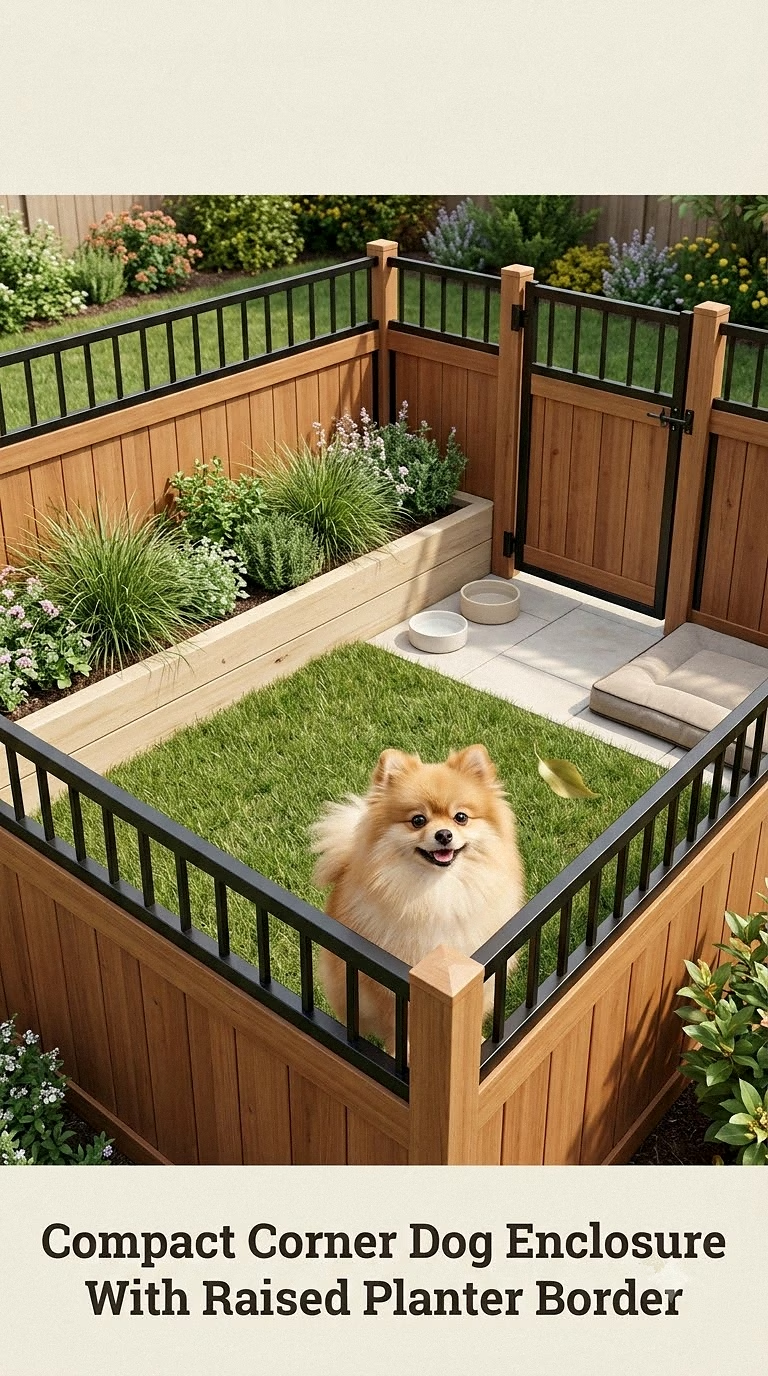
You do not need to fence every inch of a property to create a useful outdoor dog space. In a small backyard, dedicating one corner to a secure enclosure can preserve valuable room for a patio, dining area, garden, or other activities.
Frame the dog area with attractive fencing and place raised planters outside the enclosure to soften its edges. Warm wood planters paired with black metal fencing create an especially stylish combination.
Inside, provide comfortable footing and enough open space for movement. A small shaded resting platform, fresh water station, and a few durable enrichment toys can turn the corner into a pleasant retreat.
Keep planter walls and furniture far enough from the fence that they cannot function as climbing aids. Only use landscaping appropriate for a pet household, particularly where curious dogs may reach foliage.
This arrangement works especially well for townhomes and compact suburban gardens where every square foot needs a clear purpose.
Landscape Buffer Fence With Dense Shrubs And Ornamental Grasses
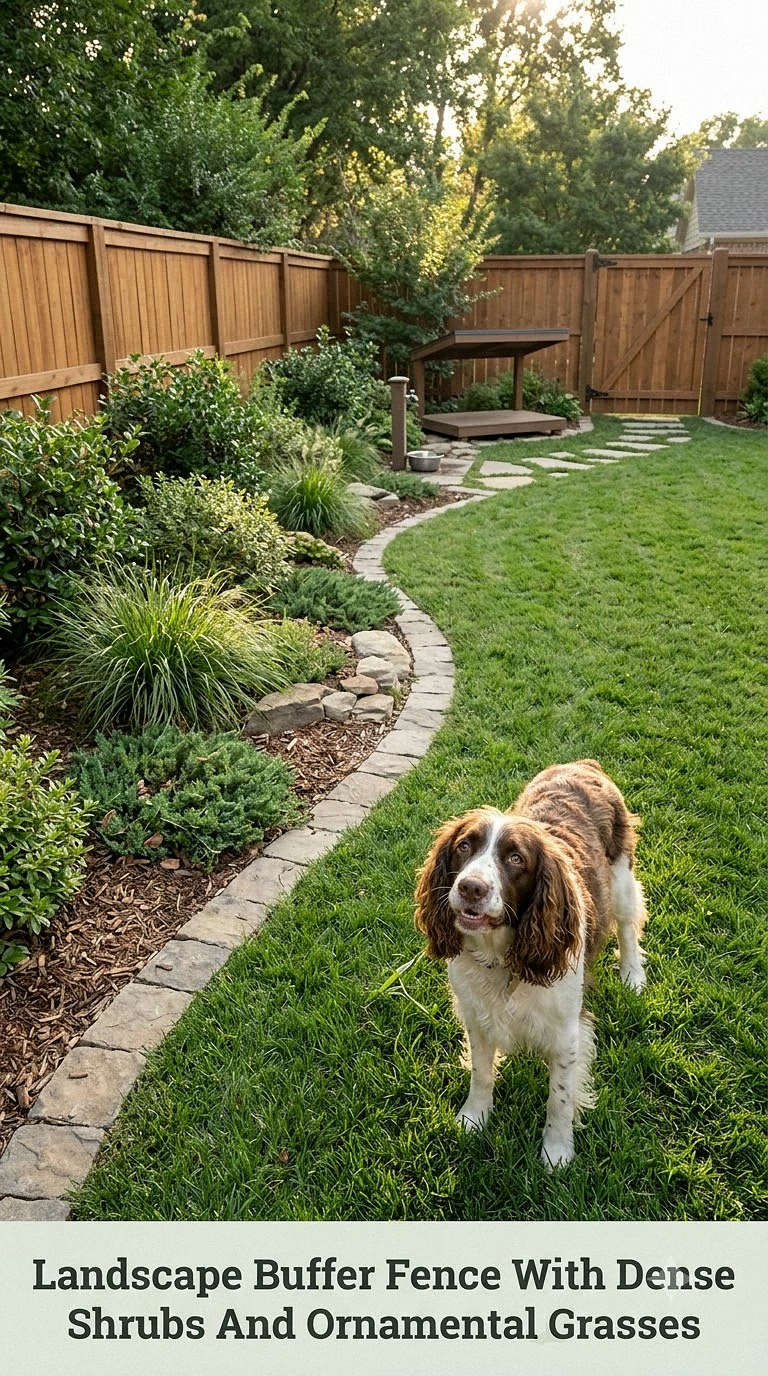
A fence can look softer and more natural when it is paired with a generous landscape buffer instead of sitting alone at the edge of a lawn.
Create a planting strip inside the boundary using dog-appropriate shrubs, layered greenery, and ornamental grasses selected for your climate. The planting creates visual depth and may reduce direct access to the fence line.
This can be particularly useful for dogs who repeatedly race along a boundary when they see neighboring animals. Creating distance and partially screening outside activity may help reduce opportunities for fence-line reactions, although training remains important.
Use curved bed lines rather than one rigid row of plants for a relaxed garden effect. Mulch or gravel pathways can give you access for maintenance and fence inspection.
Research each plant before adding it to a dog-accessible garden, since many common ornamental species are unsuitable for pets. Thoughtful planting turns practical fencing into a genuine landscape feature.
Budget T-Post And Welded Wire Fence With Clean Wood Trim
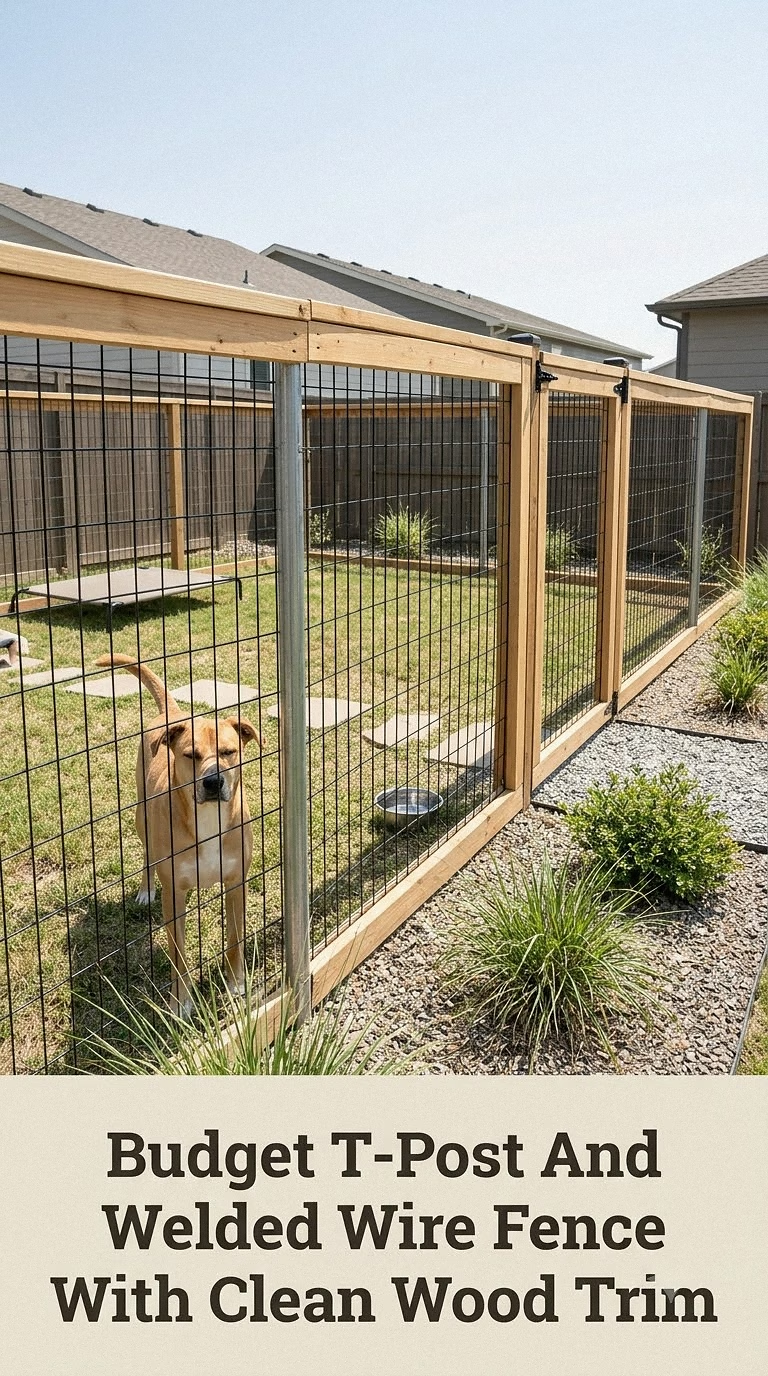
For a large property or temporary-to-semi-permanent dog area, T-posts and sturdy welded wire can offer a much more budget-conscious starting point than elaborate masonry or custom wood fencing.
The challenge is making it look finished. Keep posts evenly spaced, stretch fencing neatly, and add simple stained wood trim or a framed wood gate where appearance matters most.
Dark coated wire often disappears into greenery more effectively than bright galvanized material. A tidy gravel or mulch strip along the base can also make the enclosure look purposeful rather than improvised.
This system must still be appropriate for the dog’s size and behavior. A powerful dog who pushes barriers, an athletic jumper, or a determined escape artist may require a more substantial permanent structure.
Before digging or driving posts, verify property boundaries and underground utilities. A careful layout is inexpensive compared with correcting a fence installed in the wrong place.
Courtyard-Style Masonry Fence With Warm Timber Gate
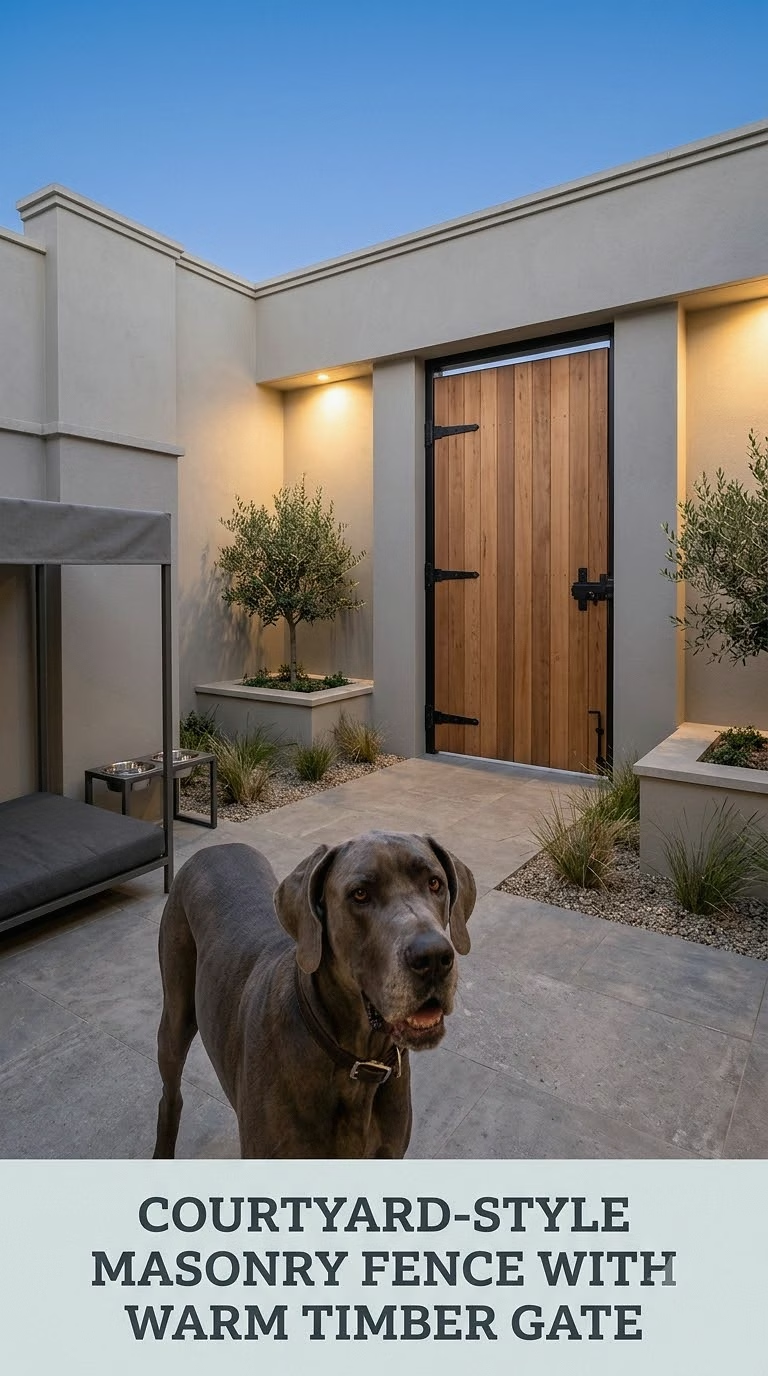
For maximum privacy and a truly high-end outdoor look, consider enclosing part of the yard with a masonry wall and substantial timber gate.
Cream stucco, pale brick, warm stone, or smooth rendered walls can create the atmosphere of a private courtyard. Because the surface is solid, dogs are less exposed to the constant movement of people and animals outside the yard.
A natural wood gate adds warmth and prevents the space from feeling too severe. Large pottery, an outdoor bench, textured paving, and carefully chosen greenery can make the enclosure feel like a beautiful extension of the home.
Masonry construction requires greater investment and should account for drainage, footings, property regulations, and permitted wall heights. The gate also needs reliable hardware because a beautiful wall provides little containment if its entry point is easy to push open.
For the right home, however, this design combines privacy, permanence, and sophisticated landscaping in one cohesive outdoor retreat.
Choosing The Right Outdoor Dog Fence Ideas For Your Home
The most beautiful dog-friendly backyard is one where appearance and practical safety work together. Start by considering how your dog actually behaves outdoors. Look at their size, jumping ability, digging habits, curiosity, reactivity, and tendency to investigate gates or small openings before deciding which fence style makes sense.
You can then choose a design that fits the character of your home. Warm cedar can create a cozy garden feeling, black metal suits polished landscaping, welded wire keeps larger properties visually open, and masonry creates a private courtyard atmosphere. Existing fences can often be improved with privacy screening, landscaping, secure gates, anti-dig protection, or other targeted modifications.
Whatever style you choose, regularly inspect the fence for loose boards, damaged wire, ground gaps, weak latches, or new escape opportunities. A fenced yard is also not a replacement for exercise, enrichment, interaction, or appropriate supervision.
With a little planning, outdoor dog fence ideas can become much more than practical barriers. The right design can give your dog a wonderful place to enjoy the outdoors while making your backyard feel more comfortable, organized, and beautifully connected to your home.
Source: https://petstutorial.com
Category: DOGS
