
Creating a secure outdoor area for your dog does not always mean installing an expensive permanent fence. Maybe you are renting, renovating your yard, staying somewhere temporarily, or simply want to test a layout before committing to a major project. In all of these situations, the right temporary fence can give your dog more room to sniff, play, lounge, and enjoy the fresh air while keeping your outdoor space attractive.
- 19 Dog Food Enrichment Ideas That Turn Mealtime Into A Happy Little Adventure
- 19 Shelter Dog Enrichment Ideas For Happier, Calmer Kennel Days
- Does My Dog Have Dementia Quiz
- 18 Dog Gift Ideas For Beautiful, Cozy And Practical Pet-Friendly Living
- 20 White Dog Costume Ideas That Look Extra Magical On Light Fur
The best temporary dog fence ideas combine flexibility with thoughtful design. A simple metal exercise pen may be perfect for a tiny patio, while a larger yard might benefit from removable welded-wire panels or sturdy posts with mesh fencing. You can even incorporate planters, natural wood, bamboo screens, or clean black fencing so the enclosure looks intentional rather than temporary.
You are reading: 18 Temporary Dog Fence Ideas For Safe, Stylish, Flexible Outdoor Spaces
Safety should always guide the design. Consider whether your dog jumps, climbs, digs, pushes against barriers, squeezes through narrow spaces, or becomes excited when seeing people and animals beyond the fence. Temporary fencing should be sturdy enough for your particular dog, securely anchored, free from sharp edges and hazardous gaps, and regularly checked for loose connections.
With those basics in mind, these ideas can help you create an outdoor space that feels secure, beautiful, practical, and easy to change when your needs change.
Temporary Dog Fence Ideas For Flexible And Beautiful Outdoor Spaces
Matte Black Metal Exercise Pen With A Cozy Patio Lounge
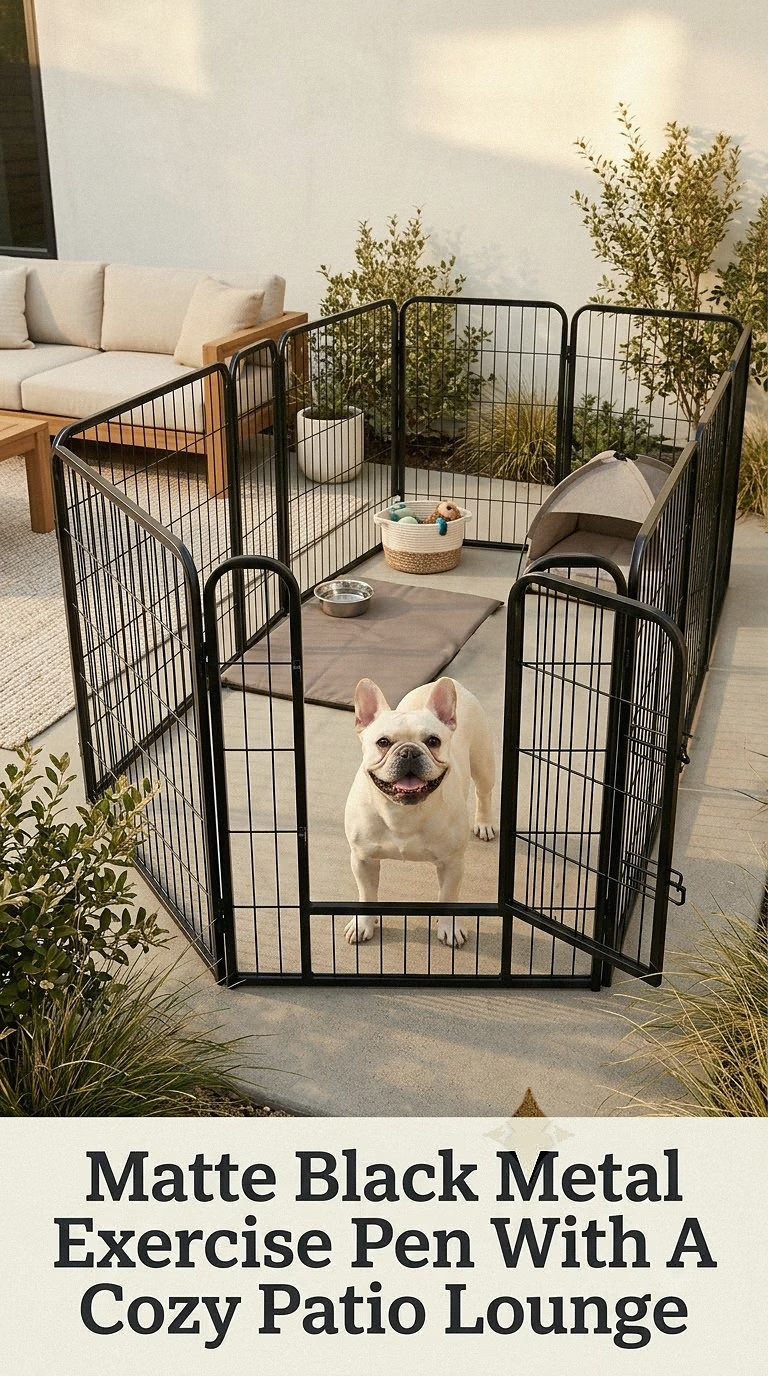
A folding metal exercise pen is one of the simplest ways to create a temporary outdoor dog area, especially on a patio, deck, or small patch of lawn. Choosing matte black panels gives the enclosure a clean, modern appearance that blends beautifully with black planters, neutral outdoor furniture, and contemporary landscaping.
Arrange the panels in a square, rectangle, or wider irregular shape depending on your available space. Inside, add an outdoor dog bed, water bowl, washable mat, and a few favorite toys.
Choose a panel height and construction appropriate for your dog’s size and jumping ability. Lightweight freestanding pens are best for calm dogs and supervised use because determined dogs may push or climb them.
The major advantage is flexibility. Most exercise pens fold nearly flat, making them easy to store when you want your patio or lawn back.
Warm Cedar Framed Welded Wire Fence Panels
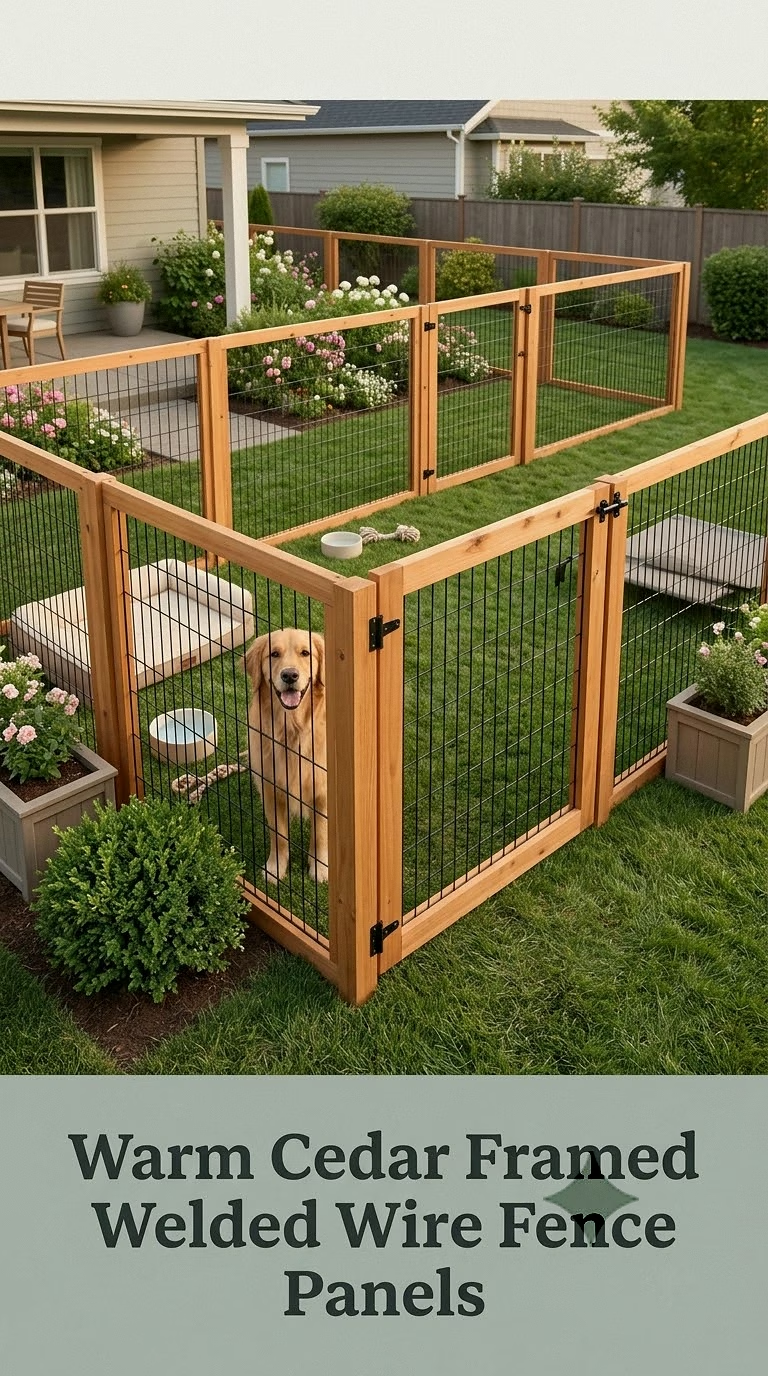
For something that feels closer to permanent landscaping without actually becoming permanent, build individual wooden frames filled with welded wire mesh.
Cedar is especially attractive because its warm natural color pairs beautifully with grass, stone patios, cottage gardens, and modern backyards. Construct several rectangular panels and connect them using removable hinges, brackets, or secure hardware so you can rearrange the enclosure later.
Welded wire provides visibility while the wooden frame makes the project feel polished and intentional. Make sure wire edges are completely enclosed or finished so there are no exposed sharp points.
This design works particularly well around a temporary dog run beside the house. You can leave the cedar natural for a relaxed rustic look or stain it a deeper walnut tone for a more sophisticated finish.
Minimalist Black No-Dig Fence Around A Small Lawn
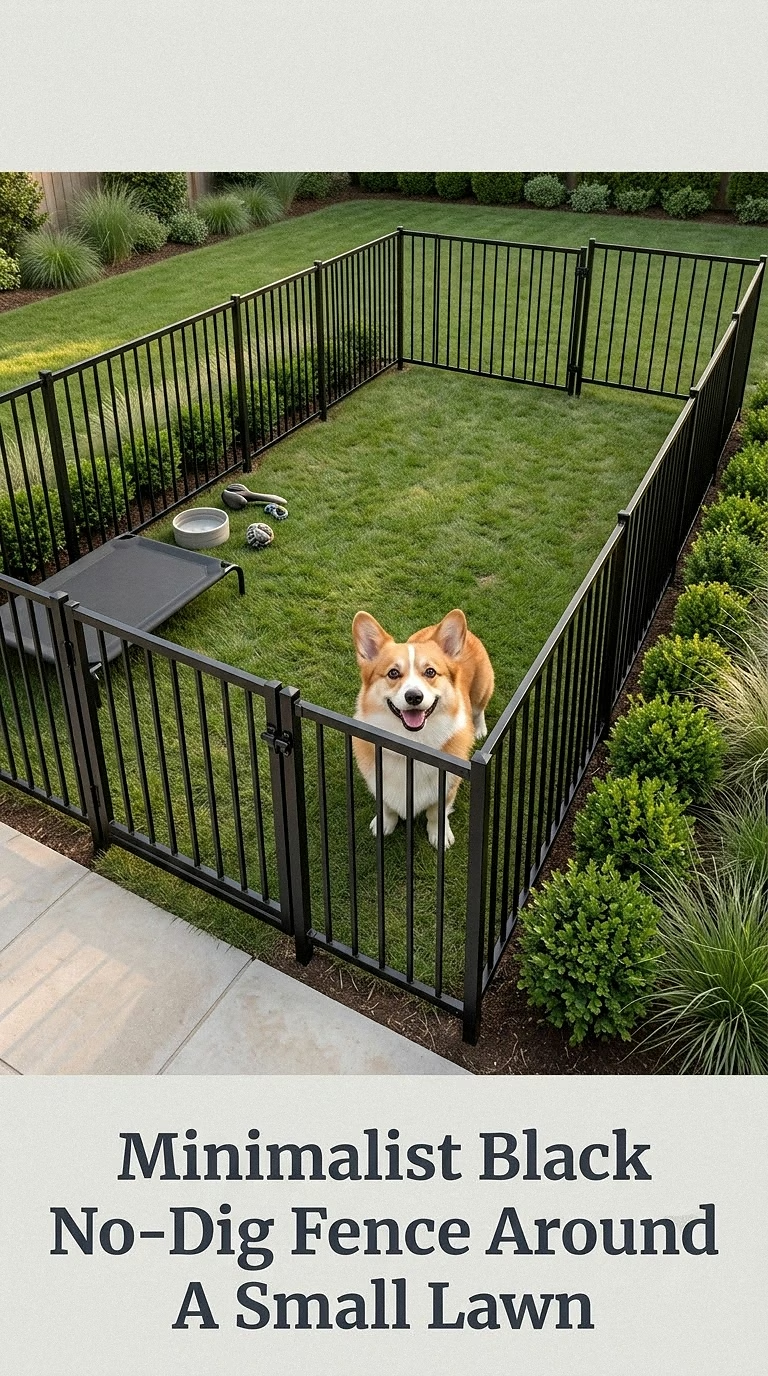
Decorative no-dig fence panels can transform a small lawn into a defined dog area without concrete footings or major construction.
Look for simple black metal panels rather than highly ornamental garden fencing. Straight vertical lines create a cleaner architectural appearance and pair especially well with trimmed grass, pale gravel, boxwood shrubs, and modern homes.
These panels typically use stakes that press into suitable soil, so they can later be removed with relatively little disruption to the yard.
However, decorative fencing varies considerably in strength and height. A low garden panel should not be expected to contain an athletic jumper, powerful dog, or determined escape artist. This idea is most appropriate when you can choose sturdy dog-suitable panels and match the enclosure to your pet’s behavior.
Add a compatible latched gate to make everyday access much easier.
Welded Wire Fence With Removable T-Posts For A Large Yard
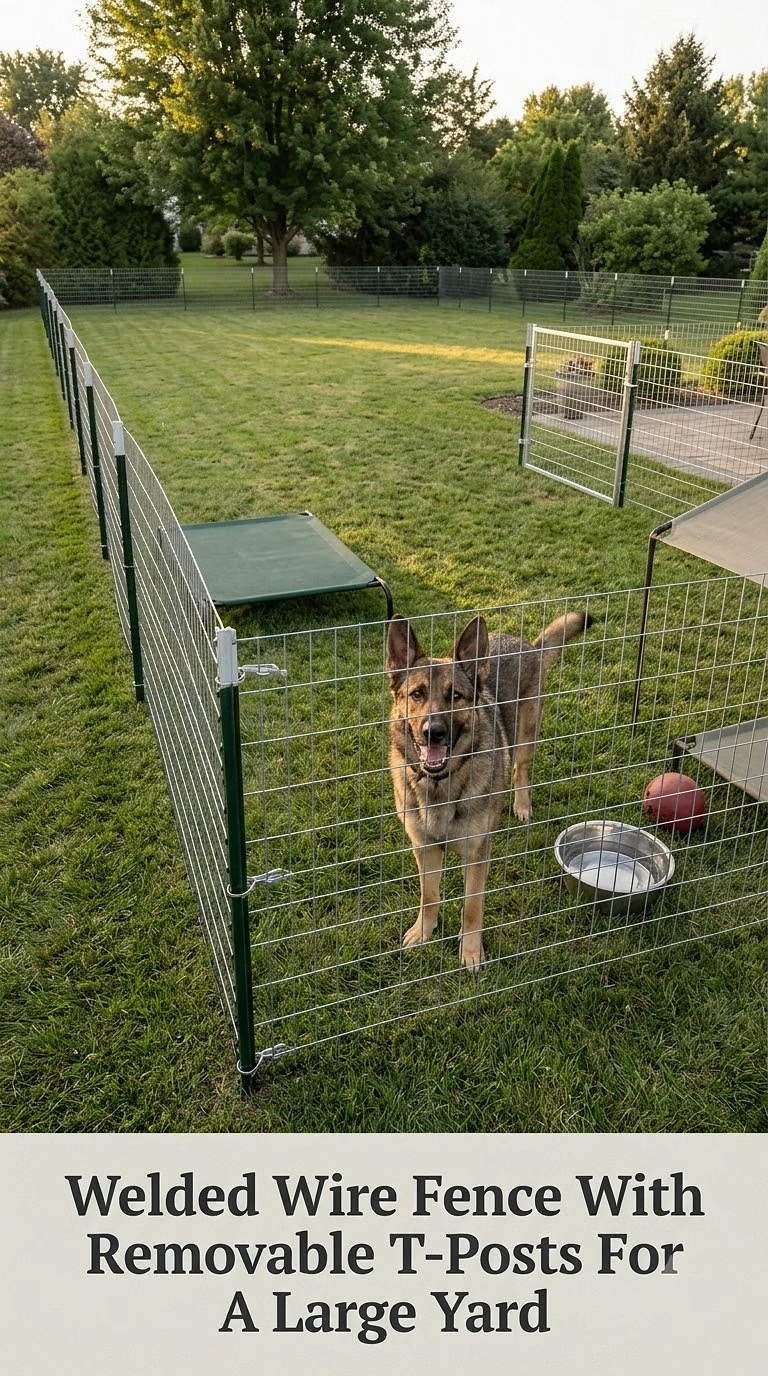
If you want to temporarily enclose a larger section of lawn, a removable post-and-wire system can be much more practical than surrounding the entire area with decorative panels.
Install sturdy temporary posts at appropriate intervals and attach welded wire fencing securely to them. Compared with very soft plastic mesh, welded wire creates a more substantial physical boundary and is less likely to sag when installed correctly.
This design has a simple country-yard appearance that works naturally around larger lawns, cabins, vegetable gardens, and rural homes. Black-coated wire can look especially subtle against greenery.
Pay extra attention to corners and gates because these areas often receive more pressure. The bottom should also sit securely against the ground.
For dogs that dig, reinforce the lower boundary rather than relying solely on the vertical fence.
Lightweight Pet Mesh Fence With Fiberglass Step-In Posts
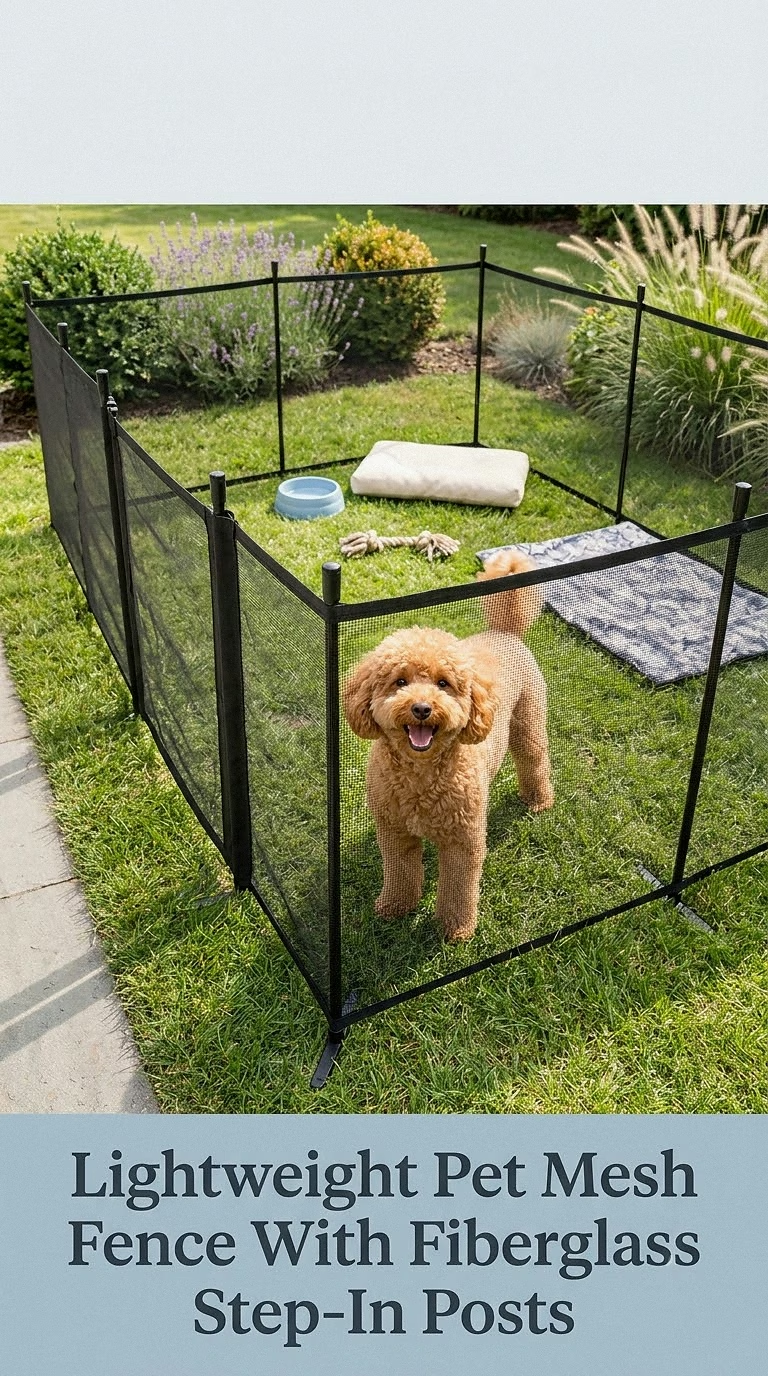
For calm dogs that respect boundaries, lightweight pet mesh combined with removable step-in posts can create an affordable enclosure that is extremely easy to relocate.
This solution is useful when you frequently change the section of yard your dog uses. It can also work for temporary stays, supervised outdoor time, or dividing a large property into smaller activity zones.
Choose mesh specifically suitable for pet containment rather than flimsy decorative netting. Stretch it evenly between posts so loose folds do not create tempting areas for chewing or entanglement.
Visually, black or dark green mesh tends to disappear into landscaping more gracefully than bright construction fencing.
Because lightweight mesh has limited resistance to pushing, chewing, and jumping, it is not ideal for powerful or highly motivated escape artists. Think of it as a flexible supervised boundary rather than a universal fencing solution.
Planter Box Dog Fence With Weighted Wooden Panels
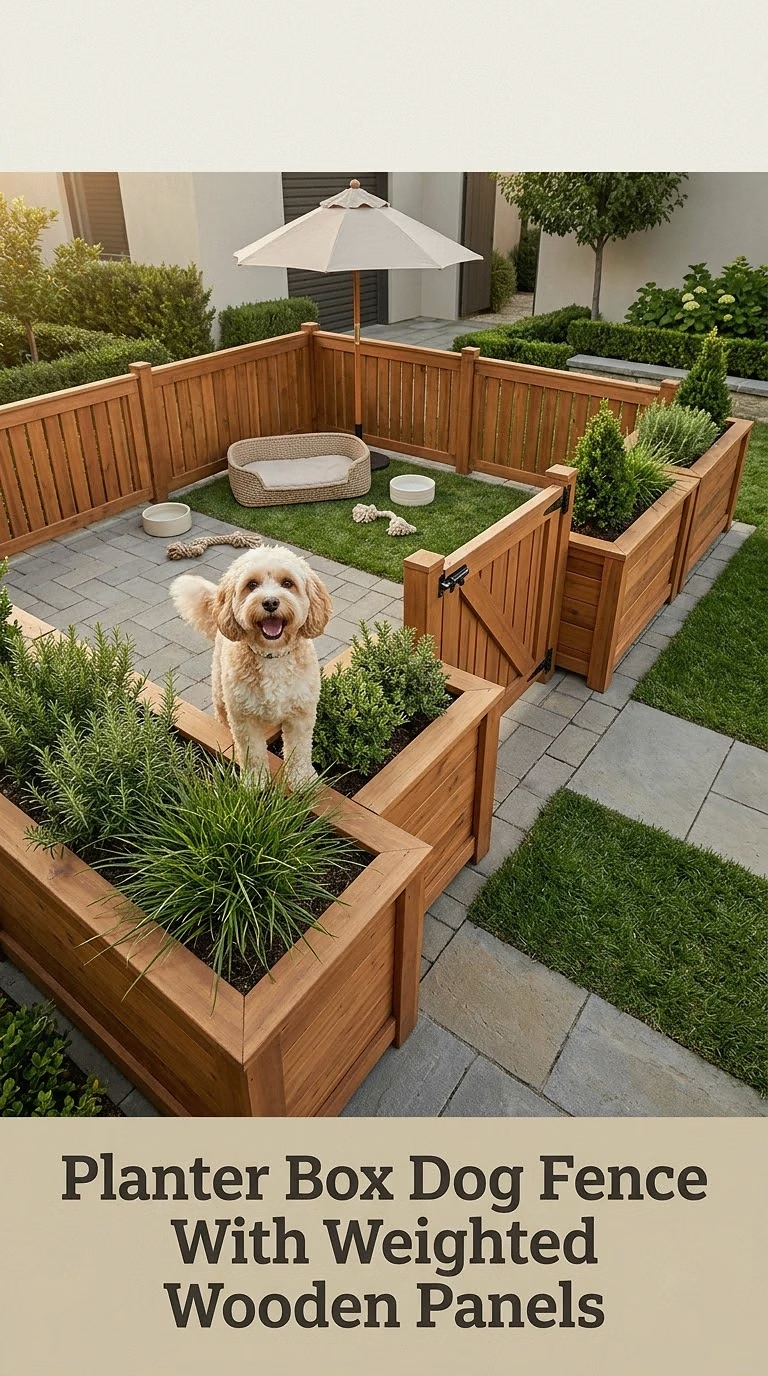
Temporary fencing can become part of your landscaping instead of looking like something placed on top of it.
One stylish approach is to position sturdy fence panels between substantial planter boxes. Fill the planters with enough appropriate material to create a stable base, then add dog-safe ornamental grasses, herbs, or flowers for a lush garden feel.
Warm timber panels combined with matte black hardware create a particularly beautiful modern farmhouse look. For more visibility, use framed welded wire rather than completely solid panels.
The system should be engineered for stability rather than depending on lightweight decorative pots. A dog should not be able to topple the barrier by leaning or jumping against it.
This setup works wonderfully on paved areas where driving stakes into the ground is not possible and where a traditional temporary fence might otherwise feel unattractive.
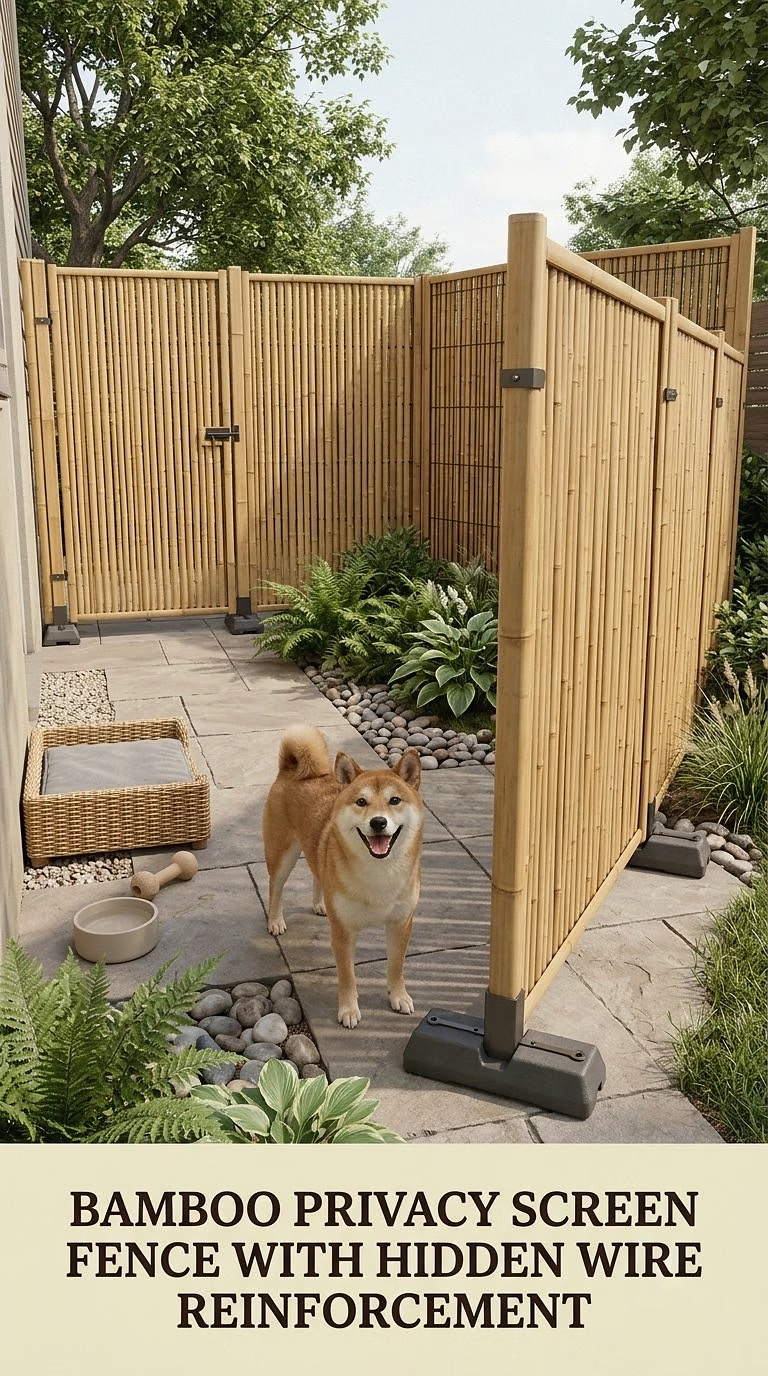
Bamboo Privacy Screen Fence With Hidden Wire Reinforcement
Read more : How to Soften Dog Eye Boogers
Some dogs become much more excited when they can watch pedestrians, neighboring dogs, cyclists, or wildlife through an open fence. Adding visual screening can make an outdoor area feel calmer as well as more private.
For a warm natural look, attach bamboo or reed screening to a sturdy temporary wire fence. The wire remains the structural barrier while the bamboo provides visual coverage.
Pair the fence with terracotta pots, ornamental grasses, gravel, and natural wood furniture for a relaxed garden retreat.
Secure the screening carefully so loose edges cannot flap in the wind or become chew toys. Regularly inspect ties and fasteners as outdoor exposure can loosen materials over time.
This combination can be especially useful along one high-traffic side of a temporary enclosure rather than screening the entire dog run.
White Wood Lattice Fence With Discreet Pet Mesh
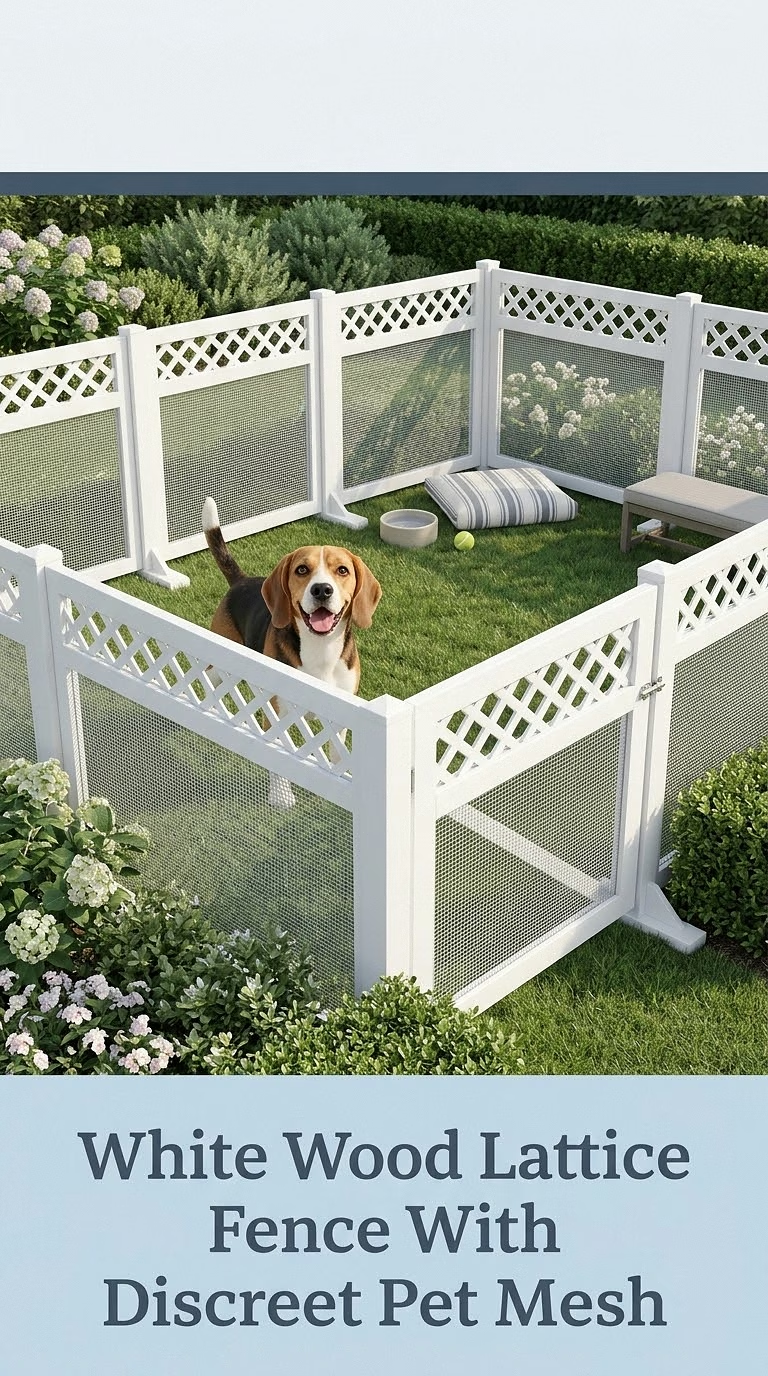
A white lattice enclosure creates a bright cottage-garden look that feels much softer than industrial fencing.
Use freestanding or removable framed lattice panels, then reinforce the inside with appropriately sized pet mesh or welded wire if the lattice openings are large enough for your dog to squeeze through.
Surround the enclosure with large pots of greenery, weatherproof lanterns, and pale gravel for a cheerful backyard retreat. The result can look surprisingly permanent even though the panels remain removable.
Keep climbing behavior in mind. Some lattice patterns may provide footholds for determined dogs, so this option is better for pets that do not climb or when the design uses a smooth lower section.
A matching lightweight gate completes the cottage-style appearance while making everyday access convenient.
Narrow Side Yard Dog Run With Removable Fence Panels
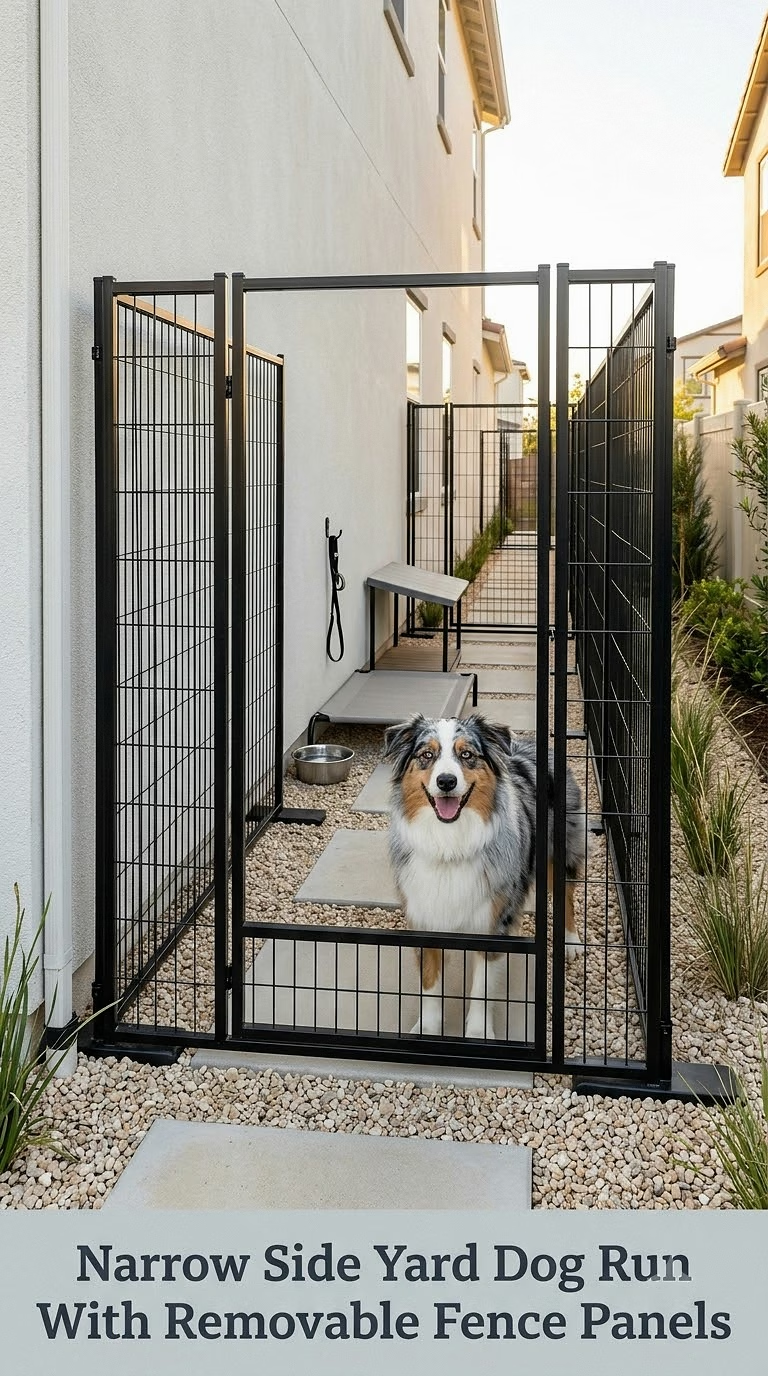
That unused strip between your house and property boundary can become an incredibly practical temporary dog run.
Use sturdy removable panels to close the open ends of the side yard while taking advantage of existing secure boundaries where appropriate. Add a comfortable walking surface such as grass, suitable paving, or another paw-friendly material.
A long, narrow layout gives dogs room to sniff and wander without consuming the main entertaining area of the backyard.
For a polished look, choose black metal or warm wood-framed panels and coordinate them with wall-mounted storage for leads, towels, and cleanup supplies.
Always inspect existing boundaries carefully. A side yard only works as containment if every section is genuinely secure and there are no hidden gaps behind plants, utility equipment, or storage items.
Portable Camping Dog Enclosure With Foldable Mesh Panels
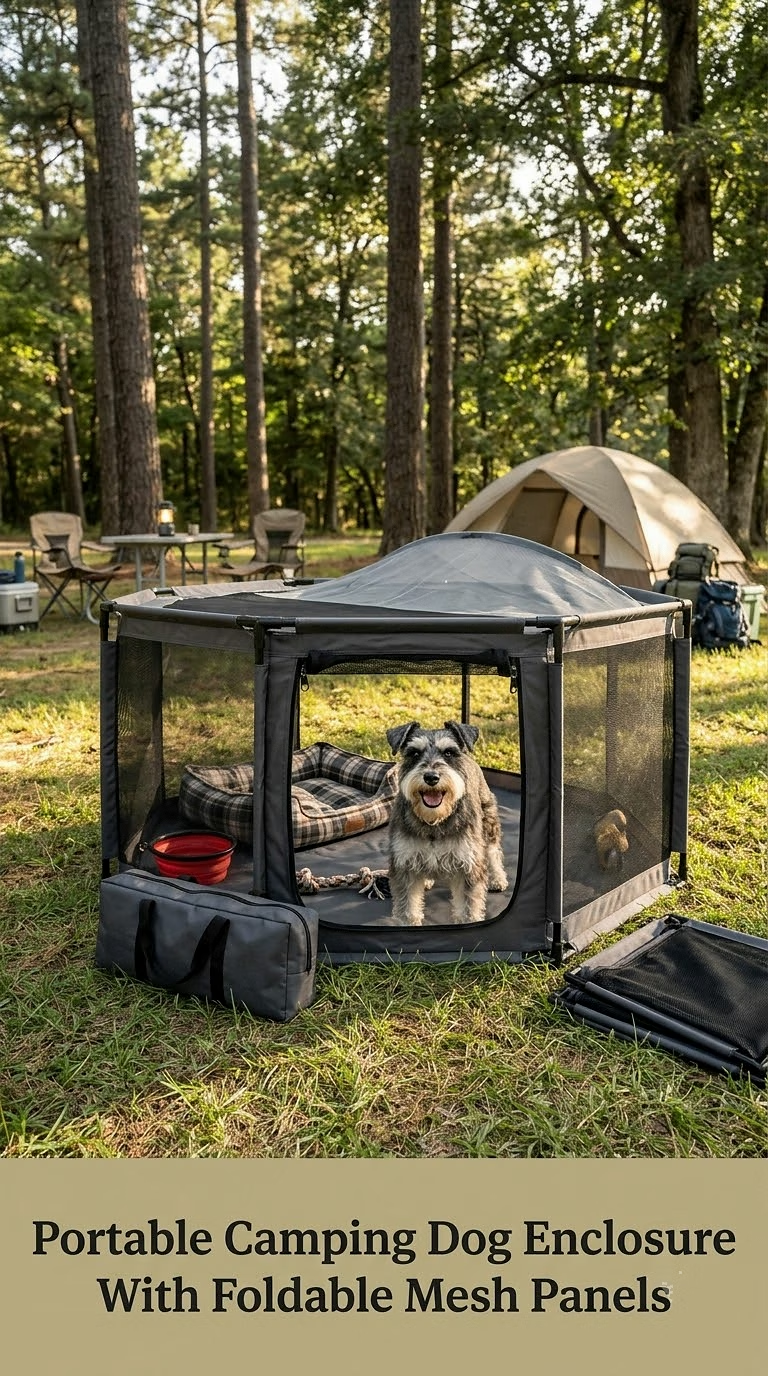
A temporary fence becomes especially useful when your dog travels with you.
Foldable outdoor pet enclosures can create a designated area beside an RV, camper, cabin, or campsite. Choose sturdy panels that pack down efficiently and can be configured around the available space rather than requiring one fixed layout.
Inside, create a miniature outdoor lounge with a washable rug, elevated water bowl, portable bed, shade, and travel toys. Keeping the colors coordinated can make even a practical travel enclosure feel stylish.
Secure the system according to the surface and manufacturer instructions, particularly in wind. Never assume a lightweight portable pen will withstand a dog lunging toward wildlife or another animal.
For unfamiliar locations, supervised use is especially important because new smells and surroundings may encourage behavior your dog does not normally show at home.
Soft Neutral Puppy Potty Yard With Modular Panels
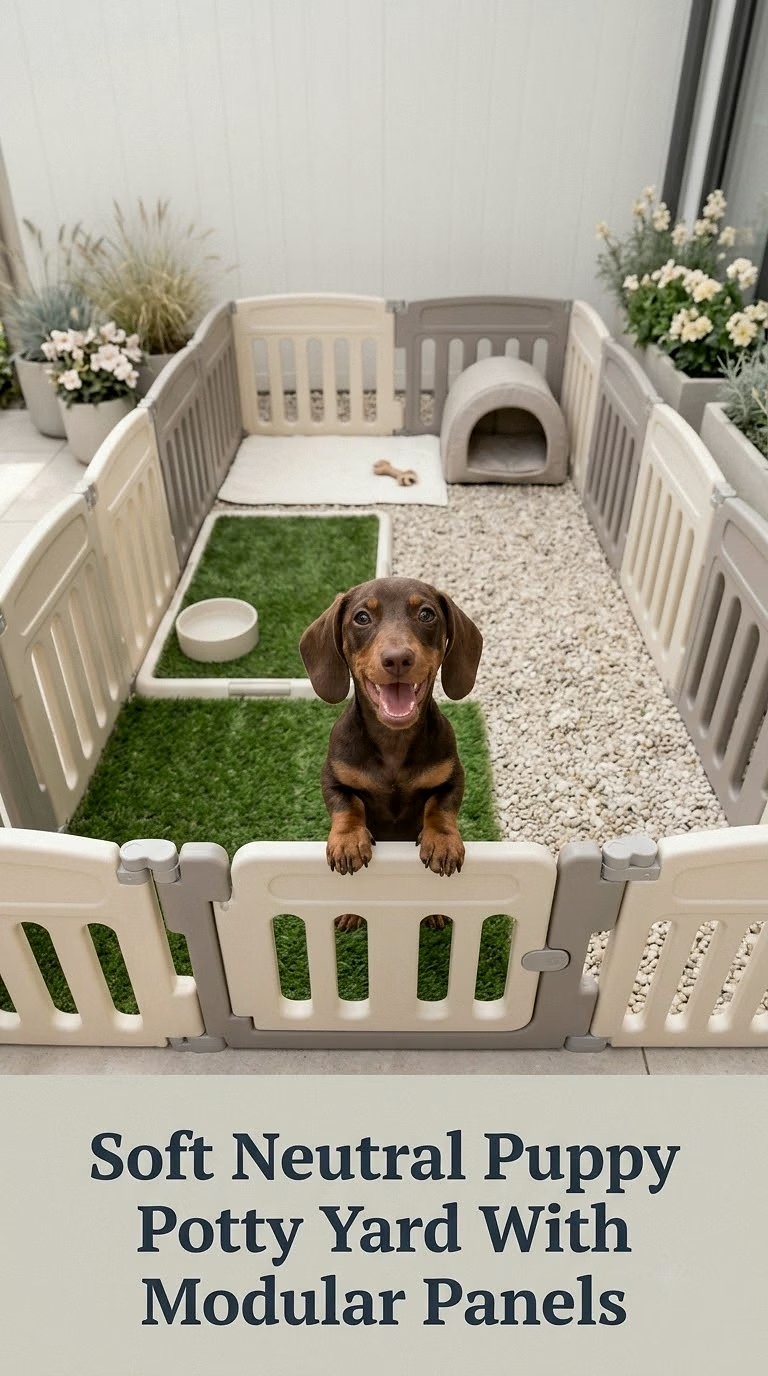
Puppies often need a smaller, controlled outdoor area while they are learning household routines.
Create a temporary potty yard using modular panels around a convenient section near the back door. A compact rectangle of natural grass or another suitable toileting surface makes cleanup and supervision easier than giving a young puppy access to the entire yard.
Choose narrow panel spacing that prevents a small head or body from slipping through. Avoid openings where paws could become trapped.
For a pretty, understated look, combine dark metal panels with cream planters, pale stepping stones, and a small weather-resistant storage box for waste bags and cleaning supplies.
As your puppy grows, modular fencing allows the space to expand. You can gradually add panels rather than rebuilding an entire enclosure every few months.
Contemporary Deck Dog Zone With Freestanding Black Panels
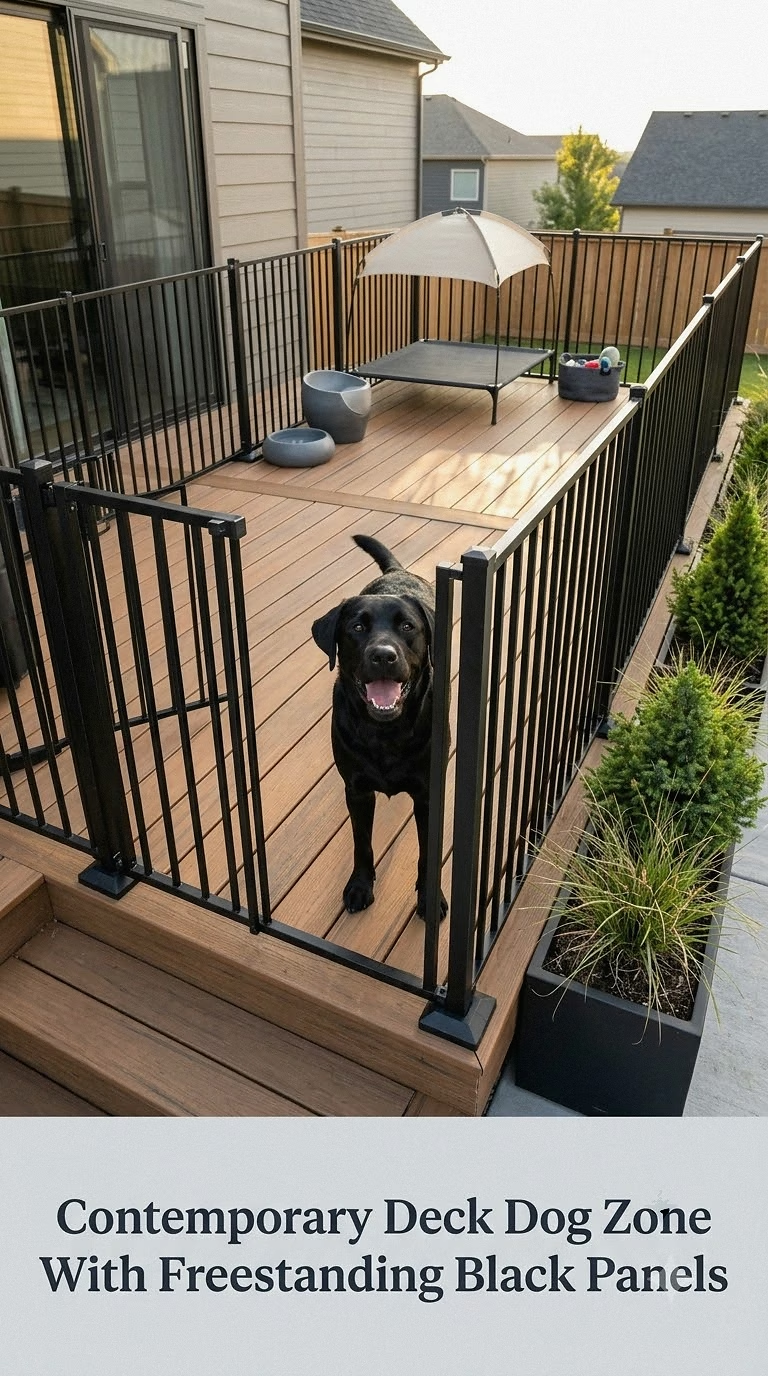
A spacious deck can become an outdoor dog lounge without making permanent alterations to railings or flooring.
Use sturdy freestanding modular panels to create a separate dog zone with enough room for a bed, water, toys, and movement. Black metal panels paired with teak furniture, beige cushions, and large ceramic pots create a sophisticated modern look.
Before using any deck enclosure, inspect the existing railing carefully. Small dogs may fit between balusters, while larger dogs may attempt to climb or jump over low railings.
A temporary interior fence can keep your dog away from vulnerable edges while still allowing them to spend time outdoors with you.
Because freestanding barriers can move when pushed, use a system intended for the setting and stabilize it properly instead of relying on decorative screens alone.
Anti-Dig Temporary Fence With A Hidden L-Shaped Ground Barrier
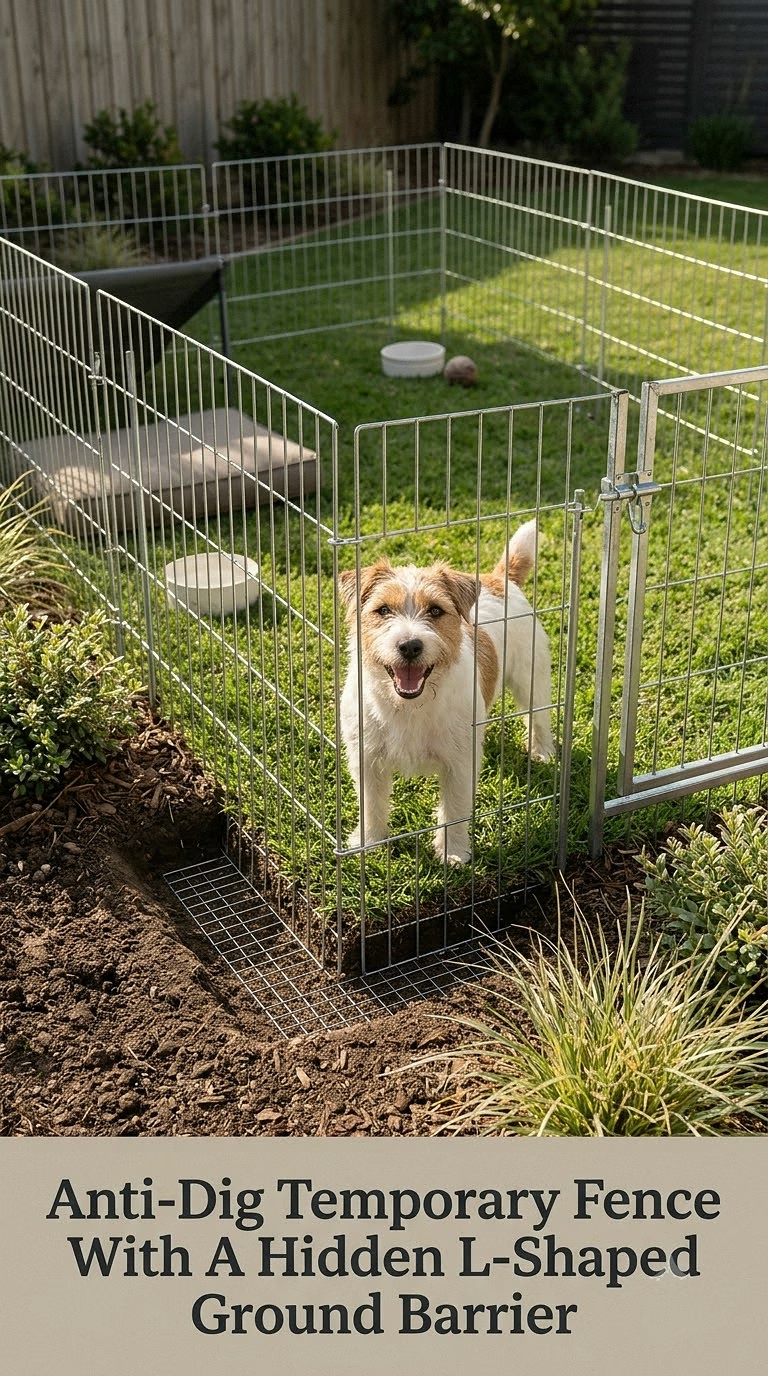
A beautiful fence will not help much if your dog prefers traveling underneath it.
For enthusiastic diggers, reinforce the bottom of a temporary fence with a horizontal barrier extending inward from the fence line. Suitable durable mesh can be securely attached to the lower fence and laid flat along the ground before being covered or weighted appropriately.
Read more : 7 Types Of Yorkie Breeds
This creates an L-shaped obstacle beneath your dog’s preferred digging zone without requiring a deep permanent foundation.
Make the reinforcement visually subtle by covering the horizontal section with appropriate landscaping material such as gravel or securely placed stones, provided the finished surface remains comfortable and safe for your dog.
Finish every wire edge carefully and inspect the perimeter regularly. This modification works particularly well with temporary welded-wire and post systems.
Heavy-Duty Kennel Panel Corral For Large Dogs
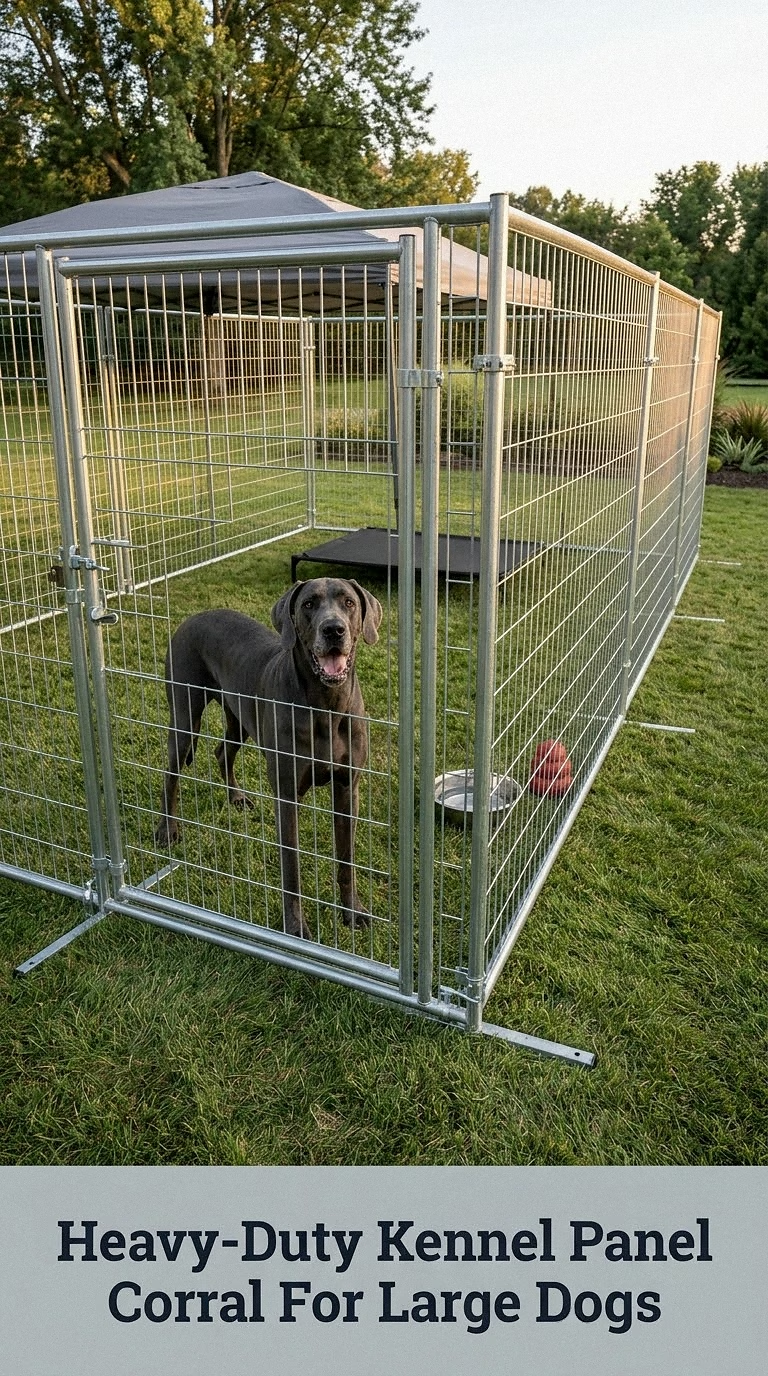
Large, powerful dogs often need something considerably stronger than lightweight mesh or decorative garden fencing.
Removable kennel-style panels can create a substantial temporary corral while still avoiding construction of a permanent fence. Arrange panels into a generous rectangular run and include a purpose-built gate with a reliable latch.
To soften the utilitarian appearance, place the enclosure beside attractive landscaping and add matching outdoor accessories such as a neutral raised bed, weather-resistant water station, and large planters positioned safely outside the fence.
The ground surface should remain comfortable, drain well, and be easy to clean.
Panel height, openings, anchoring, and hardware should all be selected for the individual dog. A strong enclosure is particularly important for pets that jump, push against fencing, or become excited by activity outside the yard.
Double-Gate Temporary Entry With A Small Safety Airlock
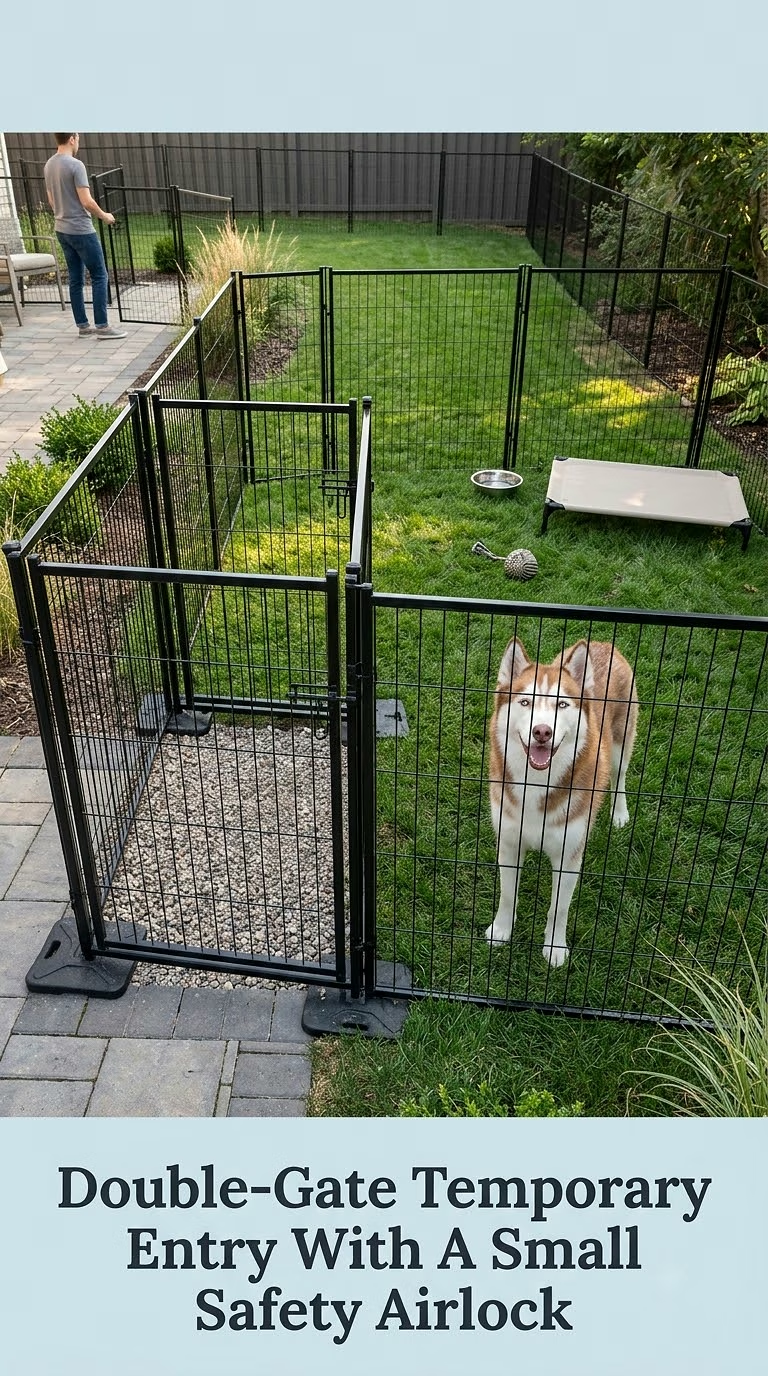
Sometimes the biggest escape risk is not the fence itself. It is the moment someone opens the gate.
A small double-gate entry creates a buffer between the dog enclosure and the outside world. Arrange several temporary panels to form a compact vestibule. You enter through the first gate, close it, and then open the second.
This can be particularly useful for enthusiastic door dashers, multi-dog households, or families where children and visitors regularly move through the backyard.
Use matching panels so the extra enclosure looks like an intentional part of the design rather than an afterthought.
Keep both gates equipped with secure, easy-to-check latches. The little space between them does not need to be elaborate, but a couple of pavers and a weather-resistant leash hook can turn it into a practical transition station.
Wide Driveway Dog Barrier With Removable Modular Panels
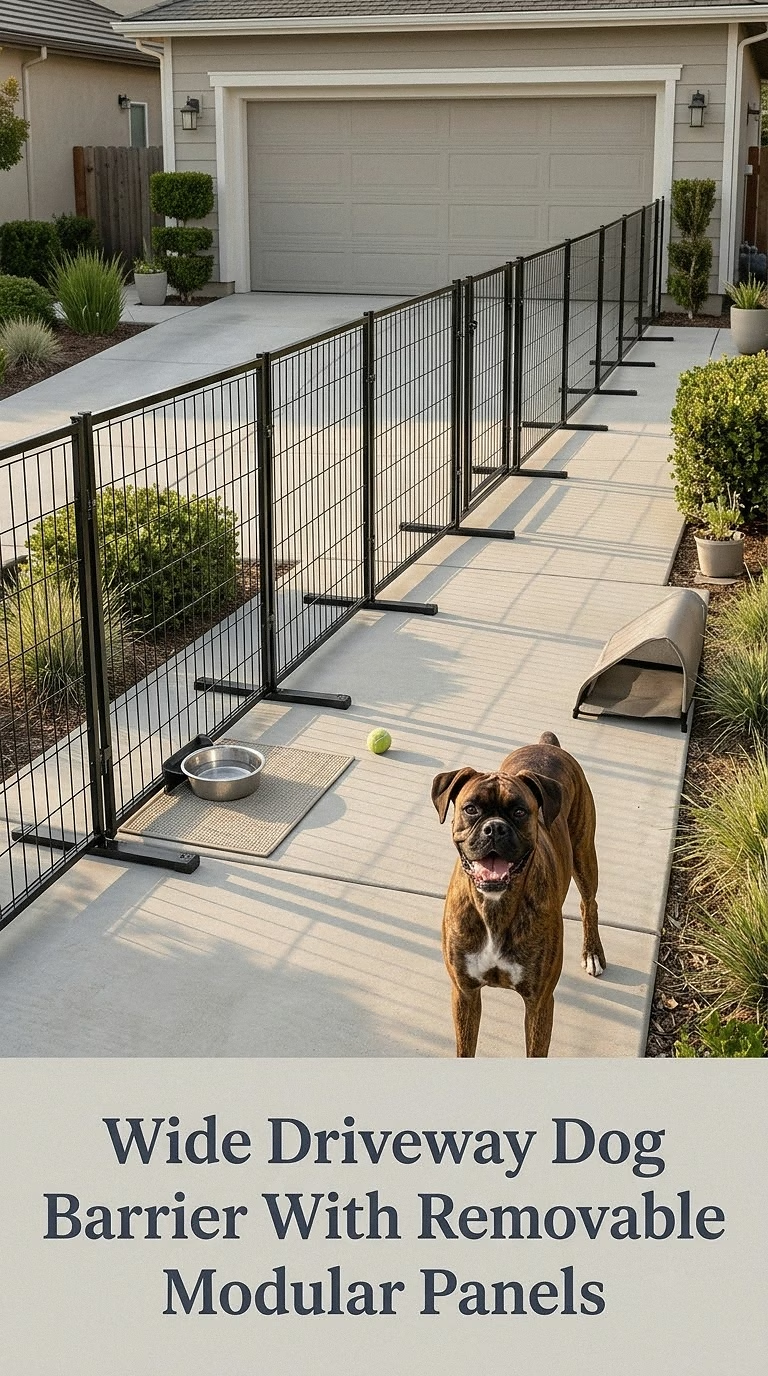
A driveway can create an awkward open gap in an otherwise enclosed property. Instead of installing a permanent gate immediately, sturdy removable modular panels can temporarily close the opening during supervised outdoor time.
Choose a system designed to remain stable across a wide span rather than lightweight fabric or decorative garden screening. Properly positioned weighted bases or other manufacturer-approved anchoring methods are essential.
Dark metal panels tend to visually disappear against asphalt and landscaping, while wood-framed panels can complement traditional homes.
Keep the barrier well away from moving vehicles and remove or reposition it before anyone drives through the area.
This idea is particularly useful when you are testing whether enclosing a driveway will improve your dog’s usable yard space before investing in a custom permanent gate.
Garden And Dog Zone Divider With Decorative Metal Panels
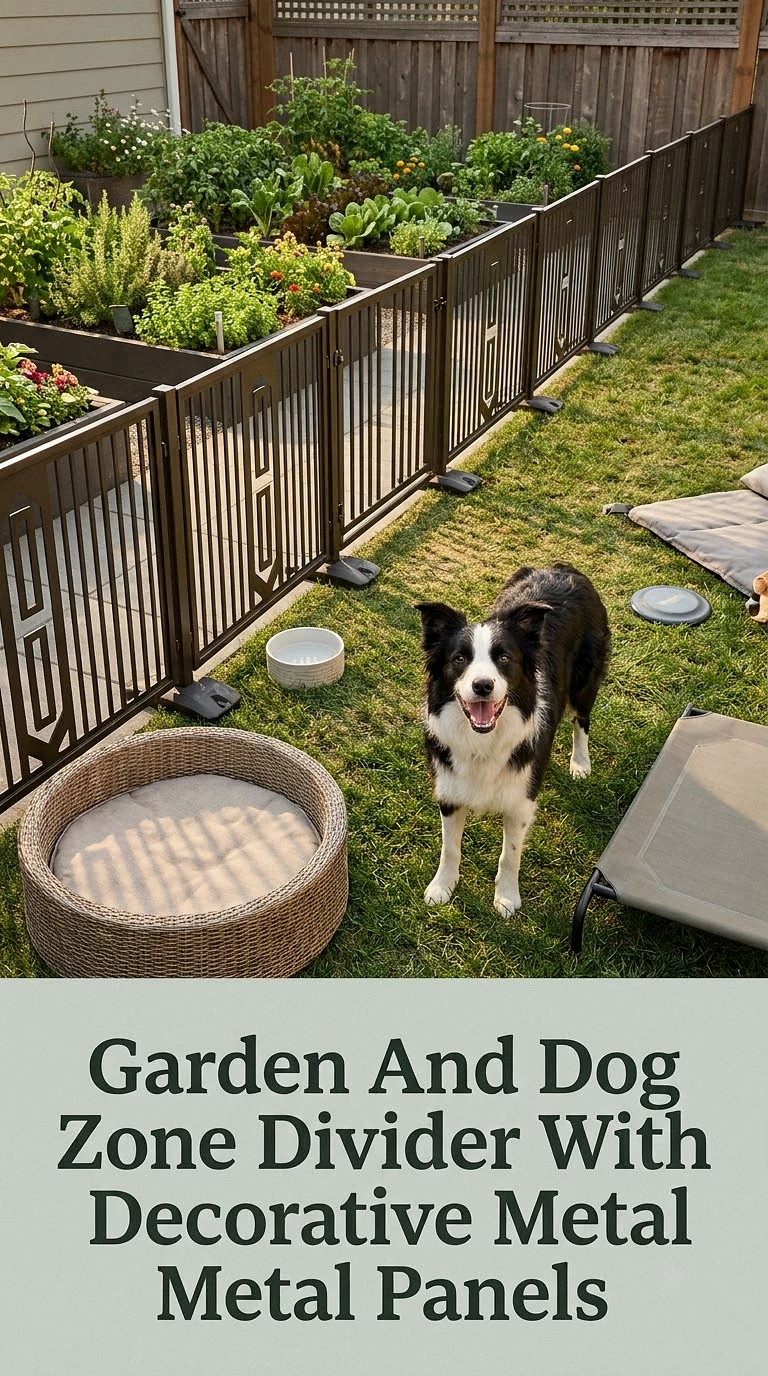
Sometimes you do not need to fence the entire property. You simply need to decide which parts belong to your dog.
Use removable decorative metal panels to divide the lawn into a dog-friendly activity area and a protected garden section. This can prevent enthusiastic paws from trampling young plants while creating a clearer outdoor layout.
Choose a simple modern pattern and repeat the same finish on plant supports, outdoor lighting, or furniture for a coordinated appearance.
The dog side can include an open patch for play, a shady bed, a water station, and perhaps a designated digging spot. The opposite side can remain dedicated to flowers or vegetables.
Make sure the divider is genuinely secure if it also functions as containment. A decorative border alone should not be treated as a safety fence for a determined dog.
White PVC Framed Wire Panels For A Clean Modern Backyard
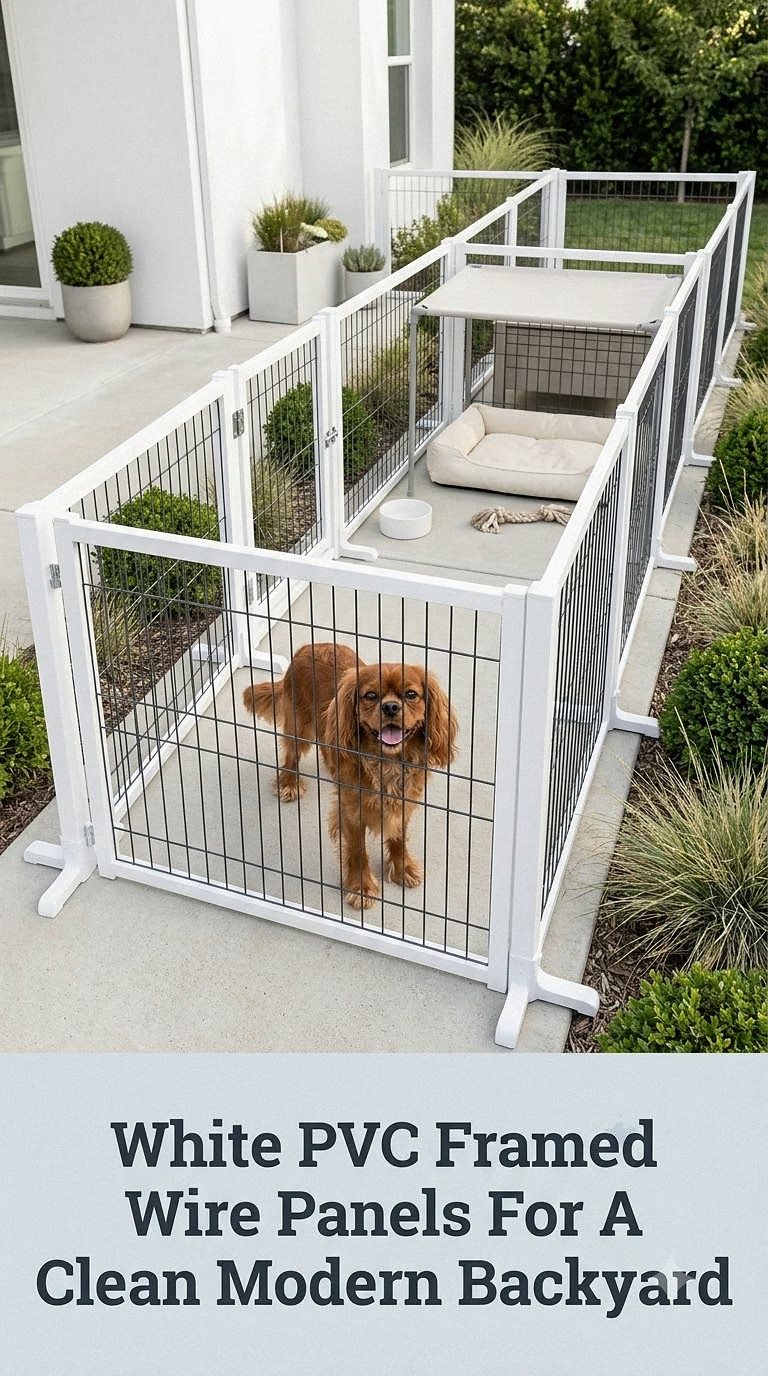
For a crisp alternative to rustic wood, create removable fence panels from durable white framing paired with sturdy wire infill.
The contrast between bright white frames and dark wire mesh produces a clean modern look that works beautifully around contemporary patios, pale stone paving, coastal-style homes, and neat green lawns.
Modular panels can be connected so sections are replaceable and the enclosure can be enlarged later. A matching framed gate helps the entire project feel professionally planned.
If you build the panels yourself, prioritize structural strength over appearance. Connections should remain secure, wire edges should be completely covered, and openings should be appropriate for your dog’s size.
This style is particularly appealing when you want temporary containment without making your outdoor space look like a construction zone.
Choosing The Right Temporary Dog Fence Ideas For Your Home
Temporary fencing can be surprisingly attractive when the materials and layout are chosen with the same care you would give any other part of your outdoor space. From simple black exercise pens and portable travel enclosures to cedar-framed wire panels and sophisticated planter-supported designs, there is an option for nearly every yard and decorating style.
Start with your dog rather than the appearance of the fence. Think about their size, strength, jumping ability, digging habits, curiosity, and reaction to people or animals outside the boundary. Then choose a design that gives you enough security while fitting your budget, property, and need for flexibility.
Finally, remember that temporary should never mean careless. Check panels, gates, anchors, connections, and ground-level gaps frequently, especially after wind, rain, or enthusiastic play.
With thoughtful planning, even a removable fence can create a charming outdoor retreat where your dog can enjoy fresh air, interesting smells, playtime, and plenty of happy moments close to home.
Source: https://petstutorial.com
Category: DOGS
