
A good backyard fence can change the entire feeling of an outdoor space. It creates a cozy boundary around the garden, gives your dog a comfortable place to wander and play, and becomes part of the landscape rather than simply something functional. Among traditional wood fence styles, the dog-ear fence has an especially charming look. Its vertical pickets have clipped upper corners that soften the fence line and keep a tall privacy fence from looking quite so heavy. Dog-ear pickets are widely available in cedar and pressure-treated wood, making the style practical for both custom builds and more affordable DIY projects.
- What Is the Average Life Expectancy of a Diabetic Dog
- 19 Weiner Dog Cake Ideas That Are Almost Too Cute To Eat
- 19 Hidden Dog Door Ideas That Blend Beautifully Into Your Home
- 18 Dog Friendly Porch Ideas for a Cozy, Stylish Outdoor Retreat
- 19 Dog Deck Ideas For A Cozy, Stylish, Pet-Friendly Outdoor Space
When designing a fence for a dog, appearance is only part of the decision. Think about how your pet behaves outside. A relaxed dog may need a very different enclosure from an athletic jumper, determined digger, enthusiastic gate-rusher, or dog that becomes excited by everything happening beyond the property line. Secure gates, appropriate fence height, sturdy construction, limited gaps, and reinforcement near the ground can all be important depending on the individual dog.
You are reading: 19 Dog Ear Fence Ideas for a Beautiful, Secure Backyard
The wonderful thing about dog-ear fencing is how easily the basic shape can take on different personalities. Natural cedar can feel warm and rustic, painted pickets can create a cottage garden, dark stain can look surprisingly contemporary, and thoughtful landscaping can turn a simple privacy fence into a beautiful backyard backdrop.
Dog Ear Fence Ideas for Stylish and Dog-Friendly Backyards
Natural Cedar Dog Ear Fence With Warm Honey Wood Tones
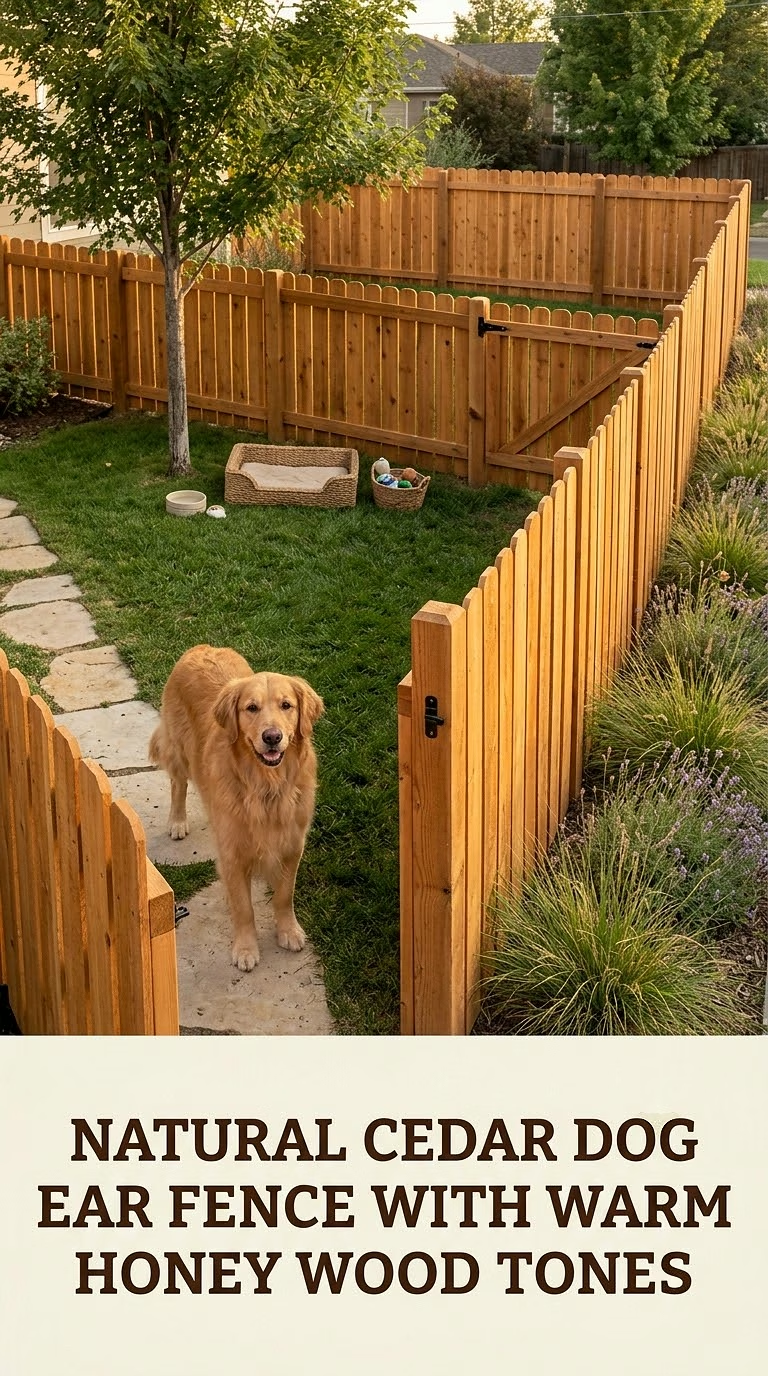
Few designs are as timeless as a simple cedar dog-ear fence left in its natural warm coloring. The visible knots, subtle grain, and variations between individual boards give the backyard a relaxed, organic feeling that works beautifully with grass, stone patios, and leafy landscaping.
For a clean appearance, use consistently sized vertical pickets with matching cedar posts and rails. A transparent or lightly tinted exterior finish can preserve more of the wood character while helping protect the surface from weathering.
This style looks especially lovely beside hydrangeas, ornamental grasses, lavender, or a small seating area with cream outdoor cushions.
Cedar is also a practical fencing material because several cedar species have natural resistance to decay. Even so, good construction still matters. Keeping fence boards from sitting directly against wet soil and protecting exposed wood can improve durability.
Soft White Dog Ear Fence With Cottage Garden Flowers
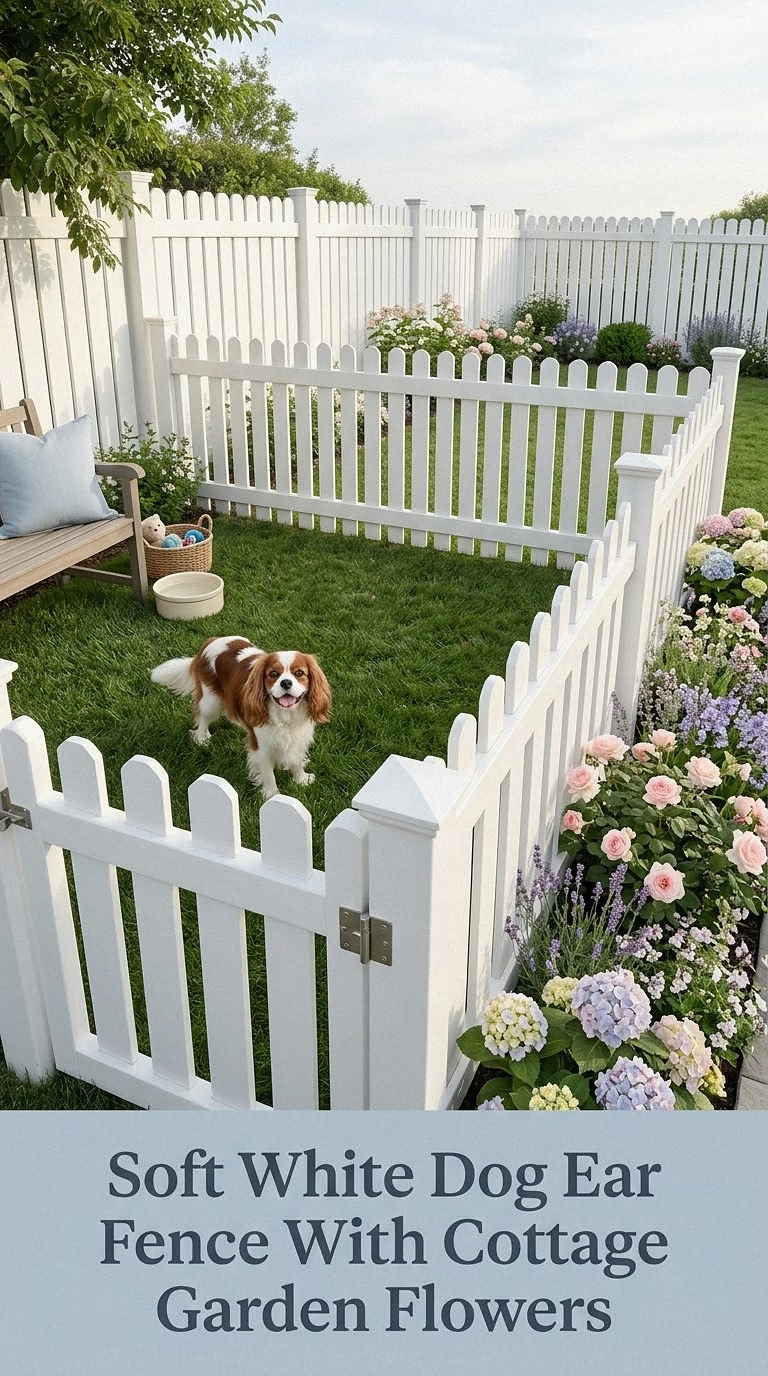
Painting a dog-ear fence soft white instantly changes its personality. Instead of feeling like a traditional privacy barrier, it becomes part of a cheerful cottage garden.
Pair the white pickets with flowering borders in pink, lavender, blue, and soft yellow. Roses, salvia, petunias, and other dog-safe planting choices can create a layered garden look, although plant selections should always be checked for pet safety before planting where your dog has access.
For homes with smaller yards, white can also make the enclosure feel lighter than a dark solid fence.
Use exterior-grade paint designed for wood and prepare the surface carefully before painting. Because muddy paws tend to show quickly on pale surfaces, leaving a narrow gravel or stone strip along the bottom of the fence can make cleaning easier while creating a tidy transition between the lawn and wood.
Charcoal Stained Dog Ear Fence With Modern Black Hardware
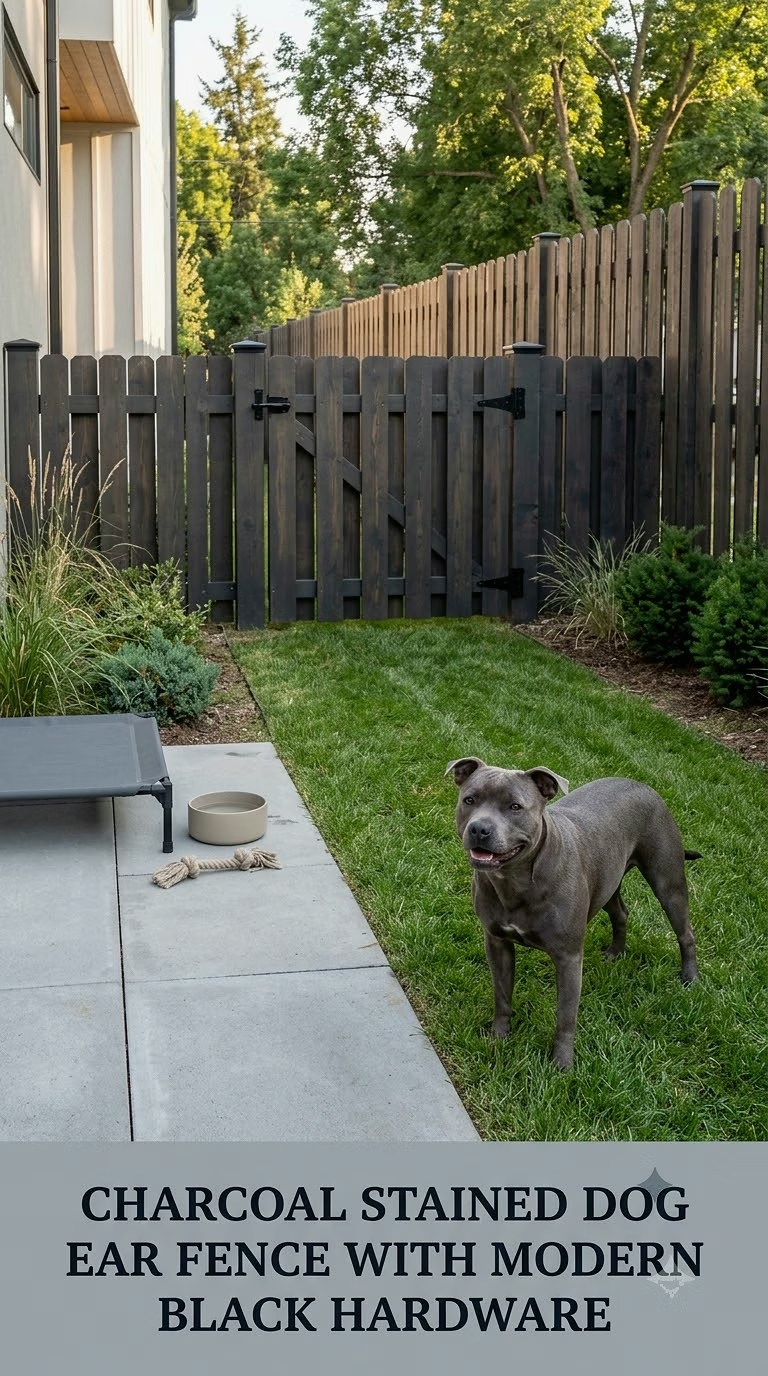
Dog-ear fencing does not have to look rustic. A deep charcoal or near-black stain can give traditional vertical pickets a sophisticated modern appearance.
Combine the dark fence with matte black gate hinges, simple metal latches, oversized concrete pavers, and ornamental grasses. Against a charcoal background, green foliage becomes especially dramatic.
This design works beautifully behind a contemporary patio furnished with pale wood, beige upholstery, and minimalist planters.
Rather than adding lots of decorative trim, allow the repeating dog-ear silhouette to provide the visual detail. The clipped corners soften what might otherwise be a severe wall of dark wood.
Before committing to a very dark finish, consider how much direct sun the fence receives and follow the coating manufacturer’s application recommendations. A quality exterior stain is usually easier to refresh than trying to maintain an elaborate decorative finish across a large backyard perimeter.
Board-On-Board Dog Ear Fence With Layered Privacy
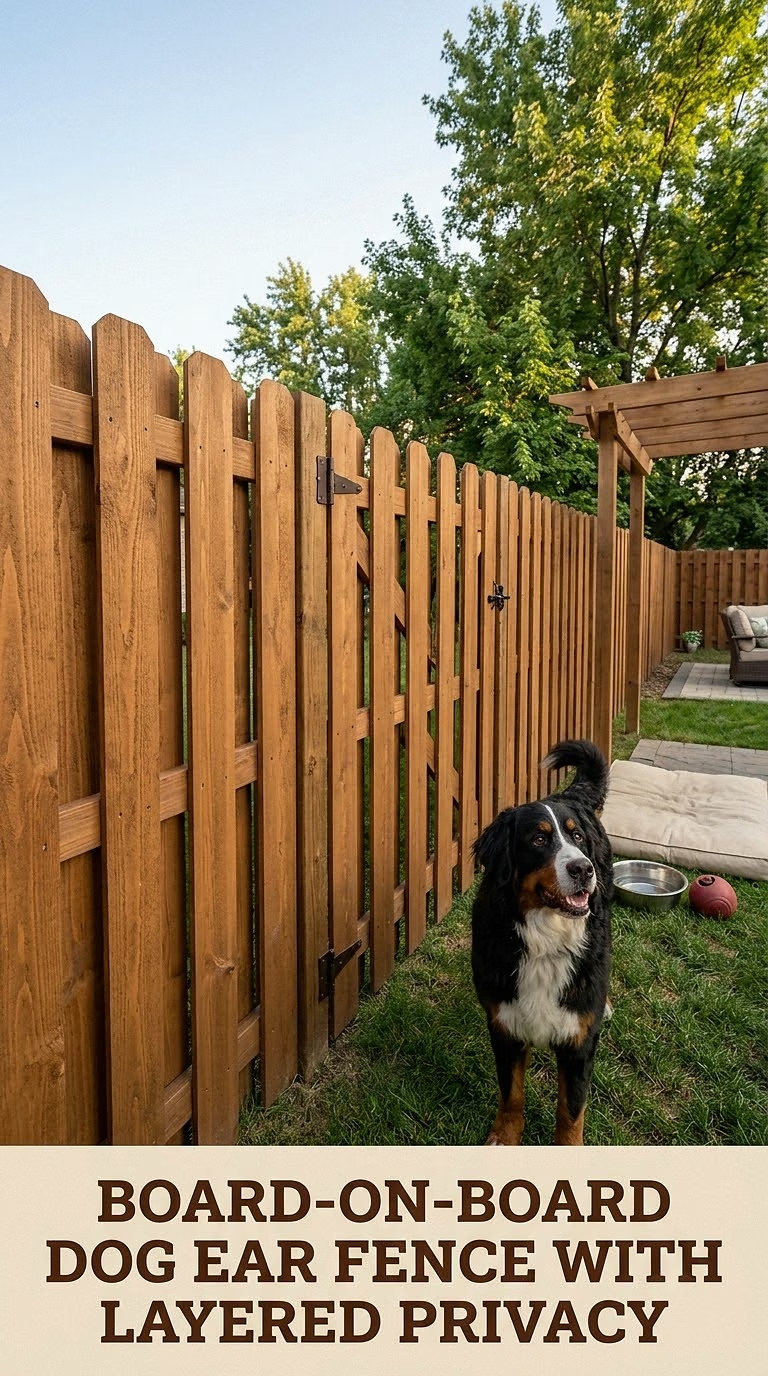
For homeowners who want the classic dog-ear silhouette but prefer a more substantial enclosure, a board-on-board arrangement is an attractive option.
Instead of placing every picket in one flat row, boards overlap slightly. The layered construction gives the fence greater visual depth and helps reduce direct sightlines through spaces that can appear as wood naturally changes dimensions.
Use cedar for a premium look or pressure-treated pine when keeping the project more budget-conscious. Matching dog-ear tops maintain the traditional character even though the body of the fence feels heavier and more architectural.
This design can be especially useful for dogs that become overstimulated by seeing pedestrians or neighboring pets through the fence. Visual barriers may help reduce some fence-line excitement, although training and enrichment remain important for dogs that repeatedly patrol their boundaries.
Shadowbox Dog Ear Fence With Breezy Two-Sided Style
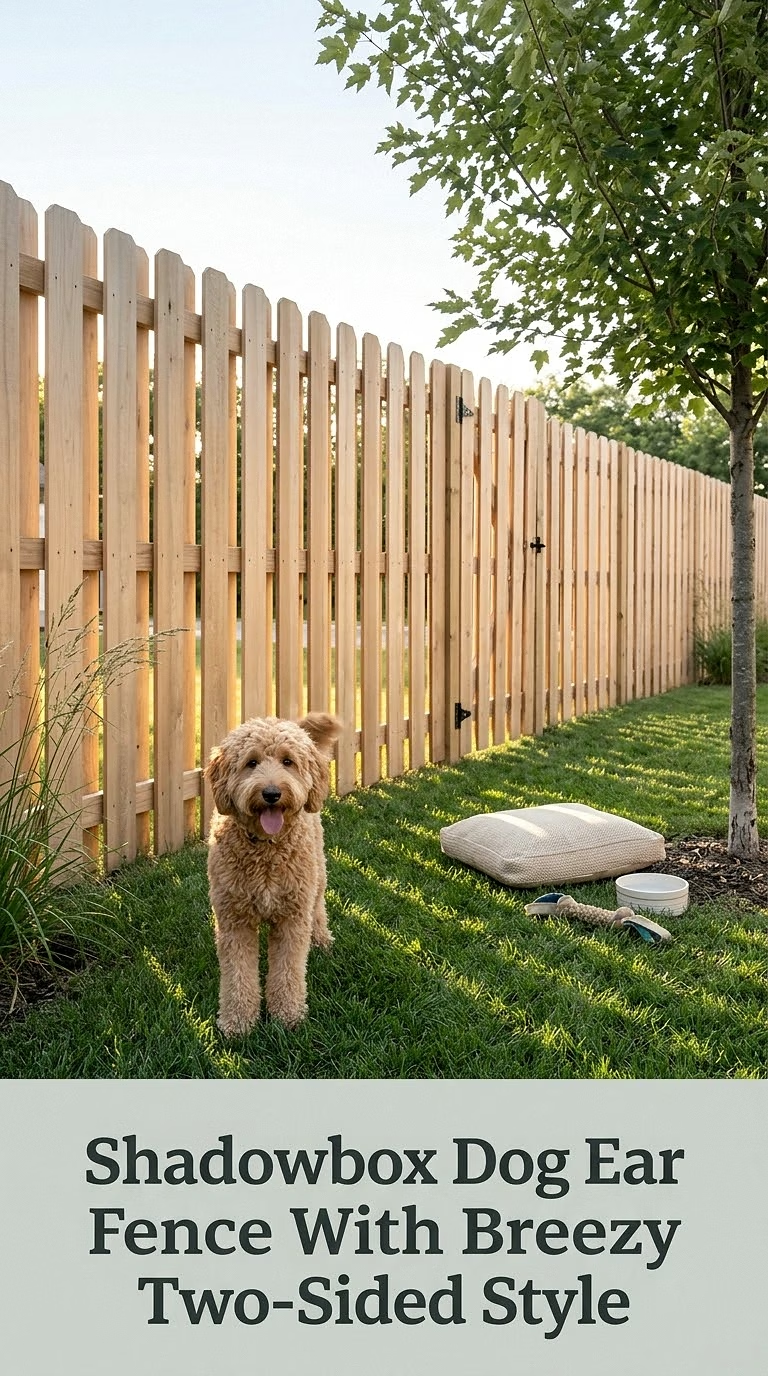
A shadowbox fence places alternating pickets on opposite sides of the horizontal rails, producing an attractive finished appearance from either direction.
Using dog-ear pickets keeps the design traditional while the alternating boards create interesting shadows throughout the day. Small indirect openings can also make the fence feel less visually solid.
This style works particularly well between neighboring properties where both sides of the fence will be frequently seen.
For pet households, carefully evaluate the spacing. Openings should not be large enough for your dog to push its head, shoulders, or paws through, and highly reactive dogs may do better with a more completely opaque enclosure.
Finish the fence with a warm medium-brown stain and surround it with simple landscaping so the changing pattern of light and wood remains the main feature.
Scalloped Dog Ear Fence With Gently Graduated Picket Heights
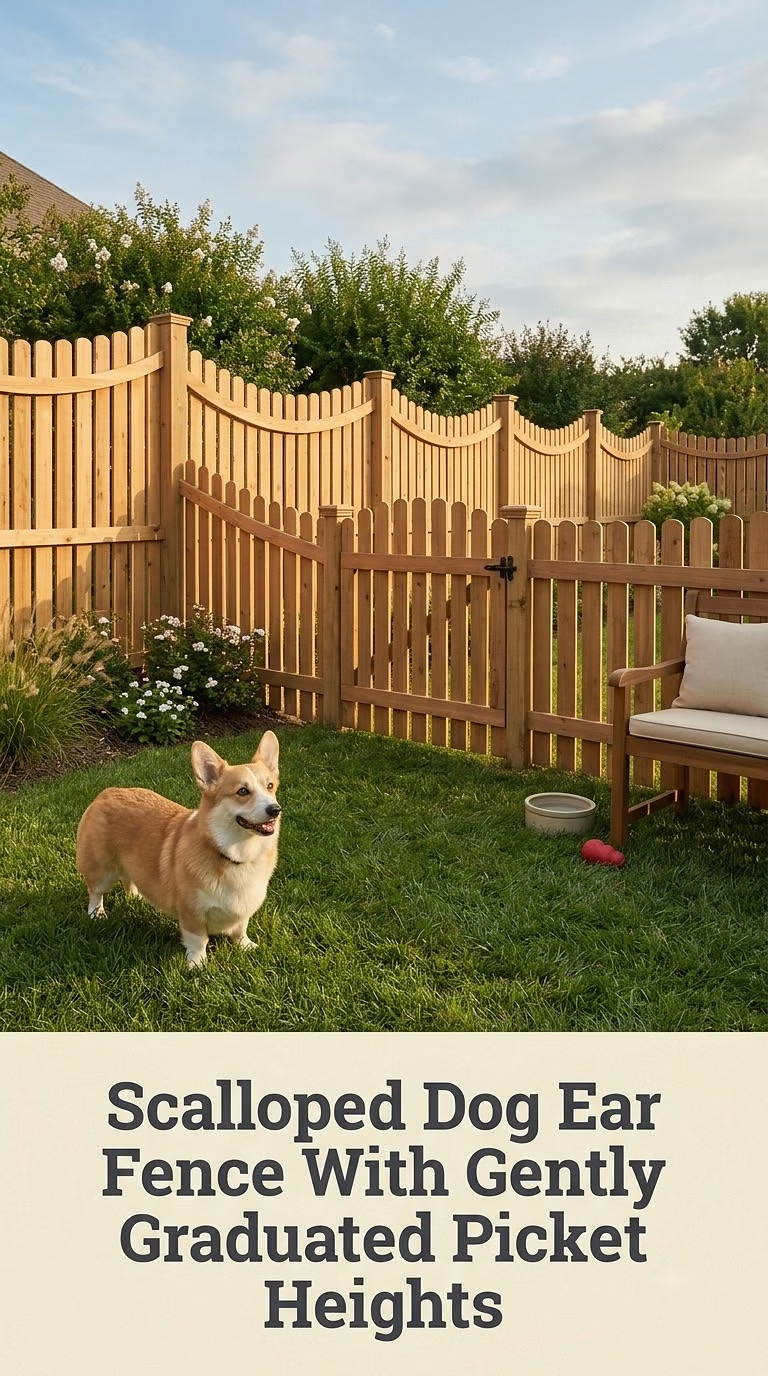
Turn ordinary dog-ear pickets into a decorative fence by gradually changing their heights across each section.
When installed carefully, the tops create a gentle scalloped curve between posts while every individual board retains its clipped dog-ear corners. The result feels softer and more customized than a perfectly straight privacy fence.
This treatment works particularly well around cottage-style homes, gardens, and casual backyard entertaining spaces.
Keep the height differences subtle rather than creating deep dramatic curves. Large dips can reduce the effective height of the barrier, which may not be appropriate for athletic dogs.
You can repeat the scallop consistently across the entire perimeter or reserve it for highly visible sections near the patio and entrance gate.
Natural cedar gives the design a traditional appearance, while muted sage or creamy taupe paint can make it feel more decorative.
Stepped Dog Ear Fence for a Sloping Backyard
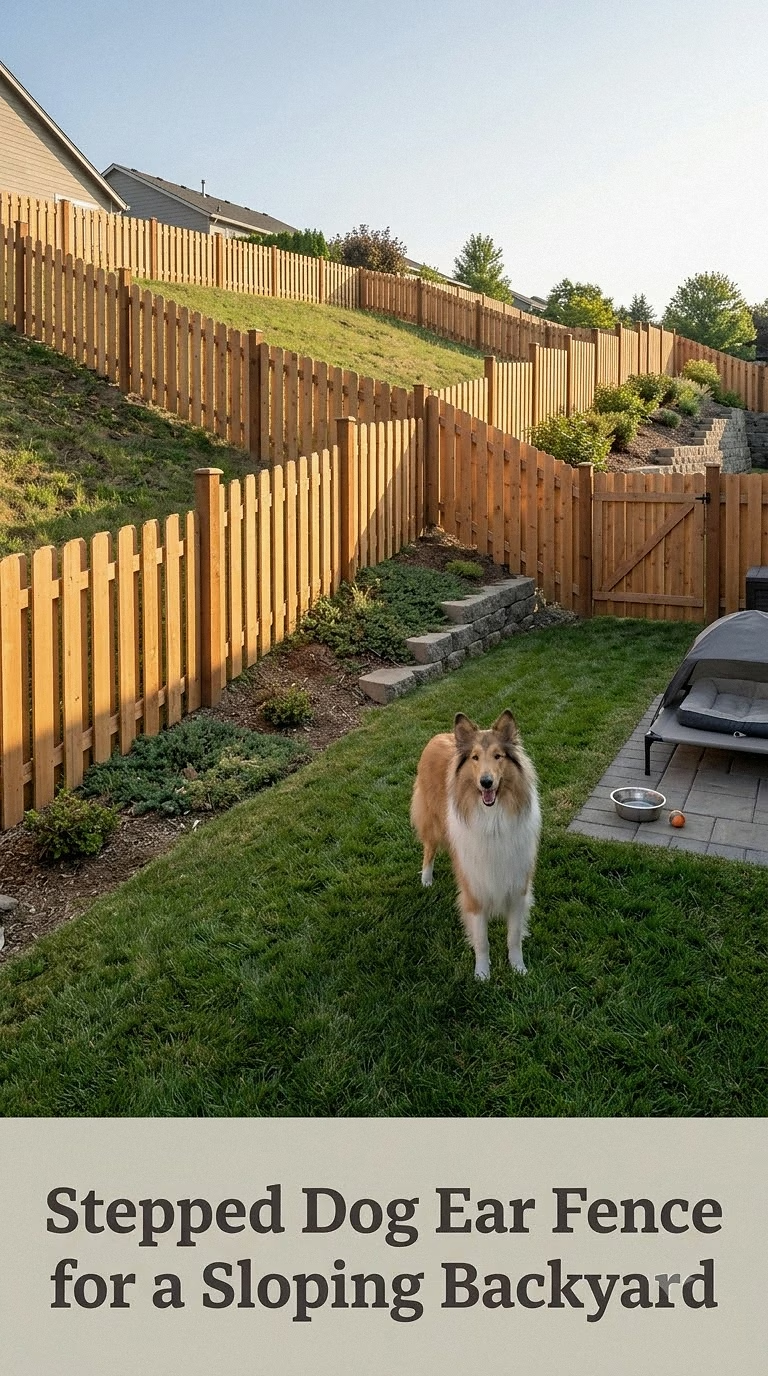
A sloped property does not mean you have to abandon the clean appearance of vertical dog-ear pickets.
One attractive solution is a stepped fence. Each panel remains level across the top, but adjoining sections gradually move higher or lower as the ground elevation changes. The repeated steps emphasize the dog-ear shape while following the landscape in an intentional way.
This approach can look especially beautiful on a terraced garden with retaining walls, stone steps, and layered planting beds.
Read more : 18 Dog Show Ideas for a Fun and Stylish Canine Celebration
Pay close attention to the bottom edge. Changes in elevation can accidentally create escape-sized gaps beneath the fence. Custom-cut lower boards, landscape edging, masonry, or properly installed underground reinforcement may be necessary in vulnerable areas.
For steep properties or challenging soil conditions, professional installation may be worthwhile because secure posts are the foundation of the entire enclosure.
Cedar Dog Ear Fence With Matte Black Metal Posts
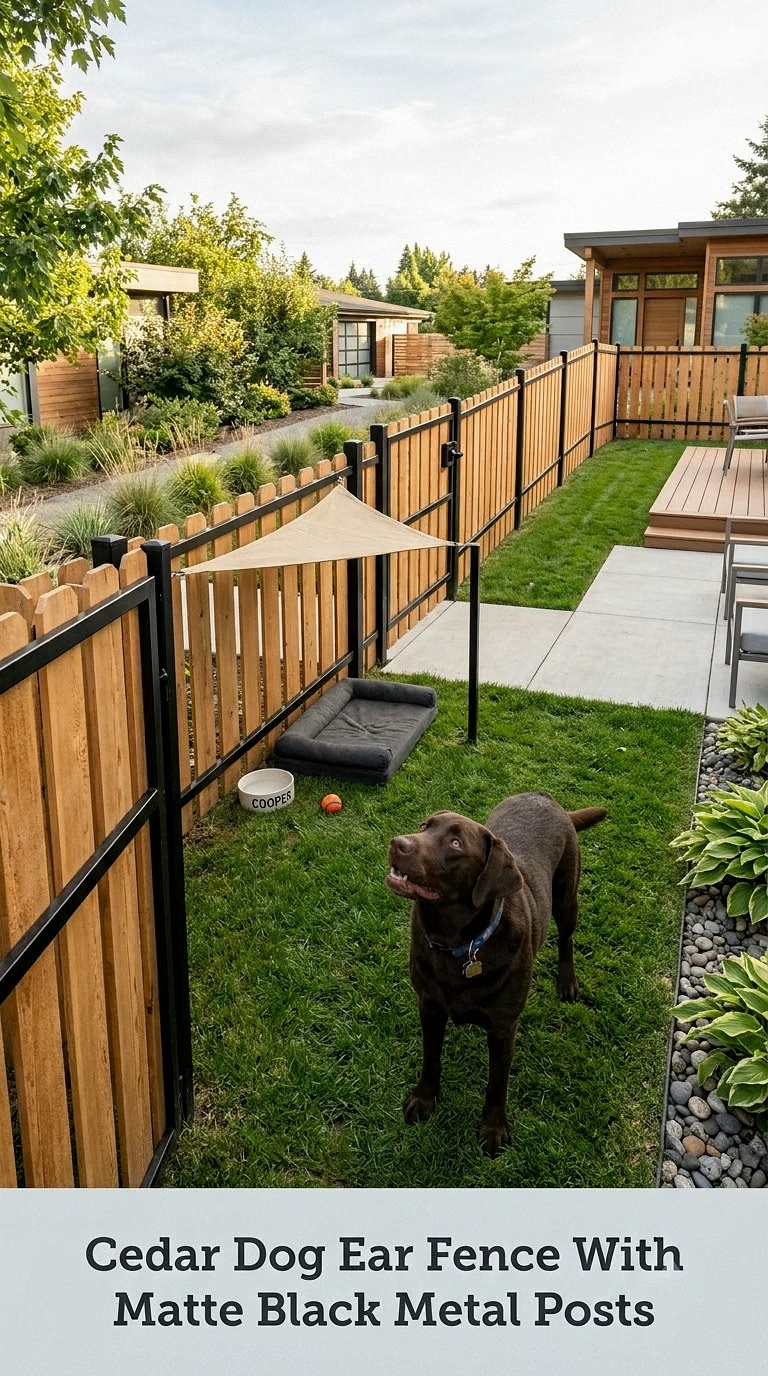
Mixing warm wood with dark metal creates one of the easiest ways to modernize a dog-ear fence without losing its traditional character.
Install cedar pickets between slim matte black metal posts and use coordinating black gate hardware. The contrast frames each wood section almost like an outdoor architectural panel.
This combination suits modern farmhouse homes particularly well. Continue the palette through black exterior lighting, dark-framed patio doors, charcoal planters, or a black pergola.
Allow the dog-ear tops to remain exposed instead of covering them with a continuous cap. Their repeating profile prevents the contemporary materials from feeling too severe.
Metal posts can also make future maintenance convenient because the structural supports and decorative wood components remain visually separate.
Keep bolts, screws, sharp edges, and other hardware positioned safely so an energetic dog cannot scrape against protruding pieces while running beside the fence.
Rustic Farmhouse Dog Ear Fence With Warm Walnut Stain
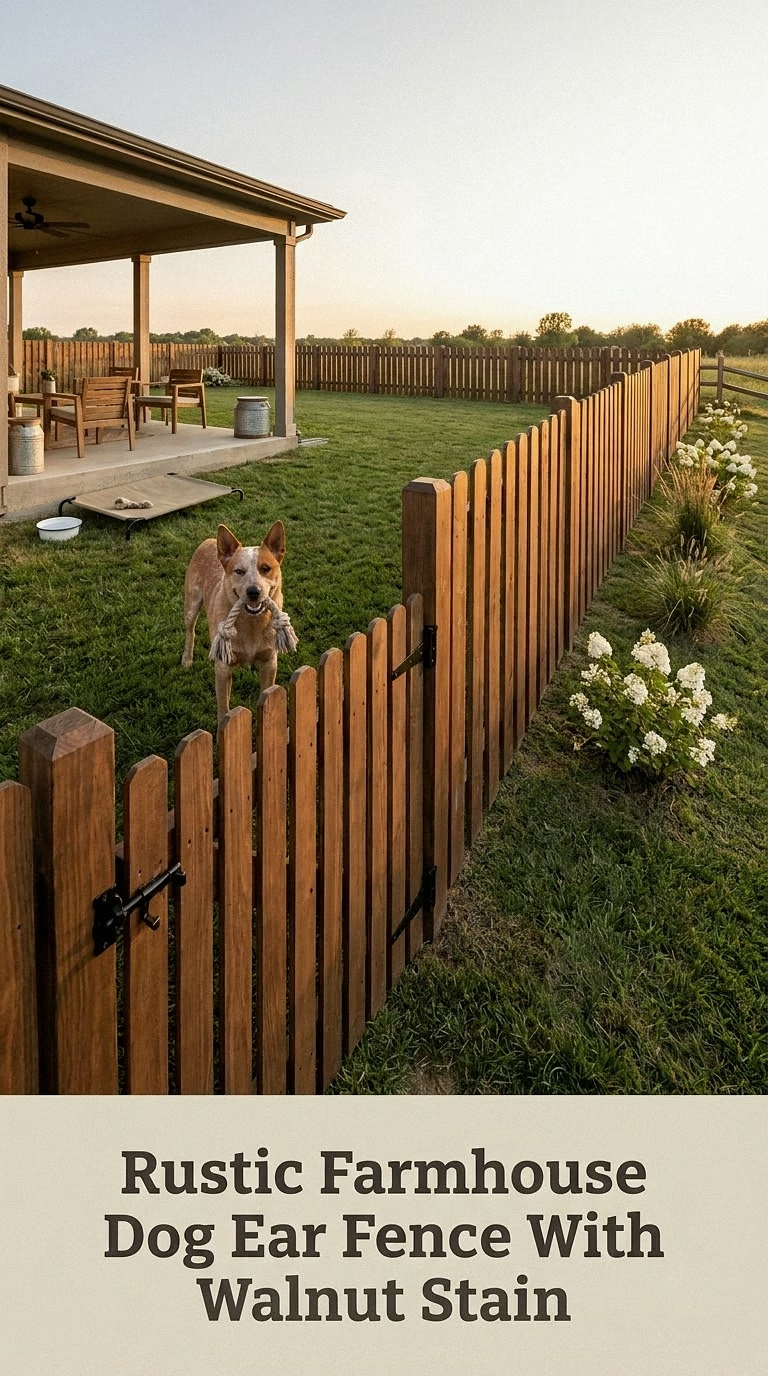
For a backyard that feels relaxed and established, finish traditional dog-ear pickets in a medium walnut or weathered brown stain.
The darker grain pairs naturally with brick patios, galvanized planters, raised vegetable beds, vintage-style lanterns, and simple wooden garden furniture.
Rather than making every board look identical, embrace modest variations in the wood. Knots and slightly different grain patterns add to the farmhouse character.
A narrow planting bed along the fence can soften the long wall of wood. Choose sturdy dog-safe plants and keep delicate landscaping protected if your pet enjoys running the fence line.
Leave enough open space between shrubs and the fence for maintenance. If your dog is a climber or jumper, avoid placing benches, stacked firewood, large planters, or other objects beside the fence that could become convenient launching platforms.
Budget-Friendly Pressure-Treated Pine Dog Ear Fence
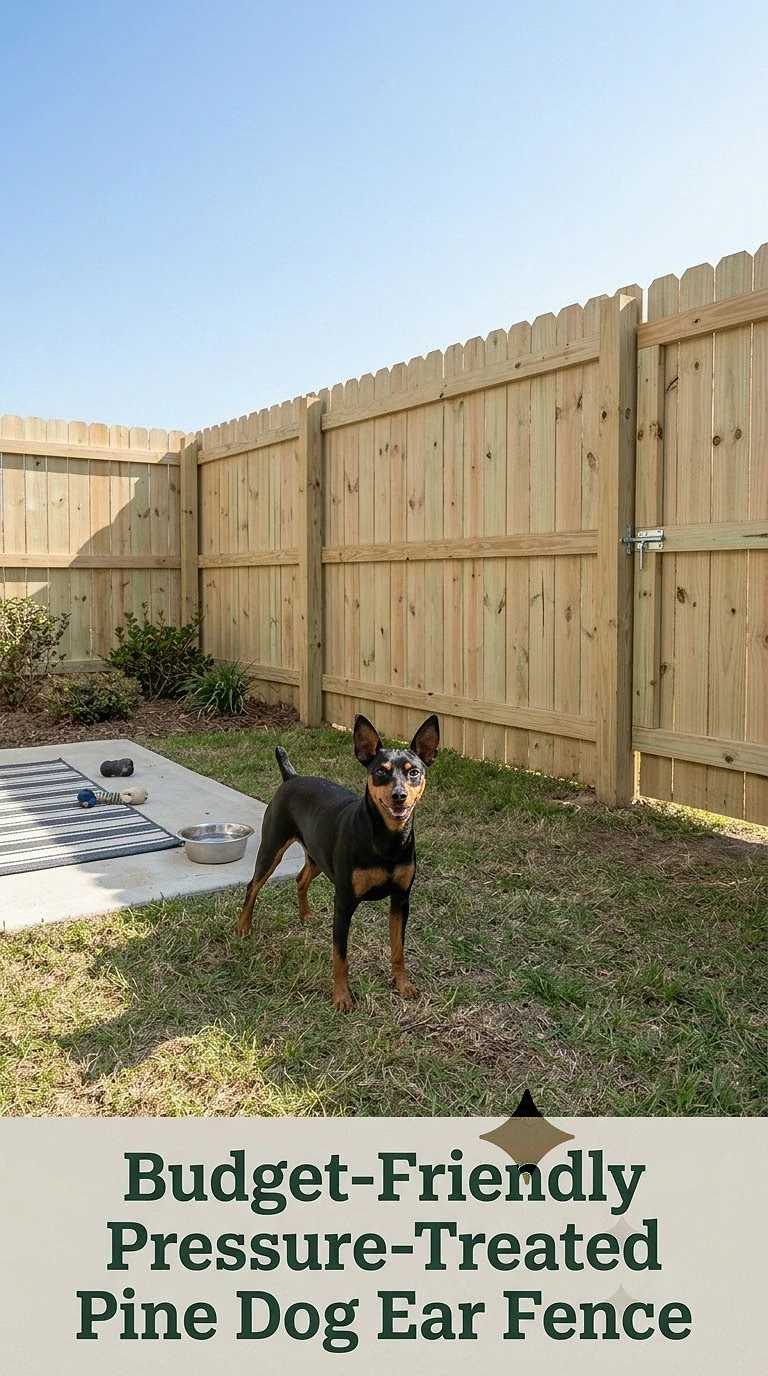
A beautiful backyard enclosure does not necessarily require premium cedar throughout the entire project.
Pressure-treated pine dog-ear pickets are widely sold, including preassembled panels that can simplify installation. The wood can often be stained or painted later, allowing you to begin with a functional fence and gradually upgrade its appearance.
For a polished result, spend time selecting straight boards whenever purchasing individual pickets. Consistent spacing and carefully aligned tops make inexpensive materials look far more intentional.
A warm semi-transparent brown stain can imitate the cozy appearance of more expensive wood, while dark gray creates a modern effect.
DIY installation can reduce labor costs, but fence posts, gates, property boundaries, underground utilities, wind exposure, and local building requirements deserve careful planning. Sometimes hiring a professional for posts while installing the pickets yourself provides a useful middle ground.
Dig-Resistant Dog Ear Fence With Stone Border
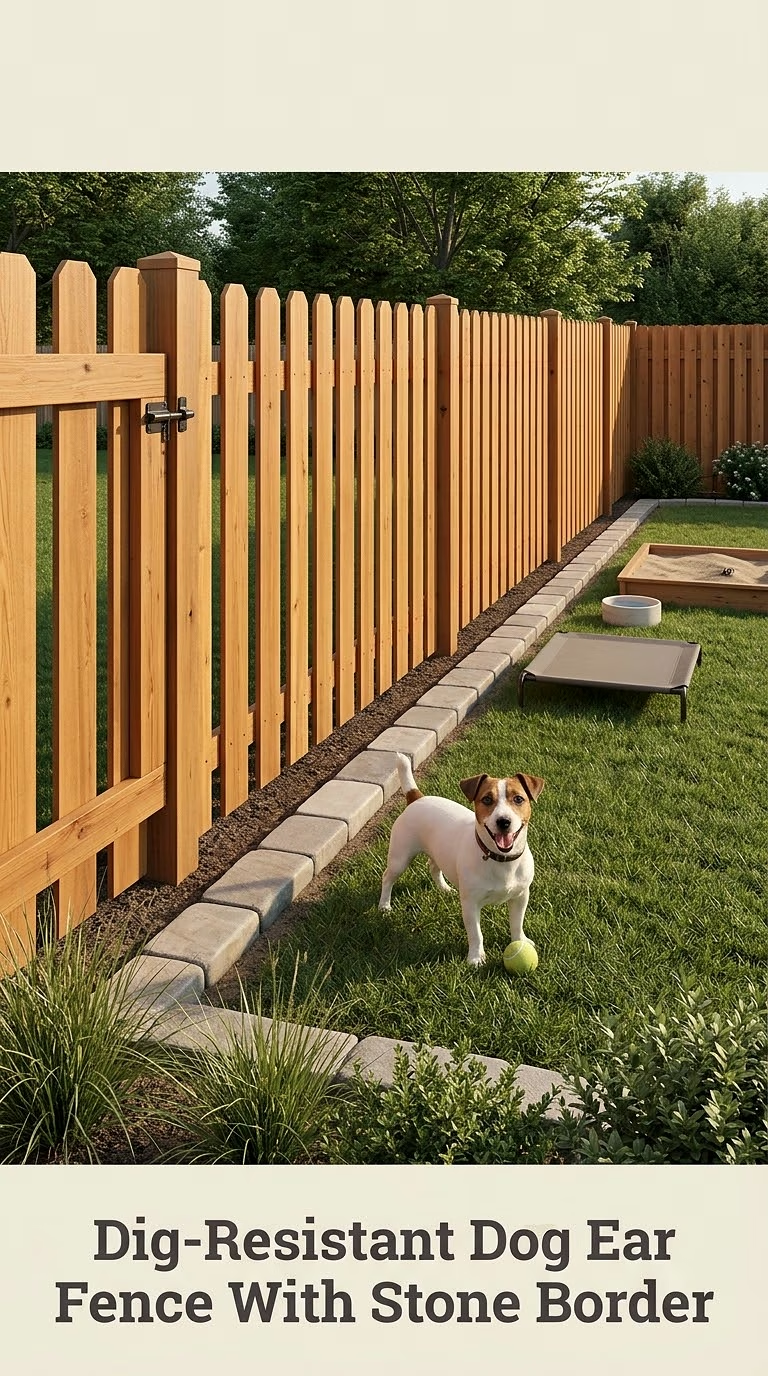
Dogs that love excavating require a fence design that addresses more than height.
Start with a solid dog-ear privacy fence, then create a durable lower perimeter using gravel, large stones, pavers, or properly installed underground reinforcement. A narrow stone strip also keeps wet soil and grass away from the bottom of the pickets, giving the fence a cleaner finished appearance.
For persistent diggers, appearance alone is not enough. L-shaped wire barriers or other appropriately installed below-ground systems can help prevent a dog from tunneling directly beneath the fence.
Visually, soften the practical reinforcement with a neat line of smooth landscape stone or matching pavers.
Avoid exposed sharp wire or rough edges where paws can reach them. Regularly walk the perimeter as well, looking for new holes, damaged boards, loose fasteners, or soil erosion.
Tall Dog Ear Privacy Fence With Minimal Sightlines
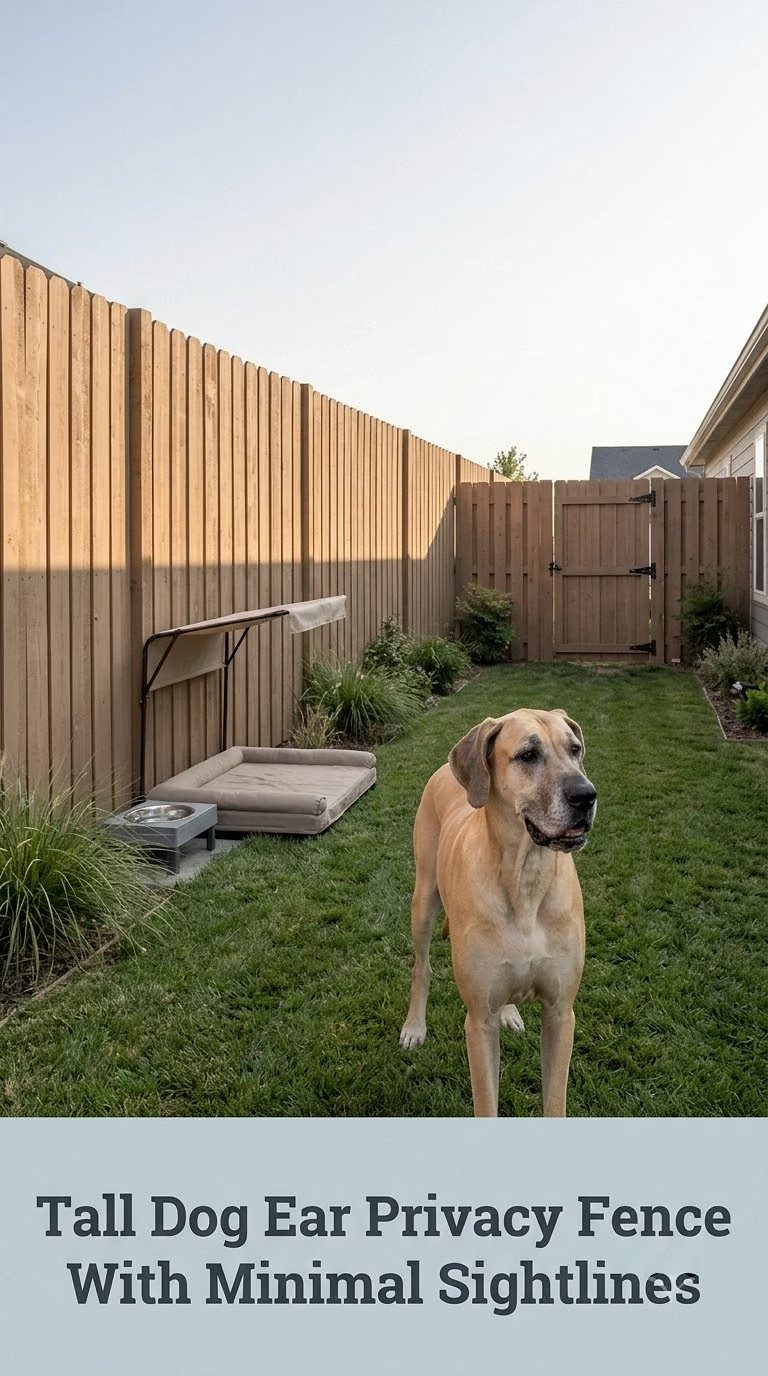
Some dogs become far calmer when the activity beyond the backyard is mostly hidden.
A tall solid dog-ear fence creates a private garden-like enclosure while limiting direct views of passing dogs, bicycles, wildlife, and pedestrians.
Use tightly arranged cedar or treated-wood pickets and maintain a consistent fence line for a simple, elegant appearance. Natural wood tones make the tall surface feel warmer, while medium gray-brown stain can help it blend into contemporary landscaping.
Fence height should be selected according to your dog’s jumping ability as well as local regulations. An athletic dog may need substantially more containment than a small, relaxed companion.
Keep grills, furniture, storage boxes, logs, and garden structures away from the interior fence line if your dog might use them for climbing.
The resulting yard can feel surprisingly peaceful, especially when combined with shade trees, comfortable seating, and a quiet dog lounging area.
Low Dog Ear Picket Fence for Calm Small-Dog Gardens
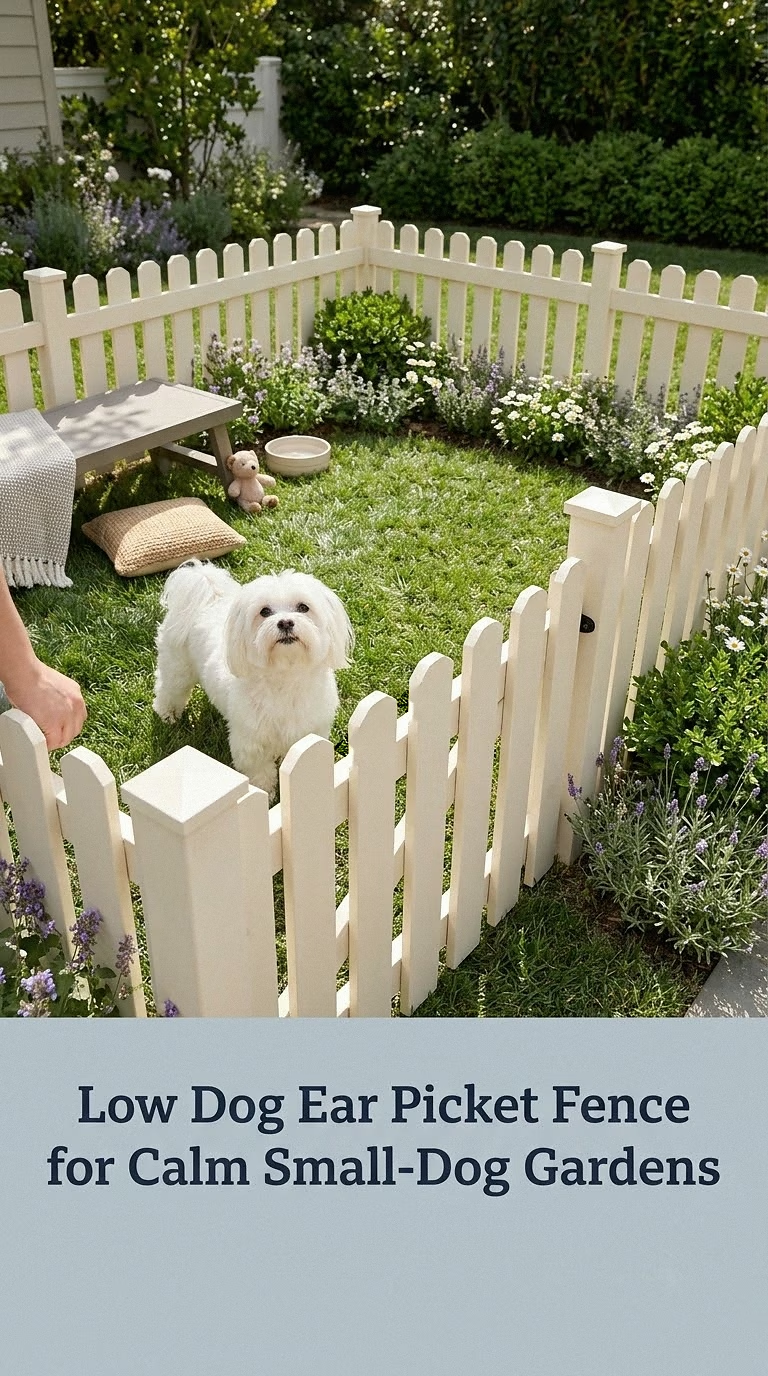
Not every backyard needs a towering privacy wall.
For a small dog that does not jump, climb, squeeze through openings, or aggressively pursue distractions, a lower dog-ear picket fence can create a charming garden enclosure while preserving an open view.
Use closely spaced cedar pickets finished in natural wood, white, or soft sage. Surround the fence with low flowering borders and a small flagstone path for a cottage-inspired appearance.
The critical detail is spacing. A small dog can sometimes escape through surprisingly narrow openings, so gaps should be chosen based on the actual dog’s head and body size rather than appearance alone.
A low fence should never be selected simply because it looks prettier. Behavior comes first. If your dog begins jumping, climbing, or attempting to leave the yard, the containment system needs to be reassessed.
Narrow Side-Yard Dog Run With Cedar Dog Ear Fencing
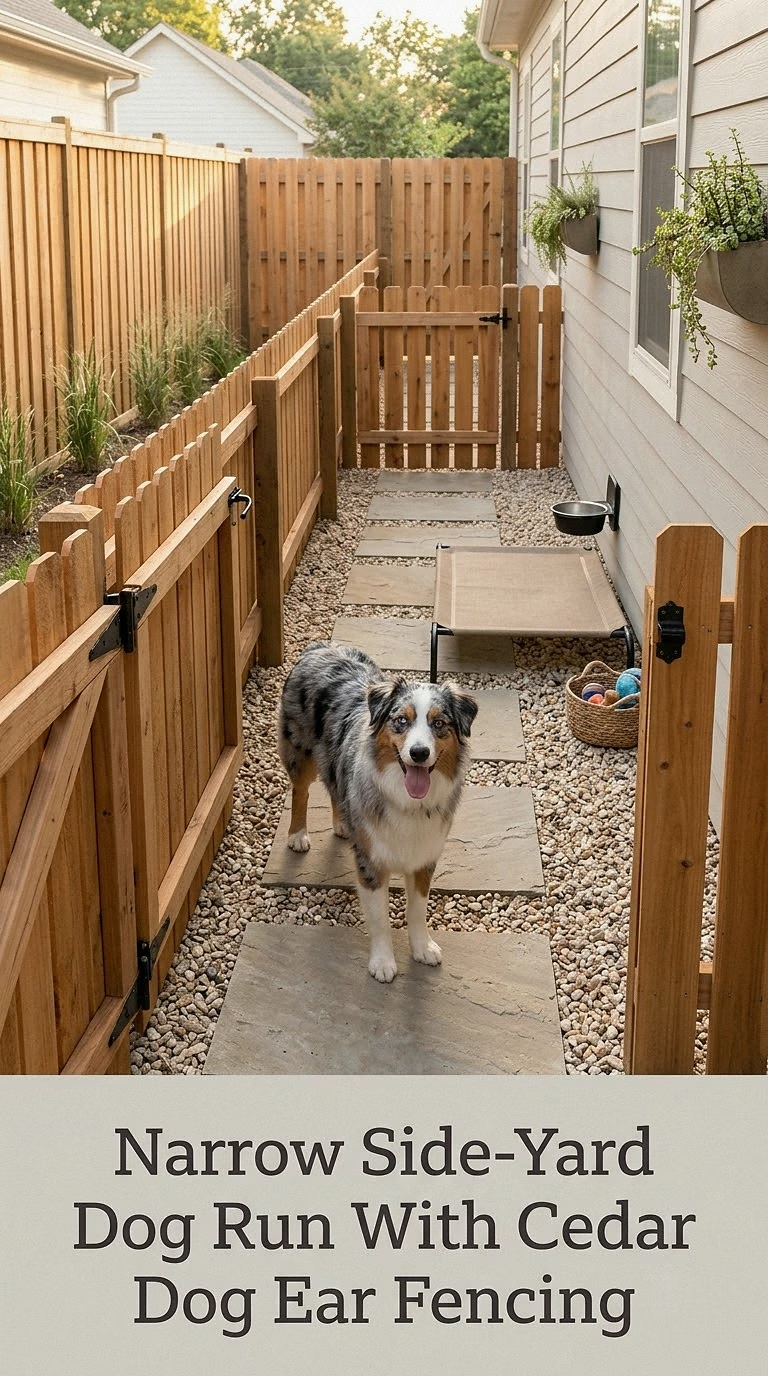
An unused side yard can become a surprisingly attractive dog area with the right fencing.
Read more : 19 Puppy Dog Cake Ideas For An Adorable And Memorable Celebration
Install dog-ear privacy panels along the exposed side, then add a secure matching gate near the house. The narrow layout naturally creates a dedicated potty, play, or supervised outdoor zone without giving up the main entertaining area of the backyard.
Use pea gravel, pet-friendly artificial turf, pavers, or another easy-to-clean surface depending on drainage and climate. Add a shaded resting spot and access to fresh water when your dog is using the area.
Because narrow runs can feel visually cramped, lighter cedar tones work particularly well. A few wall-mounted decorations or planters placed outside the dog’s reach can add personality without taking up floor space.
Make sure the space still provides appropriate ventilation, shade, drainage, and enough room for your individual dog’s comfort.
Double-Gate Dog Ear Fence Entry With Secure Latches
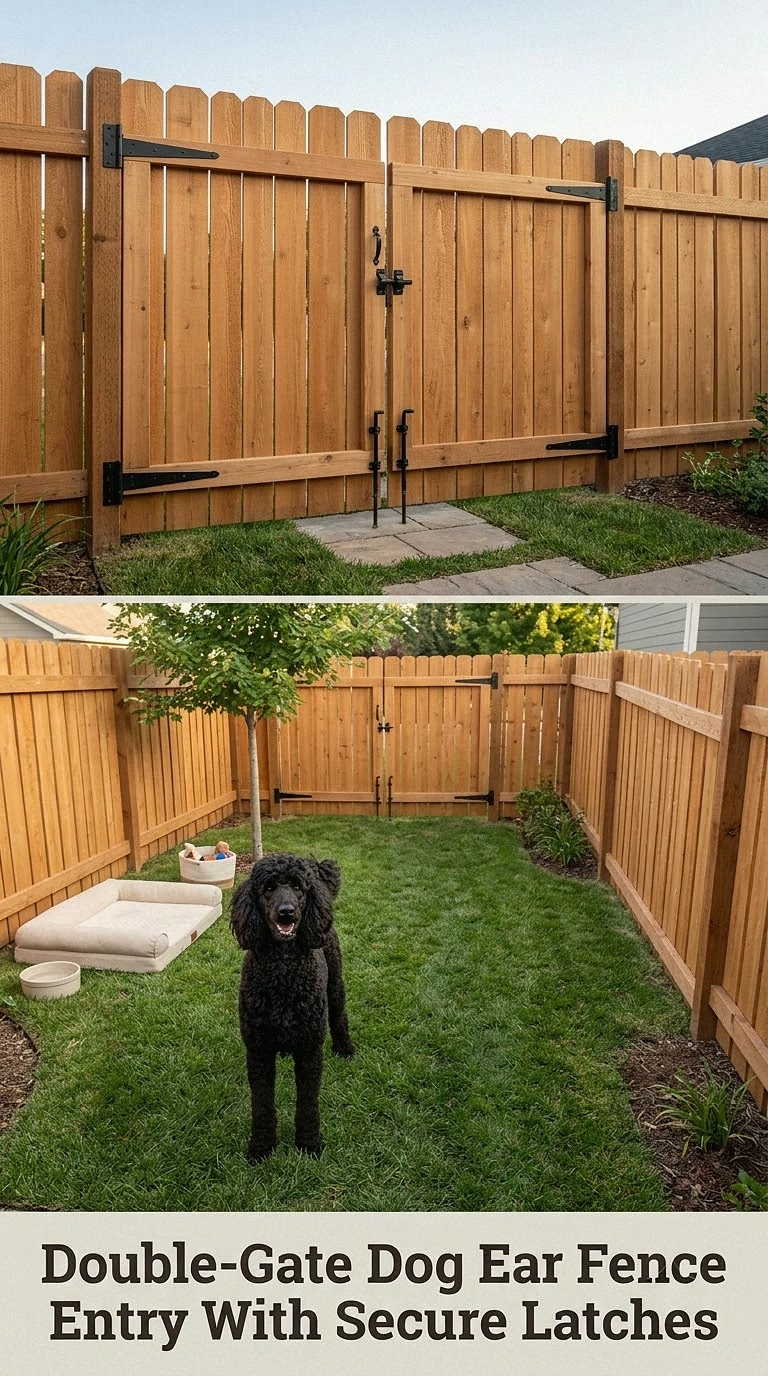
The gate is often the most important part of a dog fence.
Create a small enclosed transition zone using two coordinating dog-ear gates. A person enters through the first gate, closes it, then opens the second. This airlock-style arrangement adds another layer of protection for dogs that rush toward an opening when visitors arrive. AKC specifically recommends double-gate arrangements as one option for habitual escape attempts.
Keep both gates visually consistent with the rest of the fence by using matching pickets, stain, posts, and black hardware.
Choose secure latches that your dog cannot easily manipulate, and periodically check them for loosening or sagging.
The little transition area can also become an attractive garden entrance with stepping stones and exterior lighting, as long as decorative objects do not interfere with gate movement or provide climbing opportunities.
Dog Ear Fence With a Clean Gravel Maintenance Strip
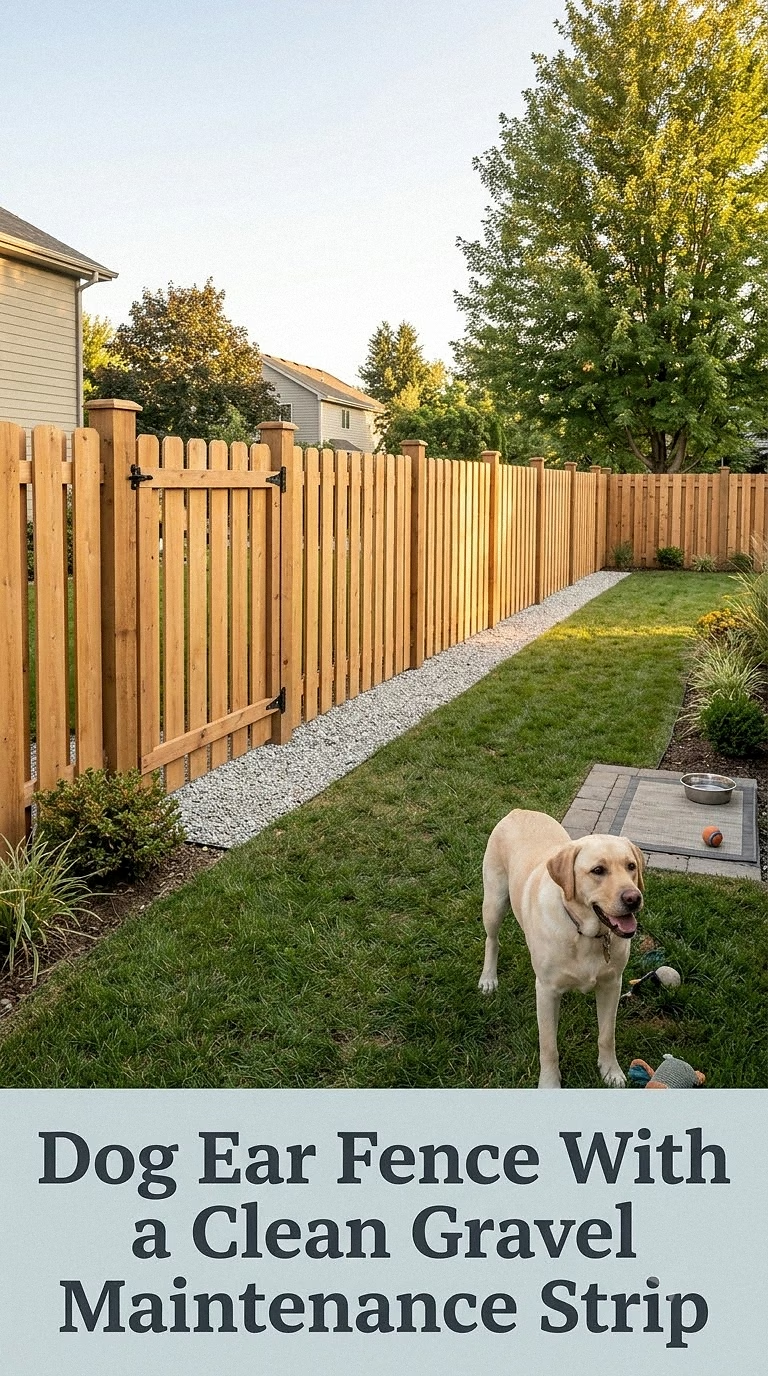
Sometimes the simplest detail makes an ordinary fence look professionally landscaped.
Instead of allowing lawn and soil to meet the pickets directly, create a narrow gravel strip along the base of the dog-ear fence. Use steel, stone, or another clean edging material to separate the gravel from the grass.
The strip visually anchors the fence and reduces trimming directly against the boards. It can also reduce mud splashing onto freshly stained wood during heavy rain.
Choose warm beige gravel beside natural cedar, charcoal stone beside dark fencing, or soft gray rock beside white-painted pickets.
For dogs that dig, remember that decorative gravel by itself should not be treated as guaranteed escape prevention. More determined pets may require properly installed below-ground reinforcement.
Avoid very sharp stones in areas where your dog regularly runs, and occasionally rake displaced gravel back into place.
Two-Tone Dog Ear Fence With Natural Wood and Black Framing
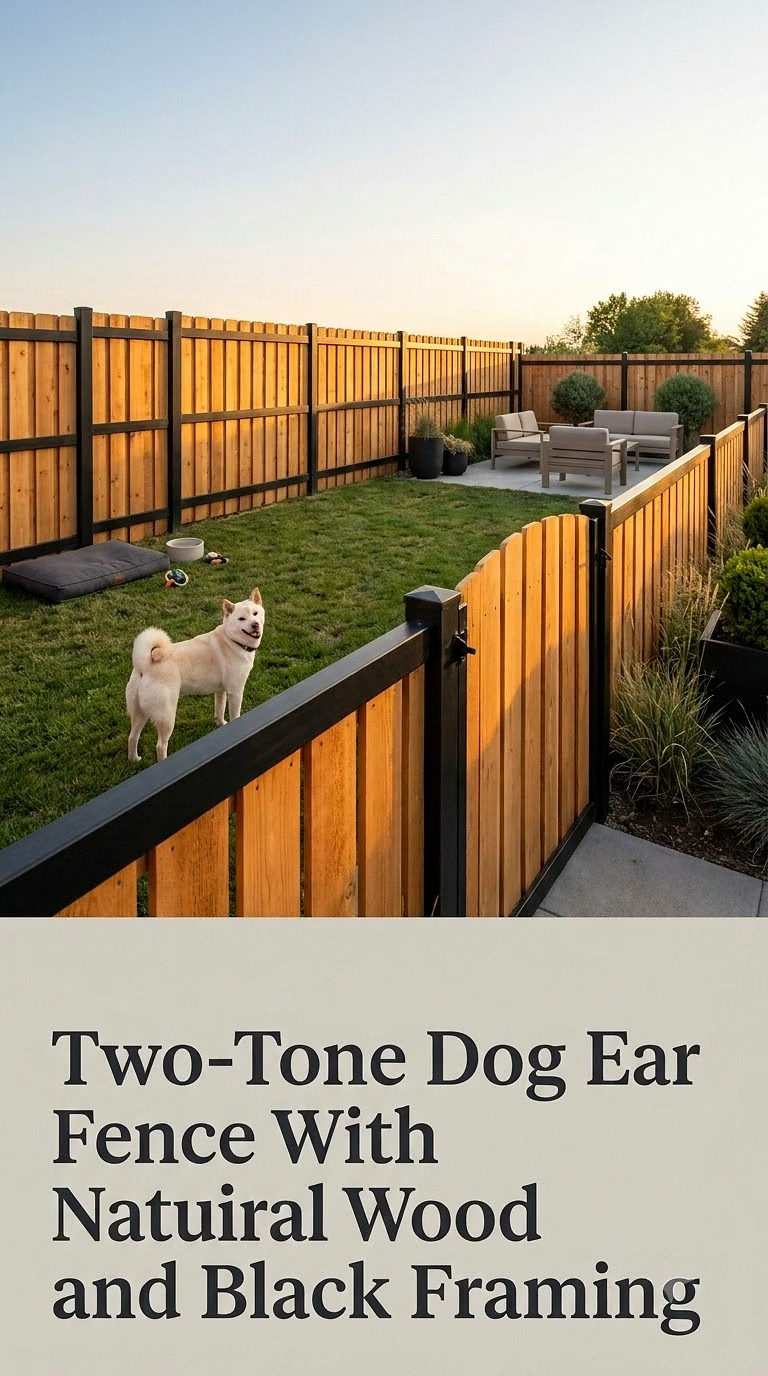
A two-tone design can make a basic wood fence feel completely custom.
Keep the dog-ear pickets in warm natural cedar while staining the posts and horizontal rails charcoal black. Viewed from inside the yard, the dark structure frames each group of golden boards and creates a strong architectural rhythm.
Repeat the black accent on the gate hinges, latch, pergola, outdoor furniture, or raised garden beds to pull the yard together.
This style works especially well behind modern landscaping with ornamental grasses, hydrangeas, boxwood shapes, and large concrete pavers.
Because the design already has plenty of contrast, avoid covering it with excessive decorations.
When finishing different pieces in different colors, test both products on scrap wood first. Natural grain and pressure treatment can affect the final appearance, so samples help prevent an unexpected result across an entire fence.
Dog Ear Fence With Raised Planters Outside the Pet Zone
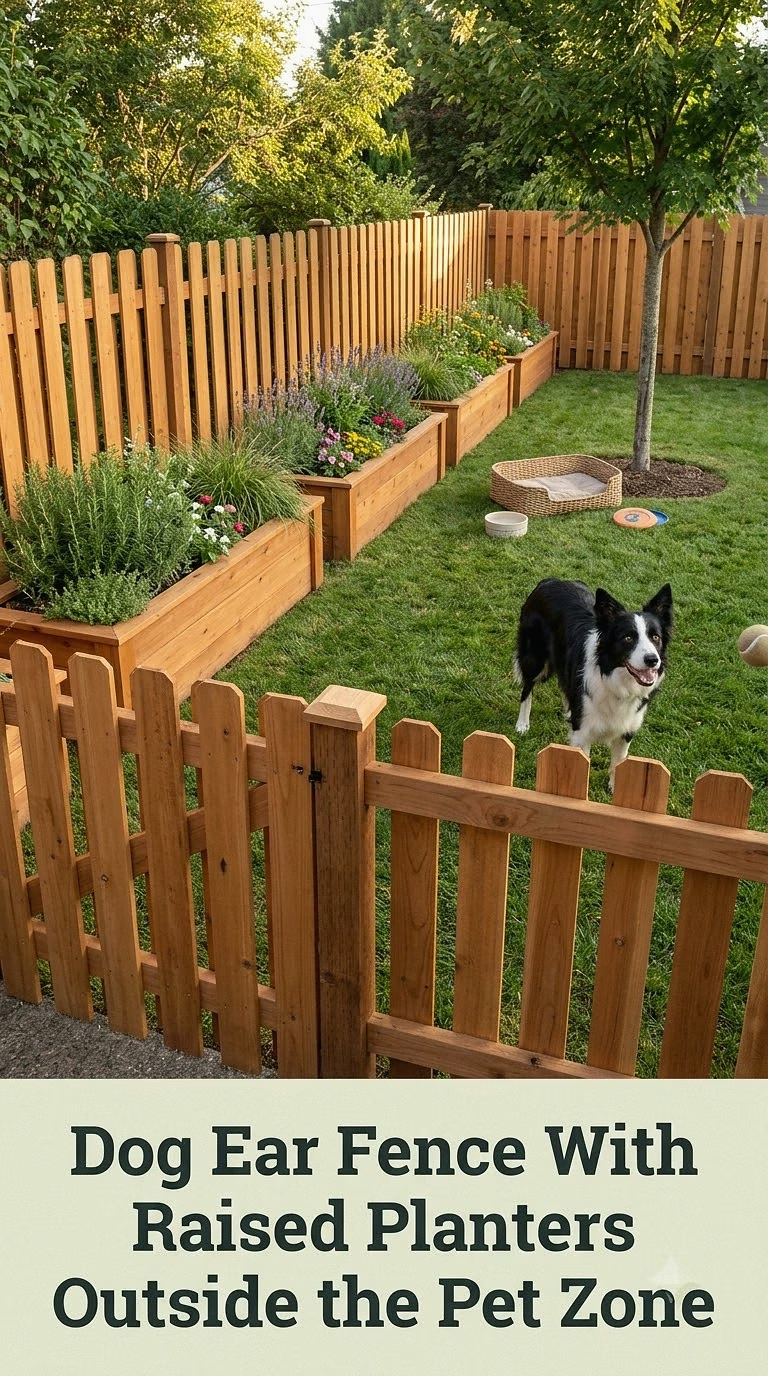
Flowers look wonderful against a wood fence, but landscaping can sometimes create conflicts with active dogs.
One smart approach is to place decorative raised planters on the opposite side of the dog’s main running path, or outside the fence where appropriate. This keeps delicate plants protected while the greenery still softens the appearance of the enclosure.
Natural cedar dog-ear pickets paired with matching rectangular planters create an especially cohesive look. For a cottage style, use creamy white fencing with overflowing flowering containers. Modern yards can combine charcoal wood with simple concrete planters.
If containers must sit inside the enclosure, leave enough distance that an athletic dog cannot use them as steps for reaching the top of the fence.
Always choose plants with your pet’s safety in mind, particularly when leaves, flowers, berries, or mulch will be accessible.
Masonry-Base Dog Ear Fence With Warm Cedar Upper Pickets
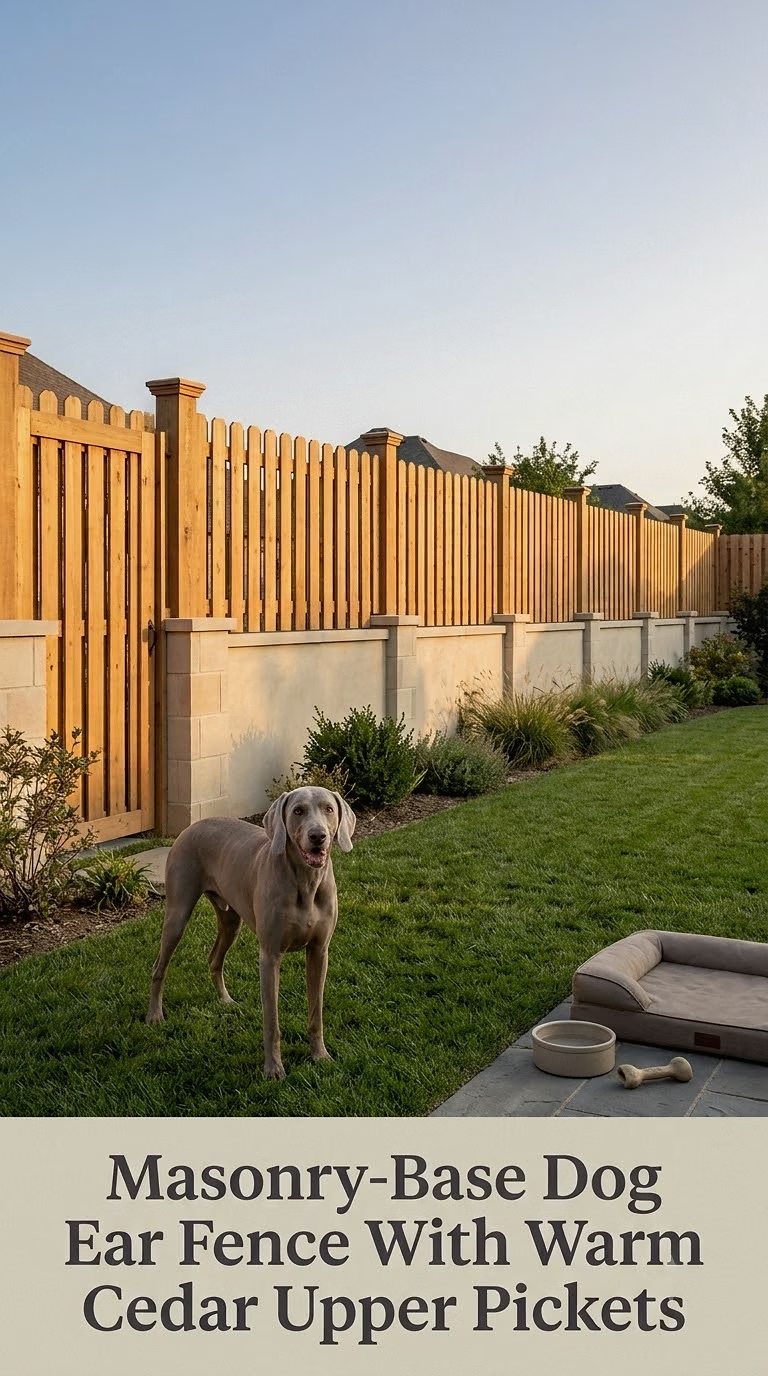
For a more permanent, high-end appearance, combine a low masonry base with traditional cedar dog-ear pickets above it.
Brick, stone, or smooth stucco creates a sturdy lower boundary, while wood keeps the upper portion warm and welcoming. The combination looks particularly beautiful around Spanish-inspired, craftsman, and modern farmhouse homes.
A solid lower section can also be helpful in areas where dogs repeatedly investigate or push against the bottom of fencing.
Choose masonry colors that echo the house. Cream limestone works beautifully with pale cedar, while dark brick pairs nicely with richly stained wood.
Because this design involves structural loads, posts, drainage, and potentially local permit requirements, professional planning is usually sensible.
Finish the space with simple landscaping rather than covering the masonry completely. The contrast between textured stone and repeating dog-ear pickets is what gives this fence its distinctive character.
Choosing the Right Dog Ear Fence Ideas for Your Backyard
The best fence is the one that feels like a natural extension of your home while genuinely working for your dog. A warm cedar privacy fence may be perfect for one backyard, while another family might benefit more from a budget-friendly pine fence, reinforced digging barrier, private side-yard run, or double-gate entrance.
Begin with your dog’s real behavior, then build the style around those practical requirements. Consider how high your dog can jump, whether they dig or climb, what they can see beyond the property, and how securely every gate closes. From there, colors, landscaping, stains, hardware, and decorative details can turn a necessary boundary into one of the prettiest features in the yard.
Whether you love soft cottage whites, rustic cedar, contemporary charcoal, or a layered wood-and-stone design, dog ear fence ideas offer plenty of room for creativity. With thoughtful planning, your fence can provide security and comfort for your pet while creating the cozy, finished outdoor space you have been imagining.
Source: https://petstutorial.com
Category: DOGS
