
There is something wonderfully satisfying about opening the freezer and finding a few ready-made activities waiting for your dog. Frozen enrichment can turn an ordinary portion of food into a slow, interesting experience that encourages licking, problem-solving, and focused play. It is especially handy on warm afternoons, rainy days indoors, during quiet crate time, or whenever your dog seems to need a little more to do.
- 19 Laundry Room Ideas With Dog Bath For A Beautiful And Practical Pet-Friendly Home
- 19 Black Dog Costume Ideas That Look Amazing Against Dark Fur
- 19 Kid And Dog Costume Ideas For The Sweetest Matching Halloween Duo
- 18 DIY Dog Muzzle Ideas For Safer, More Comfortable Pet Care
- Top 8 Dogs That Look Like Wolves
The best dog enrichment ideas frozen at home do not have to involve complicated recipes or expensive equipment. A silicone mat, sturdy food-safe toy, slow feeder, ice tray, or small bowl can become the foundation for dozens of combinations using foods your dog already eats.
You are reading: 19 Dog Enrichment Ideas Frozen Into Cool, Creative Treats For Happy Pups
The key is to keep enrichment appropriate for your individual dog. Supervise frozen toys and mats, select sizes that do not create choking risks, and count enrichment foods as part of your dog’s daily intake rather than adding unlimited extra treats. Avoid unsafe ingredients including chocolate, grapes, raisins, onions, garlic, macadamia nuts, and anything containing xylitol. Dogs with allergies, digestive problems, pancreatitis, dental concerns, or prescription diets may need veterinarian-approved ingredients instead.
With those basics covered, your freezer can become one of the most useful little enrichment stations in the house.
Creative Dog Enrichment Ideas Frozen For Everyday Fun
Pastel Silicone Lick Mat With Pumpkin And Yogurt Swirls
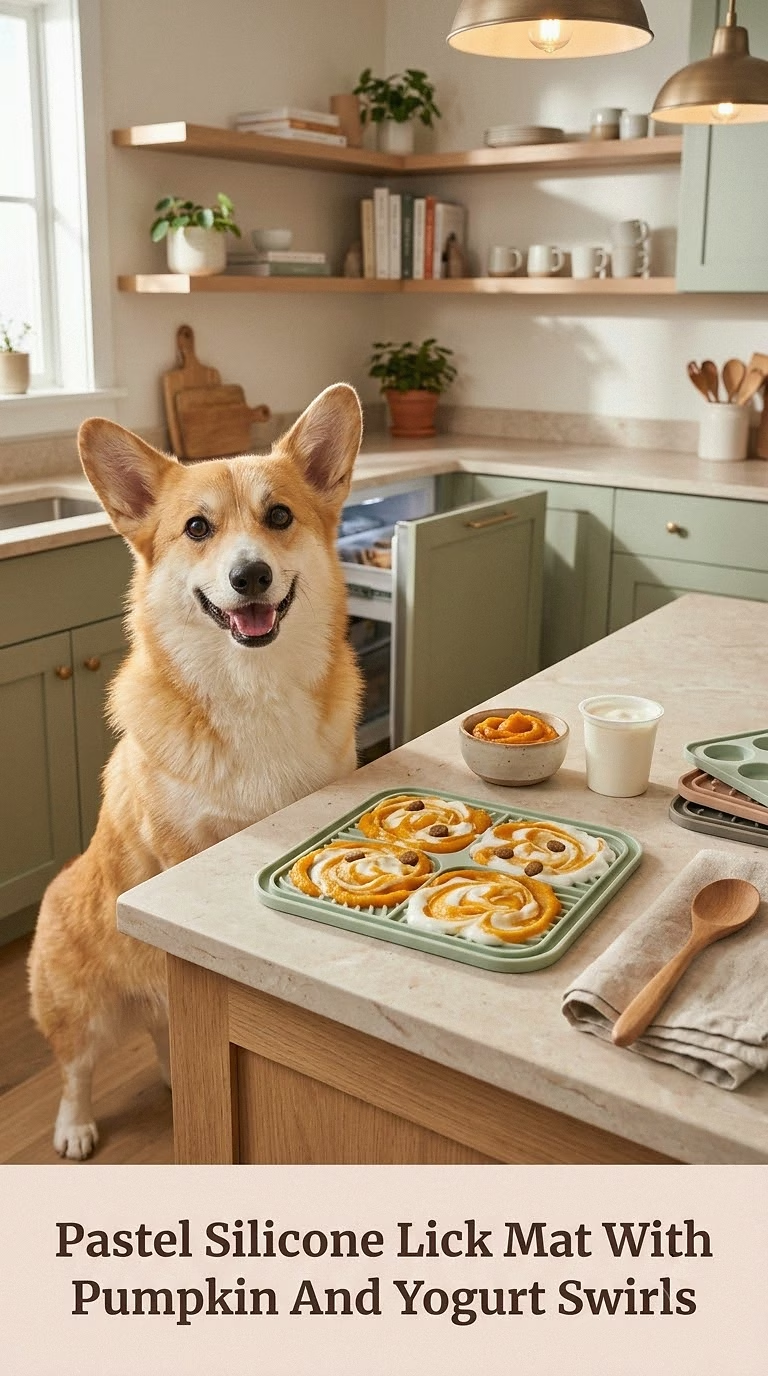
A textured silicone lick mat becomes surprisingly beautiful when you treat the surface almost like a tiny food canvas. Spread plain pumpkin puree over one section and a small amount of plain, unsweetened yogurt over another, then gently swirl the two together before freezing.
The ridges and grooves make your dog work gradually instead of gulping everything at once. For extra texture, press a few pieces of your dog’s regular kibble into the softer mixture before it goes into the freezer.
Choose a food-grade mat large enough for your dog’s size and supervise the session, particularly with dogs that like chewing silicone instead of licking it.
If dairy does not agree with your dog, skip the yogurt and use wet dog food, softened kibble, or pumpkin mixed with a little water instead. Afterward, wash the mat thoroughly so residue does not remain trapped between the grooves.
Layered Frozen Rubber Toy With Kibble And Wet Food
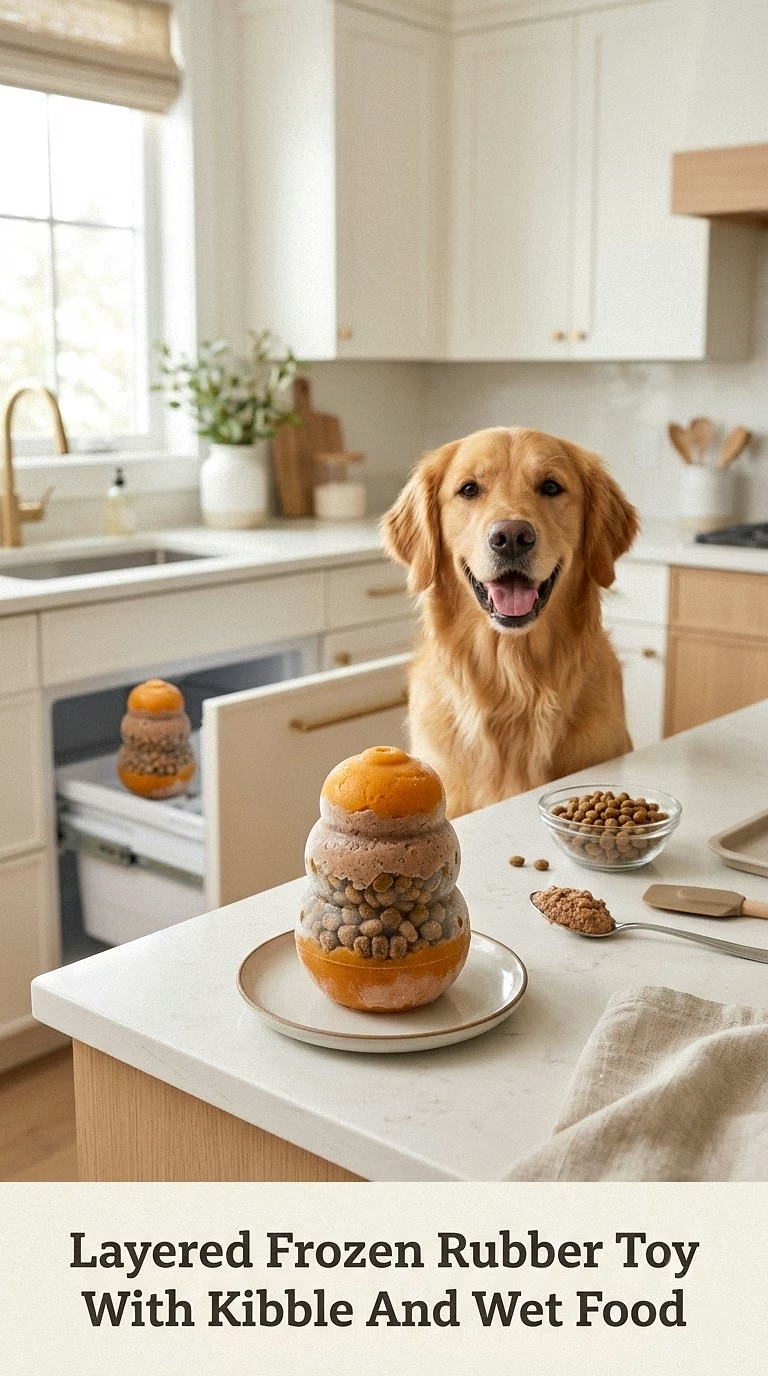
A durable hollow rubber toy is one of the easiest ways to transform an ordinary meal into a longer activity. Instead of filling it with rich treats, build layers using food your dog would normally receive at breakfast or dinner.
Start with several pieces of kibble at the bottom. Add a spoonful of canned dog food, more kibble, and another soft layer. A little water can help everything freeze together.
Stand the toy upright in a cup while freezing to prevent messy leaks.
For a dog that has never used a frozen stuffed toy, avoid packing everything tightly at first. Make the opening easy to access and only partially freeze it. Once your dog understands the game, you can gradually make future versions denser and more challenging.
This approach is particularly useful when you want enrichment without dramatically increasing daily calories.
Blueberry Surprise Broth Cubes In Paw-Shaped Molds
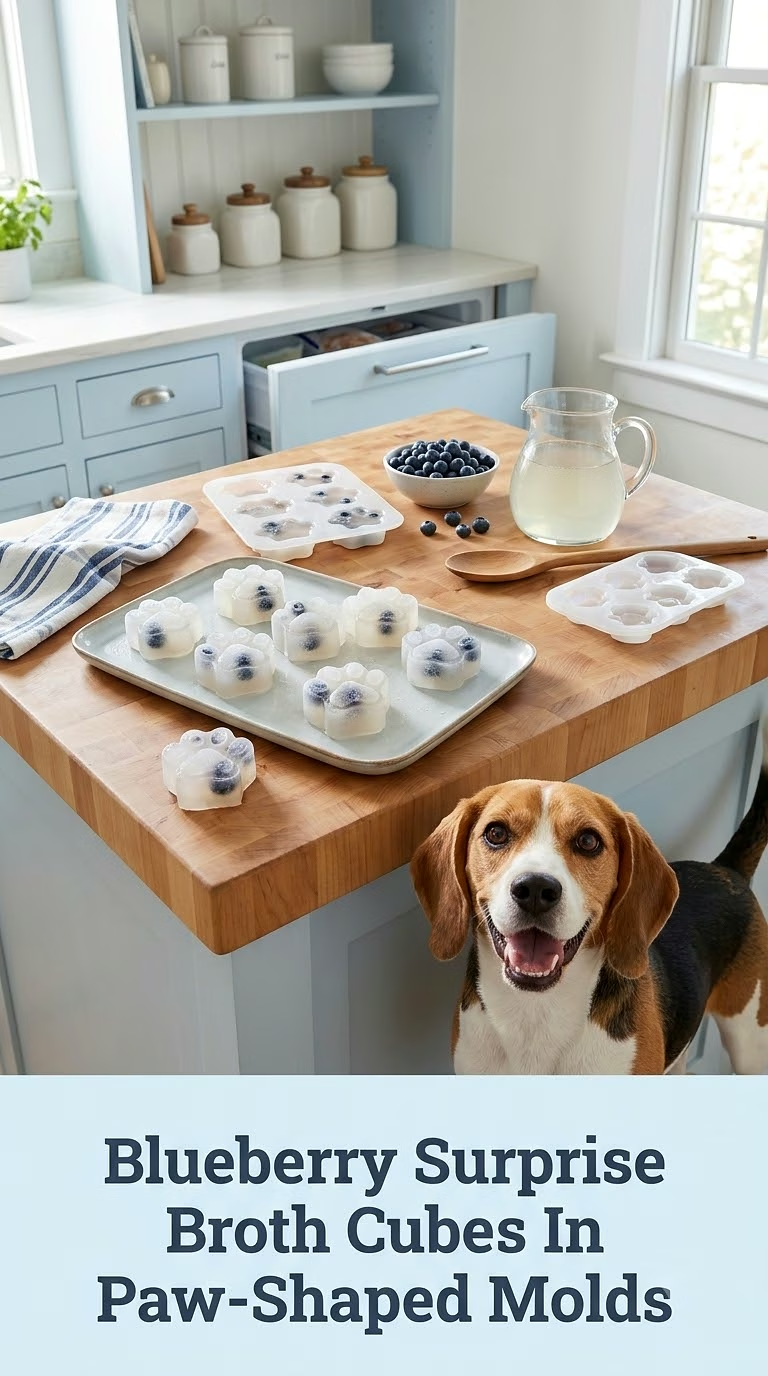
Paw-shaped silicone molds make basic frozen cubes feel much more special while taking almost no additional effort.
Pour dog-safe, low-sodium broth into each compartment and add a blueberry or a couple pieces of kibble in the center. Freeze until solid, then serve an appropriately sized piece under supervision.
Another option is to freeze the mold halfway, add the hidden treat, top it with additional liquid, and freeze again. Your dog must lick through the outer layer before reaching the little surprise.
Always check broth labels carefully. Many human broths contain onion, garlic, or excessive sodium, making them unsuitable for dogs.
For dogs that aggressively crunch ice, consider allowing the cube to soften slightly before serving. Frozen enrichment should be enjoyable rather than putting unnecessary stress on sensitive teeth.
Watermelon And Cucumber Mini Frozen Bites
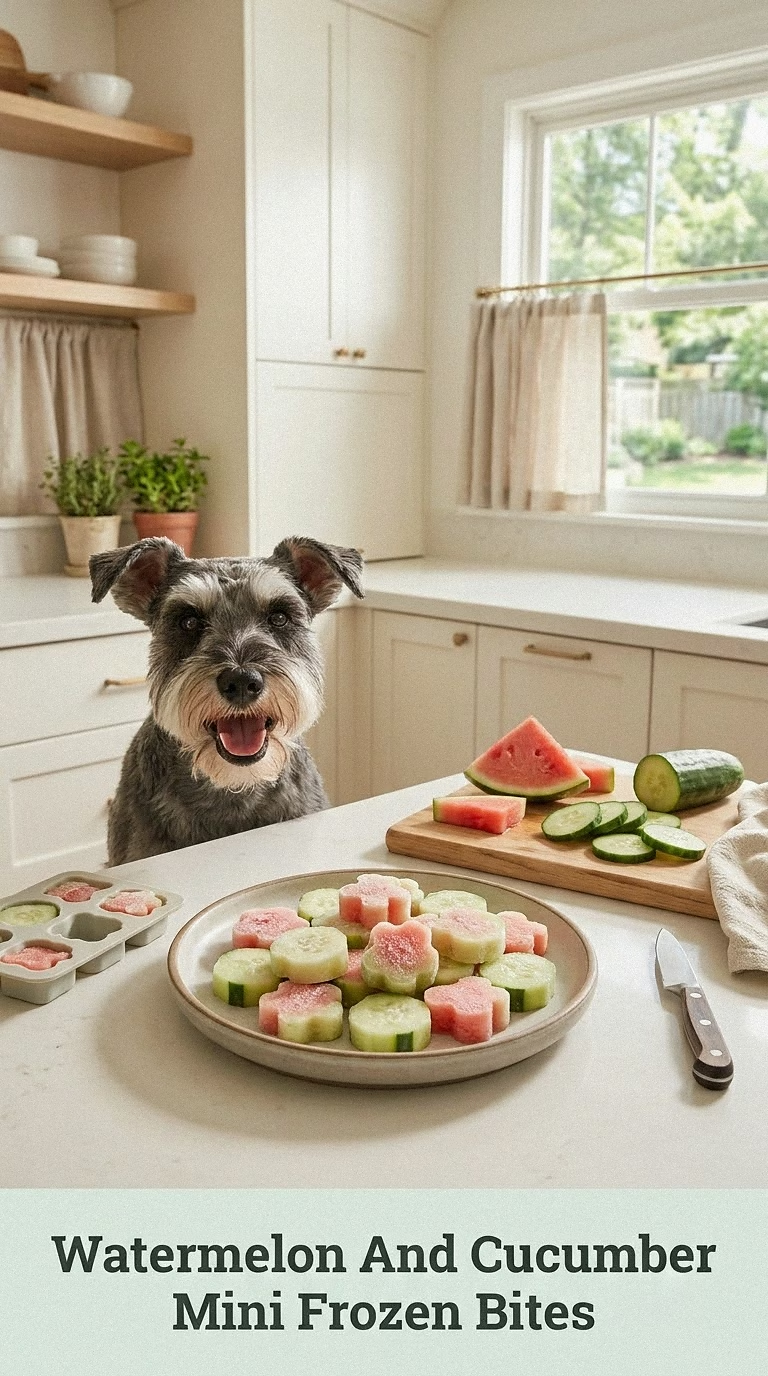
For a fresh summer look, blend seedless watermelon flesh with peeled cucumber and a splash of water. Pour the pale pink-green mixture into small silicone molds and freeze it into bite-sized portions.
Remove watermelon rind and seeds completely. Keep portions modest because fruit still contributes calories and natural sugar.
Rather than using traditional wooden popsicle sticks, which dogs may chew or swallow, serve the treat directly from the mold or place it inside a shallow bowl.
These little frozen bites are useful when you want very simple enrichment rather than a long puzzle. You can also mash the mixture onto a textured lick mat and freeze the entire mat if your dog prefers licking over chewing.
The result is colorful, inexpensive, and especially convenient when you already have watermelon or cucumber in the kitchen.
Sage Green Slow Feeder With A Frozen Dinner Mosaic
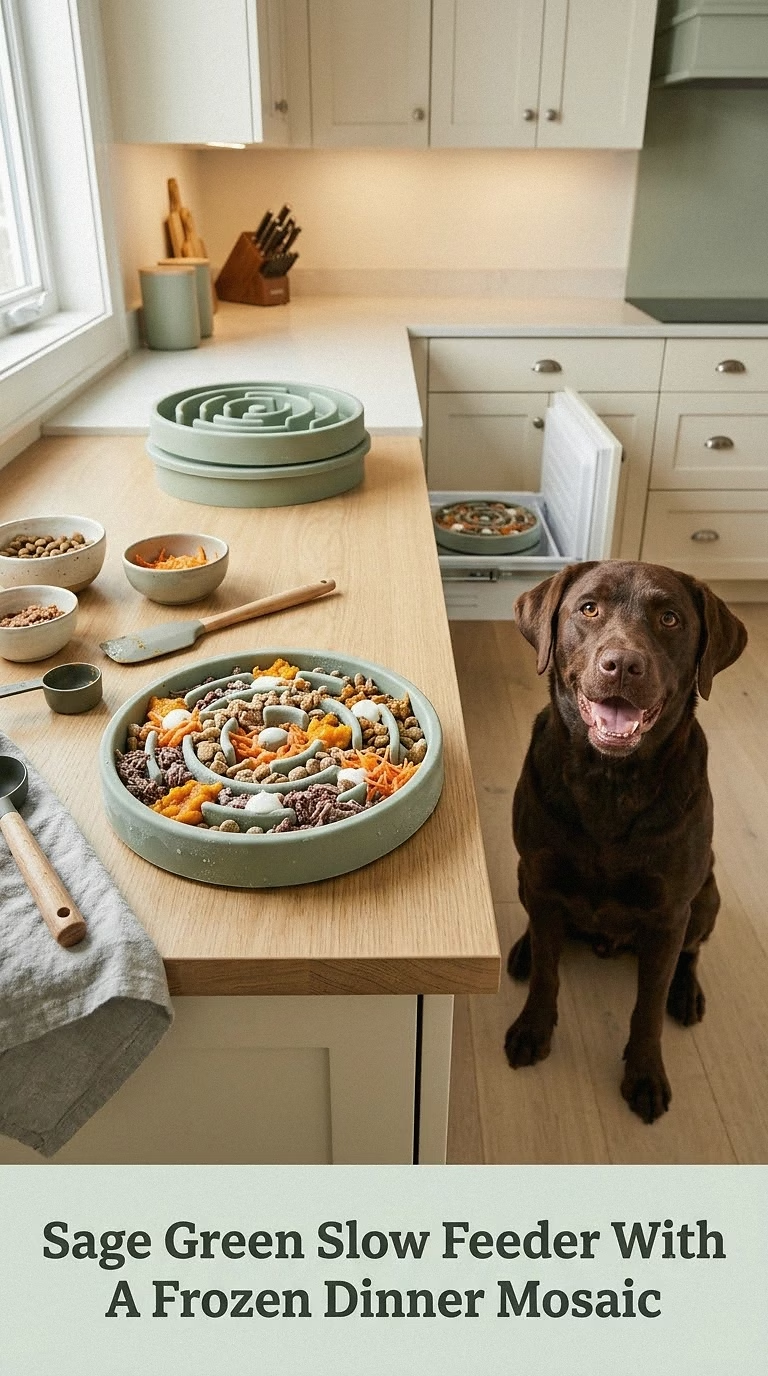
A slow-feeder bowl can become an entire enrichment activity when dinner is arranged through its channels and frozen.
Press your dog’s normal wet food into several sections, scatter some kibble through the remaining spaces, then add enough water to soften selected areas. A little plain pumpkin can provide another texture if it already agrees with your dog.
Freezing the completed bowl creates a pretty food mosaic while slowing access to dinner.
This method works especially well for dogs that finish conventional meals almost immediately. Because you can use mostly regular food rather than extra treats, it also makes enrichment easier to fit into everyday feeding.
Choose a sturdy, food-safe bowl that your dog cannot easily chew apart. Let extremely hard frozen meals soften briefly if your dog has dental sensitivity, and always clean the complicated grooves carefully afterward.
Peanut Butter And Banana Marble Lick Mat
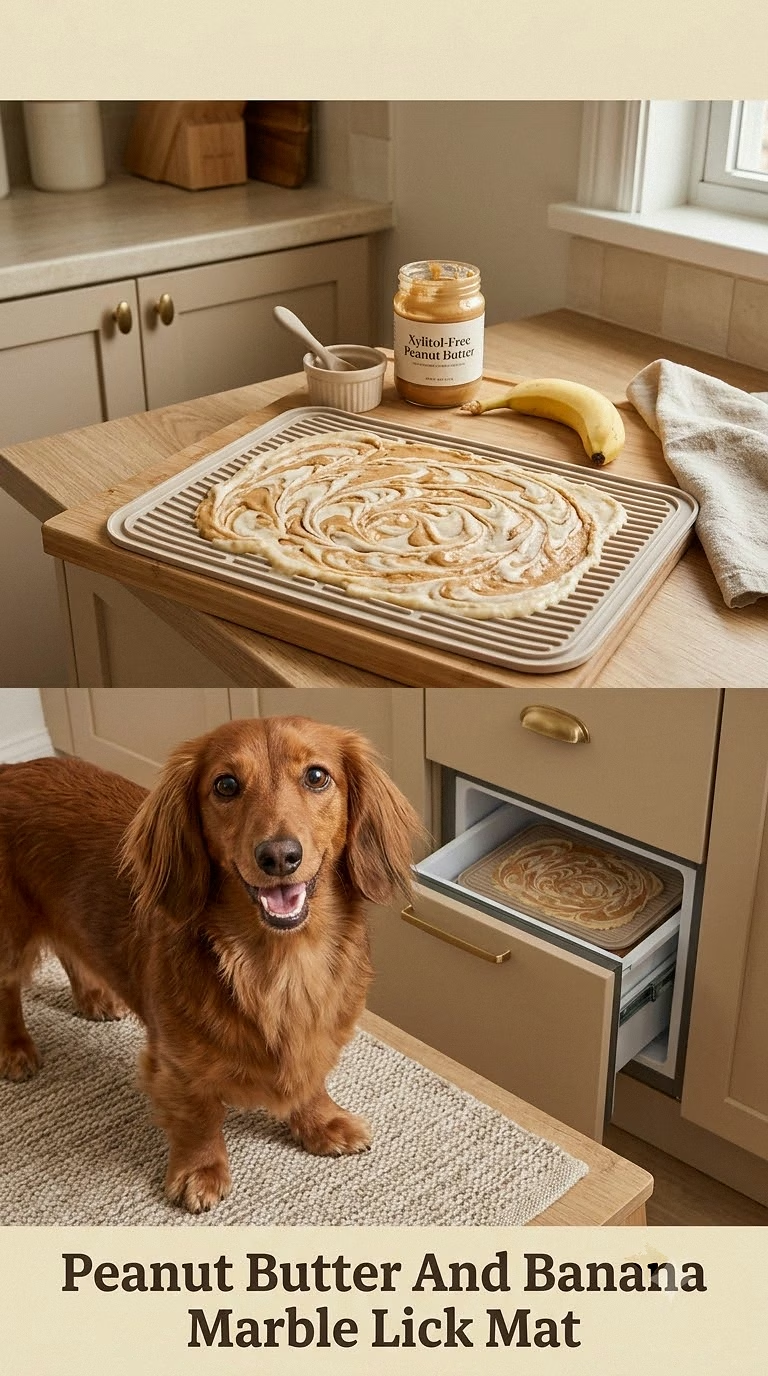
For dogs that tolerate both ingredients, mashed banana and dog-safe peanut butter can create a rich frozen lick mat that feels like a special occasion.
Smear a thin layer of banana across the mat, then add small dots of peanut butter. Drag a spoon through the two ingredients to produce a marble pattern before freezing.
The important word here is thin. Peanut butter is calorie-dense, so you do not need to bury the entire mat beneath it. Mixing a small amount with banana, pumpkin, or your dog’s regular wet food can stretch the flavor considerably.
Check the peanut butter label every time. It must not contain xylitol.
A mat with multiple textures also adds variety because shallow ridges are easy while deeper pockets require more persistent licking. It is an attractive option for occasional enrichment without needing a complicated recipe.
Frozen Chicken Dinner Toy For Calm Crate Time
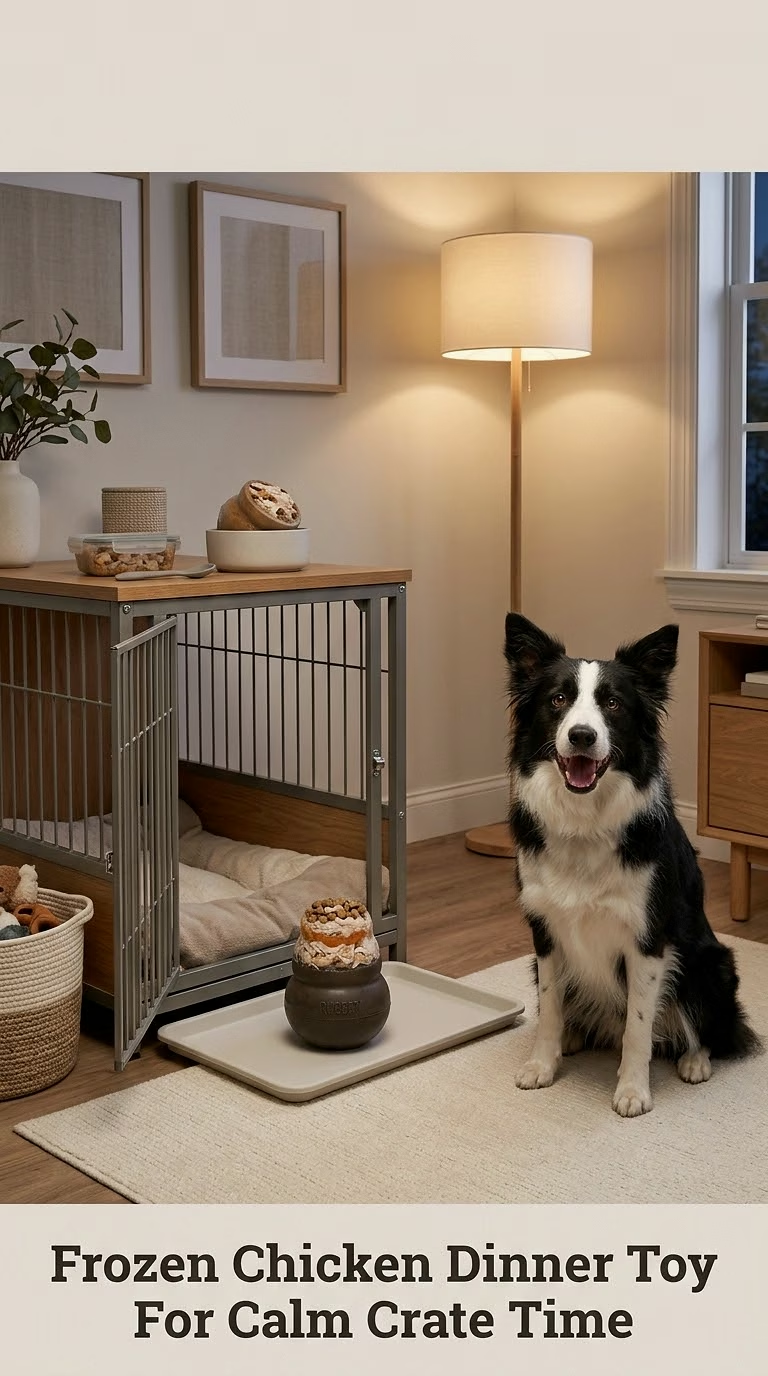
A familiar crate or relaxation area can become even more inviting when paired with something enjoyable to work on.
Fill a sturdy enrichment toy with your dog’s normal canned food or softened kibble and small pieces of plain cooked chicken. Freeze it beforehand, then offer it when your dog is already comfortable relaxing in the area.
Read more : 10 Types Of Dogs With Curly Hair
Avoid using frozen food as a way to force a frightened dog into confinement. The goal is to enrich a space your dog already considers safe.
You can also make the activity easier by freezing it for a shorter period when introducing the concept.
Place a washable mat beneath the toy because melting fillings can become messy. When the activity is finished, remove the toy rather than leaving damaged or empty enrichment products available for destructive chewing.
Rustic Pumpkin And Kibble Frozen Muffin Cups
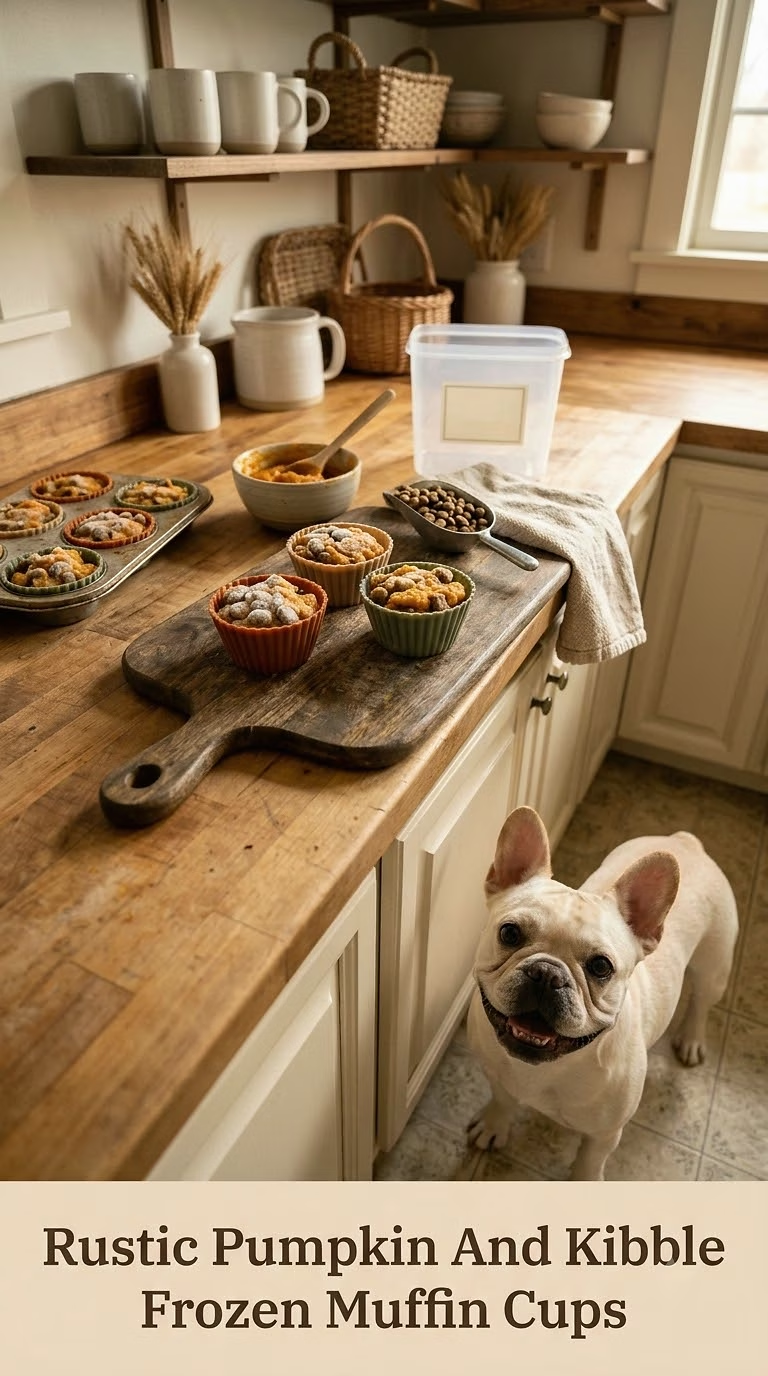
A standard silicone muffin pan provides an inexpensive alternative to buying multiple specialty molds.
Combine plain pumpkin puree with part of your dog’s regular kibble and a little water. Spoon the mixture into shallow portions, freeze, and remove individual pieces as needed.
For small dogs, fill only the bottom of each compartment rather than creating large pucks. Bigger does not automatically mean better enrichment, especially for dogs inclined to swallow food rather than patiently lick it.
These portions also make batch preparation simple. Once frozen, move them into a labeled freezer-safe container so the muffin pan can return to normal kitchen use.
You can serve a puck in a bowl, place it inside a compatible enrichment toy, or let it soften slightly before spreading it across a lick mat. One preparation session can therefore support several different activities.
Modern Suction Lick Mat With Frozen Bath-Time Spread
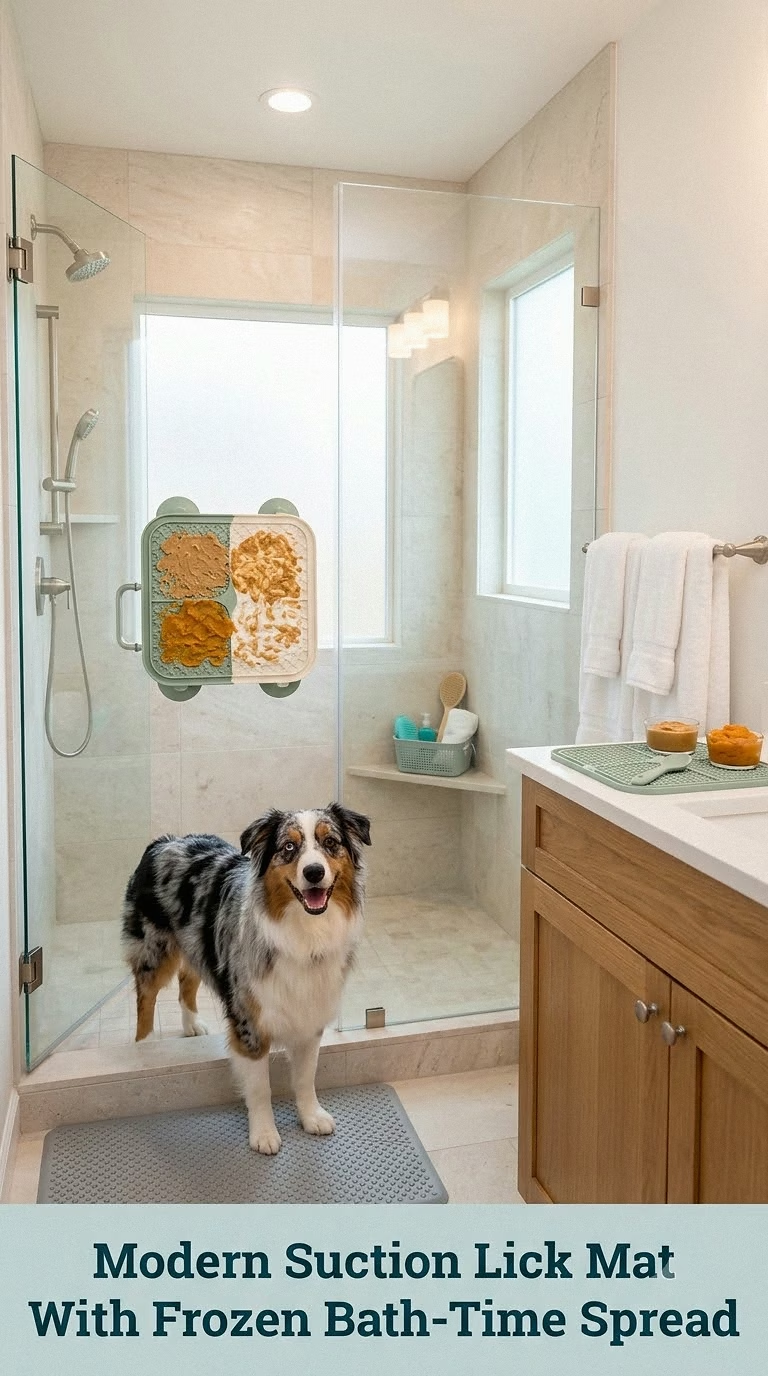
For dogs that are comfortable enough to eat during grooming, a suction-backed lick mat can provide a focused activity during brushing or a calm bath.
Spread a modest amount of canned dog food, pumpkin, or another familiar dog-safe food across the mat and freeze it flat. Attach it securely at an appropriate height so your dog can reach it without stretching awkwardly.
Use this only when eating and licking genuinely help your dog remain comfortable. A frozen treat should not be used to overwhelm or distract a dog that is clearly frightened or trying to escape.
Supervision is particularly important because suction mats can become chew toys once the food disappears.
After the bath, remove the mat immediately and wash every groove thoroughly. This setup is practical because enrichment and routine care happen together without requiring extra floor space.
Clear Bowl Enrichment Block With Hidden Kibble Treasure
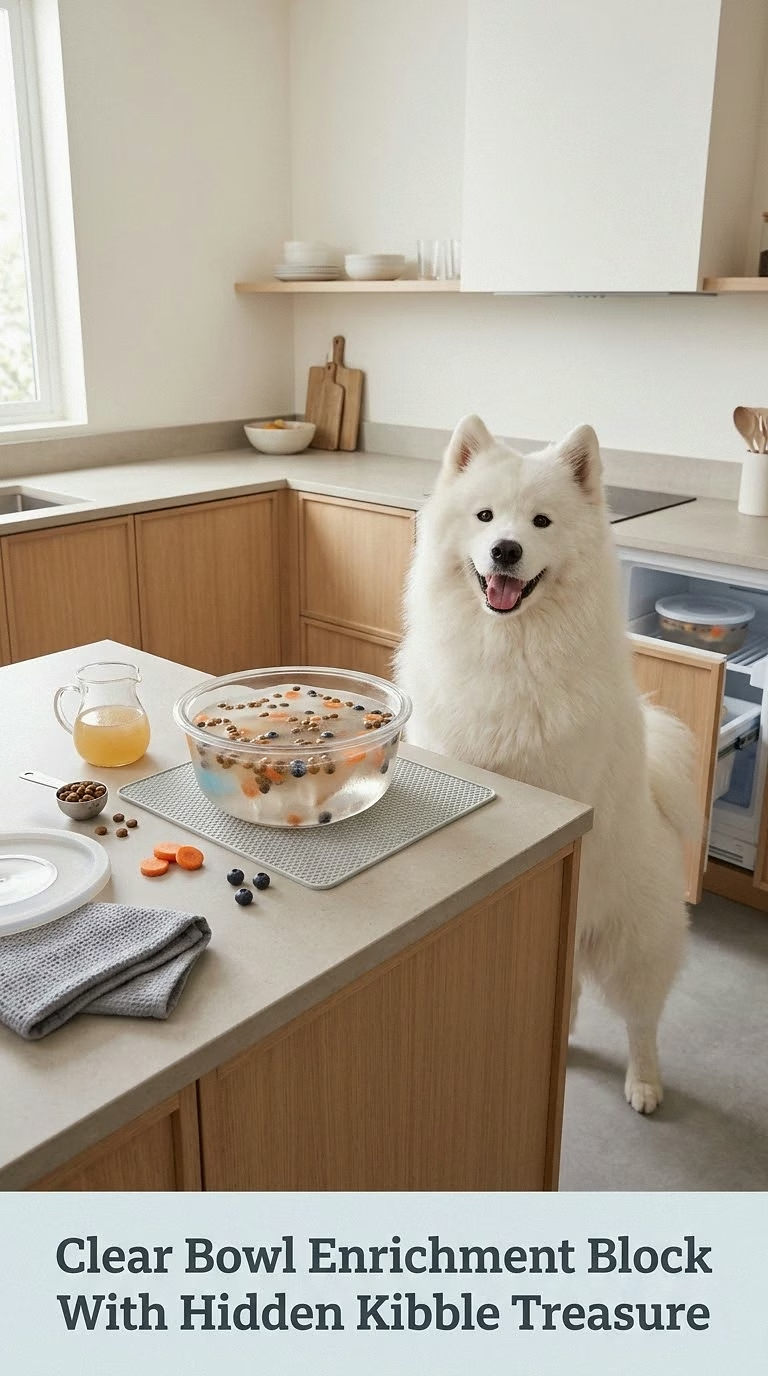
For a simple DIY activity, freeze water or suitable broth in a sturdy dog-safe bowl with pieces of kibble embedded throughout.
Start with a shallow layer of liquid and freeze it. Scatter a small amount of food over the surface, cover with more liquid, then freeze again. Repeating the process produces several visible treasure layers.
Serve the frozen block inside the bowl rather than sliding a large piece across the floor.
The activity works best for dogs that patiently lick rather than violently bite hard ice. If your dog tends to crunch frozen blocks, allow it to soften significantly first or choose a softer frozen enrichment format instead.
You can make the challenge easier by creating a thin block and harder by adding extra layers. Simple adjustments make one inexpensive concept suitable for different skill levels.
Creamy Pumpkin Banana Paw-Print Bites
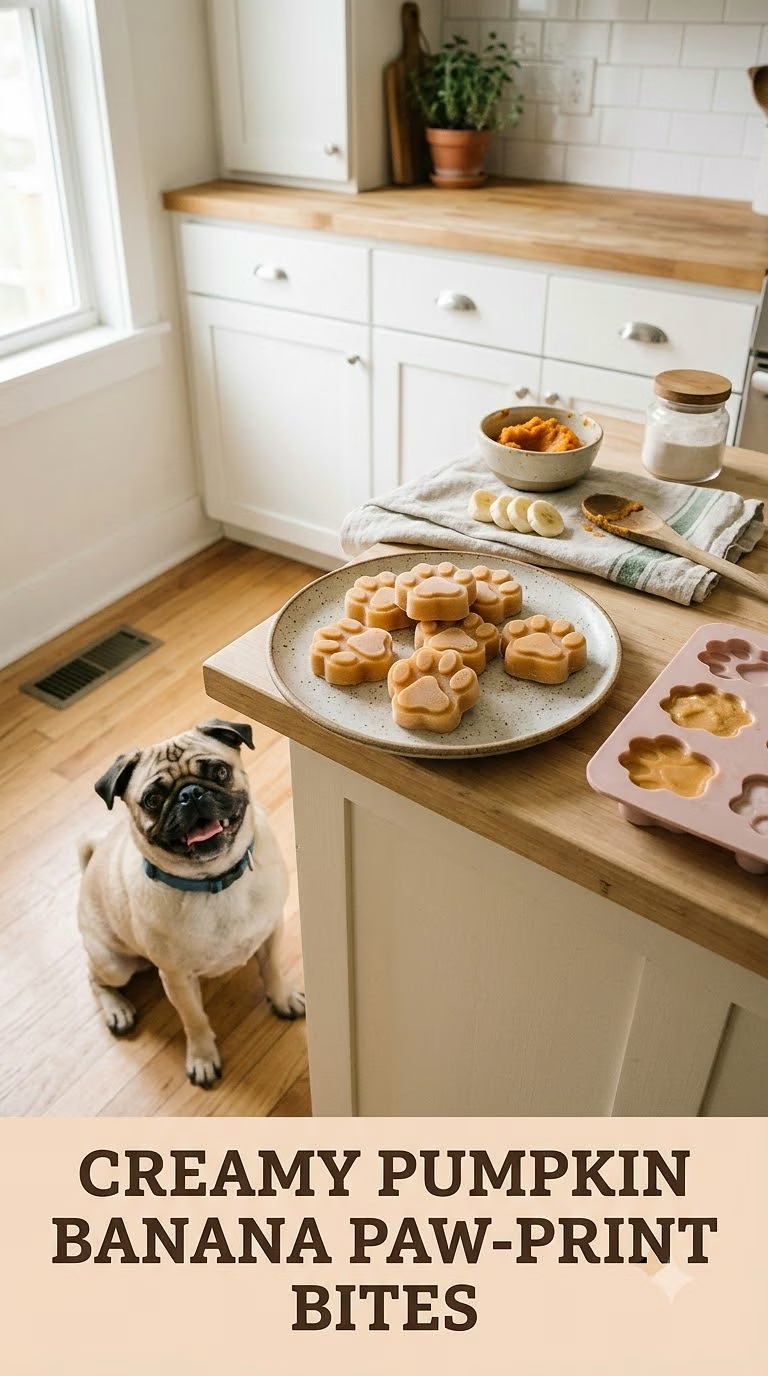
Mashed banana and plain pumpkin create a soft, naturally colorful mixture that freezes beautifully in silicone paw molds.
Combine the ingredients without adding sugar or sweetener, fill each mold only as deeply as appropriate for your dog, and freeze. Once solid, store the bites together in a freezer-safe container.
These are better viewed as occasional treats than unlimited snacks. Banana adds calories, and even nutritious foods should fit sensibly into the overall diet.
For an enrichment upgrade, place one frozen paw inside a slow-feeder compartment or shallow puzzle instead of simply handing it over. The dog then has to navigate around the bowl to reach the melting treat.
The warm orange color and playful paw shape also make this one of the most visually charming freezer projects while requiring almost no specialist equipment.
Frozen Wet Food Rosettes In Silicone Molds
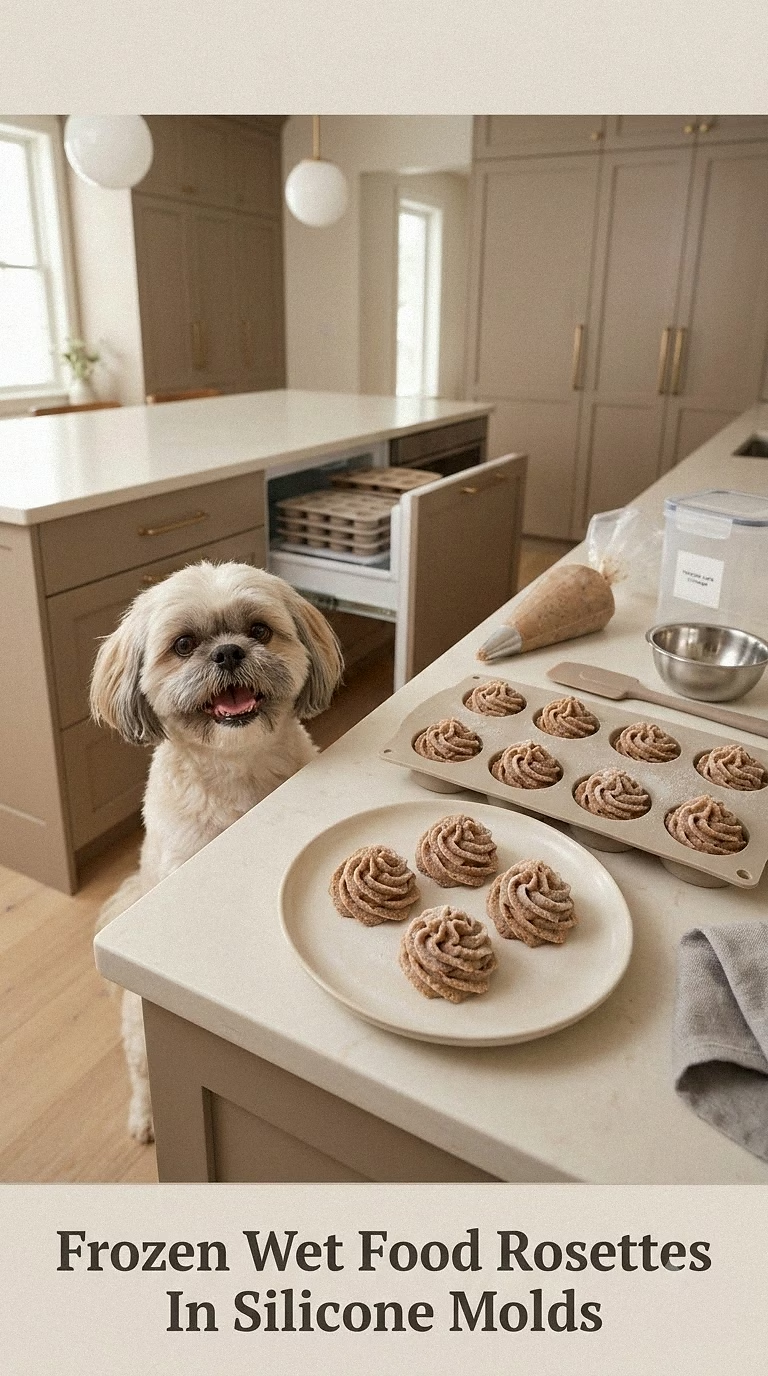
Sometimes the best enrichment ingredient is simply the food your dog already eats.
If your dog regularly receives canned food, spoon portions into silicone flower, shell, star, or geometric molds and freeze them. The decorative shape makes everyday food feel different without introducing unfamiliar ingredients.
Serve one inside a slow feeder, stuff it into a compatible toy, or allow it to soften until it becomes spreadable for a lick mat.
This is especially useful for sensitive dogs whose diets do not tolerate lots of fruits, dairy, peanut butter, or novel treats. You still need to follow any veterinary dietary restrictions, but enrichment itself does not require elaborate ingredients.
For easier meal planning, measure the food before freezing. That way you know exactly how much of the dog’s normal daily portion has been transformed into enrichment.
Cottage Garden Vegetable Freezer Tray
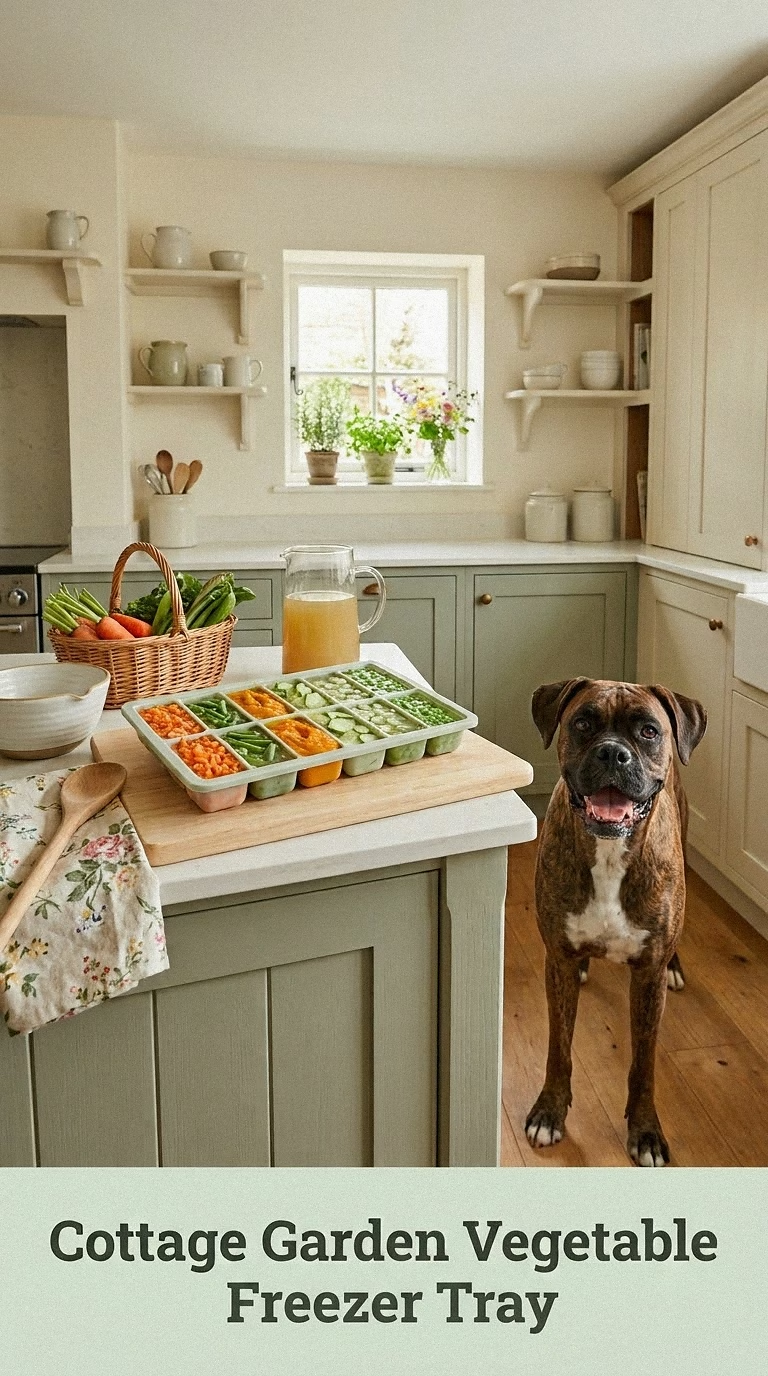
Create a colorful vegetable-themed tray using small amounts of dog-safe foods your pet already tolerates, such as cooked carrot, green beans, pumpkin, and a few peas.
Arrange them inside a silicone tray, add water or an appropriate dog-safe liquid, and freeze.
Instead of packing every compartment with vegetables, think of them as tiny accents inside a mostly hydrating base. Introducing several unfamiliar foods simultaneously can make it difficult to identify the cause if your dog develops digestive upset.
This arrangement is especially pretty in molds with botanical or flower shapes, creating a cottage-garden feeling without expensive ingredients.
Check vegetables carefully before preparation and keep pieces appropriately sized. If your dog is new to a particular ingredient, introduce it separately in a small amount before incorporating it into a mixed enrichment tray.
Frozen Apple And Carrot Lick Bowl
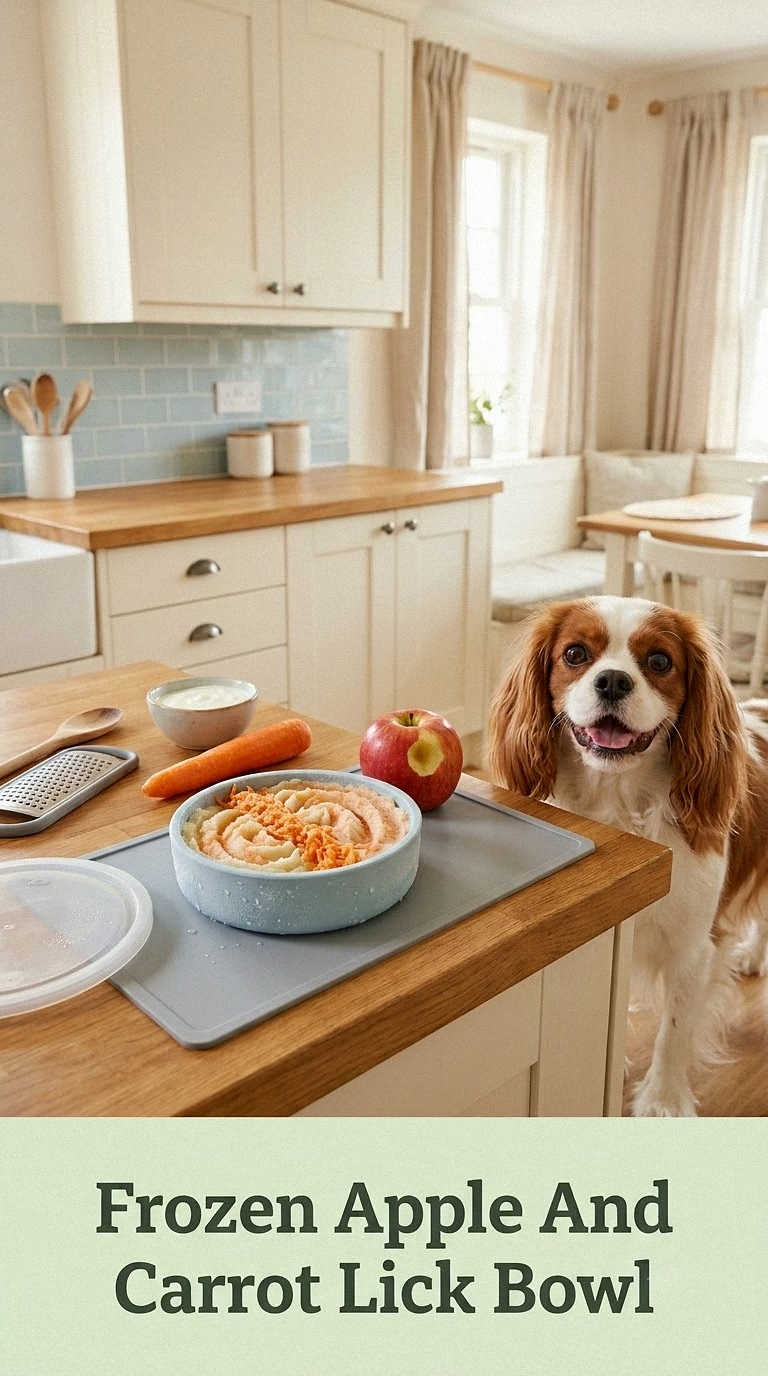
A shallow food-safe bowl can become a refreshing enrichment station using finely pureed apple and carrot mixed with water or regular wet dog food.
Remove apple seeds, stem, and core completely before preparation. Avoid sweetened applesauce or products containing artificial sweeteners.
Read more : 19 Dog Bowl Design Ideas Paint Lovers Can Create For A Beautiful Feeding Space
Spread the mixture in a thin layer around the inside of the bowl rather than filling it deeply. Freeze it so your dog has to work around the curved surface with their tongue.
For extra challenge, press a small quantity of kibble into the puree before freezing.
This is a particularly useful setup if your dog constantly pushes lightweight lick mats around the room. A heavier bowl may stay more stable, while the frozen coating still provides the slow licking experience.
Wash it promptly once the food has melted and the session is over.
Three-Flavour Frozen Puzzle Toy Rotation
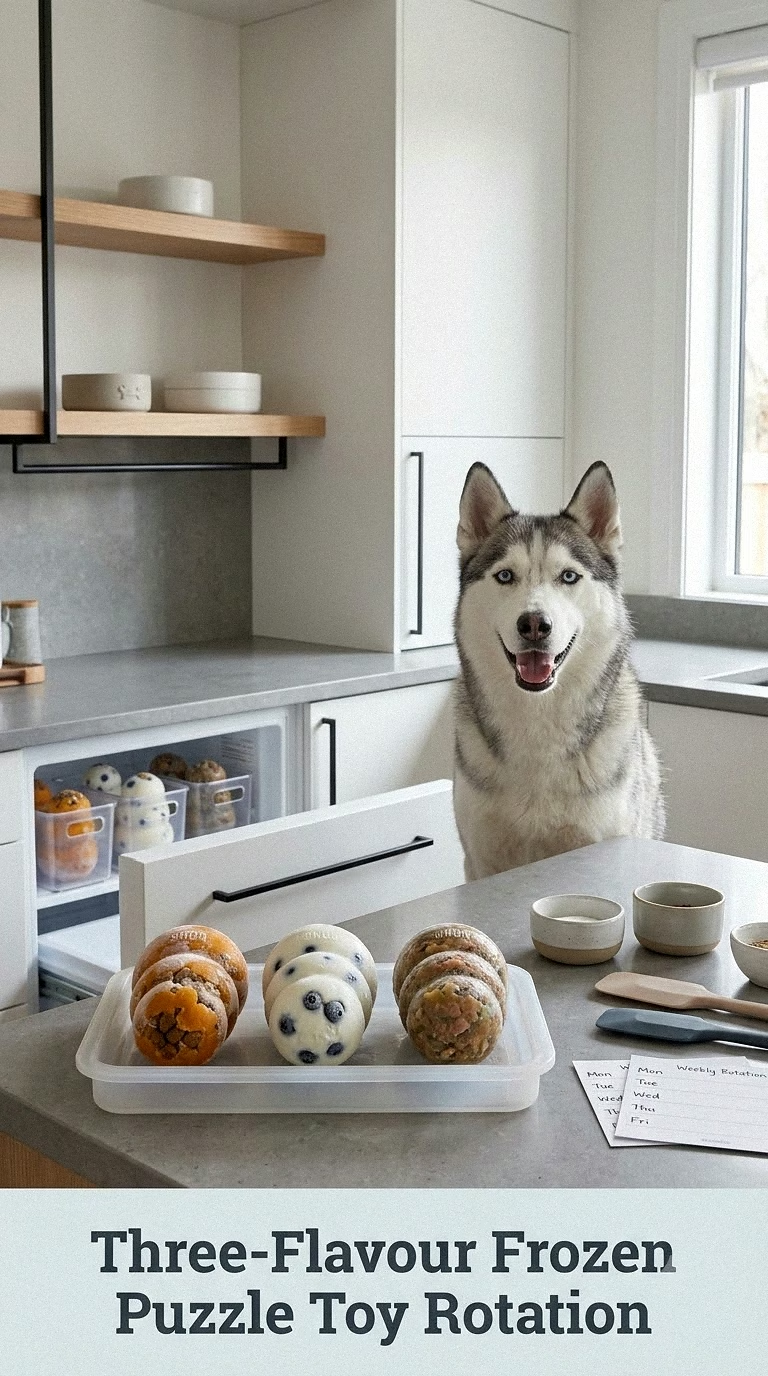
Instead of preparing the same filling every day, keep several durable enrichment toys in rotation with slightly different familiar combinations.
One might contain wet dog food and kibble. Another could hold pumpkin and softened kibble. A third might use plain yogurt if your dog digests dairy comfortably.
The different scents and textures help prevent the freezer routine from becoming completely predictable.
You do not need three toys every day. Batch-preparing a few at once simply means there is usually something available when bad weather, visitors, work calls, or household chores limit your ability to provide active entertainment.
Make each toy appropriate to your dog’s chewing strength and discard products that develop cracks, torn edges, or missing pieces.
Label freezer containers if several dogs in your home have different diets. This small organizational habit can prevent accidental ingredient mix-ups.
Mini Frozen Pupsicles With Edible Biscuit Handles
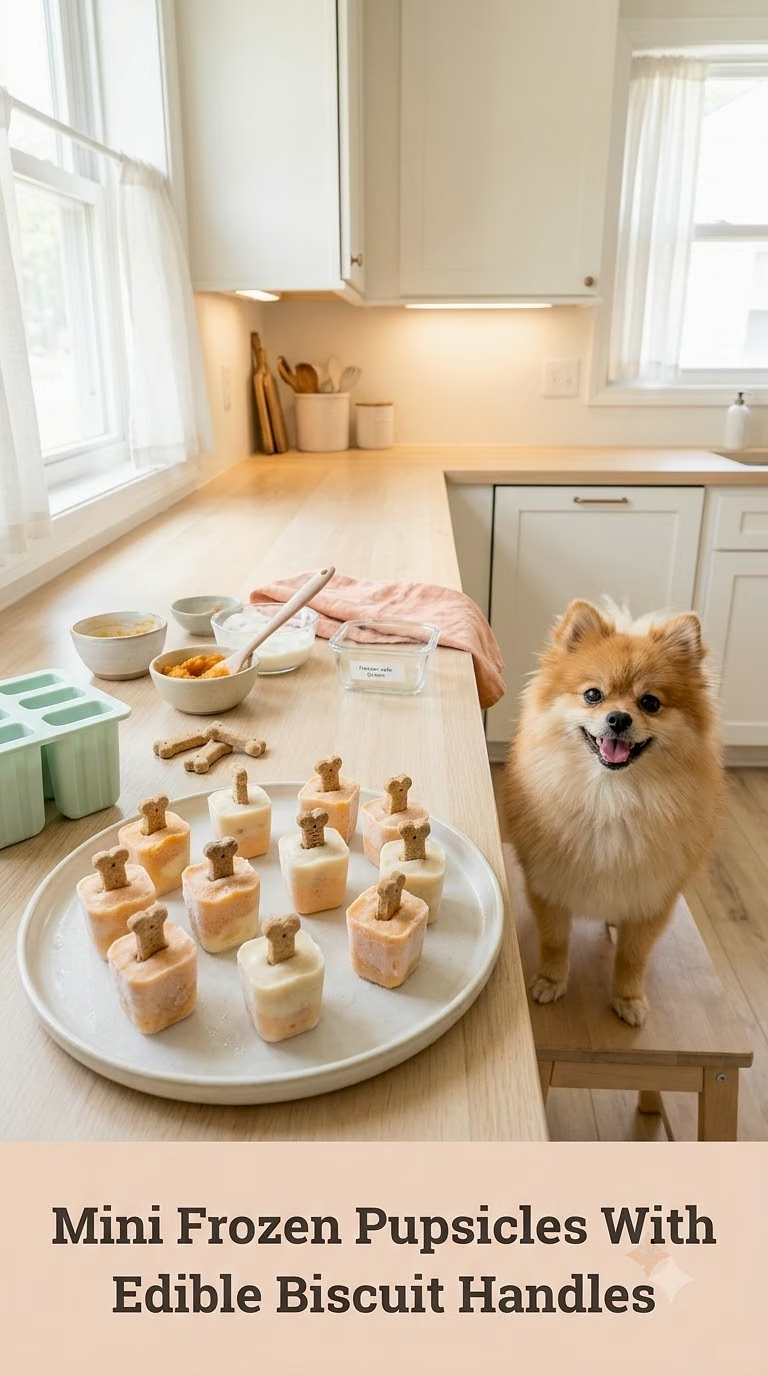
You can create a dog-friendly version of a popsicle without using potentially dangerous wooden sticks.
Fill a small silicone mold or paper cup with softened kibble, pumpkin, wet food, or a dog-safe blended mixture. If desired, insert an appropriately sized dog biscuit as an edible handle before freezing.
Remove all paper or disposable mold material completely before giving the frozen portion to your dog.
Size matters here. A giant frozen cup may be excessive for a small dog, while a miniature version can provide the same novelty with much better portion control.
If the finished pupsicle is extremely hard, give it several minutes to soften.
Serve it on a washable surface because this is one enrichment idea that can become delightfully messy as it melts, rolls, and gets nudged around.
Berry And Yogurt Frozen Lick-Mat Garden
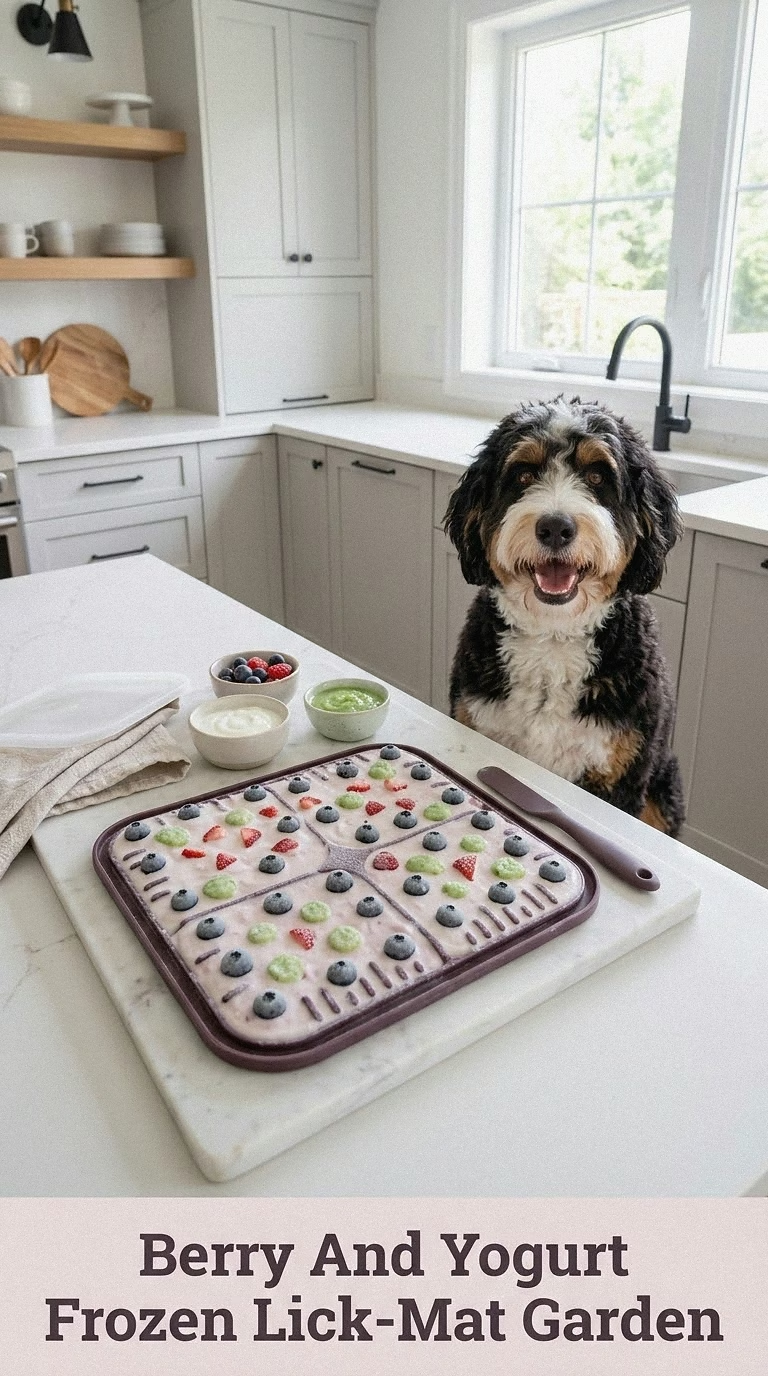
Turn a plain lick mat into a tiny edible garden by using small dots of plain yogurt, mashed blueberries, and pumpkin to create colorful patches across the textured surface.
You do not need enough fruit to cover everything. A few crushed berries spread through the grooves provide color and scent while keeping the overall serving modest.
Freeze the completed mat flat so each ingredient stays where you placed it.
Only use plain, unsweetened yogurt without xylitol or other inappropriate additives, and remember that some dogs do not tolerate dairy well.
For a dairy-free variation, replace the yogurt with your dog’s regular canned food or pumpkin.
This design works particularly well on mats featuring leaves, flowers, honeycomb patterns, or other deep textures because the different foods settle into separate pockets and give the dog several mini challenges during one session.
Freezer-Friendly Meal Prep Station With Ready-To-Go Enrichment Toys
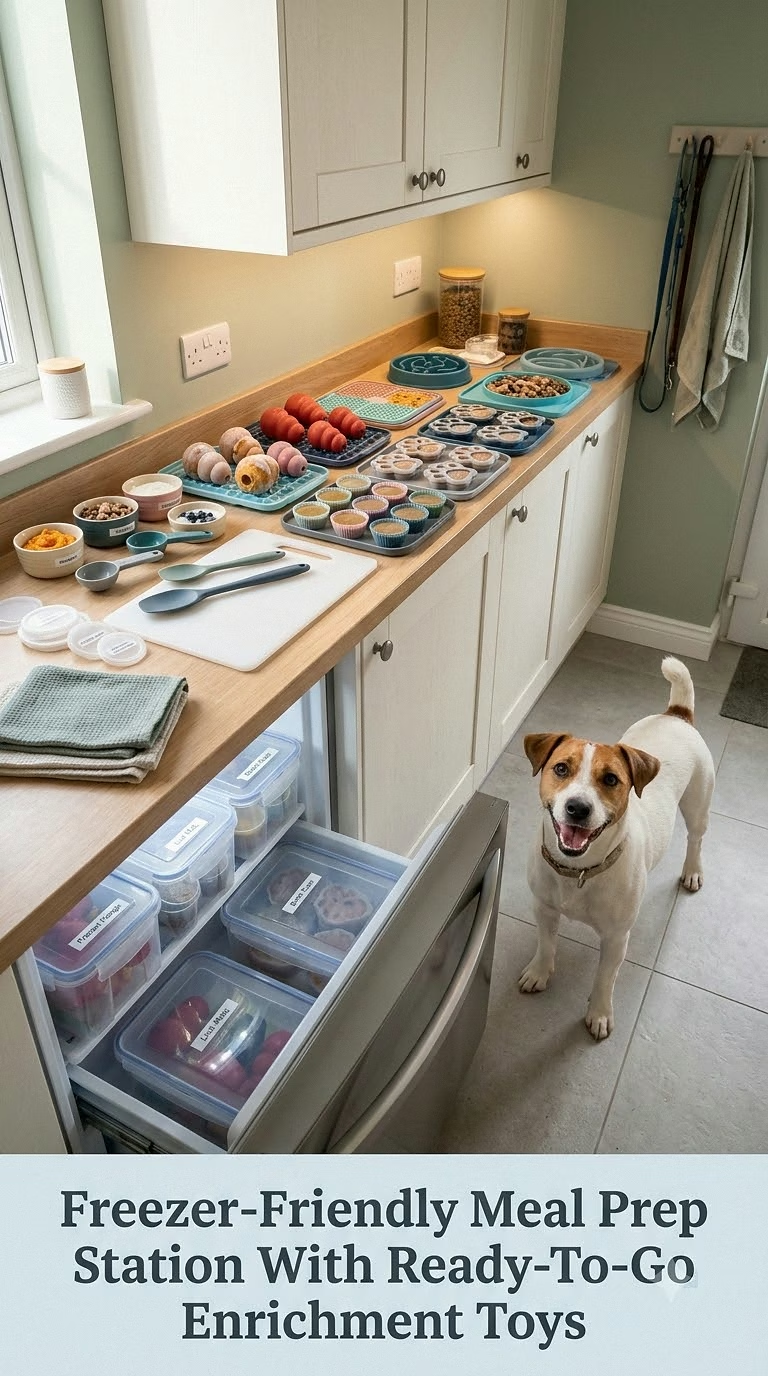
The most practical frozen enrichment idea may be creating a system rather than a single recipe.
Set aside a small section of your freezer for prepared lick mats, filled rubber toys, frozen meal molds, and labelled portions. Once or twice a week, use part of your dog’s normal food allowance to prepare several activities at the same time.
A silicone tray can hold toys upright while they freeze, helping prevent spills. Reusable freezer containers keep prepared items organized and separate from human food.
Vary difficulty as well as flavor. Keep one easy option for busy mornings, one moderately packed toy for routine enrichment, and a more challenging version for experienced dogs.
This makes enrichment much easier to maintain consistently. Instead of inventing an activity whenever your dog becomes restless, you simply reach into the freezer and choose something appropriate for that moment.
Minimalist Frozen Broth Lick Plate With Scattered Treats
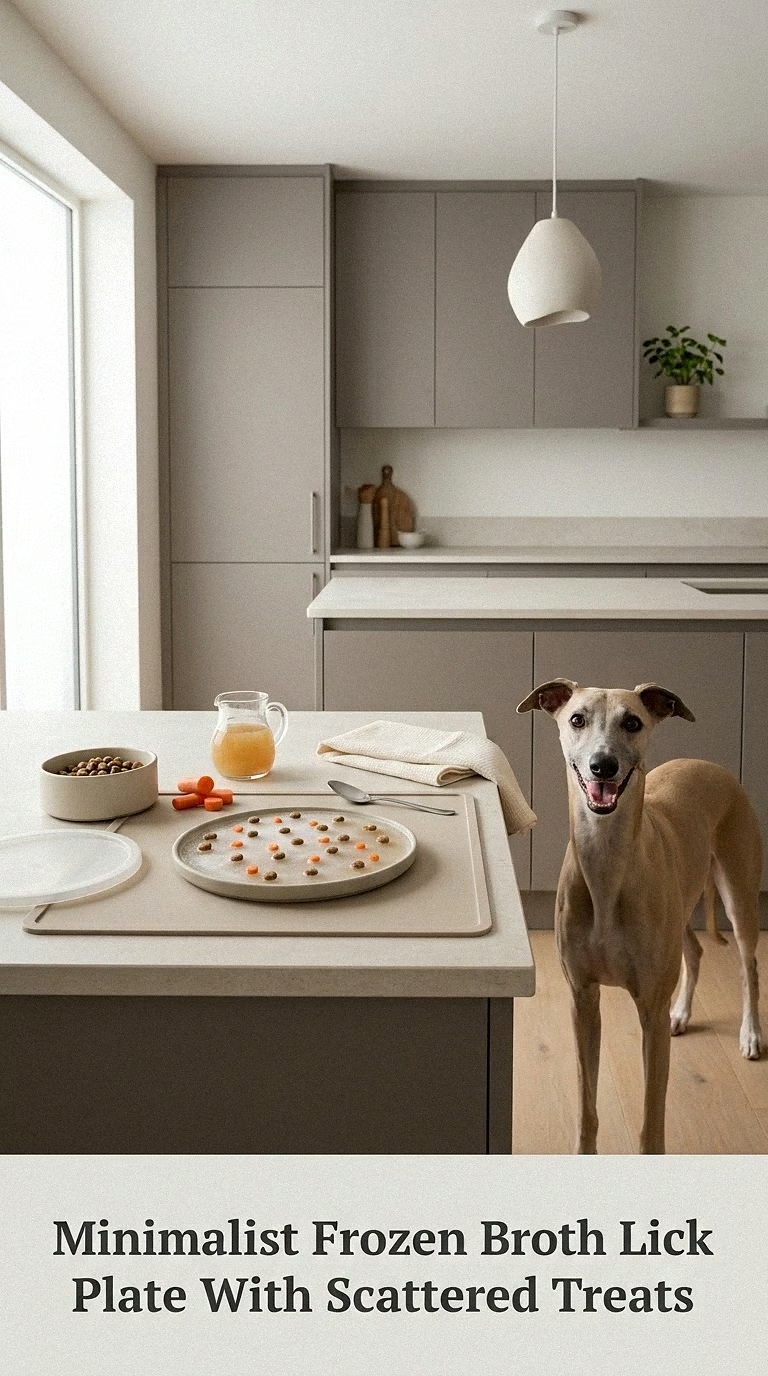
For a low-cost setup with almost no preparation, pour a very shallow layer of suitable dog-safe broth onto a freezer-safe lick plate or textured mat. Scatter a few pieces of kibble across it and freeze flat.
The thin layer is intentional. It encourages licking without creating a large, extremely hard block that your dog might try to crunch aggressively.
Choose broth without onion or garlic and preferably with minimal sodium. You can also dilute it with water to reduce richness while still providing plenty of aroma.
This is a clever choice for dogs motivated more by scent than elaborate ingredients.
Because it uses only a small quantity of food, it can fit comfortably into routines where calories need closer management. It also freezes relatively quickly, making it one of the easiest options to prepare when your enrichment supply is running low.
Making Dog Enrichment Ideas Frozen Work For Your Routine
Frozen enrichment does not need to look the same for every dog. One pup may happily spend twenty minutes carefully cleaning a textured mat, while another prefers working food out of a sturdy rubber toy. Some dogs need easy puzzles that build confidence, while experienced problem-solvers may enjoy tightly packed layers that take more persistence.
Start with foods your dog already knows and tolerates, use sensible portions, and increase difficulty gradually. Regular meals can often become enrichment simply by changing how they are presented, which keeps the routine affordable and helps prevent treat calories from quietly adding up.
Most importantly, pay attention to how your dog actually interacts with each activity. Supervise chewable products, inspect toys for damage, clean food-contact surfaces after every use, and soften very hard frozen items when appropriate for your dog’s teeth and chewing style.
Once you discover a few favorites, prepare them in batches. A small collection of ready-to-go frozen activities can make ordinary afternoons feel more interesting while giving your dog something enjoyable, engaging, and delicious to work on.
Source: https://petstutorial.com
Category: DOGS
