
Traveling in an RV with your dog can feel like the ultimate little adventure. There are morning walks beside quiet lakes, muddy paws after hiking trails, sleepy afternoons at the campground, and plenty of opportunities for your pup to claim half the bed. The challenge is finding a comfortable place for a dog crate when every inch of your RV already has a job.
- 19 Cozy Dog Crate Ideas That Make Your Pet’s Space Feel Like Home
- 19 Beautiful dog crate apartment ideas for Small, Stylish Spaces
- 19 Dog Crate Topper Ideas That Make a Crate Look Like Beautiful Furniture
- 19 Cozy puppy set up ideas dog crates for a Beautiful, Practical Home
- 19 Dog Crate in Closet Ideas: Cozy and Stylish Ways to Create a Hidden Dog Retreat
Fortunately, the best RV dog crate ideas do much more than squeeze a kennel into an empty corner. With a little creativity, a crate can become part of your dinette, bed frame, sofa, storage cabinet, or even your RV office. The result can feel intentional and surprisingly stylish while giving your dog a familiar place to rest.
You are reading: 18 RV Dog Crate Ideas for a Cozy, Stylish, Pet-Friendly Camper
The key is balancing beauty with practicality. Your dog should have enough room to stand, turn around, and lie comfortably, while the crate needs adequate ventilation and easy access for cleaning. Built-in decorative kennels can make wonderful resting areas when the RV is parked, but they should not automatically be treated as crash-safe travel crates. Dogs traveling in a motorized vehicle should use an appropriate restraint or travel crate installed according to the manufacturer’s instructions. Dogs should never ride inside a towable travel trailer while it is moving.
With those essentials in mind, here are beautiful and practical ways to make a dog crate feel completely at home in your camper.
Beautiful and Practical RV Dog Crate Ideas for Every Camper Style
Built-In Dinette Bench Crate With Neutral Linen Cushions
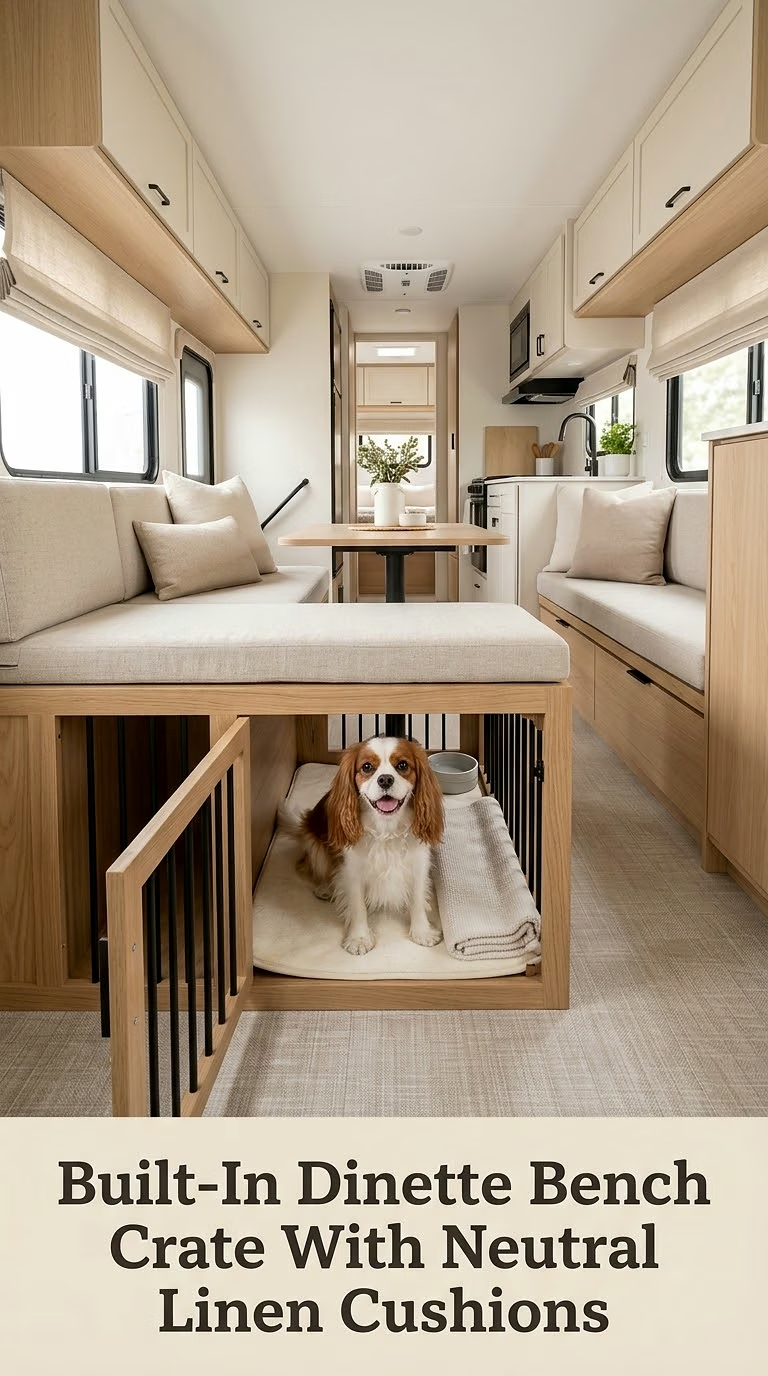
A booth dinette is one of the first places worth examining when you need to make room for a dog crate. Many RV dinette benches contain large hollow areas underneath the seats, making them natural candidates for a built-in dog nook.
Replace the front panel of one bench with a sturdy ventilated crate door while keeping the cushioned seat above. Suddenly, the same footprint provides dining seating and a cozy resting area for your dog.
For a Pinterest-worthy finish, pair warm white cabinetry with oatmeal or beige seat cushions and black metal crate hardware. Add a washable neutral crate mat inside rather than thick decorative bedding that is difficult to clean.
Before modifying a dinette, inspect the interior carefully. RV manufacturers sometimes hide electrical wiring, furnace ducts, plumbing, water pumps, or structural supports inside these spaces. Any opening should also be reinforced so the bench remains stable.
Cozy Under-Bed Dog Nook With Warm Wood Paneling
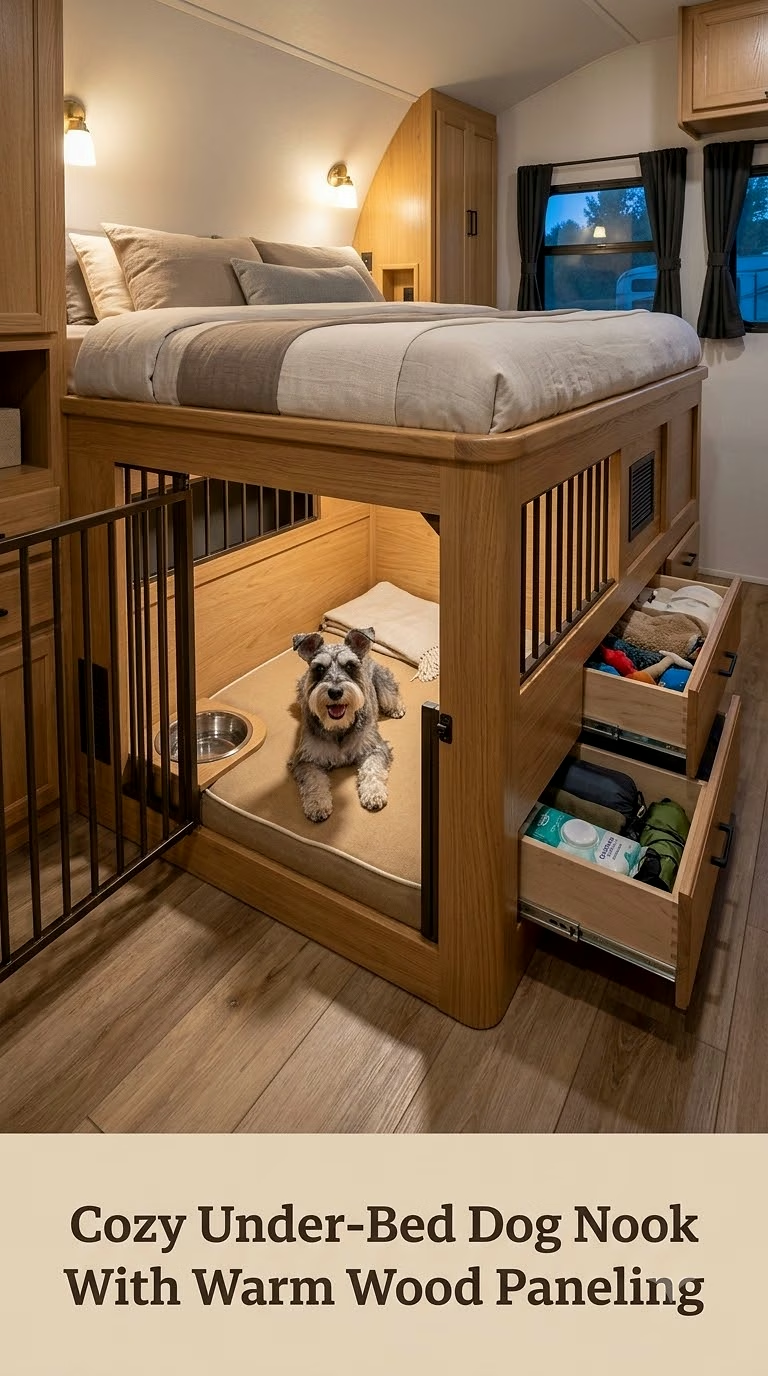
The storage area beneath an RV bed can become one of the coziest dog retreats in the entire camper.
Instead of using every inch for luggage, dedicate part of the bed platform to your pup. A framed opening on the side or foot of the bed can lead into a peaceful sleeping nook lined with easy-clean flooring and a comfortable mat.
Warm oak or light walnut paneling makes the space feel more like built-in furniture than a kennel. Add several protected ventilation openings so air can move freely through the enclosure.
This design works particularly well for dogs who naturally enjoy sleeping beneath furniture or seeking darker spaces. It also keeps the center aisle completely clear.
Make sure the dog can comfortably stand and turn around inside before committing to the project. Under-bed areas that look enormous from the outside can become surprisingly shallow once mattress supports and storage hardware are considered.
RV Sofa Daybed With Hidden Dog Crate Storage Below
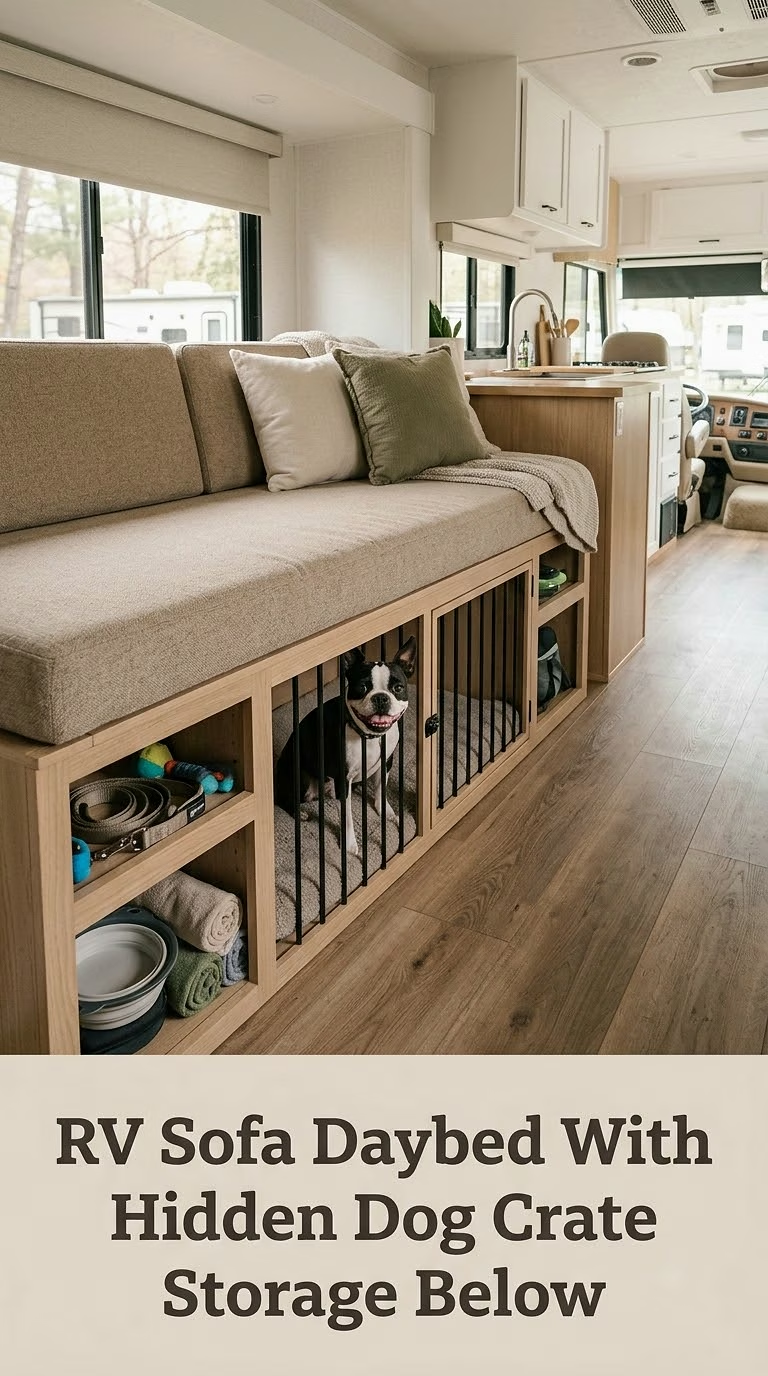
If your RV sofa takes up a large amount of floor space, consider making it work harder.
A custom platform sofa or daybed can be built with one or two kennel openings underneath. Comfortable cushions remain on top for people, while the lower section becomes your dog’s private retreat.
This idea looks especially lovely in renovated campers with creamy upholstery, pale wood framing, and woven accent pillows. For a softer appearance, you can use attractive metal doors that coordinate with cabinet hardware rather than leaving a traditional freestanding wire crate exposed.
Removable cushions and washable covers are particularly useful in a pet-friendly RV because fur, dirt, and occasional damp paws are unavoidable.
If your dog only needs the enclosed space when you are parked, a lightweight curtain can also soften the appearance. Just keep fabric safely outside chewing range and never cover ventilation openings.
Lower Bunk Dog Retreat With Washable Plaid Bedding
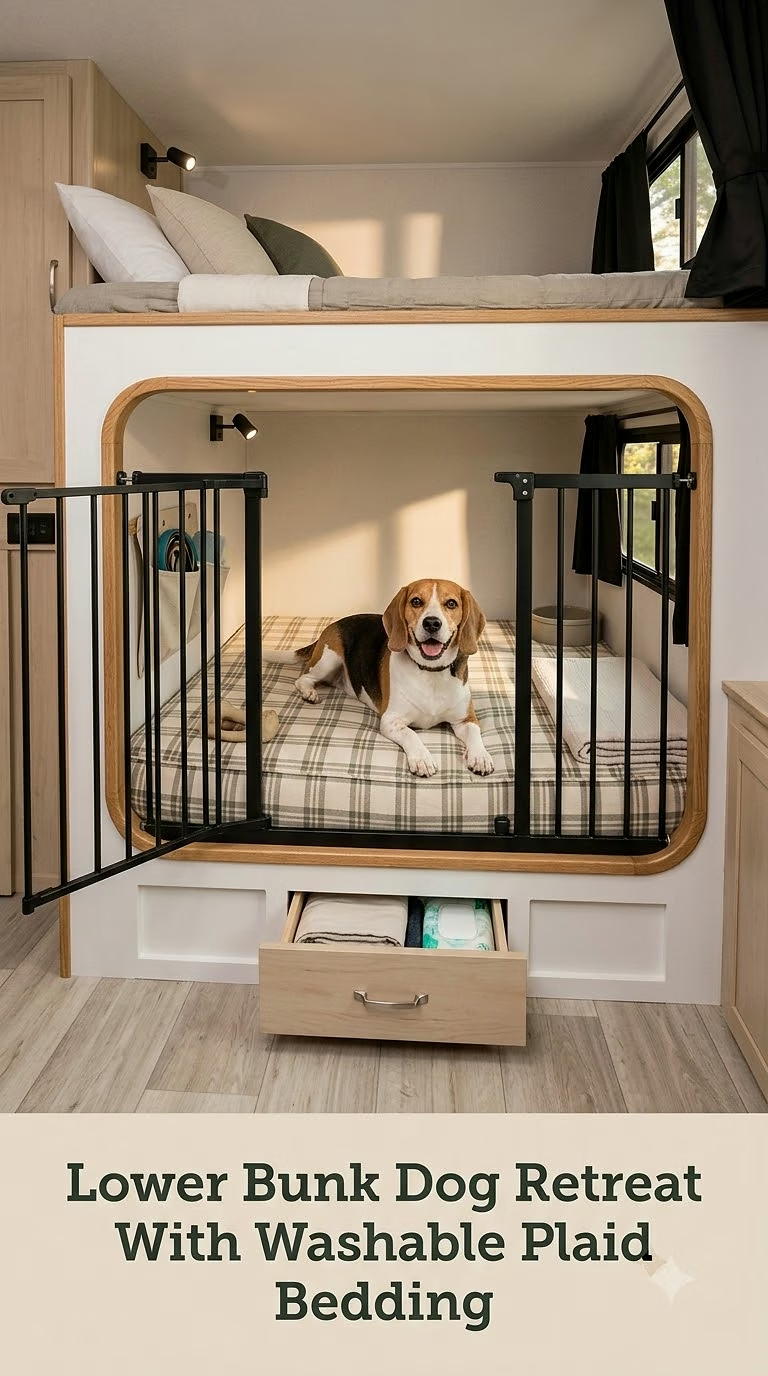
Families who have unused bunk beds may already have the perfect location for an RV dog crate.
A lower bunk can be transformed into a roomy dog retreat without major changes to the camper’s layout. Remove the mattress if necessary, add an easy-clean floor surface, and install a secure gate or kennel front across the opening.
For a cozy cabin look, use warm wood trim, soft plaid bedding, and a few simple wall accents positioned safely out of reach. The finished nook can feel more like a tiny dog bedroom than a crate.
This arrangement is particularly appealing for larger dogs that cannot comfortably fit underneath standard RV furniture.
Keep the interior simple. Avoid hanging décor, cords, lights, hooks, or small objects where your dog can reach them. A washable mat and one safe comfort item are usually more practical than elaborate styling inside the enclosure.
Double Dinette Dog Crates for a Two-Dog Camper
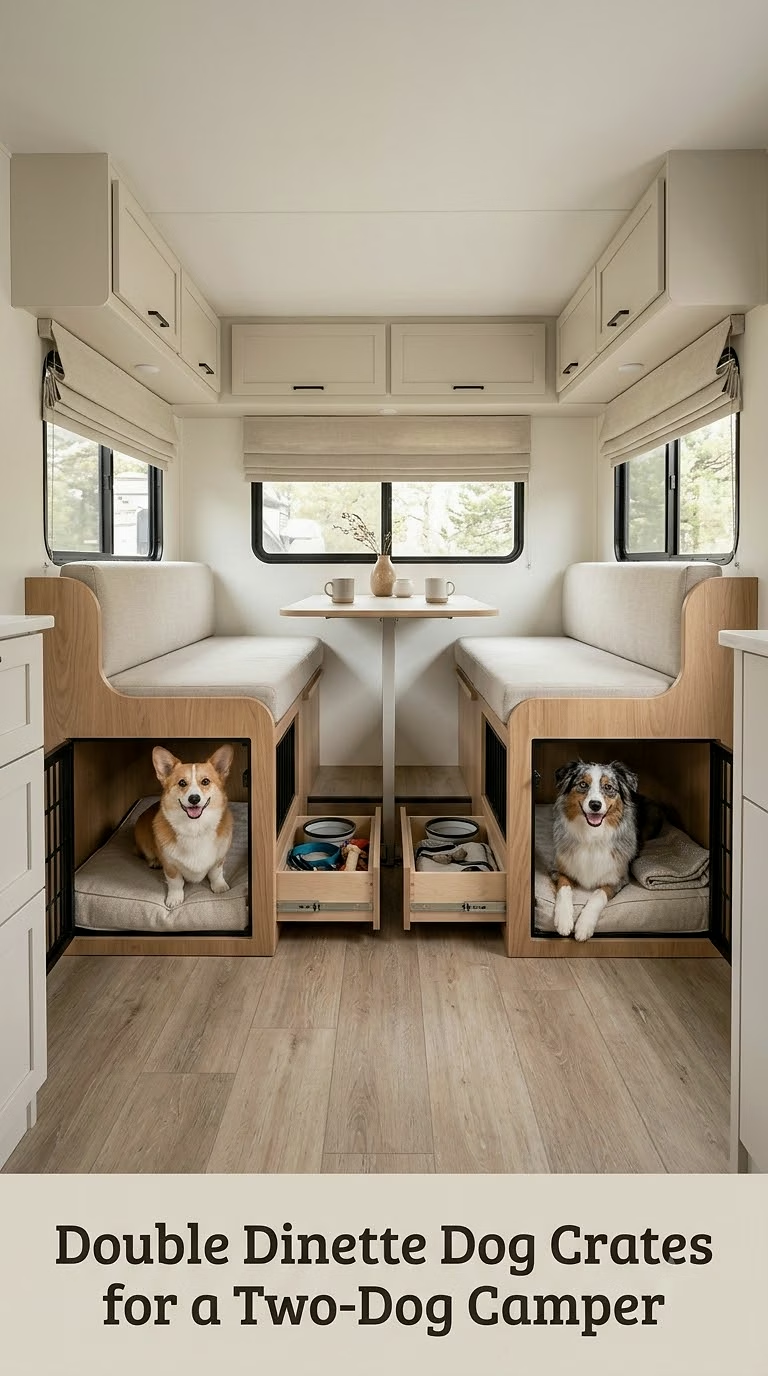
Traveling with two dogs often creates twice the crate problem, especially when both pets appreciate having their own sleeping spaces.
A long dinette bench can sometimes be rebuilt with two separate crate compartments underneath. Matching doors give the design a clean, symmetrical appearance while individual spaces help each dog settle comfortably.
Consider white cabinetry with natural wood trim for a bright farmhouse look, or choose charcoal panels and black metal doors for a modern camper.
Keep removable waterproof trays or washable mats underneath each dog to simplify cleanup. Individual doors also make it easier to release one dog without creating chaos at the RV entrance.
Measure each dog rather than simply dividing the bench in half. One dog may require significantly more height or length than the other, and comfort matters more than perfect visual symmetry.
Modern White Oak Crate Cabinet With Black Metal Door
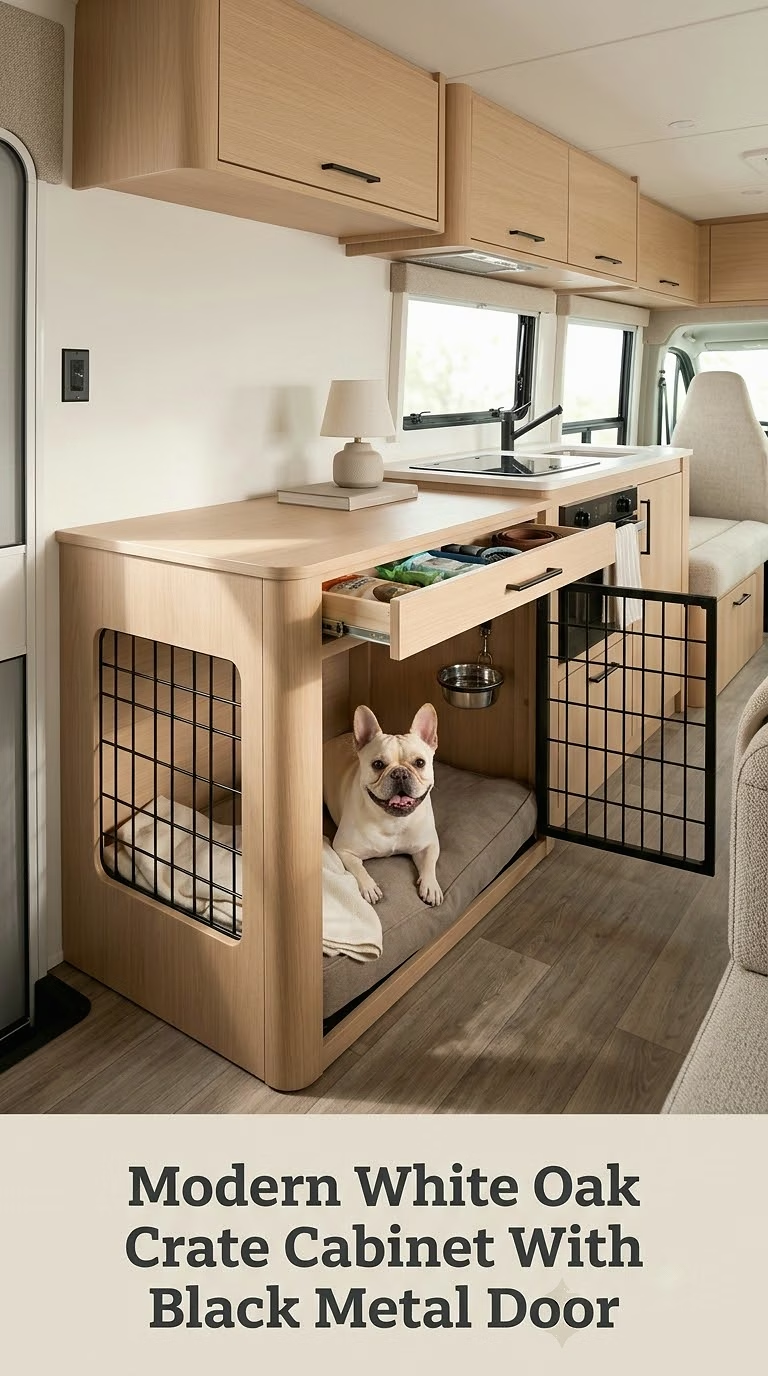
A beautifully designed crate cabinet can look like custom RV furniture instead of pet equipment.
Build a low cabinet using lightweight white oak-look panels and finish the front with a simple matte black metal crate door. The flat surface above can function as a console for books, baskets, plants while parked, or everyday travel essentials.
This style works particularly well in modern RV renovations filled with cream upholstery, black fixtures, and natural wood.
Because RVs have strict weight considerations, avoid automatically copying heavy residential furniture designs. Lightweight plywood or other RV-appropriate materials can deliver the same appearance with much less added weight.
Read more : 18 Comfy Dog Crate Ideas for a Cozy, Stylish Home
Keep the top securely attached, round or cover sharp edges, and provide ventilation beyond the front door if the remaining walls are solid. Everything stored on top should also be secured before the RV moves.
Rustic Farmhouse Crate Console With Reclaimed Wood Details
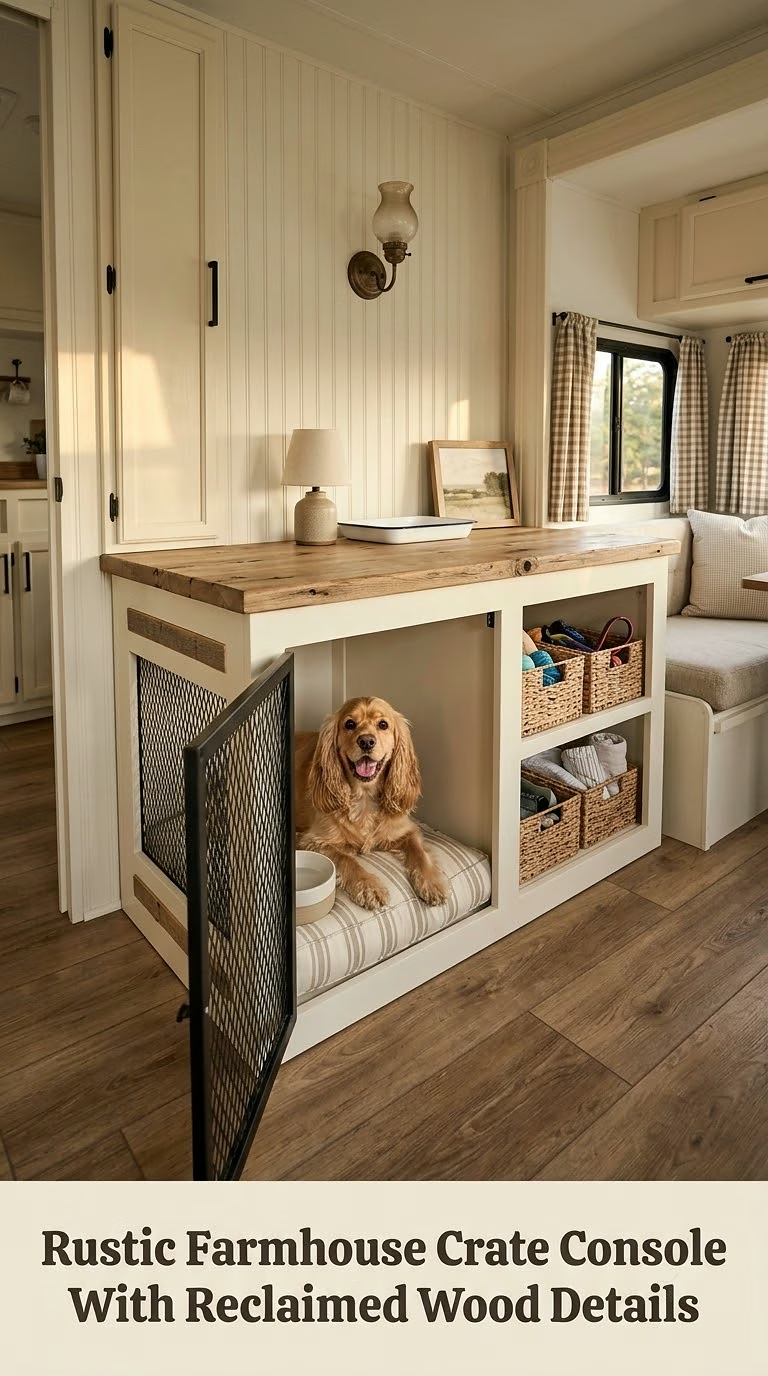
For campers filled with rustic textures and cozy country details, a farmhouse-style kennel can blend beautifully into the décor.
Use lightweight wood-look panels or carefully selected reclaimed-style boards around a ventilated metal crate frame. A stained top creates a useful console, while black hardware gives the piece a classic farmhouse finish.
Style the surrounding area with woven baskets, creamy textiles, and simple neutral accessories. The dog space itself should remain uncluttered and easy to clean.
One advantage of a console-style crate is flexibility. It can replace an unnecessary cabinet, end table, or freestanding piece of furniture while providing additional surface space.
If you are building it yourself, choose materials based on durability and weight rather than appearance alone. RV furnishings experience constant vibration, temperature changes, and movement, so joints and fasteners need to handle more stress than stationary household furniture.
Soft Sage Green Crate Cabinet With Woven Storage Baskets
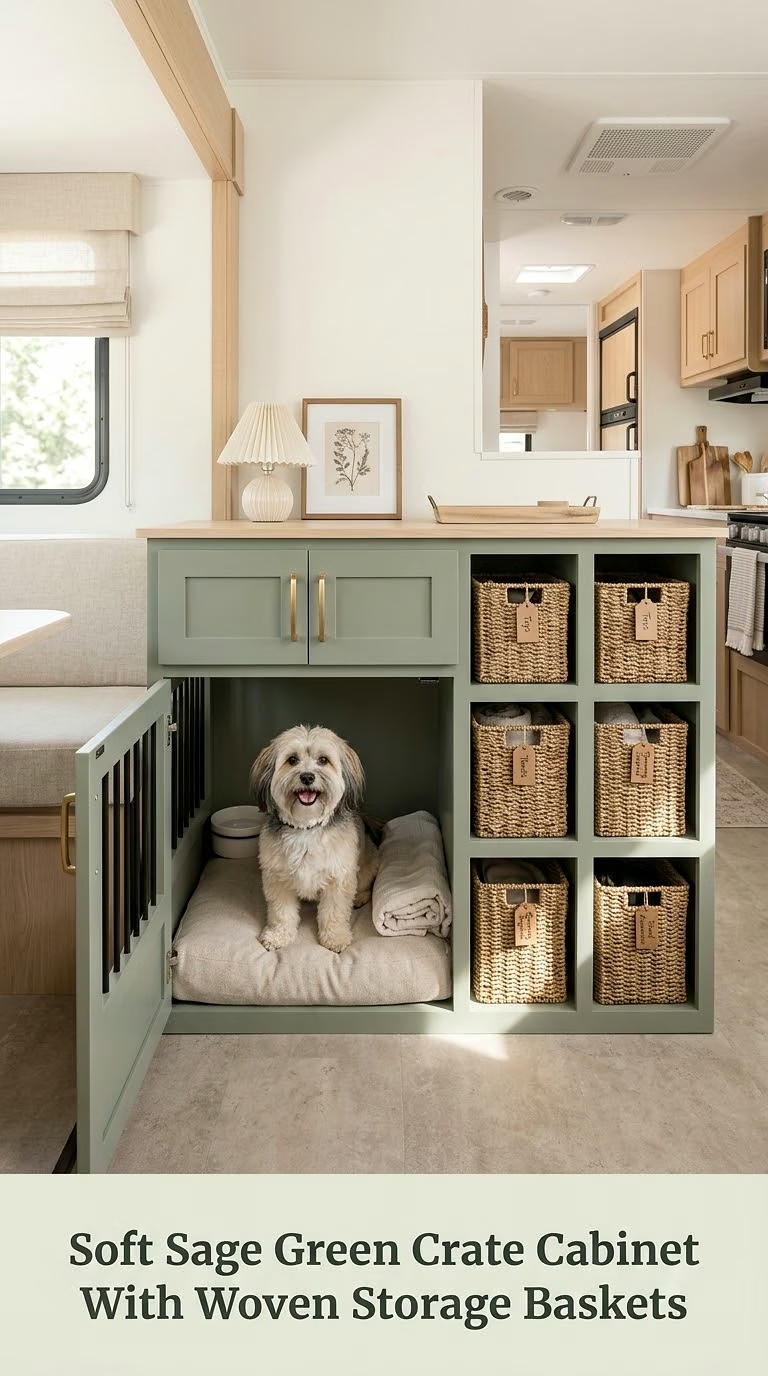
Sage green is a lovely choice when you want your pet area to feel calm, soft, and intentionally designed.
Paint a built-in kennel cabinet muted sage and combine it with natural woven baskets stored on shelves above. Warm brass or matte black hardware can complete the look without making the small RV interior feel busy.
Use the baskets for leashes, grooming wipes, waste bags, toys, and other dog supplies. Keeping everything together turns the crate area into a complete pet station instead of simply a sleeping spot.
Choose baskets that fit tightly into their cubbies so they can be secured during travel. Open storage that looks beautiful at the campsite can quickly become a source of flying objects while driving.
A washable cream or tan crate mat keeps the palette light while hiding everyday dog hair better than stark white fabric.
Compact Crate Under an RV Work Desk With Floating Shelves
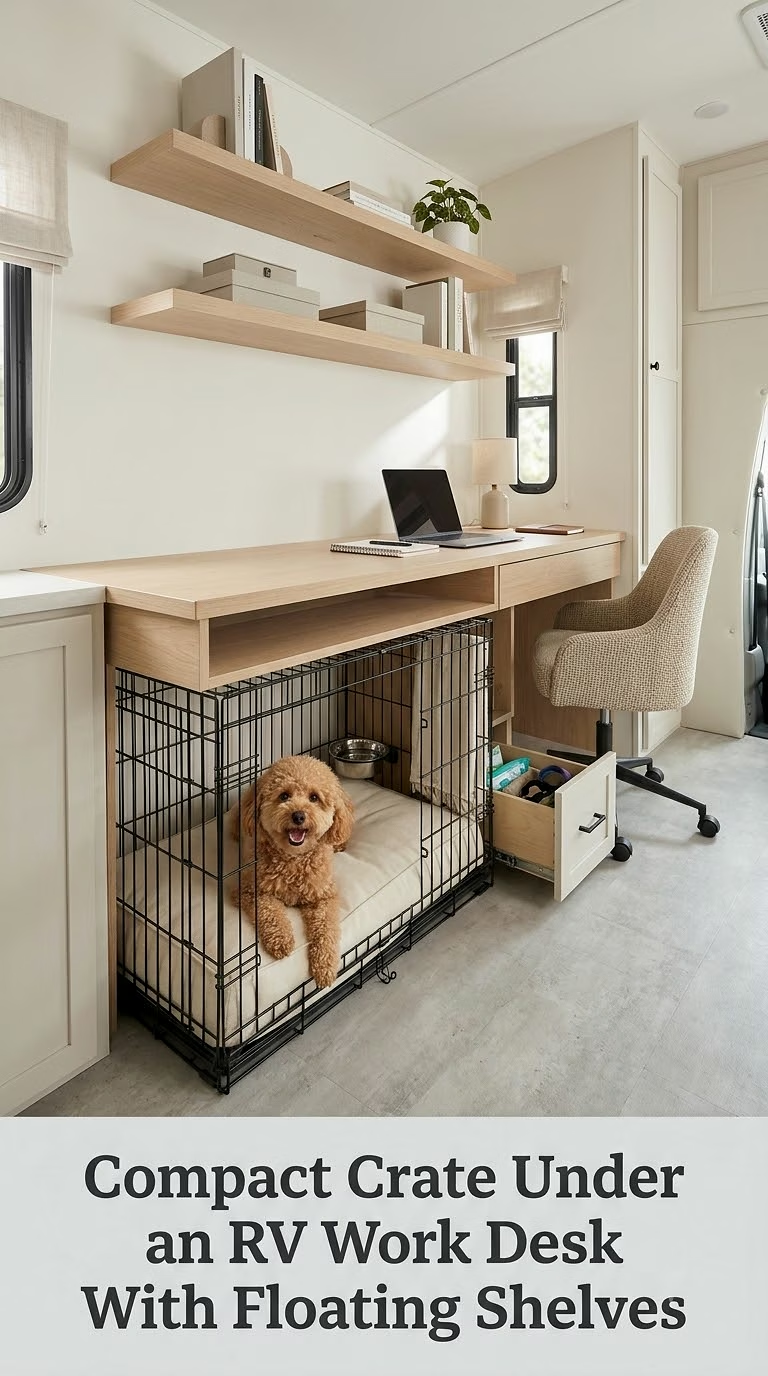
For full-time RVers who work remotely, combining the dog’s space with an office can save valuable floor area.
Build a simple wall-mounted desktop above a properly sized low-profile crate or custom dog nook. The crate fills the otherwise unused space beneath the desk while floating shelves provide storage overhead.
A pale wood desktop, white walls, black hardware, and one comfortable desk chair create an attractive modern workspace without sacrificing a dedicated area for your pup.
Make sure the dog’s entrance remains unobstructed when you are seated. Computer cables should also be routed completely away from curious mouths.
If the desk is near a window, your dog may enjoy resting nearby while you work, but be mindful of direct afternoon sun. An RV can heat quickly, and a crate should never become a hot pocket simply because the surrounding room still feels comfortable.
Entryway Dog Crate With Mud-Resistant Flooring and Leash Storage
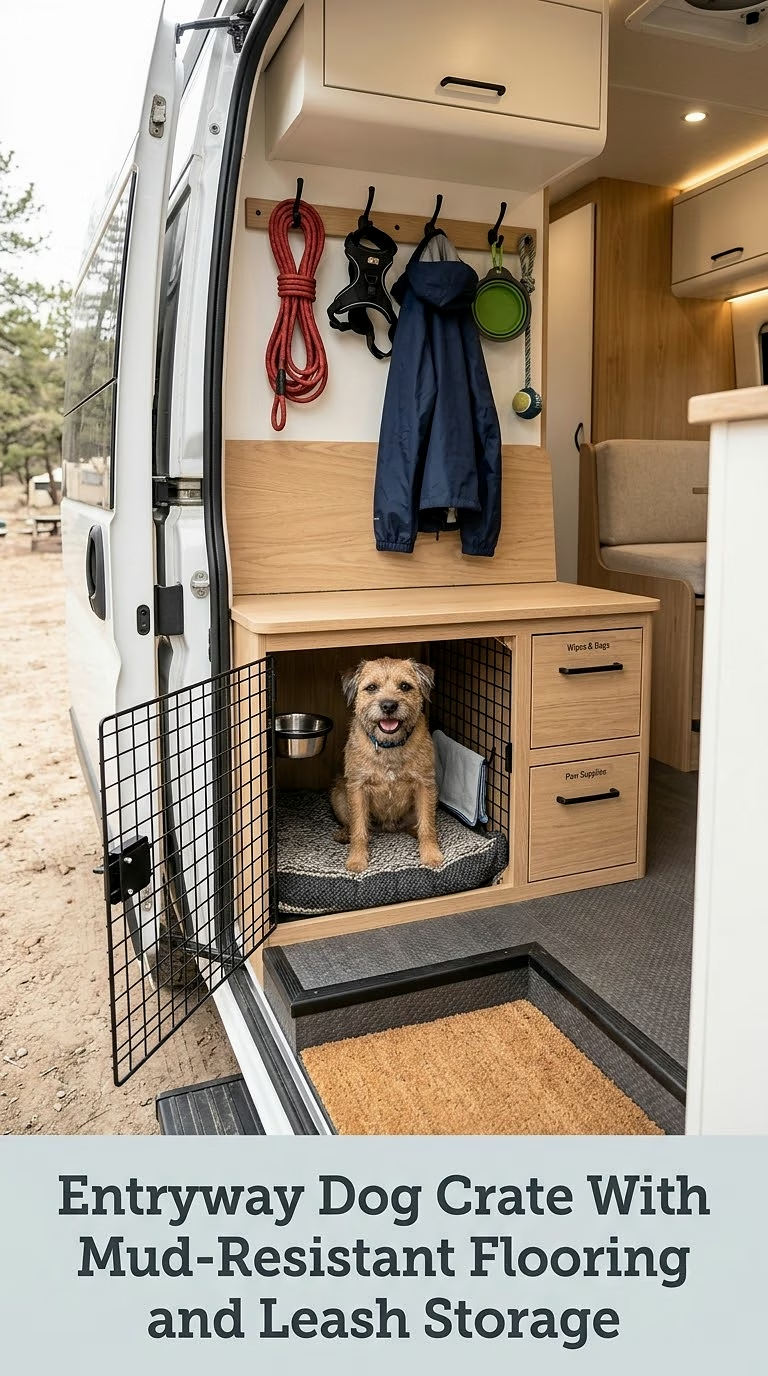
Dogs have a remarkable talent for bringing half the campground indoors.
Placing the crate near the RV entry creates a practical transition zone where muddy paws, damp towels, leashes, and outdoor gear can stay together.
Use waterproof vinyl flooring beneath the crate and install closed storage or hooks nearby for walking essentials. A small basket can hold paw towels, while another stores waste bags and a flashlight for nighttime walks.
For a polished appearance, frame the kennel with natural wood and coordinate the hardware with your RV’s existing cabinetry.
Avoid positioning the crate so close to the doorway that it blocks emergency access or creates a tripping hazard. Your dog should also be protected from cold drafts, direct blasts from heating vents, and frequently swinging doors.
Toy Hauler Dog Zone With Rugged Black Kennels and Gear Storage
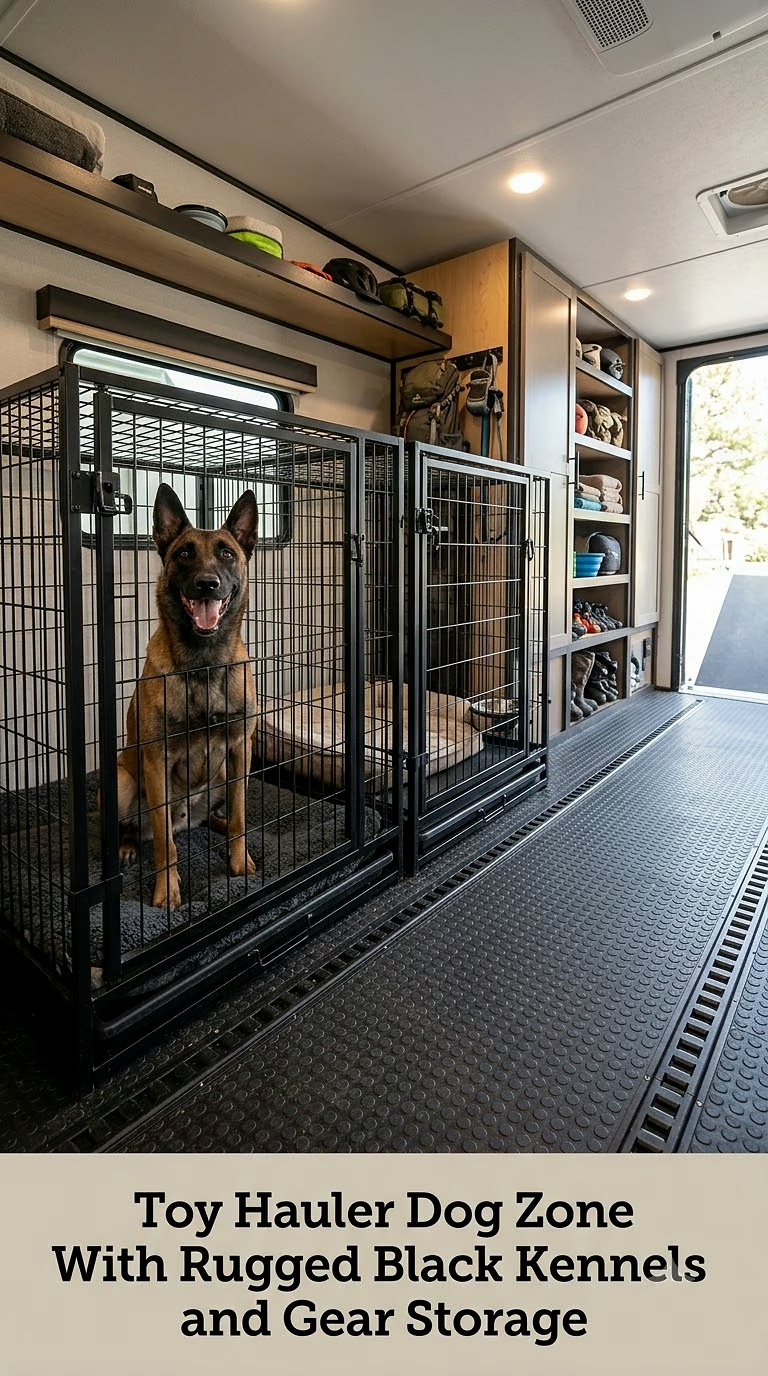
Toy haulers provide opportunities that smaller trailers simply cannot match.
When motorcycles, bicycles, or outdoor equipment are unloaded at camp, part of the garage can become a spacious dog zone with sturdy kennels, washable flooring, and organized gear storage.
Black kennels paired with gray flooring and warm wood shelving create an attractive adventure-inspired look. Add labeled bins for hiking equipment, towels, toys, harnesses, and grooming supplies.
Choose a crate layout that allows you to open each door fully without rearranging equipment.
Remember that garage spaces can experience bigger temperature swings than the main living area. Maintain appropriate climate control and airflow whenever your dog uses the space, and keep fuel, chemicals, tools, batteries, tie-down equipment, and recreational gear completely separated from pets.
Lightweight Aluminum-Frame Crate With Minimalist Neutral Styling
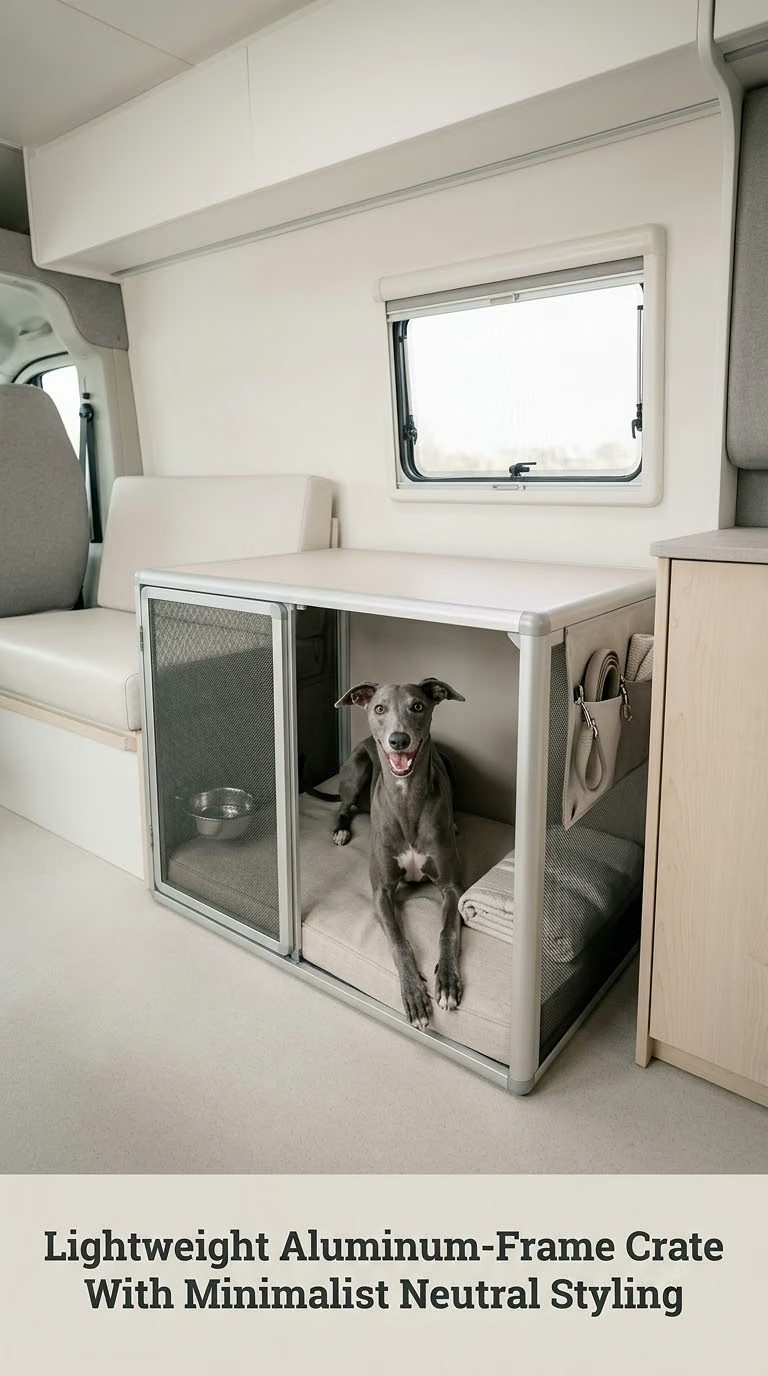
RV renovations become more challenging when every improvement adds extra weight.
A lightweight kennel design can offer the clean appearance of built-in furniture without relying on thick hardwood panels. An aluminum frame paired with lightweight finished panels creates a modern look that suits contemporary campers.
Choose soft beige, taupe, or warm white finishes and let the metal structure provide subtle contrast. A slim washable mat completes the minimalist aesthetic.
This style is particularly useful for owners who care about keeping their renovation relatively light.
Before building anything permanent, check your RV’s cargo-carrying limits and remember that modifications, pet supplies, water, food, and personal belongings all contribute to overall weight.
For travel restraint purposes, use equipment specifically intended for vehicle travel and follow its anchoring requirements rather than assuming a DIY furniture-style enclosure provides crash protection.
Foldable Wire Crate Station With a Beautiful Removable Cover
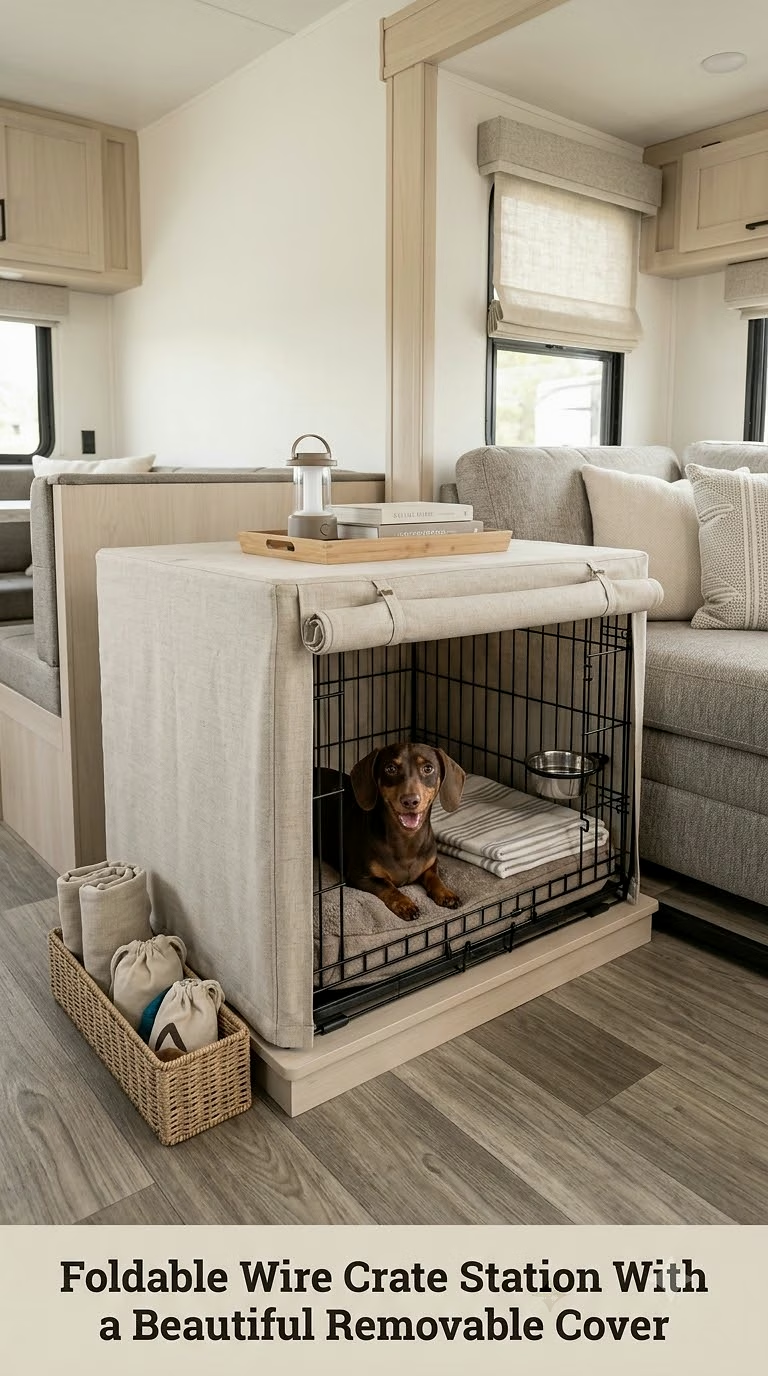
Permanent construction is not the right answer for every camper.
Read more : 18 Large Dog Crate Ideas DIY Lovers Can Build for a Stylish, Cozy Home
A collapsible wire crate is affordable, widely available, easy to clean, and can disappear when you need the floor space for something else. The trick is making its campsite setup feel intentional.
Create a designated corner with a washable rug underneath and a fitted crate cover in linen-look fabric. Choose a cover that can be rolled or opened enough to maintain generous ventilation.
When the crate is not needed, fold it flat and secure it in a storage compartment.
This is a smart option for renters, occasional RV travelers, or anyone who changes floor plans frequently. It also allows you to use the same familiar crate at home and at camp, which can help preserve your dog’s established routine.
Window-Side Dog Nook With Airy Slatted Wood Panels
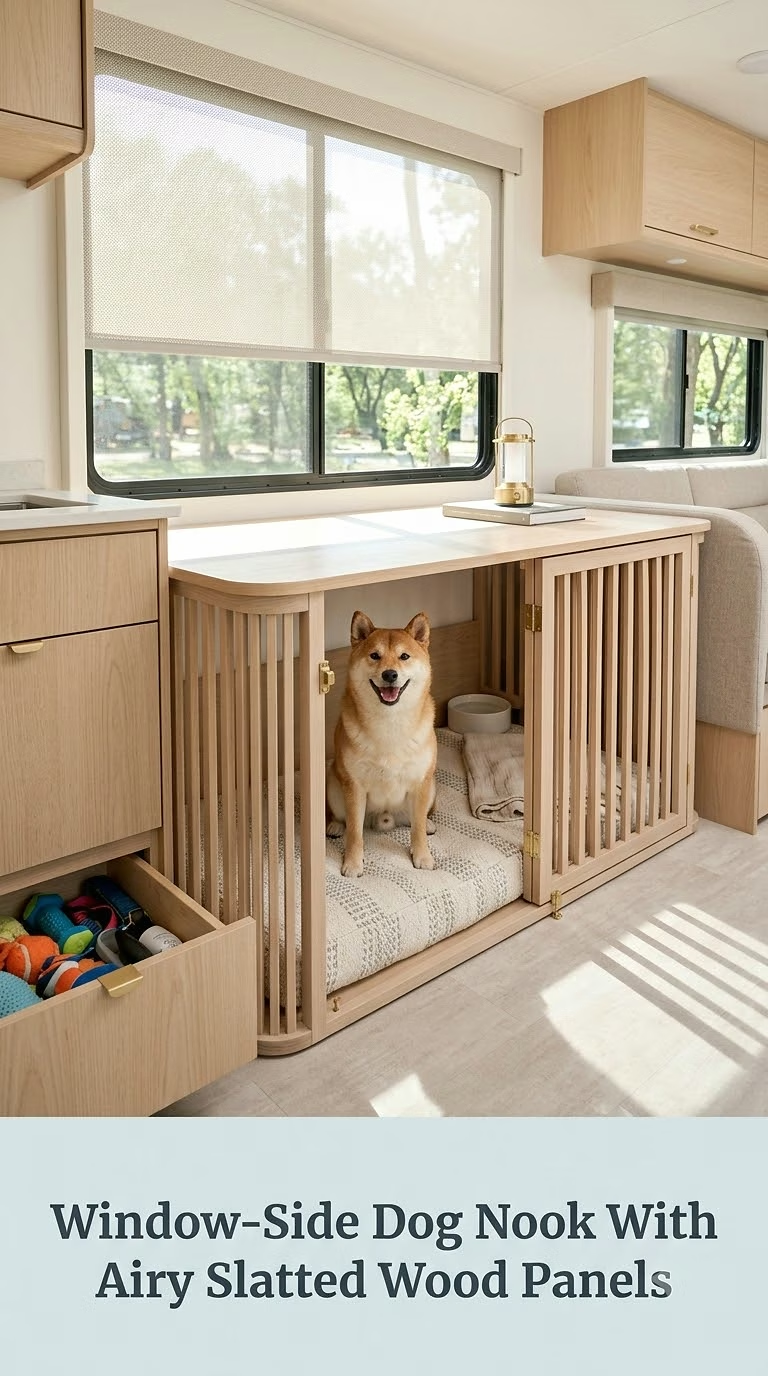
A light-filled dog nook can be gorgeous when designed carefully.
Position a stationary campsite crate near an RV window and surround it with vertical slatted panels instead of solid cabinetry. The slats create a warm Scandinavian appearance while helping the enclosure feel visually open.
Light oak, creamy walls, and a soft tan mat keep the setup bright and peaceful.
The important detail is sun exposure. A window receiving strong afternoon sunlight can make the area uncomfortable even when the rest of the RV feels relatively cool. Use shades when needed and regularly check the temperature around the actual crate.
Avoid blocking HVAC vents or relying solely on an open window for cooling. Good airflow, dependable climate control, and access to fresh water are much more important than achieving the perfect Pinterest photo.
Narrow Corner Crate With Rounded Wood Trim for Small RVs
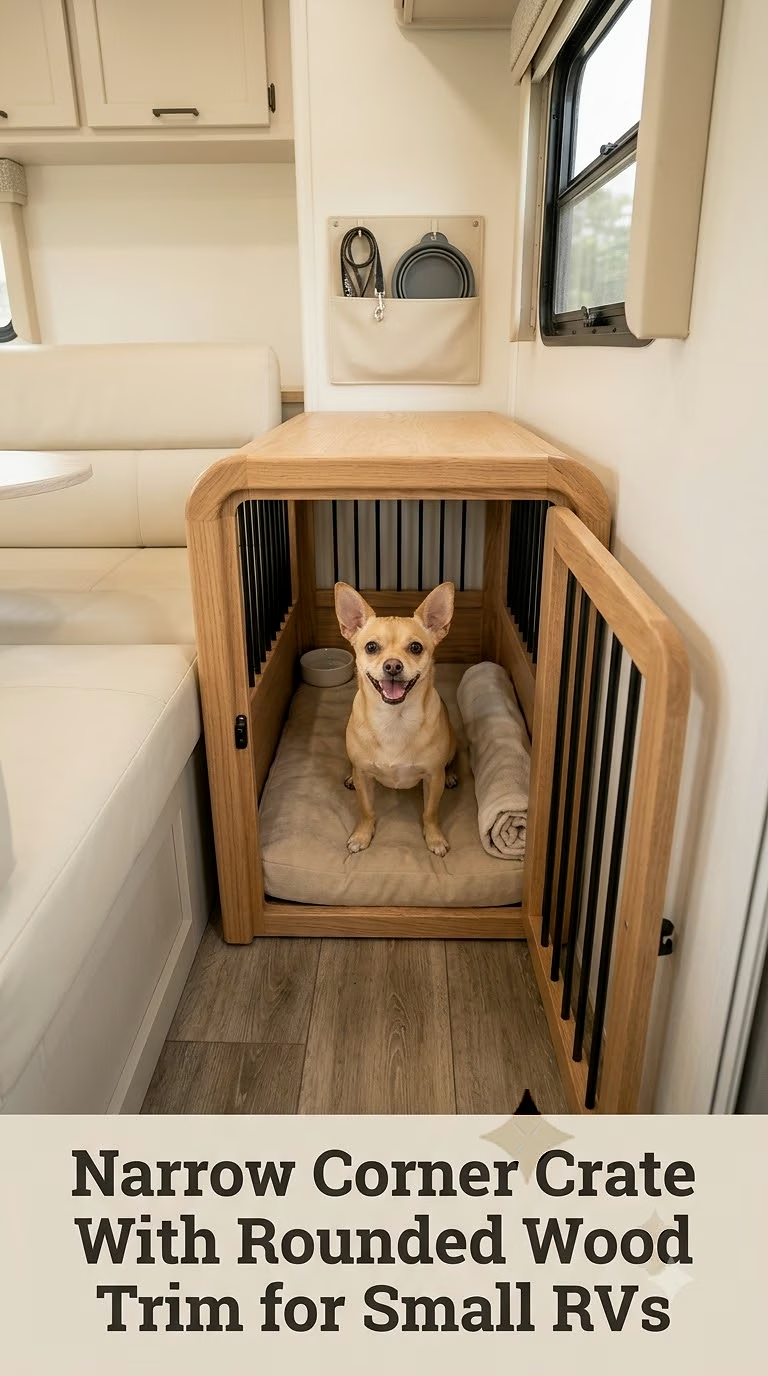
Tiny campers often have awkward corners that are too small for standard furniture yet perfect for a carefully measured dog nook.
A narrow built-in enclosure with softly rounded wood trim can transform one of those forgotten spaces into something useful. Light-colored finishes help the structure visually blend with surrounding cabinetry rather than making the RV feel crowded.
This works best for small dogs whose properly sized crate comfortably fits the available dimensions.
Design the door so it opens toward a wall or another low-traffic area instead of across the main walkway. Removable floor panels or trays make cleaning easier when access is limited.
Never reduce crate dimensions merely to squeeze the idea into a corner. If your dog cannot comfortably stand, turn around, and lie down, choose a different location.
Slide-Out Wall Crate Console With Extra-Slim Storage Above
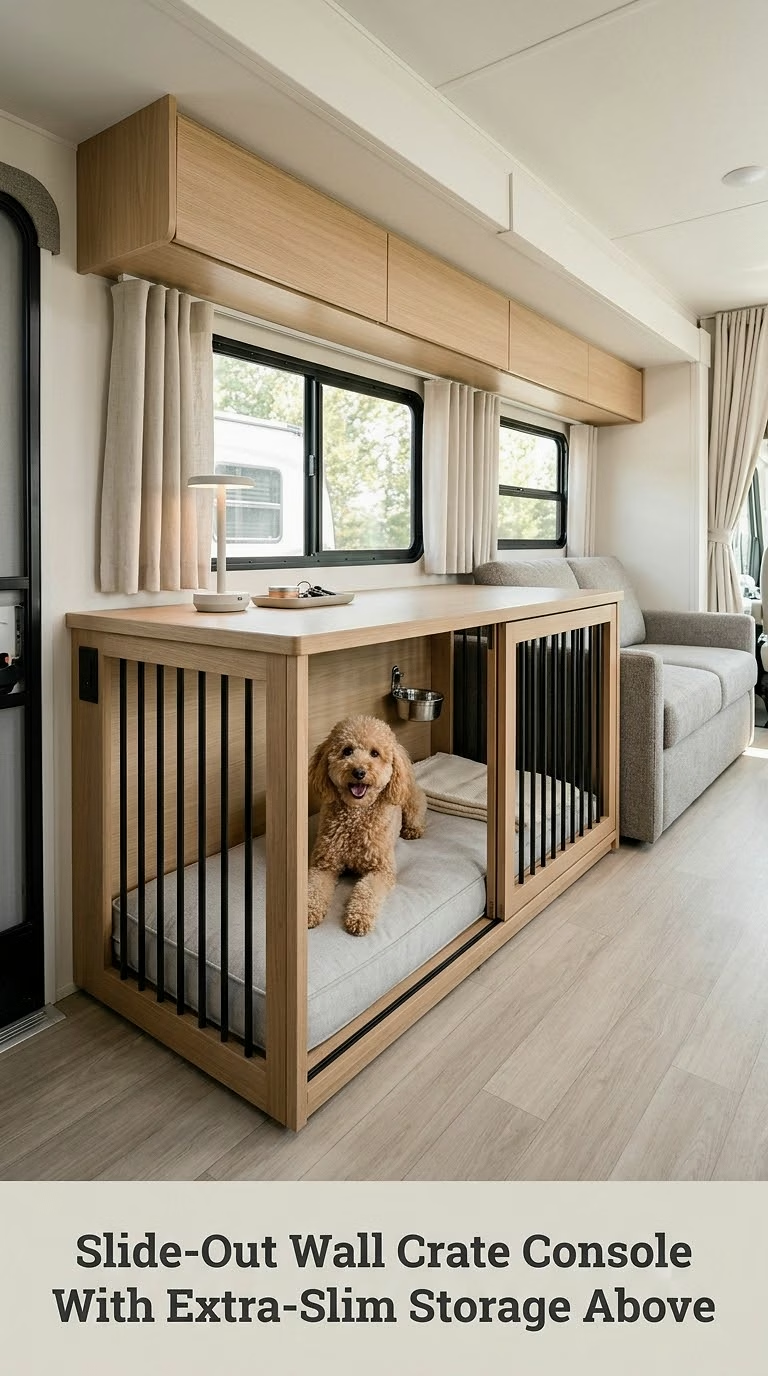
Long, narrow spaces along an RV wall can become surprisingly useful when the camper is parked with the slide extended.
An extra-slim crate console placed against the wall can provide a cozy dog area below and shallow storage above without dominating the room. Paint it the same color as nearby cabinetry so it visually disappears into the architecture.
Use the upper shelves for lightweight dog supplies stored in secured containers.
When planning this layout, check the complete path of your slide-out before building or positioning anything. Furniture that fits perfectly while camping may interfere with the mechanism when the slide comes in.
Marking the slide boundaries on the floor before installation is a simple way to visualize how much permanent space you truly have available.
Small-Dog Carrier Station Built Into a Low Storage Cabinet
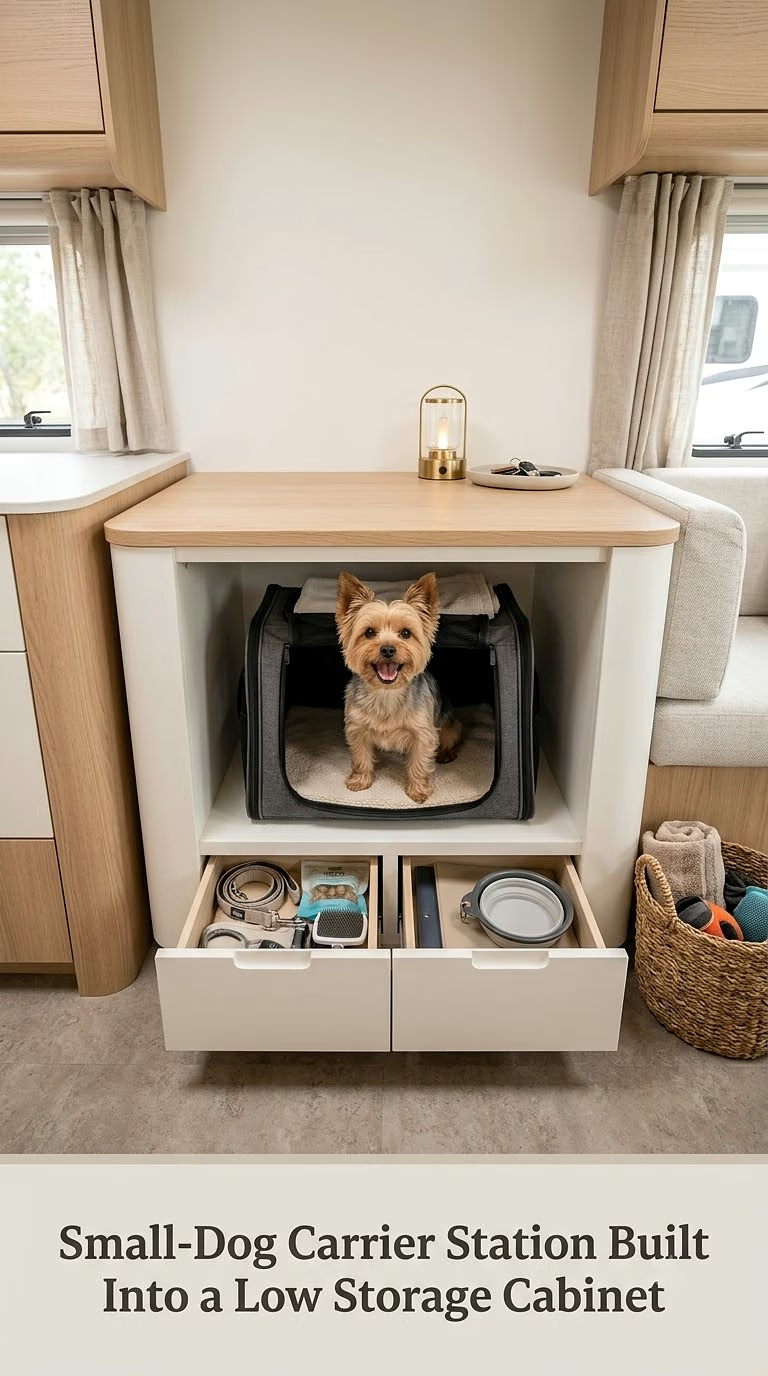
Small dogs can benefit from an especially compact setup.
A low cabinet with an open cubby can provide a designated location for a properly sized carrier while you are parked. When the carrier is removable, it can also remain familiar to your dog instead of becoming something that appears only before stressful trips.
Surround the cubby with useful storage for harnesses, food containers, medications, grooming supplies, and blankets. Soft cream cabinetry with pale wood accents creates an attractive cottage-inspired look.
If the carrier is also used during vehicle travel, follow its specific installation instructions. Do not assume any cabinet cubby, strap, or seat belt arrangement is safe unless the carrier manufacturer specifically calls for that method.
The result can still look beautifully integrated at camp without compromising proper travel use.
Luxury Bedroom Footboard Kennel With Upholstered Bench Top
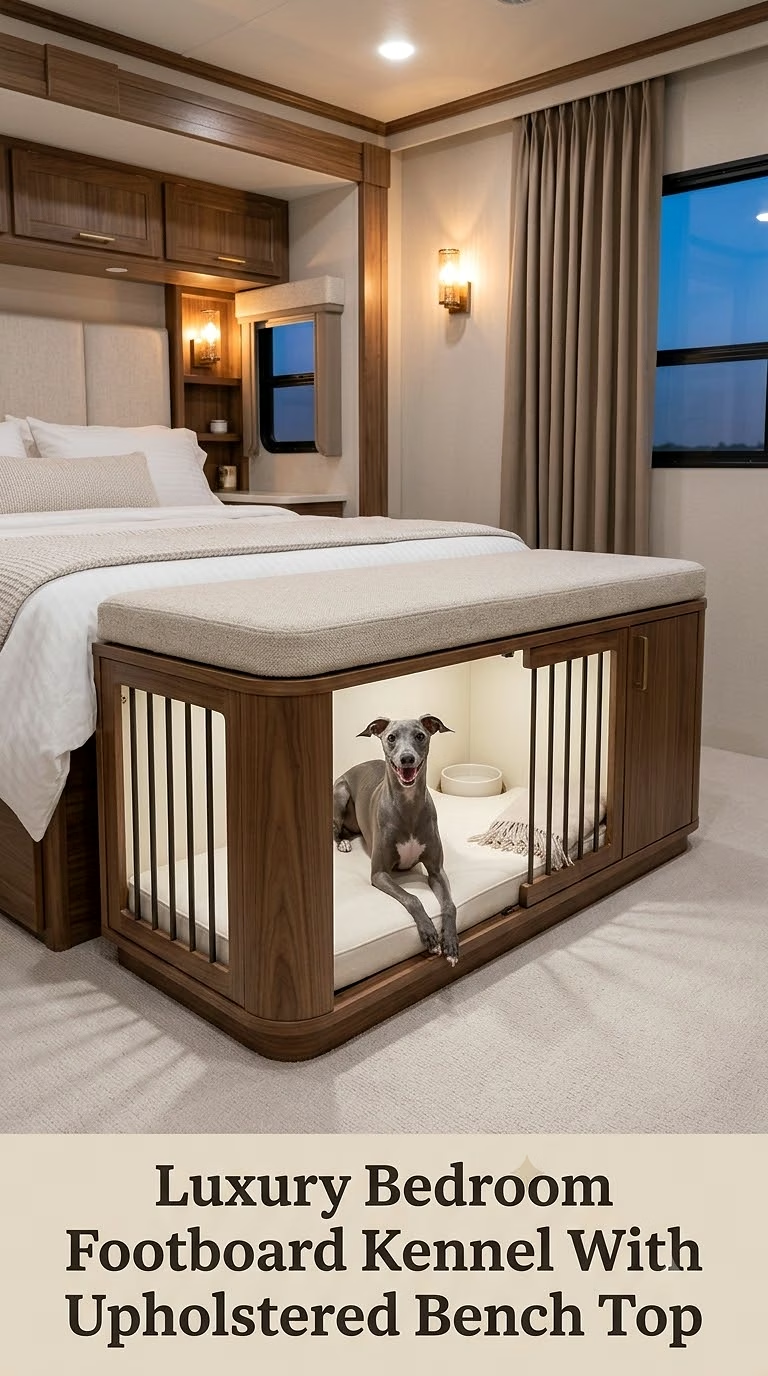
For larger fifth wheels and spacious motorhomes, the end of the bed can become an elegant multifunctional dog area.
Build a low kennel at the footboard and top it with a slim upholstered bench cushion. The structure provides your dog with a dedicated sleeping area while creating a convenient place for you to sit when putting on shoes.
Warm walnut framing, creamy upholstery, black metal ventilation panels, and neutral bedding give the setup a boutique-hotel feel.
Keep the structure low enough that it does not overpower the bedroom or restrict movement around the bed. The top cushion should be removable and washable, especially if your dog regularly returns from dusty campsites.
This idea proves that practical RV dog spaces can look sophisticated without hiding the fact that a beloved pet lives there.
Creating RV Dog Crate Ideas That Work for You and Your Pup
The best RV dog crate ideas are the ones that make traveling easier without asking your dog to sacrifice comfort. A tucked-away dinette kennel may be ideal for one camper, while another family may prefer a simple collapsible crate that can be moved whenever the floor plan needs to change.
Look carefully at the unused spaces already hiding inside your RV. Dinette benches, lower bunks, bed platforms, oversized sofas, cabinets, and awkward corners can often serve more than one purpose. Choose materials that are lightweight, washable, and durable, and make ventilation, comfortable crate sizing, temperature control, and safe access part of the design from the beginning.
Most importantly, separate campsite comfort from travel safety. A beautiful built-in dog nook can become your pup’s favorite bedroom once you arrive, while appropriate vehicle restraint equipment keeps them safer on travel days.
Whether your style is modern white oak, cozy farmhouse, soft sage green, rugged adventure-inspired, or wonderfully simple, there is room to create a dog-friendly RV that feels beautiful for you and comforting for your four-legged travel companion. Save your favorite ideas, adapt them to your camper’s layout, and create a little home on wheels that truly works for everyone.
Source: https://petstutorial.com
Category: Dog Crates
