
If your basement has become a forgotten storage zone, it may be hiding the perfect opportunity to create a comfortable little world for your dog. With thoughtful planning, even an unfinished or awkward basement corner can become a cozy retreat complete with a roomy kennel, washable surfaces, organized storage, and beautiful details that make the space feel like part of your home rather than an afterthought.
- 18 Dog Kennel Roof Ideas for a Stylish, Safe, and Weather-Ready Outdoor Space
- 19 Laundry Room Ideas With Dog Kennel: Beautiful and Practical Spaces for Pet Lovers
- 19 Hunting Dog Kennel Ideas for Beautiful, Practical Working-Dog Spaces
- 19 Understairs Dog Kennel Ideas for a Cozy, Stylish Space Your Dog Will Love
- 17 Beautiful Outdoor Dog Kennel Ideas for a Safe and Stylish Backyard Retreat
The best basement dog kennel ideas balance appearance with everyday practicality. Basements can be cooler, darker, and more humid than upstairs rooms, so the prettiest setup still needs good airflow, reliable lighting, comfortable temperatures, and materials that tolerate muddy paws and frequent cleaning. It is especially important to correct leaks or persistent dampness before adding bedding, wood cabinetry, rugs, or other moisture-sensitive finishes.
You are reading: 18 Basement Dog Kennel Ideas for a Cozy, Stylish Pet Retreat
You also do not need an enormous renovation budget. A simple wire kennel tucked beneath shelving can look polished with the right styling, while a larger finished basement can accommodate an entire dog room with cabinetry, feeding stations, grooming supplies, and lounge space.
Whether you love modern interiors, warm farmhouse style, minimalist rooms, or colorful Pinterest-worthy spaces, these basement kennel ideas offer plenty of inspiration for turning an overlooked lower level into a safe and welcoming retreat for your four-legged family member.
Beautiful Basement Dog Kennel Ideas for Every Home and Style
Modern White Oak Kennel Wall With Built-In Storage Drawers
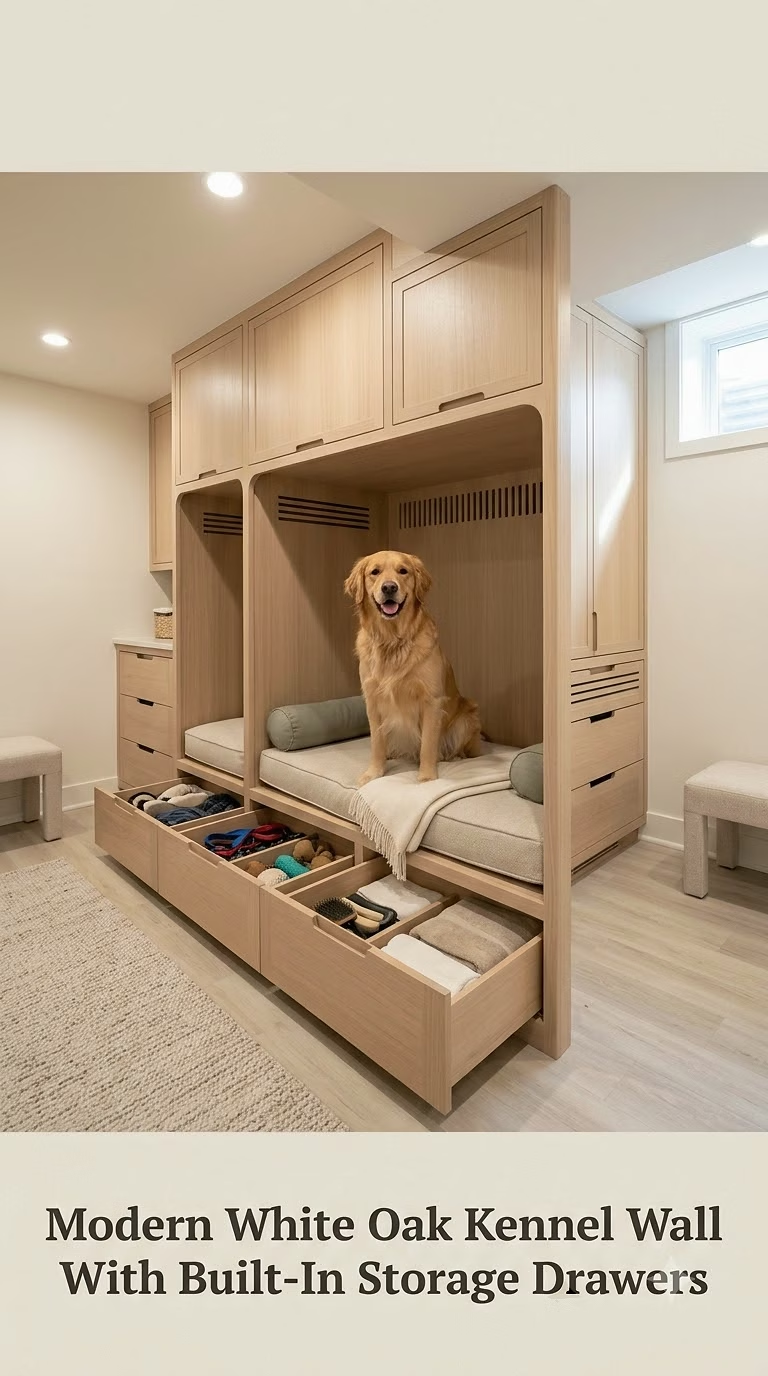
Turn an empty basement wall into a beautiful custom feature by surrounding your dog’s kennel with warm white oak cabinetry. The kennel can sit beneath a long countertop while deep drawers on either side hold leashes, grooming supplies, blankets, waste bags, and toys.
Choose simple flat-front cabinets and matte black or brushed brass hardware for a clean contemporary finish. A pale cream wall behind the kennel keeps the basement bright, while a washable neutral mat makes the sleeping area feel softer.
Instead of completely enclosing the kennel in cabinetry, maintain plenty of open ventilation around the sides and front. Removable washable bedding is especially useful in basement environments where fabrics may need more frequent laundering.
This design works beautifully along a finished basement hallway, laundry area, or family room wall. It also makes excellent use of vertical space, allowing shelves above the kennel to store attractive baskets without sacrificing valuable floor area.
Cozy Under-Stair Dog Retreat With Warm Wood Paneling
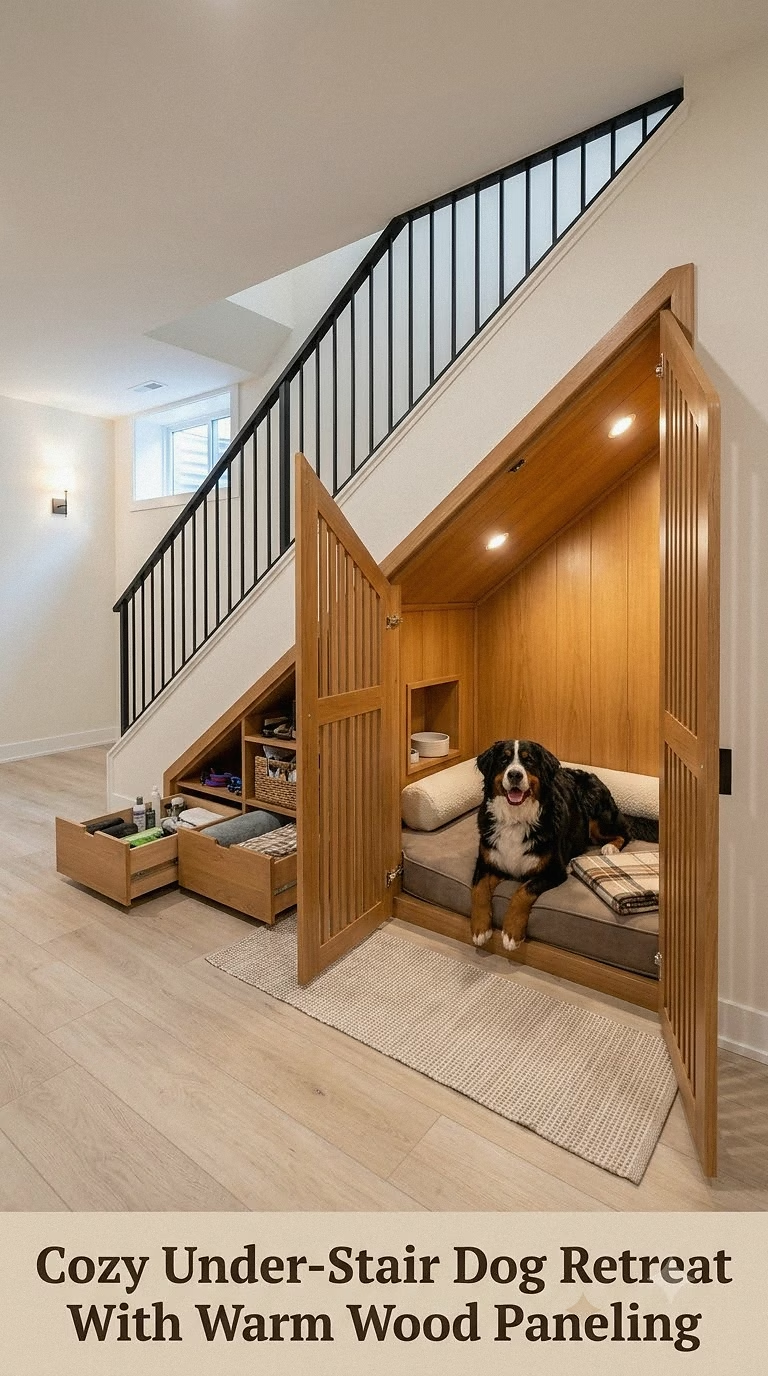
The unused space beneath basement stairs is often surprisingly well suited to a small dog retreat. Rather than letting this triangular area collect boxes, transform it into a cozy nook lined with warm wood paneling and soft neutral bedding.
A framed opening with a secure gate can create the kennel entrance while leaving sufficient ventilation. Add a small wall-mounted light nearby rather than relying on a dark corner beneath the staircase.
For a Pinterest-worthy look, combine natural oak or pine with creamy walls, a textured dog cushion, and woven storage baskets. A tiny framed dog portrait or wooden name plaque can give the nook personality without creating clutter inside the sleeping area.
Because under-stair spaces can have awkward dimensions, carefully measure your dog before building anything permanent. Your dog should still be able to stand comfortably, turn around, stretch, and rest naturally rather than being squeezed into the shape of the staircase.
Soft Sage Green Dog Room With Woven Basket Storage
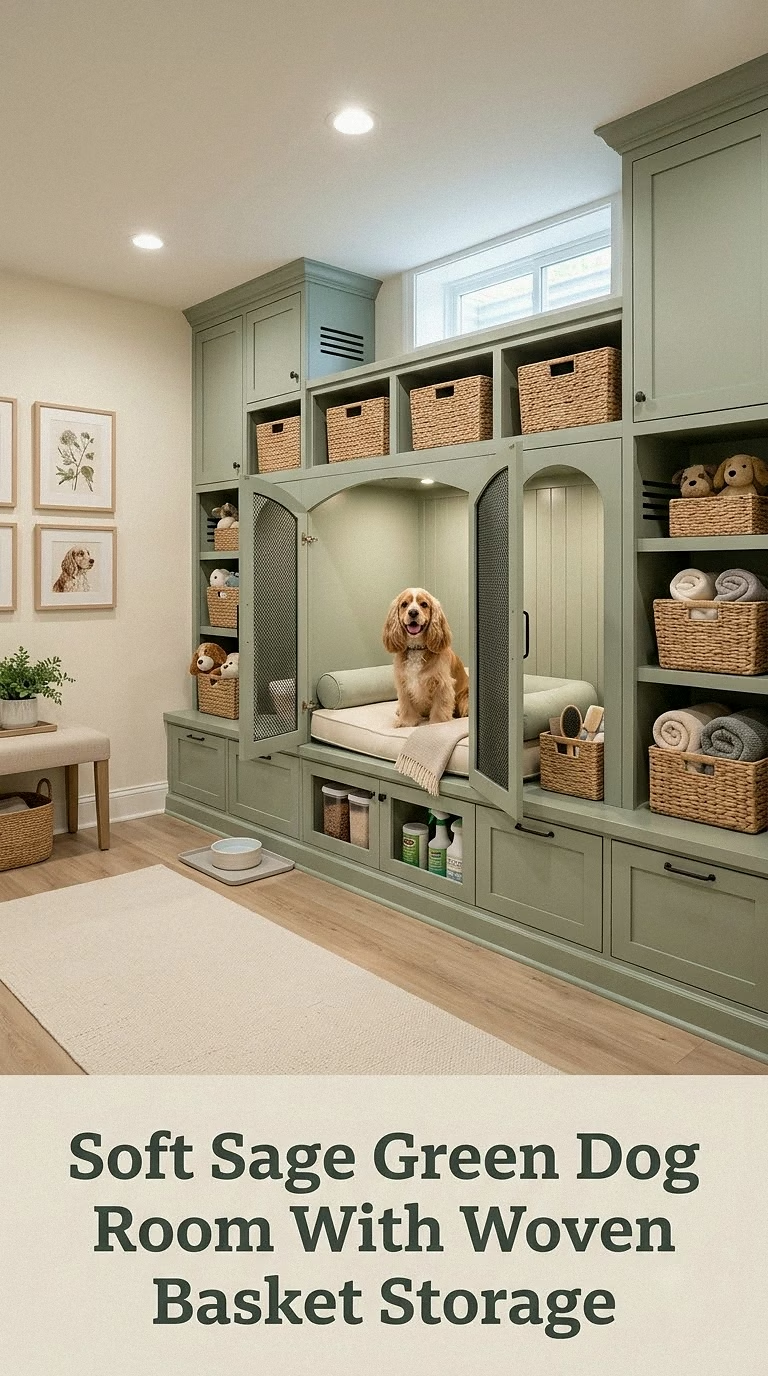
Sage green is a lovely choice for turning a basement kennel area into a calm, welcoming room. Paint the surrounding walls a muted sage and pair the color with light oak shelving, cream bedding, and natural woven baskets.
Use several labeled baskets to separate toys, towels, grooming products, and walking accessories. Keeping frequently used supplies within arm’s reach makes everyday care much easier while helping the basement remain organized.
A sturdy kennel can sit against the main wall with a washable mat beneath it to catch fur and dirt. Above the kennel, install shallow shelving for decorative storage rather than placing loose objects directly on top where they could fall.
This setup is especially appealing if part of your basement already functions as a laundry or utility room. The muted green palette visually softens practical surfaces while still feeling fresh, modern, and easy to coordinate with concrete, tile, or vinyl flooring.
Rustic Farmhouse Kennel With Shiplap and Black Metal Details
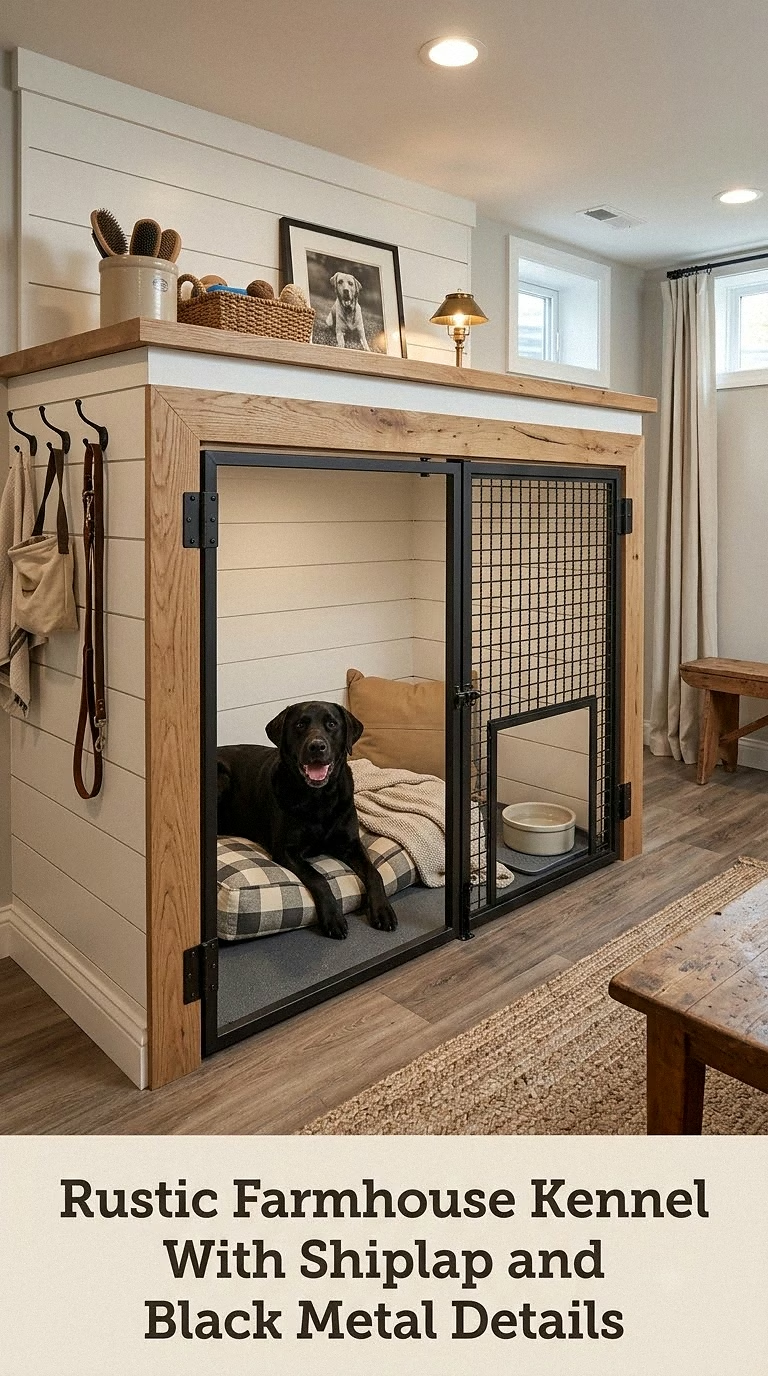
For a basement filled with warm farmhouse character, combine white or cream shiplap with a black metal kennel and rustic wood accents.
Create a simple framed kennel surround using stained wood, then add open shelving above for folded blankets and matching storage baskets. Black hooks nearby can hold leashes and walking bags while echoing the dark kennel frame.
A washable plaid or ticking-stripe dog bed adds pattern without making the room look overly busy. For flooring, wood-look luxury vinyl can provide the appearance of farmhouse planks while being easier to maintain than traditional unfinished wood in a dog area.
Avoid filling the kennel itself with decorative objects. The interior should remain comfortable and uncluttered, while the surrounding walls and storage provide the farmhouse styling.
The result feels less like a utility kennel hidden downstairs and more like a carefully designed little room created especially for your pet.
Bright Basement Kennel With Glass-Panel Room Divider
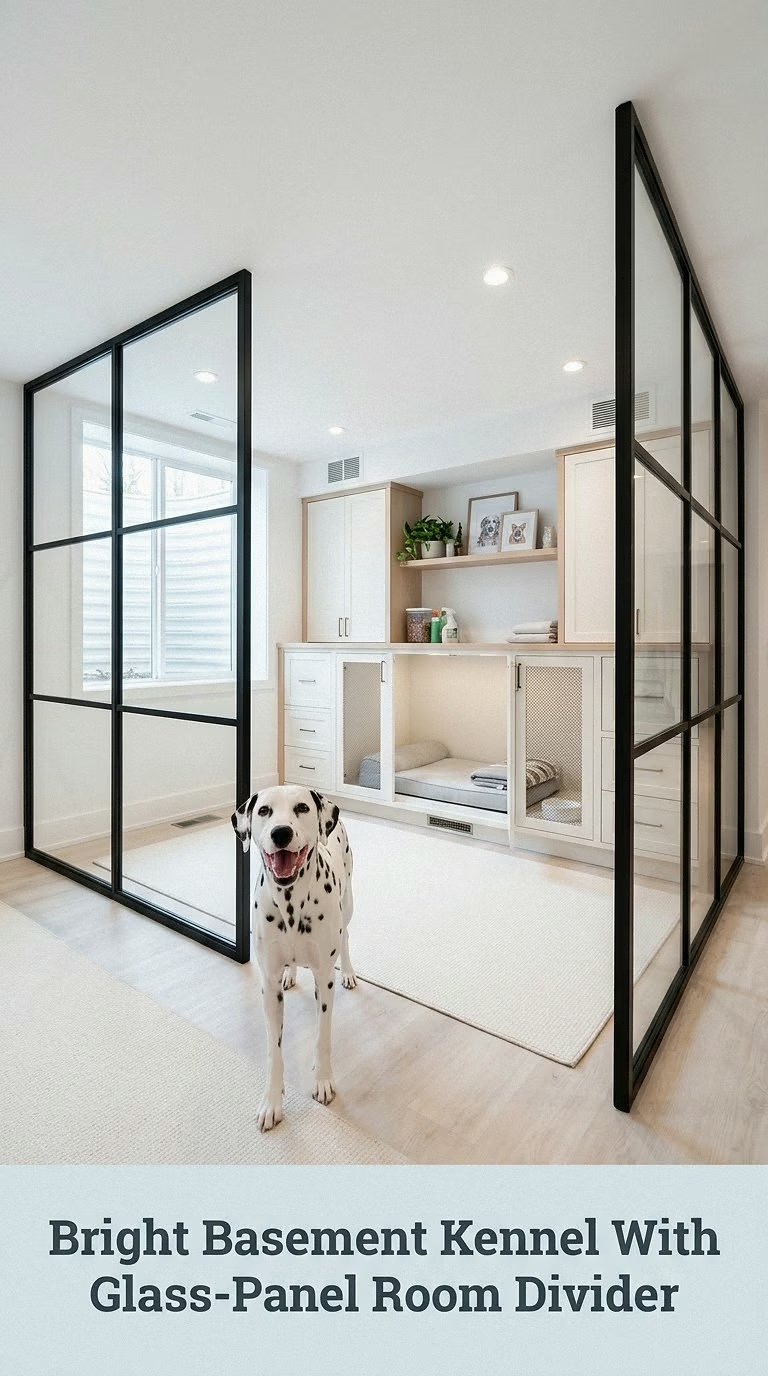
A glass-panel partition can help define a dog area without visually closing off an already dark basement.
Use interior glass panels or glazed doors around part of the kennel room while keeping appropriate ventilation openings. Black-framed panels create an industrial-modern appearance, while slim white frames feel softer and more contemporary.
Inside the space, keep the palette intentionally bright with cream walls, pale flooring, light wood storage, and warm overhead lighting. A secure kennel can sit against the back wall, leaving open floor space in front for stretching and relaxing when supervised.
This concept works especially well in finished walk-out basements or basement family rooms where you want the dog area to look integrated with the rest of the interior.
Because glass quickly shows nose prints and paw marks, choose easy-to-clean surfaces and keep a microfiber cloth nearby. The extra wiping is worthwhile if your priority is maintaining an airy, visually connected basement.
Affordable Wire Kennel Station With Floating Shelves

Creating a beautiful basement dog area does not require custom construction. One of the easiest budget-friendly approaches begins with a sturdy wire kennel and a pair of inexpensive floating shelves.
Place the kennel against a clean painted wall and position shelves above it high enough that your dog cannot reach their contents. Use matching fabric bins or woven baskets to conceal supplies such as shampoo, towels, toys, and spare bedding.
A washable runner beneath the kennel visually defines the zone while helping protect finished flooring. Choose a tightly woven or low-pile option that can be easily cleaned rather than a thick decorative rug that traps hair and moisture.
Finish the area with a framed dog illustration, simple wall hooks, and coordinated containers.
Keeping all of the surrounding accessories within one color palette can make even an inexpensive wire crate feel intentional, proving that attractive basement dog kennel ideas do not have to involve complicated carpentry.
Industrial Basement Kennel With Concrete Floors and Matte Black Framing
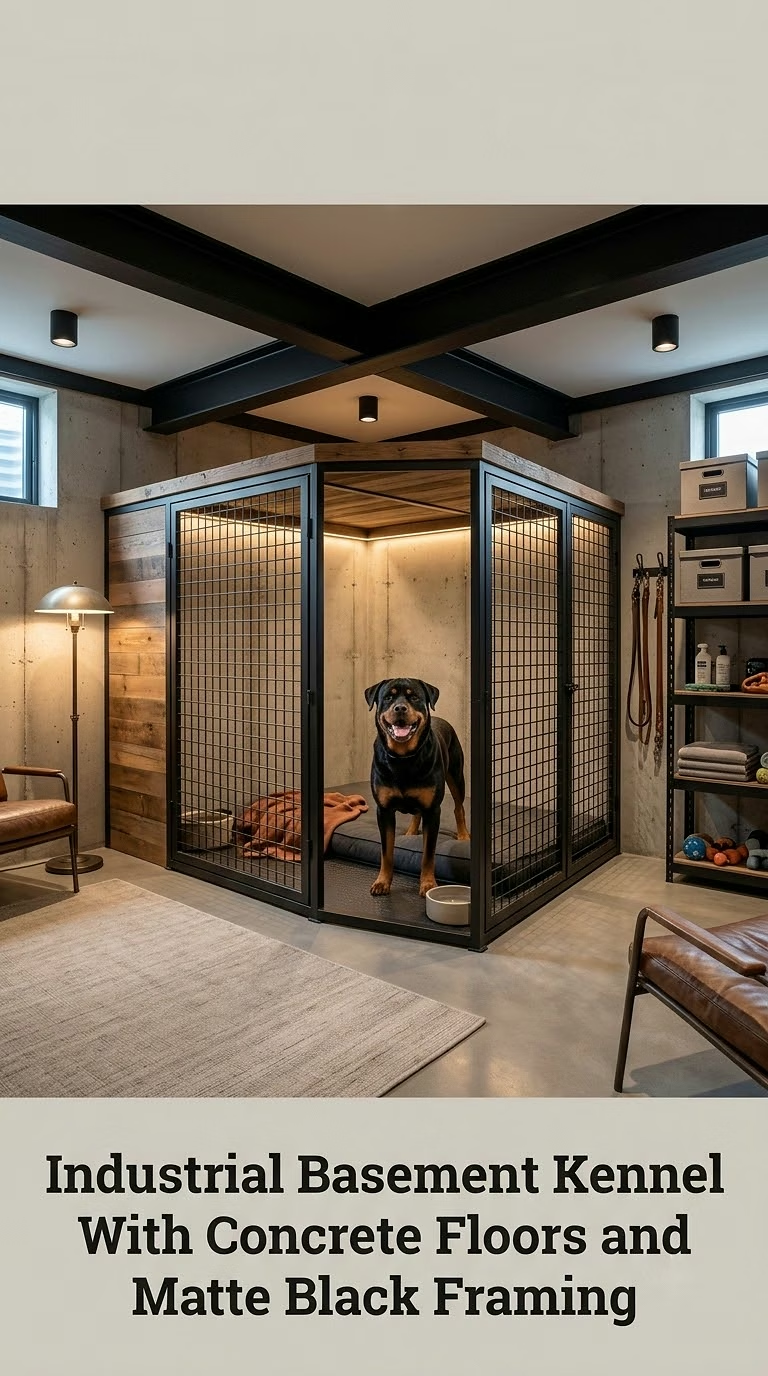
An unfinished basement can become part of the aesthetic rather than something you need to disguise.
Smooth sealed concrete flooring, charcoal walls, natural plywood cabinetry, and matte black kennel panels create a stylish industrial dog room that feels purposeful and durable.
Read more : 19 Stray Dog Shelter Ideas Outdoor Spaces Can Use for Safe, Cozy Refuge
Install bright overhead lighting so the darker color palette does not make the room gloomy. Light wood shelving and beige washable bedding can soften the harder finishes and make the kennel more inviting.
Concrete floors are convenient around muddy paws, but they can feel cold and hard. Provide a supportive raised bed or cushioned washable mat so your dog is not expected to rest directly on the concrete.
This style works particularly well for large dogs because substantial metal kennel panels visually suit a bigger enclosure. Keep exposed cords, tools, chemicals, mechanical equipment, and unfinished construction materials completely outside the dog’s accessible area.
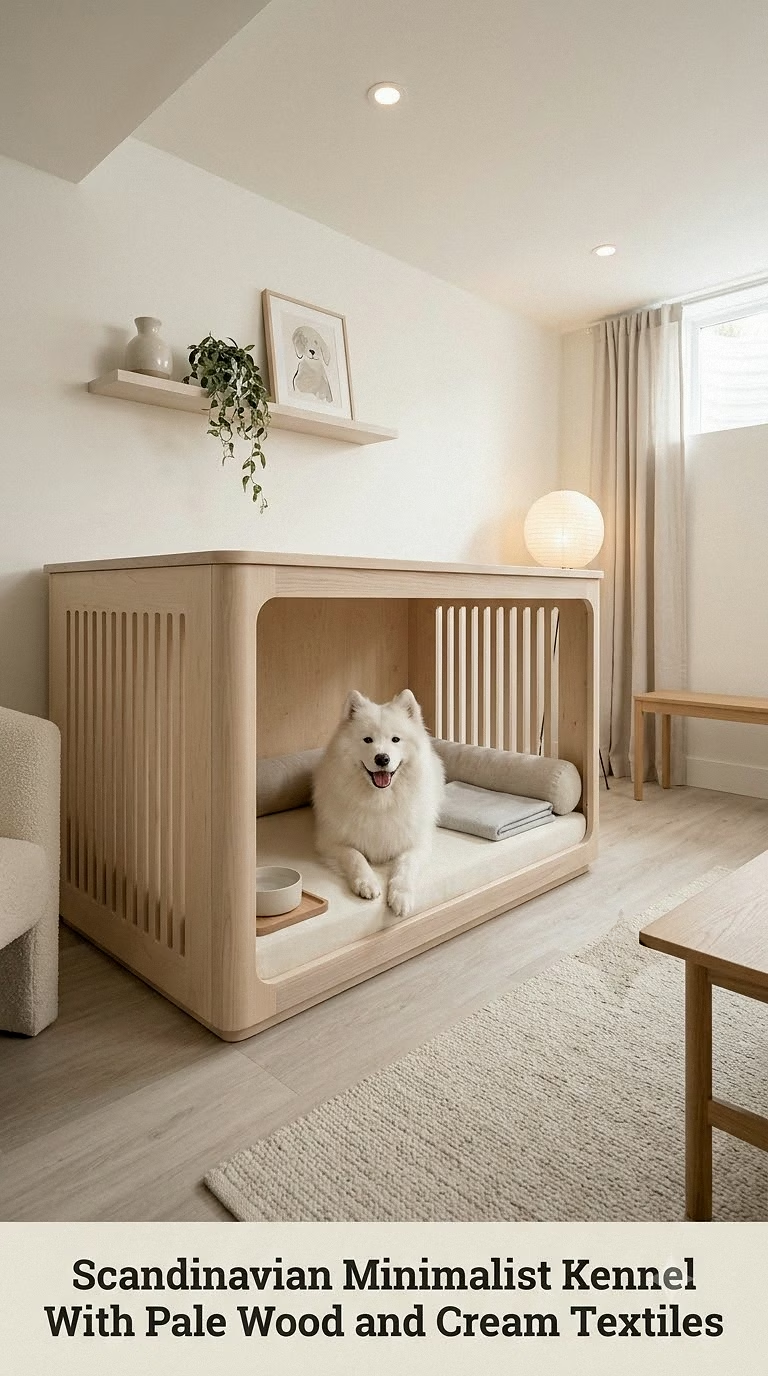
For homeowners who love calm, uncluttered spaces, take inspiration from Scandinavian interiors.
Build the basement kennel area around pale wood, soft cream walls, simple lines, and only a few carefully selected accessories. A light oak kennel surround can double as a narrow console while concealed cabinets keep pet supplies out of sight.
Inside, choose a comfortable washable bed in oatmeal, ivory, or light gray. Add one basket of toys rather than several open containers filled with colorful accessories.
Good lighting is particularly important with this pared-back approach. Warm ceiling lighting combined with a nearby wall fixture can make a windowless basement feel much more inviting.
The beauty of this style comes from restraint. Instead of filling every wall with pet-themed décor, concentrate on quality materials, useful storage, soft textures, and enough open space for the kennel area to feel peaceful.
Basement Laundry Room Kennel With Mudroom-Style Storage
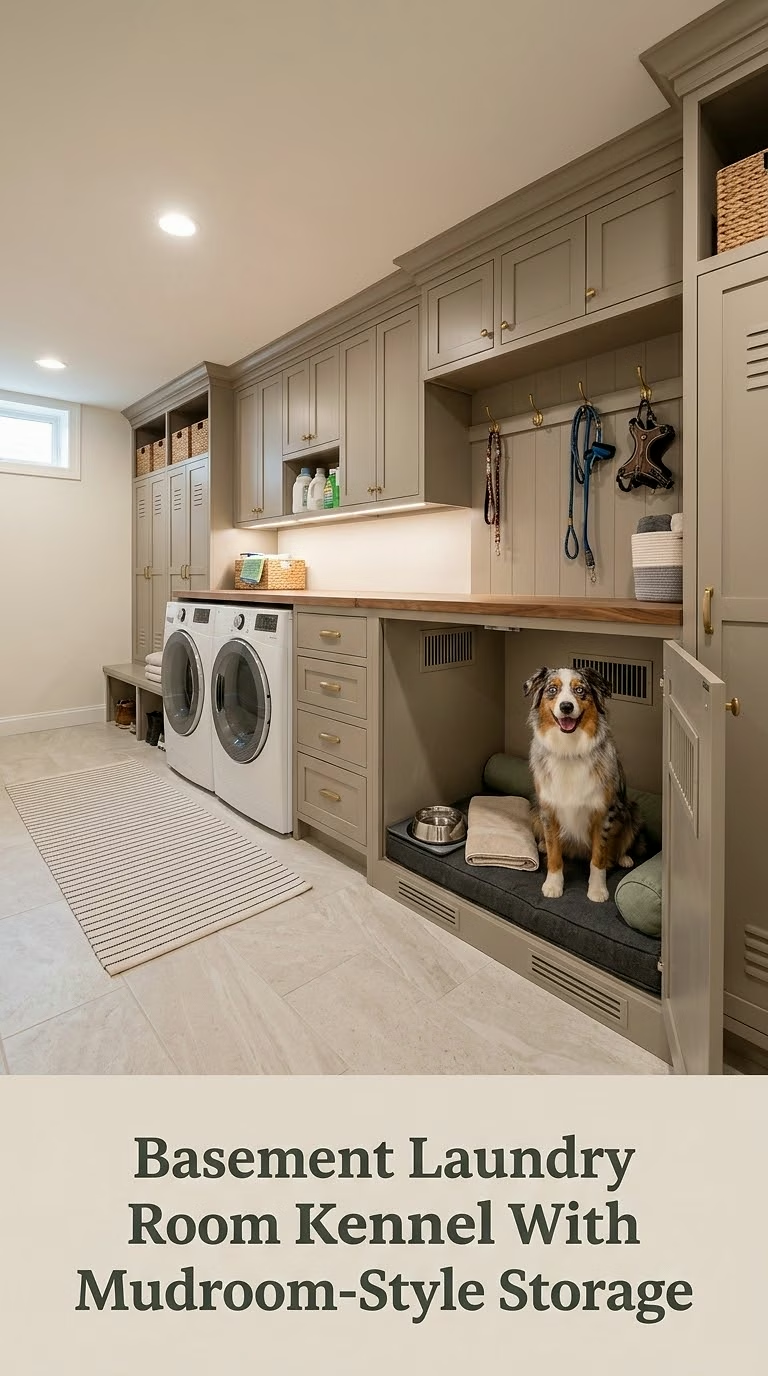
If your basement laundry room already handles muddy clothes and household cleanup, it can also become a practical location for a thoughtfully designed kennel station.
Place the kennel away from noisy machinery and create a dedicated pet zone with tall cabinetry, wall hooks, and a small bench. Use hooks for leashes and harnesses, drawers for grooming products, and upper cabinets for items that should remain inaccessible to pets.
A tile or waterproof resilient floor simplifies cleanup after wet walks. Keep washable towels in a basket nearby so muddy paws can be cleaned before your dog enters the kennel.
You can visually connect the dog area with the laundry room using matching cabinetry and hardware. Soft green, dusty blue, warm gray, or creamy white cabinetry can make a highly functional space feel polished.
Always keep detergents, cleaners, dryer products, and other household chemicals securely stored where your dog cannot reach them.
Luxury Basement Dog Suite With Individual Sleeping Bays
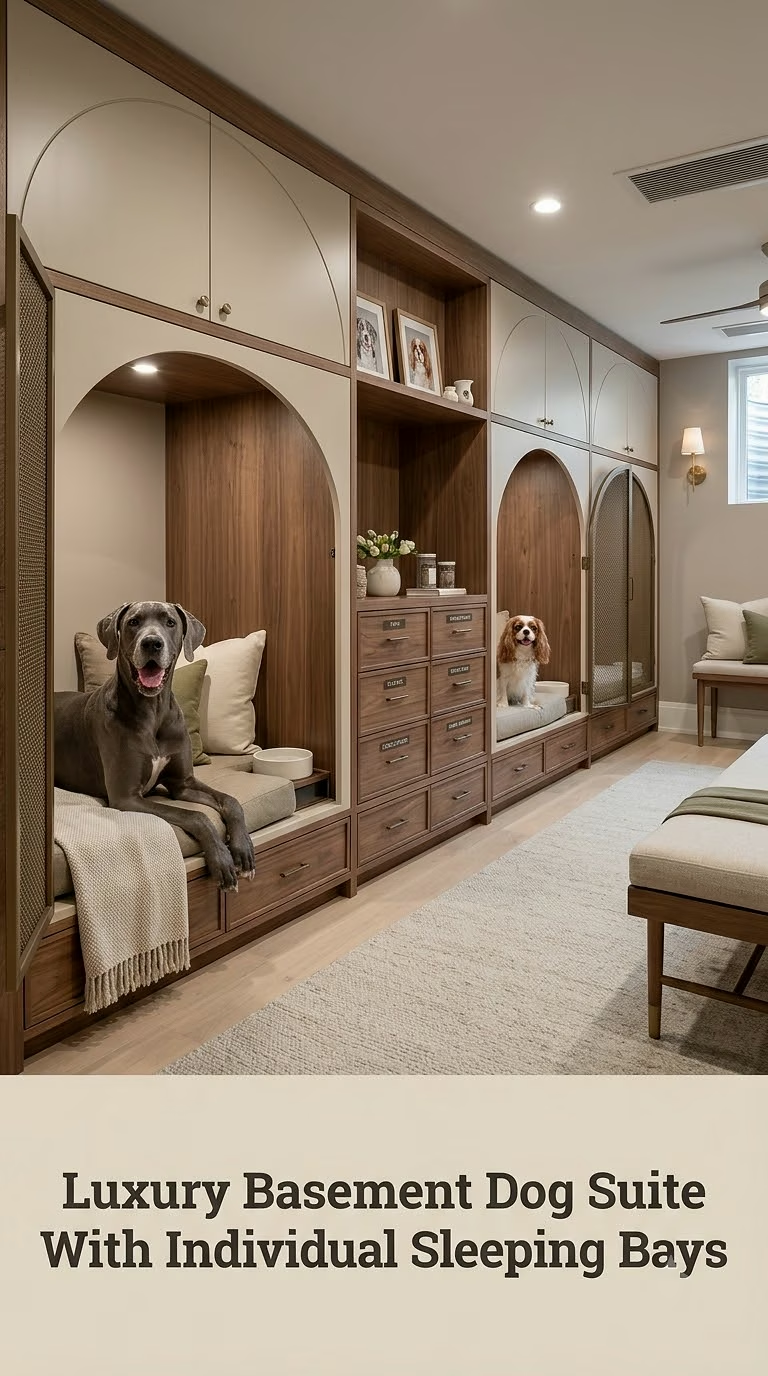
A larger finished basement can become a genuine dog suite, especially in homes with multiple dogs.
Instead of placing several standalone kennels side by side, create individual sleeping bays within one long built-in wall. Each bay can include a comfortable bed, secure front panel, ventilation, and its own small name plaque.
Use elegant materials such as painted cabinetry, warm oak trim, brass hardware, and stone-look counters above the kennels. Drawers between the bays can hold each dog’s personal supplies.
Allow enough space between sleeping areas so every dog has an appropriate place to settle. Some dogs enjoy resting near one another, while others do better with greater visual separation, so design around the personalities of the dogs who will actually use the room.
A central open area can serve as supervised lounge or play space, creating a basement setup that feels more like a boutique pet retreat than a traditional kennel room.
Small Corner Kennel With Vertical Pegboard Organization
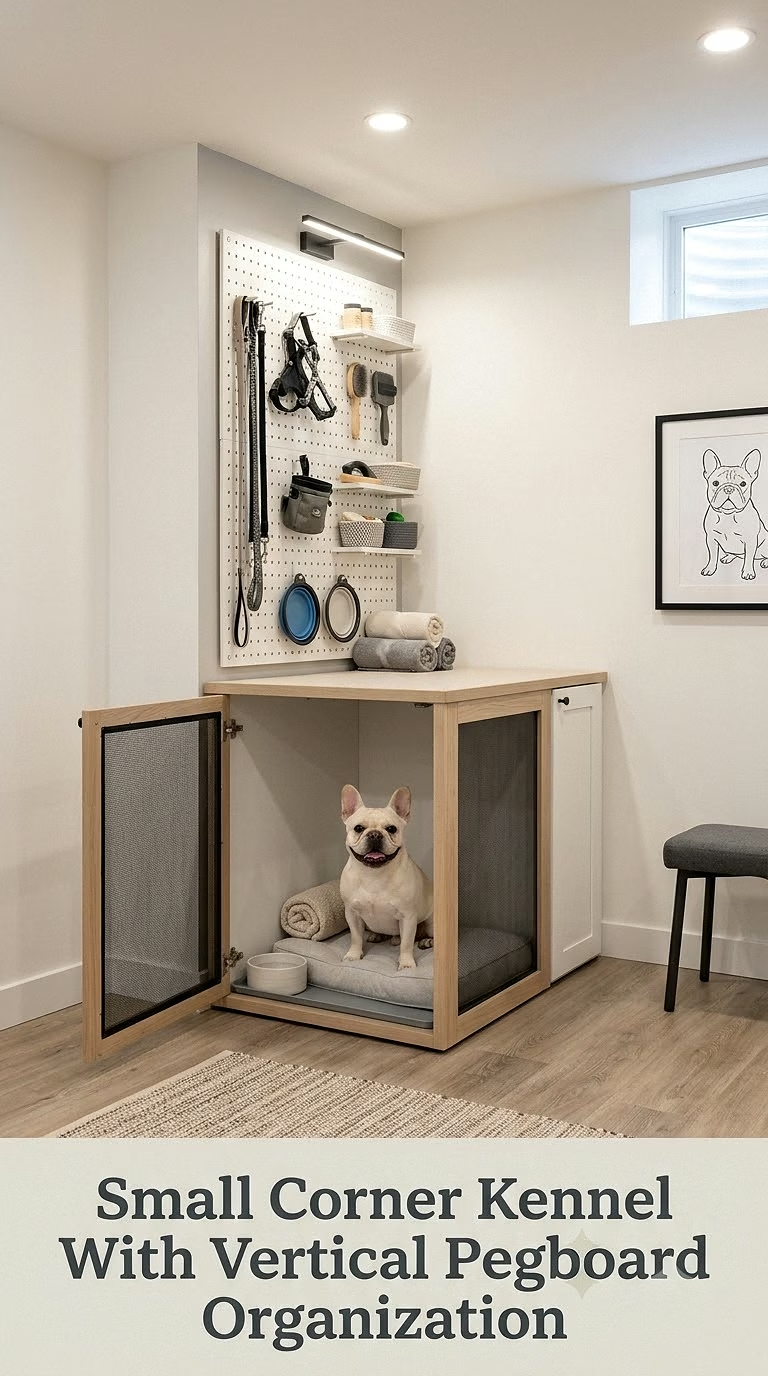
When basement floor space is limited, organize upward instead of outward.
Place a compact kennel in an unused corner and install a decorative pegboard system on the adjacent wall. Hooks, small shelves, and hanging baskets can organize leashes, harnesses, brushes, collapsible bowls, and walking accessories.
Choose a pegboard painted the same color as the wall for a subtle built-in appearance, or use natural wood for a warmer look.
Keep tempting items and anything unsafe well above your dog’s reach. A narrow rolling cart beside the kennel can provide additional storage and be moved away when you need more floor space.
This idea works beautifully in small townhouses and finished basement apartments because it creates a complete dog-care station without requiring custom cabinetry.
Add a washable bed, one framed print, and good lighting, and even a forgotten basement corner can become surprisingly charming.
Boho Basement Dog Nook With Rattan Accents and Earthy Colors
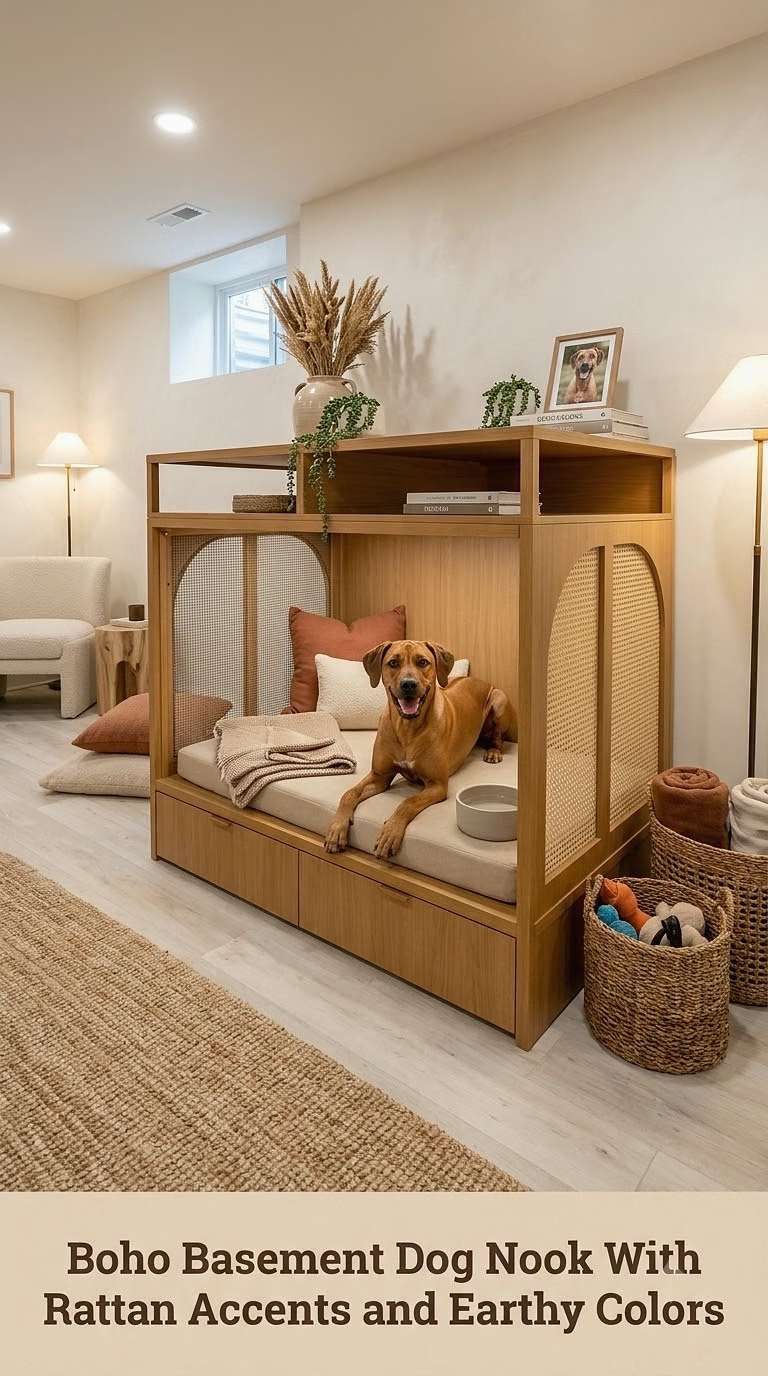
Bring warmth to a cool basement with a bohemian-inspired combination of terracotta, beige, olive, and natural textures.
Surround the kennel with warm wood shelving and use rattan baskets for toys and blankets. A patterned washable rug outside the kennel can introduce personality, while a simple neutral bed keeps the sleeping space restful.
Decorative elements such as framed botanical prints, lightweight wall hangings, and faux greenery placed safely out of reach can help counteract the utilitarian feeling common in basements.
Avoid overloading the space with fabric, baskets, and floor cushions, particularly if your basement tends to retain moisture. The goal is to capture the boho look through a few intentional textures rather than filling the room with absorbent materials.
Combined with warm lighting, this palette can make even a windowless basement feel noticeably softer and more welcoming.
Coastal Blue Kennel Room With White Cabinetry and Washable Flooring
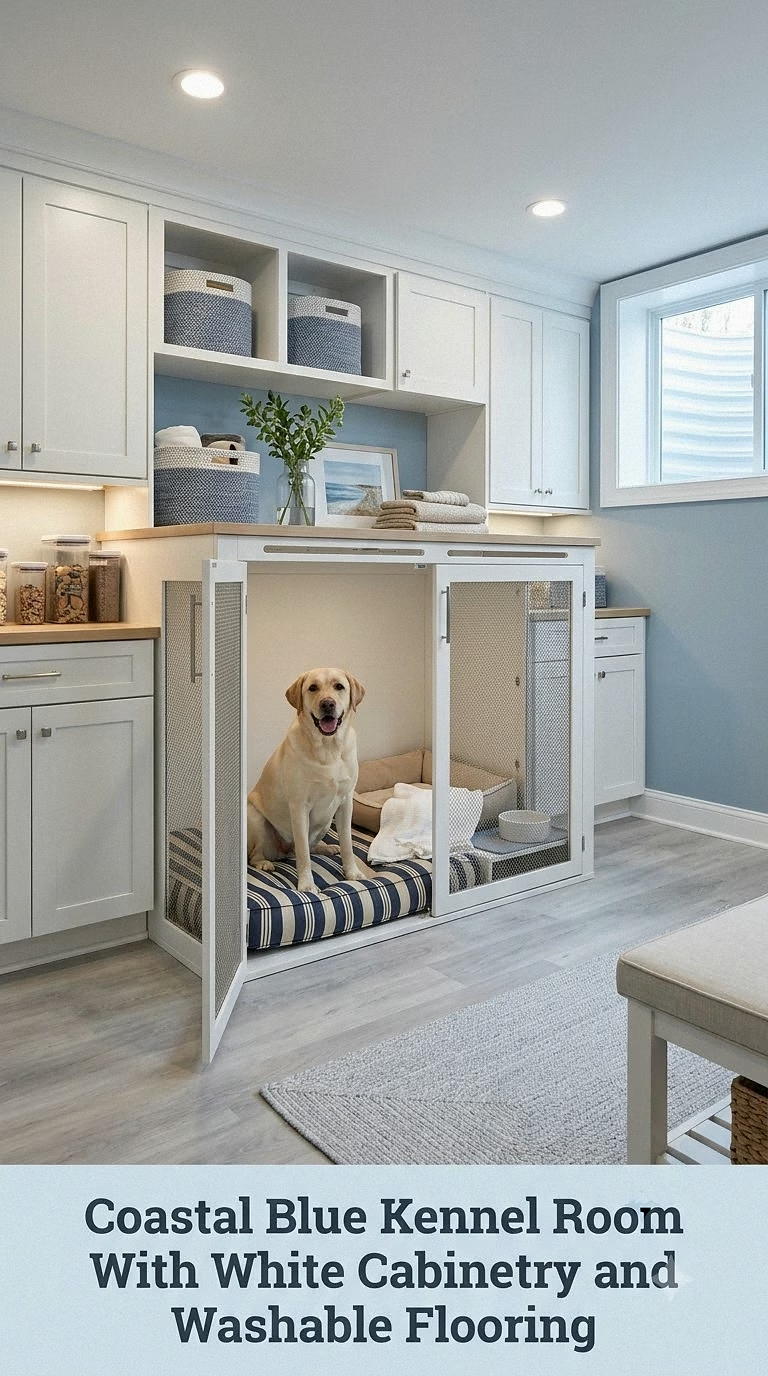
A soft coastal palette can brighten a basement beautifully.
Paint the walls dusty blue or pale blue-gray, then combine them with crisp white cabinetry and light wood details. Add a navy or striped washable dog bed for a subtle coastal reference without turning the room into a themed space.
Use waterproof or water-resistant flooring that visually resembles pale oak or stone. Closed white cabinets can conceal bags of food and grooming supplies, while a few open cubbies display neatly rolled towels.
This approach is especially effective in darker basements because the pale palette reflects available light instead of absorbing it.
Read more : 17 Dog Kennel Greenhouse Ideas for a Beautiful, Cozy, Pet-Friendly Backyard Retreat
A secure kennel with white or light-colored framing can blend into the cabinetry rather than becoming the visual focus. Finish with warm lighting rather than very cool bulbs, which can make blue interiors feel stark.
The result is clean, airy, and relaxed enough to feel surprisingly far removed from a traditional basement kennel.
DIY Plywood Kennel Surround With Hidden Toy Storage
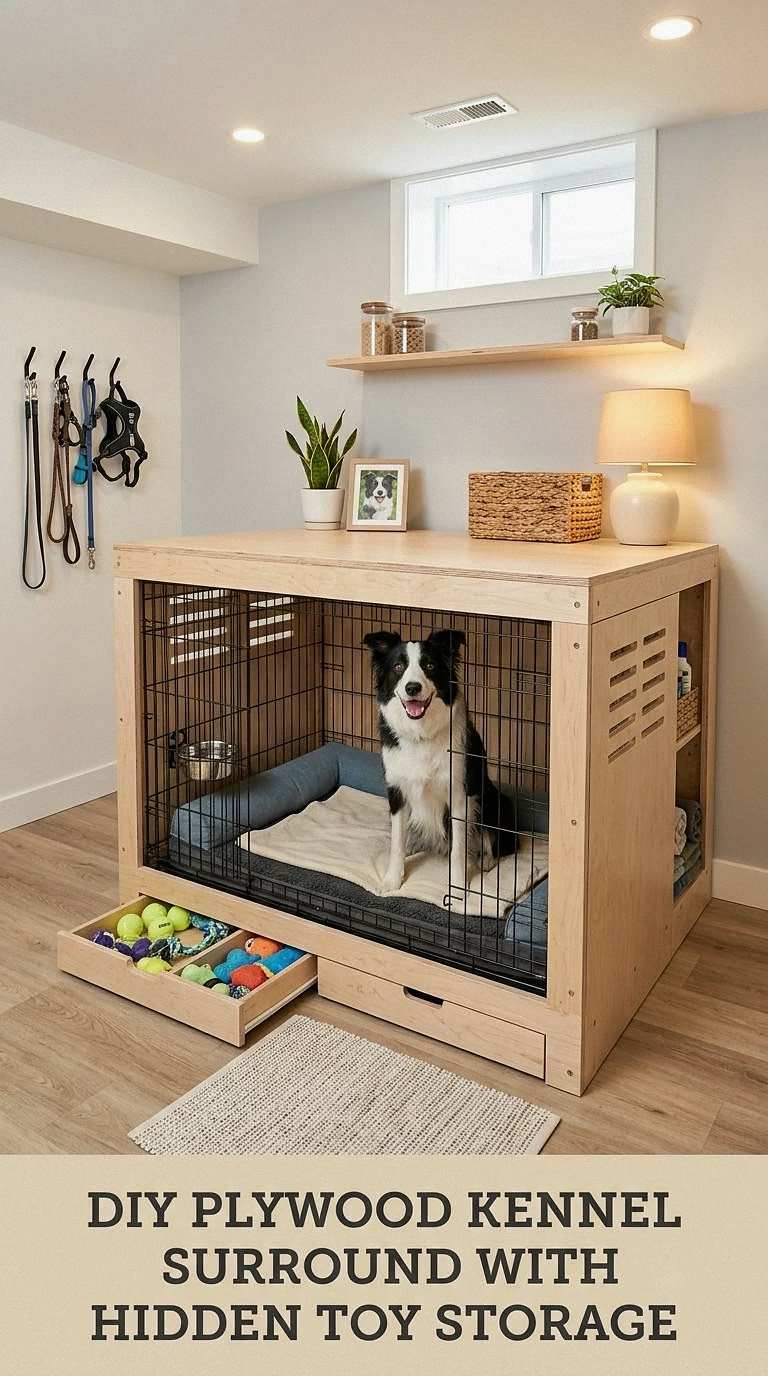
A simple plywood build can give an ordinary kennel a much more custom appearance without the cost of fully built-in cabinetry.
Construct an open-sided furniture-style surround around an appropriately sized crate, leaving plenty of ventilation rather than boxing it inside a solid cabinet. Sand exposed edges carefully and finish the wood with a pet-conscious, durable surface appropriate for your project.
Add a hinged or removable storage compartment beside the kennel for toys and spare bedding. A long top surface can hold decorative baskets or serve as a folding station if the kennel sits near the laundry area.
Birch plywood creates a modern Scandinavian effect, while darker stained plywood works well in industrial or rustic basements.
This project is particularly useful for renters or homeowners who want the appearance of a built-in kennel without permanently modifying an entire basement wall.
Double-Dog Kennel Wall With Matching Beds and Personalized Storage
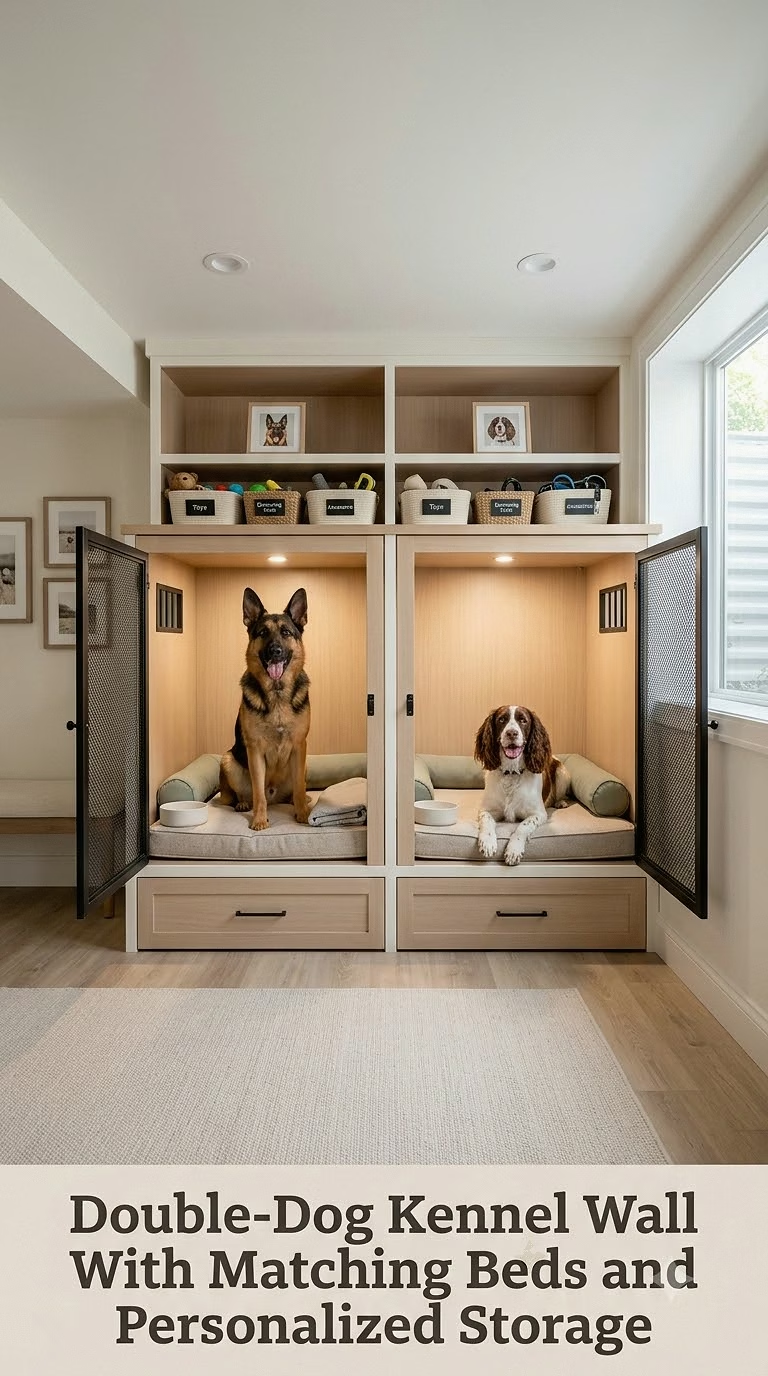
Two dogs can share one beautifully coordinated basement zone while still having separate sleeping spaces.
Position two appropriately sized kennels side by side and frame them with matching cabinetry. Give each dog an individual drawer or basket for harnesses, medications, grooming items, and favorite toys.
Matching beds create visual symmetry, but you can use slightly different colors or name plaques to personalize each space. For example, one kennel might have a muted sage cushion while the other uses warm beige, both within the same overall palette.
If the dogs have different temperaments, consider whether they need greater spacing or a visual divider rather than assuming neighboring kennels will automatically work for them.
A long countertop above both kennels provides useful storage and styling space. This arrangement is especially attractive along a wide basement wall that might otherwise remain empty.
Walk-Out Basement Kennel With Indoor-Outdoor Transition Zone
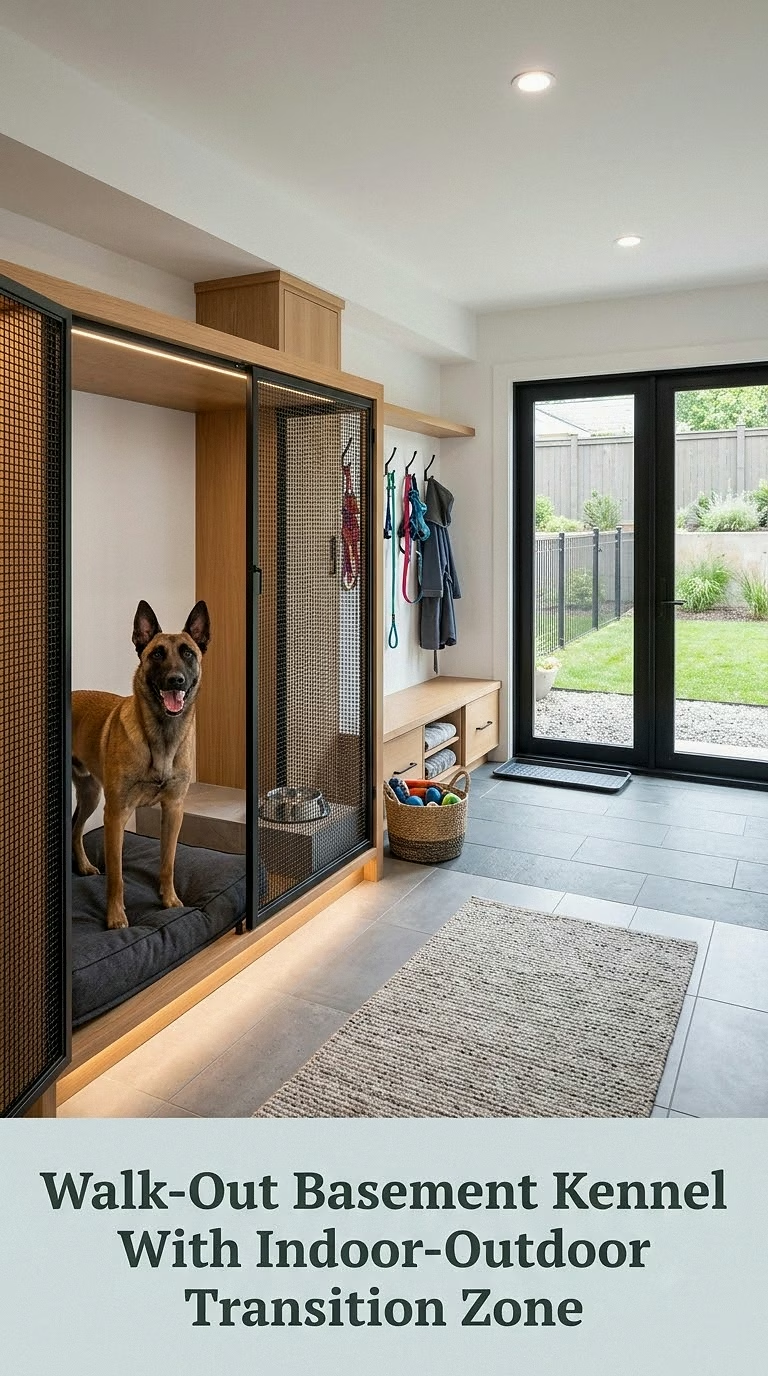
A walk-out basement offers one of the most practical locations for a dog room because it can create a direct transition between the yard and the indoor kennel.
Position the dog area near the exterior door and install easy-clean flooring across the entrance zone. Include hooks for leashes, shelves for towels, and a bench where you can organize walking gear.
A kennel placed a little farther inside the room creates a quiet resting area away from the direct draft of the doorway. If space permits, add a washable mat between the door and kennel to catch dirt before muddy paws reach the sleeping area.
Natural daylight from a walk-out door or window also makes the basement feel more comfortable and connected to the outdoors.
For homes where dogs frequently move between the yard and basement, this layout can dramatically simplify everyday cleanup and organization while still looking polished.
Warm Reading Lounge With Kennel and Human Seating Area
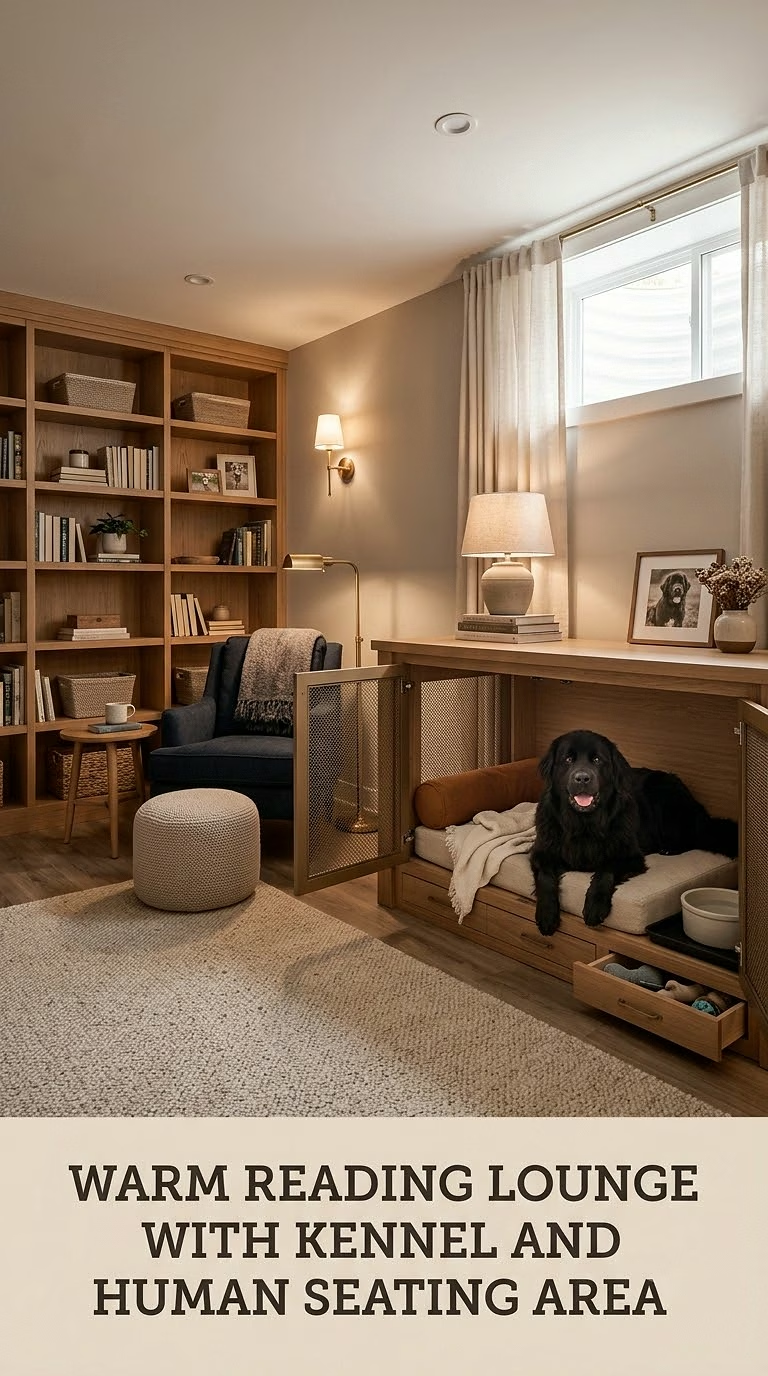
Your dog’s basement retreat does not have to be completely separated from family life.
Create a cozy shared lounge by positioning the kennel beside a comfortable reading chair, small side table, and bookshelf. While you read, work, or relax downstairs, your dog can settle nearby rather than being isolated in another part of the basement.
Choose warm beige walls, oak furniture, soft lighting, and coordinated washable textiles to make the area feel cohesive.
This concept is especially helpful when the basement doubles as a home office, craft space, television room, or reading room. The kennel becomes part of a room people actually use instead of being hidden away.
Leave adequate clearance around the kennel for airflow and avoid positioning it directly beside heaters, fireplaces, or other temperature extremes.
A shared basement lounge can feel wonderfully cozy while giving your dog a defined personal retreat within the family’s everyday environment.
Colorful Pet Room With Dusty Pink Cabinets and Playful Wall Art
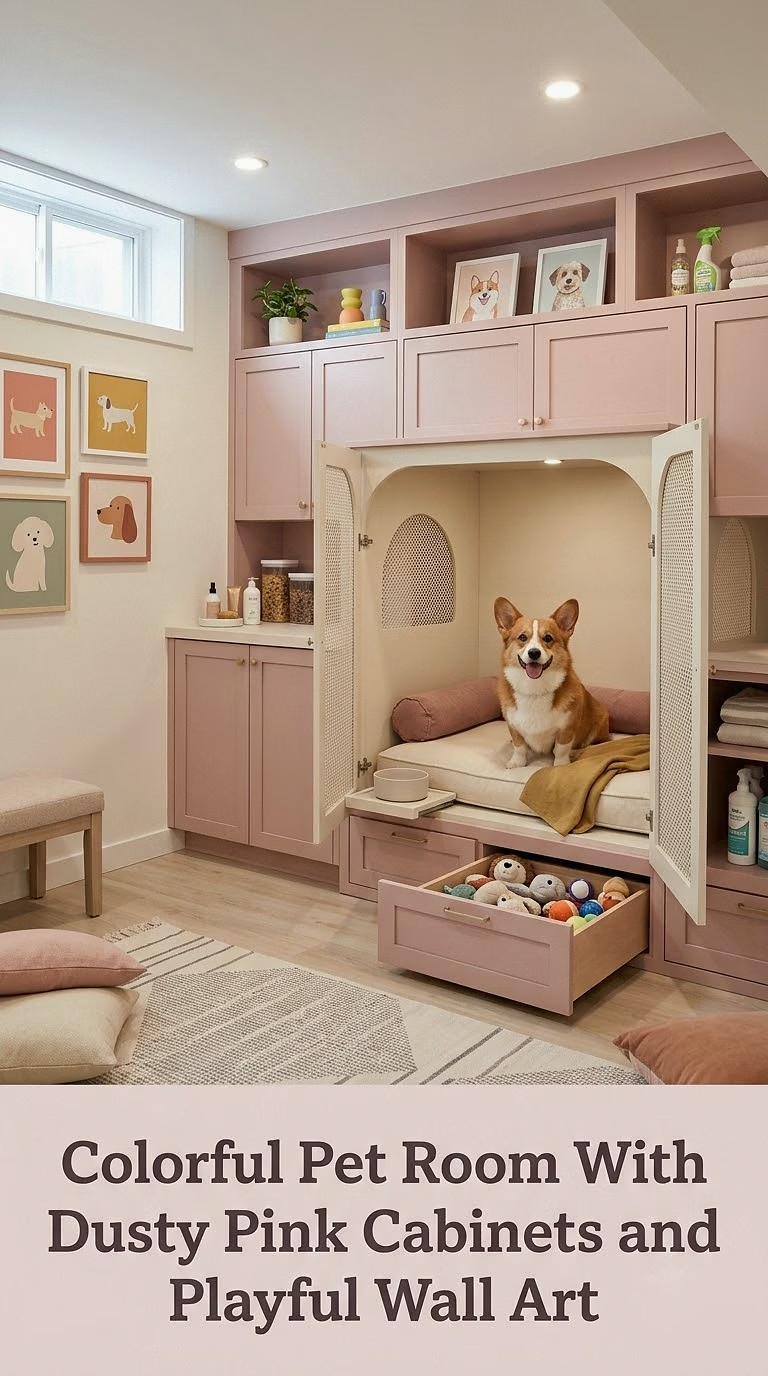
Basement dog rooms do not always have to be neutral.
For a cheerful Pinterest-inspired space, try dusty pink cabinetry paired with warm white walls, natural wood, and muted green accents. The palette feels playful without becoming overly bright.
Place the kennel beneath a countertop and add colorful labeled bins for toys, towels, and accessories. Above the counter, hang a small gallery wall featuring dog portraits, simple illustrations, or your favorite pet photographs.
Keep the kennel bedding relatively simple so the room does not become visually overwhelming. A cream cushion with a subtle pattern can balance the colorful cabinetry beautifully.
Durable flooring and washable paint help make the fun design practical for daily dog life.
This is a wonderful approach when your basement dog room is visible from a family room, craft room, or finished recreational space and you want the pet zone to feel intentionally decorative rather than purely functional.
Creating the Perfect Basement Dog Kennel for Your Home
The most successful basement dog kennel ideas are not necessarily the largest or most expensive. A thoughtfully arranged corner with comfortable bedding, good airflow, easy-clean flooring, organized supplies, and warm lighting can be just as inviting as an elaborate custom dog suite.
Start with the basement itself before focusing on décor. Address moisture or leaks, make sure the area remains comfortable and well ventilated, remove hazardous household supplies, and choose a kennel that gives your dog enough room to stand, turn, stretch, and rest comfortably. Then build the beautiful details around those essentials.
From warm farmhouse kennels and pale Scandinavian nooks to colorful pet rooms and luxurious built-in sleeping bays, there are plenty of ways to adapt the space to your home’s personality. Even inexpensive shelves, coordinated baskets, washable bedding, and a fresh coat of paint can completely change how a simple kennel feels.
Choose the ideas that suit your available space, budget, cleaning routine, and most importantly, your dog’s individual needs. With a little planning, that overlooked basement corner can become one of the coziest and most useful pet-friendly spaces in your entire home.
Source: https://petstutorial.com
Category: Dog Kennels Runs
