
Creating a secure outdoor space for your dog does not mean turning your backyard into something that looks like a kennel. With thoughtful planning, the right boundary can blend beautifully into your landscaping while giving your pup a comfortable place to sniff, stretch, play, and relax beside you.
- 19 Beautiful Dog Playpen Indoor Ideas for a Cozy, Stylish Home
- 17 Beautiful Garage Dog Kennel Ideas for a Safe and Stylish Pet Space
- 19 Beautiful Dog Cage in Living Room Ideas for a Cozy, Stylish Home
- 18 Basement Dog Kennel Ideas for a Cozy, Stylish Pet Retreat
- 18 Dog Breeder Kennel Ideas for a Calm, Clean, Beautiful Breeding Space
The best dog containment ideas outdoor spaces balance three things: security, comfort, and style. A determined digger may need a reinforced fence base, while an athletic jumper may do better with a taller fence that offers no convenient footholds. Small dogs need carefully sized openings, and every dog benefits from reliable gate latches, fresh water, shade, and a comfortable place to rest.
You are reading: 18 Dog Containment Ideas Outdoor for a Safe, Stylish, Pet-Friendly Yard
It is also worth remembering that outdoor containment works best as part of a larger routine. A beautiful fenced yard cannot replace walks, enrichment, training, play, and time with the family. Instead, think of your outdoor dog area as another cozy living space—one designed specifically around your pet.
Whether you have a sprawling backyard, a narrow side yard, a tiny patio, or a rental-friendly garden, these ideas offer practical and Pinterest-worthy inspiration for creating a safer outdoor retreat.
Beautiful Dog Containment Ideas Outdoor for Every Yard and Style
Warm Cedar Privacy Fence With a Shaded Dog Lounge
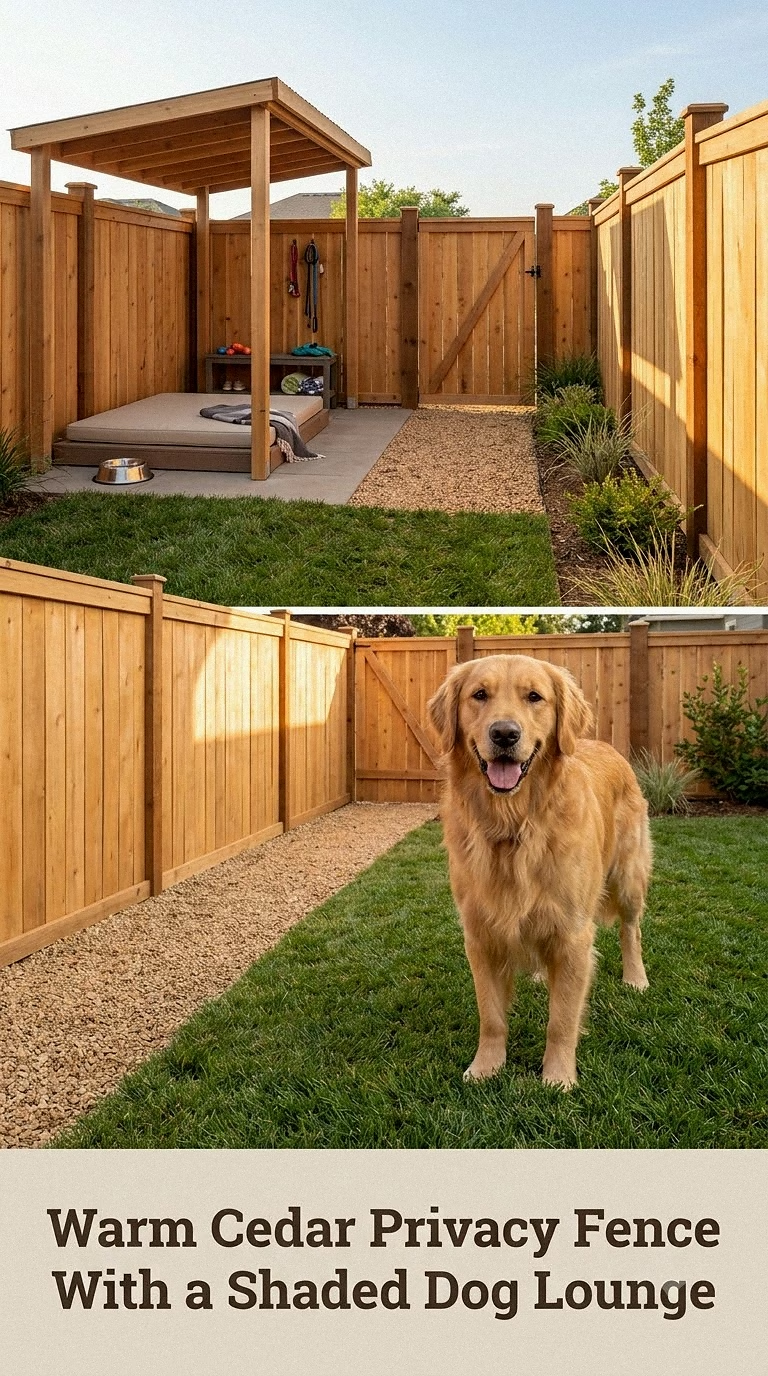
A tall cedar privacy fence is one of the prettiest ways to create a secure dog-friendly backyard while maintaining a warm, natural look. Vertical boards provide fewer climbing opportunities than horizontal rails, while the solid surface helps reduce visual stimulation from passing dogs, pedestrians, and wildlife.
Pair the fence with a small covered lounge area furnished with a raised outdoor dog bed, washable cushion, and sturdy water bowl. A simple pergola or shade sail can turn one corner into an inviting retreat without making the yard feel enclosed.
Cedar tones look especially beautiful alongside cream stone, sage-green plants, and natural wood furniture. Check the fence regularly for loose boards, gaps, and areas where digging has started. If your dog is particularly determined to escape, reinforce the bottom before landscaping around it.
The finished space feels more like a private garden than a containment system.
Black Welded-Wire Fence With Natural Garden Borders
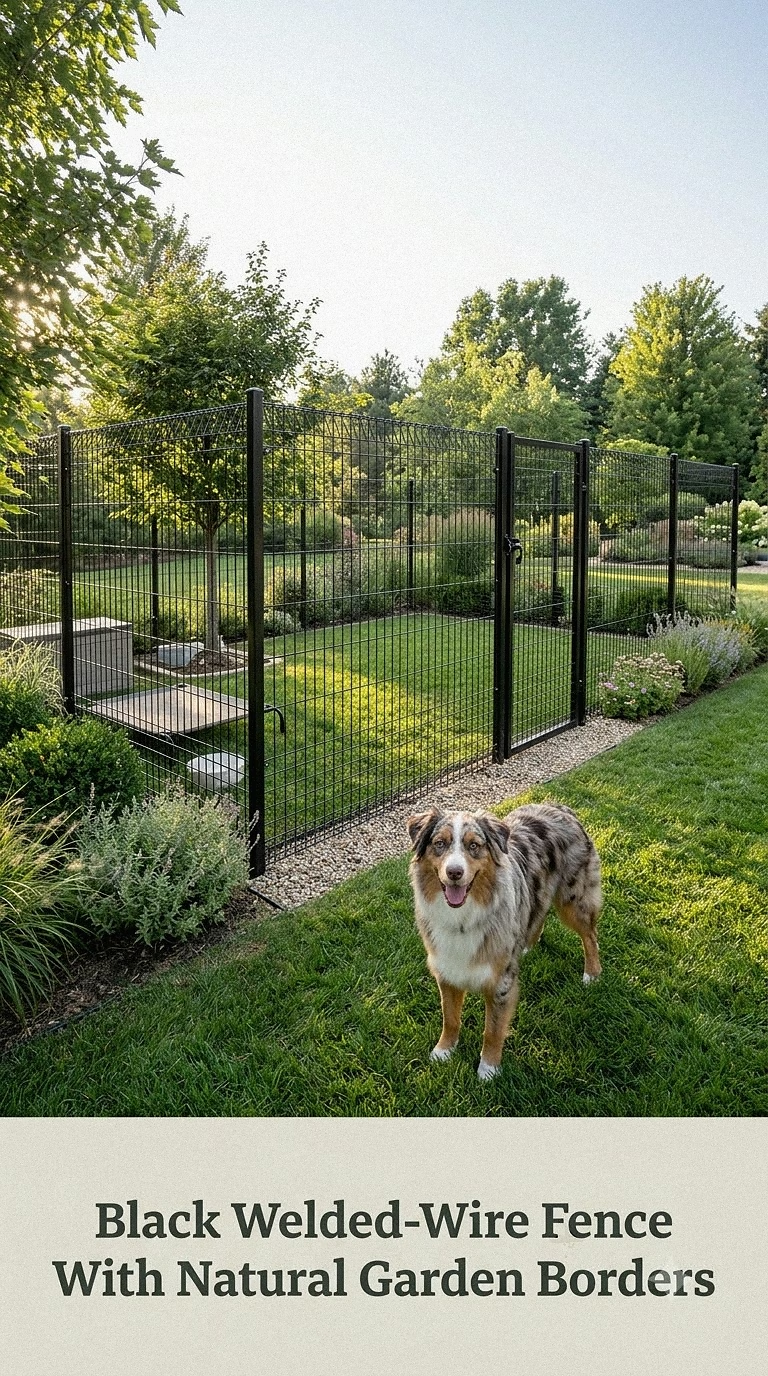
For homeowners who prefer an open view, a black welded-wire fence can disappear surprisingly well against greenery. The dark finish visually recedes into shrubs and trees, making this option ideal for cottage gardens, wooded properties, and modern backyards where you do not want a large solid wall.
Choose mesh openings appropriate for your dog’s size so paws, heads, and shoulders cannot become trapped. Posts should be sturdy, gates should latch securely, and the bottom edge should sit close enough to the ground to prevent squeezing underneath.
Soften the fence with dog-safe ornamental grasses, rosemary, raised planters, or flowering shrubs positioned far enough away that they cannot become climbing platforms.
A winding lawn path, wooden bench, and shaded resting mat can complete the look. This design gives dogs plenty to see while keeping the overall yard airy, green, and visually connected to the surrounding landscape.
White Picket Fence With Discreet Puppy-Proof Mesh Lining
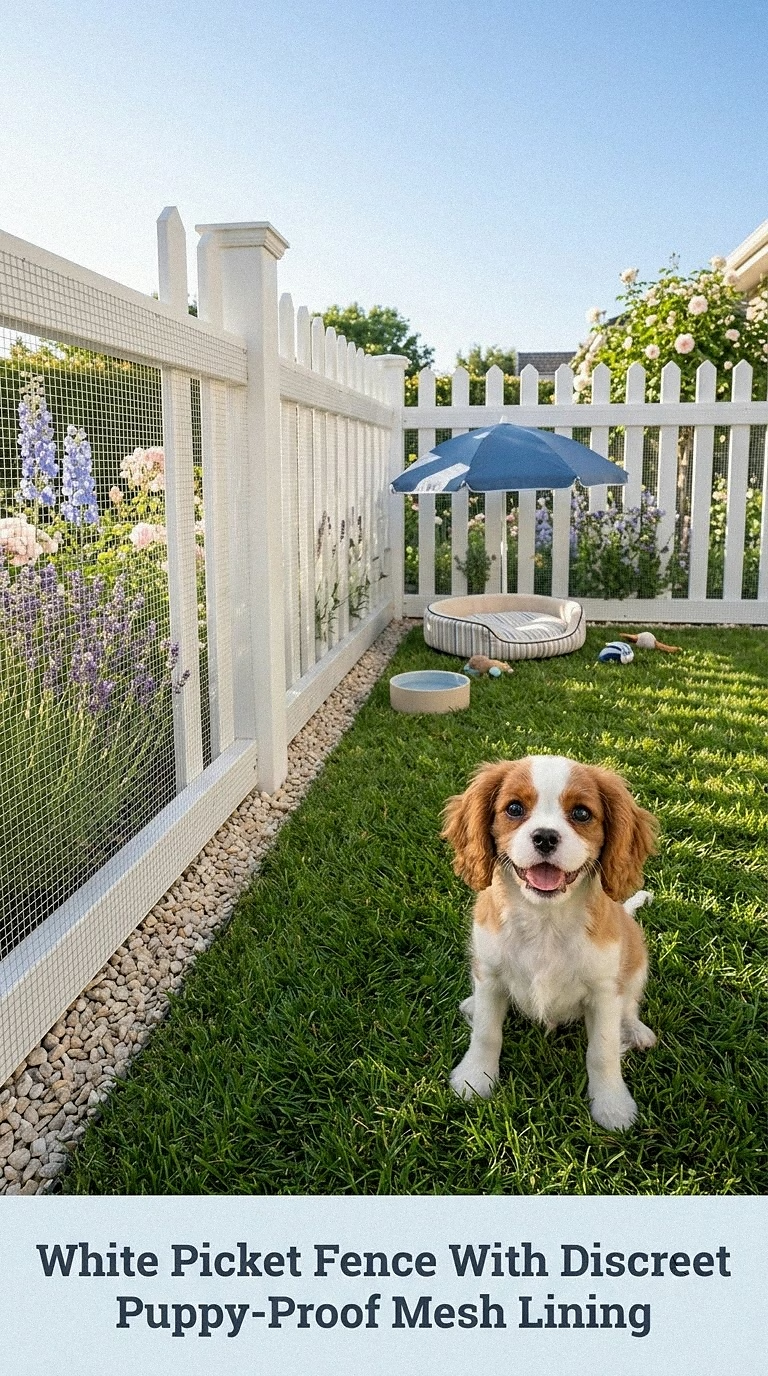
A classic white picket fence is undeniably charming, but decorative gaps may be too large for puppies and smaller breeds. You can preserve the cottage-style appearance by adding a discreet layer of fine, sturdy pet-safe mesh along the inside.
From a distance, the white pickets remain the dominant feature while the mesh provides an extra layer of security. Keep the mesh smooth, tightly attached, and free from protruding wire edges.
Surround the enclosure with soft landscaping such as lavender-colored flowers, clipped shrubs, raised herb beds, and a small patch of lawn. Add a covered dog bed or miniature garden bench for an especially Pinterest-worthy touch.
This setup works beautifully for front garden-style spaces, compact backyards, and homes with traditional architecture. Just remember that decorative fencing still needs to be tall and secure enough for your individual dog rather than chosen for appearance alone.
Modern Vertical Slat Fence With a Clean Minimalist Dog Yard
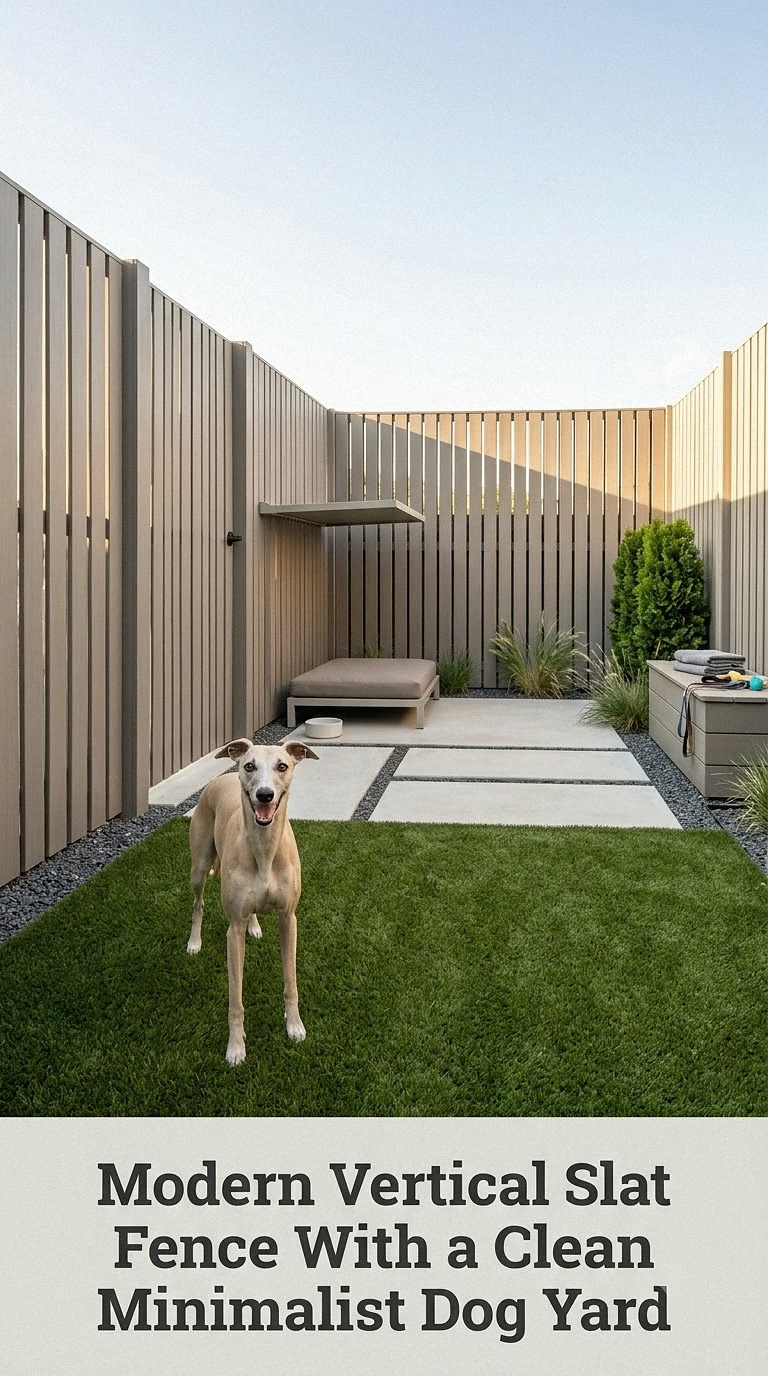
For a contemporary home, a slim vertical-slat fence creates a polished boundary without making the outdoor space feel heavy. Warm timber, charcoal composite boards, or muted taupe panels can coordinate beautifully with modern patios and minimalist landscaping.
Vertical construction is particularly useful for dogs that like climbing because there are fewer horizontal surfaces that can act as steps. Keep gaps narrow enough for your dog’s body size and make sure furniture, storage boxes, and planters are not positioned close enough to become launching points.
Continue the clean aesthetic inside with oversized concrete-look pavers, a small patch of natural grass, a low-profile outdoor dog bed, and one sculptural shade tree.
A simple wall-mounted hook station for leads and towels can make the area more practical without adding clutter. The result is an outdoor dog zone that looks intentionally designed as part of the architecture.
Farmhouse Split-Rail Fence With a Fine-Mesh Inner Barrier
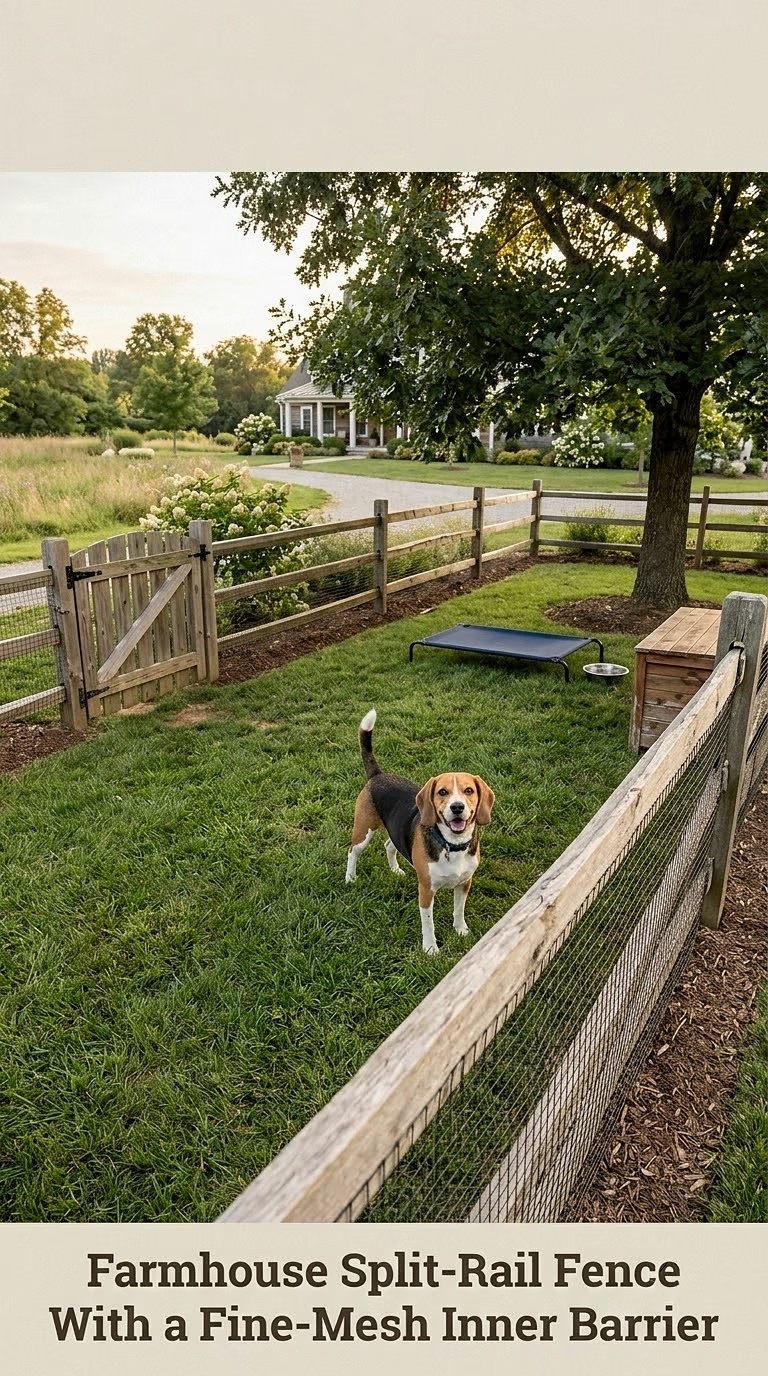
If you love rustic farmhouse yards, a timber split-rail fence can provide the perfect visual framework. Because the spaces between rails are far too open for most dogs, add a strong fine-mesh barrier to the inside of the fence.
Dark-coated mesh blends beautifully with the landscape and allows the rustic rails to remain the focal point. Secure everything carefully so there are no loose sections or sharp edges accessible to your dog.
This design looks especially inviting around a grassy play yard with mature trees, weathered timber planters, and a small farmhouse-style shelter. A galvanized water station or wooden toy basket can reinforce the country feel.
It is also a practical option for larger properties because the fence maintains long sight lines rather than creating a solid visual wall. Regularly inspect the perimeter, especially after storms or landscaping work that could create new gaps or climbing opportunities.
Covered Side-Yard Dog Run With Easy-Clean Pavers
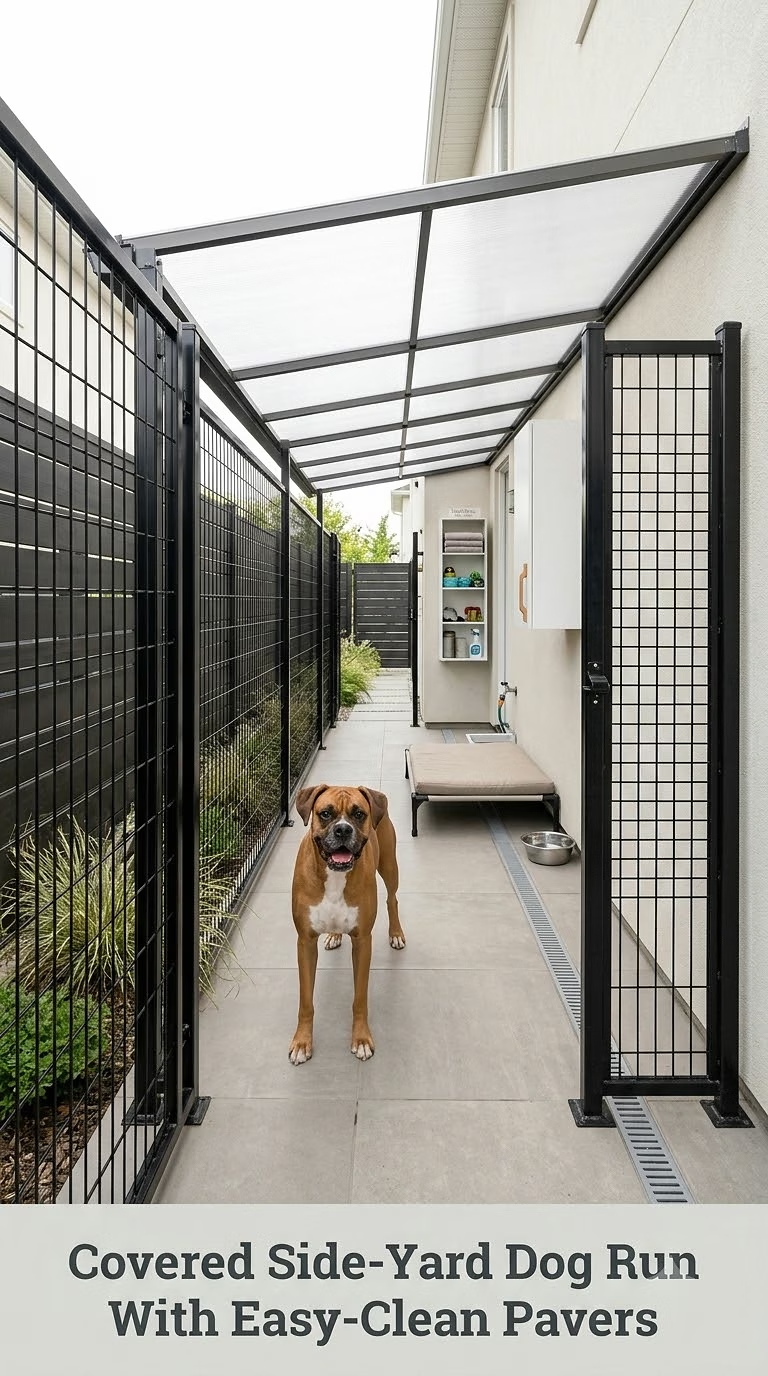
A narrow strip beside the house can become one of the most useful dog containment areas on the property. Instead of leaving it as forgotten space, install secure fencing at both ends and create a long, tidy dog run.
Use slip-resistant pavers or another durable, washable surface with appropriate drainage. A partial roof, awning, or shade sail provides weather protection while still allowing plenty of airflow.
Add a raised resting platform at the shaded end, a water station, and perhaps a small section of dog-friendly planting for softness. Wall-mounted storage can hold leads, towels, grooming supplies, and outdoor toys without reducing floor space.
This design is particularly useful for homeowners who want to protect a landscaped main yard or create a convenient potty area close to a back door. Keep the run comfortable rather than purely functional so your dog has room to sniff, move around, and settle.
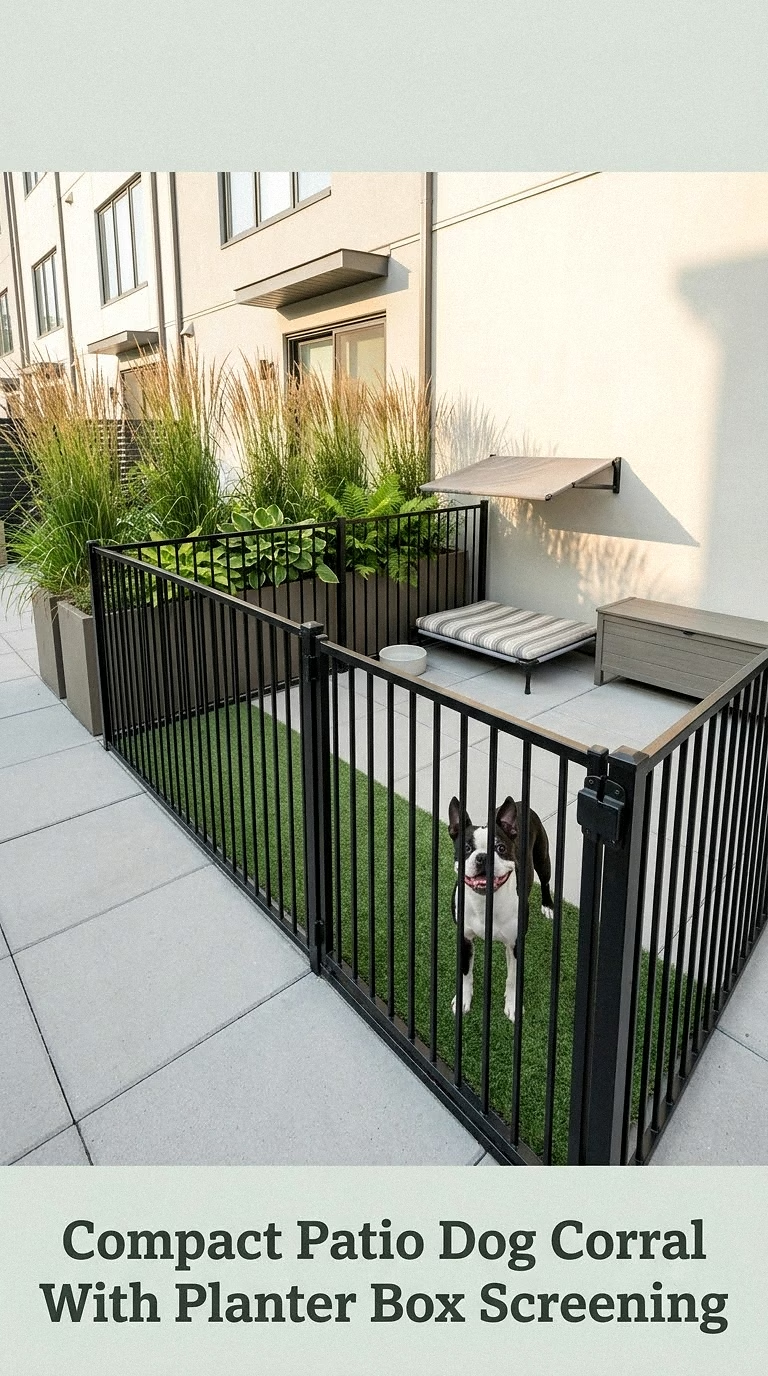
Compact Patio Dog Corral With Planter Box Screening
Read more : 17 Beautiful Dog Run Ideas for a Backyard Side Yard
Even a small paved patio can become a pretty contained space for a little dog. Start with secure decorative fencing or sturdy outdoor panels, then use oversized planter boxes around selected edges to make the enclosure feel integrated into the garden.
Choose dog-safe plants and position planters so they cannot help an athletic dog climb over the fence. Soft grasses, compact shrubs, and trailing greenery can create a lush backdrop without taking up much usable floor area.
Inside, include a washable outdoor mat, cushioned bed, water bowl, and a small shaded section. A basket of weather-resistant toys adds function without overwhelming the patio.
This approach works beautifully for townhouses, courtyard homes, and apartments with private ground-level outdoor spaces. Instead of looking like a temporary pen dropped onto the patio, the containment becomes part of the overall landscaping and outdoor decor.
Double-Gate Entry Zone With a Decorative Garden Arbor
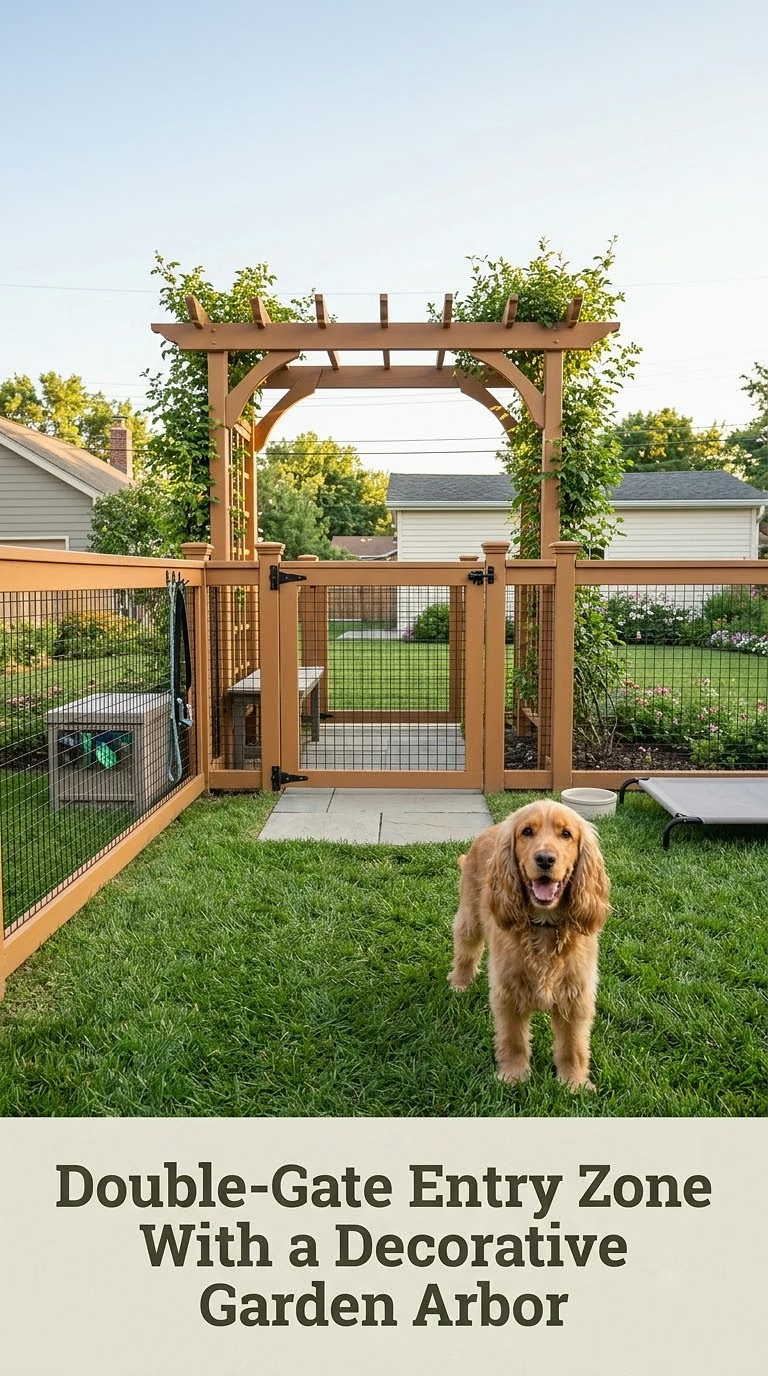
Dogs that love darting through open gates can benefit from a small transition area between the yard and the outside world. Think of it as a miniature garden vestibule: you enter through one gate, close it securely, and only then open the second.
A decorative arbor can make this highly practical feature look intentional. Train climbing plants along the outside, hang a small lantern, and use matching gate hardware for a polished finish.
Both gates should have dependable latches that your dog cannot easily nudge or paw open. An automatic gate closer can add another useful layer of management in busy households.
This setup is especially handy near driveways, front paths, or yards frequently accessed by children, visitors, gardeners, and delivery workers. Rather than relying on everyone to remember exactly where the dog is before opening a gate, the enclosed transition space provides an additional physical buffer.
Dig-Proof Fence Base With Buried Mesh and Decorative Border Stones
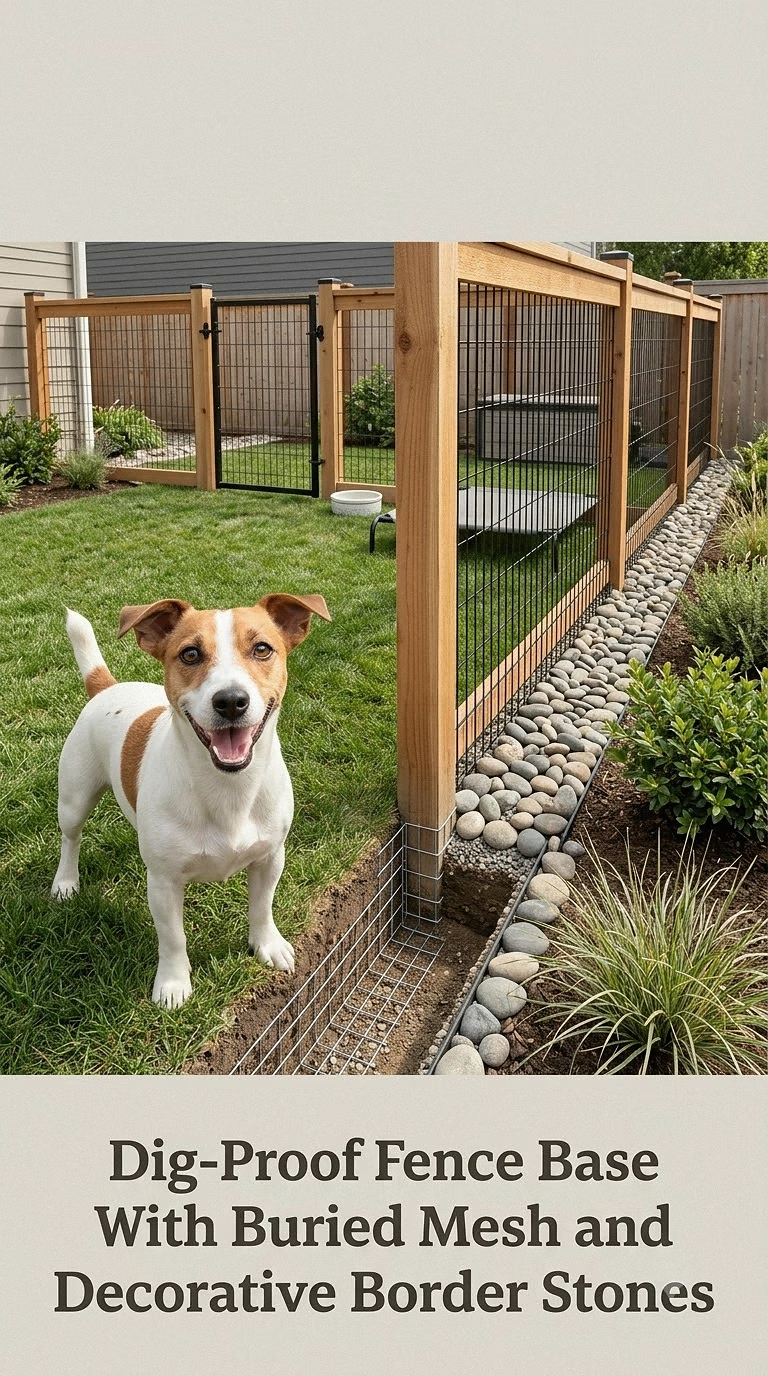
Some dogs are less interested in jumping over fences than excavating their way underneath them. If digging happens repeatedly along the perimeter, reinforcing the bottom of the fence can make the entire yard more secure.
One approach is to install durable welded mesh beneath the fence line or create an outward-facing underground apron, carefully securing and covering every cut edge. Another visually attractive option is adding a wide strip of heavy pavers or flat border stones along vulnerable areas.
Cover the finished perimeter with decorative stonework, mulch kept safely away from chewers, or low dog-safe planting so it looks like part of the landscape.
Consider giving enthusiastic diggers an approved digging area elsewhere in the yard as well. A sandbox-style corner filled with appropriate loose material can provide an alternative outlet while the true boundary remains protected.
Secure Modular Kennel With a Weatherproof Roof and Raised Resting Platform
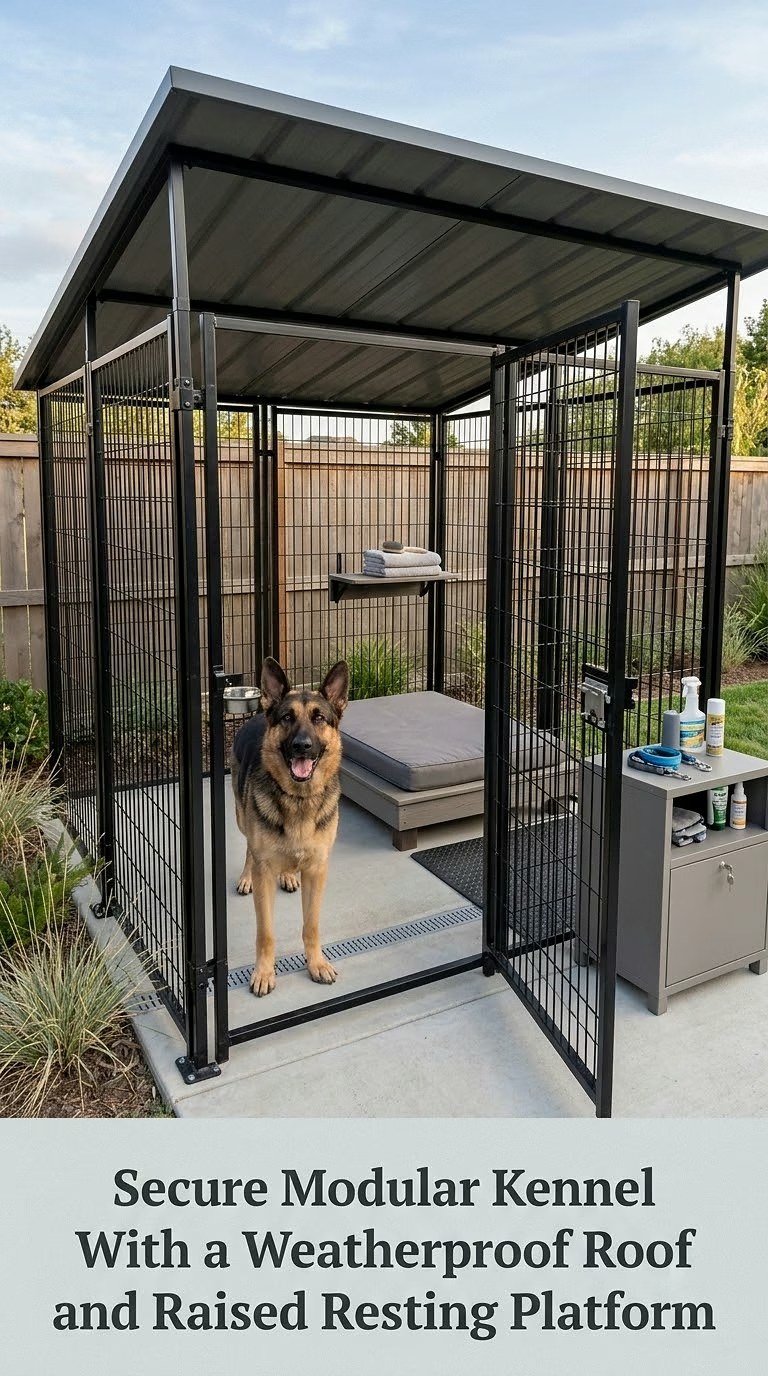
A modular outdoor kennel can be much more attractive than the industrial runs many people imagine. Choose clean black or dark bronze panels, then position the structure beside existing landscaping so it feels connected to the garden.
Add a weather-resistant roof over part of the enclosure to provide reliable shade and protection from rain. Under the covered section, create a raised dry resting platform with a comfortable washable bed. Fresh water should always be readily available while the dog is using the space.
A combination of paving and natural ground can provide both easy cleaning and sensory interest, assuming drainage is good.
This type of enclosure works well as a supervised daytime play zone, temporary containment during gardening or entertaining, or an extra-secure area for dogs that should not have access to the entire property. It should feel spacious and comfortable rather than like long-term isolation.
Rental-Friendly Portable Exercise Pen With a Soft Shade Canopy
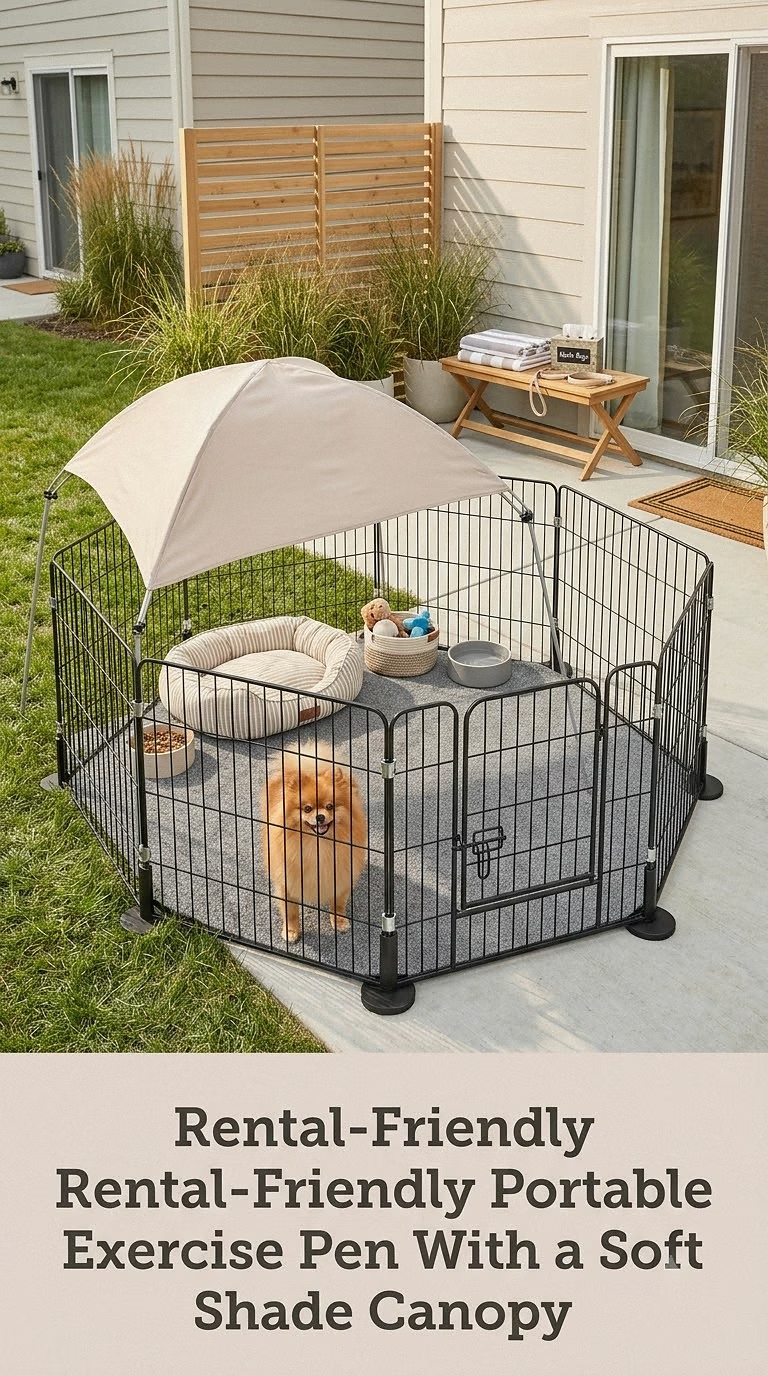
Renters may not be allowed to install permanent fencing, but a sturdy portable exercise pen can create a temporary outdoor zone without major alterations.
Look for a design appropriate for your dog’s strength, height, and escape habits. Lightweight puppy pens can work for calm small dogs but may be unsuitable for larger dogs or determined climbers. Outdoor stakes or manufacturer-approved anchors can improve stability where permitted.
Make the temporary setup charming with an outdoor mat, portable shade canopy, collapsible water bowl, and a weather-resistant dog bed. Position the pen on a level surface away from pools, poisonous plants, grills, tools, or other hazards.
Portable pens are best used with supervision, particularly for dogs capable of pushing, climbing, jumping, or digging. The advantage is flexibility: you can move the enclosure between a patio and lawn or pack it away when you need the entire garden.
Screened Porch Dog Zone With a Secure Interior Gate
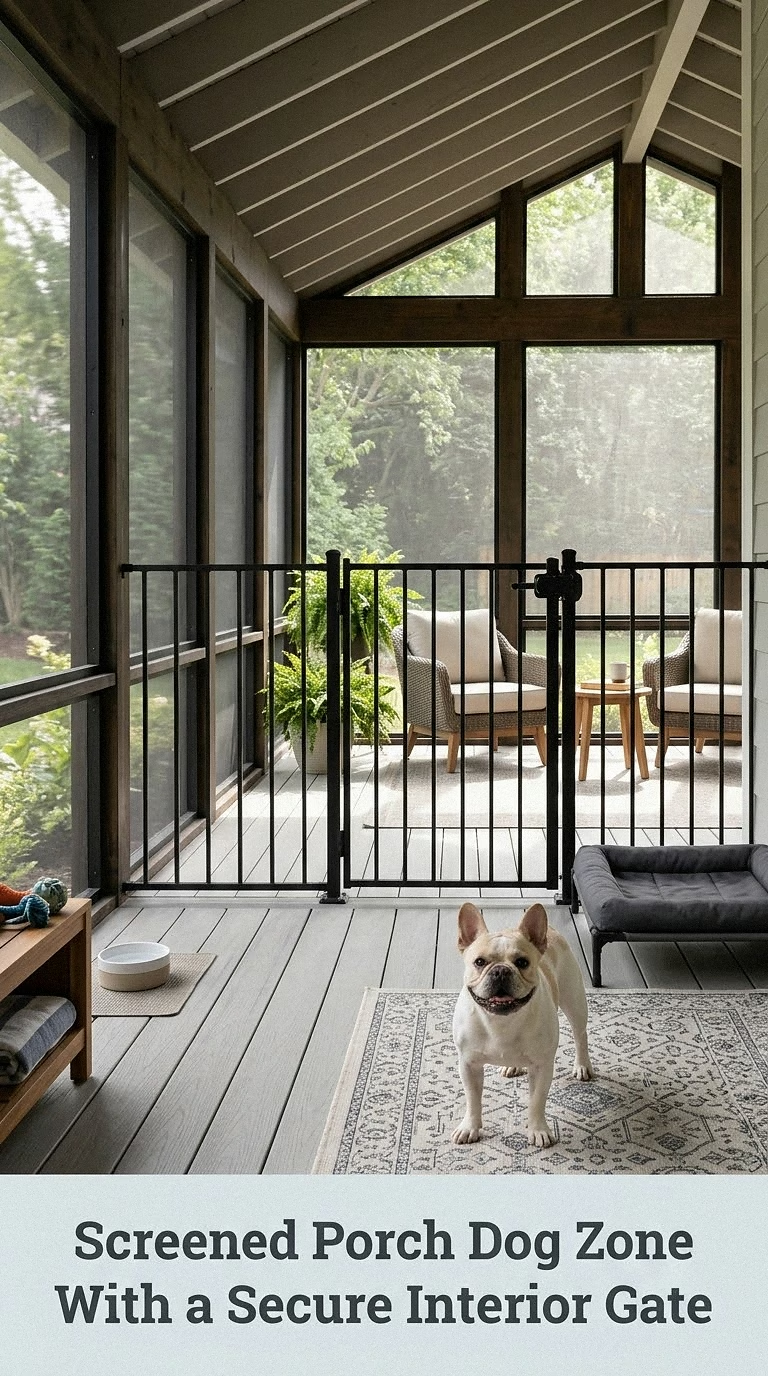
A screened porch can become a wonderful in-between space where a dog enjoys fresh air while remaining close to the household. However, standard insect screening alone may not be strong enough to function as dog containment.
Reinforce vulnerable lower sections with rigid pet-resistant material, secure railings, or decorative panels appropriate for your dog’s size and behavior. Install a reliable gate at the entrance and check for gaps around doors and corners.
Then focus on comfort. Add a washable outdoor rug, elevated bed, water station, ceiling fan where safely installed, and a basket of toys. Neutral linen tones, woven accessories, and potted dog-safe greenery can make the porch feel like an extension of your living room.
Because temperatures can still rise quickly in enclosed outdoor spaces, monitor conditions carefully. Good ventilation and shade matter just as much as attractive styling.
Raised Deck Dog Zone With a Secure Gate and Vertical Balusters
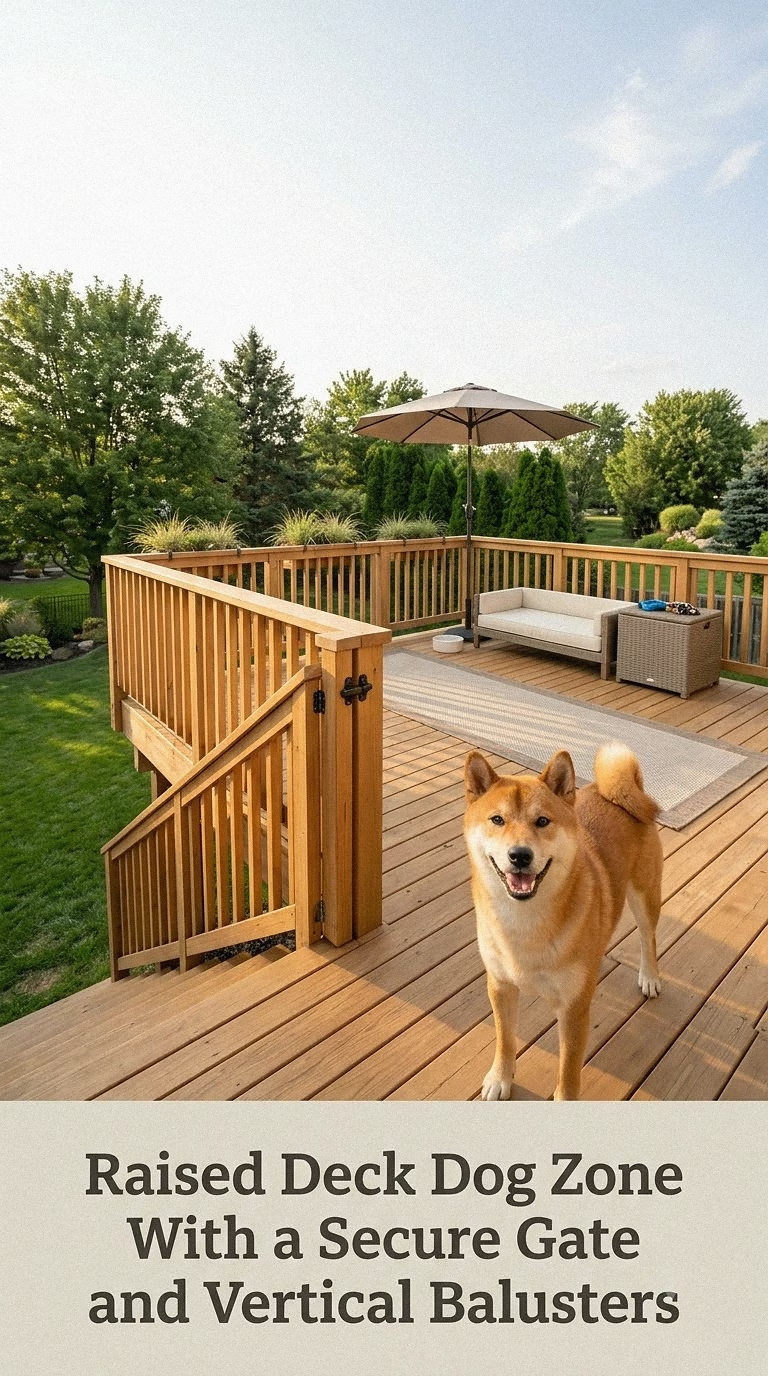
If your dog loves sitting outside while you relax on the deck, enclosing the deck itself may be easier than fencing an entire yard. Existing railings provide much of the structure, leaving the staircase or entry points to be secured with appropriately sized outdoor pet gates.
Check all baluster gaps carefully, particularly with puppies and tiny breeds. Openings should not allow a head or body to slip through. Gates also need strong latches and enough height for the dog using them.
Create a cozy corner with a breathable outdoor bed, shade umbrella, and stable water bowl. Containers filled with dog-safe plants can soften the railings while still leaving plenty of floor space.
Be especially conscious of surface temperature during hot weather because decking can become uncomfortable underfoot. A shaded rug or cooler resting area can make the space considerably more pleasant.
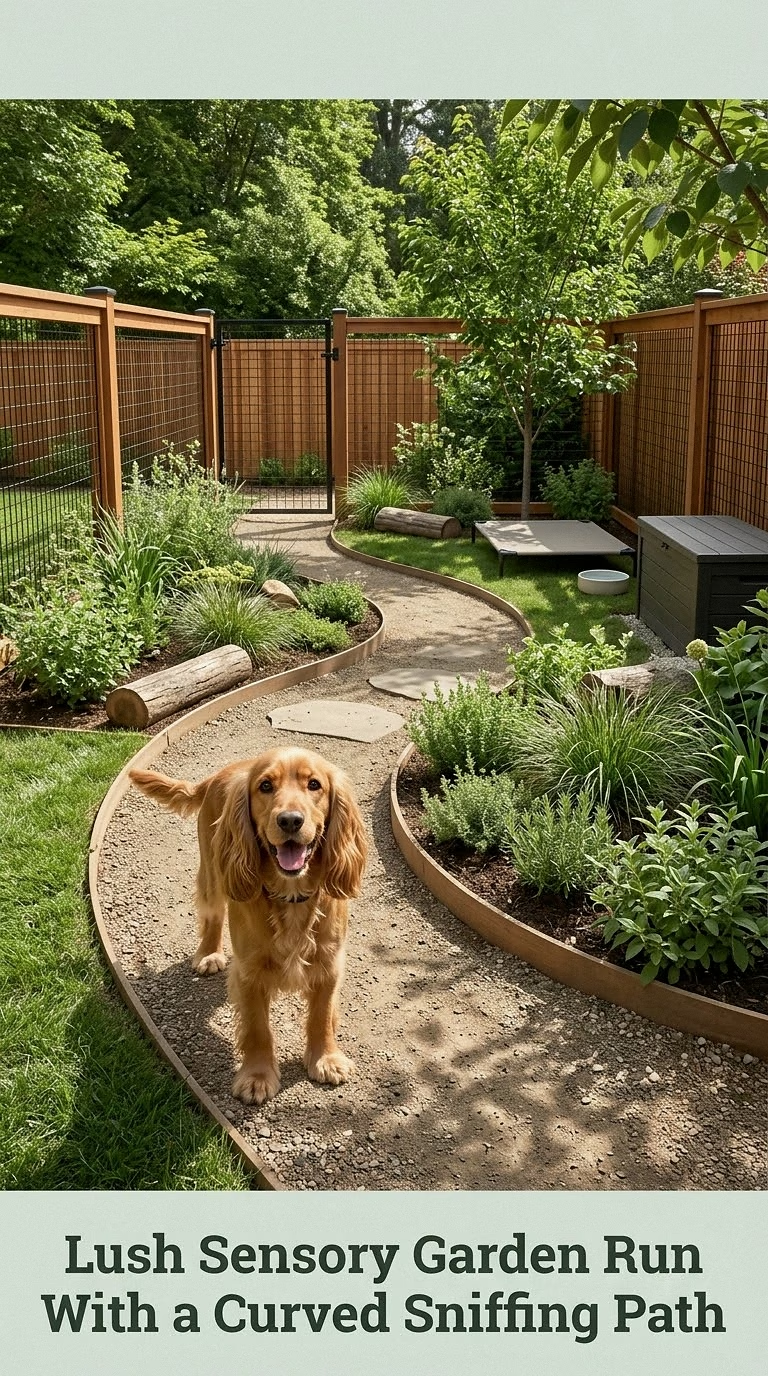
Lush Sensory Garden Run With a Curved Sniffing Path
Read more : Large Dog Kennel Ideas Indoor for a Cozy, Stylish, and Practical Home
Containment does not need to mean an empty rectangle of lawn. A securely fenced sensory garden gives your dog interesting things to smell, explore, and move around while transforming the enclosure into a beautiful landscaping feature.
Create a gently curved pathway through patches of different dog-safe textures. Natural grass, smooth paving, raised herb beds, and sturdy shrubs can make a modest yard feel surprisingly interesting.
Keep edible or delicate plants behind low secondary barriers so enthusiastic noses cannot destroy them. Avoid toxic species and inspect the garden regularly for mushrooms, sharp debris, damaged fencing, or anything newly accessible.
Include a quiet shaded resting area away from the main play path. A small digging zone can also be incorporated for dogs that naturally enjoy excavating.
This design is ideal for pet parents who want the backyard to support both canine enrichment and their love of gardening.
Minimalist Courtyard With Masonry Walls and a Black Metal Gate
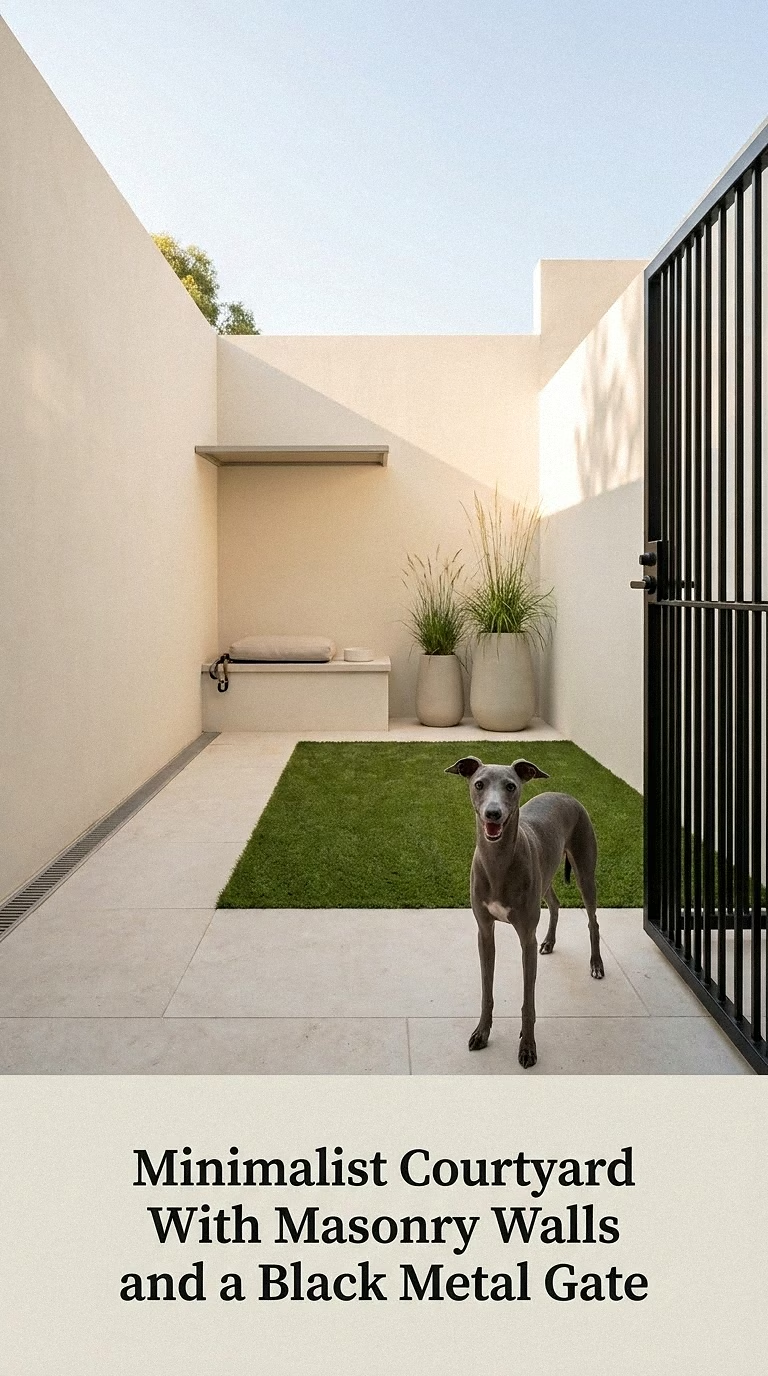
A masonry courtyard can provide a wonderfully secure foundation for an elegant dog area. Rendered cream walls, warm brick, or soft gray concrete create a substantial boundary while a black metal gate adds architectural contrast.
For privacy-sensitive or easily stimulated dogs, solid walls can also reduce views of pedestrians and neighboring pets. Make sure the gate itself does not introduce large gaps or horizontal bars that encourage climbing.
Finish the floor with easy-clean pavers and introduce warmth through a timber bench, large ceramic planters, and a structured shade tree. A built-in niche can hold a raised dog bed and water station while keeping the center of the courtyard open.
Drainage is particularly important in enclosed paved spaces, so consider cleaning and runoff from the beginning of the design.
This containment idea feels sophisticated enough for a modern townhouse while remaining extremely practical for everyday pet care.
Multi-Dog Backyard Run With Separate Rest and Play Zones
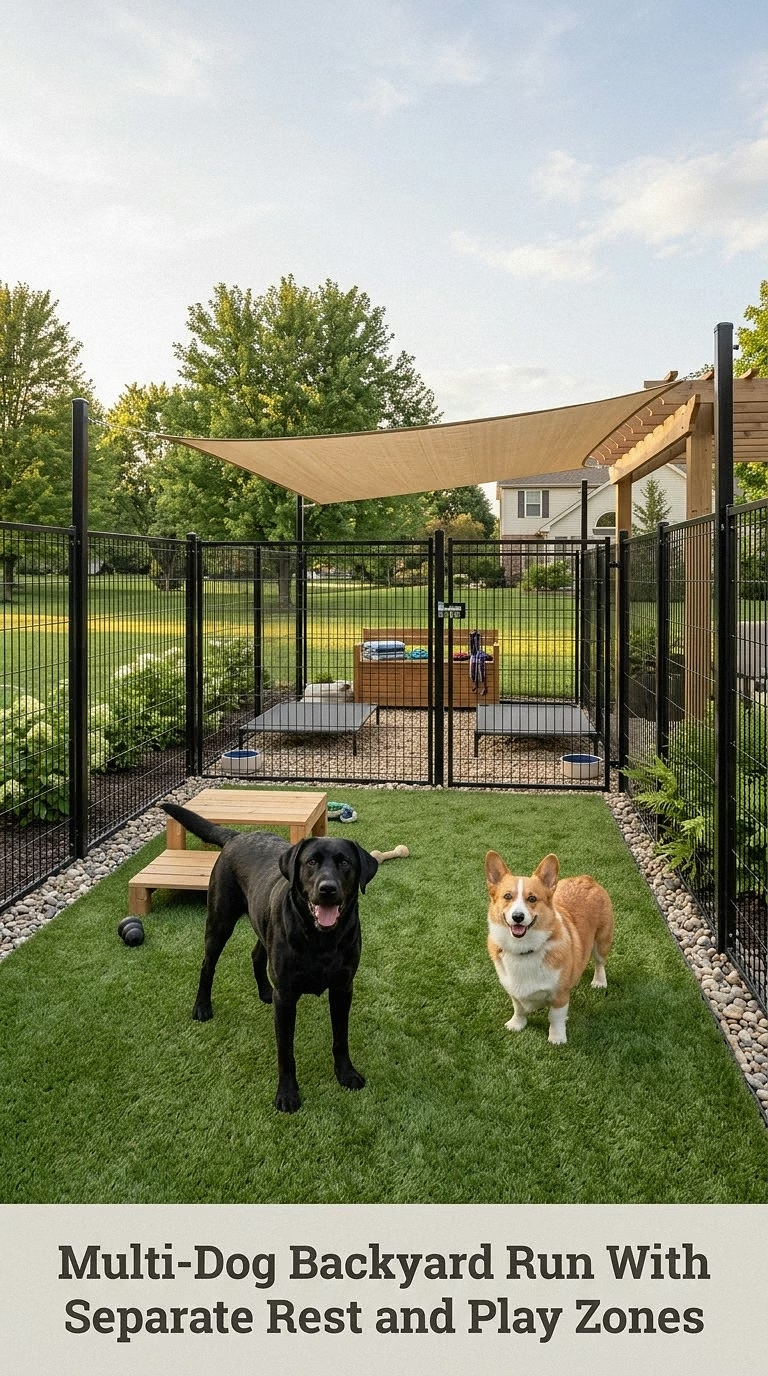
Homes with multiple dogs can benefit from a larger enclosure divided into purposeful areas. Instead of creating one open run, use secure internal fencing to establish a play zone, a quiet resting section, and separate spaces when individual dogs need a break.
Matching black fencing keeps the layout cohesive while still allowing visibility between sections. If seeing one another causes tension, portions of the divider can use visual screening.
Provide multiple water locations and enough shaded resting space so dogs do not have to compete for one desirable spot. Raised beds placed apart from one another can make downtime more comfortable.
Double-gated entrances are particularly useful when moving several dogs through the area.
This setup can also simplify yard maintenance because high-traffic zones can use washable paving while quieter sections retain grass. The key is designing around the personalities, sizes, and relationships of the dogs rather than assuming one shared space suits everyone.
Pergola-Covered Small-Dog Play Yard With Fine-Mesh Fencing
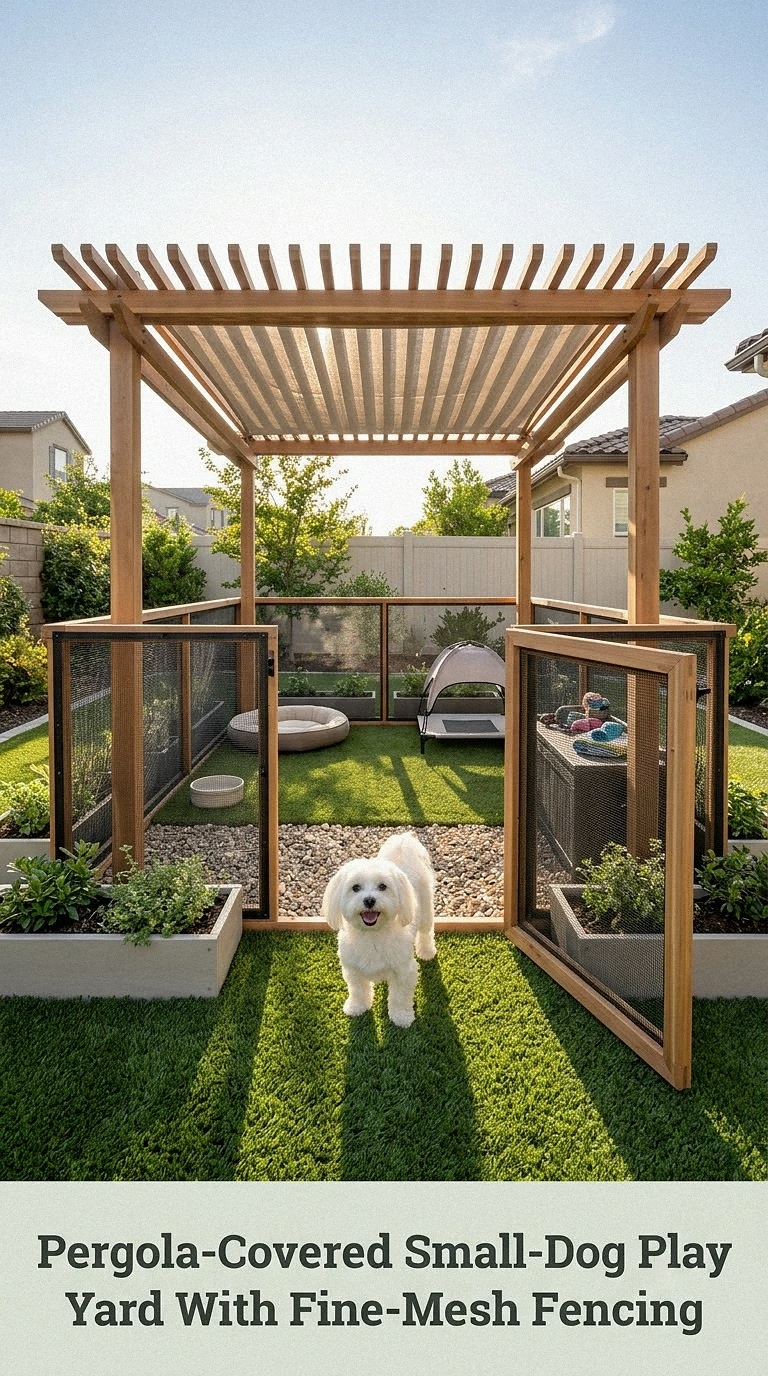
A tiny enclosed garden beneath a pergola can become an adorable outdoor retreat for small breeds. Use fine, sturdy fencing with openings too narrow for your dog to squeeze through, then integrate it with painted timber posts or decorative framing.
Overhead, a slatted pergola combined with appropriate shade material creates a breezy retreat from direct sun. Remember that sunlight moves throughout the day, so observe the area at different times before deciding where the main bed should go.
Inside the enclosure, a small patch of lawn, smooth stepping stones, and low dog-safe plants create a storybook look. Add a petite raised bed and ceramic water bowl in colors that coordinate with the house.
For very small dogs, outdoor supervision remains important because fencing cannot eliminate every threat from wildlife or unexpected environmental hazards. Think of this area as a beautiful protected play garden rather than a place for prolonged unattended stays.
Dog Door Leading to a Fully Enclosed Backyard Potty Run
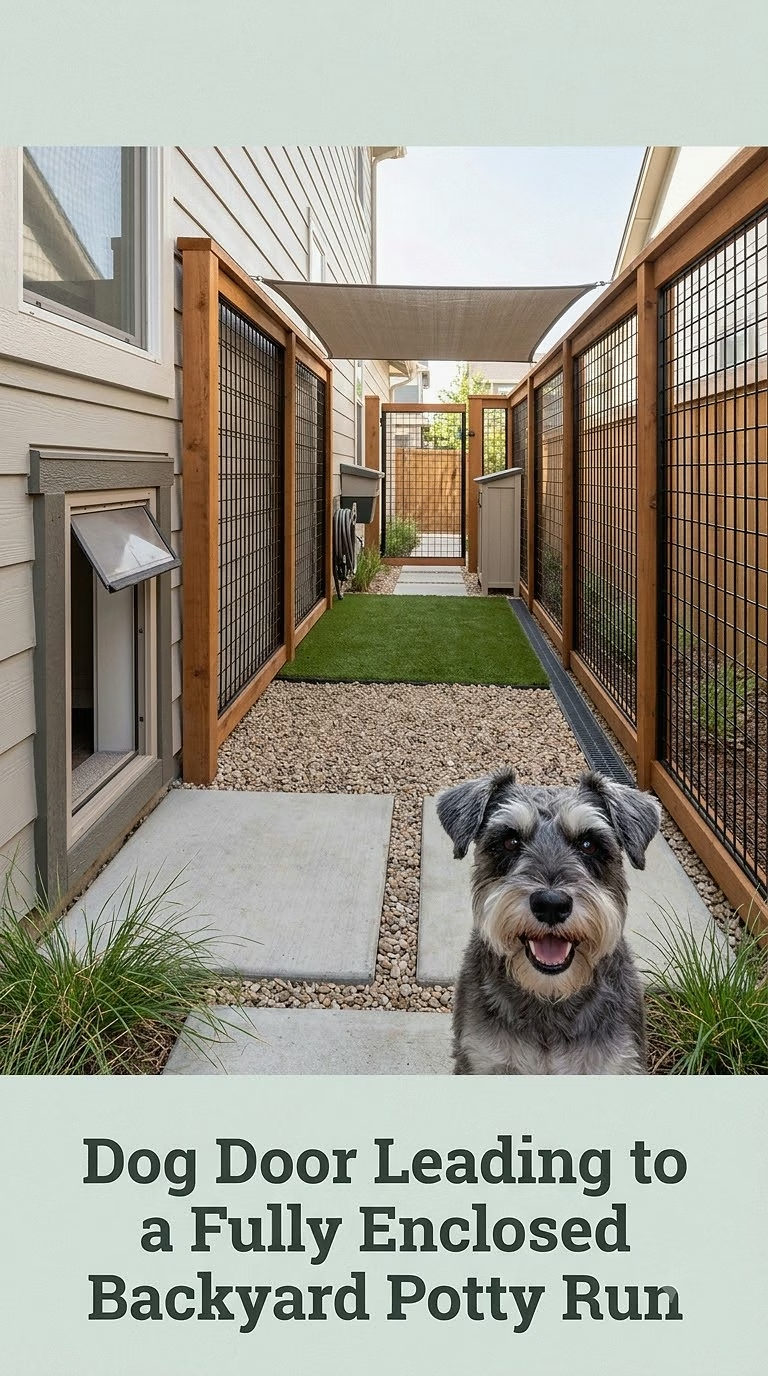
A dog door becomes much more useful when it leads directly into a small, securely enclosed run rather than an unrestricted yard. This layout can be especially convenient for rainy mornings, nighttime potty trips, and homes where the main garden needs to stay protected.
Build the enclosure directly outside the dog door using solid fencing, welded mesh, or attractive vertical slats. Secure the base against digging and ensure the top height is appropriate for your dog.
Choose a surface that drains easily and can be cleaned regularly. A mix of paving and a designated natural potty area can keep maintenance manageable.
Add a sheltered resting spot and fresh water whenever your dog may spend more than a very brief period there.
Even with convenient indoor-outdoor access, it is wise to manage the dog door when nobody is home. The enclosed run should complement attentive care rather than create unlimited unsupervised outdoor access.
Creating the Right Outdoor Dog Containment Space for Your Home
The best outdoor dog area is not necessarily the biggest, tallest, or most expensive. It is the one designed around your individual dog’s size, habits, energy level, and escape style while fitting naturally into the way you use your home.
A determined digger may benefit most from a reinforced perimeter, while a door-dashing dog may need a double-gate entry. Renters might prefer a supervised portable pen, while homeowners creating a permanent landscape can blend secure fencing with pergolas, gardens, patios, and beautiful resting areas.
Whichever idea inspires you, prioritize secure construction, reliable latches, appropriate fence openings, comfortable shade, fresh water, weather protection, and regular boundary checks. Outdoor spaces should also remain places where dogs spend positive time with their people rather than simply places where they are left alone.
With a little creativity, practical dog containment ideas outdoor can become some of the prettiest and most useful areas in the entire backyard—a space where beautiful design and happy paws can comfortably coexist.
Source: https://petstutorial.com
Category: Dog Kennels Runs
