
A small outdoor shelter can make a surprisingly meaningful difference for a stray dog searching for somewhere safe to rest. Whether a nervous dog has started visiting your backyard, you help care for community dogs in your neighborhood, or you simply want to prepare a protected spot near your property, the right shelter can offer shade, dryness, warmth, and a quiet place to decompress.
- 19 Side Yard Dog Run Ideas for a Beautiful, Safe, and Practical Pet Space
- 17 Beautiful Garage Dog Kennel Ideas for a Safe and Stylish Pet Space
- 18 Dog Trolley Run Ideas For A Safer And More Beautiful Backyard
- 18 RV Dog Kennel Ideas for a Cozy, Stylish Home on Wheels
- 18 Dog Kennel Roof Ideas for a Stylish, Safe, and Weather-Ready Outdoor Space
The best outdoor shelter is not simply a cute doghouse. It needs to work with the local climate, remain dry during rain, provide protection from direct sun and wind, and give the dog enough room to stand, turn around, lie comfortably, and leave whenever they want. Raised floors, weather-resistant materials, thoughtful ventilation, and easy-clean surfaces can make even a simple DIY structure much more practical.
You are reading: 19 Stray Dog Shelter Ideas Outdoor Spaces Can Use for Safe, Cozy Refuge
Because stray dogs may be frightened or unsure around people, a calm location is just as important as the structure itself. Positioning the shelter away from heavy foot traffic, loud machinery, busy gates, and other stressful areas can help a cautious dog feel secure enough to use it.
These stray dog shelter ideas outdoor spaces can accommodate range from affordable DIY builds to stylish backyard shelters, compact urban solutions, hot-weather designs, and cozy winter refuges. Each can be adapted to your available space, budget, climate, and the needs of the dogs you are trying to help.
Practical Outdoor Shelter Designs for Stray Dogs
Weatherproof Plywood Shelter With Raised Floor and Sloped Roof
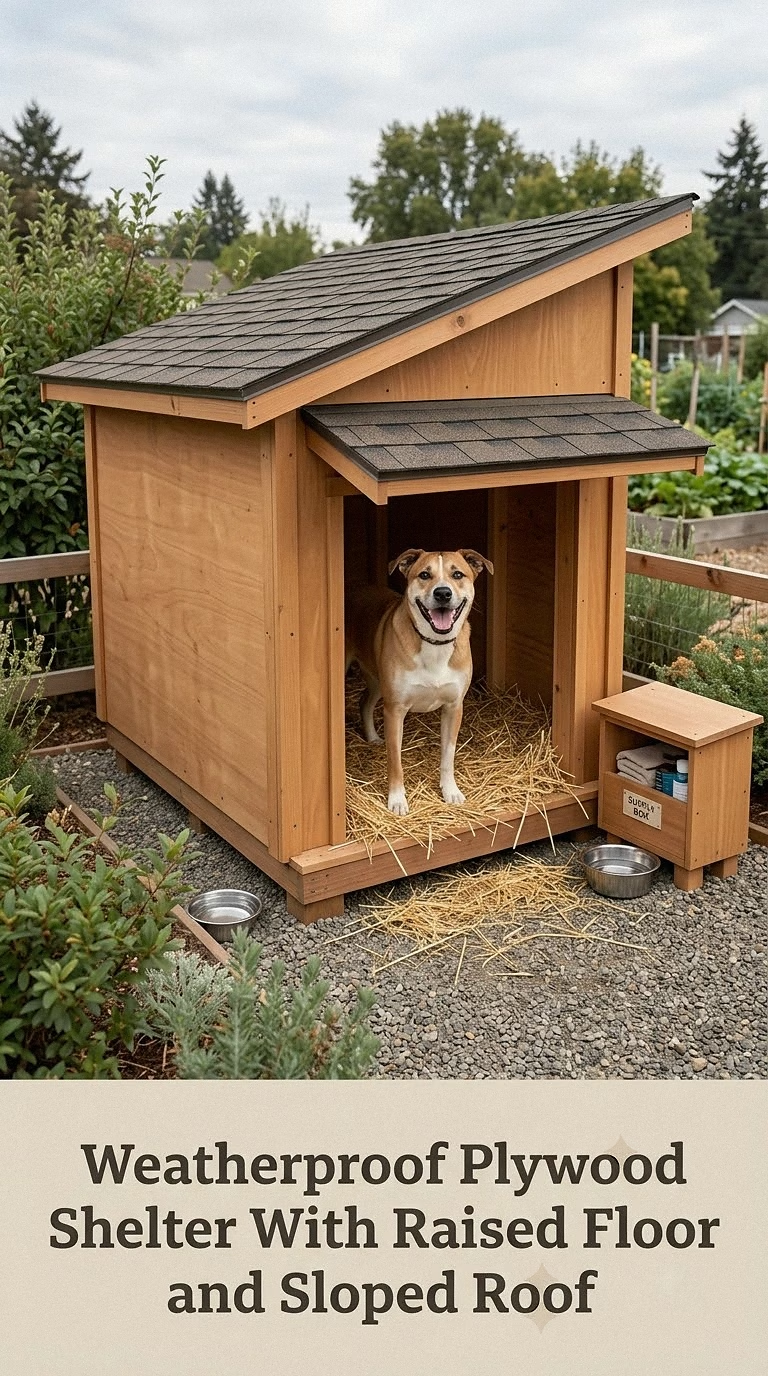
A classic wooden shelter remains one of the most practical options when it is built with outdoor conditions in mind. Start with exterior-grade plywood or another moisture-resistant material, then raise the entire structure several inches above the ground using sturdy feet or a simple platform.
Keeping the floor elevated helps reduce contact with wet soil, puddles, and cold ground. A slightly sloped roof allows rainwater to run away rather than collecting on top.
Extend the roof beyond the walls to create a small overhang above the entrance. Positioning the doorway away from prevailing wind and rain adds another layer of protection.
For a softer Pinterest-friendly appearance, finish the exterior in muted sage, cream, warm gray, or natural wood tones. Just make sure any paint, sealant, adhesive, or preservative used around the shelter is appropriate for animal environments and fully cured before the dog has access.
Insulated Double-Wall Shelter With Dry Straw Bedding
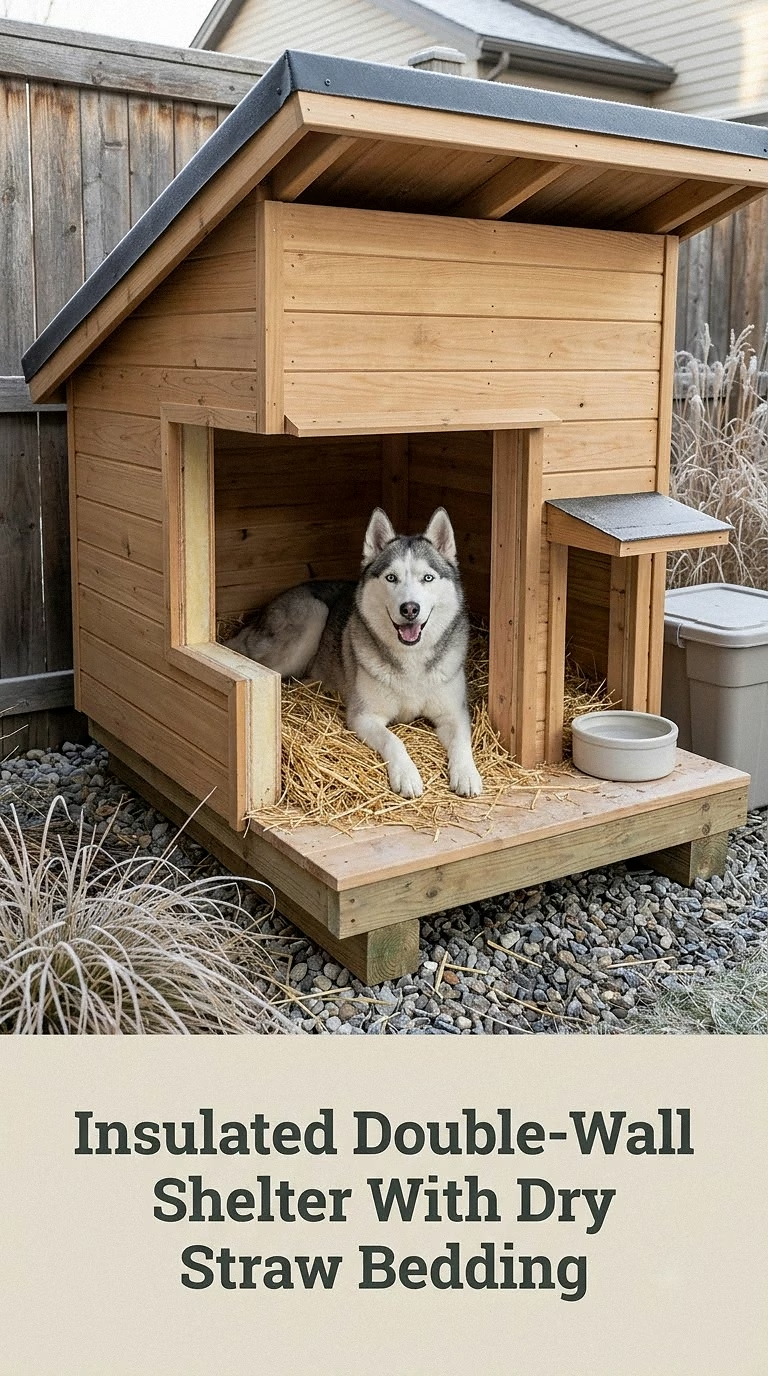
Cold climates call for more than a thin wooden box. A double-wall shelter creates space for insulation between the interior and exterior surfaces, helping reduce exposure to cold temperatures and strong wind.
Rigid insulation can be enclosed completely between the walls so the dog cannot chew or scratch it. The inside should remain smooth, dry, and free from exposed fasteners.
A layer of clean, dry straw can create a warm nesting area during cold weather because dogs can burrow into it. Check the bedding frequently and replace it whenever it becomes wet, dirty, compacted, or musty.
Keep the interior appropriately sized rather than dramatically oversized. A cozy shelter retains warmth more effectively while still giving the dog enough space to stand normally, turn around, stretch, and sleep comfortably.
Deep-Overhang Dog Shelter With a Shaded Front Porch
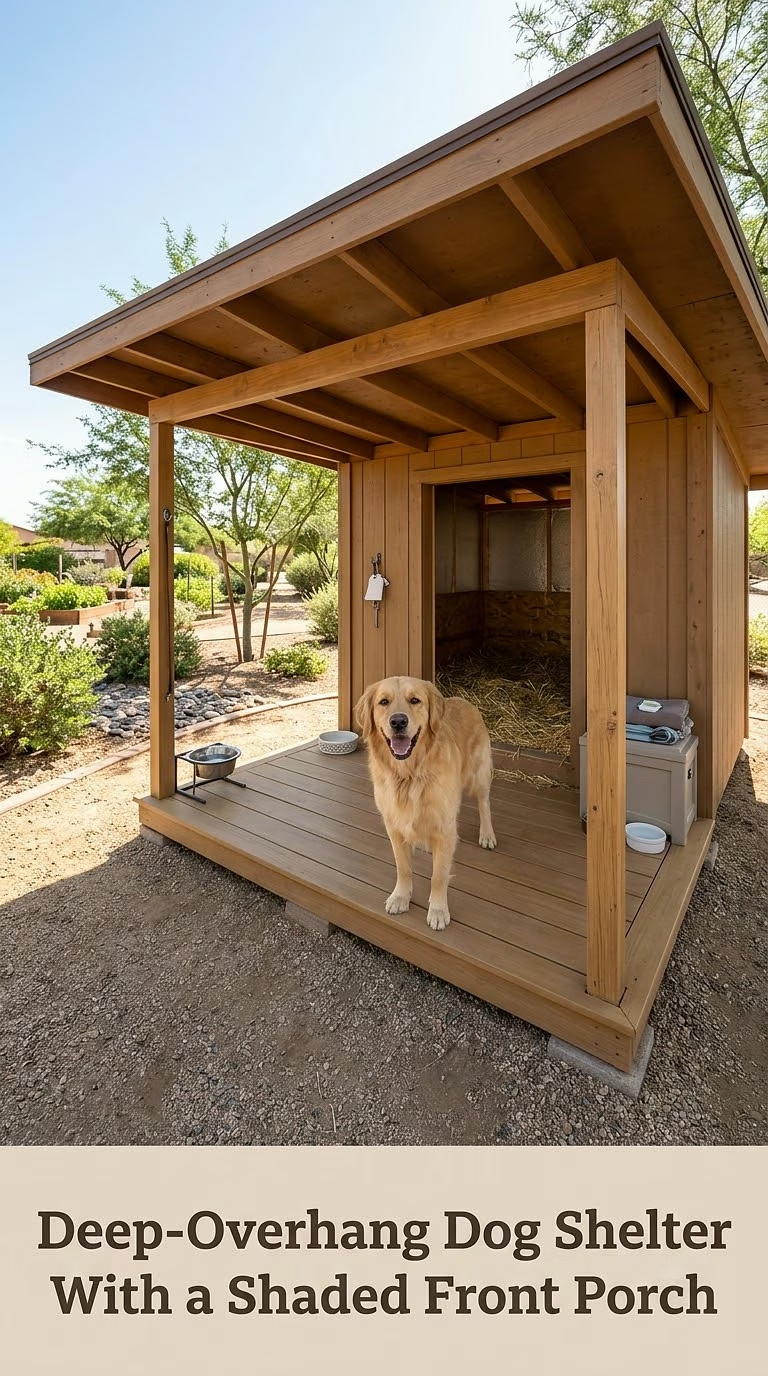
For a dog that spends time outdoors in a sunny climate, create a shelter with its own tiny covered porch. A generously extended roof shades both the enclosed sleeping area and the space immediately outside the doorway.
The result looks charming while serving a practical purpose. A dog can lie in an airy shaded area without needing to retreat completely inside the house.
Choose a light-colored roof that absorbs less solar heat than a very dark surface, and place the entire structure where it receives natural shade during the hottest portion of the day whenever possible.
A raised wooden or composite porch also creates a cleaner resting surface than bare dirt. Leave the sides sufficiently open for airflow, and avoid decorative fencing that could restrict an unfamiliar dog’s ability to leave comfortably.
Two-Chamber Windbreak Shelter With Offset Entrance
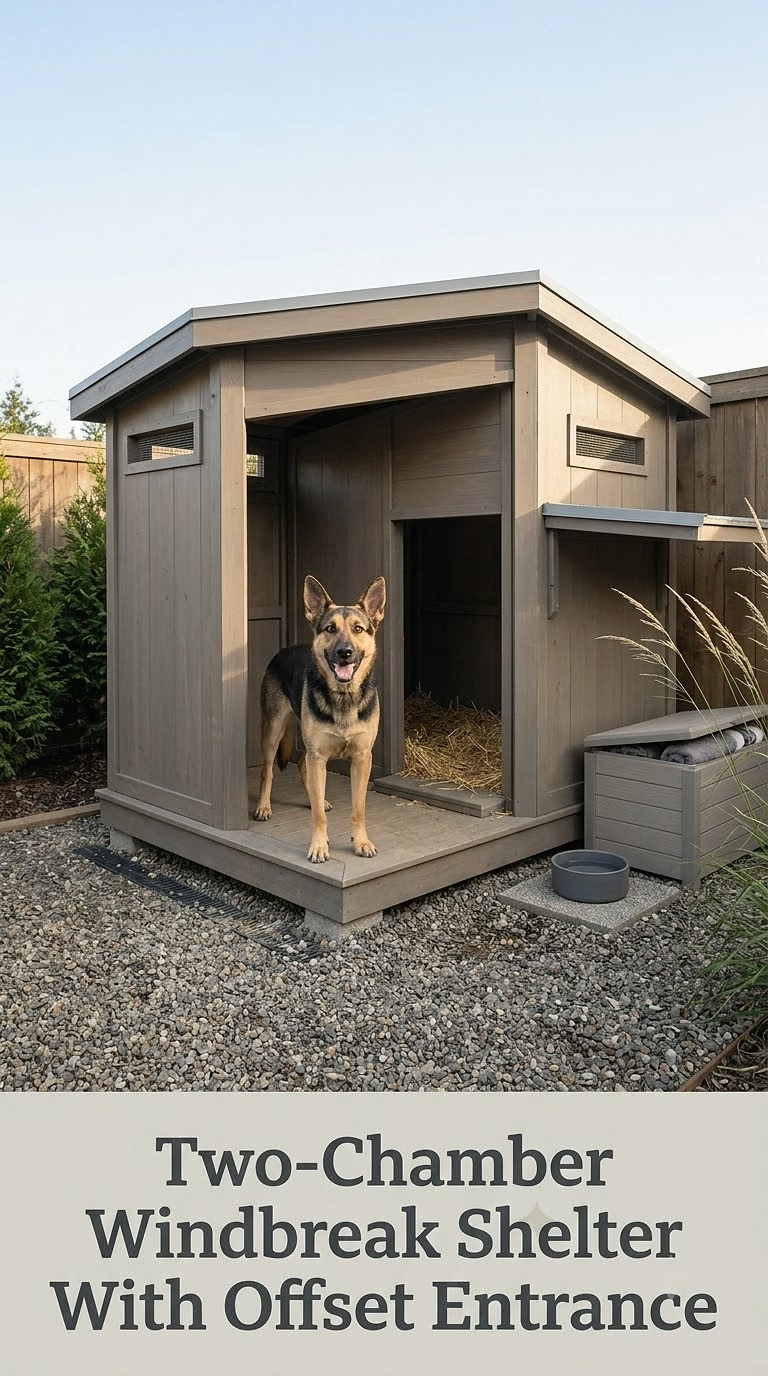
A direct doorway can allow wind and rain to blow straight into a shelter. A clever alternative is a two-chamber design with an offset entrance.
The dog first steps into a short protected entrance area before moving around an interior divider into the main sleeping compartment. This simple layout creates a natural windbreak without requiring a complicated door.
It is especially useful in exposed yards or locations where storms frequently bring driving rain. Keep the entry chamber wide enough that a dog does not feel squeezed or trapped.
Visually, this shelter can look like a miniature modern cabin, with warm wood siding, a simple charcoal roof, and a small sheltered doorway positioned toward one side.
Compact Urban Alley Shelter With a Narrow Footprint
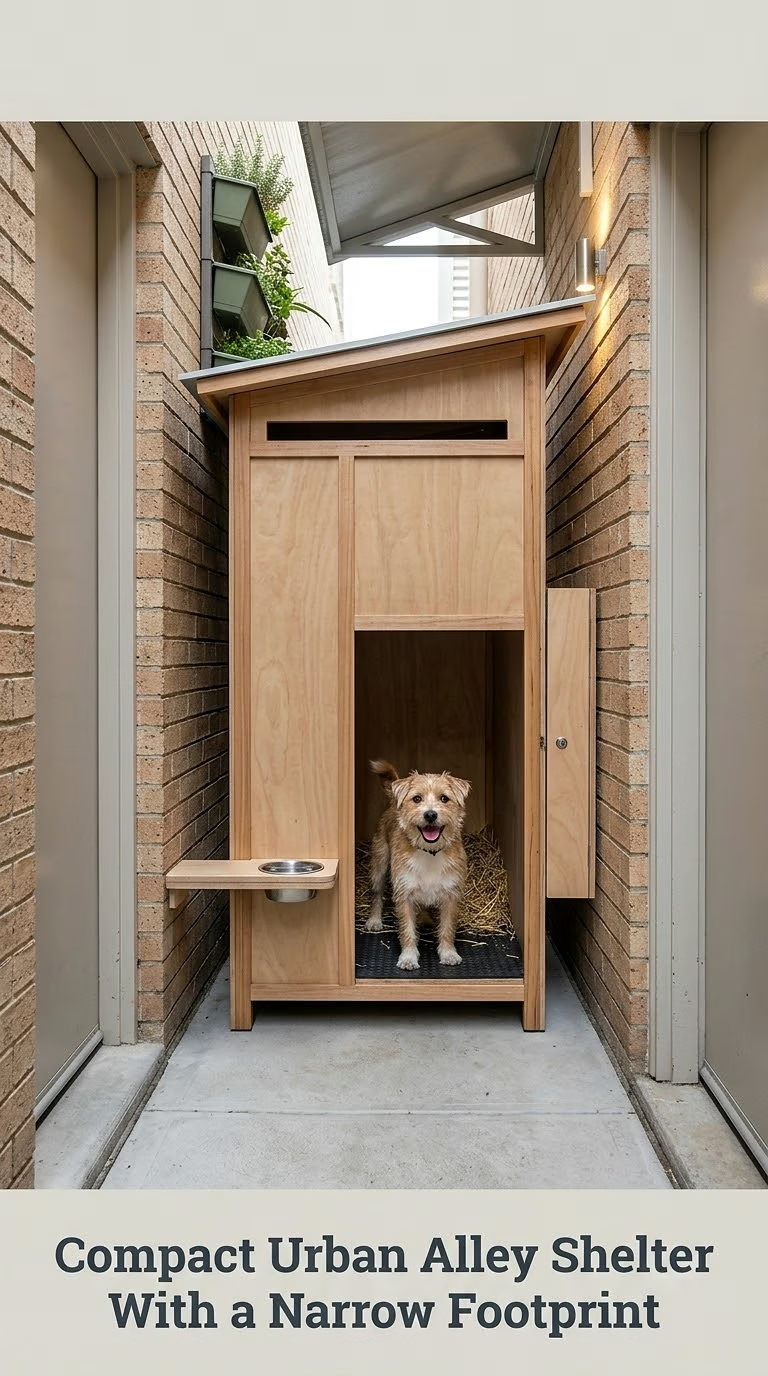
Not every community feeding area has a large backyard. In a narrow side yard, alley, courtyard, or space beside a building, use a longer rectangular shelter with a compact footprint.
The structure can sit parallel to a wall while still leaving a clear path around the entrance. A shallow sloping roof, raised base, and weatherproof side panels keep the silhouette simple.
Avoid placing the shelter directly beside dumpsters, vehicle routes, or equipment that creates sudden noise. A quieter recessed location is likely to feel more inviting to a nervous animal.
Neutral gray, beige, or warm wood finishes help the structure visually blend into an urban setting rather than looking like an improvised box.
Rainy-Climate Shelter on Short Stilts With a Guttered Roof
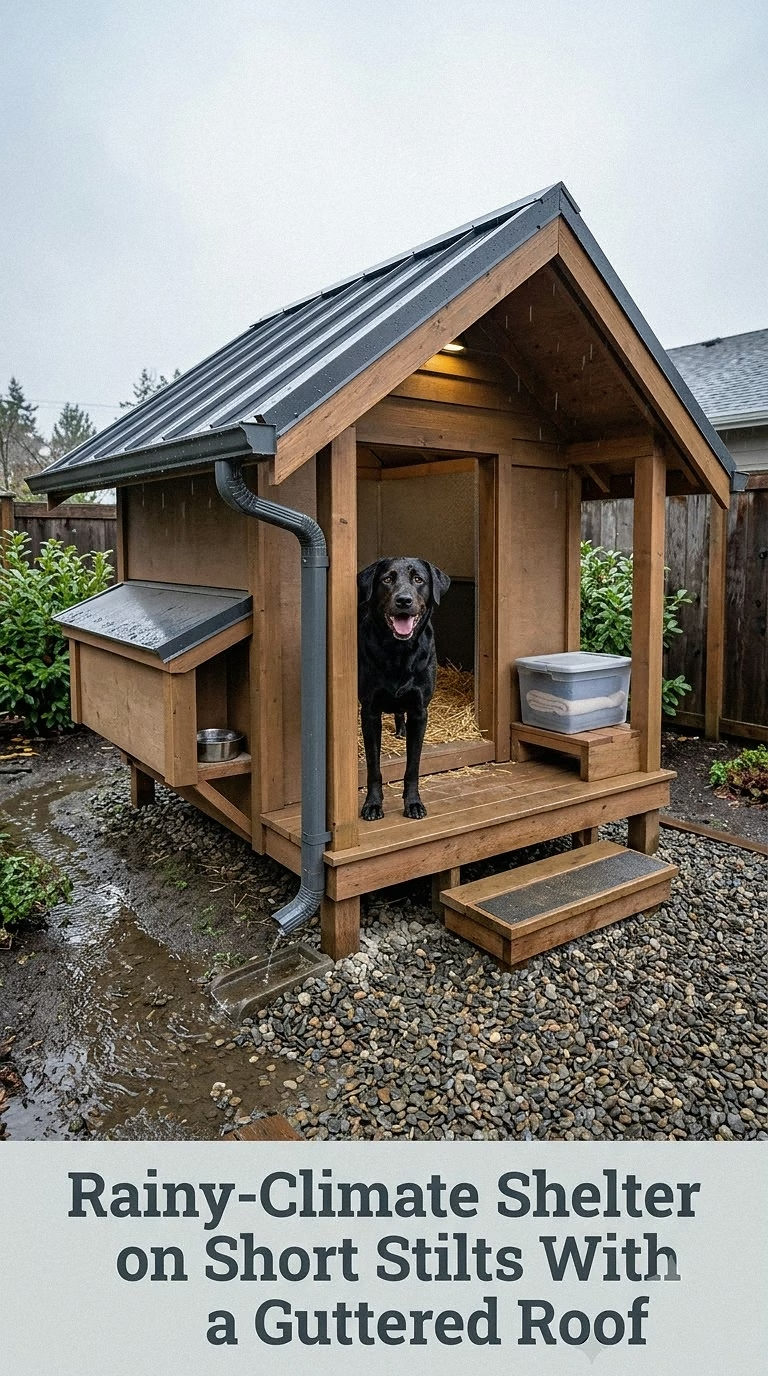
Persistent rain creates a different challenge than occasional showers. In wet climates, concentrate on drainage before adding decorative details.
Build the shelter on short, stable supports and place it on well-draining gravel or another suitable base rather than in a low area where water pools. Use a generously pitched waterproof roof with overhangs on every side.
For a more polished setup, add a tiny gutter or rain-diversion edge that sends roof runoff away from the doorway. Water should never pour directly where the dog enters or sleeps.
Inside, use surfaces that can be inspected and cleaned easily. Bedding should remain completely dry, so check the shelter after heavy rain rather than assuming the roof has kept every corner protected.
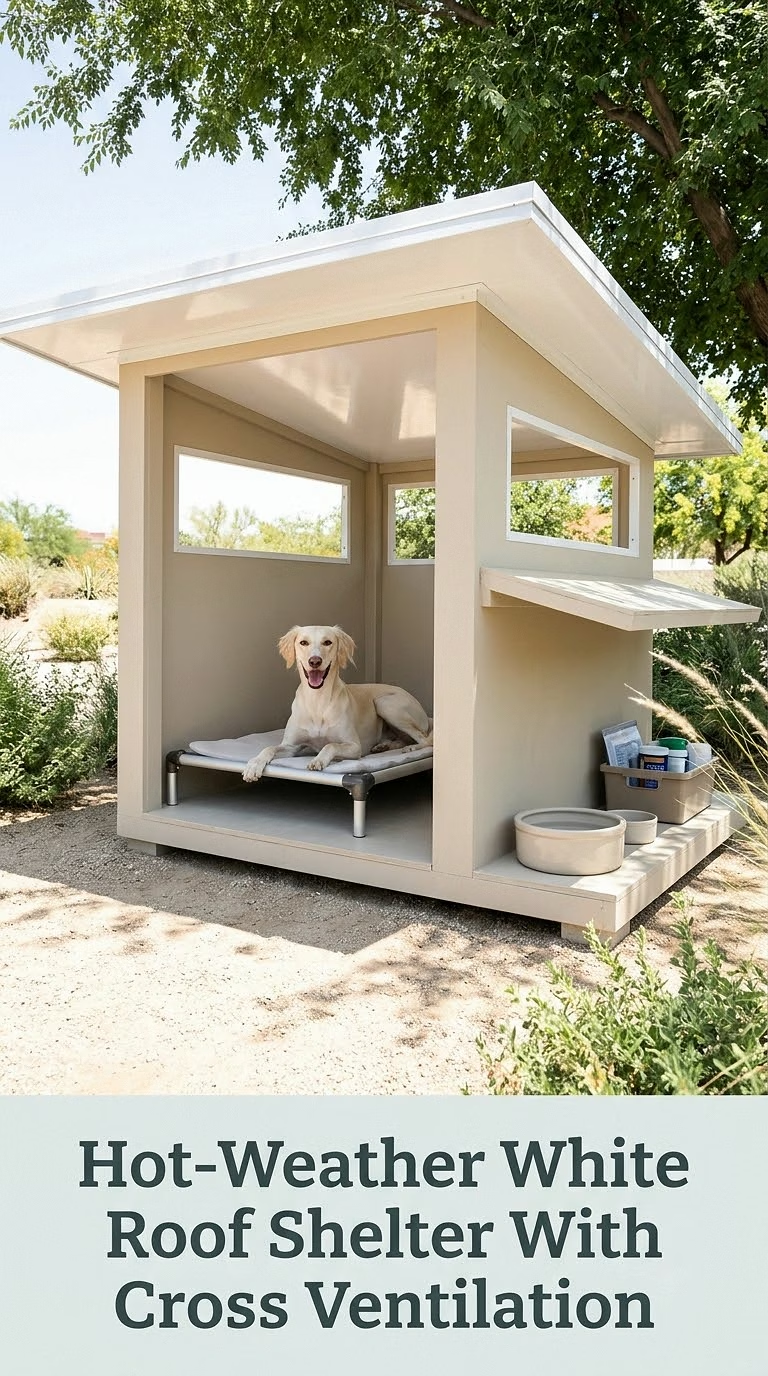
Hot-Weather White Roof Shelter With Cross Ventilation
Read more : 18 Basement Dog Kennel Ideas for a Cozy, Stylish Pet Retreat
In hot regions, creating shade while preventing heat buildup should be a major priority. A light-colored reflective-looking roof paired with generous shade can make the shelter visually fresh while supporting a cooler environment.
Add protected ventilation openings high on more than one wall so warm air has somewhere to escape. Openings should be designed so rain cannot easily blow inside.
Keep the shelter out of direct afternoon sun whenever possible. Placing it beneath a larger canopy, tree canopy, or ventilated shade structure can provide much better protection than relying on the doghouse roof alone.
Always place fresh drinking water nearby in a sturdy container that is difficult to knock over. During dangerously hot weather, an outdoor doghouse should never be treated as adequate protection by itself.
Rustic Wood Shelter With Removable Floor Panels
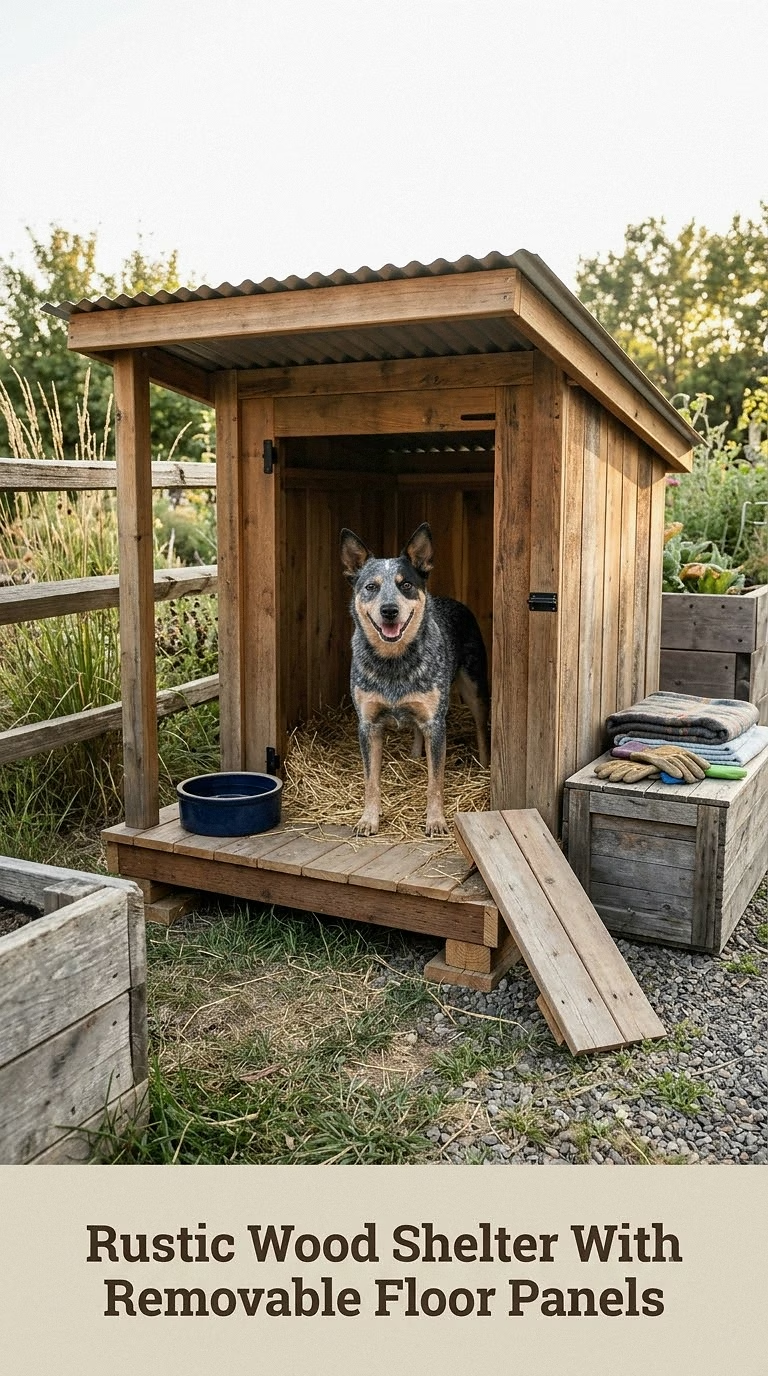
A rustic shelter can feel warm and inviting without becoming difficult to maintain. Use smooth wood siding, simple trim, and a practical removable floor panel hidden inside the structure.
The removable floor makes cleaning much easier. Instead of trying to reach into every interior corner, you can lift sections out, inspect underneath, remove debris, and replace bedding.
Choose smooth materials that will not splinter and make sure nails, screws, staples, and sharp corners remain completely inaccessible to the dog.
For a cozy farmhouse look, pair natural wood with an understated metal-look roof, simple black trim, and a gravel pad. Avoid unnecessary decorations around the doorway that could catch collars, fur, paws, or skin.
Budget Pallet-Frame Shelter With Smooth Weatherproof Cladding
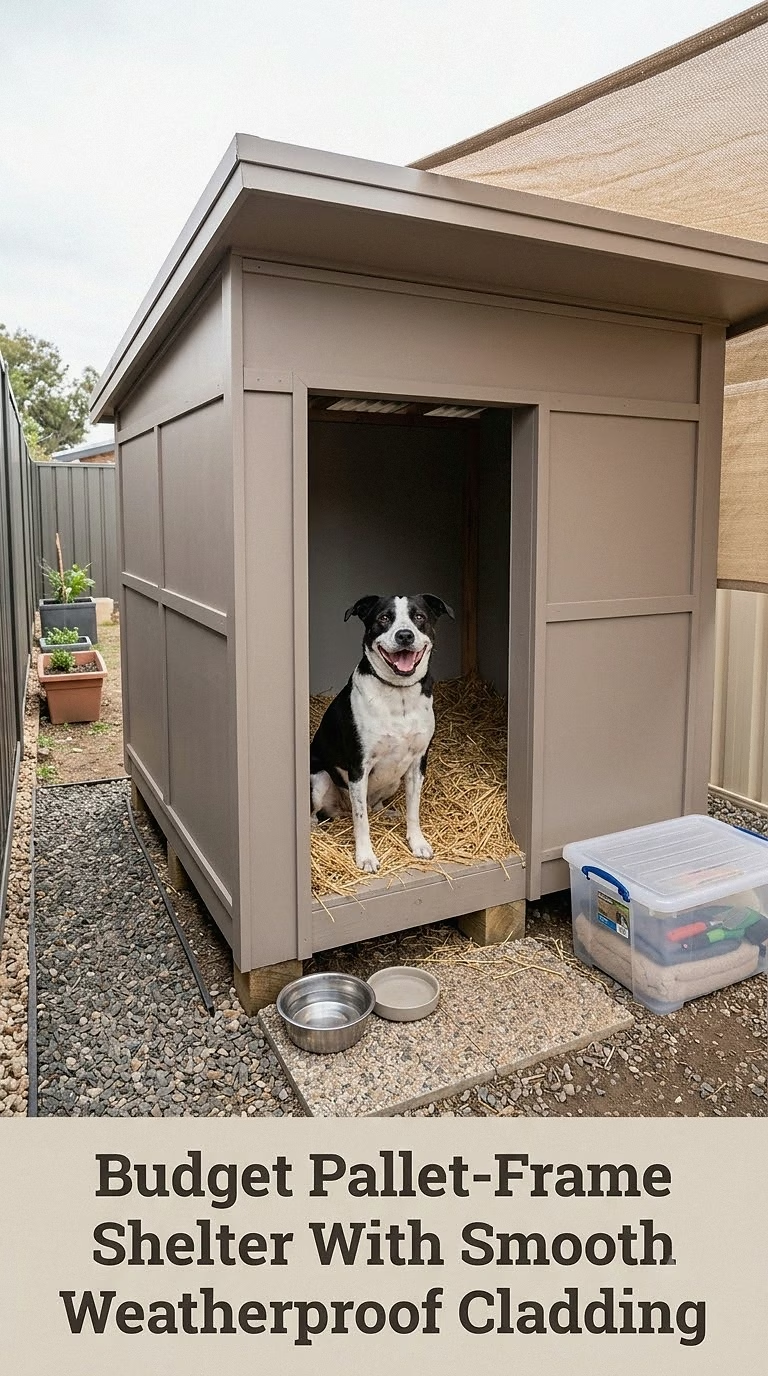
A pallet-inspired build can reduce material costs, but old pallets should not automatically become exposed shelter walls. Unknown pallets may be contaminated, heavily splintered, chemically treated, or filled with protruding nails.
Instead, use only clean, structurally sound materials you can identify and create a pallet-style frame that is completely covered with smooth exterior-grade panels. Sand accessible wooden surfaces carefully and remove every exposed fastener.
Raise the completed shelter on a stable foundation and waterproof the roof properly. A tarp thrown loosely over an unfinished pallet box may look inexpensive, but it can flap, leak, trap moisture, and create hazards.
Painted in warm white or soft olive with simple timber trim, a carefully finished budget shelter can still look intentionally designed.
Covered Feeding Station Beside a Separate Sleeping Shelter
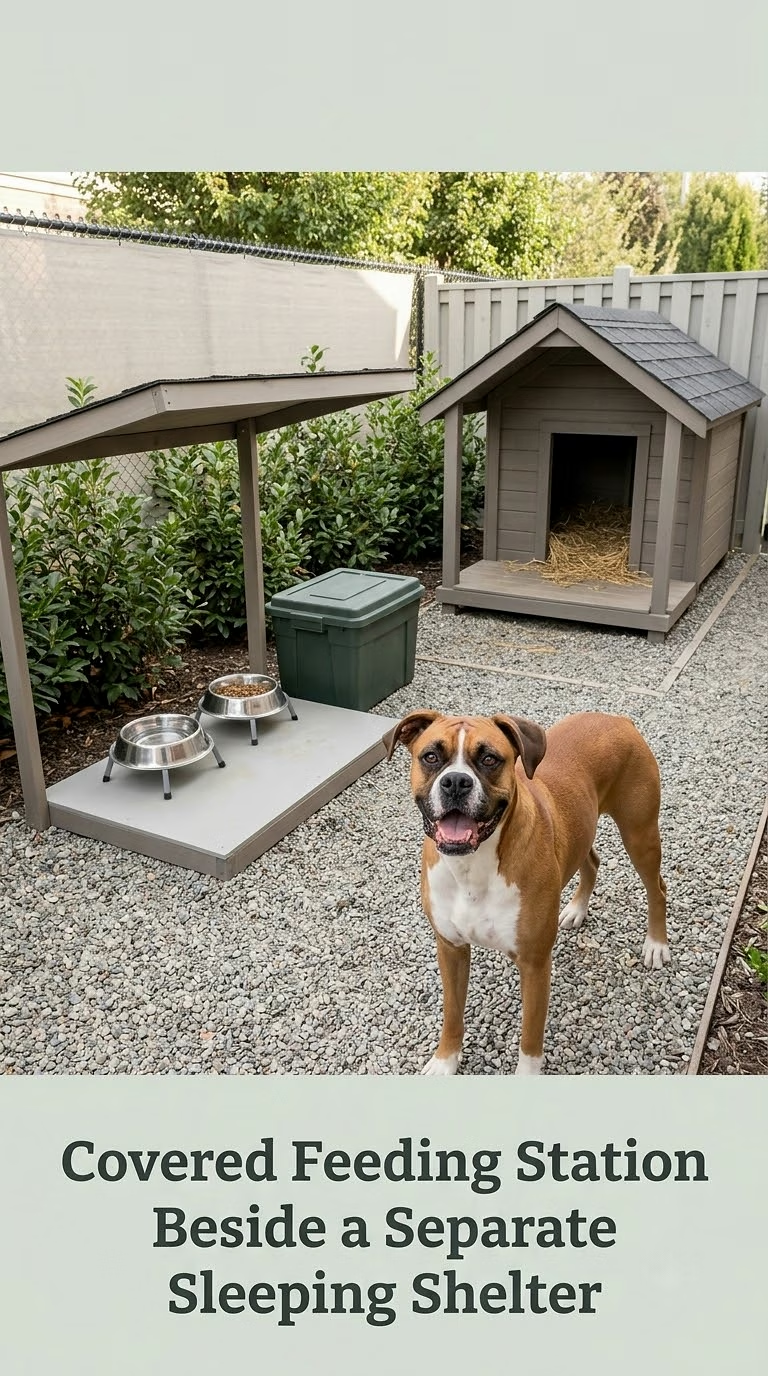
Food and sleeping areas do not need to occupy the same tiny structure. In fact, separating them can help keep crumbs, spilled water, insects, and moisture away from the dog’s bedding.
Create a weatherproof sleeping box beside a simple roofed feeding station. Under the smaller canopy, place sturdy food and water bowls on an easy-clean surface.
Position the feeding spot close enough to be convenient but not directly against the sleeping entrance. Remove leftover food according to local conditions so it does not attract wildlife, pests, or unwanted insects.
The two-part layout can be beautifully organized with matching roofs, coordinated natural materials, and a neat gravel base, making it particularly attractive for a cared-for community dog area.
Small-Dog Emergency Tote Shelter Beneath a Shade Canopy
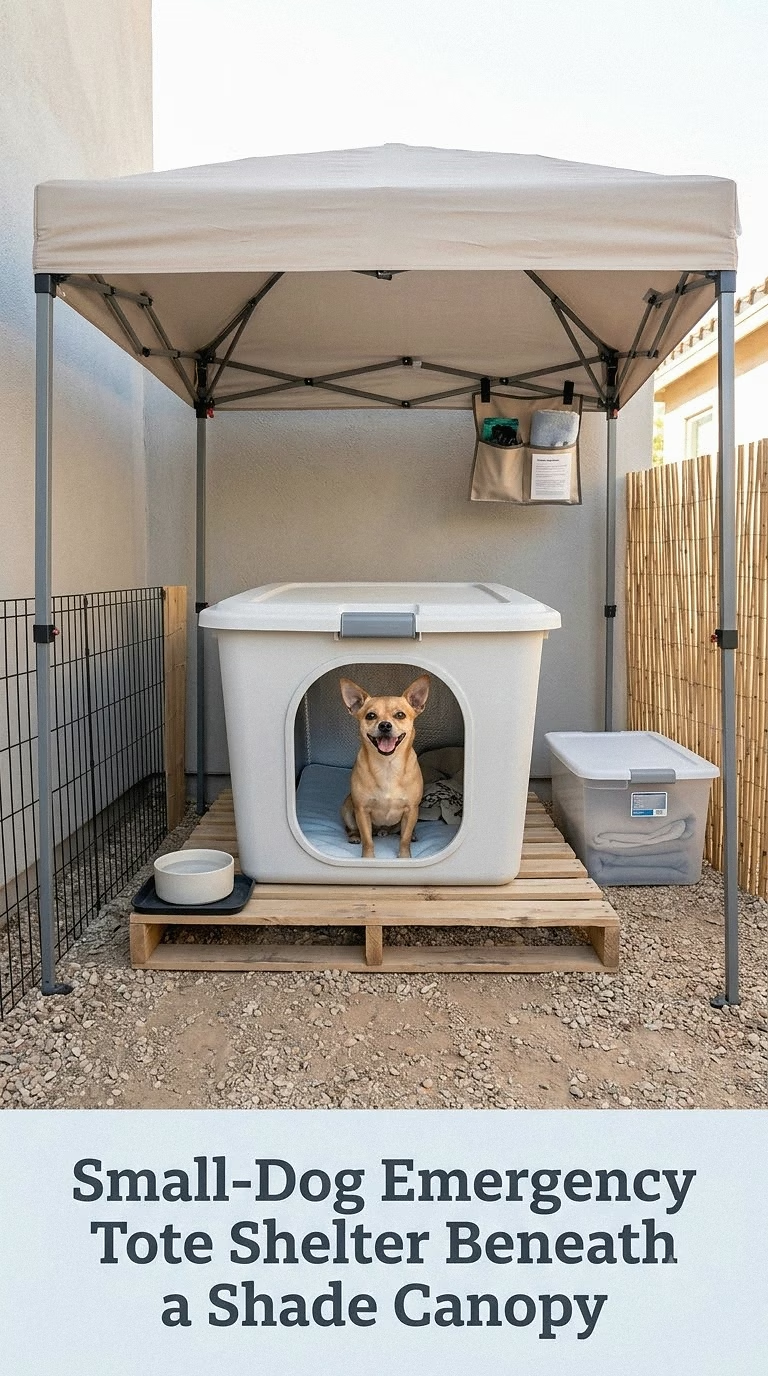
For a temporary emergency setup, a large heavy-duty plastic container can sometimes be adapted into a basic shelter for a small dog. It should be large enough for comfortable movement, securely positioned, well ventilated, and modified without leaving sharp cut edges.
Place the container on an insulated raised base rather than directly on the ground. Cover the larger setup with a separate shade canopy or roof so the plastic is not baking in direct sun.
This concept is best viewed as a short-term, budget-friendly refuge rather than an ideal permanent home. Plastic can become extremely hot in sunlight and may provide limited insulation in severe cold.
A neutral storage container tucked beneath a simple timber canopy can look surprisingly tidy while providing an immediately available protected spot.
Modular Multi-Bay Shelter for a Community Dog Care Area
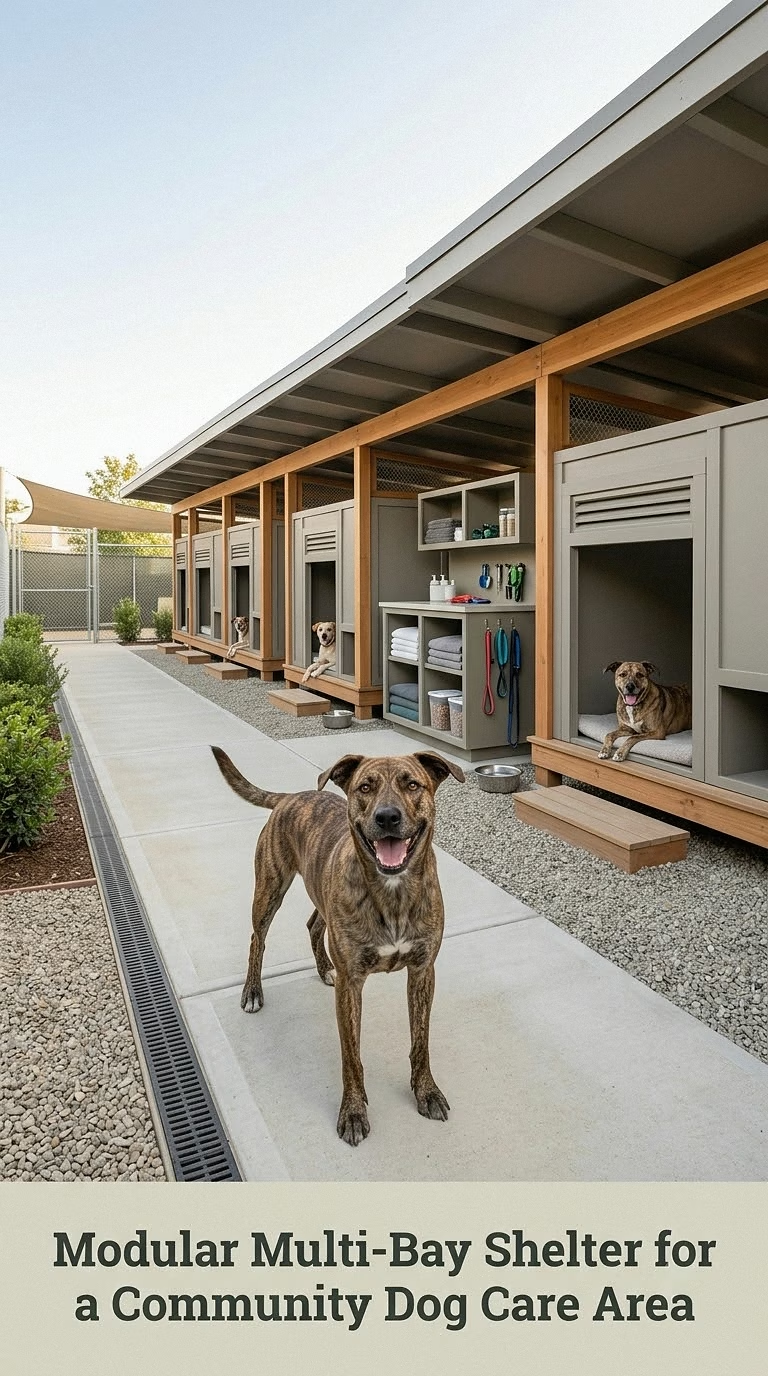
If several familiar community dogs regularly use the same safe location, individual sleeping bays can provide more flexibility than forcing multiple dogs into one enclosure.
Create a row of separate shelters beneath one large weatherproof roof. Each bay should have its own entrance and enough separation that dogs can choose where to rest without being crowded together.
Do not assume unfamiliar dogs will happily share confined sleeping space. Individual retreats are particularly useful when dogs have different temperaments or social relationships.
A coordinated row of small wooden cabins can also become an attractive community project. Matching natural siding, simple numbered maintenance tags, raised floors, and a clean gravel walkway create an organized appearance without sacrificing function.
Garden-Edge Shelter With Trellis Shade and Gravel Drainage
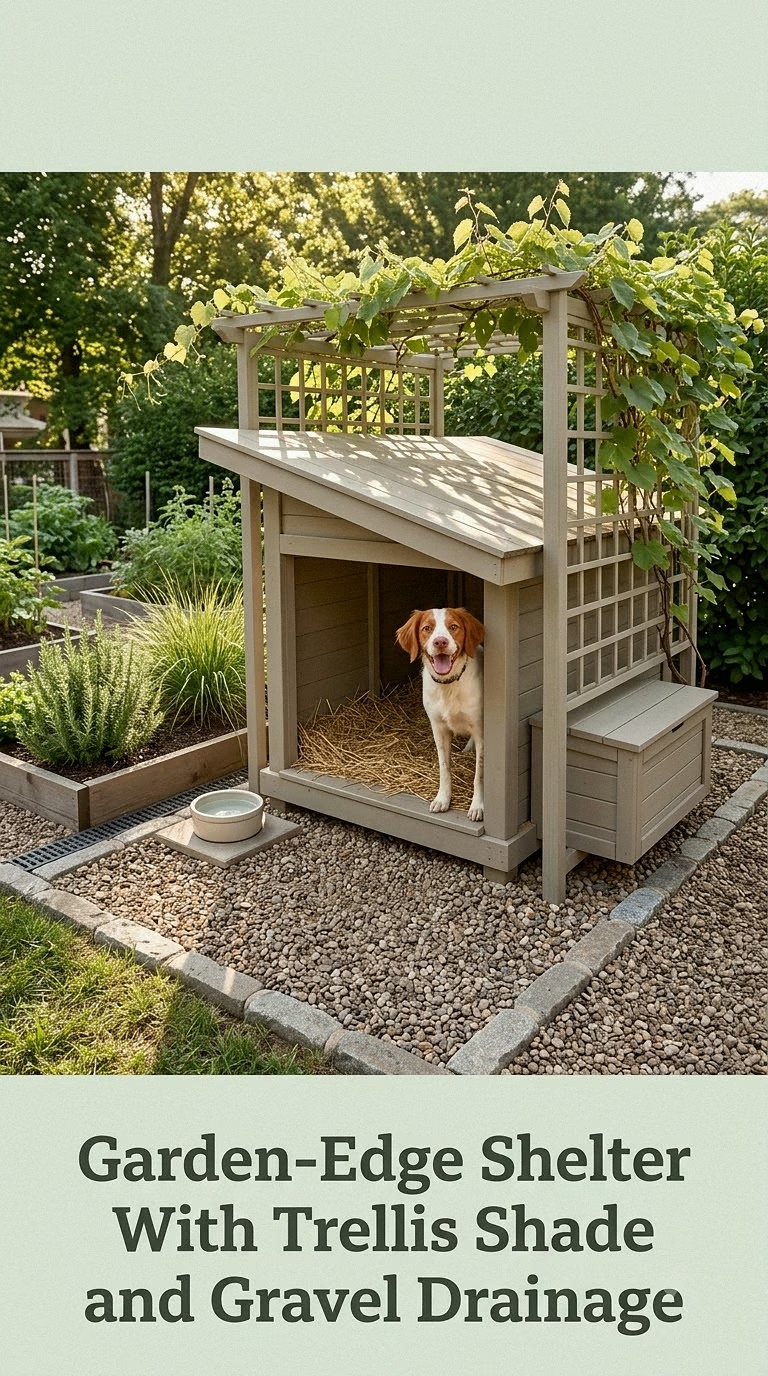
A dog shelter can blend gently into a landscaped backyard instead of sitting awkwardly in the middle of the lawn. Position a simple weatherproof house near the garden edge and create a broad bed of drainage gravel underneath and around it.
A freestanding trellis or pergola-style shade structure can provide additional overhead protection. Choose pet-safe planting around the perimeter and leave plenty of clear space around the entrance.
Avoid dense vegetation directly against the shelter, where moisture, insects, ticks, or hidden hazards may become difficult to notice.
Natural timber, pale gravel, and restrained greenery create a beautiful Pinterest-worthy setting while keeping the dog’s actual sleeping area simple, dry, and easy to inspect.
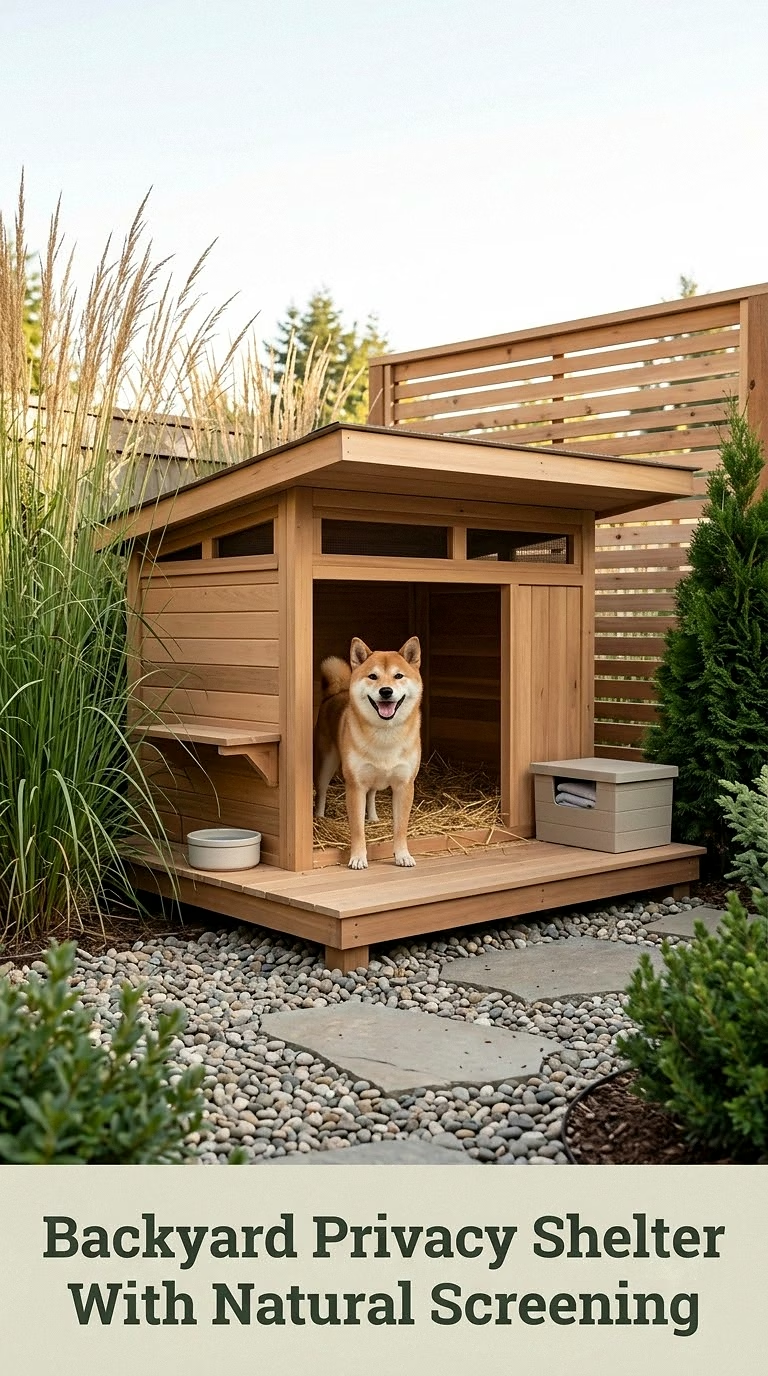
Backyard Privacy Shelter With Natural Screening
Read more : 18 Multiple Dog Kennel Ideas Indoor for a Beautiful and Organized Pet-Friendly Home
Some stray dogs will not approach a beautifully built shelter if it sits in the center of an exposed yard. Privacy can make the space feel much safer.
Place the shelter near a solid fence or use a separate privacy screen to block activity from one or two directions while keeping the entrance and escape route completely open.
The shelter should still be visible enough for you to check whether the dog is injured, sick, or in distress without repeatedly disturbing it.
Warm wood screening, tall planters positioned safely out of the dog’s path, and a muted green shelter can create a peaceful little retreat that feels integrated with the backyard landscape.
Portable Panel Shelter for Temporary Rescue Support
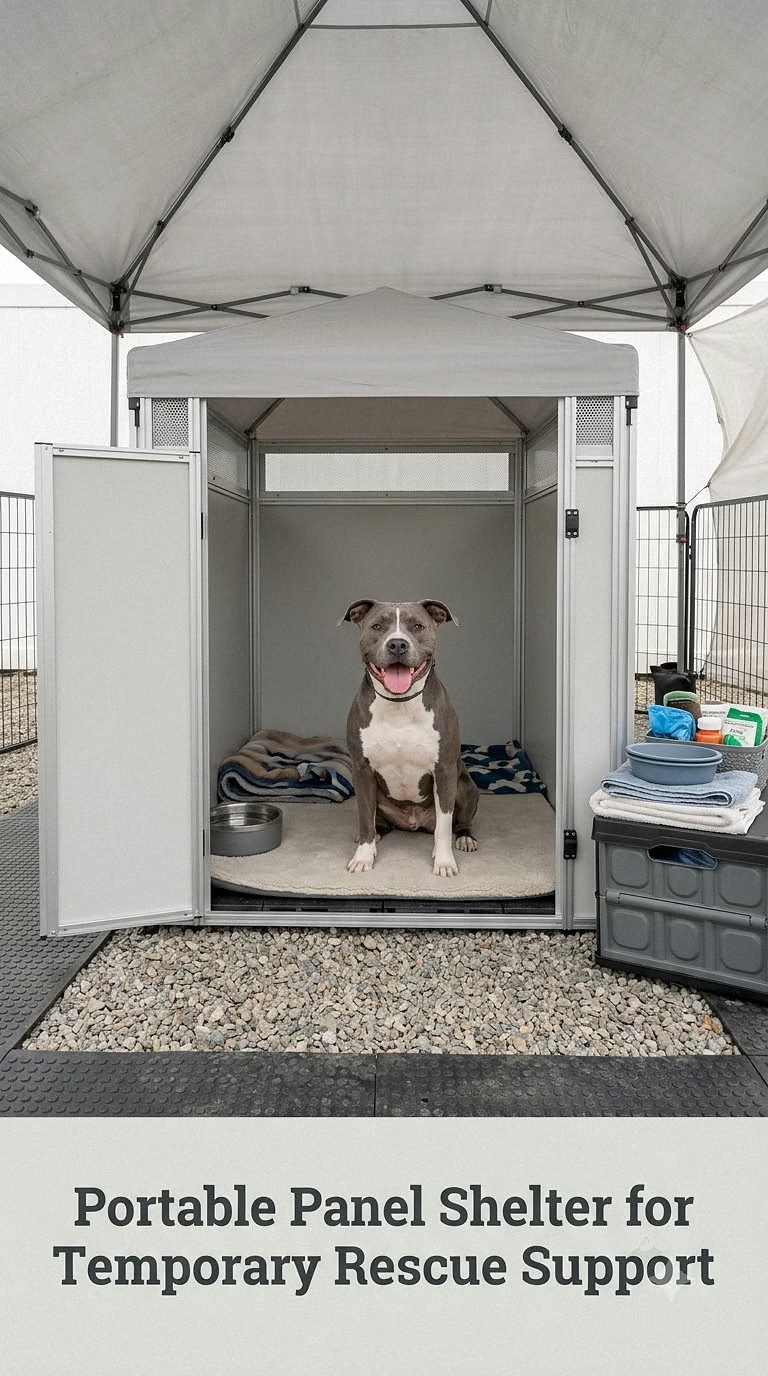
Sometimes a shelter needs to move. A portable design made from lightweight but durable weather-resistant panels can be useful when helping a stray dog temporarily before rescue, foster placement, or another safe arrangement is available.
Build the structure in detachable sections so the roof, floor, and walls can be moved separately. Secure every connection carefully once assembled so wind cannot lift or shift the panels.
Add carrying handles only where the dog cannot chew or become caught on them. Keep the interior free of loose hardware and make emergency access simple.
A clean modular design also makes storage easier when the shelter is no longer needed, allowing it to be reused for another animal in the future.
Winter Vestibule Shelter With a Flexible Draft Flap
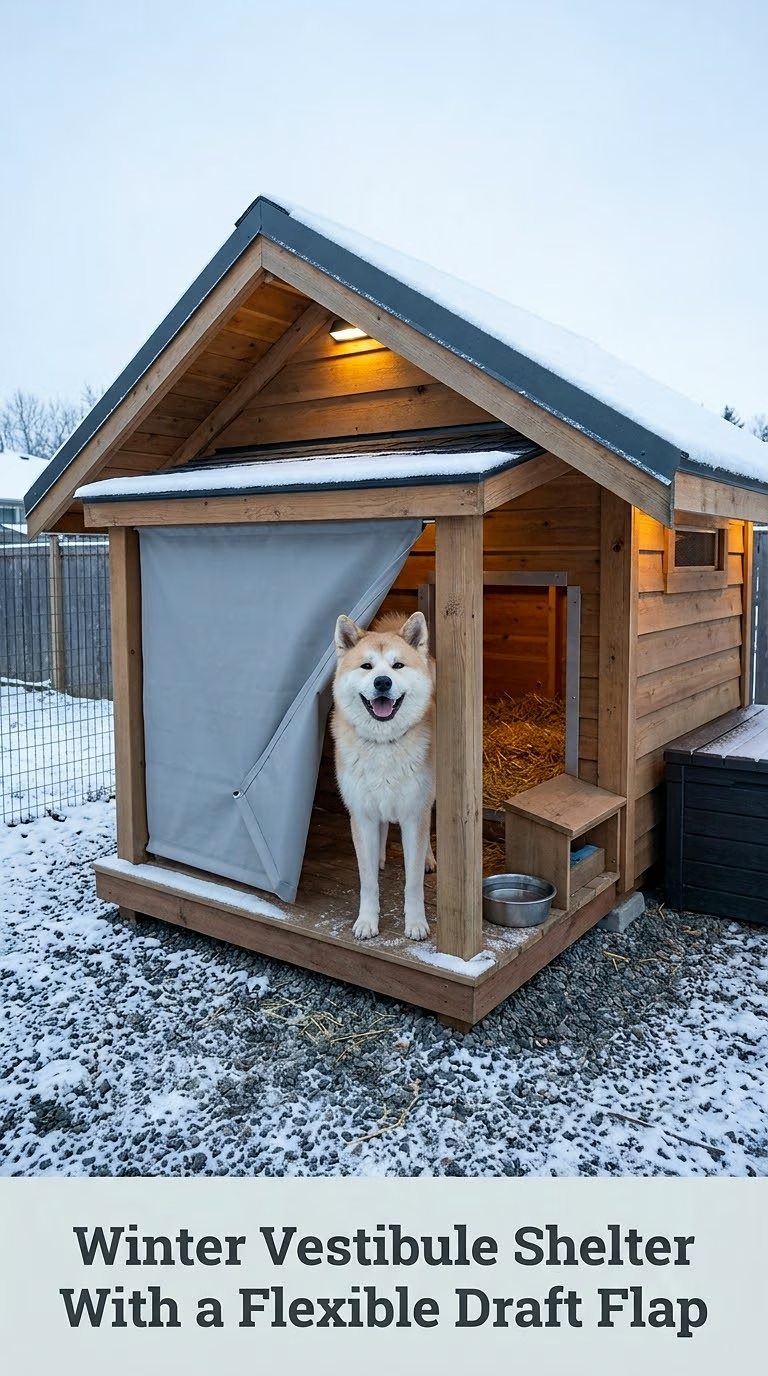
For chilly, windy conditions, add a small covered vestibule in front of an insulated sleeping compartment. The vestibule blocks much of the weather before it reaches the dog’s main resting area.
A flexible entrance flap may provide additional draft protection if the dog is comfortable using it. Some stray dogs may initially hesitate to push through an unfamiliar flap, so never make it the only confusing barrier between the dog and safety.
You can start with the entrance open and introduce additional protection only if the dog accepts the shelter comfortably.
Combine the design with a raised insulated floor, dry bedding, enclosed insulation, and a waterproof roof for a cozy winter cabin appearance that is still focused on real weather protection.
Easy-Clean Shelter With Hinged Roof and Washable Interior
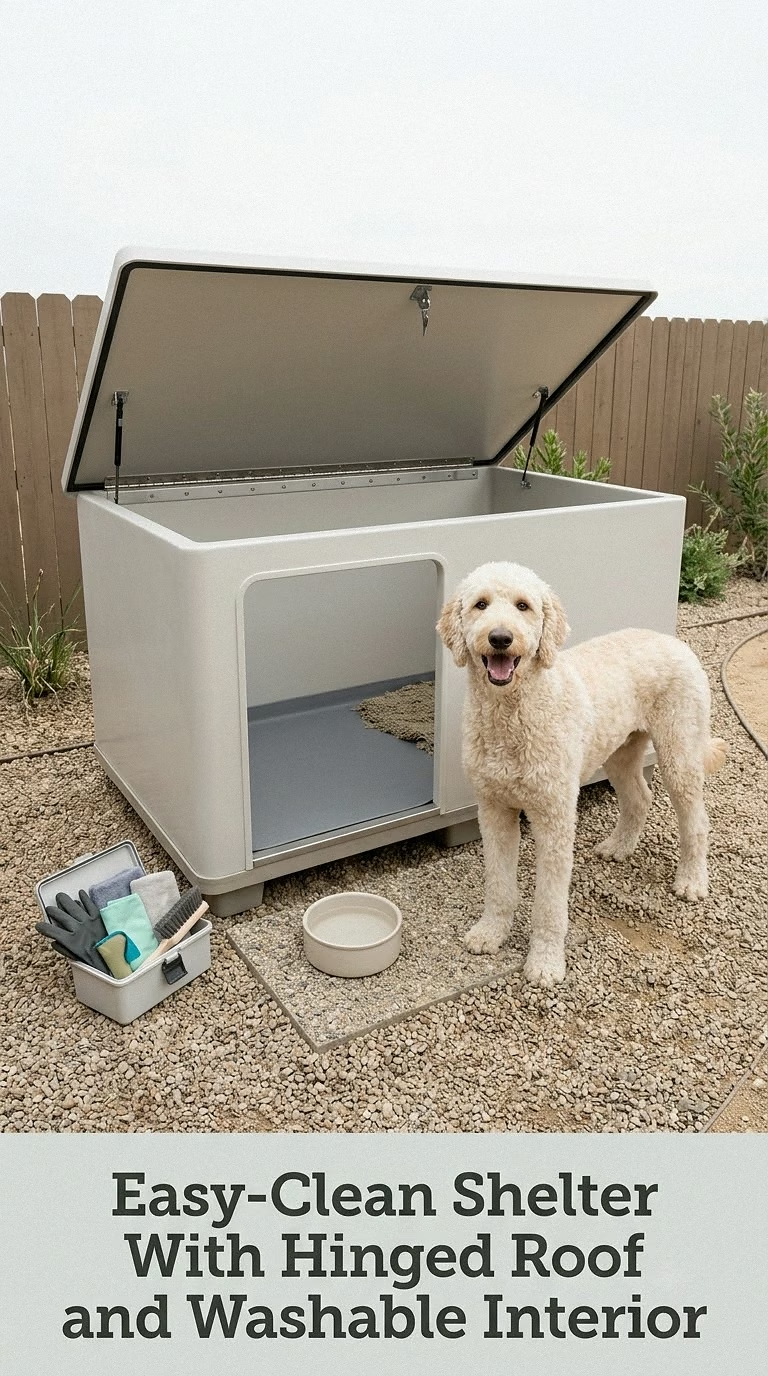
Maintenance is much easier when the shelter opens for cleaning. A hinged roof or large access panel allows you to inspect the entire interior rather than trying to clean through a small dog-sized doorway.
Use secure hinges and a reliable latch that prevents the roof from lifting in strong wind. The mechanism should also be positioned so the dog cannot pinch a paw or rub against sharp hardware.
Inside, choose smooth moisture-resistant surfaces that can be wiped down and allowed to dry thoroughly before fresh bedding is added.
A minimalist rectangular form with a clean lift-up roof works especially well for modern backyards and community feeding stations where frequent sanitation matters.
Modern Neutral Shelter With a Raised Deck and Wide Canopy
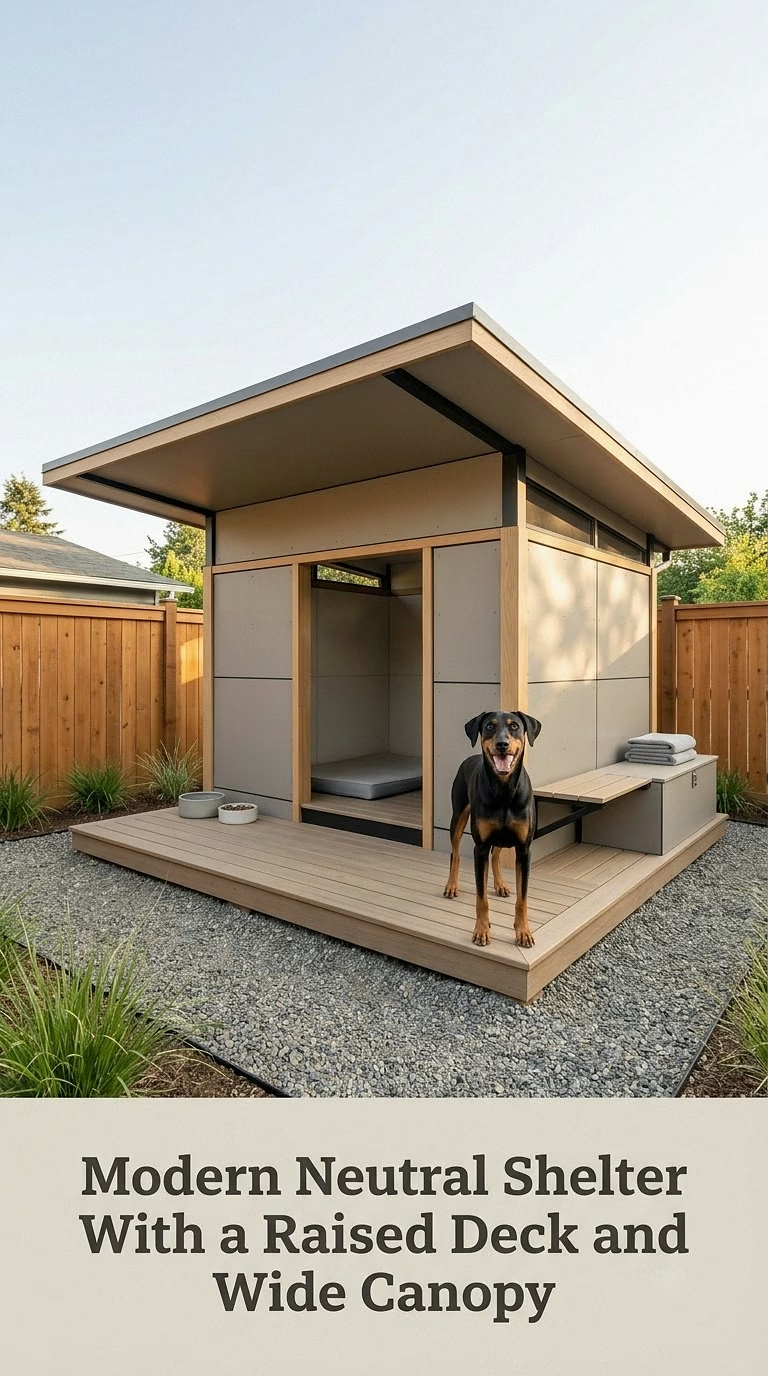
For a more polished backyard setup, combine a simple insulated sleeping house with a generous raised deck beneath one wide roof.
The dog gains several choices: an enclosed area for privacy, a covered deck for lounging, and an open route back into the yard. This choice-based design is particularly useful for cautious dogs that may not immediately feel comfortable entering a small enclosed box.
Use warm beige, off-white, soft greige, or natural wood to create a calm modern look. Keep decorative elements minimal and prioritize smooth edges, stable footing, drainage, and shade.
The result can feel more like a tiny outdoor pavilion than a traditional doghouse while still remaining practical and approachable.
Simple Rescue Shelter With a Care Station and Supply Box
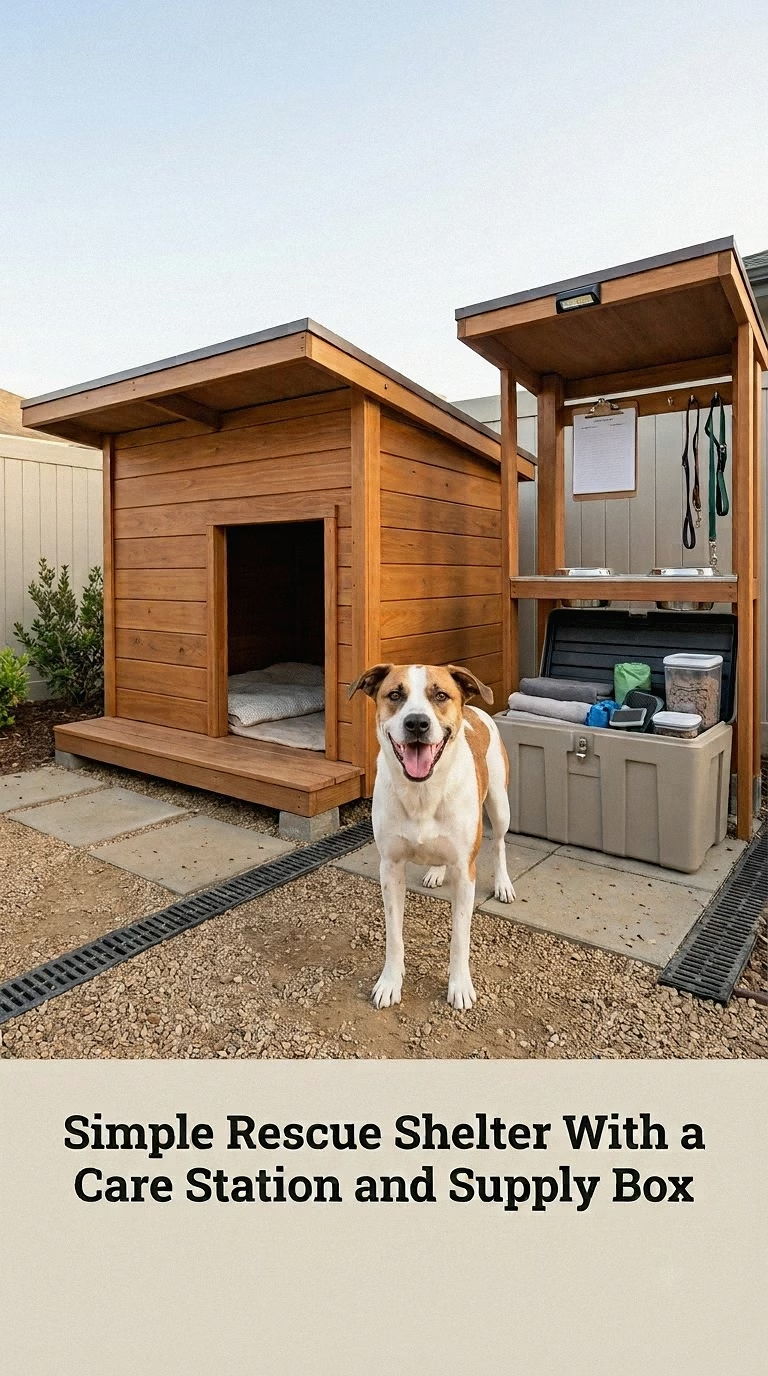
If you regularly support a community dog, create a compact care station beside the shelter for storing basic supplies. A weather-resistant box mounted away from the dog’s sleeping area can hold clean bowls, spare bedding, waste bags, cleaning supplies, and other non-hazardous essentials.
Keep medications, chemicals, tools, and anything potentially toxic completely inaccessible to animals.
A small information card can also help household members or trusted caregivers follow the same feeding and cleaning routine without repeatedly disturbing the dog.
Pairing a practical supply area with a raised weatherproof shelter creates an especially organized setup for anyone providing ongoing temporary support while coordinating appropriate rescue, veterinary care, or local animal-welfare assistance.
Creating the Right Outdoor Refuge for a Stray Dog
The most beautiful shelter is only successful if the dog actually feels safe using it. Start with the essentials: a dry raised floor, protection from wind and rain, dependable shade, adequate ventilation, safe materials, fresh water, and an entrance the dog can approach and leave freely.
Then adapt the design to your climate and space. A rainy garden may benefit from elevated construction and extra roof overhangs, while a hot backyard needs generous shade and airflow. Cold environments call for insulation, wind protection, and consistently dry bedding.
You do not have to build an elaborate miniature house to make a meaningful difference. Even an affordable, thoughtfully constructed refuge can provide valuable temporary comfort to a dog that has been sleeping completely exposed outdoors.
Most importantly, think of an outdoor shelter as support rather than a complete solution for a stray dog’s needs. When possible, work with an appropriate local rescue group, veterinarian, animal-welfare organization, or municipal service to determine whether the dog is lost, needs medical attention, can be safely reunited with an owner, or may eventually be placed in a permanent home.
Choose the stray dog shelter idea that best fits your climate, available space, and budget, then make it your own with practical materials and a calm, welcoming setting. A little planning can turn an ordinary corner of an outdoor space into a much safer place for a dog that truly needs one.
Source: https://petstutorial.com
Category: Dog Kennels Runs
