
A dog kennel does not have to feel like a bulky cage hidden in the least attractive corner of your home. With the right layout, materials, and thoughtful details, it can become a peaceful retreat that complements your décor while giving your dog a familiar place to relax.
- 18 Dog Kennel Roof Ideas for a Stylish, Safe, and Weather-Ready Outdoor Space
- 18 Dog Containment Ideas Outdoor for a Safe, Stylish, Pet-Friendly Yard
- 19 Hunting Dog Kennel Ideas for Beautiful, Practical Working-Dog Spaces
- 19 Dog Kennel Garden Ideas for a Beautiful and Pet-Friendly Backyard
- 18 Beautiful 3 Dog Kennel Ideas Indoor for a Cozy, Organized Home
Imagine a warm wooden kennel tucked beneath a bright laundry room counter, a weatherproof garden run surrounded by flowers, or a compact crate disguised as an elegant living room console. The best design depends on your dog’s size, temperament, habits, and daily routine, but comfort and safety should always guide the final look.
You are reading: 17 Beautiful Dog Kennel Ideas for a Safe, Cozy, and Stylish Pet Space
These dog kennel ideas include indoor furniture pieces, outdoor enclosures, affordable upgrades, custom built-ins, small-space solutions, and luxurious pet rooms. Each concept can be adapted to suit your home, budget, and decorating style while creating a comfortable place your dog can genuinely enjoy.
Beautiful Dog Kennel Ideas for Every Home, Yard, and Decorating Style
1. Warm Oak Living Room Kennel With Black Metal Doors and a Display Top
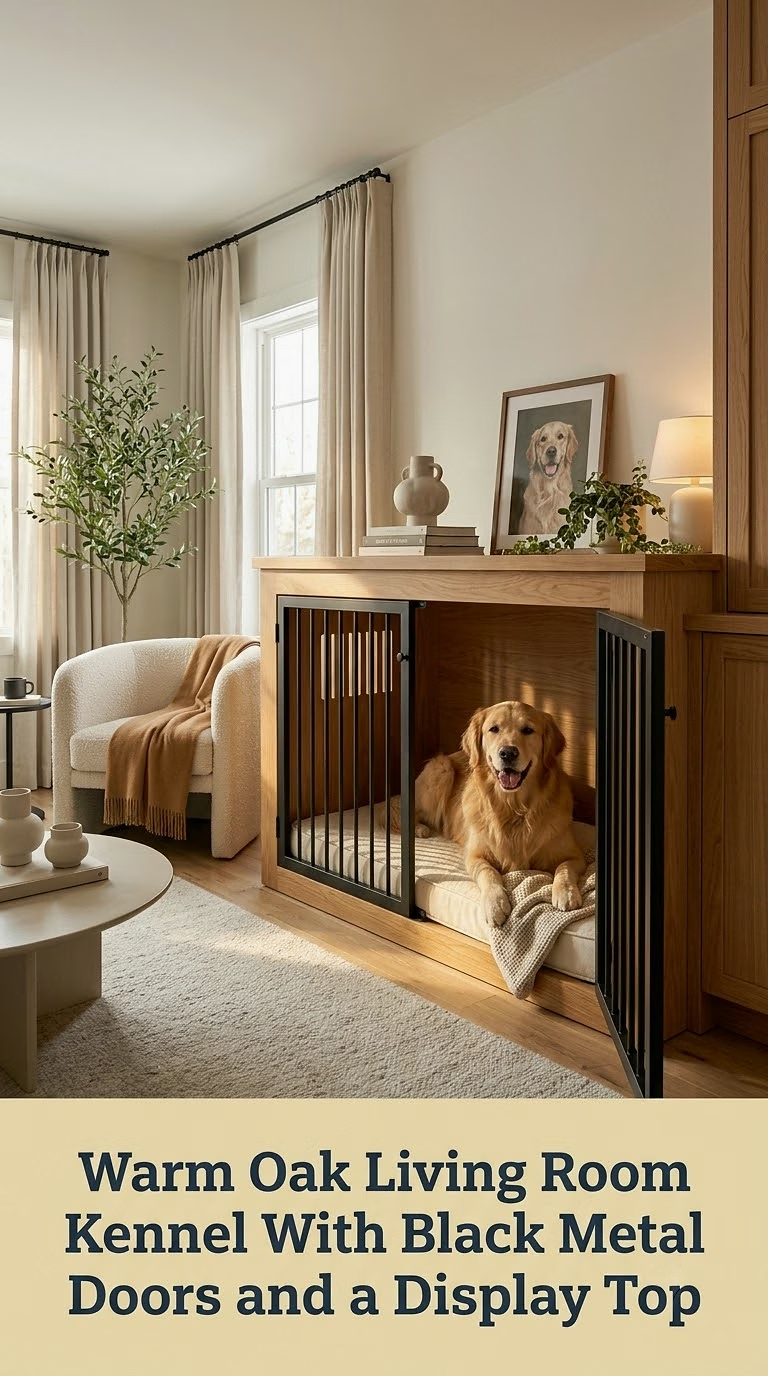
Turn a large indoor kennel into an intentional piece of furniture by choosing a warm oak frame with slim black metal doors. The combination of natural wood and dark hardware works especially well in modern farmhouse, transitional, rustic, and industrial living rooms.
Use the flat top as a console for a table lamp, framed photographs, books, or a simple ceramic vase. Keep decorations away from the edges so your dog cannot reach or knock them over through the openings. A washable neutral cushion inside will soften the enclosure without competing with the surrounding décor.
Before buying or building the kennel, measure the usable interior rather than relying only on the exterior dimensions. Your dog should have enough room to stand naturally, turn around, stretch, and lie down comfortably.
Choose smooth, sealed wood that can be wiped clean, and check that the metal spacing cannot trap paws, noses, or collars. This design is most suitable for calm, kennel-trained dogs that do not chew wood or scratch heavily at doors.
2. White Mudroom Built-In Kennel With Shaker Cabinets and a Quartz Counter
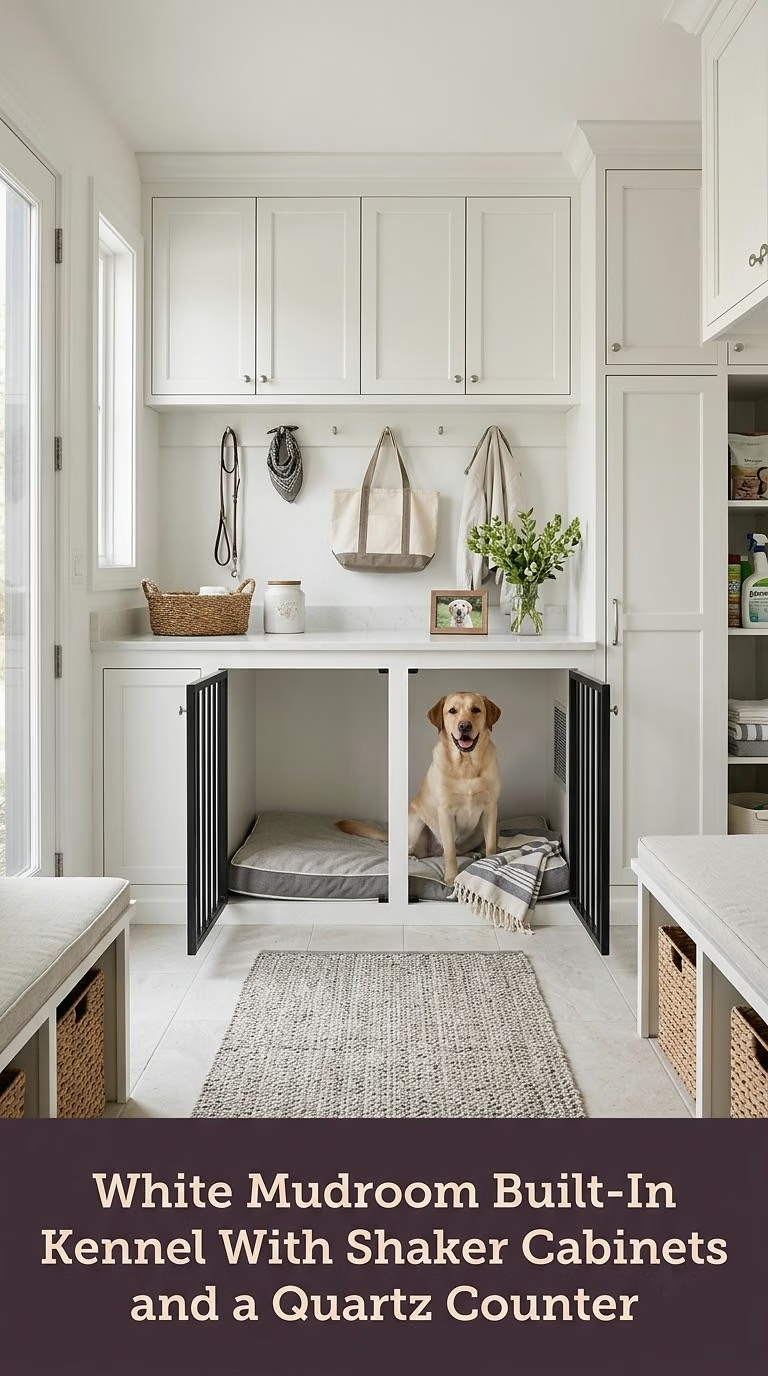
A custom kennel beneath a mudroom counter creates a polished pet station without taking up valuable space elsewhere. White Shaker cabinets, a pale quartz-style counter, and black wire doors produce a clean, timeless design that blends naturally with family storage.
Position the kennel near household activity rather than isolating it in a distant utility corner. Many dogs settle more easily when they can hear and see familiar people. Leave generous ventilation around the front and sides, especially when the enclosure is surrounded by cabinetry.
Use the upper drawers for leashes, grooming brushes, waste bags, medications, and spare bed covers. A nearby tall cabinet can hold food in an airtight container, while hooks above the counter keep walking gear easy to reach.
Porcelain tile or waterproof luxury vinyl flooring is practical beneath this setup because accidents, muddy paws, and water drips can be cleaned quickly. Add a removable tray or washable mat beneath the bed to protect the cabinet base from moisture and odors.
3. Sage Green Laundry Room Kennel With Brass Hardware and Floral Wallpaper
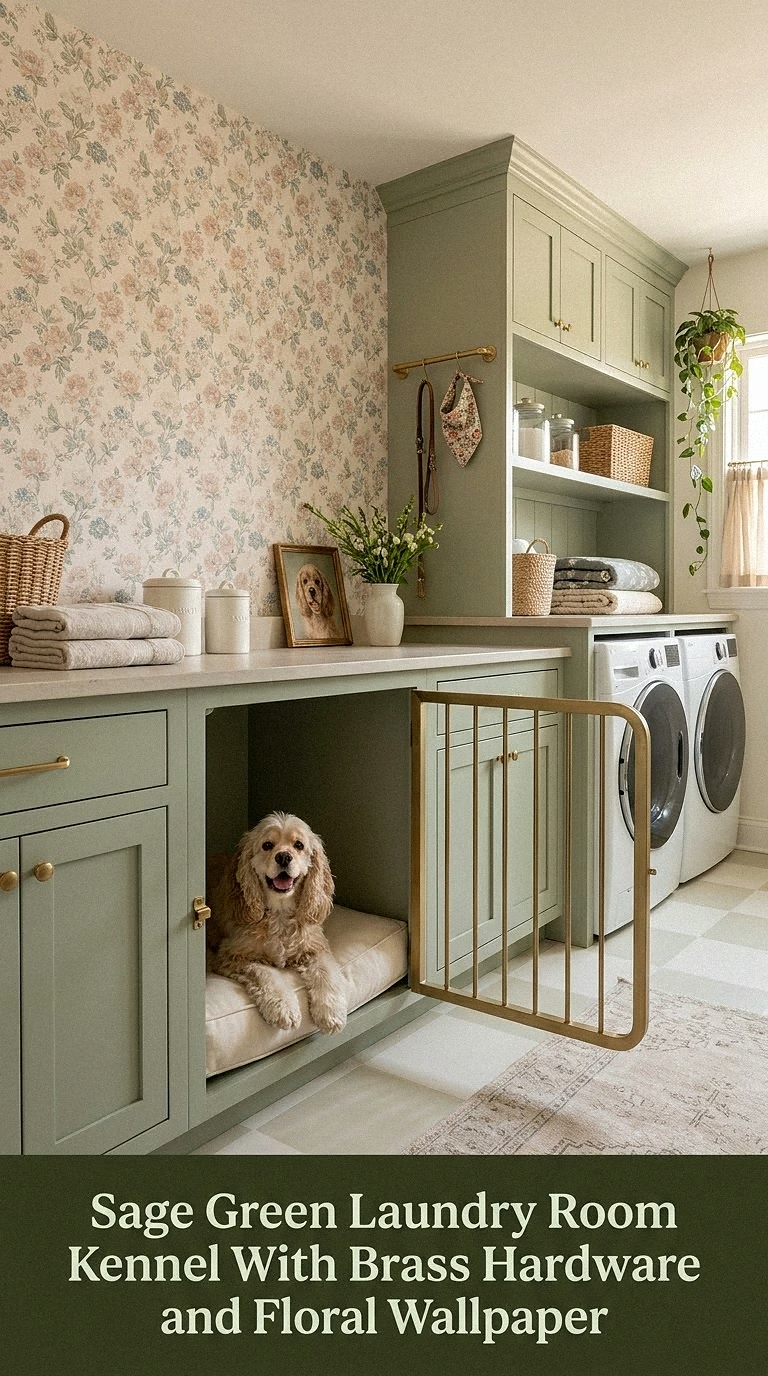
For a softer, more decorative approach, build the kennel into sage green laundry cabinetry and finish it with warm brass handles. A delicate botanical wallpaper or painted floral stencil above the counter gives the pet area a cheerful cottage-inspired personality.
The kennel door can feature powder-coated metal mesh painted to coordinate with the cabinetry. Avoid decorative openings with sharp edges or overly wide gaps. The door should close securely without relying on a lightweight magnetic catch that an energetic dog could push open.
Choose a supportive kennel mattress with a removable waterproof liner. Muted cream, moss, or small-scale floral fabric can continue the room’s color story while disguising light fur and everyday marks.
Laundry rooms can become warm and humid, so make sure the kennel is not pressed against a dryer vent, radiator, or appliance that generates heat. Detergents, bleach, dryer sheets, and cleaning supplies should remain inside secure upper cabinets where pets cannot reach them.
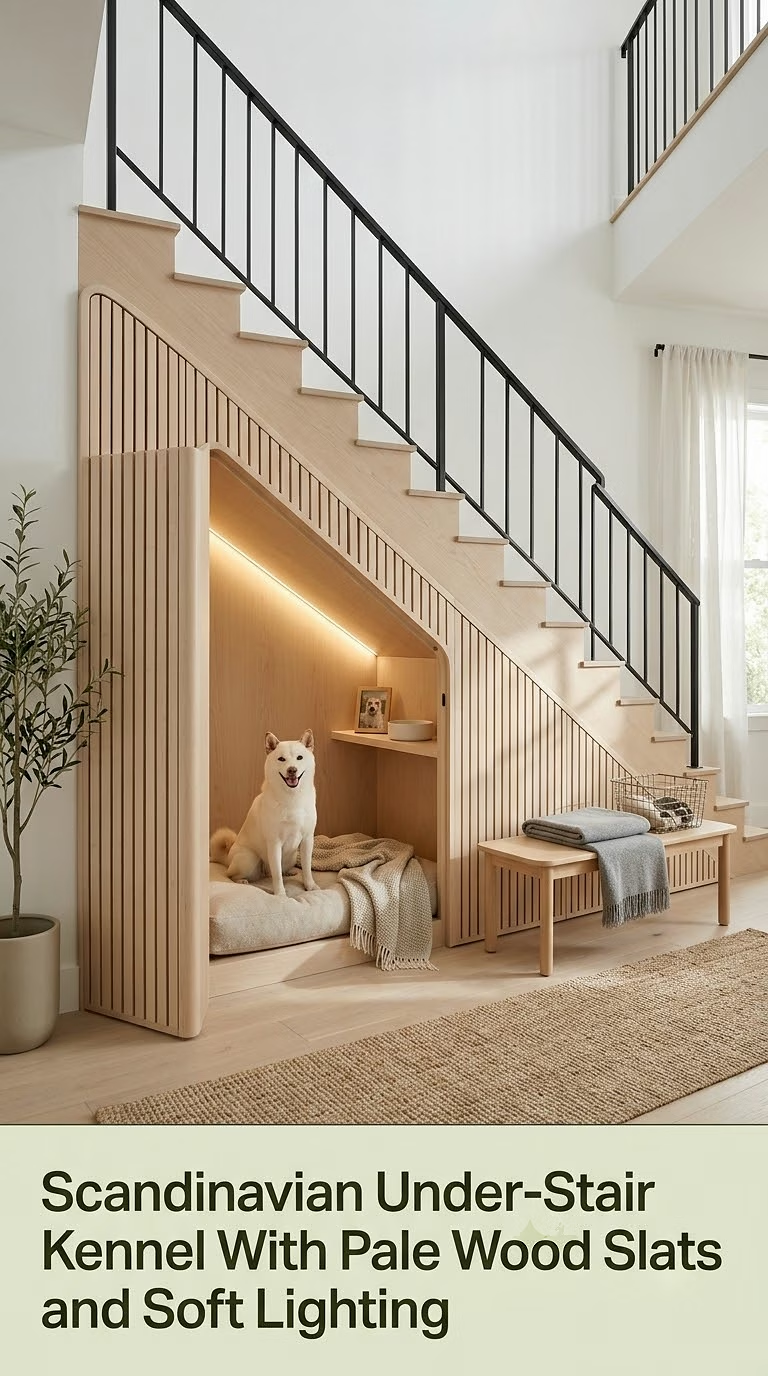
The space beneath a staircase can become a serene dog retreat when finished with pale oak slats, warm white walls, and simple Scandinavian styling. This solution uses an awkward architectural area without adding another freestanding object to the room.
Keep the entrance wide enough for your dog to enter without crouching awkwardly. The ceiling should also allow comfortable standing and turning throughout the usable sleeping area. For larger dogs, an under-stair kennel may need to extend across more than one section.
Ventilated wooden slats can make the enclosure feel lighter than a solid cabinet, but the interior surfaces should be smooth, sealed, and free from accessible fasteners. Install a low-temperature covered light only if all wiring is completely inaccessible to the dog.
A fitted oatmeal mattress, a washable woven cover, and one safe chew toy are enough to create a calming interior. Avoid filling the kennel with decorative pillows, loose garlands, or baskets that may become chewing hazards.
5. Small Apartment Kennel Side Table With Rounded Corners and Hidden Storage
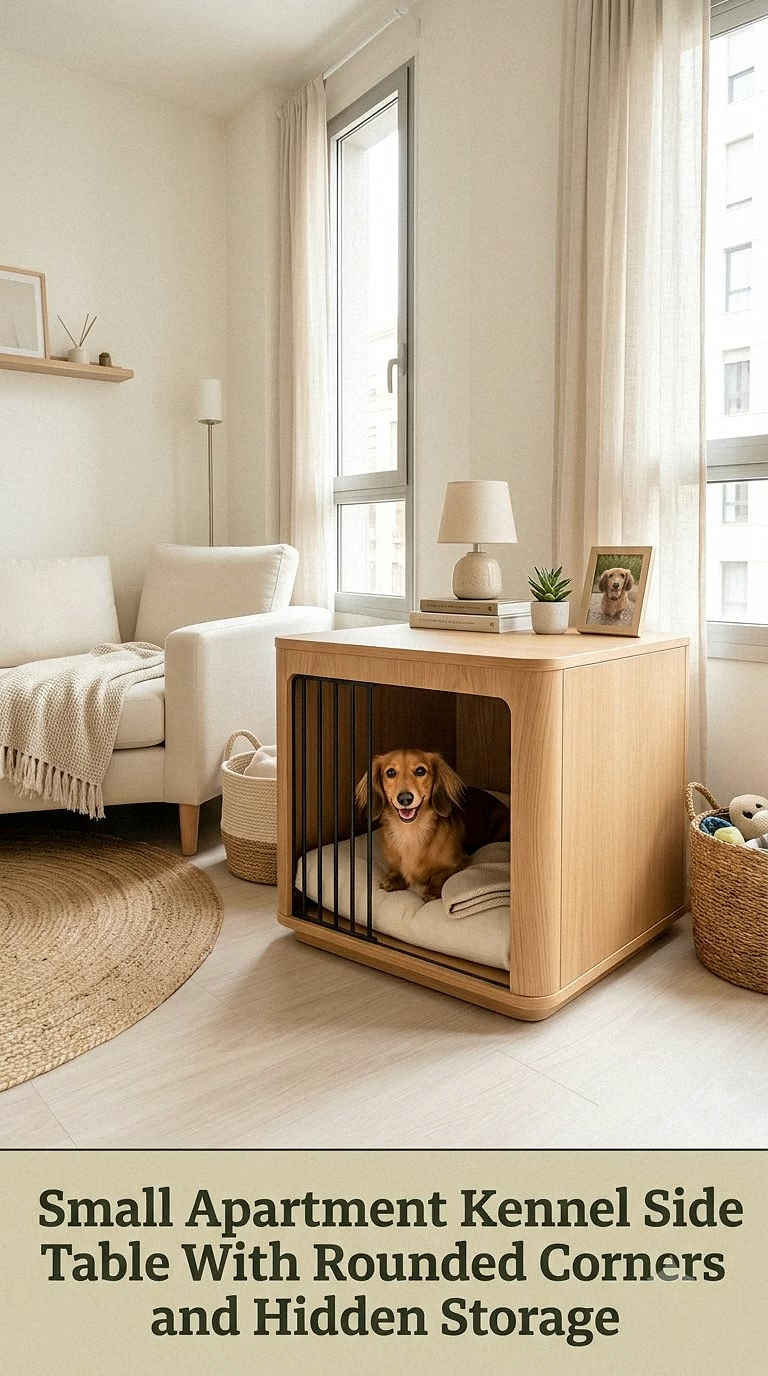
In a compact apartment, a furniture-style kennel can replace a separate end table. Look for a narrow design with a usable tabletop, rounded corners, ventilation on several sides, and a storage drawer for small pet essentials.
Place it beside the sofa or bed so your dog remains close to the family without blocking a walkway. Confirm that nearby curtains, electrical cords, houseplants, and throw blankets cannot be pulled through the ventilation openings.
A light wood finish will help the piece feel less bulky, while soft gray or cream bedding keeps the interior visually calm. Adding furniture pads beneath the base protects rental flooring and makes small adjustments easier.
Do not sacrifice your dog’s required interior space simply to fit the kennel into a tight corner. When a furniture model is too narrow, use a correctly sized wire crate with a fitted cover instead. A simple, spacious kennel is always better than a beautiful enclosure that restricts movement or airflow.
6. Budget-Friendly Wire Kennel Makeover With a Linen Cover and Wooden Top
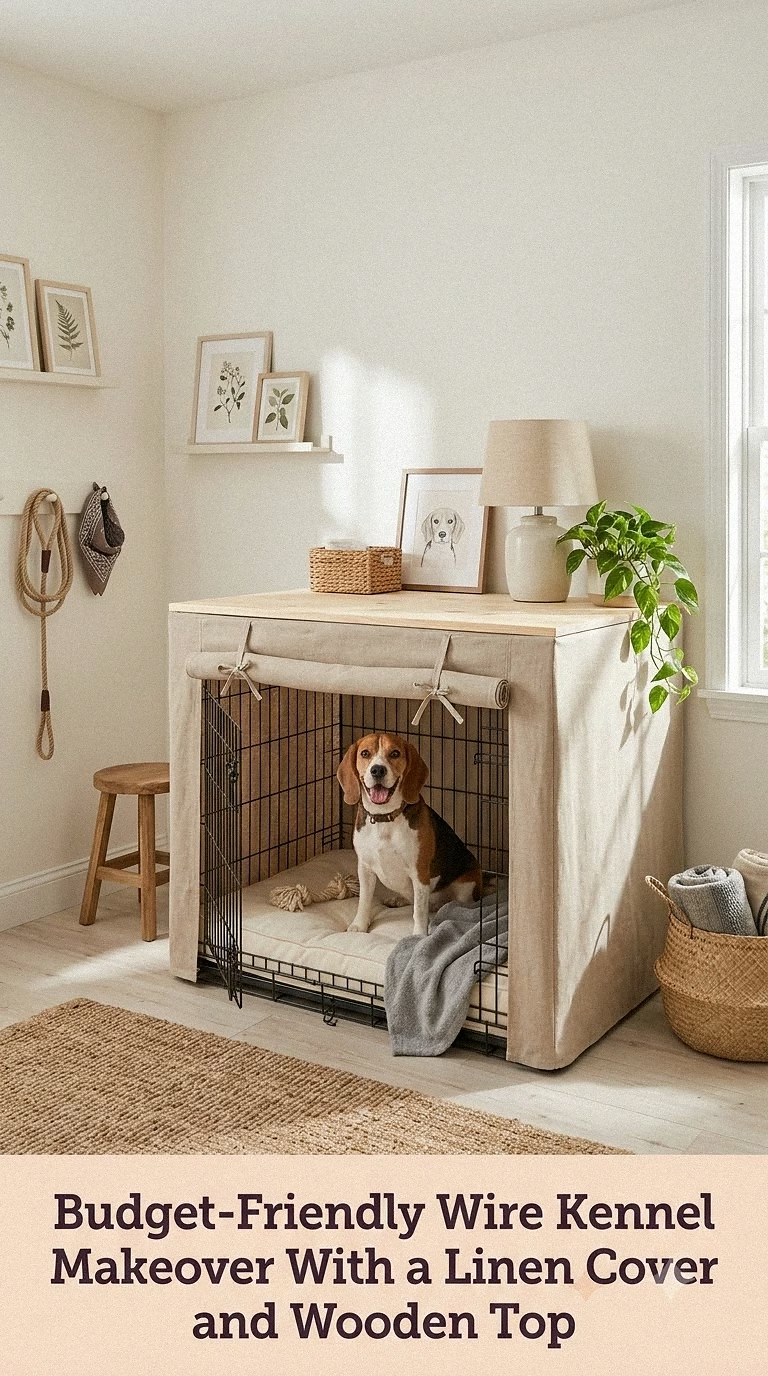
A basic wire kennel can look far more intentional with a fitted linen cover and a removable wooden top. This is an affordable option for renters, growing puppies, or anyone who does not want to invest in permanent cabinetry.
Choose a breathable cover that can be opened on multiple sides rather than wrapping the kennel completely. Covering part of the crate may create a sheltered atmosphere, but airflow must remain unrestricted. Keep the kennel away from direct sunlight, heating appliances, and cold drafts.
Read more : 18 Dog Grooming Kennel Ideas for a Beautiful, Organized Pet-Care Space
A sealed plywood or solid wood topper can transform the crate into a practical surface. It should rest on a stable support frame rather than pressing directly on flexible wires. Avoid placing heavy objects, hot drinks, candles, or fragile decorations on top.
Finish the look with a washable bed and a small basket beside the kennel for toys. Neutral linen, gingham, or narrow ticking stripes can help the setup coordinate with cottage, farmhouse, and relaxed modern interiors.
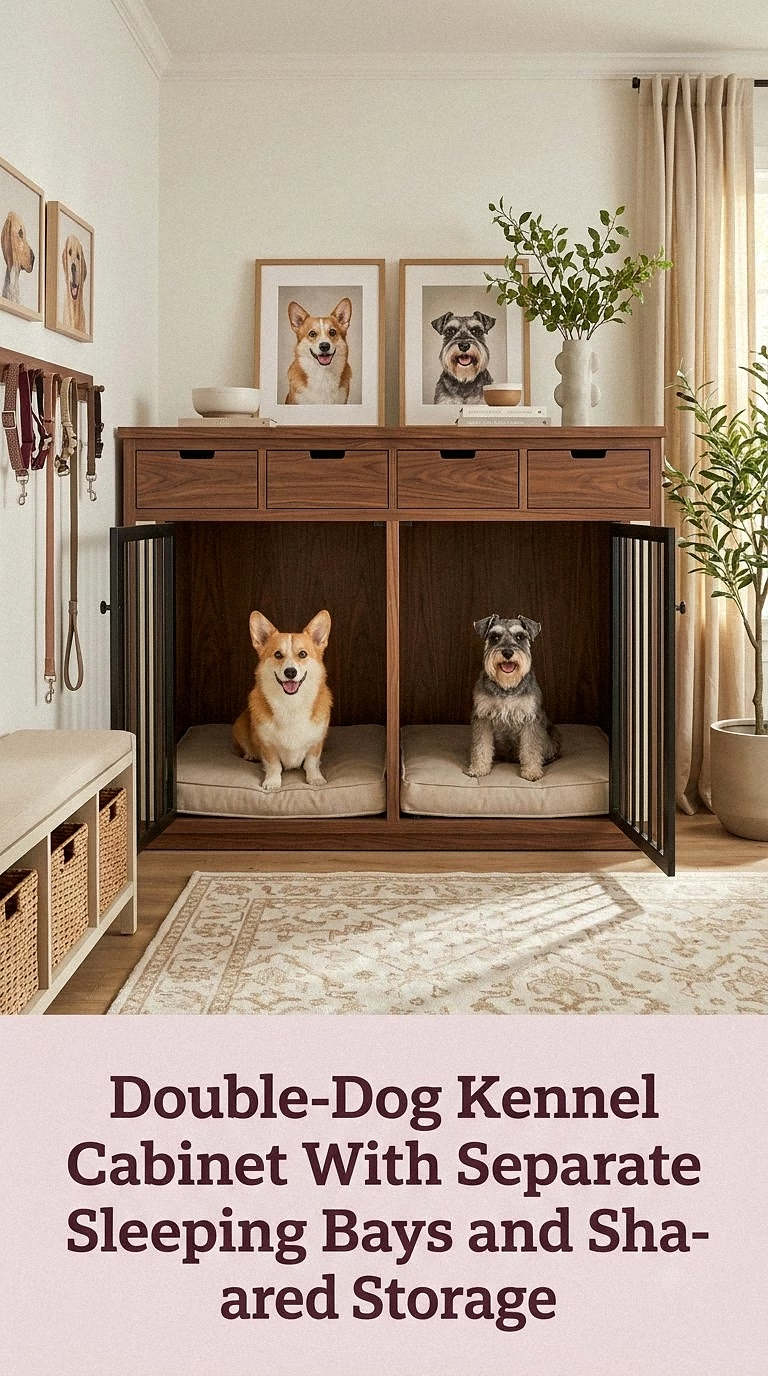
Two dogs can have coordinating spaces without being confined together by creating a long cabinet with separate sleeping bays. Individual compartments are especially useful when the dogs have different sleeping habits, feeding routines, medical needs, or attitudes toward personal space.
Build each bay according to the size of the dog using it rather than making both sections identical. Include a secure door, independent ventilation, and a removable bed in each compartment. A solid divider can reduce visual stimulation between dogs that become restless when facing one another.
The countertop above can hold labeled baskets or decorative storage boxes. Use separate drawers for medication, grooming tools, collars, and spare bedding so each dog’s belongings remain organized.
Place the cabinet in a quiet family room, mudroom, or wide hallway where the doors can open fully without blocking traffic. Introduce the dogs to their new sleeping spaces gradually, using treats, praise, and short positive sessions.
8. Rustic Farmhouse Kennel With Weathered Wood Panels and Barn-Style Doors
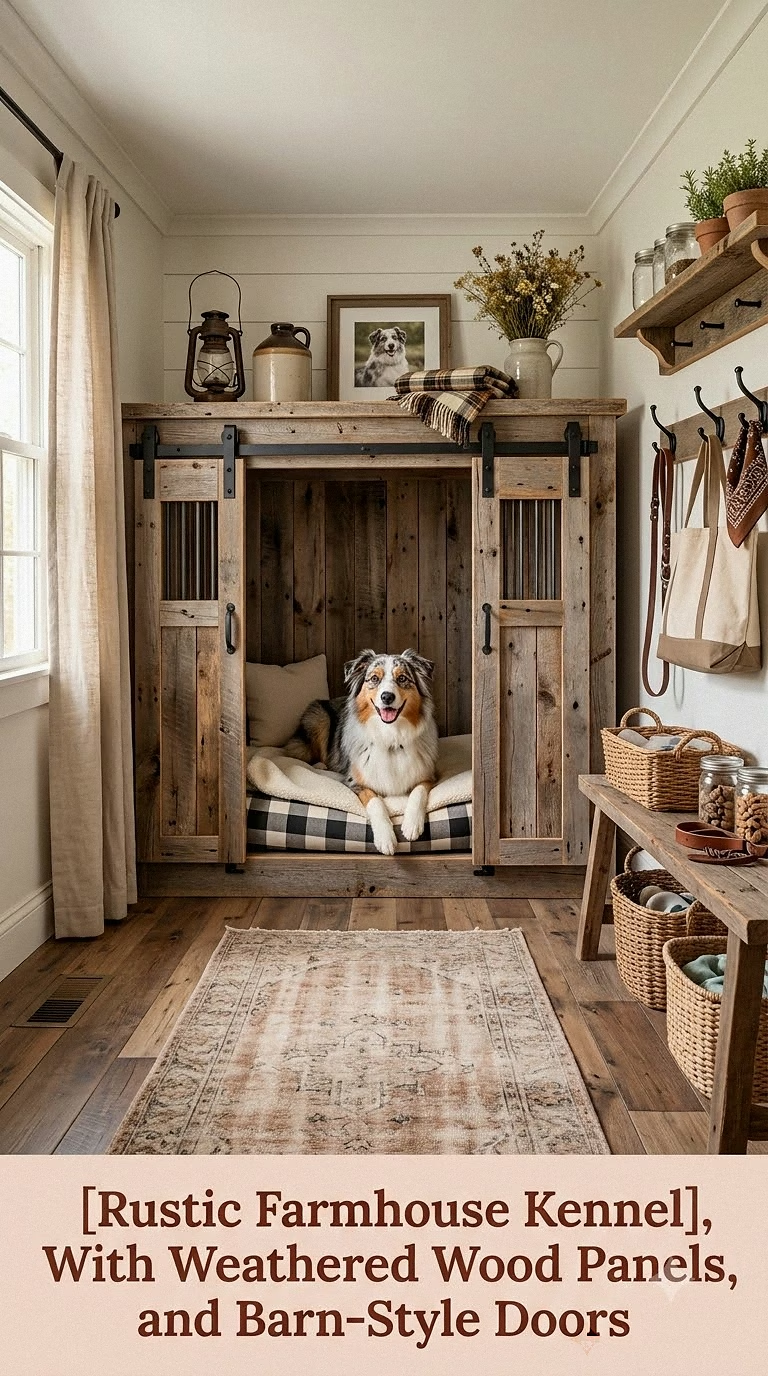
A rustic kennel with weathered wood tones, black hardware, and barn-inspired doors can become a charming feature in a farmhouse interior. For safety and easier maintenance, use new smooth lumber finished to resemble reclaimed wood instead of boards with splinters, old nails, peeling paint, or unknown chemical treatments.
The barn-door look can be created with hinged framed doors featuring diagonal wood details and secure metal mesh. True sliding doors may leave gaps or fail to latch firmly, so they are not always suitable for strong or escape-prone dogs.
Pair medium brown wood with cream walls, woven baskets, and a durable plaid bed. A sealed interior base will prevent moisture from soaking into unfinished timber. Removable trays or waterproof liners also simplify cleaning.
This design is best for relaxed adult dogs that are already comfortable in enclosed spaces. Persistent chewers may damage decorative wood and could injure their mouths, making a heavy-duty metal kennel a safer choice.
9. Matte Black Modern Kennel With Vertical Bars and a Concrete-Look Top
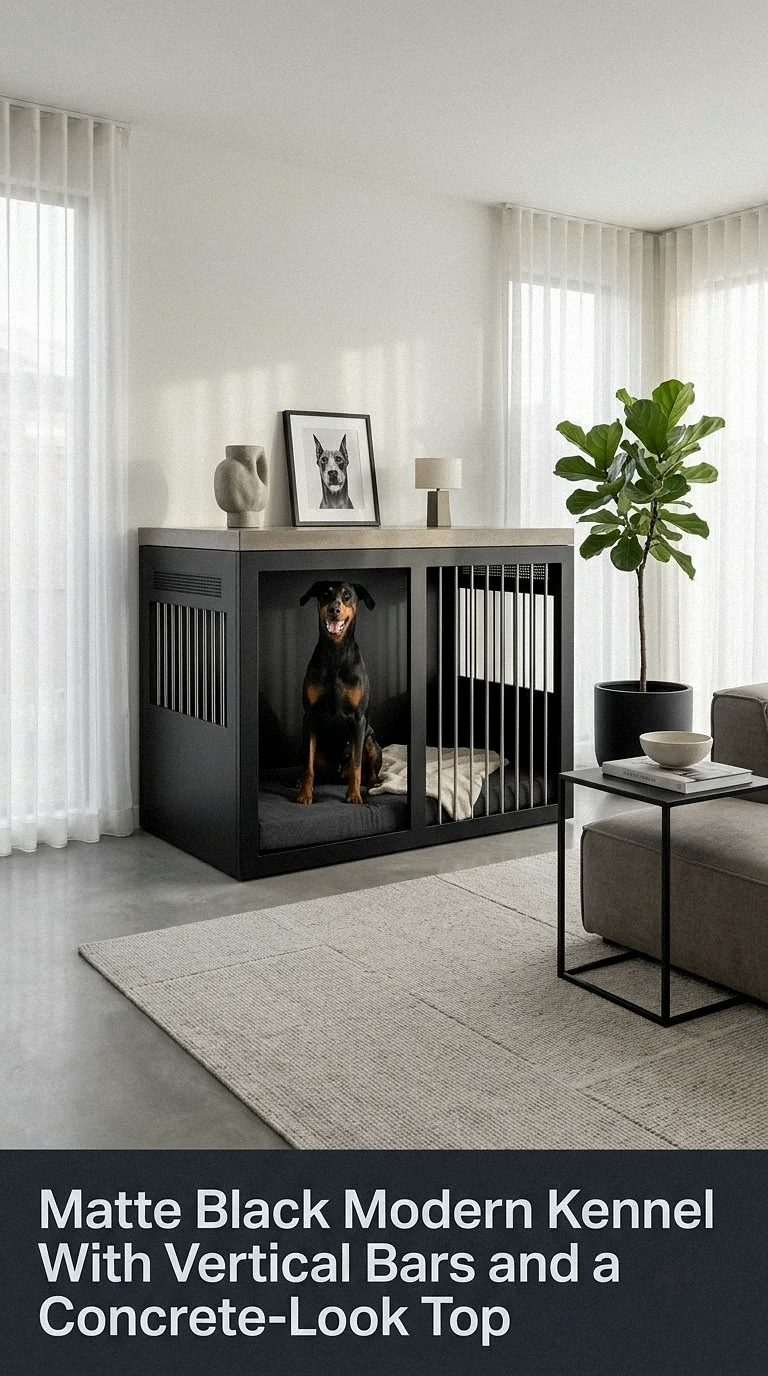
Create a sleek architectural statement with a matte black frame, narrow vertical bars, and a concrete-look surface. This kennel style complements contemporary homes with black-framed windows, minimalist furniture, and neutral gray flooring.
Vertical bars can create a cleaner furniture-like appearance than standard wire mesh, but spacing matters. The openings should not allow the dog’s head, jaw, or paws to become trapped. Smooth welds, recessed fasteners, rounded edges, and a reliable latch are essential.
Instead of real poured concrete, consider a lightweight porcelain slab or sealed composite top. It gives the same visual effect while reducing the weight placed over the kennel.
Inside, use a low-profile orthopedic mattress in charcoal, camel, or warm beige. A removable washable cover will help manage fur and drool without changing the streamlined look. Because dark metal can heat quickly in direct sunlight, position the kennel away from large unshaded windows.
10. Blush and Cream Bedroom Kennel With Arched Details and a Textured Bed
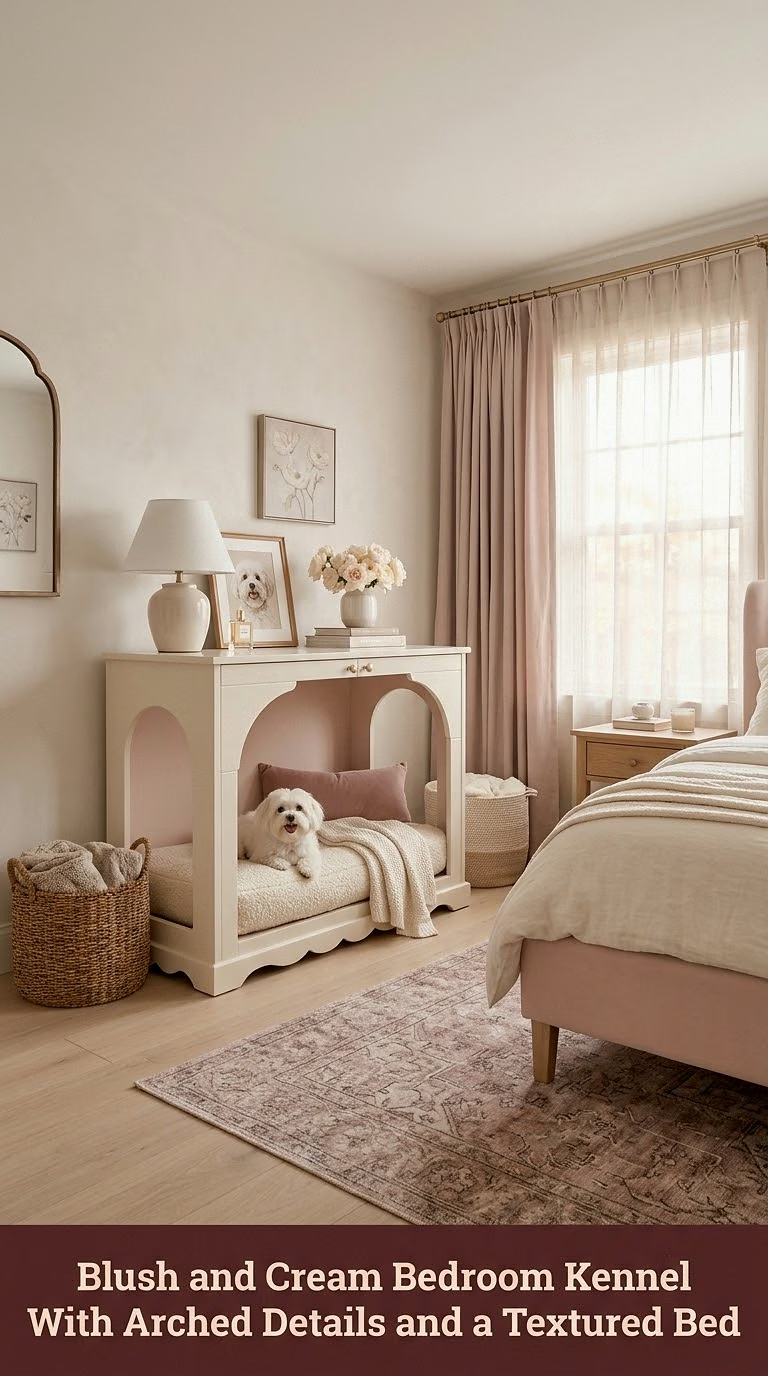
A bedroom kennel can feel gentle and decorative when designed with an arched doorway, creamy painted wood, and muted blush accents. This concept works beautifully in feminine, romantic, or soft contemporary bedrooms.
The arch should be a decorative frame around a secure ventilated door rather than a small opening your dog has to squeeze through. Maintain enough height and width for natural movement, and avoid ornate trim that can be chewed or scratched loose.
A fitted textured bed adds softness, although tightly woven washable performance fabric may be more practical for dogs that shed, dig, or carry treats into their sleeping space. Choose a removable cover and waterproof inner liner to make regular cleaning easier.
Keep perfumes, cosmetics, jewelry, charging cables, and fabric accessories away from the kennel openings. A framed pet portrait above the unit can personalize the area without adding loose decorations inside.
11. Outdoor Cedar Kennel With a Sloped Roof and Covered Patio Run
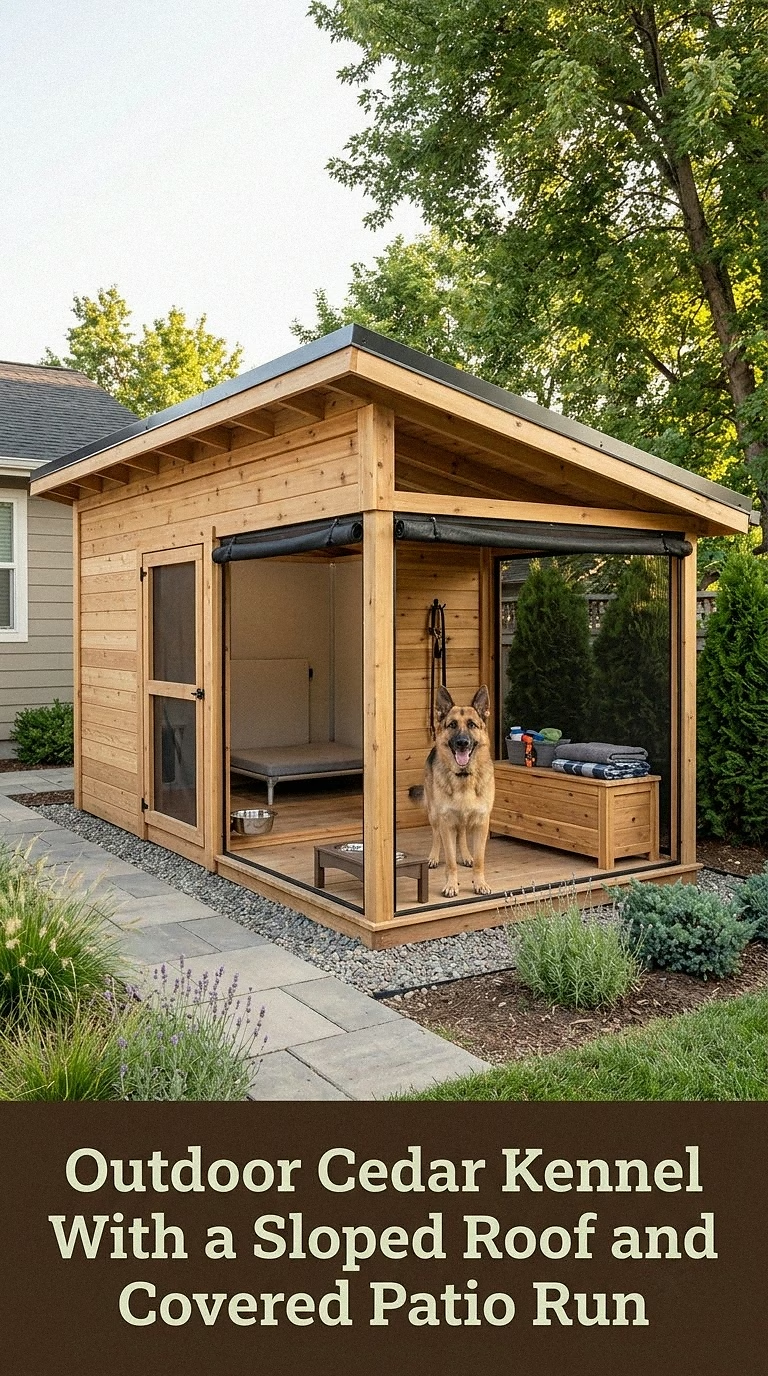
An outdoor cedar kennel can combine a sheltered sleeping house with a covered exercise run. The roof should slope so rainwater moves away from the enclosure, while a generous overhang helps protect the entrance, bedding, and feeding area from wind-driven rain.
Use naturally durable wood or properly finished exterior lumber for the frame, along with rust-resistant welded wire panels and outdoor-rated hardware. All treated surfaces should be appropriate for animal environments and fully cured before the dog uses the space.
Divide the layout into a dry sleeping zone and a larger open run. Elevating the enclosed house slightly above ground level can reduce dampness. Provide shade throughout the day, not only when the sun is directly overhead.
An outdoor kennel should never replace companionship, exercise, supervision, or safe indoor shelter during extreme weather. Check it regularly for loose wire, splintered wood, digging points, insect nests, and damaged latches.
12. Garden Kennel Run Surrounded by Grasses, Herbs, and Stone Paths
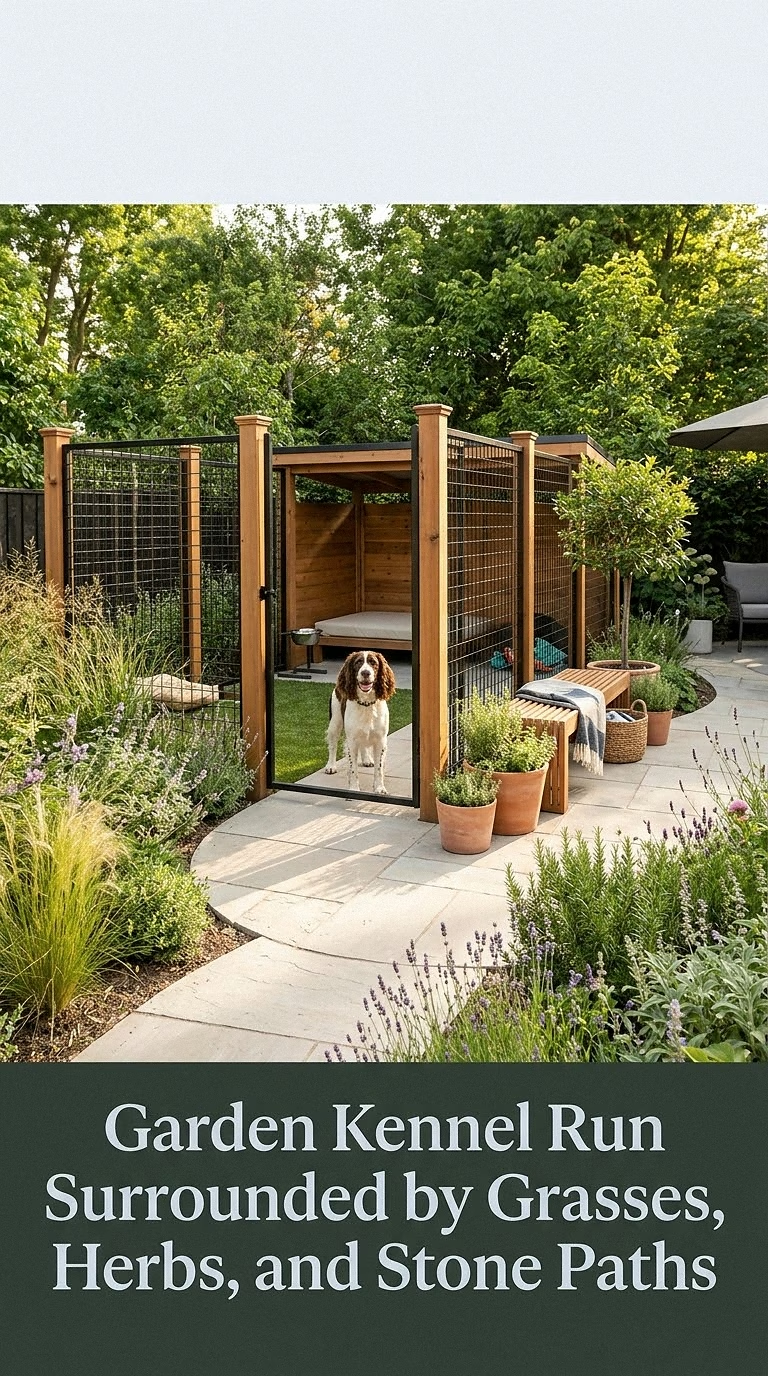
Soften the appearance of an outdoor run by integrating it into a landscaped garden. A dark green or black enclosure can recede visually when surrounded by ornamental grasses, pet-safe shrubs, fragrant herbs, and a gently curving stone path.
Leave a clear maintenance strip between plants and the kennel walls. This prevents vines from growing through the mesh, improves airflow, and makes it easier to inspect the perimeter. Avoid thorny plants, toxic species, cocoa mulch, and anything your dog is likely to chew.
Position taller planting outside the western side to provide afternoon shade without enclosing the kennel in dense vegetation. A solid roof panel over part of the run creates a reliable dry area even when plants are young.
Read more : 19 Laundry Room Ideas With Dog Kennel: Beautiful and Practical Spaces for Pet Lovers
Inside, keep the layout simple with a raised bed, spill-resistant water container, and durable enrichment toys. The garden may look lush from outside, but the dog’s usable space should remain open, clean, and free from irritating seeds or plant debris.
13. Easy-Clean Outdoor Kennel With Raised Flooring and Built-In Drainage
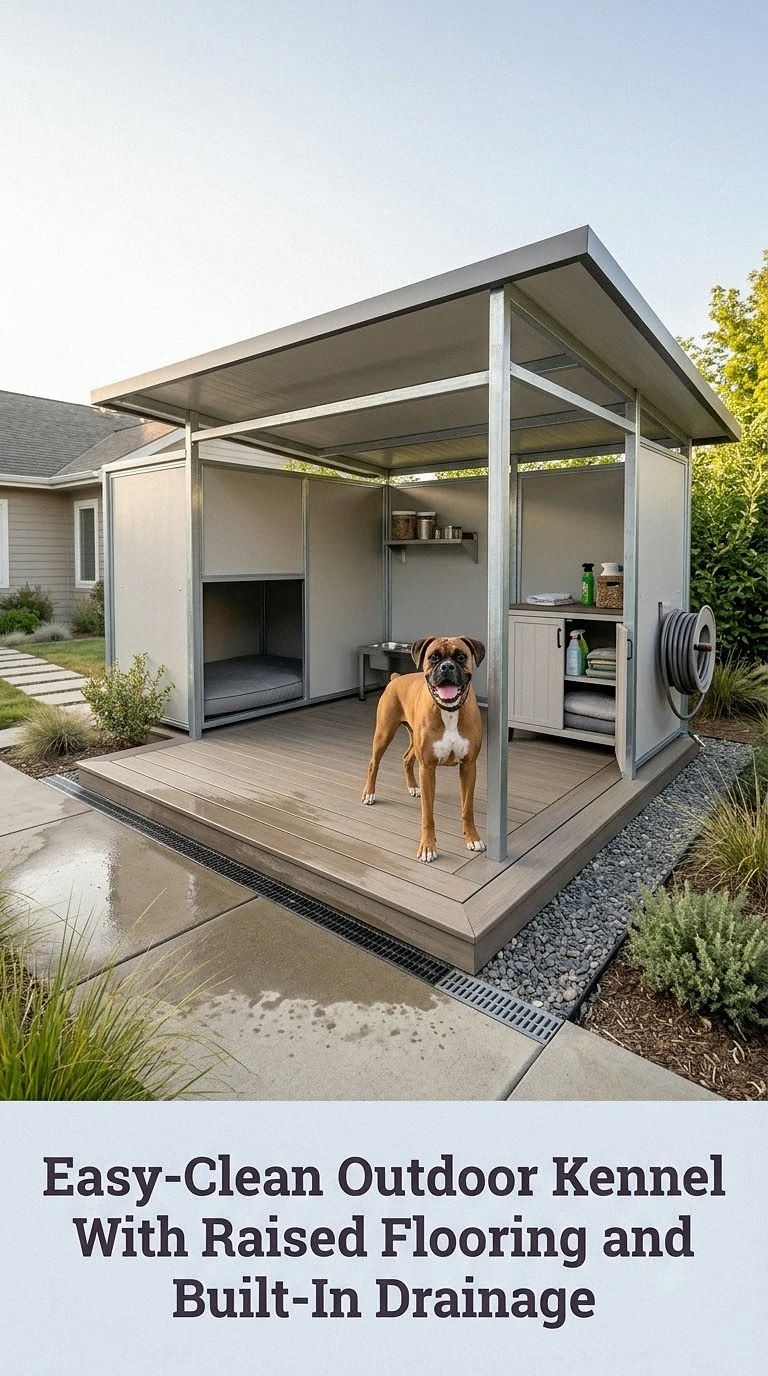
For rainy climates or dogs that frequently return from muddy walks, prioritize drainage and cleaning before decoration. A gently sloped base, raised interlocking kennel panels, or another nonporous outdoor flooring system can prevent water from collecting around the sleeping area.
The surface should provide traction when wet and should not become dangerously hot in direct sun. Avoid slick tile, sharp gravel, exposed wire flooring, or rough materials that may irritate paws. Any drainage channel must be covered securely so nails and toes cannot enter it.
Install a hose connection nearby and direct runoff away from the house, neighboring properties, vegetable gardens, and natural waterways. The kennel should be easy to rinse and dry without leaving damp bedding against the walls.
Add visual warmth with a timber-look exterior, a muted green roof, and neat storage for cleaning supplies outside the enclosure. Good drainage may not be the most decorative feature, but it makes the kennel fresher and much easier to maintain.
14. Escape-Resistant Steel Kennel With Reinforced Corners and Double Latches
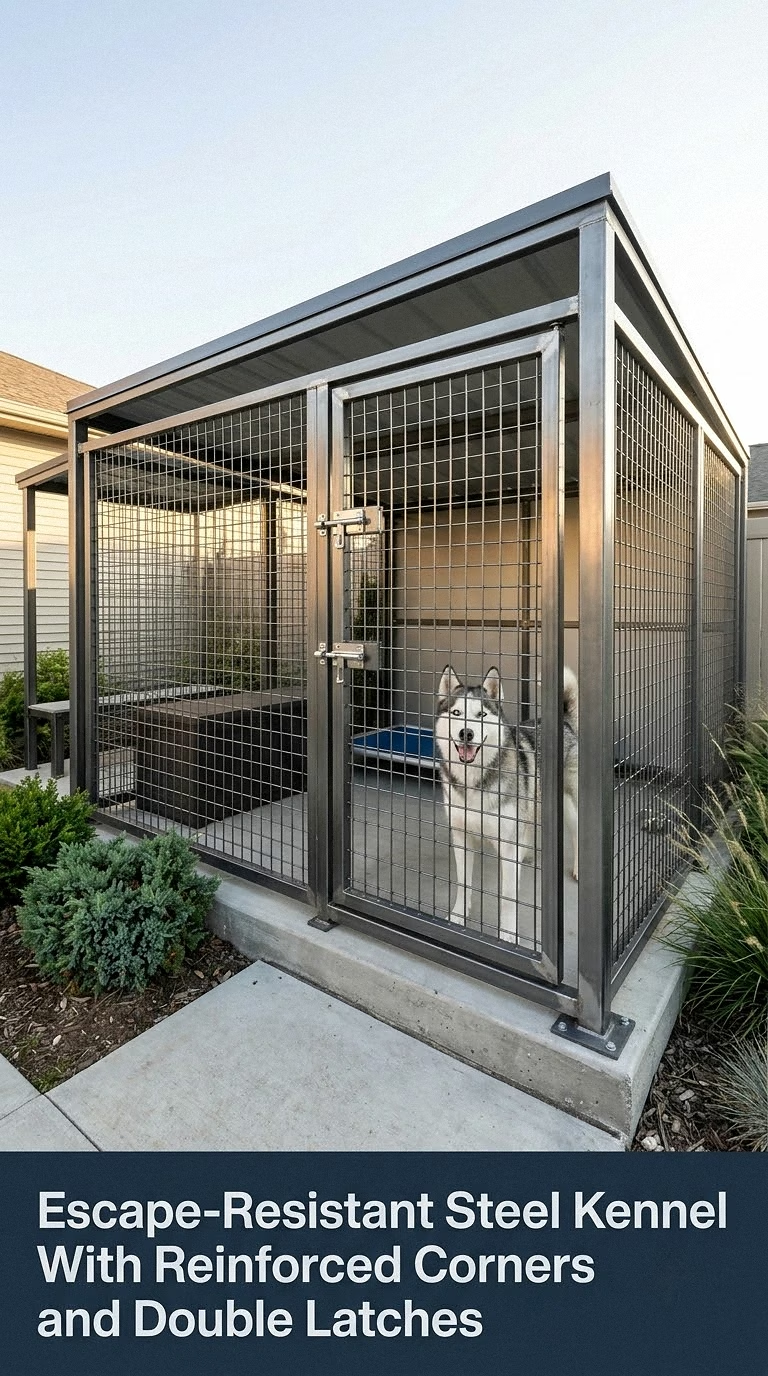
Dogs that bend wire panels, manipulate simple latches, or force their way through lightweight crates need a design chosen for strength rather than appearance. A heavy-gauge steel kennel with reinforced corners, strong welds, and secure double latches provides a more appropriate starting point.
Inspect the enclosure carefully for sharp welds, exposed bolts, gaps around doors, and openings where a paw or jaw could become caught. The base should sit flat without rocking, and the kennel must not be positioned beside furniture the dog can pull toward it.
A durable kennel can still look attractive. Choose a powder-coated charcoal finish, add a fitted washable mat, and place the unit against a calm neutral wall. A custom surround may soften its appearance as long as it does not interfere with ventilation, doors, or emergency access.
Repeated escape behavior, panic, drooling, frantic chewing, or self-injury should not be treated as a simple hardware problem. A veterinarian or qualified behavior professional can help identify anxiety and create a safer training plan.
15. Cozy Window-Adjacent Kennel With a Reading Bench and Washable Cushions
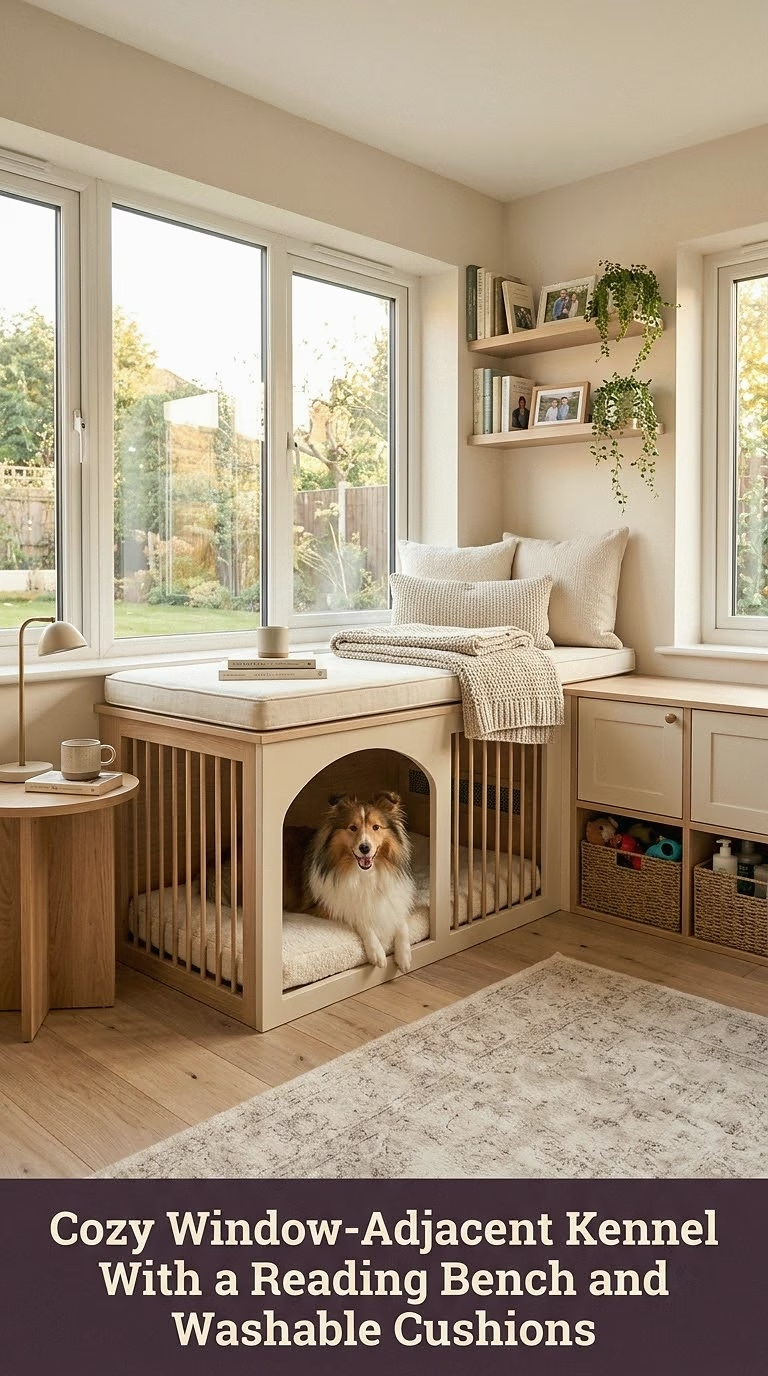
Integrate a kennel beneath one end of a built-in reading bench to create a shared relaxation zone for both dog and owner. Place the kennel near natural light but outside the path of strong direct sunlight, which can cause the enclosed area to overheat.
The bench can include drawers for books and pet supplies, with a thick seat cushion above and a ventilated dog compartment below. Use moisture-resistant materials around the kennel and reinforce the top so it safely supports human weight.
Coordinate the dog bed with the bench cushion using washable fabrics in olive, oatmeal, terracotta, or subtle stripes. Avoid long curtain panels beside the kennel because they can be pulled through openings or tangled around paws.
This design works particularly well in a quiet home office, bedroom, or wide hallway. It creates a peaceful companion space where the dog can rest nearby while someone reads, works, or enjoys the view.
16. Luxury Dog Suite With Transparent Panels, Storage Drawers, and a Wash Station
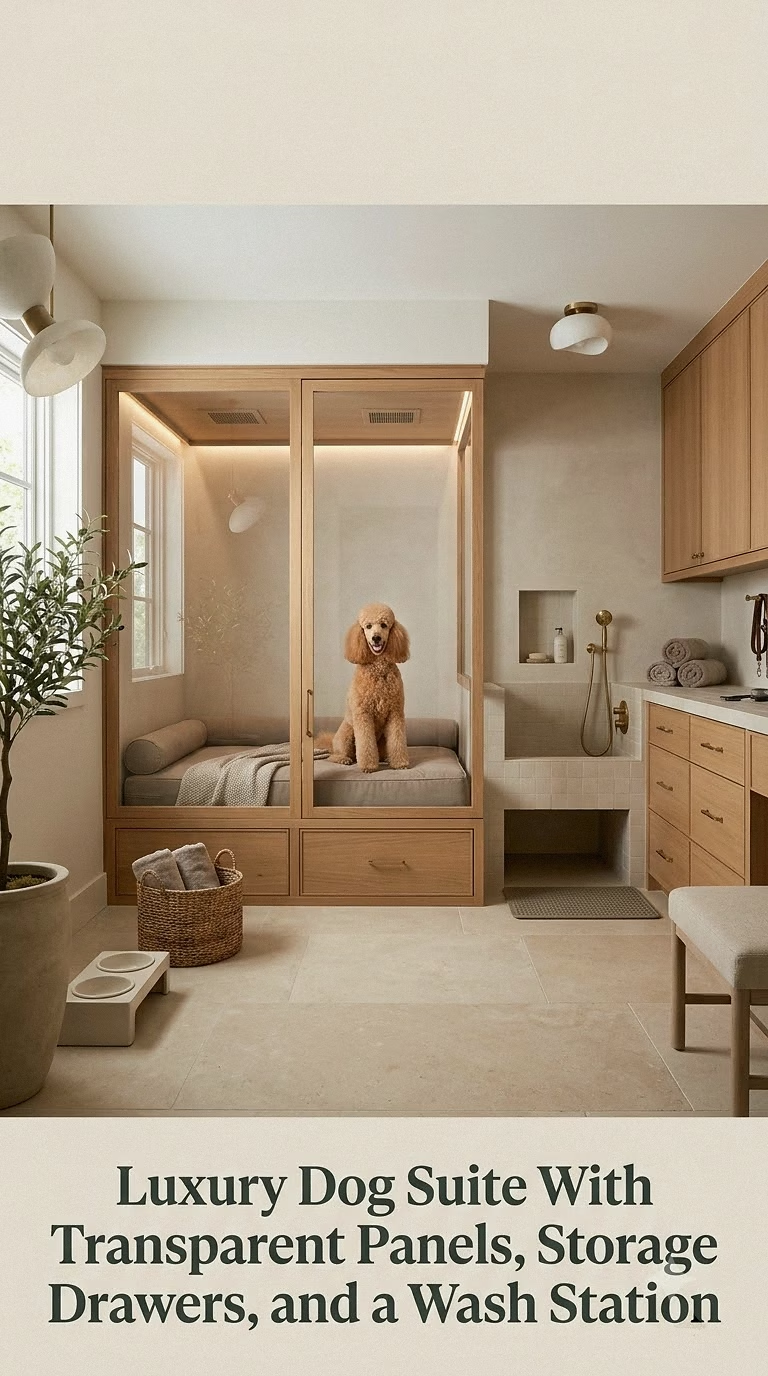
A spacious utility room can become a luxurious dog suite by combining a built-in kennel, grooming storage, feeding station, and walk-in wash area. Use cohesive cabinetry and flooring so the pet features feel integrated rather than added later.
For the kennel front, choose strong pet-safe transparent or metal-framed panels designed with sufficient ventilation. A fully sealed glass box is not appropriate. The door should open easily for cleaning and emergency access while remaining secure when closed.
Install deep drawers for towels, shampoos, brushes, and drying coats. A raised wash station with a handheld sprayer and textured floor can reduce bending and make muddy cleanups easier. Store all grooming products beyond the dog’s reach.
Continue the luxurious appearance with porcelain tile, warm wood cabinetry, brushed brass fixtures, and matching labeled containers. Comfort should remain the priority, so include a supportive washable mattress and position the kennel away from noisy appliances.
17. Portable Patio Kennel With Locking Casters and a Retractable Shade Canopy
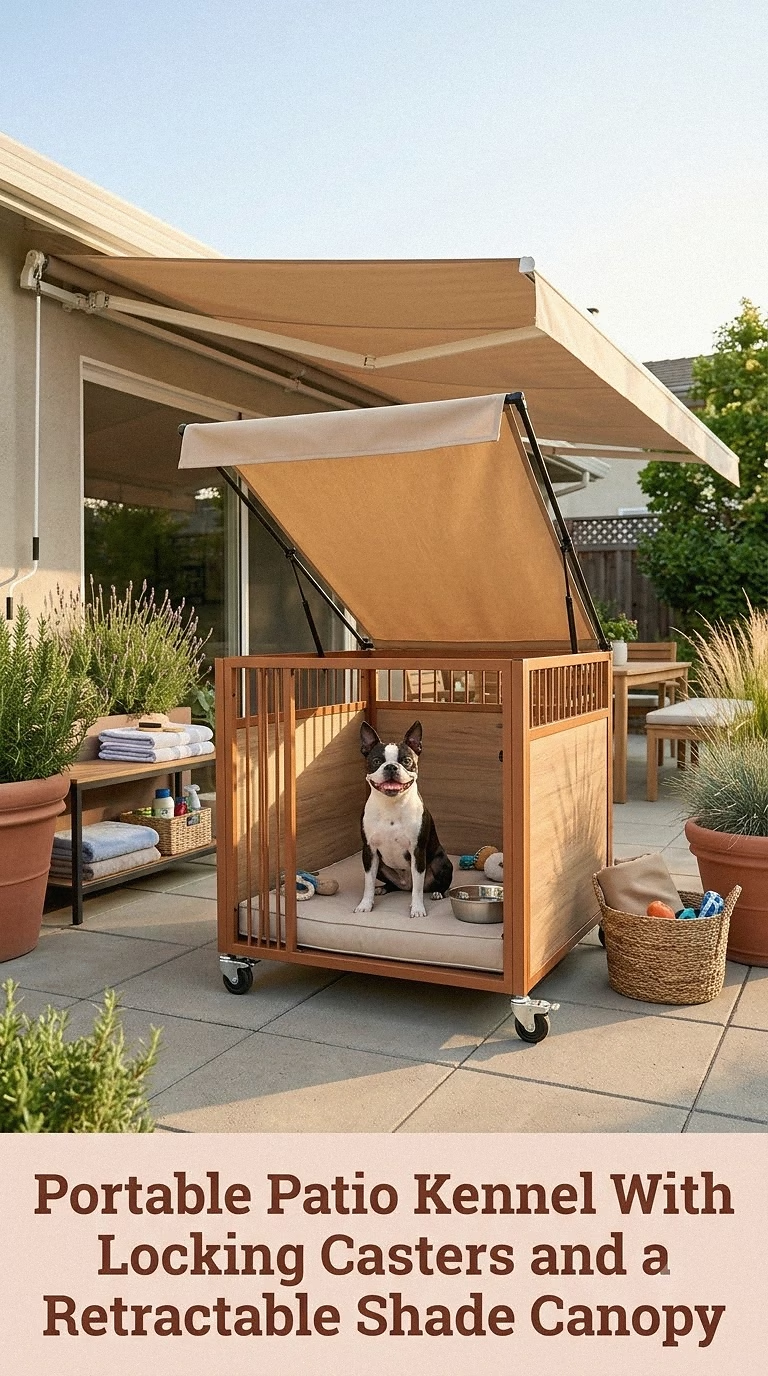
A movable patio kennel gives your dog a secure resting place that can be repositioned as sunlight and household activity change. Choose a sturdy frame with locking casters, rust-resistant panels, and a fitted canopy that provides dependable shade.
The wheels must lock securely so the kennel cannot roll when the dog moves or when the patio slopes. Check thresholds, decking gaps, and uneven paving before relocating the enclosure. Never move it while the dog is inside.
A retractable waterproof canopy can protect part of the kennel from sunlight and light rain, but it should not trap warm air. Keep multiple sides open for cross-ventilation and monitor the temperature closely during hot or humid weather.
Use a raised outdoor bed that dries quickly and a stable water container that cannot tip easily. Neutral taupe fabric, black metal, and teak-look details create a polished resort-inspired appearance while remaining practical for daily outdoor use.
Conclusion
The most successful dog kennel ideas balance visual appeal with the everyday needs of the dog using the space. A stylish finish can help the kennel blend into your home, but correct sizing, ventilation, secure construction, comfortable bedding, and easy cleaning are what make it genuinely useful.
Before choosing a design, think about where your dog naturally likes to rest, whether they chew or scratch, how warm the location becomes, and how easily you can access the interior. Indoor furniture kennels may suit calm, trained dogs, while reinforced steel enclosures may be more appropriate for powerful or escape-prone pets. Outdoor kennels require additional attention to shade, drainage, roofing, weather protection, and perimeter security.
Whether you create a simple covered wire crate, a charming garden run, or a custom luxury pet room, the goal is the same: a safe, welcoming retreat that feels like a natural part of your dog’s home.
Pin this Pinterest post so you can revisit your favorite dog kennel ideas when you are ready to create the perfect space for your pet.
Source: https://petstutorial.com
Category: Dog Kennels Runs
