
That empty triangle beneath the staircase can become so much more than a place for forgotten boxes, shoes, or cleaning supplies. With a thoughtful layout, it can transform into a beautiful little retreat where your dog can nap, relax, and still feel connected to everything happening at home.
- 19 Beautiful Dog Cage in Living Room Ideas for a Cozy, Stylish Home
- 18 Basement Dog Kennel Ideas for a Cozy, Stylish Pet Retreat
- Large Dog Kennel Ideas Indoor for a Cozy, Stylish, and Practical Home
- 19 Dog Kennel Furniture Ideas: Beautiful Ways to Blend Your Dog’s Space Into Your Home
- 18 Dog Stall Ideas: Beautiful and Practical Spaces for a Happy, Comfortable Dog
The best understairs dog kennel ideas combine two things that do not always seem easy to balance: a comfortable space designed around your dog and a finished look that feels intentional within your home. Instead of placing a bulky standalone crate in the living room, you can use the architecture you already have and turn an overlooked corner into something surprisingly charming.
You are reading: 19 Understairs Dog Kennel Ideas for a Cozy, Stylish Space Your Dog Will Love
Before planning the decorative details, consider the usable height and depth of the space. Your dog needs enough room to comfortably stand, turn around, stretch, and lie down. Good ventilation is equally important, especially when adding doors or enclosing the nook. Kennel and crate guidance consistently emphasizes adequate space and airflow rather than creating a tightly sealed compartment.
It is also worth remembering that converting an enclosed area beneath a staircase can involve more than simple decorating. Depending on where you live, building codes may have specific fire-protection requirements for enclosed spaces under stairs, particularly when walls and soffits are being altered. Check local requirements or speak with a qualified professional before cutting into existing stair construction.
From inexpensive DIY makeovers to custom cabinetry that looks like part of a designer home, these ideas offer plenty of inspiration for creating a dog-friendly corner that is practical, pretty, and easy to live with.
Understairs Dog Kennel Ideas for Beautiful and Practical Homes
Modern White Oak Dog Kennel With Built-In Storage Drawers
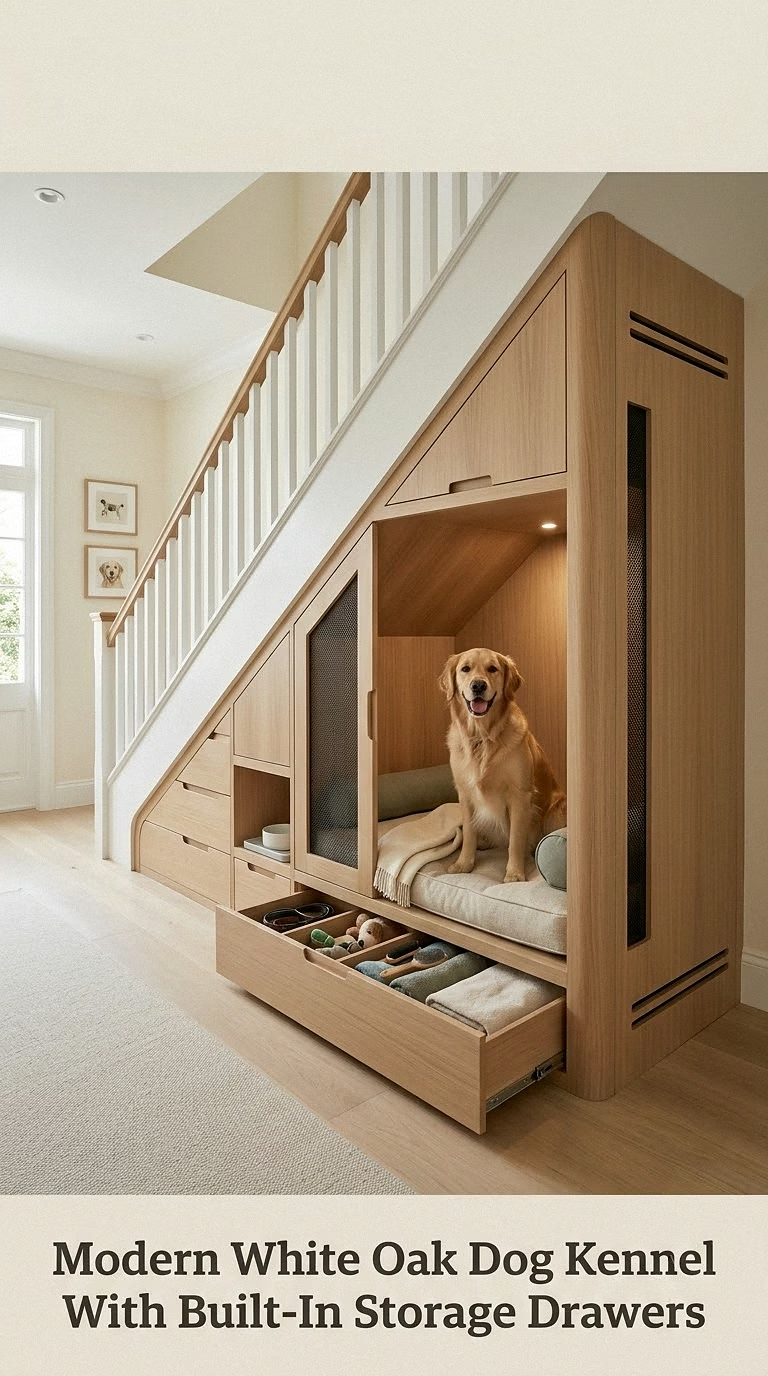
Create a clean, furniture-inspired kennel by lining the understairs space with warm white oak and adding drawers beneath or beside the sleeping area. The soft wood tone works especially well in bright contemporary homes where you want the kennel to blend seamlessly with surrounding cabinetry.
Use a simple black metal gate at the entrance to create contrast without making the space look heavy. Inside, choose a fitted washable cushion in oatmeal, beige, or soft gray.
Deep drawers can hold spare blankets, grooming supplies, toys, and leashes, helping prevent pet accessories from spreading around the house. Keep cleaning products somewhere inaccessible to your dog rather than storing them loosely inside the kennel area.
For easier maintenance, use a sealed wood-look floor, luxury vinyl, or another smooth wipeable surface instead of wall-to-wall carpet.
Soft Sage Green Kennel With Shiplap Walls and Woven Baskets
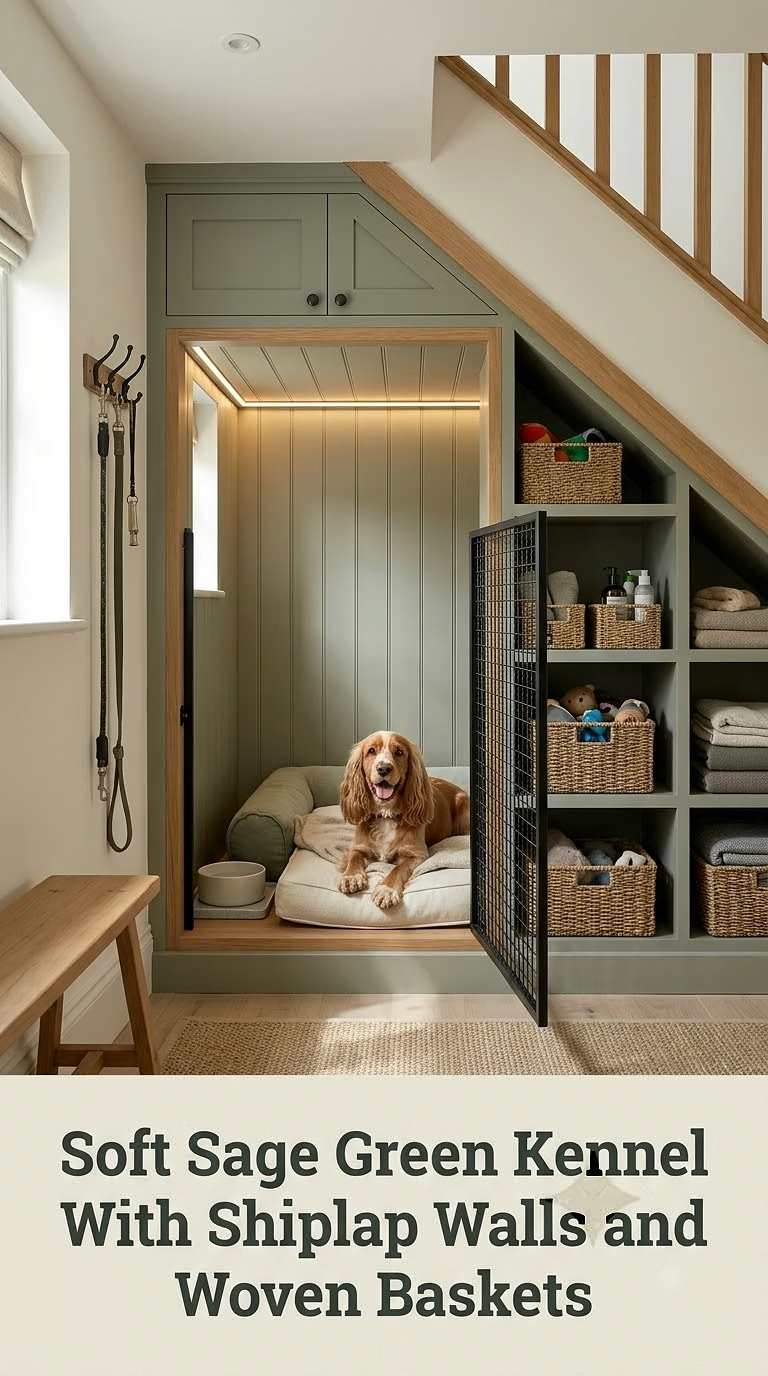
For a cozy farmhouse look, paint the understairs enclosure a muted sage green and pair it with creamy white trim. Add vertical or horizontal shiplap inside to give the tiny room extra character without requiring elaborate decoration.
A striped beige dog cushion, woven storage baskets, and a few simple wooden hooks create that relaxed Pinterest farmhouse aesthetic. Keep baskets outside the dog’s immediate reach if they contain treats, medication, or anything tempting to chew.
You can use the lowest triangular portion of the staircase for pull-out storage while reserving the taller area for your dog.
A black metal gate gives the pale green cabinetry definition and visually connects the kennel with black stair railings, door hardware, or lighting elsewhere in the home. Finish the look with one small framed dog illustration outside the entrance.
Arched White Dog Nook With a Simple Black Metal Gate
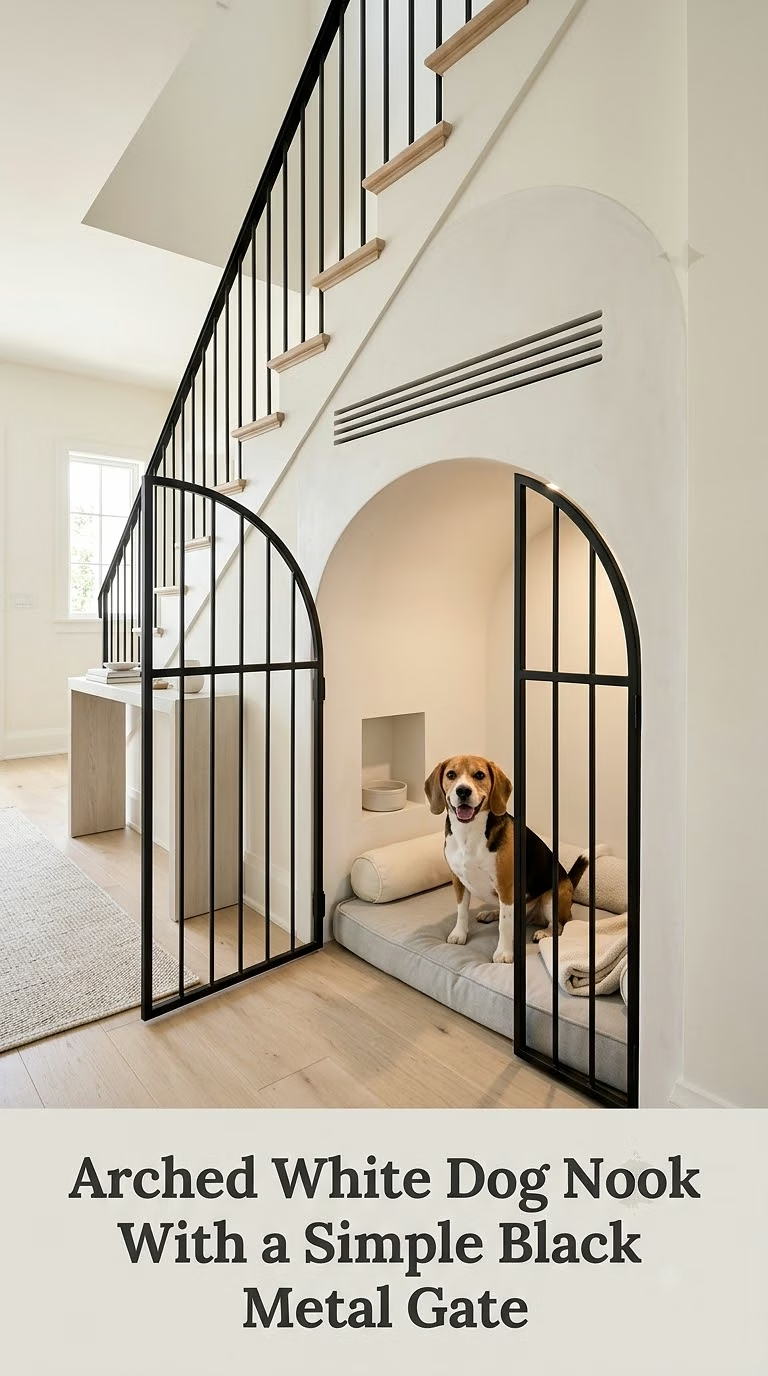
An arched opening instantly makes an understairs kennel feel like a miniature architectural feature rather than a converted closet. Paint everything in warm white for a light, timeless appearance, then install a streamlined black gate inside the opening.
The contrast creates a beautiful focal point while still fitting easily into modern, transitional, and traditional interiors.
Keep the inside intentionally simple. A thick neutral dog bed, washable cotton blanket, and small wall-mounted light can be enough.
If you install lighting, keep cords, switches, and electrical components completely out of chewing reach and avoid heat-producing fixtures close to bedding.
This approach works particularly well when your staircase sits in a hallway or living room because the kennel remains attractive even when seen from across the space.
Warm Walnut Luxury Kennel With Brass Lighting and Paneled Walls
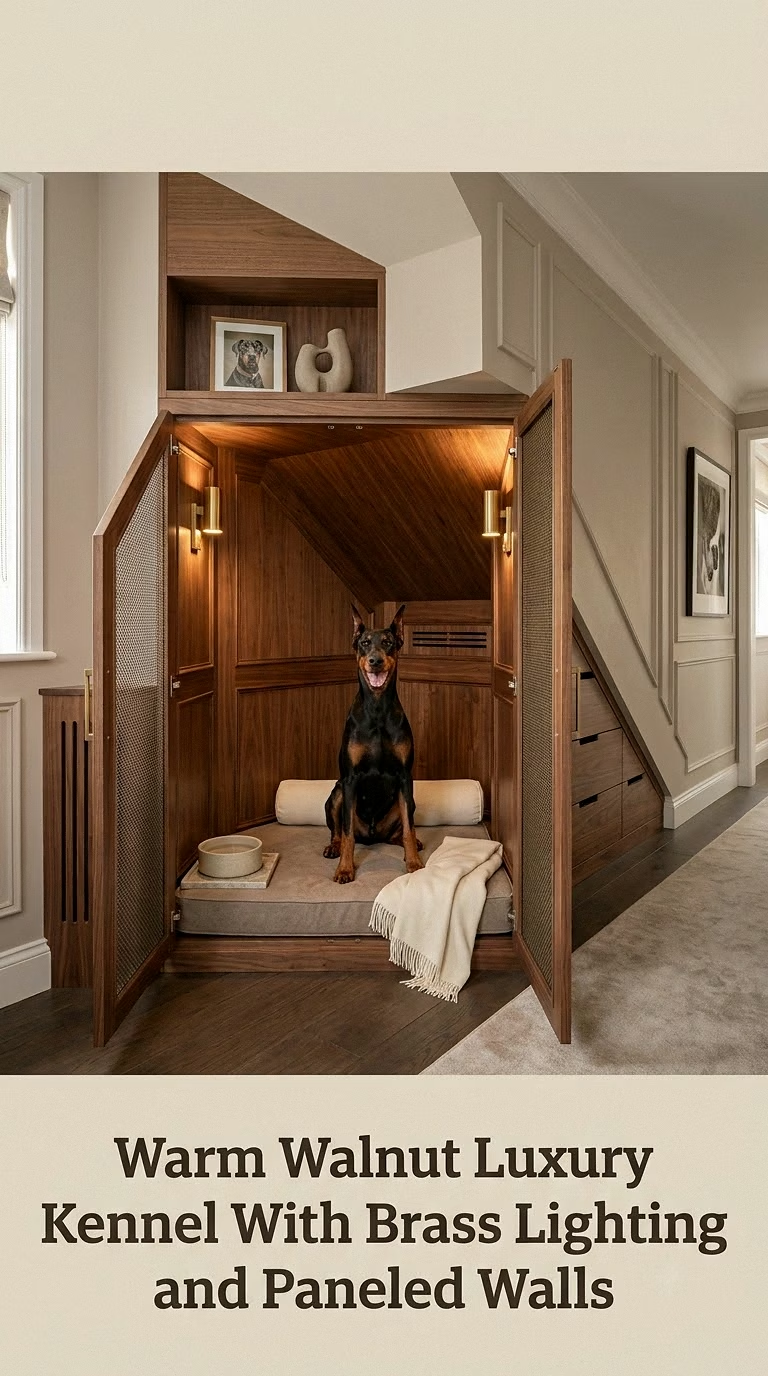
For a more sophisticated interpretation, use rich walnut-colored cabinetry around the kennel entrance and continue the wood inside with simple wall paneling. Add warm brass hardware and a small decorative light positioned safely above your dog’s reach.
A tailored cushion in cream, camel, or textured taupe keeps the palette elegant without making the nook feel overly formal.
Instead of filling the kennel with decorative accessories, concentrate the luxury details around the exterior. Brass handles, carefully finished trim, and cabinetry aligned with the staircase can make the entire installation look custom-built.
Because darker wood can visually shrink an already compact space, balance it with a pale floor and lighter bedding.
The finished result resembles bespoke furniture while giving your dog a cozy retreat tucked discreetly into the architecture.
Budget-Friendly Plywood Dog Nook With a Custom Washable Cushion
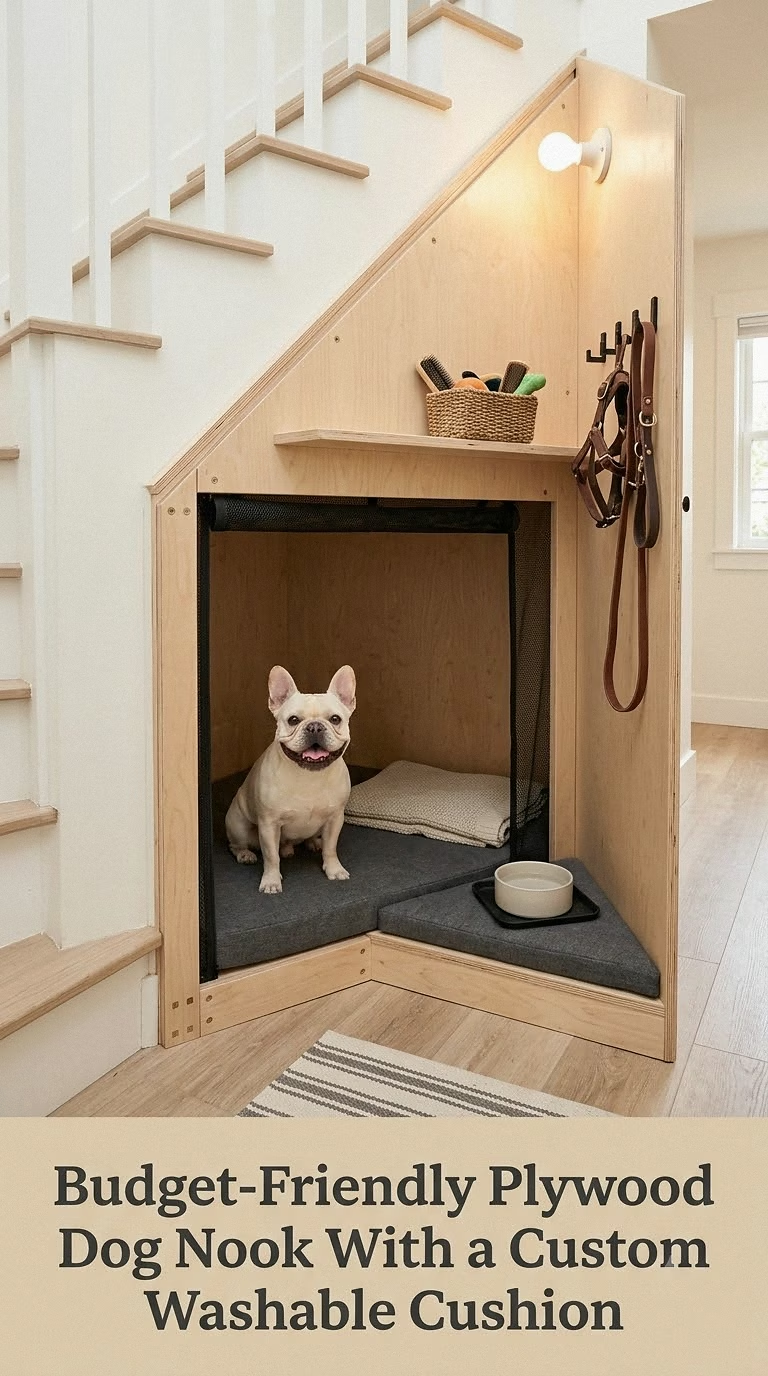
You do not need custom cabinetry to make the area under your staircase useful. A simple plywood interior can create a warm, modern kennel at a much lower cost.
Sand the plywood carefully, seal it with a pet-appropriate finish, and cover exposed edges so there are no splinters or rough areas. A fitted washable cushion instantly makes the simple structure look more intentional.
Instead of expensive built-ins, place one attractive storage basket nearby for toys and use inexpensive wall hooks for leashes.
A basic wooden or metal gate can be painted to coordinate with the surrounding wall.
This design is particularly practical for DIY projects because the natural plywood grain becomes part of the aesthetic. Combine it with white walls and neutral textiles for a Scandinavian-inspired finish that looks deliberately minimal rather than unfinished.
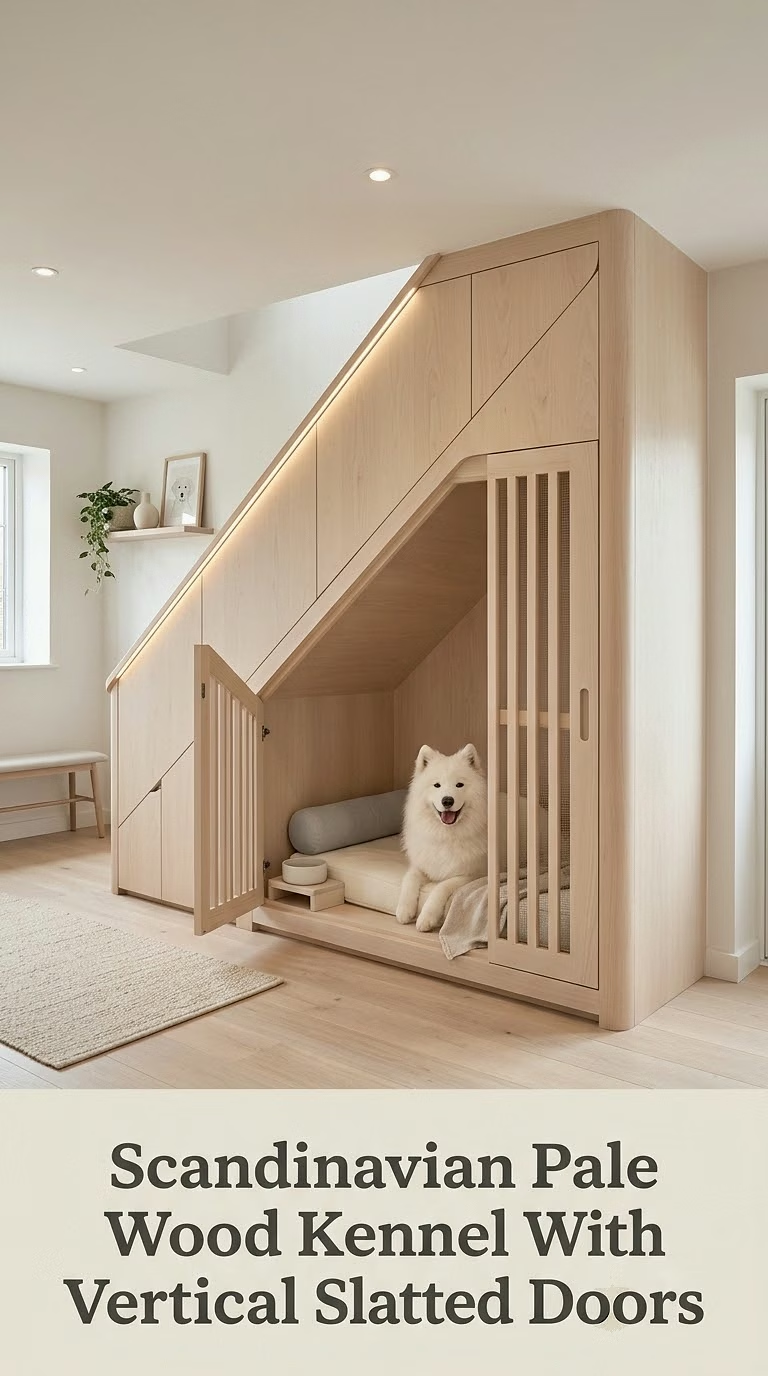
Vertical wooden slats give an understairs kennel a light, airy appearance while adding beautiful architectural texture. Use pale oak or a similar light wood and keep the surrounding walls crisp white, warm ivory, or soft greige.
The spacing between slats can visually open the enclosure and encourage airflow, but gaps must be designed so your dog’s head, paws, collar, or claws cannot become trapped.
Inside, keep the styling calm with a simple oatmeal cushion and perhaps one washable muted-gray blanket.
Hidden storage behind the lower triangular section can hold pet supplies without disturbing the minimalist appearance.
This style pairs beautifully with pale hardwood flooring, simple stair rails, and uncluttered interiors. Instead of treating the kennel like a separate pet accessory, the repeating wooden slats make it feel integrated into the home’s overall design.
Double Understairs Kennel With Matching Spaces for Two Dogs
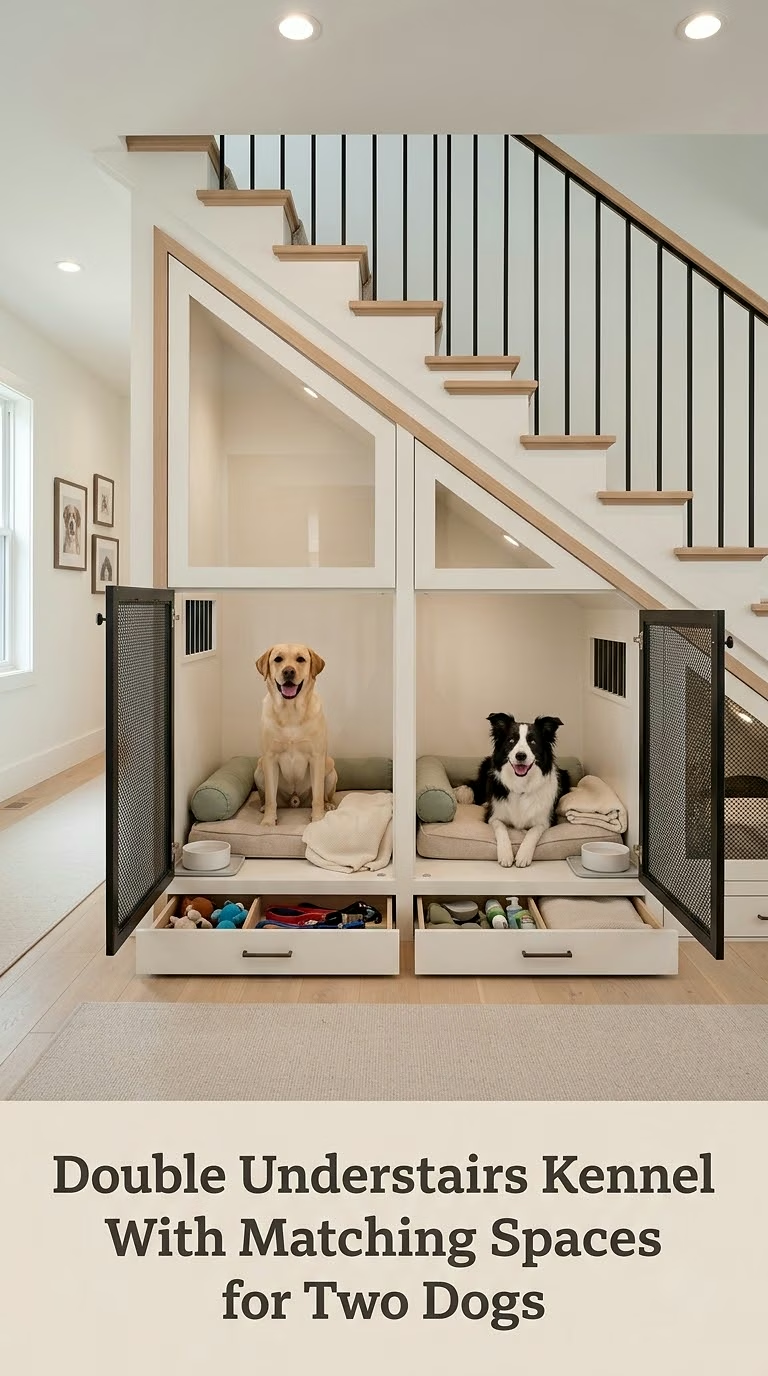
Homes with two dogs can divide a wider understairs area into two coordinated sleeping spaces. Place the taller kennel toward the higher end of the staircase and adjust the second enclosure according to each dog’s individual size.
Read more : 18 Two Dog Kennel Ideas for a Cozy, Stylish, and Organized Home
Matching black metal doors and identical cushions give the arrangement a polished, symmetrical appearance even if the compartments are slightly different dimensions.
A narrow cabinet or drawer section between the kennels can hold leashes, waste bags, towels, and grooming tools.
Make sure each dog has enough unrestricted space to stand, turn, stretch, and rest comfortably rather than dividing the area purely for visual symmetry.
This layout works best for dogs already comfortable relaxing near one another. For dogs that guard resources or prefer more personal space, separate resting areas elsewhere in the home may be more suitable.
Sliding Door Kennel With a Sleek Contemporary Finish
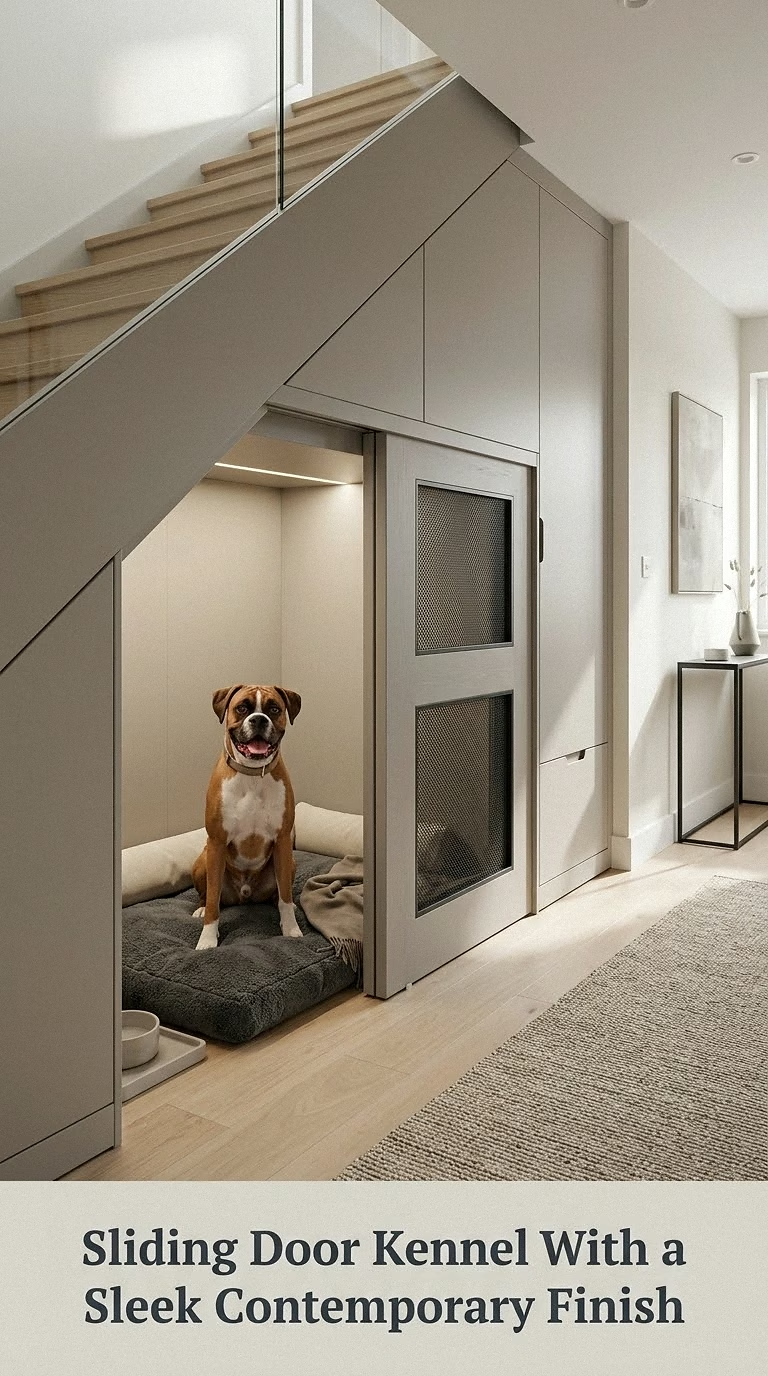
A traditional swinging kennel door can take up precious hallway space. A sliding door can solve that problem while giving the design a streamlined appearance.
Try a black metal frame with secure vertical bars, or build a wooden slatted panel that slides neatly alongside the enclosure. Hardware should be sturdy enough that your dog cannot push the door off its track.
Use warm greige walls, pale oak flooring, and a simple cream mattress inside for a modern neutral palette.
Because sliding systems contain tracks and moving hardware, inspect them regularly for loose parts, sharp edges, and areas where paws could potentially become caught.
When the kennel is open, the door virtually disappears, making this a practical option for dogs that use their nook primarily as a voluntary daytime retreat rather than spending long periods behind a closed gate.
Understairs Kennel and Mudroom With Leash Storage Hooks
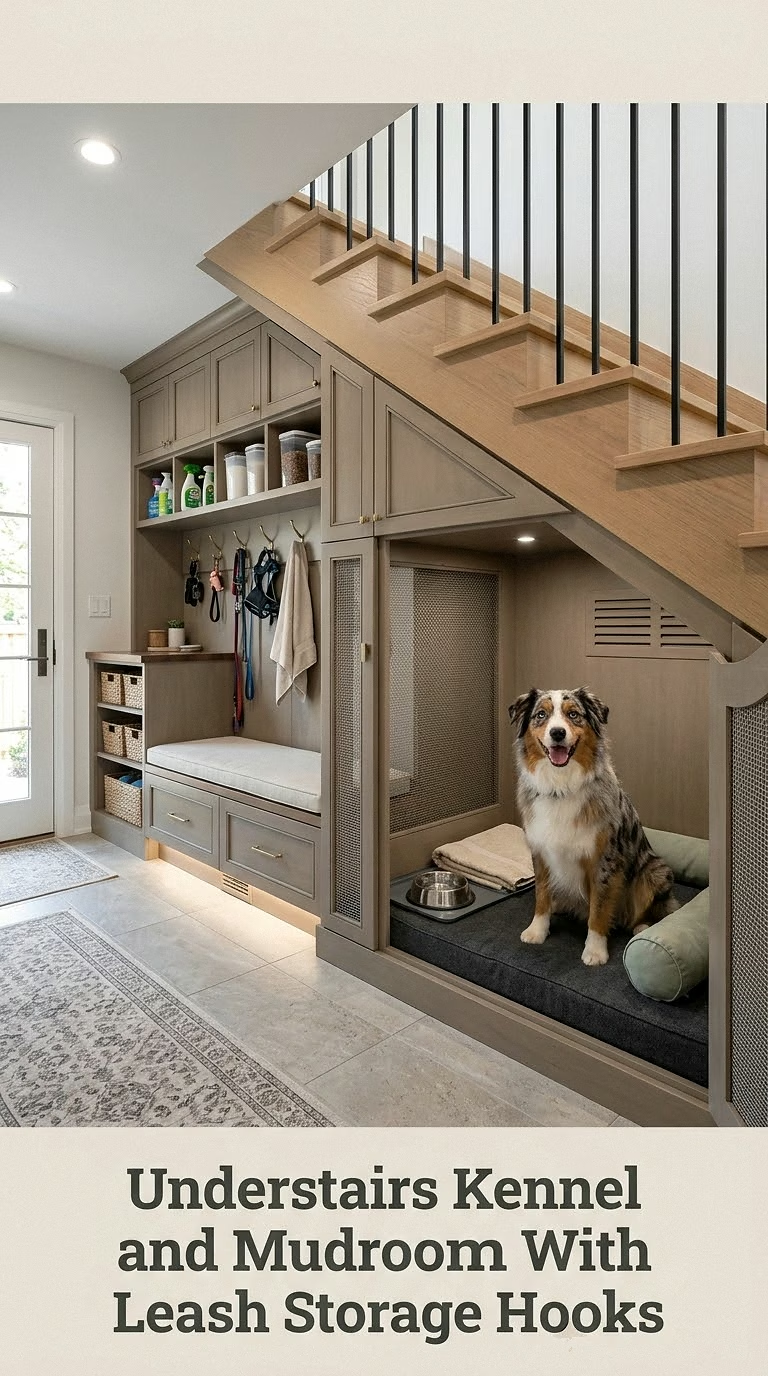
Turn the area around your dog’s kennel into a compact pet command center. Build the sleeping nook beneath the taller portion of the staircase, then use the remaining wall space for hooks, baskets, and closed storage.
A small bench beside the kennel can make it easier to wipe muddy paws after walks. Above it, hang labeled hooks for harnesses and everyday leashes.
For flooring, choose something resilient and easy to wipe, particularly if the staircase is close to an entrance.
Avoid leaving wet towels, cleaning chemicals, medication, or bags of food inside the dog’s enclosure. Household cleaners can pose risks to pets when improperly stored or used, so keep them secured and follow product directions carefully.
Warm wood, matte black hardware, and durable neutral fabrics can make this highly functional arrangement feel surprisingly stylish.
Built-In Bookshelf Kennel With a Reading Nook Look
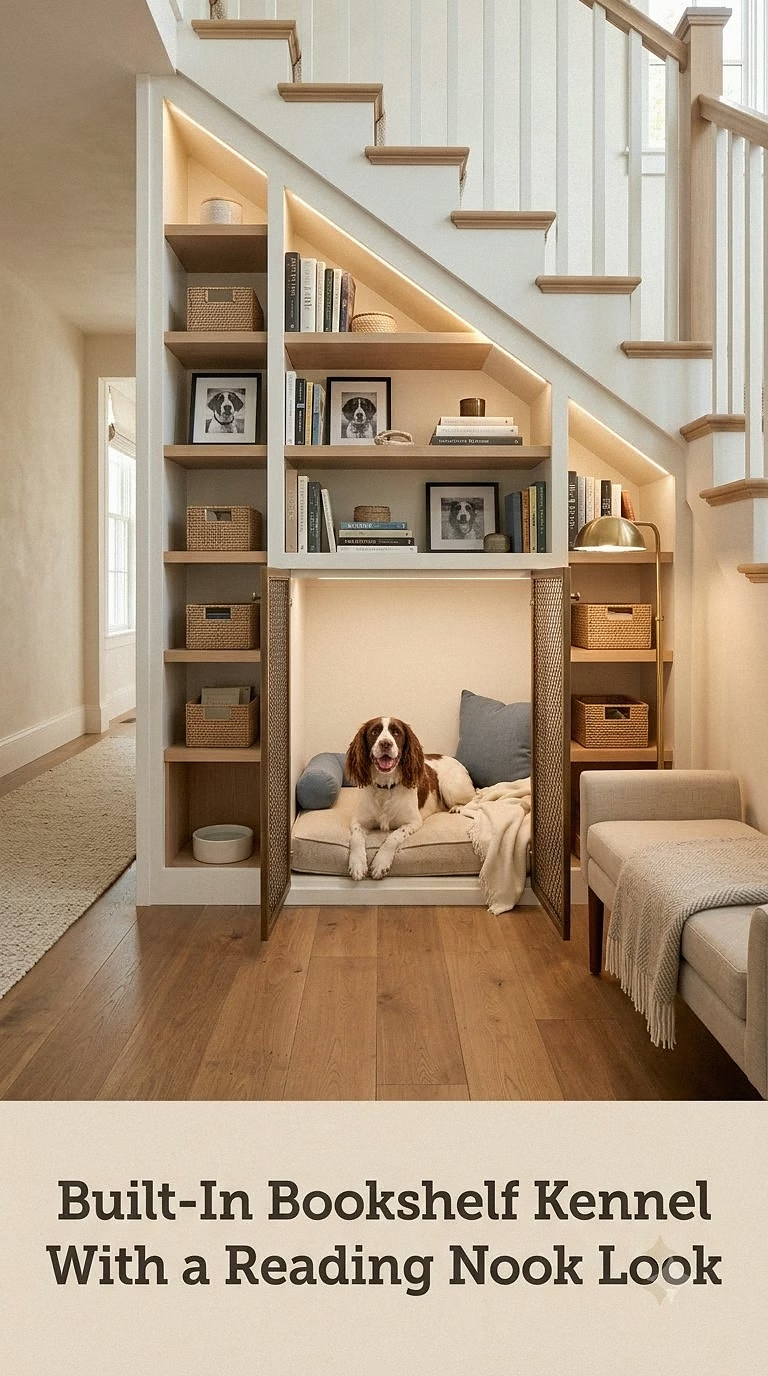
Blend pet space and home storage by framing the kennel entrance with built-in bookshelves. The kennel occupies the comfortable central section while shallow shelves fill awkward triangular areas that would otherwise be difficult to use.
Paint the entire unit the same soft cream, muted blue, or mushroom beige so it looks like one intentional piece of millwork.
Place books and decorative items on shelves well above your dog’s reach, and avoid fragile objects near the entrance where an enthusiastic tail could knock them down.
Inside, use a plush but removable mattress and simple wall paneling.
This concept works beautifully beside living rooms, home libraries, or quiet hallway corners. Add a nearby armchair and floor lamp, and the kennel becomes visually connected with a cozy reading area where you and your dog can relax together.
Boho Dog Retreat With Terracotta Tones and Woven Textures
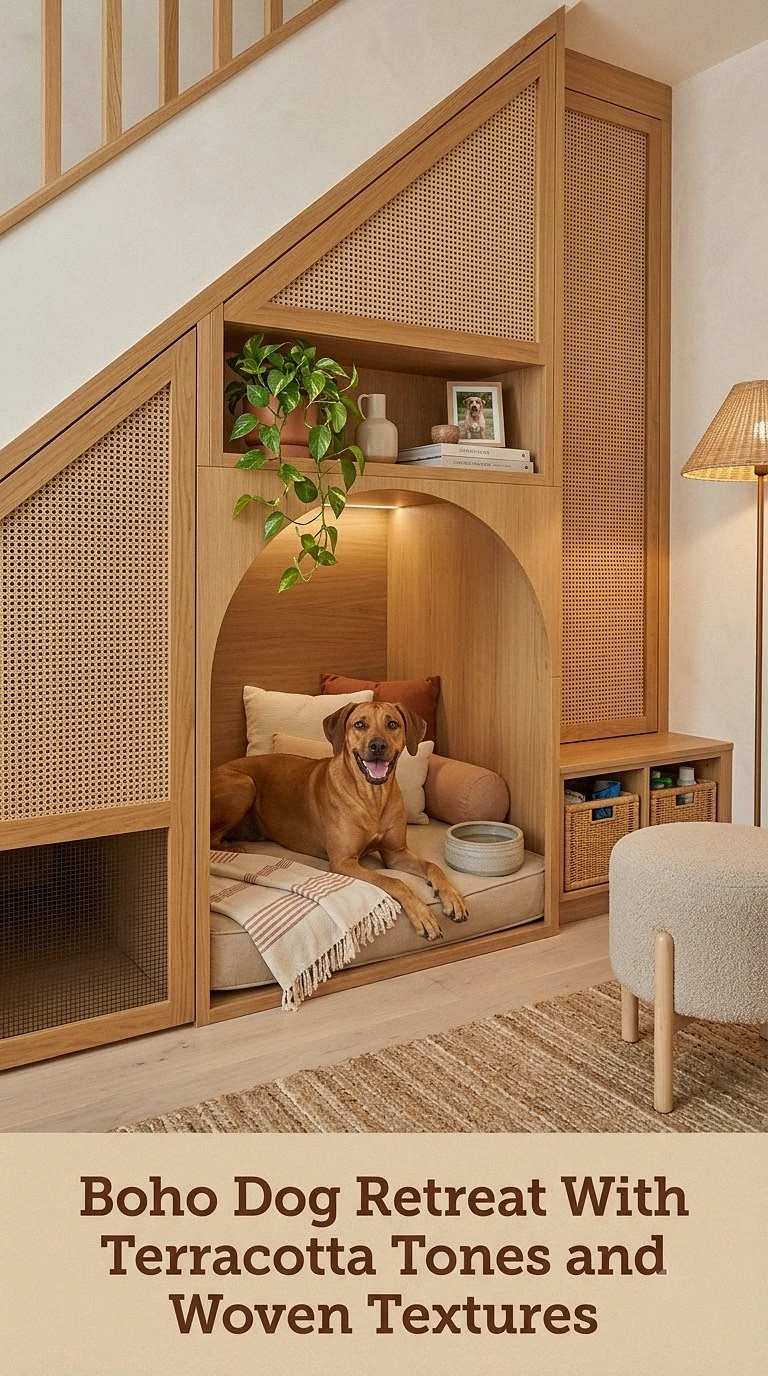
Bring warmth to a plain understairs nook with earthy terracotta, sand, and cream. Paint the back wall a muted clay color while keeping the entrance light and neutral.
Add a cream washable bed and patterned blanket for softness. Woven baskets can sit outside the enclosure holding toys or rolled pet towels.
Natural textures are beautiful, but decorative tassels, loose wicker, rope accessories, and small woven pieces may be unsuitable for dogs that like to chew. Choose simpler, sturdier accessories when necessary.
A wooden gate with vertical slats can complement the relaxed look while maintaining an open feeling.
This style is especially pretty in homes filled with natural wood, linen fabrics, handmade ceramics, and indoor plants. Keep any plants outside your dog’s reach and choose pet-safe varieties if they share the same area.
Japandi Dog Kennel With Limewash-Style Walls and Light Oak
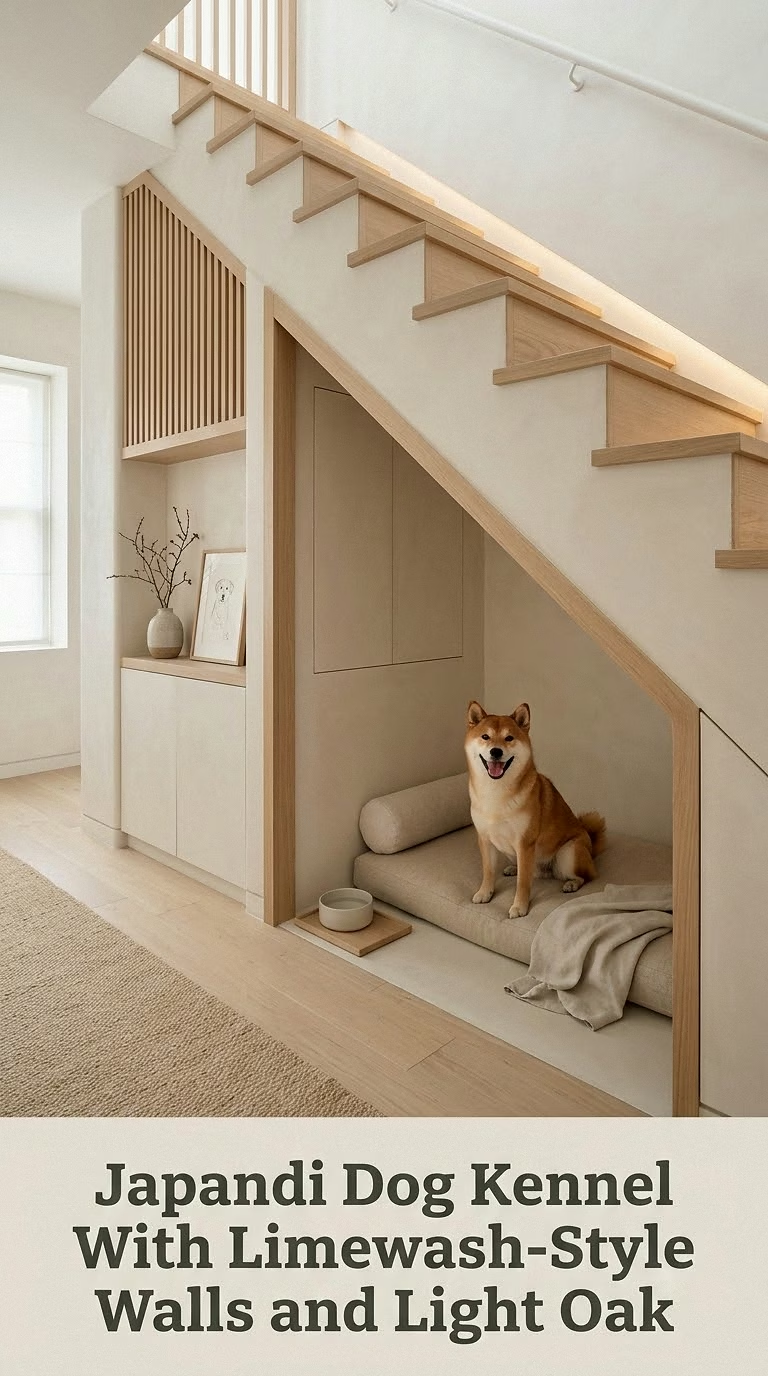
A Japandi-inspired kennel focuses on calm colors, natural textures, and very little visual clutter. Use warm off-white walls with a subtle limewash-style finish and pair them with pale oak framing around the opening.
Instead of elaborate cabinetry, create one continuous built-in platform with a fitted oatmeal-colored cushion.
A simple light-wood slatted gate maintains the minimalist appearance while allowing the space to feel connected to the room outside.
Keep toys in a closed drawer instead of displaying everything around the kennel.
This approach works especially well when the staircase is visible from a minimalist living room because it keeps pet storage from disrupting the serene aesthetic. Choose materials that can still be wiped or washed easily; a beautiful textured finish is less useful if everyday paw marks are impossible to clean.
Cottage-Style Dog House Facade With Paneled Mini Door
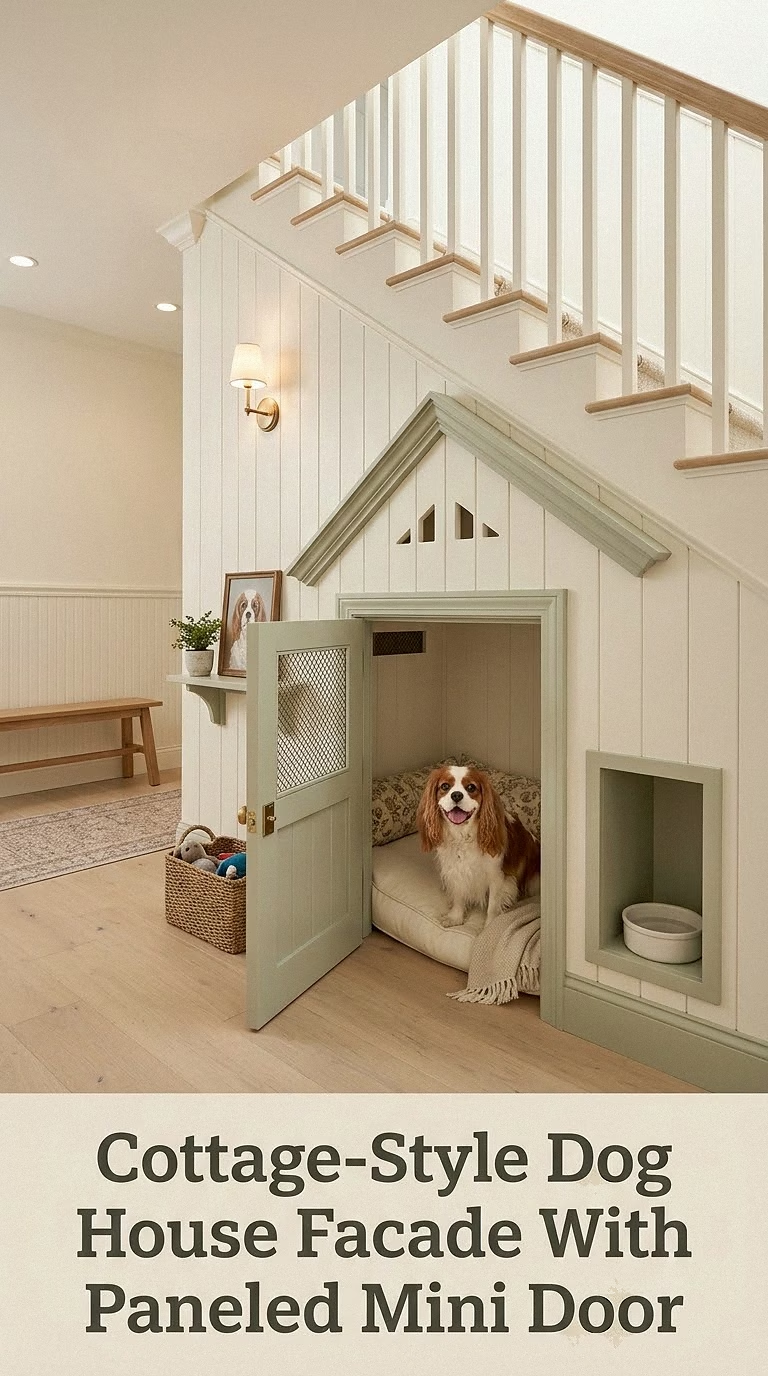
Turn the understairs nook into a charming miniature cottage by adding decorative wall molding around the entrance and painting it soft ivory, dusty blue, or gentle sage.
A small paneled gate with vertical openings can mimic the style of a traditional cottage door while maintaining visibility and ventilation.
Inside, continue the cozy look with warm wood-look flooring and a floral or gingham washable cushion.
Keep the design sophisticated by avoiding too many novelty decorations. Simple trim, a tiny name plaque outside, and one framed illustration are usually enough to create personality.
This idea works particularly well in English cottage, country, and traditional interiors where the dog’s nook can look like a playful extension of the home’s architecture instead of a separate kennel placed awkwardly in the hallway.
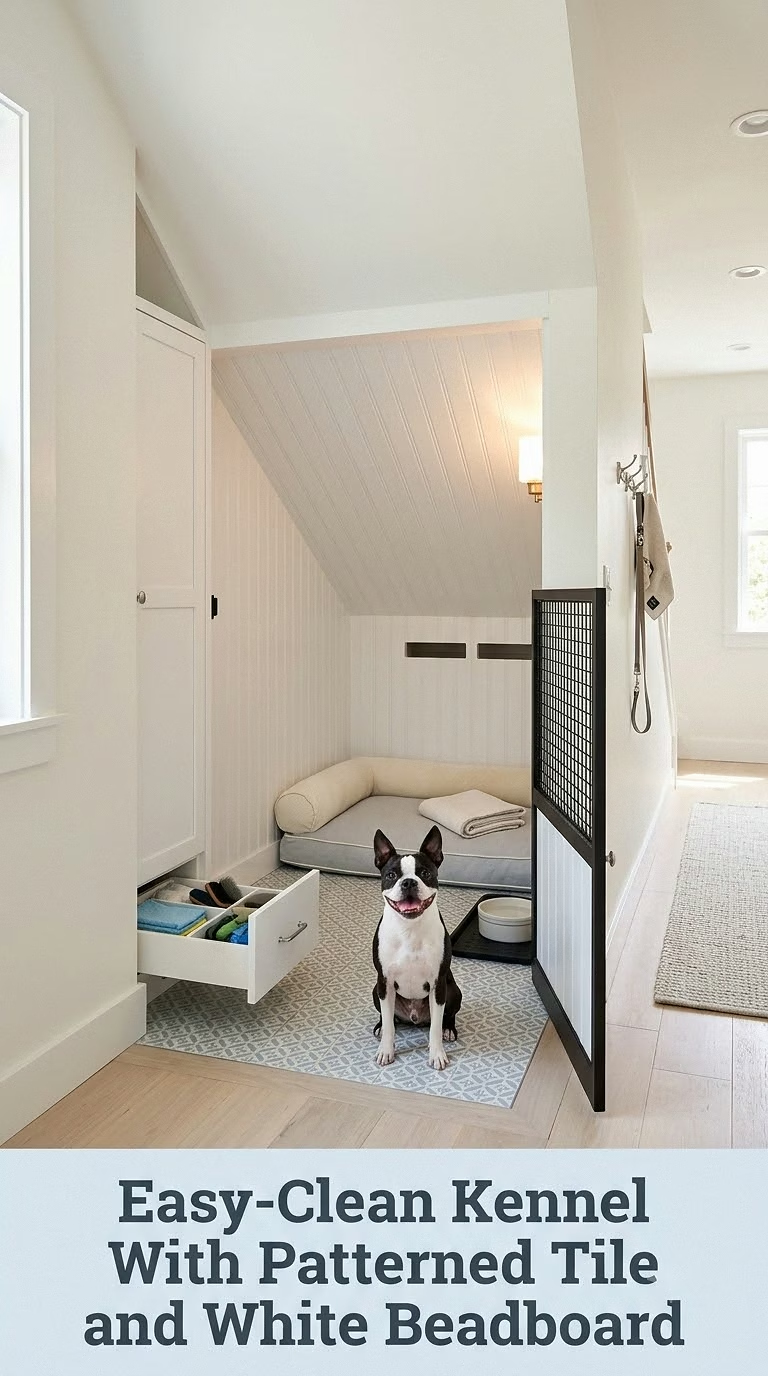
Easy-Clean Kennel With Patterned Tile and White Beadboard
Read more : 17 Beautiful Dog Run Ideas for a Backyard Side Yard
If muddy paws are a regular part of life, make easy cleaning the focus of your kennel design. Install a smooth, moisture-resistant floor or durable tile at the base and use wipeable wall finishes around the lower portion of the enclosure.
A subtle patterned tile can add personality without requiring extra decoration.
Pair it with white beadboard, a simple gray cushion, and a dark metal gate for a fresh, practical look.
Choose removable, machine-washable bedding so hair, dirt, and occasional accidents are easy to manage. Professional kennel standards likewise emphasize hygienic materials, appropriate ventilation, and flooring that can be effectively cleaned and dried.
This setup is particularly useful for active dogs, rainy climates, and households where the staircase sits near an exterior door.
Moody Charcoal Kennel With Natural Wood Trim
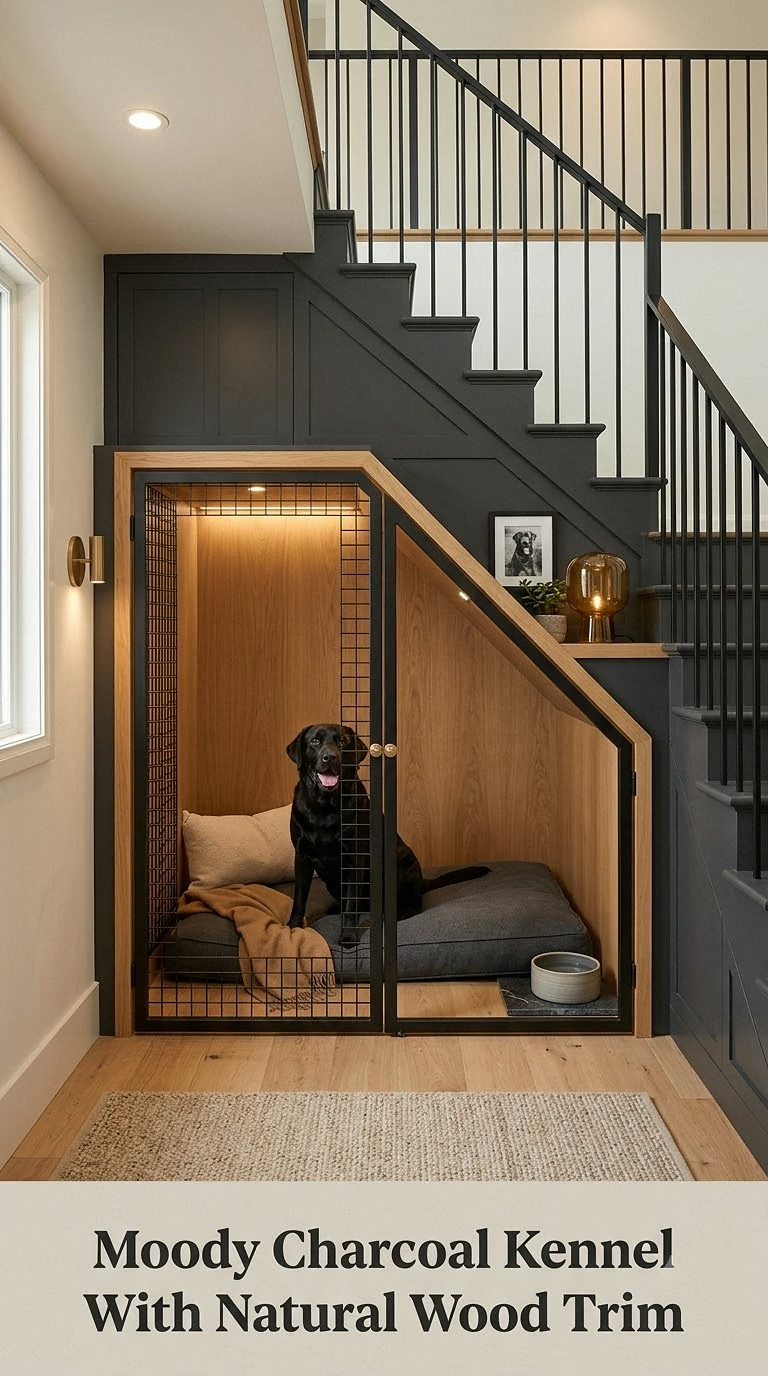
Not every dog nook needs to be pale and neutral. A charcoal interior can create a surprisingly sophisticated little retreat, particularly when contrasted with natural oak trim.
Use charcoal on the back wall and ceiling, then frame the opening with medium-toned wood. Add a caramel, beige, or warm-gray cushion so the interior does not appear too dark.
A black metal gate almost disappears against the deeper background, making the kennel feel visually tidy.
Because under-stair areas naturally receive less daylight, preserve plenty of airflow and consider gentle ambient lighting outside or safely integrated into the structure.
The dark color is also useful for visually disguising minor scuffs between cleanings. Pair the kennel with black stair balusters and warm hardwood flooring to make the entire staircase feel coordinated.
Senior Dog Retreat With a Low Entry and Orthopedic Bed
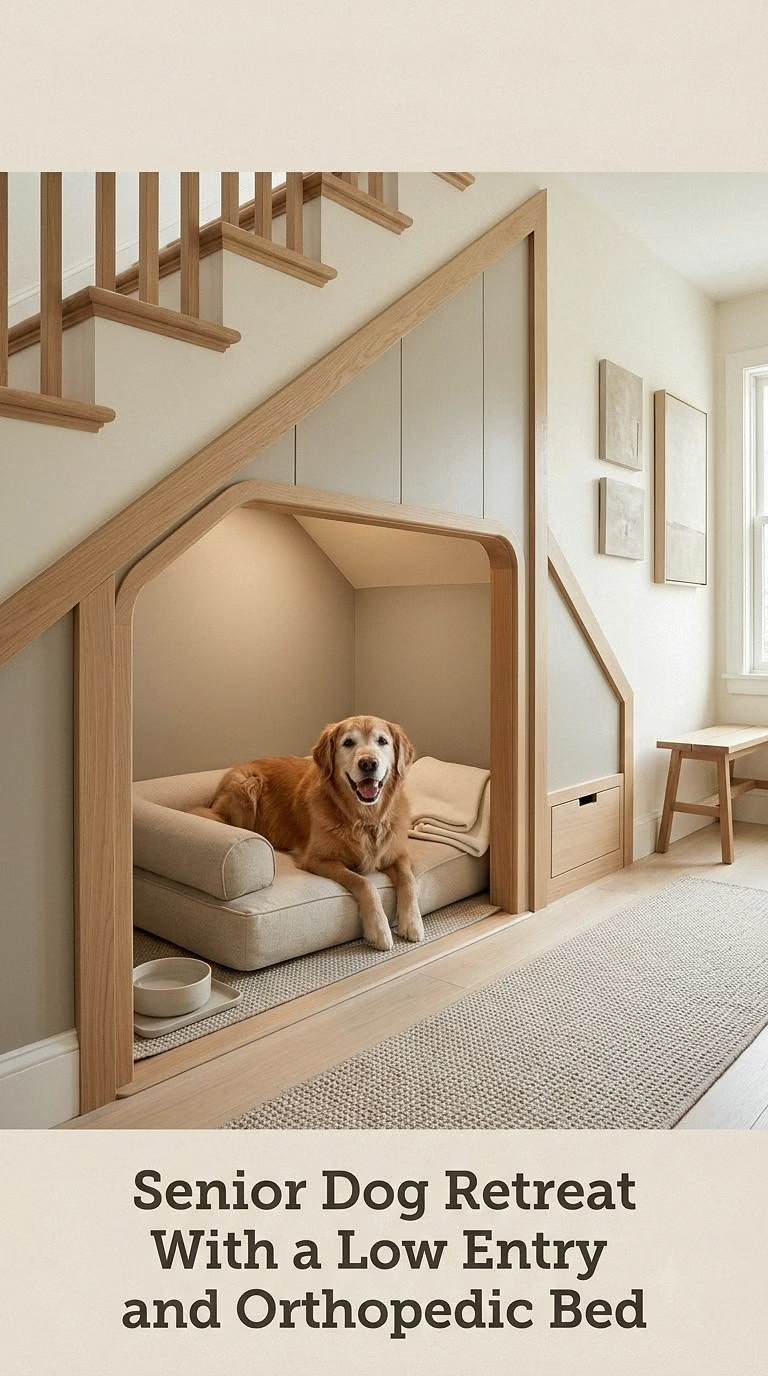
An older dog may benefit from an understairs nook designed around easy access instead of decorative drama. Keep the entrance threshold as low and unobstructed as practical so your dog does not have to step over an unnecessarily tall frame.
Use a supportive bed with a removable washable cover and leave plenty of clear floor area around the entrance.
Non-slip flooring is particularly helpful when your dog walks in and out of the kennel. Avoid placing elevated bowls, decorative baskets, or furniture where they narrow the approach.
Choose warm neutral colors such as oatmeal, light taupe, and soft gray to keep the space calm and cozy.
An open entrance may also be preferable for a dog that simply needs a quiet resting place rather than a kennel that closes.
Open-Front Dog Retreat With Built-In Bench Seating
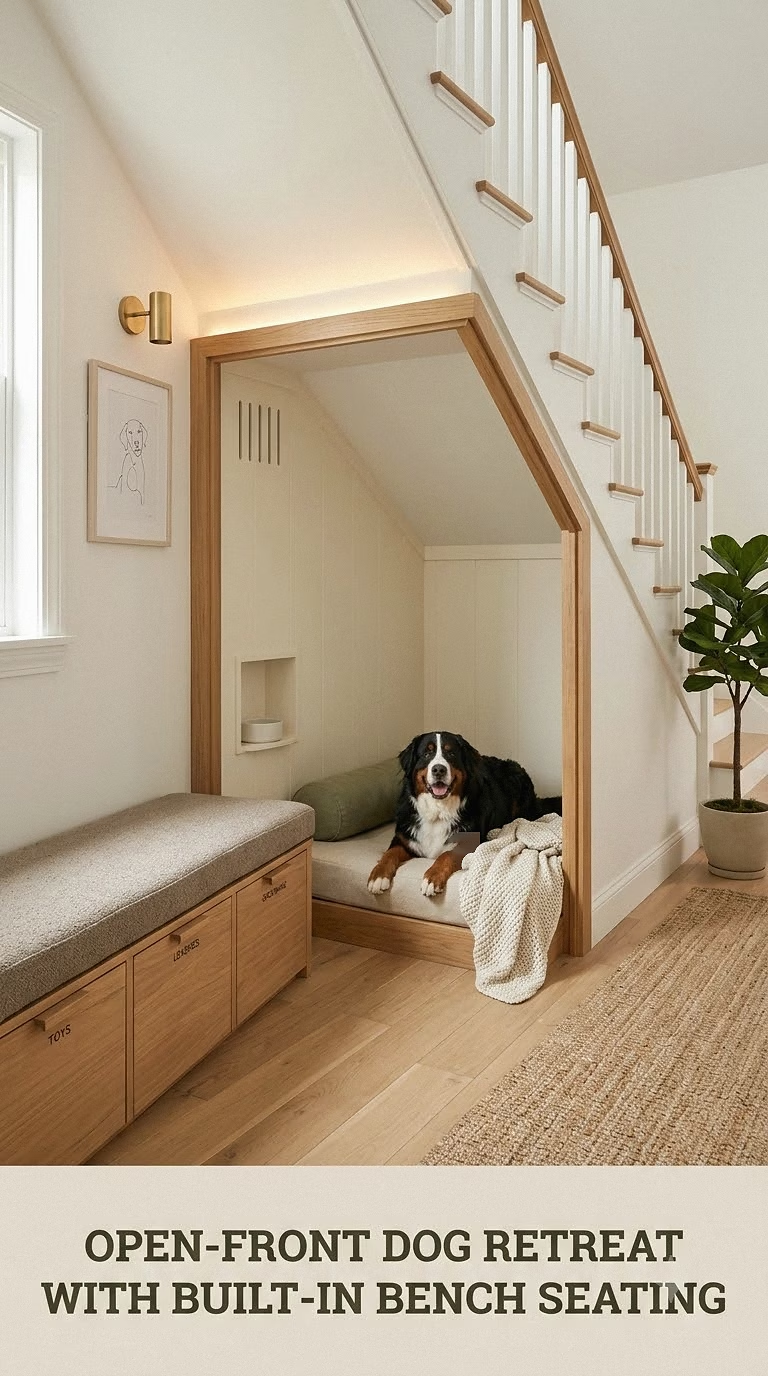
If your dog does not need a gated kennel, turn the understairs area into an open sleeping alcove. Build a cushioned platform into the widest section and leave the entire front open so your dog can enter and leave whenever they choose.
The platform can visually resemble built-in bench seating, particularly when finished with a tailored cushion and paneled wall behind it.
Use the narrow triangular section next to the bed for drawers or cabinets rather than trying to squeeze your dog into the lowest part.
This idea works beautifully for relaxed adult dogs that simply enjoy having a quiet personal spot.
It also keeps the staircase feeling visually open and avoids making a small hallway look crowded by bars or doors. Add one washable blanket and keep the remaining styling deliberately simple.
Hidden Kennel Cabinet With a Seamless Staircase Exterior
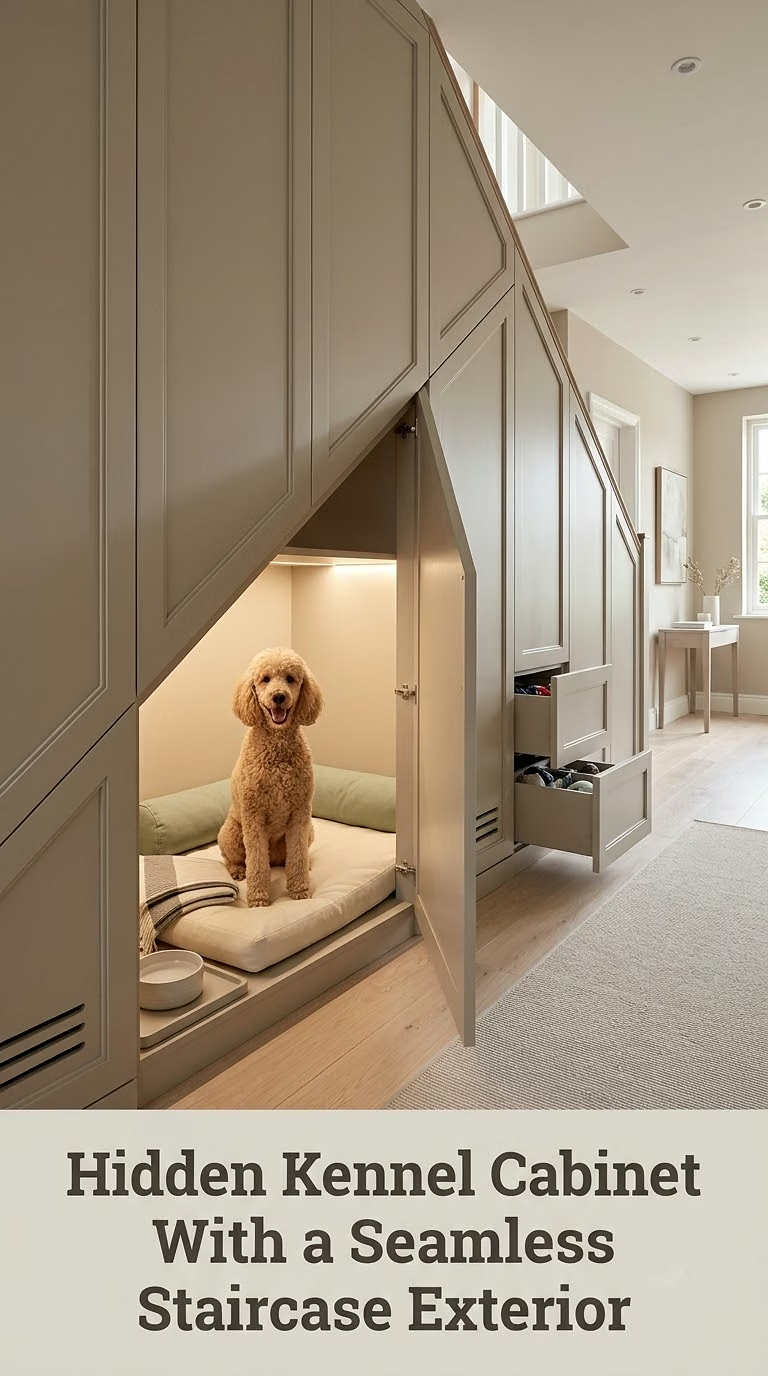
For a highly integrated look, design the kennel so its exterior resembles ordinary understairs cabinetry. Use matching shaker-style panels across the staircase wall, then incorporate a discreet ventilated kennel door into one section.
When viewed from across the room, the entire area appears like custom storage rather than obvious pet furniture.
Inside, however, prioritize the dog rather than the cabinetry. The enclosure needs suitable dimensions, reliable airflow, a comfortable floor, and an uncomplicated way to clean every corner.
Never create a completely sealed cabinet simply for the sake of achieving a seamless appearance.
Use perforated panels, secure slats, or appropriately designed ventilation openings where necessary. Airflow is a fundamental consideration for enclosed kennels and crates.
This design is particularly effective in polished contemporary homes where visible pet equipment would otherwise interrupt the room.
Cozy Neutral Kennel With Soft Lighting and Personalized Wall Art
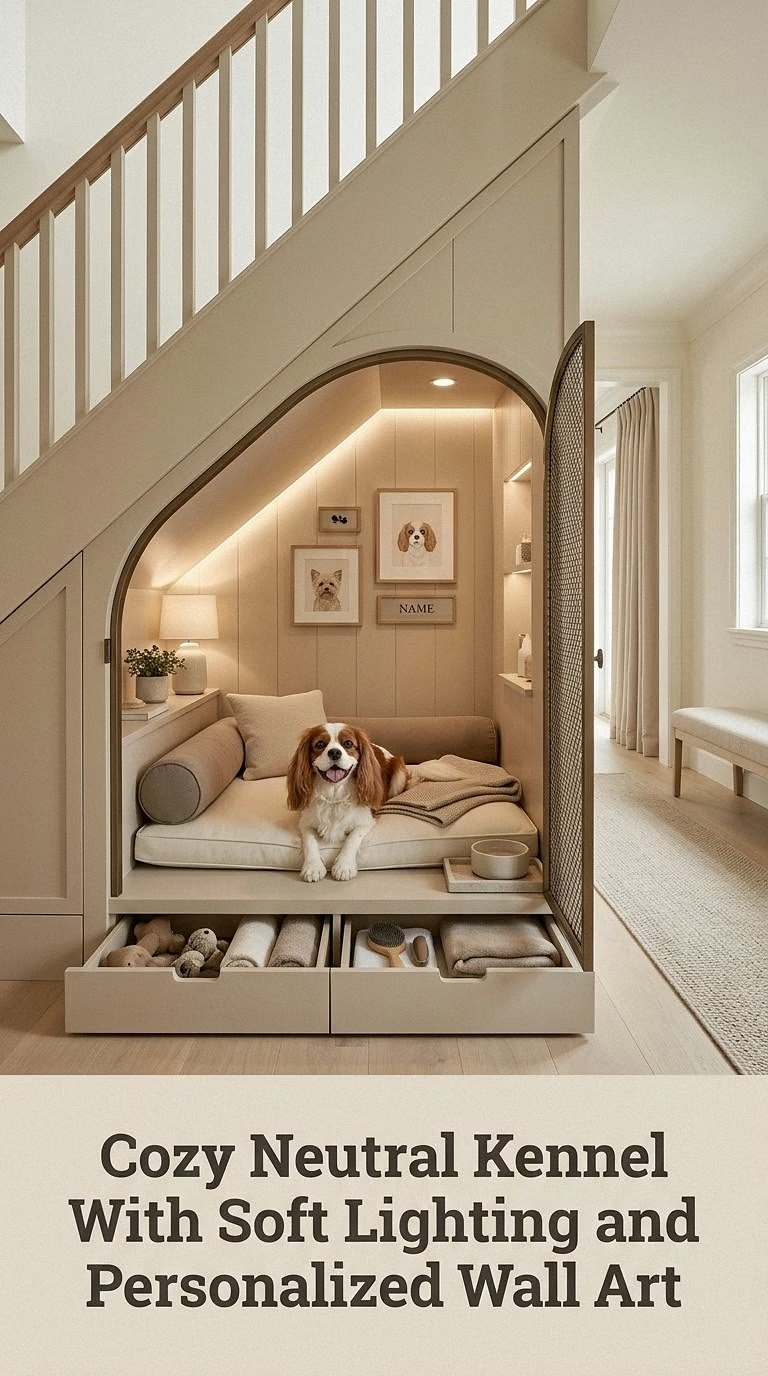
Sometimes the most Pinterest-worthy idea is also one of the simplest. Paint the nook warm beige or creamy white, add a perfectly fitted neutral cushion, and finish the entrance with natural wood trim.
A small framed illustration or personalized dog portrait outside the kennel gives the space character without filling the interior with objects.
For evening coziness, use subtle lighting installed where your dog cannot chew cords, reach bulbs, or disturb the fixture. Avoid portable heaters or other heat sources around bedding. Fire safety guidance for kennels emphasizes keeping flammable materials away from heating equipment and ensuring heat sources are properly maintained.
Add a small basket of favorite toys beside the entrance and coordinate the textiles with your living room. The result feels warm and personal without requiring a complicated renovation.
Creating the Perfect Understairs Dog Kennel for Your Home
The most successful understairs dog kennel ideas do more than turn unused space into something pretty. They create a comfortable retreat that feels naturally connected to both your dog’s daily routine and your home’s interior.
Start with your dog’s size, habits, and comfort before choosing the decorative style. Make sure there is enough usable room, ventilation, easy access, washable bedding, and a practical way to clean the enclosure. If the project involves altering walls, stair framing, electrical work, ventilation, or an existing enclosed understairs area, check local building requirements and bring in a qualified professional when needed.
After those essentials are covered, you can have fun with the design. Whether you love pale Scandinavian wood, cozy farmhouse shiplap, sophisticated walnut cabinetry, soft sage green, or an inexpensive DIY plywood nook, even a small area beneath the stairs can become one of the sweetest and most useful spaces in your home.
Choose the idea that feels right for your space and your dog, personalize it with a few thoughtful details, and save your favorite designs to Pinterest so you can return to them when you are ready to create your own cozy canine hideaway.
Source: https://petstutorial.com
Category: Dog Kennels Runs
