
A dog kennel does not have to look like a purely practical structure tucked away in the least attractive corner of the yard. With thoughtful landscaping, comfortable surfaces, attractive fencing, and a few carefully chosen garden details, it can become one of the prettiest and most useful parts of your outdoor space.
- 19 Hunting Dog Kennel Ideas for Beautiful, Practical Working-Dog Spaces
- 18 Dog Grooming Kennel Ideas for a Beautiful, Organized Pet-Care Space
- 20 Dog Pen Chicken Coop Ideas for a Beautiful and Pet-Friendly Backyard
- 18 Two Dog Kennel Ideas for a Cozy, Stylish, and Organized Home
- 19 Side Yard Dog Run Ideas for a Beautiful, Safe, and Practical Pet Space
The best dog kennel garden ideas balance two goals: creating a secure, comfortable place for your dog while making the kennel feel connected to the rest of your backyard design. Think leafy borders softening metal fencing, stepping-stone paths leading to a little cedar shelter, raised planters framing the entrance, or a shaded pergola that makes the entire setup resemble a miniature garden room.
You are reading: 19 Dog Kennel Garden Ideas for a Beautiful and Pet-Friendly Backyard
Whether you have a tiny side yard, a sprawling lawn, or a simple kennel that needs a makeover, these ideas offer plenty of inspiration. The key is to prioritize shade, fresh water, secure boundaries, good drainage, easy cleaning, and dog-safe landscaping before adding decorative touches.
Beautiful Dog Kennel Garden Ideas to Transform Your Backyard
Cedar Dog Kennel Surrounded by Soft Cottage Garden Planting
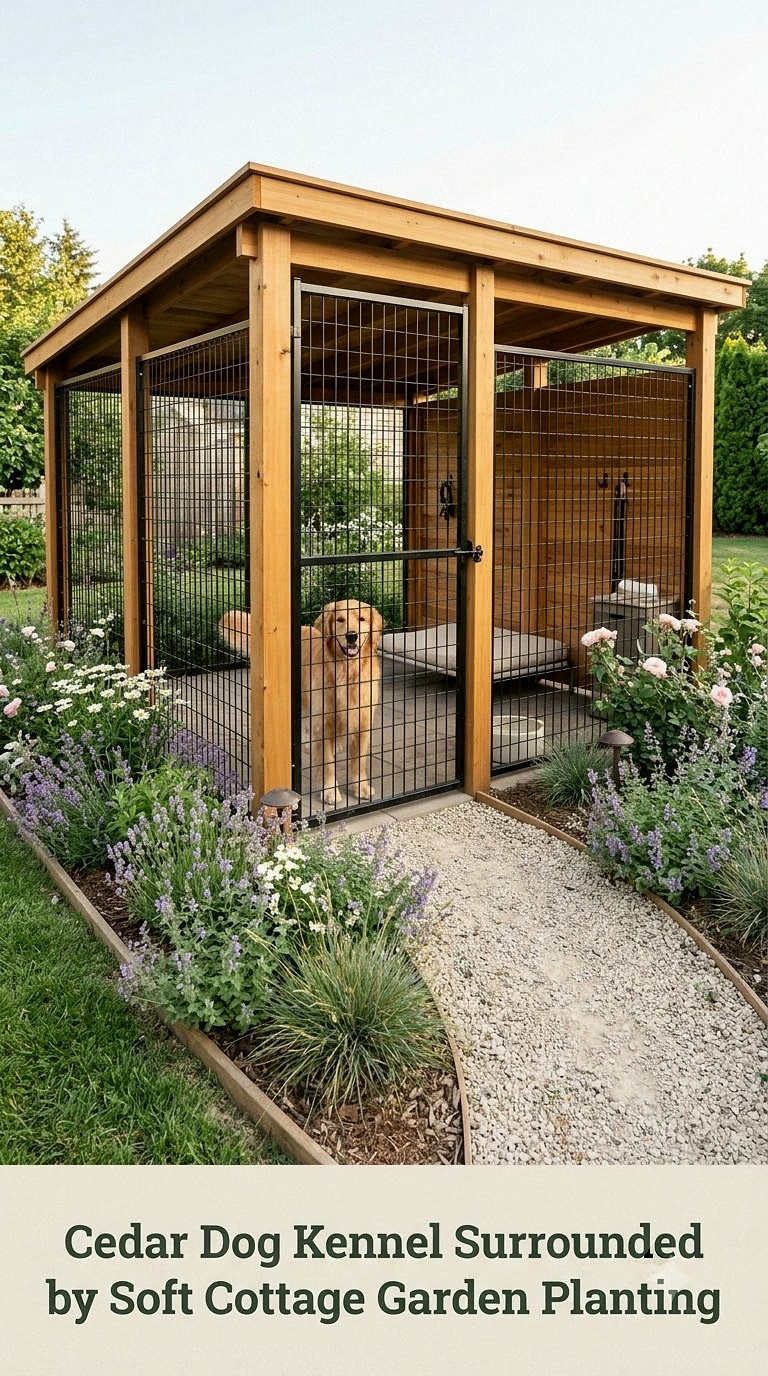
Turn a basic outdoor kennel into a charming cottage-style retreat by surrounding it with relaxed, layered planting. A warm cedar kennel looks especially beautiful beside soft green foliage, flowering borders, and a narrow stepping-stone path.
Keep most plants outside the actual enclosure so curious dogs cannot chew or dig around them. Choose plants only after confirming that they are non-toxic to dogs, and remember that even pet-safe plants are better treated as landscaping rather than snacks.
Natural timber, cream gravel, muted flowers, and slightly informal planting create the dreamy Pinterest look. Add a small wooden sign or weatherproof storage basket near the entrance for leashes and toys.
The kennel itself should remain practical. Leave plenty of open airflow, provide dependable shade, and choose a washable floor rather than allowing decorative planting to crowd the space. This keeps the garden lush without sacrificing comfort or cleanliness.
Modern Black Metal Kennel With Ornamental Grass Borders
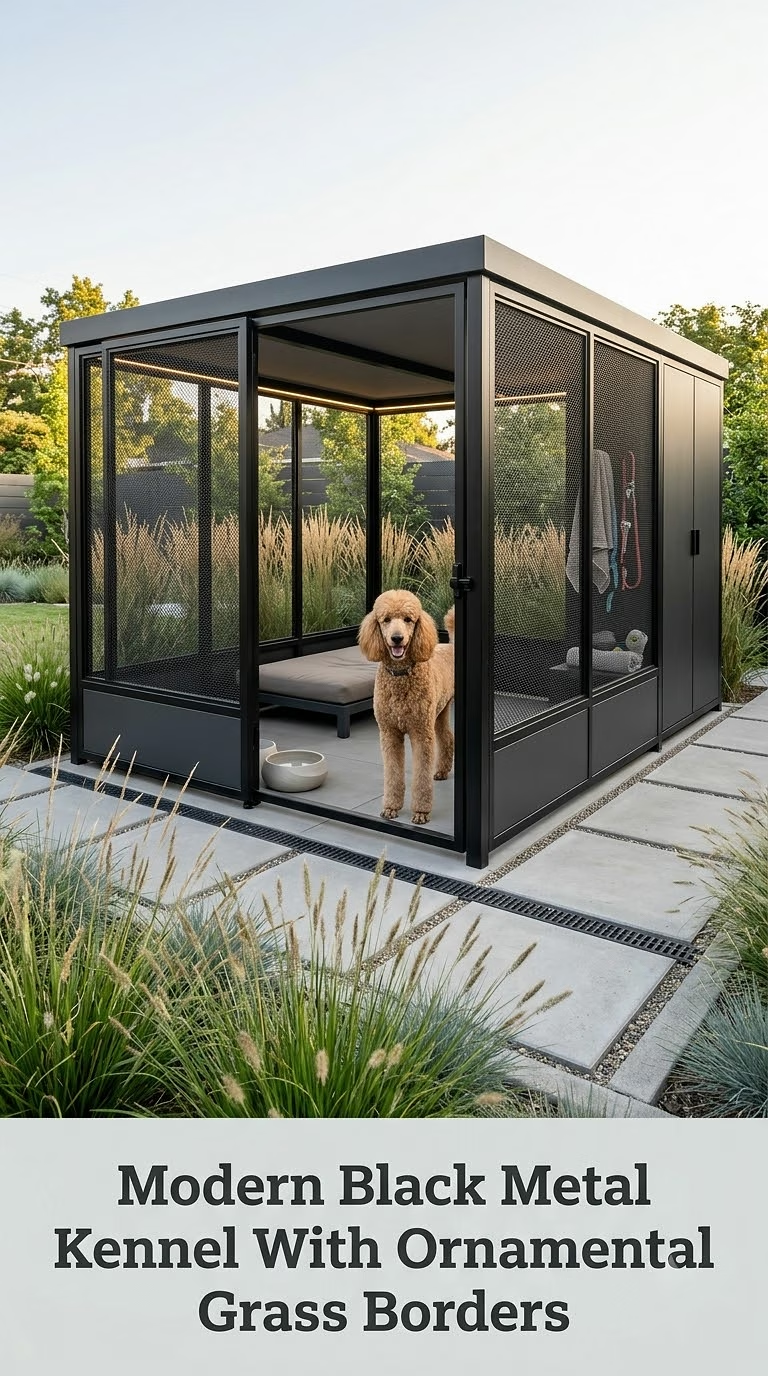
For a more contemporary backyard, pair slim black kennel panels with simple architectural landscaping. Large sweeps of dog-appropriate ornamental grasses can soften the strong lines of the enclosure while maintaining a clean, modern appearance.
Plant grasses outside the fence, leaving a maintenance strip between the vegetation and kennel panels. This makes cleaning easier and prevents stems from growing through the enclosure. It also reduces opportunities for your dog to chew plants.
Use large-format gray pavers or a smooth, well-draining surface around the entrance. A charcoal roof, black gate hardware, and pale timber accents create a sophisticated neutral palette that works beautifully beside modern homes.
Instead of filling every corner with plants, embrace negative space. Two or three carefully placed garden beds can look more polished than dense landscaping. The result is a kennel that feels almost like a professionally designed outdoor room rather than a separate utilitarian dog area.
White Farmhouse Kennel With Gravel Path and Raised Planters
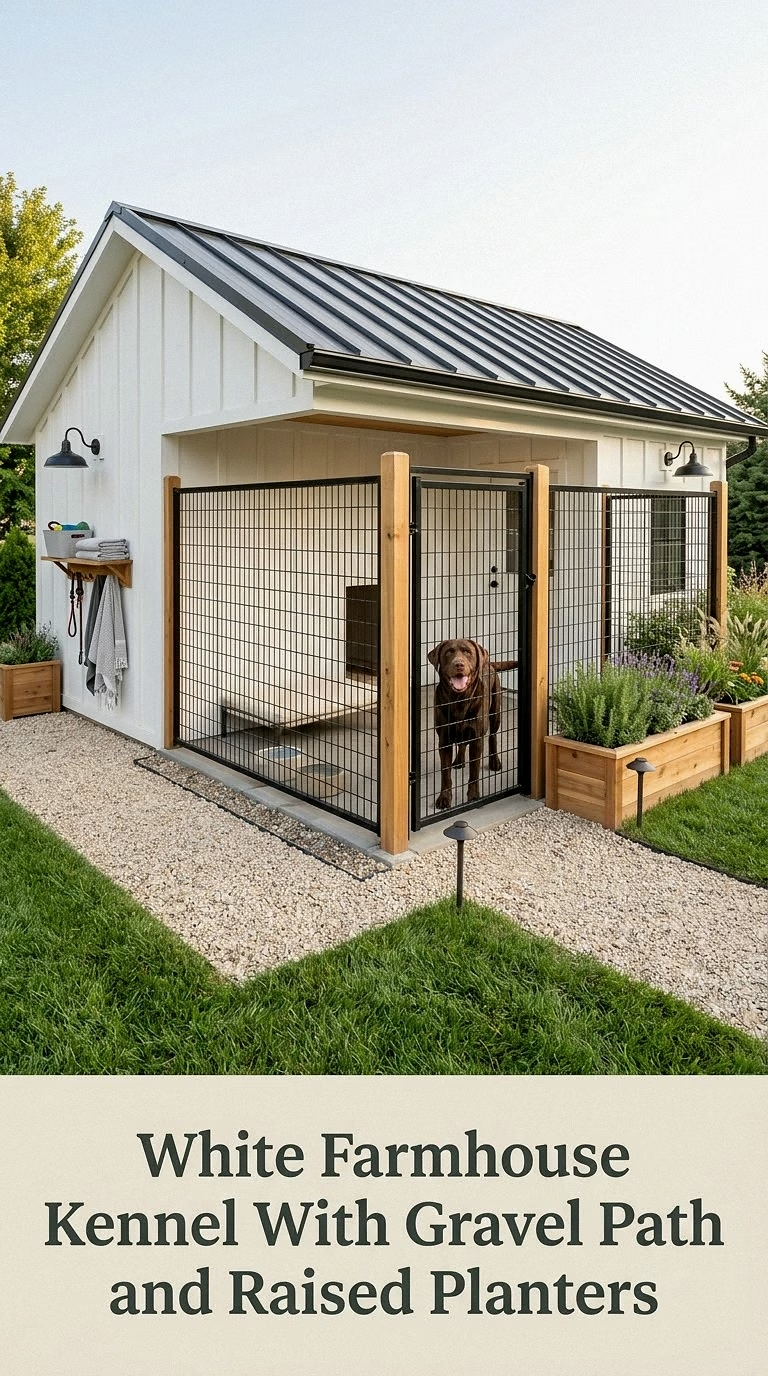
A white-painted kennel surrounded by natural timber details is perfect for a farmhouse-inspired garden. Add a pale gravel pathway leading from your patio or back door to make the structure feel intentionally connected to your home.
Place raised planter boxes outside the kennel rather than directly inside it. Simple rectangular beds filled with verified dog-safe plants can bring color and texture while protecting flowers from enthusiastic paws.
Black gate hardware creates beautiful contrast against white siding, while galvanized buckets or weatherproof containers can hold grooming supplies and garden tools nearby. Just keep fertilizers, pesticides, and other gardening products locked away where your dog cannot reach them.
For added charm, install a covered porch-like section at the kennel entrance. It provides useful shade while strengthening the miniature farmhouse appearance.
Choose gravel carefully if your dog tends to pick up or swallow stones. In those cases, paving or another stable surface around the dog-accessible portion of the kennel may be a better choice.
Shaded Pergola Kennel With Climbing Greenery Outside the Fence
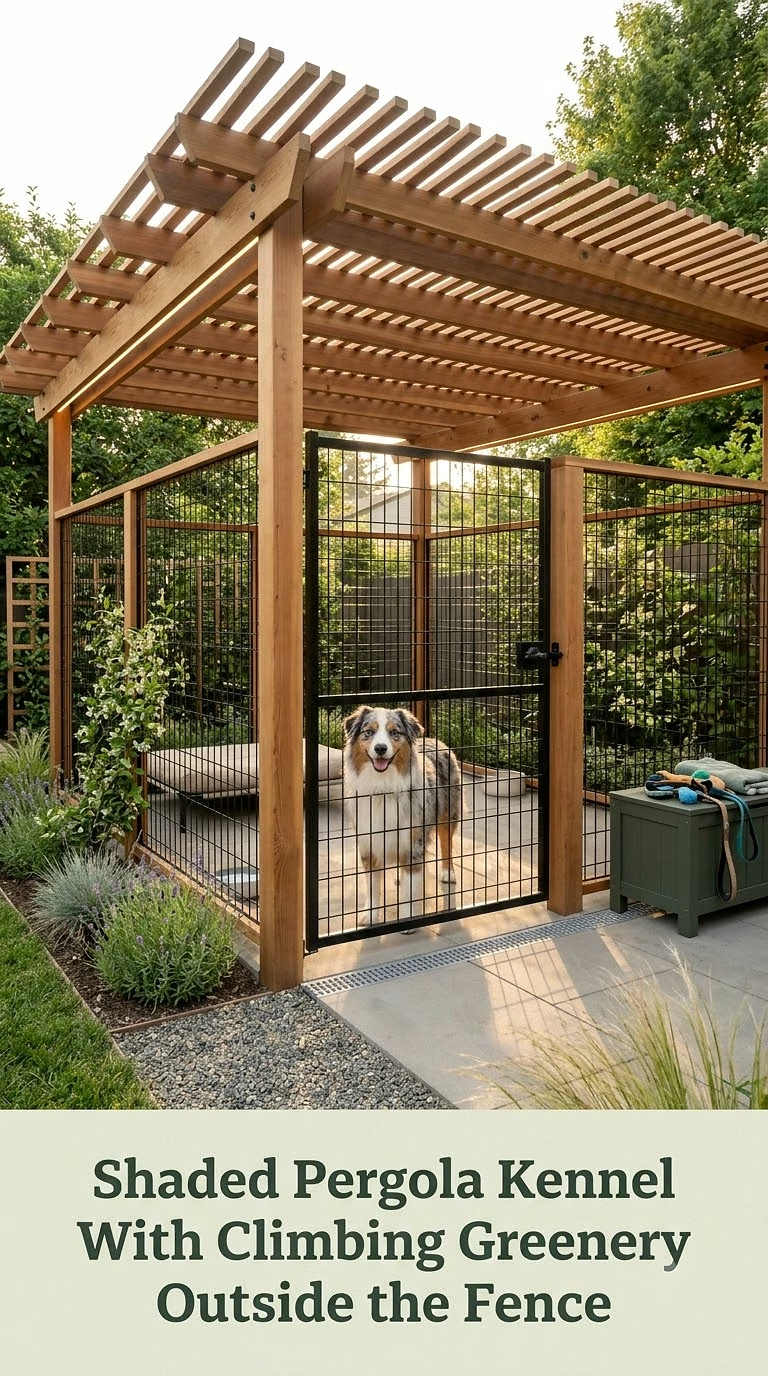
A pergola can instantly make a kennel garden feel more integrated and intentional. Build or position a simple timber pergola above part of the run so your dog has a reliably shaded resting area during sunny weather.
You can train suitable greenery along the outside of the structure to soften it visually, but keep foliage out of chewing range and confirm plant safety before planting. Star jasmine, for example, appears on the ASPCA’s non-toxic plant list, although individual dogs may still decide that digging around vines is irresistible.
Combine the pergola with a raised bed running along one side of the enclosure. A few oversized planters can achieve a similar effect in a rented home or a backyard where permanent landscaping is not practical.
Remember that shade moves throughout the day. A pretty pergola that provides morning shade may expose the kennel to strong afternoon sun, so check the space at different times before deciding where the covered zone should be.
Small Side-Yard Kennel With Vertical Garden Panels
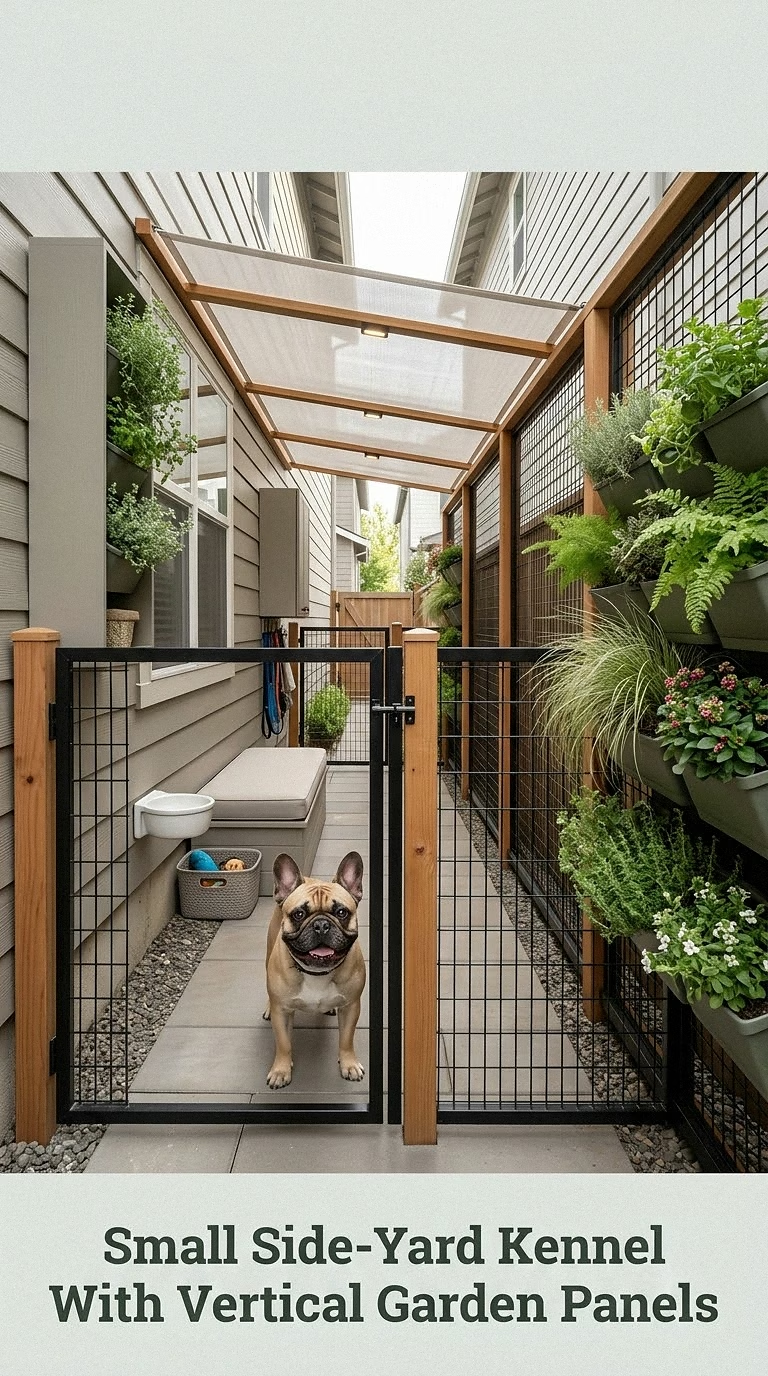
A narrow side yard can become an excellent dog zone when every inch is used thoughtfully. Position a slim kennel along one wall or fence and keep the layout linear so your dog still has room to walk, stretch, and turn comfortably.
Instead of sacrificing valuable floor space to garden beds, take the greenery upward. Wall-mounted planters or vertical garden panels positioned outside your dog’s reach can transform a plain fence into a lush backdrop.
Use a light-colored paved floor with proper drainage to make the narrow area easier to clean. Dark surfaces can become surprisingly hot in direct sun, so provide shade and check surface temperatures during warm weather.
A simple bench or narrow storage cabinet at the human entrance can hold towels, toys, and cleaning supplies.
Stick with a limited palette—perhaps natural wood, white walls, black kennel panels, and green foliage. Keeping the materials consistent makes a compact area look calmer, larger, and much more Pinterest-worthy.
Raised Wooden Kennel Deck With Built-In Planter Boxes
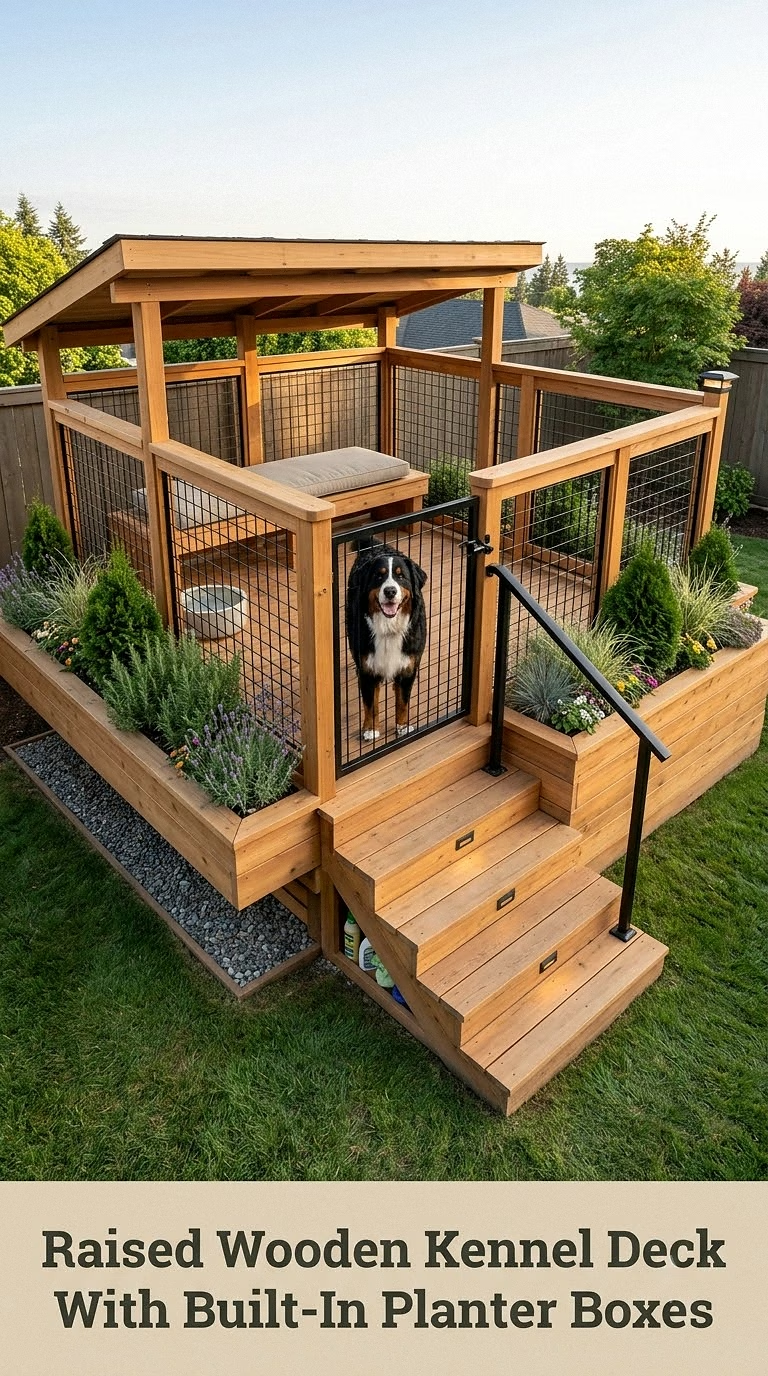
If your backyard tends to become muddy after rain, a slightly raised kennel deck can create a cleaner, more polished environment. Weather-resistant decking gives the enclosure a defined foundation while separating your dog’s resting area from damp ground.
Build planter boxes around the exterior perimeter rather than where your dog can chew the plants or soil. Matching the planters to the deck makes the entire installation look like one custom-built garden feature.
A black metal kennel frame pairs especially well with warm brown timber. Add a roof over one portion for shade and weather protection while leaving another section more open for fresh air.
When designing the deck, avoid gaps that could trap claws, and inspect timber regularly for splinters or damaged edges. The surface should also be easy to wash and should not become dangerously slippery when wet.
This approach works particularly well beside contemporary patios because the kennel can visually continue the home’s existing decking.
Minimalist Kennel Garden With Gray Pavers and Sculptural Greenery
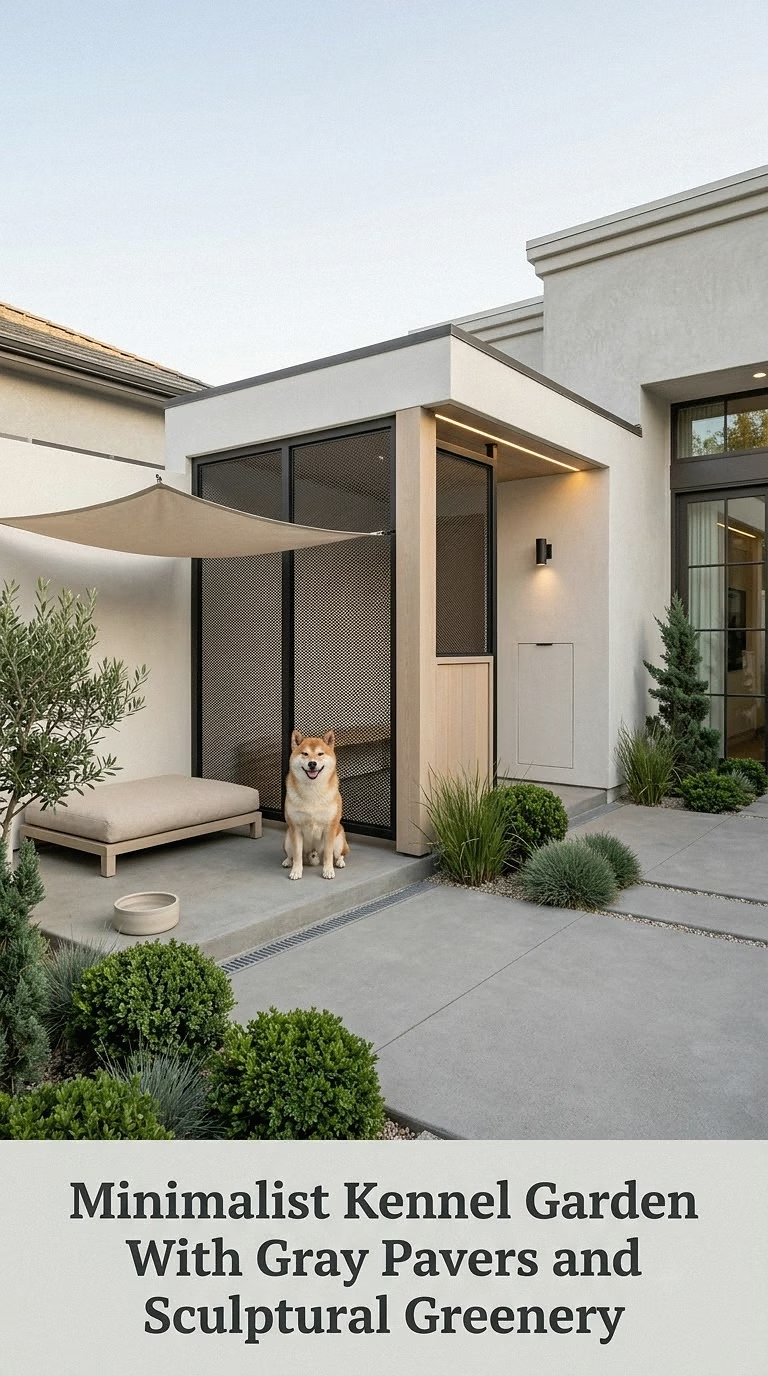
A minimalist design proves that a kennel garden does not need dozens of decorative details to feel beautiful. Start with large gray paving slabs, clean black fencing, and one compact timber shelter.
Then add only a few sculptural plants outside the enclosure. Repeating the same variety several times creates more visual impact than mixing numerous unrelated flowers.
Keep planting beds geometric and edges crisp. A narrow strip of gravel between beds and the kennel can provide separation and simplify maintenance, provided loose stones are not appropriate targets for your particular dog’s chewing habits.
A simple wall-mounted water station and hidden storage box can reduce clutter further.
This style is particularly attractive around modern architecture where busy cottage planting might feel out of place. It also tends to be easier to maintain because there are fewer plants dropping leaves or debris near the kennel.
The overall effect should feel calm, clean, and intentionally restrained.
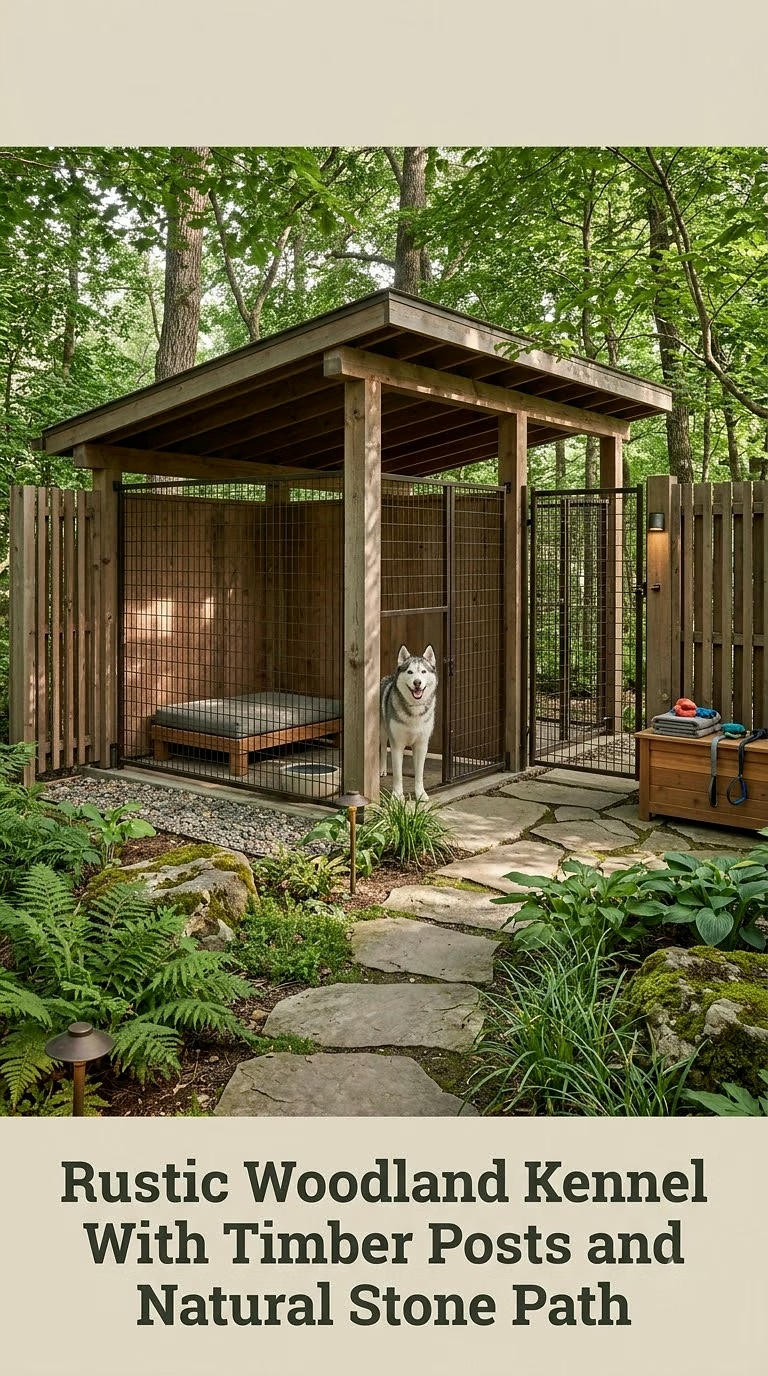
Rustic Woodland Kennel With Timber Posts and Natural Stone Path
Read more : 17 Dog Kennel Greenhouse Ideas for a Beautiful, Cozy, Pet-Friendly Backyard Retreat
For homes surrounded by mature trees, lean into the woodland atmosphere instead of trying to create a polished suburban kennel. Timber posts, wire panels, natural-looking paving, and earthy landscaping can help the enclosure disappear into the garden.
Create a winding path leading toward the kennel rather than a perfectly straight walkway. Large stepping stones surrounded by low planting or compacted material make the journey feel almost like a secret garden trail.
Use existing trees for visual character, but do not assume they provide adequate shade all day. A waterproof roof over part of the kennel is still valuable.
Avoid using sharp branches, unstable rock piles, or unknown wild plants inside the enclosure. Natural-looking design should never mean uncontrolled landscaping.
A little timber storage chest outside the gate completes the cabin-like aesthetic and gives you somewhere convenient to keep toys, brushes, spare leads, and cleaning equipment.
Mediterranean Kennel Courtyard With Terracotta Planters and Herbs
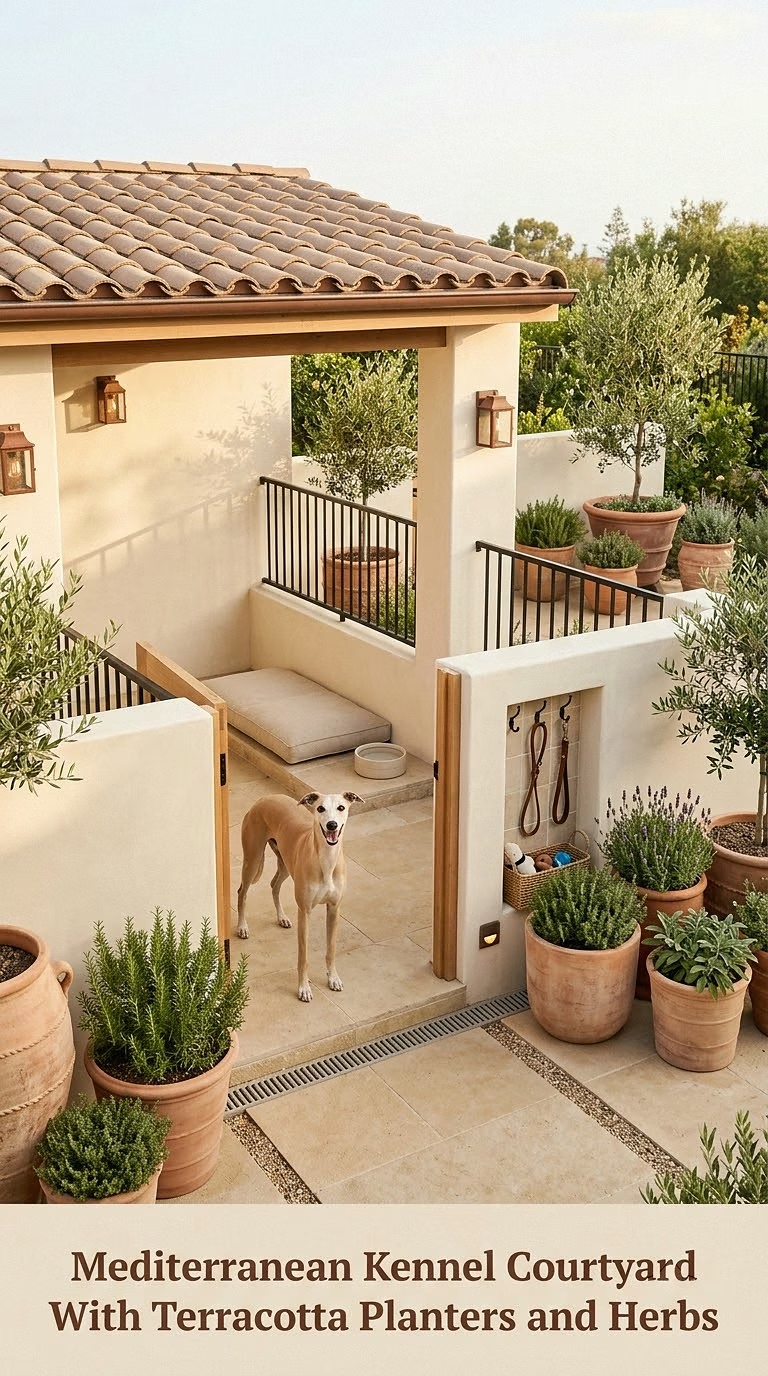
Give your dog’s kennel the feel of a sunny Mediterranean courtyard using warm terracotta, pale stone, cream walls, and aromatic greenery.
Rather than planting herbs directly inside the run, arrange pots outside the kennel panels or on raised shelves. Rosemary, basil, and certain types of sage can provide beautiful texture, but always verify the exact plant species before introducing it to a pet-accessible garden.
Use terracotta-look containers in several sizes and repeat them throughout the area. The warm color pairs beautifully with black metal fencing and pale gravel or stone paving.
A fabric shade sail or covered roof can help create the relaxed courtyard feeling while providing practical sun protection. Fresh water should always remain available in an easily accessible shaded location.
This is an especially appealing approach if your main patio already has Mediterranean styling because the kennel can become an extension of the same landscape rather than looking like a separate pet installation.
Secret Garden Kennel Hidden Behind a Living Privacy Border
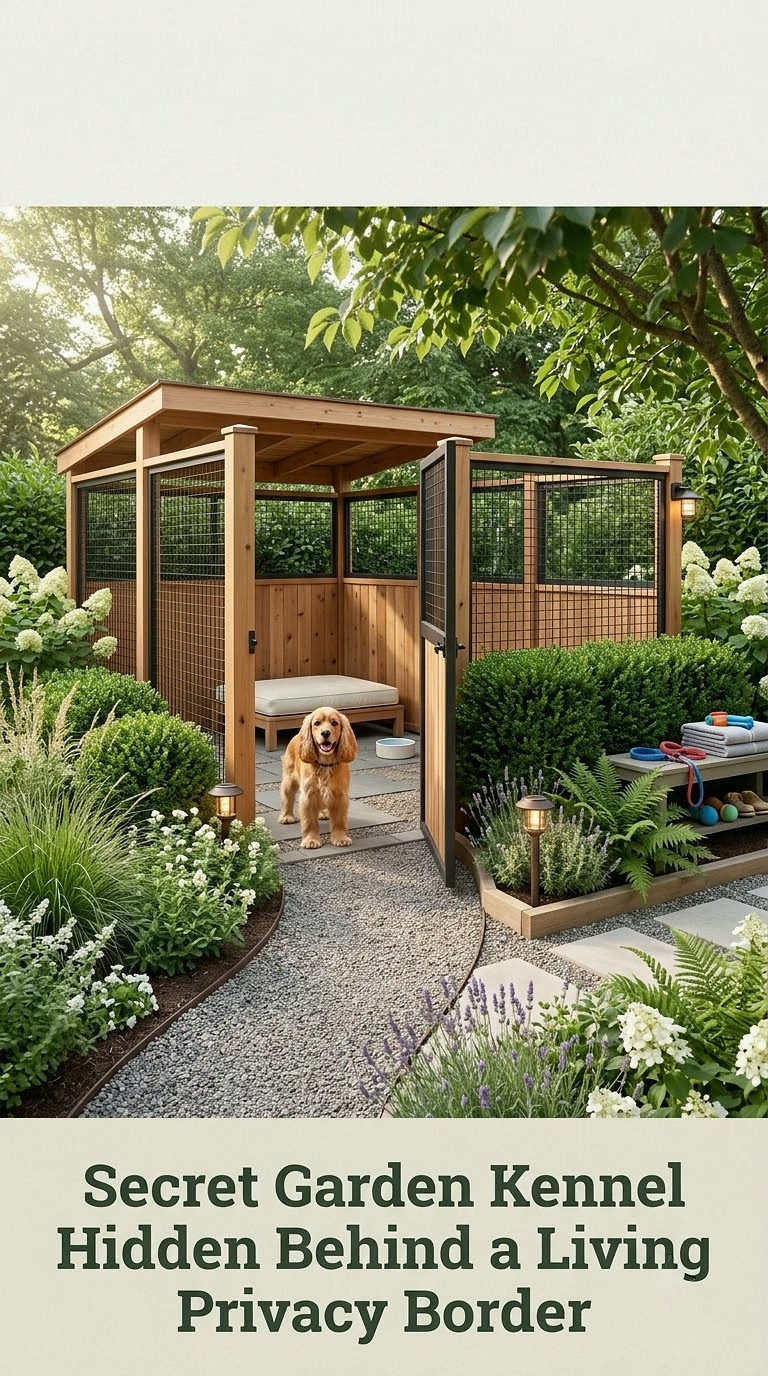
If you want your kennel to feel private without hiding it behind a solid wall, use landscaping to create a soft visual screen.
Plant a row of appropriate dense shrubs outside the kennel boundary, leaving enough distance for trimming and airflow. A planted buffer can soften views of the enclosure and may also reduce visual stimulation for dogs that become excited by every person, bicycle, or animal passing nearby.
Add an arched entrance or simple garden gate leading toward the kennel to strengthen the secret-garden atmosphere.
Inside, keep the design much simpler. A secure run, shaded bed, fresh water, and easy-clean surface are more valuable to your dog than dense decorative landscaping.
This contrast works beautifully: lush greenery surrounds the kennel from the human perspective, while the dog enjoys an uncluttered interior.
For dogs that patrol fences obsessively, reducing sightlines can make the garden arrangement practical as well as attractive.
Budget-Friendly DIY Kennel With Timber Screening and Simple Planters
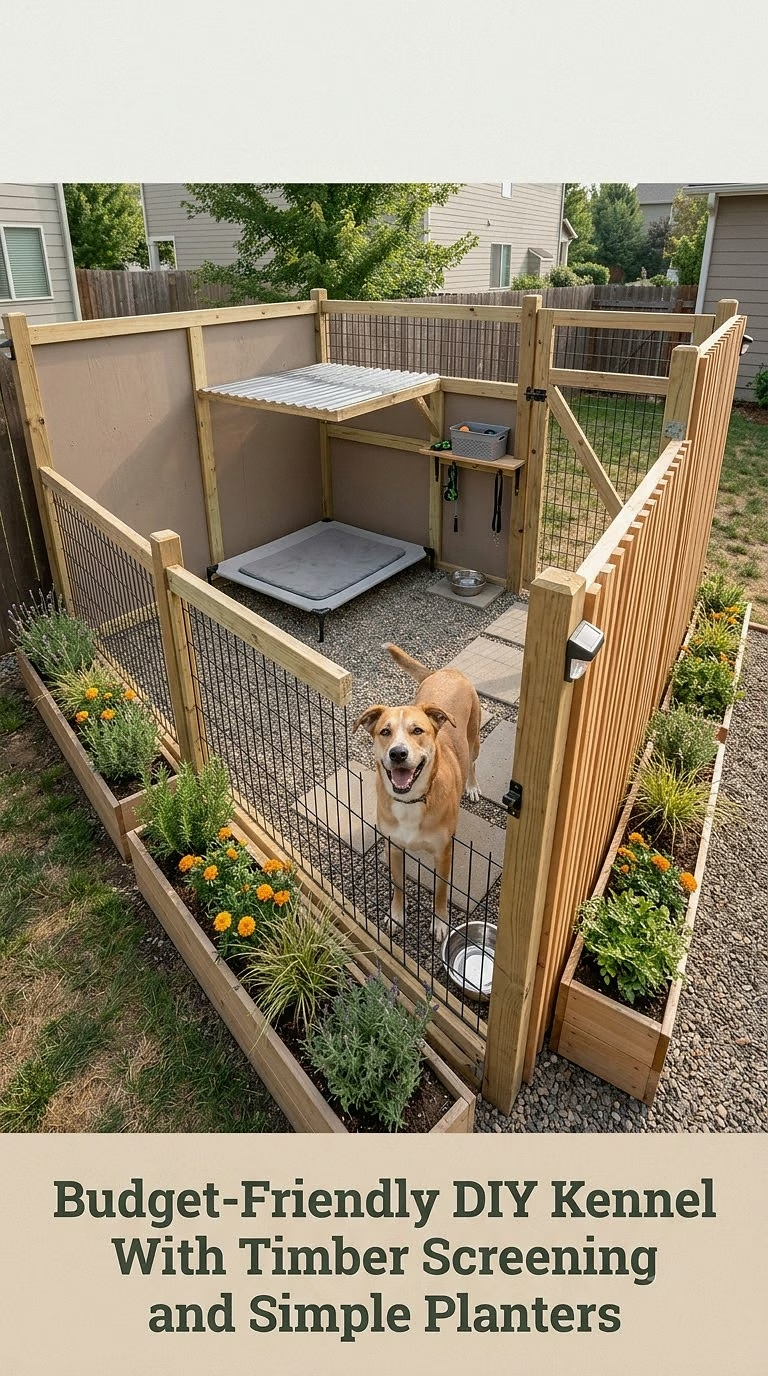
You do not need expensive custom landscaping to make a kennel blend into your garden. A few coordinated DIY improvements can dramatically change its appearance.
Start by cleaning and repairing the existing enclosure. Add timber screening to selected exterior sections for warmth and privacy, making sure nothing creates footholds that could help a climbing dog escape.
Build simple rectangular planter boxes from exterior-grade material and position them outside the kennel. Paint or stain the boxes to match nearby fencing for a custom look.
Instead of purchasing dozens of decorative accessories, repeat just two or three materials throughout the design. Black metal, warm timber, and greenery are an easy combination that looks surprisingly polished.
Spend your budget first on safety essentials such as secure gates, roofing, drainage, and appropriate flooring. Decorative additions can happen gradually.
A thoughtfully refreshed kennel often photographs better than an expensive setup filled with unrelated accessories.
Sensory Kennel Garden With Raised Herb Beds and Sniffing Zones
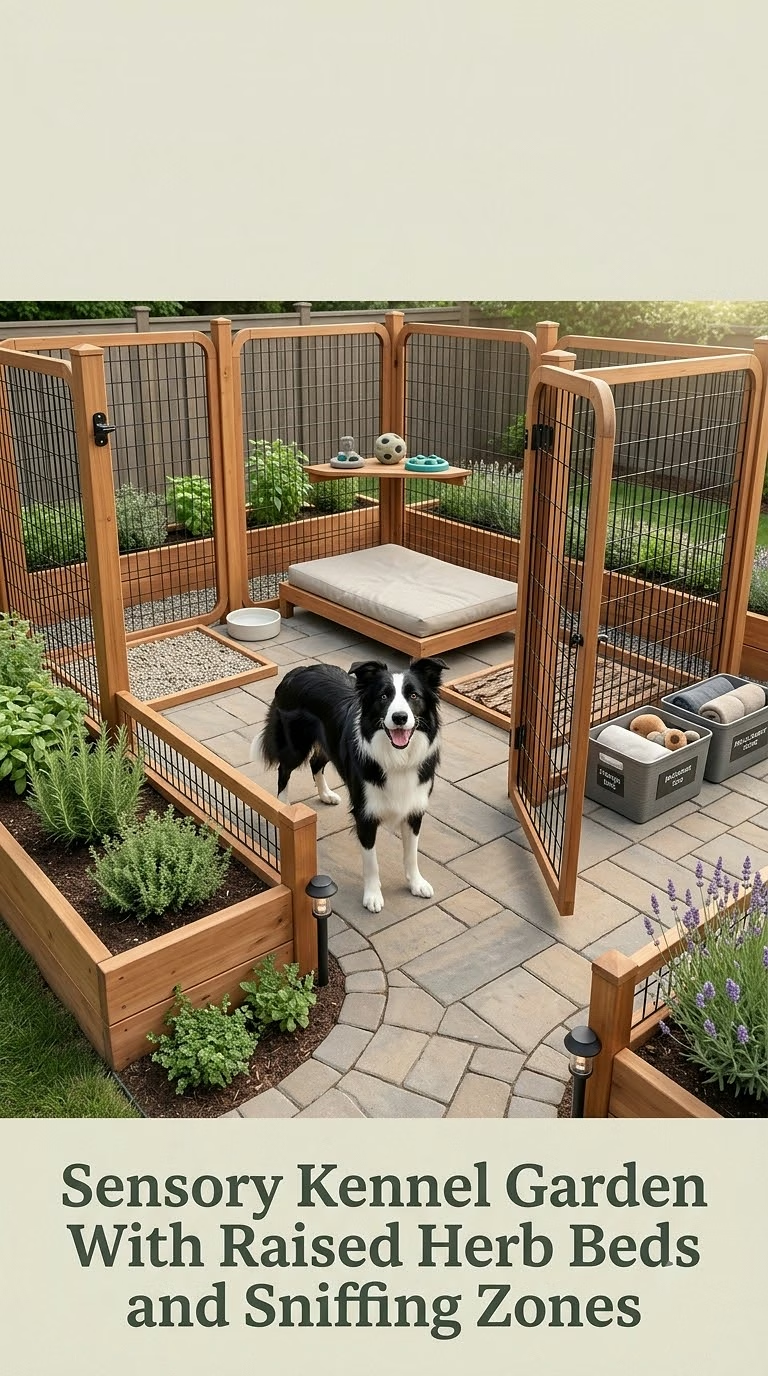
A kennel garden can offer more than a pretty view. You can create an enriching outdoor environment that gives your dog opportunities to sniff, explore, and interact with different textures.
Place raised beds containing carefully verified dog-safe herbs outside the kennel edge where scents can drift into the space without allowing unlimited chewing. Nearby planters and textured pathways can add additional sensory interest.
Inside the enclosure, rotate sturdy toys, food puzzles, or other appropriate enrichment instead of permanently cluttering the floor.
You can also create a small supervised sniffing area adjoining the kennel where your dog can investigate different safe natural smells.
Avoid adding strongly scented chemical products simply to make the garden smell attractive. Natural planting is enough.
Most importantly, remember that a beautiful kennel cannot replace walks, play, companionship, and exercise. Think of the sensory garden as an additional outdoor experience rather than your dog’s entire world.
Mud-Free Kennel Garden With Permeable Pavers and Drainage Borders
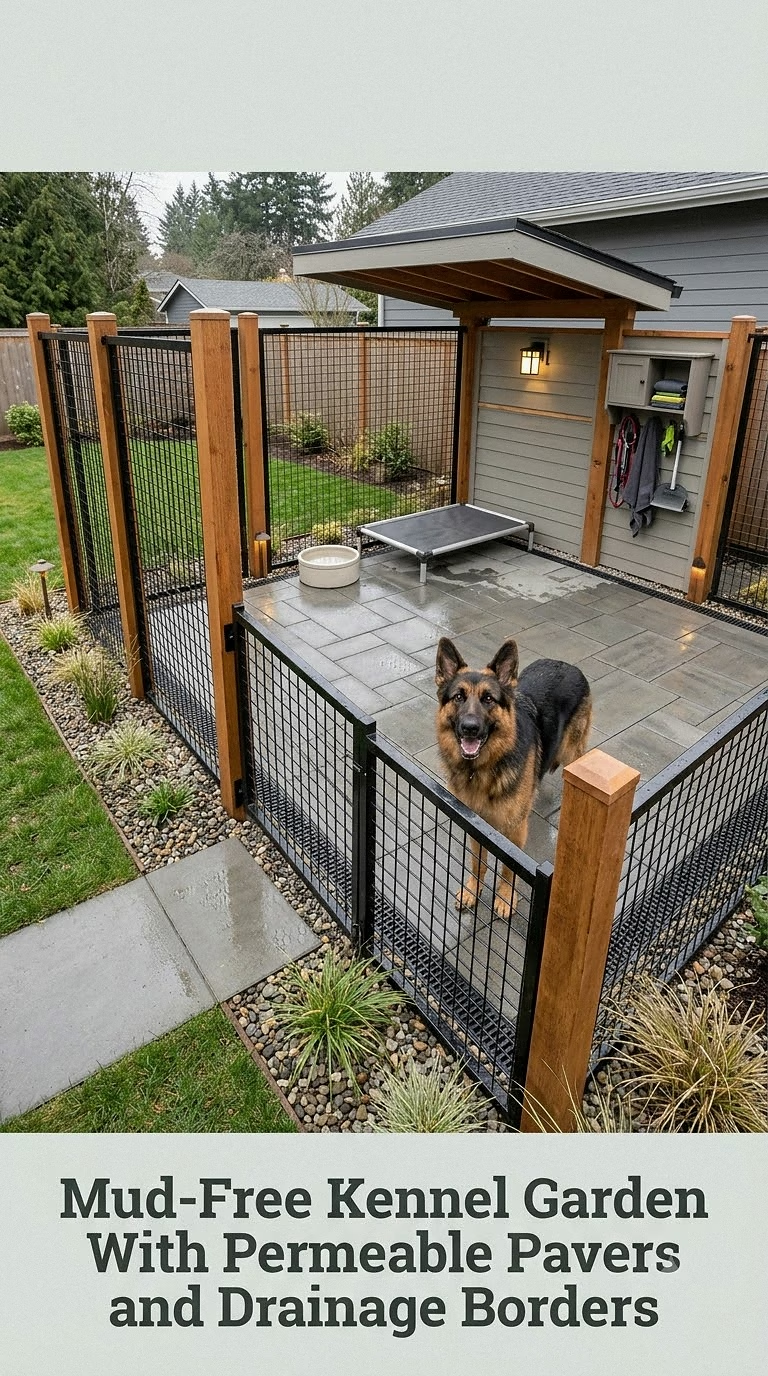
Anyone dealing with muddy paws will appreciate a kennel designed around drainage from the beginning.
Use stable, washable paving or another suitable well-draining surface in the high-traffic portions of the enclosure. Create a subtle slope so water moves away rather than pooling around beds, shelters, or gates.
A narrow drainage border along the exterior can be landscaped with greenery to disguise its practical purpose. Decorative planting softens the hardscaping while keeping soil away from the areas your dog uses most.
For visual warmth, combine cool gray pavers with timber fencing or a cedar dog house.
Pay attention to surface temperature as well as drainage. Some hard materials become extremely hot in direct summer sun. Shade part of the floor and test surfaces before letting your dog remain outside during warm weather.
This design is particularly useful in rainy climates or for dogs that somehow manage to bring half the backyard into the house.
Garden Kennel With a Dedicated Digging Corner
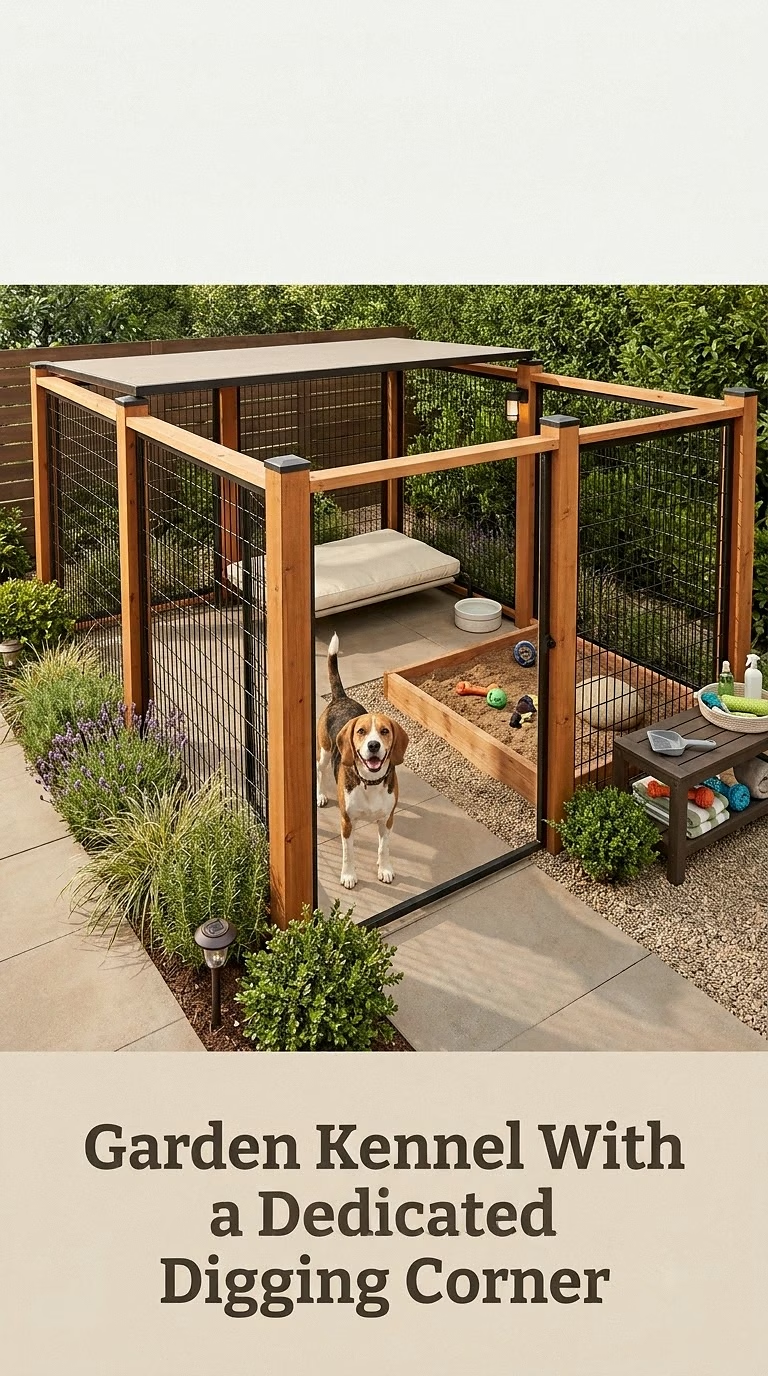
If your dog loves digging, fighting that instinct everywhere in the backyard can become frustrating. A better option for some dogs is to create an approved digging area.
Build a shallow timber-bordered digging zone in a supervised portion of the kennel garden and fill it with an appropriate material chosen for your dog. You can occasionally hide toys near the surface to encourage use of the designated spot.
Read more : 18 Dog Kennel Roof Ideas for a Stylish, Safe, and Weather-Ready Outdoor Space
Surround the rest of the enclosure with more durable surfaces and protect garden beds with fencing or raised edges.
For determined escape artists, pay particular attention to the actual kennel perimeter. Dig-proof barriers or securely designed footings may be necessary because a recreational digging pit should never make escaping easier.
Style the zone so it looks intentional. Matching timber edging, a nearby toy-storage box, and a few exterior plants can make what sounds like a messy dog feature blend beautifully into a landscaped backyard.
Garden Shed and Dog Kennel Combination With Hidden Storage
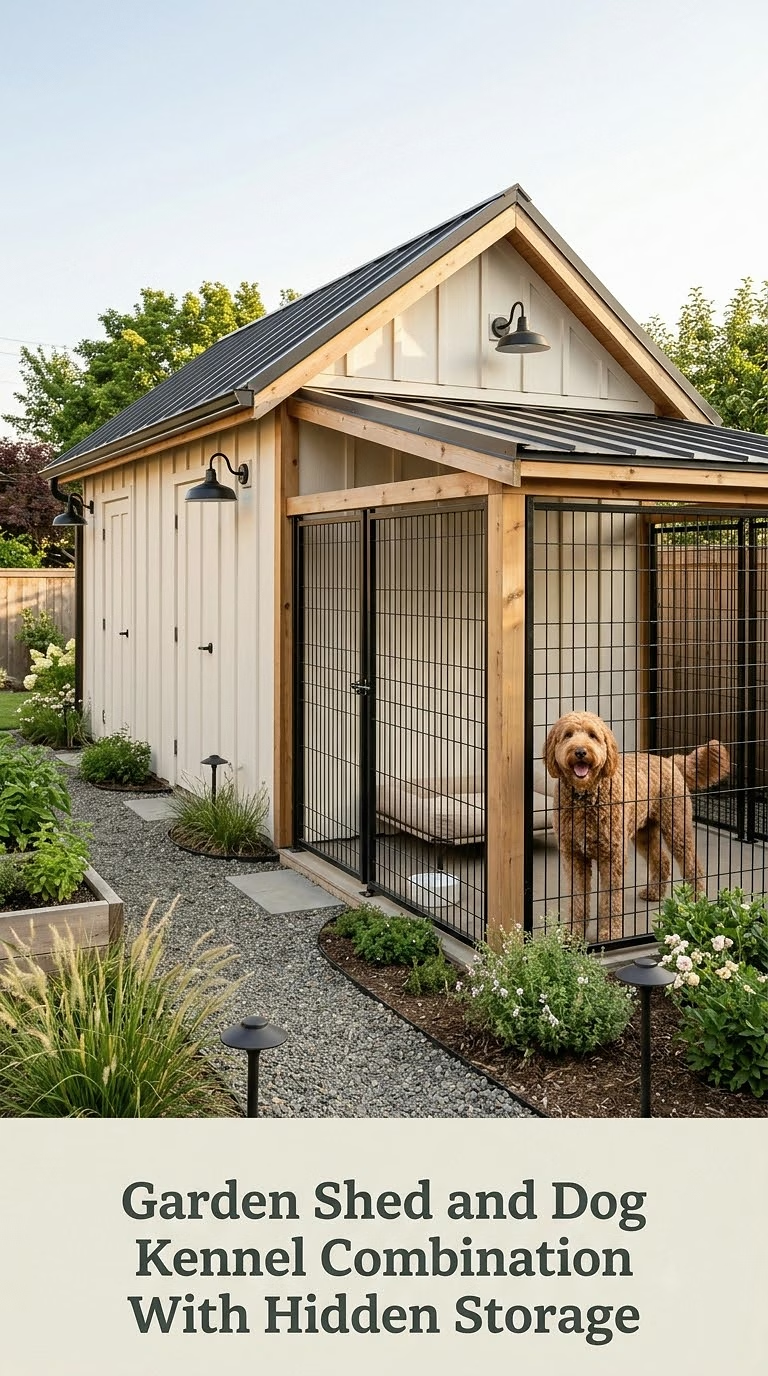
Combining a small garden shed and kennel can solve several backyard problems at once. One structure stores tools and pet supplies while an attached covered run gives your dog a protected outdoor area.
Use matching siding and roofing across both sections so they look like one miniature outbuilding. Sage green, charcoal, cream, and natural timber are particularly attractive garden palettes.
Keep garden chemicals, fertilizers, pesticides, sharp tools, and compost securely separated from the dog area. A locked internal storage compartment is much safer than leaving supplies on open shelving beside the kennel.
Add exterior planter boxes or a narrow flower border around the shed side, keeping potentially tempting materials outside your dog’s access.
This multifunctional idea works well in small gardens because it eliminates the visual clutter created by separate sheds, kennels, storage boxes, and equipment.
The finished building can look remarkably similar to a tiny backyard cottage.
Corner Kennel With Curved Garden Borders and Layered Greenery
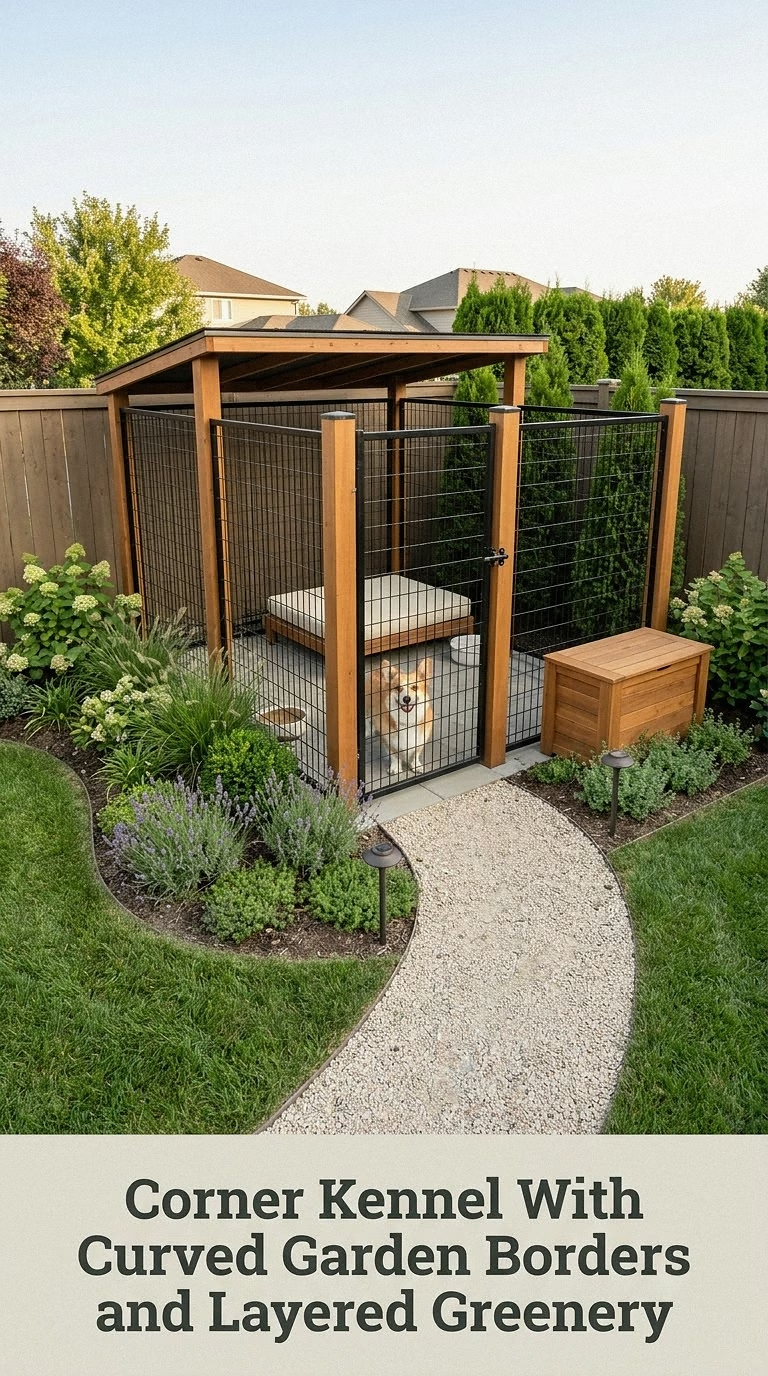
Hard rectangular kennel panels can sometimes feel awkward against a soft landscape. Curved planting beds are an easy way to visually soften them.
Place the kennel in a protected backyard corner and create sweeping garden borders around its outer sides. Use taller greenery toward the back and lower plants near pathways to produce attractive layers.
A gently curved stepping-stone path can lead toward the gate, helping the kennel feel like a destination within the garden.
Keep vegetation far enough from the fencing that your dog cannot use shrubs as climbing assistance or chew whatever grows through the panels.
This is also a clever way to disguise unused corners where a standard rectangular lawn layout feels boring.
Choose repeating plant shapes and colors rather than filling the beds randomly. A restrained planting scheme creates a more professionally landscaped look while still giving you plenty of texture around the kennel.
Covered Rainy-Climate Kennel With Gutter Garden Planting
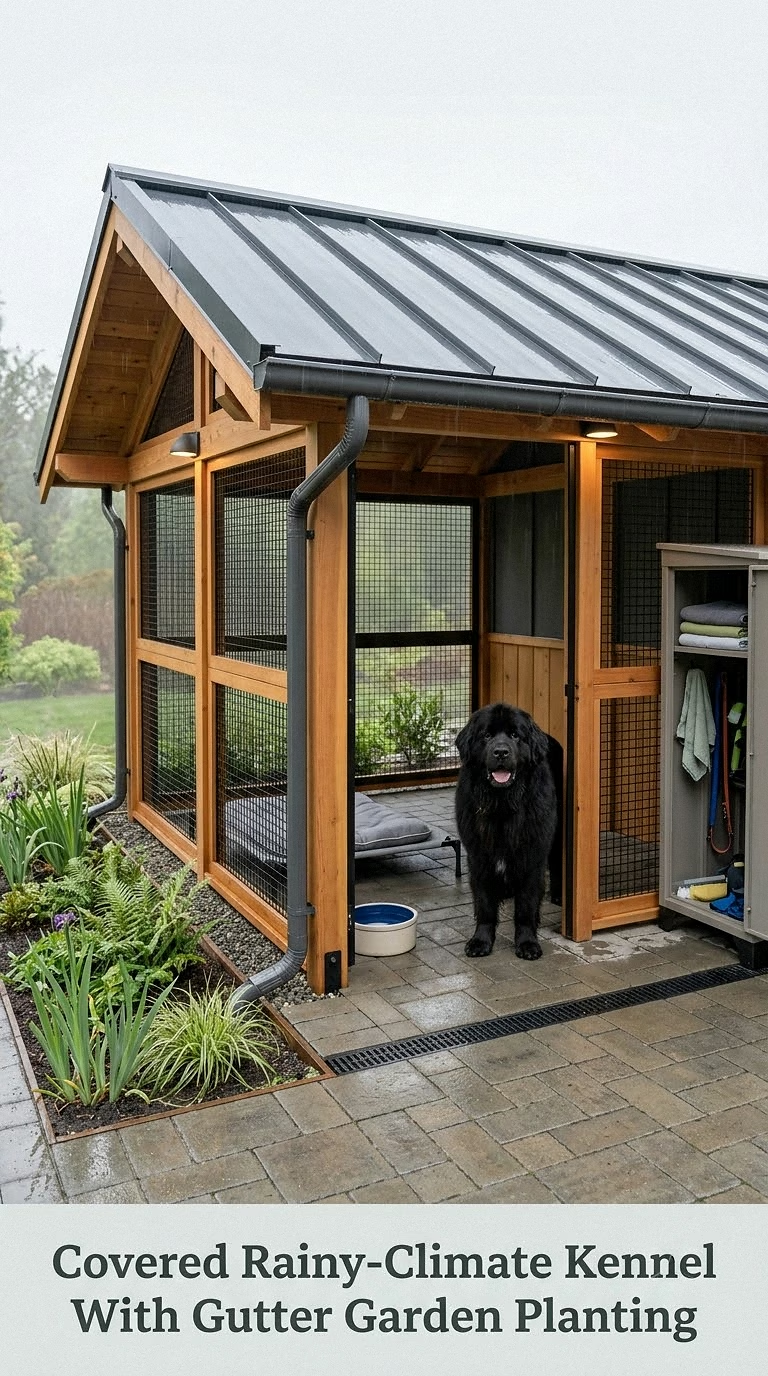
In wet climates, roofing can make an enormous difference to how usable and clean a kennel remains. Cover a generous portion of the run while preserving good ventilation along the sides.
Add guttering that carries roof runoff away from the kennel rather than allowing water to pour beside the gate. The redirected water can feed an appropriate planted area located safely outside the enclosure.
Use moisture-resistant materials and a raised sleeping surface so bedding stays away from damp flooring.
Visually, this practical structure can still feel garden-friendly. Paint roof supports to coordinate with your home, then soften the outer perimeter with low planting and a paved approach.
Good drainage is especially important around entrances, where repeated foot traffic quickly turns wet soil into mud.
The result is a cozy garden kennel that continues to function during rainy seasons instead of becoming an area everyone—including the dog—would rather avoid.
Cozy Evening Kennel Garden With Warm Solar Lighting
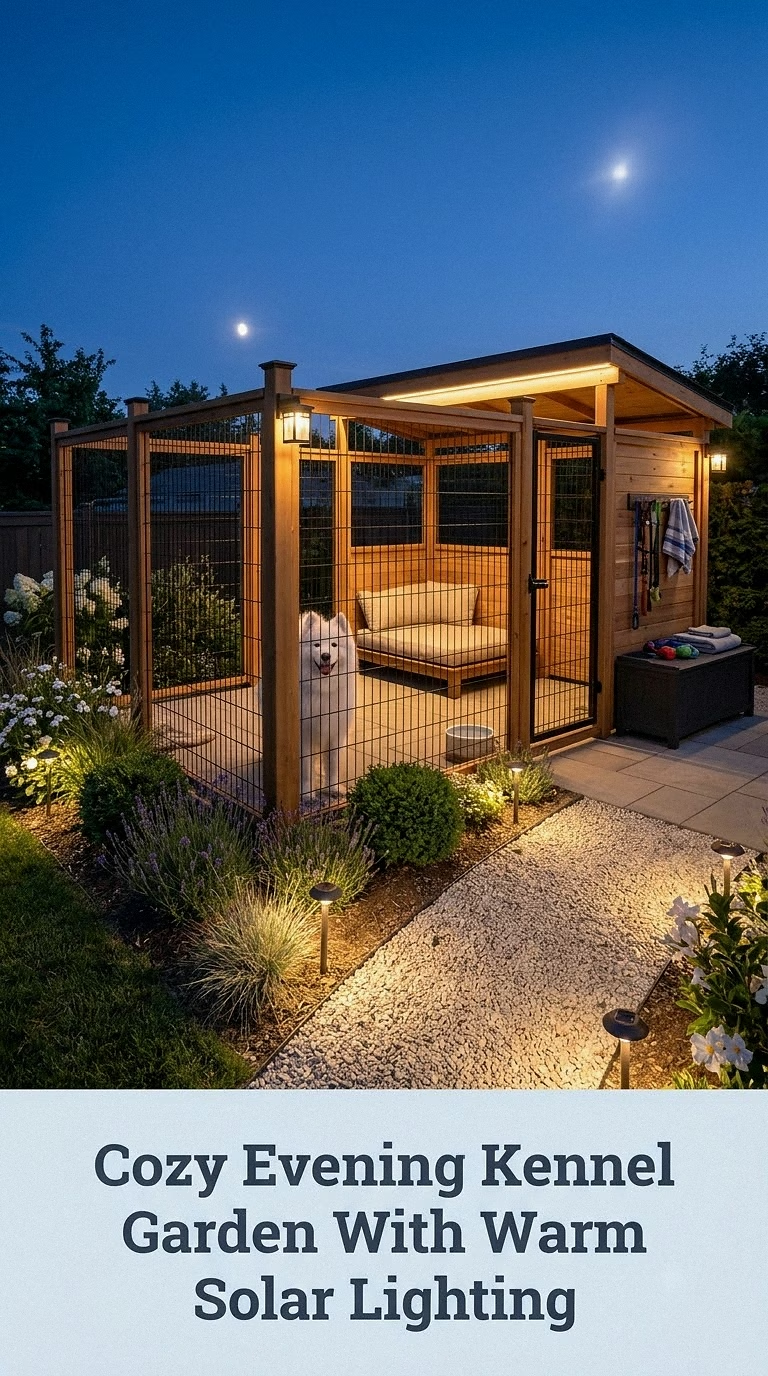
A little lighting can transform a kennel garden after sunset and make evening trips outside more pleasant.
Install warm, low-level solar lights along the pathway rather than placing bright fixtures directly inside your dog’s resting space. A softly illuminated gate, stepping-stone path, and nearby planting can create a beautiful garden-room atmosphere.
Keep cables, batteries, and small detachable components completely inaccessible to your dog. Lights mounted outside the enclosure are generally easier to protect and maintain.
Pair the lighting with warm timber, dark fencing, and simple foliage for an especially cozy look. You do not need dozens of lights—just enough to safely see the walkway and gate.
Avoid keeping the kennel brightly illuminated throughout the night. Dogs need opportunities for normal rest, so the goal is practical ambient lighting when you are using the garden, not turning the kennel into a permanently glowing display.
Seasonal Kennel Garden With Changeable Exterior Planter Boxes
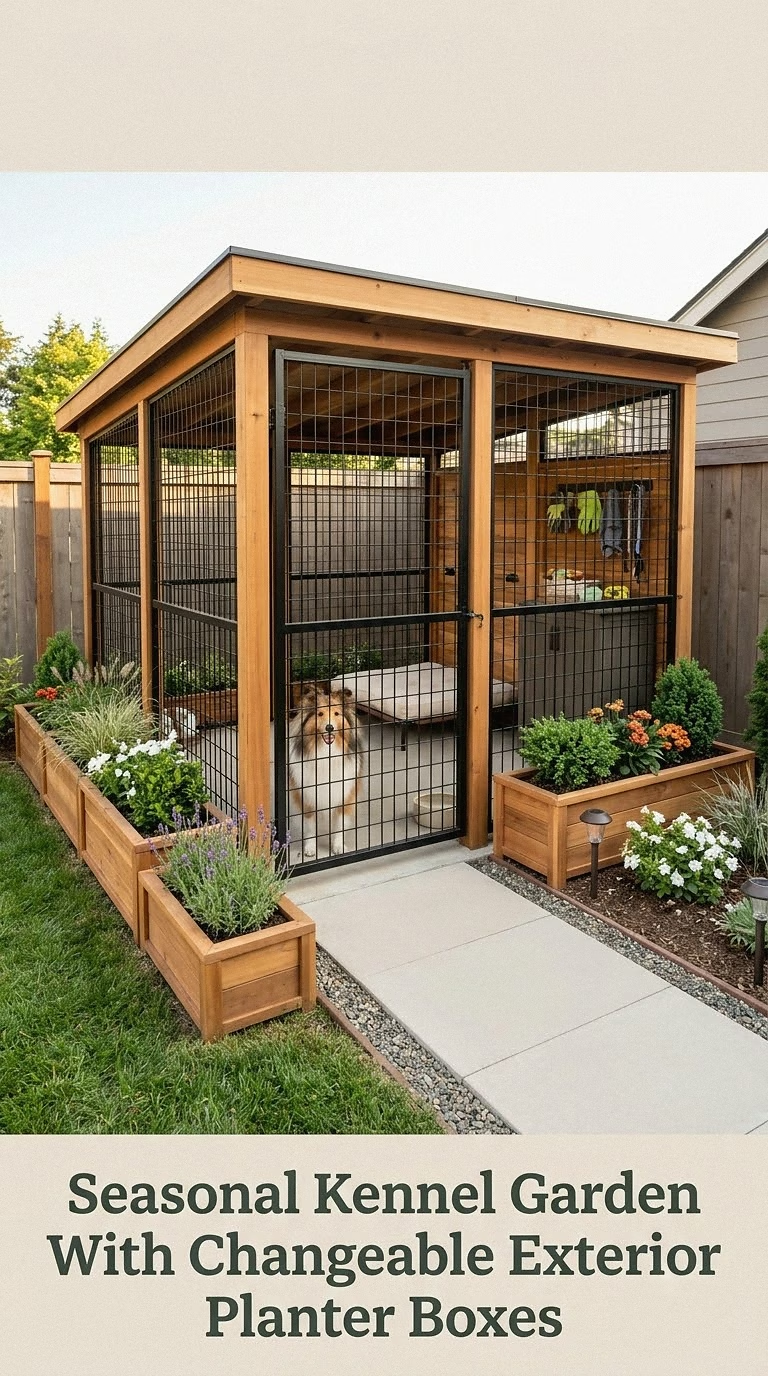
If you love refreshing your backyard throughout the year, keep the permanent kennel simple and let exterior planters provide seasonal personality.
Attach planter boxes to the outside of a nearby fence or place large pots beyond your dog’s reach. You can change the arrangement as seasons shift without rebuilding the enclosure itself.
Choose every new plant carefully rather than assuming popular seasonal flowers are pet-safe. Many familiar garden favorites can be toxic to dogs, so checking a reliable veterinary plant database before buying is worthwhile.
You can change non-plant elements too. Swap weatherproof cushion covers, refresh a garden sign, or change decorative pots while keeping the kennel’s basic materials consistent.
A neutral foundation—such as black metal, cedar, cream paving, and green foliage—makes seasonal updates easy.
This approach is ideal for Pinterest lovers because the same kennel can take on a fresh appearance several times a year without expensive structural changes.
Creating Dog Kennel Garden Ideas That Work for You and Your Pet
The most successful dog kennel garden ideas are not simply the prettiest ones. They combine a beautiful backyard aesthetic with secure fencing, dependable shade, fresh water, comfortable resting areas, appropriate flooring, drainage, and easy maintenance.
Start with the needs of your individual dog, then build the garden around them. A determined digger may benefit from a reinforced perimeter and dedicated digging area, while a reactive dog may appreciate privacy planting. A small side yard might call for vertical greenery, while a larger landscape gives you room for cottage borders, pergolas, or winding garden paths.
Most importantly, keep plants, mulch, chemicals, compost, and decorative materials carefully chosen and safely positioned. Once those practical details are handled, you can have fun with timber, planters, paths, greenery, color, and styling.
With a little planning, your dog’s outdoor retreat can feel comfortable for them and genuinely beautiful every time you look into the garden.
Source: https://petstutorial.com
Category: Dog Kennels Runs
