
A thoughtfully designed breeder kennel can make everyday life feel calmer for both you and your dogs. Instead of thinking of a kennel as a simple row of enclosures, picture it as a complete care space with comfortable sleeping areas, safe exercise zones, organized supplies, easy-clean surfaces, and quiet places where mothers can raise their puppies without constant interruptions.
- 18 Dog Stall Ideas: Beautiful and Practical Spaces for a Happy, Comfortable Dog
- 18 Dog Trolley Run Ideas For A Safer And More Beautiful Backyard
- 19 Beautiful and Practical Dog Kennel Chicken Coop Ideas for a Stylish Backyard
- 19 Beautiful Dog Cage in Living Room Ideas for a Cozy, Stylish Home
- 17 Dog Kennel Greenhouse Ideas for a Beautiful, Cozy, Pet-Friendly Backyard Retreat
The most useful dog breeder kennel ideas balance beauty with real-life practicality. A pretty floor or stylish gate is only worthwhile if it can handle wet paws, frequent cleaning, puppy messes, and years of daily use. Good airflow, secure fencing, non-slip surfaces, sensible drainage, comfortable resting spots, and easy access for caregivers matter far more than decorative extras.
You are reading: 18 Dog Breeder Kennel Ideas for a Calm, Clean, Beautiful Breeding Space
At the same time, a hardworking kennel does not have to feel cold or institutional. Warm wood tones, soft neutral colors, natural light, tidy storage, attractive gates, and thoughtfully landscaped exercise yards can create a space that feels welcoming and peaceful.
Whether you are planning a small home-based breeding setup, converting a garage, updating an existing kennel, or dreaming about a purpose-built kennel barn, these ideas offer plenty of inspiration. Adapt each design to your dogs’ breed, size, temperament, climate, local regulations, and veterinary guidance.
Dog Breeder Kennel Ideas for Comfortable, Organized Daily Care
Bright Indoor-Outdoor Kennel Suites With Private Covered Runs
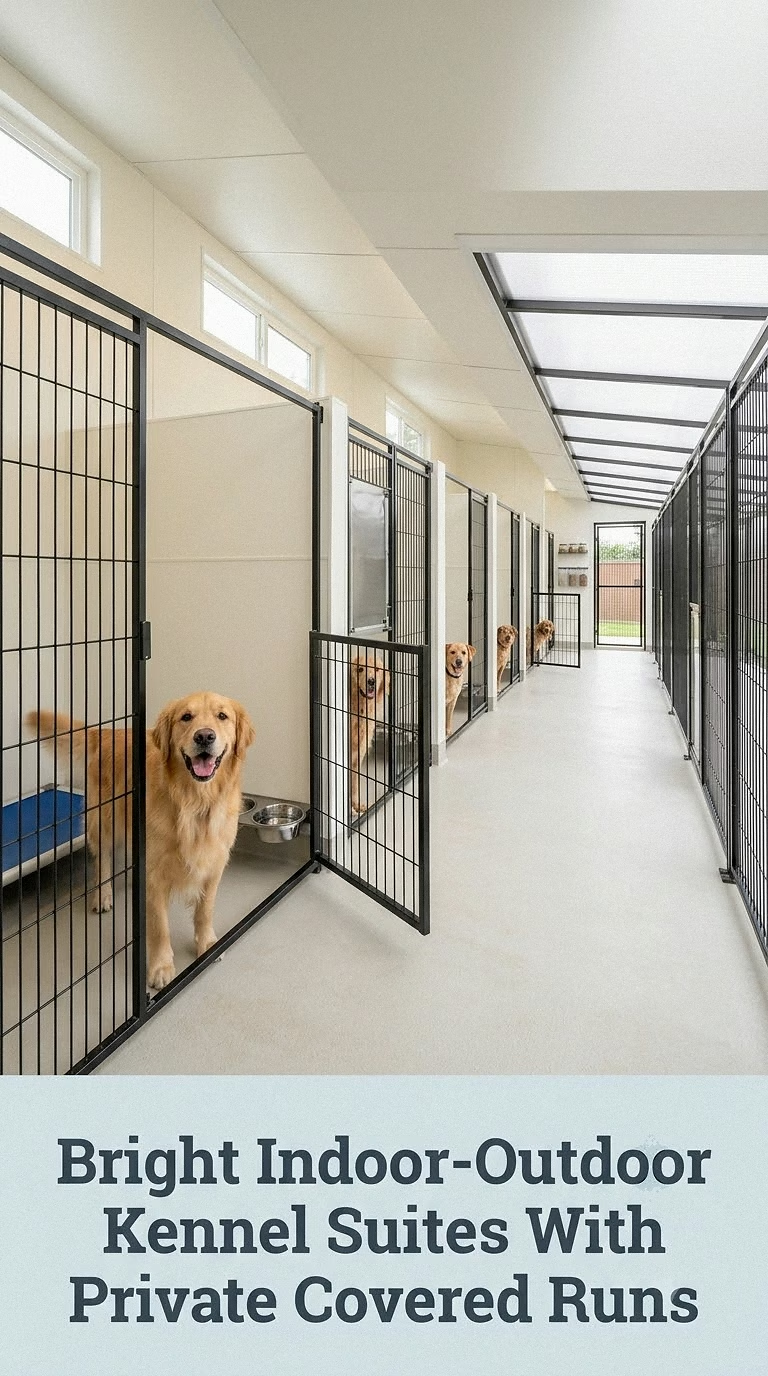
An indoor-outdoor layout is one of the most practical options for a breeder because it gives dogs choices throughout the day. Create comfortable indoor sleeping suites connected to individual covered runs through secure dog doors. Inside, use raised washable beds, stainless bowls, durable wall panels, and textured flooring that remains easy to walk on when damp.
Outside, extend the roof far enough to provide reliable shade and weather protection. Powder-coated metal fencing can create a clean, modern look, while solid divider panels between neighboring runs can reduce visual stimulation.
This arrangement also makes daily routines easier. Dogs can move outside while indoor spaces are being cleaned, then return once surfaces are dry. Choose secure latches and inspect the bottom, sides, and top of fencing carefully, especially for athletic dogs, climbers, or enthusiastic diggers.
Quiet Sage Green Whelping Room With Washable Surfaces
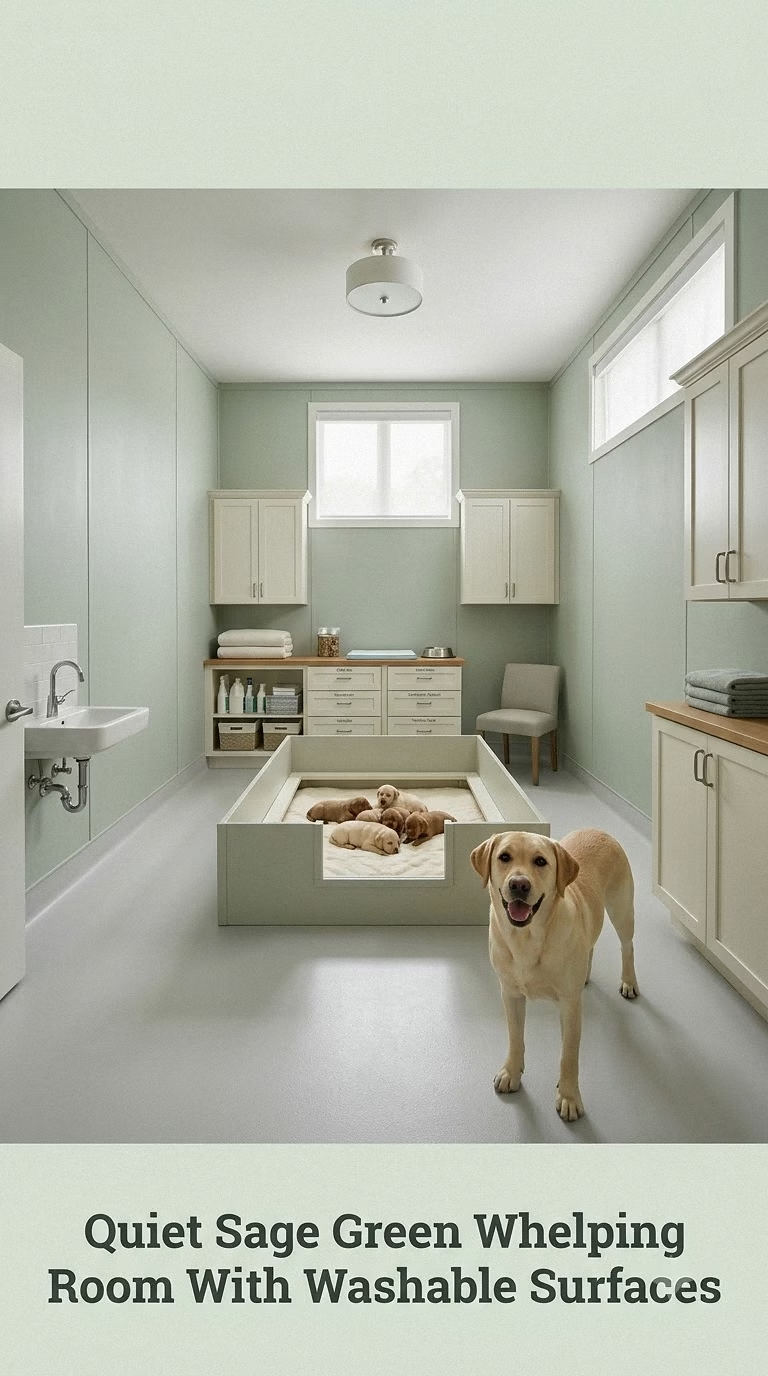
A dedicated whelping room should feel noticeably calmer than the main kennel. Soft sage, warm cream, pale taupe, or muted beige can give the room a gentle residential appearance without making it overly decorative.
Place the whelping box away from busy doorways and noisy kennel traffic. Surround it with enough open floor space that you can comfortably observe the mother, change bedding, weigh puppies, and respond quickly when assistance is needed.
Choose moisture-resistant wall finishes and sealed, non-slip flooring that can be cleaned thoroughly. Closed cabinets keep towels, pads, scales, gloves, and other supplies protected from curious dogs.
Lighting should be soft but bright enough for careful observation. Supplemental puppy warmth should also be arranged so puppies can move away from the warmer area when necessary. Work with your veterinarian when planning environmental conditions for newborn litters.
Warm White Puppy Nursery With Separate Sleep, Play, and Potty Zones
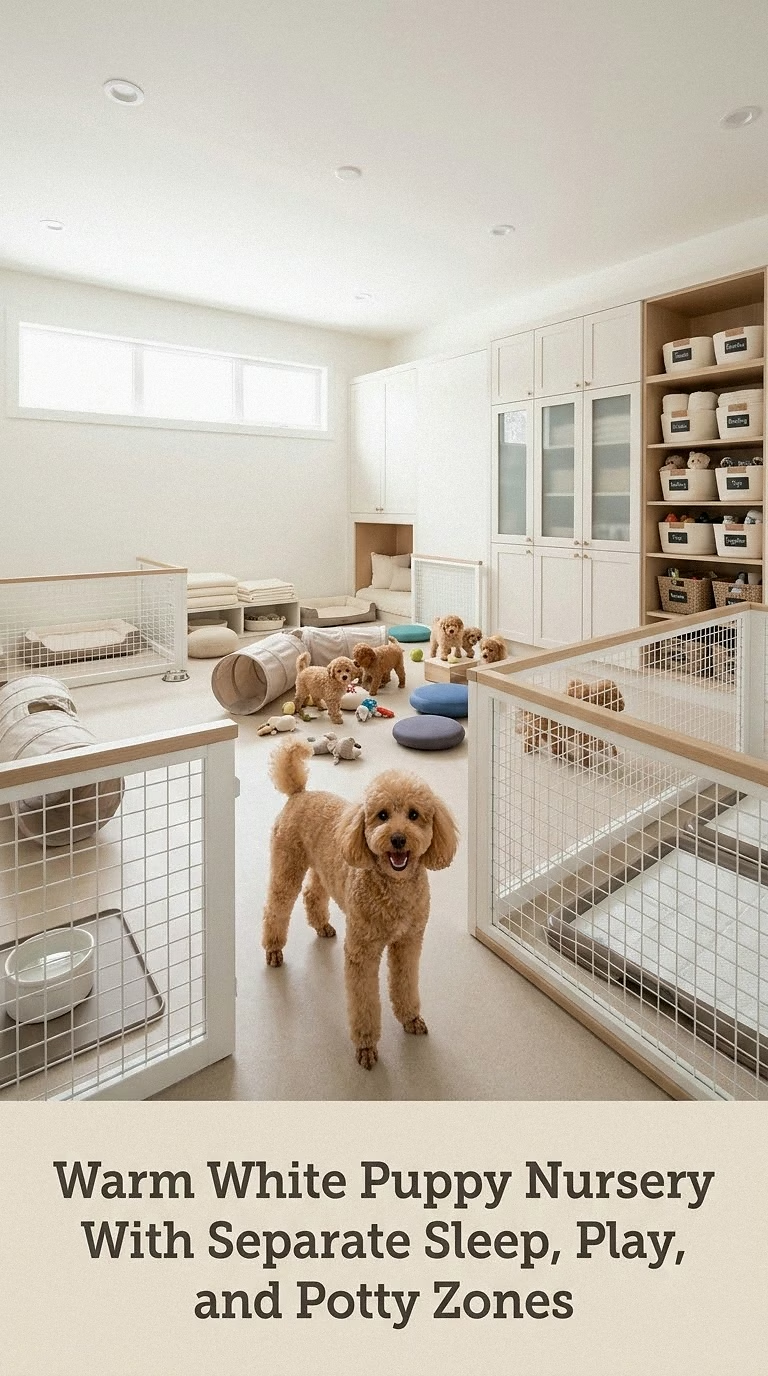
Once puppies become more mobile, a single sleeping enclosure quickly becomes limiting. A larger nursery divided into recognizable activity zones creates a much more useful setup.
Start with a warm white or pale beige room and divide the floor into a cozy sleeping section, feeding area, play area, and designated elimination zone. Washable mats, low puppy-safe barriers, and removable exercise panels make the layout easy to adjust as the litter grows.
Keep the sleeping area soft and inviting while making the play section more stimulating. Introduce different safe textures underfoot so puppies gradually become comfortable moving across surfaces similar to those they may encounter in future homes.
Because puppies can create impressive messes in very little time, keep decoration simple. A beautiful puppy room comes from good organization, natural light, clean finishes, and cheerful enrichment rather than fragile accessories.
Modern Central-Aisle Kennel With Wide Gates and Built-In Feeding Station
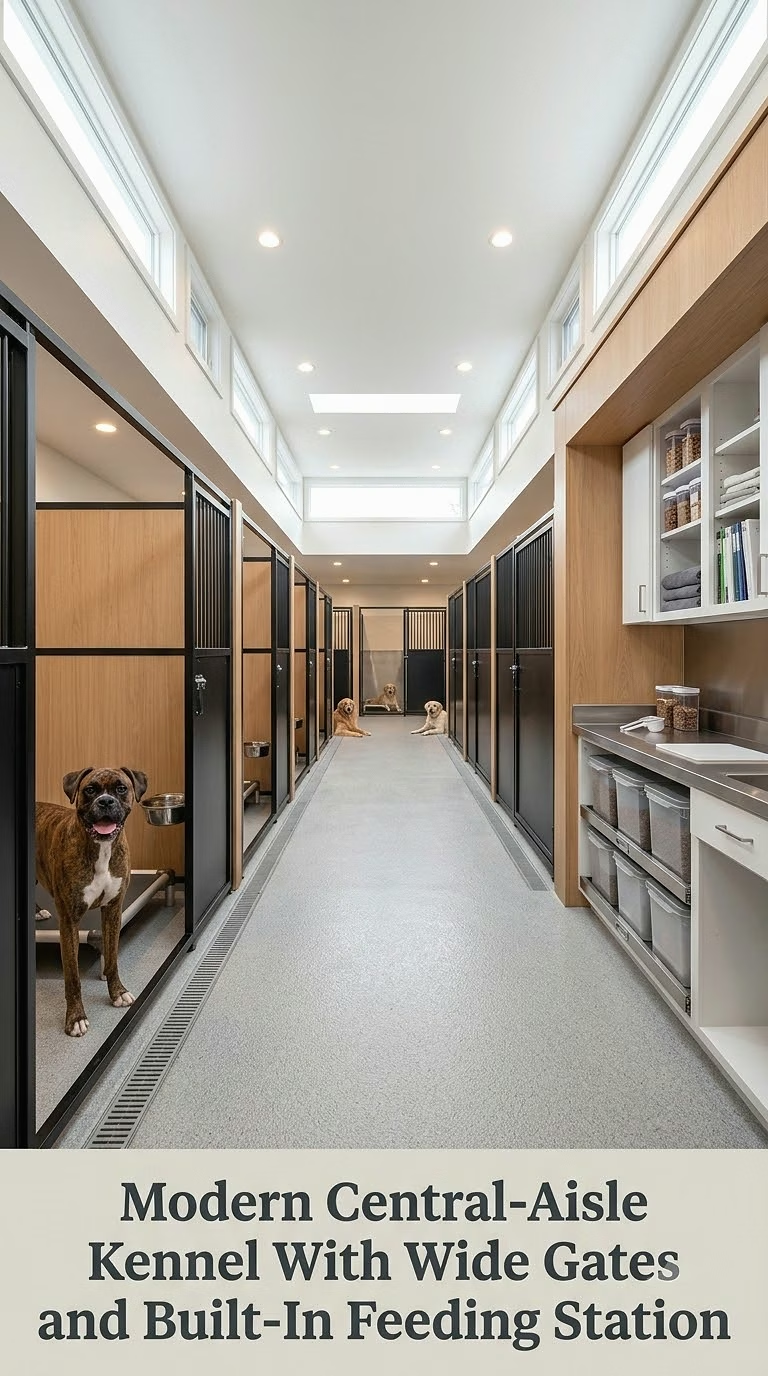
For a larger breeding program, a central service aisle can dramatically simplify daily routines. Arrange kennel suites along either side of a generous walkway with gates opening toward the aisle.
A built-in feeding station can sit at one end, with a countertop for preparing meals, closed food bins, a handwashing or utility sink where appropriate, and cabinets for supplements and daily supplies. Keeping frequently used items close to the dogs reduces unnecessary trips across the facility.
Choose gates that allow comfortable caregiver access without requiring awkward reaching or leaning over dogs. Smooth wall panels, uncluttered floors, and strategically positioned drains help keep the space easy to maintain.
Visually, this style looks especially attractive with white walls, charcoal gates, pale flooring, and warm wood cabinetry. The result feels professional without becoming stark.
Small Backyard Breeder Kennel With Insulated Shed and Secure Runs
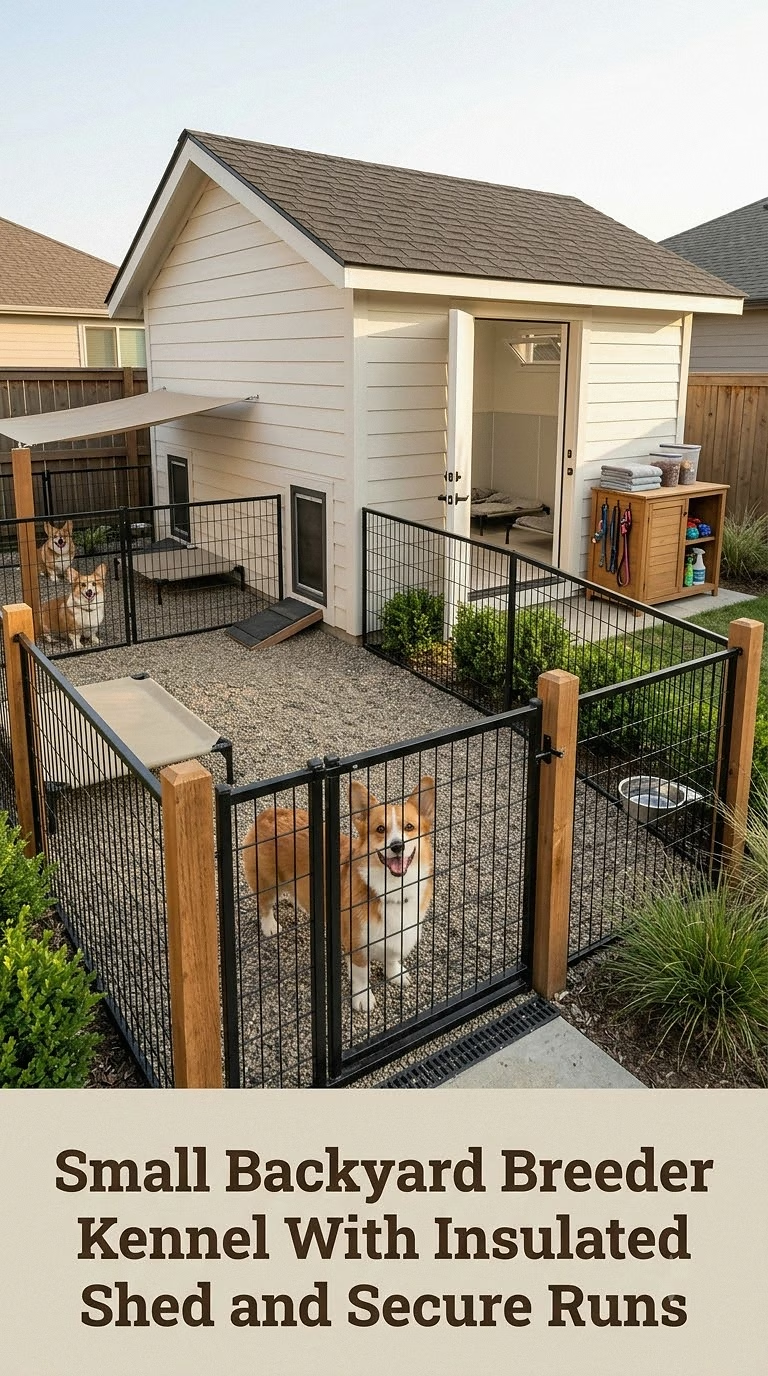
You do not need a huge kennel barn to create a thoughtful home breeding setup. A well-designed insulated outbuilding can support a small program when the number and size of dogs are appropriate for the available space.
Divide the shed into comfortable interior suites and connect them to secure outdoor runs. Light-colored walls help a smaller building feel airy, while windows bring in natural light. Use ventilation and climate control suitable for your local weather rather than relying on an unconditioned garden shed.
Keep the outdoor design simple with sturdy fencing, covered sections, secure gates, and easy access to a larger exercise yard.
Add a narrow storage wall inside for leads, cleaning supplies, towels, and food containers. By keeping storage vertical and choosing modular kennel panels, even a compact building can remain organized rather than crowded.
Farmhouse Kennel Barn With White Panel Walls and Black Metal Gates
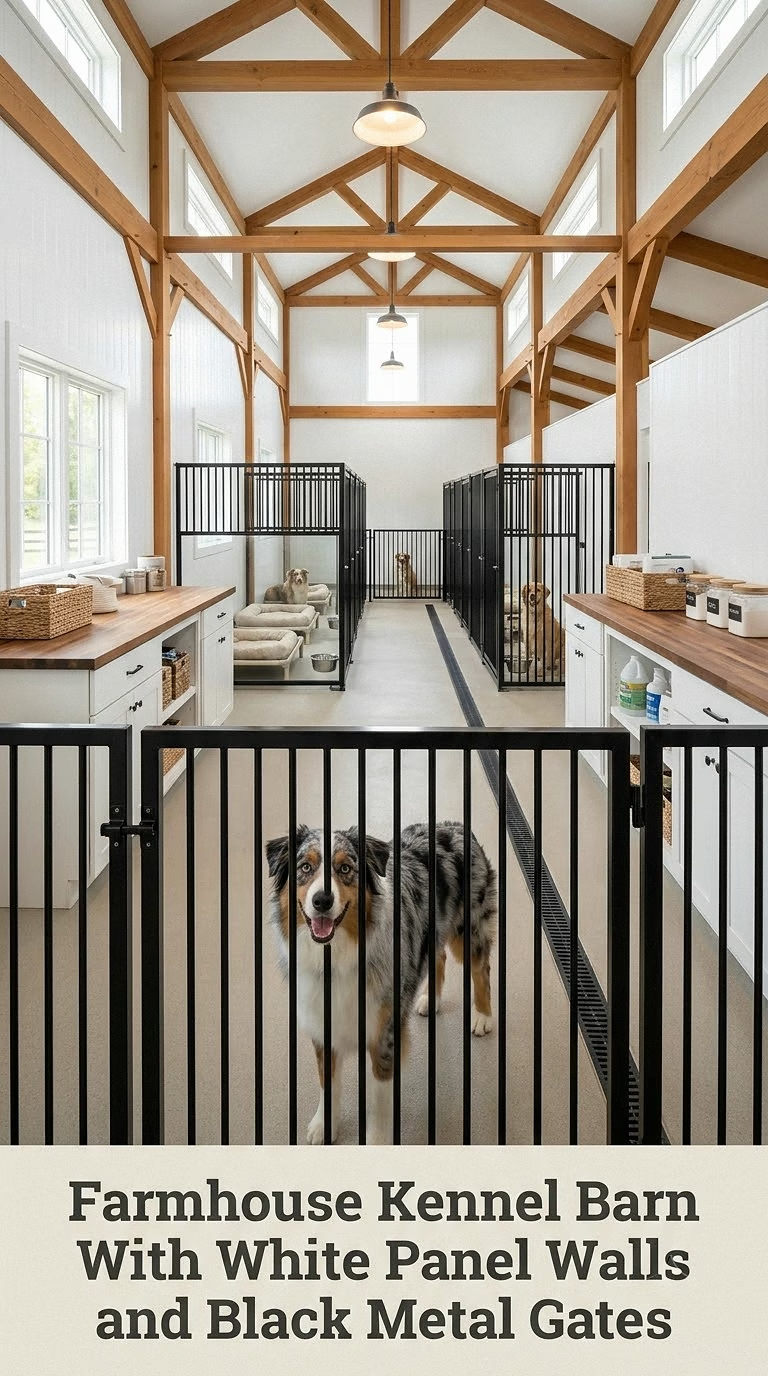
A kennel barn can be practical while still blending beautifully with a country property. Try crisp white washable walls, matte black gates, warm timber ceiling details, and simple barn-inspired lighting for a modern farmhouse feel.
The visual warmth should never come at the expense of sanitation. Instead of unfinished wood where dogs can scratch or moisture can soak in, reserve natural timber for protected decorative areas and use sealed, durable finishes around the actual kennel suites.
A broad center aisle provides space for cleaning carts and everyday handling. At one end, incorporate a grooming room or utility station. At the other, doors can lead to secure exercise paddocks.
Read more : 18 Cute Dog Kennel Ideas Indoor Spaces Will Love for a Cozy, Stylish Home
Outside, simple landscaping and coordinated fencing make the kennel look intentionally designed rather than like an assortment of separate pens added over time.
Minimalist Epoxy-Floor Kennel With Covered Linear Drains
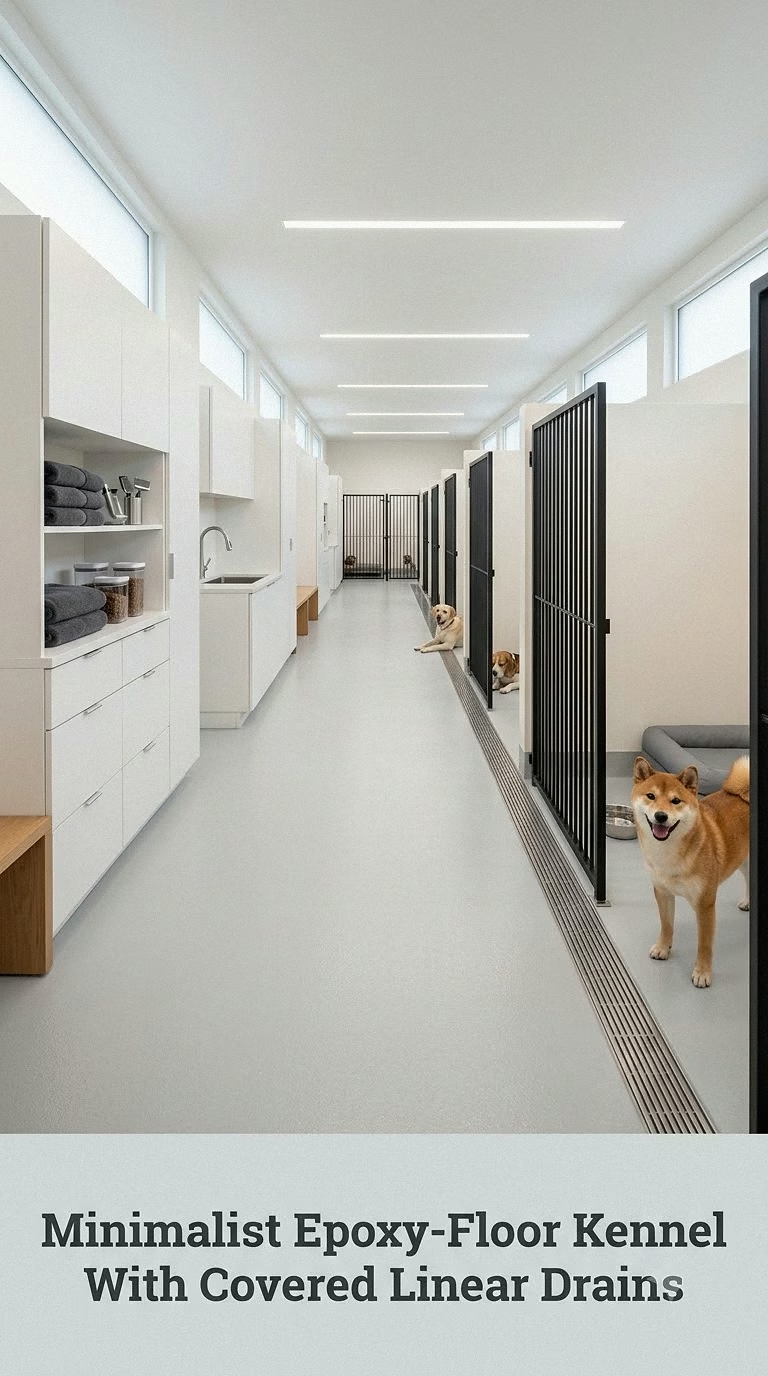
For anyone who prioritizes cleaning efficiency, a minimalist kennel with a seamless-looking floor can be extremely appealing. Professionally installed sealed flooring can reduce the number of joints and crevices where moisture and debris collect.
Select a textured, non-slip finish rather than a glossy surface. A subtle warm gray or stone tone hides everyday marks better than brilliant white while maintaining a bright appearance.
Plan drainage before construction rather than treating it as an afterthought. Floors should direct wash water where intended without leaving puddles around beds or feeding stations. Drain covers should be secure and designed so toys or small items cannot easily disappear into the system.
Pair the simple floor with raised washable cots, wall-mounted storage, and uncluttered kennel panels. The finished space feels clean and modern while remaining focused on everyday function.
Luxury Glass-Fronted Kennel Suites With Warm Oak Details
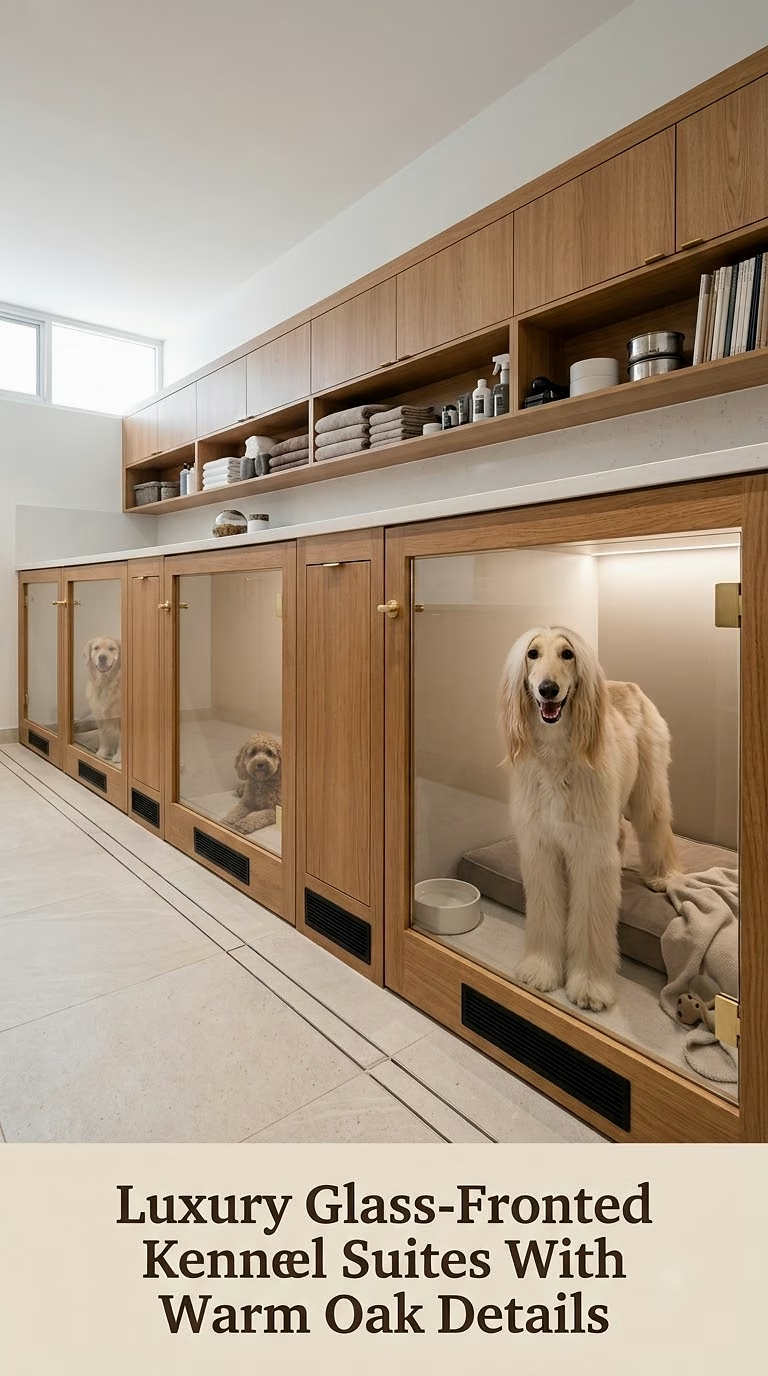
For a boutique-style breeder space, glass-fronted or partially glazed kennel suites create an open, polished look and allow easy visual monitoring. Combine clear panels with durable lower sections so the dogs still have places where they are not constantly exposed to activity.
Warm oak-look cabinetry, creamy walls, and simple black hardware soften the contemporary design. Use genuine wood only where it can be protected from moisture and chewing, or choose durable wood-look materials in high-contact areas.
Inside each suite, include a comfortable raised resting surface and enough open floor area for the individual dog.
Luxury should mean better comfort and easier care rather than unnecessary decoration. Prioritize safe materials, ventilation, quiet construction, secure doors, and accessible cleaning before adding stylish finishes.
Light-Filled Climate-Controlled Kennel With High Windows and Skylights
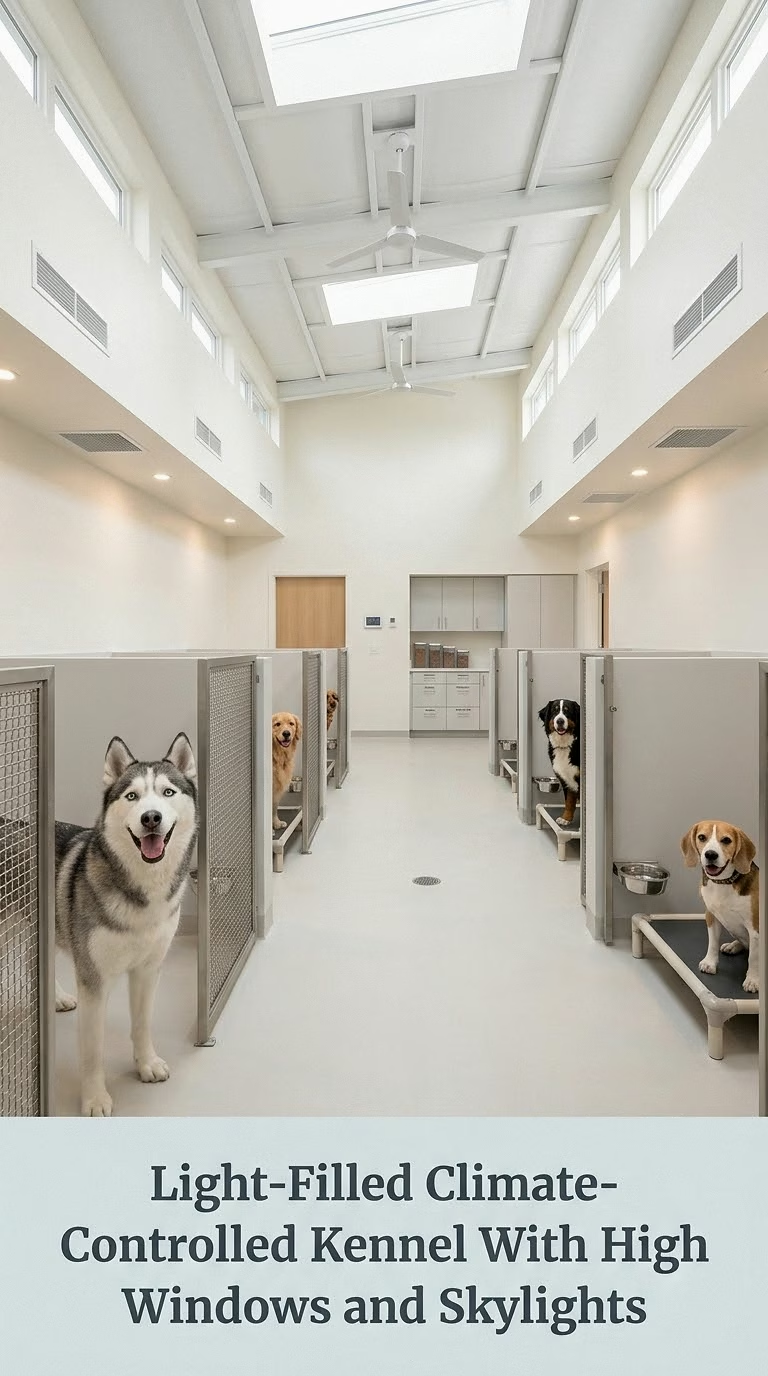
Natural daylight can completely change the atmosphere of a kennel. High windows or thoughtfully placed skylights brighten interior spaces while avoiding direct eye-level activity that may keep some dogs continually stimulated.
Combine natural light with a properly planned ventilation and temperature-control system. Kennels can accumulate heat, humidity, odor, and airborne contaminants quickly, so airflow deserves serious attention during the design stage.
High windows are particularly useful because dogs receive daylight without having a nonstop view of every passing person, vehicle, or animal. Add washable shades or other ways to manage strong afternoon sun if necessary.
Keep ceiling fans, electrical fixtures, cords, and ventilation equipment safely outside the dogs’ reach. A pale ceiling, simple wall surfaces, and light flooring will help reflect daylight throughout the room.
Easy-Clean Grooming Corner With Stainless Utility Sink
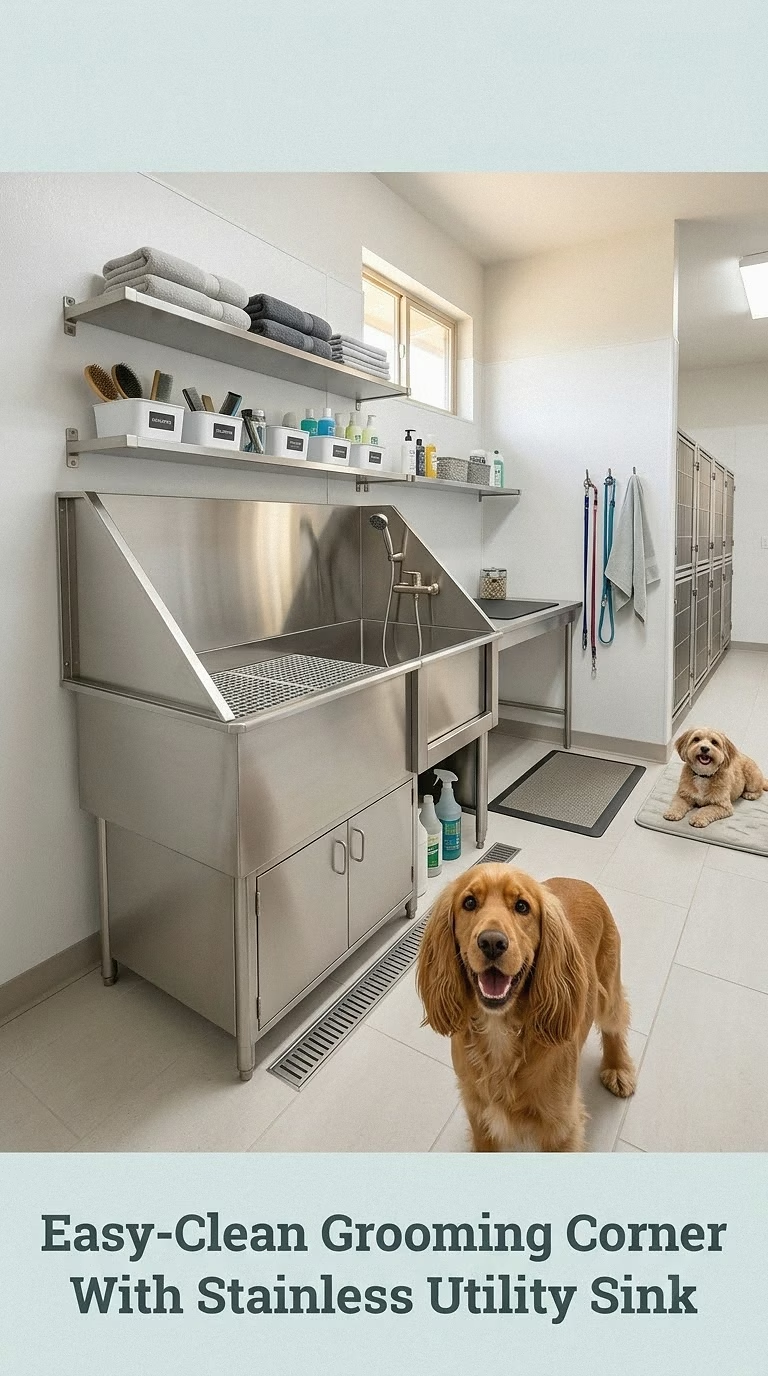
A dedicated wash station saves countless trips through the house when muddy paws, dirty bedding, or grooming days arrive. It does not need to be large.
Create a compact utility corner with a stainless sink, waterproof backsplash, washable floor, towel hooks, closed storage, and a convenient area for grooming supplies. If you include a raised bathing tub, provide a safe way for larger dogs to enter without repeatedly lifting them.
Keep shampoos, disinfectants, medications, and concentrated cleaning products inside secure cabinets rather than on open shelves within reach of dogs or puppies.
A simple palette of white tile, brushed metal, pale cabinetry, and a few natural baskets can make this hardworking corner surprisingly attractive. Just choose baskets for clean items stored safely away from chewing and contamination.
Dedicated Quarantine Room With Separate Storage and Calm Neutral Finishes
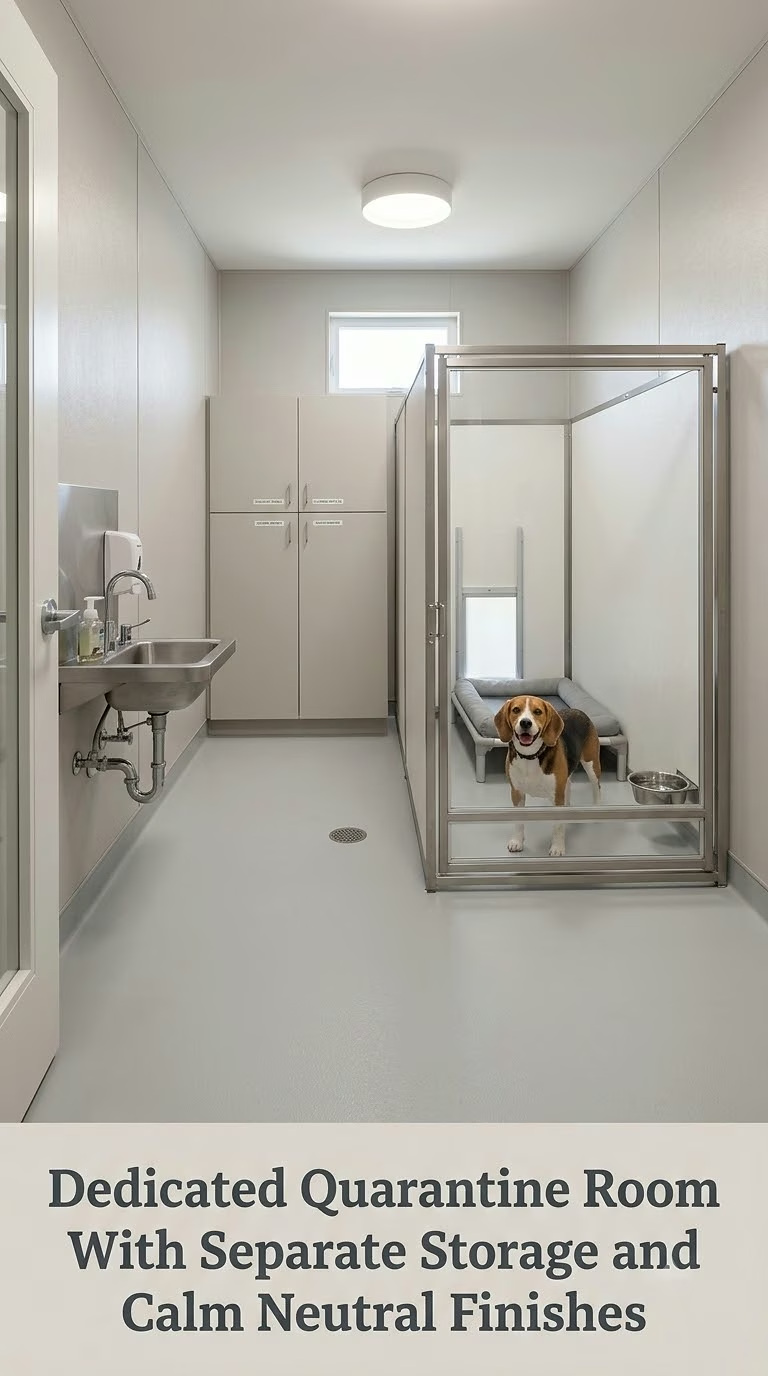
A responsible facility benefits from having a plan for newly arriving or potentially ill dogs rather than improvising when the need arises.
Create a separate quarantine or isolation area away from normal kennel traffic. Ideally, its airflow and cleaning equipment should also be separated from the main dog areas. A door that can remain closed and dedicated supplies help create a more controlled care routine.
Keep the design intentionally simple. Smooth washable walls, sealed non-slip flooring, secure enclosures, and closed cabinets are more useful than decorative details.
Soft gray, cream, or muted green prevents the room from feeling unnecessarily harsh. Store dedicated bowls, leads, gloves, cleaning equipment, and bedding in clearly labeled cabinets. Your veterinarian can help establish appropriate isolation, cleaning, and animal-care protocols for your particular breeding program.
Colorful Puppy Socialization Room With Tunnels, Ramps, and Low Platforms
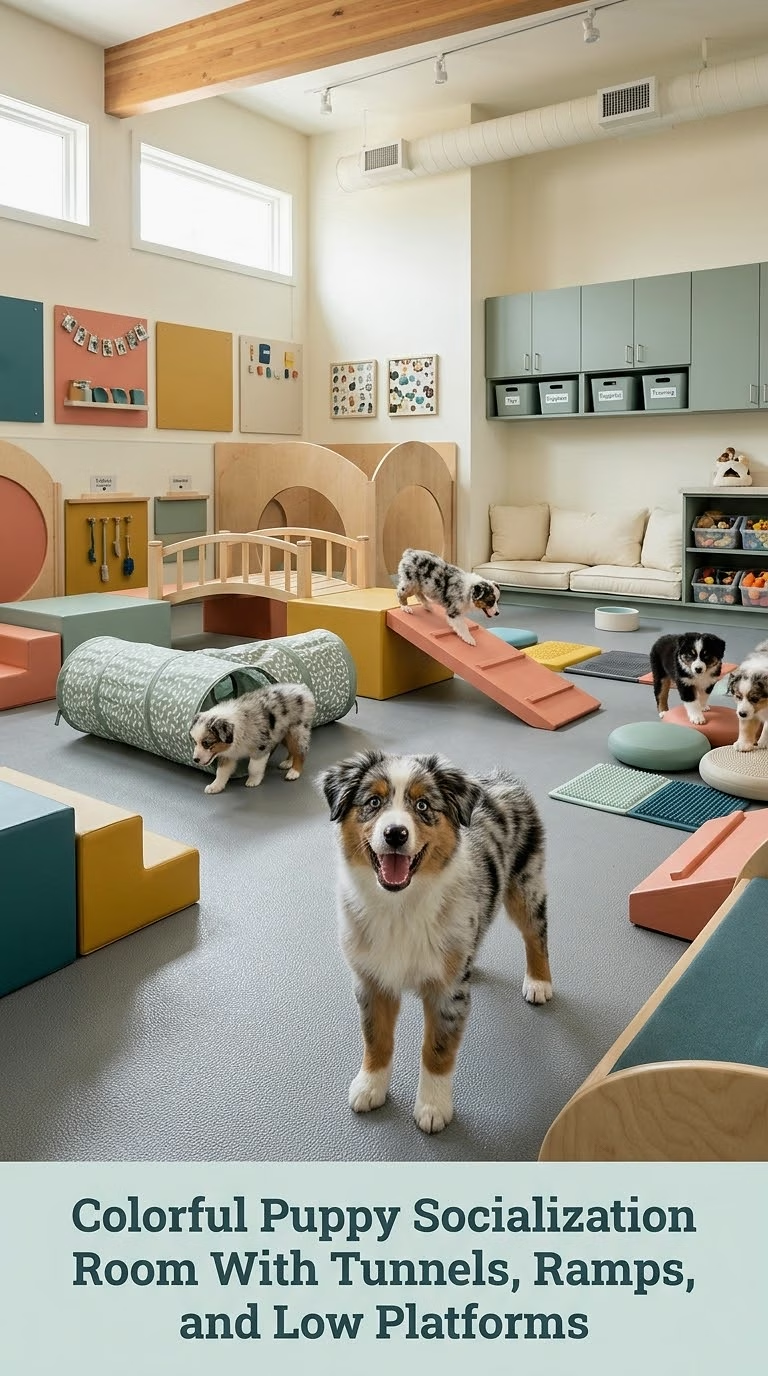
A puppy playroom can be one of the happiest spaces in the entire kennel. Start with a safe open area, then introduce low platforms, stable ramps, tunnels, textured mats, household-style surfaces, and puppy-appropriate toys.
The goal is not to fill every inch with equipment. Leave plenty of open floor space so puppies can run, investigate, retreat, and interact naturally.
Use removable equipment that can be cleaned or replaced easily. Low structures are generally more practical than tall climbing equipment, and everything should be checked for pinch points, sharp edges, loose pieces, or unstable surfaces.
For a Pinterest-worthy look, combine neutral flooring with cheerful muted accents such as terracotta, dusty blue, sage, or mustard. Rotate enrichment instead of leaving the same collection in place indefinitely.
Secure Outdoor Exercise Yard With Shade Sail and Double-Gate Entry
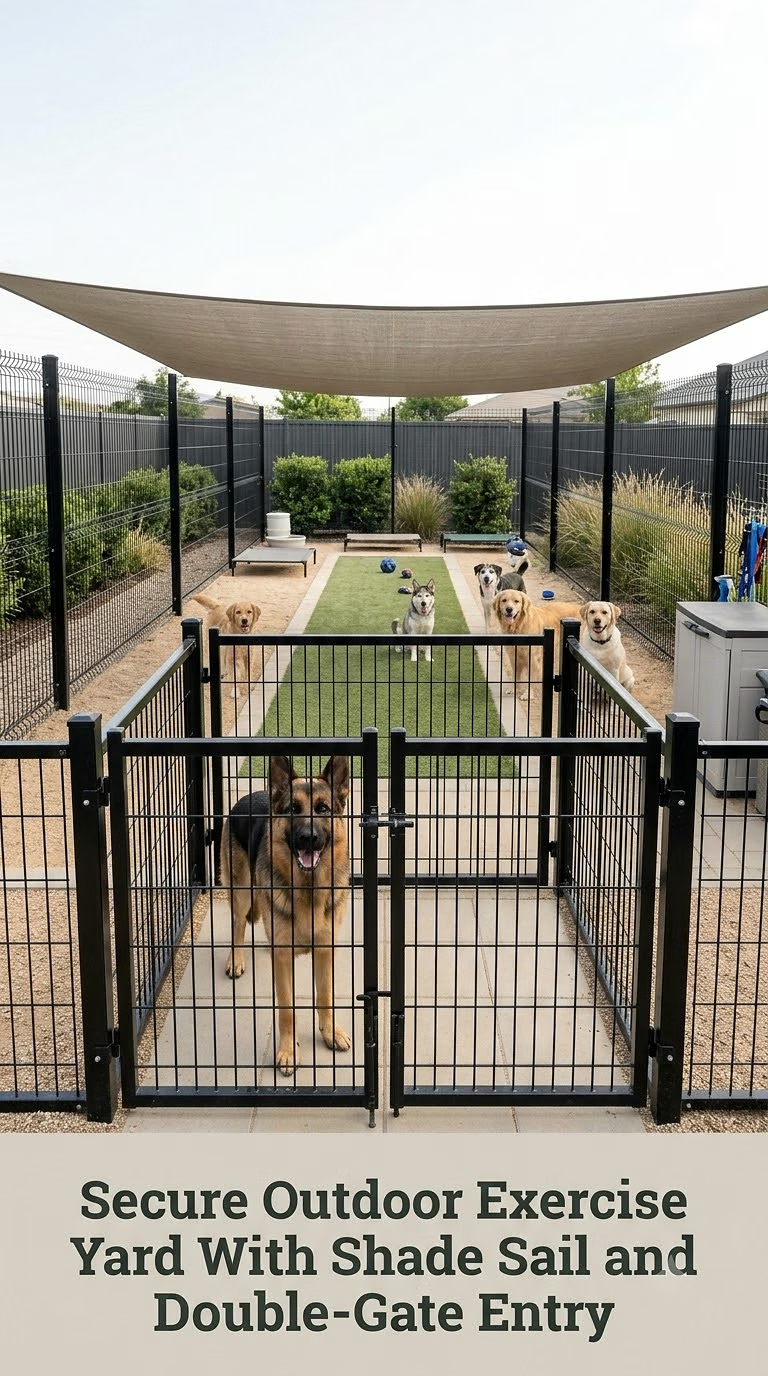
Kennel runs are useful, but dogs also benefit from larger spaces where they can move more freely. A securely fenced exercise yard can become the heart of your outdoor setup.
Use fencing appropriate for the size, athletic ability, and behavior of your dogs. A double-gate entry creates a useful buffer between the yard and the rest of the property, reducing the chance of a dog slipping through an open exterior gate.
Read more : 18 Dog Trolley Run Ideas For A Safer And More Beautiful Backyard
Add reliable shade using a roofed pavilion, shade structure, or suitable sail, and make fresh water readily available during outdoor sessions. A mix of surfaces can make the yard more interesting, provided each material is safe and manageable.
Avoid decorating with toxic plants or landscaping that blocks visibility. A few durable planters outside the fence can provide the polished Pinterest look without becoming chew toys.
Budget-Friendly Garage Conversion With Modular Pens and Washable Wall Panels
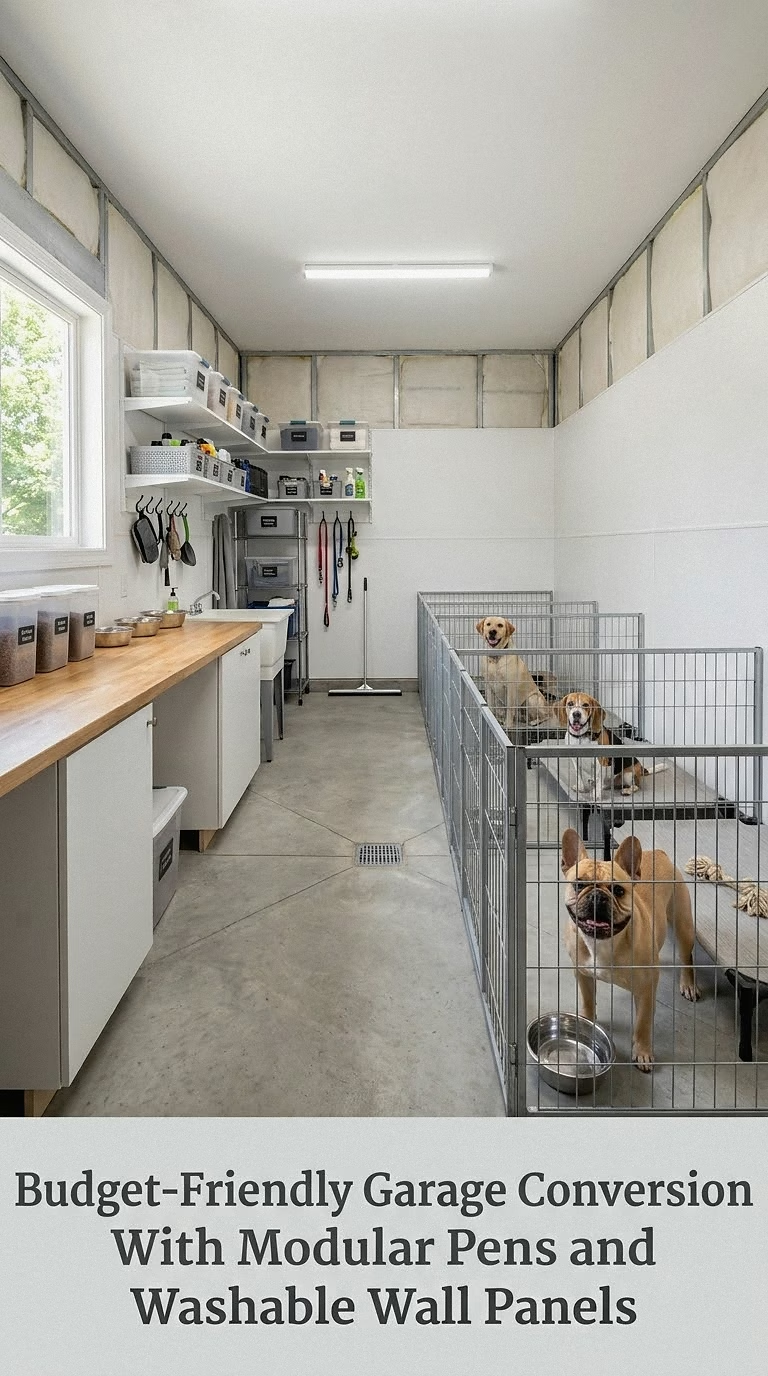
An existing garage can sometimes become a practical breeder space without the cost of constructing an entirely new building, provided zoning, ventilation, temperature control, drainage, safety, and local requirements can all be addressed.
Modular kennel panels are useful because the layout can change as your needs evolve. Protect ordinary drywall with washable wall panels in splash and contact areas, and replace slick flooring with a more secure, easy-clean surface when necessary.
Use freestanding closed cabinets for supplies and designate specific zones for sleeping, feeding, cleaning, and equipment storage.
A simple cream, gray, and black palette makes inexpensive components look intentional. Add good overhead lighting and keep decorative pieces minimal. Before converting a garage, consider how vehicles, chemicals, tools, fumes, and other household hazards will be completely separated from the dogs.
Space-Saving Two-Zone Kennel With Sliding Dog Doors and Service Aisle
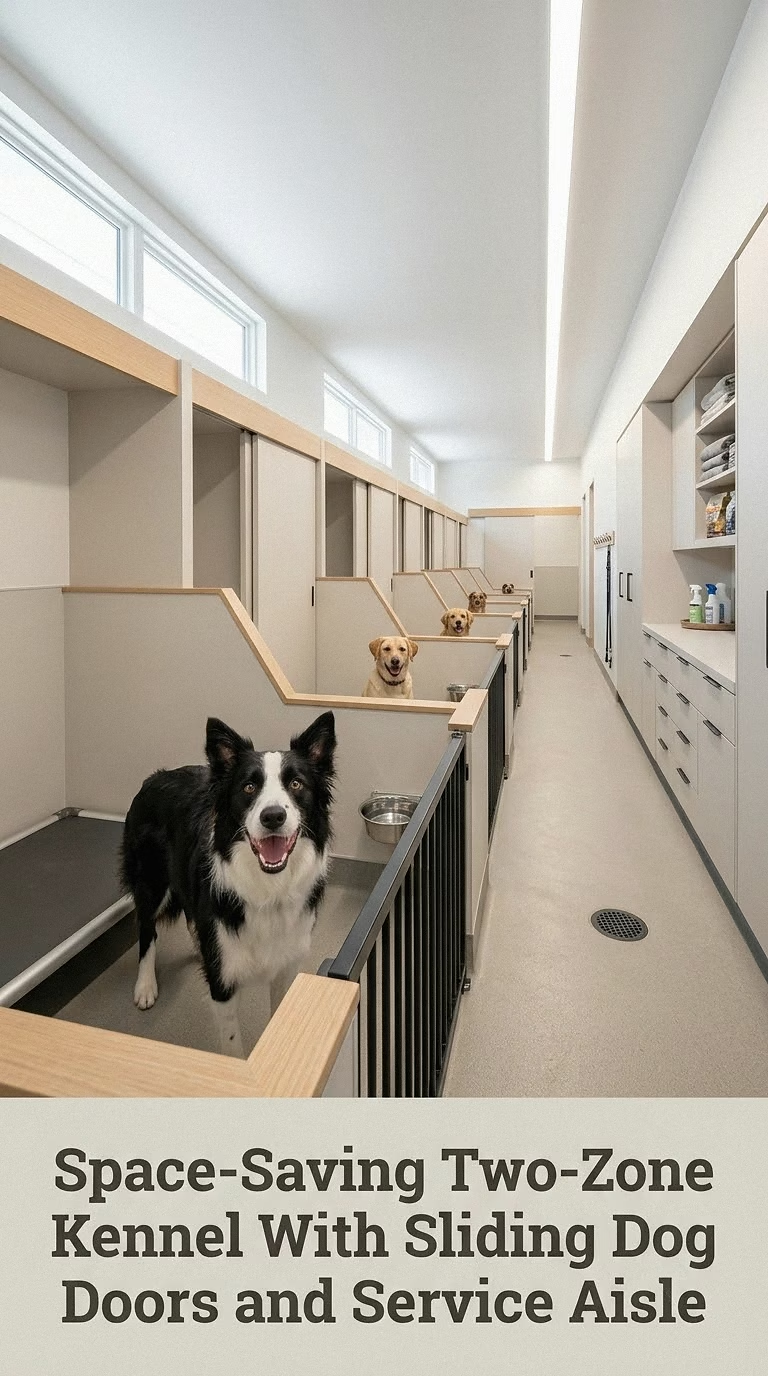
When floor space is limited, giving each dog an indoor resting area connected to an outdoor section can make one footprint work harder.
Arrange compact indoor suites along a service aisle and install secure dog doors leading to individual exterior runs. During cleaning, dogs can temporarily use one side while the other is maintained, depending on weather and individual needs.
This layout works especially well when the service aisle also contains wall-mounted feeding tools, leads, and cleaning supplies. Keep the aisle wide enough to handle dogs comfortably and move equipment without squeezing past open gates.
Use visual dividers between neighboring dogs when constant face-to-face contact causes excitement. A consistent palette across indoor and outdoor areas will make this functional arrangement feel cohesive rather than cramped.
Built-In Supply Wall With Labeled Drawers and Closed Cabinets
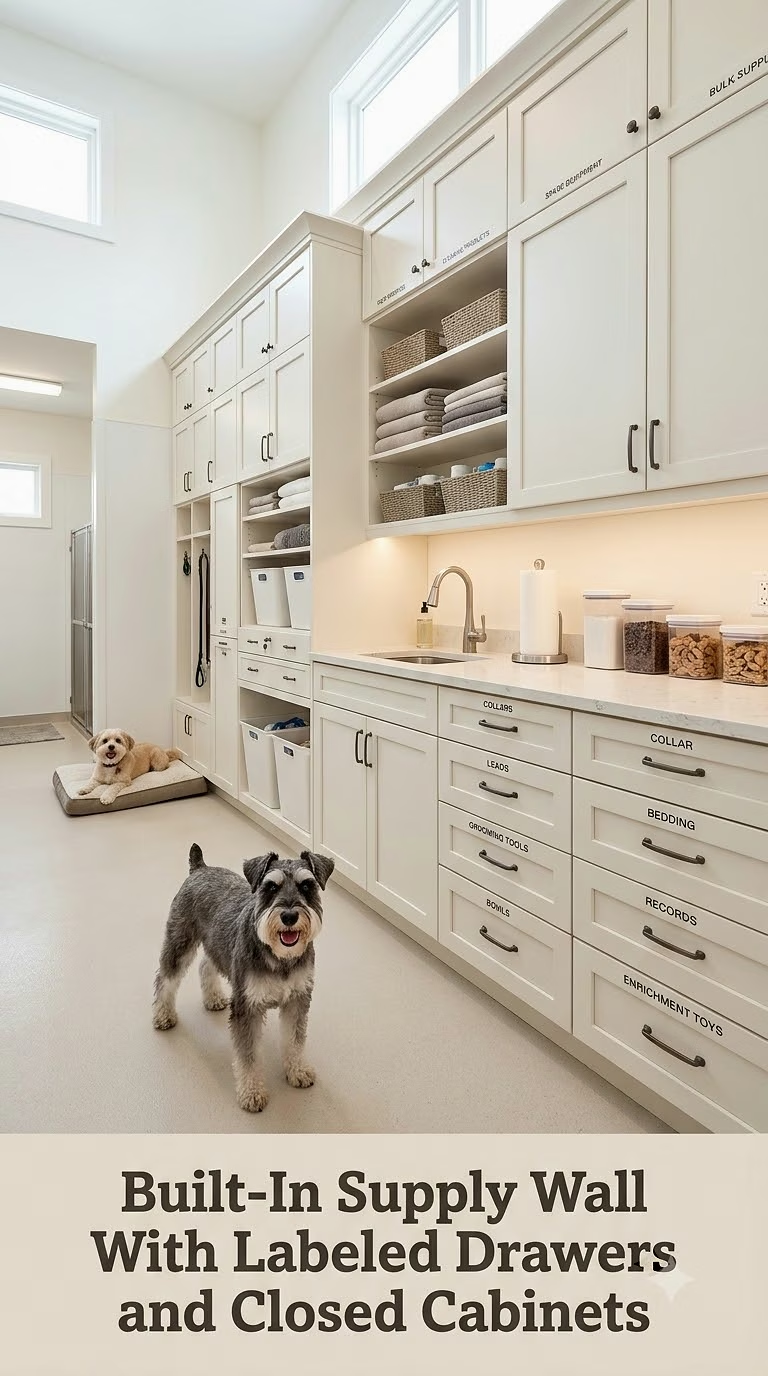
Breeding involves far more equipment than most people expect. Towels, puppy pads, bowls, grooming tools, paperwork, leads, cleaning products, bedding, food, and whelping supplies can quickly overwhelm a room.
Turn one wall into a dedicated organization center. Use deep drawers for clean linens, pull-out bins for frequently used supplies, tall cabinets for larger equipment, and secure sections for items dogs should never access.
Labels make it easier for another caregiver to find exactly what is needed without opening every drawer. Keep medical items and chemicals appropriately secured and separated from food and general supplies.
For a softer Pinterest aesthetic, choose pale shaker-style cabinets or warm wood-look fronts with a simple countertop. Organization becomes part of the room’s design instead of something hidden behind stacks of plastic containers.
Low-Stimulation Kennel Row With Solid Side Panels and Soft Acoustic Details
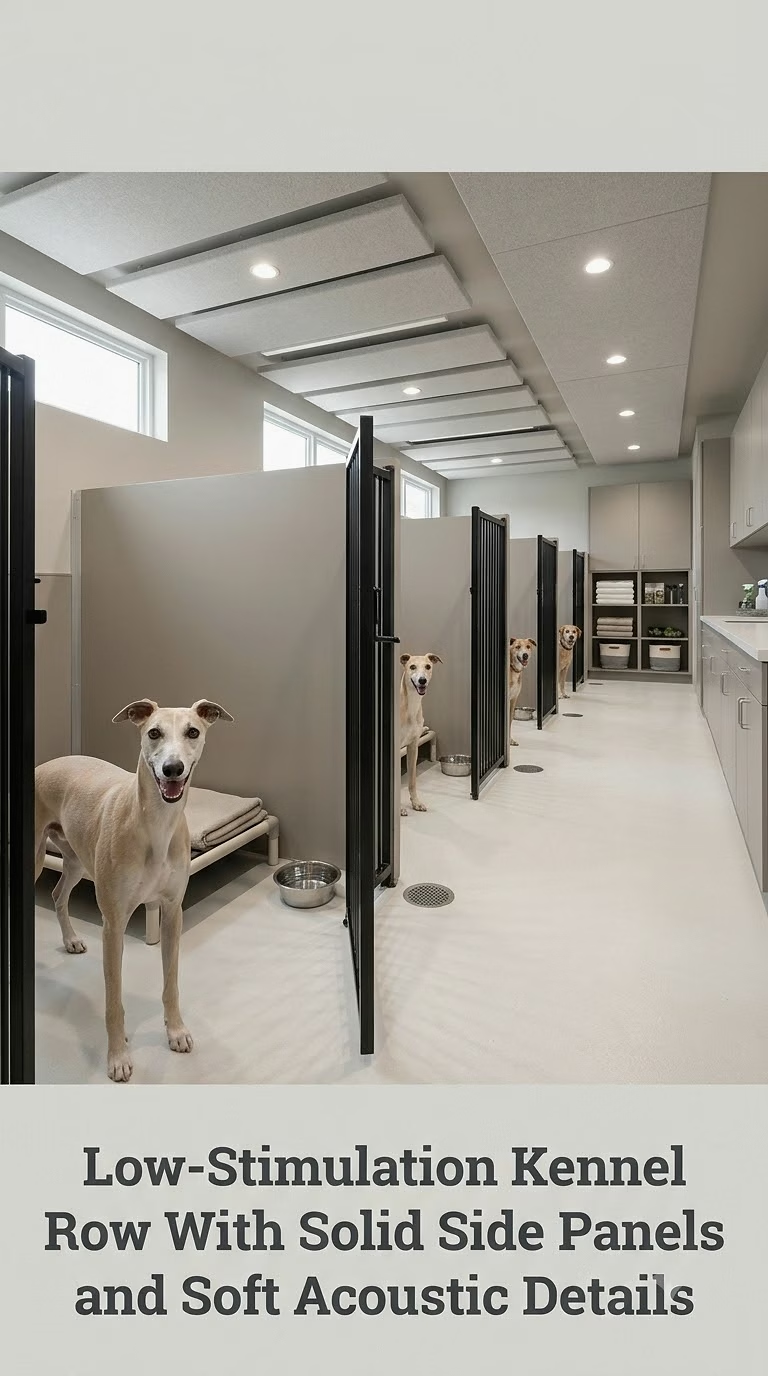
A beautiful kennel can still be stressful if every sound echoes and every dog has a direct view of every other dog. Consider reducing unnecessary visual and auditory stimulation as part of the design.
Solid side panels between kennel spaces can give dogs more privacy, while partially solid fronts may reduce constant reactions to movement in the aisle. Avoid materials that turn barking, gates, and cleaning equipment into a harsh wall of echo.
Where appropriate and safe, acoustic treatments can be installed outside chewing reach to soften the room. Quiet-closing hardware and thoughtful traffic routes also make a difference.
Visually, use muted colors and simple finishes rather than high-contrast patterns. The result is a softer, calmer-looking kennel that can feel more like a thoughtfully designed animal-care space than an industrial enclosure.
Compact Health-Check Station With Stainless Table and Lockable Cabinets
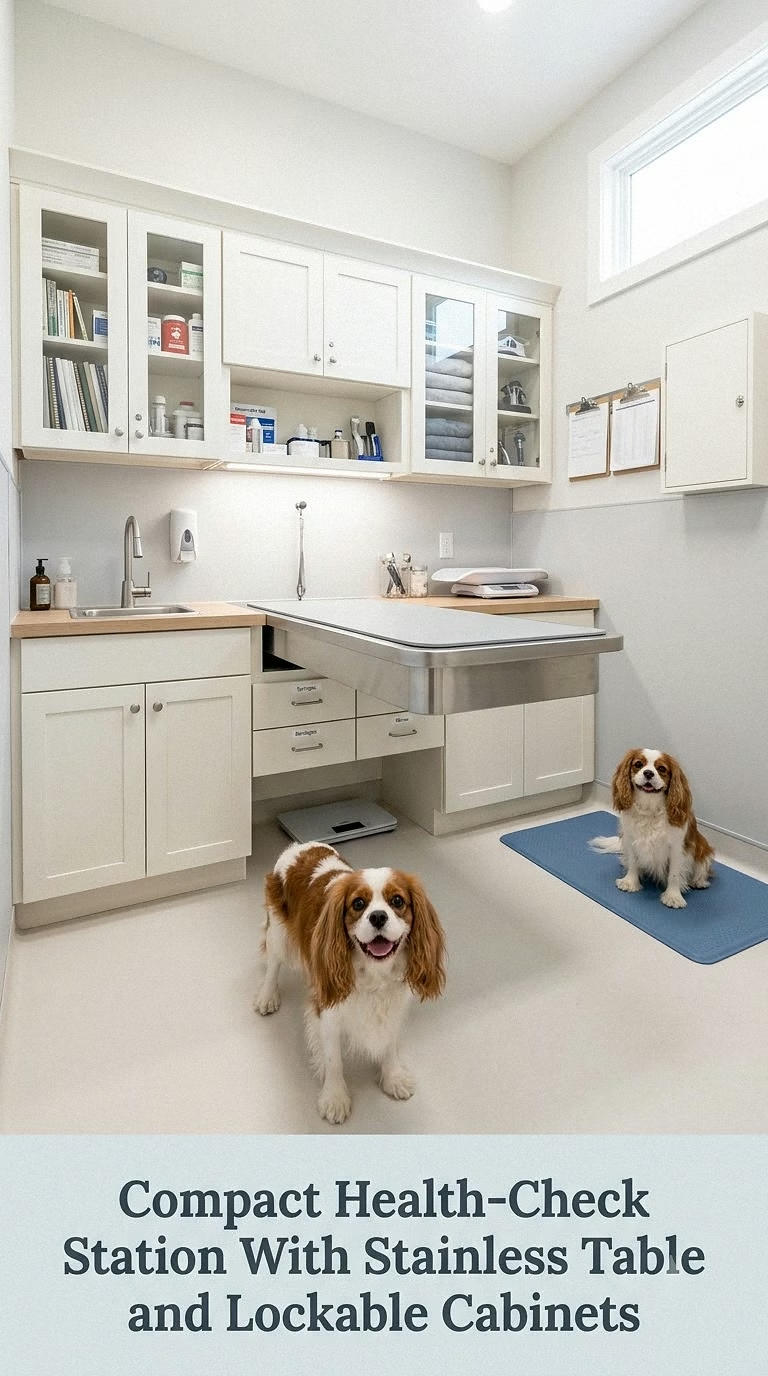
A small observation and care station can make routine monitoring much easier. Create a clean corner with a sturdy examination-height surface, bright lighting, a scale appropriate for your dogs, and lockable storage for records and approved care supplies.
Position the area somewhere that can be cleaned easily and does not interfere with normal kennel traffic. A stainless or other nonporous work surface is practical, while pale cabinetry keeps the station visually connected to the rest of the facility.
Keep veterinary medications securely stored and follow your veterinarian’s directions rather than turning the station into a substitute for professional care.
A clipboard rail, tablet shelf, or small record area can also help you keep daily notes organized. This is particularly useful when monitoring pregnancies, growing litters, appetite, weight, grooming, and other routine observations.
Creating Dog Breeder Kennel Ideas That Work Beautifully in Real Life
The best dog breeder kennel ideas are not necessarily the largest, most expensive, or most luxurious. They are the ones that make caring for dogs easier while giving every animal a safe, comfortable, clean, and enriching environment.
Start with the essentials: suitable space, secure construction, good ventilation, reliable temperature management, easy-clean surfaces, comfortable resting areas, thoughtful drainage, outdoor exercise opportunities, and a quiet place for mothers and puppies. Then layer in the details that make the kennel feel like yours, whether that means farmhouse cabinetry, soothing sage walls, modern black gates, organized storage, or a sunny puppy playroom.
It is also worth designing for change. Litters grow, dogs retire, weather changes, and breeding programs evolve. Modular panels, flexible play areas, adaptable storage, and multifunctional rooms can keep your kennel useful for years.
Most importantly, plan the facility around the dogs rather than around the photograph. When comfort, safety, cleanliness, socialization, enrichment, and easy daily care come first, a beautiful space usually follows naturally.
Save or pin your favorite ideas and combine the features that best suit your dogs, property, lifestyle, and breeding program.
Source: https://petstutorial.com
Category: Dog Kennels Runs
