
A dog kennel can be practical without looking like a bulky metal box dropped into the middle of your carefully decorated home. With the right design, it can become part of the room itself—a warm wood console, a cozy window bench, a stylish side table, or even a beautifully organized entryway station.
- 19 Dog Run Fence Ideas for a Safe and Stylish Backyard
- 19 Carport Dog Kennel Ideas for a Stylish, Shaded, and Practical Pet Space
- 19 Stray Dog Shelter Ideas Outdoor Spaces Can Use for Safe, Cozy Refuge
- 19 Dog Kennel Garden Ideas for a Beautiful and Pet-Friendly Backyard
- 18 Beautiful 3 Dog Kennel Ideas Indoor for a Cozy, Organized Home
That is what makes dog kennel furniture ideas so appealing. They give your dog a comfortable place to settle while helping your home feel intentional, polished, and wonderfully pet-friendly. Instead of trying to hide the kennel, you can turn it into something that complements your furniture, color palette, and everyday routines.
You are reading: 19 Dog Kennel Furniture Ideas: Beautiful Ways to Blend Your Dog’s Space Into Your Home
The best designs balance appearance with comfort. Your dog should still have enough room to stand comfortably, turn around, stretch out, and relax naturally. Good airflow, sturdy construction, smooth interior surfaces, washable bedding, and easy access for cleaning matter just as much as the exterior finish.
Whether your style leans farmhouse, modern, cottage, coastal, minimalist, or luxuriously elegant, these ideas offer plenty of inspiration for creating kennel furniture that feels like it truly belongs in your home.
Beautiful Dog Kennel Furniture Ideas for a Stylish and Pet-Friendly Home
Modern White Oak Sideboard Kennel With Fluted Cabinet Doors
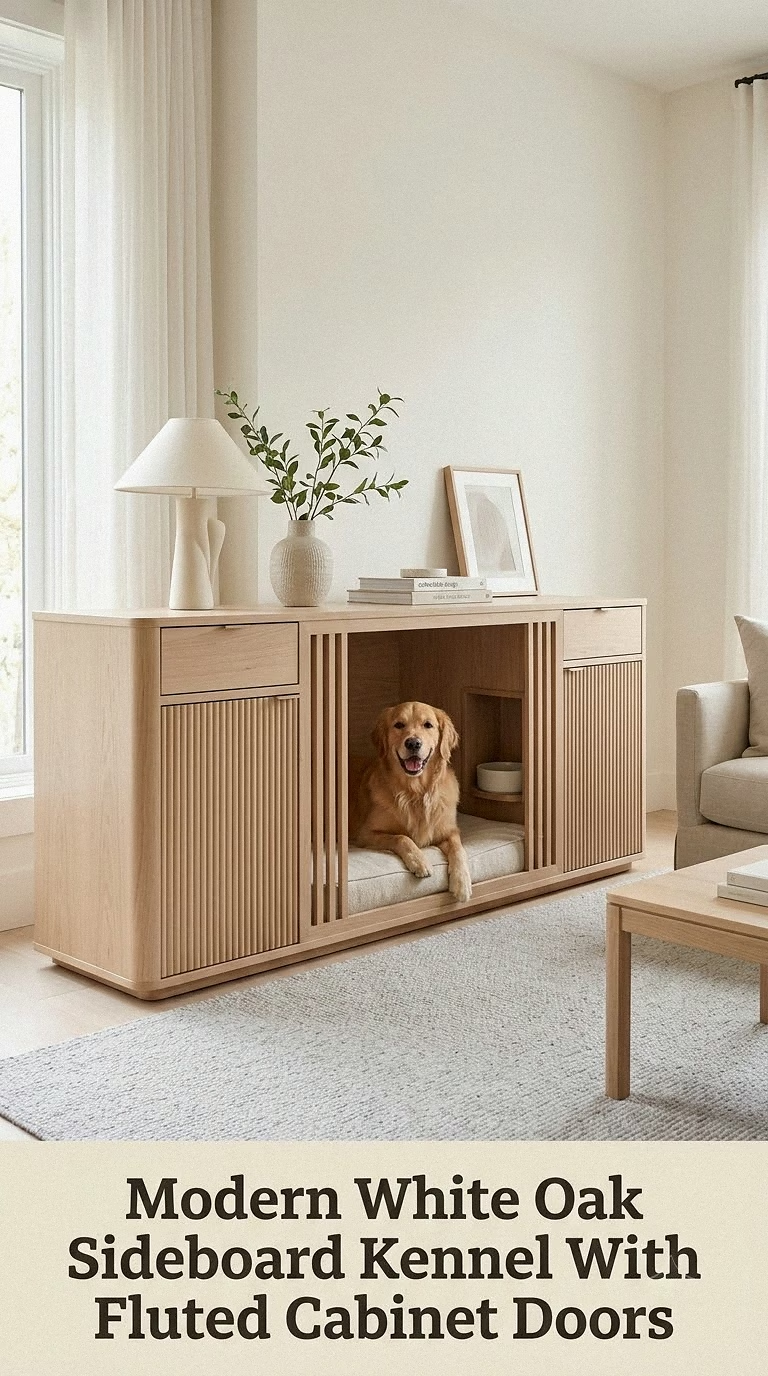
Turn a long living room sideboard into a sophisticated dog retreat by combining warm white oak with subtle fluted cabinet detailing. The kennel portion can sit at one end of the piece, framed with slim metal bars or open wood slats that provide plenty of airflow without making the space feel overly cage-like.
Use the remaining cabinets for leashes, grooming supplies, toys, blankets, and other pet essentials. A simple cream washable mat keeps the interior soft while maintaining the clean Scandinavian-inspired look.
Style the top like an ordinary console with a ceramic lamp, framed artwork, a small plant, and a decorative tray. Keeping the accessories restrained helps the furniture feel elegant rather than busy.
This idea works especially well in a living room or open-plan family space where your dog enjoys being close to everyone. Choose smooth, durable surfaces around the kennel opening and avoid decorative details your dog could easily chew or pull loose.
Soft Sage Green Console Kennel With Woven Basket Storage
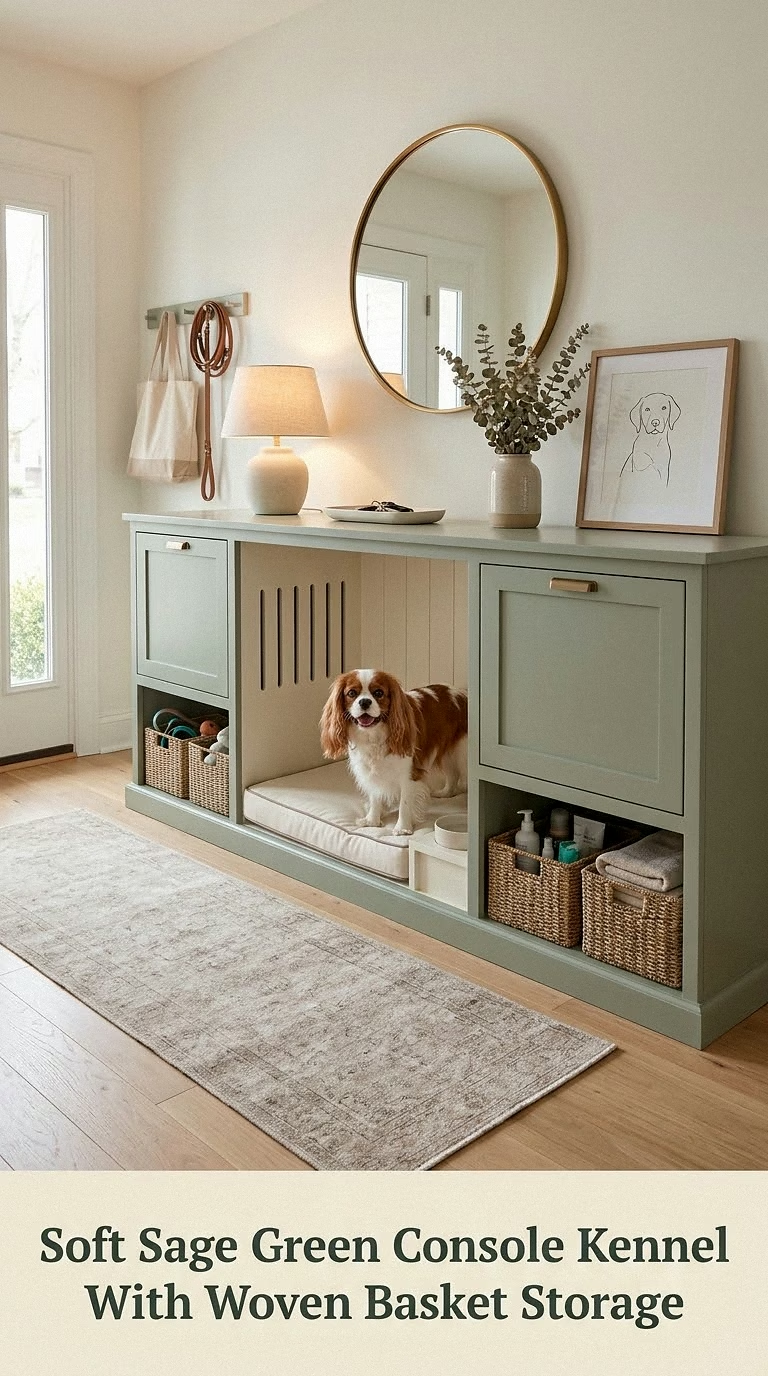
For a gentle cottage-inspired look, paint a kennel console in muted sage green and pair it with warm wood details. The soft color looks beautiful against cream walls, natural linen curtains, and pale oak or neutral flooring.
Create an open kennel compartment below the console top, using sturdy vertical bars or well-spaced wood slats along the front and sides. Beside it, add open cubbies filled with woven baskets for toys, grooming brushes, spare bedding, and walking accessories.
Inside, layer a simple oatmeal-colored washable kennel mat with a small neutral blanket if your dog does not chew fabric. The combination of sage, natural fibers, and warm neutrals gives the entire piece a relaxed Pinterest-worthy appearance.
Because woven baskets can become tempting chew targets, keep them in closed cubbies or areas your dog cannot reach from inside the kennel. Finish the look with a small lamp, trailing plant, and framed botanical print above the furniture.
Farmhouse Credenza Dog Kennel With X-Panel Doors and Rustic Oak Top
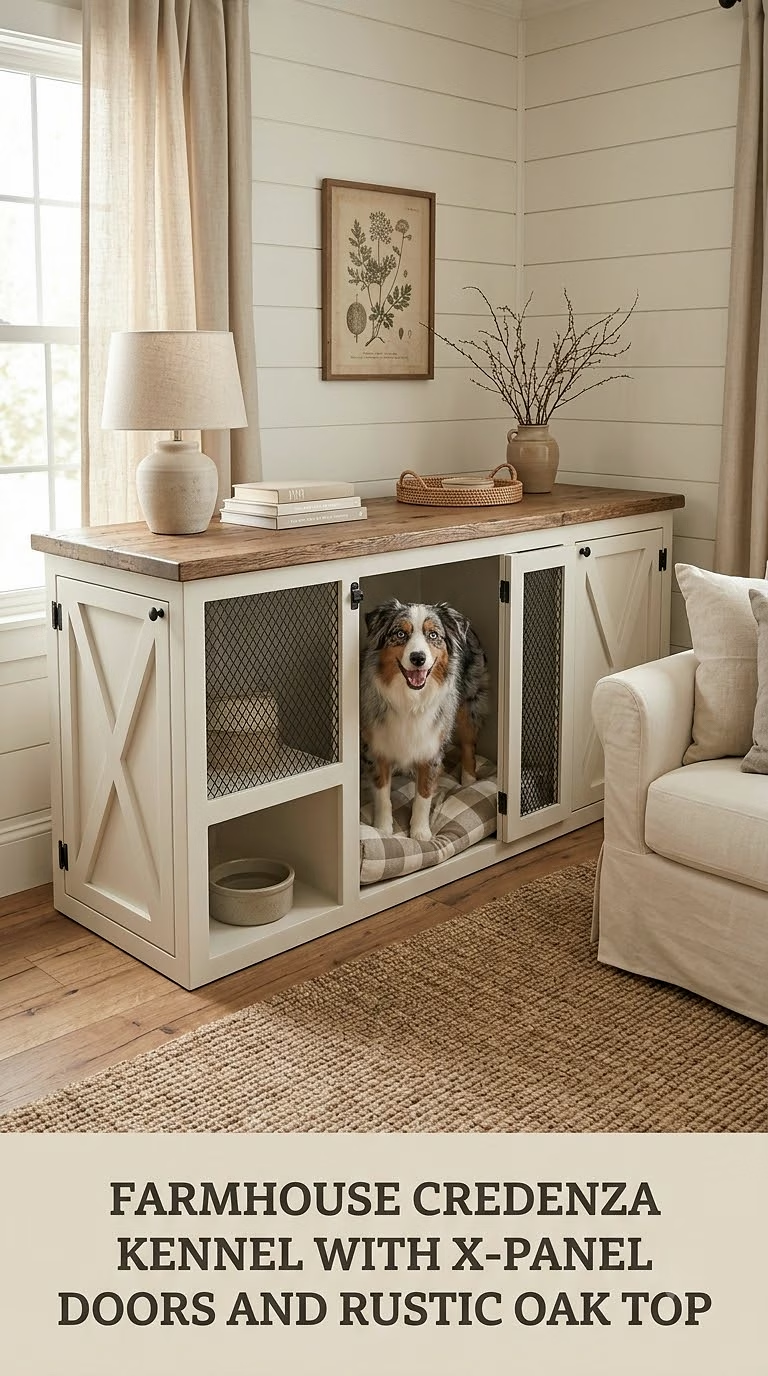
A farmhouse credenza is one of the easiest styles to adapt into attractive dog kennel furniture. Use a soft white or warm greige painted base topped with a thick rustic oak surface.
Instead of solid barn-style cabinet doors over the kennel area, create ventilated X-frame fronts with metal mesh or sturdy bars behind them. You still get the classic farmhouse appearance without closing off the dog’s resting space.
A plaid or ticking-stripe kennel mat adds just enough pattern without making the design overly themed. Black metal handles, simple hinges, and a few aged-wood accents can complete the rustic look.
Keep decorative objects on top minimal so cleaning stays easy. A stoneware vase, framed family photo, and small basket are plenty.
For DIY versions, sand all accessible wooden edges carefully and make sure screws, hinges, wire ends, and other hardware cannot protrude into the kennel. A farmhouse look should feel charming on the outside and smooth and simple where your dog rests.
Minimalist Black Metal and Walnut End-Table Kennel
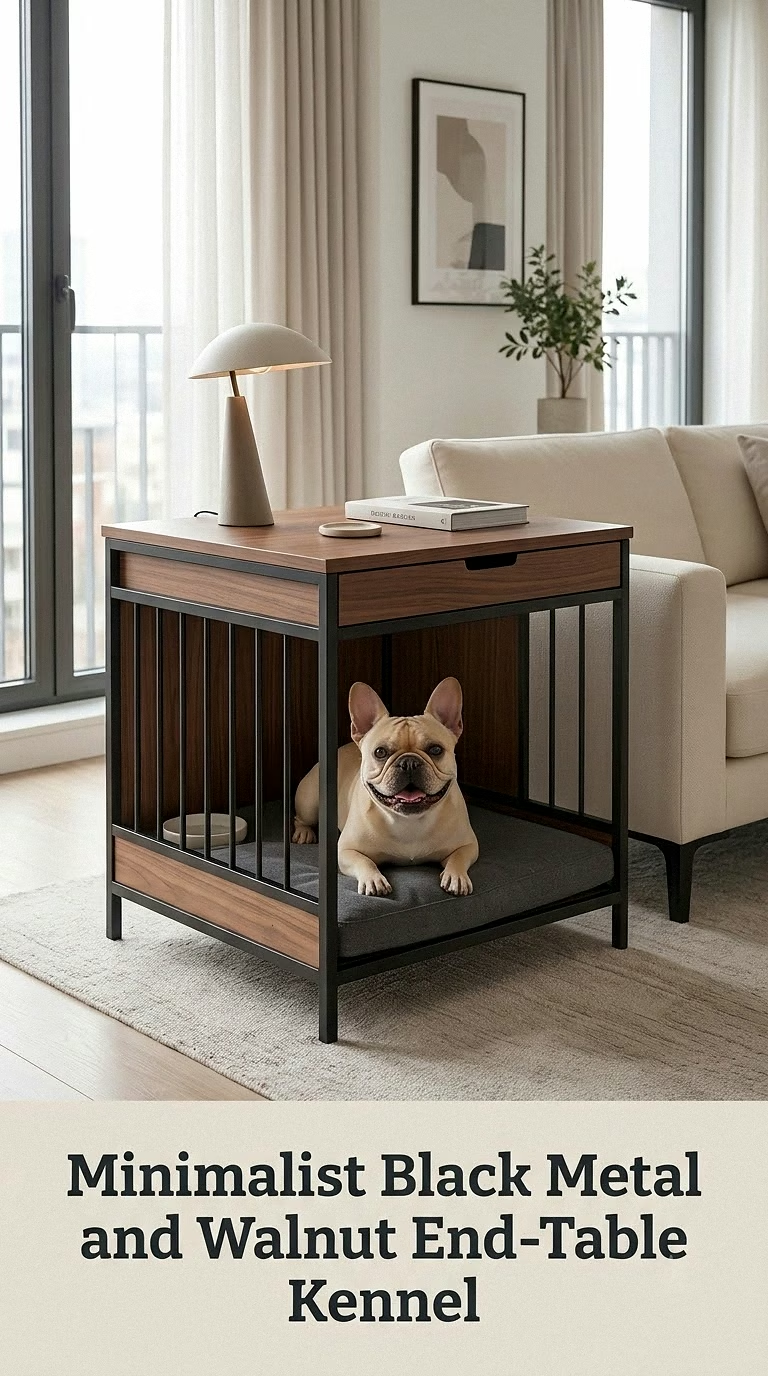
Small dogs can often enjoy kennel furniture that doubles as a substantial side table. For a modern industrial look, combine a slim matte-black metal frame with a warm walnut top.
Keep the design visually light rather than enclosing the kennel with heavy panels. Black bars around several sides provide airflow and allow your dog to see the room while the rich wood top makes the piece feel like actual furniture.
Place it beside a sofa or reading chair and style it with a compact lamp, a book, and perhaps one ceramic accessory. Inside, choose a low-profile charcoal, beige, or camel-colored washable mat.
This design is particularly useful in apartments because one footprint serves two purposes.
Before using the top as a table, make sure the structure is stable and rated for whatever you place on it. Avoid positioning it where drinks, plants, cords, or objects could fall through the openings or become accessible to a curious dog.
Built-In Window Bench Kennel With Linen Cushion and Hidden Drawers
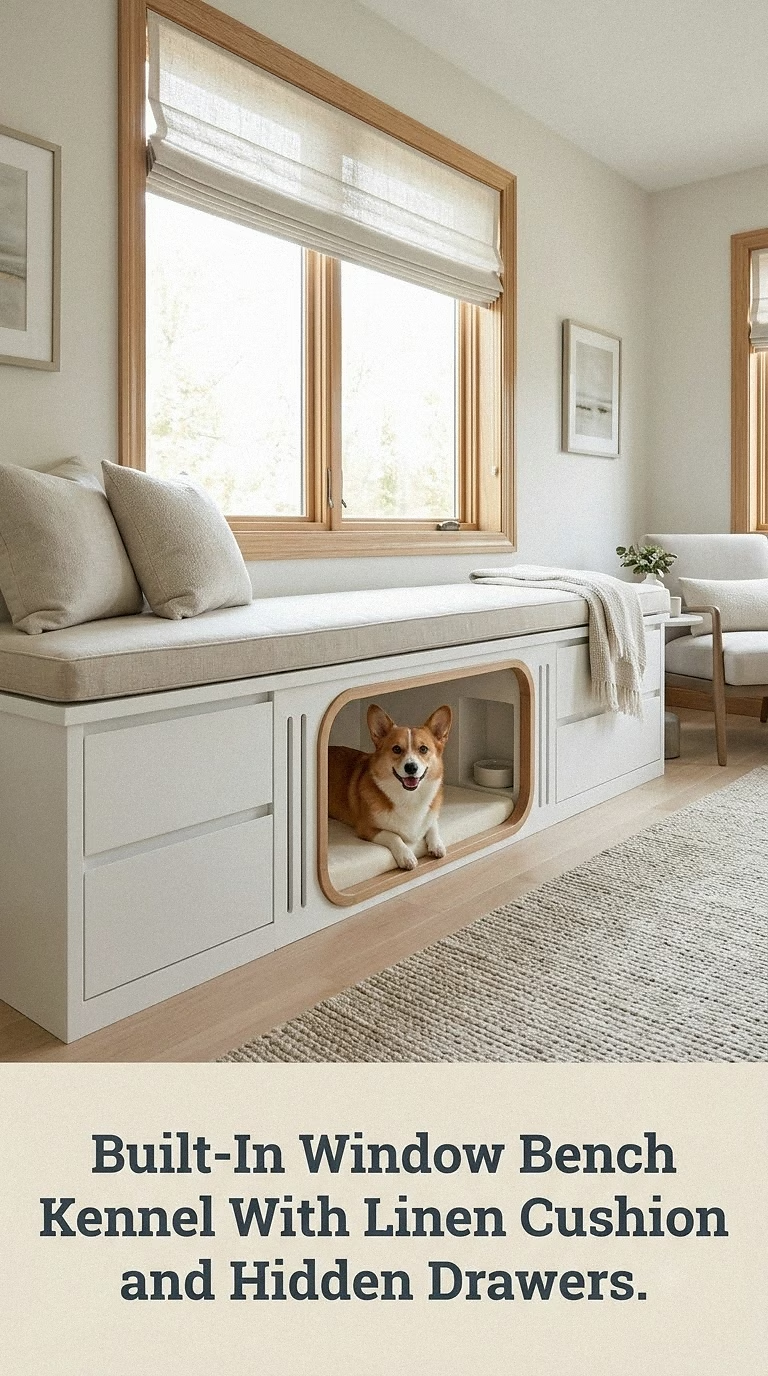
A window wall can become a dreamy pet-friendly feature when a custom kennel is incorporated beneath a built-in bench.
Create the kennel compartment at floor level with attractive open slatted doors, then continue the cabinetry across the wall with storage drawers. A thick linen-look bench cushion above transforms the entire structure into a comfortable reading or lounging spot.
Soft ivory cabinetry, natural oak accents, and oatmeal upholstery create a timeless palette that feels especially inviting in bedrooms, mudrooms, or family rooms.
The window makes the space visually beautiful, but kennel placement requires a little thought. Strong direct sunlight can make an enclosed area uncomfortable, so use appropriate window treatments and make sure the kennel remains shaded and well ventilated.
Removable interior panels or a slide-out waterproof tray can make cleanup much easier. Add washable cushion covers to the bench as well, especially if your dog likes joining you there after muddy walks.
Small-Space Entryway Bench Kennel With Shoe Storage and Wall Hooks
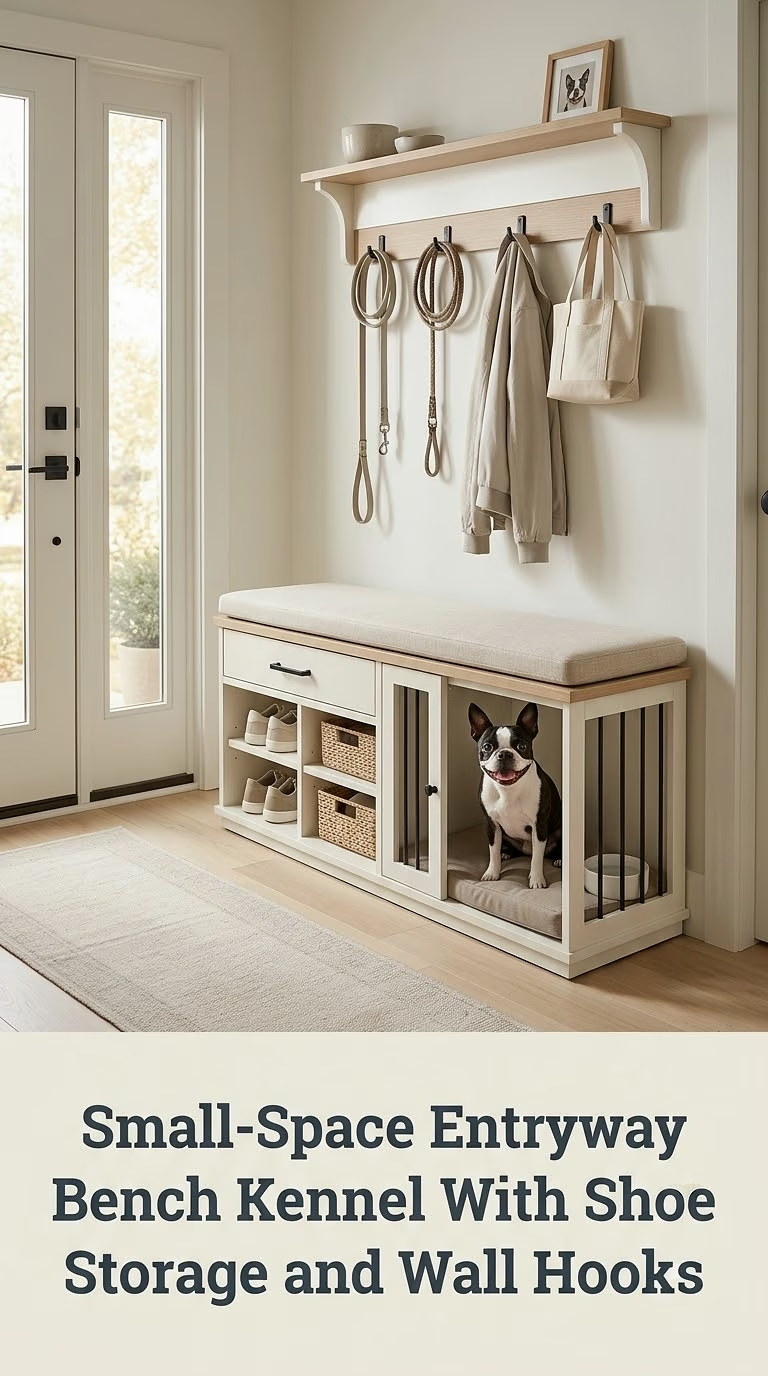
Make a narrow entryway work harder by combining a dog kennel, sitting bench, shoe cabinet, and walking station in one compact piece.
Place the kennel underneath one side of a sturdy bench and use drawers or closed shoe storage on the other. Above it, install hooks for everyday leashes, lightweight walking bags, and jackets.
A warm greige base with a natural wood seat works beautifully in both modern and farmhouse interiors. Add a washable runner nearby and keep a lidded basket for towels so muddy paws can be cleaned as soon as you come home.
Because entryways can become hectic, leave enough clear floor space around the kennel door. Your dog should not have to squeeze past shoes, bags, or people to enter and exit.
If the front door opens directly beside the kennel, consider positioning the opening toward the quieter side of the room so your dog has a calmer place to rest.
Cozy Bedroom Nightstand Kennel With Cane Panels and Warm Neutral Bedding
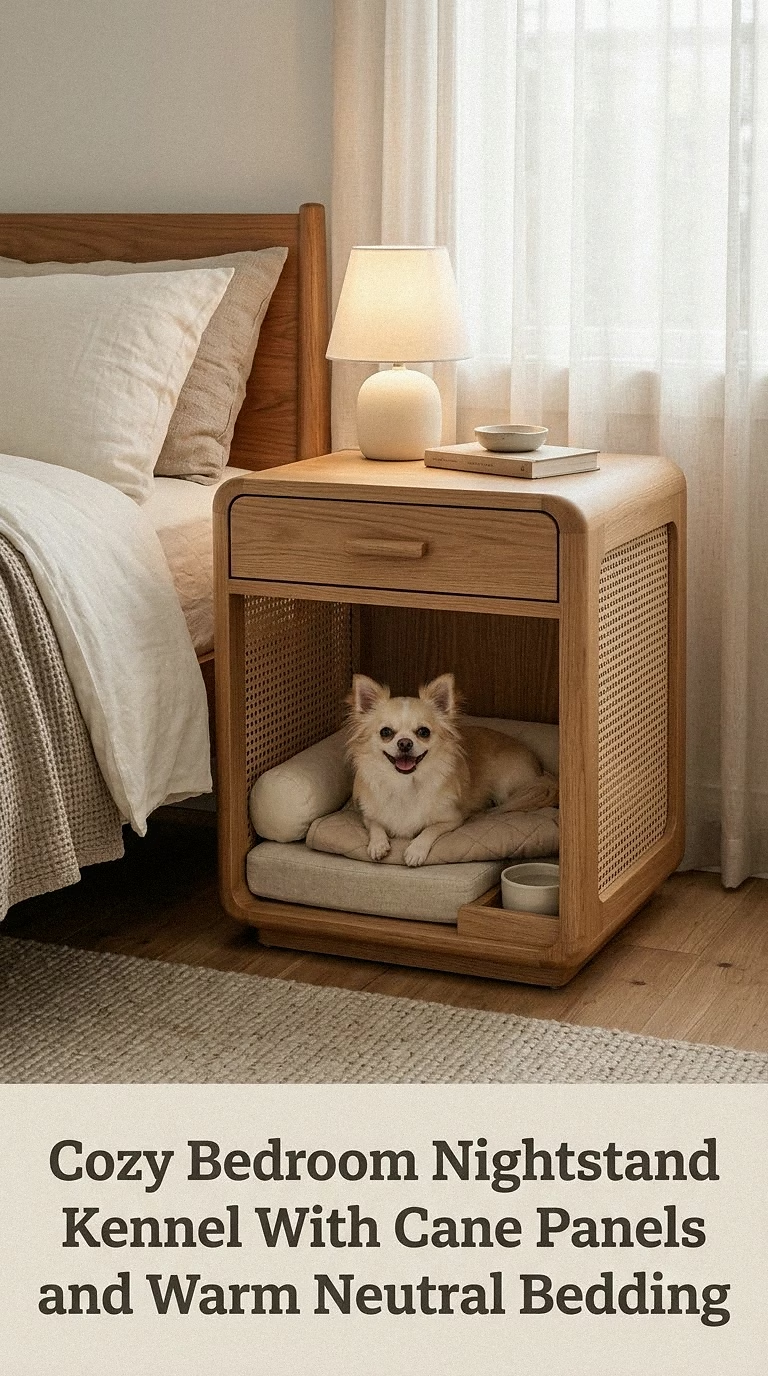
For dogs that like sleeping close to their owners, kennel furniture designed as a bedside table can feel wonderfully cozy.
Choose a warm oak or creamy painted cabinet with cane-inspired ventilation panels along the sides. The woven look adds texture and gives the piece a softer residential appearance than traditional metal bars.
Read more : 18 Dog Breeder Kennel Ideas for a Calm, Clean, Beautiful Breeding Space
Inside, keep the bedding simple with a washable taupe or oatmeal mat. On top, use the furniture just like a nightstand with a small lamp, book, and closed storage tray.
Make sure decorative cane is strong enough for your particular dog. Dogs that scratch, chew, or push against their kennel may need a sturdier metal or wood-bar structure with cane used only as an exterior decorative layer.
Keep charging cables, lamp cords, medications, and other bedside items completely outside the dog’s reach. A bedroom kennel should feel peaceful while still being designed around everyday pet safety.
Double Dog Kennel Buffet With Center Drawers and Matching Beds
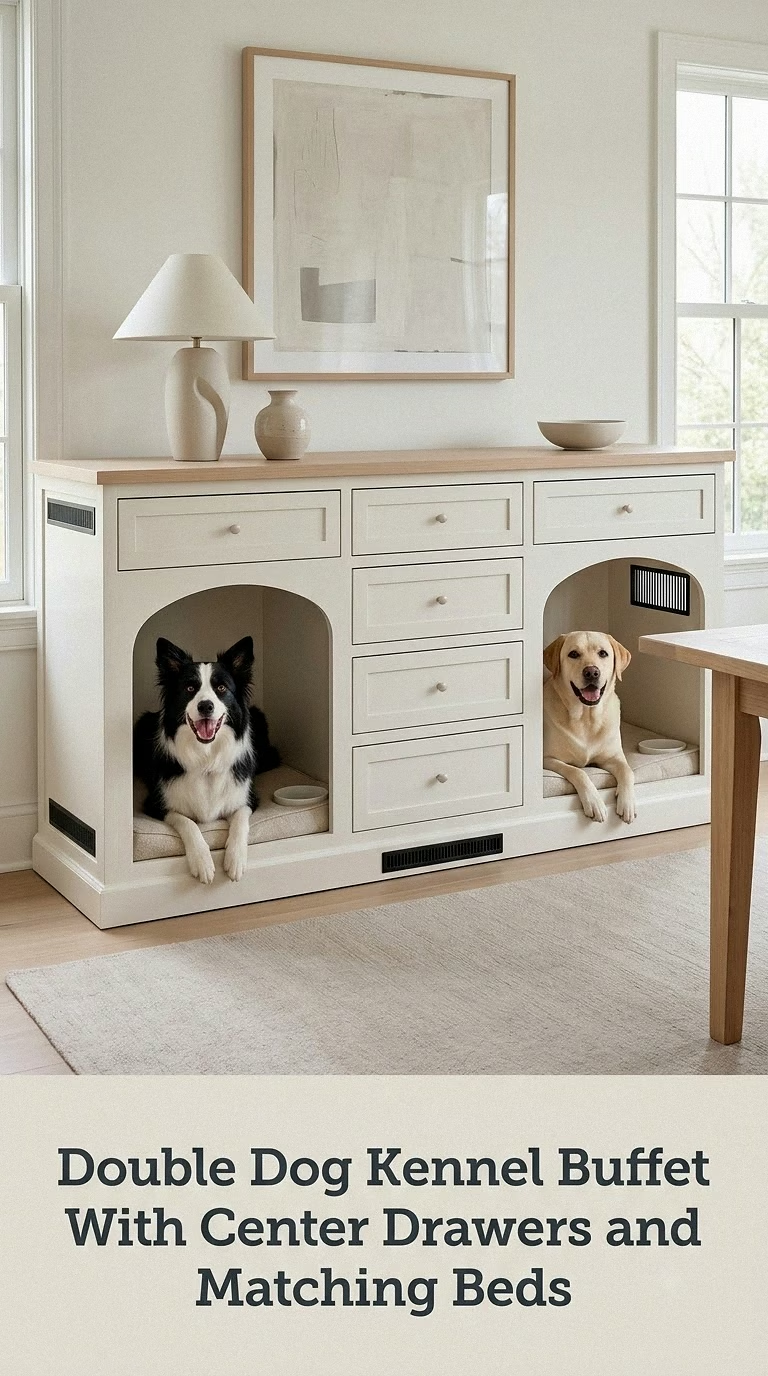
For a two-dog household, a long buffet-style kennel can create separate resting spaces without filling the room with multiple freestanding crates.
Design two matching kennel compartments on either side of a central bank of drawers. The symmetrical layout looks intentional and works beautifully along a dining room, living room, or wide hallway wall.
Warm oak paired with off-white cabinetry creates a light, relaxed look, while walnut and black metal can make the same concept feel much more contemporary.
Give each dog its own washable mat and enough individual space to rest comfortably. Separate compartments are generally much more practical than placing two dogs together inside one kennel.
The center drawers can organize leads, waste bags, brushes, medications, and other small supplies. Add labeled interior containers rather than displaying everything on top.
For an especially polished look, hang one large piece of artwork above the buffet so the entire setup reads as a coordinated piece of furniture.
Kitchen Island Dog Kennel With Slatted Oak Ventilation Panels
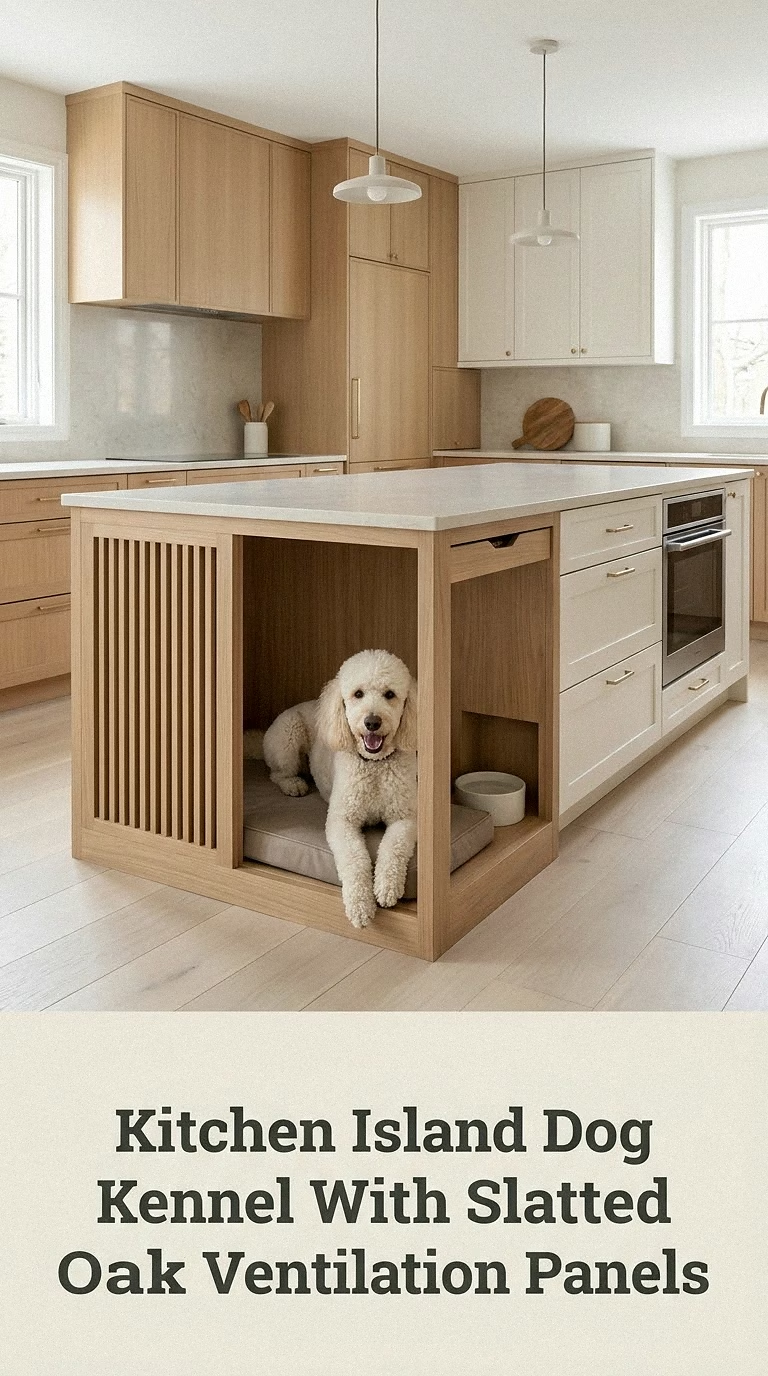
A kennel built into the non-working end of a large kitchen island can be a clever solution when your dog loves staying near the family.
Use oak slats or durable metal bars on several sides to keep the resting area open and airy. Continue the same cabinetry color and countertop across the island so the kennel disappears naturally into the kitchen design.
The best location is away from ovens, cooktops, hot appliances, and the busiest food-preparation zone. Your dog should be able to rest without being surrounded by constant foot traffic or cooking heat.
Inside, choose a thin washable mat rather than bulky bedding that traps crumbs and fur. A removable base tray makes routine cleaning much easier.
This idea is particularly attractive in open kitchens where a separate crate would otherwise sit beside the island. Done thoughtfully, the kennel feels like part of the architecture rather than an extra pet accessory.
Laundry Room Base Cabinet Kennel With Pull-Out Supply Drawer
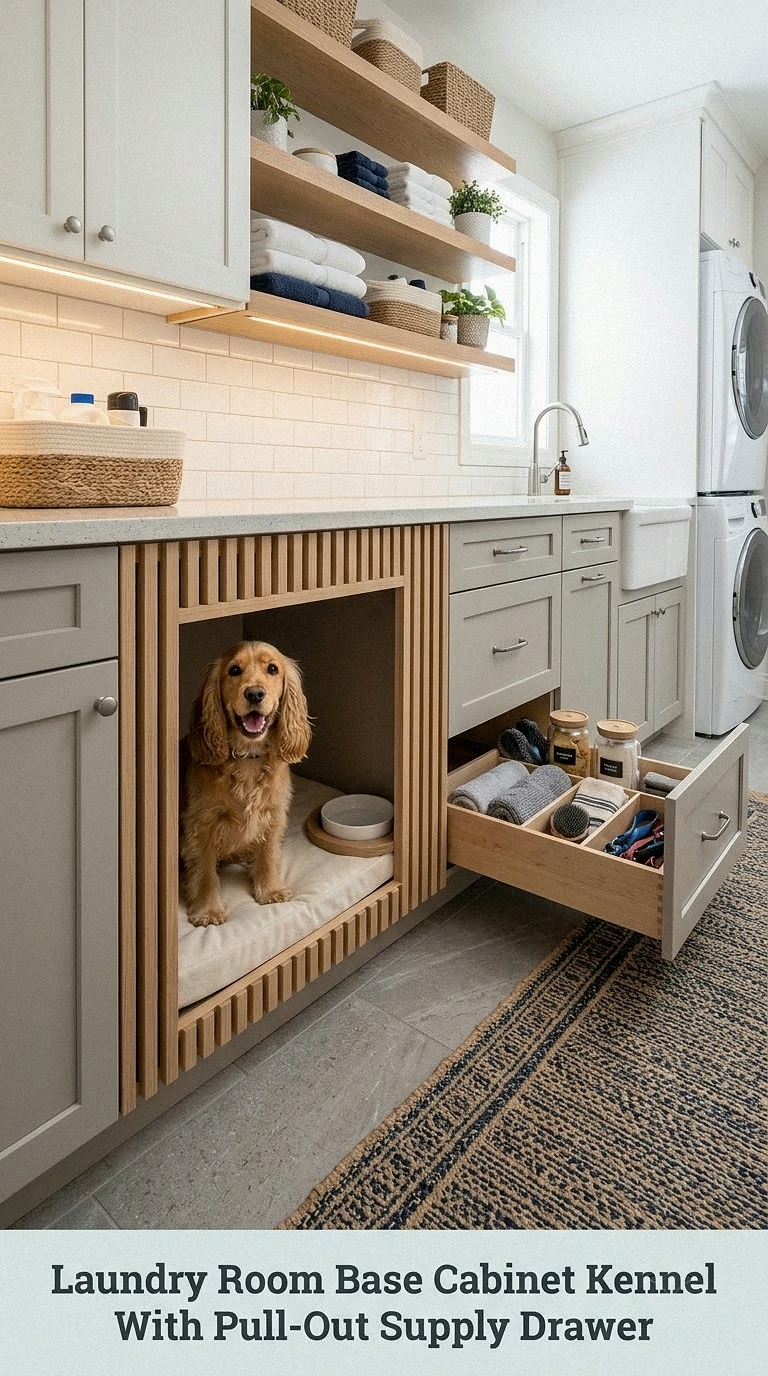
Laundry rooms and mudrooms naturally lend themselves to practical pet storage, making them ideal places for built-in kennel furniture.
Reserve one wide base cabinet area for the kennel and surround it with closed storage. A pull-out drawer above or beside the kennel can hold towels, grooming tools, waste bags, and washable bedding.
Soft blue-gray, sage, or creamy cabinetry paired with butcher-block counters creates a cheerful utility-room look.
Choose flooring that is easy to wipe clean and consider a removable kennel tray for accidents, wet paws, or shedding. Keep detergents, cleaning products, dryer sheets, and other laundry supplies securely stored where your dog cannot reach them.
Avoid placing the kennel directly against equipment that becomes hot, noisy, or heavily vibrating during operation. If your dog is sensitive to household sounds, a quieter part of the room may be more suitable.
Under-Stair Custom Kennel Furniture With Arched Wood Openings
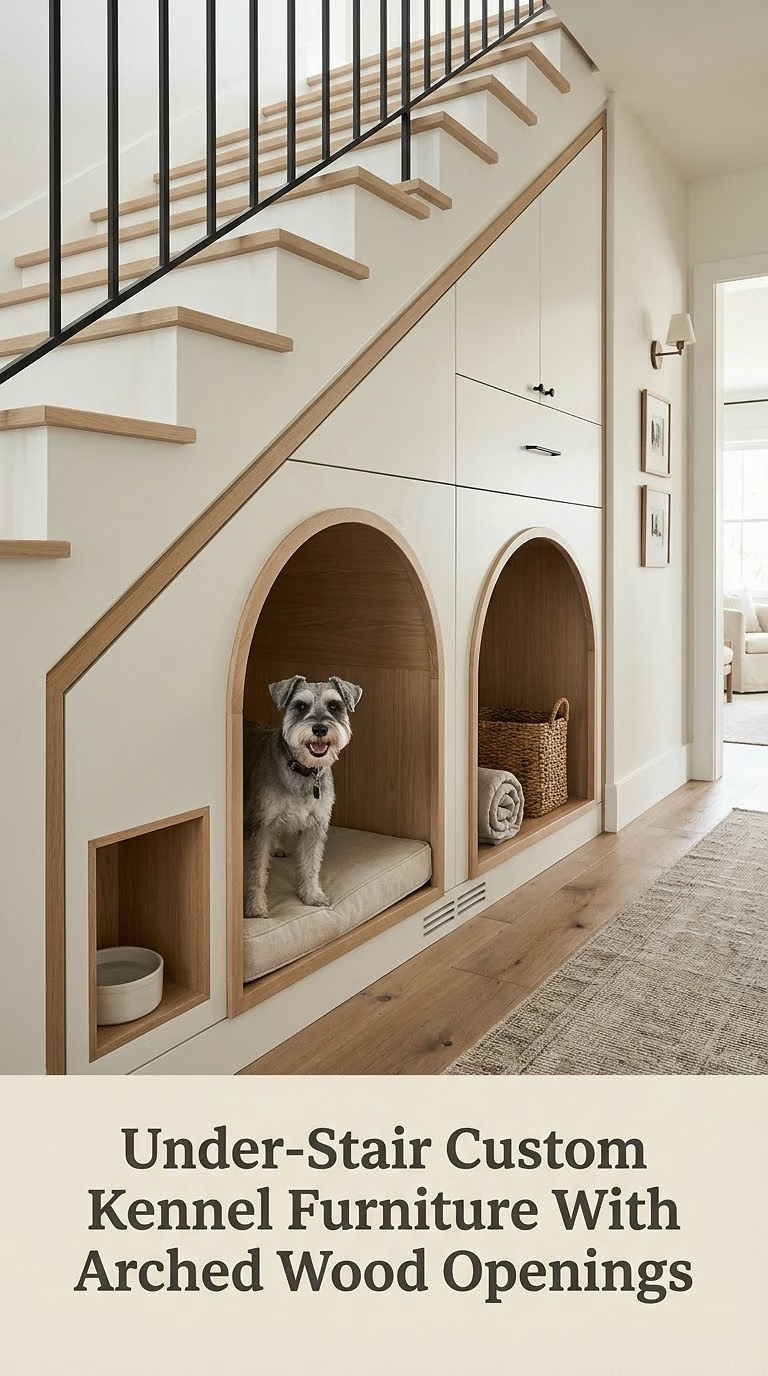
The awkward space beneath a staircase can become one of the prettiest dog areas in the house.
Instead of simply fitting a crate underneath, create custom cabinetry that follows the staircase line. An elegant arched kennel opening gives the space a charming built-in appearance, while drawers or small cupboards can fill the remaining triangular areas.
Warm wood paneling makes the nook feel cozy, while creamy white millwork creates a brighter cottage effect. Add subtle interior lighting outside your dog’s reach if the space feels dark.
Ventilation needs special attention because an under-stair area can become much more enclosed than a traditional wire crate. Incorporate generous open panels rather than relying only on the front doorway.
A removable washable mat and wipeable interior surfaces keep maintenance manageable. The result can look almost like a tiny architectural room designed especially for your dog.
Mid-Century Walnut Media Console Kennel With Tapered Legs
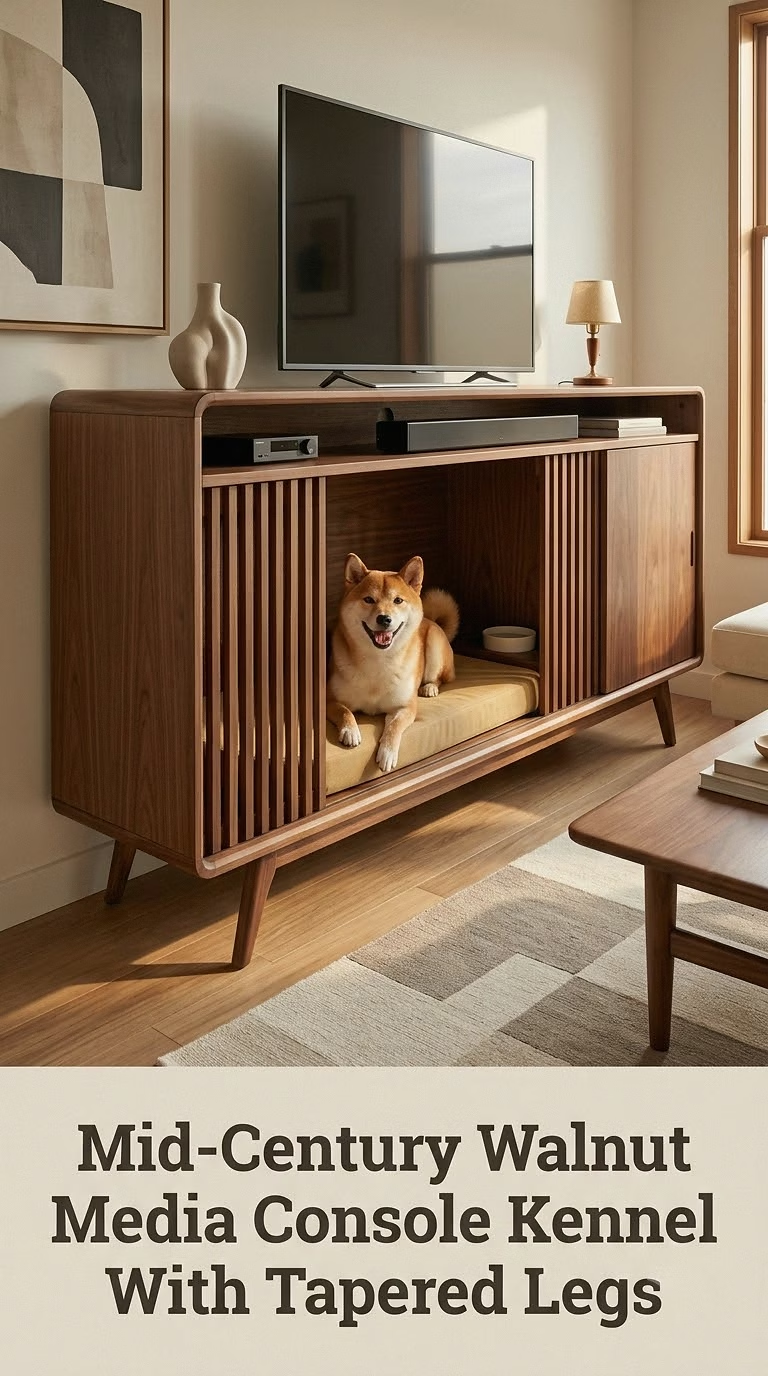
Dog kennel furniture can work beautifully with mid-century interiors when the proportions remain clean and streamlined.
Start with a long walnut console supported by sturdy tapered legs. Use one section for media storage and dedicate the other to a ventilated kennel compartment with slim black metal bars.
Keep electronics separated from the kennel so cables, plugs, and ventilation openings stay inaccessible to your dog. Closed cable management is especially important if your dog likes chewing.
A rust, olive, camel, or cream kennel mat ties naturally into a mid-century color palette. Above the console, style the room with graphic artwork and a simple ceramic planter.
The furniture should remain low enough to preserve that classic horizontal mid-century silhouette while still providing adequate interior height for your dog. Measure your pet before choosing or building the piece rather than sizing the kennel around the television or available wall space.
Coastal Whitewashed Kennel Cabinet With Rattan Doors and Soft Blue Accents
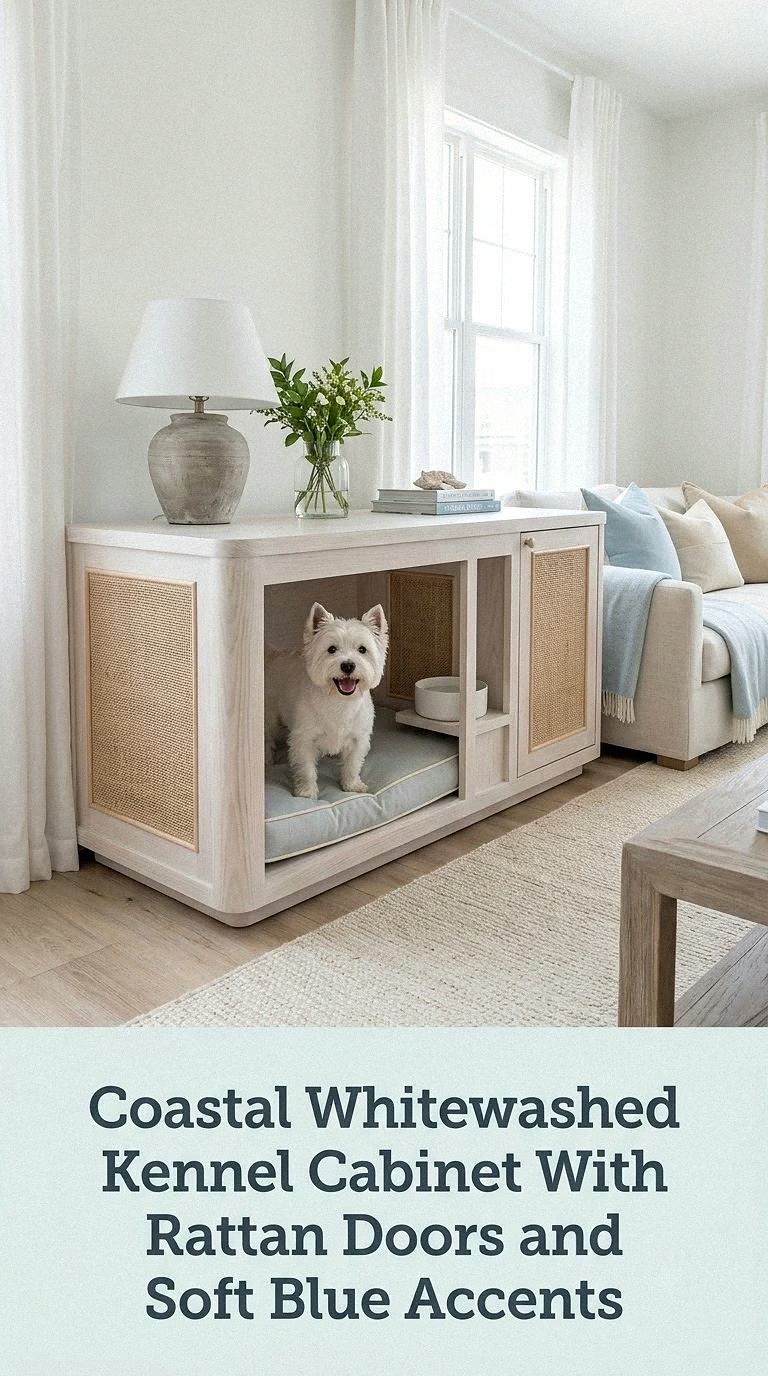
Bring an airy vacation-home feeling indoors with a whitewashed kennel cabinet inspired by coastal furniture.
Use pale wood, creamy white paint, and woven rattan details, then add dusty blue or sea-glass accents through nearby textiles and accessories. A natural jute-style rug outside the kennel can complete the relaxed look, provided your dog is not inclined to pull or chew loose fibers.
For the kennel itself, use sturdy ventilation openings behind any decorative rattan façade. This keeps the breezy woven appearance while giving the structure more durability.
Inside, a simple sand-colored washable bed maintains the calm palette.
Style the top with a blue ceramic lamp, a small bowl, and perhaps one piece of coastal artwork rather than obvious nautical decorations. The result feels fresh and sophisticated instead of themed, making it a lovely choice for bedrooms, sunrooms, or casual living areas.
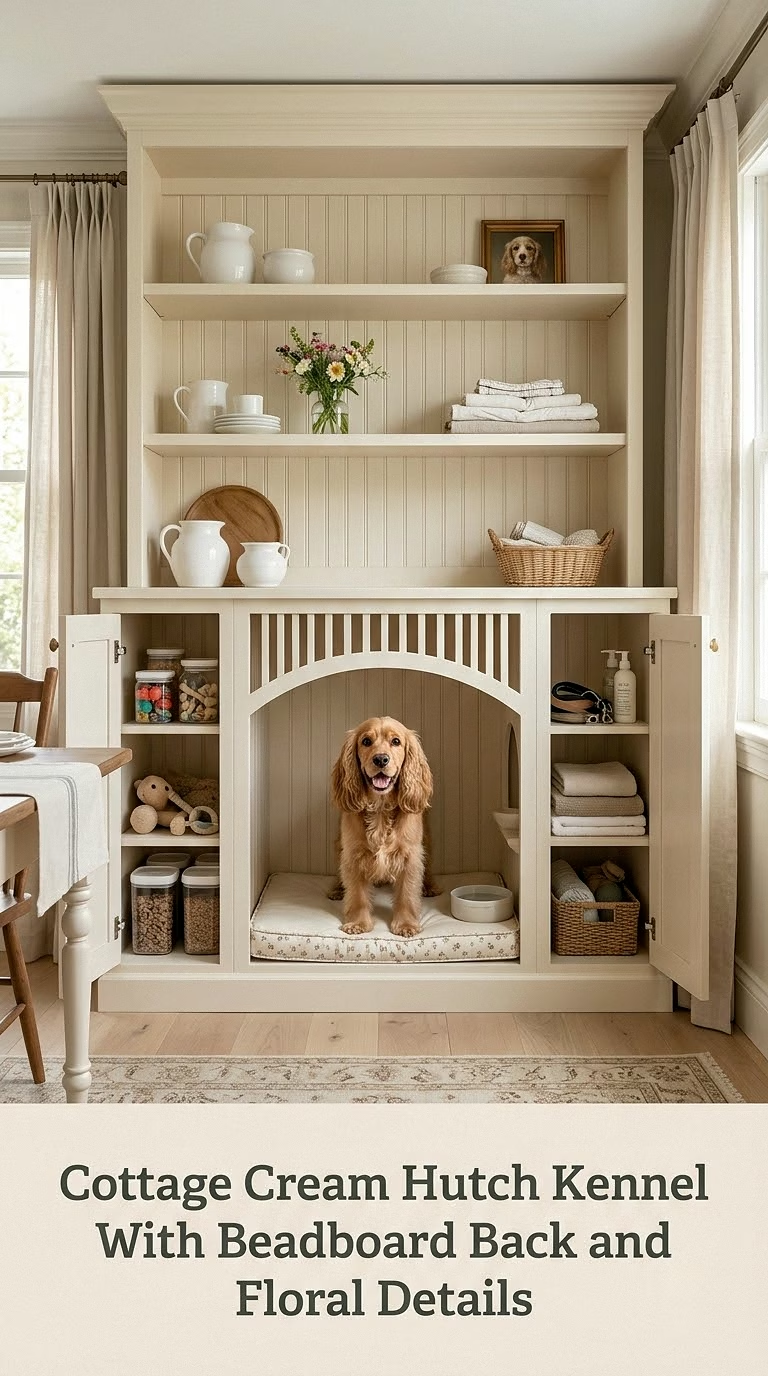
Cottage Cream Hutch Kennel With Beadboard Back and Floral Details
Read more : 18 Dog Containment Ideas Outdoor for a Safe, Stylish, Pet-Friendly Yard
For a romantic cottage-style home, turn the lower portion of a hutch-inspired cabinet into an adorable kennel while keeping the upper section for attractive storage.
Paint the cabinetry warm cream and use subtle beadboard detailing around the exterior. The kennel opening can feature rounded corners or a gentle arch framed with slim wooden slats.
Above it, open shelves can hold books, ceramic pieces, baskets, and small floral prints. Keep anything fragile far enough from the edges that enthusiastic movement cannot knock it down.
Inside the kennel, choose dusty rose, muted sage, or warm beige bedding for a soft color accent without overwhelming the room.
Use removable washable fabrics rather than elaborate pillows, tassels, or trims inside the kennel. Decorative details are much easier and safer to enjoy on the surrounding furniture where your dog cannot chew them.
Luxury Marble-Top Kennel Console With Brass Hardware and Bouclé-Inspired Bedding
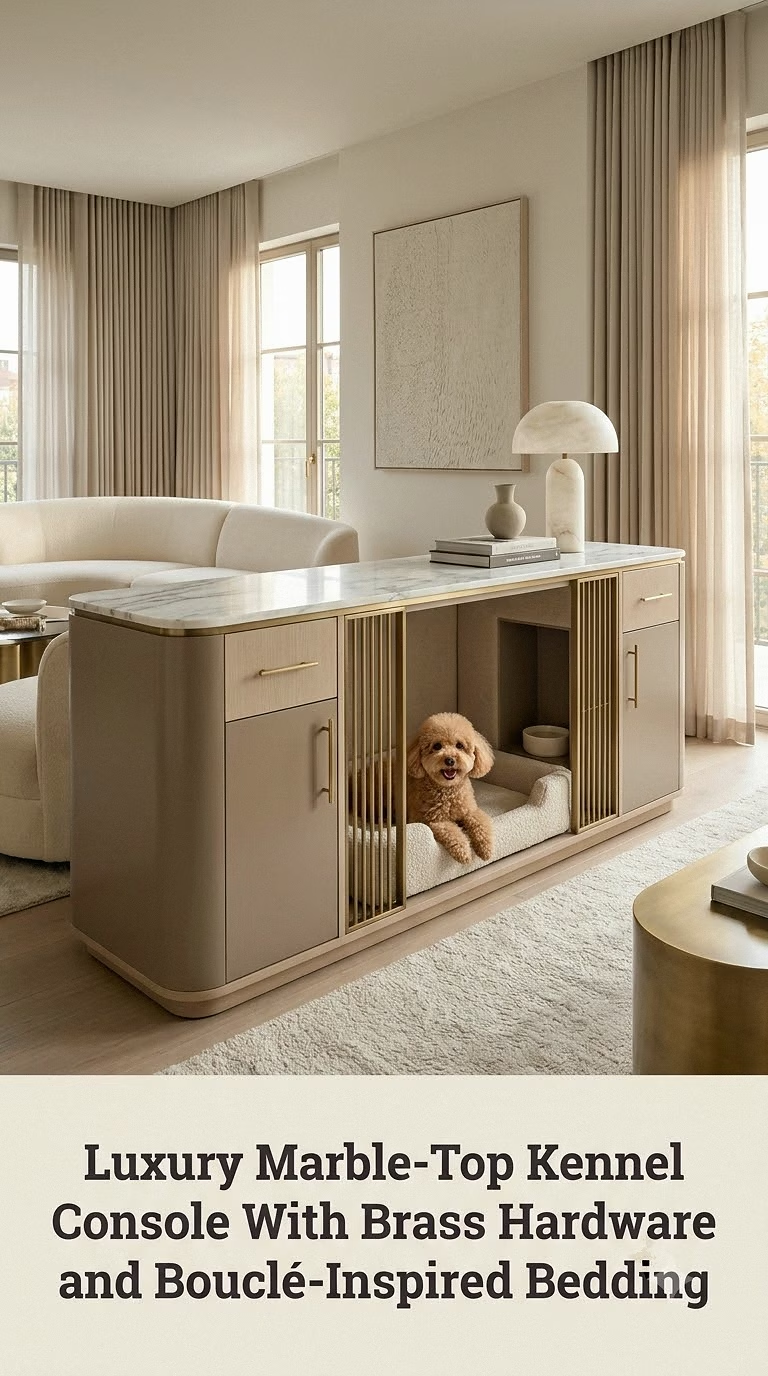
Dog furniture can feel decidedly upscale when it borrows details from luxury interior design.
Imagine a charcoal, deep olive, or warm taupe console topped with pale stone or a convincing stone-look surface. Add brushed brass handles and narrow metal kennel bars for a refined contrast.
Inside, a cream bouclé-inspired washable mat gives the space a soft designer feel. If your dog tends to chew or shred textured fabrics, however, choose a smoother durable cover that creates the same neutral look.
Use the console in a formal living room or spacious primary bedroom and style the top with a sculptural lamp, stacked books, and one elegant vase.
Luxury does not need to mean delicate. Prioritize durable hinges, secure doors, smooth surfaces, and finishes that can handle frequent wiping. The most successful upscale kennel furniture looks sophisticated while still surviving real life with a dog.
DIY Cabinet Hack Kennel With Removable Metal Crate Insert
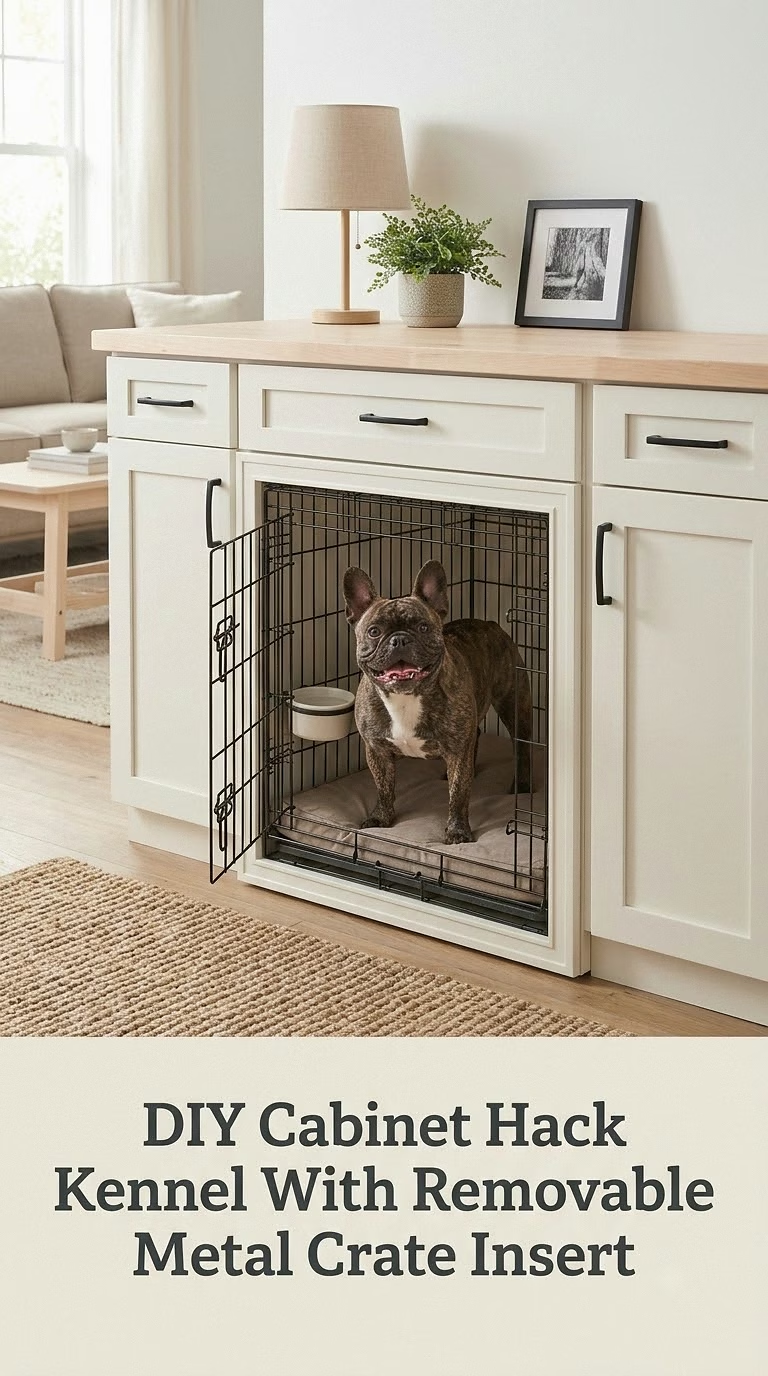
A budget-friendly approach is to build the furniture around a properly sized metal crate rather than constructing the kennel mechanism from scratch.
Start with simple cabinetry, a console frame, or modular storage components large enough to surround the crate without blocking its airflow. Create a wood top and matching side panels so the finished piece resembles a custom console.
The metal crate remains removable, which makes deep cleaning much easier and allows you to replace it if necessary.
Paint the outer furniture warm white, muted green, charcoal, or another shade already used in your room. Add shallow drawers or shelves beside the crate for pet supplies.
Do not tightly box in the crate simply to hide the metal. Leave generous ventilation around it and make sure furniture panels cannot interfere with doors or latches. This approach gives DIYers plenty of styling freedom without requiring them to engineer an entirely new confinement system.
Rolling Dog Kennel Cart With Locking Casters and Storage Shelf
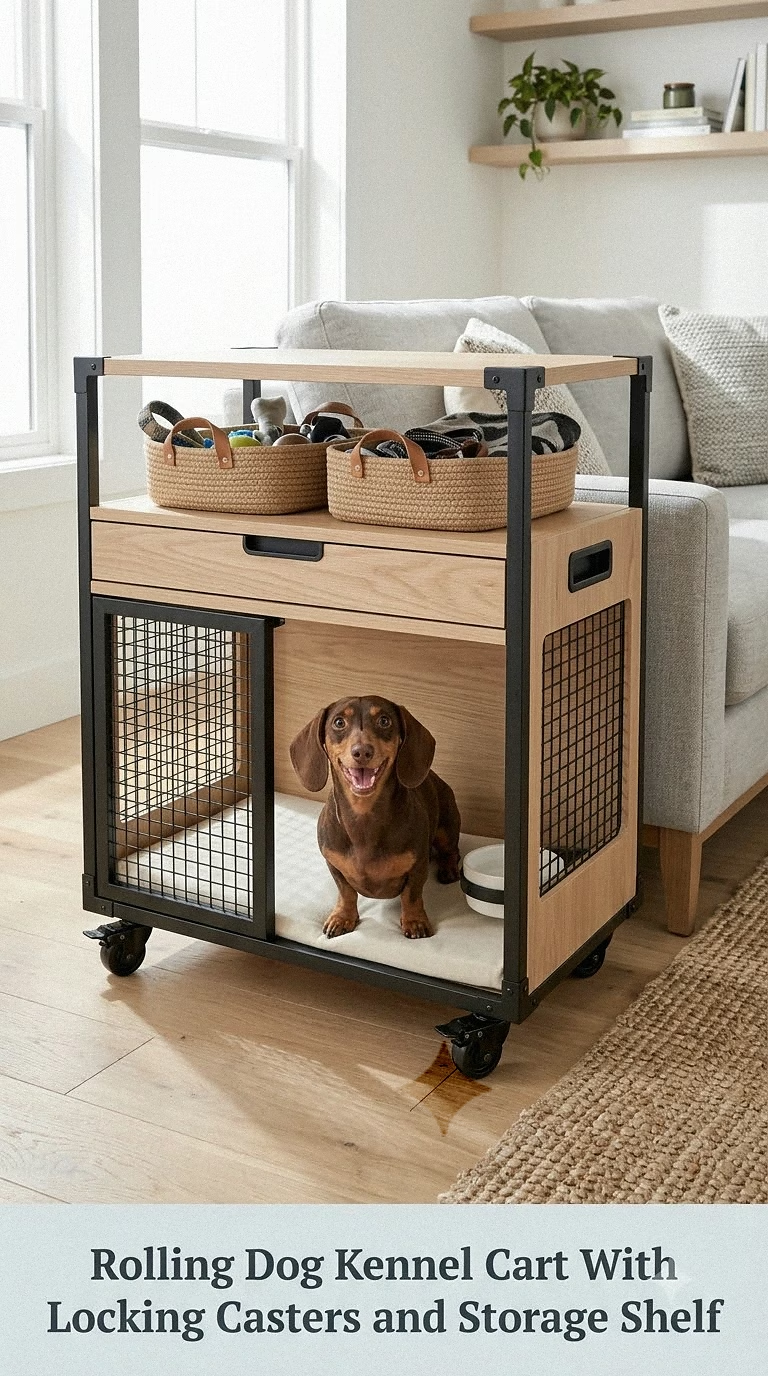
Renters and people who rearrange their homes frequently may prefer kennel furniture that can move.
Build a sturdy rectangular kennel console on heavy-duty locking casters, with a solid wood top and open metal sides. Include a narrow upper drawer or side shelf for blankets, toys, and walking supplies.
The wheels allow you to reposition the kennel for cleaning or move it between rooms, while the locks keep it securely in place during normal use.
A warm oak frame paired with black hardware gives the piece an attractive modern-industrial appearance. For a softer look, choose painted cream wood with brushed metal accents.
Keep the overall structure low and stable, and avoid piling heavy decorative objects on the top. Mobility should never make the furniture easy to tip.
This is also a useful solution when you want your dog near different family areas at different times of day.
Hidden Crate Cabinet With Sliding Tambour Door and Open-Air Side Panels
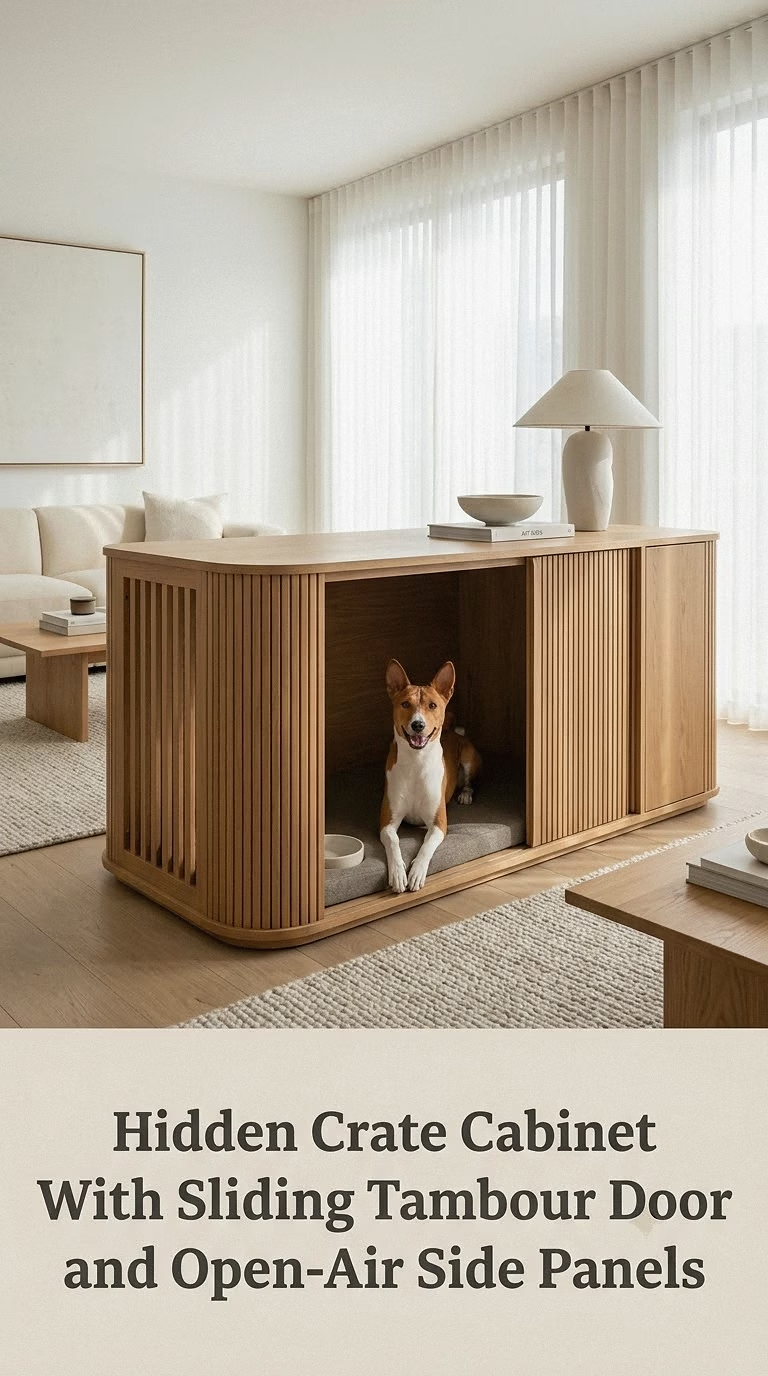
For a sleek contemporary home, consider kennel furniture inspired by tambour cabinets. Narrow rounded wood slats can slide along a track, allowing part of the furniture to visually close when the kennel is not being used.
The key is treating the decorative door as a furniture feature rather than the kennel’s only ventilation source. Keep generous open-air metal or slatted panels along the sides so the interior never becomes a tightly sealed cabinet.
Light oak works especially well for this style, paired with cream walls and minimal black hardware. Inside, use a low-profile neutral mat that can be removed quickly for washing.
When your dog is resting inside, keep the kennel configuration appropriately open and ventilated. When it is empty, the sliding façade can help the room look tidier.
The result is an elegant balance between modern cabinetry and practical pet furniture.
Cozy Living Room Sofa Table Kennel With Open Slats and Toy Drawers
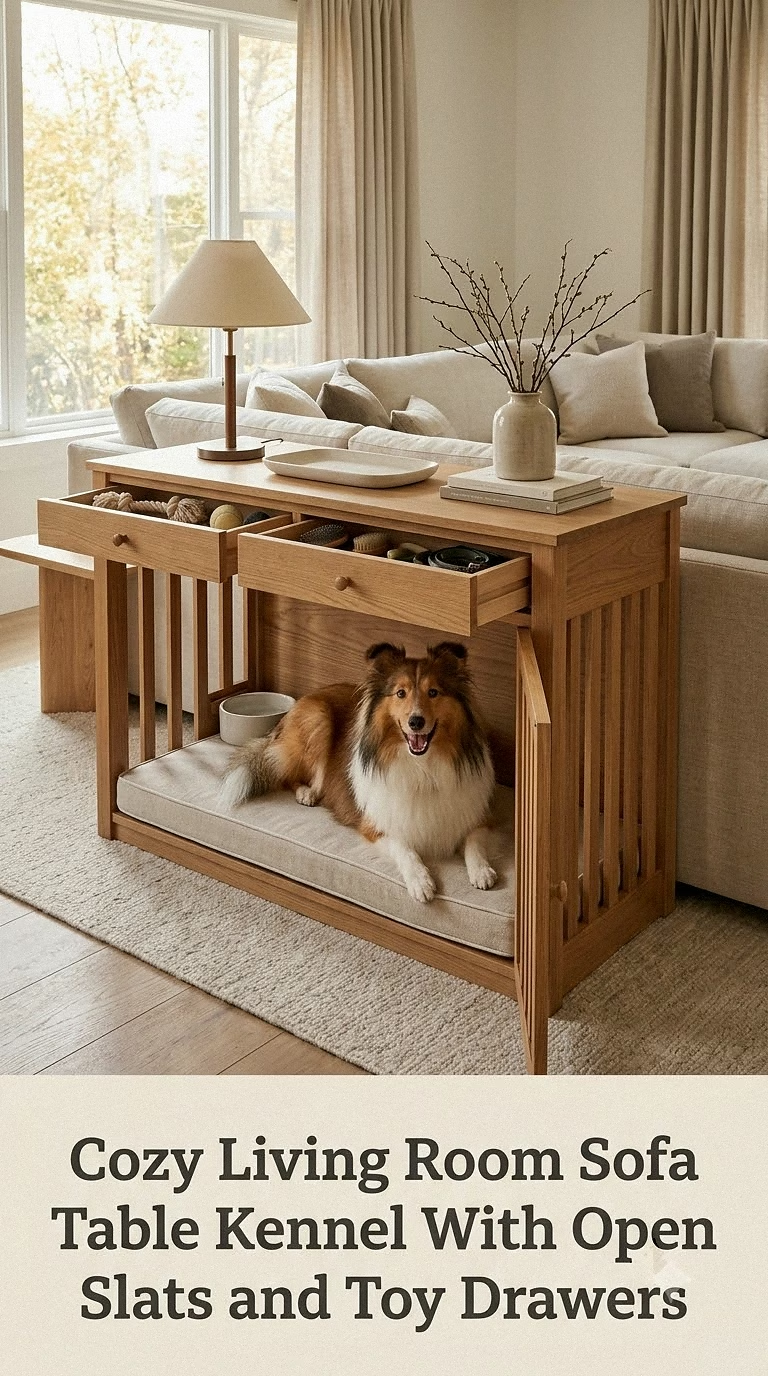
A sofa table positioned behind or beside a sectional can secretly do double duty as a dog kennel.
Choose a long wood console with a ventilated kennel compartment underneath and two shallow storage drawers across the top. Warm oak, soft beige bedding, and simple vertical slats create a relaxed look that fits beautifully with neutral living rooms.
Because the kennel sits near the sofa, your dog can relax close to the family without taking up an additional corner of the room. Store favorite toys, spare leads, brushes, and cleaning cloths in the drawers so everything stays nearby but hidden.
Leave enough clearance around the kennel opening for comfortable entry and avoid letting blankets from the sofa hang into the space.
A table lamp or decorative bowl can make the top feel finished, but keep food, candles, trailing cords, and fragile accessories out of your dog’s reach.
Creating Dog Kennel Furniture Ideas That Work for Your Home
The most beautiful dog kennel furniture ideas are not necessarily the most complicated ones. A simple wooden side table, a thoughtfully designed bench, or a cabinet surrounding an existing crate can completely change the way a dog area feels in your home.
Start with your dog rather than the furniture. Think about their size, sleeping habits, chewing tendencies, preferred location, and the amount of openness that helps them relax. From there, choose a design that fits your available space and decorating style.
You can keep things affordable with a DIY crate surround, maximize a tiny room with multifunctional storage, or invest in custom cabinetry that looks as polished as the rest of your interiors. Whatever style you choose, prioritize comfortable proportions, dependable ventilation, easy-to-clean materials, and sturdy construction.
With those practical details covered, you can have fun with the colors, wood tones, baskets, hardware, bedding, and styling that make the piece feel uniquely yours—and give your dog a cozy little place that belongs beautifully in the heart of your home.
Source: https://petstutorial.com
Category: Dog Kennels Runs
