
A little outdoor freedom can make an ordinary afternoon feel like an adventure for your dog. A trolley run can give your pup more room to sniff the grass, stretch out in the sunshine, watch the backyard, and relax near the family when a traditional fence is not practical. And with a little thoughtful planning, the setup does not have to look like an unattractive cable stretched across the lawn.
- 17 Beautiful Backyard Dog Run Ideas for a Safer, Happier Outdoor Space
- Large Dog Kennel Ideas Indoor for a Cozy, Stylish, and Practical Home
- 17 Beautiful Garage Dog Kennel Ideas for a Safe and Stylish Pet Space
- 19 Dog Kennel Garden Ideas for a Beautiful and Pet-Friendly Backyard
- 18 Covered Dog Run Ideas Backyard Pet Lovers Will Want to Copy
The best dog trolley run ideas combine function with a backyard design that feels intentional. Think handsome cedar posts, shady pergolas, gravel paths, flower-filled borders, modern black hardware, and cozy resting spots rather than simply attaching a cable wherever it happens to fit.
You are reading: 18 Dog Trolley Run Ideas For A Safer And More Beautiful Backyard
Safety should always come before aesthetics. A trolley should be considered a temporary, supervised containment option rather than permanent outdoor housing. Keep the travel area free from fencing, furniture, branches, steps, garden tools, and anything else that could cause the tether to catch or wrap around an object. Use equipment appropriate for your dog’s size, inspect the hardware regularly, provide water and reliable shade, and consider a properly fitted body harness rather than attaching a trolley lead to equipment that tightens around the neck. Local tethering laws can also differ significantly, so check the requirements where you live before installing a system.
With those basics in mind, these stylish and practical setups can help you create an outdoor space that works beautifully for both you and your dog.
Beautiful and Practical Dog Trolley Run Ideas for Every Backyard
Rustic Cedar Post Trolley Run With a Green Lawn Path
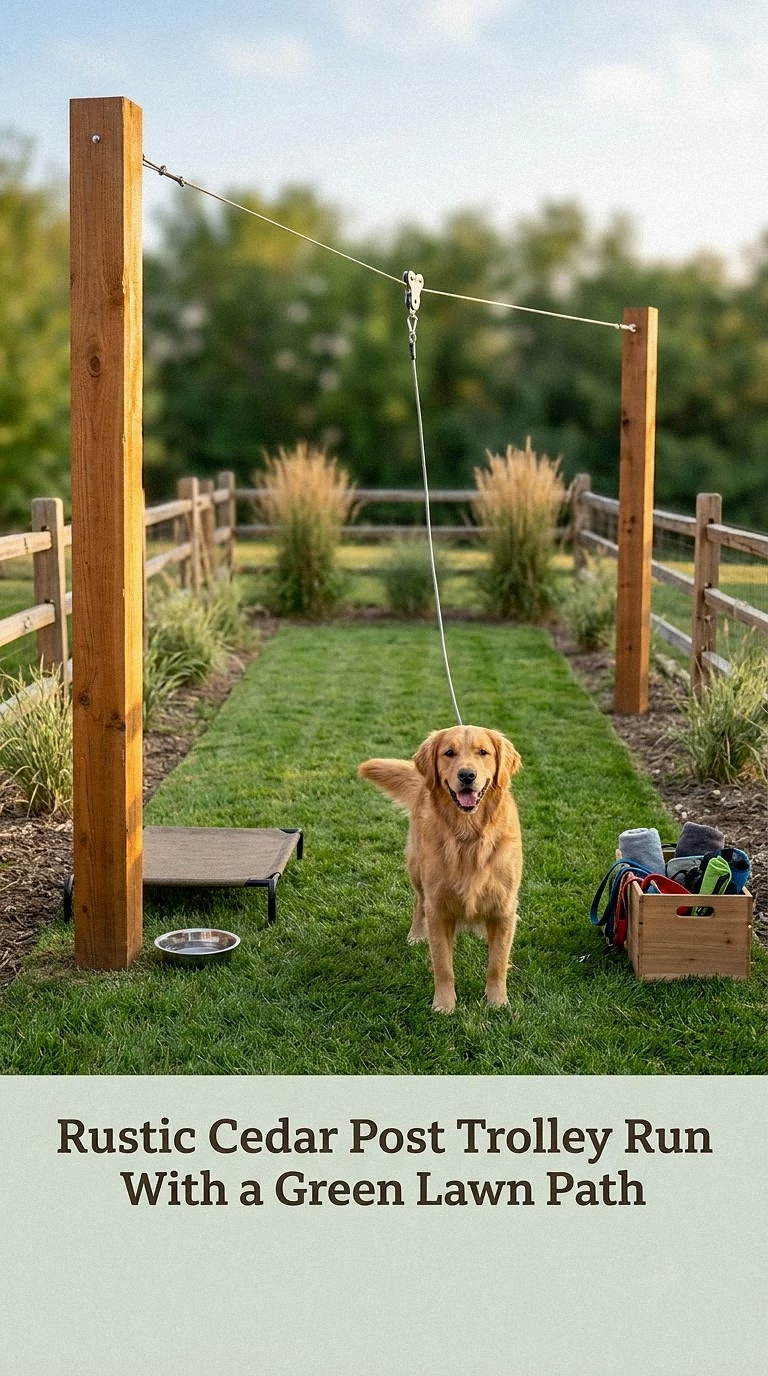
For a trolley run that blends naturally into a traditional backyard, install the main line between sturdy cedar-style posts and let the dog’s travel zone stretch over a simple strip of lawn. The warm wood creates a softer, more attractive look than purely utilitarian metal poles and pairs beautifully with garden beds, wood fencing, and farmhouse landscaping.
Keep the actual running lane open rather than filling it with décor. Flower beds and ornamental grasses can sit outside the dog’s maximum reach, creating a pretty border without becoming entanglement hazards.
A weather-resistant water bowl can be positioned in an accessible shaded area, while a washable outdoor mat creates a comfortable place to settle.
This design is especially lovely beside a cottage, farmhouse, or craftsman-style home.
Shaded Pergola Dog Trolley Run With a Cozy Resting Zone
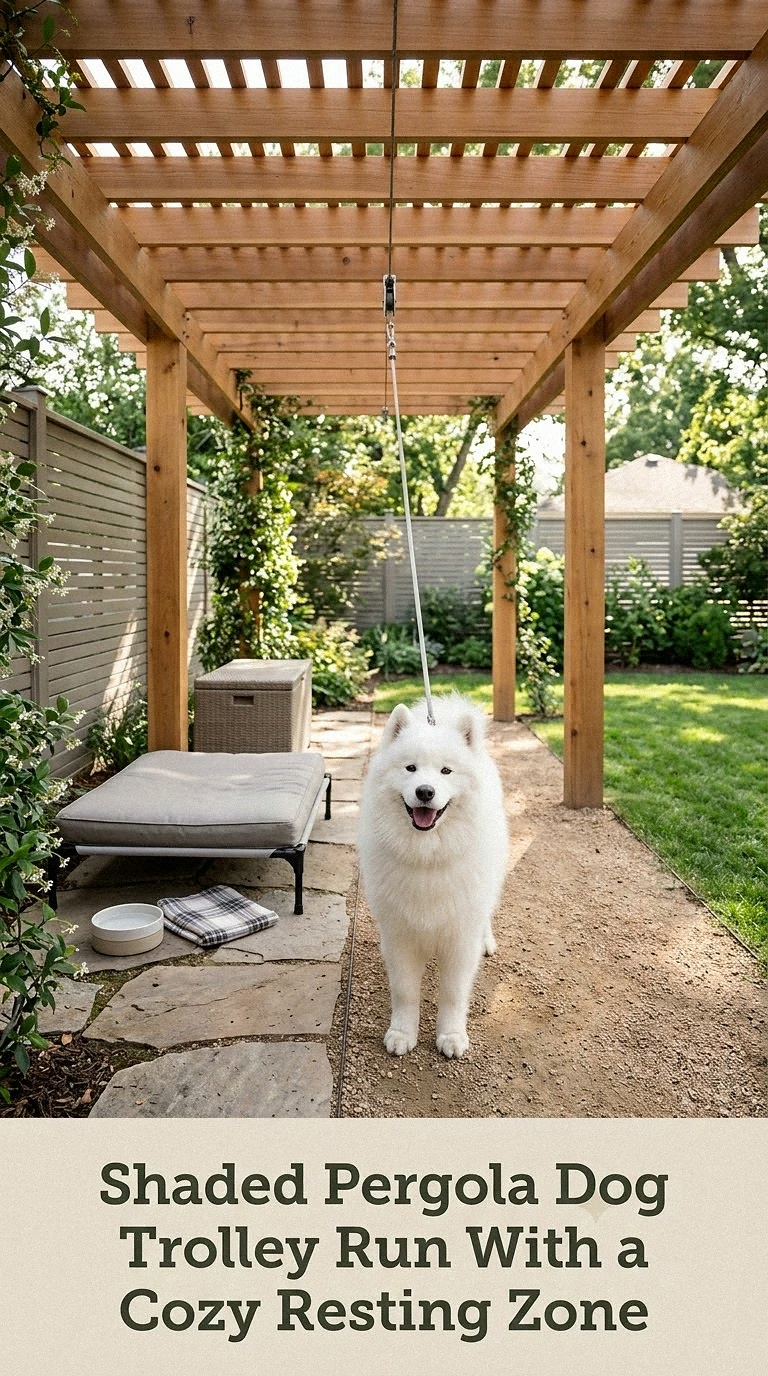
Turn part of a pergola-covered backyard into a comfortable trolley area that feels more like an outdoor dog lounge than a restraint system.
Run the trolley through an appropriately installed overhead zone while keeping posts, furniture, and decorative items beyond the dog’s reachable path. Under the pergola, create a simple resting area with a washable outdoor dog bed, fresh water, and plenty of airflow.
The pergola can visually connect with the rest of your patio through matching wood tones, while climbing plants can soften the structure when they are kept safely outside the dog’s reach.
The biggest advantage is dependable shade. Because sunlight shifts throughout the day, permanent overhead coverage can be more reliable than relying on one shady corner of the yard.
Modern Black Post Trolley Run With Minimal Landscaping
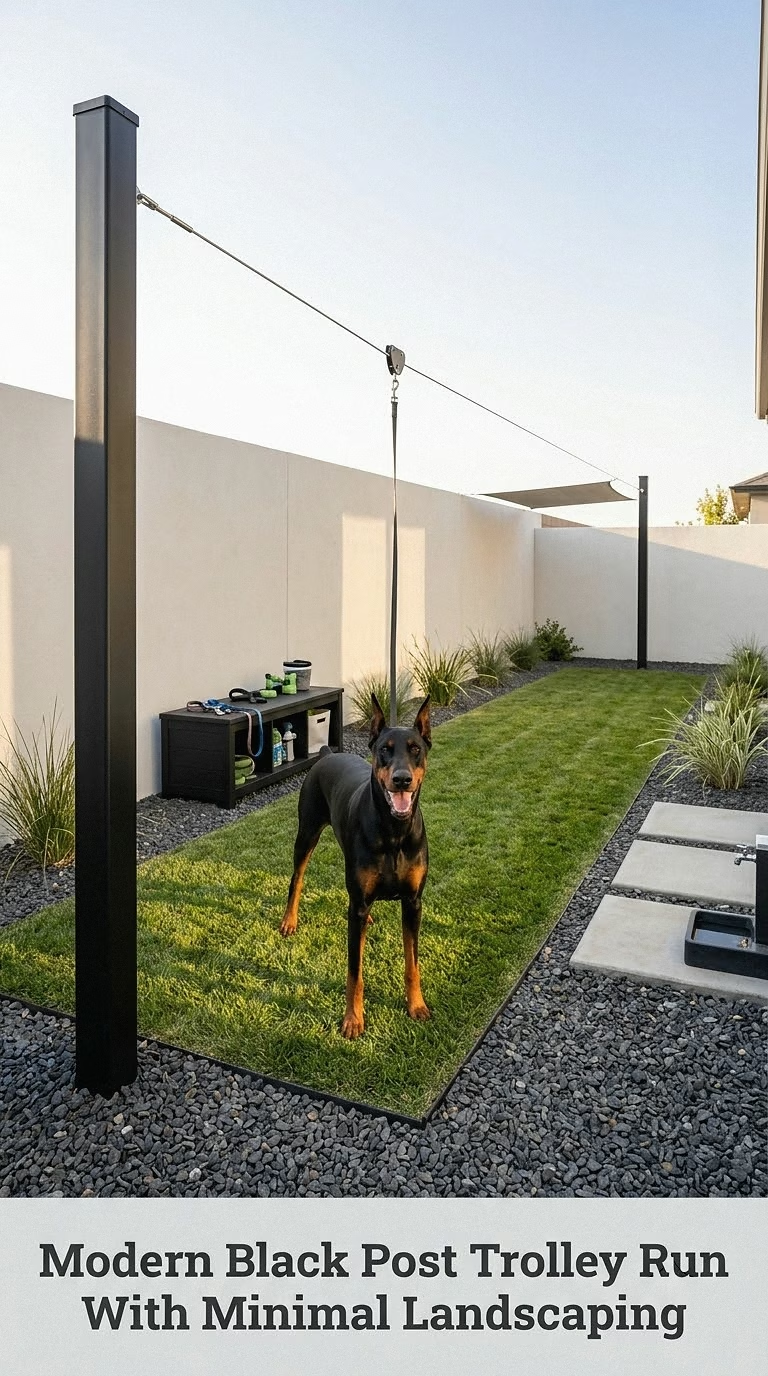
If your home has a contemporary exterior, make the trolley system feel equally polished with slim black posts and discreet dark hardware.
Surround the running area with a clean lawn or simple groundcover and keep landscaping restrained. White gravel borders, charcoal planters positioned safely outside the travel radius, and clipped shrubs can continue the modern aesthetic without cluttering the dog’s space.
The key to this look is simplicity. Instead of trying to disguise every piece of equipment, choose components that visually coordinate with outdoor lighting, fencing, and patio furniture.
A black-and-tan outdoor mat and a neutral water station complete the setting beautifully.
The result feels intentional, architectural, and much more Pinterest-ready than an improvised backyard tie-out.
Narrow Side Yard Trolley Run With a Clean Gravel Path
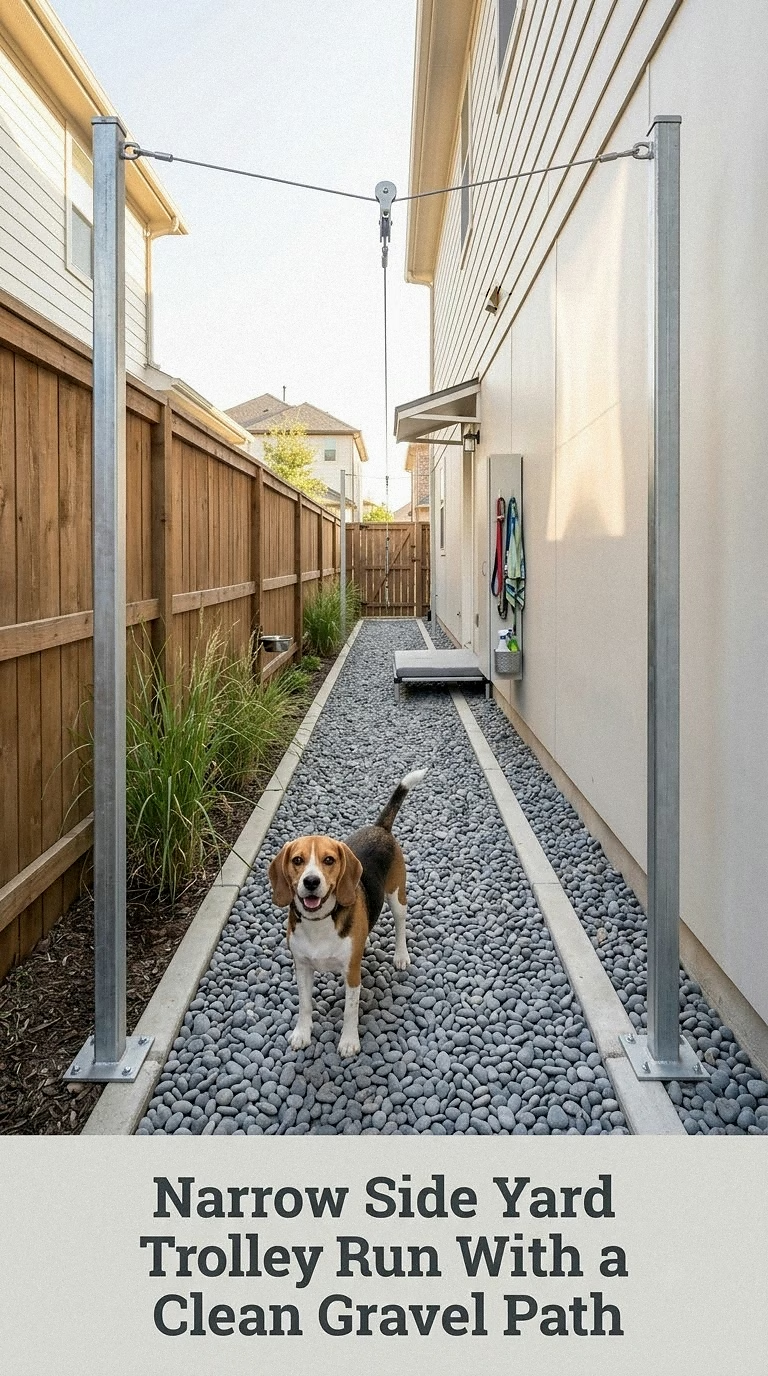
A long side yard is often one of the most underused areas around a home, yet its shape can work beautifully for a linear trolley setup.
Create a clear running lane using compacted fine gravel or another comfortable, dog-appropriate surface that drains easily. The overhead line can follow the length of the space, giving the dog room to move without taking over the main entertaining area.
Keep air-conditioning units, gates, garbage bins, hoses, and utility equipment outside the dog’s reachable zone. Side yards can become cluttered quickly, so this design works best when the path remains deliberately minimal.
Add a simple shade canopy and water station near one end for a pleasant resting area.
It is a smart option for smaller suburban lots where every square foot matters.
Farmhouse Dog Trolley Run With White Posts and Natural Wood Details
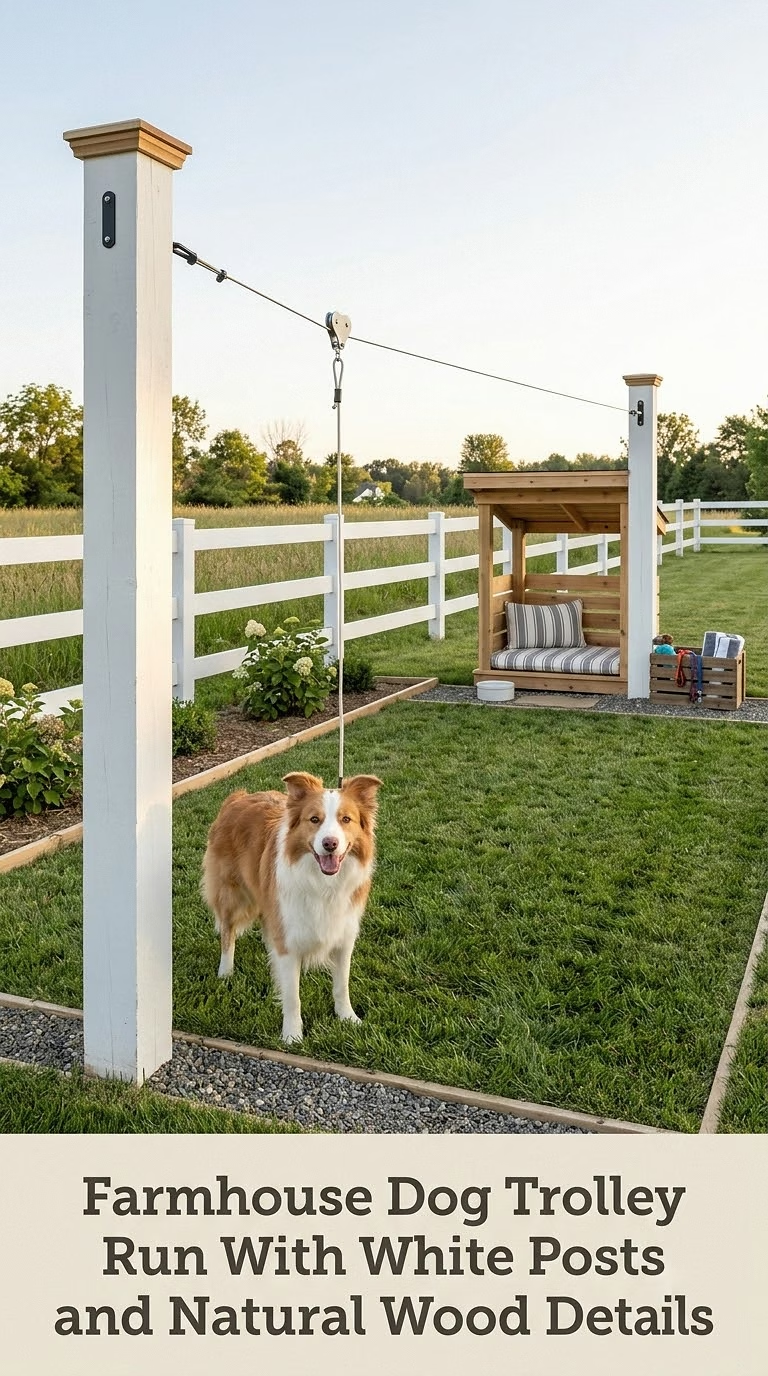
Bring a softer country look to your trolley run by combining white-painted structural elements with natural wood accents.
A broad grassy lane can sit between the posts, while landscaping outside the dog’s reach might include lavender-like plantings, hydrangea-style shrubs, or ornamental grasses chosen with pet safety in mind. A galvanized-look water container placed inside a secure holder and a simple weather-resistant mat continue the farmhouse character.
You could also place a decorative wooden sign or planter near the entrance to the area—as long as it remains beyond the tether’s reach.
The finished space feels charming without becoming overly decorated.
This idea works especially well beside white siding, barns, garden sheds, or homes with rustic outdoor furniture.
Small Backyard Diagonal Trolley Run for Maximum Movement
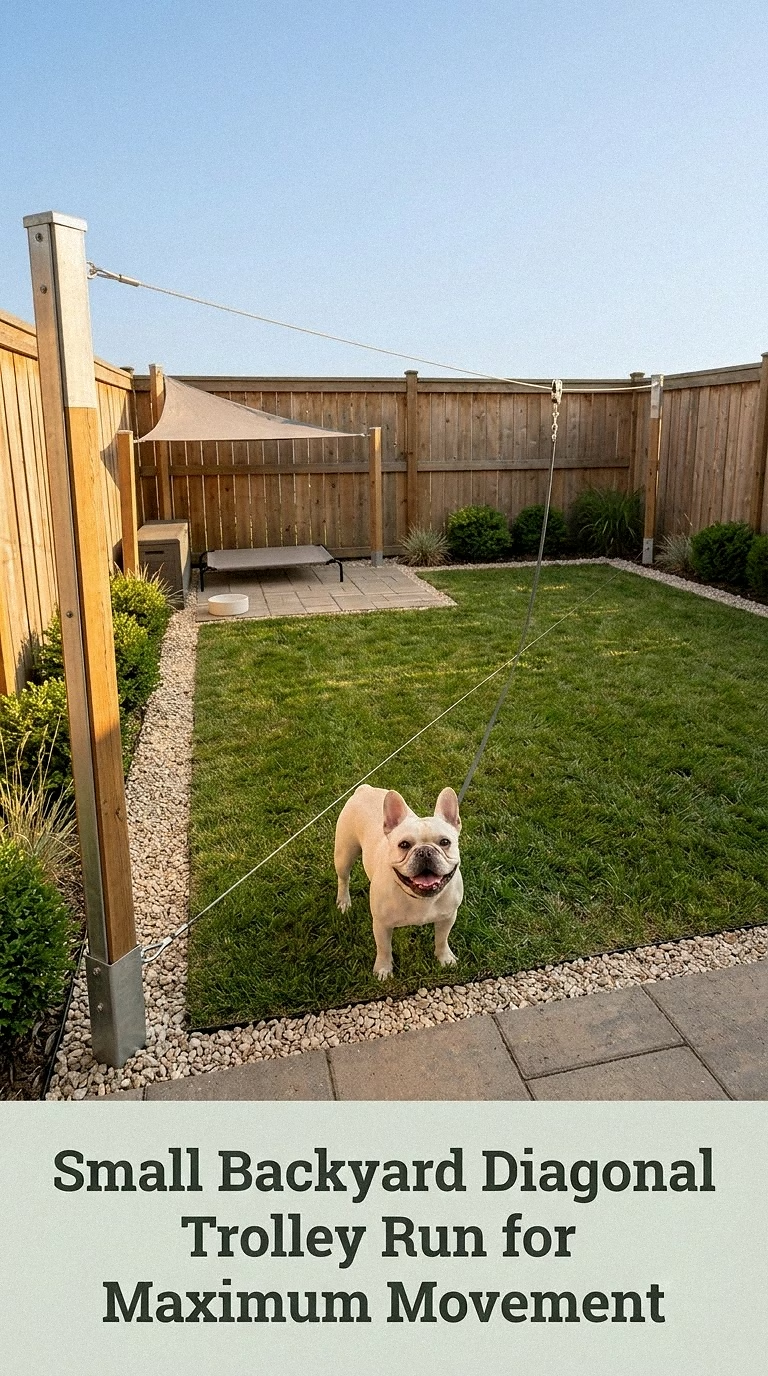
A tiny yard does not necessarily require a tiny travel path.
Instead of running the trolley parallel to a fence, consider whether a diagonal position across an open section of lawn can provide more useful movement. The layout can take advantage of the longest clear dimension available while leaving patios and garden beds untouched.
Before installation, map the dog’s full reachable area rather than considering only the overhead cable. Remove anything the lead could wrap around and keep the dog well away from fences where jumping or tangling could become dangerous.
Visually, keep the design light with discreet posts, a simple lawn, and perhaps one small shaded resting station.
It is a practical way to make a compact suburban yard work harder without filling it with permanent structures.
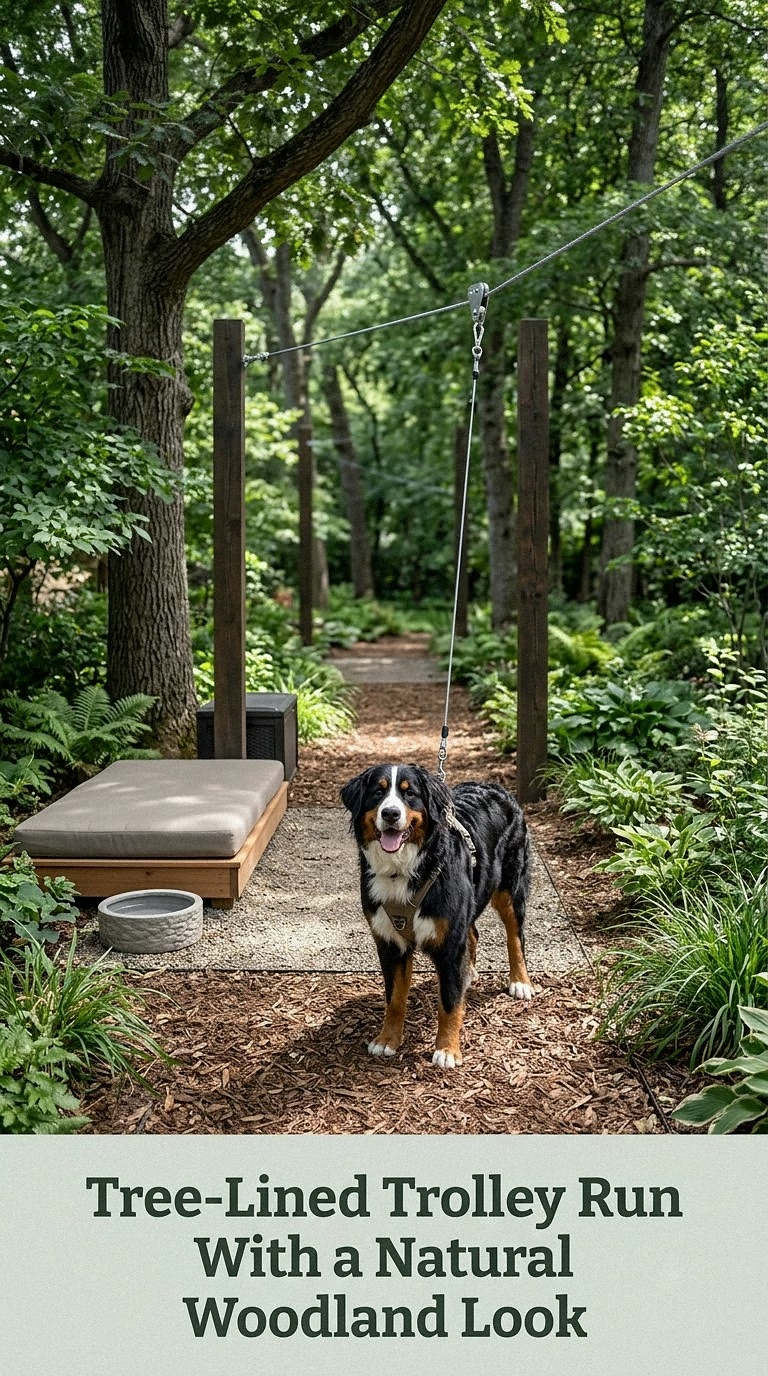
Tree-Lined Trolley Run With a Natural Woodland Look
Read more : 18 Covered Dog Run Ideas Backyard Pet Lovers Will Want to Copy
A wooded property can inspire a particularly beautiful trolley area.
Instead of fighting the landscape, create a clean running corridor through an open section beneath mature trees. Use a properly designed installation method that protects both the trees and the dog, following the trolley manufacturer’s anchoring requirements rather than improvising with thin wire or hardware that could damage bark.
Clear fallen branches, exposed hazards, thorny vegetation, and obstacles from the dog’s reachable area.
A layer of maintained grass or comfortable natural groundcover keeps the space feeling organic, while the surrounding trees provide an attractive woodland backdrop.
Remember that tree shade changes with the sun and seasons, so make sure the dog still has reliable shelter and fresh water whenever the run is being used.
Gravel and Paver Trolley Run for Muddy Backyards
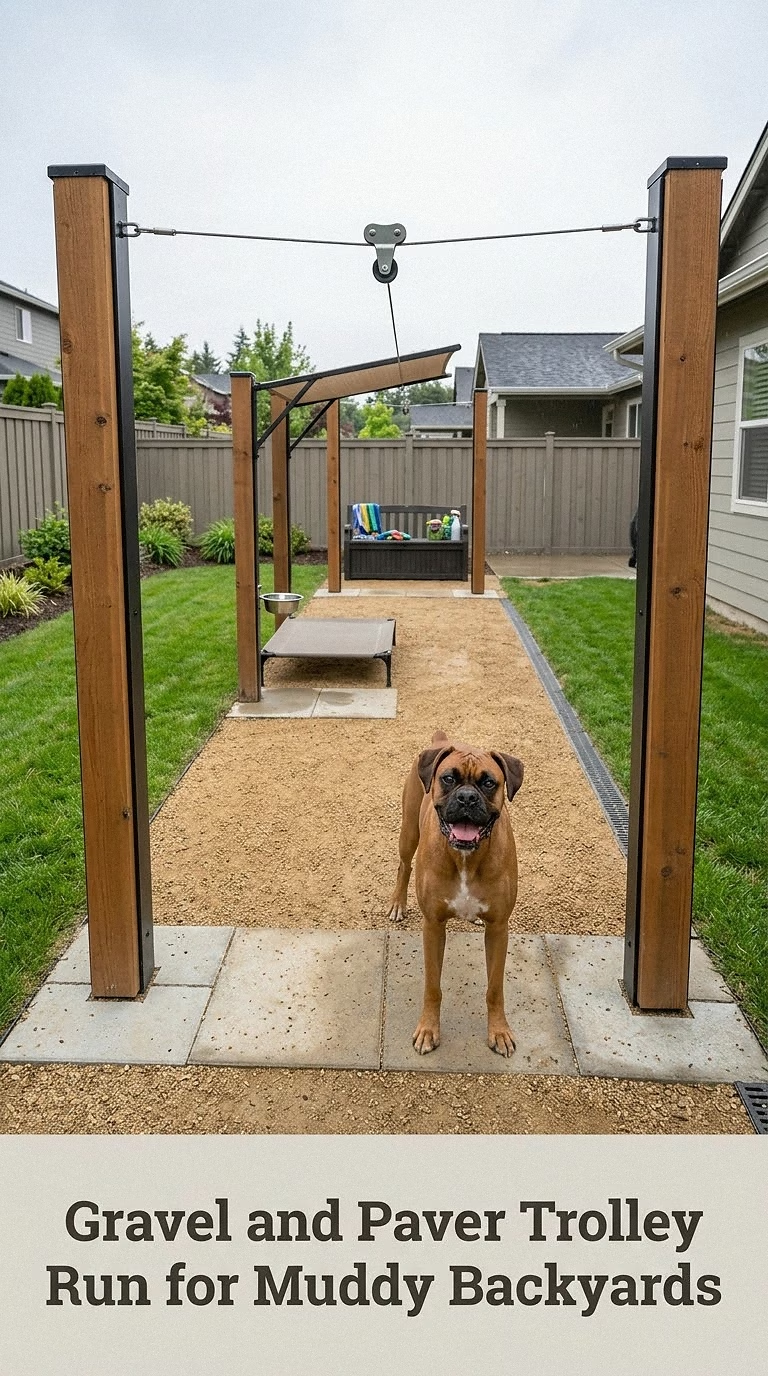
If your dog turns the lawn into a muddy track after every rainstorm, rethink the surface underneath the trolley.
Create a durable pathway using smooth, paw-friendly gravel combined with large stepping pavers or another well-draining outdoor surface. The design can visually resemble a landscaped garden path while making cleanup considerably easier.
Avoid sharp stone, loose construction debris, or surfaces that become excessively hot. Include softer resting areas where your dog can lie down comfortably instead of expecting them to spend the entire session on hard material.
A narrow drainage border can help direct runoff away from the path.
This setup is especially useful in rainy climates or shaded yards where grass struggles to recover from repeated canine traffic.
Shade Sail Trolley Run for Sunny Open Yards
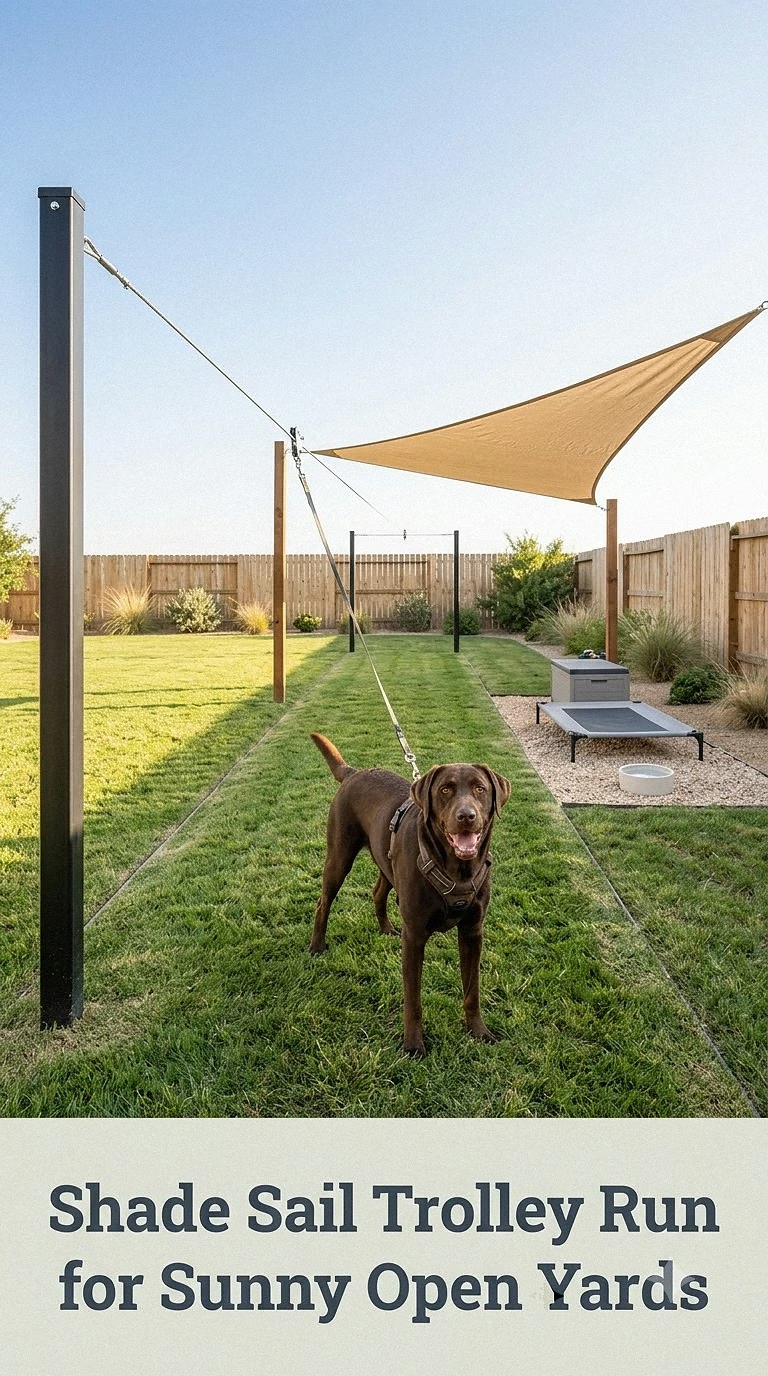
A wide-open lawn may provide plenty of running room but very little protection from summer sun.
Introduce a large shade sail over a portion of the travel area to create a stylish cooling station. Neutral sand, cream, sage, or terracotta fabric can coordinate with your home’s exterior while making the run look like part of a thoughtfully designed outdoor living space.
Position the shade so the dog can comfortably reach it without the tether interacting with its supports. Keep the water bowl underneath or near the shaded zone and check the area at different times of day because the shadow will move.
On very hot or humid days, the safest choice may still be keeping your dog indoors regardless of how pretty the outdoor setup looks.
Covered Deck-Side Trolley Run With an Outdoor Dog Lounge
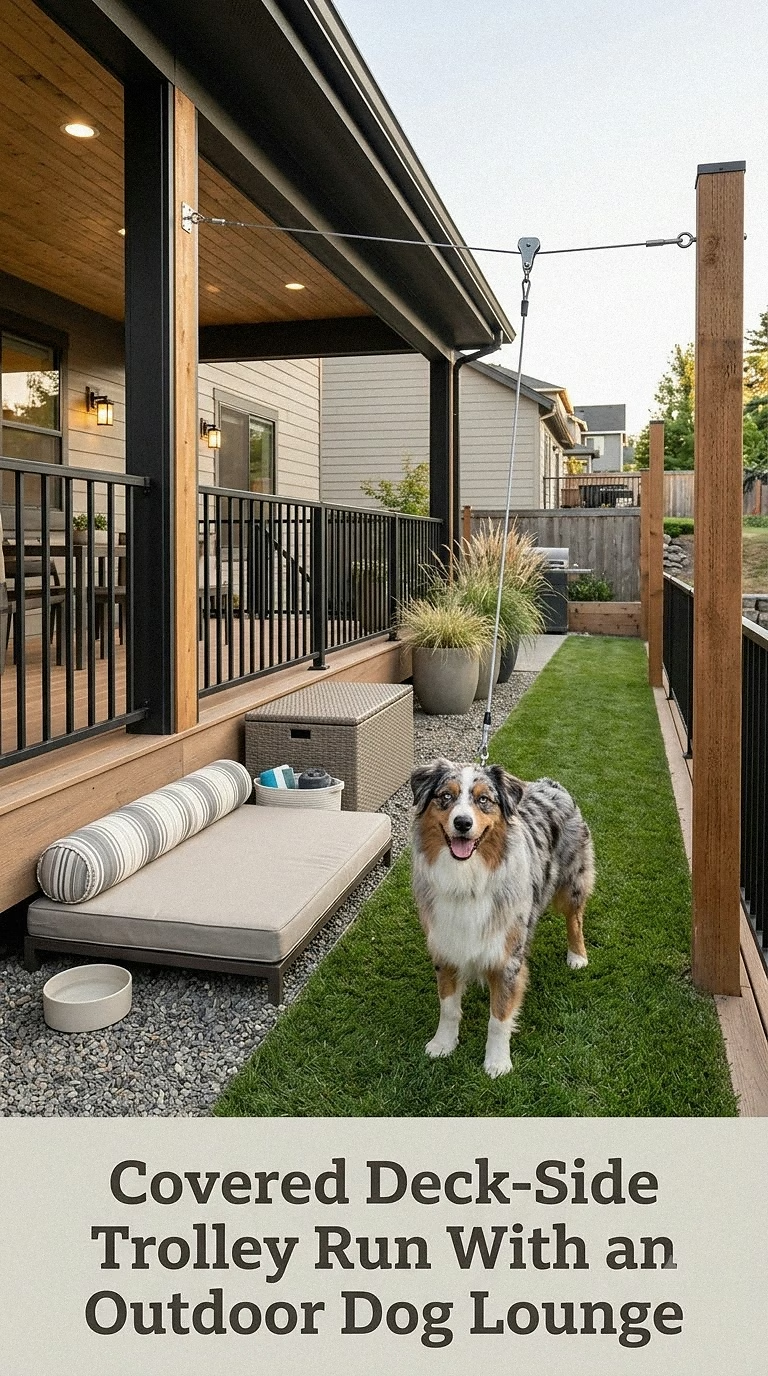
If your family spends a lot of time on the deck, position a trolley lane beside it so your dog can enjoy the backyard nearby without being directly in the dining or grilling area.
Create an open grassy travel path with a shaded resting spot close to the deck. A washable dog mat, secured water bowl, and neutral outdoor textiles can visually connect the pup’s area to your patio décor.
Keep the actual trolley radius away from deck stairs, railings, furniture legs, grills, fire pits, and other structures that could create entanglement or burn risks.
This layout works especially well for dogs who enjoy watching their people.
It creates a feeling of togetherness while preserving a clearly organized space for outdoor relaxation.
Garden-Edge Trolley Run With a Flower Border Beyond the Reach Zone
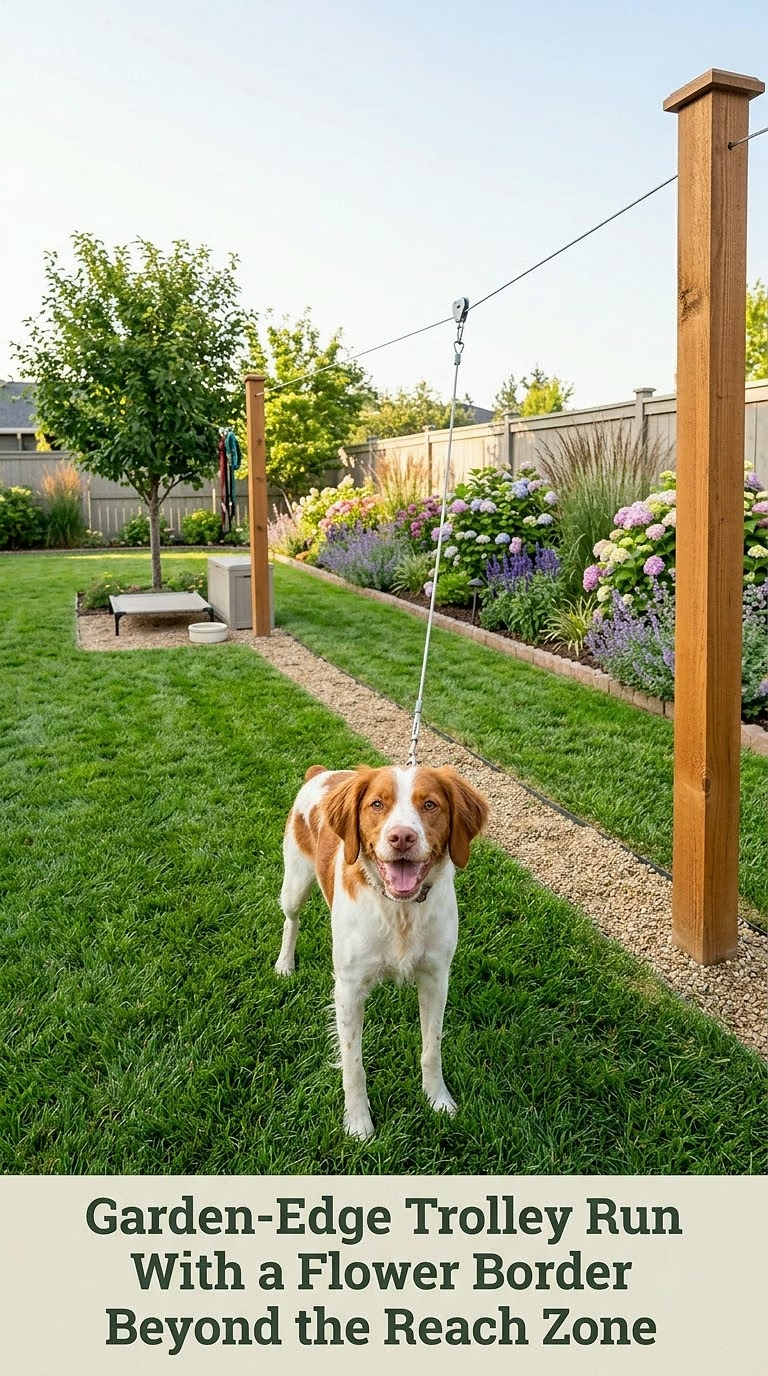
A dog run and a beautiful garden can coexist when the boundaries are carefully planned.
Leave the trolley lane open and uncluttered, then create a colorful planting bed beyond the dog’s maximum reachable area. Soft pink flowers, lavender tones, greenery, and ornamental foliage can transform an otherwise plain strip of lawn into a lovely Pinterest-worthy backyard scene.
Select non-toxic, pet-conscious landscaping and avoid plants with thorns, irritating sap, dangerous berries, or seed heads that can cause problems for dogs.
Low decorative edging can define the garden visually, but it should remain far enough away that the dog’s lead cannot catch on it.
This approach provides the lush cottage-garden look many homeowners love while protecting the clear movement zone a trolley system needs.
Budget-Friendly DIY Trolley Run With Simple Wood Posts
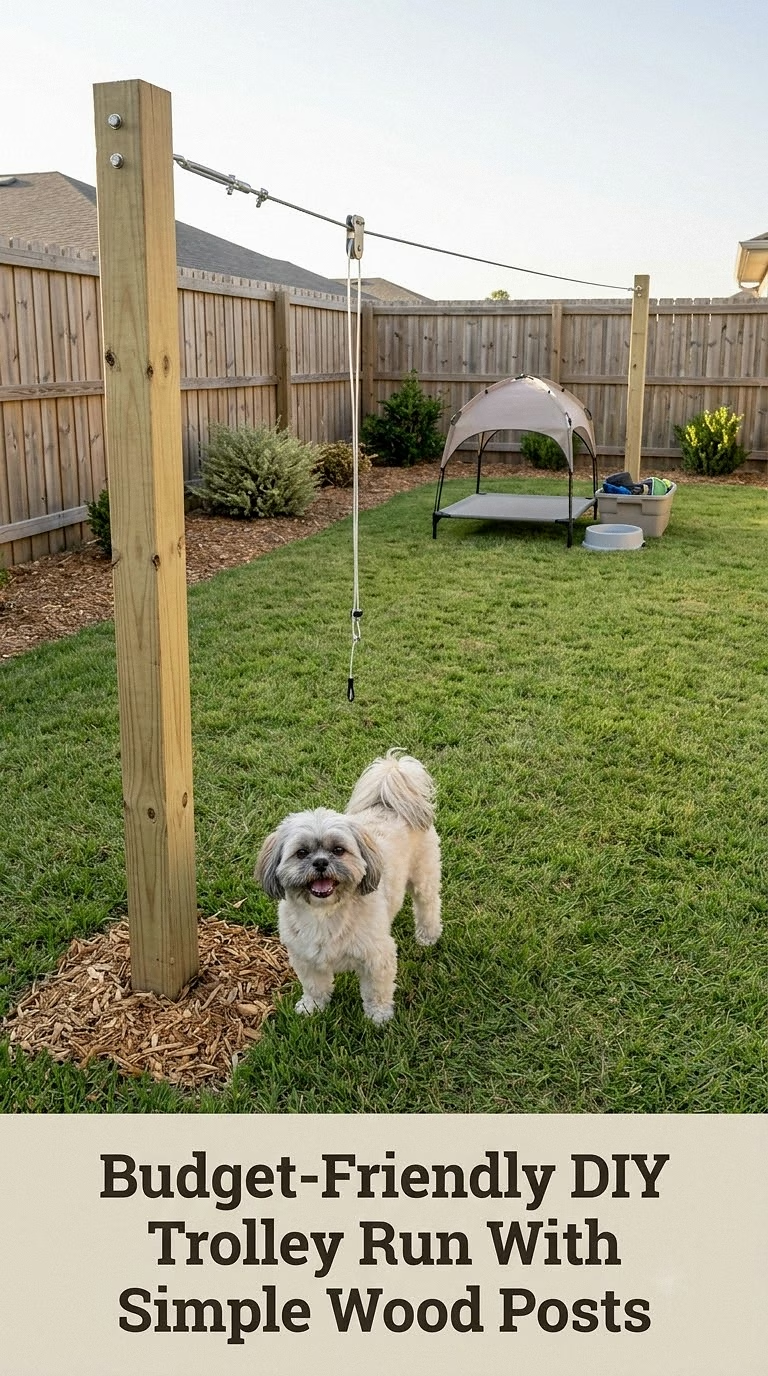
A practical trolley area does not require an elaborate landscaping renovation.
Start with a simple open section of lawn and a minimal pair of appropriately installed posts. Choose a trolley system rated for your dog’s size and follow its installation instructions carefully rather than piecing together unknown hardware simply because it is inexpensive.
You can make the surrounding space attractive with affordable touches such as fresh mulch outside the travel zone, a washable outdoor mat, a basic shade canopy, and an easy-to-clean water bowl.
Natural unfinished-looking wood creates a warm aesthetic without expensive decorative work.
Spend your budget where it matters most: secure anchoring, reliable hardware, adequate shade, and comfortable surfaces. Decorative accessories can always be added later.
Large Backyard Trolley Lane With a Wide Open Exercise Zone
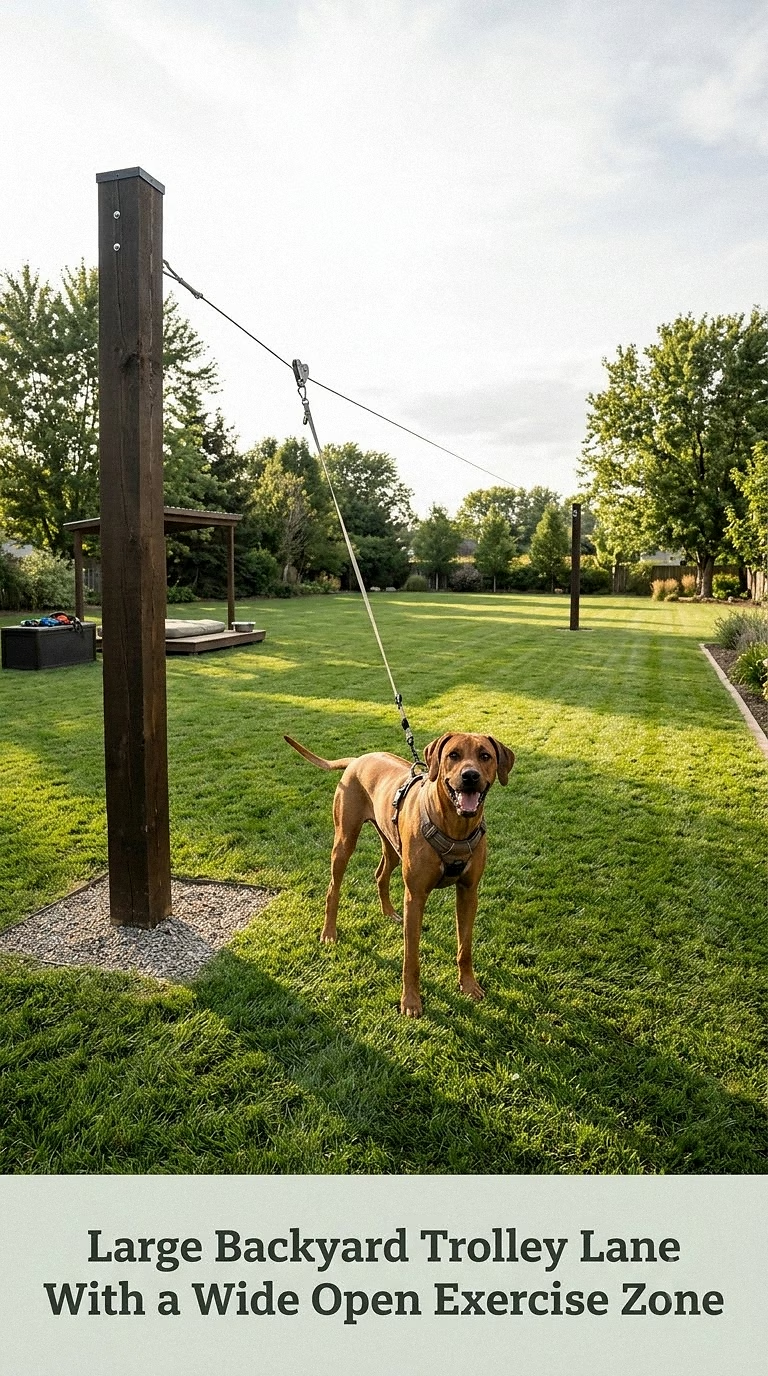
A spacious property gives you the opportunity to create a generous, uncluttered travel lane surrounded by open lawn.
Rather than placing the line near fences or outbuildings, use a broad central area where the dog’s accessible path can remain free from trees, lawn furniture, garden equipment, and other obstacles.
Large-breed dogs can build considerable momentum, making strong, correctly rated hardware and secure installation particularly important. Inspect connection points frequently for wear, corrosion, loosening, or damage.
Read more : 19 Dog Run Fence Ideas for a Safe and Stylish Backyard
A substantial shaded resting station at one end can include fresh water and a durable outdoor bed.
Keep in mind that even a long trolley does not replace walks, training, sniffing adventures, interactive games, or free movement in securely fenced spaces. Think of it as one additional backyard option rather than the dog’s primary exercise program.
Separate Side-by-Side Trolley Runs for a Multi-Dog Household
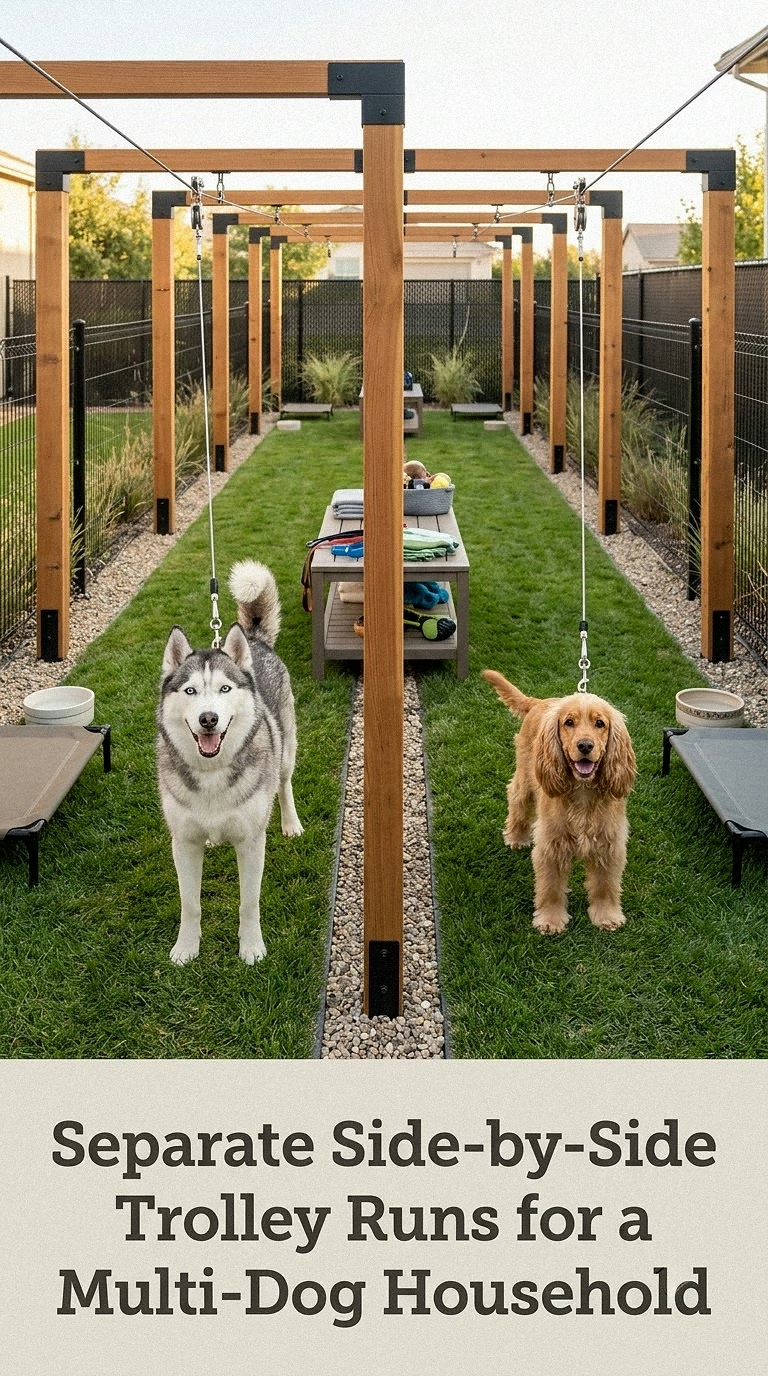
Two dogs do not need to share the same trolley line to enjoy time outside together.
If your property allows it, create two clearly separated parallel travel areas with independent hardware and enough distance between them that the leads cannot cross or wrap around each other.
The visual design can still feel coordinated. Match the posts, use identical shade structures, and place two water stations beneath a central-looking canopy while maintaining safe separation.
This symmetrical layout can look particularly attractive in a large rectangular yard.
Supervision is essential when multiple dogs are outside, especially if they become excited around each other. Dogs should never be connected to the same moving tether or allowed to tangle together.
The goal is companionship without creating overlapping restraint lines.
Coastal-Inspired Trolley Run With Sand-Tone Gravel and Blue Accents
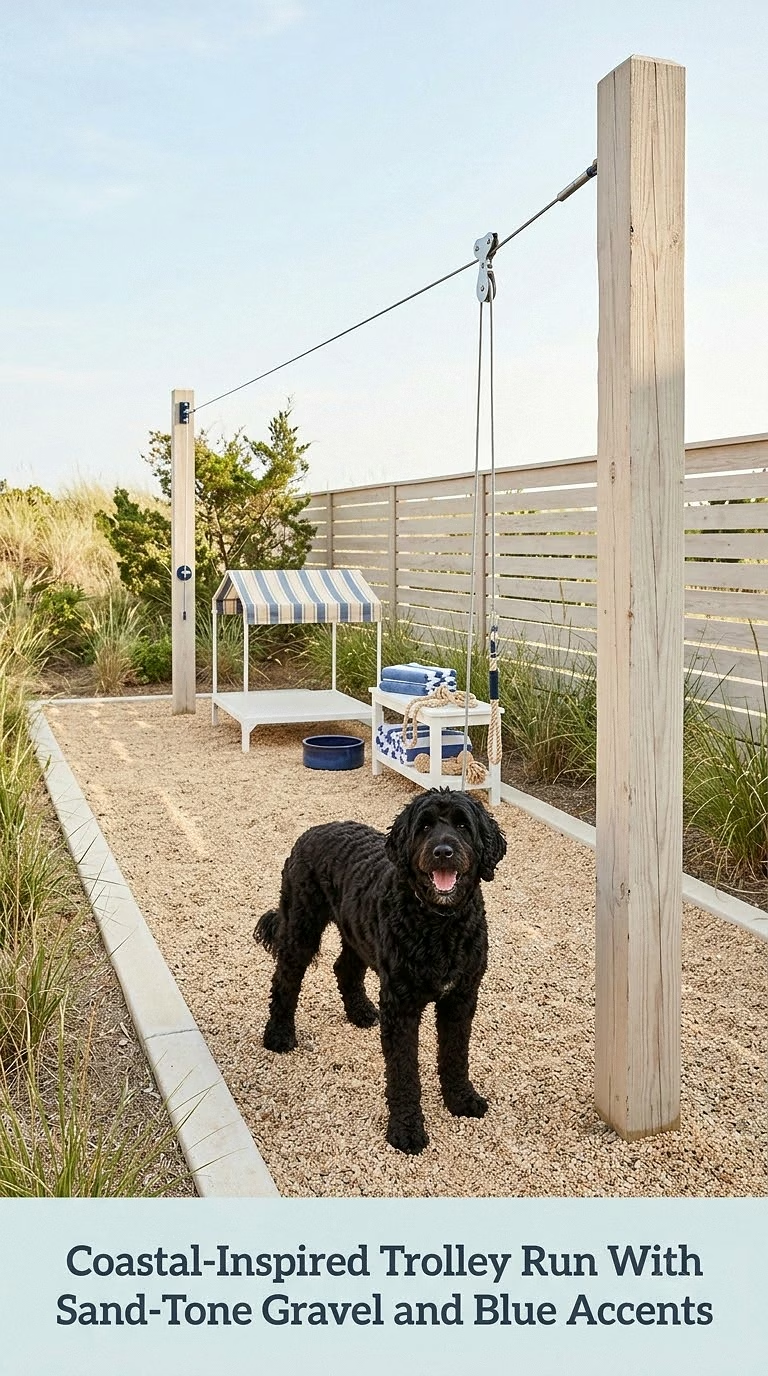
Give a functional outdoor area a breezy coastal personality with pale natural materials and subtle blue accents.
Use light-colored gravel or another comfortable, climate-appropriate surface around portions of the run, paired with natural wood posts and a soft blue shade canopy. A navy or aqua water bowl and a striped outdoor mat can continue the seaside palette without cluttering the dog’s movement area.
Keep accessories concentrated in the resting zone rather than scattered along the travel path.
In sunny coastal regions, heat deserves special attention. Pale surfaces may reduce some heat absorption compared with very dark materials, but every ground surface should still be checked before your dog spends time on it.
The finished look feels airy, relaxed, and perfect beside a beach cottage or light-colored home.
Rain-Sheltered Trolley Run With a Clear Roof Resting Station
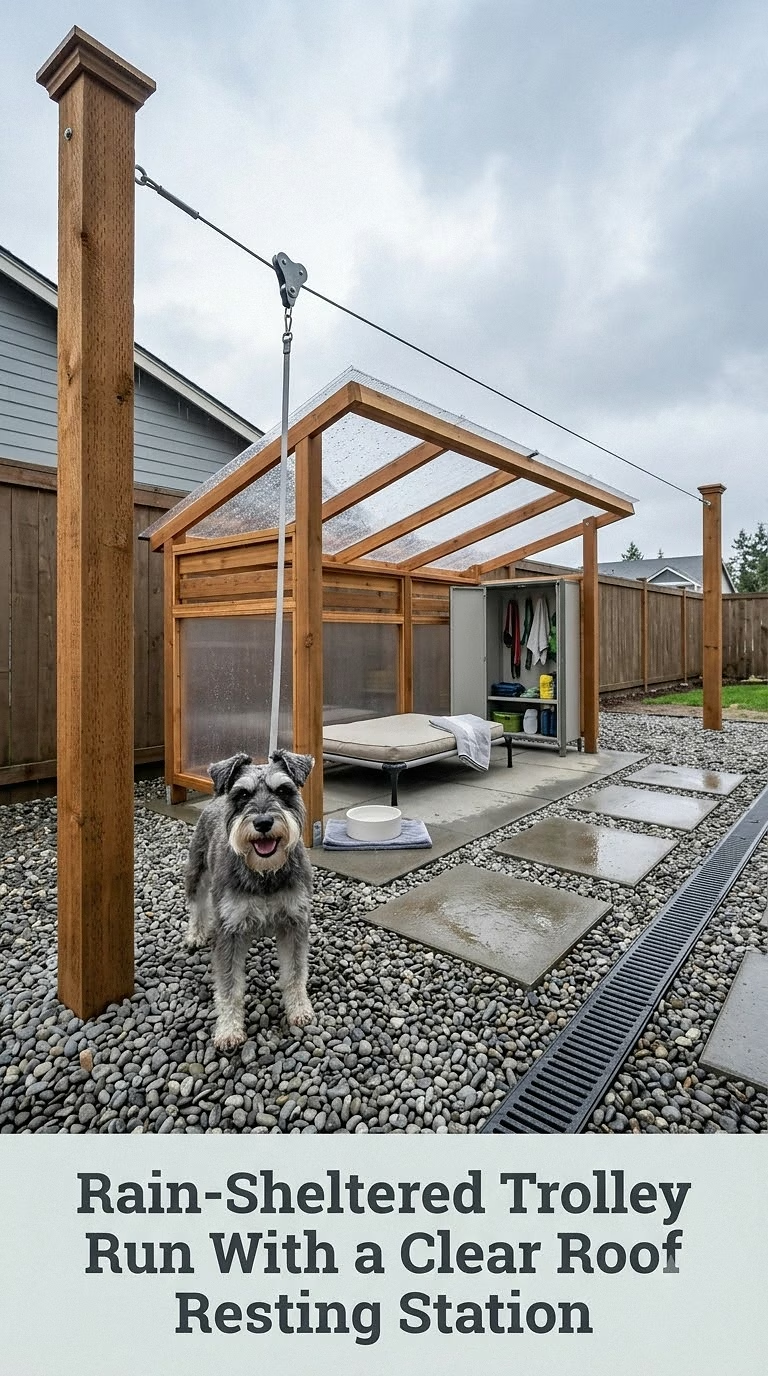
Frequent drizzle does not have to turn outdoor time into a soggy experience.
Create a small roofed resting station beside an open trolley lane using a simple lean-to-style cover, pergola roof, or weather-resistant canopy. A transparent or lightly tinted roof can maintain brightness while protecting part of the area from rain.
Keep supporting posts and roof edges outside the lead’s path so they cannot become wrapping points.
Underneath, add a raised washable mat or elevated dog cot that dries quickly. A drainage-friendly surface around the station prevents water from pooling after storms.
This setup is especially practical for regions with long wet seasons, although severe storms, strong winds, lightning, extreme temperatures, and other hazardous weather are reasons to bring your dog indoors.
Privacy-Screened Trolley Run for Busy Neighborhoods
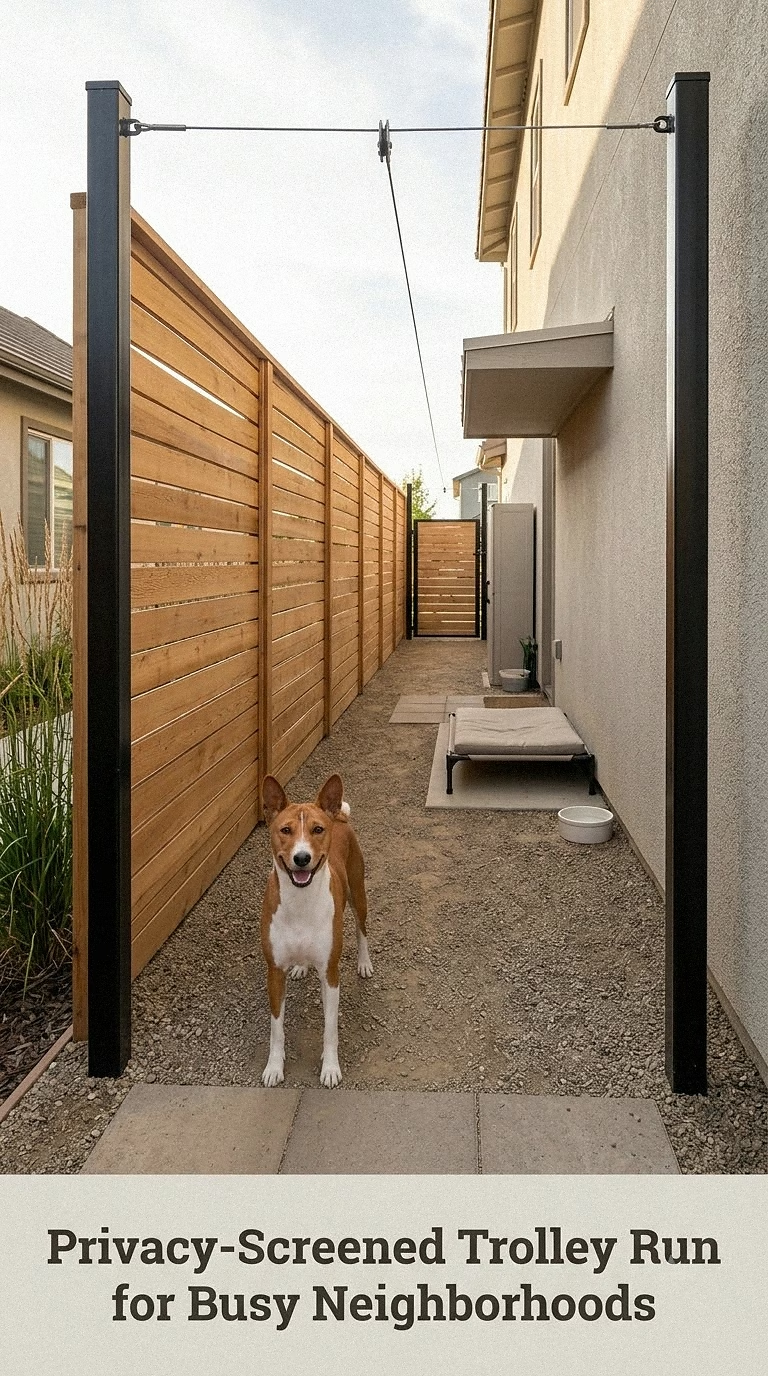
Some dogs become overstimulated when they can constantly see pedestrians, neighboring pets, bicycles, or traffic.
If your yard borders a busy area, consider adding a visual privacy screen outside the trolley’s reach. Wood slats, dense pet-safe landscaping, or attractive screening panels can make the space feel calmer while also improving the appearance of your backyard.
Maintain generous clearance between the dog’s travel area and the screen. A tethered dog should never be able to jump against or over a fence-like structure while attached.
Combine the screen with a quiet resting corner, shade, and water for a peaceful retreat.
For dogs that react strongly to outdoor triggers, environmental design can help, but it should be paired with appropriate training and management rather than relying on restraint alone.
Minimalist Trolley Run With a Hidden Storage Bench Nearby
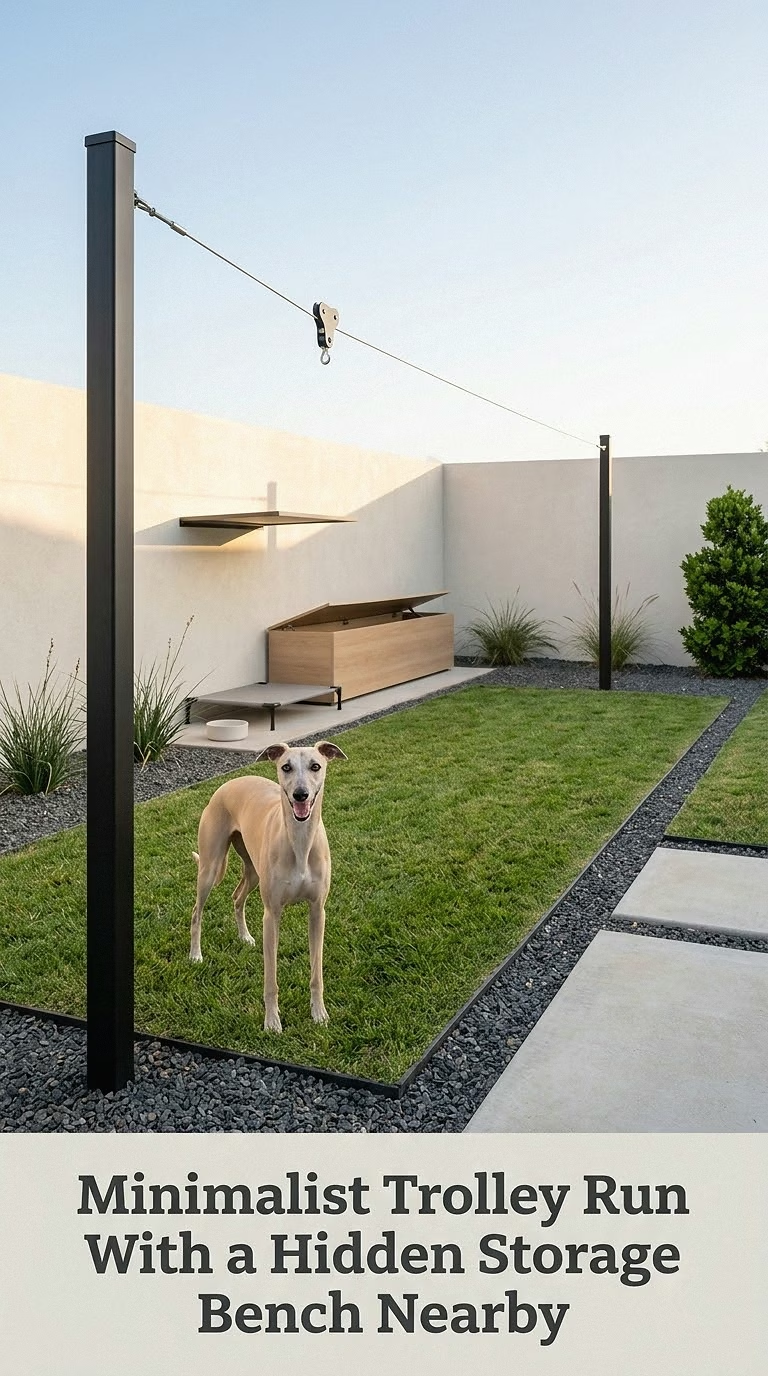
Keep your backyard looking neat by giving all the trolley accessories a dedicated storage home.
Place a weather-resistant storage bench safely beyond the dog’s reachable area and use it for the harness, supervised outdoor toys, towels, waste bags, cleaning supplies, and spare equipment.
The actual run can remain beautifully simple: trimmed grass, dark posts, an understated overhead line, a water bowl, and one comfortable resting mat.
Neutral colors such as warm beige, black, olive, and natural wood help the equipment blend into a modern landscape.
After each session, accessories can disappear into the storage bench instead of accumulating around the patio.
This is an excellent choice for homeowners who want the practical benefits of a trolley run without allowing pet gear to visually dominate a carefully styled backyard.
Choosing the Best Dog Trolley Run Ideas for Your Space
The most successful dog trolley run ideas are not necessarily the biggest or most elaborate. They are the ones designed around the individual dog, the shape of the yard, the local climate, and the way the family actually spends time outdoors.
A narrow side-yard path may be perfect for one home, while another backyard might benefit from a pergola-covered run surrounded by beautiful landscaping. Whatever style you choose, begin with the safety zone first. Keep the dog’s entire reachable path open, use properly rated and maintained equipment, provide dependable shade and fresh water, supervise outdoor sessions, and check your local rules before installing the system.
Once those practical details are handled, you can have fun with the design. Natural wood, modern black posts, cottage gardens, gravel pathways, shade sails, and cozy resting areas can turn a basic trolley setup into a thoughtful part of your landscape.
Choose the idea that fits your space, adapt the colors and materials to your home, and create an outdoor spot where your dog can comfortably sniff, watch, rest, and enjoy being close to the people they love.
Source: https://petstutorial.com
Category: Dog Kennels Runs
